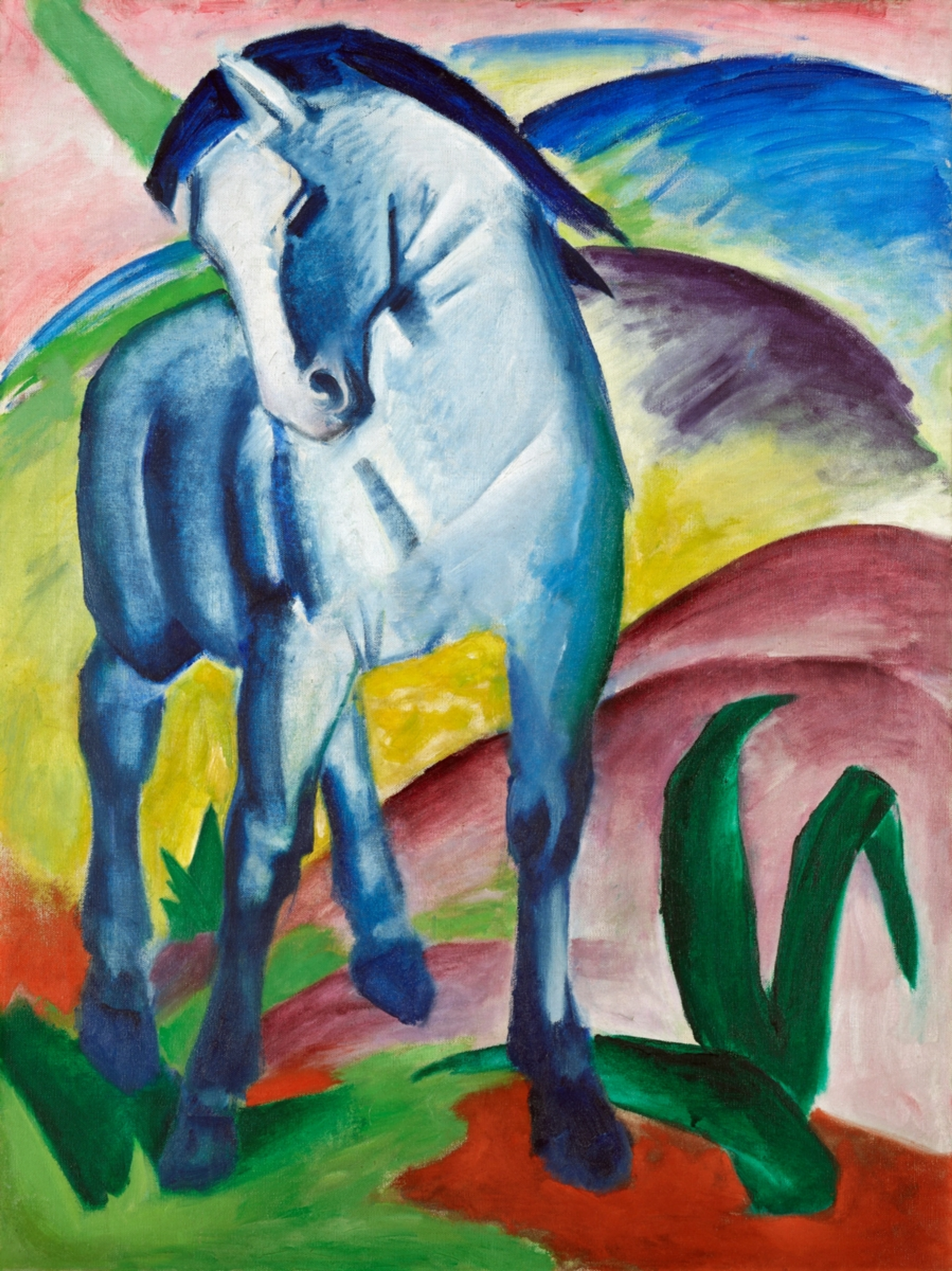
Unlocking Art History: Your Ultimate Guide to Movements, Styles & Their Evolution
Navigate centuries of Western art with this definitive guide. Discover key movements, iconic artists, and the profound societal shifts that shaped humanity's creative journey. Your accessible art history resource starts here.

Unlocking Art History: Your Ultimate Guide to Movements, Styles & Their Evolution
Ever felt like stepping into a vast, ancient library without a map, surrounded by countless books labeled with strange, bewildering codes? That's often how art history can feel: a puzzle box overflowing with dates, names, and all those confusing 'isms' – those suffixes indicating a distinct doctrine, system, or practice, like Impressionism or Cubism. My own journey through it certainly had its moments of head-spinning confusion, probably much like yours if you’ve ever typed 'art history timeline for beginners' or 'major art movements explained easily' into a search bar. But what if I told you it doesn't have to be that way? What if we could walk through it together, as if we’re strolling through the grandest museum, stopping at each pivotal moment to truly see what happened and understand the deep, almost inevitable connections? We're going to unlock that puzzle box right here, and in doing so, I promise you'll find a richer, more accessible story than you ever imagined. This article aims to be your ultimate, comprehensive guide, a definitive resource to understanding the grand narrative of Western art.
My personal 'aha!' moment came when I realized that understanding these art movements isn't just about memorizing facts; it's about connecting with the human story behind them – the shifts in thought, the leaps of imagination, and the powerful reactions that shaped them. That's precisely what we're going to do here, crafting an easy-to-scan, yet deeply engaging and authoritative timeline of major art movements. Think of this as your personal, comprehensive guide to understanding the big picture, the 'why' behind the 'what.' And trust me, once you grasp these connections, the art world opens up in the most exhilarating and deeply relevant ways.
So, what exactly is an art movement? Simply put, it's a shared approach or philosophy to art-making that characterizes a group of artists during a specific period. These movements often emerge as a direct reaction against established artistic norms, pushing the boundaries of what art can be and do, reflecting the prevailing cultural, social, and philosophical currents of their time.

How Art Movements Evolve: A Personal Reflection on the Dialogue
Looking back at this whirlwind tour, I can't help but marvel at how interconnected these movements truly are. It's rarely a clean break; instead, it's a constant, dynamic dialogue – a vibrant conversation across centuries. You see it over and over: Neoclassicism, with its call for order and moral rectitude, directly reacts to Rococo's playful excess and perceived frivolity, much like a stern teacher correcting a whimsical student who's had a bit too much fun. Rococo, after all, emerged partly from a desire to escape the Baroque's intense drama into something more intimate and light, so the pendulum swings.
Then Romanticism bursts forth from Neoclassicism's strictures, valuing raw emotion and the sublime power of nature, just as a passionate individual might reject cold logic for fervent feeling. Realism grounds us again, insisting on the unvarnished truth of everyday life, before Impressionism dares to see light and fleeting moments in an entirely new way, liberating color and brushwork – a shift made possible in part by new technologies like pre-packaged paint tubes and portable easels. This was a radical departure from the detailed, academic painting that dominated the institutional Salons.
Post-Impressionism builds on that seeing to delve into intensely personal visions, leading to the explosive colors of Fauvism and the emotional depths of Expressionism. Cubism fractures our perception, Dada rebels against all meaning, Surrealism mines our dreams, and Abstract Expressionism channels pure, raw feeling, often in reaction to the trauma of global conflict. Each movement either builds upon, reacts against, or entirely redefines what came before, creating a rich, evolving tapestry of human creativity.
It's a bit like a family tree, full of influences, sibling rivalries, and unexpected offspring, all pushing the boundaries of what art can be. This historical progression isn't just a list of 'isms'; it's a continuous exploration of humanity's changing perspectives, challenges, and desires, often influenced by new technologies (like perspective in the Renaissance, photography in Realism, or digital tools in Contemporary Art) or profound societal shifts. I find it endlessly fascinating how artists, across centuries, keep finding new ways to ask old questions, constantly expanding our visual vocabulary and challenging our perceptions. Understanding this evolution helps us see contemporary art not as a random collection of new ideas, but as a continuation of these ongoing conversations, enriched by millennia of artistic experimentation. It helps us appreciate the "why" behind a new piece you might see in a gallery or even the art that graces the walls of your city.
To truly grasp this dynamic dialogue, we first need to set the stage with the foundational periods that laid the groundwork for everything that followed.
Before the Rebirth: Setting the Stage from Antiquity to the Medieval Canvas
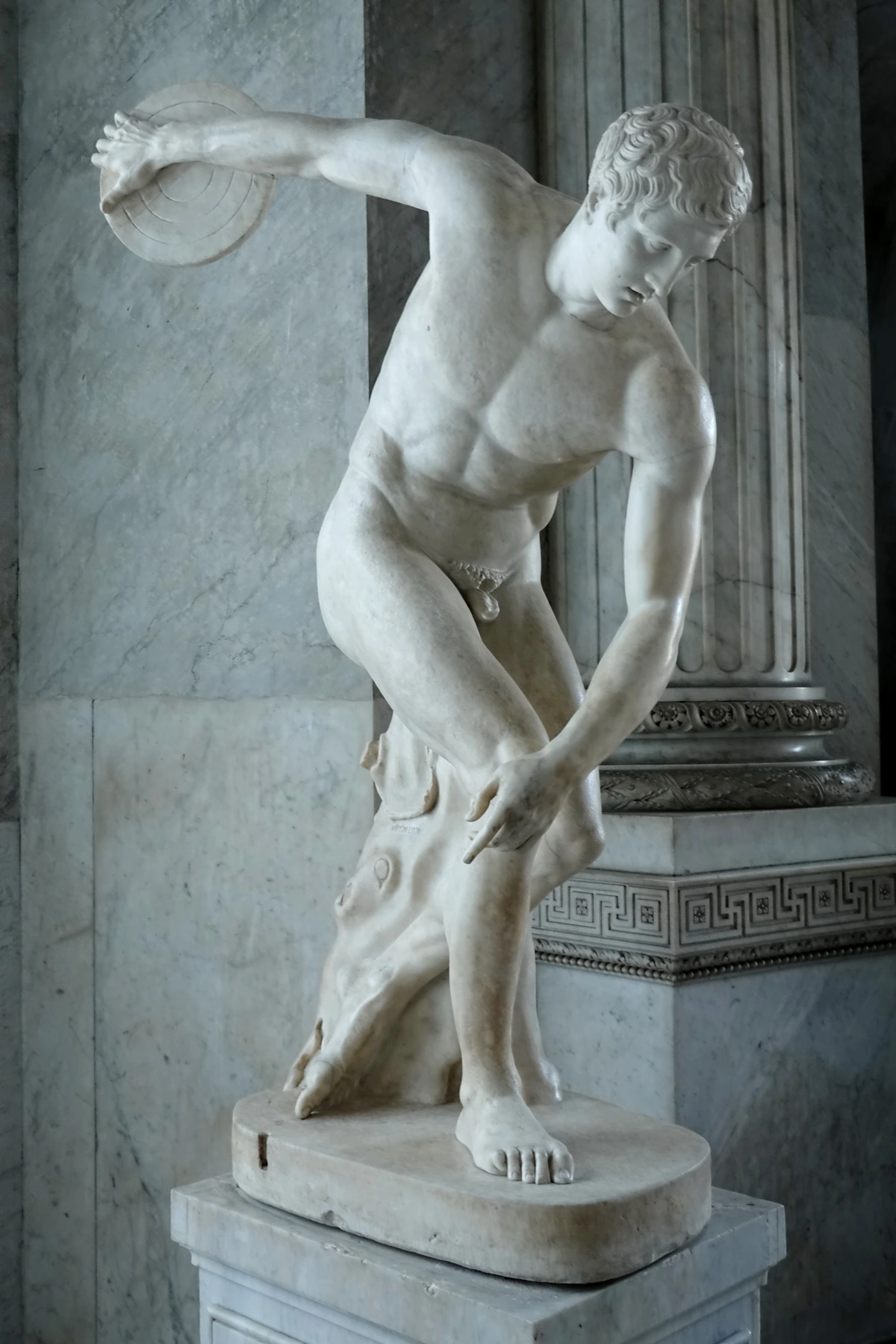
Before we dive into the grand spectacle of the Renaissance, it’s worth a more than fleeting glance backward. Because while we often begin art history with the Renaissance, art, in its myriad forms, existed for millennia before. From the ancient cave paintings of Lascaux to the monumental sculptures of ancient Egypt, the philosophical perfection of classical Greece, and the engineering marvels of Imperial Rome – these ancient civilizations laid the ultimate foundation, providing the forms, ideals, and even the materials that later artists would react against or draw inspiration from. For instance, the idealized human forms of Greek sculpture profoundly influenced the Renaissance's return to naturalism, while Roman architectural grandeur would echo in Neoclassical design. Understanding this deep past gives us context for everything that follows.
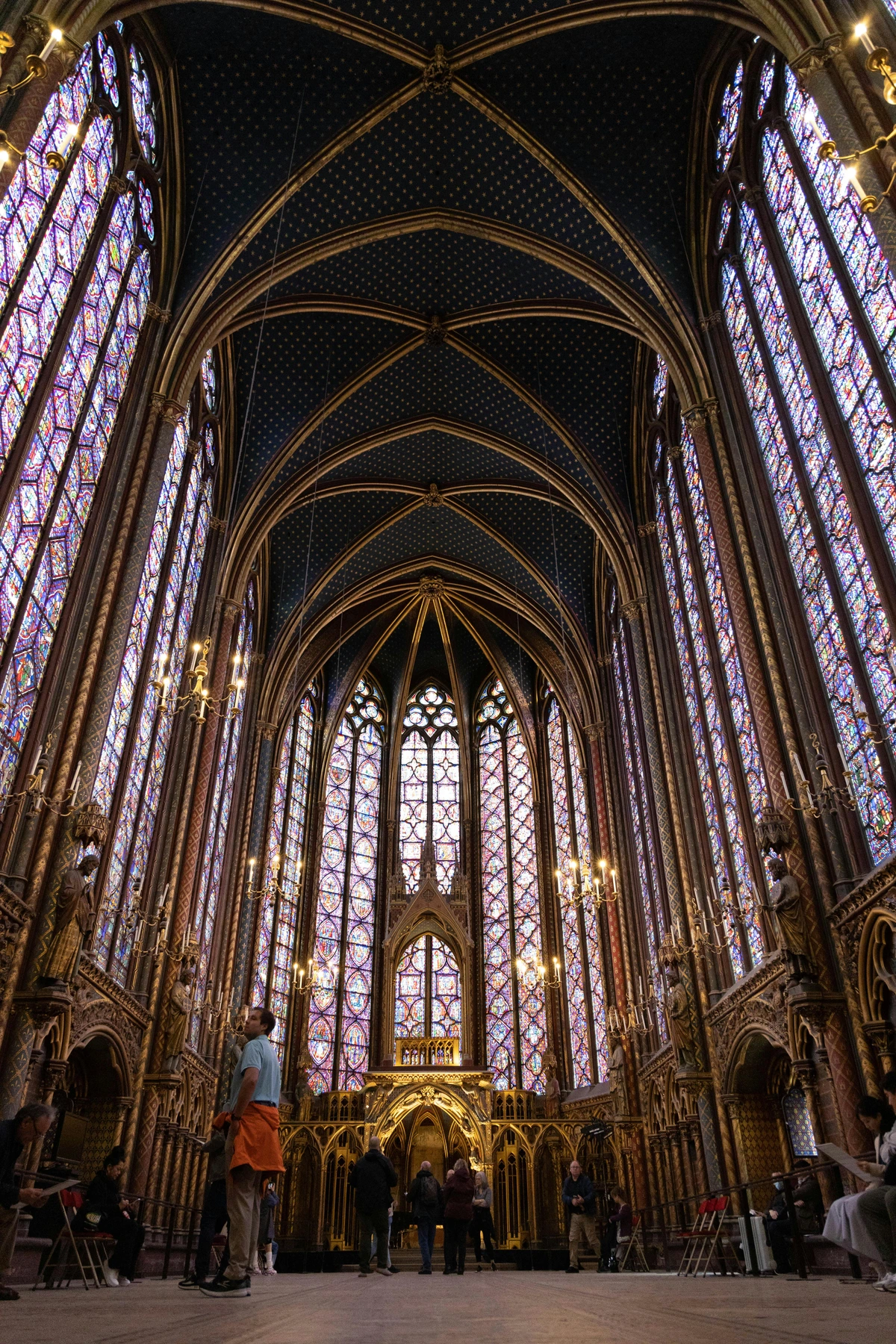
For roughly a thousand years leading up to the 14th century, art in Europe was largely defined by the Medieval period (c. 500-1400 CE). This era, spanning from the fall of the Roman Empire, was characterized by its deep religious focus, with art serving primarily to glorify God and instruct the faithful. Forget realism; the purpose was spiritual narrative and symbolic meaning. Think of the dazzling gold and intricate symbolism of Byzantine mosaics, the monumental carved portals of Romanesque churches, the soaring stained-glass windows and delicate statuary of Gothic cathedrals, or the illuminated manuscripts crafted in monasteries.
Earthly realism often took a backseat to spiritual narrative, though even within this, we see early glimmers of a shift towards greater naturalism in the Proto-Renaissance (c. 1200-1400 CE). Figures like Cimabue and most notably Giotto di Bondone began to experiment with perspective, emotional depth, and realistic rendering of the human form in their frescoes, a quiet revolution in depicting human feeling and space that foreshadowed the grandeur to come. But as societies began to shift, trade routes expanded, and new intellectual currents emerged, the stage was truly set for a dramatic transformation – a 'rebirth' that would redefine art entirely.
The Renaissance: Rebirth, Humanism, and a New Perspective (c. 1300-1600)
Prepare to be dazzled as we step back to the dawn of a new era: the magnificent Renaissance. This period, meaning 'rebirth' in French, truly revolutionized art, pulling it out of the perceived 'darkness' of the Middle Ages and placing humanity firmly at its center. I always imagine it as a sudden, glorious sunbeam piercing through clouds, originating primarily in the bustling city-states of Florence and Rome before spreading across Europe. Artists rediscovered classical Greek and Roman principles – emphasizing perspective (the illusion of depth on a flat surface), anatomy (the accurate depiction of the human body), proportion (harmonious size relationships), balance, and harmony – using them to create works of breathtaking realism and emotional depth.
This was a profound shift from a God-centered worldview to one that celebrated human potential, beauty, and individual experience, profoundly influenced by Humanism, a philosophical movement emphasizing human value, rationality, and agency. Powerful patrons like the wealthy Medici family in Florence and the Papacy in Rome heavily influenced this era, not just commissioning works but actively fostering artistic innovation and intellectual exchange. They understood art as a powerful tool for displaying wealth, prestige, and piety, leading to an explosion of creativity. This era also saw the rise of the artist as an individual genius, rather than merely a craftsman.
Before we fully embrace the drama of the Baroque, a quick nod to Mannerism (c. 1520-1600), a transitional style that emerged in the late Renaissance. Mannerism reacted against the harmonious ideals of the High Renaissance, favoring elongated forms, exaggerated poses, artificial colors, and complex, often unstable compositions. It was, in a way, a sophisticated bridge to the expressive intensity and drama that would follow in the Baroque, pushing the boundaries of realism for a more intellectual or emotional effect.
Key Figures:
- Leonardo da Vinci: Master of sfumato (a subtle blending of colors to create soft, hazy transitions) and psychological depth (e.g., his enigmatic Mona Lisa or emotional Last Supper).
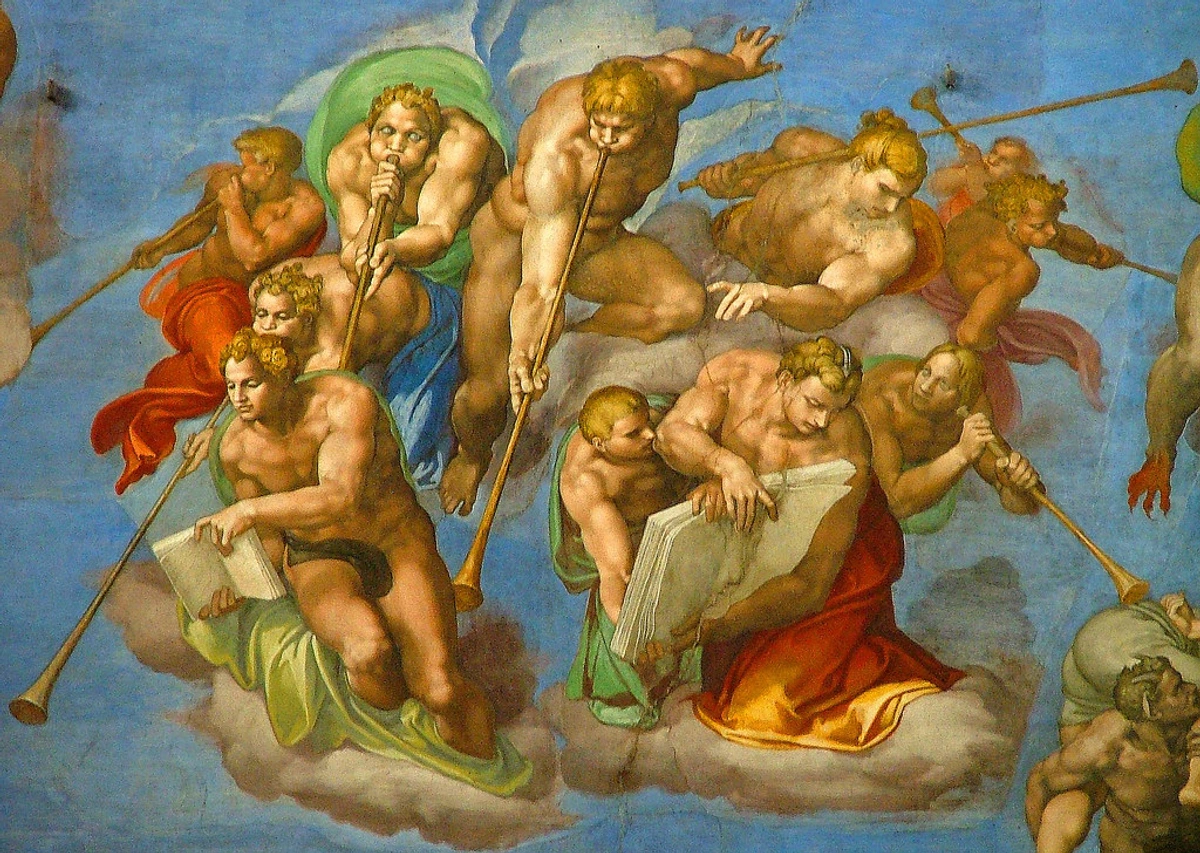
- Michelangelo: Sculptor of unparalleled anatomical precision and emotional power (e.g., his colossal David and the Sistine Chapel ceiling).
- Raphael: Renowned for his harmonious compositions and serene Madonnas.
- Donatello: Pioneer of early Renaissance sculpture, bringing unprecedented realism to figures like his bronze David.
- Sofonisba Anguissola: A trailblazing woman artist, celebrated for her portraits and her bold self-portraits that challenged gender norms, making powerful statements about artistic identity alongside other notable women artists like Lavinia Fontana and Caterina van Hemessen.
Key Characteristics:
- Humanism: A central focus on human potential, achievements, and a celebration of the individual.
- Realism & Naturalism: Depicting subjects accurately and true to life through meticulous observation and anatomical study.
- Perspective: Mastering the illusion of three-dimensional space on a two-dimensional surface.
- Classical Revival: Deep inspiration from ancient Greek and Roman art, philosophy, and architectural forms.
- Emotional Depth: Expressing profound human feelings with psychological insight.
Think of the awe-inspiring sculptures of Donatello and Michelangelo, or Leonardo da Vinci's enigmatic Mona Lisa and his emotional Last Supper. Michelangelo's colossal David, for instance, captures a moment of intense human focus and potential, a testament to the era's belief in human perfectibility and mastery over fate. It’s hard to imagine art without the foundation the Renaissance laid, its emphasis on human achievement and rational order echoing through centuries. If you want a deeper dive, my ultimate guide to Renaissance Art will take you right into the heart of it.
Baroque: Drama, Emotion, and Grandeur (c. 1600-1750)
Ah, the Baroque! After the classical balance and measured beauty of the Renaissance (and the sophisticated unease of Mannerism), this movement burst onto the scene with a flair for the dramatic, a love for opulence, and a deep sense of emotion. It was a direct reaction against the quiet contemplation of its predecessor, embracing heightened sensory experience and theatricality. I often describe it as the art world's grand theatrical performance, designed to overwhelm the senses and evoke a visceral response. My own experience walking into a Baroque church is always one of being swept off my feet – it's art that truly demands attention.
Everything became more intense: dynamic compositions, rich, saturated colors, deep shadows (hello, chiaroscuro – that dramatic, high-contrast play of light and shadow, often creating a spotlight effect!), and an overwhelming sense of movement. Often, this dramatic lighting intensified into tenebrism, where forms emerge from a pitch-black background as if lit by a single, harsh beam. This was art designed to awe and inspire, often used by the Catholic Church (during the Counter-Reformation, a direct and powerful response to the Protestant Reformation) and absolute monarchies (like those in France and Spain) to display power, piety, and wealth. The Church, in particular, sought to reassert its authority and inspire devotion by creating art that was emotionally direct, compelling, and visually stunning, contrasting with the austere simplicity favored by Protestants. Its influence also spread rapidly through colonial empires, leaving a monumental mark on regions like Latin America.
Key Figures:
- Caravaggio: Master of dramatic chiaroscuro and intense realism, bringing raw human drama to biblical scenes.
- Gian Lorenzo Bernini: Dominant sculptor and architect, renowned for his dynamic, emotional works that often dissolve the boundaries between sculpture and architecture.
- Rembrandt van Rijn: Dutch master of light, shadow, and psychological depth in portraiture, known for his ability to convey inner emotion through subtle expressions and masterful control of light.
- Artemisia Gentileschi: A leading female artist, celebrated for her powerful, emotionally charged depictions of women, often from biblical or mythological narratives, infused with personal experience and a unique, feminist perspective.
Key Characteristics:
- Drama & Emotion: Intense, theatrical, and moving compositions designed to evoke strong feelings.
- Grandeur & Opulence: Lavish ornamentation, rich materials, and monumental scale to impress and inspire.
- Chiaroscuro & Tenebrism: Strong contrasts between light and dark, often with stark, dramatic illumination, where forms emerge from deep shadow.
- Movement & Energy: Dynamic and energetic compositions, often employing swirling or diagonal lines to create a sense of action and instability.
- Religious & Monarchical Patronage: Art served as powerful propaganda for the Catholic Church and absolute states, designed to inspire faith and awe.
Artists like Artemisia Gentileschi brought an incredible emotional honesty and intensity to their work, something I deeply admire. Her depictions of strong women, often in moments of crisis or triumph, are still incredibly resonant. Then there's the master of light, Rembrandt van Rijn, whose self-portraits strip bare the human soul with such incredible depth. The Baroque taught us that art could be a powerful, emotional force, not just a window into reality, its influence evident in everything from modern cinema's dramatic lighting to grand architectural spectacles. My ultimate guide to Baroque art offers a more expansive exploration.
Rococo: Playfulness, Pleasure, and Delicate Elegance (c. 1700-1780)
From the dramatic heft and weighty statements of the Baroque, we slip into the delightful lightness of Rococo. This movement is like the art world's flirtatious whisper, a complete contrast to its predecessor, reacting against Baroque grandiosity and towards intimacy, charm, and gaiety. My personal image for Rococo is a secret garden party, all charm and gentle intrigue. Forget grandiosity; Rococo, deriving its name from the French words rocaille (rock-work) and coquille (shell), is all about elegance, gaiety, and a charming, almost whimsical, sensuality.
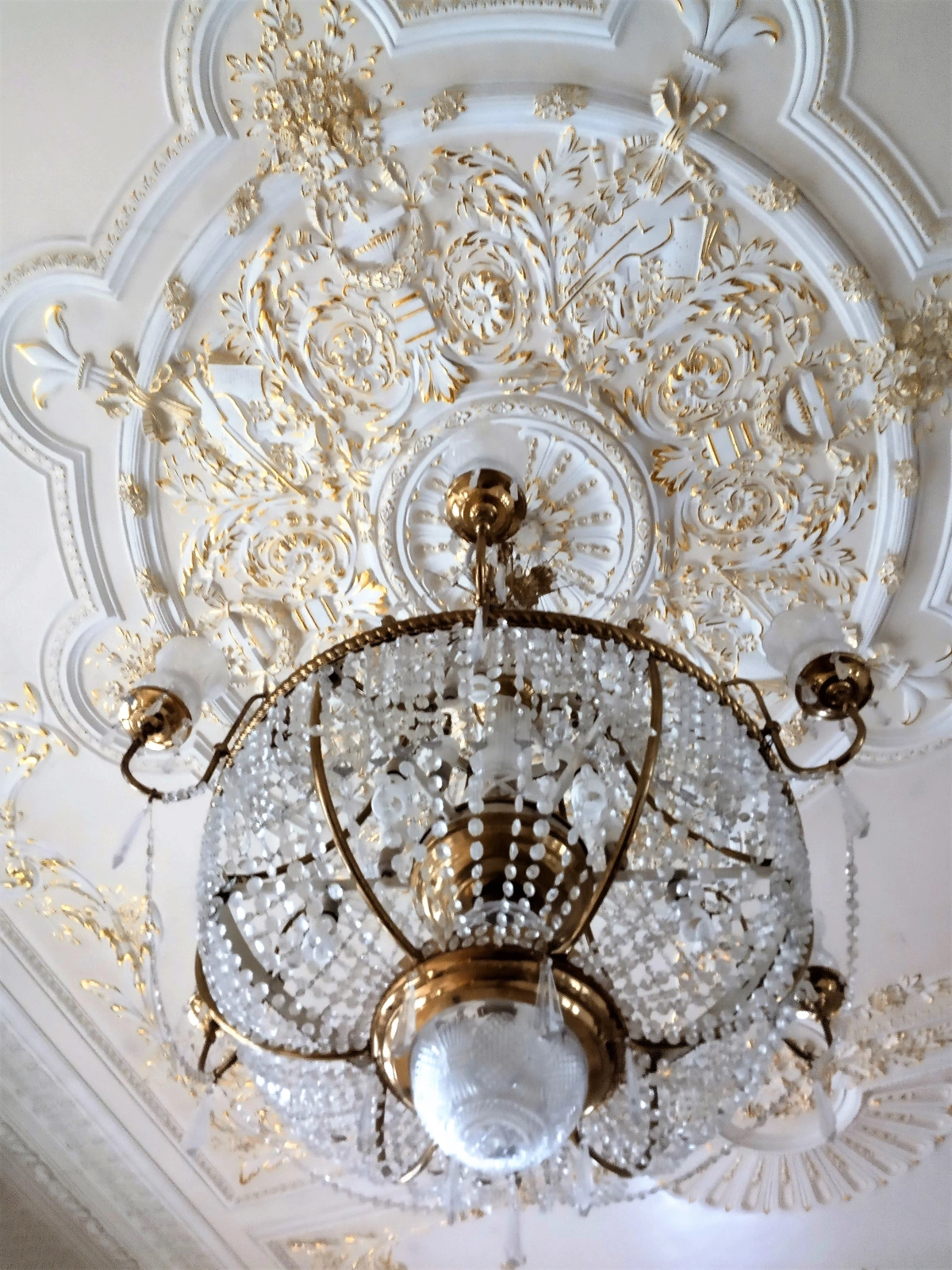
Think pastel colors, delicate curves, playful cupids, and scenes of aristocratic leisure and dalliance. It's the art of pleasure and intimacy, often found gracing the opulent salons of French high society, characterized by asymmetry, elaborate ornamentation (especially using shells, scrolls, and floral motifs), and a preference for gold and white. This style also reflected a significant shift in patronage from the Church and absolute monarchs to the wealthy aristocracy, who desired art that catered to their private, more hedonistic pursuits in a period of relative peace but growing social inequality. This style was, however, increasingly seen as superficial and morally dubious by some, especially as Enlightenment ideals of reason and moral seriousness began to take hold, contributing to its eventual decline. It’s hard not to smile when you see a Rococo piece; it reminds me that art can just… be fun.
Key Figures:
- Jean-Honoré Fragonard: Celebrated for his playful and sensual scenes of aristocratic life, often featuring clandestine meetings and flirtations, such as The Swing.
- Antoine Watteau: Known for his fêtes galantes (elegant outdoor entertainments), depicting graceful figures in pastoral settings engaged in courtly love and entertainment.
- François Boucher: Favored by Madame de Pompadour, known for his mythological and pastoral scenes that are often overtly sensual and decorative.
Key Characteristics:
- Playfulness & Gaiety: Lighthearted, whimsical themes, often focusing on romance, pleasure, and carefree aristocratic life.
- Delicate Elegance: Soft pastel colors, intricate details, graceful curves, and a sense of airiness.
- Asymmetry & Ornamentation: Elaborate, asymmetrical designs, often featuring shell, rock, and floral motifs.
- Aristocratic Leisure: Scenes of courtly love, pastoral fantasies, and intimate gatherings of the elite, reflecting shifts in patronage.
- Sensuality: A subtle, charming eroticism, often conveyed through delicate forms and dreamy atmospheres.
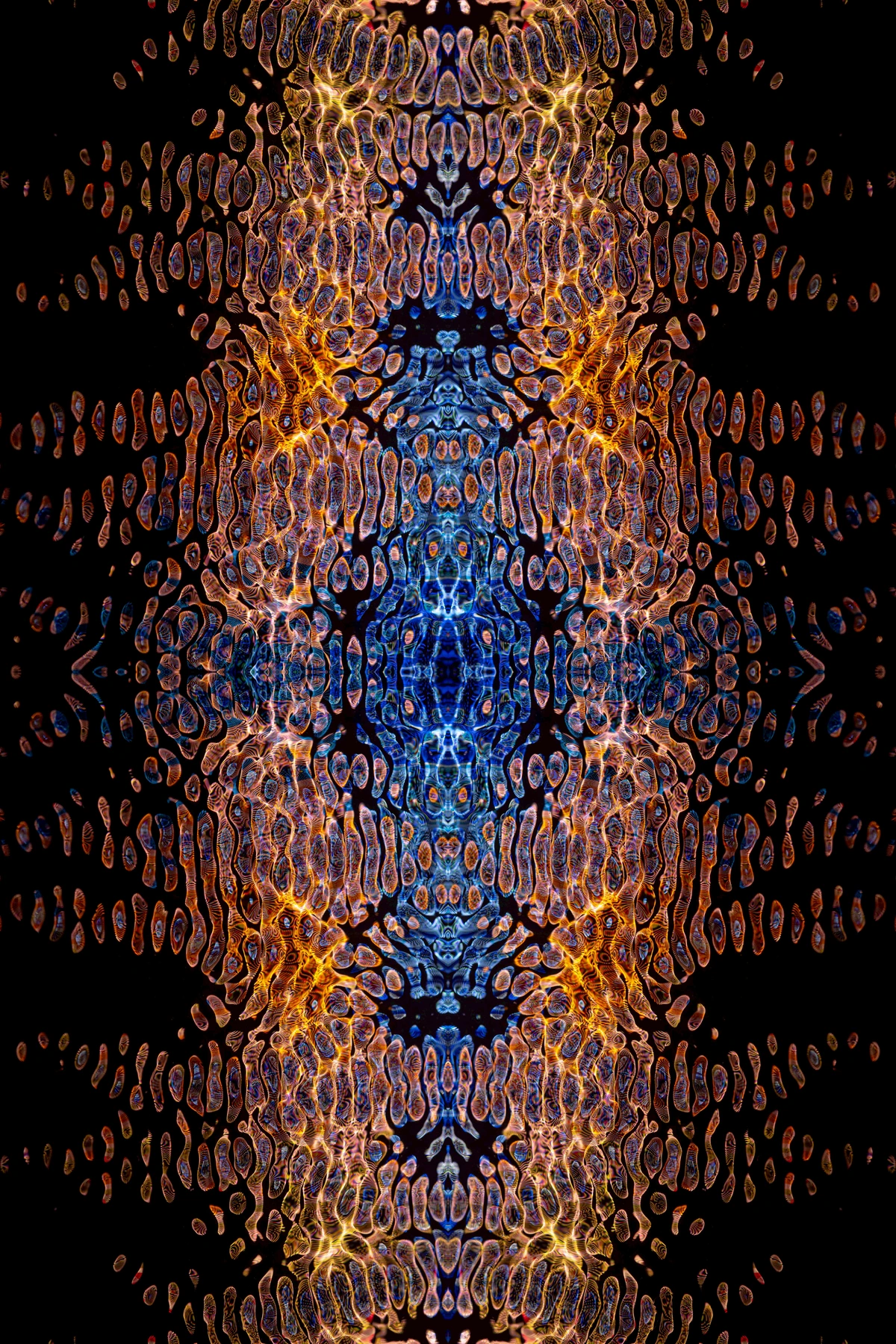
Its influence on interior design and fashion is still visible in hints of delicate ornamentation and a love for the decorative. Its charm and pursuit of beauty, though lighthearted, offer a timeless escape. Take a look at this charming Cupid – definitely a spirit of Rococo! It’s art that invites you to smile.
Neoclassicism: Order, Reason, and Civic Virtue (c. 1750-1850)
Just when things got a bit too playful, Neoclassicism emerged, almost as a serious intellectual counter-movement. This was a direct reaction against the frivolity and perceived excess of Rococo, seeking a return towards the perceived purity, moral gravity, and rational order of ancient Greece and Rome. My mental image for it is like the grown-up after the party, cleaning up with a stern but well-intentioned gaze. Inspired by archaeological discoveries in Pompeii and Herculaneum, and fueled by the Enlightenment's emphasis on reason, order, and classical ideals, Neoclassicism championed moral rectitude (strong moral principles), civic virtue (the dedication of citizens to the common welfare of their community), and a clear, crisp aesthetic.
It's the art of grand statements, often with a powerful message, referencing ancient history and mythology, infused with the revolutionary fervor of the American and French Revolutions and their ideals of democracy, liberty, and heroism. Think clean lines, stoic figures, and a sense of calm rationality. The Grand Tour also played a significant role, exposing artists and patrons to the classical ruins and artworks that directly inspired this revival, promoting a taste for the antique and a belief in its inherent moral and aesthetic superiority. This movement sought to use art as a tool for moral education and to inspire a sense of duty and patriotism in the citizenry.
Key Figures:
- Jacques-Louis David: The foremost Neoclassical painter, whose works like Oath of the Horatii became symbols of revolutionary ideals and civic duty, embodying heroism and self-sacrifice. He actively participated in the French Revolution, using his art to shape public opinion.
- Antonio Canova: Master sculptor, known for his idealized, graceful marble figures that recaptured the serenity, balance, and perfection of classical antiquity, often depicting mythological subjects or idealized portraits.
- Jean-Auguste-Dominique Ingres: A student of David, famed for his precise draughtsmanship and academic classicism, known for his exquisite portraits and nudes that combined Neoclassical purity with a subtle, almost Romantic sensibility.
Key Characteristics:
- Order & Rationality: Emphasis on logic, clarity, intellectual rigor, and controlled emotion, reflecting Enlightenment values.
- Classical Ideals: Drawing profound inspiration from ancient Greek and Roman art, philosophy, and democratic principles.
- Civic Virtue & Morality: Themes of patriotism, self-sacrifice, ethical uprightness, and heroism, often in monumental historical paintings.
- Clean Lines & Symmetry: Precise drawing, smooth surfaces, idealized forms, and balanced compositions, eschewing Rococo's ornamentation.
- Stoic Figures: Idealized, often emotionless figures representing universal virtues and rational thought, often depicted in noble poses.
Jacques-Louis David was a pivotal figure, whose works like Oath of the Horatii became symbols of revolutionary ideals and civic duty. Antonio Canova's sculptures, like Venere Italica, embody this search for ideal beauty and calm perfection, a stark contrast to the emotional rollercoaster of Baroque. Neoclassicism's enduring legacy is clear in public architecture worldwide, from Washington D.C. to the grand museums of Europe, reminding us of the timeless appeal of order and democratic ideals.
Romanticism: Emotion, Individuality, and the Sublime (c. 1800-1890)
Hold onto your hats, because after Neoclassicism's cool rationality, Romanticism storms in with a tempest of emotion! This movement was a direct rejection against the rigid order and intellectualism of Neoclassicism, embracing towards intense feeling, individualism, the sublime power of nature (its awe-inspiring, sometimes terrifying grandeur), and the dramatic narratives of history and imagination. It's the wild child of art, valuing personal expression above all else.
Influenced by major political upheavals like the French Revolution and Napoleonic Wars, as well as the societal shifts of the Industrial Revolution, Romanticism often explored themes of revolution, nationalism, the exotic, the medieval, and the darker, irrational side of the human psyche. There was a growing unease with rapid societal change and a feeling of alienation from the new industrial world, leading artists to seek refuge in emotion and nature, or to express the fervent nationalism that swept Europe. This fascination with the macabre, the grotesque, and the supernatural also found expression in gothic literature and art, contrasting with the Enlightenment's emphasis on reason. My personal reaction to Romantic art is often a mix of awe and introspection; it feels like the artists are speaking directly to my deepest feelings.
Key Figures:
- Eugène Delacroix: French painter, master of dramatic color and emotional intensity in historical and literary scenes, famous for Liberty Leading the People, which became an icon of revolutionary fervor.
- Francisco Goya: Spanish artist, known for powerful social commentary, dark fantasy, and emotionally charged portraits, especially his The Third of May 1808, a dramatic narrative of contemporary political violence.
- J.M.W. Turner: English landscape painter, famed for his turbulent seascapes and dramatic light effects, often depicting the raw, uncontrollable power of nature and natural disasters.
- Caspar David Friedrich: German painter, celebrated for his contemplative, atmospheric landscapes evoking the sublime, often featuring solitary figures contemplating vast natural scenes, merging spiritual and natural awe.
Key Characteristics:
- Emotion & Feeling: Emphasis on intense subjective experiences, passion, and inner turmoil, often conveyed through dramatic narratives.
- Individualism: Celebration of the unique spirit, personal expression, and the artist's subjective viewpoint.
- Sublime Nature: Depicting nature's grandeur, power, and mystery, often evoking awe, terror, or spiritual transcendence.
- Dramatic Narratives: Focus on historical events, literature, current events, and the exotic, often with heightened drama and powerful allegories.
- Imagination & Fantasy: Exploration of dreams, the irrational, the supernatural, and inner psychological states, as a reaction against rationalism.
I always think of the dramatic canvases of Eugène Delacroix – his Liberty Leading the People is a visceral call to arms, full of passion and revolutionary fervor that still gives me chills. And then there's Francisco Goya's powerful The Third of May 1808, a dramatic narrative of political commentary, or the awe-inspiring landscapes of Caspar David Friedrich, capturing the overwhelming majesty and mystery of nature. Romanticism taught us that emotion, in its rawest form, is a legitimate and powerful subject for art, a lesson that continues to inspire artists who seek to move the soul. This legacy is clear in film scores, dramatic literature, and any art that prioritizes profound feeling over strict adherence to reality.
Realism: The World as It Is, Unvarnished (c. 1840-1880)
And then, a grounding force: Realism. This movement was a direct reaction against the perceived excesses and emotionalism of Romanticism and the idealized forms of Neoclassicism. Realist artists aimed to depict life 'as it really is,' focusing towards everyday subjects, ordinary people, and unvarnished truths. No more gods, goddesses, or dramatic historical battles (unless they were gritty, contemporary ones). It was about capturing the mundane, the social issues of the time – such as poverty, labor, and urban hardship – and the world seen through an objective, unsentimental lens. This shift was profoundly influenced by the rise of photography, which offered a new standard for 'objective' visual truth, pushing painters to find their own authentic depictions, often mimicking photography's candid compositions, cropped perspectives, and capturing fleeting moments.
My personal take is that Realism forces us to confront uncomfortable truths, even if it lacks the grand gestures of its predecessors. This era also saw the rise of socialist movements and increasing class consciousness, making the unflinching portrayal of working-class life and social inequalities particularly resonant. Photography not only challenged painting's traditional role as a documentarian but also inspired artists to capture subjects in a more immediate, less posed manner, sometimes even adopting unusual angles or compositions found in early photographs.
Key Figures:
- Gustave Courbet: Champion of Realism, famous for his unwavering depiction of common life and the working class, such as The Stone Breakers, and his declaration, "Show me an angel, and I'll paint one."
- Édouard Manet: A transitional figure often seen as a bridge to Impressionism, whose candid depictions of modern life (e.g., Olympia, Déjeuner sur l'herbe) shocked the art world with their stark reality and bold brushwork.
- Honoré Daumier: Known for his satirical prints and unflinching critiques of society and politics, often depicting the hardships and injustices faced by the working class and the bourgeoisie.
- Jean-François Millet: Celebrated for his sympathetic portrayal of peasant life and rural labor, exemplified by The Gleaners, capturing the dignity and hardship of agricultural work.
Key Characteristics:
- Everyday Subjects: Depiction of ordinary people, common scenes, and contemporary events from daily life, often focusing on the working class and marginalized individuals.
- Unvarnished Truth: Rejection of idealization, romanticization, and dramatic embellishment, aiming for objective and factual depiction.
- Social Commentary: Focus on contemporary social issues like poverty, labor, class differences, and urban hardship.
- Objective Lens: Aims for factual and accurate representation, minimizing subjective interpretation and emotional overlay.
- Influence of Photography: Adoption of photography's precise observation and candid compositional approaches, and a challenge to painting's traditional role as a recorder of reality.
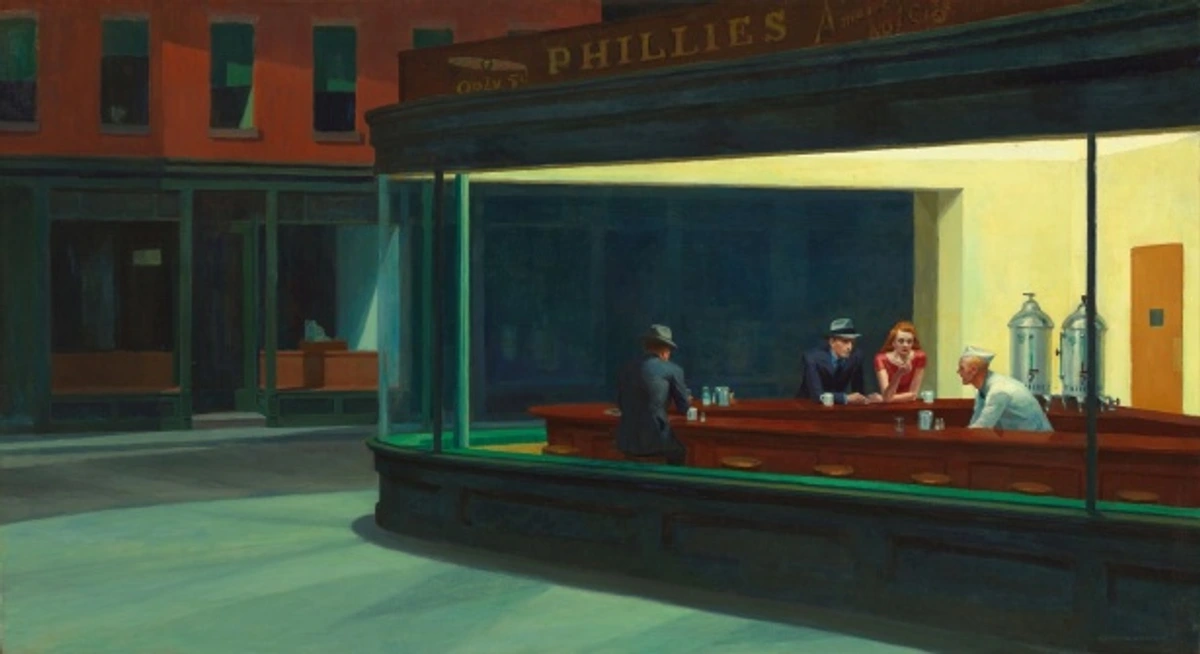
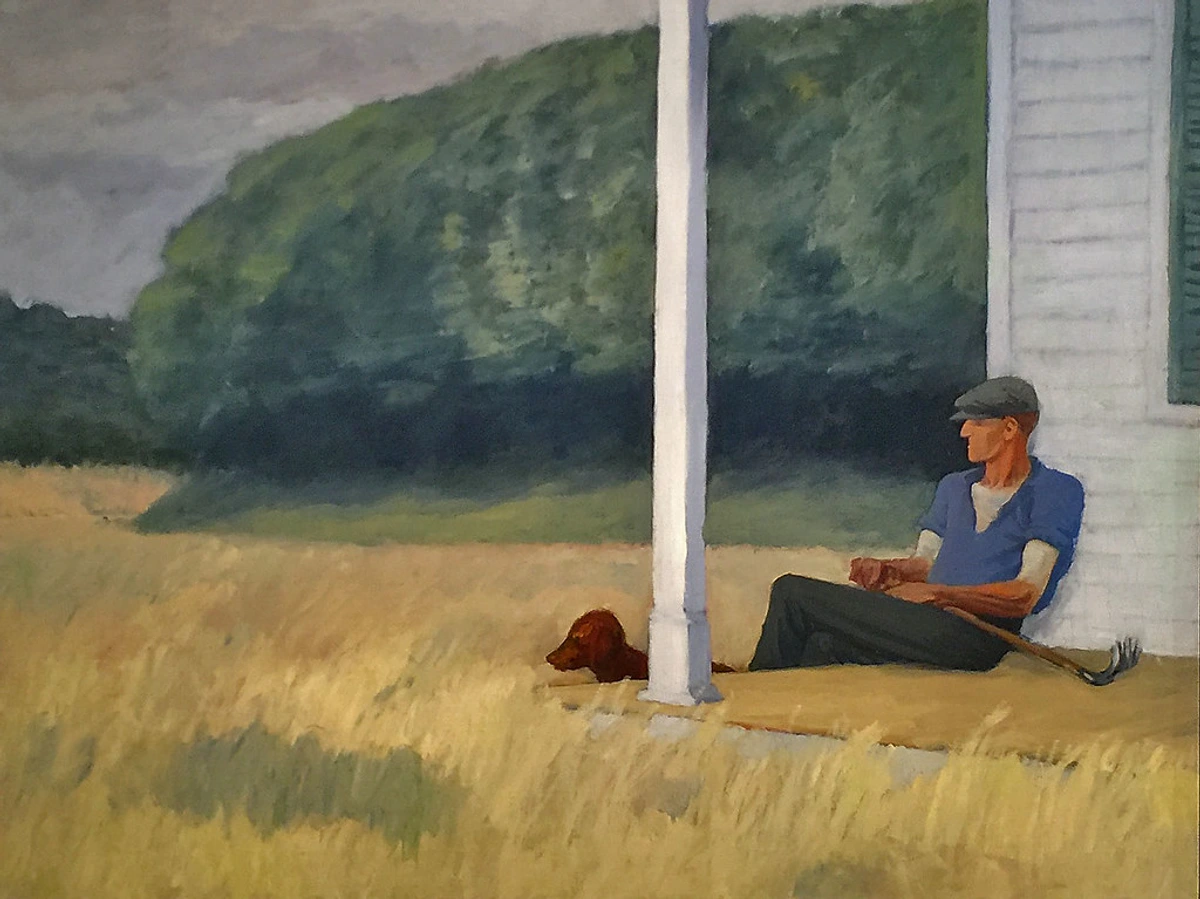
Key figures include Gustave Courbet, famous for his unwavering depiction of common life and his declaration, "Show me an angel, and I'll paint one," Honoré Daumier, who critiqued society through his satirical prints, and Édouard Manet, a transitional figure whose candid depictions shocked the art world and paved the way for modernism. There's a quiet power in seeing the world, and ourselves, without filter, a principle that continues to resonate in documentary photography and social realist films today. While he emerged later, the spirit of direct observation and the quiet, stark portrayal of contemporary life in Edward Hopper's work certainly echoes Realist principles, even though he's often categorized as a 20th-century American realist. His Nighthawks is a masterpiece of unvarnished urban isolation.

Impressionism: Capturing the Fleeting Moment and Light (c. 1860-1890)
From Realism's stark truth, we leap into the shimmering light of Impressionism. This is perhaps one of my favorite movements, precisely because it broke so many rules and truly liberated painting from the confines of academic tradition. Impressionists weren't interested in photographic realism or grand historical narratives; they wanted to capture the impression of a scene, the fleeting effects of light and color, especially outdoors (en plein air, meaning 'in the open air,' the practice of painting directly from nature to capture changing atmospheric conditions and light).
This was a reaction against the detailed precision, dark tones, and historical subjects of academic painting (and its powerful institutional gatekeeper, the Salon), focusing towards the immediate sensory experience of modern urban life and leisure. Thick, visible brushstrokes became their signature, dissolving solid forms into vibrant dabs of paint and challenging the smooth, refined finishes favored by the academic Salon. A painting of a picnic, a ballet, or a hazy sunset was considered scandalously modern by critics who initially ridiculed the movement, even giving it its name from Claude Monet's Impression, Sunrise (1872). The development of synthetic pigments and pre-packaged paint tubes also enabled this shift, making it easier for artists to paint outside the studio, directly capturing what they saw before them, moving away from the traditional studio-based practice.
Key Figures:
- Claude Monet: The founder of Impressionism, synonymous with capturing changing light and atmospheric effects, particularly in his series paintings of cathedrals, haystacks, and water lilies, exploring how light transforms subjects.
- Pierre-Auguste Renoir: Known for his vibrant scenes of Parisian life, particularly social gatherings, portraits, and charming depictions of figures, often focusing on the joyful aspects of bourgeois leisure.
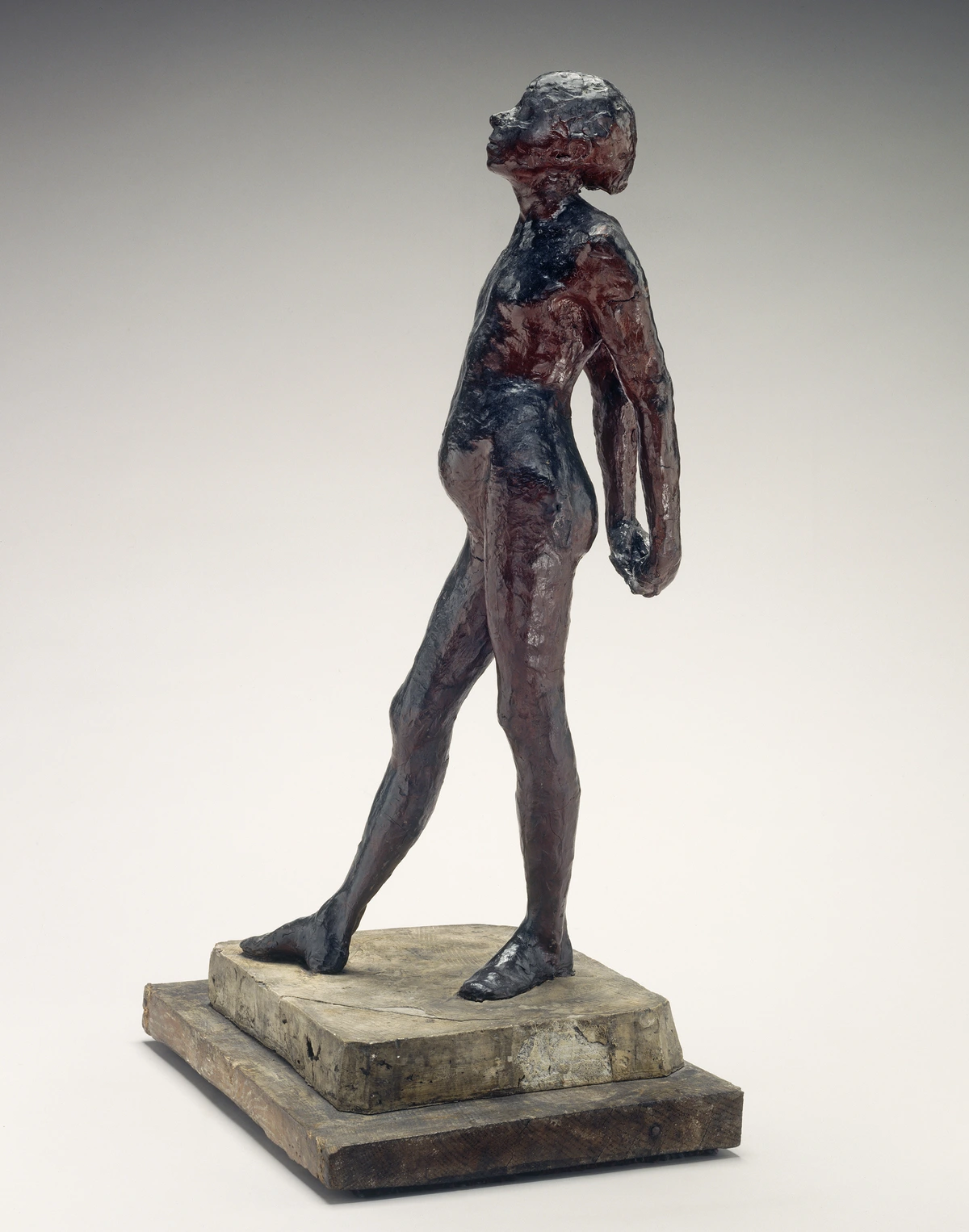
- Edgar Degas: Celebrated for his dynamic depictions of ballet dancers, racehorses, and candid urban scenes, often exploring movement and composition from unusual angles, influenced by photography and Japanese prints.
- Mary Cassatt: American Impressionist, renowned for her intimate portrayals of mothers and children, bringing a unique domestic perspective to modern life and a nuanced understanding of female experience.
- Berthe Morisot: A pivotal female Impressionist, known for her beautiful domestic scenes, sensitive portraits, and landscapes, offering a unique feminine perspective on modern life with delicate yet vigorous brushwork.
Key Characteristics:
- Fleeting Moments: Capturing transient effects of light, atmosphere, and the immediate visual sensation, often focusing on a specific moment in time.
- Light & Color: Emphasis on changing light, optical effects, and vibrant color palettes, often applied directly from the tube and layered to create luminosity.
- Visible Brushstrokes: Loose, broken brushwork, often thick (impasto), allowing the viewer to 'see' the process and creating texture.
- En Plein Air: Painting outdoors directly from nature to record accurate light and color effects, breaking from studio conventions.
- Modern Life Subjects: Depicting landscapes, cityscapes, portraits, and leisure activities of the burgeoning middle class, a shift from historical or mythological themes.
Artists like Claude Monet, Pierre-Auguste Renoir, Edgar Degas, and Mary Cassatt changed everything. You can almost feel the Parisian air and the dynamic movement in Renoir's La Loge or Degas' dancers! And don't forget Berthe Morisot, another pivotal female Impressionist who beautifully captured domestic scenes and portraits, offering a unique feminine perspective on modern life. If you're curious, explore my ultimate guide to Impressionism.
Post-Impressionism: Beyond the Impression, into Personal Vision (c. 1886-1905)
And just as Impressionism felt established, a new wave of artists, the Post-Impressionists, came along to say, "Hold on a minute, there's more to see!" This wasn't a single, unified style, but rather a diverse group of artists who took the Impressionist palette and freedom with color but pushed it in intensely personal directions, emphasizing symbolic content, emotional expression, or structural form. They were reacting against Impressionism's perceived lack of emotional depth and structural rigor, moving towards individual, subjective vision. These titans, often considered the 'big four,' included Vincent van Gogh, Paul Cézanne, Paul Gauguin, and Georges Seurat.
Key Figures:
- Vincent van Gogh: Known for his iconic expressive brushstrokes and intense emotional use of color, channeling inner turmoil into vibrant, swirling canvases that almost hum with intensity.
- Paul Cézanne: Sought to break down forms into fundamental geometric components (famously saying to "treat nature by the cylinder, the sphere, the cone") and reconstruct them, laying crucial groundwork for Cubism.
- Paul Gauguin: Pioneered symbolic, flattened forms and non-naturalistic color (Synthetism), often inspired by a search for an 'unspoiled' existence and the art of non-Western cultures.
- Georges Seurat: Developed Pointillism, applying scientific rigor to color theory through tiny, distinct dots of pure color that optically mix in the viewer's eye, creating shimmering effects.
Key Characteristics:
- Personal Vision: Emphasis on individual expression and subjective interpretation over objective realism.
- Symbolic Color: Use of color to convey emotion or ideas, rather than just naturalistic light and shade.
- Structural Form: Focus on underlying geometric structure, composition, and lasting form, moving beyond fleeting impressions.
- Emotional Expression: Exaggerated forms and colors to convey inner feelings and psychological states.
- Diverse Styles: A broad range of approaches, from scientific Pointillism to expressive brushstrokes and symbolic abstraction, united by a desire to go beyond mere optical sensation.
Some, like Vincent van Gogh, emphasized raw emotion and expressive brushstrokes, channeling his inner turmoil into vibrant, swirling canvases that almost hum with intensity. Others, like Georges Seurat, applied scientific rigor to color theory, developing Pointillism (using tiny, distinct dots of pure color to create an optical mix on the retina). Paul Cézanne, on the other hand, sought to break down forms into fundamental geometric components (famously saying to "treat nature by the cylinder, the sphere, the cone") and reconstruct them, focusing on the underlying structure of nature – profoundly paving the way for future movements like Cubism. Paul Gauguin, meanwhile, abandoned naturalistic color for symbolic, flattened forms, a style sometimes called Synthetism, often inspired by so-called 'primitive' cultures and a search for a less industrialized existence. It was a period of profound experimentation, laying the groundwork for much of 20th-century art.
Van Gogh's olive groves practically hum with his intense emotion and unique vision, almost as if you can feel the energy of his brushstrokes. And who can forget the meticulous dots of Seurat's A Sunday on La Grande Jatte? It's a symphony of color applied with scientific precision, a true feat of patience and vision. Post-Impressionism showed us that art could be both deeply personal and intellectually rigorous, its influence palpable in modern design and any art that seeks to convey an inner truth.
If you want a deeper understanding, my ultimate guide to Post-Impressionism offers a more expansive exploration.
Fauvism: The Wild Beasts of Color Unleashed (c. 1905-1908)
Emerging from the vibrant palette of Post-Impressionism, Fauvism burst onto the scene with such audacious, non-naturalistic color that critics derisively dubbed its artists "Fauves" – wild beasts! For me, it's like turning up the saturation knob on reality to eleven, with the artists often applying pure, unmixed paint directly from the tube. This initial insult, ironically, became their badge of honor. Fauvism was a reaction against the descriptive use of color and traditional academic restraints, pushing towards the emotional and expressive power of color itself.
Artists like Henri Matisse, André Derain, and Maurice de Vlaminck used pure, intense color not to describe the world as it appears, but to express emotion and create striking compositions. They threw out traditional perspective and shading, focusing on the sheer joy and power of color itself, using it as an independent element, almost like stained glass. It was a short-lived but incredibly influential movement, a true liberation of color that paved the way for future abstract experiments, particularly informing the bold, emotional use of color seen in Expressionism, which often used color for intense psychological effect.
Key Figures:
- Henri Matisse: The leading figure of Fauvism, known for his masterful use of color, drawing, and simplified forms, always prioritizing expressive effect over descriptive accuracy.
- André Derain: A co-founder, whose early Fauvist landscapes were characterized by bold, clashing colors and simplified compositions, often depicting views of the Thames.
- Maurice de Vlaminck: Embraced raw, intense color and bold brushwork, heavily influenced by Van Gogh's emotional approach to painting, often depicting rural landscapes with a sense of untamed energy.
Key Characteristics:
- Non-Naturalistic Color: Use of bold, pure, and intense colors for expressive and decorative effect, detached from descriptive reality.
- Expressive Compositions: Simplified forms, distorted perspectives, and flattened spaces, emphasizing the raw impact of color.
- Emotional Expression: Color as the primary vehicle for conveying feelings, mood, and subjective experience.
- Flat Forms: Rejection of traditional shading and modeling, favoring broad, flat areas of color, almost like stained glass.
- Liberation of Color: Color used independently of its descriptive role, becoming a subject in itself, celebrated for its inherent vibrancy.
Matisse's Open Window is a perfect example of how color became the primary subject, rather than just a descriptive element. The vibrant hues are the stars of the show, proving that color can speak volumes on its own. The Fauvists taught us that color isn't just a tool for imitation; it's a language for the soul, a lesson profoundly influencing contemporary art and design that embraces bold palettes. My ultimate guide to Fauvism has more details.
Expressionism: Inner Worlds Exploded and Emotional Intensity (c. 1905-1920s)
If Fauvism was about externalizing color, Expressionism was about externalizing emotion – the raw, subjective feelings and psychological states of the artist. Think of it as painting a scream rather than a smile, or depicting inner turmoil rather than outer beauty. It's art that truly captures the anxiety of a world grappling with industrialization, rapid urbanization, and the looming shadows of World War I. Expressionism was a powerful reaction against the superficiality of Impressionism and academic realism, diving towards profound psychological and spiritual content.
Artists like Edvard Munch (whose The Scream is a seminal work, embodying existential angst) and those of the German Expressionist groups – Die Brücke (The Bridge), featuring artists like Ernst Ludwig Kirchner and Egon Schiele, and Der Blaue Reiter (The Blue Rider), with figures like Wassily Kandinsky – distorted figures, used jarring, often non-naturalistic colors, and employed heavy, visible brushstrokes to convey anxiety, fear, passion, and spiritual longing. It was a powerful rejection of prettiness and a deep dive into the human psyche, often influenced by thinkers like Sigmund Freud (exploring the subconscious) and Friedrich Nietzsche (who questioned traditional morality and reason), exploring the darker, irrational aspects of human existence. In Germany, this movement was also deeply rooted in the socio-political climate of pre-WWI anxiety, a sense of alienation in rapidly growing cities, and a longing for authenticity in a world perceived as corrupt.
Key Figures:
- Edvard Munch: Norwegian painter, whose iconic The Scream (1893) embodies existential angst, fear, and a universal cry of humanity against the backdrop of a modern, alienating world.
- Ernst Ludwig Kirchner: Key figure in Die Brücke, known for his raw, angular forms and dissonant cityscapes that capture urban alienation and the frenetic energy of modern Berlin.
- Egon Schiele: Austrian artist, celebrated for his intense, often disturbing self-portraits and figure studies that expose raw psychological states, sexuality, and vulnerability through distorted, emaciated forms.
- Wassily Kandinsky: Pioneer of abstract art and a leader of Der Blaue Reiter, exploring spiritual expression through color and form, eventually moving towards pure abstraction, believing art could express inner necessity.
Key Characteristics:
- Emotional Intensity: Focus on expressing inner feelings, psychological states, and subjective experience rather than external reality.
- Distorted Figures & Forms: Exaggerated and non-naturalistic representations to heighten emotional impact and convey inner turmoil.
- Jarring Colors: Use of bold, often clashing or non-naturalistic colors for psychological and emotional effect, rather than descriptive accuracy.
- Heavy Brushstrokes: Visible, energetic brushwork conveying urgency, raw emotion, and a sense of immediacy.
- Psychological Depth: Exploration of anxiety, fear, spiritual longing, alienation, and the human condition, often influenced by contemporary psychology and philosophy.
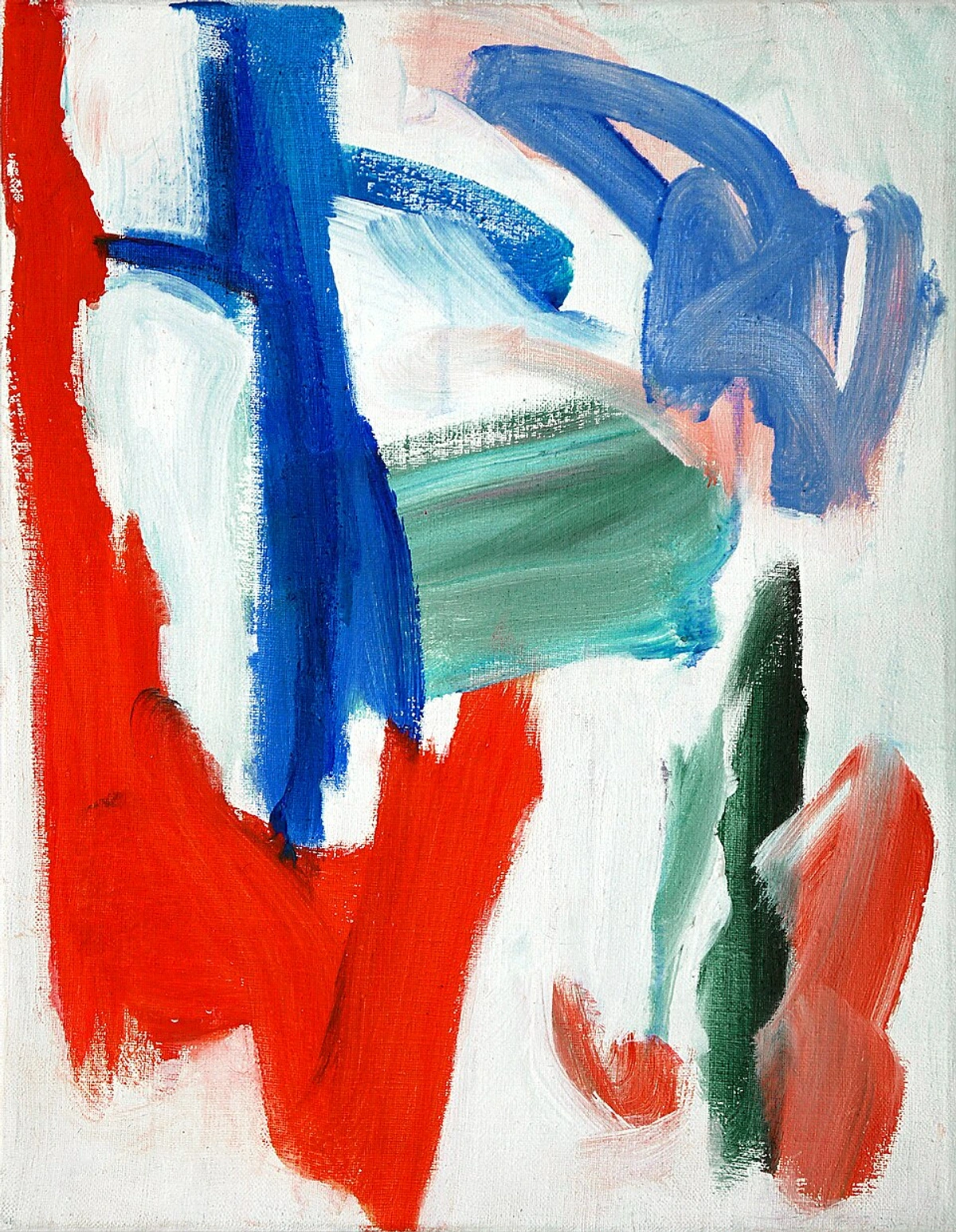
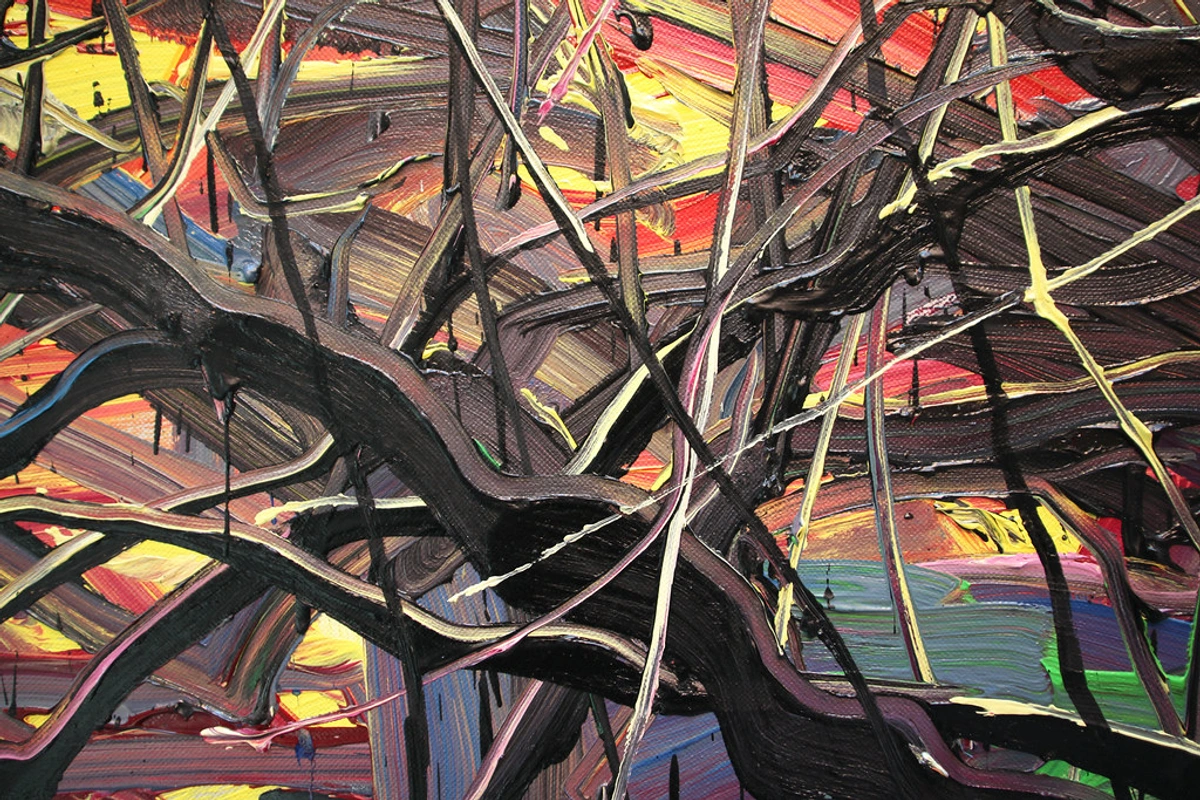
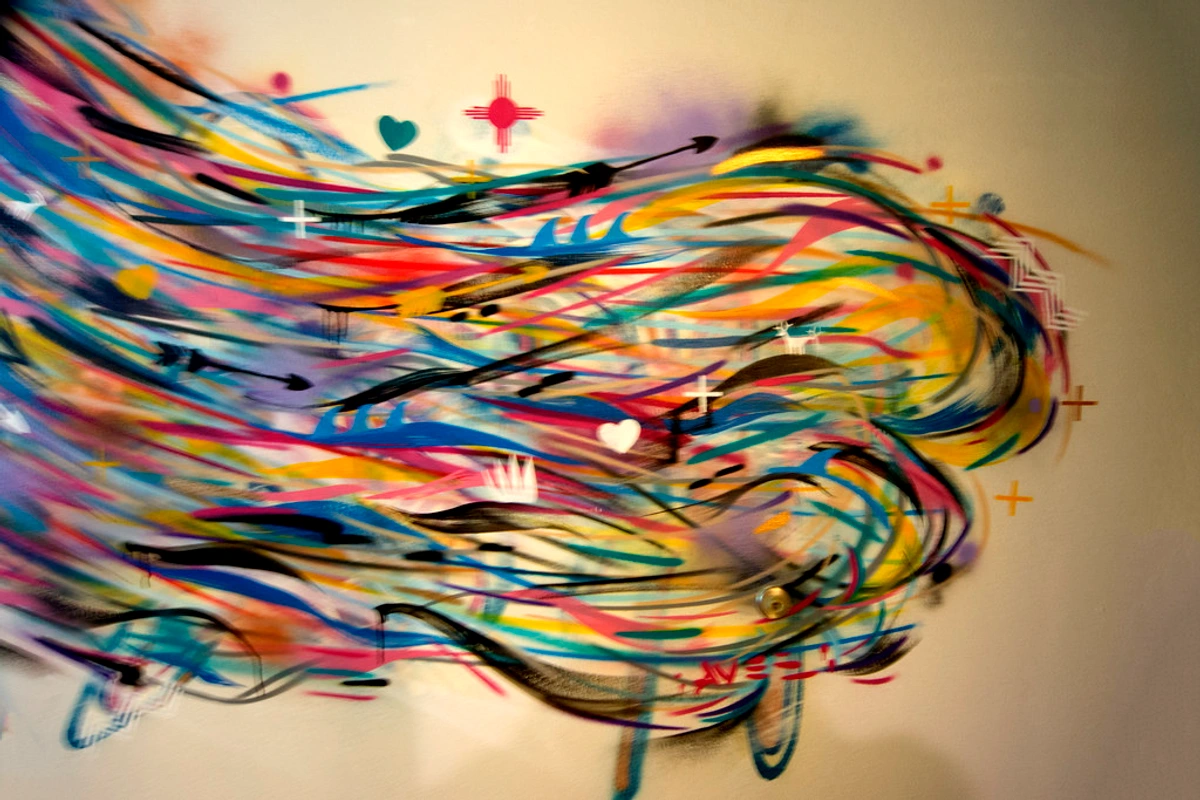
When I look at Expressionist art, I feel the intensity of the artist's soul bleeding onto the canvas, almost vibrating with inner life. This abstract piece, with its bold, expressive charcoal marks and vibrant, clashing colors, perfectly conveys the raw emotion and gestural energy characteristic of Expressionism, diving deep into an inner landscape. Expressionism's legacy lives on in any art form that prioritizes authentic emotion over flawless technique, from punk rock to contemporary performance art. For a deeper look, check out my ultimate guide to Expressionism.
credit, licence
Cubism: Fracturing Reality, Redefining Perspective (c. 1907-1914)
Then came Cubism, and suddenly, the world wasn't quite so solid anymore. This revolutionary movement was a direct reaction against the traditional illusion of space and single viewpoint, moving towards a new way of seeing inspired by Paul Cézanne's structural approach (his famous advice to "treat nature by the cylinder, the sphere, the cone") and the simplified, angular forms found in African and Iberian sculpture. Pioneers like Pablo Picasso and Georges Braque shattered traditional perspective, breaking down objects and figures into geometric planes and reassembling them, showing them from multiple viewpoints simultaneously.
It's like seeing an object from every angle all at once, flattened onto a two-dimensional canvas – a radical deconstruction and reconstruction of form. This was a radical intellectual shift that fundamentally changed how artists approached form and space. My personal challenge when looking at Cubist works is to try and piece together the fragmented reality, which forces me to question what 'seeing' truly means – it wasn't about capturing reality as it appears, but as it's conceived. The influence of African and Iberian masks, with their abstracted facial features and powerful, simplified forms, provided Picasso and Braque with a new visual vocabulary to challenge Western naturalism.
Key Figures:
- Pablo Picasso: Co-founder, whose revolutionary approach fundamentally changed 20th-century art, driving the initial phase of Cubism, and constantly evolving the style.
- Georges Braque: Co-founder, working closely with Picasso to develop the style, often focusing on still lifes and muted palettes, and pioneering the use of collage.
- Juan Gris: A significant figure in Synthetic Cubism, known for his refined and colorful compositions, often incorporating collage and creating a more ordered, decorative form of Cubism.
Key Characteristics:
- Geometric Forms: Objects broken down into cubes, spheres, cones, and other elementary geometric shapes.
- Multiple Viewpoints: Depiction of subjects from several angles simultaneously on a single picture plane, challenging linear perspective.
- Fractured Reality: Deconstruction and reassembly of forms, challenging traditional notions of representation and visual coherence.
- Rejection of Traditional Perspective: Abandonment of a single vanishing point and linear perspective, embracing a more conceptual space.
- Influence of African & Iberian Sculpture: Inspiration drawn from simplified, angular, and abstracted forms, particularly from masks and figures, for their conceptual power.
We often differentiate between two phases:
Analytical Cubism (c. 1907-1912): Deconstructing Form
This early phase focused on analyzing objects from various angles, resulting in fragmented, monochromatic (often browns, grays, blacks) compositions that prioritize form over color. It's like a scientific dissection of reality, where the subject is almost dissolved into a complex interplay of facets, challenging the viewer to mentally reconstruct the form. The limited palette emphasized the intellectual rigor of the formal experimentation.
Synthetic Cubism (c. 1912-1914): Rebuilding with Color and Collage
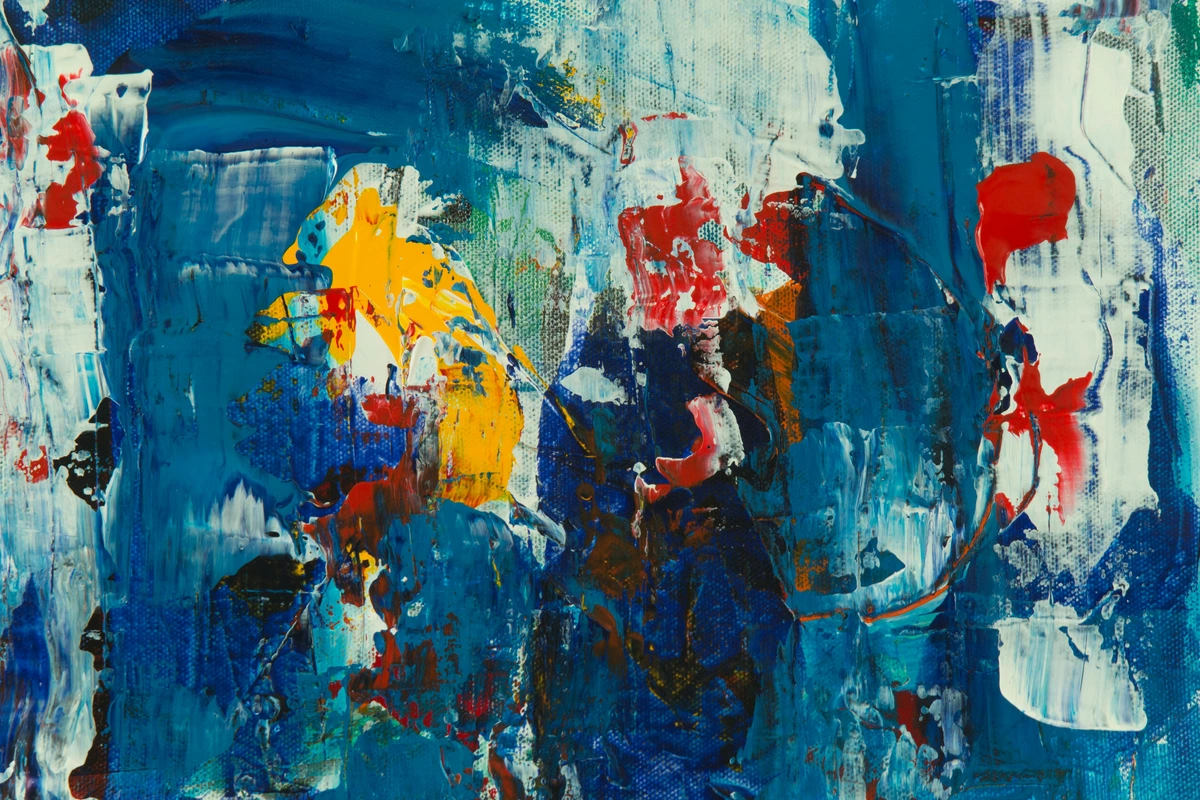
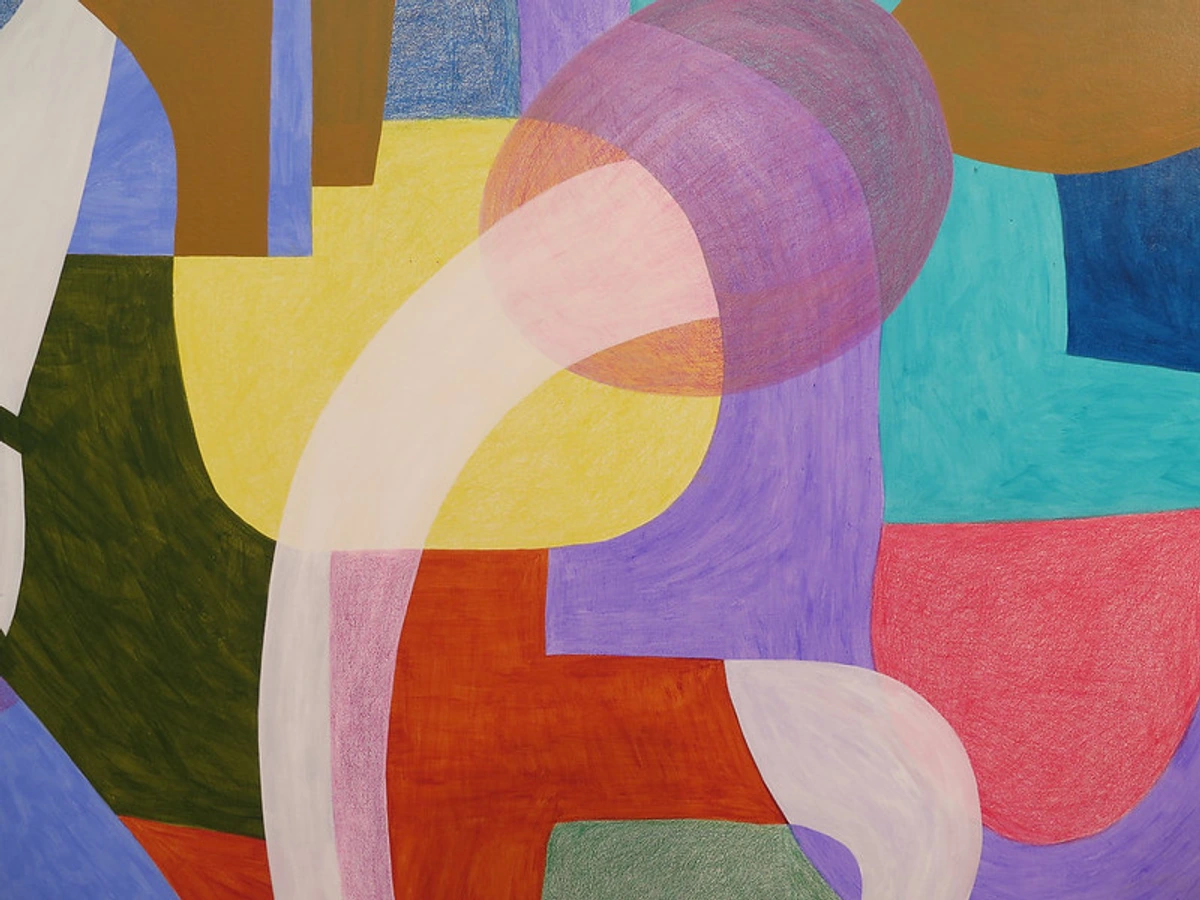
The later phase, which brought back brighter colors and simpler forms, often incorporated collage (pasting paper or other materials onto the canvas). Artists like Juan Gris were instrumental in this development, moving towards constructing an image from constituent elements rather than fragmenting a whole. This shift was partly a reaction to the extreme abstraction of Analytical Cubism, seeking to reintroduce more tangible elements and make the works slightly more accessible while still challenging traditional representation. This abstract composition, with its interlocking geometric shapes and varied textures, perfectly exemplifies the Cubist exploration of form and perspective, inviting the viewer to piece together meaning from fragments. Cubism profoundly influenced countless subsequent movements, from Futurism to Constructivism, and its legacy is seen in everything from modern architecture to graphic design. If you want a deeper understanding, explore my ultimate guide to Cubism.
credit, licence
Futurism: Speed, Technology, and the Machine Age (c. 1909-1916)
Just as Cubism was dissecting form, Futurism roared out of Italy, obsessed with the dynamism of modern life – speed, technology, youth, and even violence. Their manifestos (the Futurist Manifesto of 1909 being the most famous, authored by Filippo Tommaso Marinetti) aggressively rejected the past and celebrated the exhilarating rush of the machine age, the bustling city, and the new possibilities of movement. Futurism was a direct reaction against static, traditional art forms and a move towards glorifying modernity, industry, and the future. Think roaring automobiles, powerful trains, soaring airplanes, bustling cities, and the relentless march of industry.
Artists like Umberto Boccioni and Giacomo Balla tried to capture movement itself, often showing multiple phases of action within a single frame to convey a sense of kinetic energy and the blur of speed. Their embrace of violence and war, however, was highly controversial and problematic, as expressed in Marinetti's declaration, "We will glorify war—the world’s only hygiene—militarism, patriotism, the destructive gesture of freedom-bringers, beautiful ideas worth dying for, and scorn for woman." This alignment with aggression and eventually with nascent fascist ideologies casts a long, troubling shadow over the movement's artistic innovations, linking it to the destructive forces of the 20th century. It was a short-lived but incredibly impactful movement, pushing the boundaries of what art could represent by celebrating the future.

Key Figures:
- Filippo Tommaso Marinetti: Founder and principal theorist, author of the Futurist Manifesto, advocating for the glorification of speed, technology, and violence.
- Umberto Boccioni: Leading painter and sculptor, known for capturing dynamism and movement in his forms, such as Unique Forms of Continuity in Space, embodying speed and fluidity.
- Giacomo Balla: Celebrated for his depictions of speed and light, and his use of simultaneous vision to convey motion, exemplified by Dynamism of a Dog on a Leash.
Key Characteristics:
- Dynamism & Movement: Capturing the sensation of speed, motion, and the energy of modern life through blurred forms and multiple viewpoints.
- Technology & Machine Age: Celebration of modern inventions, industry, urbanization, and mechanical power.
- Rejection of the Past: Aggressive dismissal of traditional art forms, museums, and historical reverence.
- Simultaneity: Showing multiple perspectives or phases of action in one image to convey continuous movement.
- Emphasis on Violence: A controversial embrace of aggression, war, and destruction as purifying forces, a problematic aspect of the movement's ideology and its later connections to fascism.
Futurism's celebration of speed and progress, though problematic in its political leanings, resonates in our fast-paced digital world and the enduring fascination with technological advancement.
Dadaism: Anti-Art, Absurdity, and Rebellion (c. 1916-1924)
After the horrors of World War I, some artists felt traditional art had lost its meaning, its moral compass shattered. The senselessness of the war seemed to mock all reason. Enter Dadaism, a wonderfully chaotic and provocative anti-art movement. Dadaism was a furious reaction against the logic, reason, and traditional aesthetics that were perceived to have led to the war, seeking towards irrationality, chance, and a complete re-evaluation of what art could be. I always imagine it as a bunch of artists throwing paint cans at the establishment, fueled by disillusionment and a rejection of logic.
Figures like Marcel Duchamp, Jean Arp, and Hannah Höch embraced irrationality, nonsense, and chance, creating collages, readymades (everyday manufactured objects, like Duchamp's Fountain, presented as art to question what art is and the role of the artist), and performances that challenged every convention. Emerging from Zurich, Berlin, New York, and Paris, Dada was a protest against bourgeois values, the notion of aesthetic beauty, and the very idea of 'art' itself. Confusing? Absolutely! But profoundly influential, it laid the groundwork for future conceptual art by forcing us to ask: what is art, anyway? This is where art started to get really playful, even when protesting. For a deeper dive into its lasting impact, check out The Enduring Influence of Dadaism on Contemporary Art and its Legacy.
Key Figures:
- Marcel Duchamp: Pioneered the readymade (found objects presented as art), profoundly challenging the definition of art, originality, and the artist's role (e.g., Fountain, a porcelain urinal).
- Hannah Höch: German artist, celebrated for her innovative photomontages that critiqued Weimar society and gender roles with sharp wit, dissecting and reassembling images from popular media.
- Jean Arp: Poet, painter, and sculptor, known for his abstract, biomorphic forms and embrace of chance and spontaneity in the creative process.
- Man Ray: American artist, famous for his photography, experimental films, and Dadaist objects that often incorporated an element of surrealism and playful subversion of expectations.
Key Characteristics:
- Anti-Art: Radical rejection of traditional aesthetic, logical, and societal conventions, deliberately provoking and unsettling viewers.
- Absurdity & Nonsense: Embrace of irrationality, chaos, humor, and arbitrary elements in the creation and interpretation of art.
- Readymades: Ordinary manufactured objects presented as artworks, questioning authorship, originality, and the value of art.
- Chance & Spontaneity: Use of randomness and improvisation in the creative process, as a counterpoint to rational control and artistic skill.
- Protest & Disillusionment: A direct reaction to the horrors of WWI and a critique of bourgeois values, nationalism, and societal madness.
Collage, a key Dadaist technique, is all about juxtaposing disparate elements to create new meanings, or sometimes, beautiful nonsense, much like how Dadaists challenged established norms by bringing together unexpected items. Hannah Höch's photomontages are a brilliant example of this, offering sharp social commentary through fragmented images. Dada's profound questioning of art's nature continues to echo in conceptual art and any creative act that challenges the status quo.
Surrealism: Dreams, the Subconscious, and the Fantastic (c. 1920s-1960s)
Building on Dada's embrace of the irrational, Surrealism delved deeper into the realm of dreams, the subconscious, and the fantastic. Led by writer André Breton (who published the Surrealist Manifesto in 1924), artists sought to liberate the creative potential of the unconscious mind, heavily influenced by Freudian psychoanalysis and its exploration of dreams, symbols, and hidden desires. Surrealism was a reaction against the rationalism and realism of earlier art, plunging towards the boundless territories of the mind and uncanny juxtapositions.
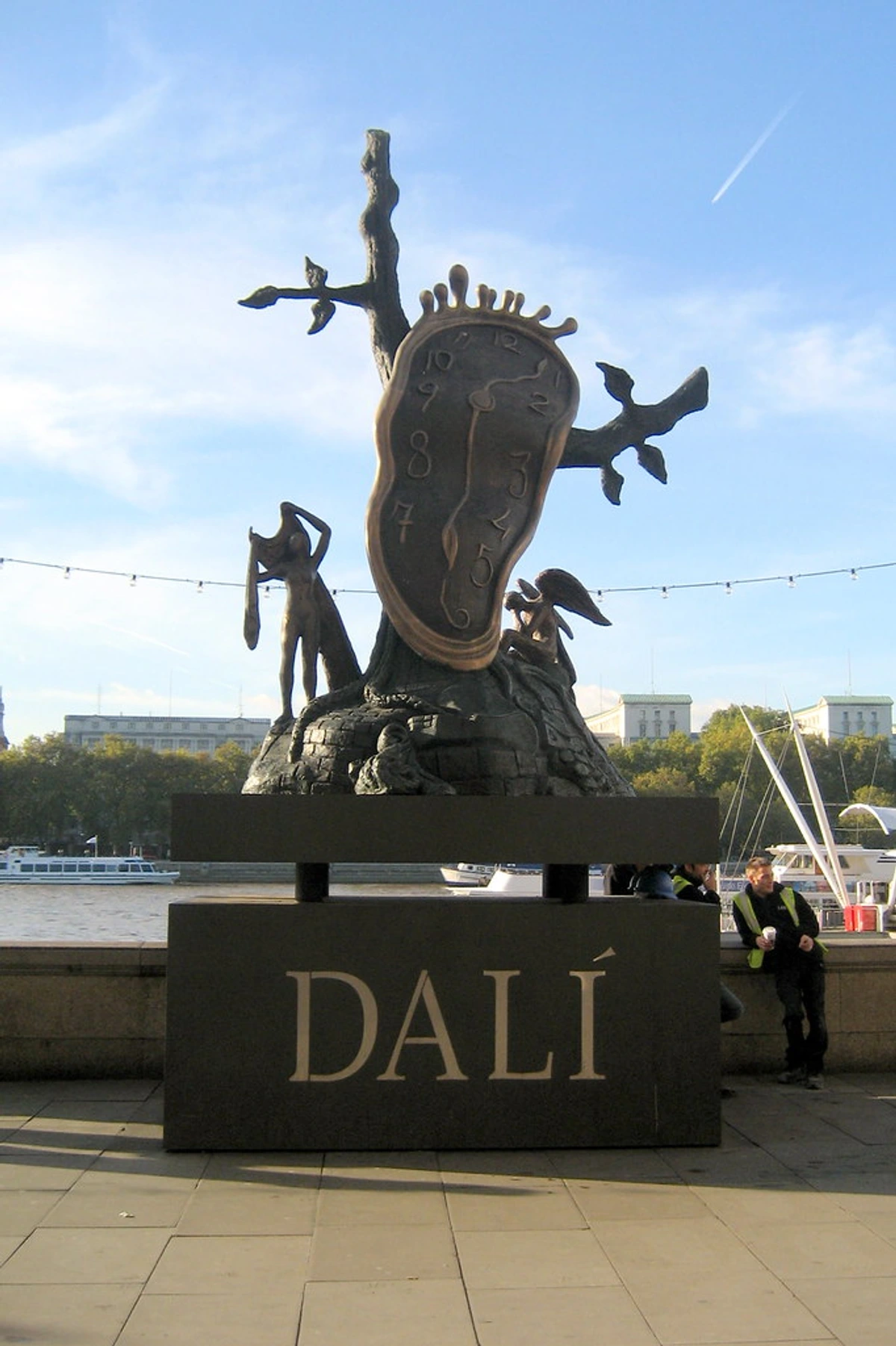
Artists like Salvador Dalí, René Magritte, Joan Miró, and Frida Kahlo created startling, illogical juxtapositions and dream-like landscapes that aimed to unlock the hidden truths of the mind. My personal experience with Surrealist art is always one of delightful disorientation, a beautiful puzzle that invites introspection. Surrealism continues to fascinate me, pushing the boundaries of what reality means. For more on its lasting impact, explore the Enduring Legacy of Surrealism.
Key Figures:
- Salvador Dalí: Iconic for his hyper-realistic, dream-like paintings (e.g., The Persistence of Memory), rendering the impossible with vivid precision and often incorporating personal symbolism.
- René Magritte: Explored illusion and reality with witty, often unsettling juxtapositions (e.g., The Treachery of Images, "Ceci n'est pas une pipe"), challenging perception and the relationship between image and language.
- Joan Miró: Known for his biomorphic forms and automatist works, tapping into the unconscious through spontaneous gestures and vibrant, playful compositions.
- Frida Kahlo: Mexican painter, whose intensely personal self-portraits blended realism with fantasy and symbolism, often exploring pain, identity, and cultural heritage, deeply influenced by Surrealism's themes of inner worlds.
Key Characteristics:
- Dreams & Subconscious: Exploration of unconscious desires, fears, fantasies, and suppressed emotions, often inspired by Freudian theories of the id, ego, and dream analysis.
- Illogical Juxtapositions: Placing unrelated objects together to create new, startling, and often disturbing meanings, defying rational explanation.
- Fantastic Imagery: Creation of dream-like, often bizarre, irrational, or uncanny scenes, blurring the lines between reality and imagination.
- Automatism: Techniques for accessing the unconscious, such as automatic drawing or writing, free from conscious control, to bypass rational thought and tap into primal creativity.
- Freudian Influence: Deep connection to psychoanalytic theories, exploring symbols, hidden meanings, and the liberating power of the mind and its hidden depths.
We often differentiate between two main approaches:
Veristic Surrealism: Realistic Dreams
This approach, exemplified by Dalí's The Persistence of Memory and Magritte's The Treachery of Images, rendered dream-like scenes with academic precision and hyperrealism, making the impossible seem vividly real. It's the art of the bizarre and the beautiful, often unsettling, always intriguing – an invitation to explore your own inner world, and an influence even on film and literature.
Psychic Automatism: Unconscious Gestures
This method, favored by Miró and his work like The Birth of the World, sought to express the subconscious directly, without conscious control, often resulting in abstract or organic forms. It's a spontaneous approach, letting the hand guide the mind rather than vice versa. Surrealism remains a potent force, influencing everything from advertising to film to fashion, demonstrating the enduring power of the imagination.
Abstract Expressionism: The Gesture, the Field, and Raw Emotion (c. 1940s-1950s)
After World War II, with Europe in ruins, a new American art form emerged, shifting the art world's center from Paris to New York: Abstract Expressionism. This was art on a monumental scale, born from intense emotion, existential angst, and a desire to create a universal, heroic art form in a fractured world. It was a powerful reaction against the polite aesthetics of earlier modern art and the trauma of global conflict, aiming towards raw, primal expression.
For me, it's about the raw act of creation, the artist's spontaneous gesture, and the pure, unadulterated feeling embedded in paint, often reflecting the anxieties of the Cold War era and a search for universal meaning in a post-apocalyptic world. It served as a potent symbol of American individualism and freedom against the perceived collectivism of the Soviet Union. This movement largely broke into two main, yet interconnected, branches, often influenced by Jungian psychology's exploration of archetypes and the collective unconscious.
Key Figures:
- Jackson Pollock: Pioneer of Action Painting, known for his dynamic "drip" canvases, where the physical act of painting itself – dripping, pouring, splashing paint onto a canvas on the floor – was central, a direct conduit for the artist's subconscious.
- Mark Rothko: Master of Color Field Painting, creating vast, contemplative fields of color designed to evoke spiritual and emotional responses, immersing the viewer in pure chromatic power.
- Willem de Kooning: Bridged action and figuration, celebrated for his intense, gestural works that often depicted distorted female figures, combining raw energy with psychological depth.
- Barnett Newman: Known for his minimalist Color Field paintings with vertical "zips," intended to evoke the sublime and universal meaning through simple, monumental forms.
- Clyfford Still: Developed a unique, jagged form of Color Field painting with thick impasto, creating intense, craggy fields of color that were deeply personal and symbolic.
Key Characteristics:
- Raw Emotion: Intense, spontaneous expression of inner feelings, existential angst, and psychological states.
- Monumental Scale: Large-format canvases, intended to envelop the viewer and create an immersive, almost spiritual experience.
- Absence of Subject Matter: Predominantly non-representational art, focusing on form, color, texture, and the gesture itself as the content.
- Existential Angst: Reflection of post-WWII anxieties, a search for universal meaning, and the human condition in a tumultuous era.
- New York School: The first major American art movement, shifting the global art capital from Paris to New York, symbolizing American cultural ascendance.
Action Painting: The Dance of Creation
Think of artists like Jackson Pollock with his energetic "drip paintings," where the physical act of painting – dripping, pouring, splashing paint onto a canvas on the floor – was central. It wasn't just about the finished work; it was about the process, the performance, the raw act of creation itself, often seen as a direct conduit for the artist's subconscious. This abstract piece, with its bold, expressive charcoal marks and vigorous washes, perfectly conveys the raw emotion and gestural energy characteristic of Action Painting within Abstract Expressionism.
Color Field Painting: Immersive Hues
Then there were artists like Mark Rothko, Barnett Newman, and Clyfford Still, who created vast, emotive color fields – large areas of saturated color designed to evoke a sublime, contemplative response. This art was meant to envelop the viewer in an almost spiritual experience, often prompting deep introspection through sheer chromatic power. And Willem de Kooning brilliantly bridged these two approaches, combining gestural brushwork with intense emotional depth, often returning to distorted figurative elements. It's an overwhelming experience, meant to envelop the viewer, prompting deep introspection. Abstract Expressionism paved the way for a more expressive, intuitive art that values the artist's inner world, influencing contemporary art's embrace of large scale and personal gesture. If you're interested in abstract movements more generally, check out The Ultimate Guide to Abstract Art Movements from Early Pioneers to Contemporary Trends.
Pop Art: Culture, Commerce, and a Wink (c. 1950s-1970s)
After the gravitas and introspection of Abstract Expressionism, Pop Art came along with a wink and a smile, a bold and often witty commentary on the consumer-driven world. It was a decisive reaction against the seriousness and perceived elitism of Abstract Expressionism, embracing towards popular culture, mass media, and consumerism. My sense is that Pop Art was saying, "Hey, art can be fun, accessible, and reflect the world we actually live in!"
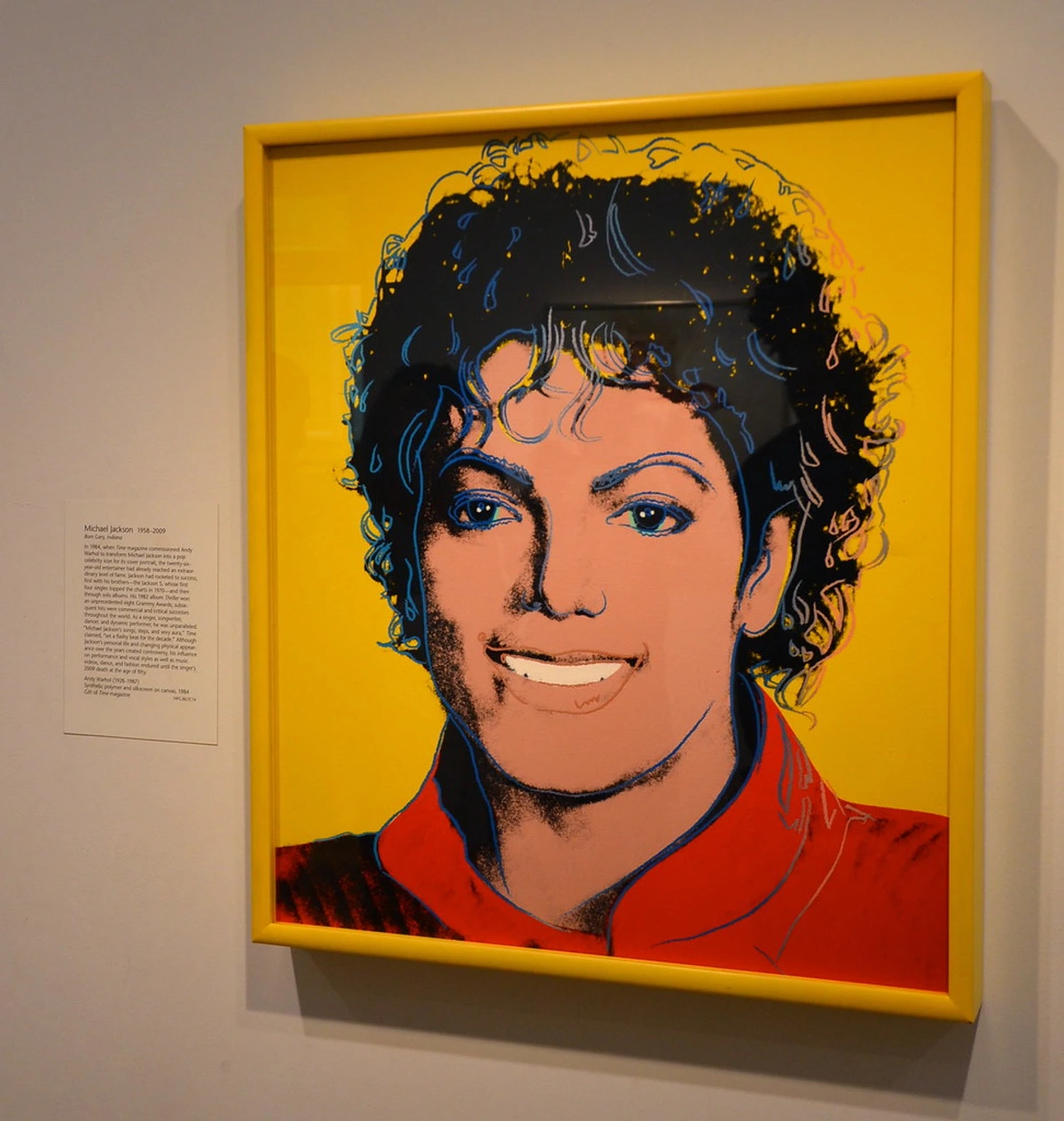
Andy Warhol's iconic soup cans and celebrity silkscreens, Roy Lichtenstein's comic book panels, Jasper Johns's American flags, or Claes Oldenburg's large-scale sculptures of everyday objects – these artists brought everyday objects, commercial imagery, and celebrity culture into the gallery, challenging the boundaries between 'high' and 'low' art. It was bold, often witty, and questioned what deserved to be considered art, effectively democratizing the art world.
This movement often employed repetition, seriality, and mechanical reproduction techniques (like silkscreen printing), subtly critiquing the very consumerism it depicted by mirroring its mass-produced nature, effectively making the artwork a commodity about commodities. Suddenly, anything could be art, and that was a truly liberating thought. It was a commentary on, and often a celebration of, the explosion of advertising, television, and consumer products that defined post-war Western society, questioning the nature of originality and artistic value in a world of mass production.

Key Figures:
- Andy Warhol: The most famous Pop Artist, known for his silkscreen prints of celebrities (e.g., Marilyn Monroe) and everyday objects (e.g., Campbell's Soup Cans), blurring art and commerce, and exploring themes of consumerism and mechanical reproduction.
- Roy Lichtenstein: Celebrated for his comic-strip inspired paintings, using Benday dots (a printing technique) and bold outlines to mimic mass-produced imagery on a monumental scale, often satirizing or celebrating popular culture.
- Jasper Johns: Explored common iconography like flags and targets, blurring the lines between painting and sculpture and challenging symbols of national identity and perception.
- Claes Oldenburg: Known for his large-scale sculptures of mundane objects, often soft and whimsical, transforming everyday items into monumental art that plays with scale and texture.
Key Characteristics:
- Popular Culture: Drawing imagery from advertising, comic books, product packaging, and pop music icons.
- Mass Media & Consumerism: Reflection and subtle critique of consumer society, mass production, and celebrity culture.
- Bold Imagery: Bright, often flat colors, graphic design elements, and clear, hard-edge lines, reminiscent of commercial art.
- High/Low Art Blurring: Challenging the distinction between fine art and popular culture or commercial art, asserting the artistic value of everyday objects.
- Repetition & Seriality: Use of repeated images, often inspired by commercial printing techniques and mass production, commenting on commodity culture and questioning originality.
Pop Art's influence is inescapable, from contemporary advertising aesthetics to the way we consume visual media, reminding us that art is deeply intertwined with daily life and can critically engage with its commercial aspects.
Minimalism: Less is More, Purity of Form (c. 1960s-1970s)
Then things got really stripped down with Minimalism. This movement was a radical reduction to basic forms, geometric shapes, and industrial materials like steel, aluminum, and Plexiglas. It was a direct reaction against the emotional drama and perceived self-expression of Abstract Expressionism, striving towards pure objecthood and direct experience. Artists like Donald Judd, Frank Stella, and Agnes Martin sought to remove personal expression, narrative, and illusion, focusing purely on the objecthood of the artwork itself – its physical presence, its materials, its scale, and its relationship to the viewer's space.
Rather than representing something, the artwork was the thing itself. Industrial materials were chosen precisely for their lack of inherent artistic 'touch,' their mass-produced quality, and their ability to present forms without narrative or symbolic baggage. They often used seriality and repetition, emphasizing the viewer's direct perception of the object without any added storytelling or emotional baggage. For me, it forces a different kind of contemplation, a focus on purity and essence, on what you see rather than what you interpret. It’s a quiet rebellion against complexity, inviting a meditative stillness that still influences contemporary architecture and design.
Key Figures:
- Donald Judd: Known for his "specific objects" – precise, geometric forms often arranged in stacks or progressions, emphasizing material, space, and the object's inherent qualities, rather than illusion.
- Frank Stella: Pioneer of shaped canvases and systematic, often striped, abstract paintings that challenged the traditional rectangular canvas and focused on the painting as a flat surface and object.
- Agnes Martin: Celebrated for her subtle grid paintings, evoking tranquility and perfection through meticulous, hand-drawn lines on vast canvases, often imbued with a spiritual dimension.
- Dan Flavin: Created sculptural works and installations using commercial fluorescent light tubes, exploring color and space through light as a medium, transforming architectural environments.
Key Characteristics:
- Reduction to Basic Forms: Simple geometric shapes, elementary structures, and rectilinear forms, stripped of unnecessary detail or embellishment.
- Industrial Materials: Use of steel, aluminum, Plexiglas, fluorescent lights, and other manufactured materials, emphasizing their intrinsic properties and lack of 'artistic' touch.
- Objecthood: Focus on the artwork as a physical object in space, to be experienced directly, rather than as a representation or illusion.
- Absence of Narrative/Emotion: Stripping away personal expression, storytelling, and symbolic content to achieve purity of form and objective presence.
- Seriality & Repetition: Use of repeated units or sequences, emphasizing pattern and objective structure, and often inviting meditation and direct perception.
Conceptual Art: The Idea is the Art (c. 1960s-Present)
Taking Minimalism's reduction even further, Conceptual Art declared that the idea or concept behind the artwork was more important than the finished object. This radical notion, often called the dematerialization of art, challenged traditional notions of skill, aesthetics, and the very definition of art itself. Conceptual Art was a reaction against the commercialization and aesthetic focus of art, prioritizing towards intellectual engagement and the primacy of the concept. The artwork could be anything from written instructions, photographs, performances, or ephemeral installations – the idea was paramount. Artists like Sol LeWitt and Joseph Kosuth, drawing influence from Marcel Duchamp's earlier provocations and the experimental nature of composer John Cage's ideas on chance and process, pushed us to think about how meaning is created and perceived.
For example, Sol LeWitt's wall drawings often exist as only a set of instructions, which can be executed by anyone, making the idea of the drawing the artwork, rather than any specific physical manifestation. This challenges authorship and the permanence of the art object. Joseph Kosuth's One and Three Chairs presents a chair, a photograph of a chair, and a dictionary definition of a chair, forcing us to consider the relationship between object, image, and language. It asks us to engage intellectually, sometimes more than visually, much like a complex recipe where the instructions are the art, even if the cake itself is never baked. It's an art that demands your brain more than your eyes, making you a participant in the creation of meaning. John Cage's influence, particularly his work like 4'33" (a performance of silence that focused on ambient sound), encouraged artists to question traditional artistic structures, embrace indeterminacy, and focus on the viewer's experience and the philosophical implications of art.
Key Figures:
- Joseph Kosuth: Known for his linguistic investigations into the nature of art and definition, particularly his One and Three Chairs, which explores the relationship between object, image, and language.
- Sol LeWitt: Pioneered conceptual art with his instructions for generating artworks, emphasizing the idea over the execution and the ephemeral nature of the final product, allowing others to realize his concepts.
- Yoko Ono: Conceptual artist and activist, whose instruction pieces invited audience participation and critical thought, pushing the boundaries of interaction and dematerializing the artwork.
- John Cage: Influential composer and theorist, whose ideas on chance and indeterminacy profoundly influenced conceptual art, encouraging a focus on process, perception, and the role of the viewer.
Key Characteristics:
- Idea is Paramount: The concept or idea is the most important aspect of the work, often expressed through text or documentation, not necessarily a physical object.
- Dematerialization of Art: The physical art object is secondary, ephemeral, or entirely absent, shifting focus to the intellectual content and the experience.
- Intellectual Engagement: Requires mental participation, critical thought, and understanding of the concept from the viewer, rather than purely aesthetic appreciation.
- Challenges Definition of Art: Questions what constitutes art, the role of the artist (often as an instigator of ideas), and the nature of the artwork itself, expanding its boundaries.
- Diverse Media: Utilizes text, photography, performance, ephemeral installations, maps, diagrams, and documentation, rejecting traditional painting and sculpture as primary media.
Conceptual art profoundly changed the discourse around art, opening up possibilities for non-traditional mediums and intellectual explorations that continue to shape contemporary practice.
Contemporary Art: A World of Diverse Possibilities (c. 1970s-Present)
And that brings us to Contemporary Art, an incredibly diverse and often challenging landscape where boundaries are continually pushed. This era, broadly beginning in the 1970s, marks a distinct shift from Modern Art's (roughly 1860s-1970s) singular drive for newness and innovation. While Modern Art sought to define a new truth, Contemporary Art, heavily influenced by Postmodernism, often explores multiple truths and perspectives.
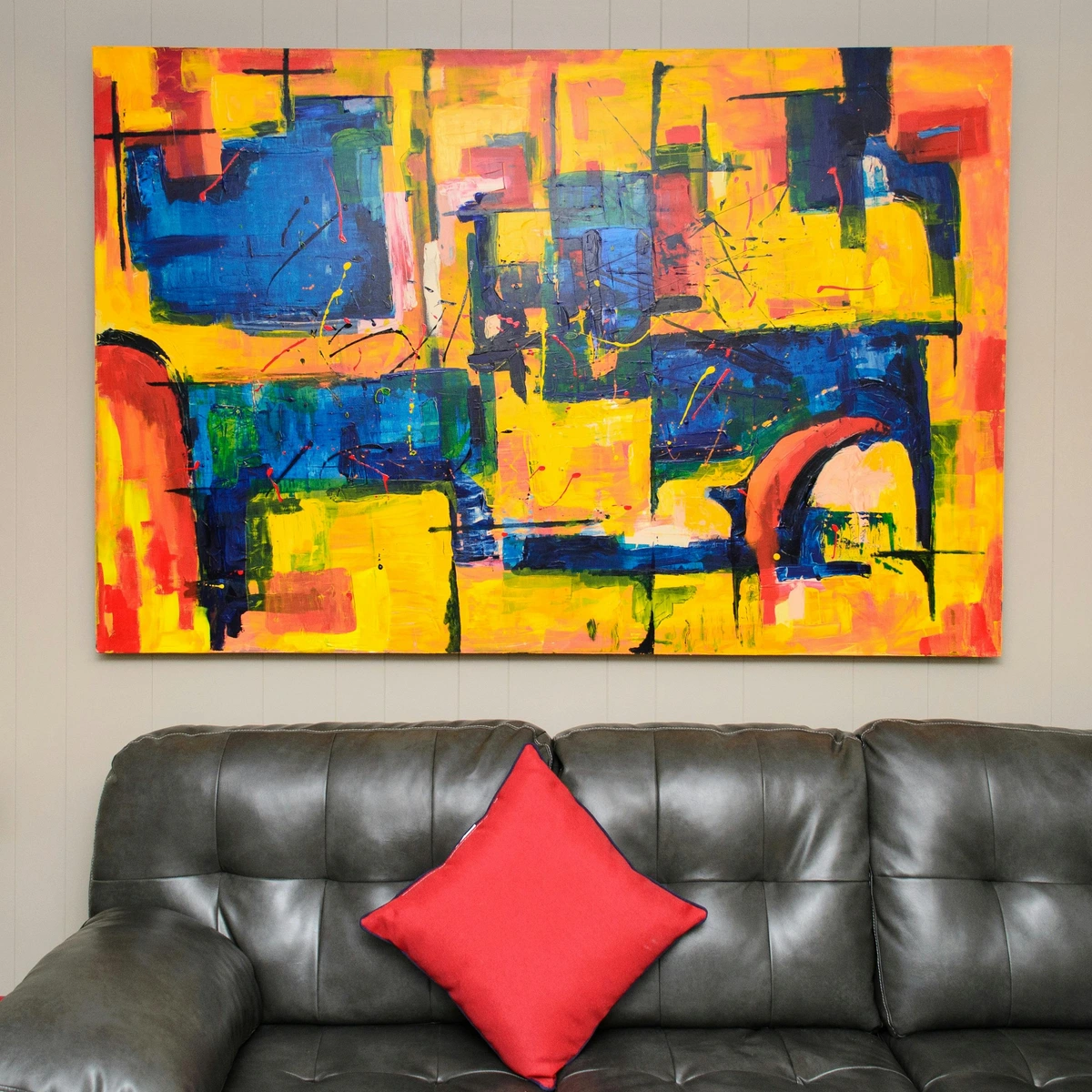
It's characterized by an embrace of diverse styles, appropriation (taking existing images and recontextualizing them), pastiche (an artistic work that imitates that of previous works), irony, and a questioning of grand narratives (universal truths or beliefs). It's a reflection of our complex, globalized world, grappling with everything from identity politics to environmental concerns, and constantly integrating new technologies. Contemporary art is a continuous reaction against rigid definitions and towards limitless experimentation, drawing from all historical periods. The art market and art criticism also play a significant role in shaping its discourse.
This era also sees a crucial acknowledgment that the history of art is vast and extends far beyond the Western canon we've primarily discussed. While this article focuses on the major Western art movements that form a foundational narrative, it's important to remember that rich, ancient, and continually evolving artistic traditions exist across Asia (e.g., Japanese Ukiyo-e prints, which significantly influenced Impressionism), Africa (whose masks and sculptures inspired early Modernists), the Americas (from pre-Columbian to vibrant indigenous contemporary practices), and Indigenous cultures worldwide, each with their own profound histories and influences.
Key Figures:
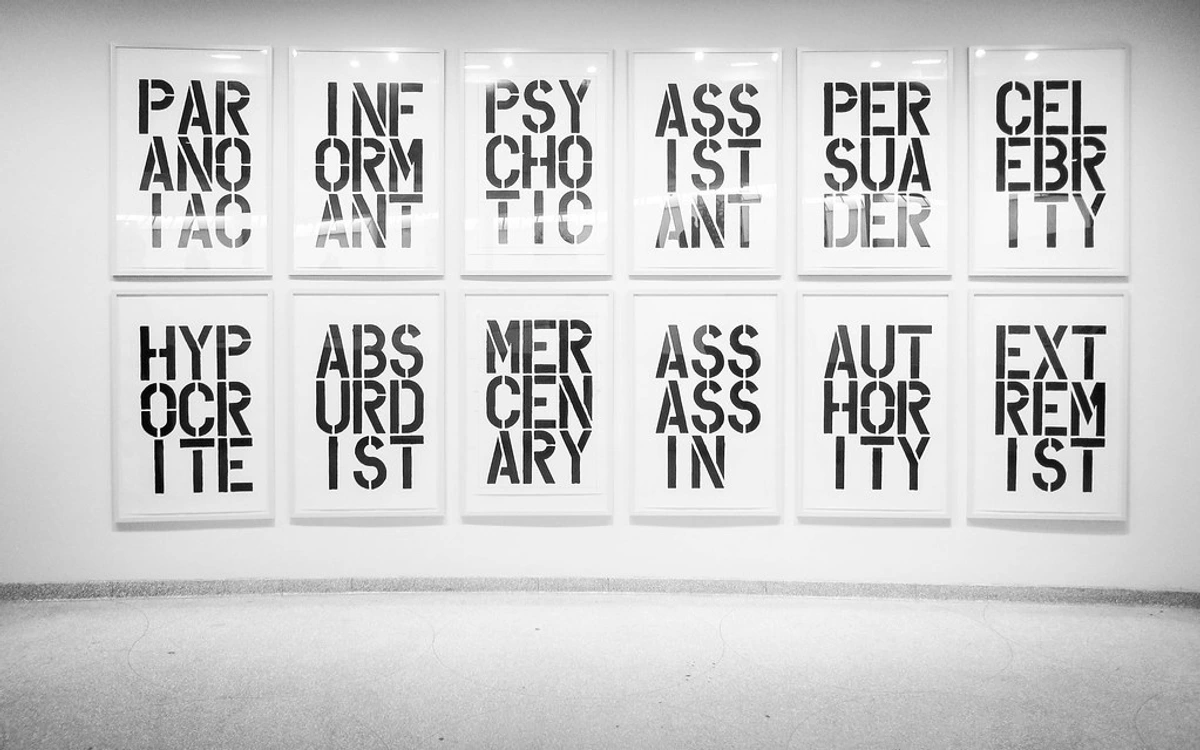
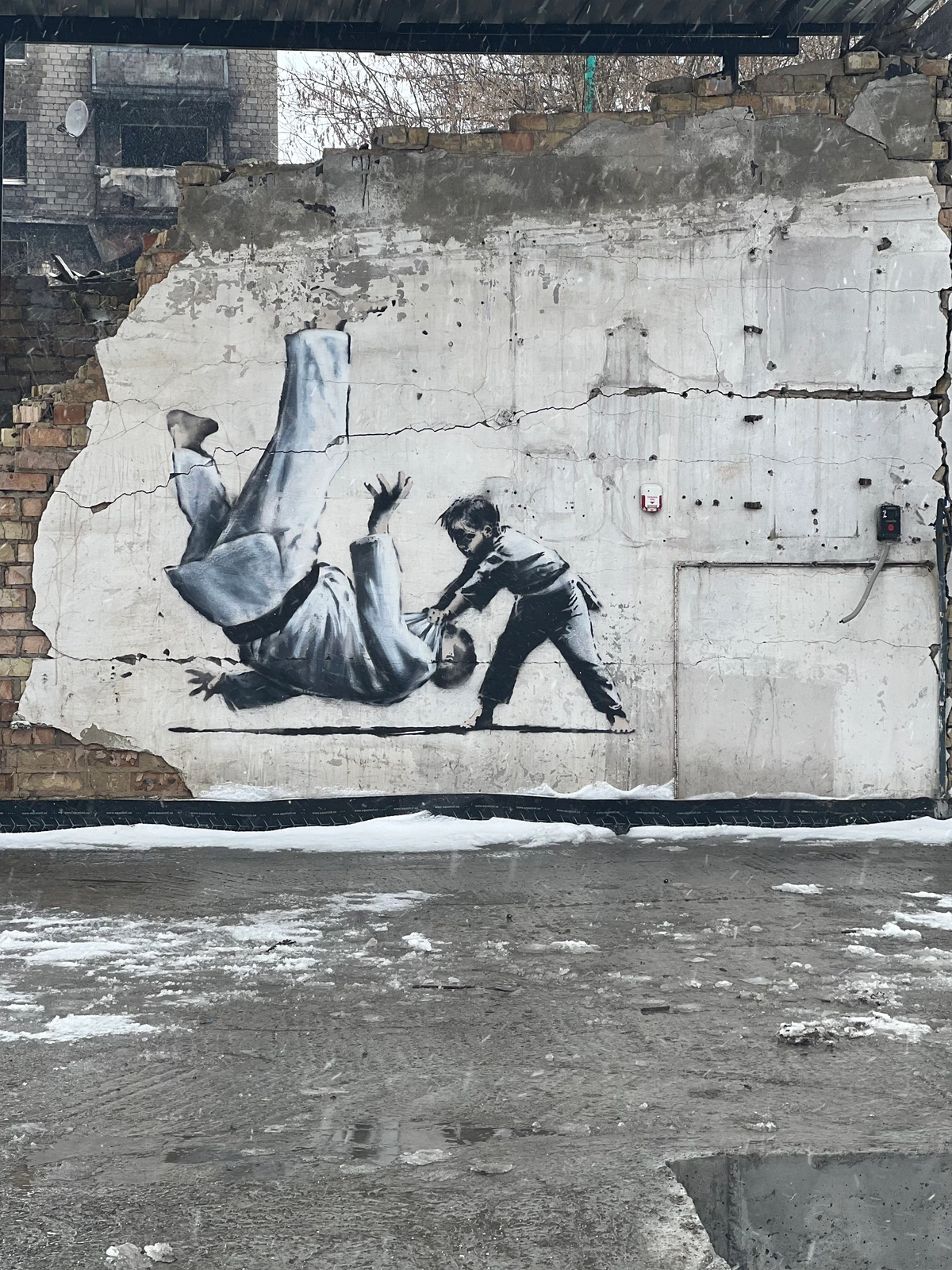
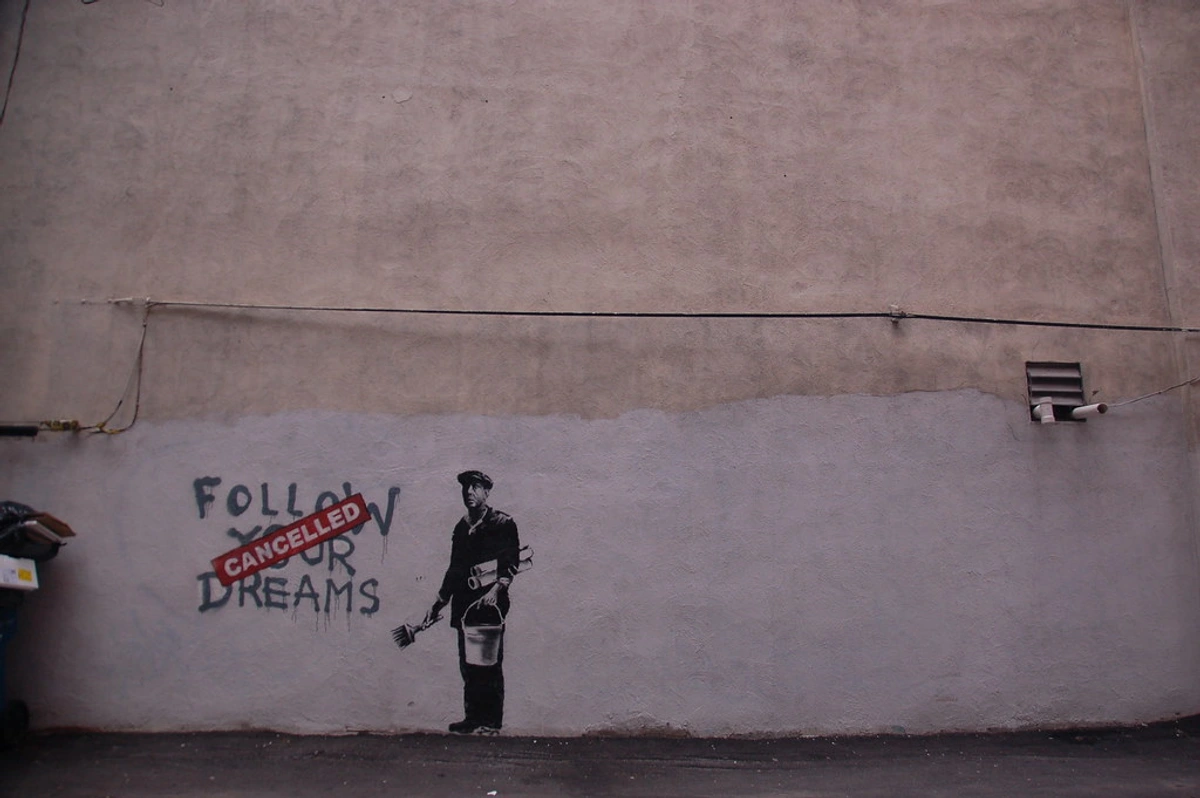
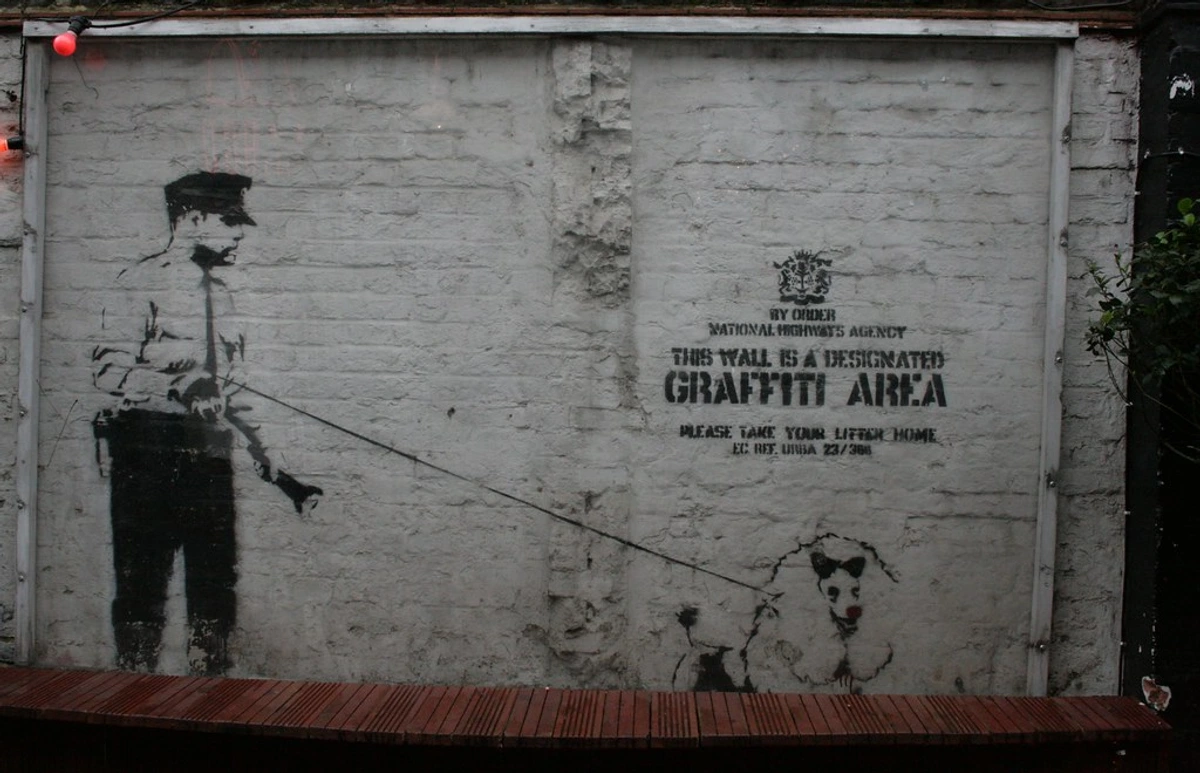
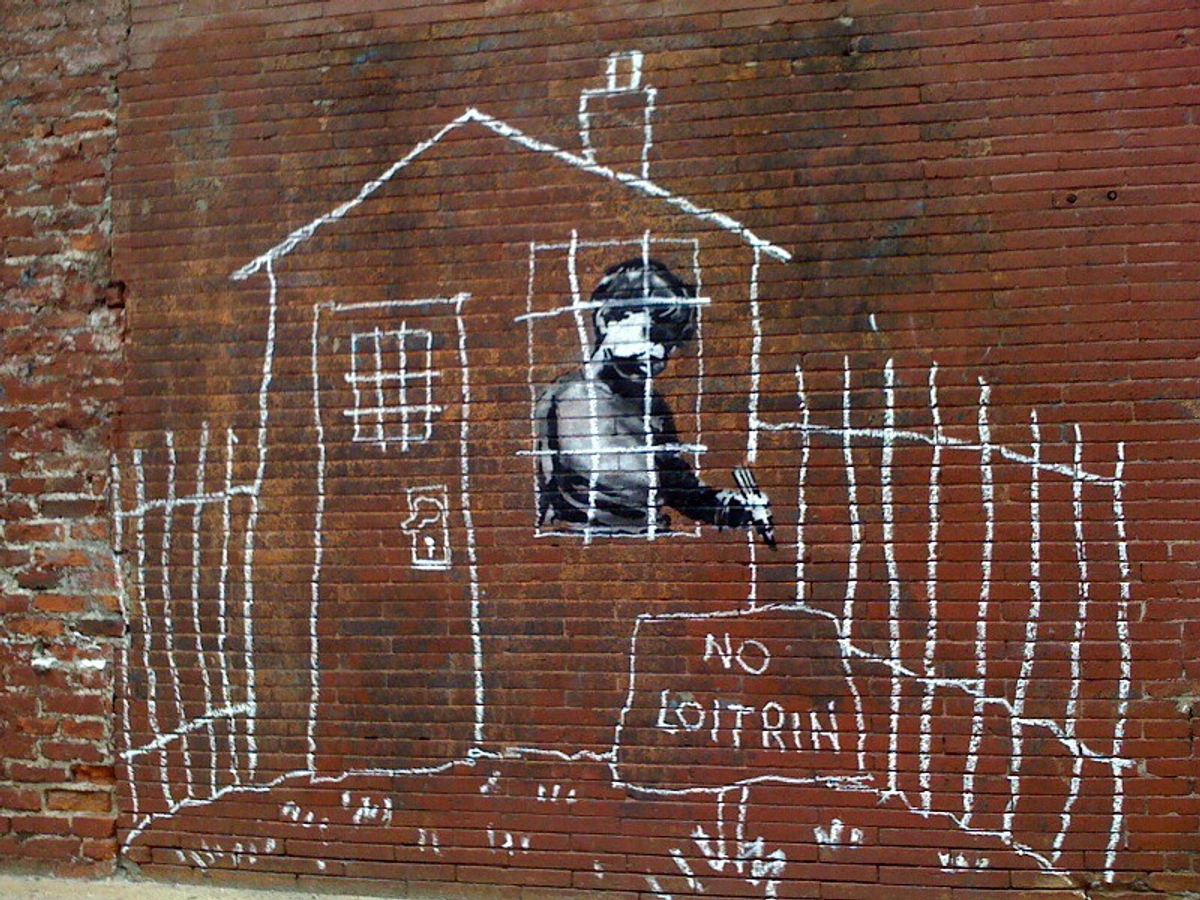
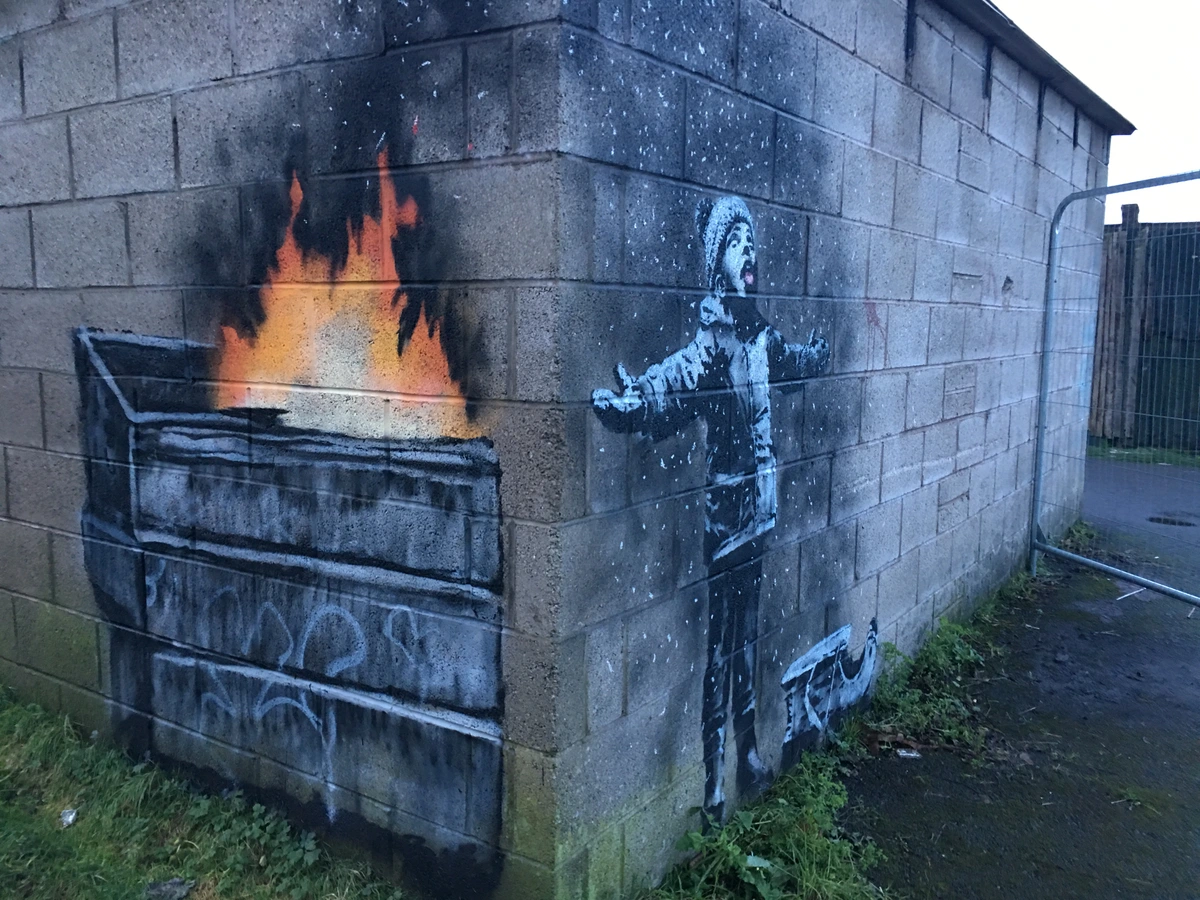
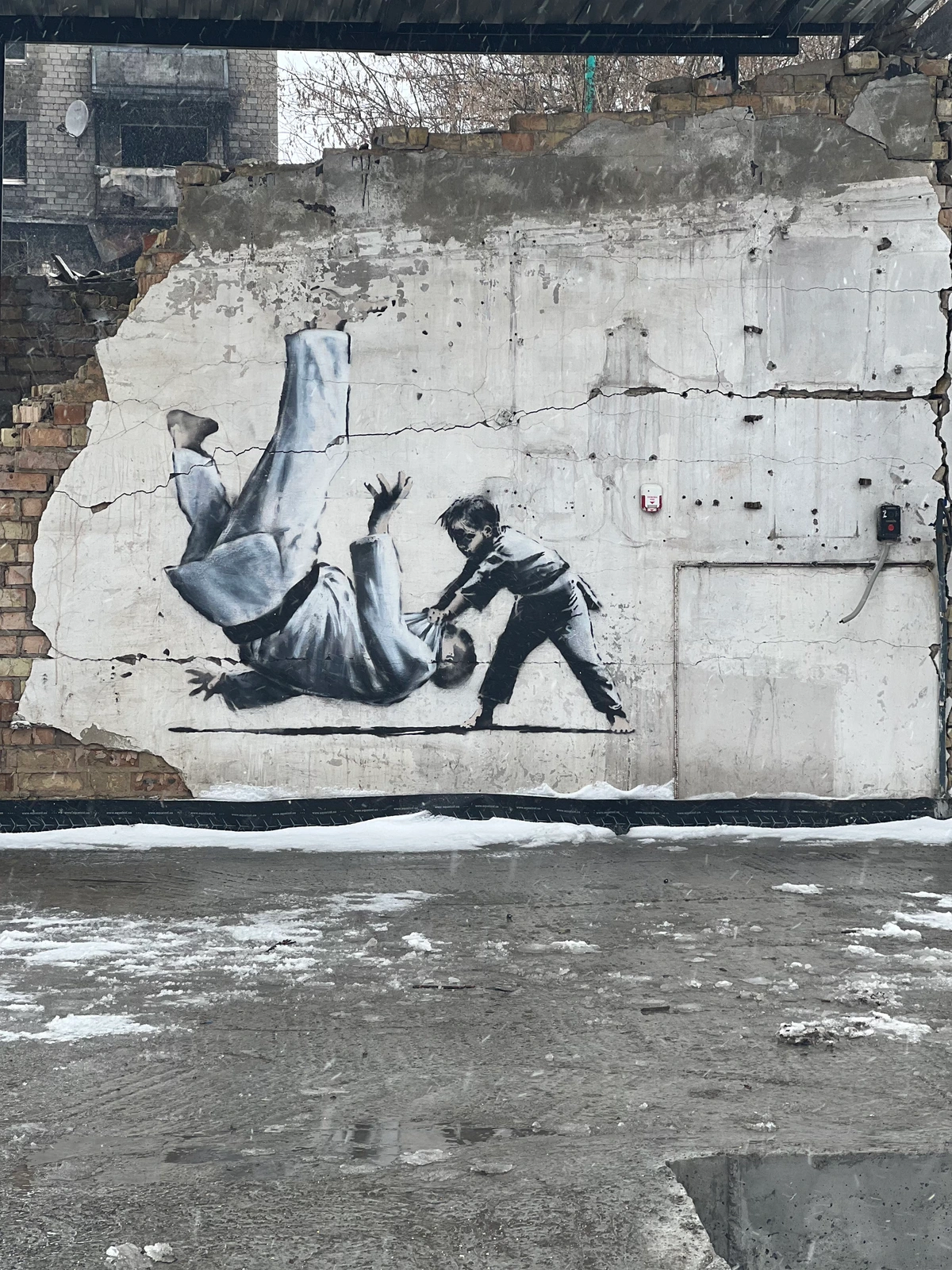
- Banksy: Anonymous street artist, famous for his satirical and politically charged stencil art, engaging with social issues on public walls, challenging authority and commercialism.
- Ai Weiwei: Chinese artist and activist, known for his politically provocative works across various media, often critiquing authoritarianism and human rights issues with monumental installations and performances.
- Kara Walker: Explores race, gender, and identity through striking black-and-white silhouette installations, recontextualizing historical narratives and challenging stereotypes.
- Jeff Koons: Celebrated for his monumental, often controversial, sculptures of mundane objects and popular culture icons, playing with notions of taste, commercialism, and spectacle.
- Damien Hirst: A leading Young British Artist, known for his conceptually driven works often involving death, medicine, and consumer culture, frequently sparking controversy and exploring the fragility of life.
Key Characteristics:
- Diversity & Pluralism: No single dominant style, but a vast array of approaches, forms, and philosophies, reflecting a globalized world.
- Postmodernism: Influenced by irony, pastiche, critique of grand narratives, and blurring of cultural hierarchies, often reinterpreting historical styles and questioning universal truths.
- Globalization: Increased international exchange, fusion of influences, and cross-cultural dialogue, moving beyond a Eurocentric view.
- New Media: Extensive exploration of digital art, video, installation, performance, sound art, and mixed media, constantly pushing technological boundaries.
- Social & Political Engagement: Addressing contemporary issues of identity, gender, race, environment, consumerism, and politics, often provoking dialogue and critique.
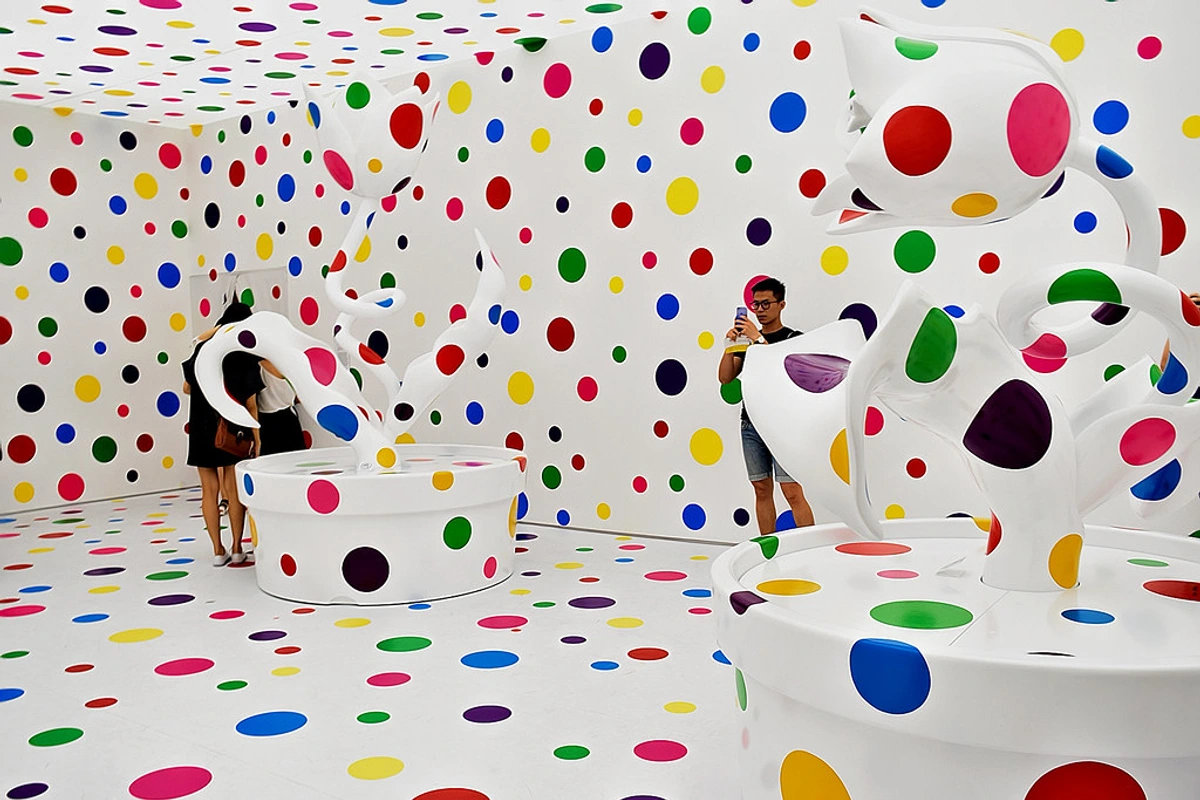
From Street Art by figures like Banksy to the powerful narratives of Mexican Muralism (with artists like Diego Rivera or David Alfaro Siqueiros, using public art for social and political messages), to performance art, video installations, Feminist Art (exploring gender and identity, with artists like Judy Chicago), Land Art (integrating art with natural landscapes), Op Art (creating optical illusions), and Neo-Expressionism (reviving expressive, figurative painting) – the possibilities are endless. Contemporary artists like Kara Walker, Damien Hirst, and Jeff Koons engage with social, political, and personal issues using an unprecedented array of mediums. This is where art gets really interesting, as artists explore not only digital mediums but also the implications of emerging technologies like NFTs (Non-Fungible Tokens), which are a recent, highly debated phenomenon in the digital art market. While their long-term artistic and historical significance is yet to be determined, often fraught with concerns about environmental impact and purely speculative value, they are undoubtedly part of the evolving landscape of art and commerce. What I love about it is the sheer freedom and endless experimentation, constantly asking us to reconsider what art can be, and how it reflects our ever-changing present.
Key Art Movements at a Glance: Your Quick Reference
I know sometimes you just need to quickly jog your memory or compare characteristics, so I've put together this handy table summarizing the major players we've covered. Think of it as your cheat sheet for those moments when you need a quick overview of art's grand narrative, and a quick glance at how one movement often reacted to the previous one.
Movement  | Period (approx.) | Key Characteristics Summary | Key Concepts/Influences | Famous Artists (Examples) |
|---|---|---|---|---|
| Proto-Renaissance | c. 1200-1400 | Early naturalism, emotional depth, bridging Medieval to Renaissance | Shift from spiritual to human focus, early perspective | Giotto, Cimabue |
| Renaissance | c. 1300-1600 | Humanism, realism, perspective, classical revival, emotional depth | Humanism, Classical Antiquity, Individualism | Leonardo da Vinci, Michelangelo, Raphael, Sofonisba Anguissola |
| Mannerism | c. 1520-1600 | Elongated forms, exaggerated poses, artificial colors, tension | Reaction against High Renaissance harmony, intellectualism | Pontormo, Parmigianino, El Greco |
| Baroque | c. 1600-1750 | Drama, emotion, grandeur, chiaroscuro, movement, opulence | Counter-Reformation, Absolute Monarchy, Heightened Emotion | Caravaggio, Rembrandt, Bernini, Artemisia Gentileschi |
| Rococo | c. 1700-1780 | Playfulness, delicacy, pastel colors, asymmetry, aristocratic leisure | Aristocratic Patronage, Intimacy, Sensuality, Enlightenment (early critique) | Fragonard, Boucher, Watteau |
| Neoclassicism | c. 1750-1850 | Order, reason, civic virtue, clean lines, classical ideals | Enlightenment, Revolutions, Greco-Roman Revival, Pompeii/Herculaneum | Jacques-Louis David, Antonio Canova, Ingres |
| Romanticism | c. 1800-1890 | Emotion, individualism, sublime nature, dramatic narratives | Industrial Revolution, French Revolution, Nature's Power, Nationalism | Delacroix, Goya, Turner, Caspar David Friedrich |
| Realism | c. 1840-1880 | Everyday subjects, social issues, unvarnished truth, objective lens | Photography, Social Critique, Ordinary Life, Class Struggles | Courbet, Manet, Daumier, Millet |
| Impressionism | c. 1860-1890 | Fleeting moments, light/color effects, visible brushstrokes, en plein air | Science of Light, Modern Life, Japanese Prints, Portable Paint Tubes | Monet, Renoir, Degas, Cassatt, Morisot |
| Post-Impressionism | c. 1886-1905 | Personal vision, symbolic color, structural form, emotional expression | Reaction to Impressionism, Subjectivity, Symbolism, Scientific Theory | Van Gogh, Cézanne, Gauguin, Seurat |
| Fauvism | c. 1905-1908 | Audacious, non-naturalistic color, expressive compositions, liberation of color | Personal Expression, Pure Color, Simplified Forms | Matisse, Derain, Vlaminck |
| Expressionism | c. 1905-1920s | Raw emotion, distorted figures, jarring colors, inner psyche | Pre-WWI Anxiety, Human Condition, Spirituality, Freudian/Nietzschean Theory | Munch, Kirchner, Kandinsky, Schiele |
| Cubism | c. 1907-1914 | Fractured reality, geometric planes, multiple viewpoints, deconstruction | Cézanne, African Sculpture, New Perspectives, Analytical/Synthetic phases | Picasso, Braque, Gris |
| Futurism | c. 1909-1916 | Speed, technology, dynamism, machine age, rejection of past | Industrialism, War, Modern Life's Energy, Nationalism (problematic) | Boccioni, Balla, Marinetti |
| Dadaism | c. 1916-1924 | Anti-art, absurdity, irrationality, readymades, protest | WWI Disillusionment, Chance, Non-Sense, Rejection of Bourgeoisie | Duchamp, Man Ray, Jean Arp, Hannah Höch |
| Surrealism | c. 1920s-1960s | Dreams, subconscious, fantastic, illogical juxtapositions, Freudian influence | Freudian Psychoanalysis, Dreams, The Unconscious | Dalí, Magritte, Miró, Frida Kahlo |
| Abstract Expressionism | c. 1940s-1950s | Gestural action, emotive color fields, raw creation, existential angst | Post-WWII Trauma, Cold War, Jungian Psychology, American Individualism | Pollock, Rothko, de Kooning, Clyfford Still |
| Pop Art | c. 1950s-1970s | Popular culture, mass media, consumerism, high/low art blurring | Consumerism, Mass Production, Celebrity Culture | Warhol, Lichtenstein, Johns, Oldenburg |
| Minimalism | c. 1960s-1970s | Reduction to basic forms, geometric shapes, industrial materials, objecthood | Reaction to AE, Objecthood, Purity of Form, Direct Experience | Judd, Stella, Agnes Martin, Dan Flavin |
| Conceptual Art | c. 1960s-Present | Idea/concept paramount, intellectual engagement, challenges art definition | Dematerialization, Duchamp's Legacy, Language, Philosophy, John Cage | Sol LeWitt, Joseph Kosuth, Yoko Ono |
| Contemporary Art | c. 1970s-Present | Diverse styles, postmodernism, social/political themes, new media | Globalization, Technology, Identity Politics, Pluralism | Banksy, Ai Weiwei, Kara Walker, Jeff Koons, Damien Hirst |
Frequently Asked Questions (FAQ) About Art Movements
I get a lot of questions about art movements, so I've gathered some of the most common ones here to help clarify things even further. Think of these as quick checks for any lingering puzzles you might have.
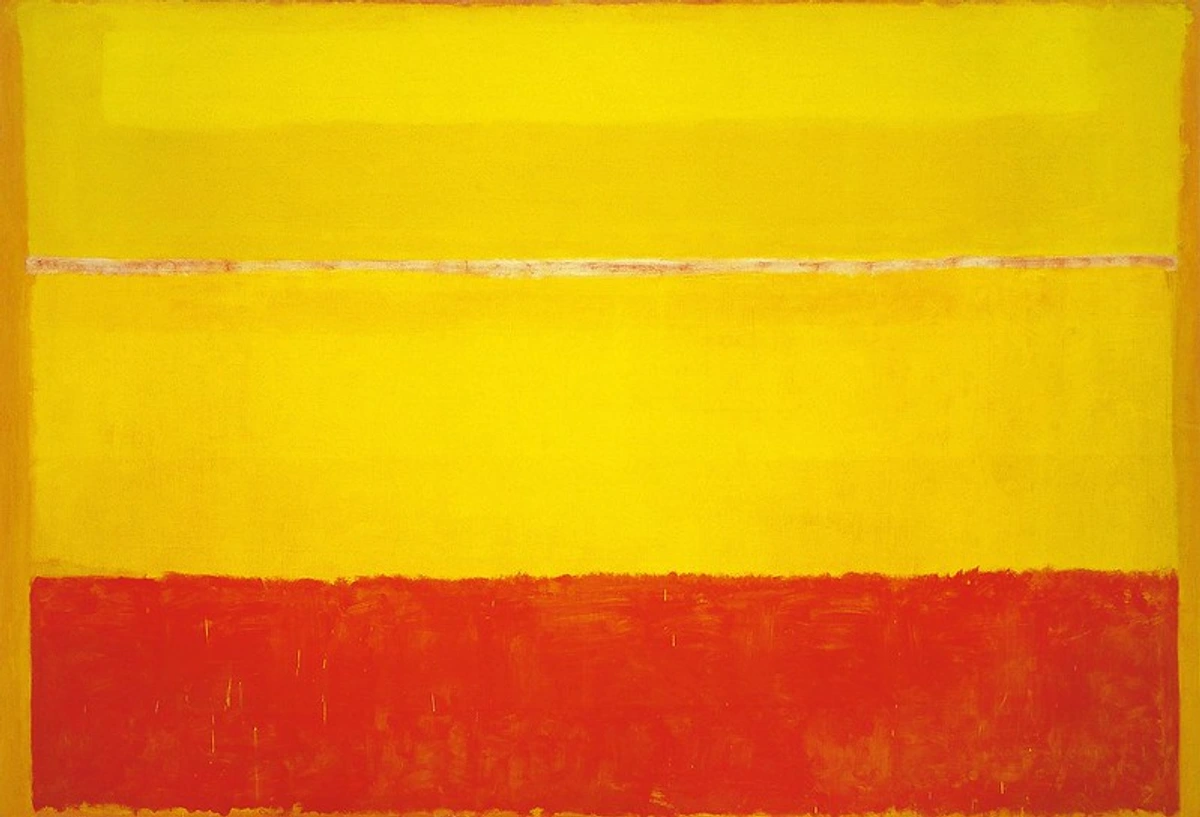
What exactly is an art movement and why are they important?
An art movement is essentially a shared approach or philosophy to art-making that characterizes a group of artists during a specific period, often emerging as a reaction against established styles. Why are they important? Because they offer crucial windows into humanity's evolving way of seeing the world, expressing emotions, and understanding itself. They reflect and often influence broader cultural, social, and political shifts, providing essential context for all art, from ancient masterpieces to the most innovative contemporary works. They show us that art is never static; it's a living, breathing commentary on the human condition, constantly adapting and challenging perceptions, ultimately enriching our understanding of ourselves and the world around us.
How many major art movements are there?
That's a tricky one, and the exact number can vary depending on how you categorize them! While I've covered 20 foundational movements (including Proto-Renaissance and Mannerism as distinct entries) in this article, some broader periods encompass several sub-movements (like Modernism), and contemporary art, in particular, is incredibly diverse and constantly evolving. The key is not to get caught up in an exact count, but to understand the most influential ones, as they form the fundamental backbone of art history's grand narrative and provide context for all other artistic expressions.
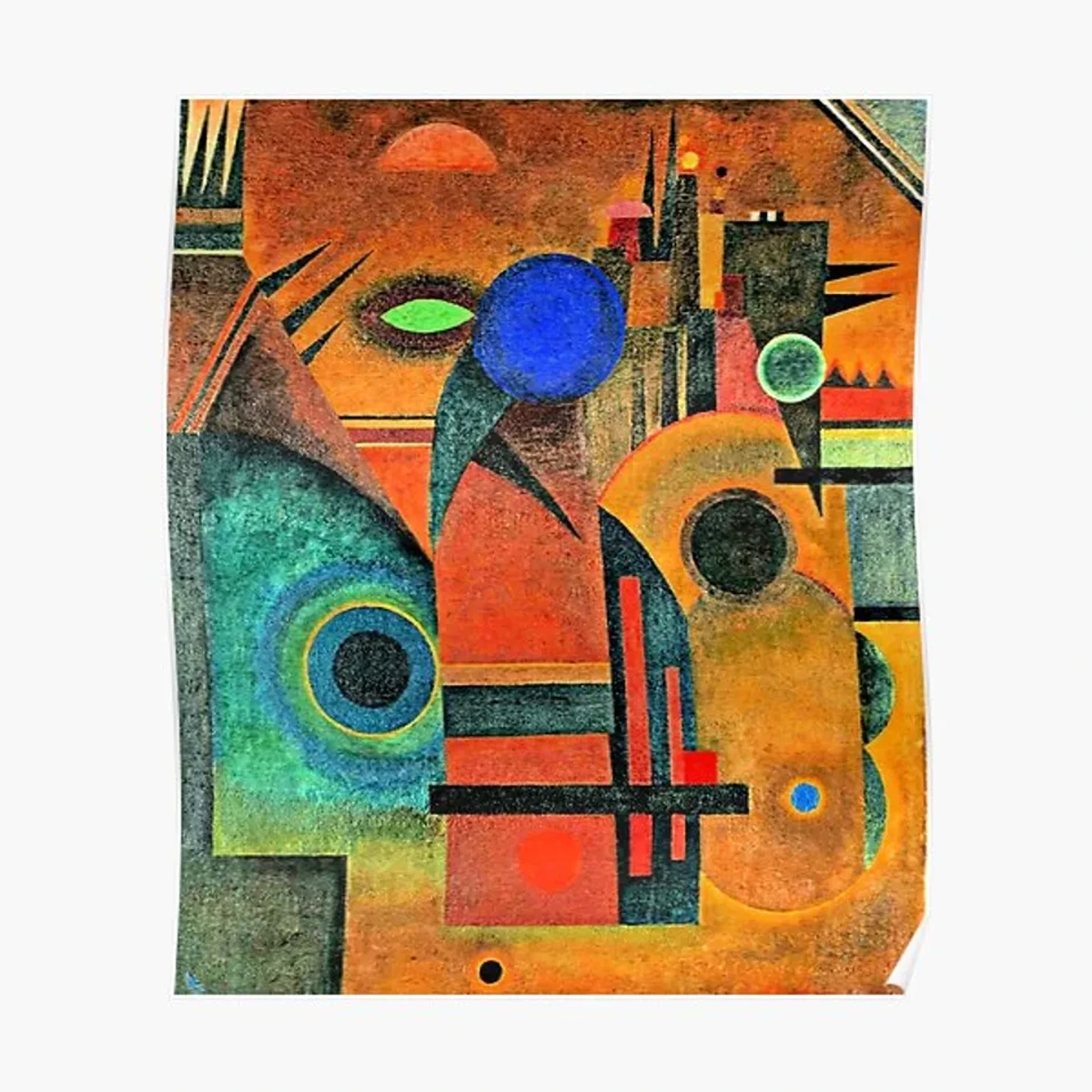
What was the first recognized art movement in Western art?
While prehistoric and ancient art existed for millennia, the Renaissance (c. 1300-1600) is widely considered the first major art movement in the sense we discuss today within the Western canon. It marked a conscious, widespread shift in artistic philosophy and technique across Europe, with a clear break from preceding medieval styles due to its emphasis on Humanism and rediscovered classical principles. It was a deliberate, collective turning point that laid the groundwork for how we understand subsequent art historical periods. While Proto-Renaissance artists like Giotto paved the way, the Renaissance proper saw a full, conscious embrace of these new ideals on a grand scale.
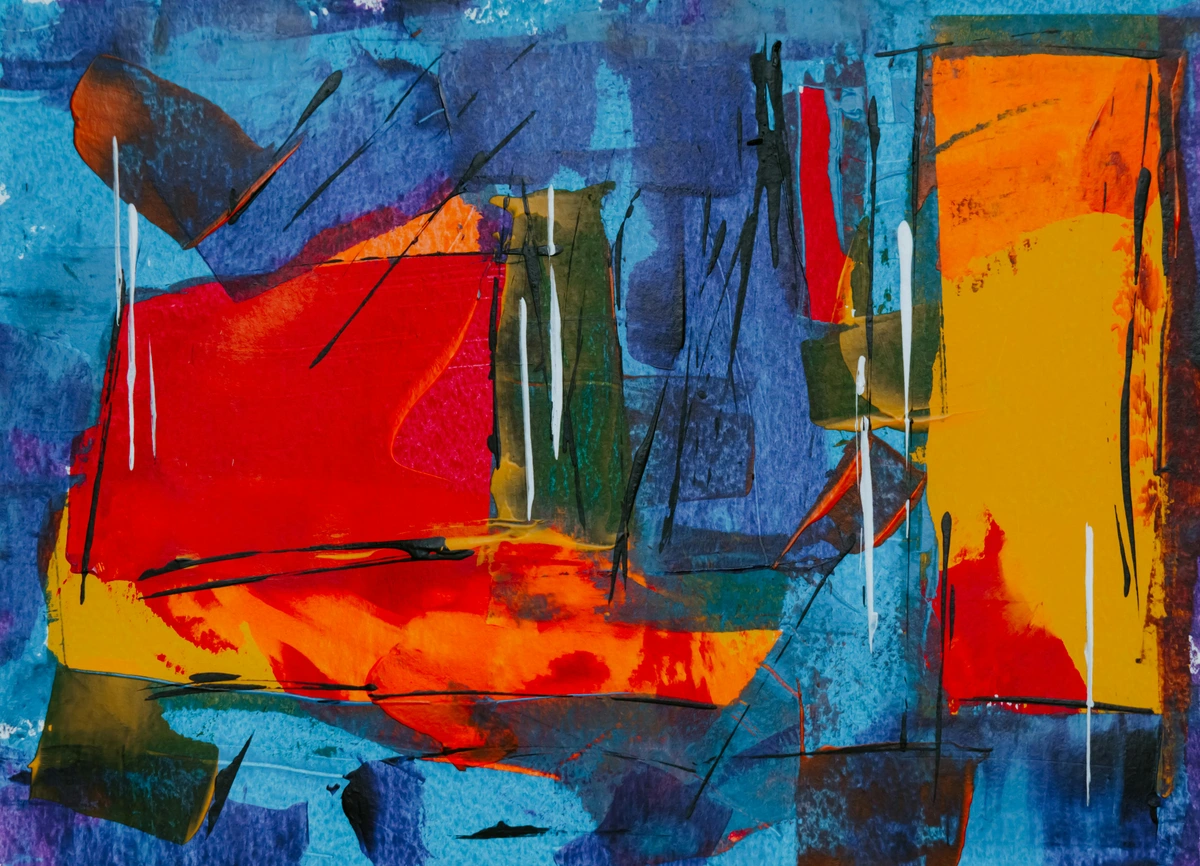
How do art movements influence each other?
Art movements are rarely isolated islands; they're more like a continuous, vibrant conversation. They influence each other in several key ways: by directly reacting against a previous style (e.g., Neoclassicism reacting to Rococo's frivolity), by building upon a predecessor's innovations and pushing them further (e.g., Post-Impressionism expanding on Impressionism's use of color), or by simply offering an alternative perspective that eventually gains traction. This constant interplay of adoption, adaptation, and rejection creates the rich, dynamic tapestry of art history, where each new idea is informed by what came before.
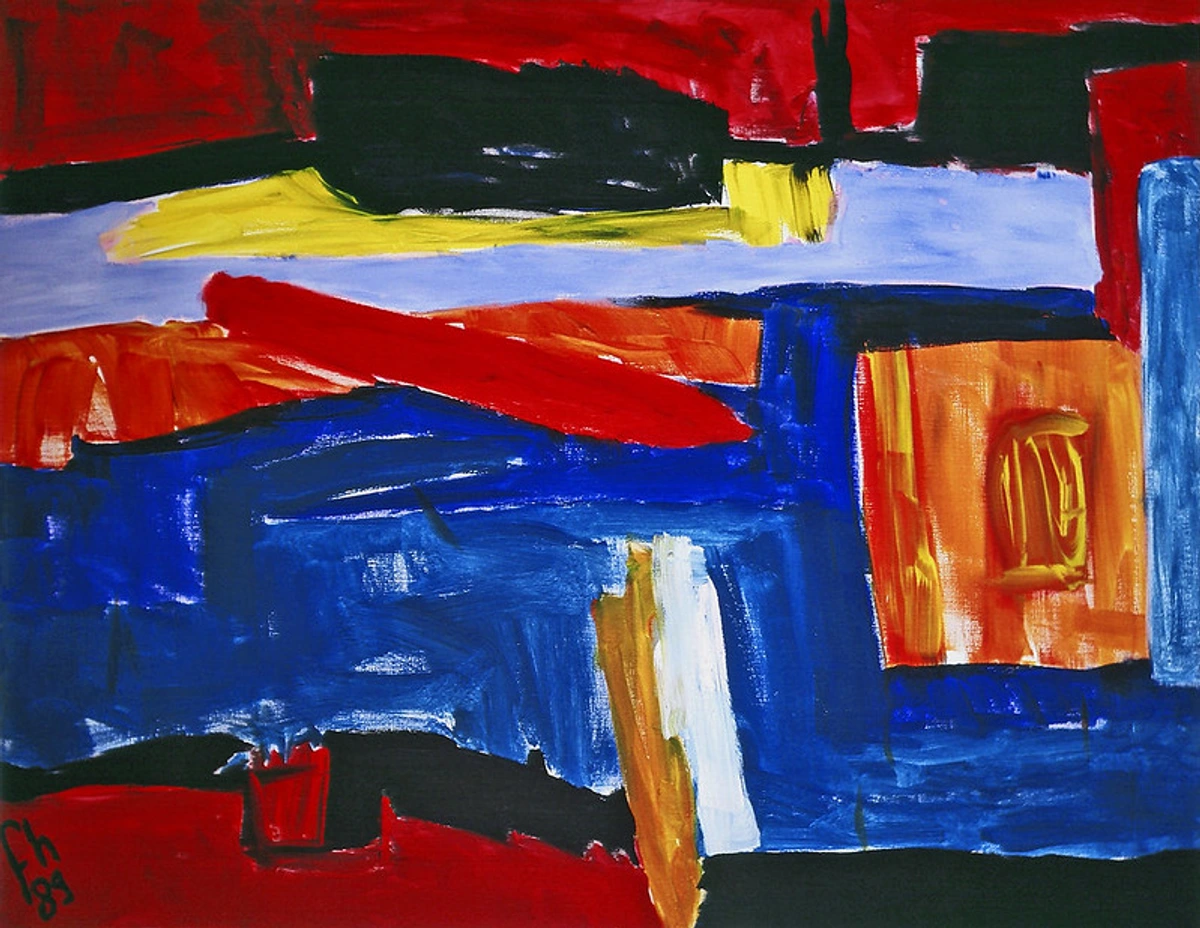
What are the key differences between Romanticism and Realism?
This is a classic comparison! Romanticism (c. 1800-1890) prioritized intense emotion, individual experience, and the sublime power of nature, often depicting dramatic narratives or imagined worlds. Think grand, passionate gestures and dramatic narratives. Realism (c. 1840-1880), in contrast, reacted against this emotionalism, focusing on depicting everyday life, ordinary people, and unvarnished truths as objectively as possible, often addressing social issues. Think gritty, factual observations of contemporary society. While Romanticism soared with feeling and imagination, Realism kept its feet firmly on the ground, insisting on depicting the world as it is.
Which art movements influenced Cubism and why?
Cubism (c. 1907-1914) was primarily influenced by two major factors: first, the structural approach of Paul Cézanne, who famously advised treating nature in terms of geometric forms like cylinders, spheres, and cones. His late work deconstructed objects into facets, a crucial step for Cubists in moving beyond single-point perspective. Second, it was significantly inspired by African and Iberian sculpture, particularly their simplified, angular, and abstracted forms. These non-Western art forms offered a radical departure from traditional European naturalism, showing artists like Picasso and Braque new ways to represent figures and objects in a non-illusionistic, conceptual space, emphasizing form over mimetic representation.
How do I remember all these art movements?
Honestly, it takes time and immersion! Don't try to memorize everything at once. Instead, I've found it's most effective to focus on:
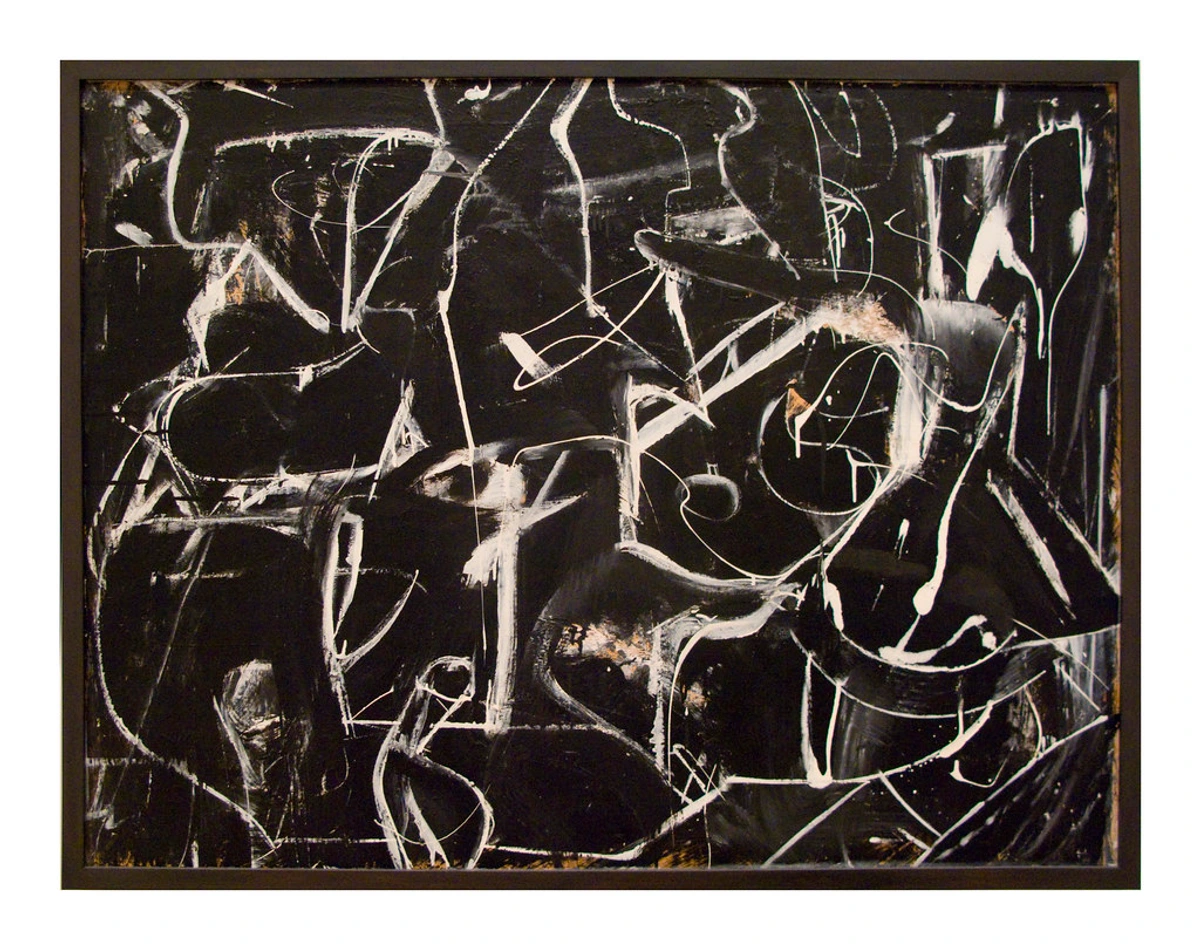
- The "Why" (Context): Understand why a movement emerged (what it reacted against or built upon historically, socially, and philosophically).
- The Core Idea: Grasp the central philosophy or artistic intention (e.g., Impressionism = light and fleeting moments, Expressionism = raw inner emotion).
- One Iconic Artist/Artwork: Associate each movement with a famous artist and their iconic work (e.g., Cubism = Picasso's fragmented forms).
- The Flow (Timeline): Get a general sense of the chronological progression and how they connect, like the narrative you just read.
Think of it like learning a new language – you start with the most important words and phrases and their underlying grammar first, building confidence piece by piece!
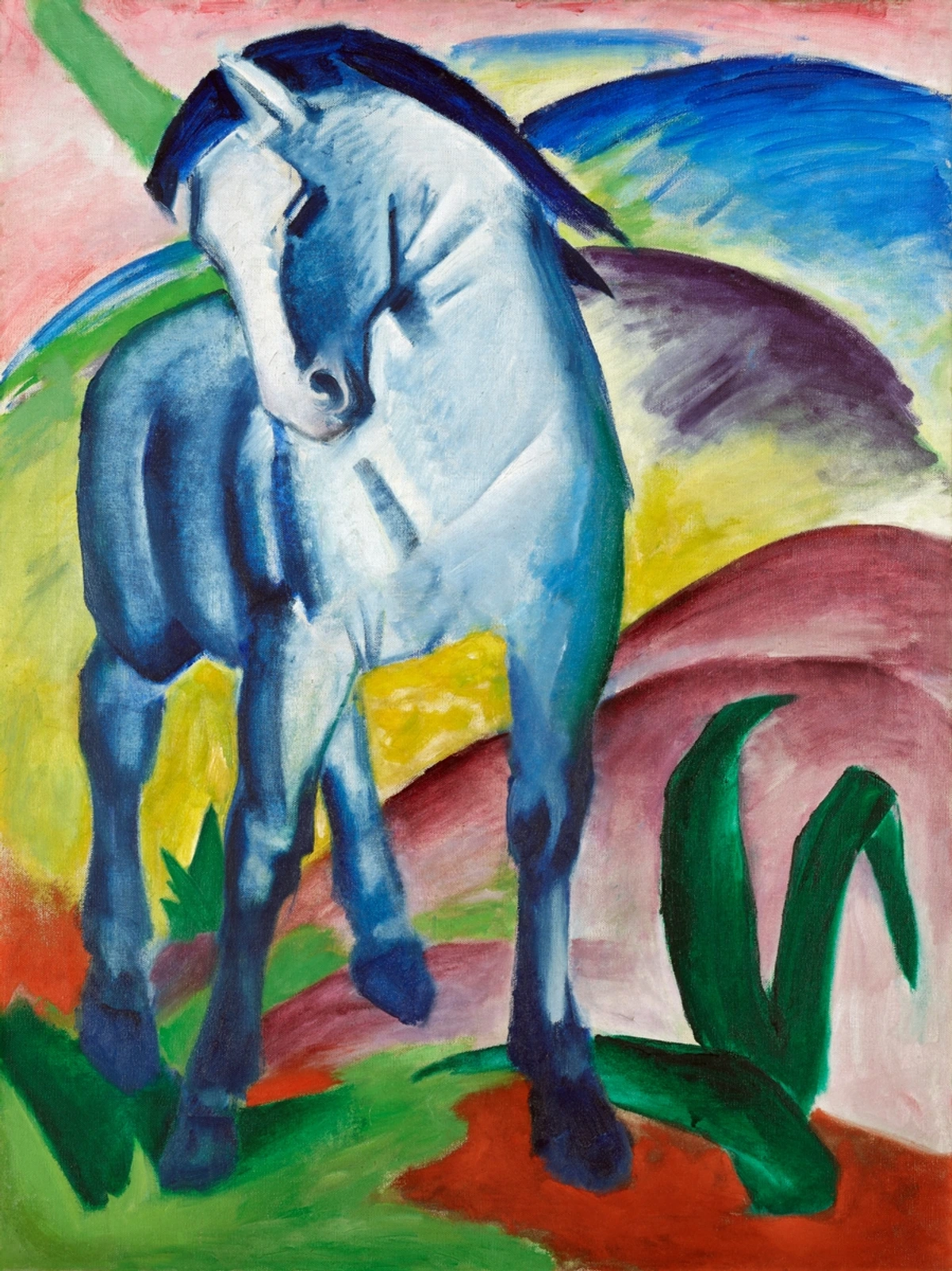
What's the difference between Modern Art and Contemporary Art?
This is a common point of confusion! Broadly:
- Modern Art (roughly 1860s-1970s): This umbrella term encompasses the revolutionary movements from Impressionism through Abstract Expressionism (and many in between). It was characterized by a radical break from traditional forms, a focus on experimentation, abstraction, and the artist's subjective experience. Its core drive was for newness and forging a new, innovative path, often rejecting historical constraints.
- Contemporary Art (roughly 1970s-Present): This refers to art being made today. It's incredibly diverse, often characterized by Postmodernism's questioning of grand narratives, embracing pluralism, new media, and often engaging directly with social, political, and identity issues. Unlike Modern Art's drive for singular innovation, Contemporary Art often reinterprets, appropriates, and dialogues with history, embracing a multitude of truths and perspectives and reflecting our globalized, technologically advanced world.
So, while Modern Art sought to define a new truth, Contemporary Art often explores multiple truths and perspectives and is deeply reflective of our globalized, technologically advanced world.
How did technology influence art movements?
Technology has been a constant, quiet force in shaping art! Consider these examples:
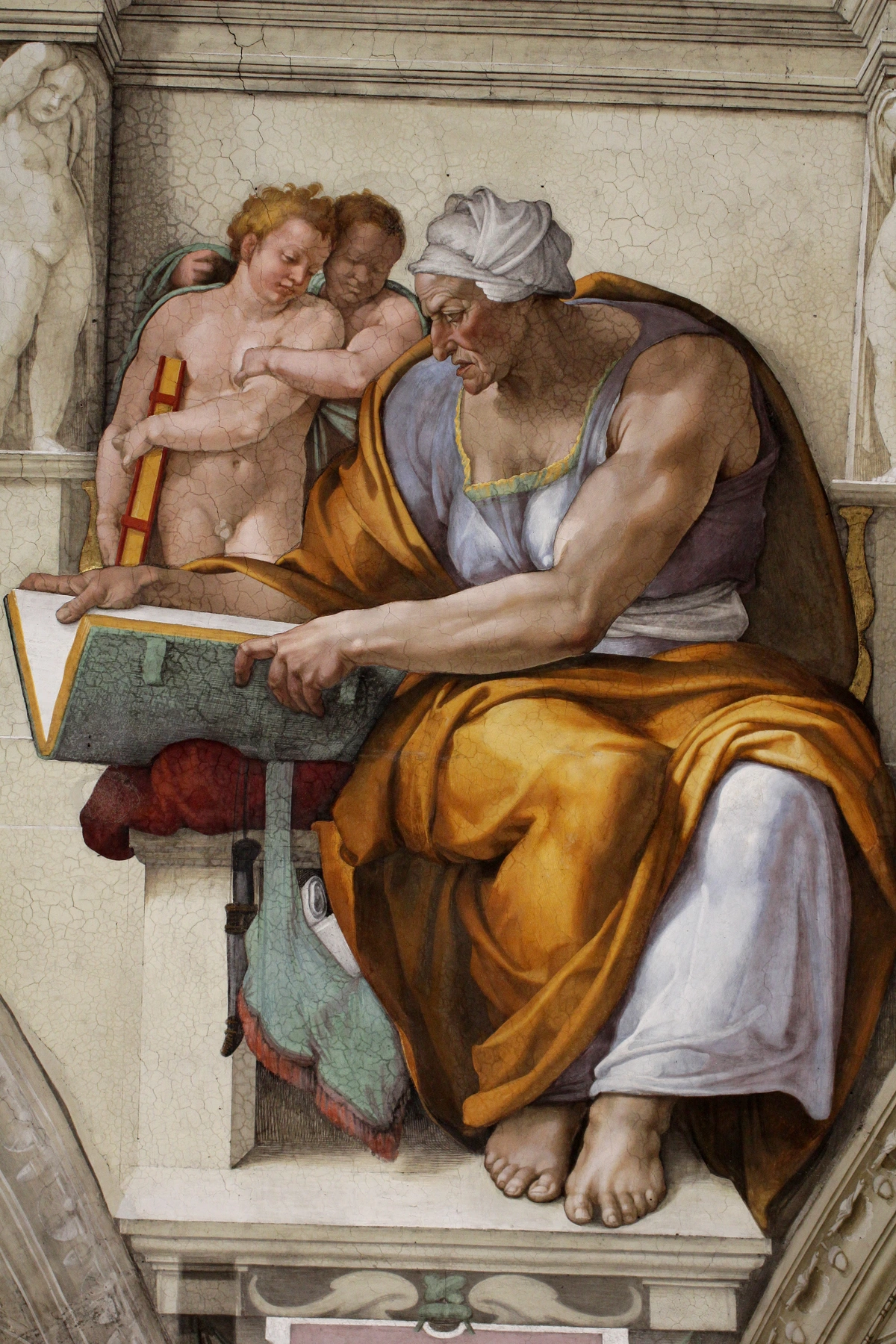


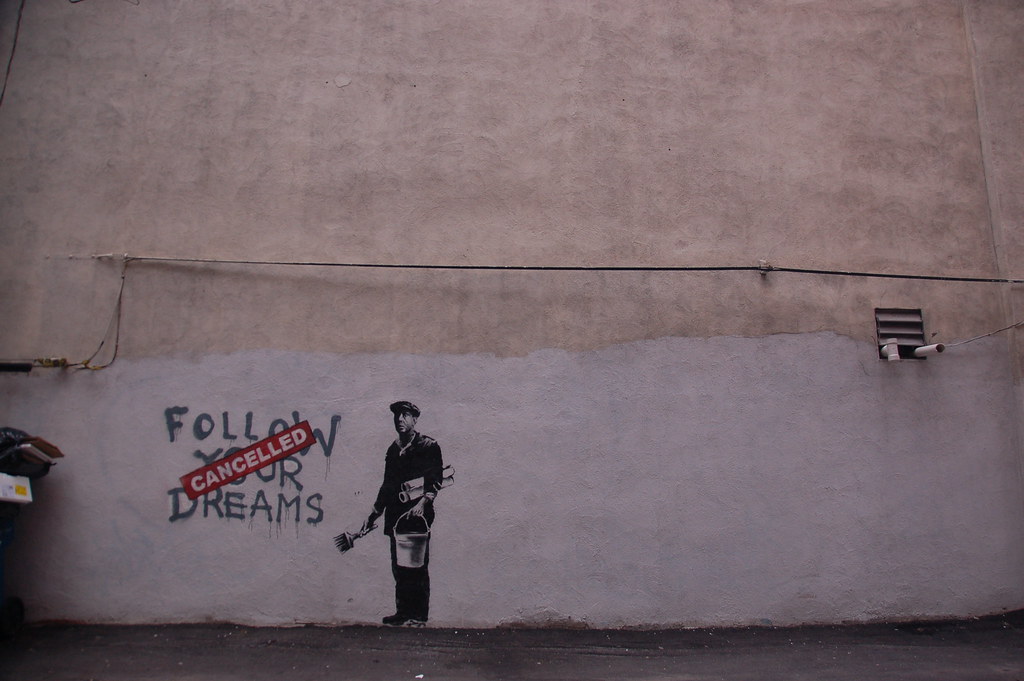

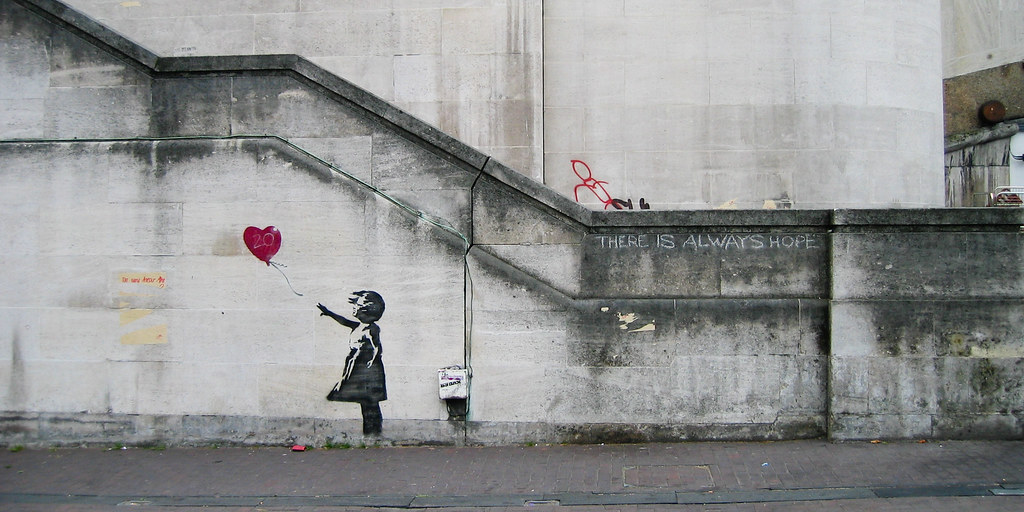

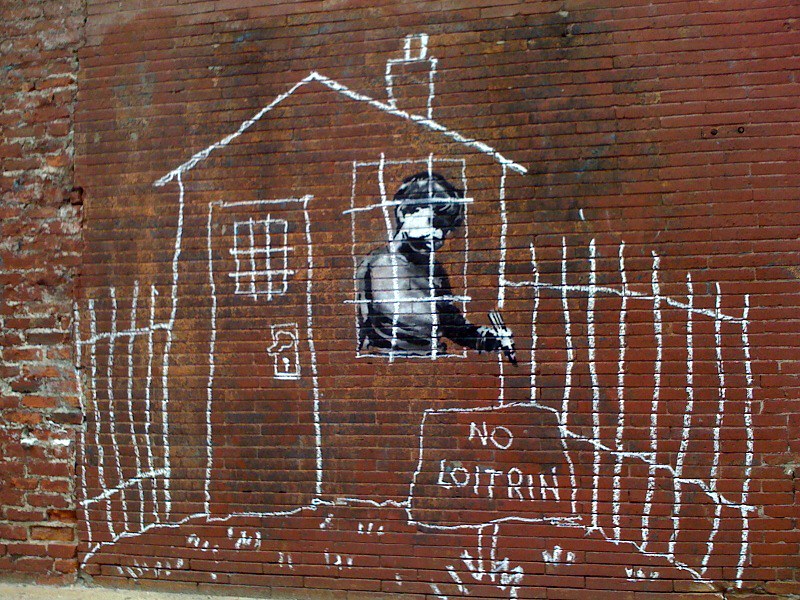

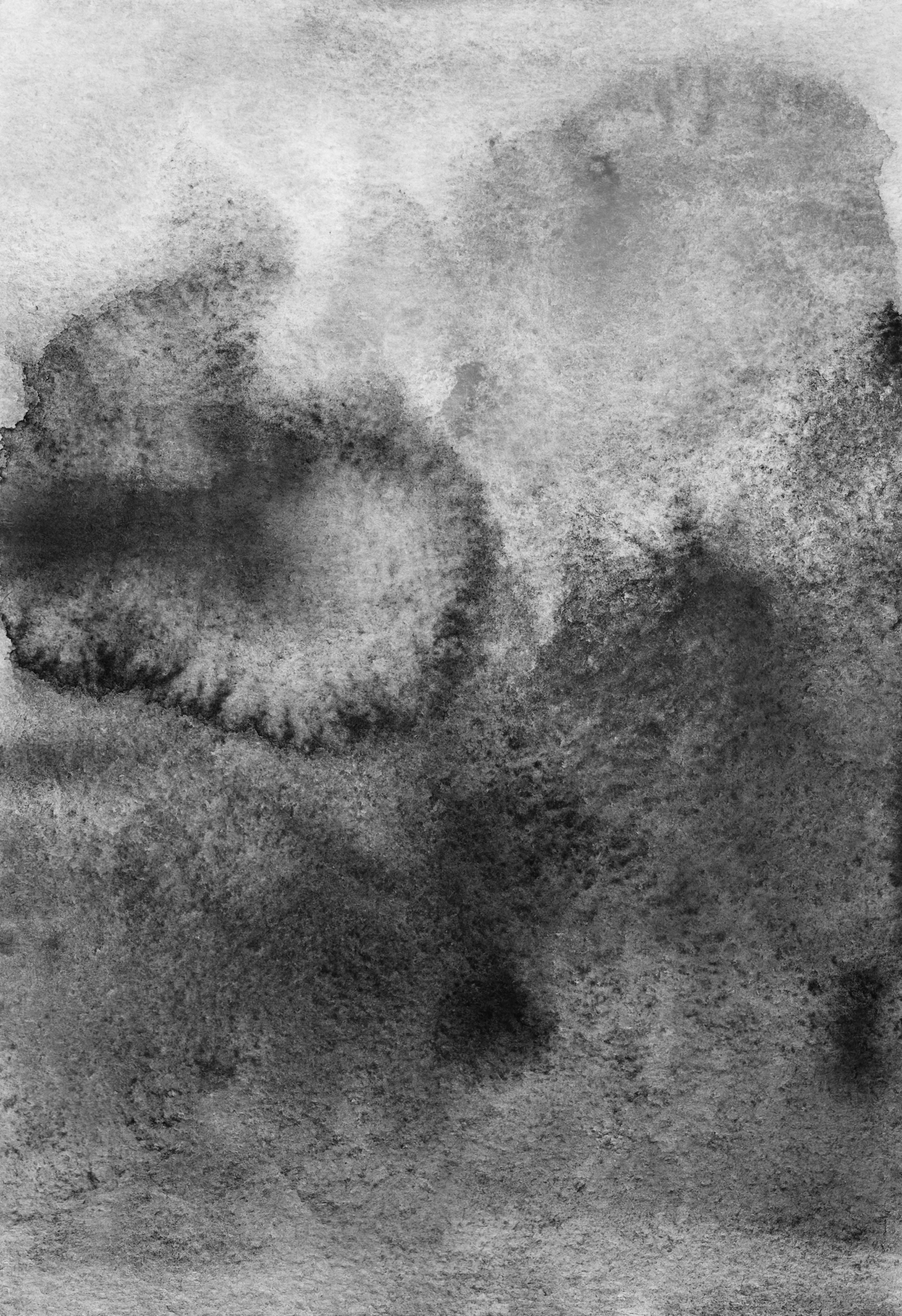

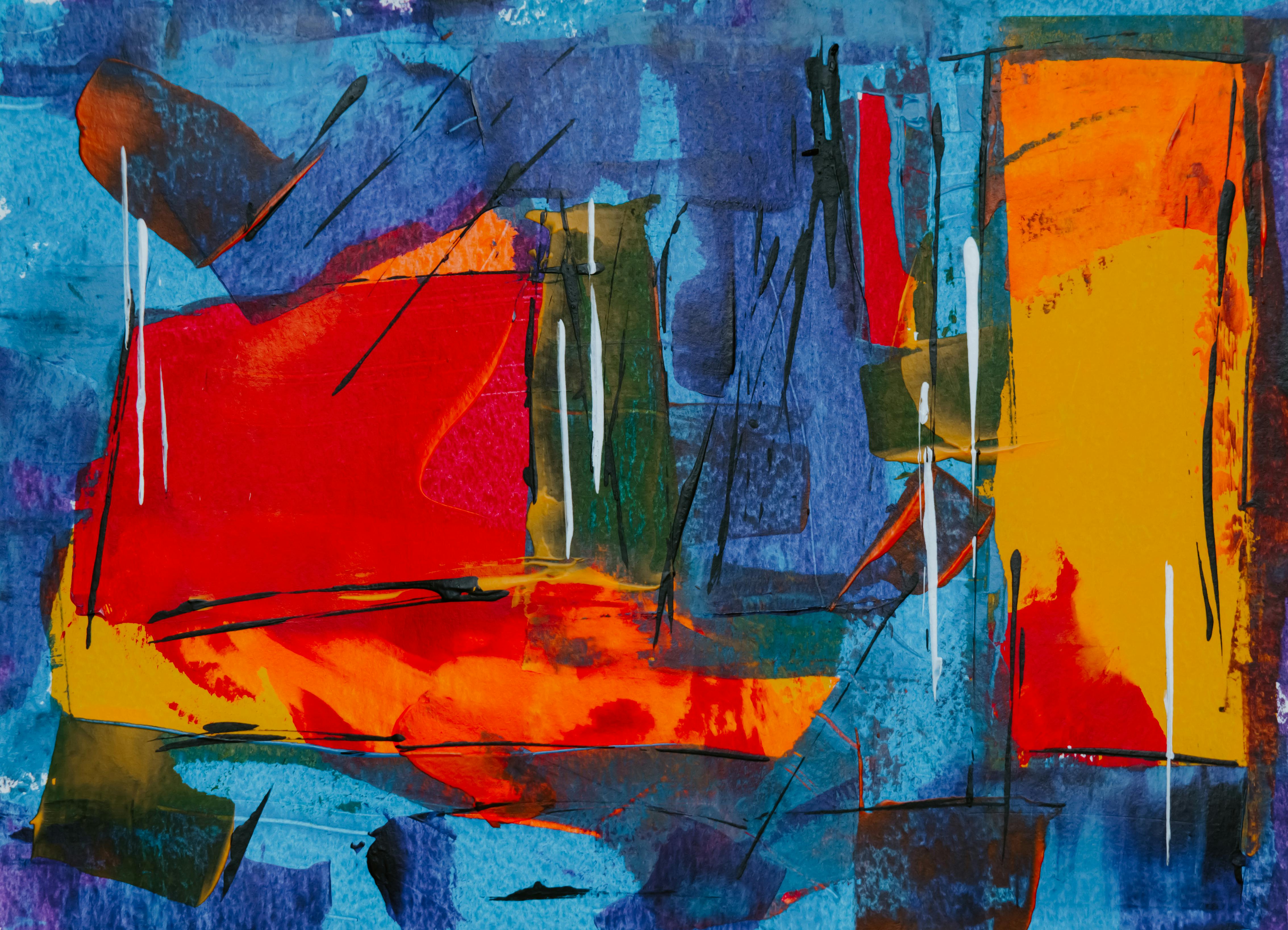
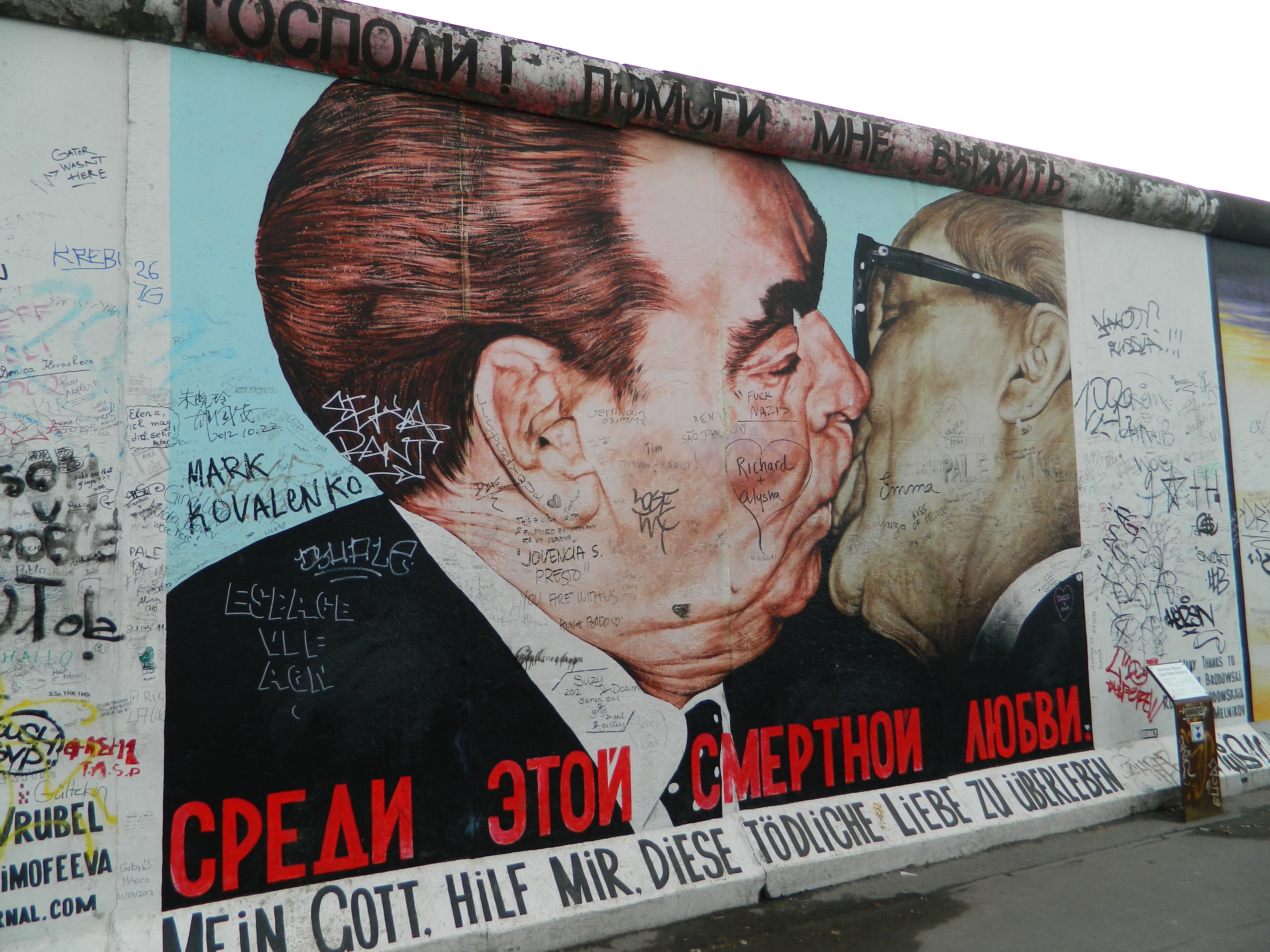


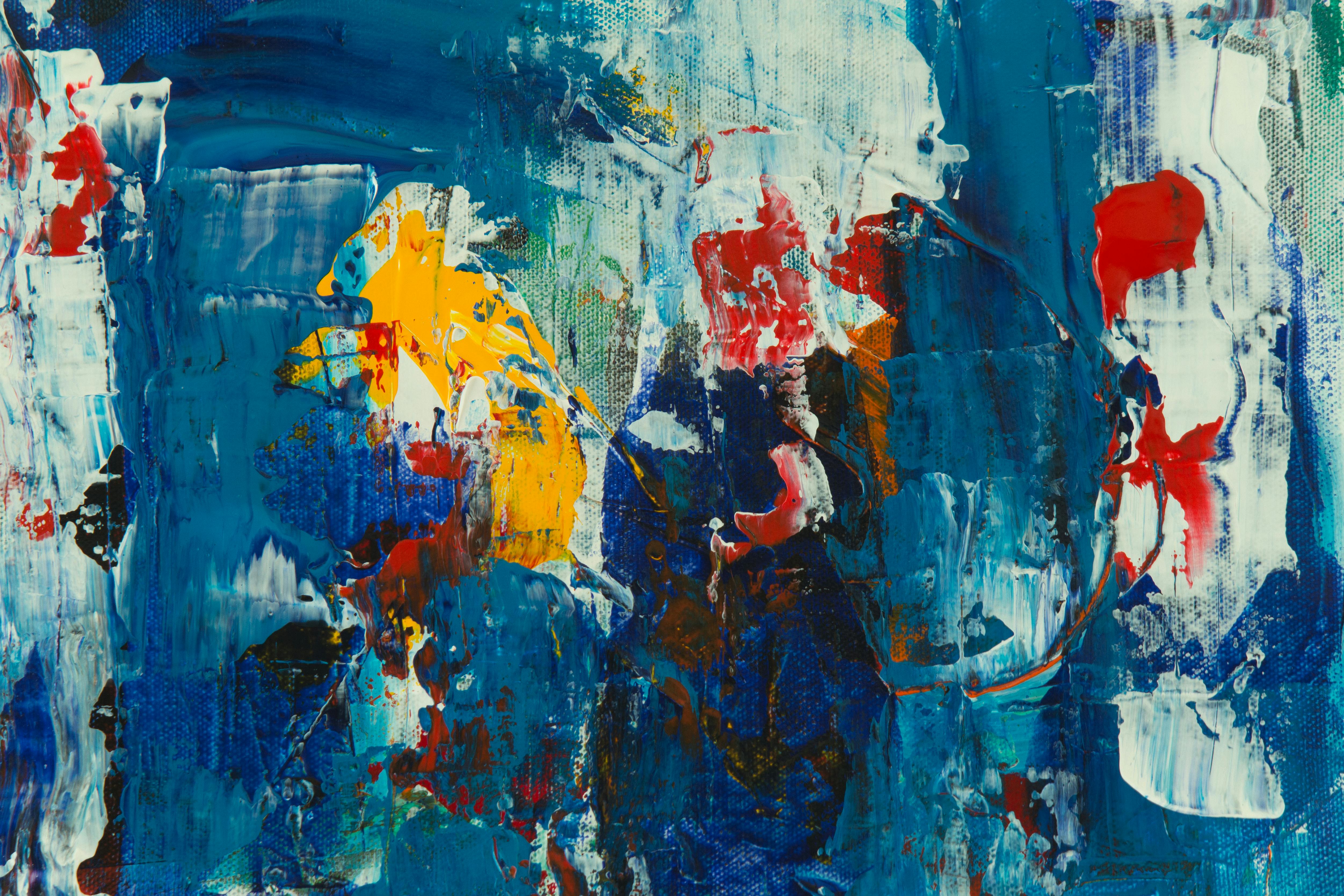


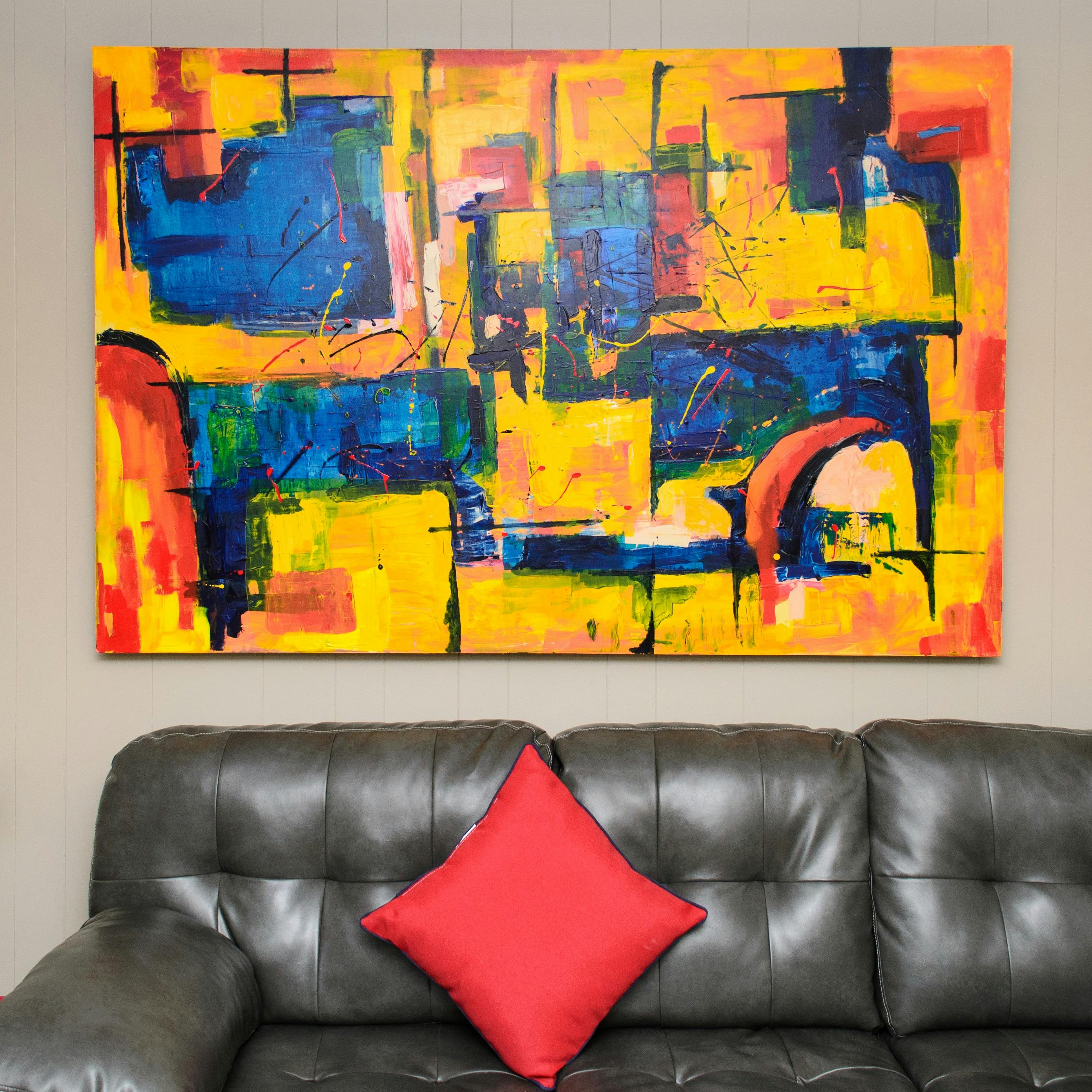



- Renaissance: Advancements in mathematics and optics directly led to the mastery of linear perspective, creating the illusion of three-dimensional space.
- Impressionism: The invention of pre-packaged paint tubes and portable easels made en plein air painting practical, allowing artists to capture fleeting light effects outdoors.
- Realism: The rise of photography challenged painting's role as the sole recorder of reality, pushing artists to find new ways to depict truth, often adopting photography's candid compositions.
- 20th Century & Beyond: From new industrial materials in Minimalism to digital tools, video, and the internet in Contemporary Art, technology continually expands the possibilities for creation and dissemination, leading to entirely new art forms.
How can I learn more about art movements and artists?
This article is just the beginning of your journey! To truly deepen your understanding and foster your own artistic sensibility, I recommend a few pathways:
- Explore further: Dive into my ultimate guides on specific movements and artists right here on this site. We've got plenty more to uncover!
- Visit museums: There's absolutely no substitute for seeing art in person. The scale, texture, and nuances often get lost in reproductions. If you're near me, check out the Den Bosch Museum.
- Read books: Art history texts, biographies of your favorite artists, or even theoretical works can offer incredible, multi-layered insights.
- Engage with art actively: Don't be afraid to form your own opinions, question what you see, and connect art to your own life experiences. That's where the real magic happens, where art transcends history and becomes profoundly personal.
Conclusion: Your Journey Through the Tapestry of Art
Phew! We've journeyed through centuries of human creativity, from the ancient foundations and solemn beauty of the Renaissance to the boundless experimentation of Contemporary Art. I sincerely hope this personal, definitive guide has helped untangle some of that initial 'mess' and shown you the thrilling, continuous narrative that connects these diverse artistic expressions. Art movements are far more than just historical footnotes; they are vibrant windows into the human spirit, reflecting our deepest desires, fears, triumphs, and our endless capacity for imagination and innovation.
Each movement, in its own way, acts as a mirror, showing us not only who we were, but who we are, and perhaps, who we might become. This ongoing dialogue between past and present, reaction and evolution, is what makes art history so endlessly fascinating and relevant. Remember, art isn't just for experts in ivory towers. It's for everyone. It's for you. So, keep exploring, keep questioning, and keep letting art open your mind in exhilarating new ways. Who knows what connections you'll discover next, or how these historical insights might even inspire your own creative impulses? Perhaps this journey through art's grand narrative will even inspire you to explore the vibrant dialogue happening in contemporary art today. If you're feeling inspired to bring a piece of this rich history, interpreted through contemporary eyes, into your own space, you can always explore my own art here. The beauty of this journey is that there's always more to discover, more to feel, and more to understand.