Symbolism Art Movement: The Ultimate Guide to Unseen Truths & Modern Art's Soul
Unveil the Symbolism art movement (late 19th C) in this definitive guide. Explore its deep philosophy, dreamlike art, key artists, and profound legacy that shaped Expressionism, Surrealism & Abstract art.

Symbolism Art Movement: Your Ultimate Guide to Unveiling Dreams, Myths, and Hidden Truths
Have you ever had a dream that felt so vivid, so real, that its truth lingered long after you woke up? Or wrestled with a gut-level understanding of something profound, a feeling you just couldn't quite put into words? That, for me, is the very essence of the Symbolism art movement. It's one of those pivotal moments in art history that, at first glance, can feel a bit murky, a touch elusive, almost like trying to grasp smoke.
Honestly, sometimes I still feel like I need a decoder ring to fully grasp it! But I promise you, once you tune into its frequency, you'll start seeing its echoes everywhere—in movies, music, literature, and even in how you interpret the world around you. It's not just an artistic style; it's a profound way of seeing, feeling, and expressing the unseen. This comprehensive guide will equip you to not only understand this complex movement but also to spot its echoes in art and culture today.
In this journey, we'll dive deep into its philosophical roots, explore its defining characteristics and key artists, compare it to its contemporaries, and trace its incredible ripple effect on all modern art. Prepare to look beyond the surface.
This intuitive grasp of meaning, this feeling that something deeper lies beneath the surface, is precisely what the Symbolists sought to capture. At its core, Symbolism was a radical reaction. Imagine a group of artists and writers in the late 19th century looking at the prevalent styles of Realism and Impressionism—with their unwavering focus on everyday life, scientific observation, and capturing fleeting moments of light—and collectively saying, with a profound sense of weariness, "Is that truly all there is to see? Is reality merely what meets the eye?"
For me, they felt those movements only skimmed the surface. An Impressionist might meticulously render the transient shimmer of light on a haystack, but the Symbolists felt they were entirely missing the haystack's soul, or the ancient mysteries whispered by the setting sun. They were deeply hungry for something more, for the unseen, the mystical, the stuff that lurks in the back of our minds, the things words and paint couldn't quite touch directly. They didn't want to paint a haystack at sunset; they wanted to paint the feeling of twilight, the ephemeral nature of beauty, the mystery of mortality, or the echo of a forgotten dream. They believed the material world was just a thin veil, and beneath it lay a more profound, spiritual, and often unsettling reality. Their job was to give us tantalizing glimpses of what lay behind that veil, using symbols. This is more than just art history; it's the pivotal bridge that propelled art towards its modern, introspective self. Let's pull back the curtain on this utterly fascinating and deeply influential movement that forged a crucial bridge to modernity.
Why Symbolism Emerged: The Anti-Reality Imperative
Symbolism was an outright rebellion against the prevailing artistic and philosophical norms of its day. It truly blossomed out of poetry, with towering figures like Charles Baudelaire leading the philosophical charge long before painters fully caught up. His seminal work, Les Fleurs du Mal (The Flowers of Evil), is practically a Symbolist manifesto in verse, exploring beauty in decay and the mystical correspondences between the physical and spiritual. This embrace of the intangible was also fueled by profound societal shifts of the late 19th century—rapid industrialization, burgeoning scientific materialism, and the alienation they brought.
Imagine a world rapidly changing, becoming colder, more mechanized, a world where science claimed to explain everything. People were losing touch with nature, with tradition, and with a sense of inherent meaning. This widespread unease led many to seek solace and meaning in the spiritual, the occult, and the burgeoning fields of psychology. They were searching for something real amidst a reality that felt increasingly artificial and detached. In 1886, poet Jean Moréas solidified this artistic shift with his "Symbolist Manifesto," articulating the movement's core tenets: a rejection of objective reality in favor of subjective expression, the importance of dreams, and the power of suggestion.

Philosophical Underpinnings and "Correspondences"
To truly understand the Symbolist mindset, you have to remember the intellectual ferment of the late 19th century. There was a growing weariness with the cold, hard logic of scientific positivism and industrialization. Thinkers like Arthur Schopenhauer, with his philosophy of the 'will-to-live' and the inherent suffering in existence, resonated deeply with artists searching for deeper, often darker, truths.
For Schopenhauer, this 'will' was a blind, irrational force driving all existence, and recognizing its futility often led to profound melancholy – a mood Symbolists perfectly captured through somber palettes, desolate landscapes, and figures absorbed in introspection. Friedrich Nietzsche's explorations of the Dionysian (instinctual, chaotic, emotional) and Apollonian (rational, ordered, intellectual) aspects of human experience also echoed their desires to tap into primal forces and the subconscious. Symbolists, in essence, were drawn to the raw, untamed Dionysian, believing it held profound, often unsettling, truths about human nature, a kind of primal energy that science couldn't quantify and which they conveyed through dramatic, emotionally charged compositions and mythical subjects. Even the lingering spirit of Romanticism, with its emphasis on emotion, imagination, and the sublime, provided fertile ground.
Central to their philosophy was the concept of correspondences, famously popularized by Baudelaire. This wasn't just about simple metaphors; it was the belief that there were hidden, mystical, and often synesthetic (a blending of sensory experiences, like seeing colors when you hear music) connections between all things – between sounds and colors, scents and emotions, the spiritual and the physical world. Baudelaire himself, in his poem "Correspondences," speaks of "perfumes, colors, and sounds respond[ing] to each other."
This wasn't just poetic flourish; it was a profound philosophical stance. An earlier, significant influence on this idea was the Swedish mystic and philosopher Emanuel Swedenborg, whose writings on the correspondences between the natural and spiritual worlds resonated deeply with many Symbolists. In practice, artists attempted to achieve this synesthetic quality by deliberately using colors to evoke sounds (e.g., a vibrant yellow for a trumpet blast), or forms to represent a specific scent, pushing painting beyond mere visual representation into a multi-sensory, almost spiritual, experience that reflected the interconnectedness of existence. I sometimes swear I can hear certain colors, or taste a particular shade of blue; that's the kind of experience they were aiming for.
A Symbolist wasn't just picking a red flower; they were choosing a red flower that felt like passion, or sounded like a mournful cello, or smelled like a forgotten memory. It was this profound interconnectedness, this web of sensory and spiritual relationships, that they sought to express, often with a dreamlike ambiguity that would make any literal interpretation futile.
Symbolism vs. Its Contemporaries: Defining the Difference
To truly grasp Symbolism, it often helps to understand what it wasn't. The movement was a direct counterpoint to dominant trends, carving out its unique space by deliberately rejecting certain artistic tenets. Let's delve into these key distinctions.
Rejecting the Fleeting Moment: Symbolism vs. Impressionism
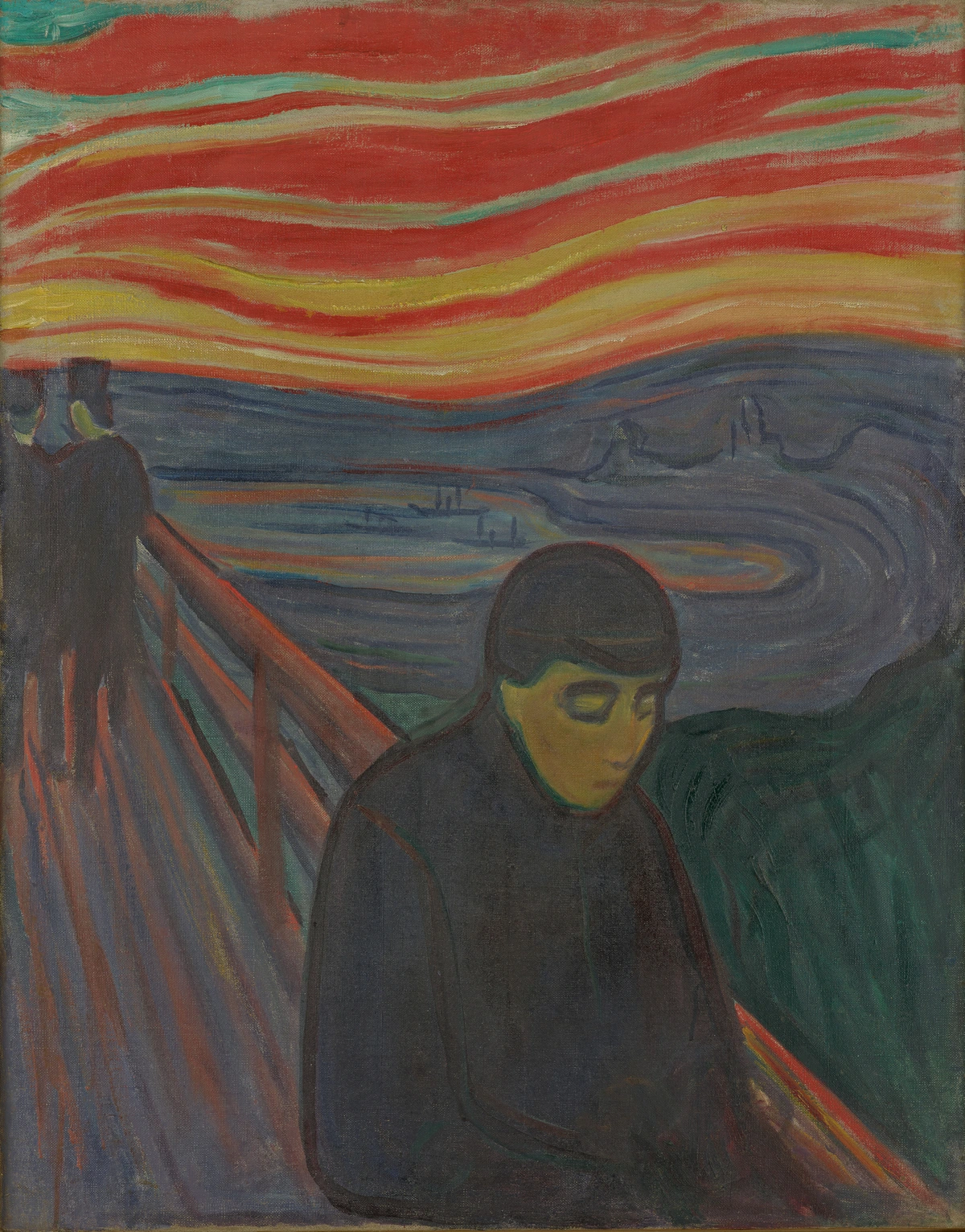
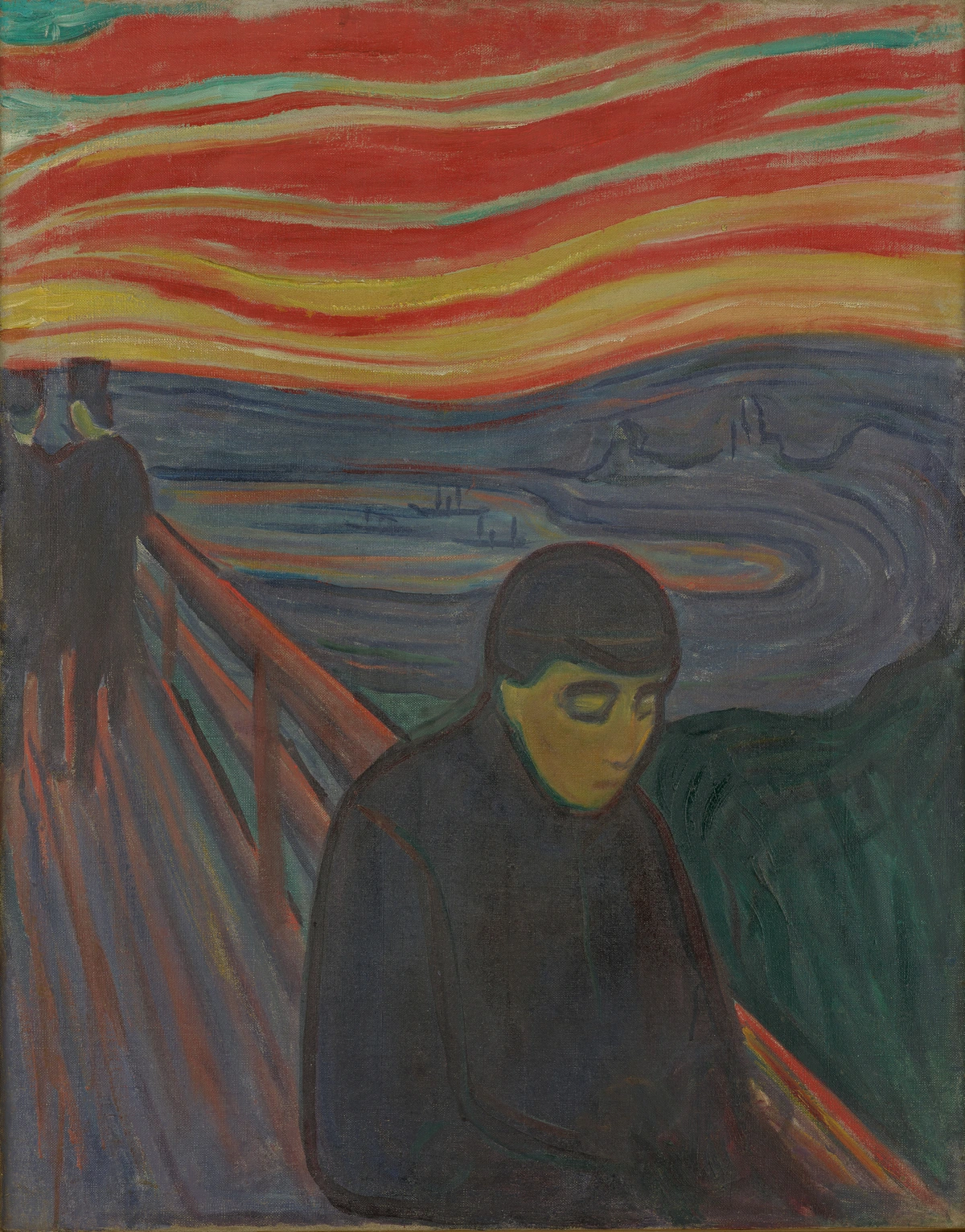
While Impressionism sought to capture the fleeting moment, the visual sensation of light and color as it met the eye, Symbolism deliberately turned inward. Impressionists wanted to paint how a haystack looked in morning light, capturing the objective play of light – think Claude Monet's famous 'Haystacks' series. Symbolists, on the other hand, wanted to paint the feeling of the approaching twilight, the underlying emotion or idea that a landscape evoked, the subjective truth – much like Edvard Munch's 'Melancholy' where the landscape is an extension of an inner state. One was about external observation, the other about internal introspection. The Impressionists sought optical truth; the Symbolists, a deeper, often spiritual, truth. I often think of it as the difference between observing a ripple on the surface of a pond versus understanding the unseen current beneath.
Beyond Pure Beauty: Symbolism vs. Aestheticism/Decadence
These movements, prominent in the late 19th century, shared Symbolism's rejection of utilitarianism and a fervent focus on "art for art's sake." Decadence, in particular, reveled in artificiality, exquisite beauty, and often morbid or sensual themes, mirroring Symbolism's exploration of the darker aspects of the psyche. Think of Oscar Wilde's elegant prose or Aubrey Beardsley's intricate, often unsettling illustrations. However, Symbolism often sought a spiritual or philosophical truth beyond pure aesthetic pleasure, even if that truth was unsettling or darkly beautiful. Aestheticism prioritized beauty as an end in itself; Symbolism used beauty as a vehicle for deeper, often hidden, meaning. If the Aestheticists adorned their canvases with beautiful objects simply because they were beautiful, Symbolists adorned them because those objects meant something more, something profound and often unsettling.
Decorative Lines, Deeper Meaning: Symbolism vs. Art Nouveau
Art Nouveau, with its organic, flowing lines and decorative emphasis, often drew heavily on Symbolist motifs (like femme fatales, mystical plants, and flowing forms). While visually distinct, Art Nouveau sometimes served as a stylistic vehicle for Symbolist ideas, especially in its early phase. Think of the intricate posters of Alphonse Mucha, where decorative beauty is paramount. The key difference lies in purpose: Art Nouveau largely focused on unified aesthetic design across various mediums (architecture, furniture, graphics), elevating everyday objects to art. It was art applied, aiming to beautify the functional. Symbolism, on the other hand, prioritized the evocative power of the symbol and the conveyance of inner states above all else, often seeing the decorative as a means to an end, not the end itself. The line work in Art Nouveau might be beautiful for its own sake; in Symbolism, that same line work would be chosen specifically to evoke a feeling of languor or a dreamlike state. Many of Symbolism's ideas were expressed through the stylistic vocabulary of Art Nouveau, but its intent was always deeper than mere ornamentation.
The Core Ingredients: How to Spot a Symbolist Painting
So, how do you spot a Symbolist painting in the wild? It can be tricky because it's less a unified visual style and more a shared philosophical approach, a way of looking at the world. But there are definitely some key ingredients I look for, the threads that weave through their diverse works. I've broken them down in a table because, let's be honest, sometimes a good table just clears the fog, especially when you're trying to grasp something so... slippery.
First, a quick glance at the essence:
- Subjectivity First: The artist's inner world, emotions, and ideas are paramount.
- Dreamlike Quality: Imagery often borders on the fantastic, illogical, or subconscious.
- Myth & Mysticism: Frequent use of ancient stories, religious narratives, and esoteric themes.
- Suggestion, Not Statement: Meaning is evoked, ambiguous, and open to interpretation.
- Sensory Blending (Synesthesia): Art aims to appeal to multiple senses, reflecting hidden correspondences.
- Symbolic Language: Colors, forms, and figures carry emotional or intellectual weight beyond their literal appearance.
- The Veiled Truth: A constant hint that deeper realities lie beneath the surface.
- Allusion & Literary Sources: Often drawing heavily from poetry, mythology, and religious texts, requiring some background knowledge for full appreciation.
Characteristic  | What It Means in Plain English | Its Significance to Symbolism | Keywords/Themes | How it's Used in Art |
|---|---|---|---|---|
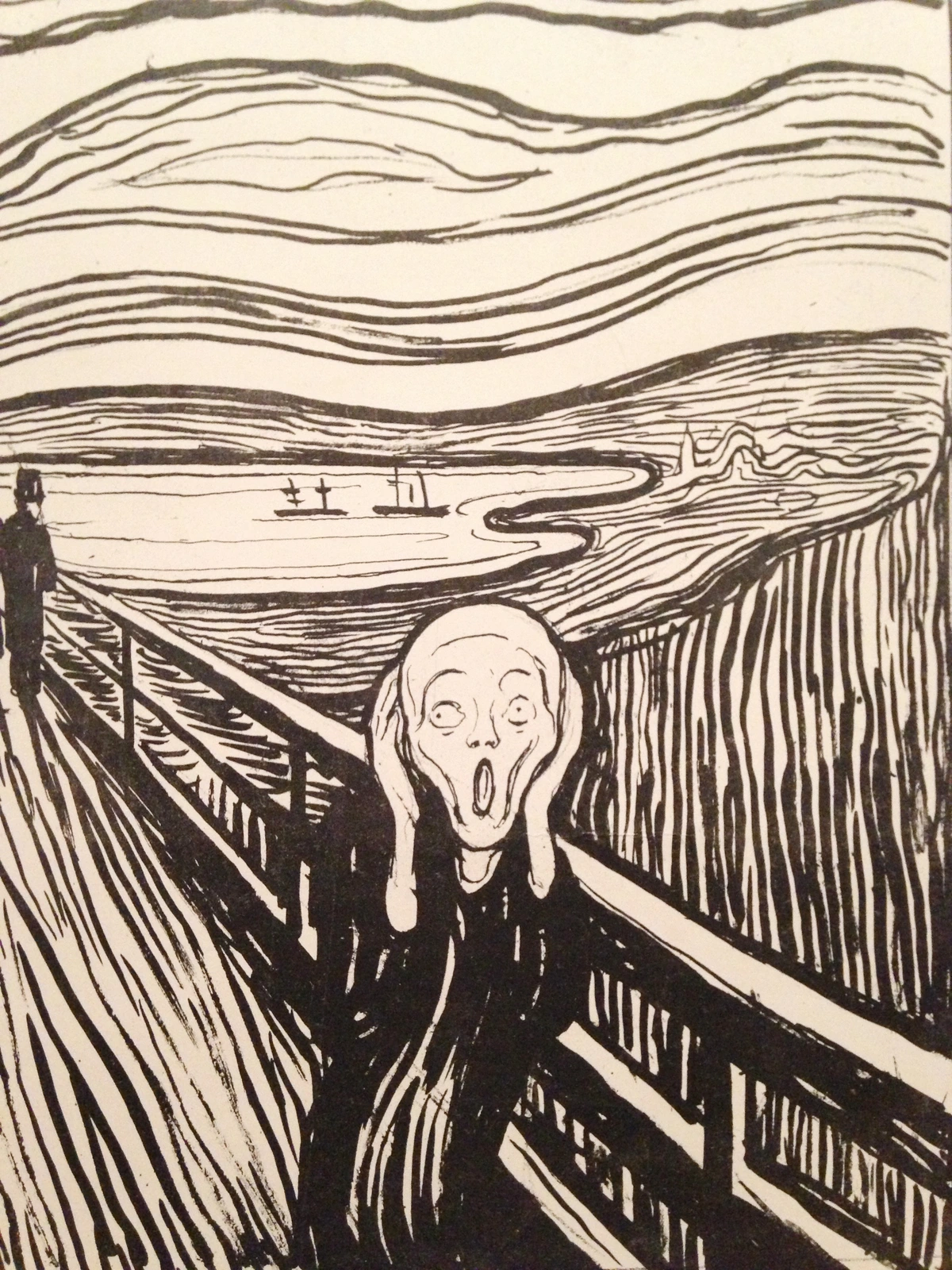
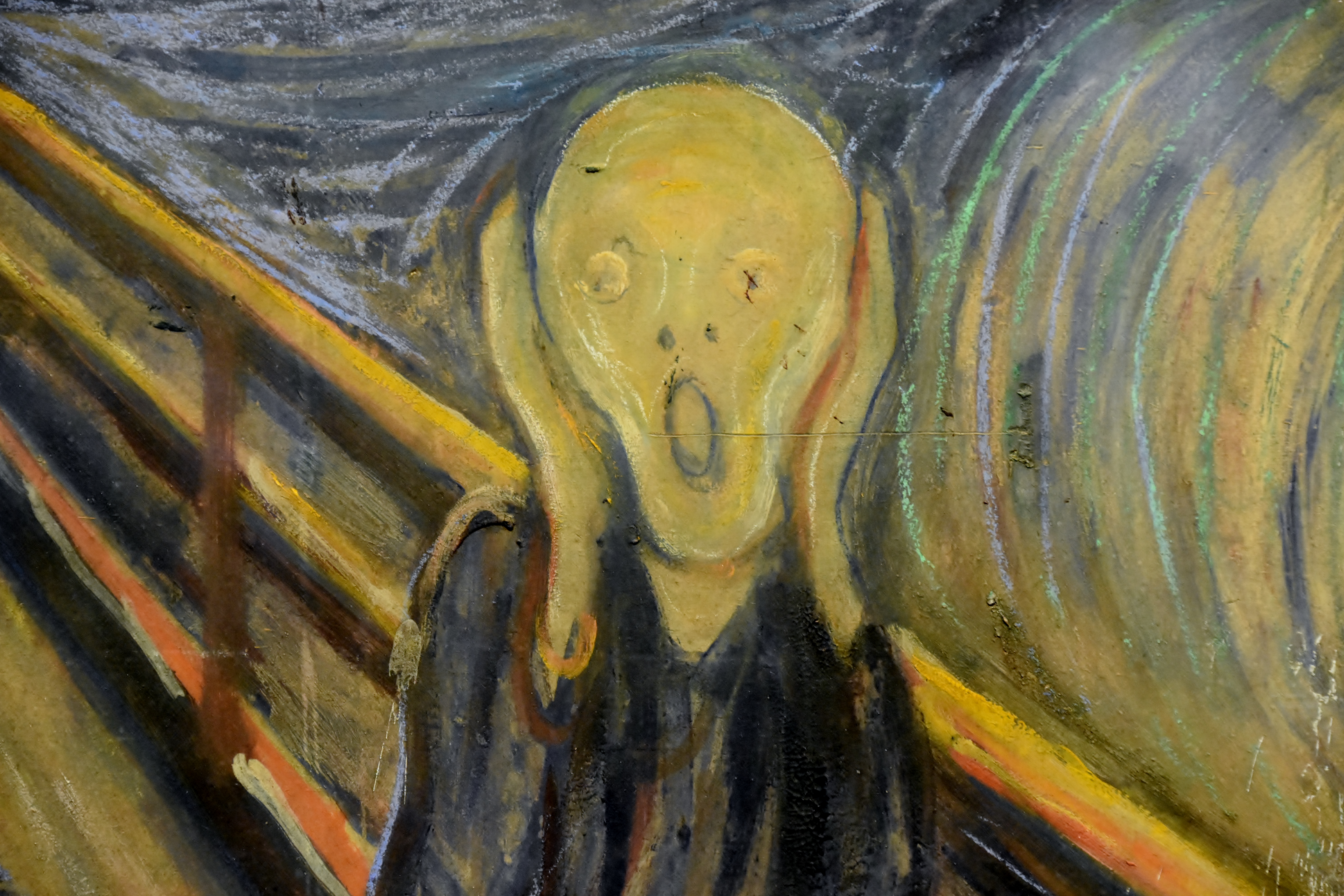
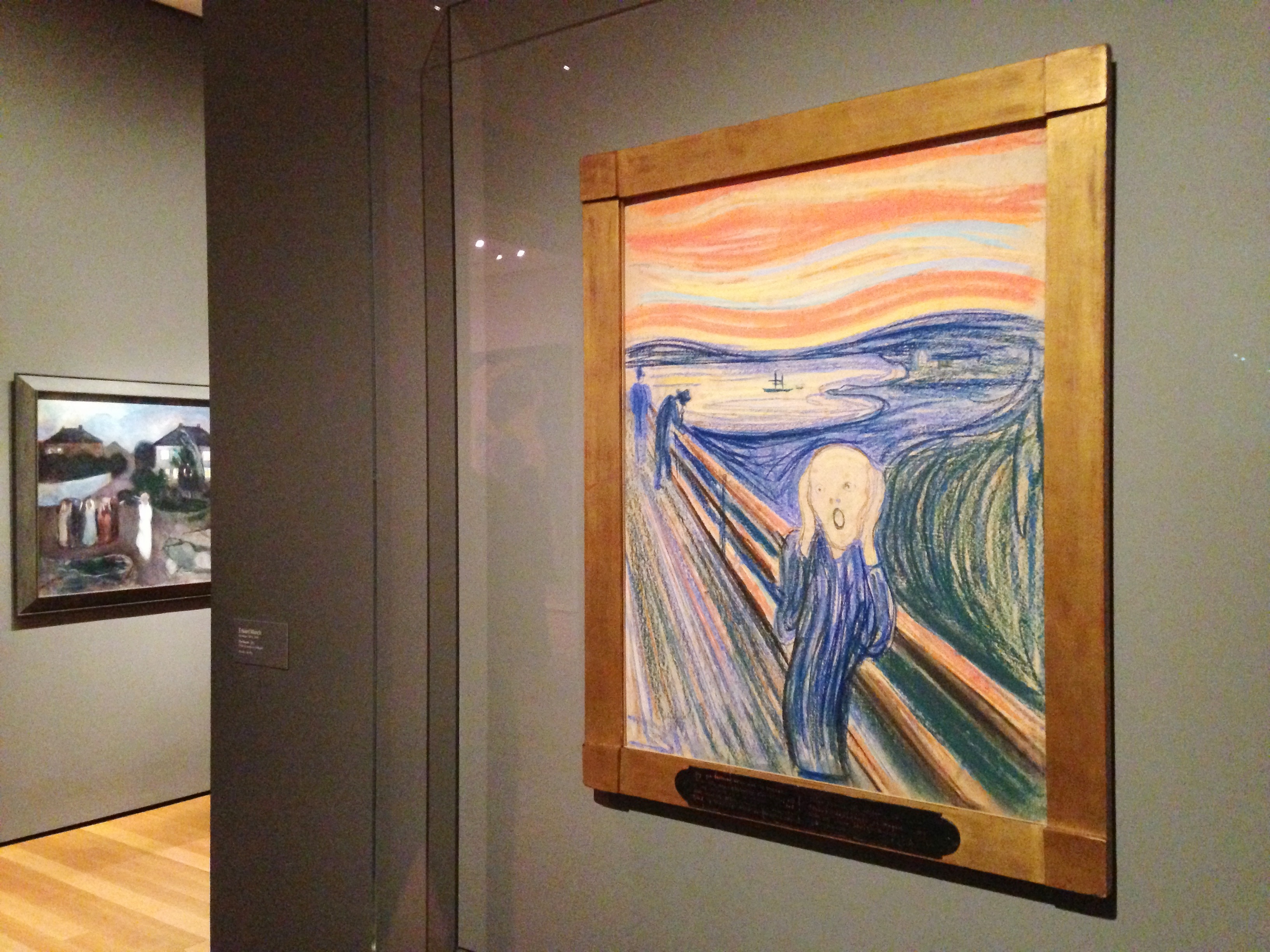
| Subjectivity & Emotion | Art that prioritizes the artist's inner world, personal feelings, and ideas over external, observable reality. It’s about how the artist feels rather than what they see, often expressed through distorted forms or heightened colors that convey intense inner states. | This was a radical departure from the objective eye of Realism, asserting the profound importance of internal experience and individual vision. It made the artist's psyche the primary subject, pushing art towards psychological exploration. | Inner states, introspection, personal truth, emotional landscape, psychological drama, self-expression | Distorted figures, non-naturalistic colors (e.g., Edvard Munch's 'The Scream'), exaggerated gestures, intense facial expressions. |
| Dream Worlds & The Unconscious | Scenes that are illogical, fantastical, and deeply rooted in the imagery of dreams or subconscious states, often prefiguring Freudian analysis. Think impossible juxtapositions like floating figures in an impossible landscape, or fragmented, non-linear narratives. | Symbolists plumbed the depths of the mind, seeking universal archetypes, hidden anxieties, and mystical truths that lay beyond conscious thought. It was a search for a 'super-reality' within the individual's psyche. | Fantasy, mystery, hidden realities, subconscious, archetypes, visions, nightmares, reverie, psychological depth | Ambiguous settings, floating or disembodied figures (e.g., Odilon Redon's 'The Eye Like a Strange Balloon'), improbable scenarios, blurred outlines, misty atmospheres. |
| Mysticism & Mythology | A deep engagement with religious narratives, ancient myths, folklore, and esoteric (meaning: understood by a select few with specialized knowledge, a bit like a secret club's code) spiritual beliefs, often reinterpreted through a personal, symbolic lens. Figures like Orpheus, Salome, the Sphinx, Icarus, or Narcissus were frequently revisited. | They weren't just illustrating old stories; they were using these grand narratives as vehicles to explore universal human themes like love, death, sin, and redemption, imbuing them with new psychological weight and contemporary relevance. This offered an escape from mundane reality into a richer, spiritual realm. | Sacred, ancient, esoteric, spiritual, allegory, hidden knowledge, legends, folklore, transcendence | Mythological or biblical figures in opulent, often claustrophobic settings (e.g., Gustave Moreau's 'Salomé'), veiled references to occult practices, symbolic animals and objects from folklore. |
| Suggestion Over Description | The goal is to evoke a mood, a feeling, or an idea, rather than to tell a clear, unambiguous story. Meaning is often ambiguous, like a half-remembered dream, inviting multiple interpretations. The artist offers hints rather than explicit statements. | This empowers the viewer to participate actively, bringing their own interpretations and emotions to complete the artwork's meaning, fostering a more personal and intuitive connection. It was a deliberate move away from literalism, valuing the implicit over the explicit. | Ambiguity, mood, evocation, hint, open-ended, enigma, suggestion, inference | Figures with obscured faces or turning away, landscapes that hint at underlying emotion rather than specific locations, lack of clear narrative progression, dreamlike quality allowing multiple interpretations. |
| Synesthesia | The deliberate blurring or blending of senses, where an artist might try to visually represent a sound, a scent, or a tactile sensation, reflecting the Baudelairean concept of correspondences. For example, a color might be chosen to evoke a specific musical note or an emotional 'taste'. | Derived from poetry and the concept of correspondences, this pushed painting beyond mere visual representation into a multi-sensory, almost spiritual, experience that reflected the interconnectedness of existence. It aimed to capture the totality of inner experience. | Cross-sensory, feeling, multi-modal, sensory blend, correspondences, subjective perception, multi-dimensional | Colors chosen for their emotional or auditory resonance rather than natural appearance (e.g., vibrant yellow for a trumpet blast), forms that evoke touch or scent, compositions designed to create a 'musical' flow. |
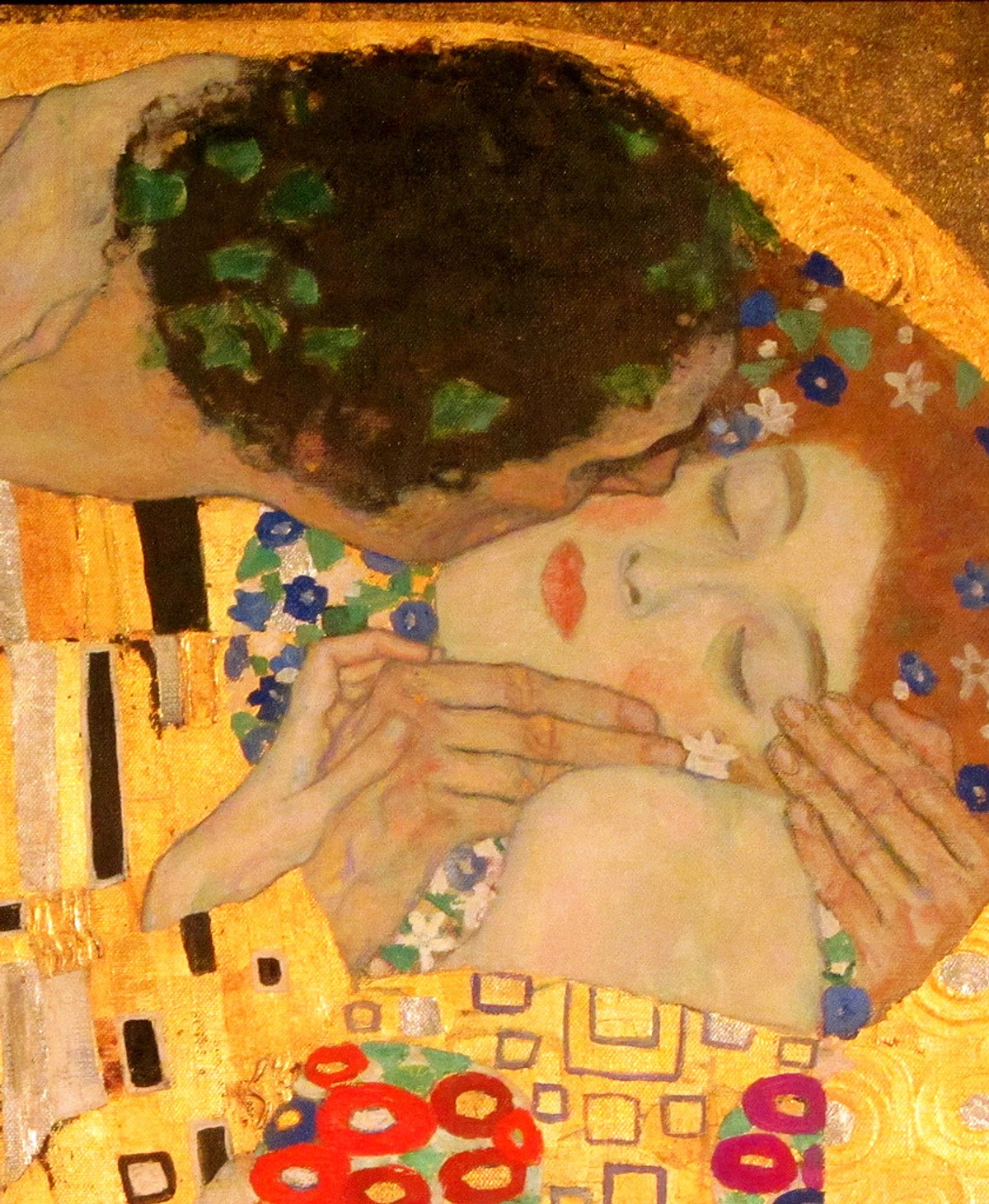
| Symbolic Color & Form | Colors and shapes are chosen not for realism, but for their ability to convey specific emotions, ideas, or psychological states. A color might feel a certain way (e.g., deep blue for melancholy, rich gold for spiritual opulence, fiery red for passion or danger). Forms could be elongated, distorted, or flowing to suggest inner states. | Every element becomes a carrier of meaning, transforming the canvas into a rich tapestry of evocative signs and emotional resonance, where the visual language itself becomes symbolic, speaking directly to the subconscious. Color becomes emotion, form becomes feeling. | Emotional palette, evocative shapes, hidden meanings, psychic impact, abstract qualities, expressive color | Intense, non-naturalistic colors (e.g., Gauguin's 'The Yellow Christ'), elongated or distorted figures, decorative patterns imbued with meaning (e.g., Gustav Klimt's 'The Kiss'), symbolic objects placed for emotional weight. |
| The Mask / Veil | Imagery featuring masks, veils, or figures with obscured faces. This often appears as literal masks, or as diaphanous fabrics covering figures, suggesting hidden aspects of self or reality. | This symbolizes hidden identities, the deceptive nature of reality, the subconscious, the barrier between the mundane and spiritual worlds, or the mystery of the unknown self. It suggests that what we see on the surface is not the whole truth, inviting deeper contemplation. | Concealment, identity, illusion, mystery, hidden truths, duality, facade, subconscious | Figures wearing actual masks (e.g., James Ensor's carnival scenes), draped or veiled women (e.g., Fernand Khnopff's enigmatic portraits), figures with faces turned away or obscured by shadow. |
| Allusion & Literary Sources | Artworks that draw inspiration heavily from specific poems, plays, myths, or religious texts, requiring a viewer to have some knowledge of the source material to fully appreciate the layers of meaning. | This allowed Symbolists to infuse their work with pre-existing narratives and archetypes, giving their subjective expressions a universal resonance and intellectual depth, moving beyond simple observation. | Literary references, myth, religious texts, poetry, narrative depth, intellectual engagement, allegorical storytelling | Depictions of scenes from Baudelaire's 'Les Fleurs du Mal', Wagner's operas, Greek myths (e.g., Orpheus, Salome), Arthurian legends, often with subtle changes or personal interpretations. |
How to Interpret Symbolist Art
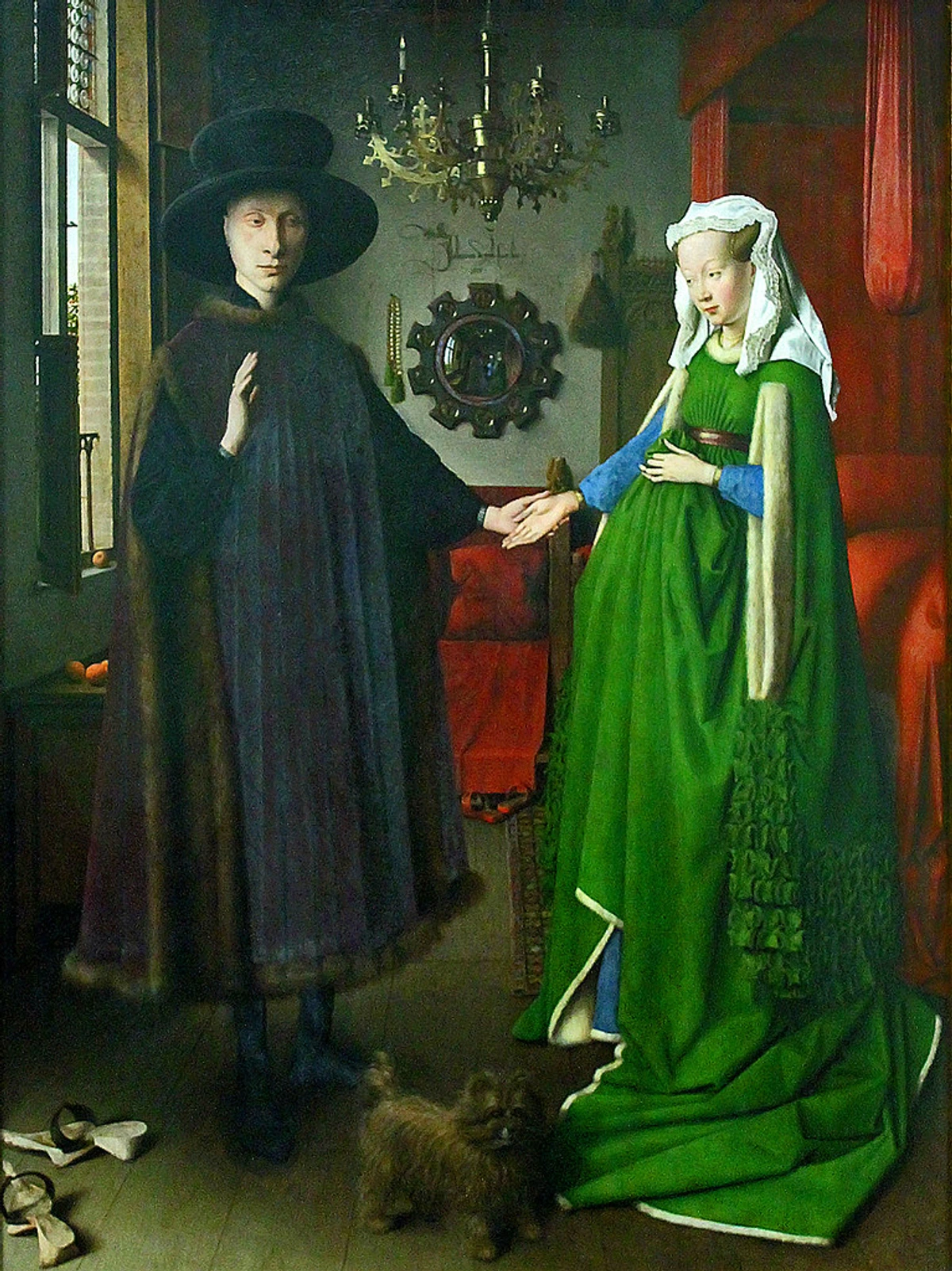
Approaching Symbolist art can feel like stepping into a labyrinth, but that's part of its magic. Don't go in expecting a straightforward narrative. Instead, try these prompts. It’s less about knowing the answer and more about embracing the question. How do you feel when you stand before a Symbolist piece? Try applying these questions to some of the artworks you've already seen in this guide, like Odilon Redon's strange floating eyes or Gustave Moreau's opulent Salome.
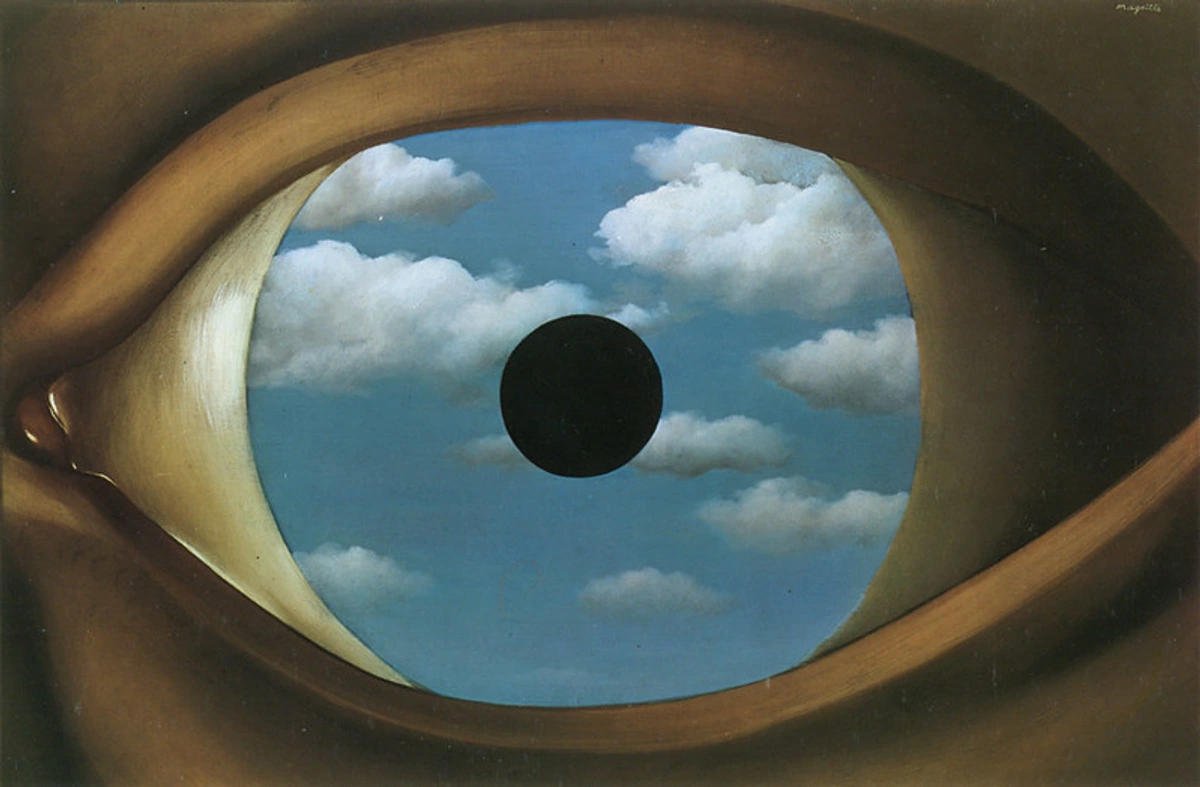
- Look for recurring motifs: Are there specific animals, flowers, figures, or objects that appear? What might they commonly symbolize (e.g., lilies for purity, skulls for mortality, swans for transformation, serpents for temptation or rebirth)? What personal meaning might the artist have imbued them with? Sometimes, knowing the general symbolic meaning of a swan, for instance, helps me start to unravel the deeper, personal meaning the artist intended. You might even find familiar themes from the symbolism of animals in art history or the symbolism of the moon in art history here.
- What is the dominant mood or feeling? Symbolist art often prioritizes atmosphere above all else. Does it feel melancholic, serene, unsettling, passionate, or deeply mysterious? Allow yourself to feel it. I often let the colors and forms wash over me first, before trying to rationalize.
- Consider the artist's personal context: If you know something about the artist's life, beliefs, or even their personal struggles, it can offer crucial clues to their personal symbolism. This isn't always available, but when it is, it's gold.
- Embrace ambiguity: The beauty of Symbolism lies in its open-endedness. Don't be afraid if a definitive meaning eludes you; the artwork is meant to resonate on an intuitive, emotional level, like a half-remembered dream. Sometimes, the inability to fully grasp it is the point. How often do your own dreams make perfect, logical sense?
- Engage your own senses and memories: Reflect on the colors, lines, and forms. Do they evoke sounds, scents, or forgotten memories for you? This is the essence of correspondences—the artwork inviting your own subjective experience into its world.
The Stars of the Show: Key Symbolist Artists
Once you know what you're looking for, you start to see a whole constellation of incredible artists. Here are a few of the heavy hitters whose work really defines the movement for me, each with their own unique take on the 'unseen'. These titans of Symbolist painting laid the groundwork, but their exploration of the unseen didn't stop at the canvas.
Gustave Moreau (The Grand Enchanter)
For many, Gustave Moreau is considered the 'father' of Symbolist painting. His works are opulent, mysterious, and laden with mythological and biblical scenes, all imbued with a palpable sense of the esoteric (meaning: intended for or likely to be understood by only a small number of people with specialized knowledge or interest – almost like a secret code). He was less about direct, easily decodable symbolism and more about creating an atmosphere of dreamlike allure and spiritual decadence. His meticulous detail, rich jewel tones, and unsettling beauty—as seen in works like Salomé or Jupiter and Semele (1895)—created worlds that were entirely his own, influencing a generation of younger artists. Moreau's Salomé Dancing Before Herod, for instance, exemplifies this with its opulent, decadent depiction of a biblical narrative, focusing on the psychological tension, carnal allure, and the destructive power of the femme fatale, rather than historical accuracy. When I look at it, I feel an almost palpable sense of unease, a tension between beauty and dread that perfectly captures the movement's allure. He was a master of weaving a story not through action, but through mood and suggestion.
What underlying desire or fear do Moreau's opulent scenes stir within you?
Odilon Redon (The Master of the Macabre Dream)
Odilon Redon, on the other hand, often worked in charcoal and lithography, crafting unsettling, dream-like visions of floating eyes, strange creatures, and ambiguous landscapes. His work, like a waking nightmare, feels like stepping directly into someone's subconscious, unsettling yet beautiful. He aimed to place the logic of the visible world at the service of the invisible, a perfect encapsulation of Symbolist ideals. Imagine a disembodied eye floating in a void, as in The Eye Like a Strange Balloon Mounts Toward Infinity (1882), or a strange, blooming cyclops flower as in The Cyclops (c. 1898-1900), or even the unsettling imagery of The Smiling Spider (1887)—that's Redon inviting you into his psyche, making the unseen tangible. The velvety darkness of his charcoals only enhances the sense of creeping mystery. It's a journey into the uncanny, where the ordinary becomes profoundly strange.
How does Redon's embrace of the bizarre make you question your own sense of reality?
Edvard Munch (The Voice of Existential Angst)
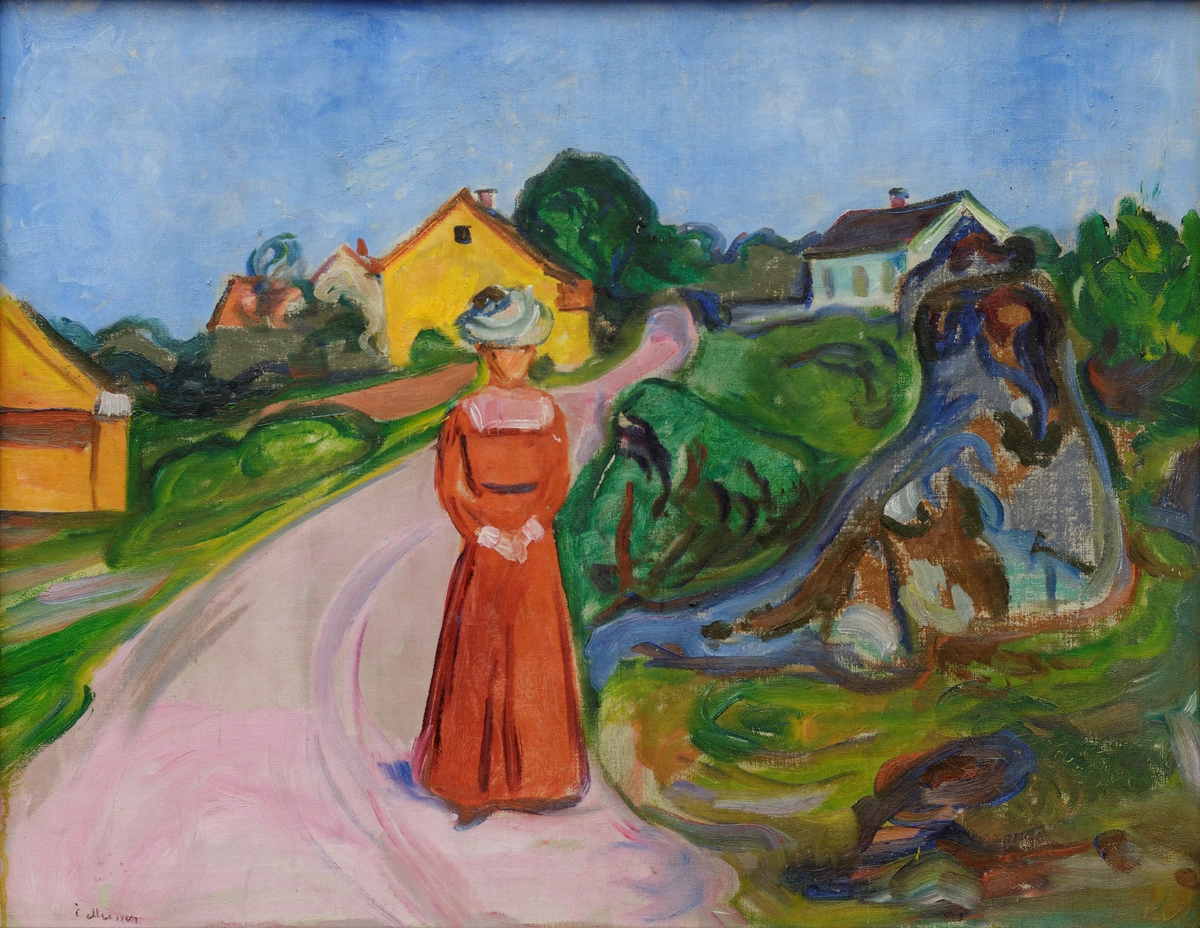
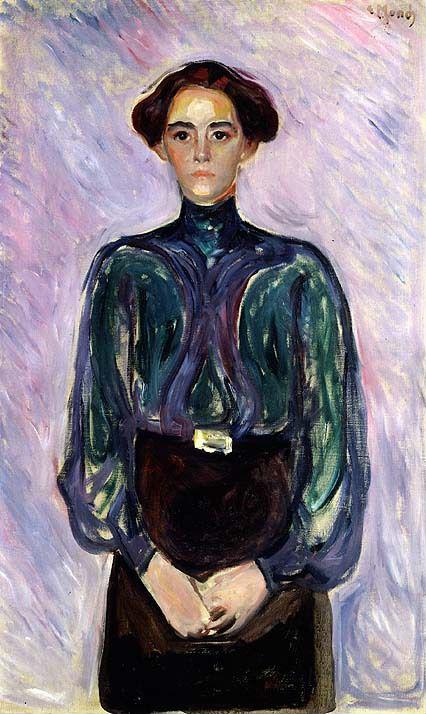
You simply can't talk about Symbolism without talking about Edvard Munch. His work is the raw, unfiltered scream of the human psyche, a perfect bridge between Symbolism's introspection and Expressionism's outward emotional intensity. When I look at his paintings, I don't just see a scene; I feel the human condition laid bare. If you want to dive deeper, I've written an ultimate guide to Edvard Munch that unpacks his work.

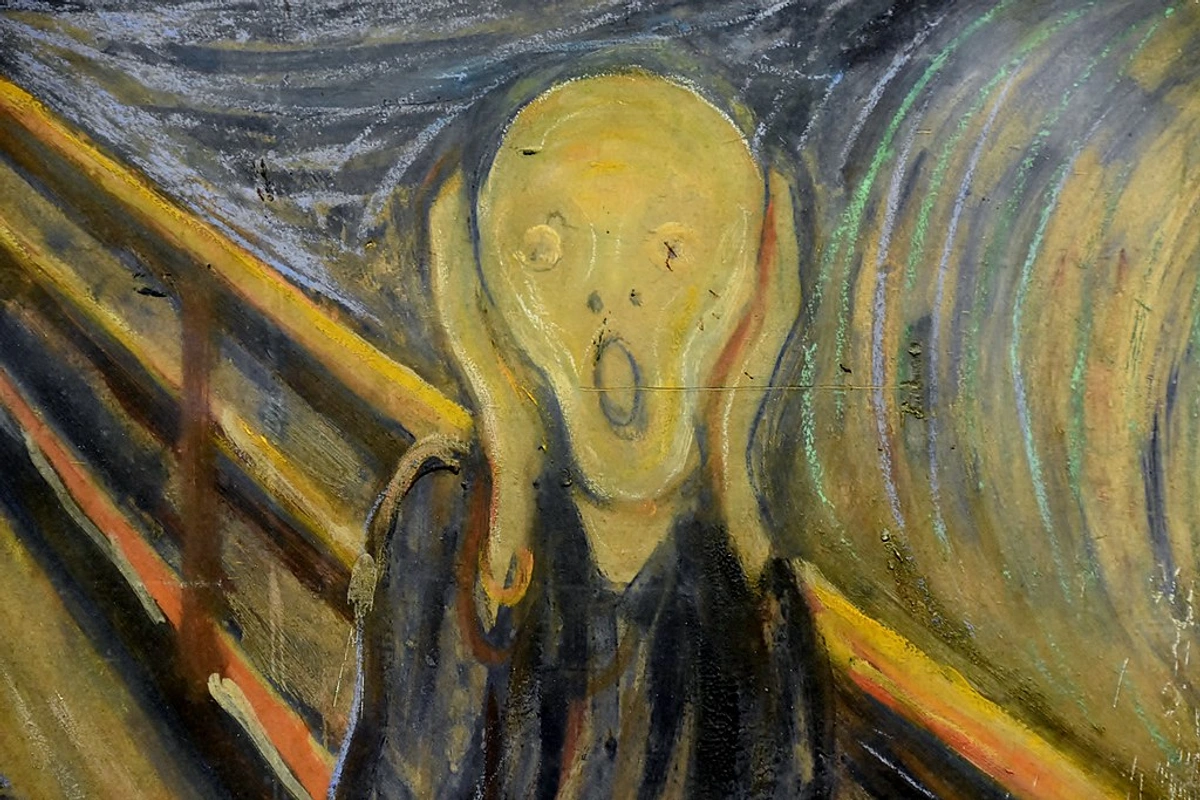
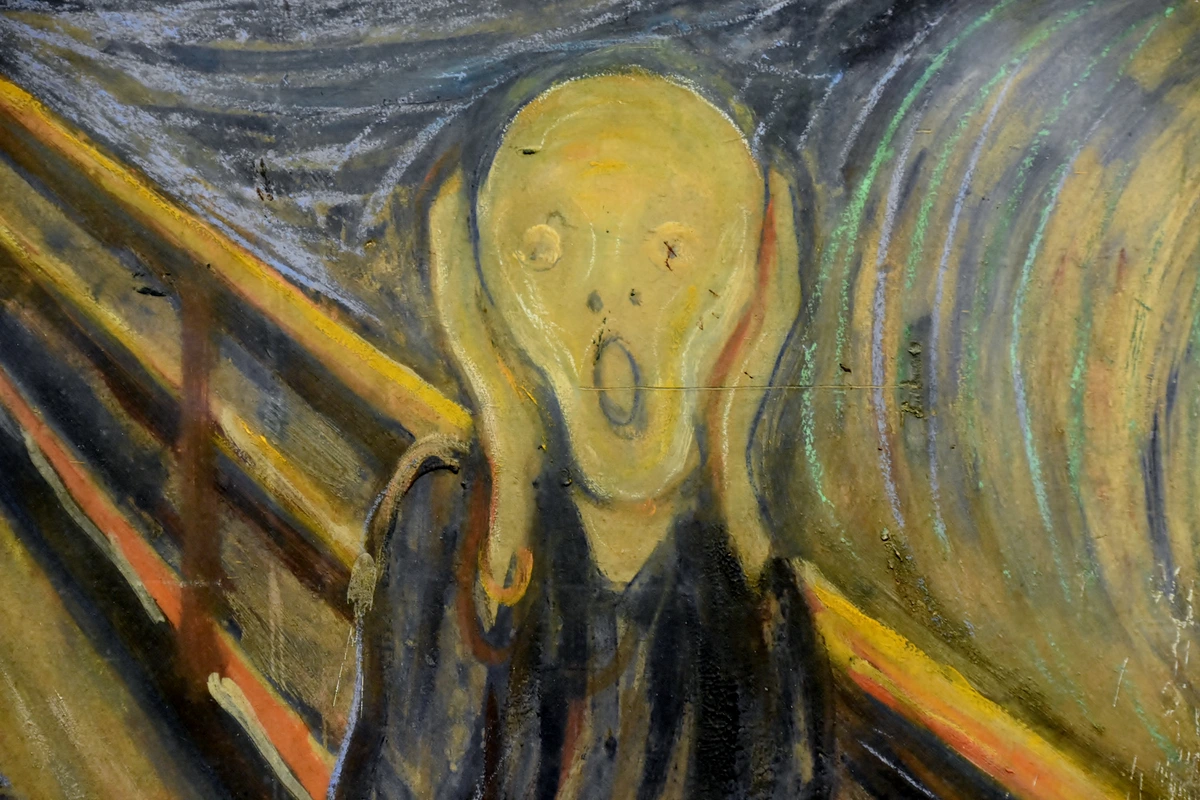
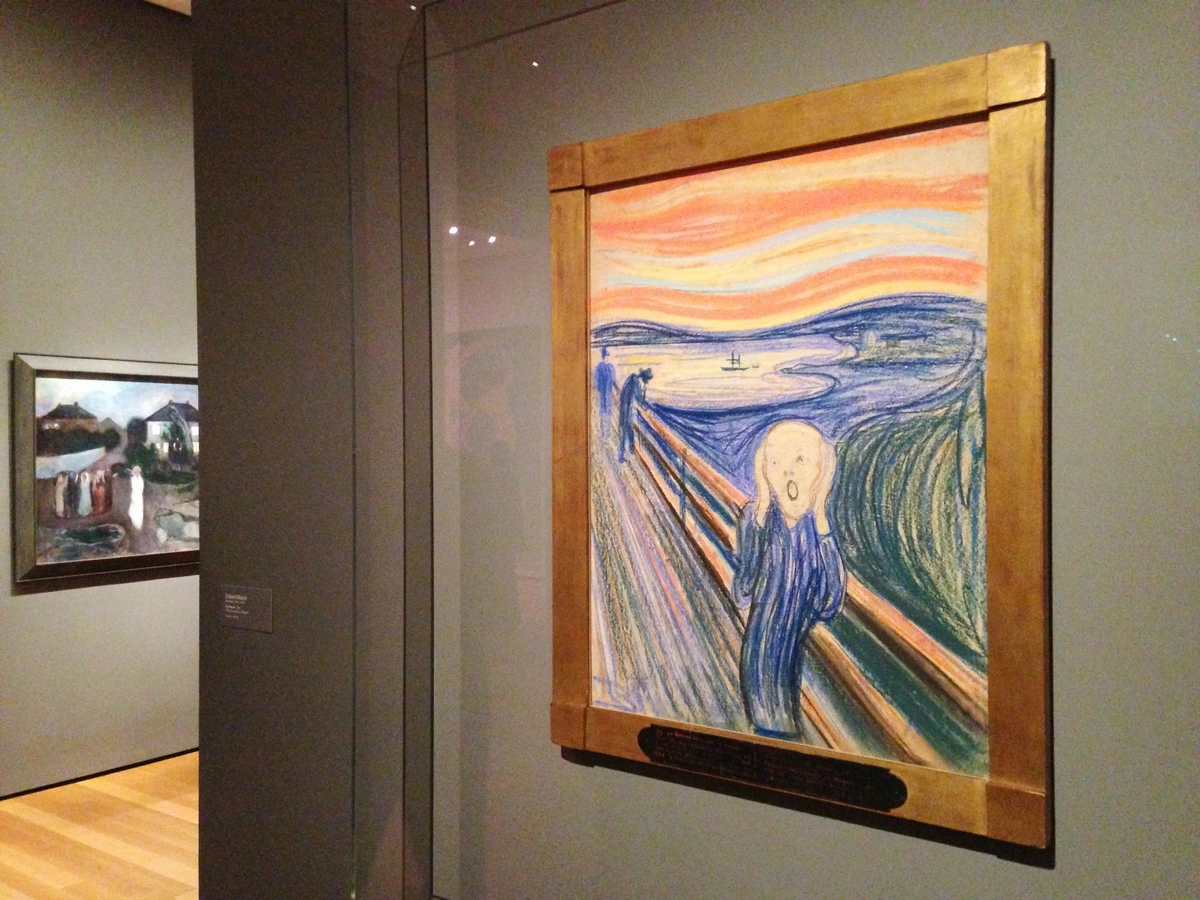
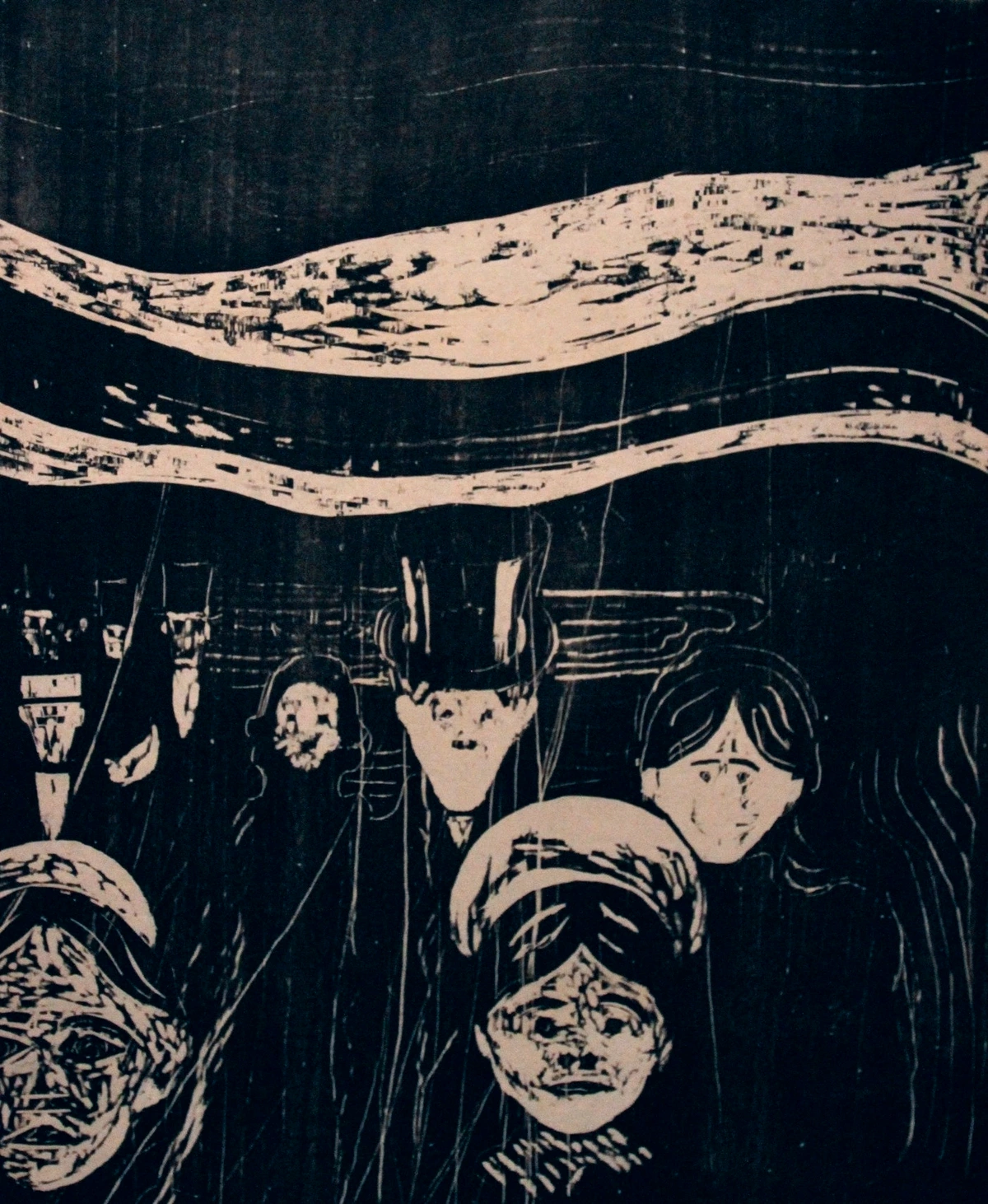
We've all seen The Scream, right? But look at it through a Symbolist lens. Munch isn't painting a person screaming on a bridge. He himself said he was painting a memory, a moment when he felt "a great, infinite scream pass through nature." The blood-red sky, the swirling fjord, the distorted, almost fetal figure—they are all potent symbols of his internal state of anxiety, of a world that screams back at you. It's not a picture of a thing; it's a profound picture of a feeling, a moment of universal dread. This raw emotional impact and psychological depth are quintessential Symbolism. (And if you're curious for more, I've also dug into the meaning of The Scream by Edvard Munch specifically.)

What universal anxieties does Munch's art help you acknowledge in yourself?
Paul Gauguin & Synthetism (Color as Emotion)
While often categorized as a Post-Impressionist, Paul Gauguin developed Synthetism, a style deeply resonant with Symbolist ideals. He rejected naturalistic representation in favor of flat areas of pure color and bold outlines, using color not to imitate reality but to express feelings, ideas, and the inner essence of his subjects. His famous quote, "Don't copy too much. Art is an abstraction. Dream before nature and concentrate on creating rather than on the result," perfectly encapsulates a Symbolist mindset.
Synthetism is so aligned with Symbolism because it prioritizes the subjective experience of the artist and the spiritual over mere naturalistic observation. Gauguin was painting the idea of a sacred event or an emotional state rather than simply depicting what his eye observed. His exotic, often spiritual, scenes from Brittany or Tahiti, like The Yellow Christ (1889), use simplified forms and vivid, symbolic colors to evoke profound spiritual and emotional states, blurring the line between the physical and the mystical. He was, in essence, painting a feeling or an idea, rather than just what his eye observed.
How do Gauguin's vibrant, non-naturalistic colors communicate a deeper truth for you?
The Pre-Raphaelite Connection (Britain's Romantic Echoes)
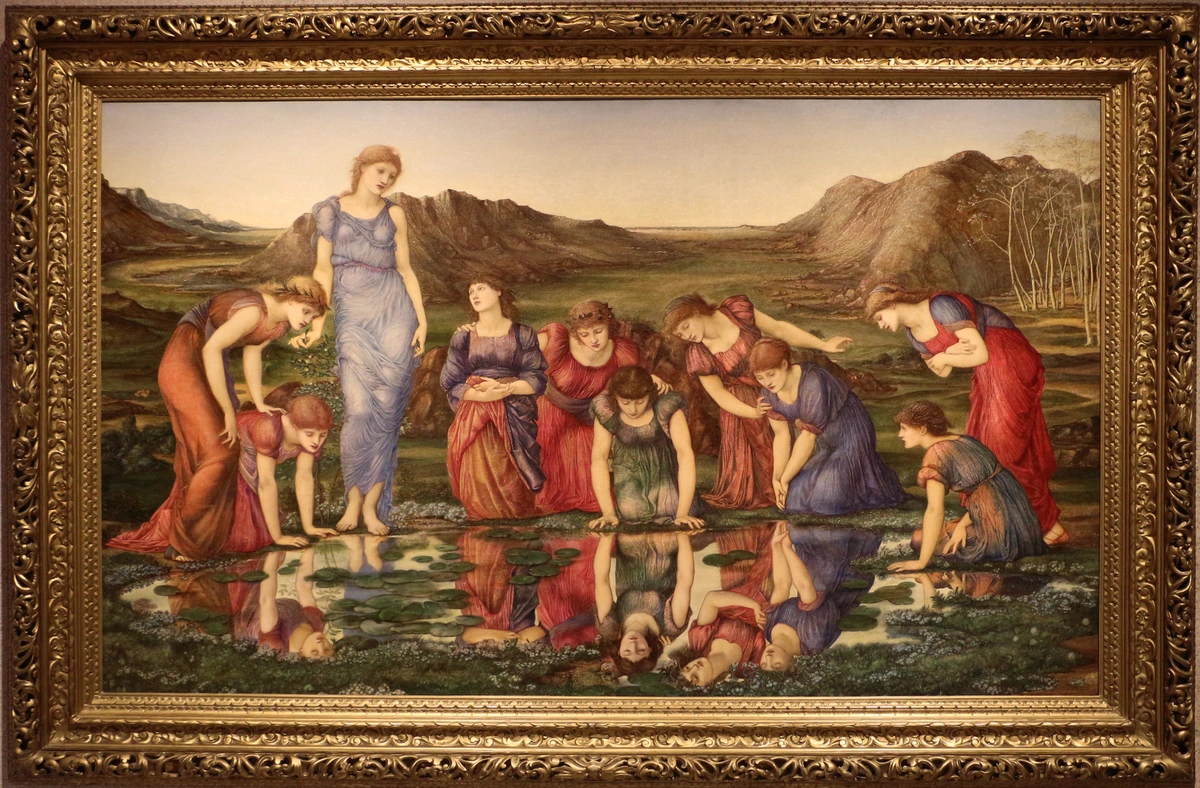
Across the channel in Britain, the Pre-Raphaelite Brotherhood was doing something remarkably similar, though with a different aesthetic flavor. They, too, were rejecting the academic art of their day and turning to literature, myth, and intense emotion for inspiration, much like their Continental Symbolist counterparts. Their meticulous detail, vibrant colors, and narrative focus often served to imbue their subjects with a dreamlike, symbolic quality, rooted in literary and mythological tales like Arthurian legends. They sought authenticity and depth, often portraying women as powerful, mysterious, or tragic figures, laden with symbolic meaning.
While their palettes were often brighter and their forms more idealized and sharply delineated than many Symbolists (who often preferred hazier, more atmospheric effects), their shared emphasis on rich symbolism and an escape from modern industrial reality for deeper, often moralistic, narratives creates a strong thematic link. Think of John Everett Millais's iconic Ophelia (1851-52), where every floating flower and strand of hair is meticulously rendered not just for beauty, but for its symbolic weight in the tragic narrative of loss and madness. It’s a moment frozen in symbolic despair.

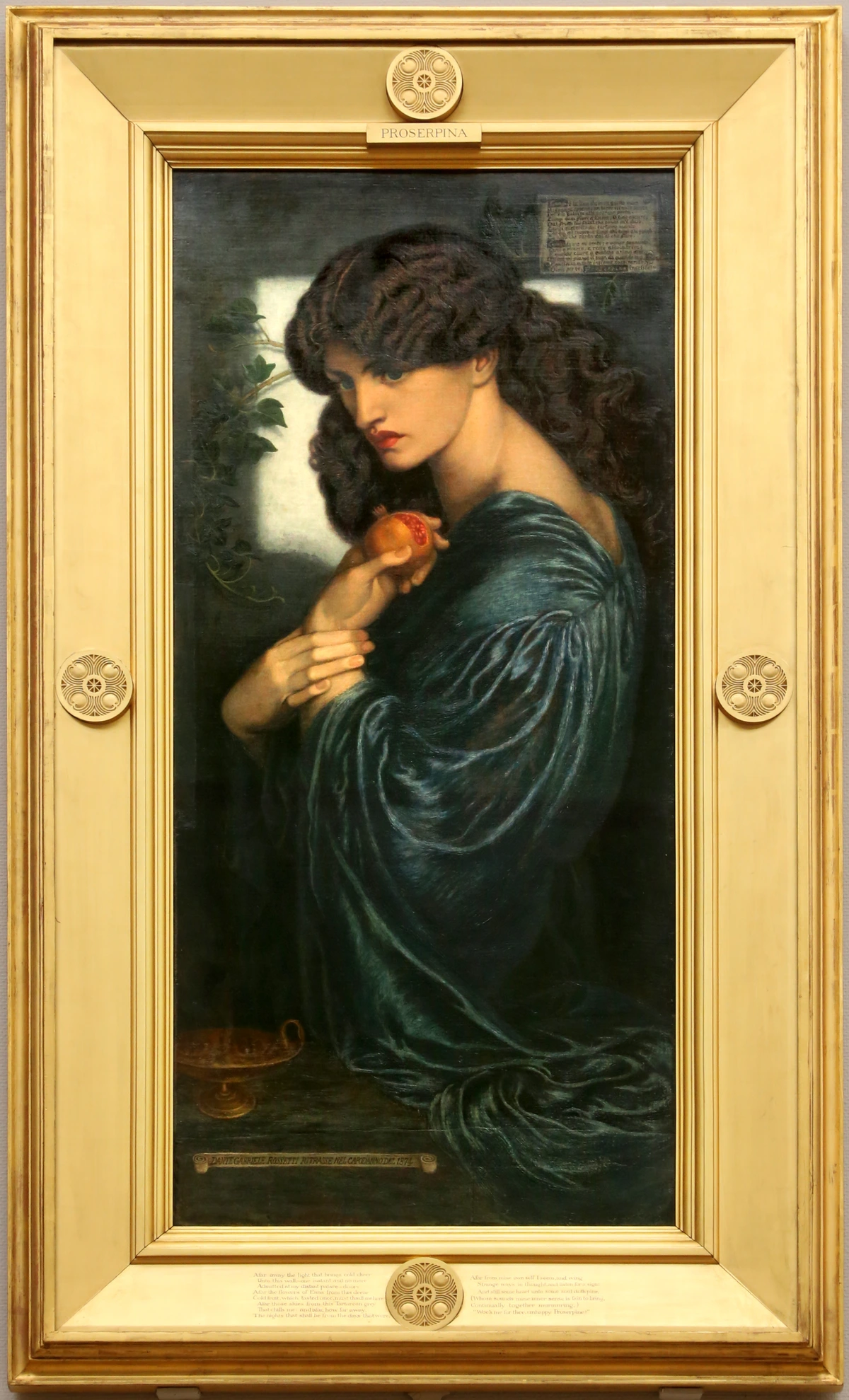
Dante Gabriel Rossetti's work is simply dripping with symbolism. In Proserpina, everything has meaning: the pomegranate she holds is a powerful symbol of her captivity in the underworld and a single moment of temptation, the ivy behind her represents clinging memory, and the sliver of light from the upper world is a poignant symbol of her lost freedom. It's a rich psychological portrait disguised as a mythological one, a perfect example of a Symbolist narrative conveyed through precise, evocative elements. He painted souls, not just figures.
What hidden stories do the intricate details in Pre-Raphaelite paintings whisper to you?
Gustav Klimt (Vienna's Golden Symbolist)
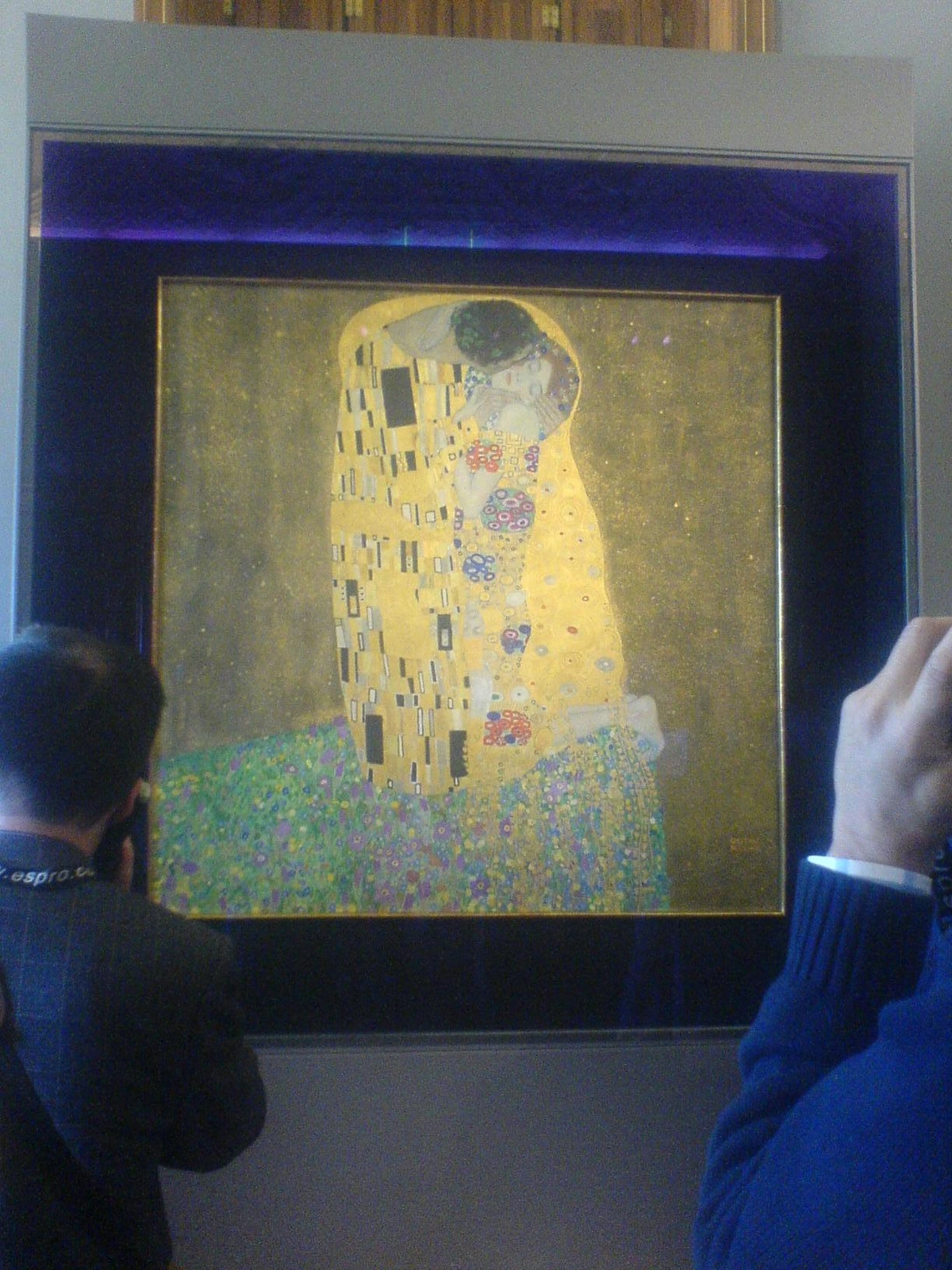
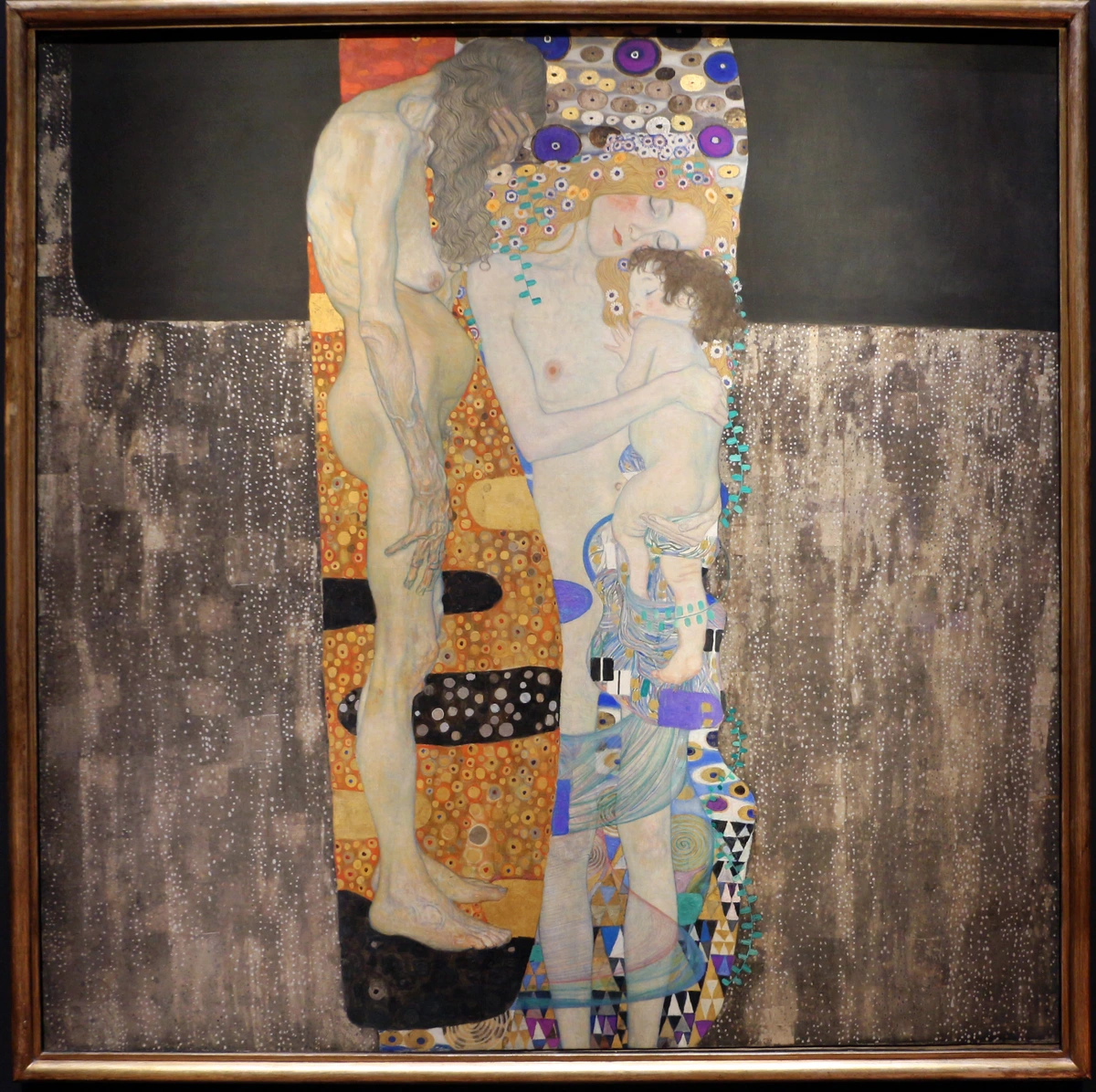
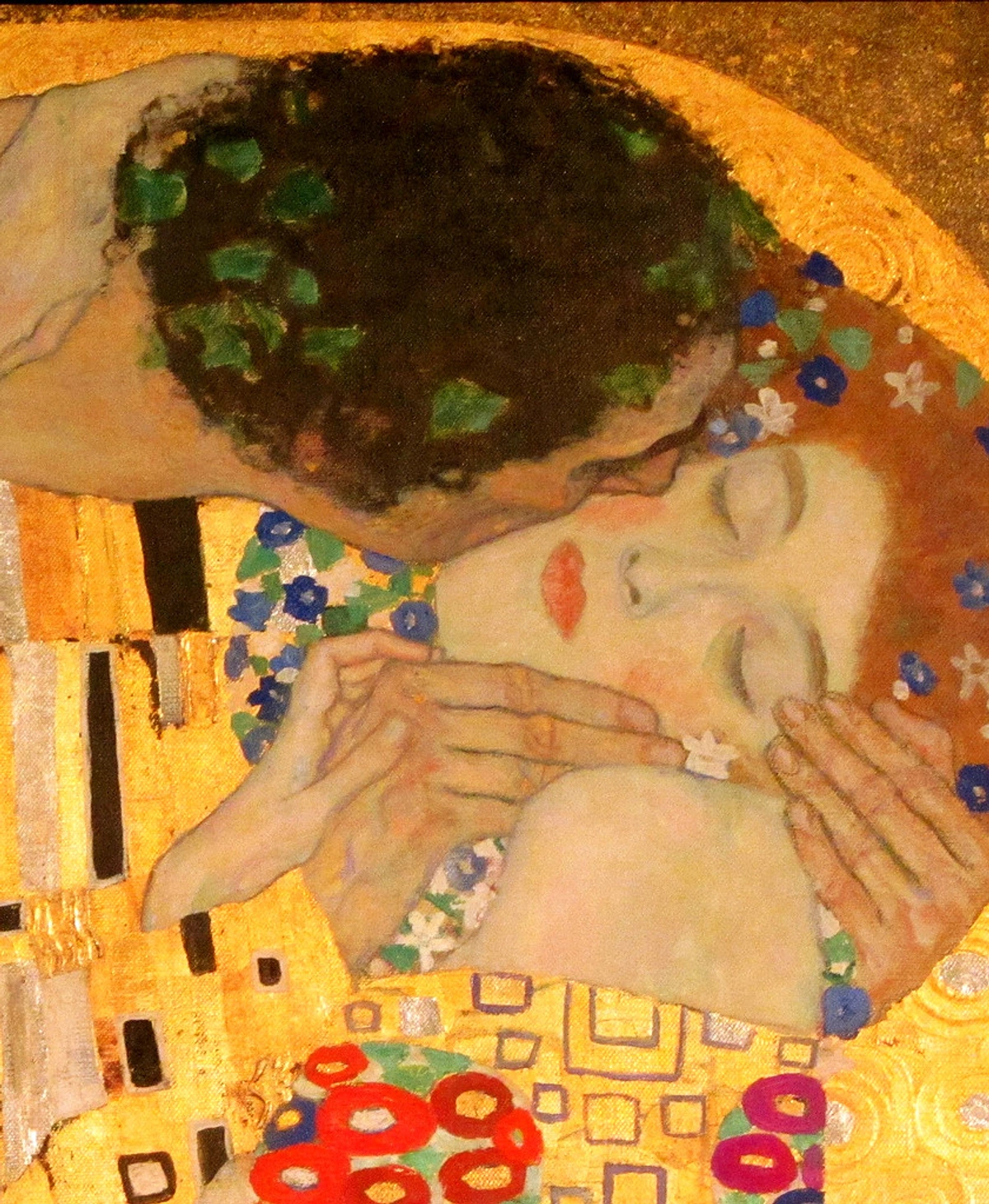
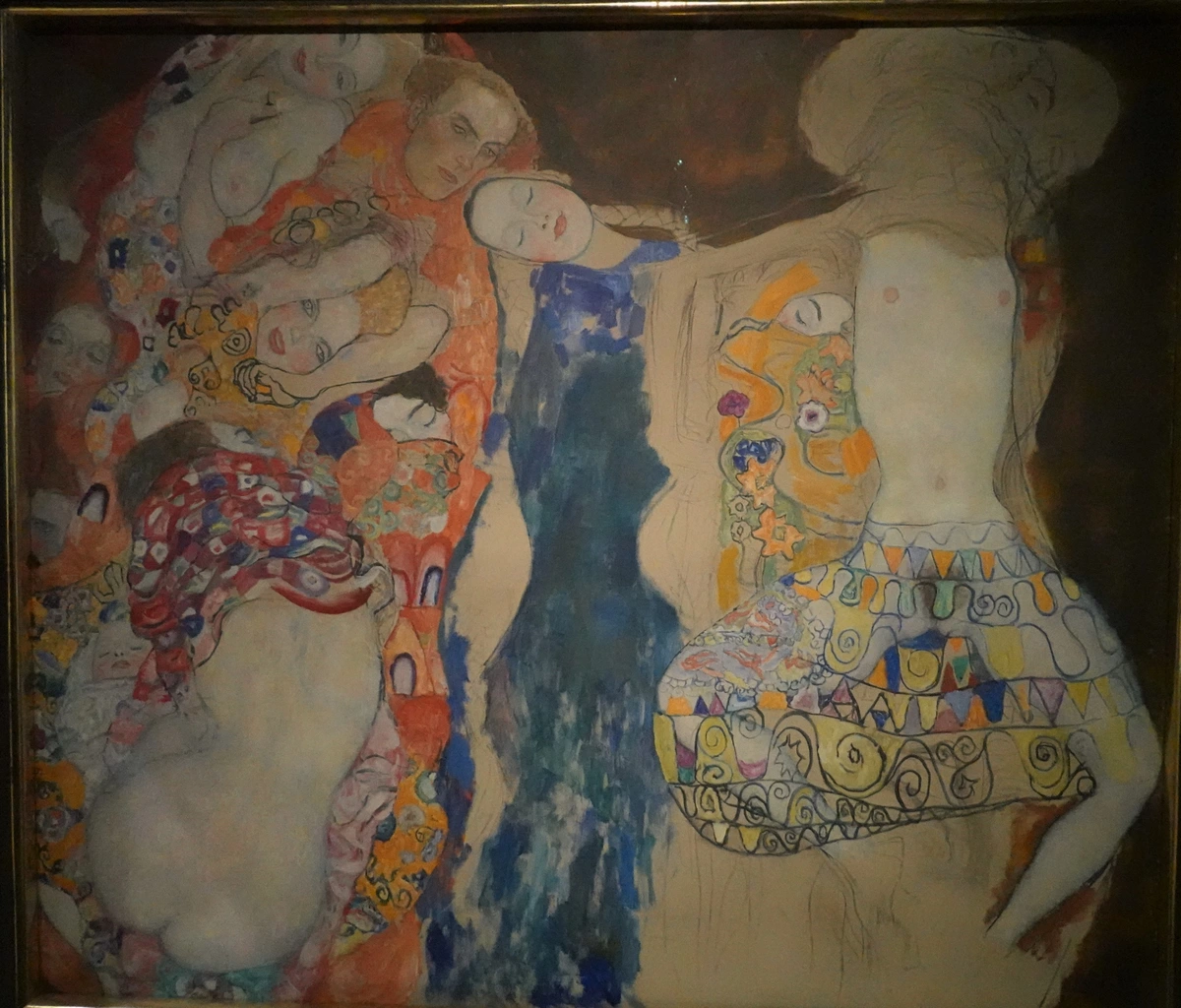
In Vienna, Gustav Klimt, a leading figure of the Secession movement, also explored profoundly Symbolist themes, especially in his early and 'Golden Phase' works. His opulent, decorative style, often incorporating gold leaf, wasn't just pretty; it was a means to convey profound, often sensual, ideas about love, death, and the human condition. His figures often exist in a flattened, ethereal space, their symbolism encoded in patterns and lavish ornamentation, creating an otherworldly richness that speaks to deeper truths. He made the spiritual tangible, and the sensual sacred.
The Kiss is a prime example. Beyond its undeniable beauty, it's a powerful symbol of passionate love, spiritual union, and the intoxicating embrace of the erotic, all rendered with an almost Byzantine richness. The patterns adorning the figures aren't merely decorative; they're an abstract language conveying gender, connection, and the cosmic nature of their bond. It's a moment suspended in time, universal and deeply personal all at once. (You can explore the meaning of Klimt's The Kiss in more detail if you're curious.)
How do Klimt's luxurious patterns and gold leaf transform human experience into something sacred?
Auguste Rodin (Symbolism in Three Dimensions)
Symbolism wasn't just for painters; it extended powerfully into sculpture. The monumental sculptor Auguste Rodin was a master of conveying complex ideas, inner torment, and universal human experience through the raw, expressive power of the human form. I find his work incredibly visceral, almost as if the stone itself is writhing with emotion. His figures are not merely representations; they are embodiments of states of being. He made the invisible struggles of the mind visible in bronze and marble.
The Thinker is so much more than just a statue of a dude thinking. Rodin originally conceived him as Dante, the poet, looking down upon the circles of Hell. He evolved into a universal symbol of profound thought, philosophy, and the sheer physical effort of intellectual creation. His raw, muscular form, hunched and straining, represents the deep struggle of the mind, the labor of intellect made manifest. It's an idea made flesh and bronze, a testament to the unseen labor of intellect. The deeper exploration of The Thinker's symbolism can be found in related analyses.
What silent struggles or profound thoughts do Rodin's powerful forms evoke in you?
Symbolism's Broader Canvas: Beyond Painting
The Symbolist impulse was a widespread cultural phenomenon, not confined to the easel. It permeated various art forms, reshaping how artists expressed the intangible, the ineffable, the mood and the feeling rather than the blunt fact. Poets and writers were often the pioneers, laying the philosophical groundwork from which painters drew heavily.
In Literature
As mentioned, Symbolism began in literature. Poets like Stéphane Mallarmé and Paul Verlaine used highly musical, evocative language, focusing on suggestion rather than direct statement, creating verse that was often obscure but rich in sensory "correspondences." Their goal was to purify poetry, stripping it of journalistic detail to reach a higher, more mystical truth. Arthur Rimbaud, though slightly earlier, also explored intense subjective states, dreaming up visions with startling, often disturbing, imagery that prefigured Symbolist concerns. Think of Mallarmé's careful crafting of atmosphere, where words are chosen for their sound and associative power more than their literal meaning, or Verlaine's melodic lines that prioritized mood over narrative. This literary emphasis on evoking an inner reality profoundly influenced visual artists seeking to express similar themes on canvas. They showed that words could be more than mere descriptions; they could be incantations.
In Theatre
The Symbolist movement also found a home in theatre, rejecting naturalism and realism for a more poetic, dreamlike, and ritualistic approach. Playwrights like Maurice Maeterlinck (known for Pelléas and Mélisande) and figures like Paul Fort with his Théâtre d'Art, created plays with minimal sets, shadowy lighting, and languid dialogue, emphasizing mood and unspoken meaning over plot or character development. They deliberately sought to create a sense of mystery and universal truth, often using allegorical figures or ambiguous situations. Think more ancient Greek tragedy, less drawing-room drama – all designed to hint at universal, often tragic, truths, and to evoke an inner reality rather than mirror an outer one. It was theatre for the soul, not for society's mirror.
In Music
While not a direct Symbolist movement, the philosophical currents certainly influenced composers. Richard Wagner's use of leitmotifs to symbolize characters, emotions, and ideas in his operas, along with his embrace of myth and transcendental themes, made him a spiritual precursor. Later composers like Claude Debussy, with his atmospheric and evocative soundscapes, captured the Symbolist spirit of suggestion, mood, and subtle emotion. His Prélude à l'après-midi d'un faune, for example, bathes the listener in lush, hazy harmonies that evoke a dreamlike, sensuous state, often described as musical Impressionism, but with a deeper, more introspective core. Composers like Alexander Scriabin also explored mystical and synesthetic connections between music and color (famously experimenting with a "color organ"), directly embodying Symbolist ideas through intense, often dissonant explorations of sound and color correspondences. Even the introspective, almost meditative pieces of Erik Satie can resonate with a Symbolist desire to strip away excess and hint at profound simplicity. It was a quest for music that felt rather than merely sounded.
In Design and Decorative Arts
While Art Nouveau, as discussed earlier, focused more on the aesthetic integration of art into daily life, Symbolism undeniably lent many of its motifs and its philosophical drive to decorative arts. Think of the elaborate stained glass windows that evoke spiritual narratives through color and light, or intricate jewelry designs that incorporated symbolic creatures like serpents or peacocks. Even early poster art, while often commercial, used stylized figures and evocative imagery to suggest deeper meanings or luxurious sensations, drawing from the Symbolist lexicon of the femme fatale and dreamlike forms. Beyond Art Nouveau, Symbolist influences can be seen in the mystical patterns of textiles, the allegorical imagery in ceramic art, or the dark, intricate designs of book illustrations from the period, all aiming to infuse everyday objects with a sense of the poetic and the profound, making them more than just functional or pretty.
Symbolism in Film Noir and Gothic Literature
The Symbolist movement's fascination with darkness, psychological depth, and underlying truths also found a spiritual successor in later narrative forms. The moody atmosphere, moral ambiguity, and deep psychological torment central to Film Noir owe a debt to Symbolist sensibilities, externalizing internal corruption and anxiety through visual metaphors and shadowy aesthetics. Similarly, Gothic Literature, with its emphasis on the supernatural, the grotesque, decay, and the psychological impact of hidden secrets, often uses symbolism to evoke dread and explore the darker aspects of the human condition, echoing the Symbolists' own delves into the macabre and the subconscious. Both forms hint at unseen forces and hidden desires, rather than explicitly stating them, a hallmark of Symbolist thought.
Symbolism and Early Psychoanalytic Thought
It's fascinating to consider that as Symbolist artists were exploring dreams, the subconscious, and hidden desires, Sigmund Freud was simultaneously developing his theories of psychoanalysis. While there wasn't a direct collaboration, the parallel emergence of these two intellectual currents highlights a widespread cultural shift: a new collective fascination with the inner workings of the human mind. Symbolists, in their art, were intuitively mapping the very landscapes Freud would later scientifically theorize. Their enigmatic symbols and dreamscapes can almost be seen as visual precursors to the language of psychoanalysis, demonstrating a collective societal move towards understanding the profound impact of the unseen forces that drive us.
Symbolism in Other Regions
While its strongest and most formally defined manifestations were concentrated in Western Europe, Symbolism's philosophical currents resonated across the continent. In Russia, for example, the "World of Art" (Mir iskusstva) movement shared many Symbolist tenets, emphasizing aesthetics, individualism, and a fascination with historical and mystical themes, often expressed through decorative yet evocative imagery in painting, graphic arts, and theatre design. In Scandinavia, artists like Harald Sohlberg imbued landscapes with profound emotional and spiritual meaning, creating a sense of quiet introspection and existential wonder that mirrored Munch's work. Central European artists, particularly in Prague and Budapest, also absorbed Symbolist influences, blending them with local folklore and a deep sense of psychological drama. These regional variations highlight Symbolism's widespread impact as a sensibility that transcended strict geographical boundaries, proving that the search for unseen truths was a universal human desire at the fin de siècle.
Common Symbolist Motifs and Their Meanings
Symbolist artists frequently drew upon a shared lexicon of motifs, imbuing them with personal and universal meanings. Understanding these can unlock deeper layers in their work, almost like learning a secret language. Here's a table of some common motifs and what they might mean to you.
Motif | What It Often Symbolizes (with examples) | Key Symbolist Artists & Artworks (Examples of Use) |
|---|---|---|
| The Femme Fatale | A powerful, alluring, and often dangerous woman, symbolizing destructive beauty, temptation, male anxiety about female power, and the darker, primal aspects of femininity. She embodies both fascination and peril, a force of nature. | Gustave Moreau (Salomé, The Apparition – depicting her with a severed head), Gustav Klimt (Judith I – portraying powerful, seductive women often associated with violence), Franz von Stuck (Sin – featuring Eve in a seductive pose with a serpent). |
| The Swan | Often representing purity, grace, metamorphosis, or the soul's journey towards the spiritual, but also capable of symbolizing dark desires, impending doom, or a connection to ancient myths (e.g., Leda and the Swan). Its duality makes it potent, moving between celestial and earthly realms. | Jean Delville (Orpheus) where the swan can represent poetic inspiration and the tragic fate of the artist, Gustave Moreau in various mythological contexts, often associated with a dreamlike state or mystical transformations. |
| The Peacock | Symbolizing immortality, vanity, resurrection, or otherworldly beauty due to its iridescent feathers. Often linked to pride and luxury, but also spiritual awakening and transformation, sometimes even associated with the all-seeing eye. It points to cycles of life and renewal. | Aubrey Beardsley (in his intricate illustrations for Salomé, often serving as decorative yet symbolically rich background elements), Gustave Moreau often incorporated exotic birds and patterns, hinting at other realms and decadent beauty. |
| The Serpent / Uroboros | A complex symbol of temptation, sin, knowledge, rebirth, and eternal life. The Uroboros (a serpent eating its own tail) specifically represents cyclicality, infinity, and self-consumption. Its shedding of skin speaks to renewal, while its ancient connection to forbidden knowledge makes it deeply alluring to Symbolists. | Franz von Stuck (The Sin – featuring Eve with a serpent coiled around her, explicitly linking it to temptation), Jean Delville (often incorporating serpents as symbols of primordial energy, spiritual cycles, or occult knowledge), Gustav Klimt (subtly in decorative patterns, hinting at life and death cycles). |
| The Mask / Veil | Represents hidden identities, the deceptive nature of reality, the subconscious, or the barrier between the mundane and spiritual worlds. It suggests that what we see on the surface is not the whole truth, inviting us to look deeper. | Antonio Corradini (Allegory of Faith – though predating Symbolism, its famous veiled figures are a powerful visual antecedent), Fernand Khnopff (especially his enigmatic portraits with veiled or obscured faces like I Lock My Door Upon Myself), James Ensor (The Intrigue – depicting grotesque figures in masks, symbolizing the falsity of society). |
| The Mirror | Symbolizes introspection, self-reflection, illusion, or a gateway to another dimension. It can reveal hidden truths or distort reality, making it a perfect Symbolist tool for exploring the inner self and its many layers. It's a portal into the psyche. | Fernand Khnopff (often incorporating mirrors to depict inner states, alter egos, or a reflective sense of self, as in 'Memories'), Edvard Munch (exploring reflection and introspection in self-portraits and depictions of isolated figures confronting their inner worlds). |
| The Moon | Associated with mystery, the subconscious, femininity, dreams, madness, and the nocturnal realm. It stands in contrast to the rational sun, representing intuition, the hidden side of existence, and often melancholy. It's the light of the inner world. | Odilon Redon (many of his charcoal 'noirs' feature lunar landscapes or allusions, evoking profound mystery), Edvard Munch (his night scenes often possess a melancholic moonlit atmosphere, linking to the symbolism of the moon in art history), Carlos Schwabe (The Wave). |
| Mythological Figures | Figures like Orpheus (artistic power, descent into the underworld, loss), Psyche (the soul's journey, inner beauty), Sphinx (mystery, enigma, destiny, the terrifying unknown). These figures provided rich narrative frameworks for universal human dramas, allowing artists to explore timeless themes without being literal. They are archetypes made visible. | Gustave Moreau (virtually all his works, e.g., Oedipus and the Sphinx – embodying the riddle of human existence), Jean Delville (Orpheus – portraying the artist's spiritual quest), Fernand Khnopff (his Sphinx imagery, often paired with enigmatic female figures). For more on this, check out the symbolism of mythological creatures in art history. |
| The Dying / Tragic Hero | Figures who embody sacrifice, suffering, loss, or a profound, often existential, failure. They symbolize the futility of human ambition, the inevitability of fate, or the noble struggle against overwhelming forces. | Gustave Moreau (Orpheus – depicting his severed head, symbolizing poetic death and eternal song), Fernand Khnopff (exploring themes of melancholic isolation and inner demise), Franz von Stuck (Sisyphus). |
Symbolism's Ripple Effect: Shaping Modern Art
Symbolism as a distinct, cohesive movement was relatively short-lived, largely fading around the turn of the 20th century. But its impact? Absolutely enormous. It blew the doors open for artists to explore their inner worlds, to prioritize subjective experience, and to use art as a vessel for complex ideas rather than mere representation. Without Symbolism, you simply don't get some of the most important art movements that followed. It was the crucial bridge to modernity, a seismic shift that allowed art to become truly introspective and expressive. Its ideas didn't die; they simply evolved and permeated the very fabric of subsequent art history. For me, Symbolism is where art truly found its voice to speak of the invisible.
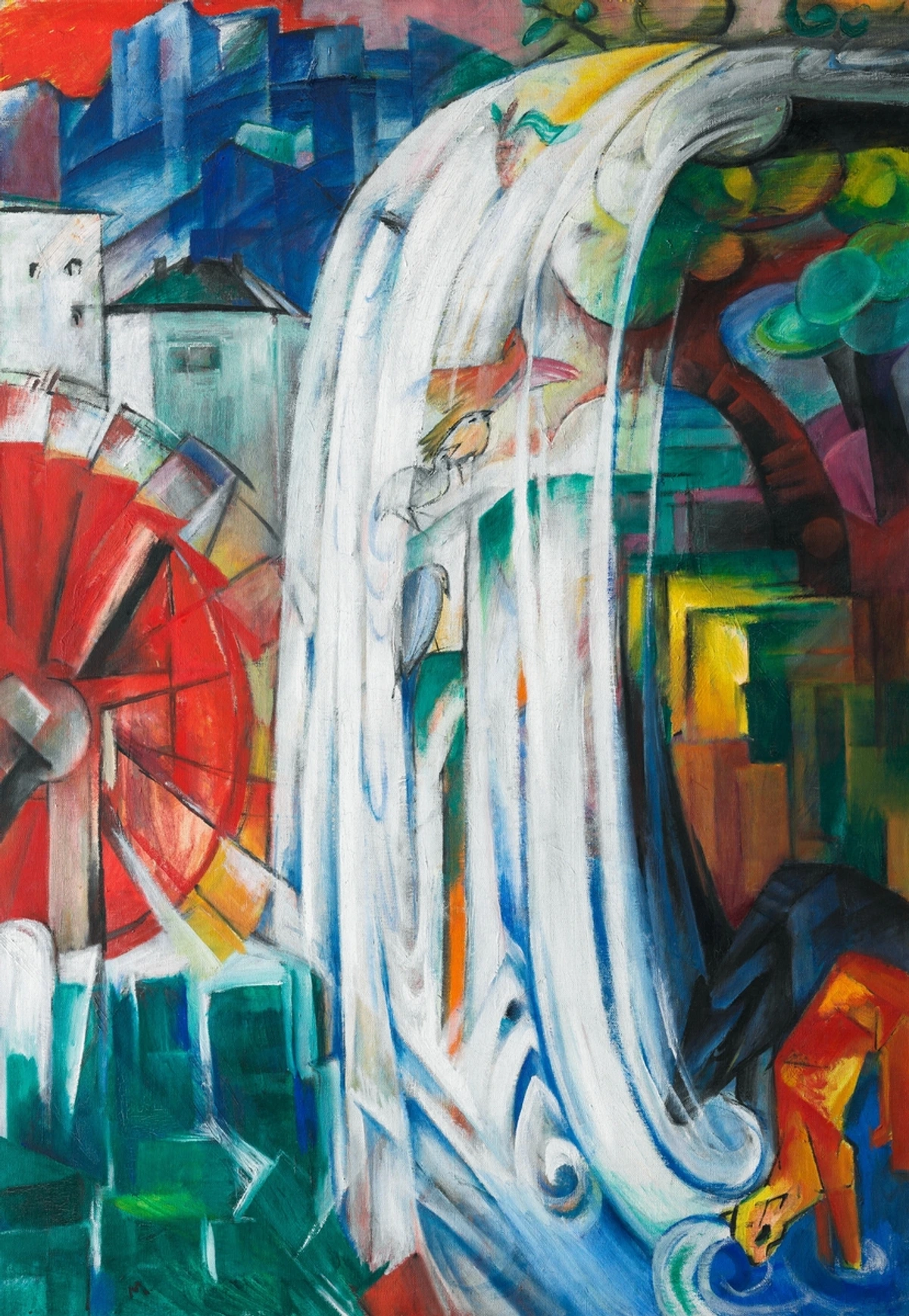
- Expressionism: Took Symbolism's focus on raw emotion, psychological states, and inner visions, and turned the volume up to 11. Artists like Munch are proof of this direct lineage. You can see how the seeds planted by Symbolism truly blossomed in movements like Expressionism, which externalized these internal screams onto canvas with vibrant, often distorted forms. Where Symbolism hinted, Expressionism shouted. For example, the intense emotional distortion in Ernst Ludwig Kirchner's street scenes directly escalates Munch's psychological landscapes.
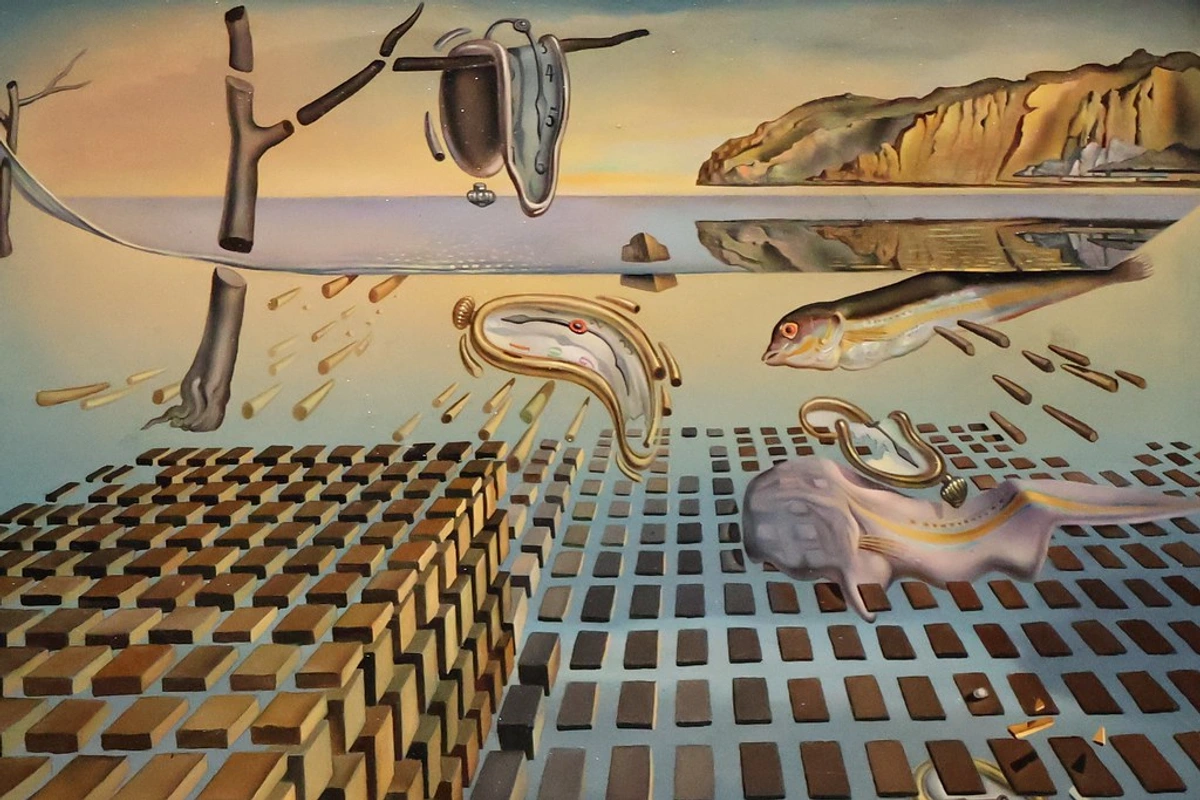
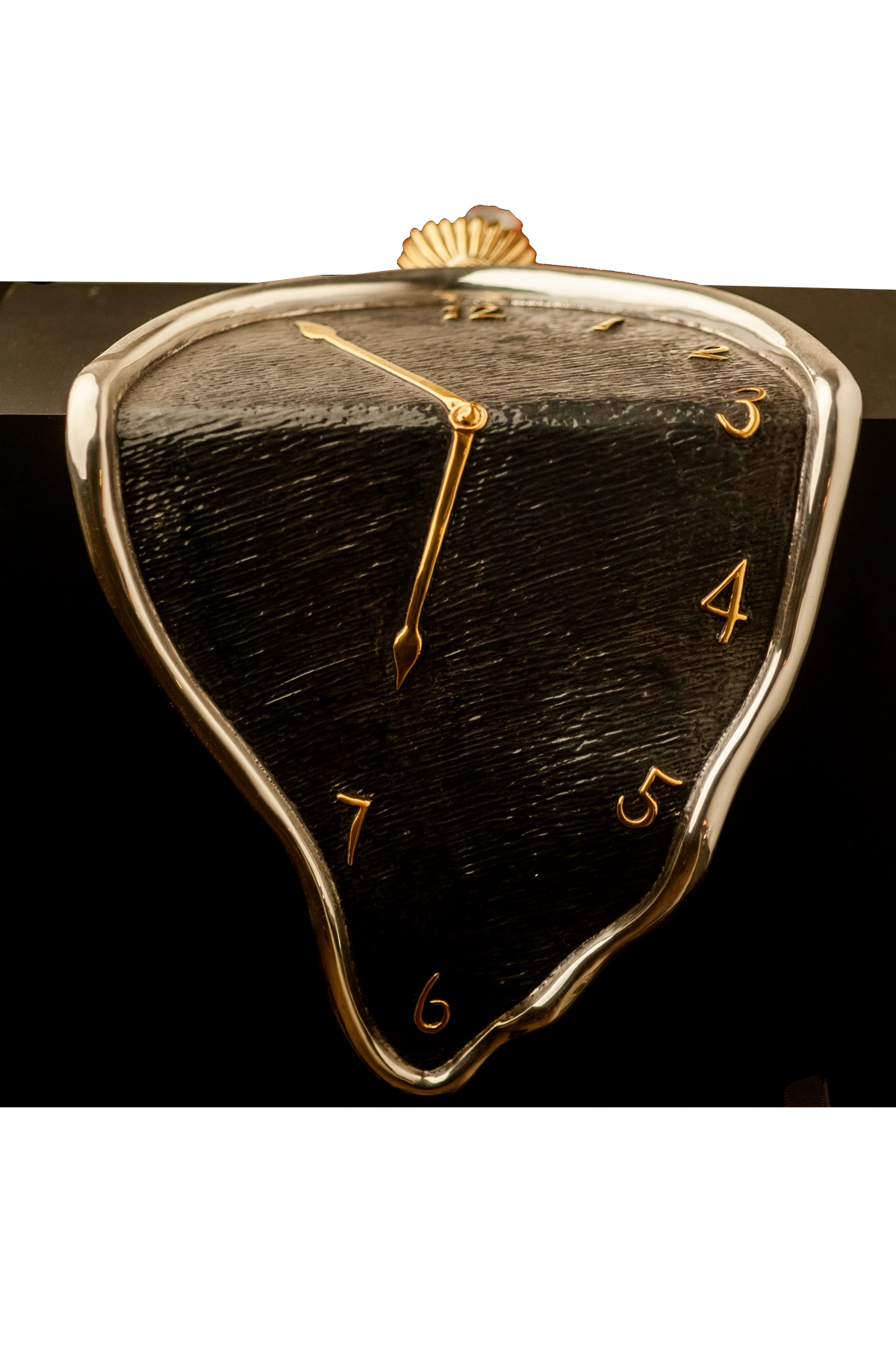
- Surrealism: Grabbed the obsession with dreams, the subconscious, and bizarre juxtapositions and ran with it. Heavily influenced by Freud's psychoanalysis (which came into prominence shortly after Symbolism), Surrealists like André Breton sought to liberate the subconscious entirely, creating dreamscapes that were often more startling and illogical than anything the Symbolists imagined. The line from Symbolism's evocative dream worlds to Surrealism's enduring legacy is undeniable. If Symbolism is like whispering profound truths through metaphors, Surrealism is like diving headfirst into a chaotic dreamscape to pull out raw, untamed emotions. Think of Salvador Dalí's melting clocks in The Persistence of Memory—a direct descendant of Symbolism's challenge to objective reality, but with Freud's influence of psychological liberation. Want to learn more? Check out our ultimate guide to Surrealism or what is Surrealism.
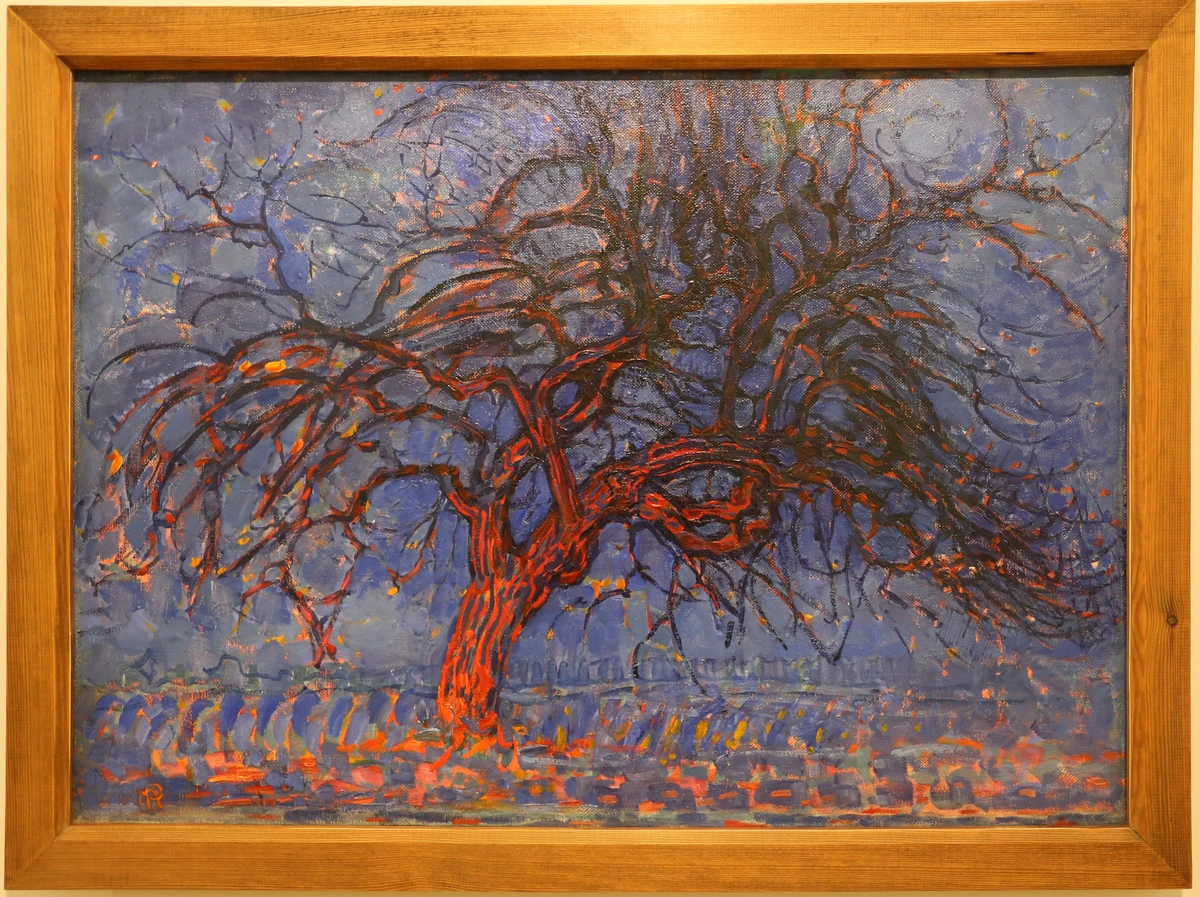
- Abstract Art: Perhaps the most profound legacy. Symbolism's radical idea that color, line, and form could communicate feelings and ideas directly, without representing the real world, has profound roots in Symbolism's desire to move beyond surface reality. This belief that elements like color and form could directly convey meaning, independent of their representational function, was a critical step towards abstract art's eventual liberation from the visual world. It championed the evocative power of abstract elements. Many early abstract artists like Wassily Kandinsky explicitly explored the spiritual and symbolic meanings of color and form, a direct echo of Symbolist thought, as articulated in his seminal work Concerning the Spiritual in Art, which explicitly referenced Baudelaire's concept of "correspondences." He once wrote, "Colour is a power which directly influences the soul." If you're interested in understanding this evolution, my definitive guide to the history of abstract art offers a deeper dive into what is abstract art.
Even Pablo Picasso, a giant of modern art, had a deeply Symbolist phase. His Blue Period is a perfect example, where the overwhelming blue tones aren't realistic but are used to powerfully symbolize poverty, despair, and loneliness, transforming observation into poignant emotional statement – a masterclass in using color for profound psychological impact. Think of 'The Old Guitarist' as a direct heir to Symbolist emotional depth through color.
Beyond these, Symbolism's radical departure from traditional representation also indirectly paved the way for movements like Fauvism, which embraced pure, expressive color for emotional impact, and even early Cubism, which fragmented reality to represent multiple perspectives and conceptual truths. Its influence is truly foundational, demonstrating that art could be a conduit for complex inner truths, not just a mirror to the world.
Symbolism's Echoes Today
So, is Symbolism still relevant in our fast-paced, visually saturated world? Absolutely. Its influence is subtly woven into the fabric of contemporary culture, far beyond the confines of art galleries. Whenever I watch a film, listen to music, or even analyze an advertisement, I find myself tracing its lineage. It's the undercurrent that makes so much modern storytelling resonate.
Whenever a filmmaker uses a specific color palette to create a mood (think the stark blues of a dystopian future in Blade Runner 2049 or the warm yellows of nostalgia in a Wes Anderson film), they're tapping into Symbolist ideas. Any time a musician writes a lyric with a double meaning, or a director crafts a dream sequence to reveal psychological depth, they are drawing directly from this tradition. Contemporary digital artists, for instance, often craft intricate virtual worlds or augmented reality experiences that blend the real with the fantastical, inviting users into dreamlike narratives with hidden meanings—a direct evolution of Symbolist principles in a new medium. Modern advertising, too, relies heavily on symbolic imagery to evoke desires and associations without explicit explanation—think of a luxury brand selling an idea of aspiration, not just a product. It's the language of the implicit, the suggestive, the emotional.
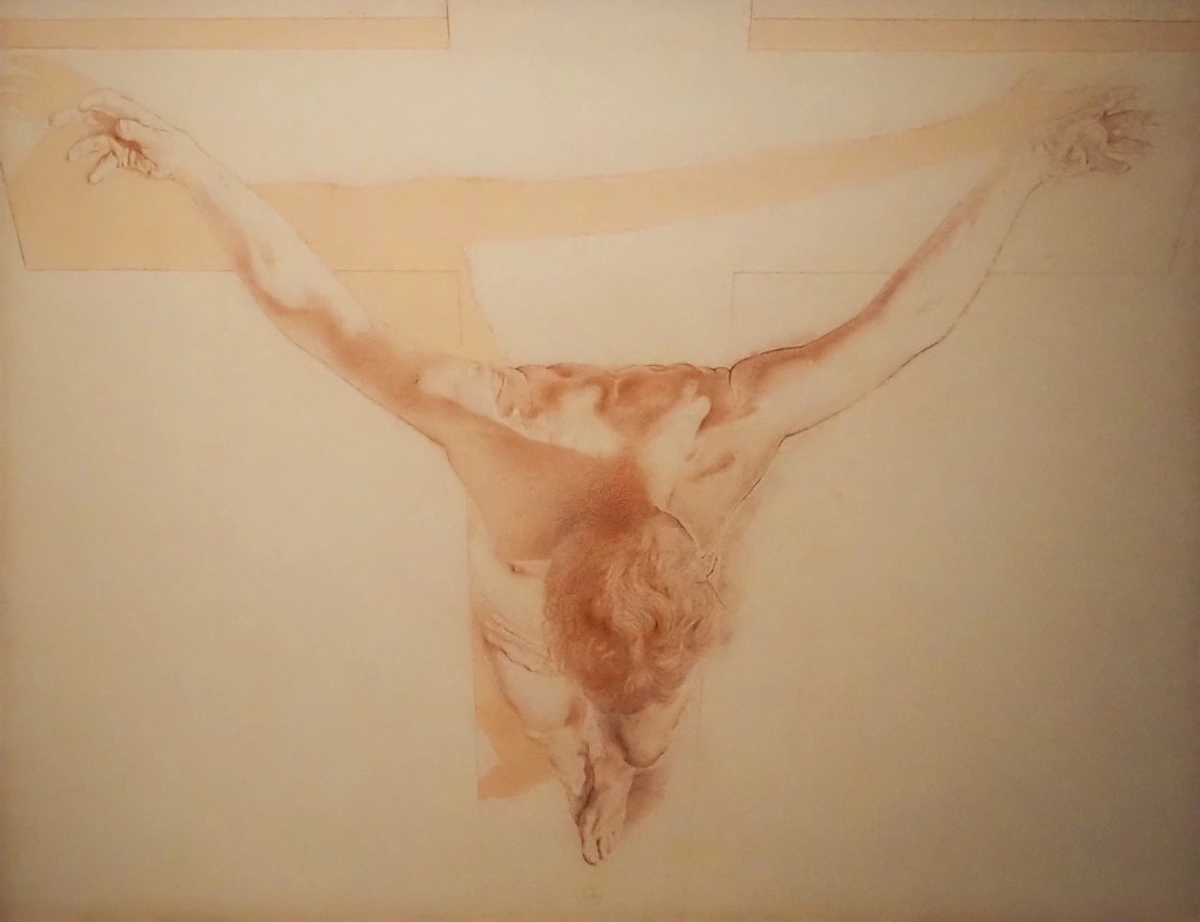
In contemporary art, you see Symbolism's legacy in works that prioritize conceptual depth, emotional resonance, and a personal mythology over pure representation. Artists today still grapple with universal themes – identity, mortality, spirituality, the subconscious – often using abstract or metaphorical visual languages. This exploration of how color can communicate mood and emotion, deeply rooted in Symbolist principles, is a common thread in contemporary abstract art. When I paint, I often chase a feeling, an elusive truth, using color and form to hint at something just beyond words. It's a way of making the interior world manifest, much like my own art, where bold colors and patterned textures aren't meant to depict reality, but to invite you to feel, to reflect, and to interpret something beyond the immediate visual.
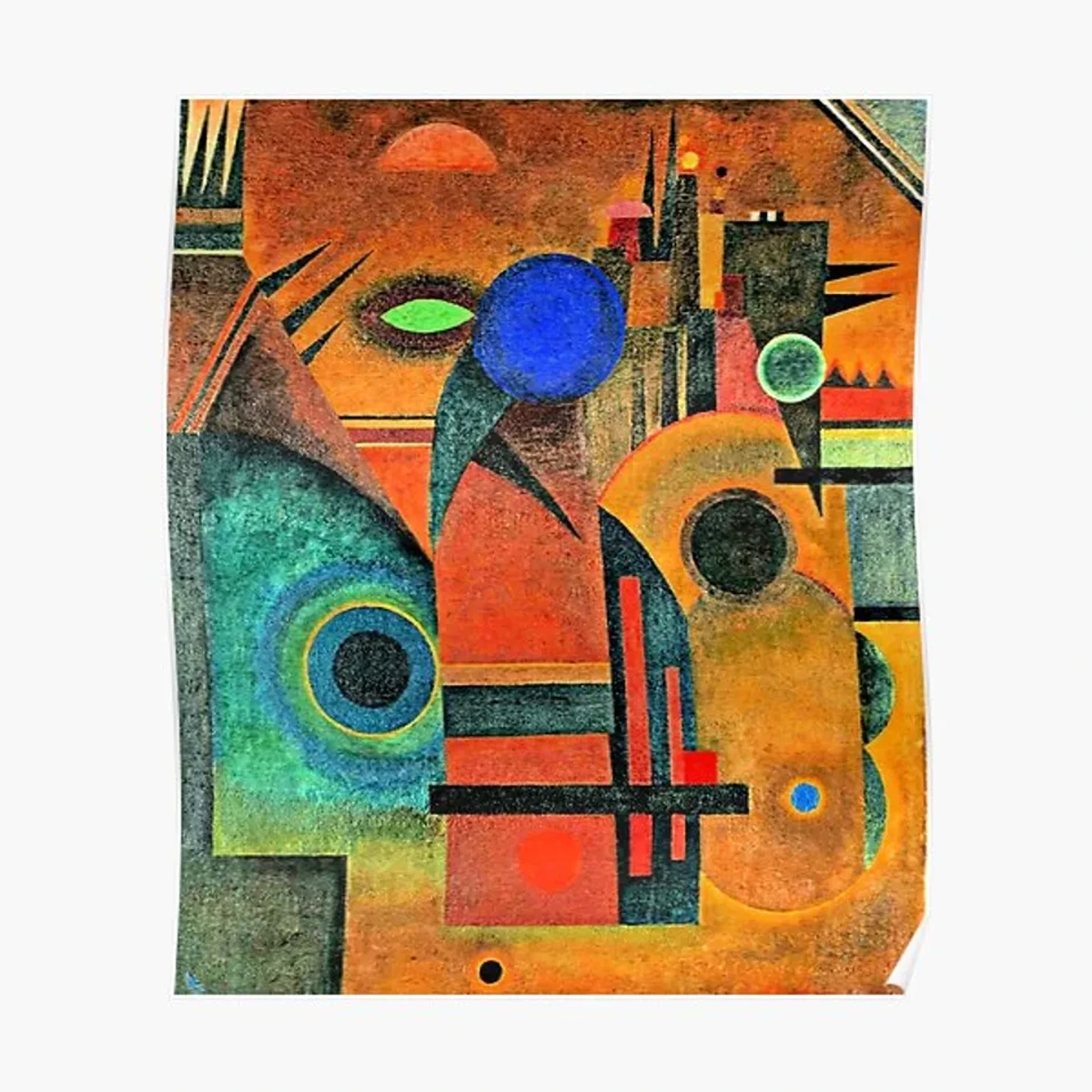
This kind of art, often abstract, uses bold colors and patterned textures not to depict reality, but to invite you to feel, to reflect, and to interpret something beyond the immediate visual. It's a direct lineage from those late 19th-century pioneers who dared to look inward. If you find yourself inspired by these explorations of the unseen, you might enjoy exploring how these ideas have unfolded throughout various artistic journeys, perhaps even considering some pieces in our collection.
Key Takeaways: The Enduring Heart of Symbolism
Before we dive into some common questions, let's quickly recap the enduring heart of the Symbolism movement:
- Rebellion Against the Visible: A deliberate rejection of materialism and sole focus on observable reality, championing the unseen, spiritual, and subconscious instead. It was art's declaration that there's more than meets the eye.
- Power of Suggestion: Symbolists evoked moods, feelings, and ideas rather than explicitly describing them, inviting active viewer interpretation. They valued the hint over the hammer.
- Inner Worlds Made Visible: Pioneers in exploring dreams, myths, the esoteric, and psychological states, often before formal psychoanalysis emerged. They mapped the landscapes of the mind.
- Interconnectedness (Correspondences): The belief in mystical links between senses, emotions, and the physical/spiritual realms was foundational. Everything was connected, a grand symphonic web.
- Bridge to Modernity: Symbolism opened the floodgates for later movements like Expressionism, Surrealism, and Abstract Art, proving art could be about feeling and idea, not just imitation. It was the essential springboard for the avant-garde.
FAQ: Your Symbolism Questions, Answered
To further solidify your understanding, let's address some common inquiries that pop up about Symbolism. It can be a complex beast, so a little directness helps.
Q: What are the main themes explored by Symbolist artists?
A: Symbolist artists delved deep into themes that lay beyond superficial reality. Expect to find explorations of love, death, and sin, often with a melancholic, decadent, or even explicitly erotic twist. They were fascinated by spirituality, mysticism, and the occult (meaning: concerning the supernatural, mystical, or magical), seeking universal truths in ancient myths, legends, and esoteric knowledge. Dreams, the subconscious, and psychological states were central, often depicted through fantastic or unsettling imagery. They also portrayed the femme fatale as a symbol of destructive beauty and male anxiety, and engaged with profound questions of identity, solitude, and the human condition in a rapidly modernizing world. Essentially, they explored the entire emotional and spiritual spectrum of human existence, with a particular fondness for its darker, more mysterious, and often morbid corners.
Q: What's the timeline of the Symbolist movement?
A: Symbolism primarily flourished in the late 19th century, roughly from the 1880s through the first decade of the 20th century. While its roots can be traced back to figures like Baudelaire in the 1850s-60s, it reached its peak influence and formal recognition from around 1886 (with Jean Moréas's "Symbolist Manifesto") until about 1900-1910. After this, its core ideas evolved and fragmented, feeding directly into subsequent movements like Expressionism and Surrealism, making its legacy far longer than its "official" timeline. So while the official movement might have been brief, its spirit lived on, and is perhaps still living today.
Q: How did Symbolism influence poetry and literature?
A: Symbolism began in literature, so its influence here is foundational. Poets like Stéphane Mallarmé and Paul Verlaine sought to liberate language from its descriptive function, using words for their evocative power, sound, and suggestion rather than direct meaning. They employed rich metaphors and "correspondences" to hint at deeper truths, aiming for a more musical and mystical form of poetry that prioritized mood and inner experience. This approach profoundly shifted literary trends, encouraging ambiguity, introspection, and a focus on the subconscious, paving the way for modernist poetry. They proved that a poem could be less about telling and more about feeling.
Q: Are there specific artistic techniques characteristic of Symbolism?
A: While Symbolism wasn't a unified visual style in the way Impressionism or Cubism were, certain artistic techniques became prevalent due to their philosophical aims:
- Emphasis on Mood and Atmosphere: Rather than realistic detail, artists focused on creating a specific emotional tone, often melancholic, mysterious, or unsettling. They painted feelings, not facts.
- Deliberate Ambiguity: Meanings were rarely explicit, encouraging viewer interpretation and a sense of dreamlike mystery. What do you see?
- Symbolic Use of Color and Line: Colors were chosen for their emotional resonance rather than naturalism, and lines could be flowing (Art Nouveau influence) or stark to convey feeling. Color became a language for the soul.
- Flattened Space and Lack of Traditional Perspective: Many Symbolists eschewed traditional linear perspective, creating shallow, otherworldly spaces that emphasize the symbolic over the realistic. This often made the viewer feel like they were stepping into a dream or a memory.
- Rich, Jewel-Toned Palettes: Especially for artists like Moreau and Klimt, opulent colors added to the sense of decadence and spiritual richness. Gold was often used to elevate the mundane to the sacred.
- Focus on the Figure: Human (and often female) figures, whether mythological or allegorical, were central to conveying psychological states and universal archetypes. The body became a vessel for deeper meaning.
Q: How did Symbolism differ from Romanticism?
A: This is a great question, as they share some common ground in their embrace of emotion and imagination. However, Symbolism emerged roughly half a century after Romanticism and carried a distinctly different temperament. Romantics (early to mid-19th century) often emphasized grand heroic gestures, the sublime in nature, individual freedom, and a belief in the inherent goodness or power of strong emotion. There was often an optimistic or revolutionary zeal. Symbolism, on the other hand, was more inward-looking, often melancholic, weary, and decadent. It delved into the more complex, often darker, corners of the human psyche, emphasizing anxiety, introspection, and a sense of spiritual crisis amidst modernity. While Romantics looked outward to nature for inspiration, Symbolists often retreated inward to dreams and the subconscious. It was the difference between an epic poem and a haunting, whispered secret.
Q: What's the difference between Symbolism and Art Nouveau?
A: While both movements were active around the same fin de siècle period and shared some motifs (like organic forms, femme fatales), their primary intentions differed significantly. Art Nouveau was fundamentally an aesthetic movement focused on integrating art into everyday life through decorative design across various mediums – architecture, furniture, jewelry, posters like those by Alphonse Mucha. Its emphasis was on beauty of line, curve, and form. Symbolism, conversely, was driven by philosophical and psychological depth, using symbols to evoke inner meaning, spiritual truths, and the subconscious. For Symbolists, aesthetics served the deeper symbolic purpose; for Art Nouveau, the aesthetic was the purpose, often without a profound symbolic narrative attached. Think of it this way: Art Nouveau wanted to make beautiful things for living; Symbolism wanted beautiful things to make you think and feel deeper truths.
Q: What's the difference between Symbolism and Surrealism?
A: It's a great question, as they both love dreams and the subconscious! The main difference is the 'how' and the 'why.' Symbolists used dream-like imagery, myths, and suggestive metaphors to point towards a hidden, mystical, or spiritual truth that they believed lay beyond the material world. They often sought to unify the spiritual and physical, creating coherent (though mysterious) symbolic meanings. Surrealists, profoundly influenced by Freud's theories of psychoanalysis, were more interested in unlocking the raw, chaotic, and often irrational power of the subconscious itself, often through automatic drawing, bizarre juxtapositions, and a deliberate subversion of logic to reveal a 'super-reality.' While Symbolism often had a spiritual or philosophical bent, Surrealism was more about psychological liberation and challenging conventional reality by embracing the irrational. If Symbolism is like whispering profound truths through metaphors, Surrealism is like diving headfirst into a chaotic dreamscape to pull out raw, untamed emotions. For more on this, check out our definitive guide to Surrealism.
Q: Was Symbolism a political art movement?
A: Not really, at least not in an overt, activist sense like, say, social realism or some forms of street art. Symbolism was intensely personal and inward-looking. While other movements were engaging directly with industrialization, urbanization, and social change, most Symbolists were retreating into their own heads, exploring universal, timeless themes of love, death, sin, and the human condition, rather than the immediate politics of the day. Their rebellion was aesthetic and philosophical, not typically political; they sought to escape the mundane political realities, not confront them. In fact, many were deeply skeptical of mass society and its materialist focus. They painted souls, not manifestos.
Q: Who is considered the 'father' of Symbolism?
A: This depends a little on the medium. In painting, it's often attributed to Gustave Moreau, a French artist whose mystical, detailed, and deeply evocative works were hugely influential on younger painters. But if you go back to its fundamental philosophical and aesthetic roots, you absolutely have to credit the poet Charles Baudelaire for laying the essential groundwork with his theories of correspondences and his profound focus on the spiritual and unseen in art. He was the philosophical godfather, if you will.
Q: Is Symbolism a European movement only?
A: While its strongest and most formally defined manifestations were concentrated in Europe (particularly France, Belgium, Germany, Austria, and Russia, as noted with the "World of Art" movement, and Scandinavia with figures like Munch and Sohlberg), the philosophical and aesthetic currents that fueled Symbolism were far-reaching. Artists in other parts of the world also explored similar themes of inner truth, spiritual reality, and the power of symbols, sometimes independently, sometimes through influence. However, when we refer to "the Symbolist art movement," it primarily denotes its specific European context of the late 19th century.
Q: How does Symbolism relate to the "fin de siècle"?
A: Symbolism is intrinsically linked to the "fin de siècle" (end of the century) mood. This period was characterized by a sense of cultural weariness, decadence, anxiety about the future, and a deep exploration of irrationality, the subconscious, and the morbid. Specific anxieties of the era, like the perceived breakdown of traditional values or the fear of social upheaval, often pushed artists to retreat into inner spiritual and psychological worlds. Symbolism's rejection of materialism, its focus on dreams, death, the mystical, and its often melancholic or decadent aesthetics perfectly captured the spirit of a generation grappling with profound change, uncertainty, and a longing for deeper meaning at the close of an era. It was, in many ways, the artistic embodiment of the fin de siècle soul, a wistful glance backward and an anxious one forward.

Q: How did Symbolism influence film or graphic design?
A: Symbolism's emphasis on mood, atmosphere, and the evocative power of suggestion had a profound, though often indirect, impact on later visual mediums. In film, early cinematic pioneers quickly grasped how lighting, set design, and allegorical narratives could evoke psychological states and dreamlike realities, directly mirroring Symbolist theatre. German Expressionist cinema, for instance, with its distorted sets and dramatic lighting, is heavily indebted to Symbolist aesthetics, aiming to externalize internal states. In graphic design, particularly poster art and illustration, the Symbolist emphasis on symbolic imagery, stylized forms, and emotional resonance deeply influenced the Art Nouveau movement and continued into early 20th-century commercial art, where designers aimed to convey abstract ideas and desires through evocative visuals rather than literal depiction. Think of how a logo aims to evoke a feeling or an idea rather than just represent a product – that's Symbolism's legacy at work, a subtle yet powerful communication.






Glossary of Key Symbolist Terms
For quick reference, here's a brief glossary of terms central to understanding Symbolism:
- Apollonian: In Nietzschean philosophy, refers to the aspects of human nature associated with rationality, order, harmony, and intellectual pursuits. Symbolists often explored the tension between this and the Dionysian, often favouring the latter's raw energy.
- Correspondences: A key Symbolist concept, particularly from Baudelaire and Swedenborg, positing mystical or hidden connections between different sensory experiences (sounds, colors, scents) and between the physical and spiritual worlds. It's the idea that everything resonates with everything else.
- Dionysian: In Nietzschean philosophy, refers to the aspects of human nature associated with instinct, emotion, chaos, passion, and the primal. Symbolists were often drawn to exploring these untamed forces, believing they held deeper truths than rationality alone.
- Esoteric: Intended for or likely to be understood by only a small number of people with specialized knowledge or interest. Think of it as knowledge that's a bit like a secret club's code. Symbolists often incorporated esoteric knowledge, occultism, and mystical traditions into their work, creating layers of meaning only accessible to the initiated.
- Fin de Siècle: French for "end of the century," referring to the mood of cultural weariness, decadence, anxiety, and introspection prevalent in Europe at the close of the 19th century, with which Symbolism is closely associated. It encapsulates the mood of an era in transition.
- Femme Fatale: A powerful, alluring, and often dangerous woman, a common Symbolist motif embodying destructive beauty, temptation, and societal anxieties about female agency. She's a captivating, perilous enigma.
- Synesthesia: A perceptual phenomenon in which stimulation of one sensory or cognitive pathway leads to involuntary experiences in a second sensory or cognitive pathway (e.g., tasting colors, seeing sounds). Symbolists aimed to evoke this cross-sensory experience in their art, blurring the boundaries of perception.
- Uroboros: An ancient symbol depicting a serpent or dragon eating its own tail. For Symbolists, it represented cyclicality, infinity, rebirth, and the self-consuming, eternal nature of existence. It speaks of beginnings and endings intertwined.
A Final Thought: Looking Beyond the Surface
For me, Symbolism is a powerful reminder that art isn't always about showing us what the world looks like. Sometimes, and often more profoundly, it's about trying to express what it feels like – the shiver down your spine, the half-remembered dream, the quiet mysteries of being human, the sense of a profound truth just out of reach. It invites us to look past the surface, to ask what lies beneath the literal depiction, and to engage with our deepest feelings and intuitions. It's a journey into the soul, taken with brushstrokes and whispered verses.
So, the next time you see a painting that feels a little strange, a little magical, or just plain weird, maybe don't immediately ask "What is this a picture of?" Instead, try asking, "What feeling is this trying to give me? What unseen truth is it trying to hint at?" You might be surprised by the answer, and you might find yourself connecting to art on a much deeper, more personal level. After all, the journey into the subconscious, into the symbolic, is one we all take, whether we realize it or not. It's the art of the ineffable, and it's still speaking to us today, if we only take the time to listen.