What is Surrealism? A Guide to Your Wildest Dreams
Ever feel like reality is overrated? Dive into Surrealism, the art of the subconscious. We'll explore melting clocks, dream logic, and why it still matters.

What is Surrealism? Your Personal Guide to the Art of Dreams and the Unconscious
Have you ever woken up from a dream so vivid, so bizarre, that it stuck with you all day? A dream where the rules of reality just... didn't apply? I have those all the time. One minute I'm flying over Den Bosch on a giant bicycle, the next I'm having a conversation with a talking cat about the price of fish. It's nonsense, but it feels incredibly significant, doesn't it? That uncanny sense of profound meaning in the utterly absurd?
That feeling, right there, is the front door to Surrealism. It's not just about weird paintings of melting clocks or men with apples for faces, though that's certainly part of the fun (and we'll get to those iconic images, believe me). At its heart, Surrealism is a radical rebellion against the ordinary, the strictly logical, and the 'shoulds' of polite society. It’s an urgent invitation to unlock the strange, beautiful, and sometimes terrifying world of your own subconscious mind – a world that has been there all along, just waiting to be explored.
So, grab a coffee, lean back, and let's get weird. We're about to dive into the depths of an art movement that didn't just redefine art; it challenged perception, reshaped how we understand the human psyche, and continues to influence our world in surprising, often subtle, ways. This isn't just art history; it's a journey into the boundless potential of the human imagination.
So, Where Did This Weirdness Come From? The Birth of a Revolution
So, Where Did This Weirdness Come From?
To really grasp Surrealism, we have to rewind to the aftermath of World War I. The world was a chaotic mess, a testament to the utter failure of logic and reason, which had culminated in unimaginable slaughter. A whole generation, particularly artists, looked at the 'rational' world that had birthed this catastrophe and thought, "There simply must be another way to understand existence." This profound disillusionment became the fertile ground for something radical to sprout.
Before Surrealism, there was Dadaism. Imagine Dada as Surrealism's rebellious, anarchic older sibling. Dada artists, utterly disgusted by the absurdity and destruction of the war, responded with chaos, nonsense, and a fierce determination to dismantle every established artistic and societal rule. Their art was intentionally anti-art, a provocative middle finger to convention. Marcel Duchamp's infamous act of placing a urinal in a gallery and labeling it 'Fountain' wasn't just a stunt; it was a profound act of defiance, questioning the very definition of art itself. This raw, iconoclastic energy paved the way, but Surrealism aimed higher than mere destruction.
Surrealism, though rooted in Dada's rebellious spirit, sought to construct something profound and liberating from the ruins of logic and the devastation of war. It wasn't just about protest; it was about profound revelation. The movement was spearheaded by the charismatic French writer and former medical student, André Breton. His experiences serving in psychiatric wards during the war exposed him to the raw, uninhibited expressions of the human mind, which profoundly shaped his perspective. Breton became deeply immersed in the revolutionary ideas of Sigmund Freud, particularly his groundbreaking theories on the unconscious mind, dreams, and repressed desires. Freud's work suggested that beneath our conscious, rational surface lay a vast, powerful reservoir of thoughts, feelings, and impulses – a hidden reality that drove much of human behavior.
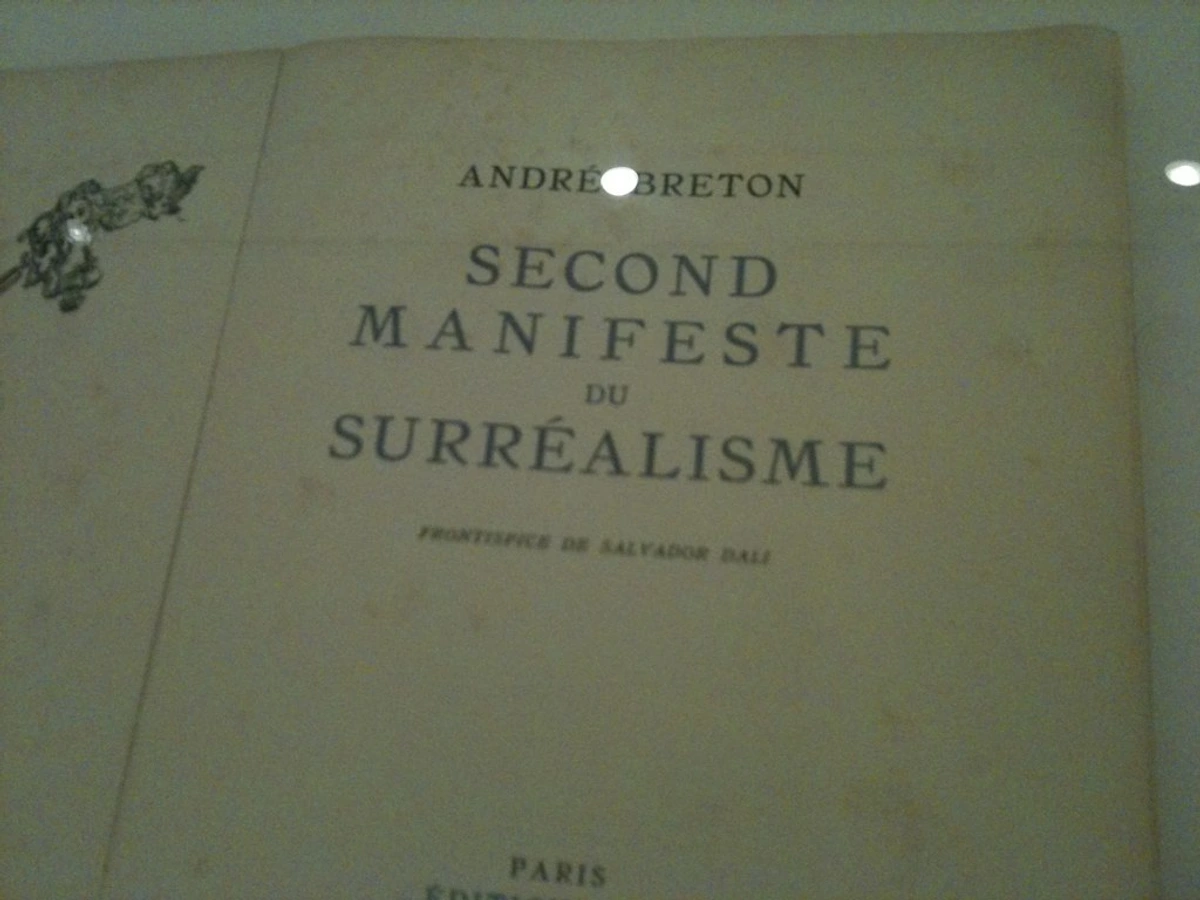
Breton, synthesizing these insights, posited a radical question: what if we could bypass the stifling, societal filter of conscious thought and tap directly into that raw, unfiltered wellspring of our psyche – the realm of dreams, desires, fears, and untamed imagination – and transform it into art? This wasn't just a theoretical exercise; it was a quest for a new kind of truth, a "sur-reality" where dream and reality could merge. This radical notion culminated in 1924 with the publication of his Surrealist Manifesto, a foundational text that didn't just officially launch the movement but served as a philosophical blueprint, inviting artists and writers to explore the liberating power of the irrational. Breton, along with a core group of poets and intellectuals like Louis Aragon, Philippe Soupault, and Paul Éluard, formed a tight-knit circle, conducting intense experiments in hypnosis, automatic writing, and detailed dream analysis. Their mission was to find concrete methods to tap into these hidden resources of the mind, believing that the true essence of creativity lay beyond conscious control. They were often less interested in traditional painting techniques and far more in the ideas behind creation, the philosophical and psychological implications of their methods.
The Core Ingredients of Surrealism: Methods to Access the Unconscious
Surrealism is less a singular aesthetic style and more a profound philosophical approach, a "recipe" with several potent ingredients designed to unlock the hidden chambers of the mind and reveal a deeper reality. The ultimate goal, the secret sauce if you will, is always to bypass the censor of conscious thought and rational control to access the rich, often contradictory, material of the subconscious. It's about finding ways to let the unconscious speak directly.
Automatism: Art on Autopilot, The Direct Line to the Psyche
This is a cornerstone technique, a truly liberating concept for many artists. Automatism is essentially the art of creating without conscious intervention, letting the hand or pen move freely, guided purely by impulse, intuition, and the unfiltered flow of the mind rather than intellect or a preconceived plan. Think of it like those moments when you're doodling while on the phone – you're not planning those squiggles; they just emerge from some internal wellspring. Surrealists elevated this seemingly trivial act into a profound, almost spiritual, method of accessing the unconscious. It was about pure, unedited expression.
- Automatic Writing: This involves writing whatever comes to mind, as rapidly as possible, without editing, censoring, or even thinking about grammar or coherence. It's a direct transcription of the stream of consciousness.
- Automatic Drawing: Similarly, this is about letting your hand move uninhibited across the paper, allowing shapes, lines, and forms to manifest directly from your subconscious, bypassing the rational mind's desire to "make sense" or "draw something specific."
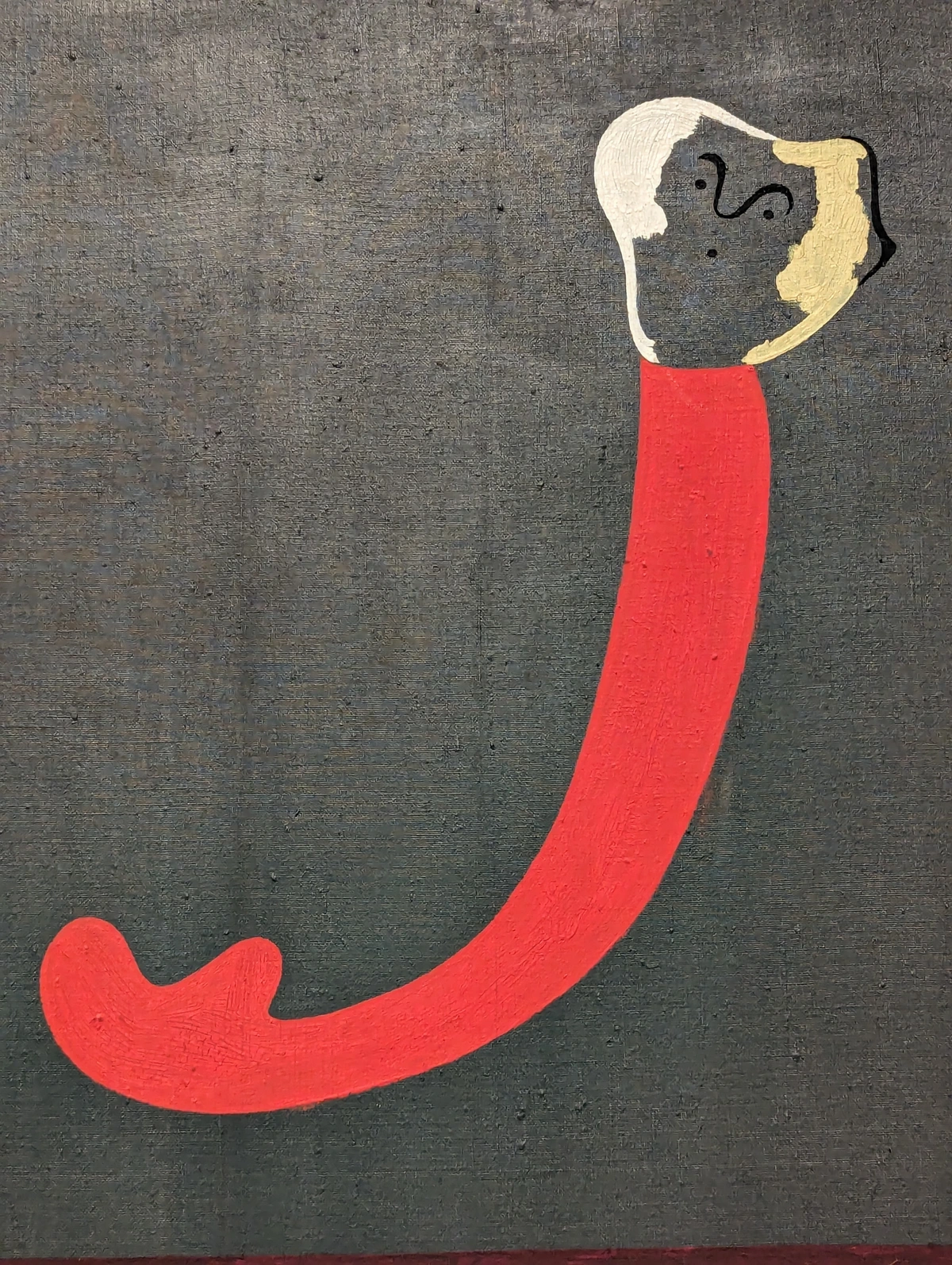
I've found automatism to be incredibly freeing in my own creative process. It's like having a conversation with a part of yourself you didn't know could speak so eloquently. Artists like Joan Miró were undisputed masters of this, infusing their canvases with a playful, yet deeply resonant, collection of symbols and biomorphic shapes that feel both utterly random and profoundly meaningful.

The Juxtaposition of the Unexpected: When Worlds Collide
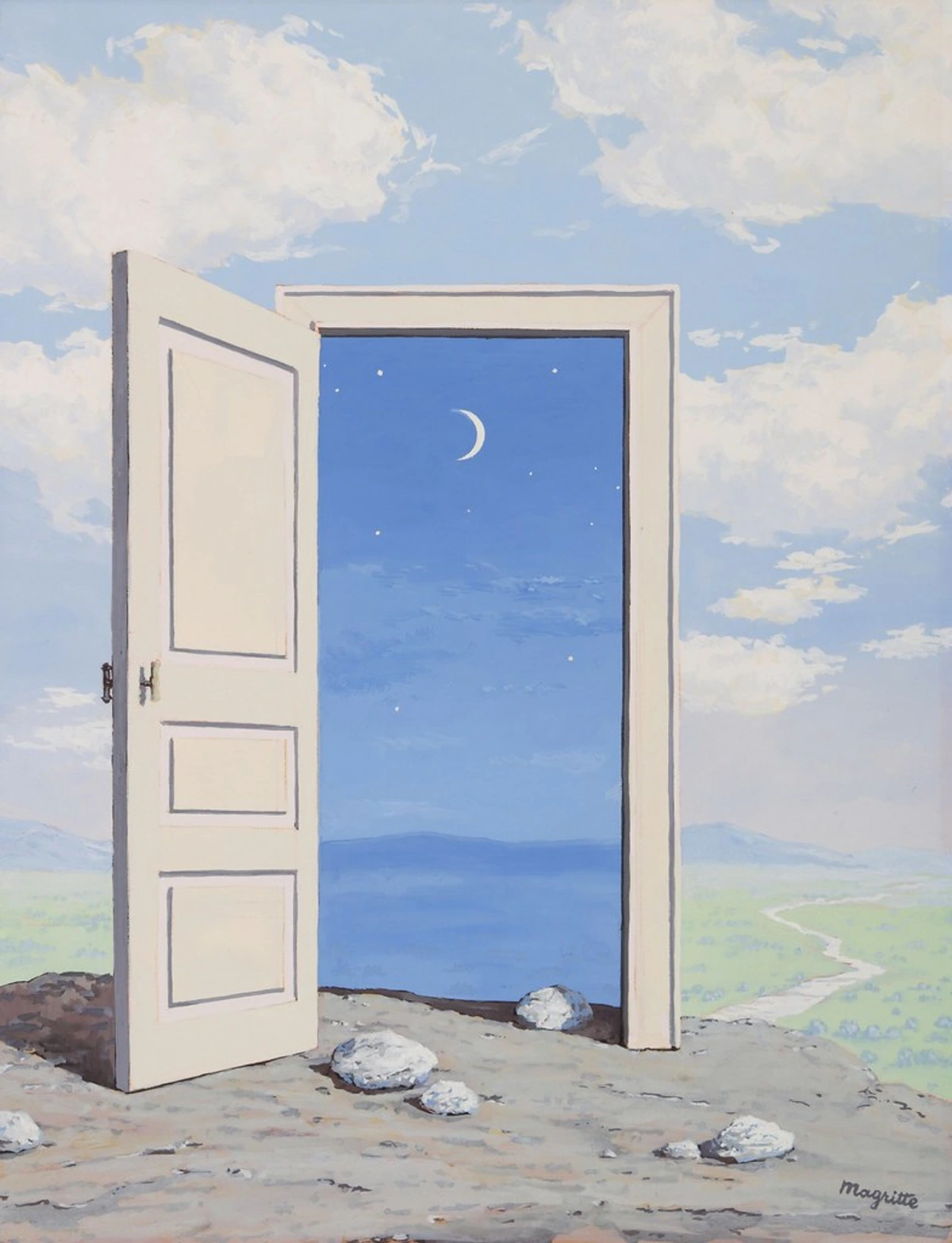
This is perhaps the most instantly recognizable "flavor" of Surrealism, the one that makes you pause, do a double-take, and think, "Wait, what just happened?" It's the deliberate, often shocking, and always thought-provoking placement of two or more utterly unrelated objects, concepts, or images within the same context. Think of the famous literary example from Comte de Lautréamont, a significant precursor to Surrealism: "as beautiful as the chance encounter of a sewing machine and an umbrella on an operating table." Or, in painting, a train emerging from a fireplace in René Magritte's Time Transfixed. Or, yes, my talking cat haggling over fish prices – it's illogical, yet somehow profoundly resonant.
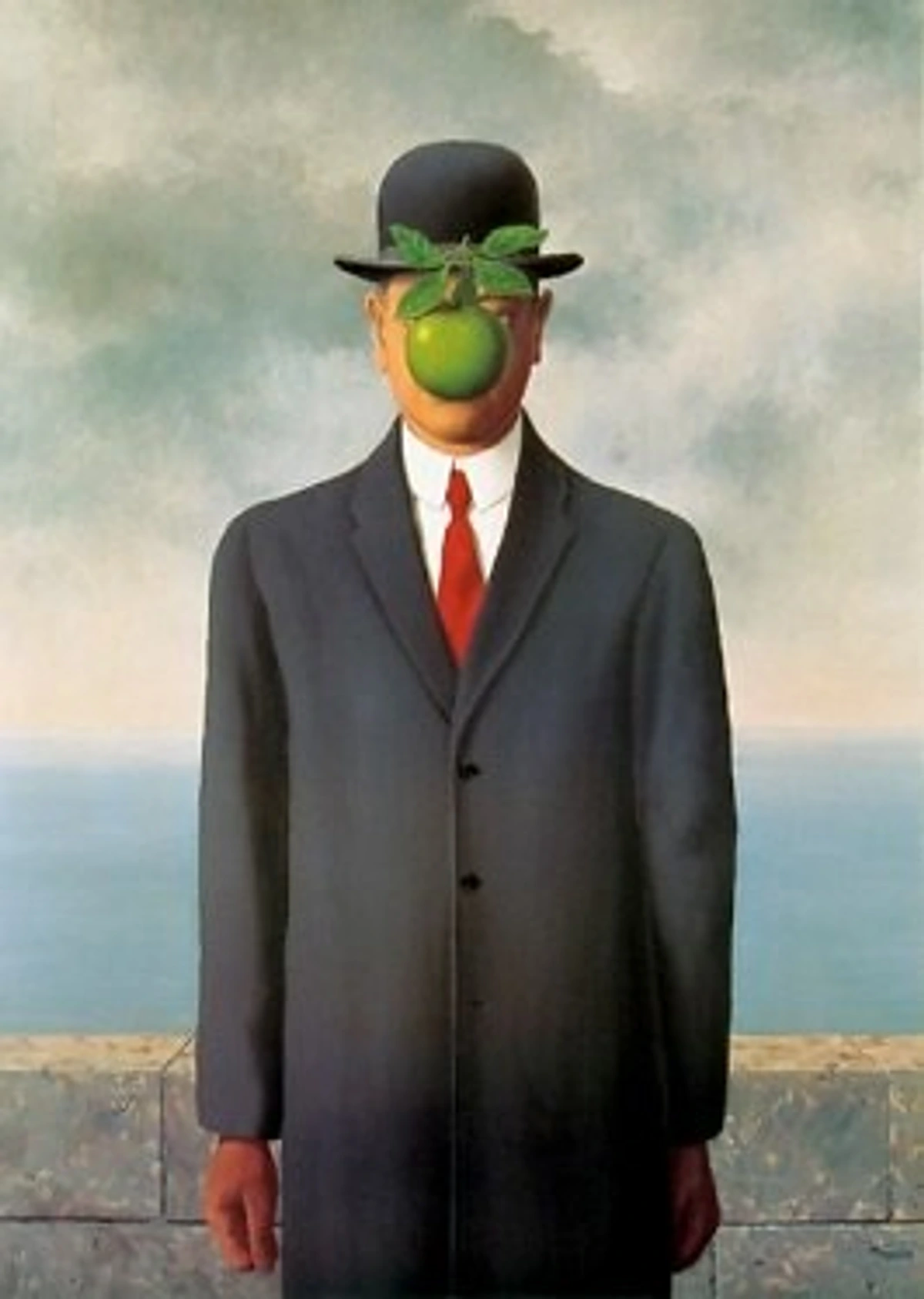
The power of this technique lies precisely in its ability to bypass rational thought. By presenting the illogical as perfectly normal, it creates a cognitive dissonance that forces your brain to forge new, often unsettling, and deeply symbolic connections. It shatters preconceived notions of reality and jolts you into a heightened state of awareness, prompting you to question the very fabric of what you consider 'real'. René Magritte, as you might guess, was an absolute master of this visual mischief. His work consistently and mischievously probes the boundaries of our perception, making the mundane uncanny.
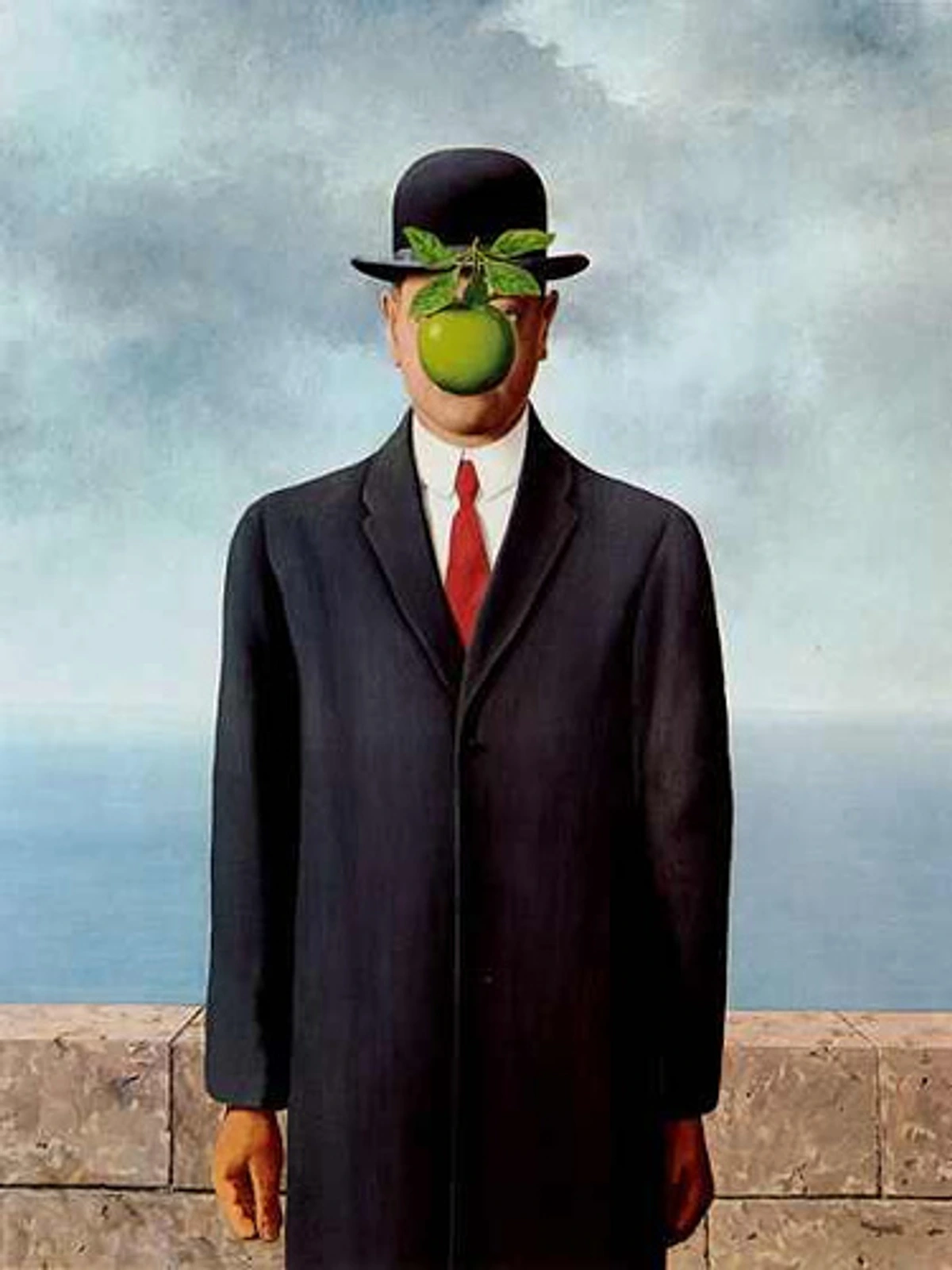
Is the apple hiding the man, or is it a window into another world? Magritte, true to his enigmatic style, doesn't give you easy answers; he just gives you better, more profound questions. To explore more of his mind-bending work, check out my comprehensive article on who is René Magritte.
Dream Logic and Symbolism: Unveiling the Unconscious's Hidden Language
Surrealists were utterly fascinated by dreams, seeing them as direct, unfiltered conduits to the unconscious mind – a sacred text waiting to be deciphered. Freud's groundbreaking work on dream interpretation heavily influenced them, suggesting that dreams weren't just random neurological firings or nonsensical fantasies, but rather highly symbolic narratives of our deepest desires, fears, repressed memories, and primal urges. This idea was revolutionary: our nocturnal wanderings held the key to our true selves.
Artists sought to recreate this "dream logic" (a world where cause and effect are fluid, and symbols reign supreme) in their waking art. They weren't just illustrating dreams; they were embodying the process of dreaming itself:
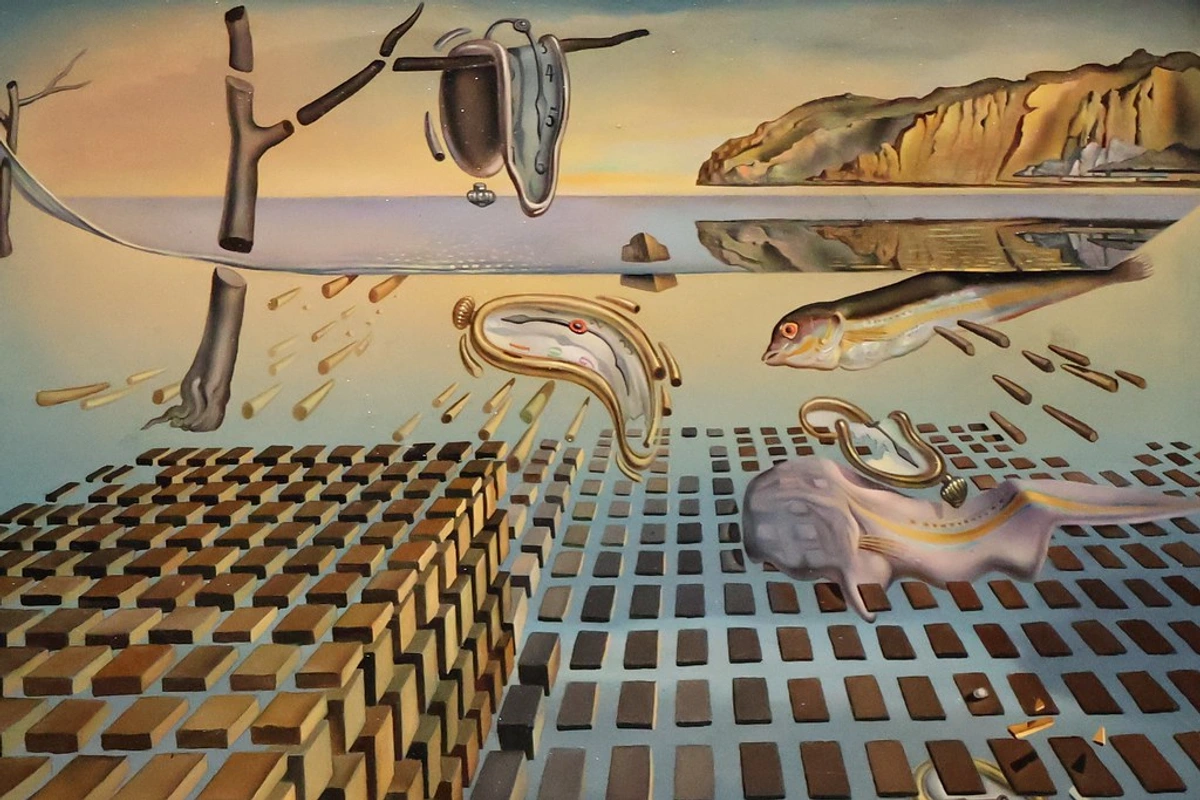
- Non-linear narratives: Forget conventional storytelling. Surrealist art often features stories or images that don't follow a logical, chronological beginning, middle, and end, much like the disjointed yet coherent experience of a dream. Time itself can melt, as Dalí famously showed us.
- Symbolic imagery: Objects, figures, or landscapes take on deep, often personal and universal, psychological meaning. A bird might symbolize freedom, a key might represent an unlocked secret, even if their literal representation within the artwork is bizarre or out of place. This symbolism taps into archetypal human experiences.
- Transformation and metamorphosis: The fluid shifting of one object into another, or a person into an animal, reflecting the mutable, unstable nature of dream states where identity and form are constantly in flux. Boundaries dissolve, and the impossible becomes commonplace.
When you look at a truly great Surrealist painting, it's often like stepping directly into someone else's most vivid dream – unsettling, profound, and strangely familiar all at once, because it speaks to the shared language of the human subconscious.
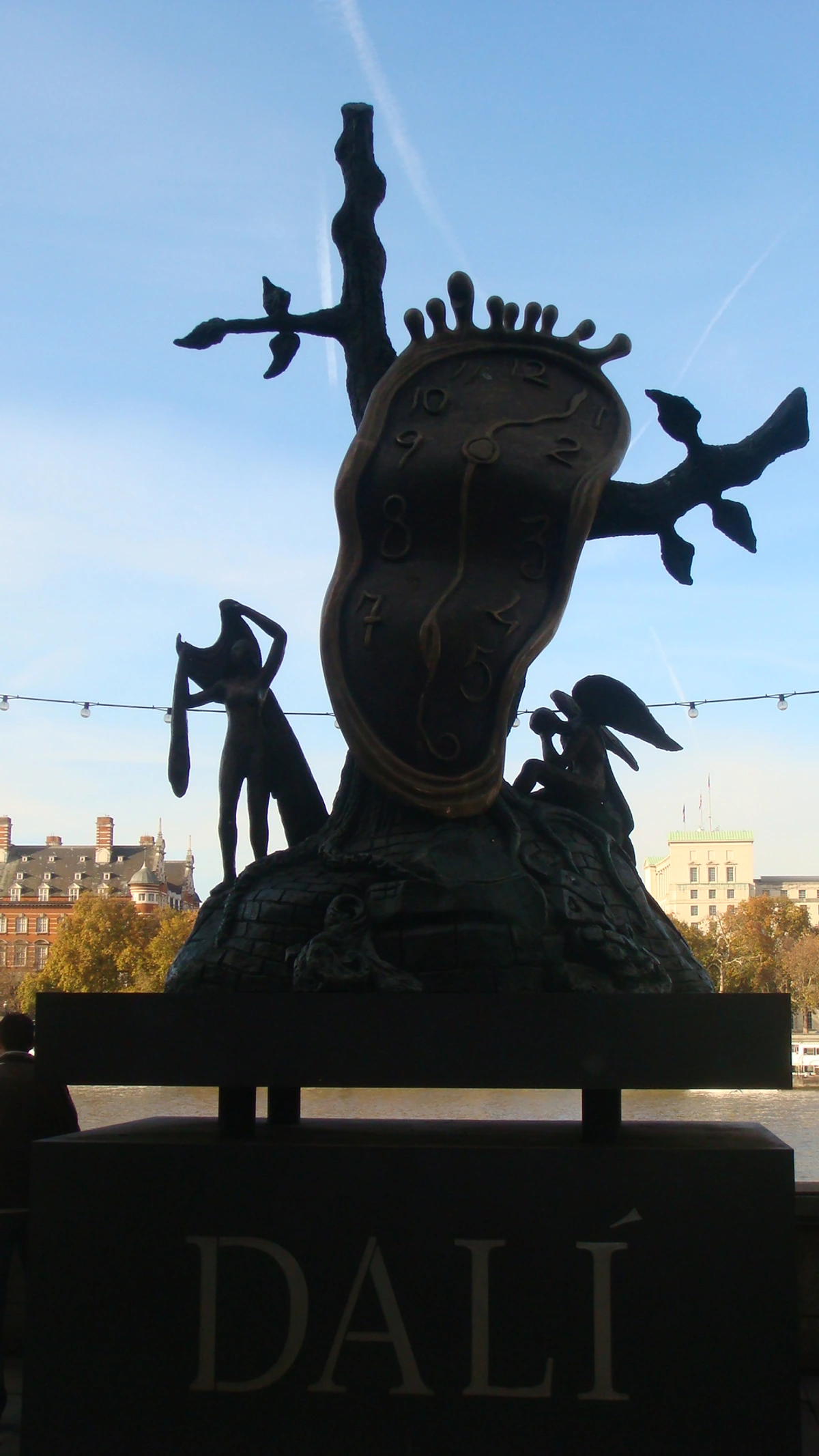
To truly appreciate how artists like Salvador Dalí mastered this, you need to understand his ability to meticulously render the impossible, making his dreamscapes feel disturbingly real. This is where the magic (or perhaps, the madness) of Surrealism truly lies.
A Deep Dive into Key Surrealist Techniques: Unlocking the Unconscious
Surrealists were incredibly inventive, almost like mad scientists of the psyche, constantly devising new games, methods, and techniques to trick their conscious minds into shutting up, thereby allowing the unconscious to burst forth. These weren't just academic exercises; they were practical tools for creative liberation, designed to short-circuit logic and invite serendipity. This table offers a glimpse into some of their most fascinating approaches:
Technique  | Description | Famous Practitioner(s) |
|---|---|---|
| Frottage | From the French word "frotter" (to rub), this involves placing paper over a textured surface (like wood grain, leaves, or even fabric) and rubbing a pencil, crayon, or other drawing tool across it. The resulting pattern then serves as a starting point, with the artist's subconscious interpreting forms and developing images from the accidental marks. It's a way of discovering images rather than inventing them. | Max Ernst |
| Decalcomania | This involves applying thick paint to a surface (like paper or canvas), then pressing another surface (such as another sheet of paper or glass) onto it before pulling them apart. The resulting blotchy, suggestive texture, often resembling natural formations, fantastical landscapes, or Rorschach-like patterns, becomes the basis for further artistic development, guiding the unconscious hand. | Oscar Domínguez, Max Ernst |
| Grattage | Similar to frottage but with paint, this technique involves scraping away layers of wet paint from a canvas that has been placed over a textured object. The underlying textures and colors are revealed, creating unexpected and often violent or organic forms and patterns. It's about letting the material speak. | Max Ernst |
| Fumage | A smoky, ethereal technique where the artist uses the smoke from a lit candle or kerosene lamp to create patterns and forms on a piece of paper or canvas. The soot deposited by the flame creates ghostly, atmospheric images that are then interpreted and developed by the artist. It’s like drawing with fire. | Wolfgang Paalen |
| Exquisite Corpse (Cadavre Exquis) | A collaborative game originally played with words or drawings. Each participant adds to a drawing or text on a folded sheet of paper without seeing the preceding contributions. The paper is unfolded at the end to reveal a collective, often bizarre, and always surprising creation that feels like a shared dream. | André Breton, Yves Tanguy, Joan Miró, Jacques Prévert (and many others!) |
| Bulletism | A lesser-known but equally fascinating technique, where ink is shot at a blank sheet of paper, and the resulting splatters are used as a starting point for a drawing, much like a Rorschach test, inviting unconscious interpretation. | Roberto Matta |
| Paranoiac-Critical Method | Invented by Salvador Dalí, this wasn't a physical technique but a mental exercise. It involved inducing a deliberate state of paranoia or hallucination to see multiple, often contradictory, images within one form in the same picture. Think of seeing faces in clouds, but intentionally and with hyper-real detail. It allowed Dalí to bring forth his subconscious visions with astounding clarity. | Salvador Dalí |
These techniques demonstrate the Surrealists' dedication to finding practical, often playful, ways to access the uncharted territories of the mind.
The Stars of the Surrealist Show
You can't talk about Surrealism without talking about its eccentric and brilliant artists. Each one brought their own unique brand of weird to the table.
Salvador Dalí
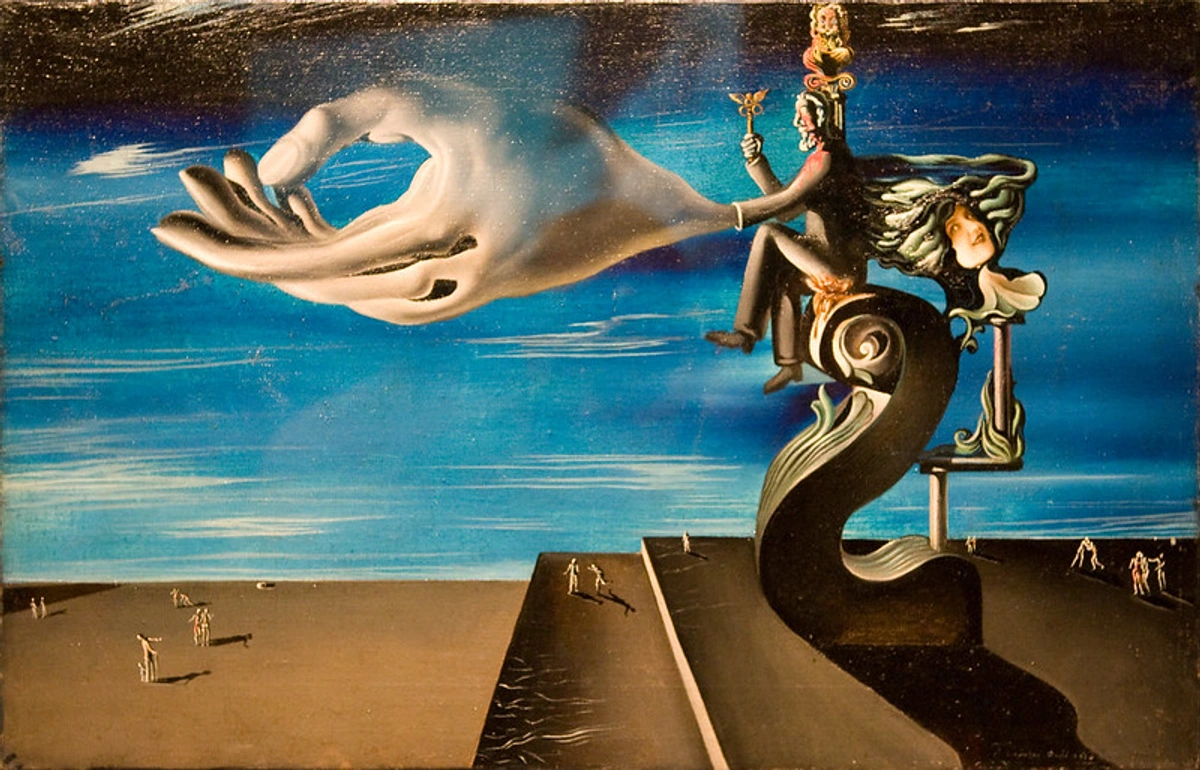
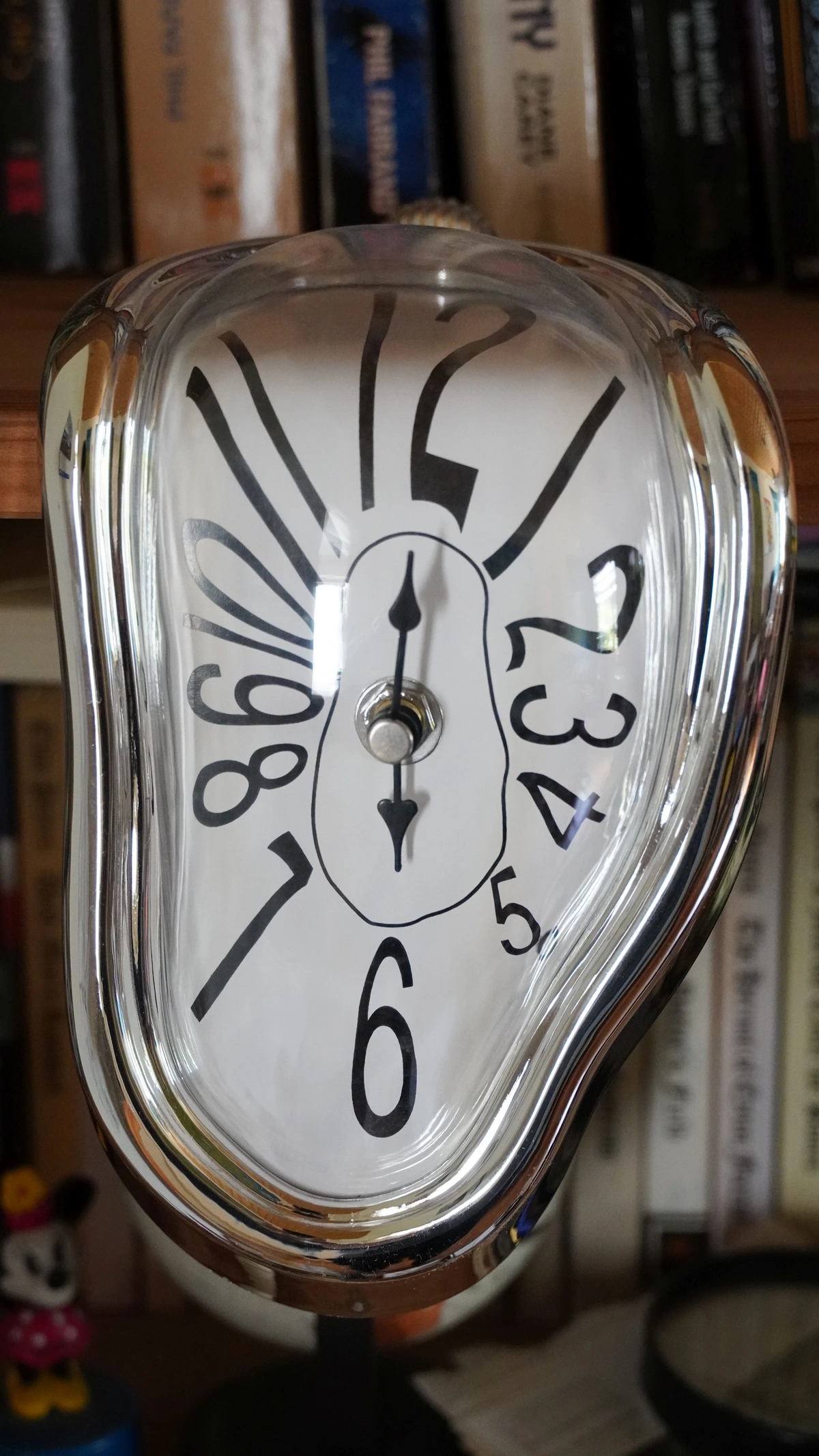
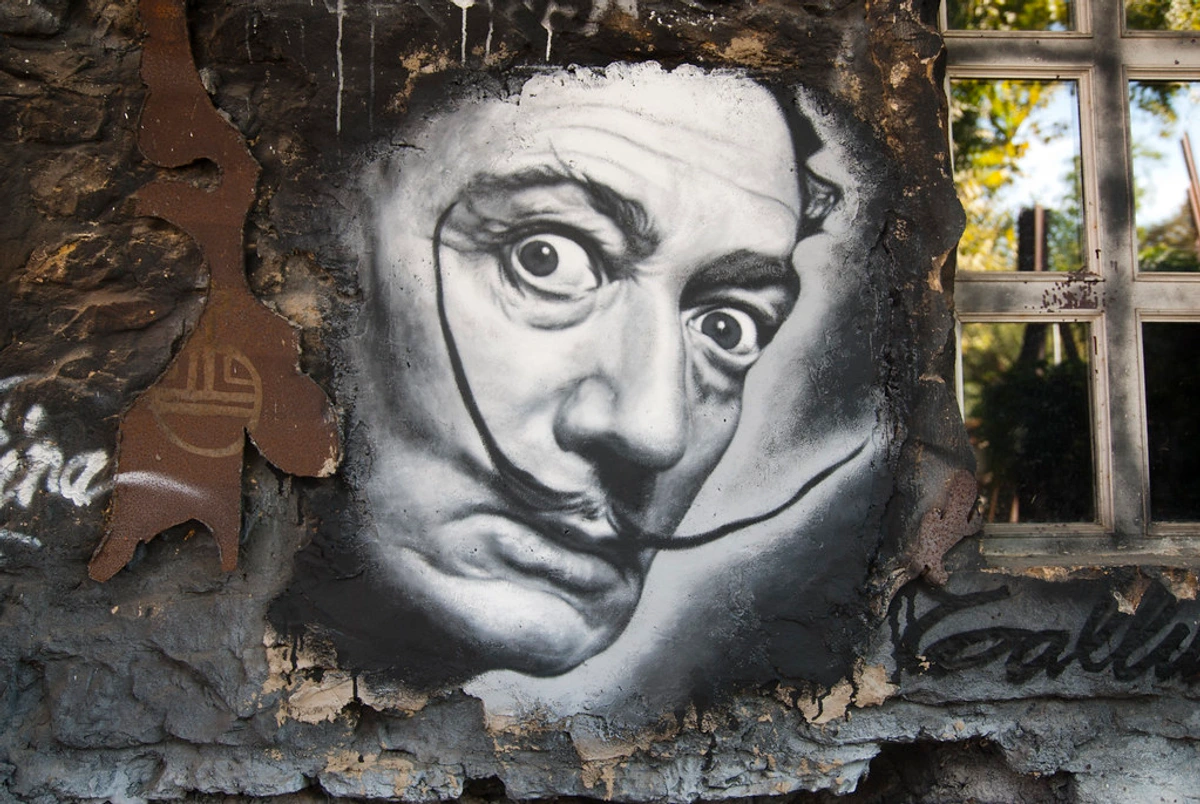
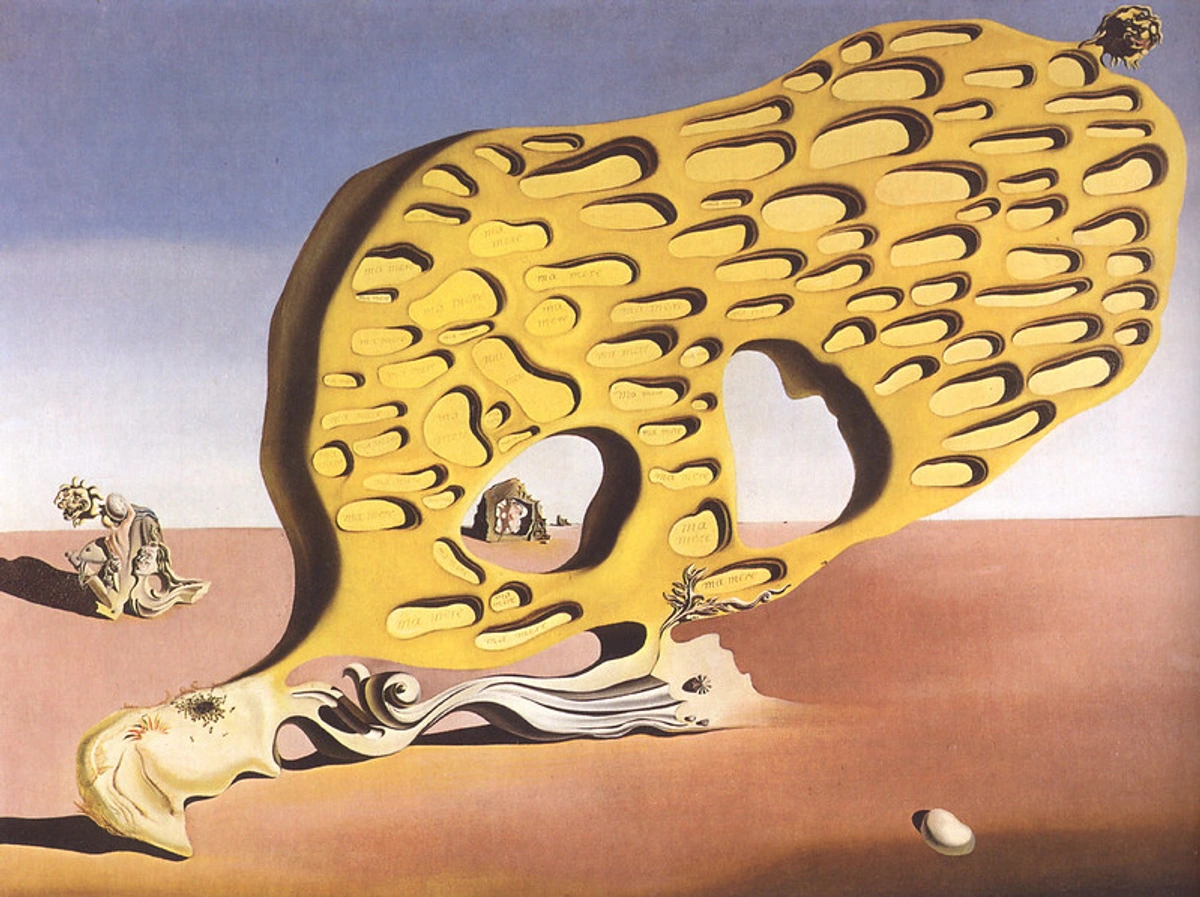
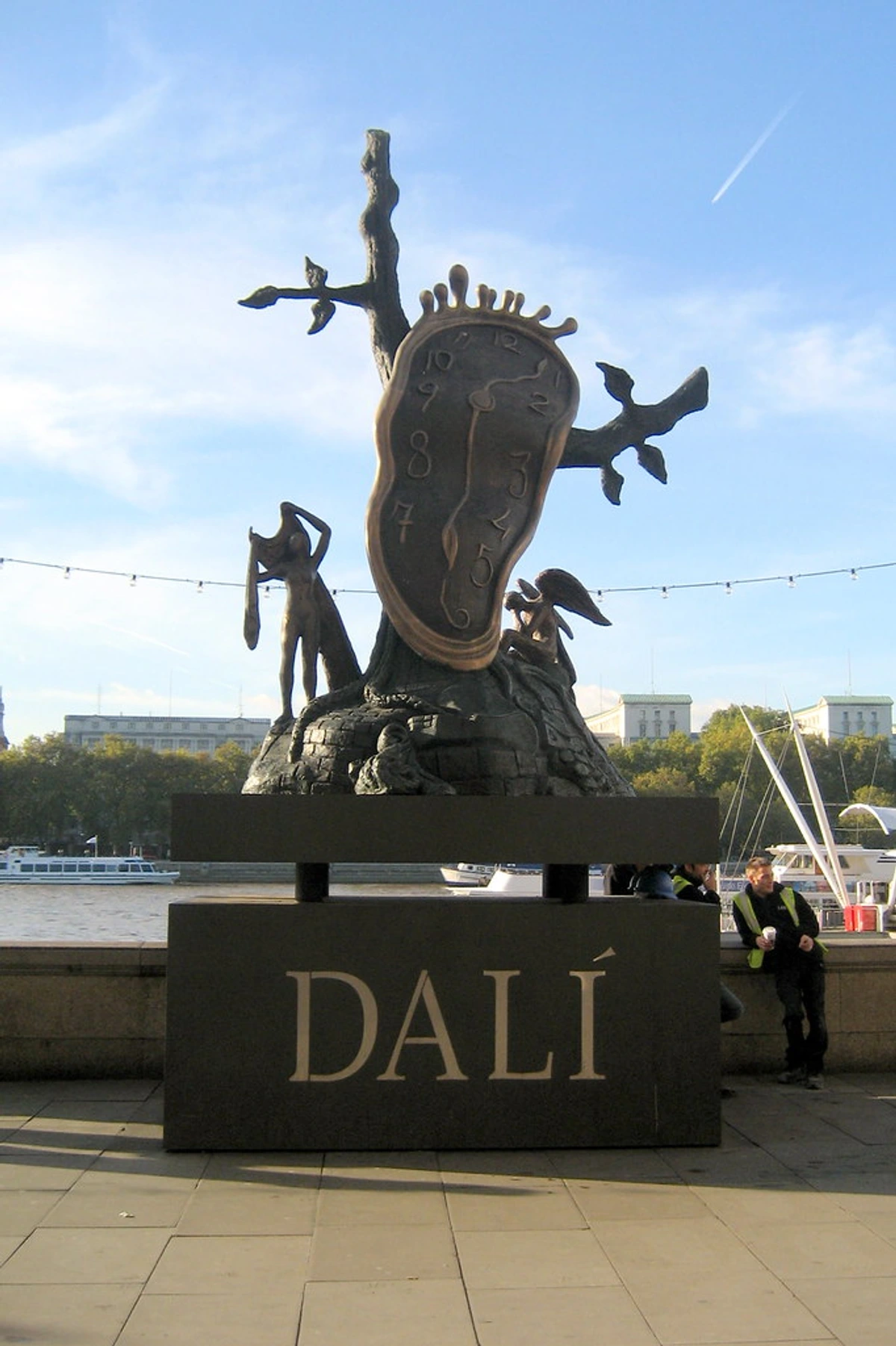
Let's be honest, Salvador Dalí is probably who instantly popped into your head. He’s the undisputed rockstar of Surrealism, a flamboyant showman as famous for his melting clocks and long-legged elephants as he was for his magnificent, gravity-defying mustache and monumental ego. Dalí’s signature style involved rendering bizarre, dreamlike subject matter with an almost hyper-realistic, academic precision – what he famously termed "hand-painted dream photographs." This meticulous detail makes the fantastical even more jarring and disturbingly real, pulling you into his unique psychological landscape. Works like The Elephants and Swans Reflecting Elephants showcase his mastery of illusion and metamorphosis.
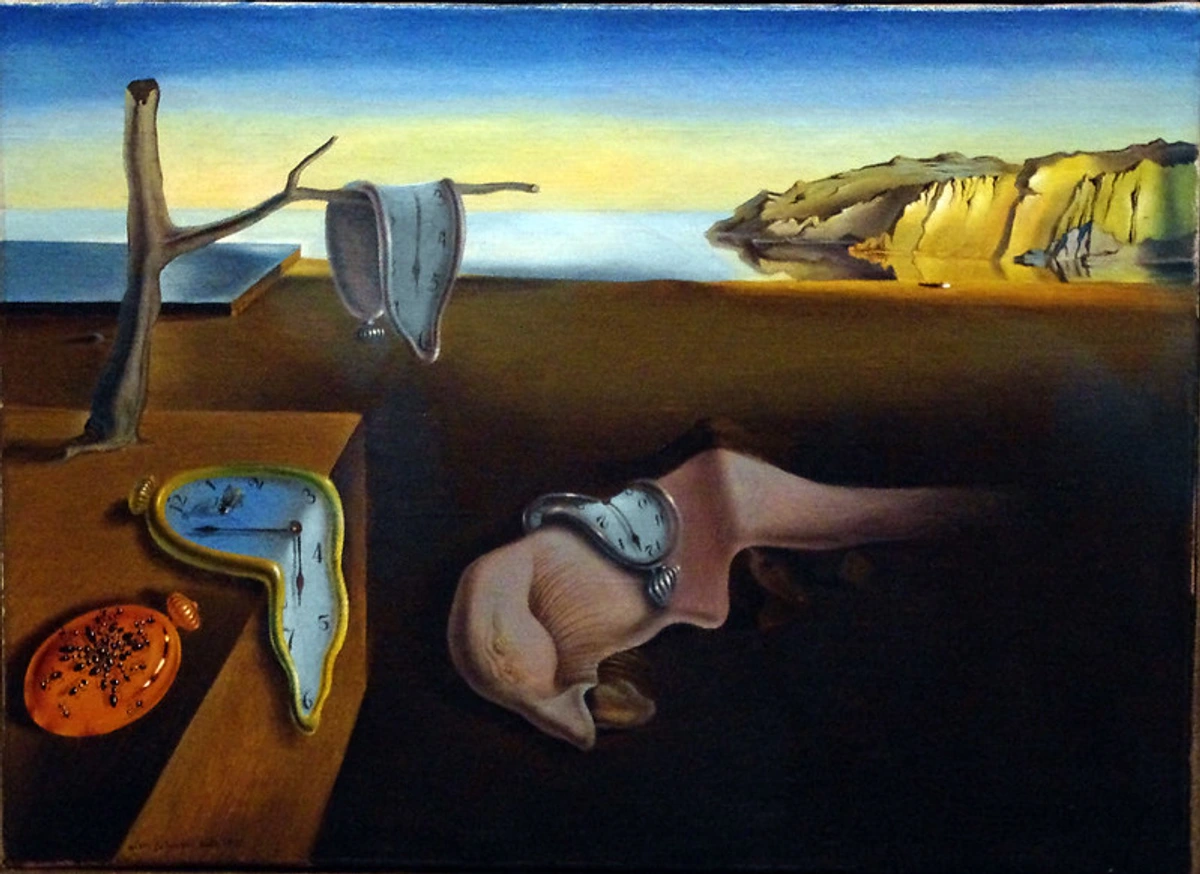
His most [famous work](/finder/page/famous abstract art), The Persistence of Memory, with its iconic melting clocks, is a quintessential example of his Paranoiac-Critical Method. He famously claimed the idea sparked from observing camembert cheese melting in the sun on a hot August day – a perfect illustration of finding profound meaning in the mundane. For a deeper dive into his wild world and the symbolism behind his most famous work, don't miss the ultimate guide to Salvador Dalí or my breakdown of what is the meaning of the persistence of memory by dali.

René Magritte: The Quiet Philosopher of Perception
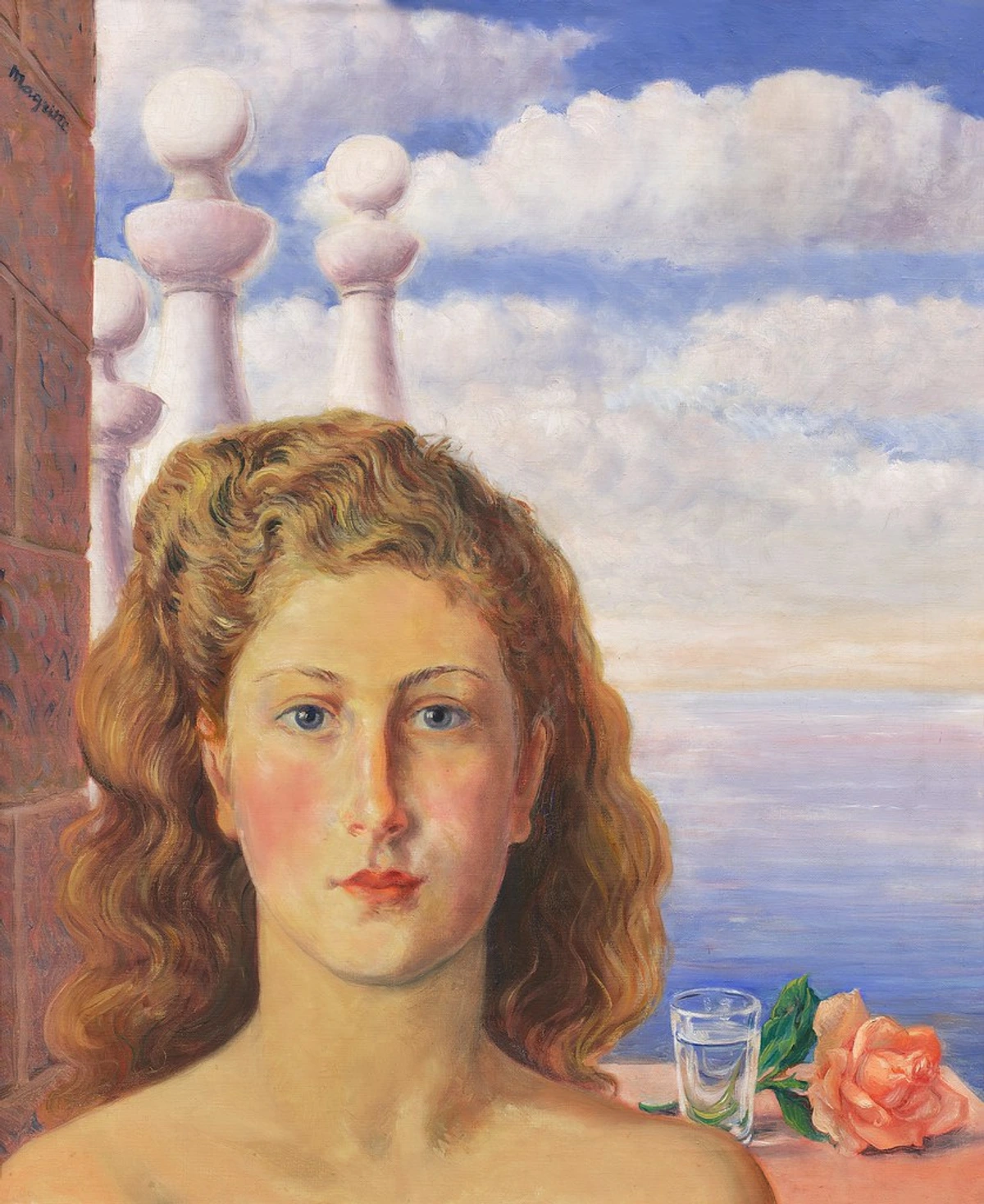
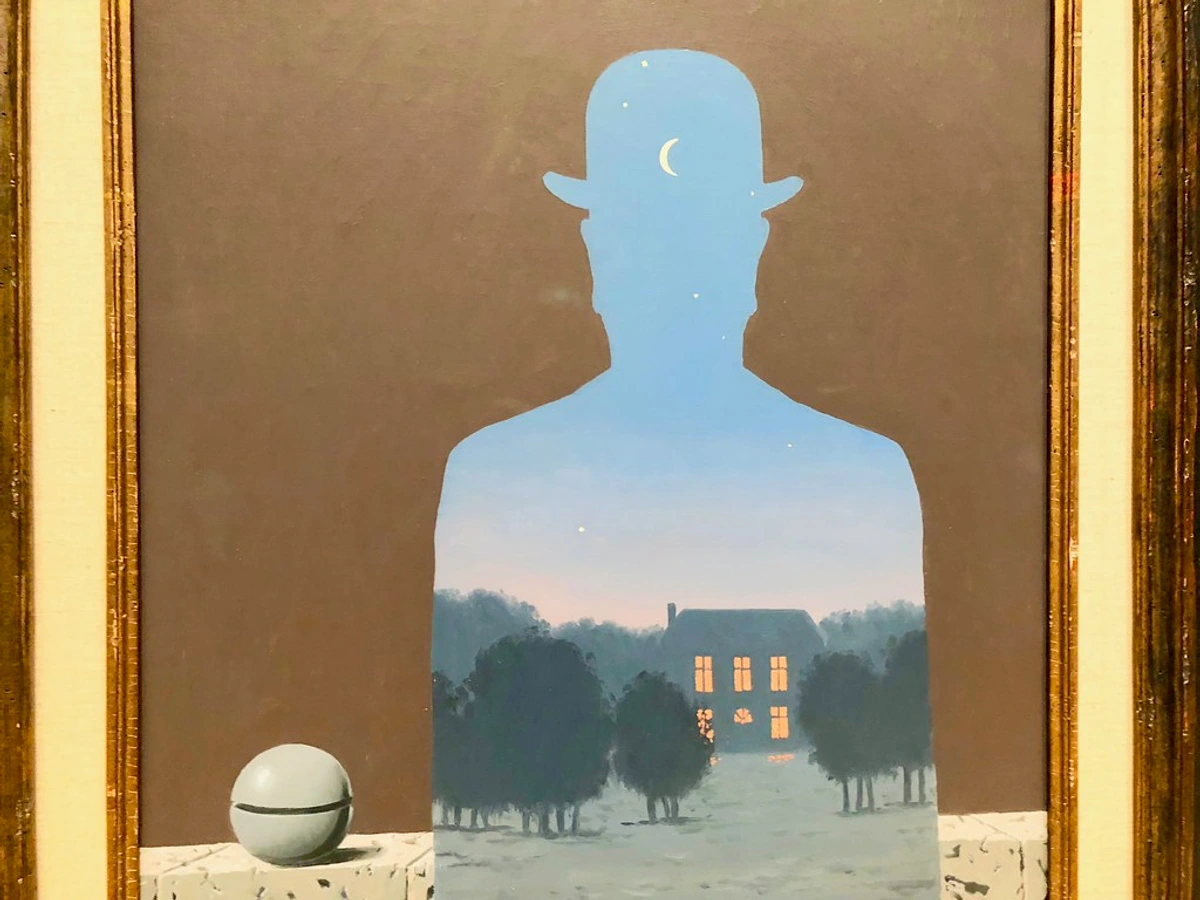
Now, if Dalí was the flamboyant showman, René Magritte was the quiet, enigmatic philosopher in a bowler hat. A Belgian artist, his paintings are often deceptively simple, rendered with the precise, almost clinical, clarity of an illustrator, yet they deliver a powerful intellectual punch. His work consistently forces us to question the very nature of perception, reality, and representation itself. Magritte loved paradoxes, visual puns, and the uncanny, making the familiar strange and unsettling, exposing the arbitrariness of our understanding.
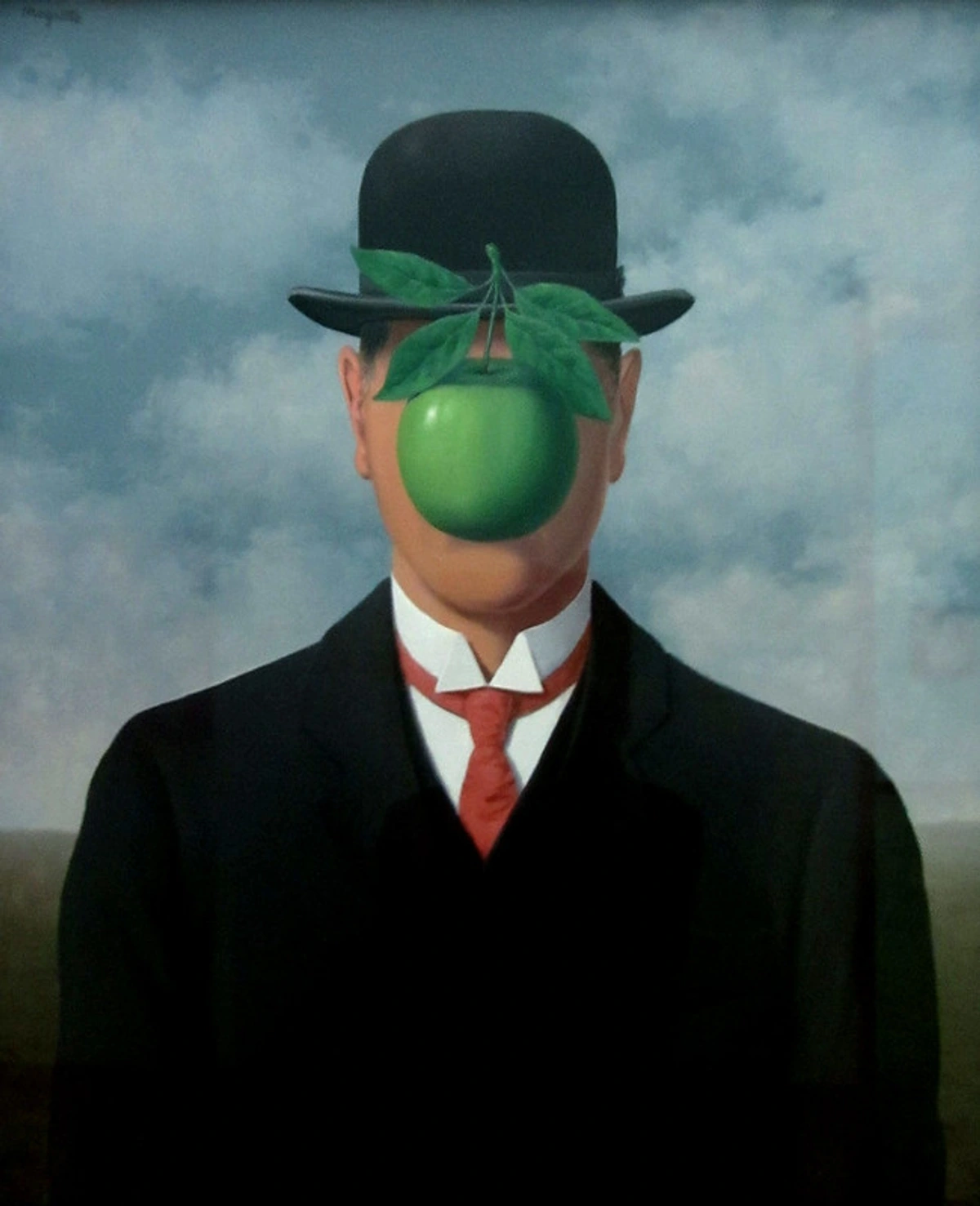
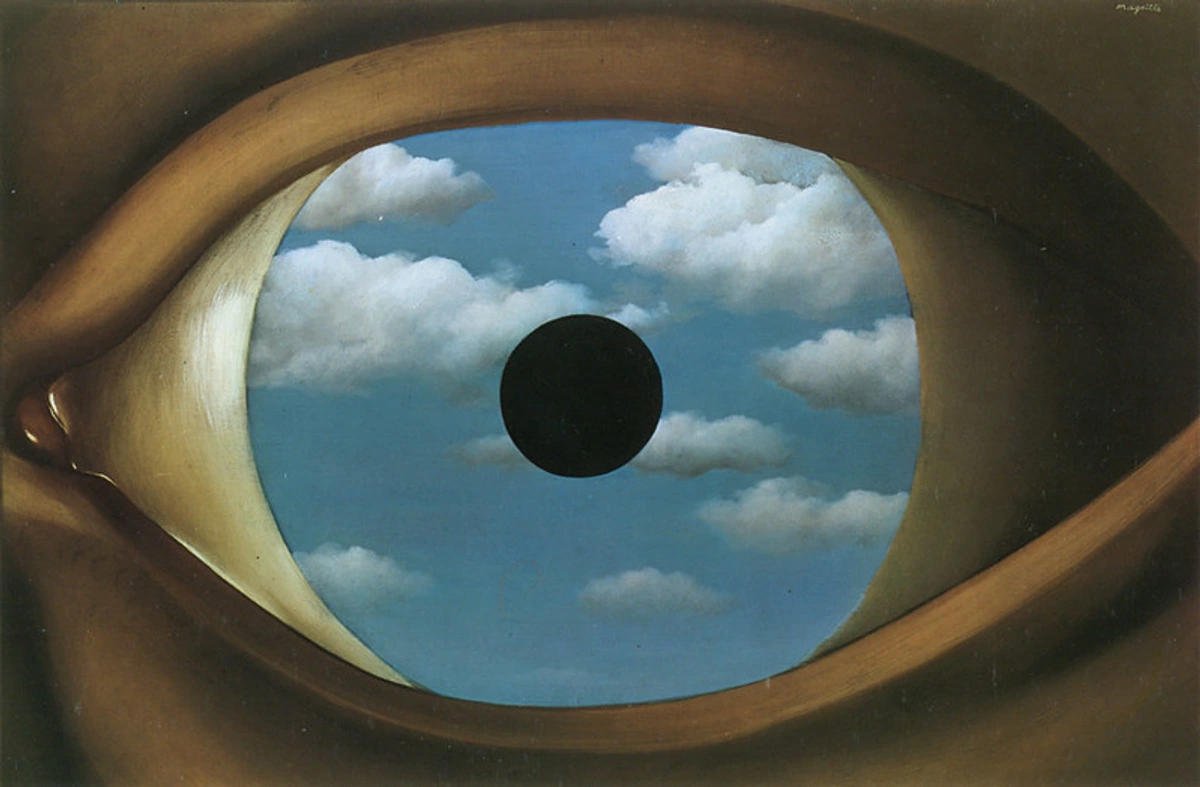
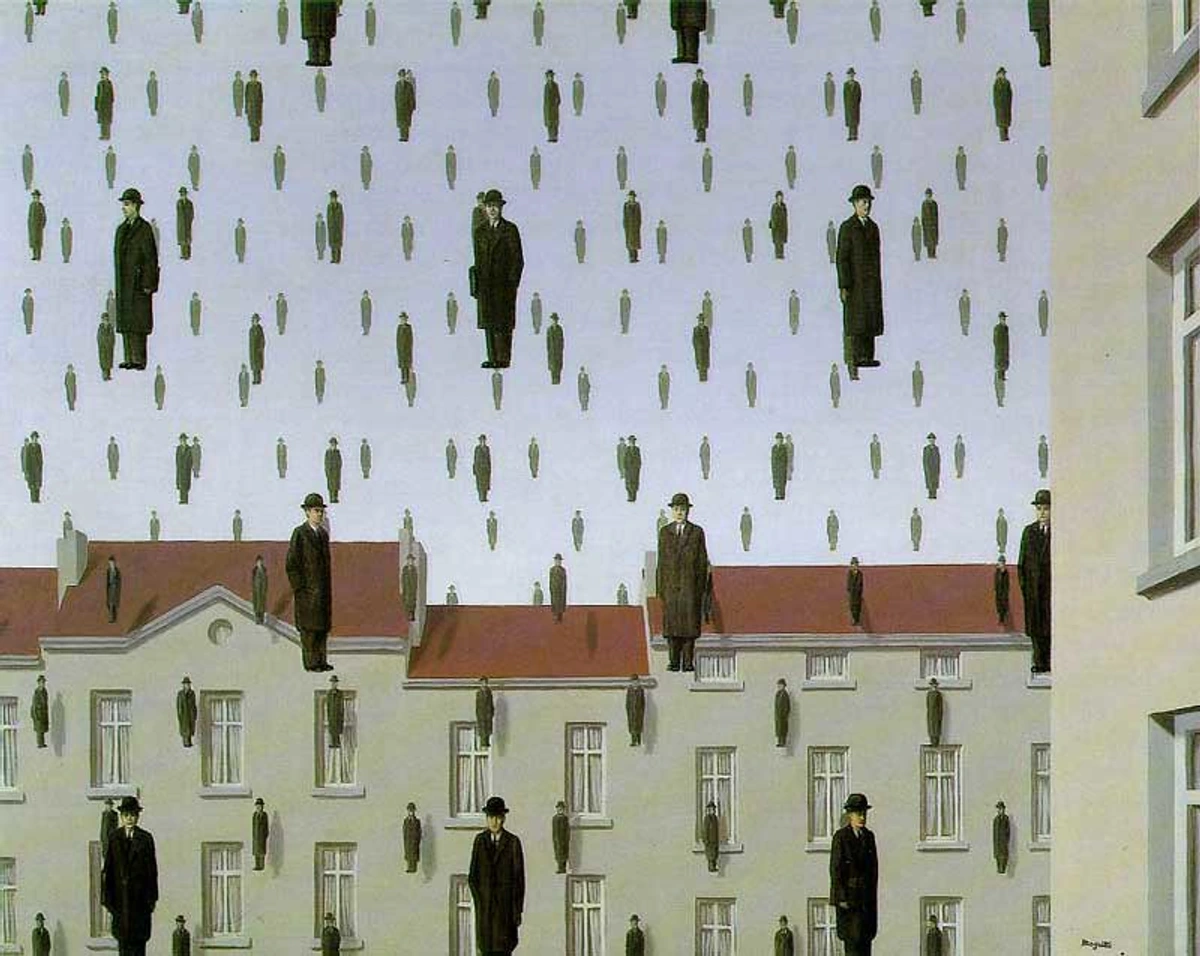
Works like The Treachery of Images (the famous "Ceci n'est pas une pipe" – "This is not a pipe") directly challenge the fundamental relationship between an image, a word, and the actual object it represents. He made us realize that what we see in a painting is never the thing itself, but a representation. His iconic men in bowler hats, appearing in works like Golconda, The Son of Man, and Decalcomania, have become enduring symbols of his exploration of identity, anonymity, and the hidden aspects of modern society. Magritte truly expanded the scope of what art could question. To explore more of his mind-bending work, check out my comprehensive article on who is René Magritte.
Max Ernst
A true pioneer, Max Ernst was present at the birth of Dada and remained a central figure in Surrealism, a relentless experimenter constantly pushing the boundaries of artistic creation. He was instrumental in developing and popularizing techniques like frottage and grattage, finding inspiration in textures and accidental marks. His extensive body of work often evokes a sense of exploring a fossil record from an alien world – populated by strange, bird-like creatures (like his alter-ego Loplop), haunted forests, and fantastical, otherworldly landscapes. He mastered the art of making the subconscious visible through innovative methods.
Man Ray
Man Ray proved definitively that Surrealism extended far beyond the canvas. This American expatriate artist, working in Paris, harnessed the power of photography to craft some of the movement's most iconic and haunting images. He wasn't just taking pictures; he was inventing new ways to see. He famously developed the 'rayograph' (a wonderfully self-referential name, don't you think?), a cameraless photographic technique where objects are placed directly onto photosensitive paper and then exposed to light, resulting in ghostly, dreamlike silhouettes that blur the line between reality and abstraction. His explorations also included solarization, a darkroom technique that gives photographs an otherworldly, etched appearance, further distorting reality.
Joan Miró
While some Surrealists aimed for disturbing realism, Joan Miró (who we briefly touched on with automatism) carved out his own vibrant, poetic, and often playful niche. His canvases burst with biomorphic forms, vibrant colors, and cryptic symbols that feel like a universal language of the subconscious. Miró called his work "painting-poetry," striving to express himself with the purity and directness of a child.
His early work transitioned from Cubism to a personal brand of Surrealism, where constellations of stars, birds, and women dance across the canvas in a deeply intuitive and lyrical manner. He believed in the "assassination of painting" – not to destroy art, but to strip it down to its essential, honest core, free from academic constraints. To delve deeper into his unique universe, check out the ultimate guide to Joan Miró.
Frida Kahlo: The Surrealist Who Said "I Never Painted Dreams"
This is an interesting one, because while her work is often categorized as Surrealist, Frida Kahlo herself famously declared, "I never painted dreams. I painted my own reality." And what a reality it was: a life marked by immense physical and emotional suffering, transformed into deeply personal, often brutal, and always vivid self-portraits.
While her subject matter stemmed from her lived experience rather than purely Freudian dreamscapes, her use of striking symbolism, vivid color, and the juxtaposition of often unsettling elements (like her open wounds or traditional Mexican iconography) resonates strongly with Surrealist sensibilities. Breton himself tried to claim her for the movement, organizing an exhibition of her work in Paris. Whether she fully embraced the label or not, her powerful exploration of identity, pain, and the subconscious certainly places her in close dialogue with Surrealist aims.
Yves Tanguy: Landscapes of the Mind
Yves Tanguy is another fascinating figure in the Surrealist pantheon, known for his unique contributions to what's often called "Veristic" or "Realistic" Surrealism. Unlike the automatists who favored abstract forms, Tanguy meticulously rendered barren, otherworldly landscapes populated by strange, biomorphic entities. His canvases feel like snapshots from a distant, silent planet, where gravity might be different, and the rules of physics are subtly altered.
His works, with their muted palettes and precise, shadow-casting forms, create a profound sense of isolation and mystery. You look at a Tanguy painting and feel like you've stumbled upon a primordial scene from an unknown cosmology. He was a master at creating a sense of deep space and unsettling calm, inviting the viewer to project their own subconscious narratives onto his desolate yet captivating worlds.
Leonora Carrington: Mistress of Magical Realism
Moving beyond the core European male figures, artists like Leonora Carrington brought a fiercely independent and distinctly feminist voice to Surrealism. A British-born Mexican Surrealist painter, novelist, and short story writer, Carrington's work is steeped in alchemy, Celtic mythology, Jungian psychology, and her own intensely personal dream imagery. Her paintings are rich, complex narratives populated by hybrid creatures, wise women, fantastical animals, and scenes that blur the lines between human and animal, waking and dreaming, magic and reality. Her self-portraits often depict her surrounded by mystical animals, signifying a deep connection to the primal and the subconscious. Carrington's vision offered a richer, more nuanced exploration of the feminine and the occult, moving beyond the often male-centric gaze of her peers.
Remedios Varo: Architect of Inner Worlds
Another extraordinary female Surrealist was the Spanish-Mexican painter Remedios Varo. Her intricate, highly detailed, and allegorical works often feature ethereal, elongated figures engaged in mysterious, alchemical tasks within enclosed, dreamlike architectural spaces. Varo's paintings are like windows into hermetic laboratories or fantastical libraries, filled with elaborate machines, celestial maps, and esoteric symbols. Her art delves into themes of magic, science, mysticism, and spiritual quests, often portraying isolated, introspective female figures on journeys of self-discovery or creation. Her meticulous technique and jewel-like colors draw the viewer into her meticulously constructed inner worlds, inviting contemplation and wonder.

Meret Oppenheim: The Tactile Provocateur
While not a prolific painter, Meret Oppenheim (Swiss-German) created one of Surrealism's most iconic and provocative objects: Object (Le Déjeuner en fourrure), or the "fur-lined teacup." This single work perfectly encapsulates the Surrealist principle of unexpected juxtaposition and the power of unsettling the familiar. By transforming a mundane teacup, saucer, and spoon into sensuous, yet repulsive, fur-covered objects, Oppenheim challenged notions of desire, utility, and comfort. Her work, along with her striking personal style, positioned her as a central, independent female voice within the movement, known for her wit and radical questioning of gender roles and societal norms through art.
Is Surrealism Just a Historical Thing? Its Enduring Influence
Absolutely not. The pulsating heart of Surrealism—its invitation to look inward, embrace the irrational, and fundamentally question the constructed nature of reality—is arguably more relevant today than ever. Its tendrils have spread far and wide, influencing countless facets of modern culture:
- In Movies: From the disorienting dreamscapes of David Lynch's films to the fantastical, often grotesque, worlds brought to life by Guillermo del Toro, the cinematic language of Surrealism is undeniable. Think also of the mind-bending narratives in films like Inception or the visual poetry of Jan Švankmajer.
- In Literature: Beyond poetry, Surrealism deeply impacted novelists and playwrights who explored stream-of-consciousness, non-linear plots, and the psychological depths of their characters.
- In Advertising: Brands frequently employ strange juxtapositions or dreamlike scenarios to create memorable, attention-grabbing campaigns that resonate on an unconscious level.
- In Fashion: The influence is undeniable, from Elsa Schiaparelli's legendary collaborations with Dalí in the 1930s (think the iconic Lobster Dress or the Shoe Hat) to contemporary designers like Iris van Herpen or Viktor & Rolf, who continuously play with absurd proportions, unexpected textures, and fantastical concepts, Surrealism remains a wellspring of inspiration for the runway.
- In Music: The experimental nature of some music, particularly avant-garde, psychedelic rock, progressive rock, or even abstract electronic genres, often mirrors the auditory landscapes of a dream or the disjointed narratives of Surrealist art. Artists strive to create soundscapes that evoke unconscious states.
- In My Own Art: For me, the spirit of automatism is a constant companion. I often begin a painting with no preconceived plan, just making marks and intuitively responding to them, allowing the image to unfold organically from the subconscious. It’s a profound way to unearth something I didn't consciously know I wanted to express, a conversation with my deeper self. You can witness this intuitive, often dreamlike, process in the diverse works I have for sale on my site, which you can browse if you'd like to buy art.
Surrealism taught us that the 'real world' is only half the story. The other half—the vast, uncharted territory of our own minds—is just as important.
The Enduring Legacy of Surrealism: A Permanent Shift in Consciousness
The impact of Surrealism reverberates through almost every artistic discipline and corner of popular culture, often in ways we take for granted. It wasn't just an art movement; it was a profound intellectual and psychological revolution that gave us permission to explore the dark corners and sunlit plazas of our inner landscapes without judgment. Its enduring legacy lies in several key areas:
- Challenging Rationality: Perhaps its most profound impact was permanently shifting the way we view the role of logic and conscious control in creativity and understanding the human experience. It opened up the vast, rich terrain of the irrational as a legitimate source of truth and artistic inspiration.
- Liberating the Artist: Surrealism offered a toolkit of new techniques and philosophies that profoundly freed artists from traditional constraints, directly paving the way for later movements like Abstract Expressionism, Pop Art, and Conceptual Art by emphasizing idea over execution, and the unconscious over the deliberate.
- Shaping Visual Culture: Its iconic, often shocking, imagery – melting clocks, floating apples, desolate dreamscapes, unsettling juxtapositions – has become deeply embedded in our collective consciousness, influencing everything from advertising to music videos and graphic design.
- Promoting Psychological Depth: It normalized and celebrated the exploration of complex psychological states, subconscious desires, and dream symbolism, influencing everything from psychotherapy to literature and even our everyday understanding of self.
- Interdisciplinary Approach: Surrealism broke down the barriers between art forms, encouraging poets, painters, filmmakers, and writers to collaborate and experiment across disciplines, fostering a truly interdisciplinary approach to creativity.
For more on how this movement continues to shape our world, offering new ways to perceive and create, read my article on the enduring legacy of surrealism.
Frequently Asked Questions (FAQ)
Q: Who are some other important Surrealist artists beyond the most famous names?
A: While Dalí, Magritte, Miró, Ernst, and Man Ray often dominate the spotlight, the Surrealist movement was incredibly diverse and included many other influential figures whose contributions are equally significant. Consider exploring the works of:
- André Masson: An early automatist painter known for his chaotic, often violent, sand paintings and automatic drawings.
- Paul Delvaux: A Belgian painter famous for his dreamlike, often melancholic scenes featuring nude women, skeletons, and classical architecture.
- Georges Bataille: A highly influential French writer, philosopher, and theorist whose writings on transgression and eroticism deeply impacted the movement.
- Hans Bellmer: Known for his disturbing, anatomically distorted dolls and photographs, exploring themes of fetishism and sexual anxiety.
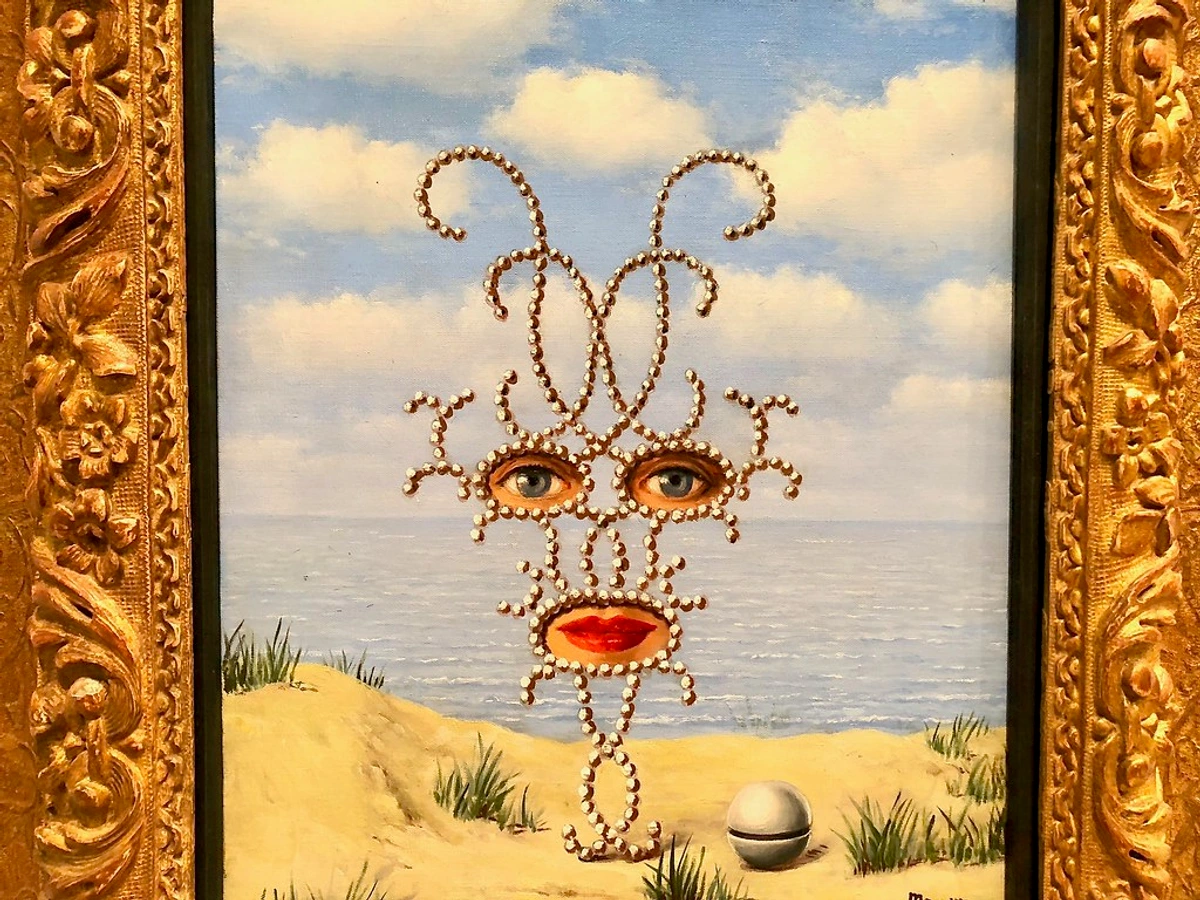
- Kay Sage: An American painter known for her stark, architectural landscapes populated by draped, mysterious figures, evoking a sense of lonely grandeur.
- Dorothea Tanning: An American painter, sculptor, and writer whose work explored themes of eroticism, transformation, and domesticity in a fantastical, often unsettling way.
- Wolfgang Paalen: An Austrian-German Surrealist known for his fumage technique and his theoretical contributions to the movement.
This is just a small selection, as the movement attracted a vast array of creative minds.
Q: What is the main goal of Surrealism?
A: The main goal of Surrealism is fundamentally about liberation: to liberate the human mind from the shackles of oppressive rational thought, stifling societal conventions, and restrictive logic. It seeks to achieve this by delving deep into the subconscious mind, unleashing the raw, unfiltered power of dreams, desires, fears, and the irrational as primary sources for artistic and personal expression. More than just an art style, it was a philosophical quest for a "sur-reality," a higher, more profound reality that reconciles the seemingly contradictory states of dream and waking life into an absolute reality. It's about expanding the boundaries of what is considered real and possible.
Q: What's the difference between Dada and Surrealism?
A: You can think of it in terms of action and intention, or perhaps, destruction versus construction. Dada, born from the profound disillusionment and nihilism following World War I, was largely a destructive, anarchic force. Its artists aimed to dismantle, mock, and provoke all traditional notions of art, logic, and societal order through chaos, irrationality, and anti-art. It was a visceral scream of protest against a world gone mad. Surrealism, while emerging directly from Dada's ashes and sharing its rebellious spirit, shifted its focus. While still embracing the irrational and absurd, it sought to construct something new, profound, and revelatory by tapping into the subconscious. It used the irrational not merely as a tool for demolition, but as a creative force to explore a deeper reality and unlock human potential. So, Dada was a defiant, iconoclastic protest, while Surrealism was an expansive, creative quest for a higher truth.
Q: Are there different types of Surrealism?
A: Yes, absolutely! While they shared core philosophical tenets and the ultimate goal of accessing the unconscious, Surrealist artists employed diverse artistic and philosophical approaches. Broadly, we can consider two main, though often overlapping, tendencies:
- Automatist Surrealism: This approach, championed by artists like Joan Miró, André Masson, and early Max Ernst, emphasized the direct, spontaneous flow from the subconscious. Techniques like automatic drawing and writing were central, resulting in abstract, gestural, or semi-abstract forms that felt impulsive and intuitive. The goal was to bypass conscious control entirely, letting the hand create without the mind's censor.
- Veristic (or Realistic) Surrealism: Championed by artists such as Salvador Dalí, René Magritte, and Yves Tanguy, this style presented bizarre, dream imagery with meticulous, academic realism. The fantastical or impossible subject matter was rendered with painstaking detail and conventional artistic techniques, making the impossible seem disturbingly tangible and forcing the viewer to confront the illusion of reality itself. It's about making the absurd believable.
Q: What themes did Surrealist artists explore?
A: Surrealist artists delved into an incredibly rich and often provocative tapestry of themes, constantly overlapping and intertwining. Their goal was to plumb the depths of human experience beyond the rational. Key themes included:
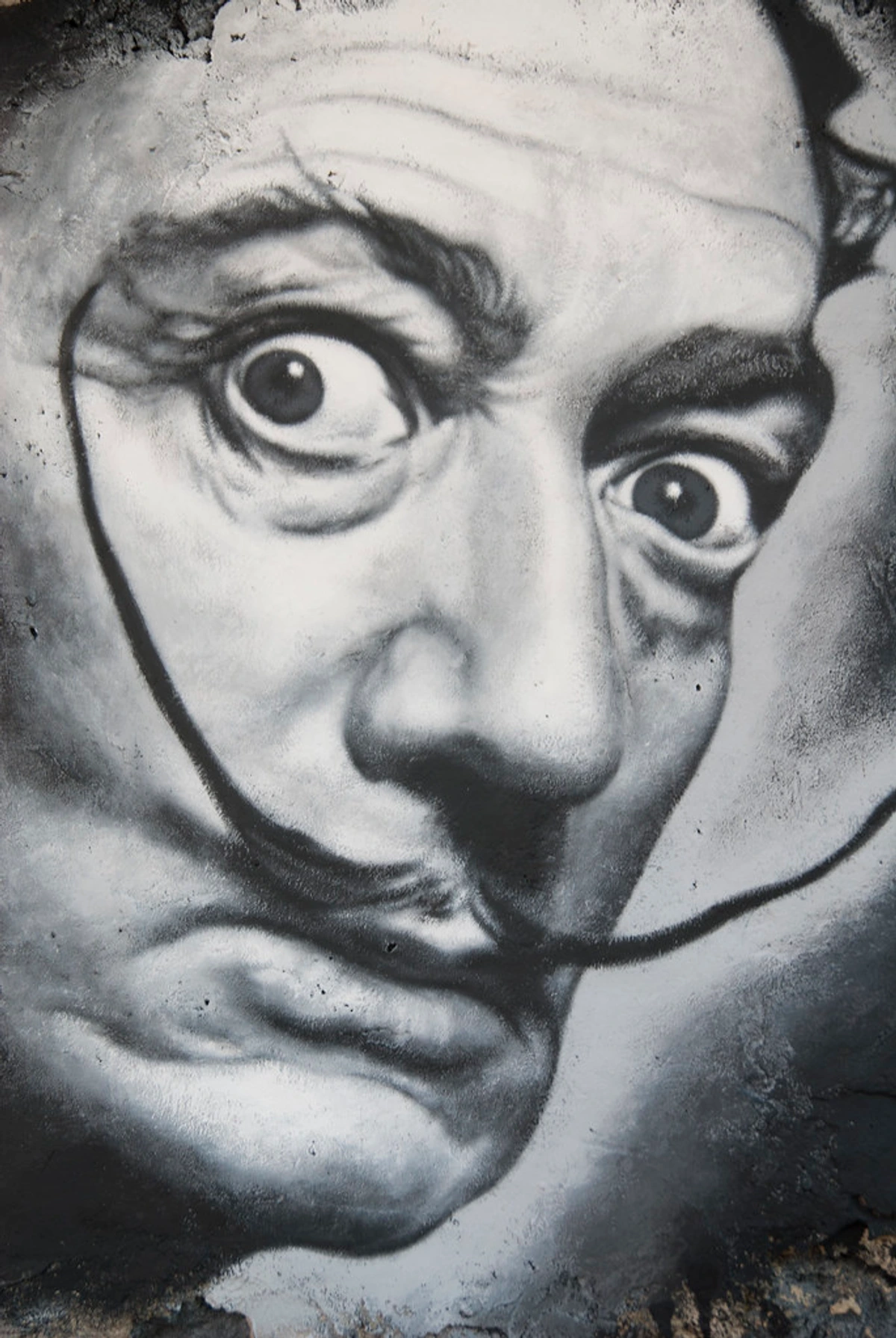
- The Unconscious and Dreams: Absolutely central to the movement, exploring the hidden desires, fears, memories, and primal urges residing in the psyche, as influenced by Freudian psychoanalysis.
- Desire and Sexuality: Often portrayed in challenging, explicit, and boundary-pushing ways, reflecting Freudian theories on libido, repression, and the complexities of human attraction.
- Myth and Archetypes: Drawing heavily on ancient myths, folklore, and universal symbols to tap into collective unconscious narratives and fundamental human experiences (a precursor to Jungian ideas).
- Transformation and Metamorphosis: The fluidity of form and identity, blurring boundaries between human, animal, object, and landscape, reflecting the mutable nature of dream states.
- The Everyday made Strange: Elevating mundane, commonplace objects to symbolic or uncanny status through juxtaposition or distortion, revealing the hidden poetry, terror, or humor in the ordinary.
- The Marvelous and the Fantastic: Celebrating the uncanny, the illogical, the bizarre, and the wonderful revelations found beyond rational understanding – seeking out moments of profound awe and shock.
- Political and Social Critique: While not always overtly political, many Surrealists used their art to critique bourgeois society, colonialism, and the failures of rationalism that led to war.
- Freedom and Rebellion: The overarching theme of liberating the individual from all forms of oppression – psychological, social, and artistic.
Q: How did Surrealism impact other art movements?
A: Surrealism's impact was profound and far-reaching, fundamentally altering the course of modern art. It directly influenced:
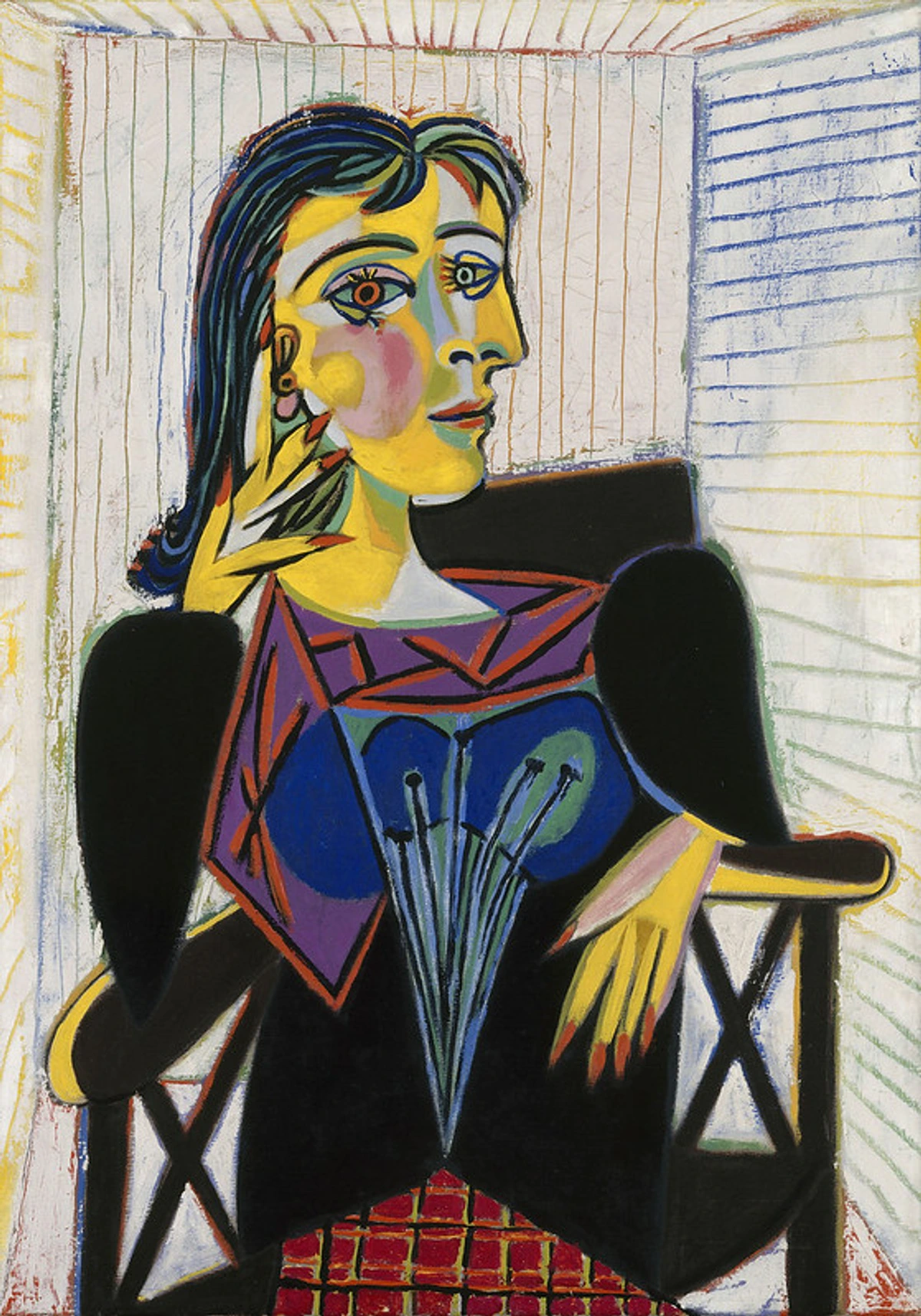


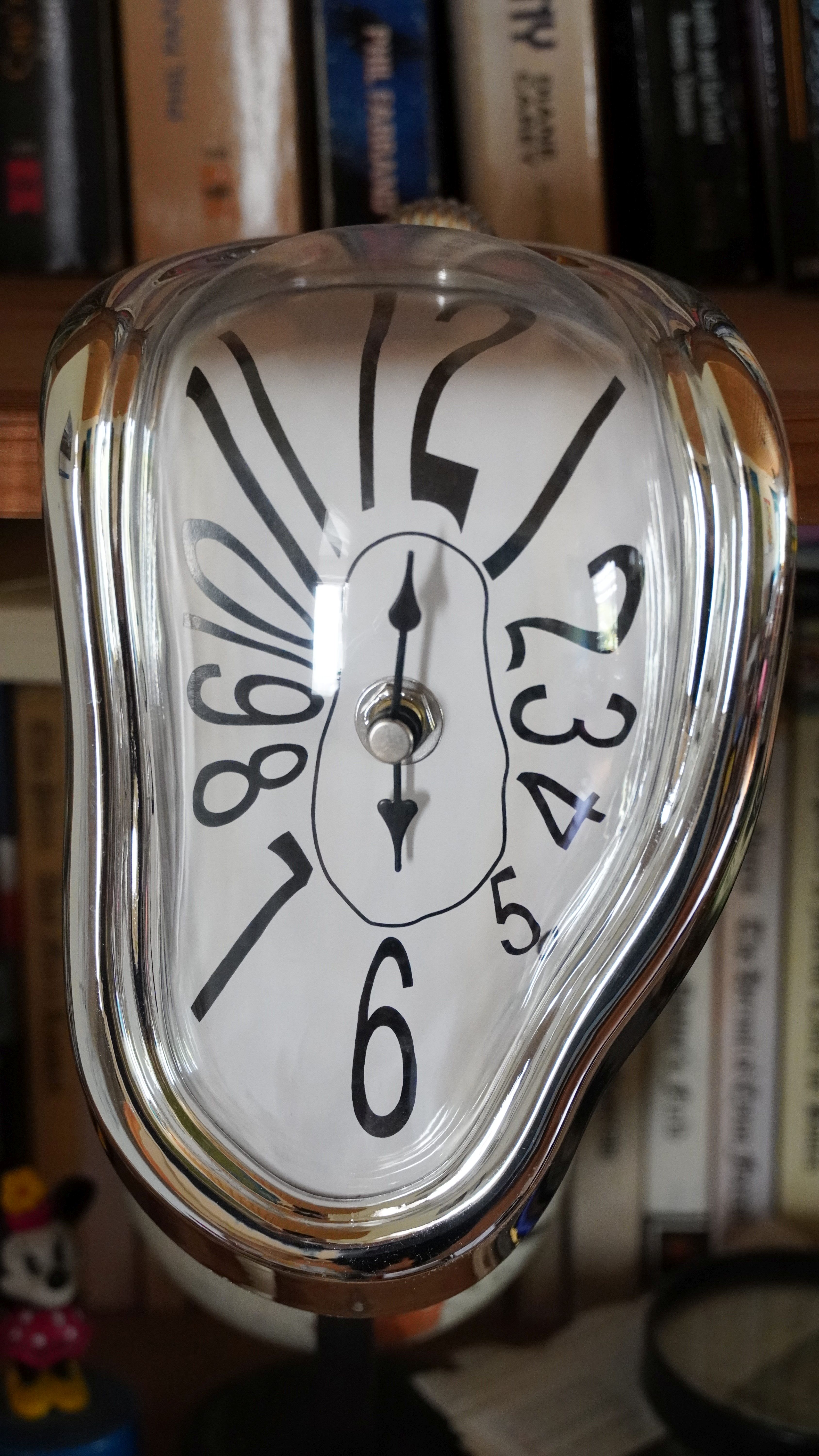


- Abstract Expressionism: The Automatist side of Surrealism, with its emphasis on spontaneous, unconscious creation, deeply resonated with Abstract Expressionists like Jackson Pollock, who adopted automatic techniques in their large-scale, gestural paintings.
- Pop Art: The Surrealists' use of everyday objects in unexpected contexts (juxtaposition) and their critique of consumer society found new expression in Pop Art's appropriation of popular culture and commercial imagery.
- Conceptual Art: The Surrealist emphasis on ideas, the dematerialization of the art object, and the challenge to traditional notions of art paved the way for Conceptual Art, where the concept behind the work is paramount.
- Magical Realism (in literature): The blending of realistic settings with fantastical or dreamlike elements, commonplace in Surrealist art, became a hallmark of the Magical Realism literary genre, particularly in Latin America.
- Performance Art: The Surrealists' theatrical gestures, experiments, and provocations foreshadowed the development of performance art, where the artist's body and actions become the medium.
Q: How can I try Surrealism myself?
A: Easily! You don't need to be an art genius to tap into your inner Surrealist. Here are a few ways to get started:
- Play Exquisite Corpse: This is a classic for a reason! Get a few friends and a piece of paper. The first person writes a phrase or draws a head, then folds the paper to hide it, leaving only the barest connecting marks. The next person adds a body without seeing the first part, and so on. The final, bizarre creation is a collective subconscious poem or creature. It's a blast, and always reveals something unexpected.
- Practice Automatic Drawing or Writing: Simply sit down with a pen and paper and let your hand move freely, without conscious thought or judgment. Don't try to "draw something" or "write about something." Just let the impulses guide you. You might be surprised by what emerges.
- Keep a Dream Journal: Record your dreams as soon as you wake up, before they fade. Don't worry about making sense of them; just capture the imagery, emotions, and narratives. Over time, you might start to see recurring symbols or themes that reveal aspects of your subconscious.
- Create Juxtapositions: Take two or three completely unrelated objects from your everyday life and imagine them together in a new context. What story do they tell? How do they make you feel? You can even arrange them physically and take a photo.
- Engage with Art: Look at Surrealist paintings, films, or literature, and instead of trying to understand them rationally, let your mind wander. What emotions do they evoke? What personal associations do you make? Allow your own subconscious to interact with the artwork.
A Final Thought: The Ongoing Surrealist Journey
Ultimately, Surrealism is far more than just an art movement you can neatly slot into a timeline or passively observe in a museum like the Design Museum Den Bosch. It's a profound invitation, a revolutionary way of seeing the world anew – and, more importantly, seeing yourself anew. It's permission to embrace the strange, the illogical, the beautifully unsettling, and the deeply imaginative parts of ourselves that often lie dormant beneath the surface of daily life.
It’s a potent reminder that the most fascinating, terrifying, and inspiring landscapes are often not "out there" but are the ones we carry within. So, the next time you wake from a dream feeling disoriented, profoundly moved, or simply baffled by its vivid imagery, don't just shrug it off. Pay attention. Your subconscious might just be trying to paint you a masterpiece, or whisper a hidden truth. And thanks to Surrealism, we now have a richer language and a set of tools to understand, explore, and even celebrate it. The journey into the "sur-real" is an ongoing, deeply personal adventure, and it's always worth taking.