The Definitive Guide to Famous Surrealist Artists: Masters of Dreams, Subconscious, and Super-Reality
Unravel the surreal world with iconic artists like Salvador Dalí, René Magritte, and Leonora Carrington. Explore their revolutionary techniques, profound philosophies, and lasting impact on art and culture, unlocking the mysteries of the subconscious.

The Definitive Guide to Famous Surrealist Artists: Masters of Dreams, Subconscious, and Super-Reality
There are moments in art that don't just depict a scene, but actively unravel the fabric of our known world, leaving us blinking in a newly illuminated space. For me, Surrealism is that audacious declaration, that playful yet profound challenge: "Why just paint what's in front of us when the entire universe of dreams, fears, and secret desires awaits on the canvas?" It's a bold stance, and honestly, a brilliant one that continues to captivate, making us question everything we thought we knew about reality. It reminds me a bit of those fleeting moments just before waking, when the logic of the dream still feels utterly real – a feeling these artists captured perfectly. I know what you're probably thinking: "Who are these magicians?" Well, today, I want to pull back the curtain on the individual masterminds who didn't just dabble; they lived and breathed the subconscious.
Think of this as your personal, authoritative tour through the minds that shattered conventions and invited us all to look a little deeper into the very nature of reality and the human psyche. In this comprehensive guide, we'll delve into the fascinating origins of Surrealism, explore its groundbreaking techniques, celebrate its most iconic artists, and examine its lasting impact on art and culture. You might have already dipped your toes into the wild world of Surrealism with our other articles, but this piece will ensure you have a truly definitive understanding of its legendary figures, including the giants like Salvador Dalí, René Magritte, Joan Miró, Max Ernst, and Leonora Carrington. Ultimately, this isn't just about art history; it's about a movement that transformed how we perceive the inner world, making it tangible and, dare I say, super-real.
The Genesis of Surrealism: A Revolution of the Mind
Surrealism, at its heart, was born from a profound desire to liberate the human imagination, rejecting the suffocating grip of the rational and embracing the glorious illogical. This wasn't just an artistic whim; it was a visceral, intellectual response to the profound disillusionment that festered after the catastrophe of World War I. For many artists and thinkers, it felt as though rational thought and scientific progress had led humanity straight into the abyss, ushering in an era of senseless violence and moral decay. This profound crisis pushed them to seek a new truth, a "super-reality" (or sur-réalité in French) that lay beyond the waking world – a truth found in the hidden depths of the mind, in the unexpected juxtapositions and startling imagery of dreams.
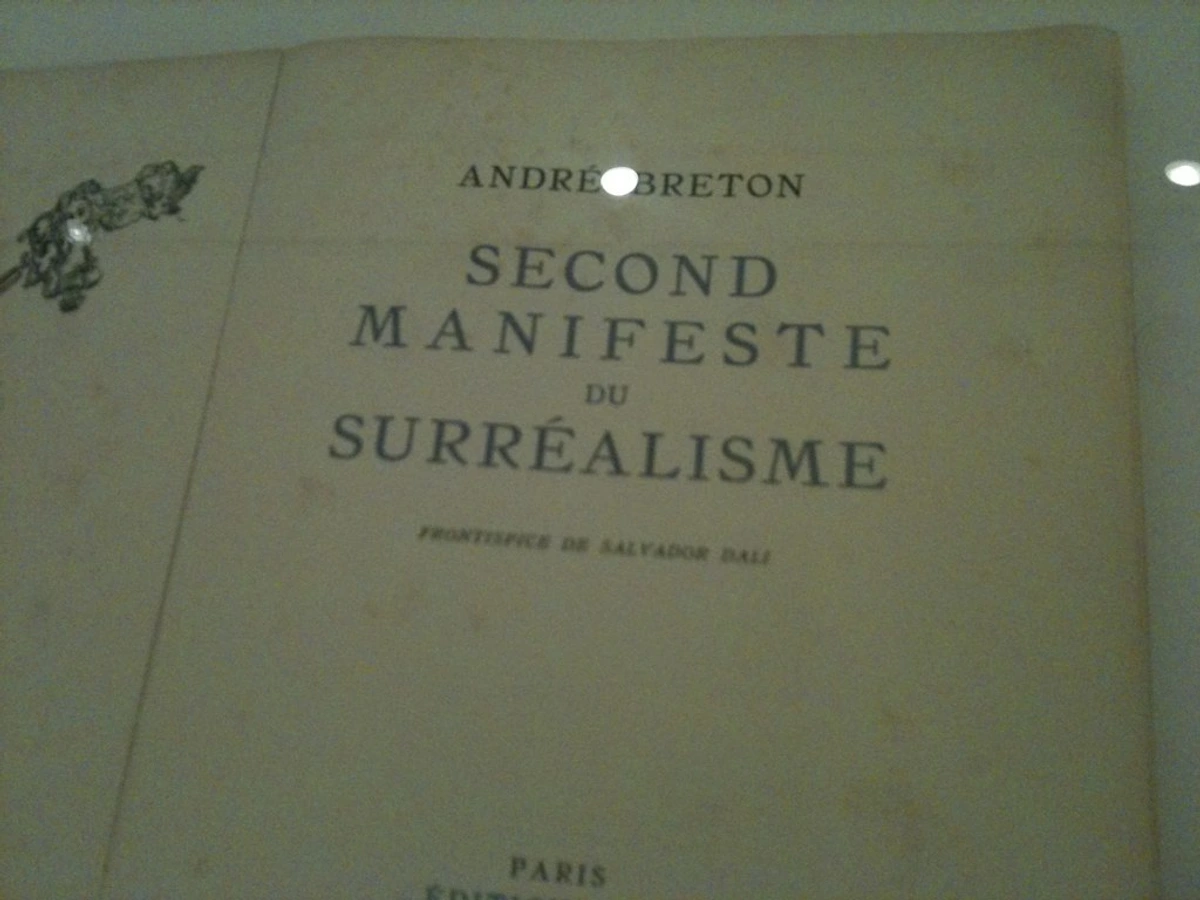
André Breton, the movement's chief theoretician, famously defined Surrealism as "pure psychic automatism, by which one proposes to express, verbally, in writing, or by any other means, the real functioning of thought. Dictated by thought, in the absence of any control exercised by reason, outside of any aesthetic and moral preoccupation." For him and his cohort, it was about resolving the "previously contradictory conditions of dream and reality into an absolute reality." Philosophers like Henri Bergson, with his emphasis on durée – the subjective, lived experience of time over its linear measurement – and Friedrich Nietzsche, who famously questioned objective truth and championed individual will, had already laid crucial groundwork for this radical shift in thinking, encouraging a trust in intuition over intellect. And let's be honest, the initial shock value of this movement was immense, deliberately challenging bourgeois sensibilities and shaking up the staid art world with its bizarre, often confrontational, imagery.
It truly took off in the 1920s, heavily influenced by the provocative, anti-establishment spirit of Dadaism. And honestly, you can't talk about Surrealism without tipping your hat to its wild older sibling, Dadaism! That whole anti-art movement, with its glorious absurdity – shout out to Marcel Duchamp and his infamous urinal! – really set the stage for Surrealism's even deeper dive into the irrational, demonstrating that art didn't have to make logical sense. But where Dada often ended in nihilistic absurdity, Surrealism sought to build a new reality from the fragments, one imbued with deeper meaning. Led by the indefatigable writer André Breton, the Dadaists deliberately created art that defied logic and mocked societal norms, a perfect springboard for Surrealism's even deeper dive into the irrational. Breton’s Surrealist Manifestos didn't just propose; they laid out a revolutionary theoretical framework, emphasizing psychic automatism – a radical act of writing or drawing without conscious thought, a direct pipeline to the subconscious. Think of it like letting your hand doodle without your brain interfering, or channeling a stream-of-consciousness thought directly onto the page, bypassing conscious censorship. For the Surrealists, this was more than a technique; it was a way of living, a philosophy, a rebellion. It's also worth noting that the movement, for a time, flirted with communism, driven by a shared belief in societal liberation alongside the liberation of the mind. However, the inherent individualism of many artists and the often-autocratic nature of Breton's leadership frequently led to internal tensions and disagreements, highlighting the complex dance between art and political ideology.
Surrealism in Literature, Poetry, and Film
While visual art often takes center stage when we talk about Surrealism, its literary roots and cinematic impact are just as profound. André Breton, a poet himself, championed automatic writing as a direct conduit to the subconscious. Writers like Paul Éluard, Louis Aragon, and Robert Desnos embraced this method, letting words flow onto the page without conscious intervention or editing. The results were often startling, poetic, and dreamlike, filled with unexpected metaphors and bizarre juxtapositions. This literary experimentation was crucial in developing the philosophical underpinnings of the movement, proving that language, too, could be liberated from the confines of logic and reason, creating a new "super-reality" through words. It was an attempt to capture the raw, unfiltered essence of the psyche, anticipating later literary explorations of stream-of-consciousness and irrational narratives.
In film, artists like Luis Buñuel and Salvador Dalí created Un Chien Andalou (1929), a short film that shocked audiences with its non-linear narrative, jarring juxtapositions, and unsettling symbolism – a true cinematic dream logic. Other influential Surrealist films include Man Ray's L'Étoile de mer and Germaine Dulac's The Seashell and the Clergyman. These films sought to disorient and provoke the viewer, challenging the very notion of cinematic reality and proving that the subconscious could unfold on screen just as powerfully as on canvas, often creating an intense sense of the uncanny – that strange feeling when something familiar becomes unfamiliar and slightly disturbing. Just like a dream can leave you questioning reality after you wake, these films aimed to do the same.
The Freudian Undercurrents: Tapping into Dreams and the Subconscious
It's impossible to talk about Surrealism without talking about Sigmund Freud. The Surrealists weren't just intrigued; they were utterly captivated by Freud's groundbreaking theories of the unconscious mind, dreams, and psychoanalysis. For them, dreams weren't mere nightly ramblings; they were a direct, unfiltered pipeline to our deepest desires, fears, and suppressed memories – a raw, untamed reality. They devoured concepts like repression (the pushing of unwanted thoughts into the unconscious), symbolism (how unconscious desires manifest in symbolic forms), and the idea that our waking lives are profoundly shaped by hidden psychological forces. Freud's exploration of childhood experiences, such as the Oedipus complex, which posited unconscious sexual desires towards a parent, resonated deeply, suggesting that our earliest traumas and desires could manifest in unexpected, often disturbing, ways in our psyche and, consequently, in art. By exploring dream imagery, Freudian symbolism, and the irrational, these artists aimed to tap into this hidden reservoir of creativity and truth, to reveal the "other" reality operating beneath the surface of everyday life. It was a truly revolutionary idea: that the most profound insights weren't found in logical deduction, but in the chaotic, often disturbing, and always captivating landscape of the mind at rest. This influence manifests in art through the deliberate use of unsettling juxtapositions, enigmatic symbols (like ants representing decay in Dalí's work, or eggs symbolizing fertility and rebirth), and the distorted depiction of bodies and landscapes, all designed to evoke the dream state and challenge rational interpretation, often creating a strong sense of the uncanny – that strange feeling when something familiar becomes unfamiliar and slightly disturbing, much like encountering a doppelgänger or a haunted object. I remember reading Freud's essay on the uncanny and realizing just how deeply it informed the disquieting beauty of so much Surrealist work.
While Freud was the primary psychological influence, some Surrealists also engaged with ideas from Carl Jung, particularly his concept of the collective unconscious and archetypes. Jung proposed a universal, inherited reservoir of memories and patterns that influence our experiences and behavior, manifesting in archetypal images and symbols (e.g., the Great Mother, the Shadow, the Hero). For artists like Miró or Carrington, this offered another avenue to explore shared human experiences and primal imagery that resonated across cultures, adding another layer to their quest for universal truths beyond individual conscious thought. This deep dive into hidden knowledge also connected with the movement's fascination with alchemy and other esoteric traditions, which sought to transform base matter into gold, mirroring the Surrealist quest to transform mundane reality into a "super-reality" through psychological and artistic transmutations, as discussed in our article The Influence of Alchemy on Surrealism.
Unlocking the Unconscious: Key Surrealist Techniques
Surrealism wasn't confined to traditional painting. Its artists were restless pioneers, constantly inventing and experimenting with diverse methods to bypass conscious control and unleash the unconscious. These weren't just stylistic choices; they were philosophical tools, designed to make the unseen seen. I often think of them as ingenious shortcuts straight into the dream factory of the mind. Embracing chance and intuition was paramount, as they believed true creativity emerged when the rational mind stepped aside. Here are some of the most influential techniques they developed to access and depict the surreal:
- Psychic Automatism: At the core of Surrealism, this involves letting the hand move freely across paper (automatic drawing) or writing words without conscious thought (automatic writing), allowing subconscious impulses to dictate the lines or narratives. It's like letting your mind doodle without your brain interfering, or channeling a stream-of-consciousness thought directly onto the page, bypassing conscious censorship. I remember trying automatic drawing once, just letting my hand meander, and I was genuinely surprised by the strange, organic forms that emerged – it really did feel found rather than consciously created. Joan Miró and André Masson were masters of this, letting lines meander and forms emerge as if from a trance, creating works that felt found rather than constructed, pure expressions of an unfiltered psyche.
- Frottage and Grattage: Pioneered by Max Ernst, these techniques wholeheartedly embrace chance. Frottage involves placing paper over a textured surface (like wood grain, leaves, fabric, or even a roughly plastered wall) and rubbing a pencil or crayon over it to transfer the texture. It’s like taking a rubbing of a coin but on a grand artistic scale, inviting the material itself to suggest the imagery, letting the accidental patterns spark new forms and narratives. For Ernst, this was a profound way to bypass the conscious mind, allowing the texture to suggest forms – a forest, a bird, a monstrous creature – that his rational thought would never conjure. Grattage, its sister technique, involves scraping paint off a canvas (often wet or multi-layered) to reveal underlying layers or textures. This process invites surprising visual accidents, allowing the medium to dictate form and bypassing conscious control. Both techniques were philosophical ways to unlock the subconscious, letting materials themselves suggest forms and ideas that the rational mind might never have conceived. I've messed around with frottage in my own work, and it's fascinating how a random texture can suddenly suggest a landscape or a creature you never intended to draw.
- Collage and Assemblage: This technique involves combining disparate objects or images, often sourced from magazines, newspapers, or everyday life, to create unexpected, often unsettling juxtapositions. The goal is to provoke thought and reveal hidden meanings by placing familiar things in unfamiliar contexts – a bit like a visual non-sequitur that makes perfect sense in a dream. Think of Man Ray's famous Gift (1921), an iron with tacks glued to its sole – hilariously impractical, deeply unnerving, and utterly Surrealist. These found objects (or objets trouvés) were cherished for their ability to evoke uncanny feelings and unlock new narratives, challenging the very notion of what art could be and questioning the intrinsic value of materials. They weren't just decorative; they were charged with symbolic meaning, forcing viewers to confront the bizarre poetry of everyday items detached from their usual function, creating a 'super-reality' from the mundane.
- Exquisite Corpse (Cadavre Exquis): A collaborative parlor game where each participant adds to a drawing or sentence without seeing the previous contributions. The resulting bizarre and often humorous collective creations perfectly embody the Surrealist belief in collective subconscious play and accidental discovery, proving that shared dreams can be just as wild as individual ones. It’s a wonderful way to experience collective automatism and the surprising power of collaboration in the absurd.
- Paranoid-Critical Method: Developed by Salvador Dalí, this wasn't just a technique but a deliberate psychological process. Dalí claimed it was a "spontaneous method of irrational knowledge based upon the interpretative-critical association of delirious phenomena." Essentially, he trained himself to induce a semi-hallucinatory state, allowing him to perceive multiple, overlapping images within a single form, which he would then render with hyper-realistic precision. It was his unique way of weaponizing paranoia to unlock profound, often disturbing, subconscious imagery, turning his inner turmoil into masterpieces.
- Photography and Film: Artists like Man Ray used photography to capture surreal effects through techniques like rayographs (photograms created by placing objects directly on photographic paper, capturing their shadows as ethereal images). The photographic medium itself, with its ability to capture and distort reality, became a powerful tool for exploring the surreal, making the impossible seem eerily real, transforming mundane objects into profound visual statements. Other photographers like Lee Miller would later use the camera to capture the surreal in everyday life and the horrors of war, highlighting the inherent strangeness of reality itself.
These techniques were not merely academic; they were active pathways into the deeper mysteries of the mind, ensuring that Surrealism remained a dynamic and evolving exploration of the human experience. Now, let's meet the artists who masterfully wielded these tools, transforming the unseen into startlingly tangible works.
Leading Lights of the Surrealist Movement
Now that we've explored the fertile ground from which Surrealism sprang and the ingenious methods its adherents employed, let's turn our gaze to the masterminds themselves. Here are some of the most famous and influential Surrealist artists, whose unique visions helped define and push the boundaries of the movement, etching the subconscious into the annals of art history. Each, in their own way, was a cartographer of dreams, drawing maps of worlds beyond the rational.
Salvador Dalí: The Eccentric Dream Weaver
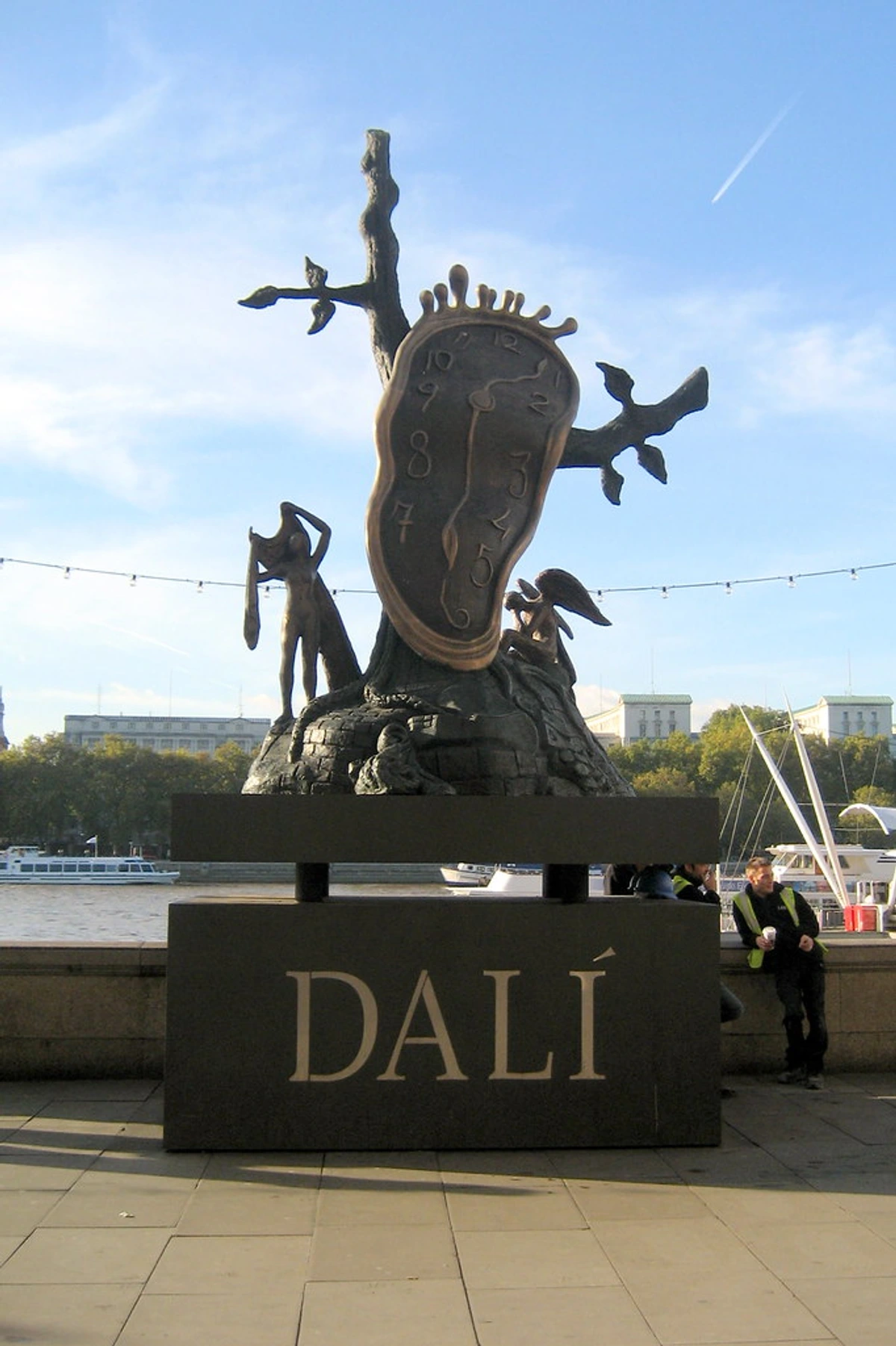
Ah, Salvador Dalí. I'm almost certain you know him, even if you don't think you know him. Those melting clocks? Practically pop culture icons, right up there with the Mona Lisa, I'd say! Dalí was arguably the most famous and undeniably the most flamboyant of the Surrealists, a true showman who often quipped, "The only difference between a madman and me is that I am not mad." And you know what? I absolutely believe him. He was a genius at tapping into his dreams, anxieties, and obsessions, translating them into hyper-realistic, often disturbing, but always captivating imagery. His works are meticulously rendered nightmares, designed to confront the viewer with the bizarre, often sexualized, logic of the subconscious. His famous paranoid-critical method allowed him to systematically access his unconscious, a technique he described as a "spontaneous method of irrational knowledge based upon the interpretative-critical association of delirious phenomena." It's like he weaponized his own quirks into pure art, turning his inner turmoil into masterpieces.
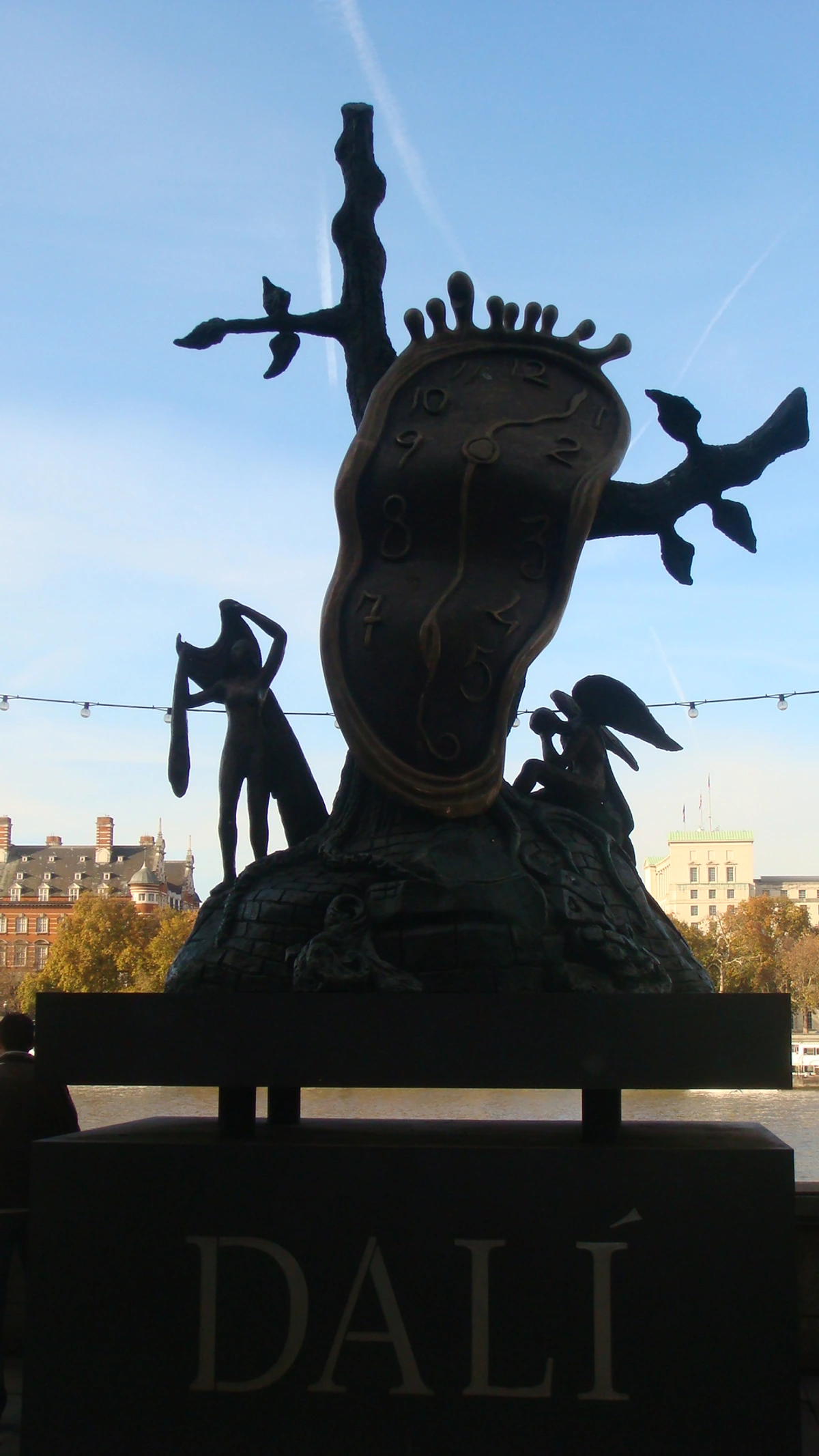
Key Works:
- The Persistence of Memory (1931): Those iconic melting clocks against a barren landscape aren't just unforgettable; they're a profound meditation on time's elasticity and the fluidity of memory, often seen through a Freudian lens of desire and decay. Dalí once suggested the soft clocks were inspired by a melting piece of Camembert cheese – a wonderfully mundane origin for such an iconic image! This piece forces us to question the rigid structure of time, a common theme in dream states, and brilliantly encapsulates the uncanny feeling of something familiar becoming profoundly strange. If you haven't seen it, you must look it up. Or better yet, dive into our ultimate guide to Salvador Dalí to truly understand its depth. You can also explore What is the meaning of The Persistence of Memory by Dalí? for more insights.
- The Disintegration of the Memory (1954): A later reimagining of his most famous work, this piece shows the familiar melting clocks and landscape fragmented and floating, reflecting Dalí's increasing interest in nuclear physics and the idea of matter dissolving. It's a fascinating evolution of his original concept, hinting at the ephemeral nature of reality itself, almost like a dream dissolving as you wake. This work is a prime example of his continued exploration of time and reality's fragile boundaries.
- Lobster Telephone (1936): Yes, it's exactly what it sounds like. A functional telephone with a lobster instead of a receiver. This piece is hilariously absurd and speaks volumes about the surrealist desire to combine unrelated, everyday objects to provoke thought and reveal hidden meanings, or simply to delight in the irrational. A truly uncanny object, don't you think? It questions function and challenges our expectations of what belongs where, making the familiar decidedly strange and showcasing Dalí's playful disruption of logic.
- Christ of Saint John of the Cross (1951): A more traditional, yet still distinctly Dalí, piece. It shows a dramatic, overhead view of Christ on the cross, demonstrating his masterful technical skill even within his surrealist framework, merging the sacred with the subconscious perspective, almost as if seen in a divine dream. This piece highlights his ability to blend classical technique with a visionary, unsettling perspective, proving his range and showing the power of the subconscious even in religious iconography.
René Magritte: The Master of Mystery and Juxtaposition
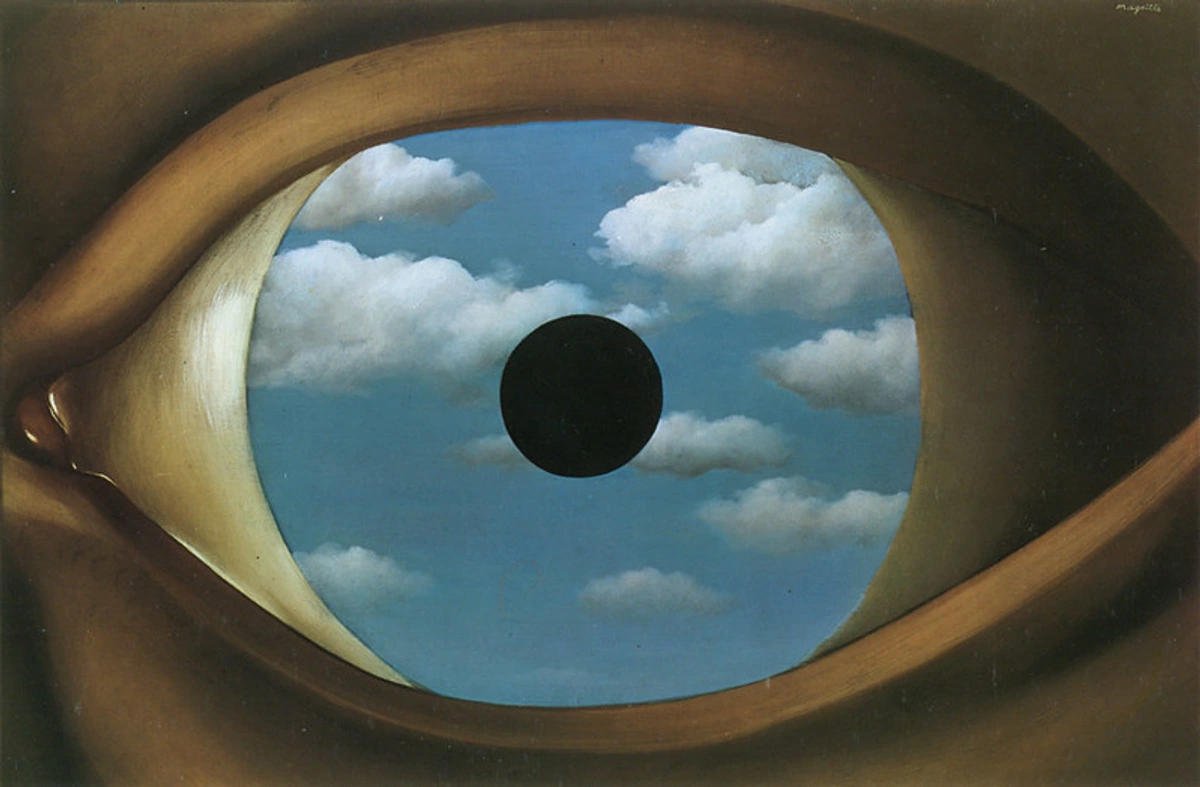
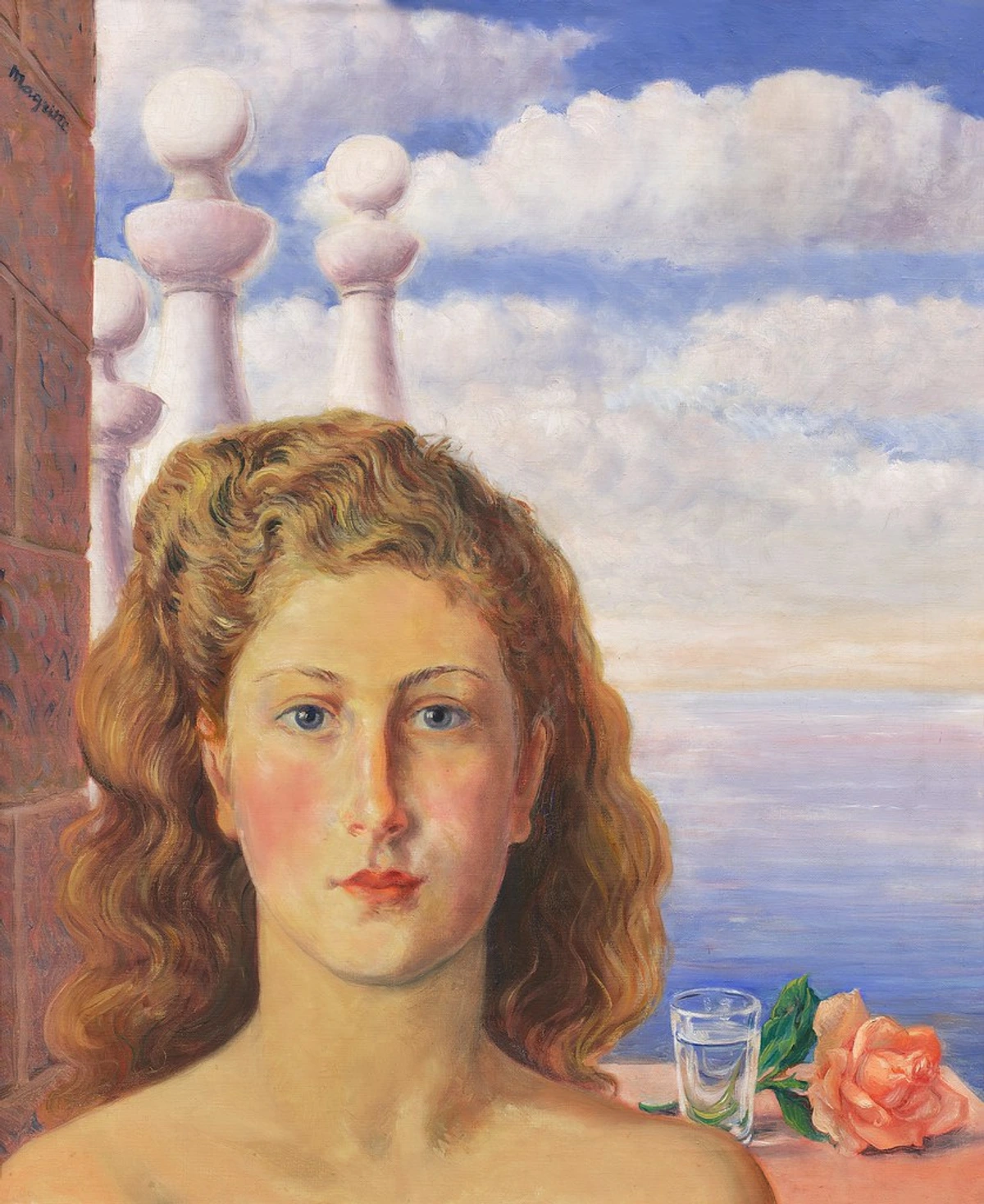
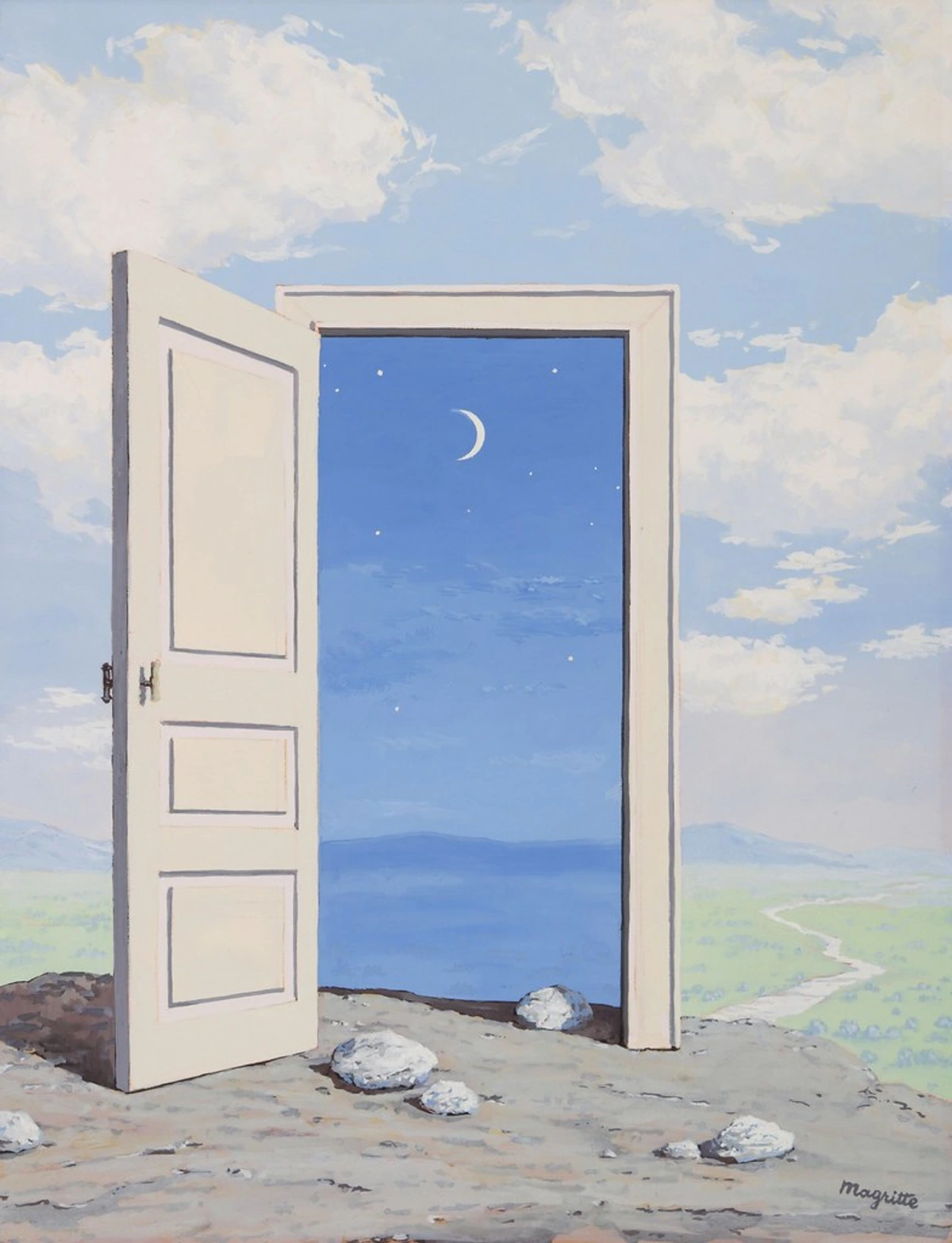
Now, if Dalí was the flamboyant showman, then René Magritte was the quiet trickster, the philosopher who'd make you question everything with a simple image. His paintings often look deceptively simple, almost like illustrations, but they carry a profound sense of mystery and paradox. He made us question reality, language, and perception itself. I mean, who else could paint a pipe and then tell you, "Ceci n'est pas une pipe" (This is not a pipe)? It's brilliant, truly, forcing us to consider the profound difference between an image and the object it represents – an image of a pipe is not an actual pipe! When I first saw that, my brain genuinely short-circuited for a second – that’s the magic of Magritte! He challenges our very assumptions about how we understand the world through signs and symbols, and often leaves me wondering about the hidden meanings behind everyday objects. He was less interested in depicting personal dreams and more in exploring the nature of reality and representation itself, using familiar imagery to create deeply unsettling, thought-provoking scenarios. It's the kind of art that lodges itself in your brain and slowly unravels your certainties.
Key Works:
- The Treachery of Images (This is Not a Pipe) (1929): The quintessential Magritte. It forces you to confront the difference between an image and the object it represents, a fundamental philosophical query wrapped in a deceptively simple image. This work, with its direct challenge to linguistic and visual conventions, perfectly embodies Magritte's intellectual approach to Surrealism, urging viewers to look beyond surface appearances.
- Golconda (1953): You probably know this one too. The raining men in bowler hats? It’s unsettling, humorous, and makes you wonder about conformity and individuality in a modern urban landscape. Or maybe just about what it would be like if it actually rained people (I'm leaning towards the latter, sometimes, when I'm feeling particularly surreal). This piece perfectly captures the uncanny – that strange feeling when something familiar becomes unfamiliar and slightly disturbing, questioning our expectations of reality with quiet elegance and showcasing Magritte's mastery of visual paradox.
- The Son of Man (1964): Another iconic image: a man in a bowler hat with an apple obscuring his face. It’s about the hidden, the unseen, and how we often obscure parts of ourselves from others. Or maybe it's just about apples. Who knows with Magritte – that's part of the fun! It’s a powerful exploration of identity, concealment, and the inherent mystery of the human condition, even in familiar settings, making it a profound comment on perception and the limitations of what we truly know about one another.
Joan Miró: The Cosmic Child
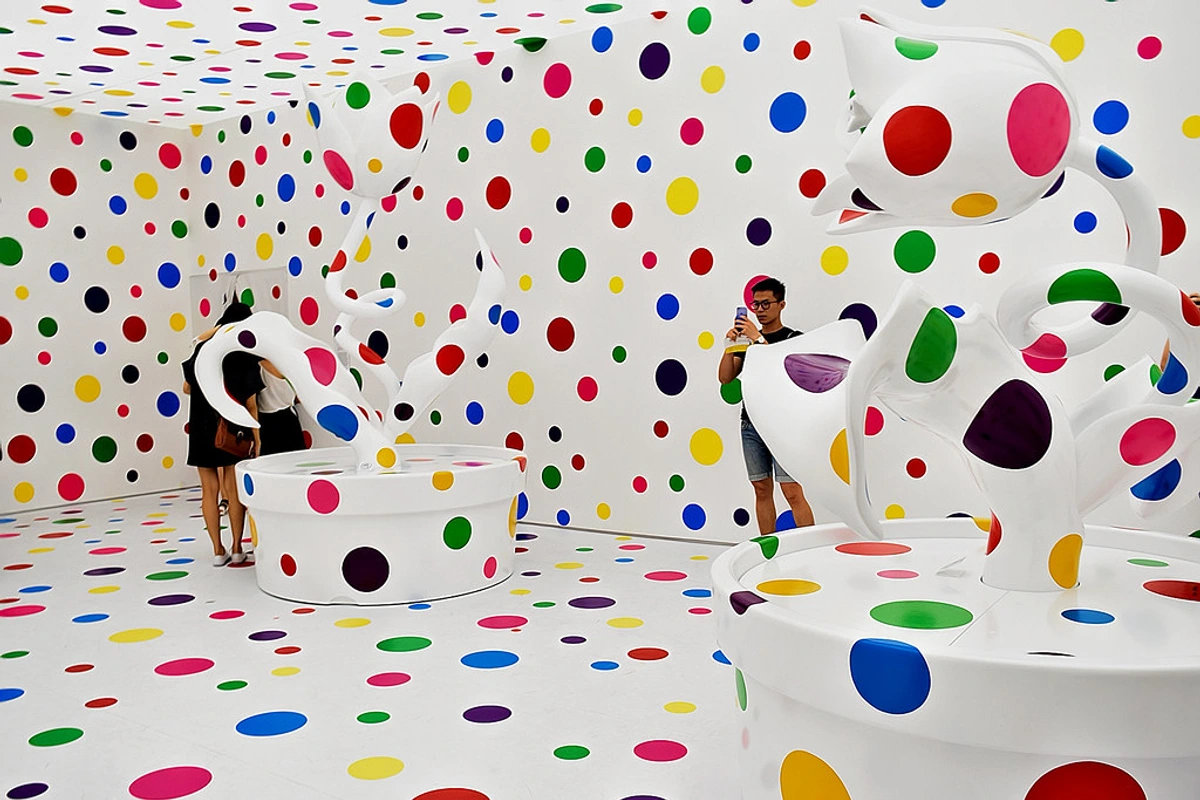
Joan Miró, on the other hand, felt like he was painting directly from the universe's playground. His work is this vibrant, swirling cosmos of shapes that look like they're alive, dancing with stars and eyes – like the subconscious decided to throw a joyous party! Miró had a wonderfully different take on Surrealism, one that often felt more playful and childlike, yet deeply rooted in Catalan folk art and poetic symbolism. His work is a vibrant, swirling universe of biomorphic forms – abstract shapes that suggest organic life, but don't represent anything specific, allowing for primal, intuitive interpretations – stars, and eyes, all dancing across the canvas. I always feel a profound sense of joy and freedom when I look at a Miró; it's like a secret language of the soul, directly communicating the exuberance of the subconscious through pure color and form. He really did make the subconscious sing! Unlike Dalí's hyper-realism, Miró embraced a more abstract, calligraphic style, letting his hand flow freely in automatic drawing to create constellations of whimsical creatures and symbols, often influenced by Catalan nature and culture. His work is a testament to the power of unleashed imagination, echoing Jungian archetypes of universal forms and primal energies.
Key Works:
- The Farm (1922): While predating his full embrace of Surrealism, this painting, with its meticulous detail and dreamlike quality, perfectly shows the roots of his later work. Ernest Hemingway actually owned this one, if you can believe it! It captures a rural scene with a hyper-real, almost hallucinatory intensity, hinting at the subconscious vitality of nature. You can see the seeds of his unique vision here, a kind of pre-Surrealist automatism applied to realism, where every object pulsates with an inner life.
- Harlequin's Carnival (1924-1925): A bustling, chaotic, yet joyous scene filled with Miró's signature fantastical creatures. It’s a party on canvas, and everyone's invited to dance to the rhythms of the unconscious mind. This piece perfectly embodies the playful automatism Miró employed, a true celebration of the unbound spirit, a kind of cosmic celebration of instinct and freedom. Look closely and you'll find tiny figures, ladders, and musical instruments, all in a delightful, dreamlike disarray – it makes me want to jump right into the canvas and join the festivities! This work is a vivid example of collective subconscious play, characteristic of the early Surrealist explorations.
- Dona i Ocell (Woman and Bird) (1983): This massive sculpture in Barcelona is a testament to his enduring artistic vision. It's bold, colorful, and perfectly captures his unique blend of the organic and the abstract, celebrating archetypal forms in a public space. If you're ever in Barcelona, you have to see it – it feels like a vibrant, ancient goddess watching over the city. This monumental work showcases Miró's ability to translate the biomorphic and symbolic language of his paintings into powerful, three-dimensional forms. Our ultimate guide to Joan Miró explores his incredible legacy in much more detail.
Max Ernst: The Innovator of Techniques
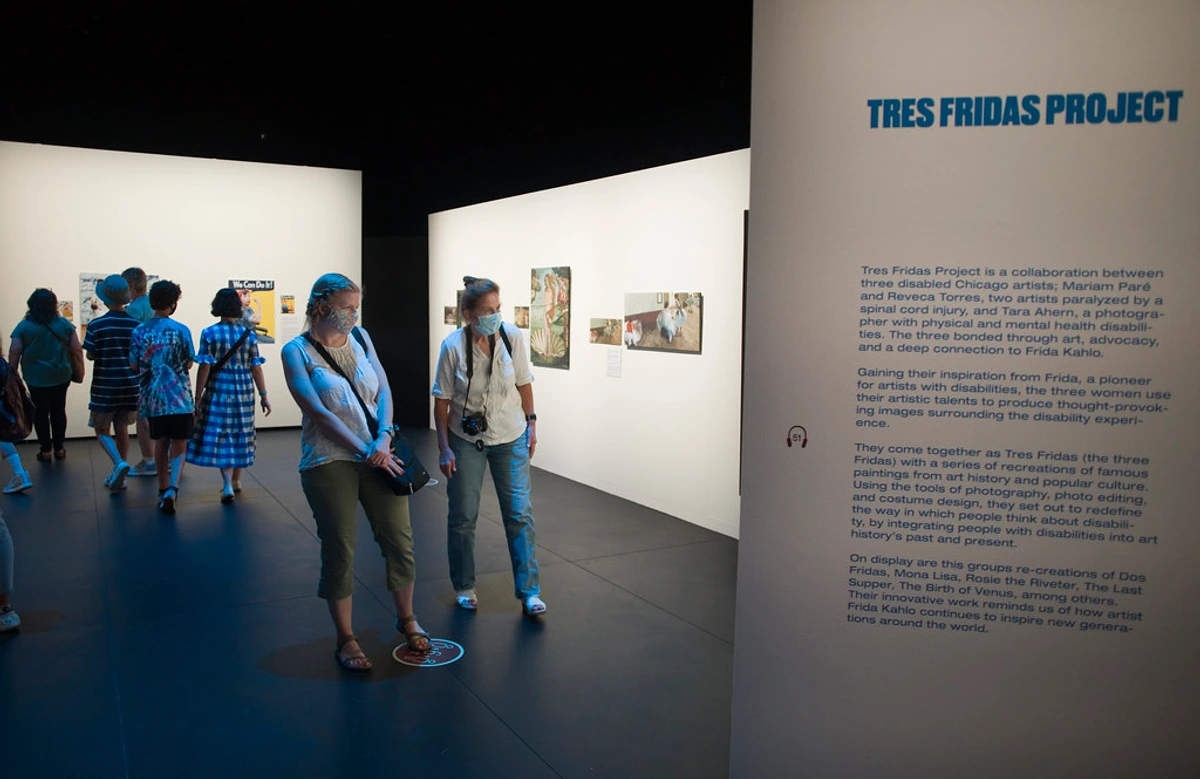
Max Ernst was another giant of Surrealism, a restless innovator known for his relentless experimentation with techniques that allowed chance and intuition to guide the creative process, deliberately bypassing conscious control. Emerging from the Dada movement, Ernst was fascinated by the idea of creating art that felt found rather than consciously constructed. He essentially codified frottage and grattage, as we discussed earlier, but these weren't just clever tricks; they were profoundly philosophical ways to unlock the subconscious, letting the materials themselves suggest forms and ideas that his rational mind might never have conceived. His work often delves into darker, more enigmatic landscapes and figures, drawing from mythology and his own psyche, reflecting the anxieties and hidden depths of the human condition. He truly believed in the "chance encounter of two distant realities on a plane unfamiliar to both" as a source of the poetic marvelous, which became a hallmark of Surrealist thought. He also pioneered the collage novel, transforming mundane Victorian etchings into dark, fantastical narratives, proving the immense power of juxtaposition, all driven by a desire to explore the unseen forces beneath the surface of reality.
Key Works:
- The Elephant Celebes (1921): One of his most famous pieces, featuring a bizarre, elephant-like mechanical creature in a vast, empty landscape. It's both menacing and strangely humorous, a monstrous vision straight from a deep, unsettling dream, rendered with unsettling precision – a true testament to the power of the uncanny. It’s a fantastic example of a monstrous, yet captivating, apparition from the depths of the psyche, inspired by a Sudanese grain silo and a children's rhyme, showcasing his ability to find the profound in the mundane and transform it into a nightmare vision.
- Two Children Are Threatened by a Nightingale (1924): This is a prime example of his dream logic, complete with a tiny wooden gate and an actual three-dimensional house attached to the painting. It deliberately blurs the lines between art and reality, just as a dream often does, creating a palpable sense of unease and a narrative that defies simple explanation. It's almost like stepping into a half-remembered nightmare, and the presence of the 3D elements just pushes the disorientation to another level, making you question what's real and what's merely imagined. This work perfectly exemplifies the Surrealist quest to resolve dream and reality into a 'super-reality' through uncanny juxtapositions and material play.
- A Week of Kindness (or the Seven Deadly Elements) (1934): This is a magnificent example of his collage novel series, composed of 182 cut-and-pasted illustrations from Victorian novels. It creates a dark, fantastical narrative of psychological terror and sexual intrigue, transforming mundane images into a shocking, new reality. These visual novels perfectly showcase the Surrealist power of juxtaposition to unlock new, often disturbing, meanings, demonstrating Ernst's innovative use of found imagery to construct complex, unconscious narratives.
Leonora Carrington: The Magical Realist & Alchemist
While many of the early Surrealists were men, artists like Leonora Carrington brought a crucial and often overlooked perspective, enriching the movement immensely. Her work is steeped in mythology, alchemy, magic, and her own unique blend of autobiography and fantasy, often with a distinctly feminist lens. Her canvases are populated by hybrid creatures, wise women, and fantastical beasts, all rendered with an incredible attention to detail. I often find her work utterly captivating, like stepping into a hidden library of ancient, forbidden tales, where the rules of reality are fluid and the power of the feminine is paramount. She often explored themes of transformation and liberation, drawing on her profound knowledge of esoteric traditions and making the magical feel utterly real. Born into a privileged British family, her rejection of societal norms, her move to Mexico, and her profound experiences with mental health deeply informed her art, giving it an intensely personal yet universal resonance. Her connection to alchemy wasn't just aesthetic; it was a deeply personal search for spiritual transformation and liberation, making her a true visual alchemist, and offering a potent counter-narrative to the often-patriarchal leanings of the movement's early days. You can learn more in our ultimate guide to Leonora Carrington.
Key Works:
- Self-Portrait (Inn of the Dawn Horse) (1937-1938): A powerful and enigmatic self-portrait featuring her, a hyena, and a rocking horse, hinting at her transformation, independence, and the wild, untamed aspects of her inner world. It’s a bold statement of self and identity, almost a magical initiation into her unique surrealist universe, where animalistic instincts and domesticity collide, a prime example of her weaving autobiography with fantastical symbolism.
- The House of Fear (1947): A vivid, complex painting filled with her signature symbols and narratives, reflecting her profound imagination and inner world, often with a sense of both wonder and underlying dread. It's a journey into a fantastical, yet deeply personal, realm, where strange figures inhabit dreamlike architectural spaces, blurring the lines between the mundane and the magical, and showing how psychological landscapes can take on physical forms. This work embodies her unique blend of magical realism and Freudian dream analysis.
- Bird Bath (1974): This iconic bronze sculpture depicts a human-like bird creature emerging from a mystical vessel. It embodies her recurring themes of metamorphosis, the blending of human and animal, and the sacred nature of the natural world. It feels like something pulled directly from an ancient myth, a guardian of thresholds between worlds, a testament to her lifelong exploration of mythical beings and transformation, showcasing her deep engagement with alchemical and mythical symbolism in three dimensions.
Beyond the Canvas: Other Influential Surrealist Voices & Global Reach
Of course, Dalí, Magritte, Miró, Ernst, and Carrington are just the tip of the iceberg! The Surrealism art movement was incredibly rich with diverse talents, stretching its influence across continents and disciplines. The movement’s appeal for tapping into universal subconscious themes, often with anti-colonial undertones, meant it resonated far beyond Europe, finding unique expressions in Latin America (especially Mexico, where many European Surrealists found refuge), Asia, and other regions, often merging with local mythologies, indigenous art forms, and political contexts. To truly grasp the vast tapestry of Surrealism, it's essential to acknowledge the contributions of many more luminaries. Here's a table of some other influential figures you should definitely know about, each bringing their own unique flair to the pursuit of the subconscious:
Artist  | Nationality | Key Contribution & Signature Style | Famous Work (Example) |
|---|---|---|---|
| Man Ray | American | A pioneer of Surrealist photography and an all-around experimental artist, he created iconic 'rayographs' and unsettling objects, challenging conventional representation and perception with wit and innovation. | Le Violon d'Ingres (1924) |
| Dorothea Tanning | American | A painter, sculptor, and writer known for her haunting, often unsettling, dreamlike images exploring themes of desire, domesticity, fear, and transformation, with a distinct psychological intensity. Her work feels deeply personal, almost like glimpses into private moments. | Birthday (1942) |
| Frida Kahlo | Mexican | Though she famously rejected the Surrealist label, her intensely personal, symbolic self-portraits are deeply steeped in dreamlike qualities, pain, and Mexican folk traditions, making her work powerfully resonate with Surrealist themes of the subconscious and identity. | The Two Fridas (1939) |
| André Breton | French | The primary theorist and founder of Surrealism; author of the Surrealist Manifestos, defining its philosophical and artistic principles and acting as a central, guiding (and sometimes autocratic) figure for the movement. | N/A (writer, not primarily visual artist) |
| Meret Oppenheim | Swiss | Best known for her fur-covered teacup, Object (Déjeuner en fourrure), she radically challenged ideas of utility, sensuality, and the uncanny through the provocative juxtaposition of incongruous materials. A true iconoclast. | Object (Déjeuner en fourrure) (1936) |
| Yves Tanguy | French | Known for his meticulously rendered, vast, and often barren dreamscapes populated by strange, biomorphic forms and shadow figures. His unsettling, desolate worlds evoke a profound sense of deep unease, as if gazing into an alien planet of the unconscious. | Mama, Papa is Wounded! (1927) |
| Remedios Varo | Spanish/Mexican | A painter of intricate, mystical, and alchemical worlds, often featuring solitary, introspective female figures engaged in magical processes or scientific experiments within fantastical architectural settings. Her work is a rich tapestry of esoteric knowledge and feminine power. | Fenómeno de ingravitación (1963) |
| Roberto Matta | Chilean | A painter whose large-scale canvases explored inscapes – inner psychological landscapes, often chaotic and cosmic – using molten, abstract forms and vast spaces to express existential anxieties and the forces underlying reality. His work became a bridge to Abstract Expressionism. | Psychological Morphology (1938-39) |
| Wifredo Lam | Cuban | Drew heavily on Afro-Cuban culture, Surrealism, and Cubism to create powerful, hybrid figures that blended human, animal, and plant forms, addressing colonialism, spirituality, and identity. His work brought a unique, post-colonial perspective to the movement. | The Jungle (1943) |
| Lee Miller | American | A photographer whose powerful, often stark images captured the surreal in both everyday life and the horrors of war. Her keen eye for unsettling juxtapositions and psychological depth made her a master of the surrealist lens, often blurring lines between fashion, photojournalism, and fine art. | Portrait of Space (1937) |
| Hans Bellmer | German | Known for his disturbing, sexually charged doll sculptures and photographs. His work explored themes of repressed desires, manipulation, and the objectification of the body, often pushing the boundaries of what was acceptable in art with intense psychological depth. | The Doll (La Poupée) series (1930s-40s) |
| Victor Brauner | Romanian | A painter deeply influenced by alchemy, esotericism, and psychoanalysis, he created biomorphic figures and totemic beings within fantastical landscapes. His work often features prophetic self-portraits and a unique blend of primitive art and surrealist symbolism. | Self-portrait with Plucked Eye (1931) |
Let's not let the table be the only mention of these incredible artists. Each deserves a moment in the spotlight, especially those whose voices brought vital new dimensions to Surrealism.
Man Ray: The American Polymath
Man Ray (born Emmanuel Radnitzky) was an American artist who made his name in Paris, becoming a central figure in both Dada and Surrealism. His photographic experiments, like rayographs (photograms created without a camera by placing objects directly on light-sensitive paper), truly transformed how we saw the ordinary, turning everyday objects into ethereal, mysterious forms. His influence on modern photography is immeasurable, showing us the poetry hidden in light and shadow, and making him a true polymath of the movement. He wasn't just a photographer; he was a painter, filmmaker, and object maker, constantly challenging conventional representation with wit and innovation. His famous Gift (1921), an iron with tacks glued to its sole, is a perfect example of Surrealist assemblage, turning a utilitarian object into something hilariously impractical and deeply unnerving. For me, Man Ray epitomizes the Surrealist spirit of playful subversion and profound visual poetry, showing how the simplest recontextualization can unlock a 'marvelous' new reality.
Dorothea Tanning: Exploring Domesticity and Desire
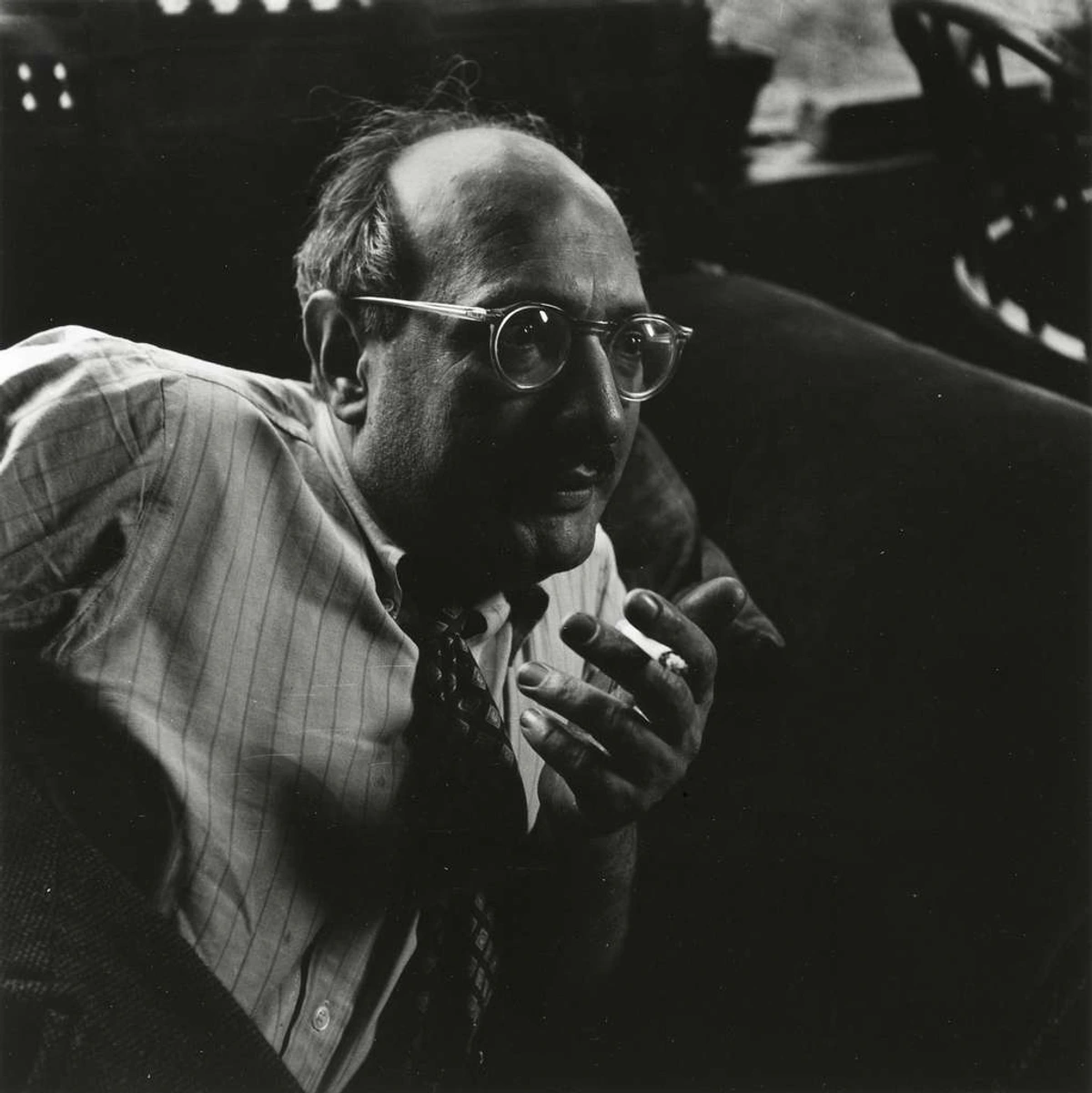
Dorothea Tanning was an American painter, sculptor, and writer whose haunting, often unsettling, dreamlike images explored themes of desire, domesticity, fear, and transformation with a distinct psychological intensity. Her work often felt deeply personal, almost like glimpses into private moments or subconscious narratives playing out in familiar settings. Pieces like Birthday (1942), a powerful self-portrait, invite us into a vivid dreamscape that speaks volumes about her inner world and the complexities of female identity. Tanning's ability to imbue everyday objects and figures with profound psychological weight makes her an indispensable voice, particularly in understanding the often-overlooked emotional landscapes within Surrealism. Her paintings frequently depicted uncanny scenes within domestic spaces, subverting the idea of the home as a safe haven and revealing the hidden psychological dramas beneath the surface.
Frida Kahlo: Reality and Myth
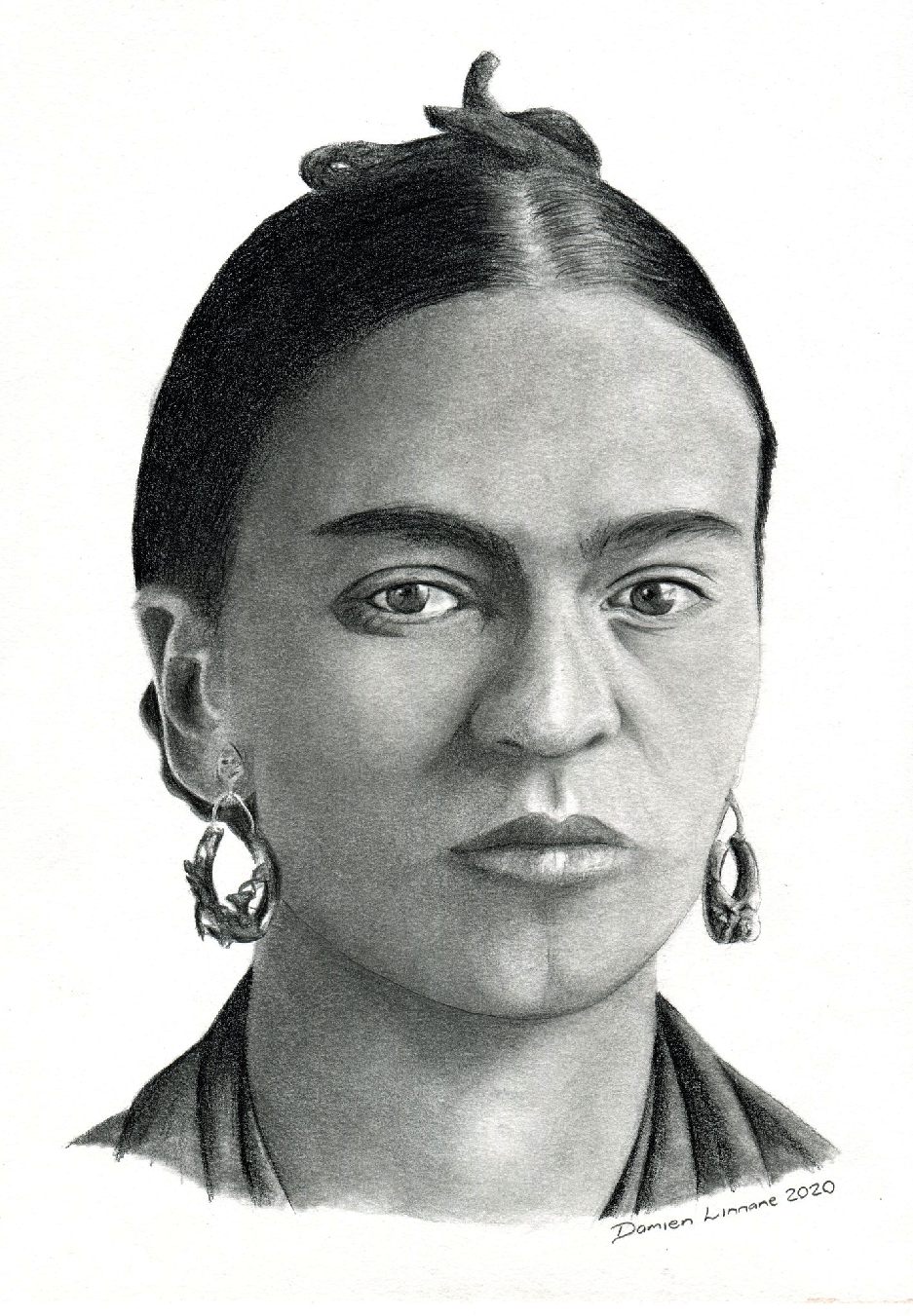
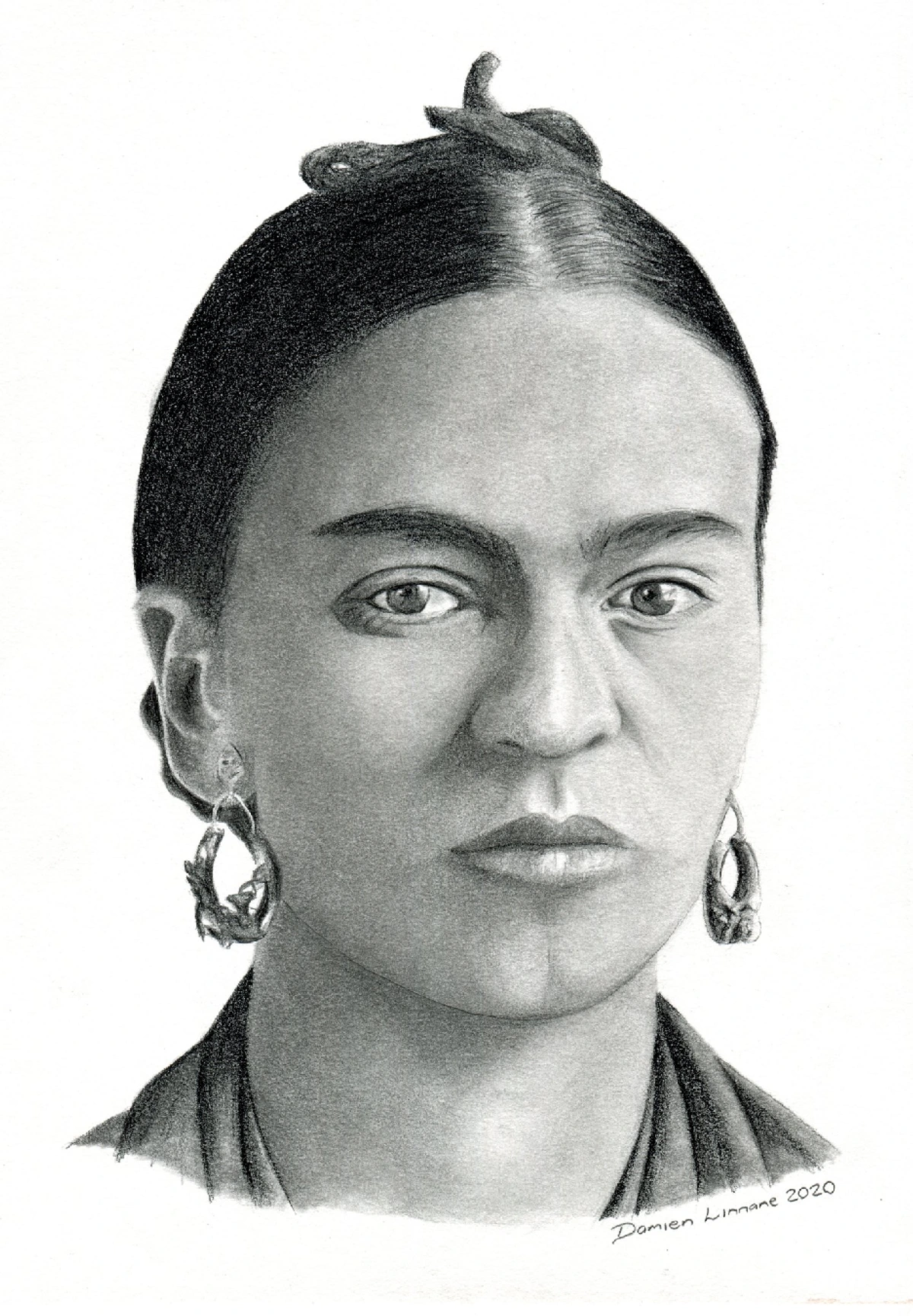
Frida Kahlo (Mexican) famously rejected the Surrealist label, asserting that she painted her own reality, not dreams. However, her intensely personal, symbolic self-portraits are undeniably steeped in dreamlike qualities, pain, and rich Mexican folk traditions, making her work powerfully resonate with Surrealist themes of the subconscious and identity. Her raw honesty in depicting physical and emotional suffering, often through striking, symbolic imagery, offers a unique window into the human condition. Our article on Frida Kahlo truly shows how she became an icon, blurring the lines between autobiography and myth, and how her profound symbolism speaks to universal themes, often with a raw, visceral quality that captivated Breton himself. Even if she didn't embrace the label, her work offers a vital, culturally rich interpretation of the inner world.
André Breton: The Architect of the Dream
André Breton (French) was not primarily a visual artist, but his theoretical contributions were the bedrock of the movement. As the primary theorist and founder of Surrealism, he authored the Surrealist Manifestos, defining its philosophical and artistic principles and acting as a central, guiding (and sometimes autocratic) figure. Without his manifestos, Surrealism as we know it might never have taken shape. He was the stern but brilliant editor of the collective dream, constantly pushing the boundaries of thought and challenging societal norms, even if his leadership style sometimes caused friction within the group, leading to famous expulsions. His vision shaped the very definition of 'super-reality' for a generation of artists.
Meret Oppenheim: Radical Sensuality
Meret Oppenheim (Swiss) is best known for her fur-covered teacup, Object (Déjeuner en fourrure) (1936). This piece radically challenged ideas of utility, sensuality, and the uncanny through the provocative juxtaposition of incongruous materials. A true iconoclast, Oppenheim’s work transformed mundane objects into something profoundly sensual, bizarre, and utterly memorable, questioning our expectations of function and texture. It's a cheeky, brilliant subversion of the everyday that still makes me smile, and for me, it perfectly encapsulates the Surrealist knack for finding the marvelous in the unexpected and forcing a visceral reaction from the viewer.
Yves Tanguy: Landscapes of the Subconscious
Yves Tanguy (French) was known for his meticulously rendered, vast, and often barren dreamscapes populated by strange, biomorphic forms and shadow figures. His unsettling, desolate worlds evoke a profound sense of deep unease, as if gazing into an alien planet of the unconscious. Tanguy's work is pure, unadulterated dream logic on canvas, exploring primordial landscapes and subterranean psychological states with an otherworldly precision. I always feel a compelling sense of cosmic isolation and mystery when I gaze into his canvases, as if they hold secrets from a forgotten corner of the universe, and represent a truly unique visual manifestation of the Freudian unconscious.
Remedios Varo: Mystical Alchemist
Remedios Varo (Spanish/Mexican) was a painter of intricate, mystical, and alchemical worlds, often featuring solitary, introspective female figures engaged in magical processes or scientific experiments within fantastical architectural settings. Her work is a rich tapestry of esoteric knowledge, feminine power, and profound symbolism. Each painting is a story waiting to be deciphered, a true visual spell woven with threads of the subconscious and esoteric traditions, making her work both deeply personal and universally enchanting. Her canvases feel like illustrations from forgotten grimoires, inviting viewers into realms where magic and science intertwine, powerfully reclaiming narratives for the female experience within the movement.
Roberto Matta: Inscapes and Cosmic Energy
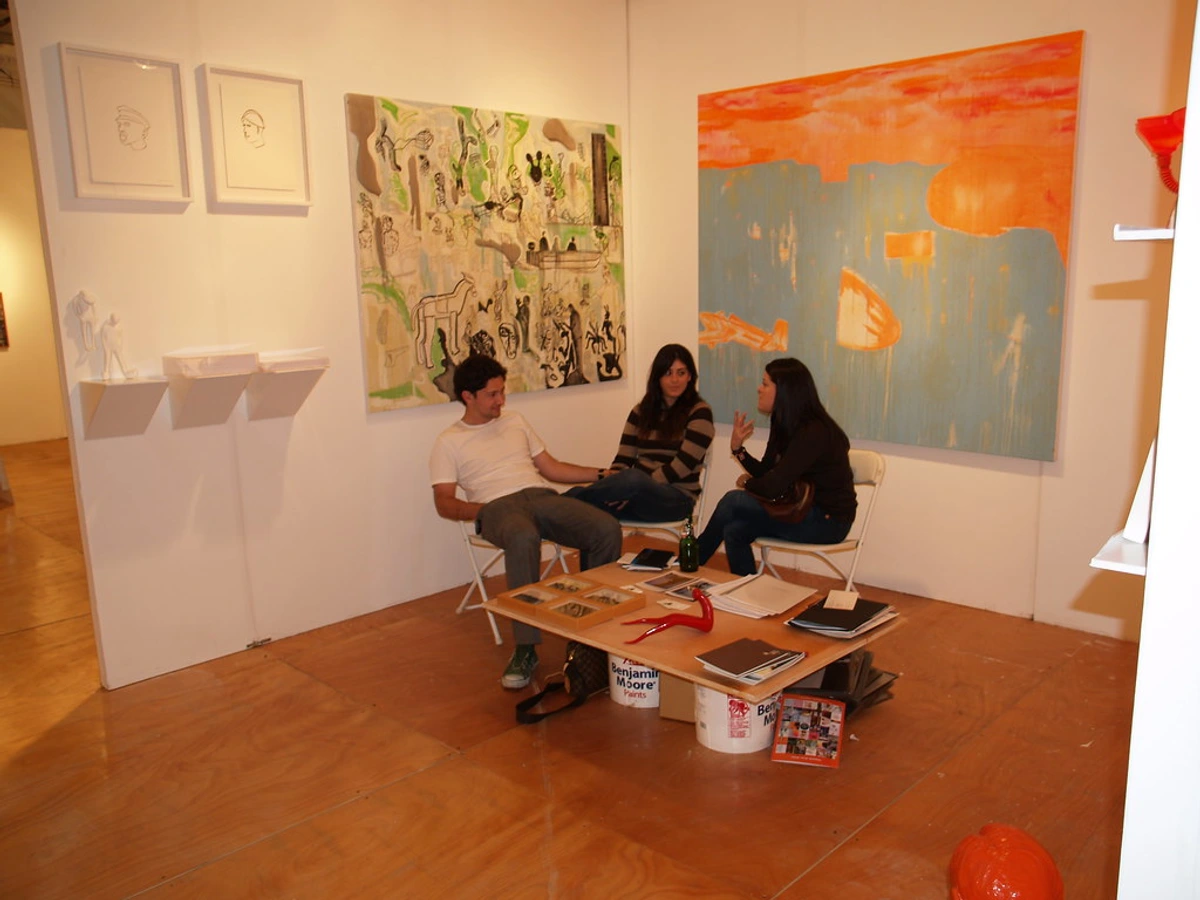
Roberto Matta (Chilean) was a painter whose large-scale canvases explored inscapes – inner psychological landscapes, often chaotic and cosmic – using molten, abstract forms and vast spaces to express existential anxieties and the forces underlying reality. His work became a bridge to Abstract Expressionism, depicting dynamic, internal forces of the psyche as if it were a vast, churning universe. Matta’s visionary approach pushed Surrealism towards a more abstract and expansive understanding of the unconscious, exploring the hidden structures of reality and the ungraspable forces that shape us, often with a powerful, almost violent, energy.
Wifredo Lam: Afro-Cuban Surrealism
Wifredo Lam (Cuban) drew heavily on Afro-Cuban culture, Surrealism, and Cubism to create powerful, hybrid figures that blended human, animal, and plant forms, addressing colonialism, spirituality, and identity. His work brought a unique, post-colonial perspective to the movement, challenging Western art historical dominance with its potent blend of cultural influences. The Jungle (1943) is a monumental work that demands attention, showcasing hybrid figures that embody a unique blend of cultures and spirits, deeply rooted in the Afro-Cuban spiritual tradition of Santería, offering a powerful counter-narrative to the often Eurocentric views of early Surrealism.
Lee Miller: Witness to the Surreal
Lee Miller (American) was a photographer whose powerful, often stark images captured the surreal in both everyday life and the horrors of war. Beyond being a muse for Man Ray, Miller’s own photographic work offered a sharp, often unsettling, perspective on both the glamour of fashion and the brutal reality of conflict. Her ability to find the surreal in the most mundane or horrific scenes was truly groundbreaking, showing the inherent strangeness even in documented reality, and blurring the lines between fashion, photojournalism, and fine art. Her searing images of concentration camps, for instance, capture a surreal horror that transcends mere documentation, demonstrating how reality can become more bizarre and illogical than any dream.
Hans Bellmer: The Disturbing Doll
Hans Bellmer (German) is known for his disturbing, sexually charged doll sculptures and photographs. His work explored themes of repressed desires, manipulation, and the objectification of the body, often pushing the boundaries of what was acceptable in art with intense psychological depth. Bellmer's meticulously constructed dolls are deeply unsettling explorations of desire, control, and trauma, diving into the darkest corners of the psyche and challenging viewers with their raw, psychological intensity, making us confront uncomfortable truths about the human condition and the disturbing side of the uncanny. His work serves as a potent reminder that the subconscious is not always beautiful or whimsical.
Victor Brauner: Esotericism and the Prophetic
Victor Brauner (Romanian) was a painter deeply influenced by alchemy, esotericism, and psychoanalysis, creating biomorphic figures and totemic beings within fantastical landscapes. His work often features prophetic self-portraits and a unique blend of primitive art and surrealist symbolism. Brauner's art, rich with esoteric symbols and mystical creatures, felt like a direct transmission from ancient, magical traditions. His unique blend of primitive aesthetics and complex symbolism makes his work a profound visual journey into the hidden forces of the universe, often featuring self-portraits that eerily hinted at his own fate, such as the loss of an eye years after painting Self-portrait with Plucked Eye (1931), making his art truly prophetic.
The Enduring Echoes: Legacy, Critiques, and Modern Relevance
So, why does Surrealism continue to capture our imaginations? I think it's because these artists weren't just painting pretty pictures; they were inviting us into their deepest thoughts, fears, and fantasies. They validated the bizarre and the illogical, reminding us that there's more to reality than meets the eye. They truly taught us to trust our intuition and to explore the hidden depths of our own minds, finding profound beauty and truth in the unexpected. This focus on the inner world is also why art about dreams is still so captivating today, and why the enduring legacy of Surrealism continues to shape how we think about art.
The Marvelous: Finding the Extraordinary in the Everyday
A core concept in Surrealism was the idea of "the marvelous" (le merveilleux), a feeling of profound wonder or enchantment experienced when encountering the extraordinary within the ordinary, often through startling juxtapositions. It’s that jolt of recognition when something familiar suddenly becomes strange and imbued with deeper, often poetic, meaning. For the Surrealists, art wasn't just about representing reality; it was about transforming it, revealing the hidden poetry and magic beneath the surface of everyday life. They sought to induce this sense of the marvelous, not through fantasy, but by stripping away rational expectations from the familiar, turning a spoon into a fur-covered object or a telephone into a lobster. It's a perspective that, once you embrace it, changes how you see the world around you, even today, allowing you to find 'super-reality' in unexpected corners.
Surrealism's Pervasive Influence on Popular Culture
This powerful legacy continues to influence contemporary art and popular culture across the globe. Every time you see a strange dream sequence in a film (think David Lynch's Eraserhead, Michel Gondry's Eternal Sunshine of the Spotless Mind, or even the architectural impossibilities in Christopher Nolan's Inception!), an advertisement that plays with reality, a fashion editorial that defies logic, a piece of music video imagery that utterly disorients you, or even a video game that bends perception (like The Stanley Parable, or the mind-bending puzzles in Monument Valley), you're seeing the echoes of these Surrealist pioneers. Their boldness opened doors for countless artists after them, allowing for a freedom of expression that was revolutionary and deeply personal.
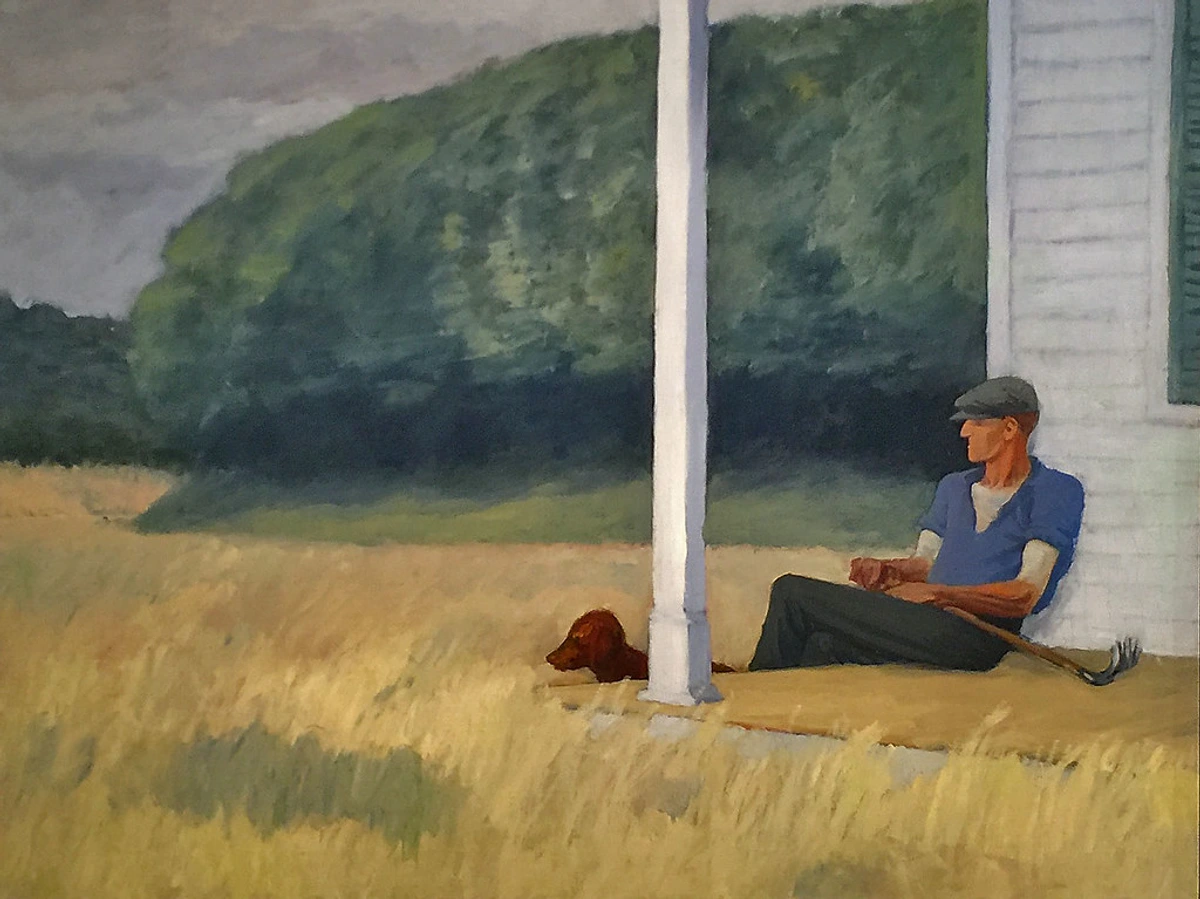
It also paved the way for movements like Abstract Expressionism (you can certainly see hints of automatism in the works of artists like Jackson Pollock who famously used automatic drawing methods in his "drip paintings"), Pop Art's appropriation and juxtaposition of found imagery, and conceptual art's challenge to traditional artistic boundaries. Its spirit of questioning reality and embracing the subconscious continues to inspire artists and creatives across all disciplines even today, influencing art movements of the 21st century. Even in the realm of digital art and AI-generated imagery, we see echoes of Surrealist automatism and the combination of disparate elements, creating new, often uncanny, dreamscapes, although I always approach such technological applications with a healthy dose of skepticism about their true 'artistic' intent versus algorithmic generation. The Surrealists' techniques were even adapted, sometimes ironically, by the advertising world, using uncanny juxtapositions to grab attention and lodge products in the subconscious, proving that even a profound artistic movement could find its way into commercial messaging.
Critiques and the Reclaiming of Narratives
However, Surrealism wasn't without its critiques, and it's important to acknowledge them. Some argued that its relentless emphasis on the irrational could, at times, lead to nihilism or obscure meaning, making art inaccessible or self-indulgent. It was easy for some to dismiss the bizarre imagery as mere shock tactics, rather than profound psychological exploration. There were also valid accusations of a patriarchal bias in the early movement, with female artists often relegated to muses or secondary roles rather than recognized as equally powerful creators. Figures like André Breton, for instance, often struggled to truly acknowledge the independent genius of women artists, sometimes reducing them to their relationships with male counterparts. Historically, many women Surrealists struggled for recognition within a male-dominated avant-garde, and their contributions were often downplayed. Thankfully, this historical oversight is being corrected today, bringing artists like Leonora Carrington, Remedios Varo, and Dorothea Tanning to the forefront they deserve, allowing us to appreciate the full breadth and depth of the movement. These women actively subverted these patriarchal tropes, often using mythological figures, domestic settings, and themes of transformation to explore the female experience from a position of power and mystery, reclaiming their narratives within the movement itself, and forging powerful personal mythologies.
Furthermore, some critics pointed to a tendency within Surrealism to exoticize or appropriate imagery from non-Western cultures or what they deemed "primitive" art, without always a deep understanding or respectful engagement. While artists like Wifredo Lam later offered profound syntheses of Afro-Cuban traditions with Surrealist principles, earlier instances sometimes lacked this nuanced approach. Despite these points, the movement's profound impact on how we understand art, the mind, and reality is undeniable.
Key Visual Characteristics of Surrealist Art
When you're gazing at a Surrealist artwork, what should you look for? For me, it's about spotting the visual clues that signal a journey into the subconscious, a glimpse into that 'super-reality':
- Dreamlike Imagery: This is perhaps the most obvious. You'll often see scenes that defy logic – melting objects (Dalí's clocks), figures in impossible settings, or strange transformations that feel exactly like something from a vivid dream.
- Juxtaposition of Disparate Objects: Familiar objects are placed in unexpected, often unsettling, combinations (think Magritte's pipe or Dalí's lobster telephone). This creates an uncanny effect, forcing you to reconsider their meaning and function, making the ordinary extraordinary.
- Veristic (Realistic) Detail in Unreal Settings: Many Surrealists (like Dalí and Magritte) rendered their bizarre visions with academic precision, making the impossible seem disturbingly real, lending credence to the "super-reality." The contrast between the familiar technique and the unfamiliar subject matter is key to their disquieting power.
- Biomorphic Forms: Especially prominent in artists like Miró and Tanguy, these are abstract shapes that suggest organic, living forms but don't represent anything specific. They evoke a sense of primordial life and subconscious energy, often appearing as amoeba-like, fluid, or embryonic shapes that tap into the collective unconscious.
- Symbolism: Objects, figures, and colors often carry deeper, often Freudian or Jungian, psychological meanings, inviting interpretation but rarely offering a single, clear answer. Common symbols include eyes (for perception/inner sight), doors/windows (for passages to other realms), and certain animals (like birds for freedom or hyenas for wildness in Carrington's work).
- Exploration of the Uncanny: That unsettling feeling when something familiar becomes strange or slightly disturbing is a hallmark. It often plays on our deep-seated fears or anxieties, making the viewer question their perception of reality, and is deliberately engineered by the artists to provoke a psychological response.
- Distorted Perspective and Scale: Objects and figures might be rendered out of proportion or in warped perspectives, mirroring the illogical and shifting nature of dreams, disorienting the viewer and challenging conventional space.
- Unique Color Palettes: While some Surrealists (like Dalí or Ernst) used muted, earthy tones to heighten realism in unreal settings, others (like Miró) embraced vibrant, almost childlike colors to express joy and freedom from rational constraints, or symbolic hues to evoke specific emotions or esoteric meanings, creating a wide spectrum of visual experiences.
- Fragmentation and Dislocation: Elements of a scene or body might be dislocated or fragmented, reflecting psychological breaks or the arbitrary nature of dream construction, and inviting the viewer to piece together meaning from disjointed parts.
Frequently Asked Questions About Famous Surrealist Artists
Q1: What was the main goal of the Surrealist art movement?
A: That's a fantastic question! For me, the heart of Surrealism was about finding a deeper, more profound truth beyond everyday logic, by integrating the insights of the unconscious mind with the conscious world. As its founder André Breton articulated, the main goal was to "resolve the previously contradictory conditions of dream and reality into an absolute reality, a super-reality." This was achieved by exploring dreams, desires, irrational thoughts, and employing techniques like automatism to create new, often startling, artistic expressions that liberated the human spirit from the constraints of logic and conventional reality.
Q2: Who are considered the "big three" Surrealist artists?
A: While the choice can be subjective given the wealth of talent, the "big three" most commonly referenced for their profound impact and widespread recognition in Surrealism are Salvador Dalí, René Magritte, and Joan Miró. Their distinctive styles, unique approaches to the subconscious, and iconic works have become virtually synonymous with the movement. However, I always feel it's important to remember that equally foundational artists like Max Ernst, Leonora Carrington, and Man Ray also made immense, groundbreaking contributions, and the movement was far richer and more diverse than just these three, offering a truly collective vision.
Q3: How did Surrealism influence other art forms or movements?
A: Surrealism's influence was incredibly far-reaching and, honestly, still is! It profoundly impacted literature, poetry, film (think directors like Luis Buñuel, Alfred Hitchcock,, David Lynch, Michel Gondry, and Christopher Nolan, who masterfully used dream logic and unsettling imagery), and even theatre, fashion, and advertising. Its emphasis on the subconscious, automatism, and the irrational paved the way for later movements like Abstract Expressionism, directly inspiring artists like Jackson Pollock to adopt automatic drawing methods. It also influenced Pop Art's use of found objects and juxtaposition, and conceptual art's challenge to traditional artistic boundaries. Its spirit of questioning reality continues to inspire artists and creatives across all disciplines even today, influencing art movements of the 21st century. Even in digital art and aspects of game design, its principles resonate, creating new, often uncanny, dreamscapes that echo the Surrealist vision.
Q4: Are there any female Surrealist artists who are particularly notable, and what unique perspectives did they bring?
A: Absolutely! While early narratives often focused on male artists, female Surrealists made immense, often revolutionary contributions, bringing unique and powerful perspectives. Leonora Carrington (who we discussed) focused on mythology, alchemy, and personal liberation, often populating her canvases with hybrid creatures and wise women, challenging patriarchal norms. Dorothea Tanning explored domestic anxieties, sexuality, and transformation in her haunting, dreamlike images. Meret Oppenheim famously challenged utility and sensuality, most notably with her fur-covered teacup, creating works that were witty and subversive. Other important figures include Remedios Varo (with her intricate, mystical worlds), Lee Miller (a photographer who captured the surreal in everyday life and war), and Frida Kahlo (though she often distanced herself from the label, her intensely personal and symbolic work shares strong thematic ties). These women often explored themes of identity, the female experience, and the subconscious through their own distinct lenses, enriching the movement immensely and ensuring its complexity is fully appreciated, often actively subverting the patriarchal gaze prevalent at the time.
Q5: Can Surrealism be linked to psychedelic art or altered states of consciousness?
A: That's a great question, and yes, there's definitely a connection! While Surrealists primarily focused on dreams and Freud's theories of the unconscious, their exploration of non-rational states and the desire to bypass conscious control certainly echoes the goals of psychedelic art. Both aim to reveal hidden realities, challenge conventional perception, and access deeper levels of the psyche. Artists in later decades, influenced by Surrealism, would explicitly use mind-altering substances to achieve altered states and inspire their work, much like the Surrealists used automatism and dream analysis. The visual language of distorted realities, vibrant colors, and fluid forms often overlaps, showing a shared quest to expand the boundaries of human perception. For me, it's about any path that leads you beyond the everyday, whether that's through a dream, a trance, or even just letting your mind wander.
Q6: How can I engage with Surrealist thinking in my own life or art?
A: I love this question, because Surrealism isn't just about looking at art; it's a way of seeing the world! You can start by keeping a dream journal – just jot down whatever you remember from your dreams, no matter how nonsensical. Practice automatic writing or drawing: just let your hand move or words flow without conscious thought or censorship, and see what emerges. Look for uncanny juxtapositions in everyday life, like a misplaced object or an odd shadow, and let your imagination run wild with what they could mean. These exercises can help you tap into your own subconscious, just as the Surrealists did, and you might be surprised by the creative insights you uncover. If you're looking for art that challenges perception and taps into deeper meanings, why not explore contemporary abstract or surreal-inspired pieces? You might discover something truly unique for your home. You can always check out some modern pieces on our /buy page, where I also feature some artists inspired by this vibrant movement.
Q7: What role did political ideologies play in Surrealism?
A: This is a fascinating aspect, and a complex one! The Surrealists, especially André Breton, were deeply concerned with social and political liberation, seeing it as intrinsically linked to the liberation of the mind. For a time, the movement notably flirted with communism, viewing it as a system that could dismantle bourgeois society and create a more equitable world, aligning with their anti-establishment sentiments. Many members, including Breton, joined the Communist Party. However, the inherent individualism and freedom of expression championed by Surrealism often clashed with the rigid dogmatism and control of political parties. These tensions led to internal conflicts and disagreements, with some artists being expelled from the movement for political or ideological differences. Despite the ultimate parting of ways for many, the political engagement deeply informed the Surrealists' desire to provoke, disrupt, and transform society, using art as a revolutionary tool.
Q8: How can one distinguish a Surrealist artwork from other dreamlike or fantastical art?
A: That's a great point, as many art forms can feature dreamlike elements! For me, the key distinction for Surrealism lies not just in the imagery itself, but in the method and intent. A true Surrealist artwork (especially from the core movement) typically aims to bypass conscious control, drawing directly from the subconscious, often influenced by Freudian psychoanalysis, automatism, or a "paranoid-critical method." It's less about creating a fantasy world from scratch and more about revealing a super-reality by juxtaposing familiar elements in unsettling, illogical ways that evoke the uncanny. Look for the deliberate lack of rational narrative, the precise rendering of the impossible, and an emphasis on psychological rather than purely illustrative content. Other fantastical art might tell a clear story or stem from conscious imagination, whereas Surrealism often leaves you with an unresolved psychological puzzle, a direct glimpse into the raw, untamed psyche.
Q9: What were some common criticisms leveled against the Surrealist movement?
A: Surrealism, like any revolutionary movement, faced its share of critiques. Some argued that its intense focus on the irrational and the subconscious could, at times, lead to obscurity or self-indulgence, making the art inaccessible to a wider audience. Others saw the bizarre imagery as merely shock tactics, lacking genuine artistic merit or intellectual depth. As we discussed, there were also valid accusations of patriarchal bias, with female artists often struggling for recognition within a male-dominated movement, sometimes relegated to roles as muses rather than celebrated creators. Furthermore, some critics pointed to instances of cultural appropriation, where imagery from non-Western or indigenous cultures was adopted without sufficient understanding or respect. Despite these criticisms, the movement's profound contributions to art and thought remain undeniable, and many of these critiques have since led to a richer, more inclusive understanding of Surrealism today.
My Final Thoughts
Looking back at these incredible Surrealist artists, I'm consistently struck by their sheer audacity. They didn't just paint what was beautiful; they painted what was true to their inner worlds, no matter how strange, unsettling, or seemingly illogical. They remind me that true creativity often lies just beyond the comfortable, in the realm of the unexpected, in that delightful space where a melting clock makes perfect sense. And isn't that what we all seek in art, a glimpse into another reality, a new way of seeing the world, perhaps even a window into our own hidden depths? I certainly think so.
If you ever feel stuck creatively, or just need a fresh perspective, spend some time with these masters. Let their work challenge you, inspire you, and maybe even make you wonder what hidden corners of your own subconscious are waiting to be explored. The subconscious is a vast, untapped well, and these artists showed us how to draw from it, transforming the unseen world of dreams into powerful, tangible art, much like how dreams and the subconscious inspire abstract art today. Perhaps their greatest lesson is that the most profound reality isn't found in what we see, but in what we dare to dream. And I, as an artist exploring abstraction, constantly find myself drawing from this same well, seeking to express those elusive inner landscapes. What new "super-realities" will you uncover? Don't forget to check out some of my own art on /buy if you're looking for pieces that explore the fluid boundaries of perception and emotion.