Salvador Dalí's Melting Clocks: Ultimate Guide to an Enduring Pop Culture Icon
Explore Salvador Dalí's iconic melting clocks from The Persistence of Memory: uncover its surreal origins, Freudian influences, and enduring pop culture legacy in film, fashion, and art.

The Enduring Allure: Salvador Dalí's Melting Clock as a Pop Culture Icon
Few images have etched themselves as deeply into our collective consciousness as Salvador Dalí's melting clock. You know the one I'm talking about, right? That droopy, boneless timepiece, draped over a dead branch like a forgotten piece of laundry. It's an image that sears itself into your memory, an almost unsettling visual that perfectly encapsulates Surrealism, the art movement that sought to unlock the unconscious mind through bizarre juxtapositions and dreamlike imagery. Even if you've never stepped foot in a museum, you've almost certainly seen it.
I’ve often wondered why this particular image, born from Dalí's surrealist dreams about the fluidity of time and the unreliability of objective reality, has become such a ubiquitous symbol. My first conscious encounter with it wasn't in an art book at all; it was probably a parody in a cartoon, or maybe one of those delightfully absurd novelty clocks in a gift shop. It's a fascinating irony, isn't it? An image meant to question objective reality is now something you can buy on Amazon, a testament to how a potent visual idea, a single striking image, can become more famous than the masterpiece that spawned it, The Persistence of Memory.
But how did this peculiar timepiece escape the confines of the canvas and become a bona fide cultural phenomenon, a universal symbol for things getting weird, for time itself playing tricks? This article isn't just about a painting; it's about how Dalí's melting clock transitioned from an avant-garde art piece to an indispensable pop culture icon, shaping everything from films and fashion to everyday objects. Let’s take a walk through the strange, wonderful, and sometimes brilliantly tacky world of the melting clock's second life, from its enigmatic origins to its global impact.
Dalí's Dreamscape: The Genesis of an Icon and its Unsettling Origins
Before we dive into its sprawling pop culture ubiquity, it’s worth taking a moment to truly appreciate where this iconic image originated. Dalí, a flamboyant showman and an undeniable genius, was also a deeply eccentric character. From his early training in Madrid and Barcelona, he displayed a meticulous, almost hyper-realistic technical skill, which later made his surreal compositions even more unsettling. He was profoundly influenced by Sigmund Freud’s psychoanalytic theories, embarking on a relentless quest to bring his subconscious thoughts and dreams directly onto the canvas, convinced that the inner world held profound truths.
I often imagine him, fresh from a day of intense introspection, perhaps having just eaten some melting Camembert cheese – his own famously peculiar inspiration! – when he suddenly grasped the profound visual potential of a soft, yielding watch. This wasn't just a quirky image; it was a potent visual metaphor for the psychological landscape of the mind, where time isn't a rigid, linear construct but a pliable, deeply personal, and often subjective experience. It's here that the Freudian concept of dreams as a window into unconscious desires, or the unsettling familiarity of the uncanny, finds its perfect visual representation.
This is where his infamous paranoiac-critical method comes into play. Dalí didn't just paint what he saw; he actively cultivated a self-induced hallucinatory state, tapping directly into his subconscious to bypass rational thought. He'd gaze intently at an object until other forms and visions emerged, a process that allowed him to see hard clocks soften and melt, a literal manifestation of his deepest anxieties about time and reality. It’s like staring at clouds until they morph into fantastical creatures, but with the weighty existential questions of life and death attached. I imagine it was both an intensely creative and slightly unsettling experience.
This fascination with time's malleability also tied into the scientific breakthroughs of his era. Dalí was an avid reader of scientific papers, particularly intrigued by Albert Einstein's theory of relativity, which challenged conventional notions of space and time. While the melting clocks aren't a direct scientific illustration, they brilliantly capture the philosophical implications: time is not absolute but relative, experienced differently by each observer. Much like Einstein’s theories suggested that time was not a constant but a variable dependent on the observer, Dalí’s clocks visually represent this subjective experience, where moments can stretch or contract based on our internal state. This concept, combined with the dream logic central to his method, gave birth to The Persistence of Memory. When it was first exhibited in 1931, the reactions were immediate and intense, cementing its place as a groundbreaking piece of Surrealism and quickly elevating Salvador Dalí's status among famous surrealist artists.
Interestingly, while Dalí was unique, other Surrealists also explored distorted reality. René Magritte, for instance, challenged perception through linguistic and visual paradoxes, while Max Ernst delved into dreamscapes with his innovative techniques. Dalí's particular genius lay in his meticulous, almost hyper-realistic rendering of impossible subjects, making the surreal seem utterly, disturbingly real—a technical feat that amplified the painting's impact.
But it’s not just the clocks that hold such meaning. Look closely at the original canvas, which is surprisingly small (24 cm x 33 cm or 9.5 in x 13 in), and you'll spot other unsettling details: a barren, eerily desolate landscape, a solitary dead branch, and a strange, self-portrait-like creature in the foreground. The dead branch itself isn't merely a prop; it embodies a stark contrast to the fluidity of the clocks, suggesting a fixed, lifeless structure against which time loses its rigidity, perhaps a commentary on mortality or a deeply rooted subconscious stillness. Perhaps most chillingly, the pocket watch in the bottom left is covered in ants, a recurring symbol in Dalí's work, often representing decay and death, but also a primal, unsettling fear that can evoke psychological disturbance. A fly rests on another melting clock, further hinting at the fragility of existence and the relentless march of entropy. These elements collectively transform a simple image into a complex meditation on life, memory, and our fleeting existence, making it a masterpiece that still invites endless interpretation and conversation about the enduring legacy of surrealism.
From Canvas to Pop Culture: A Universal Visual Shorthand
So, how does a small, intensely symbolic painting from 1931 become a universal symbol of weirdness, a visual shorthand for distorted reality across the globe? Hollywood, for one, loves a good visual shorthand, a quick, universally understood visual cue that instantly conveys complex ideas. And what better way to say "things are getting weird" or "reality is bending" than a melting clock? It's a universal symbol for dreams, distorted reality, or just plain old psychedelia. It doesn't need a monologue; you see it, and you get it. The way Dalí’s clocks seem to defy physics makes them perfect for media that plays with perception, instantly signaling to an audience that they’re entering a realm where the rules no longer apply.
From cartoon gags to haute couture, the melting clock has seeped into nearly every corner of our shared cultural landscape. Let's explore its widespread influence:
Animation: Where Physics are Optional
This is where the clock truly found its footing, thriving in a medium where physics are optional. The Simpsons has famously parodied it in dream sequences and gags, notably in the "Homer's Odyssey" episode where reality profoundly bends, and in various "Treehouse of Horror" segments. Classic Looney Tunes shorts, with their rubber-hose animation and slapstick physics, often evoked a similar visual language of distortion where characters and objects stretched and warped to fit bizarre situations. Countless other animations, from Family Guy to Adventure Time and even Futurama with its time-traveling distortions, have paid homage. It's an easy, instant way to signal to the audience that we've left the rules of normal physics behind; the world is quite literally bending.
Live-Action Films: Time, Perception, and Psychological States
Think of movies that play with time, perception, or psychological states, and you'll often spot a subtle nod, a fleeting moment of Dalí-esque imagery. A clock might warp for a second during a dream sequence, or a character's acid trip might be visualized with melting elements. Terry Gilliam’s Brazil, with its nightmarish bureaucratic surrealism, certainly evokes this distortion in its melting screens and warped architecture, reflecting a character's descent into a fragmented reality. The intricate dreamscapes of Christopher Nolan’s Inception, the reality-bending magic of Doctor Strange, or even the poignant, memory-altering narrative of Eternal Sunshine of the Spotless Mind all feature visual motifs that echo Dalí's masterpiece through distorted environments or objects, often symbolizing psychological distress, a break from sanity, or a deep questioning of what is real. The fantastical realms of Alice in Wonderland adaptations also frequently borrow from this visual vocabulary, creating a shared understanding that we're stepping into a realm beyond ordinary perception. And let’s not forget the quick visual gag in Anchorman: The Legend of Ron Burgundy – a classic for showing things are getting weird.
Music Videos & Art: Altered States and Auditory Illusions
Artists across genres have used the melting clock to create surreal landscapes, symbolizing everything from heartbreak (time dragging on endlessly) to the mind-bending, often psychedelic, nature of their music. Beyond the iconic visual aesthetics of Pink Floyd album covers (think The Wall visuals), you'll find it in the trippy videos of psychedelic rock bands, the ethereal landscapes of dream pop, and the experimental visuals of electronic artists like Aphex Twin, who manipulate sound and visuals in ways that feel fluid and unbound, often echoing Dalí’s distortions. I remember once watching a video where a cityscape slowly dripped down like wax, and my mind immediately went to Dalí. It's a visual that requires no explanation. You see it, you get it. Reality is no longer reliable. That’s powerful stuff for a storyteller, especially when exploring themes of dreams and the subconscious. Where have you most vividly encountered the melting clock's influence?
Products & Fashion: More Than an Image, a Lifestyle Statement
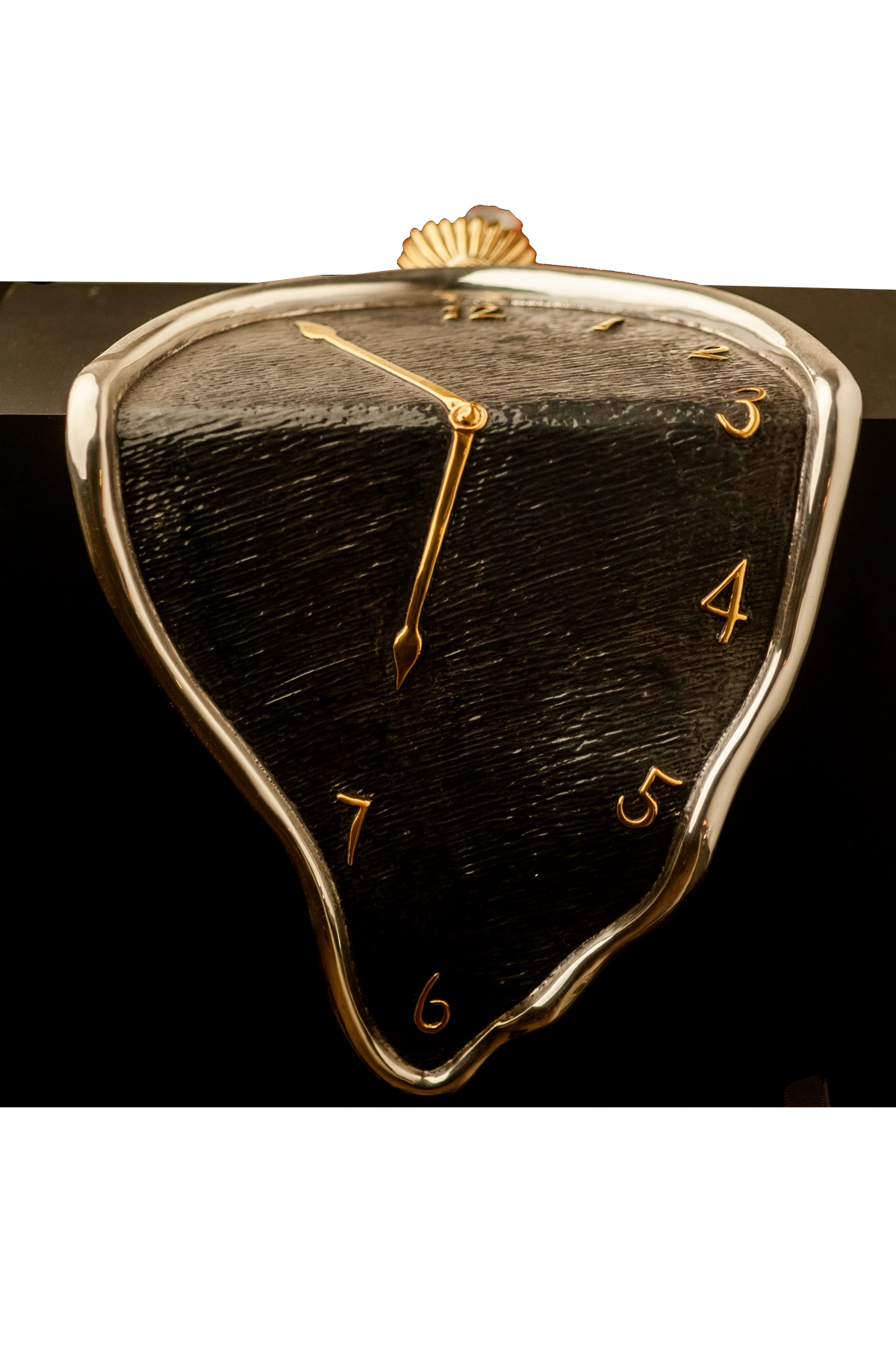
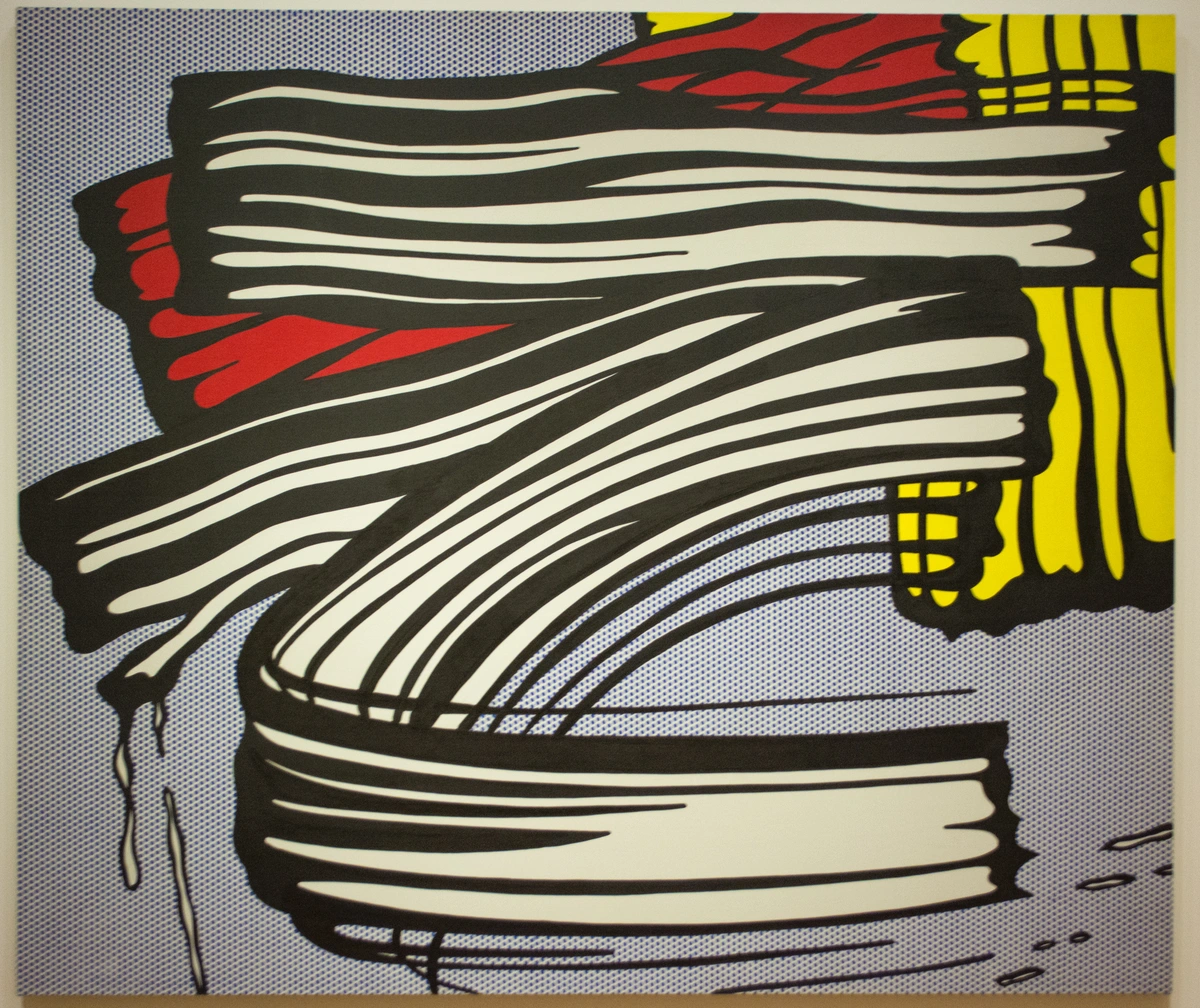
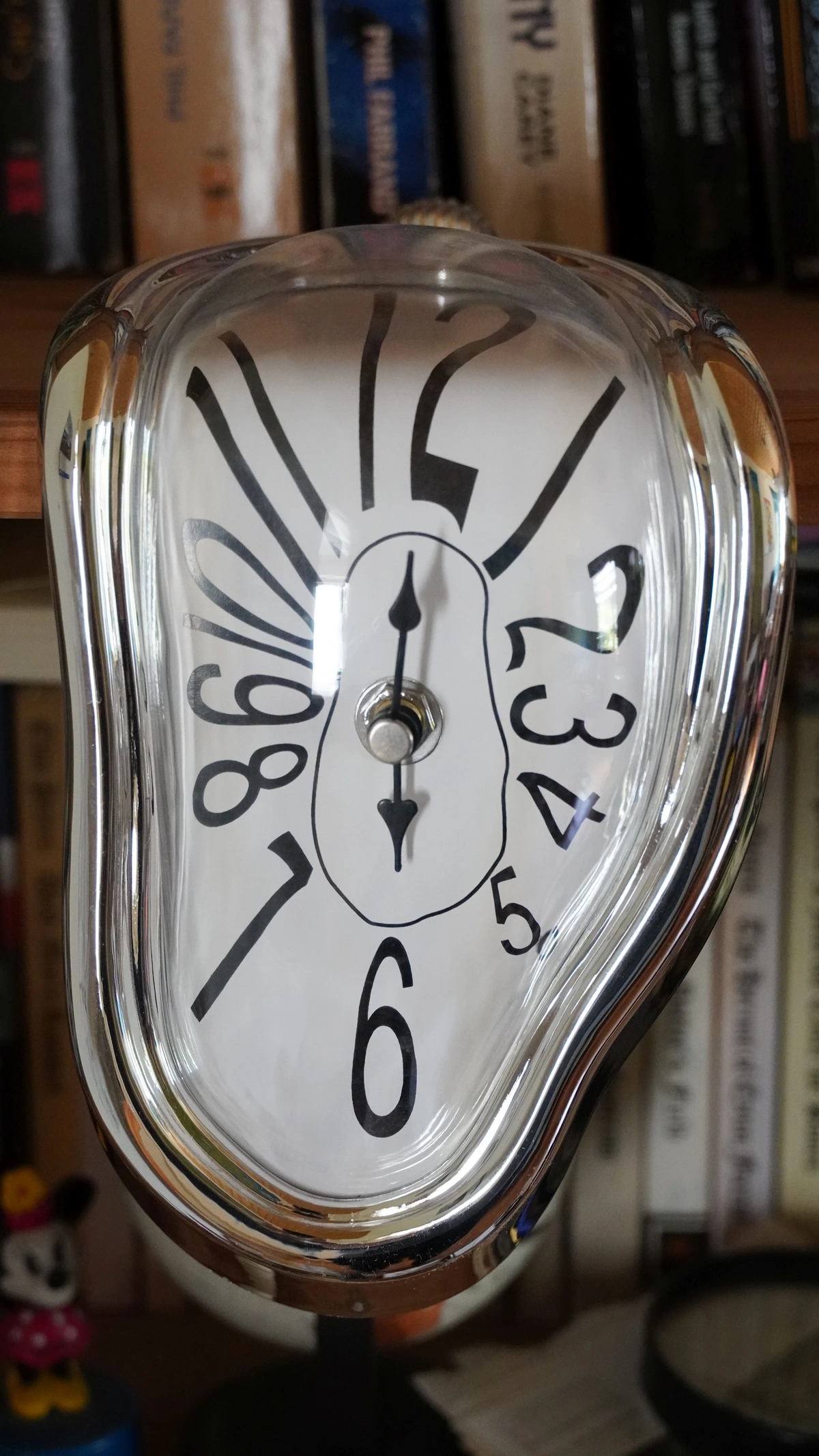
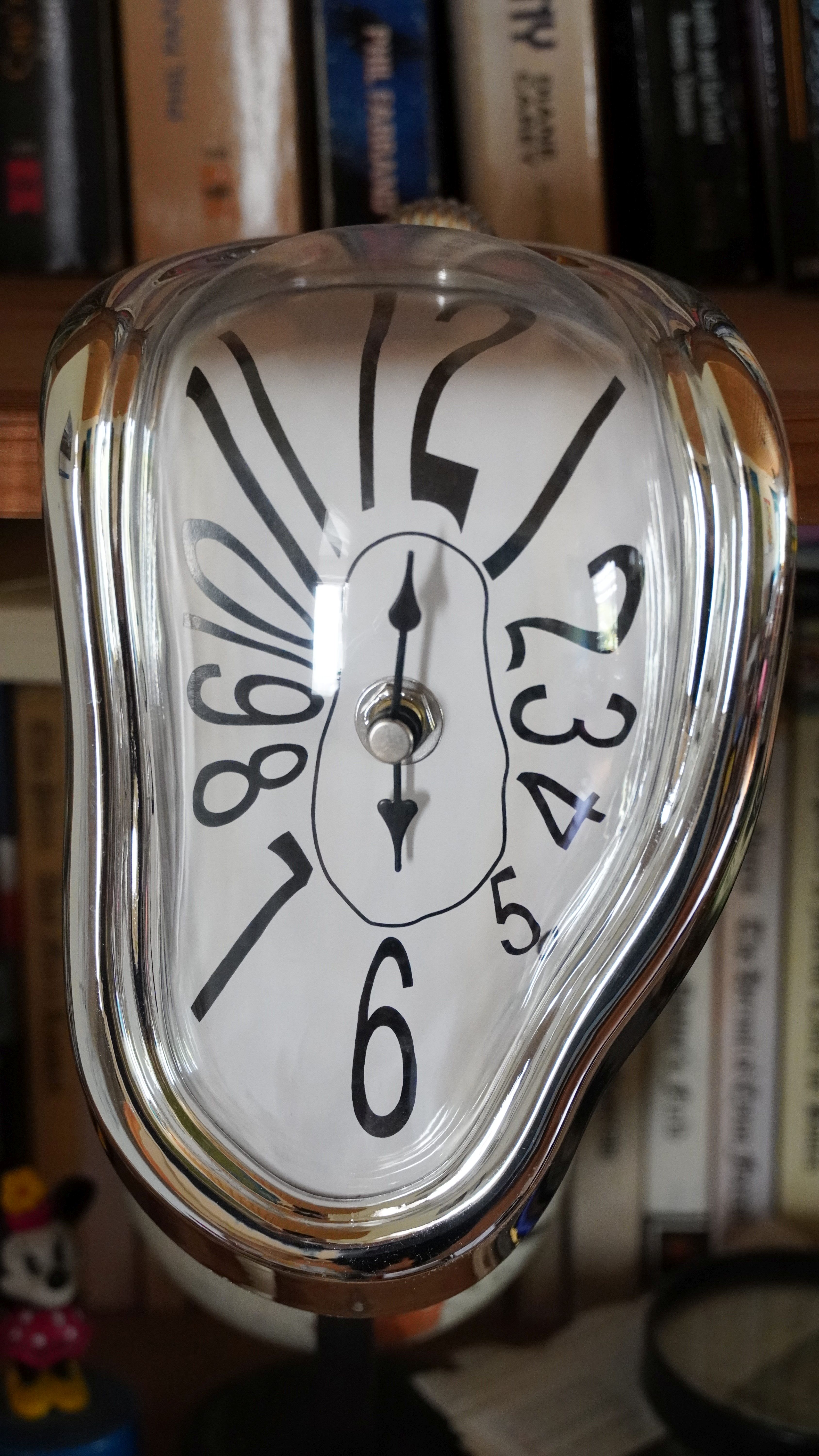
This is where things get truly bizarre for me, and perhaps where the "art purist" in me momentarily cringes, only to quickly pivot to admiration. You can walk into a store or browse online and buy a literal melting clock to put on your shelf, a desk lamp with a drooping shade, or even a phone case emblazoned with Dalí's iconic motif. It's a fantastic, slightly absurd object. It tells the time, but it also constantly reminds you that time is a joke. It’s a delightful paradox: a device that measures time's relentless march, while simultaneously mocking its very linearity. I often chuckle, thinking about Salvador Dalí's reaction to seeing his melting timepieces adorning everything from fridge magnets to novelty socks! He was a master of self-promotion, so perhaps he would have orchestrated it all himself.

I remember seeing a melting clock-inspired T-shirt at a music festival once, and my initial thought was, "Oh, look, a pop culture reference." But then I remembered the original painting, the deep meaning, and suddenly, this mass-produced item became a tiny, wearable piece of art history, sparking a conversation without uttering a single word. From t-shirts to posters, coffee mugs to bespoke jewelry, the clock is everywhere. And it's not just novelty items; it has seeped into high fashion too. Iconic designers like Elsa Schiaparelli were famously inspired by Dalí's surreal motifs, even collaborating with him on pieces like the "Tears Dress" or the "Lobster Dress," directly translating surrealist concepts into wearable art. Schiaparelli, herself an avant-garde force, understood how to infuse art into the very fabric of life. Today, contemporary fashion houses and independent labels continue to incorporate melting clock imagery into prints, accessories, and avant-garde runway pieces, making bold statements against conformity. While part of me, the art purist, sometimes sighs that art should be encountered in solemn galleries, a larger part of me truly loves it. It means art isn't just locked away for academic discussion; it's alive, being talked about, worn, and used—even if it's just to hold someone's morning coffee. It’s become an indelible part of our shared visual language, which is an incredible feat for a painting from 1931.
Urban Sculptures: Bringing Surrealism to the Streets
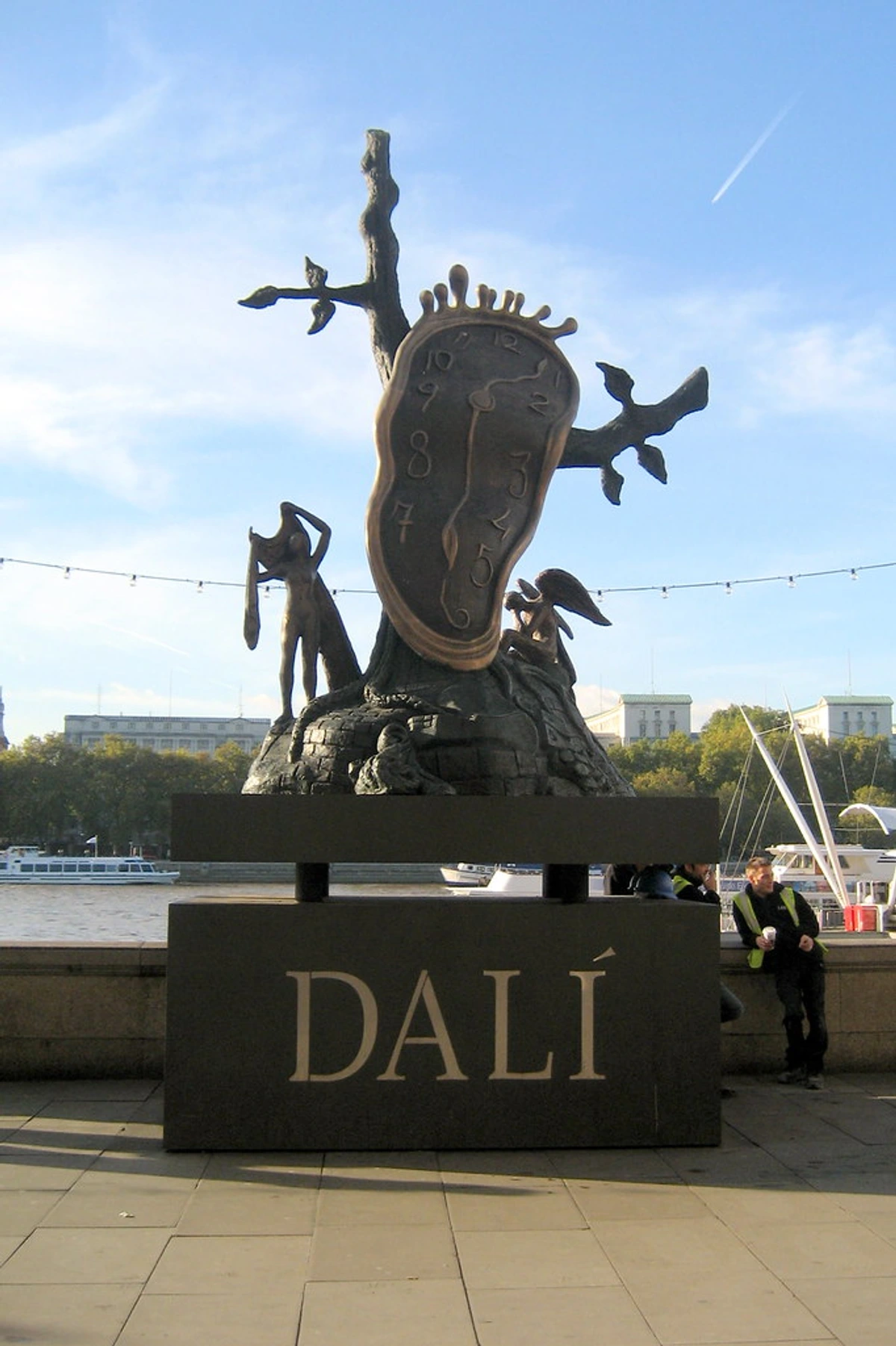
Even public art has embraced this iconic motif. Sculptures inspired by The Persistence of Memory can be found in cities around the world, bringing the surreal dreamscape into our very real, very solid urban environments. The well-known Dalí sculpture featuring a melting clock on London's South Bank, for instance, serves as a whimsical yet profound interruption to the daily grind, inviting passersby to question their own perception of time and reality. Similar surrealist-inspired public installations can be found globally, from interactive pieces in European plazas to unexpected street art in bustling metropolises, all challenging our perception of the everyday. It’s a powerful reminder that art can transform and inhabit any space, becoming a conversation starter for everyone, not just art historians.
Why These Melting Clocks? The Enduring Anatomy of an Icon
So why did this specific image break out of the art world bubble? There are millions of paintings, countless masterpieces. Why did the melting pocket watches of The Persistence of Memory become a global icon, instantly recognizable even by those who have never heard of Dalí? I think it comes down to a few core elements, a perfect storm of artistic genius and universal human experience:
1. The Power of Hyper-Real Surrealism
One often overlooked factor is Dalí's extraordinary technical skill. He rendered these impossible, dreamlike scenes with a meticulous, academic realism. The melting clocks look utterly tangible, as if you could reach out and touch their soft, yielding surfaces. This juxtaposition of a fantastical subject with hyper-realistic execution creates a profound sense of cognitive dissonance: our eyes tell us it's real, while our minds scream that it's impossible. This unsettling authenticity is incredibly memorable and forces us to confront the surreal directly, making it far more impactful than a mere cartoonish rendition.
2. Relatability: The Subjectivity of Time
Who hasn't felt time speed up, slow down, or feel completely meaningless? The painting visualizes a universal human experience of time's subjective nature, a concept deeply explored in discussions around the symbolism of time in surrealist art. Philosophically, it echoes ideas like Henri Bergson's concept of durée (duration), where time is perceived as a continuous, fluid flow rather than discrete, measurable units. Psychologically, moments of intense joy, boredom, or trauma can drastically alter our internal clock. In our modern world, with its digital overload and constant deadlines, the feeling of time stretching or compressing feels more resonant than ever.
3. Simplicity in Complexity: A Profound Thought, a Weird Cartoon
It’s a complex idea in a simple, universally understood package: a clock. Something we all know. But it’s wrong. That simple, unsettling distortion is instantly memorable and intriguing. It’s a profound thought packaged as a weird cartoon, appealing to a primal sense of humor and unease simultaneously. Its cartoon-like quality comes from the dreamlike clarity of an impossible situation; the forms are simplified, but the visual punch is immediate and undeniable. This unsettling familiarity, the way it presents something ordinary in a bizarre, impossible context, also perfectly encapsulates the concept of the uncanny – that strange feeling of discomfort or unease when something familiar becomes unfamiliar or unsettling. It's a trick Dalí played on our minds, and we loved it.
4. Enduring Mystery: Inviting Endless Interpretation
The meaning of The Persistence of Memory isn't set in stone. It actively invites interpretation. Is it about dreams? Death? Einstein's theory of relativity (which Dalí was fascinated by)? The fluidity of memory? Beyond the clocks, the ants on the pocket watch can represent not just decay, but also a pervasive, unsettling anxiety or even a primal phobia that Dalí himself experienced. The solitary fly can speak to fleeting existence and entropy. The barren landscape, an empty stage, amplifies a sense of existential dread. This ambiguity keeps it endlessly fascinating, allowing each generation to project its own anxieties and wonder onto the canvas, making it a timeless artistic enigma.
5. Universality of the Symbol: Transcending Language and Culture
The clock itself is a globally recognized object. Its distorted form is immediately impactful and understandable across cultures and languages, requiring no prior knowledge of art history to grasp its surreal message. Unlike some more obscure art references, the melting clock’s meaning is conveyed through its very visual language. It taps into something primal about our relationship with time and reality – a feeling we all share. Its texture, its drooping posture, and its precarious placement on the desolate landscape all contribute to its unsettling yet captivating nature, making it universally iconic. It’s an irresistible combination, a deep thought packaged as a weird cartoon, allowing everyone to feel a connection to something profoundly artistic.


Frequently Asked Questions: Delving Deeper into Dalí's Icon
What specific dream imagery did Dalí draw upon for The Persistence of Memory? Dalí famously claimed the inspiration came from a dream-like state, particularly after contemplating melting Camembert cheese. This everyday experience, when filtered through his paranoiac-critical method, transformed into the vision of soft, yielding watches. The barren landscape, the distant sea, and the biomorphic figure (often interpreted as a self-portrait or a sleeping head symbolizing vulnerability) were recurring elements in his dreamscapes, representing the vastness of the unconscious mind and the profound, yet unsettling, truths found within.
How did the public and art critics initially react to The Persistence of Memory? When The Persistence of Memory was first exhibited in 1931, it generated immediate and intense reactions. It was both praised for its originality and condemned for its strangeness, solidifying Dalí's reputation as a provocative and singular voice within the Surrealist movement. While some critics found it bizarre or even disturbing, its undeniable impact and intriguing imagery quickly captivated the public, making it one of the most talked-about paintings of its time. It definitely wasn't ignored!
What movie features a melting clock prominently? While many films allude to it, a direct, plot-integral appearance in one single famous movie is less common than its widespread use as a visual motif. However, its strong influence can be seen in films that play with distorted reality or time, such as Terry Gilliam's Brazil, the dream sequences in Christopher Nolan's Inception, the reality-bending magic of Doctor Strange, or even the memory manipulation of Eternal Sunshine of the Spotless Mind. Anchorman: The Legend of Ron Burgundy even uses it as a quick visual gag. The power of the melting clock lies in its symbolic shorthand rather than a starring role.
Why is the melting clock in The Simpsons? The Simpsons is famous for its astute cultural references and surreal humor. The melting clock appears in various gags, dream sequences (like in "Homer's Odyssey"), or fantastical scenarios as a quick, funny, and universally understood way to show that something surreal, illogical, or out of the ordinary is happening, instantly tapping into the audience's shared cultural knowledge. It's an instant visual cue for absurdity.
Is the melting clock a symbol for drugs? In its original context, Dalí claimed it was inspired by melting Camembert cheese and was primarily about the subjective, fluid nature of time and memory. However, in pop culture, its surreal and reality-bending nature has indeed led to it being widely adopted as a visual metaphor for psychedelic or hallucinogenic experiences, symbolizing altered states of consciousness, whether drug-induced, dream-induced, or simply a moment of profound creative inspiration. It speaks to a shared human experience of altered perception.
Can you buy a real melting clock? Yes, absolutely! The melting clock's design has transcended fine art to become a popular consumer product. Many novelty and design stores, both online and physical, sell "Dali-esque" clocks designed to look like they are melting off a shelf, table, or wall. They're a very popular piece of home decor for art lovers and those who appreciate quirky, artistic statements. It's a delightful way to bring a piece of art history into your everyday space.
Does the clock appear in video games? Yes, it does! Games that feature dream worlds, psychological elements, or surreal environments often use melting clocks or similar imagery to set the tone, create puzzles, or evoke a sense of distorted reality. Notable examples include the surreal landscapes of EarthBound, the mind-bending aesthetics of Psychonauts, or even visual cues in psychological horror games. Its influence can also be seen in the art direction of titles with fluid, non-linear perceptions of time, challenging players' understanding of reality within the game.
Where can I see the original The Persistence of Memory artwork? The original oil-on-canvas painting, The Persistence of Memory, is a relatively small work (24 cm x 33 cm or 9.5 in x 13 in) and is housed in the permanent collection of the Museum of Modern Art (MoMA) in New York City. It has been a part of MoMA's collection since 1934 and remains one of its most popular and frequently visited pieces. Its intimate size often surprises visitors, amplifying its profound impact.
Why has the melting clock remained relevant for so long? Its enduring relevance stems from several factors: its universal visualization of time's subjective nature, its striking and instantly recognizable visual simplicity, the inherent mystery and invitation to interpretation of Dalí's Surrealist vision, its unique hyper-realistic execution of a fantastical subject, and its ability to be effortlessly integrated into countless forms of media and products as a potent symbol. It taps into a fundamental human experience and curiosity about reality and dreams, making it perpetually fascinating.
What are the key symbols in The Persistence of Memory and their potential meanings? Beyond the melting clocks themselves (representing the fluidity of time), the painting features several other powerful symbols:
- The Ants: On the pocket watch, they often symbolize decay, death, or a primal sense of anxiety and dread, possibly linked to Dalí’s personal phobias.
- The Fly: On another melting clock, it hints at the fragility of existence and entropy.
- The Barren Landscape: Suggests desolation, emptiness, and the vastness of the unconscious mind.
- The Solitary, Dead Olive Tree: A symbol of life and peace in other contexts, here it stands skeletal and lifeless, emphasizing decay and the transient nature of existence.
- The Biomorphic Figure: In the foreground, often interpreted as a distorted self-portrait of Dalí, embodying a soft, vulnerable, or even decaying state of his subconscious, resembling a sleeping head or a strange, primal creature. It suggests a profound psychological vulnerability at the core of the dreamscape.
Collectively, these elements create a complex narrative about life, death, memory, and the human condition.
Did Dalí create other melting objects or similar works? Yes, Dalí was captivated by the concept of "softness" and objects losing their rigidity. The Persistence of Memory was not his only exploration of this theme. He later revisited the melting clocks in The Disintegration of the Persistence of Memory (1954), where the original elements are atomized, reflecting his interest in nuclear physics. He also created other "soft" sculptures and paintings, such as "Soft Self-Portrait with Fried Bacon" or "Soft Construction with Boiled Beans (Premonition of Civil War)," all of which playfully and profoundly challenged the nature of solidity and reality. His fascination with the malleable and the fluid was a constant in his artistic journey, a theme I find endlessly intriguing in any artist's portfolio.
How did Dalí's personal life and relationship with Gala influence his art? Gala Éluard Dalí was not only Dalí's muse but also his wife, manager, and primary confidante. Her presence in his life offered him a sense of grounding (or perhaps further propelled his eccentricities!), allowing him to explore his anxieties and dreamscapes with a unique intensity. His obsessions, fears, and desires – many of which are palpable in the symbolism of the melting clocks and barren landscapes – were often filtered through or intensified by his profound, sometimes tumultuous, relationship with her. She was a constant, and perhaps the only constant, in his fluid reality.
What was the historical context of the 1930s that made Surrealism so resonant? The 1930s was a period of immense global upheaval and intellectual ferment. Scientific breakthroughs like Einstein's relativity theory were reshaping understandings of the universe, while Freud's psychoanalysis was gaining widespread cultural traction, offering new ways to interpret the human mind. The lingering trauma of World War I and the looming shadow of World War II fostered deep societal anxieties and a questioning of rational order. Surrealism, with its focus on dreams, the irrational, and the subconscious, offered a potent artistic response to this turbulent era, providing an escape, a critique, and a new lens through which to view a world that felt increasingly illogical.
How has The Persistence of Memory influenced other Surrealist artists? The Persistence of Memory had a profound impact, not just on the public but also within the Surrealist movement. Its immediate success and striking imagery solidified Dalí's position as a leading Surrealist and inspired other artists to delve deeper into their own subconscious landscapes. It demonstrated the power of meticulously rendered dream imagery to challenge conventional perception and invite deep psychological exploration. Artists were encouraged to explore unexpected juxtapositions and personal symbolic languages, contributing to the rich diversity and enduring appeal of the definitive guide to surrealism art movement. The painting became a benchmark for what could be achieved when the rational mind stepped aside.
What were some critiques or controversies surrounding Dalí's work or this painting? Dalí was a controversial figure, and The Persistence of Memory, like much of his work, faced various critiques. Some purists within the art world accused him of excessive self-promotion and commercialism, feeling he exploited Surrealism for personal gain and popular appeal. His flamboyant personality and later embrace of mainstream media (e.g., advertising work) sometimes overshadowed the profound artistic merit of his early works. Others found his subject matter unsettling or overtly Freudian, while critics debated whether his work was truly profound or merely bizarre. Despite these critiques, its iconic status remains undeniable – a testament, perhaps, to its ability to transcend academic judgment and simply be a powerful image.
Conclusion: A Legacy That Continues to Melt Our Perceptions
Ultimately, the journey of Salvador Dalí's melting clock from a quiet canvas in 1931 to a pop-culture juggernaut is a testament to the singular power of a simple, yet profound, idea. It’s proof that a truly resonant piece of art can do more than merely hang on a wall; it can become an indispensable part of the way we see, describe, and even question the world around us. This enduring presence, whether on a museum wall or a coffee mug, speaks to art's remarkable ability to adapt, to be reinterpreted, and to remain relevant across generations and contexts.
This strange, wonderful, and slightly melted legacy, I believe Dalí, the master showman himself, would have absolutely loved. If Dalí's exploration of reality sparks your imagination, perhaps it's time to discover how contemporary artists are also pushing the boundaries of perception. Dive deeper into the boundless creativity that permeates our lives, finding a piece that speaks to your own perception of reality, or even inspires you to create your own at our shop.