What is Surrealism Art? Diving Deep into Dreams and the Unconscious
Ever wondered what makes Surrealism so captivating? Join me on a personal journey into the dreamlike world of Surrealist art, exploring its history, key artists like Dalí and Magritte, and its enduring impact on how we see reality. It's more than just weirdness; it's a profound dive into the human mind.

What is Surrealism Art? Diving Deep into Dreams and the Unconscious
I’ve always been fascinated by dreams. You know, those moments when your mind conjures up the most bizarre, illogical scenarios, yet they feel utterly real in the moment? It’s a bit like stepping into a painting by Salvador Dalí, isn't it? For the longest time, I just thought of Surrealism as 'that weird art with melting clocks,' but honestly, it’s so much more profound than that. It’s a whole philosophy, a way of seeing the world, and a powerful rebellion against the everyday logic that often keeps us grounded (and, dare I say, sometimes a little boring). It wasn’t just about making strange art; it was a profound cultural and intellectual movement that aimed to revolutionize human experience by freeing the mind from the shackles of rational thought and societal conventions. It’s about unlocking the deeper truths that lie beneath the surface of our waking lives, exploring the vast, rich landscape of the subconscious. In this comprehensive guide, we'll journey through its historical origins, delve into its core philosophies, uncover its groundbreaking techniques, and celebrate the iconic figures who dared to reshape our understanding of art and reality itself. If you're ready to dive even deeper, our definitive guide to the Surrealism art movement offers an extensive exploration.
credit, licence
Historical Context: A World Shaken, A Mind Unleashed
To truly grasp Surrealism, you have to understand the ground from which it sprang. Imagine the aftermath of World War I – a brutal, mechanized conflict that shattered illusions of rational progress and societal order. Europe was reeling from unprecedented destruction, and many intellectuals and artists felt a profound disillusionment with the very logic and reason that had supposedly led humanity forward. It was within this cauldron of despair and questioning that the seeds of an artistic and philosophical revolution were sown. The established order felt hollow, and artists sought new ways to make sense of a world that seemed to have gone mad. This collective trauma paved the way for radical thought, first manifesting in the chaotic brilliance of Dadaism, and then evolving into Surrealism’s more constructive, albeit equally rebellious, quest for a deeper reality.
To me, Surrealism isn't just an art movement; it’s an invitation to explore the hidden chambers of our minds, to celebrate the irrational, and to challenge everything we thought we knew about reality. It asks: what if the things we push down, the things we dream, are just as real, if not more real, than our waking experiences? Prepare to have your perceptions delightfully challenged, because the 'higher reality' the Surrealists sought might just be closer than you think.
What Even Is Surrealism, Anyway? Defining a 'Higher Reality'
So, what are we actually talking about when we say Surrealism? At its heart, it was a cultural movement that began in the early 1920s, primarily in Paris, and it sought to liberate the creative potential of the unconscious mind. Think about it: our rational minds are constantly filtering, judging, censoring. The Surrealists, led by writer André Breton, wanted to bypass all that. They believed that by tapping into the subconscious, into dreams, into moments of pure, unfiltered thought, they could uncover a 'surreality' – a higher reality that merged dream and reality into one, a kind of absolute reality. This wasn't just some vague artistic notion; it was a systematic, almost scientific, approach to art and life, driven by a deep conviction that the everyday, waking world was merely a thin veneer over a far richer, more powerful truth. My own creative process often feels like a quest for this kind of hidden truth, trying to express the inexpressible feelings and thoughts that lie beneath the surface of conscious experience.
credit, licence
Surrealism was also deeply influenced by Sigmund Freud's psychoanalytic theories, which were revolutionary at the time. Freud argued that our dreams are not random nonsense but symbolic expressions of our repressed desires and fears. The Surrealists latched onto this, seeing art as a way to unlock these hidden psychological landscapes. I mean, how cool is that? They weren't just painting pictures; they were performing psychoanalysis on canvas. In fact, Freud's seminal work, The Interpretation of Dreams (1899), became a foundational text for many Surrealists, providing a theoretical framework for their artistic explorations of the inner self. They saw dreams as the "royal road to the unconscious," a direct gateway to the authentic self. This intellectual alignment gave the movement a profound psychological depth and a sense of scientific rigor in its artistic pursuits.
Key Intellectual Influences on Surrealism
To fully appreciate the cauldron of ideas that birthed Surrealism, it helps to look beyond just Freud. The movement drew from a diverse intellectual and artistic heritage, synthesizing disparate ideas into its revolutionary philosophy:
Influence  | Key Concepts / Contribution | Impact on Surrealism |
|---|---|---|
| Romanticism | Emphasis on emotion, imagination, the sublime, individualism, and the irrational aspects of human experience. | Laid groundwork for valuing subjective experience and a break from rigid Classicism. Celebrated the fantastic and the sublime, which resonated with Surrealism's quest for the marvelous. |
| Symbolism | Art and poetry that uses symbolic imagery and indirect suggestion to express mystical ideas, emotions, and states of mind. | Provided a precedent for non-literal representation and the use of evocative, often dreamlike, imagery to access deeper truths, moving beyond objective reality. |
| Metaphysical Painting | Developed by Giorgio de Chirico, featuring unnerving, melancholic cityscapes with classical architecture and illogical shadows. | Introduced the unsettling power of strange juxtapositions and a sense of profound mystery in apparently mundane settings, directly influencing artists like Dalí and Magritte in their creation of disquieting dreamscapes. |
| Arthur Rimbaud | French Symbolist poet, famous for his declaration 'I is an other,' advocating for systematic derangement of the senses. | Influenced Surrealist poets to break from rational poetic forms and explore the depths of language through automatic writing and free association, seeking an uninhibited poetic voice. |
| Count Lautréamont | Author of Les Chants de Maldoror, known for its dark, violent, and highly imaginative prose, filled with shocking imagery. | His famous line, 'as beautiful as the chance encounter of a sewing machine and an umbrella on a dissecting table,' became a touchstone for Surrealist juxtaposition and the creation of unsettling beauty from the incongruous. |
| Hegelian Dialectic | Philosophical method emphasizing the resolution of contradictions through synthesis (thesis + antithesis = synthesis). | Surrealists applied this to their goal of 'surreality' – the merging of dream (thesis) and reality (antithesis) to create a 'higher reality' (synthesis) where contradictions are resolved. |
The Core Tenets of Surrealism
To truly grasp Surrealism, I think it helps to break down its foundational beliefs, the guiding stars for these dream weavers. It’s like understanding the secret language they spoke, a language designed to unlock new realities and challenge the very fabric of conventional thought. Think of these tenets as the compass points for their journey into the subconscious:
- The Primacy of the Unconscious: This is the big one. Influenced heavily by Sigmund Freud's psychoanalytic theories, Surrealists believed the unconscious mind—the realm of dreams, hidden desires, and primal instincts—held a 'higher reality' than conscious thought. They sought to tap into this reservoir of raw creativity, believing it held truths obscured by rational thought. This quest for authentic expression, I think, resonates deeply with many contemporary artists who seek to infuse their work with raw emotion and personal narrative. It's about letting go of control and allowing the deeper currents of the mind to surface. They were convinced that the 'true' self, uncorrupted by societal expectations or rational filters, resided in this hidden psychic landscape, and unlocking it was key to profound human liberation and understanding. For them, dreams were not merely fleeting thoughts, but a powerful lexicon of symbols and narratives that could be deciphered to understand the human condition more deeply.
- Merging Dream and Reality (Surreality): Their ultimate goal was to achieve 'surreality,' a state where the boundaries between dream and waking life, logic and irrationality, were dissolved. They weren't just depicting dreams; they were trying to live in a dream-infused reality, where the marvelous could erupt in the everyday. It's like finding a secret passage in your own home – the familiar suddenly becomes utterly new. This wasn't merely a philosophical concept but a lived experience, aiming for a perpetual state of astonishment. Imagine seeing a familiar street corner suddenly transform into an alien landscape, or a mundane object imbued with profound, unsettling meaning. That’s the 'surreality' they aimed for – a constant state of revelation where the extraordinary infused the ordinary. They believed this merging would lead to a more complete and authentic human experience, transcending the limitations of purely rational thought.
- Rebellion Against Rationalism and Bourgeois Society: Coming out of the profound disillusionment of World War I and inheriting the anarchic spirit of Dada, Surrealism was a powerful protest against the rigid rationalism and stifling societal norms they saw as destructive and dehumanizing. They questioned everything, from art to politics, believing that these established structures often suppressed genuine human experience and creativity. I sometimes think about how this rebellious spirit manifests in modern art, constantly pushing boundaries and questioning norms, much like my own art pushes against conventional forms to explore abstract emotional landscapes. This wasn't just artistic rebellion; for many, it involved a direct engagement with radical politics, including Marxism and anarchism, seeing the liberation of the mind as inextricably linked to social and political revolution. They believed that by dismantling the structures of conventional thought, they could pave the way for a more liberated and equitable society.
- Automatism: A key technique, automatism involved creating art without conscious control, letting the hand or pen move freely. It was a direct line, they hoped, from the unconscious to the canvas or page, allowing for unfiltered expression. This could manifest as automatic drawing, automatic writing (where one writes continuously without editing), or even automatic speech, all aiming to bypass the censor of the rational mind. It reminds me of those moments when I just let the brush go, without overthinking, and something unexpected and beautiful emerges. Automatism is still a profound inspiration for many artists, including myself. Beyond direct creation, this concept extended to 'found automatism,' where artists would interpret random patterns (like stains on a wall or cracks in a pavement) as unconscious images, turning everyday observations into profound artistic discoveries. This method was central to their belief that true creativity stemmed from a source beyond conscious intention.
- Juxtaposition and Shock: By placing unrelated objects or ideas together in startling, illogical ways, Surrealists aimed to provoke new meanings and challenge conventional perceptions, often creating a sense of wonder, humor, or profound unease. Think of a teacup lined with fur – it's both absurd and deeply sensual, forcing your brain to make new, unsettling connections. This deliberate clash of realities was designed to jolt the viewer out of complacency and into a 'surreal' state of mind. It was a poetic and visual strategy, aiming to short-circuit conventional understanding and create a spark of revelation, much like in poetry where an unexpected metaphor can unlock a deeper truth. The more disparate the elements, the more potent the resulting 'shock' was considered to be.
- Love and Desire: The transformative power of love and desire, often in its most erotic or transgressive forms, was a recurring and potent theme. Surrealists saw it as a primal force capable of liberating the individual from societal repression and unlocking deeper truths about human nature. It was often depicted in ways that challenged conventional morality. This was a direct response to what they perceived as the stifling prudery and emotional repression of bourgeois society, seeing uninhibited desire as a pathway to genuine freedom and a challenge to oppressive norms. For them, love was a revolutionary force, capable of shattering conventional morality and revealing profound psychological realities.
- The Marvelous: This refers to the unexpected, the extraordinary, the magically strange that exists within the everyday. Surrealists sought to reveal the marvelous in the mundane, inviting us to see the world with fresh, astonished eyes. It’s about finding the extraordinary hidden in plain sight, if you only know how to look – like encountering a talking raven in a bustling city square. This concept was central to their vision of a 'surreality' infusing daily life. This was a deliberate counterpoint to the perceived drabness and banality of industrialized modern life, a call to rediscover wonder and enchantment in unexpected places, a kind of radical re-enchantment of the world. It’s the jolt of recognition when the ordinary suddenly reveals its hidden, astonishing potential.
They believed that by merging these two seemingly disparate states – dream and reality – a 'surreality' could be achieved, a higher plane of consciousness where contradictions resolved and the marvelous revealed itself in the mundane. It was a radical call to embrace the illogical, the fantastic, and the unsettling as pathways to truth, challenging the very foundations of Western rationalism that had dominated thought for centuries. This comprehensive approach to reality was what made Surrealism not just an art movement, but a philosophical stance.
A Rebellion with a Cause: Roots in Dada
Now, you can’t really talk about Surrealism without giving a nod to its wild, chaotic older sibling: Dadaism. Imagine the world after World War I – a brutal, senseless conflict that shook humanity to its core. Many artists felt that reason and logic had failed, leading only to destruction. So, they decided to reject all conventional art, logic, and societal norms. Dada was born out of this disillusionment, an anti-art movement that embraced nonsense, irrationality, and chance. If you've ever felt utterly fed up with the world, you get it. My own path as an artist, especially with my abstract art, often feels like a mini-rebellion against expectations, too, though perhaps a less destructive one! Dadaists experimented with collage, photomontage, readymades, and performance art, all designed to shock the bourgeoisie and dismantle traditional aesthetic values. It was a visceral, angry scream against the perceived insanity of the world, a deliberate embrace of absurdity as a logical response to an illogical reality.
Artists like Marcel Duchamp, with his 'readymades' like the infamous 'Fountain,' completely upended what was considered art. He signed a urinal 'R. Mutt' and submitted it to an exhibition, basically saying, "What is art, anyway? Is it the object, or the idea?" This kind of provocation laid crucial groundwork. Duchamp, a central figure in Dada, constantly questioned the definition of art and the role of the artist, paving the way for the Surrealists' radical re-evaluation of aesthetic and conceptual boundaries. His playful yet profound subversion of artistic norms allowed subsequent movements to build on a foundation of intellectual rebellion. Figures like Man Ray and Max Ernst, who would later become titans of Surrealism, were deeply involved in Dada's experimental phase, bridging the gap between its nihilistic provocations and Surrealism's constructive exploration of the subconscious. It was like Dada provided the wrecking ball, and Surrealism provided the blueprint for a new, fantastical architecture.

While Dada was about destruction and challenging, Surrealism took that rebellious spirit and channeled it into construction – constructing a new reality, a deeper one. It was less about anger and more about exploration, a move from negation to affirmation of a different kind of truth. You can see the lineage, though. Many key Surrealists, including Breton, began as Dadaists. If you're curious about where it all started, I highly recommend checking out the enduring influence of Dadaism on contemporary art and its legacy.
The Architects of a Vision: André Breton and the Surrealist Manifestos
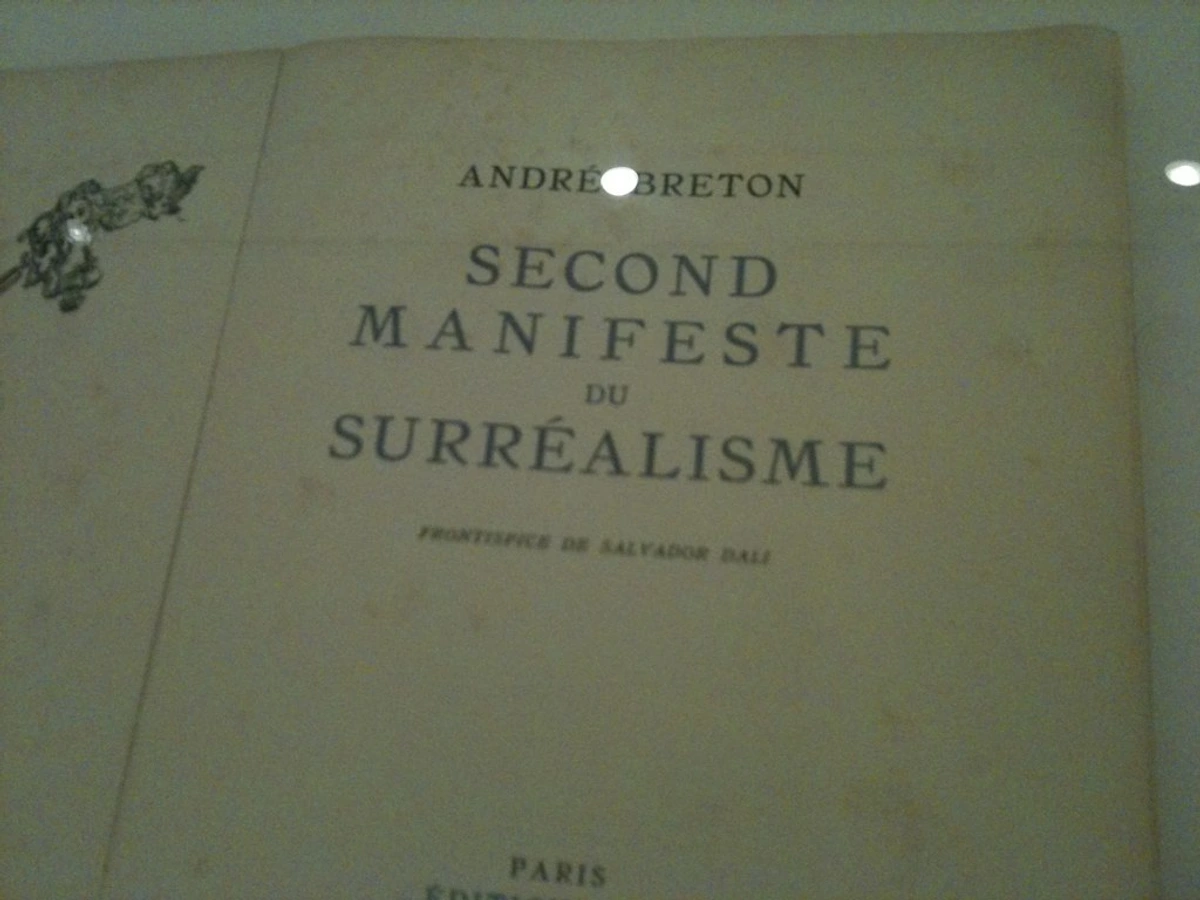
It’s impossible to talk about Surrealism without dedicating a significant moment to André Breton. If the movement were a ship, he was its captain, navigator, and often, its stern disciplinarian. A poet and writer, Breton was the driving force, articulating the movement's philosophy through his seminal texts, the Surrealist Manifestos.
His First Surrealist Manifesto, published in 1924, was a revolutionary call to arms. In it, he defined Surrealism as "pure psychic automatism, by which one proposes to express, verbally, by means of the written word, or in any other manner, the actual functioning of thought." He advocated for the complete liberation of the subconscious, free from the constraints of reason, aesthetics, or morality. For Breton, Surrealism was more than an art style; it was a way of life, a total revolution of the human spirit. He envisioned a world where dreams and reality merged, where the marvelous was revealed in the mundane, and where conventional logic was shattered in favor of a deeper, more profound truth. This manifesto, quickly translated and widely disseminated, ignited a spark across the intellectual and artistic circles of Europe and beyond, establishing the core tenets that would guide the movement for decades. He also wasn't afraid to 'excommunicate' members who strayed too far from his vision, leading to a dynamic, sometimes tumultuous, intellectual environment. He was, in a word, intense. Breton's influence extended beyond theory; he was a curator, an editor, and a relentless advocate for the movement, shaping its public image and direction for decades. He followed up with the Second Surrealist Manifesto in 1930, which saw a marked increase in political engagement, reflecting the turbulent times. Without his unwavering vision, Surrealism might never have achieved the coherent and lasting impact it did.
The Surrealist Group: Dynamics and Disagreements
Breton’s unwavering, almost dictatorial, approach to the movement's ideology inevitably led to internal conflicts and several high-profile 'excommunications' of artists and writers who diverged from his vision. While this maintained a certain ideological purity, it also led to a dynamic, and often tumultuous, environment. Figures like Salvador Dalí and René Magritte, though central, often navigated a complex relationship with Breton's pronouncements, sometimes chafing under his authority. Other members, like Georges Bataille, developed parallel, more transgressive forms of surrealist thought that directly challenged Breton’s more idealistic aims. These disagreements, though sometimes bitter, underscore the intellectual ferment and the profound stakes the Surrealists placed on their quest for a 'higher reality'. It was a movement fueled by both shared vision and fierce individualism.
The Role of Psychoanalysis: Freud and Jung
While Freud's influence is woven throughout Surrealist thought, it’s worth a deeper dive. Sigmund Freud's seminal work, The Interpretation of Dreams (1899), was a revelation for the Surrealists. Freud proposed that dreams were not random but highly symbolic expressions of our unconscious desires, fears, and repressed memories. For Breton and his compatriots, this provided a 'scientific' justification for their exploration of the subconscious. They saw art as a direct pipeline to these hidden psychological landscapes, a way to make the invisible visible. It was like Freud handed them the map, and they set out to draw the territory. Freud's theories on the Oedipus complex, repression, and the symbolism inherent in dreams offered a profound lens through which to analyze human behavior and inner life. This provided a potent theoretical framework for Surrealists to understand and depict the hidden narratives and desires that shaped human behavior, giving their art a profound psychological depth.
While Freud was the primary influence, some Surrealists later also engaged with the ideas of Carl Jung, particularly his concept of the 'collective unconscious' and archetypes, which offered a broader, more universal framework for understanding symbolic imagery that transcended individual experience. Where Freud focused on personal, repressed desires, Jung offered a grander narrative of universal symbols and myths that appealed to Surrealism's quest for an absolute reality. The idea that certain symbols resonate across cultures felt like another layer to the 'surreality' they sought to uncover. I think this is where art and psychology truly intertwine, offering a glimpse into what makes us fundamentally human. The Surrealists weren't just illustrating psychological theories; they were actively using them as tools for artistic and personal liberation.
Feature | Dadaism | Surrealism |
|---|---|---|
| Period | ~1916-1922 | ~1924-1966 |
| Primary Aim | Reject logic, reason, and traditional art | Liberate the unconscious, merge dream and reality |
| Key Emotion | Anger, disillusionment, nihilism | Wonder, mystery, psychological exploration |
| Techniques | Readymades, collage, chance operations | Automatism, dream imagery, shocking juxtapositions |
| Influence | Set the stage for modern and conceptual art | Influenced abstract expressionism, pop art, literature |
The Playbook of the Unconscious: Key Techniques for Unlocking Surreality
How did Surrealist artists actually do what they did? This wasn't just about random weirdness; they developed some pretty fascinating, often systematic, methods to access and express that subconscious mind. They were like psychological explorers, venturing into uncharted territories of thought and feeling, armed with brushes, pens, and cameras.
How did Surrealist artists actually do what they did? This wasn't just about random weirdness; they developed some pretty fascinating, often systematic, methods to access and express that subconscious mind. They were like psychological explorers, venturing into uncharted territories of thought and feeling, armed with brushes, pens, and cameras. It’s a bit like learning a new language, but instead of words, you’re learning the grammar of dreams and the irrational. Here are some of the key techniques they employed:
- Psychic Automatism: This is a big one, arguably the cornerstone technique. It's about letting the hand move without conscious thought, kind of like doodling aimlessly while on the phone, but with intense artistic or literary intent. The idea was to bypass rational control and let the unconscious flow directly onto the canvas or page. Think automatic drawing, automatic writing (where one writes continuously without editing), or even automatic sculpture. Breton himself championed this as the purest form of Surrealist expression, a direct conduit from the psyche. It's raw, unfiltered, deeply personal, and often surprising, even to the artist themselves. I find a similar freedom when I let my brush just go on the canvas, allowing the colors and shapes to emerge without too much planning, hoping to tap into that unseen world of dreams and the subconscious that inspires abstract art. It's a direct connection, a kind of primal art.
- Juxtaposition: This technique is probably what first comes to mind when you think of Surrealism – placing two utterly unrelated objects side-by-side to create a shocking, dreamlike, or humorous effect. A lobster telephone (Salvador Dalí)? A teacup lined with fur (Meret Oppenheim)? A sewing machine and an umbrella on a dissecting table, as famously described by Comte de Lautréamont? It forces your brain to create a new meaning, a 'surreal' meaning, from the illogical pairing, often unsettling conventional understanding and revealing hidden connections. It definitely gets your brain buzzing, I've noticed it in my own reaction to new pieces; it's quite exciting, almost like a visual riddle that your subconscious is eager to solve. Think of Magritte's 'The Treachery of Images,' where the painting of a pipe is captioned 'Ceci n'est pas une pipe,' creating a linguistic and visual paradox that challenges our perception of reality and representation. This collision of disparate elements was designed to bypass rational thought and tap directly into the subconscious.
- Dream Imagery: As I mentioned, dreams were central. Artists would depict scenes directly inspired by their dreams, nightmares, or hypnagogic states (the transition between waking and sleeping). Often, these scenes were rendered with meticulous, almost hyper-realistic detail, which only made the illogical elements more unsettling and powerful. The familiar rendered utterly alien, inviting the viewer into a psychological landscape that feels both deeply personal and universally resonant. Think of the disquieting precision of Dalí's desertscapes, or the unsettling logic of Magritte's impossible worlds. It's a way of making the interior world tangibly real, often with a disturbing clarity. Common dream motifs like floating objects, distorted figures, vast empty spaces, disembodied body parts, and recurring symbols found their way onto canvases, creating a shared vocabulary of the subconscious, designed to evoke profound emotional and intellectual responses.
- Exquisite Corpse (Cadre Exquis): This was a collaborative game where artists would collectively create a figure or image without seeing the preceding contributions. One artist would draw a head, fold the paper, pass it to the next for a torso, and so on. The resulting juxtapositions were often humorous and uncannily surreal, directly tapping into collective unconscious creativity and revealing the unpredictable power of chance encounters. It's like a visual game of 'consequences,' but with much more profound, and sometimes bizarre, results. This method, frequently played by André Breton, Paul Éluard, and Yves Tanguy, allowed for unexpected collaborations, breaking down individual authorship and emphasizing the collective, unconscious creative impulse, often leading to fantastical and grotesque figures that no single artist could have conceived alone.
- Frottage and Grattage: Developed by Max Ernst, these techniques involved rubbing (frottage) or scraping (grattage) a surface with a pencil or paint over textured objects (wood grain, leaves, etc.) to create unexpected patterns and forms, allowing chance and the material to guide the artistic process. The resulting 'found images' would then be interpreted and elaborated upon by the artist, revealing hidden figures or landscapes. It’s like discovering hidden landscapes in the textures of everyday objects, a delightful way to find the marvelous in the mundane. Ernst used frottage to conjure entire 'Histoire Naturelle' (Natural History) series, transforming ordinary textures into bizarre creatures and primordial forests, effectively bypassing conscious control to unlock the subconscious content residing within seemingly random patterns. Grattage involved scraping paint from a canvas to reveal texture, creating new, unpredictable visual effects.
- Décalcomania: This involved pressing paint (or ink) between two surfaces (like paper and canvas, or glass and paper) and then pulling them apart, creating spontaneous, often organic or fractal-like textures that the artist could then interpret and elaborate upon. It's a bit like finding shapes in clouds, but on purpose and with paint, allowing pure chance to play a significant role in the initial composition, a true collaboration between artist and accident, embracing the unpredictable nature of the subconscious. Oscar Domínguez and Remedios Varo, among others, masterfully employed décalcomania to create otherworldly landscapes and spectral figures, allowing the accidental patterns to spark new narratives and forms that transcended conscious planning. This method perfectly embodied the Surrealist embrace of chance and the power of interpretation.
- Surrealist Objects (or Object-Poems): Beyond painting and writing, Surrealists created three-dimensional assemblages, often by combining found objects in unexpected ways. These 'object-poems' aimed to disrupt conventional understandings of utility and beauty, forcing new, often disturbing or humorous, interpretations. Meret Oppenheim's fur-lined teacup is the quintessential example, transforming an everyday item into something profoundly unsettling and sensual, subverting its original purpose. These objects become powerful symbols, mini-narratives in themselves. Other examples include Dalí's 'Lobster Telephone,' or Man Ray's 'Cadeau' (Gift), an iron with tacks glued to its sole, rendering it useless yet provocatively beautiful, challenging our assumptions about functionality and art. They were tangible manifestations of surrealist concepts, bringing dream logic into the physical world.
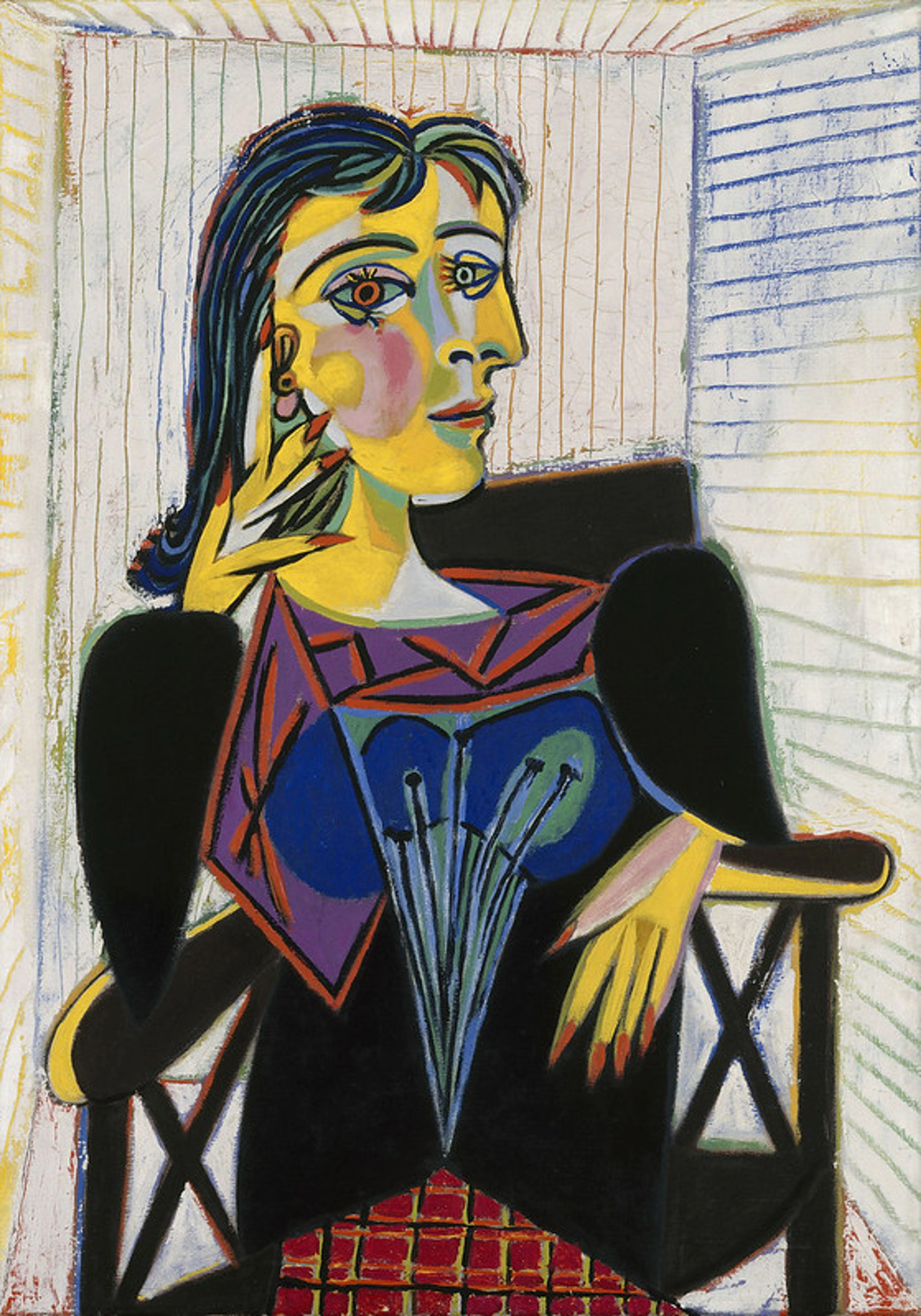
- Photomontage and Collage: While collage existed before Surrealism, artists like Max Ernst and Hannah Höch elevated it to a high art form, using fragments of existing images, photographs, and text to create new, often jarring and dreamlike compositions. Photomontage, in particular, allowed for the seamless (or deliberately jarring) combination of disparate visual elements, creating impossible realities within a single frame, challenging the very notion of photographic truth. It’s like cutting up and reassembling your dreams into a coherent, yet still illogical, narrative. Artists like Dora Maar also mastered photomontage, using it to create unsettling and fragmented images that explored themes of desire and the unconscious.
A Quick Look at Key Surrealist Techniques
Technique | Description | Key Artists/Examples |
|---|---|---|
| Psychic Automatism | Creating without conscious control to access the unconscious mind. | André Breton (writing), Joan Miró (drawing) |
| Juxtaposition | Placing unrelated objects or ideas together to create startling, new meanings. | Salvador Dalí ('Lobster Telephone'), Meret Oppenheim ('Object') |
| Dream Imagery | Depicting scenes directly inspired by dreams, nightmares, or hypnagogic states. | Salvador Dalí ('The Persistence of Memory'), René Magritte ('The Treachery of Images') |
| Exquisite Corpse | A collaborative game where artists contribute to a work without seeing previous parts. | A group exercise, often involving André Breton, Paul Éluard, Yves Tanguy |
| Frottage & Grattage | Rubbing or scraping surfaces over textured objects to create spontaneous patterns and forms. | Max Ernst |
| Décalcomania | Pressing paint between two surfaces to create organic textures, then interpreting the results. | Oscar Domínguez, Remedios Varo |
| Surrealist Objects | Assemblages of found objects combined in unexpected, often symbolic, ways. | Meret Oppenheim ('Object'), Man Ray ('Cadeau') |
| Photomontage | Combining fragments of photographs to create new, often illogical or dreamlike, images. | Max Ernst, Dora Maar |
The Dream Weavers: Iconic Surrealist Artists and Their Worlds
When I think of Surrealism, a few names immediately leap to mind, each with their own distinct way of pulling you into their fantastic worlds. It's like they each had a key to a different part of the unconscious mind.
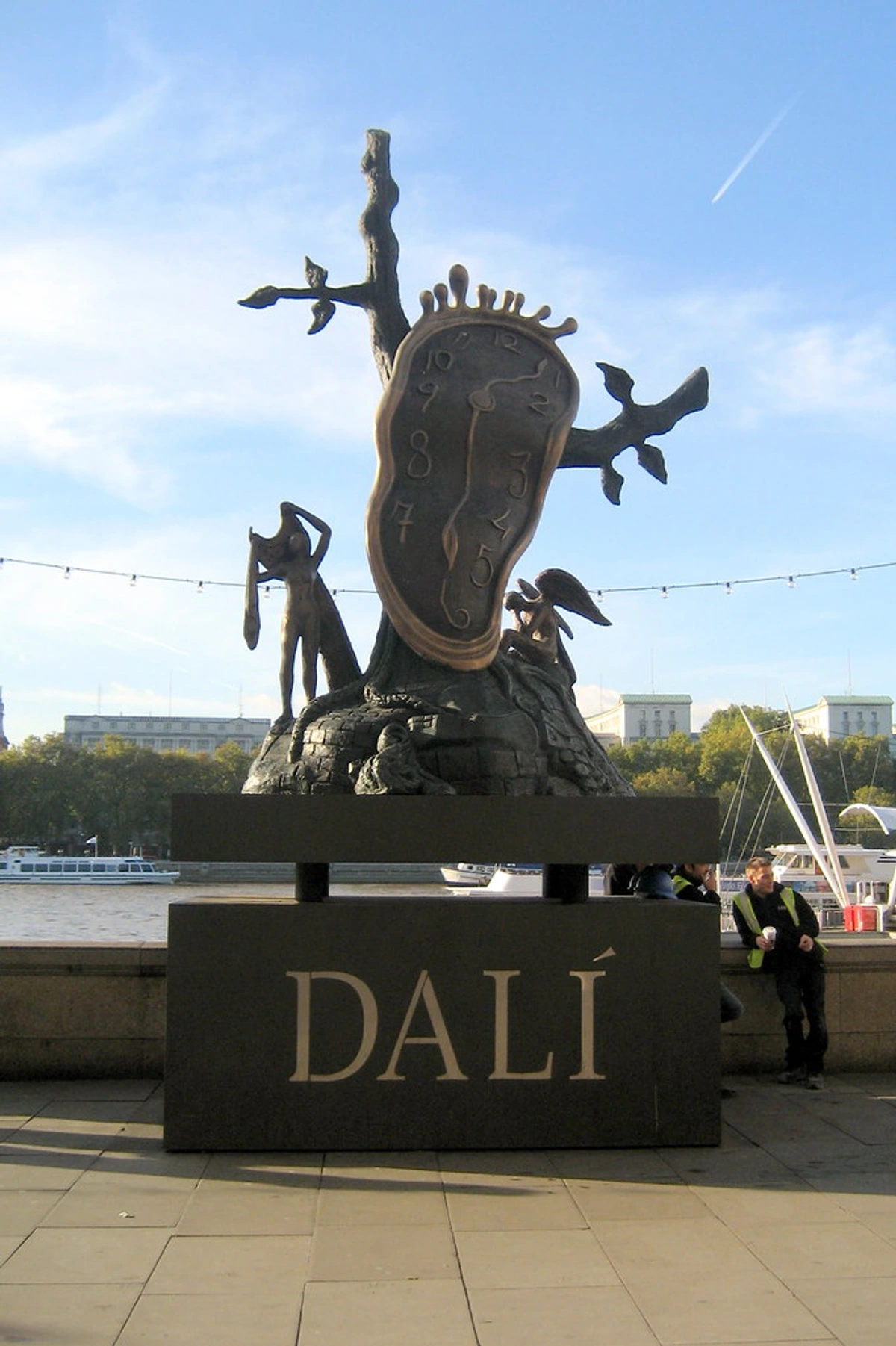
Salvador Dalí: The Maestro of Melting Clocks
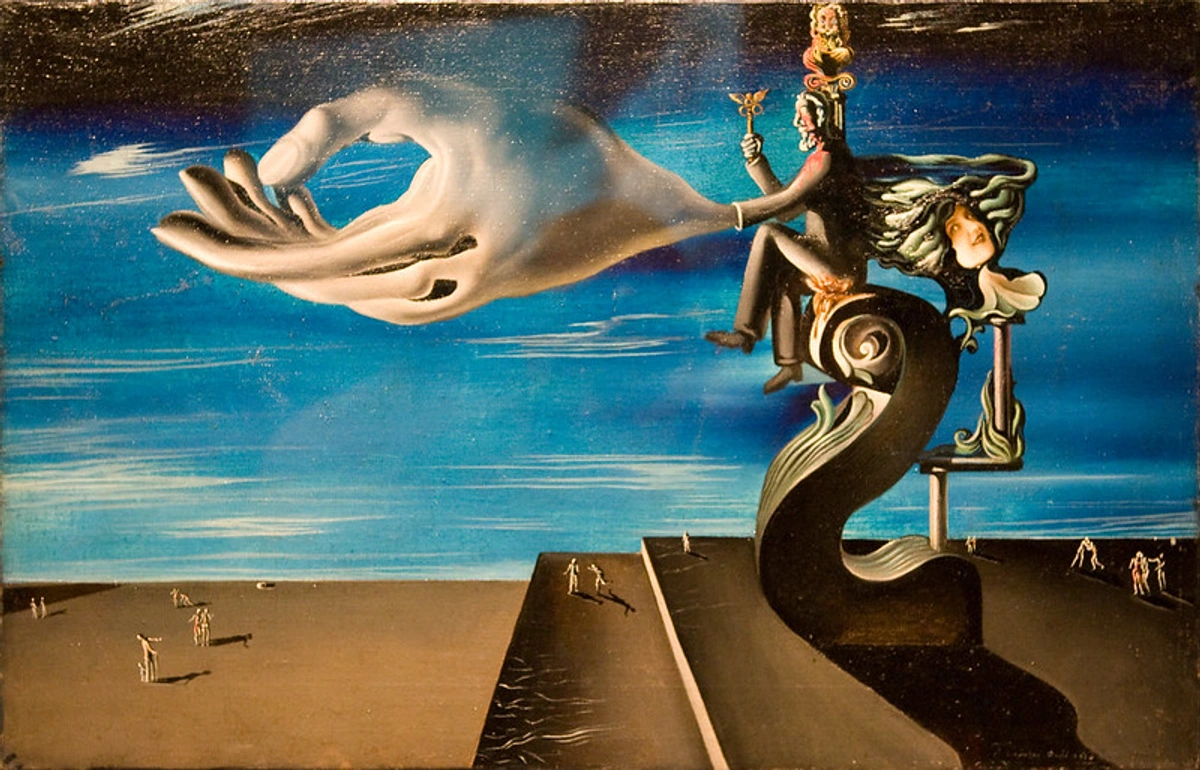
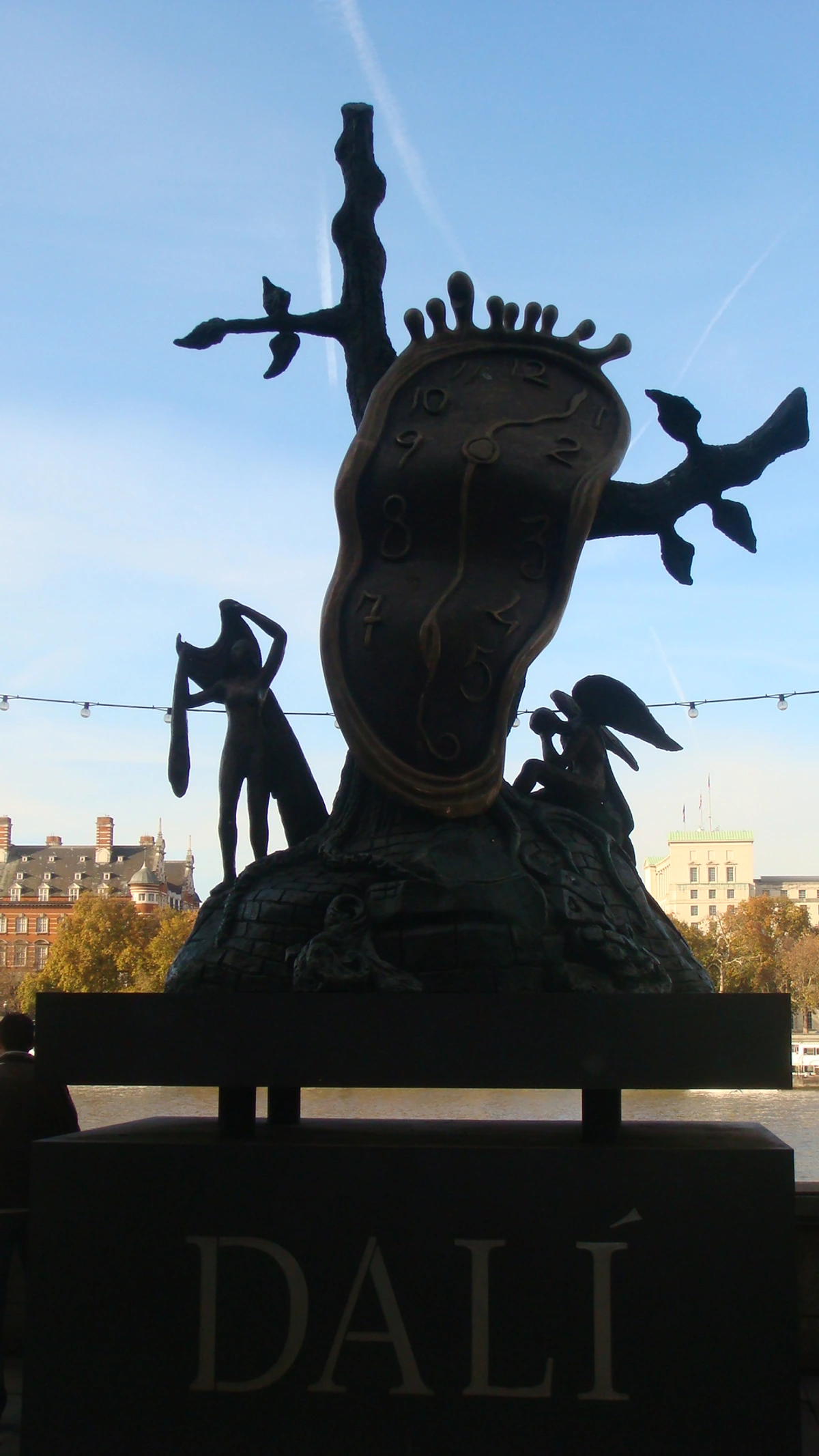
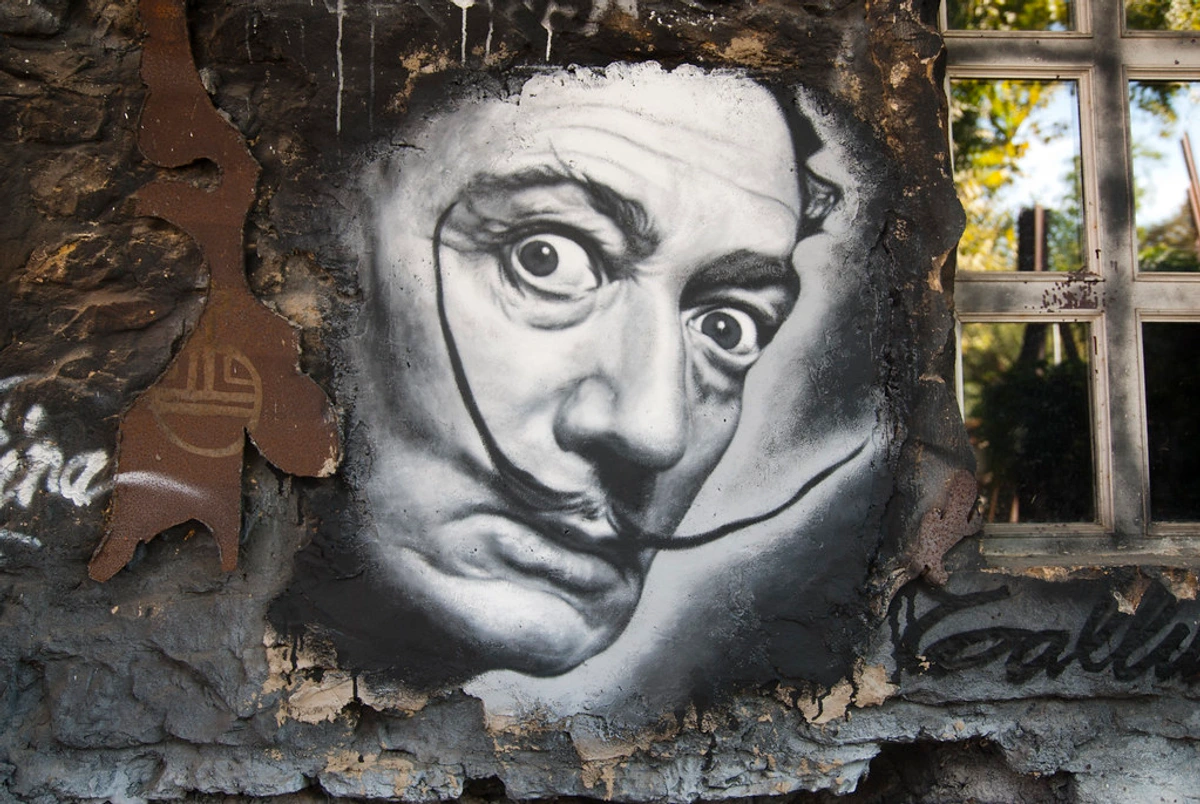
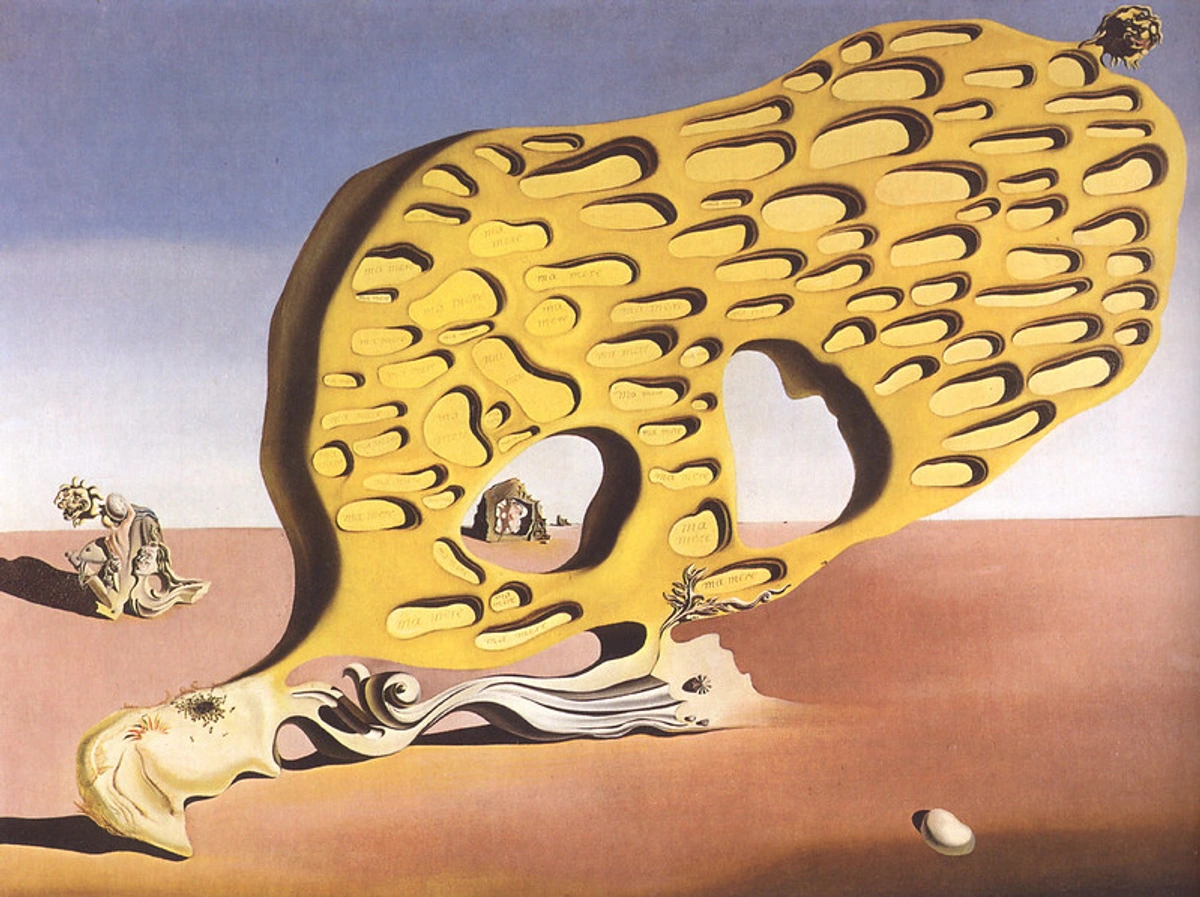
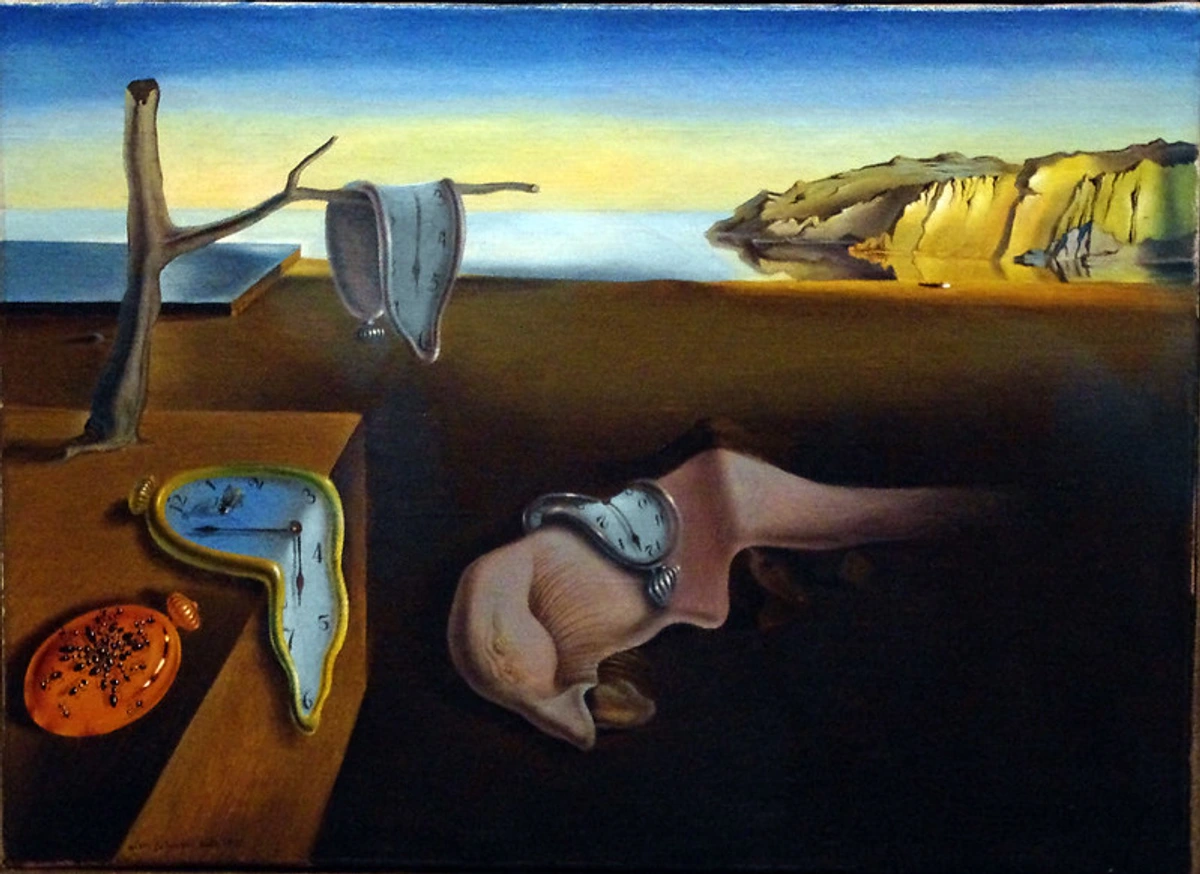
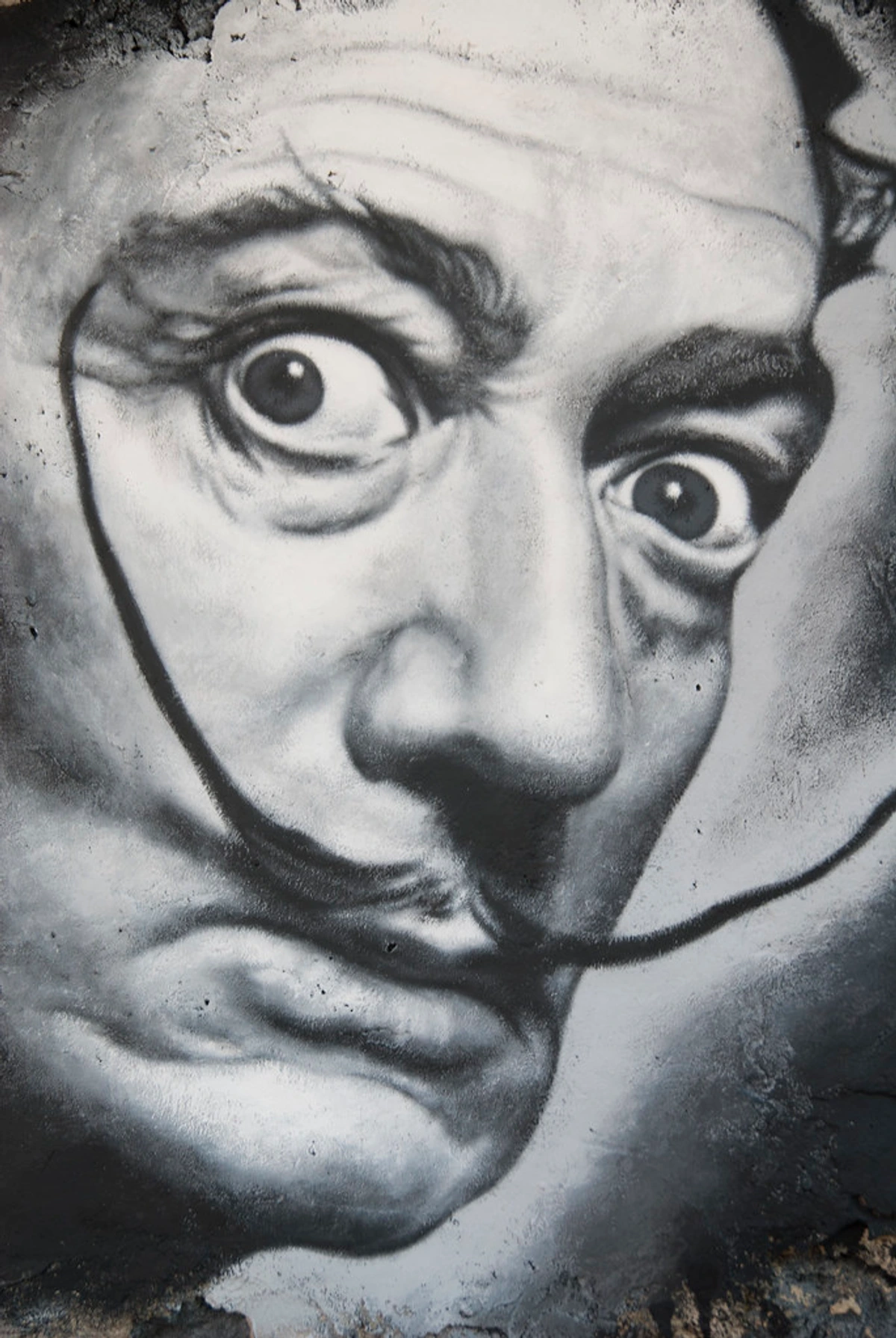
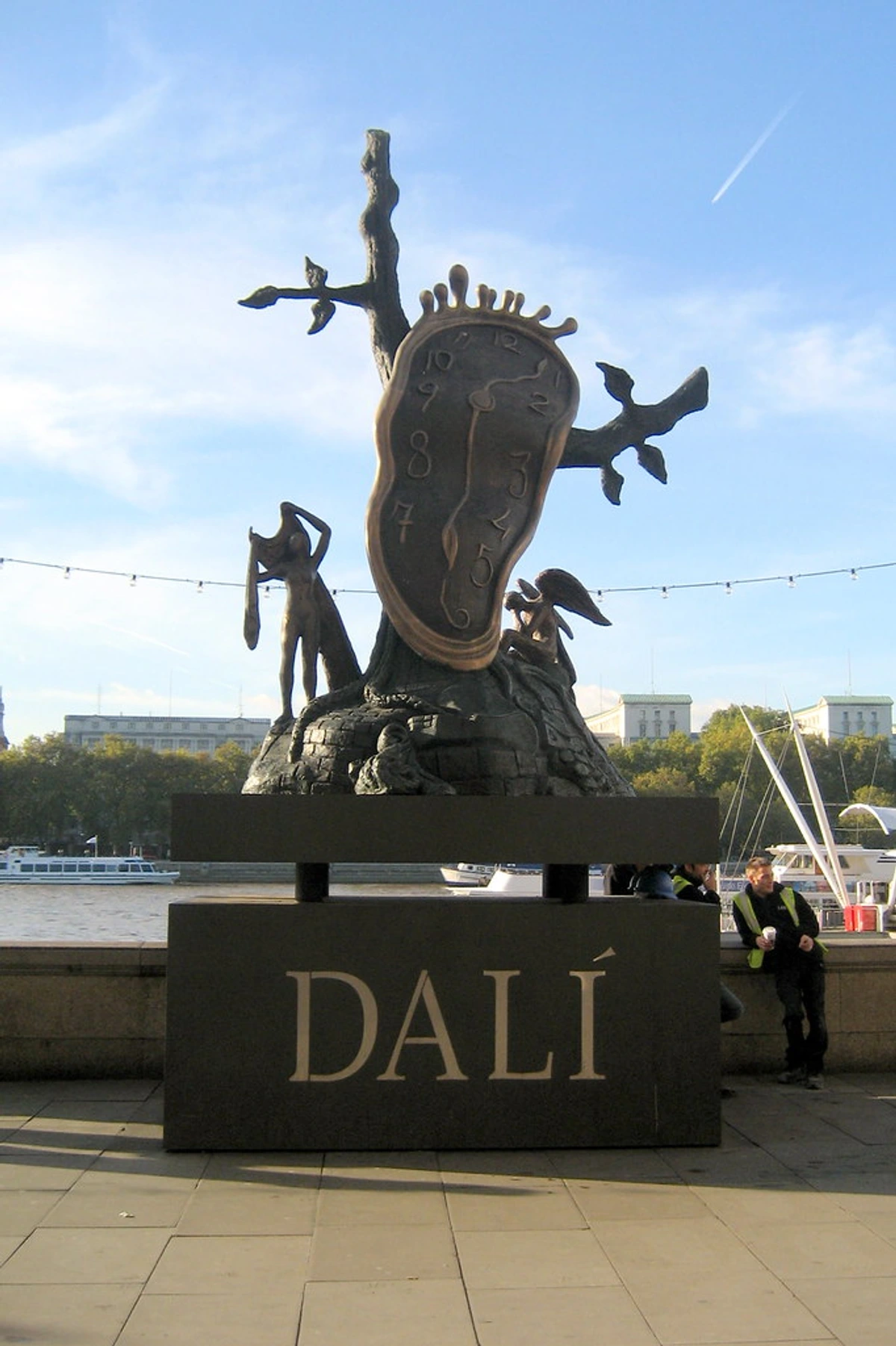
Ah, Dalí. The man, the mustache, the melting clocks. He's probably the most recognizable figure of Surrealism, and for good reason. His paintings are instantly iconic, often set in vast, desolate landscapes reminiscent of his Catalan homeland. Dalí had a specific technique he called the "paranoiac-critical method," where he would induce a paranoid state in himself to systematically interpret multiple images within a single form, revealing the hidden logic of the irrational. Sounds wild, right? But look at his work, and you can see how it plays out. It's a bit like seeing faces in clouds, but with a deliberate, almost obsessive, intent to find profound meaning in those chance perceptions.
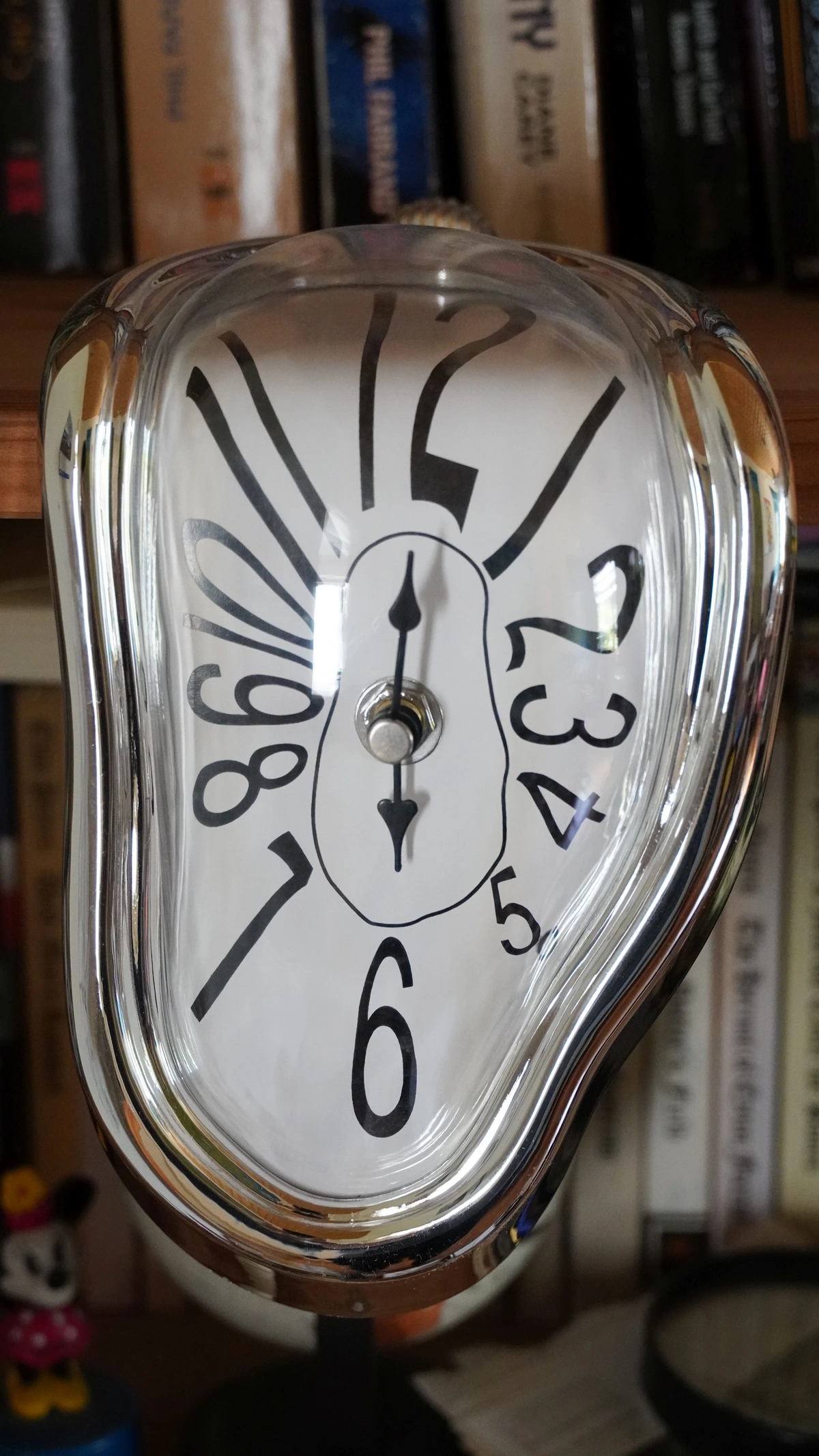
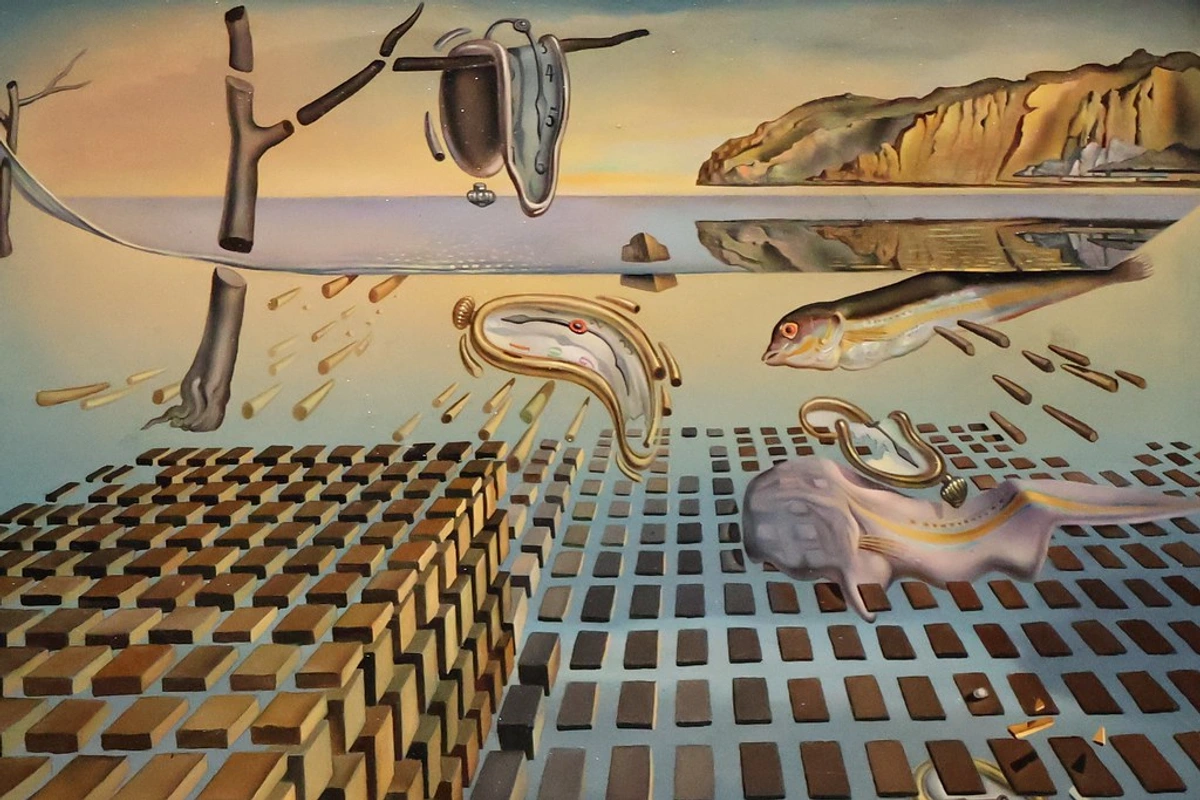
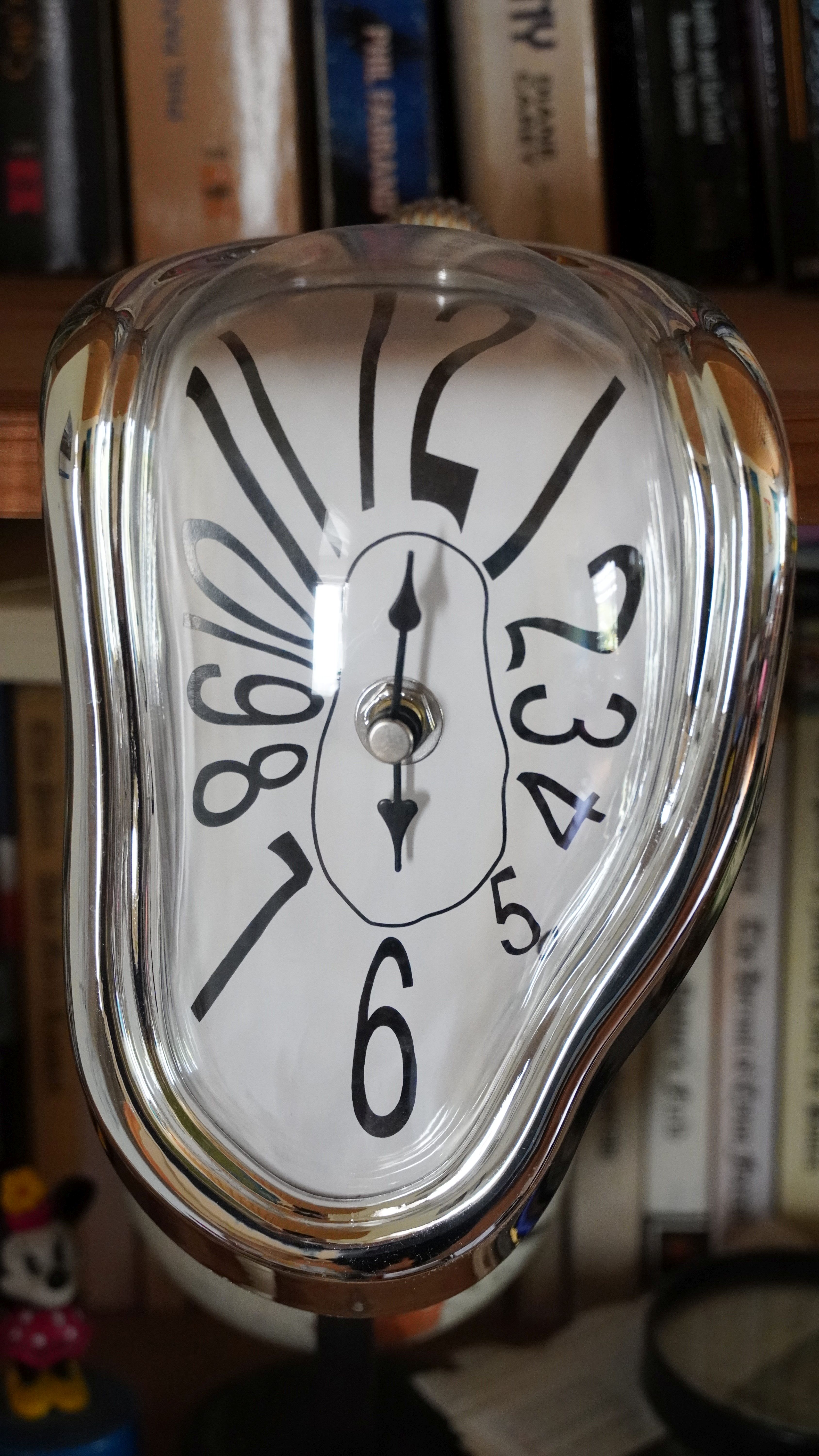
His 'The Persistence of Memory' (yes, the melting clocks!) is a prime example. You see these soft, decaying timepieces in a barren landscape, a clear challenge to our perception of time and reality. It's a poignant reflection on memory, decay, and the fluid nature of existence, a visual poem about the relativity of time. This piece, along with others, really cemented the enduring legacy of Surrealism and Dalí's place in art history. Dalí's theatricality extended beyond his canvases into his public persona, making him one of the art world's most recognizable figures. His meticulous, academic painting style, applied to the most outlandish and dreamlike scenarios, made his surreal visions feel chillingly real, drawing viewers into his unique psychological universe. For a full immersion into his life and works, check out our ultimate guide to Salvador Dalí.
Another iconic work, though perhaps less universally recognized than the melting clocks, is 'The Great Masturbator' (1929), a haunting exploration of sexuality, fear, and desire, featuring a distorted self-portrait and a dreamlike landscape. His 1937 painting 'Swans Reflecting Elephants' is a brilliant example of his paranoiac-critical method, where the viewer's eye shifts between two distinct images in the same composition. And don't forget 'The Disintegration of the Persistence of Memory' (1954), where he revisited his earlier masterpiece, reflecting on nuclear physics and the atomic age, showing how even solid matter could fragment and dissolve, much like time itself. It’s a fascinating reinterpretation, showing an artist constantly evolving and engaging with the scientific advancements of his time.
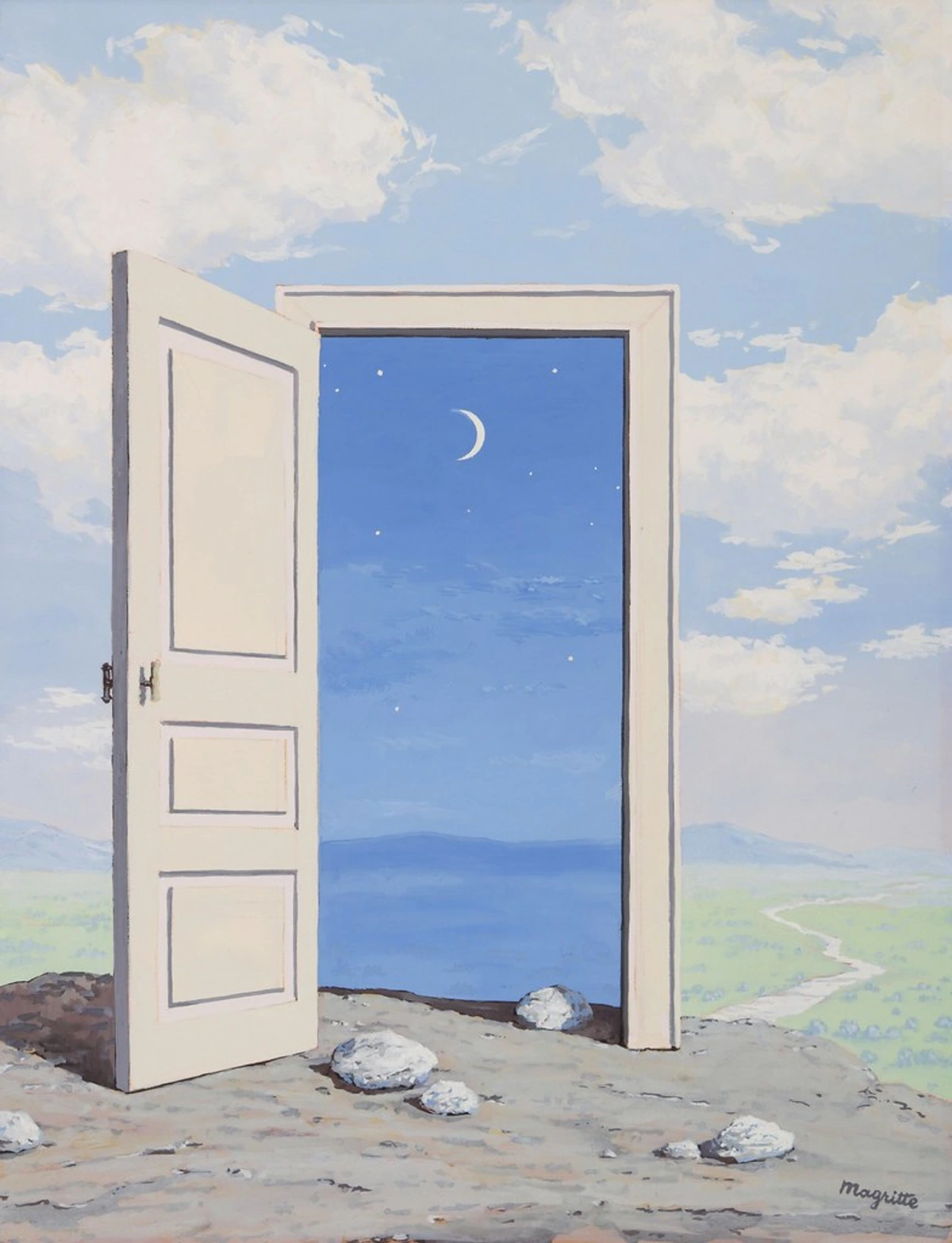
René Magritte: The Illusionist of the Mundane
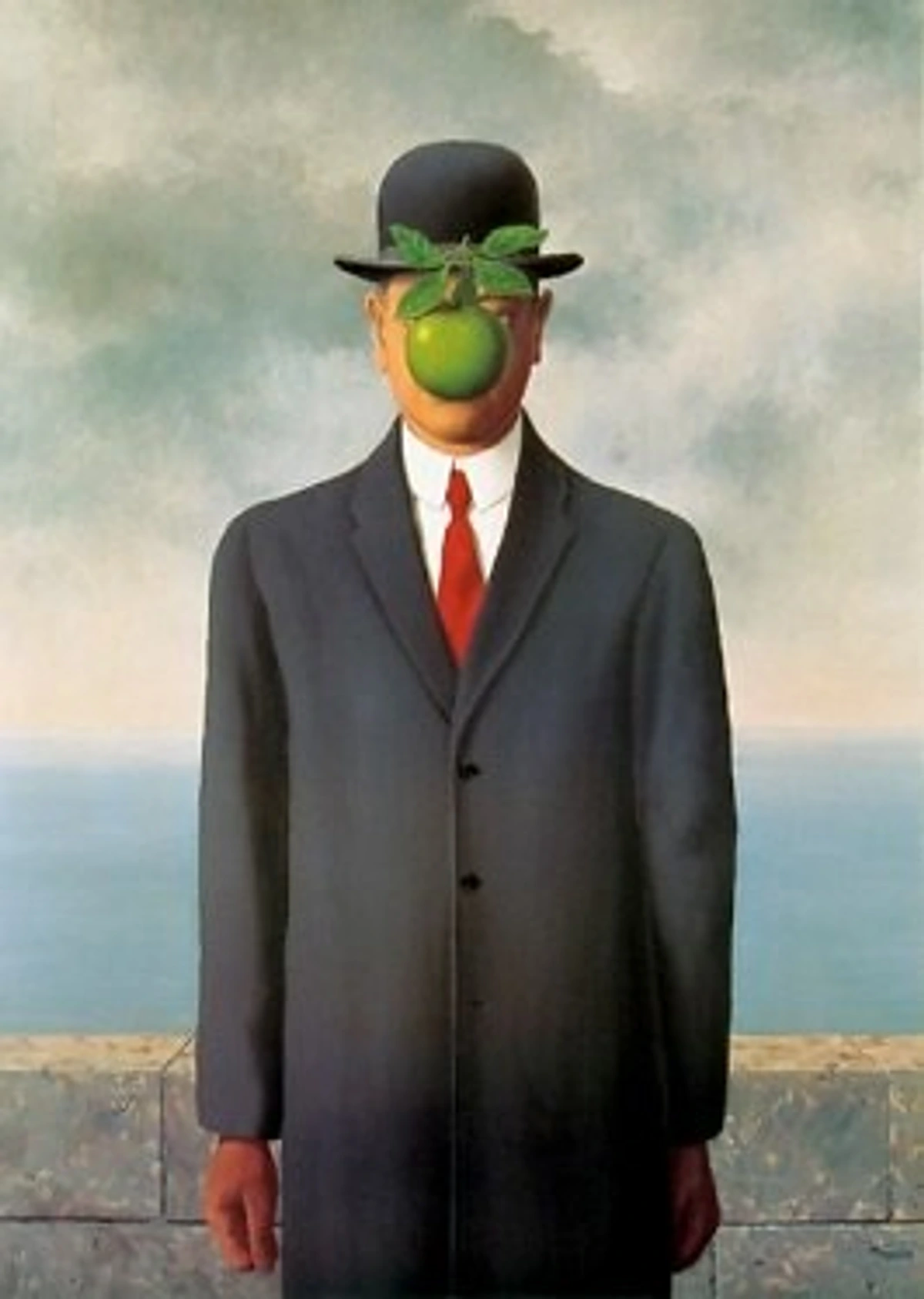
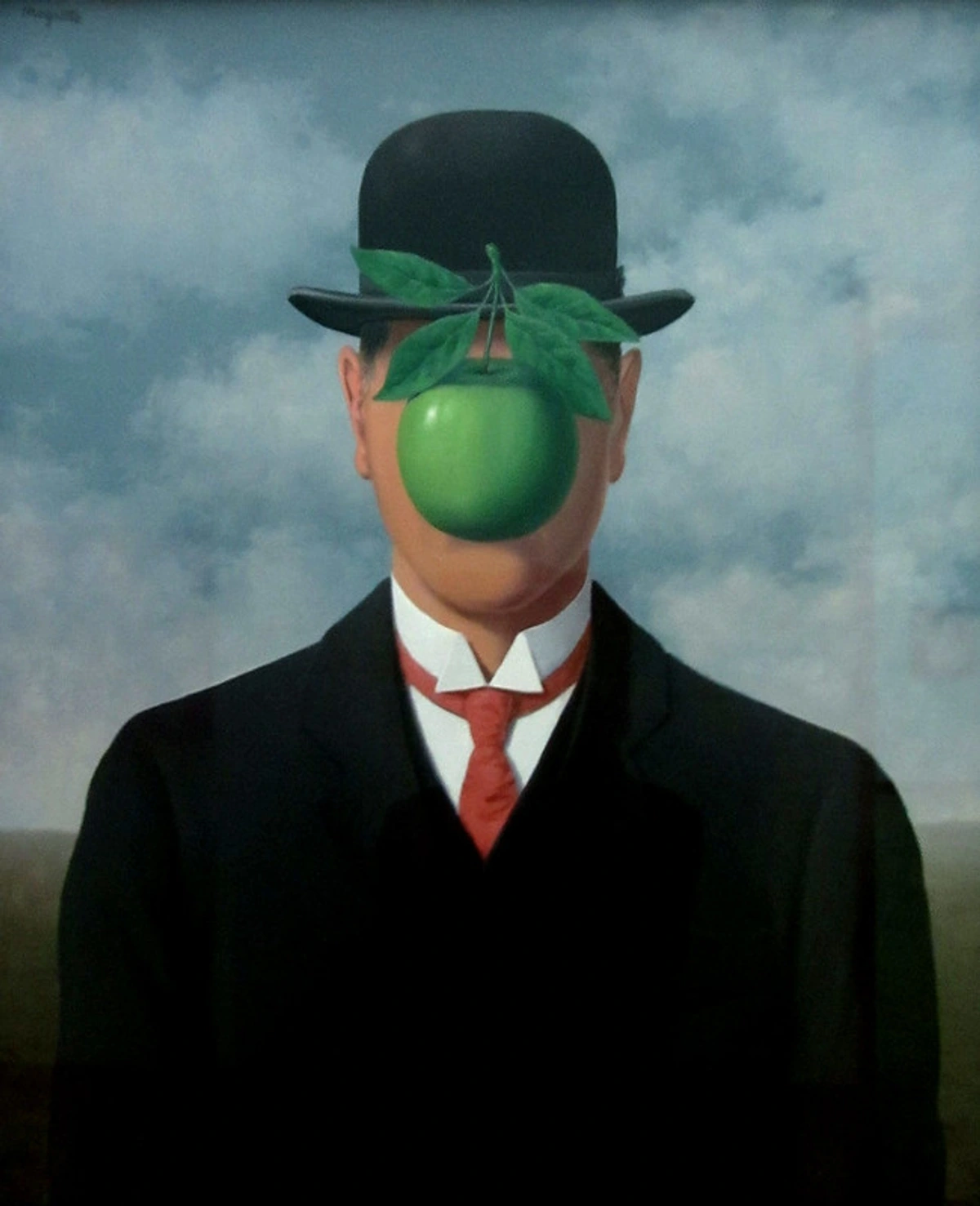
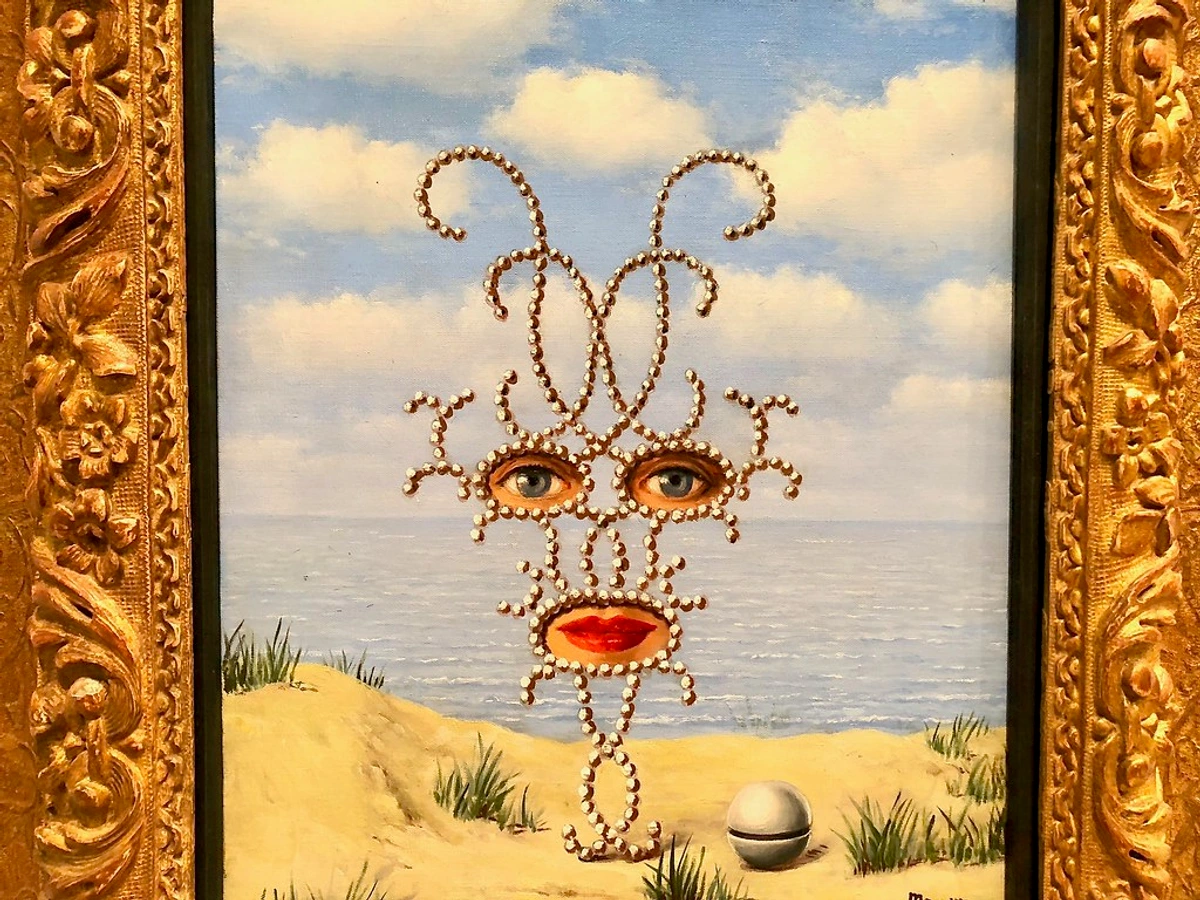
Magritte is another personal favorite, but for very different reasons than Dalí. While Dalí was all about flamboyant dreams, Magritte was more subtle, more philosophical. He took everyday objects – an apple, a pipe, a bowler hat – and placed them in contexts that subtly, yet profoundly, undermined their conventional meaning. He made you question the very nature of representation and perception. I always find myself chuckling a little, then feeling a deep sense of unease, when I look at his work. It's genius.
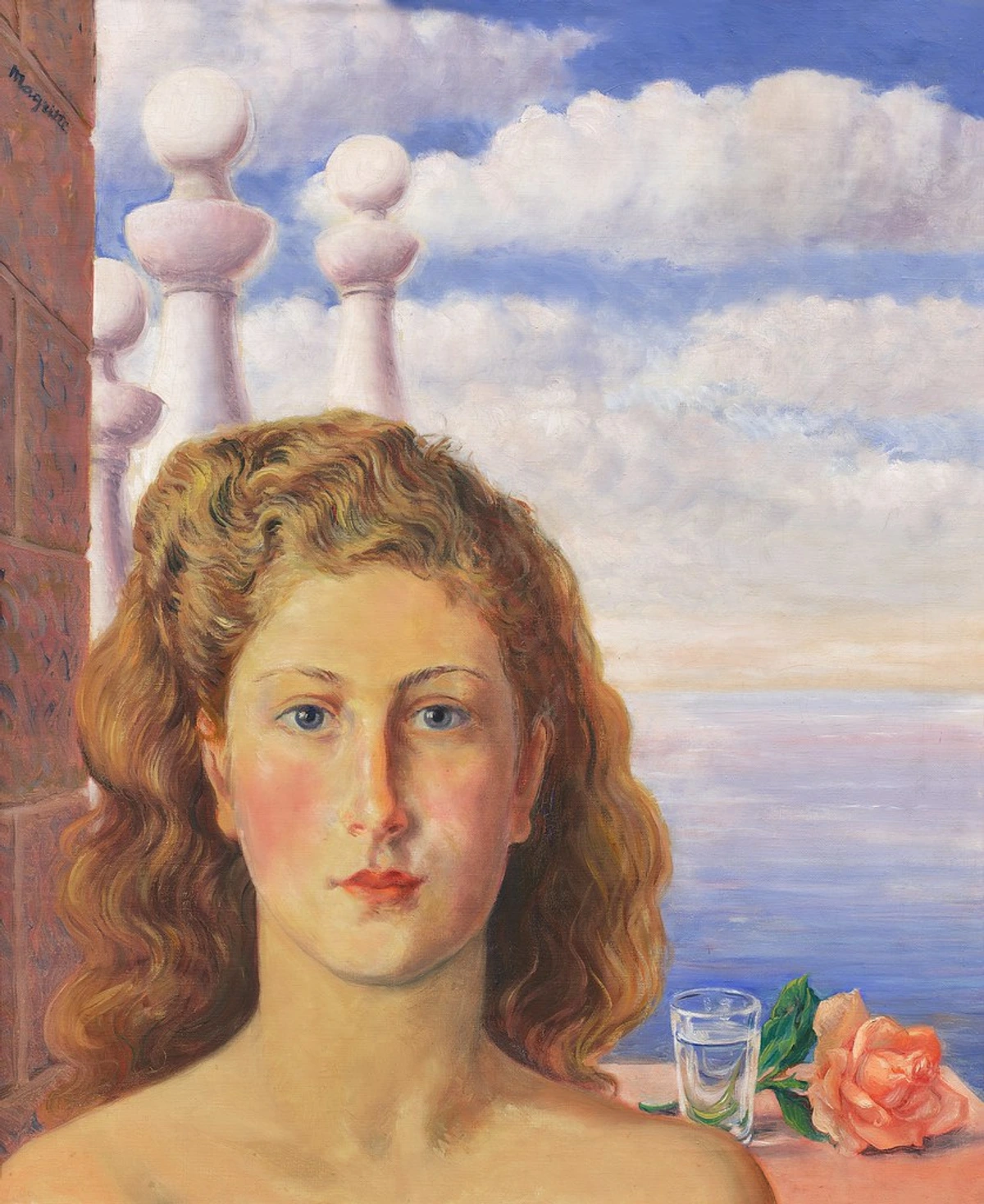
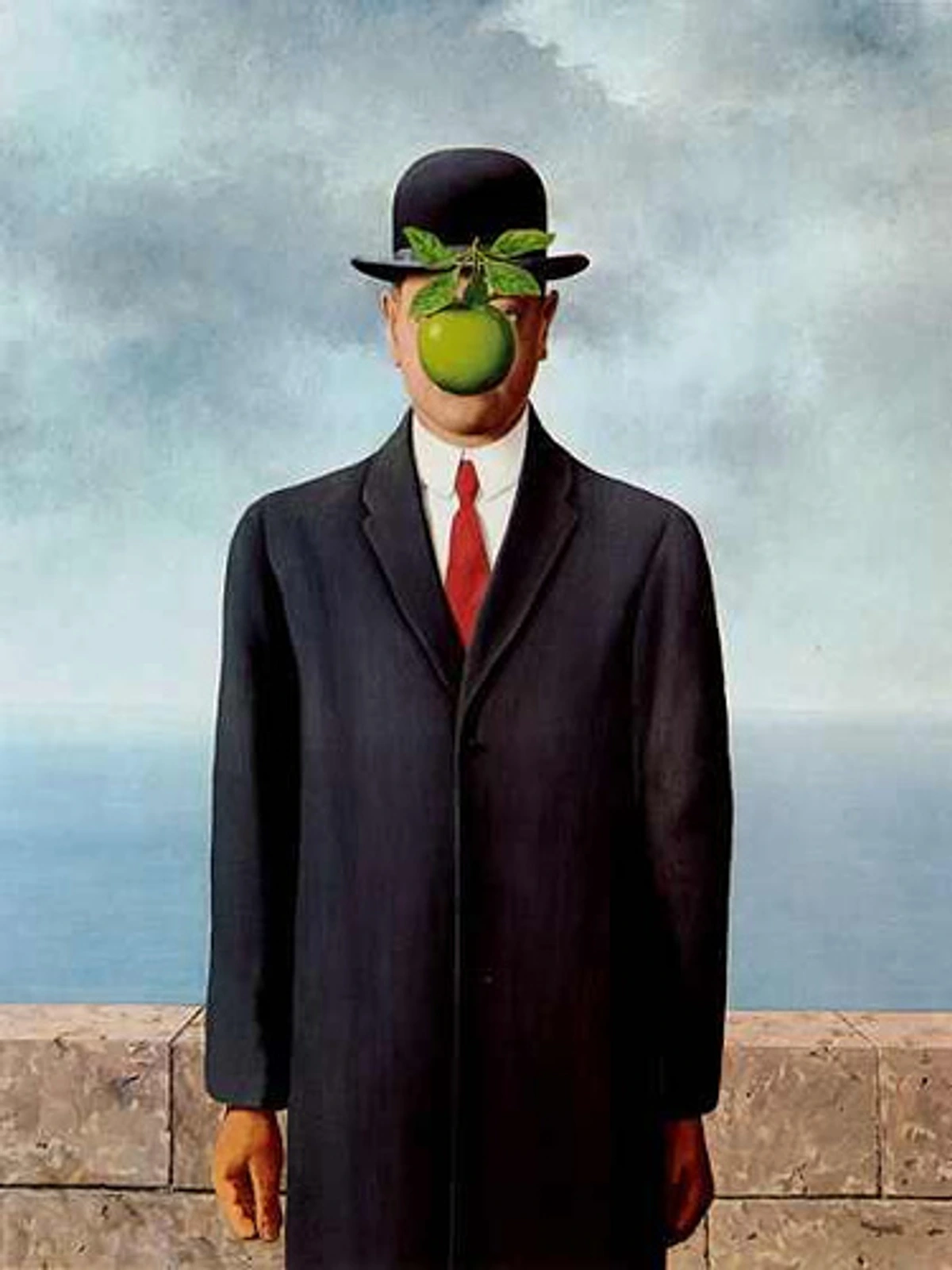
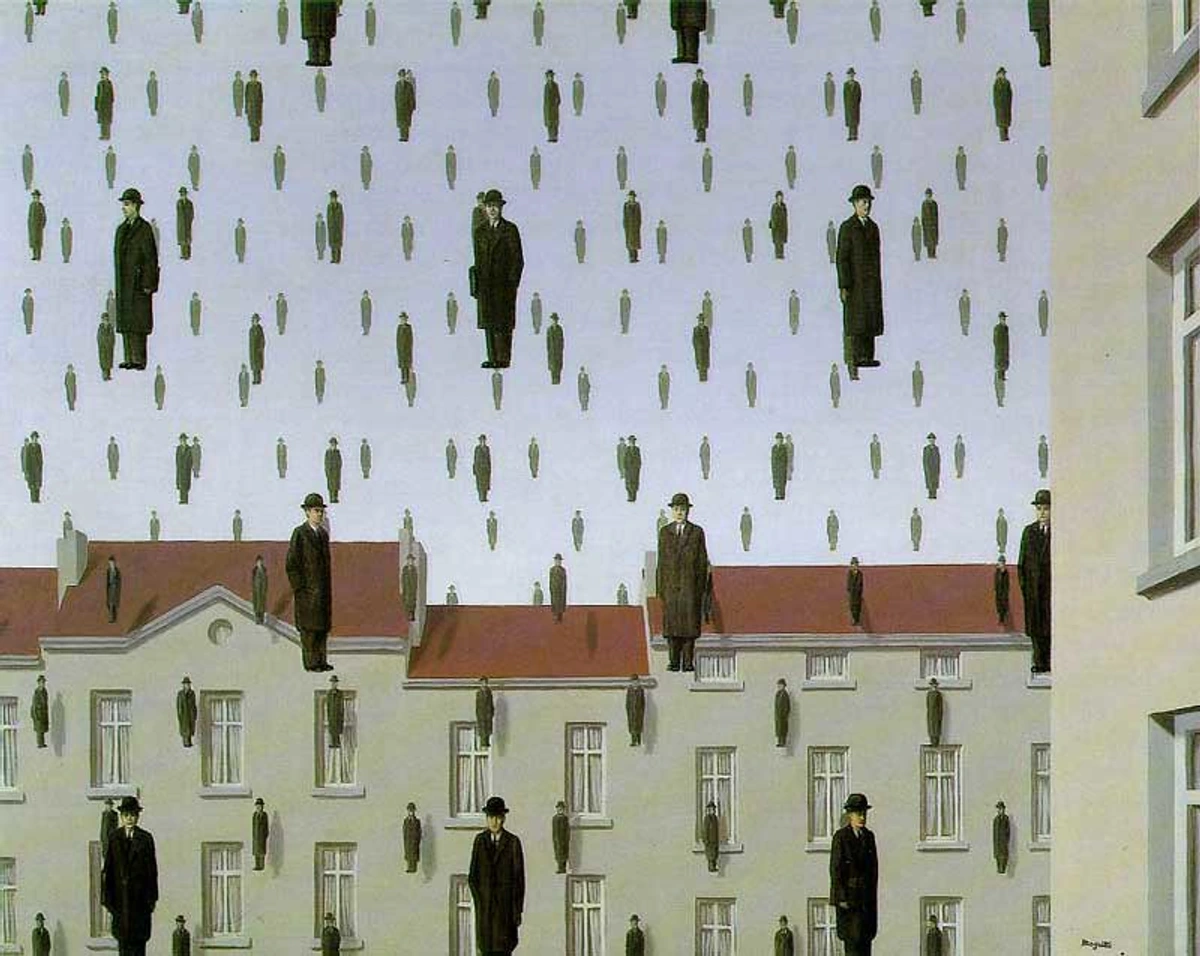
His famous series with the bowler-hatted men, like 'Golconda,' is a perfect illustration. Imagine men in suits raining down from the sky over a cityscape. It's absurd, yet rendered with such realistic precision that it feels like a glimpse into another dimension. If you've ever pondered the difference between an image and the thing it represents, Magritte is your guy. His works, like 'The Treachery of Images' (Ceci n'est pas une pipe), famously challenge the viewer to think about the relationship between words, images, and reality. He forces us to confront the arbitrariness of language and the representational nature of art itself. Then there's 'The Son of Man,' another iconic bowler-hatted figure, whose face is obscured by a green apple – a simple, everyday object that creates profound mystery and questions about identity and what lies beneath the surface. Or consider 'The Human Condition,' where a painting on an easel perfectly aligns with the landscape outside a window, blurring the line between art and reality, representation and the represented. Each piece is a philosophical puzzle box, meticulously painted to look deceptively simple. Dive deeper into his fascinating world with our guide on who is Rene Magritte.
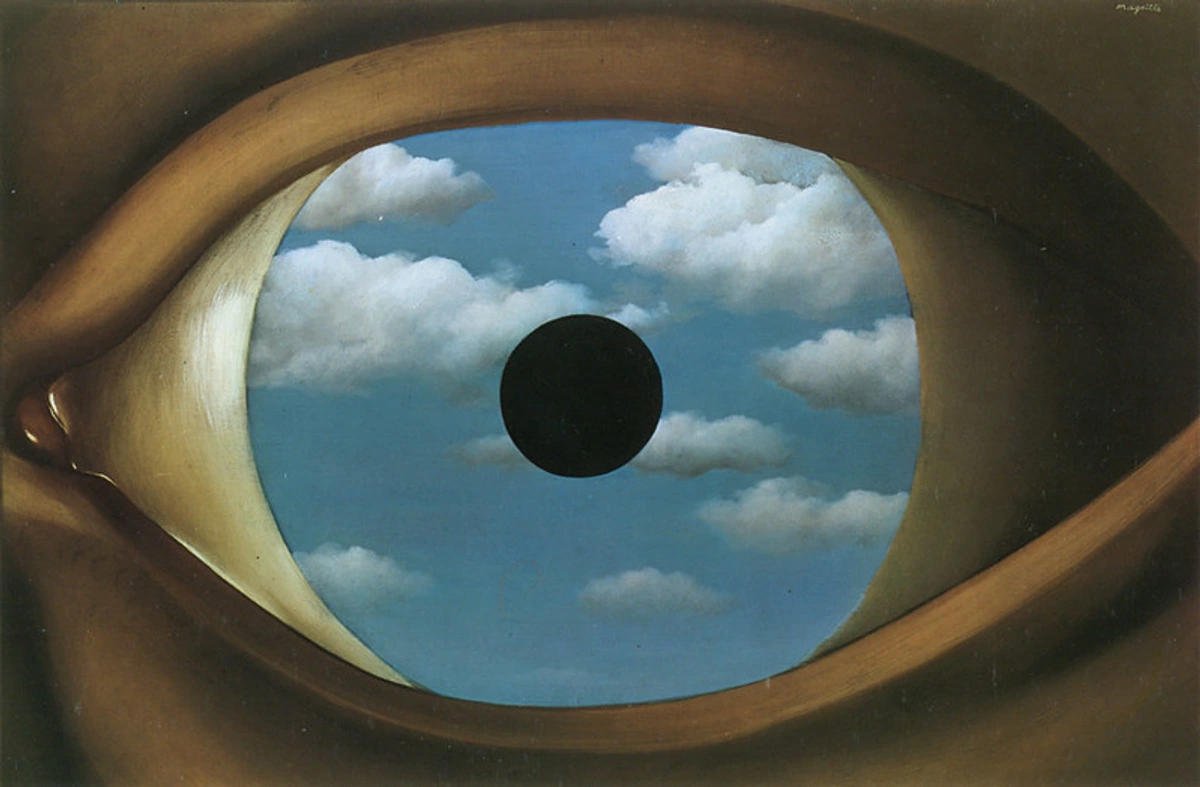
Magritte’s 'The False Mirror' (1929), an eye whose iris is filled with a cloudy blue sky, is another stunning example of his ability to conflate inner vision and outer reality, inviting us to ponder the very act of perception. His entire oeuvre is a masterful exercise in intellectual provocation, executed with unsettling precision and a quiet, profound surrealism that lingers long after you’ve turned away.

Max Ernst: Master of Chance and Collage
Max Ernst was a true innovator within the Surrealist movement, constantly experimenting with new techniques to unlock the unconscious. He’s the mind behind frottage and grattage, techniques that embraced chance and texture to create unexpected forms, almost like coaxing images out of the ether. His work often explored themes of nature, war, and the subconscious, creating fantastical creatures and landscapes that are both unsettling and mesmerizing. I’ve always admired how he could take something seemingly random, like a wood grain, and transform it into a haunting forest or a monstrous figure. His famous 'The Elephant Celebes' (1921), for instance, depicts a bizarre, elephantine machine-creature in a barren landscape, a powerful commentary on the destructive aftermath of war and the mechanized absurdity of modern life. It's a prime example of how Surrealists used bizarre imagery to convey profound messages. Another iconic work, 'Two Children are Threatened by a Nightingale' (1924), blends sculpture, architecture, and painting to create a haunting, narrative-rich scene that feels straight out of a Freudian dream. Beyond these techniques, Ernst was also a master of collage, using found imagery to create startling new narratives, often with a dreamlike, disorienting effect. His 'Une Semaine de Bonté' (A Week of Kindness, 1934) is a series of collages that recontextualize Victorian engravings into unsettling, violent, and erotic scenes, revealing the hidden cruelties and desires beneath polite society. It’s a powerful, visceral experience that sticks with you long after you’ve seen it. Ernst's ability to seamlessly blend disparate elements created worlds that felt both familiar and profoundly alien.
Joan Miró: The Cosmic Playground
Then there's Joan Miró, who brings a completely different flavor to Surrealism. His work often feels more abstract, more playful, almost childlike, yet still deeply connected to the subconscious. He created his own unique vocabulary of biomorphic forms, vibrant colors, and cosmic symbols. His canvases are like dreamscapes filled with whimsical creatures, stars, and strange organisms, all dancing with an intense energy. I sometimes look at his work and feel like I'm peering into the universe of an alien fairy tale, or maybe the inside of my own mind on a particularly imaginative day.
Miró's 'dream paintings' were developed through his own form of automatism, allowing his hand to move freely and spontaneously, translating inner visions into unique pictorial signs. He’s a master of abstract expression, and you can learn even more about him in our ultimate guide to Joan Miró. Miró’s works often feel like a celebration of freedom and an escape from the constraints of logic, echoing the deep-seated desire of the Surrealists to liberate the spirit. His unique visual language, full of poetic and cosmic elements, continues to captivate and challenge audiences to see the world through a playful, uninhibited lens. Works like 'The Harlequin’s Carnival' (1924-25) burst with playful, biomorphic shapes, musical instruments, and fantastical creatures, reflecting a joyfully liberated imagination. His later 'Constellations' series (1940-41) further explored this cosmic, lyrical abstraction, creating intricate universes on small canvases. He truly carved out a unique space within Surrealism, blending abstraction with a profound poetic sensibility.
Leonora Carrington: Myth, Magic, and the Feminine Psyche
Leonora Carrington, a British-born Mexican Surrealist, offers a profoundly unique and often overlooked perspective within the movement. Her paintings and writings are steeped in Celtic mythology, alchemy, feminism, and psychoanalysis, creating rich, intricate narratives that feel like glimpses into a parallel universe. Her work is a captivating blend of the fantastical and the deeply personal, often featuring hybrid creatures, animal familiars, and strong female protagonists navigating enigmatic, dreamlike landscapes. Pieces like 'Self-Portrait' (1937-38), 'The House of Fear' (1947), or 'The Giantess (The Guardian of the Egg)' (1947) invite viewers into a world where reality is fluid, and the subconscious reigns supreme. Her unique blend of wit, esotericism, and fierce independence makes her a truly captivating figure, and her contributions are essential for understanding the broader scope of Surrealism. Her novel 'The Hearing Trumpet' (1974) is a brilliant, darkly humorous, and wonderfully bizarre journey into the mind of a nonagenarian woman, solidifying her place not just as a visual artist but as a literary force within the surrealist canon. She truly built entire worlds, both on canvas and on the page, often giving voice to the marginalized and the fantastical. Her paintings are like meticulously crafted dreams, rich with symbolism drawn from folklore, mythology, and her own profound personal experiences, inviting viewers into a labyrinthine narrative where animals and humans often swap roles, and magical occurrences are commonplace. If you're looking for an artist who truly embodies the boundless imagination of Surrealism, Carrington is an absolute must-explore. Her work often challenges patriarchal norms, offering a powerful feminine counter-narrative within the movement.
Remedios Varo: Architect of Inner Worlds
Another extraordinary female Surrealist, Remedios Varo (a page I hope to create for her one day!), a Spanish-Mexican artist, created meticulously detailed, almost alchemical, paintings that explore themes of science, mysticism, magic, and the human psyche. Her work often features solitary, ethereal figures engaged in arcane rituals or scientific experiments within intricate, architectural dreamscapes. Varo's characters often seem to be on quests for knowledge or transformation, using symbolic tools and engaging with fantastic machinery. Her pieces, such as 'The Creation of the Birds' (1957), 'Alchemy' (1955), or 'Star Catcher' (1956), are like visual spells, drawing the viewer into a world of profound spiritual and intellectual seeking. She built entire inner universes, inviting us to contemplate the hidden workings of the cosmos and the soul. I always find myself wanting to step into her paintings and explore every tiny detail; they are truly enchanting. Varo’s profound engagement with esotericism and her meticulous technique set her apart, creating a universe that felt both ancient and futuristic, a true bridge between the mystical and the scientific. For a more in-depth look into her world, you might enjoy exploring the influence of alchemy on Surrealism.
Man Ray: The Lens of the Unconscious
While often associated with Dada, Man Ray (born Emmanuel Radnitzky) became a central figure in Surrealism, particularly through his revolutionary photography. He didn't just document the movement; he expanded its visual language. His experiments with techniques like solarization (a partial reversal of tones in a photographic print, giving images an otherworldly glow) and rayographs (photograms created by placing objects directly onto photographic paper and exposing it to light, creating ghost-like silhouettes) allowed him to create impossible, ghost-like images that bypassed objective reality. He transformed the everyday into the enigmatic, making the familiar strange, and fundamentally redefined photography as an artistic medium. Think of his iconic 'Violon d'Ingres' (1924), where the back of a woman is adorned with f-holes, merging the human form with a musical instrument, blurring boundaries in a way only Surrealism could. He showed that the camera, like the paintbrush, could be a tool for psychoanalytic exploration, revealing the hidden depths of perception. His provocative yet elegant photographs challenged viewers to question what they saw, just as a painter would, but with the stark, undeniable reality of a camera lens. It’s that tension between reality and the absurd that makes his work so powerful.
Other Notable Surrealist Artists
The Surrealist movement was a vibrant constellation of creative minds, and while Dalí, Magritte, Miró, Ernst, Carrington, Varo, and Man Ray are titans, many other artists contributed significantly to its rich tapestry. Here are a few more who broadened the scope of what Surrealism could be:
- Yves Tanguy: Known for his desolate, alien landscapes populated by biomorphic forms and abstract, floating objects. His paintings often evoke a sense of infinite space and a profound, eerie stillness, like glimpses into a meticulously rendered dream world. 'Mama, Papa is Wounded!' (1927) is a haunting example.
- Roberto Matta: A Chilean artist whose dynamic, abstract landscapes often evoke cosmic explosions and inner psychological spaces, blending biomorphic forms with architectural elements. His work, like 'Psychological Morphology' (1938), brought a new dimension of fluidity and movement to Surrealist painting.
- Toyen (Marie Čermínová): A Czech artist known for her distinctive style that merged dreamlike eroticism with a dark, often disturbing sensibility, exploring themes of sexuality, violence, and transformation. Her work, such as 'The Sleepwalker' (1937), challenges gender norms and conventional beauty.
- Claude Cahun (Lucy Schwob): A French photographer and writer whose self-portraits challenged notions of gender and identity, using disguise and theatricality to create profoundly unsettling and introspective images. Cahun's work pushed boundaries long before contemporary discussions on gender fluidity.
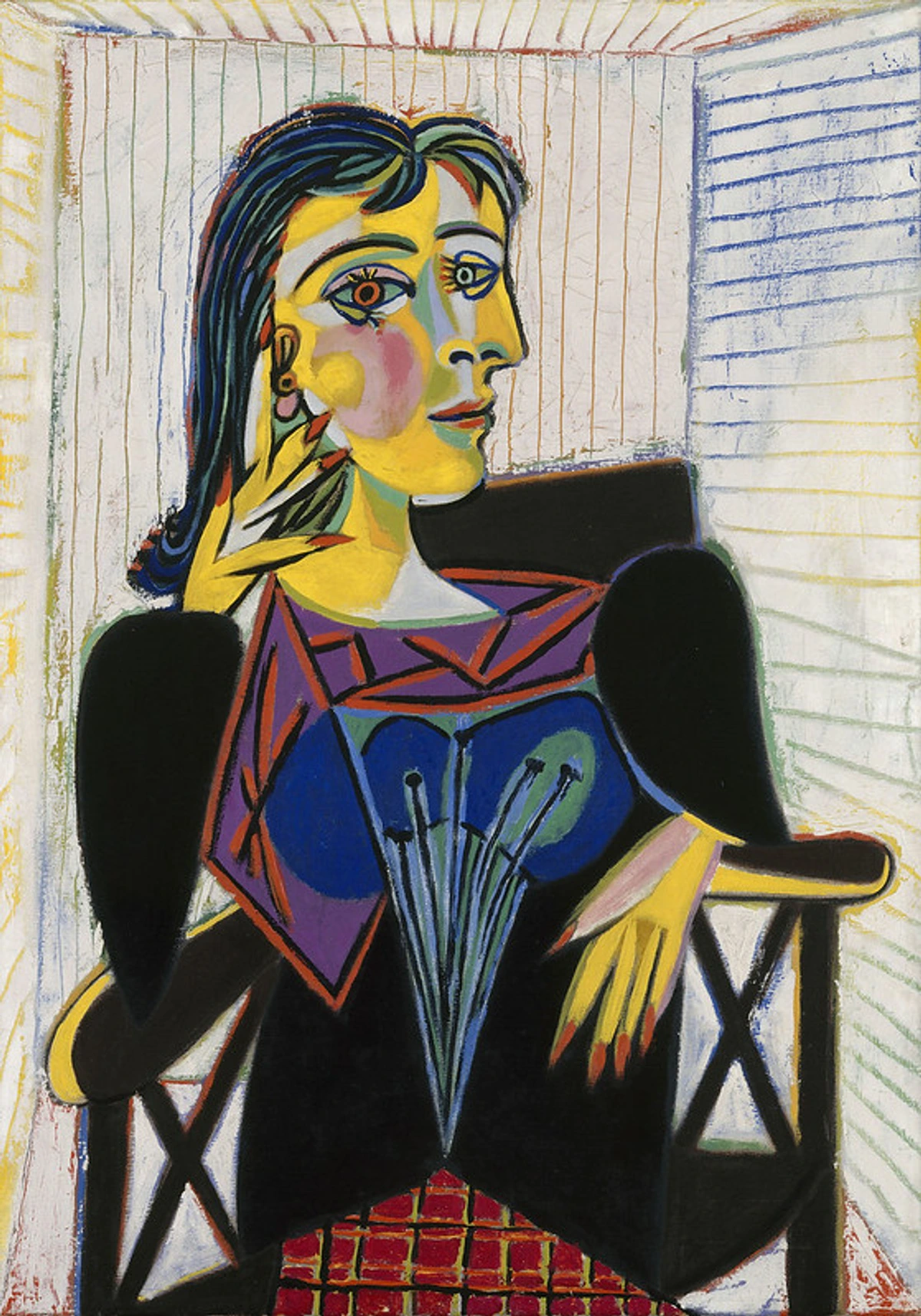
- Dora Maar: Known both as a photographer and painter, and muse to Picasso, Maar's photographic work was deeply embedded in Surrealism, utilizing photomontage and experimental darkroom techniques to create unsettling and fragmented images that explored themes of desire and the unconscious. Her 'Portrait of Ubu' (1936) is an iconic example of Surrealist photography.
- Hans Bellmer: A German artist renowned for his disturbing, often erotic, photographs of meticulously constructed life-size dolls, which explored themes of fetishism, violence, and the repressed subconscious. His work pushed the boundaries of what was acceptable, even within Surrealist circles.
- Paul Delvaux: A Belgian painter known for his melancholic, often nocturnal, scenes populated by nude women, skeletons, and classical architecture, evoking a sense of dreamy stillness and unsettling mystery. His dreamscapes are often compared to Magritte's for their meticulous rendering of impossible realities.
- Wifredo Lam: A Cuban artist of Chinese, African, and European descent, Lam infused Surrealism with Afro-Cuban mythology and symbolism, creating powerful, hybrid figures that addressed themes of colonialism, identity, and spirituality. His work, like 'The Jungle' (1943), brought a unique, vibrant, and politically charged perspective to the movement.
- André Breton: As the primary theoretician and author of the Surrealist Manifestoes, Breton was the undisputed leader of the movement. He defined its principles, organized exhibitions, and often excommunicated members who deviated from his vision. His emphasis on automatism and the liberation of the unconscious was central, and his relentless intellectual pursuit shaped the movement's direction for decades.
- Paul Éluard: A prominent French poet, Éluard was one of the earliest and most devoted members of the Surrealist group. His poetry, characterized by its luminous imagery and exploration of love, dreams, and the subconscious, exemplifies the literary side of Surrealism. He collaborated closely with artists like Man Ray and Dalí, embodying the interdisciplinary spirit of the movement.
- Louis Aragon: Another foundational poet and writer, Aragon was instrumental in the early days of Surrealism, contributing significantly to its literary output and theoretical discussions. His early work embraced automatic writing and the subversive power of language, though his later political trajectory led to a divergence from Breton’s purist vision.
- Meret Oppenheim: Although primarily known as an artist for her iconic 'Object (Déjeuner en fourrure),' the fur-lined teacup, Oppenheim was a vital, independent voice within Surrealism. Her work challenged gender norms and explored themes of sensuality, transformation, and the uncanny, often with a playful yet provocative edge. Her unique contribution underscored the movement's engagement with everyday objects and their potential for surreal transformation.
- Guillaume Apollinaire: Though he died before the official start of Surrealism, Apollinaire coined the term "surrealism" in 1917, describing a play as "sur-real." His concept of a "new spirit" that transcended reality was a profound precursor to the movement.
- Sigmund Freud: As discussed, Freud's theories on the unconscious, dreams, and psychoanalysis provided the scientific and philosophical bedrock for Surrealist thought. While not a Surrealist himself, his work gave the movement intellectual credibility and a framework for exploring the inner psyche.
- Patrons and Collectors: Figures like Peggy Guggenheim were crucial in supporting Surrealist artists and bringing their work to a wider audience, especially as the movement gained international traction.
Global Surrealism: Beyond Paris
While Paris was undoubtedly the epicenter of Surrealism's birth and initial development, the movement’s ideas were far too potent to remain confined to one city or even one continent. Surrealism, with its universal appeal to the subconscious and its revolutionary spirit, quickly spread its tendrils across the globe, adapting to local cultures and challenging existing artistic and political norms in diverse ways. This global diffusion led to fascinating variations and reinterpretations of Surrealist principles.
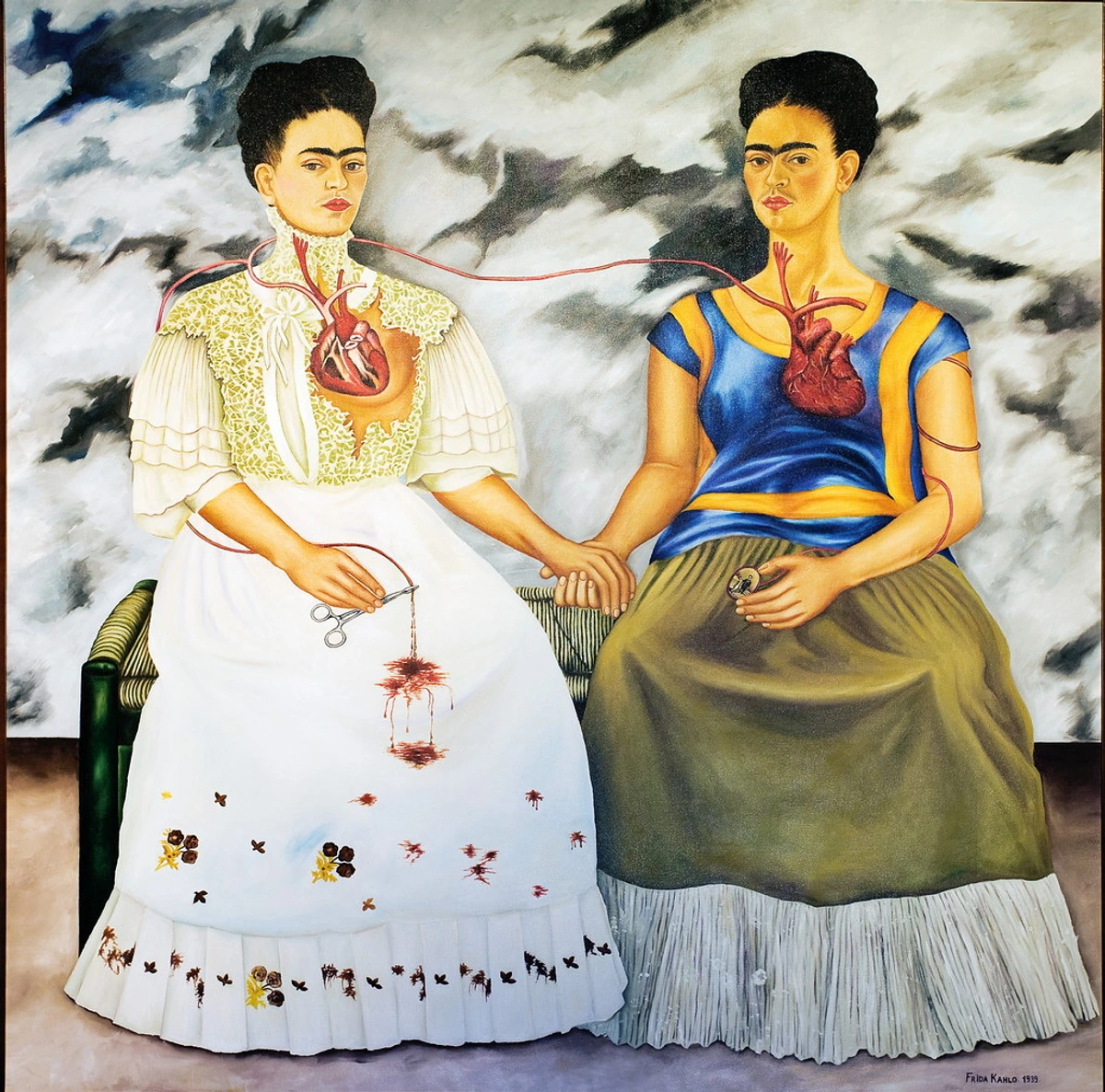
In Mexico, for instance, artists like Frida Kahlo (though she rejected the label, her work is deeply resonant) and Leonora Carrington found a rich ground for their explorations of myth, indigenous spirituality, and the subconscious, creating a distinctly Mexican strain of Surrealism infused with vibrant colors and ancient symbolism. Similarly, Cuba saw artists like Wifredo Lam infuse Surrealism with Afro-Cuban mythology, creating powerful hybrid figures that spoke to issues of identity and colonialism, offering a unique blend of European avant-garde and local cultural heritage.
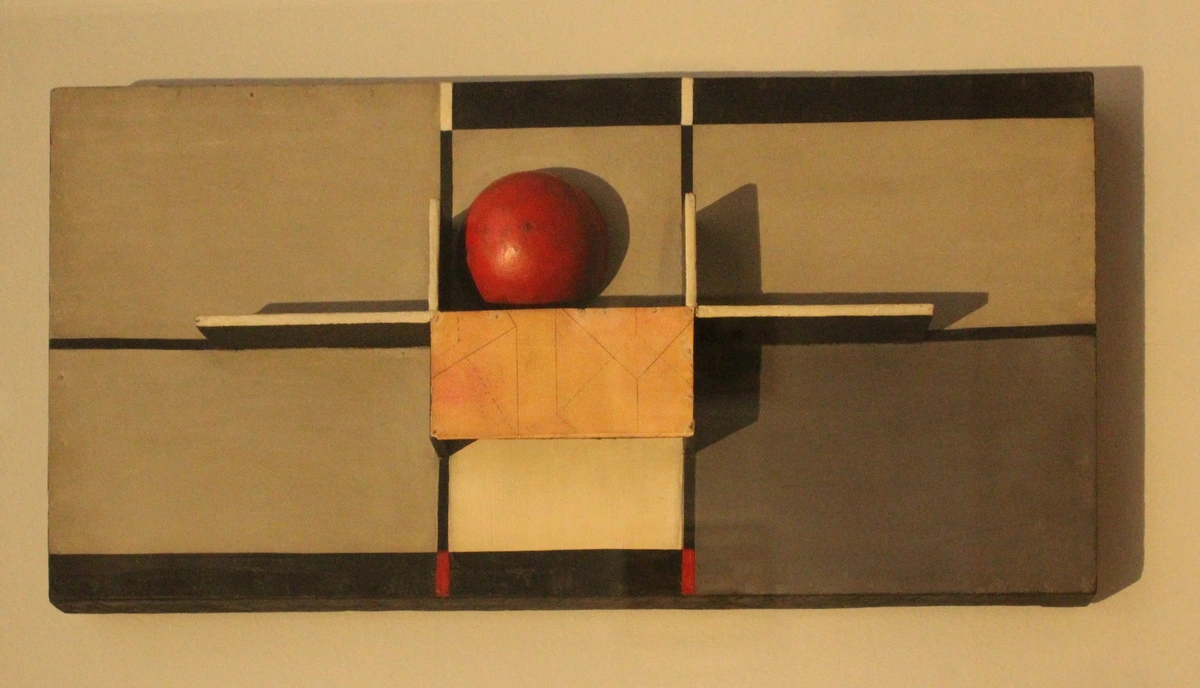
From the United States (where figures like Joseph Cornell created dreamlike assemblages and Kay Sage crafted haunting, architectural landscapes) to Japan (with artists like Tarō Okamoto and Koga Harue exploring subconscious imagery and dreamscapes), and across Europe (from the Czech Republic with Toyen to Belgium with Paul Delvaux, and the UK with Eileen Agar), Surrealism sparked conversations and art movements that responded to the local context while drawing inspiration from the core tenets of liberating the mind. This global reach cemented Surrealism not just as a Parisian phenomenon, but as a truly international force that resonated with artists seeking to express a deeper reality beyond rational confines. Each regional iteration brought its own cultural nuances, demonstrating the adaptability and universal appeal of Surrealist thought.
Beyond the Canvas: Surrealism's Reach
What I love about Surrealism is that it wasn't confined to painting. Its influence seeped into every corner of the creative world – literature, poetry, film, photography, fashion, even interior design. ### Surrealism in Film
Beyond literature and photography, film offered a uniquely potent medium for Surrealist expression, capable of directly translating dream logic and jarring juxtapositions into a dynamic visual experience. Think of Luis Buñuel and Salvador Dalí's shocking film 'Un Chien Andalou' (An Andalusian Dog) (1929), a true cinematic landmark that disrupted traditional narrative and imagery, or Buñuel's later film 'L'Age d'Or' (The Golden Age) (1930). These films used dream logic and unsettling juxtapositions to provoke and challenge bourgeois sensibilities, shattering conventional storytelling and leaving audiences delightfully bewildered. Buñuel continued his cinematic explorations of the subconscious, desire, and social critique in films like 'The Exterminating Angel' (1962) and 'The Discreet Charm of the Bourgeoisie' (1972), all deeply imbued with the spirit of Surrealism, where the rational world constantly unravels into the absurd and the marvelous. Modern directors like David Lynch and Charlie Kaufman continue to echo this surrealist tradition, creating films that blur the lines between reality and dream.
In literature and poetry, André Breton's Manifestoes of Surrealism laid the theoretical groundwork, encouraging automatic writing and the free association of ideas to bypass rational censorship. Poets like Paul Éluard, Louis Aragon, and Benjamin Péret explored the depths of language, creating startling metaphors and dream-like narratives that defied logical coherence. Their aim was to liberate language itself, much as painters sought to liberate images, revealing its inherent poetic power when untethered from conscious control. The works often feel like unfiltered glimpses into a subconscious stream of thought, full of surprising connections and visceral imagery. André Breton's novel Nadja (1928) is a seminal literary work, blending autobiography, dream, and uncanny encounters in Paris, challenging conventional narrative structures and embodying the Surrealist quest for the marvelous in everyday life. Other notable literary contributions include René Char's enigmatic poetry and Louis Aragon's early novels, which pushed the boundaries of narrative and psychological realism.
Photography found a natural home in Surrealism, with artists like Man Ray and Dora Maar manipulating images through techniques like solarization and photomontage to create impossible realities. They transformed the objective lens of the camera into a tool for exploring the subjective, inner world, creating haunting and enigmatic images. Dora Maar's powerful, often disturbing, photomontages, like 'Portrait of Ubu' (1936), took existing imagery and reassembled it to create unsettling, dreamlike narratives that explored themes of desire, violence, and the unconscious, proving the camera could be as expressive a tool as the paintbrush in Surrealist hands. Photographers such as Claude Cahun also used self-portraiture and theatricality to explore identity and gender in a profoundly surrealist vein.
Fashion and commercial design also embraced the Surrealist aesthetic, bringing elements of the bizarre and the dreamlike into everyday objects and advertisements. Visionary designers like Elsa Schiaparelli famously collaborated with Dalí, creating iconic pieces like the 'Lobster Dress' and 'Shoe Hat,' demonstrating how art could permeate the functional and the fashionable, challenging perceptions of beauty and utility. Even contemporary advertising still draws heavily on Surrealist principles of shocking juxtaposition and dream logic to capture attention. It taught us to see the world with new eyes, to find the marvelous in the mundane, and the unsettling in the familiar. It truly reshaped artistic thought. This interdisciplinary approach was crucial; it showed that the Surrealist ethos wasn't just for museums but could permeate and transform every aspect of cultural life, from haute couture to the mundane objects we encounter daily, constantly pushing us to question reality. The influence can still be seen on runways and in conceptual fashion today, proving the timeless appeal of its subversive aesthetic.
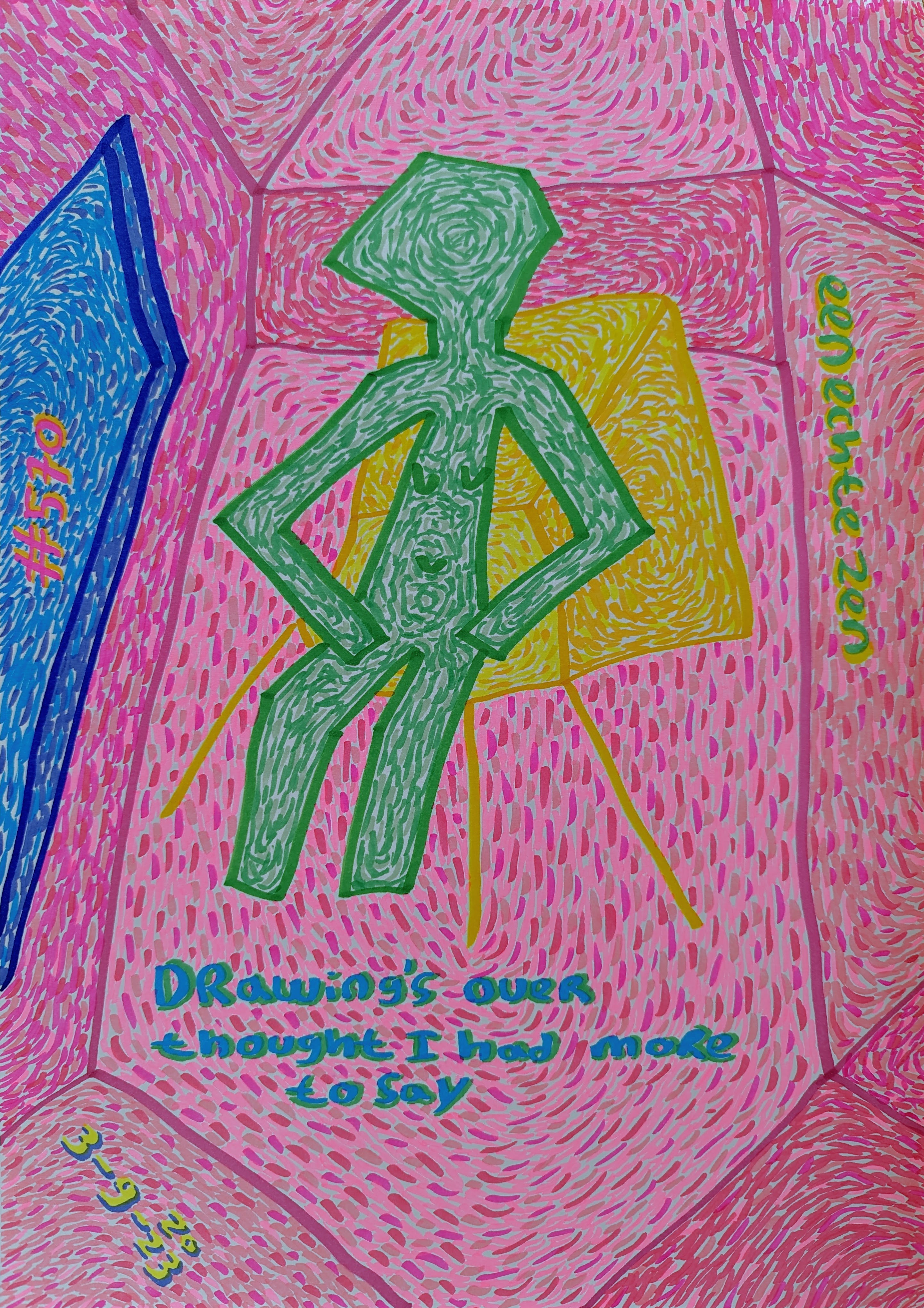
I sometimes think about how my own work, with its vibrant colors and abstract forms, tries to tap into a similar raw, emotional space, even if the visual language is different. It’s a way of saying, 'Hey, come explore this feeling with me,' much like the Surrealists invited us into their dream worlds. If you're looking for art that challenges perception and brings a unique energy into your space, you might find something that resonates with you over at my shop.
Is Surrealism Still a Thing? Its Enduring Legacy and Contemporary Resonance
Does Surrealism still matter today? Absolutely! While the official movement had its heyday, its spirit lives on, continually reshaping and influencing how we perceive art, culture, and even reality. You see its influence everywhere: in advertising (think of those dreamlike, impossible scenarios used to sell products), in music videos (Lady Gaga, anyone?), in contemporary fashion, and certainly in the work of many modern artists who continue to explore dreams, the subconscious, and the absurd. The very idea of freeing the mind from rational constraints, of valuing emotion and intuition, is more relevant than ever in our hyper-rational, digital world.
Surrealism didn’t just create a style; it opened up a new way of thinking, a permission to be illogical, to embrace the hidden depths of our minds. It reminds us that the world is far more mysterious and marvelous than we often allow ourselves to believe. Its impact can be traced through subsequent art movements. For instance, Pop Art, with its embrace of everyday objects transformed into artistic statements, owes a debt to Surrealism's playful manipulation of the familiar and its challenge to conventional art forms, even if they diverge in philosophy. Abstract Expressionism, with its emphasis on spontaneous creation and inner psychological states, shares a profound spiritual lineage with Surrealism's automatism, seeking to express raw emotion directly from the unconscious. The enduring appeal of artists like Yayoi Kusama, with her immersive, fantastical installations and dreamlike motifs, can also be seen as a direct descendant of the Surrealist quest to blur the lines between reality and illusion, inviting viewers into an altered state of perception. Even street art, with its subversive nature and often dreamlike imagery, shares a lineage with the Surrealists' anti-establishment ethos and their desire to bring art into unexpected public spaces.
Think about the pervasive use of dream logic in film and television (Lynch, Nolan, Gilliam all come to mind), the jarring juxtapositions in contemporary photography, or the fantastical elements woven into modern literature and graphic novels. Even beyond the arts, Surrealism's questioning of reality and its celebration of the irrational has permeated popular culture, influencing our understanding of identity, desire, and the human condition. It taught us that true reality might be far stranger, and more interesting, than what we perceive with our five senses alone. It continues to inspire artists to delve into their inner worlds, to express the inexpressible, and to challenge audiences to look beyond the surface, pushing the boundaries of what is considered art and even reality itself. This enduring call to embrace the illogical and the imaginative is, I think, a vital antidote to the often sterile rationality of our modern world.
Surrealism's Influence on Later Art Movements
Influenced Movement | Key Similarities / Inherited Ideas | Distinct Differences / Evolution |
|---|---|---|
| Abstract Expressionism | Emphasis on automatism, expression of the subconscious, and raw emotion. Focus on internal psychological states. | Abstract Expressionism largely abandoned figuration for pure abstraction, prioritizing the physical act of painting and the canvas as an arena for existential struggle, rather than explicit dream depiction or symbolic narratives. While both valued automatism, Abstract Expressionism was less concerned with Freudian theory or literary narratives. |
| Pop Art | Use of everyday objects, challenging definitions of 'high art,' irony, and fascination with popular culture imagery. | Pop Art embraced mass-produced imagery and consumer culture, often with a detached, ironic tone. While Surrealism transformed the mundane into the marvelous (or unsettling), Pop Art often elevated the mundane without fundamentally altering its visual identity, commenting on society rather than aiming to revolutionise the psyche. Its focus was often external, whereas Surrealism's was internal. |
| Conceptual Art | Emphasis on ideas and concepts over aesthetic objects, questioning the nature of art itself. | Conceptual Art pushed the idea-over-object paradigm much further, often resulting in non-visual or ephemeral works. While Surrealism also had strong conceptual underpinnings, it usually retained a visual or literary output, often focusing on the expression of unconscious ideas rather than the idea itself as the artwork. |
| Psychedelic Art | Exploration of altered states of consciousness, dreamlike and often distorted imagery, vibrant colors, and fantastical elements. | Directly inspired by drug-induced states (LSD), Psychedelic Art often lacked the rigorous intellectual framework or political agenda of Surrealism. It shared a visual aesthetic of the 'unreal' but differed in its primary methods of accessing those experiences and its philosophical depth. |
| Magic Realism (Literature) | Blending of realistic settings with fantastical or supernatural elements, creating a heightened, dreamlike reality. | While sharing the 'marvelous in the mundane' aspect, Magic Realism typically integrates the fantastic into the real world seamlessly, without drawing attention to its illogical nature. It often originates from Latin American literary traditions and lacks Surrealism's explicit Freudian grounding or systematic techniques like automatism. |
| Contemporary Art | Continued exploration of identity, dreams, social critique, and experimental techniques across various media. | Modern artists continue to draw on Surrealist strategies for disruption, challenging perceptions, and exploring the subconscious, often blending them with new technologies and contemporary social concerns. The legacy is seen in everything from street art to digital installations that manipulate reality.## Frequently Asked Questions about Surrealism |
What are the main characteristics of Surrealism?
Surrealism is characterized by its dreamlike imagery, the juxtaposition of unexpected objects, automatism (spontaneous creation bypassing conscious thought), and a deep exploration of the unconscious mind, often influenced by Sigmund Freud's theories. It aims to reveal a "surreality" – a higher reality that merges dream and reality into one, challenging conventional logic and embracing the irrational. Beyond this, a strong element of rebellion against societal norms and conventional morality, a fascination with the marvelous and the erotic, and an interdisciplinary approach that extended to literature, film, and politics are also key characteristics. It’s a whole worldview, really, not just a style – a way of seeing the world that seeks to constantly transform it. It’s about understanding that our subjective inner experiences are just as valid, if not more so, than objective reality, and that by embracing the irrational, we can unlock profound truths about ourselves and the universe. Key elements include the pursuit of the marvelous in the everyday, the valorization of desire, and a deep anti-establishment sentiment.

Who coined the term 'Surrealism'?
The term 'Surrealism' was actually coined by the French poet and critic Guillaume Apollinaire in 1917, several years before the official birth of the movement. He used it to describe his play The Mammaries of Tiresias, calling it 'sur-realist.' Apollinaire's vision of a 'new spirit' that transcended reality and merged dream with waking life profoundly influenced André Breton and the early Surrealists, laying important conceptual groundwork for the movement that would officially launch seven years later. It's fascinating how a word can precede a movement and then perfectly encapsulate its essence. Apollinaire saw this 'sur-reality' as a more intense form of reality, a kind of heightened naturalism, rather than a departure from reality. This conceptual seed profoundly influenced Breton's later, more structured articulation of Surrealism as a means to merge dream and reality into an absolute reality.
Who was the leader of the Surrealist movement?
Where did Surrealism originate?
What are some famous Surrealist artworks?
How did Sigmund Freud influence Surrealism?
Sigmund Freud's theories on psychoanalysis, particularly his work on dreams and the unconscious mind, were foundational to Surrealism. The Surrealists adopted Freud's idea that dreams were not random but symbolic expressions of repressed desires and fears. They saw art as a means to tap into these hidden psychological landscapes, believing that by bringing the unconscious to the surface, a deeper, truer reality (surreality) could be revealed. Freud's emphasis on the irrational and the hidden forces of the psyche resonated deeply with the movement's aims, essentially providing the intellectual framework and validation for their artistic and philosophical explorations. It’s like he gave them a scientific permission slip to dive headfirst into the weird and wonderful world of the inner self. Concepts like the Oedipus complex, repression, and the interpretation of symbols in dreams provided a potent theoretical framework for Surrealists to understand and depict the hidden narratives and desires that shaped human behavior, giving their art a profound psychological depth. His work allowed them to explore sexuality, trauma, and identity with an unprecedented level of depth and artistic freedom.
What is automatism in Surrealism?
Psychic automatism is a core Surrealist technique that involves creating art without conscious thought, letting the hand or pen move freely and spontaneously. The goal is to bypass the rational mind and allow impulses from the unconscious to flow directly onto the canvas or page. This includes techniques like automatic drawing, automatic writing, frottage, and décalcomania, all designed to reveal unfiltered expressions of the psyche. It's like finding a direct line from your deepest thoughts and desires to the external world, bypassing all the usual filters and societal expectations. It's raw, unfiltered, and often deeply revealing. The beauty of automatism lies in its ability to circumvent the rational mind's tendency to edit, censor, and impose order, allowing for a more authentic and unmediated expression of the psyche's deeper currents. It was seen as a way to achieve a pure, uncorrupted form of expression, directly from the wellspring of the subconscious.
Is Frida Kahlo a Surrealist?
Frida Kahlo is often associated with Surrealism due to the dreamlike and highly symbolic nature of her paintings. However, she herself rejected the label, famously stating, "I never painted dreams. I painted my own reality." While her work delves deeply into psychological states, personal pain, and identity, much like the Surrealists, her artistic impetus came from her lived experiences rather than an attempt to access the unconscious through automatism. Despite her personal stance, her art remains deeply resonant with Surrealist themes and aesthetic principles, particularly in its exploration of the body, identity, and inner turmoil.
What was the political dimension of Surrealism?






How is Surrealism different from Dadaism?
While Surrealism emerged from Dadaism, the two movements had distinct aims. Dadaism (c. 1916-1922) was largely an anti-art movement born out of disillusionment after WWI, rejecting all logic, reason, and traditional artistic and societal norms, often embracing nonsense and destruction. Surrealism (c. 1924-1966), on the other hand, took Dada's rebellious spirit and channeled it into a constructive exploration of the subconscious mind. It sought to liberate the creative potential of the unconscious, merging dream and reality into a "surreality." Dada was nihilistic; Surrealism was exploratory and aimed for a higher truth, using techniques like automatism and dream imagery to achieve its goals. Dada sought to destroy; Surrealism sought to rebuild, to construct a new, more profound reality from the fragments of the old, broken world. This shift from negation to affirmation, from destruction to revelation, marks the critical difference between the two movements. You could say Dada cleared the rubble, and Surrealism built a fantastic new structure on the cleared ground.
Conclusion: The Enduring Allure of the Surreal
So, as you can see, Surrealism is far more than just 'weird art.' It's a profound journey into the landscapes of our inner selves, a challenge to how we perceive reality, and a constant invitation to embrace the magical and the irrational that lies just beneath the surface of everyday life. It taught us to question the obvious, to seek out the hidden poetry in the mundane, and to understand that our inner worlds are just as valid, if not more so, than the external one. And honestly, isn't that a much more interesting way to live and see the world? I certainly think so, and I hope this guide has given you a richer appreciation for its enduring power and its continued relevance in our ever-evolving world. Whether through a jarring juxtaposition in an advertisement, a dreamlike sequence in a film, or the quiet introspection inspired by a painting, the spirit of Surrealism continues to prompt us to look deeper, to question, and to celebrate the boundless, beautiful, and sometimes bewildering landscape of the human imagination. It's an invitation to keep dreaming, even when you're wide awake, and to let your imagination transform the everyday into something truly marvelous. So go on, look around you. What hidden wonders can you find in the mundane? What impossible connections can you make? The world is waiting to be re-enchanted, and the Surrealists gave us the guidebook. It's an ongoing call to revolution, not with weapons, but with imagination, to transform not just art, but life itself.