Frida Kahlo: The Definitive Guide to Her Art, Life & Legacy
Unlock Frida Kahlo's complex world. Explore her defiant life, raw art (Mexicanidad, magical realism), and lasting impact as a feminist, disability, and postcolonial icon. Your essential guide.

Frida Kahlo: The Definitive Guide to Her Life, Art & Enduring Legacy
I admit it: some faces just lodge themselves into your mind, becoming an indelible part of our collective consciousness. Frida Kahlo's is undeniably one of them. That iconic unibrow, the intense, unyielding gaze, those resplendent traditional Tehuana clothes—they're ubiquitous, aren't they? I remember seeing her image everywhere—on tote bags, mugs, and countless posters. It was striking, yes, but also created a slight disconnect; I felt a need to look beyond the celebrated image to understand the complex, fierce, and utterly human woman behind it. Have you ever felt the weight of an image so strongly that you craved to understand the person behind it? For me, delving into Frida's world wasn't merely an exercise in art history; it felt like unlocking a masterclass in resilience, raw honesty, and unwavering self-expression. This definitive guide will take you on an exhaustive journey through every facet of Frida Kahlo's life, art, and enduring legacy, from her tumultuous personal journey and profound political convictions to the intricate symbolism within her iconic paintings. It's an experience I truly believe every art lover, or even just someone grappling with life’s inevitable complexities and challenges, should undertake to fully grasp her profound impact on art and culture, and the blueprint she laid for authentic living.
Her Life: A Tapestry of Suffering, Defiance, and Unbreakable Spirit
If there’s one immutable truth I’ve discovered about Frida, it’s that her life was her art, and her art was her life. There was no clean separation. She didn't just paint her emotions; she quite literally lived them onto the canvas, translating every heartbreak, every physical ache, and every moment of defiant joy into visual form.
Born in Coyoacán, Mexico City, in 1907, Frida Kahlo grew up in a vibrant, often turbulent household. Her mother, Matilde Calderón y González, was of Indigenous and Spanish descent, a heritage that deeply rooted Frida in Mexican culture and provided a counterpoint to her father's European background. Her father, Guillermo Kahlo, was a German-Hungarian photographer. Frida was one of four surviving daughters, often feeling like an outsider, and her early years were marked by both personal hardship and the tumultuous backdrop of the Mexican Revolution (1910-1920). This era wasn't just background noise; it deeply instilled in her a fierce sense of national identity and a burgeoning political consciousness. This period of national self-definition, known as Mexicanidad—a deep embrace and celebration of indigenous Mexican culture and identity—became a lifelong pillar of her art and personal philosophy, an assertion of indigenous roots against the prevailing European cultural dominance in Mexico. For Frida, Mexicanidad wasn't just an abstract concept; it manifested in her daily life through her choice of traditional Tehuana clothing, her embrace of indigenous motifs in her home and art, and her active participation in cultural and political discussions advocating for Mexican sovereignty and pride. Her time at the prestigious National Preparatory School was also incredibly formative. As one of very few female students, she mingled with future intellectuals and artists in a student group known as 'Los Cachuchas,' including the famous muralist, Diego Rivera, who would become the central, often chaotic, force in her emotional and artistic life.
Imagine being a vibrant six-year-old struck down by polio (in 1913), leaving her with a permanently damaged leg and a lifelong limp. Polio was a common and devastating disease of the era, and the limited medical understanding meant early life for many like Frida was marked by profound physical vulnerability and often, societal ridicule. This early experience profoundly shaped her self-perception and future art. Then, at eighteen (in 1925), a horrific bus accident shattered her body, leaving her with a broken spine, pelvis, collarbone, eleven fractures in her right leg, and countless other injuries. The physical pain she endured throughout her existence is almost unfathomable: over thirty surgeries, enduring restrictive corsets and casts—often transformed into art pieces themselves as she meticulously painted them. Her world shrank to the confines of her bed, yet her canvas became boundless. Instead of succumbing to despair, she used this suffering as audacious fuel. She painted from her bed, often with a mirror above her, transforming her pain into a defiant statement of existence. This period of nine months recovering from her bus accident in a full-body cast is precisely when her artistic journey truly began. It makes me reflect on my own struggles; perhaps we all possess a deeper well of Frida's resilience, a capacity to create from profound limitation, waiting to be tapped.
The Lens of a Father: Guillermo Kahlo's Artistic & Emotional Influence
Frida’s relationship with her father, Guillermo Kahlo, a professional photographer of German-Hungarian descent, was uniquely impactful. He not only encouraged her artistic inclinations from a young age but also taught her about photography, darkroom techniques, and the power of observation and composition. I think he instilled in her a sharp eye for detail, the art of framing the world, and a meticulous approach to portraiture—elements that would clearly manifest in her precise yet symbolic paintings. For example, his precise use of light and shadow, and his careful compositions in his architectural and portrait photography, directly informed Frida's ability to create depth, emotional intensity, and a sense of narrative in her own self-portraits. His own struggles with epilepsy and a prosthetic leg fostered in Frida a particular empathy for, and familiarity with, physical vulnerability and difference, normalizing her own experiences with a challenged body. He was the first to lend her paints and brushes during her recovery, fostering her transition from aspiring medical student to burgeoning artist. His acceptance of her physical differences and his quiet mentorship profoundly shaped her early sense of self and her unflinching approach to depicting reality, however painful. It's a powerful reminder of how foundational early influences can be, isn't it? As an artist, I often think about the unseen mentors in our lives, the quiet forces that nudge us towards our true calling, much like Guillermo did for Frida.
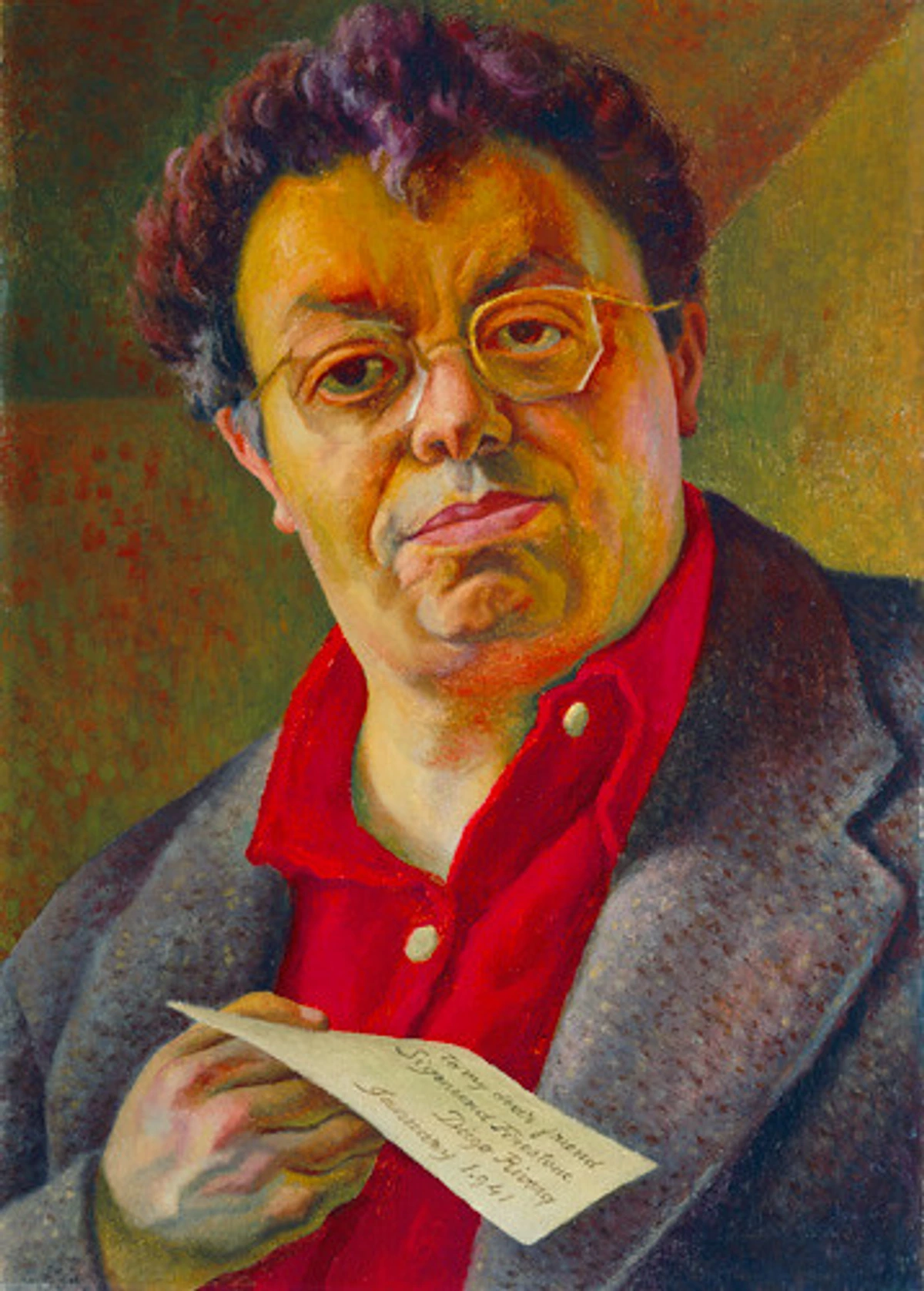
And then, of course, there was Diego Rivera, the famous muralist—her husband, her tormentor, her great love, and the subject of much speculation. Their relationship, beginning with their marriage in 1929, was a tumultuous masterpiece in itself, a swirling vortex of infidelity, passion, and an unbreakable, if often painful, bond. It's a classic example of that complicated human messiness, isn't it? Where love isn't clean or easy, but it's undeniably raw and profoundly real. Beyond the drama, Frida also experienced devastating miscarriages and infertility, themes that deeply scarred her and found their way onto her canvases with heartbreaking honesty. During her era in 1930s Mexico, reproductive loss was often a deeply private, stigmatized experience, with limited medical understanding and a societal expectation for women to bear children. Notably, in works like "Henry Ford Hospital" (1932), her pain is laid bare through vivid, symbolic imagery, including red ribbons resembling umbilical cords connecting her to floating objects such as a male fetus, a snail (representing the slow, agonizing passage of time), and a broken pelvis, all set against a bleak industrial backdrop that underscores the harsh, unforgiving reality of her situation and the profound social stigma often attached to reproductive loss during her era. Imagine the bravery required to paint such intensely private and stigmatized pain for the world to see.
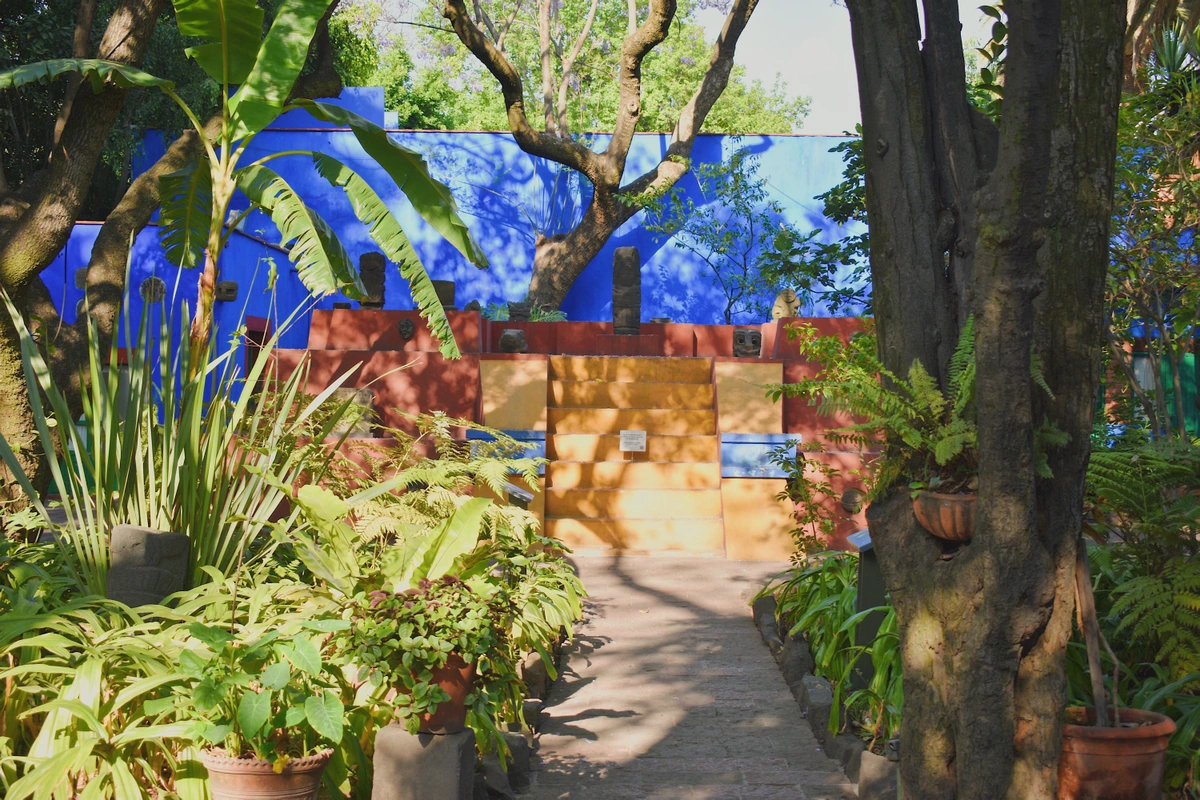
But Frida was far more than just Diego's wife or a woman defined by her suffering. She was fiercely independent, an ardent communist, and openly bisexual, defiantly challenging every societal norm thrown her way. Her commitment to political ideals went beyond casual interest; she was deeply engaged with the ideals of the Mexican Revolution and social justice. She joined the Mexican Communist Party (PCC) and saw Mexicanidad not just as cultural pride, but as a deliberate political statement, asserting native identity against European colonial influence. She actively participated in anti-fascist rallies, supported striking workers, and advocated for land reform and indigenous rights, often using her art as a form of visual protest. This was no passive artist; she was a walking, breathing rebellion, an intellectual who hosted figures like Leon Trotsky in her home, actively participating in the cultural and political ferment of her time. Her art was a visual extension of her ideological beliefs, a testament to her belief in an authentic, unvarnished life. Her choice of masculine attire wasn't merely sartorial; it was a potent act of subversion, overtly challenging traditional gender roles and hinting at a profound exploration of gender fluidity long before the term was widely understood or accepted. Her open relationships and embrace of her sexual identity were truly groundbreaking for her time. Her home, the iconic Casa Azul (Blue House) in Coyoacán, was not just where she lived and worked; it was her sanctuary, her studio, and a vibrant hub for artists and intellectuals, a tangible extension of her unique world and a profound source of her artistic inspiration.
Frida as Educator: Nurturing 'Los Fridos'
In 1943, Frida began teaching at the Escuela Nacional de Pintura y Escultura 'La Esmeralda', a progressive art school. Despite her declining health, she was a dedicated and influential educator, known for her unconventional and deeply personal approach. She emphasized practical art, encouraging her students to find their unique artistic voices rooted in their rich Mexican heritage rather than imitating European styles. She famously declared, "To paint is to know how to draw and know how to see." When her health prevented her from traveling to the school, she taught her students at her Casa Azul, forming a close-knit group known as 'Los Fridos' (The Fridas). She would take them on field trips to markets, ancient Aztec sites, and bustling streets, urging them to observe and draw from life, focusing on indigenous culture, history, and the everyday people of Mexico. Her pedagogy wasn't just about technique; it was about fostering a deep connection to their roots, encouraging them to create an art that was authentically Mexican and socially conscious. Students like Fanny Rabel, known for her socially engaged prints and paintings, and Arturo García Bustos, a prominent muralist and printmaker who became her assistant, emerged from her tutelage as significant figures in their own right, carrying forward her commitment to Mexicanidad and social consciousness in art. Her pedagogical approach was revolutionary, demonstrating her belief in fostering authentic expression and a deep connection to one's roots.
Her final years were marked by increasing physical suffering and numerous surgeries, including the amputation of her right leg in 1953. Yet, her spirit remained indomitable. That same year, she had her first major solo exhibition in Mexico. Famously, she attended the opening from her four-poster bed, which was brought to the gallery, celebrating with fierce joy and defiance until her death in 1954. Even in her final artistic output, themes of mortality and political conviction remained strong, with works like 'Viva la Vida, Watermelons' (1954) being a vibrant testament to her enduring love for life.
Key Milestones in Frida Kahlo's Life
To truly appreciate the breadth of her journey, let's look at the pivotal moments that shaped Frida's life and art:
Year  | Event | Significance |
|---|---|---|
| 1907 | Born in Coyoacán, Mexico City | Grew up during the Mexican Revolution, deeply shaping her national identity and political consciousness amidst family and cultural traditions. |
| 1913 | Contracts Polio | Led to lifelong physical challenges, pain, and a unique perspective on the body, profoundly reflected in her artistic themes and her resilience. |
| 1913-1922 | Attends German school & National Preparatory School | Early education and intellectual development, where she met future husband Diego Rivera, formed 'Los Cachuchas,' and developed her political ideals. |
| 1925 | Bus Accident | Severe injuries, including a broken spine and pelvis, necessitating over 30 surgeries and marking her transition to serious painting as a form of therapy and self-expression. |
| 1929 | Marries Diego Rivera | Begins tumultuous, lifelong relationship with the famous muralist, a central figure in her emotional and artistic life, and a shared commitment to political ideals. |
| 1930s-40s | Active Politically & Artistically | Develops unique artistic style, exhibits internationally; politically engaged, briefly hosting Leon Trotsky, and advocating for Mexican identity and social justice, including participation in anti-fascist rallies. |
| 1938 | First Solo Exhibition in NYC | Achieves significant international recognition, curated by Julien Levy, marking her emergence as an independent artist beyond Rivera's shadow. |
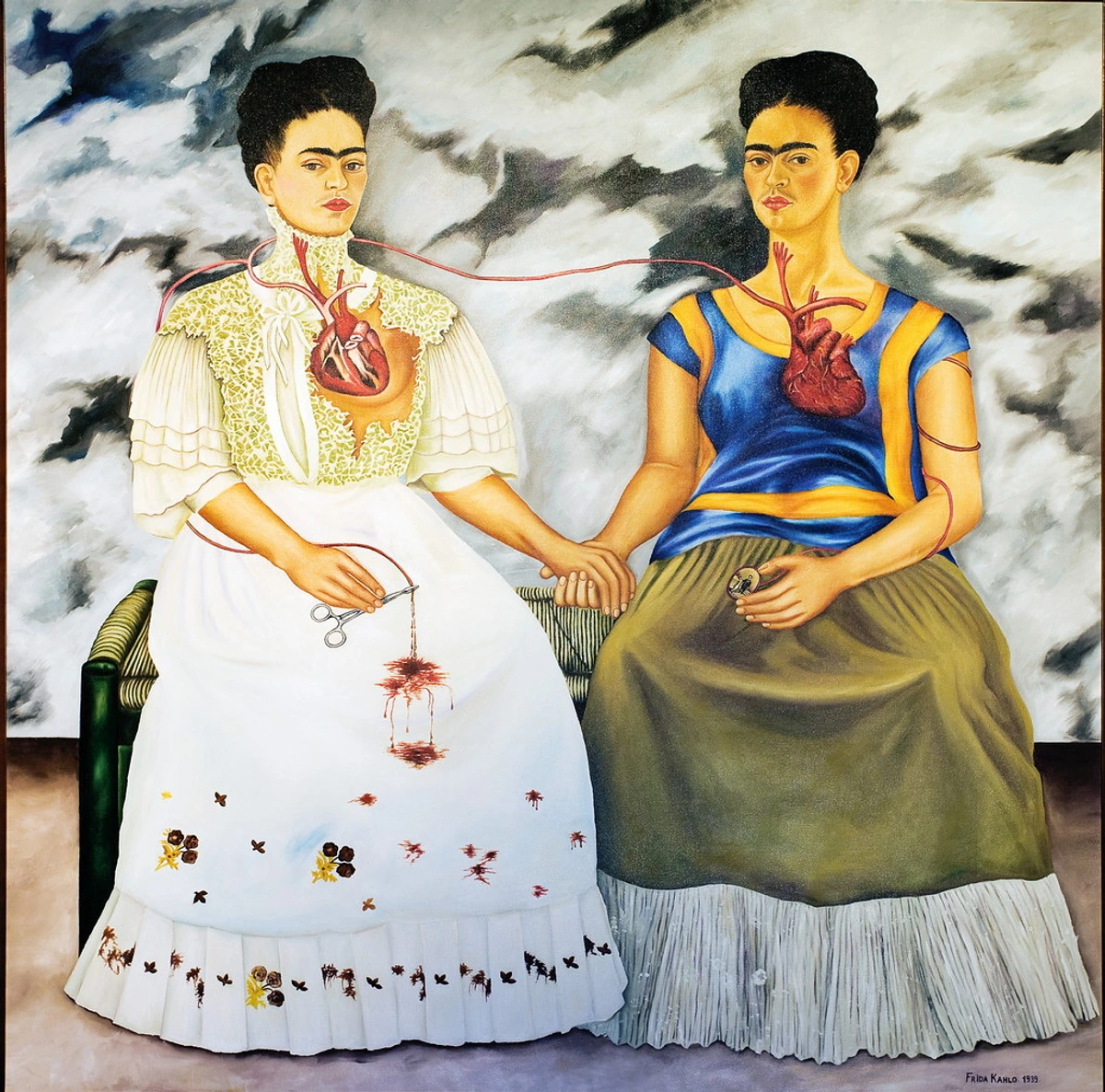
| 1939 | Divorces Diego Rivera (briefly) | A period of intense personal upheaval reflected in iconic works like “The Two Fridas,” symbolizing her dual identity and heartbreak. |
| 1940 | Remarries Diego Rivera | Despite complexities, their enduring bond, a testament to their unique and often painful connection, continued to shape her life and art. |
| 1943 | Begins teaching at La Esmeralda | Becomes a respected educator, forming 'Los Fridos', emphasizing Mexican identity and fostering artistic growth in a new generation, including notable students Fanny Rabel and Arturo García Bustos. |
| 1953 | First Solo Exhibition in Mexico | Her only major solo show in her home country during her lifetime, famously attended by her from her bed, demonstrating her indomitable spirit despite declining health. |
| 1954 | Dies at age 47 | Leaves behind an unparalleled artistic and cultural legacy, becoming a global icon and enduring symbol of resilience and authenticity. |
Her Art: A Visual Diary of the Soul, Beyond Categories
Now, let's turn our attention to the art itself. For me, the magic of Frida's work lies not just in what she painted, but how she painted it. Her canvases are vibrant, dense, and emotionally resonant, pulling you into her intensely personal world. Her connection to art movements like Surrealism is certainly a fascinating aspect of her story, but her own definition of her work remains paramount.
Rejecting the "Surrealist" Label: Painting Her Own Truth
Many people, myself included when I first started learning about her, might glance at Frida's paintings and immediately think, "Surrealism." I absolutely get why. The dreamlike quality, the audacious juxtaposition of unusual elements, the intense psychological depth—it all points that way, doesn't it? And it's true that figures like André Breton, the self-proclaimed founder of Surrealism, were captivated by Frida’s raw, psychological intensity and often dreamlike imagery. He actively tried to claim her as one of their own, inviting her to exhibit with them. But she famously, and quite definitively, stated, "I never painted dreams. I painted my own reality." And that, my friend, is precisely where the magic, and indeed the profound difference, truly lies. Frida was resolute, even defiant, in her rejection of the label. She asserted that her work wasn't about accessing the subconscious, as Surrealists aimed to do through automatism (automatic drawing or writing, without conscious control) and dream analysis; it was a direct, unfiltered visual diary of her lived, conscious experience. Take, for instance, a painting like "What the Water Gave Me" (1938), often cited as a Surrealist work due to its fragmented, dreamlike imagery within a bathtub. However, for Frida, these were not subconscious fantasies but direct visual metaphors for her actual anxieties, traumas, and life events. This firm stance was not just about a label; it was a powerful declaration of artistic sovereignty, underscoring her unique artistic honesty and her unwavering commitment to autobiographical art rather than subconscious exploration. She painted what she saw and felt within her own four walls, within her own body, and within her own mind, not what lay hidden in the recesses of dreams. For example, while Remedios Varo, another exceptional artist working in Mexico around the same time, often constructed elaborate, fantastical narratives exploring alchemy and magic, Frida's fantastical elements always remained anchored to her internal and external lived circumstances.
A Style Forged in Reality: Magical Realism and Raw Emotion
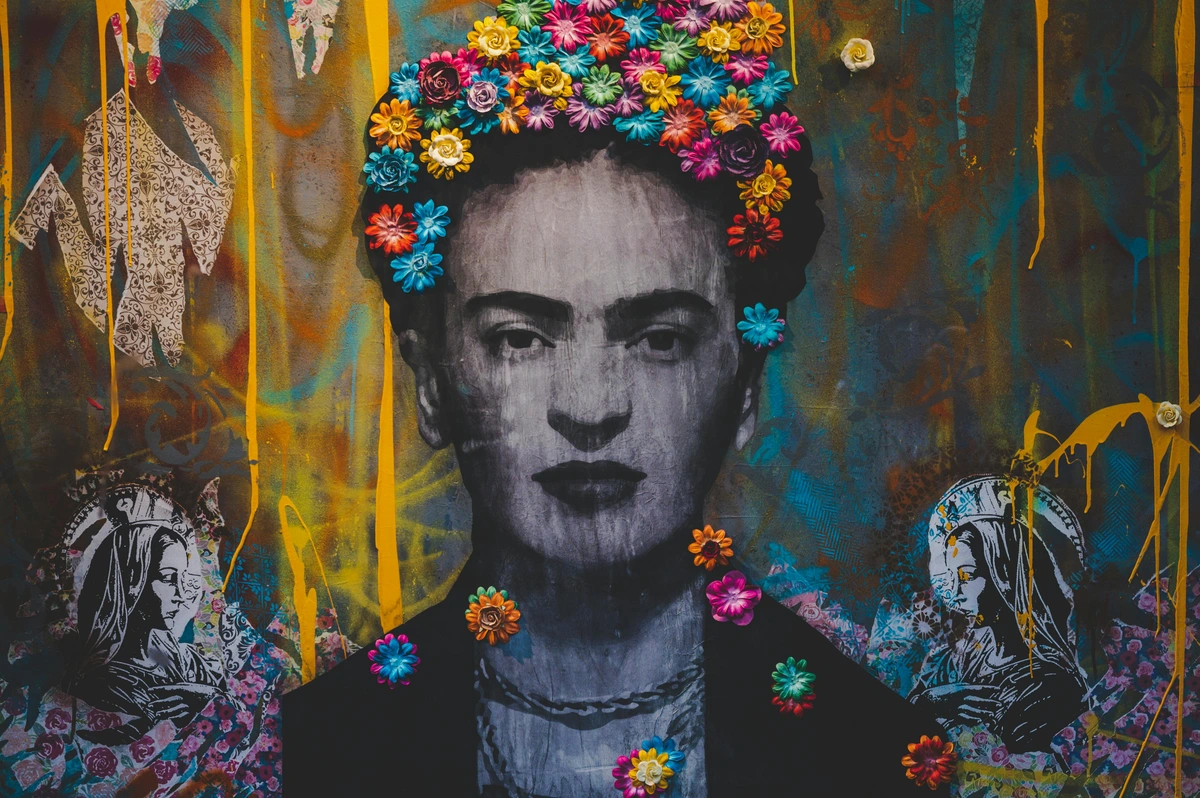
Frida Kahlo’s artistic style is uniquely her own, often described as a form of magical realism or symbolic realism. Magical realism, to put it simply, is where the mundane and the miraculous coexist seamlessly, blending realistic settings with fantastical elements. Think of Gabriel García Márquez in literature, but visually rendered. Symbolic realism, on the other hand, emphasizes reality through symbolic language and meticulously rendered detail, often presenting a heightened, almost hyper-real version of truth. Frida masterfully combined intricate brushwork with vibrant, often audacious, colors and a rich tapestry of symbolism drawn from Mexican folk art, pre-Columbian mythology, and even her Catholic upbringing. Her meticulous execution, while precise, often featured a flattened perspective, common in Mexican folk art, which contributed to the raw, almost visceral texture and profound emotional impact of her pieces. She didn't shy away from depicting the grotesque or the painful; instead, she transformed it into something visually compelling and deeply human. For me, that’s where her true genius lies – in making the deeply personal universally resonant. This ability to make the deeply personal universally resonant is a remarkable feat, one that artists across disciplines, myself included, strive for.
Mexicanidad: A Revolutionary Embrace of Indigenous Heritage
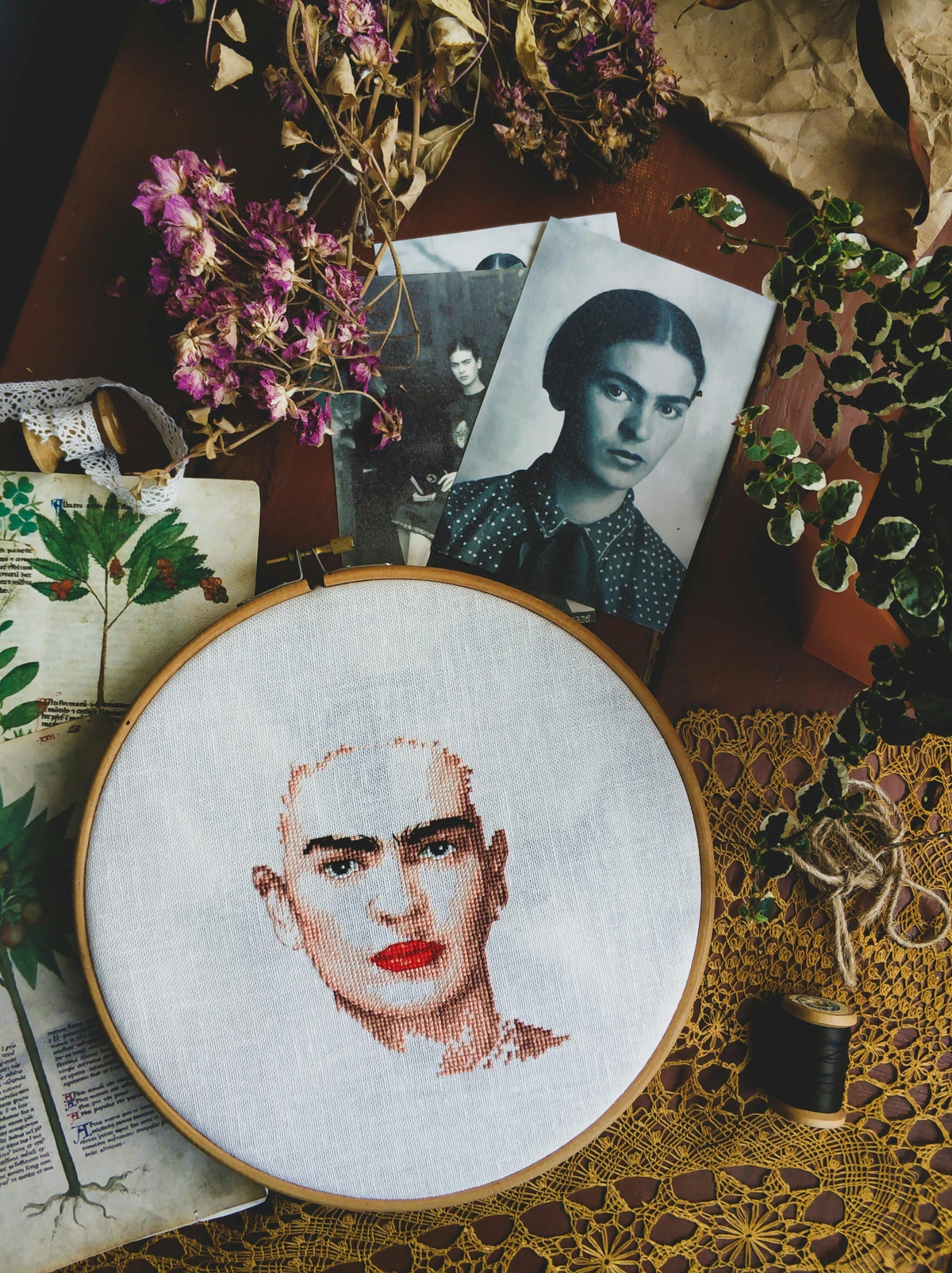
Frida's paintings are absolutely bursting with symbolism, often deeply rooted in Mexican folk art and pre-Columbian culture. From the beloved monkeys (often representing children or stand-ins for lovers) and Xoloitzcuintli dogs (Mexican hairless dogs, ancient symbols often representing death or spirit guides like Xolotl in Aztec mythology), to the vibrant colors of her cherished Tehuana dresses, and ancient Aztec symbols she incorporated, every element has a story, a layer of meaning. For example, indigenous plants like the Nopal cactus (prickly pear, a central symbol in Mexican identity and flag) or Marigolds, often associated with Día de Muertos (Day of the Dead) and representing the sun's brilliance and fleeting nature of life, or her Tehuana attire, weren't just decorative; they were deliberate assertions of cultural pride. She embraced her Mexican heritage with an intensity that was profoundly revolutionary for her time, making it a central pillar of her artistic and personal identity. This commitment to "Mexicanidad" wasn't just a stylistic choice; it was a profound political statement, a fierce celebration of her indigenous roots against European cultural dominance in a post-revolutionary Mexico striving to define its unique national identity. She frequently incorporated elements from traditional retablos (small devotional paintings, typically on tin, depicting narrative scenes of miracles, often offered in gratitude for divine intervention – imagine a small, intensely detailed painting showing a dramatic accident and a saint intervening) and ex-votos (folk art offerings made in gratitude or devotion, often accompanied by a written testimony) in her work, transforming their narrative and devotional qualities into a deeply personal, secular mythology of her own suffering and survival. This was a radical reinterpretation, shifting focus from divine intervention to individual resilience.
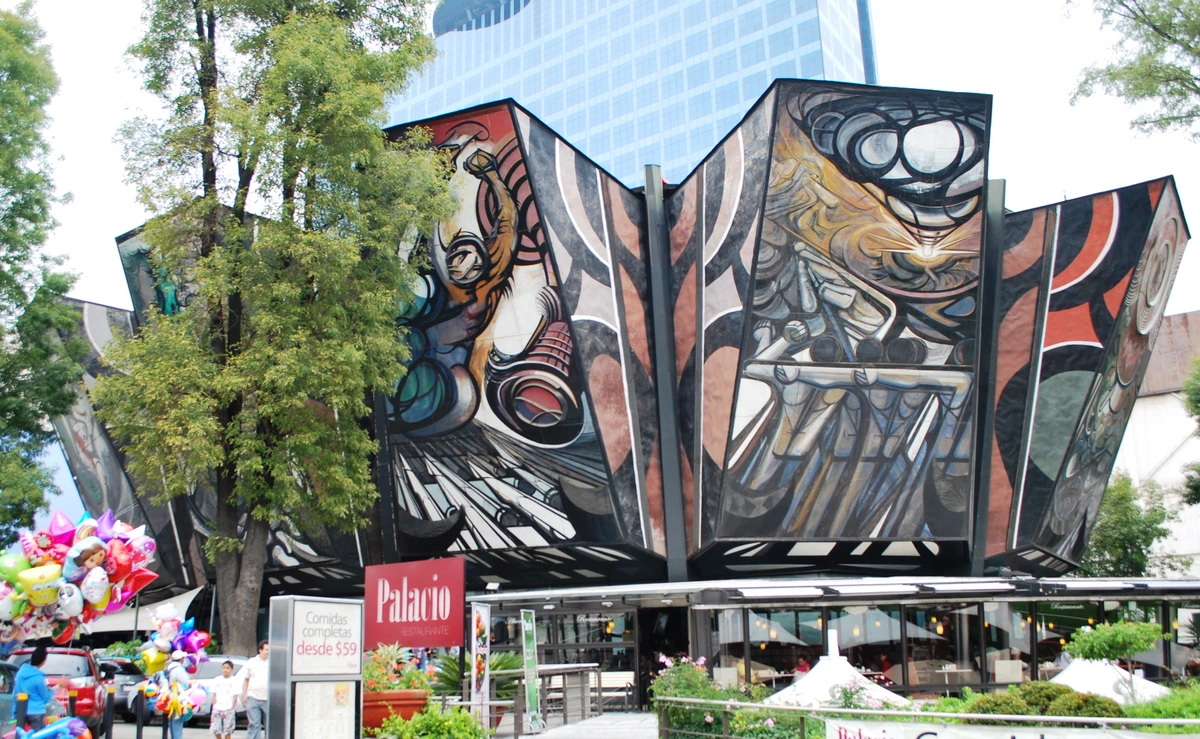
Her embrace of indigenous traditions paralleled the work of contemporary Mexican muralists like Diego Rivera, José Clemente Orozco, and David Alfaro Siqueiros, who also sought to capture the spirit of Mexico. However, while they channeled this into large-scale public murals proclaiming national narratives, Frida funneled it into an intensely personal, almost diaristic, visual language, creating intimate self-portraits that reflected the national struggle through the lens of her individual body and spirit. It’s a remarkable parallel, isn’t it? How different artists can take the same cultural impetus and express it on vastly different scales.
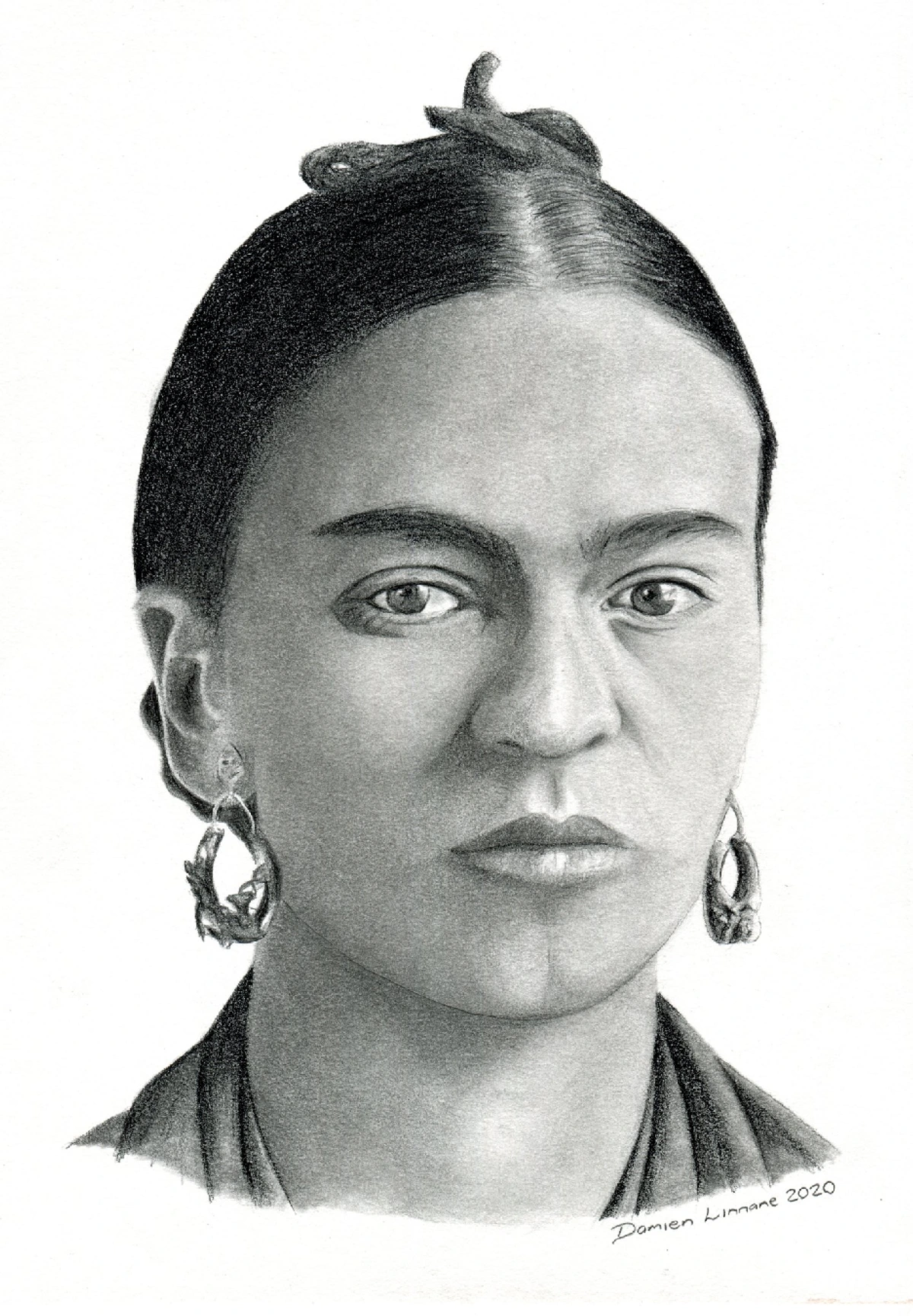
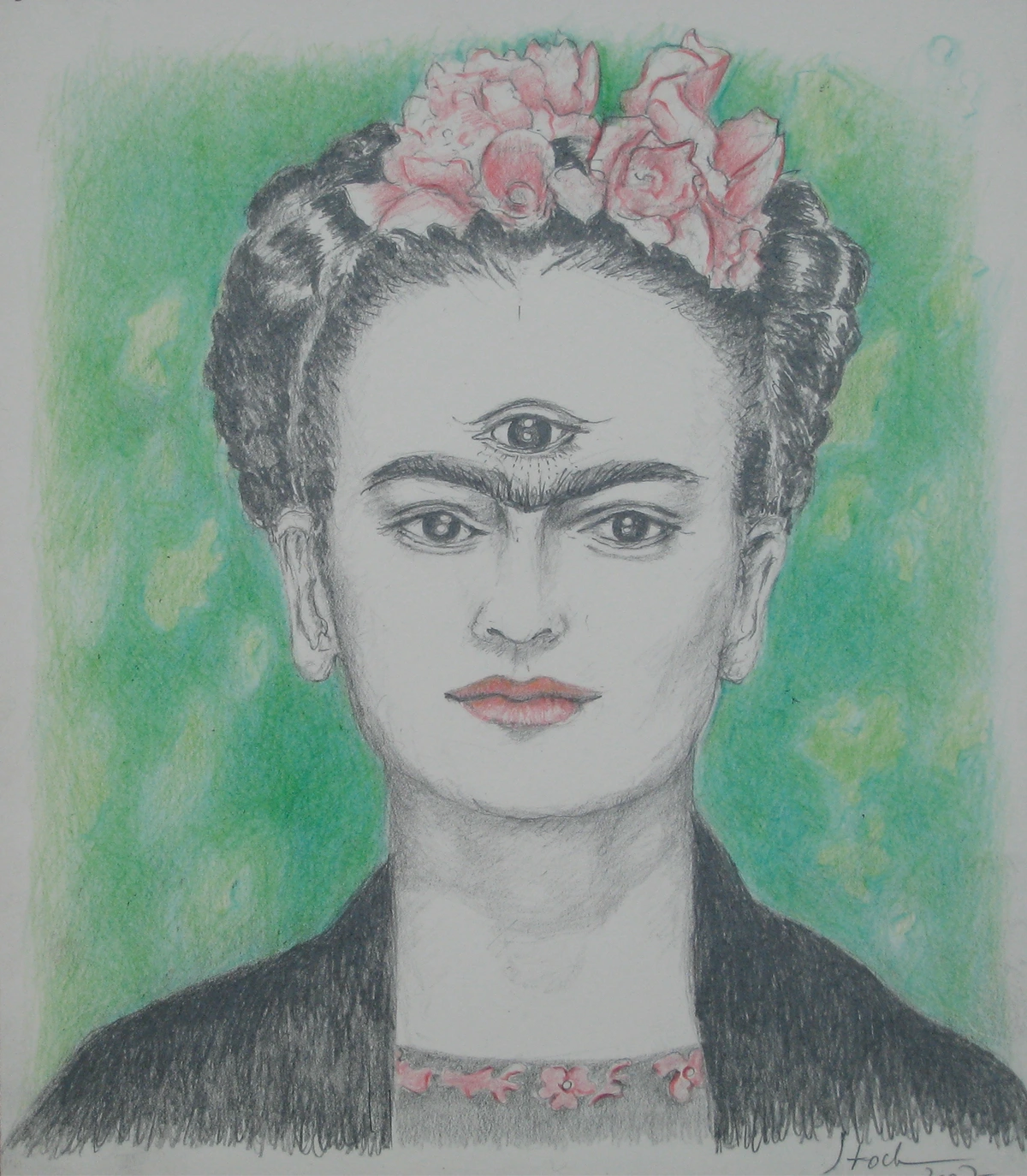
It makes me wonder about the power of our own heritage; what does your cultural background mean to you, and how does it shape your worldview? And as an artist, how do we translate that personal heritage into a universal language?
The Unflinching Mirror: Self-Portraits as Raw Autobiography
Frida painted herself, a lot. I mean, a staggering amount. Over fifty self-portraits, if you can believe it. These weren't mere vanity projects; they were intensely personal explorations of her identity, her physical and emotional pain, her complex heritage, and her deep connection to the natural world. Each self-portrait is like a raw, exposed page from her most intimate diary, laid bare for the world to witness. She used her own body, often in its brokenness, as the primary canvas for her narrative, a revolutionary act of reclaiming agency over her own image and story. This unflinching self-examination made her a pioneer, much like the path of honest introspection that many contemporary artists, myself included, attempt to navigate in their own artist's journey.
Her choice of self-portraiture was both a practical necessity and a deliberate artistic strategy. Confined to her bed for long periods, with a mirror often positioned above her, she became her own most accessible model. However, this practical limitation quickly evolved into a profound psychological exploration, transforming the act of self-gazing into a powerful tool for processing trauma, asserting identity, and creating a deeply personal mythology.
Consider her seminal work, "The Broken Column" (1944), where she starkly depicts her fractured spine as a crumbling Ionic column, her body pierced by numerous nails representing constant, excruciating physical pain, tears streaming down her face. It's an almost unbearably frank portrayal of her constant, excruciating suffering. Or delve into "What the Water Gave Me" (1938), a surreal, dreamlike panorama of her life, anxieties, and traumas, all floating within her bathtub water. And "My Nurse and I" (1937), a deeply unsettling piece reflecting on her challenging upbringing and themes of identity and colonial trauma, representing the complex relationship between indigenous culture and European influence through the imagery of an indigenous wet nurse. Her self-portraits are an unflinching mirror, reflecting not just her face, but the very depths of her soul, providing a blueprint for the contemporary artist's introspective journey. I often wonder what it takes to be that vulnerable, to put your deepest hurts out there so plainly. It's a kind of bravery I deeply admire, and frankly, something I try to channel into my own creative expressions. Sometimes, when I’m grappling with expressing a raw emotion, like the profound sense of emptiness I explored in my piece 'Loneliness, Emptiness, Solitude, Absence,' I think of Frida’s courage to lay her soul bare, and it gives me permission to go deeper.

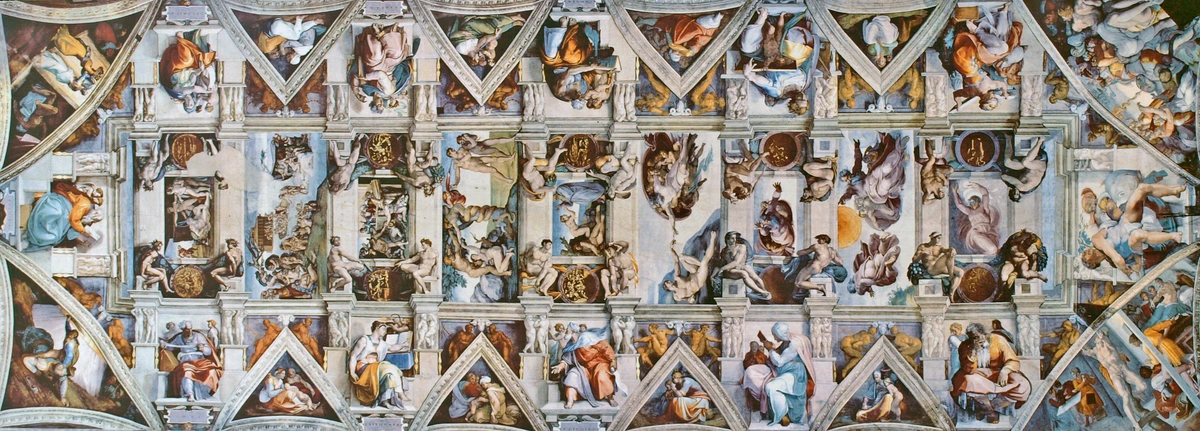
Her willingness to depict her body, even in its brokenness, with such stark honesty reminds me of classical and baroque sculptures that capture intense emotion and physical states. Take, for instance, Antonio Corradini's "Allegory of Faith," which masterfully depicts a veiled figure. While Corradini's intent was allegorical, striving for a universal ideal, Frida's was intensely autobiographical, resonating in its profound focus on the body's expressive capacity to convey deep emotional and physical realities from a singular, personal experience. This difference is so fascinating to me as an artist – how we navigate the universal and the intensely particular.
Techniques and Materials: Painting Her Reality
Frida Kahlo primarily worked with oil paint on canvas or masonite, often on a relatively small scale that intensified the intimacy of her scenes. Her brushwork was meticulously detailed, almost like that of a miniaturist, yet she infused this precision with a raw, almost visceral texture, using a palette of vibrant, often symbolic colors drawn from Mexican folk art. What's truly innovative is her approach to materials: she famously transformed her orthopedic corsets and plaster casts, necessitated by her injuries, into canvases themselves. She painted directly onto them, turning instruments of pain and confinement into potent symbols of artistic defiance and self-expression. This fusion of medical necessity with creative ingenuity is a testament to her unwavering artistic spirit, literally making her body a living canvas.
Key Artworks and Their Core Themes
Frida’s prolific output means many works stand out, but these six offer a compelling entry point into her core artistic concerns and their critical interpretations over time:
Painting Title (Year) | Primary Themes | Key Visual Elements & Symbolism | Why this is important to understanding Frida |
|---|---|---|---|
| The Two Fridas (1939) | Dual identity, heartbreak, resilience, cultural heritage | Two Fridas, holding hands, connected by an artery that runs from one heart to the other. One Frida, on the right, wears a traditional Tehuana dress and has a whole heart. The other, on the left, wears a European Victorian wedding dress, with her heart exposed and bleeding. Surgical clamps attempt to stem the flow of blood. Set against a stormy, emotionally charged sky. | Vividly illustrates her emotional anguish post-divorce and her internal struggle between two cultural identities (European vs. Indigenous Mexican), a central tension in her life and work. Critics often highlight this piece as a powerful exploration of psychological fragmentation and the pain of fractured identity. |
| Self-Portrait with Thorn Necklace and Hummingbird (1940) | Suffering, endurance, love, death, resurrection, personal mythology | Frida with a necklace of thorns piercing her neck, from which hangs a dead hummingbird (a symbol of love/luck in Mexican folklore, here representing lost love/Diego). A black cat (bad luck or a predatory presence) and a monkey (Diego or a devil figure, or perhaps a mischievous alter-ego) lurk behind her. Butterflies (resurrection/freedom) flutter. | A powerful statement on her enduring pain, complex relationships, and the deep integration of Mexican folklore into her personal narrative of suffering and hope. The symbolism here is often debated, reflecting the multifaceted nature of her inner world. |
| The Broken Column (1944) | Physical pain, vulnerability, defiance, endurance, disability | Frida's body is split open, revealing a crumbling Ionic column as her fractured spine. Her body is pierced by numerous nails, symbolizing persistent agony. She wears a white orthopedic corset and tears stream down her face, yet her gaze is direct and unyielding against a desolate landscape. | An almost unbearably frank portrayal of her constant, excruciating physical suffering, transforming personal trauma into a universal symbol of human endurance against adversity. This work is a cornerstone for understanding her as a pioneer in depicting chronic illness and disability in art. |
| Henry Ford Hospital (The Flying Bed) (1932) | Miscarriage, infertility, isolation, emotional pain, social stigma | A naked Frida lies in a hospital bed, a single tear on her cheek. Red ribbons resembling umbilical cords connect her to various floating objects: a male fetus, a snail (representing the slow, agonizing passage of time), a broken pelvis, an orchid (gift from Diego), and medical instruments, all against a bleak industrial landscape. | A raw, courageous depiction of miscarriage and infertility, deeply taboo subjects at the time, revealing her profound emotional and physical pain and challenging societal silence around female bodily experience. Its unflinching honesty shocked many and remains a powerful feminist statement. |
| The Wounded Deer (The Little Deer) (1946) | Hope, pain, fate, self-identification, vulnerability, death, transformation | Frida's head is superimposed on the body of a young deer, pierced by several arrows, fleeing through a dark, isolated forest under a stormy sky, with a broken branch in the foreground. This imagery resonates with the Aztec god Xolotl, often depicted as a dog or deer, who served as a psychopomp, guiding souls to the underworld. | Reflects her physical suffering and feeling of being hunted by fate, a profound act of self-identification with the vulnerable animal, symbolizing her persistent struggle and fragile hope for spiritual transformation. The connection to indigenous mythology adds another layer to her personal and cultural narrative of pain and transcendence. |
| Self-Portrait with Cropped Hair (1940) | Defiance, gender roles, emotional cutting, independence, reclaiming agency | Frida, in an oversized men's suit, sits with scissors in hand, having cut off her long hair, which lies scattered on the floor. The men's suit, traditionally a symbol of male power and autonomy, represents her rejection of traditional femininity and a reclaiming of power and independence following her divorce from Rivera. A lyric from a Mexican folk song, "Mira que si te quise, fue por el pelo, ahora que estás pelona, ya no te quiero" ("Look, if I loved you, it was for your hair, now that you're bald, I don't love you anymore") is visible. | A radical departure from her feminine Tehuana image, signifying her independence and emotional cutting after divorcing Rivera, overtly challenging traditional gender roles and expectations. This painting is a powerful statement of autonomy, reflecting on the performative aspects of gender and her reclamation of self. |
Her Artistic Interpretations: A Shifting, Ever-Relevant Lens
Frida Kahlo's work has been a perpetual wellspring of fascination for art historians and critics, evolving significantly over the decades. Initially, during her lifetime, she was often overshadowed by Diego Rivera, viewed primarily through the lens of her relationship with him or as a quirky Surrealist muse. Later, with the rise of feminism in the 1970s, her raw portrayal of female experience, her defiant self-image (including the unapologetic depiction of her natural body hair, scars, and non-conforming features), and her challenges to conventional beauty standards catapulted her to a new level of academic and popular appreciation as a feminist icon. More recently, scholars have explored her work through the prism of postcolonialism—the academic study of the cultural, political, and economic legacy of colonialism—examining her profound embrace of Mexicanidad as a powerful counter-narrative to Eurocentric art historical dominance, celebrating indigenous forms and symbolism as a defiant act. Her lifelong struggle with disability has also become a critical area of study, with many seeing her work as a pioneering visual diary of chronic illness, bodily autonomy, and a challenge to societal perceptions of disabled bodies. It's truly fascinating to observe how different generations find new, profound resonances in her unflinching artistic honesty. Her work also stands uniquely in the post-WWII artistic landscape, maintaining its intensely personal focus even as many artists shifted towards abstraction or broader social commentary, making her commitment to autobiographical realism all the more striking. It also makes me think of other trailblazing female artists of her era, like Georgia O'Keeffe or Mary Cassatt, who, in their own unique ways, also redefined what was possible for women in art. However, while O'Keeffe explored vast inner landscapes and Cassatt depicted the intimate domestic sphere, Frida laid bare her most brutal exterior and interior realities, making her artistic approach distinctively confrontational and autobiographical.
A Legacy That Transcends Art and Time: Frida's Enduring Global Impact
It’s astonishing how Frida Kahlo's influence has only intensified and expanded since her death in 1954. She's not just an artist; she's undeniably a global phenomenon, a cultural touchstone.
Feminist Icon and Trailblazer for Autonomy
For so many women, and indeed for anyone who has ever felt marginalized, Frida is a powerful beacon. She famously challenged traditional notions of beauty by embracing her natural features—her unibrow, her slight mustache—rejecting idealized feminine aesthetics imposed by society. This was a profound act of body positivity and self-acceptance long before those terms were widespread. She shattered conventional gender roles, pursuing her passions fiercely and unapologetically, often adopting masculine attire or themes in her art, overtly challenging traditional gender roles and hinting at her profound exploration of gender fluidity. Crucially, she portrayed deeply personal and often taboo female experiences—childbirth, miscarriage, heartbreak, bodily autonomy, and sexual identity—with an honesty that was virtually unheard of for her time, especially for a woman in the public eye. She was unapologetically herself, a woman who dared to live and create on her own terms in a world that sought to confine her. Her impact on feminism is immense, reminding us that vulnerability can be a superpower, and that reclaiming one's narrative is a revolutionary act. In a time when women artists were often relegated to domestic scenes or decorative works, Frida laid bare her inner and outer realities with a brutal, beautiful force.
Global Cultural Phenomenon: From High Art to Pop Culture (and its Nuances)
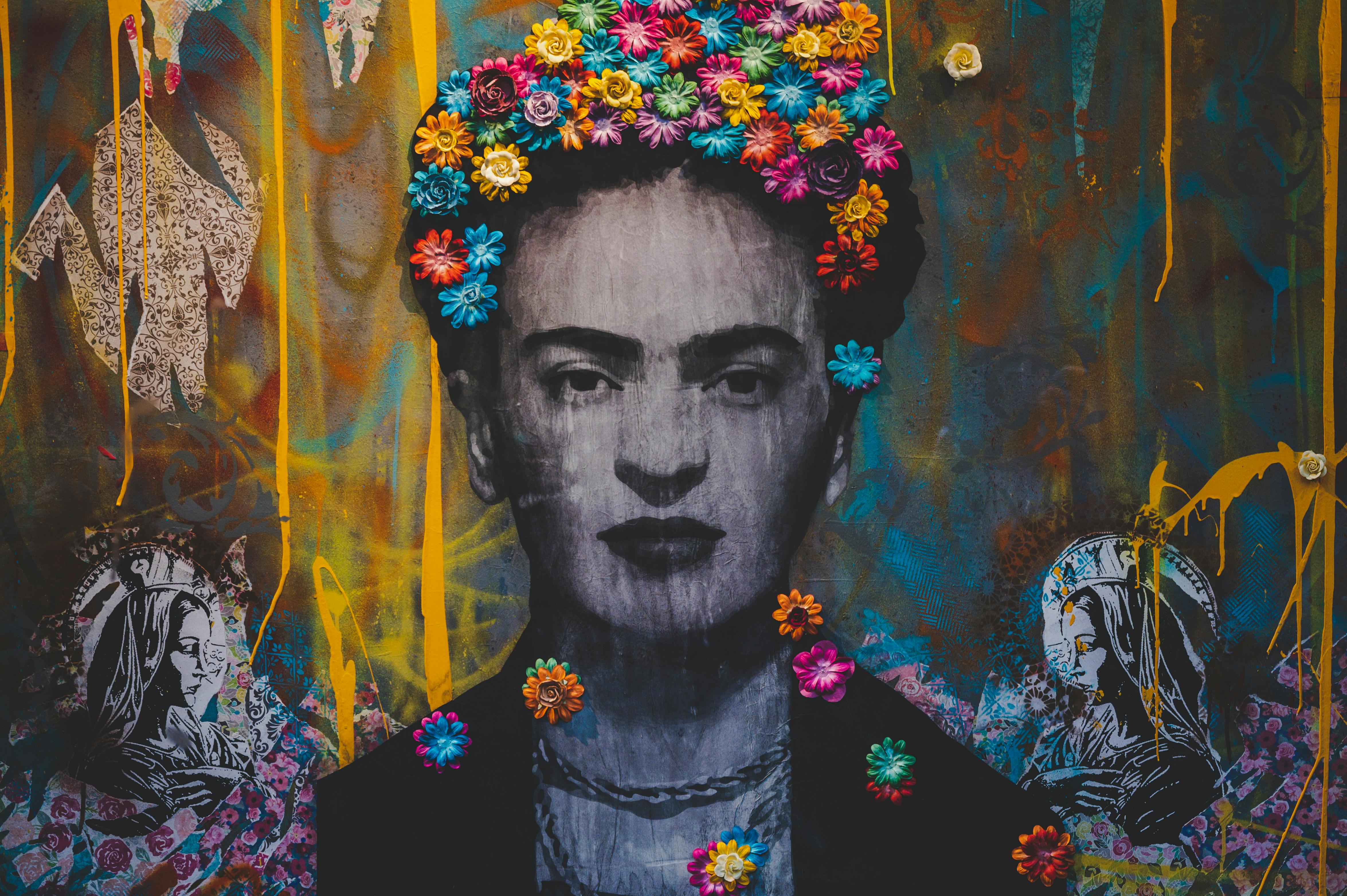
From fashion designers like Jean Paul Gaultier and Dolce & Gabbana, to musicians who write songs inspired by her, to countless visual artists who reference her, Frida's image and aesthetic have profoundly permeated global culture. She holds a unique and revered place within Mexican popular culture, embodying a national spirit of resilience and vibrant identity. While there's a valid and important debate to be had about the commercialization of her image—a tension I ponder often when I think about how art is valued, or how my own art is seen in the market—it undeniably risks diluting the profound personal narrative it originally embodied. Her face appears on everything from merchandise (tote bags, t-shirts, mugs) to high fashion runways, transforming her intense personal story into a widely recognizable, though sometimes depoliticized, motif. Furthermore, while digital platforms and emerging technologies like NFTs offer new avenues for artistic dissemination, a healthy skepticism is warranted regarding their impact on the intrinsic value and personal narrative of works like Frida's, ensuring her artistic integrity isn't lost in speculative markets. Yet, the widespread appearance of her face on everything from high fashion runways to street art (e.g., murals depicting her in various urban contexts) also undeniably extends her message of resilience and authentic self-expression, inspiring millions. She has become an icon that transcends traditional art appreciation, becoming a symbol of strength and individuality for a diverse global audience. It’s a fascinating tension, this journey from deeply personal canvas to globally recognized motif. How do we ensure the profound message isn't lost in the ubiquity of the image?
Shaping Contemporary Artistic Narratives: A Blueprint for Unvarnished Honesty
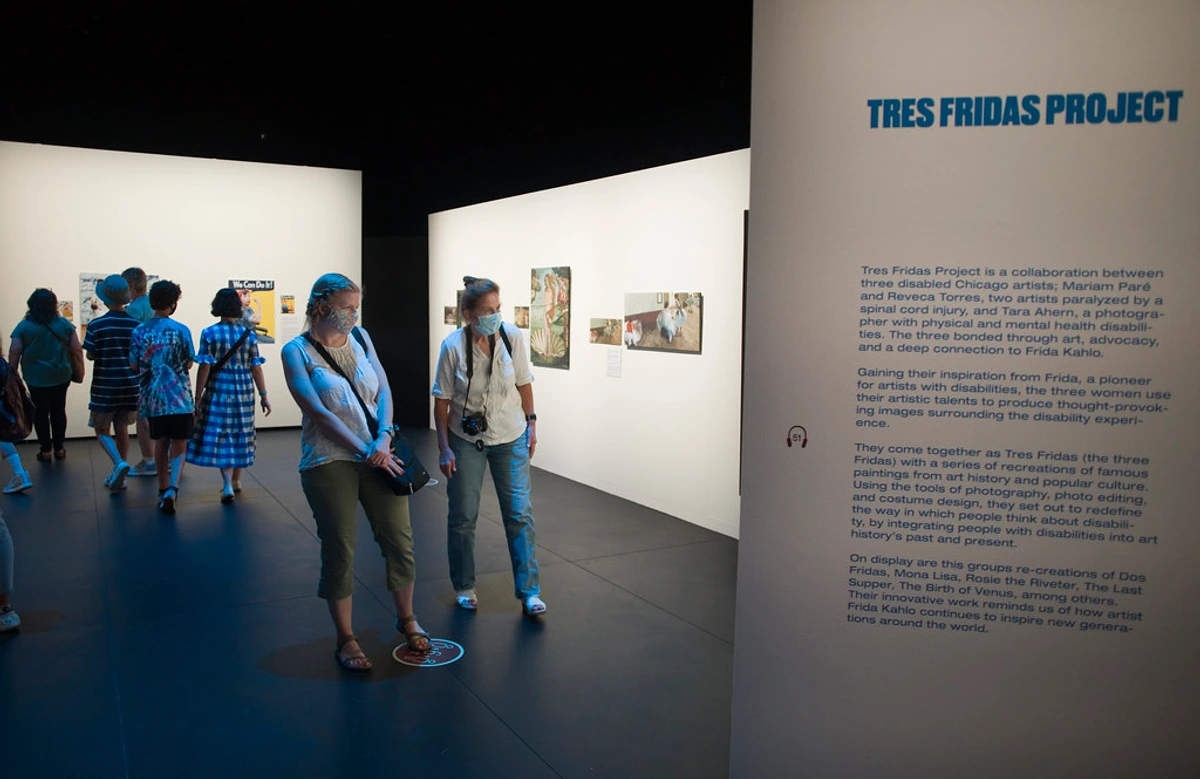
Her unflinching self-expression paved the way for countless artists who, today, explore personal narrative, identity, and the body in their work. I mean, when you observe how contemporary artists delve into their own stories, their vulnerabilities, their connection to culture, or even their struggles with chronic illness or disability, you can see clear, undeniable echoes of Frida. Her work serves as a powerful precedent for transforming personal suffering into universal art. For instance, the "Tres Fridas Project" powerfully re-envisions iconic works with disabled models and artists, creating compelling visual narratives that directly testify to her continuous influence on themes of bodily autonomy and representation for marginalized communities. This project specifically aims to challenge perceptions of disability in art and society by recreating famous artworks featuring disabled artists, drawing a direct lineage from Kahlo's groundbreaking self-portraits. Beyond that, artists like Shirin Neshat, who uses self-portraiture to explore identity, gender, and political conflict, or Frida Orupabo, whose digital collages probe race, gender, and history, continue to build on the foundation of autobiographical, identity-focused art that Kahlo so bravely pioneered. It makes me think deeply about my own artist's journey and how every piece of art we create is a response, in some way, to the art that came before. What does it take to transform such profound suffering into enduring art? And for those interested in collecting art that speaks to them personally, understanding artists like Frida truly enriches the experience of finding pieces for your own space, perhaps even from a collection of art for sale that aims for similar emotional resonance and profound storytelling. Sometimes, when I’m grappling with expressing a raw emotion, like the profound sense of emptiness I explored in my piece 'Loneliness, Emptiness, Solitude, Absence,' I think of Frida’s courage to lay her soul bare, and it gives me permission to go deeper.
Frida Kahlo: Your Essential Questions Answered (FAQ)
Why is Frida Kahlo so popular today?
Her profound, almost audacious authenticity is undoubtedly the core of her enduring popularity. She was so unapologetically herself, in a way that truly resonates in our modern, often curated world. Her story of overcoming immense adversity (including chronic pain and disability), her fierce embrace of her cultural identity (Mexicanidad), her trailblazing feminist spirit (including her advocacy for body positivity and self-acceptance), and her raw portrayal of pain and passion are all incredibly relatable and deeply inspiring. Many also connect with her art's exploration of mental health and chronic illness, finding solace and understanding in her visual diary. She gives us explicit permission to be complex, to be imperfect, and to be incredibly strong. In a world often driven by superficial images, her raw truth is a refreshing and powerful antidote, a mirror reflecting our own struggles and triumphs.

Who was Frida Kahlo's husband?
Frida Kahlo's husband was the renowned Mexican muralist Diego Rivera. Their relationship was famously tumultuous, marked by passion, infidelity, and an unbreakable artistic and emotional bond that lasted decades, despite divorce and remarriage. He was a monumental figure in her life, influencing her political convictions and appearing directly or indirectly in many of her works, yet she fiercely maintained her own artistic identity and independence.

What happened to Frida Kahlo?
Frida Kahlo endured a life marked by profound physical suffering and emotional intensity, which became the central themes of her art. At six, she contracted polio, leaving her with a permanently damaged leg. At eighteen, a devastating bus accident caused severe, lifelong injuries, including a broken spine and pelvis, necessitating over thirty complex surgeries throughout her life. These physical traumas led to chronic, excruciating pain, the constant use of orthopedic corsets, and infertility, all of which she bravely depicted in her raw and autobiographical paintings. Despite these hardships, she lived a vibrant life as an artist, political activist, and cultural icon, ultimately dying at age 47 in 1954 from a pulmonary embolism, though some speculate about other causes. Her persistent health struggles, including the amputation of her right leg a year before her death, never extinguished her indomitable spirit, and she continued to paint and engage with the world until her final days.
What were Frida Kahlo's political beliefs?
Frida Kahlo was a passionate and lifelong communist and a staunch advocate for social justice and Mexicanidad. She joined the Mexican Communist Party (PCC) and saw her art as an extension of her political convictions, using visual language to assert indigenous Mexican identity against European colonial influence. She was actively involved in various leftist causes, participating in anti-fascist rallies, advocating for workers' rights, and publicly supporting causes like land reform. Her home, the Casa Azul, was a hub for intellectuals and revolutionaries, famously hosting figures like Leon Trotsky during his exile. She believed in the power of art to instigate change and reflected her ideals of authenticity, equality, and national pride throughout her work and public life.

What are some common misconceptions about Frida Kahlo?
One common misconception, as we’ve explored, is that she was solely a Surrealist. She strongly rejected this label, preferring to call her work a depiction of her reality, not dreams. Another is that her life was purely tragic; while she endured immense suffering, she also experienced incredible joy, fierce love, profound creative fulfillment, and a vibrant social life filled with sharp wit and humor, which are often overlooked. She was a woman of immense vitality and passion, not just a figure defined by pain. Lastly, while her relationship with Diego Rivera was undeniably central, reducing her identity only to his wife gravely misunderstands her independent artistic and political prowess, her profound personal agency, and her unique contributions. She was, in every sense, her own formidable individual.
What was Frida Kahlo's artistic style and main themes?
Frida Kahlo’s artistic style is uniquely her own, often described as a form of magical realism or symbolic realism, rather than strict Surrealism. She combined intricate detail with vibrant colors and rich symbolism drawn from Mexican folk art, pre-Columbian mythology, and her Catholic upbringing. Her main themes are intensely autobiographical: physical and emotional pain (often directly linked to her polio, bus accident, and surgeries), her complex identity (gender, Mexican heritage, indigenous roots, disability, bisexuality), the tumultuous nature of love and relationships (especially with Diego Rivera), miscarriage and infertility, and a profound exploration of the human body and its vulnerability. She masterfully used self-portraiture as a vehicle for these deeply personal narratives, creating a visual diary of her lived experience. To see specific examples, refer to the "Key Artworks and Their Core Themes" table above.
How did Frida Kahlo's disability influence her art?
Frida Kahlo's profound experience with disability was not merely a background detail; it was a central, formative element that deeply influenced her artistic output and unique perspective. From contracting polio at age six to the devastating bus accident at eighteen, she endured lifelong chronic pain, numerous surgeries, and the use of orthopedic corsets and casts. Her art became a powerful visual diary of this struggle, directly depicting her physical suffering, vulnerability, and the intricate relationship with her own body. Works like "The Broken Column" explicitly illustrate her fractured spine and pain. Beyond direct depiction, her disability fostered a unique introspective gaze, a defiant reclaiming of agency over her body, and a challenge to conventional beauty standards, paving the way for contemporary artists to explore chronic illness and disability with unflinching honesty. She transformed instruments of pain into canvases, turning her struggle into audacious self-expression, paving the way for contemporary artists who explore themes of chronic illness, bodily autonomy, and disability in their work. Her art reminds us that strength often emerges from profound limitation.
How did Frida Kahlo influence modern art?
Frida Kahlo's influence on modern art is multifaceted and profound. She pioneered the concept of autobiographical art, using her personal suffering, identity, and experiences as the direct subject matter for her work, paving the way for countless contemporary artists. Her raw portrayal of the female body and its experiences, her challenge to traditional beauty standards (advocating body positivity), and her exploration of gender fluidity positioned her as a powerful feminist icon. Furthermore, her fierce embrace of Mexicanidad and indigenous culture in her art offered a vital postcolonial counter-narrative to Eurocentric art historical dominance. Her work is also seen as a pioneering visual diary of chronic illness and disability, challenging societal perceptions of disabled bodies and inspiring a new generation of artists to explore these themes. Her unique blend of personal narrative, cultural commentary, and unwavering honesty continues to resonate with and influence artists globally.
Where can I experience Frida Kahlo's world directly?
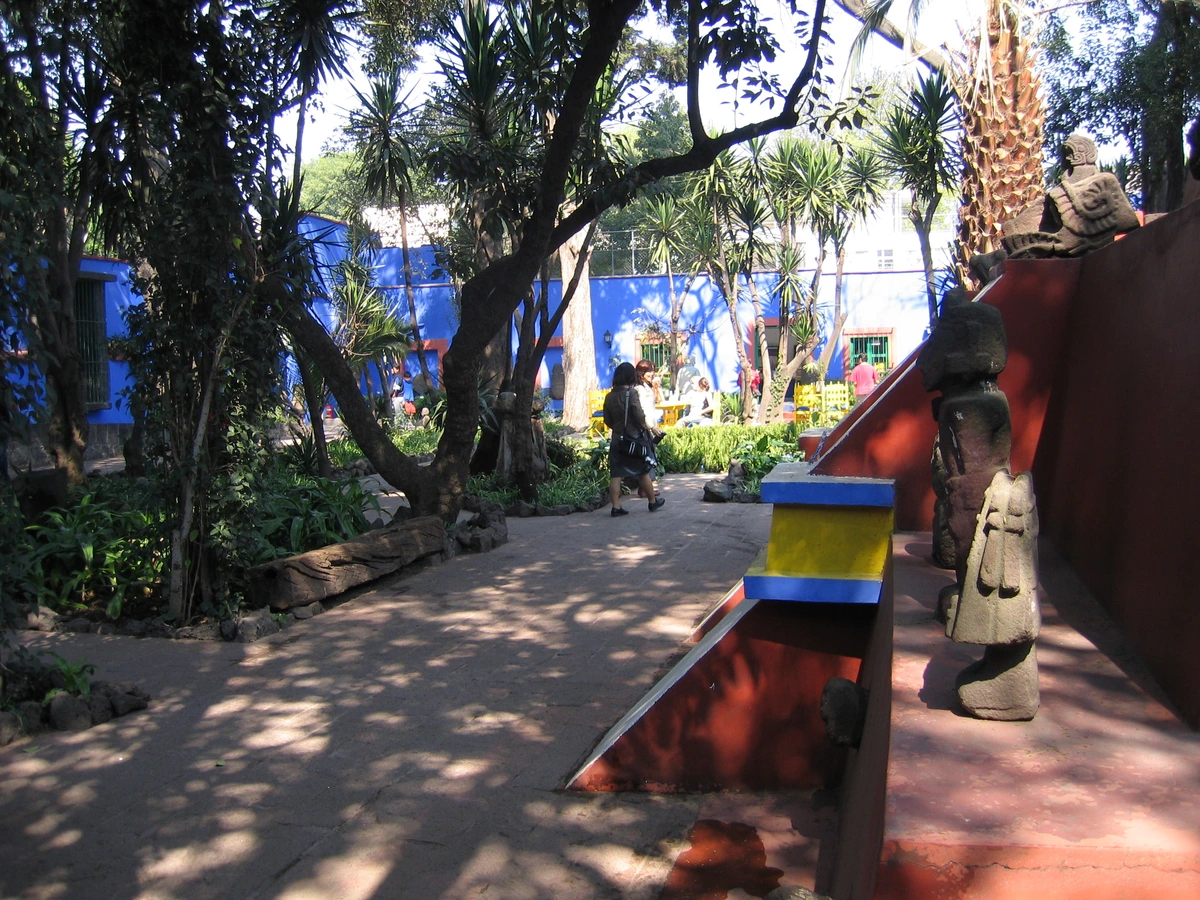
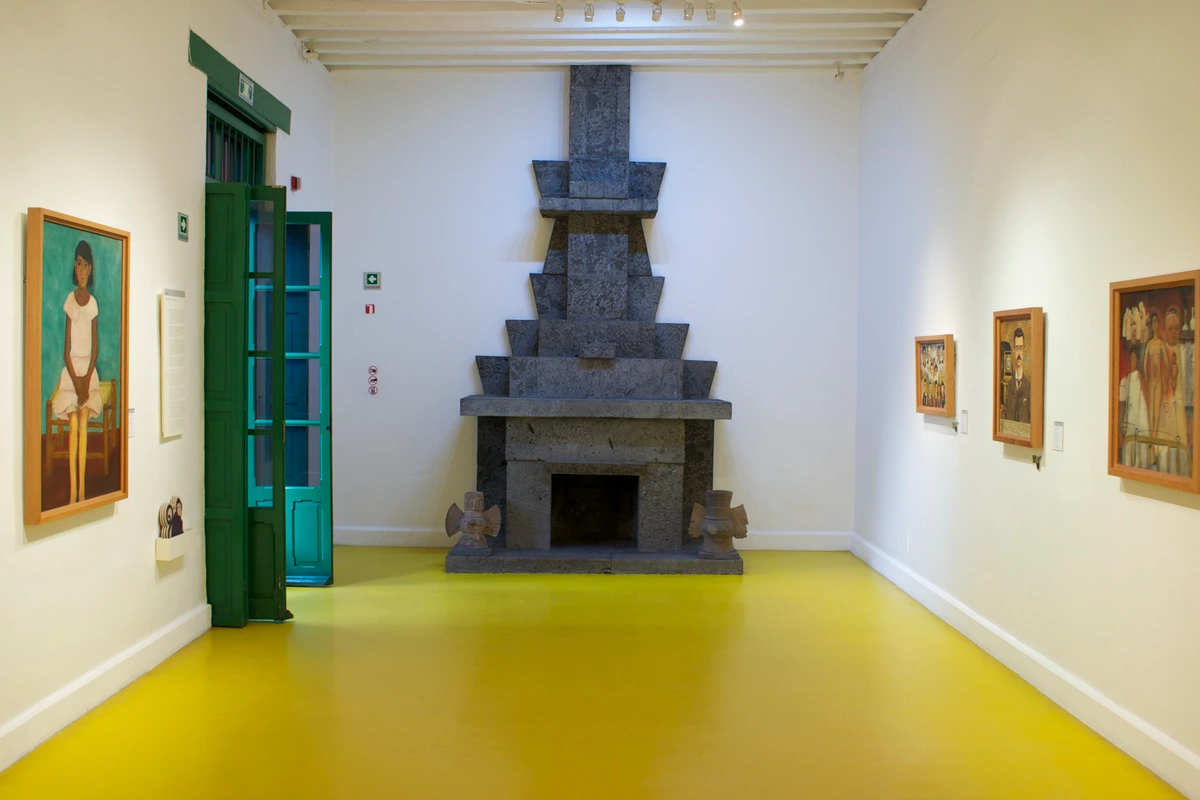
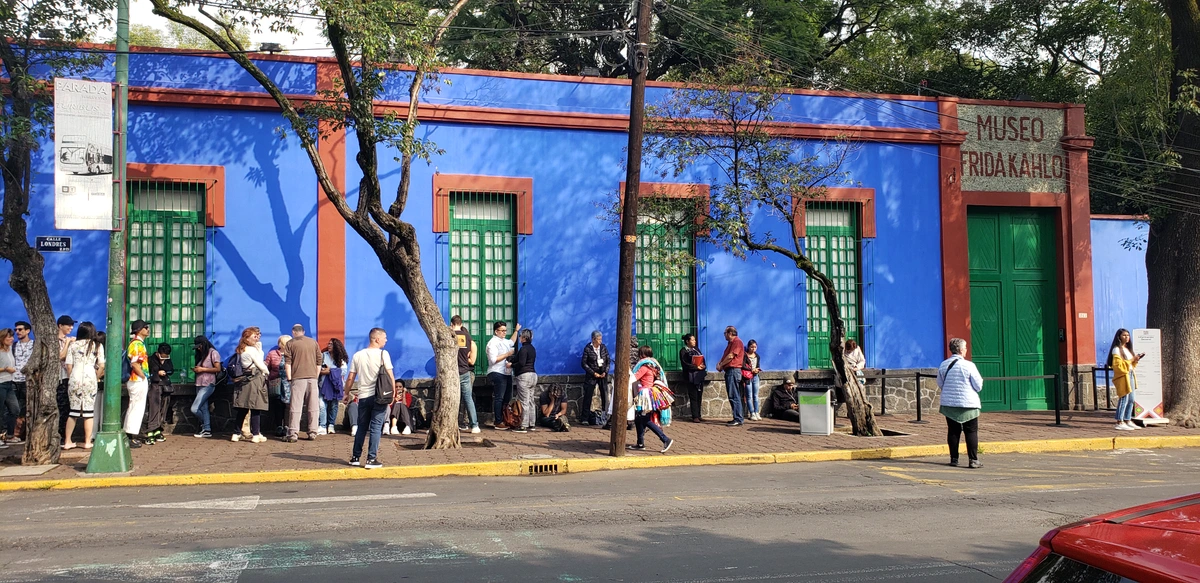
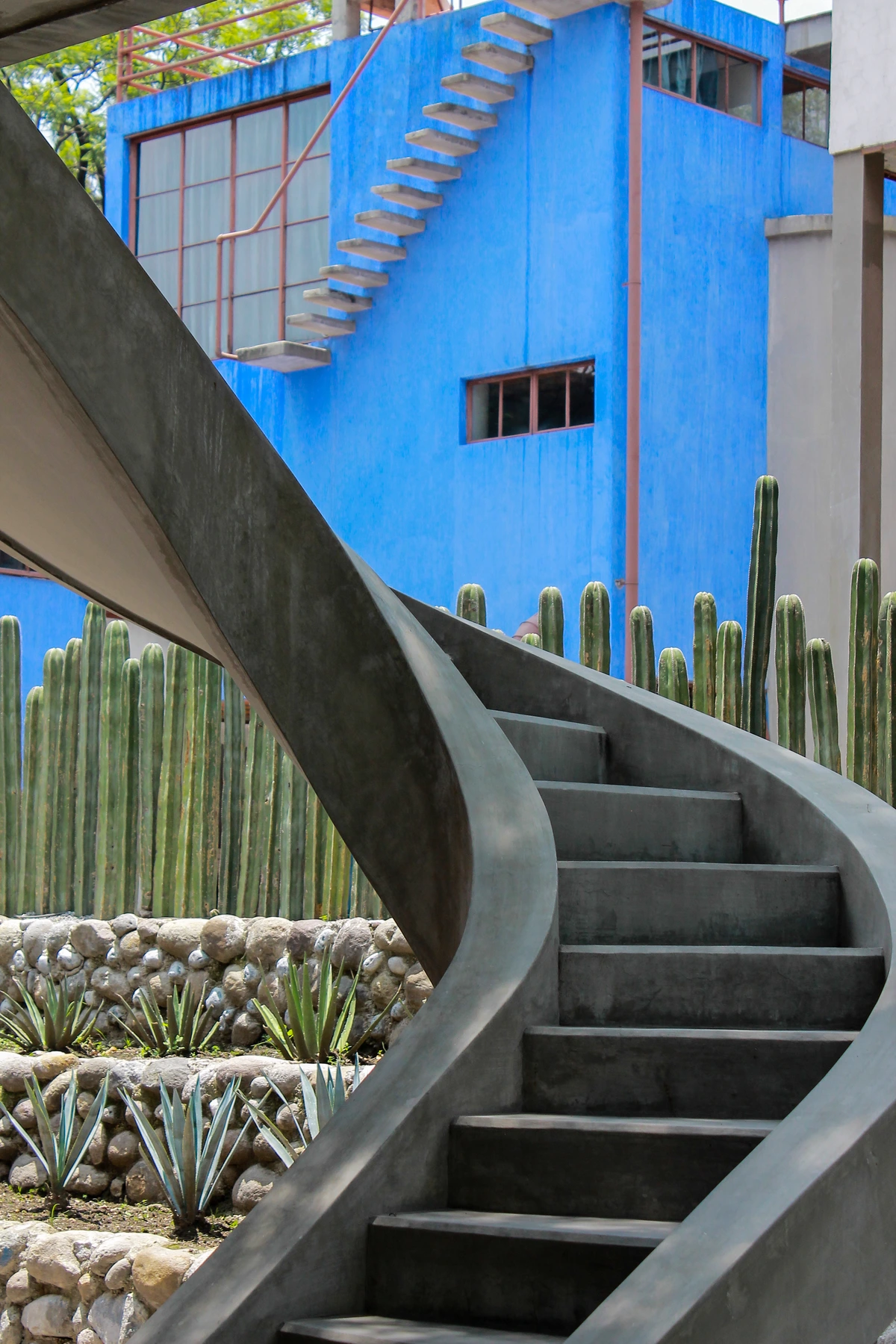
The Museo Frida Kahlo (Casa Azul) in Coyoacán, Mexico City, her former home, is an absolute must-visit. It's more than a museum; it's an immersive experience in her life, art, and personal belongings, offering an unparalleled glimpse into her world. Beyond that, many major art institutions worldwide often feature her paintings in permanent collections or temporary exhibitions. For a unique modern perspective, contemporary exhibitions like the "Tres Fridas Project" (mentioned earlier), an initiative that powerfully re-envisions iconic works with disabled models and artists to challenge perceptions of disability in art and society, offer profound reinterpretations of her legacy, reminding us of her continuous influence and inspiring new generations to engage with her themes of identity, disability, and self-expression.




Closing Thoughts: The Audacity of Unvarnished Reality
Looking at Frida Kahlo's life and art, I can't help but feel a profound sense of awe, and a deep, personal connection. She took the absolute messiness of human existence – the searing pain, the passionate love, the crushing betrayal, the defiant joy – and, with an almost unbelievable audacity, transformed it into something beautiful, powerful, and enduring. Her legacy is not just a collection of iconic images; it’s a potent invitation to courage and a blueprint for authenticity. She taught us that our deepest truths, however painful or unconventional, are not burdens but sources of profound strength and enduring beauty, a lesson that continues to echo and empower us today. Her singular vision and unwavering commitment to her authentic self make her an eternal guide for anyone seeking to live and create with unvarnished honesty. And honestly, that's a lesson I'm constantly learning and striving for in my own creative journey. She is, simply put, essential.