
Famous Women Artists Who Redefined Art History
A personal tour through the lives and works of the most famous women artists. From the Renaissance to today, discover the trailblazers who broke the rules.

Unforgettable: 9 Famous Women Artists Who Shaped Art History
Let's be honest. When you think of "famous artists," who pops into your head? Probably a lot of guys with beards. Michelangelo, Rembrandt, Picasso. It’s a bit of a boy's club, historically speaking. For centuries, the narrative of art history was written by men, about men, for men. But that’s only half the story, and frankly, it's the less interesting half.
I’ve spent countless hours wandering museums, like the one in /den-bosch-museum, and the pieces that often stop me in my tracks are the ones with a perspective that feels radically different. Often, those are by women who had to fight tooth and nail just to be in the room, let alone get their work on the wall. They weren't just making art; they were making a statement by the very act of creating.
So, I wanted to put together a list. Not just a dry list of names, but a personal introduction to some of the most formidable, game-changing women artists who didn’t just participate in art history—they bent it to their will. These are the artists whose stories and works have stuck with me, the ones who prove that genius has no gender.
1. Artemisia Gentileschi (1593-1656)
The Baroque Trailblazer Who Painted Her Revenge
If you want a story of pure, unadulterated resilience, look no further than Artemisia Gentileschi. In an era when women were expected to be subjects, not creators, she picked up a brush and painted scenes of such raw power and emotional intensity that they still leave you breathless. She was a follower of Caravaggio, mastering his dramatic use of light and shadow (chiaroscuro), but her perspective was uniquely her own.
Her most famous work, Judith Slaying Holofernes, is... well, it's visceral. It's not a delicate, romanticized depiction. It's two women, determined and strong, getting a grim job done. Knowing that Gentileschi endured a horrific sexual assault and a grueling public trial, it’s impossible not to see this painting as an act of reclaiming her own narrative. She painted strong, capable women from myth and the Bible, not as passive victims, but as heroines of their own stories.
| Key Facts about Artemisia Gentileschi | | :--- | :--- | | Era | Baroque | | Known For | Powerful, dramatic paintings of historical and biblical women. | | Must-See Work | Judith Slaying Holofernes (c. 1614-1620) | | Why She Matters | First woman to become a member of the Accademia di Arte del Disegno in Florence. |
For a deeper dive into her dramatic life and work, you can check out my full guide on Artemisia Gentileschi.
2. Sofonisba Anguissola (c. 1532-1625)
The Renaissance Star Who Charmed Kings
Before Artemisia, there was Sofonisba Anguissola. She was one of the true pioneers for women in art during the Late Renaissance. While many female artists of the time were confined to painting still lifes or religious scenes in convents, Anguissola became an international celebrity for her portraits.
What I love about her work is its intimacy. She painted her family and herself with a startling informality and psychological depth that was way ahead of its time. She was so good, in fact, that she was invited to the Spanish court to be a painter for King Philip II. Imagine that! A woman from Cremona becoming one of the most respected artists in Europe. She opened doors for women like Artemisia to walk through.
3. Frida Kahlo (1907-1954)
The Icon of Pain, Passion, and Self-Portraiture
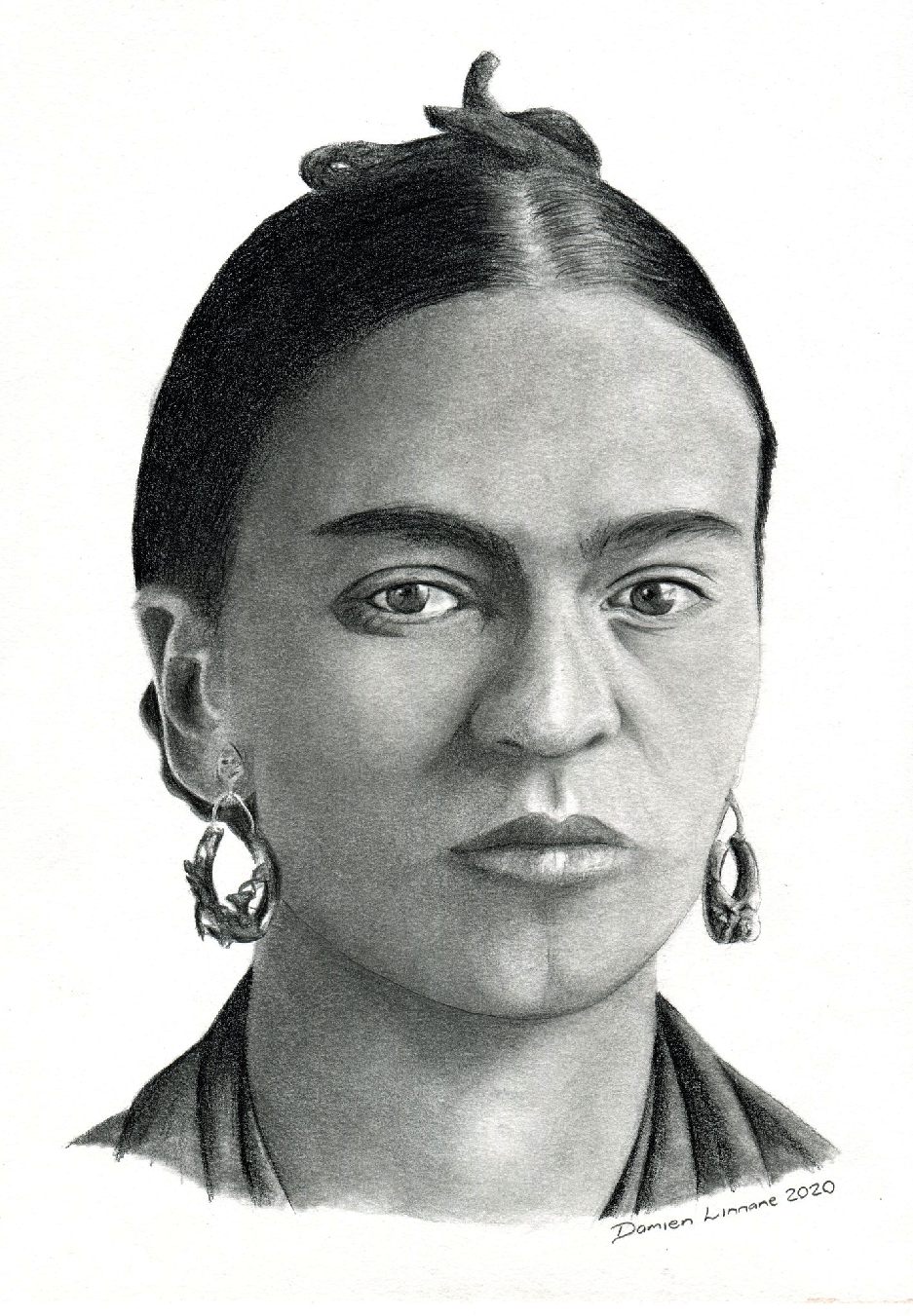
There's almost no artist more instantly recognizable than Frida Kahlo. Her unibrow, her flowers, her unflinching gaze—it's an image of defiance and vulnerability all at once. People are drawn to her story of physical suffering (polio, a horrific bus accident) and emotional turmoil (her tumultuous relationship with Diego Rivera), but to reduce her to just her biography is to miss the point.
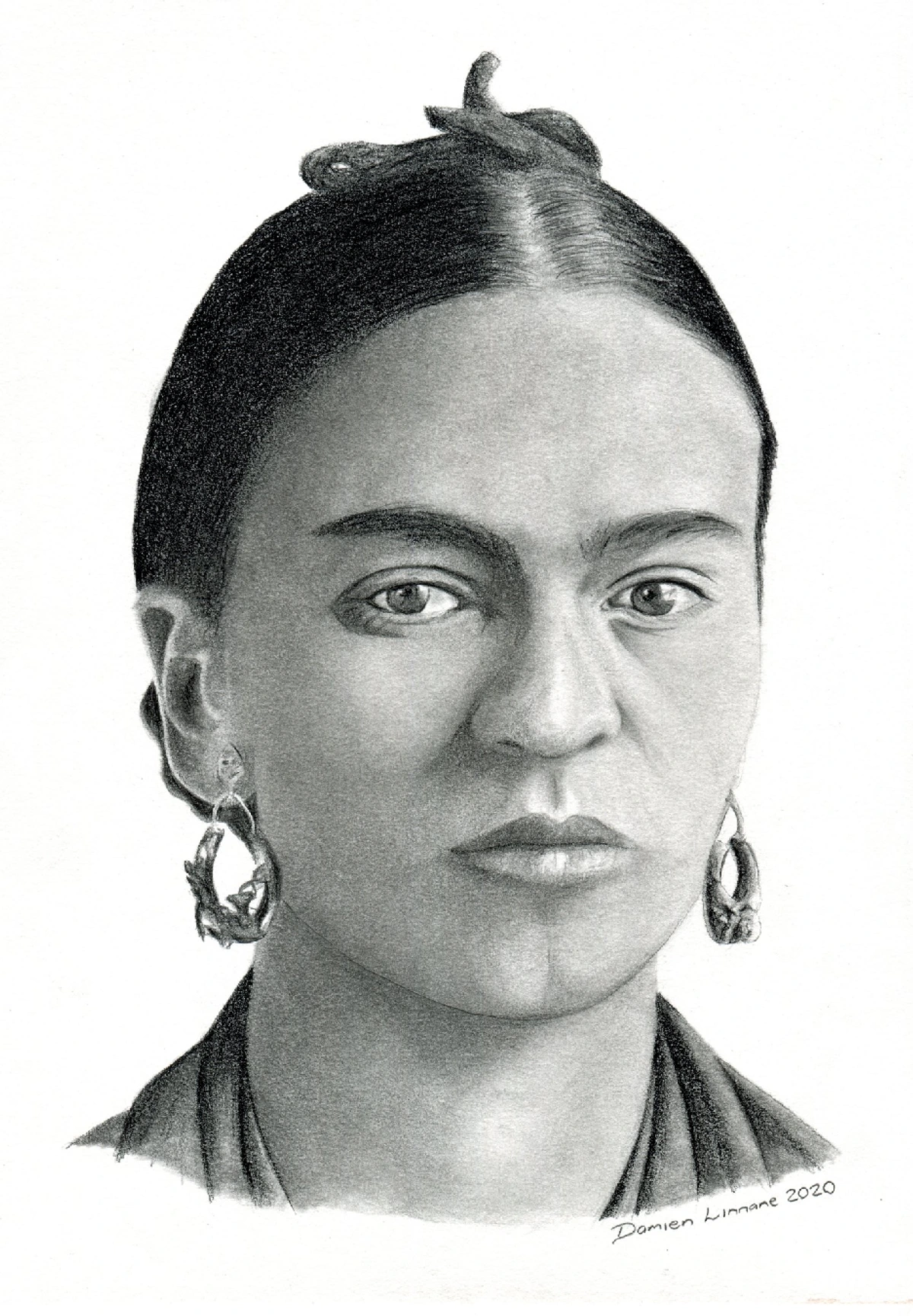
Her art was her reality. She said, "I don't paint dreams or nightmares, I paint my own reality." She turned her life, her body, and her Mexican heritage into a vibrant, surreal, and deeply personal visual language. When you look at her self-portraits, she’s not asking for pity; she’s demanding to be seen, in all her complexity. That raw honesty is why she continues to be a global icon for so many, including artists, feminists, and anyone who has ever felt broken and decided to make something beautiful from the pieces.
I've written extensively about her incredible life, and you can explore it in my ultimate guide to Frida Kahlo.
4. Georgia O'Keeffe (1887-1986)
The Mother of American Modernism
When I think of Georgia O'Keeffe, I think of quiet confidence and monumental scale. She took things that people often overlook—flowers, bones, desert landscapes—and blew them up, forcing you to see them in a completely new way. She painted the essence of things.
People love to get bogged down in whether her flower paintings are secretly about female anatomy. O'Keeffe herself consistently denied it, but honestly, the power of art is that it can be about many things at once. What's undeniable is her mastery of color, form, and composition. She found a way to bridge the gap between realism and abstraction that was entirely her own.
She moved to New Mexico and made the desert her own, painting its stark beauty with a spiritual reverence. She carved out a life and an aesthetic on her own terms, becoming one of the most significant artists of the 20th century. Get the full story in the ultimate guide to Georgia O'Keeffe.
5. Yayoi Kusama (b. 1929)
The Polka-Dot Princess of Infinity
Fast forward to our time, and you can’t talk about famous female artists without talking about the phenomenon that is Yayoi Kusama. You've seen her work, even if you don't know her name: the infinity rooms, the spotted pumpkins, the mind-bending installations. Her art is immersive, joyful, and deeply rooted in her personal experiences with mental health.
Since childhood, Kusama has experienced vivid hallucinations, which often involve patterns of dots covering everything she sees. Instead of being consumed by this, she turned it into her art. She calls it "art-medicine." By covering canvases, sculptures, and entire rooms in polka dots, she is able to control the vision and share it with us. It's a profound act of transformation, turning a source of anxiety into an experience of wonder and infinite possibility for millions. At over 90 years old, she's still one of the hardest-working and most popular artists on the planet.
6. Kara Walker (b. 1969)
The Silhouette Artist Who Confronts America's Past
Sometimes art needs to be beautiful. Sometimes it needs to be unsettling. Kara Walker's work is both, and that’s what makes it so powerful. She uses what looks like a charming, old-fashioned art form—the cut-paper silhouette—to explore the brutal, nightmarish history of slavery and racism in America.



The contrast is jarring. You lean in to see these elegant black-and-white figures, and you’re confronted with scenes of grotesque violence and sexual caricature. It forces you to look at the ugly truths hidden beneath the surface of history. Her work is not easy, and it's not supposed to be. It’s a vital, challenging conversation about legacy, identity, and the stories we choose to tell—and the ones we try to forget. You can learn more about her confrontational style in my guide to Kara Walker.
7. Bridget Riley (b. 1931)
The Master of Op Art Who Plays Tricks on Your Eyes
Art doesn't just have to be about emotion or history; it can also be about the pure science of perception. Bridget Riley is a master of Op Art (short for Optical Art), creating paintings that seem to vibrate, shimmer, and move right before your eyes.
Using nothing more than precise lines, geometric shapes, and stark color contrasts, she creates a physical sensation in the viewer. It's an experience. Your eyes and brain are working overtime to process what they're seeing. It’s a bit like she’s painting with electricity. Her journey from black-and-white to complex color compositions is a masterclass in how an artist can spend a lifetime exploring a single, powerful idea. For more on her mind-bending work, see the ultimate guide to Bridget Riley.
8. Judy Chicago (b. 1939)
The Feminist Pioneer Who Gave Women a Seat at the Table
You cannot discuss feminist art without paying homage to Judy Chicago. She was a central figure in the Feminist Art movement of the 1970s, which fought to get women's art and experiences the recognition they deserved. Her most iconic work, The Dinner Party, is a monumental installation that literally gives 39 mythical and historical women a seat at a triangular table.
Each place setting is unique, with an intricately embroidered runner and a ceramic plate, often with butterfly or vulva-like imagery, celebrating female history and achievement. It was a radical statement, claiming a space for women in history and art on a scale that couldn't be ignored. I cover her impact more in my guide to Judy Chicago.
9. Agnes Martin (1912-2004)
The Minimalist Mystic Who Painted Serenity
In a world of noise, Agnes Martin's art is a whisper. Her work, often associated with Minimalism, is incredibly subtle: vast canvases covered in faint pencil grids and delicate washes of color. It might seem like nothing at first, but if you give it time, it becomes everything.
Martin's paintings are not about ideas; they're about feelings. She sought to capture pure emotional states like happiness, innocence, and tranquility. Her grids weren't rigid mathematical structures; they were nets to catch these abstract emotions. She believed her art came to her fully formed in visions, and her job was just to put it on the canvas. Her work is a reminder that the most profound statements are often the quietest. I explore her philosophy in the ultimate guide to Agnes Martin.
Frequently Asked Questions (FAQ)
Q: Why were there so few famous women artists in history?
A: It's not that there were few women artists; it's that they were systematically excluded from the institutions that would have made them famous. For centuries, women were denied access to art academies, forbidden from studying the nude figure (essential for history painting), and pushed into less prestigious genres like portraiture or still life. Their work was often unsigned or attributed to male relatives. We are still rediscovering countless women artists whose contributions were erased from the official record.
Q: Who is considered the most famous female artist of all time?
A: While it's subjective, Frida Kahlo is arguably the most globally recognized female artist. Her face, life story, and art have transcended the art world to become a part of mainstream popular culture. Georgia O'Keeffe and Yayoi Kusama also have immense international fame.
Q: What is feminist art?
A: Feminist art is a category of art associated with the late 1960s and 1970s feminist movement. It highlights the societal and political differences women experience and seeks to challenge the male-dominated history of art. Artists like Judy Chicago and Kara Walker use their work to explore themes of gender, identity, and power, but the influence of feminist thought can be seen in the work of many artists today.
Q: Are there famous female abstract artists?
A: Absolutely. Agnes Martin and Bridget Riley, mentioned above, are giants of abstraction and Minimalism. Others include Helen Frankenthaler, Lee Krasner (who was married to Jackson Pollock but a phenomenal artist in her own right), and Joan Mitchell. Their contributions were crucial to the development of 20th-century abstract art.
A Never-Ending Story
This list is just a starting point. For every woman mentioned here, there are hundreds more whose stories are just as compelling. What connects them all is a refusal to be silenced or sidelined. They created art not because it was easy, but because they had to.
Looking at their work across the centuries on an art /timeline shows not just an evolution of style, but an evolution of freedom. They remind us that the story of art is bigger, richer, and far more diverse than the one we were taught. And it’s a story that is still being written. Maybe one day you'll even want to buy art from the next trailblazer.