The Ultimate Guide to Abstract Art: Meaning, History, & Your Personal Connection
Demystify abstract art! Explore its revolutionary history, diverse styles, visual language, and profound impact on well-being. This guide empowers you to find your unique connection and meaning.

The Ultimate Guide to Abstract Art: Unlocking Meaning, History, and Your Personal Connection
I get it. You've been there. Head tilted, eyes narrowed, staring at a canvas that looks suspiciously like a toddler's enthusiastic finger-painting, and a little voice whispers, "My kid could totally do that." Believe me, I've been there too. I remember standing in front of a massive canvas, a riot of crimson and cobalt, feeling utterly bewildered. What was the point? It felt like a secret society, a members-only club where everyone else seemed to grasp the hidden meaning while I was left wondering if I missed a vital memo. That lingering question, that flicker of annoyance? That's actually where the magic begins. You're already engaging, already forming a connection, even if it's one of gentle exasperation.
But here's the liberating truth, a core principle I've come to embrace: you're not missing anything at all. In fact, if you feel a stirring, a question, or even a slight annoyance, you're already engaging with it on a profound level. This definitive guide is here to demystify it all, to unlock the enigma and show you how to forge a deep, personal connection. We'll journey through its revolutionary history, dissect its visual language, explore its global manifestations, and empower you to forge your own profound connection. At its vibrant core, abstract art is actually one of the most immediate, unadulterated, and emotional forms of expression we have. It’s a pure, unfiltered conversation between color, form, texture, and feeling, bypassing the intellect to hit you directly in the gut with a visceral impact (that immediate, often physical, emotional reaction). It’s a powerful bridge to your own inner landscape, a visual symphony waiting for your personal interpretation, cultivating a richer aesthetic experience.
What Is This Elusive Thing, Really? The Spectrum of Visual Freedom
Forget the dusty, academic definitions for a moment. Think of it this way: if representational art (a portrait, a landscape, a bowl of fruit) aims to show you something recognizable from the physical, external world, then abstract art dives headfirst into the internal world. It's about emotions, sensations, fleeting ideas, memories, dreams, psychological states, the pulse of music, the controlled chaos of a bustling city, or even the profound quiet hum of existence itself. Instead of a literal picture, it offers a powerful feeling or an aesthetic experience. It's a testament to the power of the unspoken, a silent language for the soul.
The dictionary might tell you it's art that doesn't depict visual reality, using shapes, colors, forms, and gestural marks (the physical imprint of the artist's movement) for its effect. For me, it's pure liberation: the freedom to convey a deep truth or a raw emotion without the constraints of literal reality, creating a visual language that speaks universally, yet intimately. It's about allowing form to follow feeling, a profound conversation between the artist and the viewer, inviting your intuitive response.
Now, here's something that really helps me wrap my head around it: abstract art isn't a single thing; it's actually a whole spectrum of abstraction. On one end, you have works where the original subject is merely simplified, distorted, or exaggerated. Think of a highly stylized landscape, where the essence of the scene is conveyed without literal detail (like Henri Matisse's bold, fluid lines reducing features in a portrait), or a figure where proportions are dramatically stretched to evoke emotion. Closer to the other end, you find works that are highly fragmented, like a Cubist portrait by Pablo Picasso where you can still vaguely discern a face or a guitar, but it's shattered into geometric planes. On the far end, you have non-objective art (also called non-representational art), which has no reference to the real world at all. It's purely about the interplay of shapes, colors, forms, and lines, existing independently of any external reality. Think of Piet Mondrian’s pure geometric grids or Kazimir Malevich’s Black Square. It's a key distinction I often ponder in my own creative process: Am I simplifying reality, or creating a new one entirely, a canvas for pure vision and an authentic connection?
A Foundational Framework: The Many Faces of Abstraction
While there are countless movements, sub-movements, and individual styles within abstraction (and many artists, myself included, happily defy neat categorization), my brain sometimes finds it incredibly helpful to group a lot of abstract art into three big buckets. This is a simplification, of course, but it's a wonderfully practical starting point for anyone trying to navigate this incredibly vibrant and diverse visual language. It offers an accessible gateway to abstraction, a true visual symphony waiting for your personal interpretation. You can also explore different styles with the definitive guide to understanding abstract art styles.
Let’s dive into some core categories that help make sense of the abstract landscape:
Type of Abstraction  | Key Characteristics | Description | Key Artists & Example Works | What It Feels Like (Sensory & Emotional Impact) | Potential Pitfalls/Misinterpretations |
|---|---|---|---|---|---|
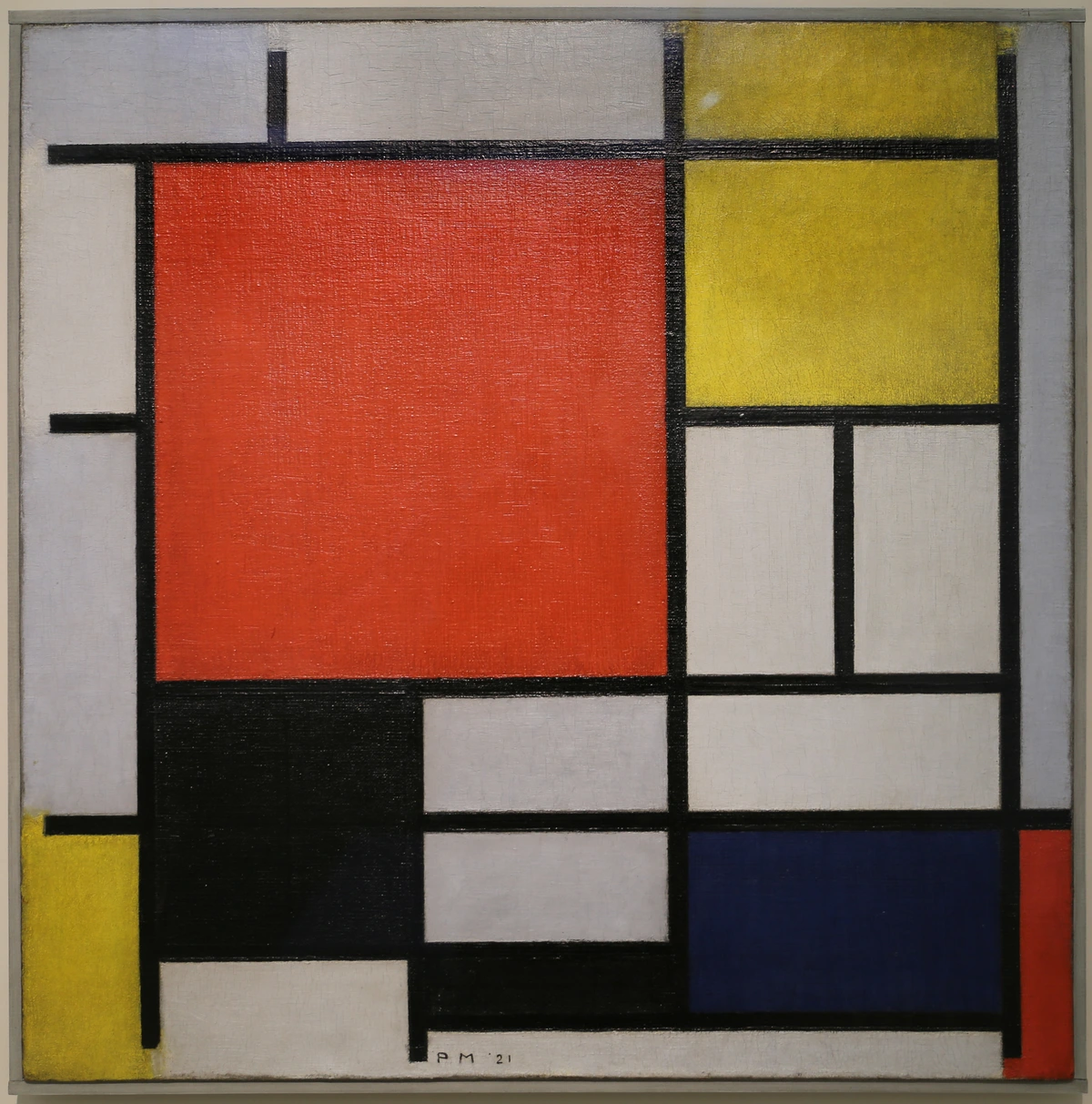
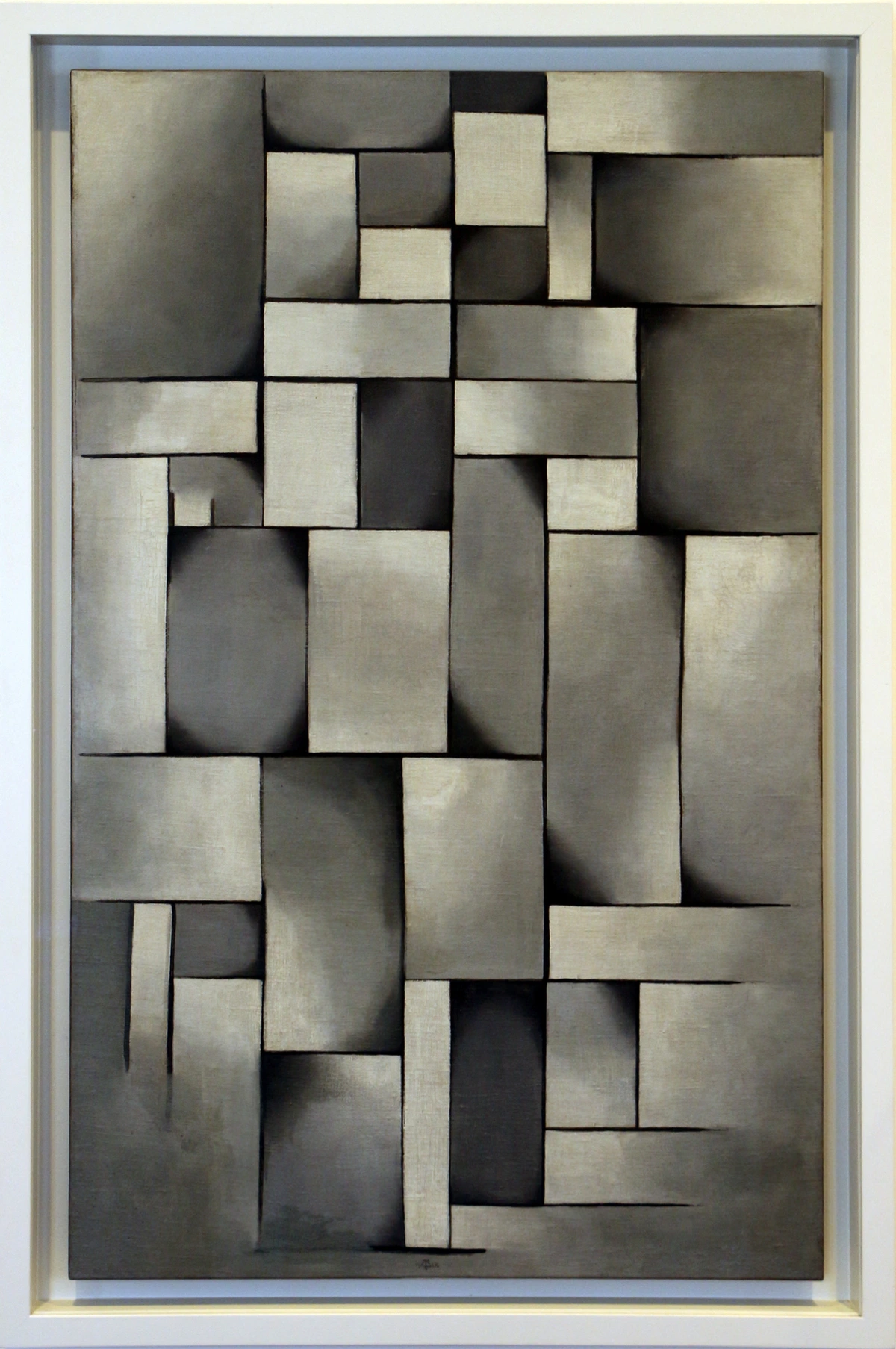
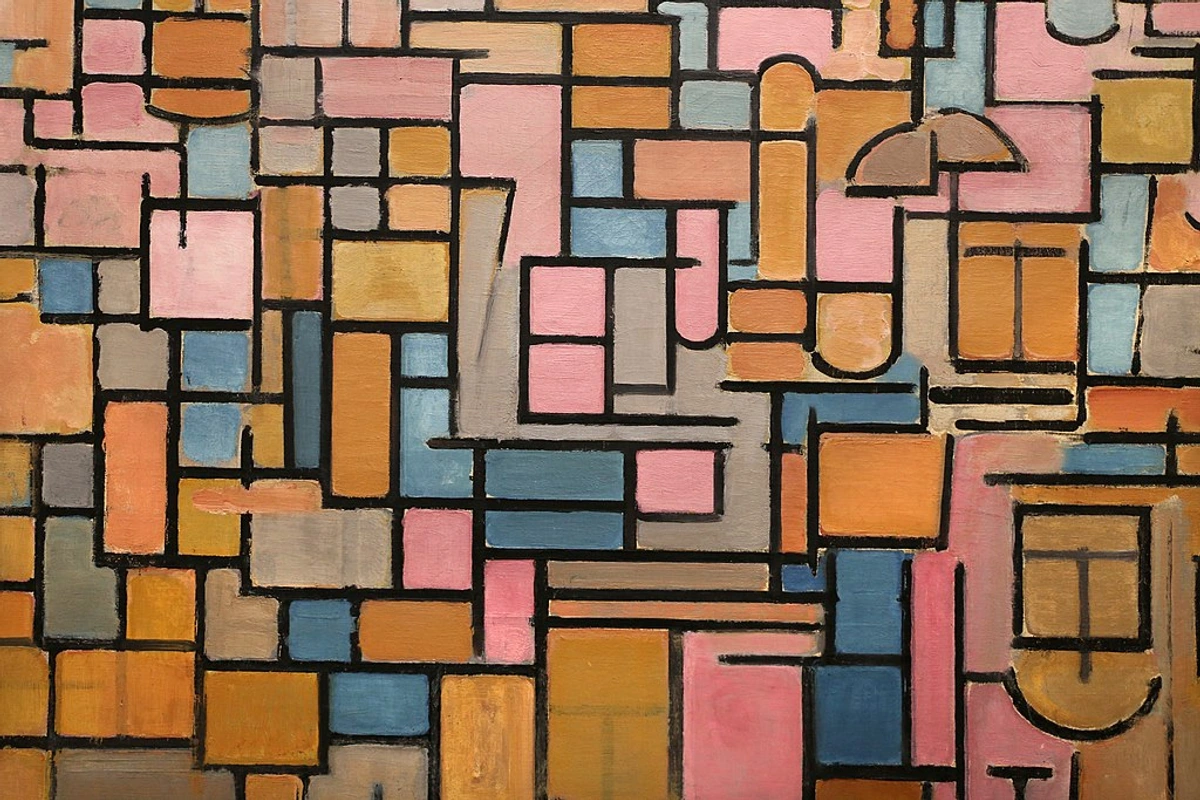
| Geometric Abstraction | Hard edges, flat planes, often limited palette, structured compositions, precise lines, mathematical harmony. | Uses fundamental geometric shapes (squares, circles, lines) with clean edges and often a planned, orderly composition. Think of it as the architecture of abstraction, exploring balance, purity of form, and mathematical harmony. Often non-objective, meaning it has no reference to the physical world, striving for a language of pure form. Closely associated with Suprematism (Malevich) and De Stijl (Mondrian). | Piet Mondrian ("Composition with Red, Blue, and Yellow"), Kazimir Malevich ("Black Square"), Victor Vasarely, Sophie Taeuber-Arp, El Lissitzky | Order, logic, balance, serenity, rigorous structure, intellectual harmony, sometimes even spiritual perfection. Can evoke a sense of calm precision and visual harmony, speaking to the symbolism of geometric shapes. | "Too rigid," "cold," "unemotional," "anyone can draw a square." Often dismissed as lacking human touch or the texture of emotion. |
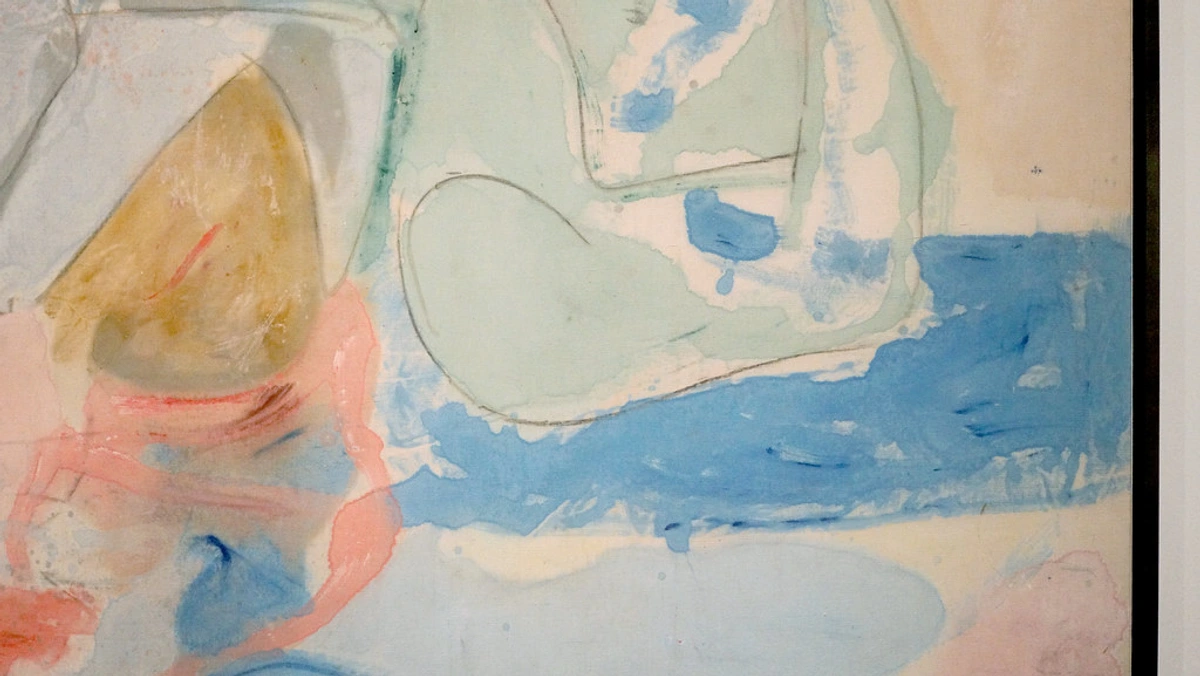
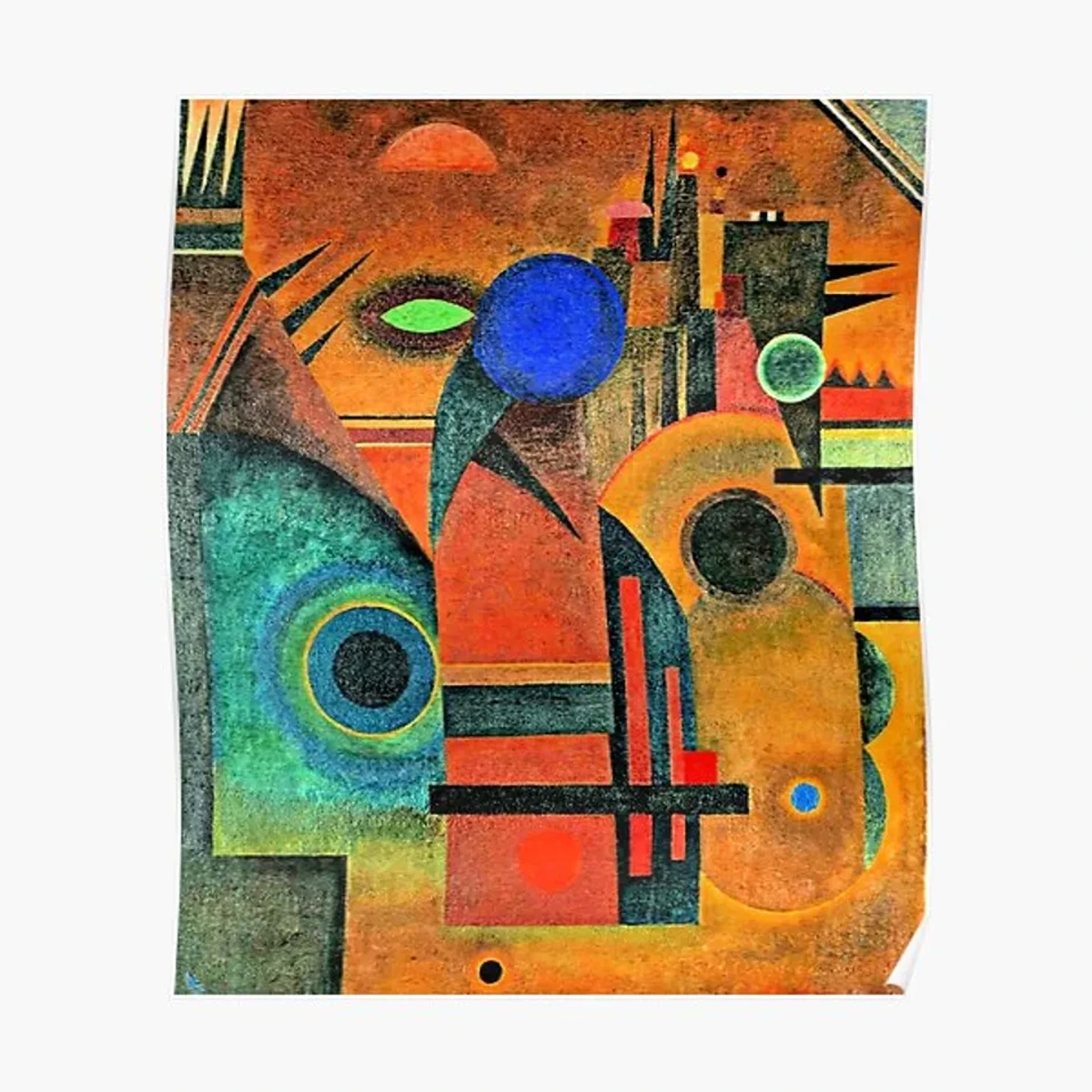
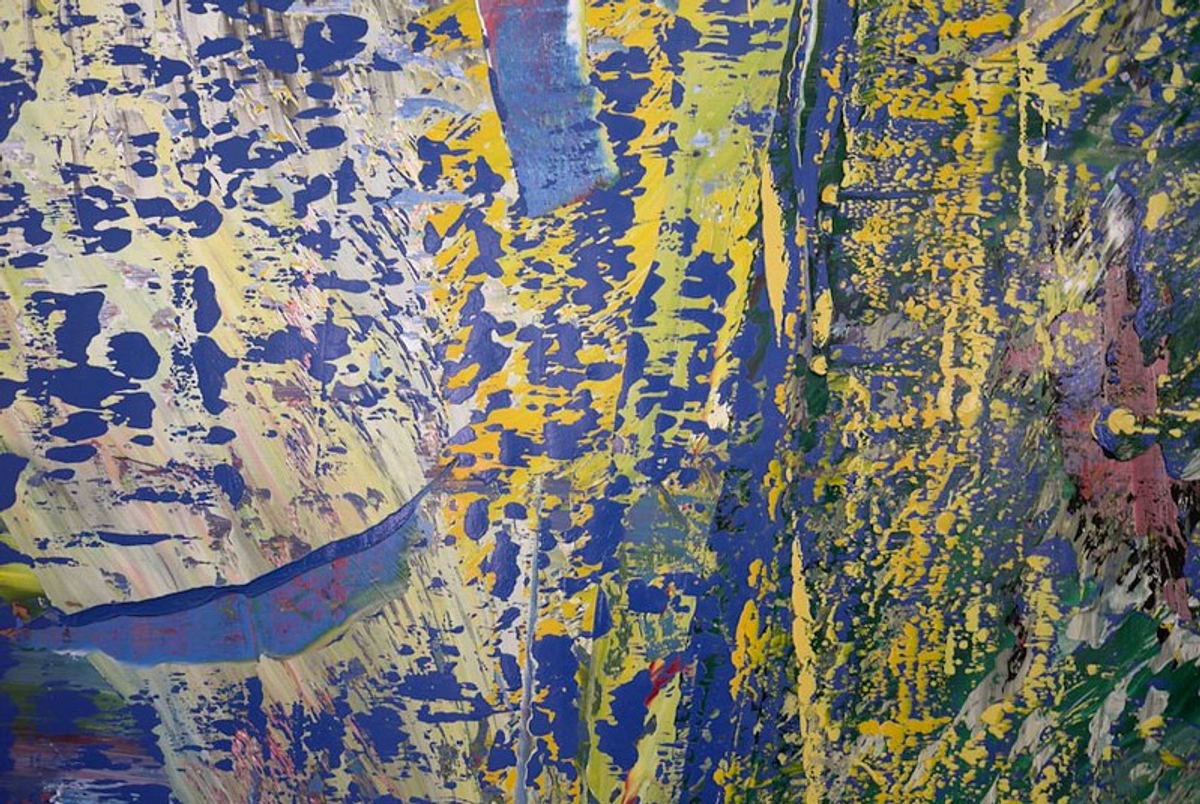
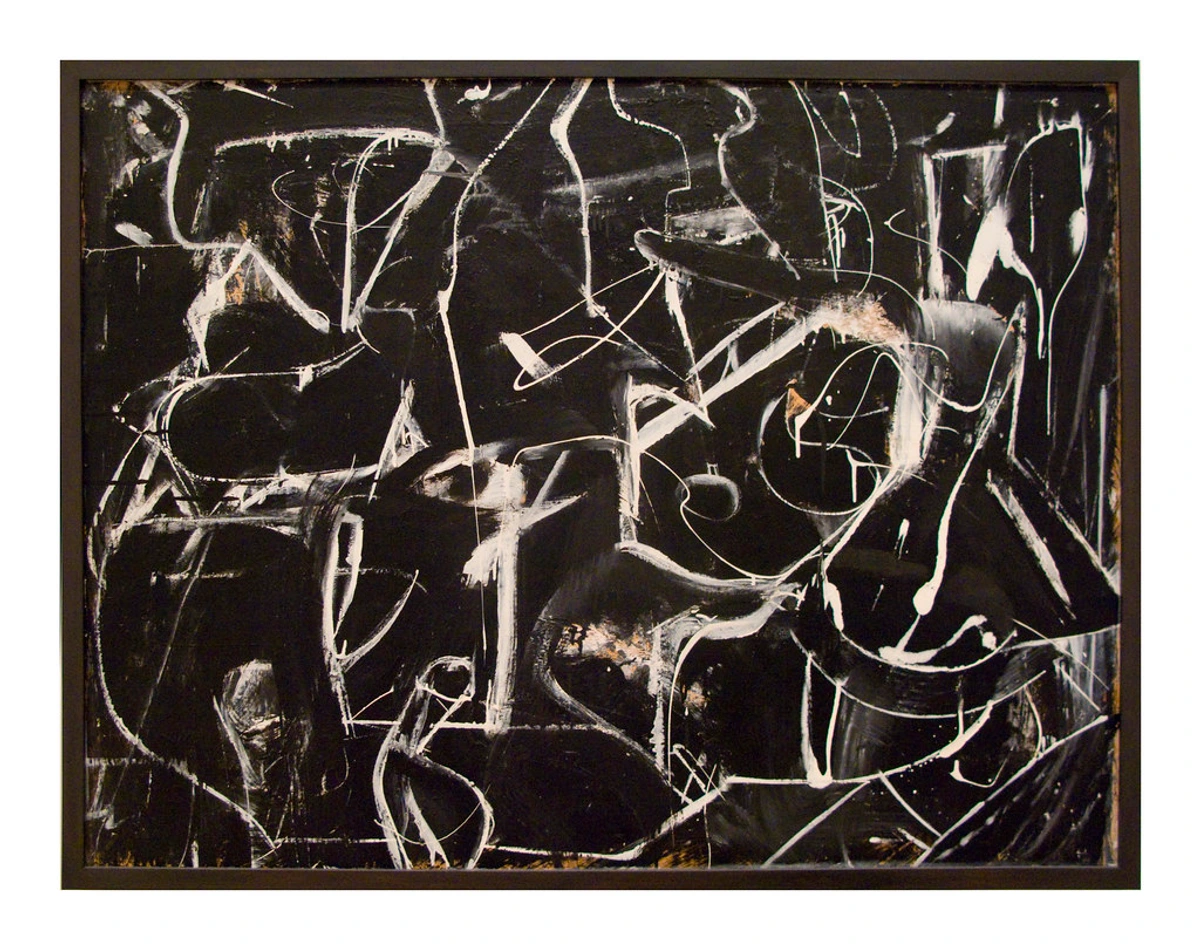
| Gestural/Lyrical Abstraction (Abstract Expressionism) | Visible, dynamic brushwork; spontaneous, intuitive marks; emphasis on process and the artist's physical act; raw emotion, the intentional mark. | Emphasizes the physical act of painting, the 'dance' of the artist. Brushstrokes are often visible, energetic, spontaneous, and intuitive, revealing the artist's immediate emotion and subconscious. The process itself becomes part of the art. This style is a cornerstone of Abstract Expressionism, a major movement (also known for Action Painting) that prioritized emotional intensity, visceral impact, and self-expression, capturing the rawness of emotion. You can explore this further in the ultimate guide to Abstract Expressionism. | Jackson Pollock ("Number 1A, 1948"), Lee Krasner, Wassily Kandinsky (early abstract), Willem de Kooning, Helen Frankenthaler | Raw emotion, explosive energy, rhythmic chaos, unbridled freedom, intense introspection, a sense of immediate human presence and the texture of emotion. Can feel overwhelming, exhilarating, or deeply personal, a true emotional palette. | "Just random splatters," "no skill involved," "looks like a mess." Often misconstrued as purely accidental, missing the artist's intentional gesture and profound visual language. |
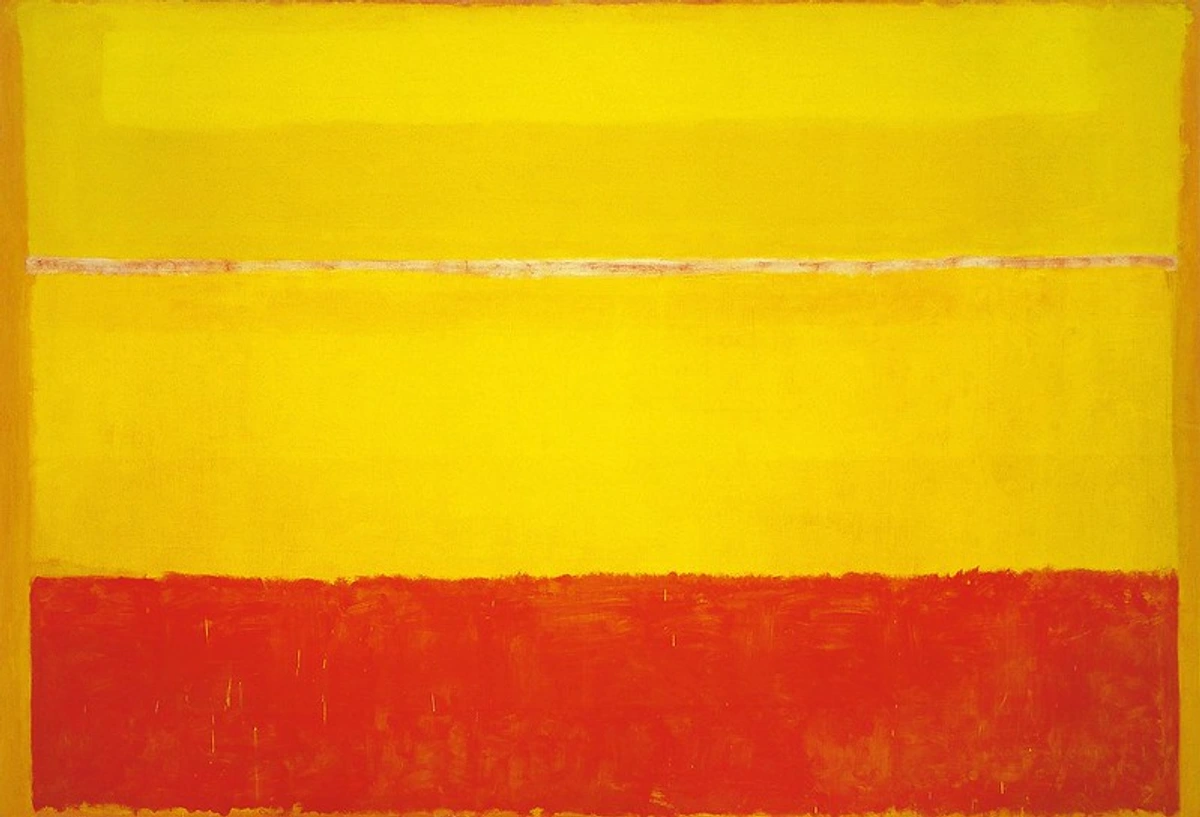
| Color Field Painting | Large, unmodulated areas of color; thinly applied paint soaking into the canvas; immersive scale; focus on pure color and its optical/psychological effect, often with resonant forms. | Characterized by large expanses of solid color, often applied thinly to soak into the canvas. The emphasis is on color itself and its psychological impact, creating immersive and contemplative experiences designed to envelop the viewer. Often concerned with the sublime, creating profound quietude or overwhelming emotional states, a true dialogue with the soul. Related to Post-Painterly Abstraction. | Mark Rothko ("No. 14, 1960"), Barnett Newman, Helen Frankenthaler, Clyfford Still | Contemplation, vastness, meditative states, overwhelming emotion, a sense of the sublime, profound quietude, spiritual resonance. Can feel deeply immersive and deeply personal, offering a symphony of color and form, exploring the emotional language of color. | "Just a block of color," "nothing to see," "minimal effort." Often seen as simple when the intention is complex and the emotional palette is vast. |
As I mentioned, many artists, myself included, love to play in the spaces between these categories. I adore the underlying structure a grid can offer, but I also crave the chaotic, unbridled energy of a spontaneous mark. You can definitely see this kind of creative tension in a lot of my mixed media work, where structured elements often dissolve into gestural layers. This fluidity allows me to explore narratives without being constrained by literal depiction, creating an unfolding narrative on the canvas.
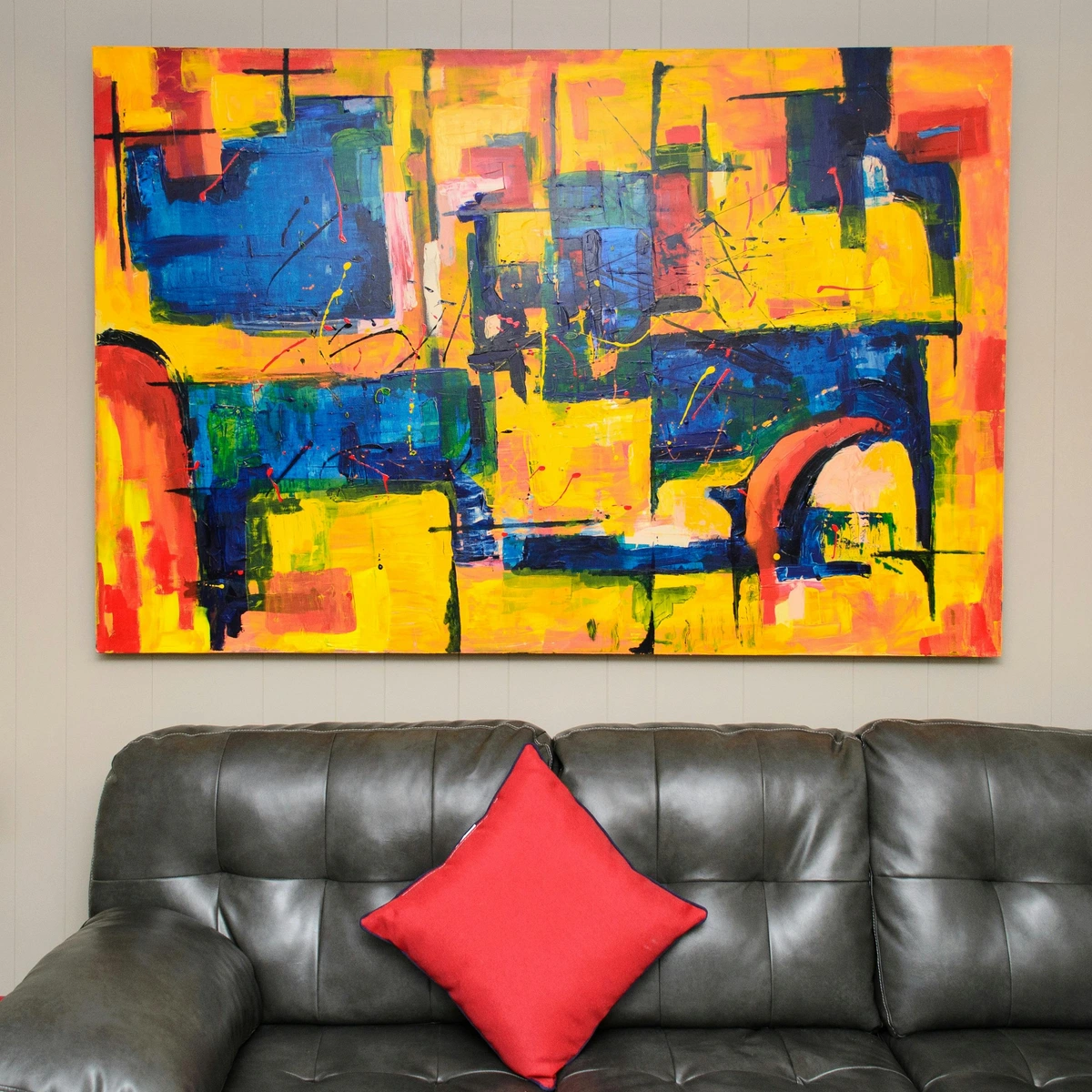
Beyond these main categories, artists like Joan Miró and Jean Arp, for instance, pioneered Biomorphic Abstraction. This style uses forms derived from nature that are highly stylized, flowing, and organic, often evoking a sense of living organisms without literal representation, bridging the gap between recognizable forms and pure abstraction. This movement captures the essence or spirit of a subject rather than its literal appearance. Similarly, Hard-Edge Painting, emerging in the late 1950s and 60s, embraced sharp, precise outlines and flat, unmodulated color areas, often in geometric compositions, pushing the crispness of form seen in Geometric Abstraction. Think of Ellsworth Kelly's bold, simple shapes or Frank Stella's early series. And then there’s Minimalist Abstraction, which pared down art to its essential elements, often using simple geometric forms, repeated patterns, or industrial materials to create a sense of presence and pure objecthood, challenging the viewer to engage with the object itself rather than a narrative (artists like Agnes Martin and Donald Judd come to mind). These fluid expressions demonstrate the continuous evolution of abstract art, a constant dialogue of discovery.
It's also worth noting that these categories often overlap with broader movements. For instance, Abstract Expressionism encompasses much of Gestural/Lyrical Abstraction, while Suprematism (Kazimir Malevich's pursuit of pure sensation) and De Stijl (Piet Mondrian's search for universal harmony) are deeply rooted in Geometric Abstraction. These movements, along with Constructivism (which emphasized geometric abstraction for social utility, particularly in Russia) and the Bauhaus school (which championed abstraction as a universal visual language applicable to all design), highlight how theoretical frameworks have shaped the practice of abstract art. Understanding these larger movements provides even more context for the diverse expressions within abstract art, offering a fuller picture of modern art history. You can find more comprehensive details in The Definitive Guide to the History of Abstract Art: Key Movements, Artists, and Evolution.
The Great Escape: When Art Deliberately Broke Up With Reality
Abstract art didn't just burst onto the scene in a sudden, bewildering flash. Oh no, this was a slow-burn revolution, a deliberate, often painful, emancipation from the centuries-old demand for realism. Artists weren't just capriciously slinging paint; they were grappling with fundamental questions about art's very purpose and pushing the boundaries of what art could be. Why such a dramatic pivot? I've come to believe it was a perfect storm of technological upheaval, a yearning for deeper truths, and profound societal shifts that demanded a new visual language, a language that could delve into the internal rather than just mirror the external. It was an avant-garde movement, constantly challenging established artistic conventions. It's a testament to the ongoing dialogue of discovery that defines modern art history.
Consider what art used to be for centuries: a meticulous, faithful reproduction of the visible world.
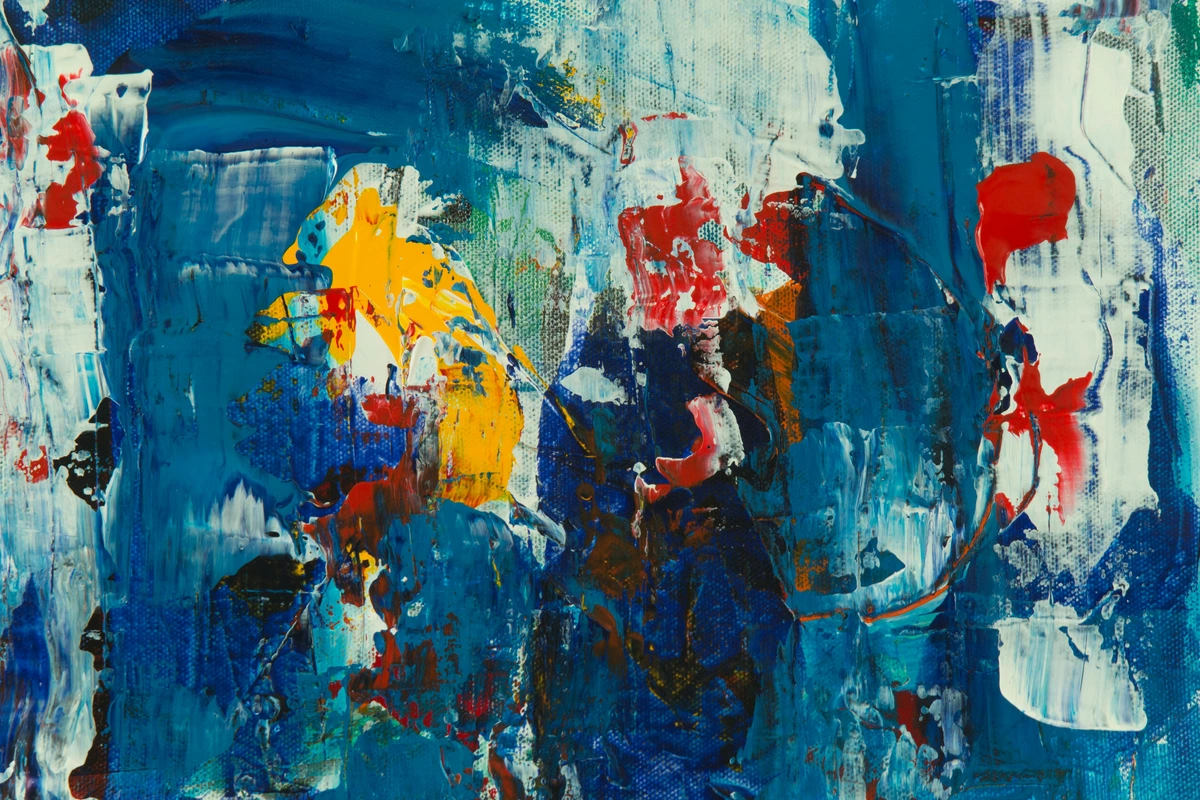
Then came the seismic shifts that nudged artists away from mere imitation, questioning the very concept of "the real" and challenging perceptions of beauty, paving the way for the profound emotional resonance of abstract art:
1. Photography's Arrival (Late 19th Century)
The camera changed everything. If you wanted a perfect, mirror-image likeness of a person, a landscape, or a moment, a photograph could now do it with chilling accuracy and speed. This suddenly liberated painters from their historical role as human copy machines. It forced them to ask, with existential urgency: "What can painting achieve that photography cannot? What is painting's unique, untransferable superpower?" They realized the answer lay beyond mere imitation, in the realm of the unseen, the felt, and the purely expressive. This pivotal moment is often considered the true genesis of modern art's journey toward abstraction, encouraging a deeper aesthetic experience. It wasn't just about rendering objects; it was about rendering experience, which photography could never fully capture, shifting art towards exploring inner landscapes.
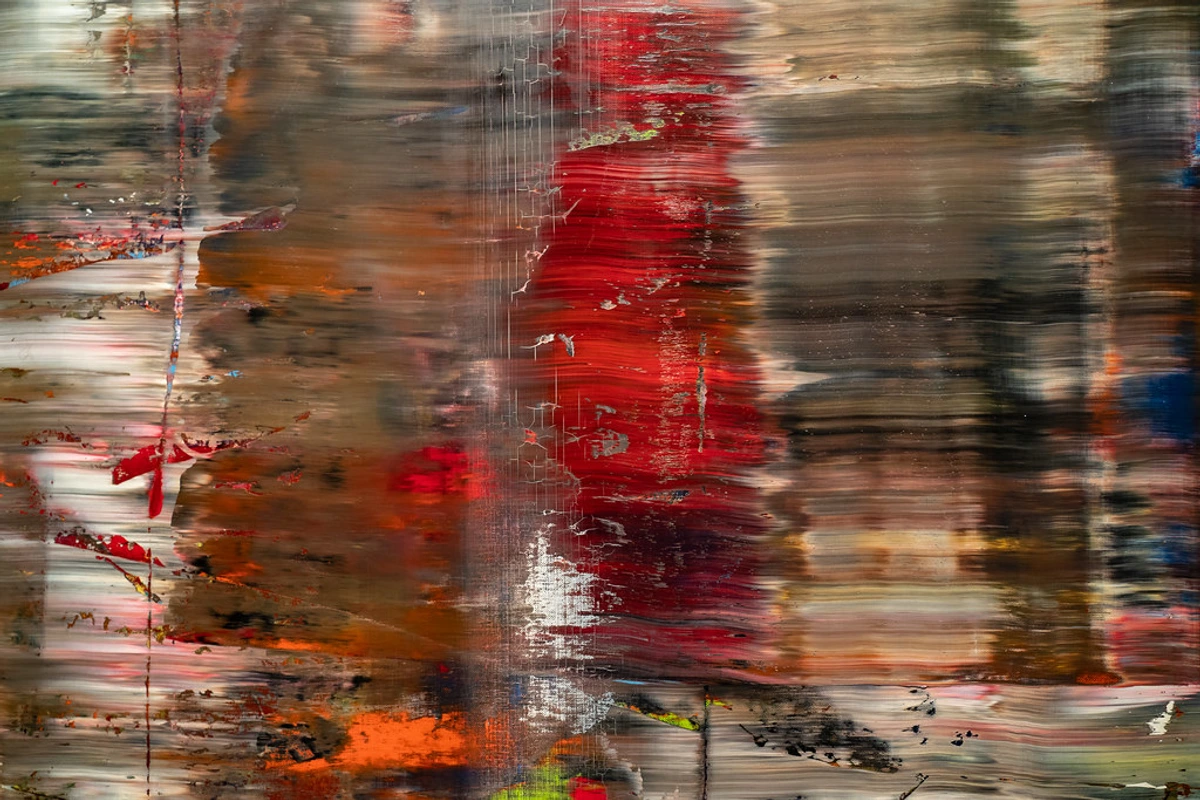
2. Impressionism & Post-Impressionism (Late 19th – Early 20th Century)
This was the first seismic crack in the edifice of reality. Artists like Claude Monet began to focus on capturing fleeting light, atmosphere, and subjective impressions rather than perfect detail, giving us a "felt experience" of a moment. The very act of painting became a record of perception, prioritizing how something was seen over what was seen. Then came the Post-Impressionists – think Vincent van Gogh's swirling emotions or Paul Cézanne's structural explorations – who started using color and form to express inner emotion and underlying structure, actively bending reality to their will, not just depicting it. Cézanne, with his revolutionary approach to breaking down forms into geometric components (almost speaking a visual language of pure form), laid critical groundwork for what was to come, directly influencing the fragmentation of Cubism.
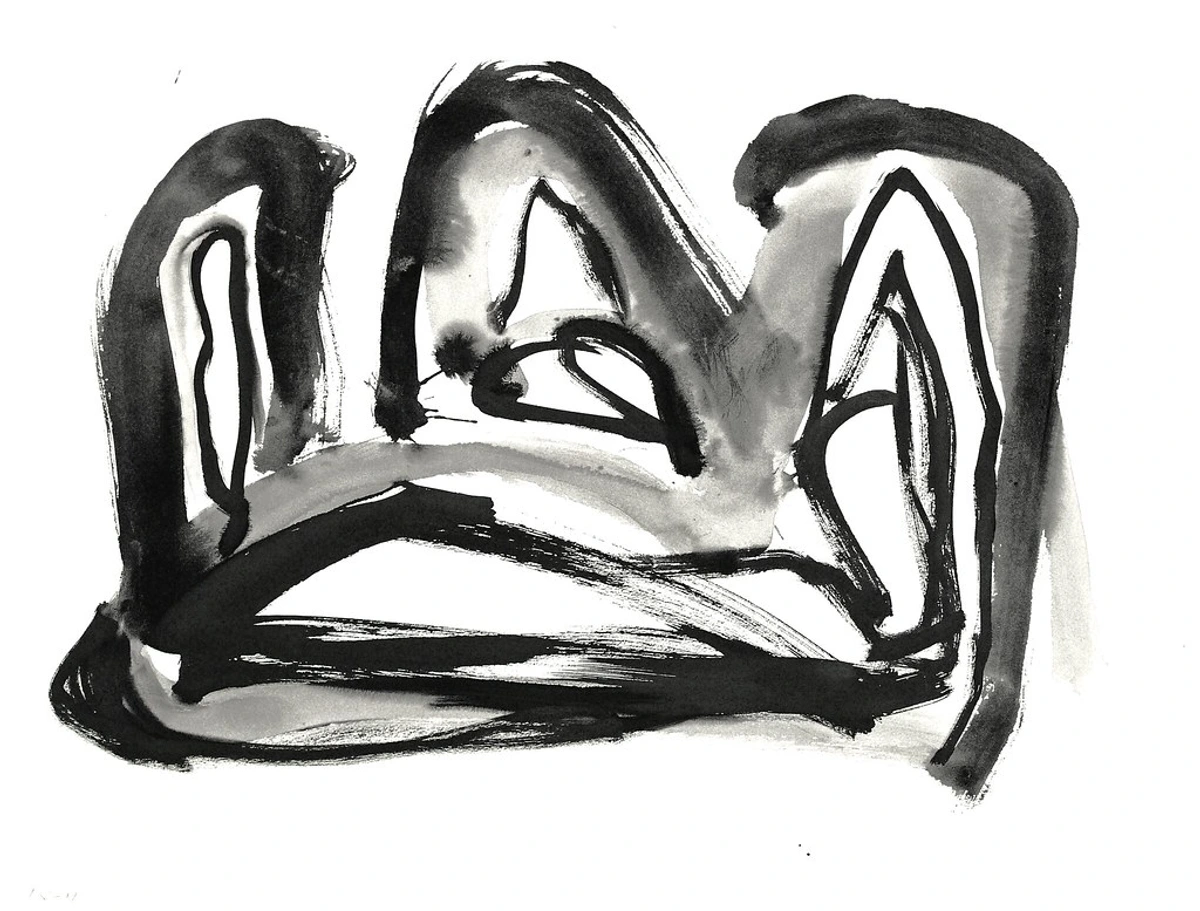
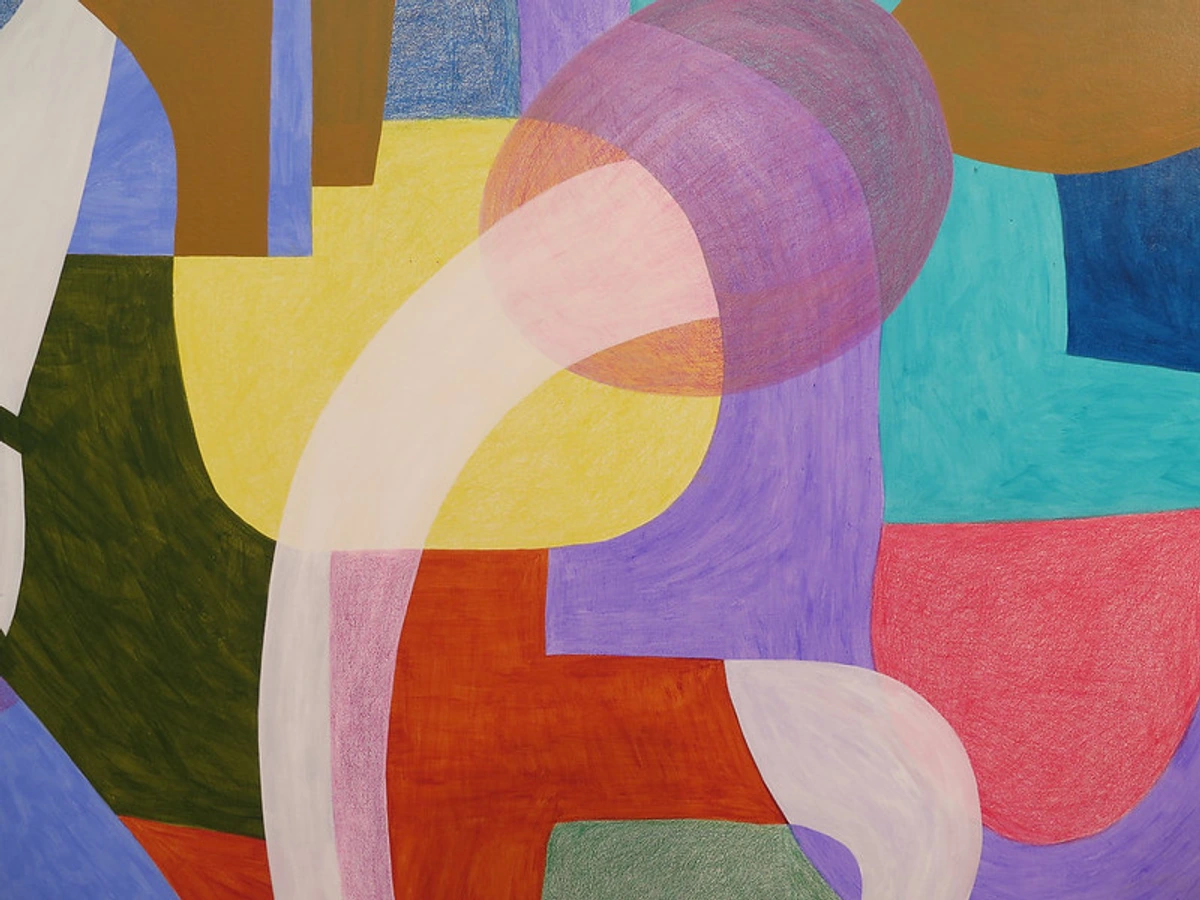
3. Broader Cultural & Intellectual Shifts: The Crumbling of Objective Reality
This artistic shift wasn't happening in a vacuum. The late 19th and early 20th centuries were a cauldron of revolutionary ideas. Freud was exploring the subconscious mind – like the hidden currents beneath a calm ocean surface – while thinkers like Carl Jung also delved into the collective unconscious and universal archetypes (cross-cultural patterns of thought and imagery, like the Hero or the Mother), offering artists new frameworks for symbolic, non-literal expression. These explorations opened up the inner landscape as a valid subject for art. Gestalt psychology emerged, emphasizing how our minds organize visual information into wholes—a concept abstract artists actively played with to create visual harmony. Philosophers like Nietzsche were challenging traditional morality, and Symbolism, an earlier movement exemplified by artists like Gustav Klimt (whose decorative patterns and symbolic use of color in figurative works hinted at abstraction), had already explored the visualization of inner states and emotions, laying psychological groundwork for art to express the ineffable. And let's not forget Neo-Platonism, which suggested that true reality lies in perfect, immutable forms or ideas, and that physical reality is merely an imperfect reflection. This philosophical current, which gained renewed interest in the late 19th century, profoundly influenced artists searching for deeper truths beyond surface appearances, pushing them towards abstraction as a means to access these higher, purer forms. It subtly nudged the idea that art could be less about mimetic representation and more about expressing these abstract, ideal truths.
Science, too, was revealing a universe far more complex and abstract than previously imagined. Think Einstein's theories of relativity, the advent of quantum physics, or atomic theory, which dissolved the notion of solid, observable reality. Artists, no longer bound by Newtonian certainties, were nudged to look beyond surface appearances and engage with unseen structures and forces, with the vibrancy of the unseen. The certainty of a purely objective reality was crumbling, and art was merely reflecting this deeper cultural yearning to explore inner landscapes and subjective experience. This era demanded an art form that could express the fragmentation, anxiety, and new ways of seeing the world. It’s a fascinating journey, and you can dive deeper into this with the definitive guide to the history of abstract art.
It's also worth noting the often-overlooked pioneers who pushed boundaries even earlier, demonstrating that abstraction was a simultaneous impulse across various contexts, not a singular, linear progression from one male artist to the next:
- Hilma af Klint (Swedish, 1862-1944): Klint created profoundly abstract works as early as 1906, years before Kandinsky. Driven by spiritual beliefs (like Theosophy) and a desire to visualize unseen forces and complex mystical concepts, her large-scale, colorful, and often geometric paintings (such as her "Paintings for the Temple" series) predated what many consider the birth of abstract art. She sought to express the spiritual dimensions of reality that lay beyond the visible world, a testament to abstraction's inherent connection to the ineffable (something too profound or extensive to be described in words).
- Arthur Dove (American, 1880-1946): Often considered the first American abstract painter, Dove began creating non-representational works around 1910. His abstractions were deeply rooted in nature, translating observations of landscapes and natural phenomena (like a storm, a tree, or even sound) into dynamic, organic forms and colors. His work showed an early embrace of natural abstraction, emphasizing the essence or spirit of a subject rather than its literal appearance. It was his unique way of capturing the soul of the subject.
4. Fauvism and Cubism (Early 20th Century)
And then the floodgates truly opened. Henri Matisse and the Fauves used outrageously bold, often unrealistic colors not to describe a scene, but to violently (or joyfully) evoke feeling. They liberated color from its descriptive role, giving us "the emotional palette" in full force. And then, there was Cubism, spearheaded by Pablo Picasso and Georges Braque, directly influenced by Cézanne's structural analysis. This movement absolutely shattered objects into geometric planes, showing multiple viewpoints at once. They weren't fully non-objective yet – you could still vaguely discern a face or a guitar – but they had certainly obliterated the single-point perspective of reality, utterly challenging how we perceive form and space. This fragmentation was a crucial step towards non-representational art, a testament to the idea that form follows feeling. If you want a deeper dive, check out the ultimate guide to Cubism.
It's important to clarify here: Cubism is often considered a form of abstraction, but not typically purely non-representational. Cubist artists still began with a recognizable subject (a person, a still life) and then abstracted it by breaking it down and reassembling it. The reference to reality is still discernibly there, albeit transformed, making it a pivotal bridge in the spectrum of abstraction, showing how art began to challenge perceptions without completely abandoning the subject.
The Artist's Hand: How Abstract Art Uses Visual Language and Intentionality
When people casually dismiss abstract art with a dismissive wave, they're often overlooking the truly incredible skill, the profound intention, and the rigorous decision-making that goes into its creation. An artist making an abstract work isn't just randomly flinging paint (though sometimes, yes, the initial spontaneous gesture is absolutely crucial!). They are, in fact, constantly making thousands of tiny, deliberate choices about the fundamental elements of art and design and how they interact to communicate a feeling or idea. Think of it like a seasoned jazz musician improvising: it sounds wonderfully spontaneous and free, but it's built on a deep understanding of music theory, years of practice, and an intuitive feel for the 'rules' they're bending and breaking. It's a visual dialogue, a testament to the artist's hand and a sophisticated visual language. This is what is design in art in its purest form.
This is where I often push back against the "my kid could do that" critique. While a child might use similar raw materials, an experienced abstract artist brings years of visual vocabulary, conceptual depth, and refined decision-making to the canvas. It's the difference between speaking a language for the first time and delivering a profound, improvised speech. I confess, there was a time early in my journey when I too questioned the complexity of abstract work, but delving into its visual grammar quickly changed my perspective. I remember struggling to make a piece feel 'finished' until I realized the power of a single, intentional mark, even in apparent chaos. It's a challenging, physically demanding process, too; controlling large-scale drips (like Pollock) or achieving subtle, luminous color gradations (like Rothko) takes immense practice, precision, and physical control.
Let's break down how artists wield these visual tools – the very visual grammar of abstraction:
The Elements of Art: Our Foundational Visual Vocabulary
These are the fundamental building blocks, the raw materials of visual communication:
- Composition & Balance: Where precisely do I place this shape? How does this particular line deftly lead the viewer's eye across the canvas? Is the visual weight distributed in a way that feels harmonious and grounding, or is it intentionally unsettling and dynamic? These aren't accidents; they're meticulously calculated arrangements of visual forces to create a visual symphony. Imagine a large red circle placed centrally on a vast white canvas – that’s a direct statement of emphasis and balance at play. Understanding how to build a dynamic composition and achieve balance is utterly crucial. Think of composing a piece of music, where each note (or visual element) contributes to the overall effect.
- Color Theory: What emotional landscape am I meticulously constructing with this specific palette? Certain colors, as we know, can physically affect our mood and even heart rate. An abstract artist leverages this knowledge, whether intuitively or through formal study, to create very specific energies and atmospheres. Consider how complementary colors (like blue and orange) create high contrast and vibrancy, potentially evoking tension or excitement, while analogous colors (like blues and greens) offer a more serene harmony, suggesting calm or contemplation. The way one color vibrates against another, recedes into a calm expanse, or clashes aggressively, is a deliberate choice to evoke a specific psychological or emotional response. This is also where the nuances of optical mixing come into play, where colors placed next to each other blend in the viewer's eye, rather than on the palette, creating new perceived hues and depths. This is where the psychology of color in abstract art truly comes alive, a powerful language of pure emotion. You can explore more about how artists use color and color studies in my other guides.
- Line & Mark-Making: A simple line isn't so simple, is it? It can convey aggression, speed, or profound calm. A thick, vigorously textured line feels vastly different from a delicate, flowing one. The physical act of making a mark – the very gesture – carries immense expressive power. A jagged, dark line might instantly suggest tension or disruption, while a smooth, continuous curve could evoke peace or connection. Each stroke is a decision, a testament to the artist's hand and intent, revealing the silent power of line. You can learn more with the definitive guide to understanding line in abstract art and the art of mark making.
- Texture & Form: How does the surface of the painting feel, or appear to feel? Is the paint applied thickly, almost sculpturally (impasto), inviting a tactile response and creating the texture of emotion? Or is it thin and translucent (washes), creating ethereal layers? Techniques like glazing (thin, transparent layers of paint over a dry underpainting) create deep luminosity, while scumbling (applying thin, opaque paint over a dry layer with a stiff brush) can create shimmering, atmospheric effects, like mist over a landscape. Dry brushing uses a minimal amount of paint on a brush to create broken, textured marks. And then there’s the sheer physicality of dripping, pouring, or scraping paint directly onto the canvas, which creates both texture and a sense of dynamic movement. These choices add immense depth and a palpable quality that invites closer, more intimate inspection. Whether it's subtle layering, gritty sand, or smooth resin, texture adds another vital dimension to the conversation, often communicating information that pure color or line cannot. It’s a dance of light and shadow, revealing the expressive power of texture. Exploring texture is a core part of my own artistic process, where I’ve found that even a seemingly random drip can add critical emotional weight.
All of these elements are the fundamental building blocks of this visual language, the very foundation of visual communication. An abstract artist isn't just a painter; they're fluent in this complex language, orchestrating these elements with purpose to create a powerful, deeply felt, and non-literal statement. It's a deep dive into what is design in art, stripped down to its most impactful, expressive components.
The Role of Materiality and Mediums
The choice of material isn't just practical; it's an intrinsic part of the abstract statement, shaping the expressive power of texture and the final aesthetic experience. Acrylics, with their fast drying time, allow for rapid layering and spontaneous bursts of energy, ideal for capturing fleeting gestures. If you're curious about techniques, check out the best acrylic mediums for abstract artists. Oils offer a luxurious depth and blendability that can create subtle, luminous transitions, building a rich texture of emotion. Watercolors and inks, with their unpredictable flow, lend themselves to fluid, lyrical abstractions that balance control with happy accidents. And then there's mixed media, where I personally find immense freedom, combining paint with collage elements, fabric, found objects (like urban debris for social commentary or natural elements for organic themes), or digital prints to build rich textures and conceptual depth. Each medium offers a distinct language, shaping the final emotional and visual impact of the work, becoming a direct pipeline to the artist's intent. For a broader overview, consider my definitive guide to paint types for artists.
The Guiding Principles: More Than Just Elements
Beyond the raw elements, artists consciously or intuitively employ guiding principles of design to create impactful abstract works. These principles dictate how the elements are organized and interact, shaping the overall impact and message—they are the rules of visual grammar for a compelling visual dialogue, ensuring visual harmony.
- Unity & Harmony: Does the entire piece feel cohesive, like all its disparate parts belong together? Even in apparent chaos, an effective abstract work finds a way to feel intentionally unified, drawing the viewer in rather than fragmenting their experience. Think of a complex musical score where every instrument contributes to a singular, rich sound. It strives for a visual symphony.
- Variety: How is visual interest maintained? Abstract artists use variations in line, color, shape, and texture to prevent monotony, creating a dynamic visual experience that keeps the eye moving and engaged. A painting with only red squares would be monotonous; introducing different sizes, shades, or textures adds vital visual interest. It embraces the beauty of the unresolved.
- Rhythm & Movement: Through repetition, alteration, or progression of elements, the artist creates a visual rhythm that guides the viewer's eye across and into the canvas. Consider how a series of repeating, slightly altered shapes can create a visual pulse, like a drum beat or ocean waves. It's the visual equivalent of a musical beat, directing the flow of energy, creating a visual poetry.
- Proportion & Scale: How do the sizes of different elements relate to each other, and to the overall size of the canvas? These relationships influence the perceived weight, importance, and spaciousness within the artwork, often creating dramatic or intimate effects. A small vibrant detail against a vast calm expanse drastically alters the mood, for example. Think about how a tiny abstract piece invites intimacy, while a monumental one can swallow you whole, eliciting a profound aesthetic experience.
- Emphasis (Focal Point): Even without a recognizable subject, abstract art can direct attention to a specific area through contrasting colors, unique shapes, or intense textures. A splash of bright yellow against a field of muted grays, for instance, immediately draws the eye, creating a point of profound emotional resonance. This doesn't dictate meaning but guides initial engagement.
- Negative Space: Often overlooked, the empty space around and between forms is just as important as the forms themselves. Abstract artists actively sculpt negative space, using it to define shapes, create tension, and guide the viewer's eye, making it an active element in the visual dialogue. The 'empty' space around a bold shape can amplify its impact, giving it room to breathe, a silent language in itself. I explore this in The Power of the Unseen: Exploring Negative Space in my Abstract Compositions.
The Artist's Intent: Why Choose Abstraction? The Language of Pure Feeling
This is a question I've wrestled with in my own practice: why choose abstraction over depicting something recognizable? For me, and for many abstract artists, the intent is often multifaceted and deeply considered, a profound exploration of what art can be. For more on this, you can read why I paint abstract: my personal philosophy and artistic vision.
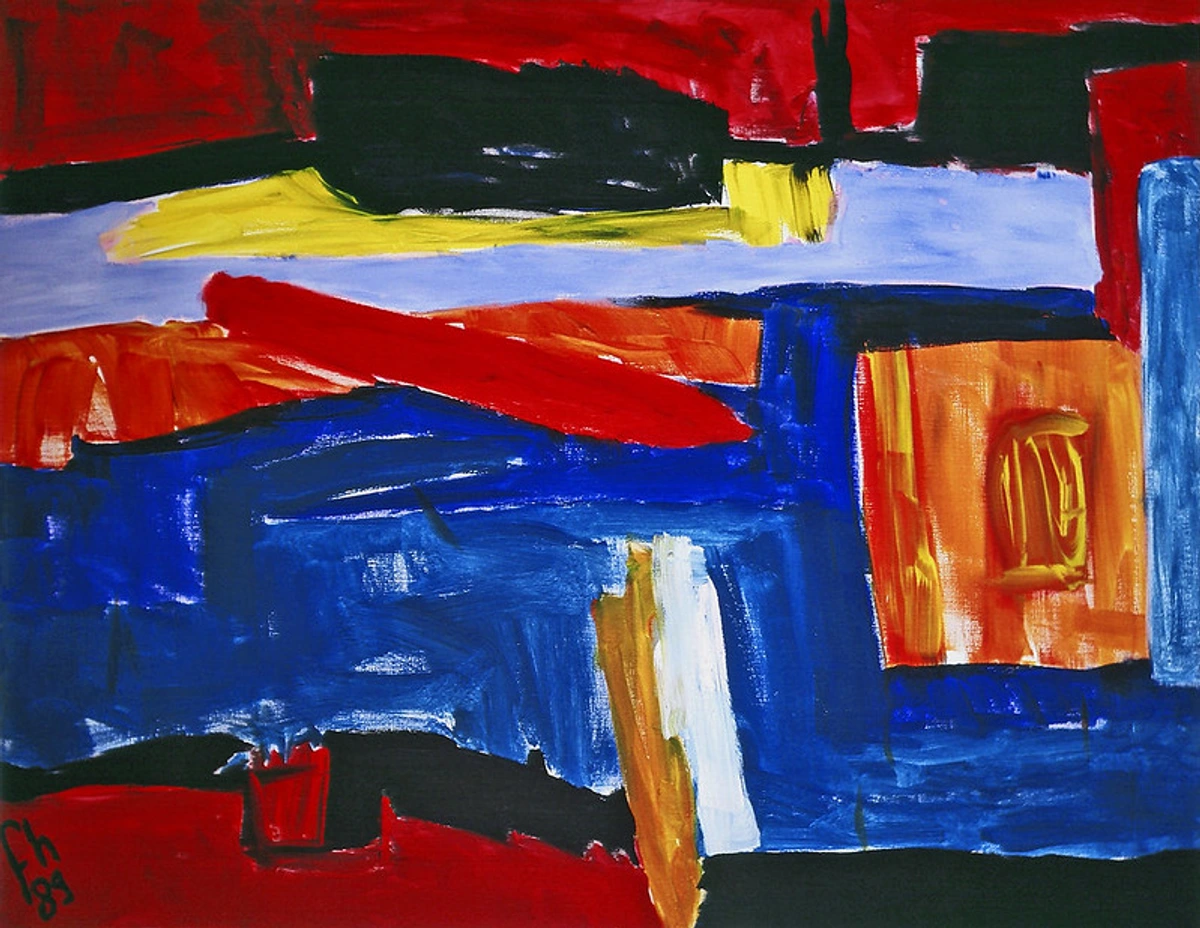
- To explore pure form and color: Sometimes the goal is simply to celebrate the intrinsic beauty and power of line, shape, and hue, free from narrative baggage. It's an exploration of visual music, like a composer exploring pure sound, seeking the purity of pure form. The inherent beauty of a color combination or the elegant tension of a line can, by itself, evoke profound emotion. Think of Kazimir Malevich's Black Square, which aimed to represent pure feeling, a sensation of the absolute void, rather than an object.
- To express the ineffable: There are emotions, ideas, or spiritual experiences that simply cannot be captured by a literal image. How do you paint grief, joy, the vastness of the cosmos, or the interconnectedness of all things? Abstraction provides a direct pipeline to these deeper, often inexpressible, truths, a silent language for the soul. Francis Bacon's distorted figures, while not purely abstract, push the boundaries of depicting raw psychological states through abstracted forms, capturing the soul of the subject and its texture of emotion.
- To challenge perception and traditional norms: Abstract art often forces the viewer to engage actively, to question what they see, and to rely on their own feelings rather than pre-conceived notions. It's an invitation to see the world, and oneself, anew, to break free from the literal and embrace new possibilities of interpretation. It actively challenges viewers' preconceptions of what art "should be."
- To respond to a changing world: As society grapples with increasing complexity, fragmentation, or technological shifts, abstract art offers a visual language to interpret and process these often overwhelming realities. It reflects a desire for authenticity and immediacy in a world increasingly mediated, becoming a powerful barometer for societal change. It's a continuous dialogue with the contemporary world.
The Dance of Chance and Control: Controlled Improvisation
Another fascinating aspect of abstract art is the constant push and pull between chance and control, a kind of controlled chaos. On one end of the spectrum, you have artists like Piet Mondrian, whose geometric abstractions are the result of meticulous planning and precise execution, a triumph of intellect and order, pursuing pure form. Every line, every color block, is a highly controlled decision aimed at achieving a perfect visual balance and spiritual harmony.
On the other end, you find artists like Jackson Pollock, whose drip paintings famously embraced spontaneity and elements of chance. But even in what appears to be pure chaos, there's immense control – the choice of colors, the rhythm of the drips, the energy of the gesture, the decision of when to stop. It’s not just spilling paint; it’s a highly physical, intuitive, and ultimately controlled performance, a language of gesture. Think of a master chef improvising a dish: they might spontaneously grab ingredients, but their deep understanding of flavors and techniques guides every choice, transforming accidental elements into a harmonious whole. It's a testament to the artist's hand. I see it as a conversation; the artist sets up the conditions, invites the unexpected, and then responds, guides, and refines. This "conversation" involves specific techniques. For me, it often means setting up initial, almost accidental washes of color, then consciously reacting to them with more deliberate marks. Or I might apply a layer knowing it will be partly obscured or altered by the next, embracing the 'happy accidents' that lead to discovery and an unfolding narrative. It's a continuous cycle of intuition leading, intellect refining, chance introducing, and control responding. It’s a dynamic interplay, a kind of controlled improvisation, where the initial intuitive burst is shaped and honed by the artist's intellect and experience, creating a profound visual dialogue. This constant interplay is explored further in The Art of Intuitive Painting.
Beyond Western Shores: A Glimpse at Global Abstraction, A Shared Human Impulse
It’s almost too easy, I think, to fall into the trap of viewing abstract art as a purely Western, 20th-century invention. But abstraction's roots run deeper and wider than many often assume. The truth, as always, is far richer and more expansive, revealing a truly shared human impulse to communicate beyond literal depiction. Non-representational forms of expression have pulsed through countless cultures for millennia, acting as a silent language, a powerful visual dialogue echoing through time.
Consider the breathtakingly intricate geometric patterns in Islamic art, designed not to depict figures but to inspire profound contemplation of the divine and the infinite. These patterns, such as arabesques and geometric tessellations (repeating patterns that perfectly tile a plane), often built on mathematical precision, visually manifest concepts like tahwid (the unity of God) and reflect cosmic order. They evoke tadhkir (remembrance) – a form of spiritual recollection – and are often influenced by the mystical traditions of Sufism, leading to deeply meditative aesthetic experiences for the viewer, a truly authentic connection to the spiritual. Think of the complex star patterns found in Persian tilework or the calligraphy-based abstract designs in Ottoman mosques.
Or think of the dynamic, expressive brushwork found in East Asian calligraphy, where the very form and flow of the stroke itself convey energy, emotion, and philosophical depth, often transcending the literal meaning of the characters. In traditions influenced by Zen Buddhism, like the work of the literati (especially from the Tang and Song dynasties), the spontaneous yet highly disciplined brushstroke is seen as a direct expression of the artist's qi (life force) – a fundamental concept in Chinese philosophy referring to the circulating life energy. This makes it a powerful abstract gesture, a language of pure emotion and profound connection, capturing the very soul of the subject. A powerful example is Japanese ink wash painting (sumi-e), where a few seemingly simple, yet highly controlled, brushstrokes can evoke an entire landscape or a profound emotion, relying on abstract suggestion rather than literal depiction.
We also see this universal impulse in:
- The ancient, deeply spiritual dot paintings of Indigenous Australian artists, whose abstract forms (like those from the Central Desert art movement, pioneered by artists from Papunya Tula) map ancestral lands and stories. These intricate patterns encode spiritual journeys and ancestral connections, capturing essential truths about their cosmology.
- The vibrant, symbolic patterns woven into traditional African textiles (such as the bold, graphic aesthetics of Kuba textiles from Congo) and carved into sculptures (like the stylized, highly abstract masks and figures of West African cultures, such as the Dan or Senufo peoples), whose forms convey spiritual power and social roles without literal representation.
- Indigenous North American traditions, such such as ephemeral, ritualistic Navajo sand paintings that serve as abstract maps of cosmology, or intricate geometric patterns in Inca textiles that encoded social and cosmological information.
- Even ancient Mesoamerican cultures, like the Mayans, employed highly stylized, abstract motifs in their pottery and monumental architecture.
These traditions are powerful reminders that the drive to move beyond literal representation is a fundamental, universal human impulse, expressed in myriad ways across our shared history, long before Wassily Kandinsky made his first abstract painting. It truly is a testament to the purity of visual expression, proving that the language of pure feeling is timeless.
Abstract Art in Architecture and Design: A Foundational Visual Grammar
Beyond the gallery walls, abstract principles have profoundly shaped the physical and aesthetic world around us. In many ways, abstraction provides a foundational visual grammar for modern architecture, interior design, graphic design, and even fashion, demonstrating its pervasive influence on contemporary culture.
- Architecture: Think of the clean lines, geometric forms, and open-plan spaces characteristic of the Bauhaus movement or International Style architecture (pioneered by architects like Walter Gropius and Mies van der Rohe). These designs directly reflect the principles of geometric abstraction, emphasizing function, purity of form, and a universal aesthetic. Later, architects like Zaha Hadid pushed this further, creating fluid, organic, and powerfully abstract structures that seem to defy gravity, echoing biomorphic abstraction in their dynamic forms.
- Interior Design: Abstract art's influence is evident in minimalist interiors, the use of bold color blocks, textured surfaces, and geometrically inspired furniture. Designers often use abstract patterns in textiles, rugs, and wallpaper to create mood and visual interest without relying on figurative imagery. It’s about creating an atmosphere through pure form and color, fostering a holistic aesthetic experience.
- Graphic Design & Branding: From company logos to website layouts, abstract principles are everywhere. The effective use of typography, whitespace, geometric shapes, and a carefully chosen color palette (think De Stijl's influence on early graphic design) all stem from abstract art's lessons in visual communication. These elements create brand identity and evoke specific emotions without needing literal imagery.
- Fashion: Abstract patterns, bold color blocking, and innovative silhouettes are hallmarks of designers who draw from abstract art. Whether it's the geometric precision of a Mondrian-inspired dress or the fluid, expressive draping that evokes gestural abstraction, fashion frequently translates abstract visual languages into wearable art.
This broad reach highlights how abstract art isn't just confined to canvases; it's a dynamic force that has fundamentally redefined how we perceive and interact with our constructed environments, continually shaping our visual culture and aesthetic experiences.
Unlocking the Meaning: It's All About You (and a Little Help from the Artist)
This is often the million-dollar question, isn't it? "But... what does it mean?" And my honest, most liberating answer is this: it means whatever you connect with. An abstract painting isn't a cryptic riddle to be solved, nor is it a coded message awaiting the 'right' decoder. There's no single 'correct' answer, no magic key you're supposed to find. Instead, it's a generous invitation to feel something, to embark on a deeply personal dialogue. It's a co-creation between the artist's initial intention and your unique interpretation. You are given permission to feel.
However, sometimes the artist does offer a guiding hand. The title of an abstract artwork, for instance, can be a subtle hint, a direct clue, or even a playful misdirection! While it won't dictate your experience, it can certainly open up a particular avenue of thought or feeling that the artist intended to explore. So, give it a moment, read the title, and let it mingle with your initial gut reaction – that powerful visceral response. It's all part of the unique aesthetic experience.
Your First Steps to Appreciating Abstract Art: An Invitation to Introspection
Instead of asking the often-frustrating question, "What is this a painting of?" (which usually leads to a dead end with abstract work), I invite you to try asking yourself a few different questions. Approach it like a gentle conversation, a moment of introspection, trusting your own innate responses. This is the art of letting go of expectations and embracing the unknown, a true act of open interpretation.
Here’s a mini-guide to help you start your journey:
- How does this make me feel? Does it evoke a sense of calm? An underlying anxiousness? Pure joy? A forgotten nostalgia? A surge of excitement? Just let the colors and shapes wash over you without judgment, like listening to a piece of music. What's your immediate emotional response? What is its emotional resonance? (My article, Translating Emotion into Abstract Art, explores this further.)
- What does this remind me of? Perhaps a specific piece of music? A memory from childhood, vivid or vague? A landscape seen from a plane, or a fleeting glimpse through a train window? A dream you once had, all hazy edges and powerful emotions? Don't censor the first thought that comes to mind, no matter how illogical.
- Where does my eye travel? What colors, shapes, or lines pull your attention first? Do they lead you around the canvas in a particular rhythm? Is there a sense of movement or stillness? This speaks to the artist's compositional choices and the visual harmony they’ve created, revealing the profound visual language at play.
- What questions does it spark in me? Does it make me ponder something larger about life, about chaos or order, about beauty, or the interconnectedness of things? Does it simply make me curious, initiating a silent language of inquiry?
This, for me, is the true magic of abstract art. Ten people can look at the exact same painting and have ten vastly different, yet equally valid and deeply personal, experiences. It’s a profound collaboration between the artist's intention, their journey, and your own unique life experience, your one-of-a-kind perspective. There is no right or wrong answer, only your honest, intuitive response. If you want a deeper dive into this fascinating process, I've written a whole guide on decoding abstract art. It's all part of cultivating a richer aesthetic experience and developing your own artistic lens.
Abstract Art and Well-being: A Quiet Conversation with the Soul
Beyond its historical and aesthetic significance, abstract art holds a profound, often overlooked, power to impact our personal well-being. Both in its creation and its appreciation, abstraction can become a form of quiet therapy, a direct channel to our inner landscape, inviting a moment of introspection and cultivating a richer aesthetic experience. It truly is a dialogue with the soul, fostering an authentic connection.
For artists, the act of creating abstract art is often deeply meditative. It's a space where you can shed the pressure of literal representation and simply respond to color, line, and form. This process can be incredibly cathartic, allowing for the release of emotions that words can't capture, or providing a focused escape from daily stressors. It fosters a deeper sense of self-discovery, as each brushstroke or decision becomes an external manifestation of an internal state. For me, it has dramatically improved my problem-solving skills, forcing me to find unexpected solutions on the canvas. It sparks my own creative spark, leading to a joyful process of discovery, embracing the beauty of the unresolved.
For viewers, engaging with abstract art can be equally transformative. Without a narrative to follow or an object to identify, your mind is invited to interpret, to feel, and to reflect. This active engagement can melt away stress, stimulate introspection, and even enhance empathy as you consider the artist's (and your own) emotional journey. A vibrant, energetic piece might invigorate you, while a serene Color Field painting can induce a profound sense of calm, offering mindful moments. It's a reminder that art isn't just something to look at; it's something to experience and allow to resonate deeply within you, connecting with your own emotional landscape. This active, open approach is truly the art of experiencing. To explore this further, you might enjoy my article on mindful moments: how abstract art can be a gateway to inner peace and reflection.
This connection also has a neuroscientific basis. When we view abstract art, our brains aren't trying to identify a familiar object. Instead, different visual pathways are activated, engaging areas associated with emotion, intuition, and even memory. Color, form, and texture directly stimulate our limbic system, bypassing the rational, linguistic parts of the brain. This can lead to a more immediate, unfiltered emotional response – that "gut feeling" I mentioned earlier. It’s like a direct conversation between the artwork and your subconscious, a pure aesthetic experience that can genuinely alter your mood and perspective. Some artists, especially those working with Op Art (Optical Art), deliberately exploit these perceptual mechanisms to create illusions of movement, vibration, or hidden images through precise geometric patterns and color contrasts, demonstrating how abstract art can actively manipulate our visual processing for a profound, sometimes disorienting, effect. They use the very mechanics of perception to create an experience.
The Living Legacy: Contemporary Abstract Art in a Digital Age and Beyond
Abstract art, crucially, didn't hit its peak with Pollock or Rothko and then simply stop. Oh no, it's a living, breathing, constantly evolving beast, morphing and adapting to new materials, technologies, and conceptual frameworks. Today, contemporary abstract artists are pushing boundaries in exciting ways, often incorporating elements from everyday life, found objects, or digital processes. They might be exploring themes of identity, environment, data, or the digital age through non-representational forms, constantly redefining what abstraction can be, and how it impacts modern culture, design (including graphic design and fashion), and even architecture. It's an unfolding revelation, a continuous dialogue with the contemporary world. You'll find artists delving into:
- Digital Abstraction & Generative Art: Using algorithms, code, AI, or digital painting tools to create complex patterns and forms that might be impossible or incredibly difficult to achieve with traditional mediums. Think of artists using generative art algorithms to create ever-evolving visual experiences (often based on mathematical formulas or random seeds), or AI-assisted works that explore complex data visualizations, translating raw data into the visual symphony of abstraction. Digital tools also allow for unprecedented manipulation of images, creating digital collages from disparate sources that result in new abstract narratives. This opens up new frontiers for visual exploration, often simulating or responding to digital experiences. While fascinating, the ownership models often associated with digital art, such as NFTs and blockchain, are still subjects of much debate and skepticism within the broader art world, focusing on market speculation rather than solely artistic value.
- Bio-Art Influences: Drawing inspiration from microscopic forms, cellular structures, biological processes, or natural growth patterns to create organic abstractions that reflect the beauty and complexity of life at its most fundamental level, capturing the soul of the subject. Artists might translate DNA sequences into visual patterns or simulate microbial growth to create new forms of beauty, offering a unique artistic lens and a new language of pure feeling.
- Socio-Political Commentary: Using abstract forms, colors, and textures to subtly or overtly comment on political events, social inequalities, environmental crises, or the complexities of global identity. Abstraction can offer a powerful, universal language for these often-charged topics, bypassing direct representation to evoke a shared human response. For example, fragmented, clashing shapes and discordant colors could represent the chaos and division of a political conflict, or swirling, polluted textures could symbolize environmental degradation. Abstract art, as an avant-garde movement, has a long history of challenging societal norms and serving as a barometer for change.
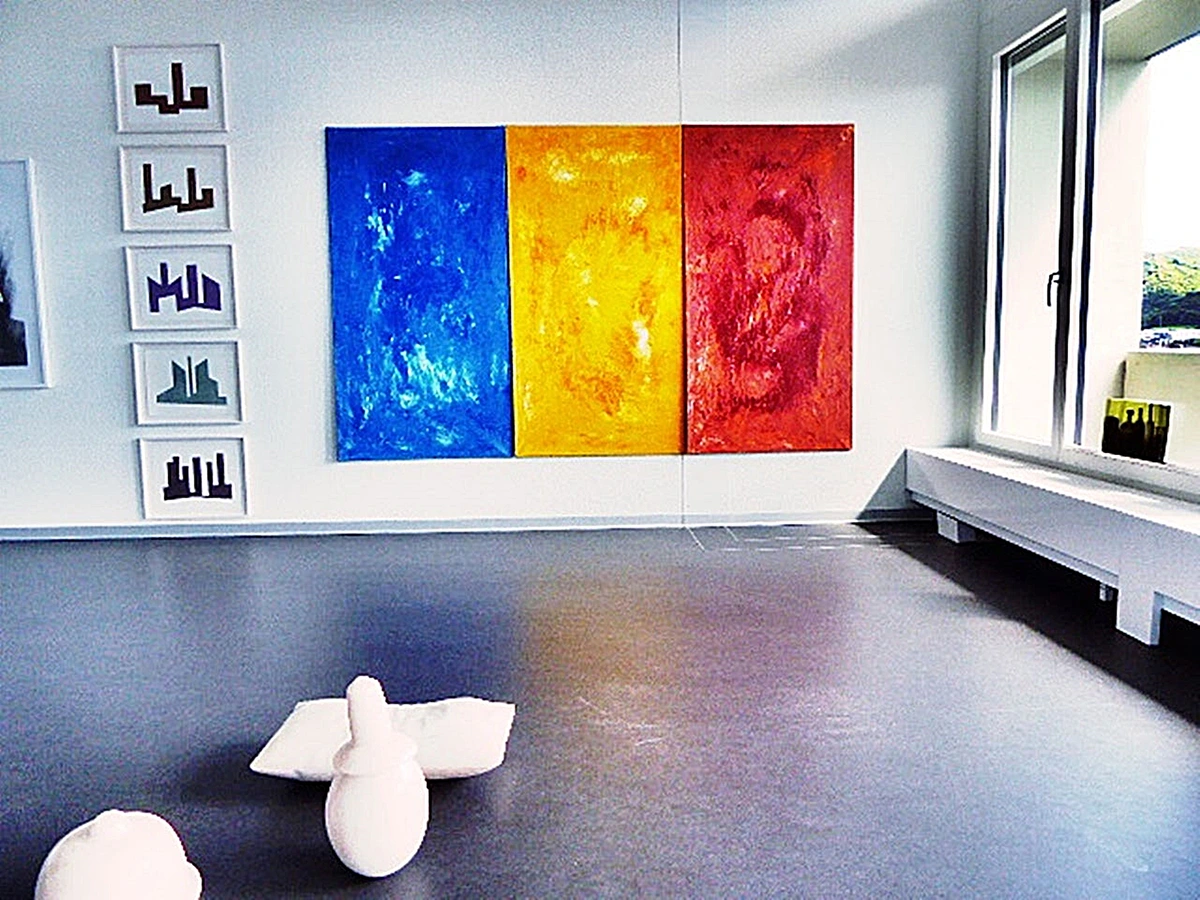
- Mixed Media Exploration & Sculptural Abstraction: Layering traditional paint with found objects, textiles, photography, digital prints, or even light and sound to create multi-sensory abstract experiences. Think of installations combining projections with tactile surfaces, or sculptural paintings with found industrial objects, pushing the boundaries of what a "canvas" can be. This approach emphasizes texture, dimensionality, and often incorporates narrative fragments through unexpected juxtapositions. I find this approach particularly rich in my own mixed media work, where I often embrace the beauty of the unresolved, creating a texture of emotion.
- Environmental & Material Consciousness: Some artists use reclaimed materials or sustainable practices to create abstract works, directly integrating concerns about our planet into their artistic expression. This could involve abstract collages from ocean plastic or pigments derived from natural earth elements, a testament to the evolving relationship between art and technology and a profound conversation with the contemporary world.
This ongoing dialogue between form, meaning, and our ever-changing world makes contemporary abstract art a fertile ground for discovery and connection, a true lifelong exploration. It’s all part of the definitive guide to understanding abstraction in contemporary art.
Frequently Asked Questions About Abstract Art: Demystifying the Enigma
Let's tackle some of the common questions I hear, because honestly, these are the same questions I've asked myself at different points in my artistic journey. It’s okay to be curious! This section aims to demystify the enigma and offer an accessible entry point to deeper understanding and a richer aesthetic experience.
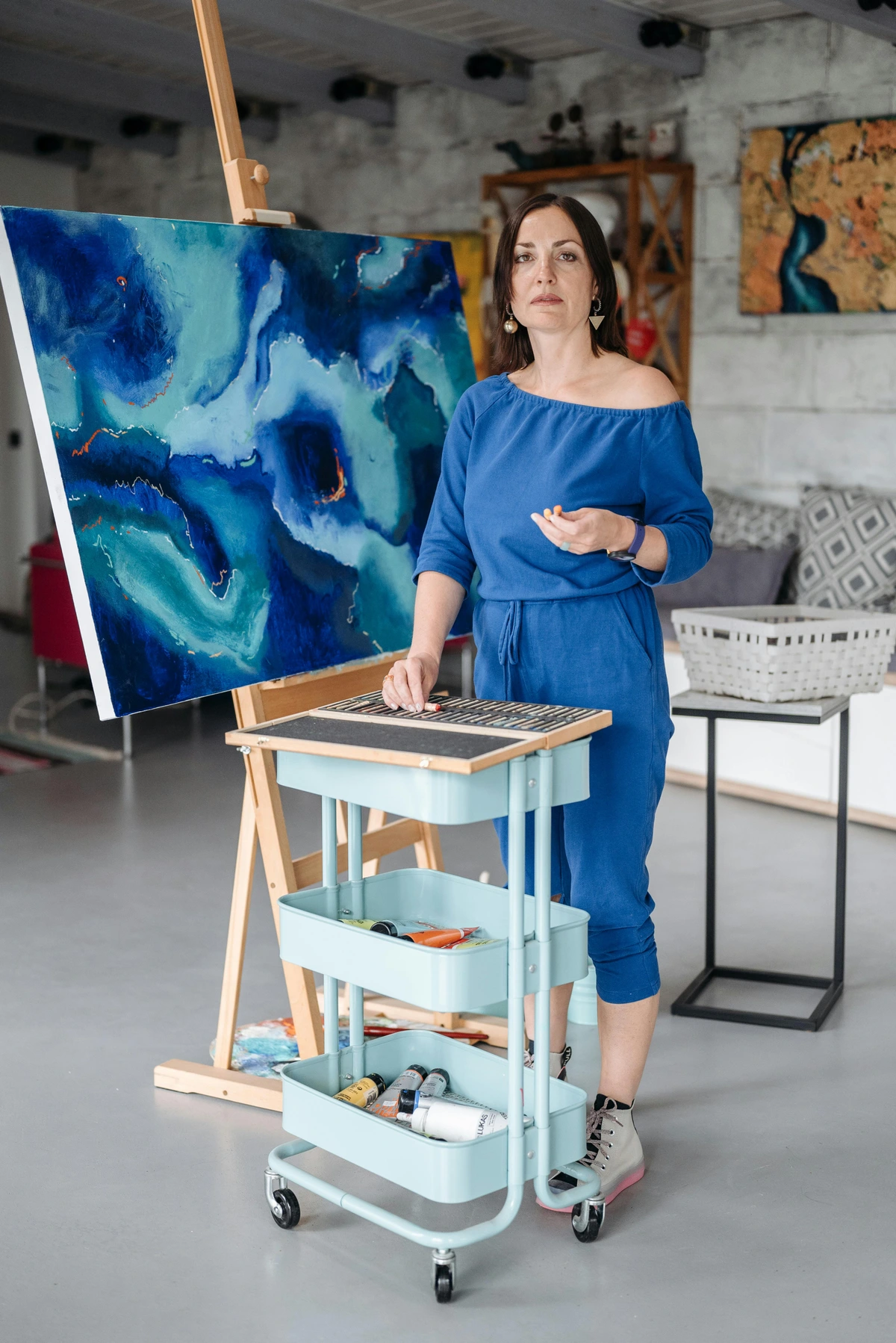
Is abstract art just random? ("My kid could do that!")
Not at all, though I can totally see why it might appear that way sometimes! While some forms, like Abstract Expressionism, indeed embrace elements of chance and spontaneity (think Jackson Pollock's glorious drips and the vibrant energy of his "Number 1A, 1948"), the artist is always, always making choices. The decision to place a mark here, use this color there, or stop at a certain point isn't random; it's all part of a controlled, albeit often intuitive, process. Think of a seasoned jazz musician improvising: it sounds wonderfully spontaneous, but it's built on a deep understanding of music theory, years of practice, and an intuitive feel for the 'rules' they're bending. It's purposeful chaos, if you will, a dance between intention and accident – a kind of controlled improvisation. No matter how wild the result, there's a guiding hand and a discerning eye at work, a testament to the intentional mark. The "my kid could do that" critique often misses this crucial distinction: a child's marks are explorations of pure curiosity, while an artist's deliberate gestures are informed by years of visual language, conceptual depth, and refined decision-making, utilizing the elements of art line and form with purpose and a profound visual dialogue.
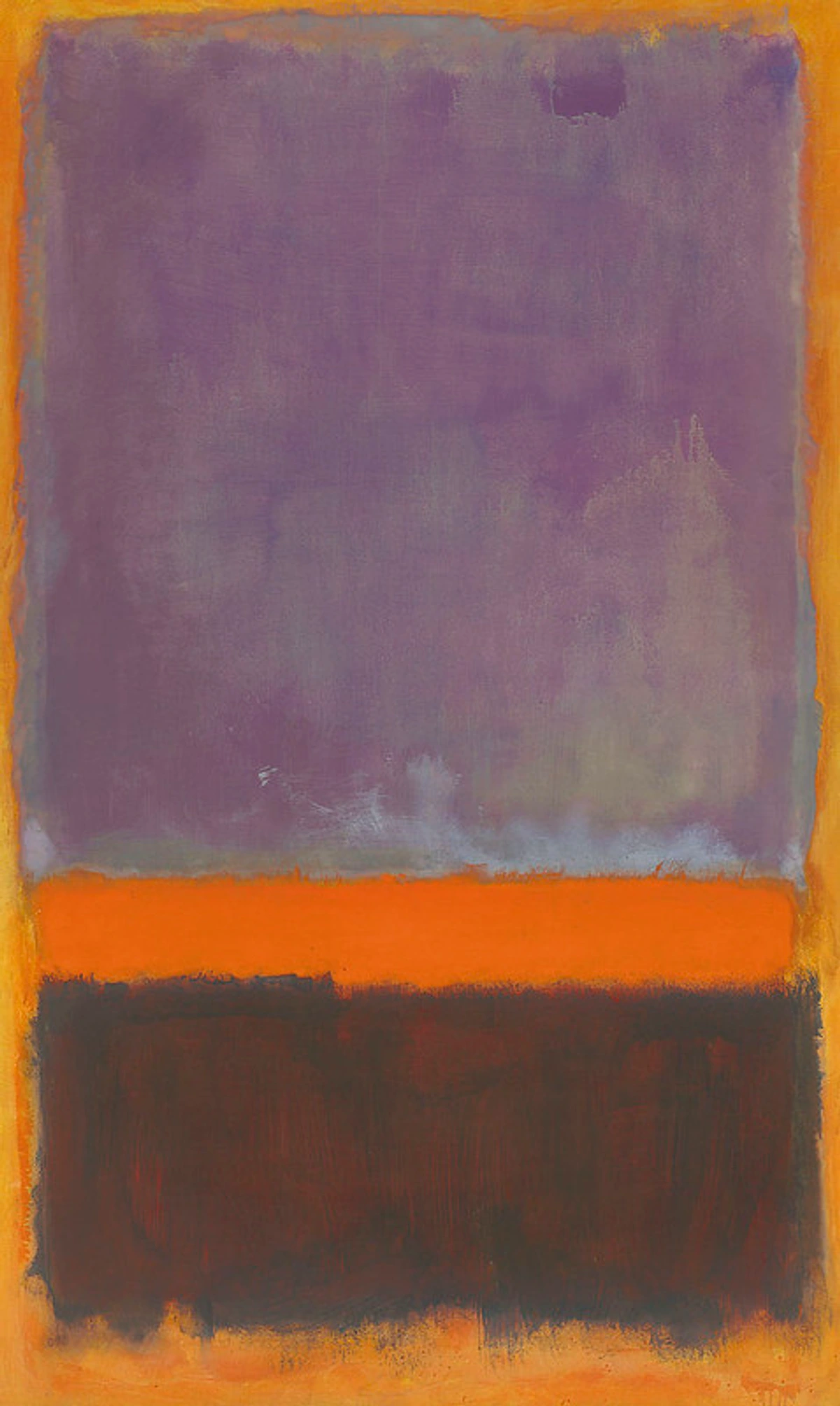
What are some common themes explored in abstract art, even without recognizable subjects?
Even without depicting a recognizable subject, abstract art is rich with themes, reflecting a profound conversation with the human condition! Often, artists are exploring universal human experiences and concepts that transcend literal imagery, using abstraction as a direct pipeline to essential truths. Some common themes include:
- Spirituality & the Ineffable: Trying to visualize the divine, the infinite, or transcendent states that defy words or literal depiction, exploring the immateriality of existence. This is often conveyed through vast expanses of color or intricate, repeating geometric patterns that evoke infinity, connecting to universal archetypes and concepts of cosmic order.
- The Subconscious & Dreams: Expressing the mysterious landscapes of the inner mind, emotions, and primal urges (think Surrealism's influence and the textural emotion it conveys). Artists like Joan Miró explored these subconscious realms through biomorphic forms and vibrant colors, creating a silent language for the soul.
- Chaos vs. Order: The dynamic tension between structure and spontaneity, often reflecting patterns in nature or urban environments, a constant visual dialogue. How do we find harmony in disorder, or disruption in rigid structures? This embraces the beauty of the unresolved.
- Movement & Rhythm: Capturing the essence of dance, music, or natural forces like wind and water through dynamic lines and forms, creating a music of the eyes. Think of the energetic swirls in early Kandinsky works.
- Nature's Essence: Not painting a literal landscape, but conveying the feeling of a storm, the quiet of a forest, or the vastness of the cosmos – capturing the soul of the subject. Arthur Dove's work is a prime example of this, offering a unique artistic lens.
- Existential Questions: Pondering life, death, isolation, connection, and the human condition in a non-literal way, embracing the beauty of the unresolved. How does a pure block of color evoke loneliness, or a vibrant burst of lines suggest interconnectedness? These works create a profound aesthetic experience.
It's about getting to the heart of an idea or emotion, bypassing the need for a specific image, and tapping into the power of the unspoken.
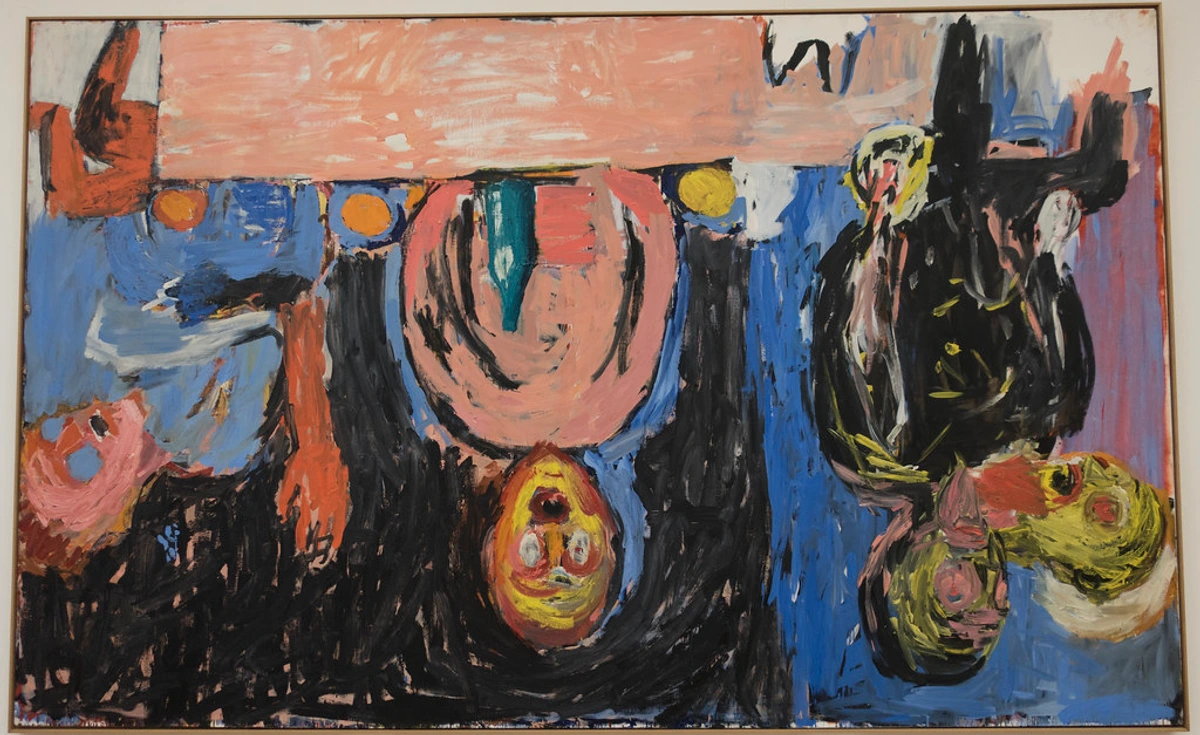
Why is abstract art so expensive?
Ah, the age-old question that often sparks heated debates! Like all art, the price isn't just about the cost of materials (which, granted, can be substantial for large-scale works and specialized mediums). It's determined by a complex interplay of factors that constitute its market value versus its intrinsic artistic value. It's a testament to its enduring fascination. You can also explore the evolution of abstract art: key movements and their collectible value.
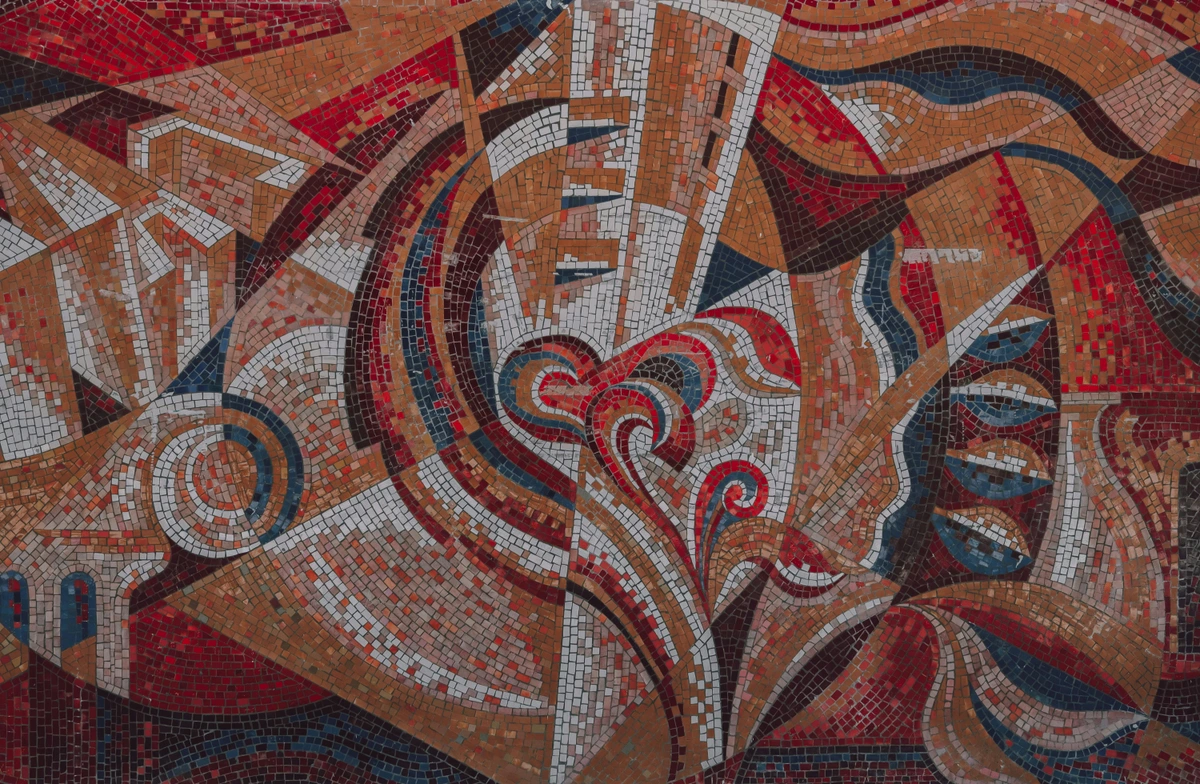
Here’s a breakdown:
- Artist's Reputation & Historical Significance: Is it a seminal work by a master like Kandinsky, a piece that literally changed the course of art history? The more established and influential the artist, the higher the value.
- Provenance (History of Ownership): A clear, prestigious history of ownership can significantly increase an artwork's value, as it assures authenticity and adds to its unfolding revelation.
- Rarity: Unique pieces, especially from prolific artists, command higher prices. Limited editions of prints also contribute to value.
- Demand from Collectors & Institutions: When many people want a limited number of works, prices soar. Galleries and influential critics also play a significant role in shaping perceived value and demand, curating the aesthetic experience. Art market trends and speculation, including the influence of major auction houses, can also heavily influence prices, sometimes detaching them from intrinsic artistic value, especially for contemporary abstract art.
- Cultural & Artistic Value: This is the intangible weight of an artwork's importance in the broader narrative of art, its impact on subsequent artists, and its ability to provoke thought or emotion. It's not just canvas and paint; it's a piece of cultural history and a unique vision, a profound conversation with the contemporary world. While not abstract, iconic works like Andy Warhol's soup cans, for example, command astronomical prices not for their literal depiction, but for their cultural impact and the artist's place in history, challenging traditional notions of art.
Ultimately, it's a specialized market where supply, demand, cultural impact, and historical significance converge, reflecting a holistic understanding of value.
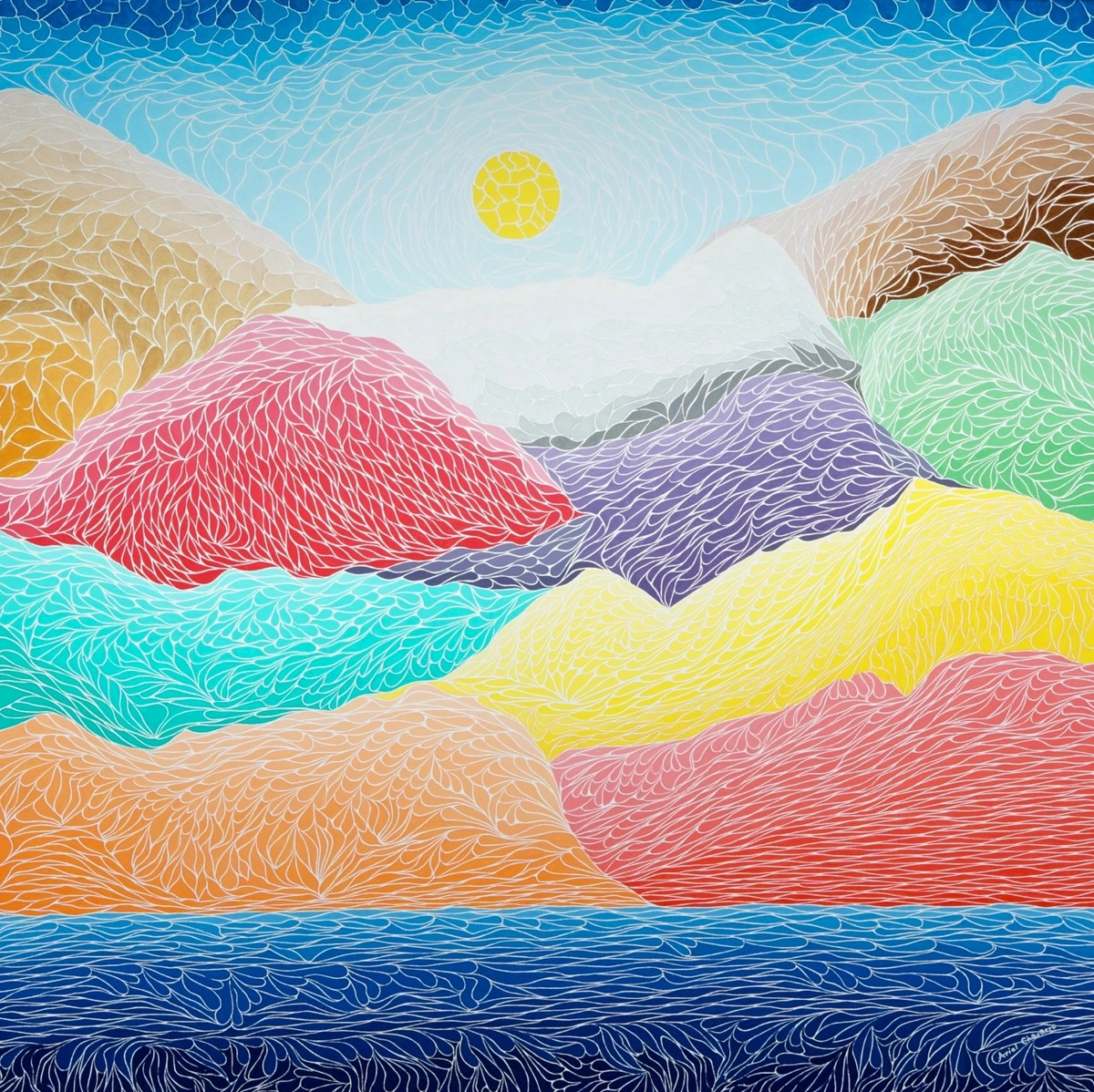
What's the difference between abstract and non-representational art?
These terms are often used interchangeably in casual conversation, and for most purposes, that's perfectly fine. However, for the art purists (and sometimes in academic settings), there's a subtle but important distinction, as I mentioned earlier, rooted in how the art challenges perceptions of reality:
- Abstract Art: Can start with a real-world subject and then 'abstract' it – meaning simplify, distort, or exaggerate it to varying degrees. Think of Picasso's Cubist portraits, where you can still discern a face or a figure, albeit fragmented or reassembled. The reference to reality is still there, but it's been transformed, capturing the essence or spirit of the subject rather than its literal appearance. For example, a distorted still life of fruit would be abstract, hinting at its origin. It's a pure expression of form follows feeling.
- Non-Representational Art (sometimes called 'non-objective art'): Has no reference to the real world at all. It's purely about shapes, colors, forms, and lines, existing independently of any external reality. Think of a pure Mondrian grid, or a Color Field painting by Rothko. There was never an apple or a landscape that was 'abstracted'; the artwork began purely from internal impulse or formal exploration, seeking the purity of pure form. A painting of only blue squares, for instance, would be non-representational.
I find it more useful to think about it as a spectrum of abstraction, with pure non-representational work at one end and highly abstracted representational work closer to the middle, all part of the continuous dialogue of discovery.
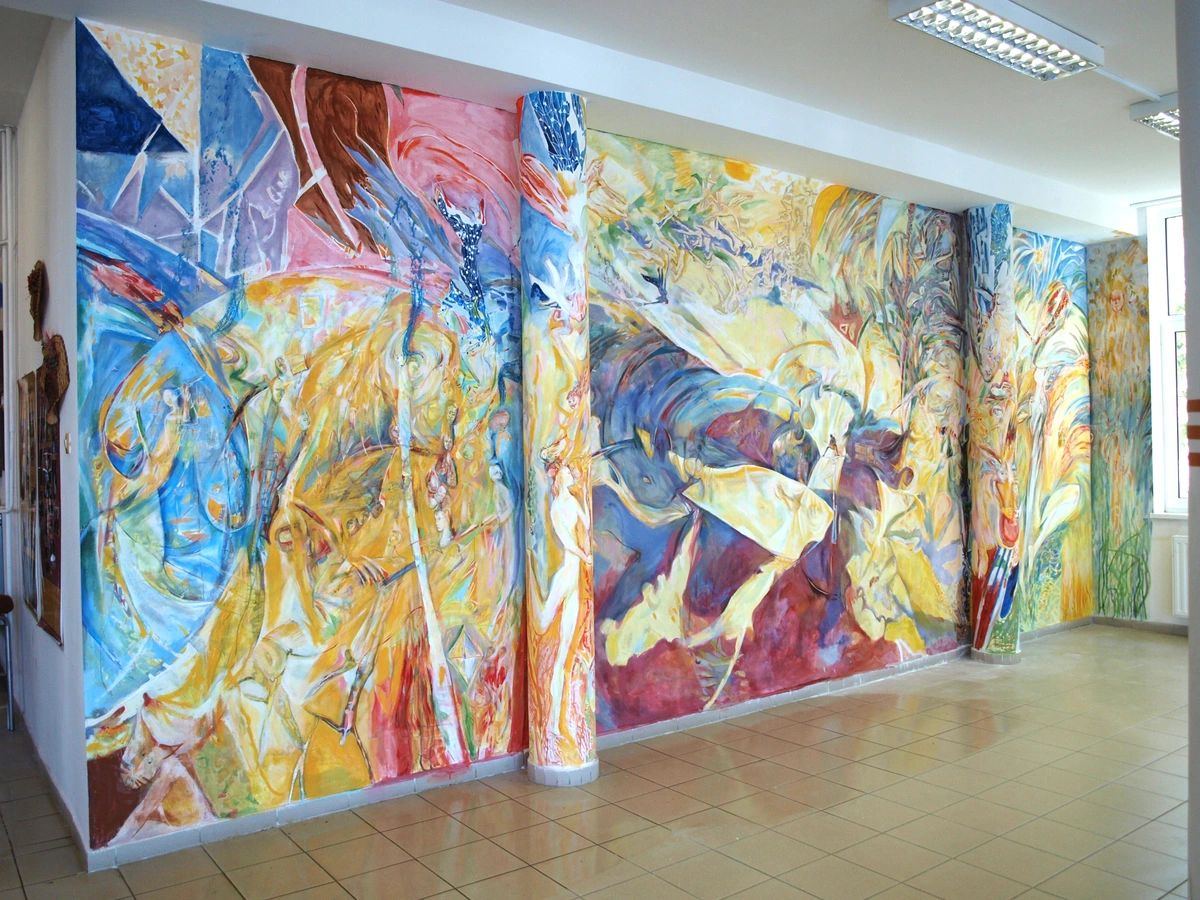
How can I distinguish between "effective" and "less resonant" abstract art?
This is tricky because taste is so personal, and there's no right or wrong answer! However, instead of asking if it's "good" or "bad" (which can feel very judgmental), I prefer to ask: "Is it effective?" And by effective, I mean, does it create a profound aesthetic experience? Here’s what I look for:
- Does it show intention and skill? Even in seemingly chaotic works, a discerning eye can often detect a sophisticated understanding of composition, color, and mark-making. Does it feel deliberate, even if intuitive? Or does it genuinely feel haphazard and underdeveloped? This is where understanding the elements of art line and form comes into play, revealing the artist's hand and mastery of visual grammar.
- Does it feel cohesive? Even if it’s a vibrant mix of colors and forms, does the whole piece hold together? Is there a visual 'logic' or harmony, even if it’s a chaotic harmony? A truly effective abstract work manages its visual elements so they feel intentionally placed, even in apparent disorder, creating a visual symphony.
- Does it evoke a genuine response in me? This is key. An effective abstract piece, for me, doesn't leave me cold or confused. It sparks something – a feeling, a thought, a curiosity. If it leaves you utterly indifferent, it might not be for you, and that's okay. Your personal connection and intuitive response are valid metrics. There’s no right or wrong way to feel, and every experience is valid. It's about empowering the viewer.
Ultimately, don't let anyone dictate your taste. Trust your gut reaction, but also challenge yourself to look deeper. The more you engage, the more nuanced your appreciation and understanding of the language of pure emotion will become. It's the art of open interpretation, a lifelong exploration.
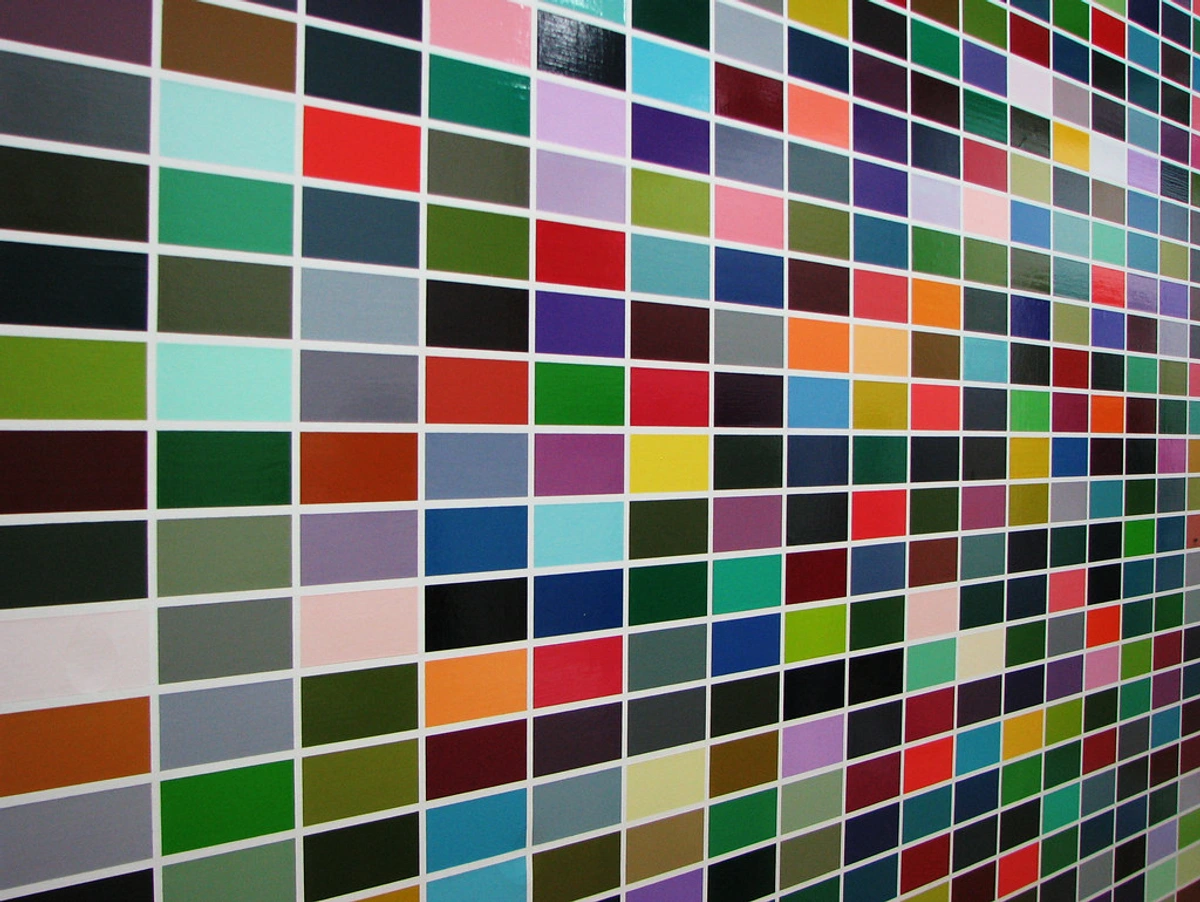
What is the role of intuition vs. intellect in creating abstract art?
For me, it's a constant, beautiful dance between the two! Often, an abstract work begins with a pure burst of intuition – a spontaneous gesture, an immediate emotional response, an impulse to use a certain color. This is the raw energy, the unthinking flow, the initial spark, a direct pipeline to the subconscious. But then, the intellect steps in. It's the critical eye that asks: "Does this line work here? Is this color creating the tension I want, or is it muddling the message? How do I refine this initial impulse into a cohesive, impactful statement?" It's like a conversation between the wild, untamed subconscious and the deliberate, problem-solving mind. Both are utterly essential. The intuition provides the initial chaos, and the intellect provides the control to transform it into art. Even in Surrealism, which Dali pioneered, the subconscious (intuition) is a key driver, later refined by deliberate composition, reflecting the texture of emotion. This dynamic interplay defines the controlled improvisation at the heart of abstraction. I explore this balance further in The Art of Intuitive Painting.
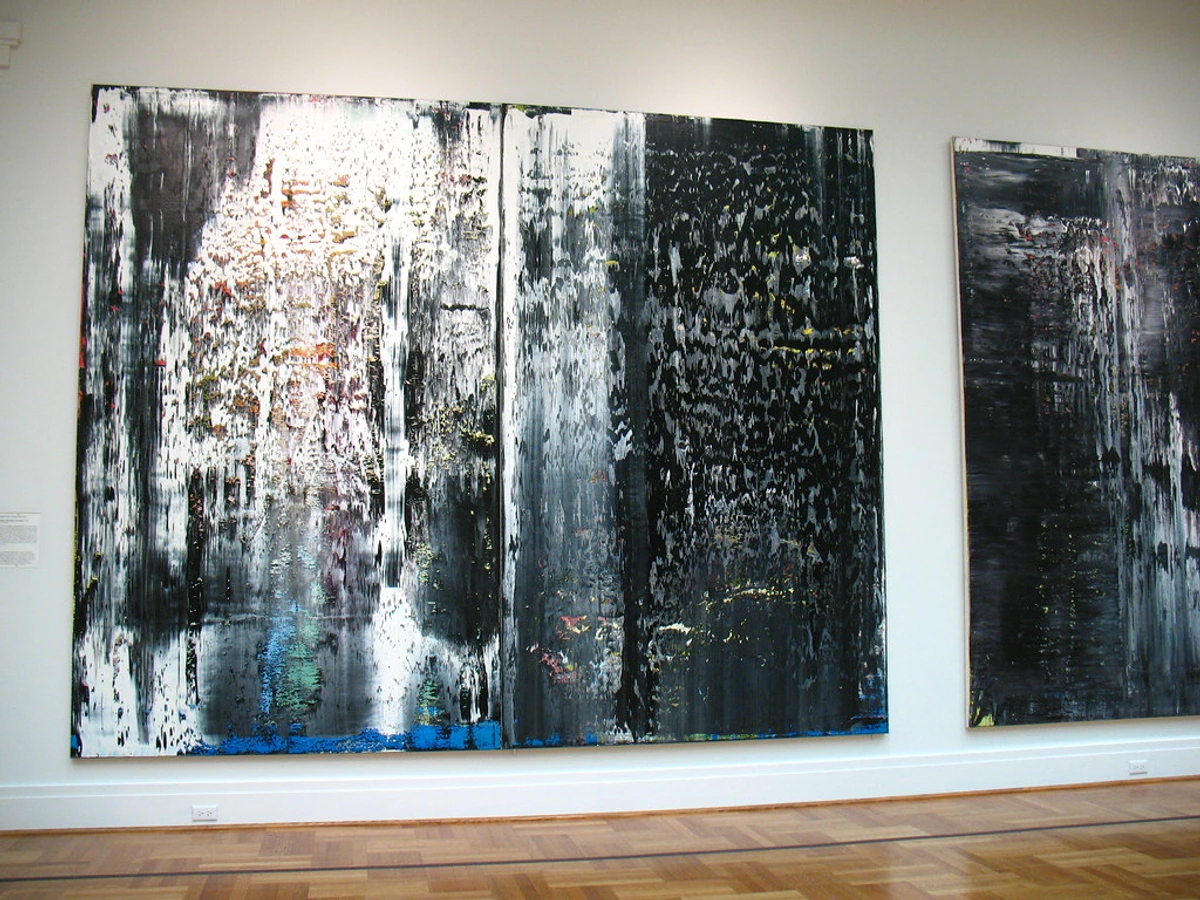
How do artists develop their unique abstract style?
Oh, that's a long, messy, and wonderful journey! It rarely happens overnight. Developing a unique style is usually a combination of:
- Exploration & Experimentation: Trying countless different materials, techniques, and approaches. Many (like me!) have spent years making a lot of "bad" art to get to the "good." It's about a relentless curiosity and a willingness to fail, embracing the beauty of the unfinished. This often involves drawing inspiration from diverse sources: the vibrant chaos of a city, the serene patterns in nature, the rhythmic pulse of music, or the nuanced spectrum of human emotions. Sometimes, a "happy accident" on the canvas can become the catalyst for a whole new direction, a moment of profound visual dialogue.
- Deep Study & Influence: Looking at other artists, past and present, seeing what resonates, and learning from them – not to copy, but to understand the building blocks of visual language and the historical dialogue. This includes formal art education but also self-directed study and observation.
- Repetition & Refinement: Doing the work, day in and day out. Each piece informs the next. You start to notice certain marks, colors, or compositional structures recurring naturally in your work. It's in this consistent practice that your unique voice emerges, often through embracing perceived "mistakes" or the power of imperfection and the "happy accidents" that lead to unexpected discoveries. It's a testament to the artist's hand.
- Self-Discovery & Critical Eye: Learning what you want to say, what emotions you want to convey, what visual language feels most authentic to your inner world. This also involves developing a personal critical eye for your own work – knowing when a piece truly resonates and when it needs more exploration. It’s a bit like finding your own voice, but with paint and canvas instead of words, cultivating your personal artistic language. This introspective journey is as crucial as the physical act of making art, leading to a personal revelation.
It's a continuous process of becoming, often driven by intense curiosity and a stubborn refusal to settle, an authentic connection that leads to a personal revelation. You can read more about my own experience in finding my voice: the evolution of my abstract artistic style.
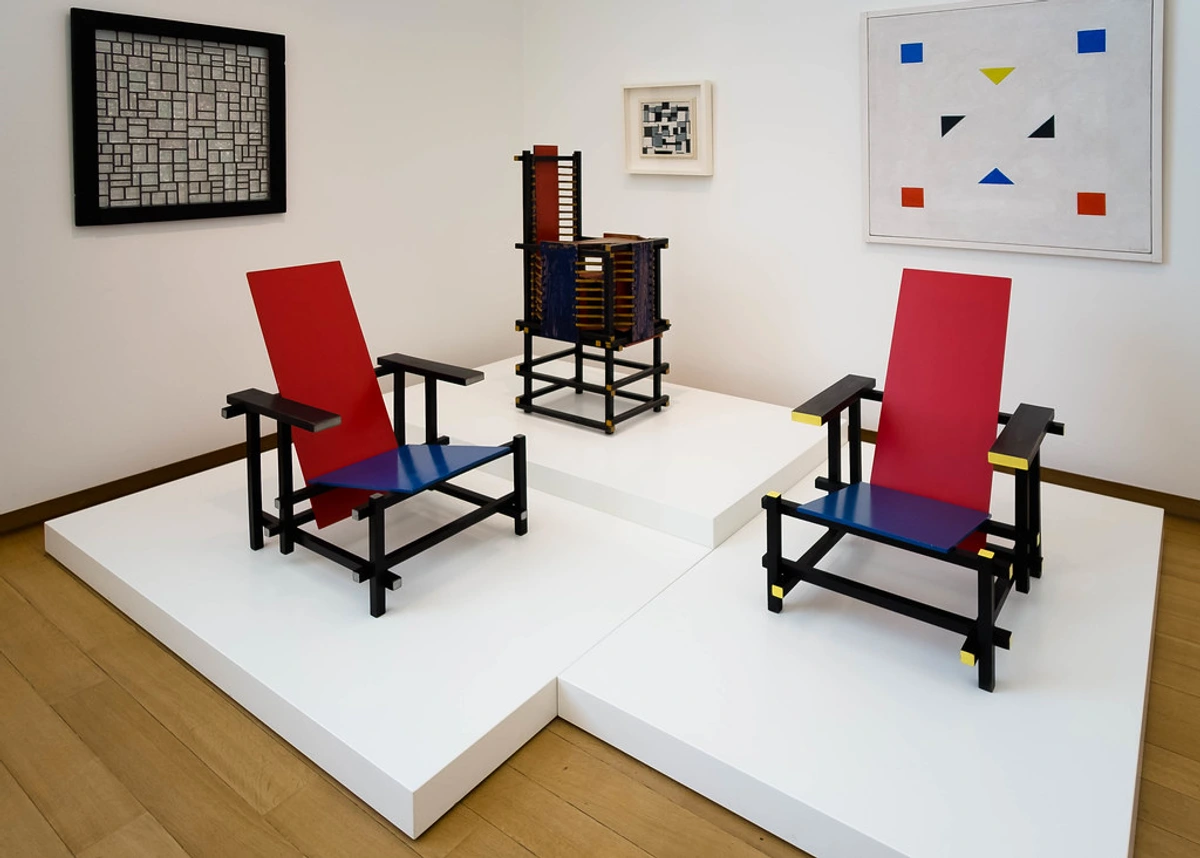
Are there specific materials or mediums that lend themselves particularly well to abstraction?
Absolutely, though artists constantly break these rules, embracing the fluidity of mediums! Traditional favorites often include:
- Acrylics: Fast-drying, versatile, and vibrant, they allow for quick layering and experimentation, making them a favorite for abstract artists and ideal for capturing fleeting gestures and expressive power of texture. My guide on best acrylic mediums for abstract artists dives deeper.
- Oils: Offer rich colors, longer working times for blending, and luscious textures, allowing for deep luminosity and complex surface manipulation, building an emotional palette.
- Mixed Media: Combining paint with collage elements, ink, charcoal, pastels, fabric, or found objects offers boundless possibilities for texture and conceptual depth, building rich narratives without literal imagery. This is a fascinating area to explore, as detailed in The Definitive Guide to Mixed Media in Abstract Art.
- Watercolor/Ink: Known for their fluid, unpredictable nature, perfect for lyrical and expressive abstraction where control is balanced with happy accidents, creating a visual poetry.
- Digital: Offers unparalleled freedom to experiment with colors, forms, and generative patterns without physical constraints. It's a rapidly evolving medium creating entirely new abstract aesthetics, a new frontier for the symphony of color and form. I discuss this more in Beyond the Brush: Exploring Digital Tools in my Abstract Art Practice.
Ultimately, the best medium is the one that best allows the artist to express their unique vision, to convey the soul of the subject. The beauty is in the boundless possibilities for creating visual effects and expressing ideas without literal depiction, embracing the thrilling language of pure emotion.
How does scale affect the experience of abstract art?
Scale plays a massive role in how we experience abstract art, profoundly impacting its visual resonance! A tiny abstract piece invites intimacy; you lean in, study the minute details, and have a quiet, personal moment with it. It's like a secret whispered just to you, inviting your intuitive response and an authentic connection. A monumental abstract work, on the other hand, demands to be experienced physically. It can envelop you, creating an immersive, overwhelming sensation. Think of a massive Color Field painting by Rothko – it's designed to be confronted, to almost swallow you whole, eliciting a profound, almost spiritual, experience, a true visual symphony. It shifts from being an object you look at to an environment you enter, becoming a dialogue with the soul and creating a powerful aesthetic experience. This is why considering how to display art is so crucial, as it fundamentally shapes the aesthetic experience.
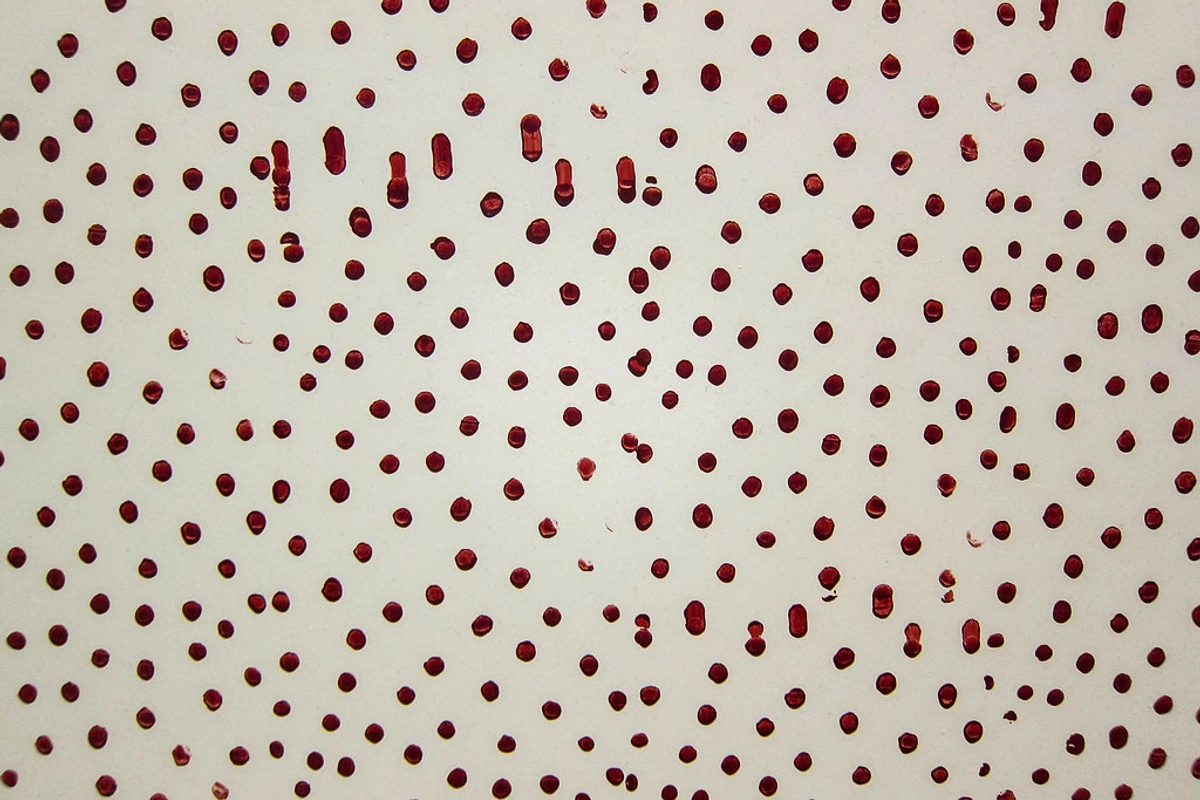
How can I start appreciating abstract art?
Start by just looking, really looking. And more importantly, feeling. Don't try to "get it" right away; that's like trying to think your way through a piece of music. Let your eyes wander, let your emotions surface, without judgment. Visit a gallery or museum, perhaps the excellent collection at the Den Bosch Museum, and spend dedicated time with just one piece. Read the little plaque next to it. Think about the title, but don't let it be the only thing. Most importantly, trust your own reaction, your intuitive response. There’s no right or wrong way to feel, and every experience is valid. It's about giving yourself permission to feel. The more you look, the more connections your brain and heart will start to make, strengthening your "art of noticing." It's a muscle that strengthens with practice! Give yourself permission to simply experience it, rather than solve it, and embrace the joy of open interpretation. This open-ended exploration will lead to a deeper appreciation and cultivate your unique artistic lens, forming an authentic connection.
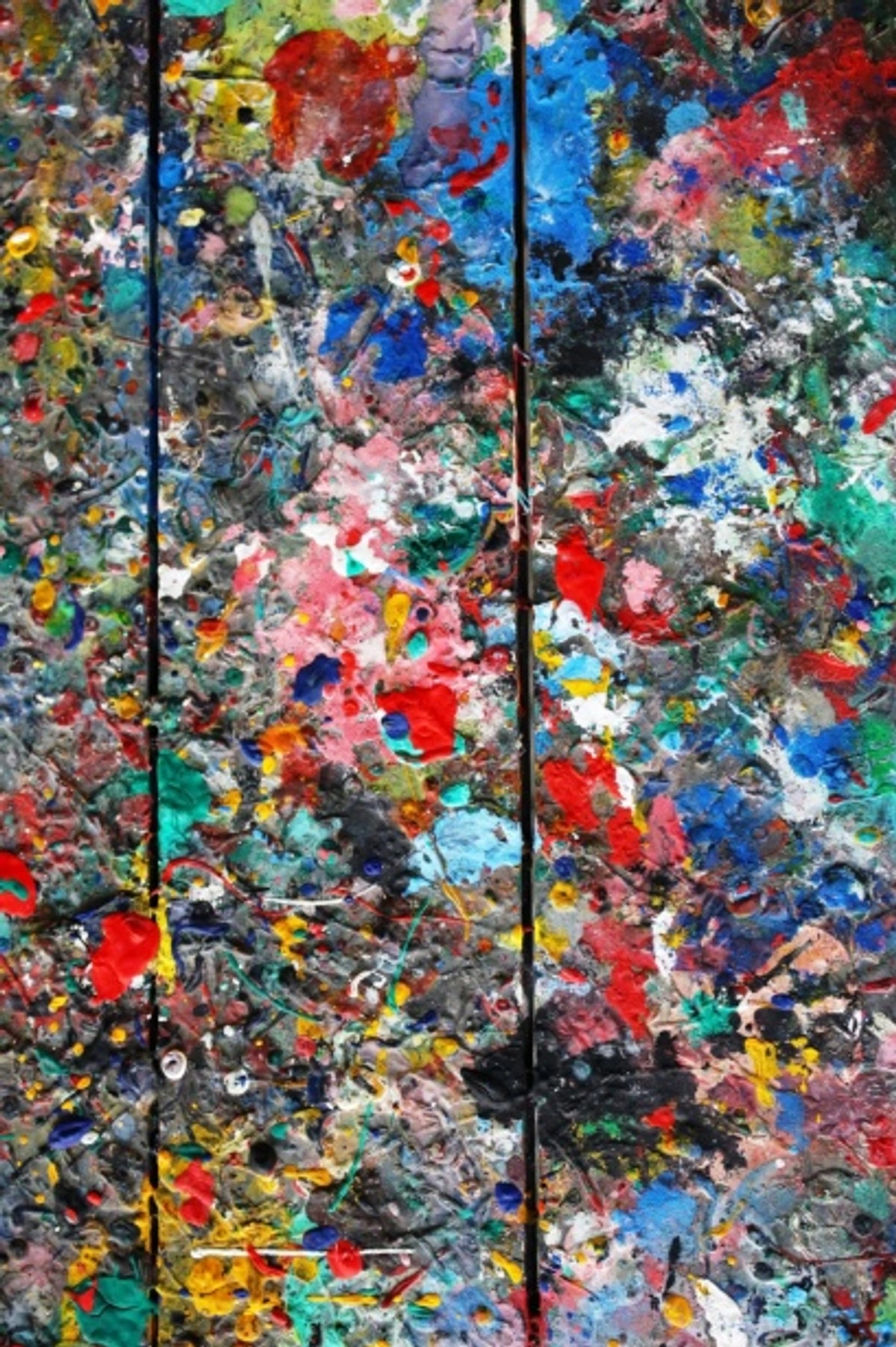





So, Where Do You Go From Here? Your Journey into Abstraction Begins Now.
Abstract art isn't a puzzle to be solved, but a profound experience to be had. It's a conversation without words, a direct line to emotion, and a powerful mirror reflecting your own inner world. It's a testament to a shared human impulse to communicate the ineffable, a continuous dialogue of discovery between the artist and viewer. The next time you encounter a piece, take a breath, let go of the need to name exactly what you're seeing, and just allow yourself to feel. Allow it to challenge you, comfort you, or simply exist. Embrace the beauty of the unresolved, the profound emotional resonance it offers.
It opened up a whole new world for me, a vast landscape of freedom and expressive power, and my artistic timeline is a testament to that journey. If you're feeling inspired, remember that inviting a unique piece of abstract art into your own space can be a daily conversation, a constant source of inspiration and emotional resonance, a personal revelation that continually shapes your aesthetic experience. It's a powerful way to curate your own environment and extend your journey of appreciation. Check out what's available to buy and start your own journey of discovery today.
Go explore. Be curious. And don't worry if you don't "get" all of it. Nobody "gets" all of anything. That's the beauty of art, and indeed, of life itself. The journey is the reward, and your unique interpretation is always valid, forming a deeper, more profound connection.