Color Theory Unlocked: The Ultimate Guide to Hues, Harmony, & Intentional Art
Master color theory's history, harmony, Munsell, and psychology. This ultimate guide empowers artists to make intentional, impactful choices, transforming accidental beauty into deliberate expression for any medium.

Color Theory Unlocked: Your Ultimate Guide to Hues, Harmony, and Intentional Artistic Expression
Alright, let's talk color. It's one of those things that feels so incredibly instinctive, isn't it? You see a vibrant red, and you might feel a jolt of energy. You mix a deep blue and a sunny yellow, and suddenly, there's green. Simple, right? But then, you start really looking at color, playing with it, using it in your art, and suddenly, that 'simple' world opens up into an entire, complex universe. I remember when I first really grappled with color theory – it felt a bit like learning the grammar of a secret language, and frankly, it changed everything for me. It wasn't just about mixing pigments anymore; it was about understanding the soul of light itself. This isn't just about memorizing terms; it's an invitation to journey from the elemental primaries to the nuanced psychology behind them, equipping you with a robust understanding to elevate your own creative endeavors. So, are you ready to unlock the true power of color and transform accidental beauty into intentional, deliberate expression?
A Glimpse into History: The Roots of Color Understanding
While artists have intuitively worked with color for millennia, the formal study of color theory truly began to take shape during the Enlightenment. I've always found it fascinating how both science and philosophy have wrestled with color, each revealing different facets of its power. We've come a long way from ancient Greek philosophers like Aristotle who theorized about color based on light and dark, suggesting that all colors were variations of these two extremes. His curiosity, though scientifically limited, set the stage for centuries of exploration.
Early Observations: Da Vinci and the Renaissance
Before the scientific revolution, Renaissance masters like Leonardo da Vinci made crucial observations about color perception and interaction. He noted how colors appear to change depending on their surroundings, and his studies on chiaroscuro (the use of strong contrasts between light and dark) deeply explored the power of value to create form and depth. For me, Da Vinci's approach highlights that color theory isn't just about mixing pigments, but about understanding how our eyes and minds interpret light and shadow to create the illusion of three-dimensionality. You can dive deeper into this with What is Chiaroscuro in Art History.
The Scientific Groundwork: Newton's Spectrum
It was Isaac Newton, through his groundbreaking experiments with prisms in the 17th century, who famously demonstrated that white light is composed of a spectrum of colors. This wasn't just a scientific curiosity; it was monumental for art, proving that color was an intrinsic property of light, not just an arbitrary quality of objects. This purely objective view of color profoundly shifted artistic thinking, laying the scientific groundwork for later explorations of optical mixing and color perception. It's almost mind-boggling to think how this single experiment changed our understanding of the visual world forever.
The Human Element: Goethe and Chevreul
Later, figures like Johann Wolfgang von Goethe, with his "Theory of Colours" in the early 19th century, challenged purely scientific views, focusing instead on the psychological and emotional impact of color. Goethe argued that color perception wasn't just a physical phenomenon but a subjective, human experience. This dual heritage – the science and the subjective experience – is, I believe, key to truly grasping color theory. It's the conversation between the measurable and the felt.
Building on this, the French chemist Michel Eugène Chevreul (also in the 19th century) made significant contributions to understanding simultaneous contrast – how colors influence each other when placed side-by-side, often intensifying or subtly shifting their apparent hue. His work profoundly impacted Impressionist and Neo-Impressionist painters like Seurat and Delacroix, who meticulously studied how adjacent colors create new visual effects and optical blending. Chevreul's insights were crucial for artists seeking to achieve greater vibrancy and illusion of light through careful color placement rather than just direct mixing. For me, these historical figures highlight that color theory is a constant conversation between what we see, what we feel, and what science tells us. For more on this evolution, explore The Evolution of Color Theory from Newton to Modern Art.
Modern Perspectives: Itten and Albers
Moving into the 20th century, the pedagogical work of artists and educators like Johannes Itten and Josef Albers at the Bauhaus and Black Mountain College, respectively, revolutionized color education. Itten’s "Art of Color" introduced systematic approaches to color harmony and contrast, teaching students to understand the subjective experience of color alongside its objective properties. Albers, with his seminal "Interaction of Color," further emphasized the relativity of color, demonstrating through countless exercises how colors profoundly affect each other depending on their context. His work showed that a color is almost never seen as it physically is, but rather as it is influenced by its neighbors. These pioneers cemented color theory as a fundamental discipline for modern artists, designers, and educators alike.
Unpacking Color Theory: More Than Just Pretty Colors
At its heart, color theory isn't some mystical, unapproachable concept. Think of it as a logical, yet incredibly intuitive, framework for understanding how colors interact, how they mix, and how they impact our emotions and perceptions. It's a guide, a set of principles developed over centuries by artists, scientists, and thinkers, to help us make sense of the visual symphony that is color.
For me, it's less about strict rules and more about understanding the underlying currents. It's the map that helps me navigate the vast ocean of possibilities when I stand before a blank canvas, brush in hand (or stylus, let's be honest, sometimes it's digital!). Crucially, color theory empowers you to make deliberate, impactful choices in your art, rather than just guessing. It transforms accidental beauty into intentional expression, giving you control over the emotional and visual narrative of your work. If you want to know more about the broader context, check out What is Design in Art and Understanding the Elements of Design in Art: A Comprehensive Guide.
The Elemental Building Blocks: Primary, Secondary, and Tertiary Colors
Before we can compose a symphony, we need to know the notes. In color theory, these notes are the primary, secondary, and tertiary colors. This is where everyone starts, and for good reason—it's the absolute bedrock of color mixing. However, a quick note: while theory suggests perfect mixes, real-world pigments often have impurities. This means your mixed greens or purples might not always be as vibrant as you expect, because pigments imperfectly absorb and scatter light, leading to duller, 'muddy' mixes. This is why artists often use a wider range of pre-mixed pigments to achieve specific, pure hues. To truly grasp how colors blend, I always suggest getting your hands dirty and mixing your own color wheel from scratch. It's invaluable!
The Unmixables: Primary Colors
These are the OG colors, the ones you can't create by mixing any other colors. They're the elemental building blocks. Think red, yellow, and blue. My kindergarten art teacher drilled this into us, and honestly, she wasn't wrong. They're the starting point for everything else.
The Magic Mixes: Secondary Colors
Take any two primary colors and mix them together, and voilà! You get a secondary color. It's like a little magic trick every time:
- Red + Yellow = Orange
- Yellow + Blue = Green
- Blue + Red = Purple (or Violet, if you're fancy)
The Nuances: Tertiary Colors
Now, things get a bit more nuanced. Tertiary colors are born when you mix a primary color with an adjacent secondary color on the color wheel. They're usually given hyphenated names, like red-orange or blue-green, with the primary color typically leading the name to indicate its dominance. These are the subtle shades, the ones that add richness and depth to a palette, allowing for much more complex visual conversations. I remember struggling to get these just right when I was starting out, realizing that a perfect yellow-green isn't just any green, but one that subtly leans towards yellow. The challenge of achieving these precise blends pushed me to truly understand the nuances of pigment. For more on how I personally use these, check out Beyond the Primary: How I Use Secondary and Tertiary Colors to Create Complex Abstract Worlds.
Beyond the Spectrum: Neutral Colors
While not on the primary-secondary-tertiary wheel, neutral colors – black, white, gray, and many browns – are indispensable. They don't have a strong hue themselves but play a critical role in tempering vibrant colors, providing contrast, creating shadows and highlights, and adding sophistication. For instance, a touch of gray or brown mixed into a pure red can make it feel more grounded and less aggressive, allowing it to be used in larger areas without overwhelming the composition. I often use them to give a bold abstract piece a moment of quiet, a grounding force against the chaos of brighter hues, or to subtly shift the perception of an adjacent color. They're the unsung heroes of many palettes, allowing other colors to truly sing.
Type of Color  | Definition | Examples | Key Role | Affects Perception By | Mixing Ratios/Notes |
|---|---|---|---|---|---|
| Primary | Cannot be created by mixing other colors | Red, Yellow, Blue | Foundation of all hues | Starting point for all hues | Elemental, no mixing |
| Secondary | Created by mixing two primary colors | Orange, Green, Purple | Expansion of palette | Bridge between primaries | Roughly 1:1 Primary Mix |
| Tertiary | Created by mixing a primary and an adjacent secondary color | Red-Orange, Yellow-Green, Blue-Violet | Nuance, Depth, Complexity | Adds complexity and subtle shifts | 1:1 Primary + Adjacent Secondary |
| Neutral | Colors without a strong hue | Black, White, Gray, Brown | Grounding, Contrast | Tempers, creates depth, influences adjacent hues | Desaturates, lightens/darkens |
Decoding Color: Hue, Saturation, and Value (The Three Dimensions of Color)
Beyond just mixing, colors have fundamental properties that define them. Understanding these three dimensions of color – hue, saturation, and value – is like having a more precise vocabulary to describe and manipulate color in your art. They are the sliders on your artistic control panel, allowing for infinite variations of any given color. Mastering these aspects gives you immense power to shape perception. Imagine them like musical qualities: Hue is the note itself (C, D, E), Saturation is the volume (how loud or soft the note is), and Value is the pitch (how high or low).
Hue: The Pure Color
Hue is simply the pure color itself – what we commonly refer to as 'color.' Think red, blue, green, yellow. It's where the color sits on the spectrum or the color wheel. When I talk about wanting a painting to feel 'blue,' I'm referring primarily to its hue. It's the inherent identity of the color.
Saturation: The Intensity
Saturation, sometimes called chroma, refers to the purity or intensity of a color. Think of it like how much 'oomph' or vividness the color has. A highly saturated color is vivid and bright, almost glowing, while a desaturated color appears duller, grayer, or more muted. Imagine a brilliant, pure red versus a faded, dusty red – that's the difference in saturation. Playing with saturation allows you to create emphasis, push elements back, or foster a sense of subtlety and calm.
Value: The Lightness or Darkness
Value is a color's lightness or darkness, a crucial element for creating depth, contrast, and form. This is often described using terms like tints, tones, and shades – like a dimmer switch for your color:
- A tint is created by adding white to a hue, making it lighter (e.g., Red + White = Pink).
- A shade is created by adding black, making it darker (e.g., Red + Black = Maroon).
- A tone is made by adding gray to a hue. This process both lightens or darkens the color (adjusting its value) and significantly reduces its saturation, resulting in softer, more natural, or nuanced appearances (e.g., Red + Gray = Dusty Rose). While mixing with a complementary color also desaturates, adding pure gray is the primary method for creating a distinct tone.
Manipulating value is, in my experience, one of the most powerful tools in an artist's arsenal. It dictates how light falls, how forms are rendered, and creates the illusion of three-dimensionality. For a deeper dive into how color functions alongside other elements like line, shape, and texture, you might find Understanding the Elements of Design in Art: A Comprehensive Guide useful.
The Munsell Color System: A Perceptual Foundation
While hue, saturation, and value are essential, Albert Munsell developed a groundbreaking color system in the early 20th century that still influences artists and designers today. Munsell's system is a three-dimensional model based on perceptual uniformity, meaning that the visual difference between adjacent colors in the system is meant to be consistent to the human eye. It's like a finely calibrated color GPS, a way of mapping color in a precise, intuitive manner that reflects human perception rather than just pigment mixing. Here, Munsell uses Chroma specifically to denote saturation within his system.
Imagine a sphere: Hue (the pure color) is arranged horizontally around the equator, Value (lightness/darkness) runs vertically from black at the bottom to white at the top, and Chroma (Munsell's term for saturation, indicating purity or intensity) extends radially from a neutral gray core outwards. Think of chroma as how far a color bursts from a dull gray center towards its most vivid form. This system provides a highly precise and intuitive way to specify and understand the relationships between colors. For an artist, this means you can pinpoint a specific red (e.g., 5R 4/12 – a specific Hue, Value, and Chroma) and reliably reproduce it or choose a perfectly balanced complement. For example, if a client asks for a very specific shade of blue that exactly matches a certain fabric, an artist could use Munsell's notation to ensure they mix or select that precise color, rather than relying on subjective descriptions. It's a level of precision that goes beyond the basic color wheel, offering a scientific yet artistic blueprint for color harmony in fields from painting to industrial design.
The Color Wheel: Your Visual Compass for Harmony
If the primaries are the notes, the color wheel is your instrument, laid out for you. It's a circular diagram that shows the relationships between colors, and honestly, if you've ever felt lost in a sea of paint tubes, this is your trusty compass. Imagine a spectrum bent into a circle, where red transitions to orange, then yellow, green, blue, and purple, eventually looping back to red. This continuous flow makes the relationships immediately apparent. It's how artists, from the old masters to abstract painters like me, navigate the vast possibilities of color. I mean, how else would we know what looks good together, or how to create specific effects? But how do we know which colors play well together?
Color Relativity and Simultaneous Contrast: The Magic Eye of Color
Here's where color theory gets really mind-bending, in the best way possible. Color relativity refers to the idea that a color's appearance is never absolute; it always depends on its surrounding colors and context. This leads to simultaneous contrast, a phenomenon where two colors, placed next to each other, mutually influence each other's perception, making each appear more vibrant or muted, lighter or darker, or even shifting its apparent hue. This phenomenon, akin to an optical illusion artists strategically employ, is crucial to understanding how a composition truly comes alive. Artists can leverage simultaneous contrast to make colors appear brighter, duller, or even shift their perceived hue, thereby controlling the visual impact and emotional resonance of their work.
My personal favorite example is how a seemingly plain gray square will look lighter against a black background and darker against a white one. Or how a red might appear more orange next to a purple, or a yellow might appear greener next to an orange. Imagine a vibrant blue placed next to a soft yellow; the blue will appear even more intense, while the yellow might lean towards a slightly cooler, greenish cast. A dark navy can appear almost black next to true black, but a rich blue next to a lighter gray. Understanding this isn't just academic; it's crucial for artists to predict how colors will behave in a composition. You might choose a specific color not for its isolated beauty, but for how it makes its neighbor sing, or perhaps to create a subtle tension. Sometimes, you can even 'fake' a color's vibrancy or dullness just by carefully selecting its surroundings. It's a constant dance of influence, and a good artist learns to lead this dance, as Georges Seurat famously did with his pointillist works like "A Sunday Afternoon on the Island of La Grande Jatte," allowing the viewer's eye to blend dots of color optically.
Beyond just immediate adjacency, the overall lighting and environmental context can drastically alter a color's perception. A red that looks brilliant in natural daylight might appear dull under artificial fluorescent light. This constant interplay means that how you see a color isn't just about the pigment on the canvas, but also the context in which it exists.
Core Color Harmony Systems
These systems are established relationships on the color wheel that create visually pleasing arrangements, providing harmony, contrast, and interest. While harmonies create unity, strategic use of contrast—often using complementary colors or sharp value shifts—is crucial for dynamism and drawing the viewer's eye. For a deeper dive into creating vibrant palettes and understanding mixing, you might want to read My Approach to Color Mixing: Creating Vibrant Palettes in Abstract Painting.
Color Scheme | Relationship on Color Wheel | Characteristics & Effect | Best For | Impact on Viewer |
|---|---|---|---|---|
| Complementary | Directly opposite (e.g., Red & Green) | High visual contrast, vibrant, energetic, creates 'pop' | Demanding attention, focal points, dynamic energy | Excitement, tension, vibrancy |
| Analogous | 2-4 colors next to each other, sharing a hue (e.g., Blue, Blue-Green, Green) | Harmonious, calm, cohesive, soothing, often found in nature | Serenity, unity, gentle transitions, cohesive palettes | Calm, unity, natural feel |
| Triadic | Three colors equally spaced (forms an equilateral triangle, e.g., Red, Yellow, Blue) | Balanced vibrancy, dynamic, playful, engaging, bold | Playful compositions, high visual interest, energetic balance | Engaging, stimulating, lively |
| Split-Complementary | Base color + two colors adjacent to its complement (e.g., Blue with Yellow-Orange & Red-Orange) | Softer contrast than complementary, rich, harmonious yet vibrant | Less jarring dynamism, rich visual texture, sophisticated contrast | Dynamic without being overwhelming |
| Tetradic (Double Complementary) | Two pairs of complementary colors (forms a rectangle, e.g., Blue-Orange & Red-Green) | Most complex, vibrant, offers immense variety, challenging to balance | Highly dynamic, maximal visual interest, complex narratives (often with one dominant color) | Complex, energetic, can be chaotic |
| Monochromatic | Variations of a single hue (tints, tones, shades) | Subtle, elegant, unified, calming, relies on value/saturation shifts | Unity, sophistication, calm, depth through non-hue elements | Serene, sophisticated, focused |
Expanding Your Palette: Advanced Harmony Systems
Once you've mastered the basics, there are even more sophisticated ways to create harmonious palettes.
- Split-Complementary Colors: Softer Contrast This scheme uses a base color and the two colors adjacent to its complement. For example, if your base is blue, its complement is orange. A split-complementary scheme would use blue, yellow-orange, and red-orange. It offers high contrast like complementary colors but is less jarring and easier to balance, providing a rich yet harmonious feel. I often lean into this when I want impact without overwhelming the viewer. It's a smart way to get vibrancy with a bit more grace.
- Tetradic (Double Complementary) Colors: Complex Richness This uses two pairs of complementary colors, forming a rectangle on the color wheel (e.g., blue-orange and red-green). This is the richest and most complex scheme, offering immense variety. However, it's also the most challenging to balance, as it can easily become chaotic if not carefully managed. It often requires one color to dominate and the others to be used in varying proportions and values to maintain harmony. It's definitely an advanced play, like conducting a whole orchestra rather than a trio! For me, this is where the real fun, and sometimes the real struggle, begins.
- Monochromatic Colors: Subtle Elegance This scheme uses different tints, tones, and shades of a single hue. Think various blues from sky blue to navy. It creates a very cohesive, subtle, and elegant look, relying on value and saturation changes to create visual interest rather than hue contrast. It's often incredibly calming and unified, and you can add even more depth with varied textures and sheens. For even more detail, explore The Definitive Guide to Understanding Color Harmonies in Abstract Art.
The Temperature of Color: Warm, Cool, and Their Spatial Dance
Beyond mixing and relationships, colors also have a 'temperature,' which sounds a bit odd, doesn't it? But trust me, understanding warm colors (reds, oranges, yellows) and cool colors (blues, greens, purples) is a game-changer for shaping the mood and perceived depth of your artwork. Warm colors tend to advance, coming forward to greet you, while cool colors tend to recede, inviting you deeper into the painting. This is often rooted in natural associations: fire and sun are warm, water and sky are cool. However, remember that saturation and value can also influence this; a very bright, light cool color might still demand more attention than a dark, desaturated warm color. The interplay is always dynamic.
Think of a landscape painting where the warm foreground elements feel close, and the cool distant mountains seem to fade into the horizon, a technique famously used by J.M.W. Turner. Monet's Impressionist landscapes also masterfully employ this, with vibrant warm yellows and oranges making fields feel close, while receding cool blues and purples create atmospheric depth. But it's more nuanced than just foreground and background. Layering warm glazes over cool underpaintings, or vice-versa, can create incredible luminosity and vibrating effects. Even within a cool palette, a hint of warm yellow can make a blue feel less icy, while a touch of cool blue can temper an aggressive red. It's a subtle trick, but incredibly powerful for influencing perspective and creating dynamic tension in any piece. I find myself constantly playing with this advancing/receding dynamic in my abstract compositions to build layers and push certain elements forward. For more on how color temperature integrates with other artistic elements, explore Understanding the Elements of Design in Art: A Comprehensive Guide.
Color and Composition: Guiding the Eye
Color temperature, along with hue, saturation, and value, is a fundamental tool for guiding the viewer's eye through a composition. Strategically placed warm colors can draw attention to a focal point, while cool colors can create pathways or lead the eye towards receding elements. By creating a rhythm of warm and cool, bright and subdued, artists can establish visual balance, create dynamic movement, and direct the narrative of their work. Think of it as a subtle choreographing of the viewer's gaze, ensuring they experience the artwork exactly as intended. This intertwines deeply with principles discussed in Art of Composition: Guiding Viewer's Eye.
Understanding Color Models: From Pigment to Pixels
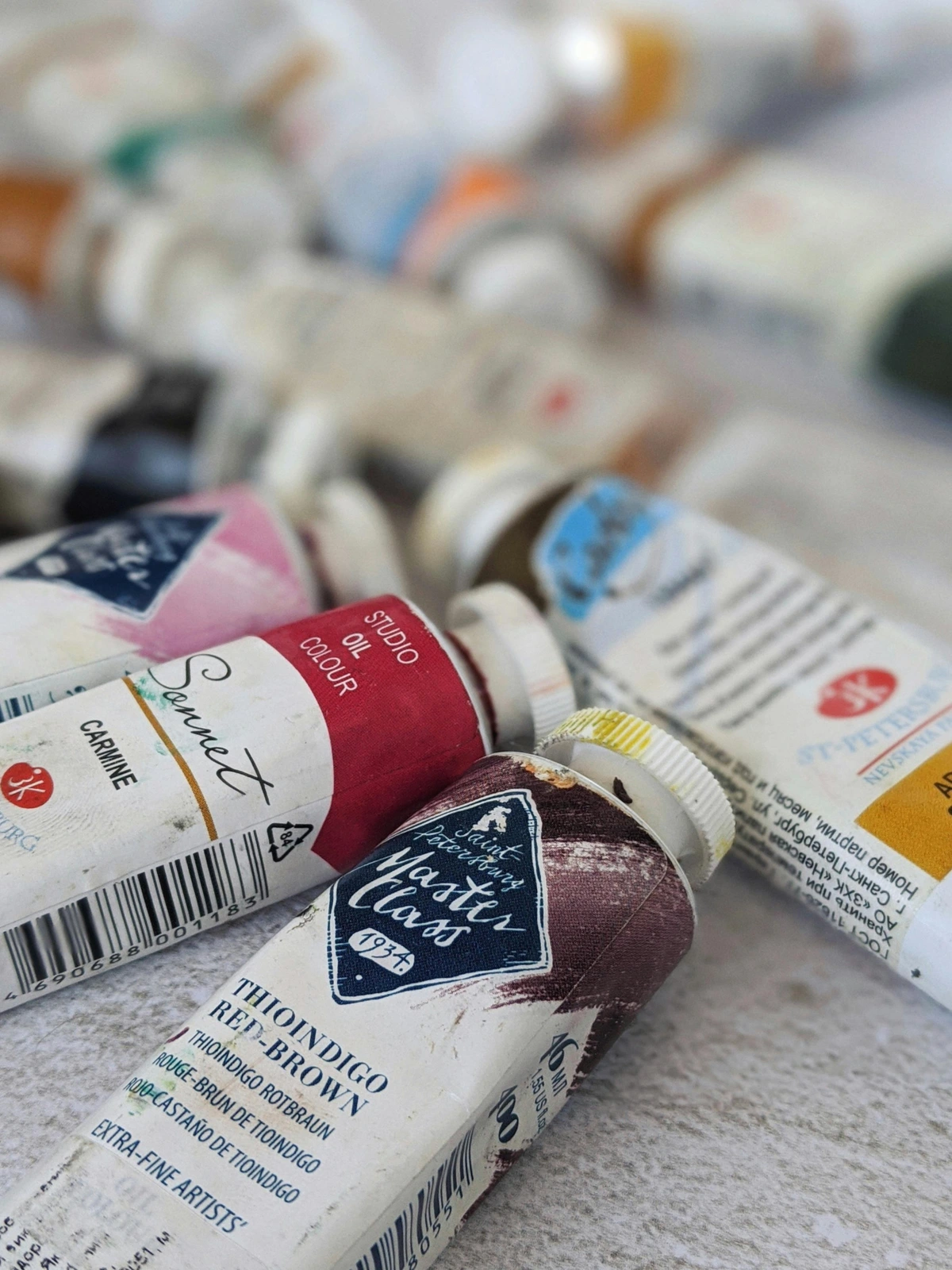
Now that we understand how colors relate on the wheel and interact spatially, let's explore how these relationships translate across different mediums and technologies – from paint to pixels. When we talk about mixing colors, it's important to realize that there are different ways colors combine, depending on whether we're dealing with light or pigment. This leads us to different color models, each with its own set of primaries and applications. It's why the 'red' on your screen might look different from the 'red' in your paint tube. Understanding these models is crucial, whether you're a painter, a digital artist, or a graphic designer sending work to a printer – they fundamentally dictate how color behaves.
RYB (Red, Yellow, Blue): The Artist's Traditional Palette
The RYB model is likely what your art teacher taught you. It's the traditional subtractive color model for pigments, meaning that when you mix colors, they absorb wavelengths of light. The more colors you mix, the darker the result, because more light is being absorbed. Its primaries (red, yellow, blue) form the basis of the classic color wheel we've discussed. While intuitive for painting, it's important to acknowledge its limitations; for example, mixing yellow and blue pigment rarely yields a truly vibrant, pure green compared to what you might see on a screen. This is because real-world pigments have impurities and absorb light imperfectly, scattering certain wavelengths rather than fully absorbing them, which leads to duller, 'muddy' mixes. Modern pigment manufacturers often use different primary sets (like cyan, magenta, yellow) for printing and some advanced paint lines, which can achieve purer hues than traditional RYB mixes. This is why a wider range of pre-mixed pigments often yields better results in the studio.
RGB (Red, Green, Blue): The Language of Light
In contrast, the RGB model is an additive color model, primarily used for light. Think computer monitors, TVs, and digital cameras. Here, mixing light colors creates brighter colors, because you're adding wavelengths of light. Combining all three primaries (red, green, blue) at full intensity results in white light. These are the primaries for light because our eyes contain cone cells that are most sensitive to red, green, and blue light. This is why a digital artist might talk about colors differently than a painter, because their fundamental mixing principles are opposite! It's all about adding light to create what you see, and understanding this is vital for anyone working in digital mediums. For instance, a vibrant blue on your screen might appear less saturated when printed due to the difference in color models.
CMYK (Cyan, Magenta, Yellow, Key/Black): For the Printers
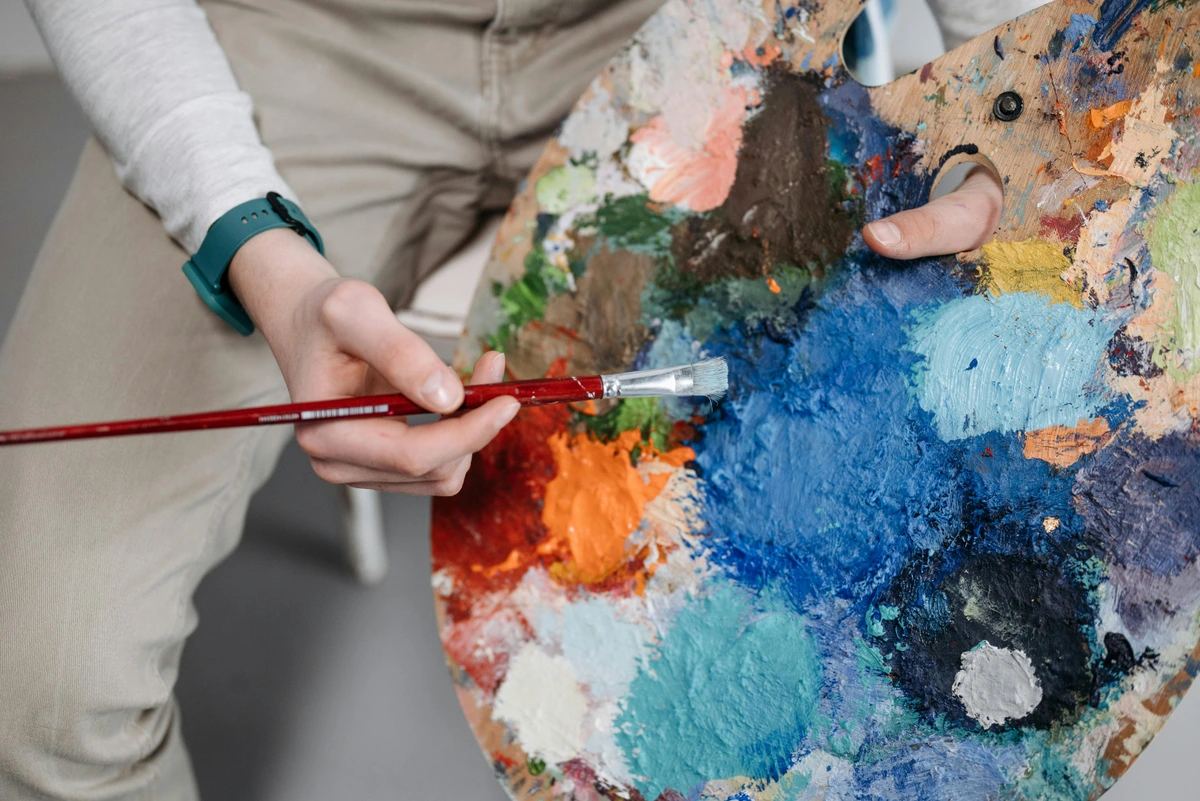
Finally, CMYK is another subtractive model, but one used primarily in professional printing. Cyan, Magenta, and Yellow are the primary pigments, and 'K' stands for 'Key' or black. Printers layer these four inks to produce a full spectrum of colors. The black ink is often added because mixing C, M, and Y pigments perfectly rarely produces a truly rich, deep black (it usually results in a muddy brown due to pigment imperfections and incomplete light absorption). Using a dedicated black also saves ink and provides crisper detail, especially for text. It's a pragmatic model for the demands of print production, ensuring consistent and high-quality printed materials. This is why a beautiful, vivid red created in RGB on your screen might shift slightly when prepared for CMYK printing, as the printable gamut (range of achievable colors) is often smaller than what a screen can display. For a deeper dive into creating vibrant palettes and understanding mixing, you might want to read My Approach to Color Mixing: Creating Vibrant Palettes in Abstract Painting.
HSL/HSV (Hue, Saturation, Lightness/Value): Digital Artist's Intuition
Beyond these foundational models, digital artists often work with HSL (Hue, Saturation, Lightness) or HSV (Hue, Saturation, Value). These models are designed to be more intuitive for human perception. Instead of mixing primary components, you're adjusting color characteristics with sliders: Imagine a slider you can push left or right to shift from red to orange to yellow (Hue), another to make a color more vivid or muted (Saturation), and a third to make it lighter or darker (Lightness/Value). This makes fine-tuning colors in software like Photoshop or a digital painting app incredibly accessible and artist-friendly.
Optical Mixing: When the Eye Does the Work
Beyond physically blending pigments or light, there's also optical mixing. This is where small, unmixed dots or strokes of different colors are placed close together, and the viewer's eye blends them visually from a distance. Think of it as the viewer's eye doing some of the mixing for you! Impressionists (think Monet's broken color, where individual brushstrokes of pure color blend in the viewer's eye) and Pointillists (like Seurat's precise dots in "A Sunday Afternoon on the Island de la Grande Jatte") famously used this technique to create luminous, vibrant effects that direct mixing couldn't achieve. They understood that the eye, from a certain distance, would do the work of blending, creating a shimmering, more dynamic color than a flat, pre-mixed pigment could. This principle is also at play in traditional mural painting, mosaic art, certain types of textiles, or stained glass, where artists might use strategically placed dots or flecks of color that resolve into a coherent image when viewed from afar. It’s a fascinating example of how our perception plays a role in color theory, and how artists can exploit it.
Color Models Summary
Model | Type | Primaries | Additive/Subtractive | Application | Result of Mixing All Primaries | Perceptual Relevance |
|---|---|---|---|---|---|---|
| RYB | Pigment | Red, Yellow, Blue | Subtractive | Traditional Painting | Dark/Muddy Brown-Black | Intuitive for physical mixing |
| RGB | Light | Red, Green, Blue | Additive | Digital Displays (screens) | White Light | How human eyes perceive light |
| CMYK | Pigment | Cyan, Magenta, Yellow, Black | Subtractive | Professional Printing | Black (Key Plate for richer black) | Practical for print production |
| HSL/HSV | Perceptual | Hue, Saturation, Lightness/Value | N/A | Digital Art Software | Varies by specific adjustments | Highly intuitive for artists |
The Psychology of Color: Whispers, Shouts, and Cultural Echoes
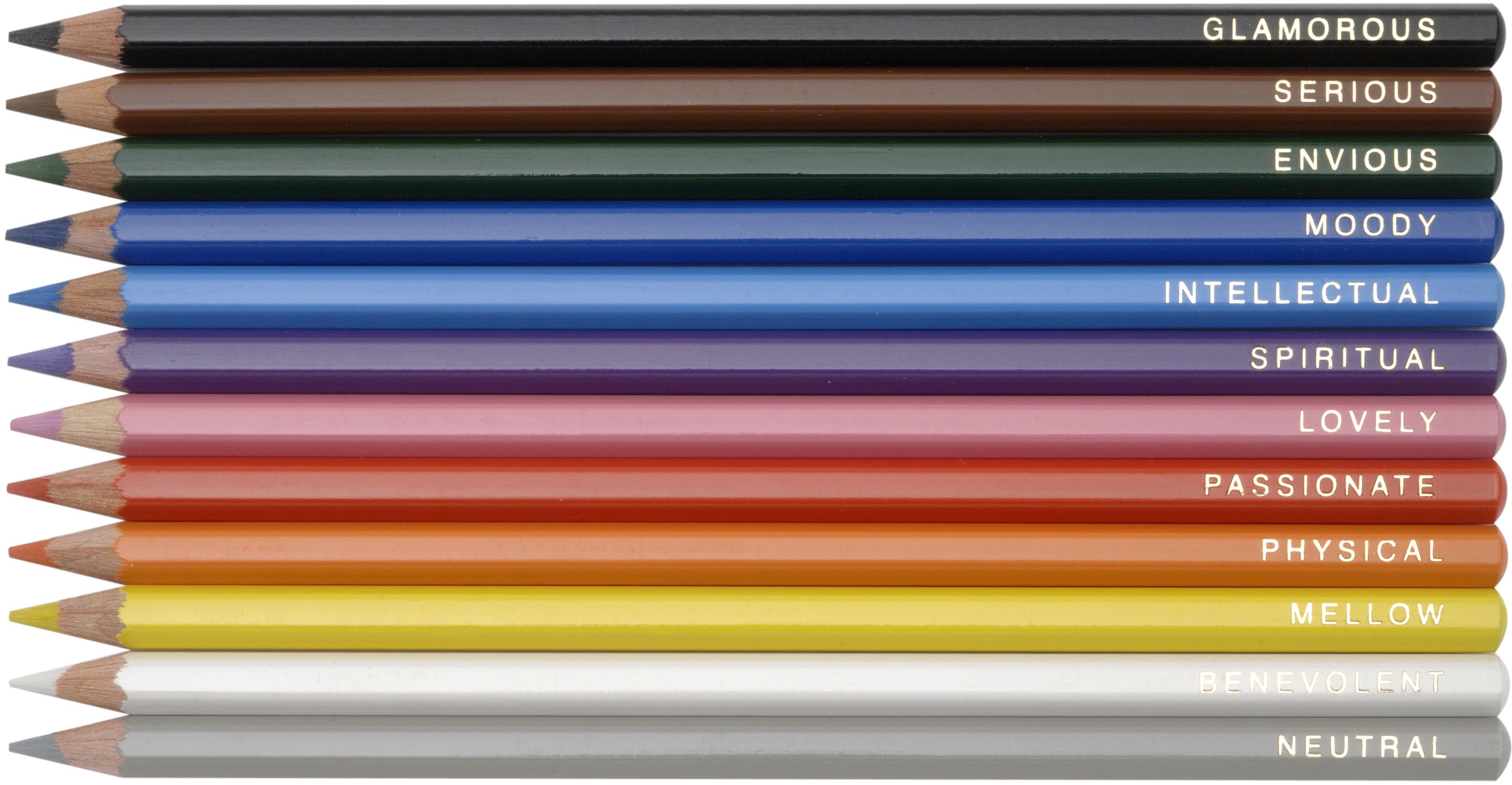
Colors aren't just pretty; they speak to us. Sometimes it's a whisper, sometimes a shout, but every hue carries an emotional weight. This is where color theory gets really fascinating for me. Think about it: why do we associate red with passion or danger? Why does blue often feel calming or sad? This isn't just cultural; there's a deep-seated human response at play, often rooted in our biological and evolutionary experiences. For instance, red often signals ripe fruit (survival) or blood (danger), while blue can evoke clear skies or vast, deep water.
Universal Associations (and Personal Interpretations)
Now, I try not to be too prescriptive about it, because personal experience always plays a part. What feels uplifting to one person might feel overwhelming to another. But there are undeniable currents, widely accepted associations that form a common language:
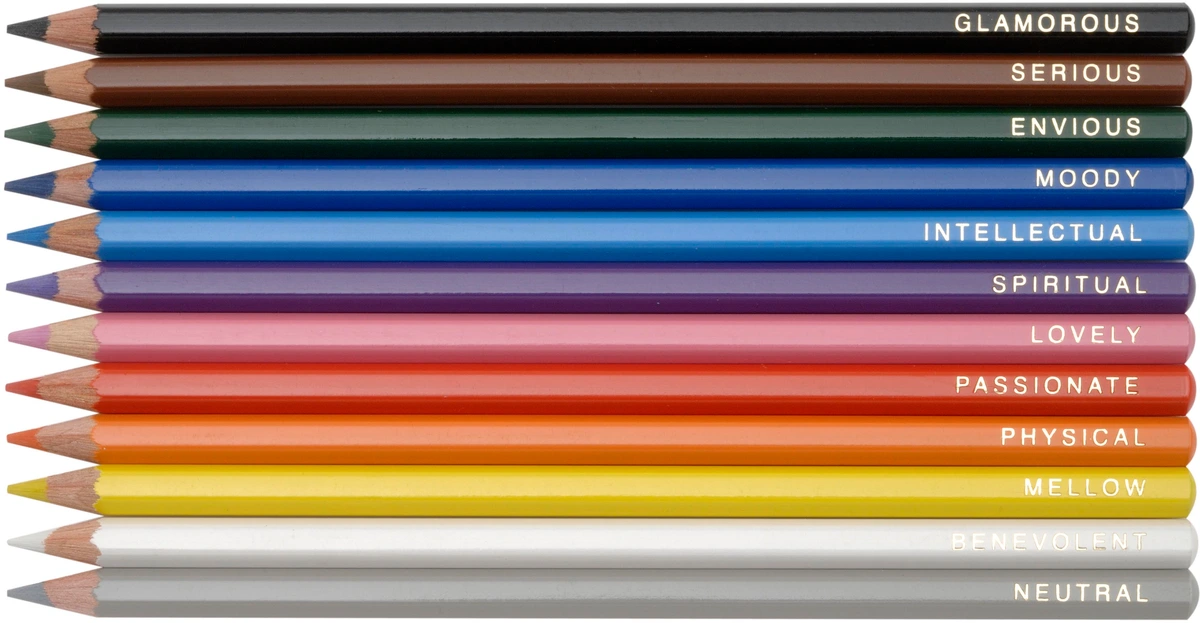
- Red: Universally associated with passion, energy, love, anger, and danger. In my abstract pieces, deep reds demand attention and evoke a raw, untamed energy. Explore The Fiery Heart: How Red Ignites Passion and Energy in My Abstract Compositions for more.
- Blue: Often linked to calmness, serenity, sadness, stability, and depth. For me, deep blues and greens often invite contemplation and introspection in my work. Check out The Psychology of Blue in Abstract Art: Calm, Depth, and Emotion and The Soul of Indigo: My Personal Connection to Blue in Abstract Art for more on this.
- Yellow: Symbolizes joy, optimism, happiness, and intellect. But in some Western contexts, it can also signify cowardice or caution. Bright yellows in my art are almost always about evoking pure joy and sunshine. Learn more with The Psychology of Yellow in My Art: Joy, Optimism, and Light.
- Green: Connects to nature, growth, harmony, and renewal. It often brings a sense of balance and grounding to my compositions.
- Orange: A blend of red and yellow, it often signifies enthusiasm, creativity, and warmth. I use it for playful energy.
- Purple/Violet: Associated with royalty, mystery, spirituality, and creativity. It adds a touch of elegance and introspection.
These associations are powerful tools, influencing the viewer's experience without them even realizing why they feel a certain way. It’s a rabbit hole worth exploring, and I’ve touched on it before in The Emotional Language of Color in Abstract Art and The Psychology of Color in Abstract Art: Beyond Basic Hues.
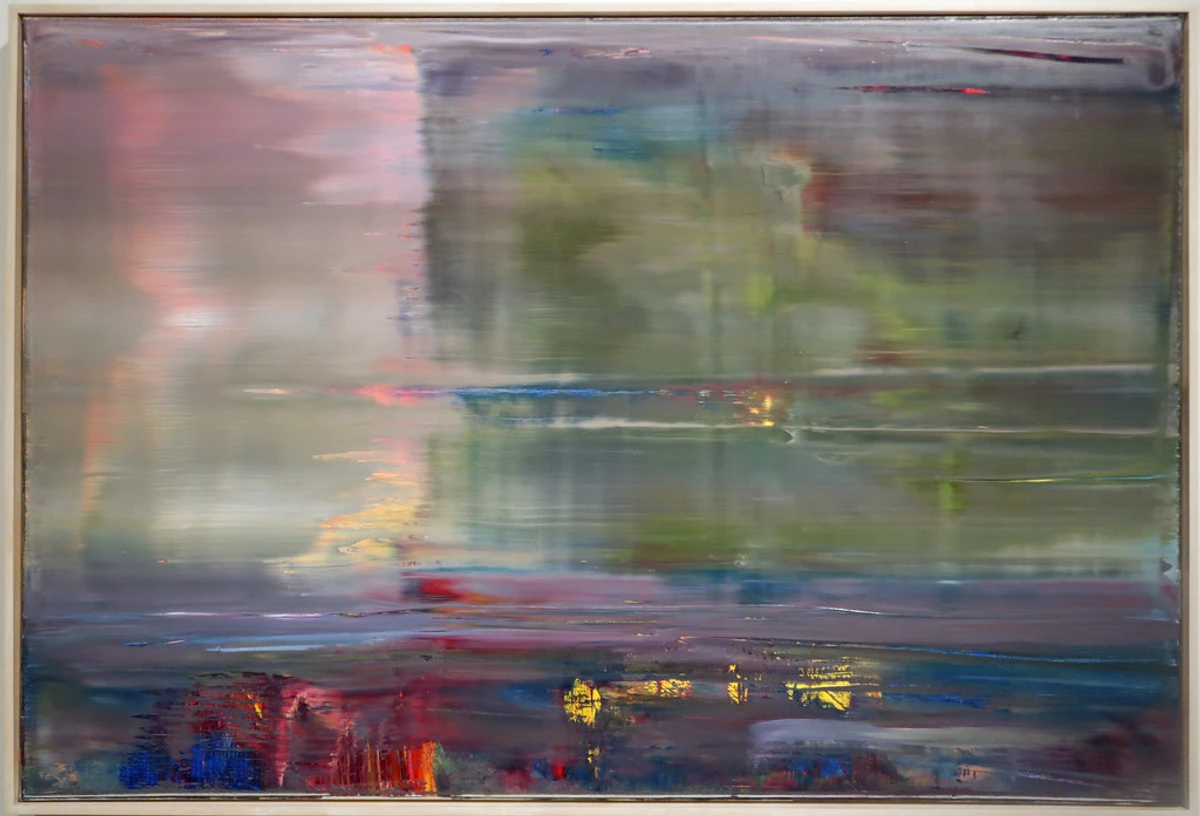
Beyond the Norm: Cultural, Environmental, and Commercial Factors
It's also important to acknowledge that color meanings aren't entirely universal. While some associations are widespread, others are deeply cultural. For example, in many East Asian cultures, red symbolizes good fortune and happiness, while in parts of South Africa, it can represent mourning. In China, yellow was historically associated with royalty and power, reserved for the emperor, while in some Western contexts, it can signify caution or even cowardice. White, often associated with purity in Western cultures, signifies mourning in some East Asian societies. These variations underscore the need for cultural sensitivity when interpreting or using color.
Furthermore, environmental factors like ambient lighting can drastically alter how a color is perceived. A painting viewed under warm incandescent gallery lights might lose its intended cool subtleties when hung in a home with cool LED lighting. The time of day, natural light vs. artificial light, and even the reflectivity of surrounding walls all contribute to the final visual experience. This means considering the final display environment is crucial for artists.
On a more commercial note, color psychology is heavily exploited in branding and marketing. Think of the calming blues in banking logos (IBM, Facebook) for trust and stability, the energetic reds in fast food (Coca-Cola, McDonald's) for excitement and appetite stimulation, or the organic greens in eco-friendly products for nature and health. Companies spend fortunes researching how colors influence consumer behavior, demonstrating the immense practical power of these seemingly subjective associations. This adds another layer of complexity – and fascination – to working with color, reminding us to always consider context. For more on this, check out Understanding the Symbolism of Colors in Different Cultures.
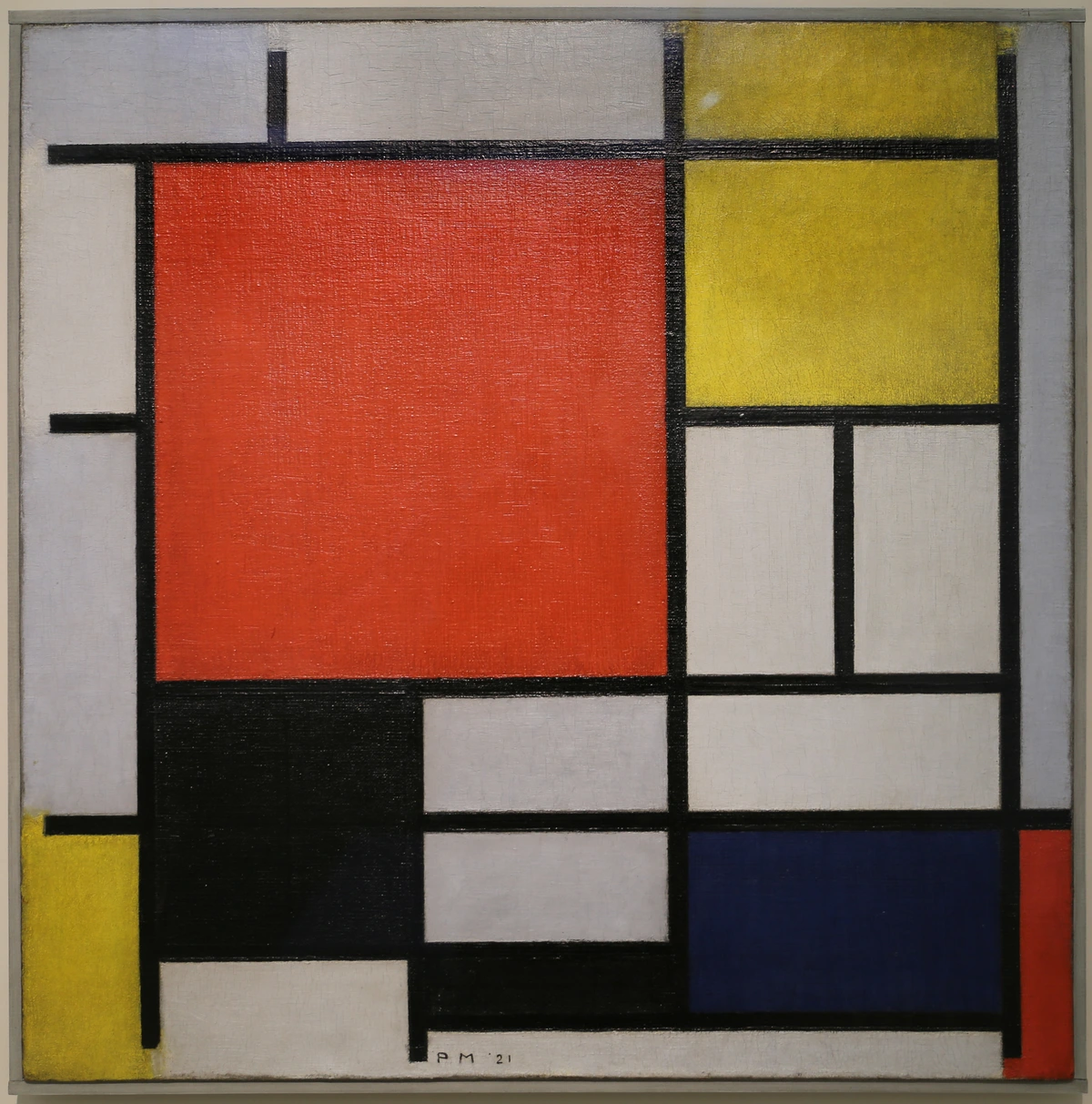
Practical Application: Weaving Theory into Abstract Expression
So, how does all this theory land in my studio, amidst the spilled paint and half-finished canvases? For me, it's not about being rigid. It's about having a toolkit, a comprehensive language to articulate what I want to achieve and the roadmap to get there. It's like knowing the ingredients and recipes, so you can invent your own dishes. If you're looking to create your own harmonious color palettes, How to Create a Cohesive Color Palette for Abstract Painting offers more insights.
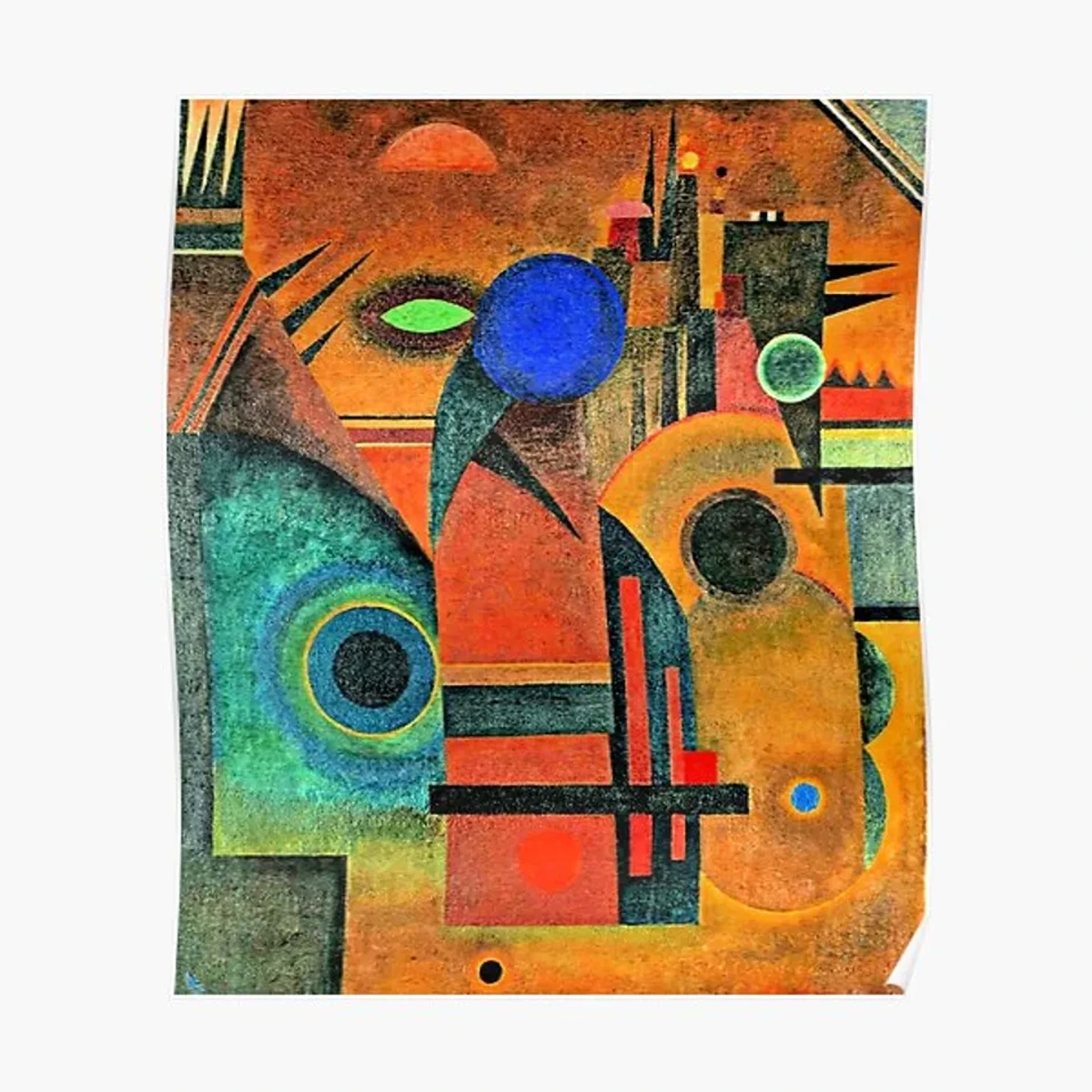
From Concept to Canvas: Building a Color Story
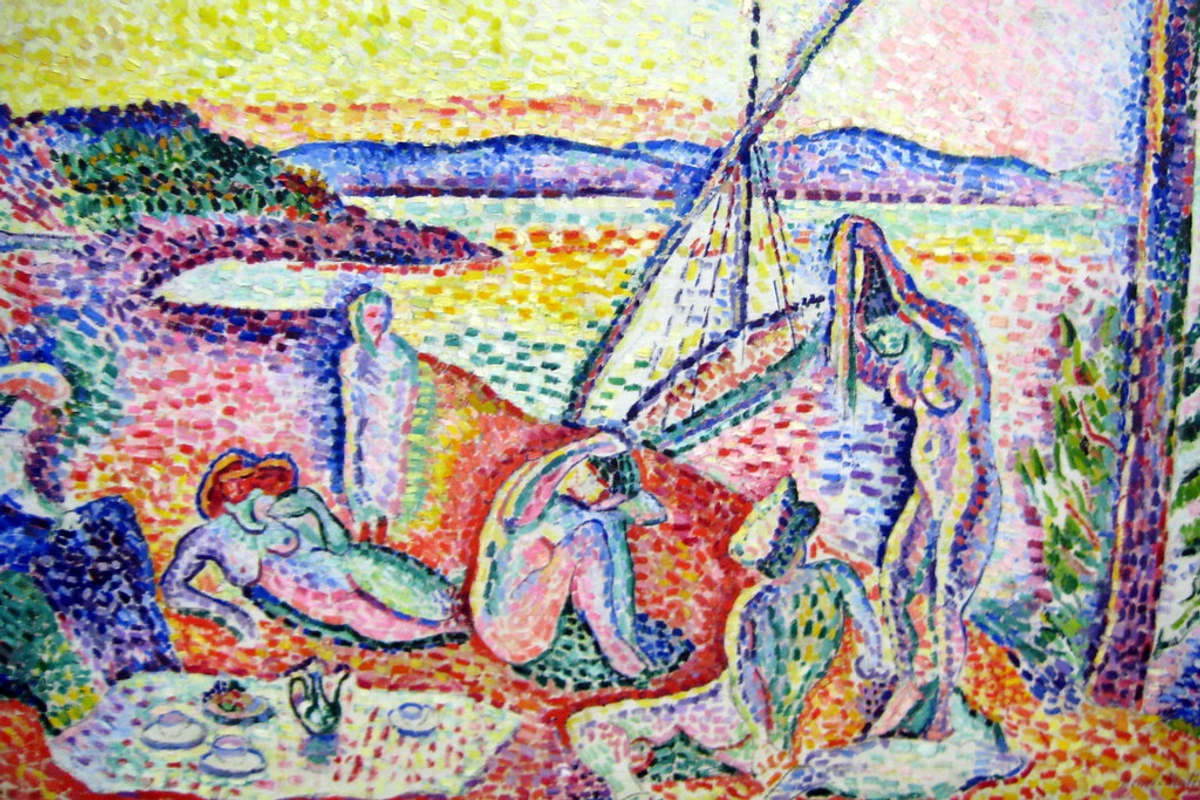
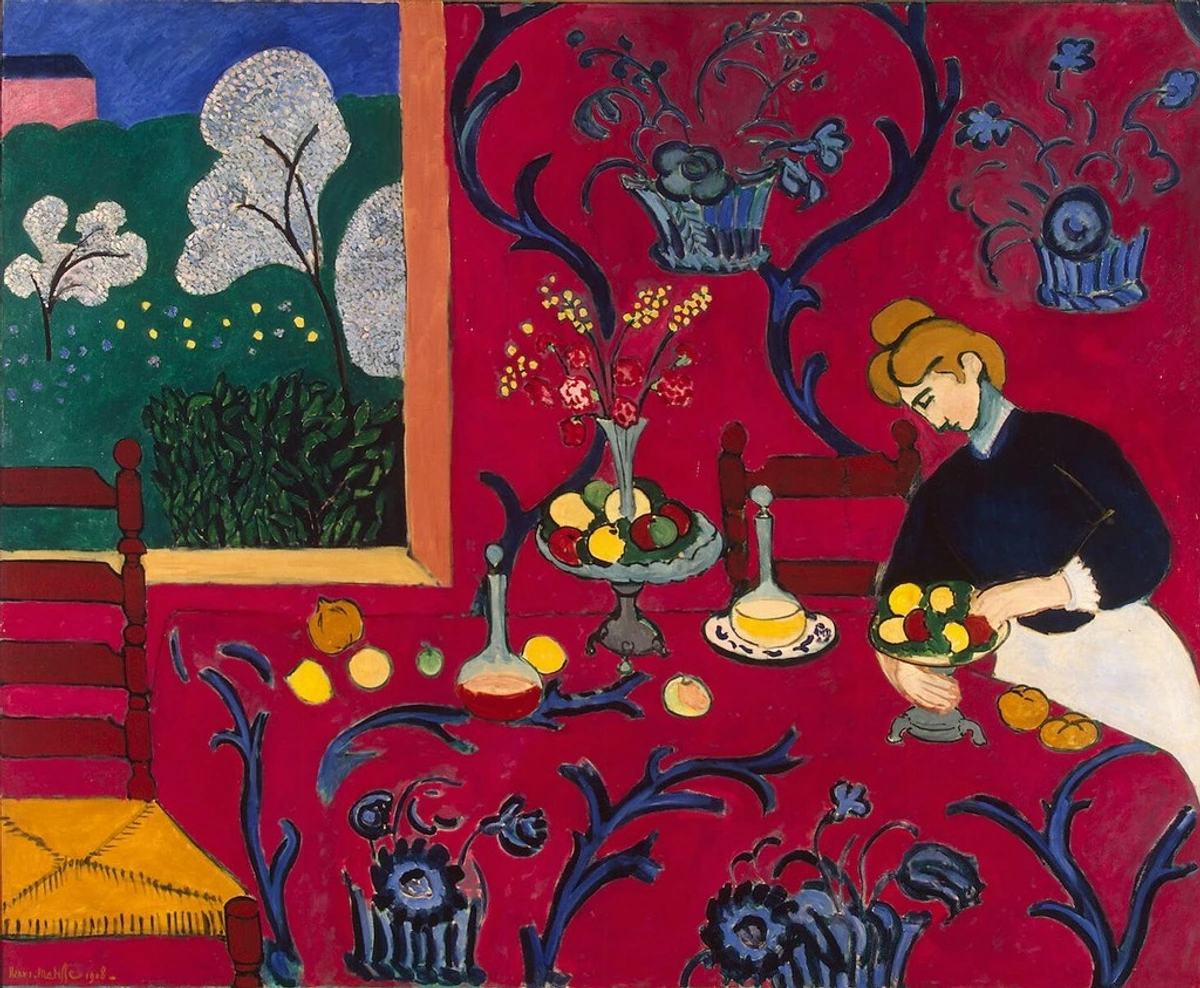
When I start an abstract piece, I often begin with a color story in mind. Do I want it to be vibrant and energetic, reminiscent of the bold, expressive pieces of Henri Matisse? Then I might lean into complementary colors or a triadic scheme with strong, high-saturation hues. Do I want it to be meditative and serene, like the calm before a storm? Then analogous blues and grays, perhaps with a dominance of cool tones, will be my go-to, with only a subtle, desaturated hint of warm contrast to suggest tension. It's about building mood, guiding the eye, and creating depth, all through color. This is how How Artists Use Color comes to life.
For instance, if I'm aiming for a sense of dramatic conflict, I might juxtapose a brilliant red with a deep blue-green, allowing the complementary contrast to spark visual tension. If tranquility is the goal, an analogous scheme of soft blues, violets, and touches of gray can evoke a serene landscape. Impressionists often used analogous schemes with broken color to capture fleeting light, while Pointillists meticulously placed complementary dots to achieve shimmering effects through optical mixing. The theory informs the feeling, but my hand dictates the application.
The Intuitive Dance with Knowledge
I’m not always thinking, "Okay, this is a perfect split-complementary scheme!" Sometimes it's more intuitive, a feeling that a particular blue needs a specific orange next to it. But that intuition is deeply informed by years of understanding color theory. It allows me to make those 'intuitive' leaps with confidence, knowing the underlying principles, even if I'm choosing to bend or break them in the moment. The most exciting discoveries often come from those 'happy accidents' that are actually rooted in an informed rebellion. It's a bit like a seasoned jazz musician understanding scales before improvising a masterpiece.
To develop this intuition, I encourage you to keep a 'color journal' where you record observations of color in nature, art, and everyday life. Note what combinations you find striking, what emotions they evoke, and how values and saturations shift. Crucially, also jot down the light source, time of day, and specific materials involved. This active observation hones your eye and deepens your internal understanding, making your intuitive choices more powerful.
Inspiration from Art History: Masters of Color
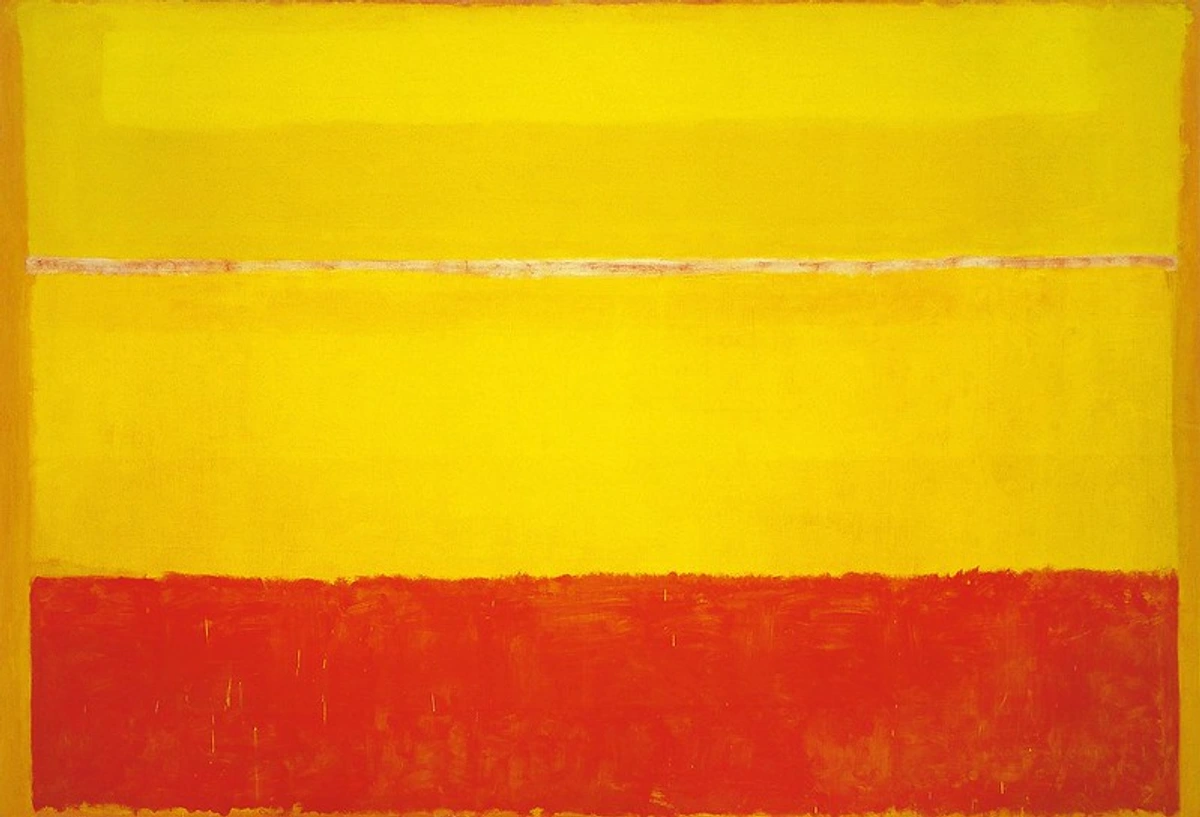
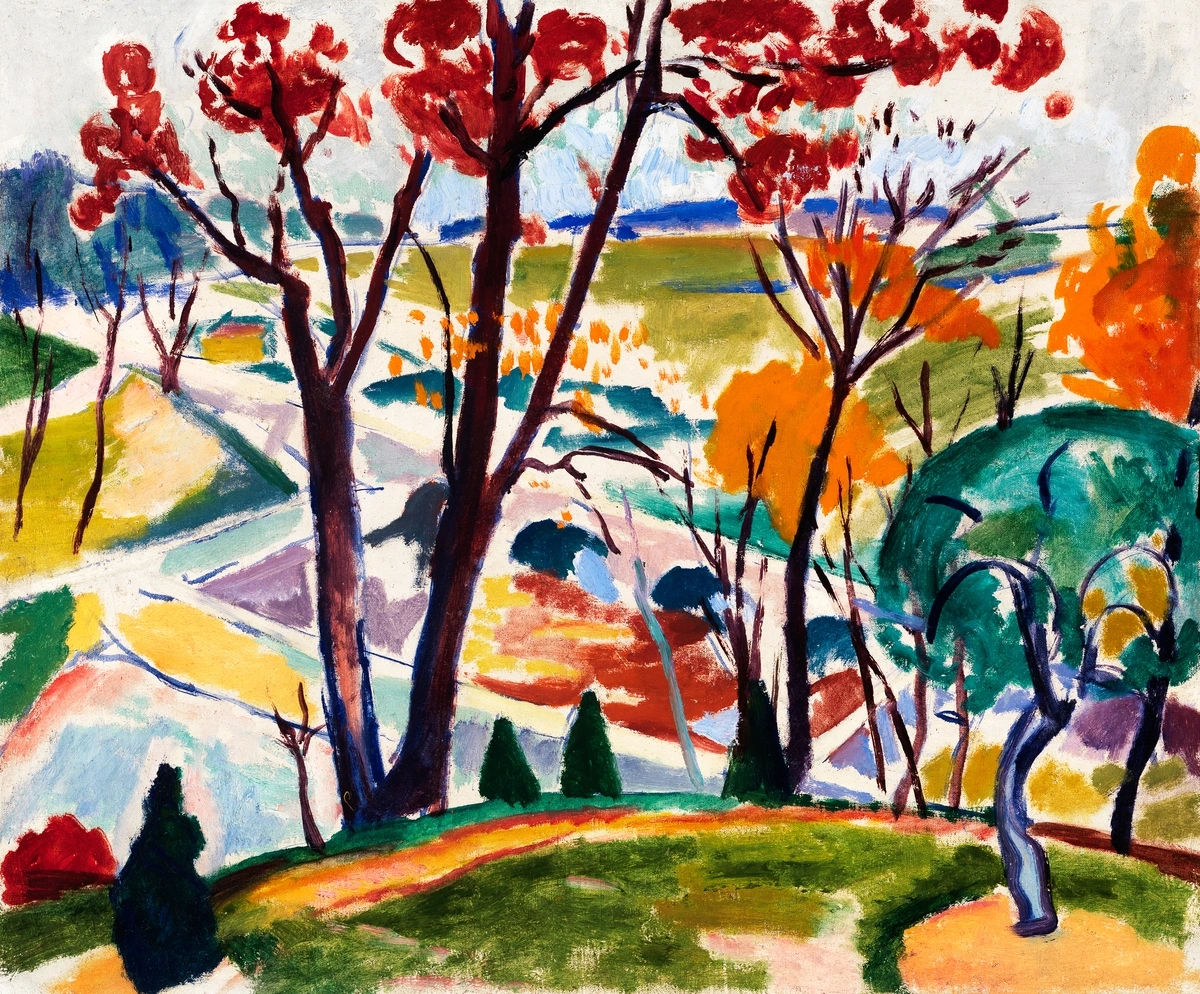
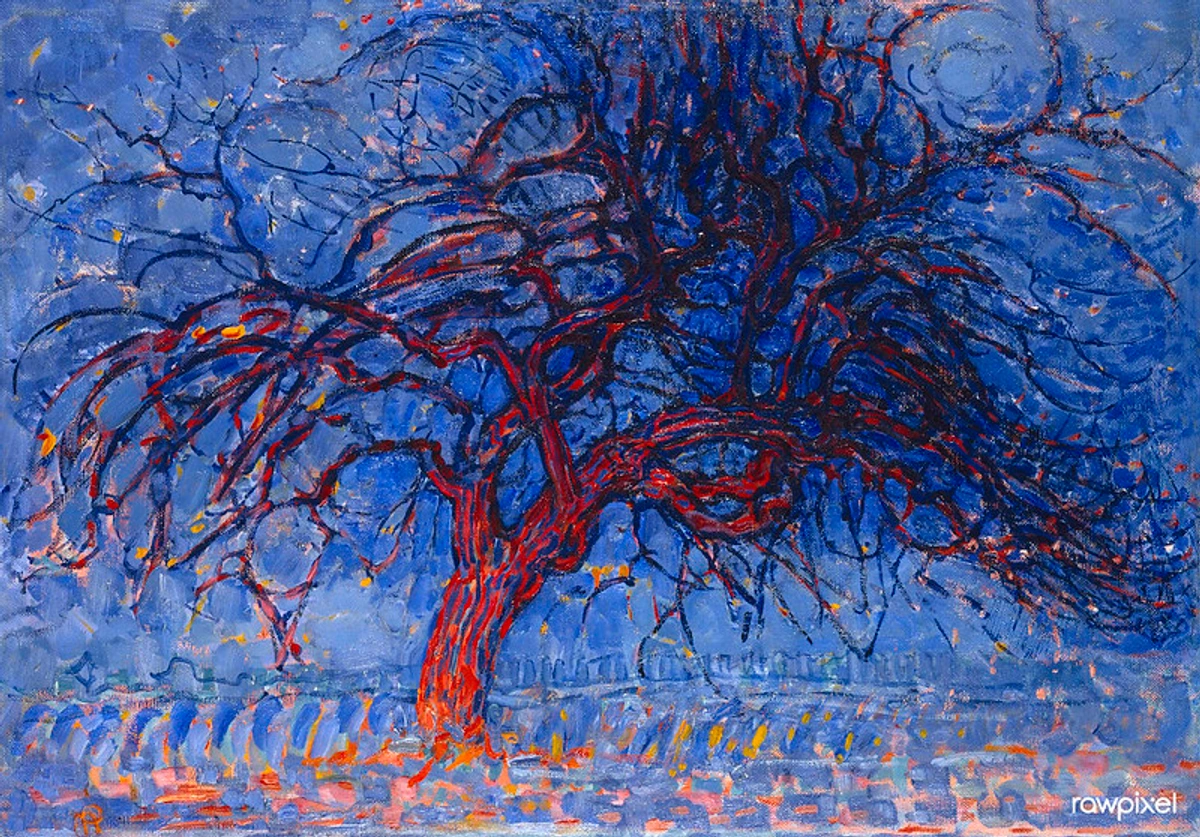
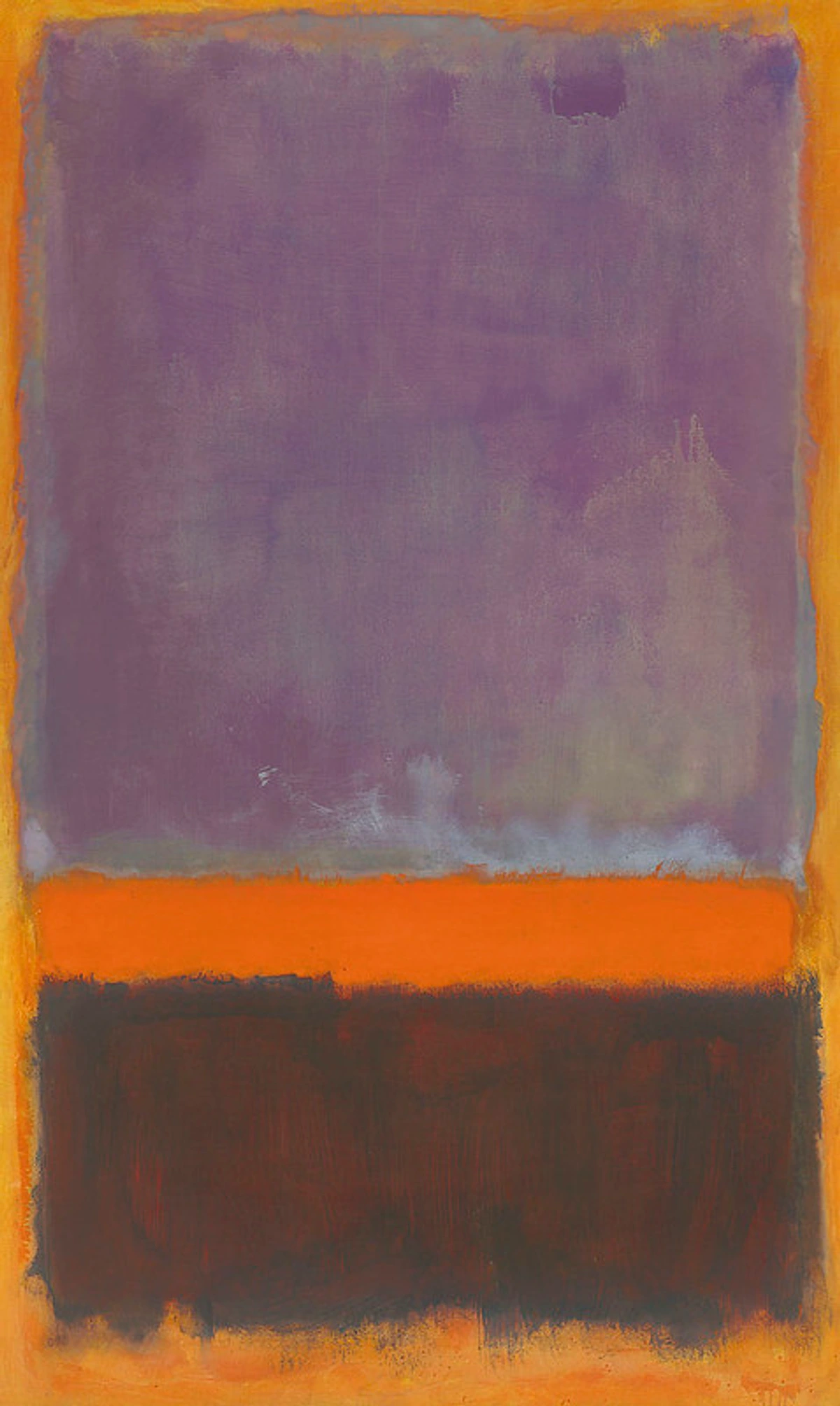
My personal journey also draws inspiration from how artists throughout history have manipulated color. Think of the Impressionists, who used 'broken color' and optical mixing to capture fleeting light, or the Fauvists, like Henri Matisse, who embraced bold, non-naturalistic colors to express emotion rather than reality. Artists like Vincent van Gogh famously used complementary colors like vibrant yellows and purples in "The Starry Night" and his "Sunflowers" series to create electrifying contrasts and emotional intensity. His audacious use of color wasn't accidental; it was a deliberate exploration of how hues could convey his inner turmoil and spiritual quest. Mark Rothko, on the other hand, employed large fields of color with subtle shifts in hue and value to evoke profound spiritual or emotional experiences in his iconic Color Field paintings, inviting deep contemplation. Wassily Kandinsky, a pioneer of abstract art, meticulously explored how color and form could convey inner spiritual meaning without direct representation, as seen in works like "Composition VII." He believed colors resonated with the soul, and his compositions were a direct attempt to visualize these inner states. Each of these masters, in their own ways, were deeply engaged with color theory, pushing its boundaries and showing the immense expressive power of hue, saturation, and value. Each brushstroke, each choice, becomes part of a larger conversation with art history and personal vision.
If you're curious to see how I translate these theories into tangible pieces, feel free to explore my collection and perhaps even buy some original art or prints for your own space. After all, art is meant to be experienced.
Common Color Theory Questions (My Two Cents)
While we've covered a lot of ground, I know many of you might still have lingering questions. Based on my own experiences and conversations, here are a few common queries I often get, along with my personal take. Don't worry if your head starts to spin a little; that just means the color magic is happening!
Is color theory only for painters?
Absolutely not! While painters certainly live and breathe color, its principles apply to any visual medium. Think graphic design, fashion, interior decorating, photography, filmmaking, even web design. Anyone who makes choices about color, consciously or not, is engaging with color theory. It's truly universal, whether you're designing a website, choosing an outfit, or color-grading a film, influencing mood, perception, and brand identity.
Do I have to follow all the rules?
Oh, the eternal question! My honest answer? No, not always. But here's the kicker: you need to understand the rules intimately before you can effectively break them. Knowing why something is considered harmonious or jarring allows you to make intentional choices, even when those choices are to defy convention. That's where true artistic freedom lies, in informed rebellion. Breaking rules without understanding them is just chaos; breaking them with knowledge is innovation. I've often found that some of my most exciting breakthroughs came from intentionally pushing against a known 'rule' to see what new visual language emerged. It's a bit like a seasoned jazz musician understanding scales before improvising a masterpiece.
How can I practice color theory?
Start small and experiment fearlessly! Here are a few ideas to get you going:
- Mix your own color wheel: Use paints you already have to mix primaries, secondaries, and tertiaries. This hands-on experience is invaluable for understanding pigment behavior and its quirks. Really pay attention to how dull or vibrant your mixes become.
- Monochromatic studies: Pick one hue and create a piece using only its tints, tones, and shades. Focus on value and saturation to create interest and depth without relying on hue changes. This is incredibly challenging and rewarding.
- Complementary contrast studies: Paint two squares of complementary colors side-by-side and observe how they intensify each other. Then try them with different values or saturations to see how the effect changes. Notice how a muted red next to a vibrant green behaves differently from two equally saturated complements.
- Limited palette exploration: Choose just 3-5 colors (perhaps a triadic scheme) and see how many variations and moods you can create by mixing and varying proportions. This teaches you economy and ingenuity.
- Color journaling & analysis: Keep a sketchbook or digital file where you record color combinations you see in nature, advertisements, or other artworks. Note why you think they work (or don't). What emotions do they evoke? How do values and saturations interplay? Crucially, also jot down the light source, time of day, and specific materials involved. This actively hones your eye.
- Observe your surroundings: Consciously identify color schemes in nature, advertisements, fashion, or interior design. What makes them work (or not)? Ask yourself why those colors were chosen. What emotions do they evoke?
The more you consciously engage with color, the more intuitive it becomes. My personal favorite way to learn is to just grab a palette and start mixing without a specific goal in mind, just to see what happens. It's often through those 'messy' experiments that the deepest learning occurs.
What are the primary color models in art and design?
Broadly, we work with four main models: RYB (Red, Yellow, Blue) for traditional subtractive pigment mixing in art, where colors absorb light; RGB (Red, Green, Blue) for additive light mixing in digital displays, where colors emit light; CMYK (Cyan, Magenta, Yellow, Key/Black) for subtractive pigment mixing in professional printing, where layers of ink absorb light; and HSL/HSV (Hue, Saturation, Lightness/Value) for intuitive digital color manipulation. Each has its own rules and applications, which is why a digital color might look different in print or when translated to paint. Understanding these differences helps prevent unexpected color shifts in your final output.
Does pigment mixing always match theoretical perfection?
In theory, mixing perfect primary pigments should yield perfect secondary and tertiary colors. In reality, it's more complex. Real-world pigments have impurities and absorb light differently, meaning achieving a truly pure green by mixing yellow and blue paint can be challenging (often resulting in a duller, 'muddy' green). This is because pigments don't just absorb specific wavelengths; they also scatter others, leading to a less pure, desaturated mix. This is why artists often invest in a wider range of pre-mixed pigments – to bypass these practical limitations and achieve more vibrant, specific hues. Modern pigment manufacturers often use different primary sets (like cyan, magenta, yellow) for printing and some advanced paint lines, which can achieve purer hues than traditional RYB mixes. The color wheel is a guide, but pigment behavior is its own beautiful, sometimes frustrating, beast! Embracing these quirks can also lead to unique palettes.
How does color blindness affect color perception for artists and viewers?
Color blindness (or color vision deficiency) affects millions of people, meaning they perceive colors differently than those with normal color vision. For artists, this highlights the subjective nature of color. While most art is created for typical vision, an awareness of color blindness can lead to more impactful and inclusive work. For instance, approximately 8% of men (and 0.5% of women) experience red-green color blindness. Focusing on strong value contrast (light vs. dark) and saturation differences, rather than relying solely on specific hue juxtapositions (like red-green or blue-yellow without other distinguishing features), ensures that the artwork remains powerful, legible, and visually engaging for a wider audience, regardless of their specific color perception. Artists can even use online tools or software filters to simulate different types of color blindness, allowing them to test how their compositions will appear to a broader audience. It's a good reminder that not everyone sees the world in the same spectrum, and good design considers this diversity.
How do texture and material affect color perception?
The surface quality of a material has a profound impact on how we perceive its color. A highly glossy surface will reflect light, making colors appear more vibrant and sometimes lighter, while a matte finish will absorb more light, often making colors appear deeper and richer, but less luminous. Rough textures, like thick impasto paint or woven fibers, can create micro-shadows that darken a color and introduce subtle shifts in hue or value as light catches individual peaks and valleys. Conversely, a fine-grained texture, like smooth paper, allows for a more even and unblemished color application.
Consider the inherent properties of materials themselves: the metallic sheen of a copper plate will interact with light differently than the porous nature of terracotta, even if coated with the same pigment. Glass allows light to pass through and refract, drastically changing perceived color, while wood's grain and natural undertones will always influence any color applied to it. Think of the difference between a shiny red sports car and a plush red velvet couch – same hue, but drastically different visual experiences due to material and texture. This is crucial for artists when choosing mediums or for designers selecting materials, as the physical properties of the surface are just as important as the pigment itself.
What are some historical pigments that shaped art?
Oh, so many! The discovery and availability of new pigments throughout history profoundly shaped art movements and artistic possibilities. It’s a fascinating journey through chemistry, trade, and art itself.
- Ultramarine: Originally derived from ground lapis lazuli, this incredibly vibrant and stable blue was prohibitively expensive, often reserved for the most important figures in Renaissance paintings (most notably, the robes of the Virgin Mary). Its cost made it a symbol of luxury and divinity. The later invention of French Ultramarine in the 19th century democratized this coveted hue, making rich blues accessible to a wider array of artists.
- Prussian Blue: Discovered accidentally in the early 18th century, Prussian Blue was one of the first modern synthetic pigments. Its deep, intense blue quickly found favor, influencing artists from Thomas Gainsborough to Picasso, and making the creation of rich, dark blues much more accessible and affordable than natural ultramarine.
- Cadmium Yellow and Orange: These brilliant, opaque, and highly lightfast pigments became favorites of Impressionists and Post-Impressionists like Van Gogh for their intensity and ability to capture the vibrant quality of light. Their rich, buttery texture was ideal for impasto techniques.
- Vermilion: A fiery red pigment, originally derived from cinnabar, vermilion was prized for its intensity and warm glow. It was used extensively from ancient Roman times through the Renaissance and beyond, though its toxicity (due to mercury content) eventually led to its replacement by safer alternatives.
- Lead White: For centuries, lead white was the dominant white pigment in oil painting, valued for its opacity, quick drying time, and flexibility. Its warmth and smooth application made it indispensable for skin tones and highlights. However, its extreme toxicity meant artists often suffered health problems, leading to its eventual replacement by zinc white and titanium white.
- Ochres: Among the oldest pigments, ochres (yellow, red, brown) are natural earth pigments composed of clay and iron oxide. Found globally, they were used in cave paintings tens of thousands of years ago and remain fundamental to palettes today, providing earthy, grounded tones.
- Indigo: This deep blue dye, derived from plants, was historically a vital trade commodity. While often used in textiles, it also found its way into painting as a pigment, providing a deep, slightly purplish blue.
- Alizarin Crimson: A synthetic organic pigment developed in the mid-19th century, Alizarin Crimson offered a lightfast, permanent red alternative to more fugitive organic reds. Its cool, deep red hue quickly made it a staple in artists' palettes, providing rich glazes and deep shadows.
The narrative of art is, in part, a narrative of color innovation, driven by new discoveries in pigment technology and the ceaseless desire of artists to capture and express the world around them.
What's the most important thing to remember?
If I had to boil it down to one nugget of wisdom: Experiment fearlessly. Color theory is a guide, not a jail cell. It's meant to empower you, not restrict you. Don't be afraid to make 'ugly' mixes or 'clashing' combinations. Sometimes, those happy accidents lead to the most exciting discoveries. And remember, color is subjective – what resonates with you might not resonate with another, and that's perfectly okay. Trust your eye, inform it with knowledge, and then let it lead. Your journey with color should be an adventure.








Conclusion: Color Theory – Your Launchpad for Artistic Freedom
So, there you have it. My little journey through what is color theory. We've traveled from its historical roots and elemental primaries, delved into the three dimensions of hue, saturation, and value, explored the Munsell system, navigated the powerful relationships on the color wheel, uncovered color relativity, understood different color models, and even touched upon the nuanced psychology behind colors. It's far more than just memorizing rules; it's about developing an eye, a feeling, a deep understanding of one of the most powerful elements in art. For a truly comprehensive look, consider The Definitive Guide to Color Theory in Art.
For me, color theory isn't a cage that limits my creativity; it's a trampoline that gives me the bounce to leap into incredible artistic expression. It helps me create abstract worlds that speak, that feel, that resonate, and ultimately, communicate with you, the viewer. And the joy of seeing how the colors I've chosen evoke a reaction in someone else? That's truly priceless. I truly believe that when you grasp the language of color, your artistic world, whether you're creating or simply appreciating, expands tenfold.
So go on, grab your chosen medium. This week, try a monochromatic study, or analyze a favorite artwork for its hidden color harmonies. Play with your hues, explore those relationships, and let your colors tell their own unique story. Share your discoveries and experiments; I'd love to see what you create! Your canvas is waiting!