Beyond the Rainbow: My Dive into the Wild World of Color Symbolism Across Cultures
Explore the fascinating and often surprising ways color symbolism varies across different cultures, and how this understanding can enrich abstract art. Discover the meanings of red, blue, yellow, green, white, and black globally.

Beyond the Rainbow: My Dive into the Wild World of Color Symbolism Across Cultures
I’ve always been fascinated by colors. You know, how a vibrant red can just pop off a canvas, or a deep blue can pull you into a quiet, contemplative space. For the longest time, I just assumed that pretty much everyone felt the same way, had the same gut reactions to particular hues. Red means passion, blue means calm, green means nature. Simple, right? My art practice, focused on abstract expression, reinforced this intuitive understanding. But then, a moment of profound realization hit me like a splash of unexpected pigment. My worldview, cozy as it was, was a little… monochromatic.
Colors are not just visual stimuli; they are deeply embedded in our cultural and psychological fabric. They shape our emotions, influence our decisions, and even define our identities. This article aims to explore the multifaceted world of color symbolism, offering insights into how colors are perceived and interpreted across different cultures and historical contexts.
Colors are more than just visual stimuli; they are deeply embedded in our cultural and psychological fabric. They shape our emotions, influence our decisions, and even define our identities. This article aims to explore the multifaceted world of color symbolism, offering insights into how colors are perceived and interpreted across different cultures and historical contexts.

It was during a residency, sketching in a bustling market overseas, that I truly grasped how profoundly culture shapes our understanding of color. A vendor wrapped a gift in brilliant red, not for passion, but for pure jubilation. It wasn't just about what catches your eye; it was about centuries of shared history, belief, and storytelling. And suddenly, the colors in my abstract pieces started to feel like a conversation with an even wider, more diverse audience. It's truly a rabbit hole worth falling down, a journey that expands not just your palette, but your entire perspective on human expression, I promise.
This realization led me to explore how colors are perceived in different parts of the world. It’s fascinating to see how a single hue can evoke a myriad of emotions and meanings, depending on the cultural lens through which it is viewed. For instance, while red might symbolize love and passion in one culture, it could represent luck and prosperity in another. This diversity is what makes the study of color symbolism so enriching and complex.
A Personal Eureka Moment: Why Red Isn't Always Just Red
My default setting for red? Love, danger, energy, maybe a hint of anger if I haven't had my coffee yet. I mean, it’s a powerful color, universally impactful, or so I thought. Then I started really looking into it, and my mind was utterly expanded. What an eye-opener! If you've ever wondered how artists truly harness emotion in their work, this cultural nuance is a massive part of it. You can even dive deeper into how artists use color to see what I mean.
Red is a color that transcends borders, yet its meaning varies dramatically from one culture to another. Understanding these nuances can transform how we perceive and use red in art, design, and everyday life.
- In China, red isn't just passion; it's the color of luck, prosperity, and joy. You see it everywhere during celebrations, particularly Lunar New Year, symbolizing vitality and good fortune in their ancient traditions. Brides wear red for good luck. It’s a very auspicious color, full of positive energy.
- In India, red signifies purity, fertility, and divinity, deeply rooted in Hindu mythology and traditions. It’s also the traditional color for wedding dresses, symbolizing love and commitment, much like in some Western cultures, but with its own unique spiritual depth.
- Travel east to Japan and Korea, and while red still holds significance – often linked to protection, power, or even the sun in Japan – it can also be associated with passion and even anger, a duality that exists in many cultures.
- But then you go to South Africa, and red can be a color of mourning, symbolizing sacrifice and remembrance, often linked to the bloodshed during struggles for freedom and equality. Imagine if an artist in Amsterdam used red thinking only of passion, and a viewer from Cape Town saw only sorrow, or vice-versa. It really changes how you approach the psychology of color in abstract art beyond basic hues, doesn't it?
The Psychological Impact of Red
The psychological impact of red is profound. It can evoke strong emotions, from love and passion to anger and danger. This duality makes red a powerful tool in art and design, capable of conveying a wide range of emotions depending on its context. Understanding the psychological impact of red can help artists and designers create more impactful and emotionally resonant work.
Emotion  | Cultural Context | Example Use in Art |
|---|---|---|
| Passion | Western Cultures | Romantic paintings, Valentine's Day imagery |
| Luck | Chinese Culture | Lunar New Year decorations, wedding attire |
| Mourning | South Africa | Memorial art, historical representations |
| Anger | Japan | Dramatic scenes, emotional expression |
Red in Contemporary Culture
In contemporary culture, red is often used to grab attention and convey urgency. It’s the color of stop signs, emergency vehicles, and sale signs. This use of red in modern culture highlights its enduring power and versatility. From ancient symbols of luck to modern branding strategies, red continues to captivate and inspire, embodying a wide range of emotions and meanings.
This diversity in the symbolism of red highlights the importance of cultural context in interpreting colors. It’s a reminder that colors are not just visual elements but carriers of deep cultural and emotional significance.
It makes you pause, doesn't it? That a single splash of red can evoke such wildly different emotions depending on where you stand in the world. Suddenly, my canvas feels like a much bigger stage.
Understanding the cultural nuances of red has not only expanded my artistic horizons but also deepened my appreciation for the complexity of human expression. It’s a journey that continues to inspire and challenge me as an artist.
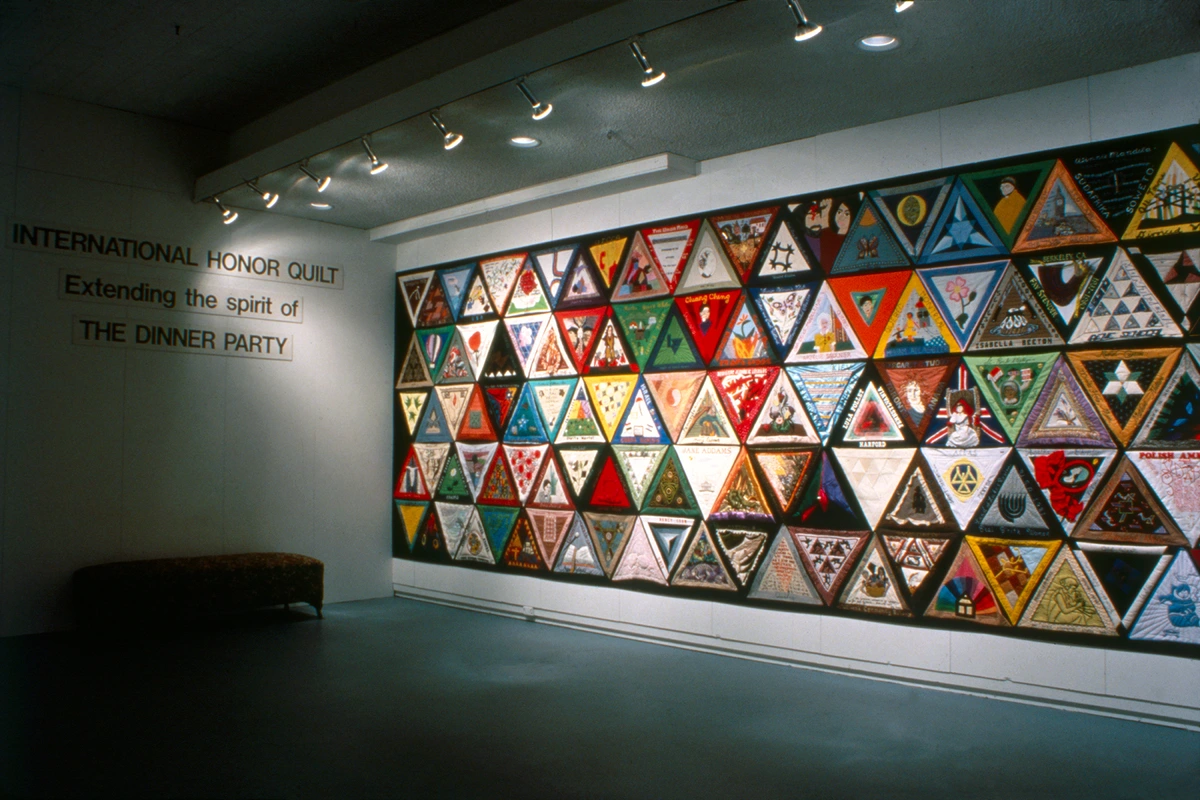
The Historical Context of Red
Red’s symbolism isn’t just cultural; it’s deeply historical. In ancient Rome, red was the color of Mars, the god of war, and was used in military attire to evoke strength and courage. Meanwhile, in medieval Europe, red was often associated with sin and the devil, a stark contrast to its modern associations with love and passion. This historical duality adds another layer of complexity to how we perceive red today.
The historical significance of red is a testament to its enduring power and versatility. From ancient battlefields to modern art galleries, red continues to captivate and inspire, embodying a wide range of emotions and meanings.
Red in Modern Art
In modern art, red continues to be a powerful tool for evoking emotion. Artists like Mark Rothko used red to create immersive, emotionally charged experiences, while others, like Barnett Newman, employed it to explore themes of existence and spirituality. Understanding these layers of meaning can transform how we interpret and create art.
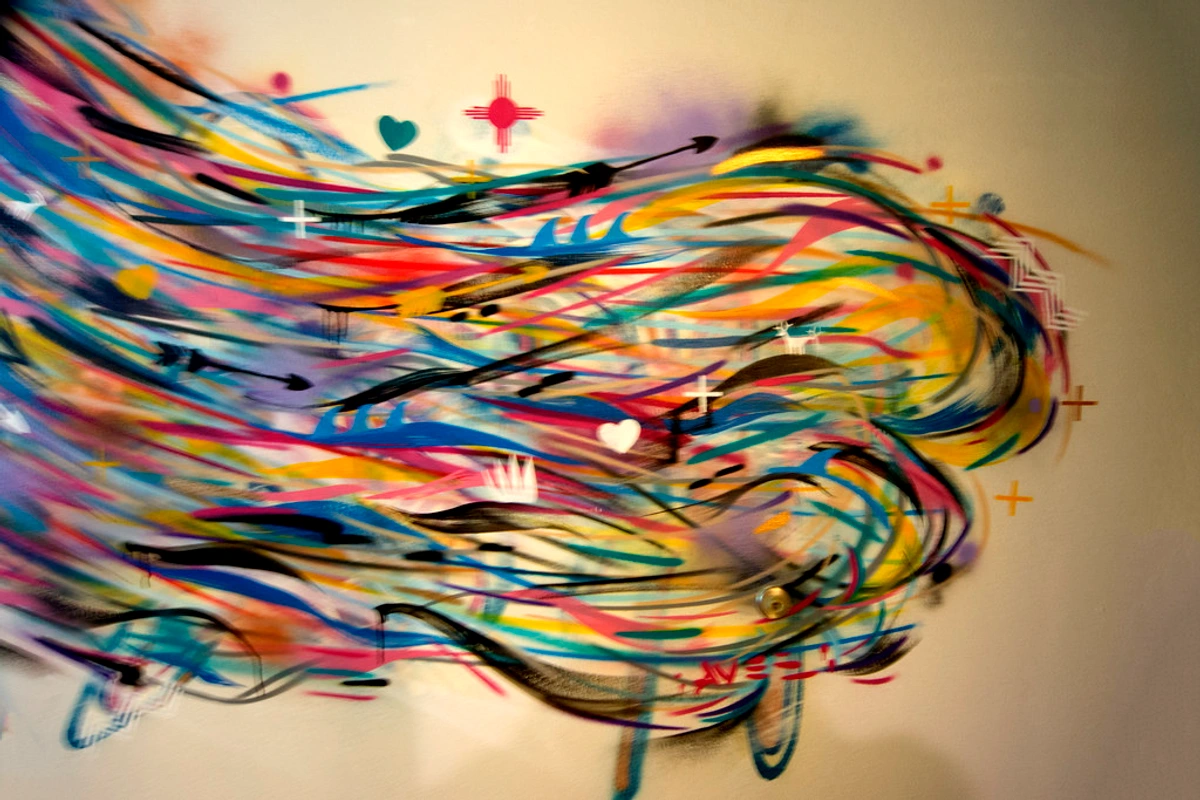
The use of red in modern art is a reflection of its timeless appeal and emotional depth. Whether it’s used to convey passion, anger, or spiritual transcendence, red remains a cornerstone of artistic expression, inviting viewers to engage with the artwork on a deeply personal level.
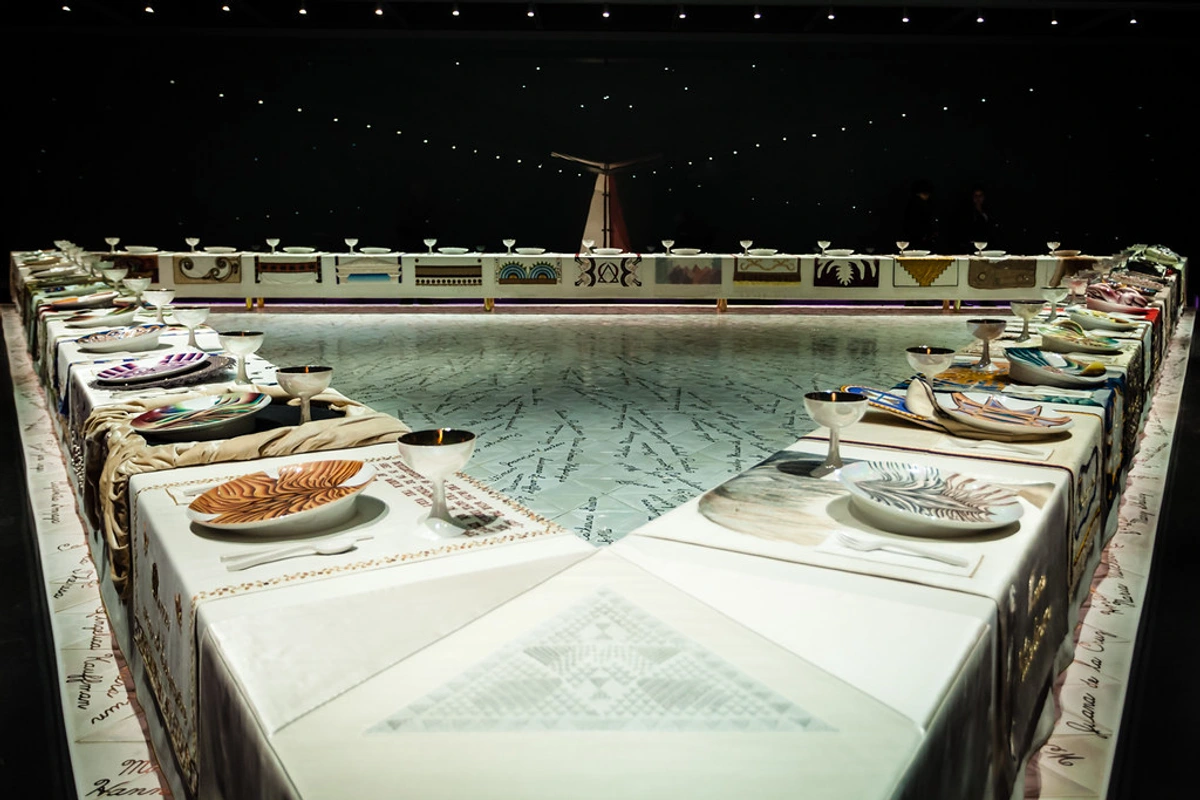
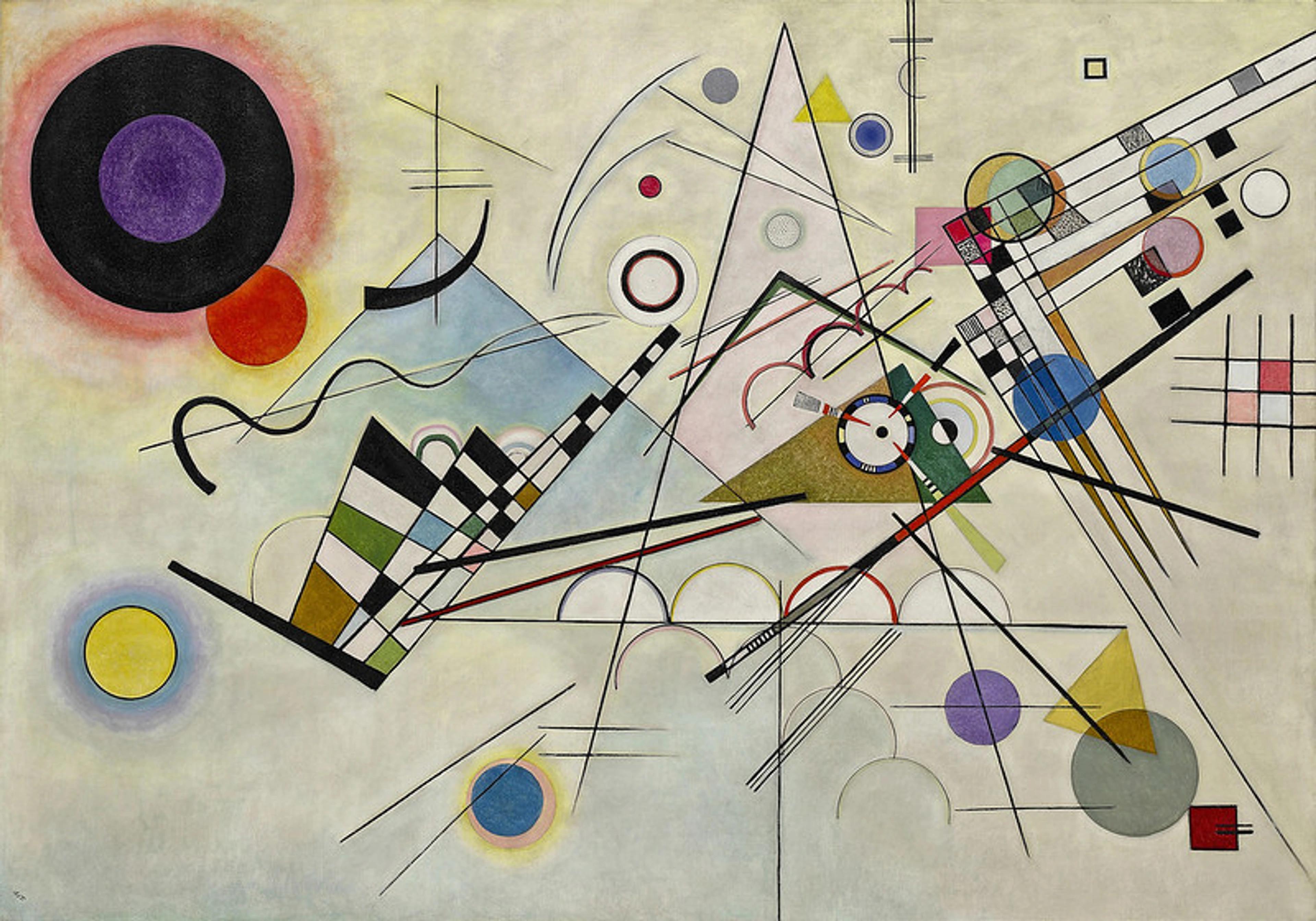
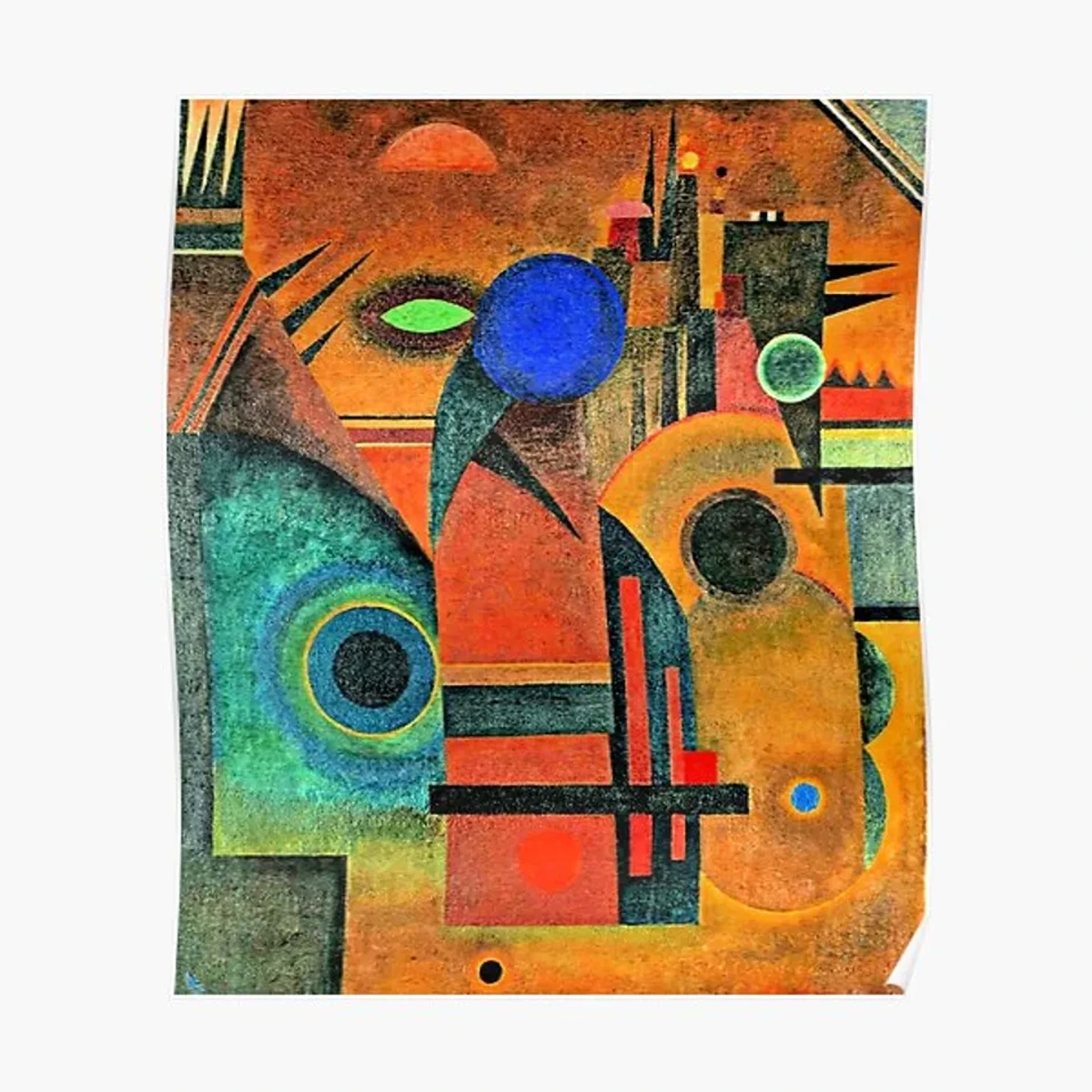
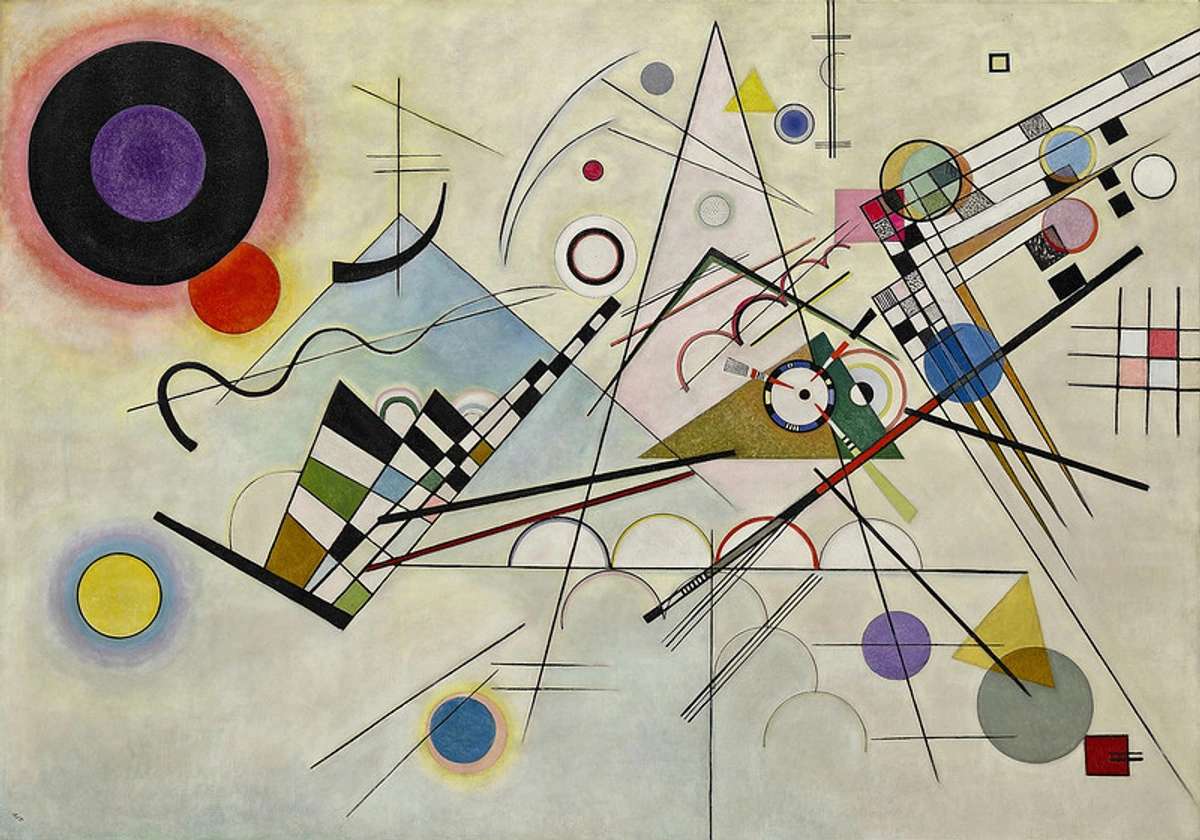
Wassily Kandinsky’s use of color in 'Brown Silence' exemplifies the emotional and symbolic power of hues. The vibrant palette invites viewers to explore the interplay of colors and their meanings, highlighting the universal yet deeply personal nature of color perception.
The Many Shades of Blue: From Serenity to Sadness to... the Divine?
Blue, for me, has always been the color of calm. The sky, the ocean – it's tranquil, peaceful, maybe a little melancholic on a rainy day. I often use blue in my abstract work to create a sense of depth and quiet reflection, something I explored intimately in my connection to blue in abstract art. But, like red, blue has its own fascinating global story.

Blue is a color that transcends cultural boundaries, yet its meaning varies dramatically from one context to another. Understanding these nuances can transform how we perceive and use blue in art, design, and everyday life.
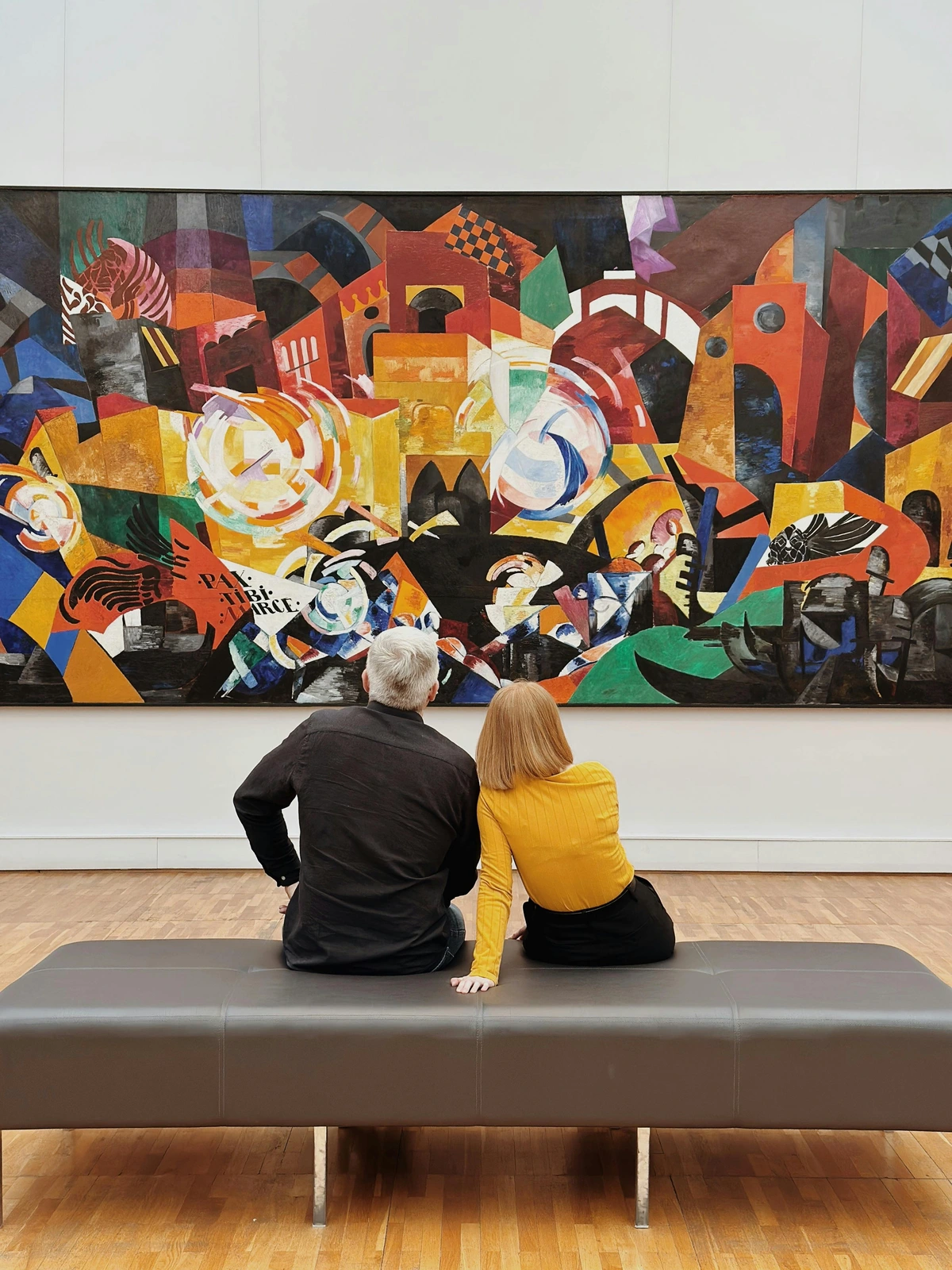
- In many Western cultures, blue is indeed associated with peace, trust, and serenity. It's also famously the color of sadness – that familiar "feeling blue" that paints our melancholic days.
- In the Middle East, particularly within Islamic traditions, blue (especially turquoise) holds deep spiritual significance, often representing heaven, divinity, and protection. It's seen adorning mosques and sacred texts, guiding the faithful towards contemplation.
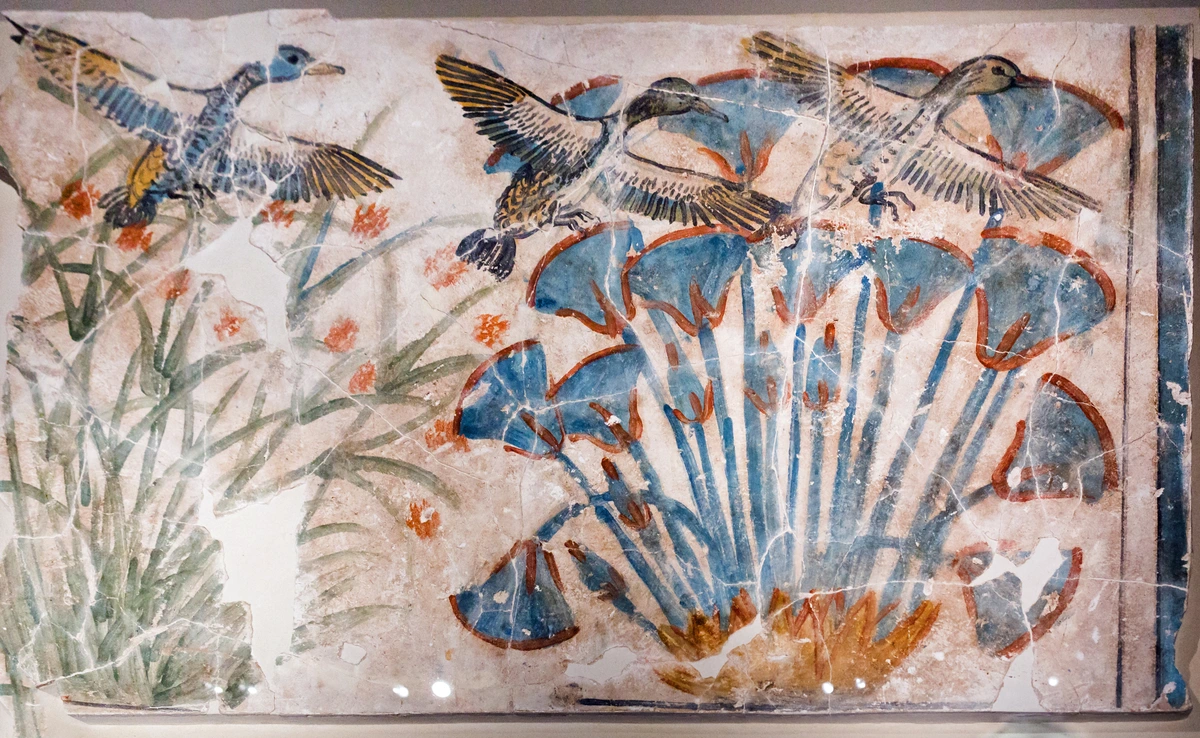
- Ancient Egyptians saw blue as the color of the heavens and the gods, frequently using it in art and jewelry to symbolize creation and fertility. Think of the lapis lazuli on pharaonic masks, truly transporting, isn't it?
- Even in some African cultures, blue can symbolize harmony, truth, and the divine, often worn by elders or spiritual leaders.
The Psychological Impact of Blue
The psychological impact of blue is equally complex. It’s often associated with calmness and tranquility, but it can also evoke feelings of sadness or melancholy. This duality makes blue a powerful tool in art and design, capable of conveying a wide range of emotions depending on its context. Understanding the psychological impact of blue can help artists and designers create more impactful and emotionally resonant work.
Blue in Contemporary Culture
In contemporary culture, blue is often used to convey trust and reliability. It’s the color of many corporate logos and uniforms, symbolizing professionalism and stability. This use of blue in modern culture highlights its enduring power and versatility. From ancient symbols of divinity to modern branding strategies, blue continues to captivate and inspire, embodying a wide range of emotions and meanings.
This diversity in the symbolism of blue highlights the importance of cultural context in interpreting colors. It’s a reminder that colors are not just visual elements but carriers of deep cultural and emotional significance.
It's astonishing how this seemingly universal color of the sky can carry such varied weight, from earthly melancholy to heavenly sanctity, depending on whose eyes are gazing upon it. This really makes you think about the emotional language of color in abstract art with a newfound appreciation.
Understanding the cultural nuances of blue has not only expanded my artistic horizons but also deepened my appreciation for the complexity of human expression. It’s a journey that continues to inspire and challenge me as an artist.
The Science of Blue
Blue isn’t just a cultural phenomenon; it’s also a scientific one. The color blue is one of the last colors to appear in languages, a phenomenon known as the "blue-yellow distinction." This linguistic quirk suggests that blue’s perception and significance have evolved over time, influenced by both natural and cultural factors.
The scientific study of blue offers fascinating insights into how our perception of color is shaped by both biological and cultural influences. It’s a reminder that colors are not just visual stimuli but complex phenomena that reflect the interplay of nature and nurture.
Blue in Art History
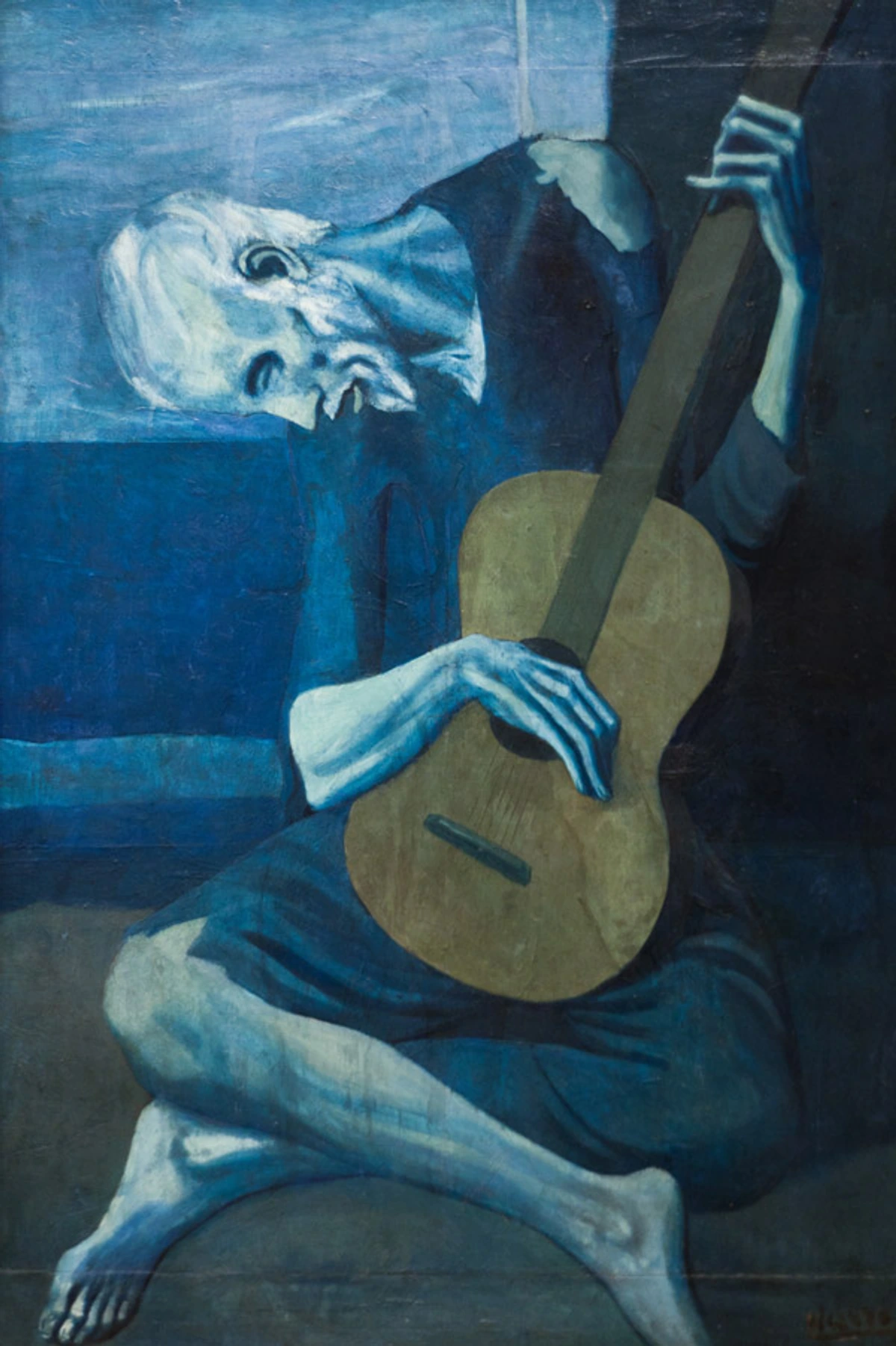
In art history, blue has been a color of innovation. The discovery of synthetic ultramarine in the 19th century democratized the use of blue, allowing artists like Vincent van Gogh and Pablo Picasso to experiment with its emotional depth. This shift transformed blue from a rare and expensive pigment to a staple of modern art.
The use of blue in art history is a testament to its enduring power and versatility. From ancient Egyptian artifacts to modern masterpieces, blue continues to captivate and inspire, embodying a wide range of emotions and meanings.
The Brightness of Yellow – Joy to Deceit
Now, yellow. My first thought is sunshine, pure unadulterated joy, perhaps a hint of creative energy. It's a color I often sprinkle into my work to add a burst of light or a sense of optimism. But hold on, it’s not always sunshine and daisies.

Yellow is a color that transcends cultural boundaries, yet its meaning varies dramatically from one context to another. Understanding these nuances can transform how we perceive and use yellow in art, design, and everyday life.

- In China, yellow is a profoundly imperial color, historically reserved for the emperor and associated with royalty, power, and prosperity, stemming from the legend of the Yellow Emperor.
- In some parts of Africa, it can symbolize gold, richness, and high status, often seen in ceremonial attire.
- However, shift gears to parts of Europe (historically, at least) and Latin America, and yellow can take on more negative connotations, sometimes associated with betrayal, cowardice, or even illness. This goes back to historical events and religious symbolism, where yellow was sometimes used to denote heresy or quarantine.
The Historical Context of Yellow
Yellow’s symbolism isn’t just cultural; it’s deeply historical. In ancient China, yellow was the color of the emperor and was used to symbolize power and prosperity. Meanwhile, in medieval Europe, yellow was often associated with betrayal and cowardice, a stark contrast to its modern associations with happiness and energy. This historical duality adds another layer of complexity to how we perceive yellow today.
Yellow in Art History
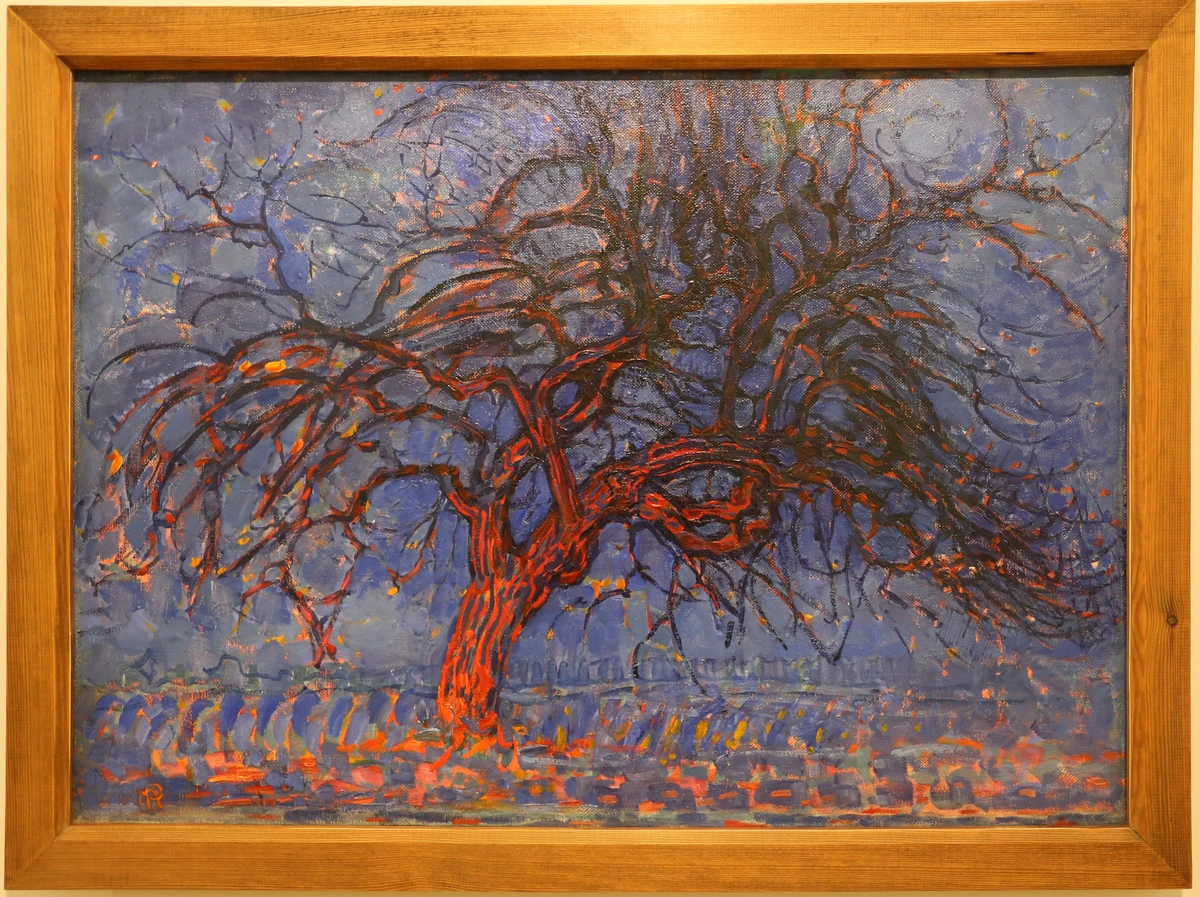
In art history, yellow has been a color of innovation. Artists like Vincent van Gogh used yellow to create vibrant, emotionally charged landscapes, while others, like Piet Mondrian, employed it to explore themes of balance and harmony. Understanding these layers of meaning can transform how we interpret and create art.
This diversity in the symbolism of yellow highlights the importance of cultural context in interpreting colors. It’s a reminder that colors are not just visual elements but carriers of deep cultural and emotional significance.
Isn’t that something? The same brilliant hue can either declare your divine right to rule or subtly label you as a deceiver. The context really is everything.
Understanding the cultural nuances of yellow has not only expanded my artistic horizons but also deepened my appreciation for the complexity of human expression. It’s a journey that continues to inspire and challenge me as an artist.
The Psychology of Yellow
Yellow’s psychological impact is equally complex. It’s often associated with happiness and energy, but it can also evoke feelings of anxiety or caution. This duality makes yellow a powerful tool in art and design, capable of conveying a wide range of emotions depending on its context.
The psychological study of yellow offers fascinating insights into how our perception of color is shaped by both biological and cultural influences. It’s a reminder that colors are not just visual stimuli but complex phenomena that reflect the interplay of nature and nurture.
Yellow in Modern Culture
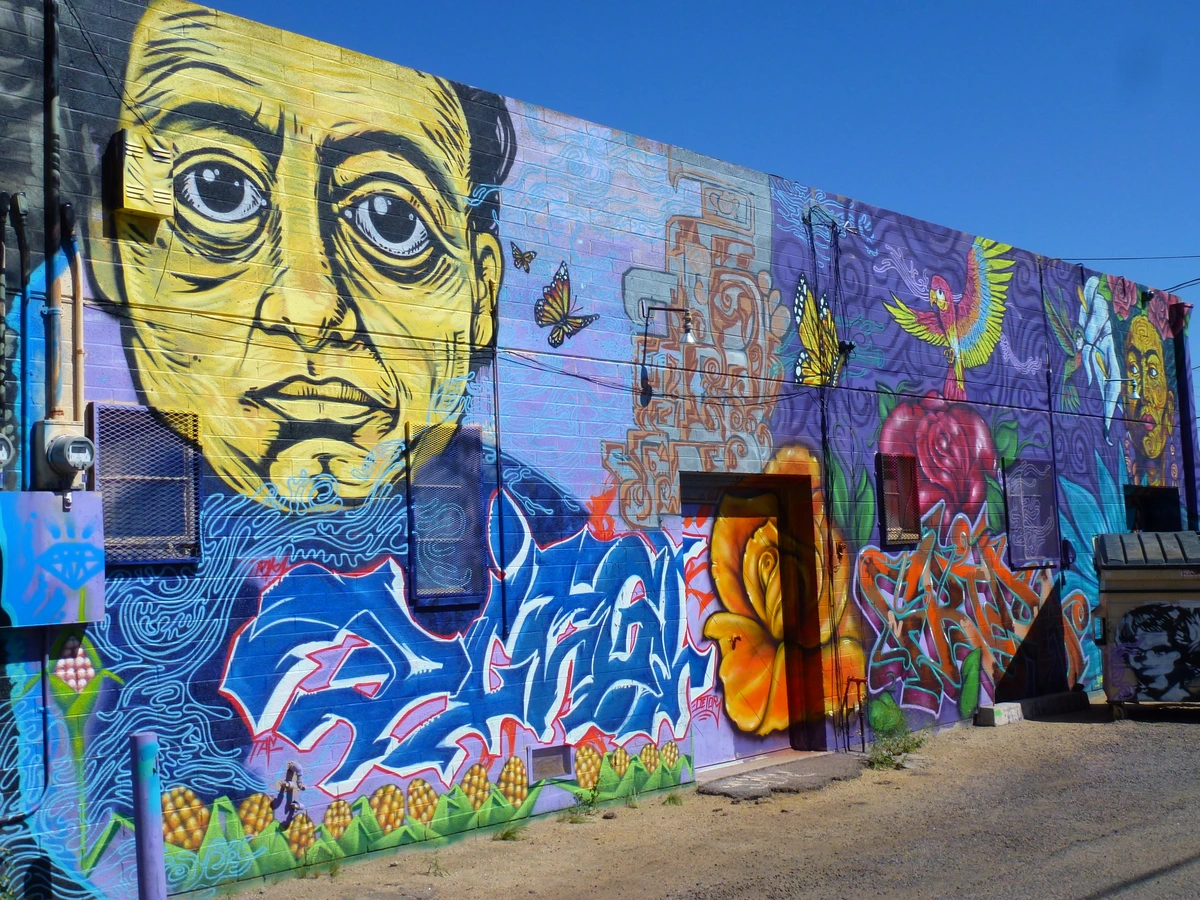
In modern culture, yellow has taken on new meanings. It’s the color of caution signs and traffic lights, symbolizing both warning and hope. In branding, yellow is often used to evoke feelings of warmth and friendliness, making it a popular choice for companies looking to connect with their audience on a personal level.

The use of yellow in modern culture is a testament to its enduring power and versatility. From ancient symbols of royalty to modern branding strategies, yellow continues to captivate and inspire, embodying a wide range of emotions and meanings.
Green – Nature's Embrace and Other Stories
Green. Ah, green. Nature's default, right? Growth, freshness, environmentalism. For an artist like me, it's the color of life, the quiet resilience of a forest. Yet, like our other chromatic friends, green has its own complex global narrative.
Green is a color that transcends cultural boundaries, yet its meaning varies dramatically from one context to another. Understanding these nuances can transform how we perceive and use green in art, design, and everyday life.
- In Western cultures, it’s deeply linked to nature, fertility, and renewal. But it also has a darker side, symbolizing envy (the "green-eyed monster") or inexperience.
- For many Islamic cultures, green is a sacred color, representing paradise, peace, and the Prophet Muhammad. You’ll find it prominently in flags, mosques, and religious texts.
- In Ireland, green is obviously the color of the Emerald Isle, synonymous with its lush landscapes and national identity.
The Psychological Impact of Green
The psychological impact of green is equally complex. It’s often associated with calmness and tranquility, but it can also evoke feelings of envy or inexperience. This duality makes green a powerful tool in art and design, capable of conveying a wide range of emotions depending on its context. Understanding the psychological impact of green can help artists and designers create more impactful and emotionally resonant work.
Green in Contemporary Culture
In contemporary culture, green is often used to convey sustainability and environmentalism. It’s the color of many eco-friendly brands and initiatives, symbolizing a commitment to the planet. This use of green in modern culture highlights its enduring power and versatility. From ancient symbols of fertility to modern environmental movements, green continues to captivate and inspire, embodying a wide range of emotions and meanings.
This diversity in the symbolism of green highlights the importance of cultural context in interpreting colors. It’s a reminder that colors are not just visual elements but carriers of deep cultural and emotional significance.
It's a color that asks us to look beyond the obvious, doesn't it? To see the spectrum of meaning even within a single, seemingly straightforward hue.
Understanding the cultural nuances of green has not only expanded my artistic horizons but also deepened my appreciation for the complexity of human expression. It’s a journey that continues to inspire and challenge me as an artist.
The Environmental Symbolism of Green
Green’s association with nature and environmentalism is one of its most powerful modern connotations. It’s the color of sustainability, renewal, and the fight against climate change. This symbolism has made green a rallying cry for environmental movements worldwide, from the Green Party to Earth Day.
The environmental symbolism of green is a testament to its enduring power and versatility. From ancient symbols of fertility to modern environmental movements, green continues to captivate and inspire, embodying a wide range of emotions and meanings.
Green in Art and Literature
In art and literature, green often symbolizes growth and transformation. From the lush landscapes of the Impressionists to the symbolic use of green in Shakespeare’s works, this color has been used to explore themes of life, death, and rebirth. Its versatility makes it a favorite among artists seeking to convey complex emotions and ideas.

The use of green in art and literature is a testament to its enduring power and versatility. From ancient symbols of fertility to modern environmental movements, green continues to captivate and inspire, embodying a wide range of emotions and meanings.
White and Black – Duality and Depth
When we talk about white and black, we're really diving into the fundamental duality of light and shadow. But even these 'non-colors' are loaded with cultural baggage.
White and black are colors that transcend cultural boundaries, yet their meanings vary dramatically from one context to another. Understanding these nuances can transform how we perceive and use these hues in art, design, and everyday life.
White:
- In many Western societies, white epitomizes purity, innocence, and new beginnings. Think wedding dresses, doctors' coats, or peace doves.
Black:
- Western cultures often link black to mourning, death, evil, and mystery, but also to sophistication, power, and elegance (think 'little black dress' or formal wear).
- In some African cultures, black can represent age, maturity, and wisdom. It can also symbolize vitality and rebirth.
- However, in parts of the Middle East, black is sometimes associated with protest or rebellion.
The Psychological Impact of White and Black
The psychological impact of white and black is equally complex. White is often associated with purity and innocence, while black can evoke feelings of sophistication and power. This duality makes white and black powerful tools in art and design, capable of conveying a wide range of emotions depending on their context. Understanding the psychological impact of white and black can help artists and designers create more impactful and emotionally resonant work.
White and Black in Contemporary Culture
In contemporary culture, white and black are often used to convey simplicity and elegance. They are the colors of many modern brands and initiatives, symbolizing a commitment to minimalism and sophistication. This use of white and black in modern culture highlights their enduring power and versatility. From ancient symbols of purity to modern fashion statements, white and black continue to captivate and inspire, embodying a wide range of emotions and meanings.
This diversity in the symbolism of white and black highlights the importance of cultural context in interpreting colors. It’s a reminder that colors are not just visual elements but carriers of deep cultural and emotional significance.
It's a powerful reminder that our intuitive reactions to colors are often just echoes of our upbringing and cultural context.
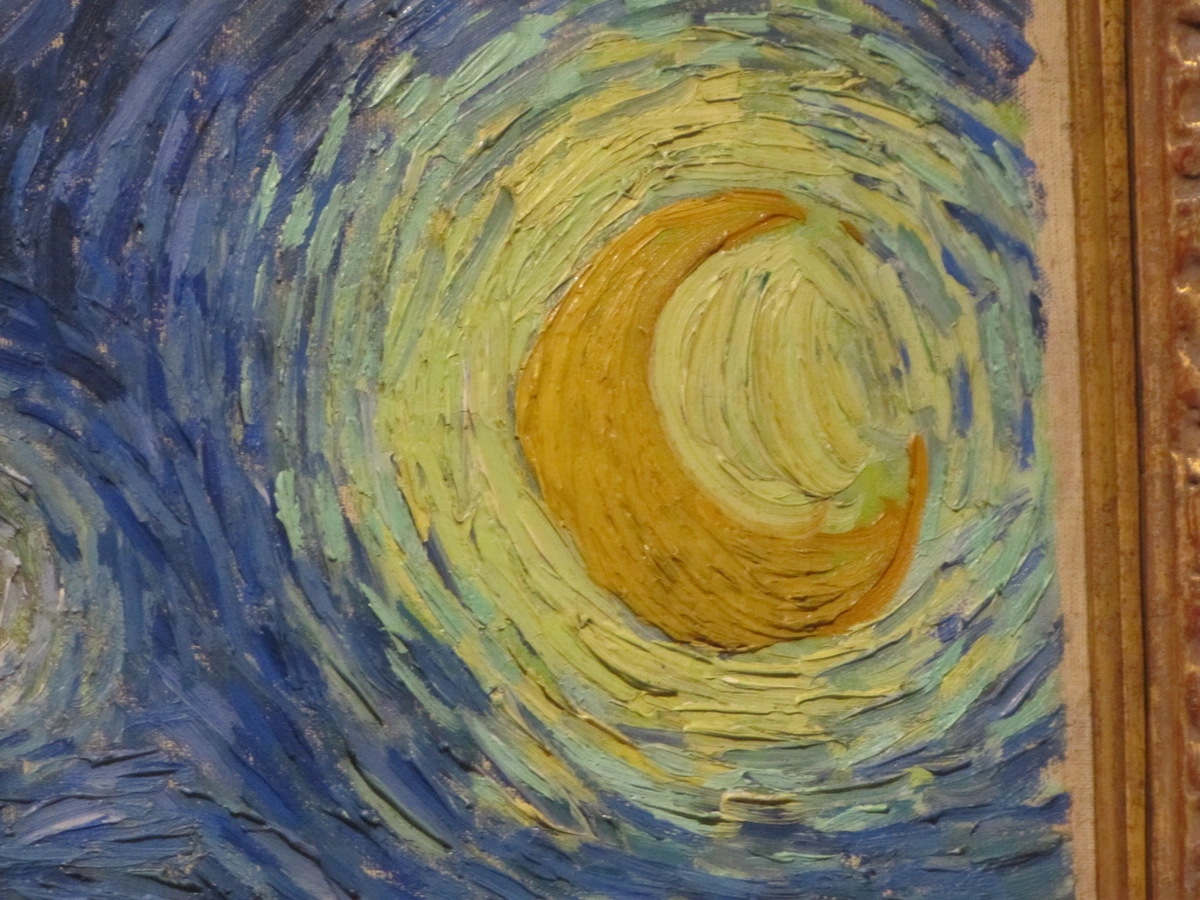
Understanding the cultural nuances of white and black has not only expanded my artistic horizons but also deepened my appreciation for the complexity of human expression. It’s a journey that continues to inspire and challenge me as an artist.
The Symbolism of White and Black in Fashion
In fashion, white and black are staples, each carrying its own set of meanings. White is often used to convey simplicity and elegance, while black is associated with sophistication and power. These colors are timeless, transcending trends and seasons, and their symbolism continues to evolve in the world of fashion.
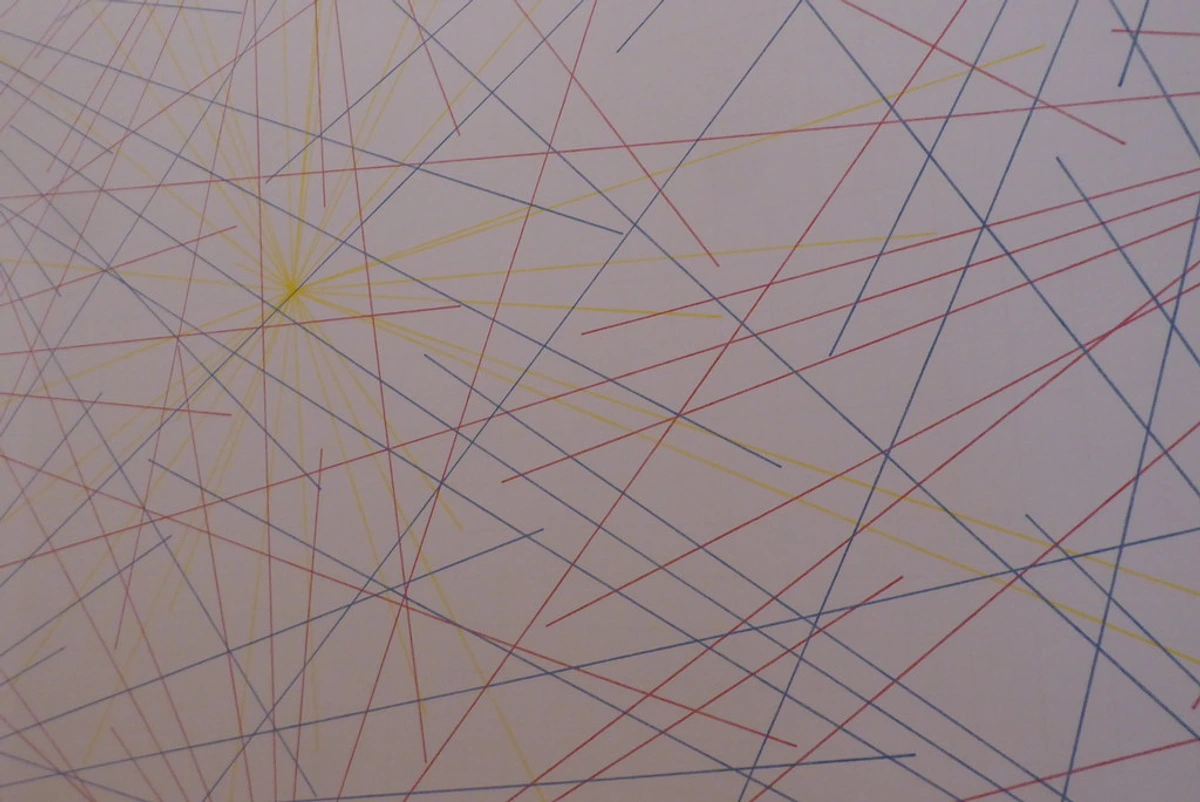
The use of white and black in fashion is a testament to their enduring power and versatility. From ancient symbols of purity to modern fashion statements, these hues continue to captivate and inspire, embodying a wide range of emotions and meanings.
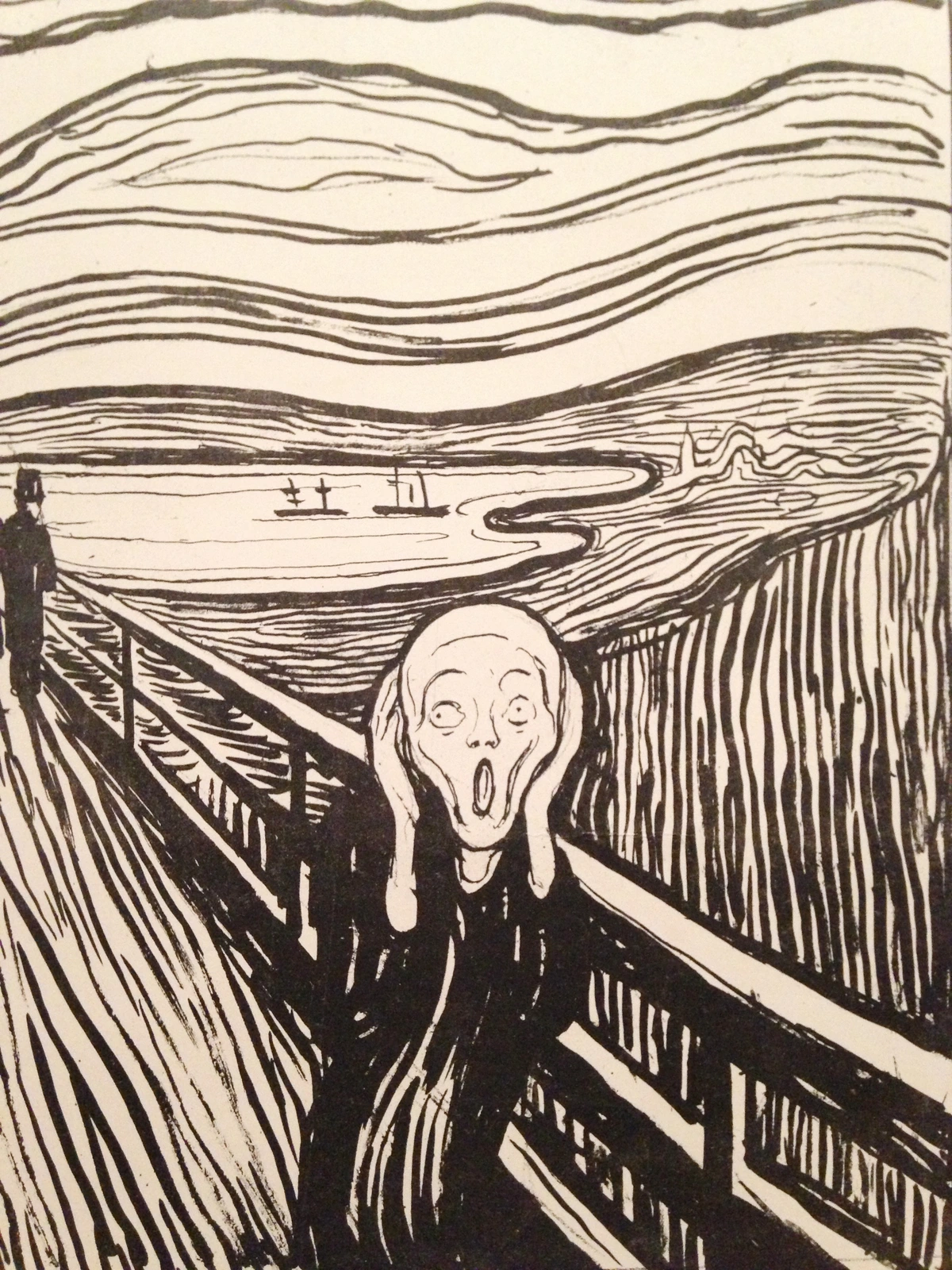
The Role of White and Black in Art
In art, white and black are used to create contrast and depth. Artists like Kazimir Malevich explored the purity of white in his "White on White" series, while others, like Pierre Soulages, have used black to evoke a sense of mystery and infinity. These colors are fundamental to the language of art, offering endless possibilities for expression.
The use of white and black in art is a testament to their enduring power and versatility. From ancient symbols of purity to modern artistic expressions, these hues continue to captivate and inspire, embodying a wide range of emotions and meanings.

The Ever-Shifting Palette: Evolution and Artistic Application
So, we've taken a whirlwind tour through a few major colors, and it's clear their meanings are anything but static. Color symbolism isn't carved in stone; it's a living, breathing tapestry that evolves with societies, influenced by everything from historical events and religious texts to modern media and global interconnectedness. A color’s meaning can even shift within a single lifetime, like a shade changing subtly with the light.
This dynamic nature of color symbolism is what makes it so thrilling for an artist. We’re not just mixing pigments; we're mixing millennia of human experience. Understanding this rich tapestry of meaning gives my abstract work a whole new dimension.
This dynamic nature, frankly, is what makes it so thrilling for an artist. We’re not just mixing pigments; we're mixing millennia of human experience. Understanding this rich tapestry of meaning gives my abstract work a whole new dimension. It allows me to make conscious choices, knowing that a splash of red might be interpreted as passion here, but as celebration there. Or, perhaps more powerfully, it teaches me to embrace the ambiguity, to let the viewer's own cultural lens bring their unique interpretation to the canvas. After all, art is a dialogue, isn't it?
This journey into the wild world of color symbolism has been a profound one for me, shaking up my cozy, monochromatic worldview. It’s a reminder that colors are not just visual elements but carriers of deep cultural and emotional significance.
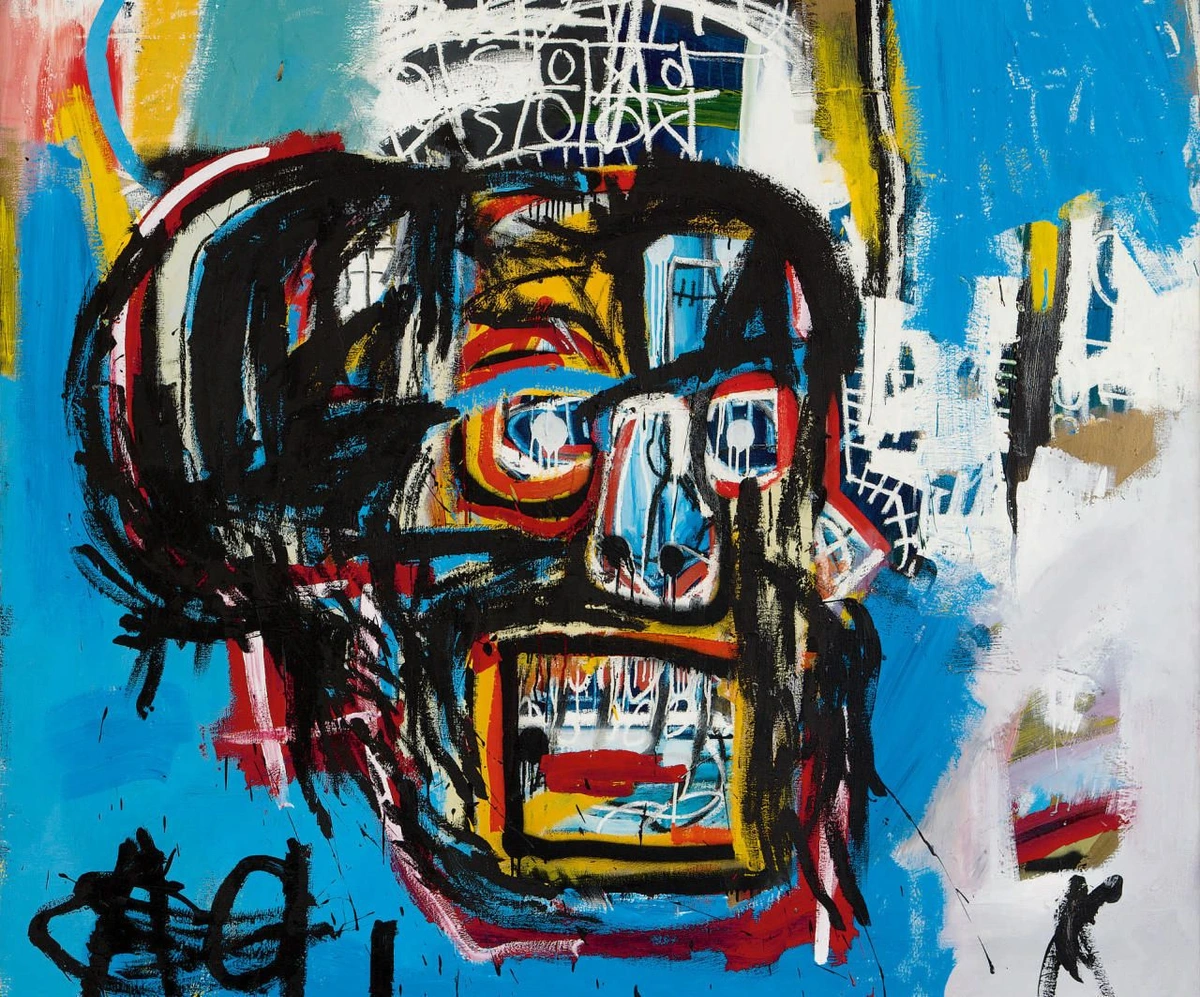
If you're curious about how to harness this power in your own creative endeavors, exploring the definitive guide to color theory in abstract art or delving into my own emotional palette might just spark your next masterpiece.
Understanding the cultural nuances of color symbolism can transform how we perceive and use colors in art, design, and everyday life. It’s a journey that continues to inspire and challenge me as an artist.
The Future of Color Symbolism
As our world becomes increasingly interconnected, the symbolism of colors will continue to evolve. Globalization, digital media, and cultural exchange are all contributing to a more fluid and dynamic understanding of color. This evolution presents both challenges and opportunities for artists, who must navigate these shifting meanings while staying true to their own creative vision.
The future of color symbolism is a testament to its enduring power and versatility. From ancient symbols of cultural identity to modern artistic expressions, colors continue to captivate and inspire, embodying a wide range of emotions and meanings.
Practical Tips for Artists
For artists looking to explore the depths of color symbolism, here are a few practical tips:
- Research and Reflect: Take the time to research the cultural and historical meanings of colors. Reflect on how these meanings might influence your work and the emotions you want to evoke.
- Experiment: Don’t be afraid to experiment with colors in unexpected ways. Play with contrasts, combinations, and contexts to discover new meanings and emotions.
- Engage with Your Audience: Invite your audience to share their interpretations of your work. This dialogue can deepen your understanding of color and inspire new creative directions.
- Stay Open: Embrace the ambiguity and fluidity of color symbolism. Allow your work to evolve as your understanding of color deepens.
These tips can help artists navigate the complex world of color symbolism, offering endless possibilities for creative expression and exploration.
Conclusion:
This journey into the wild world of color symbolism has been a profound one for me, shaking up my cozy, monochromatic worldview. What started as a simple curiosity has blossomed into a deep appreciation for the intricate ways culture weaves itself into something as fundamental as color perception. Every hue now feels like a whisper of history, a shout of celebration, or a silent echo of sorrow from across the globe.
As an artist, this understanding has transformed my approach. It's not just about what looks good; it's about what feels right for the story I'm trying to tell, even in abstract form. And often, it's about accepting that the 'story' might be wildly different for each person standing before my work. It's a beautiful, humbling realization.
So, next time you encounter a color – whether in a painting, a national flag, or just a piece of fruit – pause for a moment. Ask yourself: what story does this color tell here? And what might it mean elsewhere? The answers, I promise, are as vibrant and diverse as humanity itself. Perhaps this new perspective will even inspire you to explore the colorful worlds available on my art for sale or visit my museum in Den Bosch to see these principles in practice. It's a journey well worth taking.
FAQ
What is color symbolism?
Color symbolism refers to the use of colors to represent ideas, emotions, or concepts. It varies across cultures and historical periods, making it a rich and complex field of study.
Why is color symbolism important in art?
Color symbolism is crucial in art because it allows artists to convey deeper meanings and emotions. By understanding the cultural and historical significance of colors, artists can create works that resonate on multiple levels.
How can I learn more about color symbolism?
To learn more about color symbolism, you can explore resources on color theory, cultural studies, and art history. Engaging with diverse cultures and their artistic traditions can also provide valuable insights.
Can color symbolism change over time?
Yes, color symbolism is not static. It evolves with societies, influenced by historical events, cultural exchange, and modern media. This dynamic nature makes color symbolism a fascinating and ever-changing field.
How do artists use color symbolism in their work?
Artists use color symbolism to evoke specific emotions, convey messages, and create depth in their work. By carefully selecting and combining colors, they can guide the viewer’s interpretation and enhance the overall impact of their art.
What are some common color symbolisms across cultures?
While color symbolism varies widely, some common themes include:













- Red: Passion, love, danger, luck, and mourning.
- Blue: Calm, trust, sadness, and divinity.
- Yellow: Joy, energy, betrayal, and royalty.
- Green: Nature, growth, envy, and sacredness.
- White: Purity, innocence, mourning, and new beginnings.
- Black: Sophistication, power, mourning, and mystery.
How can I incorporate color symbolism into my own art?
To incorporate color symbolism into your art, start by researching the cultural and historical meanings of colors. Experiment with different combinations and contexts, and engage with your audience to understand their interpretations. Embrace the ambiguity and fluidity of color symbolism, and allow your work to evolve as your understanding deepens.