Buying Art in India: Your Definitive Guide to a Rich & Rewarding Scene
Embark on a personal journey into India's vibrant art scene. Discover diverse styles, learn how to find authentic pieces, understand prices, ethical buying, and safe shipping for your collection.

Buying Art in India: Your Definitive Guide to a Rich & Rewarding Scene
India, for me, has always been a symphony of color, texture, and stories. It’s in the chaotic beauty of its markets, the ancient whispers of its temples, and the dynamic pulse of its modern cities. So, naturally, the idea of bringing a piece of that intense creativity home, of buying art here, has always been utterly captivating. And, if I'm being honest, maybe a little overwhelming too. The sheer scale and diversity can be daunting, but that's also where the magic lies. I know, I know, it sounds a bit like trying to find a specific grain of sand on a vast beach, but trust me, the hunt is half the fun.
I vividly remember my first trip, getting wonderfully lost in a bustling Jaipur market. I was just looking, soaking it all in, when a tiny, vibrant miniature painting of elephants in procession caught my eye. It wasn't about investment or status; it was a pure, unadulterated moment of joy. That's the essence of art collecting, isn't it? That deep, personal connection. Sometimes, it’s about that quiet whisper in your soul that says, “Yes, this one.”
My experience of collecting art has always been deeply intertwined with my journey as an artist myself – that moment of bringing something new into existence, finding its home in the world. India amplifies that feeling, making every potential acquisition a rich narrative. You can read a little about that on my /timeline page, if you're curious.
Whether you're a seasoned collector looking for new horizons or a curious beginner hoping to capture a memory, this isn't just a dry market analysis. This is our friendly chat about navigating India's incredibly rich and rewarding art world. We'll explore where to find treasures, how to ensure their authenticity, and most importantly, how to connect with pieces that truly resonate. Consider this your definitive guide, rooted in personal exploration and practical advice, to help you find that perfect piece of India to call your own. In this guide, we'll journey through India's vibrant art landscape, from understanding its history and diverse styles to practical tips on finding, authenticating, and bringing home your perfect piece.
Why India's Art Scene is Uniquely Captivating: More Than Just a Souvenir
India's artistic legacy spans millennia, blending ancient traditions with a booming, cutting-edge contemporary movement. When you buy art in India, you're not just acquiring an object; you're taking home a piece of history, a slice of living culture, and a fragment of an ongoing, vibrant artistic dialogue. From classical miniatures and intricate folk art to bold contemporary installations and thought-provoking abstract works, there's a universe of expression waiting to be discovered. It’s a dizzying kaleidoscope, really, where every turn presents something new and profound.
For me, the draw is multifaceted. It's a way to capture a memory, a feeling, or an idea that resonates deeply. In India, that feeling is often one of intense color, profound storytelling, and meticulous detail – a delightful sensory overload, in the best possible way. Beyond personal connection, buying Indian art means:
- Supporting Livelihoods & Empowering Communities: Imagine the generations of Warli artists in Maharashtra, or the potters of Nizamabad. Many traditional art forms sustain entire communities, with skills passed down from parent to child. Your purchase directly supports these families and ensures the continuity of their craft. It's not just a transaction; it's an investment in people and their living heritage.
- Preserving Cultural Heritage & Identity: There have been times when ancient art forms, like certain types of Pattachitra from Odisha with their elaborate borders and crisp lines, were on the verge of fading away. By seeking out and acquiring genuine traditional art, you contribute directly to the continuity and appreciation of unique, often ancient, artistic practices. It's a powerful act of safeguarding cultural identity against the tides of commercialism, ensuring these stories continue to be told.
- Discovering Unique Aesthetics & Spiritual Depth: Indian art offers an unparalleled blend of spiritual depth, narrative richness, and aesthetic beauty that stands apart globally. Where else do you find art that so seamlessly weaves the divine with the everyday, or transforms myth into vibrant visual poetry? Think of the detailed depictions of deities in a Tanjore painting, adorned with gold foil and gems, where the sacred is made tangible and almost dazzlingly present. It challenges your perspective and invites you into a new way of seeing, a different way of experiencing the world.
- A Deeper Cultural Investment: This isn't just about financial return, though art can appreciate in value (but that's another, more complex conversation – you can learn more about Art as an Investment). More importantly, it's an investment in a global cultural narrative, in the rich tapestry of human expression, and in your own personal enrichment. It's about bringing a piece of global dialogue into your home, a conversation starter that transcends borders.
A Kaleidoscope of Indian Art: Exploring Diverse Styles and Rich History
Embarking on an art journey in India means opening yourself to an incredible array of styles, techniques, and historical narratives. It's a land where art is deeply interwoven with daily life, spirituality, and storytelling. This isn't merely decoration; it's a living, breathing testament to centuries of creativity. And for me, that’s where the real magic happens – when art isn’t just on a wall, but alive with meaning.
Tracing the Artistic Tapestry: From Ancient Roots to Modern Expressions
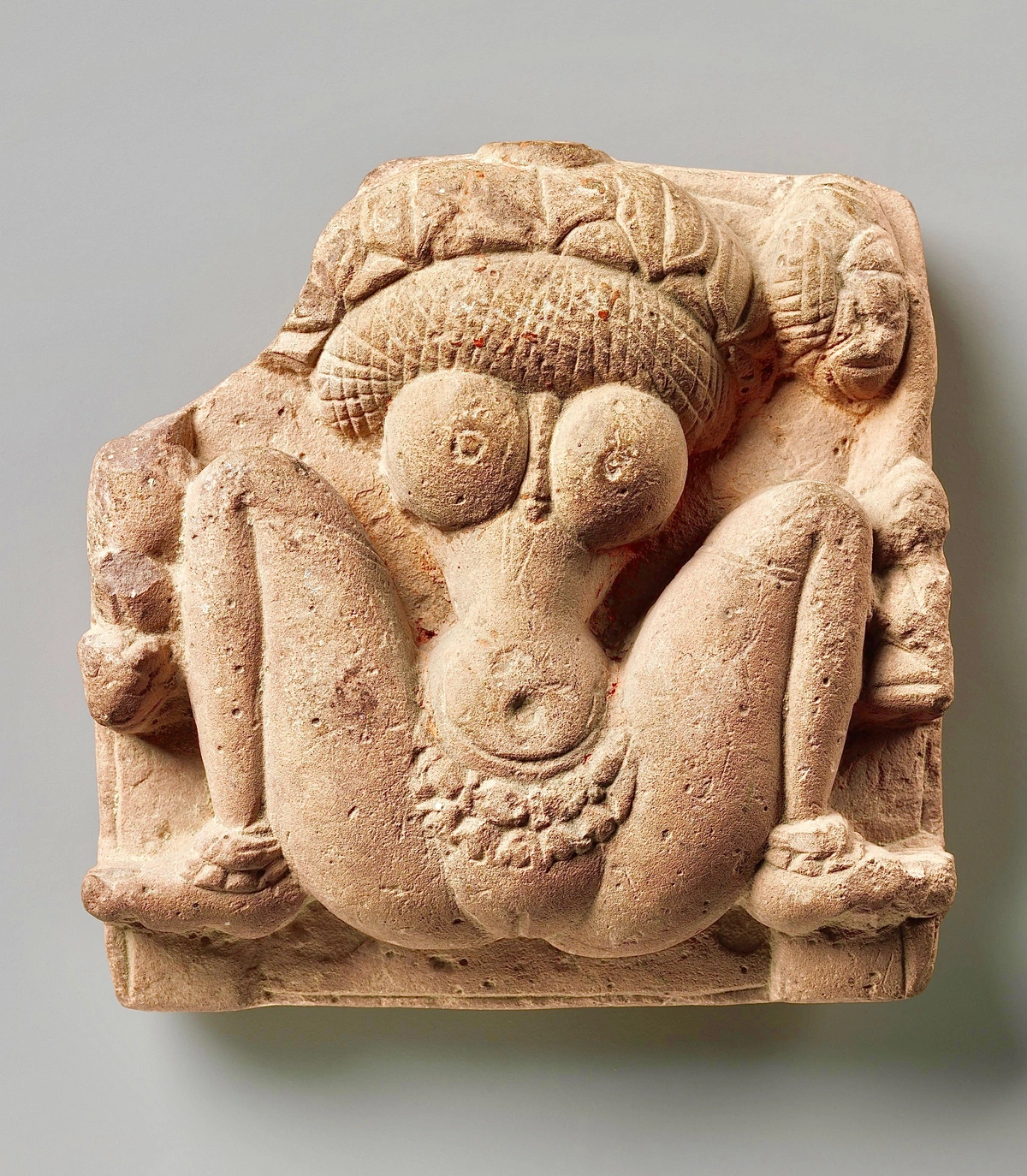
India's art history is a sprawling epic, from the breathtaking cave paintings of Ajanta and Ellora (which still humble me with their ancient mastery) to the intricate Mughal miniatures. But the story isn't static. The colonial era brought new influences, often challenging indigenous forms, but also leading to the establishment of art schools that, ironically, fostered new nationalistic art movements.
Movements like the Bengal School (early 20th century) championed a return to indigenous aesthetics, rejecting Western academic styles and nurturing a distinct Indian modernism. Later, the Progressive Artists' Group (formed in 1947, including stalwarts like F.N. Souza and M.F. Husain) pushed boundaries, embracing international modernism while staying rooted in Indian experiences – think bold strokes, vibrant colors, and often a raw, emotional energy. This group, along with others, laid the groundwork for the dynamic contemporary scene we see today. Understanding these shifts helps us appreciate the context of contemporary works and the layers of influence present in even the most modern pieces.
When we talk about Indian art, it’s worth noting the distinction between folk art and classical art. Folk art, like Warli or Madhubani, is typically created by self-taught artists within specific communities, often for ritualistic or everyday purposes, using traditional materials and motifs. It's deeply connected to local culture and often passed down through generations. Classical art, on the other hand, usually refers to more formalized, often courtly or religious, traditions that adhere to established canons and techniques, such as Mughal or Tanjore paintings, often created by trained artists. Both are incredibly valuable, but their origins and purposes differ, and understanding this can enrich your appreciation.
Iconic Indian Art Forms: A Glimpse into Regional Diversity and Cultural Significance
Each region of India boasts its own unique artistic heritage, often tied deeply to local myths, rituals, and daily life. While it’s impossible to cover everything (the sheer volume is staggering!), here are a few iconic styles you’ll frequently encounter, along with a glimpse into their origins and characteristics. When you see these, you're not just observing; you're stepping into a cultural narrative that has evolved over centuries.
Art Form  | Region | Key Characteristics (Visual Cue) | Traditional Use & Significance | What to Look For |
|---|---|---|---|---|
| Madhubani | Bihar | Geometric patterns, vibrant colors, mythological themes. (Bold, double-lined figures) | Traditionally painted by women on walls & floors during festivals. | Bold lines (often double-lined), intricate details, natural pigments. Often depicts gods, nature, daily life. |
| Warli | Maharashtra | Stick figures, simple shapes, ritualistic themes, daily life. (Triangular human forms) | Ritual paintings for harvests, weddings, good fortune; community stories. | Earthy tones, triangular human forms, storytelling, minimalist aesthetic. Look for scenes of harmony with nature. |
| Pattachitra | Odisha, West Bengal | Cloth-based scroll painting, intricate details, mythological narratives. (Elaborate borders, crisp lines) | Devotional art depicting Hindu deities & epics; used for worship. | Vibrant colors (natural dyes), elaborate borders, crisp lines, rich narrative. Look for storytelling sequences. |
| Kalamkari | Andhra Pradesh | Hand-painted or block-printed cotton fabric, narratives from Hindu epics. (Earthy colors, fine outlines) | Used for temple hangings, clothing, and narrative scrolls. | Natural dyes, earthy colors, narrative flow, fine outlines, often scenes from Mahabharata/Ramayana. |
| Tanjore | Tamil Nadu | Classical South Indian painting, rich colors, gold foil, gem inlay. (Opulent, devotional, raised relief) | Devotional icons for temples and homes, depicting deities. | Opulence, devotional themes, gesso work (raised relief), sparkling embellishments. Look for divine figures. |
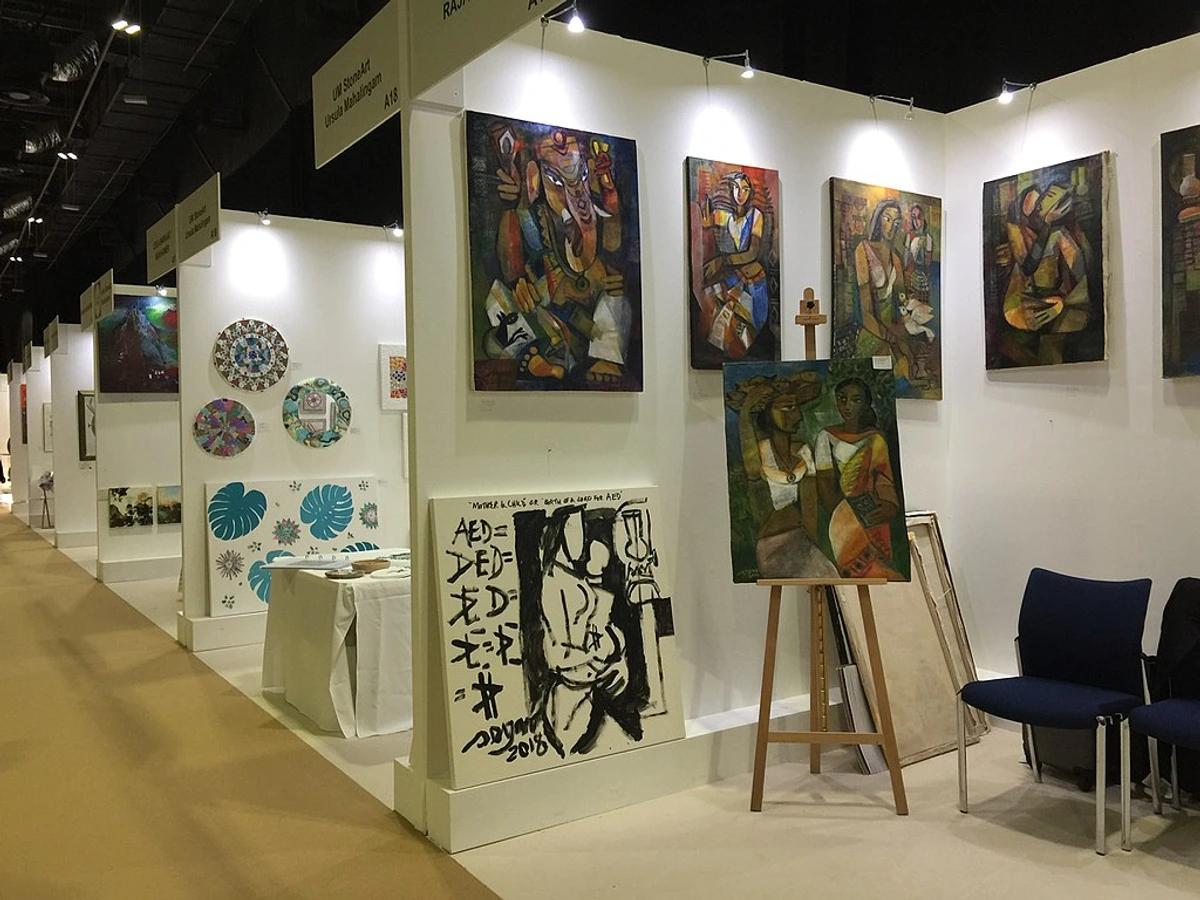
| Miniature Painting | Rajasthan, Mughal | Small-scale, highly detailed paintings, courtly scenes, portraits. (Delicate brushwork, intricate details) | Illustrated manuscripts, royal portraits, historical events. | Fine brushwork, delicate rendering, narrative precision, often with borders. Look for Mughal influence in composition. |
| Gond | Madhya Pradesh | Distinctive patterns of dots and dashes, animal and nature themes, vibrant colors. (Pointillist texture) | Storytelling, spiritual beliefs, celebrating nature and tribal life. | Vibrant colors, intricate dot work (signature style), animal motifs, mythological stories. Often highly detailed. |
Beyond these, you might also discover the narrative richness of Kalighat paintings (often satirical or devotional, from Kolkata), the spiritual depth of Kerala Murals (fresco-style paintings in temples), or the ecological focus of Bishnoi art (celebrating nature and harmony). Each tells a unique story of India's diverse cultural fabric. It's a reminder that art in India is rarely isolated; it’s an intrinsic part of its people’s lives. It's a constant source of wonder, how art can so profoundly reflect a community's soul.
The Rise of Contemporary Indian Art: A Global Dialogue
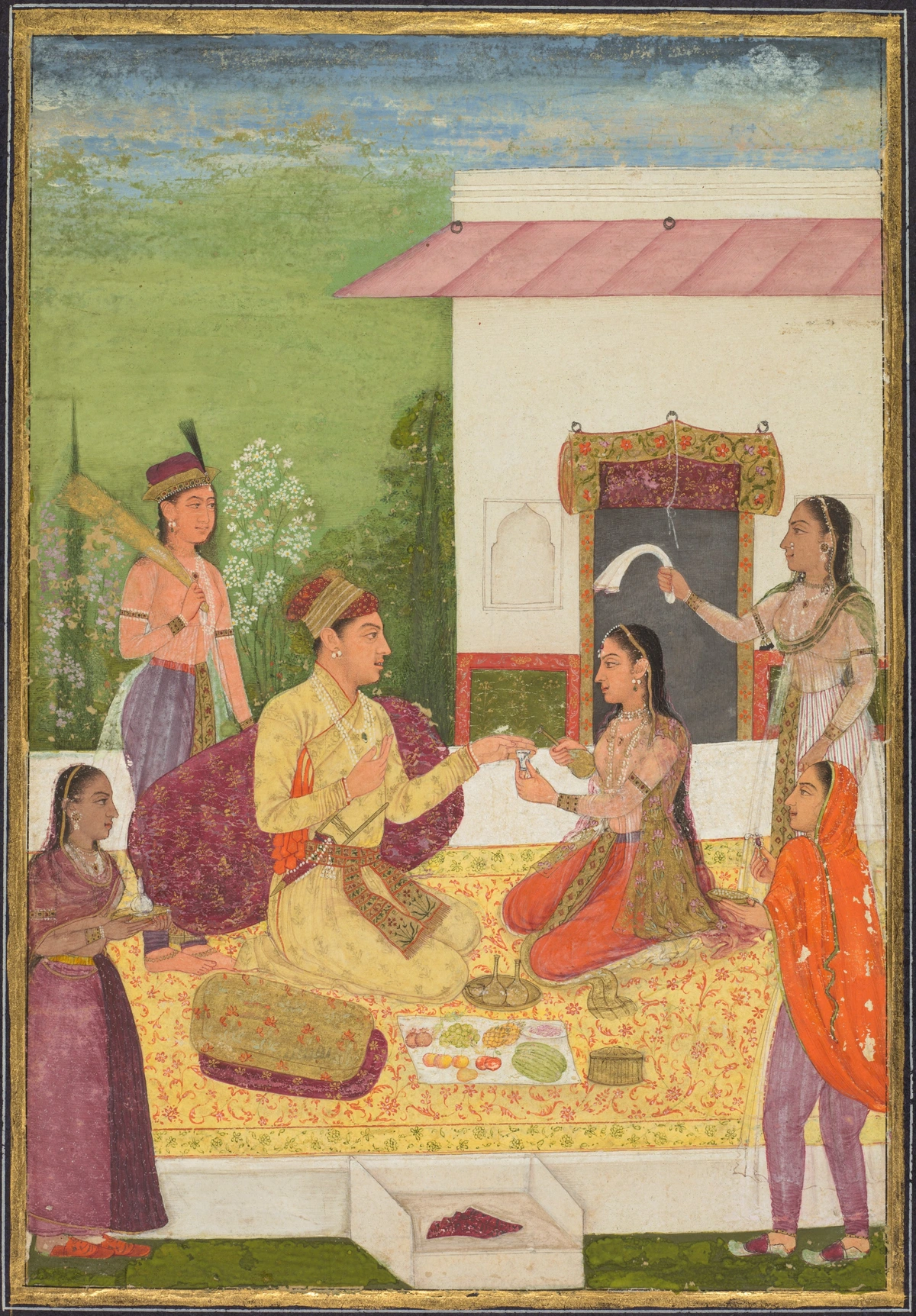
While tradition runs deep, India's contemporary art scene is absolutely bursting with energy, challenging, provoking, and reflecting modern India. Artists here are not just mimicking Western trends; they're synthesizing global influences with indigenous narratives, creating a truly unique voice that resonates on the international stage. It’s a thrilling dialogue, and one I find endlessly fascinating.
- Themes & Mediums: Expect to see everything from large-scale installations (often commenting on urbanization or identity) to powerful abstract canvases, digital art, and thought-provoking mixed media. Contemporary Indian artists often tackle complex themes: post-colonial identity, gender, religion, consumerism, and the rapid socio-economic changes sweeping the nation. Think of the way Bharti Kher uses the traditional Indian bindi in her 'bindi series' to explore themes of identity, femininity, and the cosmic, transforming a small, everyday object into a powerful artistic statement. Or Subodh Gupta, who turns stainless steel kitchenware into monumental sculptures, humorously critiquing consumerism and globalization while referencing Indian daily life.
- Key Artists to Explore: Names like Subodh Gupta (known for transforming everyday objects like steel tiffin boxes into monumental sculptures), Bharti Kher (exploring identity, gender, and the 'badi' or bindis), and Atul Dodiya (mixing photo-realism with historical and mythological references) are just a few who have gained international acclaim. Even artists like Anish Kapoor, though based internationally, draw deeply from their Indian heritage, creating works that resonate globally. Keep an eye out too for the groundbreaking work of Dayanita Singh, whose photographic narratives challenge conventional museum practices, or Anita Dube, known for her powerful sculptural and installation work that often delves into socio-political concerns. Their work is a vibrant reflection of a nation in flux.
- Art Institutions and Biennales: Beyond commercial galleries, institutions like the Kiran Nadar Museum of Art (KNMA) in Delhi and Chemould Prescott Road in Mumbai play a crucial role in showcasing and preserving modern and contemporary Indian art. The Kochi-Muziris Biennale in Kerala has also emerged as a globally recognized platform, attracting artists and curators from around the world and fostering critical dialogue within the Indian art context. These spaces are vital for the growth and visibility of Indian art.
- Art and Festivals: Don't forget how art intertwines with Indian festivals. From intricate Rangoli designs decorating doorsteps during Diwali to elaborate Pandal decorations during Durga Puja, art is a communal, ephemeral, and vibrant expression of faith and joy. It's a reminder that art in India is often a living, participatory experience, not just something to be observed from a distance.
Understanding Your Aesthetic: Connecting with the Art You Love
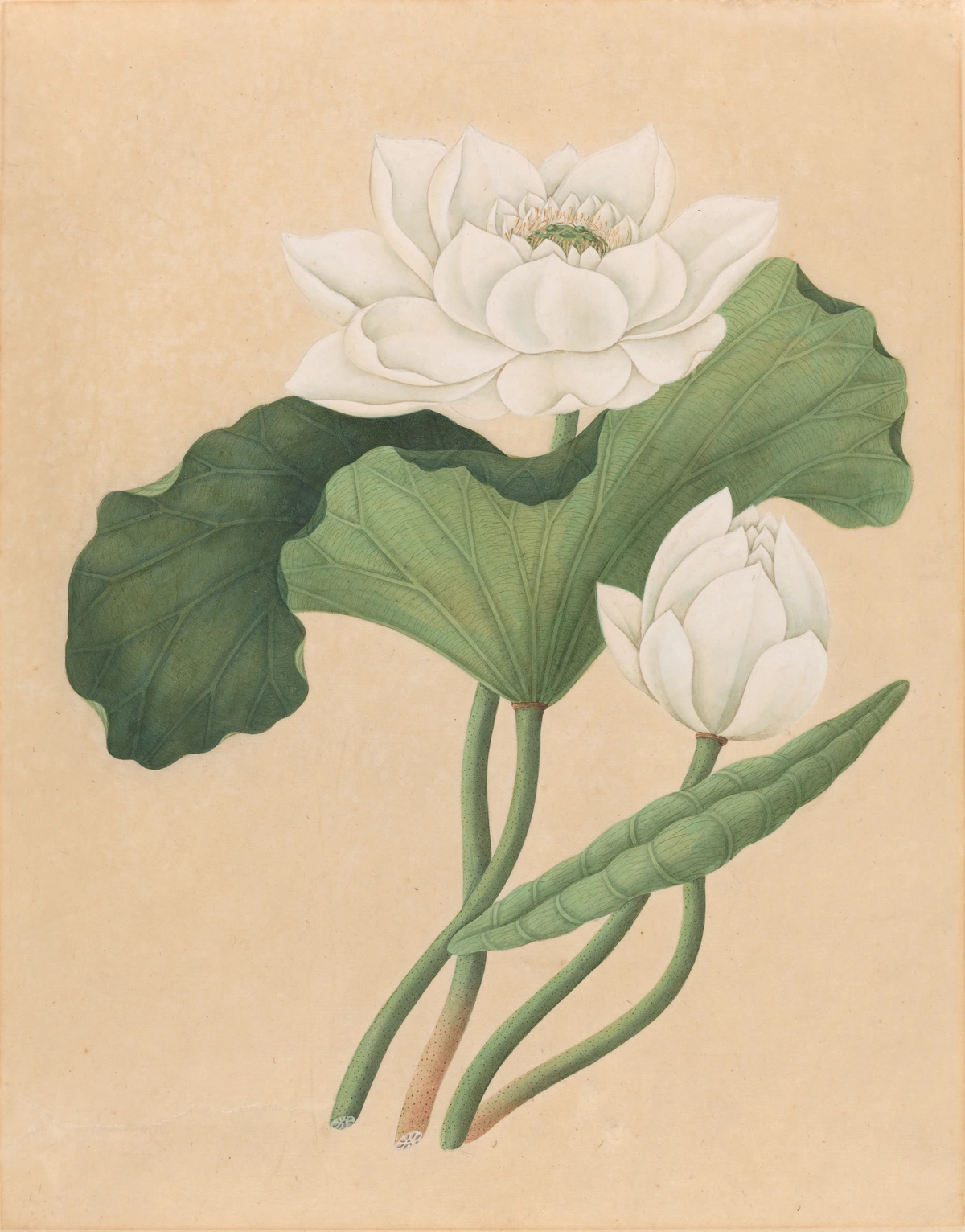
Before we dive into where to buy, let's take a moment to consider what you actually love. India's artistic landscape is vast, spanning ancient techniques passed down through generations to bold, experimental contemporary pieces. Don't feel pressured to understand it all at once; your journey is personal. Start with what truly speaks to your soul, what sparks a feeling within you. It’s like dating, really – sometimes you just know, sometimes it takes a few coffee dates to figure it out.
I've learned that defining your Personal Art Style and Taste is a journey in itself, often evolving with each new encounter. It’s like trying to pinpoint your favorite flavor – sometimes you just know, sometimes it's a slow realization. And that’s okay. My own taste has shifted wildly over the years; I used to be obsessed with realism, and now I mostly paint Abstract Art (you can even browse my art for sale if you're curious).
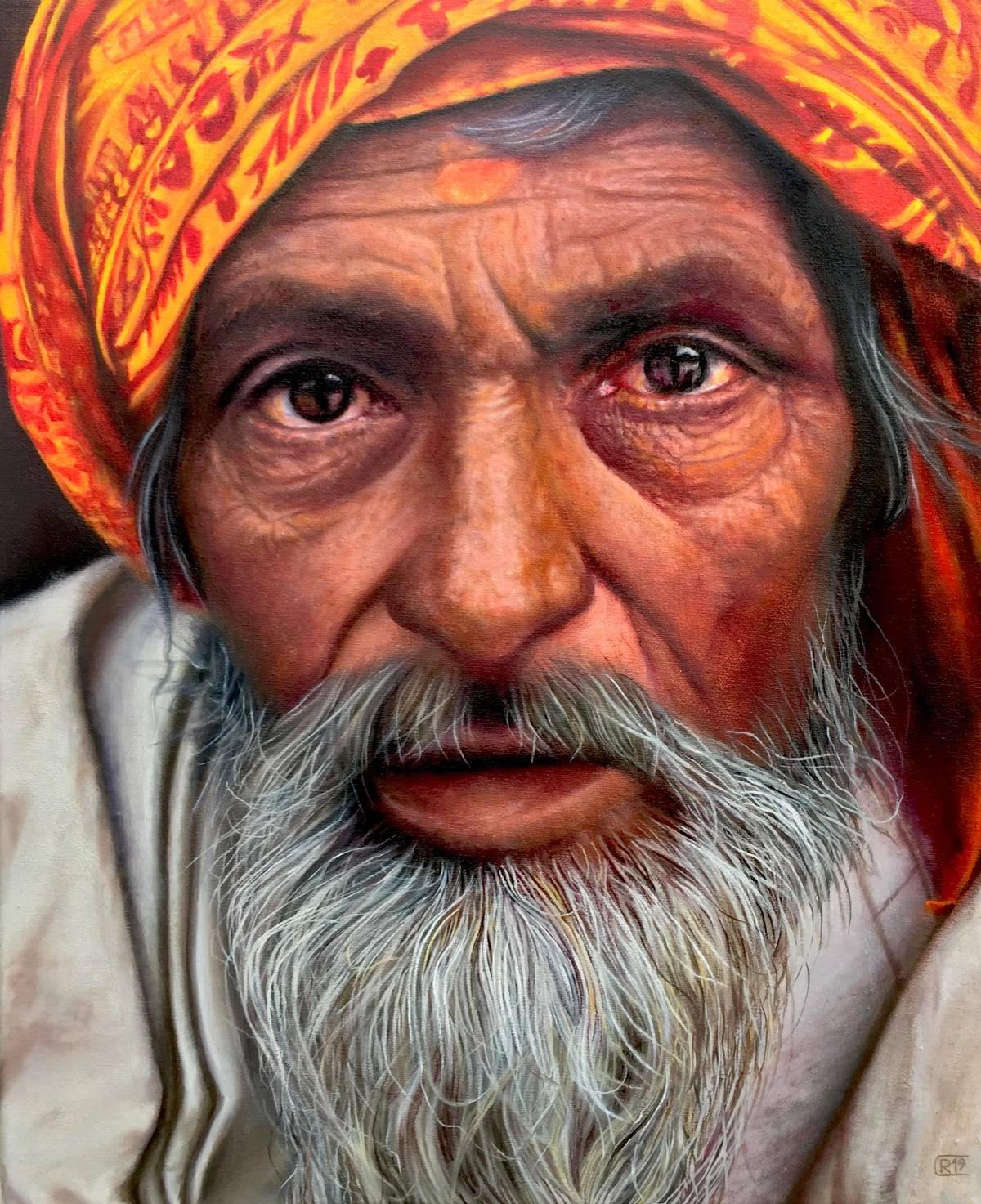
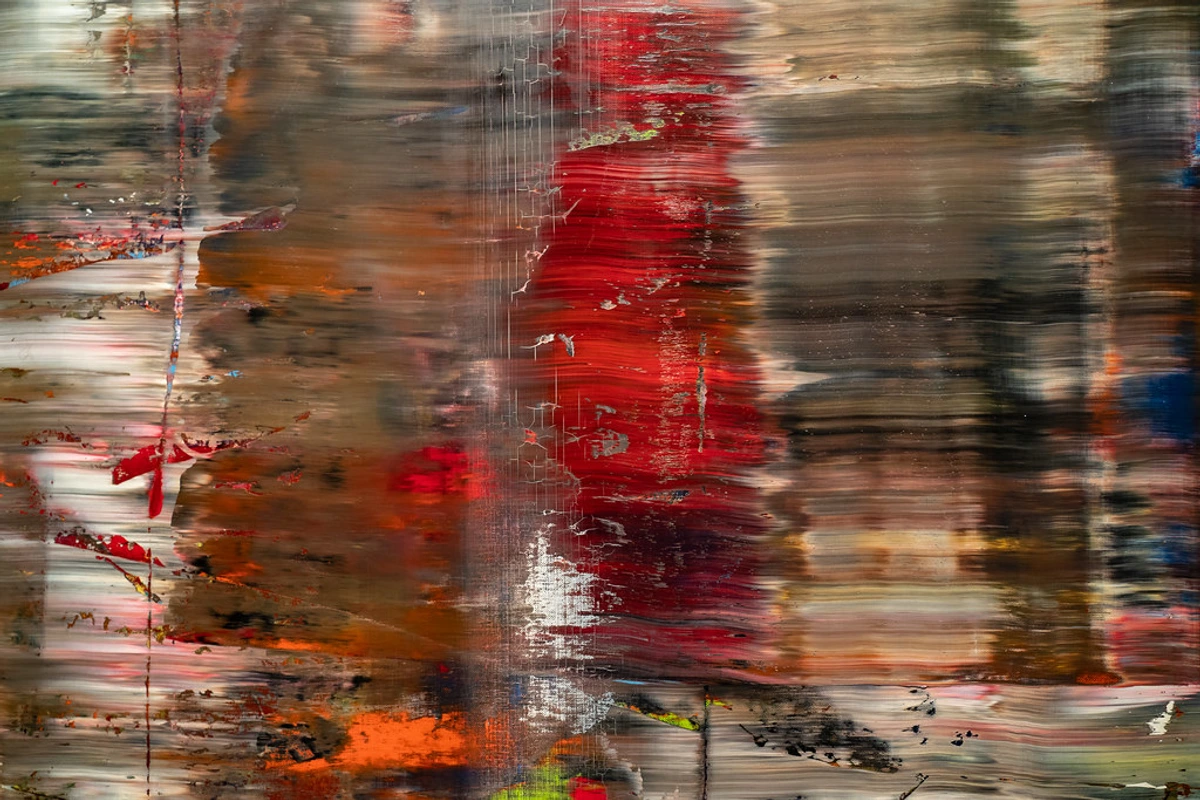
Perhaps you're drawn to the intricate details and mythological narratives of Madhubani paintings, finding solace in their traditional storytelling. Or maybe the vibrant, rhythmic figures of Warli art resonate with your appreciation for community and nature. You might even find yourself captivated by the challenging concepts of Contemporary Art Meaning, provoking new thoughts and perspectives. For me, I often find myself pulled into the emotive power of Abstract Art – pieces that just feel right, evoking something profound without needing literal representation. There's a freedom in that, a direct line to emotion.
How to Discover What Resonates with You
- Visit Widely (Even Online): Explore as many physical galleries and museums as you can, and browse online platforms. Pay attention not just to the art itself, but to your reaction. Do you feel energized? Calm? Provoked? I’ve spent hours just staring, trying to pinpoint that feeling.
- Keep a Visual Journal: Snap photos (where allowed!), bookmark online pieces, or save images that catch your eye. Over time, patterns will emerge. You might notice a preference for certain color palettes, subjects, or abstract forms. It's like collecting clues to your own taste.
- Ask Yourself "Why?": When a piece moves you, ask why. Is it the color? The story? The texture? The emotion it evokes? This self-reflection is key to understanding your inner preferences. Don't be afraid to dig deep; it's a conversation with yourself.
- Don't Be Afraid to Change Your Mind: Your taste isn't static. It's a living thing, just like you. What captivated you last year might not be what moves you today, and that's perfectly fine. Embrace the evolution! Sometimes, a piece I once admired just doesn't hit the same way anymore, and that's a sign of my own growth.
- Consider Artist Workshops or Residencies: If you have the opportunity, immersing yourself in a creative environment in India – attending a workshop on Kalamkari painting or spending time in an artisan village – can profoundly deepen your understanding and connection to particular art forms. It's hands-on learning, and there's nothing quite like it.
Exploring All Art Styles & Movements can certainly help you put what you see into context, but ultimately, your personal connection and emotional response are what matter most. Trust your gut. That’s the oldest, most reliable art critic there is.
Navigating the Art World: Where to Begin Your Search
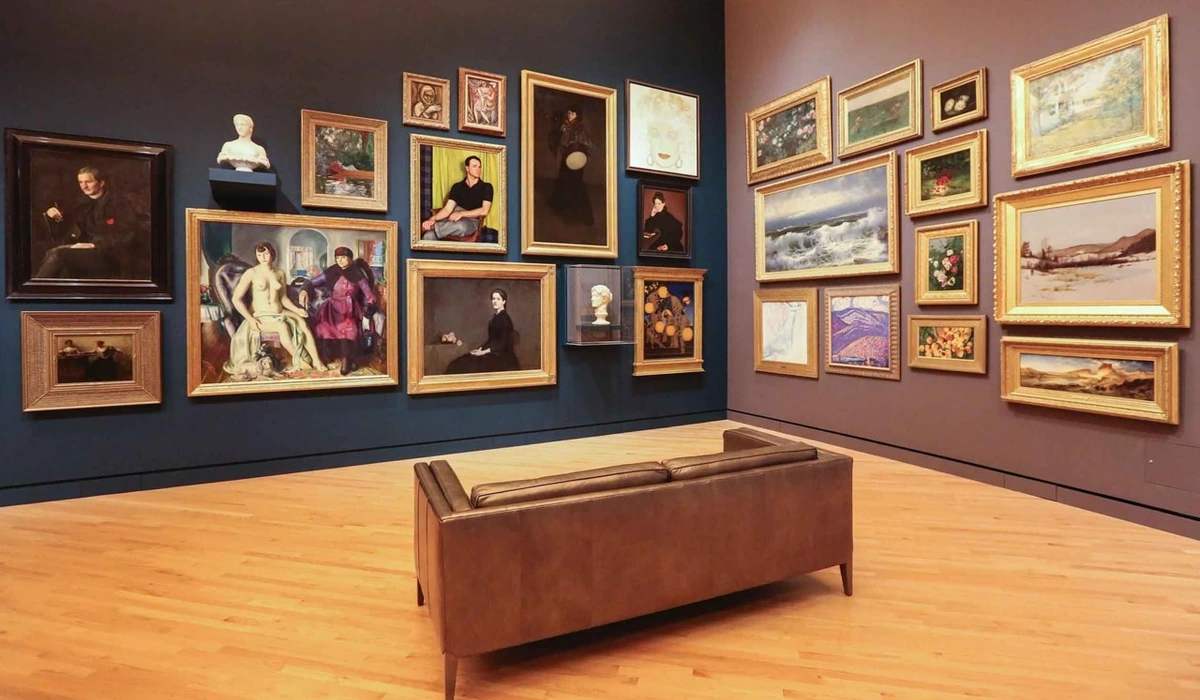
So, with a newfound appreciation for India's artistic richness and a clearer sense of your own aesthetic, where do you actually begin to look? It can feel like stepping into a labyrinth, but that's truly part of the adventure. My approach usually involves a mix of planned visits and happy accidents – much like life itself, really.
Here’s a breakdown of common avenues for discovering art in India:
Venue Type | Pros | Cons | Typical Art Focus | Buyer Engagement & Experience |
|---|---|---|---|---|
| Galleries | Curated collections, reputable artists, authenticity assured, expert advice, clear provenance. Opportunity to build relationships. | Fixed prices (less negotiation), potentially higher entry barrier for some. | Contemporary, modern, established artists. | Formal, informative, often quiet contemplation, professional consultation. Focus on learning and discovery. |
| Art Fairs | Vast variety in one place, meet gallerists & artists, discover new artists, buzzing atmosphere. Efficient for broad viewing. | Overwhelming, can be crowded, short-term displays, can feel commercial. | Diverse, trends, emerging talent, investment opportunities. | Dynamic, social, exciting, but can be tiring; efficient for broad viewing. |
| Online Platforms | Convenience, wide access (especially internationally), emerging artists, detailed filtering. | Cannot physically inspect art, trust is crucial, shipping logistics, potential for misrepresentation, less tactile experience. | Contemporary, digital prints, diverse styles, accessible price points. | Convenient, accessible, requires diligence and research, broader reach. |
| Artist Studios & Local Markets | Direct interaction with artists, unique finds, often better prices, personal stories, bespoke commissions. Immersive cultural experience. | Authenticity verification can be challenging, negotiation required, variable quality, less formal documentation. | Traditional, folk, crafts, local contemporary, bespoke. | Adventurous, intimate, highly personal, immersive, supports local economies. |
| Folk Art & Craft Haats/Melas | Curated selection of traditional crafts, direct from artisans, often government-supported, fair prices. | Less variety than full markets, specific to traditional forms, may require travel to specific regions. | Traditional crafts, folk art, textiles, pottery, tribal art. | Authentic, direct connection, cultural immersion, supports preservation. |
Galleries: The Traditional & Trustworthy Route
Galleries are often the first stop, especially if you're interested in established or emerging contemporary artists. Cities like Delhi (home to galleries like Nature Morte, Vadehra Art Gallery, and Talwar Gallery), Mumbai (Chemould Prescott Road, Chatterjee & Lal, and Project 88), and Kolkata boast vibrant gallery scenes, as does Bengaluru (Gallerie Ganesha, Gallery Sumukha) and Chennai (Focus Art Gallery). They offer a curated, often museum-like experience, and you can usually get valuable, well-researched information about the artist and their work, including crucial provenance (the history of ownership, a key factor in authenticity and value). Think of it like visiting a museum, but with the delightful possibility of taking a piece home! If you're in the capital, check out the Best Art Galleries in Delhi. For a broader view, explore the Best Art Galleries in India or even the Best Art Galleries & Museums in Asia.
Art Fairs: A Feast for the Eyes (and a Whirlwind!)
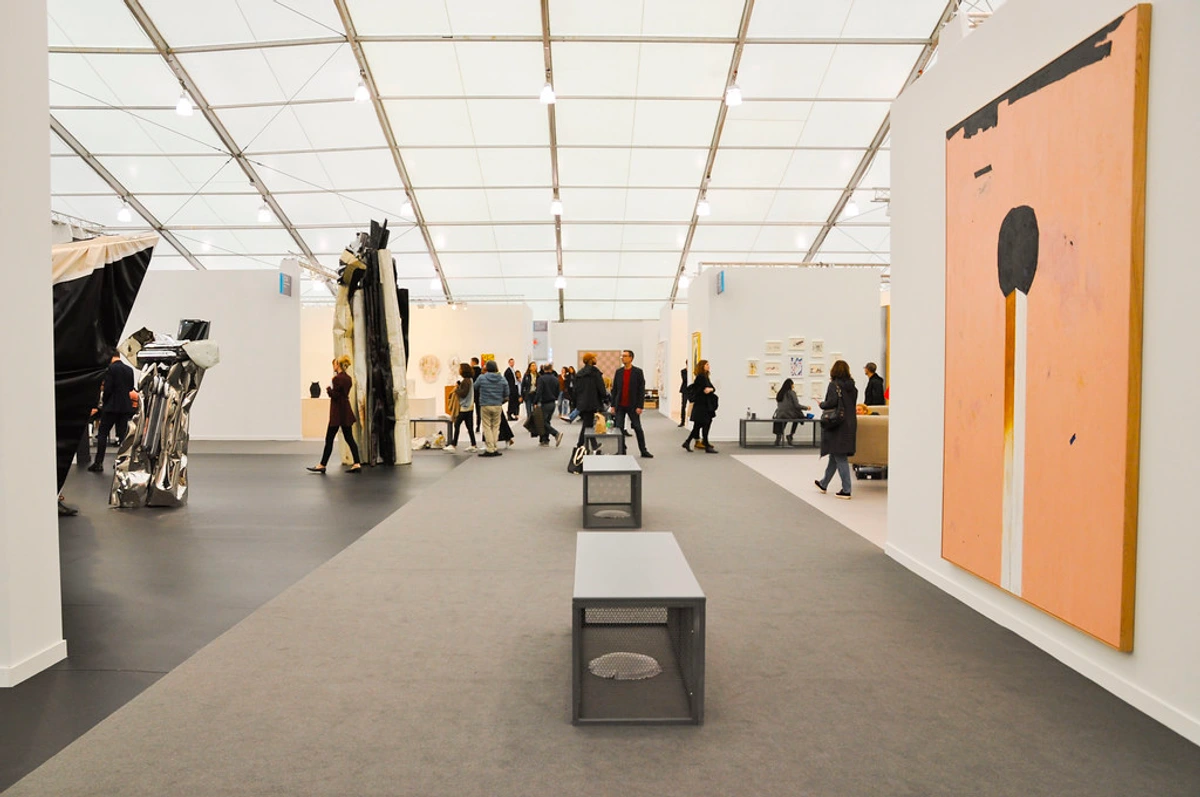
India hosts several significant art fairs, with the India Art Fair in Delhi being the most prominent. These are fantastic places to see a huge variety of work under one roof, meet gallerists, and sometimes even artists themselves. It's intense, a whirlwind of visual stimulation, but incredibly rewarding. I like to think of it as speed dating for art lovers – you see so much, so fast, that you quickly learn what catches your eye. Just remember to wear comfortable shoes and maybe plan your route! Beyond the India Art Fair, look out for regional fairs like the Mumbai Gallery Weekend or smaller, local art festivals that pop up throughout the year, offering a different, often more intimate, vibe. If you're planning a visit, my guide on Visiting Art Fairs: Essential Tips for Art Buyers & Collectors might come in handy.
Online Platforms: The Digital Bazaar for Global Access
The online art market in India is rapidly expanding, offering unprecedented access to a diverse range of artists. Reputable websites and online galleries offer access to a wide range of artists, often including emerging talent, from the comfort of your home (perhaps while sipping chai, as I often do!). This is particularly useful if you can't travel or prefer a slower, more contemplative browsing experience. Just be sure to do your homework and choose platforms with good reputations, clear return policies, and transparent artist information. The downside, of course, is that you can't truly feel the texture or see the subtle nuances of a piece in person, which, for me, is a huge part of the experience. My thoughts on Buying Art Online Safely apply here too – due diligence is key! Look for high-resolution images, detailed descriptions, and artist bios.
Artist Studios & Local Markets: The Personal & Immersive Touch
This is where the real magic often happens for me. Visiting an artist's studio, if possible, offers a unique insight into their process and vision. You get to see the tools, the unfinished works, and hear the stories directly from the creator – an invaluable experience that can deepen your connection to the art significantly. It's a privilege, really, to step into someone's creative sanctuary.
Local markets, especially for traditional or folk art, can yield incredible, unexpected finds. Think of the textile markets of Jaipur (a kaleidoscope of patterns!), the craft villages of Gujarat (like Bhuj for Kutch embroidery), or the art communities of Kerala (known for vibrant murals and wooden carvings). The famous Dilli Haat in Delhi is a great starting point for exploring crafts from across India in one convenient location. Here, you often interact directly with the creators. It requires a bit more adventurous spirit and respectful negotiation, but the stories you'll collect are priceless. Just remember that documentation might be less formal than in a gallery, so proceed with informed caution for significant investments.
Folk Art & Craft Haats/Melas: Curated Traditional Experiences
Beyond the bustling local markets, India is also home to specialized Folk Art and Craft Haats (markets) and Melas (fairs). These are often government-supported initiatives or curated events designed to bring artisans from remote villages directly to buyers, ensuring fair prices and authentic products. For example, the annual Surajkund International Crafts Mela near Delhi is a spectacular showcase of traditional crafts from across India and beyond. Look for specific artisan villages like Raghurajpur in Odisha, famous for Pattachitra, or the Warli heartland in Maharashtra. These offer a unique, immersive experience and a fantastic opportunity to support traditional crafts directly, often with a greater assurance of authenticity than general markets. It’s a wonderful way to connect with the living history of Indian art.
Practicalities of Collecting: Price, Authenticity, and Logistics
Now for the slightly less romantic, but equally crucial, stuff. Buying art, especially in a foreign country, requires some careful practical steps to ensure a satisfying and secure acquisition. Trust me, a little planning here can save a lot of heartache later – I’ve learned this the hard way more than once!
Deciphering Art Prices: What Influences Value?
Art prices in India, like anywhere else in the world, vary wildly based on the artist's reputation (established vs. emerging), the medium, size, age, and crucially, its provenance (the documented history of ownership). Don't be afraid to ask questions about why a piece is priced a certain way. Galleries usually have fixed prices, which reflect their overheads and the expertise they provide, but in markets or directly from emerging artists, there might be room for respectful negotiation, especially for traditional crafts. Think of it as a conversation, not a battle. Auction results, particularly for established artists, can also significantly influence their market value, setting benchmarks for pricing in galleries and private sales. My guide on Understanding Art Prices gives a good overview of what influences value globally, and most of those principles apply to India.
If you're on a budget, consider exploring high-quality prints (more on that below), smaller works, or pieces by Emerging Artists Worth Collecting. Starting an Art Collection on a Budget is absolutely doable in India; there are treasures at every price point if you know where to look and what questions to ask.
Originals, Limited Editions, and Reproductions: Knowing What You're Buying
This distinction is crucial, both for value and authenticity. It’s often where new collectors get tripped up, so let's make it clear:
Type of Artwork | Description | Collectibility & Value |
|---|---|---|
| Original Artwork | A unique, one-of-a-kind piece created directly by the artist (e.g., a painting, sculpture, drawing, or a single handmade monotype print). | Highest collectibility and potential investment value. Each piece is unique. |
| Limited Edition Print | Multiple copies of an artwork, created from an original matrix (e.g., etching plate, lithography stone, digital file), signed and numbered by the artist (e.g., "1/50" means the first print in an edition of 50). The total number is fixed. | High collectibility, value depends on artist's reputation and edition size. Considered fine art. |
| Open Edition Print | Mass-produced copies made without a limit on quantity, often unsigned and unnumbered. | Low collectibility, primarily decorative. Little to no artistic investment value. |
| Reproduction | Often refers to a mass-produced copy of an existing artwork (like a poster of a famous painting). | Primarily decorative. No artistic or investment value. |
Ensuring Authenticity and Provenance: Your Due Diligence
This is absolutely crucial. When buying contemporary art from a reputable gallery or directly from an established artist, you should always receive a certificate of authenticity (COA) signed by the artist or gallery. This document verifies the artwork's originality, medium, dimensions, and date, and often includes a photograph of the piece. For older or more valuable pieces, provenance (the complete, unbroken history of ownership) is incredibly important. A strong provenance eliminates doubt about authenticity and greatly adds to value. Don't be shy about asking for documentation or details about the artwork's journey – a good gallery will have it readily available. Look for details such as prior owners, exhibition history, or publications where the artwork might have been featured. For very high-value pieces, especially those by deceased or internationally renowned artists, I'd strongly recommend consulting an independent art appraiser or art historian specializing in Indian art for an objective opinion. Doing your Researching Artists beforehand is always a good idea, regardless of where you buy.
When buying traditional or folk art from markets or smaller studios, formal provenance might be less common. In these cases, look for consistency in style, quality of materials, and seek out known artisan communities (e.g., specific villages famous for a particular craft). Engage in conversation with the seller, listen to their stories, and trust your gut. However, for significant investments, always stick to reputable sources that can provide proper documentation. Also, pay attention to the artist's signature; while many folk artists don't sign in the Western sense, an established artist will have a consistent signature or mark, and inconsistencies can be a red flag.

Ethical Art Buying: Supporting Fair Practice and Cultural Heritage
As a responsible collector, it's worth considering the ethical implications of your purchases. Aim to buy from sources that ensure fair compensation for artists and artisans. Be wary of excessively low prices for traditional art, as this can sometimes indicate mass-produced copies or exploitation. By supporting genuine artists, you help sustain their craft and contribute to the rich tapestry of Indian culture. It’s an act of cultural stewardship, really. You can explore more on Ethical Considerations When Buying Cultural Art.
Moreover, be aware of cultural heritage laws regarding antiquities. In India, any artwork or artifact over 100 years old is generally classified as an antiquity. Exporting antiquities without a valid license from the Archaeological Survey of India (ASI) is illegal and can lead to severe penalties, including confiscation and legal action. Always verify the age of older pieces and insist on proper export documentation if they qualify as antiquities. Reputable dealers will handle this, but it’s your responsibility to be informed.

Art Conservation and Care: Bringing Your Treasure Home
Once you’ve acquired your piece, proper care is paramount. Indian art, especially traditional pieces using natural pigments, delicate textiles, or terracotta, can be sensitive. Think of it like bringing a new, precious member into your family – it needs the right environment and gentle handling.
- Environmental Control: Avoid direct sunlight, extreme humidity, and drastic temperature changes. Consider UV-protective glass for framed works and climate-controlled environments for very delicate items like miniatures or textiles. High humidity can cause mold, while direct sun can fade colors irreversibly.
- Handling: Always handle art with clean hands, ideally wearing cotton gloves. Avoid touching painted or delicate surfaces. For textiles or paper art, minimize direct contact to prevent transferring oils or dirt.
- Cleaning: Dust gently with a soft, dry brush or cloth. For anything beyond light dusting, consult a professional conservator specializing in the type of art you own. Never use chemical cleaners or water on traditional Indian paintings or textiles without expert advice.
- Framing & Display: Ensure professional framing uses archival-quality, acid-free materials to prevent damage over time. For textiles, consider proper mounting that allows the fabric to breathe without stretching or damage. For sculptural pieces, ensure stable and secure placement. For inspiration on displaying your treasures, check out How to Decorate Your Living Room or even Art Storage Solutions for Collectors.
Getting Your Art Home Safely: The Shipping Conundrum
Packing and shipping can be complex, especially for larger or fragile pieces. This is an area where professional help is invaluable. Reputable galleries often offer international shipping services, which is usually the safest and most convenient option, as they handle professional packing, customs declarations, and insurance. They understand the intricacies of Indian export regulations, including navigating the GST (Goods and Services Tax). Sometimes, art purchased by foreigners for export can be treated as a "deemed export," potentially exempting you from local GST, but this varies and requires specific documentation from the gallery.
If buying from a market or a smaller studio, you'll need to arrange for professional art packing and shipping yourself. Research specialized art shippers who understand international customs and can provide adequate insurance. Always factor these potential costs, including customs duties in your home country, into your budget when considering a purchase. A well-packed piece is a happy piece on its way home – a poorly packed one can become a heartbreaking disaster.
Here’s a quick checklist to keep in mind when making a purchase, a mental safeguard against buyer's remorse (because nobody wants that!):
- Ask for a Certificate of Authenticity (COA): Essential for contemporary art, and highly recommended for any significant purchase.
- Inquire about Provenance: Especially for older or more valuable works; a clear history adds immense value and trust.
- Check Condition Thoroughly: Look for any damage, repairs, or signs of wear. Ask for detailed condition reports.
- Understand Different Editions: Be clear if you're buying an original, a limited edition, an open edition, or a reproduction.
- Factor in Shipping Costs: Get quotes if the seller doesn't handle it, and consider insurance.
- Understand Return Policies: Especially for online purchases or new relationships.
- Verify Export Rules: Crucial for antiquities (over 100 years old) or large pieces. Ignorance is no defense here.
- Trust Your Gut: If something feels off, it probably is. Walk away if you're unsure. A good piece of art should bring joy, not anxiety.
The Enduring Joy of the Find
Ultimately, buying art in India is an immensely enriching experience, a journey of discovery and connection. It's about connecting with the culture, the incredible people, and the boundless creativity that flows through the country. It's about finding that piece that makes your heart sing, whether it's a grand canvas that transforms your living room (check out How to Decorate Your Living Room for ideas) or a small, intimate treasure for a quiet corner. For me, the process of finding that perfect piece is almost as rewarding as the piece itself.
This reminds me a bit of my own journey as an artist: the process of bringing something new into existence that hopefully resonates, finding its own home in the world. You can read a little about that on my /timeline page. When you find that perfect piece, it's not just decor; it's a story, a memory, a connection – a piece of India, and a beautiful reflection of your own journey, perfectly framed. And that, to me, is truly priceless.
If you're curious about the kind of art I create, you can always browse my art for sale.
Key Takeaways for Your Indian Art Journey:
- Follow Your Heart: Buy what you love; personal connection trumps speculative investment every time.
- Explore Widely & Deeply: From traditional craft markets to cutting-edge contemporary galleries.
- Ask Insightful Questions: Engage with sellers, understand the art's story, history, and creation.
- Prioritize Authenticity & Provenance: Seek documentation, especially for high-value or antique pieces.
- Plan All Logistics: Factor in packing, shipping, insurance, and customs regulations early.
- Embrace the Story: Each piece has a unique narrative, a piece of India's soul waiting to be shared.
- Be Ethical: Support fair practices and respect cultural heritage laws, especially concerning antiquities.
Frequently Asked Questions About Buying Art in India
What is the difference between 'art' and 'craft' in India?
This distinction can sometimes be blurry, but generally, craft in India refers to objects made for utilitarian or decorative purposes, often using traditional techniques passed down through generations within specific communities. Think pottery, textiles, or many folk art forms. Art, particularly in the contemporary sense, often refers to works created primarily for aesthetic or conceptual expression, challenging boundaries and engaging with broader societal themes. However, many traditional crafts are deeply artistic, and contemporary artists often draw heavily from craft traditions. For me, if it sparks a feeling, it's art, regardless of its label.
What are the best regions in India to buy specific types of art?
India's art is incredibly regional. For Madhubani paintings, head to Bihar (specifically the Mithila region). Warli art is best found in Maharashtra. Pattachitra originates from Odisha and West Bengal. Kalamkari is primarily from Andhra Pradesh. Tanjore paintings are a specialty of Tamil Nadu. For Miniature paintings (especially contemporary interpretations), Rajasthan is a key hub. Gond art comes from Madhya Pradesh. If you're looking for vibrant textiles and embroidery, explore Gujarat and Rajasthan. Each state offers a unique artistic flavor, so a little research into your preferred style will guide your travel.
Is it safe to buy art from local markets in India?
Yes, generally, but caution and common sense are advised. Local markets are fantastic for traditional crafts and folk art, offering unique opportunities for direct interaction with artisans. However, verifying authenticity can be harder than in established galleries, especially for older or more valuable items. Always negotiate respectfully, look for consistent quality, and trust your gut. For truly valuable pieces, it's best to stick to reputable galleries or certified dealers who can provide proper documentation.
How do I know if the price is fair?
Research is paramount. Look at prices for similar artists or styles in reputable galleries and online. Understand that prices reflect the artist's reputation, the medium, size, age, and market demand. While galleries typically have fixed prices, polite and respectful negotiation is often accepted in markets or when buying directly from artisans, particularly for traditional crafts. Never be afraid to walk away if a price feels exorbitant or if you feel pressured. If it feels too good to be true, it probably is. My own approach is always to find joy in the piece, and if the price feels right for that joy, then it's fair.
Can I ship art internationally from India?
Absolutely, but it requires careful planning. Most reputable galleries offer international shipping services, handling professional packing, insurance, and all necessary customs documentation. If purchasing elsewhere, you'll need to use a specialized professional art shipping service. Always factor these costs, including potential customs duties in your home country, into your budget. For antiquities (over 100 years old), special export permits from the Archaeological Survey of India (ASI) are mandatory, which galleries usually manage. Neglecting this can lead to confiscation and legal issues. It’s not a step to skip, ever.
What kind of art is popular in India right now?
Contemporary Indian art is highly popular, both domestically and internationally. There's significant interest in artists who blend traditional techniques or themes with modern perspectives, often addressing current socio-political issues, identity, and urbanization. Abstract art, figurative work, mixed media, and installation art are all prominent. Traditional folk arts also continue to thrive, experiencing renewed appreciation for their cultural depth and unique aesthetics. There's a wonderful duality, a constant push and pull between old and new.
Should I buy art as an investment in India?
While some Indian art has seen significant appreciation, buying art solely as an investment is inherently risky and requires expert knowledge of the market, trends, and artist trajectories. I always advise buying art primarily because you love it, it resonates with you, and you want to live with it. Any potential financial return should be considered a bonus, not the main driver. You can learn more about Art as an Investment in my other article – it's a topic that deserves its own deep dive.







How do I authenticate a traditional Indian artwork?
Authenticating traditional Indian artwork, especially folk or tribal art, can be more nuanced than contemporary gallery art which comes with COAs. Look for these indicators:
- Reputable Source: Buy from established artisan communities, government-supported craft centers, or reputable dealers specializing in traditional art.
- Material Quality: Traditional art often uses natural pigments, handmade paper, or specific fabrics. Familiarize yourself with these materials. A quick Google image search can give you a baseline.
- Artisan's Story: Engage with the artist/seller. Their knowledge of the piece's creation, history, and symbolism is a good sign. The passion in their voice can tell you a lot.
- Consistency: Genuine traditional art often adheres to specific regional styles and techniques. Inconsistencies might be a red flag. Learn the characteristics of the style you're interested in.
- Avoid "Aged" Items: Be cautious of pieces that claim to be ancient but lack provenance. Many "antiques" in markets are reproductions. If it looks too old and cheap, it probably is.
What are common pitfalls to avoid when buying art in India?
Beyond authenticity and shipping, some common pitfalls include:
- Impulse Buying: While emotional connection is key, a bit of research before a major purchase never hurts. Don’t get swept up in the moment entirely.
- Overpaying: Without research, it's easy to pay more than a piece is truly worth, especially in tourist-heavy areas. Compare prices across different venues.
- Neglecting Condition: Always inspect the artwork carefully for damage, repairs, or signs of poor conservation. Small flaws can become big problems.
- Ignoring Export Regulations: As mentioned, antiquities (over 100 years old) require special permits. Don't risk confiscation.
- Pressure from Sellers: A reputable seller will give you time and space. If you feel pressured, it's a sign to step back.
Buying art in India is an enriching, sensory, and deeply personal experience. Take your time, explore the diverse landscapes of its creativity, and let your intuition be your guide. Happy collecting! And remember, the best pieces are the ones that truly speak to your soul, not just your wallet.