Traditional Art Concepts: Timeless Tools for Modern Creation
Discover the foundational principles that shaped artistic history and continue to inspire today's creators. A comprehensive, engaging guide blending tradition with contemporary practice.

Traditional Art Concepts: Timeless Tools for Modern Creation
Let me confess something: I used to scoff at "traditional art rules." Like many artists starting out, I thought they were stuffy relics – barriers to true creativity. Then, while drowning in a messy abstract canvas, I reached for a discarded copy of The Principles of Art. What followed wasn't a rejection of modernity, but an awakening. Those "rules" weren't cages; they were secret handshakes passed down through centuries.

This isn't about dusty theories or rigid dogma. It’s about unlocking a visual language that makes your work sing – whether you're splashing vibrant abstractions or rendering hyperreal portraits. Traditional concepts aren't the boss; they're your oldest, wisest studio buddies, always there to offer perspective when you're stuck.
What Are Traditional Art Concepts Anyway?
At their core, these are the fundamental building blocks visual artists have used to organize experience onto a surface for millennia. They’re the how behind the what: how we perceive depth, rhythm, emotion, and meaning in a flat plane. Think of them as universal grammar for your eyes.
I’ll never forget visiting that Baroque church and watching sunlight hit golden leaf work. Suddenly, chiaroscuro wasn’t just a vocabulary word – it was the reason the sculpture’s robe seemed to breathe. The concepts lived in the work.
Historical Context: How Traditional Concepts Evolved
Understanding the historical development of traditional concepts gives you insight into why they work and how you can adapt them for contemporary use:

Ancient Foundations
Prehistoric Art: The earliest cave paintings demonstrate an intuitive understanding of composition, depth, and storytelling. Lascaux paintings show knowledge of overlapping forms to create depth and rhythmic repetition.
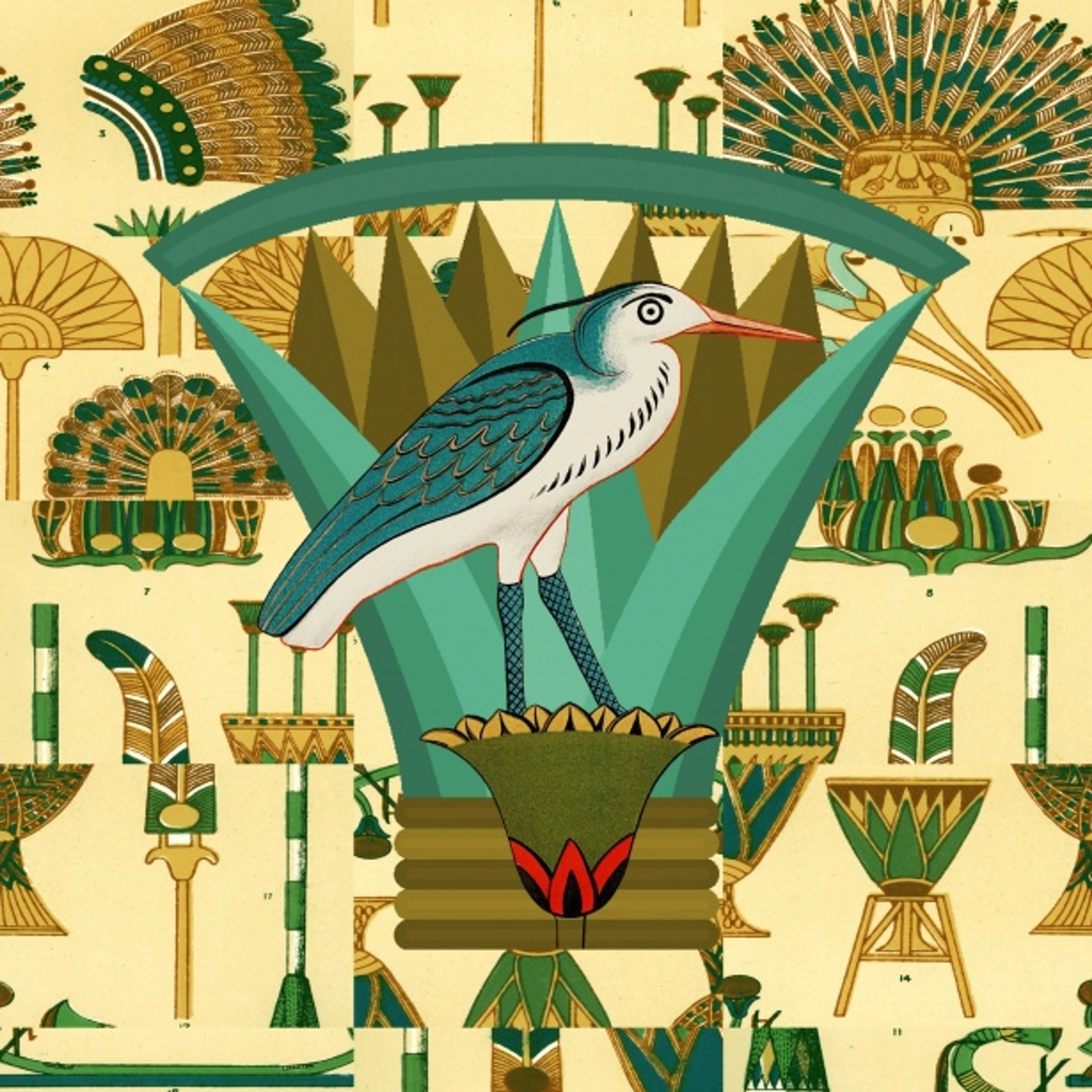
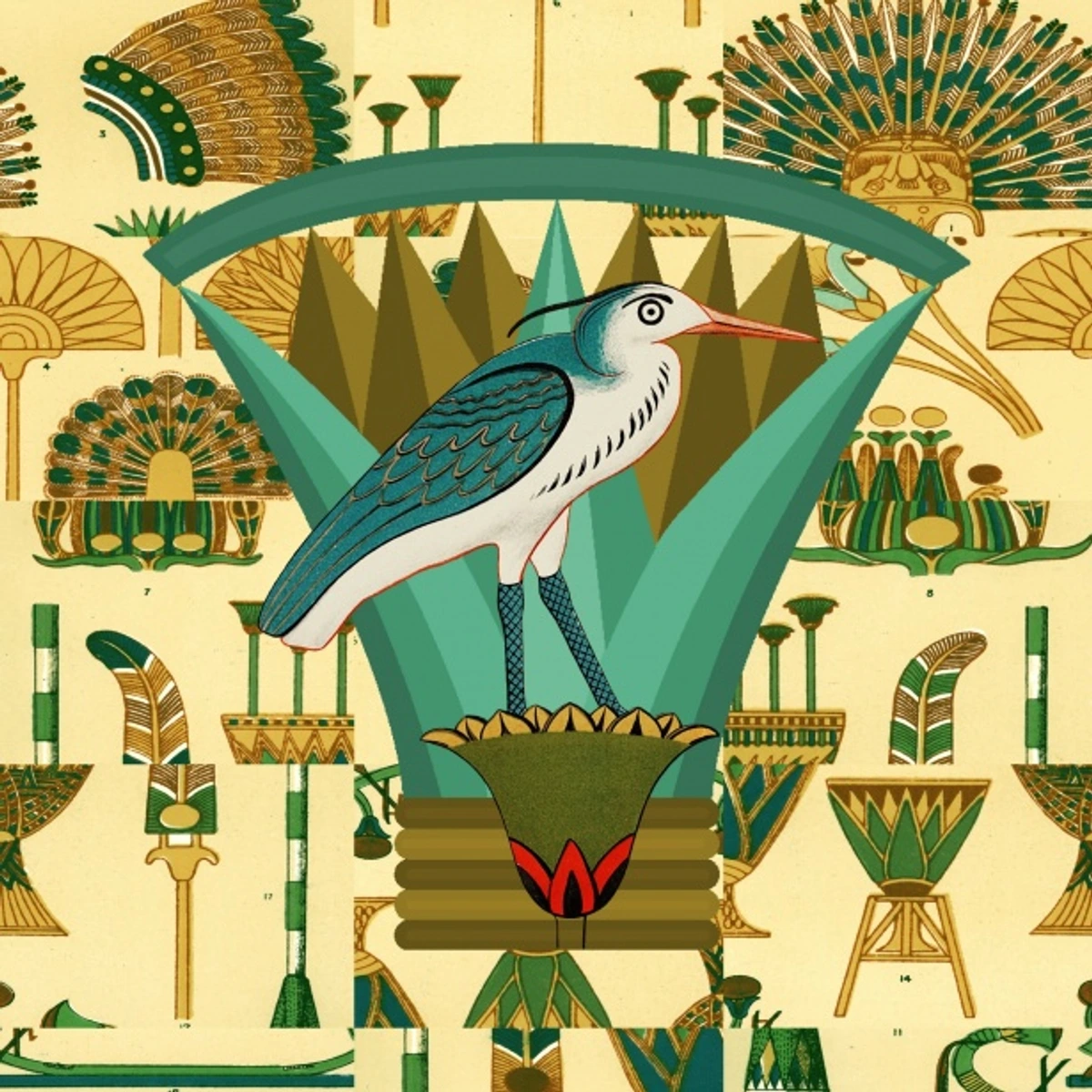
Egyptian Art: Developed sophisticated systems of proportion and hierarchical scale. Understanding of flat perspective and symbolic representation laid groundwork for Western art.
Greek Art: Revolutionized understanding of human form through anatomical study. Developed foreshortening and began exploring three-dimensional representation on two-dimensional surfaces.
Classical Breakthroughs
Renaissance: Solved linear perspective, created realistic human anatomy, and mastered chiaroscuro. Artists like Brunelleschi developed mathematical systems for creating believable depth.
Baroque: Dramatized light and shadow for emotional impact. Artists like Caravaggio used extreme chiaroscuro to create theatrical, narrative scenes.
Impressionism: Challenged traditional techniques while mastering color theory. Artists like Monet explored how light affects color perception, revolutionizing painting approach.
Modern Transformations
Cubism: Deconstructed traditional perspective and form. Artists like Picasso showed multiple viewpoints simultaneously, expanding visual language.
Abstract Expressionism: Emphasized emotional expression over representation. Artists like Pollock and de Kooning used traditional concepts of rhythm and composition in entirely new ways.
Contemporary Art: Continues to question and expand traditional concepts. Digital artists, installation artists, and mixed-media creators find new ways to apply fundamental principles.
Cross-Cultural Perspectives
Different cultures developed their own visual languages:
Asian Art: Emphasized brushwork, negative space, and spiritual harmony. Chinese landscape painting used atmospheric perspective centuries before it appeared in Europe.
African Art: Focused on rhythm, pattern, and symbolic representation. Traditional African masks and sculptures demonstrate sophisticated understanding of form and space.
Indigenous Art: Deep connection to land and storytelling. Many indigenous traditions use pattern and symbolism in ways that communicate complex cultural knowledge.
Understanding these different approaches can enrich your own practice. Traditional concepts are universal, but their expression varies across cultures. Exploring these diverse traditions can inspire new ways to apply familiar principles.

The Key Players: A Quick Reference
Traditional concepts form an interconnected system. Here’s how the big ones relate:
Concept  | Core Idea | Modern Twist Example | Why It Matters |
|---|---|---|---|
| Composition | Arranging elements strategically | Asymmetrical balance in abstract works | Creates visual harmony or tension |
| Perspective | Creating depth and dimension | Forced perspective in digital art | Grounds imagination or breaks it playfully |
| Color Theory | Understanding hue, saturation, value | Limited palettes for bold emotional impact | Controls mood and energy instantly |
| Chiaroscuro | Light/dark contrast | Dramatic shadows in photography/3D renders | Adds volume and narrative weight |
| Gesture & Flow | Implied movement and visual rhythm | Energetic line work in contemporary animation | Guides the viewer’s eye silently |
Fun fact: Many Renaissance artists used "camera obscura" (early pinhole cameras) to perfect perspective. Bet they didn’t feel limited by "rules"!
How Traditional Concepts Power Contemporary Art
Here’s where it gets juicy: the best modern art thinkers embrace these classical tools while subverting them.
Take color theory. A traditionalist might obsess over complementary pairs on the wheel. But what if you deliberately muddy those relationships? I remember once painting a seascape with sickly greens and browns – an intentional violation of purity. The result? Unsettling humidity that a "perfect" palette couldn’t capture.

Advanced Techniques for Mastery
Once you've grasped the fundamentals, you can explore more sophisticated applications of traditional concepts:

Color Mastery Beyond the Basics
Temperature Transitions: Learn to create seamless transitions between warm and cool colors. This technique adds depth and dimension to your work, making forms appear more three-dimensional.
Simultaneous Contrast: Understand how colors change when placed next to each other. This phenomenon can be used to create optical effects and enhance the vibrancy of your color relationships.
Color Relativity: Practice seeing colors as they truly are, not as you think they "should" be. This skill allows for more accurate color mixing and more convincing representation.
Limited Palette Mastery: Challenge yourself to create complex, nuanced work using only 3-4 colors. This exercise forces you to understand color relationships deeply and discover unexpected harmonies.
Composition Beyond the Rules
Dynamic Balance: Explore ways to create balance without perfect symmetry. Asymmetrical balance can create more interesting and dynamic compositions.
Multiple Focal Points: Learn to create compositions with several areas of interest that work together harmoniously. This technique adds complexity and visual interest to your work.
Negative Space as Subject: Practice making the empty areas of your composition as important as the filled areas. This approach creates sophisticated spatial relationships.
Rhythmic Flow: Develop an understanding of how to create visual rhythm through repetition, variation, and movement. This skill guides the viewer's eye through your composition.
Light and Shadow Mastery
Multiple Light Sources: Practice rendering scenes with more than one light source. This technique creates more complex and realistic lighting effects.
Subsurface Scattering: Learn to simulate how light penetrates and scatters through translucent materials like skin, wax, or marble. This adds realism and depth to your work.
Atmospheric Effects: Master techniques for creating the illusion of atmosphere and distance through color shifts and value changes.
Dramatic Lighting: Explore extreme lighting situations to create mood and emotional impact. This technique is particularly effective for narrative and expressive work.
Form and Space Mastery
Foreshortening Mastery: Practice drawing and painting objects that extend toward the viewer. This technique creates convincing three-dimensional illusions.
Anatomical Understanding: Deepen your knowledge of human and animal anatomy. This skill allows for more convincing representation, even in stylized work.
Spatial Relationships: Learn to create convincing spatial relationships between multiple objects. This technique adds depth and realism to your compositions.
Texture Simulation: Practice creating the illusion of various textures through your mark-making and brushwork. This skill adds tactile interest and visual richness to your work.
Composition is another rich playground. The "rule of thirds"? Use it like training wheels, then break it with purpose. I often place focal points dead-center to create confrontational stillness. The tension arises because we know the "rule" exists – making its violation a statement.
Think of composition like music theory. A song that follows every "rule" sounds predictable and boring, but a song that understands the rules and plays with them creates something fresh and exciting. The same applies to visual art. When you understand why certain compositions work, you can create tension, harmony, or surprise intentionally.
Case Study: Anatomy in Abstraction
"But wait!" I hear you groan. "My figures are blobs! Why study bones?"
Here’s the kicker: understanding underlying structure (like skeletal proportions for anatonomy or gesture lines) doesn’t mean your art becomes literal. It liberates you. When you grasp how a hip rotates, your distorted abstract forms gain believable weight. Even in Zen Visser’s work, you feel muscles straining under pigment – not because anatomy is copied, but because the principles of form mastery are invisibly applied.

Traditional Concepts in the Digital Age
The rise of digital art has created new possibilities and challenges for traditional concepts. Here's how these classical principles apply to modern digital workflows:
Digital Tools, Traditional Principles
Digital Painting: Software like Photoshop, Procreate, and Clip Studio Paint provide new brushes and tools, but the underlying principles of color theory, composition, and light remain identical. The difference is in the undo button – digital artists can experiment more freely, but this can sometimes lead to overworking and losing the freshness of traditional techniques.
3D Modeling: Traditional perspective and form principles are even more crucial in 3D work. Understanding how light interacts with digital surfaces requires the same knowledge as traditional painting. Many 3D artists study traditional art to improve their digital work.
Digital Photography: Post-processing tools allow photographers to apply traditional compositional and color principles after the fact. Understanding these principles helps photographers make intentional decisions both in the field and at the editing desk.
Hybrid Approaches
Traditional to Digital: Many artists start with traditional techniques and then scan or photograph their work to continue digitally. This hybrid approach combines the tactile experience of traditional art with the flexibility of digital tools.
Digital to Traditional: Some digital artists print their work and then add traditional elements like oil glazes, pencil work, or mixed media. This creates unique artworks that bridge both worlds.
Layered Approaches: Artists like David Hockney have created layered works that combine traditional painting with digital photography and collage, creating new forms that still respect traditional principles of composition and visual harmony.
AI and Traditional Concepts
The rise of AI art has sparked debates about the role of traditional concepts in creative work. Here's how to think about it:
AI as a Tool: AI can be seen as just another tool in the artist's toolkit, like a camera or a printing press. Understanding traditional concepts helps artists use AI effectively – they can guide the AI with their knowledge of composition, color, and form.
Traditional Knowledge as Differentiation: As AI becomes more common, artists with deep traditional knowledge will stand out. Their understanding of why certain compositions work or how colors interact gives them an edge in creating meaningful, intentional work.
The Human Element: Traditional concepts are rooted in human perception and emotion. AI can simulate these, but true artistic expression comes from the human experience. Artists who combine technical knowledge with personal vision will create work that resonates deeply.
Future Directions
Augmented Reality: Traditional concepts will be crucial for creating compelling AR experiences. Understanding composition, space, and how viewers interact with visual elements will be essential for AR artists.
Virtual Reality: VR creates entirely new spatial possibilities. Traditional concepts of perspective and space will need to be reimagined for immersive environments.
Interactive Art: As art becomes more interactive, traditional concepts of rhythm, movement, and visual flow will need to be adapted for time-based media and audience participation.
Sustainable Art: Traditional techniques often use materials more sustainably than digital processes. Understanding traditional methods provides alternatives to resource-intensive digital workflows.
The future of art will likely be a blend of traditional and digital approaches. Artists who understand both worlds and can bridge them will be at the forefront of innovation.
Pro tip: Studying traditional techniques for 15 minutes daily (gesture sketches! perspective drills!) does more for your “instinctive” skill than weeks of guessing. My laziness often wins, but when I stick to it? My spontaneous leaps improve dramatically.
Practical Ways to Weave In Tradition (Without Feeling Stuffy)
Creating Your Traditional Art Toolkit
Beyond the daily practices mentioned earlier, consider building a toolkit of traditional techniques that you can draw from:
The Underpainting Method: Start with a monochromatic underpainting to establish value relationships, then build color on top. This technique, used by Renaissance masters, creates depth and unity.
Glazing for Depth: Apply thin, transparent layers of color over dried layers. This method allows light to pass through multiple layers, creating luminous, rich color that you can't achieve with opaque painting.
Sfumato for Atmosphere: Learn Leonardo da Vinci's technique of soft, hazy transitions between tones. Perfect for creating atmospheric effects, mysterious moods, and blending skin tones.
Impasto for Texture: Use thick paint to create physical texture on your canvas. This technique adds tactile interest and captures the energy of your brushwork.
Grisaille for Foundation: Create your initial composition in shades of gray before adding color. This helps you focus on value relationships without the distraction of color.
- Steal Like a Renaissance Botanist: Keep a sketchbook. Not finished masterpieces – quick studies of how light hits a coffee cup, or how shadows pool under a chair. Copying observes the mechanics. Renaissance masters like Leonardo and Michelangelo spent countless hours just observing and recording the world around them. Their sketchbooks weren't about creating finished works – they were about understanding how things work.
Here's a specific exercise: Choose a simple object (a coffee mug, a piece of fruit, a tool). Draw it from multiple angles. Focus not on making it look "perfect," but on understanding how the light hits it, how the shadows fall, and how the form relates to its surroundings. Do this daily for a week and you'll notice your observational skills improving dramatically.

- Compose Like a Director: Before painting, use your phone to snap a photo. Then overlay a grid. How’s your balance? Too much dead space? Applying compositional thinking to photos trains your eye fast.
- Limit Your Palette: Choose 3 colors + black/white. Traditional limited palettes force creative problem-solving. You’ll discover vibrancy you’d miss with a full tube set. This connects deeply to buying art – collectors notice this intentional focus.
- Embrace the Mistake: Traditional techniques demand precision. Modern art thrives in the accidents. Let your brush slip. Spill some water. Then ask: What did this teach me about control?
Many great discoveries come from accidents. Jackson Pollock's drip paintings emerged from him accidentally spattering paint on his canvas while it was laid on the floor. Instead of discarding the "mistake," he explored the possibilities and developed a revolutionary new approach to painting. The key is to approach accidents with curiosity rather than frustration. What unexpected texture or pattern did the accident create? How could you incorporate that element intentionally next time?
FAQs About Traditional Art Concepts
Q: Aren’t these concepts outdated? NFTs and AI are the future!
A: Tools evolve, but visual perception hasn’t changed in 5,000 years. A pixel on a screen still needs to create depth and emotion. Understanding perspective, color harmony, and rhythm is timeless. Skeptical about digital hype? That’s healthy. Focus on principles, not platforms.
The Business of Art: Traditional Concepts as Commercial Advantage
Understanding traditional concepts isn't just about making better art – it's about becoming a more successful artist. Here's how these principles translate to real-world success:
Creating Art That Sells Itself
Collector Appeal: Artwork that demonstrates mastery of traditional concepts has broader commercial appeal. Collectors recognize the technical skill even in abstract work. When your composition shows intentional negative space, your color theory shows sophisticated understanding, and your forms show anatomical knowledge, collectors see value beyond surface aesthetics.
Gallery Recognition: Galleries look for artists who show technical competence alongside personal vision. Traditional concepts provide the language to discuss and evaluate your work professionally. When a gallery director can say "Your use of atmospheric perspective creates emotional depth," they're better equipped to represent you to collectors.
Commission Success: For commissioned work, understanding traditional concepts helps you meet client expectations while maintaining artistic integrity. You can explain why certain compositional choices work better for their space, or how your color palette will complement their existing decor.
Pricing Your Work with Confidence
Traditional mastery justifies premium pricing. When collectors can see the technical skill behind your work – the hours spent mastering perspective, the years of color theory study, the deep understanding of human form – they understand why your work commands higher prices.
The Technical Premium: Art that demonstrates advanced traditional concepts can be priced 20-50% higher than similar work without the same technical foundation. This isn't elitism – it's recognizing the value of expertise.
Long-term Value: Traditional techniques create work that withstands trends. While styles come and go, mastery of fundamentals creates art that remains relevant and valuable for generations. This longevity factor significantly increases investment value.
Marketing Your Artistic Vision
Artist Statements: Traditional concepts give you concrete language to describe your work. Instead of saying "I paint abstract feelings," you can say "I use color theory to explore emotional resonance through temperature relationships, creating work that invites viewers to find their own meaning in the visual rhythm."
Social Media Content: Your understanding of traditional concepts creates endless content ideas. You can create posts about:
- Composition breakdowns of your own work
- Color theory tutorials using your palette
- Before/after studies showing technical improvements
- Quick tips about perspective for photographers
- Comparisons between traditional and contemporary approaches
Teaching Opportunities: Once you master these concepts, you can create workshops, online courses, or tutorials. Sharing your knowledge builds your audience and creates additional income streams. Many successful artists generate significant revenue from teaching their unique approach to traditional concepts.
Q: Do I need years of academic training?
A: Absolutely not! Historically, most learning happened through apprenticeship and self-study. One hour studying chiaroscuro in Rembrandt etchings > 10 lectures about "postmodern deconstruction." Start small.
Cross-Disciplinary Applications: Traditional Concepts Beyond Fine Art
Traditional art concepts aren't confined to painting and drawing – they're universal principles that apply across countless disciplines. Understanding these concepts can enhance your work in unexpected ways:
Design and Digital Media
UI/UX Design: The same principles of composition and visual hierarchy that guide painting also apply to interface design. Balance, contrast, and focal points help users navigate digital spaces intuitively. Color theory in digital design creates mood and guides user behavior.
Motion Graphics: Traditional concepts of rhythm and flow become animation principles. Gestural drawing translates to character movement and timing. Understanding perspective helps create convincing 3D environments in 2D space.
Typography: Letterforms are shapes with their own visual weight. Kerning and spacing use the same principles of negative space that artists use in painting. Hierarchy through size and contrast mirrors compositional techniques.
Photography and Film
Photographic Composition: The rule of thirds, leading lines, framing – all these photographic techniques borrow directly from traditional art composition. Understanding how to balance elements in a frame creates more compelling images.
Lighting Design: Chiaroscuro lighting techniques used by Caravaggio and Rembrandt are still the foundation of dramatic cinematography. Three-point lighting systems are modern implementations of classical lighting principles.
Cinematic Storytelling: Visual rhythm in film editing parallels the rhythm in painting. Color grading in cinema uses the same color theory principles that painters have used for centuries to create mood and emotion.
Architecture and Spatial Design
Interior Design: Composition principles dictate furniture arrangement. Color theory affects room mood and perception of space. Understanding how light interacts with surfaces (chiaroscuro) creates dramatic architectural interiors.
Urban Planning: Cities are compositions at a massive scale. The relationship between buildings (positive space) and streets (negative space) creates visual rhythm. Perspective principles help design streets that feel welcoming or imposing.
Environmental Design: Public spaces use traditional concepts to guide human behavior and create emotional experiences. The placement of benches, fountains, and landscaping follows compositional principles to create harmonious environments.
Fashion and Textile Design
Garment Construction: The way fabric drapes and folds follows principles of form and volume. Understanding how light interacts with fabric textures uses the same principles as still life painting.
Pattern Design: Repeating motifs use rhythm and pattern principles. Color relationships in fabric design follow traditional color theory to create harmonious or contrasting effects.
Fashion Photography: Composition and lighting techniques from fine art apply directly to fashion photography. Understanding how to pose models uses the same principles as figure drawing and gesture.
Q: How can traditional concepts help my purely abstract work?
A: Think of composition as your skeleton. Even chaos needs structure. An abstract piece with rhythm (repeating visual elements) and negative space mastery feels purposeful, not random. I use underdrawings of organic shapes (traditional exercise!) before covering with layers. The ghost shape still guides the eye.
Q: Is studying tradition "selling out"?
A: Only if you let it define you. Use it like seasoning on food – enhances flavor, but doesn’t become the dish. True innovation often happens when deeply knowing tradition allows you to twist it meaningfully.
Common Mistakes and How to Avoid Them
Even artists who understand traditional concepts can fall into common traps. Here are the most frequent mistakes and how to sidestep them:
The "Rules" Trap
Mistake: Treating traditional concepts as rigid rules that must be followed exactly. Solution: Think of them as guidelines, not laws. The masters knew the rules so well they could break them effectively. Before breaking a rule, understand why it exists and what effect breaking it will create.
Example: The rule of thirds suggests placing focal points at intersections. But if you place something dead center, it creates a different kind of emphasis – confrontational and direct. Both choices are valid, but they create different effects.
Technical Over Creative
Mistake: Getting so caught up in technical perfection that the artwork loses life and emotion. Solution: Remember that technique serves the idea, not the other way around. It's better to have a technically imperfect but emotionally powerful piece than a technically perfect but soulless one. Use your technical skills to enhance your creative vision, not dominate it.
Copying Without Understanding
Mistake: Mimicking artists' styles without understanding the underlying principles. Solution: Study what makes great art work, not just how it looks. Analyze the composition, color relationships, and technical choices. Then apply those principles to your own subject matter and vision.
Example: If you love Van Gogh's brushwork, don't just copy his swirling strokes. Understand how he used them to create movement and emotional intensity. Then apply that understanding to your own subjects.
Neglecting the Fundamentals
Mistake: Jumping to advanced techniques without mastering the basics. Solution: Build a strong foundation. It's tempting to skip gesture drawing to paint portraits, or skip color mixing theory to work with complex palettes. But each concept builds on the previous ones. Master the basics before moving on to advanced applications.
Overcomplicating
Mistake: Adding too many concepts or techniques to one artwork. Solution: Sometimes less is more. A strong artwork might excel in just one or two areas rather than being mediocre in many. Decide what you want the artwork to accomplish and focus on those elements.
Failing to Edit
Mistake: Adding more and more elements without removing what doesn't contribute. Solution: Learn to edit your work. Every element should serve a purpose. If something doesn't enhance the composition, clarify the focal point, or support the emotional impact, consider removing it or simplifying it.
Ignoring Personal Voice
Mistake: Using traditional concepts so rigidly that your work looks like everyone else's. Solution: Use traditional concepts as a foundation, not a cage. Your unique perspective and experiences are what make your work distinctive. The principles are universal, but your application of them should be personal.
Comparing to Others
Mistake: Comparing your technical progress to others who may have years more experience. Solution: Focus on your own journey. Traditional concepts take time to master. Celebrate small improvements and trust the process. Your understanding will deepen naturally with consistent practice.
The Takeaway: Rules as Launchpads
Traditional concepts aren’t museum exhibits. They’re living tools passed from Vermeer to Basquiat, from cave painters to digital sculptors. Understanding them doesn’t chain you – it gives you options.
Next time you’re staring at a blank canvas (or screen), remember: you’re not just making art. You’re joining a conversation stretching back to prehistoric caves. Those "rules"? They’re the accumulated wisdom of millions of eyes learning to see. Now go add your voice.
Glossary: Key Traditional Art Concepts
Term | Definition | Practical Application |
|---|---|---|
| Composition | The arrangement of visual elements in an artwork | Creating balanced, harmonious, or intentionally unbalanced arrangements |
| Perspective | Techniques to create the illusion of depth on a flat surface | Making objects appear smaller as they recede into the distance |
| Chiaroscuro | Strong contrast between light and dark areas | Creating dramatic lighting and three-dimensional form |
| Color Theory | The science and art of color relationships | Creating harmonious or contrasting color schemes |
| Gesture | The essence of movement and expression in a subject | Capturing the energy and movement of figures or objects |
| Negative Space | The space around and between objects | Using empty areas to define and balance positive shapes |
| Rhythm | The repetition of elements to create visual movement | Creating patterns that guide the viewer's eye |
| Balance | The distribution of visual weight | Creating stability or intentional tension |
| Proportion | The relationship of sizes between elements | Establishing realistic scale or intentional distortion |
| Emphasis | Creating a focal point or hierarchy | Directing viewer attention to important elements |
| Unity | The sense that all elements belong together | Creating cohesive, harmonious artworks |
| Variety | The use of differences and contrasts | Adding interest and preventing monotony |
| Movement | The path the viewer's eye takes through the artwork | Creating dynamic, engaging compositions |
| Pattern | The repetition of visual elements | Creating texture, rhythm, and visual interest |
| Texture | The surface quality of an artwork | Creating tactile interest and visual depth |
| Form | The three-dimensional quality of shapes | Creating the illusion of volume and solidity |
| Line | A mark with length and direction | Defining edges, creating movement, and expressing emotion |
| Shape | A two-dimensional area with boundaries | Creating mass, defining space, and suggesting meaning |
| Space | The area within, around, and between objects | Creating depth, atmosphere, and environment |
| Value | The lightness or darkness of a color | Creating volume, depth, and mood |
| Saturation | The intensity or purity of a color | Creating energy, calm, or specific emotional responses |
| Hue | The pure, spectral color | Creating color relationships and harmonies |
| Anatomy | The structure of living organisms | Creating believable figures and forms |
| Foreshortening | The illusion of depth through distortion | Making objects appear to extend toward the viewer |
| Atmospheric Perspective | Creating depth through color and value changes | Making distant objects appear lighter, cooler, and less detailed |
| Limited Palette | Using a restricted range of colors | Creating cohesive color schemes and focusing on other elements |
| Underpainting | Initial layers of color and value | Establishing the foundation and mood of the artwork |
| Glazing | Applying thin, transparent layers of color | Creating depth, luminosity, and rich color relationships |
| Scumbling | Applying a broken layer of opaque color | Creating texture, atmosphere, and soft edges |
| Palette Knife | A tool for applying thick paint | Creating texture, impasto effects, and bold strokes |
| Sfumato | Soft, hazy transitions between tones | Creating atmospheric effects and mysterious moods |
| Cangiante | Color transformation to match surrounding light | Creating dynamic, luminous color effects |
| Trompe L'oeil | "Trick the eye" realistic painting | Creating illusions of three-dimensional objects |
| Still Life | Arrangement of inanimate objects | Exploring composition, light, and form |
| Landscape | Depiction of natural scenery | Exploring perspective, atmosphere, and mood |
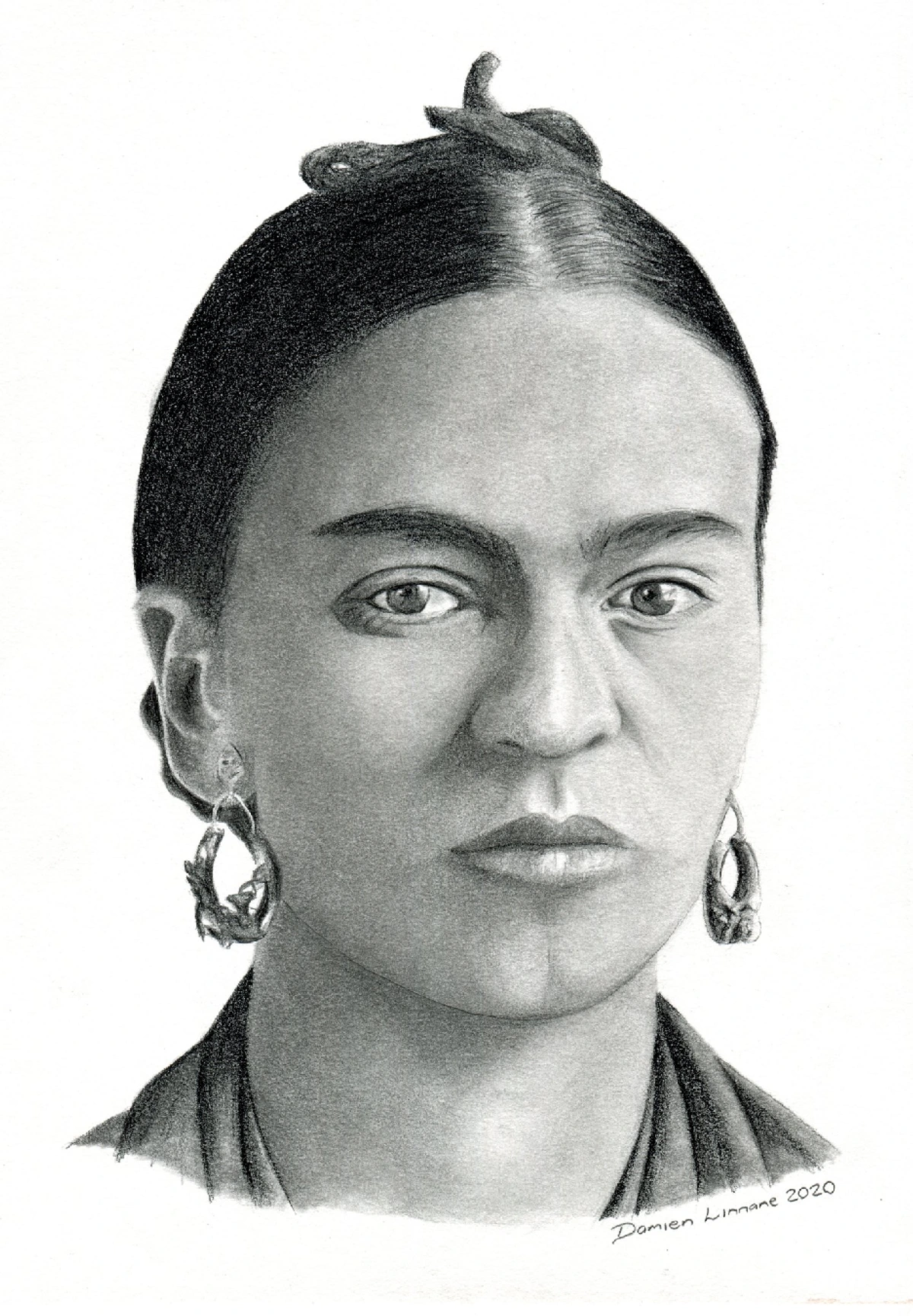
| Portrait | Depiction of a person | Exploring character, emotion, and likeness |
| Figure Drawing | Drawing of the human form | Understanding anatomy, gesture, and proportion |
| Life Drawing | Drawing from a live model | Capturing movement, energy, and immediacy |
| Sketching | Quick, preliminary drawings | Exploring ideas and capturing observations |
| Studies | Detailed exercises focusing on specific skills | Mastering particular techniques and concepts |
| Master Copy | Reproducing a master artwork | Learning technique and understanding artistic decisions |
| Plein Air | Painting outdoors from observation | Capturing natural light and atmosphere |
| Color Wheel | Circular arrangement of colors | Understanding color relationships and harmonies |
| Primary Colors | Basic colors that can't be mixed (red, blue, yellow) | Creating all other colors through mixing |
| Secondary Colors | Colors created by mixing primaries (orange, green, purple) | Creating intermediate color relationships |
| Tertiary Colors | Colors created by mixing primary and secondary colors | Creating nuanced color harmonies |
| Complementary Colors | Colors opposite each other on the color wheel | Creating high contrast and visual energy |
| Analogous Colors | Colors adjacent to each other on the color wheel | Creating harmonious and peaceful color schemes |
| Triadic Colors | Three colors equally spaced on the color wheel | Creating vibrant and balanced color combinations |
| Monochromatic | Variations of a single hue | Creating sophisticated and unified color schemes |
| Achromatic | Using only black, white, and gray | Creating dramatic and timeless compositions |
| Warm Colors | Colors associated with heat (red, orange, yellow) | Creating energy, intimacy, and forward movement |
| Cool Colors | Colors associated with coolness (blue, green, purple) | Creating calm, distance, and tranquility |
| Local Color | The natural color of an object under normal light | Establishing realistic color representation |
| Atmospheric Color | Color affected by distance and atmosphere | Creating depth and mood in landscapes |
| Lightfastness | A pigment's resistance to fading | Ensuring artwork longevity and permanence |
| Hue Shift | Change in color due to lighting conditions | Creating realistic color transitions and effects |
| Temperature Contrast | Difference between warm and cool colors | Creating depth, energy, and visual interest |
| Value Contrast | Difference between light and dark areas | Creating dramatic effects and defining form |
| Simultaneous Contrast | Colors appearing different when placed next to each other | Understanding color relationships and optical effects |
| Afterimage | Visual perception continuing after looking away | Understanding color psychology and perception |
| Color Harmony | pleasing color relationships | Creating balanced and unified artworks |
| Color Dominance | One color prevailing over others | Establishing mood and visual focus |
| Color Subordination | Supporting colors that don't dominate | Creating balanced and harmonious compositions |
| Neutral Colors | Colors with low saturation (browns, grays, muted tones) | Creating sophisticated and calming effects |
| Muted Colors | Colors with reduced intensity | Creating subtle and elegant color schemes |
| Jewel Tones | Rich, saturated colors like gemstones | Creating luxurious and vibrant artworks |
| Earth Tones | Natural, soil-like colors | Creating organic and grounding effects |
| Pastel Colors | Light, soft colors with low saturation | Creating delicate and gentle moods |
| High Key | Predominantly light values | Creating airy, optimistic, and soft atmospheres |
| Low Key | Predominantly dark values | Creating dramatic, mysterious, and moody atmospheres |
| Full Value Range | Complete spectrum from lightest to darkest | Creating dynamic and realistic artworks |
| Limited Value Range | Restricted range of light and dark | Creating specific moods and emphasizing other elements |

Resources for Continuing Your Journey
Learning traditional concepts is a lifelong journey. Here are resources to help you continue developing your skills:
Essential Books
Classics:
- The Principles of Art and Design by Robert C. Atkins
- Art & Perception by Rudolf Arnheim
- The Art Spirit by Robert Henri
- On Painting by Leon Battista Alberti
Modern Guides:
- Color and Light by James Gurney
- Figure Drawing: Design and Invention by Michael Hampton
- Composition: Understanding Line, Notan, and Color by Arthur Wesley Dow
- Creative Illustration by Andrew Loomis
Online Learning Platforms
Structured Courses:
- Schoolism.com (professional art instruction)
- New Masters Academy (comprehensive art education)
- Ctrl+Paint (digital painting fundamentals)
- Proko.com (figure drawing and anatomy)
Community Learning:
- Reddit's r/ArtFundamentals and r/LearnArt
- Discord art communities
- ArtStation Learning
- Skillshare art classes
Practice Tools and Exercises
Daily Practice:
- Gesture drawing websites (Line of Action, Quickposes)
- Perspective grid generators
- Color theory exercise generators
- Composition challenge prompts
Skill Development:
- Copy master artworks for technique analysis
- Create value studies from photos
- Practice color matching exercises
- Draw from life whenever possible
Museums and Galleries
Virtual Tours: Many major museums offer online collections and virtual tours that you can access from anywhere.
Local Resources: Visit local galleries, art schools, and community centers. Even small towns often have surprising art resources.
Artist Studios: Some artists open their studios to visitors or offer workshops. These can provide valuable insights into professional practices.
Professional Development
Artist Communities: Join artist collectives or online communities to share work and get feedback.
Mentorship: Find artists whose work you admire and see if they offer mentorship or critiques.
Teaching Opportunities: Sharing what you've learned through teaching reinforces your own understanding and builds your artistic network.
Exhibition Practice: Look for opportunities to show your work, even in small local exhibitions. The experience of preparing and presenting your art is invaluable.
Continuing Education
Workshops and Classes: Attend workshops with professional artists to learn specific techniques and approaches.
Art Retreats: Consider art retreats or residencies for focused time dedicated to your development.
Conferences and Symposia: Attend art conferences to learn about current trends and network with other professionals.
Advanced Degrees: For those interested in teaching or research, consider MFA or PhD programs in fine arts.
Remember that traditional concepts are not just techniques – they're a way of seeing and understanding the world. The more you practice and study, the more you'll find these principles appearing in everyday life, from architecture to advertising to the natural world around you. This expanded awareness will continue to enrich your artistic practice for years to come.









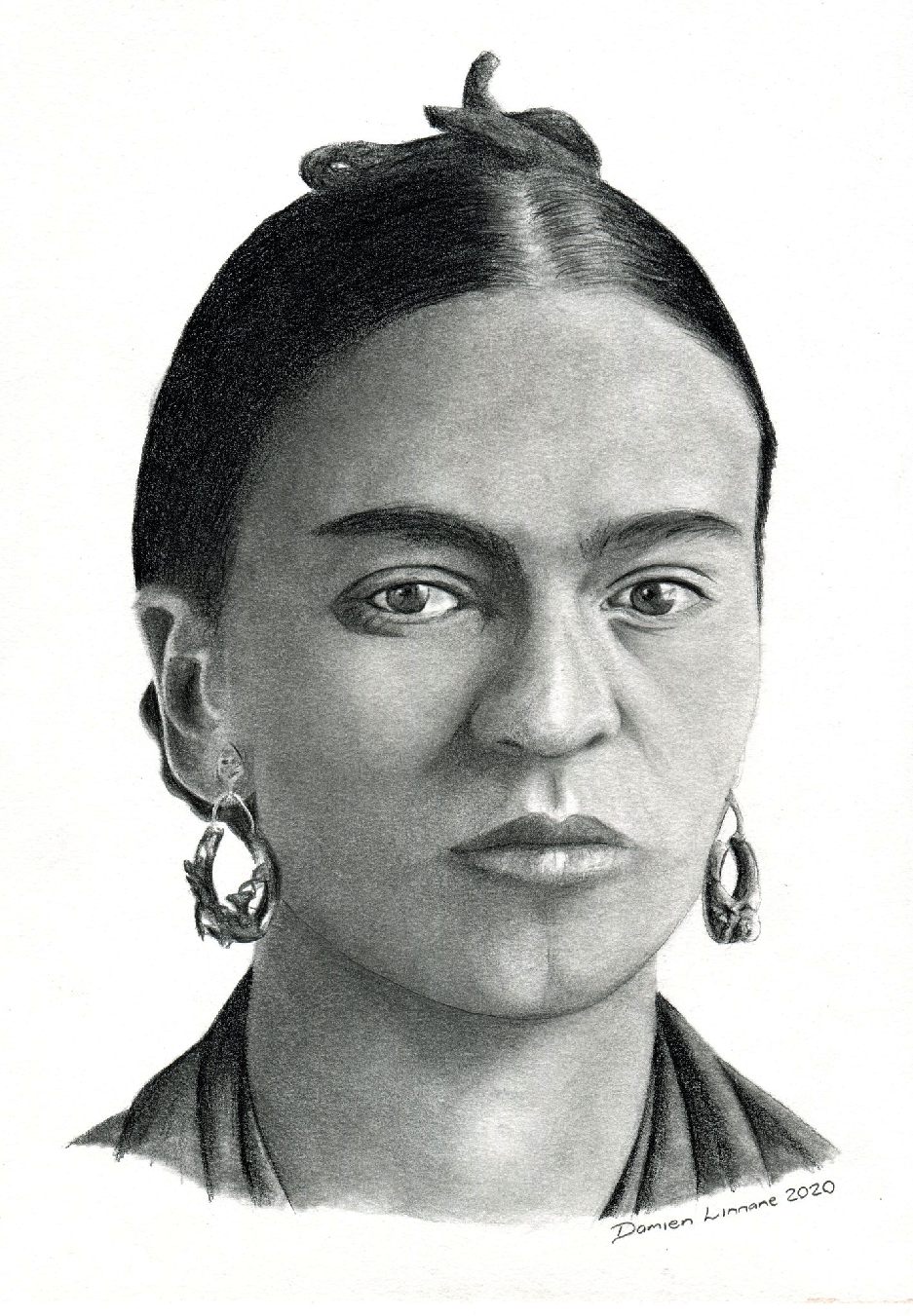
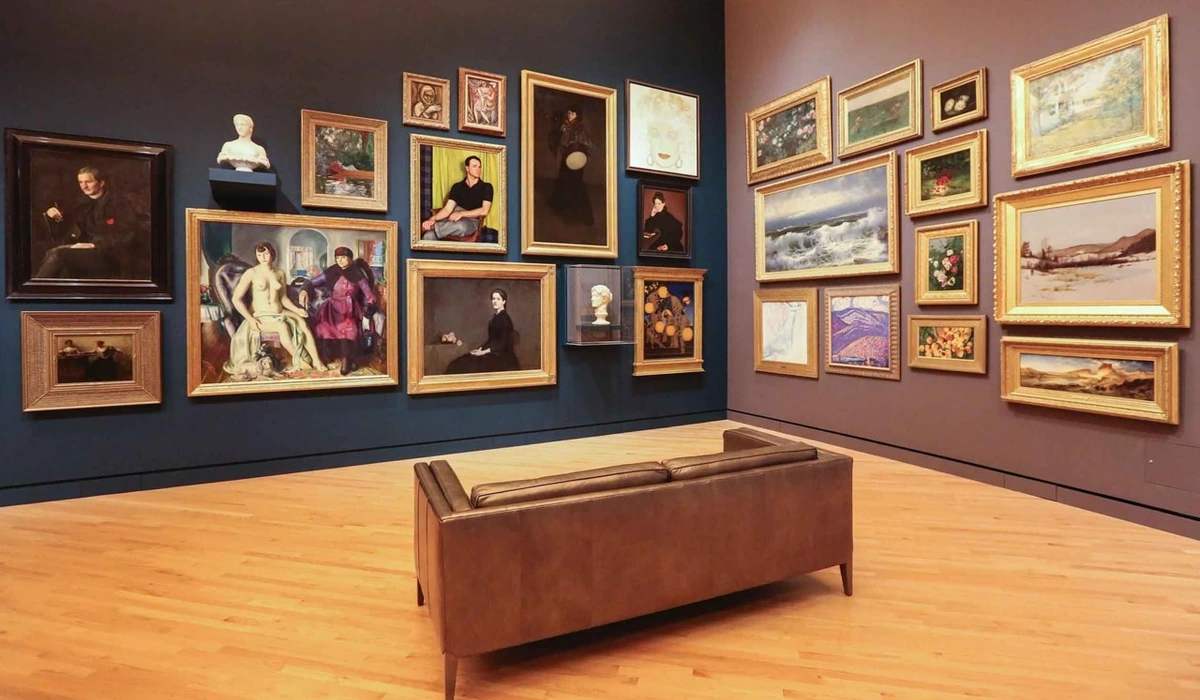
Explore contemporary interpretations in the museum | Discover works applying these concepts