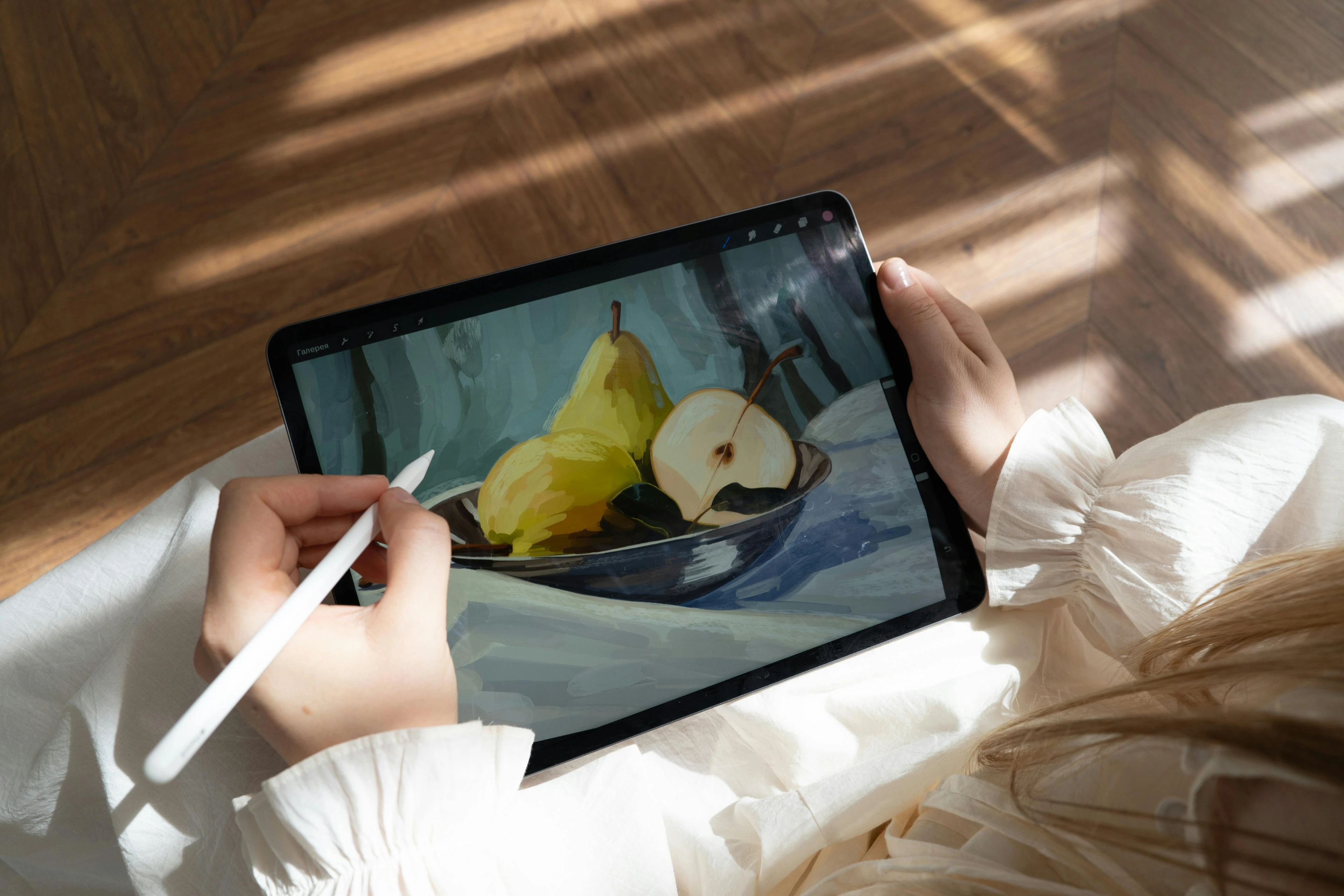
Still Life Painting: Decoding History, Symbolism & Modern Relevance
Unlock the silent language of still life art. Explore its profound history, hidden symbolism from ancient offerings to digital reflections, and why this genre remains essential for artists & viewers today.

What is Still Life Painting? Unpacking Art's Enduring Quiet Power & Secret Messages
I’m sitting here at my desk, much like you might be, and to my left, there's a half-empty mug of coffee, a slightly bruised apple I keep meaning to eat, and a stack of books I'm optimistically pretending I’m about to read. To most people, myself included on a less artistic day, it's just clutter. But to an artist? That's not just a story waiting to be told; it’s a moment waiting to be seen, to be imbued with meaning. I actually remember once, I was procrastinating on a big landscape piece, staring at a forgotten bowl of oranges on my studio table, their skins starting to wrinkle. Suddenly, I saw a whole narrative of fleeting beauty and the relentless passage of time right there. Look around you – that half-empty mug, that bruised apple. What if I told you that these everyday objects, arranged just so, speak a silent language, carrying hidden messages about life, death, temptation, and triumph that have echoed through centuries of art history? This, right there, is the profound power and quiet heart of a still life painting. We'll dive deep into its history, meaning, and surprising relevance today, from ancient offerings to digital reflections.
At its simplest, a still life is a work of art that depicts mostly inanimate objects. These can be natural things like food, flowers, and shells, or man-made items like books, vases, and musical instruments. The key, you see, is that the objects cannot move on their own. They are, quite literally, “still” – immobile, unchanging subjects that invite meticulous study. And sometimes, beyond just 'still', some still life embraces the playful deception of trompe-l'œil, convincing you these painted objects are real enough to touch. Imagine reaching out to pick up a painted grape, only to realize it's all an illusion – that's the magic. Artists like Samuel van Hoogstraten in the Dutch Golden Age were masters of this, creating works that blurred the line between reality and representation with astounding skill, not just for showmanship, but to challenge our very perception of reality, often embedding deeper philosophical questions about appearance versus truth, perhaps painting a perfectly rendered curtain that you swear you could draw aside. Even today, contemporary artists utilize trompe-l'œil in unexpected ways, from street art murals that trick the eye to digital installations that play with virtual depth.
But if you think it’s just about painting a boring bowl of fruit, a mere technical exercise, you're in for a profound surprise. This genre is a quiet, secret powerhouse of art history, packed with symbolism, deep emotion, and astounding technical brilliance.
The 'Still' in Still Life: Naming and Cultural Lenses on Inanimate Objects
You know, language tells you a lot about how cultures perceive the world. The English term "still life" is quite literal, focusing on the calm, unmoving aspect of the arrangement. But then there's the French, who call it nature morte, which translates to "dead nature." A bit grim, isn't it? This linguistic choice suggests a deeper emphasis on the transient nature of existence, the eventual return to inanimate matter, and a more somber, perhaps even philosophical, engagement with decay and mortality inherent in the subjects. The term nature morte also broadly encompasses any depiction of inanimate objects, including dead animals or hunted game, not just intentionally arranged artistic compositions. This difference in naming reflects a long-standing philosophical divergence in European thought, with the French often leaning towards a more existential contemplation of life's brevity. And then you have the Dutch, the absolute masters of the genre in its golden age, who called it stilleven, meaning "still life," much like the English. This term perfectly captures their focus on domestic scenes, material wealth, and the quiet beauty of everyday objects, often imbued with subtle moralizing messages without being overtly morbid, celebrating existence even as they hinted at its fragility.
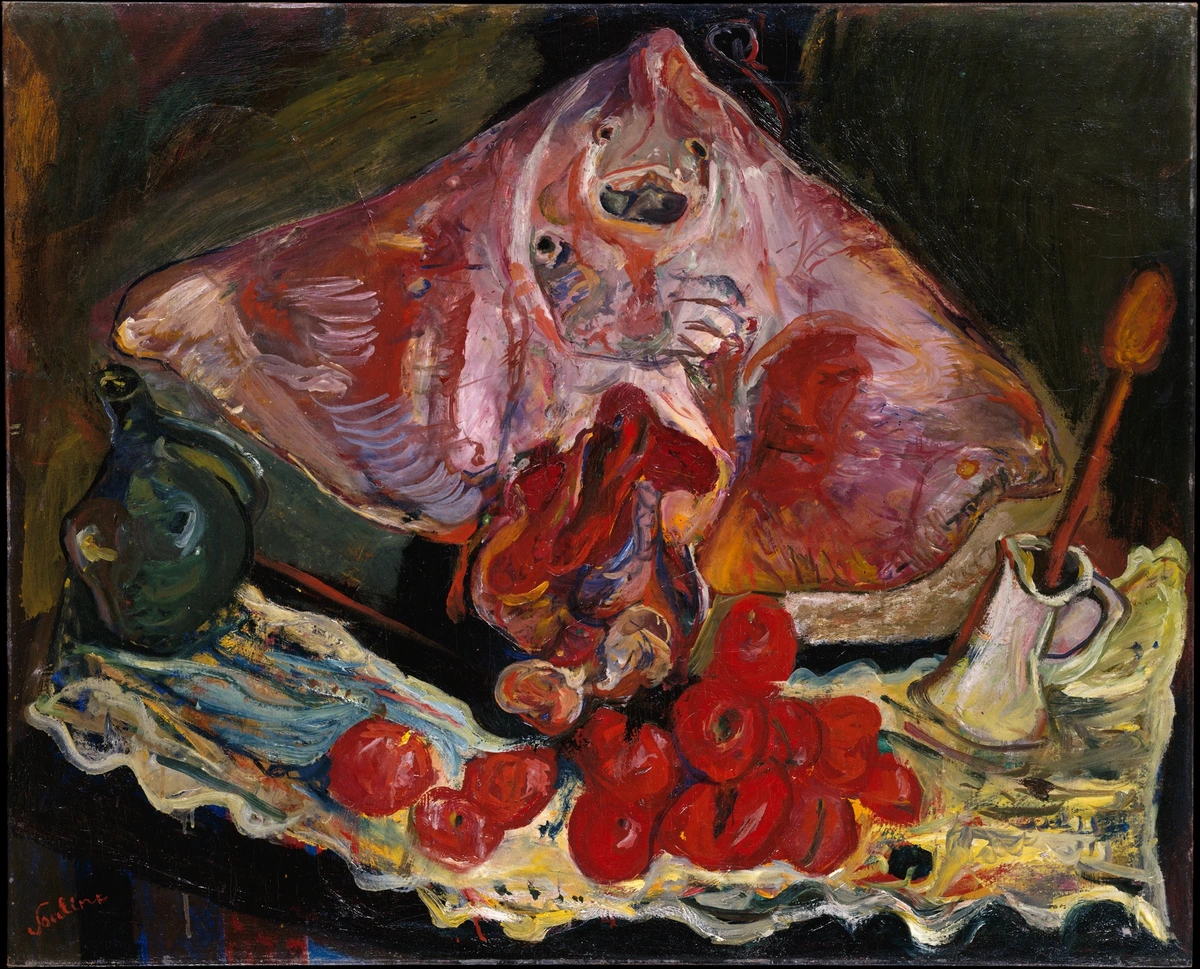
Isn't it fascinating how a simple translation can reveal such different perspectives? It’s not just about words; it hints at a deeper philosophical divide in how we can view the same subject, from a celebration of life's quiet moments to a contemplation of its inevitable end. And it also highlights how a single artistic genre can hold such a broad spectrum of interpretations. These linguistic choices aren't just semantic curiosities; they hint at profound philosophical and cultural underpinnings that would shape the still life's dynamic history, as artists across millennia sought to capture and imbue inanimate objects with meaning.
Term  | Language | Literal Meaning | Cultural/Artistic Implication |
|---|---|---|---|
| Still Life | English | Unmoving Life | Focuses on the stillness and arrangement, a captured moment, often emphasizing beauty. |
| Nature Morte | French | Dead Nature | Emphasizes the inanimate, often mortal, aspect, hinting at decay, brevity, and existential reflection. Can include broader depictions of non-living things, reflecting a more somber contemplation. |
| Stilleven | Dutch | Still Life | Similar to English, focuses on the quiet existence, a moment of tranquility, often celebrating domesticity and material prosperity with subtle moralizing, less overtly morbid. |
So, what's the big deal with these static scenes? The magic of still life, at its core, is about one thing: control. Unlike a landscape painter who has to chase the ever-changing light, or a portrait artist who deals with a fidgety subject (trust me, it’s a pain, the tyranny of a wiggly model is real!), the still life artist is a god of their own tiny universe. They choose the objects, meticulously arrange the composition, and control every aspect of the lighting. Every single element is a deliberate choice, a decision made to convey a specific message or evoke a particular feeling. This level of absolute stillness and control is a blessing, a unique power that other genres rarely afford. Imagine trying to capture the raw, fleeting energy of a performance artist, or the unpredictable dance of light in street photography – the still life artist works in a tranquil laboratory, every variable accounted for, every element a silent collaborator in the artistic vision. The challenge, of course, is preventing this absolute control from leading to sterile or overly academic work; the true genius lies in infusing it with genuine artistic vision and emotion. It's a stark contrast to the emerging world of AI-generated imagery, where the artist's hand is less directly involved, and the element of 'control' shifts to algorithms and prompts. While impressive, AI-generated images often lack the intentionality, subtle imperfections, and deeply personal touch that human artists imbue, making the human touch in traditional still life all the more poignant.
A Quick Jaunt Through History: More Dynamic Than You Think
This meticulous control, this quiet power over a tiny painted universe, has a rich and surprisingly dynamic history. It evolved from ancient times to become a cornerstone of artistic expression across cultures. The idea of painting everyday objects isn't new at all. In ancient Egypt, still life elements weren't just decorative; they were vital offerings painted in tombs, meant to magically sustain the deceased in the afterlife, reflecting a profound belief in eternal sustenance. Then, in the vibrant frescoes of Pompeii, Romans celebrated earthly abundance and pleasure, their detailed depictions of fruit, game, and bread a testament to daily life's bounty. Across continents, early Chinese decorative arts, with their meticulously crafted bronzes and ceramics, and the delicate botanical precision in Japanese woodblock prints, also emphasized a universal human desire to capture the tangible world and imbue it with cultural significance, often reflecting cosmological harmony or seasonal change. The symbolic arrangement of objects in various indigenous cultures, or specific offerings in spiritual practices globally, further underscore this universal impulse to find meaning in the material world. While European still life truly flourished later, similar artistic impulses to render objects exist across diverse traditions.
In the Renaissance, while still life wasn't yet a standalone genre, its elements began to appear with increasing prominence. Leonardo da Vinci, for instance, filled his sketchbooks with meticulous studies of plants and drapery, perfecting his ability to render the natural world. Artists like Caravaggio (though primarily known for his dramatic figural compositions) incorporated incredibly realistic still life elements into his religious works, such as the iconic basket of fruit in Basket of Fruit (c. 1599), elevating the genre with his dramatic use of light and shadow, and paving the way for its independent emergence.
But the genre, as we largely understand it in the West, truly exploded in the Netherlands during the 17th century, the famed Dutch Golden Age. This period, marked by immense prosperity from global trade and a burgeoning merchant class, created a fertile ground for still life to reflect both the material wealth and the moral anxieties of the time.
The Dutch Masters and Their Secret Messages
This is where things get truly fascinating. These weren't just pretty pictures of cheese and tulips meant to adorn a wealthy merchant's wall. Oh no, they were visual puzzles, packed with hidden meanings and moral lessons that only the initiated could fully decipher. Think of the meticulous detail in Willem Kalf’s opulent banquet pieces, like Still Life with a Chinese Porcelain Jar (c. 1669), or the profound quietude of Pieter Claesz’s breakfast scenes, often featuring half-eaten meals that hint at human presence just outside the frame, such as Still Life with a Roemer, a Crab and a Peeled Lemon (1641). Other masters like Jan Davidsz. de Heem dazzled with lavish displays of abundance in works like A Table of Desserts (1640), while Clara Peeters broke barriers as a female artist known for her intricate breakfast and banquet scenes. Johannes Vermeer, though famous for his genre scenes, often included meticulously rendered still life elements that contribute to the narrative, like the bread and milk in The Milkmaid (c. 1557-1558). Two major types emerged, reflecting the societal shifts of a newly prosperous nation:
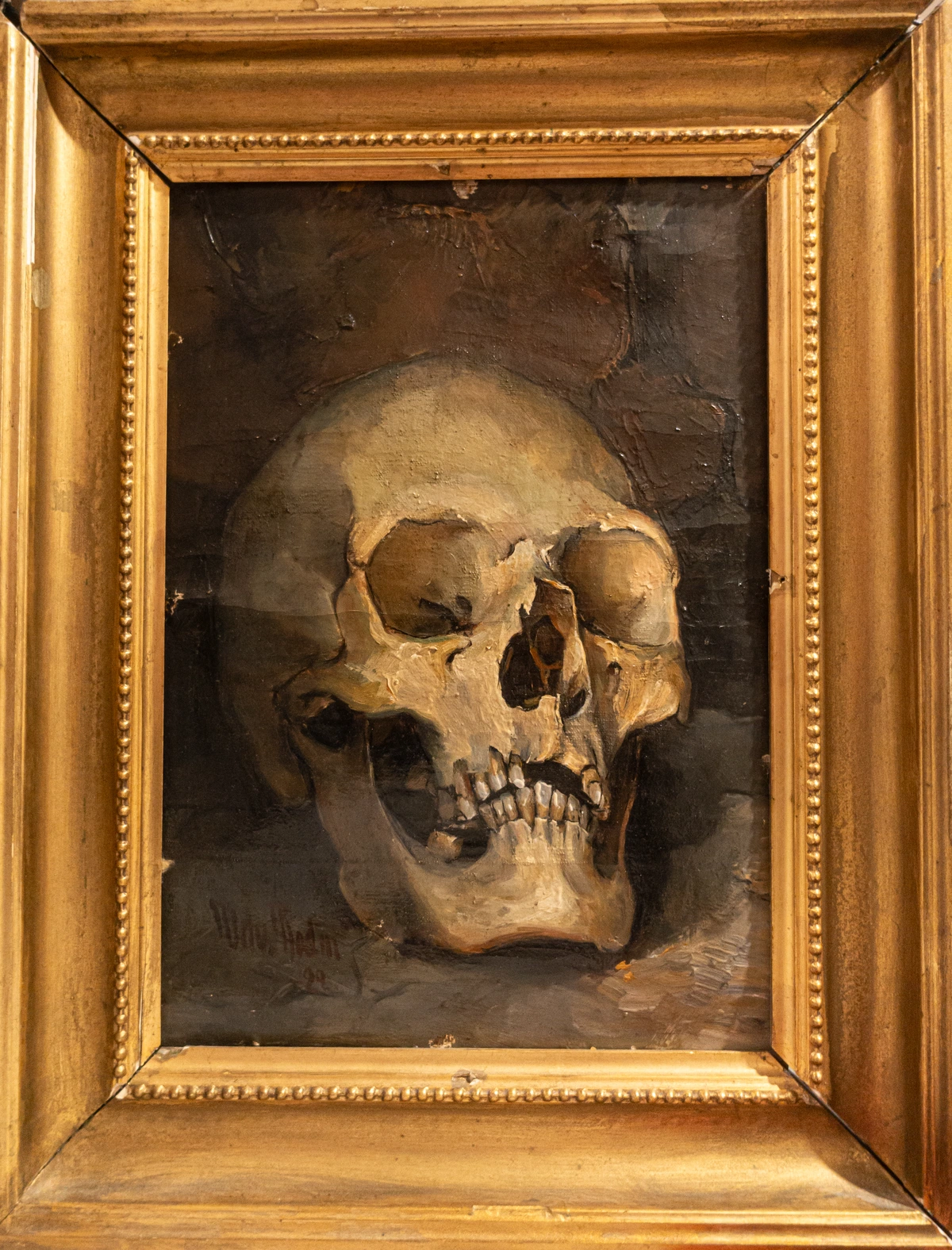
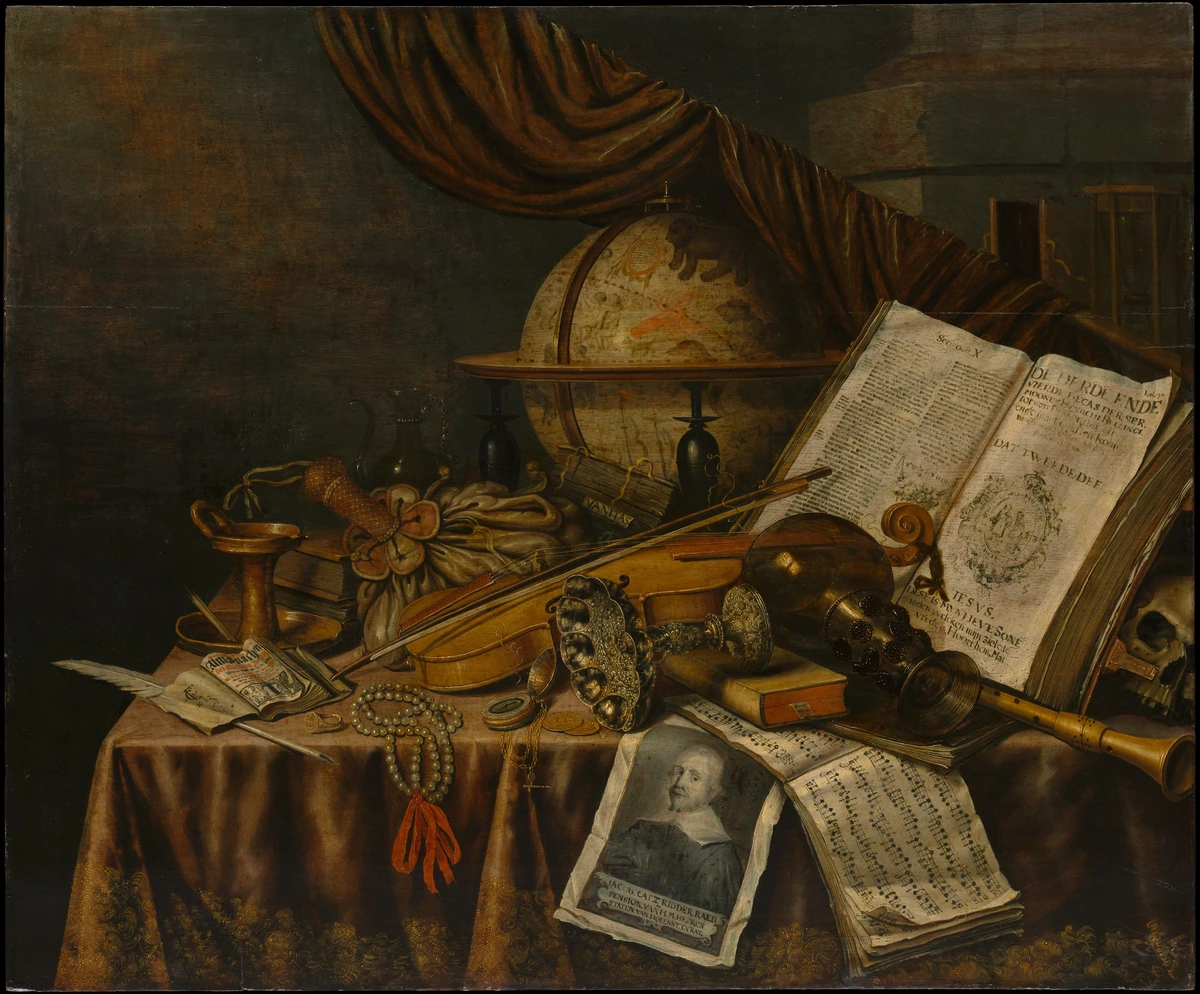
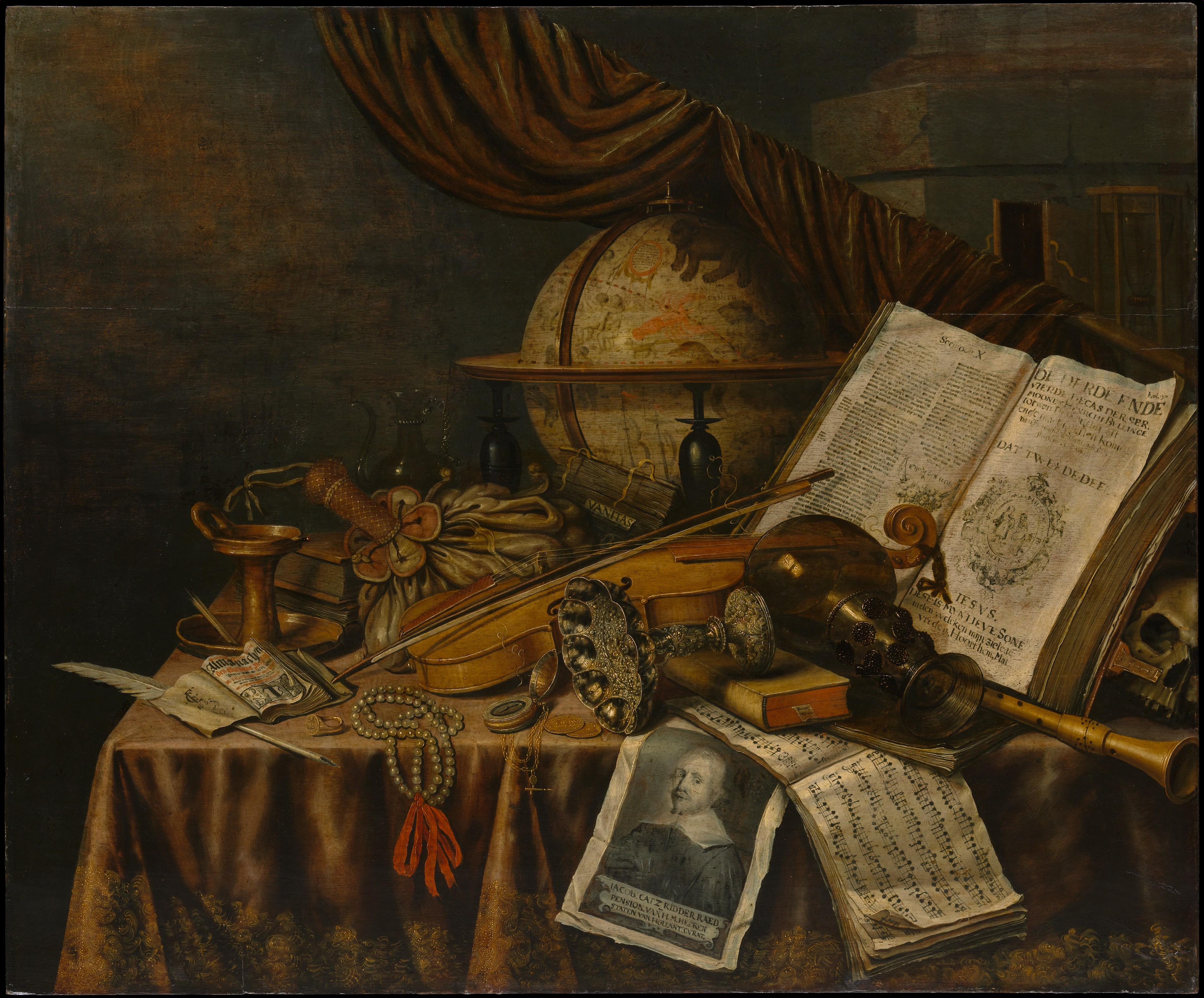
- Vanitas: These paintings were a profound artistic expression of memento mori for their time, a powerful reminder to live well, to consider life's ultimate fleeting nature. They were filled with symbols meant to remind the viewer of the brevity of life and the vanity of earthly pursuits. Think skulls (a common symbol of mortality), snuffed-out candles (life extinguished), hourglasses (time passing), and wilting flowers (ephemeral beauty). These resonated deeply in a society grappling with plague, religious shifts, and the inherent uncertainty of life, making them a beautiful, morbid, yet ultimately uplifting reminder that life is fleeting, so make it count. You can dive deeper into this fascinating subgenre with our guide, what is a vanitas painting.
- Pronkstilleven (Ostentatious Still Life): On the flip side, newly wealthy merchants wanted to show off their newfound status. Thanks to booming trade and colonial expansion, exotic goods poured into the Netherlands. These paintings were lavish displays of luxury goods—gleaming silver platters, exotic fruits (a pineapple was a huge deal back then, a true status symbol), and expensive textiles. It was the 17th-century equivalent of a carefully curated Instagram feed, a vibrant public ledger of success, much like today's carefully curated online personas and material possessions. Interestingly, while seemingly opposite to vanitas, many pronkstilleven pieces contained subtle memento mori symbols, hinting that even the greatest wealth and luxury are fleeting.
Modern Art Blows It All Up (in a Good Way)
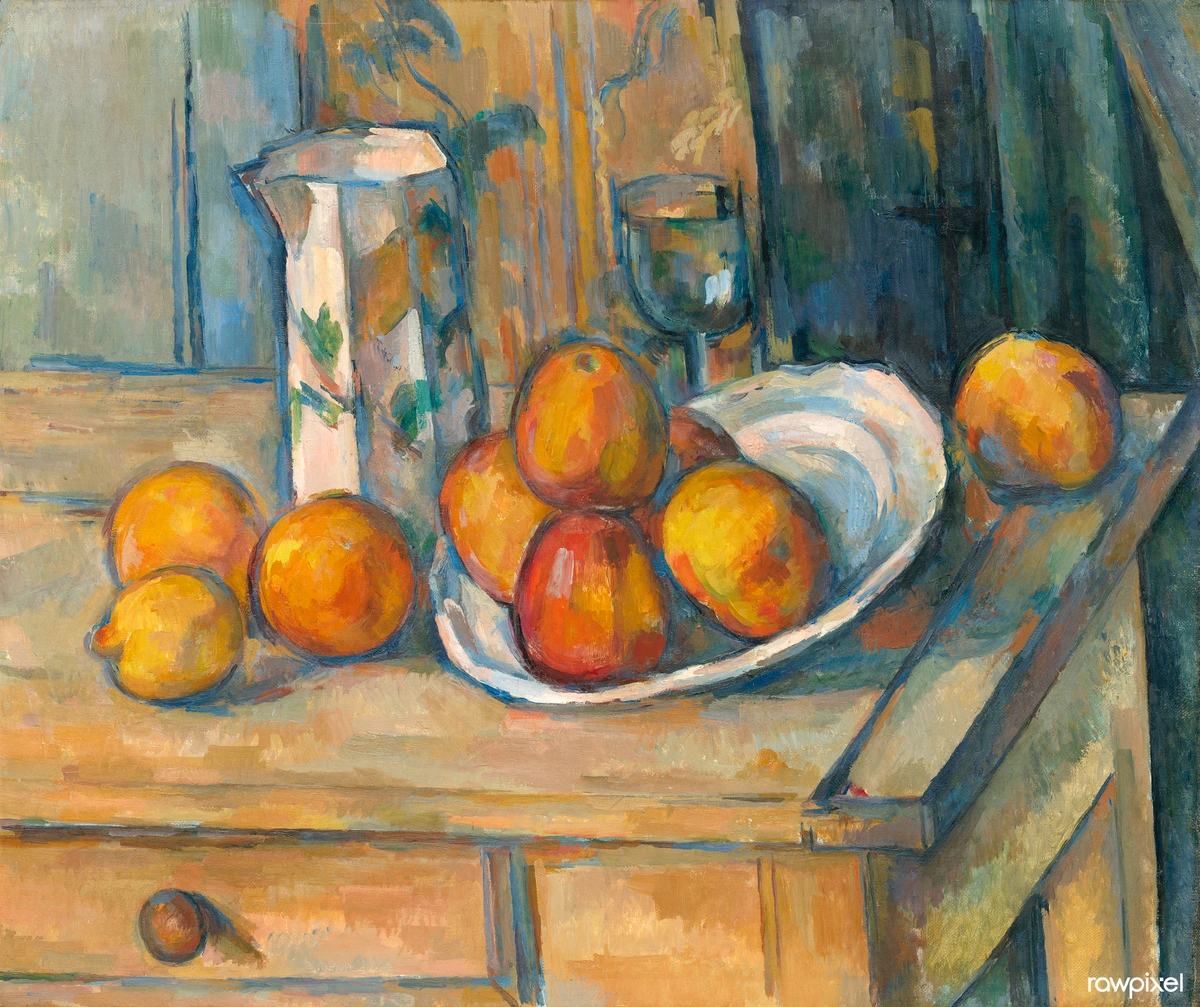
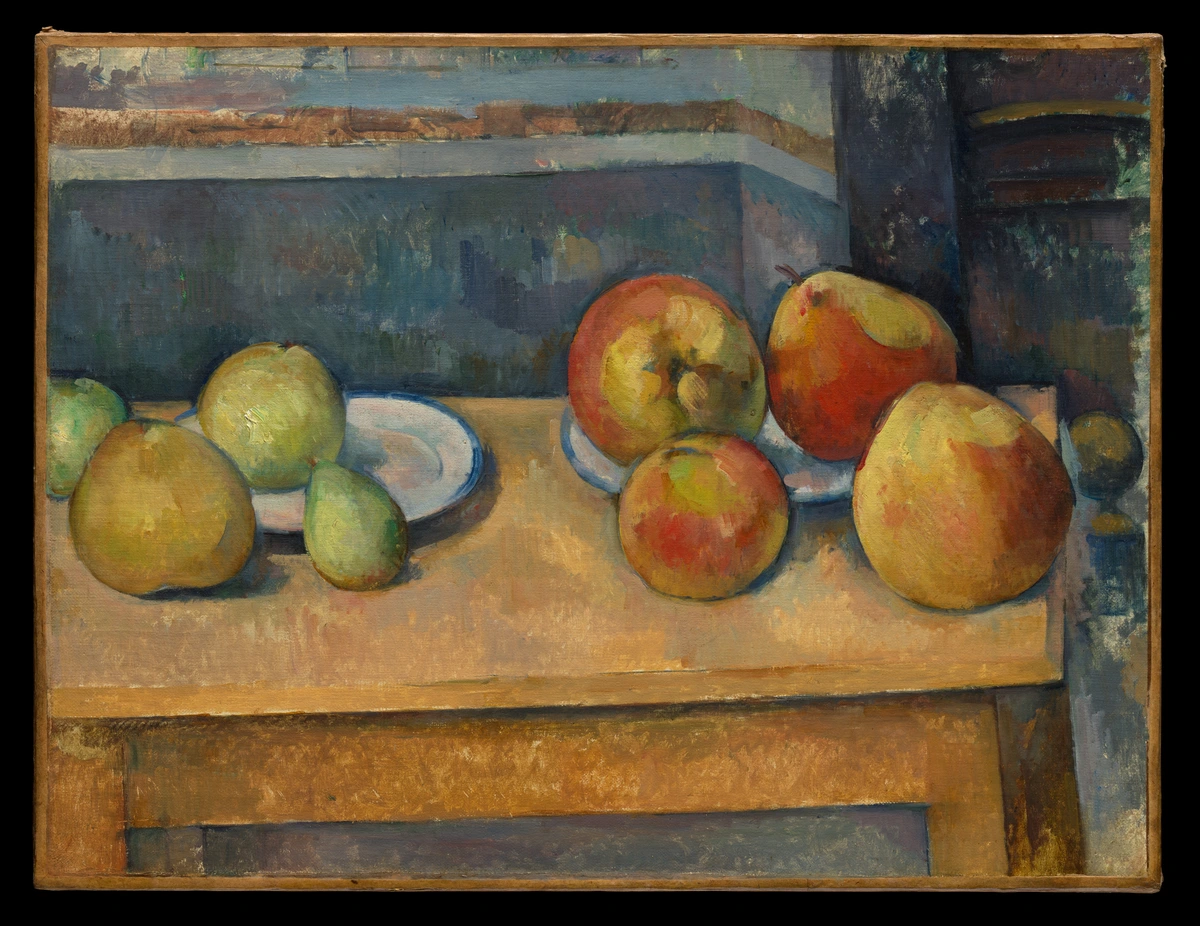
For a long time, still life was, unfairly I think, considered a lower form of art, a mere technical exercise. But then came revolutionary artists like Paul Cézanne, who used it not just to depict, but to truly revolutionize painting. He wasn't interested in painting a perfectly realistic apple; he was obsessed with the apple's underlying shape, its color relationships, its weight, and how it occupied space. He famously said, "With an apple, I will astonish Paris!" And honestly, when you consider the sheer audacity and genius wrapped up in that simple statement, it's breathtaking. His explorations of form and color in still life, like his many paintings of apples and oranges (e.g., Still Life with Apples and Oranges, c. 1895-1900), became foundational for Cubism and other modern movements, demonstrating that art could represent objects not just as they appear, but as they exist in space, from multiple viewpoints simultaneously. Even Impressionist and Post-Impressionist artists, while often focusing on landscapes or portraits, used still life studies to explore light, color, and brushwork in intimate settings, bridging traditional realism with emerging modern sensibilities.
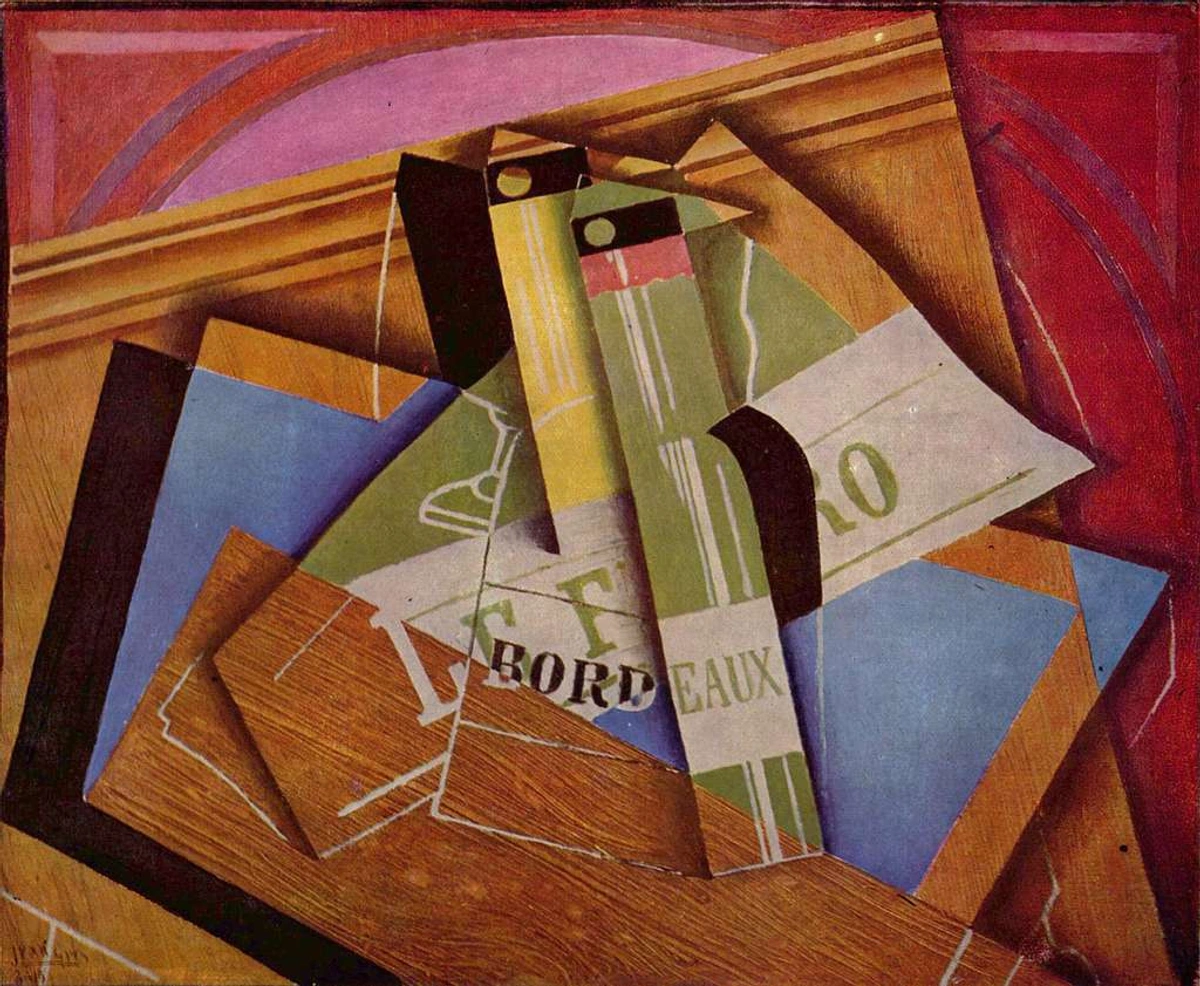
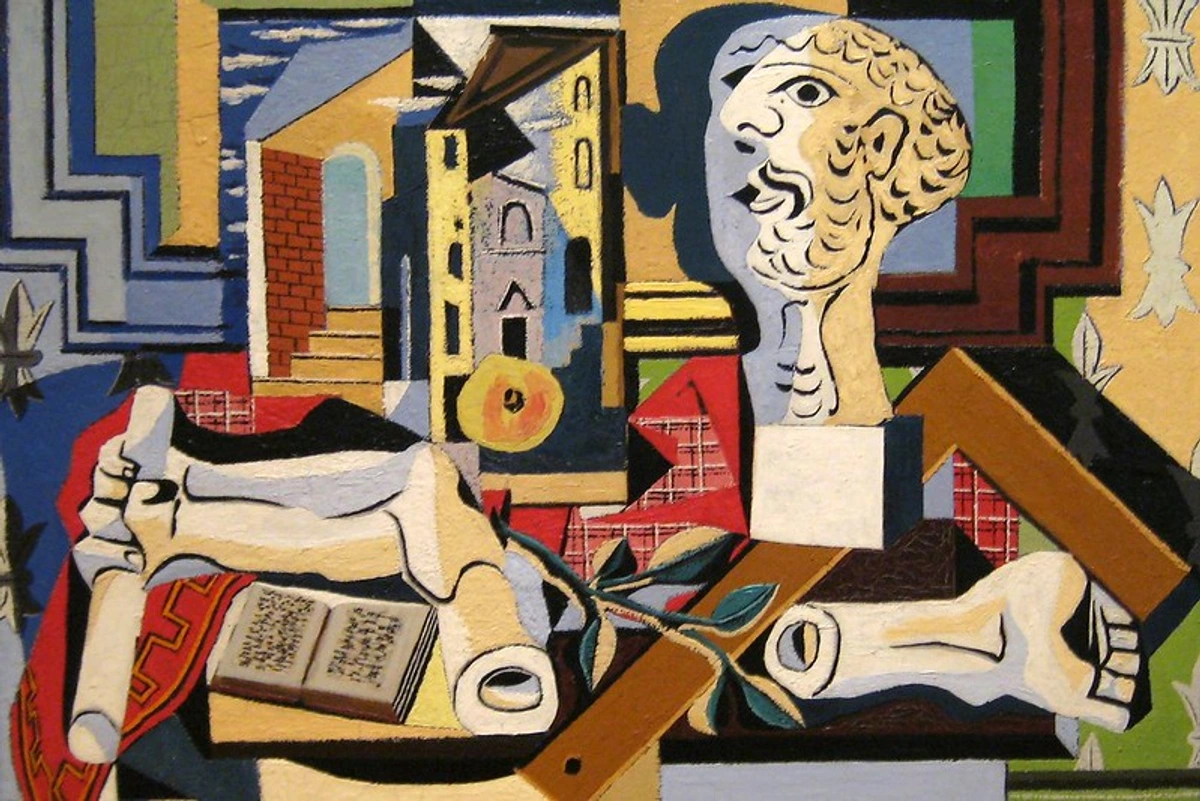
Then the Cubists, like Pablo Picasso and Juan Gris, took it a radical step further. They didn't just bend reality; they shattered it, then meticulously reassembled the fragments on canvas, showing us how an object could be perceived from multiple angles simultaneously. Think Picasso's Still Life with Mandolin and Guitar (1924), where the instrument is fractured and its planes shifted, revealing its inner structure and outer form all at once. Or Juan Gris's Bottle of Bordeaux, Glass, and Newspaper (1913), where elements are flattened, layered, and presented from various perspectives, inviting the viewer to mentally reconstruct the object in its entirety. This was a complete deconstruction and reconstruction of reality, mirroring the burgeoning world of photography which was also teaching artists new ways to perceive and frame the world, often focusing intently on isolated objects, much like a still life. Key distinctions emerged, like Analytical Cubism, breaking objects into geometric facets to show them from all sides simultaneously, and Synthetic Cubism, which used collage and simpler, flatter shapes to build up a new reality. You can explore more about this groundbreaking movement in our ultimate guide to cubism.
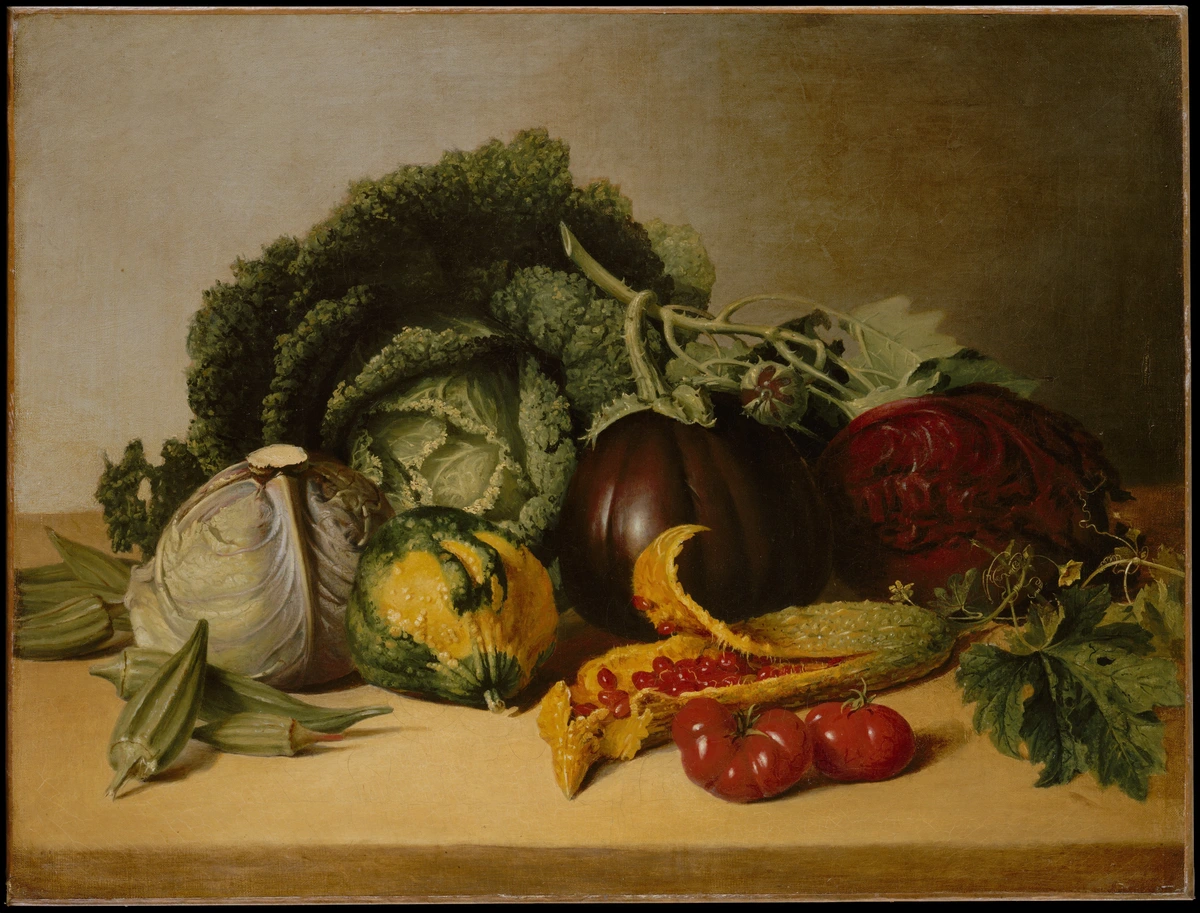
And of course, who can forget Andy Warhol? His iconic Campbell's Soup Cans (1962) turned a mundane, mass-produced object into high art, proving that a still life in the 20th century could be about consumer culture and branding just as much as a 17th-century one was about mortality or prosperity. It was a potent commentary on commercialism, mass production, and the blurring lines between high art and everyday life, effectively democratizing the art object itself and bringing everyday items into the exclusive realm of 'high art'. This was a key tenet of the broader Pop Art movement, which embraced popular culture and advertising imagery, asking us to reconsider what truly constitutes 'art'.
Still Life in the 21st Century: Digital Reflections and Curated Selves
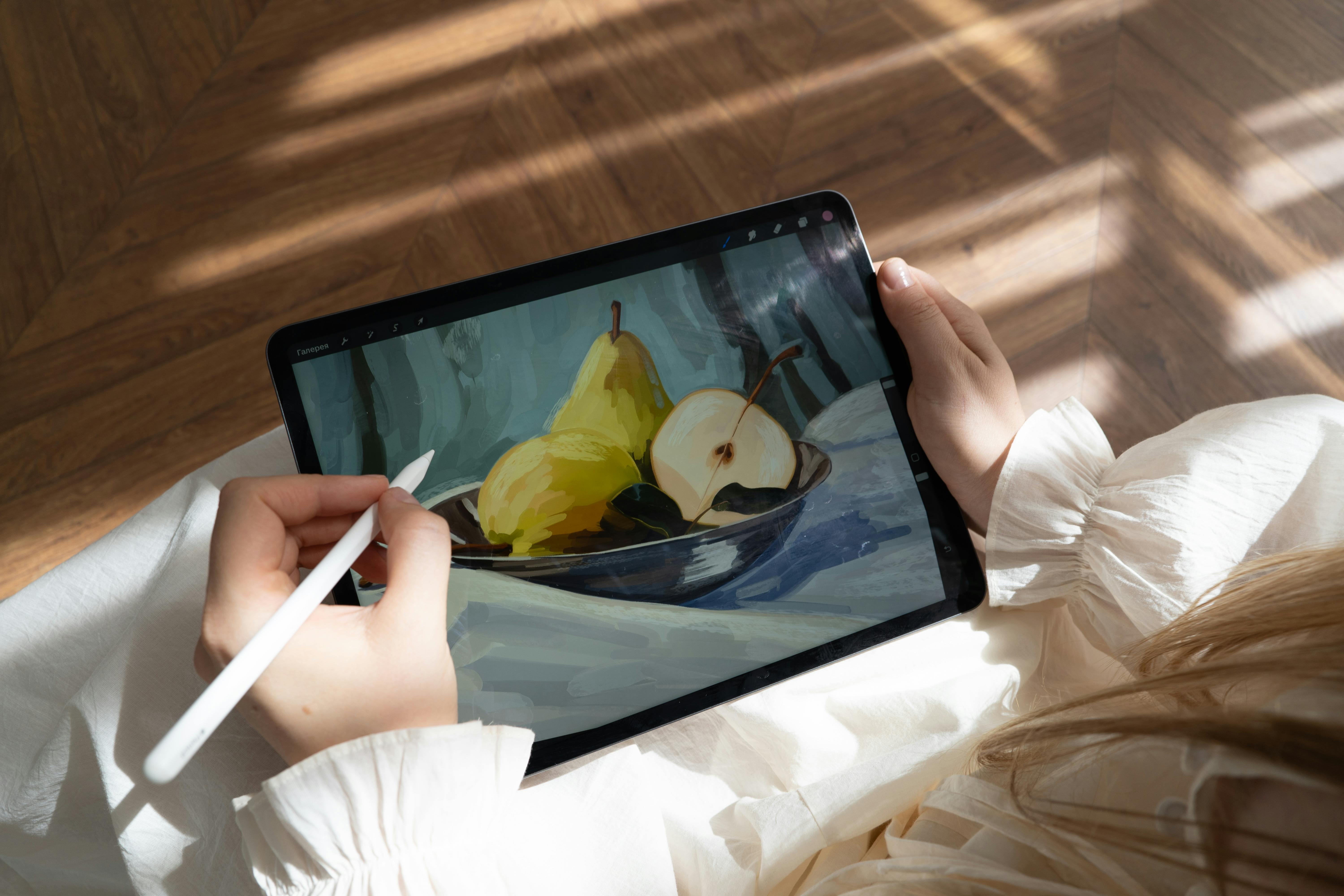
Today, artists, myself included, find the still life format incredibly potent for exploring a vast array of contemporary themes. Whether it’s capturing the chaotic glow of endless scrolling and digital notifications – a truly modern vanitas reflecting digital overconsumption – or exploring personal narratives, identity, and social commentary through carefully arranged personal objects, the genre continues to evolve. It's a way to slow down, observe, and imbue the seemingly ordinary with extraordinary meaning. We're even seeing the emergence of "digital still lifes," where artists meticulously arrange virtual objects, create curated screen captures, or manipulate existing digital assets to comment on our increasingly screen-mediated existence and the curated self in the digital age. Imagine an artist meticulously arranging a virtual bowl of decaying pixels, a screen capture of a perpetually scrolling newsfeed, or a composition of unopened notification icons and discarded digital files. These are the still lifes of our time, speaking to new forms of abundance and anxiety, commenting on themes like digital fatigue, information overload, the fleeting nature of viral trends, or environmental concerns through virtual waste and planned obsolescence.
This deliberate arrangement of objects in the digital sphere, whether personal items on a social media feed or meticulously crafted virtual spaces, mirrors the historical impulse of still life. It raises profound questions about authenticity versus performance, possession versus presentation, and the value we assign to both tangible and intangible objects in our lives. Just like the Dutch merchants carefully displayed their Pronkstilleven, we now meticulously curate our digital displays for a global audience, creating a modern form of status signaling, but also a contemporary vanitas, reminding us of the fleeting nature of online presence and the anxieties of digital consumption. While AI can certainly generate impressive images of still life, the true power of contemporary still life often lies in the human intention, the critical questions it poses about our relationship with technology and consumption, and the unique imperfections that signal a human touch. The still life remains a powerful, adaptable lens through which to examine our relationship with the material (and immaterial) world.
Still life principles also extend beyond painting. Contemporary sculptors and installation artists often create arrangements of objects that function as three-dimensional still lifes, using physical space and found objects to evoke similar themes of symbolism, memory, and social critique.
Decoding the Hidden Meanings: Symbolism in Still Life
Okay, this is my absolute favorite part. The objects in a still life are rarely just objects. They're part of a visual conversation, a carefully coded message waiting for you to decipher it. Once you learn to read this secret language – these visual building blocks that artists use to construct narratives – you'll never look at an old painting, or even your own surroundings, the same way again. It's like unlocking a hidden layer of meaning, or learning a secret handshake with history. These ancient symbols, once painted in oils, find new resonance in our digital lives, reminding us of enduring human truths and offering a profound insight into how our material world reflects our inner one. As you'll see in countless examples, these symbols are not just abstract ideas; they manifest visually, inviting us to look deeper.
Object | Common Meaning(s) | Specific Nuances/Context | How to Apply Today (still life symbolism for beginners) |
|---|---|---|---|
| Skull | Mortality, death, a classic memento mori, the ultimate equalizer. | Emphasizes the inevitability of death and the ephemeral nature of life. Often central in vanitas paintings. | Consider where you see symbols of mortality reflected today – in news headlines, health campaigns, or personal mementos that remind you of life's brevity. |
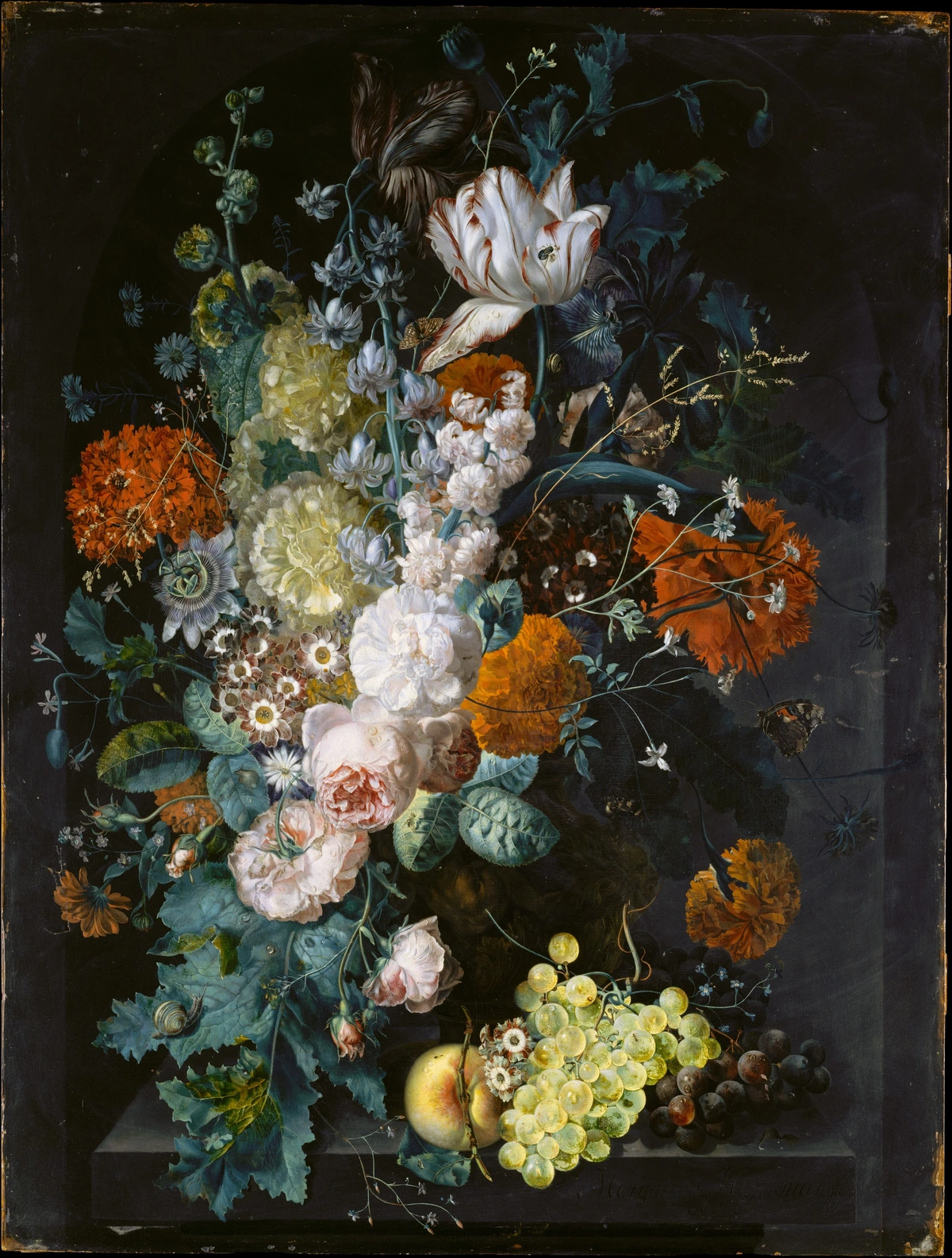
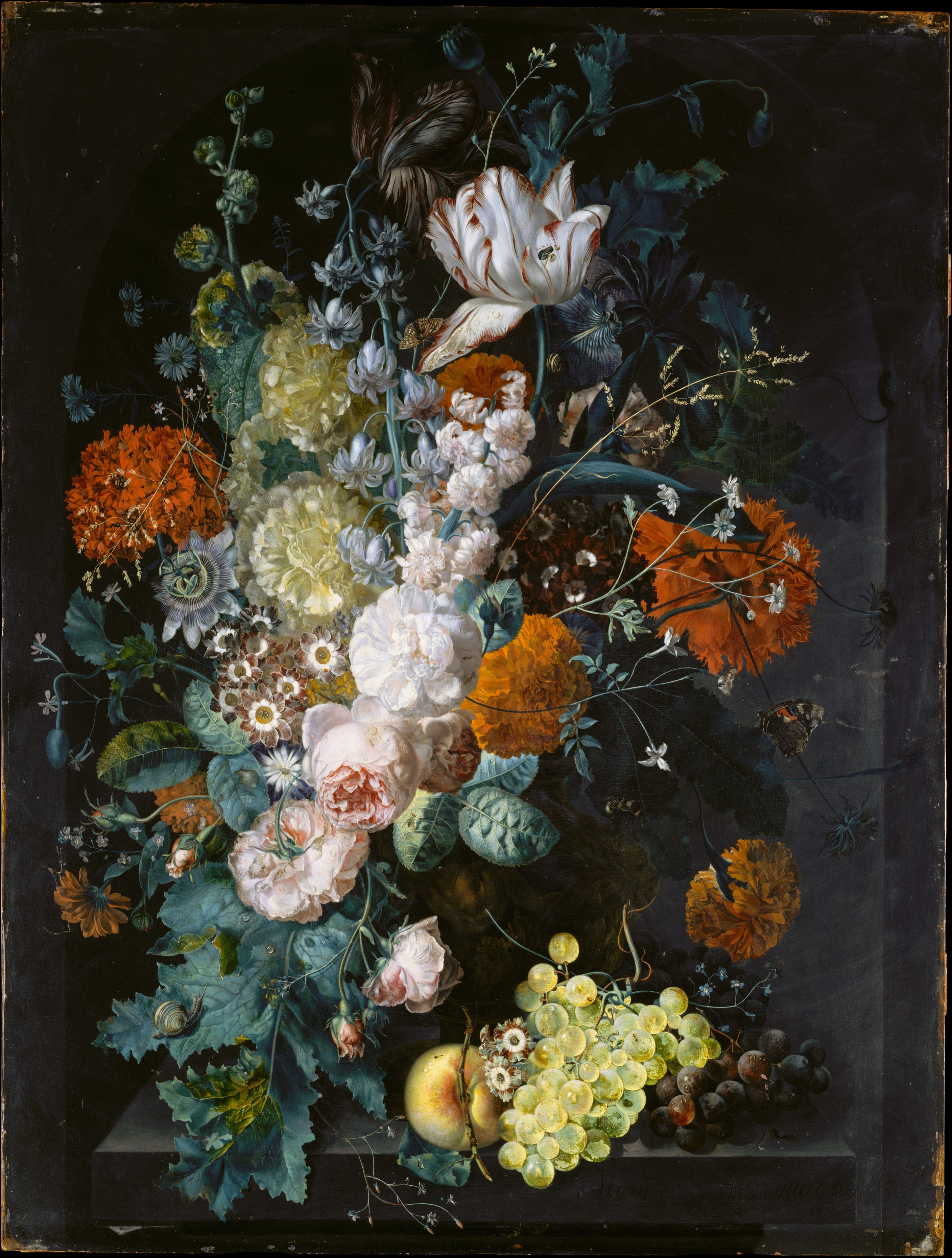
| Flowers | Life's beauty and its fleeting nature, fragility. | A rose might symbolize love, a lily purity. Wilting flowers strongly signify decay and the passage of time, while overblown flowers might hint at vanity. Think Jan van Huysum's lush, yet subtly decaying, floral arrangements. Learn more about flower symbolism here. | Observe the lifecycle of plants around you; how does their ephemeral beauty resonate with your own experiences of transience and growth? |
| Fruit (Ripe) | Abundance, fertility, the sweetness of life, temptation. | An apple can signify temptation or knowledge (think Eve); grapes, excess or divine blood. Pieter Aertsen's market scenes are full of such bounty. | How do contemporary advertisements use images of ripe fruit to symbolize prosperity, health, or indulgence? What does fruit mean in your own still life arrangements? |
| Fruit (Decaying) | The inevitability of decay and death, the passage of time. | A stark reminder of life's impermanence and moral decay. Often appears in Dutch Golden Age works to subtly moralize. | What objects in your daily life show signs of wear and tear, and what stories do they tell about time passing or the impermanence of material things? |
| Peeled Lemon | Beautiful on the outside, but sour on the inside. | Symbolizes that things aren't always what they seem, or the bitterness and challenges of life beneath a pleasant exterior. A common motif in Dutch breakfast pieces, often conveying a subtle moral message. | Think about appearances versus reality in daily interactions or media. What objects in your modern life represent this duality? |
| Books/Maps | Knowledge, learning, the pursuit of the mind, wisdom, exploration. | Open books suggest active study; closed books, accumulated wisdom. Maps hint at travel, vastness of the world, or human ambition. Think of Vermeer's The Astronomer with its prominent globe. | What knowledge sources do you value today (digital or physical), and what do they represent about your pursuits and desire for understanding? |
| Musical Instruments | The pleasures of the senses, harmony, or discord. | Often a symbol of the transient nature of earthly delights, as music fades after being played, a vanitas reminder. Also represents the fleetingness of human skill and artistic endeavors. | Consider how fleeting sensory experiences (music, taste, smell) offer temporary joy but also a reminder of impermanence in your own life. |
| Clock or Hourglass | The passage of time, the fleeting moment, eternity. | A direct representation of time's relentless march. Almost universally found in vanitas paintings to drive home the message, emphasizing life's finite nature. | How do you track or perceive the passage of time in your busy modern life? What contemporary objects serve as a constant reminder of time's relentless flow? |
| Insects | Transience, decay, the short duration of life, corruption. | Butterflies: resurrection, transformation. Flies: decay, pestilence, corruption. Moths: attracted to fleeting light, vanity. Often subtly placed in opulent Dutch still lifes as a memento mori. | Notice the small, seemingly insignificant details in your environment; what hidden meanings might they hold about life's cycles or hidden threats? |
| Shells | Travel, rarity, vanity, or the beauty of nature's creations. | Often linked to distant lands, exotic trade, and the transient nature of beauty or wealth. Prized possessions in 17th-century cabinets of curiosities, symbolizing global reach and luxury. | What 'exotic' or prized objects do you collect, and what do they say about your values, travels, or aspirations for status? |
| Coins/Jewelry | Wealth, greed, earthly possessions, status. | A clear indicator of prosperity, but also a warning against avarice and the fleeting nature of material gain, especially in a vanitas context. It's often a symbol of transient worldly success. | Reflect on the material possessions you value; are they for status, comfort, or something deeper? How do modern objects of wealth reflect these timeless concerns? |
| Drapery | Luxury, concealment, a display of artistic skill. | Rich fabrics signify wealth, while their folds demonstrate the artist's mastery of texture and light. Often used as a backdrop to highlight other objects, creating drama and depth. | How do textures and fabrics in your home contribute to the mood or reflect your status? What do they conceal or reveal? |
| Candle (Lit/Snuffed) | Divine presence, fleeting life, knowledge, hope. | A lit candle represents life or enlightenment, while a snuffed candle strongly signifies death or the end of life, a powerful vanitas symbol. It embodies the fragility of existence. | Think about sources of light in your life, literal or metaphorical, and what they signify about presence, absence, hope, or the inevitable end. |
| Ships/Anchors | Travel, exploration, hope, stability, salvation. | A ship can represent a journey through life; an anchor, steadfastness or a safe harbor, especially pertinent in maritime-influenced still lifes. | What gives you a sense of stability or adventure in your own life's journey? What are your anchors in a constantly changing world? |
| Empty Vessels/Goblets | Loss, absence, emptiness, passing pleasures. | Can suggest the absence of life, the ephemeral nature of joy or sustenance, or simply a moment of pause. Often a subtle memento mori or a reflection on fleeting contentment. | Consider what absences or unfilled spaces in your life resonate with meaning. What do empty vessels on your digital desktop, like a cleared inbox, signify? |
| Glass/Crystal | Fragility, purity, clarity, transparency, reflection, luxury, the fleeting nature of existence. | Empty glasses can signify loss or absence; full glasses, abundance or pleasure. Their reflective surfaces often incorporate the artist's studio or subtle self-portraits, drawing the viewer in. | What modern objects in your environment are clear, fragile, or highly reflective? What do their reflections show you about your surroundings, yourself, or the deceptive nature of appearances? |
The Enduring Power of the Ordinary: Why Still Life Still Matters Today
So, in a world of digital art, AI-generated imagery, and abstract expressionism, why would anyone still bother to paint a still life? Is it just for traditionalists? Absolutely not. Because, frankly, it’s the best training ground an artist could ever ask for. Seriously. It teaches you absolutely everything, from the fundamentals to subtle nuances, and your models never complain. For an artist, that’s priceless; you’d be surprised how much energy you save just knowing your subject will stay put. But more than that, it's also a powerful vehicle for profound artistic expression in its own right, offering unique emotional resonance by transforming the mundane into the significant.
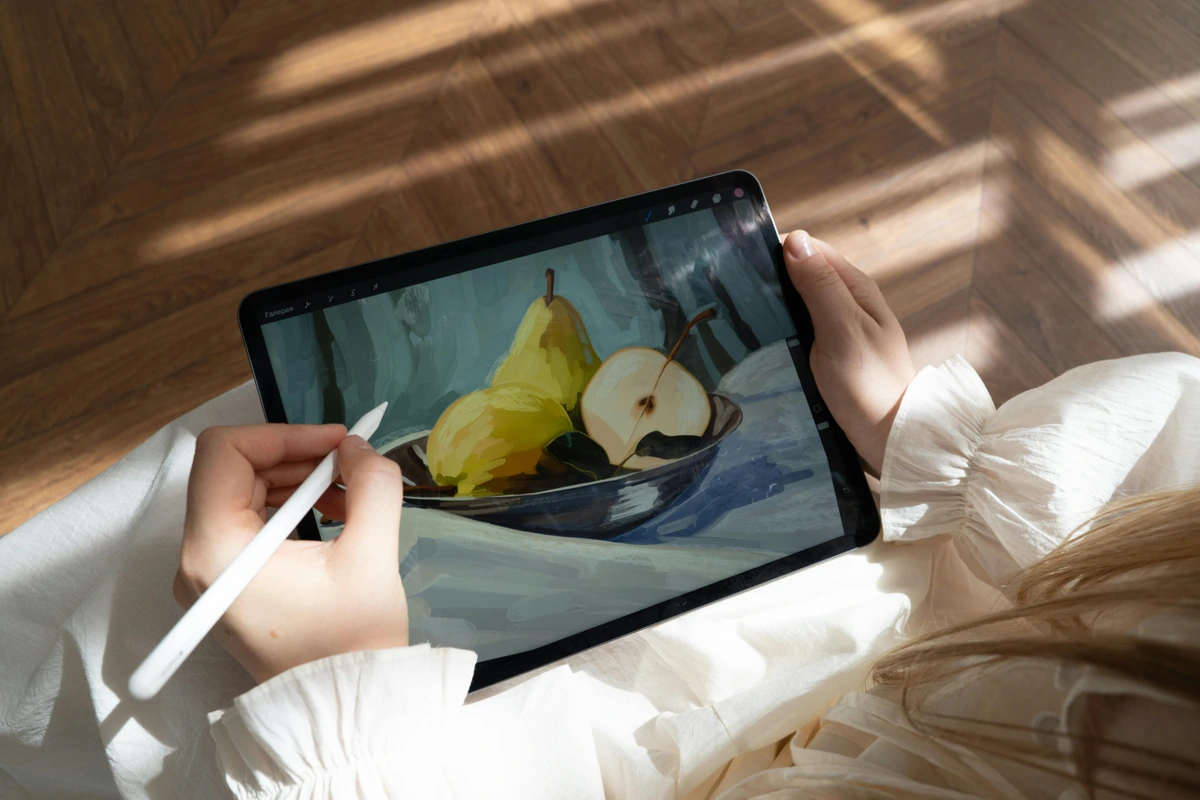
- Composition: How do you arrange objects to be visually pleasing? How do you lead the viewer's eye through the painting, creating balance and tension, and managing the "visual weight" of each element? Still life teaches you the principles of still life composition and broader composition in art in a controlled environment, where every element can be tweaked. It's a masterclass in visual storytelling through arrangement, demonstrating how proximity, scale, and placement within the frame can profoundly impact narrative.
- Light & Shadow: You have complete control over your lighting setup. This allows you to deeply study how light falls on a round surface versus a flat one, how shadows define form and create depth, and how to manipulate light to establish a specific mood or atmosphere (think dramatic chiaroscuro, that intense contrast between light and dark, which is a whole lesson in itself!). It’s also a fantastic way to master light in art. Artists, much like scientists, can systematically vary lighting conditions to understand fundamental truths about form and space.
- Color & Texture: How do you render the waxy skin of an apple, the rough peel of an orange, the delicate petals of a flower, the smooth, cool surface of a ceramic vase, and the gleaming reflection on polished silver all in one painting? That's the challenge! It's an incredible way to undertake pure genre studies – that is, a dedicated focus on a specific category of subjects – by honing in solely on the tactile qualities of objects, exploring how light interacts with varied surfaces and discerning the colors that truly capture their essence. Learning how artists use color is fundamentally honed here. It’s about more than just matching a color; it’s about capturing its feeling. My own abstract work, while not literal still life, often begins with this intense focus on color interaction and texture, just on a more conceptual plane. In fact, many abstract artists begin their journey with rigorous representational still life studies, as understanding these fundamentals is crucial for deconstructing and reinterpreting reality.
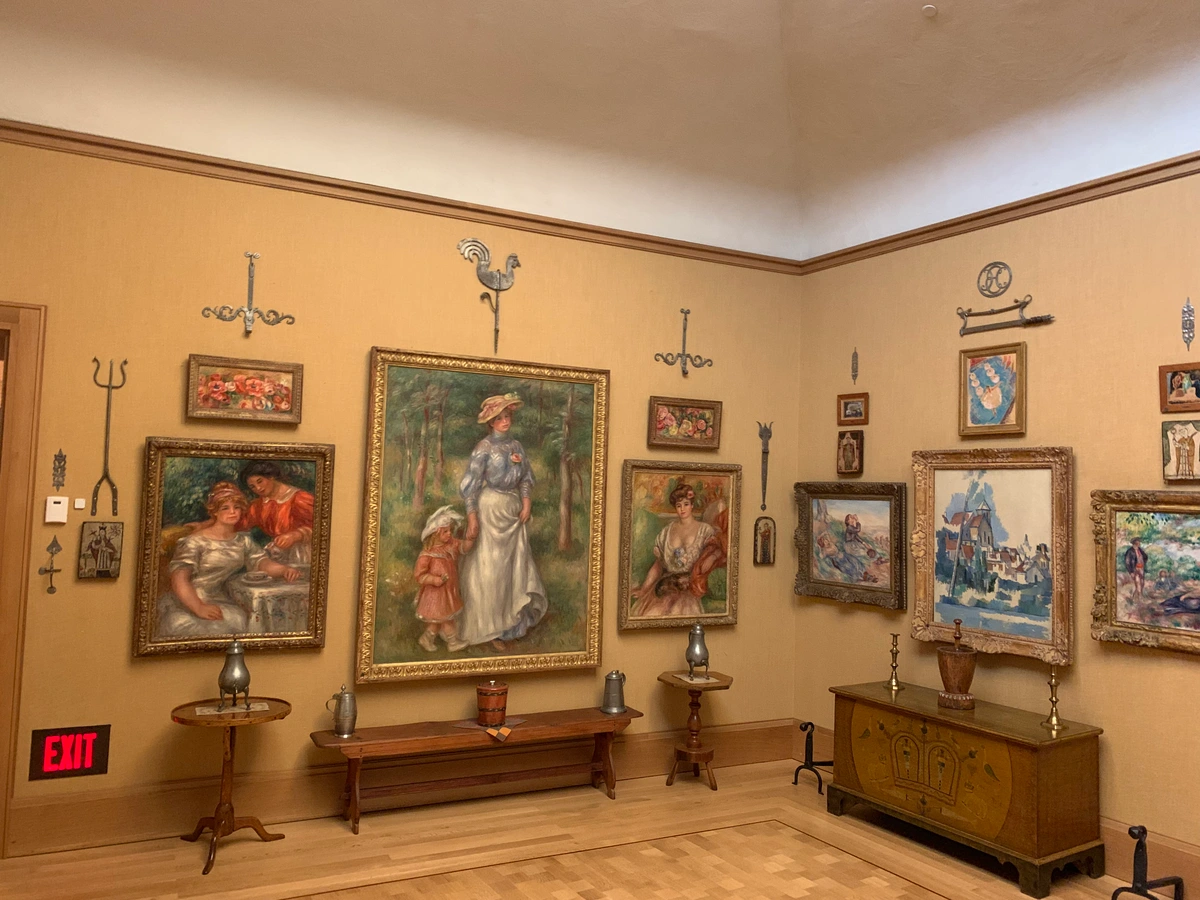
It’s an accessible, affordable, and endlessly fascinating way to hone your skills. You don't need expensive models or exotic landscapes; a few items from your kitchen, a simple light source, and a keen eye are all you need to begin. Your models are always available, always perfectly still, and, as I said, they never complain. For an artist, that's priceless. For the viewer, it's an invitation to pause and find profound meaning in the overlooked. It’s a genre that transcends medium, constantly finding new ways to speak.
Practical Tips for the Aspiring Still Life Artist:
- Start Simple: Begin with 3-5 objects of varying shapes, sizes, and textures. A piece of fruit, a ceramic mug, and a book are a great starting point to understand basic interactions.
- Mind Your Lighting: Experiment with a single light source (a lamp or window) to create clear highlights and shadows. This is your chance to really study form. Try moving the light source to see how it dramatically changes the mood and definition.
- Consider Your Background: A simple, neutral cloth or wall can help your objects stand out. Avoid busy backgrounds that distract. Remember, even the background is part of your deliberate arrangement.
- Play with Placement (The Art of Arrangement): Resist the urge to just line your objects up like soldiers. Give them a chance to interact, to cast shadows on each other, to tell a story of proximity and relationship. Try overlapping elements, creating diagonals, or placing objects at different heights to create visual interest and lead the eye. For example, placing a tall vase behind a smaller fruit bowl creates depth and a sense of hierarchy.
- Consider Your Story/Theme: Even with simple objects, ask yourself what feeling or idea you want to convey. Are these objects contrasting, harmonious, telling a specific narrative about consumption, memory, or time? For instance, a half-eaten meal could speak of fleeting moments, while old letters alongside a quill might suggest reflection and history.
- Experiment with Color Palettes: A restricted palette can create a powerful mood, while a vibrant one can evoke energy. Don't just match reality; think about the emotional impact of your color choices and how they enhance your narrative.




Still Life and Photography
The principles of still life are not confined to painting. Photography, with its inherent ability to isolate and frame objects, quickly adopted the genre. Early photographers arranged compositions to study light and shadow, much like painters. Today, still life photography is a thriving art form, used in advertising, fine art, and personal expression. From minimalist arrangements to complex visual narratives, photographers utilize the same thoughtful control over objects, lighting, and composition to convey meaning, proving the timeless adaptability of the still life concept across mediums.
FAQ: Your Still Life Questions, Answered
What's the difference between still life and nature morte?
They often describe the same genre, but nature morte (French for "dead nature") has a stronger implication of mortality, decay, and the inanimate quality of the subjects, reflecting a philosophical tradition that emphasizes life's brevity. While 'still life' focuses on arranged, often beautiful, inanimate objects, nature morte is a broader French term that encompasses any depiction of inanimate things, including dead game or fish that are not necessarily part of an artistic arrangement, carrying a stronger connotation of mortality and the transient. Scholars often agree that while overlapping, 'nature morte' carries a heavier existential weight.
Who is the most famous still life artist?
The title of 'most famous' is subjective and spans centuries, as so many incredible artists have excelled in the genre! For groundbreaking early elements and dramatic realism, Caravaggio is key. For the opulence and meticulous detail of the Dutch Golden Age, Willem Kalf and Jan Davidsz. de Heem are iconic, alongside master flower painters like Jan van Huysum and specialized game piece artists like Jan Weenix. For sublime domestic scenes and understated beauty, Jean-Baptiste-Siméon Chardin stands out. And for modern art, it's almost impossible to look past Paul Cézanne for his revolutionary approach to form and color, and Andy Warhol for his pop art reinterpretation. But many, many artists have brought their unique vision to the quiet power of inanimate objects, making a definitive single answer challenging.
What are the main types of still life?
You can categorize them in many ways, but some common historical and thematic types include:
- Flower Pieces: Dedicated exclusively to lush floral arrangements, often symbolizing beauty, transience, or specific virtues, sometimes with subtle hints of decay.
- Breakfast or Banquet Pieces (Ontbijtjes/Banketjes): Depicting food, drink, and tableware, often highlighting wealth, abundance, or daily life. These might also be called 'kitchen still life' when featuring culinary items, presenting intimate glimpses into domesticity.
- Vanitas: Symbolizing mortality, the brevity of life, and the vanity of earthly pleasures (e.g., skulls, hourglasses, snuffed candles). These profound works compel viewers to reflect on their own finite existence. You can read more in our article what is a vanitas painting.
- Pronkstilleven (Ostentatious Still Life): Extravagant displays of luxury goods and exotic items, a show of status and wealth, often subtly contrasting with underlying vanitas elements.
- Game Pieces: Focusing on dead game, fowl, or fish, these often symbolize bounty, the hunt, or the ephemeral nature of life through a different, often grimmer, lens, reflecting the cycle of life and death in a visceral way. Artists like Jan Weenix excelled in this subgenre.
- Trompe-l'œil: "Deceive the eye" paintings designed to create the illusion of three-dimensionality, making painted objects appear strikingly real, challenging our perception of art versus reality.
- Tabletop Still Life: Broadly refers to any arrangement of objects on a flat surface, often emphasizing intimacy, domesticity, and humble subjects, distinct from the more opulent 'Pronkstilleven' or specific 'Breakfast Pieces' by its generalized focus on the everyday.
- Botanical Still Life: Intently focused on plants, fruits, or flowers, often with scientific precision (like botanical illustrations) or symbolic intent, exploring themes of growth, decay, and the beauty of the natural world with meticulous detail.
- Modern or Abstract Interpretations: Challenging traditional representation to explore form, color, or conceptual themes, often deconstructing reality, much like the Cubists did, or using objects to comment on contemporary social issues.
It's a broad category that defies easy categorization, constantly reinventing itself.
Can a still life include a person?
Traditionally, no. The moment a person becomes a central, active subject, the artwork usually shifts into being a portrait or a genre scene (a scene of everyday life). However, artists are known for pushing boundaries. You might find a human presence subtly implied, like a hand reaching into the frame, a reflection in a glass, or a shadow that suggests a figure just outside the composition. Contemporary artists might also deliberately blur these lines to challenge definitions, but the primary focus in a true still life remains firmly on the inanimate objects themselves, even if a figure is minimally present or merely suggested.
Is still life painting still relevant?
Absolutely. It's not just about realism anymore; it's a profound vehicle for contemporary expression. Artists today use still life to explore themes of consumerism, memory, abstraction, personal narratives, and even the curated self in the digital age. The careful arrangement of objects in a traditional still life finds a powerful modern parallel in the meticulously crafted online personas and social media feeds we see today – a contemporary Pronkstilleven of our curated selves. This raises critical questions about authenticity versus performance, possession versus presentation, and the ethics of overconsumption in the digital age, often becoming a modern vanitas itself. Furthermore, still life can be used to comment on pressing social and environmental issues, such as decay, waste, or the politics of food, giving it a powerful critical edge. It allows artists to turn everyday objects, or even digital representations, into poignant statements about our modern lives and our relationship with material culture. It's a genre that's constantly reinventing itself, as you can see throughout my own artistic timeline.
What are some common misconceptions about still life painting?
One common misconception is that still life is "easy" or a "lesser art form." In reality, its apparent simplicity masks incredible technical challenges and profound conceptual depth. Another is that it's only about replicating reality perfectly; as Cézanne and the Cubists showed, it's often a laboratory for exploring fundamental artistic principles like form, light, and space in groundbreaking ways, even moving into abstraction. Lastly, some think it's boring, but once you learn its secret language of symbolism and realize its adaptability, you'll find it's anything but! It's a microcosm of the entire art world, offering endless avenues for exploration.
Key Takeaways: The Enduring Power of the Still Life
- More Than Meets the Eye: Still life is never just a depiction of objects; it's a profound vehicle for symbolism, emotion, and philosophical inquiry. Each object is a chosen word in a silent poem, reflecting human values, anxieties, and aspirations across time.
- A Universal Language: From ancient offerings to modern digital reflections, the impulse to find meaning in inanimate objects is a cross-cultural constant, adapting to new eras and technologies. It's a testament to our innate desire to imbue our surroundings with narrative, making it a powerful mirror to our times.
- The Artist's Laboratory & Canvas: It serves as an unparalleled training ground for fundamental artistic principles like composition, light, and color, but also as a powerful and flexible genre for contemporary expression, pushing boundaries of perception and meaning. It's truly a microcosm for the entire art world, continually reinventing itself.
- Emotion and Connection: Beyond technique and symbolism, still life resonates emotionally, offering comfort, nostalgia, or unease by transforming ordinary objects into powerful conduits for human experience.
These enduring themes underscore why still life, far from being a static genre, remains a vibrant and essential lens through which we understand ourselves and our world. So, the next time you gaze upon the seemingly mundane – that forgotten cup, a wilting flower, or even the carefully curated chaos of your digital desktop – I invite you to pause. To truly see it, and perhaps even try to interpret the subtle narratives and meanings embedded within those objects. There's a story there, a quiet, profound one, waiting to be deciphered. It's a powerful reminder that art isn't always about grand narratives or dramatic gestures; sometimes, the most resonant stories, the deepest philosophical inquiries, are found in the thoughtful arrangement of things we might otherwise overlook. The still life, in all its forms, will continue to evolve, reflecting our changing world, always finding new ways to speak through the silent language of objects and challenge our perception of what is truly 'still.' Perhaps it will even inspire you to arrange your own hidden meanings. If you're curious about how I interpret these timeless ideas through my own lens, you can explore my artistic timeline or discover works available for sale.