Vanitas Painting: Your Ultimate Guide to Life, Death, and Enduring Meaning
Unlock the profound world of Vanitas paintings. This definitive guide explores haunting symbolism, rich history, key Dutch Golden Age artists, and the timeless relevance of Vanitas art in our modern, materialistic world.

What is a Vanitas Painting? Your Ultimate Guide to Life, Death, and Enduring Meaning
Have you ever stood before a seemingly ordinary still life and felt a prickle of something deeper? A quiet unease, perhaps, or a profound beauty that whispers of more than just flowers and fruit? For a long time, I confess, I found still life painting a little... well, polite. A pleasant arrangement, certainly, but rarely something that truly seized my attention, demanding introspection. It was all a gentle hum of surface beauty when I was craving a roar, a deeper conversation beneath the shiny veneer.
Then, years ago, I stumbled upon a dimly lit gallery, and there it was: a Vanitas painting that absolutely shattered my preconceived notions. Suddenly, the fruit wasn’t just ripe; it was on the cusp of decay. A skull stared back from beside a half-eaten loaf, and a pocket watch lay ticking, a stark reminder of an inevitable end. It was dark, a little morbid, profoundly beautiful, and utterly captivating – like a secret whispered across centuries, a secret I finally learned to hear. This guide is here to help you demystify this powerful genre, revealing its hidden depths and enduring messages. You see, these weren't merely paintings of objects. They were profound philosophical meditations, subtly woven into the fabric of everyday scenes. I find this deep dive into meaning, this quiet rebellion against superficiality, something I'm continually drawn to in my own abstract work – it’s about stripping away the noise to reveal profound questions hidden in plain sight, often through vibrant color and form.
So, What Exactly IS a Vanitas Painting? A Deep Dive
At its core, a Vanitas painting is a specific type of symbolic still life art that flourished primarily in the Netherlands during the 17th century. This period is famously known as the Dutch Golden Age, a time of immense cultural and economic prosperity. The term 'Vanitas' is Latin for 'vanity,' drawn directly from the opening of the Book of Ecclesiastes in the Bible: 'Vanitas vanitatum omnia vanitas' which translates to 'Vanity of vanities; all is vanity.' It's a stark declaration, a critical commentary on the fleeting nature of all earthly endeavors.
Sounds a bit bleak at first glance, doesn't it? I know what you're thinking: another reminder of our inevitable end. But I promise you, these paintings aren't just about gloom or impending doom. They are intricate visual essays, packed with carefully chosen symbolic objects that serve as a powerful reminder of the transience of life. They highlight the ephemeral nature and ultimate limitations of earthly pleasure (think delicious food, fine wine, beautiful clothing, or even a fleeting reputation), and the undeniable certainty of death. While its peak was the 17th century, similar themes of mortality and earthly impermanence can be traced back much further. I've always found it fascinating how ideas echo through time. You can see precursors in Medieval illuminated manuscripts, with their stark Danse Macabre imagery (the Dance of Death) or Ars Moriendi (the art of dying well), which offered moral guidance on facing death and preparing for the afterlife. For example, Hieronymus Bosch, a Northern Renaissance artist preceding the Dutch Golden Age, often used rich symbolism in his allegorical works to depict moral corruption and the consequences of sin, subtly setting the stage for the detailed allegories of Vanitas through his focus on human folly and ultimate judgment.
The underlying message wasn't to despair, but to look beyond the fleeting joys and possessions of the world towards a more meaningful, spiritual existence. It was a moral compass, rendered in oils, urging a practice of memento vivere — remembering to live well, to live deliberately, to imbue each precious, finite moment with purpose, precisely because of our mortality. Imagine a quiet nudge to savor every conversation, every sunset, every shared meal, every moment of genuine connection, because it won't last forever. In essence, it's a profound form of allegory, where abstract ideas are communicated through concrete symbols, much like a visual metaphor inviting deep introspection.
It’s a stark contrast to the opulence and grand narratives you might see in other forms of Baroque art, a broader artistic movement of the era which often celebrated earthly power, dramatic religious scenes, or heroic conquests with vibrant, dynamic intensity. Instead, Vanitas offers a quiet, introspective challenge to materialism and worldly pursuits, inviting a somber yet beautiful contemplation. The very materials used, expensive pigments for rich fabrics and gleaming metals, paradoxically intensified the critique; the painting itself, often a luxury item, reminded the viewer of the ultimate worthlessness of such luxuries, creating a profound visual sermon displayed right in their opulent homes.
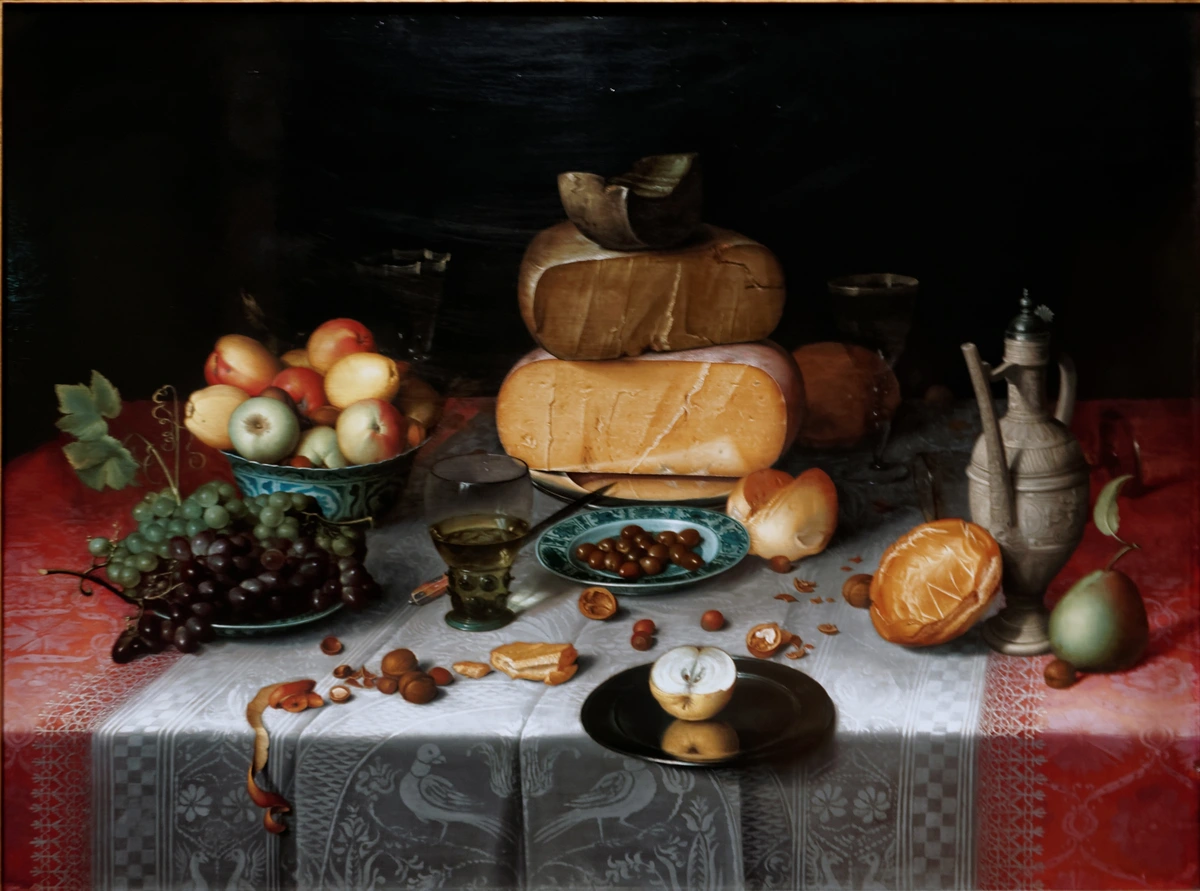
The Morbidly Fascinating Symbolism: How to "Read" a Vanitas Painting
But what gives these seemingly ordinary objects their profound weight? The true magic of Vanitas lies in its intricate language of symbols, a secret code that unlocks layers of meaning within each brushstroke. It’s like learning a forgotten language, and once you learn to read it, you can never look at a painting the same way again. When you encounter a Vanitas, don't just see objects; consider their arrangement, the play of light and shadow, and their implied narratives. The artist isn't just showing you pretty things; they're speaking directly to you, inviting introspection, revealing a secret whispered across centuries. I remember staring at one particular painting for what felt like hours, trying to decipher the meaning behind each tiny detail – it was incredibly rewarding when the pieces clicked into place, revealing a whole conversation about existence. It's a bit like peeling back layers in my own abstract work, searching for that raw, authentic core.
Vanitas artists didn't choose their symbols arbitrarily. They selected objects with universally understood associations that resonated with their audience. A skull, for instance, is an undeniable symbol of death across cultures, making its message immediate. A candle's flame is a perfect analogy for the brevity of life – easily lit, easily extinguished. This deliberate selection made their allegorical arguments both powerful and accessible.
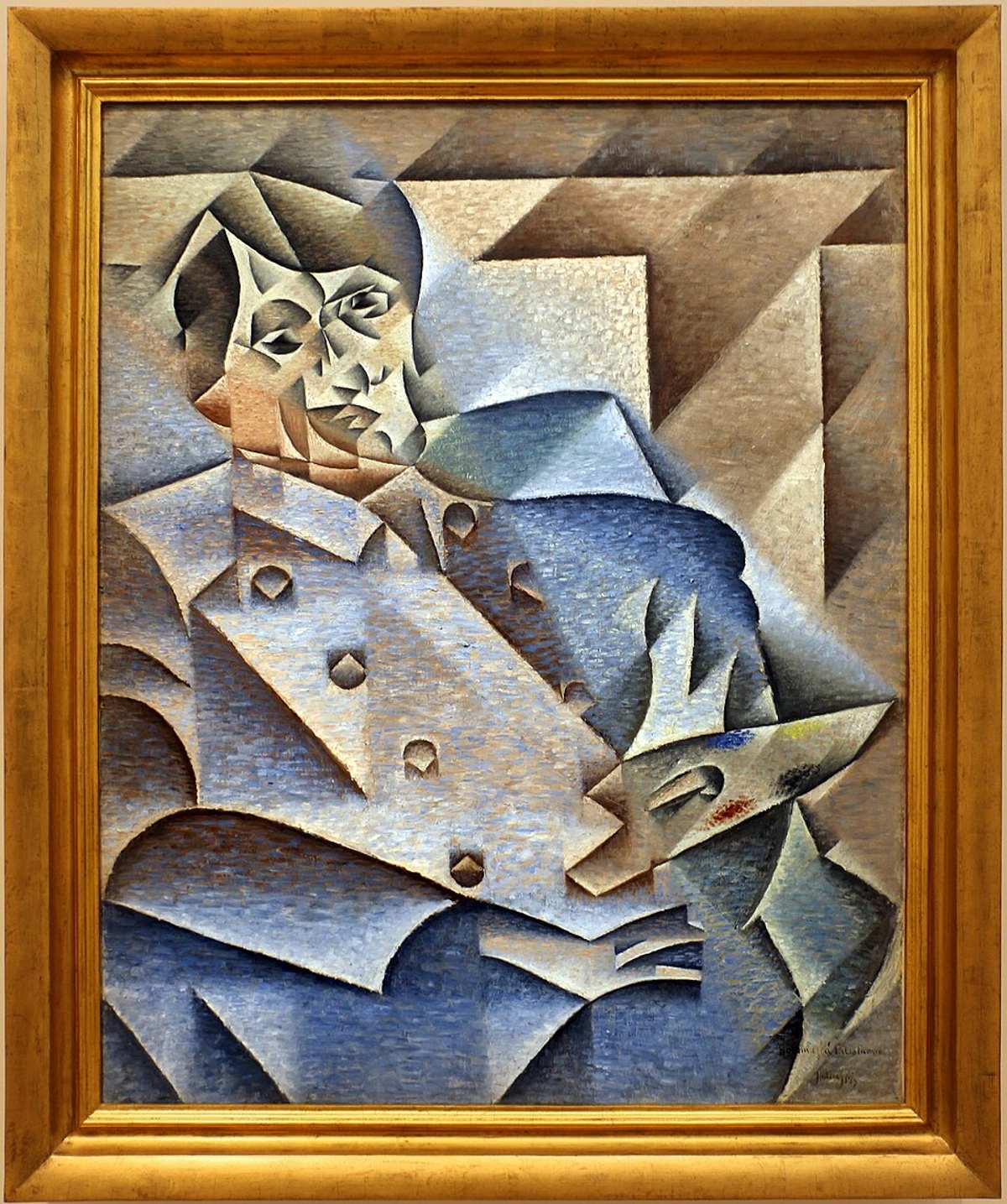
To heighten their impact and make their message undeniable, Vanitas artists often employed masterful artistic techniques. Beyond chiaroscuro (dramatic contrasts between light and dark) and tenebrism (an extreme form of chiaroscuro where forms emerge dramatically from a dark background, almost as if carved from darkness), they excelled in meticulous rendering. This hyper-realistic depiction, often achieved through fine brushes, layered pigments, and oil glazes, allowed them to capture the intricate textures of a weathered bone, the delicate fabric of a velvet cloth, or the ephemeral sheen on metal with unsettling clarity. It transforms mere objects into poignant narratives, making you almost feel the imminent decay. The sheer artistic skill in making these objects so tangible paradoxically made their message of transience even more potent – to create such beauty that spoke of decay was a profound statement.
Here's a quick guide to some of the most common symbols you'll find, often rendered with incredible realism:
Symbol  | Meaning in Vanitas | Why it's Used in Vanitas | Example Artist & Focus (if notable) |
|---|---|---|---|
| Skull | The most direct and universally understood symbol: an undeniable reminder of the certainty of death and the fleeting nature of life. | An unavoidable confrontation with mortality, prompting a re-evaluation of earthly concerns and the brevity of existence. | Often central in works by Harmen Steenwijck, emphasizing its stark presence and direct challenge, as seen in his famous An Allegory of the Vanities of Human Life (c. 1640), where it dominates the composition. |
| Bones | Direct symbol of death, decay, and the physical remains of human existence. | A fragmented, yet equally potent, reminder of mortality, emphasizing the decomposition of the body and the ultimate physical end. | Can appear as individual bones or parts of a skeleton, adding a chilling detail. |
| Clock, Hourglass, Snuffed Candle | Time is fleeting, and your life is ticking away. The candle extinguished signifies life's end, a breath taken. | To visually represent the inexorable passage of time and the finite span of human existence, urging mindful living before time runs out. | Pieter Claesz frequently used clocks and watches to highlight the passage of time with precise, often glowing, detail, such as in his Vanitas with a Skull, a Book, and Roses (c. 1625), where a small, intricate watch draws the eye. |
| Flowers & Fruit (especially if wilting or rotting) | Life is beautiful but ephemeral and subject to decay. Ripe fruit symbolizes youth and temporary pleasure, while rotting fruit symbolizes inevitable decline. | To contrast vibrant beauty with inevitable decay, underscoring the impermanence of physical attractiveness and pleasure. The fading petals or bruised fruit become a poignant visual metaphor for life's brevity. | Often seen in works by artists like Jan Davidsz. de Heem, whose botanical realism made the decay unsettlingly vivid, depicting blossoms past their prime. |
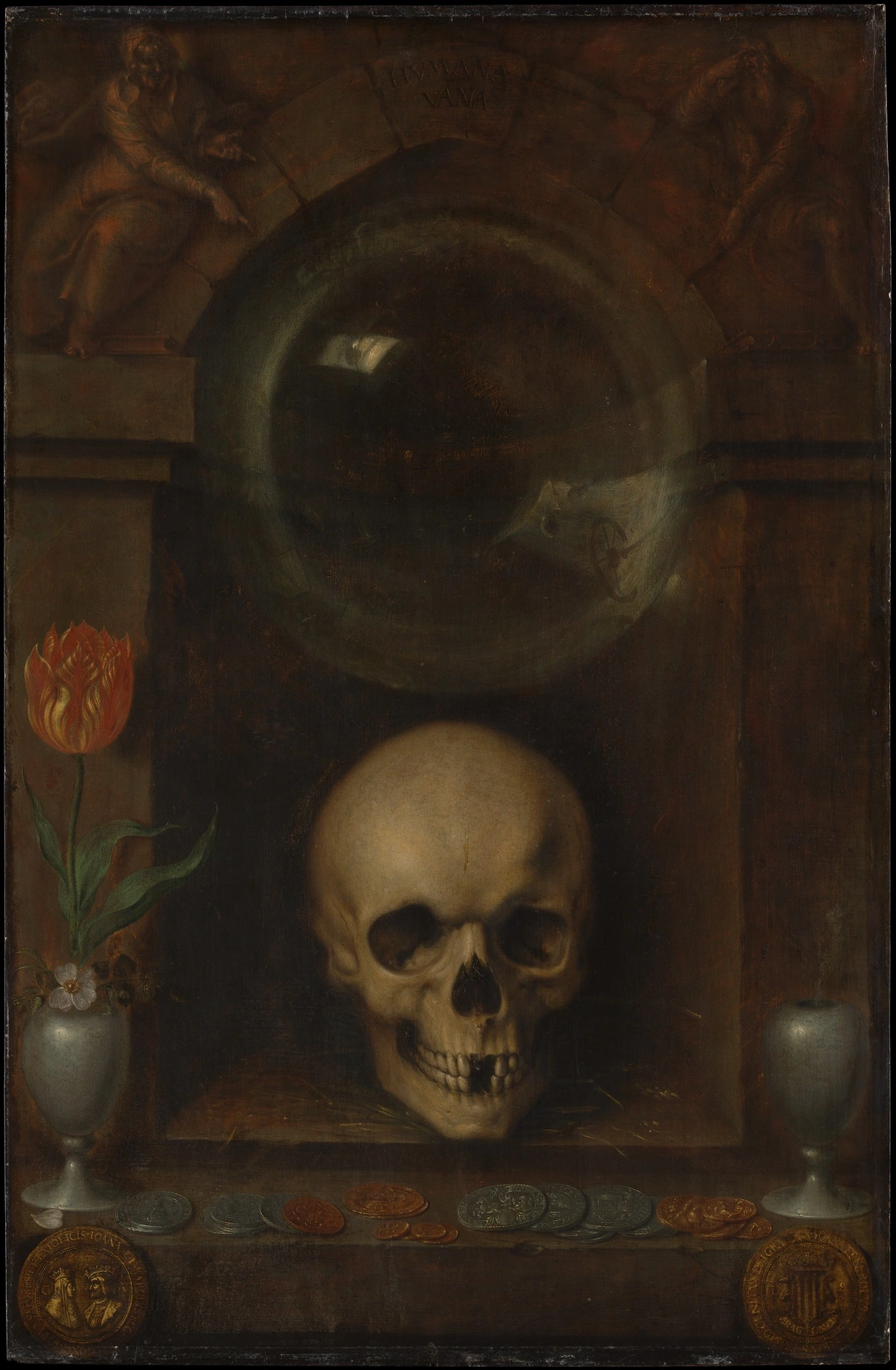
| Soap Bubbles | The brevity and fragility of life and earthly existence, easily burst and gone, leaving nothing behind. | To visually represent the delicate, transparent, and fleeting nature of human life and aspirations, easily vanishing like a burst bubble. | A favorite motif for Dutch artists like David Bailly, whose Self-Portrait with Vanitas Symbols (1651) famously features bubbles, underscoring the delicate nature of being and artistic illusion, often shown just about to pop. |
| Insects (Flies, Ants) | Symbols of decay, corruption, and the briefness of life, often drawn to the decaying elements within the painting. | To emphasize the process of decomposition and the omnipresence of life's termination, highlighting the destructive power of time. | Often subtly included in still lifes by artists like Abraham Mignon, their presence a stark counterpoint to the vibrant flowers and fruit. |
| Musical Instruments, Books, Scientific Tools | The pursuit of knowledge, art, and earthly pleasures are ultimately futile distractions from spiritual salvation; they offer no lasting solace or eternal truth. | To suggest that intellectual and artistic achievements, while grand, are ultimately temporal and do not guarantee eternal salvation or true fulfillment. A lute with a broken string further emphasizes this futility. | Often artfully arranged by Evert Collier to suggest worldly pursuits, sometimes in disarray to imply their ultimate chaos, as seen in his Vanitas Still Life with Musical Instruments (c. 1662), where a violin lies idle. |
| Jewels, Coins, Rich Fabrics | The vanity and worthlessness of wealth, power, and earthly possessions in the face of death – they offer no solace beyond the grave. | To critique burgeoning materialism, reminding viewers that material riches cannot buy more time or secure spiritual redemption. The gleaming gold is a deceptive allure, its ultimate value questioned. | Pieter Claesz masterfully depicted the sheen of silver and gold, making their eventual worthlessness poignant, often with a subtle glint that makes the objects almost too alluring, like a pile of untouched coins. |
| Peeled Lemon | Looks attractive, but is sour to the taste; symbolizing that earthly pleasures often come with hidden bitterness or a lack of lasting satisfaction. It's the deceptive nature of worldly delights – visually appealing but ultimately unsatisfying. | To metaphorically represent the deceptive nature of worldly delights – visually appealing but ultimately unsatisfying or even painful, its stark yellow contrasting with its bitter taste. | A common inclusion in many Dutch still lifes, its coiled peel and segmented interior adding a subtle moral layer through its stark yellow and segmented interior, visually contrasting initial appeal with underlying bitterness. |
| Mirror | Symbol of vanity, self-reflection, and the transient nature of human beauty and perception. It reflects illusions, not lasting truth, but can also prompt deeper introspection into the soul's impermanence. | To invite self-examination while simultaneously critiquing self-absorption and the fleeting nature of physical appearance, reflecting only temporary external realities and the illusion of lasting beauty. | Used to challenge the viewer to look beyond superficial appearances, sometimes showing a distorted reflection or empty space, inviting self-examination, or simply reflecting the viewer's own fleeting image. |
Every object, from a delicate seashell to a forgotten pipe, holds a potential fragment of this universal message, forming a visual mosaic of profound existential inquiry. The artist's deliberate arrangement of these objects is no accident; it is a carefully constructed argument, a visual sermon designed to provoke thought. The meticulous detail and realism meant that viewers could almost feel the texture of the skull, or smell the wilting flowers, making the message visceral and unavoidable. It's truly a testament to the artists' skill that they could make such a complex philosophical argument with seemingly simple objects, transforming the mundane into the profound.

A Quick History Lesson: Why the Dutch Golden Age? The Perfect Storm
So why did this seemingly morbid yet profound art form pop up specifically in the 17th-century Netherlands? It wasn't just a random artistic whim; it was a perfect storm of social, religious, and artistic currents that made Vanitas not just relevant, but necessary. And it makes you wonder, doesn't it? What if this unique blend of economic ambition, spiritual introspection, and artistic genius hadn't converged so powerfully in the Netherlands? We might have lost a profound visual language that speaks volumes about the human condition.
Newfound Wealth and the Rise of Materialism
The Dutch Republic was absolutely booming, a global trading powerhouse. Driven by the incredible success of institutions like the Dutch East India Company (VOC) and vast trade networks, a prosperous merchant class emerged, accumulating immense wealth. This created a burgeoning middle class of private collectors, eager to display their status. With this came an explosion of luxury goods – exotic spices, silks, porcelain – and a newfound emphasis on material possessions. Vanitas paintings emerged as a direct, moralizing reaction to this burgeoning materialism, questioning the lasting value of such earthly gains. There was an underlying anxiety, you see: could such earthly success be reconciled with spiritual salvation? These paintings served as a constant visual sermon against attachment to worldly things. It's quite a paradox, isn't it? Wealthy merchants would purchase these sophisticated yet somber paintings, displaying them in their lavish homes as a status symbol that simultaneously critiqued the very materialism it represented. It was a subtle, constant reminder in their opulent interiors.
Religious Shift (Calvinism and Stoicism)
The dominant religion was Calvinism, a branch of Protestantism that emphasized piety, modesty, hard work, and a direct, unadorned relationship with God. In stark contrast to the ornate decoration and visual splendor of Catholic churches, Calvinism promoted sobriety and a rigorous focus on inner spiritual life. This created a fascinating tension: a society growing immensely rich, yet adhering to a faith that preached austerity. Vanitas art provided a perfect visual solution, offering a private, powerful sermon against worldly attachment within the secular domestic sphere, fitting perfectly with this worldview and urging introspection over outward display. The message of memento vivere (remember to live well) resonated deeply with Calvinist calls for purposeful living. Beyond this, there was a quiet undercurrent of Stoicism, a philosophical school of thought that emphasized accepting fate and the impermanence of all things – a natural fit for the Vanitas message of detachment and acceptance. Furthermore, the broader European context of the Thirty Years' War (1618-1648) contributed to a widespread awareness of mortality and the fragility of life, deeply influencing the introspective nature of the art of the period.
A Love for Realism and Still Life Mastery
Artists of the era, including masters like Rembrandt van Rijn and countless others, achieved unparalleled levels of realism. Their mastery of oil glazes, fine brushes, precise layering, and sophisticated light manipulation allowed them to depict the intricate textures of a weathered skull, the delicate sheen on a silver goblet, or the fragile, almost transparent petals of a dying tulip with breathtaking detail. This hyper-realistic rendering, often achieved through meticulous application of pigments and a deep understanding of light, made the symbolic message even more powerful and immediate, drawing the viewer into a meditation on decay and transience with unsettling clarity. It transformed mere objects into poignant narratives, making the viewer almost feel the imminent decay, enhancing the visceral impact of the Vanitas message.
This unique confluence of rapid wealth accumulation, the emergence of a powerful merchant class, deep religious conviction, and exceptional artistic talent cultivated a profound genre that continues to resonate with us, centuries later, like that secret whispered through time, finally understood.
Vanitas vs. Memento Mori: Understanding the Nuances
I hear this question a lot, and it's a good one. You've probably encountered the term Memento Mori, which is Latin for 'remember you must die.' It’s a broader artistic and philosophical theme that reminds people of their mortality, found across countless cultures and eras. So, are they the same thing? Not quite. It's an important distinction that's worth clarifying, especially when you're trying to understand the full depth of symbolism in art history.
Think of it this way: All Vanitas paintings are Memento Mori, but not all Memento Mori art is Vanitas. It's like how all squares are rectangles, but not all rectangles are squares. Or, perhaps a simpler analogy: think of 'dessert' as the broad category (Memento Mori), and 'chocolate cake' as the specific genre (Vanitas). While both are delicious, one is a very particular kind of the other. Memento Mori is the wider category, and Vanitas is a very specific type within it.
Let’s break it down:
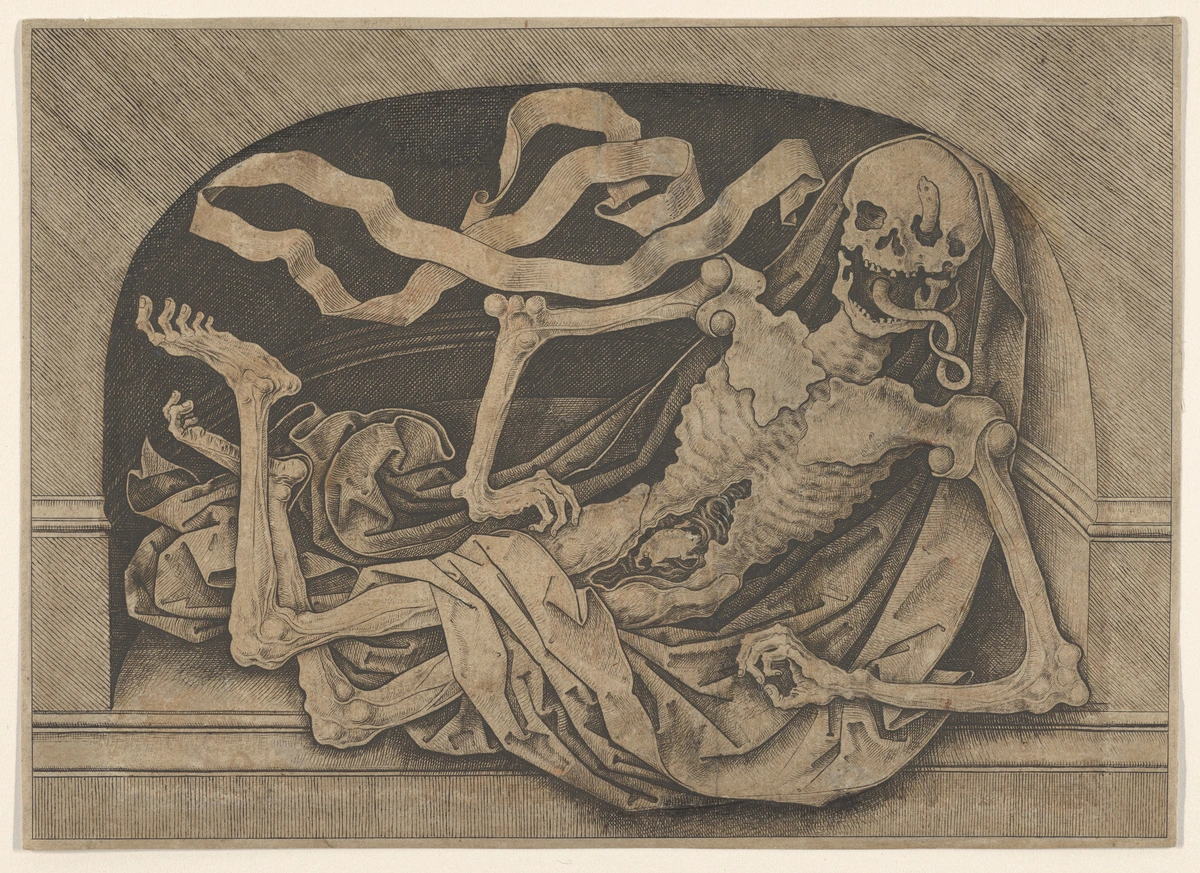
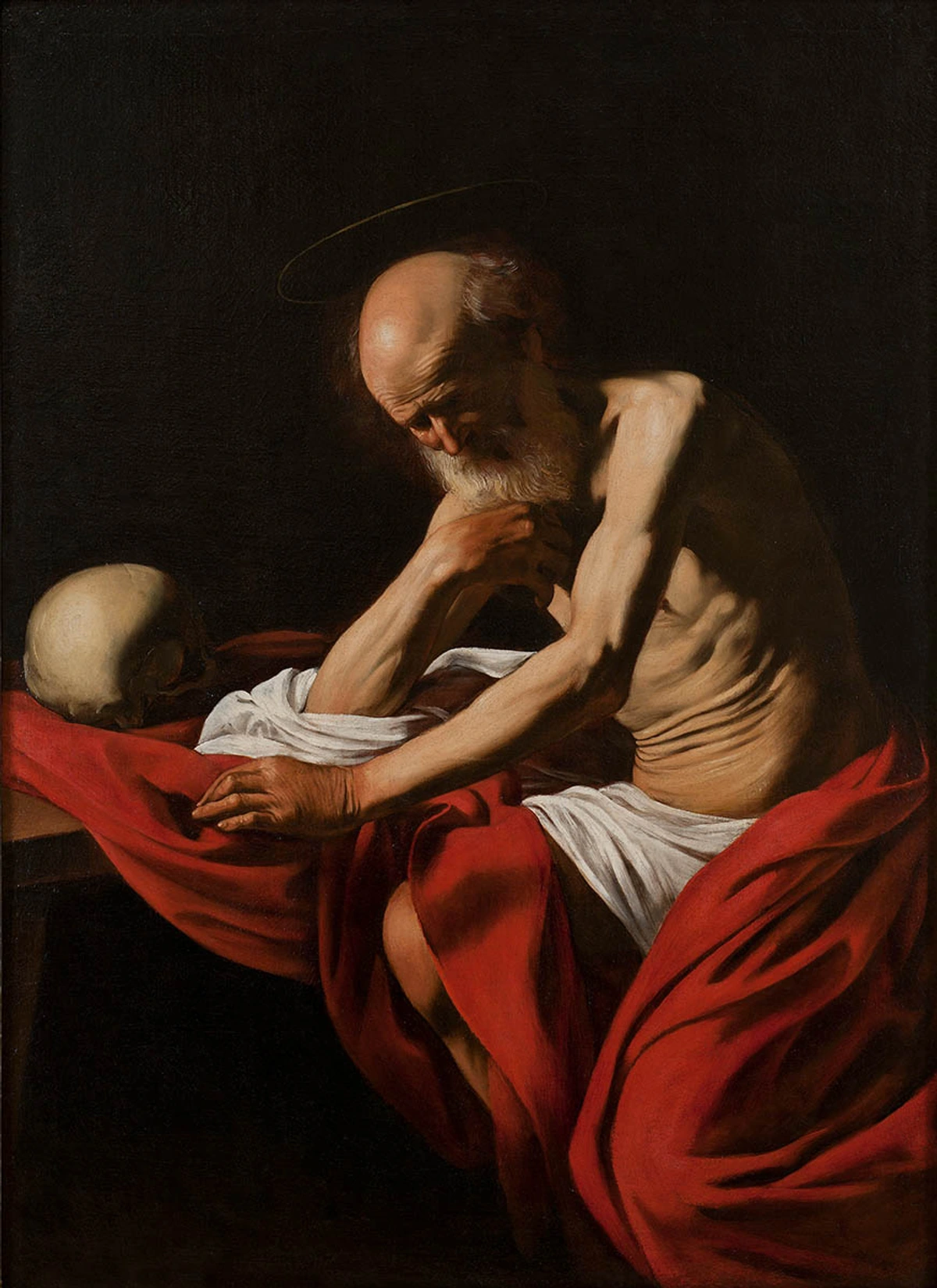
- Memento Mori is the overarching philosophical theme of mortality awareness. Its purpose is simply to remind you that death is coming. This theme can manifest in countless ways across history and cultures: from ancient Roman funerary art featuring skulls, to medieval danse macabre imagery (like skeletons leading people in a dance of death), a skull on a desk in a portrait of a saint (like in many paintings of Saint Jerome), or even modern-day reminders. Other related themes include Ars Moriendi (the art of dying well), which offered detailed guidance on facing death with piety and preparing for the afterlife, often featuring bedside scenes and advice on last rites. The core idea is simply 'remember death.' It's the what – the awareness of death.
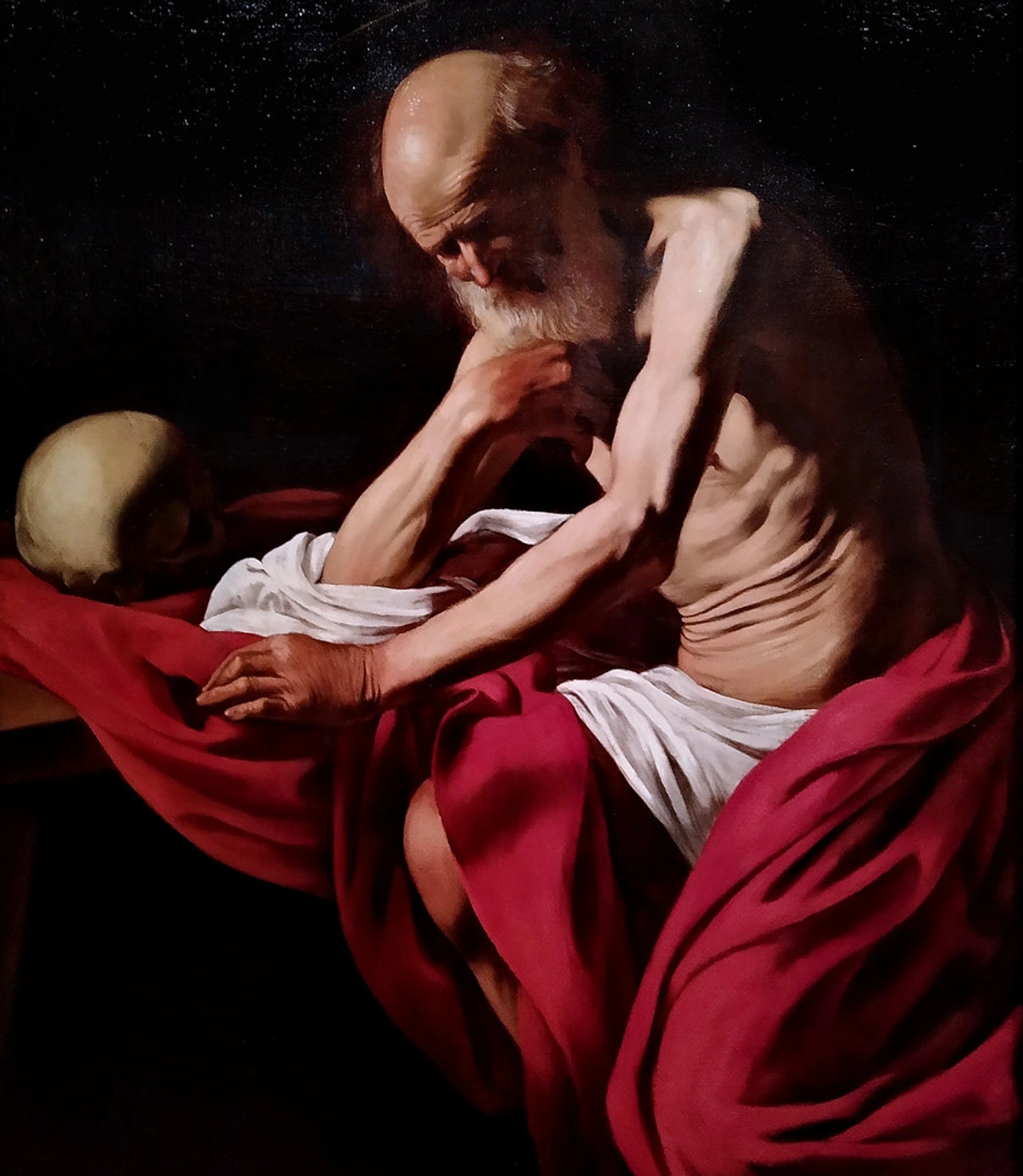
- Vanitas is a specific genre of still life painting that uses a carefully curated collection of symbolic objects to explore that Memento Mori theme. Its particular focus is on the 'vanity' (the emptiness and ephemeral nature) of earthly life, pleasure, and possessions. It's a structured argument, a visual essay on the futility of worldly attachment. The key here is the critique of vanity and materialism. It's the how – a specific artistic method to address mortality, specifically through still life arrangements.So, while a skull in a portrait by Caravaggio (like his Saint Jerome in Meditation) is a clear Memento Mori – a stark reminder of death – it wouldn't be classified as a Vanitas painting because it's not a still life composed solely of symbolic objects arranged to critique earthly vanity. It’s the genre and its specific focus on vanity that definitively distinguish Vanitas.
Key Takeaways: Unlocking the Enduring Message of Vanitas
To summarize, these are the core ideas I hope you'll carry with you about this fascinating genre:
- Vanitas is a specific still life genre that flourished during the 17th-century Dutch Golden Age, born from a unique confluence of economic prosperity, a burgeoning merchant class eager for art, deep religious introspection, and unparalleled artistic mastery.
- It utilizes a carefully curated collection of symbolic objects (like skulls, clocks, and wilting flowers) to convey a profound moral message about transience and vanity. The selection of these symbols was deliberate, chosen for their universal, immediate impact.
- The core theme is the transience of life, the certainty of death, and the emptiness (vanity) of earthly pleasures and material possessions. It’s a meticulously constructed visual argument, designed to challenge the viewer's values.
- Its purpose is not to depress but to inspire introspection and encourage a meaningful, spiritual existence (memento vivere), a powerful call to live deliberately and with purpose in the face of our finite time.
- It evokes a complex emotional response in viewers – a blend of melancholy, awe at the artists' exceptional skill in rendering realism, and even a morbid fascination with the stark confrontation of mortality. The paradox of highly skilled art criticizing luxury is central to its impact.
- Vanitas is a specific genre within the broader philosophical theme of Memento Mori ('remember you must die'), distinguished by its still life format and explicit critique of vanity and materialism.
- The fundamental questions posed by Vanitas art – about value, purpose, and impermanence – remain profoundly relevant in our contemporary, often materialistic, world.
- Modern artists continue to re-interpret and express Vanitas themes using contemporary symbols, showing the timeless power of its message, adapting its core tenets to new anxieties and forms of digital vanity.
This genre offers us a historical lens to examine our own values, reminding us that true fulfillment lies beyond fleeting possessions. If you're looking to see these works in person, major institutions like the Rijksmuseum in Amsterdam (home to Pieter Claesz's Still Life with a Skull and a Writing Quill), the Mauritshuis in The Hague, or the Metropolitan Museum of Art in New York often house superb examples of Dutch Golden Age still life and Vanitas paintings (the Met holds David Bailly's Still Life with the Portrait of a Young Man and a work by Harmen Steenwijck, An Allegory of the Vanities of Human Life, is in the Leiden Collection, often on loan to major museums).

Why Vanitas Still Resonates Today: A Timeless Reflection
Okay, so we may not be 17th-century Dutch merchants worrying about salvation and spices, but the message of Vanitas is arguably more relevant than ever. I mean, we live in an age of digital vanity, don't we? Think about the carefully curated social media feeds, the endless chase for likes, the constant accumulation of digital and physical 'stuff' that promises happiness but often leaves us feeling utterly empty. I know I’ve felt that hollow thrum after too much scrolling, and it’s a modern iteration of the very vanity those Golden Age painters were critiquing. Or consider the relentless pursuit of fleeting fame, the ephemeral nature of viral trends, and the consumer culture that constantly tells us we need more, only to find our desires unfulfilled and our anxiety levels rising. It’s a psychological treadmill that often leaves us exhausted and unfulfilled, much like the illusory pleasures depicted in Vanitas art.
Modern Echoes of Ancient Warnings
The Vanitas painting, in its quiet profundity, offers a powerful rebellion against all that. It asks us to pause, to look up from our screens, and consider what truly has value. It’s not about rejecting life's pleasures – for goodness sake, enjoy your fruit, your music, your beautiful clothes! – but about seeing them for what they are: fleeting, beautiful, and temporary. It reminds us that true meaning isn't found in what we accumulate, but in how we live, connect, and contribute to something beyond ourselves. That's a truly powerful call to action. This quiet profundity is precisely what I strive for in my own abstract work – stripping away the superficial to reveal a deeper, often uncomfortable, truth through the interplay of color and form.
Contemporary artists continue to explore these universal themes, often using modern symbols to convey the same timeless message. You'll find modern Vanitas works incorporating discarded electronics (like a cracked smartphone screen symbolizing broken connections or wasted time, or an obsolete hard drive representing forgotten information and technological transience), brand logos (representing fleeting consumerism and the transient nature of status), or even visualizing the endless scroll of a social media feed as a symbol of wasted time and ephemeral engagement. Take the impactful collaboration "Eggs" by Jean-Michel Basquiat and Andy Warhol, which features a prominent skull amidst consumerist imagery – a poignant modern Vanitas where the skull directly confronts the ephemeral nature of fame and commodity culture. The raw, almost aggressive energy of Basquiat combined with Warhol's pop sensibility creates a powerful, contemporary take on the transient nature of celebrity and wealth. Even Salvador Dalí's iconic melting clocks, seen in works like The Persistence of Memory or The Disintegration of the Memory, are surrealist takes on the Vanitas theme, reminding us of the fluidity and transience of time itself, a profound commentary on mortality. Similarly, the work of René Magritte often plays with illusion and reality, hinting at the deceptive nature of appearances, a concept deeply intertwined with Vanitas.
For another example, consider the work of many contemporary street artists, like Banksy, whose ephemeral murals often comment on societal issues, consumerism, and the transient nature of political statements. While not traditional still life, the fleeting existence of their work, combined with its often critical message, echoes the core message of Vanitas: that even powerful messages can be temporary, and lasting impact comes from the introspection they provoke. Or, think of the powerful, often unsettling work of South African artist Penny Siopis, who uses found objects, dolls, and domestic items in her installations and paintings. Her assemblages, often imbued with a sense of decay and history, frequently allude to themes of memory, trauma, and the vulnerability of life, creating a contemporary resonance with the Vanitas tradition through a visceral exploration of human experience and the passage of time. This kind of depth and reflection is a powerful artistic impulse, a quality I often aim for in my own abstract work – stripping away the superficial to reveal a deeper, often uncomfortable, truth. It’s the kind of art that stops you in your tracks and makes you think about the big picture, about what truly lasts.
Frequently Asked Questions (FAQ)
Why is the genre called Vanitas?
It's named after the Latin word for 'vanity,' derived directly from the biblical phrase 'Vanitas vanitatum omnia vanitas' ('Vanity of vanities; all is vanity') from the Book of Ecclesiastes. The term was a deliberate and powerful choice, directly pointing to the core theme of the genre: the meaninglessness and futility of earthly life, worldly pleasures, and transient possessions in the face of inevitable death. It's a critical commentary on human attachment to the material world.
What are the most common Vanitas symbols?
If you had to boil it down, the three most iconic and universally understood symbols in Vanitas art are:
- The Skull: An unmistakable representation of death and human mortality, serving as an unavoidable confrontation with our finite existence. Its presence makes the message undeniable.
- A Timepiece (e.g., hourglass or clock): Representing the relentless passage of time and the brevity of life, reminding us that our moments are numbered. Its ticking or sand's descent is a visceral reminder.
- Wilting Flowers or Rotting Fruit: Symbolizing decay, the fragility of beauty, and the ephemeral nature of all earthly existence and pleasures. The contrast of initial beauty with inevitable decline is a poignant visual.
These three powerfully and directly communicate the core message of transience and vanity, making them indispensable to the genre.
Who are the most famous Vanitas painters?
Some of the undisputed masters of this profound genre include:
- Jacques de Gheyn the Younger: An early pioneer of the genre, whose Vanitas Still Life (1603) is one of the earliest, most impactful, and often chilling examples, laying much of the groundwork for later artists with its stark, direct confrontation of mortality and an array of symbolic objects.
- Pieter Claesz: Renowned for his masterful use of muted palettes, subtle details, and his ability to depict textures with startling realism. His breakfast pieces often subtly incorporate Vanitas elements, or he makes them explicit, as in his Vanitas with a Skull, a Book, and Roses (c. 1625), found in the Rijksmuseum collection, a quintessential example of his detailed symbolic arrangements.
- Harmen Steenwijck: Famous for his painting An Allegory of the Vanities of Human Life (c. 1640), which is considered a quintessential example of the genre, packed with rich and legible symbolism, a veritable visual sermon (often displayed in major European collections like the Leiden Collection). Its precise composition makes every symbol speak volumes.
- Evert Collier: Known for his intricate compositions and precise rendering of academic and musical instruments alongside other Vanitas symbols, often with a trompe-l'œil effect, as seen in his Vanitas Still Life with a Terrestrial Globe and Scientific Instruments (c. 1662). He specialized in intellectual critiques of earthly pursuits.
- David Bailly: Particularly notable for his early and prolific use of varied symbols, often including bubbles and self-portraits within his Vanitas works, creating a layered commentary on art, illusion, and life itself, as in his Self-Portrait with Vanitas Symbols (1651), housed at the Stedelijk Museum De Lakenhal in Leiden. His work often blurs the lines between reality and painted illusion.
What artistic techniques are characteristic of Vanitas paintings?
Vanitas painters, like many during the Dutch Golden Age, employed highly realistic and detailed techniques to make their symbolic objects almost tangible. Key techniques included:
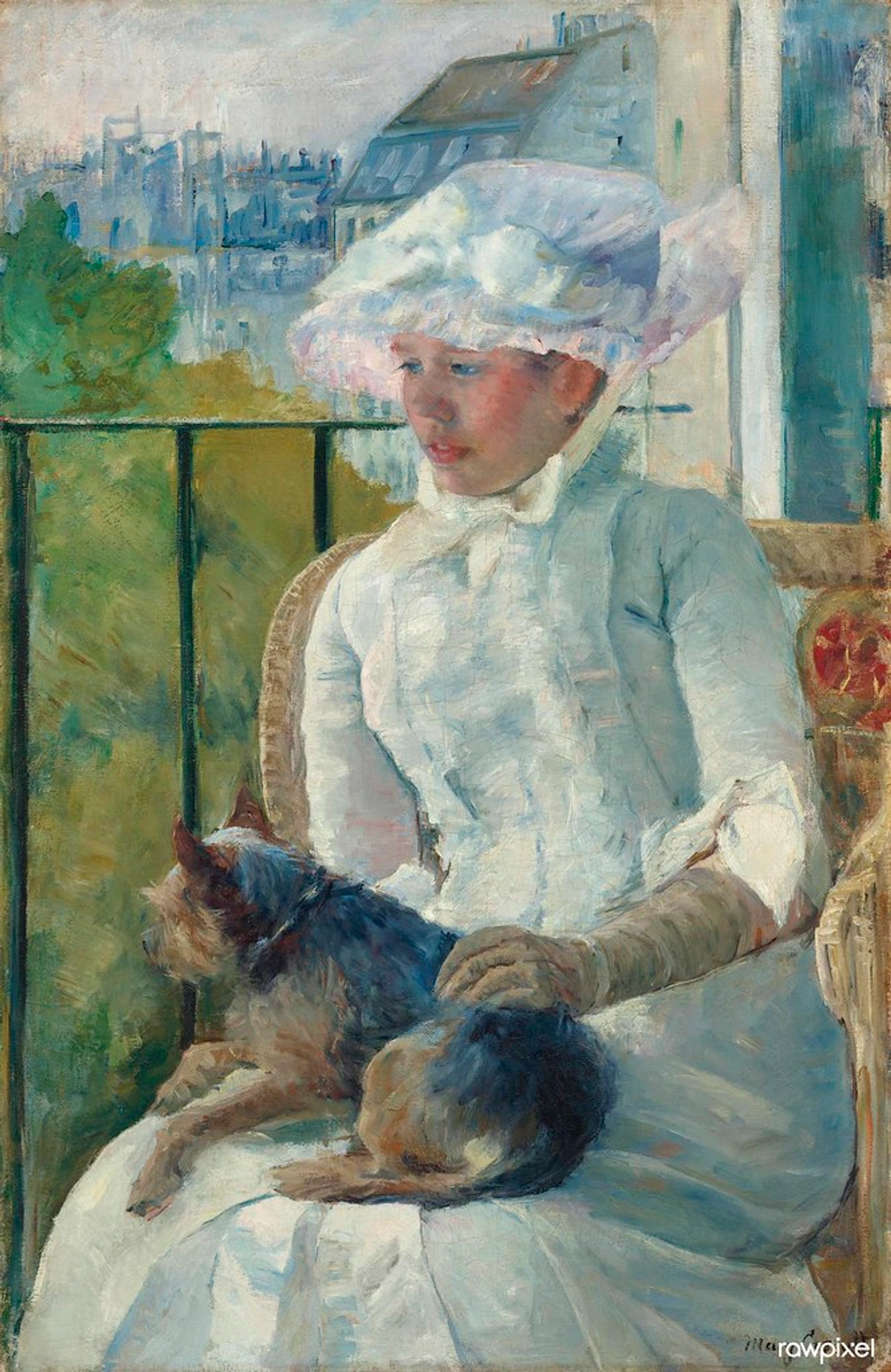
- Chiaroscuro & Tenebrism: Dramatic contrasts of light and shadow, often plunging backgrounds into deep darkness, to create a sense of drama, depth, and the ephemeral nature of existence. Tenebrism, an extreme form of chiaroscuro, was particularly effective in making objects emerge strikingly from shadow, emphasizing their fleeting presence.
- Meticulous Rendering & Glazing: Artists used fine brushes and multiple layers of thin, translucent oil glazes to achieve astonishing realism, capturing minute details and the varied textures of objects like weathered bone, gleaming metal, soft fabric, or delicate flower petals. This hyper-realism made the decay and fragility depicted feel even more immediate and impactful.
- Precise Composition: Objects were deliberately arranged, not haphazardly, to create a clear visual narrative and moral argument, guiding the viewer's eye through the symbolic message. Every element had a purpose, forming a carefully constructed intellectual challenge.
Is Vanitas art still relevant today?
Absolutely. The themes of mortality, the passage of time, the critique of materialism, and the search for deeper meaning are timeless and universal. Contemporary artists continue to explore these concepts, using modern symbols (like discarded technology, brand logos, fast food, or even digital imagery) to create powerful new interpretations of the Vanitas tradition. The medium and objects may change dramatically, but the core philosophical questions posed by Vanitas art remain profoundly relevant to our modern condition. It’s a testament to the enduring power of its message. The psychological impact of these works—the way they make us pause and confront our own finitude—is as strong now as it was centuries ago, reminding us to seek true value beyond fleeting appearances.
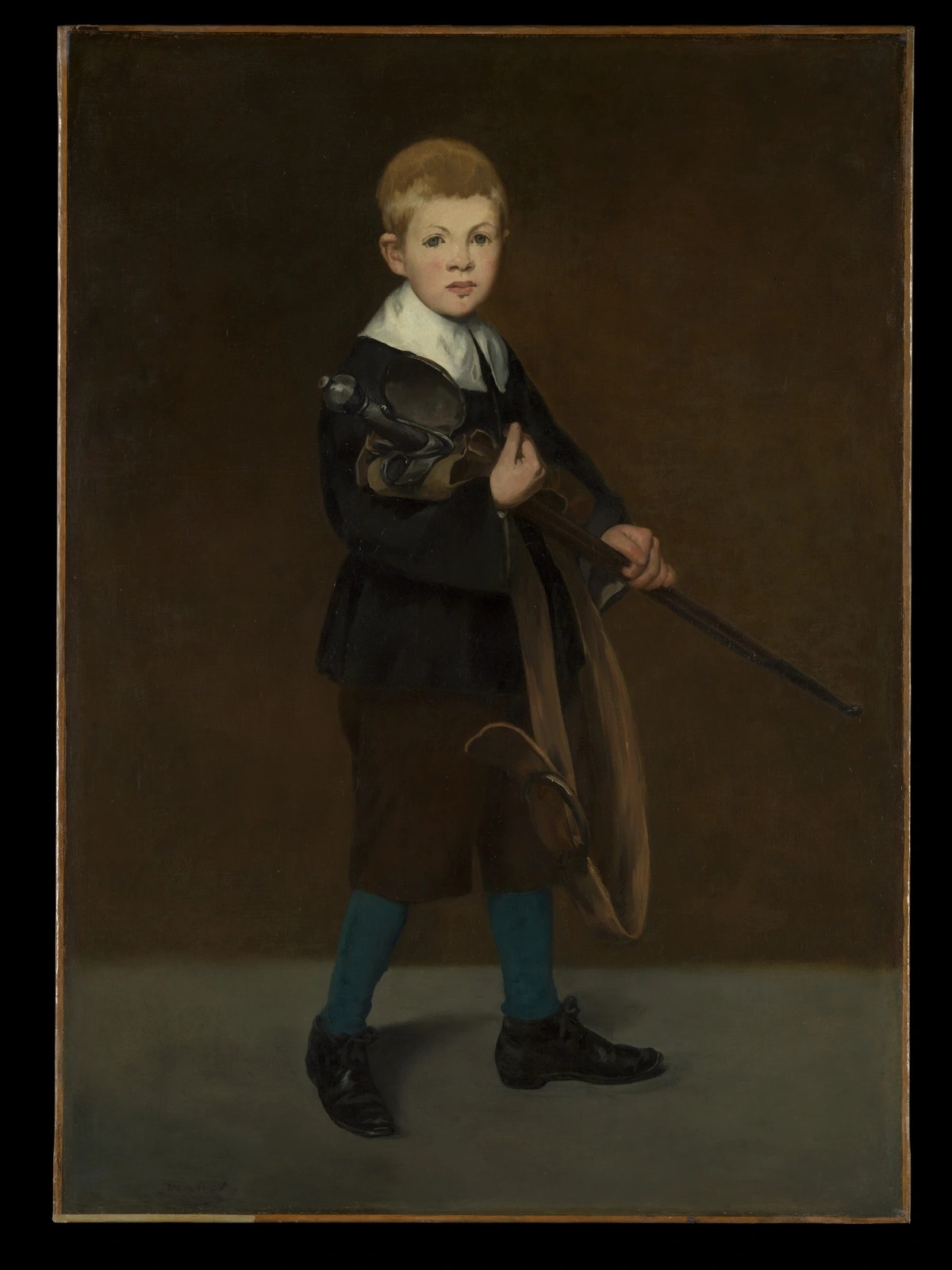
What is the difference between Vanitas and Trompe-l'œil still life?
While both are genres of still life painting and can involve incredible realism, their primary purpose and focus differ significantly. It's not an either/or situation; a Vanitas painting might employ trompe-l'œil techniques.
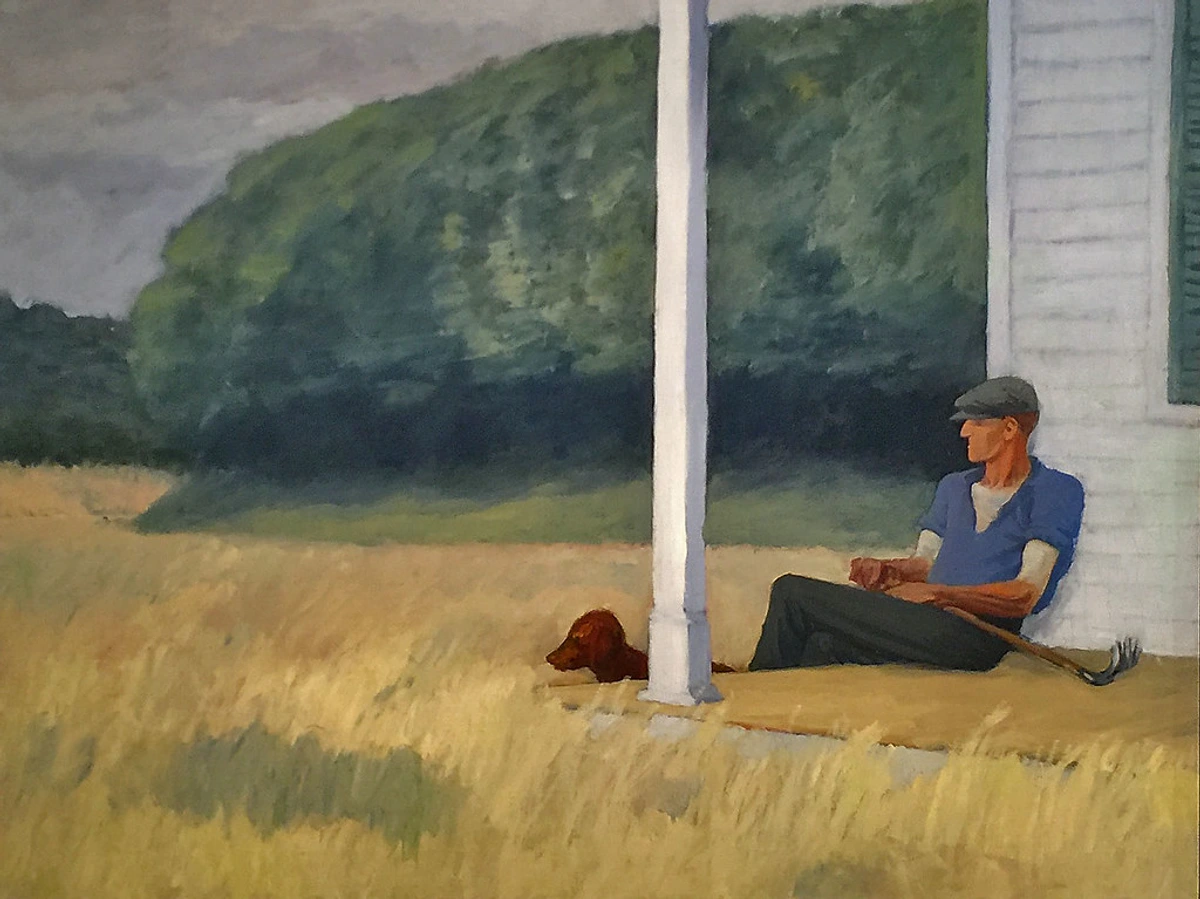
- Vanitas aims to convey a profound moral or philosophical message about the transience of life, the certainty of death, and the futility of worldly pleasures through a collection of symbolic objects. Its goal is to make you think about life and meaning. The realism serves to make the symbolic message more impactful.
- Trompe-l'œil (French for "deceive the eye") focuses on creating an optical illusion that makes painted objects appear three-dimensional and real, as if they are physically present in the viewer's space. Its primary goal is to astonish and delight the viewer with the artist's skill in mimicry, rather than a deep moral lesson. While a Vanitas painting might use trompe-l'œil techniques to enhance its realism and make the symbolic objects feel more immediate – like a fly that seems real enough to swat – trompe-l'œil itself doesn't inherently carry the Vanitas message; its purpose is purely illusionistic.
How does a Vanitas painting differ from other types of still life?
The key distinction lies in its explicit moral and philosophical intent. While all still life paintings depict inanimate objects, most simply celebrate beauty, domestic life, or the artist's technical skill (as discussed in What is Still Life Painting? History and Examples). A Vanitas painting, however, goes beyond mere representation; every object is carefully chosen to convey a message about mortality, the emptiness of earthly pursuits, and the need for spiritual reflection. It uses symbolism as its primary language, turning a seemingly simple arrangement into a profound contemplation on the human condition, making it much more than just a beautiful depiction of objects. It’s a deliberate visual sermon.
What are the psychological implications of viewing Vanitas art?
The psychological impact of Vanitas art is profound and multifaceted. It directly confronts us with our own mortality, which can evoke a range of emotions from discomfort and melancholy to profound introspection and a renewed appreciation for life. By presenting stark symbols of death and decay amidst objects of beauty and earthly pleasure, these paintings create a tension that forces viewers to consider their values, priorities, and the fleeting nature of their existence. This confrontation, while potentially unsettling, often leads to a deeper, more mindful engagement with life—a powerful call to embrace memento vivere and to prioritize what truly matters. It can serve as a potent tool for mindfulness, prompting reflection on our finite time and how we choose to spend it.
A Final Thought
So, the next time you're in a museum, perhaps strolling through the grand halls of a major institution or even a local spot like the Noordbrabants Museum, and you see a still life – especially one with a skull tucked away in the corner, or a wilting flower, or a flickering candle – don't just walk past. Stop for a moment. Look for the symbols, appreciate the incredible skill of the artist, but more importantly, let the painting do what it was designed to do: remind you that life is short. And that's not a sad thing; it's a powerful call to action. A call to live deliberately, to seek meaning beyond the ephemeral, and to truly engage with the precious, fleeting moments we have. It’s this very ability to spark deep reflection, to imbue everyday objects with profound existential questions, that makes art like Vanitas, and indeed contemporary abstract work, so essential. It’s an invitation to introspection, a timeless whispered secret I believe we all need to hear, now more than ever. And who knows, maybe it will even inspire you to create something beautiful, something that speaks to your own understanding of life's precious brevity.