
Hieronymus Bosch: Ultimate Guide to His Bizarre Art & Timeless Legacy
Unlock Hieronymus Bosch's world with this ultimate guide. Decode his bizarre symbolism, explore iconic masterpieces, and uncover the enduring impact of his visionary art. Discover the paradox of his life and delve into the depths of his unique vision.

Hieronymus Bosch: Unraveling the Master of Dreams and Nightmares
Tell me, have you ever looked at a piece of art and felt like your brain just… short-circuited? I know I have, countless times, both in museums and on my screen. And honestly, few artists have ever made me stop dead in my tracks quite like Hieronymus Bosch. You look at one of his paintings, perhaps something like The Garden of Earthly Delights, and it’s an intellectual and emotional overload, a visual tempest. It swirls the familiar with the utterly bizarre into a disorienting vortex that feels both deeply unsettling and profoundly captivating. Naked figures riding mythical beasts, giant strawberries, a man with a bird head devouring another – it’s utterly wild, a vision that feels like a fever dream or a deeply unsettling hallucination. And all this bewildering imagery was conjured around the turn of the 16th century, a time usually associated with the serene humanism of the Italian Renaissance. That alone makes him endlessly fascinating, a true outlier in art history.
I vividly remember my first encounter with one of his large triptychs; it was pure disorientation, like stumbling into a dream I didn't know I was having, and that 'short-circuiting' feeling is exactly what I experienced. So, who was this guy? Was he a madman, a religious fanatic, a proto-surrealist centuries ahead of his time? The answer, as I see it, is probably a little bit of all three, and that’s precisely why his legacy continues to endure. His profound paradox – a devout, respected member of his community painting what looks like pure heresy – is, for me, the core of his enduring appeal. This guide aims to be your comprehensive and engaging portal into a mind unlike any other, establishing itself as a definitive resource for understanding this enigmatic master. We'll delve into his mysterious life, decode his bewildering imagery, and explore why his art continues to shock and enchant us centuries later.
The Man Behind the Monsters: A Life of Paradox in 's-Hertogenbosch
Early Life and Artistic Heritage
First things first, his name wasn't even Bosch. He was born Jheronimus van Aken around 1450 in the vibrant Dutch city of 's-Hertogenbosch. The van Aken family had a long lineage of painters, with his father, grandfather, and uncles all working in the trade. Can you imagine growing up in a household steeped in brushes, pigments, and the smell of linseed oil? This artistic heritage undoubtedly steeped him in the craft, honing his technical skills. Beyond family, 's-Hertogenbosch was a hub where rich traditions of manuscript illumination, wood carving, and tapestry weaving flourished, emphasizing intricate detail and symbolic storytelling. These local artistic currents likely provided a fertile ground for his meticulous style, even as his unique and profoundly unsettling vision would far transcend theirs. He later adopted "Bosch" from his hometown – a savvy marketing move, if you ask me – much catchier and now utterly synonymous with his unique visual language. For a deeper look into the artist's life, see our article on [/finder/page/who-was-hieronymus-bosch].
's-Hertogenbosch: A City of Dynamic Change and Deep Faith
Growing up in such an environment, it’s no surprise that 's-Hertogenbosch itself was a bustling mercantile hub in the Burgundian Netherlands, a crossroads of trade and ideas. This was a time of dynamic change and deep religious fervor, where northern European art was developing its own distinct characteristics, often focusing on intricate detail, a profound sense of naturalism, everyday life, and rich symbolism. This contrasts sharply with the more idealized humanism emerging in Italy, which often prioritized classical forms and linear perspective (explore [/finder/page/definitive-guide-to-perspective-in-art] for more). The city’s prominent artistic guilds, like the Guild of Saint Luke, fostered traditional religious and portrait painting, creating a conservative backdrop from which Bosch's unique visions dramatically departed. This vibrant socio-economic landscape likely exposed Bosch to a wide array of influences, from exotic goods and diverse cultural narratives to morality plays performed in town squares and popular prints depicting fantastical creatures – all of which might have subtly filtered into his fantastical canvases.
The late medieval period in Northern Europe also saw the rise of movements like Devotio Moderna (Modern Devotion), which emphasized individual piety, internal spiritual struggle, and a direct, personal relationship with God. This focus on introspection and moral conduct provided a fertile ground for an artist like Bosch, whose work so powerfully explored sin, temptation, and the consequences of individual choices. For instance, the solitary, contemplative figures often seen amidst chaos in his work, such as Saint Anthony, directly reflect the movement's emphasis on personal spiritual struggle. It was an era deeply concerned with the individual soul's fate, and Bosch’s art can be seen as a profound visual manifestation of these anxieties and spiritual aspirations.
The Enigma of His Faith and Standing
Unlike many famous Renaissance artists whose lives are documented down to their grocery lists, Bosch is a man shrouded in mystery. We have very few records of his personal thoughts or working methods. What we do know presents a fascinating paradox that, for me, is the core of his enduring appeal: he married a wealthy woman, and, crucially, joined a prestigious, deeply conservative religious group called the Brotherhood of Our Lady. This Brotherhood, dedicated to the veneration of the Virgin Mary, was a pillar of orthodox faith in his city, promoting strict moral conduct and acts of charity.
Doesn't that make you wonder? How could the man painting the most bizarre, seemingly heretical scenes imaginable be, by all accounts, a respected and orthodox member of his community? This isn't just a quirky detail; it’s the central riddle of Bosch, and one that utterly fascinates me. His patrons were a mix of church officials, wealthy nobles, and influential members of society, most notably the Brotherhood itself. They commissioned his art not merely for decoration, but often for didactic purpose, meaning they were intended to teach moral lessons. For these powerful and devout individuals, Bosch's 'weird' art served as a potent visual sermon, vividly illustrating the spiritual dangers of sin and the consequences of moral failings, aligning perfectly with the era's pervasive anxieties about salvation. The fact that such individuals commissioned his 'weird' art speaks volumes about its intended message, regardless of its perplexing appearance to modern eyes. Indeed, his art was not merely entertainment; it was a powerful tool for moral instruction, much like an art commission today can serve a specific purpose. This profound duality in the man, this tightrope walk between the shocking and the sacred, undoubtedly shaped the complex world he depicted – a world we can begin to unravel by understanding the intricate context of his era and the unique visual language he employed.
Decoding Bosch's Visual Language: A Field Guide to His Art
Looking at a Bosch painting can feel overwhelmingly chaotic. The sheer density of detail and action is almost overwhelming, each canvas a teeming ecosystem of figures, beasts, and objects. But don't despair! Once you get the hang of his visual language – a language deeply rooted in medieval thought, folklore, and moral teachings – it starts to make a strange, unsettling kind of sense. It’s like learning to read a particularly vivid and horrifying ancient text, a code waiting to be cracked. To really understand what Bosch is saying, you need to put on your medieval thinking cap, and I'm here to help you get started.
The Triptych Narrative: Stories in Three Acts
Many of his most famous works are triptychs: paintings on three hinged panels, a format commonly used for altarpieces. This wasn't just an aesthetic choice; it was a powerful narrative device, allowing him to tell sprawling moral stories across three distinct acts, effectively serving as a visual sermon for a largely illiterate population. While there can be variations, typically you’d see a clear progression, a sermon unfolding before your eyes:
- Left Panel: Often depicts a beginning, frequently the Garden of Eden or the creation of humanity, setting the stage for what’s to come. It's the 'before' picture, full of innocence or early transgression, often hinting at the fall from grace.
- Center Panel: Usually the 'present state' – humanity indulging in sin, folly, or earthly pleasures, often oblivious to the consequences. This is where the chaos and sensual delights often reach their peak, presenting a panoramic view of human moral failings, a world turned upside down by vice.
- Right Panel: The inevitable consequence – a gruesome, terrifying Hell, depicted with inventive and visceral punishments tailored precisely to the sins shown in the center panel. This is the 'after' picture, a horrifying vision of damnation, meticulously detailed to serve as a potent warning against spiritual complacency.
This tripartite structure provided a clear moral progression, forcing viewers to confront their choices and their ultimate destiny. The narrative flow might sometimes subtly shift, focusing more on a continuous allegory or different facets of a single moral concept, but the underlying didactic purpose remains constant.
A Language of Symbols and Allegories
Bosch wasn't trying to paint what the world looked like; he was painting what it meant. Every element is a symbol, often with multiple layers of meaning rooted in biblical texts, medieval folklore, popular proverbs, and even the pseudoscience of his day, like alchemy. Understanding these layers is key to appreciating the depth of his warnings and visions – it's like having a secret decoder ring for a 500-year-old message, allowing you to peek into the medieval mindset. This allegorical approach was common in his era, but Bosch took it to an unprecedented level of complexity and inventiveness.
Let’s break down some common motifs that act as anchors in his bewildering narratives:
- Grotesque Creatures and Hybrid Beasts: These aren't just random monsters from his imagination; they often embody human folly, specific sins, or the idea of the world 'turned upside down' – a popular medieval trope where moral order is inverted and the natural world is corrupted by sin. Imagine a medieval bestiary brought terrifyingly to life. For example, a giant fish swallowing a person whole, common in his work, isn't just a bizarre image; it's a direct visual metaphor for gluttony or humanity consumed by its own sin and worldly desires. The owl, often seen as a bird of wisdom in classical antiquity, was frequently associated with heresy, evil, or the devil in medieval Christian iconography, adding another layer of ominous symbolism. You can dive deeper into this fascinating topic with our guide to the [/finder/page/symbolism-of-animals-in-medieval-art]. Beyond these, look for creatures like the Tree-Man in The Garden of Earthly Delights' Hell panel, a hollow, egg-like figure symbolizing spiritual emptiness and the fragility of man, or the pig-nun who tempts a man, representing lust and clerical corruption. These hybrids often visualize the dehumanizing effects of sin, a powerful visual warning of what happens when we abandon our humanity.
- Exotic or Giant Fruits: Look for oversized strawberries, cherries, pomegranates, or grapes. The sheer scale of these fruits immediately makes them unnatural and emphasizes their symbolic weight. They frequently symbolize carnal temptation, the fleeting pleasures of the flesh, and the deceptive sweetness of sin that ultimately leads to bitterness and decay. They also tie into themes of abundance and decay, reminding us that earthly delights are transient and inherently corrupting. I remember the first time I truly understood the meaning behind the oversized strawberries in The Garden of Earthly Delights; it felt like unlocking a hidden chamber in Bosch's mind – a perfect example of how he used seemingly innocuous objects to convey profound moral messages.
- Musical Instruments as Torture Devices: Who knew a lute could be so terrifying? In Bosch's hellscapes, flutes, lutes, and harps are horrifyingly transformed into instruments of punishment, meting out justice to those who indulged in worldly, sinful music or pursuits. This is a chilling literalization of the idea that what brings pleasure on Earth can cause eternal pain in Hell, turning beauty and harmony into torment and discord with a truly wicked sense of irony. It’s like a macabre orchestral performance where the sinners are both the instruments and the tormented musicians.
The Symbolism of Everyday Objects in Bosch's Work
Beyond the obvious monsters and fruits, Bosch masterfully twisted everyday objects into potent symbols of sin and damnation. These familiar items, when placed in his bizarre contexts, take on dark, cautionary meanings, driving home the moral lesson that even the mundane can lead to damnation.
- Funnels on Heads: You'll often see figures with funnels on their heads, especially in depictions of Hell. This is a literal visual translation of a common medieval proverb, implying deceit, foolishness, or a corrupted intellect – pouring knowledge into an inverted mind.
- Empty Eggshells & Glass Orbs: Empty eggshells can denote vanity, broken vows, or spiritual barrenness, highlighting the fragile nature of earthly perfection. A glass orb, seemingly precious, could signify the fleeting nature of earthly power or pleasure, easily shattered and temporary.
- Shoes & Vessels: Removed or scattered shoes frequently symbolize the abandonment of moral rectitude or the sinful journey itself, akin to a spiritual straying. Vessels and containers often represent the human body or soul, capable of being filled with virtue or vice, or in Hell, filled with torment.
- Doors, Windows & Architecture: Doors and windows often function as portals to temptation, opportunities for sin, or literal gateways to damnation. Crumbling architectural structures frequently symbolize the decay of faith, the fragility of worldly achievements, or the spiritual ruin brought about by sin.
- Water & Fire: Water can symbolize purification and baptism in sacred contexts, but in Bosch's hellscapes, it often represents drowning in sin or chaotic destruction. Fire, while sometimes an image of divine purification, is overwhelmingly used as a terrifying symbol of hellish torment and divine punishment. The constant appearance of mundane objects, shockingly recontextualized, made his warnings profoundly relatable and unsettling to his contemporary viewers.
Alchemy and Esotericism
While not always explicitly confirmed, some scholars suggest Bosch incorporated alchemical symbols, reflecting the era's fascination with transforming base matter into gold, which could be allegorized as the purification of the soul – or its perversion. His strange vessels, alembics, and retorts – the distinct glass apparatus used for distillation, often used in alchemical experiments – are frequently found in the Hell panels. These can be interpreted as perverted alchemical experiments attempting to transform the soul into something monstrous rather than divine. For instance, the large alchemical 'egg' or retort often seen in his hell scenes could represent a misguided attempt at creation or transformation, resulting in grotesque rather than divine forms. It hints at a deep current of esoteric knowledge flowing through his mind, albeit one used to depict spiritual corruption and the dark consequences of seeking forbidden knowledge. Think of it as a dark mirror of the era's scientific curiosities, twisted to serve a moralizing purpose.
The Symbolism of Numbers
In Bosch's medieval world, numbers were rarely arbitrary; they carried deep symbolic meaning that would have resonated with his contemporaries. The omnipresent use of three in his triptychs refers not only to the narrative progression but also to the Holy Trinity, emphasizing the divine judgment inherent in his moral tales. Seven, representing the deadly sins, often subtly structures groups of figures or punishments, underscoring the universal nature of human failing. These numerical cues, though not always immediately obvious to modern eyes, add another layer of medieval theological depth to his intricate compositions, guiding the viewer's interpretation towards moral reflection.
The Silent Language of Color
While Bosch is famed for his fantastical forms, his use of color is equally deliberate and symbolic. In medieval art, colors carried specific meanings, and Bosch masterfully employed this visual vocabulary to enhance his moral messages. He often uses:
- Vibrant, often unnatural hues in his central panels, such as the luscious greens, pinks, and light blues in The Garden of Earthly Delights, to depict earthly delights. These colors, while seductive, also subtly suggest their artificial and corrupted nature, hinting that this paradise is a false one, a transient pleasure.
- Somber, dark greens, browns, and grays for desolate landscapes, especially in the outer wings or in scenes leading to damnation (e.g., the barren, icy landscapes of Hell in The Garden or Last Judgment), conveying despair, spiritual barrenness, and decay.
- Fiery reds and oranges in his hellscapes, most vividly portraying torment and the consuming flames of divine punishment, such as the infernal glow emanating from the burning city in The Haywain Triptych. These colors are almost universally associated with pain and destruction.
- Yellow can appear in various contexts, from golden highlights (divinity) to sickly yellows (deceit, illness, corruption) or pale yellows (folly), depending on its context. Similarly, white could denote purity and innocence in celestial scenes, but also spiritual emptiness or the pallor of death in his darker visions.
This careful chromatic orchestration adds another layer of meaning, guiding the viewer's emotional and moral interpretation even before they decode the individual symbols, creating a complete sensory experience of his spiritual warnings.
Reading a Bosch Painting: A Step-by-Step Approach
With so much happening, how do you even begin to approach a Bosch painting? I’ve found that a methodical approach helps turn the initial disorientation into a fascinating journey of discovery. Think of this as your personal guide to navigating his dense, symbolic worlds:
- Start with the Big Picture: If it's a triptych, begin on the left panel, move to the center, then to the right. Understand the overall narrative flow from innocence/creation, to earthly folly, to damnation. If it's a single panel, try to get a sense of the dominant theme first.
- Consider the Context: Ask yourself: What was this painting's original purpose? Was it for private devotion in someone's home, or a public altarpiece in a church? The intended audience and location can significantly inform your interpretation of its message.
- Identify Key Figures/Groups: Look for large, central figures or groups of people. What are they doing? Are they interacting? Do they seem blissful, tormented, or oblivious? These are often your entry points into the larger moral narrative.
- Scan for Obvious Symbols: Are there giant fruits? Strange creatures? People engaged in unusual activities? These are your first clues to his allegorical language. Look for immediately recognizable symbols of temptation, sin, or divinity.
- Zoom into the Details: This is where Bosch truly shines. Pick a small section – a single figure, an odd object – and really look. What small stories are unfolding? What proverbs or allegories might this detail reference? This is often where the most unsettling and intriguing messages reside.
- Consider the Moral Context: Always ask: "What sin is being depicted here?" or "What moral lesson is this meant to convey?" His world is always moralizing, even in its most absurd moments, so keeping this question in mind is crucial.
- Embrace the Ambiguity: Don't expect every single detail to have one definitive meaning. Part of Bosch's genius is in his layers of meaning and the enduring mystery he cultivated. Let yourself wonder and interpret; sometimes, the discomfort of not knowing is part of the experience, a way to truly engage with the enigma that is Bosch.
Journey Through His Masterpieces
While we only have about 25 paintings and 8 drawings definitively attributed to him (a testament to the challenges of attribution in this era), they've left an indelible mark on art history and continue to be studied by art lovers and scholars alike. These works are complex visual puzzles, rewarding endless scrutiny and revealing new details with every glance. For a broader context, explore our pages on Renaissance art. Each piece is a world unto itself, offering profound insights into the human condition. What you'll find below is a glimpse into some of his most iconic and thought-provoking works, each a universe of moral allegory and imaginative spectacle, along with some of the debates that still swirl around them.
Here’s a closer look at some of his most iconic and thought-provoking works:
| Artwork Name | Estimated Date | Current Location | Key Themes & What to Look For | Key Symbolic Motifs | Key Visual Details/Specific Moments to Note | Potential Interpretations/Debates | |---|---|---|---|---|---| | The Garden of Earthly Delights | c. 1490–1510 | Museo del Prado, Madrid | His most famous and arguably most bewildering work. The left panel shows Eden and the creation of Eve, a scene of pristine innocence subtly tainted by nascent evil. The central panel is a riotous, sun-drenched panorama of naked figures reveling in a world of oversized fruits and impossible beasts, often interpreted as humanity before the Flood, an allegory of unchecked sin and earthly folly. The right panel is one of the most terrifying, inventive depictions of Hell ever painted, with bespoke punishments for specific sins. | Giant fruits (lust, fleeting pleasure), hybrid creatures (human folly, world turned upside down), musical instruments as torture (worldly sin), birds (evil, spiritual emptiness), glass orbs (transience), bubbles (fragility of life), eggs (fertility, emptiness). | Left Panel: Look for the subtle evil, such as the owl in the dark niche of the Fountain of Life, and the uneasy interaction between Adam, Eve, and God, hinting at the Fall. Central Panel: Observe figures inside transparent bubbles or riding strange fish, signifying the fragility of earthly pleasure. The overall sense is one of blissful ignorance. Right Panel: Note the "Tree-Man" figure, a hollow man symbolizing spiritual emptiness and vulnerability. | Is the central panel a paradise or a pre-lapsarian world of innocence, a warning against sin, or even a depiction of a heretical sect's beliefs? Its precise didactic meaning remains highly debated among scholars. | | The Haywain Triptych | c. 1516 | Museo del Prado, Madrid | A powerful allegory of humanity greedily chasing worldly possessions. A giant hay wagon (symbolizing fleeting earthly goods, derived from a popular proverb – "The world is a haywain, and everyone grabs what he can") is pulled towards Hell by demons, with people from all walks of life trying to grab a piece. Above, Christ looks down from a celestial cloud, while below, gruesome punishments await. It's a stark commentary on covetousness and materialism, a critique of an age obsessed with earthly gain. | Hay wagon (worldly possessions, proverb), Christ in heaven (divine judgment), demons (agents of damnation), diverse social types (universal sin), angels and devils battling for souls, the Wheel of Fortune. | Central Panel: Observe the diverse crowd – from emperors and popes to common peasants – all reaching for hay, oblivious to the wagon's demonic pull and the angels pleading for salvation. Right Panel: Note the specific tortures, such as a glutton being force-fed by a demon or musicians being tormented by their own instruments in a burning city. | Is it a general moralizing tale, a specific critique of the contemporary church's corruption, or a commentary on the social order of the time? The specific proverb ties it strongly to worldly folly. | | The Temptation of St. Anthony | c. 1501 | Museu Nacional de Arte Antiga, Lisbon | A chaotic, nightmarish scene where the saint is tormented by a horde of grotesque demons and fantastical creatures in a ruined, desolate landscape. It's a vivid exploration of a true test of faith against worldly temptations, spiritual battles, and the psychological torment of a holy man. Look for the flying fish-boats, the eerie, crumbling structures, and St. Anthony's defiant gaze amidst the overwhelming onslaught of evil. This painting profoundly captures the internal and external struggles against vice and the unwavering strength required for spiritual resistance. | Demons (temptation, evil), flying creatures (illusions, false idols), ruined buildings (decay of faith), St. Anthony's steadfastness (spiritual resistance), grotesque hybrid figures (personified sins). | Central Figures: St. Anthony, often depicted in a meditative pose, faces a cacophony of bizarre, hybrid demons, including one that looks like a fish in armor or another attempting to offer him a goblet. Background Details: Note the crumbling tower and the small, eerie hut, creating a sense of isolation and spiritual desolation, emphasizing the spiritual battleground. | Does it represent actual hallucinations, or is it a symbolic depiction of the internal spiritual trials faced by ascetics? The psychological depth suggests a keen understanding of inner struggle. | | The Last Judgment | c. 1482 | Academy of Fine Arts, Vienna | Another powerful triptych showing God's judgment over a less-populated Earth, with a focus on the inventive and horrific tortures of the damned. Angels and demons battle for souls, and the landscape transforms into a terrifying inferno, a stark visual warning of divine retribution. It's a less allegorical and more direct depiction of the ultimate consequences of sin. Look for specific tortures tailored to earthly transgressions, a clear visual guide to divine justice. | Angels and demons (battle for souls), infernal landscape (Hell), suffering humanity (damnation), Christ as judge (divine authority), monstrous figures, architectural structures of torment, scales of judgment. | Right Panel: The hellscape features an array of personalized tortures: some figures are roasted on spits, others are impaled by musical instruments, and one is being baked in an oven by demons, each punishment fitting a particular earthly sin, vividly illustrating eternal suffering. | While seemingly straightforward, scholars debate the precise theological sources for Bosch's inventive tortures, and whether some imagery is drawn from popular folklore or more esoteric Christian texts. | | The Ship of Fools | c. 1490–1500 | Louvre Museum, Paris | A single panel painting depicting a boat filled with debaucherous, gluttonous figures, singing and eating, oblivious to their spiritual journey. It's a sharp satirical commentary on human folly and the moral decay of society, likely inspired by Sebastian Brant's popular allegorical book Das Narrenschiff (The Ship of Fools). The figures, including a nun and a friar, are consumed by earthly pleasures, adrift towards moral destruction. | Boat (life's journey, ship of fools metaphor), fools (sinful humanity), food and drink (gluttony, worldly pleasure), owl (folly, evil), figures engrossed in trivialities (proverbial foolishness). | Key Figures: A nun and a friar greedily try to bite a piece of a pastry hanging from a string, symbolizing gluttony and the corruption of the clergy. A jester plays a lute, adding to the atmosphere of frivolous indulgence, while an owl (symbol of folly and sin) perches ominously in the mast. | Is this a general critique of society, or specifically targeting the moral failings of the clergy and nobility? Its satirical edge clearly aligns it with contemporary humanist critiques of vice. |
Beyond the Famous Five: Other Notable Works
While the large triptychs capture much of the imagination, Bosch’s smaller panels and single works are equally compelling and offer invaluable insight into his stylistic evolution and thematic range. Each piece, though perhaps less grand in scale, carries the full weight of Bosch's moralizing genius and demonstrates his consistent preoccupation with human sin and salvation.
- His Ecce Homo (Städel Museum, Frankfurt) depicts Christ presented to the crowd, showcasing Bosch's mastery of emotional intensity and social commentary. The grotesque, jeering faces of the onlookers who embody human cruelty and indifference are unforgettable. You can see the corrupt officials and the ignorant masses, each face a caricature of vice, highlighting humanity's spiritual blindness.
- The earlier Adoration of the Magi (Museo del Prado, Madrid) offers a glimpse into his developing style, still rooted in established traditions but already hinting at his unique vision with its peculiar, unsettling figures lurking in the background. These figures – perhaps a premonition of Herod's evil or the world's underlying sin – disrupt the serene devotional scene, foretelling his later fantastical worlds.
- In Christ Carrying the Cross (Museum of Fine Arts, Ghent), Bosch provides a stark, unsettling meditation on suffering, with a terrifying parade of distorted faces surrounding Christ. Each face is a visceral caricature of vice – a judge with a pig's snout (corruption), a leering executioner (sadism), a man with a funnel on his head (foolishness), and a woman with an exaggerated, gaping mouth (gossip or gluttony). Each of these faces serves as a potent symbol of human depravity and spiritual blindness, embodying the sheer malevolence and indifference that Christ faced. It's a harrowing depiction of humanity's fallen state.
His Drawings: A Window into the Creative Process
Beyond his paintings, Bosch's surviving drawings (around eight are widely accepted) offer a rare and precious glimpse into his creative process and his boundless imagination. These aren't just preparatory sketches; many are highly finished works in their own right, teeming with fantastic creatures, allegorical figures, and moralizing scenes. They often utilize materials like pen and ink, sometimes with washes, showcasing his confident hand and intricate detail. The very survival of these drawings speaks to their significance and the respect Bosch commanded as an artist. For example, drawings like 'The Owl's Nest' reveal his keen observation of nature combined with his penchant for symbolic inversion, depicting an owl as a symbol of evil amidst seemingly natural foliage, a dark twist on traditional representations. Another notable drawing, 'The Tree-Man', offers a preliminary study for the iconic figure in The Garden of Earthly Delights' Hell panel, showcasing his meticulous development of these bizarre forms from conception to final execution. They reveal his systematic thought process behind his seemingly chaotic compositions, proving that his 'madness' was far from random impulse but a deliberate, intricate visual strategy. It's truly fascinating to see how the chaos of his paintings began on paper, often with a clarity of line that underscores the deliberate nature of his genius.
The Challenges of Attribution: Forgeries and Followers
Given Bosch's unique and highly sought-after style, it's perhaps no surprise that a significant number of works by his workshop, assistants, and later followers were produced, often in imitation of his themes and motifs. For centuries, distinguishing an authentic Bosch from a convincing copy has been a major challenge for art historians. While followers meticulously replicated Bosch's style, their works often lacked the psychological depth, the intricate theological nuances, and the sheer imaginative genius of the master himself. Their compositions tended to be more formulaic, the symbolism less layered, and the execution, while skilled, could miss the subtle expressive power of Bosch's original brushwork.
For example, the painting Christ on the Cross (Royal Museums of Fine Arts of Belgium, Brussels) was long attributed to Bosch but has since been convincingly reattributed to a follower, illustrating the fine line between master and imitator. Artists like Jan Mandijn, Pieter Huys, and the anonymous Master of the Bosch Epigones were known to adopt Bosch's grotesque style, but often with a more theatrical or decorative flourish, sometimes sacrificing Bosch’s profound moral weight for mere spectacle. Their works often have a more overtly narrative or descriptive quality, missing the elusive, almost dreamlike quality of Bosch's best pieces. This continuous process of scholarly detection only adds to the mystique of the master's true hand.
Modern techniques, like infrared reflectography, and the meticulous work of groups like the Bosch Research and Conservation Project (BRCP), have been instrumental. By analyzing underdrawings (the initial sketch beneath the paint layers) and brushwork, scholars can more definitively attribute works and better understand the artistic practices of his time. These scientific approaches, combined with historical and stylistic analysis, allow for a more precise understanding of the master's true hand, making each confirmed Bosch piece feel even more precious and intensely scrutinized.
Bosch's Enduring Legacy: From Moralist to Proto-Surrealist and Beyond
Bosch's critical reception has undergone a dramatic transformation through the centuries, mirroring shifts in cultural and artistic values. His immediate contemporaries largely understood his work through a moralizing and didactic lens, appreciating the vivid warnings against sin and damnation. His depictions of Hell, while terrifying, were considered aligned with prevailing theological thought and served as powerful visual sermons. However, during the Counter-Reformation, his work occasionally became controversial, sometimes seen as leaning towards heresy due to its unconventional and startling imagery. My guess is that the sheer imaginative audacity was sometimes a little too much for strict orthodoxy. It was certainly pushing boundaries, even for an era accustomed to the grotesque.
Fast forward hundreds of years, and artists like Salvador Dalí and Max Ernst were creating bizarre, dreamlike worlds, explicitly exploring the subconscious, and calling it Surrealism. When they looked back through art history, they saw an undeniable kindred spirit in Bosch. He was tapping into illogical scenes, combining creatures in ways that defied natural order, and creating narratives that felt like dreams, long before anyone had heard of Freud or Jung. It's truly uncanny how his medieval visions resonated with a burgeoning artistic movement centuries later.
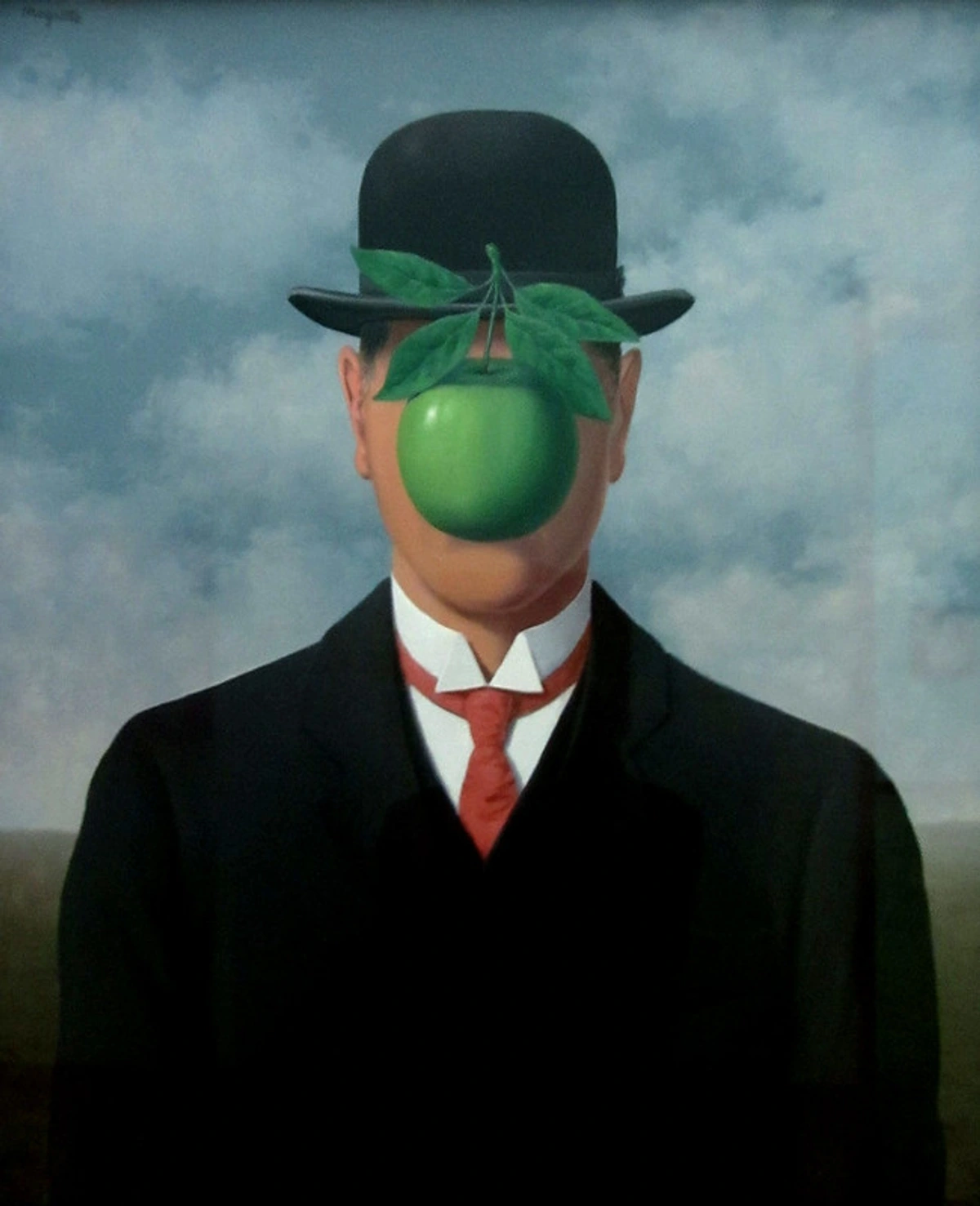
But the connection runs even deeper: Before the full-blown Surrealist movement, even earlier artists like the Symbolists (e.g., Odilon Redon, Gustave Moreau, Fernand Khnopff) and certain Expressionists (such as James Ensor or Edvard Munch, with their focus on internal psychological states and distorted figures) recognized a profound, almost mystical depth in Bosch's imaginative audacity, sensing a connection to the deeper, irrational currents of the human mind, appreciating the sheer power of his symbolic and visionary art. For instance, James Ensor's use of grotesque masks and macabre processions in works like Christ's Entry into Brussels in 1889 echoes Bosch's depictions of human folly and societal decay through exaggerated, monstrous figures. Similarly, Edvard Munch's The Scream, with its distorted figure and raw emotional intensity, captures a psychological torment that finds a medieval parallel in Bosch’s hellscapes and tortured souls. René Magritte, another surrealist master (see our page on [/finder/page/who-is-rene-magritte]), also drew on a similar sense of unsettling realism and unexpected juxtapositions.
Of course, Bosch's motivations were likely profoundly different. His work was rooted in a deep Christian morality about sin, salvation, and the consequences of human actions. The Surrealists, on the other hand, were exploring psychological states, the irrational, and the liberation of the mind from reason, often influenced by Freudian psychoanalysis. Yet, the visual result – the sheer imaginative audacity, the unsettling juxtaposition of the familiar with the utterly bizarre – is astonishingly similar. This just shows that the human imagination, across centuries and cultures, has always been drawn to the weird and the wonderful, perhaps as a way to process the unexplainable, or simply to express the unexpressible. It’s a testament to how artistic vision can transcend its original context and speak to entirely different eras, proving its timeless power. His unique visual language also influenced Northern European art more broadly, even if many artists didn't directly imitate his fantastical style. His meticulous detail, the moralizing undertones, and the innovative ways he engaged with complex narratives subtly shaped the artistic landscape of the Low Countries for generations, pushing artists to find new ways to depict the spiritual and the human condition.
His influence extends beyond painting, permeating popular culture. Echoes of Bosch’s hellscapes and fantastical creatures can be found in films (like those of Guillermo del Toro), video games (especially those with dark fantasy settings), graphic novels, and even music album art. His ability to create vivid, disturbing, and deeply symbolic worlds continues to inspire artists across mediums to explore the depths of human fear, desire, and imagination. It seems we're forever captivated by the twisted beauty of his mind, constantly finding new ways to interpret and reinterpret his extraordinary visions.
Unraveling the Mystery: Frequently Asked Questions About Hieronymus Bosch
Why are Bosch's paintings so weird and unsettling?
They're a product of his complex time, where abstract religious concepts and moral lessons were often given surprisingly literal and visceral visual forms! His work is a dense tapestry of late medieval religious symbolism, folklore, popular proverbs, and possibly alchemical texts. The 'weirdness' comes from his unique genius in depicting abstract concepts like sin, temptation, damnation, and the various forms of human folly. For instance, gluttony might be shown as figures being force-fed or devoured by monstrous birds, or lust as entangled naked bodies with giant fruits. He was a master at translating the invisible, terrifying forces of moral decay visually, making the spiritual dangers feel incredibly real and impactful to his contemporaries. Modern viewers, lacking the immediate context of medieval allegories, sometimes miss the 'logic' behind the 'madness,' which makes them even more unsettling and perpetually fascinating.

Was Hieronymus Bosch on drugs when he painted?
This is an almost irresistible question, isn't it, given the hallucinatory nature of his art! While the temptation to attribute such wild visions to a mystical brew or mind-altering substances is strong, there's absolutely no historical evidence to support it. While some contemporary scholars might explore the era's understanding of mental states or the effect of ergot poisoning (a fungal infection that can cause hallucinations), Bosch's immense creativity was fueled by the rich and often bizarre visual and spiritual culture of the late Middle Ages, not by hallucinogens. His visions were intellectual and spiritual, deeply informed by contemporary theological thought, widespread moralizing literature, and the pervasive fears of damnation, not chemical alterations. His art is a testament to the power of the human imagination and its ability to synthesize complex ideas into compelling visual narratives without external chemical aid. He was a master storyteller with a brush, drawing from a vast mental library of cultural references and anxieties.
Where did Bosch get his ideas for his fantastical creatures and scenes?
Bosch's vivid imagination didn't exist in a vacuum; it drew heavily from the rich tapestry of medieval popular culture and religious texts. His ideas stemmed from several sources:
- Biblical Narratives & Apocrypha: Especially tales of creation, the Fall, and the Last Judgment, often interpreted through medieval commentaries and devotional manuals.
- Medieval Bestiaries & Folklore: Books describing real and mythical beasts, often with moralizing allegories attached, such as dragons symbolizing sin or unicorns purity.
- Popular Proverbs & Sayings: Many of his scenes are visual literalizations of common proverbs, like "the haywain" or "carrying water in a basket."
- Morality Plays & Carnivals: The grotesque figures, inversions of order, and satirical elements seen in his art echo popular theatrical performances and festivals of his time.
- Sermon Exempla: Vivid stories told by preachers to illustrate moral points and warn against sin.
- Alchemical & Esoteric Texts: Though less direct, some imagery aligns with the era's fascination with transformation and hidden knowledge, often in a perverted or cautionary sense.
He was a master synthesizer, taking these widely understood elements and recombining them in startling, innovative ways to create his unique visual language, making the familiar terrifyingly new.
What was the role of religion in Bosch's art?
Religion was not just a theme in Bosch's art; it was its very foundation and purpose. His work is deeply rooted in late medieval Christian theology and moral teaching. He aimed to visually communicate complex religious doctrines, warnings against sin, the consequences of the Fall, and the ultimate fate of souls at the Last Judgment. His art functioned as a powerful spiritual tool, a visual sermon designed to provoke reflection, instill piety, and guide viewers towards salvation. The fantastical and terrifying elements were not for entertainment but served to make the invisible spiritual dangers of the world viscerally real and impactful to his audience, urging them to choose a virtuous path.
How did Bosch's art differ from his contemporaries in Northern Europe?
While Bosch shared the Northern Renaissance's meticulous attention to detail and oil painting techniques with contemporaries like Jan van Eyck or Rogier van der Weyden, his subject matter and stylistic approach set him dramatically apart. Most Northern artists of his time focused on serene portraits, detailed landscapes, or traditional, reverent biblical scenes, emphasizing naturalism and human emotion within a recognizable reality. Bosch, however, plunged headfirst into the realm of the grotesque, the fantastical, and the explicitly allegorical. He invented entire visual universes populated by hybrid creatures, absurd scenarios, and hellish torments, depicting abstract moral concepts with startling literalism and imaginative audacity. His contemporaries depicted the world as it was, or an idealized version; Bosch depicted the world as it felt in its moral struggle, anxieties, and spiritual peril – a unique and often disturbing internal landscape made manifest.
What do the giant strawberries mean in Hieronymus Bosch's paintings?
Ah, the iconic giant strawberries! In Bosch's work, and indeed in much of late medieval symbolism, these fruits, along with cherries, pomegranates, and grapes, frequently symbolize carnal temptation and the fleeting pleasures of the flesh. The oversized nature of these fruits specifically amplifies their alluring but ultimately corrupting power. They represent the seductive sweetness of sin that ultimately leads to bitterness, decay, and spiritual corruption. They are a potent visual metaphor for earthly delights that, while appealing, distract from piety and lead to damnation. It's a reminder that even the most innocent-looking pleasures can harbor dark consequences – a brief moment of indulgence leading to eternal suffering in Bosch’s moral universe.
What is the symbolism of birds in Bosch's art?
The symbolism of birds in Bosch's work is complex and often contradictory, reflecting medieval thought. While some birds, particularly those in his Eden scenes, might represent innocence or the human soul (like the doves in paradise), many others carry darker meanings. Owls, for instance, frequently symbolize evil, heresy, folly, or the devil, often appearing as hidden observers or active participants in scenes of moral decay (look for them discreetly observing or perched in shadowy niches). Magpies could symbolize gossip or vanity, while carrion birds often represent decay and the destructive consequences of sin. Other monstrous, bird-headed creatures, often seen devouring humans or participating in grotesque punishments, embody specific sins (like gluttony, as seen in The Garden of Earthly Delights) or represent the corruption of the natural world by human vice. Like much of Bosch's imagery, context is key; a bird's meaning can shift dramatically depending on its actions and surroundings. They are rarely benign in his most famous, disorienting visions.
What is the main message or purpose of his work?
The overarching message is a profound warning against sin and a visceral reminder of its eternal consequences. His paintings are essentially visual sermons, designed to urge viewers towards a path of morality and salvation, lest they face the horrific, and incredibly inventive, punishments of Hell he so vividly depicts. They're moralizing art of the highest order, meant to provoke reflection and encourage piety in an era deeply concerned with the afterlife and divine judgment. In essence, he wanted you to look at his art and be so terrified of sin that you’d choose a virtuous path, understanding the gravity of your earthly actions. It was a call to spiritual awakening, draped in unforgettable imagery.
What is the historical significance of Hieronymus Bosch's art?
Hieronmyus Bosch stands as a unique bridge between the late Gothic period and the Northern Renaissance, an artist whose vision was profoundly original and challenging for his time. His historical significance lies in several key areas: his unprecedented imaginative power in depicting moral and religious themes, moving beyond conventional iconography into deeply personal and often unsettling allegories; his profound psychological insight into human folly and sin, which resonated deeply with the spiritual anxieties of his era; and his role as a precursor to later artistic movements. He created a visual language that was both deeply rooted in medieval thought and startlingly modern in its inventive surrealism, setting him apart from his contemporaries and influencing generations of artists who sought to explore the darker, more irrational aspects of the human condition. He pushed the boundaries of artistic expression, leaving an enduring legacy as a visionary who dared to paint the unseen.
Is Hieronymus Bosch considered a Surrealist artist?
While Hieronymus Bosch's art shares a striking visual kinship with Surrealism – particularly in its dreamlike, illogical juxtapositions and fantastical imagery – he is not technically considered a Surrealist artist. The Surrealist movement emerged in the early 20th century, centuries after Bosch's death, and was deeply influenced by Freudian psychoanalysis and the exploration of the subconscious. Bosch, by contrast, was firmly rooted in late medieval Christian morality, with his works intended as didactic moral lessons about sin, salvation, and the Last Judgment. The similarities are fascinating, demonstrating a timeless human preoccupation with the irrational and the subconscious, perhaps even tapping into archetypal imagery or universal patterns in the human psyche that transcend specific cultural contexts. However, their underlying philosophical and cultural contexts are vastly different: Bosch was medieval, driven by theological concerns; the Surrealists were modern, consciously breaking from traditional reason to explore the depths of the mind. So, while visually similar, their intentions and intellectual frameworks diverge significantly.
Unlocking Bosch's World Today
For anyone interested in the local history of this enigmatic figure, a visit to his hometown is a must. The city still breathes his legacy, and you can get a real feel for his world at the Jheronimus Bosch Art Center. It's not just a museum; it offers a fantastic immersive experience, including a lift that takes you to the top of a replica of his workshop, providing panoramic views and a unique perspective on his creative environment. It's a journey I highly recommend, and you can find more details on planning a trip on the [/den-bosch-museum] page. Understanding this rich tapestry of belief and fear is crucial, but to truly unlock Bosch's genius, we must also learn to read the unique visual language he employed to express these profound anxieties and spiritual concepts. You can even bring a piece of this fascinating world into your own life; explore unique art inspired by profound visions at [/buy]. Perhaps you'll find a piece that sparks your own contemplation of dreams and nightmares, or the strange beauty found within. For those seeking deeper academic insights, numerous scholarly works offer extensive analysis of Bosch's iconography and historical context, providing even more layers to his complex genius, ensuring his work continues to be a vibrant field of study.


Hieronmyus Bosch remains one of art history's most compelling riddles – a visionary whose imagination soared to heights of both divine wonder and infernal horror. His art challenges us, provokes us, and ultimately, asks us to look deeper, not just at the canvas, but into ourselves and the enduring mysteries of the human condition. His legacy isn't just about bizarre creatures; it's about the timeless, unsettling questions he posed through them, questions that continue to resonate with us today. To continue your journey through art history, explore our comprehensive guide to [/finder/page/history-of-art-guide].