Art Commissions: Your Ultimate Guide to Bespoke Art & Collaboration
Unlock your unique vision with bespoke art. This guide demystifies art commissions, from finding your artist and understanding contracts to pricing, diverse art forms, and historical context. Your personal masterpiece awaits.

The Ultimate Guide to Art Commissions: Bringing Your Unique Vision to Life
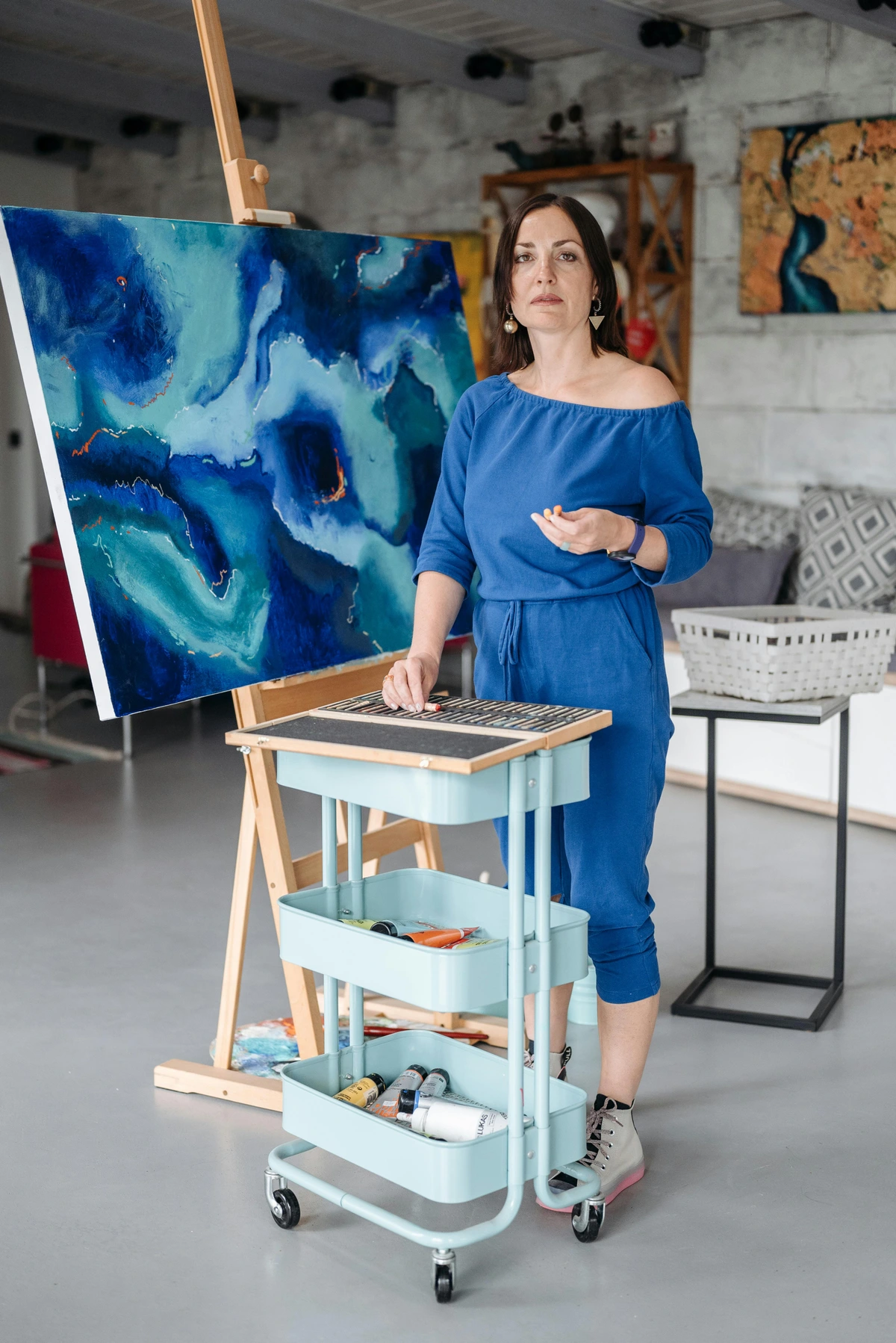
I remember the distinct chill in the air, the scent of fresh paint mingling with nervous anticipation. It was a few years ago, a client commissioning a large-scale abstract piece for their newly renovated loft. They had a specific color palette in mind, a whisper of a feeling they wanted to evoke – perhaps the tranquil anticipation of dawn or the vibrant hum of inspiration. The challenge wasn't just in the size, but in translating that feeling into brushstrokes; it's a delicate dance between emotional color palettes and dynamic composition, always with that exciting, slightly daunting fear of the unknown.
That's the heart of art commissions: it's a journey, a collaboration, a conversation – and honestly, one of the most rewarding experiences for both the collector and the creator. Instead of stumbling upon art that almost fits, you're stepping into a world where your vision, however nascent, can be brought to beautiful, tangible life, transforming not just a space, but perhaps even a little piece of your perspective. This guide isn't just a roadmap; it's an invitation to explore the profound potential of bespoke art, demystifying every step from initial spark to final masterpiece. By the end of this guide, you'll feel confident and inspired, equipped with a clear understanding of how to embark on your own art commission journey, transforming a nascent idea into a cherished reality.

What Exactly Is an Art Commission? It's More Than Just a Purchase
At its heart, an art commission is simply an agreement for an artist to create a unique piece of art specifically for a client. Think of it as bespoke tailoring for your walls, or a custom-built piece of furniture for your soul – an analogy I often use because it perfectly captures the essence of a truly personalized creation. It’s like commissioning a unique piece of music that perfectly captures a moment, or a custom-designed garden tailored to your personal oasis, a tailor-made suit for a very specific occasion. Unlike purchasing an existing piece from a gallery or a print from a limited edition, a commission is crafted for you, embodying a direct dialogue between your desires and the artist's creative interpretation. It's about partnering with an artist to craft something that fits your space, your aesthetic, and your story perfectly.
Now, here's a crucial point: it's not about dictating every brushstroke. I once had a client who loved the idea of an abstract piece but kept asking for very specific shapes and forms that bordered on figurative. It was a delicate conversation, where I had to gently explain that while their vision was paramount, my interpretation, my artistic voice, was what they were ultimately commissioning. We found a beautiful middle ground, and the resulting piece was all the stronger for it. This dance between shared vision and artistic interpretation is where the real magic happens, across a myriad of forms from painting and sculpture to digital art, bespoke jewelry, and even performance pieces.
Why Embark on an Art Commission? A Collaborative Advantage and Deep Connection
Why embark on an art commission? Is it truly worth the journey? This is a question I get a lot, and the answer, like good art, is multifaceted. For both sides of this creative partnership – the collector and the artist – there are truly unique joys and benefits. And sometimes, it's just about getting that perfect fit, the elusive piece that feels like it was always meant for that space, your space. But what makes it truly special, beyond just filling a space?
For the Collector: Beyond the Blank Wall
For you, the collector, commissioning art is about more than just filling a blank wall. It's about a personal narrative woven into your daily existence, a unique piece designed to complement your existing decor, fit a specific dimension, or resonate with a particular color palette. Perhaps you need a statement piece that finally makes sense of that awkwardly long wall, or a vibrant abstract that pulls together the different hues in your choosing art for your living room. No more endlessly searching for 'the one' that almost fits.
But the benefits run deeper. It's about the deep satisfaction of co-creation, the unique pride in owning something brought to life just for you. It becomes a tangible piece of your personal narrative, a visual anchor that can evoke cherished memories, celebrate milestones, or even reflect an aspiration. This isn't merely decor; it's a conversation piece, a legacy, and a profound contributor to your daily well-being. And there's a profound psychological benefit to surrounding yourself with art that holds such personal meaning; it contributes to your well-being and a unique sense of identity within your living space. While art can appreciate, I always tell people to buy what they love. However, acquiring a truly one-of-a-kind piece, often from an artist whose work you admire and who might be on the rise, is a wonderful way to begin collecting emerging abstract art: a guide to discovering tomorrow's masters. For more on understanding art's value, check out understanding-art-appraisals-what-every-collector-needs-to-know.
For the Artist: Fueling the Creative Fire
And for me, the artist, commissions are a different kind of fuel. Sometimes, a client's idea pushes me into new territory – a unique color combination I hadn't considered, or a request to incorporate an unusual material that forces me to innovate. It keeps the creative muscles flexed. I once had a client request a piece integrating antique clock gears; the delightful puzzle of making those cold, mechanical objects sing within an abstract painting was a challenge I still remember fondly. These bespoke projects often push me into uncharted creative territory, forcing me to experiment with new mediums, techniques, or conceptual approaches I might not have explored otherwise. They foster unexpected collaborations and lead to profound creative breakthroughs. There's a deep, unparalleled satisfaction in knowing a piece is going directly to someone who truly wants it, often for a deeply personal reason, and that my work will genuinely enhance their living or working space. It's a connection that mass-produced art simply can't offer. Let's be honest, commissions often provide a more predictable income stream, which is hugely important for sustaining a creative life. This financial stability allows me to set my own pricing structure more effectively than with existing works, enabling better business planning and investment in new materials, tools, or studio space. It helps me focus on the art itself, knowing the bills are (mostly) covered. Each commission adds to my body of work, demonstrating versatility and allowing me to craft a richer the art of the artist statement: crafting your narrative, expanding my reach and leading to new opportunities, even collaborations with interior designers or businesses seeking distinctive brand art. For a glimpse into my creative approach, see my-creative-flow:-embracing-intuition-in-abstract-painting.
Collaborative Benefits: A Quick Look
For the Collector (You)  | For the Artist (Me) |
|---|---|
| Perfect Fit: Designed to complement your decor, dimensions, or color palette. | Creative Challenge: Pushes artistic boundaries, inspires new techniques and materials. |
| Personal Connection: Embodies a memory, feeling, or tribute, a deep personal narrative. | Direct Engagement: Profound satisfaction knowing a piece goes to someone who truly wants it. |
| Emotional Resonance: A piece that deeply connects to your personal story, values, and well-being. | Creative Fulfillment: The deep joy of bringing a shared vision to life, expanding artistic horizons. |
| Investment in Originality: Acquiring a truly one-of-a-kind piece, supporting a living artist. | Financial Stability: Often provides a more predictable income stream, sustaining creative life. |
| The Experience: Being part of the creative process, understanding the story behind your unique creation. | Portfolio Expansion: Showcases versatility, leading to future opportunities and broader appeal. |
| Unique Artistic Discovery: The thrill of acquiring a piece that feels deeply personal and undiscovered. | Deepening Artistic Voice: New challenges refine aesthetic and techniques. |
| Legacy & Well-being: Creates a lasting heirloom and enhances your living environment. | Networking: Builds relationships with patrons, designers, and other creatives. |
| Shared Creative Journey: Active participation and insight into the artistic process. | Trust and Validation: Direct confirmation that artistic vision resonates and is valued. |
The Commission Journey: A Collaborative Roadmap, Step-by-Step
So, how does this magical collaboration actually unfold? It's not just a series of transactions, but a truly collaborative process, a fascinating dialogue between your desires and my creative process. While every artist has their own unique flow, there's a pretty standard path that we typically follow. Let's look at the journey as a series of parallel steps.

Step 1: Initial Inquiry & Vision Sharing – The Spark
- Your Path: This is crucial. Don't just pick someone whose work you like; find someone whose existing style and aesthetic truly resonate with the vision you have in mind. Look for consistency, testimonials, and past commission examples, but also research their communication style, professionalism, and how they handle feedback – reading reviews from previous clients can be incredibly insightful here. If you love bold abstracts, don't ask a hyperrealist painter for a landscape (unless you're seeking a truly wild departure!). Consider how the artist's approach to how-artists-use-color, the-psychology-of-color-in-abstract-art-beyond-basic-hues, or what-is-design-in-art aligns with your desires, or if their approach to abstract expressionism fits your space. Take a good look at my timeline to see if my artistic journey aligns with what you're looking for. Reach out! Be clear but concise about what you're looking for: size, overall theme or emotional landscape (if applicable), color preferences, budget, and any deadlines. Consider providing 3-5 keywords that describe the desired mood (e.g., 'serene,' 'energetic,' 'introspective'), preferred color families (e.g., 'warm earth tones,' 'cool blues and greens,' 'vibrant primaries'), and any absolute 'no-go' elements or colors. Photos or videos of the space where the art will live are incredibly helpful, allowing the artist to gauge scale, light, and existing aesthetics. Remember, the 'click' with an artist goes beyond just their portfolio; it's about trust and shared excitement. For tips on choosing art for different spaces, explore how-to-choose-art-for-a-dining-room, how-to-choose-art-for-a-home-gym, how-to-decorate-a-house, how-to-choose-art-for-a-bathroom, how-to-decorate-a-kitchen, choosing-art-for-high-traffic-areas-durability-tips, and the-art-of-display:-how-to-light-and-position-abstract-art-for-maximum-impact.
- My Path: Does this project sing to my soul? Does it fit my current creative dance card? Because let's be honest, not every request is a perfect duet, but when it is, that feeling of alignment is truly electric! I've learned that a graceful 'no' to a project that doesn't resonate is often better for everyone. If it feels right, I'll ask detailed questions about the client's space, preferences, and the emotional resonance they're seeking. Visual references are invaluable here. This helps me understand the 'why' behind their request, not just the 'what'.
Step 2: Concept Development & Proposal – Translating Dreams into Blueprints
- Your Path: The artist will likely ask more questions, perhaps offer a sketch or mood board. This is where you iron out the details, clarify expectations, and explore possibilities. You'll discuss how the piece might complement your existing decor or fill a specific niche. Critically, be prepared to articulate your vision clearly and listen openly to the artist's suggestions; this is a partnership that thrives on active participation from both sides. They'll then present a formal proposal, including the scope of work, timeline, and pricing. Be honest if something isn't quite right; this is the stage for constructive feedback.
- My Path: This is where I dive deep. I'll create sketches, digital mock-ups, or even small studies to visualize the concept. It's about finding that sweet spot between their vision and my artistic voice, sometimes a delicate dance! This is an iterative process where your feedback on sketches or mood boards is crucial. I'll typically offer one or two rounds of minor adjustments within this stage to ensure we're both aligned before moving into material acquisition and actual creation. I'll draft the formal proposal, outlining all the nitty-gritty: medium, size, estimated completion date, price, payment schedule, and my terms (revisions, shipping, etc.). I also clarify client expectations regarding artistic freedom versus direct instructions – it's a partnership, after all. This is where we ensure our creative compasses are aligned.
Step 3: Agreement, Contract & Deposit – Setting the Foundation
- Your Path: Once you agree, a contract is drawn up – yes, even for art! It protects both of you. A deposit (often 30-50%) is typically required upfront to cover materials and secure the artist's time. Don't skip reading the fine print; it's your peace of mind.
- My Path: The paperwork is handled, the deposit is received, and the project officially begins! This is the point of no return (in the best possible way), where the abstract idea begins its journey to tangible form.
Step 4: Creation Process & Updates – The Artistic Journey Unfolds
- Your Path: The artist gets to work! Many artists (myself included) will send periodic updates – progress photos, maybe a video. This isn't usually a time for major changes, but more for exciting check-ins. It's also worth noting that artists could offer different levels of update frequency or detail as part of their commission packages, allowing you to choose your preferred level of involvement during creation. Trust the artist's process; the magic often happens in the quiet, focused moments. Remember that a bit of patience goes a long way here.
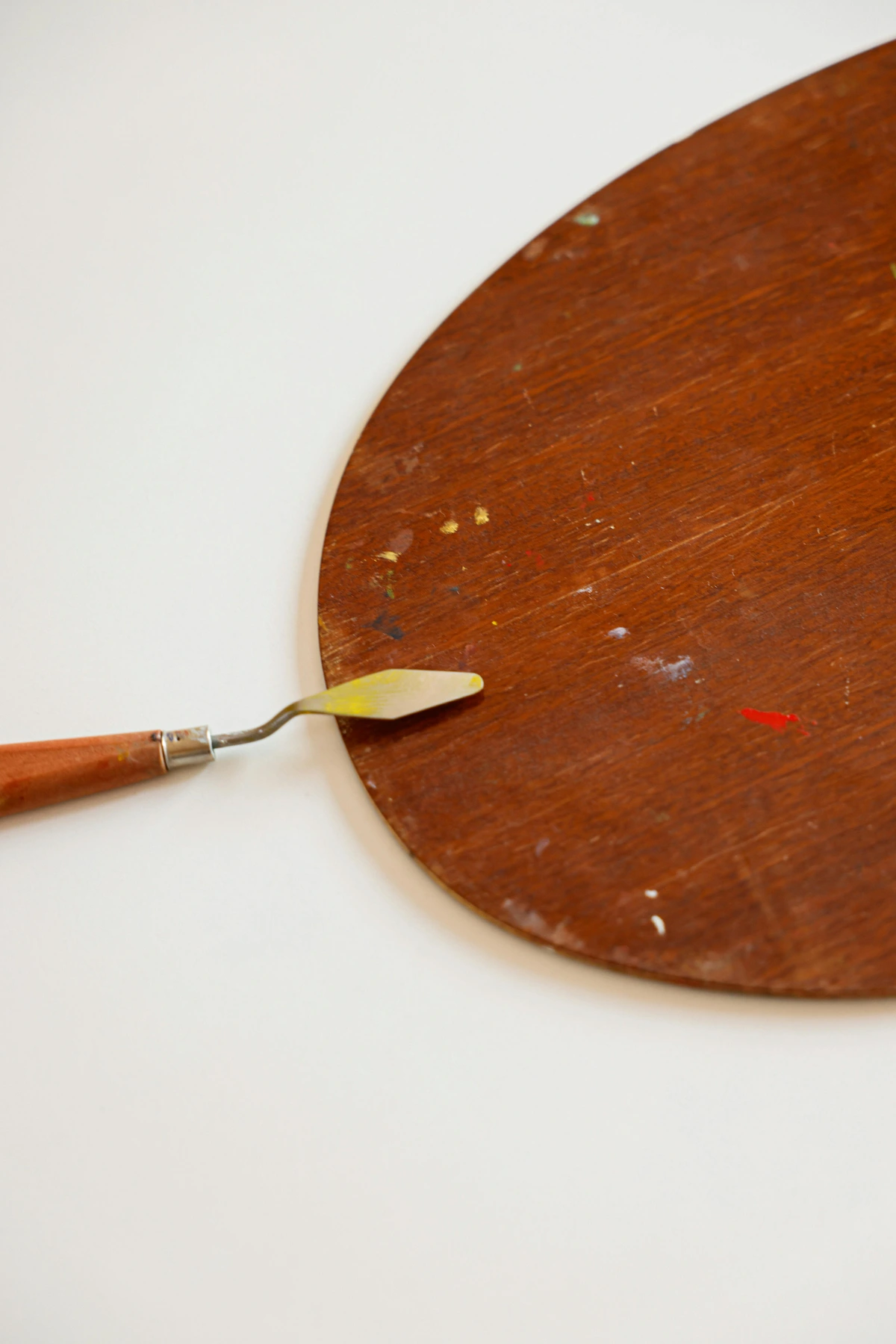
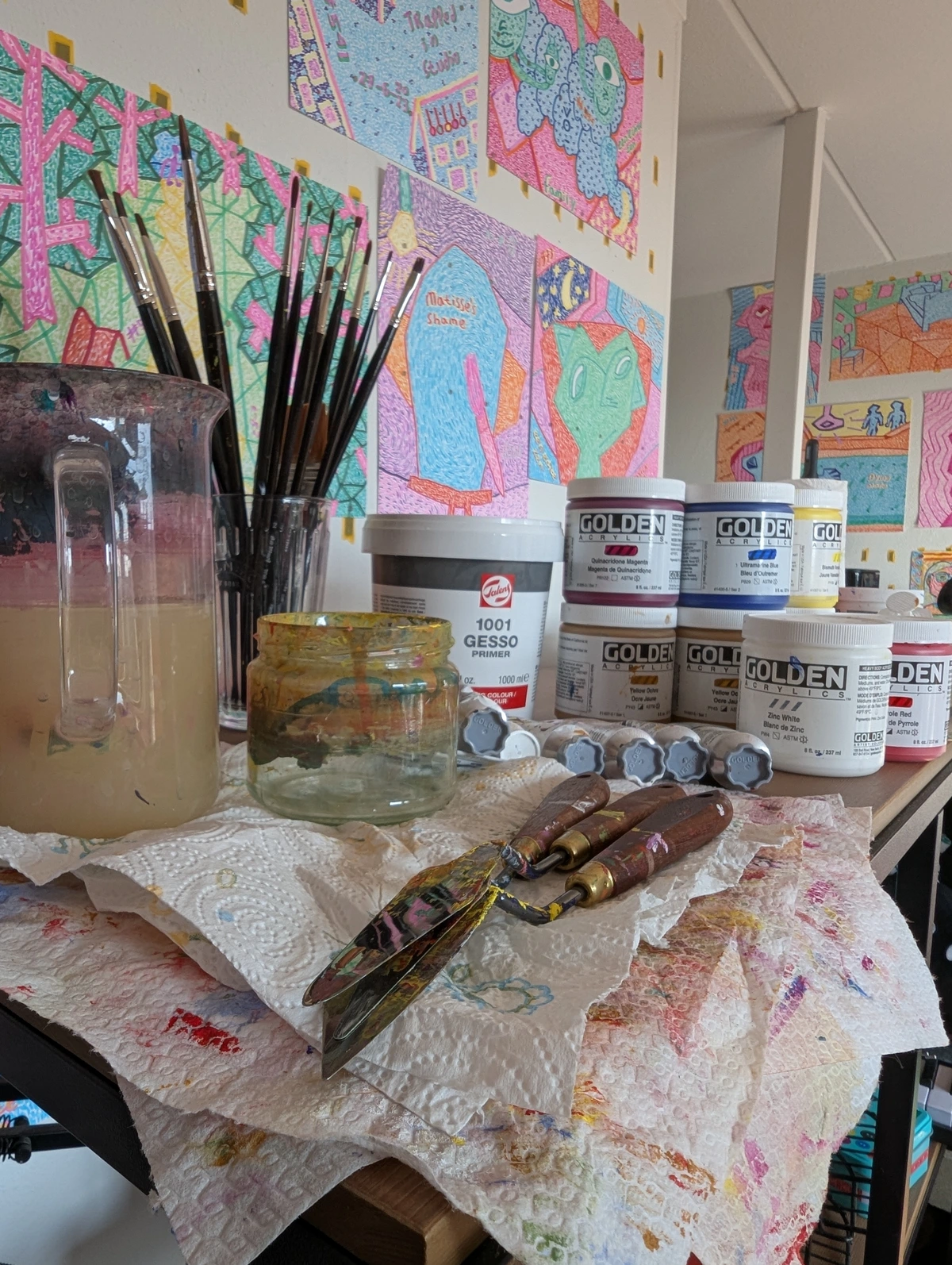
- My Path: This is the core. I immerse myself in the creation. Depending on the medium (say, working with what-is-a-palette-knife-and-how-to-use-it for a textured piece, or delving into definitive-guide-to-paint-types-for-artists), this can be a very physical or deeply meditative process. I keep the client informed with progress shots, but generally limit the number of 'decision points' to keep the creative momentum going. Any minor adjustments you request during these check-ins would be discussed and incorporated within the agreed-upon revision policy outlined in our contract. Too many cooks spoil the broth, right? It's about finding that delicate balance between involving the client and protecting the creative flow.
Step 5: Final Approval, Payment & Delivery – The Grand Reveal
- Your Path: Once the piece is complete, you'll review it. Assuming it meets the agreed-upon vision, you'll make the final payment. The artwork is carefully packaged and shipped, or sometimes even delivered personally. Then, the best part: you get to live with and enjoy your unique creation! Once you're thrilled and the final payment is made, the artist's journey reaches its satisfying conclusion. This is the moment where vision becomes reality.
- My Path: Once complete, I present the finished piece for approval. After the final payment, I meticulously prepare it for its new home. Seeing a client's joy upon receiving their commissioned piece? That's truly priceless. It’s the rewarding culmination of our shared creative journey.
Navigating the Nuances: Essential Considerations for a Smooth Experience
Think of these as the key considerations for a successful and delightful collaboration, ensuring clarity and mutual respect. Like any bespoke service, there are a few things to keep in mind to ensure a smooth, delightful experience for everyone involved. Think of these as the unwritten (and sometimes written) rules of engagement.

The Art of Pricing: Deconstructing the Cost of Creativity
How much does an art commission cost? Well, that's like asking 'how long is a piece of string?' It varies wildly based on:
- Artist's Reputation & Experience: Established artists with a strong track record command higher prices. You're not just paying for their years in practice, but for their accumulated expertise, their demonstrated ability to execute complex projects, their market demand, their exhibition history, critical reception of their work, and the unique perspective and skill refined over years – their specific 'hand'.
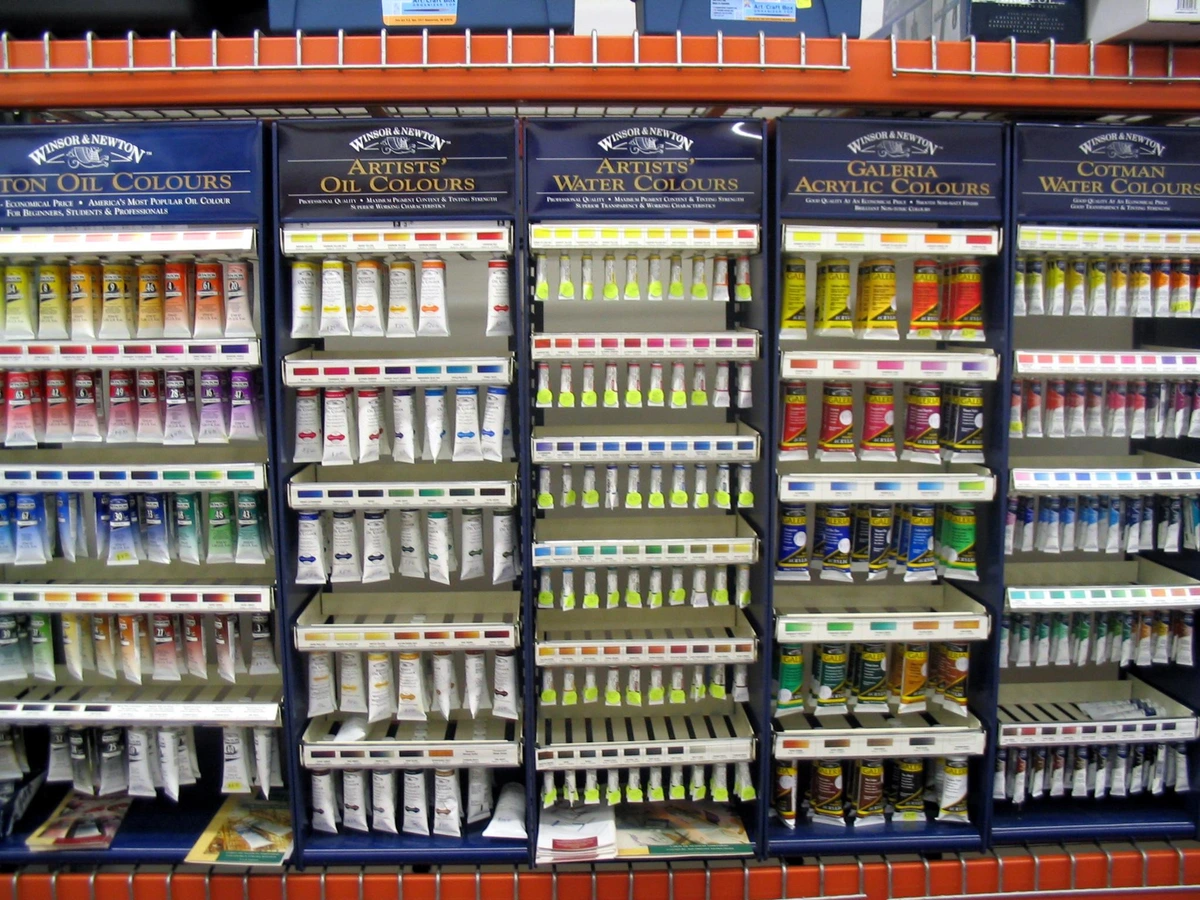
- Size & Medium: A large oil painting, for instance, requires more materials and time than a small sketch or a digital piece. Different mediums also have varying material costs (for more, see definitive-guide-to-paint-types-for-artists). I once found myself buying an absurd amount of a very specific shade of blue for a large commission, and let me tell you, that adds up! It's also essential to factor in potential costs for professional art handling, insurance during transit, and shipping, which are often separate from the artwork's price itself.
- Complexity & Detail: Intricate details, multiple subjects, or specialized materials (like gold leaf or custom pigments) significantly add to the cost. A simpler abstract piece will typically be less expensive than a highly detailed portrait.
- Timeline: Rush jobs often incur additional fees because they require the artist to re-prioritize existing work or dedicate extra hours. Creativity, like a good wine, rarely thrives when rushed.
Artists often factor in an hourly rate for their time, plus material costs, studio overhead, and a 'reputation multiplier' reflecting their demand and value in the market. Always ask for a clear breakdown or explanation. Most artists structure payments with a non-refundable deposit upfront (covering material costs and securing time), and the balance due upon completion and approval. Always get this in writing!

The Contractual Canvas: Protecting Both Parties and Preventing Pitfalls
Please, please don't skip the contract! It protects both parties by clearly outlining the scope of work and preventing misunderstandings. It's essentially a blueprint for your collaboration. Key elements include:
- Scope of Work: What exactly is being created? Size, medium, general subject matter, and any specific requirements you've discussed. This avoids scope creep (when a project's requirements or deliverables increase over time beyond initial agreements) and ensures everyone is on the same page.
- Deliverables: What the client receives (e.g., framed, unframed, digital file, certificate of authenticity).
- Timeline: Start and estimated completion dates, including any agreed-upon check-in points.
- Payment Schedule: Deposit amount, balance due, and acceptable payment methods.
- Revision Policy: How many revisions are included, at what stages (e.g., initial sketch approval, mid-point), and what constitutes an additional charge. It's crucial to understand that revisions are for refinement of the agreed-upon concept, whereas significant changes to the fundamental vision may incur additional fees or constitute a new commission entirely.
- Shipping/Delivery: Who pays, how it's handled, and insurance details.
- Copyright: This is a big one. Typically, the artist retains copyright, even if you own the physical piece. This means they can make prints or use images for their portfolio. However, specific reproduction rights for personal use (e.g., family photos, private publications) can sometimes be negotiated and stipulated in the contract. Think of it like buying a song: you own the recording, but the songwriter still owns the rights. It's worth noting that for certain commercial contexts, 'work-for-hire' arrangements exist, which legally transfer copyright to the client; this is a distinct, more complex legal arrangement from typical art commissions and involves a separate, more comprehensive contract, while for personal art commissions, artists almost always retain copyright. For further reading on this, consider understanding artist royalties and licensing. What if I, the artist, am unexpectedly unable to complete the commission due to unforeseen circumstances like illness or accident? A robust contract will outline such rare eventualities, often detailing a pro-rata refund of the deposit based on work completed, or offering a substitute artist (with your approval). It will also clearly define what constitutes 'final approval' of the artwork.
And communication? It's the bedrock. Be clear, be honest, and be respectful of the artist's process. Trust me, a little over-communication at the start is far better than assumptions later down the line. It's like building a house; you want a solid foundation for everything that comes after.
Practicalities and Expectations: The Unseen Layers of Collaboration
Before we dive into timelines and potential pitfalls, let's briefly acknowledge the importance of practical alignment. Just as a chef needs to understand dietary restrictions, an artist needs clear parameters to deliver a masterpiece. Managing expectations – both yours and the artist's – is truly key to a successful experience, transforming potential hurdles into minor detours. This isn't just about the art; it's about the entire journey.

Setting Realistic Timelines: The Pace of Creativity
Art takes time. Creativity isn't a faucet you can simply turn on and off at will (oh, how I wish!). A commissioned piece can take anywhere from a few weeks to several months, or even longer for very large or complex works. To give you a rough idea: a small digital illustration might take 2-4 weeks, a medium-sized oil painting 6-12 weeks, and a complex sculpture or mural could easily extend to 3-6 months or more, depending on scale and logistics. Always discuss the artist's current availability and estimated timeline upfront. I typically estimate timelines by breaking the project into distinct phases—concept, material sourcing, creation, drying/finishing, and shipping—and assigning realistic timeframes to each, building in buffer time for unexpected delays. Don't expect daily updates, but do expect to be kept informed at key milestones. Realistic expectations are your best friend here. Remember, quality art is rarely rushed. It’s a process that unfolds, not a product that’s manufactured.
Common Pitfalls to Avoid: Lessons Learned
Even with the best intentions, sometimes the road gets bumpy. Here are a few common stumbling blocks I've seen (or even stumbled over myself) and how to avoid them:
- Unrealistic Expectations: Both in terms of timeline and budget. A masterpiece in two weeks for a shoestring budget? Unlikely. Be honest about your constraints, and respect the artist's expertise on what's feasible.
- Vague Communication: "Make it colorful" isn't enough. Provide references, explain the feeling you want, share photos of the space. The clearer you are upfront, the less room for disappointment. I once learned the hard way about this when a client's "make it glowy" request led to some truly unexpected interpretations!
- Dictating vs. Collaborating: While it's your vision, remember you're hiring an artist for their unique interpretation. Trying to control every brushstroke stifles their creativity and often leads to a less authentic, less powerful piece. Instead of "Paint this exact flower in this exact spot," try "I'd love a sense of natural growth, perhaps with elements reminiscent of [specific flower] in the lower right, allowing your interpretation to guide the composition."
- Lack of Research into the Artist's Portfolio and Style: This is a big one. A client should thoroughly review an artist's past work, not just a single piece, to ensure their overall style genuinely aligns with what the client desires. Commissioning someone whose existing work doesn't quite match your vision is a recipe for disappointment, no matter how talented they are.
- Ignoring the Contract: It's there for a reason! Understand the revision policy, payment schedule, and copyright terms before signing. It’s far easier to clarify upfront than to troubleshoot later.
Troubleshooting & Conflict Resolution: When Things Go Sideways
If a significant disagreement arises, or if an artist misses a deadline, open and honest communication is the first step. Refer back to your contract; it should explicitly outline procedures for such eventualities, acting as the primary document for dispute resolution. Many artists are willing to work through issues to ensure client satisfaction, often offering additional revisions or finding a compromise. In rare cases, if a resolution can't be reached, before escalating to mediation or legal advice, a cooling-off period or a request for a third-party art advisor's opinion could be a helpful intermediate step for complex disagreements. Mediation or legal advice might then be necessary, but this is usually a last resort for complex or high-value commissions. Proactive communication and a clear contract usually prevent things from escalating, turning potential problems into minor detours.
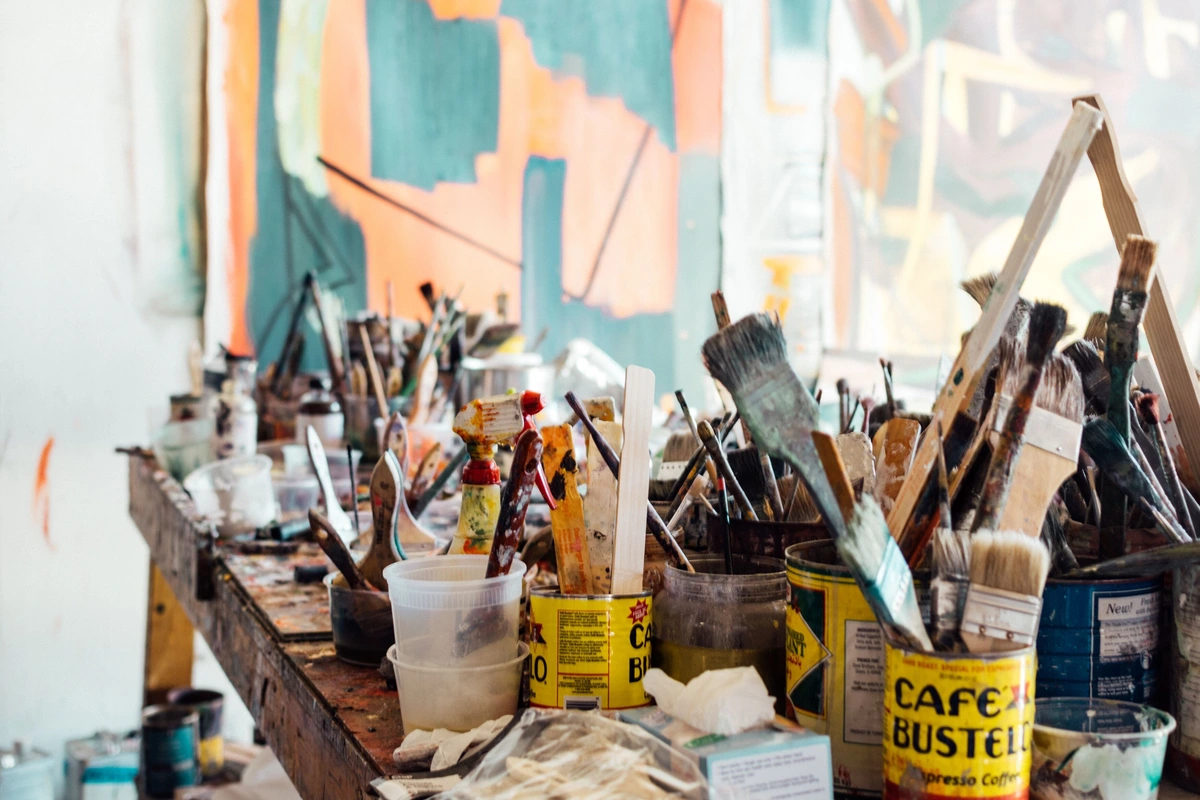
Beyond the Canvas: Exploring Diverse Forms of Commissions
While painting might be the first thing that comes to mind, art commissions truly span a vast spectrum of creative disciplines, offering incredibly diverse ways to bring your vision to life. Here's a glimpse at how your vision can manifest in various forms, far beyond a simple canvas.
Three-Dimensional Wonders: Sculpture & Ceramics
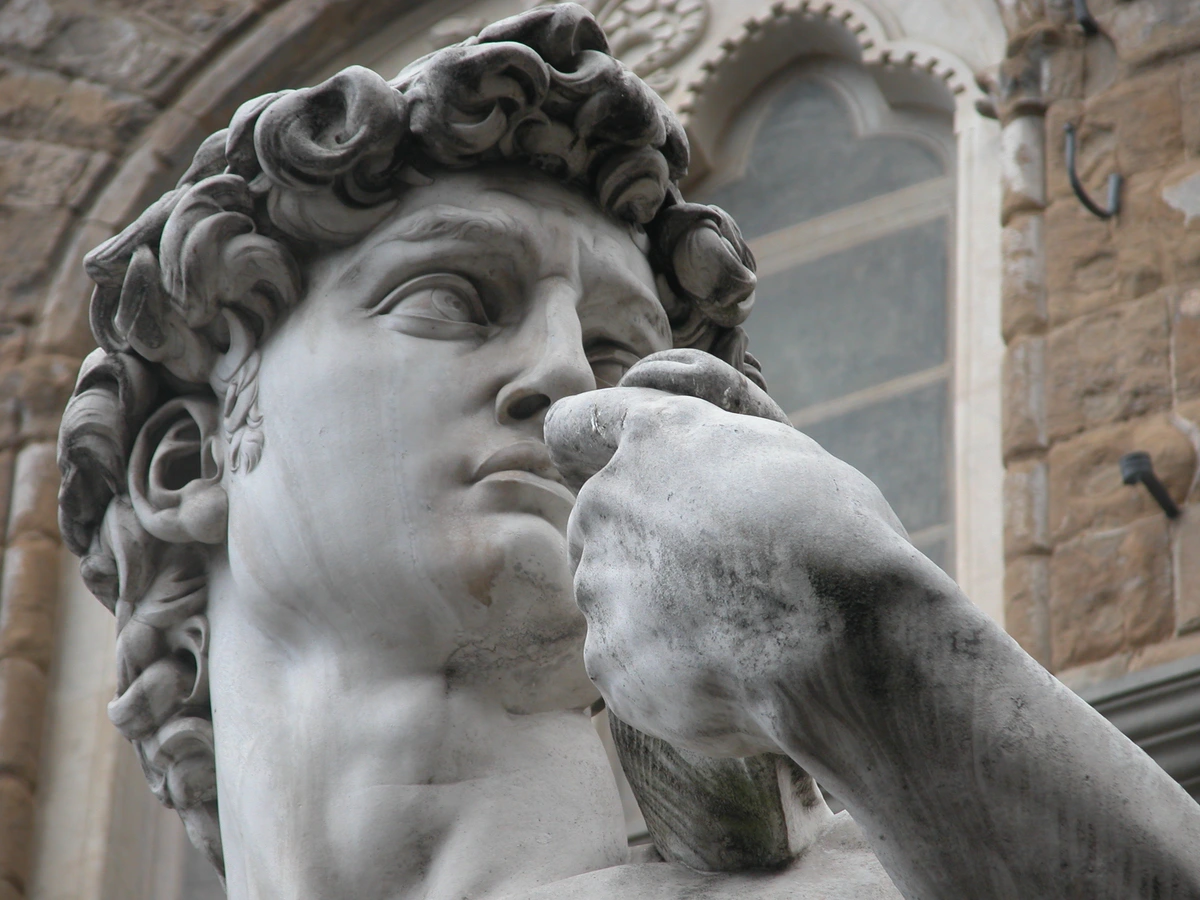
From monumental public installations to delicate ceramic pieces for your home, sculptors can bring three-dimensional visions to life. Consider a custom bust, an abstract form for a garden, or a unique introduction-to-ceramics-history-techniques-and-contemporary-practice piece. These works can be specifically designed to complement interior design styles, from minimalist to maximalist or biophilic, integrating seamlessly with architectural elements like niches, ledges, or garden landscapes to create a cohesive environment, making them unique architectural additions. They add physical presence and depth that a flat surface simply can't match. For insights into working with various materials, explore my-journey-with-mixed-media:-blending-materials-for-abstract-expression.
The Digital Frontier: Digital Art & Illustration
In our increasingly digital world, commissioning digital art for album covers, book illustrations, custom website graphics, or unique visual content is growing. We're also seeing a rise in commissioned character design, concept art for games or films, animated digital art, or explainer videos, which offer incredible potential for dynamic visual storytelling. These commissions require specific discussions around file formats, resolution, and digital usage rights. While some artists dabble in non-fungible tokens (NFTs), it's wise to approach these with careful consideration of their speculative nature and environmental impact; the value of digital art, for me, lies in its aesthetic and communicative power, not its blockchain certificate. For more on this evolving field, see the-rise-of-digital-abstract-art-a-new-frontier-for-collectors.
Public Statements: Murals & Public Art
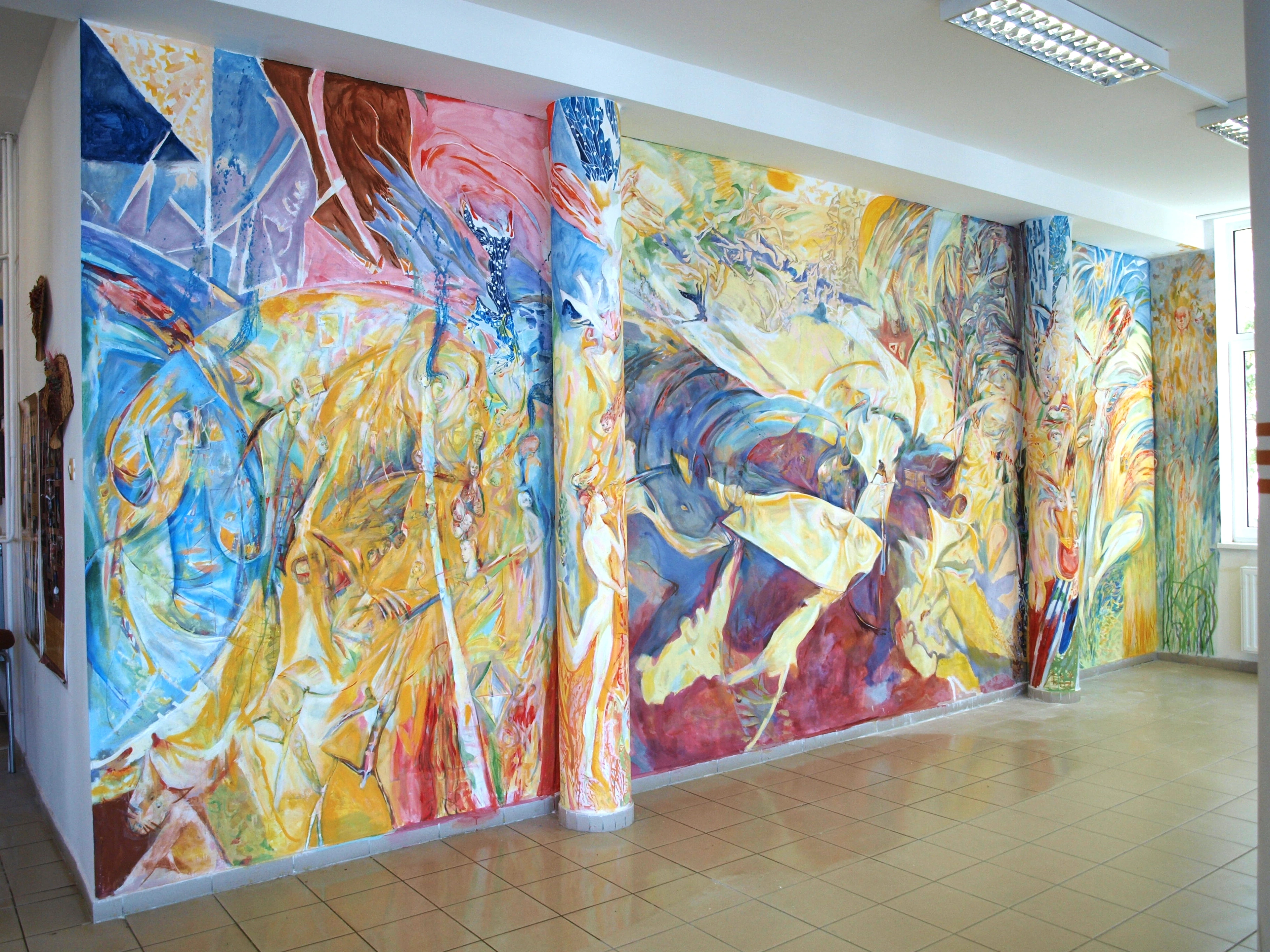
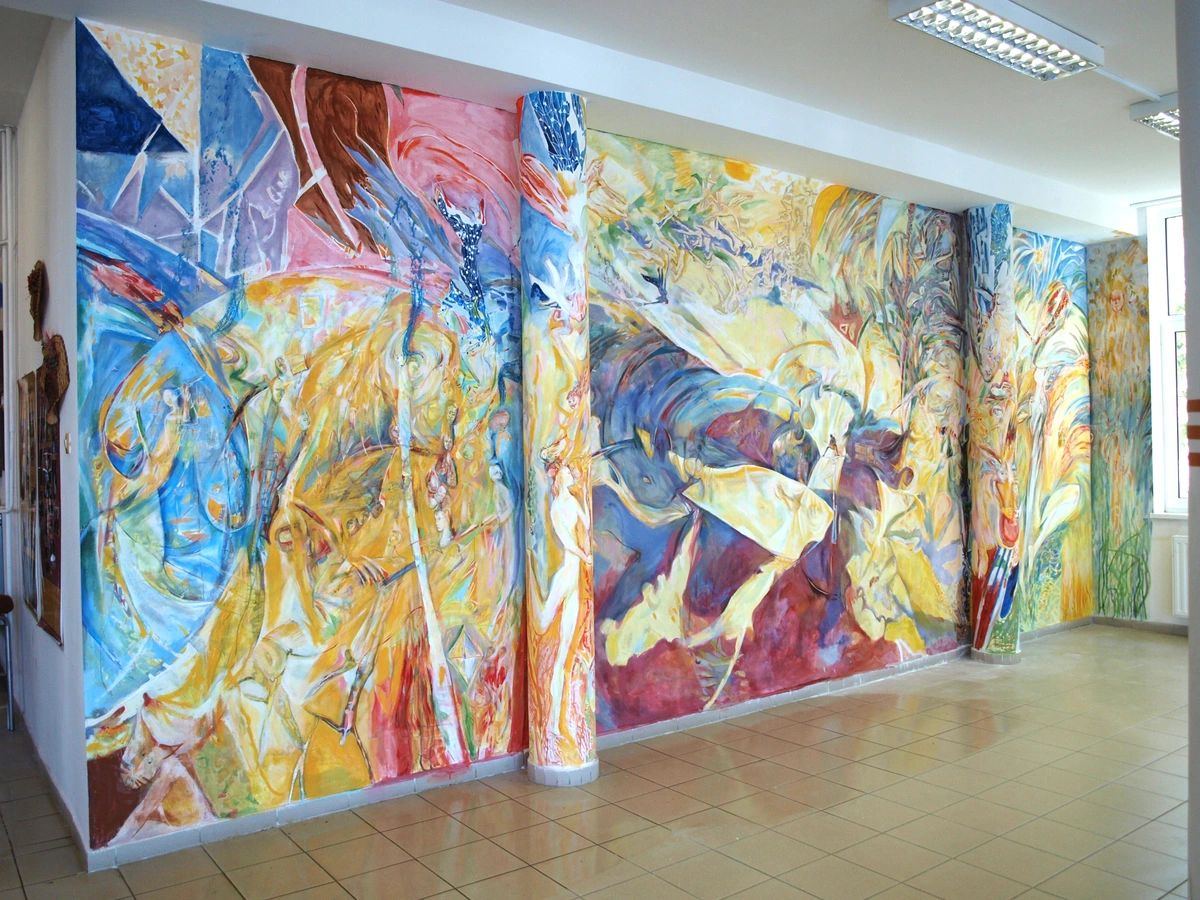
Transform a large wall, a building facade, or a public space with a commissioned mural. These often involve complex logistics, permits, significant community engagement, and can move beyond private patronage into civic branding or cultural identity projects. Ethical considerations and the importance of inclusivity and relevance to the local context are paramount for truly successful public art, making them a powerful statement in a community. Think of them as open-air galleries, constantly engaging with the public and reflecting its spirit.
Tactile Narratives: Textile Art & Fiber Arts
From intricate tapestries and quilts to bespoke fashion pieces, artists working with textiles can create soft, tactile, and deeply personal works. (qa-with-a-textile-artist-exploring-fiber-art-in-contemporary-practice) Imagine a hand-woven piece that subtly reflects the patterns in your favorite rug, adding warmth and unparalleled texture. Beyond the purely decorative, commissioned textile art can even be interactive or functional, like custom upholstery or integrated wall hangings with built-in storage, truly blending art with daily life.
Wearable Stories: Custom Jewelry & Wearable Art
For something truly unique, commission a jeweler to create a one-of-a-kind piece that embodies a special meaning or aesthetic – perhaps even bespoke accessory design, like a custom handbag or scarf. These are personal talismans, art you carry with you.
The Unseen: Performance Art & Music Composition
While less tangible, you can even commission a unique performance piece or a musical composition tailored to a specific event or concept. This is art that lives in the moment, a fleeting but powerful experience.
When commissioning any of these diverse forms, particularly for businesses, corporations, or public institutions, the motivations often extend to branding, corporate identity, or creating public landmarks. This typically entails more complex contractual agreements and negotiation processes compared to private commissions, focusing heavily on usage rights and public perception.
A Glimpse into History: The Enduring Legacy of Commissions
While we think of art commissions as a modern-day luxury, the practice has a rich and storied history, predating galleries and the speculative art market as we know it today. It was, for centuries, the primary mode of art creation, often managed through powerful guilds and academies that structured artists' careers and commissions.
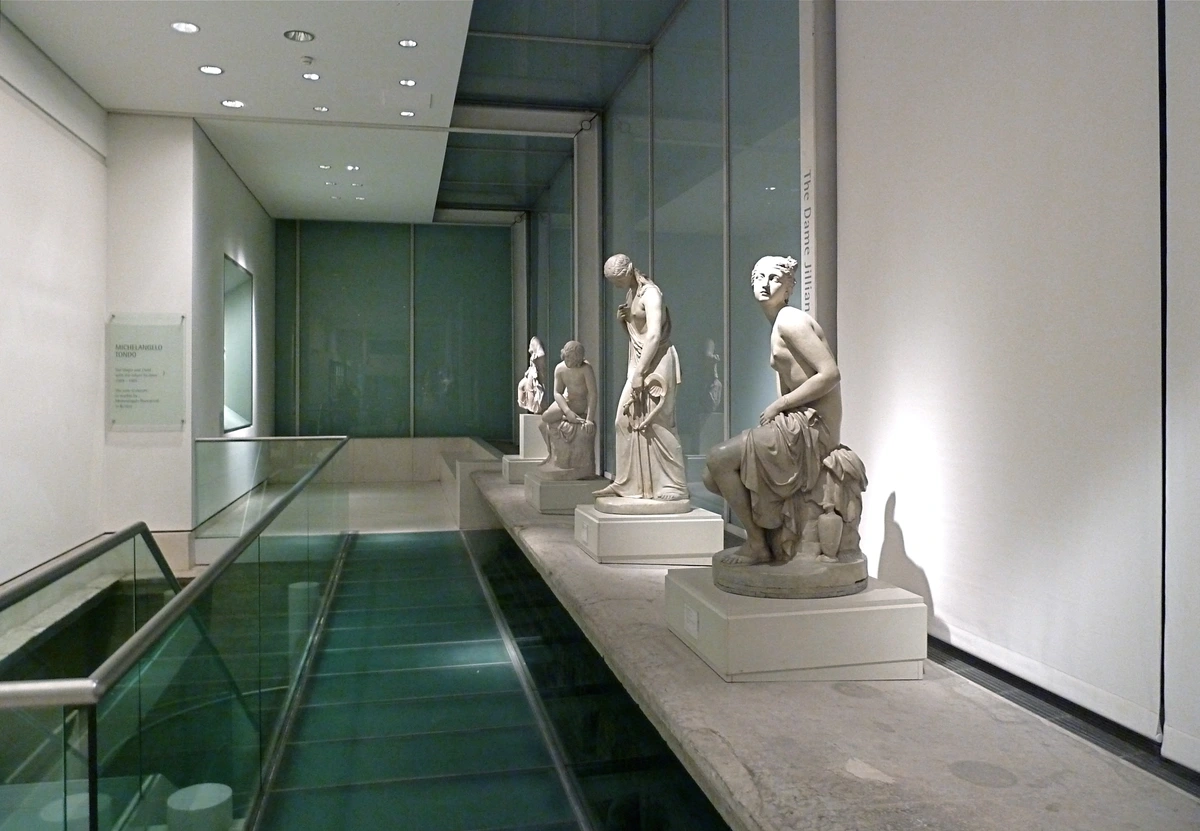
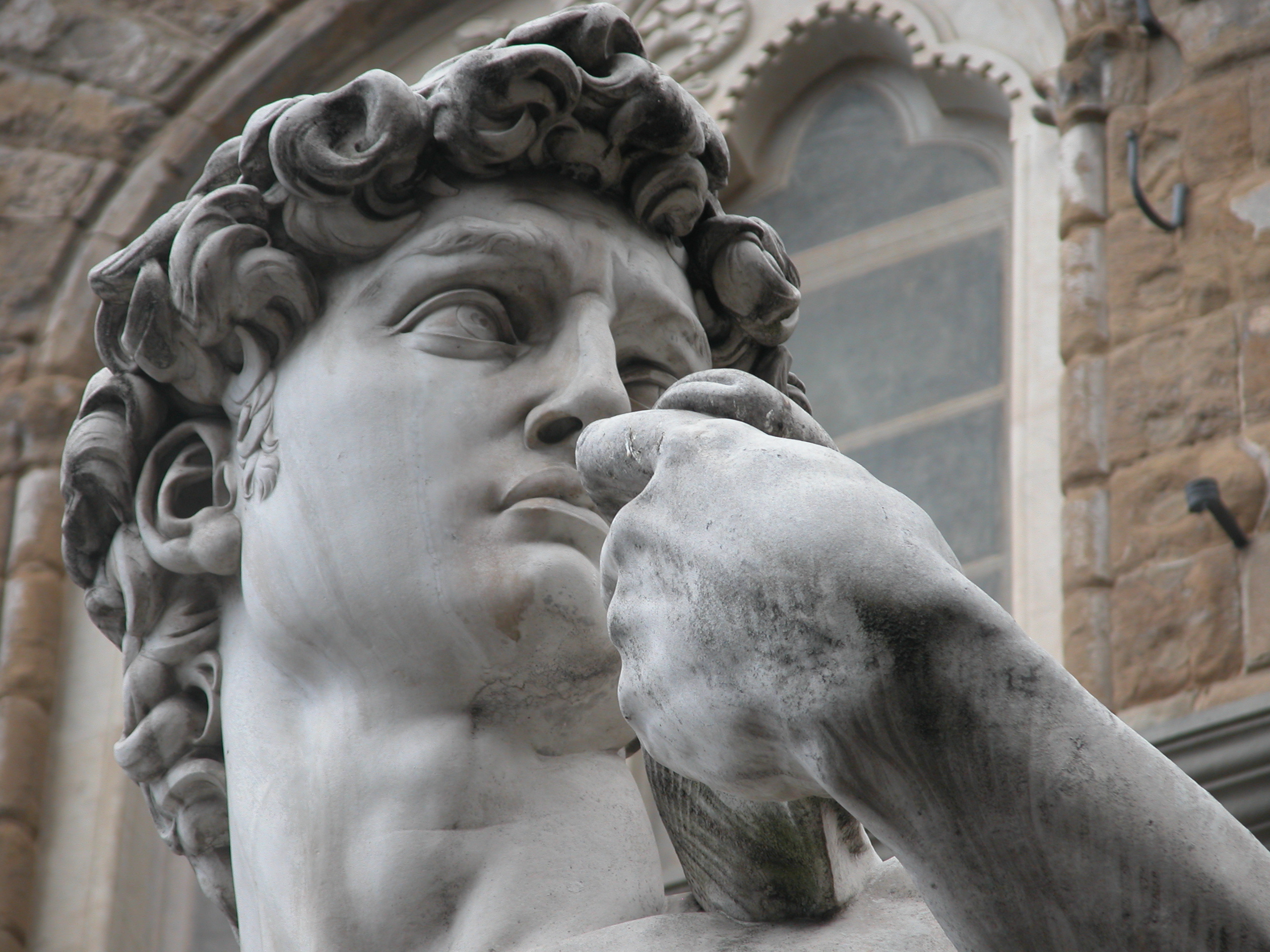
From the grand patrons of the Renaissance who commissioned masterpieces, art was a declaration of power, faith, and prestige. Consider Michelangelo's Sistine Chapel ceiling, commissioned by Pope Julius II in the early 16th century – a monumental undertaking that transformed a sacred space and solidified the Pope's legacy, forever altering the course of art history. Or Leonardo da Vinci's The Last Supper, created for Duke Ludovico Sforza for the refectory of the Convent of Santa Maria delle Grazie in Milan, designed not just as a painting, but as an integral part of its architectural setting, its innovative technique still studied today. Beyond these grand fine art examples, historically, commissions also extended to fields like scientific illustration for burgeoning natural history studies, detailed cartography for explorers, or even intricate tapestries for royal courts, showcasing the immense breadth of bespoke creation across human endeavor. These were not artists painting what they felt like and then hoping for a sale; they were masters executing specific visions on a grand scale, often tied to political, religious, or dynastic objectives.
During the Dutch Golden Age, a burgeoning merchant class began to commission portraits, still lifes, and genre scenes, shifting patronage from the church and aristocracy to a broader, affluent populace. This economic model fostered direct relationships between artists and their clients, leading to a flourishing of diverse artistic styles that reflected the values and daily lives of the time. The demand for art became democratized, even if only among the wealthy. For more historical context on art forms, see the-history-of-photography-as-fine-art.
This historical context reminds us that commissioning art isn't just a transaction; it's a continuation of a timeless tradition of collaboration between visionaries and creators. It’s a profound connection to the very origins of art history, allowing you to participate in a lineage of patronage that has shaped our cultural heritage. It's a powerful and personal connection to the grand narrative of art itself, a narrative that continues to evolve right up to our modern-day practices.
Frequently Asked Questions: Demystifying Your Commission Journey
To further clarify any lingering questions you might have about this fascinating process, here are some common queries I encounter, demystifying the journey a bit more.
- Q: Can I request changes during the process?
- A: Most artists include a limited number of revisions in their contract, usually at specific stages (e.g., initial sketch approval, mid-point check-in). It's vital to remember that these revisions are typically for refinement of the agreed-upon concept. Major changes late in the process that fundamentally alter the initial vision may incur additional fees as they often mean redoing significant work or could even constitute a new commission requiring a separate discussion and fee. It's always best to communicate thoroughly at the beginning to avoid major shifts later on. Think of it like editing a book – you can refine sentences, but you can't rewrite the entire plot halfway through.
- Q: What if the artist's style evolves during the commission?
- A: This is a great question! While artists' styles naturally evolve, a commission is based on an agreement for a piece in their current or agreed-upon style at the outset. Reputable artists are committed to delivering a piece consistent with the style presented and agreed upon. If there's a significant, unexpected stylistic shift during a long-term commission, open communication is key. The contract should ideally have clauses addressing significant deviations, but often, the artist will work with the client to ensure satisfaction or find a suitable compromise. It’s about trust and transparency on both sides.
- Q: Can I commission a copy of an existing artwork?
- A: Generally, no, not if the artwork is copyrighted. Most ethical artists will not create direct copies of another artist's work (or even their own previously sold unique works) due to copyright law and artistic integrity. However, creating a replica of an artwork that is in the public domain (meaning its copyright has expired) is generally permissible. The key distinction is copyright. Commissioning an original work that closely imitates a copyrighted piece is problematic. The goal of a commission is a unique, original piece, not a replica. If you love a piece by another artist, consider commissioning an artist whose style is inspired by it, but creates something distinctly new. This is where the true creative magic happens.
- Q: What if I don't like the finished piece?
- A: This is why clear communication, thorough artist vetting, and a solid contract are vital. The artist is responsible for achieving an outcome consistent with their demonstrated style and the agreed-upon concept. If they have adhered to this brief and their typical style, the final payment is usually still due, even if the personal aesthetic preference isn't 100% what you imagined (which can sometimes happen when a vision is hard to articulate). However, reputable artists will always work to ensure client satisfaction within reason, often offering additional minor adjustments (within the agreed policy) or exploring solutions as a gesture of goodwill, especially if the client has been reasonable and communicative throughout the process. Discussing this possibility upfront and understanding the artist's revision policy is crucial. This is a rare occurrence when both parties have been clear and transparent throughout the process, but it's important to understand the boundaries.
- Q: Who owns the copyright for a commissioned artwork?
- A: In most cases, the artist retains the copyright to the artwork, even after it's sold. You own the physical piece, but the intellectual property rights remain with the creator unless a specific transfer of rights is negotiated (which typically increases the cost significantly, especially for commercial uses). This allows the artist to continue using images of the work for their portfolio or making prints, for example. However, specific reproduction rights for personal use (e.g., for inclusion in a family photo album or private, non-commercial publication) can sometimes be negotiated and explicitly stipulated in the contract, though this is not standard and may involve additional fees. For further reading on this, consider understanding artist royalties and licensing.









- Q: Is a commissioned piece an investment or an asset?
- A: While art can appreciate in value (making it an investment), I always advise clients to commission art because they love it and want to live with it. Consider it primarily an asset – something of intrinsic value, personal enjoyment, sentimental resonance, and potential legacy. Unlike purely speculative investments, the primary "return" from a commissioned artwork is emotional, aesthetic, and personal fulfillment. It can commemorate significant life events or individuals in a deeply personal way. If it increases in financial value, that's a wonderful bonus! For more on understanding art's value, check out understanding-art-appraisals-what-every-collector-needs-to-know.
- Q: How do I care for my commissioned artwork?
- A: The artist should provide specific care instructions, especially for unique mediums. Generally, keep artwork out of direct sunlight, extreme temperatures, and humidity. For paintings, avoid harsh cleaners; a soft, dry cloth is usually sufficient. If it’s a sculpture, gentle dusting. For works on paper, archival framing under UV-protective glass is highly recommended. Think of it as a living part of your home, requiring a little mindful attention, much like a cherished plant or pet.
- Q: Can I commission art for commercial use (e.g., book covers, merchandise)?
- A: Yes, absolutely! However, the copyright agreement for commercial commissions will be significantly different. You'll typically negotiate a licensing agreement or an outright transfer of copyright for specific commercial uses, which will impact the pricing significantly. Always specify commercial intent upfront so the artist can structure the agreement accordingly and ensure all legal bases are covered. This protects both parties and ensures clarity on usage rights.
- Q: What's the difference between a commission and buying a limited edition print?
- A: A commission is a unique, one-of-a-kind piece of art created specifically for you, tailored to your vision and space. It's an original, never-before-seen creation. A limited edition print, on the other hand, is one of a finite number of reproductions of an existing artwork. While still exclusive due to its limited quantity, it's not custom-made for you, nor is it the original artwork. The value and experience of owning a commissioned piece lie in its absolute originality and the direct collaborative journey with the artist.
- Q: How can I find an artist for my commission?
- A: Finding the right artist is key! Start by exploring online art platforms, artist directories, or social media using hashtags like #artcommissions or #customart. Visit local galleries or art fairs to see work in person and talk to artists. Look for someone whose existing style truly resonates with your vision. Don't hesitate to ask artists you admire for recommendations if they aren't taking commissions themselves. Word-of-mouth from satisfied clients is also incredibly valuable, so check testimonials and reviews.
My Final Thoughts: The Unseen Value of Bespoke Art – It’s a Relationship
Commissioning art is an intimate act. It's an invitation into your world, and a trust placed in an artist to translate something deeply personal into a visual language. Embarking on a commission is a beautiful leap of faith, a risk that yields a piece rich with story, connection, and a singular, irreplaceable place in your life. The value isn't just in the canvas or the paint; it's in the shared journey, the creative dialogue, and the feeling of truly bringing a personal vision to fruition. It's about capturing a dream, a memory, or an aspiration and giving it tangible form – a visual poem to live with and love, a silent, smiling companion in your home. It's also worth noting that as awareness of environmental impact grows, many artists are increasingly adopting sustainable practices in their material choices and processes, which can be an important factor for environmentally conscious collectors. And in our connected world, many artists now offer virtual studio tours or online consultations, making the initial engagement even more accessible and personal. If you're pondering taking the leap, if the idea of a piece created just for you sings to your soul, I say go for it! It might just be the most fulfilling art purchase you ever make, transforming not just a space, but perhaps even a little piece of your perspective. If the idea of co-creating your own unique masterpiece sparks your imagination, I invite you to explore the possibility further. You know where to find me to buy a custom piece.