How to Get Paint Out of Clothes: The Artist's Definitive Guide
Don't let paint ruin your favorite shirt! Our authoritative guide provides step-by-step methods to remove wet & dry acrylic, oil, and latex paint from clothing.

How to Get Paint Out of Clothes: The Artist's Definitive Guide to Stain Removal
It’s a rite of passage for anyone who’s ever picked up a brush. You’re in the zone, the colors are perfect, the canvas is coming to life, and then you look down. There it is. A smear of brilliant phthalo blue on the sleeve of your favorite hoodie. Your heart sinks. We’ve all been there. It feels like a tiny, colorful tragedy. But before you banish that shirt to the “gardening and decorating only” pile, let’s talk. Whether it's a rogue drop of acrylic or a smear of oil, I've developed a battlefield-tested arsenal to save your favorite threads, drawing from years of messy, glorious art-making.
I’ve sacrificed more than a few good t-shirts to the art gods, and along the way, I’ve learned a thing or two about damage control. This isn’t a dry-cleaning manual full of chemical jargon; it's a practical, first-aid guide for your clothes, straight from the studio trenches. It's time to turn that "oh crap" moment into a "we've got this" victory.
The First 10 Minutes: Your Golden Window
If you take away only one thing from this article, let it be this: act fast. Seriously. Time is your biggest enemy. A wet paint stain is a manageable problem. A dry paint stain is a potential fossil that will mock you for eternity.
Here’s your emergency protocol for any type of paint:
- Don’t Rub! Your first instinct will be to smudge it away. Resist! You’ll only push the paint deeper into the fabric fibers.
- Scrape, Don't Smear: Grab a palette knife, an old credit card, or even a spoon and gently lift off as much excess paint as you can. Your goal is to remove the bulk without spreading it.
- Blot, Don't Press: Use a clean cloth or paper towel to gently blot the remaining stain. Don't press hard; just encourage the paint to transfer to the blotting material.
Getting this done before the paint starts to dry is more than half the battle won. Every second counts when dealing with fresh paint on clothing.
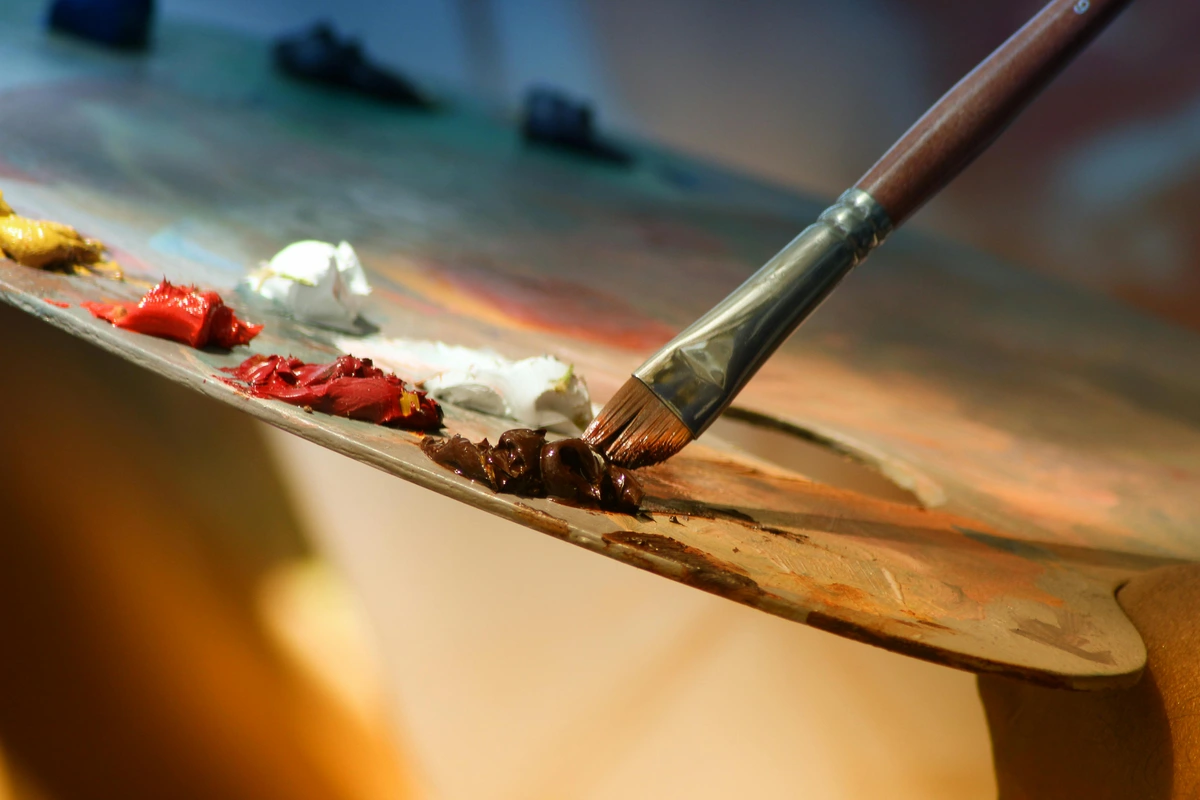
Know Your Enemy: What Kind of Paint Are You Dealing With?
Your next move depends entirely on the type of paint that has betrayed you. Trying to wash out oil paint with just water is like trying to reason with a cat—pointless and messy. Understanding the difference between paint types like acrylic and oil is crucial for effective paint stain removal.
Why do they behave so differently once dry? Acrylics form a flexible plastic polymer as water evaporates, creating a bond that’s tough to break. Oil paints, on the other hand, undergo a chemical change called oxidation, where they react with oxygen in the air to harden, making them incredibly tough once cured. Identifying the culprit is key to finding the best paint stain remover.
Here’s a quick-and-dirty guide to identifying the culprit and the best approach for paint stain removal on clothes:
Paint Type  | How It Feels & Behaves | Main Weakness (When Wet) | Main Weakness (When Dry) | Fabric Suitability (Test First!) |
|---|---|---|---|---|
| Acrylic | Watery when wet, dries into a flexible, plastic-like film. | Water & Soap | Isopropyl Alcohol, Solvents (e.g., acetone-free nail polish remover) | Most durable fabrics; test delicate ones for alcohol sensitivity. |
| Oil Paint | Thick, greasy, and slow-drying. Smells of oil or spirits. | Mineral Spirits / Turpentine | Mineral Spirits / Turpentine (especially if recent) | Durable fabrics like cotton, denim; avoid on silk, wool, or synthetics without careful testing. |
| Watercolor / Gouache | Thin, often chalky when dry. Can be reactivated with water. | Water & Soap | Water & Soap (usually!) | Most fabrics. |
| Latex (Wall Paint) | Similar to acrylic, but often thicker. Dries into a rubbery layer. | Water & Soap | Isopropyl Alcohol, Latex Removers | Most durable fabrics; test delicate ones. |
The Step-by-Step Rescue Mission
Now that you've identified the culprit, let's move from assessment to action. Here’s your personalized rescue plan, tailored to the specific enemy you’re facing, developed through my own messy (but ultimately rewarding) battles in the studio.
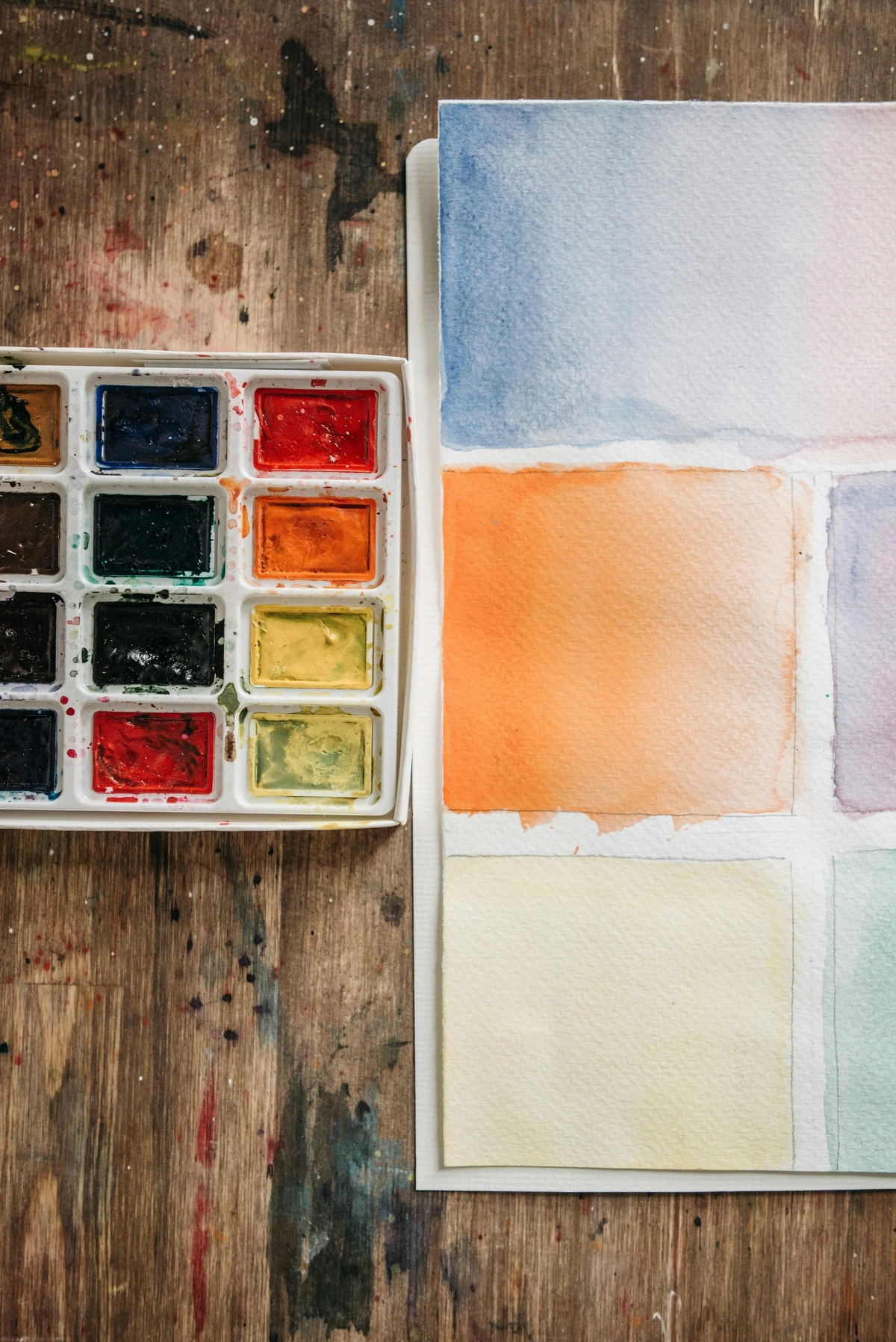
For Water-Based Paints (Acrylic, Latex, Watercolor) - WET
This is the best-case scenario. You caught it while it was still wet. Good job, you swift-acting artist, you!
- Flush from the Back: Turn the clothing inside out and run cold water through the back of the stain. This pushes the paint out of the fibers, not further in. This is a critical step for how to remove paint from clothes.
- Add Detergent: Gently rub a small amount of liquid laundry detergent or dish soap into the stain. A good quality dish soap like Dawn can work wonders as a degreaser.
- Rinse and Repeat: Rinse thoroughly with cold water and repeat the process if you still see color. Don't stop until it's completely gone.
- Wash It: Once the stain is gone, you can wash the garment as you normally would, using cold water settings.
Important: Never use hot water, as heat can permanently set many types of paint stains, especially on synthetic fabrics. Always air-dry until you are absolutely certain the stain is gone.
For Water-Based Paints (Acrylic, Latex) - DRY
Okay, deep breath. This is tougher. Acrylic paint is essentially a plastic polymer once it's dry, a stubborn guest who decided to move into your fabric permanently. You need something to break that bond for effective dried paint stain removal.
- Scrape It Off: Scrape or pick off as much of the dried paint as you can without damaging the fabric. A dull knife or old credit card works best here.
- Bring in the Alcohol: Your secret weapon here is isopropyl alcohol (rubbing alcohol, 70% or 91%). Hairspray or hand sanitizer with high alcohol content can also work in a pinch. Always test it first on a hidden seam or hem. You're checking for colorfastness and any potential fabric damage, because trust me, a new hole is worse than a paint smudge.
- Gentle Scrub: Use an old toothbrush or a stiff-bristled brush to gently scrub the area, loosening the paint particles. This agitation helps the alcohol penetrate.
- Soak and Blot: Saturate a cotton ball or clean cloth with alcohol and blot the stain. You should start to see the paint transferring to your cloth. Keep blotting with fresh sections of the cloth.
- Detergent & Wash: Once the paint is broken down and mostly transferred, treat it with detergent and launder as usual on a cold setting.
A Note on Ghosting: Even if the stain seems gone, a faint "ghost" might reappear after drying. If so, don't despair – repeat the alcohol and detergent treatment, perhaps with a longer soak, and always air-dry. Patience is key for stubborn dried paint on fabric.
For Oil-Based Paints (Wet or Dry)
Oil paint requires a solvent – a chemical designed to dissolve other substances – so make sure you're in a well-ventilated area. This process is the same whether the paint is wet or has just recently dried, though fresh paint is always easier to tackle.
You'll primarily use turpentine or mineral spirits (also known as white spirit in some regions). Turpentine is a natural product derived from pine trees with a strong, distinct odor, while mineral spirits are petroleum-based and generally less pungent. Both are effective, but always check the product label for specific fabric safety instructions and ensure adequate ventilation to avoid inhaling fumes.
- Scrape Excess: Just like with the others, get the excess off first. This is especially important for thick oil paint.
- Solvent Time: Place the stain face down on a stack of clean paper towels. Dab the back of the stain with turpentine or mineral spirits. This is similar to the process for cleaning oil painting brushes. The solvent will dissolve the oil paint, and the paper towels underneath will absorb it.
- Replace Towels: Keep replacing the paper towels underneath as they become saturated with paint. You want fresh absorbent material to pull the dissolved paint away.
- Treat the Residue: Once the paint is gone, you might be left with an oily residue or a faint outline of the stain. Treat this with a good dish soap (again, Dawn is excellent for grease) or a specialized stain remover. Rub it in gently.
- Wash: Launder the item on its own in cold water to prevent any residual solvent or paint transferring to other garments.
A Note on Fully Cured Oil Paint: If oil paint has been fully cured for days or weeks, it has chemically changed beyond the point of easy removal from fabric. At this point, I say embrace it. Your shirt has character now, a story of artistic endeavor. Sometimes, some stains are simply part of the creative journey.
The Cardinal Sins: What NOT to Do
Sometimes, what you don't do is just as important as what you do. These are non-negotiable rules for paint stain removal:
- Never Use Hot Water: Heat can permanently set many types of paint stains, especially on synthetic fabrics. Always stick to cold water for flushing and washing.
- Never Put a Stained Garment in the Dryer: The heat from a dryer is the final nail in the coffin for a paint stain. It will bake the stain into the fabric forever, making it virtually impossible to remove. Always air-dry first to make sure every last trace of the stain is gone.
Prevention Is Better Than a Cure (But Less Exciting)
Look, the easiest way to deal with paint stains is to not get them in the first place. I know, I know. Sometimes inspiration strikes when you're least prepared, or you just get lost in the flow. But getting into the habit of having a “studio uniform”—a set of clothes you don’t care about, or a dedicated apron—can save you a lot of heartache. I remember early on, I tried to paint in my 'good' jeans – a decision I quickly regretted when a particularly enthusiastic flick of the wrist resulted in a permanent abstract pattern. Now, my studio uniform is a point of pride, not despair.



Frequently Asked Questions (FAQ)
Q: What if I don't know what kind of paint it is? A: Start with the gentlest method. Try flushing with cold water and dish soap first. If that does nothing, it's likely oil-based or dried acrylic. Then you can move on to isopropyl alcohol or mineral spirits, always testing on a small, hidden area of the fabric first. If it's a true mystery, consult a professional dry cleaner.
Q: Can I use nail polish remover? A: I'd be very careful. Most nail polish removers contain acetone, which can dissolve certain synthetic fabrics like acetate and rayon, literally leaving a hole in your clothing. Isopropyl alcohol is a much safer bet. If you must use it, opt for an acetone-free nail polish remover and test it extensively.
Q: What about delicate fabrics like silk or wool? A: For these, I'd almost always recommend professional help. Solvents can be too harsh, and vigorous scrubbing will damage the delicate fibers. A good dry cleaner is your best friend here, as they have specialized knowledge and tools for such challenges.
Q: My white shirt has a faint color left after treatment. Now what? A: This is often called "ghosting" or a residual pigment stain. If the fabric is bleach-safe, you can try a bleach treatment after the paint itself is gone. Otherwise, soaking in an oxygen-based bleach alternative (like OxiClean) can often lift the last bit of pigment. Repeat soaking might be necessary.
Q: What if the paint is already fully dry and hardened for weeks? A: As mentioned, fully cured paint is incredibly difficult to remove without damaging the fabric. For the most part, if it’s been weeks, consider that garment a new piece of “wearable art” and embrace its new character. Sometimes, the battle isn’t worth the war, and a unique stain adds to the story of a well-loved item.
Q: Can I use a degreaser like Dawn dish soap for all oil stains? A: While Dawn is fantastic for cutting grease, for oil-based paint, you generally need a solvent (turpentine or mineral spirits) first to dissolve the paint pigments. Dawn or a strong laundry detergent is then excellent for treating the oily residue left after the solvent has done its work. Don't rely on it as the primary paint remover for oil paint.
Q: How do I remove dried paint from the seams of clothing? A: This is tricky. Use a fine-tipped tool like a toothpick, a sewing needle, or a stiff brush with isopropyl alcohol (for water-based) or mineral spirits (for oil-based). Work very slowly and gently to pick out the paint particles without tearing the threads. Blot frequently with a clean cloth.
Q: Are there any eco-friendly stain removal options for paint? A: For wet water-based paints, cold water and a plant-based laundry detergent are your best eco-friendly options. For dried acrylics, denatured alcohol (often derived from natural sources) is an alternative to isopropyl alcohol, but still requires testing. For oil paints, natural turpentine has a strong odor but is plant-derived, though still a strong chemical requiring ventilation. Unfortunately, for stubborn dried paints, highly effective, completely eco-friendly and non-toxic options can be limited. Always prioritize safety and proper disposal of chemicals.
Q: What about spray paint or enamel paint? A: These are exceptionally difficult to remove once dry. Spray paint often uses strong solvents and binders that quickly adhere to fabric. Enamel paints are designed for hard, durable surfaces. While some heavy-duty paint removers might work, they are usually too harsh for clothing and can damage the fabric irreversibly. For these, professional cleaning might be the only (still slim) hope, or accepting the new 'artistic' addition to your wardrobe.
A Final Thought
A paint stain feels like a mistake, but sometimes it’s just evidence of a day well spent. It’s a mark of the creative process. While these methods can save your favorite clothes, don’t mourn the ones that become part of your studio collection. They carry stories, much like the art I create. So go forth, create boldly, and if a little pigment escapes the canvas and lands on your canvas of clothing, you’re now equipped to turn that 'oh crap' moment into just another chapter in your creative story. And if you're ever looking for art that intentionally embraces bold color and unique expression, feel free to explore my collection over at /buy.