
How to Decorate a Kitchen: The Ultimate Guide to Style, Function, and Personality
Transform your kitchen into a joyful, functional, and deeply personal space. This ultimate guide offers practical tips, expert advice, and smart art integration strategies for every style and budget.

How to Decorate a Kitchen: The Ultimate Guide to Style, Function, and Personality
I often think of the kitchen as the true heart of the home – not just a place where meals are made, but where stories are shared, laughter echoes, and daily life unfolds. From humble hearths to the integrated, multifunctional hubs they are today, kitchens have always been central. I remember, for instance, a particularly chaotic (but hilarious) Thanksgiving dinner prep where a perfectly placed fruit bowl somehow saved my sanity amidst the flour explosions and flying cranberries. It’s these moments, both grand and small, that remind me how a kitchen demands to be both supremely functional and deeply personal. The challenge, I've found, is striking that delicate balance between captivating aesthetics and the non-negotiable practicalities of functionality, durability, and effortless cleaning. Trust me, it’s not always easy, especially when life (and last night's dinner) happens.
This guide is a collection of my thoughts, experiences, and practical tips to help you create a kitchen you genuinely adore spending time in, a true reflection of you. We'll dive into foundational principles, smart layouts, key decorative elements, and even how to incorporate art, ensuring your kitchen is not just practical but also a constant source of joy. If you're looking for broader home styling insights, I'd suggest checking out my guide on decorating your home.
Laying the Foundation: My Guiding Principles for Kitchen Decor
Before you dive into picking out that perfect utensil crock or deciding on backsplash tile, let's talk about the bedrock principles I always keep in mind. These aren't just rules; they're the lessons I've learned from countless culinary adventures (and misadventures!).
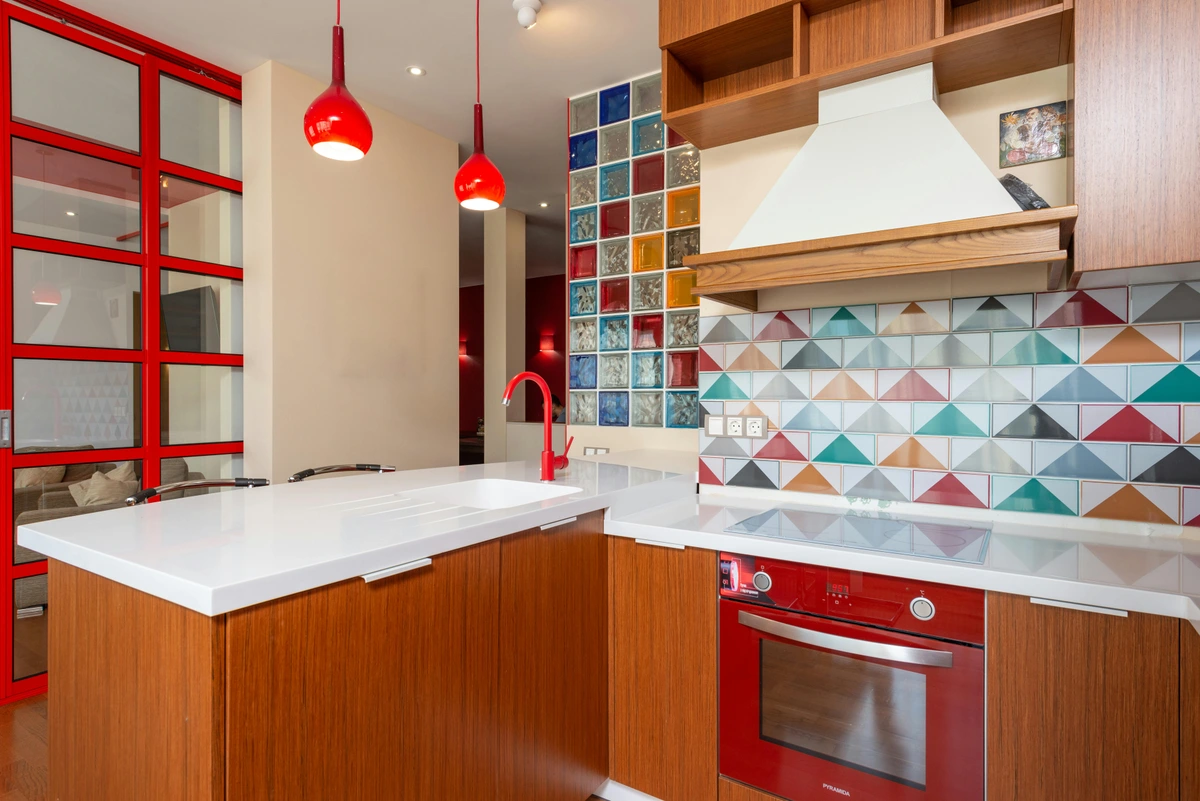
- Function First, Always: This isn't just a suggestion; it's a command. I've learned the hard way that a beautiful kitchen that doesn't work is just a pretty frustration. Think about your workflow: the classic "work triangle" (sink, stove, refrigerator) is a good starting point, but consider your personal zones – where do you prep, cook, and clean? Also, think about your kitchen layout – whether it's a galley (a narrow space with counters on two parallel walls), L-shape (counters forming an 'L'), U-shape (counters on three walls), or features an island, each has unique demands on flow. Ensure decor choices don't impede movement or precious counter space. For instance, that stunning sculpture might be better on a high shelf than next to your cutting board. When planning, I also consider universal design principles; a truly functional kitchen is accessible and easy for everyone to use. This means things like wider aisles (at least 36 inches to allow two people to pass or open appliance doors), varied counter heights (some lower for comfortable baking, some standard for chopping), lever-style handles on faucets and doors (easier for all hand types), and easy-to-reach storage (like pull-out pantry shelves), all subtly integrated into the design. These aren't just for specific needs; they make the kitchen more comfortable and efficient for everyone. Think about contrasting colors on cabinet hardware for better visibility, or rounded edges on island corners for safety, enhancing both aesthetics and usability.
- Durability & Cleanability: Kitchens are where the real culinary (and sometimes chaotic) magic happens, and that means spills, grease, heat, and humidity are constant companions. I once had a catastrophic sauce explosion that taught me a lot about choosing materials! My advice? Choose materials and decorative items that can take a beating and clean up easily. For floors, I lean towards robust materials like porcelain tile (incredibly durable and water-resistant, but can be hard on the feet and cold) or sealed wood (adds warmth and softness underfoot, but requires more maintenance and is susceptible to water damage if not properly sealed). Budget-friendly vinyl planks or polished concrete (excellent for high traffic, sound absorption, and easy cleaning) are also great long-term investments. For countertops, quartz or sealed natural stone (like granite) are usually winners, offering excellent durability, stain resistance, and mid-to-premium price points. They generally require minimal maintenance beyond daily wiping. Consider laminate for budget-friendliness (though less heat resistant) or solid surfaces for seamless integration and repairability. Don't forget your sink materials – stainless steel, composite granite, or fireclay each offer different aesthetics and practicalities, with varying scratch and stain resistance. When it comes to textiles and art, think washable or easily wiped. Avoid delicate fabrics or unsealed porous materials near high-splash zones. You'll thank yourself later, trust me.
- Sustainable Choices: As a thoughtful approach, consider recycled glass tiles for backsplashes, reclaimed wood for shelving, or low-VOC (volatile organic compound) paints and finishes for a healthier home environment.
- Maximize Light: Good lighting is the unsung hero of any kitchen, affecting both task visibility and overall mood. I always advocate for a layered approach: Start with ambient lighting (overall room illumination, often from ceiling fixtures, providing a soft glow like a warm sunset), then add task lighting (under-cabinet LED strips, pendants over islands for focused work, bright and clear like midday sun). Finally, consider accent lighting (dimmers for ambiance, perhaps a small picture light for art, creating subtle drama). And, of course, maximize any natural light you're lucky enough to have. Pay attention to color temperature – measured in Kelvin (K), lower numbers (2700K-3000K) create a cozy, intimate, warm light, while higher numbers (3500K-4000K) offer crisp, clear, daylight-like illumination, ideal for chopping and cooking. Dimmers are an absolute must for flexibility. Also, consider the Color Rendering Index (CRI) of your lights; a higher CRI (90+) will make colors appear more natural and vibrant, crucial for appreciating both your food and your decor.
- Declutter is Key: A cluttered kitchen feels chaotic and, frankly, makes cooking a chore. My mantra: if it doesn't have a home, it doesn't belong on the counter. The only exception? A truly curated decorative item – something beautiful, intentional, and placed with purpose, not just left there. This means choosing a vibrant fruit bowl, a single striking ceramic piece, or an artfully arranged cutting board, rather than a pile of mail or yesterday's empty coffee mug. Implement smart storage solutions like drawer dividers, pantry pull-outs, and vertical organizers. Decanting staples into attractive, uniform containers instantly elevates the look and reduces visual noise.
- Define Your Style: This is where the personality comes in. A cohesive look, even an eclectic one, feels intentional. If you're struggling, ask yourself: What colors do I consistently gravitate towards? Which rooms in magazines or online inspire me the most? Let's explore some common styles:
- Modern: Clean lines, minimal ornamentation, often monochromatic palettes with pops of color, sleek materials (stainless steel, glass, concrete). Think sophisticated simplicity.
- Farmhouse: Rustic warmth, natural wood, exposed beams, often white or neutral palettes, distressed finishes, vintage touches. Perfect if you love cozy evenings by the fire, with a mug of something warm and a well-loved cookbook nearby.
- Industrial: Raw edges, exposed brick, metal accents (steel, iron), concrete, utilitarian feel, salvaged pieces. Great for urban dwellers who appreciate an edgy, loft-like aesthetic.
- Bohemian: Layered textures, global influences, vibrant colors, eclectic mix of patterns, handmade items, plants. If you're a free spirit, this style lets you express a relaxed, artistic vibe.
- Scandinavian: Light woods, minimalist forms, functional design, bright and airy spaces, subtle textures, often neutral colors with soft accents. For those who love calm and simplicity, creating a serene and hygge atmosphere.
- Coastal: Breezy, relaxed feel, light blues and greens, sandy neutrals, natural textures (wicker, linen), nautical touches. Evokes the tranquility of the seaside.
- Traditional: Classic elegance, ornate details, rich wood tones, upholstered seating, formal symmetry, antique-inspired pieces. Timeless and refined.
- Shaker: Simple, honest craftsmanship, clean lines, functional design, natural wood, minimal embellishment. A focus on utility and understated beauty.
Understanding your preferred style makes every decor decision simpler. I often recommend creating a mood board or Pinterest board; seeing all your desired elements together can offer surprising clarity.- Beyond Style, Philosophy: Consider broader design philosophies. "Form Follows Function" emphasizes that the shape and design of objects should primarily be determined by their intended use, a perfect mantra for kitchens. Or perhaps the quiet beauty of Wabi-Sabi, finding perfection in imperfection and appreciating natural materials and simple forms. If you're still figuring out your aesthetic, my guide on how to define your personal art style can offer a surprising amount of clarity for your home decor too. You might also find inspiration in how art complements a Japandi-style home.
- Basic Color Theory: Briefly think about color theory. Complementary colors (opposite on the color wheel, like blue and orange) create high contrast and vibrancy because their opposition makes each color appear more intense. Analogous colors (next to each other, like blues and greens) offer harmony as they share a common hue, creating a smooth visual transition. A monochromatic scheme uses variations of a single color for sophistication, but requires textural layering to avoid flatness.
Optimizing Your Kitchen Layout & Zones
Once those foundational principles are etched in your mind, it's time to apply them to the practicalities of your kitchen's layout. Beyond the basic "work triangle," I find it incredibly helpful to think of the kitchen as a series of integrated zones. This approach not only improves efficiency but also informs your decor choices, ensuring everything has its place and purpose, making your life much easier.
- The Cooking Zone: Stove, oven, microwave. Keep frequently used spices, oils, and cooking utensils within arm's reach but neatly organized. Consider a wall-mounted spice rack or magnetic knife strip as both functional and decorative elements.
- The Prep Zone: Counter space next to the sink and often the refrigerator. This is where most of your chopping and mixing happens. Prioritize clear, durable surfaces. A stylish, well-loved cutting board can live here permanently, becoming part of the decor.
- The Cleaning Zone: Sink and dishwasher. Keep dish soap, sponges, and hand soap in attractive dispensers to maintain a tidy look. A small, washable rug can add comfort underfoot during dish duty.
- The Coffee/Tea Station: A dedicated corner with your machine, mugs, and supplies. Group these on a tray for a cohesive and intentional display.
- The Baking Zone: If you're a baker, a specific area for your stand mixer, flours, and baking tools. Store ingredients in beautiful canisters.
- Casual Dining/Breakfast Nook: An island with stools or a small table. This area can tolerate more decorative flair, like a statement pendant light or a small piece of abstract art on the wall.
Thinking in zones helps prevent clutter creep and ensures your decor actively supports how you use your kitchen, rather than getting in the way.
Appliances as Decor: Blending or Standing Out?
Appliances are fundamental, but they don't have to be purely utilitarian. I think of them as an opportunity to reinforce your kitchen's aesthetic, either by seamlessly blending in or by making a confident statement.
- Seamless Integration: For a sleek, minimalist look, consider integrated appliances that blend into your cabinetry. Brands like Sub-Zero or Miele offer beautiful panel-ready refrigerators and dishwashers, creating an incredibly streamlined and uncluttered aesthetic, perfect for modern or minimalist kitchen designs. Beyond blending, think about the finishes – matte black (great for hiding fingerprints and a contemporary look), brushed stainless steel (classic, but shows smudges), or glossy white (can brighten a space but prone to showing dirt) can all contribute differently. Even the design of control panels and subtle branding can make a huge difference in the overall visual flow.
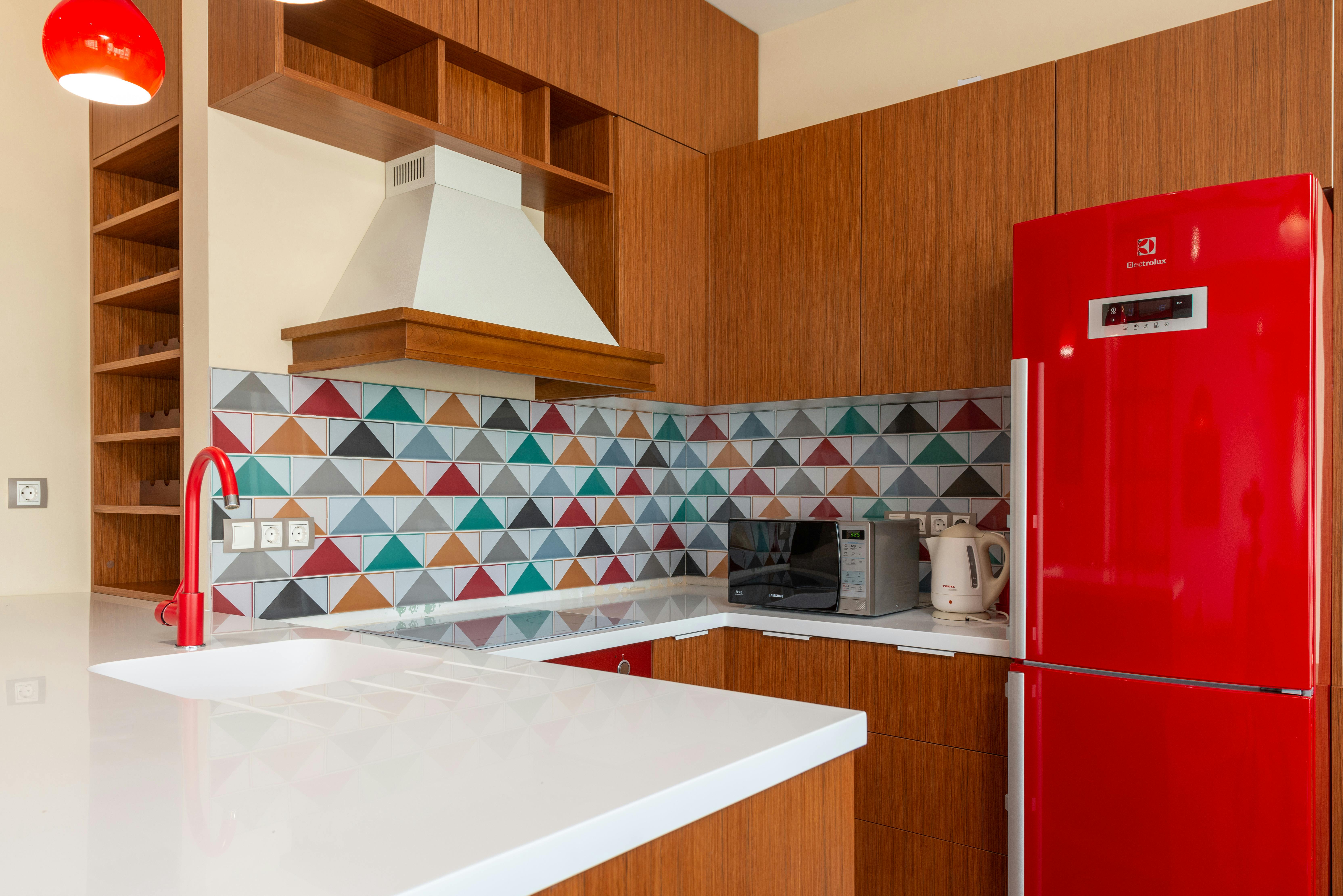
- Statement Pieces: On the other hand, a colorful retro refrigerator (think Smeg), a professional-grade range (like a Bertazzoni or La Cornue), or a vibrant stand mixer can absolutely be a design statement. Choose one key appliance to be your focal point and ensure its color and style truly complement your overall kitchen theme. Sometimes, the most functional items can also be the most visually striking.
- Smart Technology Integration: Beyond their visual appeal, consider smart appliances. From refrigerators that manage your grocery list to ovens you can preheat remotely, the key is making sure their interfaces are intuitive and their designs blend with your decor. Integrated charging stations or smart displays that match cabinetry can seamlessly incorporate technology without creating visual clutter. Voice-activated devices, for instance, remove the need for physical controls, maintaining a clean look and adding a touch of futuristic convenience. Consider smart plugs disguised within cabinets or under islands, controlling small appliances with voice or app without being visible.
Smart Storage Solutions: Beautifully Functional
Let's be real: a kitchen can quickly become a dumping ground if you don't have smart storage. But storage doesn't have to be purely utilitarian; it can absolutely be part of your decor strategy. I love finding ways to make everyday items both accessible and visually appealing.
- Open Shelving, Curated: Yes, open shelves can look amazing, but only if they're styled. Don't just cram them full of everyday dishes. Use them to display beautiful ceramics (like a single striking bowl), a small collection of aesthetically pleasing cookbooks, a few choice plants or an herb garden, or a framed piece of art. Think of it as a mini-gallery, carefully arranged. For more ideas on how to style shelves, see how to choose art for a bookshelf.
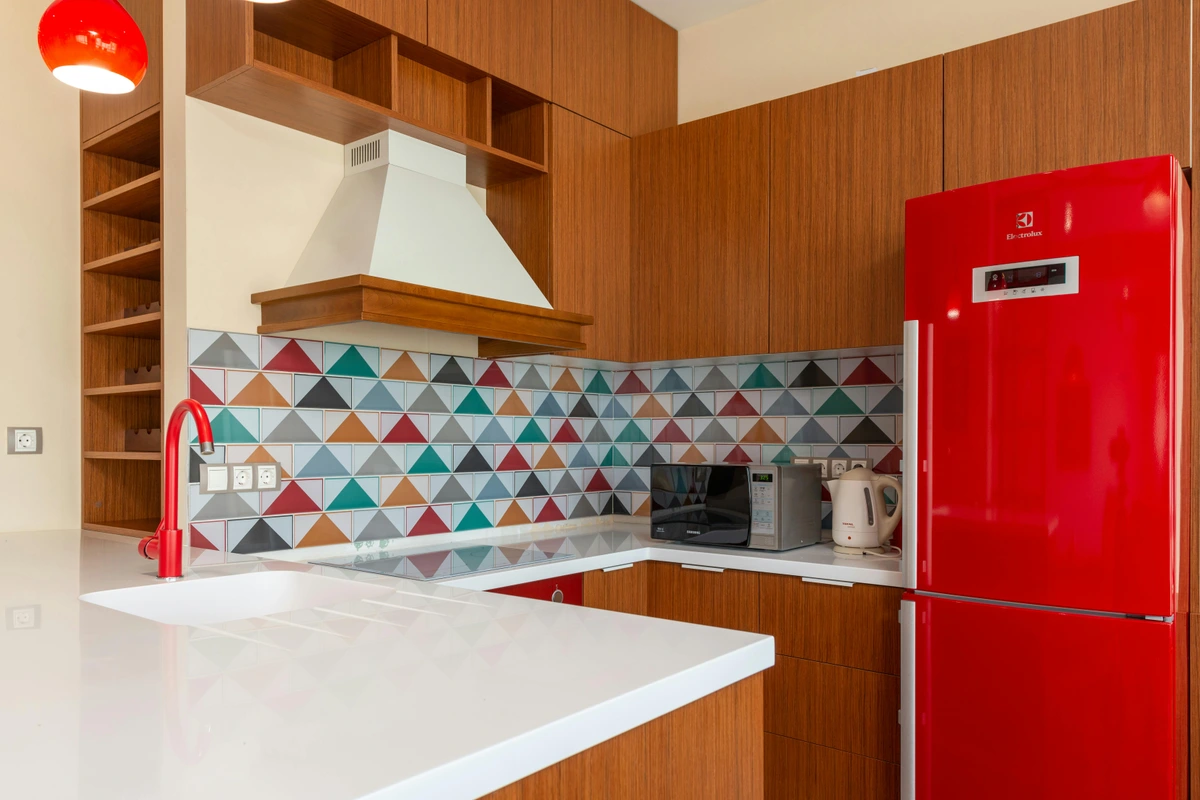
- Decorative Canisters & Jars: Flour, sugar, coffee, pasta – decant them into attractive ceramic, glass, or metal canisters. This not only keeps things fresh but instantly elevates the look of your pantry or countertops by reducing the visual noise and clutter from disparate packaging. You can even upcycle old glass jars by painting them, adding decorative labels, or swapping out lids for more stylish options. It's about creating visual harmony.
- Woven Baskets: These are a lifesaver for hiding less-attractive items. Use them in pantries for snacks, on shelves for linens, or even on top of cabinets for seasonal items. They add texture and a touch of warmth while effectively concealing clutter.
- Drawer Organizers & Dividers: While not visible decor, organized drawers make your kitchen feel calmer and more luxurious. No more rummaging for that whisk! This contributes to overall aesthetic harmony by keeping clutter out of sight, reducing mental load.
- Vertical Storage: Magnetic knife strips, wall-mounted spice racks, or pot racks can free up drawer and counter space while turning functional items into display pieces. Choose finishes that complement your kitchen's style.
Key Areas & Elements for Kitchen Decor: Making an Impact
These are the areas where your decor choices will make the biggest splash and define the overall feel of your kitchen, in my experience:
Area/Element  | Decorating Ideas & Considerations | Considerations/Tips |
|---|---|---|
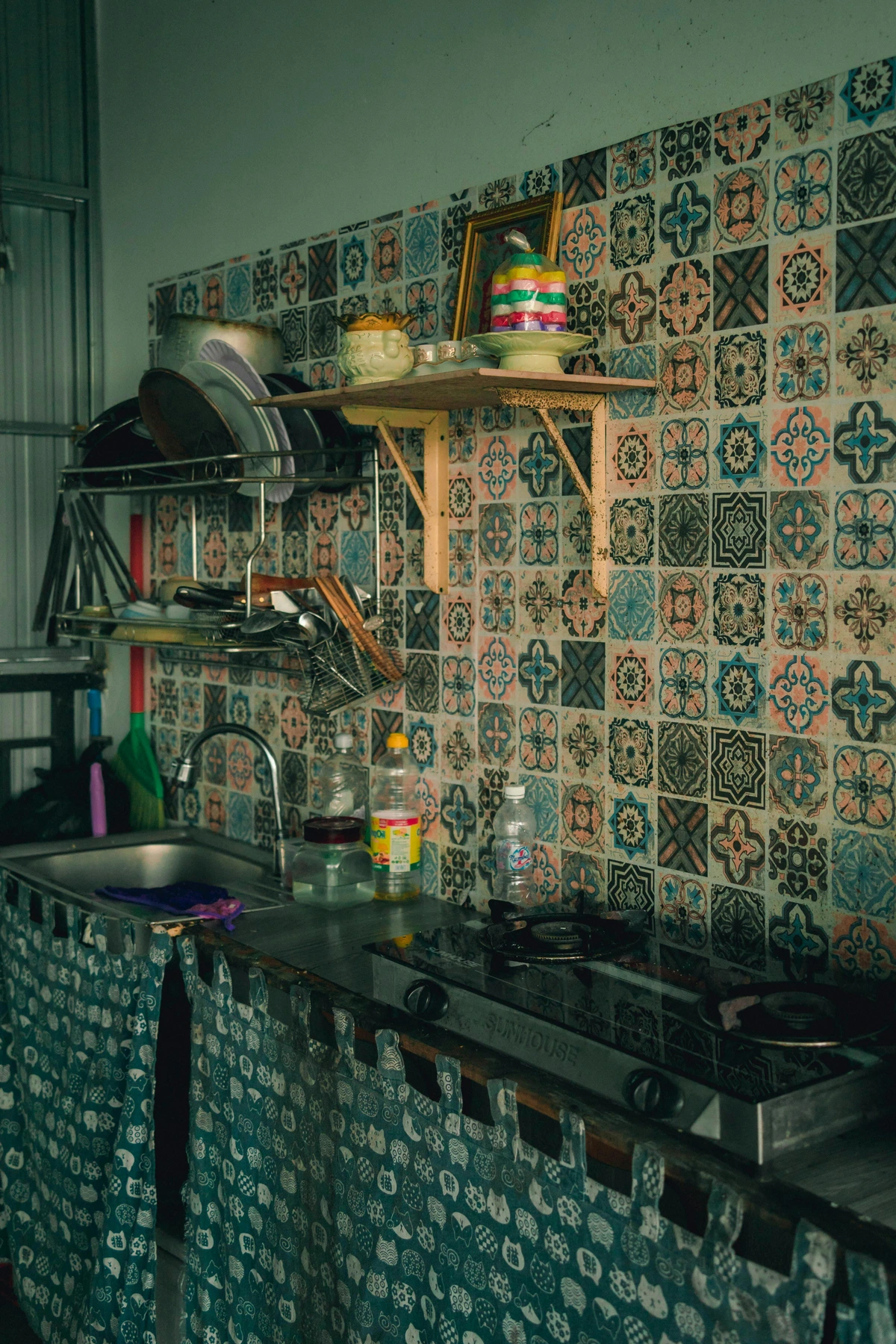
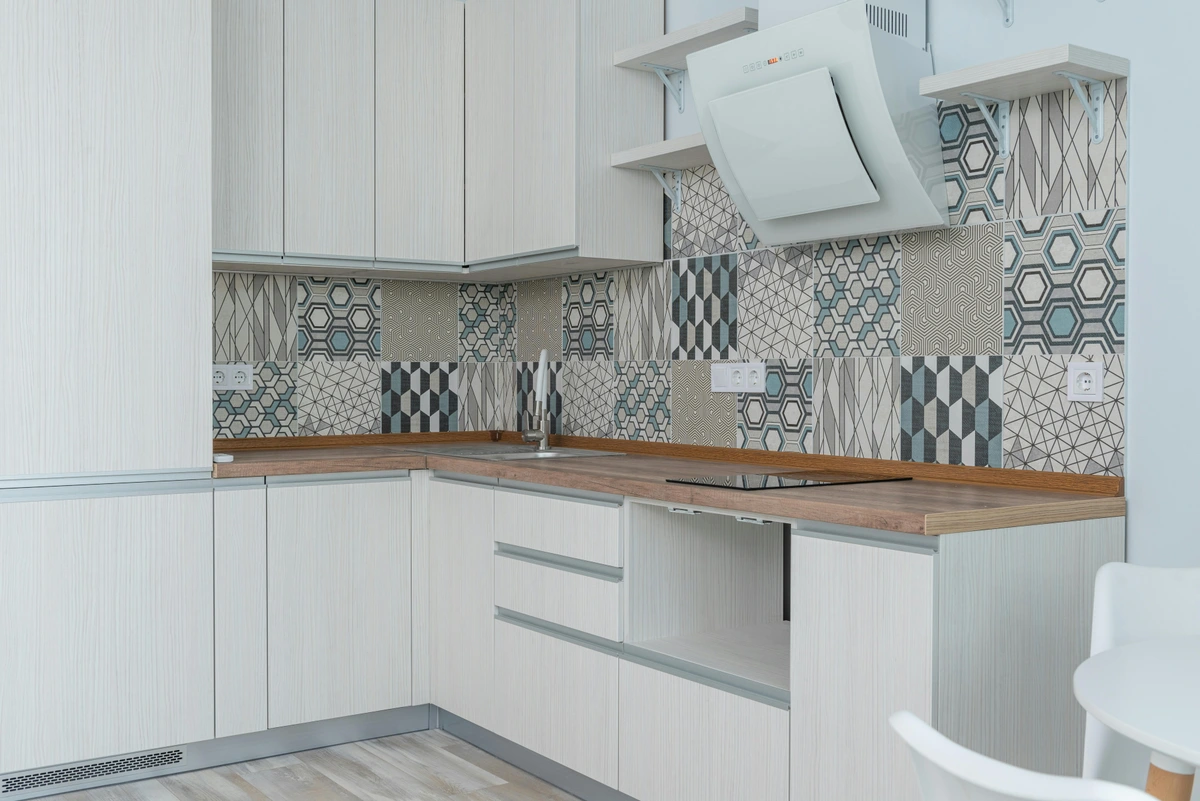
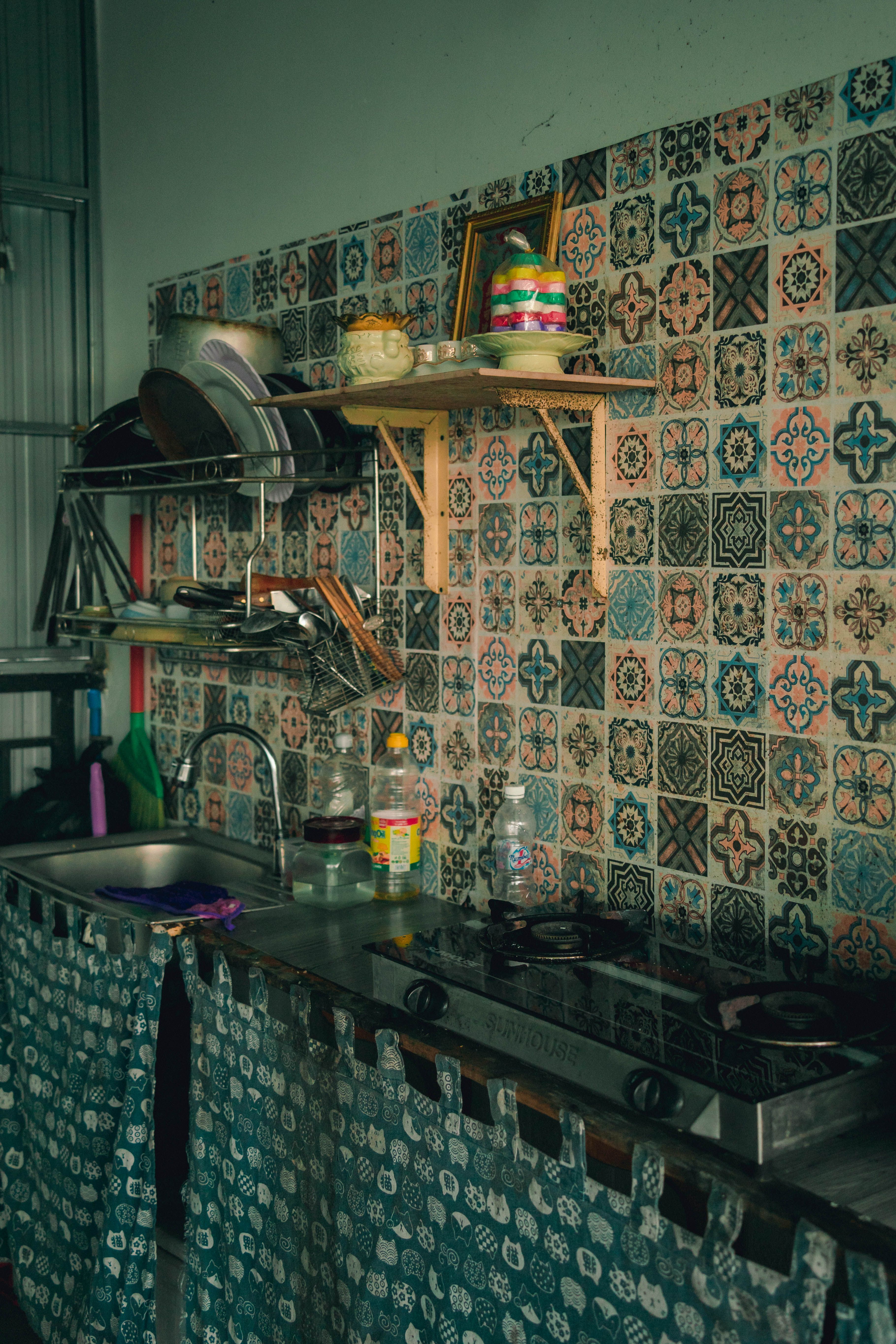
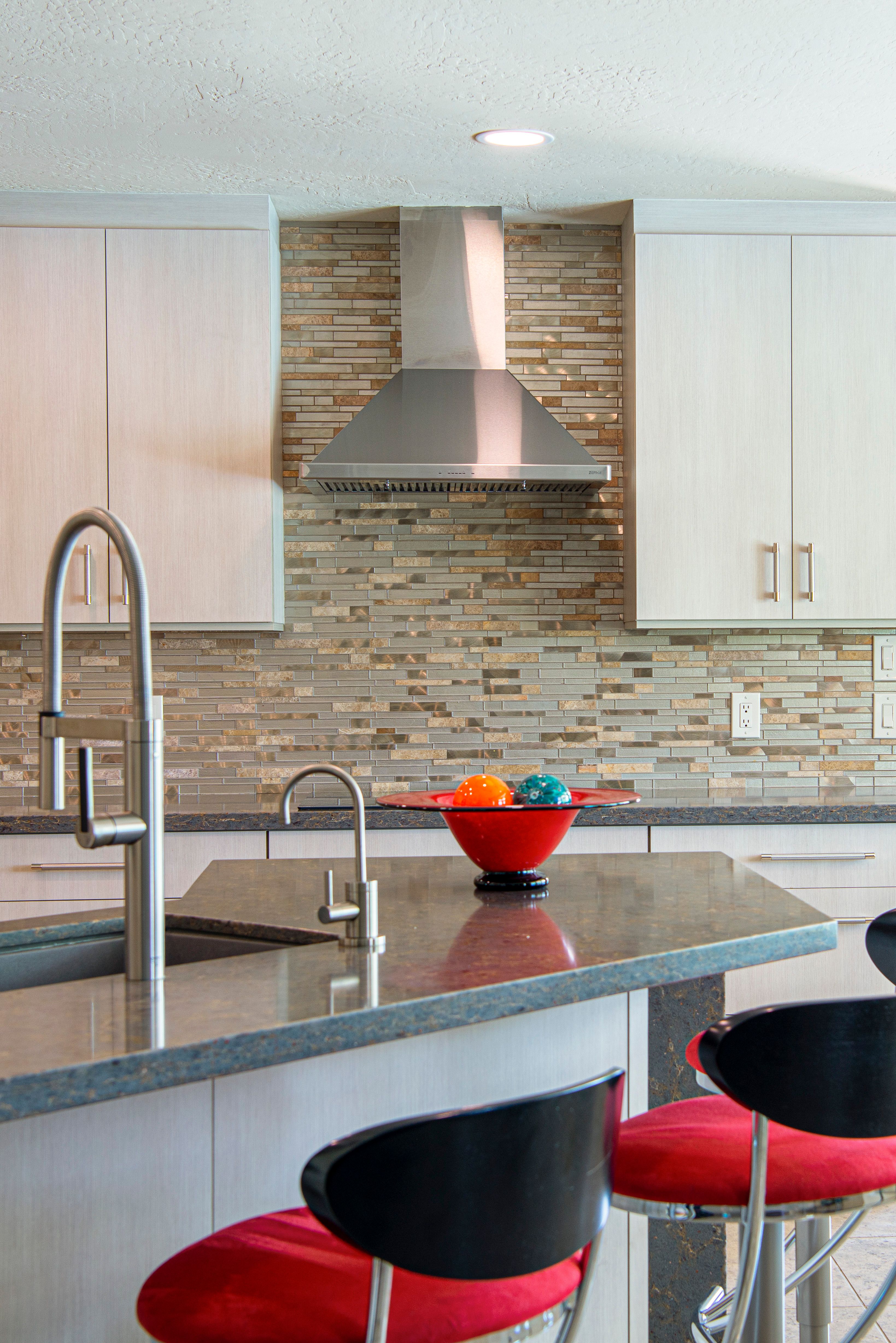
| Walls/Backsplash | This is a major impact zone! Think washable paint in a complementary color, or a stylish backsplash. For quick impact and budget-friendliness, paint is a great choice; for more durability and a focal point, tile is ideal. Options range from classic subway tile (budget-friendly) to modern glass, rustic beadboard, sleek stainless steel, or even natural stone (more premium). Consider peel-and-stick tiles for rentals or recycled glass tiles for an eco-friendly touch. Open shelving (styled carefully!) and wall clocks can also add character. For more wall ideas, see Decorate a Wall. | When choosing backsplash tile, consider grout color for long-term cleanability and aesthetic. For paint, test swatches to ensure the color complements your existing countertops and cabinetry. Concrete or natural wood backsplashes (if properly sealed) can offer a unique, organic feel, but require appropriate ventilation and diligent sealing to prevent moisture issues. |
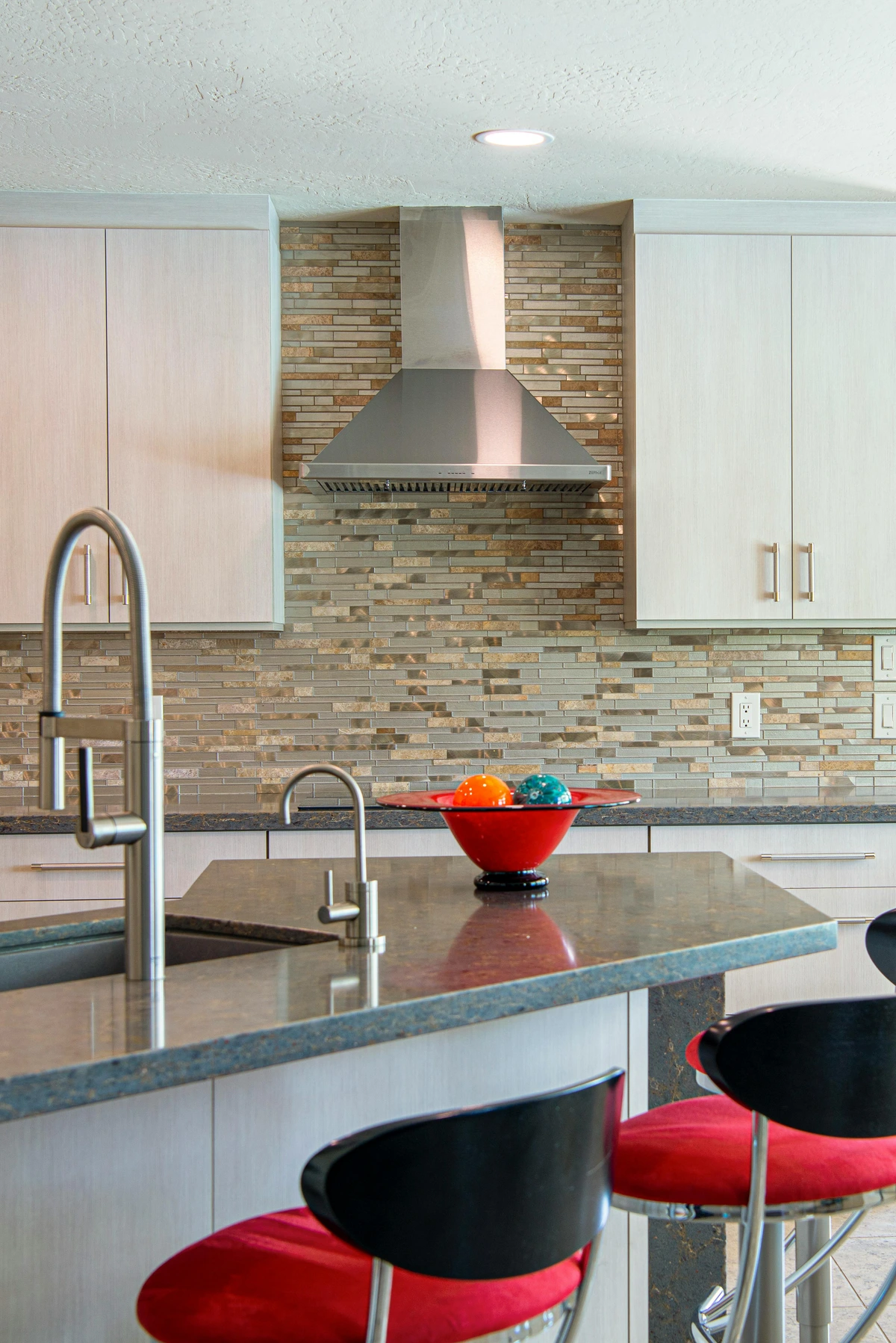
| Countertops | Keep these mostly clear for function. When displaying items, group them on trays for a curated look. Stylish essentials like ceramic canisters, a beautiful utensil crock, a well-loved cutting board, or a vibrant fruit bowl can become decor. Think about materials like quartz, granite, or solid surfaces, which offer durability and a range of price points. For general styling principles, I always refer back to ideas for Decorate a Table. | Prioritize durability and easy cleaning for daily use. If using multiple items, grouping them (e.g., on a tray) creates visual order. Consider ergonomic placement: ensure frequently used items are easily accessible without awkward reaching or bending, ensuring comfortable working heights for different users and tasks. |
| Cabinets/Hardware | An inexpensive yet impactful refresh is updating hardware (pulls/knobs). Choose finishes that complement your style – brushed nickel for modern, black iron for farmhouse, brass for transitional. The style of your cabinet doors themselves (e.g., Shaker, flat-panel, raised-panel) will also influence the best hardware choice. Ensure the scale of your hardware is appropriate for the cabinet size; delicate pulls might get lost on chunky Shaker doors. Painting cabinets offers a dramatic transformation. Style open shelving with curated items, not clutter, perhaps drawing inspiration from how to choose art for a bookshelf. Consider reclaimed wood for shelves for a sustainable touch. | If painting cabinets, ensure proper prep (cleaning, sanding, priming) for a professional finish. When choosing hardware, test a few options to see how they feel in your hand and look with your cabinet doors. Consider the visual weight of hardware; delicate pulls might get lost on chunky Shaker doors. |
| Lighting | Beyond task lighting, statement pendants over an island or dining area can be true focal points. Replacing dated ceiling lights with more stylish flush mounts or pendants can dramatically update a space. Dimmers are a must for setting the right ambiance. Don't forget under-cabinet lighting for both function and a warm glow. Explore smart lighting systems for customizable ambiance and efficiency. | Use a layered lighting approach. Consider the Kelvin temperature for different zones (warmer for ambiance, cooler for tasks). A higher CRI (Color Rendering Index) will ensure colors in your kitchen appear more vibrant and true-to-life. |
| Flooring | Durable rugs or runners add warmth, color, pattern, and comfort underfoot. Crucially, they must be washable or spot-cleanable. Indoor/outdoor rugs made of polypropylene, cotton blends, or even jute (if sealed) are great choices. Consider vinyl plank or polished concrete for excellent durability and sound absorption, or sealed wood for warmth and a softer feel underfoot. Porcelain tiles are incredibly robust but can be cold and hard. Always use a non-slip backing! | Choose materials that can withstand spills, stains, and heavy foot traffic. Consider how materials absorb or reflect sound; softer materials like rugs can help reduce echo in hard-surfaced kitchens, improving the overall acoustics. Ensure comfort underfoot, especially in high-traffic areas like in front of the sink or stove. |
| Window Treatments | Opt for simple, light-filtering options like blinds, Roman shades, or café curtains. Easy-to-clean materials are paramount here; think synthetics, washable cottons, or moisture-resistant bamboo. They frame the natural light beautifully. | Choose materials that can withstand kitchen humidity and grease without staining. Prioritize privacy and light control while allowing maximum natural light when desired. |
| Textiles | Dish towels, oven mitts, placemats, and even aprons are inexpensive ways to inject color, pattern, and personality. Change them seasonally for an instant refresh. Look for organic cotton or linen blends for a sustainable choice. | Update textiles seasonally to refresh your kitchen's look. Choose high-quality, absorbent, and easily washable materials. |
| Plants/Greenery | A small herb garden on the windowsill, a potted plant on a shelf, or even a hanging plant can add life, color, and a touch of nature. They instantly make a space feel more inviting, can subtly contribute to a fresh scent, and even help purify the air. | Choose kitchen-friendly herbs like basil, mint, rosemary, or thyme that thrive indoors with adequate light. Place plants strategically where they won't interfere with workflow but can be enjoyed. Remember to select plants that are safe for pets if you have them. |
Smart & Stylish Updates: Making an Impact Without a Renovation
Full kitchen renovations are costly, I know! But fear not, there are countless ways to refresh and personalize your kitchen without breaking the bank. These are the tricks I turn to when I need a quick but effective pick-me-up, focusing on high impact for low investment.

credit, licence
- Paint Power: A fresh coat of paint on walls or even cabinets (a brave DIY project!) can dramatically change the feel of the room for minimal cost. Consider a statement accent wall, perhaps a bold hue or a subtle textured paint. Even painting the inside of a glass-front cabinet can add a pop of unexpected color and personality.
- Hardware Swap: New cabinet pulls and knobs are surprisingly impactful. This small detail can completely transform the perceived style of your cabinetry, instantly updating it from dated to daring. It's often one of the quickest and most satisfying changes.
- Textile Touches: Change out dish towels and oven mitts for an instant seasonal update. Add a new washable rug or runner for warmth and comfort, or swap placemats for low-commitment color. Look for sustainable options like organic cotton or linen blends.
- DIY Art & Finds: Get creative! Create your own art using simple materials, or scour thrift stores for unique, inexpensive decorative items like interesting bowls, vintage cutting boards, or quirky canisters. For example, upcycle old glass jars into stylish storage by painting them, adding decorative labels, or filling them with colorful spices. Don't underestimate the power of a one-of-a-kind find or a simple framed print from a local artist.
- Plant Life: Plants are an affordable way to add color and life. A small herb garden on the windowsill provides both visual appeal and fresh ingredients. Even a single, well-placed potted plant can make a difference, bringing a touch of the outdoors in. Remember to choose pet-safe plants if you have furry friends.
- Lighting Fixture Upgrades: Replacing a drab, builder-grade ceiling light with a stylish flush mount, semi-flush mount, or even a small pendant can instantly elevate the room's design. This doesn't have to be expensive but makes a huge difference to the overall ambiance and functionality.
The Art of the Details: Finishing Touches for a Polished Kitchen
These are the little details that, in my experience, make a big difference, transforming your kitchen from merely functional to truly styled. It’s all about creating intentional vignettes and visual interest, making your kitchen feel lived-in and loved.
- Embrace Trays: I'm a huge fan of trays. I once used a rustic wooden tray to gather my cooking oils and frequently used spices next to the stove, and it instantly brought order and a touch of warmth. Use them to create an organized coffee station vignette, or display a collection of beautiful bottles. They instantly create a sense of order and intention, making even mundane items feel special and your countertops look less cluttered by defining a visual boundary.
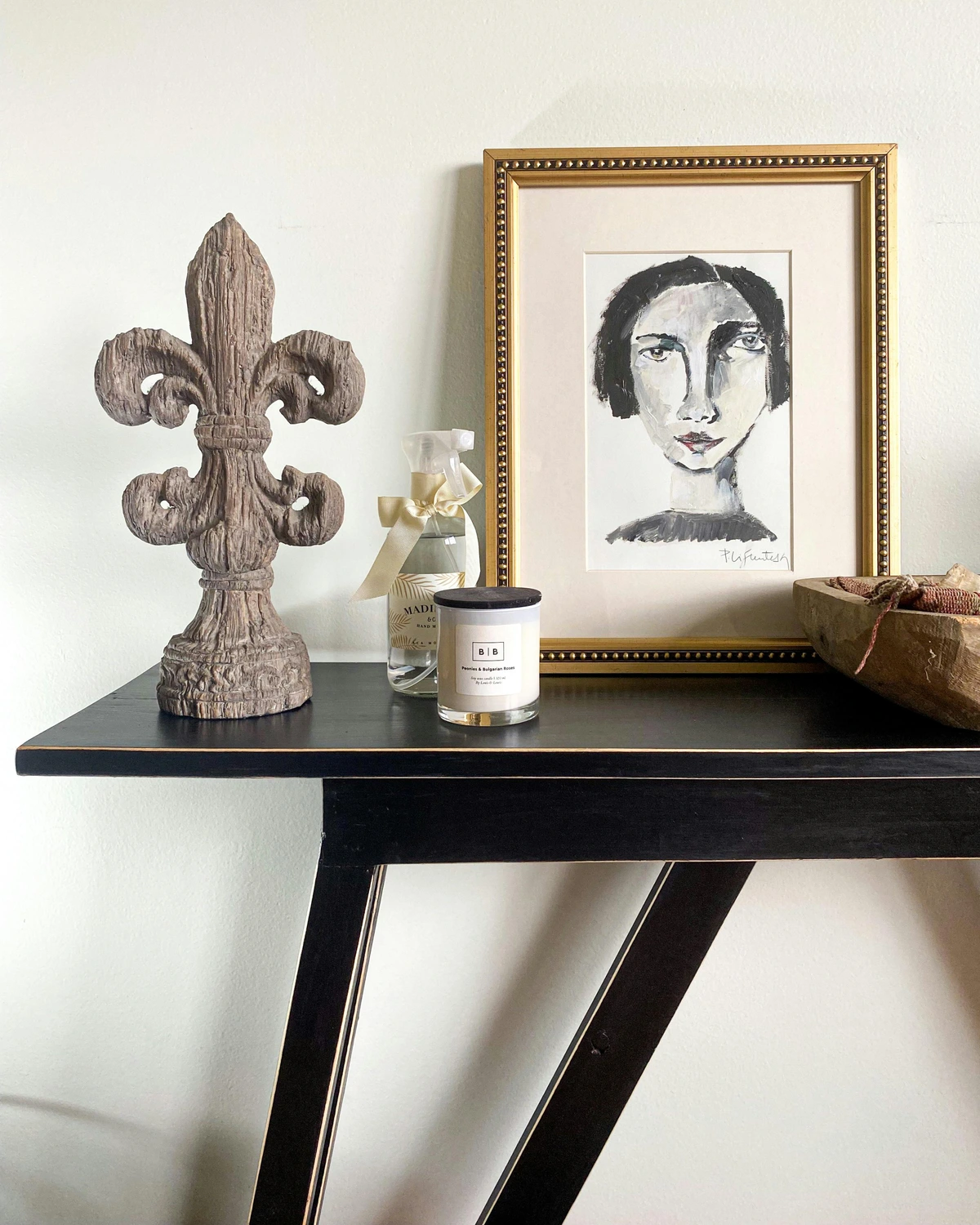
- Lean & Layer: Instead of hanging everything, try leaning attractive cutting boards (especially wooden ones) or small framed art against the backsplash. This adds depth and is easy to switch out. You can even lean cookbooks for a pop of color and texture. Think of it like styling a bookshelf – you don't hang every book, you arrange and lean for visual appeal. I find this approach brings a relaxed, lived-in feel, unlike a rigid display.
- Stylish Storage is Your Friend: Decant flour, sugar, and coffee into attractive ceramic or glass canisters. Use beautiful ceramic crocks for utensils. Even decanting dish soap and hand soap into aesthetically pleasing dispensers makes a difference. Remember my ceramic bowl advice from earlier? This is where it shines!

- Mix Materials for Texture: Combine different textures and materials for visual interest. For instance, on a wooden countertop, group a ceramic utensil holder, a sleek stainless steel kettle, and a woven basket for fruit to create a rich, inviting vignette. This layered approach feels rich and inviting, preventing a space from feeling one-note.
- Color Pops, Thoughtfully: Choose one or two accent colors and introduce them through small items: a vibrant kettle, your stand mixer, colorful dish towels, a statement vase, a patterned fruit bowl, or even a small piece of abstract art on a shelf. This prevents a monochromatic scheme from feeling flat and can easily be changed with the seasons or your mood.
- Don't Forget the Scent: The kitchen is full of natural aromas, but you can enhance the ambiance with intentional scents. Fresh herbs on the windowsill, a gently simmering pot of potpourri, or a subtly fragranced essential oil diffuser (away from food prep zones) can transform the feel of the room, adding another layer to your decor. Uplifting citrus or calming lavender blends work wonderfully. (Just be mindful of overpowering scents near food prep!). Good ventilation is also key to managing cooking odors effectively.
- Consider Acoustics: While often overlooked, the materials in your kitchen can impact sound. Hard surfaces like tile and stone, common in kitchens, can create echoes. Introducing textiles (rugs, curtains), wood elements, and even art with canvas can help absorb sound, making the kitchen a more pleasant and less jarring place to be. This is particularly important in open-plan living where kitchen noise can carry.
Incorporating Art in the Kitchen: Yes, You Absolutely Can!
I know what you're probably thinking: Art in the kitchen? Really? Isn't it too messy? And my answer is always a resounding YES! It’s one of my favorite ways to inject true personality and warmth into what can often be a purely functional space. I believe art elevates the everyday, even in the midst of chopping vegetables or doing dishes. Don't let perceived impracticality stop you from adding joy.
- Why Art? Art elevates the kitchen beyond the utilitarian, adding a layer of sophistication, color, and emotional connection. It makes the kitchen feel more like a proper room, integrated seamlessly with the rest of your home. It’s a chance to display something that sparks joy, even while you're tackling dinner. The vibrant energy and abstract forms I often see in stores like the Zen Museum Store can bring a dynamic, modern flair that perfectly complements a functional space, transforming it from merely practical to profoundly inspiring.
- Placement is Key: This is where you need to be strategic. Choose spots away from direct heat (stove), steam (kettle, sink), and major splatter zones. Good options I’ve explored include:
- On a dedicated wall in a breakfast nook or dining area (if your kitchen has one).
- Above cabinets in the soffit space, drawing the eye up (think of similar principles to how to decorate above a bed, utilizing vertical space).
- On open shelving, leaned against the wall with other curated items. See more about how to choose art for a bookshelf.
- A smaller piece on a wall away from the main cooking action.
- Suitable Art for Kitchens:
- Framed Prints & Photography: Hands down, prints and photographs framed behind glass or acrylic offer the best protection against moisture and grease. Understanding the differences between Prints vs. Paintings can help you choose the best format. Consider playful food-themed photography (e.g., close-ups of colorful spices, artistic shots of fresh bread, vibrant fruit arrangements), abstract patterns, or contemporary posters. Many abstract pieces from the Zen Museum Store feature bold colors and dynamic forms that thrive in a modern kitchen setting.
- Varnished Canvases: If you love the texture of canvas, ensure it's well-varnished. A good varnish for a kitchen environment should offer UV protection (to prevent fading) and some moisture resistance. Acrylic paints and mediums are generally more forgiving in humid environments than oil paints, which can be more susceptible to humidity fluctuations. If it's not a highly valuable piece, placement in a lower-risk zone is usually fine. Contemporary, colorful, and often abstract art can add wonderful energy without needing perfect conditions. For a traditional touch, a still life painting can feel right at home, celebrating food and daily life. You can even reference historical art styles, like the vibrant compositions of Dutch still life painters, through modern prints or photography.
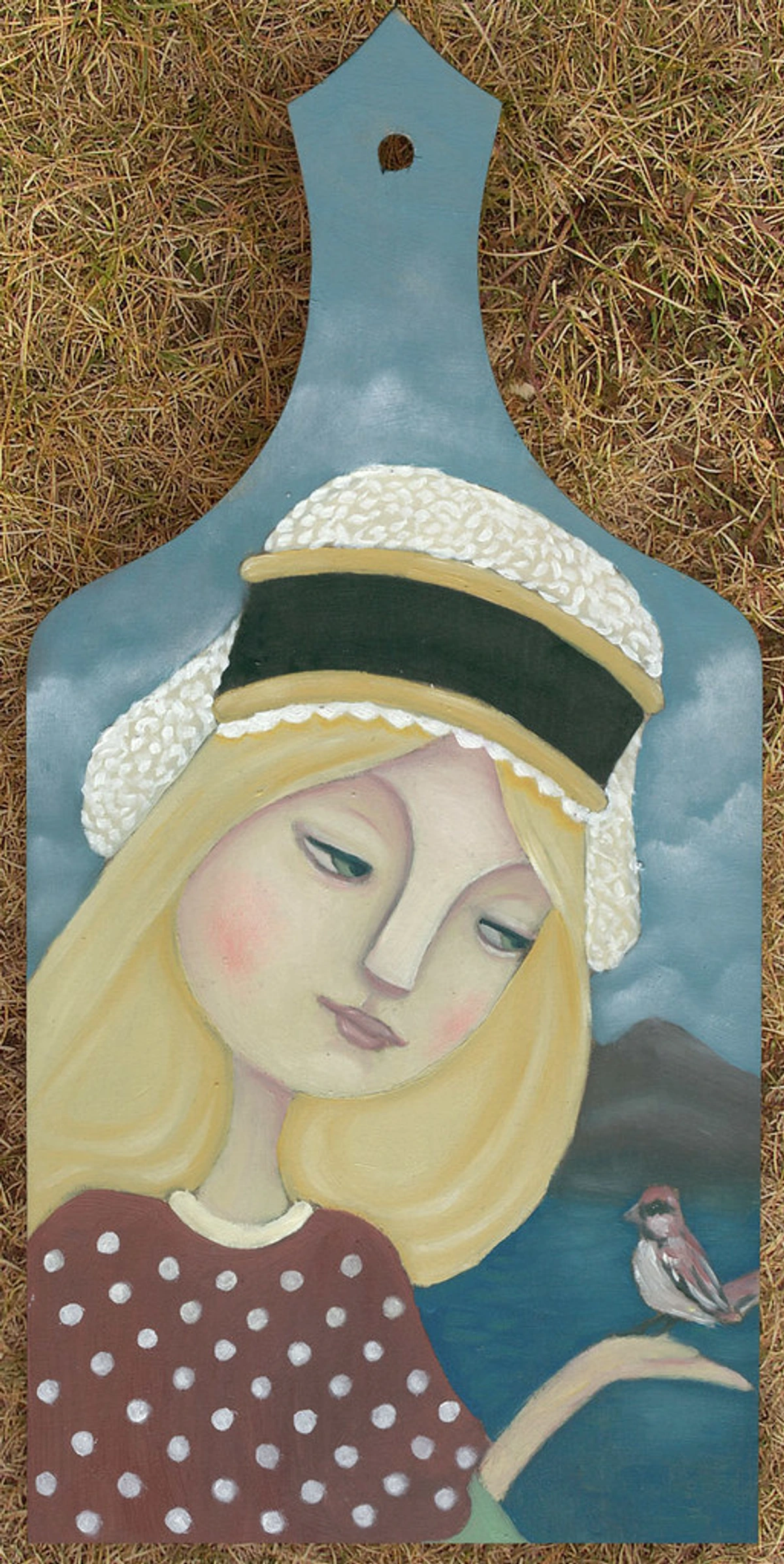
- Unique Options: Consider a small, robust ceramic piece on a shelf (like the one you saw earlier), or even a carefully chosen metal sculpture. For a truly modern twist, you could even explore kinetic art (art that moves) or interactive pieces (like a magnetic board for curated notes and photos), as long as they are durable and easy to clean, adding a unique, dynamic element to the space.
- Protection is Paramount: Framing is highly recommended for almost any art in the kitchen. Ensure frames are well-sealed, and consider UV-protective glass if the art is exposed to direct sunlight. You can learn more about general art care and framing to keep your pieces pristine. When you're buying art, always consider its intended environment.
Common Kitchen Decor Mistakes to Avoid
Even with the best intentions, it's easy to fall into common traps. Here are a few I've observed (and sometimes, made myself!):
- Over-Cluttering Countertops: The number one offender! Too many gadgets, jars, or purely decorative items can make your kitchen feel smaller and less functional. Remember: everything needs a home, or it needs to go.
- Ignoring Workflow: Placing decorative items where they hinder movement between your sink, stove, and fridge, or impede food prep, is a recipe for frustration. Function always comes first.
- Poor Lighting: Relying on a single overhead light casts shadows and makes cooking unpleasant. Neglecting task lighting means you'll be squinting over your chopping board. Always layer your lighting.
- Choosing Aesthetics Over Durability: Opting for delicate fabrics or porous materials in high-splash zones might look lovely for a week, but the reality of kitchen life quickly sets in. Practicality, especially cleanability, is king.
- Failing to Define Your Style: A mix-and-match approach can look eclectic and charming, but without an underlying cohesive vision, it can feel messy and unintentional. If you're struggling, start by identifying the colors you're consistently drawn to, or find 3-5 images of rooms you absolutely adore and try to pinpoint common elements. Take time to understand your preferred aesthetic, and don't hesitate to use a mood board to visualize it.
- Not Personalizing: A kitchen that looks like it came straight from a showroom can feel cold and uninviting. Inject your personality through art, unique finds, and items that tell your story.
- Ignoring Scale: A tiny piece of art on a vast wall, or an oversized pendant light in a compact kitchen, can throw off the entire balance. Always consider the dimensions of your decor in relation to the space it occupies.
Finding Kitchen Decor Inspiration: My Favorite Haunts
Sometimes, you just need a spark! I always find inspiration in unexpected places, but here are my go-to spots when I'm feeling a bit creatively stuck.
Digital & Print Inspiration
Home decor magazines (like Architectural Digest or House Beautiful), Pinterest, and Instagram are treasure troves (try searching #kitchendecor #kitcheninspo #kitchendesign). They’re fantastic for identifying trends and seeing how different styles play out. I often save images that speak to me, even if it's just a single color combination or a clever storage solution.
Real-World Spaces
Kitchen showrooms and model homes offer tangible examples of layouts and material combinations. Restaurants and cafes, especially those run by local chefs, often have incredibly creative decor ideas, from unique lighting to interesting wall treatments – I'm always looking up when I'm out! Even local bakeries, coffee shops, or farm stands can offer unique, charming decor elements perfectly suited for a kitchen. Just walking through a thoughtfully designed space can trigger ideas.
Art & Culture
For something a bit different, I love browsing art online or visiting museums and galleries. The colors, compositions, and even the sheer energy of modern and contemporary pieces, particularly abstract works like those at the Zen Museum Den Bosch, can spark ideas for your kitchen palette or how you might arrange elements. General art inspirations can be found everywhere, and exploring best museums can offer fresh perspectives. Remember, a gallery isn't just for looking at art; it's for finding inspiration for your life and home, transforming functional spaces into vibrant expressions.







Conclusion: Your Kitchen, Your Heart
For me, decorating a kitchen isn't just about putting things in a room; it's about crafting a space that nourishes you, both physically and spiritually. It should be a joy to work in and an absolute pleasure to simply be in. By thoughtfully prioritizing function, choosing materials that stand the test of time, keeping clutter at bay, and bravely injecting your personal style through color, texture, and yes, even art, you truly can transform your kitchen into the vibrant, beating heart of your home. It's a space that should tell your story, quietly yet profoundly, and evolve with you through life's many seasons.
Start small. Add a colorful accessory, swap out some hardware, or find one meaningful piece of art. Those small changes, I promise you, can make a monumental difference. If you're looking for unique pieces to elevate your space, the Zen Museum Store is always a good place to start for inspiration – finding something that truly resonates with you is the first step to creating a kitchen you love. I'd also love to hear your favorite kitchen decor tips or see your projects; share them in the comments or tag us on social media!
Frequently Asked Questions (FAQ)
Q1: How can I add personality to a rental kitchen without making permanent changes? A: Focus on easily reversible updates! Add a colorful rug, swap out cabinet hardware (but save the originals to reinstall later!), use removable wallpaper or peel-and-stick backsplash tiles, display art with adhesive strips, bring in plants and herbs, and use stylish countertop accessories and vibrant textiles like dish towels. These can dramatically change the feel of the space without structural changes.
Q2: What kind of rug is best for a kitchen? A: I always recommend flat-weave rugs made from durable, easy-to-clean materials like polypropylene, nylon, or washable cotton blends. Indoor/outdoor rugs are often a fantastic, hard-wearing choice. Crucially, ensure any kitchen rug has a non-slip backing or use a rug pad to prevent accidents. Also, consider their ability to absorb sound in a hard-surfaced room.
Q3: Is it really safe to hang art in the kitchen, given the environment? A: Yes, absolutely, with a few smart precautions! Avoid placing valuable or sensitive pieces directly above heat sources (like the stove) or sinks where splashes are inevitable. Frame art behind glass or acrylic for protection against grease and moisture. Choose locations less prone to direct impact from cooking. For more details on protecting your art, refer to our art care guide.
Q4: What are some easy, low-cost kitchen decor updates I can do this weekend? A: So many! Update cabinet hardware, add a new washable rug or runner, buy a set of colorful dish towels and an attractive apron, paint an accent wall (or the inside of a glass cabinet!), start a small plant or herb garden on your windowsill, or display fresh fruit in a beautiful bowl. Changing out utilitarian countertop accessories like your utensil holder or soap dispenser for more stylish versions also makes a big impact for little money.
Q5: How can I integrate smart home technology into my kitchen decor seamlessly? A: Focus on aesthetics and functionality. Opt for smart devices with sleek, minimal designs that blend with your chosen style (e.g., smart displays that match cabinet finishes). Conceal wires where possible (e.g., behind appliances or within custom cabinetry). Consider smart lighting with adjustable color temperature and dimming capabilities to control ambiance. Voice-activated devices can reduce visual clutter by eliminating the need for physical controls. Smart plugs can be hidden in drawers or behind appliances to control small devices invisibly.
Q6: What are some good ideas for seasonal kitchen decor updates? A: Seasonal updates are easy and fun! Swap out dish towels and oven mitts for seasonal colors or patterns. Change your countertop centerpiece – think a bowl of gourds in fall, fresh flowers in spring, or pinecones in winter. Update your potted plants or herbs, add seasonal candles, or even change a small piece of framed art to reflect the time of year. Little touches go a long way.
Q7: What's the deal with light color temperature for kitchens? A: Light color temperature (measured in Kelvin, K) significantly impacts mood. For kitchens, I generally recommend a dual approach: use warm white (2700K-3000K) for ambient lighting to create a cozy, inviting atmosphere (great for dining or socialising), like soft candlelight. For task lighting (under cabinets, pendants over prep areas), neutral white (3500K-4000K) is often preferred as it provides better clarity and less eye strain for chopping and cooking, similar to bright daylight. Dimmers help you adjust between moods! Also, look for lights with a high Color Rendering Index (CRI) of 90+ to make your food and decor colors appear more accurate and vibrant.
Q8: How do I choose art that will truly complement my kitchen's aesthetic? A: Beyond protection, consider scale, subject, and color. For a small kitchen, a single, impactful piece or a small gallery wall of abstract art can work, ensuring it doesn't overwhelm the space. In larger spaces, you have more freedom. Subject matter could be food-related (like a vibrant still life painting), abstract, or even landscape. Most importantly, choose something that you love and that brings you joy every day. Think about how the colors in the art pick up on or contrast with your kitchen's existing palette. You can even draw inspiration from historical art styles, using modern interpretations or prints that reference classic kitchen themes.
Q9: How can decor influence the sound and scent of my kitchen? A: Decor choices can subtly impact your kitchen's sensory experience. For sound, soft furnishings like rugs and curtains, or even wall art with canvas, can absorb echoes from hard surfaces (like tile or stone), making the room feel quieter and more inviting. For scent, integrate fresh herbs (like basil or mint) on a windowsill, place a bowl of citrus fruits, or use a subtly fragranced essential oil diffuser (away from food prep) to introduce pleasant aromas. These elements, though often overlooked, contribute significantly to the overall ambiance. Also consider ventilation to manage cooking odors effectively.
Q10: What are some decor solutions for common kitchen challenges like small spaces or limited natural light? A: For small spaces, focus on vertical storage (wall-mounted racks, open shelves with minimal clutter), light colors, reflective surfaces (mirrors, glossy backsplashes), and clear or slim-profile furniture (e.g., transparent bar stools). For limited natural light, maximize artificial lighting with a layered approach (ambient, task, accent), use cool-toned lights (3500K-4000K CRI 90+) for brightness, and select lighter color palettes for walls and cabinets to reflect available light.
Q11: How can I budget for kitchen decor updates? A: Start by prioritizing! List what bothers you most, then research costs. Small updates like hardware, paint, and textiles are usually budget-friendly. For larger investments like a new rug or art piece, save up or opt for a single, impactful item rather than many smaller ones. DIY projects (like painting cabinets or upcycling jars) can save significant money. Also, consider thrift stores or local artisan markets for unique finds at lower prices. Remember, a few thoughtful, well-chosen items make more impact than many random purchases.
Q12: How do I incorporate pet-friendly decor into my kitchen design? A: Keep it practical and safe. Choose durable, easy-to-clean flooring and textiles that can withstand pet hair and spills (e.g., vinyl planks, washable rugs). Place pet food and water bowls in a dedicated, easy-to-clean zone, perhaps on a mat or in an integrated drawer. Ensure plants are non-toxic to pets. Secure any delicate decor or art pieces that could be knocked over. Consider enclosed storage for pet supplies to maintain a tidy look.
Q13: What should I do if my kitchen art gets damaged by grease or moisture? A: First, try to gently clean non-porous surfaces with a soft, damp cloth and mild soap. For framed art, carefully wipe the glass. If the art itself is damaged (e.g., oil splatters on an unvarnished canvas, moisture damage to paper), consult a professional art conservator, especially for valuable pieces. Prevention is best: ensure proper placement away from high-risk zones, use protective framing, and maintain good ventilation. Regular light cleaning can also help prevent build-up.