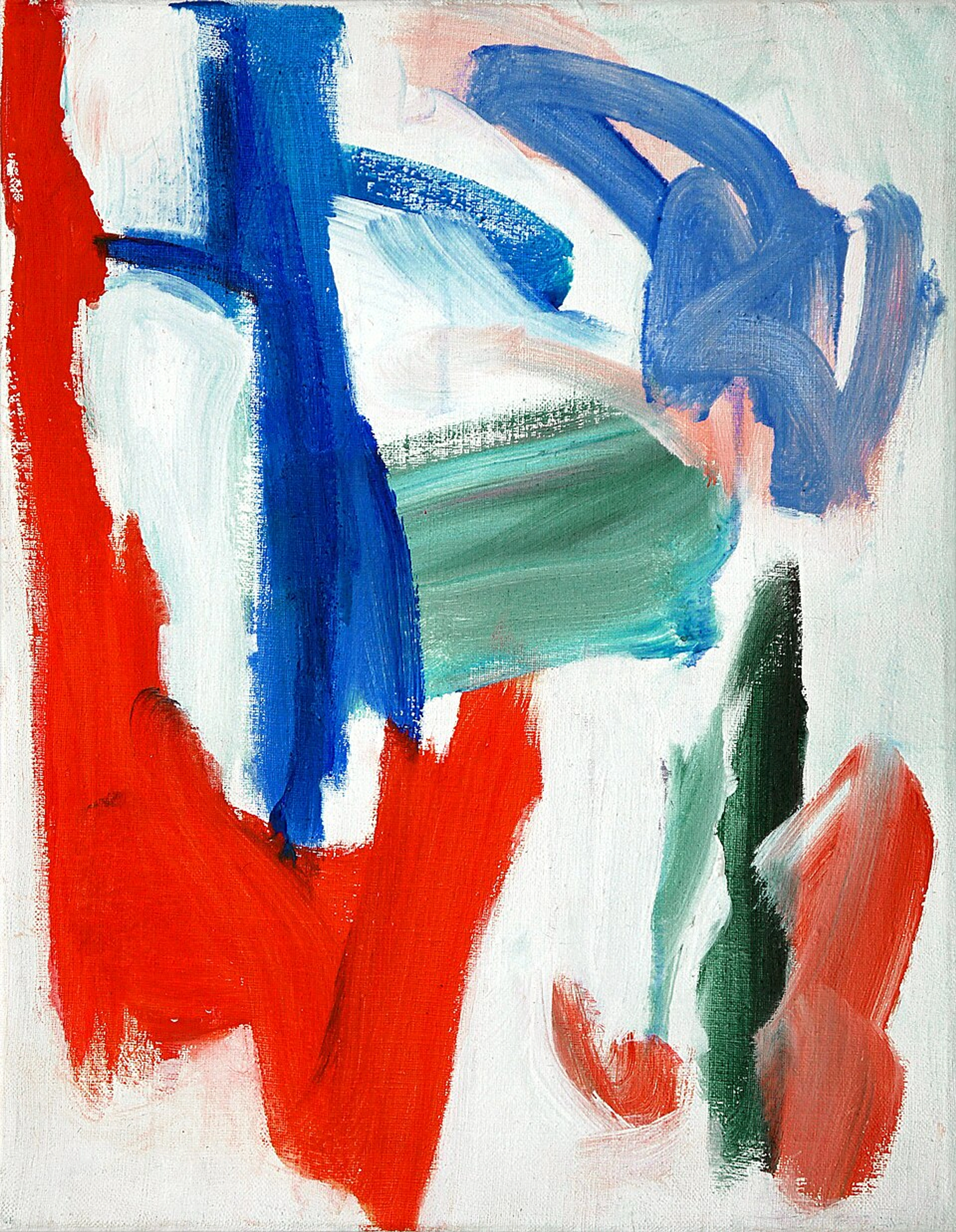
Your Bookshelf as a Curated Art Gallery: Mastering Visual Narratives and Personal Storytelling
Transform your bookshelves into captivating micro-galleries. Discover expert strategies for integrating art, sculptures, and unique objects, mastering balance, scale, storytelling, and ethical curation for a truly personal and inspiring home.

Your Bookshelf as a Curated Art Gallery: Mastering Visual Narratives and Personal Storytelling
I’ve spent countless hours staring at bookshelves, not just my own, but in homes, cafes, and even in films, dissecting why some just sing and others… well, they just hold books. And let’s be honest, holding books is a noble task, but a bookshelf has so much more potential, doesn’t it? It’s a microcosm of your personality, a condensed gallery of your interests, and a surprisingly powerful canvas for art. Your bookshelf is more than just a repository for stories; it's a canvas waiting to bloom with visual narratives, a silent storyteller alongside your literary treasures. So, what if we stopped seeing them merely as storage and started viewing them as your very own, constantly evolving art gallery? What new stories might they begin to whisper?
In this guide, we'll embark on a journey to transform your bookshelves into curated art galleries, exploring everything from understanding your personal aesthetic and the architecture of your shelves to the art of arrangement, the profound psychology of curation, and much more. I promise, by the end, you'll see your shelves in a whole new light and understand the myriad of visual narratives they can tell.
1. Getting Started: The Foundational Principles of Intentional Curation
Before you even think about placing a single piece of art, I urge you to imagine your bookshelf utterly bare. A clean slate. It helps to envision the potential without the distraction of existing clutter. One of my most humbling early styling failures was trying to 'decorate around' a mountain of books I'd optimistically acquired – a classic case of more is more (when it really should be less is more). I know what you're thinking, "But I have so many books!" I've been there, trust me. My first attempts at styling looked less like a curated gallery and more like a book avalanche threatening to consume any art I dared to place. Decluttering is truly the secret sauce here.
1.1 Decluttering First: My Golden Rule for Serenity and Potential
This is non-negotiable, in my humble opinion. A cluttered bookshelf, even with beautiful art, still looks cluttered. Take everything off. Seriously, everything. Dust it. Then, ruthlessly edit your books. Keep what you love, what you've read, and what truly brings you joy or value. Donate or sell the rest. You’ll thank me, I promise. I remember the sheer relief I felt after finally letting go of dozens of books I knew I’d never revisit (that weighty tome on 18th-century plumbing, for instance, which, while fascinating for five minutes, mostly just collected dust and dreams of a very specific historical period), suddenly seeing the potential of my shelves for the very first time – like a hidden landscape emerging from the fog. This step alone can instantly elevate the space, paving the way for your art to truly shine. If you're looking for broader decorating advice, I've written a bit about how to decorate a wall which touches on the importance of editing.
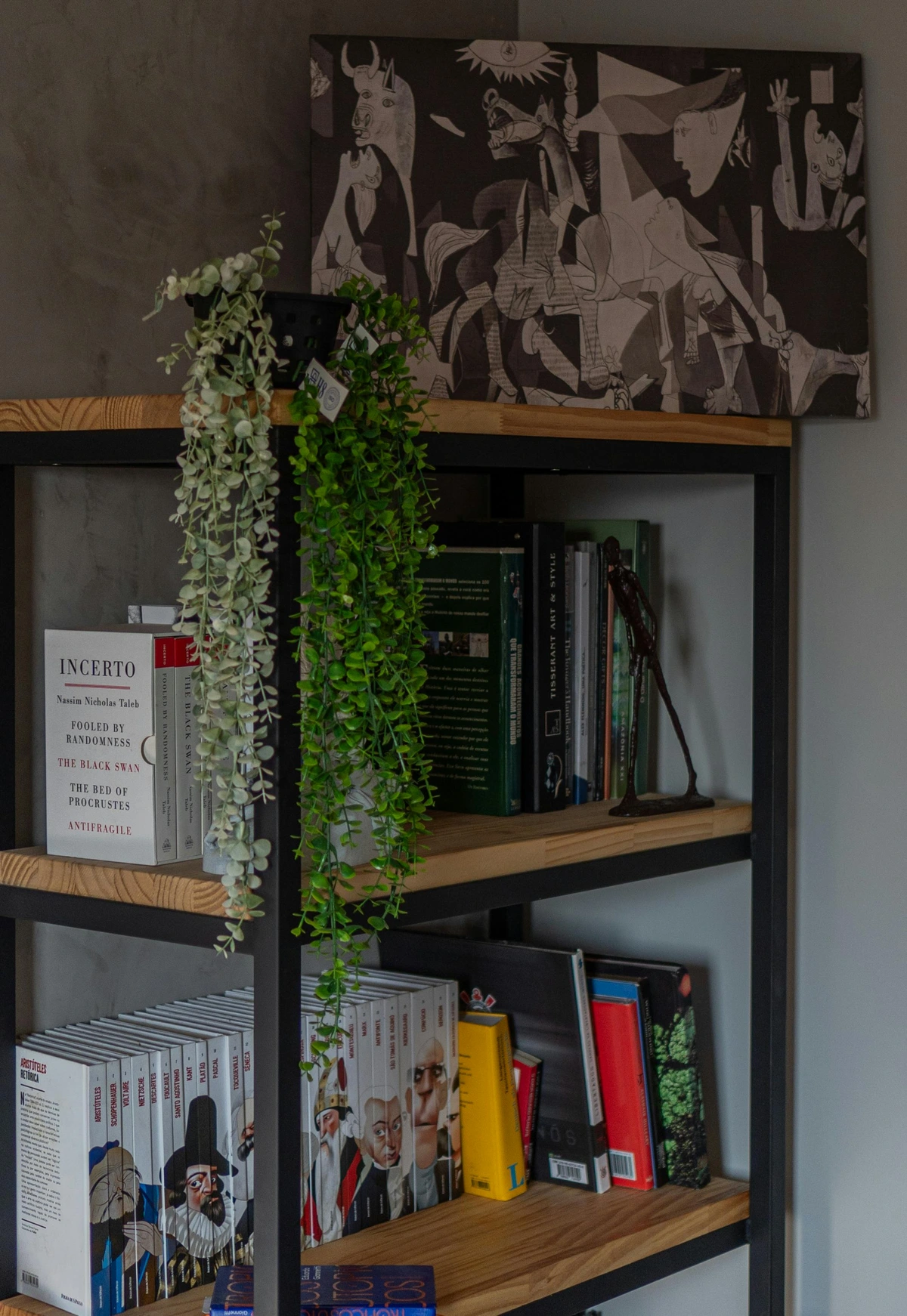
1.2 Understanding Your Aesthetic: What Story Do You Want to Tell?
This is where we truly begin. What resonates with you? Do you find yourself drawn to crisp, clean lines or the rich textures of a well-worn antique? What colors dominate your wardrobe or bring you a sense of calm? What themes keep reappearing in the books you cherish most? If your bookshelf were a song, what genre would it be? What three emotions do you want it to evoke? These questions are clues to your personal aesthetic. They help you curate, rather than just accumulate.
To pinpoint your aesthetic, try creating a digital mood board (Pinterest is great for this!), or even a physical one with clippings. Pay attention to recurring patterns in your favorite books, movies, and music. Are you a minimalist at heart, preferring clean lines and curated pieces? Or do you lean towards a more eclectic, bohemian vibe, with treasures from every corner of the globe? Your bookshelf art should reflect your overall style, or at least a harmonious accent to it. I found my own shelves evolving from a rather chaotic collection to a more intentional mix of abstract art and travel mementos once I truly understood my aesthetic. For a minimalist aesthetic, think a single, geometrically precise black and white print, or a sculpture with a very clean, simple form. For a more eclectic vibe, a richly patterned textile or a vibrant collection of found objects with an organic feel can be stunning. This also links back to how you choose art for other spaces.
Consider the room's existing decor. Is it minimalist? Industrial? Or maybe modern farmhouse? The art you pick for your shelves should either complement this or offer a really intentional, striking contrast.
Aesthetic Archetype  | Key Characteristics | Suggested Bookshelf Art |
|---|---|---|
| Minimalist | Clean lines, subdued palette, uncluttered | Single geometric sculpture, monochromatic print, sleek ceramic vase, abstract line art. |
| Eclectic | Varied textures/origins, curated finds, rich colors | Mixed media, travel souvenirs, vibrant textiles, artisanal pottery, vintage ephemera, small abstract paintings. |
| Bohemian | Natural materials, global patterns, comfort-focused | Woven art, dried botanicals, macrame, handcrafted figurines, ethnic masks (ethically sourced), vibrant folk art. |
| Industrial | Raw materials, utilitarian, often monochromatic | Metal sculptures, architectural drawings, abstract photography, vintage tools, bold graphic prints. |
| Modern Farmhouse | Rustic charm, natural elements, cozy | Botanical prints, ceramic pitchers, woven baskets, distressed wood signs, small landscape paintings, dried floral arrangements. |
1.3 Understanding Your Bookshelf's Architecture: The Canvas Itself
The shelf itself is part of the canvas, and its inherent qualities subtly influence your art choices. Is it a grand, built-in unit, or a light, modular piece? Does it boast dark, rich wood, light, airy finishes, or sleek industrial metal?
- Dark wood shelves, for example, provide a classic, deep backdrop, making vibrant art truly pop. They create a sense of gravitas and warmth, pairing well with traditional or richly colored pieces.
- Light wood or white shelves offer a clean slate for subtle textures and minimalist pieces. They enhance a bright, airy aesthetic and are perfect for showcasing delicate objects or art with intricate details.
- Metal shelves, on the other hand, call for contemporary art or geometric forms that echo their modern aesthetic, often complementing an industrial or urban style.
- Even less conventional materials like laminate or particleboard can be elevated; the key is to ensure the art feels intentional, perhaps by incorporating objects with contrasting textures or a unifying color palette.
Crucially, consider the depth of your shelves. Shallower shelves demand leaner, lower-profile pieces, while deeper shelves invite layering and creating small 'scenes' within the shelf, potentially using risers to bring objects forward. A little pre-planning here can make all the difference, trust me.
Bookshelf Material/Color | Aesthetic Impression | Complementary Art Styles/Tips |
|---|---|---|
| Dark Wood | Classic, rich, cozy, traditional | Vibrant abstract art for contrast, antique bronze sculptures, framed botanical prints, dark-toned photography, pieces with metallic accents (gold, brass) that pop against the deep background. |
| Light Wood/White | Bright, airy, minimalist, modern | Subtle ceramics, minimalist line art, light-colored textiles, black and white photography, abstract art with pastel tones, natural wood sculptures. Emphasizes clean lines and quiet textures. |
| Metal (Industrial) | Modern, edgy, urban, functional | Geometric sculptures, contemporary abstract art, industrial-inspired objects (gears, vintage tools), bold graphic prints, monochromatic photography. Materials like concrete or raw steel complement the aesthetic. |
| Glass/Acrylic | Sleek, transparent, contemporary, light | Light-catching objects like clear glass sculptures, small transparent vases, abstract pieces with reflective surfaces. The art appears to float, requiring careful consideration of negative space and lightness. |
| Painted (Bold Color) | Playful, eclectic, statement-making | Art that complements the shelf color (e.g., warm tones on a cool blue shelf) or provides intentional, striking contrast. Mixed media and quirky sculptural pieces can thrive here, contributing to a vibrant, personal story. |
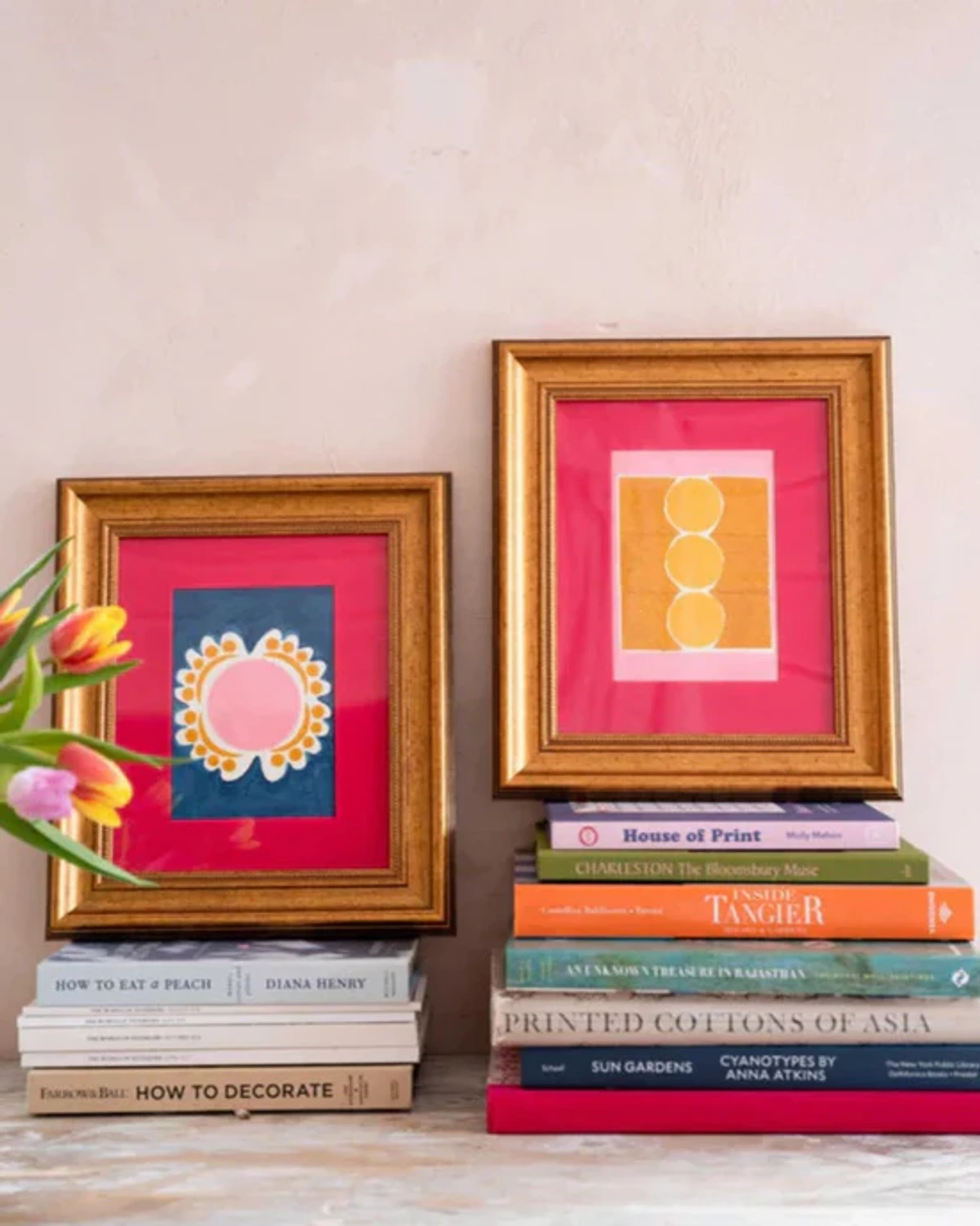
1.4 Scale and Proportion: The Goldilocks Principle for Bookshelves
This is where many people stumble, and believe me, I've been there. An art piece that's too big overwhelms the shelf, making it look cramped. Too small, and it gets lost amidst the books, looking like an afterthought. You want something just right. Generally, aim for art that takes up about two-thirds to three-quarters of the height of the shelf's available vertical space. If you’re leaning a piece, ensure there's no more than an inch or two of clearance between the top of the art and the shelf above.
- For shallower shelves, consider leaning smaller pieces or using objects with a lower profile, like a striking postcard or a delicate ceramic dish. Anything too deep will protrude awkwardly.
- For deeper shelves, you have more room for layering, but consider using book stands or risers to bring items forward, or incorporating taller decorative objects that can be seen from various angles. Without risers, smaller items can get lost in the back. Creating miniature scenes with objects layered front-to-back can be highly effective here.
Always measure your shelf dimensions first – it’s a simple step that saves a lot of frustration! It’s a delicate dance, but when you get it right, it feels magical – a perfectly balanced composition that just sits correctly in the space.
1.5 The Role of Light: Illuminating Your Micro-Gallery
Light, both natural and artificial, is an often-overlooked artist in itself. It can dramatically alter how your bookshelf art is perceived, adding drama, warmth, or a crisp clarity. Position art to catch natural light without exposing delicate pieces to harsh, fading sun. For artificial illumination, a small, discreet LED strip light installed under a shelf can highlight specific pieces, adding a captivating glow. Miniature, battery-operated spotlights are also fantastic for drawing the eye to a particular sculpture or framed print. Just remember to consider the warmth or coolness of the light to complement your aesthetic – a cool white light might enhance a minimalist abstract, while a warm glow suits a rustic display. Good lighting transforms a display from merely seen to truly showcased, making your curated pieces pop and inviting closer inspection.
2. The Bookshelf as a Micro-Gallery: More Than Just Utility
Forget the idea that bookshelves are purely utilitarian. I mean, yes, their primary job is to house your literary treasures, but I've always seen them as miniature stages, little worlds within worlds. Each shelf is a scene waiting to be set, a story waiting to be told visually alongside your written ones. It's a chance to display those smaller, more intimate pieces of art that might get lost on a large wall. Think about it – that quirky little ceramic bird or that abstract postcard you picked up from a museum shop can finally have its moment in the spotlight.
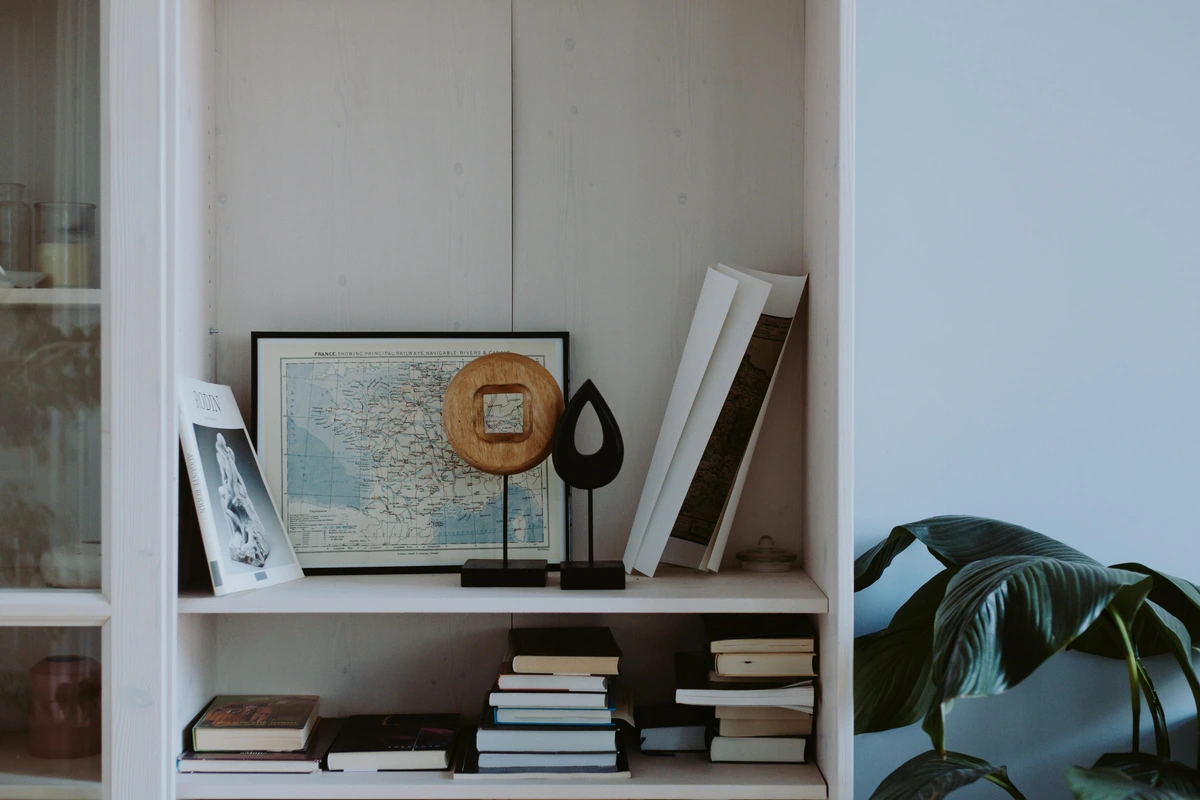
It’s about bringing life and personality to what could otherwise be a flat, predictable surface. And honestly, it’s a brilliant solution for adding art when you’ve run out of wall space – a common predicament in my own tiny studio! If you’re anything like me, you’re always searching for ways to infuse every corner of your home with a bit of artistic flair, and bookshelves are prime real estate for this micro-gallery magic. They're an invitation to slow down, to notice, and to let your gaze linger on carefully chosen beauty.
3. Types of Art That Shine on Bookshelves: Your Micro-Gallery Collection
Bookshelves are fantastic for a variety of art forms, especially those smaller, more intimate pieces that don't demand an entire wall to themselves. I often think of them as little vignettes – carefully composed mini-scenes that tell their own story. This is your chance to showcase pieces with unique materials and textures, adding another sensory layer to your literary haven. As an artist, I find that a bold splash of abstract color can truly energize a shelf, drawing the eye and complementing the quiet power of the words.
3.1 Small Framed Art: Prints, Photos, and Abstracts
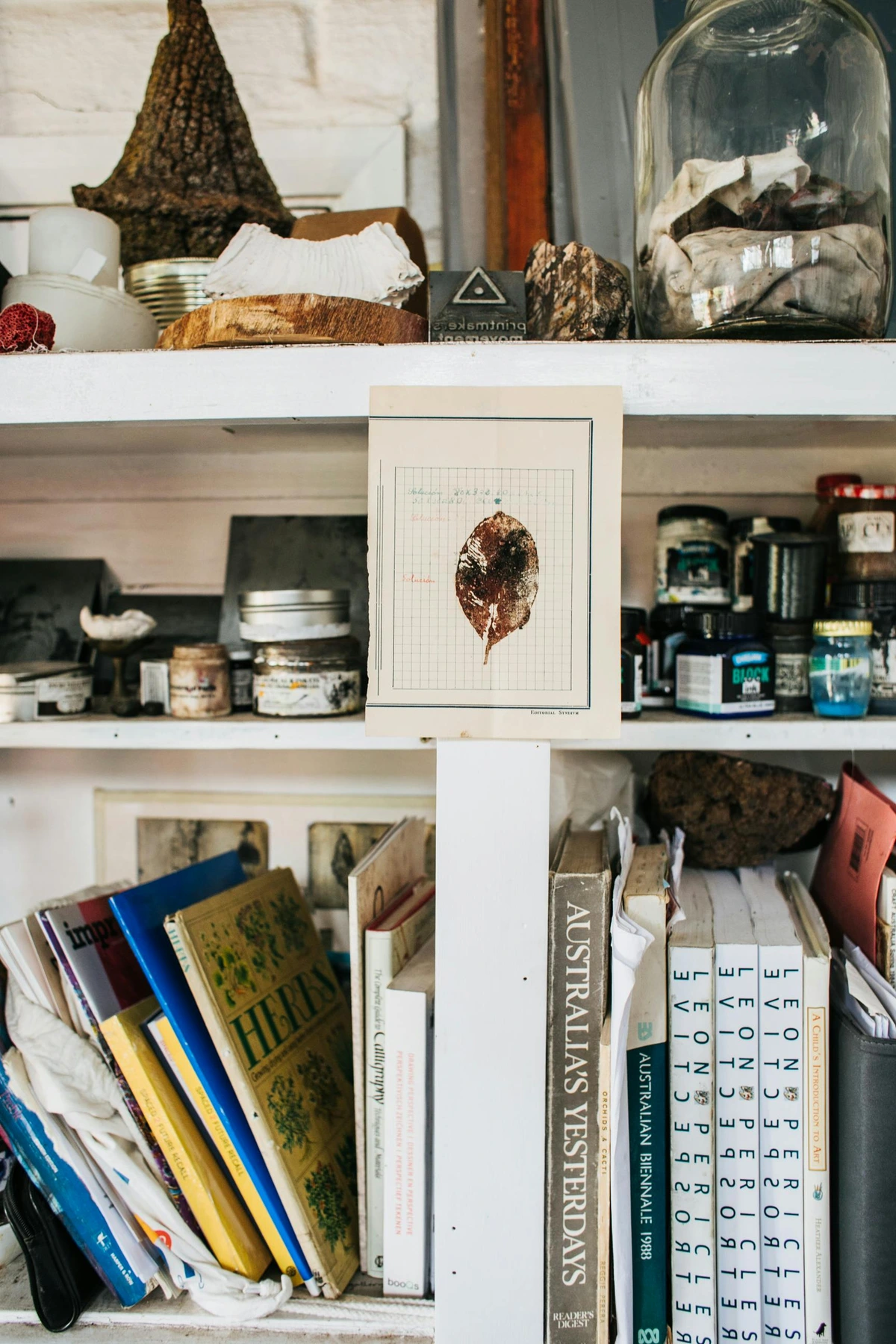
These are probably the easiest win. A small framed print, a cherished photograph, or a compact abstract painting can add instant character. I particularly love leaning small framed pieces against a stack of horizontal books. It creates depth and visual interest. Don't be afraid to mix and match frame styles if your overall aesthetic allows for it – the way a tiny, vibrant abstract print can punch above its weight, adding a focal point of pure color. Think about the art above the sofa and how a miniature version might look here.
3.2 Sculptural Elements: Figurines, Busts, and Ceramic Wonders
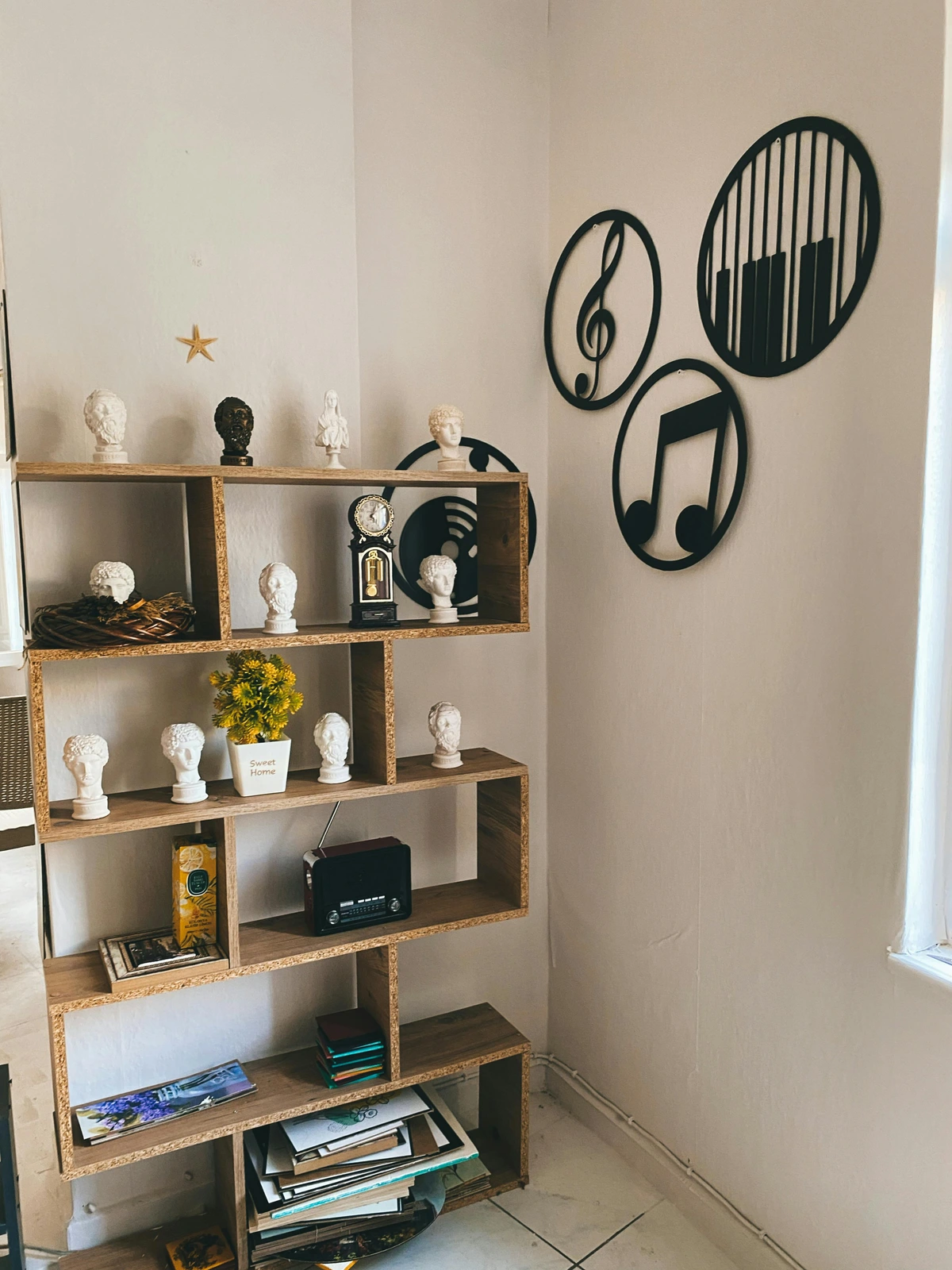
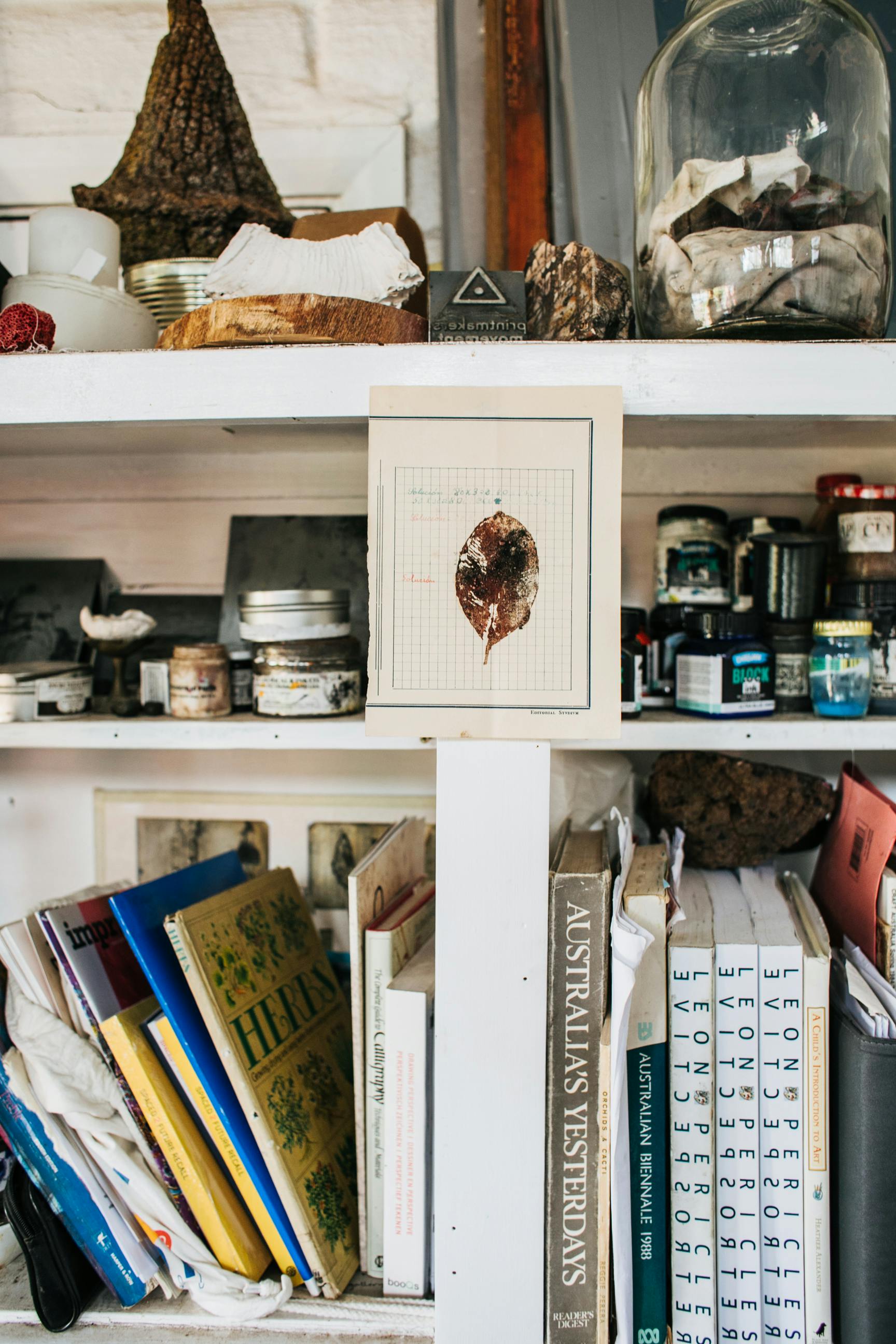
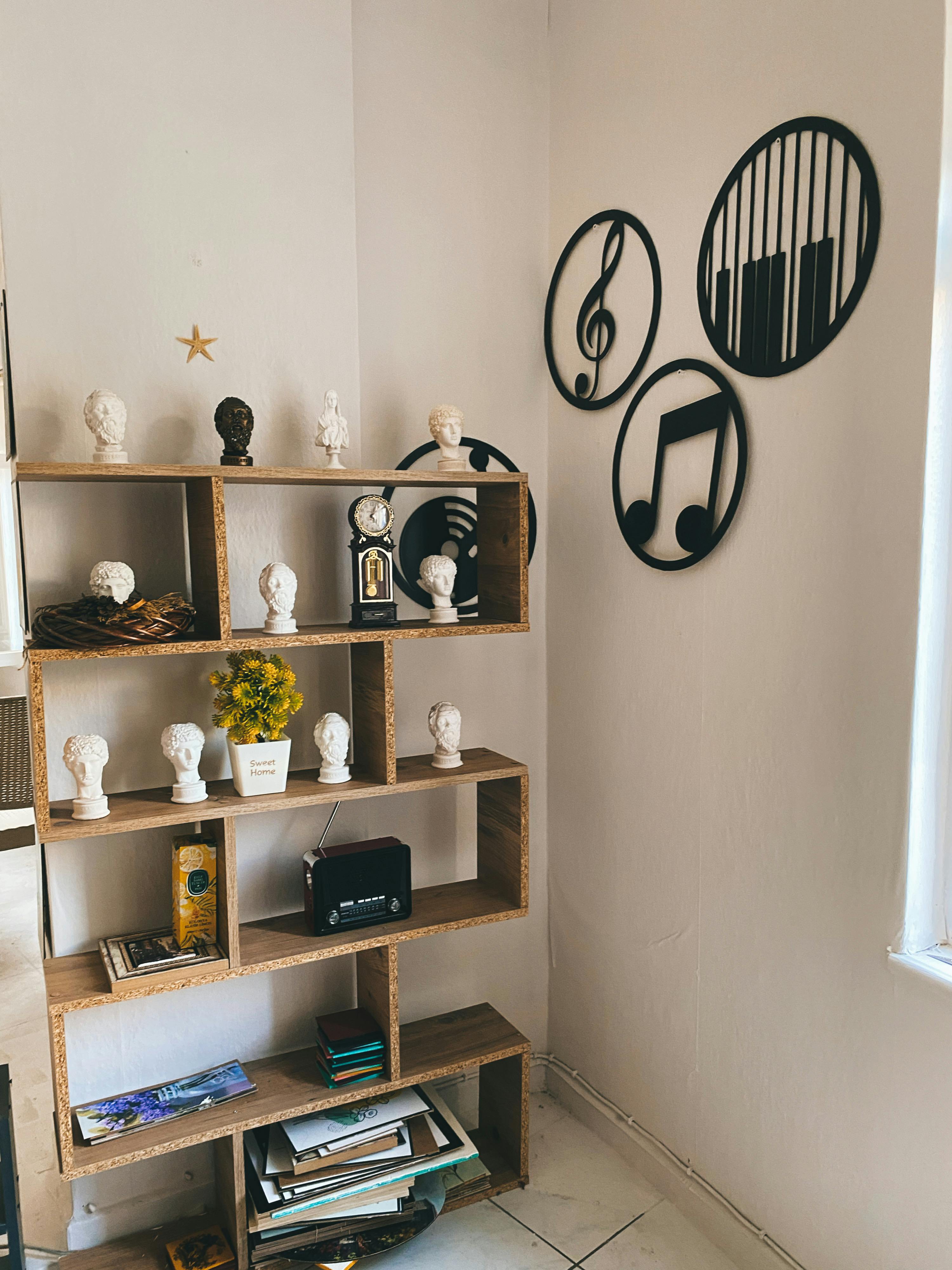
Oh, how I adore sculptural pieces on a bookshelf! They add a third dimension that flat art simply can't. A delicate ceramic vase, a unique figurine (I've got a growing collection of abstract ceramic forms), or even a small classical bust can introduce texture and a sense of history. I have this small, hand-carved wooden bird that sits proudly on my living room bookshelf; its smooth texture and gentle curve are a constant delight. These pieces draw the eye and create a pause, a moment of contemplation amidst the words. Consider also unique bookends, vintage desk accessories, small architectural models, antique scientific instruments (like a miniature globe or compass), or even artisanal handmade pottery. They’re fantastic for incorporating sculptural art into modern interiors – and a bookshelf is the perfect intimate setting for them.
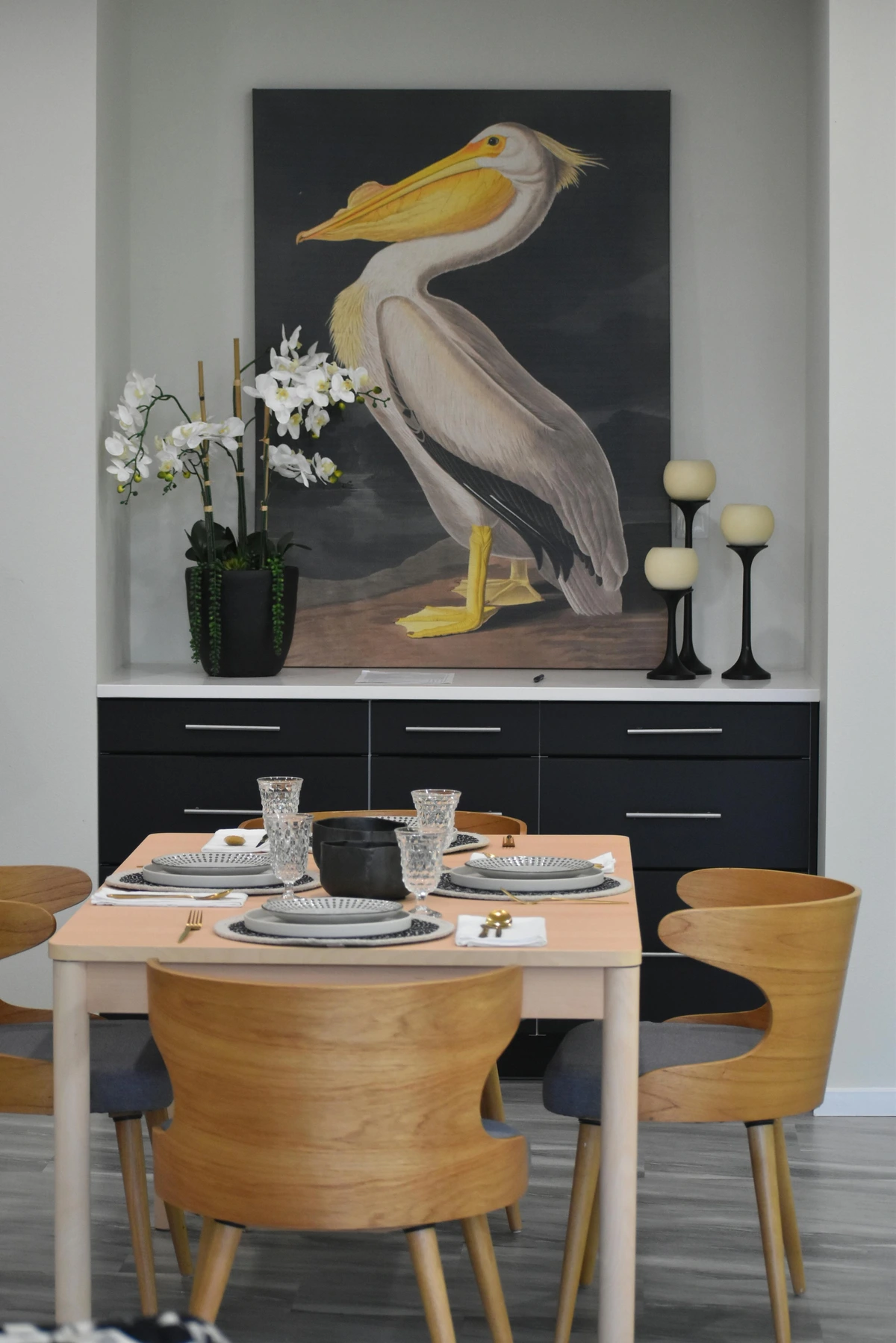
credit, licence

3.3 Art Books: Yes, Books Are Art! And Their Role as Display Pieces
This might sound obvious, but it’s often overlooked. Those beautiful coffee table art books with stunning covers or exquisite photography? They are art! Stack them horizontally to create varying heights for other objects, or display them spine-out if the spine itself is a work of art. I often use a stack of art books as a pedestal for a small sculpture or a framed piece, adding another layer of visual interest. When selecting art books, consider not just their content, but their visual attributes: a richly textured linen cover, a bold graphic design on the spine, unique typography, or even the quality of the paper and binding. These aren't just reading material; they're tactile, visual statements that add gravitas and beauty, demanding to be touched and admired. Think of them as foundational elements for your display, setting a tone with their physical presence and embodying a reverence for the artistic craft.
Type of Art Book | Visual Characteristics | Styling Contribution |
|---|---|---|
| Photography Monographs | Stunning images, often minimalist/bold covers | Adds sophisticated visual breaks; ideal for horizontal stacking to showcase a impactful cover. |
| Painting Compendiums | Rich colors, diverse styles, often thick bindings | Introduces varied color palettes; can be stacked to elevate smaller sculptures or used as a base for framed art. |
| Design/Architecture Books | Clean layouts, graphic covers, often large format | Reinforces modern or industrial aesthetics; spines can create rhythmic patterns when displayed vertically. |
| Textile Art Books | Textured covers, intricate patterns, tactile feel | Brings warmth and softness; great for adding a subtle tactile element when placed strategically. |
| Rare/Vintage Editions | Unique typography, aged paper, classic illustrations | Adds historical depth and intellectual gravitas; display sparingly to highlight their unique character. |
3.4 Mixed Media and Collage Art: Layered Stories
For an extra touch of textural richness and narrative depth, don't overlook small-scale mixed media and collage art. These pieces, often combining paint, paper, fabric, and found objects, bring a unique dimensionality that can feel incredibly personal. A framed collage might tell a story through juxtaposed images and textures, or a mixed media piece might offer unexpected tactile elements that invite closer inspection. They’re perfect for adding a bohemian flair or an intellectual curiosity to your shelves, acting as conversation starters that reward a lingering gaze.
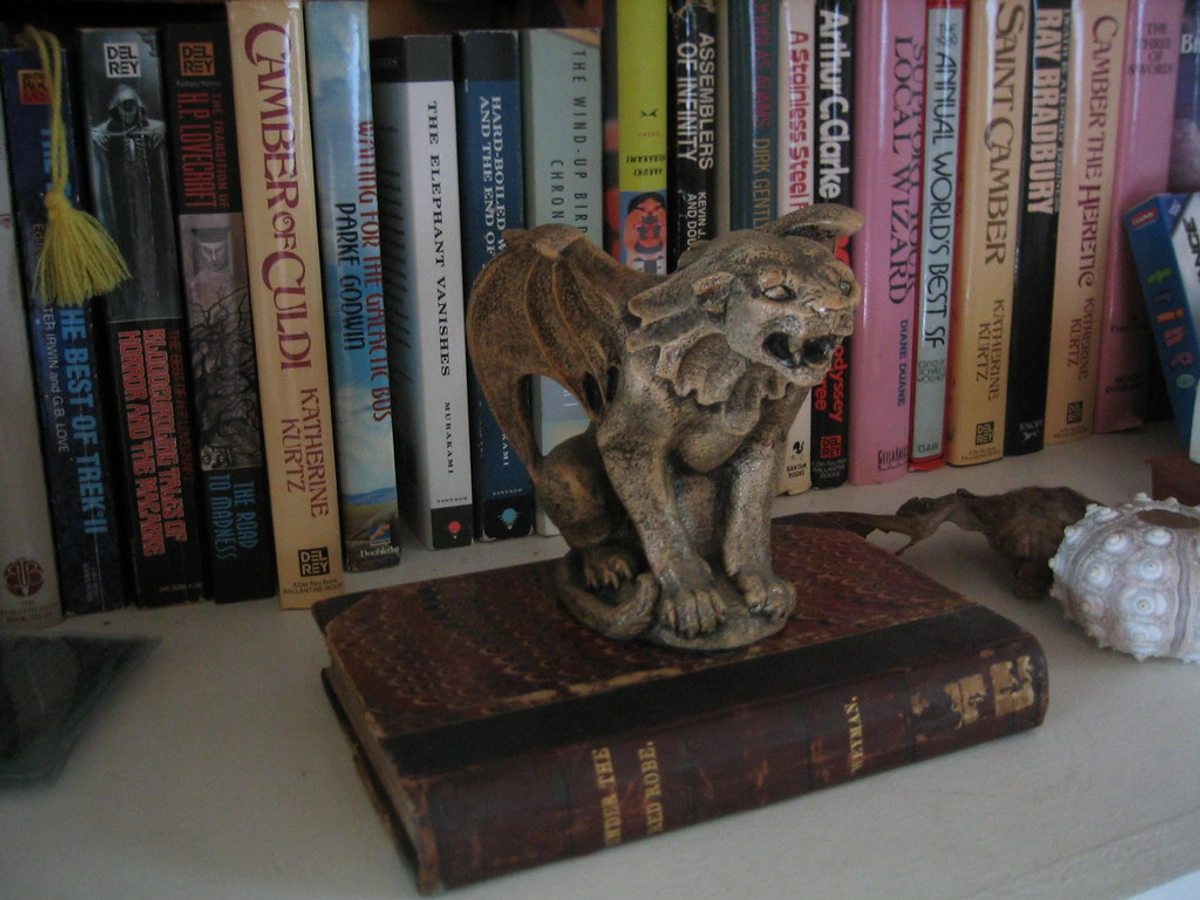
3.5 Found Objects & Curiosities: Personal Storytellers
This is where the real magic happens, in my opinion. Incorporating objects you’ve collected on your travels, inherited from family, or simply found intriguing allows your bookshelf to truly tell your story. A peculiar stone from a beach, a vintage camera, a dried botanical specimen – these aren't just objects; they're conversation starters, memory keepers, and extensions of your personal journey. Think of a tarnished silver locket from your grandmother, a seashell from a memorable beach trip, or a vintage ticket stub from a concert you loved. They make your bookshelf uniquely yours, infusing it with layers of meaning that no mass-produced decor ever could. Every scratch, every faded color, tells a tale.

Ethical Sourcing & Cultural Sensitivity: Curating with Conscience
When considering found objects, also think about their origin and ethical sourcing. Supporting local artisans or being mindful of cultural significance adds another layer of thoughtfulness to your curated collection. My golden rule: if you don’t know its story, or if its acquisition might cause harm or disrespect, it probably doesn’t belong on your shelf. This means being particularly cautious with anything that might be an archaeological artifact, a grave good, or a piece of cultural heritage. A quick search can often reveal the respectful way to appreciate, or even acquire, items with significant cultural value. It’s about being a responsible curator of your personal history, not an unwitting participant in exploitation. Respectful appreciation means understanding the context, whether it's a tribal mask (often made for spiritual use, not decor) or an antique map (checking for colonialist representations). Always ask: Whose story am I telling, and how?
3.6 Textiles and Ephemera: Adding Texture and History
Beyond what immediately comes to mind, consider the charm of small textile art pieces or carefully curated ephemera. Ephemera, for those wondering, refers to items designed to be short-lived but which often become cherished souvenirs, like old postcards, ticket stubs, vintage theater programs, or even interesting packaging. A vibrant woven coaster, a tiny embroidered patch, a small tapestry, or even a framed piece of richly patterned fabric can introduce softness, texture, and a global feel. For ephemera, think vintage postcards, interesting stamps (perhaps framed in a mini frame or shadow box), old maps, antique botanical prints, or even carefully preserved botanical presses. These pieces offer a unique tactile and historical dimension, often speaking to journeys taken or memories cherished, creating a deeply personal narrative on your shelves, like whispers from the past. They're perfect for injecting a touch of bohemian chic or vintage charm into your display. Look for these treasures at antique shops, flea markets, or specialized online vintage sellers, always prioritizing quality and historical interest.
Type of Ephemera/Textile | Ideal For | Styling Tip |
|---|---|---|
| Vintage Postcards | Adding a touch of nostalgia, travel narrative | Lean against a book, group in a small decorative frame, or secure in a clear display box. |
| Old Maps/Illustrations | Historical context, visual interest, travel theme | Frame small sections, roll and tie with ribbon, or use as a backdrop for smaller objects. |
| Woven Coasters/Patches | Introducing texture, global flair | Use as a base for a small sculpture, tuck between books, or display on a miniature easel. |
| Antique Botanical Prints | Natural theme, delicate beauty, scientific touch | Frame individually or in a series; can be layered with dried flowers or small plant pots. |
| Hand-Embroidered Fabric | Softness, artisanal feel, personal touch | Frame in a small hoop, drape over a stack of books, or use as a liner for a decorative tray. |
4. Integrating Art with the Everyday: Beyond Pure Aesthetics
4.1 Integrating Art with Non-Book Items & Tech
Bookshelves often house more than just books and art – they're home to functional objects like smart speakers, remote controls, or even small tech gadgets. The trick is to integrate these seamlessly. Use art to soften or camouflage tech: a small sculpture in front of a smart home hub, or a framed print leaning subtly to hide a cluster of cables. Decorative boxes can stylishly conceal unsightly items, and their texture or color can contribute to the overall aesthetic. Think of art as the visual glue that connects the functional with the beautiful, elevating the everyday rather than letting it detract from your curated display.
4.2 Bookshelf Art Trends: Evolving Styles for Your Home
Just like fashion, bookshelf styling evolves. Currently, we're seeing a fascinating interplay between minimalism and maximalism. For minimalist displays, the trend is towards fewer, more impactful pieces, often monochromatic or with subtle textures, emphasizing negative space and clean lines. Think a single, striking black and white photo, a sleek ceramic vase, or a sculpture with a very simple, clean form. On the maximalist side, it's about curated abundance – layering varied art (small abstract paintings, diverse ceramics, found objects) to tell a rich, complex story, but always with an underlying sense of cohesion, perhaps through a consistent color palette or theme. Here, the layering is intentional, creating visual interest without chaos. Biophilic design, integrating natural elements like plants and organic sculptures, remains popular, as does the display of handcrafted artisan pieces, celebrating unique textures and stories. The beauty of these trends is that you can adapt them to your personal narrative, creating a truly unique and evolving gallery.
Trend | Description | Key Art Characteristics | Styling Approach |
|---|---|---|---|
| Minimalism | "Less is more"; clean, uncluttered, serene | Monochromatic, subtle texture, single impactful piece, clean lines, geometric forms. | Ample negative space, very selective placement, focus on form and material. |
| Curated Maximalism | Abundance of objects, layered, rich, personal, yet cohesive | Varied art forms, diverse origins, bold colors, mixed textures, thematic collections. | Intentional layering, grouping by theme/color, creating vignettes, visual storytelling. |
| Biophilic Design | Integration of natural elements, promoting well-being | Plants, organic sculptures, natural materials (wood, stone), nature-inspired art. | Mix living plants with art, use natural wood risers, bring in earthy tones and textures. |
| Handcrafted Artisan | Celebration of unique, handmade objects with authentic stories | Pottery, woven art, carved wood, unique ceramics, folk art, individual sculptures. | Highlight individual craftsmanship, group by artisan or material, emphasize texture and unique forms. |
| Thematic Curation | Grouping objects and art around a specific narrative (e.g., travel, history) | Art and objects directly related to a chosen theme, coherent color palette. | Create mini-galleries with a shared story, use labels or descriptive cards (optional) for deep dives. |
5. The Art of Arrangement: How to Make Your Micro-Gallery Sing
Choosing the art is only half the battle; arranging it is where the composition truly comes alive. It's a bit like conducting an orchestra, where every piece has to play its part in harmony, creating a visual symphony. Here are some principles I swear by:
5.1 Negative Space Is Your Friend: Don't Cram
This is perhaps the hardest one for me, as a natural hoarder of beautiful things. But empty space, or negative space, is just as important as the objects themselves. It allows your eye to rest and prevents visual fatigue, giving the individual pieces room to breathe and be appreciated. Don't feel every inch of every shelf needs to be filled. Sometimes, the most powerful statement is made by what isn't there. Think of it like the silent pauses in music – they give impact to the notes, or the pregnant pause in a good jazz solo. Practically, this means ensuring there's breathing room around a focal piece, or leaving an entire section of a shelf empty to draw attention to a curated grouping on another part.

5.2 The "Rule of Three" (and Odd Numbers): Dynamic Groupings
My go-to trick. Objects grouped in odd numbers (three, five, seven) are generally more visually appealing and dynamic than even numbers. Our brains, it turns out, find asymmetrical arrangements more interesting and less static than perfectly symmetrical ones. It’s a subtle psychological trick, but it works every time! So, when placing art and objects, try to group them in threes. For example, a tall vase, a medium-sized framed print, and a small ceramic object. It just works, creating a subconscious sense of movement and balance that feels organic.
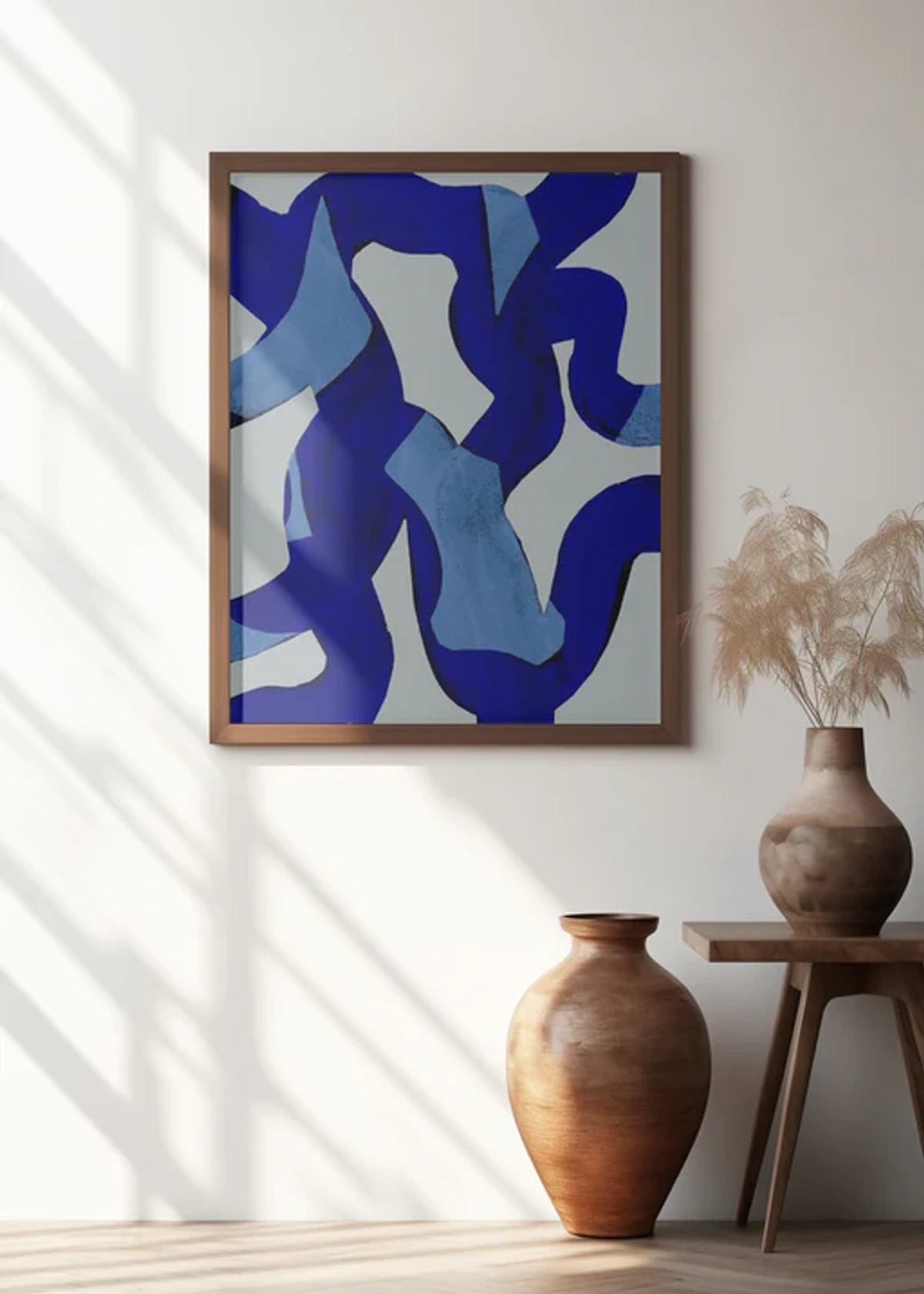
5.3 Creating Visual Triangles: Guiding the Eye
Imagine invisible triangles formed by the heights of your grouped objects. This creates a natural flow for the eye, making the arrangement feel balanced and intentional rather than haphazard. I often step back and squint at my shelves, looking for these shapes. If they're missing, I know something needs to shift, making the display feel a little 'off' until corrected. It's a quick visual check that can make all the difference, creating a sense of dynamic harmony.
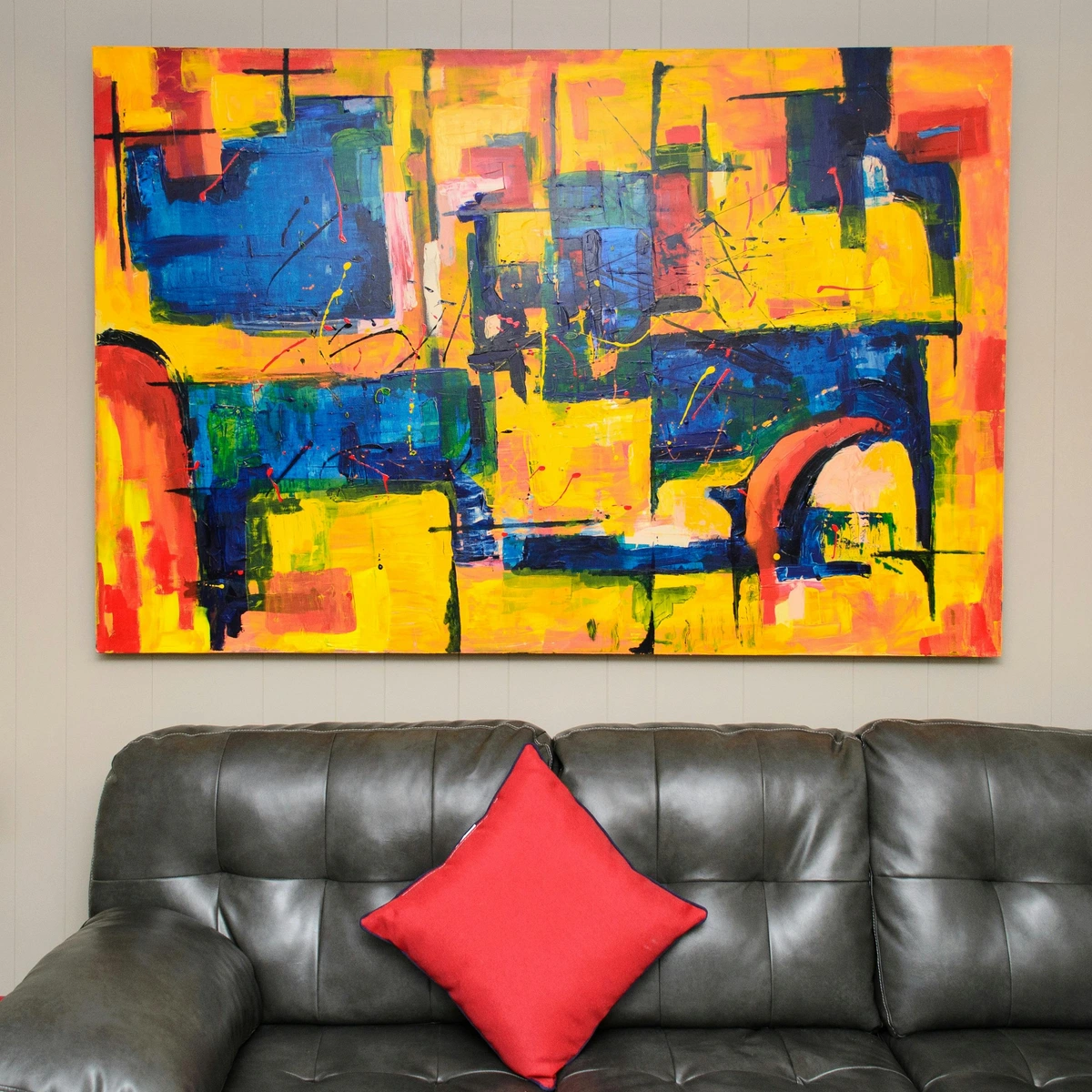
5.4 The Art of Repetition and Rhythm: Cohesion Through Flow
Repetition of color, shape, or texture can be a powerful tool to create cohesion across different shelves or within an eclectic mix. Perhaps a recurring pop of a specific accent color, a consistent use of a certain metallic finish, or a repeated organic form. This visual rhythm guides the eye and ties disparate pieces together, making the entire display feel intentional and harmonious, like a recurring melody in a symphony.
5.5 Varying Heights and Depths: Dynamic Displays and Layering
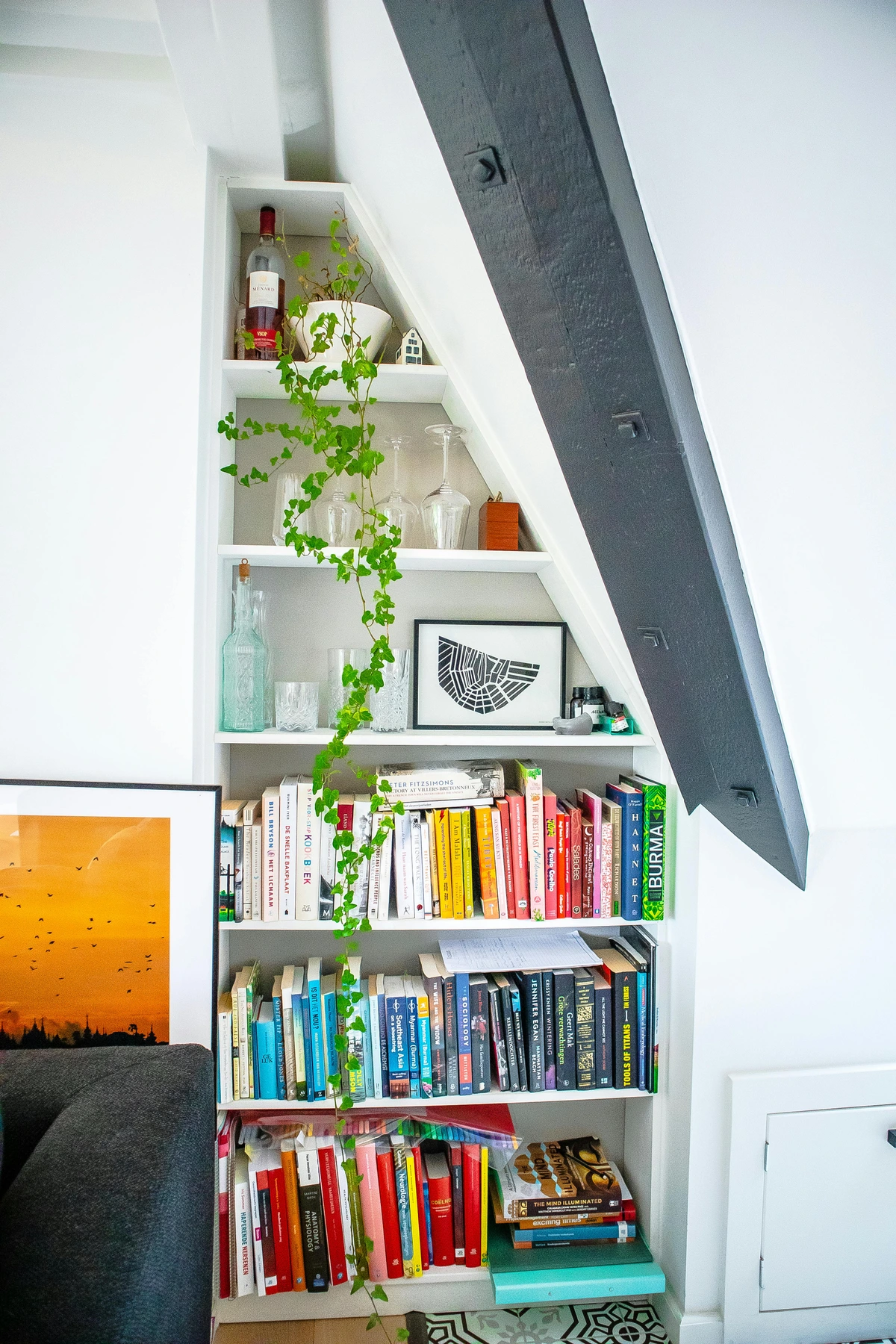
Avoid a monotonous lineup. Introduce variation. Stack books horizontally, lean a picture frame, add a tall vase, then a short sculpture. Push some items slightly back, pull others forward. This layering adds depth and makes the shelf feel lived-in and interesting. A ladder shelf, like the one below, naturally encourages this variation. For deeper shelves, layering involves intentionally overlapping objects slightly to create even more visual richness and a sense of story. For example, a small framed picture could lean against a stack of books, with a tiny sculpture placed in front of it. If you're looking for art for specific rooms, I've got articles on how to choose art for a dining room or even how to choose art for a kitchen that might inspire you with similar principles.
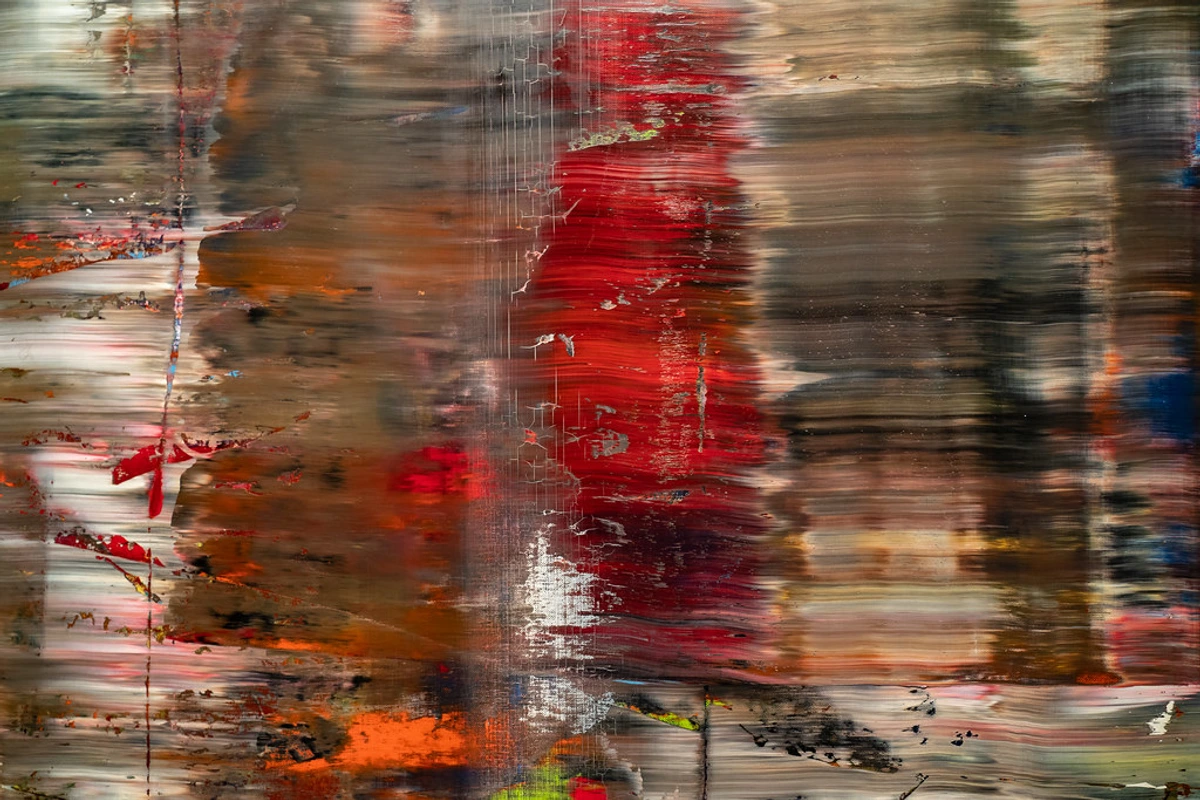
5.6 Color Palette Harmony (or Deliberate Contrast)
Think about the colors in your art and objects. Do they complement the room's palette? Or do they offer a striking, intentional contrast? Both can work beautifully. As an artist, I often opt for pieces that echo a dominant color in the room, or one that introduces a surprising pop of color without clashing. If you’re playing with bold, abstract pieces, make sure they have enough breathing room to stand out without overwhelming the space. My own art, for example, is often quite vibrant, so I usually pair it with more subdued objects or plenty of negative space to let the colors truly sing, like a soloist with a quiet accompaniment.

Quick Guide: Bookshelf Art Arrangement Principles
Principle | Description | Effect on Display | Actionable Tip |
|---|---|---|---|
| Negative Space | Deliberately leave empty areas on shelves as intentional breathing room. | Prevents clutter, allows pieces to stand out, rests the eye. | Step back often; if it feels busy, remove something. |
| Rule of Three | Group objects in odd numbers (3, 5, 7) for visual appeal. | Dynamic, balanced, and aesthetically pleasing groupings. | Think: tall, medium, short; or texture, color, form in a group of three. |
| Visual Triangles | Arrange objects to form invisible triangles with their heights. | Guides the eye, creates flow and harmony. | Use varying heights to draw the eye up and down the shelf, creating natural focal points. |
| Repetition & Rhythm | Repeat colors, shapes, or textures across the display. | Creates cohesion and a sense of intentional design. | Pick one accent color from the room to repeat in your art. |
| Varying Heights | Mix tall, medium, and short items. | Adds dynamic interest and prevents monotony. | Stack books horizontally to create new levels; use risers for smaller items. |
| Varying Depths | Place some items forward, some back, and some leaning. | Creates depth, richness, and a curated feel. | Experiment with leaning a framed print behind a small vase; use deeper shelves for layered scenes. |
| Color Harmony/Contrast | Choose colors that complement or intentionally contrast the room's palette. | Unifies the display or creates striking focal points. | Select pieces that echo existing room colors, or introduce one vibrant, contrasting pop of color. |
| Layering | Intentionally overlap objects slightly to create visual richness. | Adds visual richness, depth, and a sense of story. | Position smaller items in front of larger, stable pieces; create miniature vignettes. |
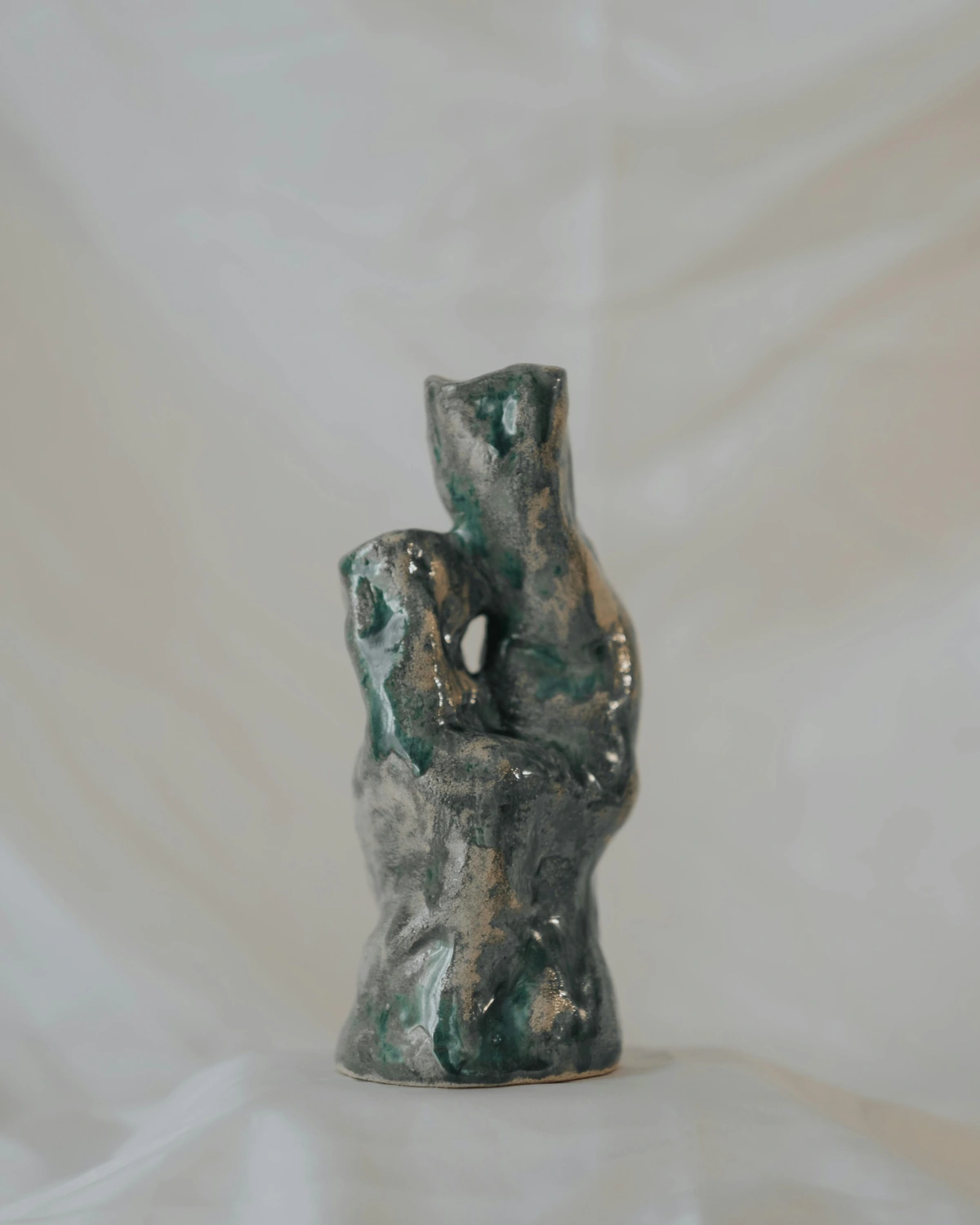
6. The Psychology of a Curated Bookshelf: Beyond Aesthetics – A Visual Journal
We've talked about how art makes shelves look good, but its impact goes deeper. Art on your bookshelves can transform your relationship with your space and your books. It can serve as a visual pause, a moment of reflection between chapters, or a spark of inspiration. Imagine a small abstract piece next to a challenging non-fiction book, offering a creative counterpoint. Or a collection of travel curiosities arranged near your globetrotting novels, visually anchoring those adventures. It can even help categorize your books visually – perhaps a botanical print near your gardening books, or a tiny bust beside your history tomes.
More profoundly, a thoughtfully curated shelf can serve as a visual anchor, drawing the eye and grounding the space, creating a sense of calm and collectedness. It transforms mere storage into a dynamic display of identity and passion, fostering a sense of mindfulness and well-being. By surrounding ourselves with objects that resonate, we reinforce our identity and create an environment that nourishes our inner world. These curated vignettes are not just for looking; they are for feeling, for sparking memory (think of the Proustian effect of an object bringing back a flood of memories), and for expressing the silent parts of your personality that even words can't always capture – a powerful form of self-expression that constantly evolves with you. Think of your bookshelf as a form of visual journaling, a personal museum that reflects your journey and passions, influencing your mood and offering moments of quiet respite.
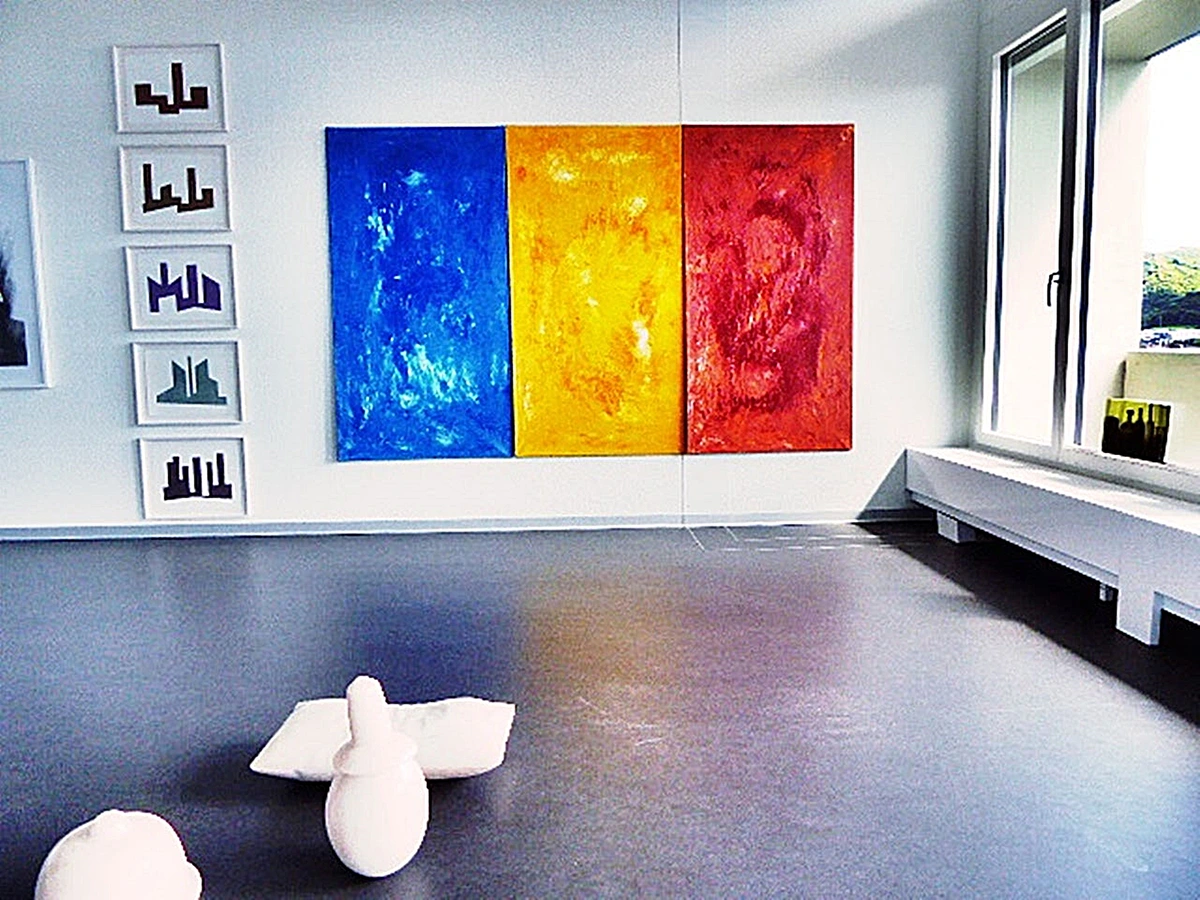
7. Bookshelf Scenarios and Art Solutions: Tailoring Your Display
Different bookshelves call for different approaches. I've encountered them all, from sprawling custom units to tiny, tucked-away nooks. Each presents its own delightful challenge and opportunity for creativity. The key is to match your art choices to the context of the room, the function of the shelf, and your personal style.
7.1 The Minimalist Bookshelf: Clean Lines, Subtle Statements
If your home leans minimalist, your bookshelf art should follow suit. Think monochromatic pieces, subtle textures, or a single, striking abstract form. Less is definitely more here. The art should enhance the sense of calm and order, not disrupt it, allowing each piece space to breathe and make its quiet statement. Imagine a single, perfectly smooth stone or a simple, elegant ceramic bowl placed next to a small stack of similarly toned books. It's about thoughtful restraint, allowing the form and material of each object to speak volumes, creating a sanctuary of visual calm.
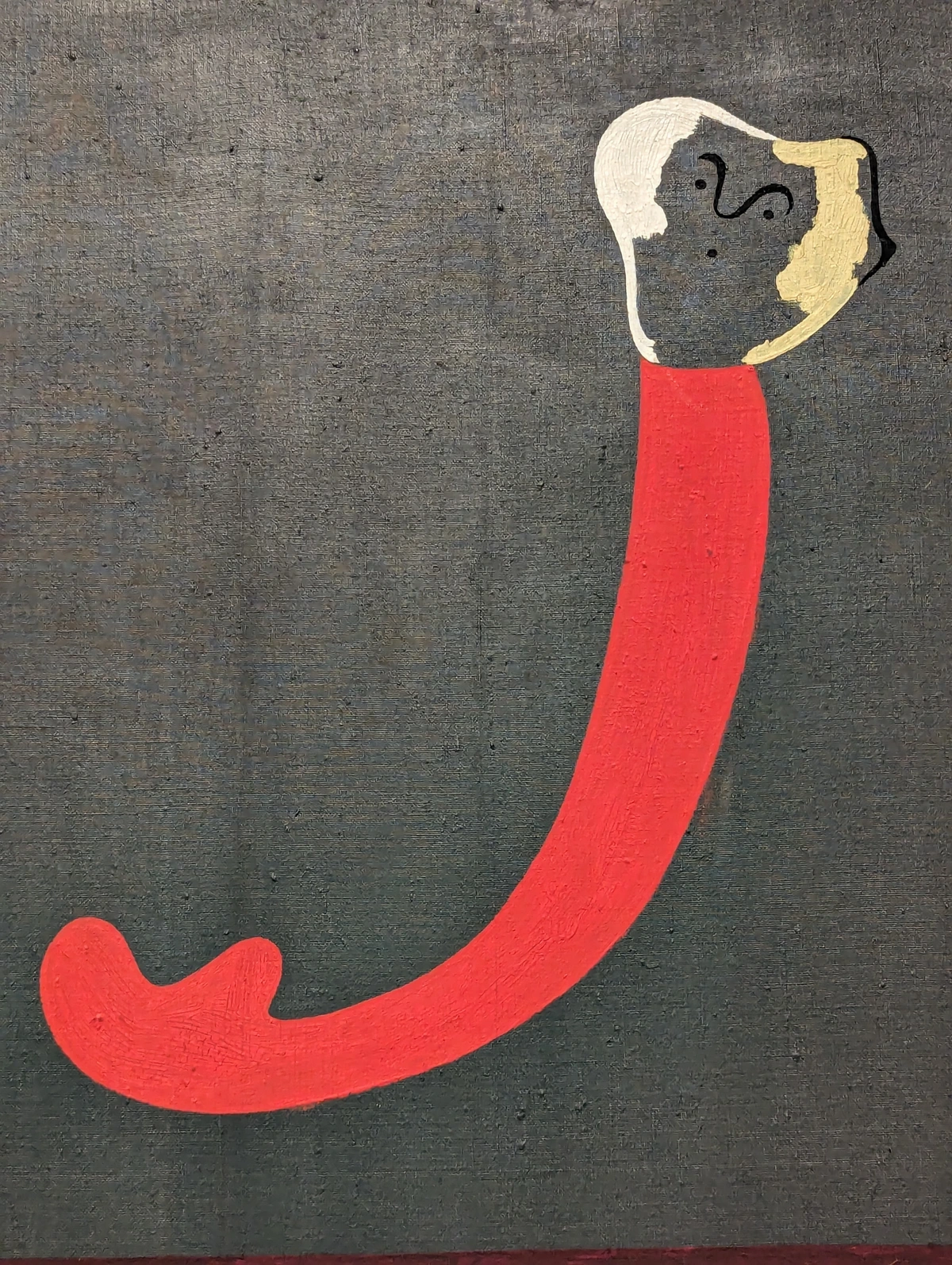
7.2 The Eclectic Bookshelf: Mix and Match, Tell a Rich Story
This is where you can truly let your personality shine! Mix styles, eras, and origins. A vintage ceramic next to a modern print, a piece of folk art alongside a sleek metallic sculpture. The key here is to find a common thread – perhaps a consistent color, a theme (like travel mementos or natural elements), or simply 'things I adore'. The coherence comes from your curated eye, not from uniformity. This is my favorite kind of shelf to style, as it feels the most authentic to me, allowing a playful juxtaposition of collected treasures. Think of a small replica of Michelangelo's David next to a vibrant abstract painting, connected by a shared appreciation for impactful form and a love for the unexpected. Here, texture and color become your primary tools for creating cohesion across diverse objects, embracing a vibrant eclectic interior.
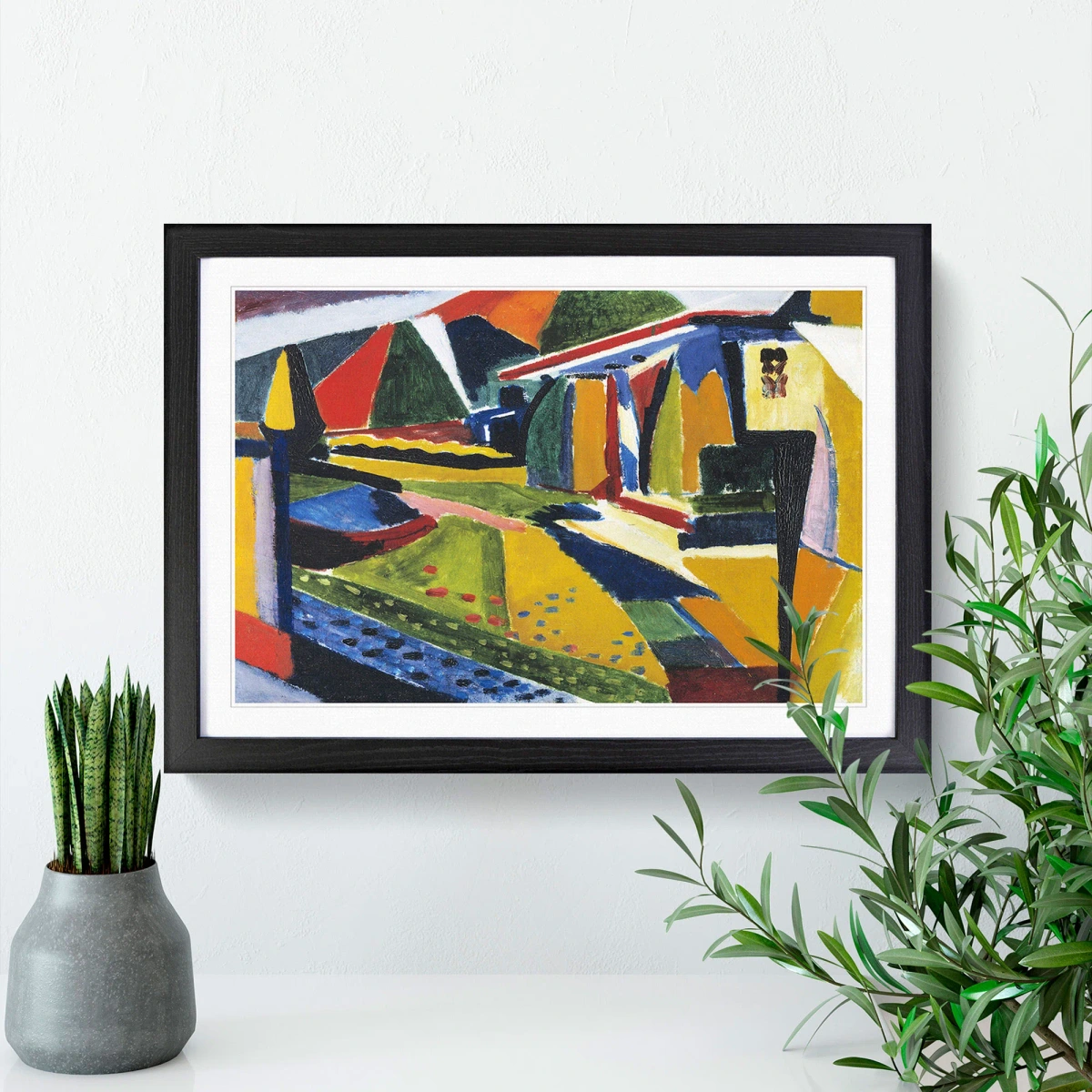
7.3 The Functional Bookshelf (with a Touch of Art): Elevated Everyday
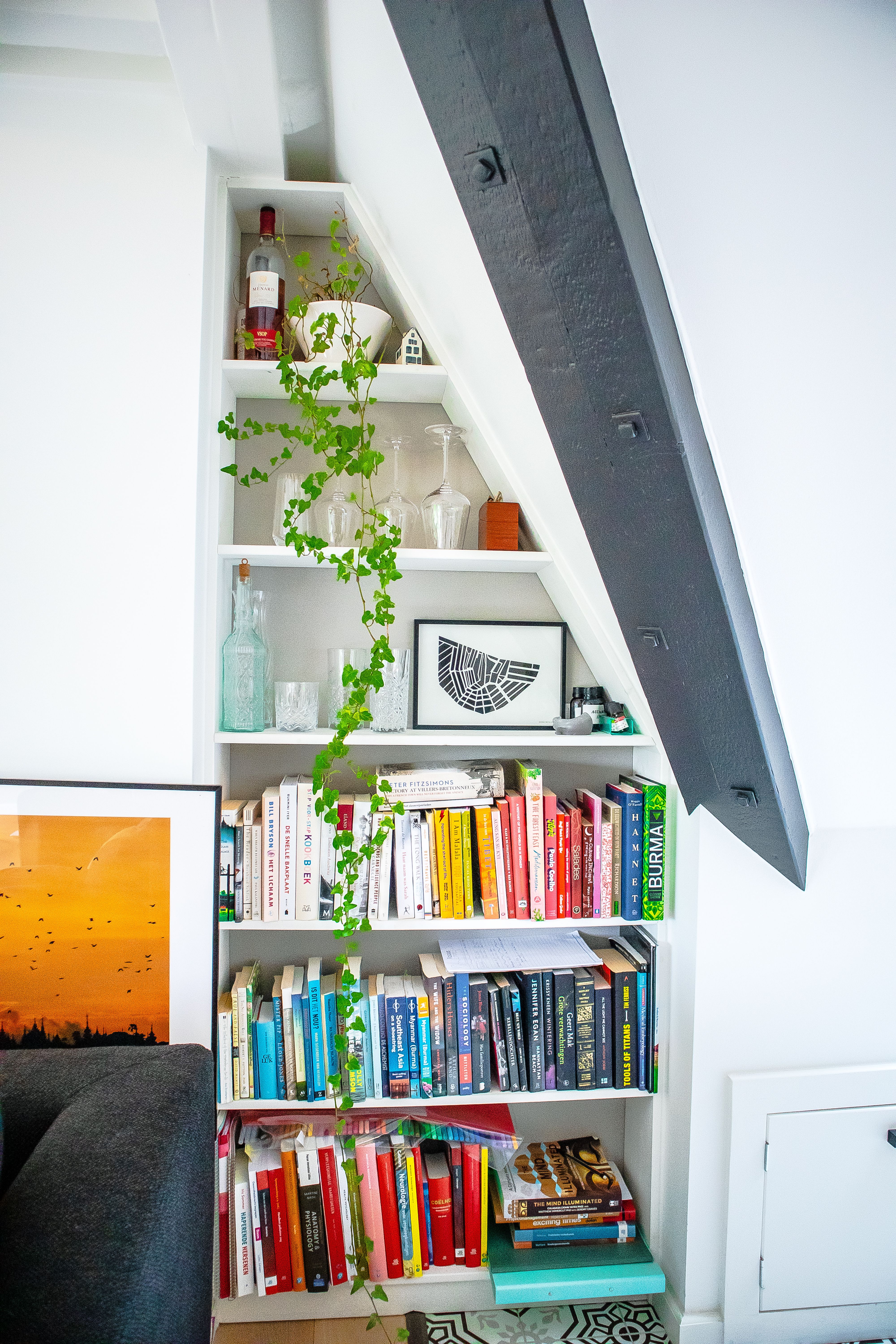
Sometimes, a bookshelf really is mostly for books, and that's perfectly fine. In this scenario, art acts as an accent, a delightful surprise tucked among the spines. Tuck a small framed photo into a vertical stack of books, place a small plant (also art, in a way!) on top of a horizontal stack, or let a single, eye-catching sculpture break up the rhythm of spines. It elevates the everyday without compromising its primary function, transforming a utilitarian object into something a little more special. It's about finding those small moments of beauty in the practical, ensuring that even a storage-focused shelf offers visual respite and charm. Here, strategically chosen accent pieces make all the difference.

7.4 The Collector's Bookshelf: Enhancing Prized Possessions
For those with prized collections – be it rare first editions, antique maps, or a carefully curated series – the art you choose should complement rather than compete. Select subtle pieces that enhance the collection's theme or era. For instance, a small, elegant bust or a period-appropriate ephemera piece can add historical context without overshadowing your valuable books. Ensure any art is placed to avoid contact with delicate bindings and that light exposure is controlled to prevent damage to fragile paper or fabrics. This approach turns your collection into a true scholarly display, demonstrating both its historical and aesthetic value.
7.5 Bookshelf Art for Different Life Stages or Collections
Your bookshelf, like your life, evolves. For a child's room, think durable, safe art that's colorful and encourages curiosity, perhaps tactile elements or educational prints. A collector's niche, be it rare books or antique maps, might call for subtle, complementary art that enhances the collection without competing. For a home office, inspiring and focus-enhancing art – a calm abstract or a motivational quote – can be highly effective. The key is to match the art to the purpose and personality of the space and its user.
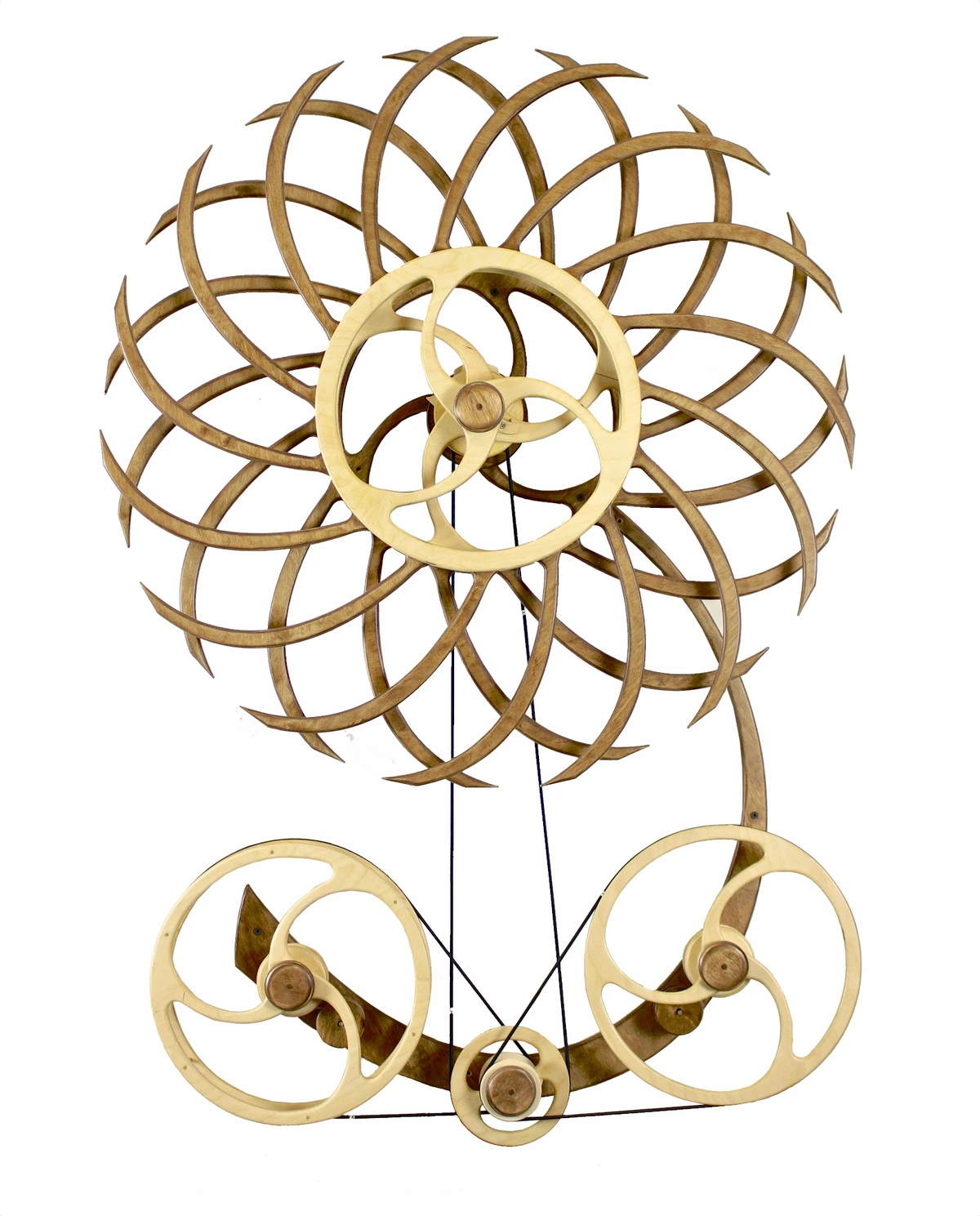
7.6 Tackling Tricky Shelves: Deep, Narrow, Low Clearance, Floating, or Irregular
Let’s face it, not all bookshelves are ideal. Each presents its own delightful challenge and opportunity for creative problem-solving:
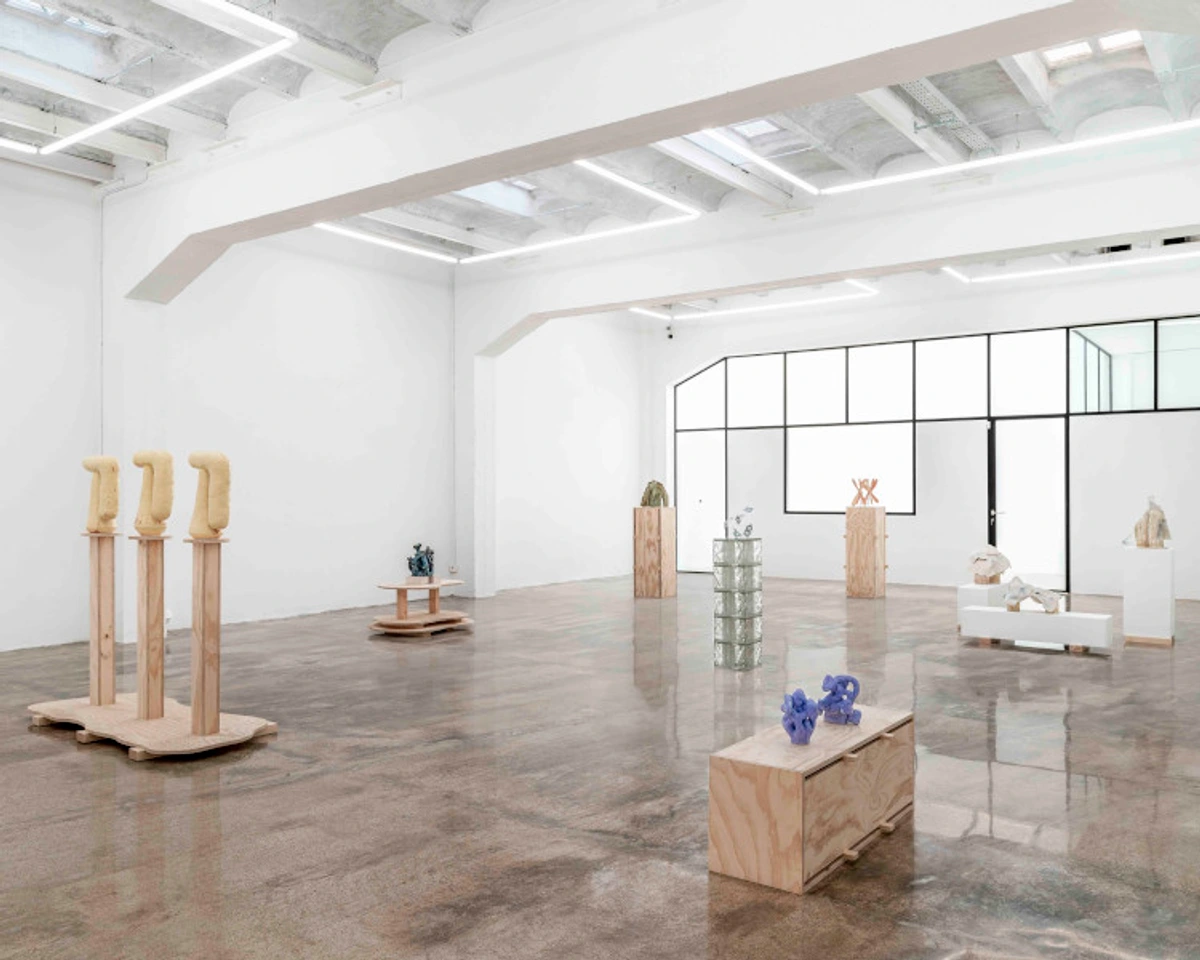
Bookshelf Type | Common Challenges | Art Solutions & Tips |
|---|---|---|
| Deep Shelves | Items get lost at the back, lack of visual interest. | Focus on layering (larger items at back, smaller in front). Use book stands/risers to bring items forward. Create miniature "scenes" with grouped objects. Incorporate small, battery-operated spotlights to illuminate deeper layers. |
| Narrow Shelves | Feel cramped, bulky art protrudes awkwardly. | Prioritize slender, low-profile pieces (small framed photos, delicate figurines, thin art books). Lean items securely. Consider decorative bookends that double as art. Avoid anything that projects too far forward. |
| Low Clearance Shelves | Limited vertical space, tall art is impossible. | Use very small, flat art (postcards, small prints leaned against books). Opt for low-profile sculptures or objects. A carefully chosen stack of art books can be the 'art' itself. Focus on horizontal flow and subtle textures. |
| Floating Shelves | Limited space, no side supports, need for stability. | Fewer, impactful pieces. Anchor heavier items with museum putty. Consider wall-mounted art above or below to create a larger visual zone. Small, minimalist ceramics or a single framed print work best. Ensure stability and proper weight distribution. |
| Irregularly Shaped Shelves | Awkward angles, difficult to create flow. | Embrace asymmetry! Use unique angles to your advantage. Place art that mirrors or contrasts the lines (e.g., a round sculpture in a rectangular cubby, a tall, slender vase in a wide, low section). Playful juxtaposition can be very effective here. |
| Built-in Shelves | Can feel too permanent, sometimes lack character. | Treat as a series of small gallery niches. Vary styling from shelf to shelf while maintaining a cohesive theme or color palette. Use unique backings (removable wallpaper) for individual sections. Integrate lighting within the units. |
Each challenge is an opportunity for creative problem-solving, making you a true master of your micro-gallery.
7.7 Bookshelf Styling for Small Spaces: Maximizing Impact
In a small space, every square inch counts. Your bookshelf art should contribute to the overall aesthetic without overwhelming the room. Focus on pieces that draw the eye vertically to create a sense of height, or use reflective surfaces to amplify light and space. Opt for fewer, but more impactful, pieces that align with a minimalist aesthetic. Clear acrylic risers can make objects appear to float, adding visual lightness. Remember, the goal isn't to fill every gap, but to create curated moments that feel intentional and expansive.
7.8 Budget-Friendly Bookshelf Art: Creativity Without the Cost
Creating a stunning bookshelf gallery doesn't have to break the bank. Thrift stores, flea markets, and even your own attic can be treasure troves for unique art. Think about repurposing items: an interesting bottle can become a vase, a vintage scarf a textured backdrop. Small prints from local artists or online marketplaces are often affordable. And of course, don't underestimate the power of DIY bookshelf art (which we'll discuss further) or simply framing a beautiful postcard or an inspiring quote. The most valuable pieces are often those with personal meaning, not necessarily the highest price tag.
7.9 Displaying Art Without Damaging Shelves: Protection and Stability
Your art and your shelves deserve protection. For valuable or delicate items, ensure they are stable and won't easily tip. Museum putty (also known as earthquake putty or wax) can securely anchor lightweight objects without leaving residue. Place heavier items directly on the shelf for stability. For fragile paper goods or textiles, avoid direct sunlight and consider UV-protective glass for framed pieces. When stacking books horizontally, ensure they are level to prevent bowing shelves. A little foresight ensures your curated collection remains safe and pristine for years.
7.10 Thematic Curation: Telling a Cohesive Visual Story
Beyond just aesthetics, your bookshelf can tell a deeper story through thematic curation. Imagine a "Traveler's Shelf" adorned with mementos from your journeys, travel guides, and small framed photos of distant lands. Or a "Creative Spark Shelf" featuring abstract art books, a small, vibrant abstract painting, and perhaps a sketchbook or a quirky ceramic muse. A "Historical Epoch Shelf" might combine history books with a small classical bust or a replica of an ancient artifact like a miniature Terracotta Warrior. This approach allows your shelves to become coherent visual narratives, reflecting your passions and inviting contemplation.

8. Contemporary Considerations for Your Gallery
8.1 Digital Art and Bookshelves: A Modern Twist (with a grain of salt)
In our increasingly digital world, a small digital frame could theoretically display rotating artwork, bringing a dynamic element to your shelves. Or, one might incorporate elements inspired by digital art aesthetics into physical displays – think bold, pixelated patterns or glitch-art inspired objects. You could even use QR codes placed discreetly near a physical piece, linking to an artist's portfolio or a digital version of the art, bridging the tangible and the virtual. However, I’m personally a proponent of the tangible; there's a certain magic in the physical presence and texture of a traditional art piece that a screen can't quite replicate. While intriguing, I tend to lean towards art that you can touch, feel, and see without a power cord. If you do venture into digital art, be mindful of artistic licensing and usage rights – displaying digital art still means respecting the creator's intellectual property.
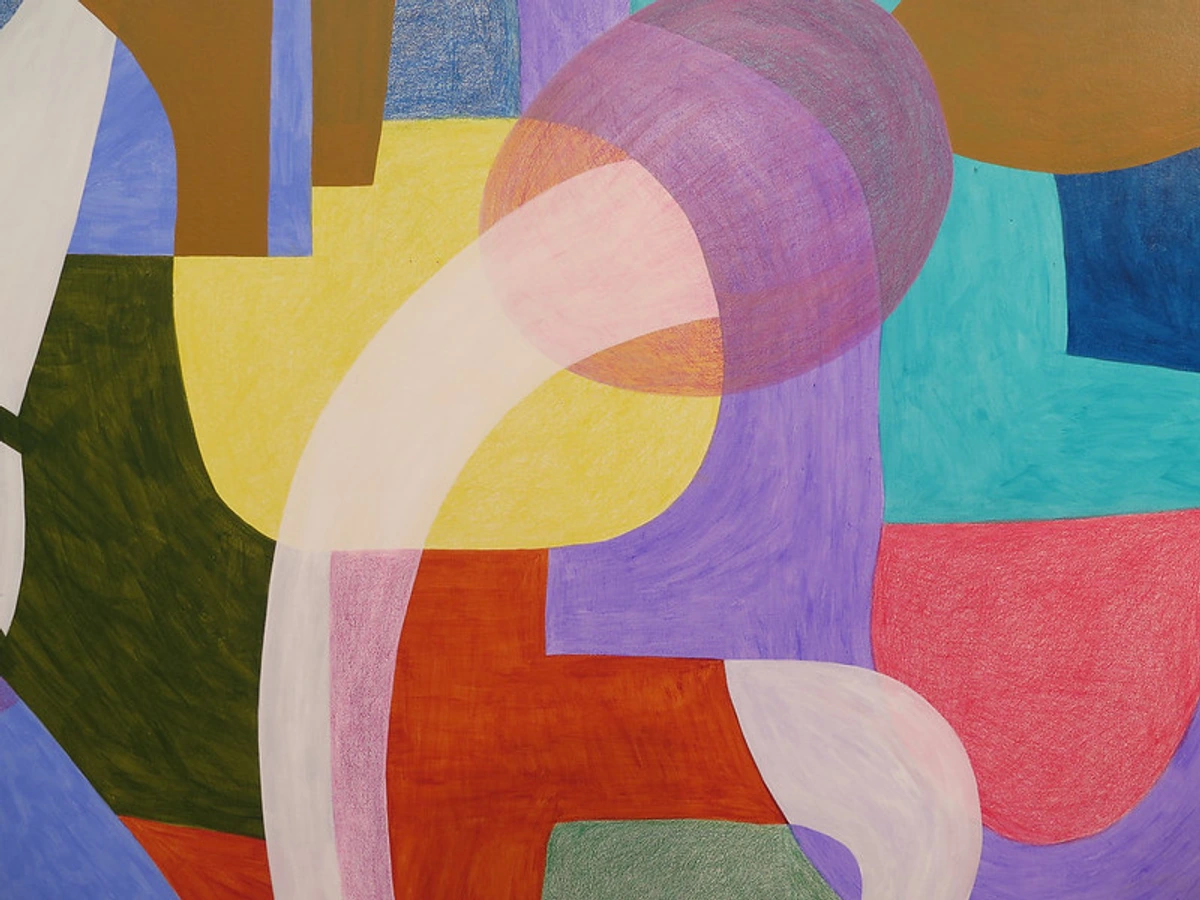
8.2 Sustainability in Bookshelf Art: Conscious Choices
For those of us striving for a more mindful home, sustainability can also play a role in our bookshelf art choices. Consider sourcing vintage or antique pieces, which inherently give objects a second life. Supporting local artisans often means less transportation impact (reducing carbon footprint) and a clearer understanding of material origins. Choosing art made from eco-friendly or recycled materials (like recycled glass sculptures, frames made from reclaimed wood, or textiles dyed with natural pigments) is another thoughtful approach. You could even explore DIY art projects using reclaimed items, turning old materials into new treasures. It’s a small step, but every conscious decision contributes to a more sustainable home – and a collection you can feel good about.
8.3 DIY Bookshelf Art: Adding Your Personal Touch (Expanded)
Why not create some of your own art for your shelves? This is a fantastic way to infuse deeply personal meaning and unique style into your display. You don't need to be a professional artist; the charm lies in the handcrafted nature and the story behind each piece. Here are a few ideas:
- Pressed Flower Art: Collect and press flowers or leaves, then arrange them in small, simple frames. These add a delicate, biophilic touch.
- Miniature Collages: Use old magazines, discarded book pages, interesting packaging, or found papers to create small, abstract or thematic collages. Frame them in tiny frames or mount them on small blocks.
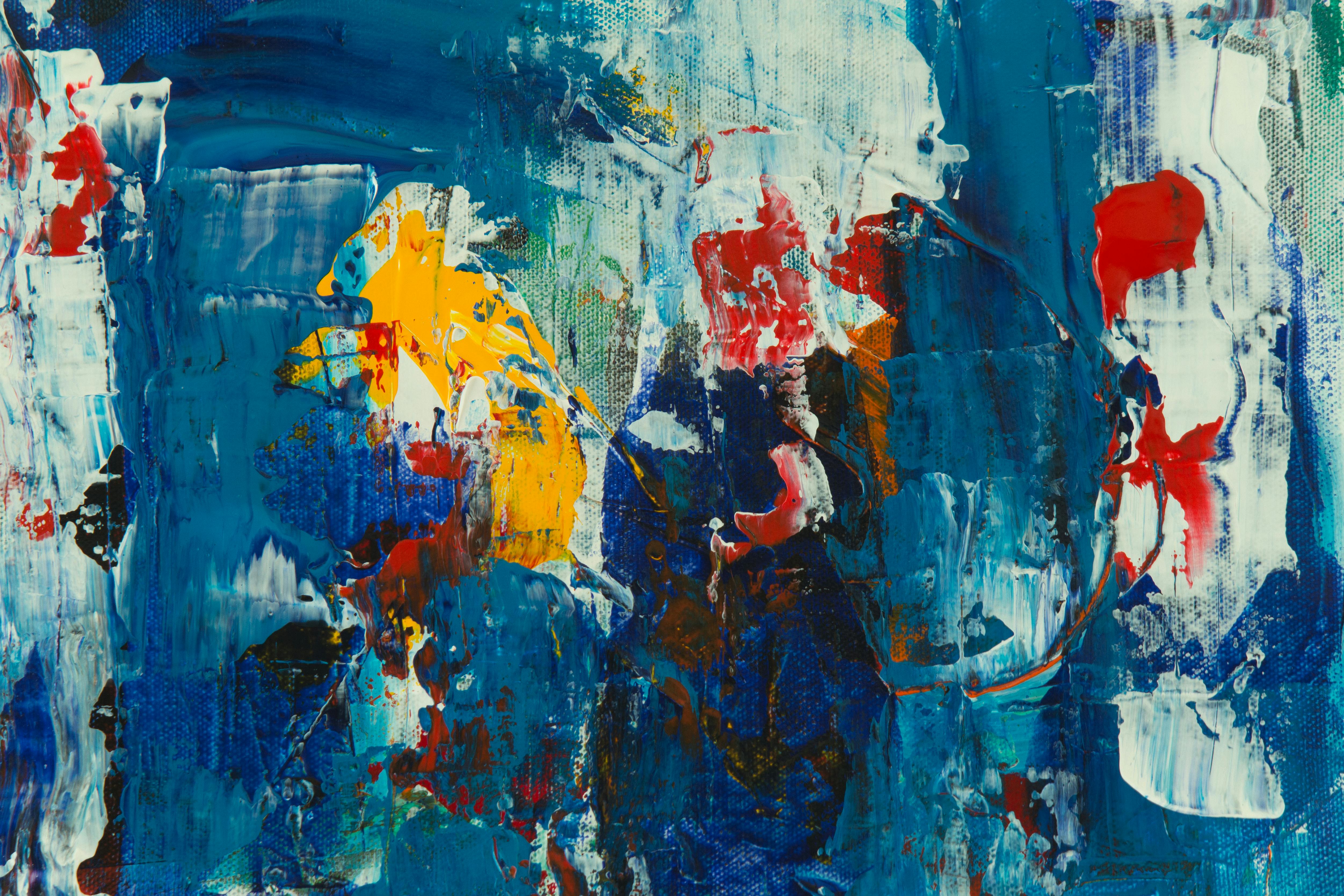
- Textured Canvas Boards: Purchase small canvas boards and experiment with texture paste, sand, or even coffee grounds mixed with paint to create unique, tactile abstract pieces. You can use a palette knife or even your fingers.
- Repurposed Objects: Transform old bottles into painted vases, driftwood into a small sculpture, or interesting stones into decorative paperweights. A little paint or simple arrangement can work wonders.
- Ink or Watercolor Washes: Simple, abstract washes of ink or watercolor on small art paper can create surprisingly sophisticated and calming pieces. Experiment with different colors and gradients.
It's an opportunity to experiment, express yourself, and add a truly unique touch that store-bought decor can't replicate.
9. Caring for Your Bookshelf Art: A Little Maintenance Goes a Long Way
Just like any cherished art, pieces on your bookshelf need a little love. Dust is the number one enemy, especially for sculptural items and frames. A soft brush or a microfiber cloth works wonders. For delicate ceramics or paper-based art, consider placing them in areas away from direct sunlight to prevent fading. For textiles, a gentle lint roller can remove dust, but avoid harsh chemicals. If you’re displaying inherited or fragile pieces, ensure they're stable and won't be easily knocked over by vibrations or curious pets; museum putty can be a lifesaver here. For very small or valuable items, consider a clear display box or a secure stand to prevent them from getting lost or damaged. A little mindful care keeps your micro-gallery looking its best, ready to be admired for years to come. Because even a tiny gallery deserves proper care, doesn't it? After all, these pieces are telling your story, and you want them to continue doing so for a long time.
10. The Evolution of Your Bookshelf Gallery: A Living Display
Your bookshelf is not a static installation; it's a living, breathing gallery that should evolve with you. As your tastes change, as you acquire new books or art, or even as the seasons shift, don't hesitate to refresh your display. Swap out pieces, try new arrangements, or introduce elements that reflect your current mood or interests. This ongoing evolution is what truly makes it yours, a dynamic showcase of your aesthetic journey and a testament to the longevity of your curated choices. It's a journey of discovery, much like the stories held within those very books, constantly inviting new interpretations and conversations. This continuous curation ensures your shelves remain a vibrant, personal testament to your evolving world.
Frequently Asked Questions (FAQ)
Here are some common questions I hear about styling bookshelves with art:
Q: How can I integrate small plants with bookshelf art?
A: Plants are fantastic! They introduce life, texture, and a touch of the natural world. For smaller plants, choose varieties that don't need excessive light or water, like succulents or air plants, which can sit discreetly between books or next to small sculptures. Larger plants can be placed on top of bookshelves or on the floor next to them, creating a green frame for your art display. Think of them as living sculptures, adding another organic dimension to your curated space, and a wonderful way to bring a touch of biophilic design to your home. Ensure adequate light for the plant without causing damage to nearby art.
Q: What if my bookshelf is already packed with books?
A: If your primary goal is to store a vast collection of books, then art becomes an accent, not a focal point. Focus on very small, unobtrusive pieces. Lean a tiny framed photo against a bookend. Use sculptural bookends themselves as art. Stack a few books horizontally and place a single, striking object on top. The goal is to sprinkle in visual interest without hindering accessibility or overwhelming the book collection. And again, don't underestimate the power of a really cool art book as an art piece itself!
Q: How do I prevent my bookshelf art from looking cluttered?
A: Ah, the eternal struggle! The key is negative space and editing. Don't feel compelled to fill every gap. Group items in odd numbers, vary heights, and create a visual flow. And honestly, less is more. If you're questioning it, try removing one or two items. Often, that's all it takes to bring a sense of calm and intention to the display. Remember, the goal is curation, not accumulation – and sometimes, the bravest thing you can do is leave a space empty, allowing your chosen pieces to truly resonate.
Q: Should all my art on the shelf be the same style?
A: Absolutely not! Unless you're going for a very strict minimalist or monochromatic look, mixing styles can create a much more interesting and personal display. The trick is to find a common thread – a consistent color palette, a recurring texture, or a shared theme (like travel mementos or natural elements) – to tie disparate pieces together. It’s all about curated eclecticism, reflecting the layers of your personality and interests, much like a well-composed abstract art in eclectic interiors collection. Embrace the unexpected juxtapositions that truly speak to your journey.
Q: What about art around the bookshelf, not just on it?
A: Excellent question! This is where you can truly elevate the entire bookshelf area. A larger piece of wall art hung above the bookshelf, or a small piece flanking it on an adjacent wall, can frame the entire display beautifully. This creates a cohesive art zone, rather than just isolated shelves, making the bookshelf feel integrated into the larger room's design, much like how one might consider decorating with art in a powder room where every element counts, or even in a home office to create a focused aesthetic. The goal is to create a holistic visual experience.
Q: How can lighting enhance bookshelf art?
A: Lighting is a game-changer! A small, discreet LED strip light installed under a shelf can highlight specific pieces, adding drama and drawing the eye to your chosen art. Miniature spotlights, often battery-operated, can also be strategically placed to illuminate a sculpture or a framed print. Just be mindful of how the light interacts with the art – avoid harsh glare and consider the warmth or coolness of the light to complement your aesthetic. Good lighting transforms a display from merely seen to truly showcased, giving your curated pieces the spotlight they deserve, turning a corner into a captivating scene and making them pop.
Q: How can I ensure my found objects and curiosities are ethically sourced?
A: This is a crucial consideration! Always prioritize understanding the origin of your pieces. Support local artisans directly, especially when traveling. For older or antique items, research their history; if you have doubts about how an item was acquired (e.g., potential archaeological finds, items from culturally sensitive sites), it's best to avoid them. The goal is to collect responsibly, ensuring your treasures tell a beautiful story without any hidden negative impact. When in doubt, it's often best to err on the side of caution.
Q: How do I display very small, easily lost items?
A: Very small items like delicate charms, tiny geodes, or cherished miniature figurines can be showcased beautifully with a little intention. Consider placing them on a small, elevated stand or a decorative tray to give them prominence. A clear, glass cloche or shadow box can protect them while drawing attention to their intricate details. Grouping a few tiny items together on a small book or within a decorative bowl also prevents them from getting lost amidst larger objects, creating a miniature vignette.
Q: What about displaying valuable or sentimental items on my bookshelf?
A: For valuable or highly sentimental pieces, stability and protection are paramount. Ensure they are placed in a secure spot where they won't be easily knocked over or exposed to direct sunlight that could cause fading or damage. Consider using museum putty to gently secure lightweight objects. For extra protection, a display case or a closed cabinet with glass doors can shield them from dust and curious hands while still allowing them to be admired. Always prioritize the longevity and safety of your most cherished possessions.
Q: What should I do with old books I no longer want but don't want to discard?
A: This is a common dilemma! If you're decluttering and can't bear to part with certain books, consider storing them elsewhere (e.g., a decorative box in a closet, digital copies, or a dedicated storage area) to free up prime bookshelf real estate. Alternatively, if they are visually appealing but not actively read, you can use them for their aesthetic value – stack them horizontally, group them by color, or even remove dust jackets for a cohesive look. They can also be donated to local libraries, schools, or charities, giving them a new life with appreciative readers.
Conclusion: Your Bookshelf, Your Story, Your Evolving Gallery
Choosing art for a bookshelf isn't about following rigid rules; it's about telling your story. We've journeyed through defining your personal aesthetic, mastering the foundational principles of scale and light, exploring diverse art forms from sculptures to ephemera, and unlocking the profound psychological impact of a well-curated display. We've tackled practical challenges like tricky shelves and budget constraints, and embraced contemporary considerations like sustainability and digital integration. Armed with these insights, your bookshelf is ready to transform from a passive repository into an active canvas for your evolving story. So, take a deep breath, clear those shelves, and start playing. Don’t feel you have to tackle everything at once; start with just one shelf, or even a single vignette. You might just surprise yourself with the tiny gallery you create. It’s a journey of discovery, much like the stories held within those very books. And sometimes, that journey leads you to a whole new appreciation for the art that surrounds you, and perhaps even inspires you to seek out that one perfect piece from an artist who truly understands the power of color and form. Happy styling! What new stories will your shelves begin to whisper?
If you're hunting for that perfect small abstract piece to start or complete your bookshelf vignette, something that truly sings with color and form, don't forget to check out what I have available. Sometimes, that one special piece is all it takes to spark an entire new arrangement, setting off a cascade of creative possibilities. You can always find more of my art to add that unique touch to your home.






credit, licence