What Gives Art Its Value? An Artist's Ultimate Guide to Worth
Beyond the price tag: Explore the monetary, historical, aesthetic, and deeply personal factors that define art's true value, from an artist's perspective. Your comprehensive guide to understanding art's worth.

What Gives Art Its Value? An Artist's Ultimate Guide to Worth Beyond the Price Tag
I was at a flea market once, years ago, and stumbled upon this small, dusty painting of a boat. The artist was unknown, the frame was chipped, but something about the colors just… resonated with me. I paid maybe twenty euros for it. To this day, it hangs in my hallway, a quiet anchor. A few weeks later, I read about a Jean-Michel Basquiat painting selling for over $100 million. Both are, in their essence, just paint on a surface, right? This dizzying gap between a twenty-euro flea market find and a hundred-million-dollar masterpiece is precisely what we're going to unpack today. On this website, we often explore the vibrant world of contemporary, colorful, and especially abstract art, and the question of value is always lurking. What truly gives art its worth? It’s a question that can make your head spin, and sometimes, the answers feel elusive, dictated by forces you can’t quite grasp. But I promise you, it's not a secret language, nor is it entirely arbitrary. The value of art is a weird, wonderful, and sometimes frustrating mix of tangible facts and deeply personal feelings. Let's demystify it together, exploring the many facets of worth – from market prices and the whispers of history to the pure joy of beauty and that undeniable personal connection that speaks directly to your soul.
The Many Hats of 'Value'
First things first: value isn't just one thing. If it were, my twenty-euro boat painting would be judged solely against Basquiat’s hundreds of millions, and that would miss the entire point, wouldn't it? When we talk about value in art, we're actually talking about several different kinds of worth that often overlap and influence each other. It's not a simple equation, and honestly, if it were, art would be a lot less interesting (and probably a lot less fun to create or collect). To truly understand what makes a piece of art resonate, both culturally and commercially, we need to wear these different hats, shifting our perspective from the cold logic of the market to the warm embrace of personal connection.
1. Monetary Value: The Elephant in the Auction Room
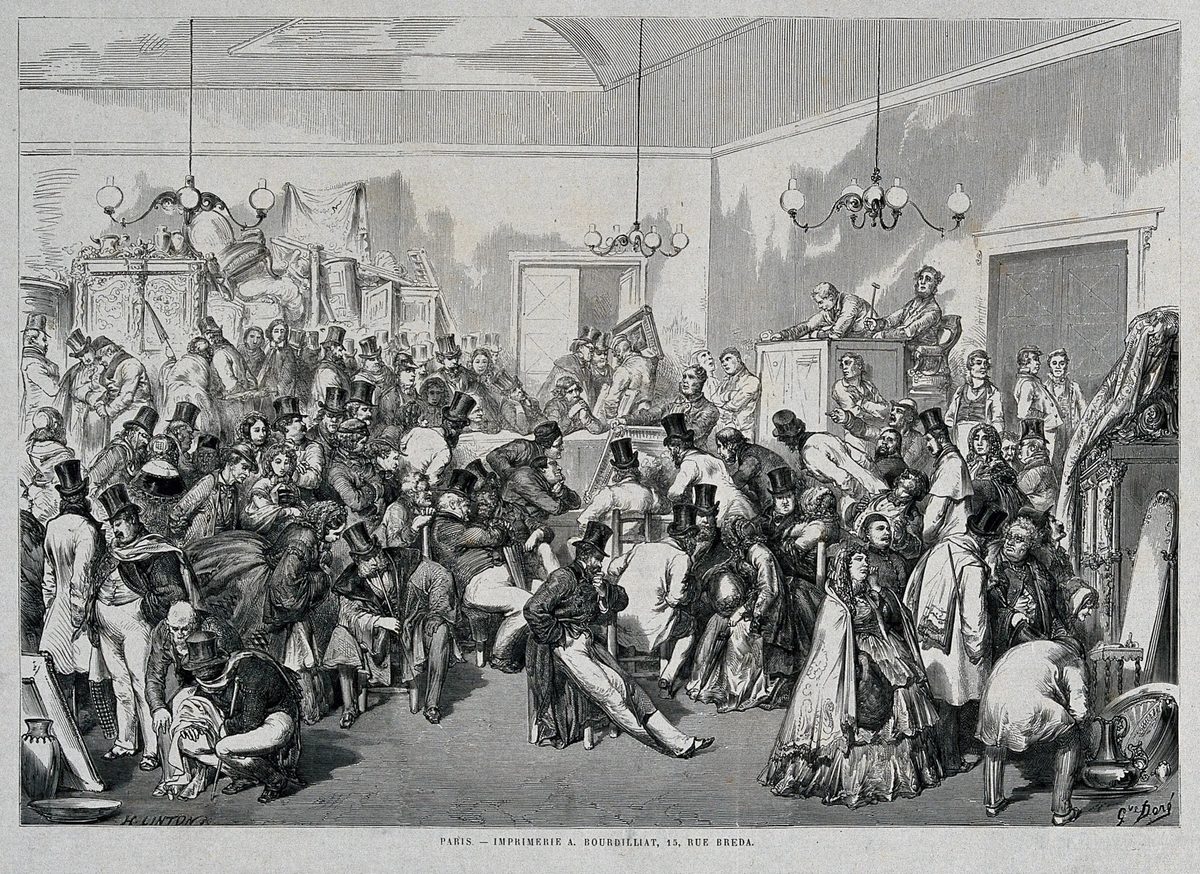
This is the one everyone thinks of first. It’s the jaw-dropping auction price, the number that makes the news. As an artist, I see it as both a blessing and a curse – a measure of success, yet often disconnected from the art itself. This value is determined by the art market—a complex ecosystem of galleries, auction houses, collectors, critics, online platforms, art fairs, independent dealers, and yes, even direct studio sales. It's driven by the classic forces of supply and demand, but also by market trends, broader economic conditions, and even global events. It’s why sometimes what feels like a perfectly lovely piece can sit unnoticed, while another, perhaps more controversial, skyrockets.
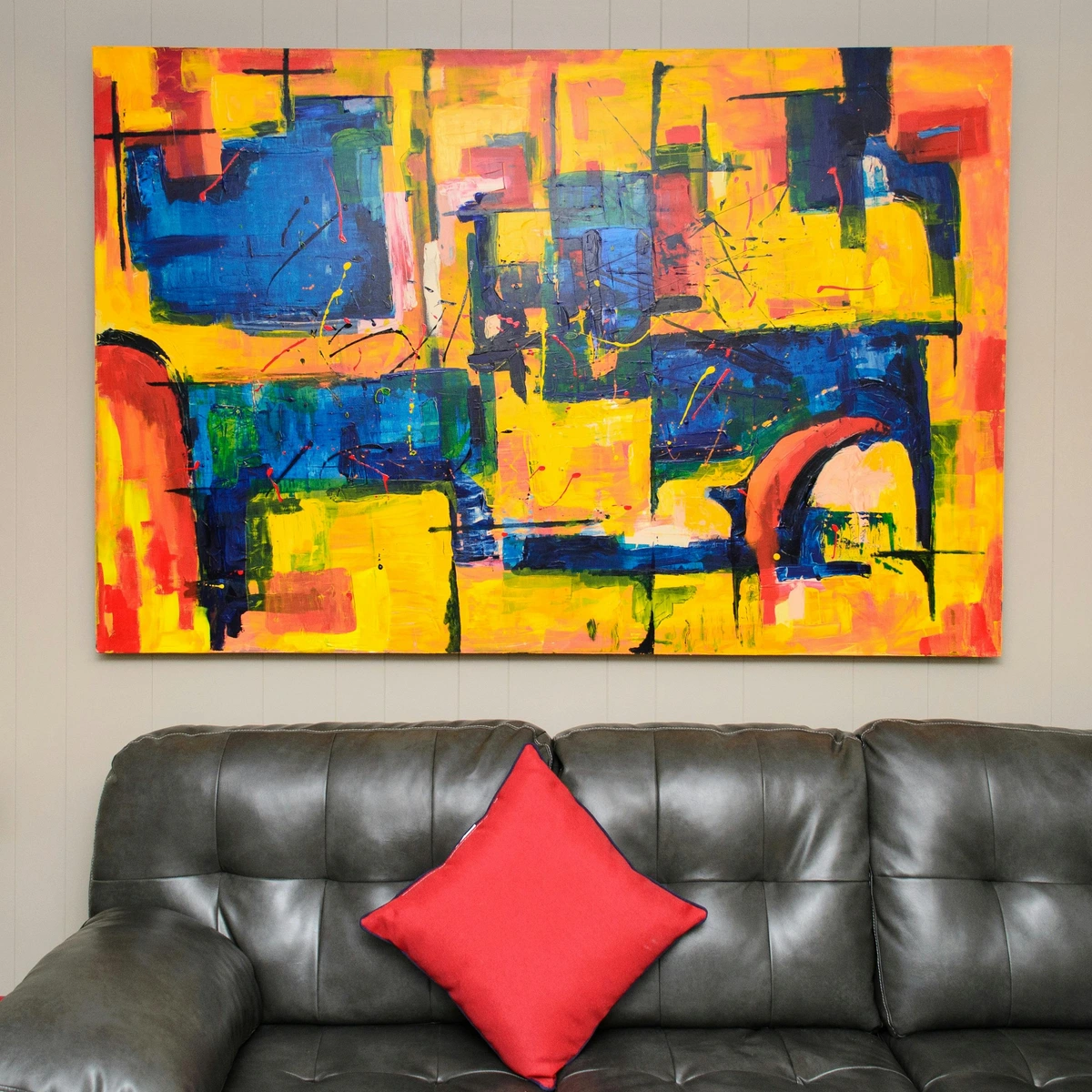
Factors that really pump up the price include:
- The Artist's Reputation: It’s not just about being famous; it's about a hard-won consensus built on critical acclaim, institutional acquisitions, influential publications about their work, and their undeniable impact on subsequent generations of artists. Think Andy Warhol or Basquiat himself (ultimate guide to Jean-Michel Basquiat). The market often distinguishes between the primary market (first sale from the artist or their gallery, focused on building a career and reputation) and the secondary market (resales, often at auction, which typically see the headline-grabbing figures, capitalizing on an artist's established reputation and demand). You can learn more about navigating these waters in our guide to understanding the AI art market.
- Provenance: This is the artwork's history of ownership. If it was owned by a famous collector or museum, its value shoots up. It's the meticulous record, akin to a historical artifact having a meticulously documented journey through time, that provides indisputable proof of authenticity, historical continuity, and often, an association with influential figures or significant collections. Certificates of authenticity, exhibition catalogs, and meticulous auction records are the bedrock of verifiable provenance. This adds layers of verifiable significance.
- Scarcity: Is the artist deceased? Was this from a particularly rare period in their work? Scarcity naturally creates demand. But even for living artists, scarcity can be created through carefully controlled release strategies by galleries, limited edition runs (like prints or sculptures), or by producing one-of-a-kind originals. Think about how many truly unique pieces a busy artist can realistically produce in a year – it's often fewer than you think. This is why techniques like screen printing can be used to create limited editions, carefully managing supply and demand.
- Condition: Is the work well-preserved? A painting ravaged by cracking, faded by light, or marred by inexpert past restorations will always fetch less than a pristine counterpart. This is where the often-invisible, painstaking work of conservators and restorers comes in. Their skill and ethical practices directly impact the long-term desirability and physical integrity of an artwork, safeguarding not just its beauty, but also its market viability for generations. Without them, much of our artistic heritage would simply crumble.
2. Historical & Cultural Value: The Time Capsules and Catalysts
Some art is valuable because it tells us who we were, and who we are becoming. It captures a moment in time, defines a cultural movement, or changes the course of art history itself. Johannes Vermeer's Girl with a Pearl Earring isn't just a pretty portrait; it's a gateway to the Dutch Golden Age, offering insights into historical fashion, light, and social nuances. It has immense cultural value. Art can be a powerful tool for propaganda, a poignant document of social upheaval, or a radical departure in technique or subject matter that reshapes what we even consider 'art'. Think of how Impressionism completely upended academic art norms by celebrating fleeting moments and personal perceptions, thereby shifting the very trajectory of Western art.
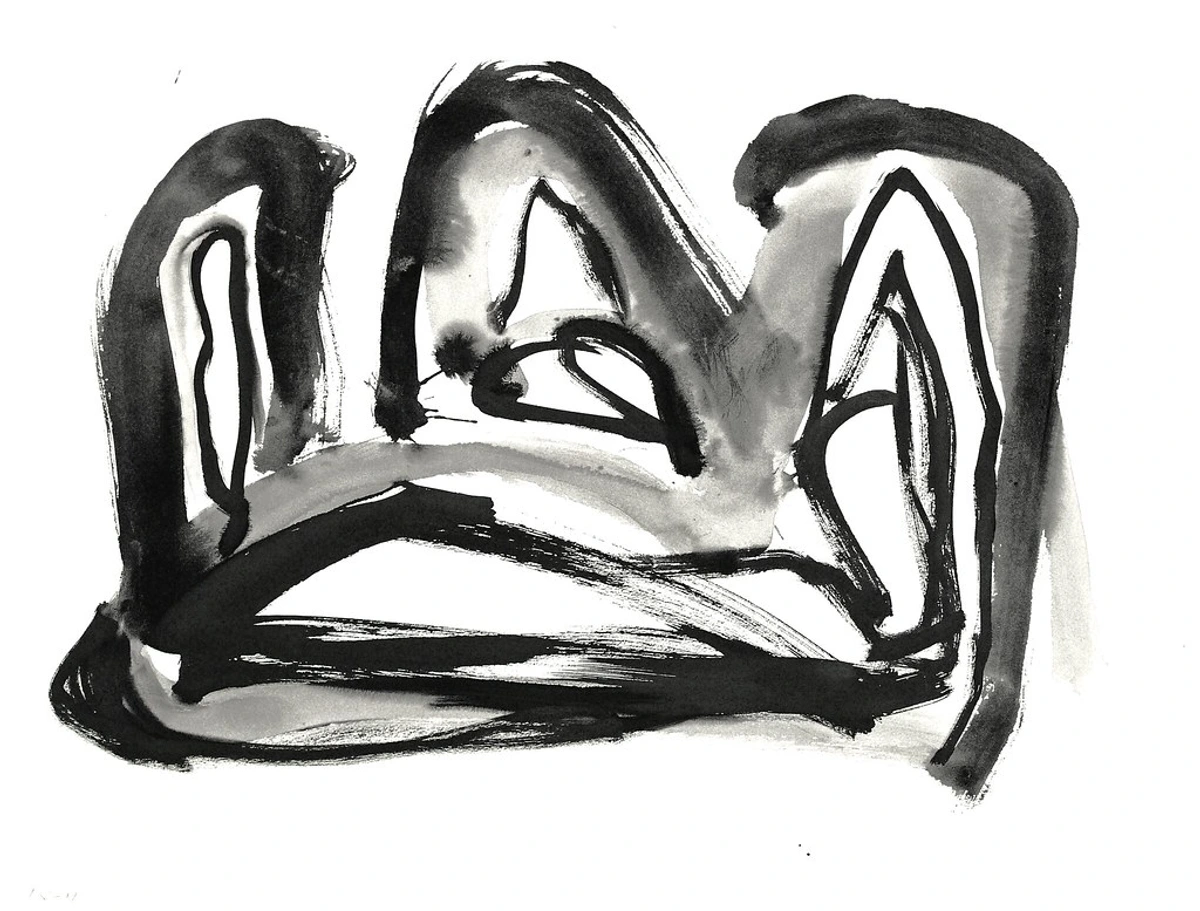
This kind of value isn't primarily about money (though it certainly leads to it over time). It's about significance—the impact an artwork has on society, thought, or subsequent artistic practice. This is where the profound power of iconography and symbolism comes into play. A simple image can carry layers of meaning, understood across generations, revealing cultural values and beliefs. Picasso's Guernica is often considered "priceless" not just because Picasso painted it, but because of its monumental, searing statement against the atrocities of war – its cultural and emotional weight far transcends any potential market price. Similarly, David Alfaro Siqueiros' 'New Democracy' mural in Mexico City wasn't merely a painting; it was a potent symbol of social and political revolution, using art as a powerful tool for change.
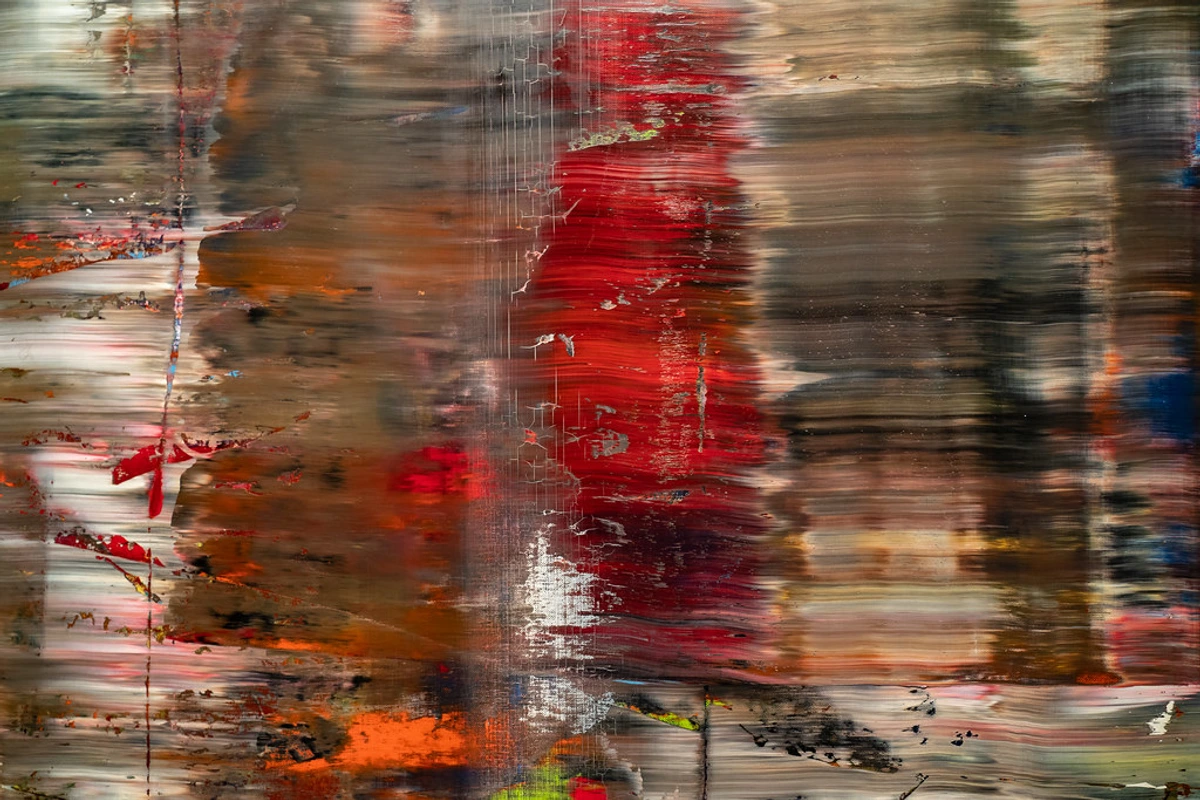
What society deems historically significant can, of course, shift with time, but the core idea remains: this art offers a dialogue with the past, a mirror to our present, and sometimes, a map to our future. Even Andy Warhol's iconic Campbell's Soup Cans redefined popular culture, blurring the lines between high art and everyday consumerism, demonstrating how art can capture and comment on the zeitgeist (the defining spirit or mood of a particular period).
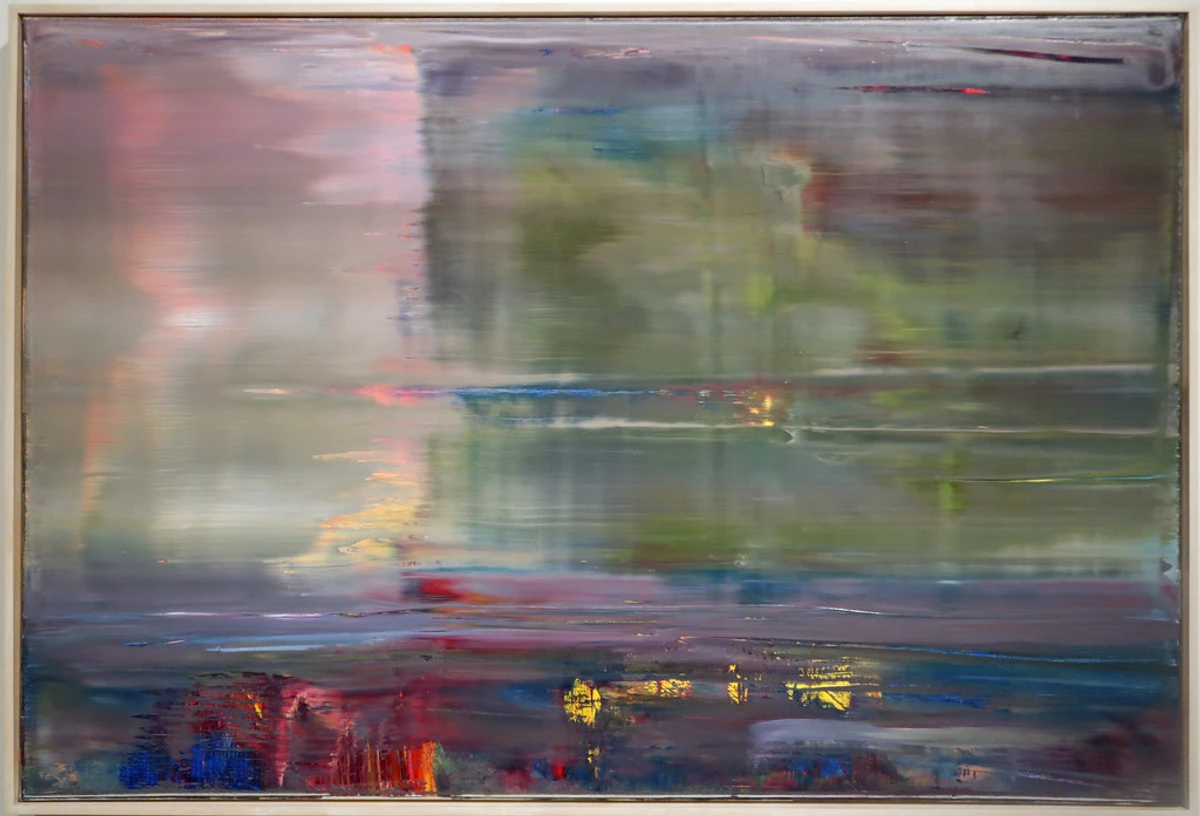
This is art that belongs to humanity's story, which you can learn more about in the definitive guide to the history of abstract art. And speaking of the past, we simply wouldn't have many of these time capsules without the dedicated efforts of conservation and restoration experts. Their work ensures that the physical object survives, allowing its cultural narratives to continue speaking to us, safeguarding not just beauty, but a dialogue with history.
3. Aesthetic Value: The 'Wow' Factor and The Deep Dive
This is perhaps the simplest and maybe the purest form of value, at least for me as an artist. It's when a piece of art just works. The colors harmonize, the composition is compelling, and it’s just beautiful to look at. This isn't just about 'prettiness' – though that's certainly a part of it! It’s about the artist's profound craftsmanship and skill, the mastery of technique, the sheer visual pleasure it provides. This kind of immediate appeal can feel universal, even if what we find beautiful varies wildly from person to person. What looks like a delightful burst of joy to me might just be a colorful mess to someone else, and that's perfectly okay!
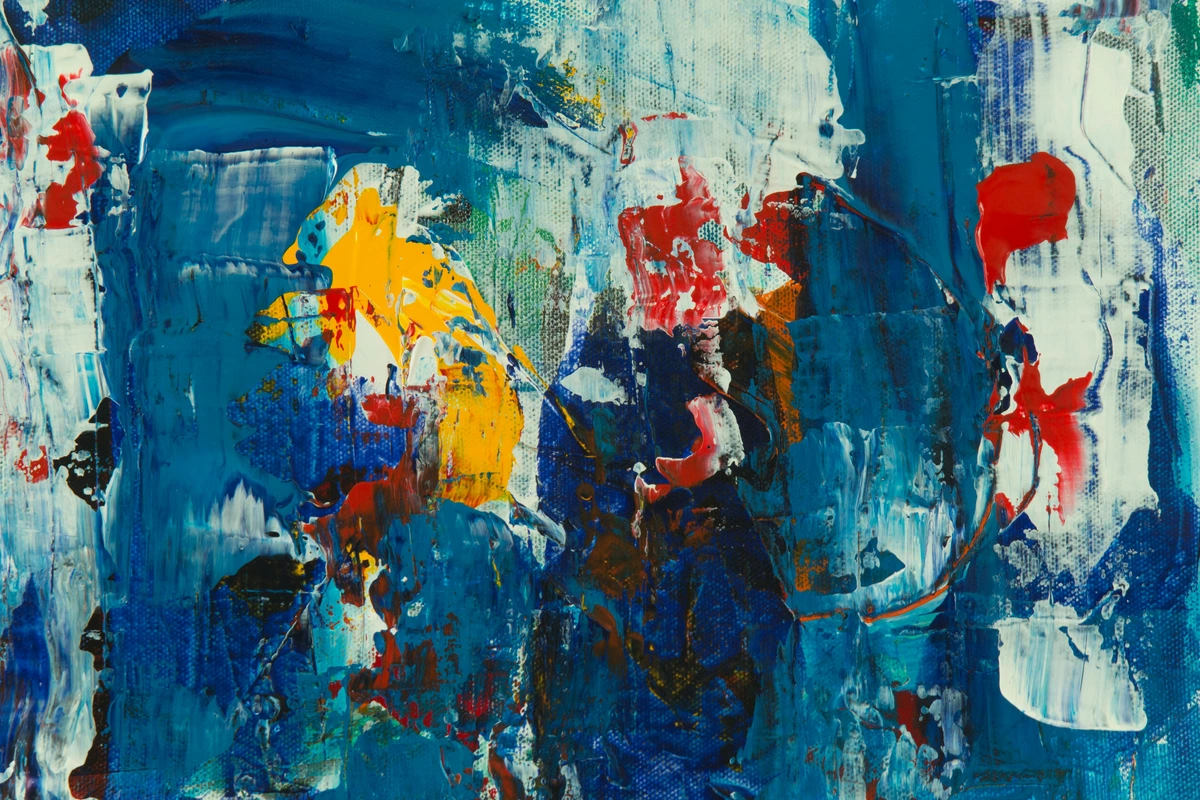
But beyond that initial "wow," aesthetic value also dives into deeper questions. While individual preference always plays a role, a collective consensus on aesthetic merit often emerges through critical discourse, art historical analysis, and influential exhibitions. Just like appreciating a musician's technical prowess even if their genre isn't your personal favorite, the art world often arrives at a collective nod to certain aesthetic achievements. One way to look at it, championed by theories like formalism, is that art's value lies purely in its visual elements—line, color, form—independent of subject matter. Think of appreciating a symphony based purely on its musical notes and structure, not its lyrics or story; the art's internal structure is the meaning. Meanwhile, expressionist theories focus on how well the art conveys emotion or ideas through its aesthetic choices, like a musician pouring their raw emotion into a powerful solo. Then there's structuralism, which looks for underlying orders and universal principles in artistic forms, suggesting that visual language, like spoken language, has a deep, shared grammar across cultures. And finally, semiotics treats art as a complex system of signs and meanings, where certain colors, shapes, or symbols carry specific cultural messages, like learning the secret handshake of the art world to understand its visual vocabulary. For example, in abstract art, a particular shade of blue might symbolize tranquility in one culture, or melancholy in another – semiotics helps us unpack those layers.
When enough people, guided by critics and their own sensibilities, agree that something has a certain aesthetic merit, it builds a consensus. It's the reason why you might choose a specific piece when decorating with abstract art in your home or why an artist spends years mastering their understanding of balance in art composition. It just feels right in the space, or demonstrates a mastery of visual language.
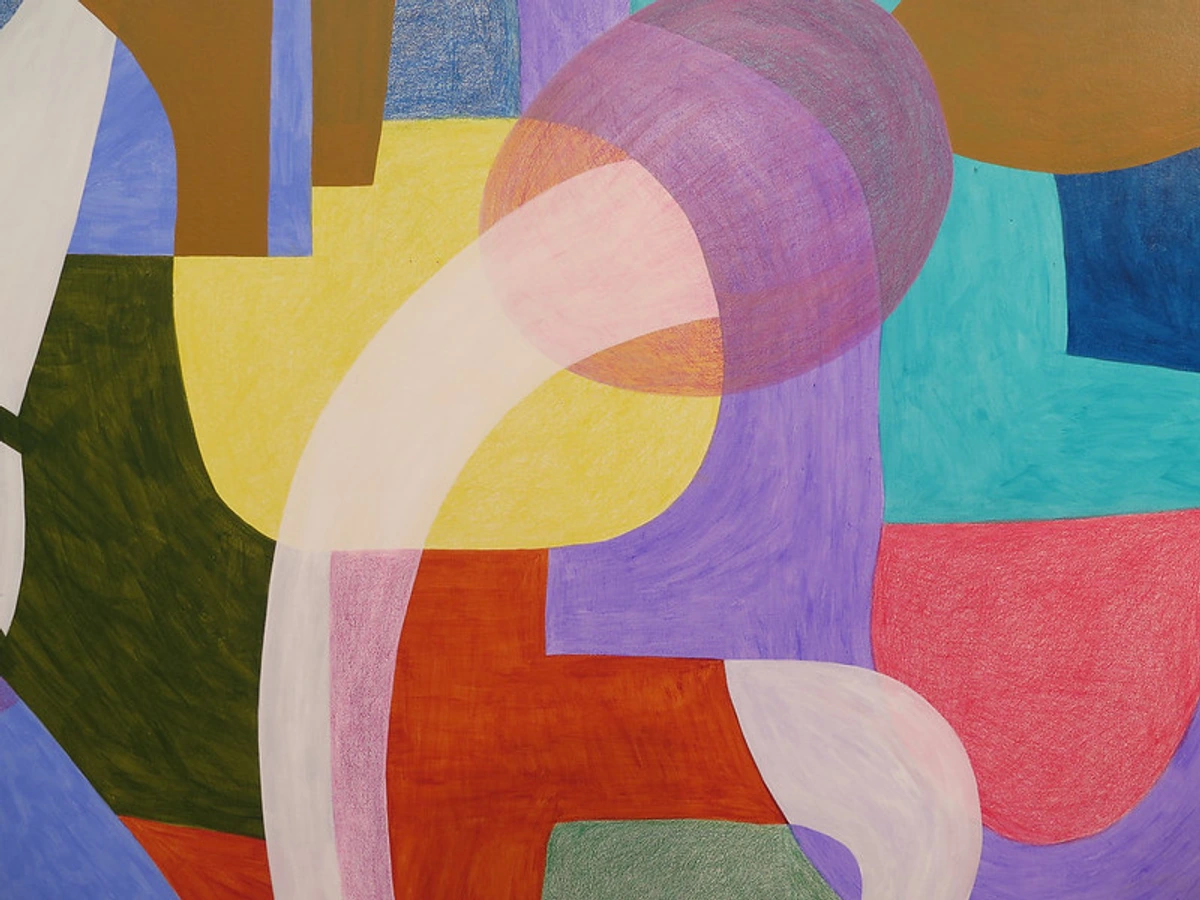
4. Emotional & Personal Value: The Unquantifiable Connection
This brings me right back to my twenty-euro flea market painting. Its monetary value is probably zero. It has no historical significance. But its personal value to me is huge. It reminds me of a specific time in my life, a feeling, a moment of discovery. This is the value that art has when it speaks directly to you, resonating deep within. It can be a memory, a feeling of peace, a jolt of energy, or a profound sense of being understood. This profound connection can even extend to therapeutic benefits; many, myself included, find that engaging with art – whether creating it or simply observing it – offers a unique form of solace, reflection, or even joyful escapism. This concept is deeply explored in fields like art therapy, which uses art-making as a non-verbal means of processing emotions, improving self-awareness, and fostering healing. Art-making offers a safe, non-verbal channel to explore feelings, reduce stress, and foster self-awareness, allowing the intrinsic value of creative expression to become a tool for healing.
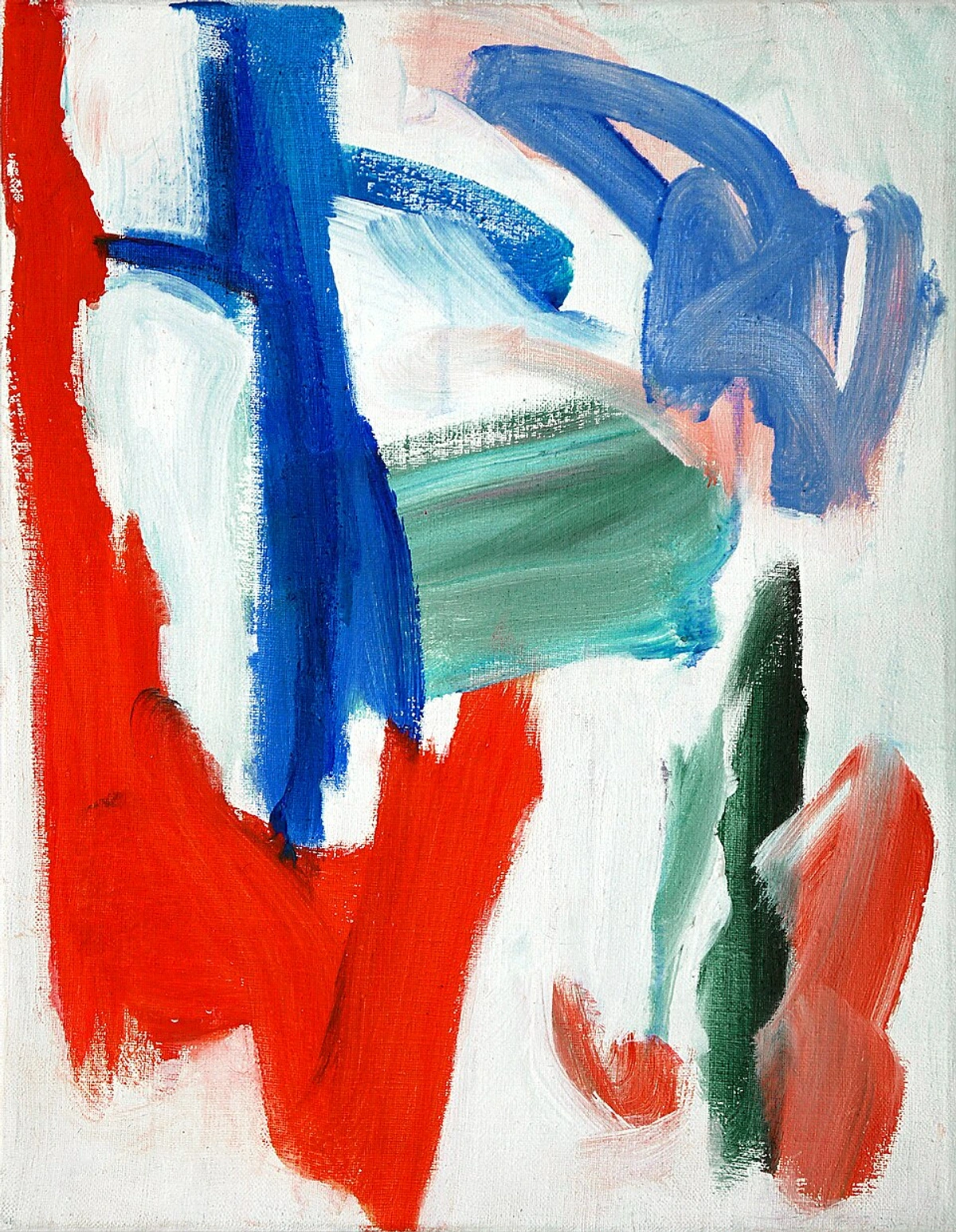
This is the most democratic form of value because it can’t be dictated by anyone else. Only you can decide if a piece is valuable to you, independent of any price tag – a concept often referred to as intrinsic value, meaning the inherent worth of an object or experience, separate from any external validation or market forces. To deepen this often-overlooked dimension of value, I encourage you to try active looking. Visit a gallery with no agenda beyond feeling. Let a piece challenge you, ask questions of you. Discuss it with a friend, or even just sit with it in silence. This isn't about knowing the 'right' answer; it's about building a genuine, unquantifiable bond. It’s what I look for as both an artist and a collector, a topic I dive into deeper when discussing what I look for when collecting abstract art. This is the magic part. No expert can tell you a piece is valuable to you. Only you can decide that. What story does it tell you?
So, Who Decides? The Web of Influence
To truly grasp how value is constructed, especially in the art market, it's essential to understand the diverse cast of characters who influence an artwork's journey. It's not one person, but a network of influencers who build a collective story around an artwork, each playing a crucial role in shaping its perceived worth. Think of it as a complex, often unpredictable, highly specialized ecosystem, with each player influencing the others.
Role  | Contribution to Value | Key Influence Mechanism |
|---|---|---|
| The Artist | The source of it all. Their skill, unique vision, career trajectory (my own timeline is here), and personal story form the foundation. An artist’s oeuvre – the totality of their creative work – is also critical. Their articulated vision, sometimes expressed through an artist statement or manifesto, provides a crucial framework for understanding their work's intent and value. They also influence scarcity through their output. | Direct creation, conceptual depth, authenticity, scarcity (especially deceased or highly selective artists), and market buzz through their work's impact and demand. Their consistency, evolution, and distinct voice contribute to a powerful personal brand. |
| Art Critics | They analyze, interpret, and contextualize the work, giving it an intellectual framework. Their reviews can shape public perception by framing an artist's work within art historical movements, highlighting conceptual breakthroughs, or identifying unique stylistic elements. Their role has evolved, moving from purely formal critiques to more interdisciplinary analyses that consider social, political, and cultural contexts. | Intellectual validation, public perception, historical placement, and guiding discourse. A strong positive review can significantly elevate an artist's profile and market interest. They help define narratives around an artist’s work. |
| Curators | By selecting, arranging, and interpreting art for exhibitions, they actively shape narratives and guide public understanding, lending institutional authority to artworks. When they choose art for museum shows, it gives an institutional stamp of approval, signaling its historical and cultural importance. | Institutional endorsement, legitimization, public exposure, and academic recognition. Museum acquisitions are a powerful signal of long-term cultural significance and can boost an artist's market. They act as gatekeepers of art history and public taste. |
| Gallerists | They nurture an artist's career, build a primary market for the work, and place it with important collectors. They often act as mentors, providing essential support, development, and strategic placement of an artist's work within significant private and public collections, also educating collectors and the public on an artist's value. | Market development, artist representation, initial pricing strategy, and network building. They often act as gatekeepers and tastemakers in the primary market, cultivating an artist’s long-term reputation and commercial viability. |
| Auction Houses | They handle the secondary market, where record-breaking prices are set, creating headlines and cementing monetary value. | Price discovery in the secondary market, global reach, marketing, and creating scarcity/excitement around sales. They formalize monetary value through competitive, high-profile bidding, often setting benchmarks for an artist’s commercial worth. |
| Collectors | Their willingness to pay for a piece ultimately sets the market price. Influential collectors can create trends. From passionate connoisseurs (those with deep knowledge and appreciation) and philanthropic patrons (those who provide financial support) to speculative investors, their motivations vary widely, but their collective demand and acquisition choices fundamentally drive the market. | Demand generation, market liquidity, and trend-setting. The prestige of owning a piece by an influential collector can further enhance its value (provenance!). Their choices validate an artist and can significantly shape an artist’s legacy and market trajectory. |
Understanding these roles is also crucial when considering something like an art appraisal, which often relies on the consensus built by these various actors.
What About Abstract Art? The “My Kid Could Have Painted That!” Conundrum
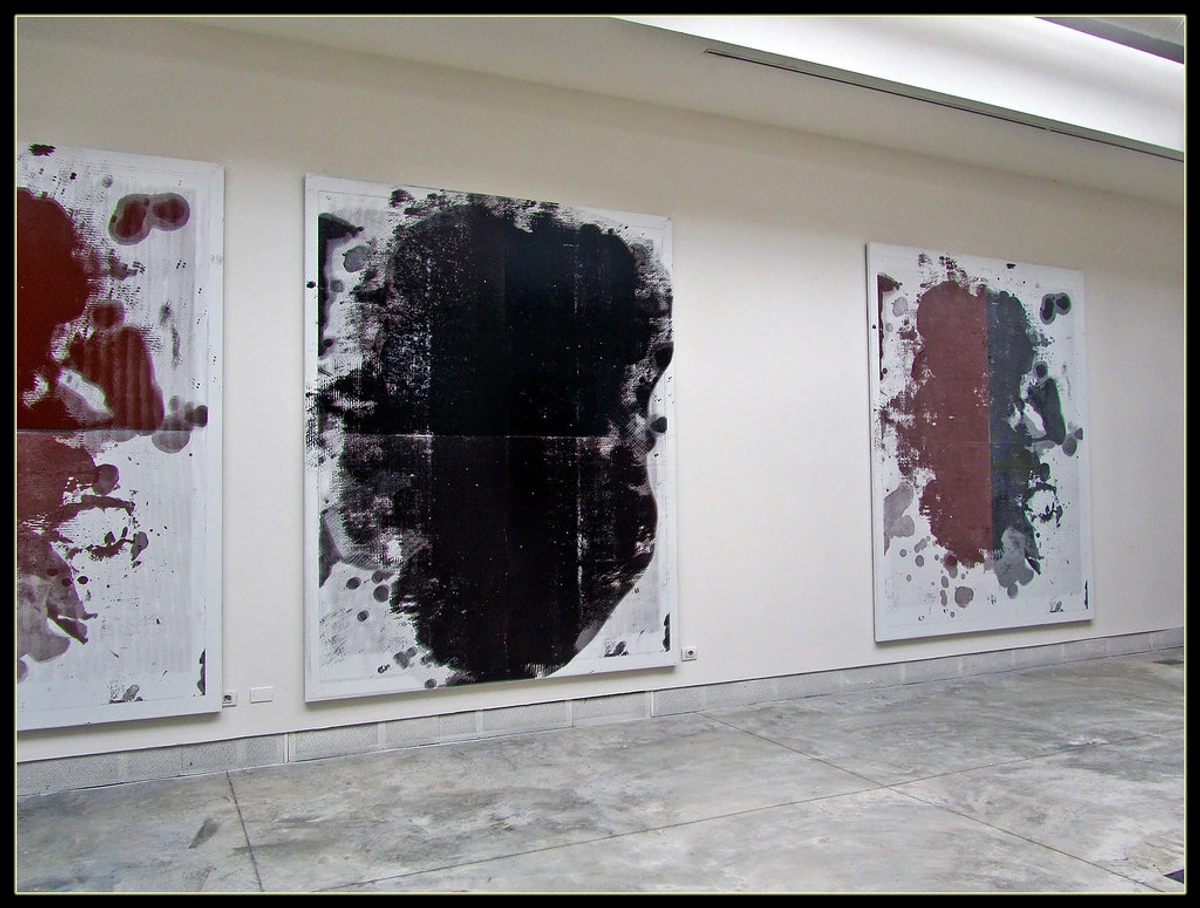
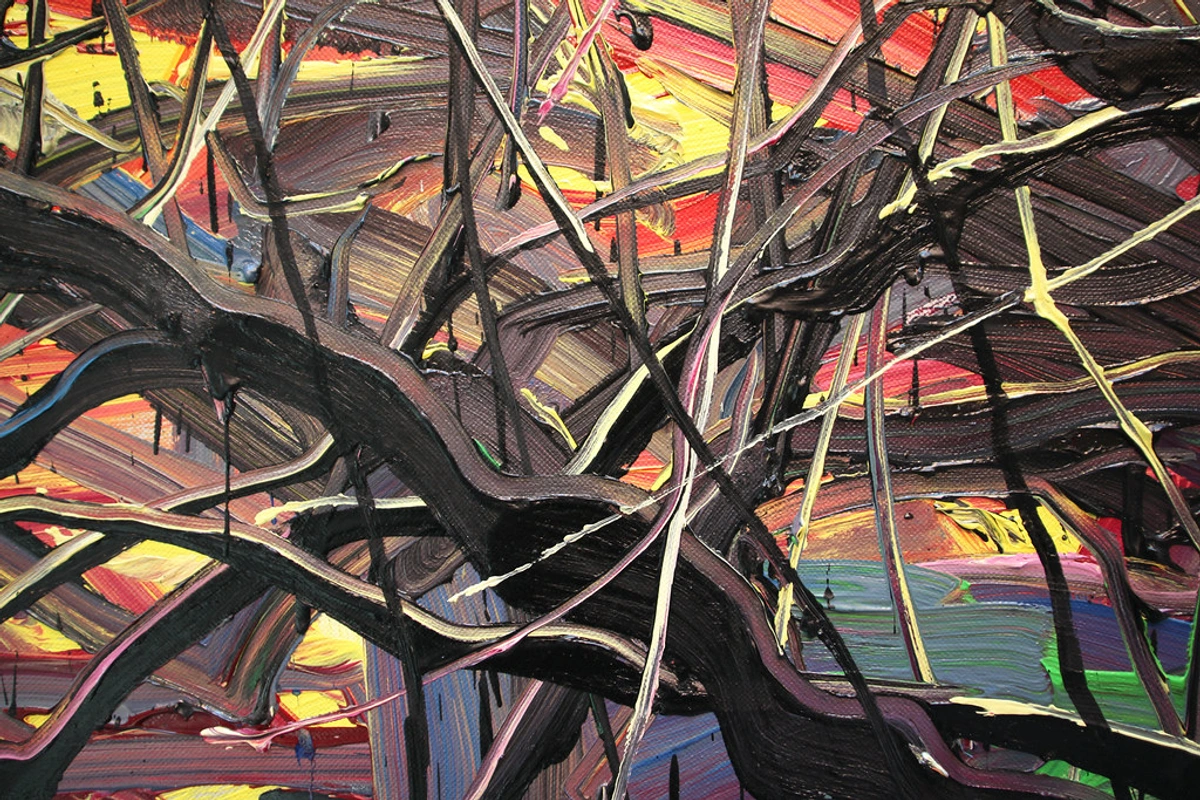
Ah, the classic line! People often get stuck on the value of abstract art, and honestly, "My kid could have painted that!" is a valid knee-jerk reaction. I've heard it a million times. But the value here comes from different, often less obvious, places. It asks us to look beyond literal representation and engage with something deeper. It's a common misconception that abstract art is "random" or lacks meaning; in truth, it's often the culmination of years of study, experimentation, and a profound theoretical underpinning, reacting against traditional representation to explore inner worlds and pure visual language.
With abstract art, value is often tied to:
- Innovation: Was the artist doing something genuinely new? Mark Rothko's color fields weren't just big blocks of color; they were a revolutionary way to express pure emotion and profound ideas about spirituality and the sublime. Kandinsky's pioneering forays into pure abstraction (which you can learn more about in our guide to what is abstract art) were about spiritual expression, while Rothko took it further into meditative contemplation. This redefines the boundaries of what art can be.
- Emotional Resonance: Does the work evoke a feeling? The power of abstract art lies in its ability to bypass the literal and hit you on a gut level. It’s not about what you see, but how you feel – a direct, unfiltered connection to an internal landscape.
- Conceptual Depth: There's often a deep idea or philosophy behind the work. It’s not just random splatters; there’s a deliberate thought process, a question being posed, or an exploration of an idea. Think of a Mark Rothko color field: it isn't 'just' two rectangles; it's an exploration of pure color, scale, and emotion, a deliberate invitation to meditative contemplation. This intellectual scaffolding adds immense weight and meaning.
- Technical Mastery: Creating a balanced and compelling abstract composition requires a profound understanding of balance in art composition, sophisticated color theory, and often, incredible technical skill. Achieving a specific texture, a subtle color blend that evokes a particular mood, or a compositional balance that feels effortlessly dynamic – these are skills honed over years, much, much harder than it looks to create something that feels both effortless and impactful – a true testament to the artist's craft.





The Digital Frontier: NFTs and the New Value Equation
And then there's the truly contemporary question: What about digital art and NFTs? While I remain somewhat skeptical, I try to stay factual. The rise of Non-Fungible Tokens has certainly reshaped discussions around ownership, permanence, and authenticity in the digital realm. Some proponents see NFTs as democratizing art, offering new revenue streams for digital artists, and creating innovative avenues for ownership and community. NFTs, underpinned by blockchain technology, attempt to create verifiable digital provenance and scarcity in a realm where duplication is effortless. This digital 'certificate of authenticity' is often what collectors are buying, rather than the artwork itself. The value here often hinges on scarcity (digitally enforced), speculative market interest, and the perceived "cool factor" of being on the cutting edge. The space has also seen the emergence of new curatorial practices and dedicated digital art platforms, all vying to define what enduring value might look like in this nascent domain. Yet, for me, substantial questions about long-term artistic intent, genuine aesthetic contribution, environmental impact (due to energy consumption of some blockchains), and the potential for smart contract vulnerabilities often linger.
Crucial to both traditional and new forms of art is authentication. For high-value pieces, whether a traditional canvas or a digital token, proving its authenticity and confirming it is indeed from the stated artist is paramount. Without it, monetary (and sometimes even historical) value collapses. This brings us back to authentication, which for traditional art involves meticulous expert analysis, scientific testing (like pigment analysis or carbon dating), and exhaustive historical research. For digital art, the blockchain provides a record, but the artistic or cultural weight attached to that record is still being debated and defined by the human element of the art world – the critics, curators, and collectors who ultimately assign lasting significance. Time, as always, will be the ultimate critic.


FAQ: Answering the Big Questions
Is art a good investment?
It can be, but let me be direct: it's not like the stock market. The art market can be incredibly volatile, highly illiquid, and is largely unregulated. There are immense risks, and making a profit is far from guaranteed. This is largely due to the lack of centralized regulation, the subjective nature of value shifts, and significant transaction costs (commissions, insurance, storage, authentication). And don't forget the tax implications; capital gains on art can be substantial, making it a very different beast from other asset classes. My advice? Buy art because you genuinely love it and want to live with it. If it increases in monetary value, that's a fantastic bonus, a happy accident even, but never make it the primary goal. If you want to find a piece you love, you can always check out what's for sale.
Why is some contemporary art so expensive?
It's a potent cocktail of all the factors we've discussed: hype, clever branding, extreme scarcity, and a hard-won consensus among a powerful, often small, group of market players. It often involves a deliberate strategy of artificial scarcity through limited editions, exclusive gallery representation, and carefully managed public perception. When a handful of influential collectors, gallerists, and institutions are all competing for a work by a trendy artist, prices can skyrocket to levels that seem utterly disconnected from reality. This "hype cycle" is often driven by early adoption from wealthy collectors and institutions, creating a feedback loop that inflates prices before wider critical consensus is established. It's a game of prestige, perceived genius, and sometimes, pure speculation – a high-stakes poker game played with cultural artifacts.
How can I distinguish between genuine artistic innovation and fleeting trends that inflate prices?
Ah, the million-dollar question! This is where you really need to sharpen your eye and your critical thinking. True innovation typically reveals a deep conceptual or technical basis, stands up to rigorous critical scrutiny over time, and fundamentally alters the trajectory of art-making. It breaks rules and opens up entirely new ways of seeing or making. Trends, by contrast, are often derivative, riding the coattails of earlier innovations, generating immediate buzz and high prices but lacking the enduring depth or broader influence that secures a lasting place in art history. A key differentiator is often an artist's sustained output and evolution over time; trends often manifest as a singular, highly marketable style, whereas true innovation tends to be part of a broader artistic journey. Ask yourself: does it open up genuinely new conversations, or just echo old ones loudly? Look for sustained critical discussion, institutional recognition (beyond just market sales), and a clear lineage of influence. And perhaps most importantly, trust your gut – does it genuinely make you think, or just raise an eyebrow because someone told you it was important?
How can I tell if a piece of art is valuable?
It really depends on which kind of value you mean. For monetary value, you absolutely need to research the artist, their sales history, exhibition record, and look for comparable sales of similar works by the same artist. Consulting reputable galleries, art advisors, or certified appraisers who specialize in the type of art in question is often necessary. But for personal value? The only test is your own gut feeling. Does it move you? Does it make you think? Do you want to see it every day? If yes, then it's valuable. No one else's opinion matters for that kind of worth.


Does the artist have to be famous for the art to be valuable?
For high monetary value in the established market, fame certainly helps – it's a huge component of reputation and demand. But for aesthetic, emotional, and personal value, absolutely not. That unknown artist in a local gallery or at a flea market (like the one who painted my boat!) can create something that enriches your life far more than a famous masterpiece locked away in a vault. The story, the connection, the sheer joy it brings – those are often priceless, regardless of the signature. This is where the concept of "emerging artists" becomes so exciting; galleries and critics play a crucial role in identifying and validating potentially valuable, yet not yet famous, artists, helping them build their careers before they hit the headlines.
In the end, the conversation around art and value is a beautiful, messy interplay of economics, history, emotion, and profoundly personal taste. It's often a dance between art as a commodity – something to be bought, sold, and invested in – and art as a profound human experience, something to be felt, understood, and lived with. The $100 million Basquiat has its meticulously constructed value, and my twenty-euro boat painting has its quiet, enduring worth. Neither is more 'correct' than the other; they simply operate on different scales of human experience. The true value of art, I believe, is that it creates a connection – a story someone decided to tell with paint, sculpture, or pixels, and you decided it was a story worth listening to, worth feeling, worth living with. So, next time you encounter an artwork, whether it’s in a grand museum, a bustling art fair, a quiet local gallery, or even here on this website as you browse for a piece that speaks to you, I encourage you to pause. Don't just ask 'What's it worth?' Instead, ask 'What kind of value does this hold? What story does it tell me? What feeling does it evoke?' Through this lens, you might just find your own priceless treasures, just as I found my boat, and discover a whole new dimension to the art all around us. I encourage you to explore the diverse art on this website (and beyond!) through the lens of these different values, and discover what resonates most with you.