
How to Choose Art for a Scandinavian-Style Home: More Than Just Hygge
Unlock the secrets to choosing art for your Scandinavian-style home. Discover essential tips on color, themes, and placement to create a serene, hygge-filled space that truly reflects you.

Choosing Art for a Scandinavian-Style Home: More Than Just Hygge, It's a Philosophy, It's a Lifestyle
I remember the first time I truly felt Scandinavian design—not just saw it in a glossy magazine, but understood its quiet, profound power. It was in a friend's small apartment, bathed in natural light, with uncluttered spaces and an enveloping sense of calm. The air itself seemed to breathe with a gentle, consistent rhythm. Everything felt intentional, serene, and deeply comfortable. In that moment, I realized Scandinavian style transcends mere aesthetics; it's a profound philosophy, a deeply ingrained way of living that values light, nature, functional beauty, and that wonderfully untranslatable feeling we call hygge. It's about cultivating holistic well-being through intentional design, and art, far from being an afterthought, plays a surprisingly central, though often understated, role in this grand narrative, acting as a quiet companion to the everyday. It's the silent storyteller, the subtle enhancer of mood, and a profound anchor for personal expression in a world that often feels chaotic. This isn't just about decorating; it's about crafting an environment that nurtures the soul.
But how does art fit into this serene, often minimalist world? Is it just a splash of color, an afterthought, or perhaps a daring rebellion? I've found it's quite the opposite. Choosing art for a Scandinavian home isn't about filling empty spaces; it's about curating pieces that resonate with this philosophy, acting as quiet anchors that deepen the sense of peace and connection to the natural world. It's about enhancing, not overwhelming, creating a dialogue between the art and its environment without a single shout. It’s about finding that perfect balance where art feels like it belongs, effortlessly integrated into the fabric of your home, telling a story without uttering a word. I truly believe that art in a Scandinavian space is an investment not just in aesthetics, but in your daily well-being, a constant source of calm and inspiration.
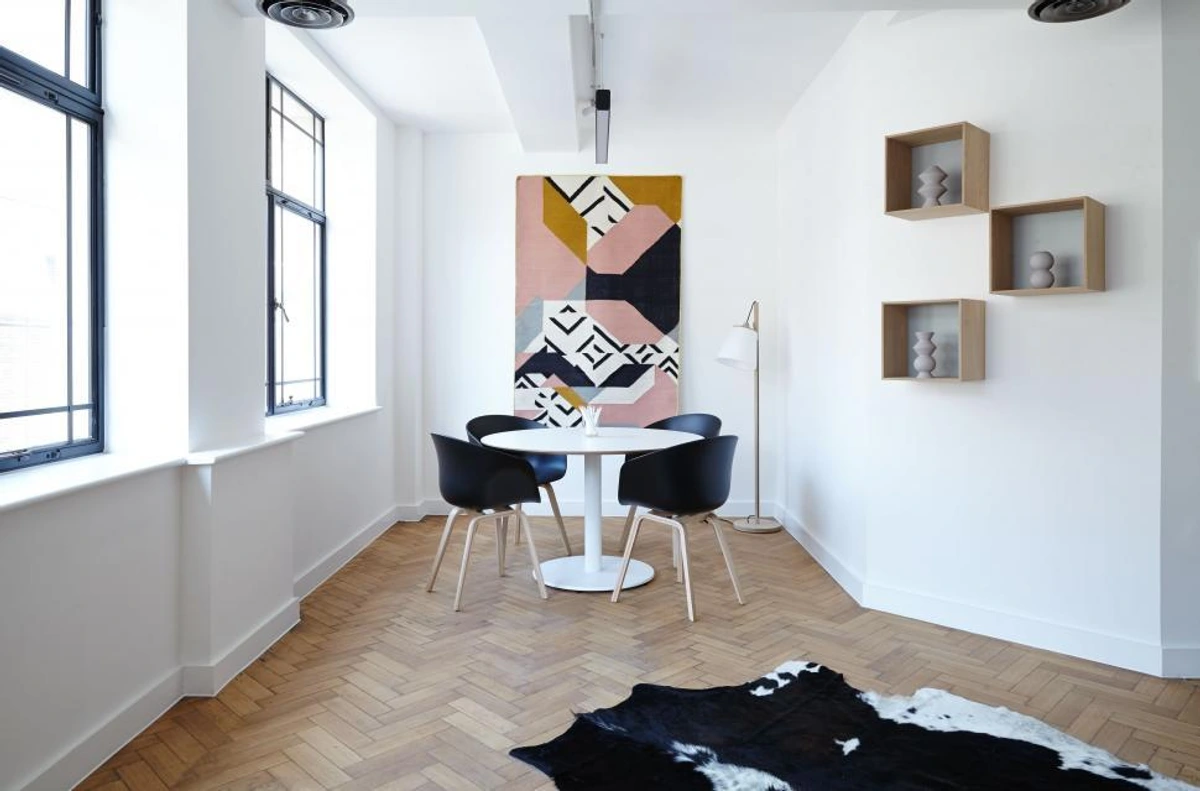
So, if you're wondering how to choose art for your Scandinavian sanctuary—a space that truly feels like you—let's dive into what makes a piece truly sing in such a thoughtfully designed environment. We'll explore how art can be both a silent statement and a vibrant whisper, contributing to a calm, yet deeply personal, aesthetic. This isn't just about decoration; it's about creating an immersive experience that nurtures the soul and reflects a mindful approach to living.
Beyond Aesthetics: The Psychology of Scandinavian Art
Before we dive into the specific elements, it's worth taking a moment to consider why Scandinavian design, and consequently its thoughtful art choices, have such a profound and often restorative impact on our mood and mind. I've often thought about this, pondering the deeper mechanisms at play, and it seems to boil down to a few key psychological anchors that truly differentiate this style and contribute to its enduring appeal:
The Science of Calm: How Design Influences Our Minds
It's not just a feeling; there's a real psychological basis for why Scandinavian interiors evoke such tranquility. I've spent a lot of time thinking about this, and it seems the magic lies in how profoundly these spaces connect us to our innate human needs. The emphasis on natural light, uncluttered spaces, and organic materials is deeply linked to principles of biophilic design, which posits that humans have an innate, biological tendency to connect with nature and other living systems. When we intentionally bring natural elements and abundant light indoors, our physiological responses can include decreased heart rates, reduced stress levels, improved cognitive function, and an overall enhanced sense of well-being. Art that echoes these fundamental themes—serene landscapes that invite the eye to wander, delicate botanical prints celebrating life, or abstract forms subtly reminiscent of nature's patterns like the ebb and flow of water or the texture of rock—taps directly into this primal need for connection, acting as a visual balm. It’s like a gentle, visual meditation, a quiet guide for our minds towards a state of sustained peace and groundedness, transforming a house into a truly restorative haven where the mind can unwind and recharge. I've noticed how even a simple framed print of a misty forest can evoke the feeling of a calm morning walk, immediately lowering my shoulders.
Cultivating Mindful Living Through Art
In our relentlessly fast-paced world, anything that gently encourages us to slow down, be present, and truly see is an invaluable gift. Scandinavian art, with its understated elegance, thoughtful simplicity, and inherent emphasis on contemplation, excels at this. It doesn't scream for attention or demand a performative response; instead, it softly invites it. A carefully chosen minimalist abstract piece might encourage you to pause, observe its subtle textures, consider its nuanced forms, and find your own personal meaning within its quiet depths. A serene landscape can, even for a fleeting moment, transport you to a calm, natural setting, offering a mental escape. This deliberate, unhurried engagement with art actively fosters mindfulness, transforming your home into a sanctuary where you can truly reconnect with yourself, one thoughtful glance at a time. It’s about creating moments of quiet introspection and aesthetic appreciation, not just filling empty wall space. I've personally noticed how a single, well-placed abstract piece can prompt a moment of profound reflection, inviting me to interpret its forms and colors in new ways each day, revealing fresh perspectives with each encounter. Similarly, a beautifully woven textile art piece, with its inherent tactility, organic textures, and the story of its creation, encourages a slower, more sensory engagement—a pause to appreciate the craftsmanship, the quiet narrative embedded within its fibers, and the human touch behind its making. This deliberate engagement with art transforms a mere glance into a mini-meditation, grounding you firmly in the present moment and enriching your daily experience, making your home a sanctuary for quiet observation rather than just a place to exist.
Understanding the Soul of Scandinavian Design
Before we even think about hanging a painting, before we even browse for art, I've found it's crucial to truly grasp what Scandinavian design embodies at its core. I like to think of it as a design philosophy born from necessity and a deep appreciation for the environment—cherishing natural light (especially during those famously long Nordic winters), embracing functional simplicity that verges on elegance, and cultivating a deep, almost reverent respect for natural materials. It’s a design language spoken in hushed tones, where every element contributes not just to aesthetics, but to a profound sense of well-being and mindful living. It’s about creating an atmosphere where you can truly be.
Here are the core tenets that define this beautiful aesthetic, and how they subtly inform art selection:
- Minimalism with Warmth: This isn't the cold, stark minimalism you might associate with some clinical, almost sterile modern styles. Scandinavian interiors embrace clean lines, uncluttered spaces, and thoughtful restraint, but they always do so with an infusion of warmth that is utterly inviting and deeply human. This warmth comes through rich, tactile textures (chunky knits, soft rugs, sheepskins, linen), abundant indoor plants that bring life, and the grounding presence of natural wood elements like light birch, warm oak, and pale pine. For art, this translates to pieces that feel intentional, not excessive, serving as quiet presences rather than dominant statements. Think clean compositions, perhaps a single impactful piece that adds a subtle layer of color or texture, or a carefully curated gallery wall that avoids visual noise. The art itself can contribute to this warmth through soft, earthy color palettes, organic forms that feel gentle, or tactile mediums like woven tapestries, macrame wall hangings, sculptural ceramics, or even framed embroidery. It’s about creating profound comfort without clutter, finding beauty in simplicity, and ensuring every element feels lived-in, loved, and deeply personal. I often think of it as intelligent layering—adding depth and interest without adding visual noise, much like a subtle melody in a quiet room. This intelligent layering translates to art that feels integrated, not imposed. Pieces might offer a subtle, textural counterpoint to smooth walls, or provide a grounding presence with soft, earthy colors. Imagine a large, abstract piece with gentle, sweeping lines in muted tones, or a collection of ceramic wall plates adding a handcrafted, warm touch, all contributing to the feeling of home, not just acting as a decorative afterthought. For larger statements that maintain this warmth, a carefully curated gallery wall can be a phenomenal way to achieve depth without visual clutter, provided you stick to a cohesive theme and framing style. Think about the comforting weight of a chunky knit blanket, or the reassuring solidity of a wooden beam—art can evoke similar feelings through its visual and implied textures, creating a sense of enduring comfort and subtle luxury. A subtle landscape with soft, rolling hills or an abstract piece with a tactile, layered surface can evoke this warmth, grounding the space and fostering a sense of security.
- Functionality First: In Scandinavian design, every item serves a purpose, but that purpose never precludes beauty; indeed, beauty often emerges from thoughtful utility. Furniture is meticulously designed for daily use, not merely for display. Art, while primarily aesthetic and a source of joy, should also contribute to the overall harmony and livability of the space, enhancing its purpose rather than disrupting it. It complements the function of the room rather than competing with it. For instance, in a dining area, art shouldn't distract from lively conversation or the enjoyment of a meal. Instead, a serene landscape or a cohesive gallery wall can create a pleasant, stimulating backdrop, setting a mood without demanding all the attention. I once saw a beautiful, understated abstract piece in a kitchen that not only added character but also seemed to inspire a calmer, more mindful cooking experience. It was subtle, yet effective, a quiet collaborator in the room's purpose. Similarly, a thoughtfully placed abstract in a home office can foster creativity and focus, rather than disrupting it. I once worked with a client who placed a minimalist piece featuring subtle geometric patterns in their workspace, and they swore it helped organize their thoughts and reduce mental clutter, boosting their productivity! Even in a kitchen, a piece with an organic, clean design, perhaps a framed botanical print or an abstract work inspired by culinary elements, can contribute to a more mindful cooking experience, gently reminding us that beauty and purpose aren't mutually exclusive, but rather intertwined, enhancing the joy of everyday tasks. In a home gym, abstract art with dynamic lines can subtly encourage movement and energy without being visually jarring, making exercise feel more fluid and less like a chore.
- Connection to Nature: There’s an undeniable, almost primal, longing for the outdoors woven into the very fabric of Scandinavian homes. Materials like light-toned wood, soft wool, breathable linen, rich leather, and an abundance of indoor plants are absolute staples. Art, therefore, often directly echoes and amplifies this connection, bringing natural forms, calming colors, and organic textures indoors without ever being overly literal or didactic. Abstract interpretations of vast landscapes or delicate botanicals are particularly potent. Think about a sweeping, moody seascape that evokes the wild, untamed Nordic coast, or a delicate botanical print featuring native flora, perhaps even for a small bathroom. Even simple line drawings of trees or mountains, or carefully pressed botanicals in minimalist frames, can bring a powerful connection to the outdoors, reminding us of the calm and vastness of nature without being overly literal. For more on this, you might explore articles on decorating with abstract art in modern farmhouse interiors, as they share some overlapping principles of natural integration. The ultimate goal is to invite the profound tranquility of the natural world indoors, creating a serene refuge even when the weather outside is less than inviting. I've noticed that art depicting local flora or fauna, even in highly abstracted forms, creates an even deeper sense of connection to the immediate environment, rooting the home in its specific location and fostering a sense of belonging. Beyond traditional landscapes, consider art that celebrates natural textures like distinct wood grain in a carved sculpture, intricate stone patterns in a framed print, or beautifully woven fibers in a tapestry, bringing a tactile, authentic element of nature indoors. This direct, intentional link to nature powerfully reinforces the principles of biophilic design, seamlessly blending interior and exterior worlds for enhanced well-being and a deeper sense of harmony, allowing your home to breathe with the rhythm of the natural world. Look for art that uses natural pigments or dyes, further deepening this connection.
- Light & Airiness: Maximizing natural light is absolutely paramount in Scandinavian design, often achieved through expansive windows, crisp white walls, and open-plan layouts that allow light to flow freely. Art should always support this, rather than absorbing light or creating heavy shadows that can weigh down a space. Pieces with lighter backgrounds, transparent elements, or those that subtly reflect and diffuse light can dramatically enhance the bright and airy feel. Consider art printed on translucent materials, or pieces with delicate metallic accents that catch and distribute light. Artwork with abundant white space, or compositions that feel inherently open and expansive, are particularly effective in preventing a room from feeling heavy or enclosed. I've experimented with pieces that have a slightly glossy or subtly iridescent finish, and when placed correctly, they can surprisingly amplify the natural light, making the room feel even more luminous and dynamic. And speaking of reflection, don't overlook the incredible, almost magical, power of decorative mirrors. When strategically placed, they act as both captivating art pieces and powerful light amplifiers, dramatically enhancing the bright and airy feel by bouncing natural light deeper into the space, truly opening up a room without adding a single window. I've seen a large, minimalist mirror transform a dark hallway or a small living room into an inviting, seemingly larger passage, creating an illusion of expanded space and depth. For rooms with less natural light, strategic choices are even more crucial; you can find more invaluable tips in guides like how to choose art for a room with low light. Reflective surfaces, such as polished metal sculptures or art with subtle metallic accents, can also subtly bounce light around, brightening dim corners and adding a touch of understated elegance. Consider art that plays with transparency, like layered glass art or translucent prints, to further enhance this effect.
- Hygge: Ah, hygge. That wonderfully untranslatable Danish concept of coziness, comfort, and profound contentment—a feeling of gentle warmth and security that permeates your entire being. It’s about creating an atmosphere of holistic well-being, where every element contributes to a sense of calm and quiet joy. Art for a hygge-inspired space evokes familiarity, a comforting embrace, and a deep sense of peace. It might be a piece that reminds you of a cherished memory, a profoundly comforting moment, or one that simply makes you feel exquisitely at ease. Art for hygge engages the senses in a gentle, non-demanding way, perhaps through the soft, inviting textures in textile art, or calming, muted colors that soothe the eye without overstimulation. It’s about cultivating a quiet, internal smile, a feeling of gentle warmth and security that resonates deep within, rather than a loud, attention-grabbing declaration. Think about a framed photograph of a beloved, ordinary moment that brings a quiet smile to your face, or a textile piece with a comforting, familiar texture that invites a gentle touch. Hygge in art is about building a personal narrative of well-being, fostering everyday moments of peace and profound connection within your sanctuary. It’s not just a visual experience; it’s an immersive, soulful engagement that transforms your home into a truly restorative haven, a place where you feel utterly at ease. It’s art that you can live with, day in and day out, that consistently contributes to your inner calm, soothes your spirit, and enriches your daily existence, becoming a silent, comforting presence. Consider pieces that celebrate rituals, like a minimalist print of a coffee cup, to enhance the everyday moments of hygge.
- Craftsmanship & Quality: There’s an inherent appreciation for well-made, enduring items. Fast fashion in decor is out; timeless quality is in. This extends to art, favoring pieces that show careful execution, thoughtful composition, and a sense of longevity, whether it’s a print or an original. This isn't just about expense; it's about valuing the creative process, the artist's skill, and the integrity of the materials. When you invest in a well-made piece, you're not just buying an object; you're acquiring something that tells a story of dedication, ethical sourcing, and quality, something that will enrich your home for years, perhaps even generations. It's about saying no to the disposable and yes to the enduring, aligning with a deeper respect for resources and the environment. I’ve always found that understanding the story behind a piece—the artist’s process, the materials’ origin, the hours of dedication, the inspiration—deepens my appreciation exponentially. This isn't just about expense; it's about valuing the creative process, the artist's skill, and the integrity of the materials. When you invest in a well-made piece, you're not just buying an object; you're acquiring something that tells a story of dedication, ethical sourcing, and quality, something that will enrich your home for years, perhaps even generations. It's about saying no to the disposable and yes to the enduring, aligning with a deeper respect for resources and the environment and contributing to a legacy of conscious consumption and appreciation for human ingenuity. It’s about investing in a piece that will stand the test of time, both aesthetically and materially. This also extends to the framing; a well-made frame is an investment in the artwork's longevity.
So, when it comes to art, we're not just decorating walls with pretty things; we're seeking pieces that truly embody or profoundly enhance these core values, becoming an integral, living part of the home's calm narrative. I've often seen people just pick something "neutral," thinking it fits without much thought, almost as an afterthought. But true Scandinavian art selection is far more nuanced, a subtle and intelligent dance between deeply personal expression and a guiding design philosophy that prioritizes well-being and harmony.
To illustrate these principles, consider this overview:
Core Value  | How Art Reflects/Enhances It |
|---|---|
| Minimalism with Warmth | Clean compositions, single impactful pieces, cohesive gallery walls, avoiding clutter. |
| Functionality First | Art that complements the room's purpose, avoids dominating functional areas. |
| Connection to Nature | Landscapes, botanicals, organic abstracts, natural materials in art/frames. |
| Light & Airiness | Lighter palettes, reflective surfaces, open compositions, doesn't absorb light. |
| Hygge | Evokes calm, comfort, personal memories, quiet contemplation, soft textures. |
| Craftsmanship | Well-executed pieces, timeless appeal, quality materials and techniques. |
| Sisu | Resilience, perseverance, quiet courage; often reflected in enduring, natural materials and understated strength. |
The Silent Strength of Sisu: Beyond Hygge
While hygge often captures the spotlight when discussing Scandinavian well-being, I’ve found that another profoundly impactful concept, sisu, offers a vital, almost primal counterpoint. It’s a Finnish term, largely untranslatable, that embodies stoic determination, resilience, perseverance, and quiet courage in the face of adversity—a persistent, almost stubborn inner strength that keeps you going even when things get tough. It's about taking action against all odds and having grit. While it might seem less directly related to aesthetics than hygge, art can subtly, yet powerfully, evoke this sense of enduring strength and quiet resolve. Think of abstract pieces that convey a sense of unbreakable structure or unwavering natural forces, landscapes that depict rugged, resilient coastlines or ancient, unyielding forests, or even a solitary, stark black and white photograph of a winter scene that hints at enduring beauty amidst harsh conditions. Art that speaks to sisu isn't aggressive or loud; it's a silent, grounding force, a reminder of inner fortitude, and the deep, unwavering spirit that truly defines the Nordic soul. It's about finding beauty in perseverance, and a quiet strength in simplicity. This might translate to art crafted from robust, natural materials like carved stone or distressed wood, pieces that show the marks of time and resilience, embodying an understated yet powerful endurance. It’s about art that grounds you, reminding you of your own inner strength.
The Art of Subtlety: What to Look For
When I'm considering art for a Scandinavian interior, I'm not looking for pieces that shout for attention, or dominate a space with aggressive visual noise. On the contrary, I'm looking for pieces that whisper—softly, yet profoundly. They should evoke emotion, spark a gentle conversation, or simply offer a moment of quiet contemplation, all while fitting seamlessly, almost organically, into the room's overall narrative. It's like a well-composed piece of music; every note has its place, contributing to the whole without any single instrument overpowering the melody. It’s about art as an extension of the calm, not a disruption to it.
Color Palettes: Muted Tones & Thoughtful Accents
This is where many people get a little stuck, often asking, "Scandinavian means all white, right? Pure, unadulterated minimalism?" Not exactly, and honestly, that's where the fun really begins! While a neutral base provides the serene, expansive canvas that allows natural light to truly shine, art is a fantastic, in fact, an essential way to introduce carefully considered color, intriguing texture, and profound personality. But it's always with intention, a deep understanding of the overall aesthetic, and an incredibly careful hand. It's about a nuanced conversation between hues and tones, deeply rooted in the natural world, not a loud, overwhelming monologue of color that dominates the room.
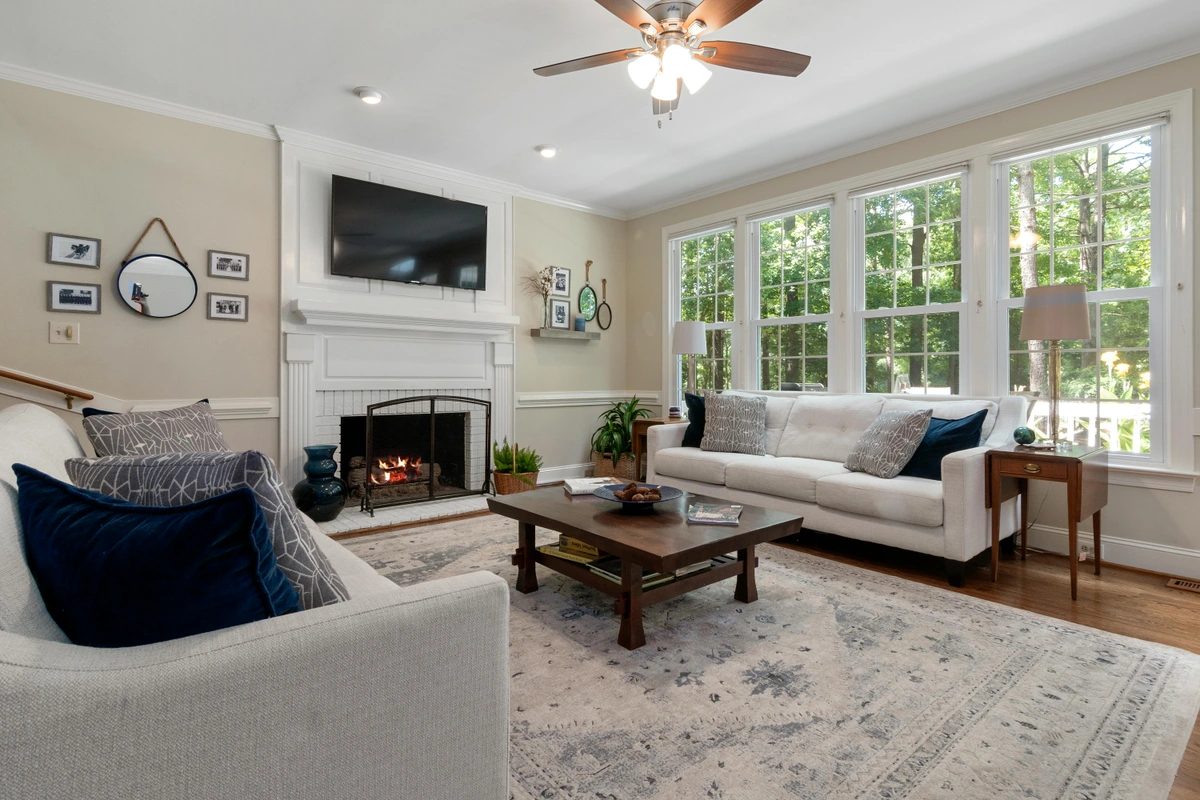
- Soft & Serene Neutrals: These form the indispensable backbone of the Scandinavian palette. Think muted grays, soft, creamy whites (definitely not harsh, clinical ones), warm beiges, and rich, earthy browns. These hues create a profoundly calming, expansive backdrop that allows natural light to truly shine and forms a seamless, organic connection to the natural environment outside your windows. Art in these tones can add incredible textural interest or subtle, almost imperceptible, shifts in shade without ever disrupting the core tranquility. Imagine an abstract piece composed entirely of varying shades of off-white, cream, and faint beige—the impact comes from the intricate interplay of textures, the subtle gradations of color, and the way light playfully dances across its surface. It's a true testament to the power of nuance, allowing a serene backdrop to still feel rich, engaging, and deeply inviting. These are the colors of dawn light on a frosted windowpane, the quiet strength of polished stone, or the subtle variations found in a hushed winter landscape—think mist, pale bark, and the untouched softness of freshly fallen snow. Psychologically, these hues promote a deep sense of security, stability, and peaceful reflection, acting as a neutral anchor that allows the mind to truly relax and find its quiet center. Art in these shades can ingeniously play with texture and shadow, offering visual depth that keeps the eye engaged without being overstimulated, much akin to the quiet, profound beauty of a monochromatic photograph where every shade of grey tells a compelling story.
- Nature-Inspired Hues: Greens (think the deep forest, tranquil moss, calming sage, rich olive), blues (the expansive sky, serene ocean, deep navy, icy teal), and soft terracottas or dusty rose often work beautifully, creating an authentic connection. These colors are pulled directly from the majestic Nordic landscape—the deep, ancient greens of untouched forests, the serene blues of vast lakes and winding fjords, the muted terracottas of autumnal earth, and the soft, atmospheric grays of stormy skies. They create an authentic and profoundly soothing connection to the outdoor world, bringing a sense of grounded tranquility indoors, even when you're tucked away from the elements during a long winter. A print featuring delicate sage green leaves, an abstract seascape in deep blues and grays, or a ceramic piece with a dusty rose glaze can instantly transport you to a calmer, more natural state, evoking feelings of grounding, tranquility, and a deep connection to the vastness of the outdoors. I often think of the soothing rhythm of ocean waves or the quiet, enduring majesty of an ancient forest when selecting these pieces. They are not merely colors; they are heartfelt invitations to mental journeys, deeply tied to our innate appreciation for the natural world and its timeless cycles.
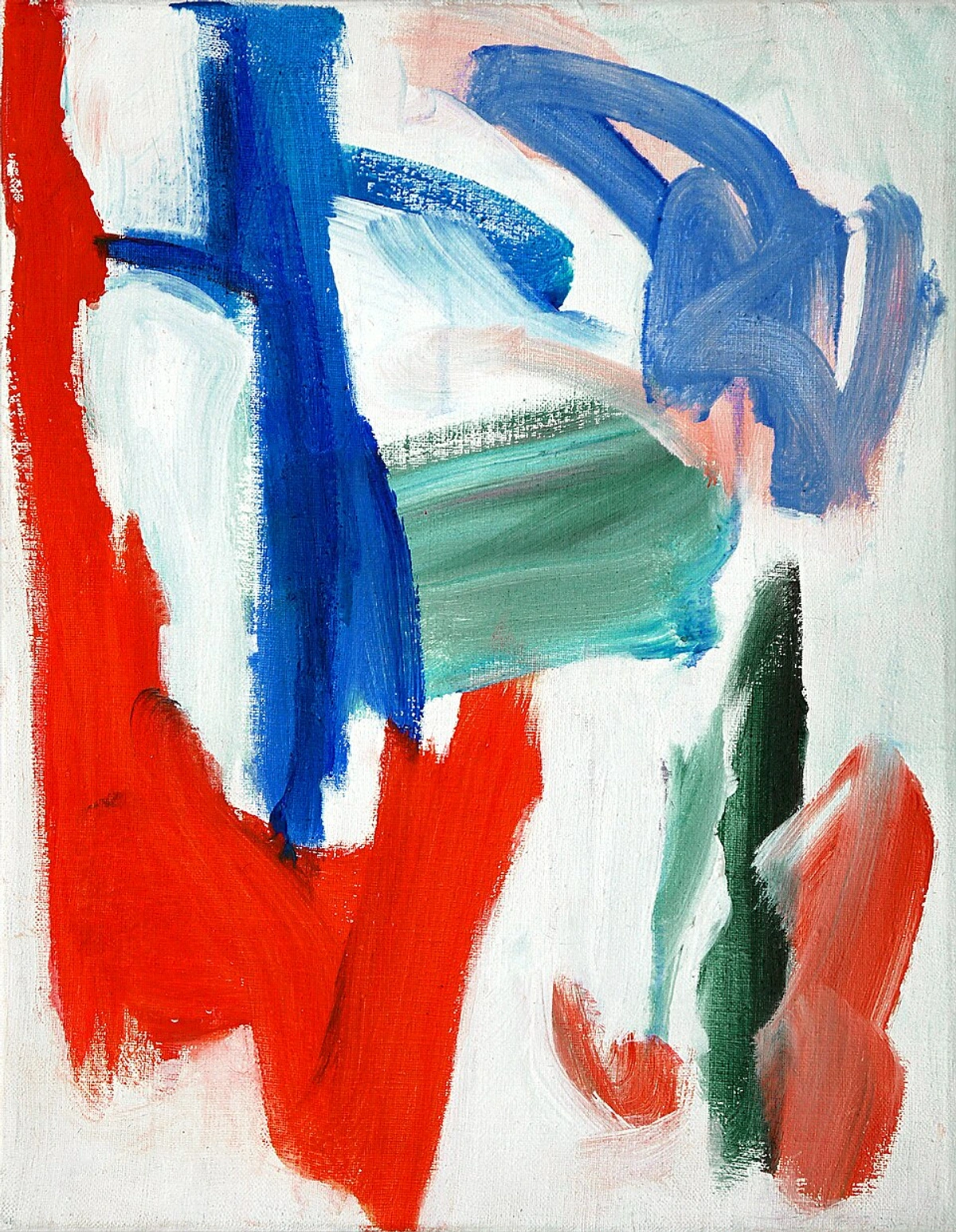
- Subtle Pops of Color: This is where personality, and a touch of daring, really comes into play. A vibrant yellow reminiscent of the summer sun, a deep burgundy drawn from plump berries, or a burnt orange echoing the rich hues of autumn leaves can provide an unexpected, yet perfectly grounding, focal point. The absolute key here is that the pop should be subtle and thoughtful, not overwhelming or chaotic. I remember seeing a bold abstract piece once in a predominantly white living room; its striking ochre and deep teal just worked because its intensity was balanced by its inherently simple, clean composition and the overall serene atmosphere of the room. It served as an invigorating focal point, a carefully calibrated exclamation mark in an otherwise quiet paragraph, adding personality without chaos. The trick, I've found, is to treat these pops like carefully placed jewels—precious, impactful, but never overwhelming the wearer. It's about finding that single, striking piece, perhaps a bold ochre in an abstract painting or a deep teal ceramic vase, that draws the eye and injects energy without disrupting the overall serene atmosphere. It’s about being deliberate, making a powerful statement with elegant restraint, allowing the vibrant hue to truly sing rather than shout.
- Monochromatic & Tonal Schemes: Don't ever underestimate the profound power of using variations of a single color or closely related shades. A piece featuring different depths of blue or various earthy greens can add incredible sophistication and visual depth without introducing new dominant colors, thus maintaining that serene, effortless flow. Imagine a series of minimalist prints, each exploring a slightly different intensity of a single, soft blue, or a beautifully woven tapestry that subtly transitions through various shades of moss and forest green. This approach creates a rich, layered effect that is incredibly pleasing to the eye, fostering a deep sense of harmony and understated luxury. It’s like a visual whisper that deepens the silence, rather than breaking it, inviting a closer, more contemplative look and rewarding sustained observation.
To give you a clearer idea of how these palettes play out:
Color Approach | Description | Art Example |
|---|---|---|
| Soft & Serene Neutrals | Foundation colors for calmness and light reflection. | Abstract piece with varying shades of cream and charcoal, subtle texture. |
| Nature-Inspired Hues | Echoes outdoor elements; greens, blues, muted terracottas. | Botanical print with sage green leaves, abstract seascape in deep blues and grays. |
| Subtle Pops of Color | Introduces a single, vibrant accent without overpowering. | A small, framed abstract with a striking ochre brushstroke in a neutral room. |
| Monochromatic/Tonal | Depth through variations of one color or closely related shades. | A series of minimalist prints, all in different intensities of a soft blue. |
| Pastel Tones | Soft, ethereal hues (blush, pale mint, sky blue) that add gentle color without intensity. | A minimalist abstract with soft pink and pale green, or a delicate botanical illustration. |
| Earthy Terracottas | Warm, grounding tones that bring a sun-baked, rustic feel without being overwhelming. | Abstract piece with muted terracotta and rust shades, or a ceramic wall hanging. |
| Warm Metallics | Subtle gold, brass, or copper accents for a touch of refined luxury and light reflection. | Abstract art with metallic leaf details, or a minimalist metal sculpture. |
Exploring Additional Palettes for Depth
While the core palettes provide a strong foundation, I've found that a few additional approaches can add even greater depth and personalization to a Scandinavian space:
- Pastel Tones: Soft, ethereal hues like blush pink, pale mint, serene sky blue, or gentle lavender can introduce delicate color without intensity. These tones are wonderful for creating a dreamy, soothing atmosphere, particularly in bedrooms or nurseries. Think of minimalist abstracts with gentle gradients of pastel, delicate botanical illustrations, or even soft watercolor washes that evoke a sense of lightness and tranquility. They add a whisper of color that feels inviting and calming, never demanding.
- Earthy Terracottas: These warm, grounding tones bring a sun-baked, rustic, and profoundly organic feel into the home without being overwhelming. Muted terracotta, rust, and clay-inspired shades connect beautifully to natural landscapes and tactile materials. Consider abstract pieces with subtle terracotta and rust shades, ceramic wall hangings, or even framed textiles featuring these grounding hues. They evoke warmth and a connection to ancient crafts, adding an authentic, lived-in quality.
- Warm Metallics: While Scandinavian design typically shies away from overt opulence, subtle gold, brass, or copper accents can introduce a touch of refined luxury and enhance light reflection. This isn't about glitter; it's about a soft, warm sheen that catches the light. Abstract art with metallic leaf details, minimalist metal sculptures, or even subtle framing elements in brushed brass can elevate a piece, adding depth and a quiet sophistication that complements natural wood and soft textures beautifully. They act like precious jewels, carefully placed to enhance the overall beauty without dominating.
Themes & Subjects: Nature, Abstract, and Functional Beauty
This is where the profound connection to the Scandinavian philosophy truly comes alive, guiding our choices beyond mere decoration.
- Nature & Landscapes: This is perhaps the most direct and universally resonant visual link to Scandinavian values. Think abstracted landscapes that capture the feeling or essence of a vast forest, a rugged coastline, or a peaceful fjord, rather than a hyper-literal depiction. Botanical prints featuring delicate florals or simple green foliage, or even minimalist line drawings of trees, mountains, or calm bodies of water, are all incredibly potent choices. They effortlessly bring the outside in without being overly literal or overwhelming the space. I've always loved how a simple, elegant sketch can capture the soul of a forest more profoundly than a highly detailed, photographic painting sometimes can—it invites your imagination to fill in the rest, fostering a deeper, more personal connection. Consider pieces that celebrate the subtle shifts of the changing seasons, too, offering a dynamic and evolving connection to nature's rhythm. From delicate botanical illustrations to evocative abstract forest scenes or even photography of tranquil waterscapes, the options are vast and deeply calming. I often seek out works that capture the essence of a place, its mood and spirit, rather than a hyper-realistic depiction, as this invites deeper, more contemplative engagement. This might mean minimalist line drawings of majestic mountain ranges, ethereal watercolor seascapes that soothe the eye, or abstract pieces that evoke the changing seasons through carefully chosen color and form, reminding us of nature's constant rhythm. The ultimate goal isn't photographic accuracy, but rather an emotional resonance with the vastness, tranquility, and inherent beauty of the natural world, allowing its calming influence to permeate your home. Consider also flora and fauna studies in a minimalist style, or celestial maps and astronomical prints that evoke the vastness of the Nordic night sky.
- Abstract Art: This is a fantastic, versatile fit, offering endless possibilities for nuanced, subtle expression that aligns perfectly with Scandinavian aesthetics. Think minimalist compositions with clean lines, gentle geometric patterns that create a profound sense of order and balance, or fluid, organic shapes that beautifully mimic natural forms. Abstract art can add incredible depth, tactile texture, and intellectual intrigue without ever dominating the space or creating visual noise. It inherently invites quiet contemplation, allowing the viewer to bring their own interpretation and emotional response. Pieces with clean, uncluttered lines, a limited and harmonious color palette, or those that subtly play with light and shadow are particularly effective. Many of my own works, though often vibrant, leverage abstract forms and clean compositions that can integrate beautifully into a Scandinavian setting, acting as energetic, yet harmonious, anchors rather than jarring disruptions. It's about creating a visual conversation, stimulating thoughtful engagement without overstimulation, and pieces from my collection often explore this delicate balance, proving that even bold abstraction can find its calm within a minimalist frame. Consider geometric abstracts for a sense of quiet order and intellectual structure, or organic abstracts with flowing lines and soft edges to mimic the gentle forms found in nature. Even gestural abstracts, with their expressive brushstrokes, can work if the underlying color palette remains muted and the overall composition isn't overtly chaotic or aggressive. The profound beauty lies in their versatility and their ability to add intellectual depth and emotional resonance without dominating the room's serene atmosphere, creating a sense of understated sophistication. They invite introspection and quiet dialogue, making the space feel richer and more contemplative. For further exploration and to understand the rich lineage of this art form, delve into the definitive guide to the history of abstract art. Also consider color field abstracts for expansive, soothing washes of color that promote calm, or lyrical abstracts that evoke emotion through fluid lines and soft forms.
- Minimalist & Graphic Art: Simple forms, bold yet clean lines, or elegant typographic prints that convey a single message or powerful idea. These align perfectly with the "less is more" ethos that underpins Scandinavian design. Think minimalist compositions featuring strong, intentional lines and simple shapes, or typographical prints that convey a single, impactful word or phrase in a clean, elegant font that feels timeless. I've even seen graphic illustrations of everyday objects, rendered with elegant simplicity and often a touch of wry humor, become surprisingly engaging focal points, adding a contemporary edge while rigorously maintaining the uncluttered feel and the emphasis on thoughtful design. It’s about achieving maximum impact through elegant restraint, where every line and shape serves a deliberate purpose. Consider line art depicting flora or simple human forms for a delicate, yet impactful, touch, or simple geometric prints that add structure without visual weight.
- Photography: Black and white photography, especially of natural landscapes, minimalist architecture, or intimate portraits, can be incredibly powerful and deeply emotive. It offers a raw, authentic connection, and its monochromatic palette fits perfectly with Scandinavian restraint and its appreciation for light and shadow. Think serene seascapes, quiet, snow-dusted street scenes, or expansive shots of Nordic forests shrouded in mist. Beyond traditional landscapes, minimalist architectural photography can powerfully highlight clean lines and a profound sense of space, while intimate black and white portraits, rendered with a raw honesty, can add a deeply personal, contemplative touch that evokes empathy and connection. Even macro photography of natural textures—like a close-up of bark, a frosty leaf, the delicate patterns in stone, or the intricate details of a seashell—can bring that organic connection indoors in a strikingly modern and intriguing way, offering a new perspective on the beauty of the natural world. Documentary photography capturing everyday life or quiet moments can also add a profoundly human and authentic touch, aligning with the lived-in quality of Scandinavian homes.
- Textile & Tactile Art: Don't ever forget the incredible power of wall hangings, intricately woven tapestries, or beautifully framed textiles. They add unparalleled warmth, softness, and tactile texture, which is a foundational cornerstone of hygge. I'm always on the lookout for interesting, inviting textures; they add so much character and sensory depth without adding visual clutter. Textile art, such as finely woven wall hangings, delicate macrame, or even meticulously framed embroidery, brings an unparalleled warmth and profound softness to a room. They possess natural sound-absorbing qualities, adding to the quiet calm, and their inherent texture invites touch, deepening the sensory experience of hygge and making a space feel truly lived-in and comfortable. I'm always on the lookout for interesting textures; they add so much character without adding clutter, a subtle luxury that enhances the space and engages multiple senses. Consider hand-tufted rugs used as wall hangings or quilted art pieces for added depth and narrative.
Sculptural & 3D Art: Adding Dimension and Tactility
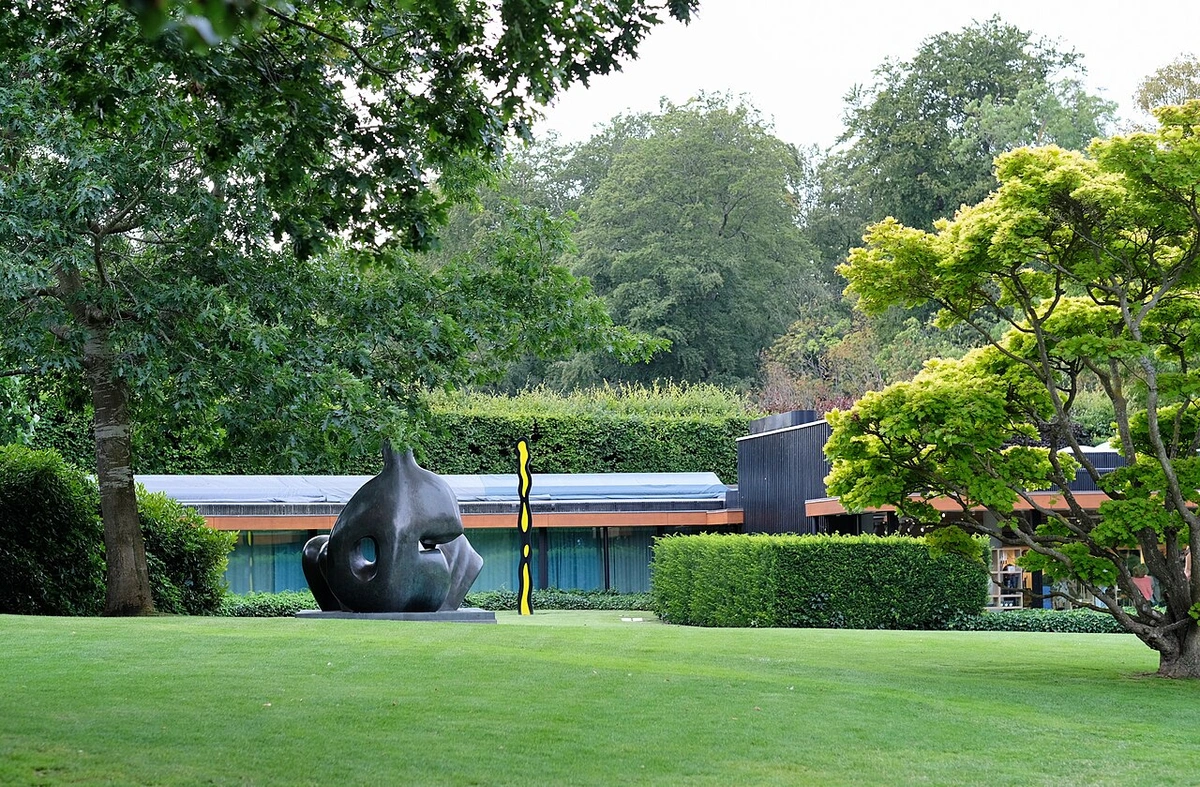
Don't ever limit your art choices to two dimensions! Sculptural and 3D art can add incredible depth, tactile interest, and a truly unique focal point to a Scandinavian interior, transforming a flat space into a dynamic experience. Think minimalist ceramic vessels with organic glazes, beautifully carved wooden objects that invite touch, or abstract metal forms with clean, elegant lines. These pieces resonate deeply with the Scandinavian appreciation for meticulous craftsmanship and authentic natural materials, adding an undeniable sense of groundedness, artistic intention, and a quiet luxury. They can be strategically placed on shelves, console tables, sideboards, or even as commanding freestanding floor pieces, subtly drawing the eye and adding a profound, yet understated, layer of sophistication. I often find that a beautifully made sculpture can bring a room to life in a way a flat piece simply cannot, offering a different kind of visual and tactile conversation, a silent dialogue between art and viewer. Consider a piece with an organic, flowing form, one that feels natural to the hand, or one crafted from raw, earthy materials to truly enhance the inherent natural aesthetic of your home. Think hand-thrown stoneware vases, abstract wooden carvings with visible grain, or even subtle glass installations that playfully interact with light and shadow. Beyond ceramics and wood, explore abstract metal sculptures with clean lines, perhaps in brushed steel or matte black, or even felted wool pieces that add soft, organic volume and sound-absorbing qualities. These three-dimensional works provide a grounding, tangible presence and actively invite tactile interaction, adding a dynamic, yet serene, element to your space that flat art often cannot achieve alone, enriching the sensory experience of your home. For more inspiring ideas and practical tips on integrating these captivating elements, explore guides on how to incorporate sculptural art into modern interiors. Remember, these pieces offer a different kind of visual conversation, adding a tangible, grounding presence that flat art often cannot achieve alone.
Materials & Framing: Simplicity is Key
The way art is presented—its frame, its material, even the type of glass—is almost as important as the art itself, if not more so, especially in a style that values thoughtful details and harmonious integration. The frame shouldn't compete with the art; it should act as a supportive, almost invisible, embrace that enhances the artwork, allowing it to truly shine and become an integral part of the room's narrative. This holistic approach ensures that every visual element contributes to the overall sense of calm and collected beauty.

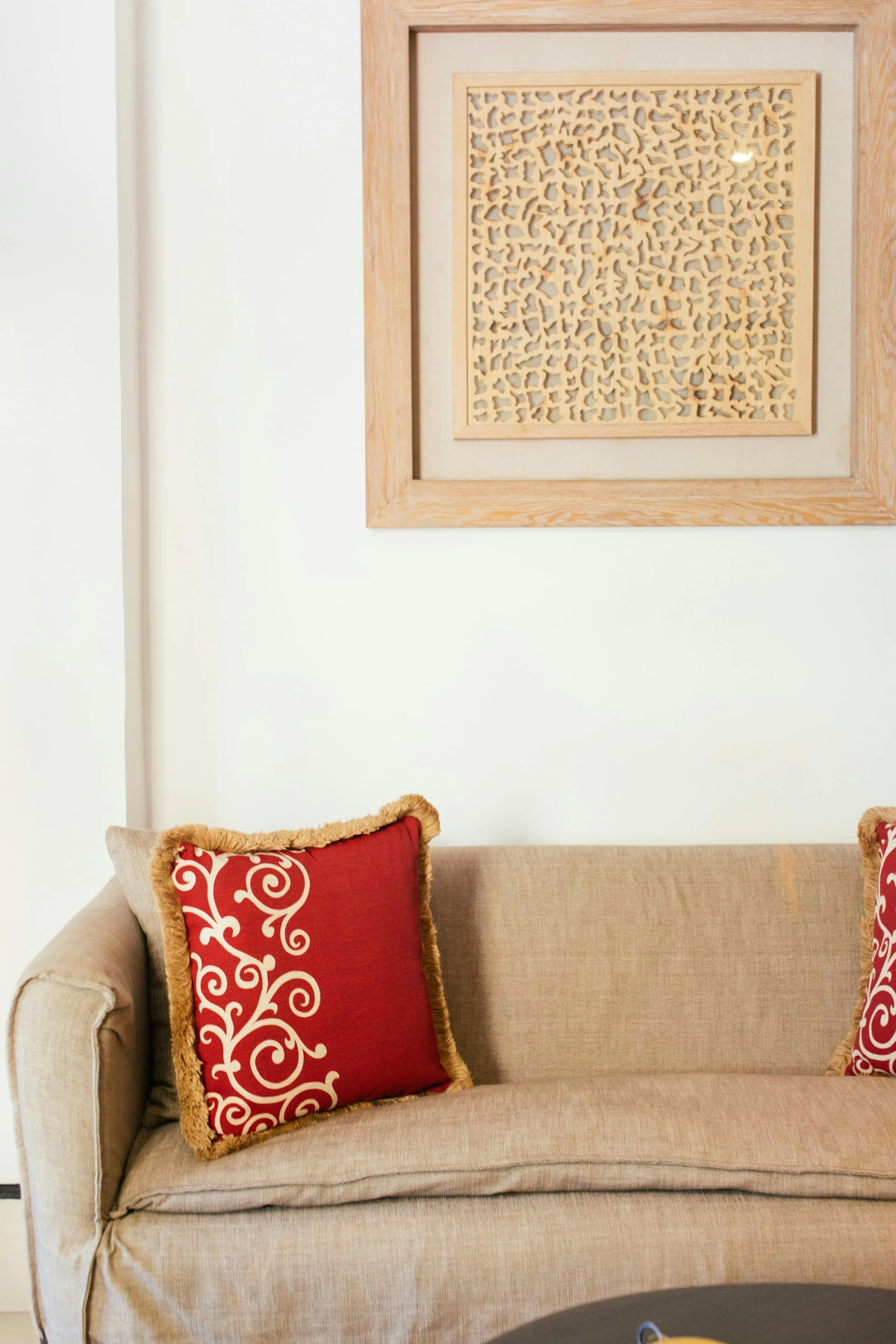
- Natural Wood Frames: These are the quintessential choice, the gold standard for Scandinavian art, I'd say. Light, untreated, or subtly stained wood frames (like pale birch, warm oak, clear maple, or soft ash) instantly echo the natural materials used throughout a Scandinavian home, creating a harmonious dialogue. They provide undeniable warmth, organic texture, and a grounding connection to nature. Think clean, unembellished lines, never ornate carvings that might distract. The philosophy here is profoundly "less is more," allowing the art itself to truly shine without an overly dominant border. Consider light birch, pale oak, or soft ash—these are not just frames, they are extensions of the natural world, bringing warmth and organic texture directly to your walls. Raw, unfinished wood frames can add a wonderfully earthy, almost rustic touch that still feels refined and deeply intentional. It's about letting the unique grain of the wood become part of the art's story, a subtle echo of the larger natural environment. Consider ethically sourced reclaimed wood for a touch of rustic charm and sustainability, or beautifully sanded, minimalist frames that highlight the wood's inherent character. The warmth they bring is unparalleled, creating a seamless, natural connection to the rest of the home's elements and fostering a sense of grounded tranquility. I've often found that the subtle grain of a natural wood frame adds as much character as the artwork itself. For a truly unique touch, consider frames crafted from driftwood or repurposed vintage wood, each telling its own story.
- Minimalist Metal or Thin Frames: For a slightly more contemporary Scandinavian or even a Japandi aesthetic, thin black, crisp white, or subtly brushed metal frames (like muted aluminum or elegant steel) can work beautifully. The absolute key here is "thin" and "understated." They should provide a crisp, defined edge without adding any visual weight. Think thin matte black frames for a graphic, contemporary edge that makes colors truly pop, or subtle brushed aluminum or even bronze for a hint of industrial chic that still feels undeniably refined and intentional. These can create a striking contrast, allowing the artwork to stand out against a light wall, or they can recede into the background, letting the color and composition of the piece take center stage. The key is their slender profile, which meticulously maintains the airy, uncluttered feel and ensures they don't visually compete with the artwork itself. I particularly love how a thin black frame can effectively ground an abstract piece, giving it a crisp, defined edge without adding bulk or heaviness, creating a sophisticated boundary that allows the art to command attention without being visually disruptive. It’s a modern touch that still respects the core principles of Scandinavian design. Consider brushed copper or pewter for a subtly industrial yet warm accent.
- Canvas Prints (Unframed or Floating Frame): For a truly clean, gallery-like, and modern aesthetic, unframed canvas prints can blend seamlessly into the wall, particularly if they feature abstract or textural art, allowing the artwork to feel like an extension of the space itself. If you prefer a framed look but want to maintain that essential minimalism, consider a "floating frame" (sometimes called a tray frame) where the canvas appears to sit within a frame with a small, deliberate gap around it, creating a sophisticated shadow line that enhances its depth. This modern approach meticulously maintains the visual lightness and prevents the art from feeling confined, allowing it to subtly extend its presence into the room. I often recommend large-scale unframed canvases for abstract works, as they truly allow the art to become one with the wall, creating a strong, immersive statement without any visual interruption, blurring the lines between art and architecture. This approach is particularly effective in maintaining the airy, expansive feel characteristic of Scandinavian spaces. Also, consider the type of canvas and printing method; high-quality giclée prints on archival canvas will ensure longevity and fidelity to the original artwork.
- Matting (Passe-partout): Often overlooked, a simple, generously wide white or off-white mat (or passe-partout) can elevate a piece of art significantly, transforming its perceived value. It creates crucial "breathing room" around the artwork, enhancing its impact and making it feel instantly more refined and gallery-ready. This is particularly effective for smaller prints or photographs, allowing them to hold their own with greater presence on a larger wall. I always recommend a generous mat border; it's like giving your artwork room to breathe, elevating its presence and creating a sense of calm and focus around it. A crisp white or soft off-white mat is almost always the go-to, creating that classic, gallery-like presentation. Occasionally, a very light, muted gray or natural linen-colored mat can add a subtle layer of sophistication, especially if it picks up a tone within the artwork itself, creating a deeper sense of harmony. The generosity of the mat border is also crucial: a wider mat often makes a piece feel more substantial and luxurious, giving the eye ample 'breathing room' around the artwork and preventing it from feeling cramped. For a truly refined touch, consider a double mat with a thin inner layer that subtly echoes a color within the artwork, adding depth and drawing the eye inward. It's a small detail that makes a profound difference in the perceived quality, professionalism, and overall presentation of the art, elevating it to gallery standards. The mat effectively creates a calm visual buffer, allowing the artwork to be viewed without distraction. Acid-free archival mats are essential to prevent damage to the artwork over time.
- Glass Choices (No Glare, Please): Oh, this is a pet peeve of mine! I'm a huge fan of high-quality anti-glare glass or acrylic in frames, especially in rooms with abundant natural light. You want to see the art, its subtle nuances and textures, not your reflection or the blinding glare from a nearby window! For truly precious pieces, museum glass offers superior clarity, virtually invisible reflection, and crucial UV protection, ensuring your art remains vibrant and protected from fading for years, even decades, to come. I always recommend investing in the best glass you can afford; it's like putting a premium filter on a camera—it makes all the difference in how the art is truly seen and appreciated, preserving its integrity for the long run. Different types of glass, such as conservation clear, anti-reflective, or UV-filtering acrylic, offer varying levels of protection and clarity, each with its own benefits for specific artworks and environments.
The Role of Mounts and Spacers
Beyond traditional matting, consider mounts and spacers for specific effects. A float mount involves affixing the artwork to a backing board, leaving a border around it before framing, creating the illusion that the art is 'floating' within the frame. This can add a contemporary edge and emphasize the artwork's unique edges. Spacers, often used with unframed works in shadowbox frames, create a gap between the art and the glass, providing crucial breathing room and preventing the artwork from touching the glazing, which is essential for preserving delicate pieces and adding a subtle depth. These small details underscore the Scandinavian appreciation for meticulous presentation and craftsmanship, enhancing the art without unnecessary embellishment.
Alternative Display Methods: Beyond the Traditional Hang
While frames and traditional wall hanging are timeless classics, don't ever be afraid to think creatively and outside the conventional box to integrate art seamlessly into your Scandinavian space. Alternative display methods can add a dynamic, lived-in feel, a sense of thoughtful curation, and immense personality without ever introducing unnecessary clutter:
- Leaning Art: Larger framed pieces or unframed canvases can be casually, yet intentionally, leaned against a wall on a console table, a dresser, a sturdy sideboard, or even directly on the floor. This immediately creates a relaxed, effortlessly chic vibe and allows for incredibly easy rotation and rearrangement, perfect for those who like to refresh their space often. It’s particularly effective for creating a layered look, adding depth and visual interest without the commitment of permanent fixtures. Experiment with layering different sizes and textures for a dynamic effect, always ensuring stability for safety.
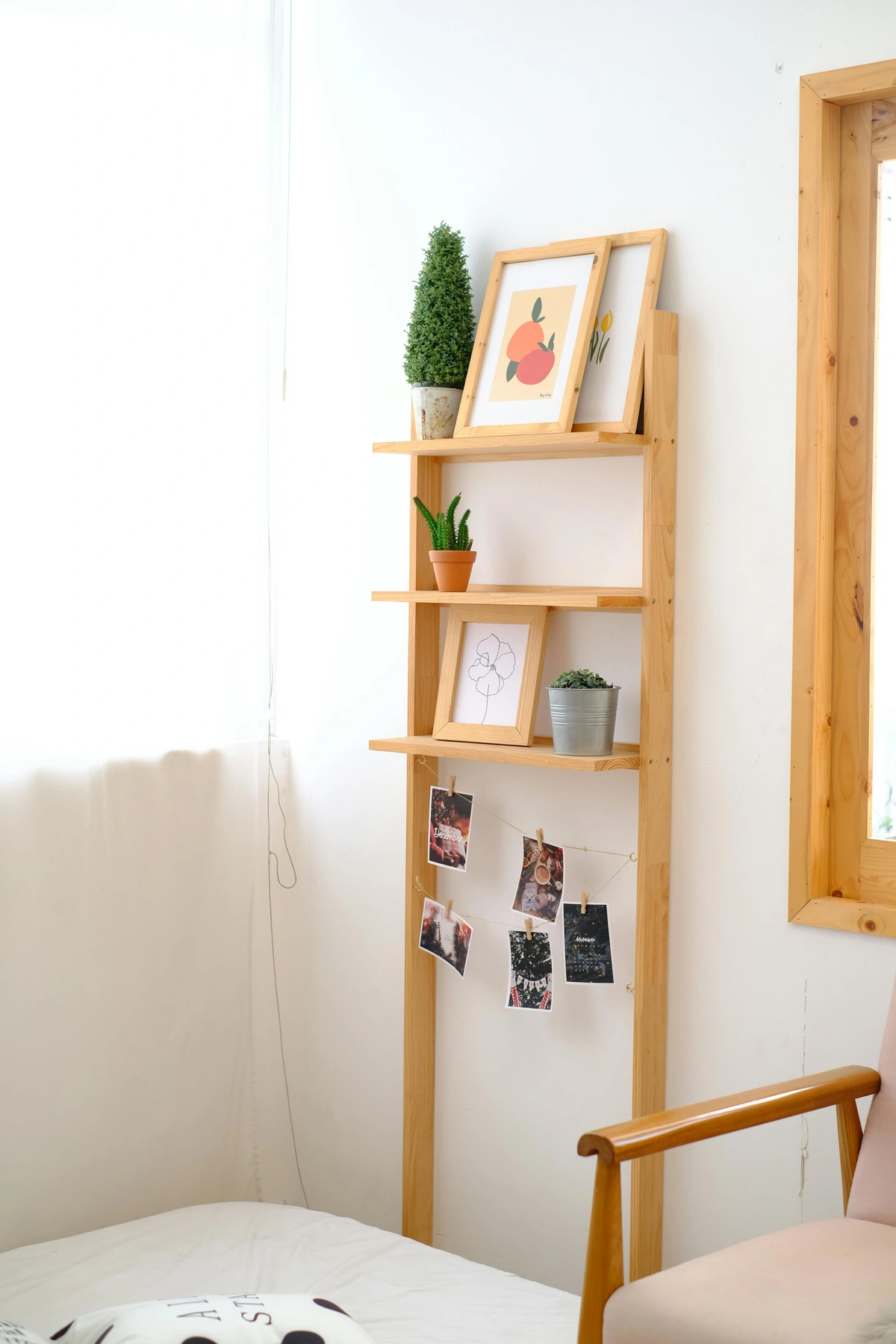
- Art Rails & Ledges: Install minimalist picture rails or narrow ledges where you can display a rotating, evolving collection of smaller framed prints, cherished photographs, or even small sculptural objects. This offers immense flexibility to refresh your display without putting new holes in your walls, making it a fantastic solution for dynamic gallery walls that need frequent updates. Beyond traditional hanging, consider using minimalist clipboards for rotating graphic prints, inspiring quotes, or even children's artwork, adding a playful, informal, and dynamic element. For a truly flexible display, integrate small, framed pieces or sculptural objects directly onto bookshelves or open shelving, creating unexpected vignettes and layers of visual interest that encourage closer inspection. These methods allow for boundless creative expression without the commitment of permanent wall fixtures, making it incredibly easy to refresh your space with new finds, seasonal adjustments, or simply a shift in your personal mood. This dynamic approach to display adds a layer of authenticity and personal curation, reflecting a home that is truly lived in and ever-evolving. Consider integrated lighting within ledges to highlight your rotating collection, creating a soft, inviting glow.
- Clip Frames & Wall Clips: For a truly minimalist, contemporary, and often temporary feel, consider simple clip frames or even stylish wall clips for unframed prints, delicate drawings, or photographs. This is especially good for showcasing graphic prints or changing out seasonal art quickly and effortlessly. It keeps the focus squarely on the art itself with almost no visual distraction from the frame, allowing the artwork's message or aesthetic to speak volumes.
- Display on Easels: A small, elegant easel can provide a sculptural element while showcasing a favorite piece, especially in a corner or by a window. This works beautifully for pieces that you want to highlight individually or rotate frequently.
Consider the Wall Itself: A Canvas in Its Own Right
Before we talk about where to hang art, I often remind myself that the wall itself is part of the composition. In Scandinavian design, with its emphasis on clean lines and natural light, a beautifully painted white or light-toned wall is more than just a backdrop; it's an active participant, offering crucial negative space. Consider how your art will interact with the wall color and texture. A crisp white wall can make colors pop, while a subtle off-white or light gray can create a softer, more integrated look. Sometimes, a feature wall with a very subtle texture or a natural wood paneling can even become a piece of art in itself, and your hung art then complements that inherent beauty. Consider how the wall's finish—whether a matte white, a soft eggshell, or a raw plaster—will interact with the artwork. A crisp white wall can make colors pop and clean lines sing, while a subtly textured off-white can create a softer, more integrated backdrop. I've found that understanding this dialogue between art and wall is crucial for achieving that harmonious, layered Scandinavian aesthetic, where the background is never truly 'blank,' but an active, thoughtful participant in the overall composition. It's about recognizing that the wall is not merely a surface, but an integral part of the artistic presentation, influencing how every brushstroke and color is perceived. For instance, a subtle lime wash or Venetian plaster finish can add a quiet, organic texture that enhances tactile art pieces, creating an even deeper sensory experience within the room.
Where to Place Your Scandinavian Art
Placement is an art form in itself, just as crucial as the art itself for maintaining that airy, uncluttered feel that defines Scandinavian design. It’s about creating visual balance and gently drawing the eye naturally through the space, allowing each carefully chosen piece to truly sing its quiet song without shouting over others or creating visual noise. Thoughtful placement transforms a room from merely decorated to truly curated.
Thoughtful Statements: The Power of a Single Piece
Sometimes, one perfectly chosen, medium-to-large piece of art can make the strongest, most impactful statement. This is especially true above a sofa, a bed, a console table, or a dining table, where it naturally becomes the room's quiet focal point. The idea isn't to fill the wall, but to anchor the space and draw attention to a key area.
When choosing a single statement piece, consider:
- Scale: The art should always be proportionate to the furniture it hangs above, and indeed to the wall itself. As a general, helpful rule, the piece should be about two-thirds the width of the furniture below it. A tiny piece on a huge, expansive wall will look utterly lost and insignificant, while an aggressively oversized piece can overwhelm a smaller space, making it feel cramped and claustrophobic. Our comprehensive guide on art above the sofa: a guide to perfect placement and scale offers excellent, specific tips you’ll find invaluable. For art above a bed, very similar principles apply, aiming to create a serene focal point that cradles the sleeping area; you can read more at how to choose art for bedroom.
- Eyeline: Hang art so its center is roughly at eye level for an average person standing (around 57-60 inches from the floor). This ensures comfortable viewing. If it's positioned above furniture, leave about 6-12 inches between the top of the furniture and the bottom of the frame, allowing both elements to breathe and relate to each other without feeling crammed.
- Impact: A single, large abstract piece can provide a powerful yet measured splash of color or texture, while a serene landscape can effectively extend the feeling of a view, even in an urban setting. Don't overlook the incredible potential of a beautifully crafted sculpture or a piece of 3D art as a truly powerful statement, offering tactile interest and drawing the eye in a unique way. It should evoke the desired mood and emotional temperature for the entire room. Think of a single, striking abstract painting above your sofa, its colors carefully chosen to harmonize with the room's palette, or a large, serene landscape above your bed that draws you into its peaceful depths. The ultimate goal is to create a visual anchor, a calm focal point that thoughtfully defines the space without demanding all of its energy. This single, impactful piece should invite you in, offering a moment of aesthetic pleasure and quiet contemplation, becoming a silent storyteller for the room and connecting deeply with the furniture and layout around it. When choosing a single statement piece, always consider its seamless interaction with the surrounding architecture, the precise focal point it creates (e.g., above a fireplace, a minimalist console, or a serene window bench), and how it subtly yet powerfully influences the overall mood and emotional temperature of the room. Remember, a single, powerful piece can often speak volumes more than a multitude of smaller ones, giving the eye a crucial place to rest and truly absorb its beauty and meaning, making a profound statement through elegant restraint. Consider also how a large piece of art can act as a visual 'window' to another world, especially in rooms without a strong natural view.

Integrating Art with Furniture & Layout: A Seamless Dialogue
One of the hallmarks of truly exceptional Scandinavian design is the seamless integration of every element, and art is no exception. It’s not just about what you hang, but how it interacts with your furniture and the overall layout of your space. It’s about creating a harmonious dialogue.
Creating Visual Pathways with Art
I often think of art placement as creating a gentle, compelling journey for the eye, subtly guiding it through the room and encouraging exploration and discovery. This is particularly effective in larger or open-plan spaces, where art can act as visual breadcrumbs, softly leading from one defined zone to another. Consider a triptych of related pieces that gracefully span a wall, subtly drawing the eye across the expanse and creating a sense of continuous flow. Or, a series of thoughtfully chosen smaller, framed prints leading down a hallway or entryway can create a sense of anticipation and continuous discovery. It's about designing a subtle visual narrative that gracefully unfolds as you move through your home, making every glance an intentional interaction, a moment of aesthetic pleasure. Consider how art can guide the eye from a cozy reading nook to a more social living area. A series of related botanical prints leading down a hallway, for instance, can create a sense of continuous discovery and gentle rhythm. Or a triptych of abstract pieces, subtly separated yet thematically linked, can span a larger wall, drawing the eye horizontally and creating a sense of expansive flow. It’s truly like composing a visual symphony where each section has its own distinct melody but contributes harmoniously to a beautiful, cohesive whole, inviting a gentle visual exploration rather than an abrupt halt. This mindful approach transforms circulation paths into moments of aesthetic discovery. In a staircase, art can be strategically placed to emphasize the upward movement, creating an engaging visual ascent.
Groupings & Visual Flow
Think deeply about how your art elegantly interacts with existing furniture groupings, enhancing their purpose and aesthetic. Above a sofa, a large, impactful piece creates a cohesive, grounding anchor for the entire conversational zone. On a long console table, a triptych or a carefully arranged collection of varied sizes, but unified in theme or framing, can draw the eye horizontally, creating a sense of expansive flow and visual interest. In an open-concept living space, art can subtly yet effectively define different functional zones—a calming abstract near the reading nook, a more dynamic yet harmonious piece in the main living area. I've found that using art to create distinct 'rooms within a room' is an incredibly effective strategy for cohesion. For example, a large, grounding abstract piece above your living room sofa can anchor that conversational zone, while a series of smaller, quieter nature prints in a consistent frame style might gently define a nearby reading nook. This strategic, intentional placement helps prevent visual chaos and actively creates a harmonious flow, gently guiding the eye and mind through the space. For more on this, you might consult guides like how to choose art for a living room or how to choose art for a small living room. Even in a home bar or entertainment area, art can enhance the mood and theme without being distracting.
Art as a Room Expander
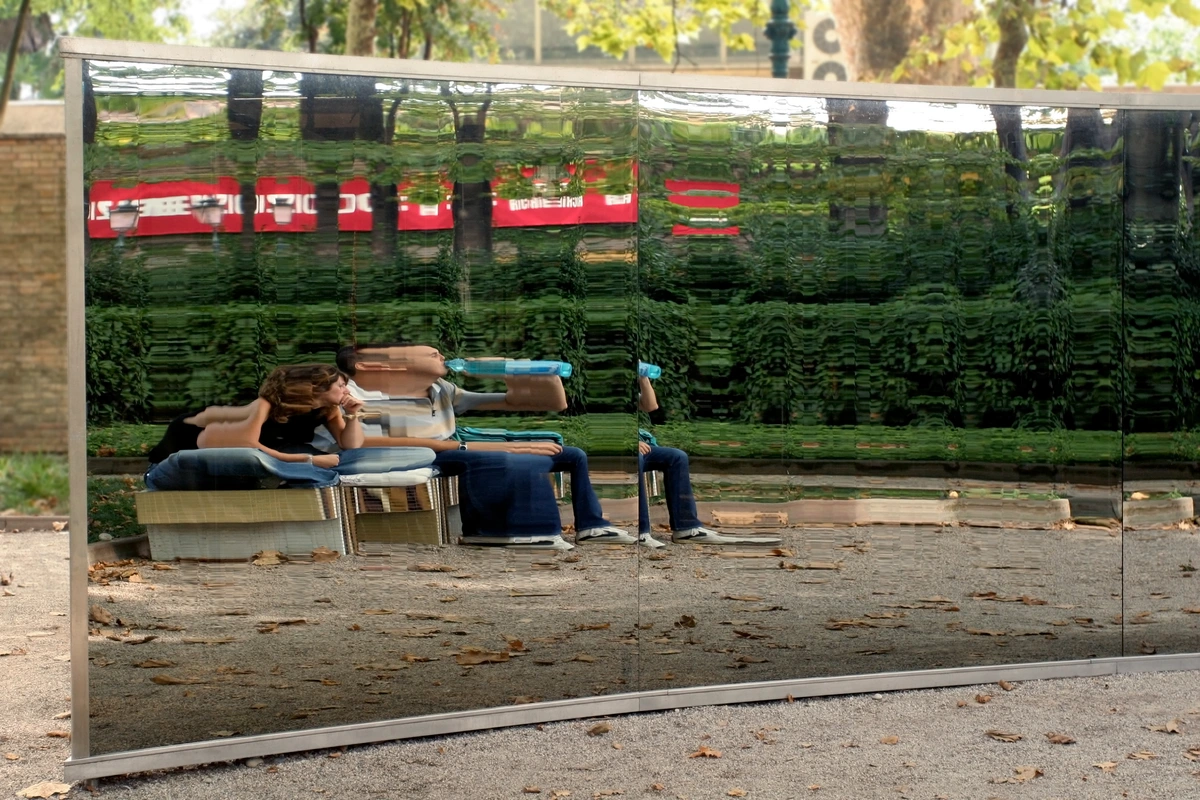
Clever, intentional art placement can actually make your space feel significantly larger and more expansive. Vertical pieces or gallery walls that extend upwards can powerfully draw the eye, creating an irresistible illusion of height, which is particularly useful in a small apartment or rooms with lower ceilings. Similarly, art with lighter backgrounds or expansive, atmospheric landscapes can give the profound impression of depth and openness, effectively 'pushing back' walls and inviting the eye to travel far beyond the physical frame into an imagined vista. For very narrow spaces, like hallways or corridors, a carefully chosen series of uniformly framed prints can create an engaging rhythm and subtly break up the length, preventing a tunnel-like feel. I often use vertical pieces to draw the eye upwards, creating an illusion of height and making the room feel taller, which is a lifesaver in spaces with lower ceilings. It’s all about creating crucial visual breathing room and making the most of every dimension, transforming perceived limitations into expansive opportunities. Strategic placement of mirrors can also act as art in their own right, reflecting light and views to subtly double the perceived space and creating an illusion of additional windows, especially effective in tighter corners or less naturally lit areas. Consider a large, frameless mirror for ultimate minimalism, or one with a thin, natural wood frame to tie into the Scandinavian aesthetic. In a home library or study, art can extend intellectual horizons, creating a sense of vast knowledge and quiet contemplation.
Harmonizing with Architectural Elements
Consider deeply how art can not just sit on architectural features, but actively complement and enhance them. A tall, narrow piece, for instance, can beautifully accentuate a column, a slim wall section, or the verticality of a window frame, drawing the eye upwards. Art can also subtly soften harsh corners or draw intentional attention to a particularly beautiful window or a unique structural detail. I find that when art feels like it was mean to be in that specific spot, rather than simply placed there as an afterthought, the entire room sings with a newfound harmony. Think of a circular abstract piece elegantly softening the sharp, rectilinear edges of a modern fireplace, or a carefully arranged series of minimalist prints strategically placed around a doorway, accentuating the architectural line rather than competing with it. It's truly about recognizing the inherent geometry, rhythm, and flow of your home and letting the art elevate and enhance it. I've seen circular abstract pieces bring a gentle fluidity to the stark lines of a modern fireplace, or a tall, narrow painting powerfully accentuate the verticality of a column, making it a design feature in itself. A series of minimalist prints strategically arranged around a doorway can accentuate the architectural line rather than competing with it. It’s about creating a continuous, graceful conversation between the static structures of your home and the dynamic stories told by your art, making the entire space feel thoughtfully composed and deeply integrated, almost as if the art grew organically from the architecture. This careful, intuitive alignment ensures that art feels like an inherent, organic part of the home, not an external imposition, creating a space where every element is in thoughtful conversation with another, enhancing the overall sense of unity and calm. Even in a teenager's room, art can reflect personal style while still harmonizing with the room's architecture.
Curated Gallery Walls: A Cohesive Narrative
While Scandinavian style often leans towards a beautiful minimalism, a thoughtfully curated gallery wall can absolutely fit and add a wonderful layer of personality, depth, and storytelling. The absolute key, however, is cohesion and deliberate intention, not random haphazardness. It’s about building a compelling visual narrative that feels harmonious and personal, rather than simply a collection of disparate pieces. I've often seen people just hang pieces haphazardly, and it instantly creates visual noise rather than the desired calm and curated feel. Remember, even with multiple pieces, the overarching goal is not visual chaos, but a carefully orchestrated, serene flow. For more on this, you might consult our detailed guide on how to choose art for a gallery wall.
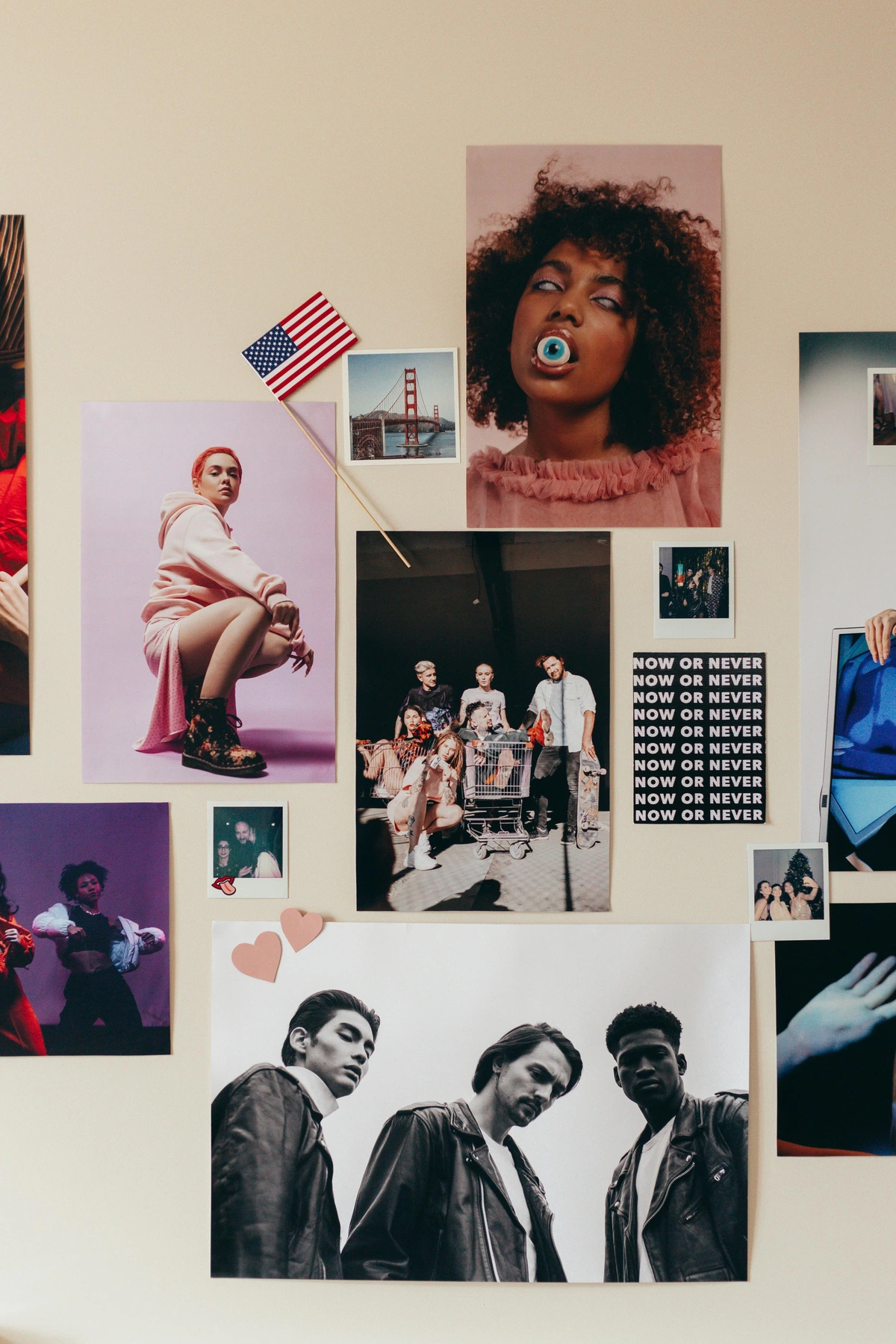

- Consistent Framing: This is paramount. Stick to one or two frame styles and colors. For example, all natural wood, or a mix of thin black and white frames. This visual consistency unifies even diverse artworks. You could even use a single mat color across all pieces for an extra layer of uniformity. This consistency acts as a visual 'glue,' allowing the diverse artworks within the gallery wall to speak in a single, harmonious voice.
- Thematic or Color Cohesion: The artworks themselves should share a common thread. This could be a specific theme (all nature-inspired, all abstract forms, all black and white photography) or a limited, harmonious color palette. It makes the wall feel intentional and calming. For instance, a wall dedicated to black and white nature photography, or a collection of abstract pieces all featuring shades of blue and gray, will feel infinitely more cohesive than a random assortment.
- Sufficient White Space: This is non-negotiable for Scandinavian style. Don't cram the pieces together. Allow for generous breathing room around each frame, and between the gallery wall itself and surrounding furniture or architectural elements. This negative space is just as important as the art itself for maintaining that signature airy feel. Think of it as the quiet pauses in music; they are just as crucial as the notes themselves for creating a beautiful melody.
- Mindful Layouts: Consider symmetrical grids for a very orderly look, or a more organic "salon style" where pieces are arranged around a central anchor. Before drilling holes, lay your arrangement out on the floor or cut out paper templates to tape to the wall. This allows you to experiment with spacing and balance, ensuring the overall composition feels harmonious and deliberate. Remember, even with multiple pieces, the goal is not visual chaos, but a curated flow. I've often used masking tape on the wall to map out my arrangement before committing, which is a lifesaver for getting the spacing and balance just right, ensuring that the final result is a harmonious display, not a chaotic jumble. This thoughtful planning is key to creating a gallery wall that truly enhances, rather than overwhelms, your Scandinavian space.
If you're considering a gallery wall, our guide on how-to-choose-art-for-a-gallery-wall has some excellent pointers on the practicalities and aesthetics of arrangement.
Curating Your Collection: A Journey, Not a Destination
I sometimes think people imagine they'll just buy art for their home once and be done with it. But for me, and for many who truly embrace the philosophy of Scandinavian design, curating your art collection is a continuous, evolving journey. It's not about achieving a static perfection, but about allowing your space to grow and change with you, reflecting new experiences, newfound aesthetic loves, and the shifting seasons of life.
The Art of the Edit
Just as a minimalist approach encourages thoughtful decluttering of your physical possessions, it absolutely applies with equal, if not greater, importance to your art collection. Don't ever be afraid to edit your walls. Sometimes, paradoxically, removing a piece can have a more profound and positive impact than adding one. This creates crucial negative space, allows existing pieces to truly breathe, and ensures that everything currently on display genuinely resonates with you now, in this moment. It's a healthy, mindful practice that keeps your home feeling fresh, intentional, and dynamic, actively preventing visual fatigue or stagnation. I sometimes take a piece down for a few months, and when I reintroduce it, it feels brand new again, seen with fresh eyes. This thoughtful rotation allows you to appreciate each piece more deeply and ensures that your space continues to feel dynamic and reflective of your current self, much like an artist rotating works in their studio to gain fresh perspective and renew their connection. Consider creating an 'art inventory' to keep track of pieces not currently on display, making seasonal or thematic rotations even easier.
Embracing the Evolving Narrative
Your art collection should be a living entity, constantly telling your story, and compelling stories are rarely, if ever, static. As you travel, learn, grow, and experience new things, your taste will naturally and beautifully evolve. Embrace this dynamic! A piece that felt absolutely perfect five years ago might no longer speak to you in the same profound way, and that is perfectly, beautifully okay. Rotate pieces, store some away for a time to gain fresh perspective, or even re-contextualize them in different rooms to give them new life. Your home, and its art, should be a fluid, living reflection of your journey, a visual autobiography that is constantly being written. I often find new inspiration simply by moving a familiar piece to a new wall—it’s like seeing an old friend in a new light, discovering hidden facets. Your travels might inspire a new color palette, a significant life event might resonate with a different artistic theme, or simply the changing seasons could prompt a shift. Embrace this constant evolution! Your art collection should grow and mature alongside you, offering new interpretations and deeper connections as your own story unfolds. It's a continuous, enriching conversation between your inner world and your curated environment, reflecting new experiences, newfound aesthetic loves, and the beautiful, shifting seasons of life, much like the vibrant ecosystem of a personal garden. This mindful approach to collecting transforms your home into a dynamic exhibition of your own life story.
The Emotional Resonance of Art in Scandinavian Spaces: Beyond the Visual
While Scandinavian design often emphasizes functionality and aesthetics, its deepest core lies in fostering a sense of well-being, calm, and connection. Art, in this context, becomes much more than mere decoration; it becomes a powerful conduit for emotional resonance, a silent partner in creating your sanctuary.
Art as a Source of Calm and Mindfulness
I often find myself spontaneously pausing in front of a particular piece of art, letting its colors and forms wash over me, feeling a profound, almost visceral sense of calm settle within. This isn't accidental or a mere coincidence. Thoughtfully chosen art possesses an incredible power to reduce stress, gently invite mindfulness, and create a visual anchor for moments of quiet, restorative reflection. Abstract pieces with fluid, harmonious lines or serene, expansive landscapes, perhaps even a subtle mandala-inspired artwork, can be particularly effective in promoting a meditative state, turning your home into a true haven from the cacophony of the outside world. It’s more than just decor; it’s a quiet, persistent invitation to stillness, a visual cue to breathe deeply, recenter your thoughts, and find inner peace amidst daily life. This deliberate interaction allows for micro-moments of therapy, a gentle escape from the demanding pace of modern existence, right within your own sanctuary. Consider also the placement of calming art in a nursery, fostering a peaceful environment for the youngest members of the home.
Personal Expression and Storytelling
Your home tells your unique story, in all its wonderful, evolving complexity, and art is undoubtedly one of its most eloquent, nuanced narrators. Every single piece you choose, whether it's an abstract that resonates deeply with your inner world, a botanical print reminding you of a cherished memory, or a bold piece from my collection that speaks to your energetic side, contributes significantly to this deeply personal narrative. Scandinavian design profoundly encourages authenticity and individuality, and art provides an unparalleled avenue to infuse your space with your unique personality, core values, and lived experiences. It’s a quiet, powerful declaration of who you are, without uttering a single word. Through art, you can subtly convey your deepest values, the adventures of your travels, your highest aspirations, and even your particular sense of humor. My own collection is a vibrant reflection of my artistic journey, and I wholeheartedly encourage you to find pieces that resonate deeply with yours, making your home truly, unequivocally unique. This deep personal connection transforms a mere aesthetic choice into a profound act of self-expression, making your sanctuary truly ours in every meaningful sense. This deep personal connection transforms a mere aesthetic choice into a profound act of self-expression, making your sanctuary truly yours in every meaningful sense.
Cultivating Joy and Inspiration
Beyond profound calm and compelling storytelling, art, at its very core, should bring you unadulterated joy. It should inspire, uplift your spirit, or simply make you smile, perhaps with a soft, internal warmth. Whether it's a vibrant piece that reminds you of the glorious summer sun, a contemplative work that encourages deep thought and introspection, or an unexpected whimsical print, the emotional return on choosing art you genuinely love is truly immeasurable. It transcends mere decoration, transforming a house into a soulful home, imbuing it with a living, breathing spirit that subtly uplifts your everyday existence. It's the subtle magic that makes a space truly yours, transforming mundane routines into moments of gentle pleasure and profound inspiration. Imagine a piece that reminds you of a quiet morning walk in a sun-dappled forest, setting a positive, serene tone for your entire day. I've personally witnessed how a single, joyful piece of art can subtly, yet powerfully, shift the entire emotional atmosphere of a room, acting as a constant, gentle reminder of beauty, peace, and the simple pleasures of life.
Integrating Art into Functional Spaces: Every Corner a Canvas
Don't forget the smaller, often overlooked spaces in your home. Scandinavian design values every square inch, and art can elevate even the most functional areas without adding clutter. It's about finding opportunities for quiet beauty, transforming utilitarian zones into areas of aesthetic pleasure and thoughtful contemplation.
- Home Offices & Studies: A minimalist print in a home office or study can be a powerful tool to inspire calm, sharpen focus, and boost creativity. Think abstract pieces in soothing blues or greens, simple graphic prints with uplifting messages or subtle geometric patterns, or even framed botanical illustrations that effortlessly bring the calm of nature indoors. The primary goal is to create an environment meticulously conducive to concentration and deep work, actively minimizing distraction, and fostering clarity of thought alongside a subtle, yet effective, boost to creativity. I've personally found that art with clear, uncluttered compositions and a harmonious color palette works best, allowing the mind to focus without extraneous visual noise or overstimulation. For deeper, more tailored insights and to further optimize your workspace, I highly recommend exploring guides like choosing art for home office productivity. Consider abstract pieces with flowing lines to encourage creative thought, or calming landscapes to provide a mental escape during intense work sessions. For spaces used for reading and contemplation, like a home library, art can inspire quiet intellectual pursuits.
- Kitchens & Dining Areas: Even these highly functional spaces deserve artistic consideration. A small, elegantly framed botanical print on a kitchen shelf, a series of simple ceramic plates arranged artfully on a wall, or a minimalist abstract piece can add a touch of nature and handcrafted charm, subtly enhancing the sensory experience of cooking and dining. In the dining area, art can significantly enhance conversation and create a welcoming, sophisticated atmosphere, as thoroughly explored in our guide on how to choose art for a dining room. Think about pieces that evoke fresh ingredients, serene culinary moments, or abstract forms reminiscent of shared meals, all contributing to the overall sensory delight and convivial spirit of the space. It's about bringing quiet beauty to everyday rituals, making the mundane feel mindful, and transforming meals into moments of aesthetic and culinary delight. Consider vibrant fruit and vegetable prints to add a fresh, natural touch, or abstract pieces that subtly echo the colors of your favorite dishes. For a restaurant or cafe, art plays a crucial role in setting the ambiance, as detailed in how to choose art for a restaurant or cafe.
- Bedrooms: The bedroom is your ultimate sanctuary, and art here should profoundly contribute to rest, relaxation, and introspection. For a small bedroom, a single, serene piece above the headboard or a calming abstract can transform the space into a true haven. Focus intensely on soft, muted colors and gentle themes that actively promote relaxation and evoke peaceful dreams—perhaps a soft cloudscape, an ethereal landscape, or a minimalist print with flowing, organic lines. I often suggest abstract art with muted tones and organic shapes, as they provide visual interest without being overly stimulating, helping to cultivate an exquisitely peaceful sleep environment. For further, in-depth guidance on cultivating your perfect sleep sanctuary, consider our definitive guide on how to choose art for bedroom. Think soft, layered textile art above the headboard for added warmth and texture, or a gentle abstract with diffused colors to promote a sense of boundless calm. For children's bedrooms, art can inspire creativity and imagination, as explored in how to choose art for a child's bedroom - fostering creativity and imagination.
- Hallways & Entryways: These often-overlooked transitional spaces are perfect for injecting personality and setting the tone for your home, all without impeding flow. A long, narrow hallway could benefit immensely from a series of uniformly framed prints or a horizontal abstract, gently leading the eye down the space and breaking up monotony. An entryway, your home's first impression, might host a single, welcoming, yet striking piece—perhaps a vibrant abstract that subtly hints at the home's aesthetic, or a calming landscape to greet you upon arrival. I often use a beautifully framed mirror in an entryway, which acts as both a highly functional item and an elegant piece of art, reflecting light and making the space feel instantly larger and more welcoming. This is precisely where you can make a powerful first impression, setting the tone for the entire home and providing a moment of calm transition. For more inspiration on creating a truly welcoming and memorable first impression, explore our dedicated guide on art for entryway. A dramatic vertical piece can make a narrow entryway feel taller, while a series of smaller, uniformly framed pieces can create a rhythmic visual journey. In particularly long or narrow hallways, art can break up the length and create engaging visual stops.
- Bookshelves & Shelving: Art doesn't always have to hang on a wall! Small framed pieces, captivating sculptural objects, or even beautifully designed books can be integrated directly onto bookshelves or open shelving, adding profound visual interest and intellectual depth to your curated displays. Think small ceramic busts, elegant abstract paperweights, or even a miniature painting nestled thoughtfully amongst your favorite reads, creating unexpected moments of beauty and discovery. I personally love to integrate small, sculptural objects or carefully chosen framed prints that subtly complement the book collection, adding texture, visual breaks, and an element of surprise. The absolute key here is to meticulously avoid clutter; each piece should feel intentional, carefully selected, and contribute meaningfully to the curated aesthetic, rather than simply filling empty space. For more expert advice on this nuanced approach, check out our comprehensive guide on how to choose art for a bookshelf or our broader article on art for book lovers. Consider integrating small, delicate sculptures, unique ceramic pieces, or even elegantly designed bookends that double as miniature art, adding layers of interest to your literary displays. Even unique book covers, when thoughtfully displayed, can act as art.
Seasonal Art Swaps for a Dynamic Scandinavian Home
One delightful, yet often overlooked, aspect of Scandinavian art integration is the idea of seasonal art swaps. Just as the Nordic landscape changes dramatically throughout the year, so too can your home reflect these shifts, bringing renewed energy and appreciation for your space. It's not about extensive redecorating, but subtle, mindful changes that speak to the changing light and mood.
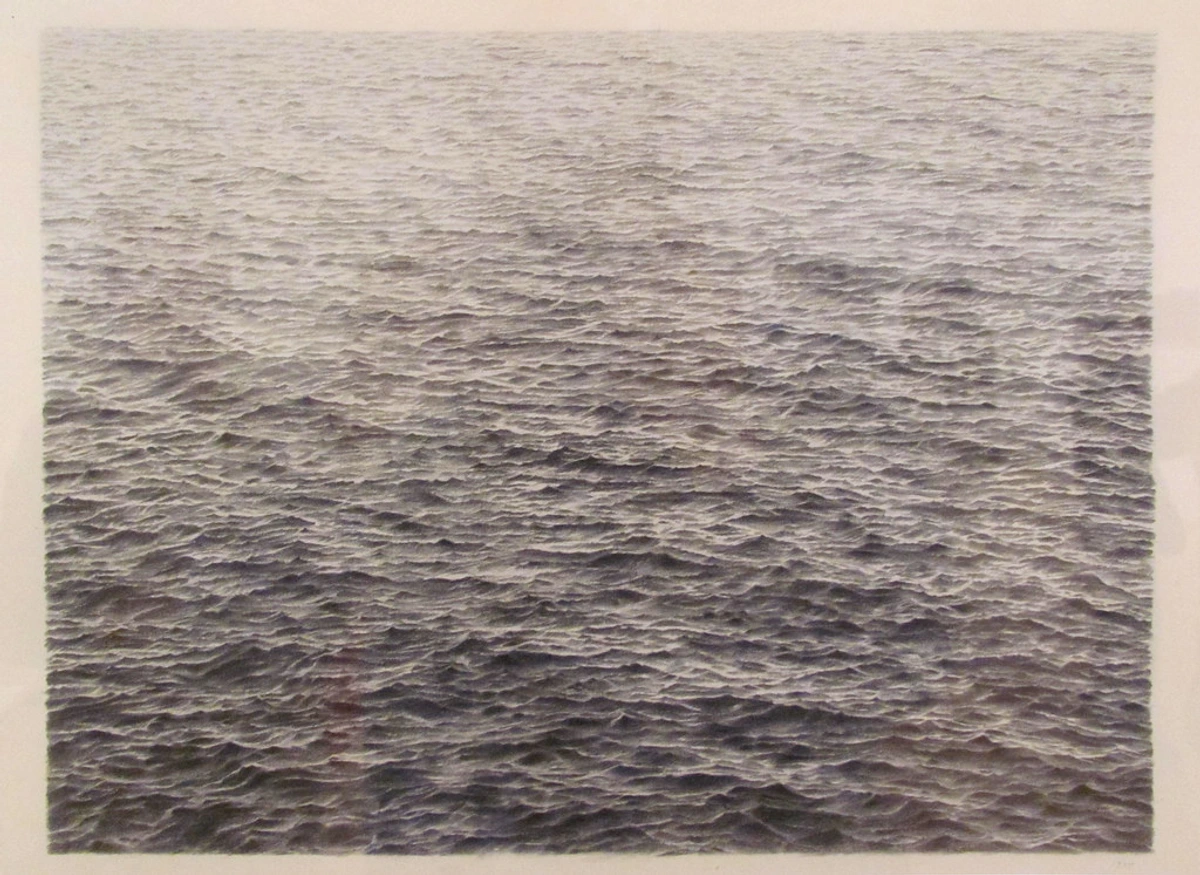
- Spring & Summer: Embrace lighter, airier pieces. Think botanical prints bursting with fresh greens, gentle abstract art in pastel or vibrant, sun-kissed hues (like many you can find in my collection), or minimalist photography featuring bright landscapes. These pieces can reflect the renewed light, growth, and optimism of the warmer months, creating a feeling of lightness and expansion.
- Autumn & Winter: Transition to art that evokes warmth, coziness, and introspection. Deep, earthy tones, rich abstract textures, or serene landscapes depicting moody forests or snowy scenes can create a profound sense of hygge. Textile art, with its inherent warmth and tactile nature, is particularly potent during these seasons, inviting comfort and reflection.
This approach keeps your home feeling fresh and responsive to the rhythm of nature, deepening its connection to the core Scandinavian philosophy. It’s a wonderful way to reinterpret your space without constant overhauls, allowing your art collection to tell an evolving story.
- Spring & Summer: Embrace lighter, airier pieces. Think botanical prints bursting with fresh greens, gentle abstract art in pastel or vibrant, sun-kissed hues (like many you can find in my collection), or minimalist photography featuring bright landscapes. These pieces can reflect the renewed light, growth, and optimism of the warmer months, creating a feeling of lightness and expansion. Perhaps a vibrant floral still life, an abstract with clean, crisp colors, or even a framed print of a sun-drenched coastal scene. It's about bringing the joy and lightness of the outdoors in. Think botanical prints bursting with fresh greens and delicate florals, gentle abstract art in pastel or vibrant, sun-kissed hues (like many you can find in my collection), or minimalist photography featuring bright, expansive landscapes. Perhaps a vibrant floral still life, an abstract with clean, crisp colors, or even a framed print of a sun-drenched coastal scene. These pieces reflect the renewed light, growth, and optimism of the warmer months, creating a feeling of lightness and expansion. It's about bringing the joy and lightness of the outdoors in, a visual breath of fresh air after the long, dark Nordic winter, infusing your home with the energy of renewal and growth. Consider light, airy abstract pieces with dynamic lines to evoke movement, or bright floral still lifes to celebrate the season's bounty.
- Autumn & Winter: Transition to art that evokes warmth, coziness, and introspection. Deep, earthy tones, rich abstract textures, or serene landscapes depicting moody forests or snowy scenes can create a profound sense of hygge. Textile art, with its inherent warmth and tactile nature, is particularly potent during these seasons, inviting comfort and reflection. Imagine a piece with deep burgundies, burnt oranges, a monochromatic gray piece that mirrors a quiet, snowy day, or even a cozy textile piece that invites warmth and contemplation. These selections help to embrace the introspective nature of the colder months. Deep, earthy tones, rich abstract textures, or serene landscapes depicting moody forests or snowy scenes can create a profound sense of hygge. Textile art, with its inherent warmth and tactile nature, is particularly potent during these seasons, inviting comfort and reflection. Imagine a piece with deep burgundies, burnt oranges, a monochromatic gray piece that mirrors a quiet, snowy day, or even a cozy textile piece that invites warmth and contemplation. These selections help to embrace the introspective nature of the colder months, turning your home into a welcoming haven against the chill, fostering moments of quiet reflection and profound comfort. Imagine abstract art with rich, layered textures reminiscent of autumnal leaves, or minimalist prints depicting snow-dusted trees to connect with the serene beauty of winter.

Sustainable Art Choices: Aligning with Nordic Values
In true, authentic Scandinavian fashion, the underlying philosophy often extends far beyond aesthetics to encompass a deep, almost reverence, for nature and an unwavering commitment to sustainability. When choosing art for your home, this translates into incredibly mindful decisions that meticulously consider the environmental and social impact of your purchases. It's about consciously buying better, not merely more, and actively supporting practices that align with a broader ethical consciousness and a sense of global responsibility.
What to Look For in Sustainable Art
- Recycled & Upcycled Materials: Actively seek out artists who are innovating with recycled paper, utilizing reclaimed wood for frames, or creatively incorporating upcycled textiles in their creations. These pieces often carry a unique, compelling story and possess a distinct, eco-conscious aesthetic that truly sets them apart. Imagine art crafted from salvaged ocean plastics, transformed into stunning, unique sculptural works, or intricate collages made from repurposed textiles and papers. These pieces not only tell a powerful story but also contribute to a circular economy, embodying mindful consumption. Consider art made from recycled glass, metal, or even repurposed electronic waste, each telling a story of transformation.
- Ethically Sourced Materials: It's worth the effort to investigate where the artist's materials originate. Are paints certified non-toxic and low-VOC? Is wood sustainably harvested from managed forests, perhaps with FSC certification? Transparency in sourcing is a strong, undeniable indicator of an artist's genuine commitment to ethical and environmentally responsible practices. Don't hesitate to ask artists about their paint pigments, paper suppliers, the origin of their canvases, or even their studio practices; informed choices empower you to support truly ethical and environmentally conscious creators. Look for certifications like Cradle to Cradle or Fair Trade for materials like cotton or wool used in textile art.
- Local Artisans & Makers: Prioritizing and supporting local artisans and makers is a powerful act of sustainability. It significantly reduces the carbon footprint associated with long-distance shipping and ensures your money directly benefits your community and local economy. Plus, you get a unique, often handcrafted piece with a profound local connection and a tangible story of its origin, enriching your home with a sense of community and regional heritage. Visiting local art fairs or online marketplaces dedicated to local creators can uncover true gems. Supporting local also often means supporting traditional craft techniques and preserving cultural heritage.
- Long-Lasting Quality: As rigorously discussed with craftsmanship, choosing durable, well-made art that is designed to last for generations is inherently sustainable. It's the very antithesis of disposable decor, advocating for items that stand the test of time, both aesthetically and materially. Long-lasting quality means looking beyond initial aesthetics to the inherent durability of materials and construction, considering how a piece will age and evolve. This ensures your art can be cherished for a lifetime and beyond, reducing the cycle of consumption and contributing to a more sustainable lifestyle. It’s an investment in timelessness. Consider commissioning a piece from an artist who emphasizes durable, archival-quality materials, ensuring its beauty endures.
- Digital Art & Prints: High-quality digital prints, especially when meticulously printed on eco-friendly, FSC-certified paper or sustainable canvas, offer a versatile and often more sustainable alternative to some traditional art forms, significantly reducing material consumption and waste. They also allow for incredible flexibility and easy updates, aligning with an evolving aesthetic and reducing the physical footprint of your art collection. Many platforms now offer digital prints on demand, further minimizing waste. I’ve found that high-resolution digital downloads from independent artists, printed locally, offer incredible value and a wide range of styles. Explore options for prints using water-based inks or recycled paper with minimal chemical processing. Avoid NFTs, as their environmental impact is still a significant concern, and their long-term value and stability are highly speculative.
By consciously and thoughtfully choosing sustainable art, you not only enhance your home's aesthetic with beauty and integrity but also contribute meaningfully to a more responsible and mindful way of living, truly embodying the deepest spirit of Scandinavian values.
Caring for Your Scandinavian Art: Preserving Beauty for Generations
Once you've carefully chosen, thoughtfully placed, and deeply connected with your art, a little mindful, consistent care goes an incredibly long way in preserving its inherent beauty, vibrancy, and longevity. Scandinavian design deeply values items that are built to last and endure, and your art should be no exception—it’s an investment in your well-being, after all, and deserves to be cherished.
- Mind the Light: While abundant natural light is deeply cherished in Scandinavian homes, direct, prolonged sunlight can be the arch-nemesis of many artworks. It can relentlessly fade colors, embrittle paper, and damage certain materials irreversibly. Be vigilant: rotate pieces periodically, utilize UV-protective museum glass for framed works, or strategically place art to avoid harsh, direct sun exposure. I often suggest meticulously observing how the natural light falls throughout the day before committing to a permanent spot, especially for delicate works on paper or vibrant prints. Consider the type of light too: natural daylight reveals colors most accurately, while warm artificial light (around 2700K-3000K) can enhance coziness and highlight warm tones, but cooler tones (above 4000K) might distort subtle hues and make a piece feel stark. Understanding these nuances helps you proactively protect your investment and ensure your art always looks its best, vibrant and true to its original intent, preserving its beauty and value for years to come. Installing UV-filtering window films can also be a discreet and effective solution. Remember that even indirect sunlight over many years can cause cumulative damage, so vigilance is key.
- Control Humidity: Extreme and rapid fluctuations in humidity can be incredibly detrimental to artwork, causing warping, cracking, or insidious mold growth. It’s a silent, often unseen threat. Therefore, maintaining a relatively stable indoor environment, ideally between 40-60% humidity, is absolutely crucial to protect both paper and canvas works from these forms of structural and aesthetic damage. This is particularly vital for original paintings, sensitive mediums like watercolors or pastels, and framed pieces. Extreme fluctuations, for instance, can cause paper to buckle and warp, canvas to slacken or crack, and even lead to the growth of mold or mildew, especially on the back of framed pieces where air circulation is limited. Investing in a simple hygrometer to monitor humidity, and using humidifiers or dehumidifiers as needed, is your best proactive defense against these silent destroyers of art. I've personally seen beautiful artworks sadly damaged by neglect in this area, suffering irreversible cracking or mold. It's a small, consistent effort with a huge payoff for long-term preservation and enjoyment, ensuring your art remains a pristine source of joy. Avoid hanging art directly above radiators or in steamy bathrooms (unless specifically designed for such environments) where humidity levels fluctuate wildly.
- Gentle Cleaning: Regular, gentle cleaning is essential. Dust frames and glass regularly with a soft, clean, dry microfiber cloth. Avoid harsh chemical cleaners at all costs, especially spraying them directly onto artwork, as liquids can seep under frames and cause irreversible damage. For canvases, a soft, clean, natural-bristle brush (like a very soft paintbrush) can gently remove accumulated dust—never use a damp cloth. For delicate prints or drawings, a very soft, dry microfiber cloth is usually sufficient, applied with the lightest possible hand. Always, always avoid abrasive materials or chemical sprays directly on the artwork itself, as these can cause irreparable damage to sensitive pigments and surfaces. It’s about careful, consistent, mindful upkeep, recognizing that each artwork requires a delicate touch, not aggressive cleaning that risks irreversible harm to its delicate surface and pigments. Regular, gentle dusting prevents the build-up of abrasive particles. For sculptural pieces, a soft, dry brush or a can of compressed air can carefully remove dust from intricate areas.
- Handling with Care: This seems obvious, but it's where many mistakes happen. When moving or re-hanging art, always, always hold it firmly by the frame, never by the artwork itself or the wire. Wear clean cotton gloves if handling unframed prints, delicate photographs, or very sensitive pieces to scrupulously avoid transferring oils, dirt, or acids from your skin, which can stain or degrade the artwork over time. Always support the piece from the bottom and avoid putting any pressure directly on the canvas, paper, or delicate surface itself. When storing art, especially unframed pieces, utilize acid-free archival folders or flat boxes designed for art storage to prevent creasing, discoloration, and damage from environmental contaminants. For valuable or large framed works, consider specialized art crates or professional packers for transportation, ensuring they are properly protected from vibrations, impacts, and environmental shifts, much like museum pieces. Think of it as handling a fragile piece of history—each touch matters, contributing to its enduring legacy. Never hang art with just string; use proper picture hooks rated for the weight of your piece, ensuring security and preventing accidental falls.
- Professional Assistance: For valuable or delicate pieces, consider professional cleaning or restoration if they show signs of damage or significant dust accumulation. A professional conservator can assess the damage and use specialized techniques to preserve or repair your artwork, ensuring its longevity and value. Don't attempt DIY repairs on valuable or sentimental pieces; what seems like a simple fix can often cause further, irreversible damage. Professional services range from cleaning and minor repairs to comprehensive restoration of age-related damage, tears, or environmental effects. Consulting a conservator is an investment in the long-term preservation of your art, ensuring it can be cherished for generations to come, much like a family heirloom. They possess the expertise and specialized tools to perform delicate treatments, from cleaning and stabilization to complex repairs, prolonging the life and beauty of your collection. It's always best to get a referral from a reputable art gallery or museum when seeking a conservator.
By giving your art a little attention, you ensure it continues to be a source of joy and beauty in your Scandinavian sanctuary for years to come.
To make this easier, here's a quick summary of essential care tips:
Care Tip | Description | Why it Matters |
|---|---|---|
| Mind the Light | Avoid direct, prolonged sunlight; use UV-protective glass or rotate pieces. | Prevents fading, discoloration, and material degradation, ensuring longevity. |
| Control Humidity | Maintain stable indoor humidity (40-60%) to prevent warping, cracking, or mold. | Protects paper, canvas, and frames from structural and aesthetic damage. |
| Gentle Cleaning | Dust frames and glass with a soft, dry microfiber cloth; use a soft brush for canvases (never wet). | Preserves surface integrity and prevents abrasive damage to pigments and materials. |
| Handle with Care | Always hold by the frame; use clean cotton gloves for unframed or delicate pieces. | Avoids transferring oils, fingerprints, and accidental damage; protects delicate surfaces. |
| Professional Help | Seek professional cleaning or restoration for valuable or damaged pieces. | Ensures correct, archival techniques are used, preventing further damage and preserving long-term value. |

Mistakes to Avoid (Trust Me, I've Made Them All)
Choosing art is a deeply personal journey, but in a Scandinavian context, a few common missteps can quickly disrupt the desired harmony and shift the feeling from serene to chaotic. Learn from my trials and errors!

- Over-Cluttering: This, I'd say, is the cardinal sin of Scandinavian art integration. Too many pieces, or pieces that are aggressively busy and visually demanding, can instantly make a serene space feel utterly overwhelmed, chaotic, and stifling. Remember, a blank wall, or ample, intentional white space around a single, carefully chosen piece, is sometimes the most powerful and profound statement you can make, allowing the eye to rest, and truly appreciate what is there. I often consider negative space to be as crucially important as the artwork itself, much like the silent pauses in music that allow the notes to truly sing and resonate. It actively creates a sense of calm and vital visual breathing room, which is a foundational cornerstone of Scandinavian aesthetics. A simple trick I've found incredibly useful is to imagine your walls are already perfectly decorated without any art, and then deliberately decide where a piece would genuinely enhance that existing calm, rather than merely filling a perceived void. Less is truly, profoundly more when it comes to visual tranquility and thoughtful design. This also applies to decorative objects; choose a few meaningful pieces rather than many small, distracting ones.
- Ignoring Scale: This is a classic rookie error, and one I've definitely made in my earlier days. A tiny piece on a huge, expansive wall will look utterly lost and insignificant, while an aggressively oversized, dominant piece in a cramped nook can instantly make the space feel even smaller and claustrophobic. You simply must pay meticulous attention to how the art relates to its surroundings—the wall itself, the furniture below it (like a sofa or console), and the room's overall dimensions. Our guides on choosing art for your living room or how to choose art for a small living room constantly stress the critical importance of scale. It's about creating profound visual harmony, where the art and its surroundings feel perfectly balanced, rather than jarringly mismatched. A helpful trick I've learned is to cut out a paper template of your desired artwork's size and tape it to the wall. Live with it for a day or two. Does it feel right? Does it dominate, or does it get lost? This simple, free step can save you from a costly mistake and ensure your art feels perfectly integrated. As a general rule, a piece of art above furniture should be about two-thirds the width of the furniture below it, leaving ample breathing room on either side. Also, consider the height of your ceilings; vertical art can brilliantly create an illusion of height, while horizontal pieces can make a room feel wider and more expansive. For spaces with high ceilings, you might find our guide on maximizing impact: choosing art for high ceilings particularly useful, as verticality can be a powerful tool for impact. It's always about creating profound visual harmony, where the art and its surroundings feel perfectly balanced, intentionally curated, rather than mismatched or accidentally placed. For industrial loft spaces, scale can be even more dramatic to match the expansive architecture.
- Clashing Styles (Without Intention): While eclectic elements can absolutely work in Scandinavian design, and beautifully so, it requires an incredibly thoughtful and discerning hand. Generally, I'd strongly advise avoiding highly ornate, overtly traditional, aggressively industrial, or overly flashy art that contrasts too sharply with the clean lines, organic feel, and understated elegance that defines Scandinavian aesthetics. If you do choose to mix styles, which can be wonderfully enriching, you must ensure there's a clear, unifying element that ties everything together. This could be a consistent color palette across diverse pieces, a uniform approach to framing (e.g., all natural wood, or all thin black frames), or a deeply shared underlying theme (e.g., all pieces, regardless of style, are nature-inspired or focus on abstract forms). For example, you could successfully pair a vibrant modern abstract with a delicate vintage botanical print if both share a similar muted green tone, or if they are both housed in simple, natural wood frames. The trick is always to find that invisible thread that subtly connects them, meticulously preventing visual dissonance and chaos. This thoughtful, intentional approach allows for a rich, layered aesthetic without sacrificing the calm, cohesive feel that Scandinavian design champions. It's about finding subtle harmonies—perhaps a shared underlying color, a consistent level of abstraction, or a uniform frame style—that allow diverse pieces to coexist peacefully, telling a richer, more nuanced story without shouting for attention. I've found that deliberate, strategic layering is a powerful way to add character and depth without introducing visual chaos or disrupting the serene flow, creating a rich tapestry of personal taste rather than a discordant cacophony. The key is always a thoughtful, unifying thread. This principle is especially important when considering art for a minimalist home, where every object is intentional.
- Forgetting Personality: This, I believe, is the biggest mistake of all. Scandinavian style is fundamentally about your comfort, your well-being, and creating a home that resonates with your soul. If a piece genuinely speaks to you, evokes emotion, or brings you joy, even if it's a little unconventional for a strict interpretation of the style, find a way to make it work. Your authentic connection to the art will always shine through and contribute to that coveted sense of hygge far more than adherence to rigid rules. Remember, the core of Scandinavian design is human-centric; it's about creating a comfortable, serene, and deeply personal environment. If a piece genuinely speaks to you, evokes emotion, or brings you joy, even if it's a little unconventional for a strict interpretation of the style, find a way to make it work. Your authentic connection to the art will always shine through and contribute to that coveted sense of hygge far more than adherence to rigid rules, transforming your house into a soulful home that truly reflects your unique spirit, passions, and life journey. It's the ultimate expression of your inner world. This is particularly relevant in a Wabi-Sabi interior, where imperfection and authenticity are cherished.
- Ignoring Lighting: This is a surprisingly common oversight, and one that can utterly diminish the impact of even the most exquisite artwork. Art absolutely needs light—the right kind of light—to be truly seen, appreciated, and to reveal its subtle nuances. Hanging a beautiful piece in a dimly lit corner means its subtle textures, vibrant colors, and intricate details will be entirely lost. Always consider natural light sources first, and for key pieces, thoughtfully plan dedicated art lighting to truly make them shine. A piece that looks vibrant and dynamic in daylight might appear dull and lifeless under poor artificial light. Picture lights, when chosen with care and positioned correctly, can highlight textures and colors beautifully, while adjustable track lighting offers wonderful flexibility to adapt as your art collection evolves. I personally prefer warm, diffused lighting that enhances the artwork without creating harsh glare, making it feel inviting and integrated rather than stark and overly theatrical. The goal isn't just to illuminate, but to enhance and reveal the profound nuances of the artwork, adding another layer of depth and dynamic interest to the room. Picture lights, when chosen carefully, can highlight textures and colors beautifully, while adjustable track lighting offers flexibility to adapt as your art collection evolves. Consider integrating smart lighting systems that allow you to adjust brightness and color temperature, creating different moods to complement both the art and the time of day. Beyond simply illuminating a piece, art lighting can contribute significantly to the overall ambiance of your Scandinavian home. Consider using dimmer switches for picture lights to adjust the mood, or placing subtle uplighters near a textural wall hanging to create soft, inviting shadows and enhance depth. The goal is to make the lighting an extension of the art itself, a quiet collaborator in creating a cozy, inviting atmosphere. It's about revealing the art's subtle beauty and letting it enhance the light and shadow play within your serene sanctuary, making it a truly immersive experience. I find that layering different light sources, both ambient and focused, creates a truly dynamic and inviting visual experience, making the art feel integrated into the very fabric of the room's mood. The right lighting is like a gentle, perfectly aimed spotlight, revealing the inner life and spirit of the artwork without overpowering it. This is especially crucial for art in a room with low light.
- Buying Purely for Trend: Oh, this is a trap many fall into! Trends, by their very nature, come and go with alarming speed, but truly good art (and truly good design) endures, becoming more cherished with time. Resist the powerful urge to buy a piece just because it's currently "in" or because you saw it plastered all over social media. Instead, invest your time and resources in pieces you genuinely, deeply love—pieces that evoke a strong emotional response, that resonate with your soul, and that you instinctively feel will continue to bring you profound joy and inspiration for years, even decades, to come. Your home is meant to be a sanctuary, a personal haven, not a transient showroom for fleeting fads and passing commercial whims. True Scandinavian art is about building a collection that grows with you, reflecting enduring beauty, profound personal meaning, and a timeless testament to your own evolving taste and values. It’s about creating an authentic legacy, a visual autobiography, not chasing the ephemeral or succumbing to passing commercial whims. True art enriches your life, it doesn't just fill a space temporarily. Remember, timelessness is a key component of Scandinavian style, ensuring your art remains relevant and cherished for years to come.
To make these pitfalls clearer, here's a summary of what to look out for:
Mistake | Description | How to Avoid |
|---|---|---|
| Over-Cluttering | Too many pieces, or pieces that are too busy, creating visual chaos. | Prioritize quality over quantity; embrace white space; allow room for pieces to "breathe." |
| Ignoring Scale | Art is too small for a large wall or too large for a small space/furniture. | Measure; use paper templates; ensure art is ~2/3 the width of furniture below it. |
| Clashing Styles | Highly ornate, traditional, or flashy art conflicting with clean Scandinavian lines. | Opt for cohesive themes/colors if mixing; maintain a unifying element like frame style. |
| Forgetting Personality | Choosing art based strictly on rules, rather than genuine emotional connection. | Trust your intuition; find a way to integrate pieces you genuinely love, even if unconventional. |
| Ignoring Lighting | Placing art in poorly lit areas where its details are lost. | Consider natural light; use dedicated art lighting for focal pieces. |
| Buying for Trend | Acquiring art based on current fads rather than lasting appeal. | Invest in timeless pieces that resonate with you personally, ensuring longevity and genuine enjoyment. |
The Role of Texture in Scandinavian Art: A Silent Sensory Delight
While color and form often take center stage in art discussions, I've found that texture plays an equally crucial, though often understated, role in Scandinavian design. It’s a silent sensory delight, adding depth, warmth, and a tactile dimension that profoundly enhances the hygge experience. Think about running your hand over a woven tapestry or seeing the visible brushstrokes on a canvas; these details engage more than just our eyes.
How to Incorporate Texture Through Art
- Textile Art: This is perhaps the most direct and impactful way to introduce texture. Hand-woven wall hangings, intricately knotted macrame, chunky knitted pieces, or beautifully framed fabric art bring an incredible softness, visual warmth, and undeniable tactile interest to otherwise smooth, flat walls. They also possess sound-absorbing qualities, contributing to a quieter, more tranquil room. For instance, a large, chunky woven piece can act as a powerful anchor and a textural counterpoint to minimalist furniture. Consider pieces made from natural fibers like wool, linen, or cotton for an authentic touch.
- Impasto Paintings: Art created with thick, visible brushstrokes (a technique known as impasto) adds a dynamic, three-dimensional quality that literally brings the artwork off the canvas. This creates captivating shadows and highlights that subtly shift with the changing light throughout the day, offering a constantly evolving visual experience. The viewer can almost feel the artist's hand at work, deepening the connection. This technique is particularly effective in abstract art, where the texture itself becomes a significant part of the composition and narrative.
- Sculptural & Mixed Media: Pieces meticulously crafted from natural clay, sustainably sourced wood, raw metal, or those incorporating various found materials often possess inherent textures that powerfully invite closer inspection and a gentle touch. These forms of art are deeply aligned with the Scandinavian appreciation for natural materials and craftsmanship. Think of rough-hewn wood carvings, unglazed ceramic forms, or delicate paper sculptures. Recycled and upcycled materials, such as reclaimed glass or industrial offcuts, can also be transformed into compelling textured sculptures, adding a layer of sustainable storytelling.
- Rough Papers & Natural Fibers: Even prints or drawings rendered on heavily textured, handmade paper, or framed pieces that thoughtfully incorporate natural fibers like linen or jute in their composition, can significantly contribute to the overall tactile richness and sensory depth of your art collection. The subtle irregularities and organic feel of these materials add a layer of authenticity that synthetic alternatives simply cannot replicate. Consider hand-pulled prints on deckle-edged paper for an additional artisanal touch, or art incorporating pressed leaves and dried botanicals for natural texture.
By consciously, thoughtfully, and strategically integrating art with interesting textures, you profoundly elevate the sensory experience of your home, making it feel more layered, more inviting, more authentic, and truly lived-in—all hallmarks of authentic Scandinavian style. I personally adore how a chunky woven wall hanging can bring a sense of comforting weight and softness to a smooth plaster wall, or how the visible, almost palpable brushstrokes of an impasto painting create dynamic shadows that shift and play with the changing light. Sculptural pieces crafted from raw wood or textured ceramics actively invite touch, engaging the hand as much as the eye, creating a multi-sensory dialogue. Even the subtle variations and inherent imperfections in a handmade paper print can add a quiet layer of depth, making the home feel richer and more nuanced without adding a single extra item of clutter, engaging a more profound sensory appreciation. This thoughtful integration of texture truly elevates the everyday experience of your home.
My Perspective: Finding Your Flow and Making it Yours
I often hear people ask, and sometimes even fret, "What kind of art should I buy for a Scandinavian home? Am I getting it 'right'?" And my answer, without fail, is always, always, "What kind of art moves you?" While guidelines are incredibly helpful and provide a fantastic framework for understanding the aesthetic, the absolute most important thing is to choose pieces that genuinely resonate with your soul, that spark something within you. Your home should be a reflection of you, after all, not a perfectly replicated magazine spread.
My own art, for instance, often tends towards the abstract and is characterized by vibrant, energetic colors. At first glance, you might think, "Wait, isn't Scandinavian all about muted tones and serene landscapes?" And yes, it often is! So, my art might seem a surprising fit for some. But I passionately believe that art, regardless of its specific style or initial perceived 'fit,' can always find a meaningful place and even thrive when approached with genuine intention and a keen eye for balance. Your personal aesthetic, after all, is the most authentic and vital expression of hygge within your home. It’s emphatically not about rigid adherence to arbitrary rules, but rather about intelligent, harmonious integration. If a piece possesses clean lines, a thoughtful and engaging composition, or a color palette that subtly picks up on accent tones or natural elements elsewhere in your home, it can truly enhance and enliven a minimalist space. Even a bold abstract work, like many you can find in my collection, can become a stunning, powerful focal point. It can ground a light-filled room with its depth and energy, especially if the rest of the decor maintains that serene, uncluttered vibe. It's always, always about balance—a delicate interplay between energetic expression and quiet harmony, proving that even a splash of vibrant color can find its perfectly peaceful place in a Nordic-inspired sanctuary. It's about art enriching your experience of the space, igniting a feeling within, sparking curiosity, or bringing a quiet smile, not just passively filling a wall. It's about the emotional resonance and how a piece truly makes you feel in your personal haven, which, for me, is the ultimate measure of its success and seamless integration into the tapestry of your daily life.

If you are interested in abstract art and how it integrates into various settings, you can also consider visiting the den-bosch-museum to see how some dynamic works are displayed in a public context, offering fresh perspectives. Understanding the profound journey of art, perhaps even through an artist's timeline, can help you appreciate what resonates with you on a deeper, more personal level, connecting you to the creative process. Ultimately, the "right" art is always the art that speaks directly to your heart and makes your Scandinavian sanctuary feel unequivocally yours, a true reflection of your unique spirit.
Before we wrap up, I've gathered some of the most frequently asked questions that come up in my conversations about Scandinavian art. Hopefully, these will provide even more clarity and confidence, addressing common concerns and helping you feel empowered as you embark on your own art-choosing journey.
Frequently Asked Questions About Choosing Art for Scandinavian Homes
Navigating the wonderfully nuanced world of art for a specific design aesthetic, particularly one as beloved as Scandinavian, can naturally bring up a lot of questions. Here are some of the most common and insightful inquiries I frequently encounter when people are thoughtfully choosing art for their Scandinavian-style homes, along with my perspective and guidance on each, aimed at empowering your choices.
What colors of art work best in a Scandinavian home?
Generally, muted tones and nature-inspired hues form the ideal, serene foundation. Think soft grays, warm whites, subtle beiges, and earthy browns, along with a palette of serene greens (moss, sage, forest), blues (sky, ocean, deep navy, icy teal), and soft terracottas or dusty rose. These colors profoundly echo the natural Nordic landscape and actively create a calming, expansive backdrop. However, and this is where it gets interesting, you can absolutely introduce subtle, intentional pops of vibrant color through abstract pieces (like many in my collection) or graphic prints. The absolute key is thoughtful integration and elegant restraint, ensuring these accents enhance, rather than overpower, the room's serene feel. It’s about a deliberate, well-calibrated splash, not an overwhelming flood of color. I often find a single, carefully chosen vibrant piece can energize a room more effectively and beautifully than multiple, scattered bright accents. Beyond mere aesthetics, the psychological impact of these colors is truly profound. Soft blues and greens reliably evoke serenity and calm, while subtle yellows can introduce a gentle optimism, reminiscent of soft sunlight. Understanding how these colors interplay with natural light and the broader palette of your home is absolutely key to creating a harmonious, yet dynamic, visual experience. I always consider the emotional temperature I want a room to have, and then meticulously select colors in art that contribute precisely to that feeling.

Should all art in a Scandinavian home be abstract?
Not necessarily, and definitely not exclusively! This is a common misconception. While abstract and minimalist art are incredibly popular and often ideal choices because their clean lines, subtle forms, and contemplative nature align beautifully with core Scandinavian design principles, there's a much broader and richer spectrum of art that can work harmoniously. Botanical prints, delicate landscapes (whether abstracted or serene), simple figurative line drawings, and particularly textile art (like woven hangings or framed embroidery) can also be excellent fits. The overarching focus should always be on simplicity, natural themes, subtle textures, and a cohesive aesthetic that profoundly promotes calm and well-being, rather than a strict, dogmatic adherence to one specific style or genre. It's truly about the feeling the art evokes, the atmosphere it creates, and the personal connection it fosters within your home, not merely its genre. Don't ever limit yourself if a piece genuinely speaks to your soul! I've found that minimalist figurative art, such as elegant line drawings of human forms or animals, can add a deeply personal and soulful touch without being overly busy or distracting. Even quiet portraits, if they maintain a serene palette and an uncluttered composition, can evoke a strong sense of connection and introspection. The key is that the art, regardless of its specific subject matter, should always contribute positively to the overall feeling of calm and mindful living, offering a sense of connection, introspection, or subtle joy, rather than acting as a jarring distraction or visual noise. Don't be afraid to explore diverse genres if they align with the overarching ethos of serenity and authenticity.

How do I choose art if I have a small Scandinavian apartment?
For small spaces, the mantra is absolutely quality over quantity. Instead of scattering many small, busy pieces, opt for a few well-chosen, impactful artworks. This prevents the space from feeling cluttered and visually overwhelming. Consider a single, medium-to-large piece above a key furniture item (like a sofa, bed, or console) to create a strong focal point. If you love variety, a small, meticulously curated gallery wall with consistent framing and a limited color palette can work. Additionally, think strategically: vertical art can draw the eye upwards, creating an an illusion of height and making the room feel taller, while pieces with lighter backgrounds can enhance the sense of openness, almost like an extra window. You can explore more specific strategies in articles like how to choose art for a small apartment: maximizing impact in limited spaces. Additionally, think strategically: vertical art can draw the eye upwards, creating an an illusion of height and making the room feel taller, while pieces with lighter backgrounds can enhance the sense of openness, almost like an extra window. I often use a large, striking abstract with ample white space to create a sense of expansive depth in a compact living area, making the walls feel like they recede. It’s all about working with the limitations of the space, not against them.
What kind of frames should I use for Scandinavian art?
Natural wood frames are the quintessential choice, the absolute gold standard for Scandinavian art, hands down. Think light birch, pale oak, or soft ash—these effortlessly echo the natural materials used throughout Scandinavian decor and infuse an inherent warmth and organic texture. For a slightly more contemporary Scandinavian or even a Japandi look, thin matte black or crisp white metal, or equally simple wood frames also work beautifully; the emphasis is unequivocally on 'thin' and 'simple' to meticulously avoid visual bulk. For a very modern, clean aesthetic, unframed canvas prints can be ideal, especially for abstract or textural pieces, creating a seamless flow with the wall itself. A "floating frame" can offer a similar clean, contemporary look while providing a subtle, sophisticated border. And never, ever underestimate the power of a clean, wide, white mat (passe-partout)! Whatever you ultimately choose, always, always avoid overly ornate, heavy, or shiny frames that will inevitably compete with the art or disrupt the calm, understated aesthetic. Think of the frame as a quiet, supportive embrace for the art, enhancing its presence without ever stealing the spotlight. For instance, a thin, natural wood frame with a raw, tactile grain can add a subtle layer of texture, while a crisp, matte black metal frame can provide a graphic, modern edge. The material and finish of the frame should always meticulously align with the overall Scandinavian emphasis on natural, understated beauty, and thoughtful functionality, allowing the artwork itself to truly shine without any visual distraction or competition. This attention to detail elevates the art and ensures seamless integration.
Can I mix art styles in a Scandinavian home?
Yes, absolutely, and I'd even encourage it! But you must do so with great caution and deliberate, thoughtful intention. The overarching goal is always to create a curated, cohesive, and harmonious look, never a chaotic visual jumble. If you're mixing styles, the critical trick is to diligently find a unifying element that subtly ties everything together. This could manifest as a consistent color palette across different pieces, a uniform approach to framing styles (e.g., all natural wood, or all thin black frames), or a deeply shared underlying theme (e.g., all pieces, regardless of their specific style, are nature-inspired or focus on abstract forms). A meticulously constructed gallery wall is often a fantastic place to experiment with this subtle mixing of styles, as the collective presentation can beautifully create a sense of overarching cohesion. For example, pairing a minimalist abstract with a vintage botanical print, both housed in elegant, natural wood frames, can create a wonderfully layered and sophisticated feel that speaks of collected experiences. The trick is to identify a common, subtle thread—be it a shared color, an organic theme, or a consistent level of abstraction—that allows disparate pieces to converse harmoniously and peacefully. I've successfully paired contemporary photography with antique maps by ensuring their framing was identical and their subject matter, while varied, evoked a similar sense of exploration and calm. This thoughtful, nuanced approach creates a rich, layered aesthetic without ever sacrificing the calm, cohesive feel that Scandinavian design champions. It's a way to tell a richer, more complex story through your walls. For further guidance on building a truly cohesive and dynamic display, I highly recommend consulting our comprehensive guide on how to choose art for a gallery wall.

How important is personal taste when choosing art for this style?
Crucially, paramount, absolutely essential, and utterly indispensable! While there are indeed helpful guidelines and beautiful aesthetic principles for Scandinavian style, your home should ultimately, unequivocally reflect your personality, tell your unique story, and most importantly of all, bring you profound joy and deep comfort. The entire, foundational purpose of Scandinavian design is to create a comfortable, serene, and highly functional environment for you to thrive in, to cultivate your holistic well-being. So, if a piece of art genuinely speaks to you, evokes a strong positive emotion, or simply makes you smile with an inner warmth, even if it seems to bend the "rules" a little, always find a way to incorporate it thoughtfully and deliberately. It's about living authentically within the aesthetic, not becoming a prisoner to rigid, unfeeling prescriptions. Your profound personal connection to the art will always shine through and contribute to that coveted sense of hygge far more than any strict adherence to stylistic dogma, transforming your house into a truly authentic, soulful home—one that resonates deeply with your unique spirit, values, and life journey, becoming a constant source of comfort and inspiration.

How can I make my art feel cohesive in an open-plan Scandinavian space?
This is a common and understandable challenge, but art can actually be your absolute best friend in an open-concept living space! The profound key is to strategically use art to define distinct zones and create a graceful sense of visual flow, rather than inadvertently letting it contribute to a chaotic feeling. Consider placing a large, impactful statement piece in the main living area (perhaps above the sofa), a smaller, more intimate collection in the dining nook, and perhaps a tall, slender piece near a transition point between areas. Maintaining a consistent framing style or a harmonious color palette across all pieces, even if they're in different zones, will also create that crucial, underlying sense of unity and calm. It’s truly like composing a visual symphony where each section has its own distinct melody but contributes harmoniously to a beautiful, cohesive whole. For instance, a bold, large abstract might anchor your living area, while a series of smaller, quieter nature prints could define a nearby reading nook, both linked by a shared accent color or a consistent framing style. I've found that using art to create distinct 'rooms within a room' is an incredibly effective strategy, especially in larger or open-plan layouts. By maintaining a consistent framing style or a harmonious color palette across all pieces, even if they're in different zones, you create that crucial sense of unity and calm. For more expert guidance on this, check out our comprehensive guide on how to choose art for a living room. Remember, art in an open space acts as a visual punctuation, guiding the eye and mind through the various functional zones without creating barriers.
What about incorporating digital art or prints in a Scandinavian setting?
Digital art and high-quality prints are absolutely welcome and often celebrated in modern Scandinavian homes, especially given the emphasis on accessibility, contemporary design, and personal expression. Look for pieces with clean lines, abstract forms, or nature-inspired themes. The absolute key here is to ensure the quality of the print is high—poor resolution or cheap paper can significantly detract from the overall aesthetic, undermining the intention. Framing them in simple, natural wood or thin minimalist frames, and opting for anti-glare glass, will elevate even the most budget-friendly digital art, allowing it to integrate seamlessly into the sophisticated calm of your space. They offer a fantastic, flexible way to access a wide range of artistic styles and can be easily swapped out for seasonal updates, providing immense flexibility for evolving tastes and budgets. Plus, supporting independent digital artists is a wonderful way to discover new talent and diverse perspectives. Digital art offers incredible versatility, from abstract animations projected onto a wall to high-resolution prints of intricate digital paintings. I've even seen dynamic digital art displayed on high-resolution screens, offering ever-changing visuals that perfectly complement a modern Scandinavian aesthetic, blurring the lines between static and moving art and introducing an element of interactive wonder. The possibilities for digital art in a minimalist setting are truly vast.
Should art always match my furniture colors?
Not at all! In fact, aiming for an exact match can often lead to a static, uninspired, and rather bland look that lacks personality. Instead, think about harmony and thoughtful contrast. Your art should complement your furniture, perhaps picking up on subtle accent colors already present, or deliberately introducing a gentle contrast that adds depth, visual interest, and a dynamic tension to the space. If your furniture palette is predominantly neutral, art is a perfect opportunity to introduce those "subtle pops of color" we discussed earlier, injecting personality and energy. The ultimate goal is a balanced, intelligent dialogue between all elements, where everything feels intentional and curated, but never overly coordinated or contrived. Remember, art can sometimes be the powerful element that subtly ties disparate parts of a room together, acting as a visual bridge, creating dynamic tension and genuine interest rather than bland uniformity. I find the most interesting and inviting rooms possess this subtle, nuanced interplay of complementary, not strictly matching, elements, where each piece thoughtfully enhances the other without ever overpowering or creating a monotonous visual field. It's about building a rich visual conversation.
How does art influence the acoustics of a room?
This is an incredibly interesting, yet often overlooked, aspect of interior design! While not a primary function, certain types of art, particularly textile art (like richly woven hangings or tapestries) and even large, canvas-based works, can subtly yet significantly improve the acoustics of a room. Soft, porous surfaces like large canvas prints, deeply textured woven tapestries, or even thoughtfully designed framed acoustic panels disguised as art actively absorb sound waves, thereby reducing bothersome echo and creating a quieter, more tranquil environment—a perfect, harmonious byproduct for a hygge-filled Scandinavian home. It's a subtle, intelligent way to enhance comfort on multiple sensory levels. While you certainly wouldn't choose art solely for its acoustic properties, it's a wonderful, unexpected bonus when a beautiful piece also profoundly contributes to the auditory comfort and serenity of your space. For instance, large, thick canvas prints, especially those with textured surfaces, can effectively help dampen sound reflections. Woven wall hangings, tapestries, or even custom acoustic panels disguised as art are particularly effective, absorbing sound and reducing echo. This creates a quieter, more tranquil environment—a perfect byproduct for a hygge-filled Scandinavian home. It’s a subtle, holistic way to enhance comfort on multiple levels, making the space not just visually appealing, but also audibly soothing, a truly thoughtful approach to interior design.
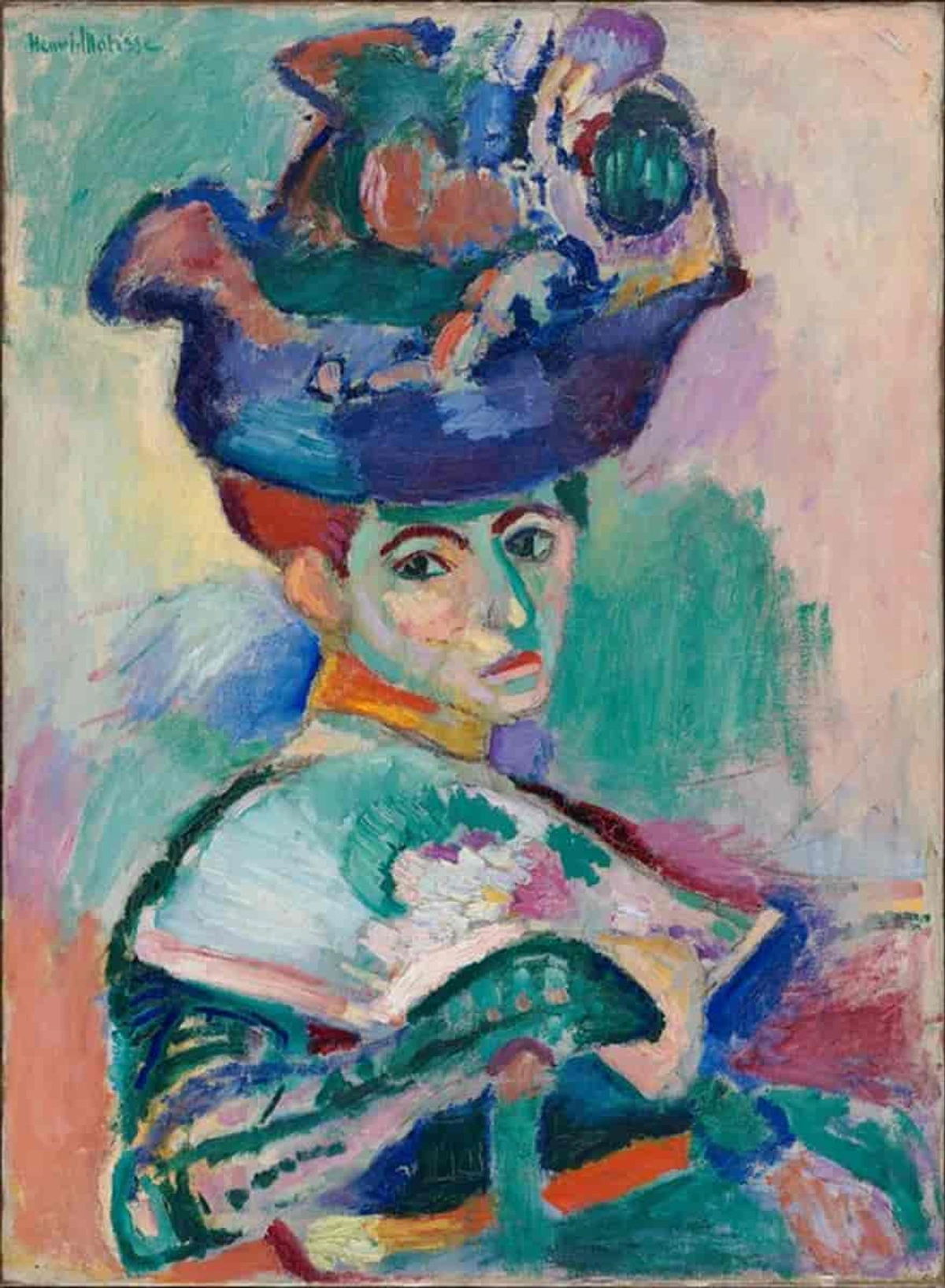
What about vintage or antique art in a Scandinavian home?
Surprisingly, vintage and antique pieces can absolutely find a place, as long as they are chosen with care. Scandinavian design often appreciates items with history and a story. Look for pieces with simple compositions, natural patinas, or understated elegance. Think vintage botanical prints, old maps, minimalist black and white photographs, abstract oil paintings from the mid-century, or even beautifully preserved textile samples. These pieces add a layer of history and unique charm that can't be replicated with new art. Avoid anything overly ornate, gilded, or dramatically heavy in style. The contrast between old and new, when done thoughtfully, can add incredible character and a sense of timelessness, which aligns beautifully with a core value of craftsmanship and longevity. I've seen vintage landscape paintings in austere, modern settings, and they bring an unexpected depth and story to the room. Look for pieces with simple compositions, natural patinas that tell a story, or understated elegance. Think vintage botanical prints, old maps, minimalist black and white photographs, or even abstract oil paintings from the mid-century. These pieces add a layer of history and unique charm that can't be replicated with new art. Avoid anything overly ornate, gilded, or dramatically heavy in style. The contrast between old and new, when done thoughtfully, can add incredible character and a sense of timelessness, which aligns beautifully with a core value of craftsmanship and longevity. I've seen vintage landscape paintings in austere, modern settings, and they bring an unexpected depth and story to the room. Look for pieces with simple compositions, natural patinas that tell a story, or understated elegance. Think vintage botanical prints, old maps, minimalist black and white photographs, or even abstract oil paintings from the mid-century. Avoid anything overly ornate, gilded, or dramatically heavy in style. It's about finding pieces that whisper of history, rather than shouting it. Consider also vintage ceramic pieces or understated wooden sculptures, which bring a tangible connection to the past and a sense of enduring quality, adding layers of time and narrative to your contemporary space. These pieces often possess a unique patina and character that new art simply cannot replicate.
What types of art should I avoid in a Scandinavian home?
While personal taste is always paramount and ultimately your guide, there are certain art styles that tend to profoundly clash with the core tenets of Scandinavian design, potentially disrupting its serene, minimalist, and harmoniously balanced aesthetic. Generally, I'd suggest consciously avoiding:
- Overly Ornate or Gilded Art: Think heavy, elaborately carved frames or artworks with excessive gold or silver leaf. These tend to feel opulent, formal, and visually heavy, contrasting sharply with Scandinavian simplicity, functional beauty, and natural materials. They can feel like they belong to a different era and philosophy.
- Aggressively Bold or Chaotic Compositions: While subtle, intentional pops of color are wholeheartedly welcome, pieces that are overwhelmingly busy, highly fragmented, or feature jarring, clashing, and intensely loud color combinations can instantly overwhelm the inherent calm of a Scandinavian space. Scandinavian art aims for quiet contemplation and gentle inspiration, not confrontation or visual assault.
- Mass-Produced, Impersonal Decor: Actively avoid generic, purely trendy pieces bought solely to fill a wall or follow a fleeting fad. Scandinavian design profoundly values authenticity, meticulous craftsmanship, and a deep, personal connection to objects. Always choose something with soul, a story, and genuine character, even if it's budget-friendly. Your home deserves more than throwaway decor.
- Excessively Dark, Heavy, or Light-Absorbing Art: Given the paramount emphasis on maximizing natural light, artworks that absorb light rather than reflecting it, or feature predominantly dark, heavy palettes, can unfortunately make a space feel smaller, less airy, and somewhat oppressive. There are exceptions, of course, for moody, atmospheric pieces (which can work wonderfully), but they need to be chosen with great care and balance within the overall lighting scheme.
- Art with Overtly Kitschy or Commercial Themes: Scandinavian homes prioritize a sophisticated, timeless aesthetic and a sense of understated elegance. Art that overtly leans into commercialism, has a kitschy, overly sentimental, or overly simplistic graphic quality tends to detract from this refined, authentic feel. It’s about quiet beauty, not loud declarations.
Ultimately, it's about discernment and trusting your gut. If a piece feels loud, chaotic, out of sync with the desire for calm and natural harmony, or just 'off' in your Scandinavian space, it's probably best to pass on it. The goal is always to enhance, not detract from, the serene sanctuary you're meticulously creating, ensuring every element contributes to a sense of peace and well-being, rather than causing visual stress or overwhelming the senses. Always prioritize thoughtful integration over jarring contrasts.
How can I incorporate art if I'm on a budget?
Fear not, art for a Scandinavian home doesn't have to break the bank! There are plenty of budget-friendly options that still deliver on style and quality. Consider:

- Photography & Prints: High-quality photographic prints, especially black and white or sepia tones, can be incredibly impactful and often significantly more affordable than original paintings. Look for limited edition giclée prints from artists, which offer exceptional quality and color fidelity. My own collection often includes accessible prints, deliberately allowing more people to bring art into their homes without breaking the bank. These are often indistinguishable from originals to the untrained eye and can bring immense beauty and sophistication without the original price tag. Consider exploring vintage photography or archival prints of classic works for added character.
- DIY & Thrift Store Finds: With a keen eye, a good imagination, and a bit of patience, you can uncover truly hidden gems at thrift stores, flea markets, or even online marketplaces. A simple, striking vintage landscape painting or an abstract piece can be utterly transformed with a modern, natural wood frame. Sometimes, all an overlooked piece needs is a little love, a fresh perspective, and a thoughtful new presentation to fit perfectly into your Scandinavian aesthetic. Don't be afraid to experiment with paint or a new mat board!
- Student & Emerging Artists: Actively support local art schools or emerging artists in your community. You might discover a rising star and acquire a unique, original piece for a fraction of the cost of established artists. Plus, you get the immense satisfaction of directly supporting a creative individual and fostering local talent. This is a truly rewarding way to build a collection with personal stories. Another fantastic, budget-friendly approach is to frame beautiful pieces of fabric, elegantly patterned tea towels, or even unique vintage scarves. These add immediate warmth, intriguing texture, and a pop of color in a unique, budget-friendly way, profoundly echoing the Scandinavian love for textiles and craftsmanship. And crucially, don't ever underestimate the power of your own artistic expression! Simple line drawings, abstract watercolors, or even beautifully pressed botanicals can create truly personal, meaningful, and utterly unique art that resonates deeply with your home's ethos.
- Digital Prints & Print-on-Demand: Purchase high-resolution digital files of art, then print them yourself (or at a local, high-quality print shop), and frame them. This offers incredible flexibility, affordability, and the ability to easily swap pieces for different seasons or moods. Many online platforms also offer excellent quality print-on-demand services for independent artists, expanding your choices.
- Fabric & Textiles: Frame a beautiful piece of woven fabric, an elegantly patterned tea towel, or a unique vintage scarf. These unexpected pieces add warmth, texture, and often a burst of unexpected color in a truly unique, budget-friendly way, profoundly echoing the Scandinavian love for textiles, comfort, and resourceful design. Consider displaying these in a simple, light wood frame or even using magnetic poster hangers for a clean, contemporary look.
- Your Own Creations: Don't ever underestimate the profound power and personal meaning of your own artistic expression! Simple line drawings, intuitive abstract watercolors, or even beautifully pressed botanicals can create truly personal, deeply meaningful, and utterly unique art that resonates deeply with your home's ethos. There's nothing more authentic or personally resonant than art created by your own hand, making your home a true reflection of your unique creativity and spirit. These pieces often hold the deepest personal meaning. Even children's artwork, when framed thoughtfully, can add an invaluable touch of personality and joy, celebrating the home's lived-in character.
What's the role of lighting for art in Scandinavian design?
Lighting plays an absolutely critical, though often understated, role in Scandinavian design, and this extends directly and profoundly to how art is perceived and experienced. With its inherent emphasis on maximizing natural light, Scandinavian homes often feature large, expansive windows and open layouts. For art, this means:
- Maximize Natural Light: Always position art where it can maximally benefit from natural light without being in direct, harsh sunlight that could damage its pigments and materials. Think strategically about placement on walls perpendicular to windows, or in areas that receive abundant indirect light. Natural light reveals colors most authentically. For rooms with less natural light, strategically chosen lighter artworks can brighten the space, as discussed in how to choose art for a room with low light.
- Dedicated Art Lighting: For focal pieces, consider subtle, directional picture lights or adjustable track lighting. These should be carefully chosen to highlight the artwork without creating harsh shadows, distracting glare, or unwanted reflections. The primary goal is to reveal the art's intricate details, captivating textures, and true colors, adding another layer of depth and visual interest to the room. I always recommend using LED bulbs with a warm color temperature (around 2700K-3000K) to create an inviting glow that highlights art beautifully without heat damage, and they're energy efficient. Beyond color temperature, consider the beam angle of your lights; a narrow beam will create a dramatic spotlight, while a wider floodlight will offer a softer, more even illumination, suiting different art styles. Adjustable track lighting, for instance, provides incredible flexibility, allowing you to reposition lights and change beam angles as your art collection evolves.
- Ambient Light Harmony: Ensure the dedicated art lighting integrates seamlessly and harmoniously with the overall ambient lighting of the room, contributing to a soft, inviting glow rather than creating a stark, isolated spotlight effect. The goal is to make the lighting an elegant extension of the art itself, a quiet collaborator in creating a cozy, inviting atmosphere. This thoughtful approach ensures that art is not just seen, but felt as an integral part of the home's ambiance. You can delve deeper into these principles in our guide on the art of display: how to light and position abstract art for maximum impact.
Beyond Spotlighting: Creating Ambiance with Art Lighting
Beyond simply illuminating a piece, art lighting can contribute significantly to the overall ambiance of your Scandinavian home. Consider using dimmer switches for picture lights to adjust the mood, or placing subtle uplighters near a textural wall hanging to create soft shadows and enhance depth. The goal is to make the lighting an extension of the art itself, a quiet collaborator in creating a cozy, inviting atmosphere. It's about revealing the art's subtle beauty and letting it enhance the light and shadow play within your serene sanctuary. Consider integrating smart lighting systems that allow you to adjust brightness and color temperature, creating different moods to complement both the art and the time of day. Beyond traditional picture lights, adjustable track lighting offers immense flexibility, allowing you to spotlight different pieces as your collection evolves. Subtly concealed LED strips can also create a beautiful, even wash of light over a textured wall hanging, enhancing its depth and tactile quality. The goal isn't just to illuminate, but to create a dynamic interplay of light and shadow that makes the art come alive, enhancing the entire sensory experience of your space. You can read more in our guide on how to light and position abstract art for maximum impact. I always recommend using LED bulbs with a warm color temperature (around 2700K-3000K) to create an inviting glow that highlights art beautifully without heat damage, and they're also energy efficient. This careful illumination transforms art into a dynamic focal point, allowing it to truly shine. For larger, more complex installations, professional lighting design can truly elevate the impact and mood of the space.
Beyond the Walls: Art in Unexpected Places
I sometimes think we confine art too rigidly to frames and flat walls, almost as if it's a separate entity. But in a Scandinavian home, where functionality, thoughtful design, and an appreciation for the everyday extend to every intricate detail, art can truly appear in the most unexpected and delightful places, subtly blurring the lines between pure decoration and utility. This approach transforms everyday interactions with your home into moments of quiet aesthetic pleasure and discovery.
- Artful Everyday Objects: Think deeply about the humble objects you use daily. A beautifully designed ceramic mug, a hand-carved wooden bowl, a meticulously patterned textile placemat, or even elegant glassware. These aren't just functional items; they are small, accessible pieces of art that profoundly enrich your daily rituals, embodying the exquisite craftsmanship and thoughtful design so central to Scandinavian values. I always encourage looking for beauty, artistry, and story in the everyday.
- Integrated Storage & Display: Consider shelving units, display cabinets, or even minimalist sideboards that are works of art in themselves, featuring clean lines, natural wood, and thoughtful proportions. These become elegant stages for your smaller art objects, cherished mementos, and curated vignettes that tell a story without cluttering your walls. A minimalist bookcase, for instance, can beautifully frame a collection of artisan pottery or small sculptural pieces. Our guide on how to choose art for a bookshelf offers more ideas.
- Subtle Murals & Wall Treatments: While bold, large-scale murals might seem contrary to pure minimalism, a very subtle, monochromatic mural—perhaps a delicate botanical motif, an abstract wash of color, or a soft geometric pattern—can transform an entire wall into a large-scale artwork without ever overwhelming the space. Similarly, feature walls clad in natural wood panels, textured plaster, or even cork can act as inherent art, with your hung pieces elegantly complementing their organic beauty and tactile qualities.
- Art in the Garden/Outdoor Spaces: Don't let your Scandinavian aesthetic stop at the threshold! Extend your appreciation for art and nature outdoors. Simple, sculptural planters, a beautifully crafted bird feeder, or even thoughtfully arranged natural stones can act as art in your garden, creating a serene connection to nature even beyond your interior walls. It's about bringing that same intentionality and appreciation for natural forms and beauty to every corner of your home, inside and out. Consider minimalist wind chimes for subtle auditory art.
These subtle, intentional integrations ensure that your home, in its entirety, becomes a canvas for thoughtful design and artistic expression, making every corner a potential source of calm, profound inspiration, and everyday joy.
The Future of Scandinavian Art: Innovation Meets Tradition
As with all enduring and vital design philosophies, Scandinavian art continues to gracefully evolve, subtly adapting to new technologies, shifting cultural landscapes, and innovative materials, all while firmly holding onto its timeless core tenets. I find this dynamic incredibly exciting and inspiring—it's emphatically not about abandoning cherished tradition, but rather enriching it with contemporary possibilities, creating a vibrant, living aesthetic.
Emerging Trends & Enduring Values
- Digital Integration: The rapid rise of high-quality digital displays, OLED screens, and sophisticated art projection means we can now seamlessly integrate dynamic, moving art into our homes, bringing an entirely new layer of visual interest and sensory engagement while rigorously maintaining clean lines. Imagine a serene digital forest scene that subtly shifts and evolves throughout the day, connecting with the fundamental "nature" principle in a whole new, immersive way. Or perhaps abstract animations that respond to ambient sound.
- Interactive Art: Artists are increasingly and brilliantly exploring interactive pieces that respond to movement, sound, or light, inviting a playful, engaging, and deeply personal element into the home. This perfectly aligns with hygge's emphasis on active well-being and mindful presence. Think of light installations that change color with a gentle touch, or soundscapes that respond to your presence, transforming a passive viewing experience into an active dialogue.
- Sustainable Innovation: Expect to see an even more profound emphasis on art meticulously created from recycled and upcycled materials, pioneering 3D-printed art using biodegradable filaments, and hyper-local sourcing that minimizes environmental impact. This actively deepens the intrinsic connection to nature and craftsmanship in truly innovative, forward-thinking ways. The future of Scandinavian art is inherently green.
- Hyper-Personalization: While always a cherished core of Scandinavian style, new technologies now allow for even greater, more sophisticated customization in art. From bespoke digital prints generated from personal data to AI-assisted designs for unique textile art, this ensures your home is an even more profoundly unique and authentic reflection of you, your story, and your values.
The essence of Scandinavian art remains, and will always remain, the same: art as a vital contributor to a serene, functional, and deeply personal environment. The tools, mediums, and expressions just become more diverse and innovative, allowing us even more creative ways to craft our calm and curate our joy in an ever-evolving world. It's about embracing new possibilities while staying resolutely true to the enduring values of simplicity, nature, well-being, and conscious living.
Conclusion: Crafting Your Calm and Curating Your Joy
Choosing art for a Scandinavian-style home isn't about meticulously following a rigid, prescriptive checklist or adhering to inflexible rules; it's about deeply understanding a profound design philosophy and then finding pieces that authentically, beautifully echo its core values of simplicity, nature, light, thoughtful functionality, and inherent warmth. It's a thoughtful, intuitive, and deeply personal process of selection, where each artwork isn't just passive decoration, but an active, living contributor to a harmonious, peaceful, and profoundly personal environment that nurtures your soul.
From the quiet contemplation of subtle abstracts to the serene embrace of natural landscapes, and from the grounding simplicity of natural wood frames to the comforting touch of tactile textiles, every single choice shapes the feeling and soul of your space. Remember, your home is more than just a place; it's your sanctuary, your retreat, and the art you choose is a profound expression of that personal haven.

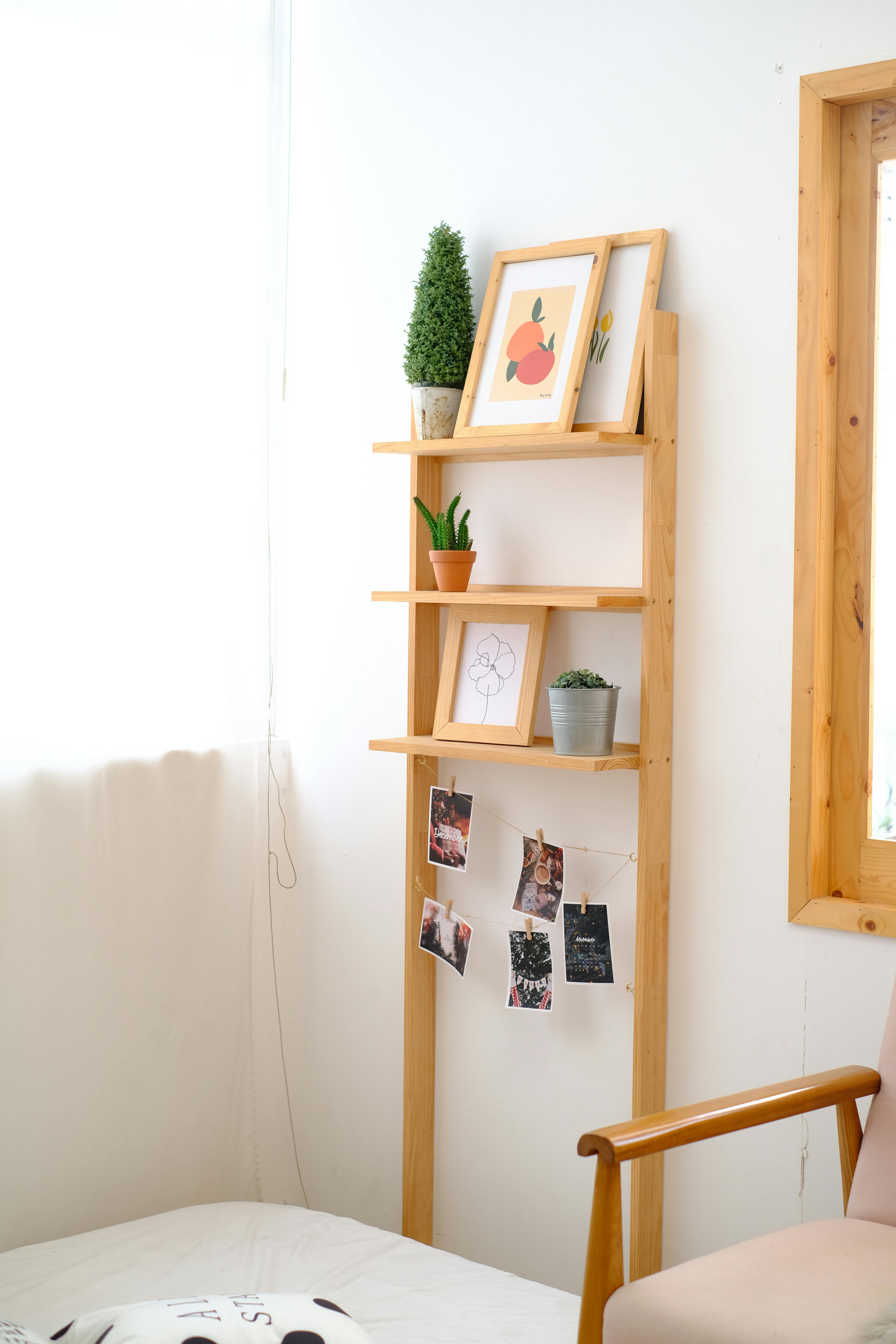
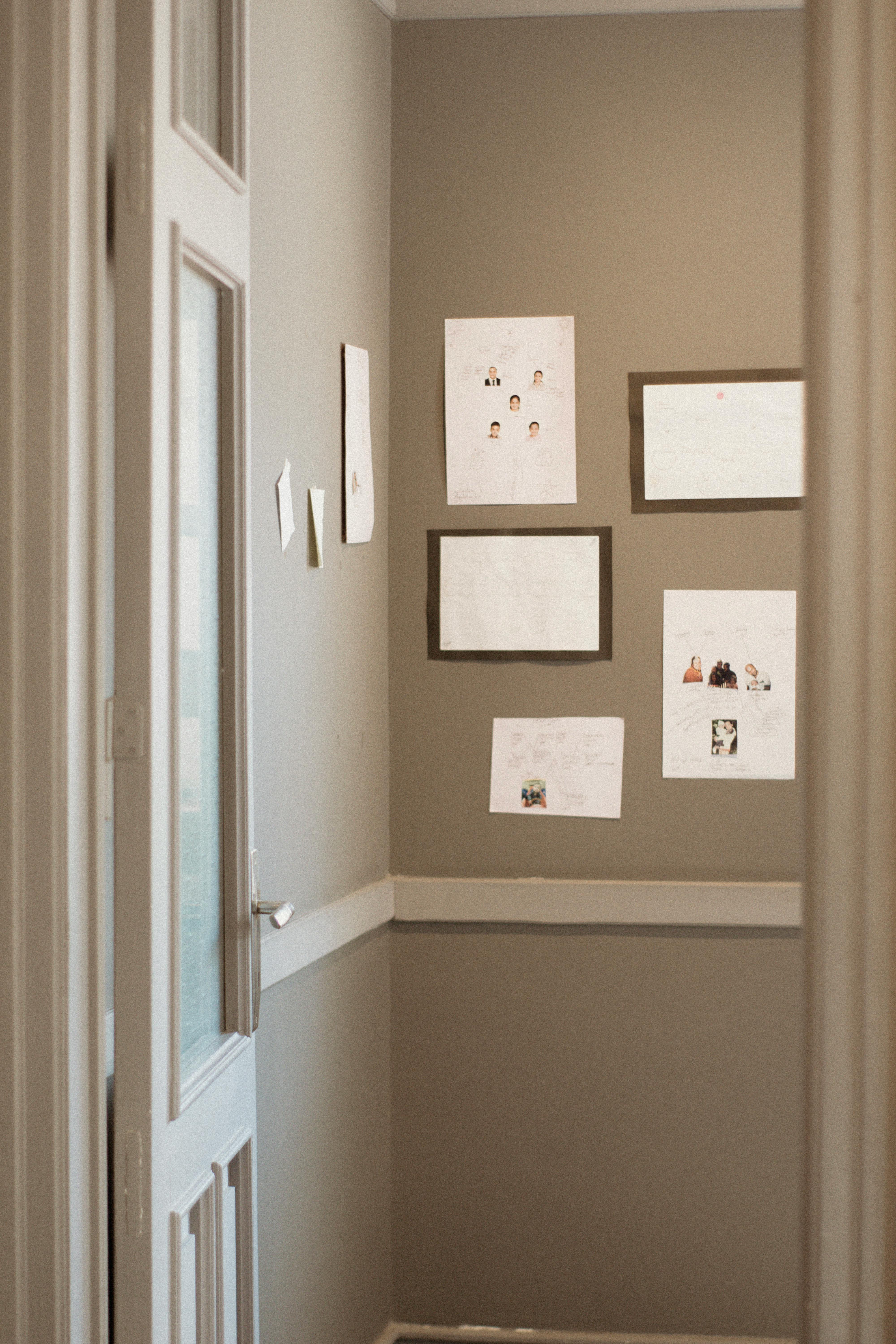
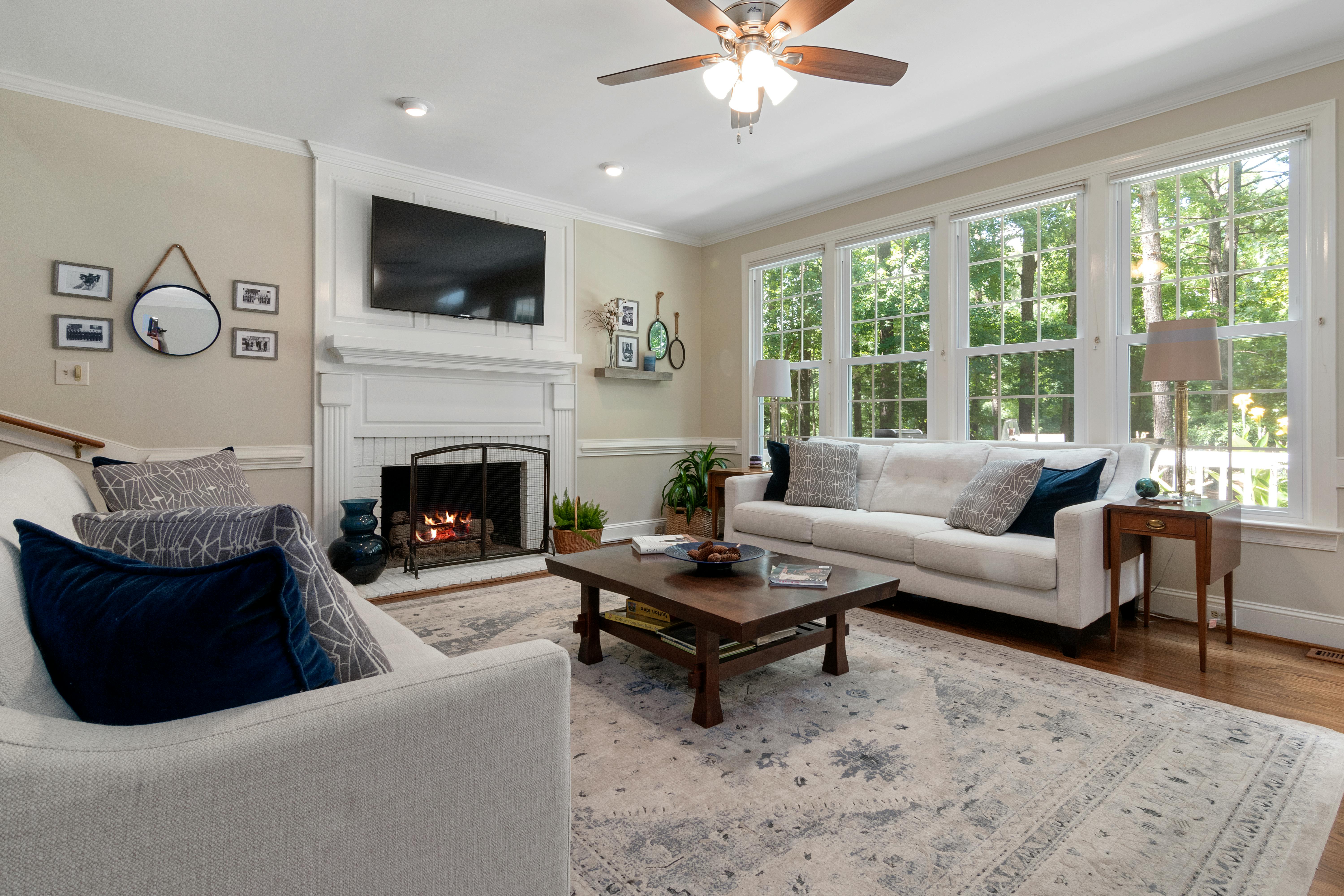


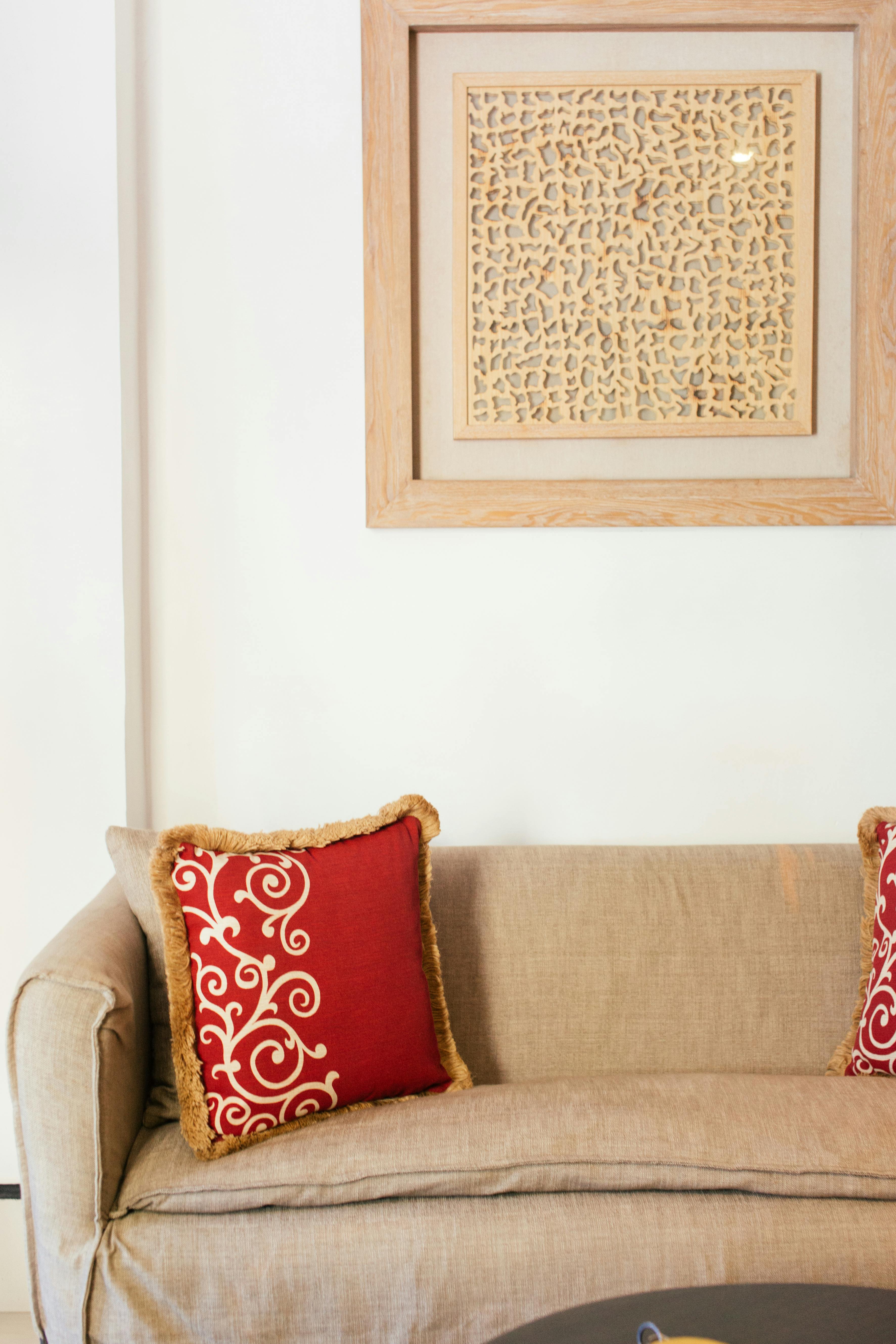







So, I urge you to take your time. Trust your intuition above all else, because ultimately, the most beautiful and meaningful art for your Scandinavian home is the art that resonates profoundly with your unique soul. Explore pieces that not only complement your decor but, more importantly, genuinely speak to your heart and bring you a quiet, everyday joy, a sense of deep contentment. After all, that profound sense of contentment and holistic well-being? That's what hygge is truly all about, and art, when chosen with intention and heart, is one of its most potent, silent expressions. It's a journey of self-discovery, of profound self-expression, and of meticulously creating a home that not only looks beautiful but truly feels beautiful, nurturing, and authentic to live in every single day. So, go forth, explore with an open heart, and let your walls tell your unique Scandinavian story, a visual poem of your life. Your home is your sanctuary, and its art is the silent, vibrant poetry of your soul, forever evolving with you—a continuous, beautiful dialogue between your inner world and your curated environment. It's an ongoing journey of profound self-expression.