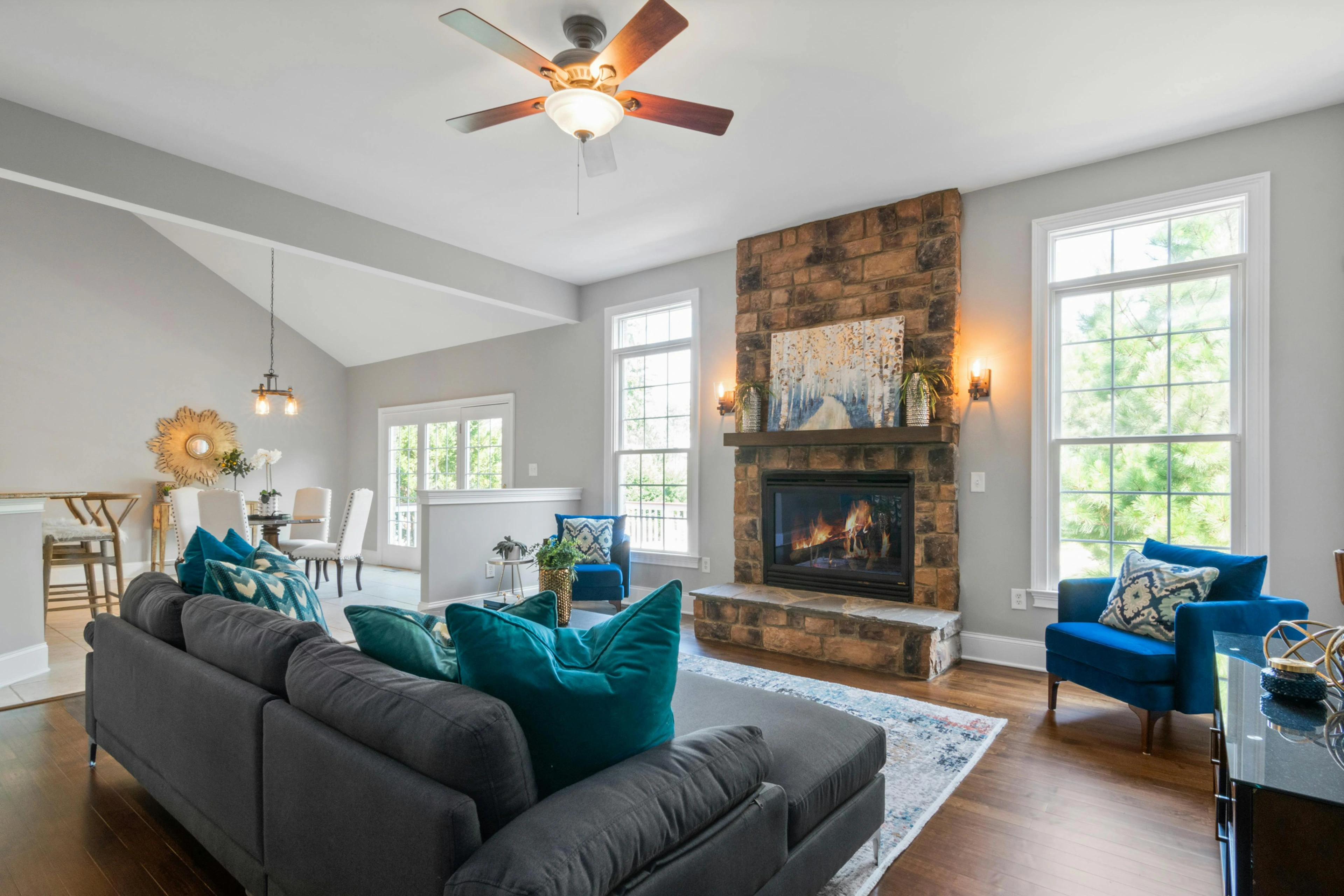
Curating Art for Your Study: Enhance Focus, Ignite Creativity & Cultivate Calm
Transform your home library or study into an intellectual sanctuary. Discover practical steps to choose art that boosts focus, sparks creativity, and cultivates calm, drawing on color psychology, abstract styles, and personal connection.

Curating Art for Your Home Library or Study: Enhance Focus, Ignite Creativity & Cultivate Calm
You know, my study isn't just a room; it's a carefully curated ecosystem for my brain. I've always thought of this space – or really, any dedicated home library or study – as a kind of sacred sanctuary where ideas are born, deep work happens, and, let’s be honest, where I occasionally get deliciously lost down a research rabbit hole for hours (ancient Sumerian poetry, I’m looking at you!). This space, for me, isn’t just about having books or a desk; it's about actively cultivating an environment that supports intellectual pursuit, fuels creativity, and fosters inner calm. And that’s precisely where art comes in. I still remember one crisp autumn morning, staring blankly at my screen, a literal mountain of overdue reading materials mocking me from the shelf. My space felt functional, sure, but utterly devoid of that spark, that silent encouragement. It wasn't until I started thinking about the art on the walls, and truly curating rather than just decorating, that everything clicked into place. So, let’s talk about how you can intentionally design an environment that actively supports your intellectual pursuits and personal growth – a guide to making your study a true extension of your mind, not just a room with books. We'll dive into the how of choosing art, not just the why. And don't worry, I’ve made my share of mistakes along the way, and I’ll walk you through some practical, actionable steps to avoid yours.
Now, I know what you might be thinking: “Art for a study? Isn’t that just another distraction?” And yeah, if you choose the wrong piece, absolutely. I once hung a piece that was so intensely narrative, my mind would drift off into its story every five minutes – I nearly packed my hiking boots instead of opening my laptop, if I’m honest. But pick wisely, and you create a powerful visual anchor – perhaps a minimalist geometric abstract that subtly grounds your focus – or a gentle whisper of encouragement, or a splash of calm that genuinely softens the edges of a stressful day and helps you breathe. This isn't just about what looks good; it’s about what feels right and helps you achieve your goals in that space. It's about finding that silent partner in your intellectual journey, subtly influencing your perception of time, making hours feel like minutes when you're deeply immersed in a flow state. To illustrate this point, consider the vibrant energy this piece brings, without demanding a narrative focus:
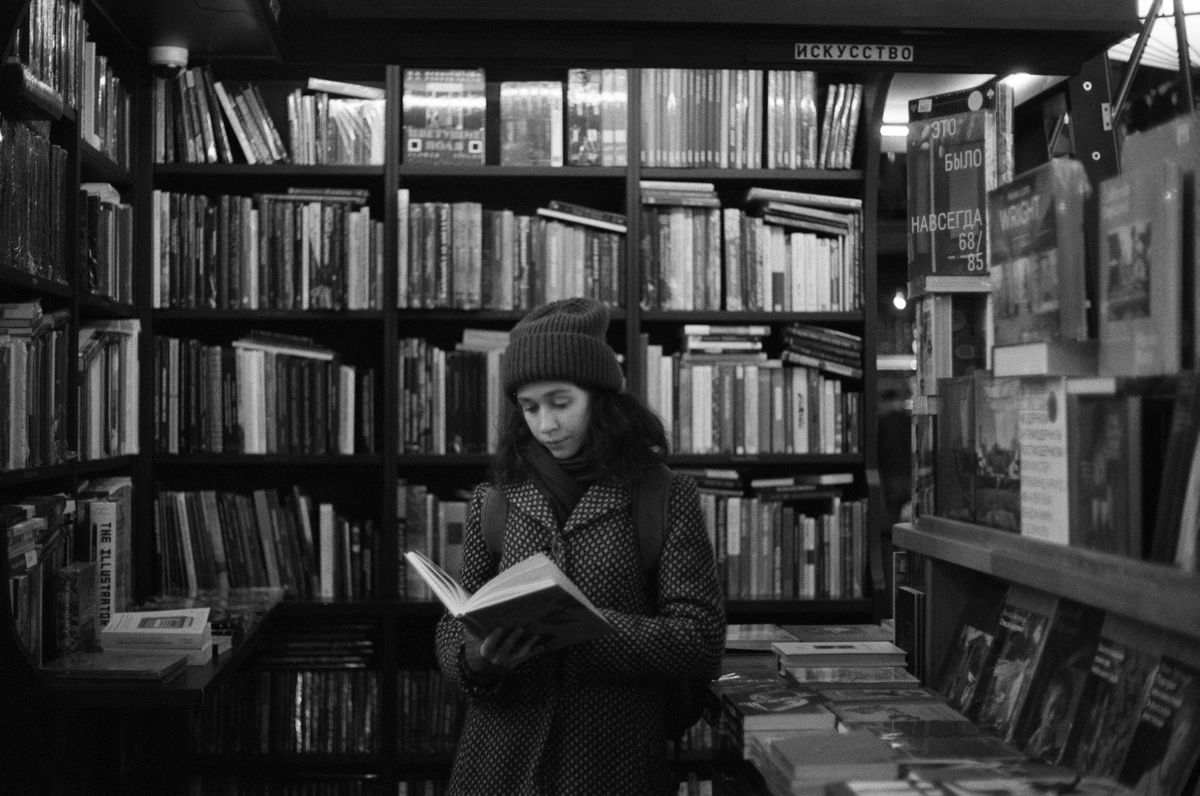
The Unspoken Language of Your Walls: Setting the Tone for Deep Work
When I first started setting up my current study, I hung up a few pieces I already owned. They were lovely, don't get me wrong, but they didn't really speak to the space's purpose. One was a vibrant landscape that made me want to go hiking (which is great, just not when I'm trying to hit a deadline!). I realized I needed art that subtly supported the intellectual pursuit, not pulled me away from it. It's about finding that sweet spot where art is present, captivating, but never demanding too much attention. The right piece can set an immediate tone, a silent agreement with yourself about what this space is for. For instance, a detailed figurative painting might draw your eye too often into its story, or a dramatic portrait might command a presence that’s too engaging when you need quiet introspection. It's not that these styles are bad, per se, but their power to grab your attention can sometimes be a bit too much when you're trying to focus.
Historically, great thinkers from ancient philosophers to Renaissance artists understood this implicitly. I often imagine Leonardo da Vinci's studio, filled with objects of scientific and artistic study, or the carefully curated libraries of Enlightenment figures. Their art wasn't just decoration; it was a curated backdrop for deep thought, a constant visual anchor reflecting their pursuits and perhaps even sparking new lines of inquiry. Think, too, of the medieval monastic libraries, where religious iconography or illuminated manuscripts weren't just decorative but served as a visual aid for contemplation and spiritual focus, gently guiding the eye and mind. Or consider the scholarly desks of naturalists in the 18th century, adorned not with dramatic battle scenes, but with exquisite botanical illustrations or precise anatomical drawings. These weren't just reference materials; they were visually stimulating objects that fostered intense observation and intellectual rigor, providing a quiet, focused energy essential for scientific discovery. The art in these spaces subtly spoke of the intellectual work to be done, inviting a specific kind of engagement, acting as a profound visual cue for memory or a catalyst for new ideas. These diverse examples illustrate a fundamental principle: the art in your study should act as an extension of your mind, gently guiding it towards its intended purpose.
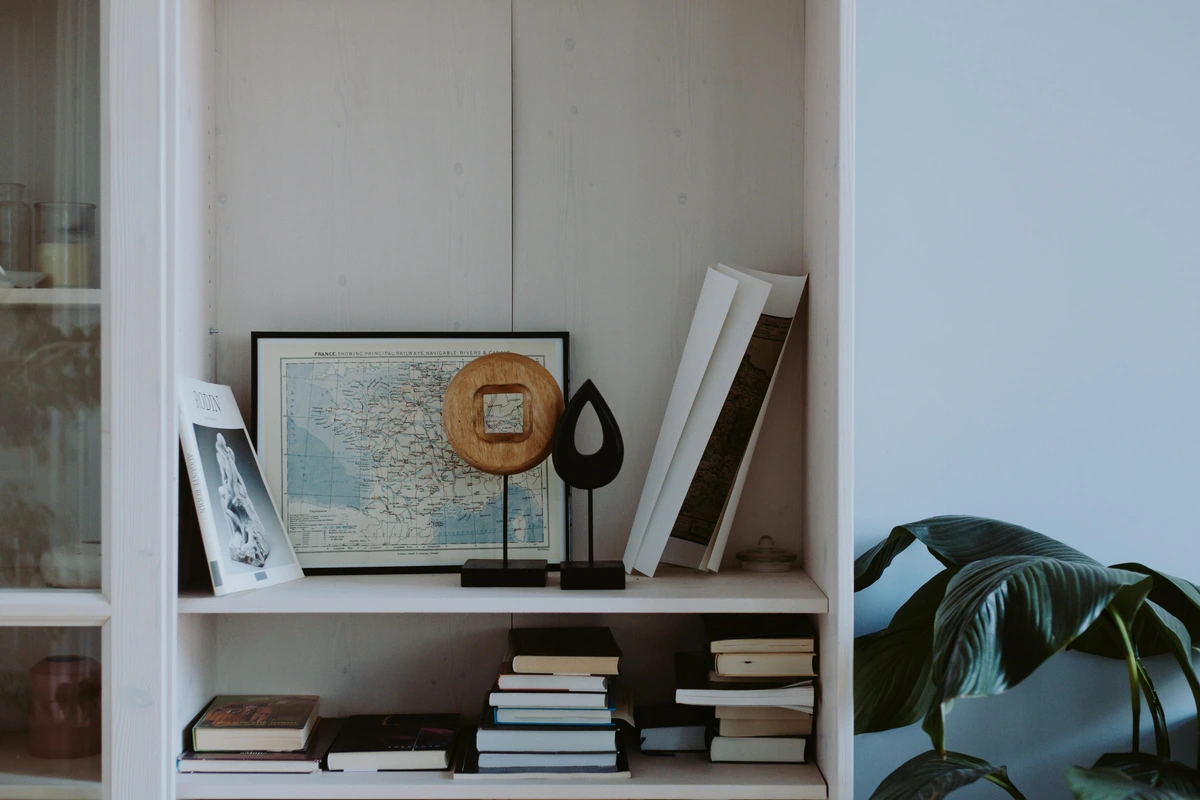
Color Psychology: More Than Just Pretty Hues
I've always been fascinated by how colors can shift my entire mood just by walking into a brightly painted room versus a muted one. In a home library or study, you’re often looking for colors that promote concentration and calm, or perhaps a little creative stimulation. Blues and greens, for example, are often lauded for their calming effects. They can feel expansive and peaceful, perfect for long stretches of reading or contemplation. Think about a serene abstract piece with deep navy blues for a sense of profound stillness, or a soft sage green for gentle, enduring focus. It’s like gazing into a vast, clear sky, offering a serene expanse without the distraction of moving clouds.
Sometimes, for creative brainstorming, a subtle touch of warmer yellows or soft oranges can spark joy and optimism, but use these with caution to avoid overstimulation, or as a small accent within a larger, calming composition. I've learned the hard way that a large, overly stimulating red piece, like a fire-engine red abstract, can actually agitate more than inspire during intense work sessions. For such bold hues, consider them in smaller doses, or in desaturated tones like a rich terracotta, which offers warmth without the frenetic energy. If you're anything like me and sometimes need a little mental boost on a sluggish Tuesday afternoon, a small, vibrant pop of yellow might be just enough to switch gears without derailing your deeper thoughts. Just be mindful, too, that while calm is good, overly muted or monochrome palettes might sometimes lead to a sense of lethargy rather than sustained focus. You can dive deeper into this fascinating topic with our article on the psychology of color in abstract art.

Subject Matter: What Are You Looking At?
This is where my landscape hiking piece went wrong. For a study, I personally gravitate towards abstract art. Why? Because it doesn’t tell you a story directly. It doesn’t demand a narrative. Instead, it invites interpretation, allows your mind to wander just enough without pulling you into a specific scene or object. It's like a visual meditation, offering a break for the eyes without hijacking your thoughts entirely. Of course, for some, a serene, minimalist landscape or an inspiring portrait of a historical figure can be equally conducive to focus, as long as it doesn’t become a narrative black hole or distract from the primary intellectual work. The key is finding a piece that complements, rather than competes with, your intellectual work – acting as a subtle cue for memory or a catalyst for new ideas. This is also how art can serve as a surprising gateway, much like my occasional deep dive into ancient Sumerian poetry; a piece might pique your curiosity about its artist's influences, its historical context, or even a particular technique, subtly expanding your intellectual horizons far beyond its frame.
Consider the diverse forms of abstract art. Geometric abstracts, for instance, with their clean lines and structured forms, can offer a sense of order and logical progression, which I find incredibly helpful when my brain feels like a tangled mess of ideas, perhaps during data analysis or complex problem-solving. It's like a visual blueprint for mental clarity, helping to break down complex issues into more manageable visual components, encouraging structured thinking. On the other hand, lyrical abstraction, characterized by its fluid forms and spontaneous brushwork, might offer a more emotive and intuitively stimulating backdrop for creative writing or conceptual thinking. It can even be a source of productive distraction, allowing your mind to briefly roam, sparking tangential ideas that might later prove invaluable. Color field painting, with its expansive washes of color, can create a profound sense of atmosphere and quiet contemplation, much like looking out into a vast, misty landscape – it invites you to simply be. You can explore this further by understanding the symbolism of geometric shapes in abstract art. What about other abstract movements? Delve into the ultimate guide to abstract art movements to discover even more styles that might resonate with your intellectual pursuits.
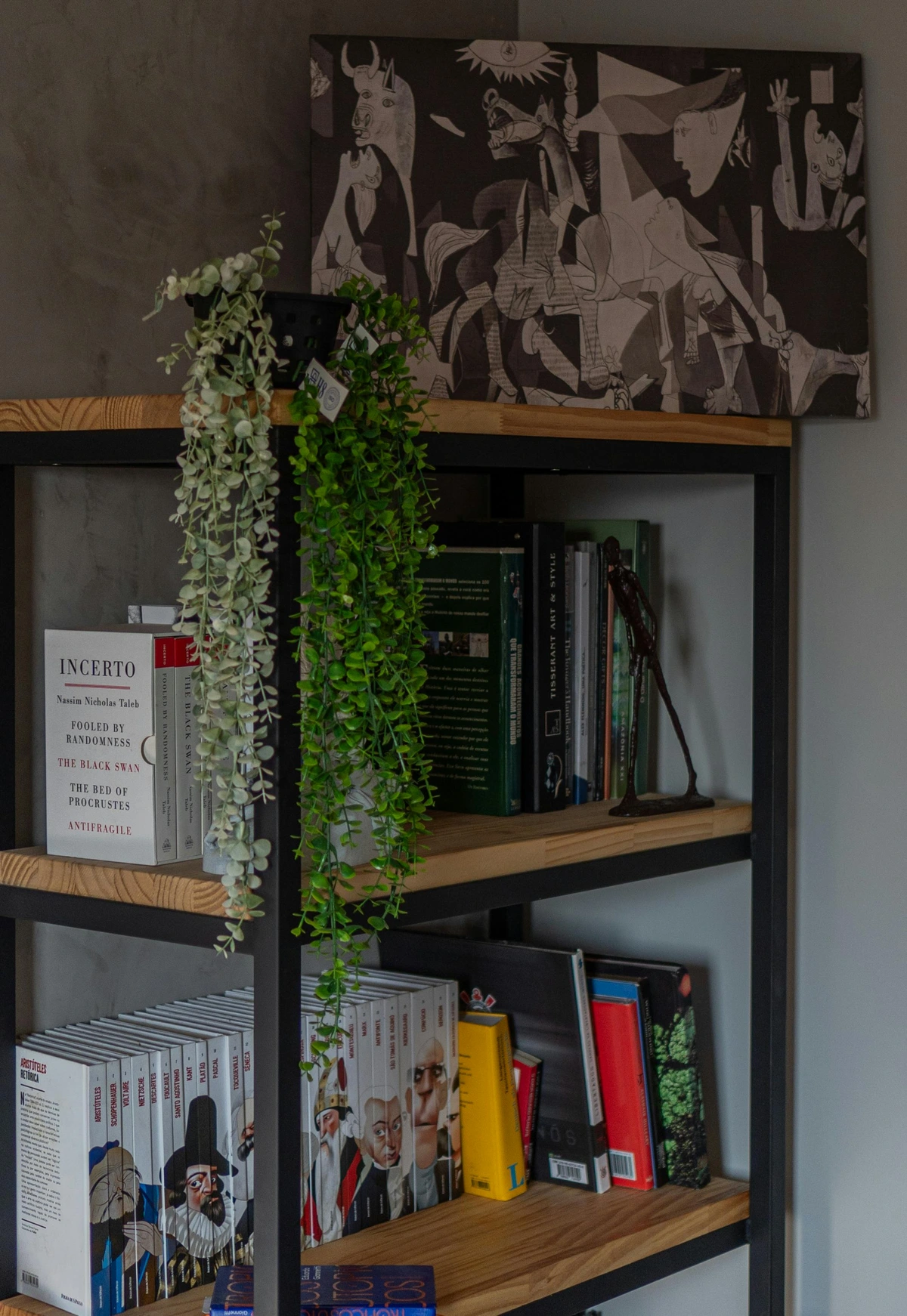
Here’s a quick overview of how different abstract styles can impact your study space:
Abstract Art Style  | Key Characteristics | Potential Impact on Study Environment |
|---|---|---|
| Geometric Abstract | Clean lines, structured forms, precise shapes | Fosters order, logic, analytical focus, mental clarity, problem-solving |
| Lyrical Abstract | Fluid forms, spontaneous brushwork, emotive | Encourages creativity, intuitive thinking, emotional expression, lateral thinking |
| Color Field Painting | Expansive washes of color, minimal detail | Promotes contemplation, calm, atmospheric depth, mindfulness |
| Minimalist Abstract | Simplified forms, limited palette, focus on essentials | Cultivates clarity, serenity, uncluttered thought, spaciousness |
| Gestural Abstract | Dynamic brushstrokes, expressive movement | Sparks energy, breaks mental blocks, encourages spontaneity |
Another aspect to consider is the concept of negative space. Think of it like the essential pauses in a conversation; it’s not empty, but rather crucial. In art, negative space is the often-overlooked area around and between the main subjects. In abstract art, its skillful use creates a profound sense of openness and calm, giving your eyes room to breathe, a quiet corner for your thoughts that promotes mental peace. For example, a minimalist piece with a single, small form centered on a vast, unpainted canvas uses negative space to draw focus and create a meditative effect. You might also consider the scale of the elements within an abstract piece; large, sweeping gestures can feel expansive and freeing, while intricate, delicate details might invite a different kind of focus, perhaps suited for more analytical or detailed work.

Art's Silent Storyteller: Artist's Intent and Medium
Even in abstract pieces, the artist's intent or the story behind the art can be a powerful, subtle source of inspiration. Knowing why an artist created a piece, or the emotion they sought to convey, can add layers of meaning without becoming a direct narrative distraction. It’s like a quiet backstory that enriches your connection to the piece and helps foster a sense of personal identity within your intellectual journey. For instance, knowing that an artist created a series during a period of intense focus in their own studio, as I often do during my own artistic journey, can imbue the work with an extra layer of inspiring energy. Sometimes, learning about an artist's struggle with a particular medium or concept – like a sculptor battling the stubbornness of stone, or a painter experimenting endlessly to capture a fleeting light – can even mirror our own intellectual challenges, offering a silent camaraderie. And for contemporary relevance, consider how many modern artists create works specifically designed to engage with themes of knowledge, technology, or human perception – these pieces aren't just pretty; they're intellectual provocations. A great way to deepen this connection is to research the artist; many have websites or interviews, or you can even visit a local gallery or an artist's museum like the one in ’s-Hertogenbosch, to understand their vision.
Similarly, the medium itself speaks volumes. The rich impasto of oil paint, the delicate transparency of watercolor, the crisp precision of a high-quality digital print, or the raw texture of a piece on wood panel – each interacts with light differently and evokes a distinct feeling. These material qualities contribute significantly to the overall ambiance of your study, inviting a tactile contemplation that enhances rather than detracts from your focus. Imagine the way sunlight catches the raised textures of a heavy impasto, creating subtle shadows and highlights throughout the day – a quiet, ever-changing dance. This visual quietude, prompted by the art's material presence, often leads to a more serene aural environment, indirectly influencing the soundscape of your study by encouraging quiet introspection and mental peace.
Practical Steps for Choosing Your Study's Art: Making Intentional Choices
Alright, let’s get down to brass tacks. So, you're convinced art can be more than just pretty pictures. But where do you even begin? You’re ready to transform your space, and I’ve made my fair share of art-buying blunders, so learn from my mistakes (and occasional triumphs!).
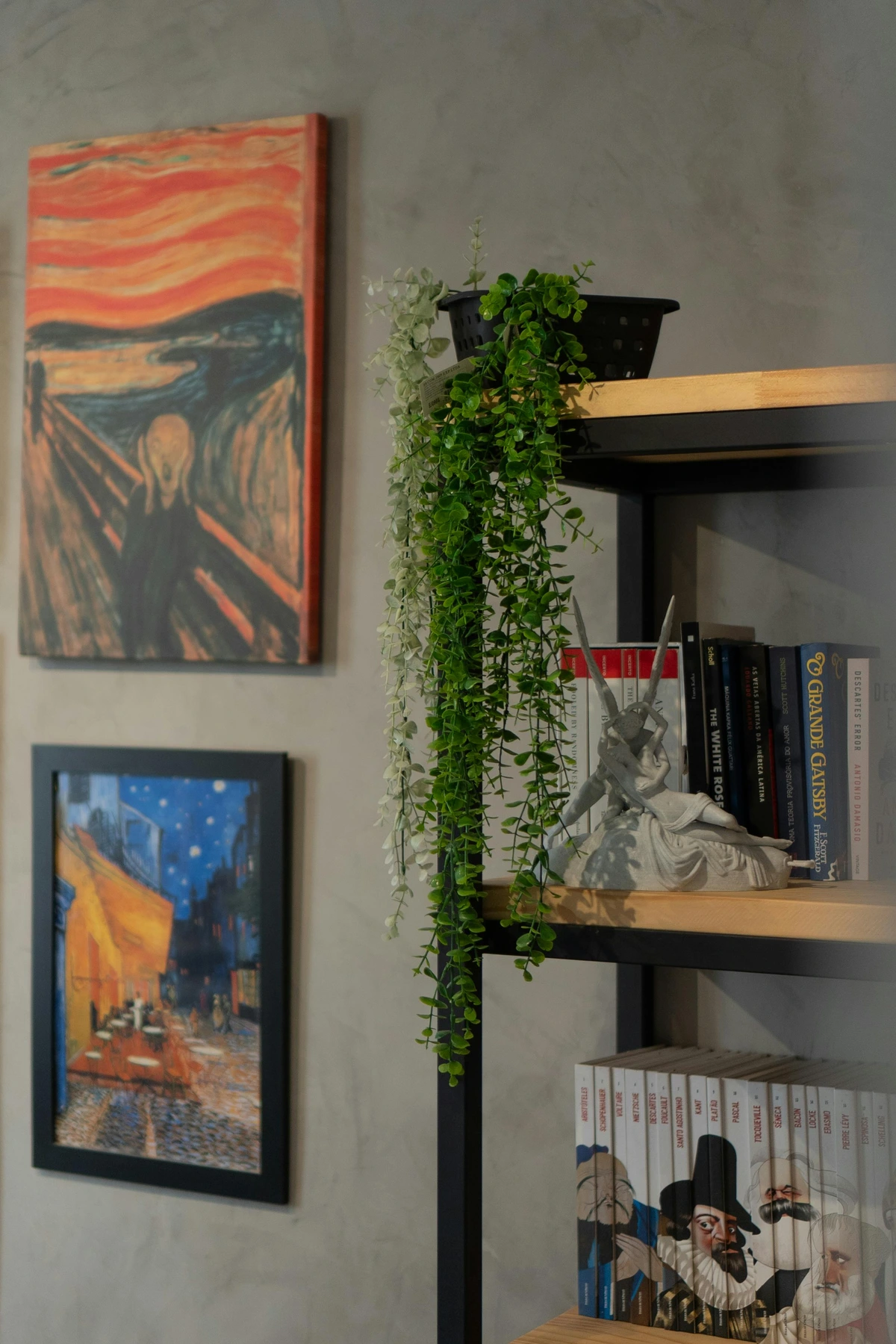
- Observe Your Space and Yourself: The Inner CanvasBefore you even think about browsing art, spend some quality time in your study. When do you use it most? How does the light change throughout the day? More importantly, how do you feel in that space? Do you feel restless? Drained? Unfocused? Do you find yourself staring out the window, procrastinating, or struggling to generate new ideas? I remember one period where I constantly felt agitated; turns out, the harsh primary colors I’d chosen were actively working against my desire for calm – a classic rookie error, if I’m honest. The art you choose should be a counterbalance or an enhancer to your current experience. If it’s already chaotic, maybe opt for something serene and structured. If it's too bland, perhaps a burst of thoughtful color or a piece with engaging texture. Understanding yourself in the space is the first canvas you're working on, and it’s a canvas that evolves over time, just like you do. What fostered deep thinking yesterday might inspire playful creativity today. Ask yourself: what feeling am I trying to cultivate here? What specific intellectual tasks do I want to optimize this space for?
- Consider Size and Placement: The Goldilocks PrincipleThis one’s crucial. A tiny piece on a huge wall can feel lost, and a massive piece in a small nook can feel overwhelming. I once bought a huge painting for a wall that ended up dwarfing my bookshelf, making the whole room feel cramped – it was a constant, slightly embarrassing reminder of my poor judgment, not ideal for deep thought! Measure your wall space. Think about where your eye naturally rests. Above your desk? Opposite your favorite reading chair? You want the art to be easily viewable without straining, but also not so in-your-face that it competes with your screen or book. Imagine a small, intricately detailed piece: viewed from across the room, it might seem simple, but up close from your desk, its complexities unfold, inviting a moment of quiet focus. This mindful interaction with the artwork, facilitated by its appropriate scale and placement, profoundly influences the feeling of clarity and inspiration in your study. The framing, too, plays a subtle but significant role; a well-chosen frame can elevate a piece, providing a professional finish that defines its boundaries without distracting from the artwork itself. And don't forget the power of good lighting to make your art truly sing and set the right mood; it’s a whole topic unto itself! We have some great tips on how to light and position abstract art for maximum impact. For smaller studies, you might also find inspiration in our article on abstract art for small spaces.

- Budget, Accessibility & Ethical Considerations: Art for EveryoneLet's be realistic: not everyone can invest in a large-scale original painting. But that doesn't mean you can't curate an inspiring space. High-quality art prints, limited editions, art rentals, or even thoughtfully selected digital art displays can offer stunning visual impact without breaking the bank. The focus remains on the intent behind your choice and the effect it has on your environment, not necessarily the price tag. I've often felt that the true value of art lies in its ability to connect and inspire, and I’ve always tried to make my own art for sale accessible, because I believe everyone deserves that connection. On an ethical note, I've found it personally rewarding to consider supporting living artists directly, perhaps through online marketplaces or local art fairs, or understanding the provenance (history of ownership) of a piece. Knowing a piece's journey, from the artist's hands to your wall – perhaps it was first exhibited in a small gallery, then owned by a collector before finding its way to a print you now cherish – adds a rich layer of appreciation and connection, tying you to its unique story and the creative spirit behind it. Supporting emerging artists or local art communities can enrich not just your study, but the wider art world. The most important thing is finding something that truly speaks to you and supports your goals.
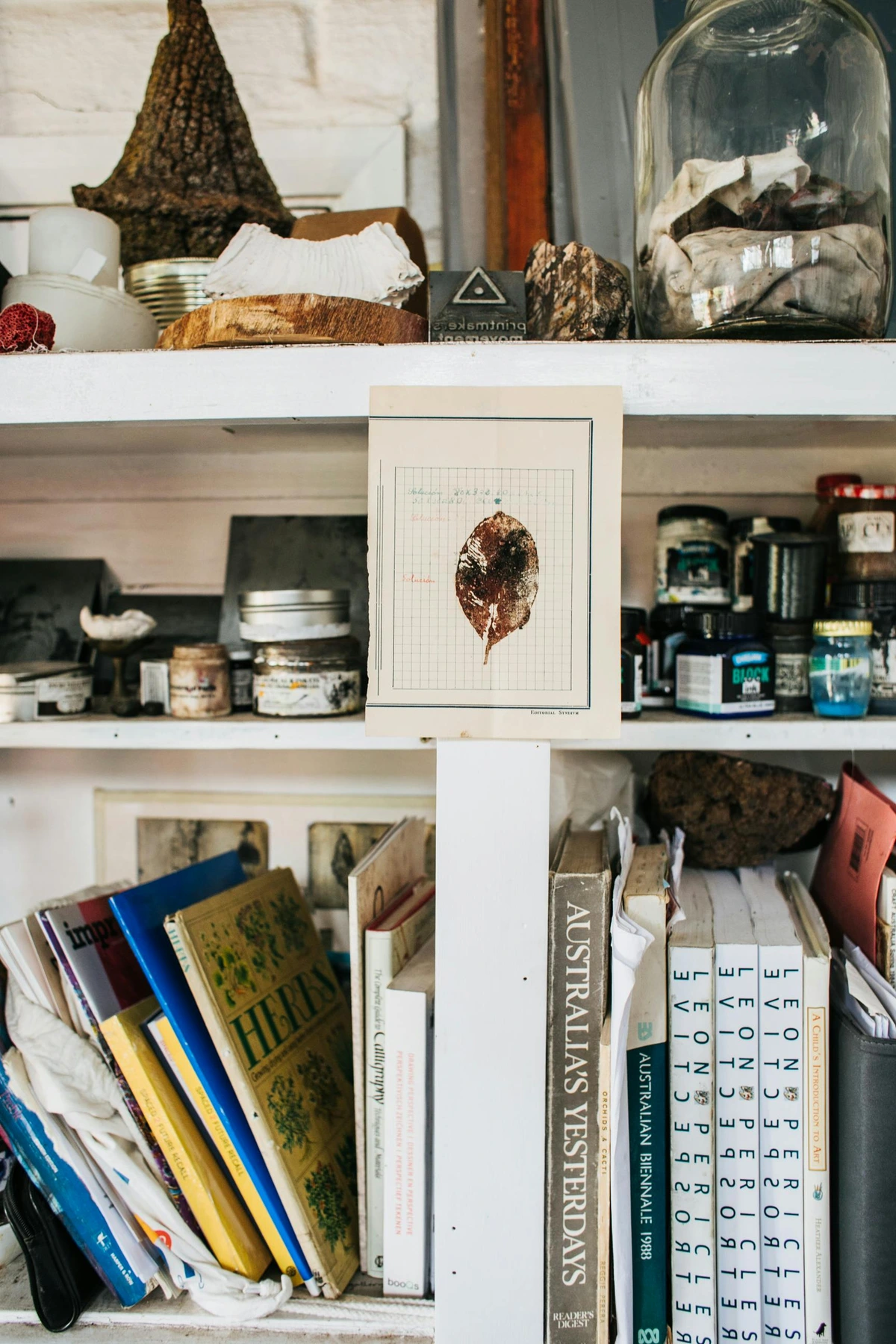
- Texture, Material, and Biophilic Touches: Beyond the CanvasDon't forget that art isn't just flat! The texture of a piece can add so much depth and interest. A heavily textured abstract painting, for example, with its impasto strokes creating actual shadows and highlights, can invite the eye to explore its surface, offering a quiet, tactile experience without visual distraction. Think about pieces on wood panels, or even mixed media. Consider how different mediums, like the fluid washes of watercolor, the rich impasto of oil, or the crisp lines of a high-quality digital print, interact with light and convey a specific feel. These subtle variations can make a big difference in how a piece interacts with the light and the overall feel of your study. On a related note, even in abstract art, a subtle nod to biophilic design can be incredibly beneficial. Pieces that evoke natural patterns, organic forms, or serene landscapes (even if highly abstracted) can subconsciously reduce stress and improve cognitive function. Think of an abstract with swirling blues and greens mimicking water, or earthy tones suggesting a forest floor. It’s like bringing a bit of the calming outdoors inside, without the pollen! For ideas on lighting, check out our guide on how to choose the right lighting to enhance your abstract art collection. Or explore the broader concept of biophilic design through art.
- Art for Different Intellectual Pursuits & Shared SpacesIt's worth a moment to consider what kind of work you primarily do in your study. Are you crunching numbers, requiring intense focus and order? Or are you brainstorming creative ideas, needing more intuitive stimulation? A hard-edge geometric abstract, with its precise forms, might be perfect for analytical tasks, fostering a sense of structure and clarity – perhaps ideal for an engineer or data scientist. But if you’re a writer or designer, a more fluid, organic abstract piece (perhaps a lyrical abstract or a soft color field painting) could unlock new avenues of thought, encouraging free association and imaginative leaps. I’ve found that the right piece can even serve as a subtle cue to transition into deep work, helping me achieve a flow state where hours melt away. Furthermore, if your study occasionally doubles as a meeting space or shared office, consider art that can spark collaboration or gentle discussion. A piece that invites diverse interpretations can be a great conversation starter, fostering a shared sense of intellectual curiosity without being overtly distracting. It’s a wonderful way to subtly influence the energy of a shared creative or problem-solving session.

- Personal Connection & Longevity: Does It Resonate?Ultimately, the art in your study should resonate with you. It’s not a public gallery; it’s your personal space for growth and contemplation, a reflection of your personal identity and intellectual journey. If a piece doesn't spark something within you, even if it looks perfect on paper or is recommended by a design guru, it won't serve its purpose. You need to connect with it on a deeper level. Sometimes, I even use a piece of art as a deliberate, gentle visual break – a moment to let my eyes refocus on something beautiful and thought-provoking before diving back into my work. It’s a micro-inspiration point, not a complete derailment. This visual respite can act as a mental reset button, a subtle reward for your effort. A practical tip: before committing, try printing a high-resolution image of a potential piece and temporarily taping it to your wall, or use online digital mock-up tools. Live with it for a few days to see how it truly feels in your space. This deep connection ensures the piece will also offer longevity, continuously revealing new layers of meaning as your own thoughts and experiences evolve – it truly is an investment in your mental well-being. And to keep things fresh, consider rotating your art periodically; even moving a piece to a different wall can offer a renewed perspective. How does it feel when you catch a glimpse of it after hours of intense concentration?
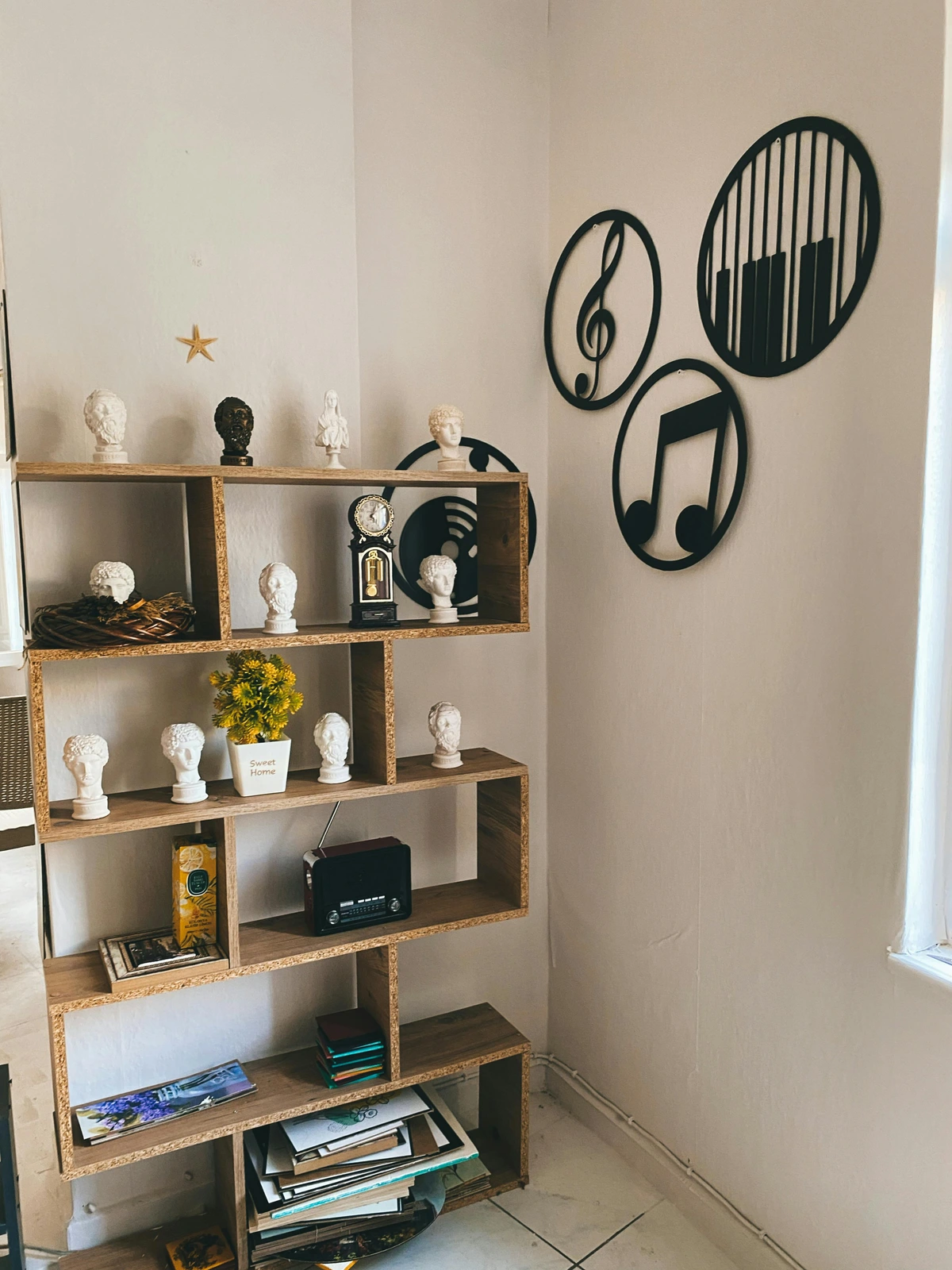
- Minimizing Visual Noise & Art as a Reward: Less Can Be MoreHere’s a crucial but often overlooked point: sometimes, less is more. While the impulse might be to fill every blank space, too much art, or art that is overly complex and busy, can actually be counterproductive in a study. Think of it as visual noise. Just as a cluttered desk can disrupt your focus, a visually cluttered wall can pull your attention in too many directions. A single, well-chosen piece often has far more impact and provides a clearer visual anchor than a gallery wall crammed with diverse, demanding artworks. Aim for intentionality and balance. And speaking of rewards, I sometimes catch myself looking up from a challenging task, and my eyes land on a particular piece that just feels right. In that moment, it’s not just art; it’s a quiet acknowledgment, a subtle reward for the effort – a momentary exhale before diving back in. It’s amazing how a beautiful piece can serve as a gentle motivator or a small celebration after completing a task or reaching a milestone.
A Final Thought on Cultivating Your Sanctuary
Creating an inspiring and focused home library or study is a deeply personal journey, one that evolves as you do. The art on your walls isn't just wallpaper; it's a dynamic element, a quiet companion, and a powerful tool in shaping your mental landscape. As we've explored, intentionality is key – choosing art that actively supports your goals for the space, whether it's focus, creativity, or calm. Remember, color matters, influencing moods and energy, and abstract art holds significant power in offering visual anchors without demanding narratives, though carefully chosen figurative art can also contribute. Always consider size and placement for optimal viewing and a harmonious feel, recognizing that less is often more to avoid visual clutter and maintain mental clarity. And don't forget to look beyond the visual, appreciating texture, medium, and biophilic touches for a richer sensory experience that reduces stress. Ultimately, the art you choose must have personal resonance, reflecting your identity and serving as a quiet archive of your intellectual journey.
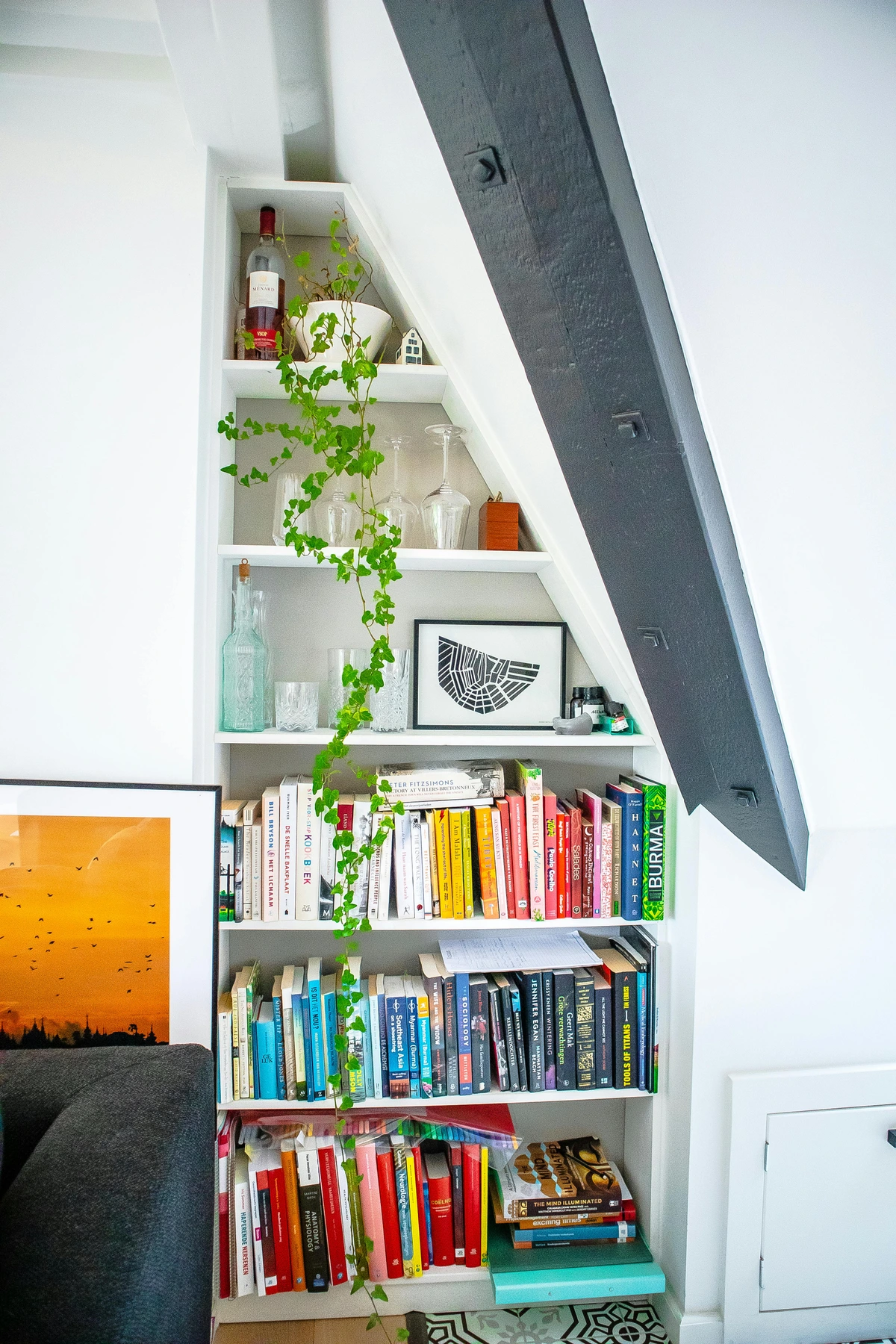



Your sanctuary awaits; let your art be its silent, enduring guardian, a constant source of inspiration and quiet strength. What kind of story will your study walls tell about your intellectual adventure? How will you make your space truly your own intellectual haven? I'd love to hear about your own discoveries and how you've cultivated your perfect space. And if you’re ready to explore options, our collection of contemporary abstract art might just have what you’re looking for to cultivate your perfect intellectual haven.