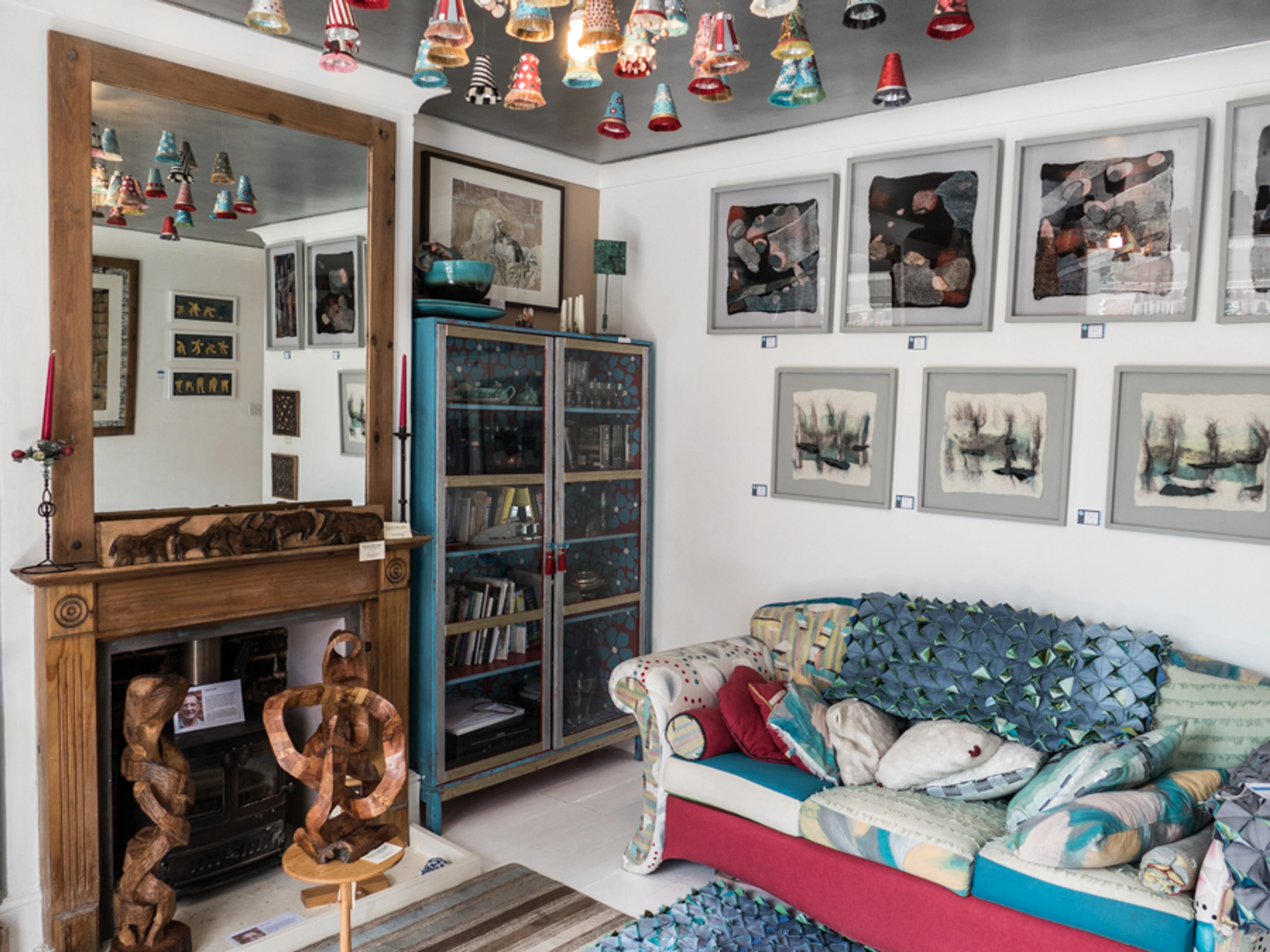
What is a Gallery Wall? A Personal Guide to Storytelling
Ditch the boring walls. Discover what a gallery wall truly is—a personal story, not just decor. Get inspired with styles, tips, and ideas to start your own.

What Exactly Is a Gallery Wall, Anyway? Your Ultimate Guide to Curating a Personal Narrative
If you're anything like me, you've probably scrolled through endless Pinterest boards, double-tapped countless Instagram posts, and maybe even lingered a little too long in a beautifully styled friend's home, all wondering about that captivating display of art. The one that tells a story, adds character, and just feels... right. That, my friend, is the magic of a gallery wall. But what exactly is it beyond a pretty picture on a screen? And why has it become such an enduring, beloved trend in home decor? I've been fascinated by them for years, and what I've discovered is that they're far more accessible, deeply personal, and creatively liberating than they first appear. It's not just about filling a blank space; it's about turning a wall into a canvas for your life's story.
This isn't just about hanging pictures; it's about curating a narrative, transforming a blank expanse into a vibrant conversation piece, and injecting your home with undeniable soul. And honestly, it’s one of the most rewarding decor projects you can undertake, a true testament to the power of personal expression. I'm here to demystify the entire process, sharing everything I've learned from my own trials, errors, and triumphs, and showing you why a gallery wall is an essential element in a truly lived-in, loved home. Consider this your definitive, no-nonsense guide to understanding, planning, and creating a gallery wall that is uniquely, authentically you – a visual autobiography that evolves with every chapter of your life.
The Enduring Allure: A Brief History and Evolution of Gallery Walls
Before we dive into the "how-to," I think it’s fascinating to briefly consider where this whole idea comes from. To truly appreciate the modern gallery wall, it helps to understand its roots. Because, really, the concept of hanging multiple pieces of art on a wall isn't new at all. It has a rich history that stretches back centuries, evolving from grand displays of wealth to the deeply personal expressions we see today. Understanding this lineage, for me, adds another layer of appreciation to every piece I hang, and it reveals how timeless the desire for visual storytelling truly is.
From Aristocratic Palaces to Parisian Salons
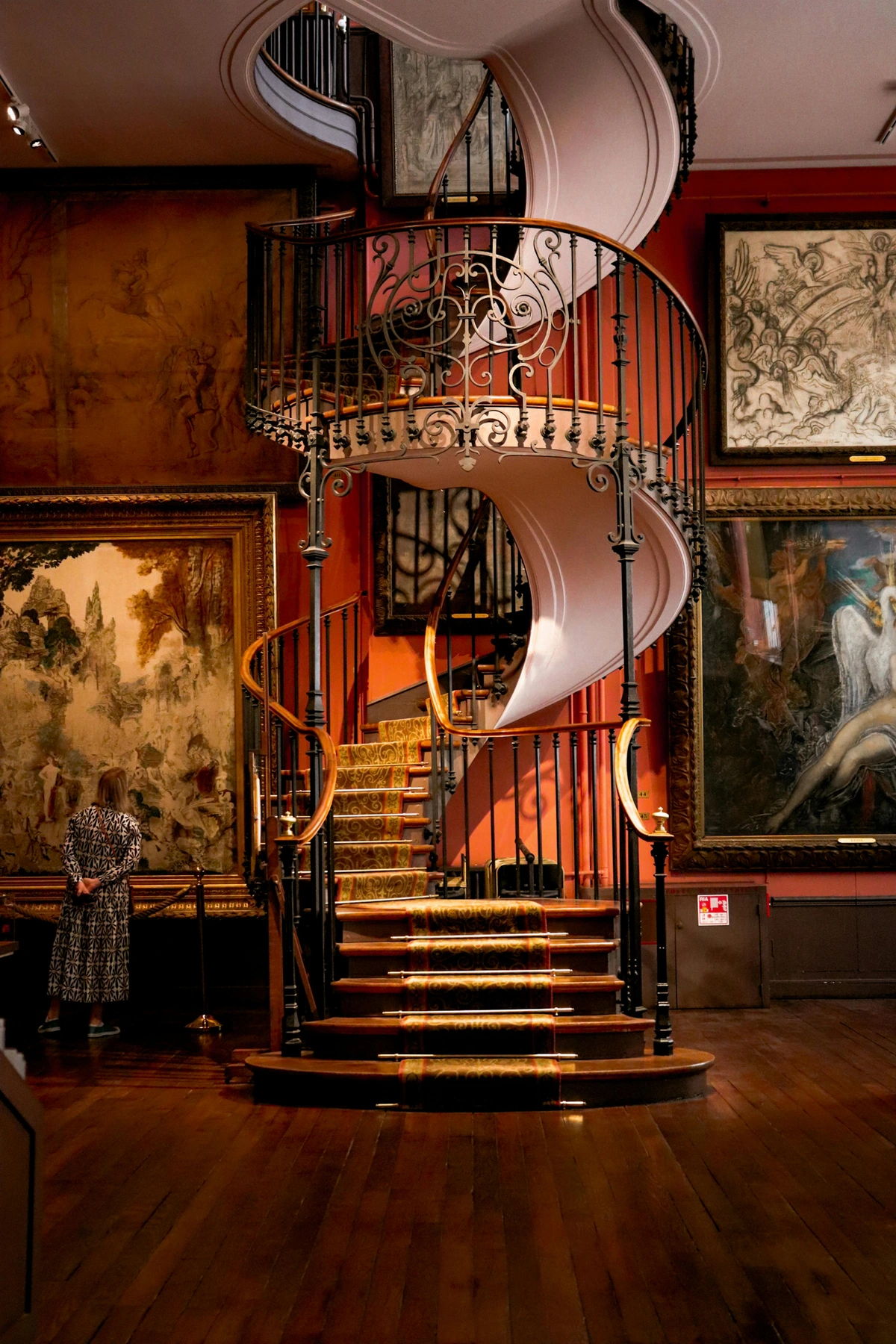
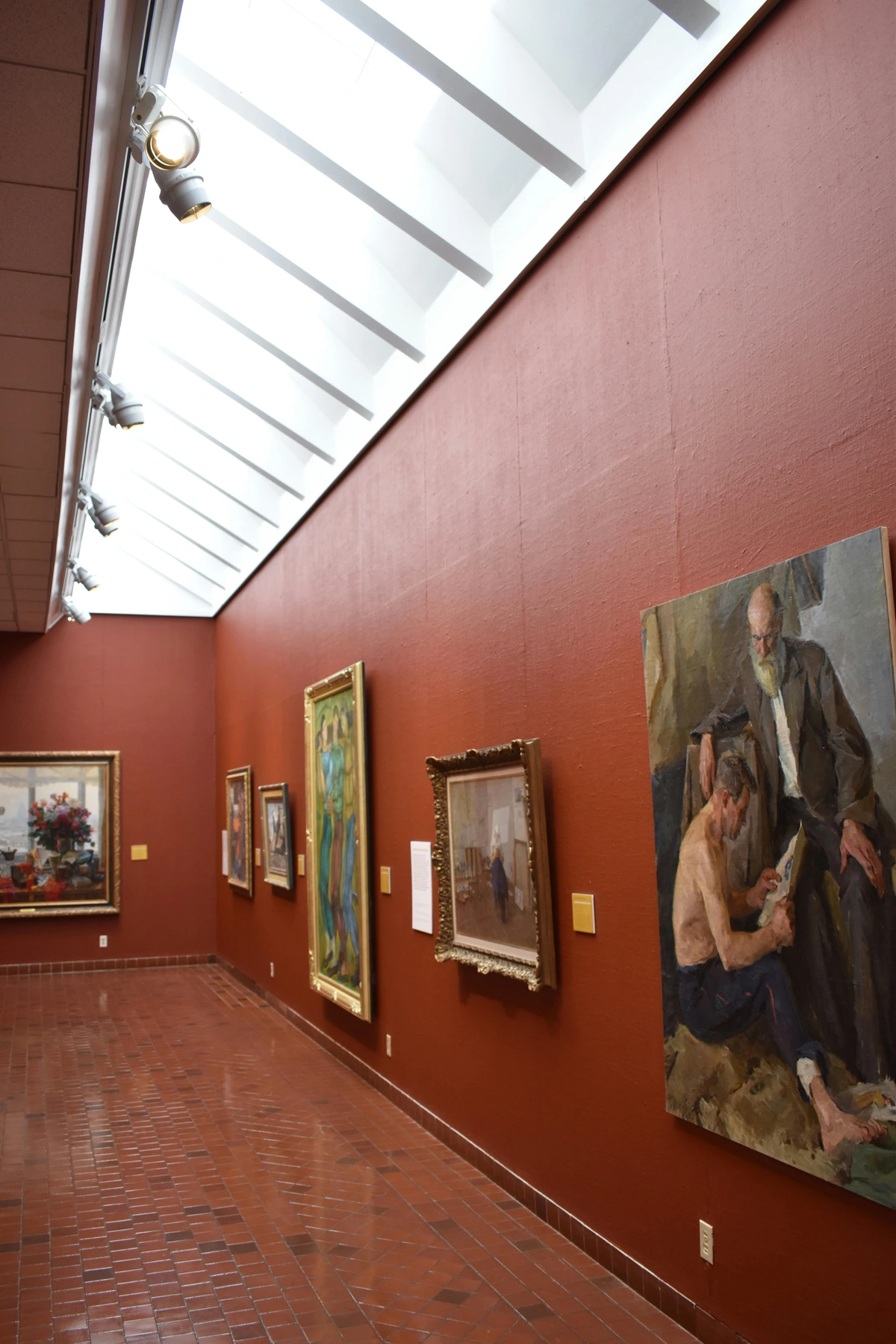
The earliest forms of what we might recognize as a "gallery wall" emerged in the Renaissance and Baroque periods in Europe, often reflecting the opulent lifestyles of wealthy aristocrats and royalty. Imagine grand halls in palaces like the Uffizi in Florence, or the lavish residences of Baroque collectors, where walls were adorned with vast collections of paintings, often hung floor-to-ceiling in a style known as a "cabinet of curiosities" or "Wunderkammer." These wasn't merely about decoration; it was a powerful display of status, knowledge, and global reach, a way to showcase one's intellectual and material conquests. These expansive displays, featuring everything from exotic artifacts and natural wonders to priceless artworks, were meticulously arranged to impress and overwhelm, creating a deliberate visual narrative of power and erudition. While far grander and more formal than our modern interpretations, these early displays laid the conceptual groundwork for collecting and presenting multiple visual elements as a cohesive statement, highlighting the historical context of displaying art and foreshadowing our own desire for visual storytelling. To dive deeper into how art has shaped interiors, you might find the evolution of art in interior design fascinating.
Fast forward to the 19th century, and the concept took on a slightly different, yet equally impactful, form in the Parisian Salons. These annual art exhibitions were the undisputed epicenters of the art world, where artists would submit their works for public display and critical review. Imagine the sheer spectacle: walls literally covered from floor to ceiling, in what became known as the Salon-style hang. It was dense, often chaotic, and aimed to maximize the number of works shown, reflecting a time when quantity often equated to cultural significance and opportunity for artists, as well as an aesthetic of abundance. While this might seem jarring to our modern minimalist sensibilities, it was the standard of the day, profoundly influencing how art was viewed and consumed by the public, establishing the very idea of a public art exhibition. It also cemented the idea that a collection of disparate works could, through sheer volume and arrangement, create an impactful, immersive visual experience. For more on creating this particular style, explore the creating salon-style hang step-by-step.
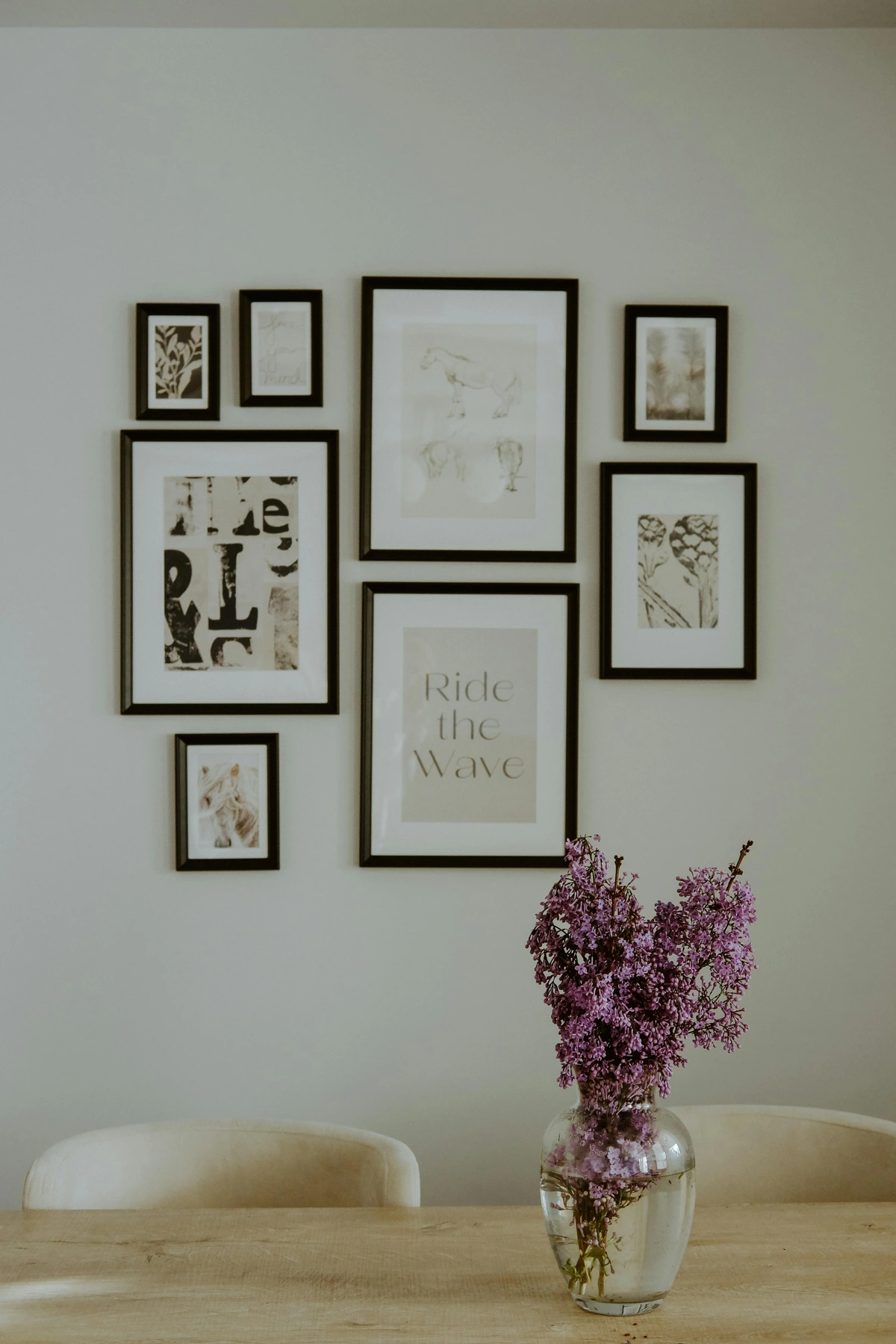
The Modern Transformation: Democratization and Personalization
The 20th century saw a significant shift, a cultural pivot really, that truly democratized the gallery wall. As art moved away from purely academic traditions and into more avant-garde movements (hello, Modernism!), and as homes became less grandiose and more focused on individual comfort and functionality, the gallery wall began its remarkable transformation. It became less about demonstrating inherited wealth or adhering to formal exhibition standards, and far more about personal expression, individual taste, and the democratization of art for the everyday home.
- Post-War Era & Modernism's Embrace: With the rise of modernism and a burgeoning middle class, people started collecting art that resonated with them on a personal level, rather than just what was deemed 'important' by critics or institutions. The gallery wall became a natural, accessible way to display these increasingly diverse, often smaller, and more personal collections, making art a part of daily life.
- Mid-Century Modern Aesthetics: As interior design emphasized clean lines, minimalist sensibilities, and functionality, gallery walls evolved to become more curated and thoughtful. This era often saw the use of uniform frames and deliberate spacing to create a sense of order and serenity amidst variety, proving that even a collection could feel cohesive and intentional within a modern scheme.
- The Contemporary Era: Ultimate Personalization: Today, the gallery wall is more versatile and accessible than ever, a true reflection of our individualistic society. It's a direct response to our innate desire to personalize our living spaces, to tell our unique stories, and to create a home that truly feels like us, all without needing a museum budget. We mix high and low, old and new, personal and professional, cherished mementos and thought-provoking contemporary art – all to create a visual narrative that is distinctly ours. It’s a beautiful, ongoing evolution, really, from a display of institutional power to a heartfelt celebration of individuality. And that, to me, is truly exciting, as it means every home can become a personal gallery.

So, What Is a Gallery Wall, Really? Defining Your Personal Display
Let's be honest. The term "gallery wall" gets thrown around a lot. You see it on Pinterest, in glossy magazines, and all over home decor shows. It sounds a bit... grand, doesn't it? Like you need a curator and a velvet rope to pull it off. But I'm here to tell you, that's not it at all. It's more accessible, and honestly, more meaningful, than any velvet rope could suggest.
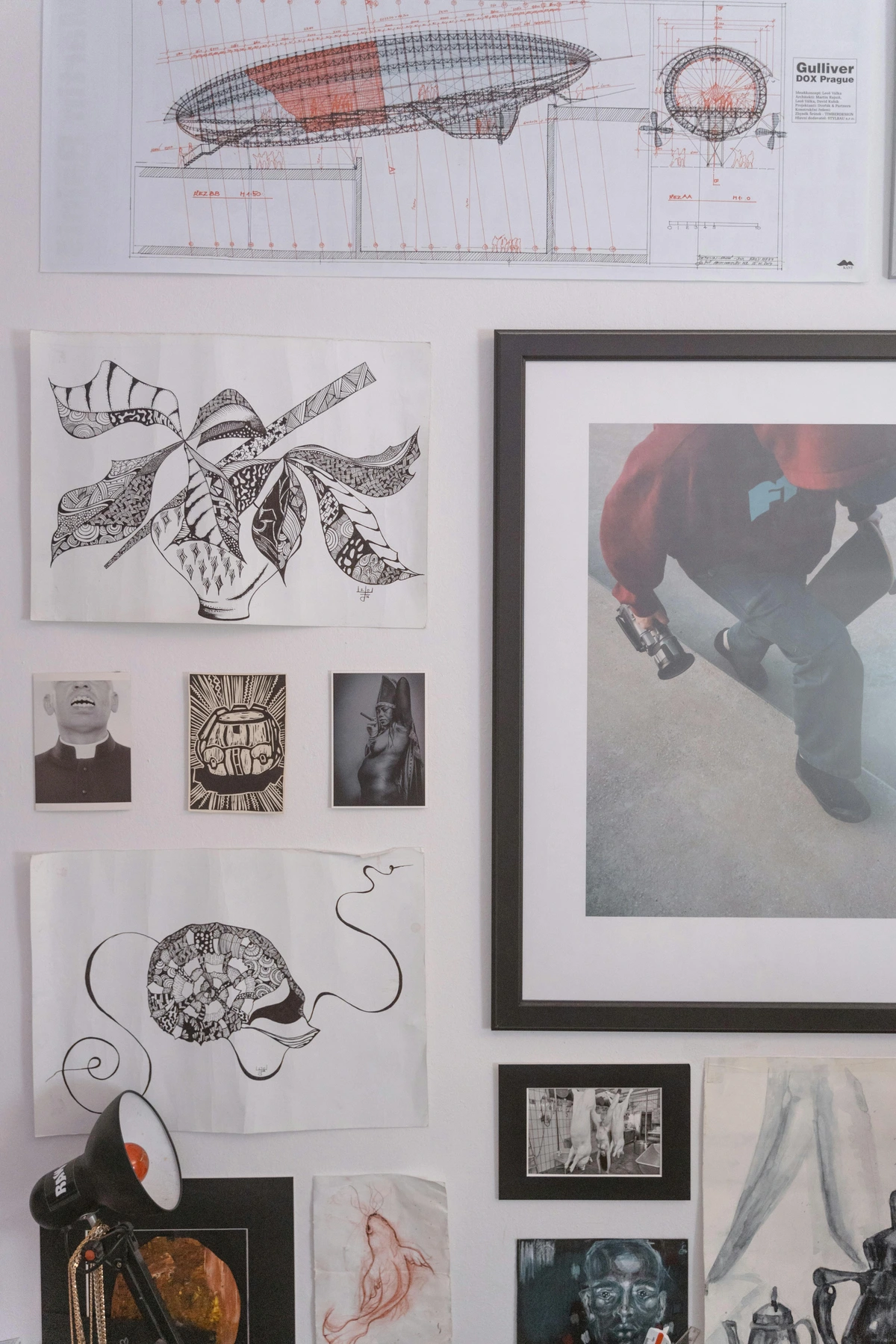
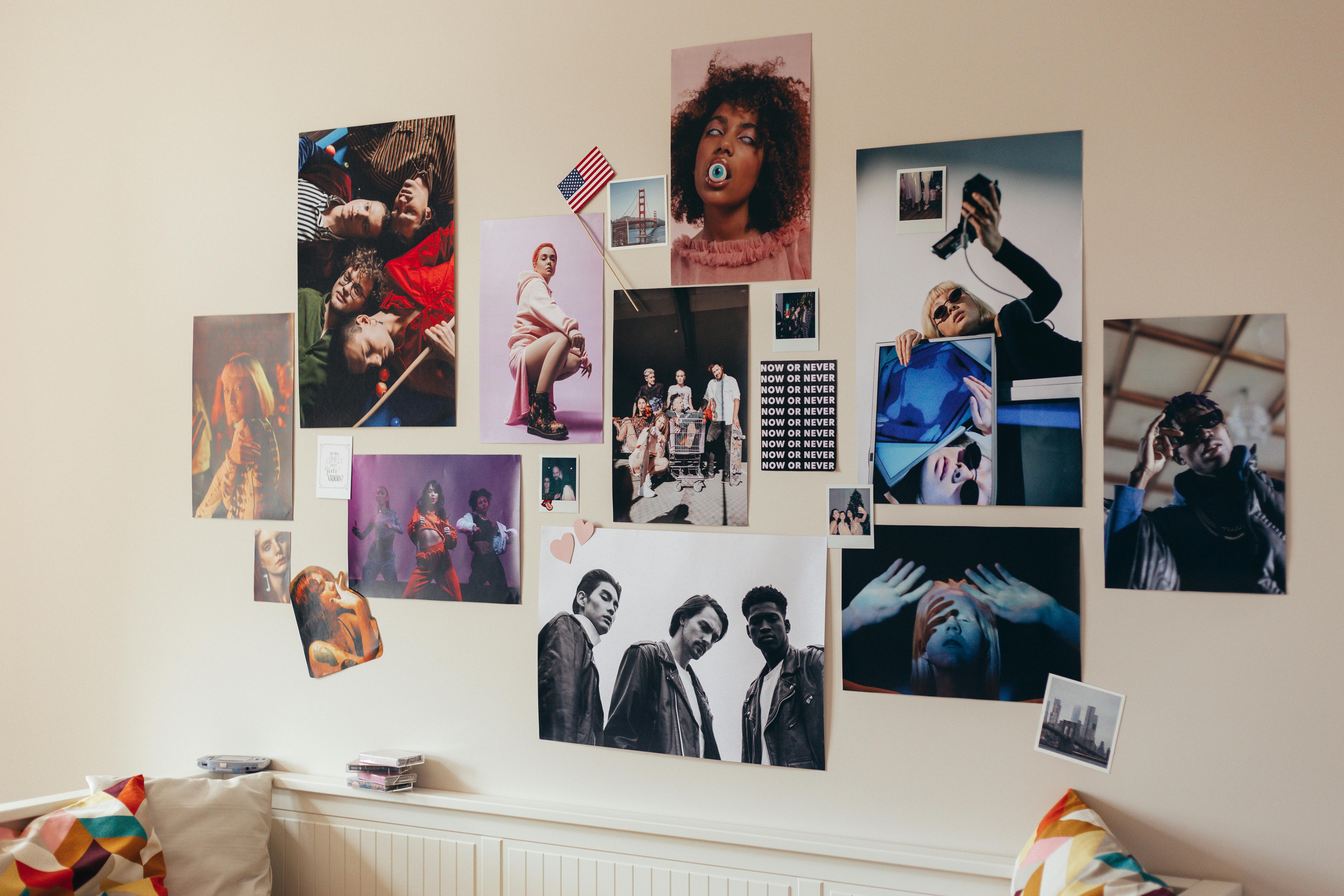
At its heart, a gallery wall is simply a curated collection of items—like artwork, photographs, and personal mementos—arranged together on a wall to create a cohesive visual statement. That's the textbook definition, and it’s a good starting point. But to me, it's so much more. It's your personal story, your memories, your sense of humor, your taste, your triumphs and your travels, all displayed for the world (or at least, for anyone who visits your living room) to see. It’s the opposite of a blank, impersonal wall; it’s a wall that has something profound to say, a dynamic canvas for your life. It's about bringing together disparate elements – a cherished postcard, a piece of contemporary art, a child's finger painting, a vintage mirror – and making them sing in harmony, creating a visual symphony that is uniquely yours. And trust me, once you start, you'll wonder why you didn't do it sooner. For me, it was a revelation, turning a dull, forgotten space into a vibrant, engaging conversation piece. In this comprehensive guide, we’ll dive deep into what makes a gallery wall tick, from the very first spark of an idea to the satisfying thud of the last nail, ensuring you have all the tools to create a masterpiece that tells your incredible story.
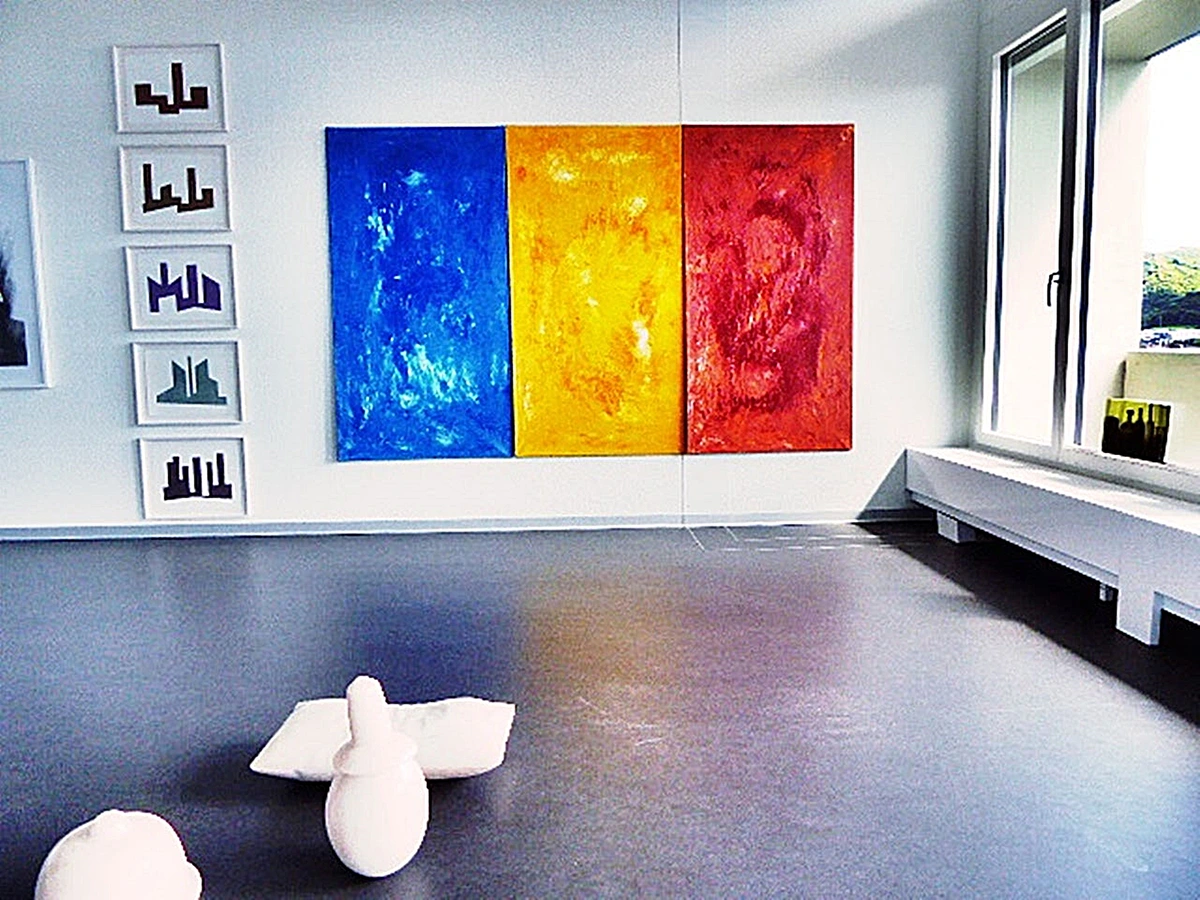
Why Create a Gallery Wall? The Art of Personal Expression
So, why bother? Why not just hang one big painting? I get it. The idea of arranging multiple pieces can feel daunting, like a high-stakes game of visual Tetris. The sheer number of choices can be paralyzing, and I’ve been there – staring at a blank wall, overwhelmed by the possibilities (or lack thereof!). But the magic of a gallery wall lies in its unparalleled power to transform a space and tell a story in a way a single piece rarely can. It’s an ultimate act of personalization, a deeply rewarding way to infuse your home with undeniable soul and character – something I discovered firsthand when I finally committed to designing my own. Here’s why I believe everyone should consider creating one, even if the thought of it currently makes you want to curl up with a good book and avoid all decisions:
Benefit  | Description | My Take |
|---|---|---|
| Personal Storytelling | Acts as a visual diary, weaving together memories, passions, and milestones. | It’s a living autobiography, sparking conversations and sharing your journey. |
| Focal Point Creation | Draws the eye and provides an anchor in a room, giving decor direction. | Transforms an aimless space into an intentional, pulled-together area. Read more about creating a focal point with art. |
| Affordable Space Filling | Covers large areas with smaller, often more budget-friendly pieces. | Makes art accessible and allows gradual building of a stunning display, especially useful for collecting art for small apartments. |
| Unique Style Expression | Adapts to any aesthetic, allowing mixing of textures, colors, and subjects. | A playground for personal taste, reflecting your true vibe and personality. |
| Flexibility & Dynamism | Can evolve with changing tastes; pieces can be swapped, added, or rearranged. | A living, breathing part of your home, always ready for a refresh or new chapter. |
| Texture & Depth | Introduces varied materials, shapes, and forms, adding tactile and visual interest. | Far more engaging than a flat wall; it invites the eye to linger and explore. |
| Room Transformation | Radically alters the mood and perception of a space, making it feel more lived-in. | It's like giving your room a personality transplant – suddenly it has soul. |
| Conversation Starter | Invites guests to engage with your story and pieces, sparking dialogue. | My gallery wall is often the first thing people comment on, a true ice-breaker! |
| Renter-Friendly Personalization | Offers impactful decor without permanent changes, using temporary hanging methods. | Perfect for making a temporary space feel like home, without losing your deposit! Discover renter-friendly decor ideas. |

- It Tells Your Story: This is the big one for me. Think of your gallery wall as a visual diary, a collection of moments and memories. Your travels, your passions, your family milestones, your favorite artists, even that quirky postcard you picked up on a whim – a gallery wall weaves these narratives together visually. It's a living autobiography on display, and it sparks conversations like nothing else. It’s about more than just decoration; it’s about sharing a piece of your journey. What other decor element in your home so effortlessly encapsulates who you are, where you've been, and what you love? It’s truly an evolving narrative.
- It Creates a Focal Point: Ever walk into a room and feel like it’s lacking something, a certain je ne sais quoi? In a space that feels a bit aimless, a well-executed gallery wall immediately draws the eye, providing an anchor and a conversation starter. It gives direction and intention to your decor, pulling everything together and making the room feel more intentional and complete. I remember walking into a friend's otherwise lovely apartment, and it felt... a bit lost. Then they put up a gallery wall, and suddenly the whole room had purpose, a magnetic pull. It's like the exclamation point at the end of a very well-written sentence.
- It Fills Large Spaces Affordably: Let's face it, large, impactful artworks can be incredibly expensive. A gallery wall, however, allows you to cover a significant area with smaller, often more affordable pieces collected over time. This makes art accessible to everyone, regardless of budget. It’s a brilliantly budget-friendly way to make a huge impact, allowing you to gradually build a stunning display without breaking the bank. Plus, it's far more interesting to look at than just one solitary piece on a vast expanse of wall. You can even explore options for how to decorate a large wall with this approach. And who doesn't love the idea of creating a stunning visual impact without having to remortgage the house? I certainly do.
- It Expresses Your Unique Style: This is where the fun really begins. Whether you lean towards minimalist modern, industrial chic, bohemian eclectic, or even something like modern farmhouse interiors, a gallery wall adapts to your aesthetic. It’s a chance to mix and match textures, colors, and subjects that truly reflect you and the vibe you want to create in your home. It’s a playground for your personal taste, and there's no right or wrong way to do it. For instance, I've seen incredible gallery walls in industrial interiors that are completely different from a modern coastal home, yet both are equally compelling. It's all about finding your unique blend.
- It's Flexible and Dynamic: One of the things I love most about gallery walls is their inherent flexibility. Unlike a single, static piece of art, a gallery wall can evolve with you. You can swap out pieces, add new ones, or rearrange existing ones as your tastes change, as you acquire new treasures from travels or local artists (perhaps even from here?), or as the seasons shift. It truly is a living, breathing part of your home, always ready for a refresh or a new chapter. It’s a continuous conversation with your space, never static or boring.
The Anatomy of a Great Gallery Wall: Deconstructing the Elements
So, what actually goes into one of these things? It can feel overwhelming, I know. When I first started, I thought I needed a master's degree in interior design. But when you break it down, it's actually pretty simple. You're just playing with a few key ingredients, and it's all about how you combine them to tell your story.
The Art (and Everything Else): What to Hang? Curating Your Visual Story
This is where your personality truly shines, and honestly, it’s the most fun and creatively liberating part of the whole process. The 'art' in your gallery wall can be anything you love, anything that catches your eye, or anything that holds a special memory. Don't feel constrained by traditional definitions of what 'art' is; this is your space, your story, and the rules are entirely yours to define. Here are just some ideas of what you can include to create a truly unique, meaningful, and multi-dimensional display. The key, I've found, is to let go of any preconceived notions of what "should" or "must" be on a wall and simply embrace what resonates with you – it's often the unexpected pairings that create the most delightful visual conversations:
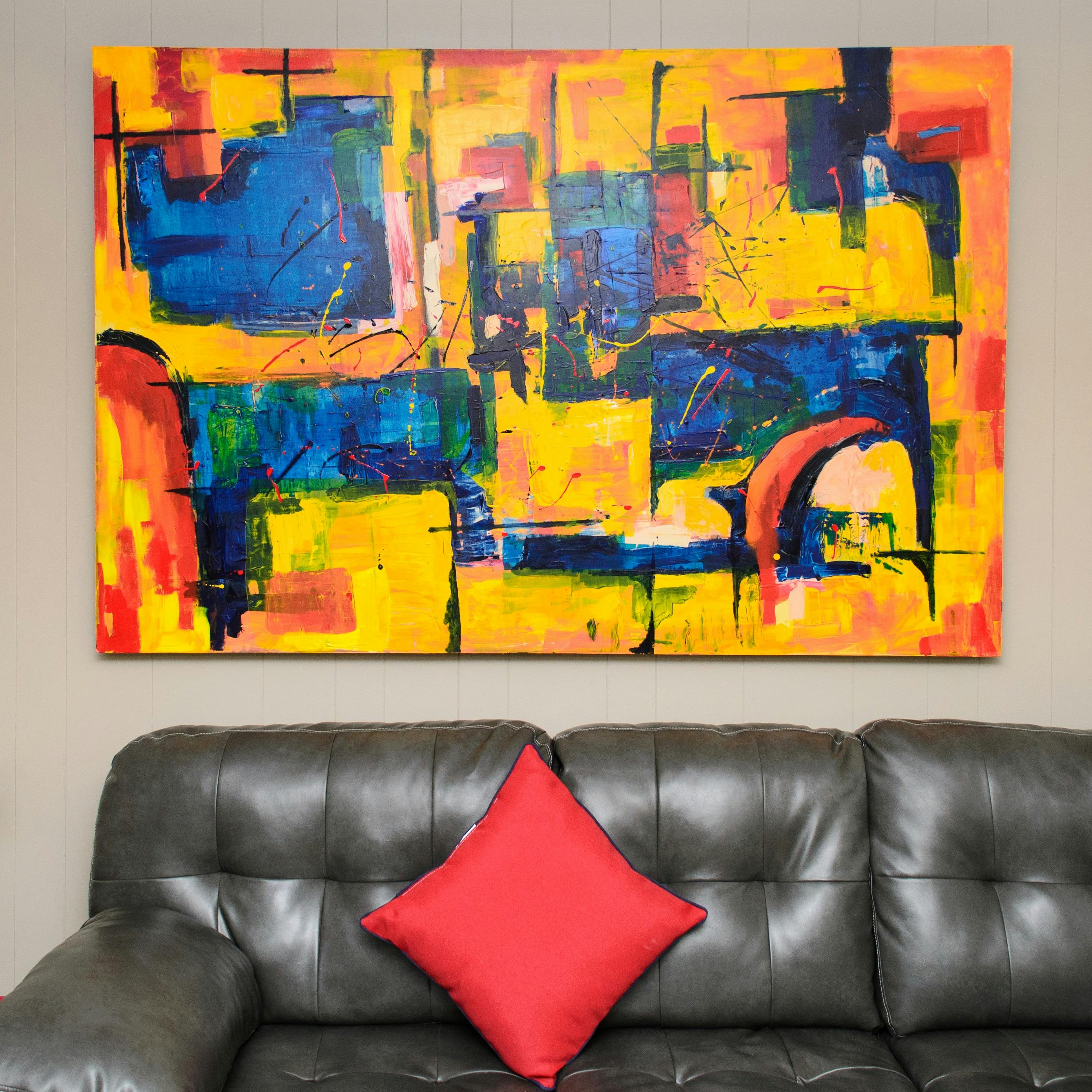
- Traditional Artworks: Paintings (oil, acrylic, watercolor), prints (etchings, lithographs, digital prints), drawings (charcoal, pencil, ink), and even abstract art can form the backbone of your collection. Mixing different styles and periods adds incredible depth and visual intrigue, allowing you to juxtapose a classic landscape with a bold, contemporary piece; the conversation between them can be incredibly powerful. You can even introduce elements of abstract art or historical pieces like those by Edgar Degas to add layers of cultural context.
- Photography (Personal & Artistic): Personal photos from travels, family milestones, or even candid everyday shots are absolutely perfect – they are, after all, direct windows into your life. Black and white photography can create a cohesive, sophisticated, and timeless look, while color photos bring vibrant energy and a burst of life. You can also include historical photographs, architectural studies, or fine art photography, perhaps even a striking black and white portrait or a compelling landscape from your travels to Florence. Consider printing some of your smartphone photos with a matte finish for a modern, elevated touch; a simple print can become a cherished heirloom when framed thoughtfully.
- Children's Art: Seriously, do not underestimate the power of these! Frame those vibrant, uninhibited creations from the little artists in your life. They inject a burst of pure joy, authenticity, and unparalleled charm that no high-end, mass-produced piece can replicate. I've seen some truly amazing gallery walls where a child's drawing is the unexpected star, creating a heartwarming and deeply personal focal point that instantly draws a smile.
- Digital Art & NFTs (with a grain of salt): In our increasingly digital world, framed high-quality digital prints are becoming more common and offer a unique aesthetic. As for NFTs... well, they're certainly a topic of conversation in the art world. While I remain a bit skeptical about the long-term aesthetic integration of purely digital assets onto a physical wall, if you have a meaningful digital piece you've acquired, converting it to a high-quality physical print and framing it can certainly be an option. Just make sure the focus remains on the visual impact and your personal connection to the piece, rather than solely on the underlying technology or its perceived investment value.
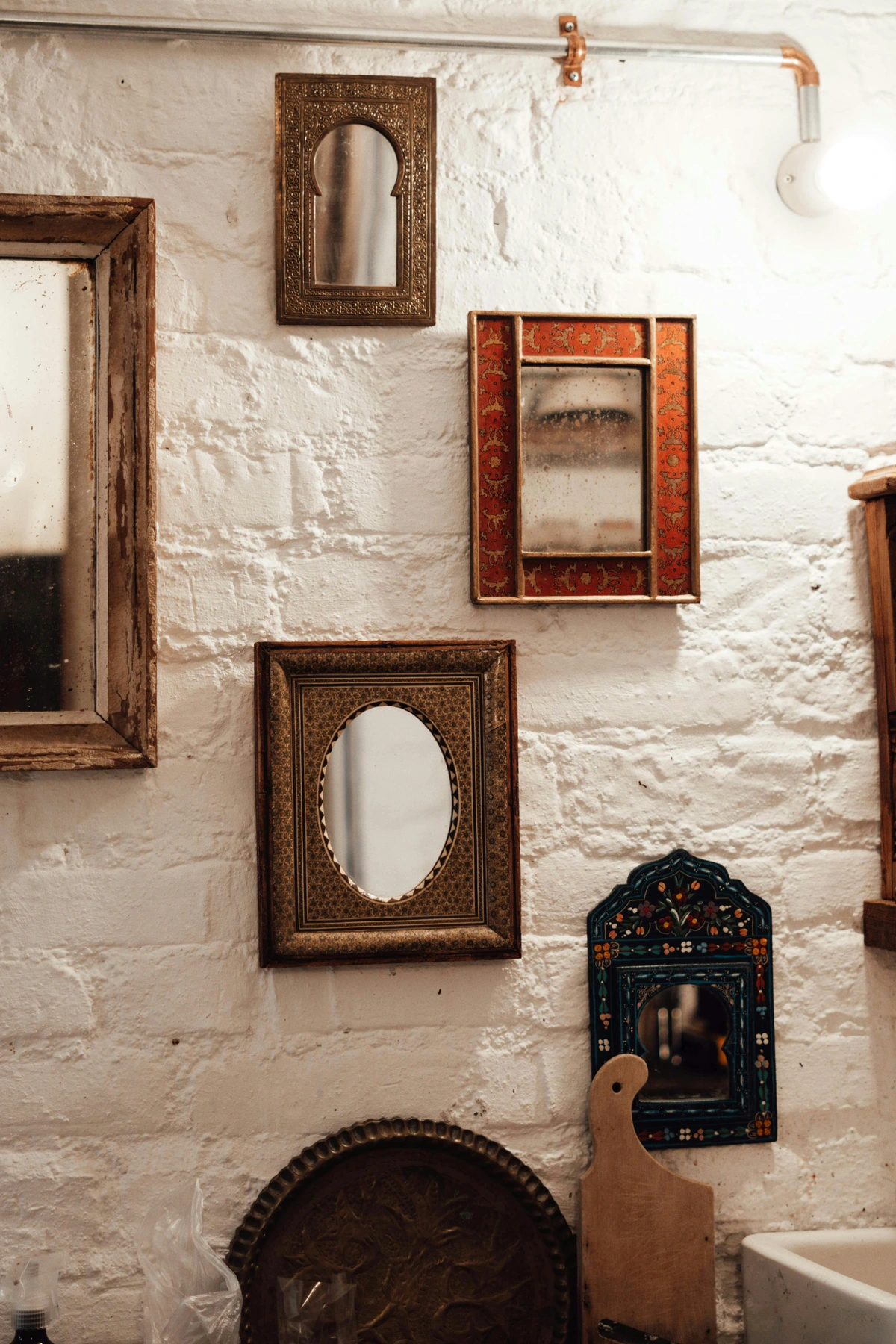
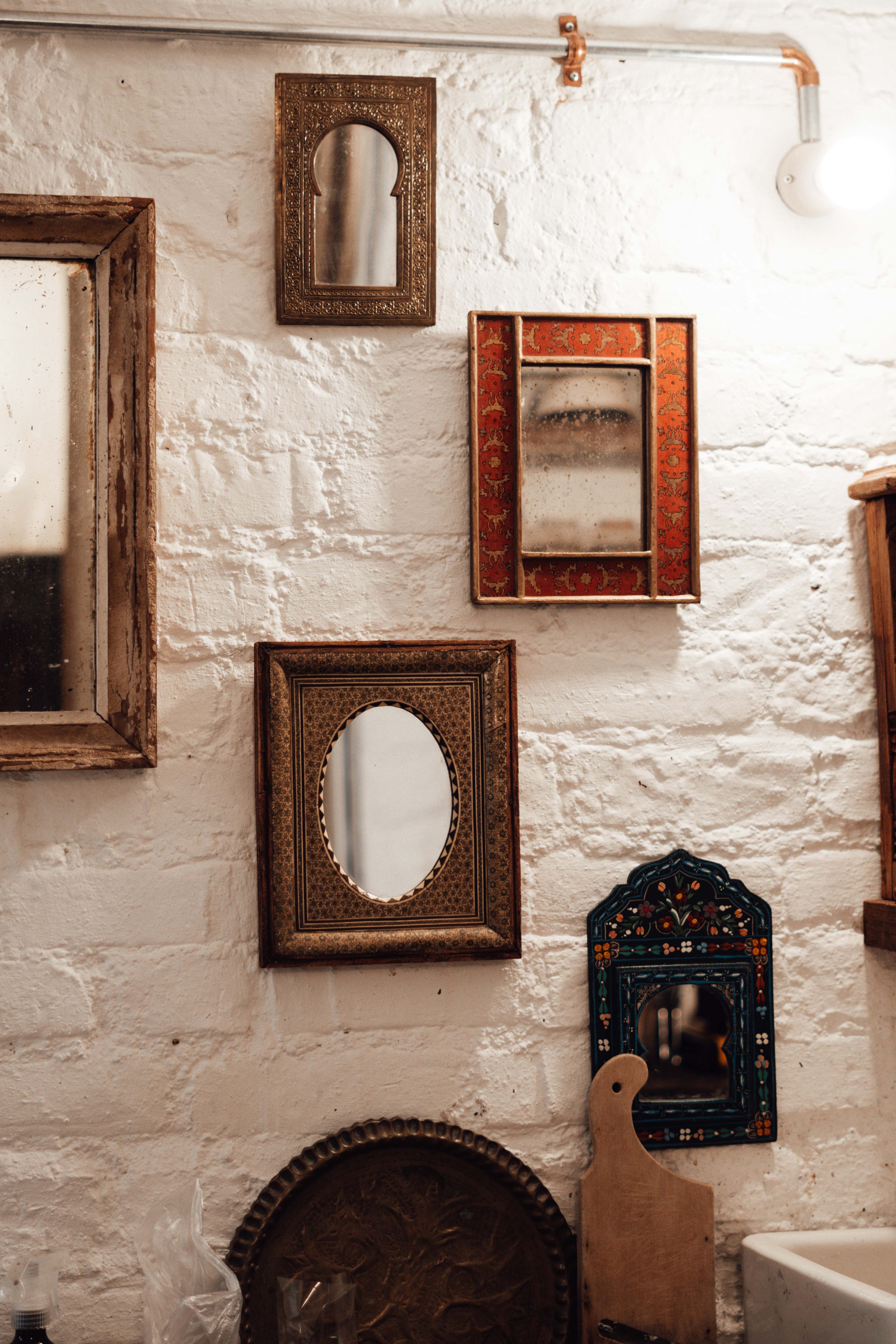
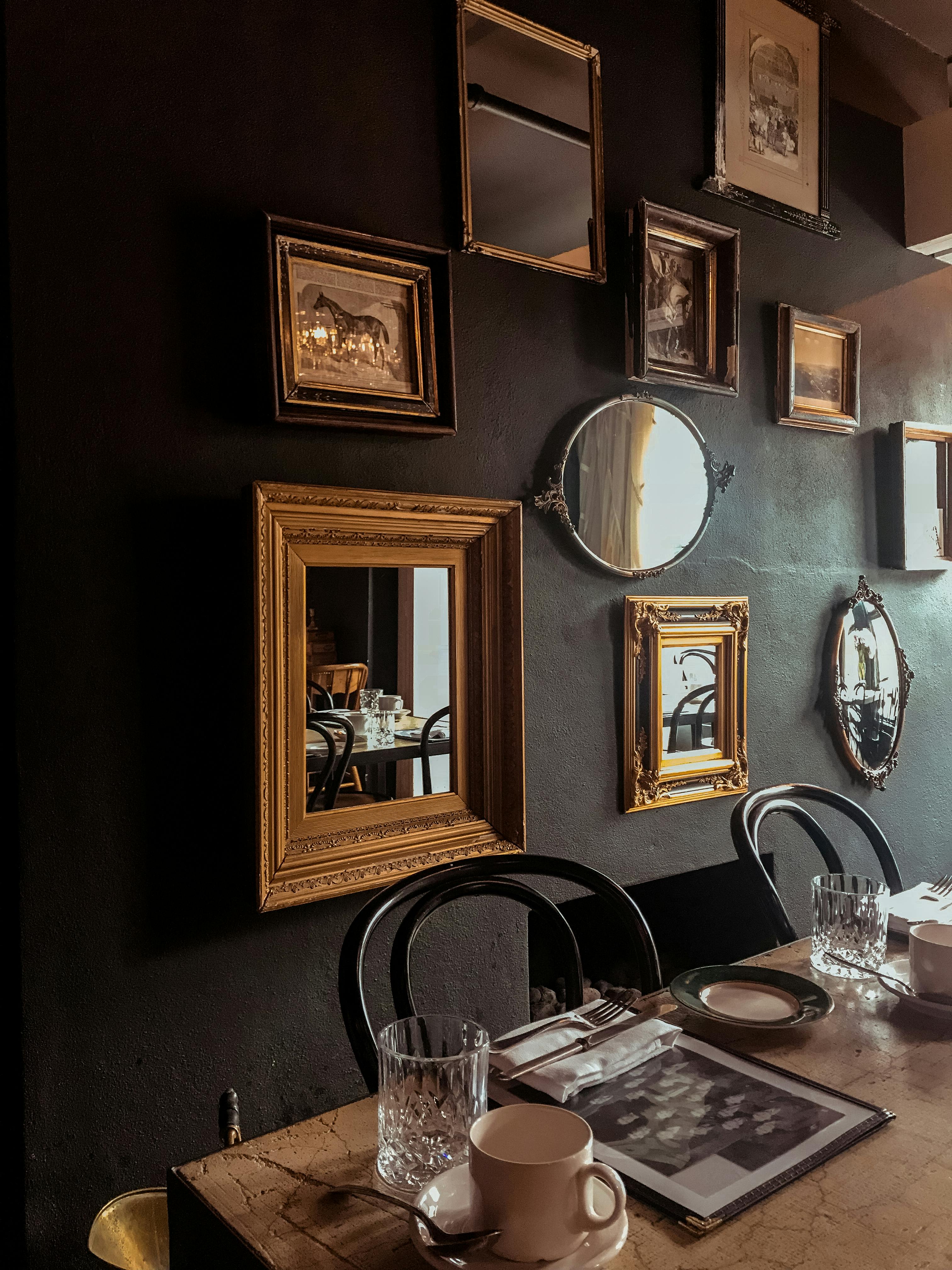
- Mirrors: A well-placed mirror is more than just a reflective surface; it can reflect light, make a space feel significantly larger, and add an unexpected, dynamic element to your display. Try mixing different shapes and frame styles for visual interest and to break up the flat plane of your wall. Mirrors are brilliant for reflecting light and creating an illusion of depth – I often consider them as "light art" themselves, and they're excellent for decorating with mirrors and art.
- Textile Art: Small tapestries, intricate woven pieces, embroidered hoops, macrame, or even interesting fabric swatches can add incredible texture, warmth, and softness to a wall that might otherwise feel too flat or two-dimensional. They introduce a tactile dimension that paintings or photographs alone can't quite achieve, inviting a different kind of visual engagement.
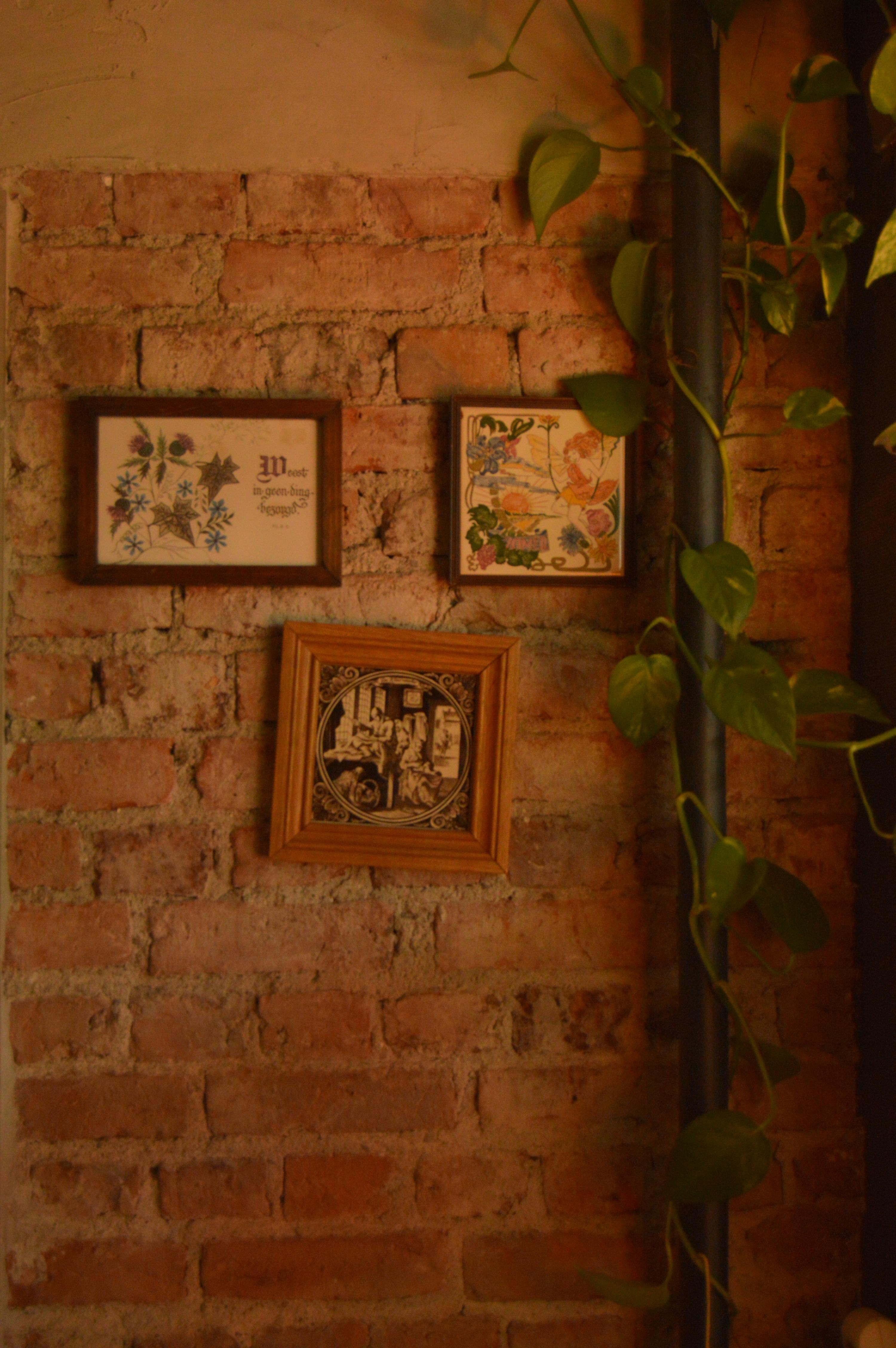
- Collectibles & Mementos (Your Personal Treasures): Think outside the traditional frame! Decorative plates, masks from your travels, vintage postcards, old concert tickets, children's drawings (framed, of course!), or even antique maps can be incredible, story-rich additions. These pieces carry profound stories and evoke cherished memories, transforming your wall into a three-dimensional, deeply personal scrapbook of your life. I once saw a gallery wall featuring an artfully arranged collection of antique keys, and it was absolutely captivating – it’s all about embracing the unexpected and showcasing what truly resonates with you.
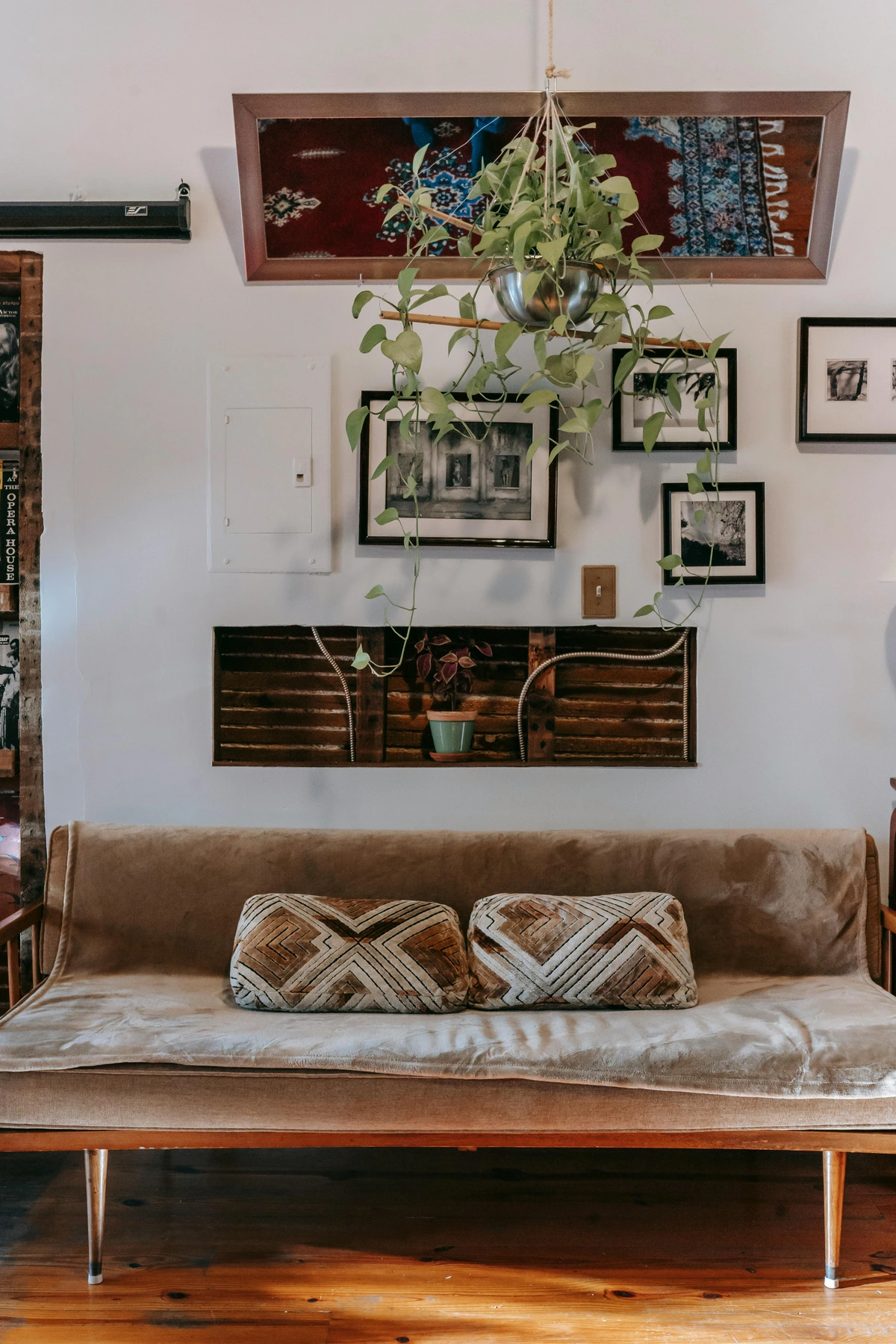
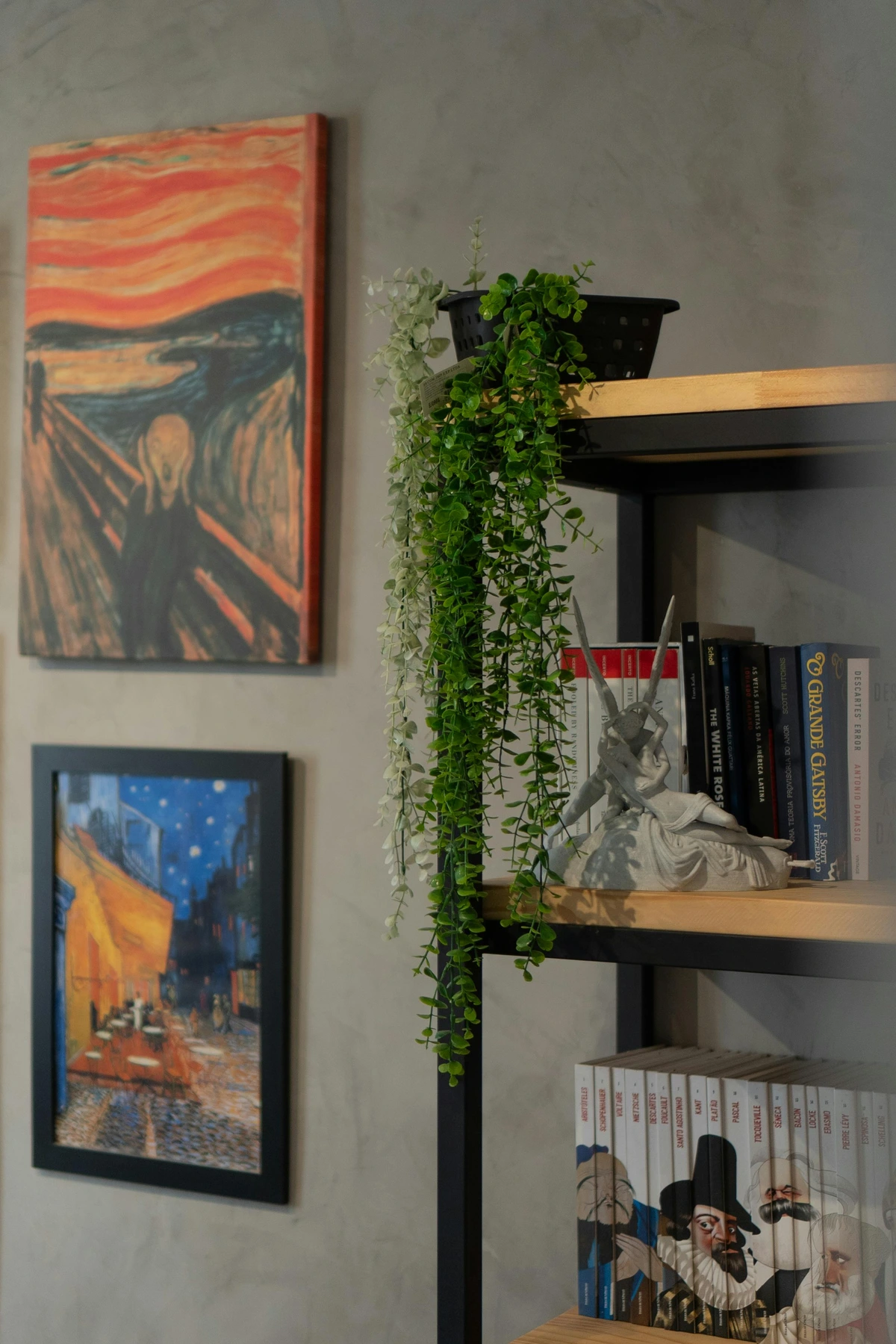
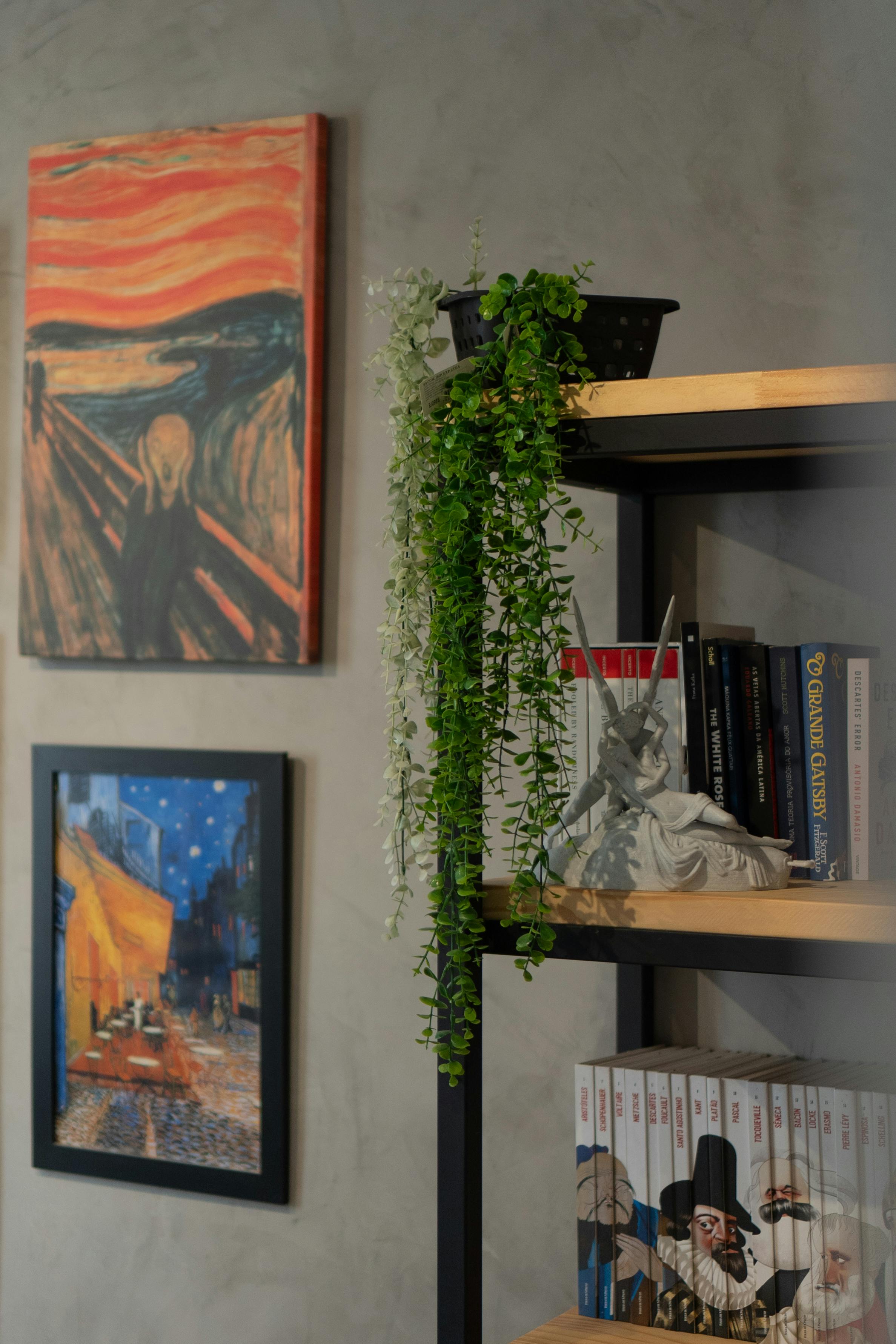
- Shelves with Objects: Shallow shelves can elegantly hold small sculptures, treasured trinkets, potted succulents or small plants, or even a carefully chosen stack of your favorite books. This adds wonderful three-dimensional interest and allows for easy rotation of items, keeping your wall feeling fresh and dynamic. Think of a tiny bust, a vintage camera, a whimsical ceramic piece, or even a small, quirky sculpture – anything that catches your eye and makes you smile.
- Typography & Quotes: Framed quotes, striking typographic prints, or even personal manifestos can add a powerful layer of meaning and a contemporary, intellectual touch to your gallery wall. Choose words that inspire, motivate, or simply resonate with your personal philosophy.
- Clocks: A stylish clock can serve a practical purpose while also integrating seamlessly into your aesthetic, especially if it has an interesting design or vintage appeal.
- Sculptural Elements: Small hanging sculptures, reliefs, interesting architectural fragments, or even repurposed vintage objects can powerfully break up the two-dimensional nature of a typical gallery wall, adding unexpected shadows, depth, and tangible interest. Don't be afraid to experiment with items that pop off the wall!
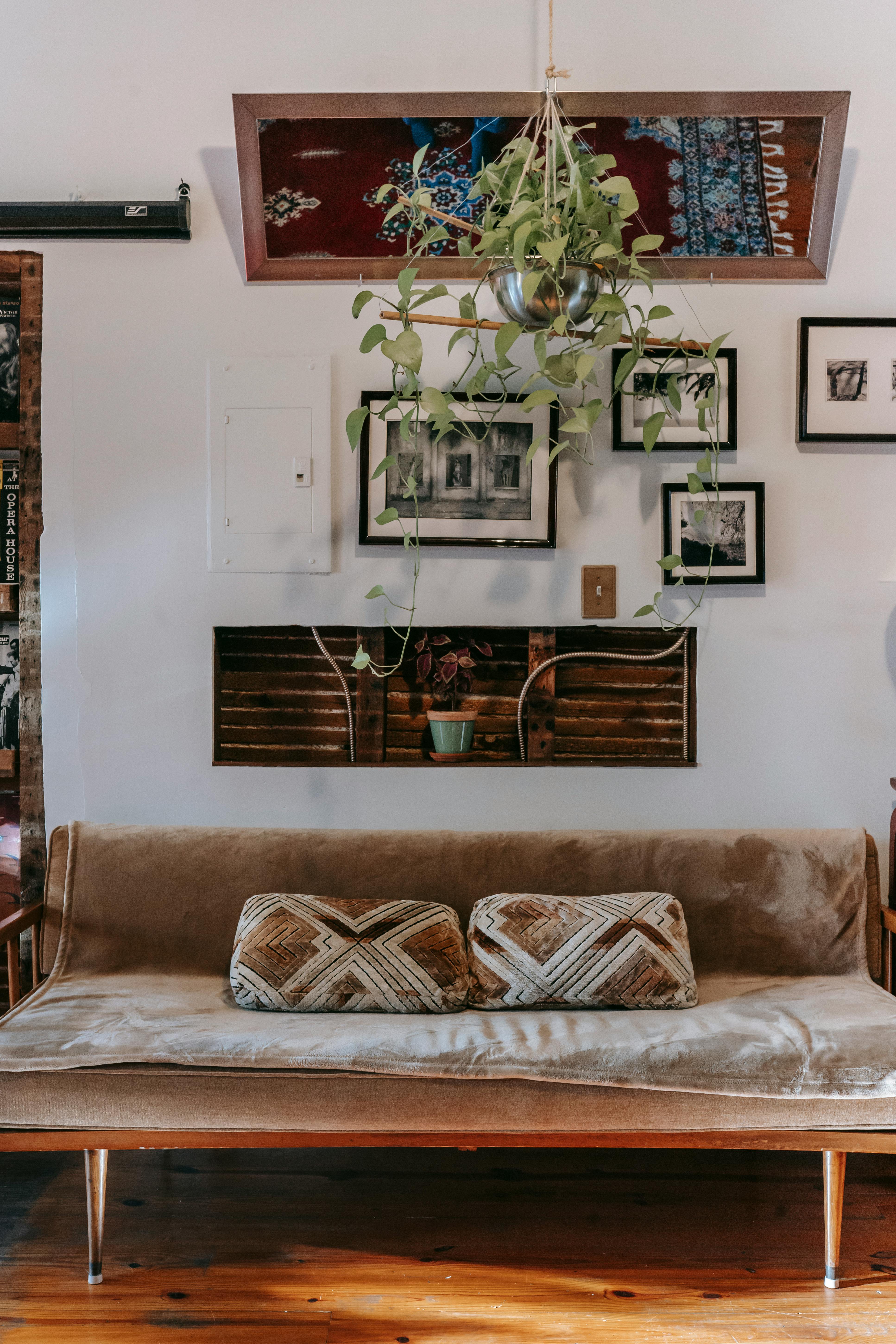
- Plants (Living Art): Small, lightweight planters with trailing greenery, air plants, or vibrant succulents can introduce life, organic texture, and a touch of serene nature indoors. They literally bring a breath of fresh air and a dynamic, ever-changing element to your display. I've often seen art for plant parents beautifully integrated into gallery walls, creating a harmonious blend of nature and art.
- Found Objects & Natural Elements: Don't dismiss interesting pieces of driftwood, beautifully preserved feathers (ethically sourced, of course!), pressed flowers, or even a striking piece of geological crystal or a unique stone. These organic touches can introduce unexpected beauty, a connection to the natural world, and a grounded, earthy aesthetic to your curated collection.
- Mixed Media Art: Pieces that expertly combine various materials like paint, collage, fabric, text, or found objects can add incredible texture, depth, and a vibrant, layered narrative to your wall. They're fantastic for a truly eclectic and dynamically interesting gallery wall.
- Custom Art and Commissions: Don't shy away from commissioning a piece from a local artist! Whether it's a personalized illustration, a family portrait, or a custom abstract piece, these works carry immense personal significance and can serve as a powerful anchor or a cherished highlight for your entire display.
The key is to fearlessly choose items that deeply resonate with you and authentically contribute to the overall narrative you want to tell. Don't be afraid to mix high-end pieces with flea market finds; often, it's the unexpected pairings that create the most interesting, compelling, and authentically you results. I've often found that a vibrant piece of contemporary art can look absolutely amazing next to a child's spontaneous drawing – it's all about the fascinating visual conversation they have together, creating a story only your wall can tell.
The Frames: The Unsung Heroes of Cohesion and Style
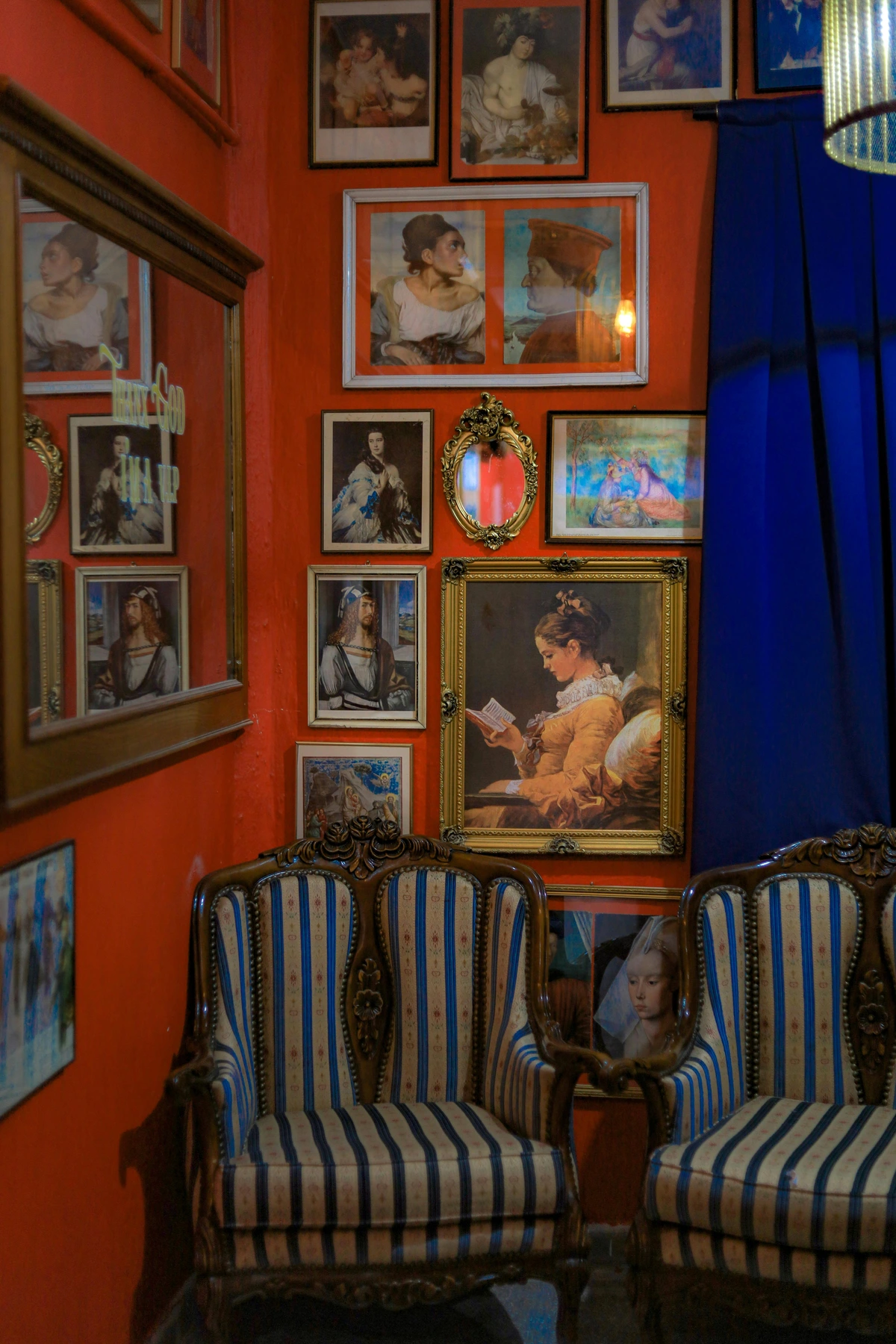
Frames are, in my opinion, the unsung heroes of any gallery wall – the quiet conductors of your wall's visual symphony. They are like the punctuation in your wall's story, quietly (or loudly!) defining the tone, guiding the eye, and setting the overall aesthetic. They can effortlessly unify a disparate collection of art or, conversely, add to its eclectic charm and visual dynamism. Don't underestimate their transformative power; the right frame can elevate a simple print into a sophisticated statement piece, or make a casual snapshot feel like a treasured heirloom. You have several routes when it comes to framing, and sometimes, even a less conventional one. I think of frames as the essential element that ties everything together, creating a polished, intentional look. So, let’s unpack the main styles and considerations for these critical elements, along with their often-overlooked companions: matting and glass.
Frame Style | Vibe | Best For | Considerations |
|---|---|---|---|
| Matching Frames | Cohesive, Formal, Modern, Minimalist | Grid layouts, creating a serene and orderly look. Best for a very controlled, curated feel. | Opt for neutral colors (black, white, natural wood, metallics) for timelessness. Ensure consistent sizing and careful spacing for maximum impact. |
| Mixed Frames | Eclectic, Casual, Personal, Collected | Salon-style hangs, showcasing personality and history. Perfect for a more organic, 'found over time' aesthetic. | Mix materials (wood, metal, acrylic), textures (ornate, sleek), and finishes (matte, glossy). Look for a common thread, like a similar color tone or era, to prevent visual chaos and maintain harmony. |
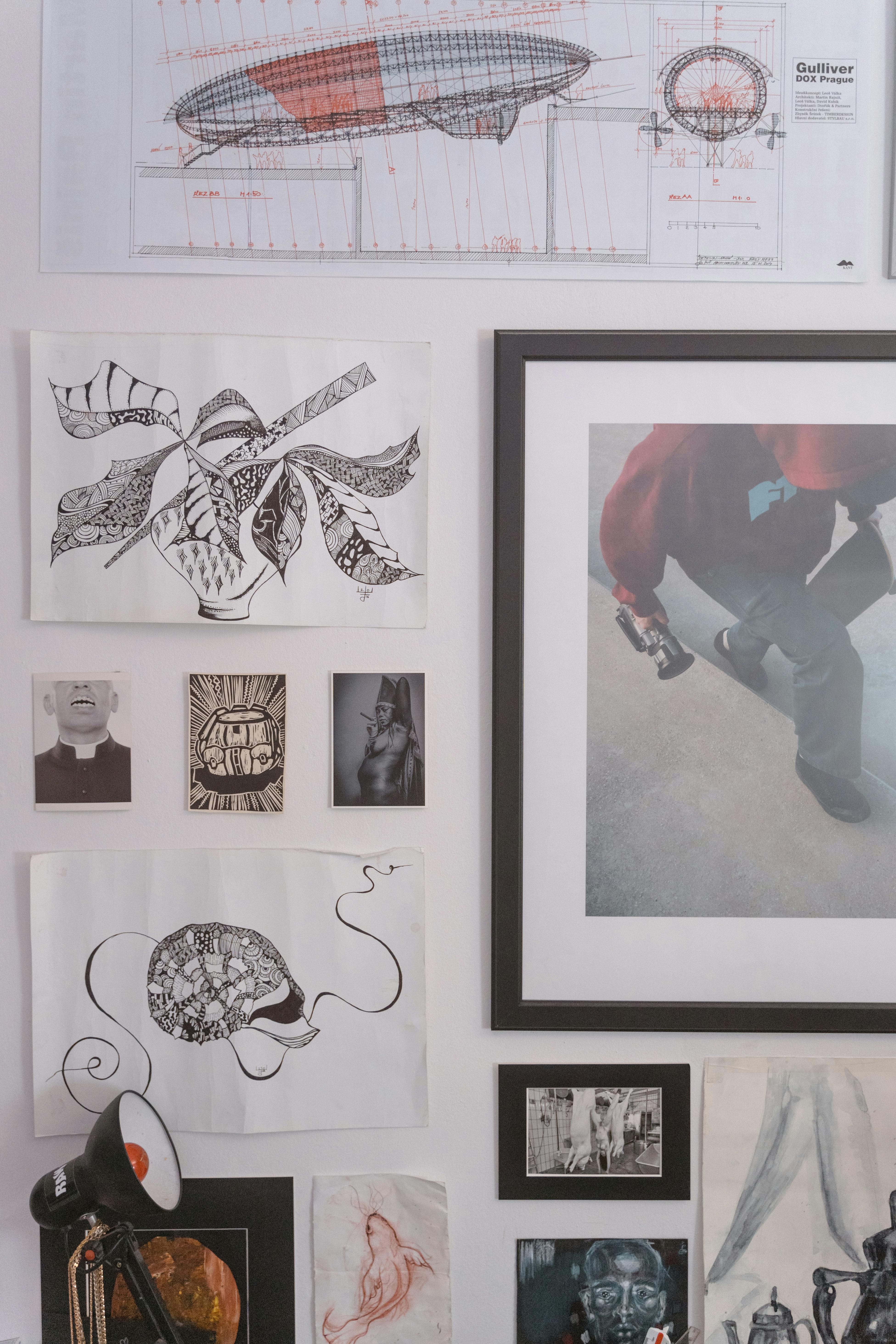
| No Frames (or Clip Frames) | Raw, Industrial, Contemporary, Casual | Posters, prints, canvases with finished edges. Great for a very relaxed, art-forward approach where the art speaks for itself. | Ensures the focus is purely on the art itself. Can work well in modern, industrial, or minimalist spaces. Be cautious with delicate works as they lack full protection. |
| Floating Frames | Elegant, Modern, Sophisticated | Canvas art, allowing the edges of the canvas to remain visible, creating a sleek presentation. | Creates a subtle shadow gap between the art and the frame, making the canvas appear to 'float' within the frame. Ideal for contemporary paintings and abstract works. |
| Gallery Depth Frames | Modern, Clean, Professional | Unframed canvases, creating a deep profile that stands off the wall, offering a substantial presence. | Gives a museum-quality feel to canvas art without traditional framing. The canvas is stretched around thick bars, and the artwork wraps around the sides, creating a clean, architectural look. |
| Shadow Box Frames | Dimensional, Curated, Storytelling | Displaying objects, mementos, small sculptures, or layered paper art, giving them depth and protection. | Features a deeper recess between the glass and the backing, perfect for 3D items. Adds incredible depth, intrigue, and a sense of preciousness to displayed objects. |
| Oversized Matting | Dramatic, Contemporary, Minimalist, Luxurious | Smaller art pieces, prints, or photographs where you want to emphasize negative space and create a refined presentation. | A wide mat around a small piece of art creates a luxurious, intentional feel, powerfully drawing the eye to the artwork. Works wonders in minimalist settings or to elevate a simple print to a statement piece. |
| Ornate/Vintage Frames | Luxurious, Traditional, Eclectic, Grand | Enhancing antique pieces, adding drama to modern prints, creating striking visual contrast, or complementing classic interiors. | Often features intricate carvings or gold leaf. Can be mixed with simpler frames for a rich, layered look, or used alone as a focal point. Don't be afraid to paint them for a modern twist! |
| Rustic/Farmhouse Frames | Warm, Cozy, Natural, Charming, Inviting | Highlighting nature prints, family photos, or adding a touch of country charm and warmth to a space. | Made from distressed wood or reclaimed materials. Excellent for creating a relaxed, inviting atmosphere, especially with decorating with art in modern farmhouse interiors or other natural aesthetics. |
| Acrylic Box Frames | Sleek, Ultra-Modern, Transparent, Light | Contemporary art, graphic prints, or pieces where you want a minimalist, almost invisible frame that doesn't distract. | Creates a clean, frameless look while protecting the art. The transparent material allows the wall color to show through, making the art feel integrated. Perfect for a high-tech or gallery aesthetic. |
| Metallic Frames (Gold, Silver, Bronze) | Glamorous, Sophisticated, Industrial, Elegant | Adding a touch of luxury, complementing specific color palettes, or enhancing black and white photography. | Can be highly versatile. A thin gold frame can elevate a traditional piece, while a sleek silver one suits modern art. Consider the undertones of your room's decor when choosing a metal finish. |
The Layout: Order from Chaos – How to Arrange Your Visual Story
This is the part that intimidates people the most, and I completely understand why. It feels like a high-stakes game of visual Tetris with hammers and nails, often accompanied by a distinct fear of making irreparable holes. But trust me, it's really just a puzzle that becomes incredibly satisfying to solve. How do you arrange all your pieces so they look balanced and beautiful, not like you just threw things at the wall in a fit of artistic rage? The secret, my friend, is meticulous planning – and a generous dose of patience. This is where your inner curator truly gets to shine, transforming a jumble of individual pieces into a harmonious, engaging narrative. Don't let the blank wall intimidate you; think of it as an exciting opportunity for creative expression!
Before we dive into specific layouts, let's talk about the silent orchestrators that elevate a framed piece from good to exceptional: matting and glass. These often-overlooked elements play a significant, dual role in both the aesthetic presentation and the long-term preservation of your beloved pieces. Ignoring them is like forgetting the perfect seasoning for a gourmet meal – it just won't be as impactful.
Beyond the frame style itself, consider the matting. A mat is the carefully cut border that sits between the art and the frame. Its primary function is to provide crucial breathing room for the artwork, drawing the eye inward and creating a sense of importance around the piece. Crucially, it also protects the art from touching the glass, preventing potential damage over time. White or off-white mats are classic and incredibly versatile, making almost any art pop with a fresh, clean look. But don't shy away from experimenting with colored mats if they truly complement your piece and overall scheme – they can add a subtle layer of sophistication or a vibrant accent. When choosing mats, consider single matting for a classic, understated look, double matting for added depth and a more formal feel, or colored core mats for a subtle pop of color around the art's edge.
Then there's the glass – from standard clear glass to UV-protective and non-glare options, the type of glass you choose can dramatically impact both the viewing experience and the longevity of your art. UV-protective glass, for instance, is a non-negotiable for irreplaceable pieces, guarding against fading from sunlight. Non-glare options minimize reflections, allowing your art to be seen clearly from any angle. It's a small detail that can make a huge difference in how your art is perceived, and crucially, how it's preserved for generations to come.
Now, for the main event: arranging your pieces. This is where the magic happens, and a little planning goes a long way. For a deep dive, you should absolutely read the guide on how to hang a perfect gallery wall, but let's break down the basic concepts of common gallery wall layouts – think of these as your foundational tools, but don't be afraid to mix and match them, much like you'd blend different art styles in your home (how to mix and match different art styles is a great resource for this, by the way):
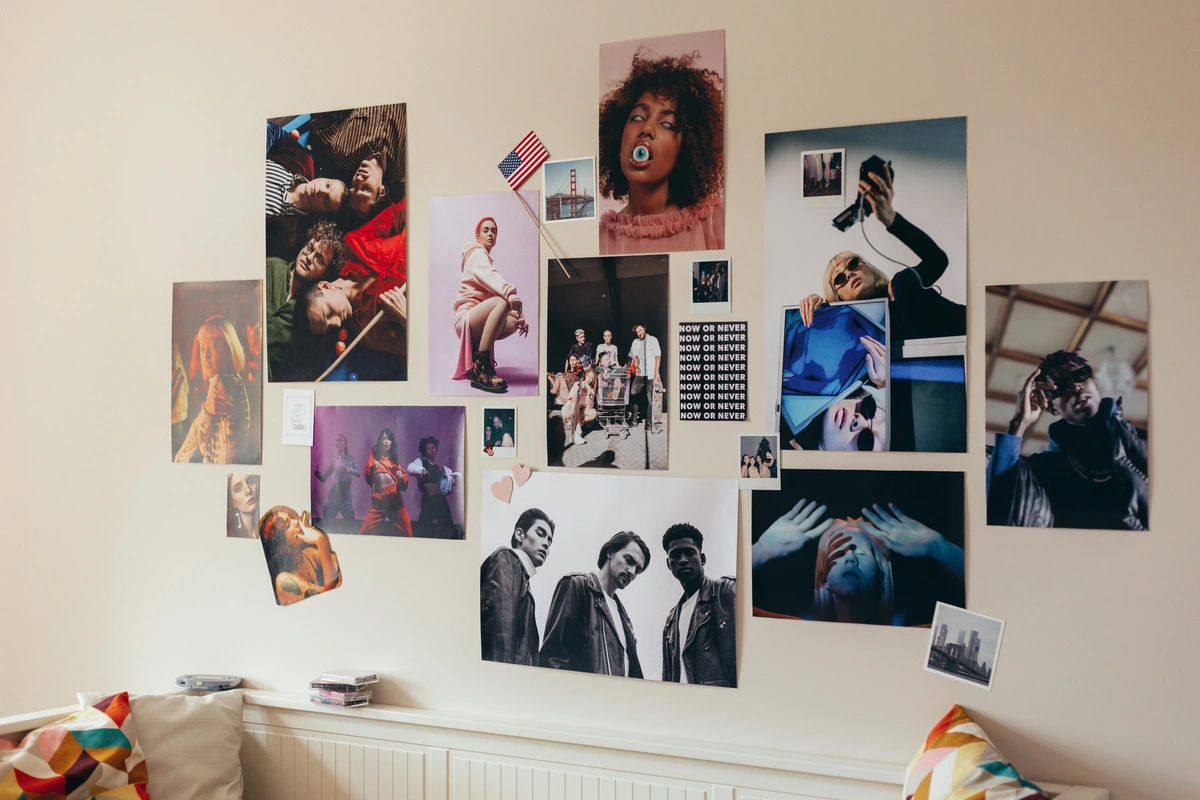
Understanding compositional concepts like the Rule of Thirds or the Golden Ratio can subtly, yet powerfully, elevate your arrangement from simply good to truly exceptional. While these are not strict, unbending rules, these compositional guides suggest points of visual interest and harmonious proportions that naturally draw the eye, creating an inherently pleasing aesthetic. Don't overthink it or feel you need a protractor, but consider how your key, heavier, or most vibrant pieces might align with these principles to create an even more impactful and balanced display. It's about intuitive visual balance, not rigid mathematics. Even a slight nod to these principles can make your gallery wall feel more 'designed' and less accidental.
- The Grid: This is your best friend for a clean, contemporary, and unmistakably symmetrical aesthetic. All frames are typically the same size (or very similar, like a series of 8x10s or 11x14s), and they're spaced evenly, usually 2-3 inches (5-8 cm) apart, both horizontally and vertically. It’s a very modern, formal, and minimalist look that creates an immediate sense of calm and order, almost like a carefully curated art exhibition within your home. This layout is particularly effective for showcasing a series of similar prints or photographs.
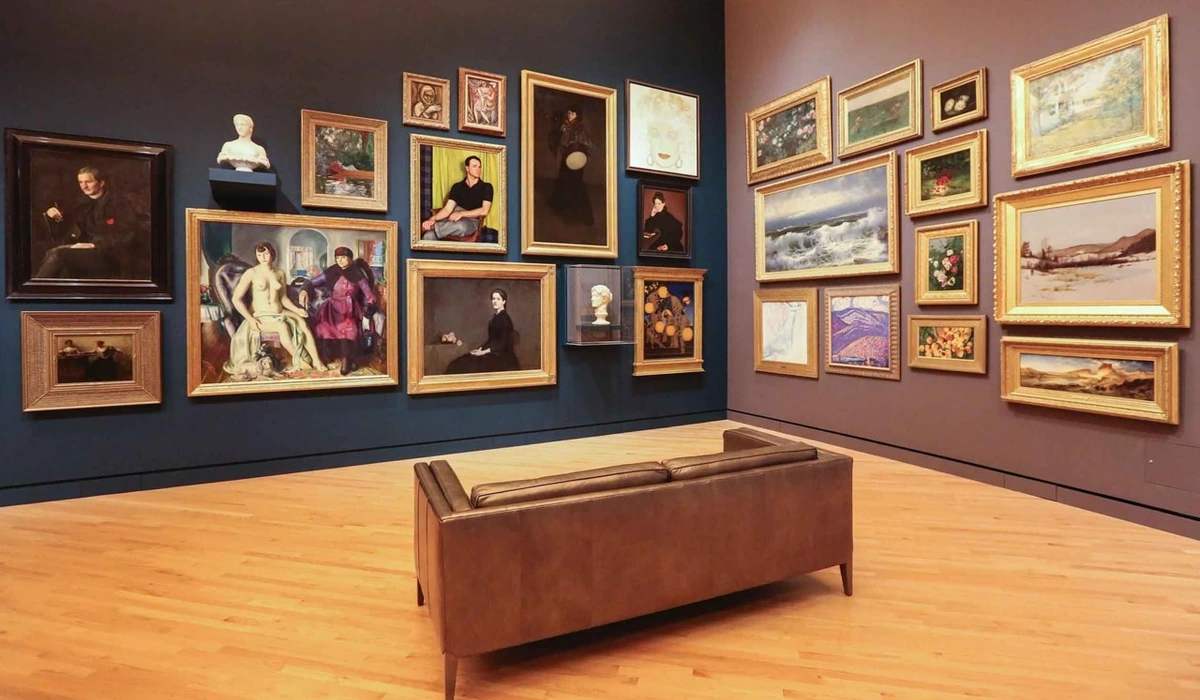
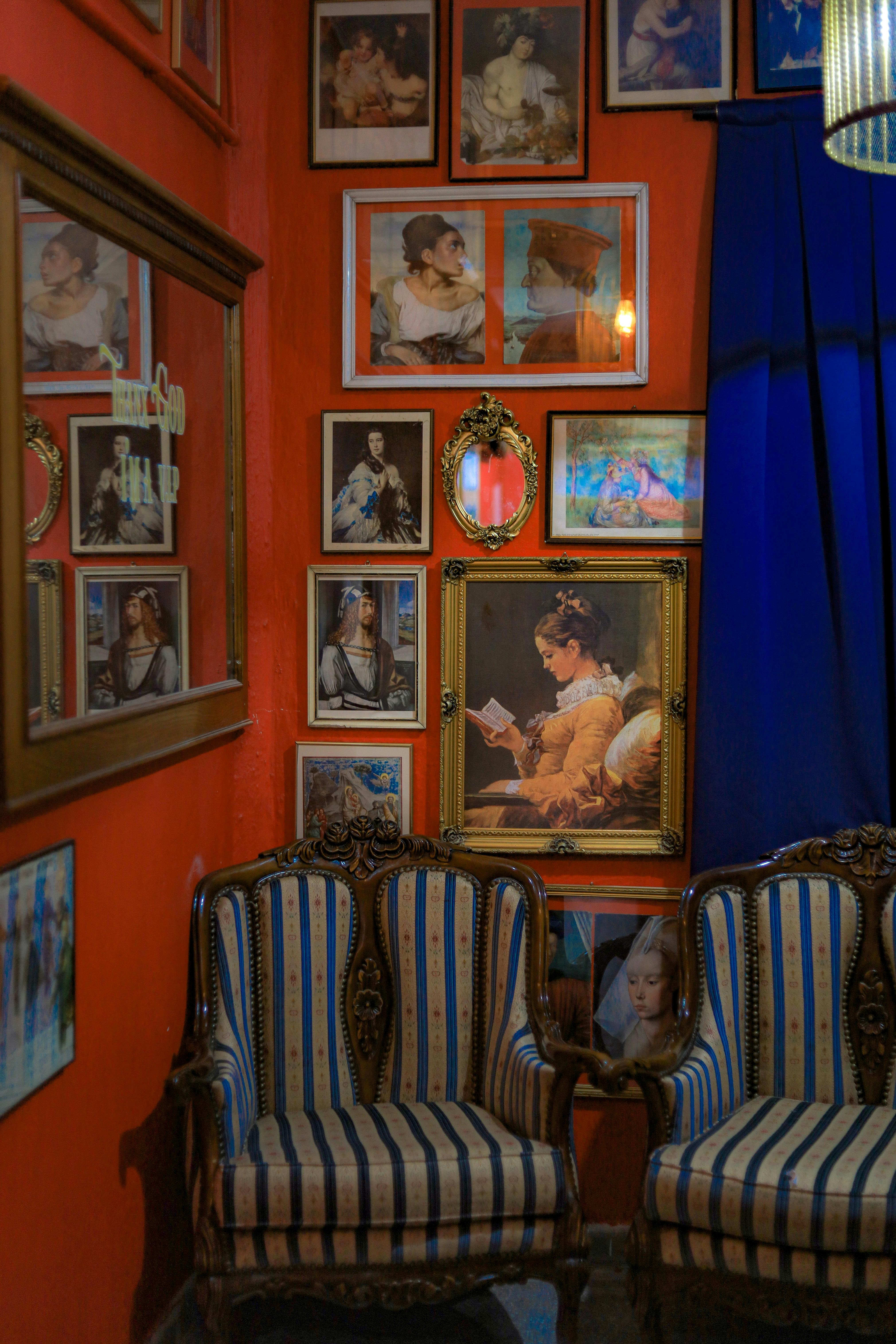
- Salon Style (or Asymmetrical): This is the more classic, eclectic, and dare I say, fun look that truly embraces individuality. Here, you fearlessly mix sizes, shapes, orientations, and even types of items (remember, it's not just pictures!). You usually start with a large anchor piece – perhaps your favorite painting or a significant mirror – and intuitively build out from there, creating a visual flow that feels organic and collected over time. It tells a richer, more varied story, reflecting layers of your life and interests. This style works beautifully in entryways where you want to make an immediate, impactful statement, and it's something I often recommend when someone wants to decorate a wall with a lot of character and personal history. I've seen some utterly breathtaking salon walls that feel like a curated journey through someone's entire life. For an in-depth guide on this dynamic style, see creating salon-style hang step-by-step.
- Along a Line (Edge Alignment): This method brings a subtle, yet powerful, sense of order to an otherwise mixed or eclectic collection. You can align the tops, bottoms, or even a central horizontal or vertical line of your frames. This works particularly well for creating visual continuity and a sense of calm, especially when traversing architectural features like a staircase (check out how to hang art on a slanted wall) or a long hallway (art for long narrow hallways is a good read on this). It's a clever way to blend eclecticism with a touch of thoughtful precision, giving your eye a subtle, reassuring guide through the collection.
- Stacked Layout: Imagine two or three horizontal rows of framed pieces, each row creating its own captivating mini-gallery. This is a fantastic solution for narrow walls, awkward vertical spaces, or creating a powerful impact without spreading too wide. You can vary the sizes within each row but generally keep the spacing consistent for a polished, intentional look. It can create a powerful visual statement in a smaller footprint, drawing the eye upwards.
- Cluster Layout: Perfect for smaller walls, awkward nooks, or creating an intimate vignette, a cluster groups a few pieces closely together to form a tight, cohesive unit. It's less structured than a rigid grid but more contained than a sprawling salon style. Think of it as a mini-gallery wall within your larger space, ideal for highlighting a particular theme, color palette, or a collection of smaller, precious items.
- Symmetry with Variety (The Best of Both Worlds): This is a sophisticated hybrid approach that I particularly love. You might establish a symmetrical outer boundary (e.g., a rectangular shape defined by painter's tape) but fill it with an intentionally asymmetrical arrangement of different-sized pieces and objects. It offers the best of both worlds: the comforting structure of symmetry combined with the personality and dynamism of varied content. It's for when you want a little bit of order, but also a dash of delightful, curated chaos. This approach demonstrates a thoughtful design eye.
My pro tip? This is non-negotiable for me, and it's saved me from countless patching jobs and headaches. Lay everything out on the floor first! Seriously, just take over the living room (or whatever large, clear space you have). Experiment with different arrangements until you find one that feels absolutely right – a harmonious visual conversation, a balanced narrative. Don't be afraid to move things around endlessly at this stage; it's much easier to slide paper than to re-drill holes! Many interior designers and even some apps are designed for gallery wall planning to visualize your layout virtually before committing. They can be incredibly helpful for playing with different arrangements, frame sizes, and even digital mock-ups.
Then, and this is the true game-changer, cut paper templates the exact size of your frames and tape them to the wall using painter's tape. This allows you to visualize the layout, adjust spacing, and make sure everything is perfectly balanced and aligned before you even think about picking up a hammer. Live with it for a day or two, walk by it, get different perspectives from different parts of the room, and even ask for a second opinion. Take photos from various angles to study the composition and see if any adjustments are needed. Trust me, this method saves a lot of nail holes, patching, and frustration. There's a whole art to how to arrange pictures on a wall that's worth exploring, and this 'paper template' method is absolutely essential. It’s like a full dress rehearsal for your wall – don't skip it!
Creating Your Gallery Wall: A Step-by-Step Guide
Creating Your Gallery Wall: A Step-by-Step Guide to Your Masterpiece
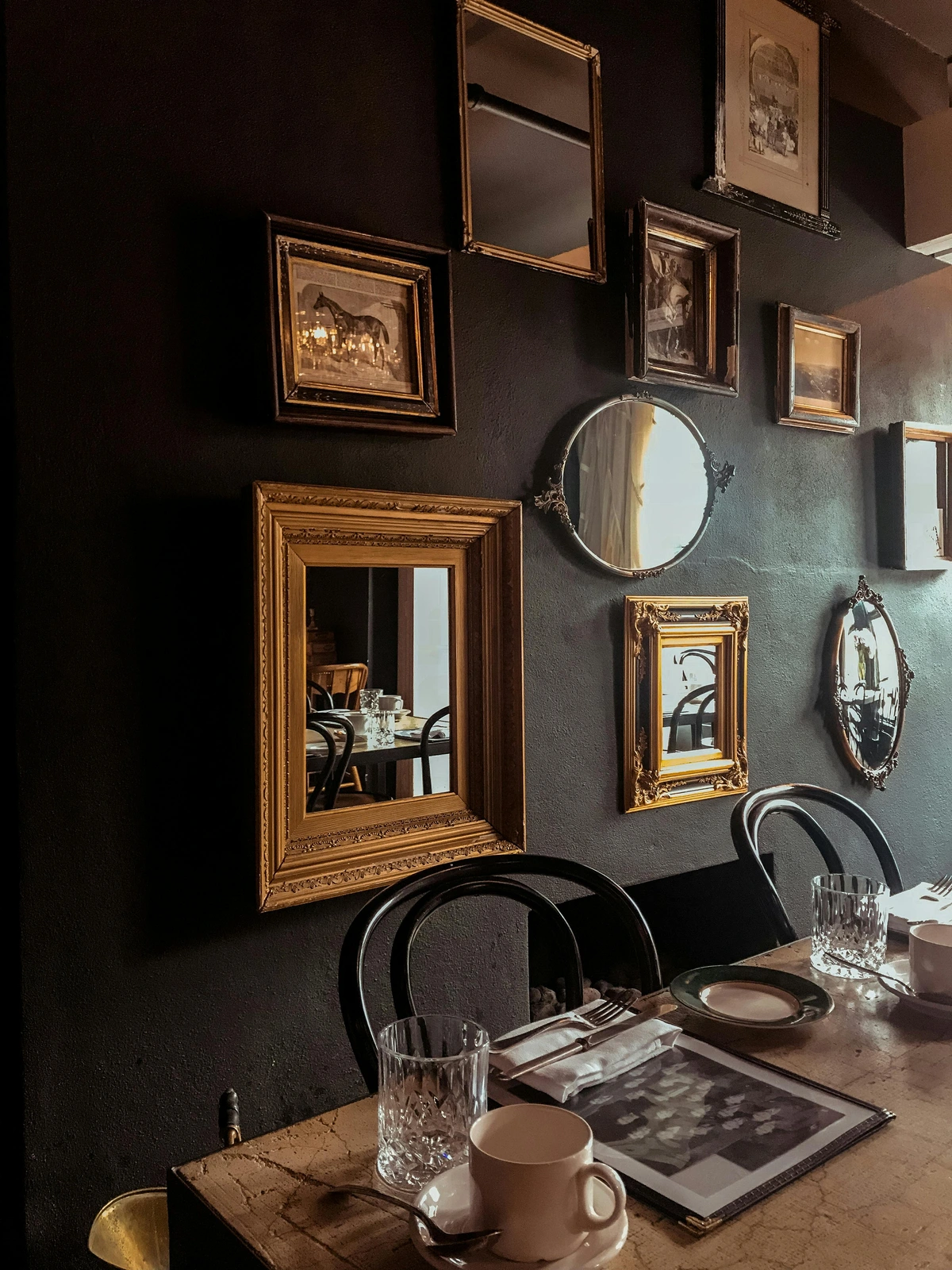
So, you're ready to start this exciting creative journey? Fantastic! The most important thing to remember is that a gallery wall is yours. There are no rigid, unbreakable rules, only flexible guidelines designed to empower you to achieve a look you absolutely love. Start collecting pieces that truly resonate with you without overthinking how they'll all fit together just yet. The magic truly happens when you bring them all to the same wall and begin the thoughtful process of arrangement. Your unique personality and story will be the invisible, yet powerful, common thread that ties everything together into a cohesive, beautiful display. Here’s exactly how I approach building one, step-by-step, starting with the crucial preparations and tools to set you up for success:
Essential Tools & Materials for Your Gallery Wall: Don't Start Without These!
Before you even think about planning your layout or picking up a hammer, let's make sure you have everything you need within arm's reach. Trust me, having the right tools makes all the difference, transforming a potentially frustrating project into an enjoyable one, and preventing those dreaded mid-project dashes to the hardware store (I've been there, many times, always at the most inconvenient moment!).
- Measuring Tape: Absolutely essential for precise measurements of your wall, each individual piece of art, and, critically, the consistent spacing between them. Do not, under any circumstances, eyeball this! Accuracy here saves so much heartache later.
- Level: A good old-fashioned bubble level is great, but if you want to feel like a true pro, a laser level is a game-changer. It projects a perfectly straight line across your wall, making alignment an absolute breeze, especially for grid layouts or long rows. Don't skip this critical tool – a crooked frame is the bane of any gallery wall!
- Pencil: For making faint, easily erasable marks on your paper templates and, eventually, subtle guides on your wall. Always keep an eraser handy!
- Painter's Tape: Your absolute best friend for the paper template method. It's gentle on most wall finishes, easily removable, and, crucially, won't pull off paint when you adjust your layout. Get a good quality roll!
- Hanging Hardware: This is more nuanced than just a simple nail. You'll need a variety: traditional picture hooks (various sizes for different weights), nails, screws, and especially drywall anchors (crucial for heavier pieces to ensure they stay securely put and don't end up on the floor!). For plaster or brick walls, you'll need specialized hooks and fasteners. Always match the hardware to the weight of your art and the specific type of wall for maximum safety and longevity.
- Hammer/Drill: Depending on your chosen hardware and wall type. A cordless drill is invaluable for pre-drilling holes for anchors or screws, making your life infinitely easier and preventing wall damage.
- Craft Paper/Newspaper/Butcher Paper: For creating your invaluable paper templates – the more, the better! Old wrapping paper or large sheets of butcher paper also work perfectly.
- Scissors/Craft Knife: For accurately cutting your templates and ensuring clean edges.
- Cleaning Supplies: A soft, dry microfiber cloth for dusting frames and a streak-free glass cleaner (applied to the cloth, never directly to the glass on a framed piece!) for a final polish. Perhaps some white cotton gloves to avoid leaving fingerprints on pristine glass or delicate artwork – a small touch that makes a big difference in presentation.
1. Gather Inspiration & Define Your Vision: Your Gallery Wall's DNA
Before you even think about nails, spend some quality time gathering inspiration. This is the fun, creative exploration phase! Pinterest, Instagram, glossy home decor magazines, or even visiting local art galleries (like the Den Bosch Museum if you're ever in the Netherlands!) can provide a wealth of ideas, sparking your imagination. But go beyond just passively scrolling; try to actively articulate what you're truly drawn to. Do you consistently find yourself admiring a minimalist look with uniform frames, or are you drawn to a maximalist, eclectic vibe that celebrates abundance? Do you want a cohesive, calming color palette, or a vibrant riot of hues that energizes the space? Defining this vision, even loosely, will act as your gallery wall's DNA, guiding your choices and helping you avoid a jumbled, accidental mess. Don’t feel you have to commit to one style forever; I often find my vision evolving, and that’s definitely part of the fun – much like my own artistic journey timeline. Perhaps you're drawn to decorating with abstract art in eclectic interiors, or maybe a more serene, minimalist approach is calling your name. Keep a mood board, either physical or digital, to collect your favorite looks, themes, colors, textures, and the overall feeling you want to evoke. This initial, thoughtful exploration is absolutely crucial for a truly personalized, impactful, and authentic gallery wall.
2. Choose Your Location & Size: Setting the Stage
Where will your magnificent gallery wall ultimately live? Above a sofa (check out art above the sofa for specific tips)? In a bustling hallway? As a serene focal point in a bedroom? The chosen location will profoundly influence not only the scale and style, but also the very content and mood of your gallery. Consider the specific dimensions of your wall: a small, intimate wall might call for a tight, carefully curated cluster of pieces, while a grand, expansive wall can easily accommodate an impressive, floor-to-ceiling display. Don't be afraid to start small; a little cluster of three or five pieces in a cozy corner or on a petite wall can have just as much impact and charm as a sprawling, floor-to-ceiling masterpiece. For really high ceilings, you might even look into maximizing impact by choosing art for high ceilings to draw the eye upwards and celebrate the verticality of the space. Think critically about how much natural and artificial light the wall receives (see how to choose art for a room with low light) and the overall ambiance you want to create in that specific area. This is where you truly start to envision the personality and purpose of your wall, aligning it with the function and feeling of the room.
Gallery Walls in Different Rooms: Tailoring Your Display to Your Space
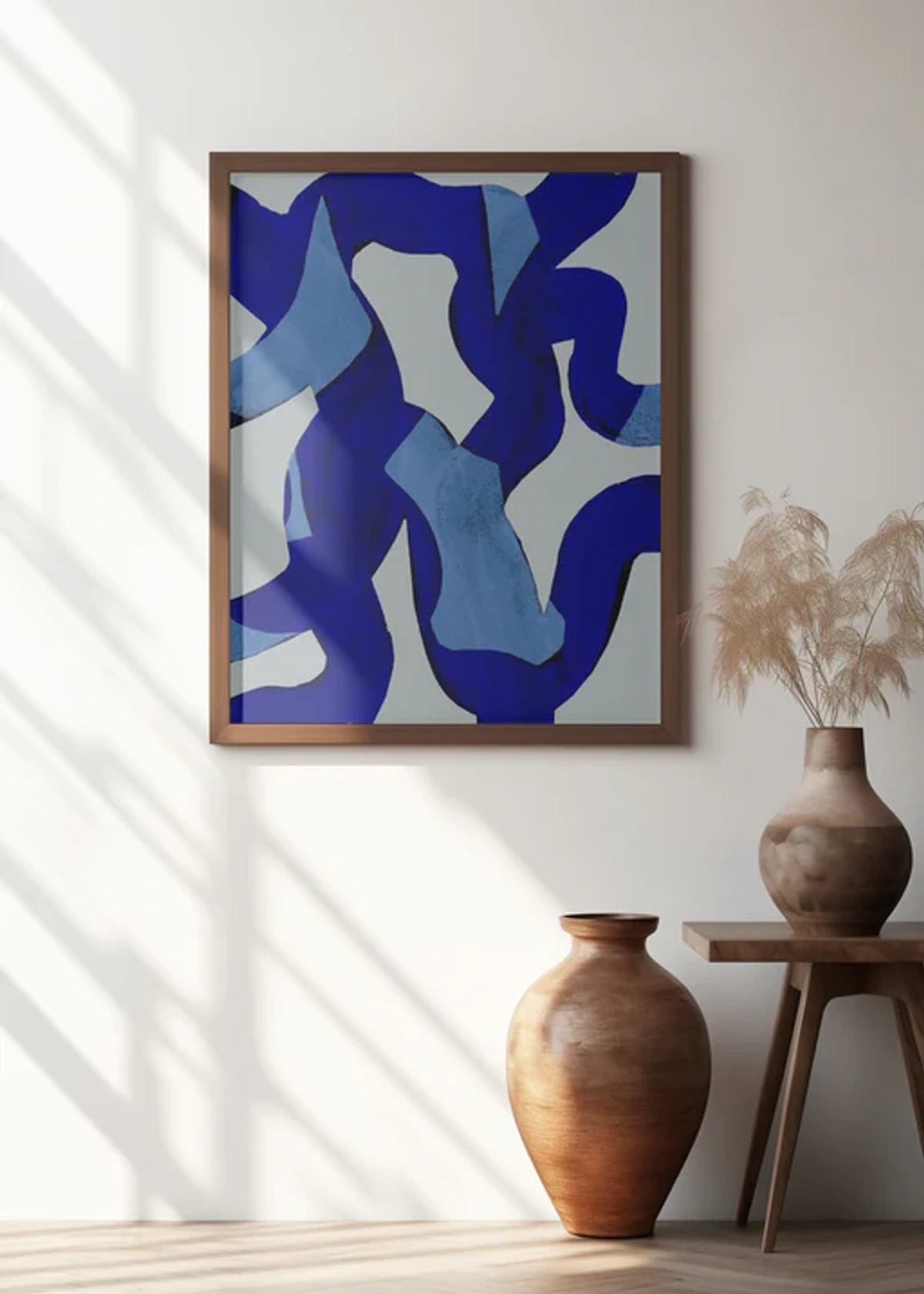
The magic of a gallery wall is its adaptability; it can enhance almost any room in your home, provided you tailor its style and content to the specific function and ambiance of that space. Here's how to think about incorporating a gallery wall into different areas:
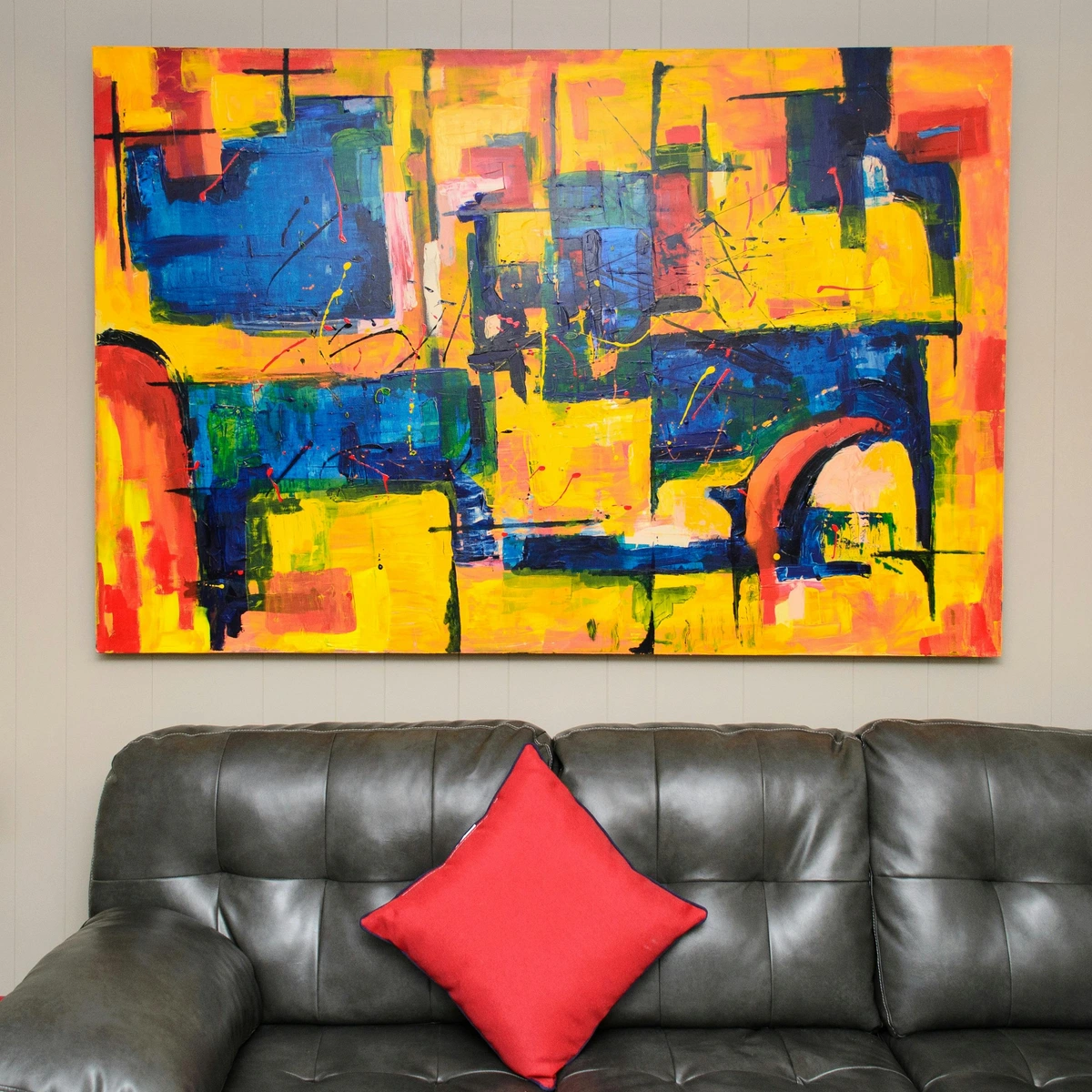
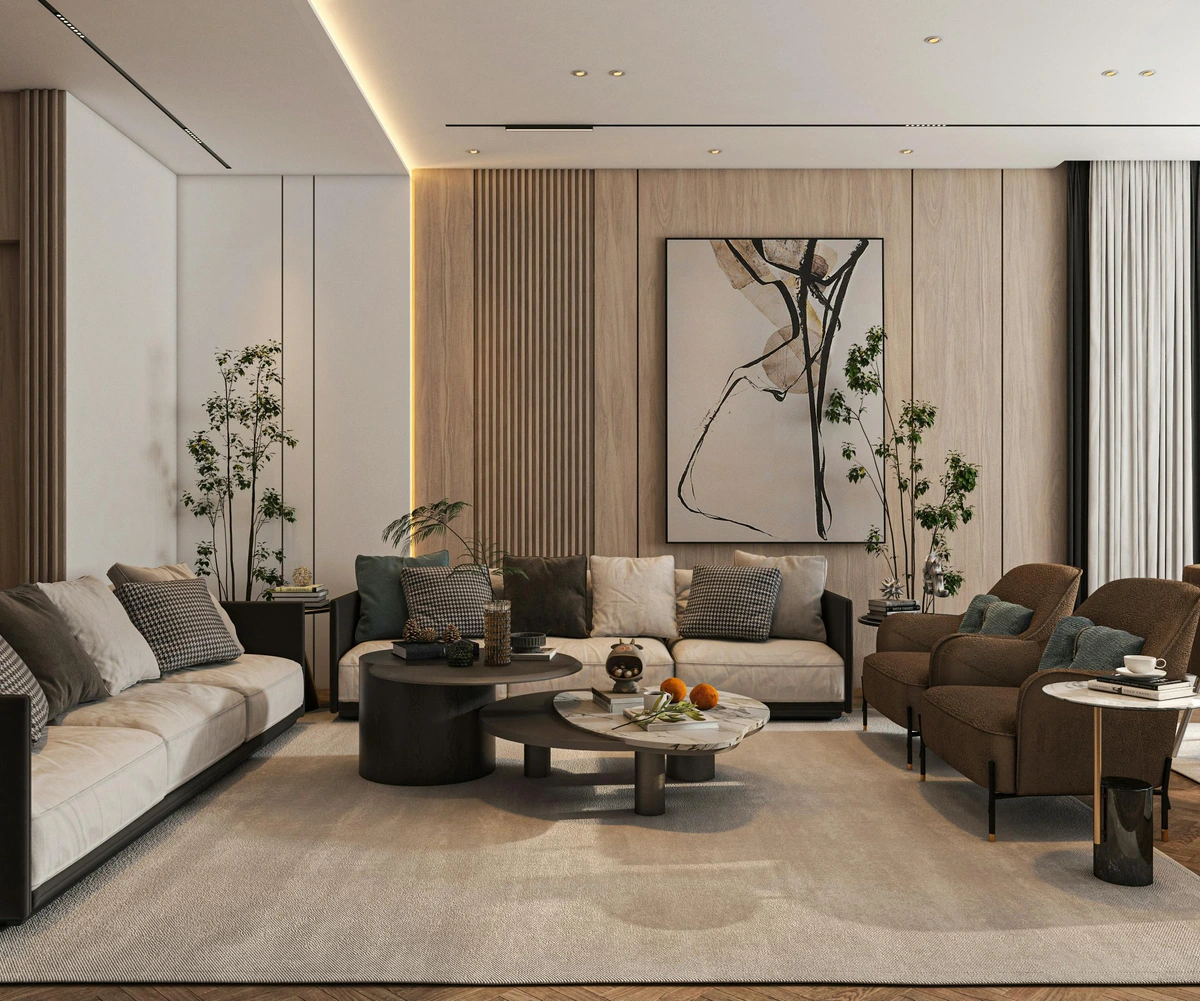
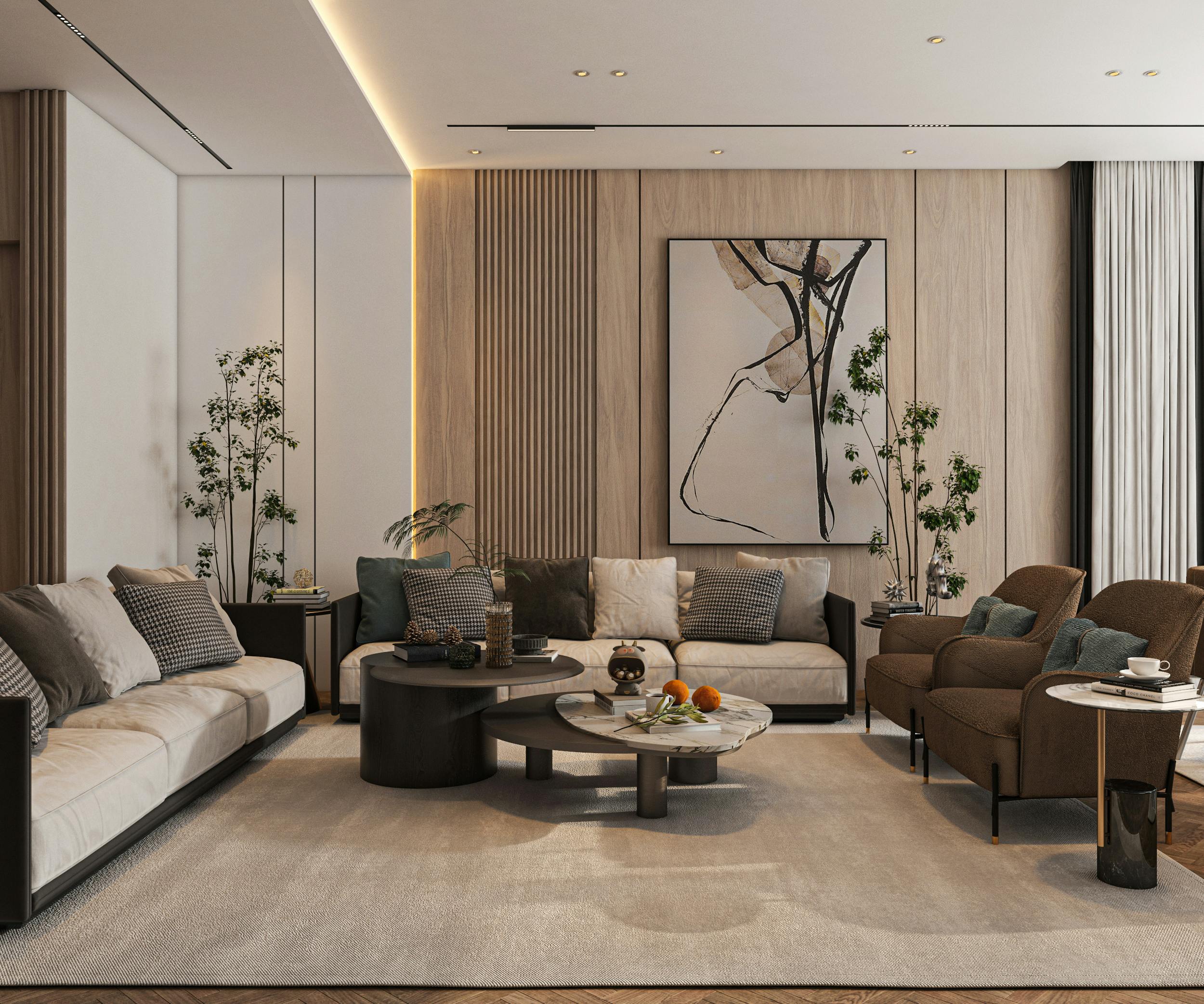
- Living Room: Often the centerpiece of your home, the living room is ideal for a large, impactful gallery wall above a sofa, a console table, or a fireplace. This is where you can truly showcase your most cherished and conversation-starting pieces. Consider choosing art for your living room that sets the right tone, whether it's vibrant and energetic or calm and sophisticated.
- Bedroom: Create a serene, personal retreat with a carefully curated gallery wall above your bed or on an adjacent wall. Focus on calming colors, personal photographs, and art that promotes relaxation and comfort. How to decorate your bedroom offers more ideas for making this personal space truly yours.
- Dining Room: A gallery wall can add immense sophistication and serve as a beautiful focal point for conversation during meals. Consider themes related to food, travel, or abstract art that stimulates discussion without being overly distracting. Explore how to choose art for a dining room for inspiration on creating an elegant atmosphere.
- Hallway/Entryway: Transform a transitional space into an engaging journey, making a strong first impression for guests or a delightful passage for daily living. Think about art for entryway to welcome guests, or a long, flowing gallery wall for art for long narrow hallways that guides the eye along.
- Home Office/Study: Boost creativity, focus, and inspiration with an inspiring collection of art, motivational quotes, or personal achievements. Choose pieces that stimulate your mind and create an environment conducive to work. Learn about choosing art for home office productivity to curate a space that truly supports your goals.
- Bathroom/Powder Room: Even these smaller, often overlooked spaces can benefit dramatically from a gallery wall, adding unexpected charm, humor, or a touch of luxury. Opt for humidity-resistant pieces or protect delicate items well. See decorating with art in a powder room for tips on maximizing impact in compact areas.
- Kitchen: While less common, a small, themed gallery wall in the kitchen can add personality, warmth, and a touch of artisanal flair. Consider prints of food, still life, or abstract pieces that complement your kitchen's color scheme. Consider how to decorate a kitchen for more unconventional spaces and how art can add unexpected joy to the heart of your home.
- Children's Room/Nursery: Create a whimsical and inspiring space for little ones with a gallery wall featuring their own art, playful prints, and cherished photos. Choosing art for a nursery can guide you in creating a stimulating yet calming environment.
- Home Gym: Motivate and energize your workouts with a gallery wall that features dynamic art, empowering quotes, or images that inspire strength and movement. Choosing art for a home gym can help you design a space that fuels your fitness journey.

Sourcing Your Art and Objects
Before you even get to curating, you might be wondering where to find all these amazing pieces. The truth is, art is everywhere! You don't need a massive budget or an art history degree. I've found some of my most cherished pieces in the most unexpected places, proving that beauty and meaning aren't always found in the most expensive items. Here are some ideas for building your collection:
- Your Own Home: Start with what you already have! Family photos, old postcards, children's drawings, textiles, or even unique objects you've collected over time. These instantly add a personal touch.
- Flea Markets & Thrift Stores: A treasure trove for vintage frames, antique prints, quirky objects, and unique finds. Patience is key here, but the rewards are immense.
- Local Artists & Art Fairs: Support your community and discover new talent. Local art often comes with a story directly from the creator, adding a special connection to your wall. Many artists, like myself, offer contemporary art for sale directly.
- Online Marketplaces: Websites specializing in art, prints, and even unique decor items can be a great resource for expanding your collection from the comfort of your home.
- Travel Souvenirs: Forget the tacky fridge magnets! Look for small, framed art, textile pieces, or local crafts that evoke memories of your trips.
- Prints & Posters: High-quality prints of famous artworks, independent artist prints, or even beautifully designed posters are an affordable way to add visual interest.
Sourcing Your Art and Objects: Where to Find Your Treasures
Before you even get to curating, you might be wondering where to find all these amazing pieces to fill your wall. The truth is, art is everywhere, and you absolutely don't need a massive budget or an art history degree to build a stunning collection! I've found some of my most cherished pieces in the most unexpected places, proving that beauty and meaning aren't always found in the most expensive items. Here are some ideas for building your collection:
- Your Own Home First: Start with what you already have! Family photos, old postcards, children's drawings (framed, of course!), textiles you've collected, or even unique objects you've accumulated over time. These instantly add a deeply personal and authentic touch.
- Flea Markets & Thrift Stores: These are treasure troves for vintage frames, antique prints, quirky objects, and unique, one-of-a-kind finds. Patience is key here, but the rewards are often immense and incredibly satisfying.
- Local Artists & Art Fairs: Support your community and discover new talent! Local art often comes with a direct story from the creator, adding a special connection to your wall. Many artists, like myself, offer contemporary art for sale directly, allowing you to connect with the source.
- Online Marketplaces: Websites specializing in art, prints, and even unique decor items can be a fantastic resource for expanding your collection from the comfort of your home. You can find everything from vintage posters to limited-edition prints.
- Travel Souvenirs: Forget the tacky fridge magnets! Look for small, framed art, textile pieces, local crafts, or beautifully designed postcards that evoke cherished memories of your trips and tell a global story.
- Prints & Posters: High-quality prints of famous artworks, independent artist prints, or even beautifully designed posters are an incredibly affordable way to add visual interest, color, and scale to your wall.
- Books & Magazines: Don't overlook the potential for beautiful images within old books or magazines. Carefully cut out pages can be framed and become stunning, unique pieces of art.
3. Curate Your Collection: Weaving Your Narrative
Now for the truly fun, deeply personal part: gathering and selecting your treasures! Look around your home first. What existing art, photos, or objects do you absolutely love? These are the pieces that already hold profound meaning and will naturally form the heart of your collection, giving it instant authenticity. Then, and only then, think about what you might want to add. Don't feel pressured to buy everything at once – a gallery wall is inherently meant to grow and evolve over time, like a living autobiography, reflecting the different chapters of your life. Mix personal items with pieces from artists you admire (you can always check out my collection for ideas on contemporary abstract art, often vibrant and thought-provoking!). Don’t be afraid to include unique finds from flea markets, cherished souvenirs from travels, or even spontaneous children's drawings – it's the personal resonance and the story behind each piece that truly makes a gallery wall shine. I’ve found some of my most cherished pieces in the most unexpected places, proving that true beauty and profound meaning aren't always found in the most expensive or prestigious items. Remember, the ultimate goal is to tell your story, and sometimes the most impactful and meaningful pieces are those with a rich, personal history.
4. Select Your Frames & Mats: The Presentation Powerhouses
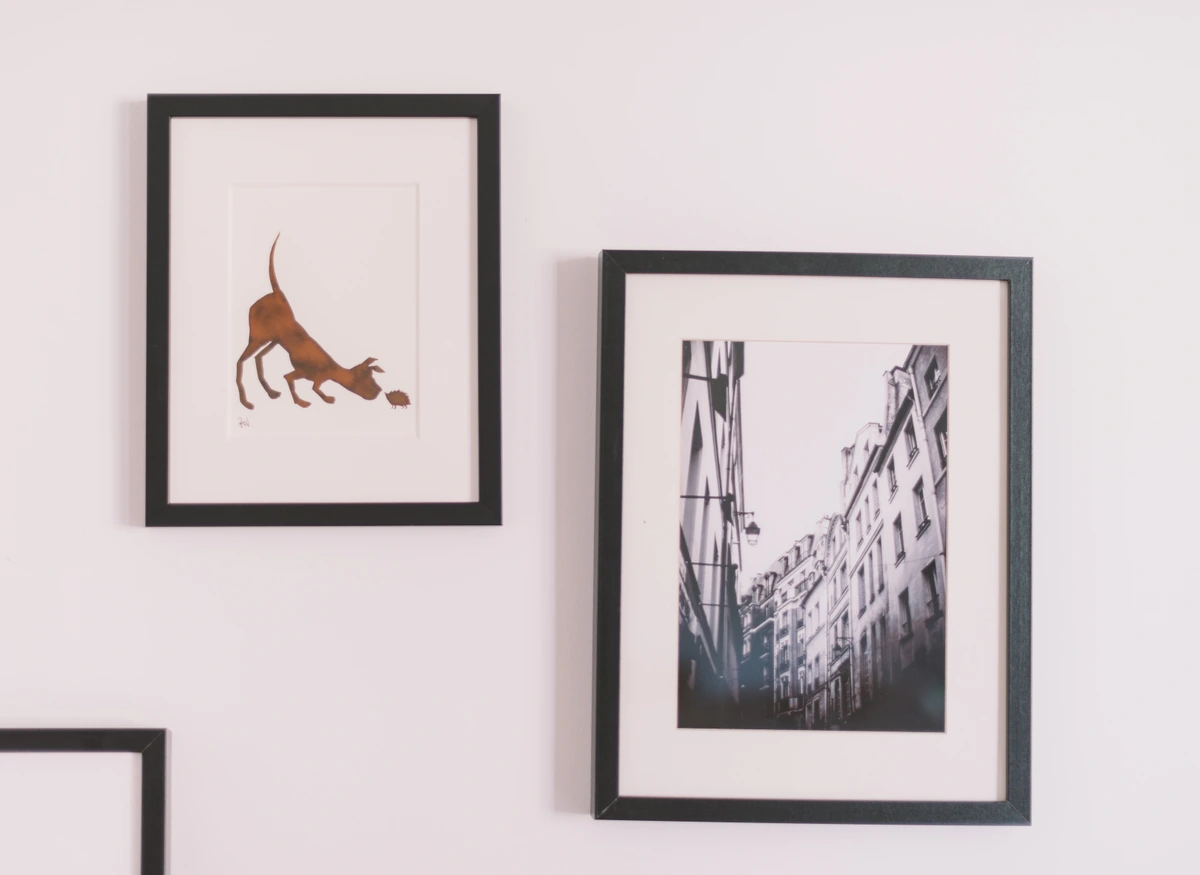
Based on your carefully defined vision, it's time to decide on your framing strategy. This is a critical decision that significantly impacts the overall aesthetic of your gallery wall. Will you go for matching frames for a clean, cohesive, and modern look, or mixed frames for an eclectic, collected, and more personal feel? Each approach creates a distinct aesthetic, so choose what truly best suits your desired vibe and the story you want to tell. Don't underestimate the power of matting to enhance your art and create crucial visual breathing room; a well-chosen mat can transform and elevate even a simple print into a sophisticated statement piece. When choosing mats, consider single matting for a classic and understated look, double matting for added depth and a more formal presentation, or colored core mats for a subtle, unexpected pop of color around the art's very edge. Remember, the frame and mat are not just functional protectors for your art; they are an integral extension of the art itself, a crucial part of its presentation that can powerfully draw the eye and add another layer of sophistication and intention. Consider also the material of the frame – natural wood for warmth, sleek metal for modernity, or clear acrylic for a minimalist touch – each offering a different texture, weight, and personality to the overall composition.
5. Plan Your Layout (The Indispensable Paper Template Method)
This is arguably the most crucial step for avoiding mistakes and preserving your sanity (and your walls!). As I mentioned earlier, and I cannot stress this enough, lay all your pieces out on the floor first – it's like a full dress rehearsal for your wall. Play around, experiment, and don't be afraid to try dozens of different arrangements until you find one that truly sings, that feels balanced and cohesive. Once you have an arrangement you like, carefully trace each piece onto craft paper (or newspaper, or old wrapping paper), label it clearly, and cut out your templates with scissors for a clean edge. Then, tape these paper templates to your wall using painter's tape. This ingenious method allows you to adjust, experiment, and finalize your layout without putting a single nail hole in the wall. Step back, take photos, live with it for a day or two – imagine it’s already up! Observe it from different angles, at different times of day, and from various points in the room. Trust me on this one; it’s saved me countless repairs, frustrating patching jobs, and repainting. This paper template method is a genuine game-changer for achieving that perfectly balanced, intentional, and truly satisfying look.
6. Hang with Confidence: Bringing Your Vision to Life
Once your paper templates are perfectly placed and you're absolutely thrilled with the arrangement – a silent, mental round of applause is perfectly acceptable here! – it's time to hang with confidence! This is the moment of truth, but with all your careful planning, you're more than ready. Nail directly through the paper template exactly where your hanging hardware will go. This ensures pinpoint accuracy and eliminates guesswork. Carefully remove the paper templates (peeling slowly to avoid paint damage), and then, with a deep breath and a sense of accomplishment, gently hang your art!
Remember to use appropriate hardware for the weight of your pieces and the specific type of wall you have. For example, drywall anchors are absolutely essential for heavier items to ensure they stay securely put, while specialized hooks are needed for plaster, brick, or concrete walls. If you're dealing with challenging surfaces like concrete, brick, or even wallpaper, we have helpful guides on how to hang art on concrete walls, how to hang art on brick walls, and even how to hang art on lath and plaster walls that can prevent a lot of frustration (and wall damage!). For standard drywall, simple picture hooks or specific how to hang art on drywall anchors are usually sufficient. Don’t rush this final, crucial step; the security of your cherished art (and the integrity of your wall!) is paramount. Use a level one last time as you carefully hang each piece to ensure everything is perfectly straight – those small adjustments make all the difference!
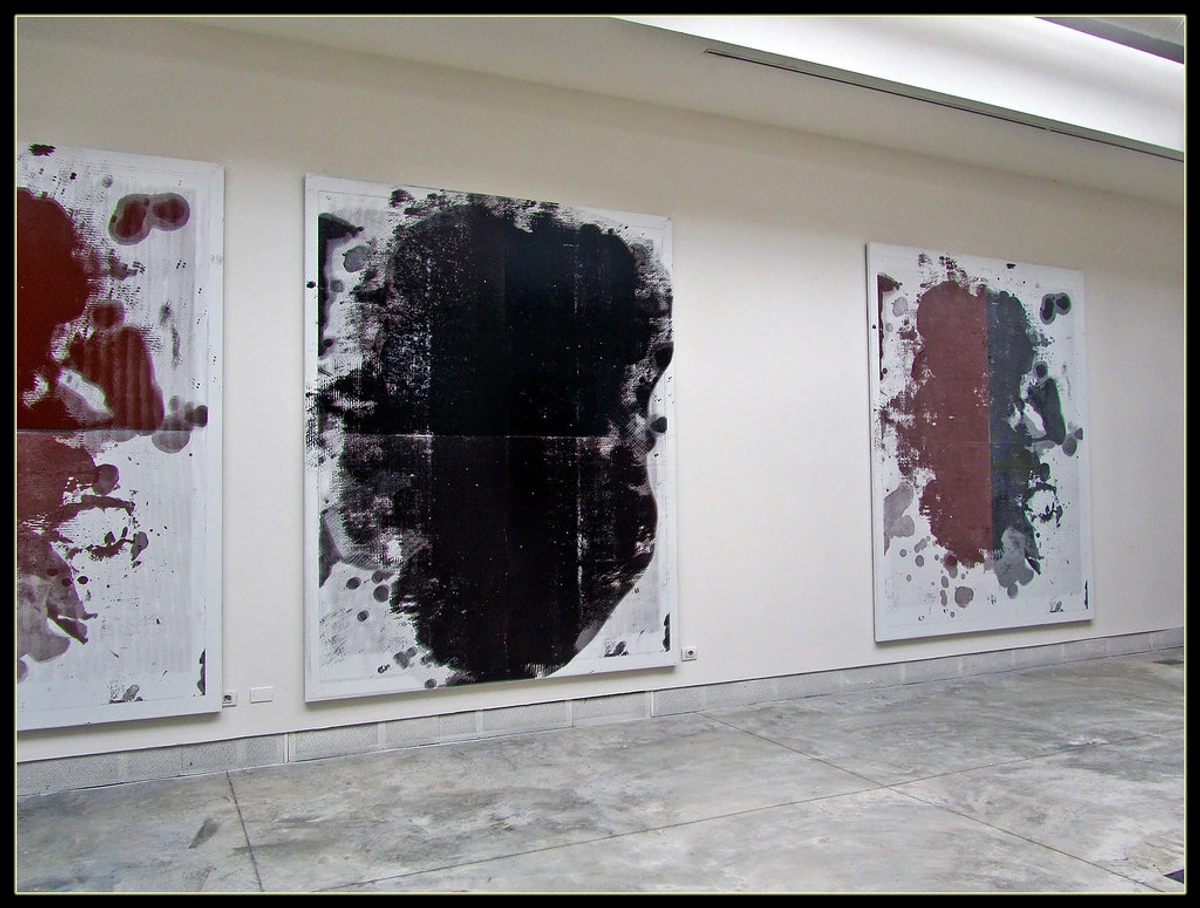
7. Refine & Evolve: Your Wall, Your Ongoing Story
Remember, a gallery wall is a living, breathing entity, constantly evolving and growing, much like your own life and tastes. Don't be afraid to tweak it over time – in fact, I encourage it! Swap pieces, add new ones (perhaps a new acquisition from my collection?), or even re-arrange an entire section as your tastes evolve, as you acquire new treasures from travels or local artists, or as the seasons shift. It's meant to be a dynamic reflection of your ever-changing story, a visual narrative that shifts and grows with you. Take a step back periodically and re-evaluate; sometimes a fresh perspective after a few weeks or months can reveal new possibilities for arrangement or highlight pieces you'd like to rotate out or even find a new home for.
Art Rotation: Keeping Your Wall Fresh
Consider implementing an art rotation, especially if you have more cherished pieces than available wall space. This isn't just for museums! Changing out pieces seasonally, thematically, or simply when you crave a fresh look can keep your gallery wall feeling vibrant, new, and endlessly interesting. Store un-displayed pieces safely and bring them out when the mood strikes – it's like rediscovering old friends. This also prevents you from feeling overwhelmed if you have too many beloved items and too few walls to display them all at once. It's a fantastic way to extend the life and impact of your entire art collection.
Art Rotation: Keeping Your Wall Fresh
Consider rotating your art collection, especially if you have more pieces than wall space. This isn't just for museums! Changing out pieces seasonally, thematically, or simply when you want a fresh look can keep your gallery wall feeling vibrant and new. Store un-displayed pieces safely and bring them out when the mood strikes – it's like rediscovering old friends. This also prevents you from feeling overwhelmed if you have too many cherished items and too few walls.
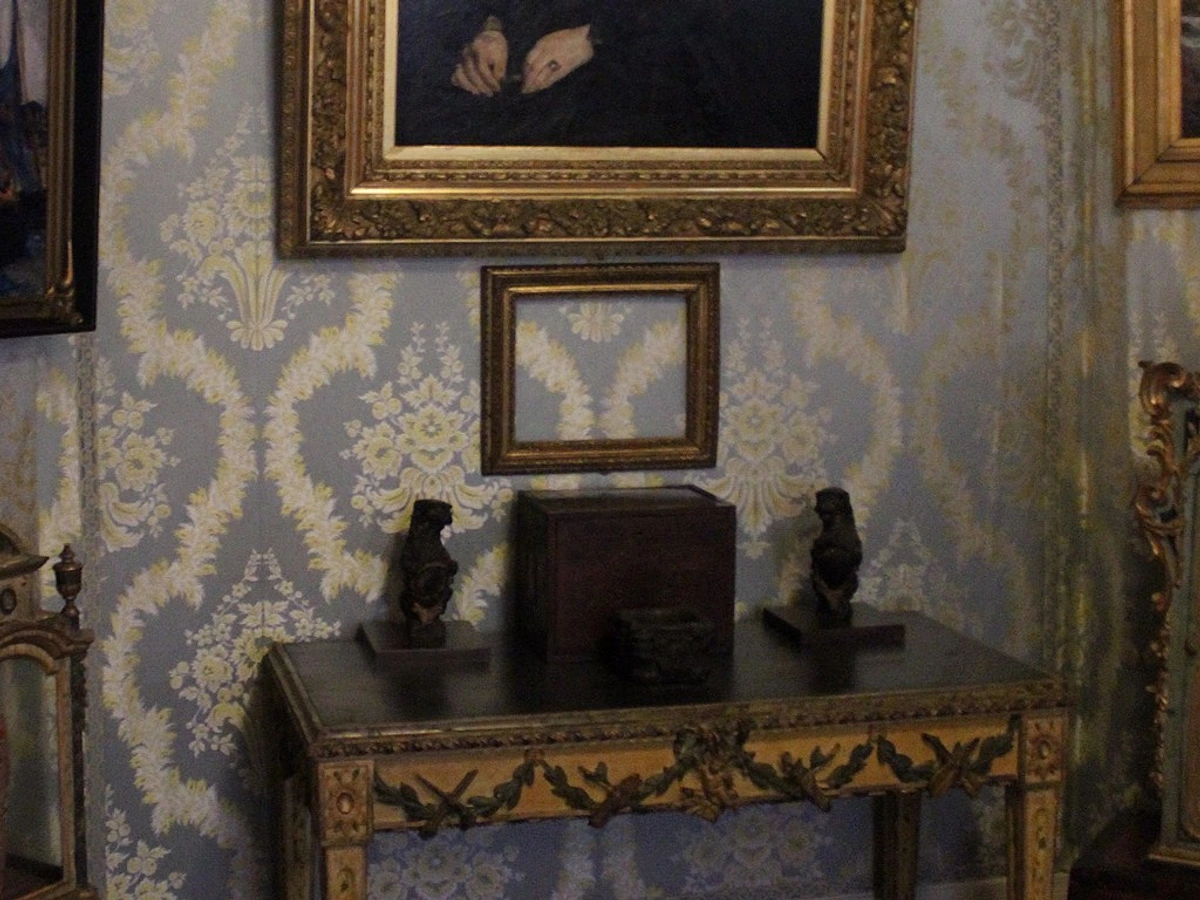
Common Gallery Wall Challenges & Solutions: Overcoming the Hurdles
Navigating the creation of a gallery wall can, at times, feel like a daunting task, especially when you're staring at a blank wall with a stack of treasures, wondering how they'll ever come together in a cohesive, beautiful way. But trust me, many of the common pitfalls have simple, often elegant, solutions that simply require a little foresight and problem-solving. I've certainly faced my share of head-scratching moments – the stubbornly crooked frame that mocks you, the layout that looked absolutely brilliant on the floor but terrible on the wall – so here are a few recurring challenges and how to tackle them, ensuring your art display remains a source of joy and pride, not frustration.
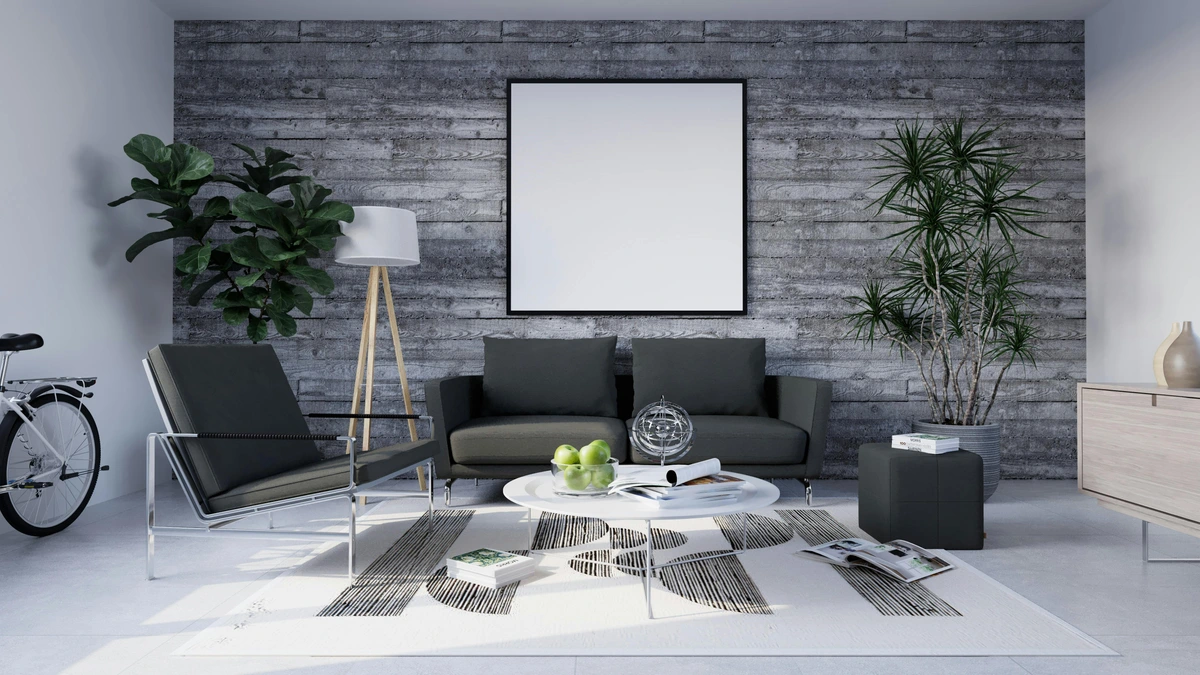
Common Mistakes to Avoid: Learning from Experience
Having created my fair share of gallery walls, I've made (and learned from!) many mistakes. Here are some common pitfalls that are surprisingly easy to avoid with a little awareness:
- Rushing the Process: A gallery wall is a marathon, not a sprint, and definitely not a one-afternoon project. Don't try to complete it in a single frantic session. Allow ample time for gathering inspiration, thoughtful planning, sourcing unique pieces, and making careful adjustments. Patience is truly a virtue here.
- Ignoring Scale and Proportion: This is a big one. Hanging pieces that are noticeably too small for a large wall, or conversely, overwhelming a small space with oversized art, can throw off the entire balance and make the room feel awkward. Always consider the dimensions of your wall and the furniture it interacts with. As a general rule, the collection should ideally be about two-thirds the width of the furniture below it.
- Forgetting Negative Space: Every single piece needs room to breathe, to truly be seen and appreciated. Overcrowding makes a wall feel cluttered, chaotic, and can diminish the impact of individual artworks. Embrace the 'white space' or 'negative space' around your art; it's just as important as the art itself, providing a visual resting place for the eye.
- Inconsistent Lighting: Poor or insufficient lighting can diminish even the most beautiful artwork, making it feel flat or overlooked. Ensure your gallery wall is adequately lit, whether by thoughtful natural light or intentional fixtures like picture lights or track lighting. Good lighting can truly make your art pop.
- Only Using Pictures (Lack of Dimension): Limiting yourself to just framed photos or prints misses a huge opportunity for texture, depth, and three-dimensional interest. Mix in objects, mirrors, textile art, small sculptures, or even shelves with curated trinkets for a much richer, more engaging, and dynamic display. Think beyond two dimensions!
- Lack of a Cohesive Element: While variety is wonderful, a complete lack of any unifying element (e.g., a shared color, theme, or frame style) can make a gallery wall look like a random assortment rather than an intentional collection. Even subtle connections can create harmony.
- Hanging Too High: A very common mistake! Generally, the center of your primary artwork (or the center of the entire gallery wall grouping) should be at eye level (around 57-60 inches from the floor) or proportional to the furniture below it. Hanging too high makes art feel disconnected from the room and its inhabitants. Art above the sofa has more specifics on this.
The Role of Color in a Gallery Wall: Your Secret Weapon
Color is an incredibly powerful tool in your gallery wall arsenal, capable of instantly setting the mood, creating cohesion, injecting energy, or establishing a sophisticated tone. It's like the emotional soundtrack to your visual story. You can use it strategically to unify disparate pieces or to celebrate vibrant contrasts. A monochromatic palette, using varying shades of a single color, offers undeniable sophistication and calm, perfect for serene spaces. Conversely, a vibrant, eclectic mix of bold hues can be wonderfully playful, dynamic, and full of personality. Think critically about how colors within your chosen art interact with each other and, crucially, with your room's existing decor, furniture, and textiles. Don't be afraid to pull accent colors from your sofa cushions or a favorite rug into your art selection, or even through thoughtfully chosen colored mats and frames. Remember, color is deeply personal, so choose what truly resonates with you and the desired feeling of your space.
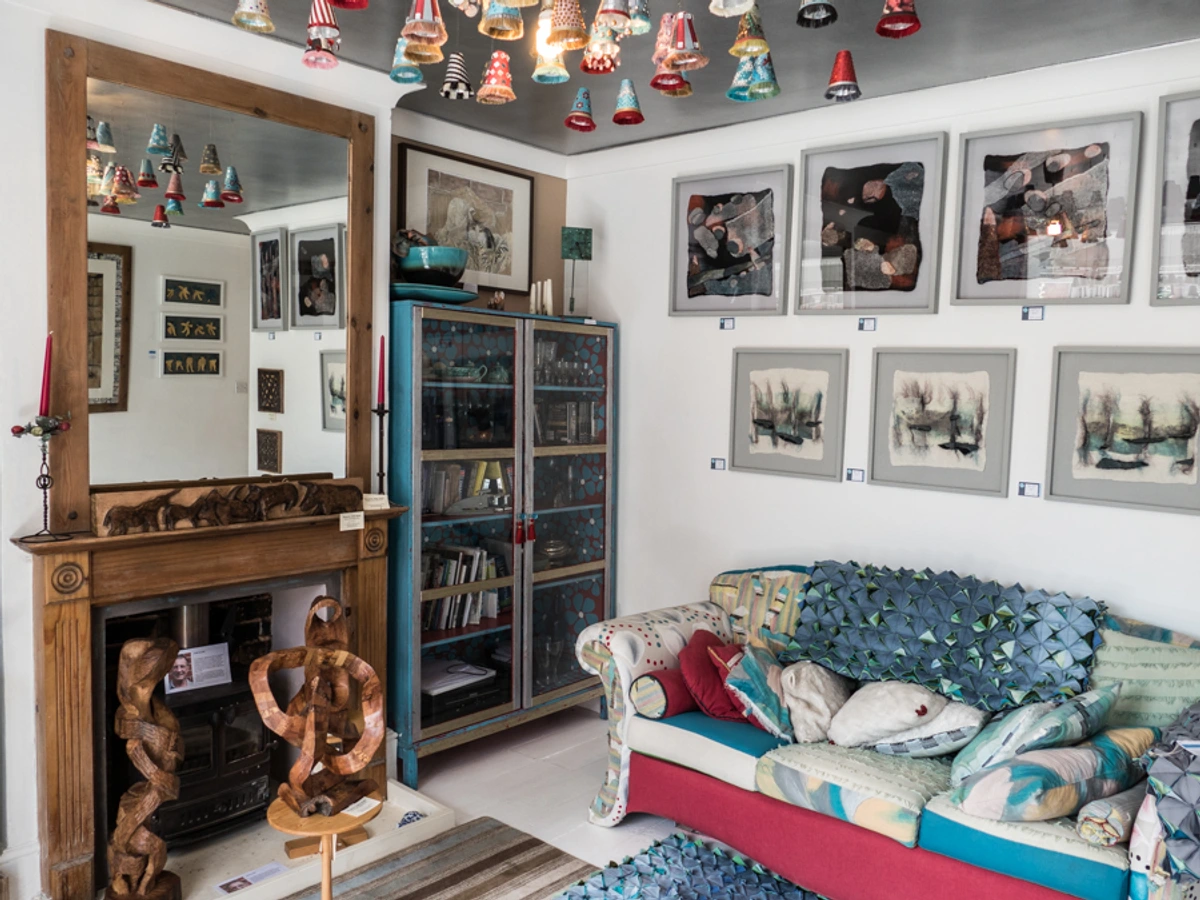
Interactive Elements for Your Gallery Wall: Engaging the Senses
Why should a gallery wall just be something to look at? Consider incorporating elements that actively invite interaction, transforming your display into a dynamic, engaging part of your home. This could be a small chalkboard for changing quotes or messages, a magnetic board for rotating postcards or children's artwork, or even a shallow shelf with objects you can pick up, examine, and rearrange. Imagine a miniature sculptural element that invites touch, or a vintage camera that sparks a memory. Interactive elements encourage a deeper, more personal connection with your curated story, making your gallery wall a truly living, breathing part of your home that evolves with your mood and experiences.
Curating for a Specific Aesthetic: Your Style, Amplified
Your gallery wall is perhaps the most direct and powerful extension of your personal style, a visual manifesto of your aesthetic preferences. Whether you're aiming for minimalist chic, bohemian eclectic, industrial grunge, modern coastal, Japandi style, or a Scandinavian-inspired home, there are deliberate ways to tailor your gallery wall to reinforce and amplify that specific aesthetic. For a minimalist look, focus relentlessly on consistent frames (often black, white, or natural wood), ample negative space, clean lines, and a restrained, neutral color palette. For a bohemian vibe, embrace a rich mix of textures, natural elements, globally-inspired pieces, and a vibrant, layered approach, perhaps even incorporating abstract art for bohemian-chic interiors. The key is always intentionality – every piece, every frame, every spacing decision should consciously contribute to your desired overall vibe, creating a cohesive and compelling visual statement.
Challenge: Too Many Pieces, Too Few Walls (or Vice Versa)
Oh, the delightful problem of having too many treasures for your wall space, or the equally daunting challenge of a vast expanse with too little art! I've been there with both. This is a common hurdle, but one with creative solutions.
- Solution (Too Many Pieces): If you have an abundance of cherished pieces, resist the urge to cram them all onto one wall. Instead, consider rotating your collection seasonally or thematically, much like a museum curates its exhibitions. Not everything needs to be on display at once; think of it as a dynamic, evolving display. Carefully store un-displayed pieces (perhaps in acid-free archival boxes) and bring them out when the mood strikes or the seasons change. This also allows you to rediscover and appreciate pieces anew. For smaller spaces, embracing abstract art for small spaces can help maximize impact without overwhelming the eye.
- Solution (Too Few Pieces): If you feel you don't have enough pieces to create the impact you desire, remember that a gallery wall can start small and grow organically over time. Don't rush to buy generic fillers. Instead, strategically mix in non-art items like decorative mirrors, small shelves with curated objects (a vintage camera, a tiny bust, a potted succulent), or even interesting fabric swatches to add texture and fill perceived gaps. I’ve even used small, framed botanical prints or vintage postcards to bridge a visual divide, proving that creativity and thoughtful sourcing can often solve a perceived deficit. Don't be afraid to leave some deliberate negative space, as this can often make the pieces you do have stand out even more.
Challenge: Overcrowding – When More Becomes Less (The Clutter Trap)
It’s a very common temptation: to squeeze every single cherished item onto the wall. But, as I've learned through my own trials and errors, sometimes less is truly more. If your gallery wall feels busy, chaotic, or visually overwhelming, you're likely overcrowding it. The individual pieces are getting lost in the noise.
- Solution: Step back – physically and mentally. Squint your eyes and identify the pieces that aren't truly contributing to the overall story or aesthetic. Don't be afraid to be ruthless and remove a few items. Think of negative space (the bare wall around your art) as just as important as the art itself – it gives the eye a crucial place to rest and allows each individual piece to breathe and stand out. Sometimes, a slight adjustment in spacing, or simply removing just one or two items, can magically transform a cluttered, overwhelming wall into a cohesive, elegant masterpiece. Give your art room to make its statement.
Challenge: Unsure About Mixing Styles or Colors
- Solution: The beauty of a gallery wall is in the mix! If you're nervous, try to find a common thread – a dominant color that appears in several pieces, a consistent frame color, or a unifying theme (e.g., travel, nature, or even abstract art). Start with a neutral palette for most frames and introduce one or two bold colors as accents. Trust your gut; if it feels good to you, it probably looks good. Sometimes, the 'chaos' is the aesthetic, and embracing that can be incredibly liberating. Think about how mixing and matching different art styles can create a truly unique narrative, reflecting the rich tapestry of your personal taste.
Challenge: Lack of Cohesion – When Things Just Don't 'Go' Together
You've gathered all your pieces with love and intention, but when they're on the wall, they just don't seem to gel; it feels like a collection of individuals rather than a cohesive team. This often stems from a lack of a subtle unifying element, an invisible thread that ties everything together.
- Solution: Try one of these powerful tricks to create harmony: introduce a consistent frame color across several pieces, even if the frame styles themselves are different; create a consistent matting color for most, if not all, of your framed items; or ensure a common color palette subtly appears in at least three non-adjacent pieces, drawing the eye around the display. Another incredibly powerful trick is a overarching theme: a travel theme, a black-and-white photography theme, a botanicals-and-nature theme, or even a specific abstract art style can instantly bring a strong sense of order and narrative. Remember, cohesion doesn't mean boring uniformity; it means fostering a harmonious dialogue between diverse elements, allowing them to speak to each other beautifully. I once spent days rearranging a wall that felt 'off' only to realize a single jarring red frame was clashing with everything else – swapping it for a neutral one instantly unified the whole display. Trust your eye, step back often, and be willing to make small, iterative adjustments; they often make the biggest difference!
Challenge: Hanging on Difficult Walls (When Standard Nails Won't Cut It)
Not all walls are created equal, and some are definitely more challenging than others! If you're dealing with plaster (which can be notoriously tricky!), exposed brick, or solid concrete, trying to use standard nails will only lead to frustration, bent hardware, and potential wall damage. Don't force it!
- Solution: The key is to research and acquire the correct hanging hardware for your specific wall type. This is non-negotiable for both the safety of your art and the integrity of your walls. We have incredibly helpful, detailed guides specifically designed for these challenging surfaces that can prevent a lot of headaches: how to hang art on concrete walls, how to hang art on brick walls, and even how to hang art on lath and plaster walls. For lighter items or for renters who need damage-free solutions, high-quality command strips can be a fantastic temporary alternative – just be sure to always check their weight limits carefully and follow manufacturer instructions. Always, always test new hardware in an inconspicuous spot if you're unsure, and prioritize the security of your precious art.
Challenge: Dealing with Oddly Shaped Walls or Corners (Embracing the Quirks)
Don't let awkward architecture or an unusually shaped wall deter you from creating a gallery wall! In fact, these perceived limitations can often become wonderful opportunities for truly unique and creative displays. Rather than fighting them, embrace them!
- Solution: For sloped ceilings or angled walls, consider aligning frames along the angle of the ceiling or floor to create a dynamic, intentional look. This turns a challenge into a deliberate design choice (check out how to hang art on a slanted wall). In tight corners, a small, tightly curated cluster of pieces can define a cozy nook or transition space, turning an otherwise dead zone into an engaging vignette. The key is to work with the architecture, not against it, allowing the wall's unique features to inform your arrangement rather than restrict it. Think of it as a creative puzzle where the irregular shape becomes part of the solution, not the problem.
Challenge: Achieving Balance and Flow (The Art of Visual Harmony)
This is perhaps the most subtle, yet crucial, challenge: when your layout just feels off, even if all the pieces are technically 'there.' It's less about individual pieces and more about the overall visual conversation. This is where the 'eye' comes in, and it's a skill that develops with practice.
- Solution: If your layout feels unbalanced, step back (way back!) and squint your eyes. Often, it's about intuitively distributing visual weight. If you have a cluster of heavy, dark, or densely colored pieces in one area, balance it with lighter, airier, or more subtly colored ones nearby. Use the negative space around the art as thoughtfully and intentionally as you use the art itself; it gives the eye a place to rest and allows the arrangement to breathe. Sometimes, a single, unexpected element, like a small plant, a reflective mirror, or even a piece of abstract art with open composition, can instantly bring a sense of equilibrium and flow. Don't be afraid to experiment with moving pieces around until that 'aha!' moment of perfect harmony.
Frequently Asked Questions (Because You've Got Them, and I've Got Answers!)
I know what you're probably thinking: "This is a lot of incredible information, but what about X, Y, and Z?" Don't worry, I've compiled some of the most common questions I hear about creating gallery walls, hopefully addressing those lingering thoughts and ensuring you have all the foundational knowledge you need to embark on your own creative journey with confidence. Think of this as your rapid-fire Q&A session with your personal art editor!
Quick Tips for Success
- Start Small: You don't need to fill an entire wall at once. A small cluster of 3-5 pieces can be a beautiful beginning.
- Mix High and Low: Combine expensive art with affordable prints, personal photos, and flea market finds for a truly authentic look.
- Embrace Imperfection: Your gallery wall is a reflection of your life. It doesn't need to be museum-perfect. A little asymmetry or unexpected pairing adds character.
- Use the Floor First: Seriously, the paper template method is a game-changer. Save your walls (and your sanity!).
- Trust Your Eye: Ultimately, if it looks good to you, it is good. Your home, your rules.
- Consider a Theme: A loose theme (e.g., travel, black and white, abstract art) can provide an easy framework for cohesion.
Maintenance and Care for Your Gallery Wall
Once your masterpiece is hung, a little ongoing care will keep it looking its best. Dust frames and art regularly with a soft, dry microfiber cloth. For glass, use a streak-free glass cleaner applied to the cloth (never spray directly onto the frame, as liquid can seep in and damage the art or matting). Check hanging hardware periodically, especially for heavier pieces, to ensure everything remains secure. If you've used command strips, follow manufacturer guidelines for removal and reapplication. Proper maintenance ensures your cherished collection remains a vibrant part of your home for years to come.





What's the difference between a gallery wall and a salon wall? (Demystifying the Jargon)
Honestly, the terms are often used interchangeably these days, and it's completely easy to get confused! Historically, a salon-style hang refers specifically to the practice of covering a wall from floor to ceiling with art, often in a dense, almost overwhelming fashion, as famously seen in the grand Paris Salons of the 19th century. It was a statement of abundance, cultural significance, and a way to display as many works as possible. A gallery wall, on the other hand, is the more modern, broader, and general term for any curated collection of art or objects displayed together on a wall in a cohesive arrangement. Most eclectic gallery walls you see today are technically inspired by the salon style, in that they often mix sizes and orientations, but with a more intentional approach to spacing and flow. Think of it like this: all salon walls are, by definition, gallery walls, but not all gallery walls are salon walls – a bit like how all abstract art is art, but not all art is abstract! The modern gallery wall often takes inspiration from the maximalist spirit of the salon style but with a more refined, deliberate approach to spacing and composition, adapting it to contemporary homes.
Do all the frames on a gallery wall have to match? (The Great Frame Debate)
Absolutely not! This is a common misconception, and frankly, a rule that's made to be broken. Mixing frame styles, materials, and colors can add incredible texture, depth, and personality to your gallery wall, reflecting a truly collected, evolving, and authentic display. On the other hand, using perfectly matching frames creates a very clean, unified, and distinctly modern look, ideal for a minimalist aesthetic or a precise grid layout. It's purely a style choice, and both approaches can yield stunning results, depending on the vibe you're aiming for. I personally adore the mixed-frame look because it tells a richer story, a testament to pieces collected over time and from different places, creating a fascinating visual dialogue between disparate elements. Don't be afraid to combine a rustic wooden frame with a sleek metal one, or an ornate vintage frame with a simple contemporary piece – the juxtaposition can be surprisingly beautiful!
How far apart should I hang the pictures? (The Goldilocks Rule of Spacing)
This is one of the most common questions I get, and it's an absolutely critical one for achieving a polished, intentional look! The spacing can make or break a gallery wall. A good, universally applicable rule of thumb is to keep the spacing between frames consistent, typically 2-3 inches (5-8 cm) apart. This seemingly small detail helps the entire collection feel cohesive and intentional, even if the frames and art themselves are vastly different. For precise grid layouts, this consistency is paramount – think of the precision required for a perfect tic-tac-toe board. For more organic, salon-style arrangements, you can certainly have a little more variation, but maintaining a generally consistent gap will prevent the wall from looking too chaotic or, conversely, too sparse. Remember, negative space (the visible wall around and between the art) is just as important as the art itself. It provides crucial breathing room, allowing each piece to stand out while still being part of a cohesive whole. Too close, and it feels cluttered and overwhelming; too far, and it loses its unified impact, looking like a scattered collection rather than a deliberate display. It's a delicate balance, and often, I find that slightly more space is better than too little.
How high should I hang my gallery wall? (The Eye-Level Sweet Spot)
This is another frequently asked question, and while there's a good general guideline, it's not a hard-and-fast rule engraved in stone! Generally, the center of your primary artwork (or the visual center of the entire gallery wall grouping) should be at average eye level, which is typically about 57-60 inches (145-152 cm) from the floor. This height feels natural and comfortable for most people viewing the art while standing. However, context is everything!
- Above Furniture: If you're hanging above furniture (like a sofa, bed, or console table), ensure there's enough space – usually 6-8 inches – between the top of the furniture and the bottom of the lowest frame. You don't want the art to feel crammed or disconnected; it should float comfortably above the piece. For areas like a living room above a sofa, ensure the art complements the furniture without feeling disconnected, but rather integrated into the vignette. Also check out how to decorate above a bed.
- Dining Rooms: In a dining room, art can be hung slightly higher to be appreciated while seated, as people's eye lines change when sitting down. How to choose art for a dining room offers more tailored advice.
- Bedroom: In a bedroom, particularly above the bed, eye level might be slightly lower to accommodate viewing from a reclining position.
- Floor-to-Ceiling Style: If you're aiming for a dramatic, floor-to-ceiling salon style, then all bets are off for the 'eye level' rule – just fill that wall with joyful abundance! The goal is to create an immersive experience.
Ultimately, it's all about context and how the art interacts with its surroundings and how you primarily view it – trust your eye and step back often to assess the balance!
Can I include things other than pictures? (Embracing the Unexpected!)
Yes, please, absolutely do! I actively encourage it – in fact, it's one of my absolute favorite ways to infuse personality, texture, and create a truly dynamic, multi-dimensional display that feels uniquely yours. Limiting yourself to just flat, framed images is a missed opportunity!
Including objects like small mirrors (they're brilliant for decorating with mirrors and art as they reflect light and expand space!), decorative plates, intricate textile art, unique sculptural elements (even a small, interesting figurine or how to decorate with sculptures), or even shallow shelves with cherished trinkets adds incredible three-dimensional interest, tactile texture, and makes your gallery wall even more unique and personal. Think outside the traditional frame: framed botanical specimens, vintage keys, old maps, concert stubs, meaningful letters, or even a small, quirky sculpture that sparks joy. It transforms your wall into a truly curated display of your life, your travels, your passions, and your quirky sense of self, rather than just a flat surface covered with images. Think of it as creating a vibrant, three-dimensional mood board of your soul, an immersive journey for the eye.
What about lighting for my gallery wall? (Illuminating Your Masterpiece)
Good lighting can dramatically enhance your gallery wall, transforming it from a simple collection into a captivating focal point – think of it as the ultimate final flourish! It's not just about seeing the art, but about experiencing it in its best light. Track lighting, with adjustable spotlights, is a versatile option for illuminating multiple pieces. Elegant picture lights mounted above individual frames can highlight specific artworks and create a sophisticated, museum-like ambiance right in your home. Even strategically placed floor lamps or wall sconces can cast beautiful light and add to the overall atmosphere. Consider the direction and warmth of the light; warm lights often bring out rich tones and create a cozy, inviting feel, while cool lights can make a space feel more modern and gallery-like. Don't underestimate the power of thoughtful illumination to truly make your art pop, especially for pieces you want to draw extra attention to. For more in-depth advice on this, you might explore resources on how to light and position abstract art for maximum impact. Remember, even natural light plays a huge role, so observe how sunlight interacts with your wall throughout the day to plan for its optimal viewing.
What about a themed gallery wall? (Your Story, Your Focus)
A themed gallery wall is an absolutely fantastic idea, and honestly, one of the easiest and most powerful ways to create instant cohesion, inject personality, and tell a compelling story! It provides an inherent sense of unity and makes the entire curation process much easier, giving you a clear direction and purpose. You could have a vibrant, wanderlust-inducing travel-themed wall with maps, photos from trips, and souvenirs; a sophisticated black and white photography wall; a serene botanicals-and-nature theme; a dynamic, color-blocked wall featuring abstract art; or even a deeply personal family history wall with cherished heirlooms and portraits. The chosen theme acts as your guiding star, ensuring all your chosen pieces work together harmoniously, creating a narrative flow rather than a random assortment. It's like writing a book with a very clear plot – all the elements contribute to the main story, making your wall a truly engaging chapter of your life.
What about renters? Can I still create a gallery wall?
Absolutely! Being a renter shouldn't stop you from personalizing your space. The key is to be strategic about damage-free hanging solutions. High-quality command strips are your best friend for lighter to moderately heavy pieces, and many brands now offer strips designed for heavier items. Always check the weight limits! You can also lean framed art against the wall on shelves or the floor, creating a more casual, layered gallery effect. Temporary wallpaper can even serve as a backdrop for a smaller gallery. Another option is using tension rods to hang lightweight pieces or fabrics in doorways or between shelves. It's all about creativity and choosing methods that won't jeopardize your security deposit!
Temporary Gallery Walls: For the Undecided or Transient
If you're a renter, or simply love to change your decor often, consider a temporary gallery wall. This can involve leaning frames against walls, using picture ledges that require minimal installation, or utilizing the aforementioned command strips. You can also create 'floating' gallery walls using string and small clips, or even by hanging pieces from a curtain rod. The beauty of a temporary gallery wall is its flexibility and ease of change, allowing you to experiment with layouts and pieces without commitment.
A Final Thought: Embrace the Imperfection, Celebrate Your Story
Don't get paralyzed by the daunting idea of perfection, because honestly, perfection is wildly overrated when it comes to expressing yourself and creating a home that feels truly lived-in. I've spent far too long chasing it, only to realize that true beauty and joy lie squarely in authenticity, in the unique story that only you can tell. The most beautiful, compelling gallery walls are the ones that feel authentic, that clearly reflect the person (or people) living in that space, embracing quirks and all. They are a vibrant reflection of a life lived, of travels taken, of people loved, of passions pursued, of lessons learned. It's your story, beautifully and creatively told on your walls, evolving with every passing year.
So, take a deep breath, grab a hammer (or some painter's tape if you're a renter!), gather your treasures, and start telling it. Your walls are waiting patiently to tell your incredible, unique story. And remember, if you're ever looking for a unique piece to add to your evolving collection, something that truly speaks to you, something that resonates with your newfound appreciation for visual storytelling, feel free to browse my artwork or explore the timeline of my artistic journey. Who knows, your next favorite piece might just be a click away, ready to become another cherished chapter on your wall. Remember, art is a journey, not a destination, and your gallery wall is simply the most beautiful, most personal map of your own incredible adventure.