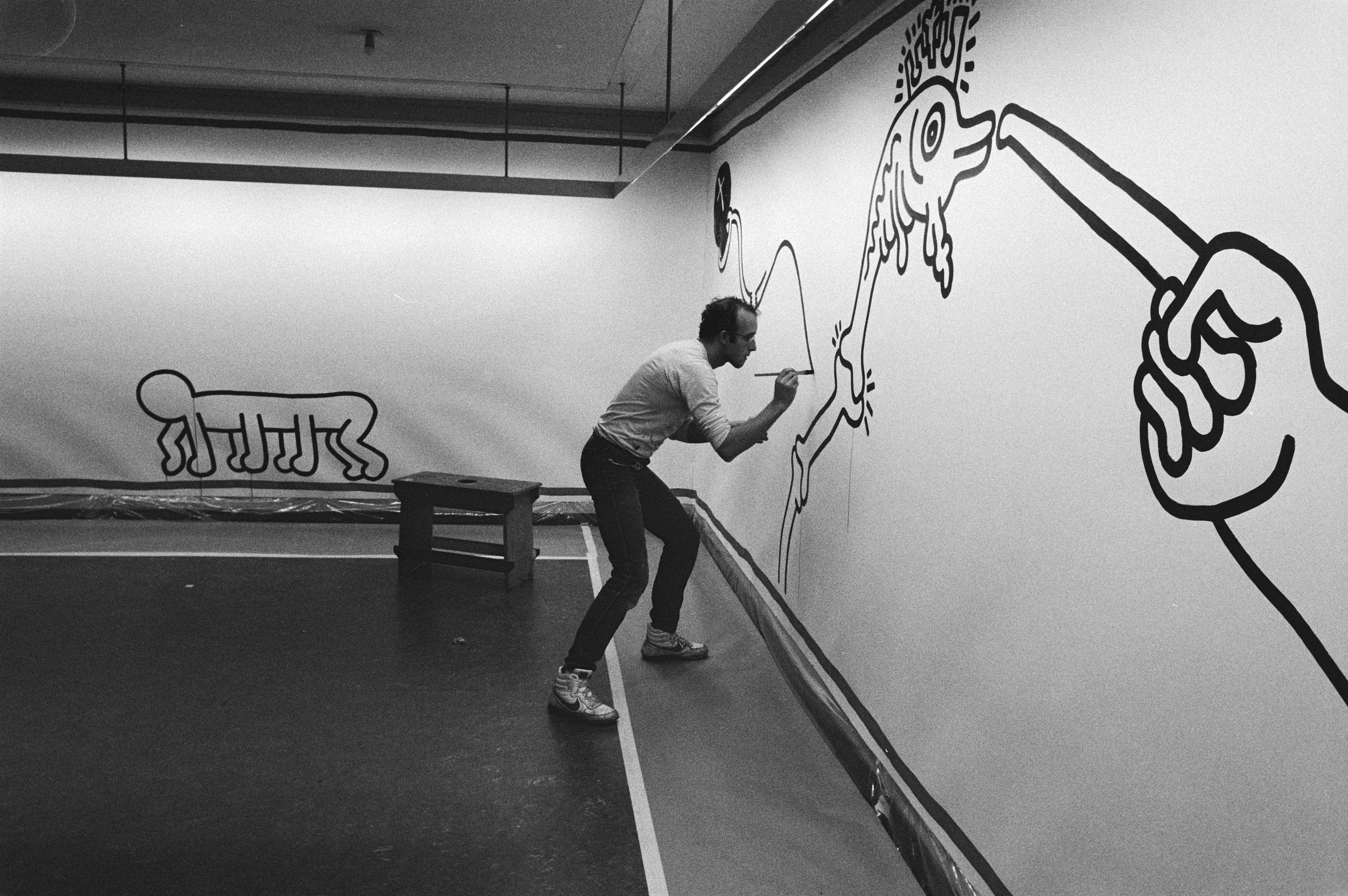
Buying Art From Local Artists: My Personal Guide

Why Buying Art From Local Artists is a Game Changer (And How to Do It!)
Okay, let's be honest. The traditional art world can feel a bit... distant sometimes, right? Like it's all about big names, fancy galleries in cities you might only visit on vacation, and price tags that make your eyes water. I get it. For a long time, I felt that way too. It felt like a club I didn't have the secret password for. But then I started ignoring the noise and thinking closer to home. Literally. What about the incredible, untapped talent right here, in our own communities?
Buying art from local artists isn't just a transaction; it's an experience. It's a chance to connect with the person who poured their heart and soul into creating something beautiful. It's about finding pieces with a story, pieces that resonate with the place you live, and pieces that genuinely make your space feel more you. And honestly? It's often much more accessible than you might think.
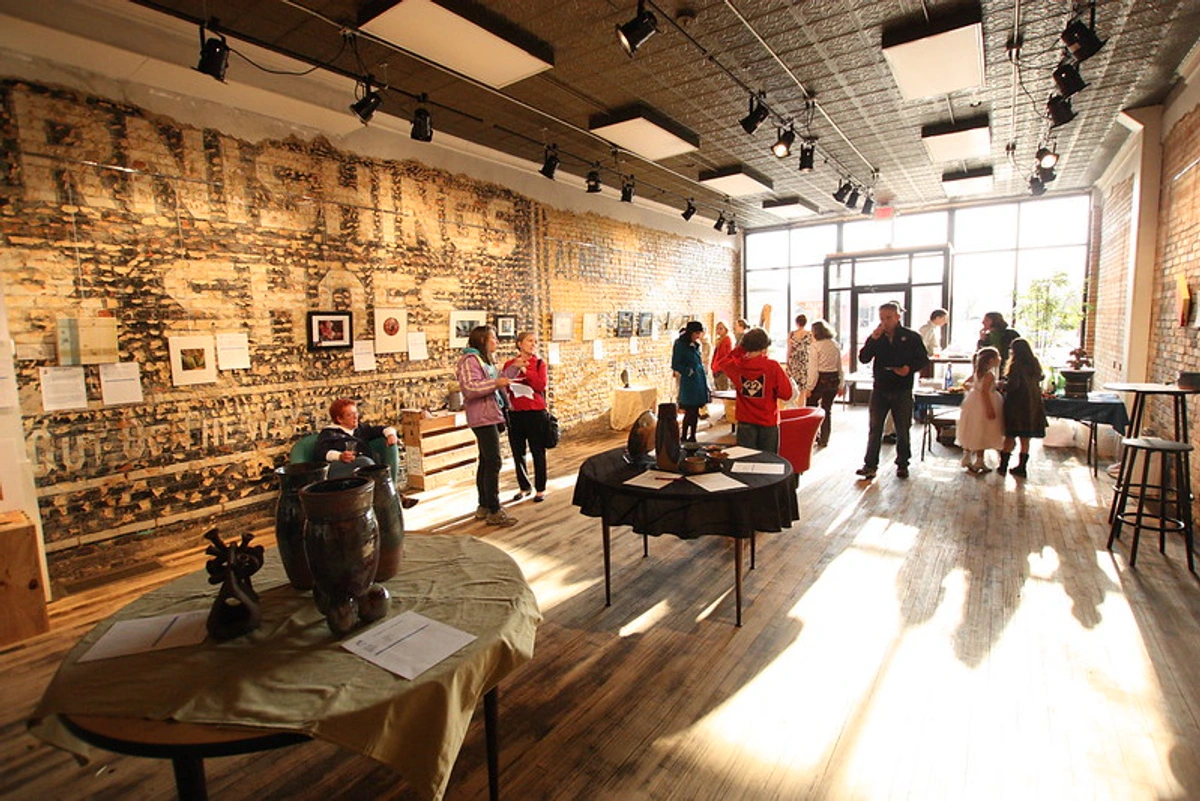
So, if you've ever felt that pang of intimidation walking into a white-walled gallery, or just wondered how to even start finding art that feels like it belongs to you, especially from someone nearby, you're in the right place. Let's demystify this together.
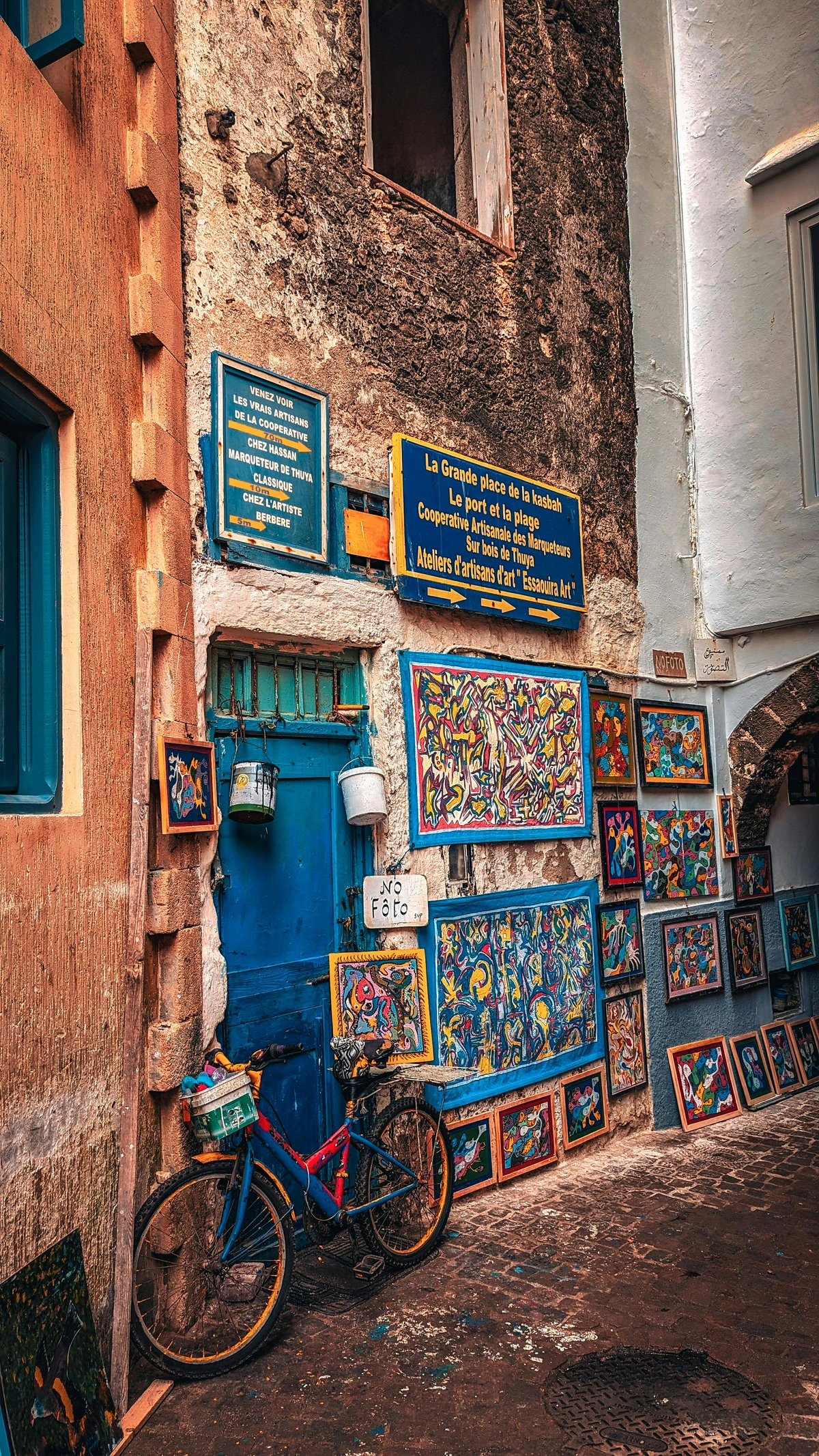
Why Go Local? The Undeniable Perks
Why should you make the effort to seek out local talent when you could just click 'add to cart' on a big online retailer? Well, for starters:
- Direct Connection: You get to meet the artist! You can hear about their inspiration, their process, and the story behind the piece. This adds a whole new layer of meaning to the art you bring into your home. It's a connection you just don't get with mass-produced decor.
- Supporting Your Community: This is huge. When you buy local art, you're directly supporting an individual's passion and livelihood. You're contributing to the cultural vibrancy of your area. It feels good, plain and simple.
- Unique Pieces: Local artists often create original works or limited edition prints. You're not buying something thousands of other people own. You're getting something special, something that stands out.
- Accessibility & Affordability: While some local artists command high prices, many offer work at various price points, including smaller pieces, studies, or limited edition prints that are much more accessible than gallery-represented artists or famous paintings.
- Building a Relationship: Buying from a local artist can be the start of a long-term relationship—a kind of creative friendship. You get a front-row seat to watch their style evolve, to collect more of their work, or even to commission a custom piece (Commission Art: Ultimate Guide). It's about becoming part of their story, and them, a small part of yours.
It's a win-win-win situation, really. You get unique art that tells a story no one else's can, the artist gets the direct support they need to continue their work, and your community thrives, becoming a more vibrant and culturally rich place to live. Sometimes the most profound choices are also the simplest.

Overcoming the "Art Buyer" Jitters: It's Not Just You
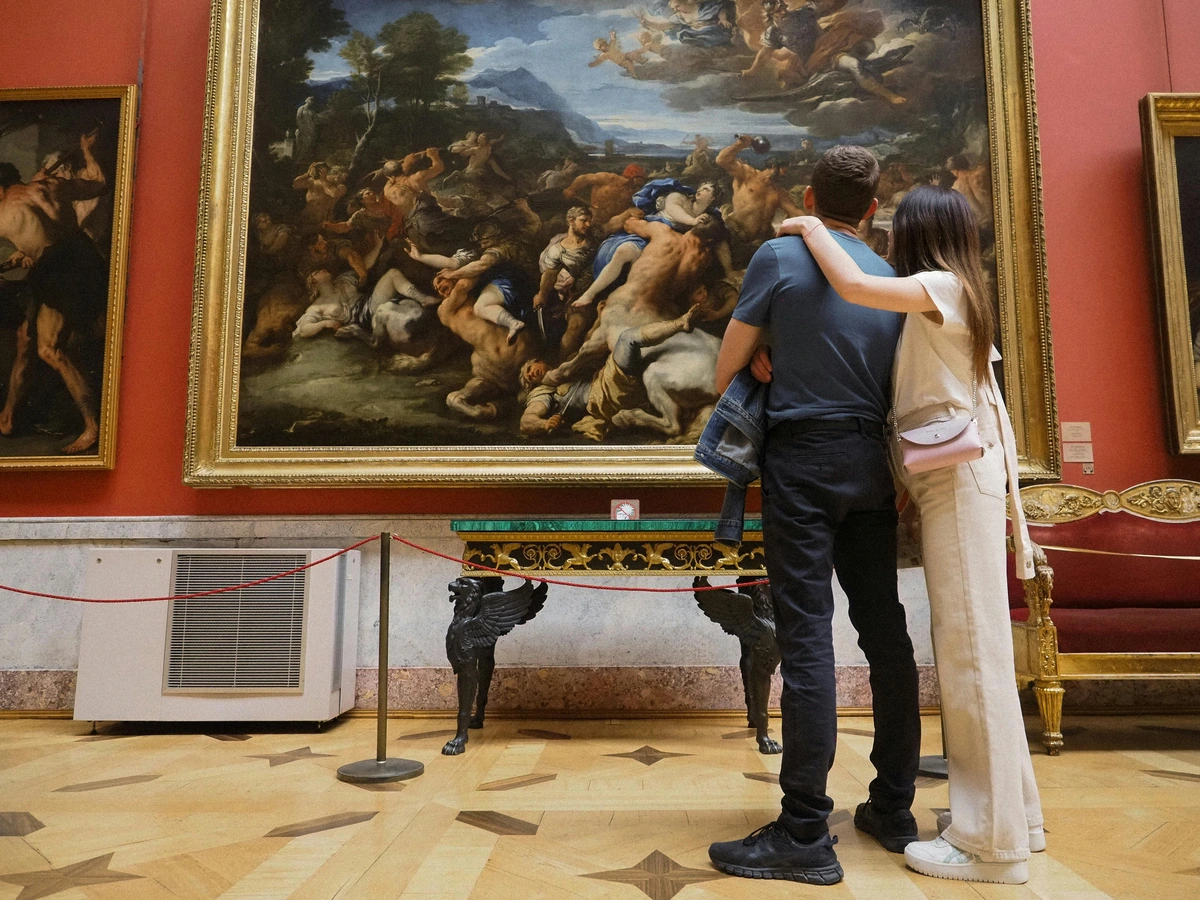
Before we get into the where and how, let's address the elephant in the room. Many people feel a bit of imposter syndrome when entering an art space. "I don't know enough," "What if I say something stupid?" or "Will the artist think I'm just a browser?"
I get it. I've been there. Remember, the art world thrives on new energy and fresh eyes. Your perspective, even without years of formal art education, is valuable. Artists create for people to experience, not just for critics to dissect.
A quick story: I once attended an open studio, convinced my questions would be painfully naive. I ended up asking a painter about a jar of what looked like thick, shimmering mud on her workbench. Turns out, it was a homemade chalk gesso, a recipe passed down from her grandmother. That single, "stupid" question unlocked a five-minute story about her family, her heritage, and the very soul of the painting I ended up falling in love with. What felt like a gap in my knowledge was actually an open door.
Your curiosity is your best asset. Let go of the need to sound like an expert. Focus on what genuinely draws you in.
Where to Unearth Local Artistic Gems
Okay, sold on the why. Now for the where. Finding local artists might require a little more effort than scrolling an algorithm, but that's part of the adventure. Think of yourself as a treasure hunter, mapping your own creative cartography of the place you call home.

1. Local Galleries
This is often the most straightforward starting point. Many art galleries focus specifically on representing artists from their region. They curate shows, handle sales, and can tell you a lot about the artist and their work.
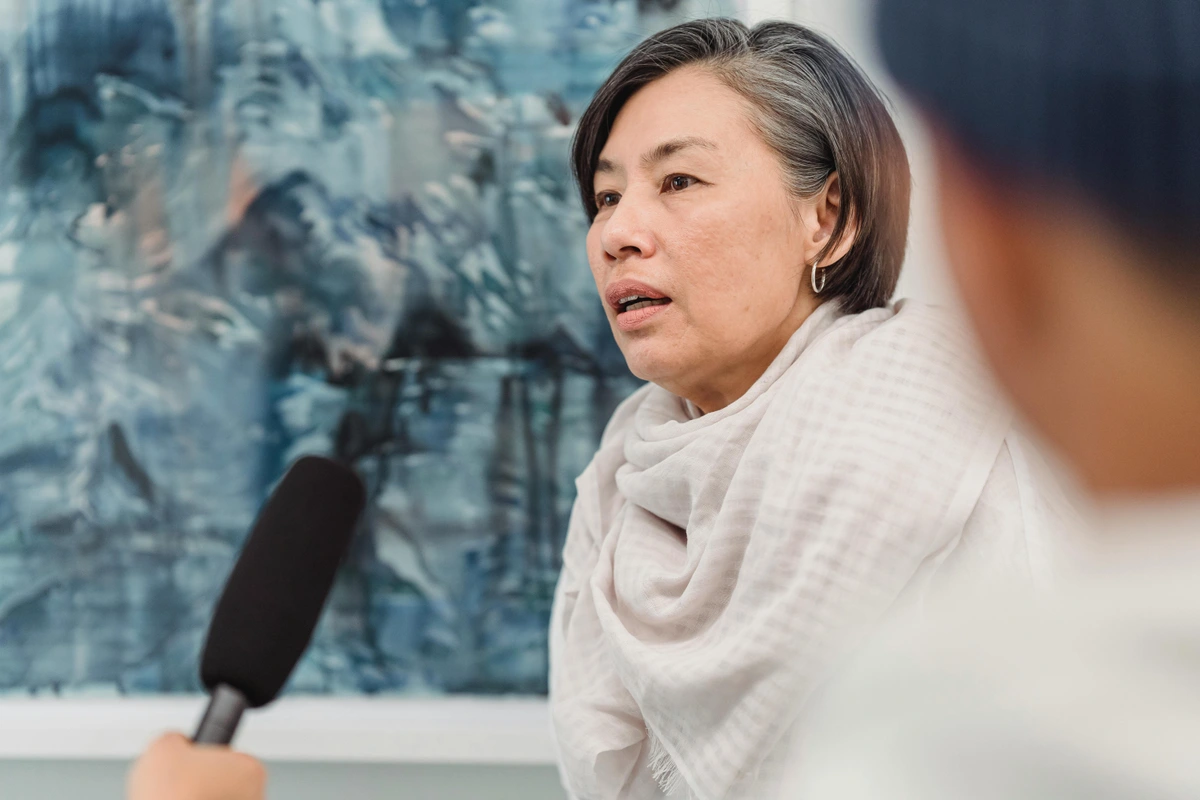

Don't be intimidated! Galleries are there to help you. Just walk in, look around, and if something catches your eye, ask about it. It's a great way to see art in person and get a feel for different styles.
2. Artist Studios & Open Houses
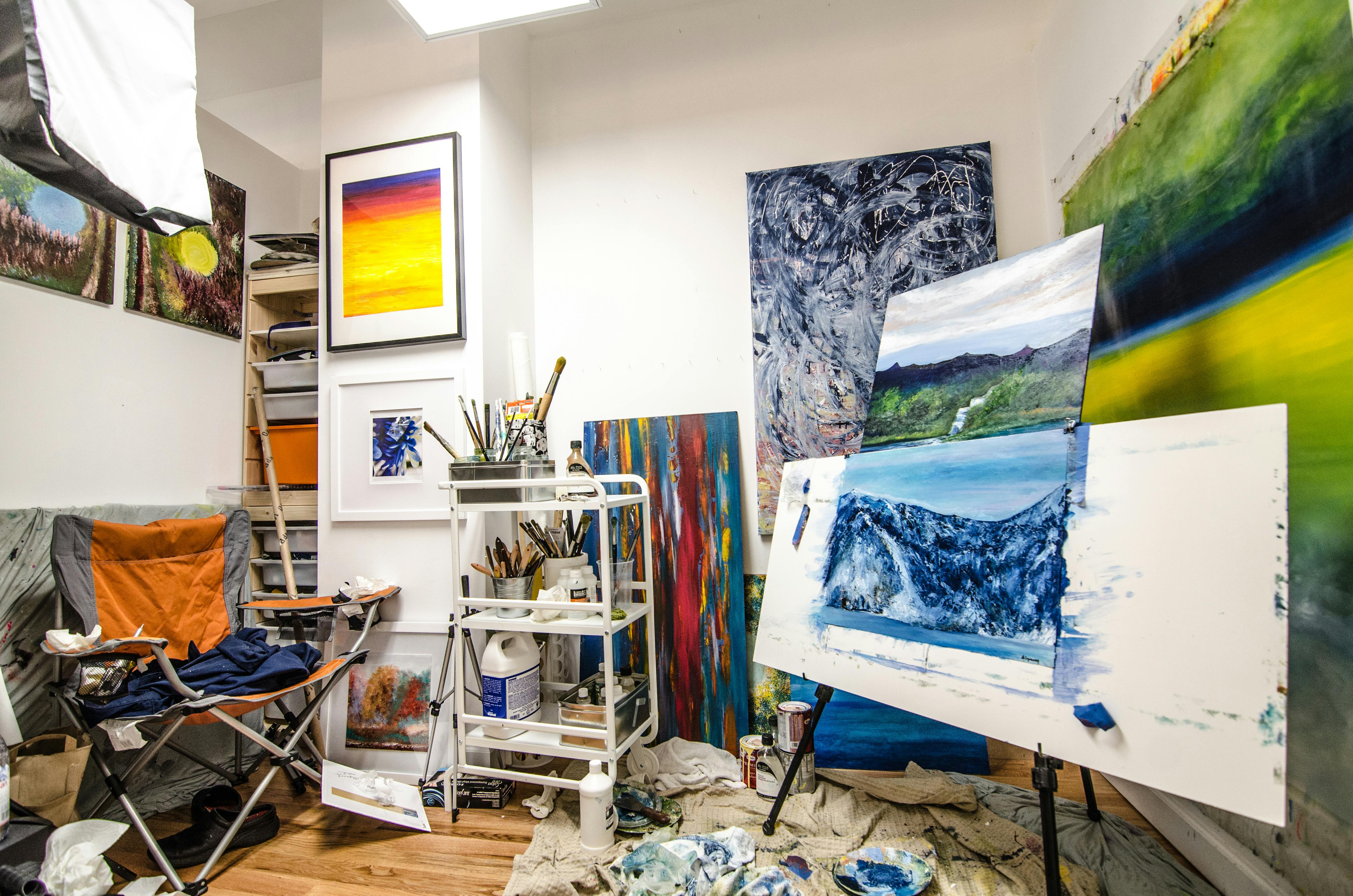
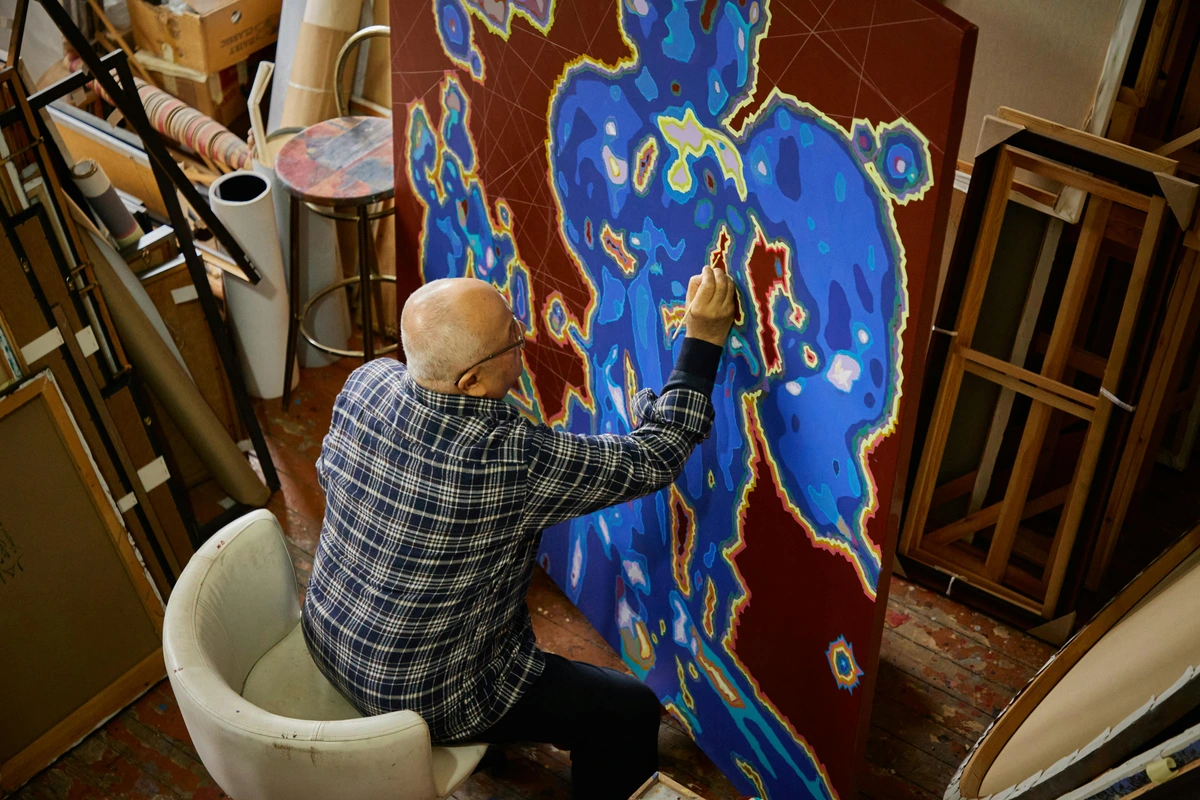
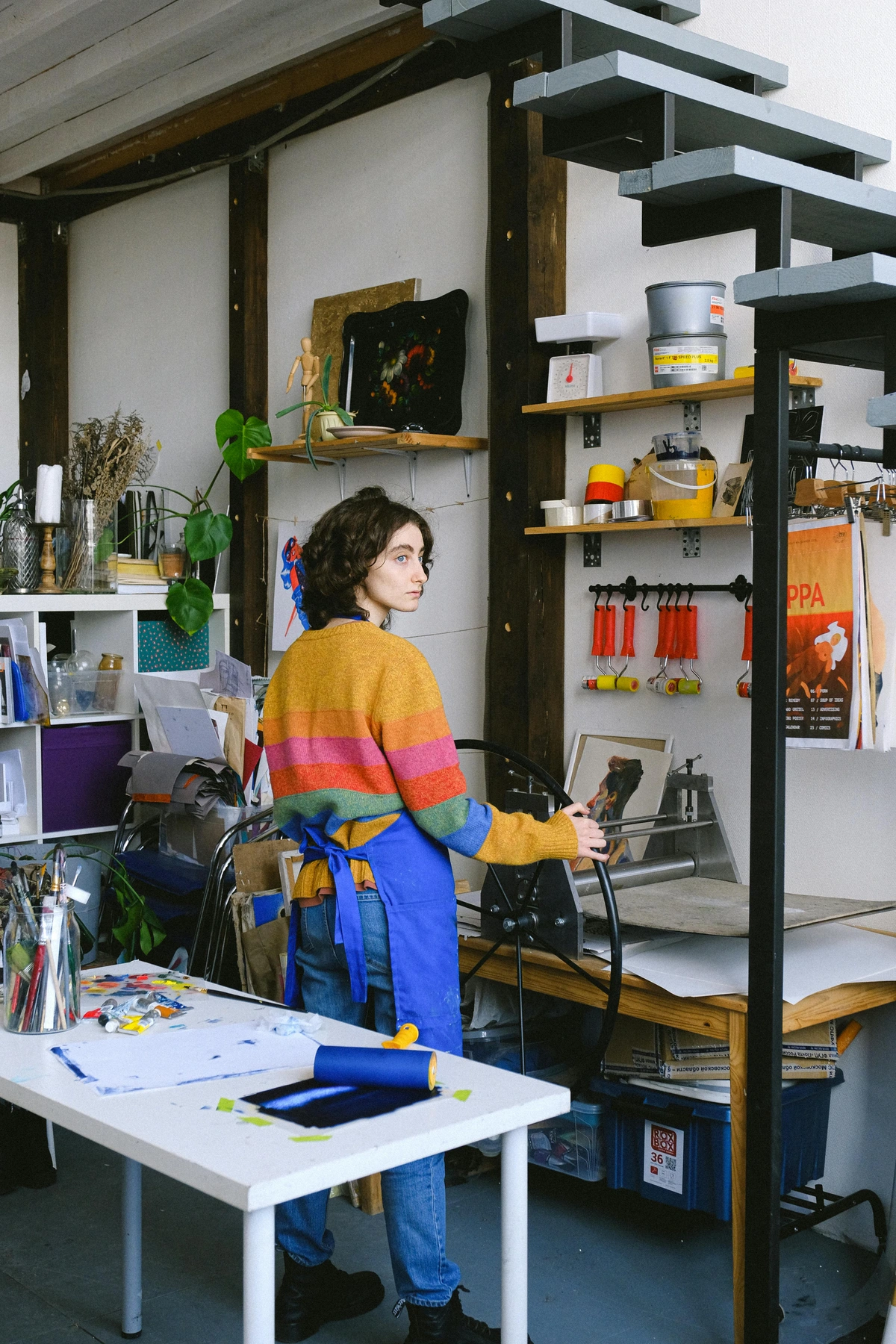
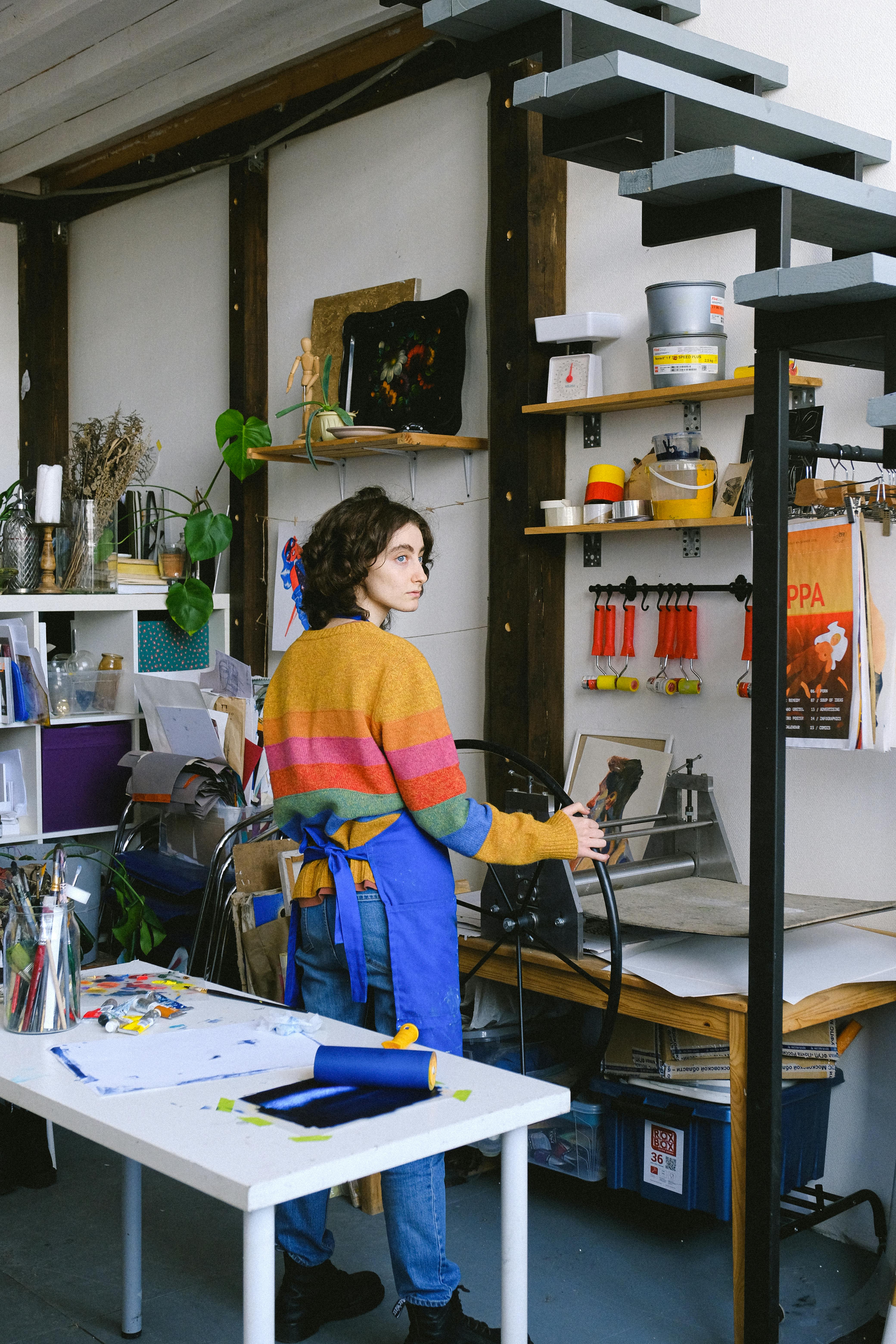
Many artists have their own studios, sometimes open to the public by appointment or during special events like 'Open Studio' weekends. This is perhaps the most personal way to buy art. You get to see where the magic happens, smell the paint (if that's their medium!), and chat directly with the creator.
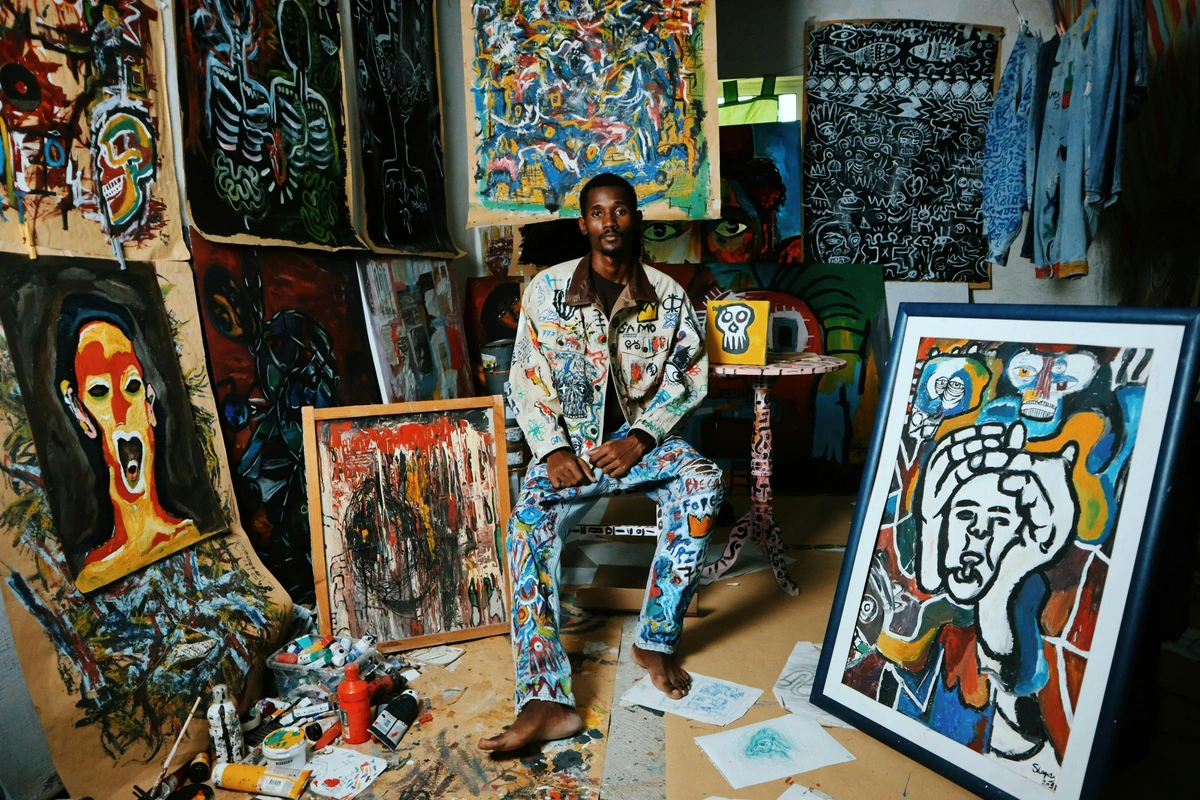
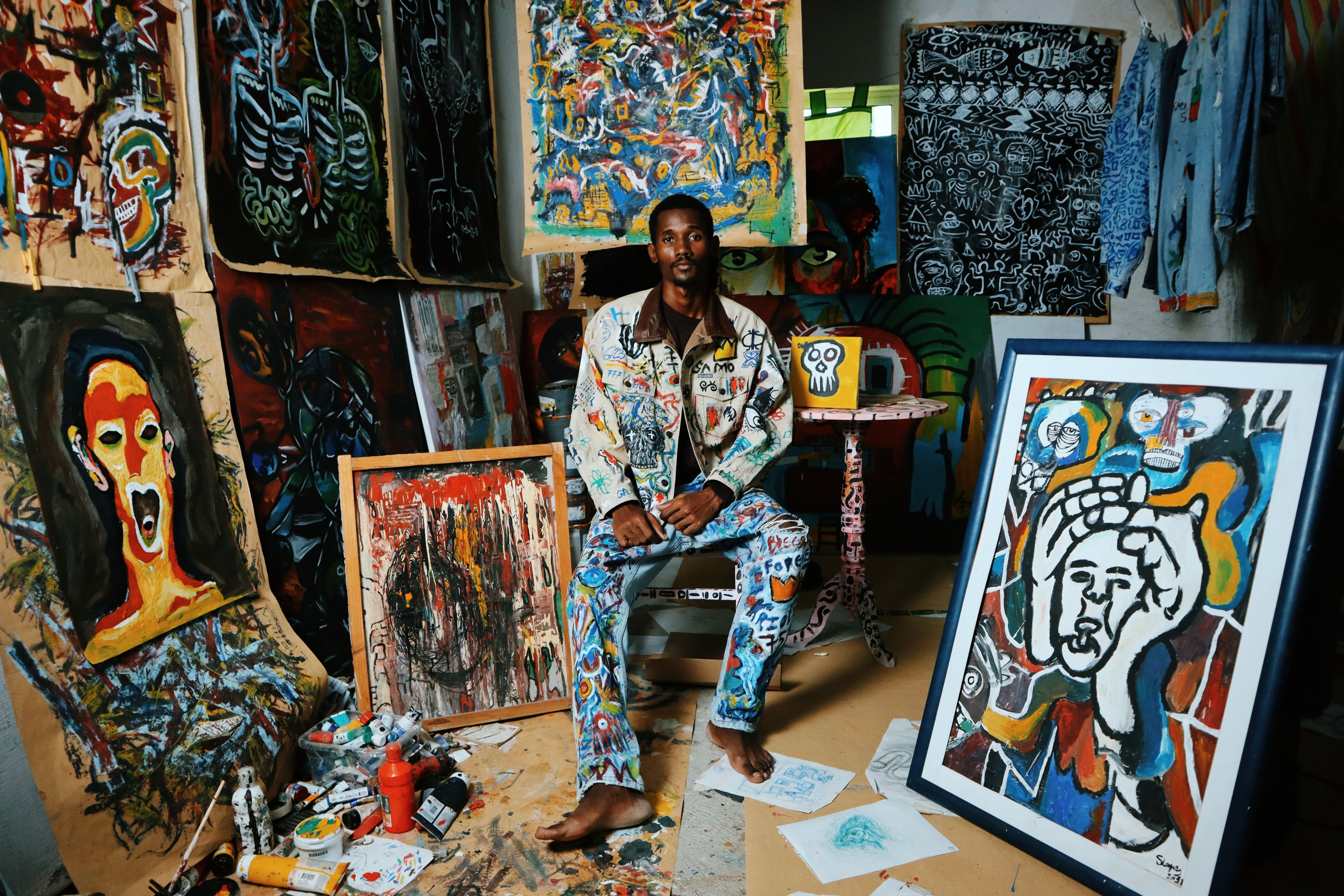
Keep an eye out for local art councils or community event listings that announce these opportunities.


3. Art Fairs & Markets
From large-scale art fairs to smaller weekend markets, these are fantastic places to see a wide variety of local art in one go. It's a more casual environment than a gallery, and you can often find everything from paintings and sculptures to jewelry and ceramics.
Don't be intimidated! Galleries are there to help you. Just walk in, look around, and if something catches your eye, ask about it. It's a great way to see art in person and get a feel for different styles.
Overwhelmed by choice? My strategy is to do two laps. The first is a quick scan to see what catches my eye. The second is a slow, detailed tour of the booths I flagged. It helps to separate the signal from the noise. I also always ask artists what they are most excited about in their current collection—it often leads to a great conversation and points you toward their most passionate work. I find that chatting with the artists and picking up business cards is a great way to discover new favorites.
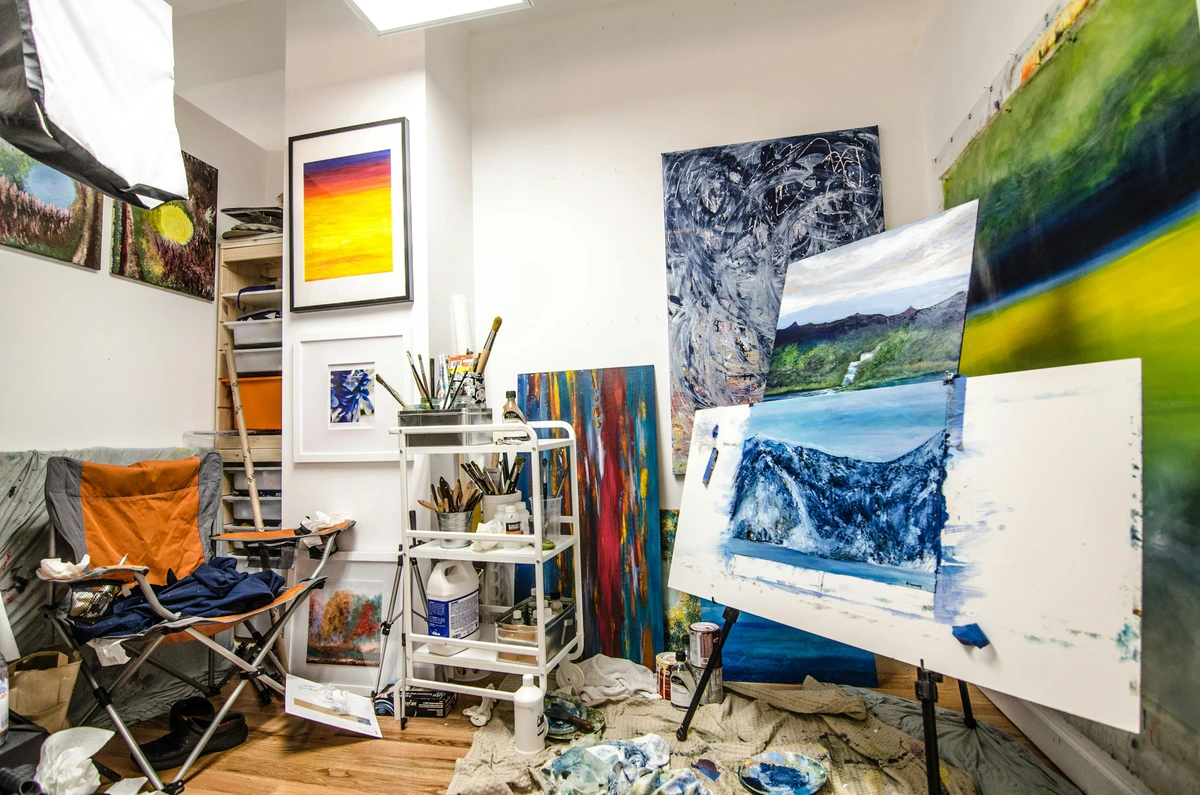
4. Online Platforms & Social Media: Your Digital Art Hunt
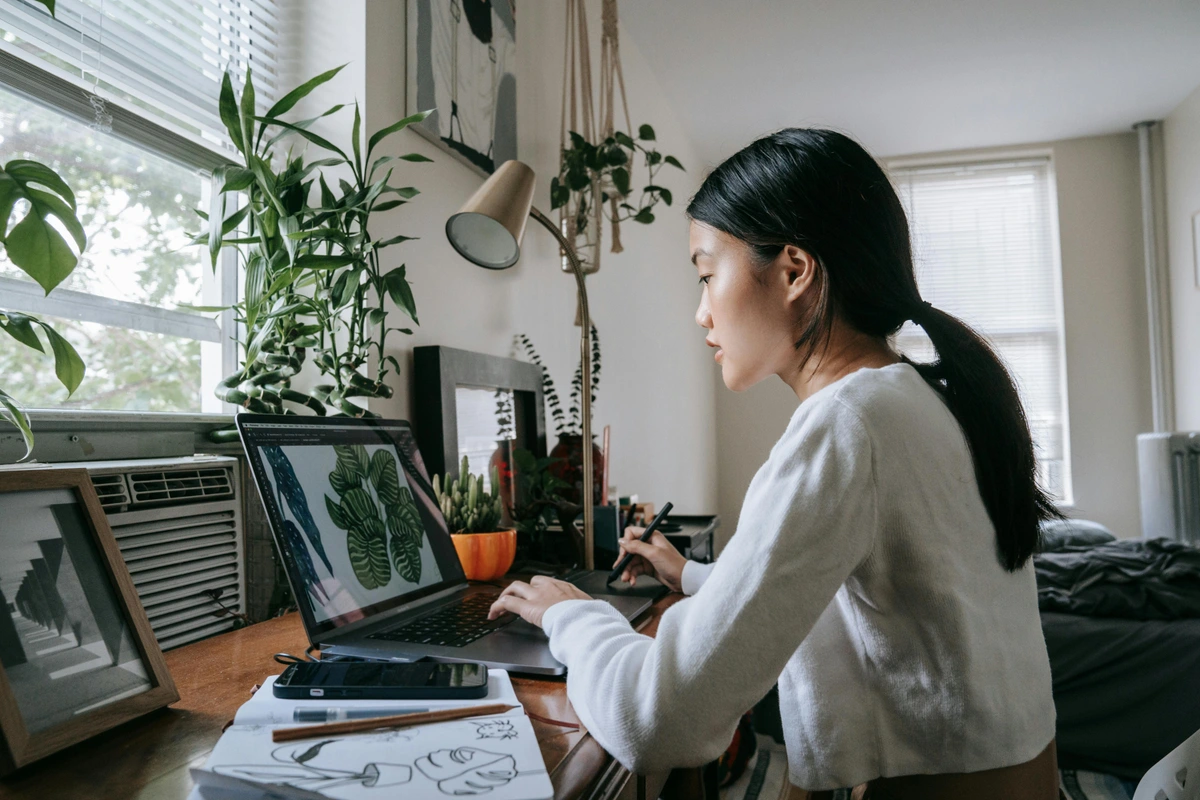
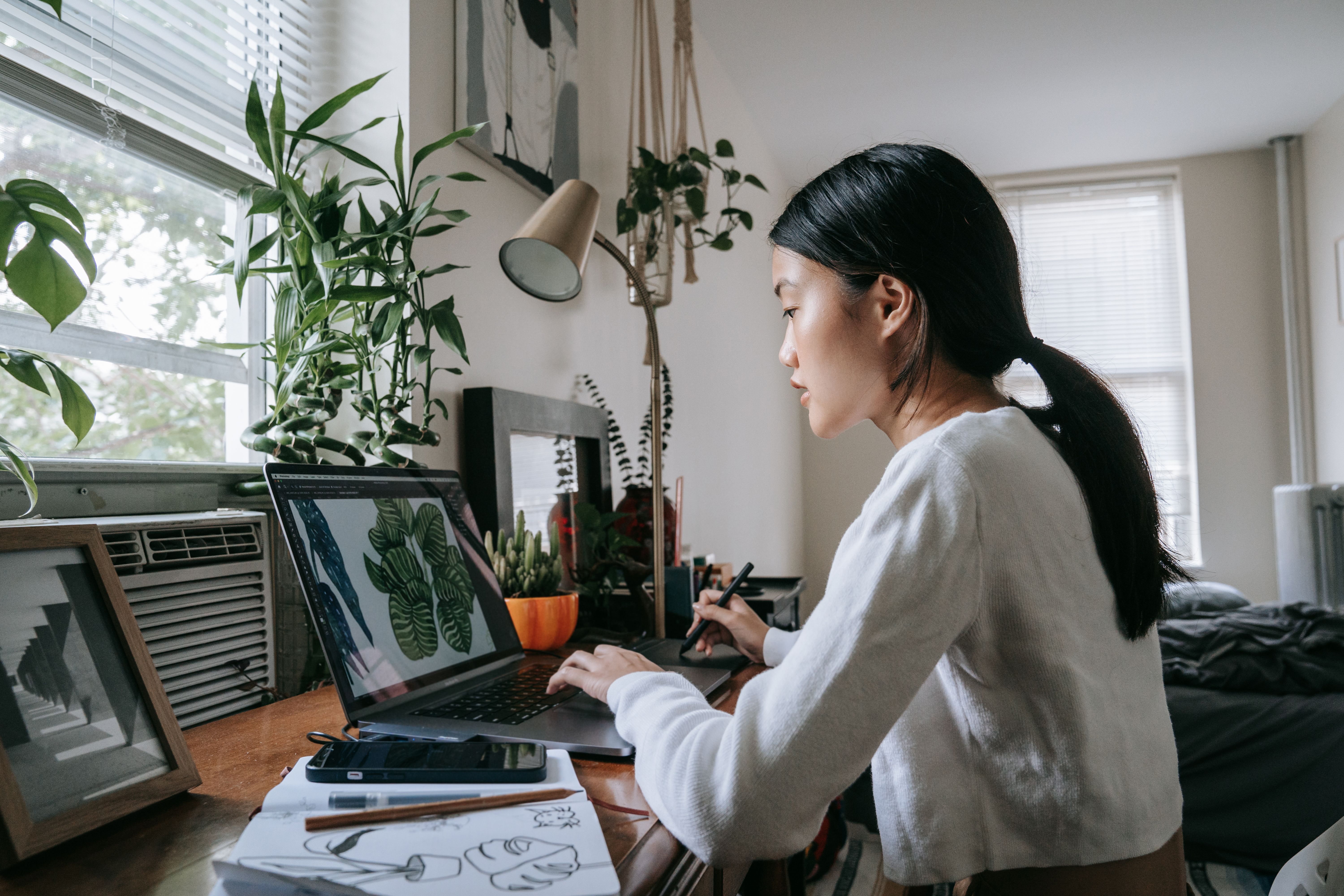
Many local artists have their own websites or sell through platforms like Etsy, Instagram, or local online art marketplaces. A quick search for [Your City/Region] artists or buy art in [Your City/Region] can yield surprising results. Social media is particularly good for getting a peek into an artist's process and personality.
The online world is your guide, but here's my strong recommendation: whenever possible, use the internet to find the art, then try to see it in person. A photograph on a screen can tell you about composition and color, but it can't convey the texture of a brushstroke, the depth of a glaze, or the sheer physical presence of a three-dimensional piece. Your primary goal should be making that real-world connection. Once you have, you might be able to buy the piece there and then, or finalize the purchase online with newfound confidence.
Of course, you can always buy art directly from my site if my style resonates with you.

5. The Accidental Gallery: Cafes, Restaurants & Unexpected Spaces
Sometimes, the most memorable art finds happen when you're not looking. Your neighborhood cafe might feature a new local painter every month. Your favorite restaurant's walls could be a carefully curated rotating exhibition. Even local breweries, bookshops, and co-working spaces are getting in on the act.
These "accidental galleries" offer a low-pressure environment to look at art. You're there for a latte, but you leave with an artist's business card and a new favorite piece. Keep your eyes open. Beauty has a way of showing up where you least expect it.
Provenance and Authenticity: Your Role as a Collector
At its heart, buying local simplifies one of the most complex aspects of the traditional art world: provenance. Provenance is the official record of a work of art's history—who owned it, where it's been, how it's been cared for.
When you buy directly from an artist, you are the start of that chain. You know, with 100% certainty, where the piece came from and who made it. The artist can often provide a certificate of authenticity, but more importantly, you have the story of how you met them, what they told you about the piece, and the memory of how you brought it home. That personal story is a type of provenance that no auction house can ever replicate or take away. It's yours. That's both powerful and, in a world of fakes and forgeries, increasingly valuable.

The Art of the Connection: Talking to Artists
This is where the magic really happens when buying local. Don't be shy! Artists generally love talking about their work. Ask them:
- What inspired this piece?
- What materials or techniques did you use? (This can lead to fascinating insights!)
- How long have you been working as an artist?
- Do you have a studio I could visit?
- What's your favorite part of the creative process?
Engaging in conversation not only helps you understand the art better but also builds that personal connection. It makes the art feel more meaningful when it's hanging on your wall.

Budget & Value: What to Expect
One of the most pervasive myths is that buying original art is prohibitively expensive. While it can be, it doesn't have to be. Local artists often offer a range of options:
Type of Art  | Typical Price Range (Highly Variable!) |
|---|---|
| Small Prints/Postcards | €10 - €50 |
| Limited Edition Prints | €50 - €500+ |
| Smaller Original Works | €200 - €1000+ |
| Larger Original Works | €1000+ |
| Commissioned Pieces | Varies greatly, discuss directly |
These are just rough estimates, of course. Pricing depends on the artist's experience, reputation, medium, size of the work, and demand. Don't be afraid to ask about pricing or payment plans. Many artists are happy to work with buyers.
Remember, you're not just paying for the materials; you're paying for the artist's time, skill, vision, and years of dedication. It's an investment in their journey and a piece of their story.
Bringing it Home: Choosing and Displaying
So you've found a piece you love. Now what? Trust your gut. If a piece makes you feel something, if you keep thinking about it, that's a good sign. Don't worry too much about whether it "matches the couch." Art isn't a decorative accessory; it's a living thing that should resonate with you.
When you bring your new piece home, the real fun begins. Its placement can completely change its impact and the energy of a room. Here are a few things to consider:
- Lighting is Everything: The way light hits a painting or sculpture can bring out hidden textures and colors. Notice how natural light shifts throughout the day in your space. A piece that looks serene in the morning might come alive with drama in the golden hour.
- Give it Space to Breathe: Don't cram a large, powerful piece into a corner. Let it be a focal point. Conversely, a small, intimate drawing can create a moment of pause on a quiet hallway wall.
- The Unexpected Placement: Don't limit yourself to the living room. A vibrant, energetic piece in a kitchen can fuel creativity during breakfast. A calm, abstract work in a bedroom can become a centerpiece for relaxation.
Think of your home as your own personal gallery, a constantly evolving space that reflects your journey.

Beyond the Canvas: Embracing Different Mediums
When we say "art," our minds often jump straight to paintings. But local creators work in a stunning array of mediums, each with its own unique story to tell.
- Sculpture & Ceramics: There's something profoundly grounding about three-dimensional work. A ceramic vase isn't just a vessel; it's a record of the potter's hands, the spin of the wheel, and the unpredictable dance of glaze in the kiln. It's functional art that you can live with every day.
- Textiles & Fiber Art: From intricate weavings to bold, hand-dyed tapestries, fiber art brings warmth and texture to a space. It's an ancient practice finding new, contemporary voices.
- Photography & Digital Art: Don't overlook the power of a well-crafted photograph or a thought-provoking digital print. Local photographers often capture the spirit of your community in ways you've never seen, offering a unique perspective on familiar streets and landscapes.
- Jewelry & Wearable Art: Buying a handcrafted ring or necklace is like wearing a tiny piece of someone's creativity. It's a conversation starter and a daily reminder of your connection to a maker.
Venturing beyond the traditional picture frame can open up a whole new world of collecting and connection.
The Logistics: Buying, Paying, and Getting it Home
Okay, you've made your choice! The practical bits can feel a little less romantic, but they're part of the process.
- The Transaction: A local artist might not have a sophisticated credit card machine. Be prepared to pay by bank transfer, a payment app, or even cash. This isn't a red flag; it's just a reflection of their small-business reality.
- Asking About Commissions: If you love an artist's style but dream of a specific color or size, it's perfectly okay to ask about a custom piece. Be clear about your vision and budget from the start. It's a collaboration.
- Shipping & Handling: This is a crucial point. An original artwork is precious cargo. Discuss packaging and shipping options carefully.
- For small works: The artist can often handle it themselves with secure packaging.
- For large or delicate pieces: You might need to arrange (and pay for) professional art shipping. Don't wing it. A little extra care and cost here can prevent heartbreak later.
- Insurance: For valuable works, ask about insurance during transit. It's a detail that separates a casual purchase from a serious acquisition.
Navigating these details smoothly ensures your new treasure arrives safely, ready to be enjoyed.

A Note on Sustainability: Art as an Antidote to Fast Decor
In a world of mass-produced, hyper-consumerist decor that ends up in landfills, buying local art is a quietly radical act of sustainability.
Think about it. When you buy from a local artist, you are:
- Tapping into a Circular Economy: You're investing directly into your local community, keeping money and cultural value flowing within it.
- Voting Against Fast Furniture: You're choosing a one-of-a-kind object that took time, skill, and intention to create, instead of a cheap, instantly forgettable print that was designed to be discarded.
- Preserving Craft: You're helping to sustain traditional skills and ensure that hands-on creative knowledge is passed on.
This isn't just about buying a product; it's about buying into a more thoughtful, intentional way of living. The slightly higher upfront cost is an investment in quality, longevity, and a healthier creative ecosystem, not to mention countless hours of joy.
Growing with Your Collection: A Long-Term View
Your first local art purchase is often just the beginning of a journey. As your collection grows, it can start to tell a story—the story of your life, your evolving taste, and the community you are a part of.
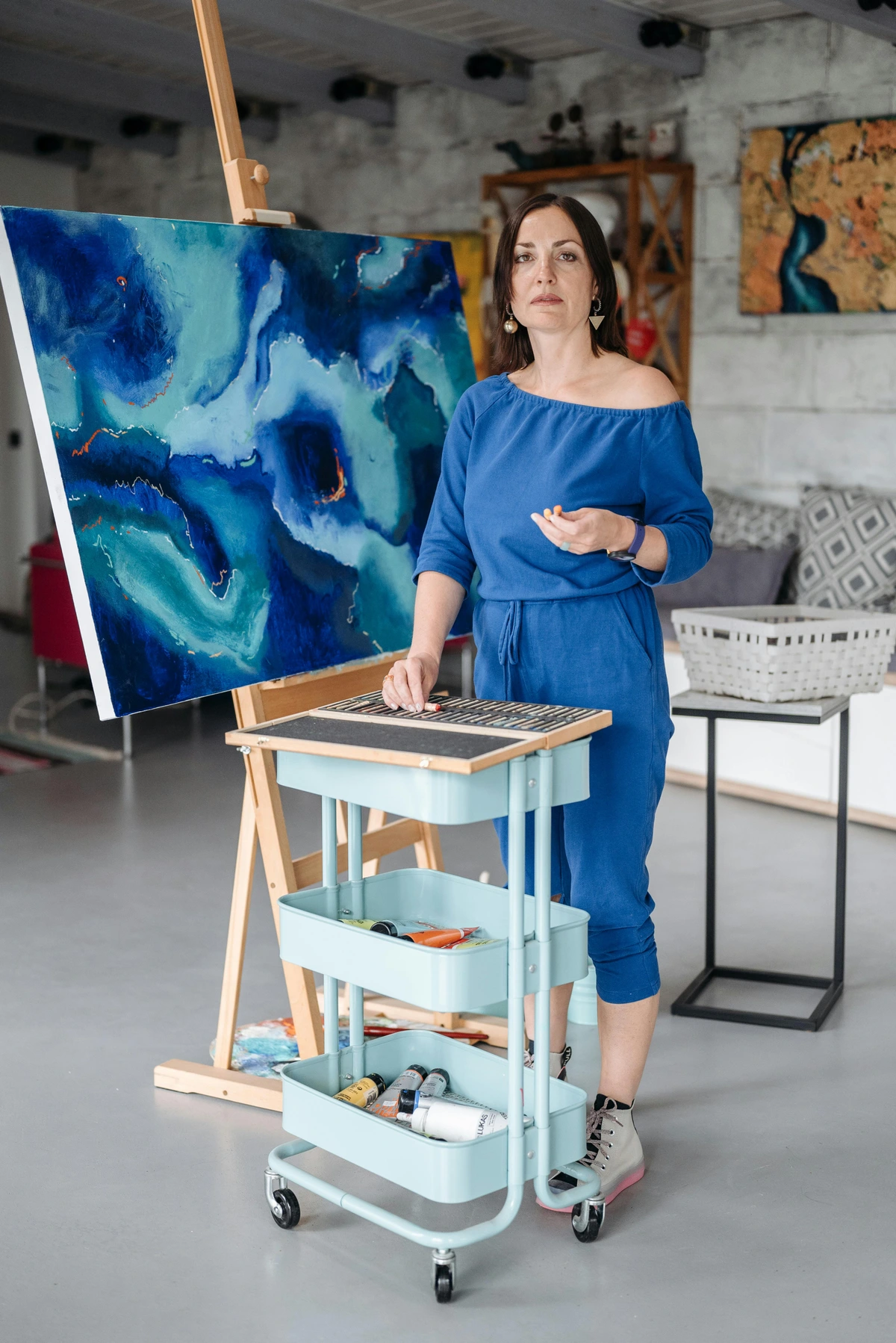
You might find yourself following certain artists, eagerly anticipating their next show. You might decide to focus on a specific theme, like local landscapes or abstract works in blue. There's no right or wrong way to build a collection. The only rule is to buy what you love.
Over time, your home becomes a living museum of your personal history and passions. And that is far more interesting than a showroom.
Frequently Asked Questions
Is buying art from local artists more affordable?
It can be, but it's also about value. While a large original piece can be an investment, local artists often sell smaller works, prints, and studies at very accessible price points. You're paying for a one-of-a-kind piece and supporting a person directly, which many find offers more value than a mass-produced item.
How do I know if I'm paying a fair price?
Art pricing can seem mysterious, but it's based on factors like materials, size, complexity, and the artist's experience. The best approach is to research other artists at a similar stage in their career. Remember, you're not just buying materials; you're investing in years of practice and a unique vision. If you love a piece, its value to you is often worth the price.
What if I want something specific? Can I commission a piece?
Absolutely! Many artists are open to commissions. It's a great way to get a piece that's uniquely yours. Be clear about what you want, your budget, and the timeline. Think of it as a collaboration where you bring the vision and the artist brings their talent to life.
I'm nervous to talk to artists. What should I say?
Just be yourself. Artists are passionate about their work and usually love talking about it. Start with simple questions like, "What inspired this piece?" or "Can you tell me about your process?" Your genuine curiosity is the best conversation starter. There's no need to use fancy art terms.
How can I find artists in my area if I don't know where to look?
Start with a simple online search for "artists in [your city]" or "art galleries [your city]." Check community boards at local cafes, libraries, and community centers. Social media platforms like Instagram are also powerful tools for discovering local talent if you search by location and hashtags.