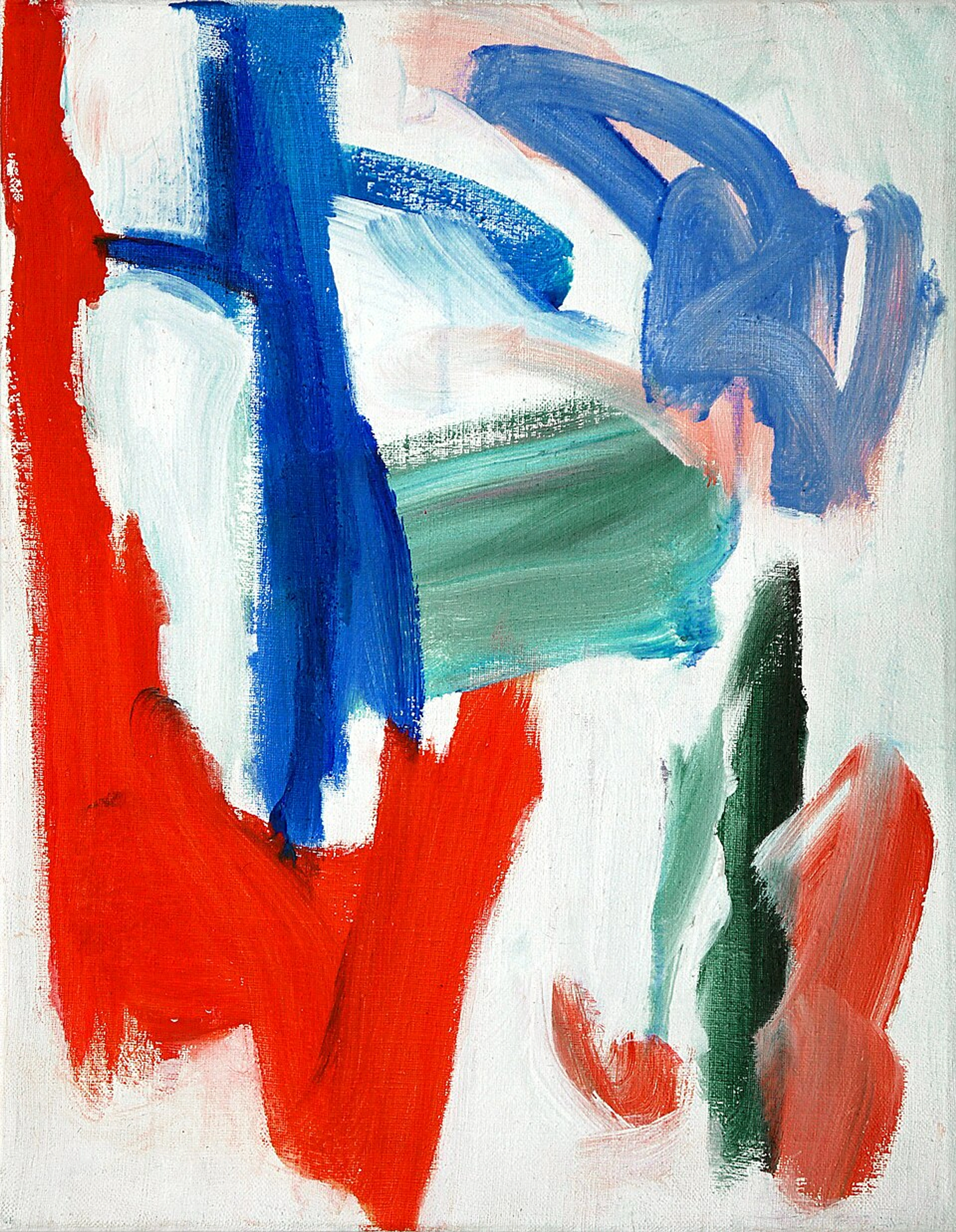
Strategic Office Art: Elevate Your Workspace, Brand & Employee Well-being – The Ultimate Guide
Master strategic office art curation for ultimate impact. Boost your brand, employee well-being & client experience. Explore diverse styles, smart budgeting, cutting-edge tech, common pitfalls & ethical sourcing for an impactful, cohesive collection.

Strategic Office Art: Elevate Your Workspace, Brand & Employee Well-being – The Ultimate Guide
I still vividly recall a consultation years ago for a burgeoning tech startup. Their initial vision for art? "Something... modern? And maybe blue?" My heart sank a little. It was a classic "casual chat" approach to what desperately needed to be a "strategic presentation." Choosing art for an office isn't like picking a throw pillow for your sofa; it's a high-stakes conversation about identity, aspiration, and the very pulse of your business. A truly strategic approach considers not just aesthetics, but also return on investment (ROI) in terms of enhanced brand perception, increased employee engagement, and improved client relationships. The cost of not having a clear art strategy can be subtle yet significant: an uninspiring environment leading to disengaged employees, or a missed opportunity to powerfully communicate your brand's unique story.
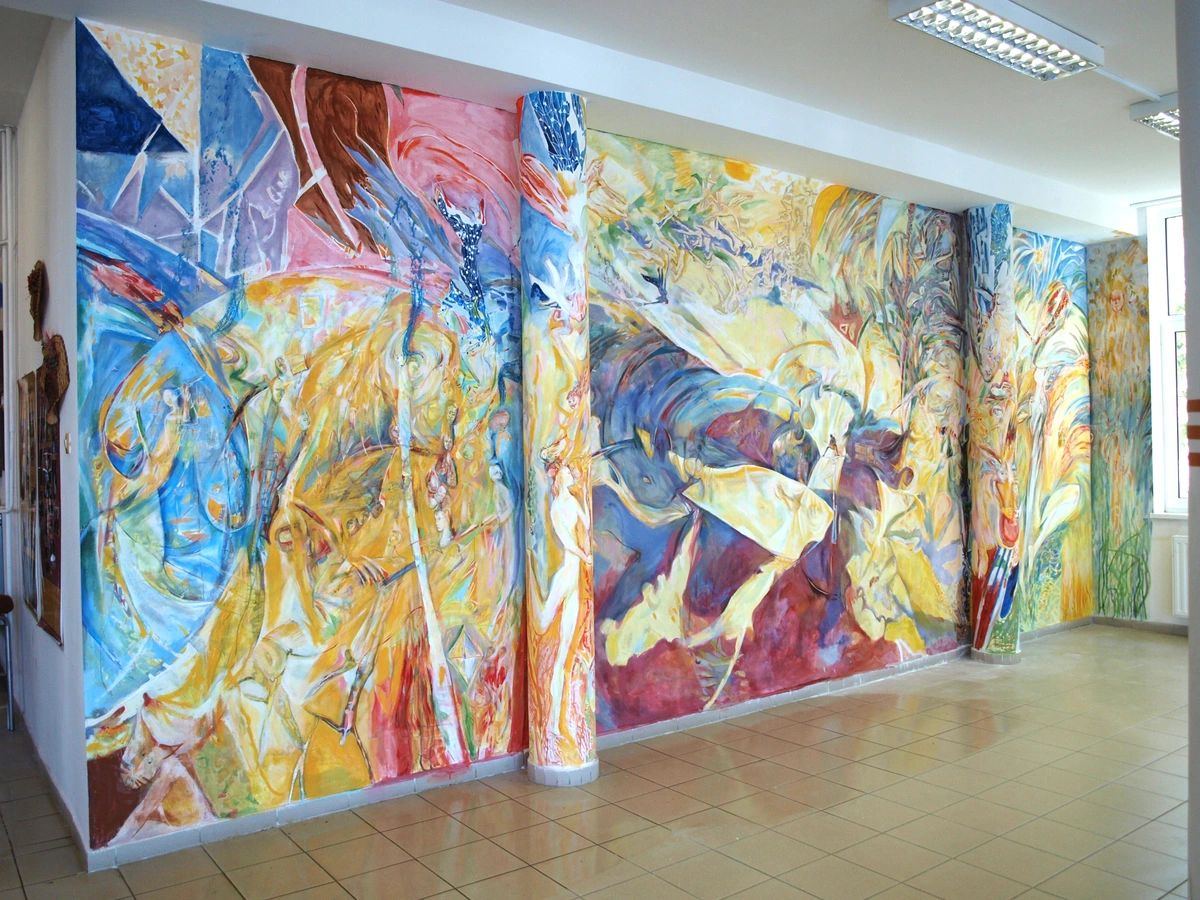
I've witnessed firsthand the transformation from generic, "could be anywhere" decor to spaces that truly sing, where the art acts as a silent, powerful partner in shaping culture, inspiring innovation, and boosting employee well-being. I'm sure we've all had that experience of walking into corporate lobbies filled with utterly bland, mass-produced prints that look like they're trying to hide in plain sight, haven't we? It’s a colossal missed opportunity; it flattens what could be a vibrant hub into something resembling a perpetually delayed flight lounge where ambition cools its heels. But I've also seen the incredible shift when art is chosen with intention. For instance, a small, bustling marketing agency I worked with transformed a previously sterile break room into a dynamic, inspiring hub simply by adding a vibrant, large-scale abstract mural that visually echoed their brand's energetic ethos. Suddenly, people lingered, chatted, and brainstormed more freely. Art in a corporate office isn't merely decoration; it's a tangible, living investment in atmosphere, workspace aesthetics, brand narrative, and most importantly, the human spirit that inhabits that space daily. This journey you're about to embark on will cover why art is a strategic investment, practical considerations for curation, and how to craft a truly impactful collection.
But let's be clear: this isn't some fleeting, new-fangled corporate trend. This strategic deployment of visuals traces back through centuries. To truly grasp the power of art in today's offices, it's essential to understand its deep historical roots and how past practices continue to influence modern design. Think about it: the ancient Romans adorned their villas not just for beauty but to project status and wealth, often using intricate mosaics and frescoes to narrate their lineage or conquests. Renaissance merchant offices used portraits to affirm family lineage and power. During the Industrial Revolution, stern portraits and detailed landscapes in Victorian offices subtly conveyed stability and progress. Fast-forward to the Bauhaus era, where art integrated into design emphasized functionality, clean lines, and a forward-thinking ethos, mirroring the efficiency of modern industry. The Bauhaus philosophy, which championed the idea that form follows function, directly influenced modern office design, where art wasn't just hung on walls but was part of the very structure and purpose of the space itself. And let's not forget Art Deco, which brought bold geometric forms, luxurious materials, and a sense of sophisticated dynamism to corporate lobbies in the 1920s and 30s, projecting success and modern elegance. Or the Mid-Century Modern movement that prioritized integrated art as part of holistic, functional design, often with organic shapes and natural materials to foster a sense of calm and accessibility. Powerful institutions, from churches to banks, have always understood the subliminal power of curated visuals. The modern office, in its own fascinating evolution, is simply picking up that timeless thread, but now with a keen eye on holistic well-being and dynamic branding rather than just pure, unadulterated status. It's a journey from mere decoration to a crucial element of the entire workspace experience.
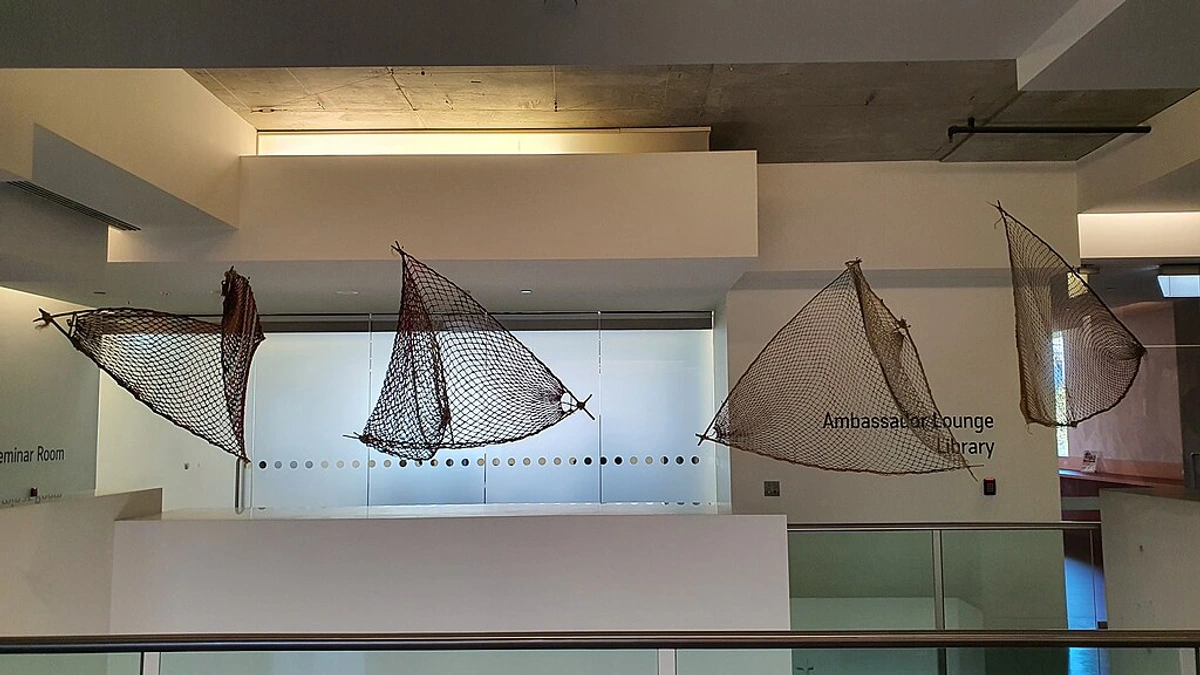
This historical understanding, I've found, is key to appreciating how today's offices are simply continuing a long-held tradition, albeit with a modern, human-centric twist. So, how exactly does art achieve this strategic impact in the contemporary corporate world?
Beyond the Walls: The Strategic Role of Office Art
When we talk about choosing art for an office, trust me, we're not just selecting something pretty to hang. No, we're talking full-blown strategy. We're talking about curating an immersive experience, shaping a palpable company culture, and even subtly, but powerfully, influencing productivity and overall well-being. It's a significant departure from picking something for your home office productivity, where the stakes are primarily personal. Here, it’s about a collective impact, a shared narrative that speaks volumes without a single word. Imagine walking into a space where every piece of art, without an explanatory plaque in sight, tells a subtle story about growth, collaboration, resilience, or unwavering focus. That's the power we're aiming for. Let's delve into how art plays this multifaceted strategic role.

1. Crafting Unforgettable First Impressions on Clients and Visitors
First impressions are everything, aren't they? The art in your reception area, client meeting rooms, or executive lobbies instantly sets a tone. It's an immediate, non-verbal communication of professionalism, discerning taste, and meticulous attention to detail. A truly unique, eye-catching piece isn't just a decoration; it can be a fantastic conversation starter, an invaluable ice-breaker even before a formal meeting begins. It's like a subtle, confident nod to your company's unique personality and an invitation for deeper engagement. When a client encounters a thoughtfully chosen collection, it unequivocally says: "We pay attention to the details, we value beauty, we value thoughtful engagement, and we are forward-thinking." This message is incredibly powerful, even before a hand is shaken. For a dynamic tech startup, a bold, contemporary abstract piece might instantly convey innovation and forward momentum. Conversely, a venerable financial institution might opt for serene landscapes or a dignified, classically inspired piece that projects stability, trustworthiness, and a timeless legacy. Furthermore, by consciously featuring art from diverse artists or art that reflects global cultures, you can subtly signal an inclusive, open-minded approach, making every visitor feel valued and represented.

2. Reflecting Your Brand, Vision, and Values
Your office art is, in essence, a dynamic extension of your brand story. What do you want your clients to feel the moment they walk in? What subliminal message do you want to reinforce for your employees every single day? This isn't just about external perceptions; it's also a potent tool for employee onboarding and continuously reinforcing company culture. I've often seen how art transforms internal perceptions. A non-profit focused on environmental conservation, for instance, might choose powerful nature photography that highlights both the beauty and fragility of ecosystems, subtly reinforcing their mission daily. Consider the psychological impact: certain shades of blue and green, for example, often evoke trust and healing – making them particularly effective for healthcare brands or institutions. Warm, earthy tones and organic forms in art can perfectly underscore the values of a sustainable company, connecting occupants to the natural world. This profound visual language allows you to articulate who you are, your core mission, and your values, all without uttering a single word. It’s about creating an environment where your brand isn't just seen, but felt.
Beyond external branding, art can also play a crucial role in fostering interdepartmental understanding and collaboration. Imagine a common area adorned with abstract pieces that visually represent the complexity and innovation of the engineering department, alongside art that embodies the communicative energy of the marketing team. Such strategic curation can visually bridge gaps, encouraging conversations and breaking down silos by subtly highlighting the diverse strengths and contributions across the organization. It's a visual language that celebrates internal diversity and interconnectedness.
3. Boosting Employee Well-being, Creativity, and Productivity
This, for me, is absolutely huge, and something I've witnessed firsthand time and again. A thoughtfully curated collection can transform a sterile, uninspiring environment into one that feels deeply engaging, vibrant, and even nurturing. Studies consistently show that exposure to art can significantly reduce stress, foster creativity, improve problem-solving skills, and even enhance emotional intelligence. The psychology of color plays an immense role here, a topic I find endlessly fascinating (and have explored deeply in articles like The Psychology of Color in Abstract Art). Think about it: calming blues and soft greens in break rooms can aid relaxation and mental restoration after a demanding task. Meanwhile, vibrant yellows or oranges in collaborative spaces can spark optimism and energetic dialogue. Color theorists like Johannes Itten and Josef Albers have extensively documented how colors interact and influence human perception and emotion; applying these principles to office art can be incredibly powerful. This seamlessly integrates with principles of biophilic design (connecting humans with nature through elements like natural light, plants, and natural textures or imagery) and ergonomics (designing workspaces to optimize human well-being and performance), where art becomes another crucial element in creating a holistic, healthy, and high-performing workspace. Imagine a break room adorned with serene landscapes that offer a mental escape, complemented by natural light and subtle textures. Or a creative hub featuring stimulating, vivid abstract pieces that spark conversation and innovation, strategically placed to break up visual monotony and subtly guide movement. It’s about creating an atmosphere where people feel truly inspired, not just employed; a place that fosters connection, a sense of belonging, and profoundly supports the invaluable human element of your business.
Art can also serve as a "third space" within the office – a mental zone that's neither about active work nor passive relaxation, but rather about contemplation, informal interaction, and a gentle shift in perspective. Think of a quiet gallery wall in a transition space, or a captivating sculpture in a less-trafficked corridor. These spots invite a pause, a moment for employees to clear their heads, engage in serendipitous conversations, or simply find a mental reset, much like a coffee shop or park might serve outside the office. These intentional visual breaks offer opportunities for mental refreshment, often leading to renewed focus and unexpected creative breakthroughs. It's a subtle yet powerful catalyst for mental well-being and informal collaboration.
Your Curatorial Compass: Key Considerations for Office Art – From Vision to Reality
Alright, so you're convinced art is more than just decorative wallpaper. That's a huge step! Now, how do you actually choose it? We're moving from the 'why' to the 'how', from grand strategy to granular selection. It's certainly not as simple as picking a painting you like for your home. Here, you've got to truly put on your curator's hat, thinking about both the practicalities and the profound psychology of the space. As an artist, I often think deeply about how my work will live and breathe in a given environment, and an office presents a particularly fascinating, multi-layered challenge. With a solid understanding of the 'why' and the foundational 'how,' let's move on to the actionable steps for building your actual art collection. Before we dive into specific areas, let's cover some fundamental practicalities that are often overlooked.
Light and Scale: The Silent Architects of Your Art's Success
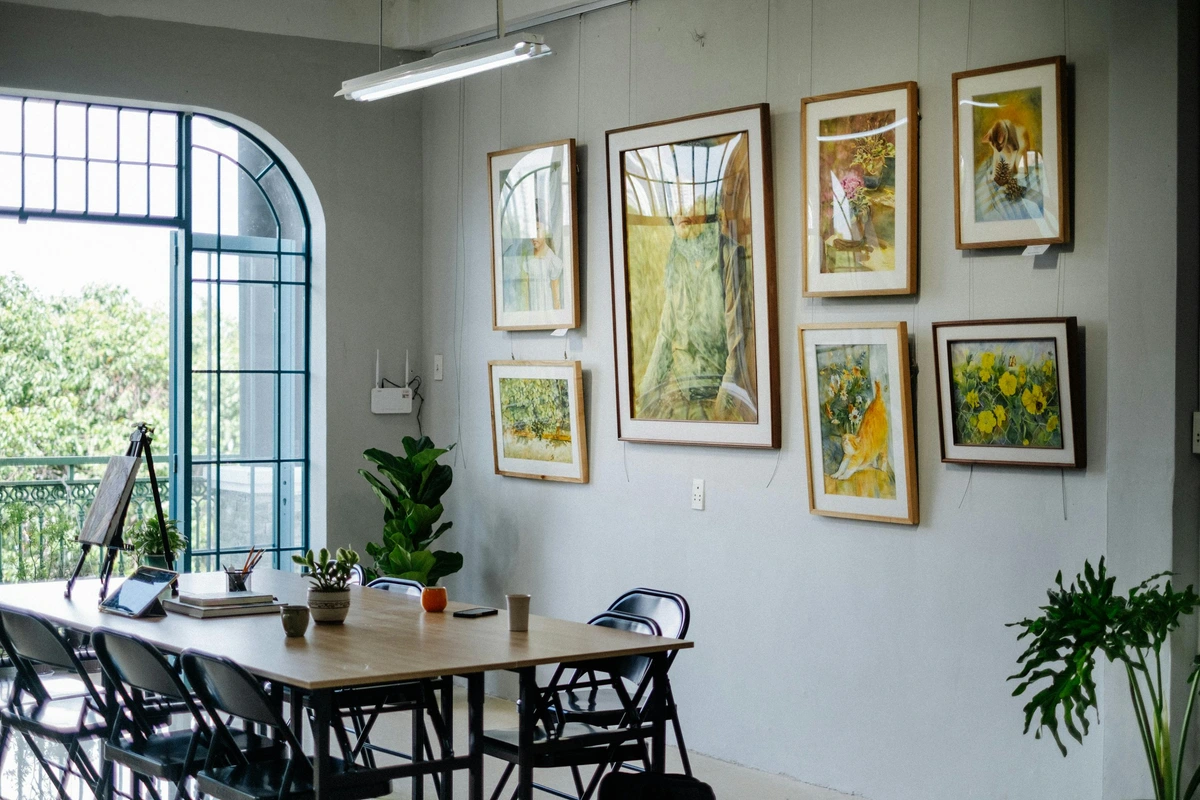
I cannot stress this enough: light and scale are absolutely critical, perhaps the unsung heroes of visual impact. I once almost installed a breathtaking abstract piece in a client's expansive lobby, only to realize at the last minute it would be swallowed whole by the vast wall, looking like a lonely postage stamp. It was a stark reminder that scale isn't just about dimensions; it's about how the art feels in the space. Imagine a small, framed watercolor in a high-ceilinged, open-plan office; it would be entirely lost, akin to a whispered word in a lecture hall. Conversely, a massive, imposing artwork in a cramped executive office can feel utterly overwhelming, as if the walls are closing in around you, creating a sense of pressure rather than inspiration. It’s all about balance, you see, a delicate visual dance between the artwork and its environment. This is why when clients approach me for large-scale commissions, the first thing I ask for are detailed photos and dimensions of the space, sometimes even suggesting a visit or a digital rendering to get the scale just right, much like planning for maximizing impact when choosing art for high ceilings.
And then there's lighting. The transformative power of good lighting is truly astonishing; it's often the unsung hero that brings an artwork to life! A piece I might choose for a room with low light at home will be vastly different from one designed for a brightly lit, modern corporate office. Pay close attention to natural light sources (how they change throughout the day), and then the artificial lighting – whether it's track lighting, spotlights, or ambient overheads. Consider how they interact with the artwork's texture, its colors, and its reflective qualities. For instance, a textured metal sculpture or a piece with heavy impasto might demand directional spotlights to highlight its three-dimensional aspects, creating dynamic shadows and highlights. A flat print or a photographic piece, however, might benefit from more diffused, even illumination to prevent glare. It's about creating harmony, ensuring the art is always seen in its very best light, literally, allowing its true essence to emerge.
Durability and Maintenance: Beyond Beauty, Ensuring Your Art Stands the Test of Time
But what good is beautiful art if it can't withstand the daily rhythm of a busy office? Especially in high-traffic areas like reception lobbies, bustling corridors, or active break rooms, you'll want art that can genuinely stand the test of time and doesn't demand constant fuss. This isn't just about aesthetics; it's about safeguarding your investment. Think robust materials and thoughtful presentation. For example, giclée prints – high-quality archival inkjet prints made with pigment-based inks on acid-free papers or canvases, prized for their longevity and vibrant color accuracy – under acrylic face mounts offer exceptional durability, resisting UV damage, scratches, and moisture far better than traditional glass. Sculptures made of sturdy, powder-coated metals, treated woods, or certain types of durable ceramic art are also excellent choices. You might even consider durable textile art pieces, which offer the added benefit of sound absorption, making spaces feel calmer and more intimate by dampening echoes. My own vibrant, abstract prints, for instance, are crafted with archival quality in mind, designed to last for decades. This consideration is paramount when you’re thinking long-term about building an office collection, especially when you’re considering choosing art for high traffic areas. Don't forget the role of proper framing either: archival mats and UV-protective glass are critical for the longevity of any framed prints, shielding them from degradation.
And of course, there's maintenance. Art, just like any other valuable asset, appreciates a little tender loving care. Consider how easily a piece can be cleaned – is it simply a wipe with a damp cloth, or does it require specialized handling? Also, don't overlook the local environmental factors: climate control and humidity are crucial. Delicate mediums, like unframed watercolors or certain organic sculptures, may require very specific, stable environmental conditions to prevent damage, warping, or deterioration over time. For businesses with significant investments in original art, the importance of proper conservation and preservation cannot be overstated, often requiring specialized climate-controlled display cases or regular assessments by art conservators. My rule of thumb: if it looks like it will break if someone sneezes too hard, it's probably not for the main corridor. Always factor in the artwork's weight and the structural integrity of the wall it will be hung on, especially for large or heavy pieces; this is a safety consideration as much as an aesthetic one.
Understanding Your Space: More Than Just Walls
Every office area, from the bustling bullpen to the quiet executive suite, has its own unique needs and challenges. The art you choose for each space must actively support its function and atmosphere. Here's a quick mental checklist, a sort of navigational guide for your curatorial journey, keeping in mind that art is a powerful, silent architect of experience, and can even act as a subtle wayfinding tool by creating distinct visual landmarks across different zones:
Office Area  | Suggested Art Characteristics | Considerations | Psychological Impact | Keywords for Search | Budgetary Consideration |
|---|---|---|---|---|---|
| Reception/Lobby | Bold, statement pieces; art reflecting brand identity; often larger scale. Abstract works, dynamic sculptures, unique installations. | High traffic demands durable, low-maintenance art. Ensure proper lighting and consider large-scale pieces. Ensure art is accessible to people with disabilities, not hung too high or obstructed. | Establishes professionalism, discernment, and innovation; encourages curiosity and sets a positive tone. | "lobby art", "reception area art", "corporate entrance art", "statement office art" | Mid-to-High: Often a primary investment area for brand impression. |
| Waiting Rooms | Calming landscapes, subtle abstracts, gentle nature photography. Pieces that offer a pleasant visual escape without being overly stimulating. Minimalist abstracts or carefully curated photography collections work well. | Avoid anything complex, distressing, or requiring too much close attention. Focus on universally appealing, soothing themes. | Reduces anxiety, promotes patience and relaxation; fosters a sense of calm and welcoming. | "waiting room art", "calming office art", "patient waiting art", "relaxing prints office" | Low-to-Mid: Focus on soothing prints/reproductions. |
| Meeting Rooms | Thought-provoking but not distracting; subtle patterns, geometric abstracts, calming landscapes, or evocative photography. | Avoid overly complex or potentially unsettling themes. Art needs to be easily viewable and appreciated from all seats. Crucially, avoid art with overtly strong political, religious, or controversial imagery that could unconsciously bias participants. | Enhances focus, promotes clear communication, and stimulates constructive thought without distraction. | "meeting room art", "conference room art", "collaborative space art", "productive office art" | Mid-range: Quality prints or smaller originals. |
| Individual Offices | Reflective of the individual's role, personality (within brand guidelines); smaller prints, personal photographs, calming abstracts. For scientific or technical roles, art with geometric or abstract patterns might resonate. For client-facing roles, art that projects approachability. Could be similar to choosing art for a small apartment. | Consider desk placement and viewing angles carefully. Ensure the art complements personal items without clashing. | Fosters personal well-being, motivation, and a sense of belonging; can subtly boost creativity and focus. | "individual office art", "personal workspace decor", "executive desk art", "motivational office art" | Low-to-Mid: Focus on personal preference, smaller pieces, or quality prints. |
| Open-Plan Workspaces | Large-scale pieces to break up expansive spaces; calming, cohesive themes; soft abstracts, nature-inspired art. Modular art or a series of works can effectively delineate areas. Art can be used to create visual anchors, helping employees orient themselves and breaking up monotony. | Must not be distracting or acoustically disruptive. Art can cleverly help delineate areas without needing physical barriers, creating subtle visual cues. | Reduces visual fatigue, subtly defines zones, and promotes a sense of shared, yet differentiated, space. | "open office art", "large workspace art", "cubicle art ideas", "team collaboration art" | Mid-range: Larger prints, series, or lease options. |
| Break Rooms/Cafeterias | Uplifting, vibrant, or profoundly calming themes; local art, joyful abstracts. Think about the opposite of the seriousness often needed in a conference room. Consider incorporating art that reflects company events or milestones to foster community. | Bright, optimistic colors can be energizing, while serene imagery can provide mental escape. Focus on positive, escapist themes. Durable materials are a definite plus. | Encourages relaxation, social bonding, and mental refreshment; boosts morale and a sense of community. | "break room art", "cafeteria decor", "employee lounge art", "positive office art" | Low-to-Mid: Fun, accessible prints, local art, or leasing. |
| Executive Offices/Boardrooms | Prestigious, refined pieces; abstract art with deep texture or subtle complexity; dignified portraiture (if appropriate); sculptures that symbolize growth or stability. Art that signifies longevity and forward-thinking vision, perhaps through classic styles with contemporary relevance. | Should align with the highest levels of corporate branding. Quality and provenance are particularly important here. | Projects authority, stability, and thoughtful leadership; fosters a sense of strategic focus and gravitas. | "executive office art", "boardroom art", "CEO office decor", "prestigious corporate art" | High: Investment-grade pieces, originals, or commissioned art. |
| Healthcare/Therapy | Serene landscapes, soothing abstracts with gentle forms, nature photography, or delicate botanical prints. Soft, harmonious colors are paramount. | Non-provocative, universally calming, and easy to understand. Avoid anything too abstract, potentially unsettling, or overly complex that might trigger anxiety (e.g., sharp angles, overly busy compositions, stark contrasts). | Actively reduces stress, promotes healing and trust, and creates a sense of safety and calm. | "healthcare art", "therapy office decor", "medical clinic art", "calming hospital art" | Mid-range: Focus on quality prints known for their calming effects. |
| Creative Agencies/Studios | Bold abstract works, contemporary photography, experimental mixed media, street art elements (like murals or graffiti-inspired pieces). Functional art, such as well-designed furniture or custom-built studio equipment, can also have artistic merit. | Dynamic, thought-provoking, and perhaps even a little edgy. Can be rotated more frequently to keep inspiration flowing. | Stimulates imagination, encourages unconventional thinking, and reinforces a vibrant, innovative culture. | "creative agency art", "design studio decor", "innovation hub art", "edgy office art" | Mid-to-High: Often open to unique, statement pieces and installations. |
| Art Studios/Production Facilities | Art that draws inspiration from materials and techniques; durable and easily cleaned surfaces; perhaps showcasing works-in-progress or tools. Can include functional art that also serves as inspiration. | Art should be resilient to the working environment. Consider safety and avoid pieces that obstruct workflow or require excessive cleaning. Inspiration should be balanced with practicality. | Inspires ongoing creativity, connects to craft, and validates artistic purpose within the space. | "art studio decor", "production facility art", "creative workspace art", "industrial art decor" | Low-to-Mid: Often more about process-oriented or functional art. |
| Co-working Spaces/Incubator Hubs | Eclectic mix of modern, uplifting, and conversation-starting pieces. Modular art, rotating local artist displays, collaborative murals. Pieces that can adapt to evolving tenant needs. | Must appeal to a broad demographic while retaining a distinct identity. Durability and ease of rotation are key. | Promotes collaboration, a sense of shared purpose, and offers diverse visual inspiration for various industries. | "co-working space art", "incubator hub decor", "startup office art", "flexible workspace art" | Mid-range: Leasing is often a great option for flexibility. |
| Non-Profits/Educational Institutions | Art that reflects mission, community focus, historical context, or educational themes. Often features local artists, cultural narratives, or impactful photography. | Focus on authenticity and mission alignment. Durability and broad appeal are important. Can serve to educate or engage stakeholders. | Reinforces organizational values, fosters community, inspires learning, and builds trust. | "non-profit art", "educational institution art", "mission-aligned art", "community art" | Low-to-Mid: Often relies on donations, local artists, or grants. |
| Public Spaces/Galleries within Offices | Curated collections, rotating exhibitions, large-scale installations, or themed displays. Should engage a broader public while aligning with corporate image. | Requires dedicated space, professional curation, and often stricter security/insurance. Consider visitor flow and accessibility. | Enhances cultural presence, fosters community engagement, and elevates brand perception as a patron of the arts. | "corporate gallery art", "public office art", "corporate art exhibition", "cultural office space" | High: Requires significant investment in art, curation, and infrastructure. |
Crafting Your Collection: A Step-by-Step Approach to Strategic Curation
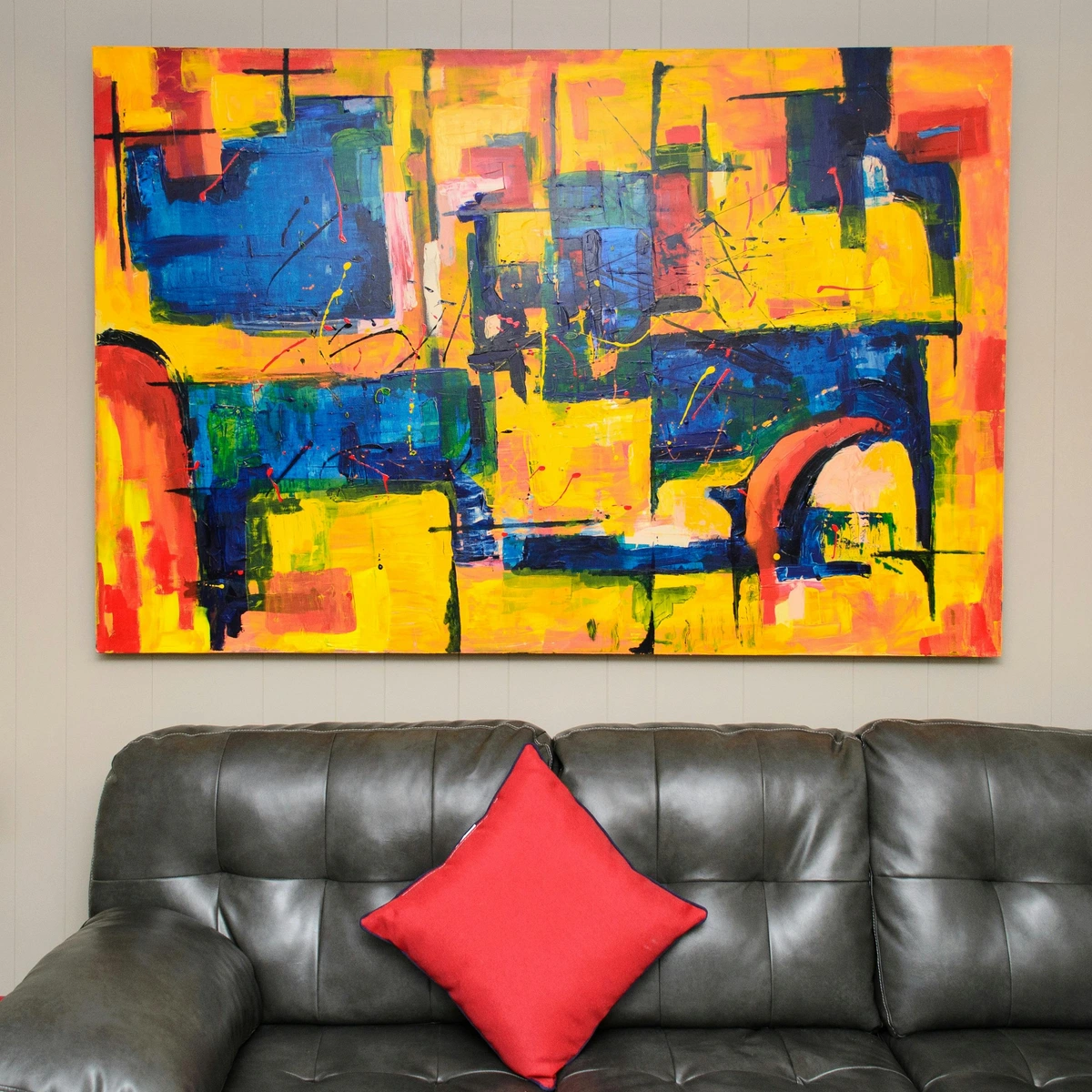
With a solid understanding of the 'why' and the foundational 'how,' let's move on to the actionable steps for building your actual art collection. Okay, let's get down to the brass tacks. You're convinced, you're informed, but how do you actually go about selecting these pieces to form a truly cohesive, impactful collection? It’s a process, not a sudden revelation, but a profoundly rewarding one – a journey of discovery that culminates in a space that genuinely reflects your vision.
Step 1: Define Your Office's Persona and Core Narrative
Before you even look at a single piece of art, sit down with your team, key stakeholders, and really dig deep. What are the core values of your company? What's its unique personality, its unspoken narrative? Is it innovative, traditional, playful, serious, community-focused, or perhaps a dynamic blend of many? This deep understanding will be your unwavering guiding star, your true north in the vast world of art. I often find this part the most enlightening – it's like discovering the true personality of a space, the silent ethos it projects, and what kind of visual voice it truly needs to carry.
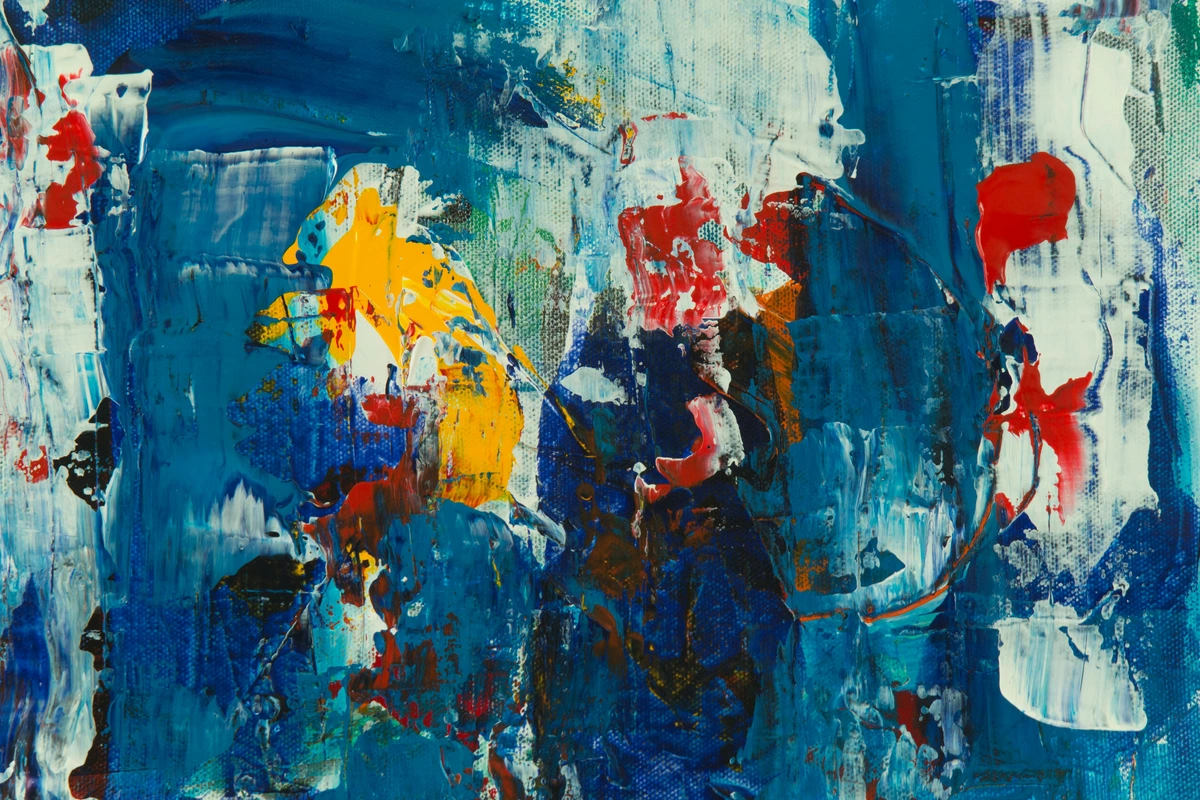
Let's get specific: Is your company a disruptor, shaking up an industry? Then bold, dynamic abstract pieces with sharp geometric lines and vibrant colors, perhaps inspired by digital interfaces, might embody your visual language. If you're a historical archive or a heritage organization, you might lean towards art that echoes traditional craftsmanship or features thematic historical elements, perhaps even commissioned pieces that visually narrate your institution's journey. A wellness-focused startup could opt for soft, organic forms, nature-inspired palettes, and textures that evoke calm, growth, and natural harmony. A community-focused non-profit might showcase local artists and themes that celebrate shared experiences and local landmarks, reinforcing their connection to the community they serve. A data-driven analytical firm could find resonance in precise geometric abstractions or conceptual art that visually interprets complex data sets, projecting order and intellectual rigor. Meanwhile, a boutique luxury brand might select refined, understated pieces, perhaps with intricate textures or subtle metallic accents, that convey exclusivity and sophisticated taste. The art should embody that conviction, that singular purpose.
Step 2: Assess Each Area Individually with a Critical Eye
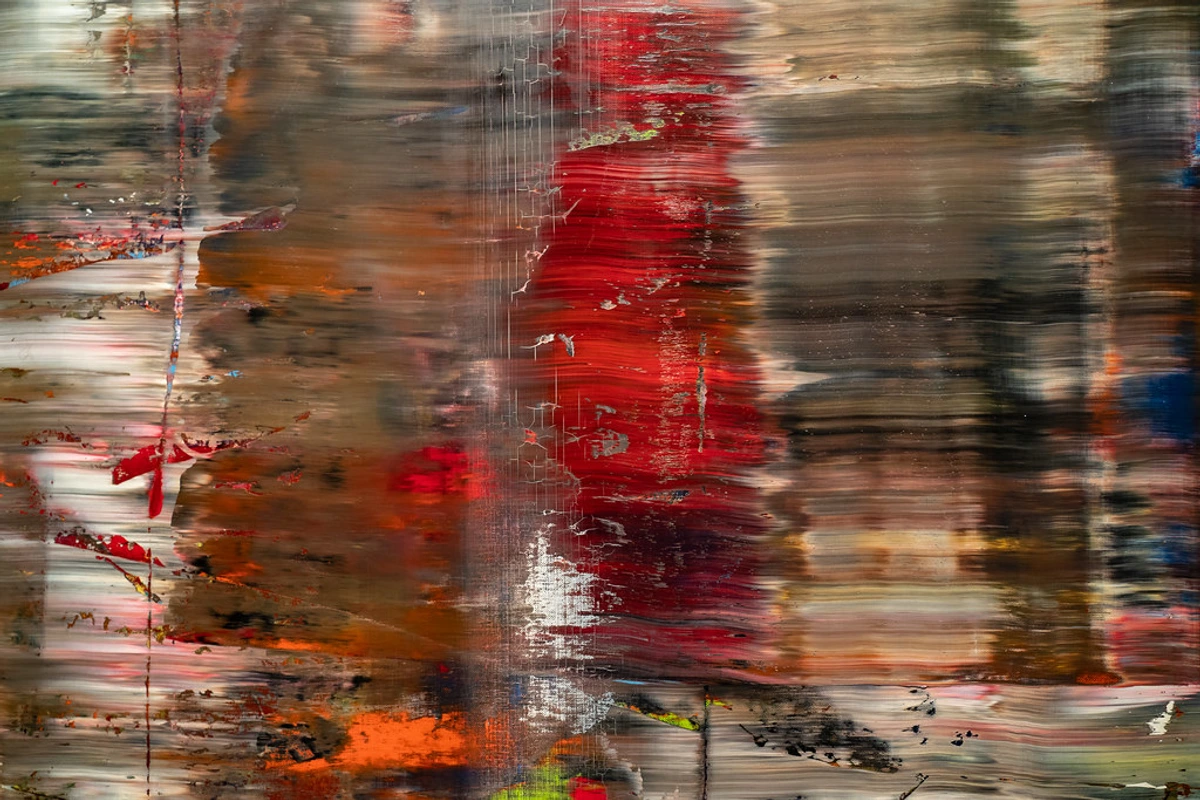
Next, walk through your entire office, room by room, corridor by corridor, with a critical, analytical eye. Consider the precise function of each individual space. Is it a quiet zone designed for focused individual work, demanding concentration? A dynamic, collaborative hub buzzing with ideas? A formal, client-facing area where gravitas is key? The art you choose absolutely must support and enhance that specific function. Measure walls accurately, note existing color schemes, textures, and architectural features. Observe the flow of traffic and, critically, how natural light enters and shifts throughout the day. This granular approach helps you avoid generic, one-size-fits-all choices and ensures each piece feels intentional, perfectly placed, and integrated into the overarching design. It's almost like mapping out a visual journey for the eye, guiding it through different moods and functional zones. Art can also cleverly serve as a wayfinding tool, with distinct styles or series of works demarcating different departments, floors, or wings, helping both employees and visitors navigate intuitively.
Step 3: Explore Diverse Styles and Mediums – Beyond the Canvas
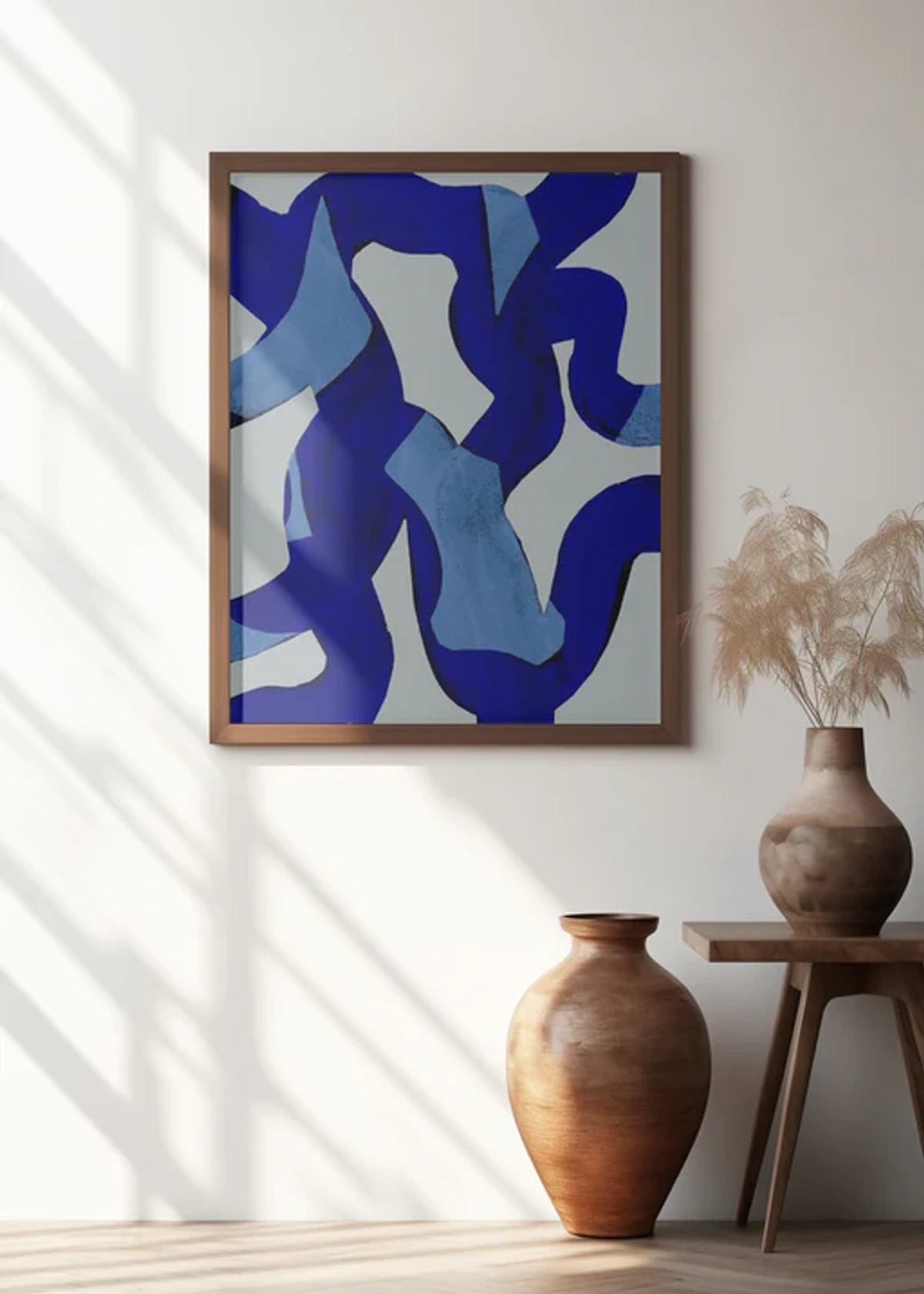
This is where the fun truly begins, and where your creativity can soar! Don't limit yourself to just traditional paintings. Think broadly and imaginatively about the vast array of possibilities. Consider sculptures – from tabletop pieces that add intrigue to individual offices, to grand free-standing works for lobbies, or even captivating wall-mounted installations. They can be crafted from robust metals, sleek resins, organic woods, or vibrant ceramics. (For more on this, consider how to incorporate sculptural art into modern interiors). Then there's textile art, which can add incredible warmth, texture, and a surprising benefit: sound absorption, making spaces feel calmer and more intimate. Compelling photography, innovative digital prints, and even large-scale murals or bespoke installations can profoundly transform a space. The sheer variety can add incredible depth, texture, and unexpected visual interest to your collection. Commissioned murals, in particular, offer a powerful way to create site-specific, impactful narratives within office spaces, especially for brand storytelling, turning a wall into a unique piece of your company's identity.
Abstract art, which is a significant part of what I do and often chosen by my clients, can be particularly versatile and impactful in an office setting. It offers visual interest and sparks conversation without being overtly literal or potentially distracting. As an artist myself, I gravitate towards abstract expression precisely because it allows for a universal dialogue, a profound connection that transcends specific interpretations, resonating with a diverse audience by inviting personal engagement rather than dictating a single meaning. For instance, a bold Abstract Expressionist piece might energize a creative brainstorming room, while a minimalist Geometric Abstraction can bring order, calm, and a sense of focused precision to a more analytical workspace. Abstract art can evoke a wide range of moods, stimulate intellectual curiosity, and provide a visual "breathing space" for the mind, making it ideal for environments that demand focus. For a deeper dive, check out "The Ultimate Guide to Abstract Art Movements" or "The Definitive Guide to the History of Abstract Art".
And let's not forget Collage/Mixed Media. This style offers layered textures, diverse materials (paper, fabric, found objects), and often a rich narrative or symbolic depth. It's particularly effective in creative or unconventional workplaces, adding intrigue and unique personality. For more information, explore "The Definitive Guide to Mixed Media in Abstract Art".
Functional Art and Design Objects: Where Utility Meets Aesthetics
Beyond traditional artworks, consider integrating functional art and design objects into your office. These are pieces that serve a practical purpose while simultaneously possessing strong artistic merit. Think a sculptural, ergonomically designed chair in a reception area, a custom-built, aesthetically pleasing shelving unit that doubles as an art installation, or unique, handcrafted lighting fixtures that cast ambient light while acting as focal points. In spaces like creative agencies or modern tech hubs, even a beautifully designed coffee machine or a sleek, minimalist water dispenser can be chosen for its sculptural qualities. This approach blurs the lines between art and utility, reinforcing a brand's commitment to design excellence and innovation in every detail, and aligning with principles of what is design in art.
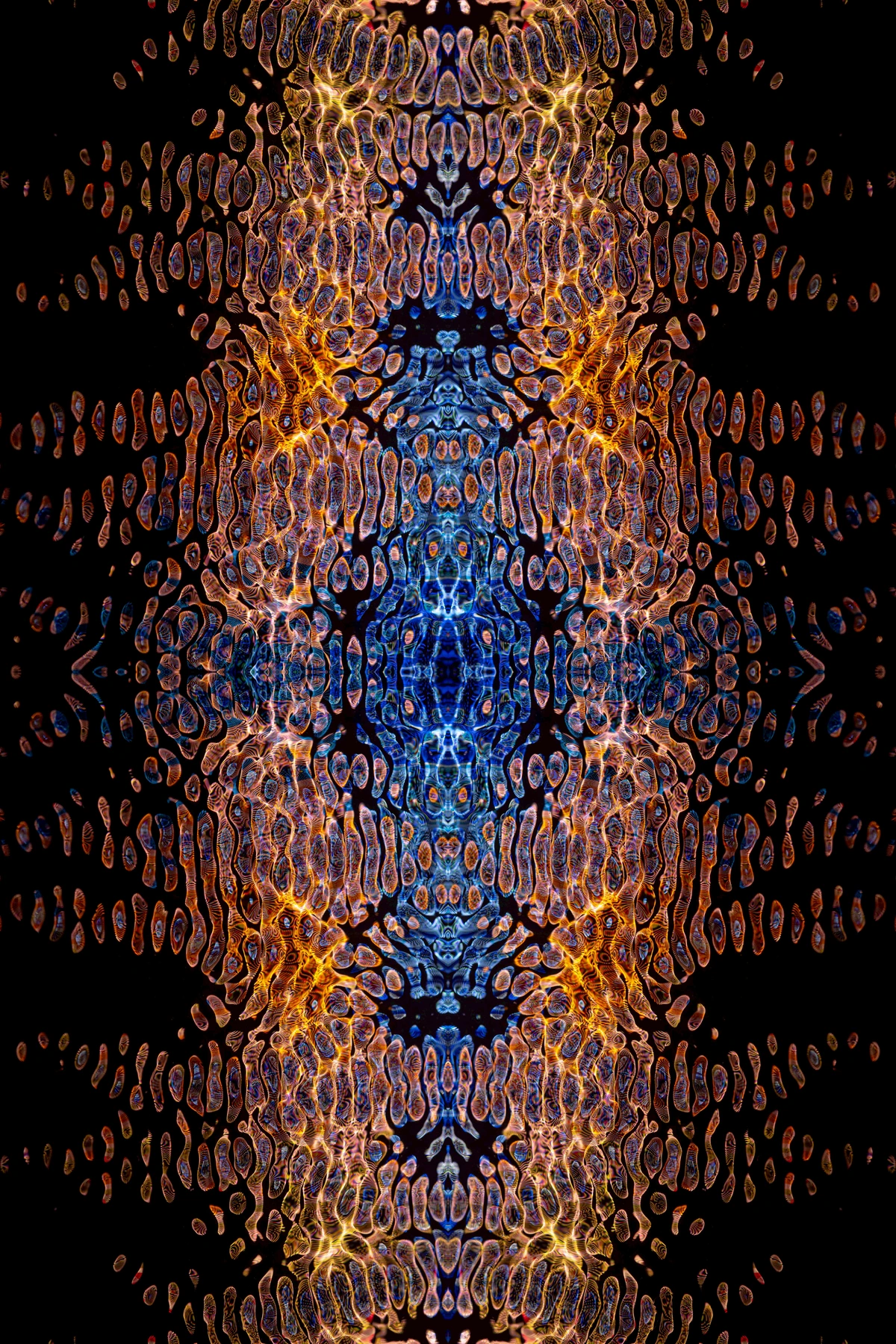
Here's a brief look at some common art styles and where they might fit best, along with their unique psychological impacts, reminding us that exploring these diverse styles feeds directly into smart budgeting and sourcing in the next step:
credit, licence
Art Style | Characteristics | Best Fit Office Areas | Psychological Impact | Keywords for Search |
|---|---|---|---|---|
| Abstract Art | Non-representational, focus on form, color, line, and texture. Often dynamic or deeply meditative. | Receptions, meeting rooms, open-plan areas, creative studios. My own abstract works are frequently chosen for these reasons. | Boosts creativity and innovation; soft blues and greens can reduce stress, while vibrant reds and yellows can promote dynamic engagement and encourage problem-solving by stimulating novel connections. | "abstract office art", "modern corporate art", "abstract prints for business", "geometric abstract art" |
| Landscape/Nature | Depicts natural scenes, often realistic or semi-realistic. Emphasizes tranquility, vastness, or specific natural elements. | Individual offices, break rooms, waiting areas, healthcare settings, larger common areas. Taps into biophilia. | Evokes tranquility, actively reduces anxiety and mental fatigue; warm earth tones can foster groundedness, while cool blues can enhance calm. | "nature art office", "calming landscape prints", "biophilic workplace art", "scenic office decor" |
| Figurative Art | Represents human or animal forms, often portraits or narrative scenes. Can range from realistic to highly stylized. | Executive offices (if carefully chosen), specific themed areas, smaller meeting rooms, areas promoting human connection. Best when conveying a specific, positive message. | Can foster connection and inspiration; requires extremely careful placement to avoid discomfort, misinterpretation, or exclusionary feelings. It should align with company values and avoid potentially divisive representations. | "corporate portrait art", "inspirational figurative art", "human element office art", "narrative office art" |
| Geometric Art | Focuses on precise shapes, clean lines, and mathematical forms. Often minimalist, structured, and precise. | Modern offices, tech companies, minimalist design firms, open-plan areas that emphasize order and efficiency, analytical departments. | Promotes a strong sense of order, mental clarity, and can significantly enhance focus and analytical thinking; cool blues and subtle grays support analytical thought. It can also foster a sense of control and predictability, beneficial in high-pressure environments. | "geometric office decor", "modern minimalist art", "structured corporate art", "analytical office art" |
| Photography | Captures moments, sweeping landscapes, dynamic cityscapes, intricate abstract compositions, or striking portraits. | Virtually any office area, depending entirely on the subject matter. Large-scale photographic prints can make a strong impact. | Can be calming or incredibly inspiring, offering a tangible connection to other places, cultures, or innovative ideas, promoting broader perspectives. Cityscape photography can convey dynamism and connection to urban innovation, while wildlife photography can evoke wonder. | "office photography prints", "large format corporate photography", "cityscape art for office", "documentary office art" |
| Surrealism | Dreamlike, illogical, and often symbolic imagery that challenges conventional reality. Explores the subconscious. | Creative agencies, individual offices (again, very carefully chosen), art-focused businesses, innovation labs. | Can powerfully inspire out-of-the-box thinking, encourage a playful and imaginative mindset, and foster a culture of questioning, challenging assumptions. | "surreal art for creative office", "imaginative workplace art", "dreamlike office decor", "conceptual office art" |
| Pop Art | Bold, often ironic, drawing inspiration from popular culture, advertising, and everyday objects. | Marketing firms, creative offices, casual break rooms, retail-oriented businesses. | Infuses spaces with a sense of fun, contemporary relevance, and cultural awareness, sparking lively discussions and a lighthearted atmosphere. | "pop art office decor", "bold corporate art", "playful break room art", "contemporary office art" |
| Digital Art/Interactive | Computer-generated imagery, projections, responsive installations, or AI-generated art. | Modern lobbies, tech companies, innovation hubs, media firms, co-working spaces. | Creates an immersive, modern experience, signaling innovation, adaptability, and a strong connection to future trends, making a memorable impression. | "interactive office art", "digital art corporate lobby", "tech office art installation", "dynamic office visuals" |
| Collage/Mixed Media | Layered textures, diverse materials (paper, fabric, found objects), often narrative or symbolic. | Creative agencies, studios, co-working spaces, individual offices that value personality. | Encourages deeper thinking, appreciation for detail, and can evoke a sense of history or personal narrative. | "mixed media office art", "collage prints corporate", "textured workplace art", "narrative mixed media" |
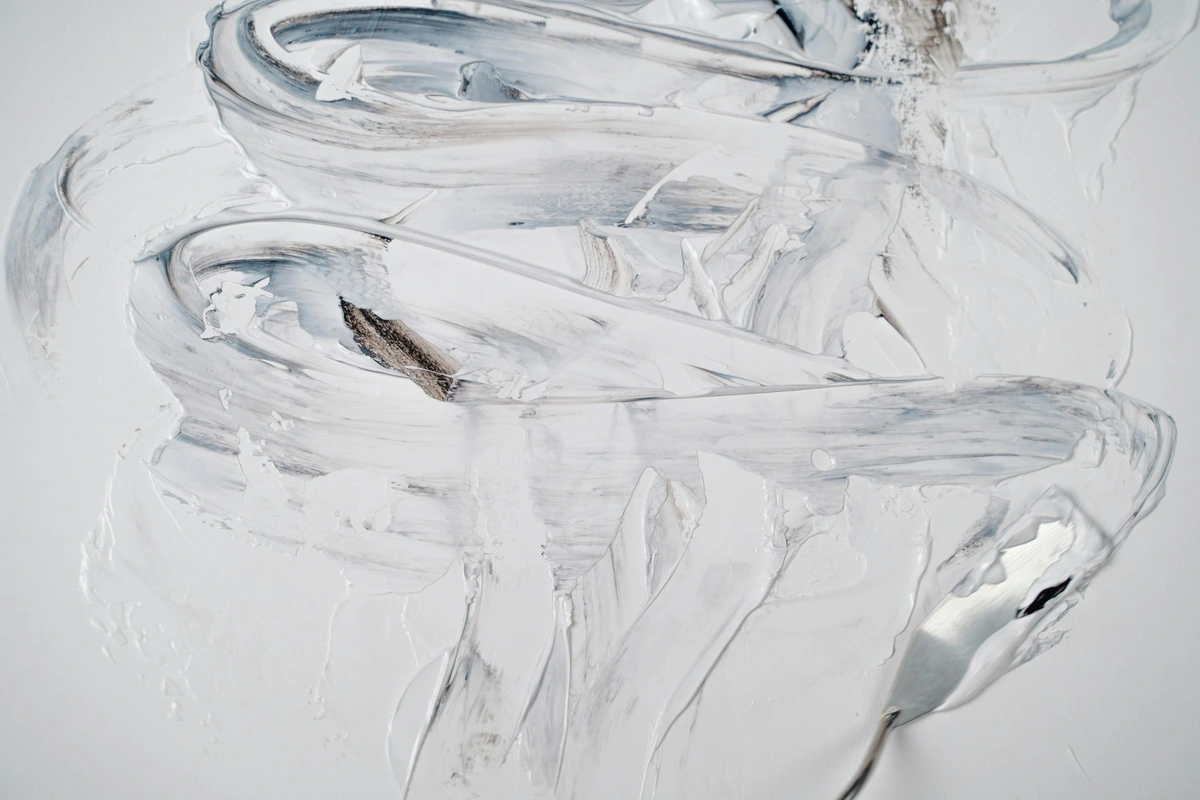
Step 4: Budgeting and Sourcing Strategically for Lasting Impact
Don't forget the practical side of things. Art can indeed be a significant investment, but it certainly doesn't have to break the bank. Consider a smart mix of original pieces, limited edition prints, and high-quality reproductions. For businesses, art leasing programs can be an excellent, flexible option. These programs allow you to rent artwork for a monthly fee, often with the option to rotate collections quarterly or annually. It's much like renting specialized equipment for a project rather than buying it outright; it keeps the space fresh and dynamic without a large upfront capital expenditure, and can even offer tax advantages as an operational expense. Typical leasing structures might involve a monthly fee calculated as a small percentage (e.g., 2-5%) of the artwork's value, with comprehensive services including selection, installation, insurance, and de-installation often bundled. Plus, many leasing companies include art advisory services as part of their package. It's a fantastic way to test different styles before committing to a purchase, or for businesses with fluctuating needs.
Beyond traditional avenues, consider exploring crowdfunding or employee art initiatives. While more complex to manage, these can foster incredible internal engagement and provide unique, personally meaningful pieces. Imagine employees contributing to a fund for a local artist, or even submitting their own work for display – it builds community and a deep sense of ownership. What better way to personalize your office than with the creativity of your own team?
Sourcing Local vs. International: Local artists are always a fantastic resource for unique, authentic works. When you choose local, you're not just adding local flavor; you're directly supporting your community, fostering unique cultural narratives, and often gaining the ability to connect directly with the artist for commissions or custom work. (You can also explore collecting emerging abstract art from local talents). However, exploring international artists can introduce diverse global perspectives, broader cultural narratives, and potentially more established, investment-grade pieces for larger collections. A balanced approach often yields the richest results, creating a collection that is both locally grounded and globally aware.
And hey, if you're ever looking for vibrant, original abstract art, you know where to find me at [/buy] or explore my journey at [/timeline] – just a thought! You might even find inspiration by visiting a place like the Den Bosch Museum.
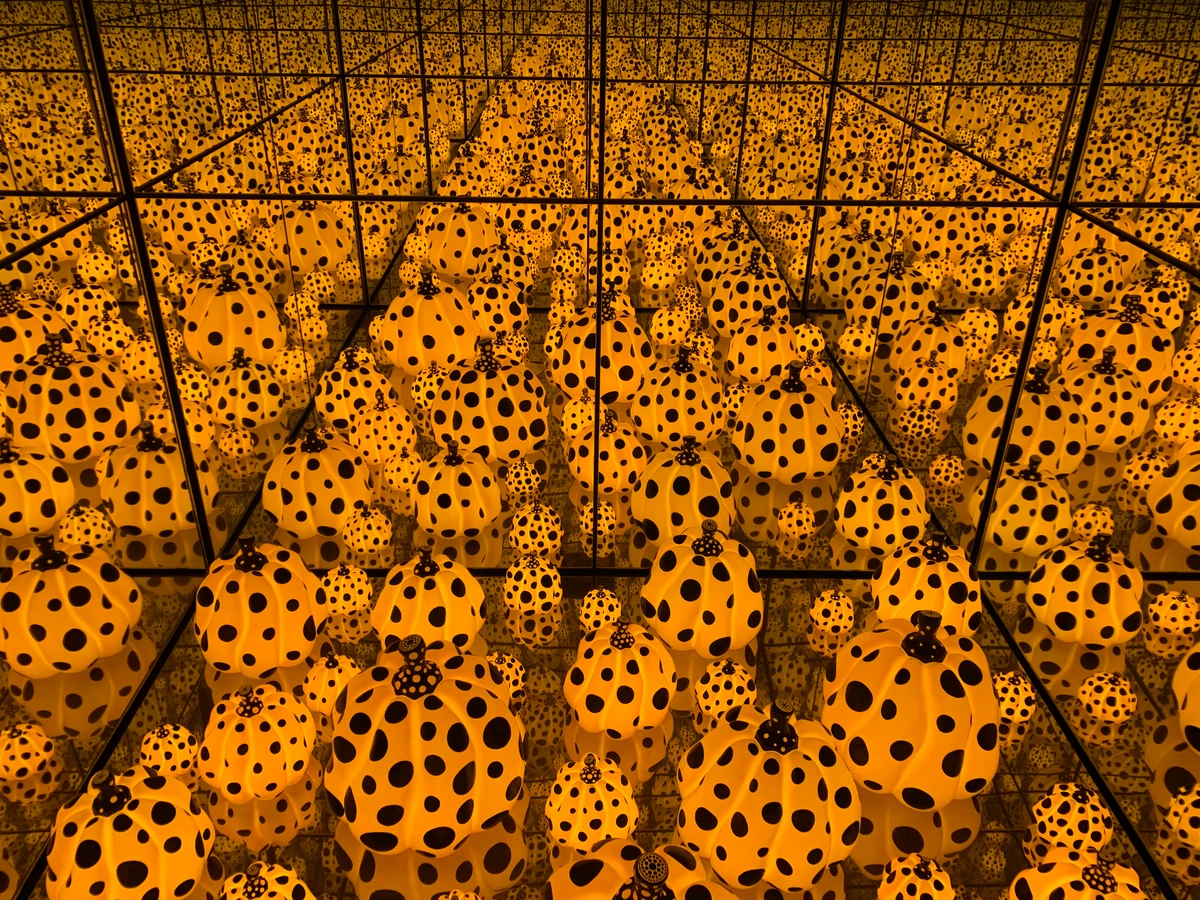
Sustainability in Art: Reinforcing Your Green Values
For many modern businesses, sustainability is a core value, and your art choices can powerfully reinforce this. Consider art made from recycled or reclaimed materials, ethically sourced natural elements, or artists who explicitly prioritize environmentally friendly practices in their studios, such as using non-toxic pigments, minimizing water waste, or employing sustainable framing techniques. Look for certifications or artist statements that detail their commitment to "green art" practices. There's a growing trend in upcycled art, for instance, which makes a strong statement. It's a subtle yet powerful way to reinforce your company's commitment to a greener future.
Ethical Sourcing: Beyond the Environment, Ensuring Fair Practice
Beyond environmental considerations, ensure that the art you acquire is ethically sourced. This involves ensuring fair compensation for artists, respecting intellectual property and copyright, and verifying that any materials used (e.g., specific woods, minerals) are obtained responsibly and without exploitation. Look for artists who are transparent about their pricing and practices, and consider supporting artist cooperatives or organizations that promote ethical art markets. This commitment reflects positively on your brand's integrity. (For deeper insights, explore ethical considerations when buying cultural art).
Art as an Asset: The Long-Term Investment Perspective
For larger corporations, especially those looking to establish a significant collection, art can be considered a tangible, appreciating asset. While the primary goal is usually aesthetic and cultural enhancement, a carefully curated collection, particularly of established artists, can appreciate in value over time, becoming part of the company's long-term investment portfolio. Understanding provenance (the documented history of ownership of a work of art, crucial for verifying authenticity and value) becomes vital here, often requiring the expertise of art advisors and proper documentation and appraisal. Differentiating between contemporary acquisitions (which reflect current trends and can support emerging artists) and investment-grade historical pieces (which offer established value and cultural significance) is also key. This is a strategic investment that requires meticulous due diligence, including considerations for specialized insurance, ongoing conservation, and potential tax implications. (To learn more, see understanding art appraisals). It’s not just pretty on the wall; it’s a smart move on the balance sheet.
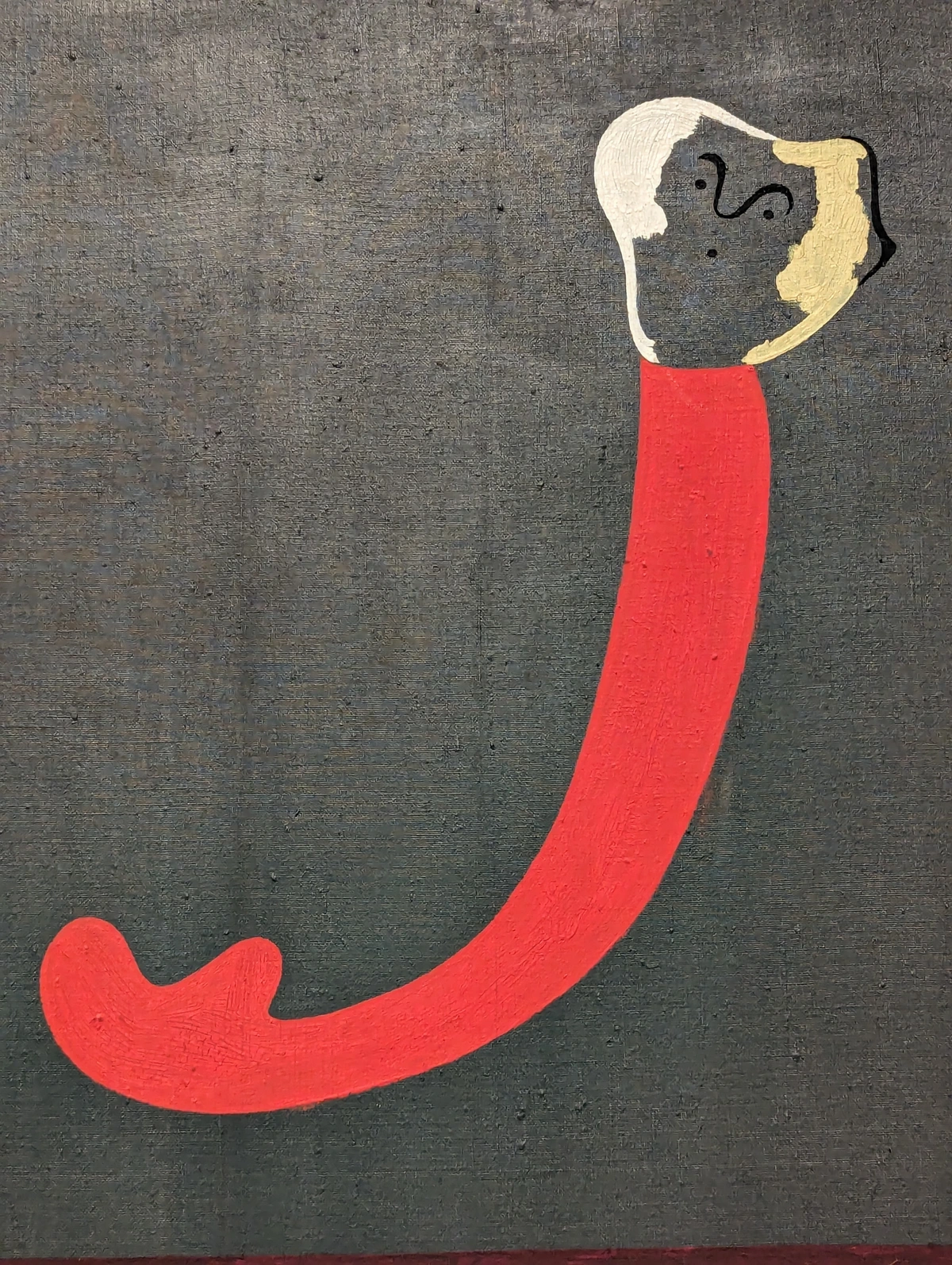
Step 5: Professional Installation – The Final, Meticulous Touch
This isn't just about hammering a nail into the wall and hanging a picture. Proper installation is absolutely crucial; it ensures safety, optimizes viewing angles, and contributes significantly to the long-term preservation of the artwork. Especially with larger pieces, complex multi-piece installations, or delicate sculptures, a professional installer brings specialized tools, techniques, and an expert eye. They'll ensure everything is perfectly aligned, securely mounted to the correct height (typically eye-level for the average viewer, around 57-60 inches from the center of the artwork to the floor), and beautifully lit. Professional installers are also adept at handling heavy or unusually shaped pieces, preventing damage to both the art and the walls. This meticulous approach ensures that the art is not only displayed safely but also optimally, allowing it to have its full intended impact and truly elevates a collection from merely placed to genuinely curated – a subtle yet profound difference that speaks volumes about your attention to detail and unwavering respect for the art and the space it inhabits. And as an artist, let me tell you, there's nothing more satisfying than seeing your work installed with that level of care; it allows the piece to truly sing.
The Evolving Canvas: Technology and Digital Art in Modern Offices
As technology continues to reshape our workspaces, the very definition of "office art" is expanding in fascinating ways. We're moving beyond static canvases to dynamic, digital, and even interactive experiences. This isn't just about novelty; it's about leveraging technology to create more engaging, adaptable, and forward-thinking environments.
Digital Displays and Rotating Collections
Imagine an entire wall that functions as a high-definition screen, seamlessly displaying a rotating collection of diverse artworks. This is no longer sci-fi; digital art frames and large-scale LED art displays are becoming increasingly common in modern lobbies and corporate spaces. They allow companies to:
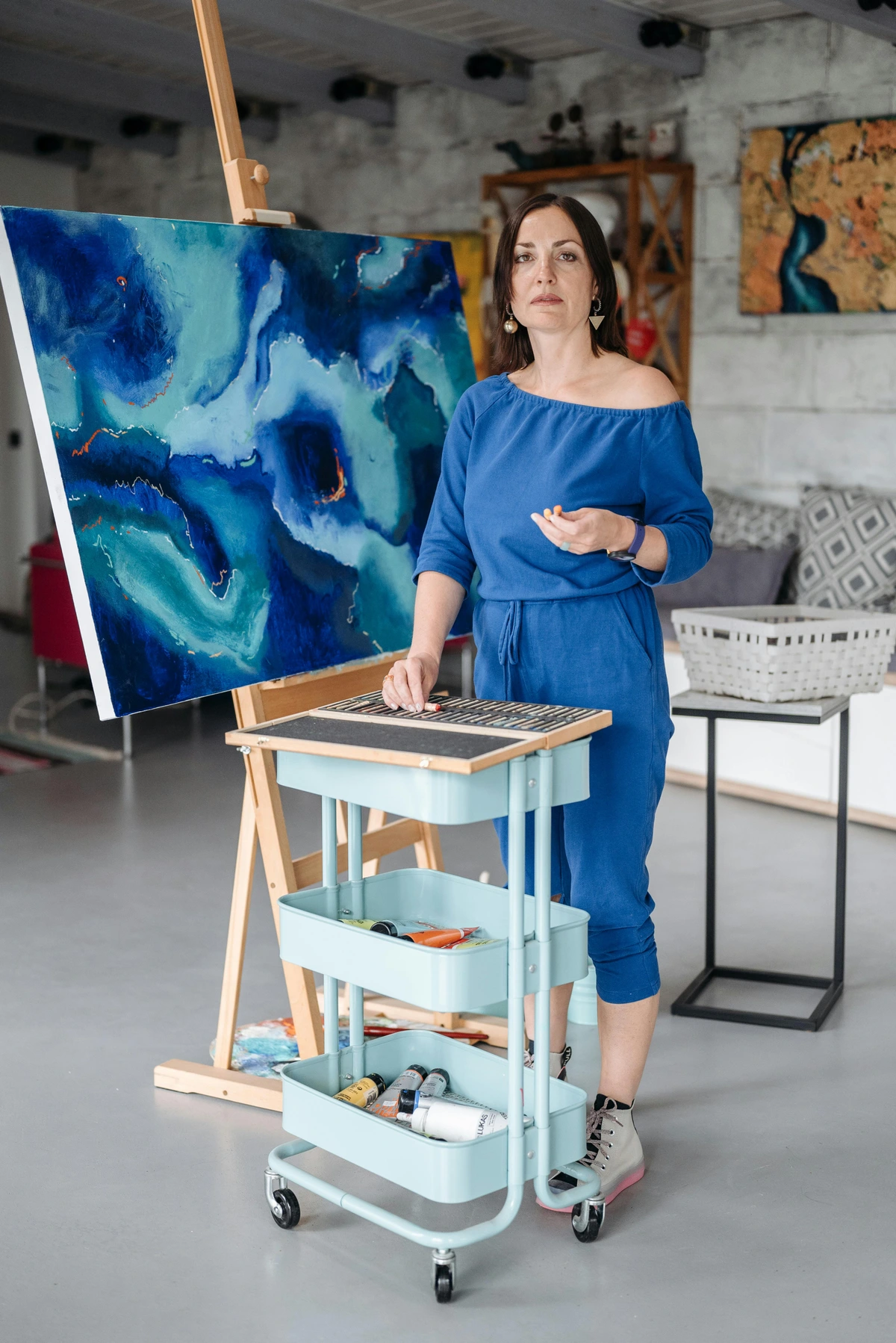
- Rotate collections frequently without the logistical headache or cost of physical art changes.
- Showcase diverse artists and styles from around the globe, promoting inclusivity.
- Adapt art to specific events or company messaging, displaying different pieces for a product launch versus an internal team celebration.
- Present innovative digital art or generative art, reflecting a tech-forward brand identity.
From a practical standpoint, the aesthetic and technical considerations here involve not just resolution, but also screen brightness, anti-glare properties, refresh rates, and the paramount importance of curation for digital loops. Just because it's digital doesn't mean any image will work; thoughtful selection that aligns with brand identity and desired mood, and a robust content management system, are still absolutely critical. For large-scale digital displays, consider software solutions like Artipic, Framed, or similar enterprise-grade art management platforms. And remember, unlike a painting, these screens require ongoing maintenance and power, so factor that into your long-term plan.
Interactive Art Installations
Taking engagement to the next level, interactive art installations engage viewers in a direct, participatory way. These might be:
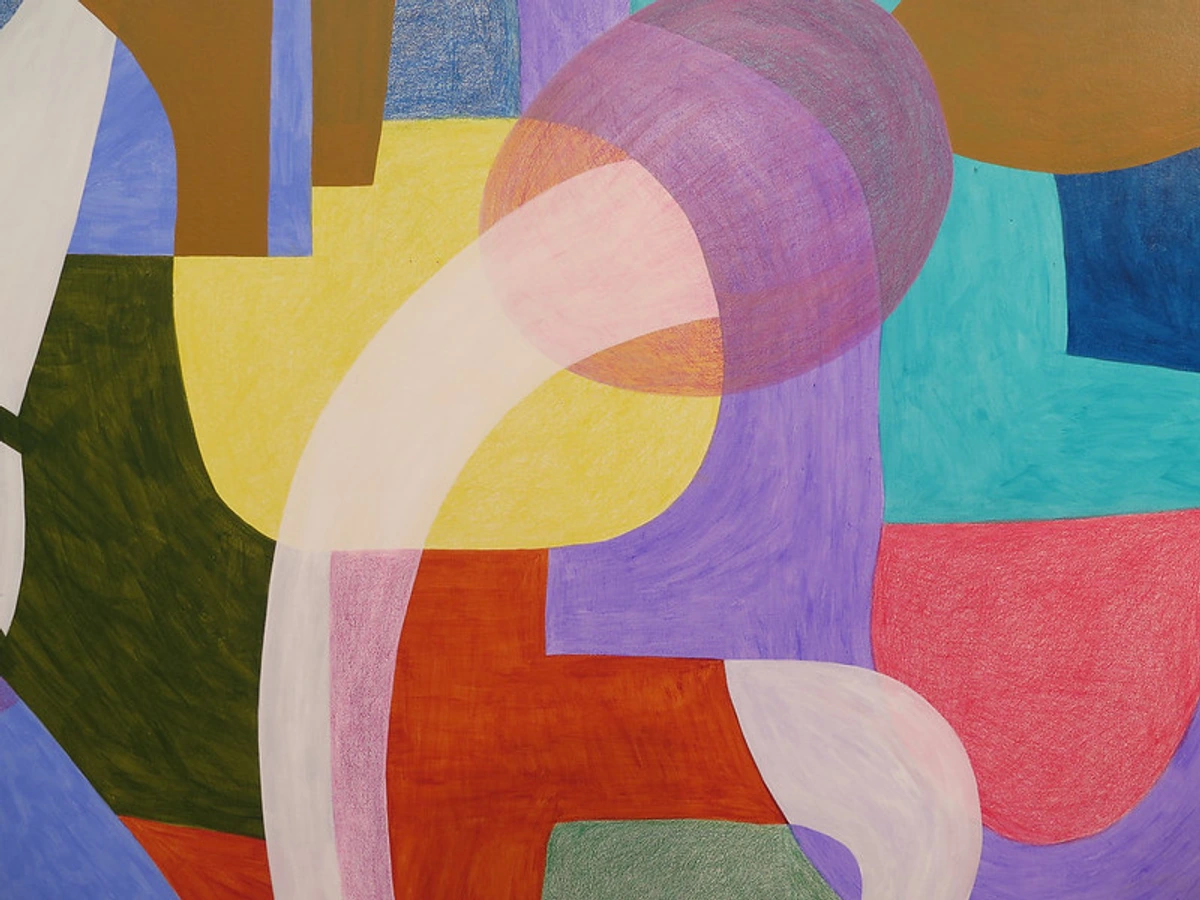
- Responsive light installations that change color or pattern based on movement in the room, often using motion sensors and LED technology.
- Soundscapes that react to ambient noise levels, creating an auditory experience that shifts with the office's energy.
- Touch-sensitive displays that allow employees or visitors to subtly influence the artwork, fostering a sense of co-creation.
Such installations transform passive viewing into an active experience, fostering curiosity, playfulness, and a memorable connection to the space. They can be particularly effective in creative agencies, tech hubs, or public-facing innovation labs, signalling a dynamic, engaged environment, but do require more complex technical integration and maintenance.
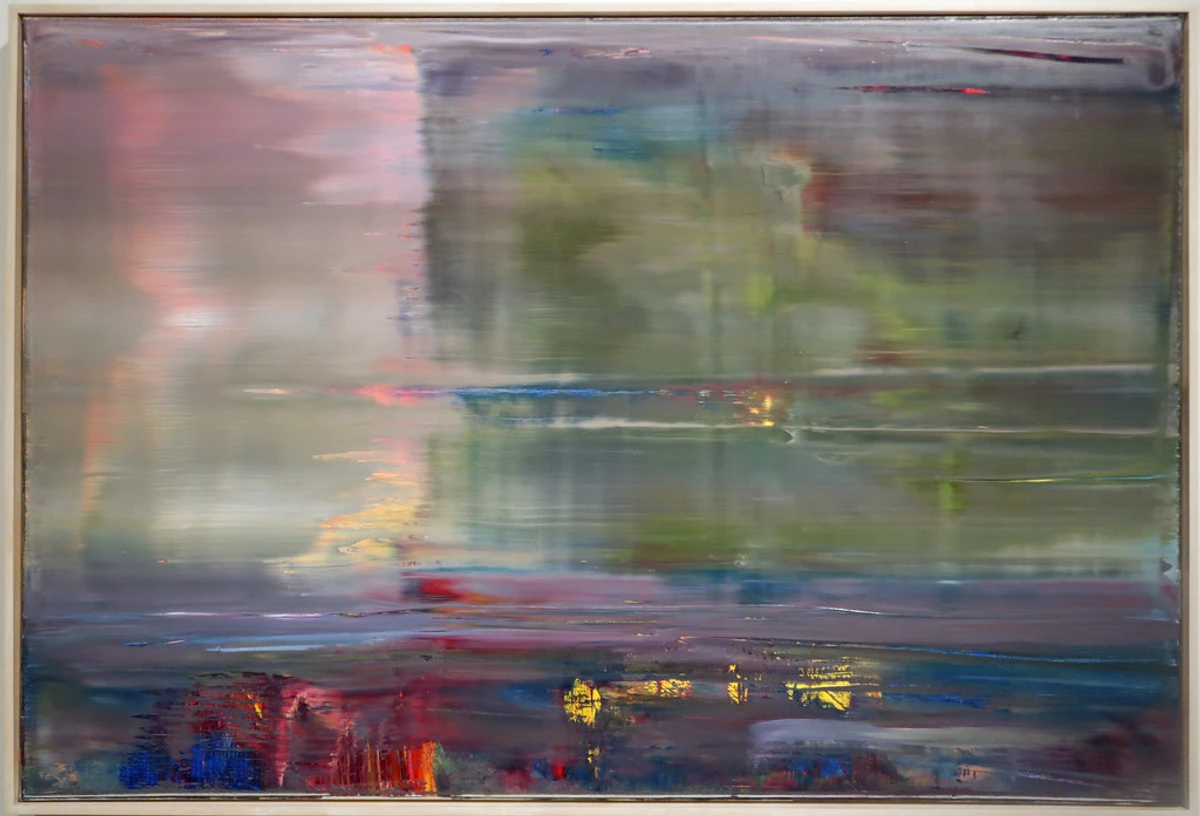
Projection Mapping and Ambient Art
For a more ephemeral or large-scale impact, projection mapping offers incredible flexibility. Art can be projected onto walls, floors, or even architectural features, transforming the perception of space without any physical installation. This is fantastic for:
- Temporary thematic displays for holidays or special events.
- Creating immersive ambient art that changes subtly throughout the day, adapting to light or activity.
- Highlighting architectural details or creating illusions of depth and movement.
The practicalities involve ensuring proper projection quality, avoiding glare, and sourcing engaging visual content that complements the space rather than overwhelming it. Advanced projection systems from companies like Panasonic or Epson can offer high brightness and resolution for impactful installations.
AI-Generated Art: Potential and Considerations
And then there's AI-generated art, a rapidly evolving frontier. While undeniably fascinating for its technical prowess, its application in a corporate context still requires careful thought. While AI can create stunning, unique visuals, the question of artistic intent, emotional depth, and long-term value remains. From my perspective, for a permanent corporate collection, the human element – the story, the connection to the artist – is often irreplaceable. While AI might offer interesting, transient digital backdrops, when it comes to art as a meaningful, lasting investment and a reflection of profound human values, I still lean towards human creation. I've personally explored AI tools as a creative aid, fascinating for their ability to generate rapid iterations or unexpected juxtapositions, but the soul of truly impactful art remains inherently human. Furthermore, the ethical implications of AI-generated art, including potential biases embedded in training data or questions of true originality and copyright, are significant considerations for any brand seeking to maintain authenticity and integrity in its visual identity. This also extends to the environmental impact of AI models, which can be considerable due to high energy consumption. For now, I'd approach AI art for business with curiosity, but also a healthy dose of skepticism regarding its ability to genuinely connect and inspire on a deeper, more enduring level. It's an intriguing tool for artists, offering new avenues for exploration and efficiency, but I believe the soul of truly impactful art remains inherently human. For a deeper dive into this evolving topic, you can explore "The Role of AI in Art Curation" or "AI as Co-Creator".
NFTs and Blockchain: A Skeptical View for Corporate Art
While NFTs (Non-Fungible Tokens) have generated considerable buzz, I approach their application in corporate art with a healthy dose of skepticism. While they offer a verifiable digital ledger of ownership via blockchain technology, their value is often speculative and detached from the physical or intrinsic artistic merit many businesses seek in a long-term collection. The environmental impact of minting NFTs, the volatility of the market, and the lack of tangible presence often conflict with the sustainable, enduring, and human-centric values most corporations aim to project. For temporary digital displays or experimental projects, NFTs could be explored, but for establishing a meaningful, permanent corporate art collection that resonates deeply with employees and clients, the traditional, human-created artwork remains, in my view, unparalleled in its ability to foster connection and convey authentic values.
Avoiding Common Pitfalls: What Not to Do When Choosing Office Art
Before we dive into the triumphant art transformations, it’s crucial to acknowledge the common missteps that can turn an inspired vision into a visual dud. Let's talk about what not to do, because sometimes, knowing what not to do is just as important as knowing what to do:
1. The "Generic Filler" Trap
This is perhaps my biggest pet peeve. Avoid art that feels like an afterthought, something pulled straight from a budget hotel catalog because it was "inoffensive" or "matched the curtains." I once consulted for an office where every single piece was an identical, mass-produced print of a vaguely abstract leaf pattern. It felt less like a dynamic workspace and more like a bland, repetitive dream, and honestly, it made my artistic soul weep a little. It sends a message of indifference, a lack of imagination, and a "checked-the-box" mentality, which can inadvertently undermine your company's image. Every single piece should have a deliberate reason for being there, a story to tell, or a mood to set. If you're simply prioritizing quantity over quality or intentionality (what I'd call "buying art by the pound"), you're missing the point entirely. Furthermore, be wary of art that is too cliché or overused in corporate settings, such as generic motivational quotes or overly simplistic "teamwork" imagery. These quickly lose their impact and can feel insincere.
2. The "Art for Art's Sake" Fallacy in Business
While artistic merit is crucial, in a corporate context, art must also serve strategic objectives. It's not just about having "nice things"; it's about art contributing to the brand, company culture, employee well-being, and client experience. Pure aesthetic appeal is important, but it shouldn't be the only driver. The art should integrate with and enhance the business environment, not exist in isolation. This isn't to say art can't be beautiful and strategic – the goal is always to find that powerful intersection.
3. Ignoring Employee Input
While the ultimate decision often rests with leadership and a clear brand strategy, completely ignoring employee input is a huge miss. Involving employees in the selection process (perhaps through surveys for communal areas, suggestion boxes, a rotating "art ambassador" program, or even small art committees for specific departments) can foster a powerful sense of ownership, pride, and appreciation. Happy employees, engaging art – seems like an absolute win-win to me. It actively builds a sense of community and powerfully demonstrates that you value their environment and their voice.
4. Over-Cluttering: The Visual Noise Problem
More isn't always, or even often, better. Sometimes a single, powerful statement piece is far more effective and memorable than a wall crammed with small, unrelated items. Too many pieces can create visual noise, a sense of chaos that makes it difficult for the eye to rest and for any single piece to have its intended impact. Just like choosing art for a small apartment, sometimes less is truly, emphatically more. Let your art breathe; utilize negative space around the artwork as a deliberate design choice, allowing each piece its moment.
5. Inappropriate or Controversial Themes
This one's a no-brainer, but it happens. An office is a public, professional space designed for collaboration, focus, and a universally comfortable environment. Keep themes generally positive, inclusive, and professional. This means avoiding art with overtly strong political, religious, or potentially offensive imagery that could create discomfort, spark unintended arguments, or even lead to legal issues. Highly provocative pieces, nudity, or those with violent themes are best saved for private collections or art galleries. We're aiming for inspiration and cohesion, not heated debate at the water cooler.
6. The "Trendy Trap"
While it's great to be current and modern, investing heavily in overly trendy art can quickly date your space, making it feel passé rather than timeless. Remember the proliferation of stark, monochrome corporate art in the early 2000s, or the recent explosion of generic motivational typography prints? What felt fresh then can now feel predictable and uninspired. Balance cutting-edge modern pieces with more classic, timeless selections, or have a strategic plan for rotating trendy items frequently. Consider using trends in modular pieces that are easily updated or in smaller accents rather than large, permanent installations. The trick is to identify trends that represent a genuine shift in aesthetics or values (like the current emphasis on sustainability or biophilic design) versus those that are simply fleeting fads. What's considered edgy today might be cringe-worthy tomorrow if not chosen with foresight.
7. Ignoring the Sensory Experience (Beyond Sight)
Art is primarily visual, yes, but savvy curators consider how it interacts with other senses and the overall environment. Does a busy, high-energy piece clash with a quiet reading nook's acoustic needs? Intriguingly, art can even improve acoustics, believe it or not! Soft, porous textile art or large canvases can help absorb sound waves, softening hard surfaces and reducing echo, making spaces more comfortable and productive. Does the texture of a piece complement the room's materials, or does it invite a tactile experience (which might require caution in high-traffic areas)? Are there any strong, distracting odors from the art itself (rare, but possible with some mediums or fresh materials)? A holistic approach creates a truly immersive and harmonious environment.
8. Neglecting Practicality: Durability, Cleaning, Safety, and Weight
This loops back to an earlier point, but it's worth reiterating here as a common pitfall. Selecting fragile, difficult-to-clean, or easily damaged art for high-traffic zones is a recipe for headaches and unnecessary costs. Always consider the long-term care and robustness of your chosen pieces, especially in active commercial environments. Beyond that, consider the artwork's weight and the structural requirements of the wall it will be hung on. Heavy pieces require specialized mounting to ensure safety and prevent accidents – this isn't just about preserving the art, but protecting the people around it. For large sculptures or multi-part installations, this becomes an even more critical safety assessment.
9. The "One-Size-Fits-All" Approach
A common mistake is applying the same art strategy or style across all areas of a diverse office. Different zones – from high-energy collaborative spaces to quiet individual offices, or formal boardrooms to relaxed break areas – have unique functional and atmospheric needs. A truly effective art strategy recognizes these distinctions and curates art that specifically enhances each area's purpose, rather than imposing a uniform, often bland, solution across the entire space. It’s about creating a varied visual journey, not a monotonous one.
10. The "Too Niche or Esoteric" Trap
While it's wonderful to explore avant-garde or deeply intellectual art, an office environment, particularly in common areas, often requires a broader appeal. Art that is overly obscure, requires significant background knowledge to appreciate, or is intensely personal to the artist might not resonate with a diverse employee and client base. While art should be thought-provoking, it shouldn't be confusing or alienating. Aim for art that is accessible, even if abstract, allowing for general appreciation rather than bewilderment. Even complex art can be accessible if it has strong visual appeal or evokes a universally understood emotion, like wonder, calm, or energy.
11. Lack of Inclusivity and Diversity
In today's diverse workplaces, the art you choose should strive to reflect a broad spectrum of experiences, cultures, and perspectives. Avoiding a collection that feels homogenous or exclusive can significantly impact how employees and clients from different backgrounds feel about the space. Actively seek out artists from diverse ethnicities, genders, abilities, and cultural backgrounds. Feature themes that celebrate global perspectives, human connection, and varied narratives. It’s a profoundly powerful way to signal an open, welcoming, and progressive environment that values every individual and actively fosters empathy and understanding across the team.

Frequently Asked Questions About Office Art: Your Comprehensive Guide
Alright, let's distill some of the most common queries I encounter to solidify your understanding and guide your practical application of art in the workplace. Think of this as your quick reference guide for common dilemmas and strategic insights.
Q: What kind of art is best for a corporate office?
A: It truly depends on your specific brand identity, the company culture you want to cultivate, and the precise function of each area within the office. Generally, abstract art (which I find incredibly versatile for its ability to evoke broad emotions and stimulate thought), landscapes (for their profoundly calming effect), and photography (for its realism, documentary power, or artistic composition) are consistently popular choices. They tend to be inspiring without being overly distracting or controversial. For innovative, forward-thinking brands, bold, modern, and even interactive pieces can be highly effective. More traditional spaces might lean towards classic landscapes, dignified portraiture, or muted abstracts that convey stability and sophistication. Styles like photorealism or hyperrealism can also be very effective in conveying precision, attention to detail, and a high degree of technical skill, aligning well with brands focused on excellence. Geometric art can reinforce order and analytical thinking, while Pop Art can add playful energy to creative departments. Digital art makes a strong tech-forward statement. The absolute key is to adopt a portfolio approach, where different art types are strategically employed in various areas, all clearly aligned with your company's core values and the desired atmosphere you want to cultivate. The "best" art is always the most thoughtfully selected and strategically placed.
Q: How do I decide on the right size for office art?
A: Scale is paramount! This is one of the most common mistakes I see. A good rule of thumb I often recommend is that artwork should generally fill approximately two-thirds to three-quarters of the available wall space where it's hung, leaving adequate "breathing room" around it. If hanging above furniture (like a reception desk, a credenza, or a sofa), the art should ideally be no wider than the furniture piece it hangs above, and the bottom edge should be roughly 6-8 inches above the furniture. Always measure twice, and if possible, visualize the piece in the actual space – perhaps using paper templates, a projected image, or even tape outlines – before making a final decision. Also, consider the viewing distance: art meant to be appreciated from afar (like in a large lobby) can be larger and bolder, while pieces for closer, individual viewing might benefit from more intricate detail. You want the art to feel balanced and integrated, not swallowed or overwhelming.
Q: Is abstract art always a good choice for offices?
A: Abstract art is very often an excellent choice because it's wonderfully open to interpretation and can evoke a wide range of positive emotions without being overtly literal or explicit. It's generally less likely to offend or distract than highly figurative or overtly themed art, which can sometimes carry unintentional baggage. This makes it a "safer" yet still deeply impactful choice precisely because it avoids literal interpretations, reducing the risk of misinterpretation or unintended offense in a diverse workplace. However, even within abstract art, the specific colors, forms, and overall energy of the piece still need to align meticulously with the desired mood and brand identity of the space. A chaotic, high-energy abstract might be perfect for a buzzing creative hub, but less so for a quiet, contemplative executive office. It's about thoughtful selection and intentional placement, even within a versatile style. For more insights on this, consider exploring "The Definitive Guide to Understanding Line in Abstract Art".
Q: How often should office art be changed?
A: This varies greatly depending on your budget, the size of your collection, and the desired impact. Some forward-thinking offices, particularly those in creative or fast-paced industries, rotate their art quarterly or annually through leasing programs or by commissioning new pieces to keep the environment perpetually fresh. Others maintain a more permanent collection. However, even with a permanent collection, subtle changes – like periodically re-arranging existing pieces, adding a few new smaller works to rejuvenate a wall, or simply adjusting lighting – can significantly refresh a space and keep it engaging for both employees and visitors. The goal is to combat the "invisible art" phenomenon, where familiar pieces blend into the background and lose their ability to inspire or engage over time. Rotating art can also introduce new artists, showcase various themes, and signal a dynamic, evolving company culture.
Q: How can we commission custom art for our office?
A: Commissioning art is a fantastic way to acquire truly unique, tailor-made pieces that perfectly embody your company's spirit, vision, or history. It typically involves several key steps: first, define your clear vision, specific themes, desired scale, and realistic budget; then, research artists whose style and philosophy align with your brand (many artists, like myself, accept commissions and enjoy collaborative projects!); create a clear, detailed brief outlining your expectations; establish milestones for concept approval and progress reviews; and finally, sign a formal, legally sound contract that covers timelines, payments, and crucially, all usage rights, including your company's rights to reproduce images of the commissioned work for marketing or archival purposes. It's important to clarify that standard commissions often grant display rights, but reproduction rights (for brochures, websites, promotional materials, etc.) are separate and need explicit negotiation, often involving additional licensing fees. It's a collaborative and incredibly rewarding process that results in a truly bespoke asset.
Q: What are the legal considerations for displaying art in a business (e.g., copyright, public display rights)?
A: This is a crucial and often overlooked area. When purchasing or leasing art, ensure you thoroughly understand the terms regarding copyright and public display rights. While you will own the physical artwork itself, the artist typically retains the copyright to their creation. This means you usually cannot reproduce the image for marketing, branding materials, or other commercial purposes without their explicit permission or a specific licensing agreement. For site-specific installations, clear contracts are absolutely vital. Also, be aware of the artist's moral rights, which, depending on jurisdiction, can protect their work from alteration or destruction in ways that might damage their reputation, even if you own the physical piece. Furthermore, understand the distinction between Public Domain art (where copyright has expired and can be freely used) and Copyrighted Art (which requires permission or licensing). Using images found online without proper licensing can lead to legal issues. Also, be aware of "Work for Hire" agreements, which stipulate that the creator (artist) does not retain copyright, and it immediately belongs to the commissioning party. This is distinct from a standard commission where copyright generally remains with the artist. Always clarify usage rights and any potential restrictions upfront to avoid future legal complications. Consulting an art lawyer, an art consultant, or a legal professional specializing in intellectual property can be invaluable here.










Q: How can we create a cohesive art collection across multiple office locations?
A: Creating cohesion across multiple office locations requires a clear, overarching art strategy. Start by defining central themes, a brand-aligned aesthetic guideline, or a preferred color palette that should be reflected in all spaces. Think of it as developing an "art brand book." This doesn't mean every piece needs to be identical, but rather that each selection should contribute to a unified corporate identity. You could, for instance, mandate a preference for abstract forms or a focus on supporting local artists in each region, allowing for distinct local interpretations within a consistent framework. Working with a central art consultant or a dedicated internal committee is essential to ensure consistency in quality, messaging, and adherence to the core strategy. Think of it as variations on a powerful, recognizable theme. This approach ensures brand recognition while celebrating regional differences and local talent.
Q: What's the difference between art leasing and purchasing, and which is better for businesses?
A: Purchasing art means outright ownership; it's a long-term investment that can potentially appreciate in value over time and offers your company full control over the asset. However, it typically requires significant upfront capital. Art leasing (or renting), on the other hand, involves paying a regular monthly or annual fee to display artwork, often with options to rotate pieces or eventually purchase them. Leasing offers considerable flexibility, lower upfront costs, and allows for frequent collection updates without a large capital expenditure. For businesses with fluctuating needs, those in fast-paced industries wanting to maintain a dynamic environment, or companies preferring to treat art as an operational expense, leasing offers greater adaptability. The "better" option ultimately depends on your specific budget, long-term financial goals, and desired flexibility in managing your art collection.
Q: Can art be used to improve acoustics in an office space?
A: Absolutely! This is a fantastic example of integrating functional design with aesthetic appeal. Certain types of art can significantly contribute to acoustic comfort, especially in open-plan offices or rooms with hard, reflective surfaces that often create echoes and excessive noise. Soft, porous materials like textile art, thick tapestries, or large, framed acoustic panels (which can be custom-printed with artistic designs) absorb sound waves, drastically reducing reverberation and noise levels. Even strategically placed large canvas prints can offer some acoustic benefits by breaking up flat surfaces and dampening echoes. Some artists and companies, in fact, specialize in creating acoustically functional art, designing pieces specifically to enhance sound quality while also providing visual appeal. Incorporating these elements can make a space feel much calmer, more focused, and ultimately, more productive.
Q: How does the use of art differ in home offices versus corporate offices?
A: While both aim to inspire, create a pleasant environment, and potentially boost productivity, the key differences lie in the audience, purpose, scale, and budget. Art for a home office is highly personal; it's chosen primarily to suit individual taste, boost personal productivity, and create a private sanctuary that resonates with one's own preferences. For corporate offices, the art serves a broader, collective purpose: it must meticulously reflect the company's brand and values, appeal to a diverse employee base, and make a professional, thoughtful impression on clients and visitors. The scale, durability, and thematic choices for a corporate environment are generally more formal, universally appealing, and strategically impactful, often justifying larger investments and demanding a more rigorous selection process than personal preference alone.
Q: What is the role of art in promoting diversity and inclusion in the workplace?
A: Art is a profoundly powerful tool for promoting diversity and inclusion. By intentionally featuring works by artists from diverse backgrounds (ethnicities, genders, abilities, LGBTQ+ communities) and showcasing themes that celebrate global cultures, varied perspectives, and human connection, a company can signal an open, welcoming, and progressive environment. This not only makes employees from diverse backgrounds feel seen, valued, and represented but also exposes all staff and visitors to broader cultural narratives, fostering empathy and understanding. It transforms the office from a mere workspace into a dynamic cultural hub that embraces and reflects the rich tapestry of human experience, reinforcing the company's commitment to these vital values in a tangible and visually compelling way.
Q: What is the role of art in employee recognition and internal branding?
A: Art can be an incredibly effective, yet often overlooked, tool for both employee recognition and internal branding. For recognition, consider commissioning a mural or a series of works that visually celebrate team achievements, company milestones, or core values that employees embody. Individual offices or communal areas can feature art that subtly reinforces positive behaviors or achievements. For internal branding, art ensures that the company's ethos isn't just displayed on a mission statement plaque, but is felt throughout the space. Nature-inspired art in a wellness company, for example, reinforces a commitment to health. Abstract art that mirrors innovation can be highly effective in tech firms. When art is integrated thoughtfully, it becomes a daily, silent reminder of the company's identity and values, fostering a stronger sense of belonging and shared purpose among employees. It creates an environment where the company's narrative is constantly reinforced, not just by words, but by the very atmosphere.
Q: What is the role of AI-generated art in corporate spaces?
A: AI-generated art is an incredibly dynamic and rapidly evolving field, presenting both intriguing possibilities and significant considerations for corporate spaces. On the one hand, it offers novelty, adaptability, and an undeniable 'tech-forward' statement. Companies can rapidly generate unique visuals, easily update digital displays, and showcase an affinity for innovation. This can be particularly appealing for tech companies, marketing firms, or any business aiming to signal a cutting-edge identity. However, its significant drawbacks, from my perspective, include a lack of human intent, emotional depth, and inherent long-term value. While visually striking, AI art often misses the authentic narrative, the artist's personal journey, and the subtle emotional resonance that human-created art provides. This can make it challenging for AI art to foster genuine connection, inspire on a deeper level, or serve as a lasting cultural asset. For transient digital backdrops or experimental installations, AI art can be an exciting tool. But when the goal is to create a meaningful, enduring collection that reflects profound human values and fosters deep connections, human-created art, with its inherent soul and story, remains, in my opinion, irreplaceable. Businesses should approach AI art with curiosity about its functional benefits, but a healthy skepticism regarding its ability to genuinely fulfill the deeper, human-centric goals of corporate art curation.
Q: What if my budget for office art is very small?
A: Even with a tight budget, impactful art is achievable! Focus on high-quality giclée prints or limited edition reproductions rather than originals, which can significantly reduce costs. Explore local art schools or emerging artists; their work is often more affordable and can offer unique, fresh perspectives. Consider leasing art, which provides flexibility and spreads costs. Don't underestimate the power of DIY projects like creating a collaborative mural with employees (if company culture allows for a less formal aesthetic) or showcasing employee photography. The key is intentionality and thoughtful placement over expensive pieces. A few well-chosen, strategically placed prints can make a far greater impact than many generic, mass-produced items.
Q: How do we deal with existing, outdated, or inappropriate office art?
A: This can be a sensitive issue! The first step is discreet assessment: identify pieces that are truly problematic (offensive, damaged, or severely misaligned with current brand values) versus those that are just outdated. For truly inappropriate art, immediate and respectful removal is often best, ideally with a replacement plan in place. For outdated but inoffensive pieces, consider a phased replacement strategy. You could relegate them to less public areas, donate them, or even sell them if they hold any value. Involving employees in the discussion, perhaps through an anonymous suggestion box or a small, representative committee, can help build consensus and ownership for the change, making the transition smoother and more positively received. Remember, even removing art requires a strategic eye and sensitivity.
Q: What is the difference between an art consultant and a curator?
A: While their roles often overlap, an art consultant typically works directly with clients (individuals or businesses) to help them acquire art. They advise on investment, provenance, logistics, and market trends, acting as a broker and expert guide throughout the acquisition process. A curator, on the other hand, is primarily responsible for developing and managing collections, often for museums, galleries, or large corporate collections. Their focus is on the narrative, theme, and intellectual framework of a collection, ensuring coherence, historical accuracy, and public engagement. While a consultant might help you buy a specific piece, a curator helps you build a story with your entire collection. In a corporate setting, an art consultant might be brought in for specific purchases, while a curator might oversee the long-term strategic development of a major corporate art program.
The Role of the Artist in Strategic Office Curation
As an artist deeply involved in creating work that often finds its home in corporate environments, I can tell you that the artist's perspective extends far beyond simply producing a piece. We bring a unique understanding of visual language, emotional impact, and spatial dynamics to the curation process. When collaborating with a business, I'm not just a vendor; I'm a partner in translating abstract values into tangible visual experiences. I consider the nuances of light, scale, and how a specific color palette can shift the energy of a room. This partnership ensures that the art is not just aesthetically pleasing, but profoundly integrated into the strategic objectives of the workspace, creating a dialogue between the art, the space, and the people within it. We understand the subtle power of a single brushstroke or a carefully chosen material to convey trust, innovation, or calm.
Art and Accessibility in the Modern Office
Creating an inclusive environment means considering how art can be experienced by everyone. Beyond simply hanging pieces at a universally appropriate height, think about diverse forms of engagement. Tactile sculptures, for instance, can offer sensory experiences for visually impaired individuals (ensure they are safely placed and marked). Digital art installations can incorporate audio descriptions or interactive elements that respond to various inputs. Ensuring clear pathways around artworks, avoiding obstructions, and providing information about pieces in multiple formats (large print, braille, audio) are all crucial steps. An office art collection should not just be visually diverse, but also accessible in its very presentation, signalling a truly welcoming space for all abilities. It's about designing for human connection, not just aesthetic appeal.
The Future of Office Art: Where Creativity Meets Innovation
Looking ahead, the landscape of office art promises even more exciting integration of human creativity and technological innovation. Imagine augmented reality (AR) art overlays that allow employees to customize their digital workspace aesthetics, or generative art algorithms that subtly respond to real-time office activity, creating ever-evolving visual experiences. The increasing focus on sustainability will drive demand for even more ethically sourced, recycled, and biophilic art. Furthermore, the role of art in fostering employee well-being and mental health will only grow, with companies actively investing in pieces designed to reduce stress, enhance focus, and create nurturing environments. We're moving towards a future where art isn't just an add-on, but an indispensable, dynamic component of a truly intelligent, human-centered workspace. It's an exciting time to be an artist contributing to these evolving spaces, and the thought of my own work contributing to such a story is always an inspiring prospect.
Choosing art for an office is so much more than a mere design task; it's a profound opportunity to sculpt more than just walls. It's about intentionally sculpting an experience – a strategic move to define your brand's narrative, to inspire and nurture your dedicated team, and to leave a truly lasting, positive impression on every single person who walks through your doors. The investment in thoughtful art is, unequivocally, an investment in the very soul of your business, and when done right, it really does sing a powerful story.