Artistic Merit: The Definitive Guide to Unlocking Art's Enduring Value
Unravel artistic merit: explore its objective pillars, subjective impact, cultural shifts, and the powerful role of gatekeepers, time, and your own informed perspective. Your comprehensive guide to truly understanding and appreciating art's lasting worth.

Artistic Merit: The Definitive Guide to Unlocking Art's Enduring Value (And Trusting Your Own Eye)
I’ve stood in front of paintings that were just… well, a single line on a canvas. Or a pile of bricks. And I’ve definitely thought, "Really? Is this art? Does it have artistic merit?" Then someone next to me, with a thoughtful nod and a whisper about profound minimalism, makes me wonder if I'm missing something crucial. I've often felt a little lost, like trying to catch smoke, when grappling with this concept. It's not just about taste (though that plays a part). This is about a slippery, often frustrating, but ultimately fascinating question: What makes art good or important? How do we measure its worth beyond a price tag? And, perhaps most importantly, who actually gets to decide? My journey into art has been a constant unraveling of this puzzle, from academic theories to my own gut feelings, and back again. As part of Zenmuseum's commitment to being the most comprehensive source for art information, I'm here to curate this knowledge and share my unique perspective.
In this comprehensive guide, we'll delve into the traditional pillars of merit, the profound influence of materials and presentation, the shifting historical and cultural lenses, and crucially, how institutional gatekeepers, the evolving art market, and your own informed perspective shape art's enduring value. I used to think it was just about perfect technical skill, or maybe a revolutionary idea. But, like trying to catch smoke, the concept of artistic merit eludes a simple, static definition. It's a complex, messy, and deeply human interplay of objective qualities, philosophical underpinnings, historical context, and intensely personal resonance. Let's try to untangle it together, from the academic pillars to your own gut feeling.
The Traditional Pillars: What the Art World Looks For
When art historians, critics, and even I, in my more reflective moments, talk about artistic merit, we often lean on a few core pillars. Think of them not as a rigid checklist, but as a robust framework for a rich conversation. These are the qualities that allow art to transcend mere decoration and become something profound – something that really sticks with you, you know?

1. Originality and Innovation: Adding a New Sentence to a Long Story
This is often considered the big one. Did the artist do something new? Did they break from tradition, invent a novel technique, or show us something in a way we’ve never encountered before? When I think of radical innovation, Jackson Pollock’s drip paintings immediately spring to mind. Before him, painting was largely about applying paint with a brush in a controlled manner. Pollock came along and made the act of painting, the visceral energy of creation, the subject itself. It was a complete paradigm shift, a raw explosion on canvas. Academically, Pollock's work is celebrated as a foundational shift in post-war American art, consistently studied for its theoretical and formal innovations.
But here's a crucial nuance: true, out-of-the-blue originality is incredibly rare. Most art is, in fact, a fascinating dialogue with the art that came before it. It’s about adding a new, compelling sentence to a very, very long story, or offering a fresh perspective on an age-old theme. Think of how movements like Cubism didn't emerge from a vacuum, but built upon and radically reinterpreted classical forms, bringing multiple viewpoints into a single frame. Or how Fauvism, with its explosive, non-naturalistic use of color, wasn't just pretty, but a radical statement about painting's emotional power. The innovation isn't always a lightning bolt; sometimes it's a clever, subtle twist that changes everything. This concept, sometimes called derivative originality, acknowledges that truly novel art often synthesizes existing ideas or techniques in a fresh, compelling way, transforming influences into something uniquely their own. It's the difference between a cover band and an artist who takes a classic melody and twists it into a completely new genre. We also see this in stylistic evolution, where an artist develops their own unique visual language over time, building upon their previous works and experiments to create a distinct and recognizable aesthetic. Or consider Marcel Duchamp's ready-mades, like Fountain. By simply designating a urinal as art, he didn't create a new object, but radically redefined what art could be, fundamentally challenging the very concept of artistic originality and authorship itself.
2. Technical Skill and Craftsmanship: The Mastery of the Medium
This is the aspect of merit we can often most easily grasp. Can the artist actually make things well? Whether it's the breathtaking manipulation of light and shadow in a Vermeer painting, the meticulous anatomical accuracy of a Renaissance master, the precise rendering of perspective, or the flawless form of a thrown ceramic pot, technical skill is undeniable evidence of dedication and mastery. It speaks to thousands of hours of practice, an intimate understanding of materials, and a control that, frankly, can be awe-inspiring. I remember seeing a master potter at work once; the clay seemed to dance under their hands, forming perfect symmetry almost effortlessly. That's a profound form of artistic expression, a silent conversation between artist and material.

However, it's not always about traditional virtuosity. A significant portion of modern and contemporary art, particularly movements like Minimalism in art or conceptual pieces, deliberately rejects conventional technical skill. Here, the "skill" lies in the conceptualization, the idea, or even the strategic de-skilling – the intentional choice to avoid traditional mastery to emphasize a concept or challenge the viewer's expectations. For example, a silkscreen print by Andy Warhol of a Campbell's Soup Can, while seemingly simple in execution, uses de-skilling to critique consumer culture and mass production, shifting focus from artistic hand to industrial process and commercial imagery. Or think of a minimalist sculpture by Donald Judd, where the precision of the industrially fabricated forms and their exact placement in space are the "craft," demonstrating an absolute mastery of concept and execution, even if the artist didn't physically build them. Or consider performance art, where the "skill" might be in the artist's endurance, their ability to provoke, or their capacity to create a unique, unrepeatable experience. Digital art, too, demands a different kind of technical mastery – programming, graphic design, animation, and understanding new software are skills just as demanding as traditional brushwork. So, while a lack of traditional skill might raise an eyebrow, it doesn't automatically equate to a lack of merit. It simply means the artist is playing a different game, and our criteria for judgment must adapt.

3. Conceptual Depth and Meaning: The Idea Beneath the Surface
This is where art truly starts to engage your mind. What is the artwork about? Does it grapple with a powerful idea, pose a challenging question, or reveal a profound emotional or philosophical truth? A piece might not immediately impress with technical flair, but it could be laden with layers of meaning that comment on society, politics, the human condition, or even the nature of art itself. Picasso’s Guernica, for instance, is not just a chaotic jumble of figures; it is a gut-wrenching, universal scream against the horrors of war and fascism. Its power lies in its unflinching message. When I first encountered Picasso's Guernica in person, the sheer scale and raw emotion hit me, but it was the layers of symbolism and historical context that truly solidified its impact, long after the initial shock. Guernica remains a pivotal work in academic curricula globally, analyzed for its formal innovations, political message, and universal human themes.

Understanding conceptual depth often requires a bit of homework – reading the accompanying plaque, delving into historical context, or familiarizing yourself with art movements. It’s about engaging with the semiotics of the artwork—the study of signs and symbols—to decode the artist's message and the cultural conversations it participates in. For example, recognizing common iconography (like a skull symbolizing mortality, a snake representing temptation or wisdom, or a dove signifying peace) can unlock hidden narratives. Think of it as learning the secret language of art: understanding that a particular gesture might signify despair, or a recurring motif could be a subtle political critique. Contemporary artists like Ai Weiwei use symbolic materials and impactful installations to comment on human rights and political oppression, while Kara Walker employs silhouettes to critically examine race, gender, and power. This intellectual engagement is often what elevates a pleasant image to a truly impactful work of art that sticks with you for years, making you ponder its message long after you've left the gallery.

4. Emotional Impact: The Visceral Connection
Forget the textbooks for a second. How does the art make you feel? Does it fill you with joy, profound unease, tranquility, anger, wonder, or even a sense of playful absurdity? This visceral connection, this immediate, non-verbal communication, is a powerful form of artistic merit. Mark Rothko's massive color field paintings are a perfect example. On paper, they are simply large rectangles of color. But standing before one, I’ve felt a complete shift in my perception, an overwhelming sense of either peace or melancholy, sometimes even a profound spiritual connection. It’s an experience that transcends intellectual breakdown, hitting you right in the gut. This isn't just a generic "affect"; it's a profound, specific emotional response that art can elicit, often fostering a sense of shared human experience and empathy across diverse audiences. Rothko’s work is consistently included in discussions of art that evoke deep psychological and emotional responses.

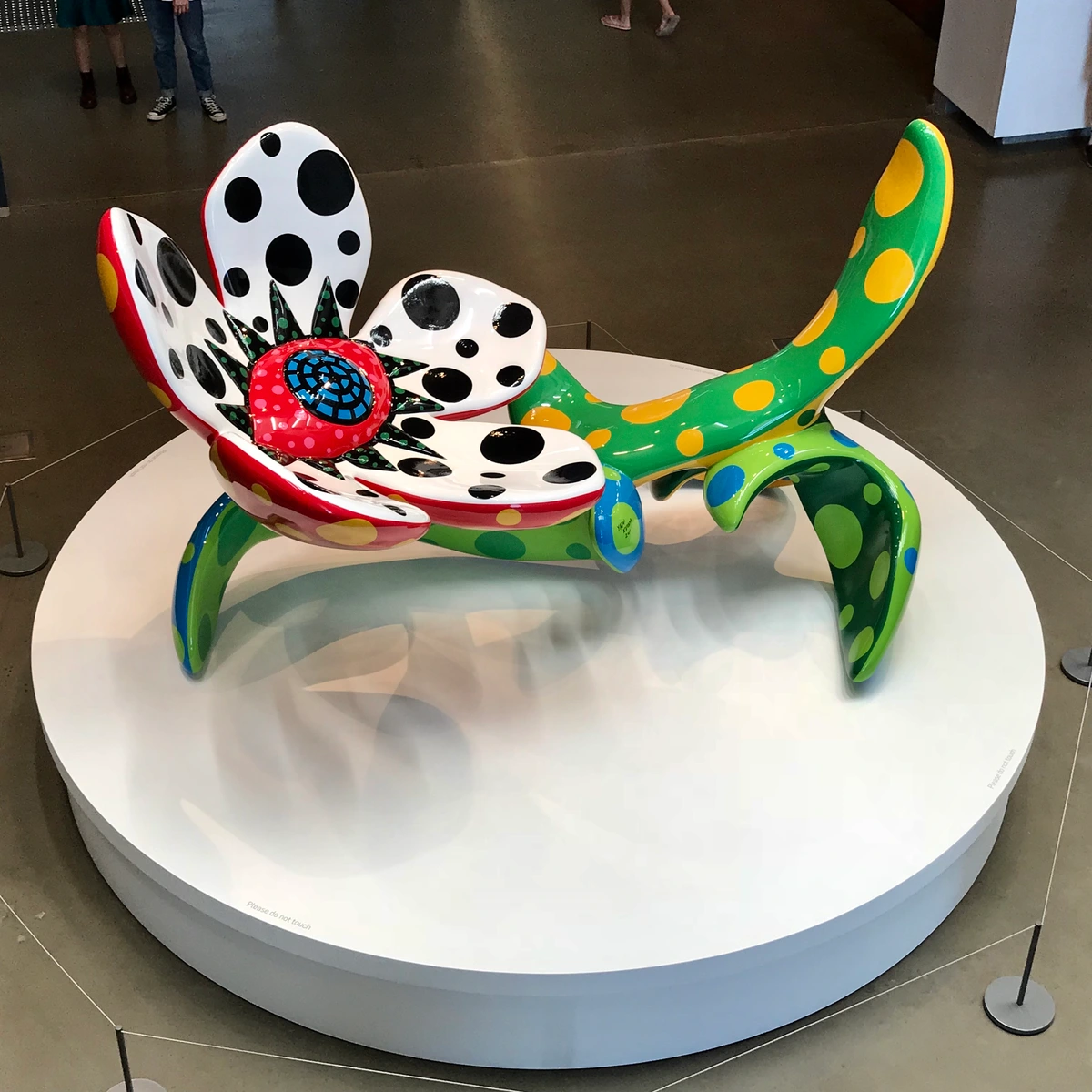
Art that evokes strong emotions, whether positive or negative (like the deliberate discomfort some performance artists aim for, the raw agony in Francis Bacon's work, or the surprising whimsy in a contemporary sculpture designed to make you smile), often leaves a lasting impression. It can challenge our perceptions, confirm our shared humanity, or even offer a cathartic experience. It’s a reminder that art isn't just for looking; it’s for feeling, processing, and growing. I've often found that the pieces that haunt me the most, the ones that make me feel truly unsettled, are often those with the deepest artistic merit precisely because they force me to confront something uncomfortable, or perhaps a truth I hadn't articulated.
The interplay of originality, skill, conceptual depth, and emotional resonance forms the bedrock of artistic value.
Beyond the Tangible: Materials, Medium, and the Language of Art
The artist's choice of medium – whether it's oil paint, marble, digital pixels, or even a performance – significantly shapes how we perceive and judge its merit. The inherent qualities of clay, for instance, lend themselves to tactile and organic forms, while the precision and reproducibility of digital art open up entirely new aesthetic possibilities. When an artist pushes the boundaries of their chosen medium, or masterfully exploits its unique characteristics, it adds another layer to their artistic achievement. I often find myself drawn to artists who innovate with materials, like the way a sculptor makes heavy stone appear light and flowing, or how a mixed-media artist transforms discarded objects into something profound.
The artist's intention behind their material choice is also paramount. Is the artist using found objects to make a statement about consumerism, or choosing oil paint to connect with a historical tradition? This why adds layers to the merit. For example, the use of organic, biodegradable materials might convey an ecological message, instantly elevating the conceptual depth. Or choosing durable, monumental materials like bronze or marble might reflect an artist's desire for permanence and a connection to classical ideals.
Consider the ephemeral nature of performance art, where the merit lies in the live experience, its impact on the audience, and the documentation, rather than a tangible object. Or the meticulous planning and material selection involved in installation art, where the "canvas" is the entire exhibition space. Even the use of unconventional materials, like discarded trash transformed into intricate sculptures (e.g., works by El Anatsui), showcases a different kind of technical ingenuity and conceptual depth, challenging our preconceptions of what art can be. This interplay between an artist's vision and the artistic principles governing their chosen medium is a crucial factor in the art evaluation process. Sometimes, the choice of a seemingly humble material can carry immense conceptual weight – think of an artist using their own hair or blood, instantly imbuing the work with a deeply personal, almost ritualistic, significance. Even the very latest advancements, like AI-generated art or 3D printing, introduce new paradigms for assessing technical skill and originality, shifting the focus from manual dexterity to computational creativity and conceptual prompting.
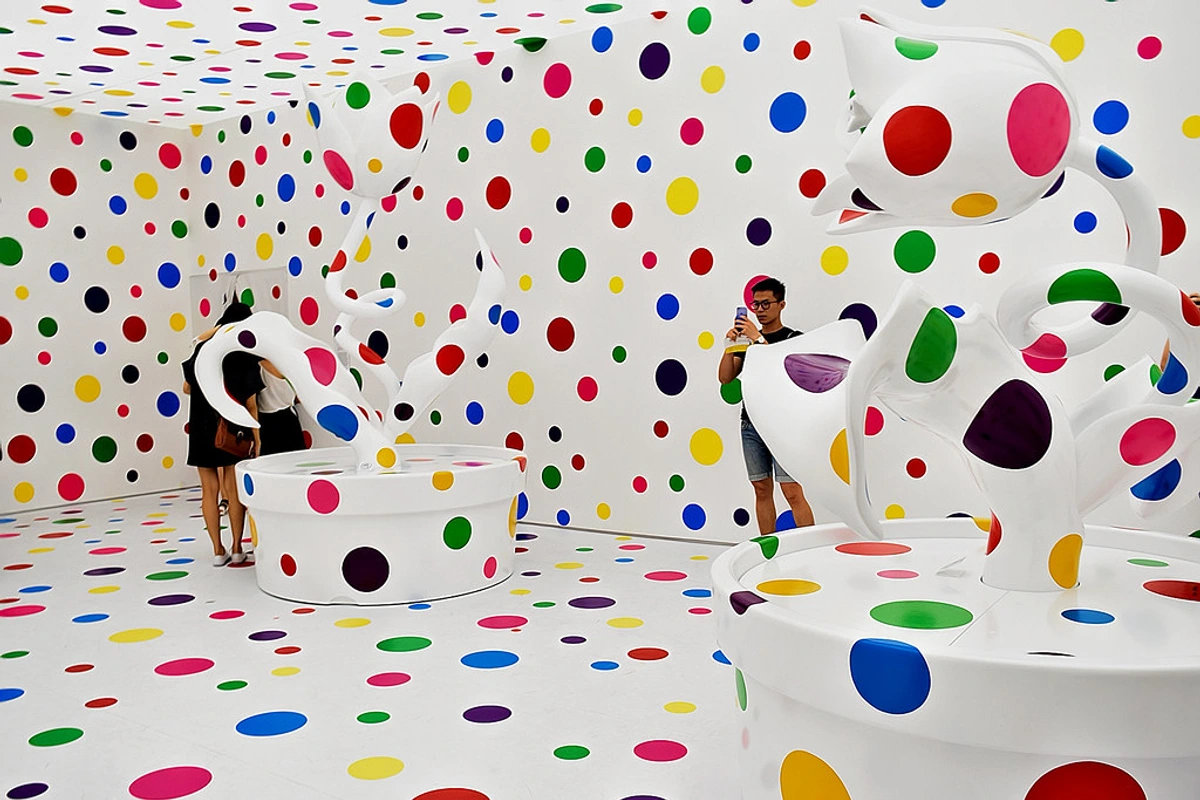
But it's not just the medium itself; it's also the presentation and scale. A small, intimate drawing might have immense merit, but the colossal scale of a monumental sculpture can, by its sheer presence, evoke awe and underline its importance. The lighting in a gallery, the framing of a painting, or the architectural context of an installation can all profoundly affect how we experience and judge a work. I've seen pieces transformed simply by being moved to a different space, proving that the art object is often in dynamic dialogue with its environment.

credit, licence
The careful interplay of material, technique, and presentation defines art's communicative power.
A Shifting Lens: Merit Through History and Culture
It’s crucial to remember that what constitutes "good" art is not a universal constant. The criteria for artistic merit have evolved dramatically across different historical periods and cultures. For instance, during the European Renaissance, art was largely judged by its adherence to naturalism, religious themes, and the masterful depiction of the human form. Fast forward to the early 20th century, and artists like Picasso were celebrated for deconstructing those very ideals. Similarly, non-Western cultures often have entirely different aesthetic and conceptual frameworks for evaluating art, sometimes prioritizing spiritual significance, communal function, or traditional craftsmanship over individual expression.
Take ancient Egyptian art, where the primary merit lay in its permanence, its adherence to strict iconographic conventions, and its function in religious rituals or ensuring eternal life. Innovation, as we understand it, was often secondary to tradition. Or consider the Japanese aesthetic of Wabi-sabi, which finds beauty in imperfection, transience, and natural simplicity – a stark contrast to Western ideals of polished perfection. Aboriginal Australian art, for example, is often valued for its deep connection to ancestral Dreaming stories, its role in cultural transmission, and its intricate dot painting techniques passed down through generations. Islamic art, on the other hand, frequently prioritizes complex geometric patterns and calligraphy, which are seen as manifestations of divine order and artistic purity, often avoiding figural representation. Even today, many Indigenous art forms across the globe prioritize storytelling, cultural transmission, and community engagement over individual authorship or commercial value. Recognizing this rich tapestry of perspectives enriches our own understanding and challenges us to avoid a singular, Eurocentric view when critiquing art. It’s about asking not just "Is it good?" but "Good for what purpose, and for whom?" The socio-political context also plays a massive role; consider how state-mandated Soviet Socialist Realism during the Cold War aimed for propagandistic clarity, while Abstract Expressionism in the West celebrated individual freedom and spontaneous emotion. Or how feminist art, like Judy Chicago's The Dinner Party, explicitly challenged patriarchal art history and redefined merit through a lens of gender and power. This also brings up the complex issue of cultural appropriation, where elements from one culture are taken by another, often dominant, culture without understanding or respect for their original context, leading to debates about who has the right to create and evaluate certain forms of art, and how merit is assigned in such exchanges.

Artistic merit is a fluid concept, shaped profoundly by its historical, cultural, and socio-political environment.
The Architects of Art History: Who Shapes the Canon?
So, we have these criteria, this framework for discussion. But who holds the clipboard, so to speak? Who truly decides what makes it into the textbooks and museum collections, and what fades into obscurity? While you and I can certainly form our own opinions (and absolutely should!), the art world operates through a complex ecosystem of gatekeepers who collectively shape the consensus on what is deemed "important," "valuable," and ultimately, possessed of lasting artistic merit. They are the architects who slowly, and often contentiously, build the canon of art history. Their decisions, meticulously documented in museum acquisition records, exhibition catalogs, and art historical publications, solidify an artist's place over time.
Here’s a look at the key players and their roles, reminding ourselves that this is a dynamic and often political process, full of subtle biases and powerful currents:
Gatekeeper  | Role in Judging Merit | Potential Bias / Influence (on Perception of Merit) |
|---|---|---|
| Curators | Select and organize artworks for exhibitions in museums and galleries. Their choices directly influence public perception and historical narratives. | Academic trends, personal aesthetic, institutional mandates, political considerations, and a desire to reflect current cultural conversations. Their selections often define what art is seen as significant for a given period. |
| Art Critics | Write reviews, analyses, and theoretical essays, shaping public and market perception. Can elevate or dismiss an artist’s work through their interpretations, often sparking broader discourse. | Adherence to specific art theories, relationships with galleries/artists, personal taste, and the pressure to be relevant or provocative. Their interpretations can solidify or undermine a work's critical standing. (Learn more about the role of an art critic). |
| Collectors | Acquire artworks, often investing significant capital. Their purchases can skyrocket an artist's career and perceived market value, which often correlates with perceived merit. | Investment potential, social status, personal aesthetic, prevailing market trends, and a desire to align with influential tastes. Their early patronage can be crucial for an artist's recognition. |
| Art Historians | Research, interpret, and place artists and movements within the grand narrative of art. Their scholarly work defines influence, significance, and legacy over time. | Focus on established canons, re-evaluation of overlooked artists, academic trends, and sometimes a tendency towards Eurocentrism. Their narratives shape what is taught and remembered. |
| Academics & Educators | Teach art history, theory, and practice in universities and art schools. They train future generations of artists, critics, and curators, influencing the conceptual foundations of art, and actively shape the art historical canon through research and publishing. | Dominant art theories, pedagogical approaches, a focus on specific movements or historical periods, and the intellectual fashions of the time. They cultivate the next generation of evaluators. |
| Galleries & Dealers | Discover, represent, and promote artists. They are often the first to validate emerging talent and build an artist's career, connecting them with collectors and institutions. | Commercial viability, market trends, personal relationships, and a vision for their roster's long-term success. Their backing provides initial legitimacy and market exposure. |
| The Art Market (Auction Houses) | Facilitates the buying and selling of art at high values, often reflecting perceived status and demand. Their sales records become benchmarks for an artist's commercial standing and public profile. | Driven by rarity, provenance, speculation, and the influence of prominent collectors and advisors, which can sometimes overshadow purely artistic considerations. High prices can artificially inflate perceived merit. |
| The Public | While often seen as passive consumers, collective public opinion, enduring popularity, and sustained cultural resonance can cement an artist's legacy over time. Increasingly, social media, online communities, and viral phenomena can rapidly elevate or dismiss works, and grassroots movements can challenge established gatekeepers through crowdfunding and independent initiatives, influencing broad cultural acceptance and, subsequently, institutional re-evaluation. | Can be swayed by hype or novelty, but also genuinely connects with timeless or universally resonant work. Grassroots movements can also challenge established gatekeepers. |
It’s a fascinating, sometimes frustrating, dance between these players. Their combined influence creates the powerful currents that determine whose work ends up in the hallowed halls of a museum like The Tate Modern (and yes, you should totally visit if you get a chance!) or is discussed in art history textbooks for generations.
The Indispensable Role of Art Criticism
Beyond the institutions, individual art critics play a vital, if sometimes controversial, role in shaping how we understand and evaluate artistic merit. A well-reasoned critique can illuminate hidden meanings, contextualize radical innovations, and articulate the emotional power of a piece, thereby guiding public perception and influencing the art historical discourse. Critics can champion emerging artists, challenge established norms, or offer re-interpretations of historical works, influencing curators and collectors alike. Think of Clement Greenberg's influence on Abstract Expressionism or Rosalind Krauss's critiques of Minimalism. Their writings didn't just describe art; they actively shaped its reception and perceived importance. Even negative criticism contributes to the dialogue, forcing artists and audiences to reflect more deeply on the work's intentions and impact. Engaging with diverse critical perspectives is essential for a holistic understanding of art's complex value system.
Critics and gatekeepers collectively navigate art's journey into the historical canon.
Developing Your Critical Eye: Bridging the Gap Between Objective and Subjective
I know what you're probably thinking: with all these complex layers and gatekeepers, is there even room for my own opinion? Absolutely. In fact, your informed perspective is arguably the most valuable part of the equation. Understanding artistic merit exists on a fascinating spectrum, blending objective analysis with intensely personal experience. It's crucial to distinguish between something having artistic merit and simply having aesthetic appeal. We must also understand that the art market's valuation, while often influenced by perceived merit, is a separate economic system driven by supply, demand, and speculative investment. A work can be priceless in terms of cultural significance but not command a high price, and vice-versa.
Aesthetic appeal is largely subjective: what one person finds beautiful, another might not. It’s that immediate "I like it" or "I don't like it" reaction. There's no right or wrong here; it's your gut feeling, your personal resonance.
Artistic merit, however, dives deeper. While it incorporates personal response, it also includes aspects we can discuss and analyze with a degree of objectivity:
- Craftsmanship: We can generally agree on whether a painting demonstrates technical skill or if a sculpture is well-executed (even if we don't like the style).
- Historical Significance: We can trace the influence of Dadaism on subsequent art movements or the impact of the Bayeux Tapestry on medieval narrative art. This is measurable, verifiable impact.
- Conceptual Richness: We can analyze the layers of meaning in a work, even if we personally don't connect with them. Does it comment on a significant issue? Does it pose a profound question?
The real magic, I believe, happens in the middle ground – in the dynamic dialogue between what the art world tells us is important and what our own hearts and minds tell us is beautiful, challenging, or profound. You don't have to like every piece in a museum, but understanding why it's there (its historical context, its conceptual innovation, its technical audacity) can profoundly enrich your own appreciation for the art you truly love. This process of critical engagement is how you develop your own powerful, informed aesthetic judgment.
To truly develop your critical eye, try this:
- Visit often: Go to museums, galleries, and even street art exhibits regularly. The more art you see, the more you'll train your eye and expose yourself to diverse forms of artistic expression. (I mean, I love my studio, but getting out is vital).
- Ask questions: Don't just look. Ask yourself: What is the artist trying to say? How did they make this? What emotions does it evoke in me? What makes this different from other works?
- Do your homework (sometimes): Read the accompanying plaques, research the artist, or delve into the historical context. Even a little background can unlock layers of meaning and deepen your art historical context.
- Compare and contrast: Find two artworks that address a similar theme but use vastly different approaches. Compare them based on the pillars we've discussed – originality, technical skill, conceptual depth, and emotional impact. Don't just judge what you like, but analyze the artist's choices and their effectiveness. This practice in art appreciation helps refine your judgment.
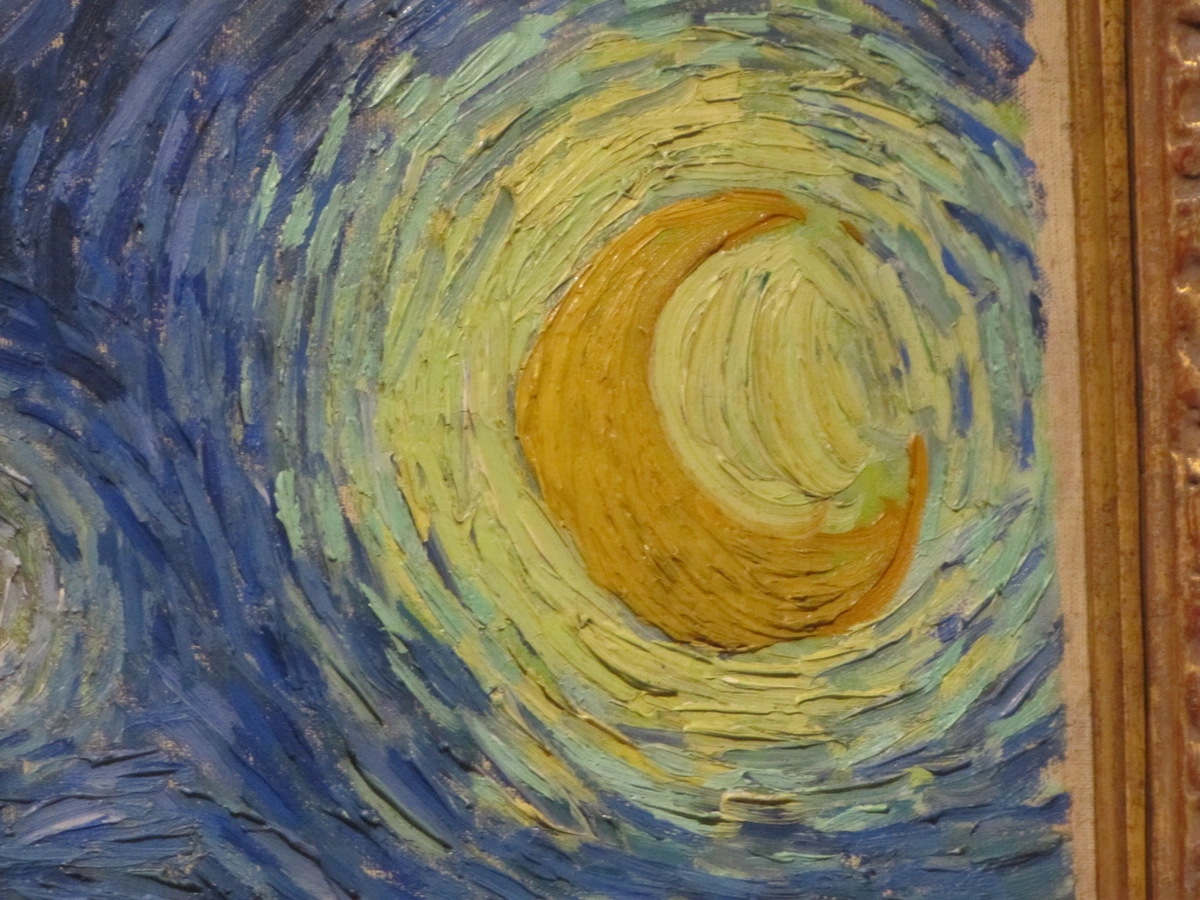
- Engage with the "elements and principles of art": Look for how the artist uses line, color, texture, and shape, and the artist's use of artistic principles (like composition, balance, movement, and contrast) to achieve their artistic goals. These are the building blocks of visual literacy.
- Engage with Art Criticism: Seek out and read art reviews, essays, and scholarly analyses from reputable sources. Understanding how professional critics and historians dissect and interpret art can provide invaluable tools for your own analysis, even if you disagree with their conclusions.
- Consider the Context of Display: How an artwork is presented (lighting, framing, architectural context, proximity to other works) can dramatically influence its perceived impact and merit. A piece seen online might feel completely different when encountered in a vast museum hall. I've been surprised more than once by this.
Your informed personal perspective is the ultimate bridge between art's objective qualities and its subjective power.
The Enduring Judge: The Power of Time
Ultimately, I think the most powerful and unbiased judge of artistic merit is time itself. Fads fade, art markets bubble and burst, and critical darlings are sometimes forgotten. But the art that continues to speak to people across generations, the art that still feels fresh, relevant, and compelling long after its creator is gone – that’s where you’ll find true, undeniable, and resilient merit. This concept of cultural longevity, where a work resonates across vastly different cultural contexts, often signals a deeper, more universal artistic truth. It's the ultimate test of an artwork's enduring power and universal resonance, slowly building its place within the art historical canon through continuous academic study, reinterpretation, and exhibition.
So, whether you're a seasoned collector or just starting your journey into contemporary art criticism, remember that judging art is less about finding a single 'correct' answer and more about engaging in a rich, informed conversation. It's about developing your own perspective, honed by understanding the historical context, the conceptual underpinnings, and the sheer audacity of human creativity. Your connection to art, informed and heartfelt, is the most profound form of artistic value. It’s this informed personal resonance that truly matters. If you find something that truly speaks to you, consider bringing it into your life by checking out what's available to buy. You can also follow my own artistic journey and see how these principles play out in practice on my timeline.
Time is the ultimate arbiter, confirming art's lasting impact and universal resonance.
FAQ: Answering Your Toughest Questions About Artistic Merit
Can something be technically perfect but have no artistic merit?
Absolutely. Think of academic art from the 19th century, often showcasing incredible technical skill and realistic rendering, but sometimes criticized for lacking originality, emotional depth, or conceptual innovation beyond mere imitation. The skill involved is often incredible, a testament to immense dedication. But if a piece doesn't offer a new perspective, evoke a meaningful emotion, or present a compelling idea beyond mere replication, it can sometimes feel more like a technical exercise than a profound work of art. It certainly has merit in its craft, but it might lack deeper conceptual or emotional merit. It's the difference between a perfect copy and an original thought, or the distinction between skill and artistry. The intention behind the skill – whether to merely imitate or to truly communicate or innovate – plays a crucial role. This distinction is often a core point in art theory discussions, where we grapple with what constitutes "more" than just skill.
How much does the artist's story or intention influence their work's merit?
A lot, for better or worse, and it's a hotly debated topic! Knowing the struggles, the historical context, or the personal intentions behind a work can completely change how we perceive it. This is why an artist's statement can be so crucial, providing a roadmap to the artist's world. However, some critics and theorists (advocates of the "death of the author" concept, which suggests the artist's intent shouldn't dictate interpretation) argue that the best art should be able to stand on its own, communicating powerfully without any external explanation. They might point to concepts like the intentional fallacy (judging a work based on what the artist intended rather than what the work achieves) or the affective fallacy (judging a work based on its emotional effect on the reader, rather than its intrinsic qualities). My take? It's a balance. Intent enriches, but the work must still resonate on its own terms to truly endure. The viewer's interpretation, informed by their own experiences and the work's inherent qualities, ultimately plays a critical role in assigning meaning and merit.
Is artistic merit just a fancy term for 'expensive' or commercially successful?
It’s easy to think so, but no. The art market is its own wild beast, driven by supply, demand, speculation, and investment trends. While high prices often correlate with perceived artistic merit (because influential gatekeepers often validate both), there are countless works of immense artistic merit that are not commercially valuable, and vice-versa. Many artists, like Van Gogh during his lifetime, created works of profound merit that only achieved commercial success much later. The two are related, but they are not the same thing. The emergence of NFTs and blockchain technology has further complicated these discussions around ownership and perceived value, often creating a market driven by speculation rather than intrinsic artistic qualities; I remain cautious about their long-term impact on artistic merit itself – true merit transcends fleeting digital trends. Consider "outsider art" or "art brut," created by self-taught artists often outside the mainstream art world and commercial system, which can possess immense artistic merit despite lacking market value for extended periods.
How does cultural context affect artistic merit?
Significantly! What is considered meritorious in one culture or historical period might be entirely different in another. For example, traditional Indigenous art often prioritizes spiritual significance, communal function, and adherence to established forms over individual innovation. In contrast, Western contemporary art frequently values individual expression and disruption of norms. Understanding the cultural lens through which art was created and is being viewed is absolutely essential to judging its merit fairly and deeply. It's why a piece of Prehistoric art from a cave can be just as impactful as a Renaissance masterpiece – they simply operate on different systems of value. The context of its creation, its intended audience, and its cultural function are all vital to its evaluation.

What about art that is intentionally provocative or offensive?
This is one of the trickiest areas in art evaluation. Art can certainly have merit even if it makes us uncomfortable, challenges our morals, or even offends us. The merit here often lies in its ability to spark crucial dialogue, force societal introspection, or push boundaries of expression. For instance, works by artists like Tracey Emin or Andres Serrano have been highly controversial but are still studied for their unflinching commentary and conceptual bravery. The key is to distinguish between something that is merely shocking for shock's sake (often called "shock value") and something that uses provocation as a tool for deeper meaning or social critique. It requires a nuanced understanding of intent and impact – and sometimes, frankly, it requires us to sit with our discomfort and ask why we feel that way. It's about engaging with the challenge, not just reacting to the surface.

How can I appreciate abstract art when it doesn't represent anything literal?
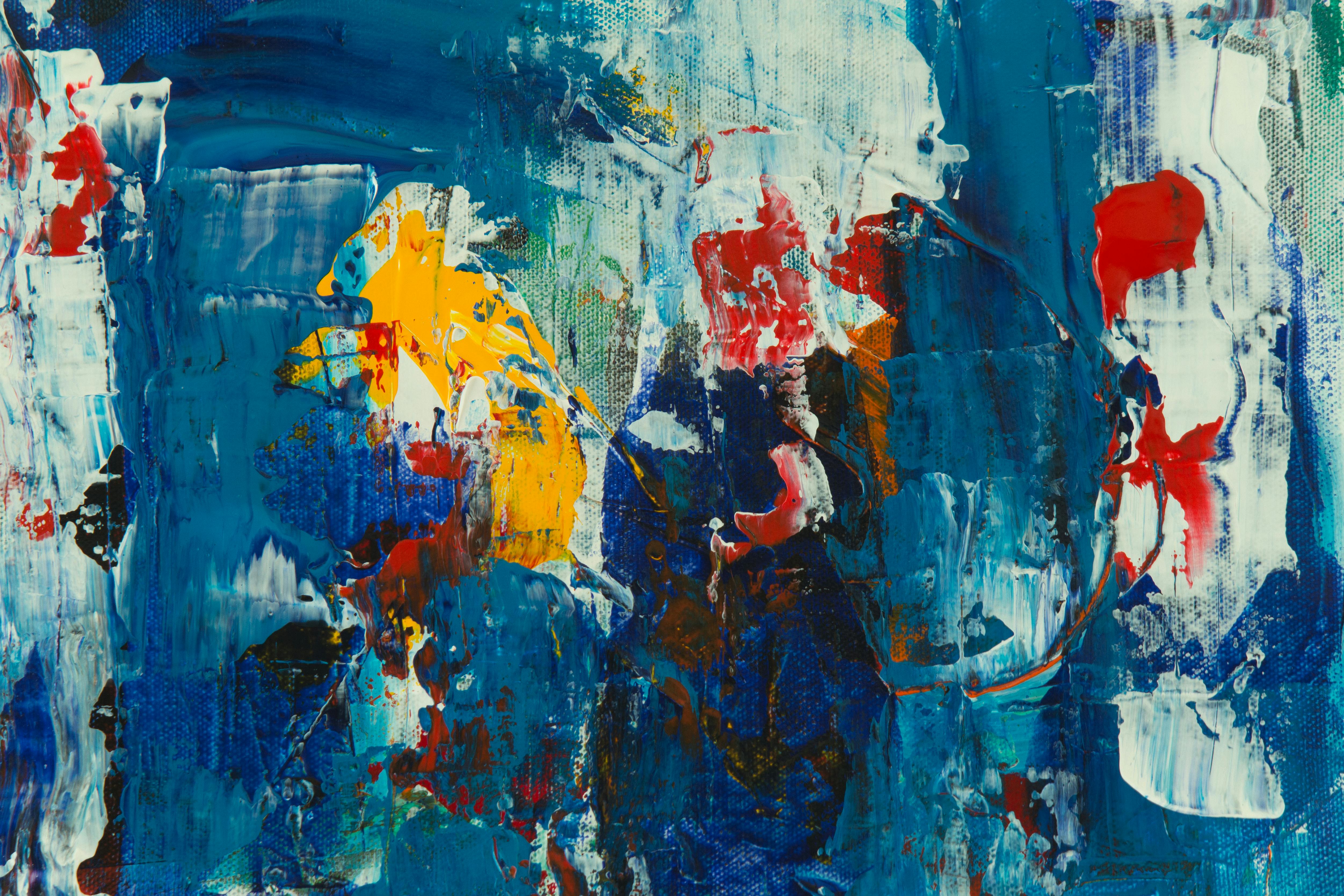
This is a common question, and my answer is always: let go of the need for literal representation! When you look at abstract art, try engaging with it on its own terms. Focus on the elements of art (like line, color, texture, and shape), the artist's use of artistic principles (like composition, balance, movement, and contrast), and the emotional impact it has on you. What mood does it evoke? What questions does it raise? Often, abstract art is about pure visual experience, emotional expression, or conceptual exploration rather than depicting reality. Think of it like listening to instrumental music – you don't need lyrics to feel an emotion or appreciate the harmony. The "meaning" can often be found in your own response to it and the visual language the artist employs. If you're curious to explore more, I have a whole guide to abstract art styles.
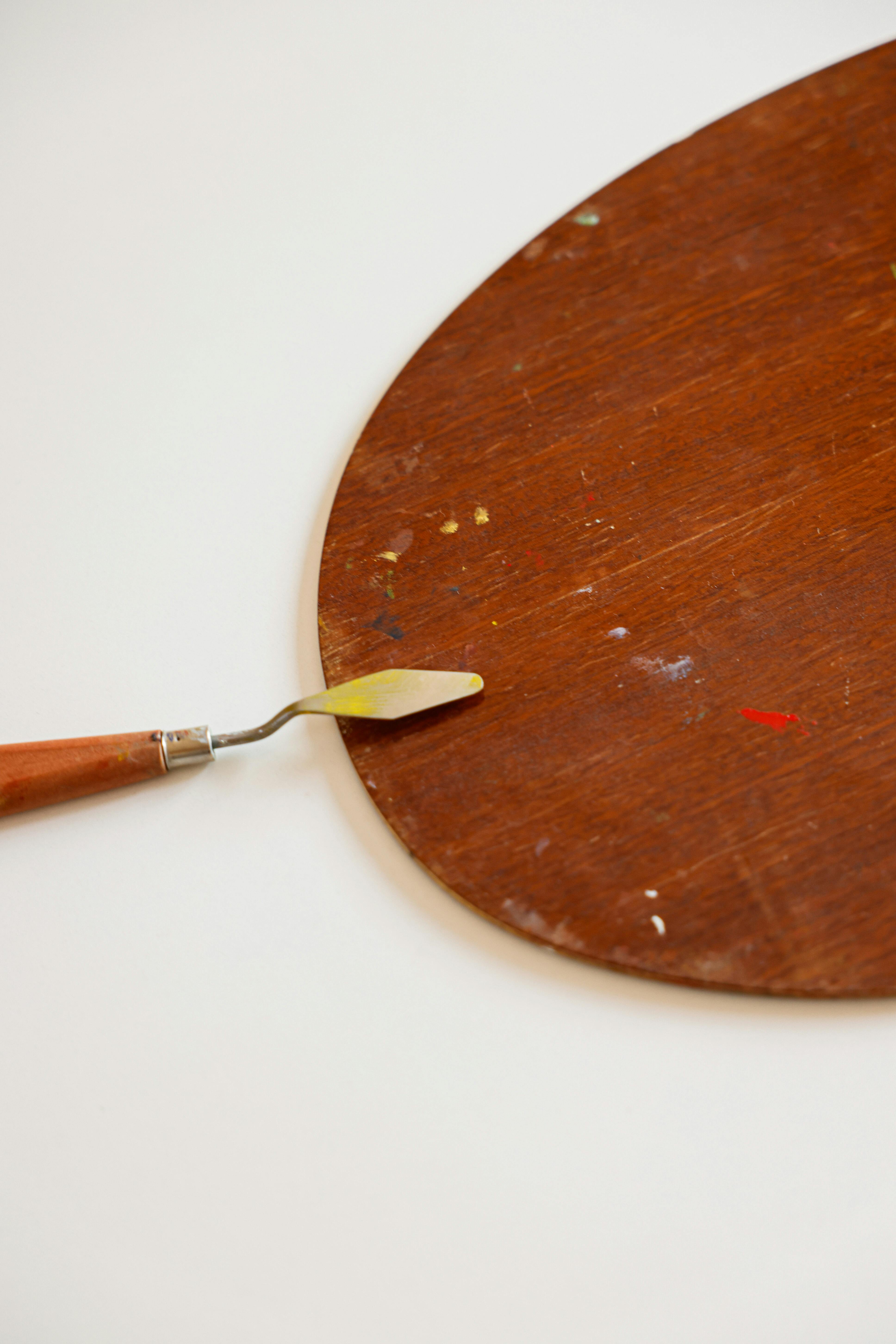







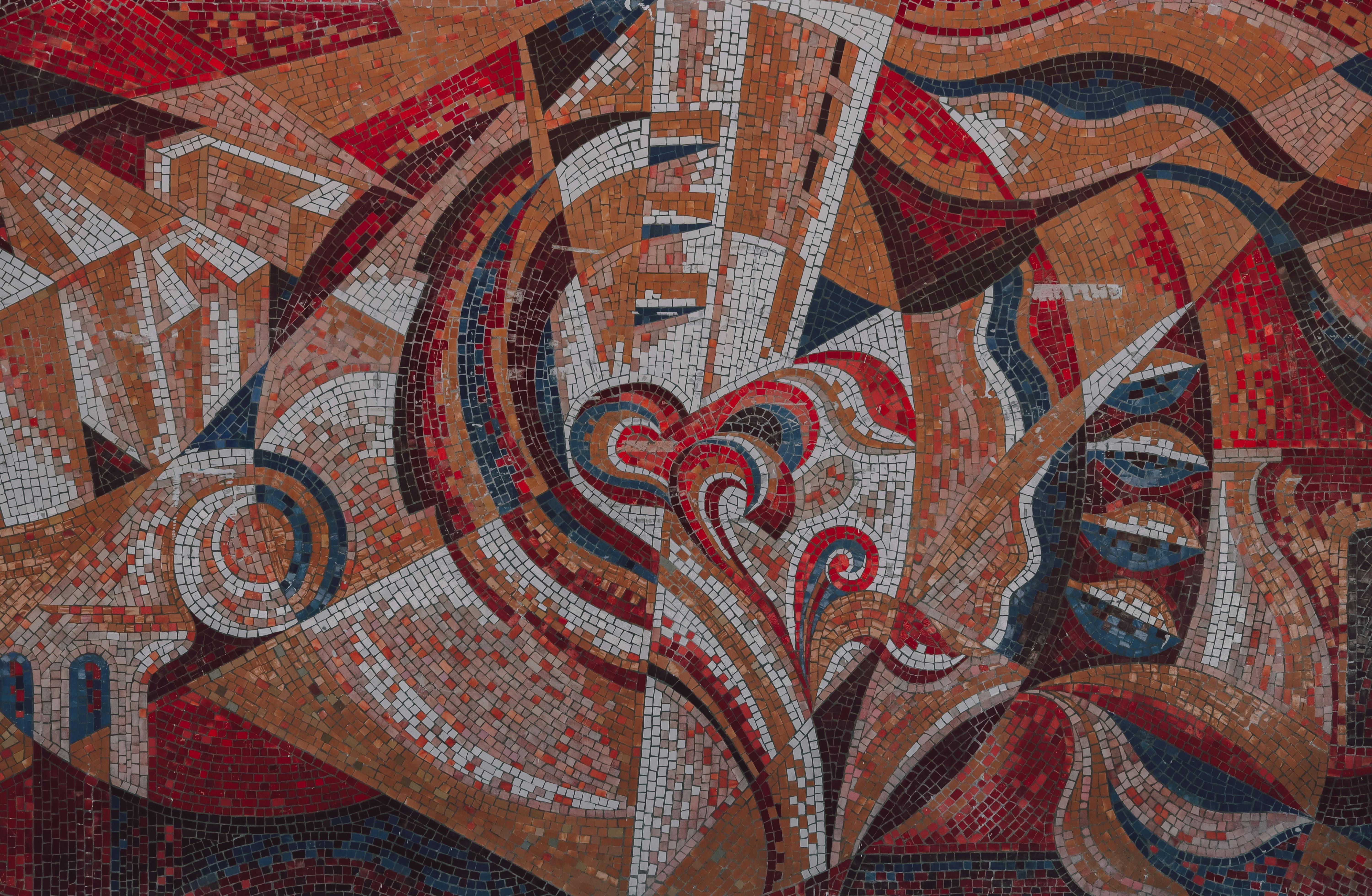



How does scale and presentation affect artistic merit?
Significantly! The scale of an artwork can dictate its impact: a monumental sculpture can overwhelm and awe, while a miniature drawing demands intimate engagement. Likewise, presentation is crucial. The lighting in a gallery, the choice of frame, the placement within an exhibition space, or even the architectural context (e.g., a site-specific installation) can all profoundly alter how a viewer perceives and judges a work's merit. A humble object, meticulously spotlit and isolated in a minimalist space, might gain immense gravitas that it wouldn't have on a cluttered shelf. It's about creating an optimal experience for the artwork and guiding the viewer's interpretation.
What is the role of context in art evaluation?
Context is paramount. It's the background against which art is understood and evaluated. This includes: historical context (when and where it was made, relevant events), cultural context (the societal norms, beliefs, and values of its origin), artist's context (their biography, intentions, and other works), art historical context (its relationship to movements, predecessors, and successors), and exhibition context (how and where it's displayed). Without context, a work is just an object; with it, it becomes a window into a complex human story, allowing for a much deeper and fairer assessment of its artistic merit.
How does art theory inform our understanding of artistic merit?
Art theory provides the frameworks and vocabulary we use to analyze, interpret, and evaluate art. Theories like Formalism (focusing on aesthetic elements like line, color, form), Conceptualism (prioritizing the idea over the execution), Post-Structuralism (which questions fixed meanings and emphasizes the viewer's role in creating meaning), or Feminist Art Theory (examining gender roles and representation) offer different lenses through which to understand a work's significance. They don't provide a single answer to "what is merit" but equip us with sophisticated tools for a more rigorous and critical engagement with art, pushing us beyond mere personal taste towards a more informed critical analysis.
Can I be a good judge of artistic merit?
Absolutely, and you should be! The most important tools you have are your own curiosity, open-mindedness, and willingness to engage. Look at a lot of art – in museums, galleries, online. Read about it, think about it, and critically reflect on what moves you and, more importantly, why. The more you develop your own taste, understanding, and critical eye, the more confident you'll become in your own judgment. Your personal, informed connection to a piece of art is, in my opinion, the most valid and beautiful form of merit there is. It's certainly what has guided my own journey, which you can see in my timeline. And if you find something that truly speaks to you, consider bringing it into your life by checking out what's available to buy. Ultimately, the aim of Zenmuseum is to equip you with the knowledge and tools to become a discerning and confident judge of artistic merit yourself.