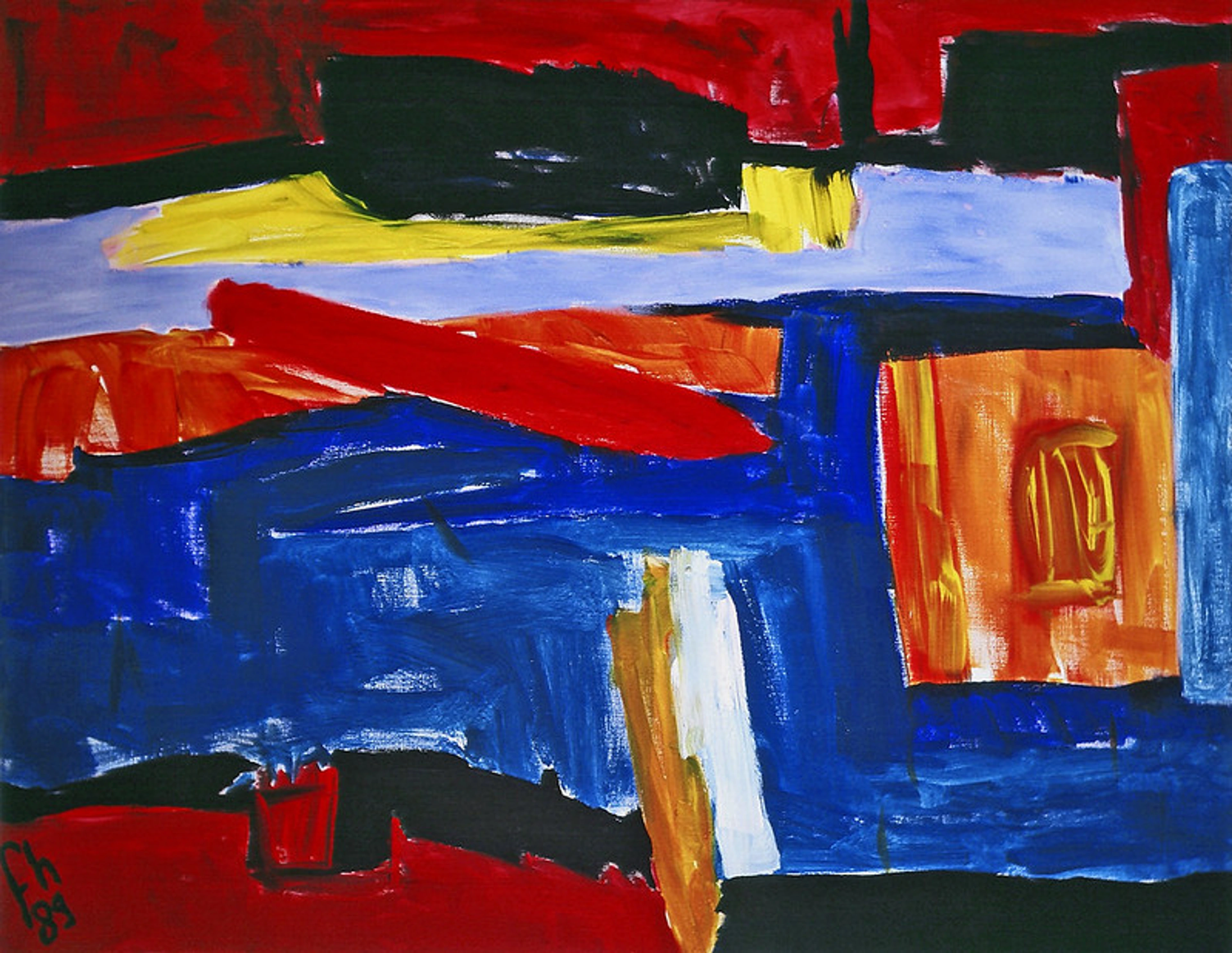
Who Was Clement Greenberg? The Critic Who Shaped Modern Art
Discover the complex legacy of Clement Greenberg, the influential art critic who championed Abstract Expressionism and defined the course of 20th-century art with his formalist theories.

The Art World's Kingmaker: Who Was Clement Greenberg? A Comprehensive Dive into Formalism and Abstract Expressionism
I’m always utterly fascinated by the quiet architects of culture – those individuals who, without ever touching a brush or chisel, somehow manage to sculpt the very landscape of art with their ideas alone. Their influence is often subterranean, a powerful current beneath the visible surface, yet it dictates everything that blossoms above ground. In the grand, often chaotic story of 20th-century art, few figures loom as large or cast as long a shadow as Clement Greenberg. He wasn't an artist, but his words had the power to make or break careers. He was an art critic—perhaps the art critic—whose theories and pronouncements shaped the very way we understood and valued art, particularly the seismic shift known as Abstract Expressionism. For me, thinking about Greenberg is like trying to understand the bedrock beneath a thriving forest; you don't always see it, but its presence dictates everything that grows above. His impact was both profound and polarizing, a true kingmaker of the avant-garde. Grappling with his ideas is essential for anyone seeking to truly understand modern art's trajectory, even if, like me, you sometimes find yourself wanting to argue with him. What an undeniable, and often infuriating, force he was! If you've ever felt that subtle hum of an unspoken authority in the art world, that sense that certain ideas are simply correct, chances are, you're feeling the lingering echoes of Greenberg. He didn't just interpret art; he prescribed it.
My take on his role is similar to a master conductor – not playing an instrument himself, but orchestrating every single note, ensuring the symphony of modern art played precisely as he believed it should. For good or ill, his vision was monumental, and grappling with his legacy is a rite of passage for anyone trying to truly understand the arc of 20th-century art.
credit, [licence]
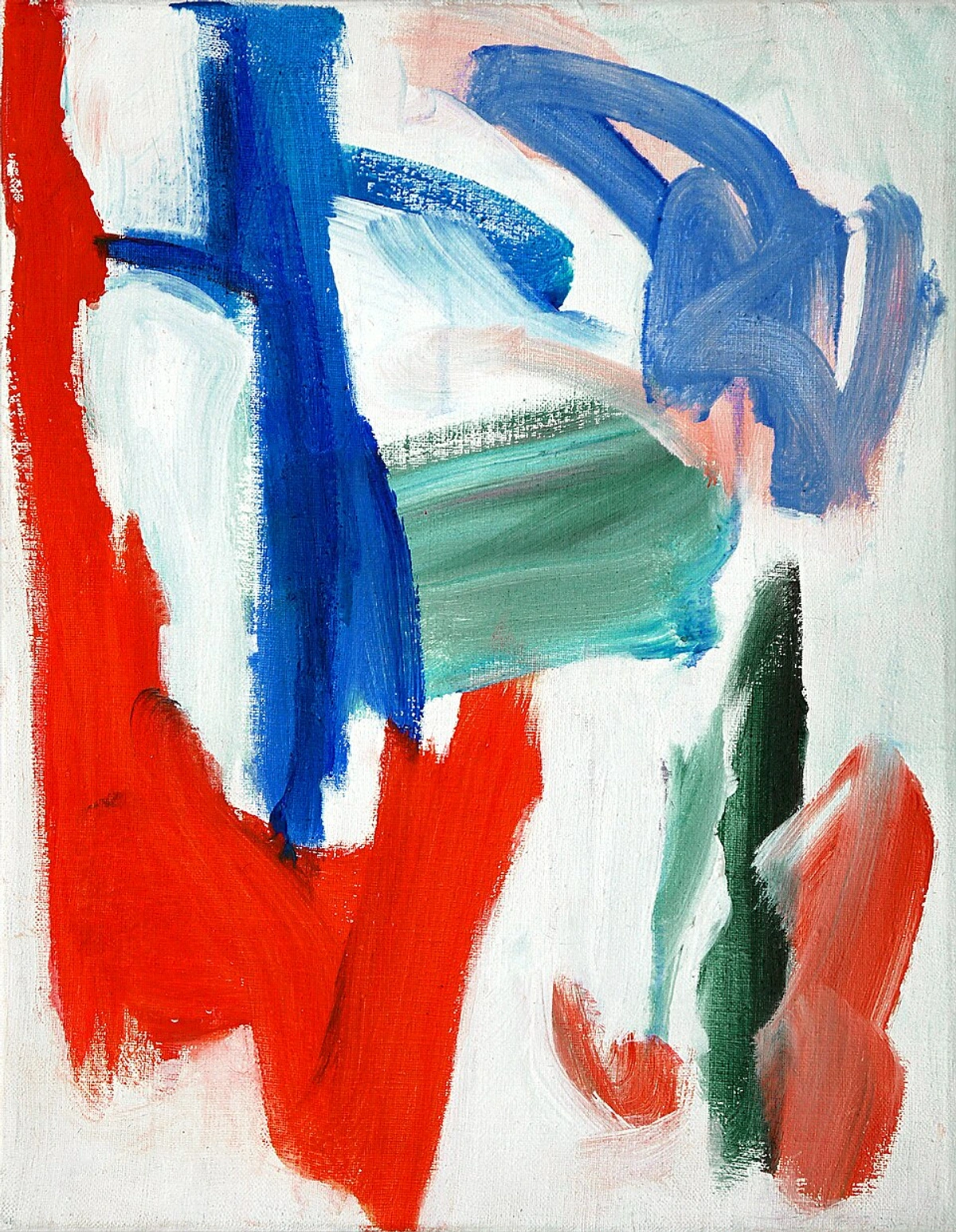
To understand modern art, you have to grapple with Greenberg. He was a champion, a gatekeeper, a brilliant theorist, and, to his detractors, a rigid dogmatist. His story is inseparable from the paint-splattered canvases of Jackson Pollock and the vibrant color fields of Helen Frankenthaler. Let’s unpack the ideas and influence of this monumental figure.
## Greenberg's Early Life and Intellectual Crucible
Clement Greenberg (1909-1994) wasn't born into the art world, nor did he come to it via the traditional path of an artist or art historian. Instead, his formative years were spent immersed in the intense intellectual and political landscape of New York City during the 1930s. I often think about the sheer ferment of ideas that must have filled the air then – a time when debates about society, politics, and culture weren't just academic exercises but urgent responses to a world in crisis. Born into a middle-class Jewish family in the Bronx, Greenberg's early education at Syracuse University and later the Art Students League of New York provided a foundation, but it was his self-directed immersion into literary and critical theory that truly shaped him. Before he became the art critic, he was a voracious reader, a budding intellectual deeply engaged with the pressing issues of his time.
He began his career not in a gallery, but as a writer and intellectual in New York's vibrant literary and political circles. I sometimes imagine him, a sharp young mind, deeply immersed in the fervent debates that characterized intellectual life in the 1930s. This was a tumultuous era, marked by the Great Depression, the rise of totalitarianism in Europe, and fervent ideological struggles, particularly within the left. Beyond the looming economic crisis and political anxieties, the intellectual atmosphere buzzed with discussions on psychoanalysis, existentialism, and evolving social theories, all of which subtly, or not so subtly, informed critical thought. He was a regular contributor to and later an editor at the influential Partisan Review, a journal that served as a crucible for radical thought, blending literary criticism with Marxist theory with a distinctly anti-Stalinist, often Trotskyist, bent. This engagement with Marxism wasn’t just an academic exercise; it provided a robust framework for his early cultural critiques, deeply informing his perspective on art’s role in society, seeing it as both a symptom and a potential antidote to societal ills. He believed that capitalism had degraded true culture, creating a void that only a truly advanced, autonomous art could fill. This conviction was foundational, shaping his entire critical trajectory. It was in this crucible of ideas—alongside towering figures like Lionel Trilling, Dwight Macdonald, and Philip Rahv—that Greenberg forged his fiercely independent, often combative, critical voice, one that would soon redefine how we looked at modern painting. It was a time when art and politics were inextricably intertwined, and Greenberg saw art's revolutionary potential as a bulwark against both capitalist commodification and totalitarian control.
For me, this early intellectual immersion isn't just biography; it's the genesis of a worldview. It explains the intensity of his later convictions. He wasn't just critiquing art; he was attempting to save culture from what he perceived as its inevitable decline in a commercialized, politically fraught world. This context is absolutely critical to understanding the seemingly rigid arguments he would later make.
The Man and His Mission: A New Way of Seeing
Clement Greenberg (1909-1994) began his career not in a gallery, but as a writer and intellectual in New York's vibrant literary and political circles. I sometimes imagine him, a sharp young mind, deeply immersed in the fervent debates that characterized intellectual life in the 1930s. This was a tumultuous era, marked by the Great Depression, the rise of totalitarianism in Europe, and fervent ideological struggles, particularly within the left. Beyond the looming economic crisis and political anxieties, the intellectual atmosphere buzzed with discussions on psychoanalysis, existentialism, and evolving social theories, all of which subtly, or not so subtly, informed critical thought. He was a regular contributor to and later an editor at the influential Partisan Review, a journal that served as a crucible for radical thought, blending literary criticism with Marxist theory with a distinctly anti-Stalinist, often Trotskyist, bent. This engagement with Marxism wasn’t just an academic exercise; it provided a robust framework for his early cultural critiques, deeply informing his perspective on art’s role in society, seeing it as both a symptom and a potential antidote to societal ills. He believed that capitalism had degraded true culture, creating a void that only a truly advanced, autonomous art could fill. This conviction was foundational, shaping his entire critical trajectory. It was in this crucible of ideas—alongside towering figures like Lionel Trilling, Dwight Macdonald, and Philip Rahv—that Greenberg forged his fiercely independent, often combative, critical voice, one that would soon redefine how we looked at modern painting. It was a time when art and politics were inextricably intertwined, and Greenberg saw art's revolutionary potential as a bulwark against both capitalist commodification and totalitarian control.
This political and intellectual grounding is crucial because it directly informed his most famous early essay, 'Avant-Garde and Kitsch' (1939). It’s a piece that, even today, makes you sit up and think about the cultural forces at play, especially as we navigate our own media-saturated, politically fragmented world. I always find myself returning to it when I see another 'viral' piece of content – what would Greenberg have thought? This essay wasn't just a critique; it was a rallying cry, a bold statement about art's vital role in a world teetering on the brink. When it hit the intellectual scene, it immediately sparked significant debate among New York intellectuals, who were themselves grappling with the anxieties of the era. It solidified his reputation not just as a formidable critic, but as a provocateur unafraid to draw stark lines in the cultural sand.
The world of the late 1930s, with the rise of fascism, Stalinism, and mass consumer culture, deeply troubled Greenberg. He saw traditional culture being eroded, not just by political ideologies but by the insidious creep of commercialism. He felt art needed a defense, a rigorous theoretical backbone to withstand these pressures. In this seminal work, 'Avant-Garde and Kitsch,' Greenberg laid out a powerful dichotomy. He argued that true culture was under threat from two sides:
The Genesis of a Theory: 'Avant-Garde and Kitsch' (1939)
Greenberg’s ‘Avant-Garde and Kitsch’ wasn't just another essay; it was a manifesto, a cultural fire alarm. Published in the Partisan Review, it immediately resonated with intellectuals grappling with the socio-political turmoil of the late 1930s. He presented a stark, almost moral, division in the cultural landscape, arguing that genuine, challenging culture was being squeezed between the pressures of totalitarian propaganda and the burgeoning, insipid forces of mass consumerism. For him, art was not merely entertainment; it was a crucial bulwark against a debased society, a last refuge for critical thought and authentic experience. This essay didn't just interpret; it prescribed, defining the very battleground for the soul of modern art. It was a piece that, even today, makes you sit up and think about the cultural forces at play, especially as we navigate our own media-saturated, politically fragmented world. I always find myself returning to it when I see another 'viral' piece of content – what would Greenberg have thought? This essay wasn't just a critique; it was a rallying cry, a bold statement about art's vital role in a world teetering on the brink. When it hit the intellectual scene, it immediately sparked significant debate among New York intellectuals, who were themselves grappling with the anxieties of the era. It solidified his reputation not just as a formidable critic, but as a provocateur unafraid to draw stark lines in the cultural sand.
He argued that true culture was under threat from two sides:
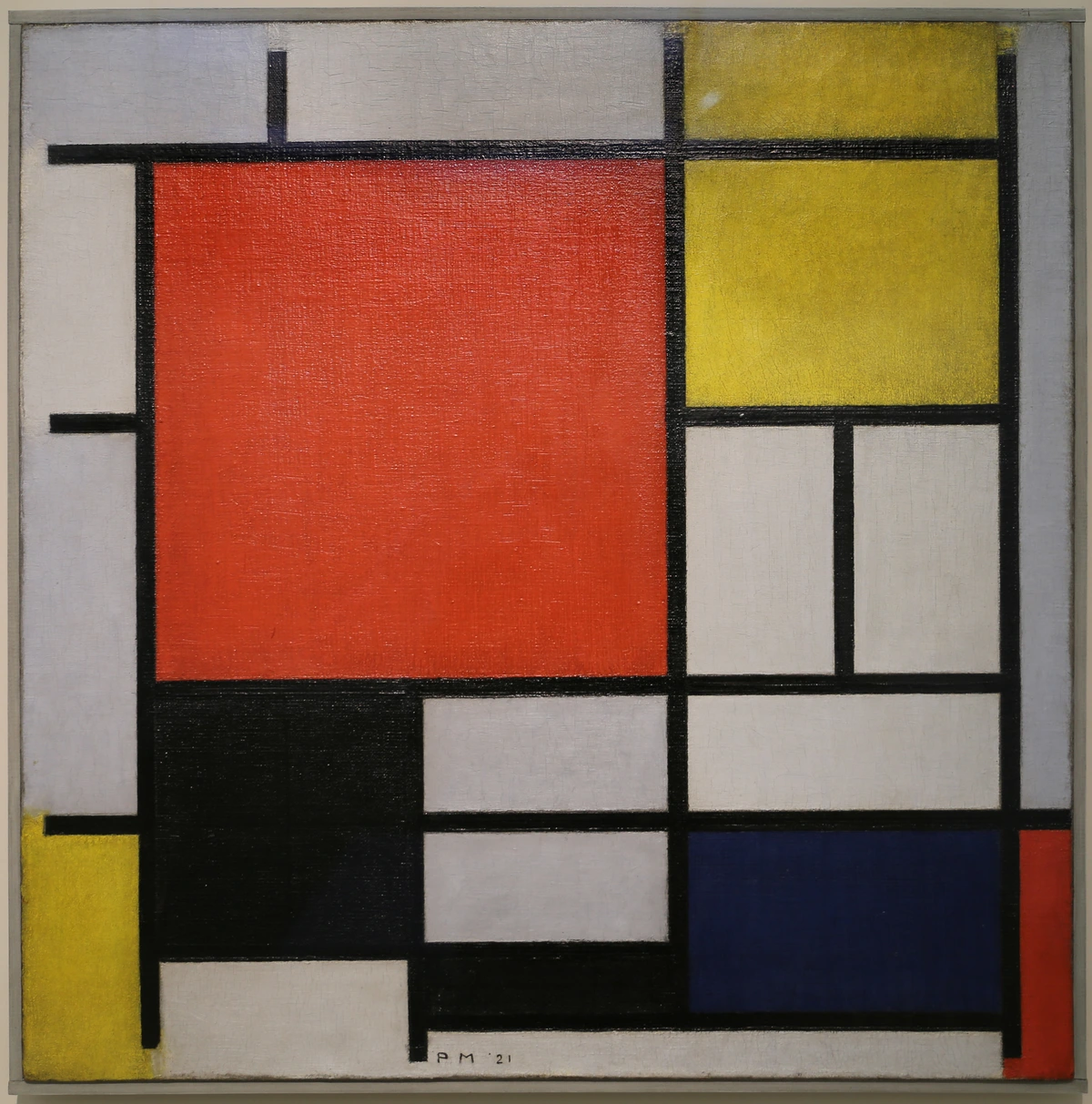
- The Avant-Garde: This was the realm of truly progressive, experimental art. For Greenberg, the avant-garde wasn't just new; it was genuinely advanced and challenging, pushing the very boundaries of its medium. It was the art of the sophisticated, the intellectual elite, dedicated to exploring its own conventions, its own process, and its own unique properties, rather than depicting external reality or serving external masters. Think of it as art for art's sake, but with a profound social mission to keep culture alive. Early Cubist works by Pablo Picasso or the abstract compositions of Piet Mondrian would have been prime examples of the avant-garde's dedication to purity and formal innovation. This art, he argued, was difficult, demanding critical engagement, and offered no easy answers – precisely what made it valuable.
- Kitsch: On the other side was kitsch. This wasn't merely 'bad' art; it was a mass-produced, formulaic, and sentimental 'art' designed for easy, unthinking consumption by the burgeoning masses. Think Norman Rockwell magazine covers, saccharine commercial illustrations, propaganda posters, or even the overly sentimental paintings you might find in a tourist trap. For Greenberg, kitsch was a dangerous tool of capitalist consumerism and totalitarian regimes alike, dulling the senses, short-circuiting genuine emotional response, and preventing true critical engagement. It offered instant gratification but ultimately impoverished the soul. I often find myself thinking about the proliferation of 'content' today, especially online. Would Greenberg see our current digital landscape, with its endless scroll of viral videos and clickbait, as the ultimate triumph of kitsch, or a new avant-garde struggling to emerge from the noise? It's a question that, for me, brings his 1939 essay startlingly into the present, making you wonder what he'd make of TikTok.

credit, licence
His mission, as he saw it, was to defend the avant-garde from the pervasive threat of kitsch. He believed that in an age of political turmoil and rampant commercialism, only truly abstract, self-critical art could maintain its integrity and offer a refuge for genuine cultural values. I often wonder what he would make of today's digital landscape, where 'content' is often churned out for fleeting attention, designed for instant algorithmic gratification rather than profound engagement. Would he see the ultimate triumph of kitsch, or a new avant-garde struggling to emerge from the noise? This avant-garde art, he argued, had to retreat into itself, focusing solely on what made its specific medium unique and exploring its inherent limitations. This self-referential quality, this focus on the 'how' rather than the 'what,' was, for Greenberg, the only way to safeguard art's authenticity from external pressures like narrative, politics, or easy emotional appeal. It was a radical idea, a call for art to purify itself, to shed all unnecessary adornments and confront its own fundamental nature. He saw this as art's true revolutionary task: to maintain a standard of excellence and critical thought in a world increasingly dominated by mass culture and political manipulation. It was a rigorous, almost ascetic, vision. For Greenberg, the avant-garde was a response to the perceived crisis of culture, a bulwark against the intellectual and aesthetic degradation he saw all around him. He wasn't just observing; he was campaigning.
Greenberg's Core Principles: The Gospel of Formalism
Before we dive deeper into formalism, it’s useful to see 'Avant-Garde and Kitsch' broken down even further, to really grasp the distinction Greenberg was drawing:
Feature  | Avant-Garde (True Art) | Kitsch (Mass Culture) |
|---|---|---|
| Origin | Emerges from art itself, self-referential | Derived from traditional art forms, diluted |
| Audience | Cultivated, discerning, intellectual elite | Undiscriminating masses, popular appeal |
| Value | Intrinsic, based on aesthetic innovation | Extrinsic, based on sentimentality or propaganda |
| Function | Explores medium's limits, challenges perception | Provides instant gratification, easy consumption |
| Complexity | Demanding, requires effort to appreciate | Simple, immediately digestible |
| Integrity | Autonomous, resistant to commercialism | Commercialized, serves external purposes (e.g., ads) |
| Example | Cubist painting, Abstract Expressionism | Magazine illustrations, sentimental genre paintings |
Greenberg’s critical approach is known as Formalism. Simply put, formalism asserts that the value of a work of art is found exclusively in its formal qualities—that is, its form, not its content. For a painting, this means color, line, shape, texture, and, most importantly, the flatness of the canvas. Narrative, emotion, political message, or likeness to the real world were all considered distractions from the essential business of painting. It's an idea that, for me, often brings to mind philosophical purity – stripping away the inessential to reveal the core, the very DNA of the art form itself. Indeed, Greenberg’s formalism wasn't spun from thin air; it drew heavily on earlier philosophical traditions. He was building upon giants. Notably, he leaned into the aesthetic theories of Immanuel Kant, who emphasized the 'disinterestedness' of aesthetic judgment – meaning, art should be judged purely on its aesthetic qualities, free from personal biases, utilitarian concerns, or even its subject matter. It's about how it is, not what it says. Then there was Gotthold Ephraim Lessing's concept of 'medium specificity,' the radical idea that each art form has unique inherent qualities that it should rigorously explore and confine itself to. For Greenberg, these weren't just abstract philosophical points; they were weapons in his intellectual arsenal, providing a rigorous philosophical defense for a certain kind of modern art, believing that its survival depended on it. He was, in essence, building a rigorous philosophical defense for a certain kind of modern art, believing that its survival depended on it. I see these philosophical underpinnings as the intellectual scaffolding that allowed him to construct such a formidable and, for a time, unassailable critical edifice. He wasn't just voicing an opinion; he was presenting a carefully reasoned philosophical argument.
Here are his key ideas, broken down:
Principle | Description |
|---|---|
| Medium Specificity | This principle was foundational and, frankly, revolutionary. Greenberg argued that each art form should ruthlessly shed elements not intrinsic to its own nature. For painting, this meant stripping away any illusions of three-dimensionality (that's sculpture's job!), narrative storytelling (that's literature's domain!), or emotional grandstanding. It was about defining painting by what only painting could do, focusing on elements like color, line, and the inherent flatness of the canvas. Think of it as a sculptor insisting on solid form, or a musician focusing purely on sound and rhythm, discarding any attempt to "paint a picture" with notes. For Greenberg, this was art's path to self-knowledge and autonomy. It's a powerful, almost puritanical, demand for art to be utterly true to itself. |
| The Purity of the Medium | The goal of modern art, for Greenberg, was a relentless process of self-purification. Painting, specifically, had to shed everything it had "borrowed" from other arts—things like narrative or storytelling (from literature), or the illusion of three-dimensional depth (from sculpture). It was about finding the irreducible essence of painting, a radical reduction to its fundamental elements: pigment, canvas, and surface. He saw this not as impoverishment, but as liberation, allowing painting to achieve its fullest potential by focusing on its unique strengths. Think of it as painting striving to be "more itself" than ever before, unburdened by external demands. This was the ultimate distillation, the very core of its being. |
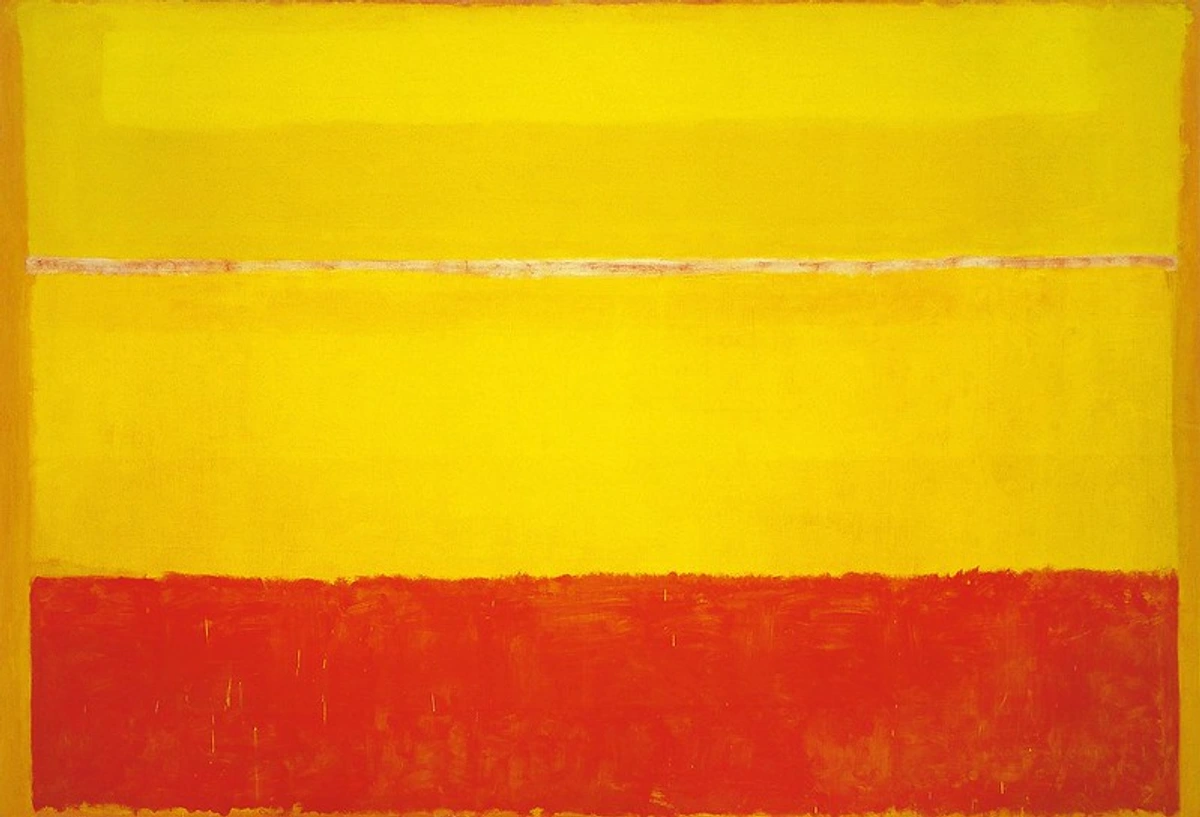
| Flatness | This was, unequivocally, the holy grail for modernist painting in Greenberg's canon. He argued that the one intrinsic quality painting possesses that no other art form does is its inherently flat surface. Therefore, the trajectory of great modernist painting, from Édouard Manet's revolutionary acknowledgment of the canvas as a flat surface (rather than a window), through Cézanne's structural flattening of forms, the fragmentation and multiple perspectives of Cubism, the expansive color fields of Mark Rothko, and culminating in Jackson Pollock's all-over drips, was a continuous progression towards emphasizing and acknowledging this flatness. It was a relentless move away from illusionism and towards a direct confrontation with the material facts of painting. For Greenberg, this wasn't merely a formal choice; it was painting's destiny. |
| Opticality | Art, in its highest form, should be a purely visual experience, apprehended by 'eyesight alone.' This meant it should not evoke tactile sensations (like sculpture might, or even heavily impastoed painting) or require literary or emotional decoding. It was about the immediate apprehension of color, line, and shape on the flat surface, a direct confrontation with the visual facts of the painting, free from external associations. Think of a Color Field painting by Mark Rothko or Morris Louis: the experience is almost entirely visual, a direct engagement with the colored light emanating from the canvas, without any narrative or illusionistic depth to distract. I sometimes think of it as pure visual data, presented without a "story mode" or "interactive tutorial" – just the raw experience of seeing, unburdened by anything else. This emphasis on the visual and the immediate was paramount for Greenberg. |
| Autonomy of Art | This was the overarching goal. Greenberg believed that for art to survive the commercial and political pressures of the modern world, it had to become completely self-sufficient and self-referential. It should answer only to its own internal logic and its own history, independent of external purposes like propaganda, entertainment, or even direct emotional appeal. This wasn't merely 'art for art's sake' in a decadent sense; it was, for Greenberg, a profound, almost spiritual, necessity for art to maintain its integrity and offer a space for genuine critical experience in a world he saw as increasingly debased by mass culture. It was art as a refuge, a last bastion of serious intellectual and aesthetic engagement. His vision was, in many ways, an attempt to carve out a sacred space for art in an increasingly profane world. |

The Modernist Narrative: A Purposeful Progression
This approach led him to champion a specific lineage of art. Greenberg didn't just see art movements; he saw a purposeful, almost inevitable, historical progression. He saw a direct, progressive line from French Impressionism (which began to acknowledge the painting's surface through visible brushstrokes and light), through Cézanne (whose structural flattening of forms and emphasis on color planes moved further away from illusionism), and the fragmentation and multiple viewpoints of Cubism. For him, these movements were systematically dismantling the conventions of Western painting, stripping away illusionistic depth and narrative content, paving the way for the ultimate purification found in the Abstract Expressionists of New York. It was a narrative of art continually 'criticizing' itself from within, evolving towards its essential nature. This was his grand narrative, the story of how painting finally became 'pure' painting. This linear, teleological view of art history is one of the most defining—and later, most criticized—aspects of his legacy.
The Historical Progression Towards Pure Painting
Greenberg's modernist narrative wasn't merely a recounting of art history; it was a carefully constructed argument for an evolutionary path, a teleological journey where painting gradually shed its extraneous elements to arrive at its true, purified self. I imagine him meticulously piecing together this story, finding each artist a crucial stepping stone towards his ultimate vision. He wasn't just observing history; he was actively shaping its interpretation. Here’s a simplified look at the lineage he championed:
Era/Movement | Key Contribution (Greenberg's View) | Example Artists |
|---|---|---|
| Pre-Modernism (Pre-1860s) | Illusionistic depth, narrative focus, subservience to external reality. | Renaissance Masters (e.g., Leonardo da Vinci), Academic Painters |
| Impressionism (c. 1860s-1880s) | Acknowledgment of the canvas surface through visible brushstrokes; focus on light and color over narrative detail. | Claude Monet, Auguste Renoir |
| Post-Impressionism (c. 1880s-1900s) | Structural flattening of forms, emphasis on color planes, move away from direct representation. | Paul Cézanne, Georges Seurat |
| Cubism (c. 1907-1914) | Fragmentation of objects, multiple viewpoints, further dismantling of illusionistic depth. | Pablo Picasso, Georges Braque |
| Abstract Art (Early 20th C.) | Complete abandonment of representation, focus on pure form, color, and line. | Piet Mondrian, Wassily Kandinsky |
| Abstract Expressionism (c. 1940s-1950s) | Ultimate triumph of flatness, all-over composition, direct engagement with the medium. | Jackson Pollock, Mark Rothko |
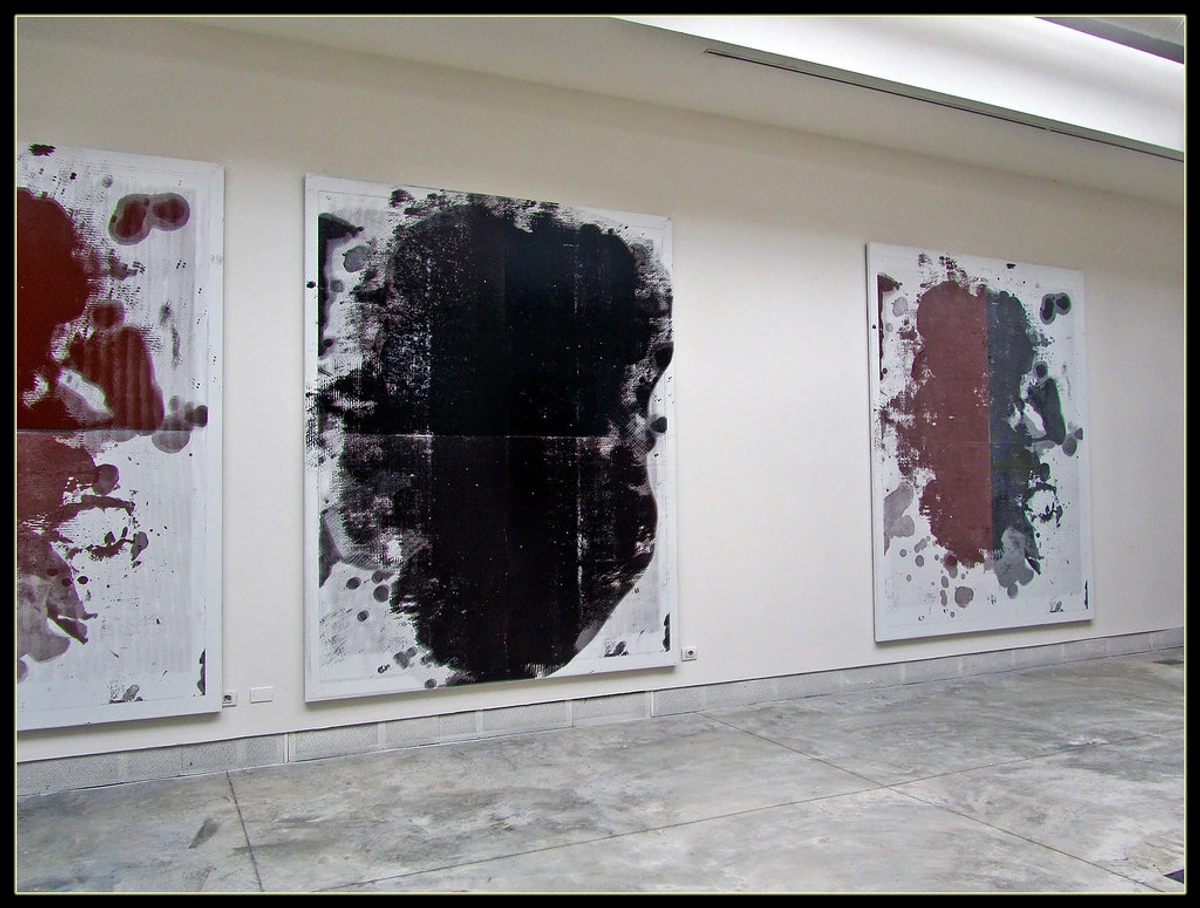
This emphasis on intrinsic qualities and a linear progression of art history positioned Greenberg to identify what he believed was the true avant-garde of his time, and he wasn't shy about declaring it.
His firm belief was that painting, having shed the illusionistic techniques of the Renaissance and the narrative burdens of literary art, had finally arrived at its true, self-referential essence. This, for him, was the pinnacle of modernism, and he was ready to champion its most potent practitioners.
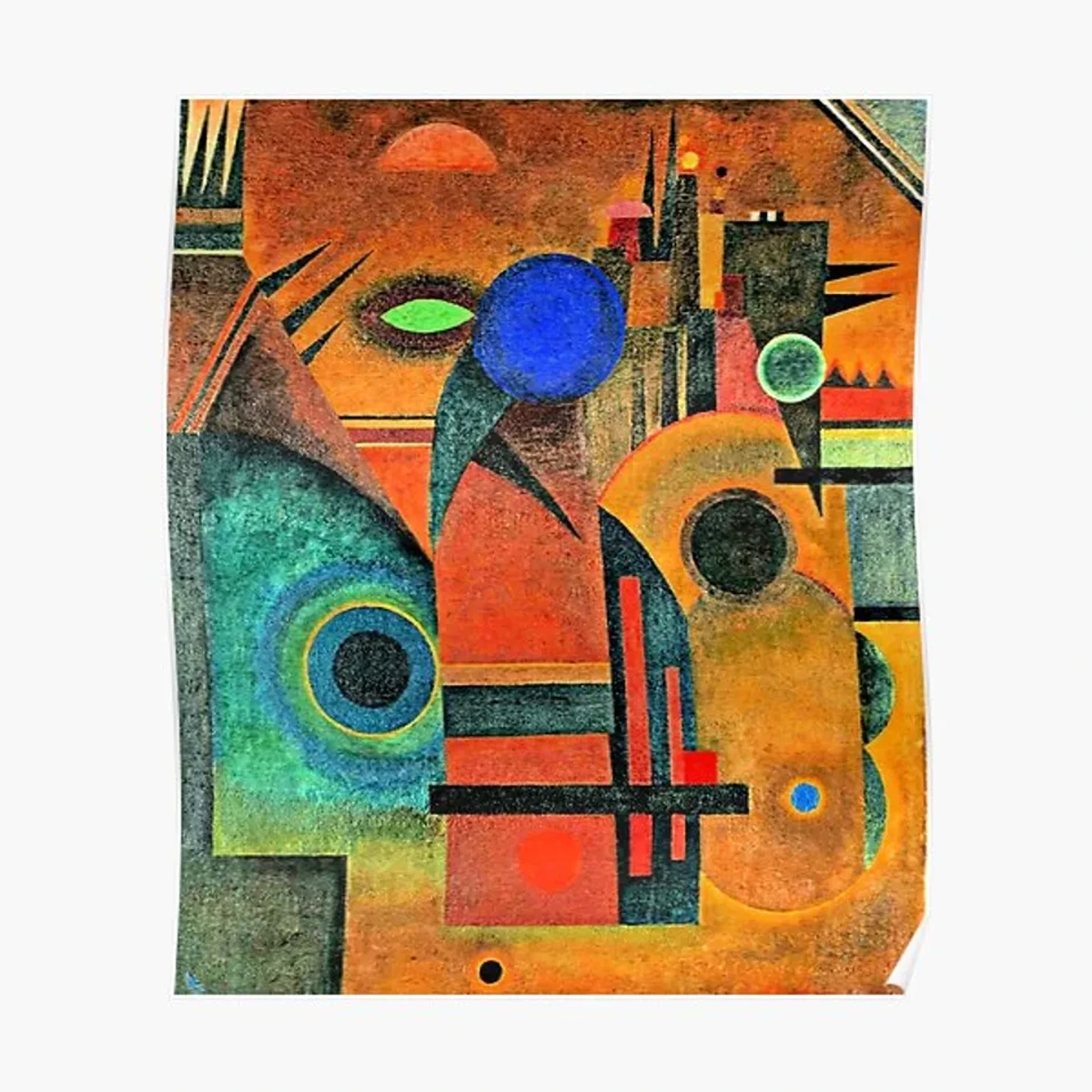
credit, licence
The Kingmaker of Abstract Expressionism
It’s often said that great movements need great advocates, and for the burgeoning New York School after World War II, Clement Greenberg was that advocate. Emerging from the shadow of European modernism and the horrors of war, American art was finally asserting its own identity, eager to break free from European dominance. New York, with its influx of European émigrés and burgeoning artistic communities, became the new epicenter of the art world. Greenberg's theories provided not just a framework, but a powerful intellectual legitimacy for the radical new painting emerging. He didn’t just like the art; he provided the critical vocabulary for understanding why it was, in his view, the next logical step in art history. He became the most powerful, and certainly the most articulate, champion for the Abstract Expressionists.
The New York School Ascendant and Greenberg's Endorsement
To understand Greenberg's influence, we have to grasp the seismic shift happening in New York. Post-war America, invigorated and looking inward, was ready for its own artistic voice, finally shaking off the shadow of European dominance that had held sway for centuries. The energy of the city, the collective trauma of war (which had brought many European émigrés and burgeoning artistic communities, including key Surrealists like André Masson and Max Ernst, further fueling the city's intellectual ferment), and the general sense of a new world order combined to create a unique environment where a new, monumental art form could flourish. Greenberg was right there, shaping the narrative, identifying what he saw as the true inheritors of modernism's progressive spirit, almost as if he were waiting for this moment, ready to crown the new kings of the avant-garde. He offered a persuasive intellectual scaffolding for a radical art form that many initially found baffling or even offensive. His pronouncements didn't just interpret; they validated, providing a powerful theoretical basis for a movement that, to many, initially seemed like pure chaos. He gave a voice and a context to the abstract, gestural works that were rapidly redefining American art.
credit, licence

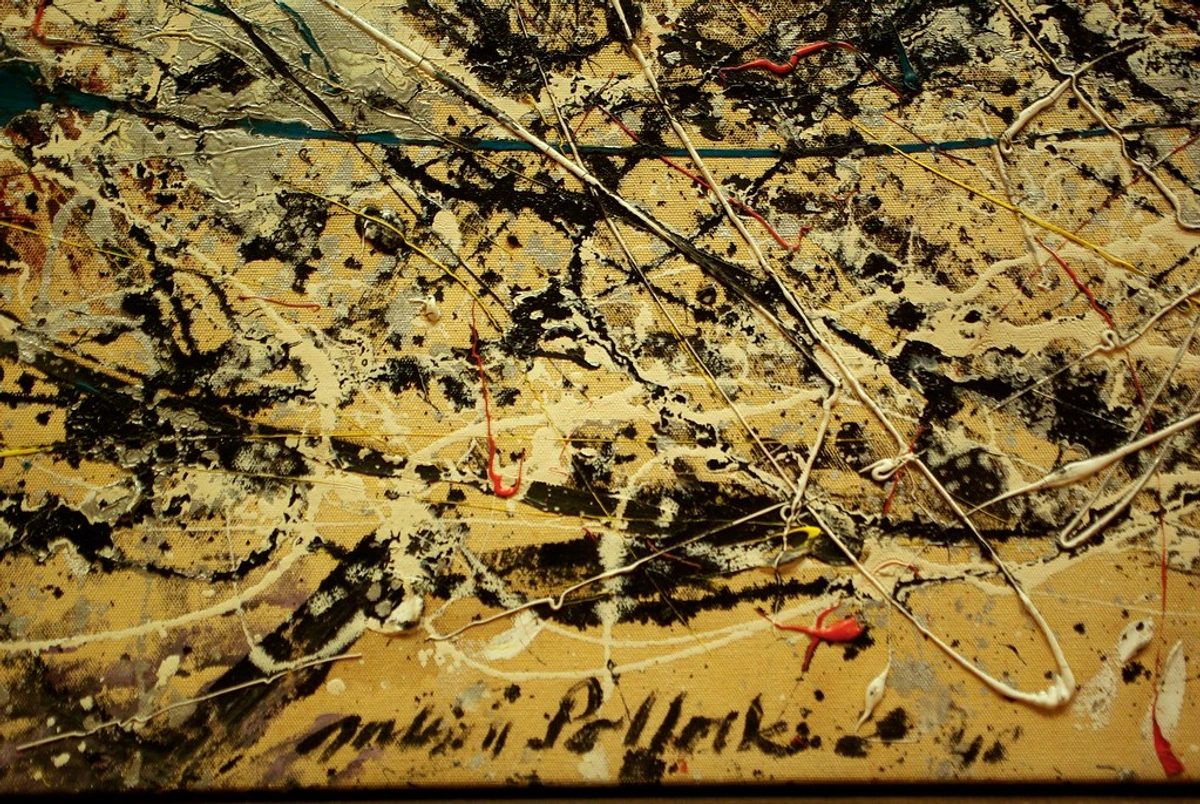
- Jackson Pollock: For Greenberg, Jackson Pollock was nothing short of a revelation. His revolutionary drip paintings, like "Number 1A, 1948" or "Autumn Rhythm (Number 30)," were seen as the ultimate fulfillment of Greenberg's ideas. By dripping, pouring, and splattering paint onto an unprimed canvas laid on the floor, Pollock literally abandoned traditional easel painting, eliminating the illusion of depth and embracing the flatness of the surface. He created an "all-over" composition, devoid of a central focal point, where every part of the canvas held equal visual weight. This, for Greenberg, was the ultimate formalist triumph: a direct, unmediated engagement with line, color, and the sheer materiality of paint on a flat surface, with no pretense of depicting anything beyond itself. Greenberg's unwavering support, articulated in influential essays like "American-Type Painting" (1955), was instrumental in elevating Pollock from a talented but obscure artist to a global superstar, cementing his place as the quintessential American modernist. I often think about the sheer audacity of Pollock's method, a kind of controlled chaos that Greenberg brilliantly framed as the logical evolution of painting itself. It's a testament to the power of critical interpretation, transforming perceived anarchy into profound formal innovation. His advocacy for Pollock was perhaps his most famous and impactful critical act.
- Willem de Kooning: While he praised Willem de Kooning's immense painterly skill and raw energy, Greenberg was often critical of de Kooning's refusal to entirely abandon the figure. De Kooning's powerful "Woman" series (begun in 1950), with its aggressive brushwork and distorted female forms, was a particular point of contention. While undeniably innovative, these works were seen by Greenberg as a step back from the 'purity' of abstraction that he advocated, a compromise with external subject matter and a lingering attachment to narrative or representational elements. For Greenberg, this was a failure to fully embrace painting's inherent self-sufficiency. It highlights a recurring tension: the artist's drive for expression vs. the critic's framework for understanding. Who gets the final say on meaning? For Greenberg, the formal elements were the truth. This tension reveals the very real constraints of his critical model when confronted with an artist's personal vision.
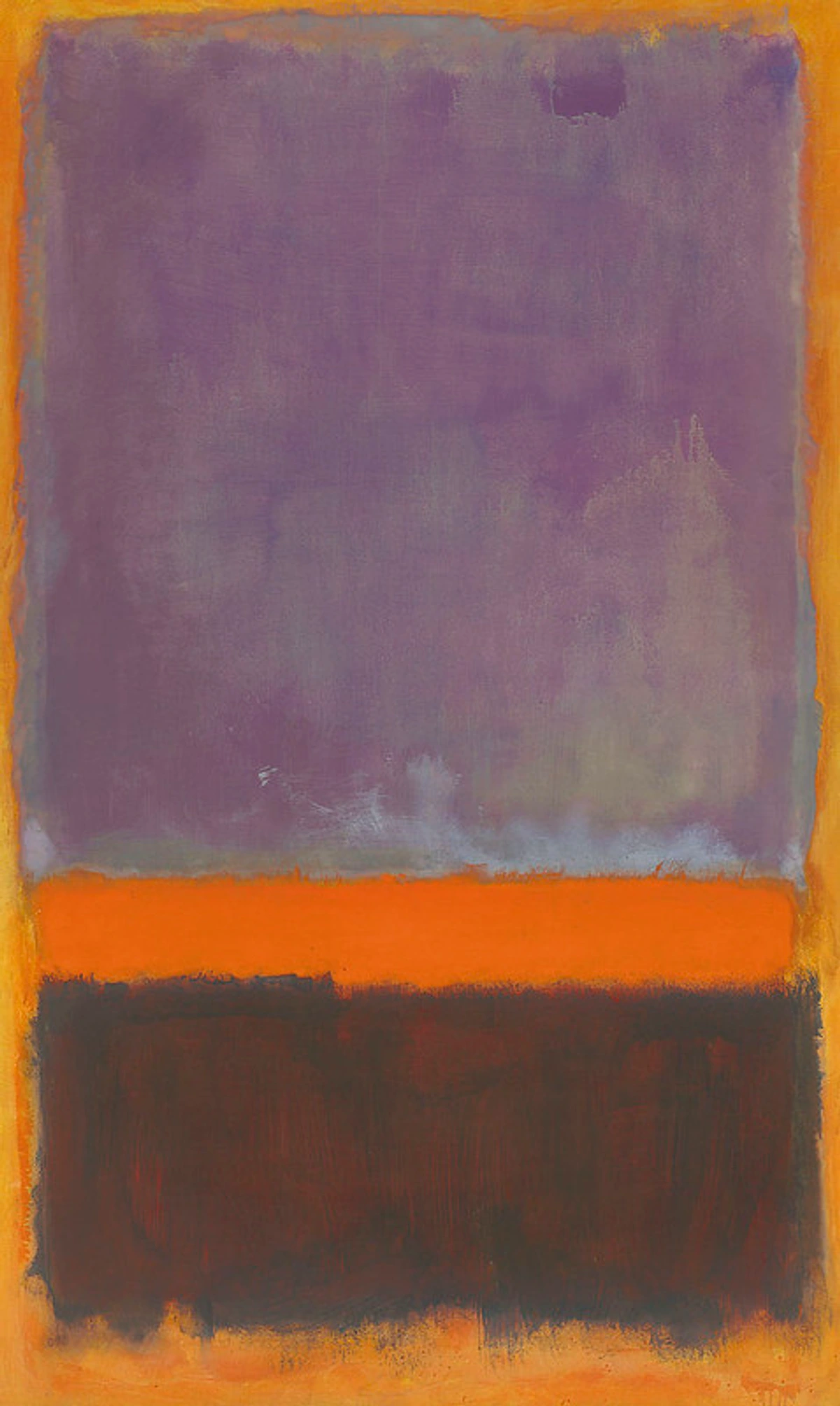
- Mark Rothko: Greenberg had a profound respect for Mark Rothko's work, particularly his iconic Color Field paintings with their shimmering, stacked rectangles of color. Rothko's emphasis on pure color, the dissolving edges, and the flat canvas aligned well with Greenberg's formalist ideals of opticality and anti-illusionism. However, Rothko himself often spoke eloquently of the spiritual and emotional content within his paintings, seeing them as profoundly resonant containers for human experience, imbued with tragedy, ecstasy, or doom. This, of course, somewhat diverged from Greenberg's insistence on a purely optical, content-free experience, highlighting the fascinating, and often frustrating, tension between an artist's intention and a critic's interpretation – a chasm that often opened up between Greenberg and the very artists he championed. Greenberg saw the formal qualities, while Rothko saw the sublime. I've always found this particular divergence telling, a reminder that even the most rigorous critical frameworks can sometimes miss the very soul the artist poured into the work. It's like trying to describe the taste of a fine wine purely by its chemical composition – you're missing the experience. It underscores that art often resists neat categorization, even by its most ardent champions.
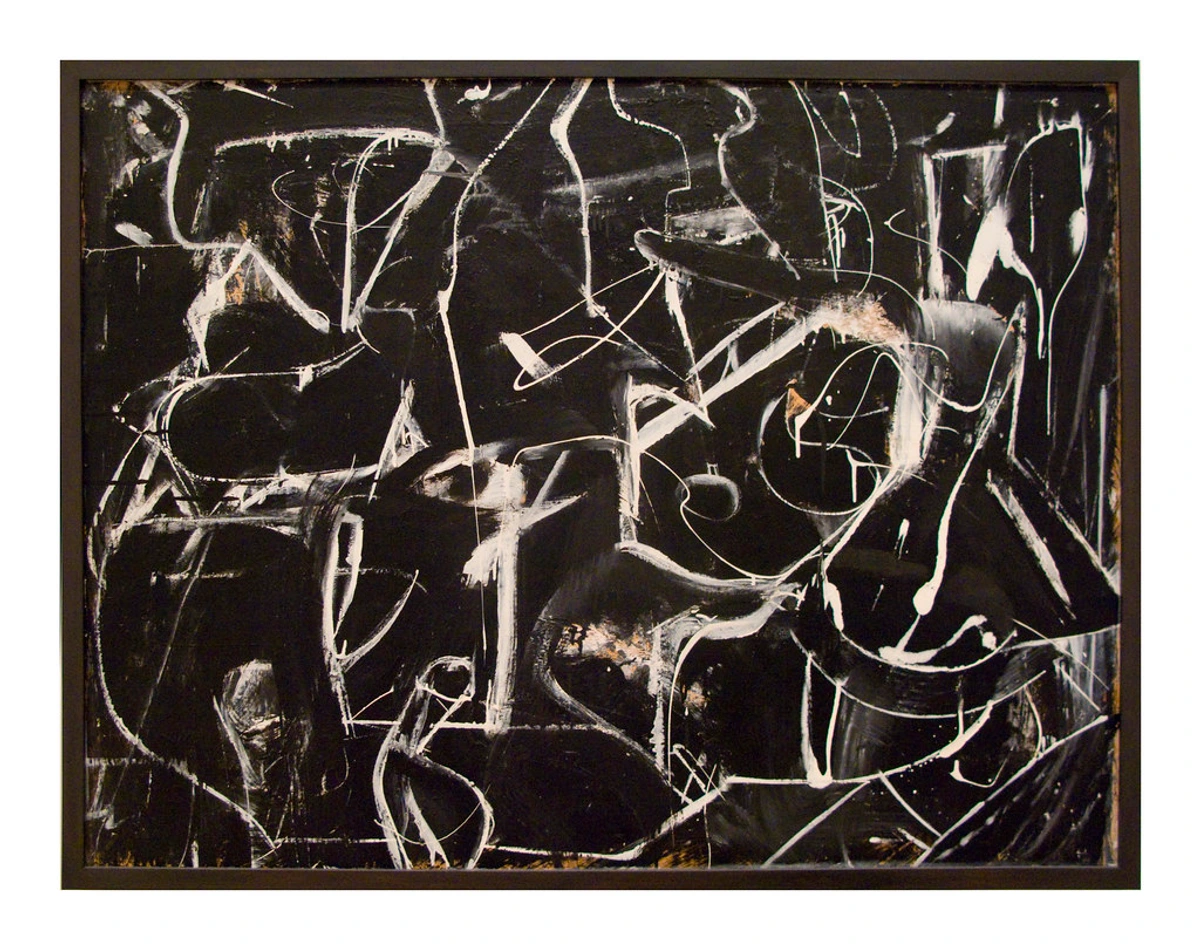
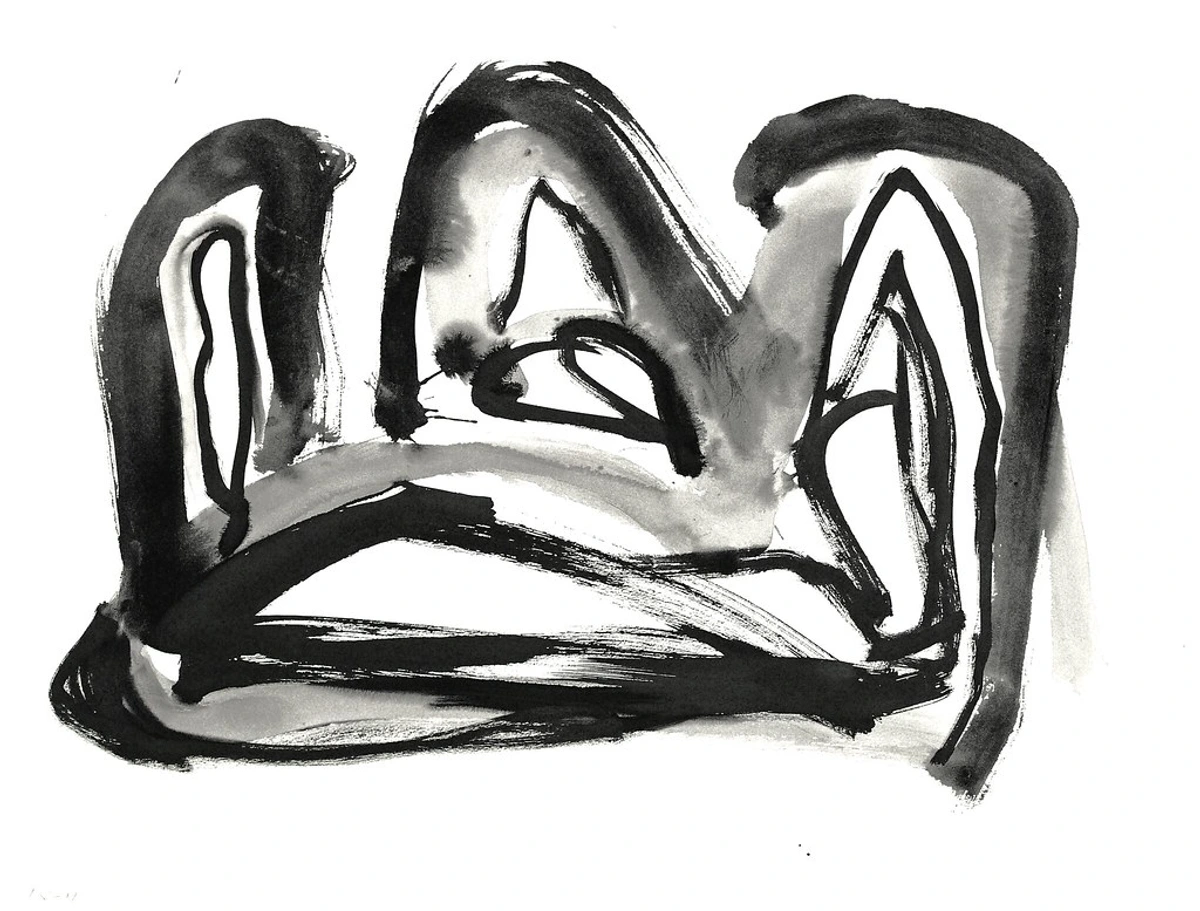
- Franz Kline: While perhaps not as overtly championed as Pollock for his "pure" abstraction, artists like Franz Kline, with their bold, calligraphic black-and-white abstractions, also captivated Greenberg. His monumental strokes, though gestural, could be seen as emphasizing the flatness of the canvas and the directness of the painterly mark, even if their dramatic intensity evoked a different kind of experience than Pollock's drips. Kline's work, for me, always feels like raw energy unleashed, a primal assertion of form on a flat surface. It’s a testament to how even within his strict framework, Greenberg could appreciate diverse expressions of pictorial flatness.
- Robert Motherwell: Robert Motherwell, another key figure, engaged deeply with European modernism and surrealism, creating elegant, often politically charged abstractions. Greenberg recognized his contributions, particularly in works like his "Elegy to the Spanish Republic" series, where the monumental forms could be interpreted through a formalist lens, emphasizing composition and color despite their underlying emotional weight. It's interesting how Greenberg could, at times, 'selectively see' the formal qualities even in works with overt socio-political messages. This selective vision often highlighted the tension between an artist's broader intentions and Greenberg's singular focus.
- Barnett Newman: Barnett Newman's vast Color Field paintings, characterized by singular "zips" or vertical lines that broke the expansive fields of color, also found a place within Greenberg's evolving formalist framework. Newman's work pushed the boundaries of scale and pure opticality, creating immersive experiences that were, for Greenberg, intensely about the act of seeing the painting itself. I always find Newman's 'zips' to be such a bold, yet simple, intervention in a vast field of color, drawing your eye with an almost spiritual intensity. For Greenberg, these 'zips' emphasized the canvas's verticality and flatness, a pure formal gesture.
- Joan Mitchell: A formidable second-generation Abstract Expressionist, Joan Mitchell's vigorous, emotive canvases were harder to strictly pigeonhole. While her gestural intensity resonated with Action Painting, her deep connection to landscape and emotional content sometimes challenged Greenberg's purist ideals, yet her mastery of paint and composition was undeniable. Her work, for me, always feels like a powerful force of nature unleashed on the canvas, a beautiful contradiction to strict formalism. She epitomizes how some artists, even those within the broad Abstract Expressionist umbrella, inherently resisted full assimilation into his more rigid theoretical constructs.
- Cy Twombly: Though often associated with a later generation, Cy Twombly's unique blend of painterly abstraction, calligraphy, and literary references presented a complex case. His work, while abstract, often re-introduced narrative and text, movements away from the strict formalist purity Greenberg championed, yet his raw mark-making held undeniable power. I think Twombly's work perfectly illustrates the restless spirit of art, always pushing back against neat categories and critical boxes. For Greenberg, Twombly's art would have been problematic, precisely because it embraced elements he considered extraneous.
- Color Field Painters: ### Color Field Painters and Post-Painterly Abstraction
As the raw, gestural intensity of "Action Painting" began to wane, Greenberg shifted his focus to what he termed 'Post-Painterly Abstraction.' This movement, a cooler, more controlled evolution of Abstract Expressionism, perfectly embodied his later formalist ideals. He enthusiastically championed artists like Helen Frankenthaler, whose revolutionary "soak-stain" technique involved pouring thinned paint directly onto unprimed canvas, allowing it to soak in and become one with the fabric, thus emphasizing the absolute flatness of the surface. Similarly, Morris Louis's "Veil" and "Unfurled" series, and Kenneth Noland's chevrons and targets, used thinned acrylics to create vast fields of pure, unmodulated color. For Greenberg, these artists were pushing the envelope of painting's inherent two-dimensionality, creating works that were purely optical and self-referential, free from illusionistic tricks or extraneous content. This was, in a way, Greenberg's renewed coronation of the avant-garde, finding fresh expressions of purity in a new generation. He saw in these works the ultimate refinement of painting's medium specificity.
To clarify the distinction that Greenberg himself drew, and indeed helped to shape, between these two major facets of Abstract Expressionism, here’s a quick overview:
Feature | Action Painting (e.g., Pollock, de Kooning) | Color Field Painting (e.g., Rothko, Frankenthaler) |
|---|---|---|
| Emphasis | Process, gesture, painterly mark, artist's physicality | Pure color, expansive fields, surface, optical effects |
| Technique | Dripping, throwing, vigorous brushstrokes, impasto | Staining, pouring, smooth application, thinned paint |
| Composition | All-over, decentralized, dynamic | Symmetrical, reductive, atmospheric, contemplative |
| Emotion/Effect | Raw, existential, energetic, dramatic | Meditative, sublime, subtle, contemplative |
| Greenberg's View | Fulfilled flatness, opticality (early) | Ultimate purity, ideal flatness, post-painterly (later) |
| Key Figures | Jackson Pollock, Willem de Kooning | Mark Rothko, Helen Frankenthaler |
| Other Key Artists | Willem de Kooning, Franz Kline, Robert Motherwell | Barnett Newman, Morris Louis, Kenneth Noland, Jules Olitski |
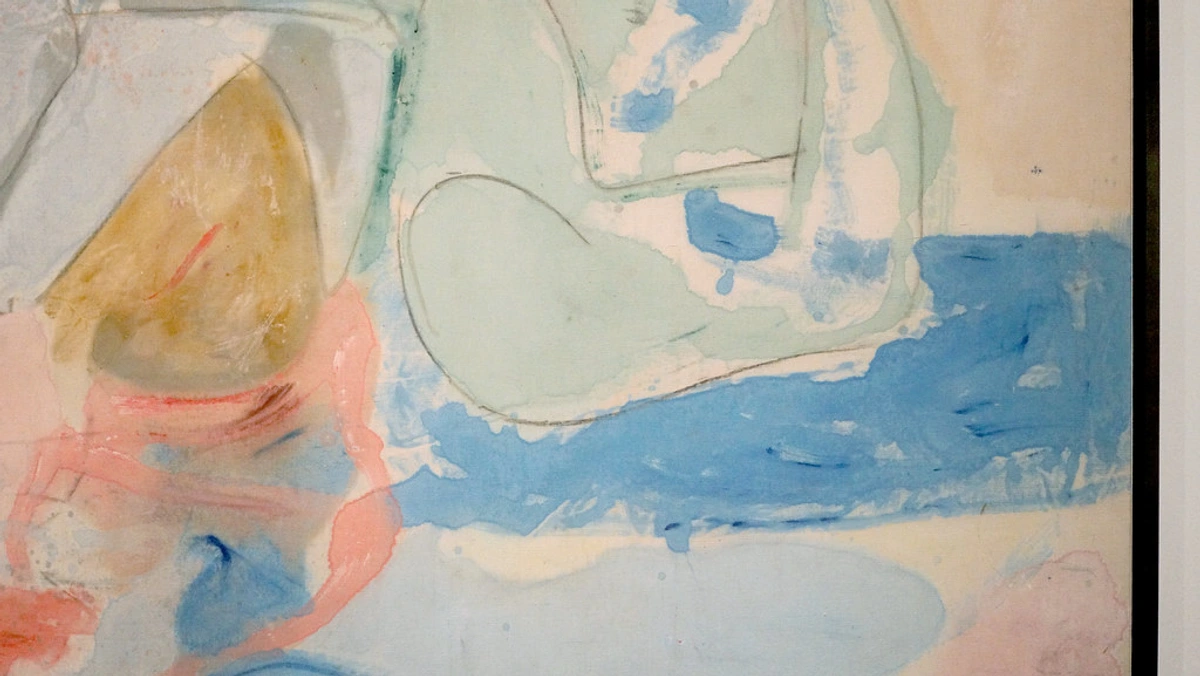
His influence was immense. As an advisor to prestigious galleries (like the Kootz Gallery and French & Company), an organizer of influential exhibitions (such as "Post Painterly Abstraction" at the Los Angeles County Museum of Art in 1964, a pivotal show that highlighted the next wave of abstraction he was championing, effectively launching the careers of artists like Morris Louis and Kenneth Noland), and a trusted counsel for major collectors, his nod of approval carried immense weight. I think of him not just as a critic, but as a genuine impresario, a true power broker. He quite literally helped decide which artists received gallery representation, critical attention, and ultimately, financial success. This meant careers could soar or stumble based on his judgment alone. He was, without a doubt, a powerful force in a relatively nascent American art scene, a person whose taste and intellect were both revered and feared. This active, hands-on role solidified his reputation as the art world's kingmaker, capable of shaping careers and art history with unprecedented authority. It was a role he embraced, believing he was guiding art towards its destined, pure form. His power went beyond simply writing; he was an active agent in the construction of art history itself, a formidable figure shaping the very landscape he critiqued.
Beyond Abstract Expressionism: The Shifting Sands of Art
As the vibrant, gestural fervor of the 1950s began to cool, giving way to the rapidly changing landscape of the 1960s, the art world, much like society itself, began to experience profound transformations. This was a decade of intense social and political upheaval—civil rights movements, anti-war protests, counter-cultural shifts—all of which inevitably found their way into artistic expression. Greenberg's almost monolithic influence, while undeniably a boon to Abstract Expressionism, started to feel like a restrictive straightjacket for a new generation of artists. They were eager to explore avenues that his formalist theories simply couldn't accommodate, leading to a burgeoning sense of rebellion and a potent desire to break free from his critical paradigm. The seeds of discontent were being sown, preparing the ground for the radical shifts that would define the art of the latter half of the century, shifts that would irrevocably redefine the very essence of art itself. It was a perfect storm, really, for challenging the established order.
The Backlash and His Complicated Legacy
It was, perhaps, inevitable. The very dominance Greenberg wielded ultimately led to a powerful counter-movement. By the 1960s, the cultural landscape was rapidly shifting. Society was becoming more commercialized, more politically charged, and frankly, a bit rebellious. The art world, mirroring this seismic shift, began to push back against Greenberg's perceived stranglehold and his singular, often rigid, definition of what constituted "good" art. A new generation of artists, working in movements like Pop Art, Minimalism, and Conceptual Art, explicitly and deliberately rejected his narrow, prescriptive definition of what art should be.

- Pop Art: This movement was almost a direct slap in the face to Greenberg’s theories, and I imagine he wasn’t thrilled. Artists like Andy Warhol with his iconic "Campbell's Soup Cans," Roy Lichtenstein with his comic book imagery and Ben-Day dots, and James Rosenquist with his billboard-sized fragments of consumer culture, deliberately blurred and even obliterated the lines between "high art" and "kitsch," the very dichotomy Greenberg's entire theoretical edifice was built upon. Pop Art didn't just engage with mass culture; it was mass culture, unapologetically bringing the commercial into the gallery space, often directly mimicking its aesthetics. They embraced mass culture, commercial imagery, and narrative content – everything Greenberg had dismissed as extraneous to painting, proving that art could be both popular and profound. This intentional embrace of the everyday, the reproducible, and the explicitly commercial was a direct and powerful rejection of his call for art's purity and autonomy. It was a loud, vibrant "no" to the austere dictates of formalism. For more, explore our guide on What is Pop Art.
- Minimalism: While artists like Agnes Martin indeed focused on form, Minimalism, as a whole, profoundly challenged Greenberg's formalist ideals. Minimalist artists like Donald Judd, Carl Andre, and Robert Morris created objects and installations that emphasized industrial materials, repetitive forms, and, crucially, the viewer's physical experience in the actual space of the gallery. This starkly contradicted Greenberg's insistence on a purely 'optical' experience of a flat, self-contained object. Minimalism wasn't just seen; it was experienced in real time and space, engaging the body as much as the eye. Artists like Donald Judd, Carl Andre, and Robert Morris created specific objects and installations that emphasized industrial materials, repetitive forms, and, crucially, the viewer's physical interaction with the artwork and the gallery environment. This starkly contradicted Greenberg's insistence on a purely 'optical' experience of a flat, self-contained object. Minimalism pushed against painting's perceived supremacy and demanded a new kind of engagement, a tactile and spatial encounter that Greenberg's theories, focused on the two-dimensionality of the canvas, struggled to contain. (For a deeper dive, check out our article on What is Minimalism in Art). It was a challenge not just to painting, but to the very concept of the art object as a self-contained entity, forcing a re-evaluation of space and viewer interaction. I sometimes feel like Minimalism, in its starkness, was asking us to breathe, to simply be in the presence of the object, without the narrative clutter Greenberg so disliked, but also without his purely optical ideal.
- Conceptual Art: If Pop Art challenged Greenberg's high/low distinction, Conceptual Art took an even more radical stance. Artists like Joseph Kosuth (whose "One and Three Chairs" famously explored the relationship between object, image, and word) and Sol LeWitt prioritized the idea or concept behind the artwork over its material form or aesthetic qualities. This was a direct assault on formalism, which held that a work's value resided solely in its formal elements. For conceptualists like Joseph Kosuth and Sol LeWitt, the idea or concept behind the artwork was paramount, often overshadowing its material form or aesthetic qualities. The execution was merely a means to an end; the art was in the thought itself, moving art entirely beyond the canvas and into the realm of pure intellect, a realm Greenberg’s theories, rooted in material and visual purity, struggled to encompass. It was a fundamental shift, asking "what is art?" rather than "what does art look like?". I sometimes think of it as a chess match, where Greenberg was focused on the beautifully crafted pieces, and conceptual artists just moved the board entirely.
- Postmodernism: Later critics and art historians, operating under the umbrella of Postmodernism, launched even more scathing critiques. ### Postmodernism and the Dismantling of the Master Narrative
Later critics and art historians, operating under the umbrella of Postmodernism, launched even more scathing critiques. They accused Greenberg of creating a single, linear, and exclusionary "master narrative" of art history that largely ignored diverse voices – women, artists of color, and entire art forms (like performance, installation, or video art) that simply didn't fit his narrow, Eurocentric, and male-dominated model. Feminist art historians, in particular, pointed out that his formalism deliberately ignored the political, social, and personal content that was absolutely crucial to the work of many female artists (like Judy Chicago with her monumental "The Dinner Party," Miriam Schapiro's "femmages," and the anonymous yet potent Guerrilla Girls), effectively marginalizing their contributions and the narratives of gender and identity. Artists of color, too, found their rich cultural narratives and unique aesthetics dismissed by a framework that struggled to acknowledge difference, diversity, and the socio-political context of art-making outside a Eurocentric, modernist tradition. Artists like Kara Walker, with her powerfully confronting silhouette installations addressing racial and gender issues in American history, exemplify the kind of art that actively subverted Greenberg's formalist constraints, proving that content and context are not merely extraneous, but often central to art's power. This profound re-evaluation of art history actively sought to dismantle the hierarchies Greenberg had so carefully constructed, opening up the art world to a much broader spectrum of expression and experience, finally making room for voices he had inadvertently (or intentionally) silenced. I find this aspect of the critique incredibly important, reminding us that no single voice, however brilliant, can or should dictate the entirety of art's vast and diverse story. This movement, with its emphasis on deconstruction and pluralism, fundamentally dismantled the singular authority Greenberg had once commanded.
Greenberg's Staunch Defenders and Vocal Critics: A Battle for the Narrative
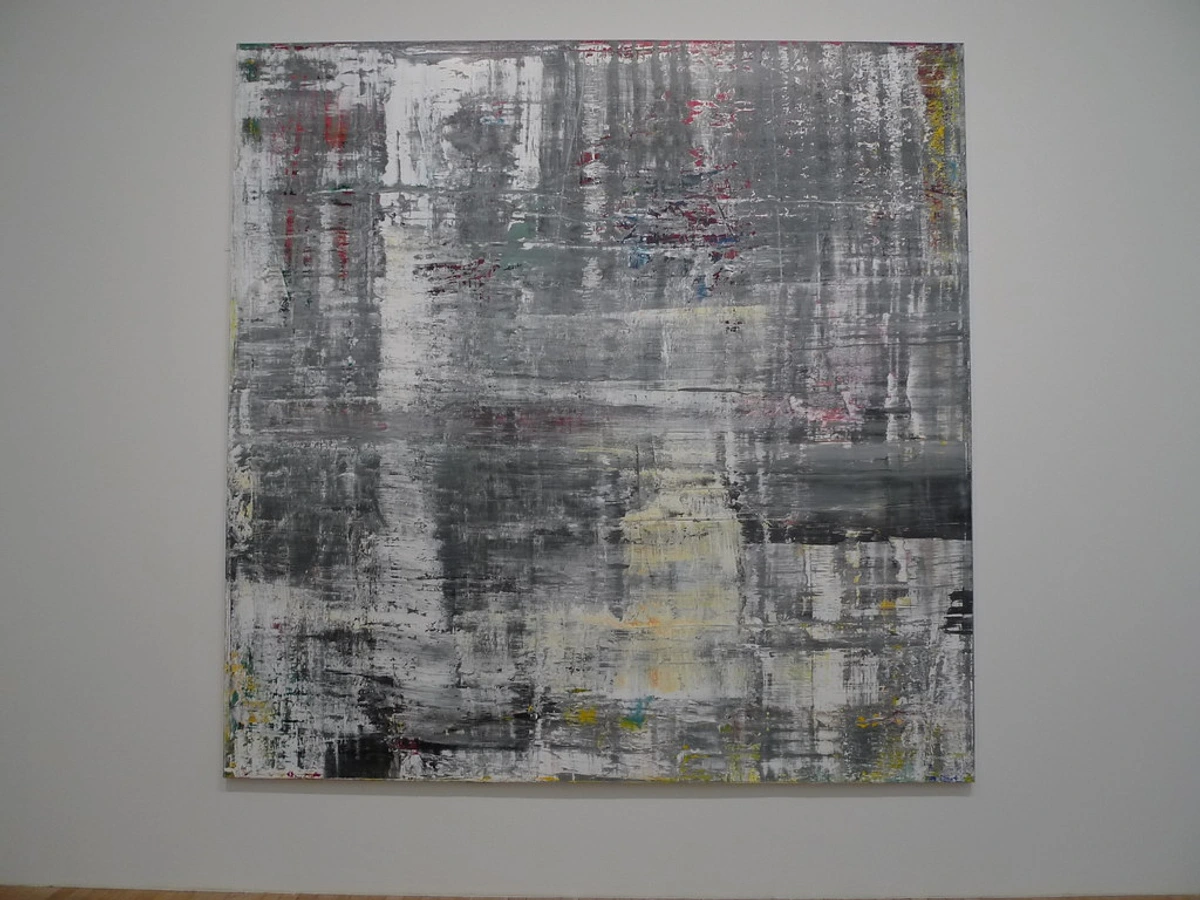
Today, Clement Greenberg's legacy is complex. His theories are no longer accepted as the definitive word on art, and indeed, his influence waned significantly after the 1960s. However, it's important to remember that during his peak, he was not without his staunch defenders, even as he faced equally vocal critics. His followers saw his formalism as providing a much-needed intellectual rigor to art criticism, a way to objectively evaluate art in a chaotic world. They believed he had correctly identified the true evolutionary path of modernism, distinguishing genuine innovation from fads or commercialism.
Conversely, his critics, even before the postmodern turn, accused him of being overly dogmatic, creating an aesthetic tyranny that stifled artistic experimentation outside his narrow parameters. They argued that his insistence on 'purity' detached art from life, from politics, and from human experience, rendering it cold and academic. The debate between Greenberg and his contemporaries, like Harold Rosenberg (who championed "Action Painting" as an existential act, contrasting with Greenberg's formal analysis), highlighted the deeply philosophical and passionate disagreements about the very nature and purpose of art in the modern age. These intellectual battles shaped the discourse for decades, and their echoes are still felt today. I sometimes wonder if this intellectual sparring, this fierce clash of ideas, isn't itself a form of vital, albeit abstract, art. The landscape of art criticism, much like art itself, is a dynamic and ever-shifting battleground of perspectives. This intellectual rivalry was crucial for the development of art criticism in America, providing two dominant, often opposing, lenses through which to view the explosive post-war art scene.
His theories are no longer accepted as the definitive word on art. We now appreciate a much wider, more pluralistic art world where content, context, and identity are seen as valid and vital components of art. Yet, his influence is undeniable. He forced a generation to look closely and think rigorously about the materials and mechanics of art. His writings remain essential for understanding the trajectory of modernism and the monumental achievements of the Abstract Expressionist movement.
Beyond the Canvas: Greenberg's Enduring Threads of Influence
Even if the direct prescriptions of Greenbergian formalism are largely a thing of the past, his ghost (or perhaps his enduring spirit) still hovers over art discourse. For one, his rigorous analytical method influenced countless subsequent critics and art historians, even those who vehemently disagreed with his conclusions. He taught us to look hard at the artwork itself, to consider its material presence and internal logic. Moreover, the very vocabulary he introduced – "medium specificity," "opticality," "flatness" – became foundational terms, even for artists and critics who sought to deconstruct or subvert them. I often think of it like learning a language: you have to understand the grammar, even if you intend to break all the rules. His framework, for better or worse, provided a common ground (or battleground) for understanding and debating modern art for decades, shaping the very institutional structures of museums and art education, and influencing curatorial choices and academic curricula. And honestly, I still find myself 'arguing' with him in my head when I encounter a new piece of art, unconsciously testing it against the ghost of his strictures. It's a reminder that even when we move beyond a theory, its language often persists, embedded in how we speak and think about art.
Greenberg's Evolution and Later Writings
It's important to remember that even a figure as dogmatic as Greenberg didn't operate in a vacuum. While his core tenets remained steadfast, he did engage, albeit sometimes dismissively, with the emerging criticisms. His later writings, though less celebrated than 'Avant-Garde and Kitsch,' reveal a critic attempting to reconcile his deeply held beliefs with a rapidly changing art world. For example, his advocacy shifted towards what he called "Post-Painterly Abstraction" in the 1960s, championing artists like Morris Louis and Kenneth Noland who explored new ways of achieving flatness and opticality through staining and thinned paints. This showed an adaptability, even within his rigid framework, but he continued to advocate for what he perceived as pure painting, often to the chagrin of a generation more interested in questioning the very boundaries he had so meticulously drawn. His unwavering conviction, even in the face of widespread rejection, is a testament to the power of his vision, however singular, and a fascinating study in intellectual fortitude.
To summarize his complex and often contradictory legacy, I think it's helpful to view it through a dual lens:
Aspect | Positive Contributions | Criticisms and Limitations |
|---|---|---|
| Critical Rigor | Established high standards for art criticism; encouraged close looking and analytical thought; provided a coherent framework for understanding modernism. | Overly prescriptive; narrowed the definition of 'good' art; became dogmatic, leading to a stifling of diverse artistic practices. |
| Advocacy | Instrumental in promoting Abstract Expressionism and securing its place in art history, particularly championing figures like Jackson Pollock and the Color Field painters. | Excluded many worthy artists and movements (e.g., Pop Art, Conceptual Art, Feminist Art) that didn't fit his specific, linear model of artistic progression. |
| Theoretical Framework | Provided a coherent, albeit controversial, narrative for the development of modernism, emphasizing medium specificity and opticality as crucial advancements. | Created a linear, exclusionary history of art; often ignored or dismissed crucial social, political, and contextual factors inherent in many artworks. |
| Influence | Shaped curatorial practices, art education, and market dynamics for decades, establishing a critical vocabulary for modernist art. | Wielded excessive power as a 'kingmaker,' potentially stifling artistic diversity and privileging a select group of artists. |
| Lasting Impact | His terms and ideas remain foundational for understanding 20th-century art debates, serving as a benchmark against which later movements reacted. | His rigid formalism was ultimately rejected by subsequent generations of artists and critics who sought a more inclusive and contextual understanding of art. |
Frequently Asked Questions (FAQ)
### What factors shaped Clement Greenberg's early critical perspective?
Greenberg's early critical perspective was deeply influenced by his intellectual background in New York's fervent literary and political circles of the 1930s. His engagement with Marxist theory, particularly a Trotskyist leaning, provided a framework for critiquing capitalism's impact on culture. This led to his famous 'Avant-Garde and Kitsch' essay, where he argued for art's autonomy as a defense against both commercialism and totalitarian propaganda. His views were thus shaped by a conviction that true, advanced art could offer a refuge for genuine cultural values in a politically tumultuous world. He was a product of his time, and his intellectual response to the crises of that era profoundly shaped his critical stance.
### What is Clement Greenberg best known for?
Clement Greenberg is best known for being the most influential American art critic of the 20th century. He developed the theory of Formalism and was the leading champion of the Abstract Expressionist movement, particularly Jackson Pollock. His fervent advocacy for abstract art fundamentally shaped the trajectory of modernism.
### Did Clement Greenberg paint?
Greenberg was first and foremost a critic and theorist, not a practicing painter himself. His primary contribution to the art world was through his prolific writings and critical eye, not through creating artworks. He wielded immense influence through his words, shaping perceptions and guiding the development of art, rather than by working in a studio. This detachment, for some, lent objectivity to his critiques, while for others, it highlighted a disconnect from the artist's practical experience.
### How did Greenberg's critical method differ from other approaches of his time?
Greenberg's critical method was distinguished by its rigorous Formalism, focusing almost exclusively on a work's inherent visual elements—line, color, shape, and especially the flatness of the canvas. He largely dismissed external factors like subject matter, narrative, or social context, arguing for art's self-sufficiency. In contrast, many of his contemporaries, like Harold Rosenberg, emphasized the artist's psychological process and the existential act of creation (as in "Action Painting"). Others, particularly later critics, championed more contextual or narrative-driven interpretations, viewing art as deeply embedded in social and political realities. Greenberg's approach was a purist's quest for art's essence, starkly different from those who saw art as a vehicle for broader human concerns. It was a stark, almost uncompromising, position in a critical landscape often more inclined towards narrative or biographical readings.
### Who were Greenberg's contemporaries or rivals in art criticism?
Greenberg operated in a dynamic critical landscape. His most prominent contemporary and intellectual rival was Harold Rosenberg, another influential American critic. While Greenberg focused on the formal qualities of the artwork, Rosenberg coined the term "Action Painting" and emphasized the existential act of painting itself, seeing the canvas as an arena for the artist's struggle. Other important critics of the era included Leo Steinberg, who offered alternative interpretations of modern and contemporary art, often challenging both Greenberg and Rosenberg's paradigms, providing a more pluralistic view of artistic development. This intellectual sparring was vital for shaping the discourse around modern art, offering different lenses through which to understand revolutionary new works.
### What is Greenberg's theory of formalism?
Formalism is the critical approach that argues a work of art's meaning and value are determined solely by its formal elements—such as line, color, shape, and texture. It dismisses the importance of subject matter, narrative, or social context, focusing instead on the 'purity' of the medium itself. For painting, this meant emphasizing the flat canvas and the purely optical experience. It was, for him, the only way for art to maintain its integrity in a world of debased culture.
### How did Greenberg define 'modernism' in painting?
For Greenberg, modernism in painting was a self-critical process where art continually purified itself by shedding elements borrowed from other art forms. This progressive trajectory led toward the acknowledgment of the medium's inherent qualities, especially painting's flatness, culminating in abstract, optical art. He saw it as a continuous refinement, moving towards a purer, more essential artistic expression. This evolutionary view of art history positioned Abstract Expressionism as the logical and necessary culmination of modern art.
### Why was Clement Greenberg so controversial?
Greenberg became controversial for several reasons. His formalist approach was seen as overly rigid and prescriptive, creating a narrow definition of what constituted 'good' art. As his influence grew, he was accused of being a dogmatic 'kingmaker' who could unilaterally decide artists' fates. Later, his theories were criticized for creating an exclusionary art history that overlooked many important artists and movements that didn't fit his linear model of modernism, particularly those focusing on social, political, or identity-based content. His singular vision, while powerful, inevitably clashed with the burgeoning pluralism of the art world.
### What was Greenberg's relationship with artists who didn't fully conform to his ideals?
While Greenberg was a fierce champion of artists who exemplified his formalist ideals (most notably Jackson Pollock and the Color Field painters), his relationship with others was more complex and often fraught. He admired the raw energy of Willem de Kooning but criticized his retention of the figure. Similarly, he respected Mark Rothko's use of pure color but largely ignored Rothko's own spiritual interpretations of his work. Artists like Robert Motherwell and Barnett Newman found favor when their work could be interpreted through a formalist lens, but any overt narrative or emotional content was typically downplayed by Greenberg. This dynamic highlights the tension between a powerful critic's prescriptive vision and the diverse intentions of artists, often leading to a selective interpretation of their work to fit his overarching theory. It's a classic example of how a dominant critical framework can both illuminate and, at times, obscure an artist's full expression.
Which artists did Clement Greenberg champion?
He was the foremost champion of Jackson Pollock. He also strongly supported the Color Field painters, including Helen Frankenthaler, Morris Louis, and Kenneth Noland. While he acknowledged the talent of other Abstract Expressionists like Willem de Kooning and Mark Rothko, he was often critical of elements in their work that he felt deviated from pure abstraction. He was famously less keen on artists who maintained figurative elements or narrative structures.
### How did Greenberg's theories influence art education in practice?
In practice, Greenberg's formalist theories led to a pedagogical emphasis on the material properties of art, particularly in painting and sculpture programs. Art students were often encouraged to focus on exercises in color theory, composition, and the exploration of medium-specific qualities, such as the flatness of the canvas or the inherent nature of sculptural materials. Critiques often revolved around formal successes or failures, with less attention paid to narrative, social commentary, or personal expression. This cultivated a generation of artists with a strong grounding in modernist aesthetics, but it also, to some critics, inadvertently limited the scope of artistic inquiry, creating a somewhat narrow definition of what constituted "serious" art within academic institutions. I sometimes think of it as a double-edged sword: excellent training in fundamental elements, but potentially stifling for broader creative expression.
### How did Greenberg's views impact the art market and collecting?
Greenberg's pronouncements had a significant, direct impact on the art market. His endorsement could elevate an artist's status, increase demand for their work, and influence collectors' choices. Galleries sought his advice, and his curated exhibitions directly shaped public perception and market value. For decades, owning art that aligned with Greenberg's formalist ideals was often seen as a mark of sophistication and investment potential. He was, in essence, an economic force as much as an intellectual one, capable of moving markets with his pen.
Did Clement Greenberg's views evolve or remain static throughout his career?
While Greenberg's core tenets of formalism and medium specificity remained largely consistent, his views did evolve, particularly in his later career as the art world shifted. He demonstrated adaptability by championing "Post-Painterly Abstraction" in the 1960s, recognizing new ways artists like Helen Frankenthaler and Morris Louis were pushing the boundaries of flatness and opticality. This showed a capacity to identify new avant-garde expressions within his existing framework. However, he largely remained resistant to movements like Pop Art, Minimalism, and Conceptual Art, which fundamentally challenged his definitions of art. So, while he could adapt to formal shifts within painting, he struggled to embrace art that questioned the very premises of his formalist project, suggesting a continuity in his underlying philosophy but a selective adaptation to new artistic developments.
### What are some common criticisms or misconceptions about Clement Greenberg?
A common misconception is that Greenberg was against all art that wasn't purely abstract or formalist. In reality, his theories evolved, and he was quite nuanced, even if his influence became monolithic. Criticisms often center on his perceived dogmatism, his creation of a narrow, prescriptive art historical narrative, and his exclusion of art forms and artists that focused on social, political, or narrative content. He's also often caricatured as a dictator of taste, when his role was perhaps more complex, driven by a genuine, if ultimately restrictive, vision for art's progression. Understanding these nuances is crucial to a balanced view of his impactful, yet controversial, legacy.
Further Considerations: Greenberg and the Canon
Further Considerations: Greenberg and the Canon's Construction
Greenberg's role as a "kingmaker" also meant he played an immense part in shaping the art historical canon, particularly for American art. He not only identified the "great" artists but also established the criteria by which greatness was measured. This had a profound, long-term impact on museum acquisitions, retrospective exhibitions, and academic art history programs. For decades, his narrative was the dominant one, making it challenging for artists and movements that didn't fit his formalist mold to gain recognition. It's a powerful reminder of how critical theory, when wielded by an influential figure, can not only interpret art but actively construct its history and determine its value for future generations. Understanding Greenberg means understanding not just what he liked, but why he liked it, and what that preference inherently excluded. It's a humbling thought, how much one person's vision can shape what entire generations deem worthy of artistic merit.

Conclusion: The Shadow and the Light
So, where does Clement Greenberg stand today? I find it fascinating that even decades after his peak influence, his name still sparks debate, admiration, and fierce criticism. His theories, once gospel, are now viewed through a much more skeptical, pluralistic lens. But here’s the thing: you cannot, absolutely cannot, understand the trajectory of modern art – especially Abstract Expressionism and its immediate aftermath – without grappling with him. He was a flawed, brilliant, and undeniably powerful intellectual figure who forced us to look at art with new eyes, to question its essence, and to argue passionately about its purpose. Love him or loathe him, Clement Greenberg sculpted the intellectual landscape of 20th-century art criticism, leaving a legacy that continues to provoke, inspire, and infuriate. His work reminds us that even a kingmaker's reign eventually ends, but their intellectual impact, for better or worse, can echo through generations in unexpected ways. Perhaps his greatest legacy is not in the definitive answers he provided, which often proved too rigid for art's boundless future, but in the rigorous, often uncomfortable questions he compelled an entire generation – and indeed, those of us today – to ask about art itself: What is it? What can it be? What is its essence? And crucially, who gets to decide? These are questions that continue to animate the art world, long after the dust settled on the battles of modernism, a testament to the enduring power of one man's singular, insistent vision. It’s a legacy of fierce debate and profound reflection, a reminder that art, like life, is always in motion, always challenging its own boundaries. He truly made us think about art, not just passively consume it.
If you're interested in exploring how art continues to evolve and challenge established norms, I highly recommend diving into these related articles. Keep asking questions, keep looking closely, and keep letting art provoke your thinking.





Further Reading
If Clement Greenberg's world of critical theory and artistic movements has piqued your interest, dive deeper into related topics on ZenMuseum.com: