So, You Think You Know What an Art Historian Is?
Ever wondered what an art historian actually does? Hint: it's not just memorizing dates. Discover the real story of being a cultural detective, storyteller, and time traveler.

So, You Think You Know What an Art Historian Is?
Art history is a field that often conjures images of dusty libraries, obscure facts, and endless timelines. But it is so much more than memorizing names and dates. It is a dynamic discipline that blends detective work, storytelling, and cultural analysis to uncover the deeper meanings behind art. Whether you're an aspiring art historian, a curious observer, or someone who simply loves art, this guide will take you through the fascinating world of art history, its tools, and its impact on society.
Art history is a field that often conjures images of dusty libraries, obscure facts, and endless timelines. But it is so much more than memorizing names and dates. It is a dynamic discipline that blends detective work, storytelling, and cultural analysis to uncover the deeper meanings behind art. Whether you're an aspiring art historian, a curious observer, or someone who simply loves art, this guide will take you through the fascinating world of art history, its tools, and its impact on society.
Art history is often misunderstood as a field reserved for those who can recite the names and dates of every major artwork and artist. But it's so much more than that. It's a discipline that combines detective work, storytelling, and cultural analysis to uncover the deeper meanings behind art. Whether you're an aspiring art historian, a curious observer, or someone who simply loves art, this guide will take you through the fascinating world of art history, its tools, and its impact on society.
Art history is not just about memorizing facts; it's about understanding the stories, cultures, and ideas that shape our visual landscape. It's about asking why and connecting the dots between a brushstroke and a revolution, a color choice and a philosophical movement.
Why Art History Matters
Art provides a window into the past, offering insights into the values, beliefs, and struggles of different societies. It helps us understand the evolution of human creativity and the ways in which art reflects and shapes cultural identity. By studying art, we gain a deeper appreciation for the diversity of human experience and the interconnectedness of global cultures.
Art history also plays a crucial role in preserving cultural heritage. It helps us recognize the significance of artworks and their contributions to our collective history. Through art, we can explore the complexities of human emotions, societal changes, and the evolution of ideas over time.
Art history provides a window into the past, offering insights into the values, beliefs, and struggles of different societies. It helps us understand the evolution of human creativity and the ways in which art reflects and shapes cultural identity. By studying art, we gain a deeper appreciation for the diversity of human experience and the interconnectedness of global cultures.
Art history also plays a crucial role in preserving cultural heritage. It helps us recognize the significance of artworks and their contributions to our collective history. Through art, we can explore the complexities of human emotions, societal changes, and the evolution of ideas over time.
Let me guess. When you hear "art historian," you picture someone with dusty elbow patches, peering through a monocle at a Renaissance painting, muttering about chiaroscuro. Maybe they're a human encyclopedia, ready to spit out the birthdate of every obscure Flemish painter on command. I get it. I used to think that, too. That they were the guardians of facts, the librarians of the art world.

But I was completely, wonderfully wrong. Being an art historian isn't about memorizing a timeline; it's about being a detective, a storyteller, and a cultural anthropologist all rolled into one. It's about asking why. Why did Édouard Manet cause a scandal with a painting of a picnic? Why does a Rothko color field painting feel so emotionally overwhelming? Why did a group of artists calling themselves the Guerrilla Girls start plastering posters all over New York City?
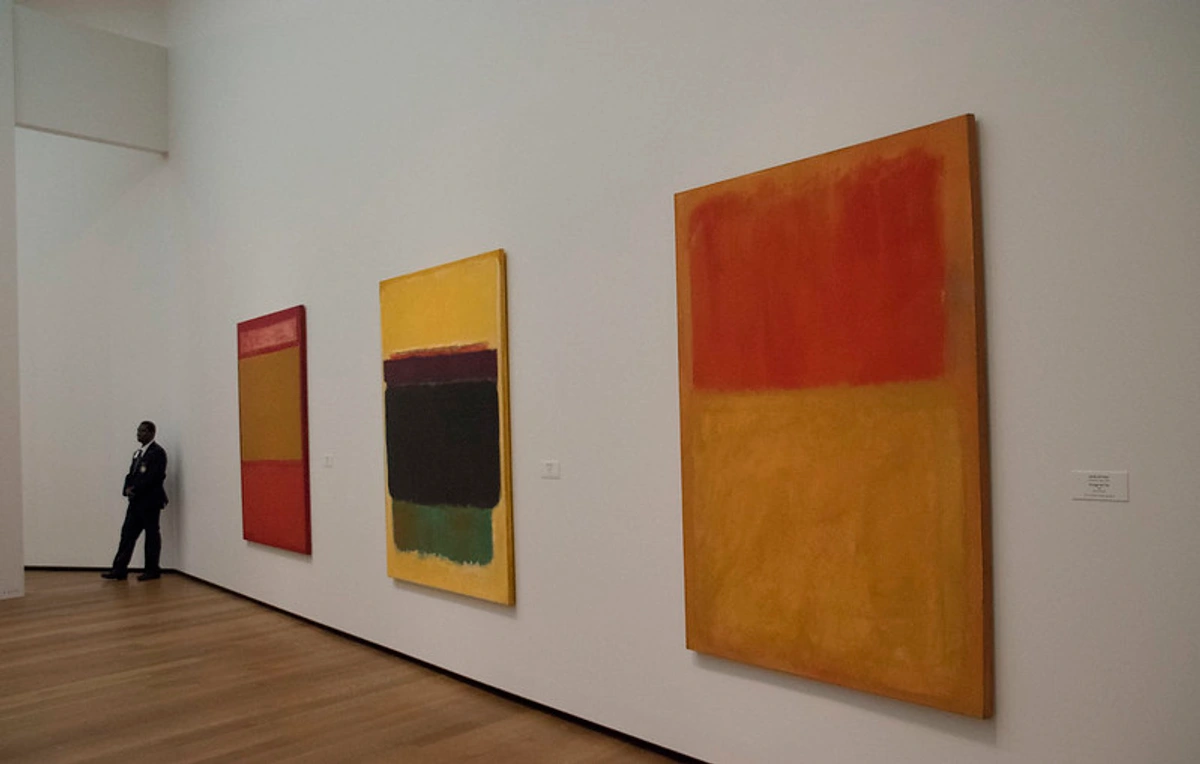
Art historians delve into the context of artworks, exploring the social, political, and cultural influences that shaped them. They connect the dots between art and history, revealing the deeper meanings and significance of artworks.
The Art Historian's Methodology
Art historians use a variety of tools and methodologies to interpret artworks. These include visual analysis, historical research, and critical theory. By combining these approaches, they can uncover the layers of meaning in art and provide a deeper understanding of its significance.
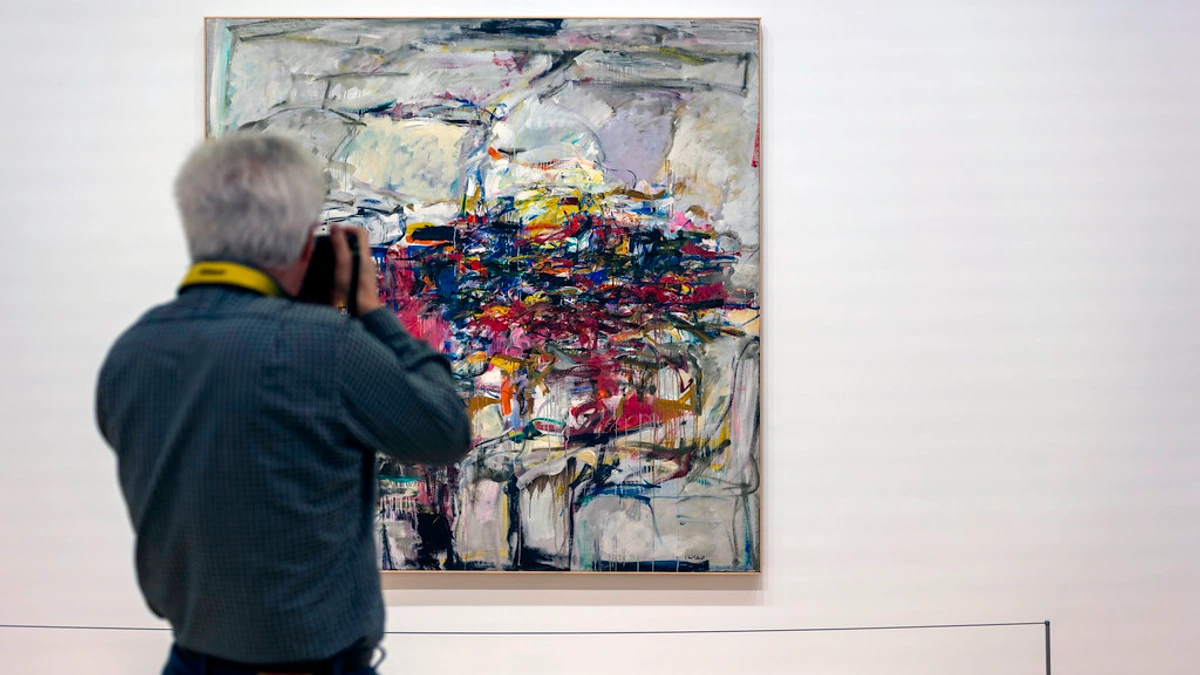
They don't just look at a painting. They look through it, into the world that made it. They connect the dots between a brushstroke and a revolution, a color choice and a philosophical movement. It's less about knowing what you're seeing and more about understanding why you're seeing it that way.
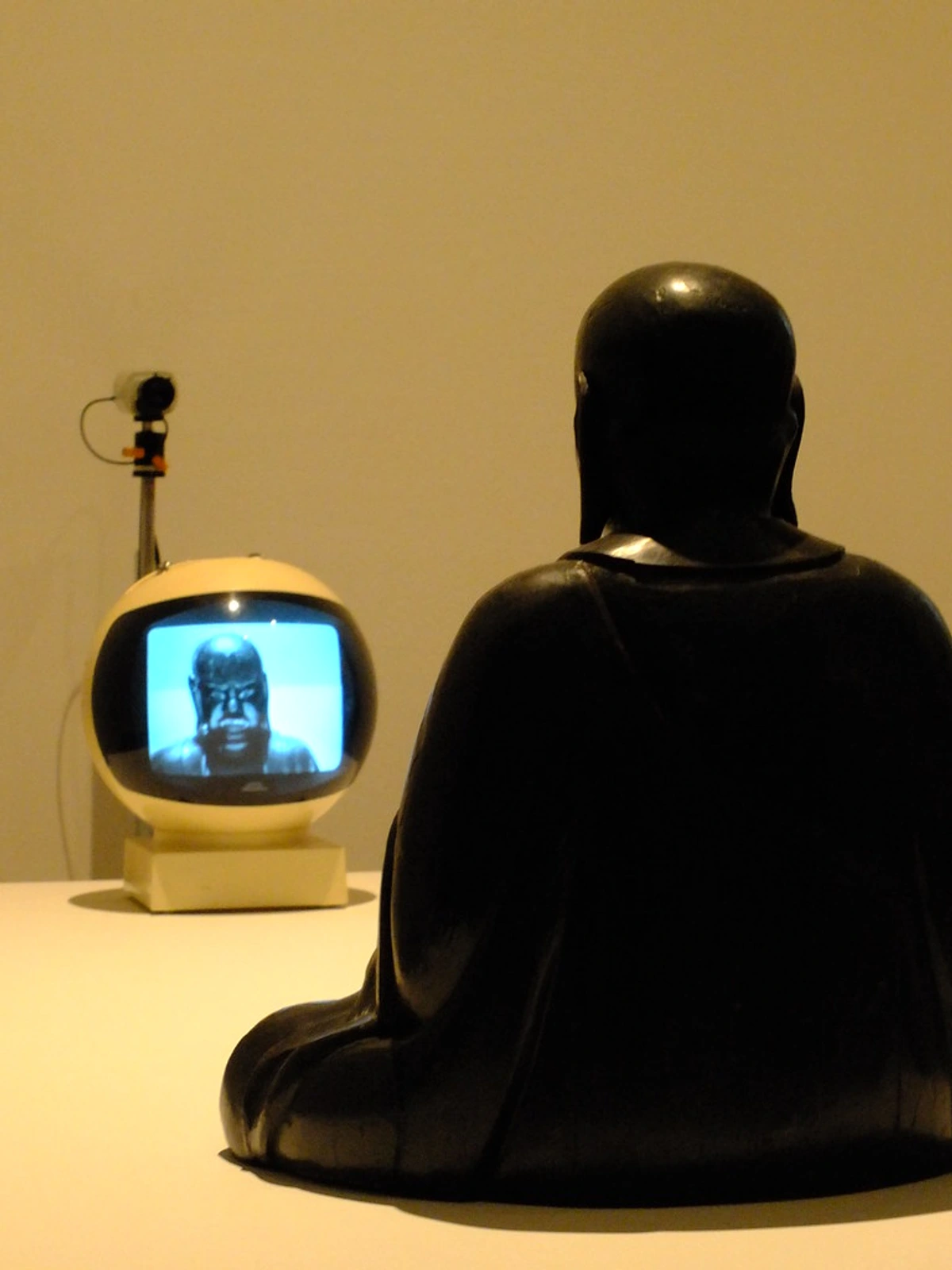
Art historians use a variety of tools and methodologies to interpret artworks. They analyze visual elements, research historical contexts, and apply critical theories to uncover the layers of meaning in art.
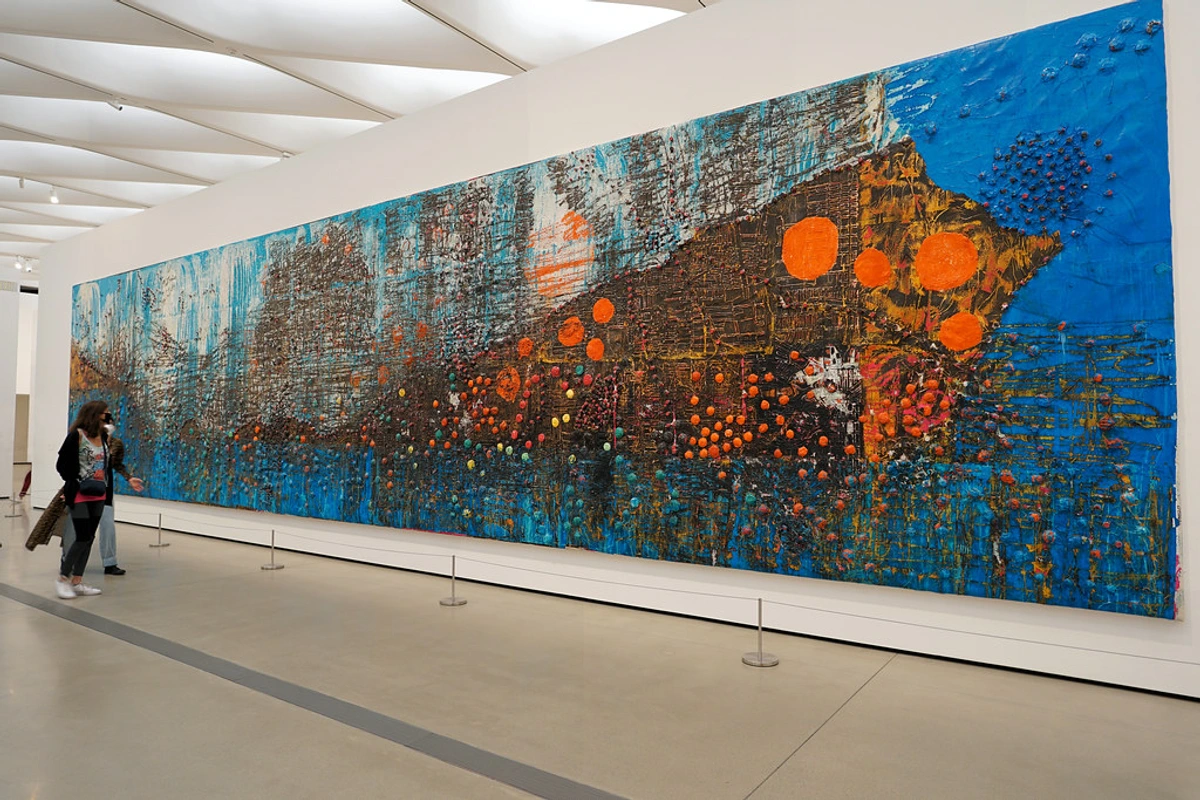
The Evolution of Art History
Art history as a formal discipline began in the Renaissance, but its roots go back much further. Early art historians focused on cataloging and describing artworks, but over time, the field evolved to include deeper analysis and interpretation. Today, art history is a dynamic field that incorporates a wide range of methodologies, from formal analysis to feminist and post-colonial critiques.
The evolution of art history reflects broader changes in society and culture. As new perspectives and theories emerge, art historians adapt their approaches to better understand and interpret artworks. This evolution has led to a more inclusive and diverse understanding of art, encompassing a wider range of voices and perspectives.
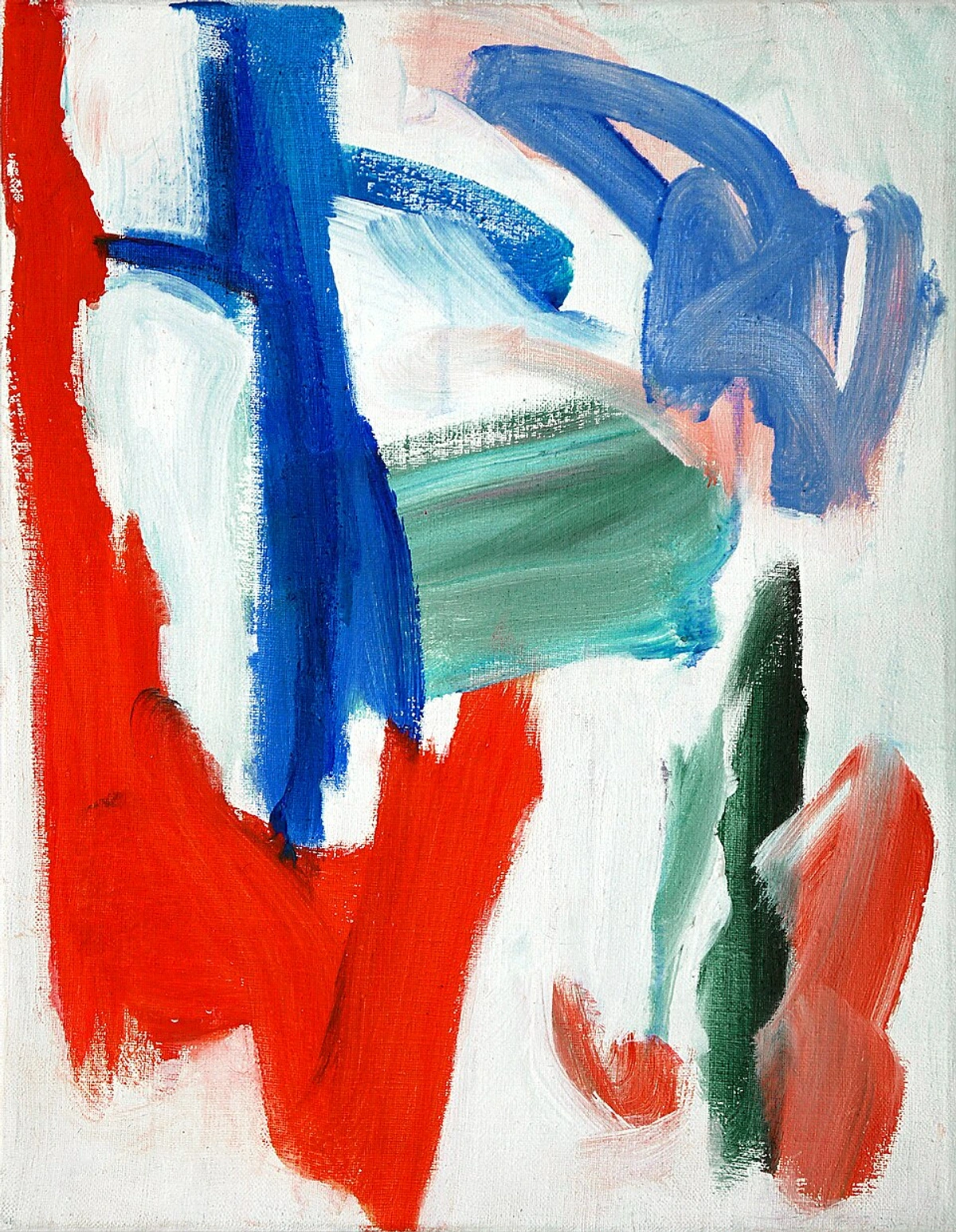
The evolution of art history reflects broader changes in society and culture. As new perspectives and theories emerge, art historians adapt their approaches to better understand and interpret artworks.

The Art Historian's Toolkit: Beyond Dates and Names
So, if it's not just a killer memory, what does an art historian actually need? Their work is a fascinating blend of forensic science and creative interpretation. You're building a case for why a work of art matters.
Art historians use a variety of tools to analyze and interpret artworks. These tools include visual analysis, research and archival skills, critical theory, writing, cultural context, and technological proficiency. Each of these tools plays a crucial role in uncovering the layers of meaning in art.
Think of it this way: You're standing in front of a piece of abstract art. Your friend says, "My kid could paint that." An art historian is the person who can step in and, without being condescending, explain the entire cultural, political, and personal story that led to that specific canvas. They can connect it to the history of abstract art, discuss the artist's personal philosophy, and show how those 'simple' marks are a radical statement.
So, if it's not just a killer memory, what does an art historian actually need? Their work is a fascinating blend of forensic science and creative interpretation. You're building a case for why a work of art matters.
Art historians use a variety of tools to analyze and interpret artworks. These tools include visual analysis, research and archival skills, critical theory, writing, cultural context, and technological proficiency. Each of these tools plays a crucial role in uncovering the layers of meaning in art.
Think of it this way: You're standing in front of a piece of abstract art. Your friend says, "My kid could paint that." An art historian is the person who can step in and, without being condescending, explain the entire cultural, political, and personal story that led to that specific canvas. They can connect it to the history of abstract art, discuss the artist's personal philosophy, and show how those 'simple' marks are a radical statement.
Art historians use a variety of tools to analyze and interpret artworks. These tools include visual analysis, research and archival skills, critical theory, writing, cultural context, and technological proficiency.
Here’s a breakdown of the real tools of the trade:
Skill  | What It Really Means | Why It's Crucial |
|---|---|---|
| Visual Analysis | The ability to deconstruct an artwork—looking at color, line, composition, and material. It's like reading a language without an alphabet. | This is the foundational evidence. You have to be able to describe what is there before you can argue about why it's there. |
| Research & Archival Skills | Digging through dusty library archives, letters, old exhibition reviews, and artist diaries. It’s full-on detective work. | Context is everything. An artist's letter might reveal their entire intention behind a seemingly random choice. |
| Critical Theory | Understanding the philosophical frameworks—like feminism, post-colonialism, or psychoanalysis—that can be used to interpret art. | It provides different lenses to view the artwork, revealing meanings that might not be obvious at first glance. |
| Stellar Writing | The ability to take all that complex research and theory and weave it into a compelling narrative that someone actually wants to read. | If you can't communicate your findings, the discovery might as well have never happened. It’s about sharing the story. |
| Cultural Context | Knowing not just the art, but the politics, religion, science, and music of the time. What was happening in the world when this was made? | Art is never created in a vacuum. It's a product of its time, a response, a rebellion, or a reflection. |
| Technological Proficiency | Using digital tools and platforms to analyze, preserve, and share art. This includes everything from digital archives to virtual exhibitions. | Technology is transforming how we access and interact with art, making it more accessible and engaging for a global audience. |
| Interdisciplinary Collaboration | Working with experts from other fields, such as archaeology, anthropology, and history, to gain a broader understanding of artworks. | Collaboration enriches the interpretation of art, providing diverse perspectives and insights. |
| Language Proficiency | The ability to read and interpret art-related texts in multiple languages, especially those relevant to the artwork's origin. | Many artworks and historical documents are in languages other than English, making multilingual skills invaluable for research. |
The Impact of Technology on Art History
Technology has revolutionized the field of art history, making it more accessible and interactive. Digital archives, virtual exhibitions, and online databases have democratized access to art, allowing people from all over the world to explore and engage with artworks. These tools have also enabled art historians to collaborate more effectively and share their findings with a global audience.
Advancements in technology have also introduced new methodologies for analyzing art. Techniques such as digital imaging, 3D scanning, and artificial intelligence are being used to uncover hidden details in artworks, restore damaged pieces, and even recreate lost masterpieces. These innovations are expanding the possibilities for art historical research and preservation.
More Than One Path: Where Do Art Historians Actually Work?
This is another big misconception. The path doesn't just lead to a university lecture hall (though that's a perfectly noble and important path!). The skills of an art historian are surprisingly versatile. They are, at their core, expert researchers, critical thinkers, and storytellers. And lots of fields need that.
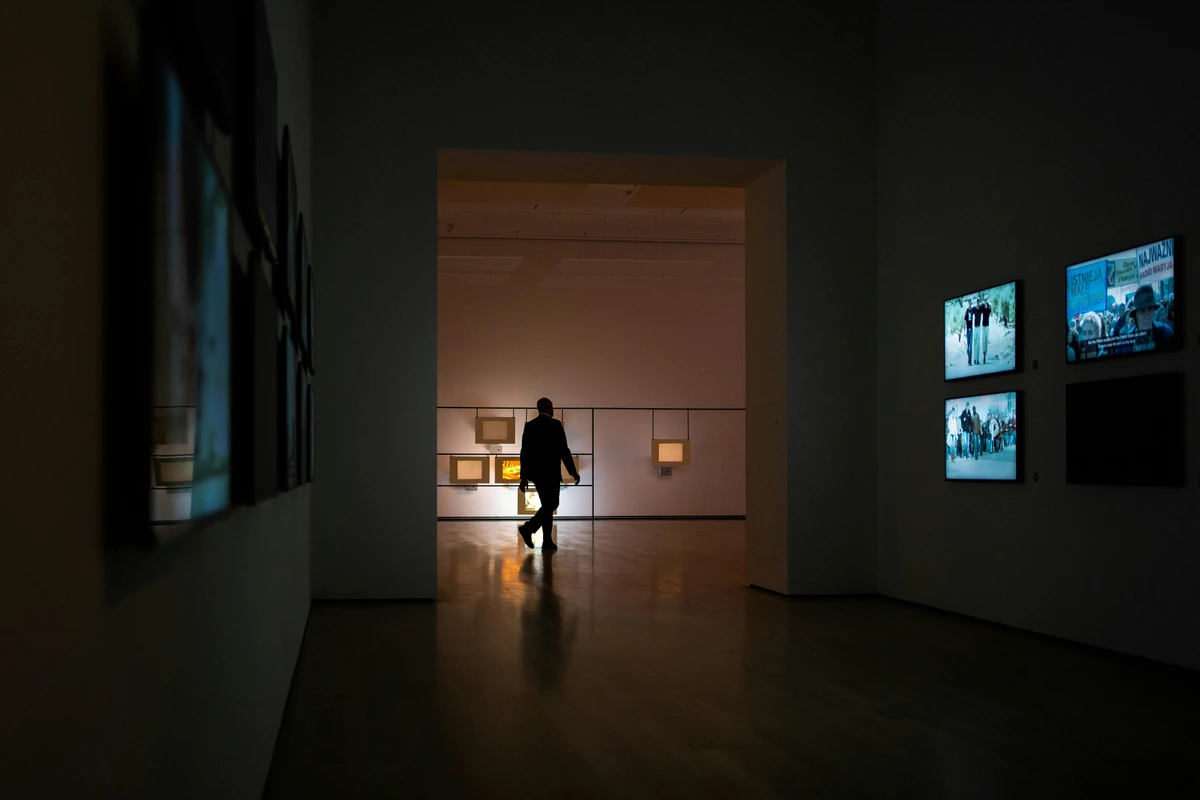
Art historians work in a variety of settings, from museums and galleries to universities and cultural institutions. They also work in fields like publishing, journalism, and digital media, where their expertise in research, analysis, and storytelling is highly valued. The versatility of their skills allows them to adapt to different roles and industries, making art history a practical and rewarding career choice.

Art historians work in a variety of settings, from museums and galleries to universities and cultural institutions. They also work in fields like publishing, journalism, and digital media, where their expertise in research, analysis, and storytelling is highly valued.
Career Path | What they do | Example Task |
|---|---|---|
| Museum Curator | Researches, acquires, and creates exhibitions. They are the primary storytellers for a museum. | Writing the wall text and catalog for an exhibition on Neo-Expressionism. |
| Professor/Academic | Teaches the next generation and publishes groundbreaking research that shapes the field. | Writing a book on the influence of Byzantine art on Renaissance painting. |
| Provenance Researcher | Traces the ownership history of a single artwork. This is crucial for authentication and legal claims. | Investigating if a painting was looted during WWII by tracking its sales records and exhibition history. |
| Art Critic | Writes reviews and essays about contemporary art exhibitions for magazines, newspapers, or websites. | Attending the Venice Biennale and writing a piece on the most impactful new artists. |
| Gallery Director | Manages an art gallery, which involves selecting artists to represent and curating shows. | Deciding which emerging artists to feature and explaining their work to potential collectors. |
| Art Advisor/Consultant | Helps private or corporate collectors buy art that fits their taste, budget, and investment goals. | Researching the market value and historical significance of a piece for a client. |
| Archivist/Librarian | Manages and preserves collections of documents, photographs, and other materials related to art. | Digitizing the personal letters of an artist to make them accessible for future research. |
| Art Conservator | Works to preserve and restore artworks, ensuring their longevity for future generations. | Using advanced techniques to restore a damaged Renaissance fresco. |
| Art Educator | Teaches art history and appreciation in schools, museums, and community centers. | Developing a curriculum that connects contemporary art to historical movements. |
| Digital Art Historian | Uses digital tools to create virtual exhibitions, online archives, and interactive databases. | Developing a virtual tour of a museum's collection to make it accessible to a global audience. |
| Cultural Heritage Manager | Works to preserve and promote cultural heritage, including artworks, historical sites, and traditions. | Organizing exhibitions and educational programs to raise awareness about cultural heritage. |
| Art Therapist | Uses art as a therapeutic tool to help individuals express emotions, reduce stress, and improve mental health. | Designing art-based activities for individuals dealing with trauma or anxiety. |
The Role of Art Historians in Museums
Art historians play a crucial role in museums, where they research, curate, and interpret artworks for the public. They create exhibitions that tell compelling stories and provide context for the artworks on display. Their work helps to make art accessible and meaningful to a wide audience, fostering a deeper appreciation for art and culture.
In addition to curating exhibitions, art historians in museums often engage in educational outreach. They develop programs, workshops, and lectures that help visitors connect with art on a deeper level. By making art more accessible and relatable, they inspire curiosity and a lifelong appreciation for the arts.
Art Historian vs. Critic vs. Curator
People often use these terms interchangeably, but they are distinct roles, even if they sometimes overlap. I've been in conversations where all three were muddled into one, and it helps to untangle them.

While these roles may overlap, each has a unique focus and set of responsibilities. Understanding these differences can help clarify the distinct contributions of each role to the art world.
- An Art Historian is primarily concerned with the past. They look at art through the lens of history, context, and influence. Their goal is to understand and explain an artwork's place in the grand narrative.
- An Art Critic is primarily concerned with the present. They evaluate contemporary art and exhibitions, making judgments about quality, relevance, and meaning in today's world.
- A Curator is a bridge between the two. They use historical knowledge to select and arrange artworks (both old and new) to tell a story or propose an argument in the form of an exhibition. They are the storytellers of the physical space.
The Importance of Art Critics
Art critics play a vital role in the art world by providing insights into contemporary art and exhibitions. They help shape public opinion and influence the market by evaluating the quality, relevance, and meaning of artworks. Their reviews and essays provide a critical perspective that enriches our understanding of art and its place in society.
The Importance of Art Critics
Art critics serve as a bridge between artists and the public. They interpret the intentions and techniques of artists, making contemporary art more accessible and understandable. By offering their unique perspectives, they contribute to the ongoing dialogue about the role and significance of art in our lives.
Art critics also serve as a bridge between artists and the public. They interpret the intentions and techniques of artists, making contemporary art more accessible and understandable. By offering their unique perspectives, they contribute to the ongoing dialogue about the role and significance of art in our lives.
Each of these roles plays a crucial part in the art world, contributing to our understanding and appreciation of art in different ways.
Think of it like this: an art historian writes the biography, the critic writes the review, and the curator directs the movie.
Together, these roles create a rich tapestry of understanding and engagement with art, each contributing a unique perspective and set of skills.
Why We Still Need Art Historians in a World Full of Images
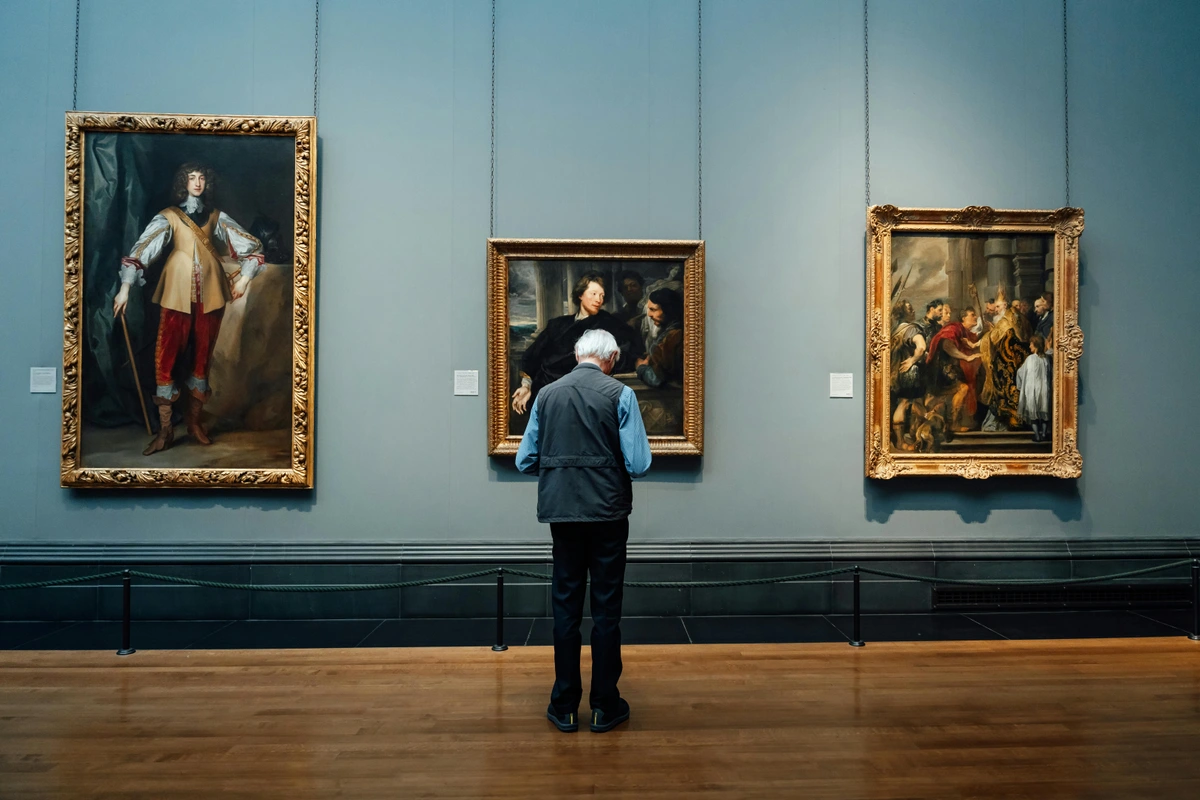
Now more than ever, I believe we need them. We are bombarded with thousands of images a day, and we scroll past them with little thought. Art historians teach us a different way of seeing. They teach us to slow down, to look closely, and to think critically about the images we consume.
Art historians help us navigate the visual landscape of our world, providing context and meaning to the images we encounter. They challenge us to think deeply about the stories and messages conveyed through art. In a world saturated with images, their role is more important than ever.
Art historians help us navigate the visual landscape of our world, providing context and meaning to the images we encounter. They challenge us to think deeply about the stories and messages conveyed through art.
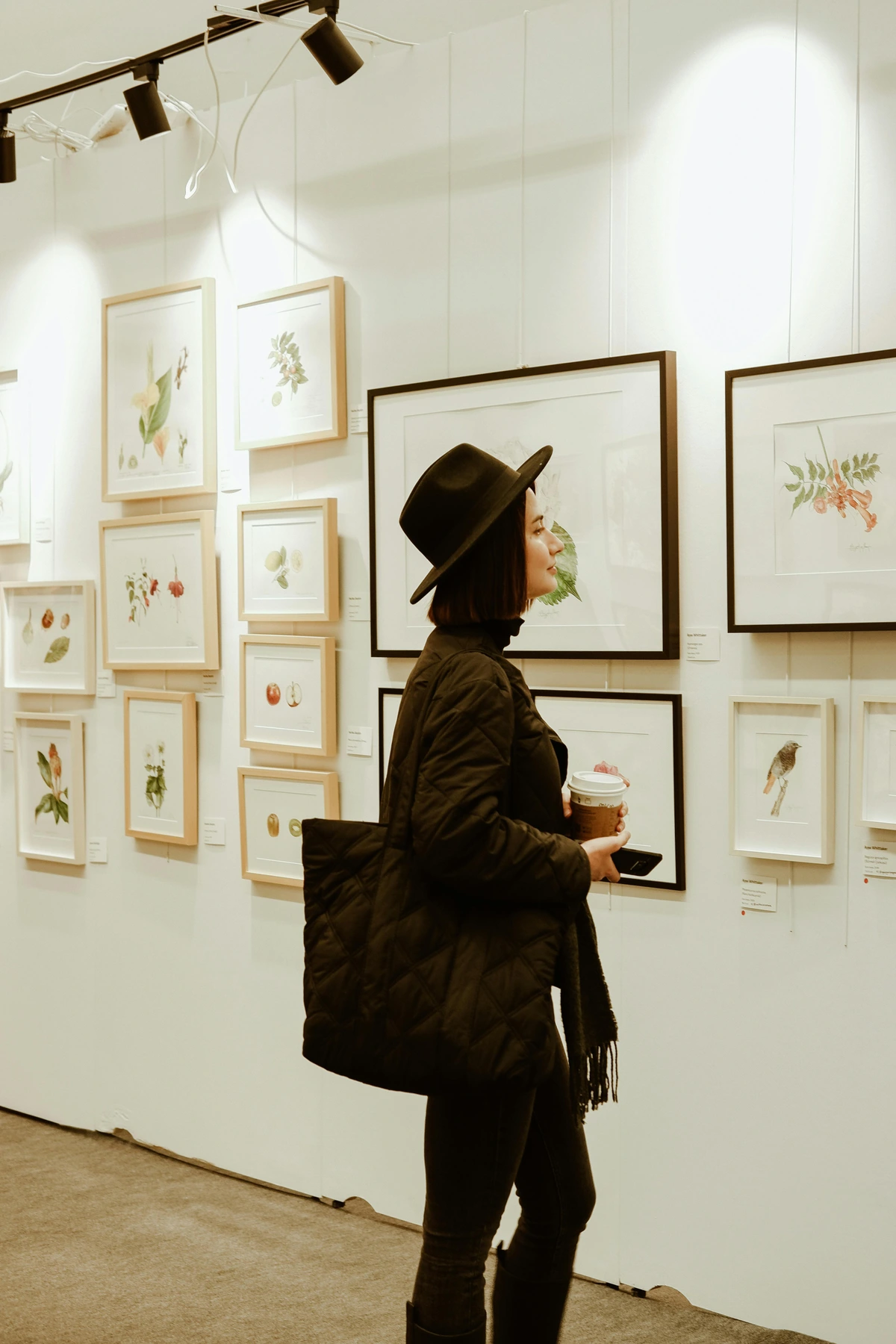
They are the ones who challenge the established narrative. They ask, "Whose story is being told here? And whose is being left out?" They are the reason why artists like Sofonisba Anguissola, once a footnote, are now recognized as giants of the Renaissance. They are the reason we understand that a Pop Art soup can is a profound statement on consumer culture.
Art historians play a crucial role in expanding our understanding of art and culture, ensuring that diverse voices and perspectives are heard and valued.
The Role of Art Historians in Expanding Cultural Understanding
Art historians are the ones who challenge the established narrative. They ask, "Whose story is being told here? And whose is being left out?" They are the reason why artists like Sofonisba Anguissola, once a footnote, are now recognized as giants of the Renaissance. They are the reason we understand that a Pop Art soup can is a profound statement on consumer culture.
Ultimately, they give art its voice. They translate the silent language of paint, stone, and canvas into stories about us—our fears, our joys, our politics, our humanity. And by understanding those stories, we get a much clearer picture of who we are.

Art historians help us connect with the past, understand the present, and imagine the future. They provide a lens through which we can explore the complexities of human experience and creativity.
The Future of Art History
As technology continues to evolve, so too will the field of art history. Digital tools and platforms will make art more accessible and interactive, allowing people from all over the world to engage with art in new and exciting ways. The future of art history is bright, and its impact on society will only continue to grow.
Frequently Asked Questions (FAQ)
Do you need a Ph.D. to be an art historian?
For a career in academia (like a university professor), a Ph.D. is generally required. However, for many other roles in museums, galleries, and publishing, a Master's degree is often sufficient. It really depends on the specific path you want to take.
While a Ph.D. is essential for academic roles, many art historians find fulfilling careers with a master's degree or even a bachelor's degree, depending on their focus and expertise.
Is art history a practical career choice?
It's definitely not a get-rich-quick scheme, let's be honest. But it equips you with highly valuable skills in research, critical thinking, writing, and analysis that are transferable to many fields. The people who succeed are passionate and persistent.
Art history offers a wide range of career opportunities, from traditional roles in museums and academia to emerging fields like digital art history and cultural heritage management. The skills you gain are highly transferable and valued in many industries.
What's the difference between art history and archaeology?
There's overlap, but the focus is different. Archaeology is primarily concerned with recovering and studying material culture (which can include art objects) through excavation. Art history is focused on interpreting visual arts, often those whose context is already known. An archaeologist might dig up a Roman pot; an art historian would analyze its painted decorations in the context of Roman mythology and painting techniques.
While both fields study material culture, art history focuses on the interpretation and meaning of artworks, while archaeology emphasizes the recovery and analysis of artifacts.
How do art historians deal with contemporary, living artists?
This is where art history blends with art criticism. Instead of relying on historical archives, the art historian might interview the artist directly, read current reviews, and analyze the work in the context of immediate global events and the ever-evolving history of art. It's history in the making.
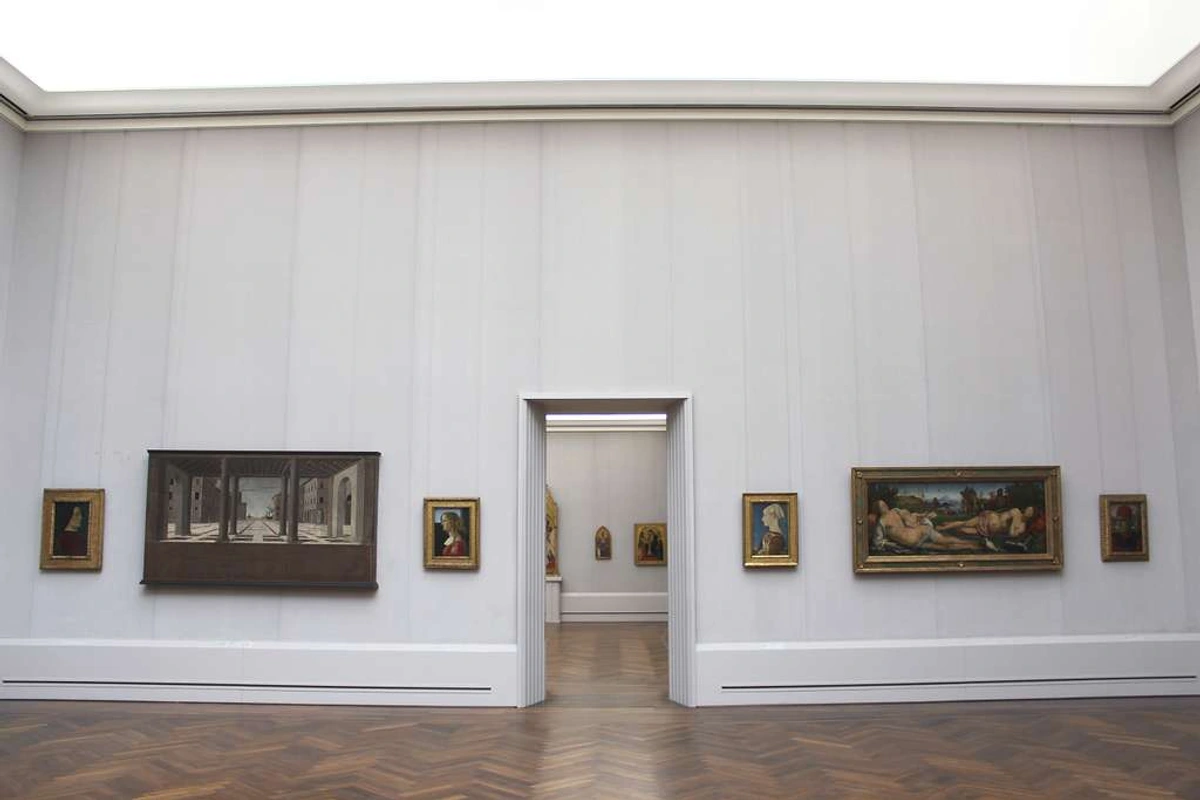
Art historians engage with contemporary artists through interviews, reviews, and analysis, providing insights into the creative process and the cultural context of their work.

What are some emerging trends in art history?
One of the most exciting trends is the use of digital tools and platforms to make art history more accessible. Virtual exhibitions, online archives, and interactive databases are changing the way people engage with art. Additionally, there's a growing emphasis on decolonizing art history, which involves reevaluating and expanding the canon to include underrepresented artists and perspectives.
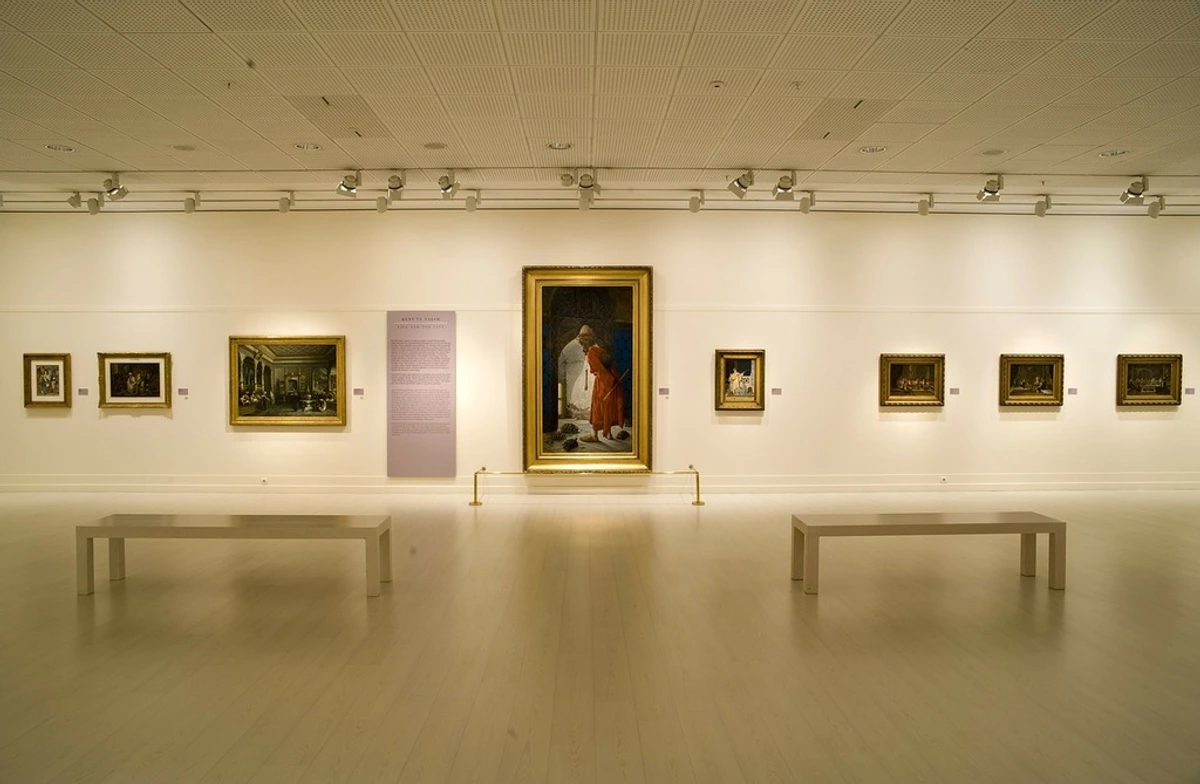
Emerging trends in art history include the use of digital tools to enhance accessibility and engagement, as well as efforts to decolonize the field and include diverse voices and perspectives.

How can I get started in art history?
Start by visiting museums, reading books, and taking online courses. Many universities and cultural institutions offer free resources and lectures. Joining art history forums and attending local exhibitions can also provide valuable insights and networking opportunities. The key is to immerse yourself in the world of art and history.
Getting started in art history involves exploring museums, reading books, and engaging with online resources. It's also helpful to connect with others in the field through forums and local exhibitions.
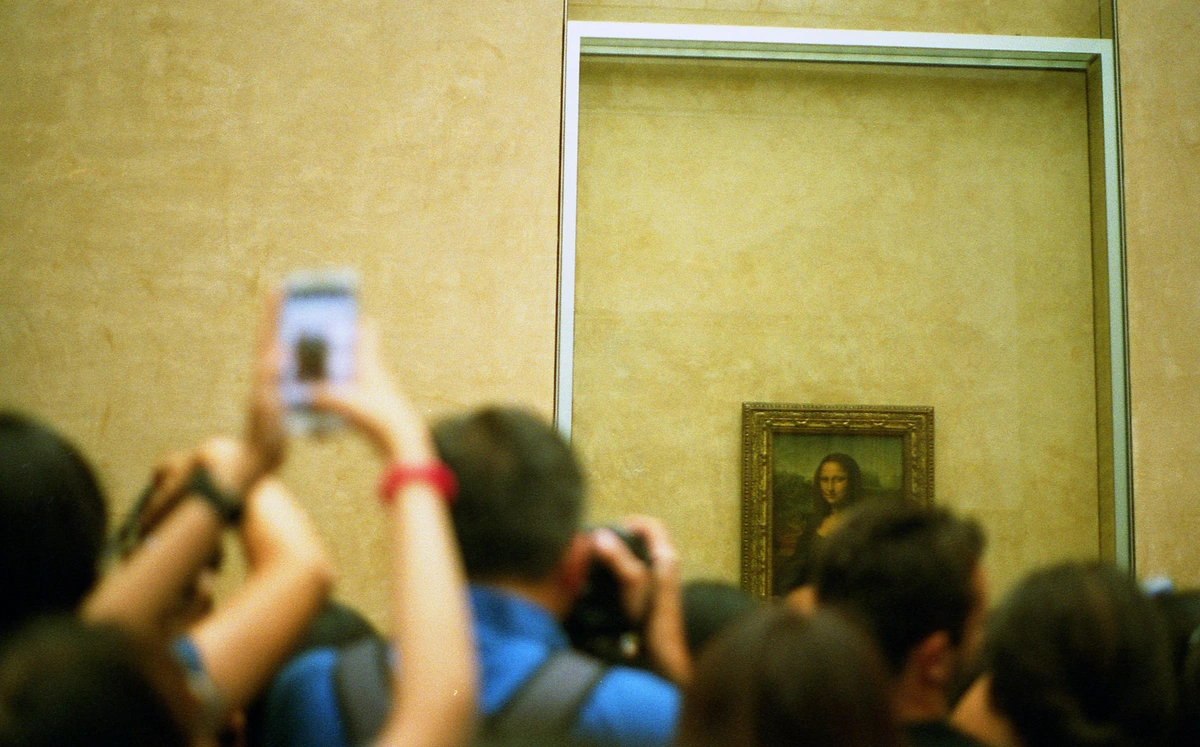
What skills are essential for an art historian?
In addition to the skills mentioned earlier, adaptability and curiosity are crucial. Art historians must be open to new ideas and willing to explore different perspectives. Strong communication skills, both written and verbal, are also essential for sharing insights and engaging with diverse audiences.
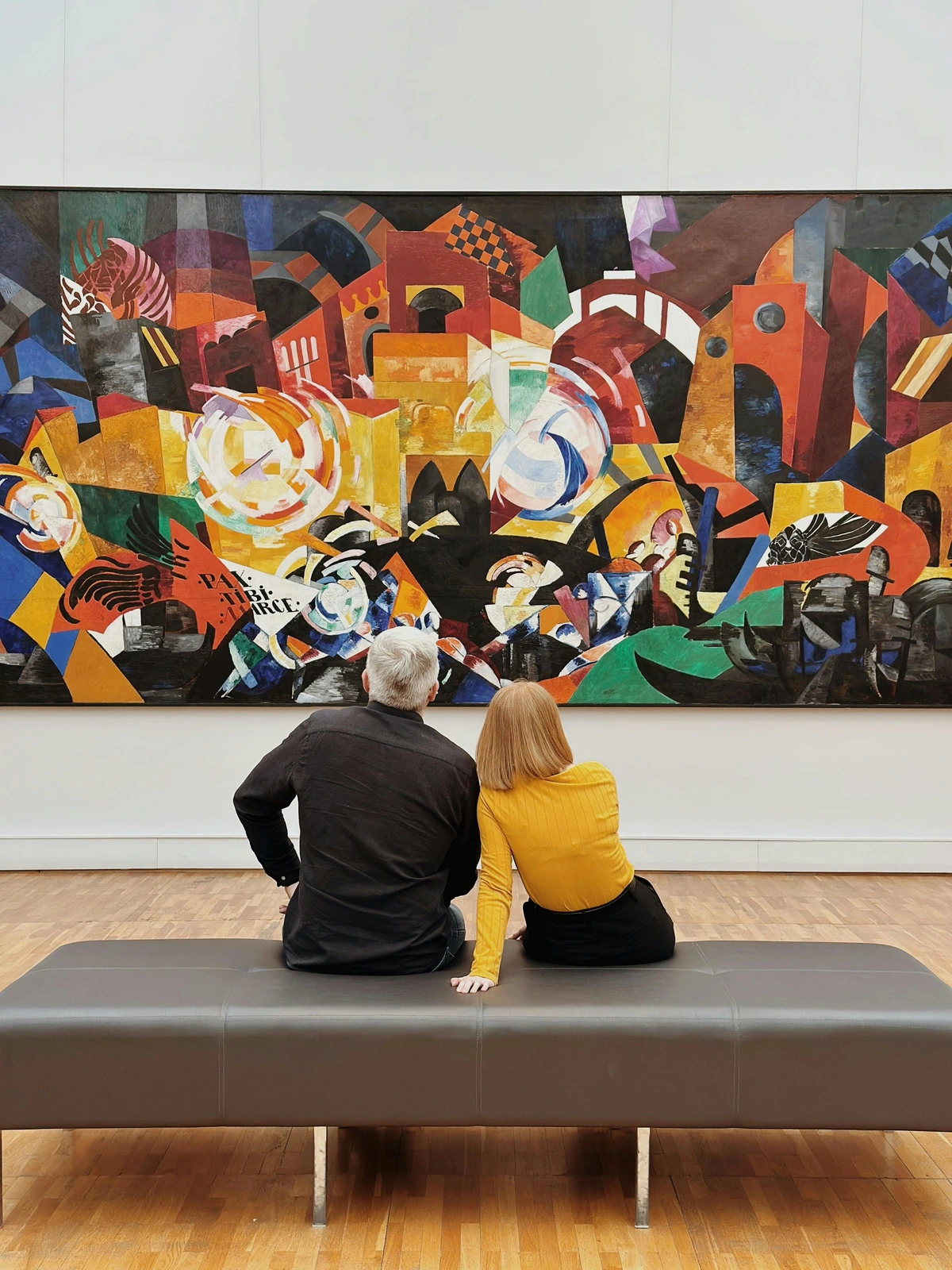
Essential skills for art historians include adaptability, curiosity, and strong communication abilities. These skills enable them to explore new ideas, engage with diverse audiences, and share their insights effectively.
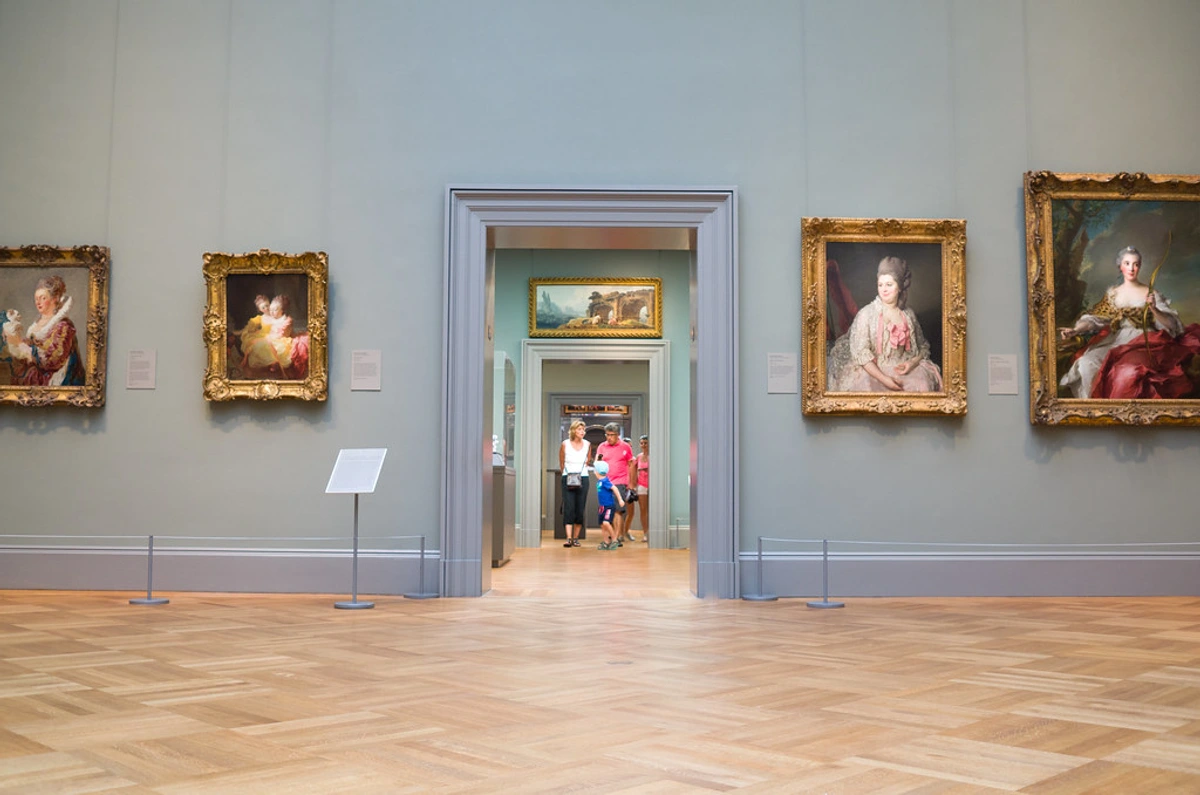
Conclusion
Art history is a vibrant and evolving field that offers a unique lens through which to view the world. It's not just about memorizing facts or dates; it's about understanding the stories, cultures, and ideas that shape our visual landscape. Whether you're considering a career in art history or simply want to deepen your appreciation for art, this guide provides a comprehensive overview of what it means to be an art historian and why their work is more important than ever.
Art history is a dynamic and multifaceted field that enriches our understanding of the world. It offers a unique perspective on the stories, cultures, and ideas that shape our visual landscape, making it an essential discipline for anyone interested in art and culture.
How does art history contribute to society?
Art history helps us understand our cultural heritage and the evolution of human creativity. It fosters critical thinking, empathy, and a deeper appreciation for diversity. By studying art, we gain insights into the values, beliefs, and struggles of different societies, which can inform and inspire our own lives.






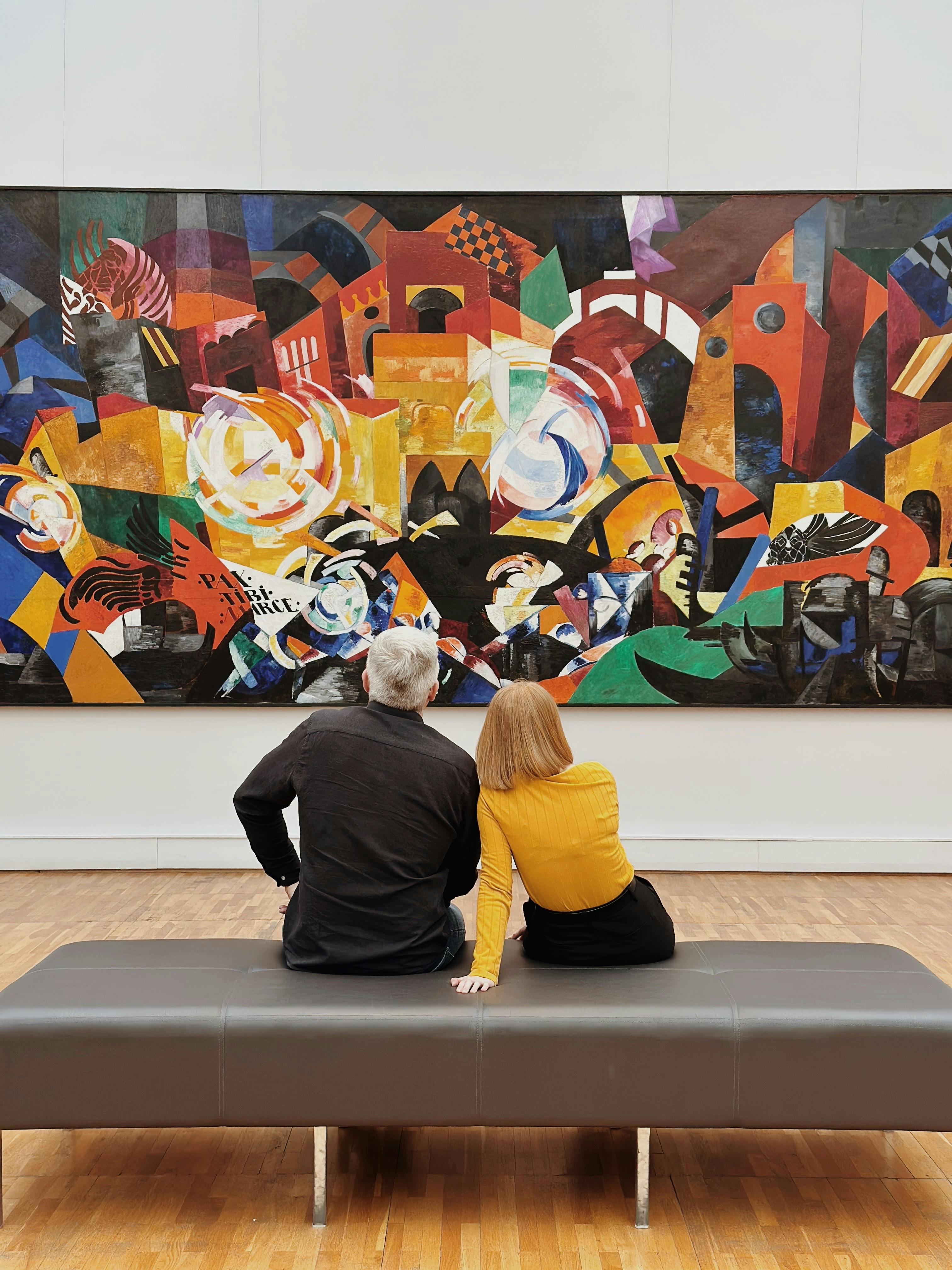
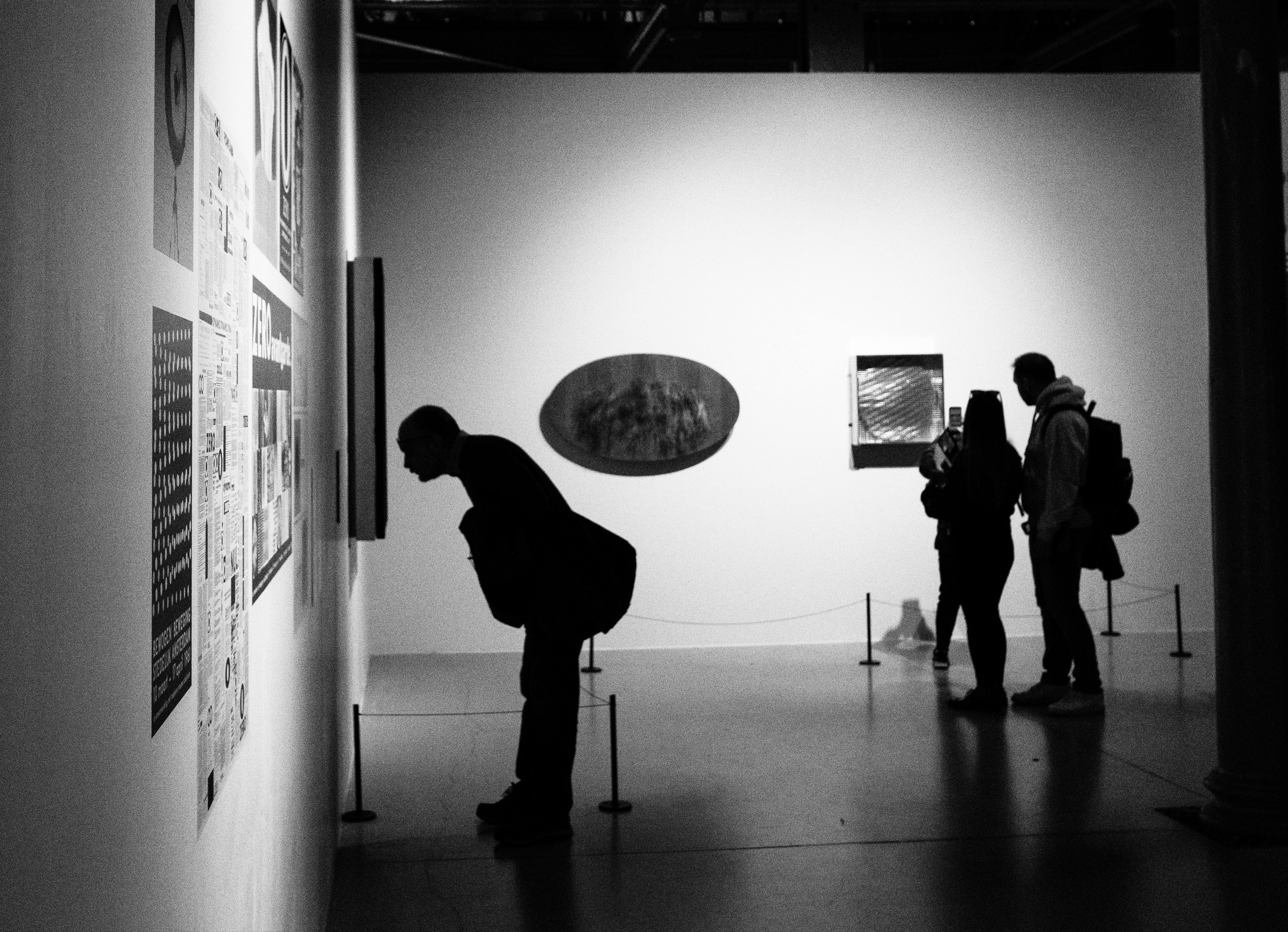


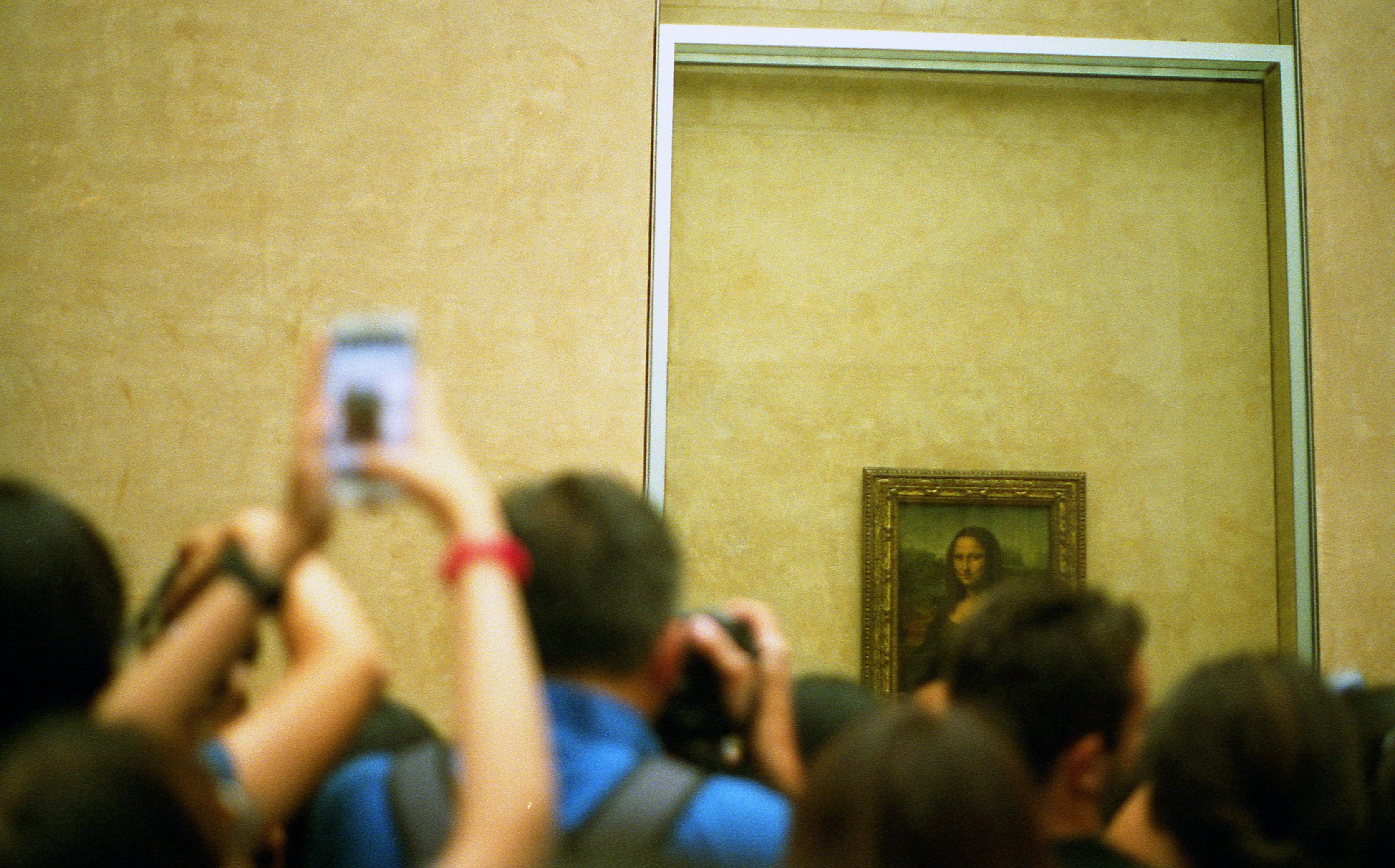


Art history contributes to society by fostering critical thinking, empathy, and a deeper appreciation for diversity. It provides insights into the values, beliefs, and struggles of different societies, enriching our understanding of the world and inspiring our own lives.