How Intellectual Curiosity Shapes Our Understanding of Art History
Discover the profound impact of intellectual curiosity on art history. I explore why asking 'what if' and 'why' is the key to unlocking deeper meaning in art, from the Renaissance to modern abstraction.

Fueling the Fire: How Intellectual Curiosity Became My Compass in Art History
Have you ever found yourself transfixed by a single detail within a painting—a cracked mirror, an unripened fruit, a deliberate brushstroke—while the grander composition recedes into periphery? I'm not referring to the central subject or the artist's bold signature. Rather, that strange, anachronistic shoe worn by a biblical figure, or how a single splash of contrasting color vibrates with startling intensity, almost lifting from the canvas. For me, it might be the maddeningly perfect spiral of a lemon peel in a Dutch still life.
This obsessive fixation, this inexplicable mental itch, is intellectual curiosity in its rawest, most potent form. It is the ignition spark for discovery. I have come to believe it's the secret engine, the very lifeblood, that truly drives art history forward, fueling a continuous cycle of reassessment and insight.
My conviction isn't born in isolation—it reflects the discipline's evolution. Every field-shaking discovery, whether attributing a long-forgotten Old Master painting discovered in a dusty attic, or decoding why Van Gogh’s stars spiral with such celestial turbulence, began with a simple question ignored by others as too obvious or, just as often, far too strange to matter. Today, we'll explore how to cultivate your own curiosity, not as a passive condition but as an active, voracious lens for seeing the world anew.
During my early encounters with the discipline, I internalized a profoundly mistaken view. I assumed art history demanded rote memorization, a brutal exercise in cataloging dates and assigning labels. Baroque: theatrical shadows, divine ecstasy, overwhelmingly Catholic fervor. Impressionism: hazy contours, en plein air spontaneity, an abundance of soft lilacs. It felt like preparing for an exam whose questions I'd never face.
Standing before a Dutch Golden Age still life, my mind performed its usual ritualistic filing. The table groaned under fruits, a partially peeled lemon, an elegant glass. My mental checklist activated: Vanitas symbolism, check. Memento mori, understood. Chiaroscuro mastery, duly noted. Then, a completely unpredicted question erupted, shattering my reverie: How did they achieve such a geometrically immaculate, continuous spiral of lemon peel using 17th-century cutlery?
It opened like a trapdoor. In an instant, the painting dissolved, replaced by an urgent need to comprehend. This wasn't viewing anymore—it was detective work. My research spiraled uncontrollably. I devoured histories of metallurgy, of 17th-century global citrus trade routes from Mediterranean and Asian shores via the Dutch East India Company, the very physics dictating how peel lifts from pith.
I unearthed a remarkable social clue. Presenting a delicately peeled lemon wasn't merely aesthetic; it broadcasted immense privilege. It signaled two impossibilities for common folk: access to exotic, ruinously expensive produce and, just as crucially, possessing sufficient leisure time to master its intricate dissection. In this single gesture, the entire canvas metamorphosed. It shed its staid moral allegory and became something electrifyingly human—a snapshot of a specific kitchen, a particular life, a deliberate act of social theatre and aspiration.
That moment crystallized an essential truth. Memorizing symbolism is studying the map, not traversing the territory. True understanding, that messy, chaotic, and utterly captivating human story, only reveals itself to those who dare venture beyond the edge of the chart, armed with questions that defy simple answers.

The World Is Your Museum
When you start to see the world this way, the frame of a painting begins to dissolve. You realize that intellectual curiosity isn't a tool you reserve for museums. It's a mindset you can apply anywhere.
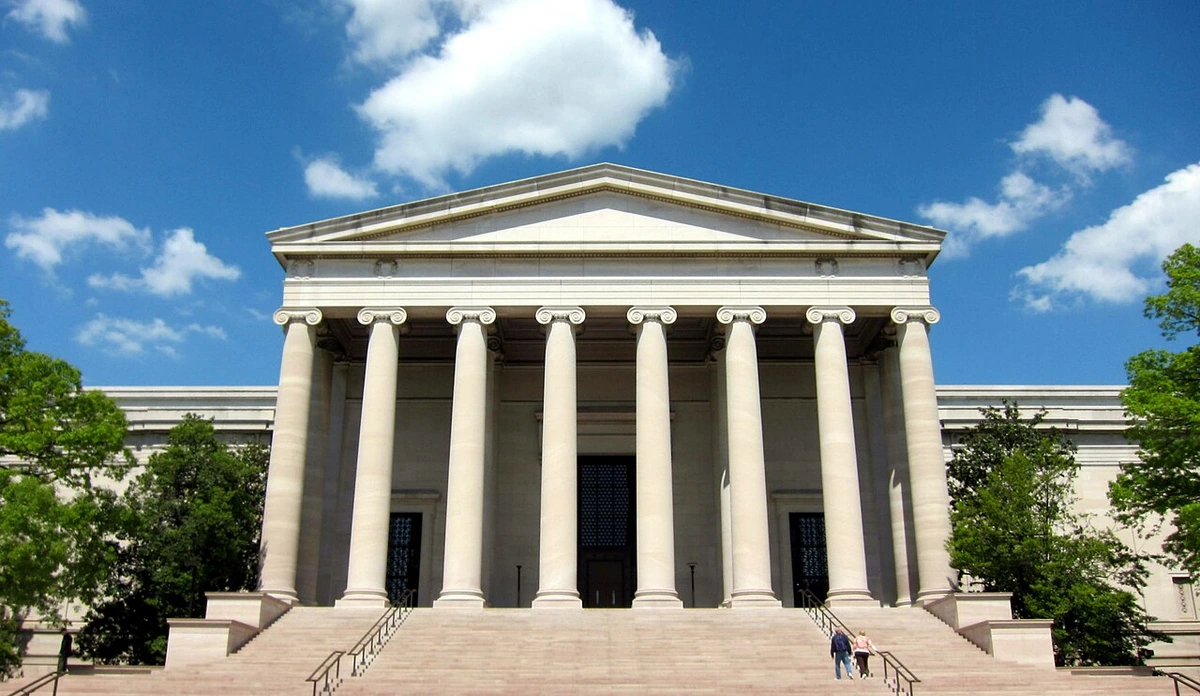
Why is the downtown bank built to look like a Roman temple? What does that tell us about power, stability, and the stories we want our buildings to tell? Why did the design of your smartphone suddenly shift from hard edges to soft curves? What cultural shift does that reflect?
This curiosity—about the choices, the materials, the human stories embedded in the objects around us—is the same muscle you flex in an art gallery. Every street becomes a gallery wall, every object a potential clue. Art history stops being a dusty academic subject and starts being a way of seeing. It's the ultimate proof that the most interesting stories are rarely on the surface.
And it all starts with that one simple question, whispered to yourself in a quiet room full of paintings: "Okay... but why?"
There are countless pathways to begin cultivating this mindset. If this article resonates and ignites your curiosity, I encourage you to explore further. My own creative practice is deeply rooted in these questions, investigating the intersections of form, colour, and perception. If you feel compelled to engage with these ideas more viscerally, you can explore some of my available works here.
Ultimately, this journey isn't about passive looking; it's about becoming a tenacious detective in a world saturated with visual clues. Think of every deliberate brushstroke, every considered color choice, every strategic material decision not as decoration, but as a tangible piece of evidence waiting for your thoughtful examination and interpretation.
Follow a Thread Through Time: Art History as a Time Machine
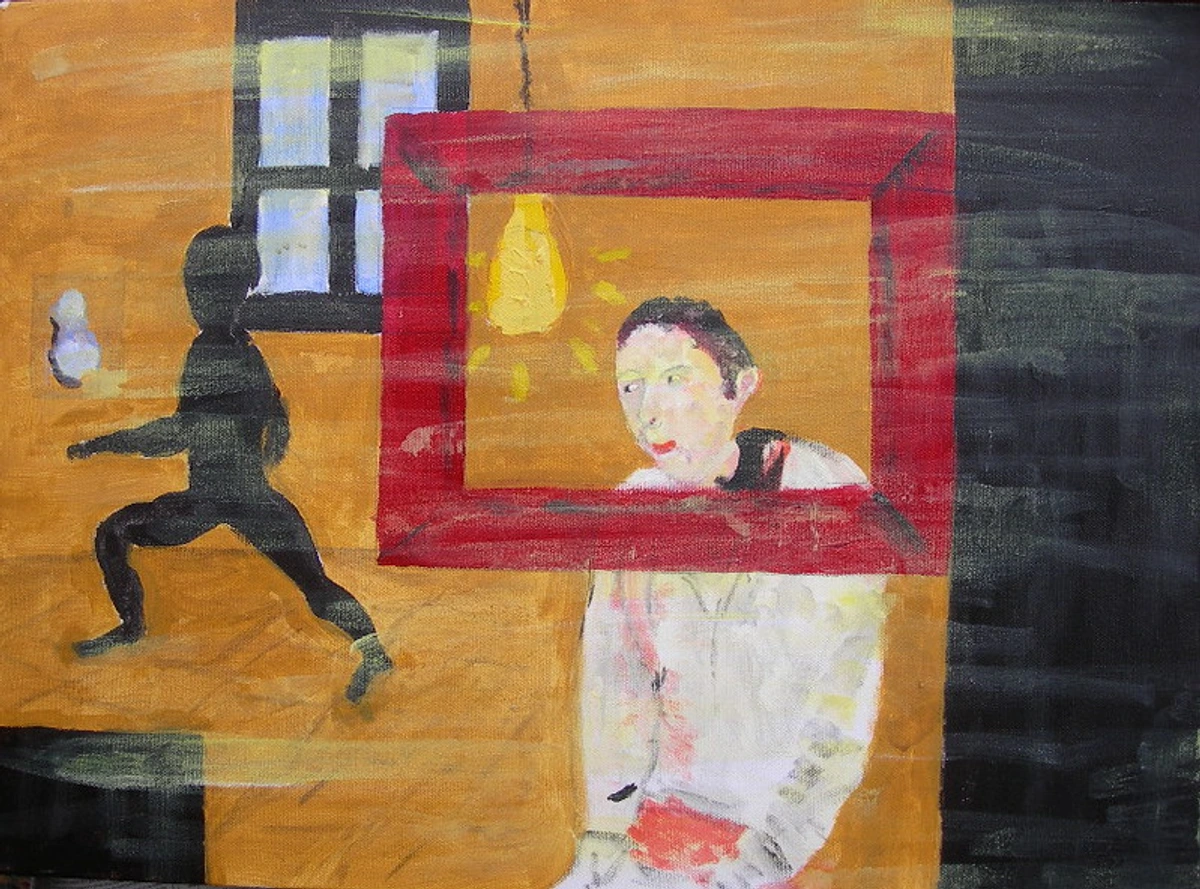
Among my most cherished mental exercises is one I call the “art history time machine.” It’s disarmingly simple: select a single, almost absurdly basic idea—like “the color blue,” “depictions of solitude,” or “images of people eating”—and trace its evolution across centuries. This technique weaves together seemingly disparate artworks into a continuous, sprawling narrative, revealing how cultural values and artistic preoccupations shift while certain fundamental human experiences endure.
Let’s demonstrate with the artist’s studio, their sanctum of creation.
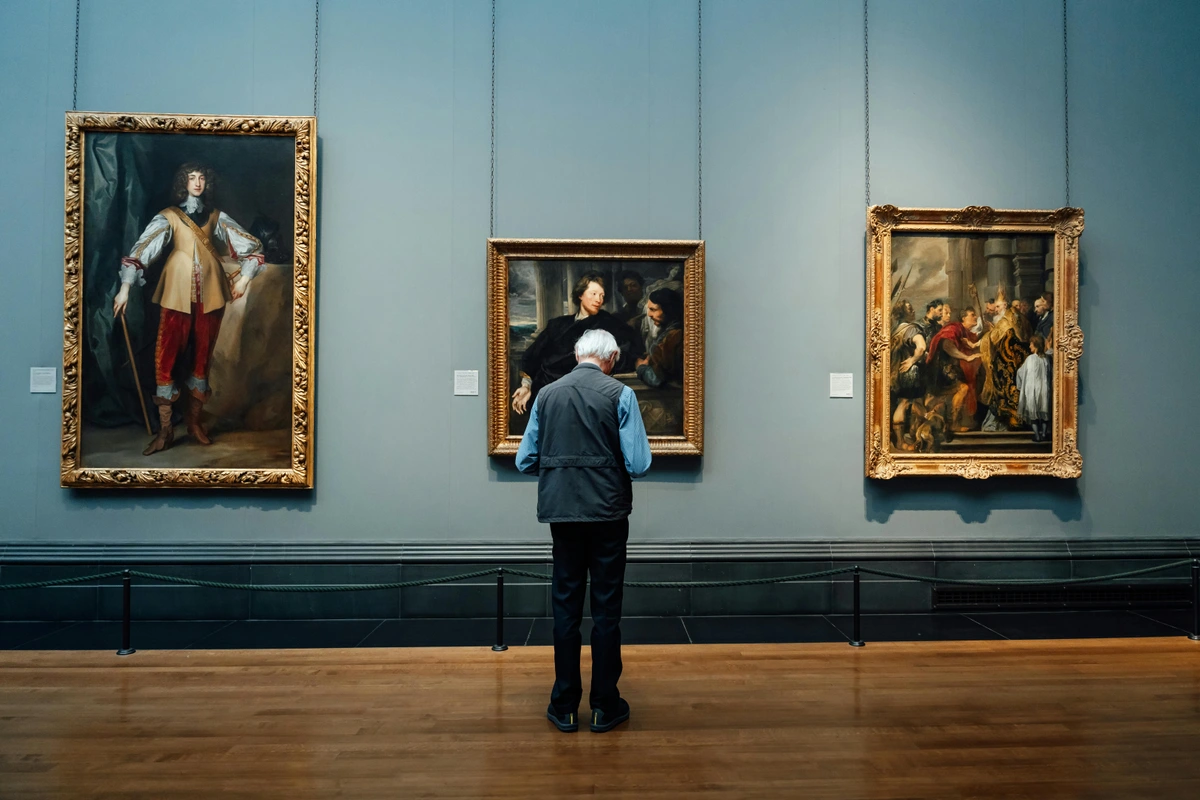
- Las Meninas (1656) by Diego Velázquez presents his studio as a fraught psychological theatre, where mastery of perspective and social hierarchy collide.
- Gustave Courbet's monumental The Painter's Studio (1855) re-imagines the space as a grand political allegory; the artist as visionary nucleus, surrounded by society's strata from peasant to philosopher.
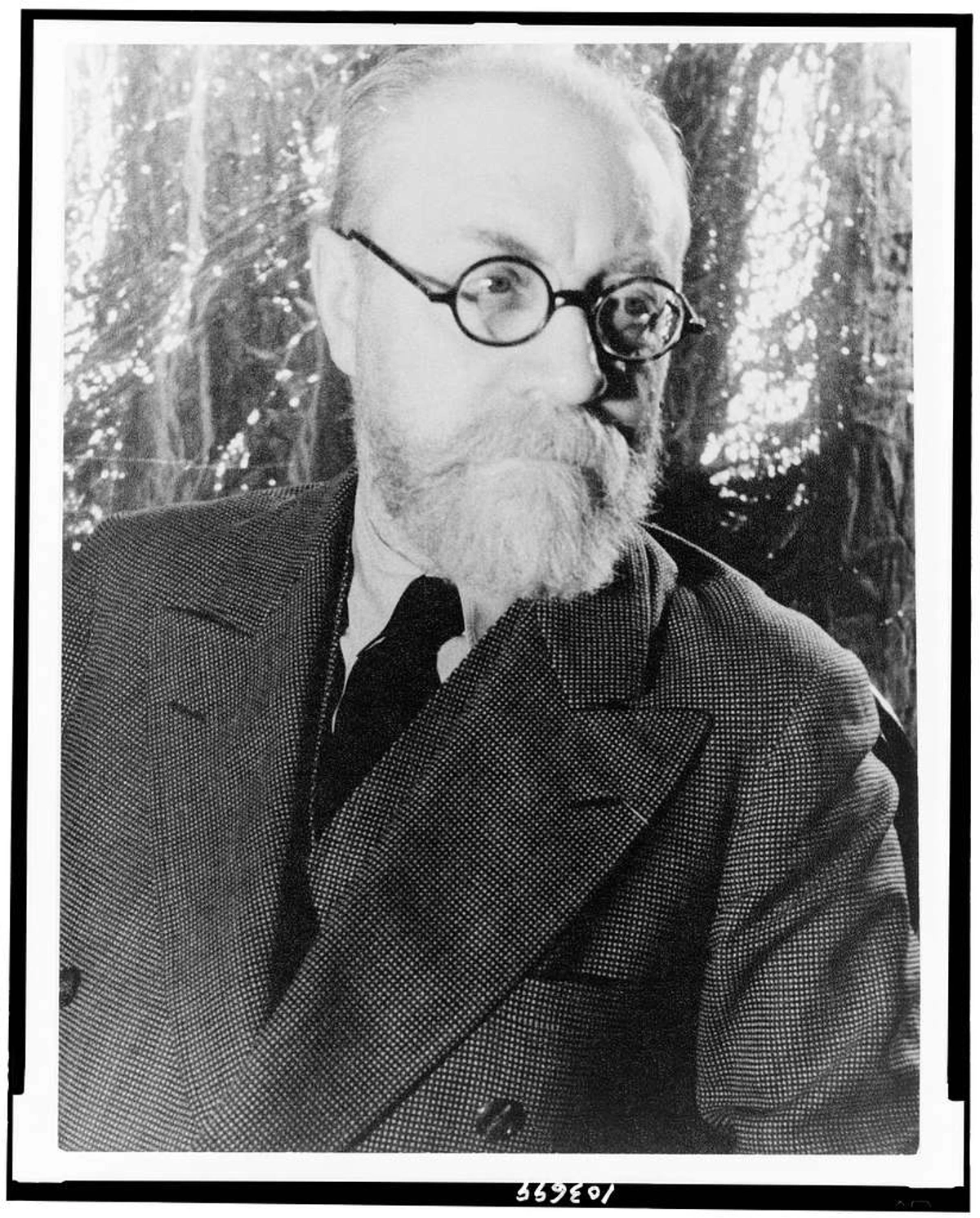
- Henri Matisse, in his revolutionary The Red Studio (1911), dissolves physical reality entirely. The room becomes an immersive plane of pulsating crimson, collapsing the distinction between tangible space and the artist's internal, imaginative world.
- Bruce Nauman, a pivotal figure in conceptual art, turns the camera inward. His 1960s video works document his solitary, repetitive pacing and gestures within his studio, transforming the artist's physical process and psychological state into the ultimate subject matter.
Pursuing this single thread—the metamorphosis of the artist’s workspace—unfolds an entire philosophical evolution. It charts a path from artist as skilled court functionary, to bardic social commentator, to philosopher of perception, and ultimately, to introspective subject of their own psychological experiment. Such is the profound power of a single, open-ended question. This is how intellectual curiosity constructs a living, breathing world from static images.
An Active Toolkit: Practical Strategies for Igniting Curiosity
Enough with the theory. Let’s get tactical. What concrete actions can you take when you walk into a museum and that familiar wave of intimidation—"I should know more about this"—threatens to crash over you? Here are three practical, battle-tested techniques designed to immediately jump-start your own engine of inquiry.
Technique 1: The 5-Minute Deconstruction
This technique forces you from passive reception into active interrogation. It’s especially powerful when faced with art that feels alienating. Select a single artwork—any artwork will do. Set a timer for exactly five minutes and systematically probe the work with these questions, in this specific order. You don’t need to resolve every question, only attempt them.

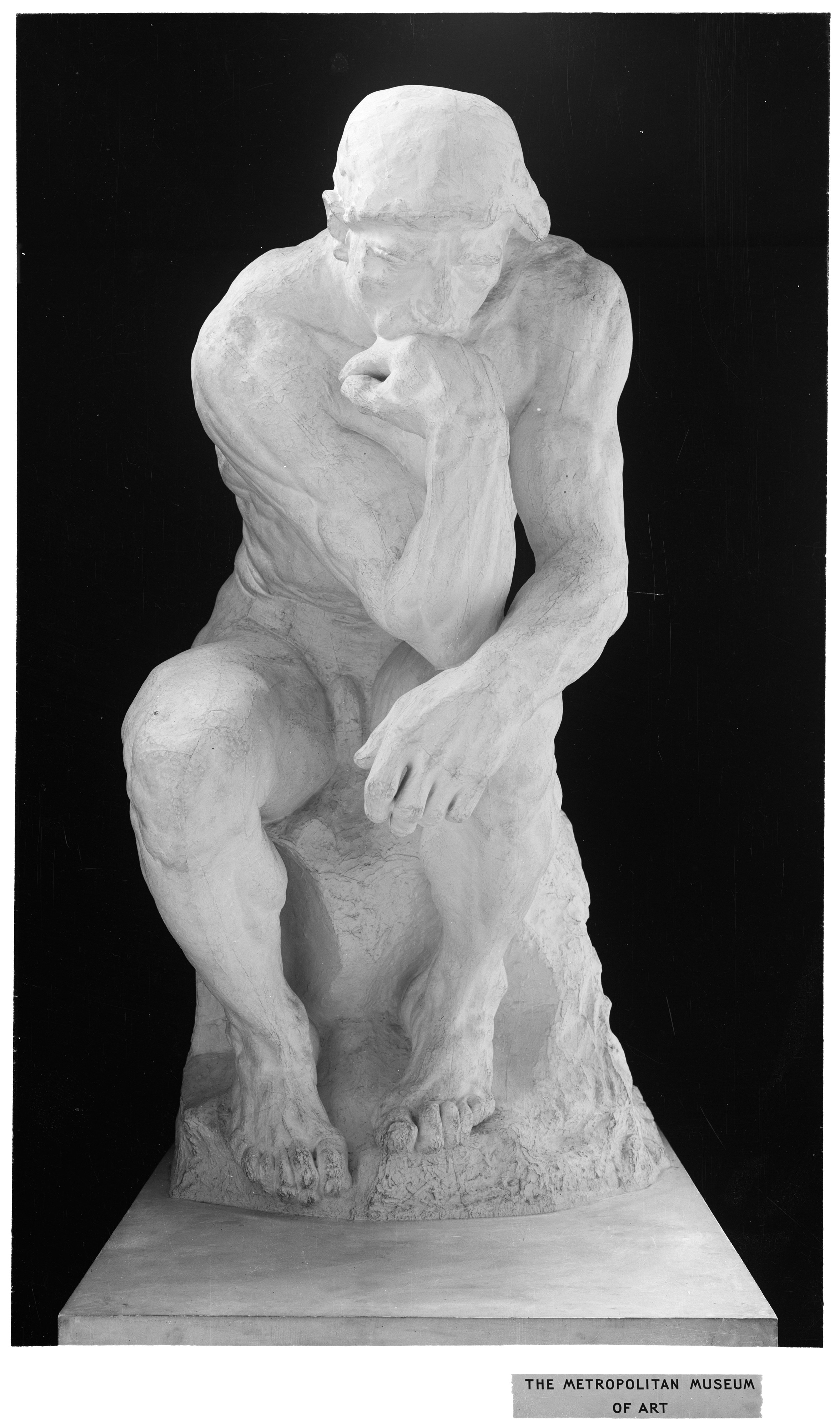
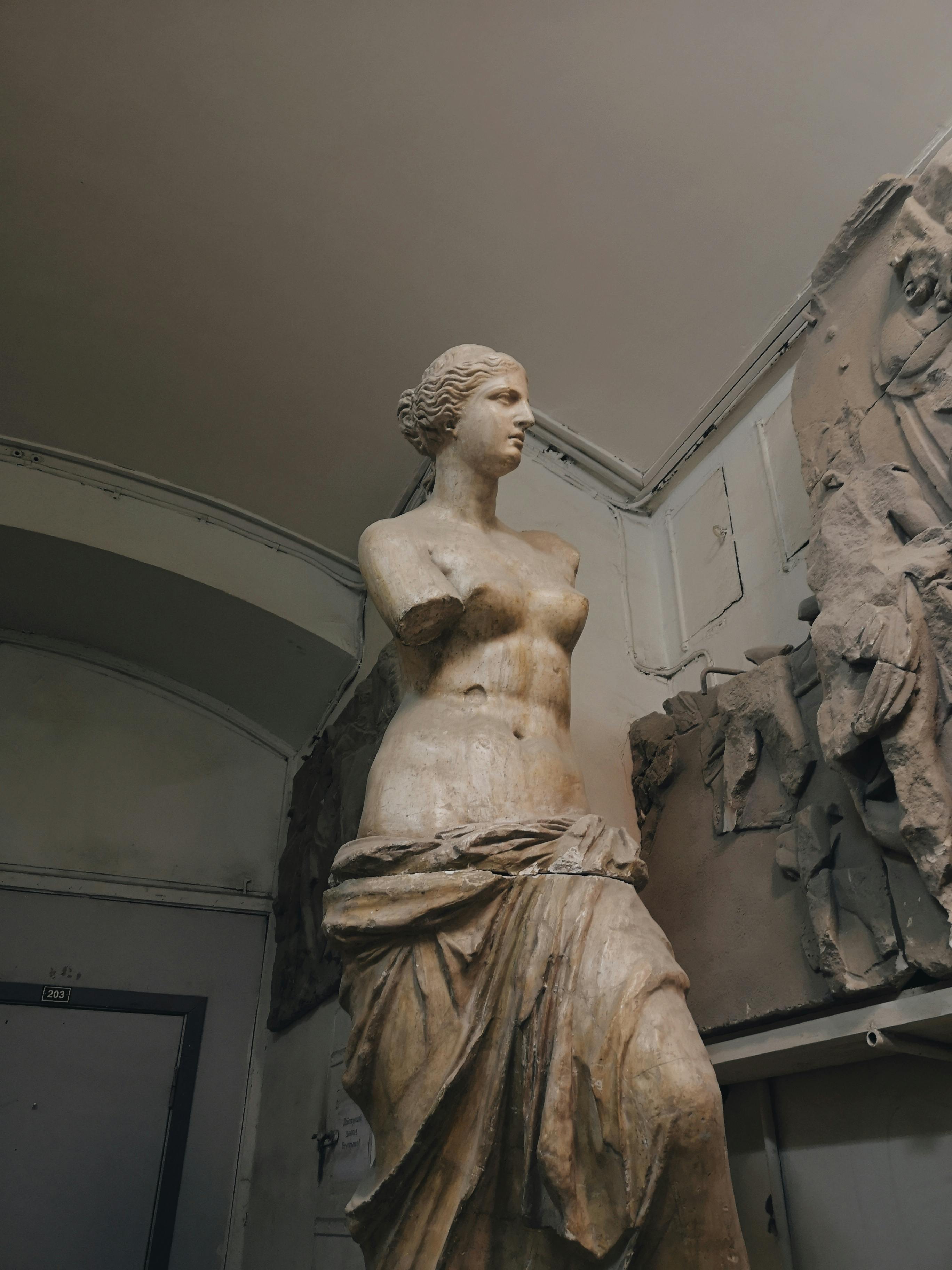
- Material & Medium: First, identify the physical substance. Is it pigment suspended in oil on linen? Carved marble? A collage of urban detritus? Then, ask the critical question: how does the chosen medium amplify or even constitute the artwork's meaning? A fragile watercolor evokes a different temporality than a monumental marble sculpture. Is the artist exploiting the inherent qualities of their material?
- The Fleeting Moment: Art nearly always captures a slice of time. Analyze this temporal fragment. What event is transpiring within the frame at this precise instant? More intriguingly, what decisive action occurred one second prior? What inevitable consequence will unfold one second hence? This reconstructs the narrative.
- Underlying Motive & Intent: Probe the artist's fundamental purpose. Is the primary aim narrative exposition, emotional contagion, public demonstration of virtuosic skill, illustration of a complex theological or philosophical concept—or something else entirely?
- Your Unfiltered Response: Finally, crucially, turn the lens inward. Set aside learned jargon and intellectual pretense. What is your immediate, unmediated gut reaction? What emotions, associations, or visceral sensations does the work provoke?
Technique 2: The Eccentric Collector Game
This exercise liberates you from the tyranny of established taste. Imagine you are an impossibly wealthy, wildly eccentric collector from the year 2500, possessing not the slightest context for 21st-century or historical culture. Your sole, arbitrary mission: acquire artifacts you deem inexplicably beautiful or profoundly weird. Traverse the galleries not as a pliant student, but as this capricious alien aesthete. What inexplicable forces draw your gaze? What strikes you as sublime, or impossibly absurd? This psychological trick ruthlessly dismantles deference to price tags, market trends, and institutional reputation, forging a direct, unfiltered connection to your own idiosyncratic curiosity.
Technique 3: The Gossip Column Approach
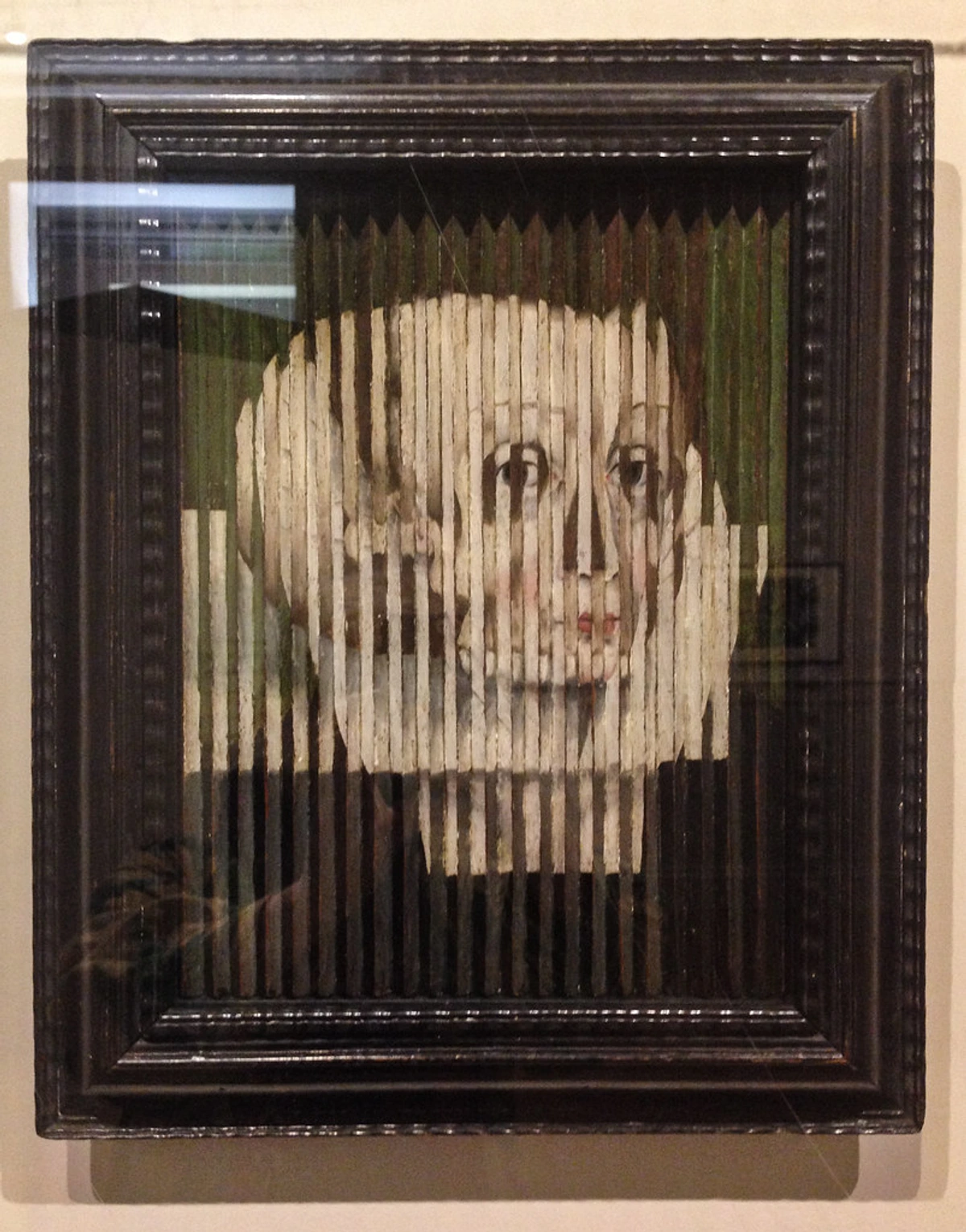
Art history often privileges grand narratives, but the most immediate entry point is frequently interpersonal friction. When you encounter a portrait, especially one featuring multiple subjects, cast yourself as an incisive gossip columnist for a society journal. Scrutinize every gesture, posture, and sidelong glance. What unspoken tensions define their relationships? Where does power truly reside? Who radiates boredom, resentment, or simmering disdain? Who appears enraptured, complicit, or quietly triumphant?
Interpretative controversy often thrives in these spaces. Consider The Arnolfini Portrait by Jan van Eyck. For decades, scholarly consensus held the woman was visibly pregnant. More recent, revisionist analysis posits she’s merely performing a fashionable gesture, gathering her sumptuous gown. Others even propose it could be a posthumous memorial portrait. Reading a painting for its rich, human drama resuscitates historical figures, rendering them startlingly, persuasively real.
A Checklist for Igniting Inquiry
To help jump-start this process, here is a portable checklist you can mentally apply to nearly any artwork. Customize it—make it your own.
- ☐ What individual element seized my attention first, and why? (Analyze the hooks.)
- ☐ What element seems most anomalous, disruptive, or absurd? (Investigate the outliers.)
- ☐ If this artwork were granted one sentence to speak, what would it say? (Personify its intent.)
- ☐ What single, revelatory insight does this work offer about the artist’s historical and cultural moment? (Contextualize broadly.)
- ☐ If I were compelled to give this artwork a modern, provocative title, what would I name it? (Engage in reinterpretation.)
Frequently Asked Questions (FAQ)
Over the years, I’ve encountered numerous recurring questions about fostering and sustaining curiosity in art. Many arise from understandable anxieties about “not knowing enough.” Here are some of the most persistent ones, along with my considered thoughts.
Isn't this all just subjective? Can't art mean anything I want it to?
This is the big one, right? I think this question comes from a good place, a fear of being told you're "wrong" about art. The distinction I like to make is between meaning and experience.
Your experience of a painting—whether it calms you, excites you, or bores you to tears—is 100% yours. No one can argue with your feelings. But the artwork's historical meaning—the symbols the artist used, the cultural conversation they were part of, the choices they made and why—exists in a real context. Think of it like a historical document written in a language you're learning to read.
To illustrate: you would not examine a 15th-century legal parchment and arbitrarily declare, “I believe this archaic script translates to ‘let’s go to the shopping mall’.” Instead, a responsible reader would meticulously learn the language, investigate the scribe’s intent, and reconstruct the social world the document inhabited. Intellectual curiosity is precisely that act of empathetic, rigorous translation—the willingness to learn the language and endeavor to read the document within its specific context.
This framework, crucially, does not devalue your personal experience. On the contrary, it enriches it. It transforms a monologue into a dialogue. It enables you to simultaneously appreciate a Renaissance painting for its brilliant mastery of linear perspective while also critically acknowledging that its implicit, uncritical view of gender or power might be profoundly alien or ethically uncomfortable from a contemporary vantage point.
I'm not an art expert. Will I ever be able to understand all the hidden symbols and history?
Here's a secret: nobody starts as an expert. And the goal isn't to memorize everything. In fact, having a bit of "beginner's mind" is a massive advantage. You look at things with fresh eyes, unburdened by preconceived notions.
The symbols and historical context are a language, and you learn it the same way you learn any language: one word at a time. You don't need to know every rule of grammar to have a meaningful conversation. I promise you, seeing a painting and recognizing just one symbolic element—realizing that the dog at the couple's feet in a wedding portrait was a symbol of fidelity—is a more exciting feeling than being an expert who sees everything. That one "aha!" moment is the little spark that ignites a lifetime of curiosity.
How does this apply to abstract or modern art? There's no story or people. What am I supposed to be curious about?
Abstract art is a paradise for the intellectually curious, precisely because you have to let go of the need for a literal story. The questions just shift. Instead of "What's happening here?" you get to ask more fun questions:
- Material & Process: Why did Jackson Pollock choose house paint? What does it feel like to splash it, versus carefully applying oil with a tiny brush? What does that choice say about high art vs. everyday life?
- Colour as Idea: When Yves Klein invented his own shade of pure blue, what was he trying to capture? Is color a thing you see, or a space you can enter?
- Space & Scale: Why does a blank canvas with a single pencil line down the middle by Agnes Martin feel so different from a vast, chaotic swirl by Willem de Kooning? They're both "abstract," but they're making totally different arguments about order, chaos, and how we feel in the world.
In many ways, intellectual curiosity is even more crucial for modern and contemporary art, because the artist is often asking you to meet them halfway. They've removed the easy story, the familiar symbols, and are presenting a raw idea or feeling. They're asking, "What do you think of this?" Your curiosity is the answer.

Where can I start learning more about the specific art periods you mentioned?
- Books: There are amazing introductory books out there. Look for ones that use a story-telling approach rather than dry lists of facts. I find survey books written by a single author can be more engaging than committee-written textbooks.
- Online Courses: Platforms like Coursera, edX, and Khan Academy offer fantastic, structured introductions to art history from leading institutions.
- Podcasts: A brilliant way to learn while you're commuting or doing the dishes. Hearing passionate experts talk about art is infectious. It turns abstract concepts into engaging stories.
- Documentaries: Bring the art to life on screen, often with visits to locations and close-ups you'd never see in person, giving you a real sense of scale and texture.
- Virtual Museum Tours: As mentioned, many major museums offer stunning high-resolution online collections and 360-degree virtual tours. This is your global museum pass, free of charge.
- Local Galleries: Don't forget about the smaller galleries and artist-run centres in your own city. They offer a direct, often more accessible, connection to the contemporary art world.
And because I'm a fan of having a concrete place to start, here are a few fantastic books that read more like novels than textbooks:

- Simon Schama's The Power of Art: A thrilling series of artist biographies that read like suspense novels, focusing on moments of creative crisis.
- Will Gompertz's What Are You Looking At?: A hilarious and insightful guide to modern art that successfully demystifies the field.
- Sarah Thornton's Seven Days in the Art World: An anthropological look into the different tribes of the contemporary art scene, from auction houses to artist studios.
One final thought on this: don't try to "eat the whole buffet" at once. Pick one period or one artist that genuinely intrigues you—for any reason at all—and go deep. Dive into their world. Your curiosity will naturally branch out from there.
What's the difference between art history and just looking at art?
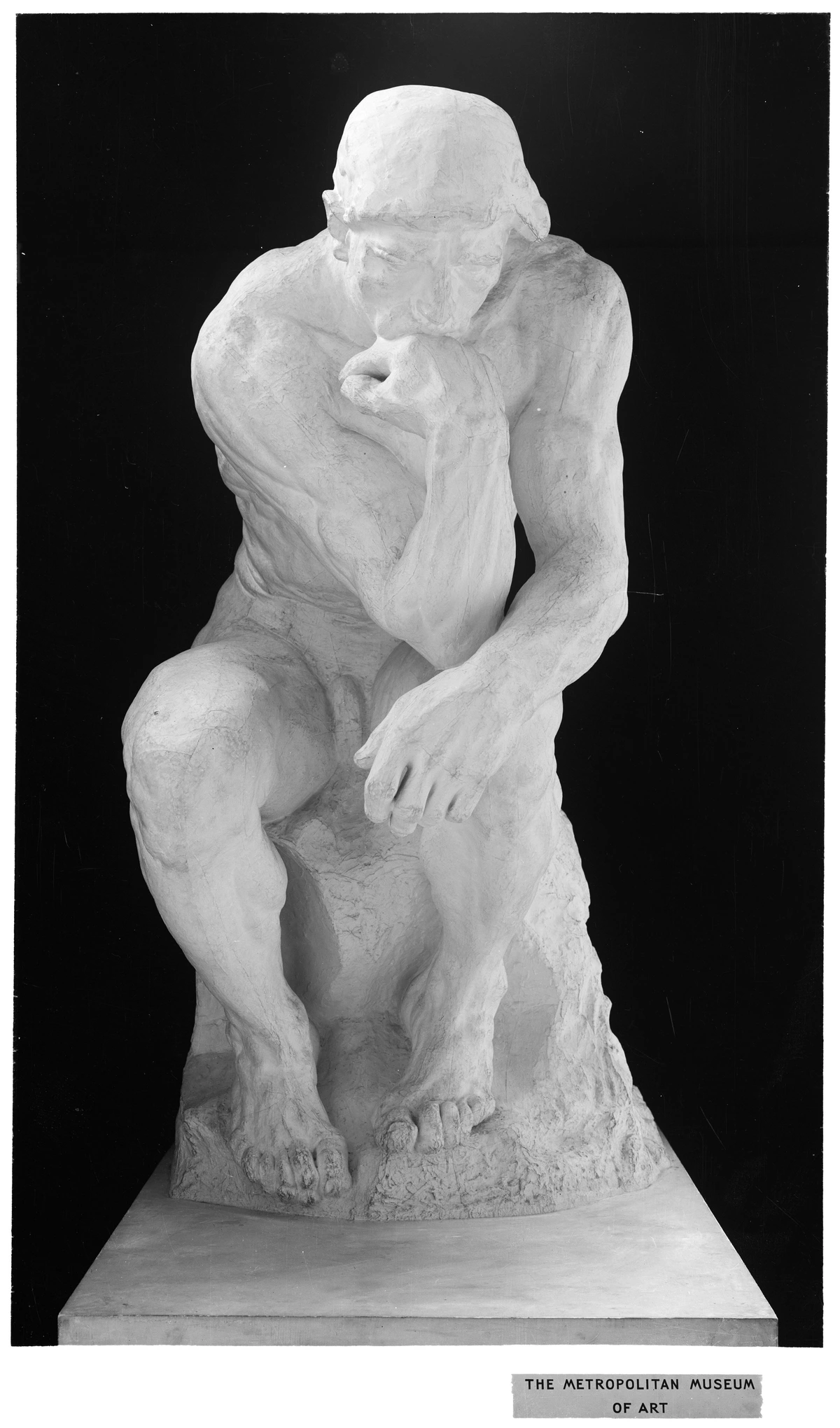
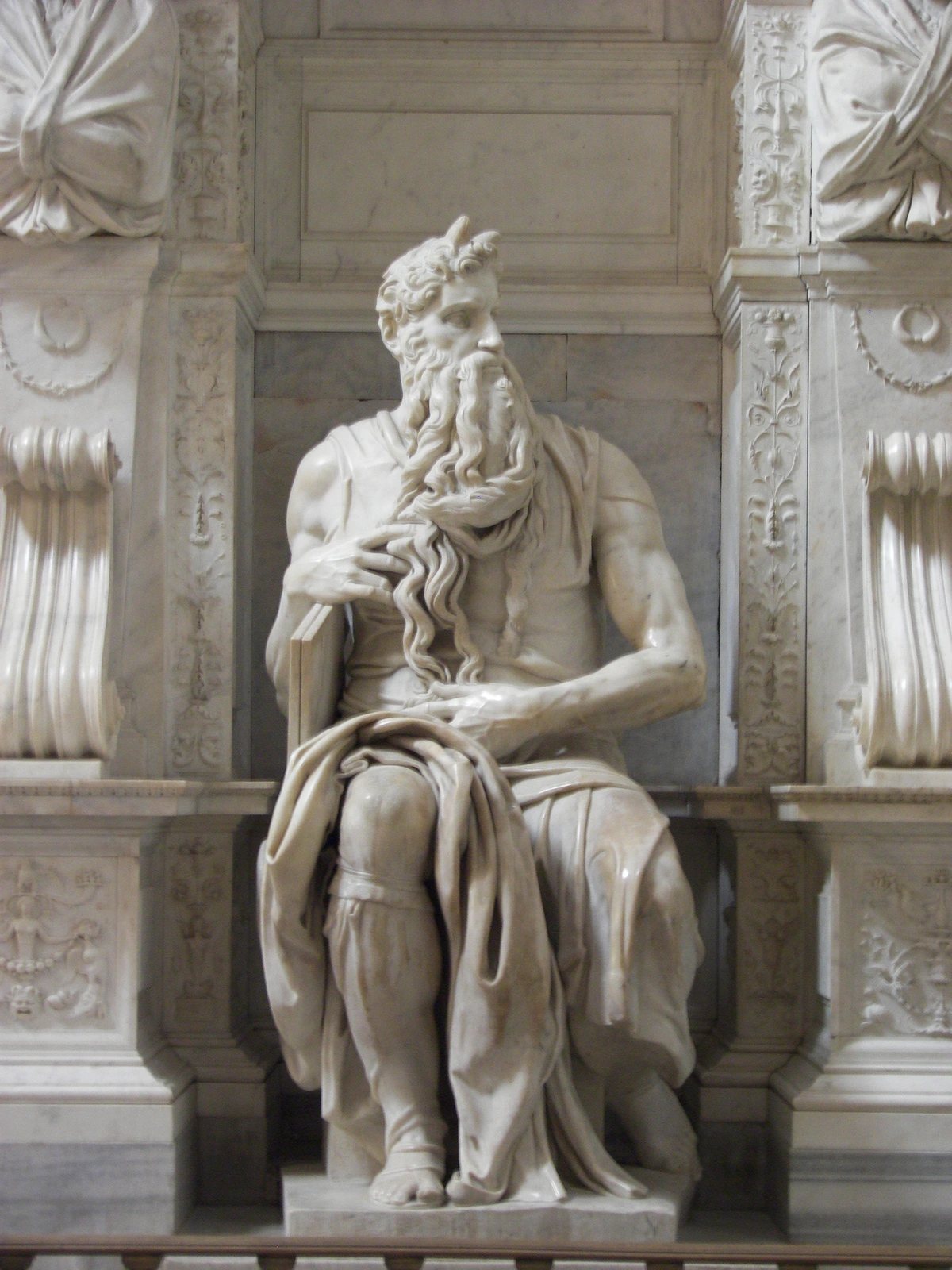
This is the central question, and the answer is simple: art history is looking with context. It's the difference between seeing a beautiful, tiled mosque and understanding that the intricate geometric patterns are a form of devotion, a way to represent the infinite nature of Allah without using forbidden human imagery. It's the difference between seeing a Michelangelo sculpture and just seeing a muscular guy, versus seeing the Renaissance obsession with reviving the perfection of classical antiquity, combined with a profound Christian faith.
Looking at art is like hearing someone speak in a language you don't understand. It can sound beautiful, but the meaning is locked away. Art history, fueled by curiosity, is learning the language. It doesn't make the beautiful sound any less beautiful, but now you're part of the conversation. You're not just a spectator; you're a participant.
This dialogue, though, can be uncomfortable. Art often forces us to confront beliefs and perspectives that are alien to us. What happens when the art we love comes from a time with values we find abhorrent, or reflects stereotypes we are trying to dismantle? How do we reconcile the beauty of the object with the ugliness of the context?
The intellectually curious approach is to resist simplification. It’s to embrace the paradox. A painting can be both a breathtaking technical achievement and a carrier of outdated ideologies. Your curiosity allows you to hold these conflicting truths in your head at the same time. This isn't an easy task. It requires a special kind of mental discipline, and a willingness to let an artwork challenge you without letting it off the hook. It means learning to separate appreciation from endorsement, to love the work without excusing the world it came from.
That, to me, is the true hallmark of a genuinely curious mind: the refusal to let the world be simple.
The Engine of Inquiry: Defining the Indefinable
At its deepest level, intellectual curiosity within art history is a principled, almost stubborn refusal to passively accept an artwork at its surface appearance. It is a mental posture of relentless leaning forward, a continuous asking of the fundamental question: “But why?” Why did the artist select this specific hue of red over another? Why this compositional arrangement, this brushstroke, this material? It’s the catalytic impulse that converts a passive spectator into a dynamic participant, joining a multifaceted, centuries-spanning dialogue.
It’s a profound distinction—far more significant than mere factual accumulation. It represents the difference between reciting a cherished poem from memory (correctly identifying its parts) and viscerally understanding the poet’s soul-shattering reason for choosing each particular word. This quality of curiosity is the invisible, transformative force separating the casual visitor from the individual who has cultivated a truly profound, deeply personal communion with art.
Case Study: Decoding the World in a Single Pigment
Let’s dissect the implications. This mindset prompts you to stand before a Renaissance altarpiece and become less preoccupied with the saint’s hagiography than with the staggering economic reality behind a specific pigment: ultramarine blue. This was no ordinary color. Sourced from the gemstone lapis lazuli, mined almost exclusively in a single, treacherous region of Afghanistan, it was, by weight, literally more precious than gold. Its very name means “beyond the sea,” denoting its exotic, perilous journey to European workshops.
Historical accounts record patrons specifically financing an artist’s entire commission—covering material and labor costs—merely to guarantee that robes of the Virgin Mary would be rendered in authentic, impossibly expensive ultramarine. Suddenly, that celestial blue is no longer just aesthetic. It is a multilayered, high-stakes declaration comprising audacious wealth, profound piety (the most precious substance offered to the most sacred figure), and a tangible testament to the complex, globalized trade networks of the medieval world. The single, deceptively simple question—“Why is that blue so ... overwhelming?”—unlocks entire vaults of economics, faith, and global politics. You begin perceiving the whole world latent within a single drop of pigment.
Case Study: When the World Turned Inside Out
And then there's Cubism. I used to think it was just a weird way of painting faces, like looking at the world through a shattered mirror.
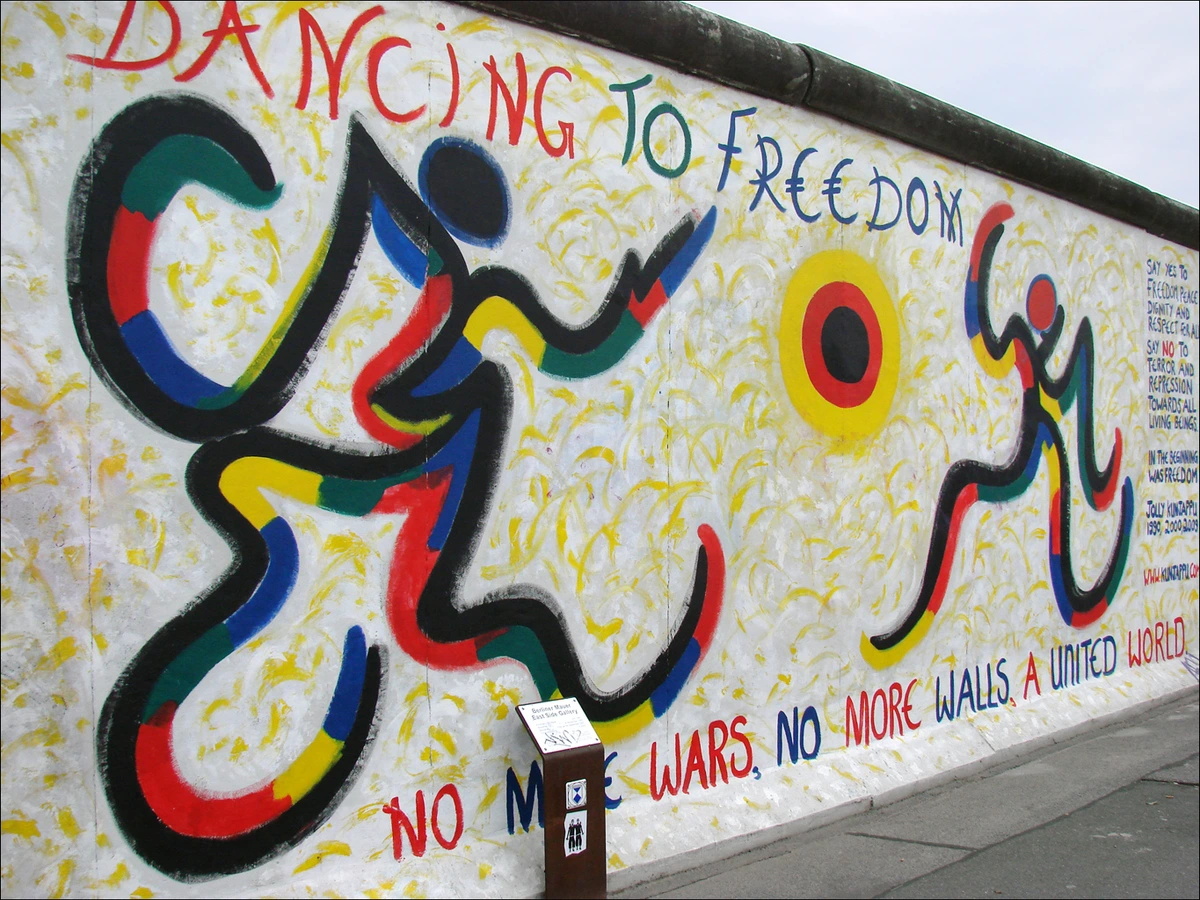
It's about seeing a Cubist painting by Picasso or Braque and asking, "What did the world look like through their eyes?" This wasn't just a stylistic quirk. It was a radical intellectual project to depict multiple perspectives at once, a visual parallel to Einstein's theory of relativity. They were trying to paint the very structure of seeing and thinking—to show you the front, the back, and the inside of a guitar all at the same time. It was a complete re-imagining of reality itself.
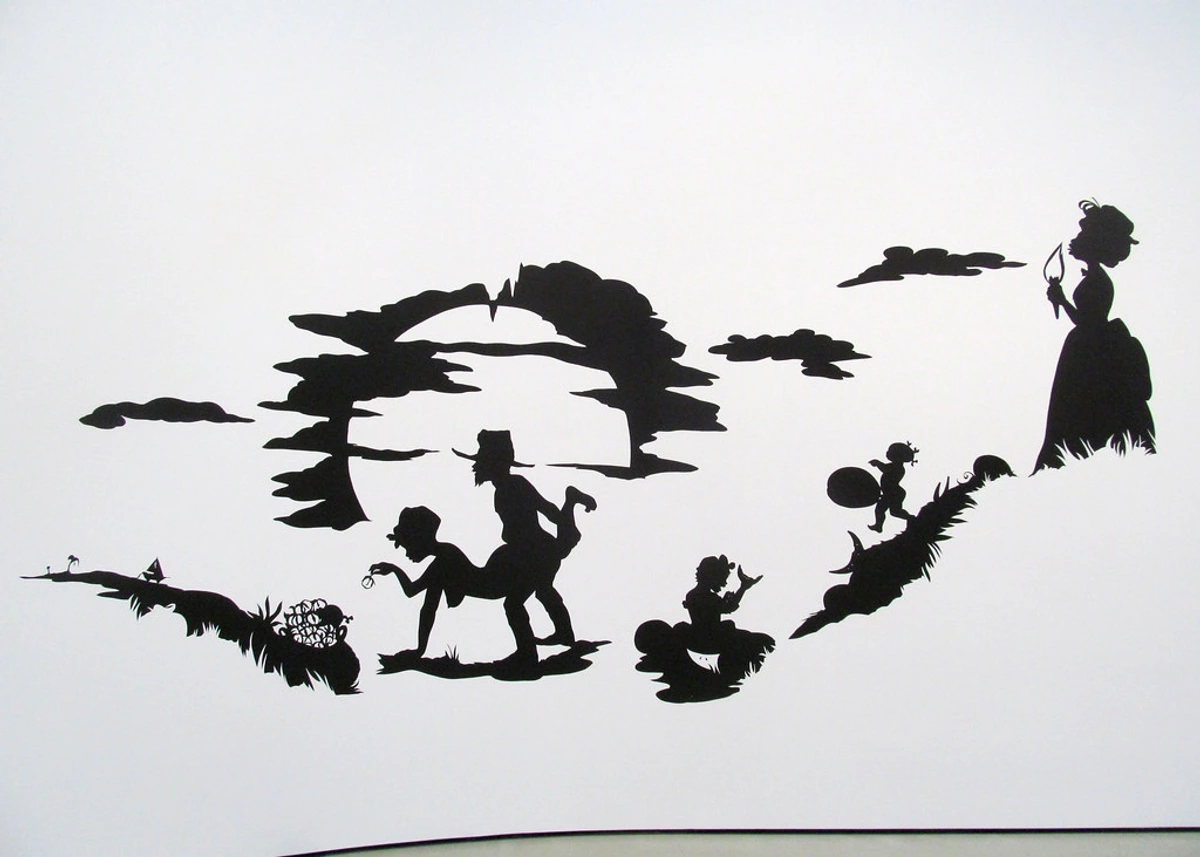
This exercise isn't just about observing different styles; it's about observing different worldviews. A side-by-side comparison forces you to articulate what each artist valued—what they chose to include, to emphasize, or to reject entirely.
Adopting a Scientific Mindset: The Power of Comparative Analysis
Artworks never emerge from sterile isolation. Analogous to a scientist formulating hypotheses via controlled experiments, an intellectually curious art historian achieves insight through rigorous comparison. This methodology—juxtaposing disparate works—is among the most potent instruments within your developing analytical toolkit.
- Series Variation as Inquiry: Many artists obsessively return to the same subjects, not from lack of invention, but for radical exploration. Studying how Claude Monet painted the same haystacks or Rouen Cathedral facade across dozens of canvases—under different sunlight, atmospheric conditions, and seasons—transcends mere compositional variation. It becomes a profound epistemological investigation into the unstable, subjective nature of time, light, and human perception. Similarly, juxtaposing how Pablo Picasso depicted a figure before and after his profound encounter with African art provides a stark, visceral masterclass in artistic metamorphosis and external influence.
- Trans-historical Echoes: Track how specific motifs, gestures, or formal solutions reverberate across vast historical chasms. The tender gesture of a mother cradling her child—the Pietà—recurs with astonishing tenacity from ancient Egyptian statuary, through the idealized harmony of Raphael’s Madonnas, all the way to contemporary explorations of the same theme by artists like Käthe Kollwitz. Is this direct quotation, or does it reflect some deeper, universal human constant? Often, the question itself is the most important answer.
- Stylistic Dissonance and Ideological Shifts: Deliberately place artworks from radically opposed movements side-by-side. Consider a meticulously polished, psychologically contained formal portrait by Jean-Auguste-Dominique Ingres juxtaposed with the violently distorted, psychologically raw figurative work of Francis Bacon. This dramatic contrast reveals more about evolving concepts of “the self,” interiority, and human psychology across the 19th and 20th centuries than an entire textbook on the history of portraiture.
A few comparison pairings to spark your curiosity:
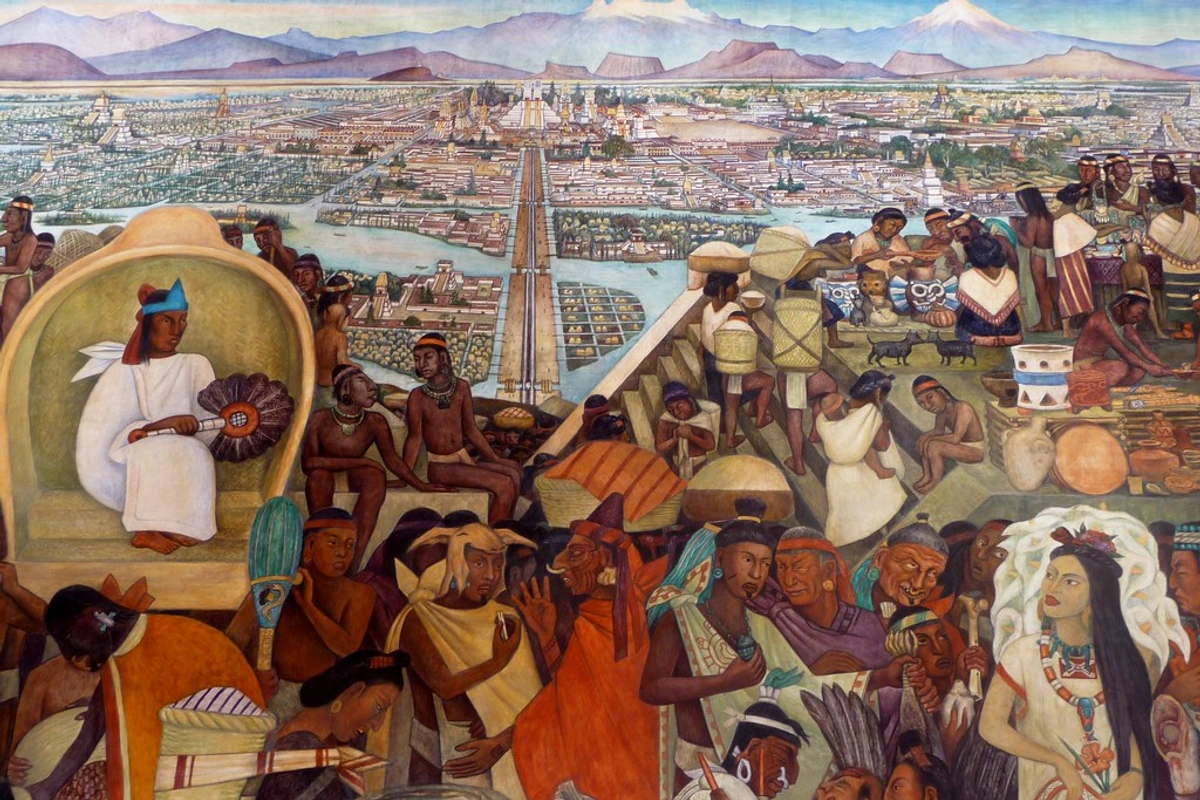
- Botticelli's Primavera vs. Matisse's Dance: How do two completely different visions of 'the ideal' reveal changing attitudes towards joy, the body, and mythology?
- Vermeer's Girl with a Pearl Earring vs. Warhol's Marilyn Diptych: Both are iconic portraits of women. What does each one's technique, medium, and context say about celebrity, individuality, and the purpose of the image?
- Turner's Rain, Steam, and Speed, an early depiction of a train, vs. a Futurist painting like Boccioni's Dynamism of a Cyclist. Both try to show motion and modern life. How does each movement's philosophy lead them to completely different answers?
The Ripple Effect: How Curiosity Connects the Dots
Intellectual curiosity in art history is never just about the one painting in front of you. It's a pebble dropped in a pond; the ripples spread outwards, touching everything around it. This is where art history becomes a true web of knowledge.
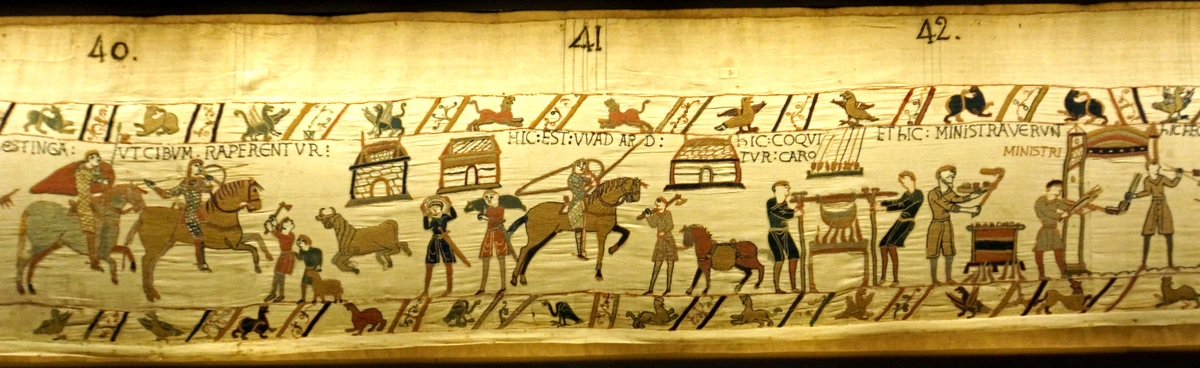
Let's trace those ripples. When you ask, 'Why did Gustav Klimt use so much gold leaf?', you don't just get an answer about aesthetics. The ripples lead you to:
- Artistic Influences: Klimt was heavily influenced by the Byzantine mosaics he saw in Ravenna, Italy. Those flat, golden backgrounds and stylized figures were a direct reference.
- Personal History: Klimt's father was a gold engraver. That material was in his blood, a connection to his family's craft.
- Economic Conditions: Gold leaf is expensive. This tells you he had wealthy patrons who could fund such extravagant materials.
- Cultural Symbolism: Gold has been associated with divinity and the sacred for millennia. By using it on secular subjects (like a passionate embrace), Klimt was elevating human, and especially female, desire to a spiritual plane.
- Artistic Rebellion: On another level, his use of gold was also a rebellion. By taking a sacred material and applying it to often erotic, secular subjects, Klimt was purposefully blurring the lines between the divine and the earthly, the spiritual and the carnal. He was making a provocative statement about what, and who, deserved to be seen as sacred.
One simple question about a shiny material opens up a world of travel, family, money, philosophy, and artistic rebellion. It connects Klimt to ancient Rome, to his father's workshop, and to the entire history of religious art, all while showing his own unique twist on that history.
A Web, Not a Timeline
This nonlinear, interconnected reality is precisely why I abandoned the comforting but misleading metaphor of art history as a tidy chronological arrow from A to B. The true structure resembles a sprawling, multi-dimensional web—a mycelial network of influence and reaction. For instance, the proto-Impressionist atmospheric dissolution in J.M.W. Turner’s 19th-century brushwork doesn’t merely follow a single line to French Impressionism; its radical implications can be traced—perhaps counter-intuitively—forward to the explosive, performative gestures of mid-20th-century Abstract Expressionists like Jackson Pollock.
Therefore, when your curiosity leads you diligently down one investigative path, cultivate the habit of pausing and scanning the adjacent conceptual terrain. The most compelling, revelatory stories—the ones that genuinely reframe your understanding—are rarely found on the main thoroughfare. They dwell at the unexpected intersections, the strange and fertile cross-pollinations.
Dispelling the Myth: Art History is NOT What You Think It Is
Before our inquiry deepens, it’s crucial we dismantle a pervasive, obstructive misconception. The most damaging myth about art history is its perceived character as a musty, profoundly elitist discipline, accessible only to those with rarefied educations and plummy accents effortlessly declaiming Latin. This vision is not just inaccurate; it’s actively detrimental to public engagement with visual culture.
For a more accurate and vital metaphor, consider this distinction. If conventional history interrogates the skeletal facts of what happened, then art history is the study of the flesh, blood, and neural tissue—how it actually felt to be a sentient being alive within that historical moment. A textbook can inform you that a French Revolution occurred; a painting like Jacques-Louis David’s The Death of Marat makes you apprehend the chilling, stoical virtue of a revolutionary martyr, hemorrhaging life in his bathtub. It’s visceral. It’s profoundly emotional. Most importantly, it is undeniably, achingly human.
Proficiency in this field isn’t contingent on being innately “smart enough” to magically “get it.” Rather, it’s a function of being intellectually and emotionally curious enough to initiate a genuine dialogue with the past, one profoundly human artifact at a time.
So, let's bust some of the most common myths that keep people from falling in love with this subject.
Dispelling the Myths: A Corrective Table
Here’s a concise breakdown designed to correct some of the most persistent and damaging myths, clearing the path for a more authentic, less intimidated engagement with art.
Myth  | The Reality |
|---|---|
| It’s just rote memorization: names and dates. | Art history is fundamentally driven by narrative. It’s a detective story, a political thriller, and a human romance woven together. Dates and names are merely chapter headings, not the book itself. |
| You must decode the ‘single, correct’ interpretation. | This fundamentally misconstrues how profound art operates. Truly great art is intrinsically polysemic—it generates multiple, often contradictory, valid meanings. Your personal, subjective reaction is an essential component of the ongoing, centuries-long conversation. |
| ‘Modern Art’ is an elaborate scam for the ultra-wealthy. | This cynical view ignores how every single ‘classical’ movement was once radical, challenging contemporary art. The Baroque was initially attacked as bizarre and excessive. Impressionism was deemed unfinished and crude. The objective isn’t immediate aesthetic approval, but asking why an artist would make such choices. |
| It’s an exclusive domain for the affluent and well-educated. | Art has always been a universal human activity. From anonymous Paleolithic cave painters to contemporary street artists, it’s always emerged from diverse socioeconomic contexts. The themes are the universal human constants: love, mortality, power, faith, trauma, and transcendence. No expensive degree is required to apprehend these. |
Armed with this new perspective, the whole field starts to look a lot more inviting, doesn't it?
Putting It All Together: Your Curiosity Toolkit in Action
A Synthesis in Action: Deconstructing Duchamp’s Fountain
How do all of our discussed strategies—adopting a mindset of inquiry, applying comparative tools, and contextualizing broadly—coalesce when confronting a genuinely challenging artwork? Let’s systematically apply them to Marcel Duchamp’s infamous Fountain (1917), the standard urinal he notoriously submitted for exhibition.
Step 1: The First Encounter – Embracing Productive Ignorance Your initial, unfiltered reaction is valuable data. Mine was a cascading series of dismissive questions. “Alright, it’s a urinal. It’s signed ‘R. Mutt 1917’. It’s ... a urinal. I don’t understand. Is this an elaborate joke, an act of contempt for the viewer?”
- The crucial mental shift here isn’t to suppress this reaction, but to channel it. Instead of concluding “this is nonsense,” the intellectually curious stance is: “My mind is interpreting this as nonsense. That’s curious. What would an alternate frame of reference be?”
Step 2: The “Five Whys” Interrogation This is where we transform bewilderment into genuine investigation.
- Why would Duchamp submit a mass-produced, “vulgar” object to an art exhibition?
- Answer: He deliberately set out to dismantle and violate every established criterion for art. He was aggressively rebelling against the deeply entrenched dogma that art must be beautiful, demonstrate manual skill, or provide a unique aesthetic object.
- Why would he launch such a savage assault on art itself?
- Why did industrialized warfare provoke this turn toward absurdity and “anti-art?”
- Answer: Dadaists concluded that the very “logic,” “reason,” and rabid nationalism that had fueled the war machine were entirely bankrupt. The only intellectually honest response was a complete rejection of those systems—to embrace absurdity, irrationality, nonsense, and actively create “anti-art.”
- Why was this strategy labeled “anti-art”? What fundamental questions was it raising?
- Answer: It was assaulting the institutional power structures. It was a direct, antagonistic challenge to the critics, museums, and salon juries who operated as gatekeepers of culture. Duchamp was not asking, “Is this beautiful?” He was radicalizing the question itself: “Who actually possesses the authority to decree what is, and is not, art? The artist? The institution? The public? Can an idea itself constitute art, divorced entirely from craftsmanship?”
- Why does Duchamp’s urinal continue to provoke and matter more than a century later?
- Answer: With a single, inflammatory gesture, Fountain effectively shattered any singular, essentialist definition of art. After Duchamp, the conceptual boundaries exploded. Art could be a performance, an unaltered found object (the “readymade”), a purely linguistic proposition, a political action, or a fleeting idea—no longer constrained by the traditional requirements of painting or sculpture.
Suddenly, and irrevocably, the porcelain urinal ceases to be a mere prank. It transmutes into a philosophical depth charge. It makes an audacious claim that the concept is infinitely more significant than the object. It questions authority, tradition, and the very logic of taste.
And here is the most disorienting twist in the entire story: the original urinal that Duchamp submitted in 1917 was lost, probably thrown away as rubbish. The object that we venerate in museums today is a replica, authorized by Duchamp decades later. So what are we actually looking at? We are looking at the idea of a readymade, manifested in a physical form. The art isn't the object; it's the precedent. The art is the thought. By creating an artwork whose original object is irrelevant, Duchamp proved his point in the most profound way imaginable. Every time we look at a replica of Fountain, we are participating in the very idea he was trying to communicate—that the power of art exists primarily in the mind of the artist and the viewer, not in the physical material. It’s a perfect, self-consuming, and infinitely clever loop.
Step 3: The Forensic Contextual Autopsy This is where we move beyond the object’s provocative presence and scrutinize its specific, weaponized details. This is my favorite part of the whole process. It's where you get to be a detective. Because here's the thing: the artist chose every single element you see. They chose the title, the signature, the material, the orientation. They didn’t just find a urinal; they chose a urinal. And every choice is a breadcrumb leading back to their original idea.
Your job isn't to solve the mystery. Your job is to follow the clues and see where they lead. Sometimes they lead you straight to the artist's stated intention. Other times, they lead you to a dead end, or to three different equally plausible paths. That's not failure—that's the nature of the beast. The goal is to map the terrain of the artist's decisions, not to find a buried treasure chest with a single, static answer inside it.
- The Ironic Title: Fountain. The title wasn’t arbitrary; it was a calculated act of conceptual hijacking. By naming this industrial sanitary fixture after fountains—public monuments celebrating beauty, civic identity, and classical sculpture—Duchamp performs an act of pure, potent irony, collapsing high and low culture into a single, inscrutable gesture.
- The Cryptic Signature: “R. Mutt 1917”. The signature itself is a multi-layered Dadaist provocation. It’s a pseudonym, shielding Duchamp’s identity. “Mutt” likely derives from the popular comic strip Mutt and Jeff, injecting a note of lowbrow levity. Simultaneously, it phonetically echoes the German word Armut (poverty). Was Duchamp obliquely mocking the art world’s romanticized fascination with the starving, suffering artist? It destabilizes the very notion of authorship.
- The Object’s Ontology: The “Readymade”. The urinal itself, a mass-produced industrial item from the J.L. Mott Iron Works, was meticulously selected. This was no accident. Duchamp leveraged the readymade—an unaltered, mundane, mass-produced object—to mount a direct assault on the core tenets of artistic creation: originality, individual craftsmanship, and the “unique” hand of the artist. He was using industrial anonymity to question the sanctity of the handmade.
By dedicating mere minutes to this systematic interrogation, Fountain spectacularly transforms from an inscrutable bafflement into arguably one of the most deeply consequential and influential artworks of the 20th century. Your intellectual curiosity achieves more than mere comprehension; it compels you to re-evaluate the very foundational nature of creativity, cultural value, and the societal frameworks we take for granted.

The Big Picture: Art History as a Mirror for Your Own Life
An unanticipated, immensely valuable consequence of this entire intellectual exercise—an unforeseen dividend I never anticipated—is how its methodology inevitably bleeds outwards, colonizing your daily perception. The more rigorously I trained myself to interrogate art, the more compulsively I began interrogating the texture of my own reality. I began unconsciously spotting the symbolic weight of ‘Renaissance blue’ latent in ceramic architectural tiles. I saw the rebellious, absurdist DNA of the Dadaists in subversive political street art and culture-jamming. I saw the profound color-field tension of a Mark Rothko painting re-enacted in the dramatic interplay of sunset light across a bare wall.
This precise realization underscores a crucial truth: studying art history isn’t merely an academic excursion into an inaccessible past. It’s an intensive, boot-camp-level training ground for acute observation. It rigorously teaches you how to pay fierce attention, to relentlessly question embedded assumptions, and to actively hunt for the hidden narratives latent in everything—from advertising to infrastructure to interpersonal gestures. It floods your world with unprecedented vividness. A mundane bus ride becomes a rich field study in human expression and urban semiotics. An idle stroll through a city district transforms into a real-time lesson in architectural history. Your life accrues density and resonance because you’ve learned to see it not as a series of random events, but as an endless, cascading series of fascinating, interconnected visual details.
Crucially, this is a reciprocal, symbiotic dynamic. You inevitably bring your own accumulated life experience—your private history of joy and grief—to a painting. In return, the painting offers an unexpected, altered lens through which to re-examine your own reality. A meticulously rendered 17th-century Dutch vanitas still life, with its wilting petals, guttering candle, and inescapable human skull, becomes a profound, quiet meditation on your own mortality. A chaotically layered, viscerally energetic Jackson Pollock drip painting can suddenly feel like a perfect, cathartic externalization of a particularly overwhelming Tuesday.
You begin a genuine conversation with the artwork, a dialogue across centuries. And then, imperceptibly, a profound shift occurs: the artwork begins to answer you back.
Frequently Asked Questions (FAQ): Demystifying the Journey
Let’s dismantle some of the most common, foundational questions and anxieties I had when I began—and which I consistently hear from others. These doubts, often rooted in cultural myths, can actively prevent you from developing a meaningful relationship with visual culture.
Isn't it all subjective anyway? That's a great question. It's easy to think 'I like what I like' and leave it at that. But there's a huge difference between personal taste and informed appreciation. Subjectivity is your gut reaction; intellectual curiosity is what you do with that reaction. You might dislike a painting by Francis Bacon, but curiosity asks why you dislike it. Is it the subject matter? The brushstrokes? The feeling it gives you? That investigation leads you to a deeper understanding of the artist's intent and your own personal psychology. Taste is just the starting line, not the finish line.
I don't have a background in art. Am I qualified to do this? This is the gatekeeper myth, and it's one of the biggest things holding people back. You don't need a background in art. You're already an expert in being a human being. You know what it's like to feel joy, sadness, anger, and confusion. You've experienced light, shadow, and colour. That's all you need to start.
The technical knowledge—the names of movements, the dates, the styles—is just a language. You'll pick it up as you go. Think of it like learning a language by immersion. You don't memorize the entire dictionary before you start having a conversation. You learn a few words, you start listening, and slowly, you become fluent. It's far less important than your willingness to be open and ask questions. The most valuable thing you bring to a museum isn't knowledge; it's your own humanity and your willingness to be curious.
What if my interpretation is 'wrong'? There is no 'wrong'. There are interpretations that are more or less supported by the evidence in the painting and its historical context, but your personal connection is unique to you. That said, intellectual curiosity means you're willing to change your mind.
Think of it like meeting a fascinating person at a party. Your first impression might be based on their clothes or a single comment they made. That's your 'initial interpretation.' As you talk to them more (as you learn more context), your understanding of them deepens and might completely change. That's not being 'wrong' at first; it's being a good listener and an engaged conversationalist. The goal isn't to be 'right' from the start; it's to have a conversation with the artwork that brings you closer to a richer understanding.
How do I even start with a painting I know nothing about? This is my favourite way to start: stare at it for a full minute in silence. Don't even form words. Just look. Then, find the one thing that catches your eye first. Start there. Why did that detail grab you? Talk it through in your head as if you were explaining it to a friend. "I'm looking at this painting, and for some reason I can't stop looking at the way the light hits that vase..." That's it. That's your entry point.
This one tiny detail is your doorway into the entire work. From there, you can start adding in context. If you look up the artist's name, that's a win. If you look up the year it was made, that's a huge win. Art history is built brick by brick, and you're just laying your very first one. Build from one little detail outward, and don't get overwhelmed by the 'big picture' right away.
How can I apply this if I can't travel to famous museums? This is a really practical concern for a lot of people, but here's the amazing thing: we live in an incredible time for armchair art exploration. The world's greatest museums have put millions of high-resolution images online. You can zoom in on the cracks in the paint on a Vermeer from your living room. Many offer virtual tours that are surprisingly immersive. Plus, there are amazing YouTube channels, podcasts, and books that can take you on deep dives.
Here’s a pro tip: use museum websites like a physical space. Don't just browse randomly. Go to The Metropolitan Museum of Art's website and 'walk' through just the medieval wing. Or, pick a single artist on Google Arts & Culture and look at only their work for twenty minutes. This intentionality mimics the physical museum experience and helps you go deeper than a scattered scroll through a feed. You can also take a virtual walk through the Van Gogh Museum or start with The Best Art History Books for Beginners. Form a virtual art club with friends. The key is to be intentional. Don't just passively scroll; pick one piece, give it five minutes of genuine, uninterrupted attention, and ask it a question. Geography is no longer a barrier to a curious mind.
Conclusion: Every Question is a Doorway
I initially framed intellectual curiosity as the “secret engine” of art history. Upon deep reflection and after traversing these analytical pathways, it should be evident that it’s not truly a secret at all. Rather, it is a practice—a rigorous, cultivable discipline. It is a dedicated mindset—a deliberate choice to lean forward with intention when cultural inertia encourages you to lean back. It is the conscious decision to abandon the comfortable safety of presumed knowledge for the thrilling, vertiginous uncertainty of discovery. Art, in this light, is reframed not as a static puzzle requiring a single solution, but as a vital, crackling conversation awaiting your contribution.
The next time you find yourself in front of a painting, a sculpture, or even a piece of graffiti, I hope you remember the ultramarine blue, the Cubist multiple perspectives, and the porcelain urinal. I hope you remember that a single "why" can be the most powerful word in your vocabulary. Ask it of the art, ask it of the world, and most importantly, ask it of yourself.

Because the most beautiful thing you'll ever discover is a mind that is truly, endlessly awake and curious.
Case Study: The Colour That Was Also a Prayer
And when you stand before a massive Abstract Expressionist canvas by Mark Rothko, intellectual curiosity might sound like, "What am I supposed to feel here?"
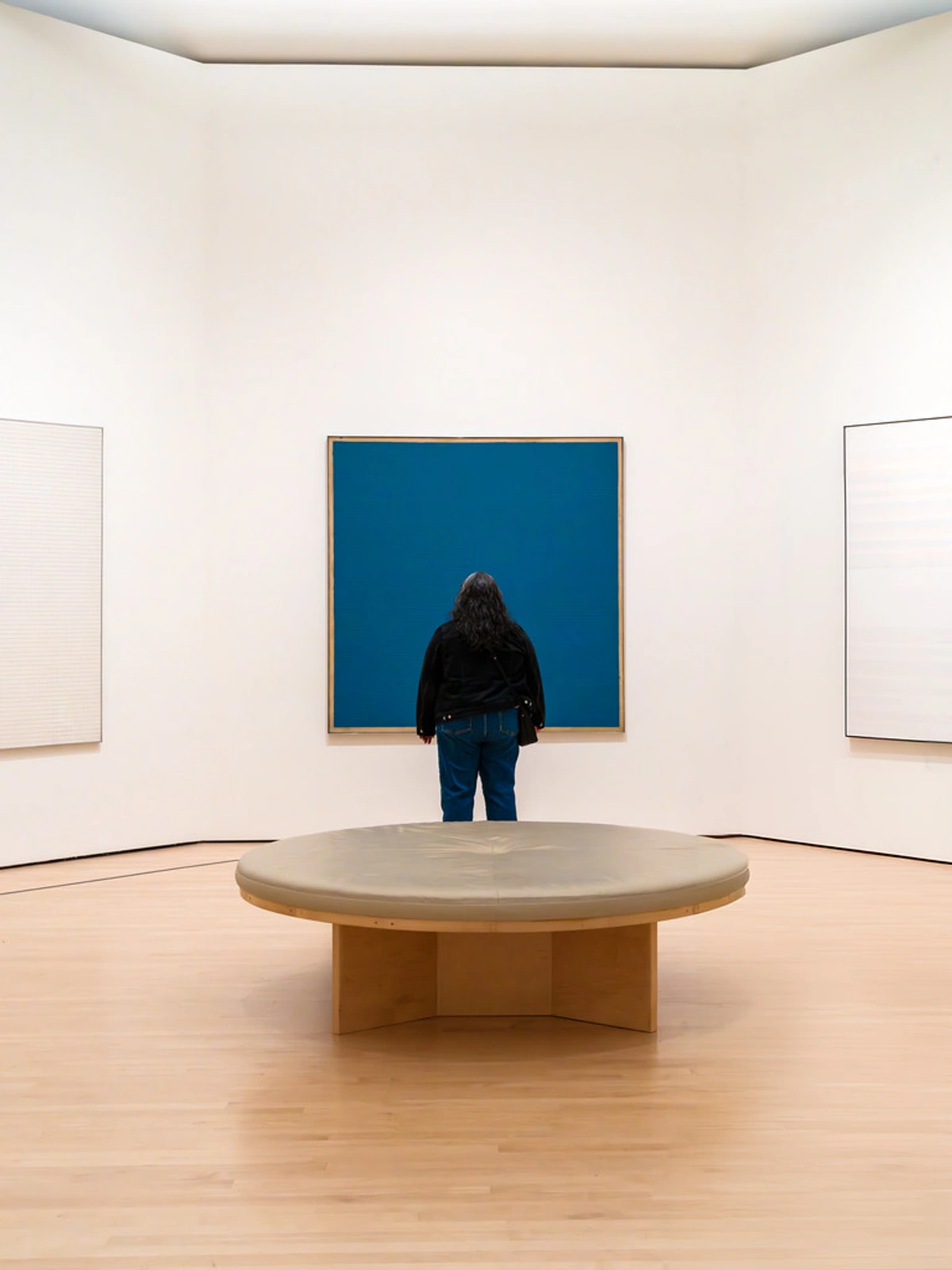
The answer isn't a simple emotion. It’s an investigation into the post-war human condition, the search for transcendence without traditional religious imagery, and a belief that color itself could be a spiritual event. Rothko didn't want you to just look at his paintings; he wanted you to stand close, to let the colour envelop you, to have an almost religious experience. He was literally trying to make you cry. The question pulls you from confusion into a deep, personal dialogue with the work, forcing you to confront what you believe art, or even life, is supposed to be.

Advanced Technique: The “Five Whys” Interrogation for Art
I actually appropriated this remarkably effective diagnostic tool from a lean problem-solving methodology developed in manufacturing, of all places. The principle is elegantly simple, yet devastatingly effective. You confront a single artwork and ask “Why?” five consecutive times. Each answer generates the premise for the next “Why?”, forcing you to excavate deeper and deeper foundational layers with each recursive iteration.
Let’s apply this rigorously to achieve a profound understanding of Frida Kahlo’s The Two Fridas (1939).
- Why are there literally two distinct Fridas in this single composition?
- Why was she compelled to dissect and externalize this fractured identity at this specific moment?
- Analysis: The painting was executed shortly after her devastating divorce from the massively influential muralist Diego Rivera. The divorce was a traumatic rupture that violently destabilized her sense of self, forcing this profound internal reckoning with her identity.
- Why would a divorce from Rivera trigger such an extreme psychological crisis?
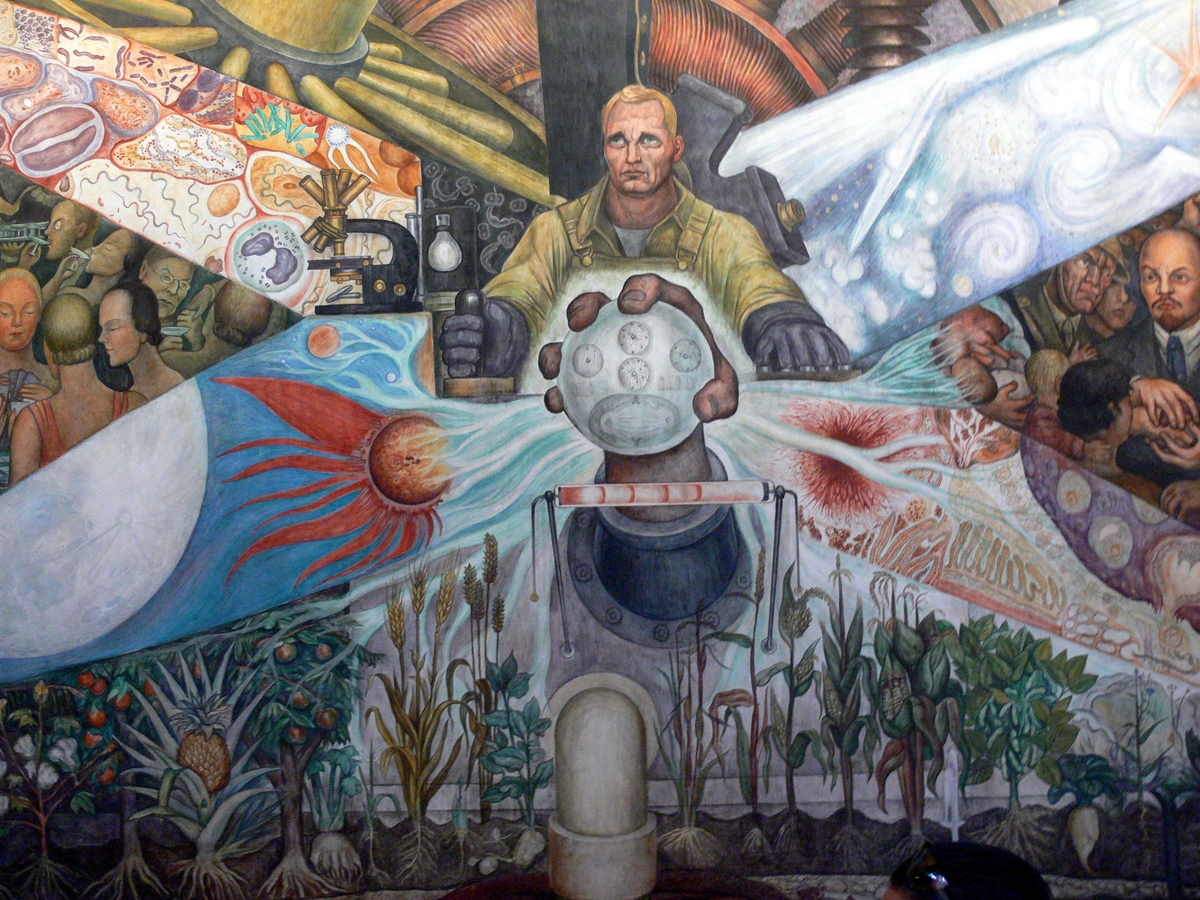
- Analysis: Diego Rivera wasn’t simply her spouse; he occupied multiple, intertwined roles in her life—he was her most significant artistic mentor, her perpetual rival, her cultural lodestar, and the individual whose validation as an artist held immense personal power for her.
- Why was Rivera’s validation so profoundly necessary for her artistic self-conception?
- Analysis: Kahlo was attempting to forge a serious artistic career in 1930s Mexico, a cultural context dominated by intensely patriarchal structures and the monumental, public-facing mural movement. Rivera was its titanic figure. Achieving validation from him was incredibly difficult for any artist, let alone a woman artist working in the stigmatized, “feminine” medium of small-scale easel painting.
- Why was being a woman pursuing art in this environment so uniquely challenging, necessitating such external validation?
- Analysis: The Mexican art world largely relegated women to the status of muses or amateurs. To assert oneself as a serious, professional female painter—especially one grappling with intimate subjects like physical pain, miscarriage, and female identity—required immense resilience and often the backing of a powerful male figure within the establishment. Rivera’s role as gatekeeper was immense.
After this layered inquiry, the painting transforms. You emerge understanding it not as a simple self-portrait, but as a visceral, profound statement about globalization and mestizo identity, profound heartbreak, psychological splitting, and the immense, gendered struggle of a woman artist striving for legitimacy.
2. Context is King (or Queen)
A painting doesn't exist in a vacuum. It's a product of its time. Before you even start looking at the brushstrokes, ask these three context questions:
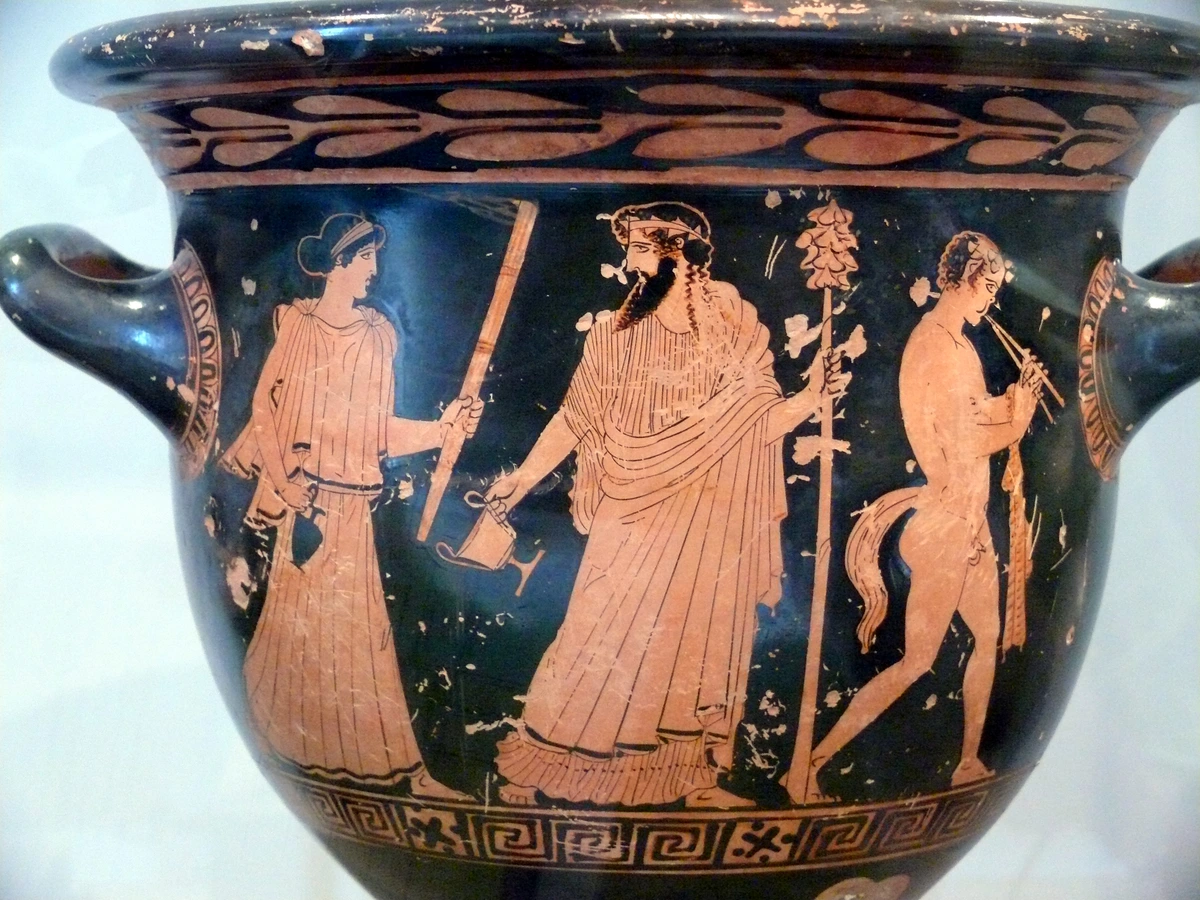
- Who commissioned it? Was it a king, a pope, or a wealthy merchant? The patron often dictated the subject and style.
- What was happening in the world? Was there a war? A revolution? A new scientific discovery? Art is always in conversation with the events of its day. The chaos of World War I directly fed into the fragmented reality of Cubism and the nihilism of Dada.
- What were the rules? What was the dominant art style of the time? This gives you a baseline. The vast, empty landscapes of Caspar David Friedrich are so much more powerful when you realize he was part of the German Romantic movement, which was reacting against the cold rationalism of the Enlightenment. He was using art to find God in nature because society was beginning to lose him elsewhere.
I make it a game now. I'll stand in front of a piece and try to list five things I know about the era it came from, even if they seem totally unrelated. You'd be amazed how often the connections start to click.
3. Detective Work: Follow the Clues
This is my favourite part. Treat a painting like a crime scene. The artist has left you a series of clues. Your job is to assemble them into a coherent story.












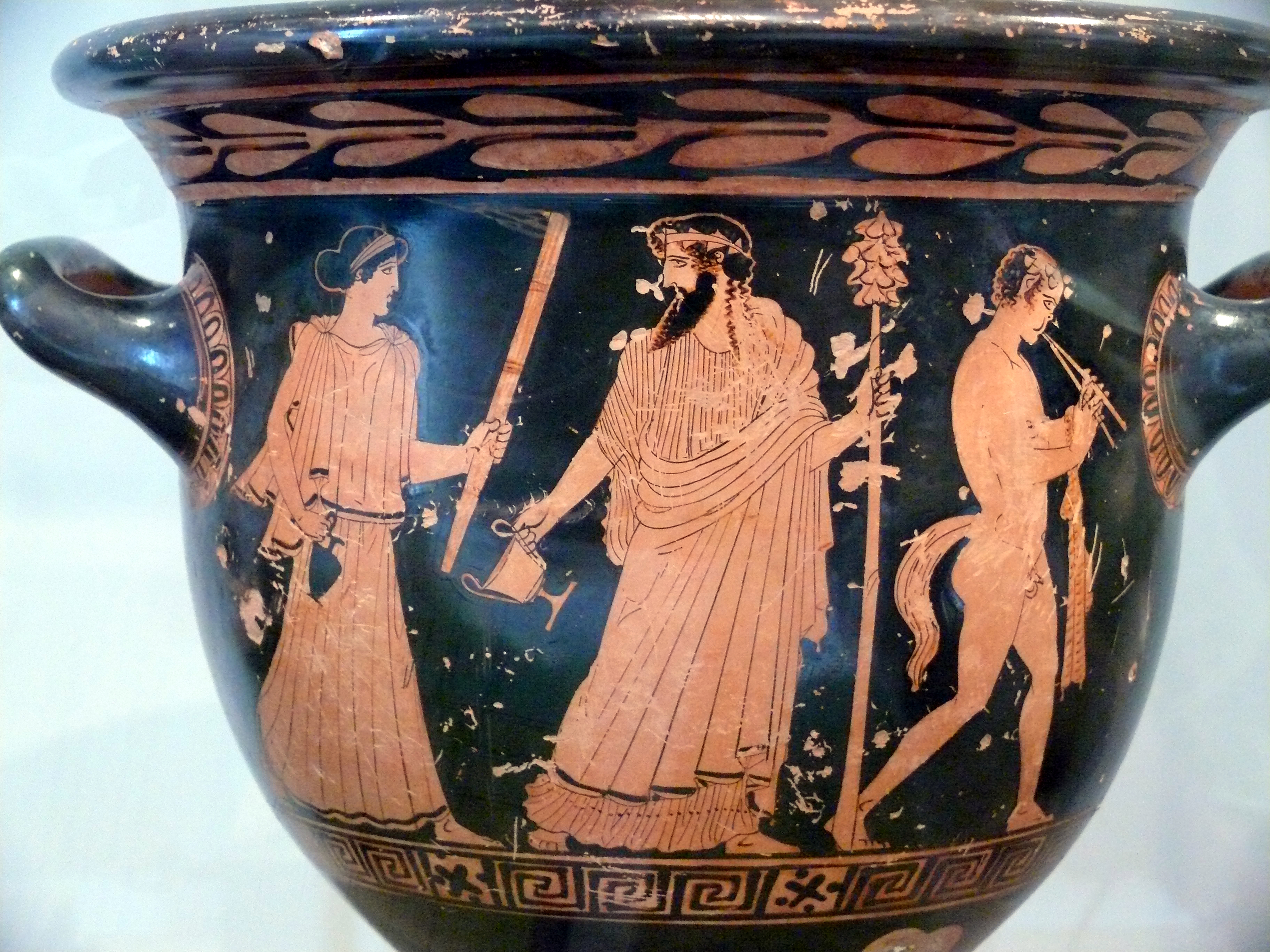

- Clue 1: The Materials.
- What is it made of? Oil on canvas? A fresco on a wall? A digital print?
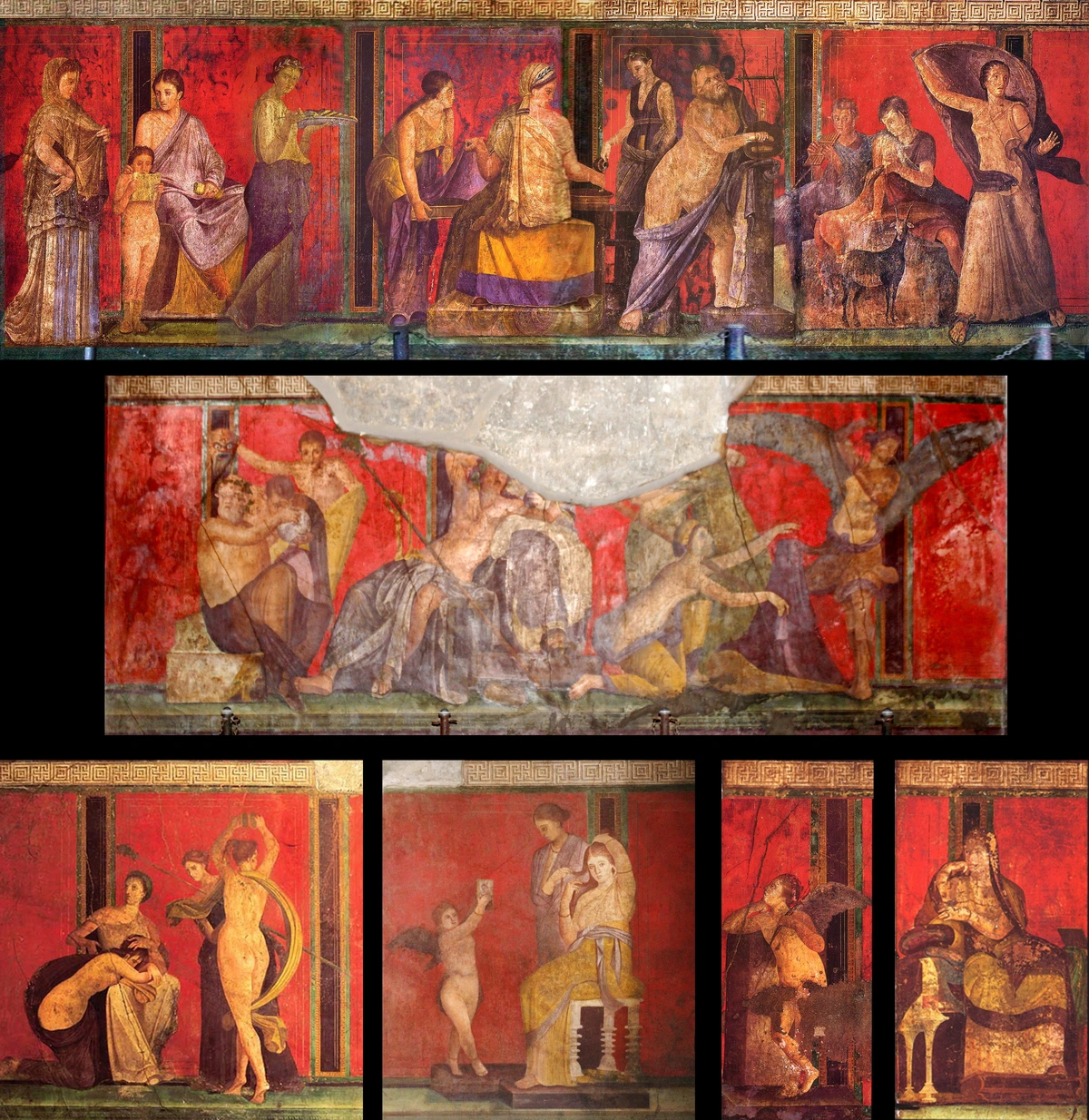
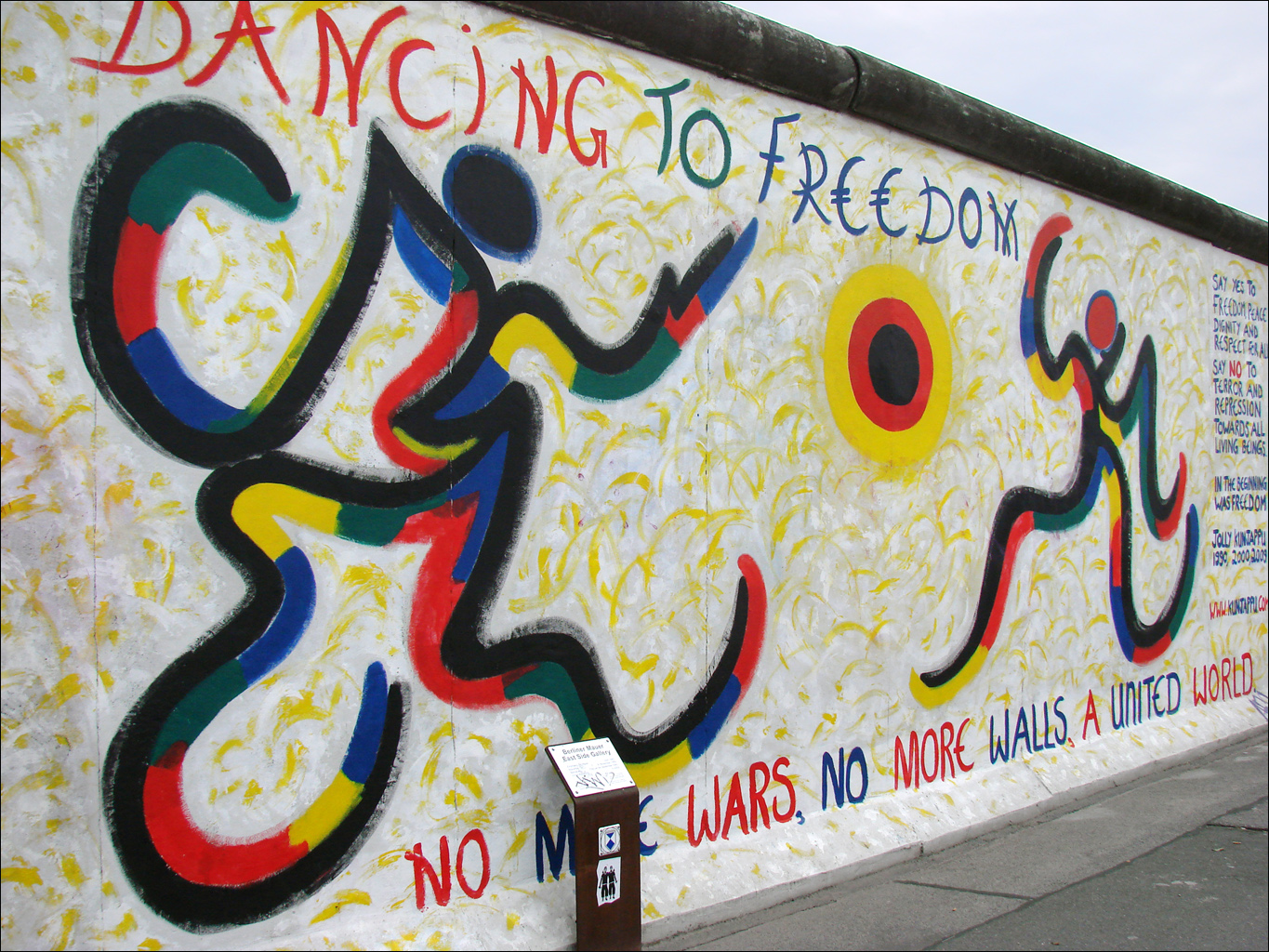
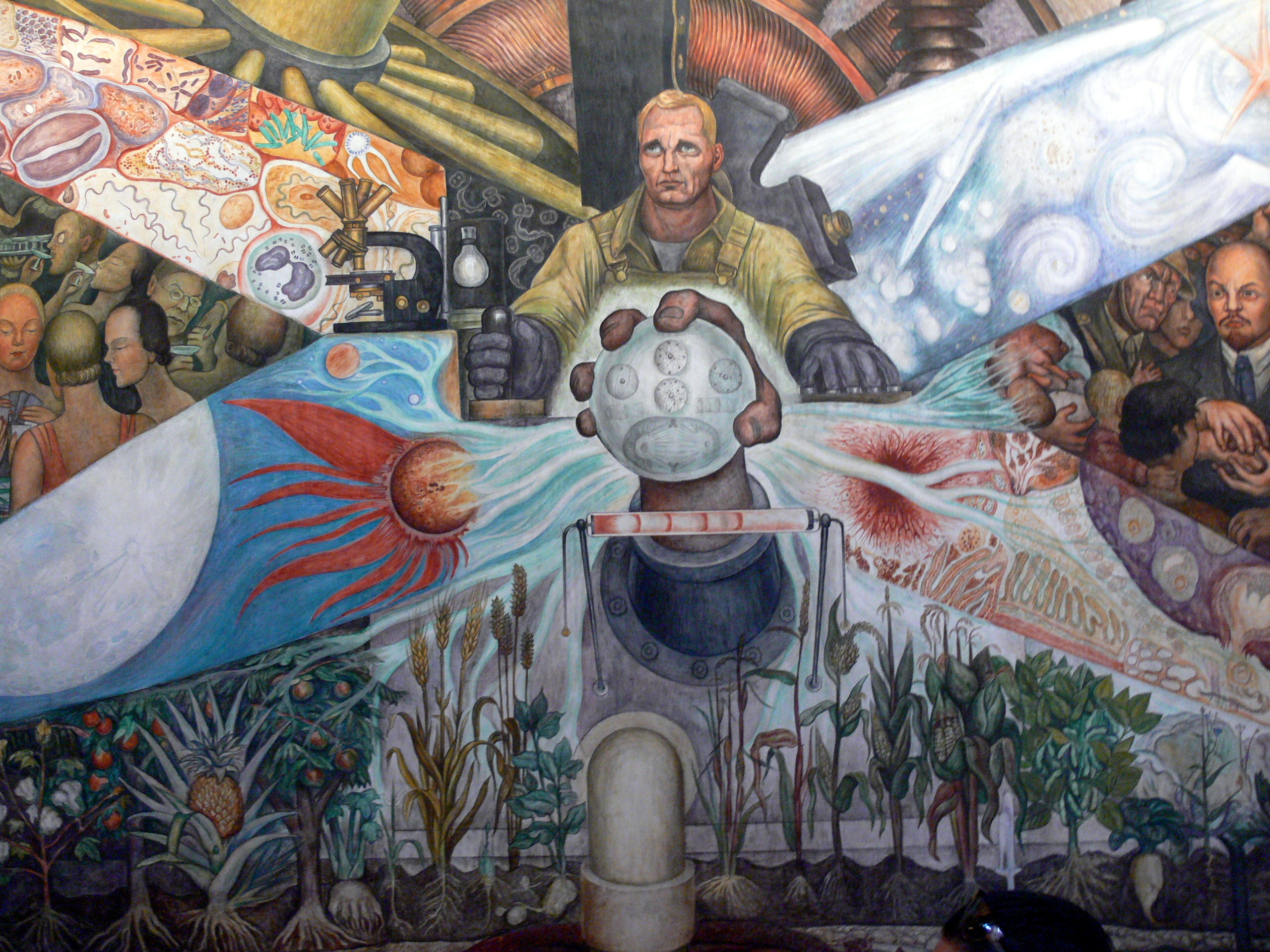
- Why does that matter? Oil paint allows for blending and reworking, which is why Renaissance portraits look so smooth. Fresco, on the other hand, is painted on wet plaster and dries quickly, forcing a more spontaneous, direct style. The material constrains and defines the final product. An artist choosing to paint on a giant, commercially produced canvas in the 1950s was making a statement that an artist painstakingly preparing a wood panel in the 1400s was not.
- Clue 2: The Anomaly.
- What is the one thing in the painting that doesn't seem to fit?
- I remember seeing a serene 18th-century family portrait where one child was holding a parrot with beady, almost demonic eyes. The rest of the painting was calm, but that parrot was pure chaos. It made me dig deeper. Turns out, parrots were incredibly expensive status symbols, but they were also considered morally dubious, mischievous creatures. The artist wasn't just painting a pet; they were making a subtle comment on the family's wealth and their potential vanity. The weird detail is almost always a clue. It's the key that unlocks the door between your world and the artist's.
From Passive Viewing to Active Inquiry: A Practical Guide
Okay, so how do you actually do this? How do you train your brain to ask the questions that lead to these discoveries? It's not about being a genius; it's about adopting a certain mindset. Here are a few ways I've learned to shift my own approach from passive to active.