Dutch Golden Age Art: When Light Painted Life Everbright
Discover the vibrant world of Dutch Golden Age painting. A deep dive into history, techniques, and masterpieces that reshaped Western art.

Dutch Golden Age Art: When Light Painted Life Everbright
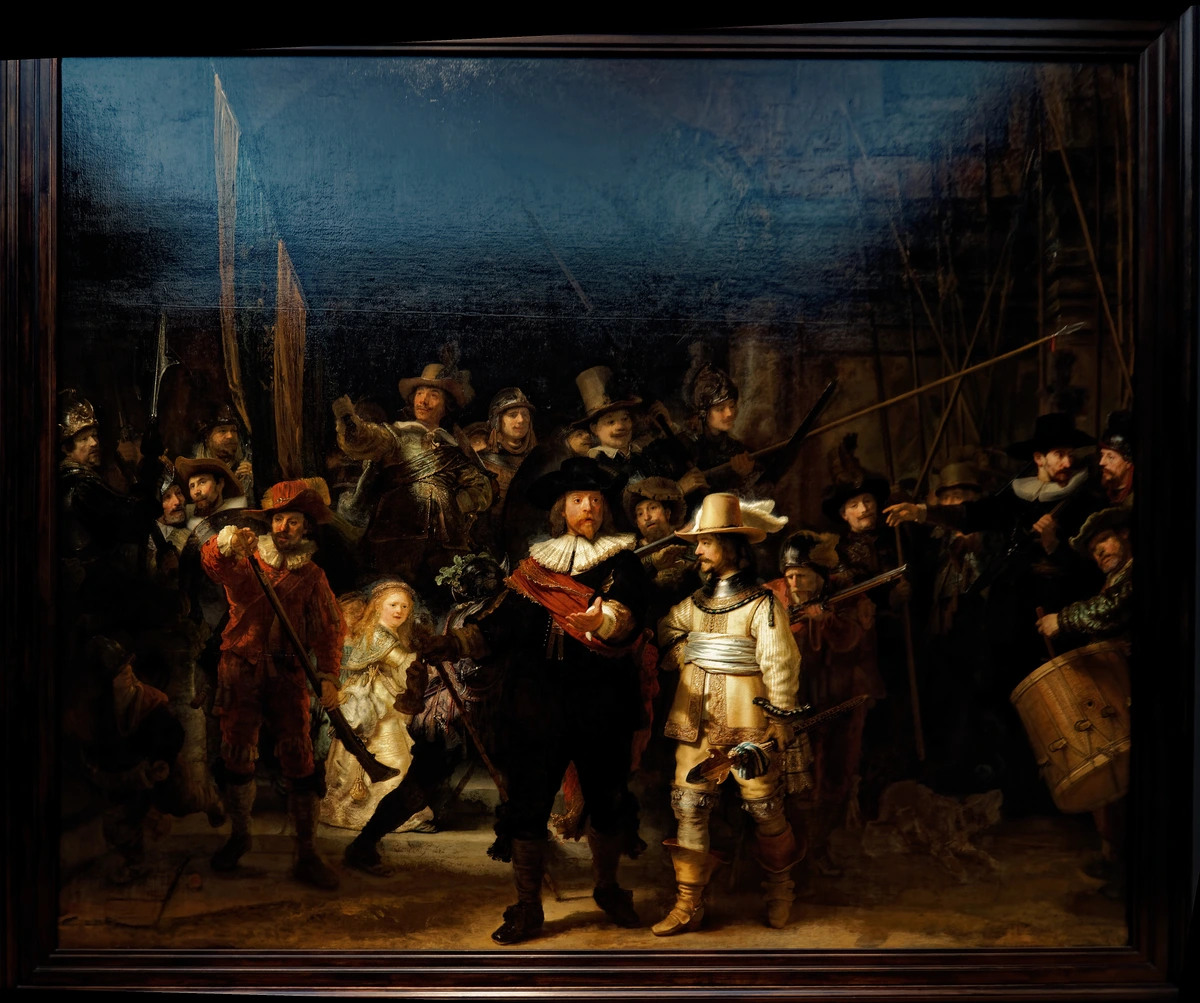
Alright, let’s talk paint. Not the kind I spill on my studio floor (again), but the kind that somehow captures the very soul of a moment. I remember standing before Rembrandt’s The Night Watch in the Rijksmuseum just last year—this massive canvas crackling with life. And I thought, "How did they do this? How did a tiny country, this flat landscape of windmills and dikes, birth an art revolution that still burns bright today?"
You probably know the basics: Dutch Golden Age, 17th century, Vermeer, light... But here’s where it gets juicy. This wasn’t just rich people painting portraits. It was a society inventing itself. Let’s break it down.

The Spark: Why the Netherlands Created Art Magic
Imagine a world just emerging from war. The Eighty Years’ War ended in 1648, and the Dutch Republic became Europe’s unlikely superstar—a trading powerhouse without a king. Suddenly, ordinary merchants, guild masters, and ship captains had wealth beyond dreams. They didn’t buy art to kiss the king’s ring. They bought it because they lived it.

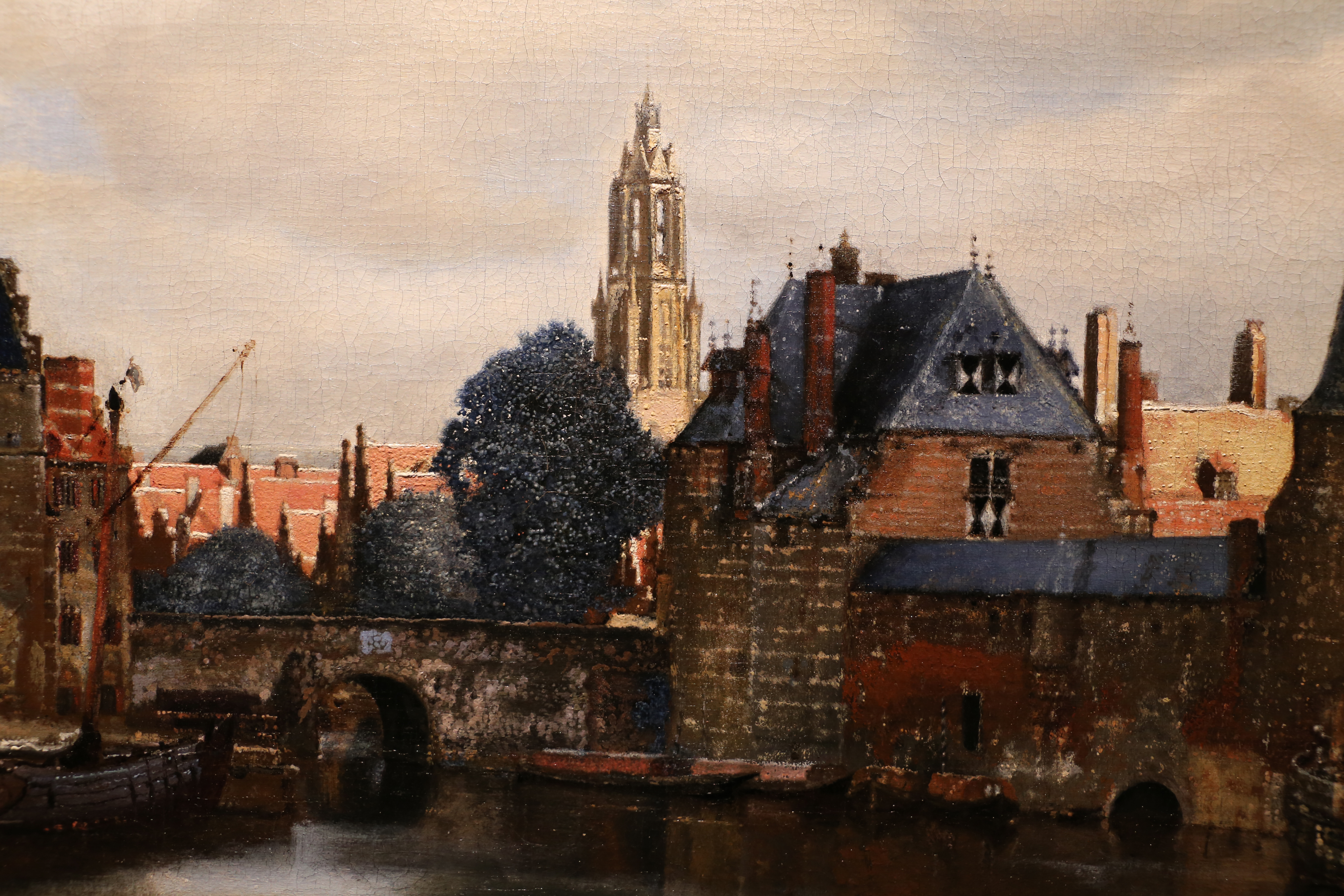
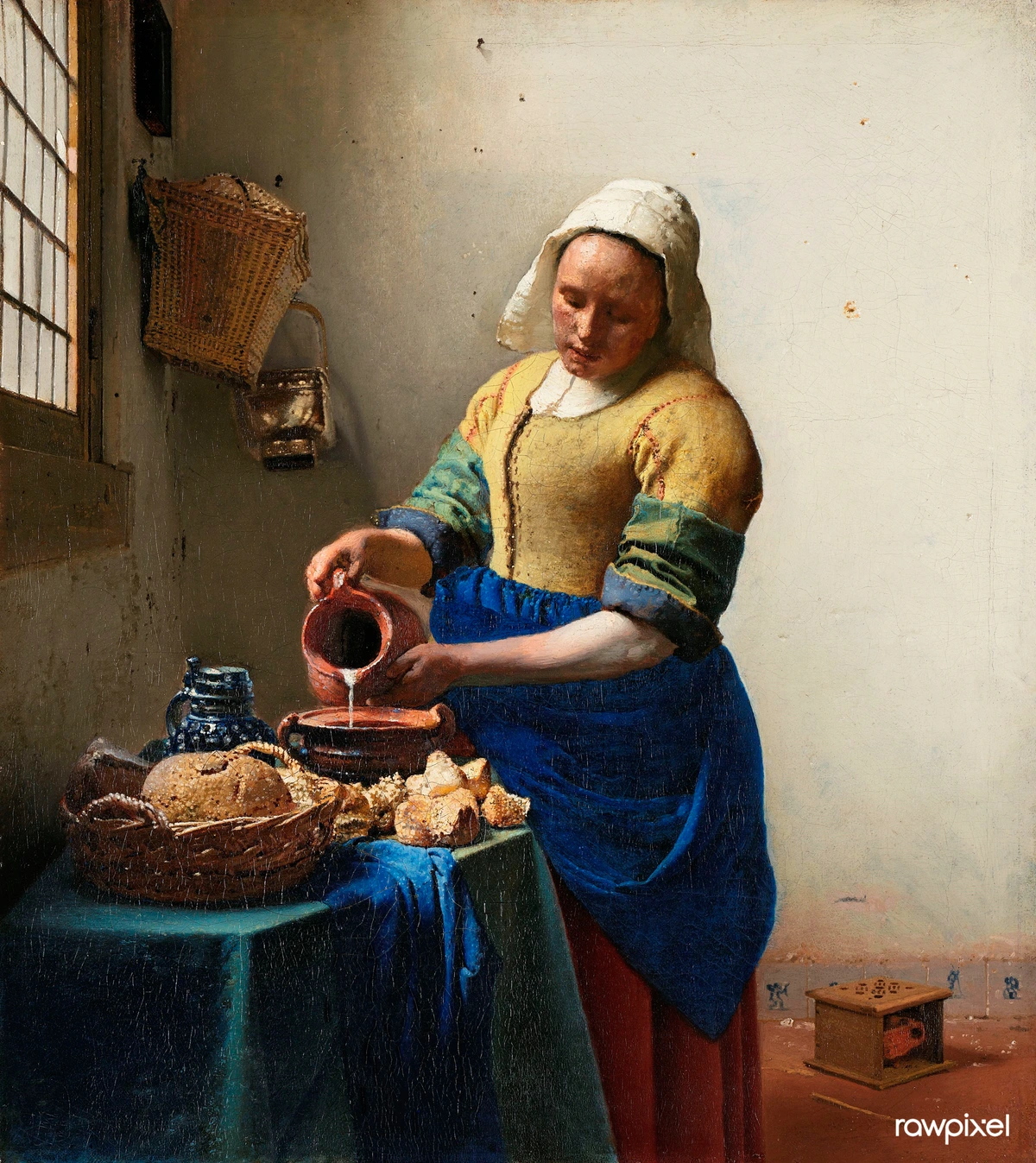
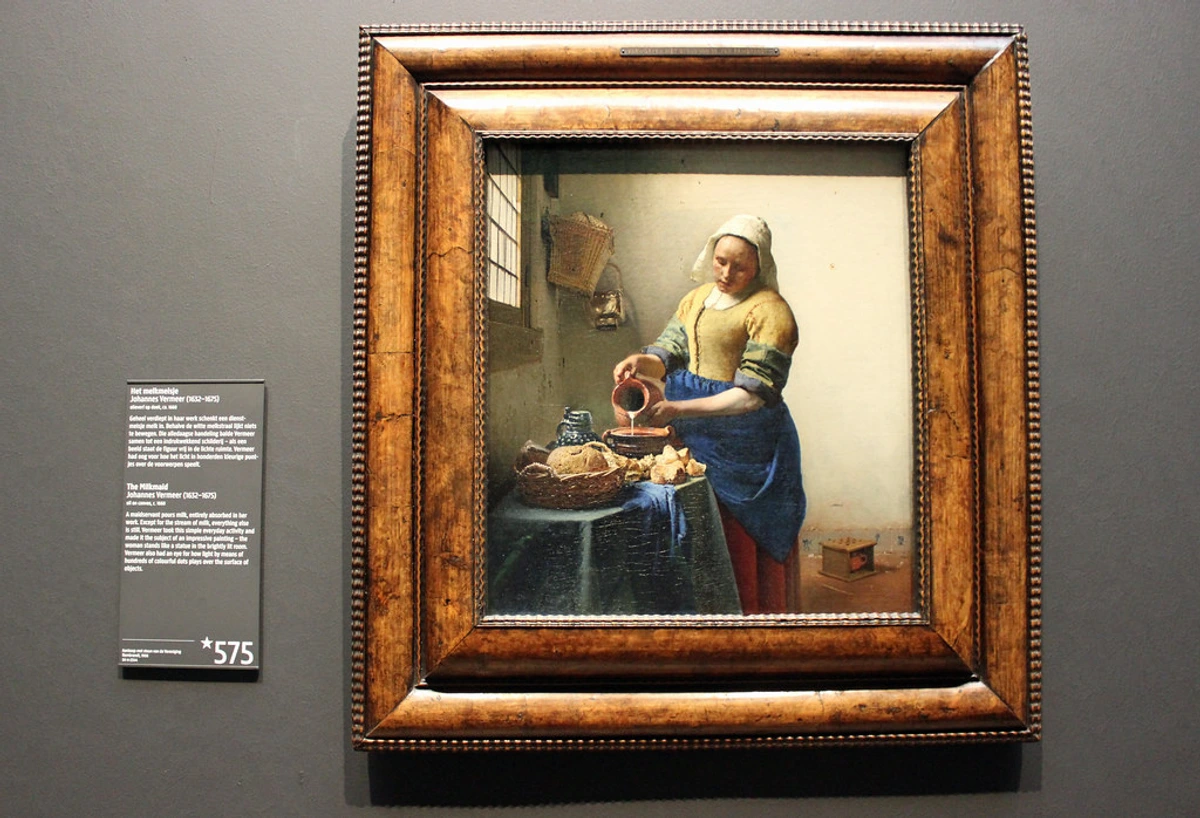
This is where the magic happens. Instead of painting saints and gods, artists painted the actual world we see every day. Milk pouring, ships docking, women reading letters by a single window. These weren’t just decorations; they were declarations: This is our story, our world, our reality.
Signature Tricks of the Trade
So what made Dutch Golden Age art so hypnotic? Forget textbooks—these were practical innovations:
The Technical Revolution
Dutch artists were pioneers in developing new techniques and materials that allowed them to achieve unprecedented realism and emotional depth. They experimented extensively with oil paint chemistry, creating new mixtures that could produce subtle gradations of tone and brilliant colors that lasted for centuries.
The Science Behind the Art
Dutch artists were essentially amateur scientists. They understood optics, chemistry, and materials science in ways that would make modern physicists nod in approval. They didn't just paint—they experimented. Rembrandt, for example, was constantly testing different pigments and varnishes, sometimes to disastrous effect.
This scientific approach meant Dutch artists could achieve effects that were simply impossible before. They understood how light behaves, how colors interact, and how to create the illusion of three dimensions on a flat surface. It was like they discovered the secret code of visual perception.
The Optics Revolution
Dutch artists mastered the science of optics long before it became formalized. They understood refractive properties, atmospheric perspective, and how light penetrates materials. These weren't just technical skills—they were tools for creating emotional and psychological depth in their work.

The Power of Light (And Drama)
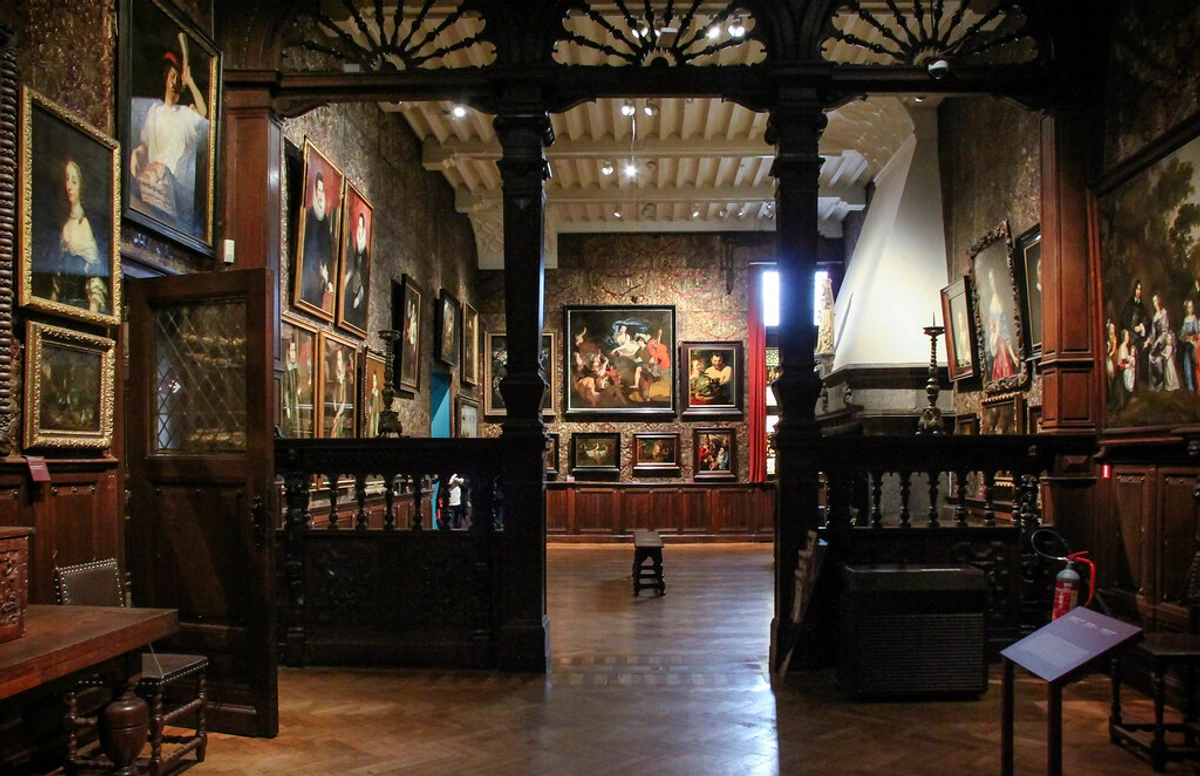

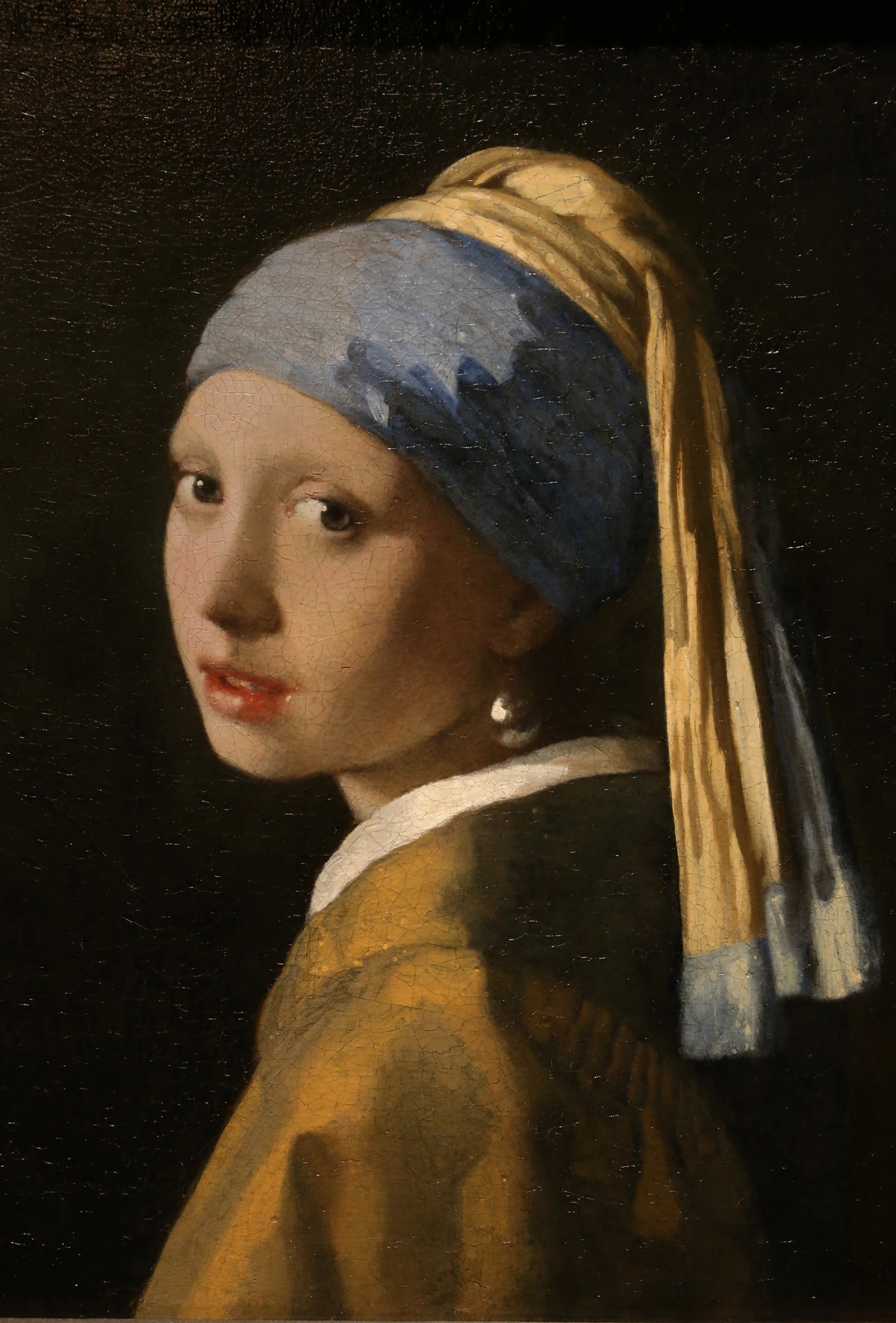
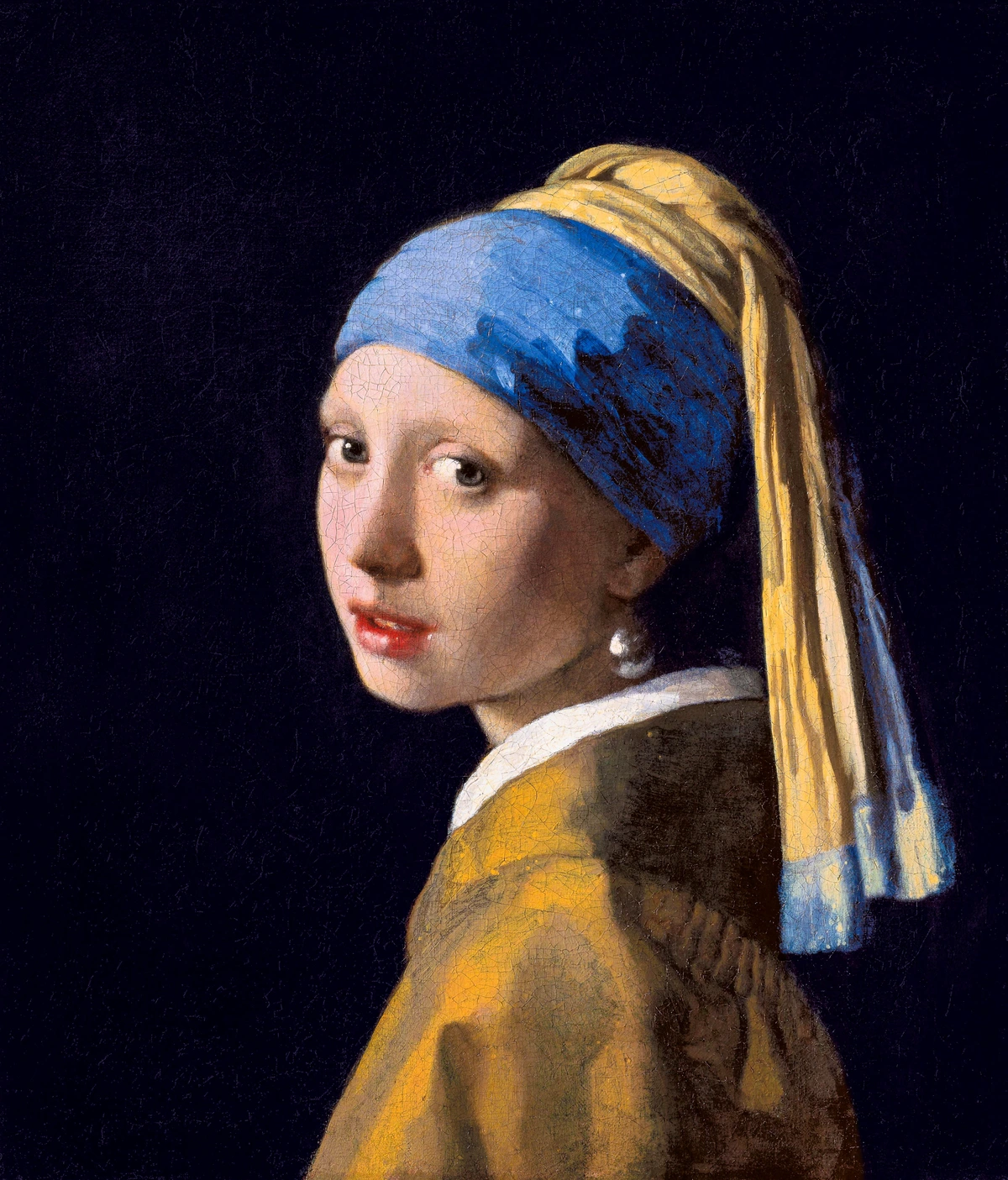
I’m obsessed with how they painted light. Johannes Vermeer could turn a tiny Dutch room into a cathedral with just a window, his canvases glowing like they stored daylight. It’s called chiaroscuro—the play between dark and light—but in Dutch hands, it felt less theatrical, more intimate. The subject? Ordinary moments made sacred.
Still Lives That Whispered Secrets
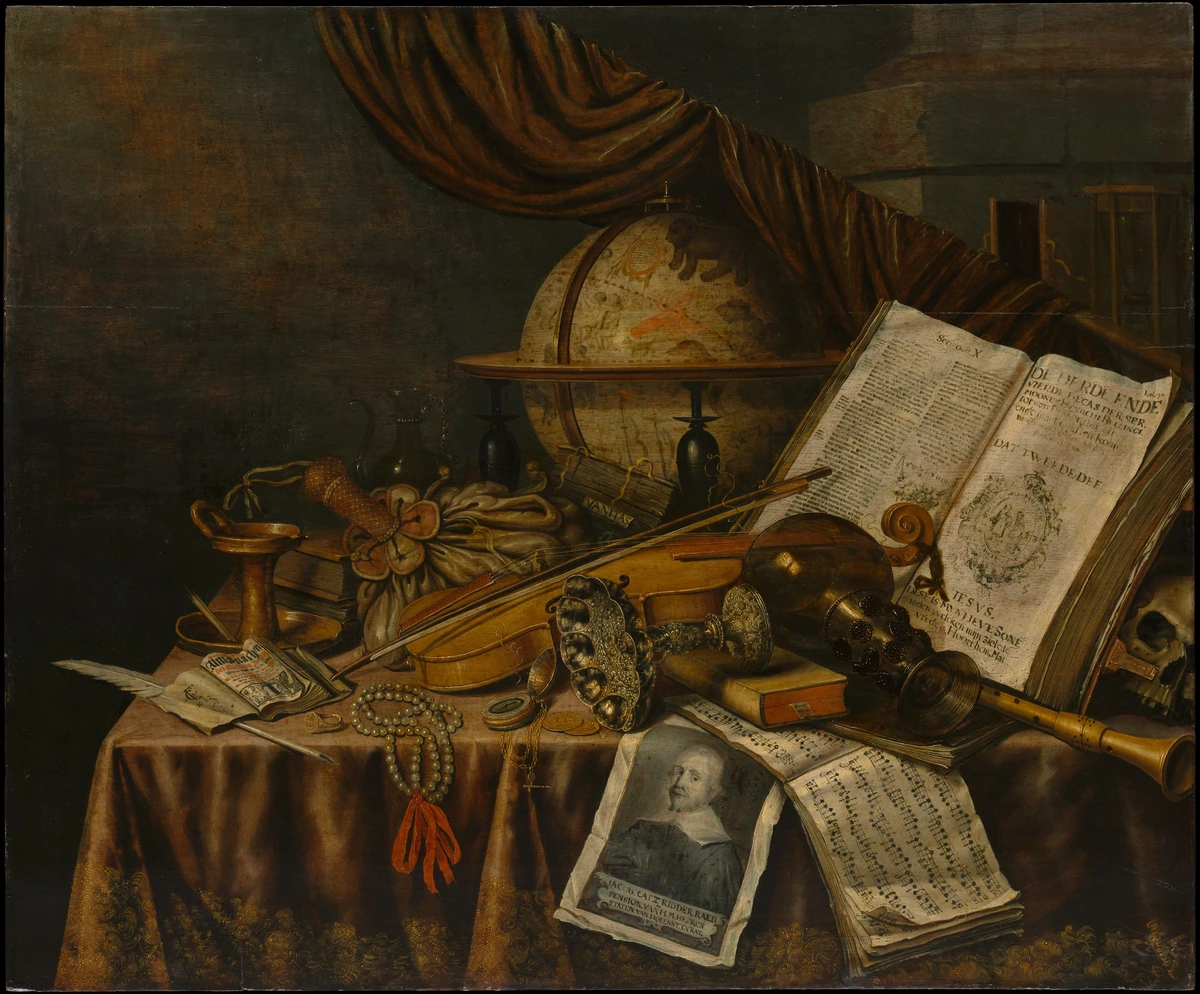
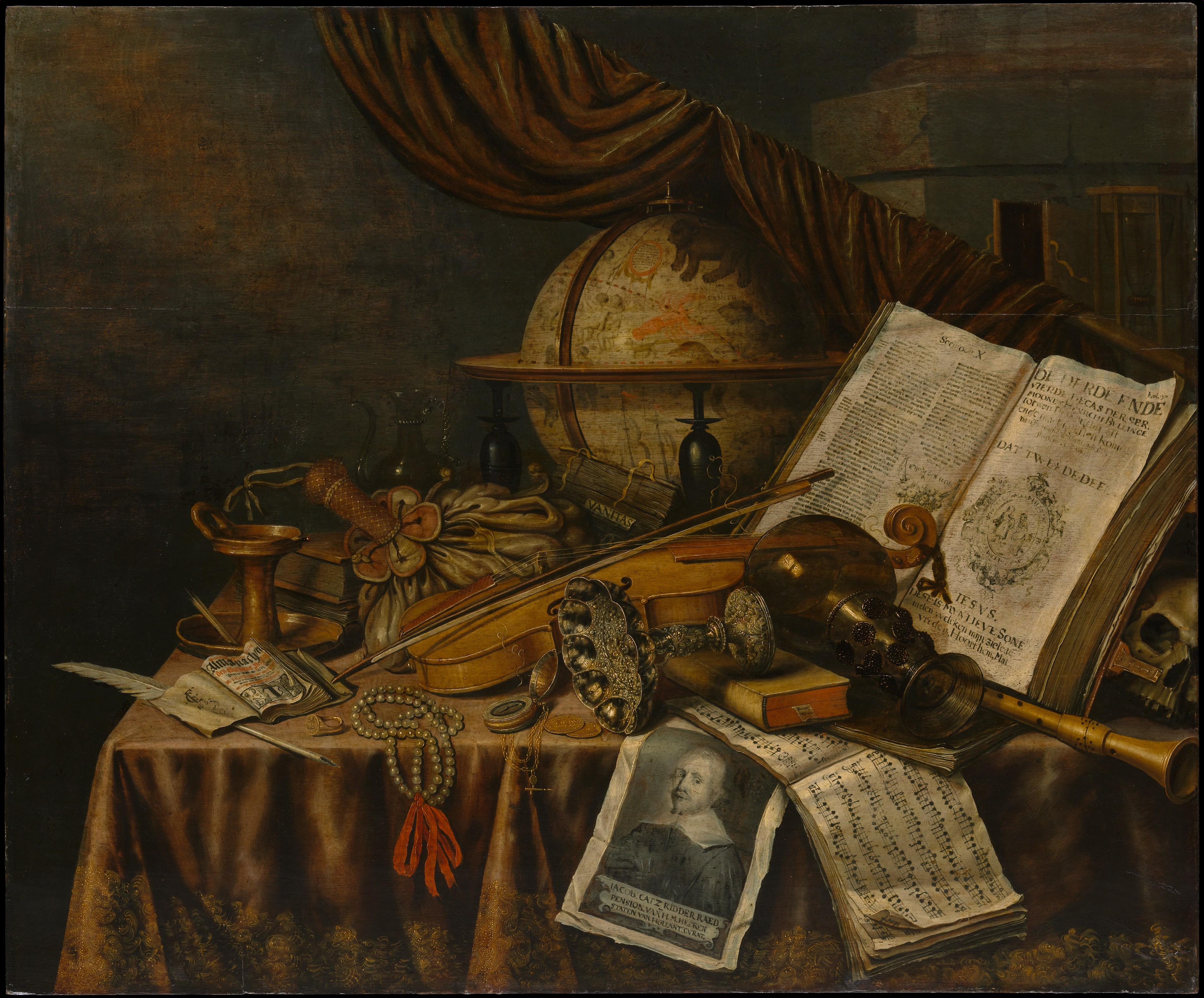
Why paint a bowl of fruit or a dead bird? Because every object was a language. Vanitas paintings loaded with skulls, wilting flowers, and hourglass weren't morbid. They were life coaches: "Enjoy your wealth, but remember—it all fades." It's mindfulness in oil paint.
The Dutch still life was essentially a visual vocabulary. Each object carried specific meanings that contemporary viewers would immediately recognize. A peeled lemon, for example, symbolized life's bitterness and the corruption of wealth.
The Symbolic Language of Objects
Object  | Symbolic Meaning | Psychological Message | Cultural Context |
|---|---|---|---|
| Skull | Death, mortality | Life is finite | Universal human truth |
| Watch/Clock | Time passing, urgency | Don't waste life | Protestant work ethic |
| Wilted flower | Beauty fades | Appreciate present | Transience theme |
| Butterfly | Soul, resurrection | Hope after death | Religious symbolism |
| Book | Knowledge, Bible | Wisdom is eternal | Protestant emphasis on scripture |
| Musical instrument | Pleasure, art | Enjoy life wisely | Balance in living |
| Shell | Pilgrimage, travel | Seek meaning | Trade and exploration culture |
| Candle | Life, enlightenment | Inner light | Spiritual illumination |

Types of Dutch Still Life
Dutch artists developed several distinct types of still life painting:
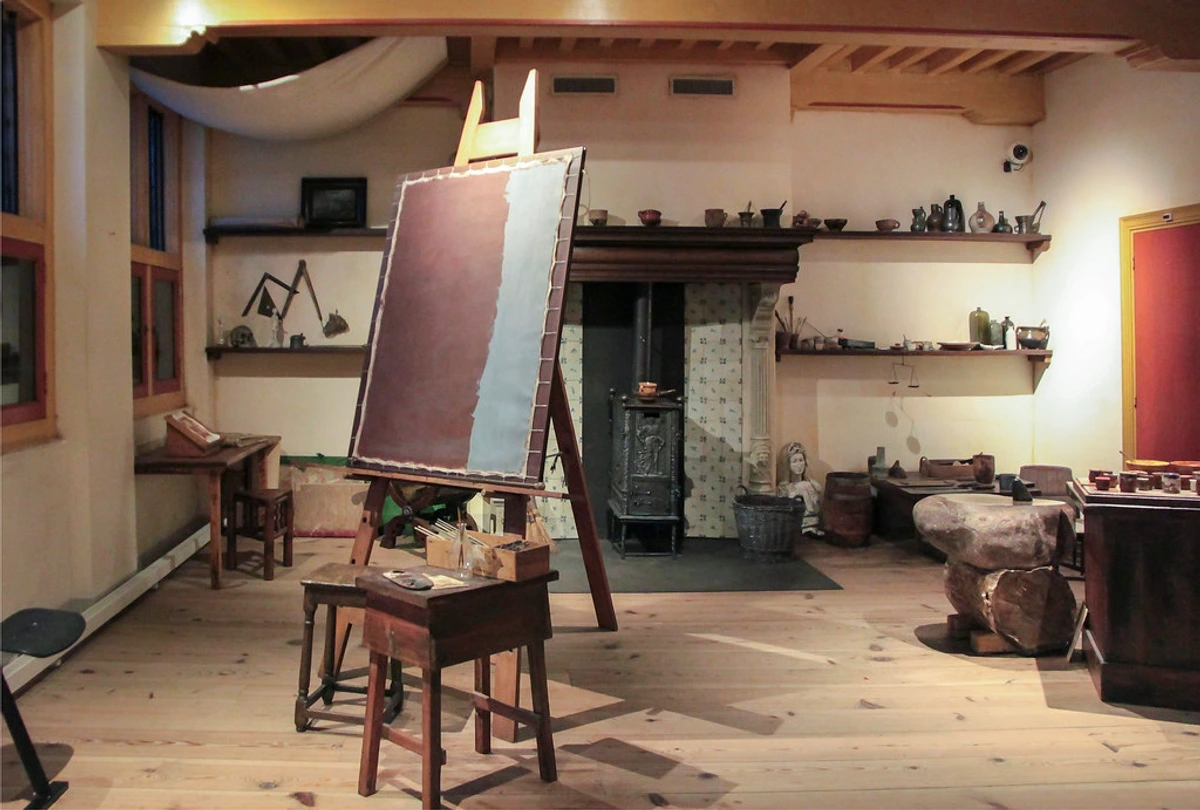

- Breakfast Pieces: Simple meals with bread, cheese, and fruit
- Vanitas: Symbolic objects reminding of mortality
- Flower Paintings: Often including rare and expensive blooms
- Game Pieces: Hunting trophies and dead animals
- Kitchen Scenes: Domestic settings with food preparation
Why paint a bowl of fruit or a dead bird? Because every object was a language. Vanitas paintings loaded with skulls, wilting flowers, and hourglass weren’t morbid. They were life coaches: “Enjoy your wealth, but remember—it all fades.” Even tulips (crazy expensive then!) symbolized fleeting beauty.
Landscapes That Breathed
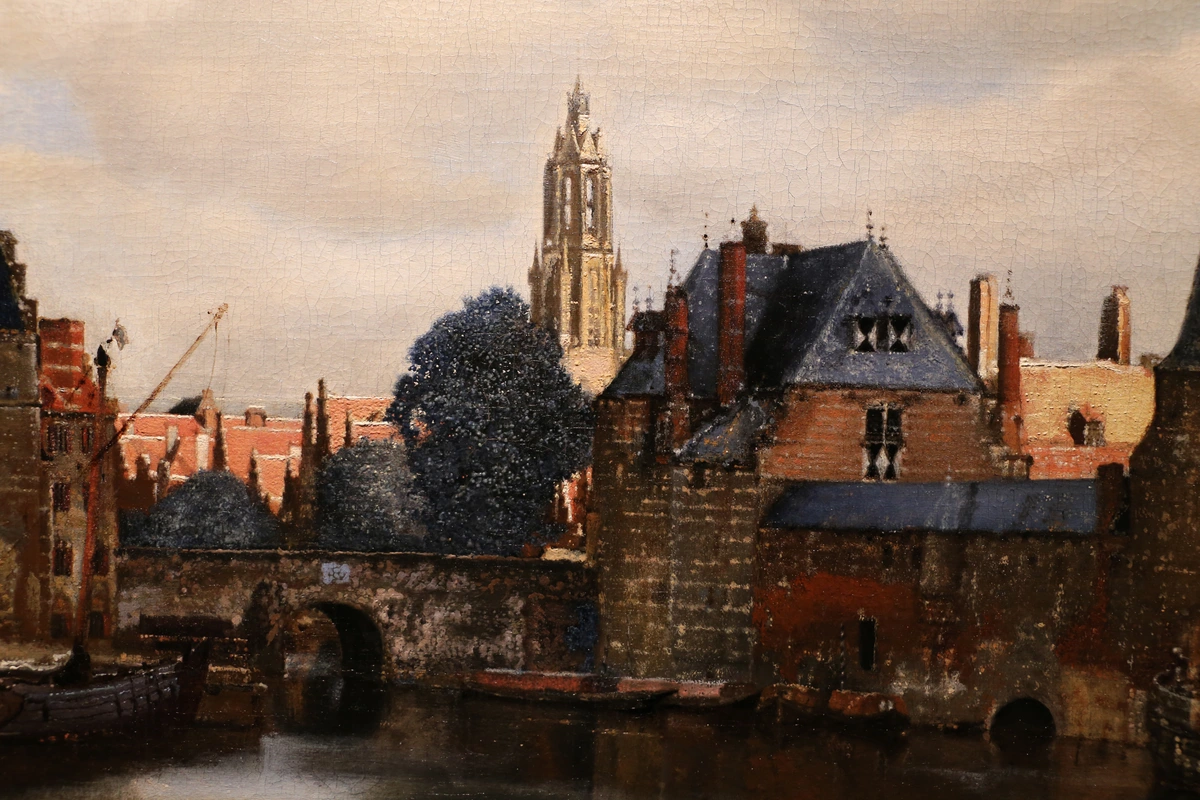
Forget idealized Italian mountains. Dutch painters captured their actual land—flat but alive, with canals shimmering, skies shifting. It was reality with soul. A Meindert Hobbema vista wasn't just scenery; it was hope. These are the landscapes we still dream of walking through.
Dutch landscape painting was revolutionary because it was the first time in Western art that artists painted what they actually saw, rather than what they thought they should see.
The Geography of Dutch Identity
Landscape Element | Symbolic Meaning | Cultural Significance | Emotional Impact |
|---|---|---|---|
| Dikes | Human control over nature | Dutch ingenuity and resilience | Security and mastery |
| Windmills | Technology working with nature | Innovation and progress | Harmony and efficiency |
| Canals | Connection and trade | Commercial prosperity | Flow and connectivity |
| Skies | Weather and maritime life | Weather-dependent economy | Atmospheric drama |
| Flat horizons | Openness and possibility | Freedom from constraints | Liberation and hope |
| Water management | Human adaptation to environment | Survival wisdom | Resourcefulness |

What's fascinating is how these landscapes reflected Dutch values. The careful management of water through dikes and windmills wasn't just practical—it was a symbol of human ingenuity conquering nature.
Dutch Landscape Subgenres
Dutch landscape artists specialized in various types of scenes:
- River Views: Wide rivers with ships and activity
- Dune Landscapes: Coastal scenes with rolling sand dunes
- Winter Scenes: Frozen canals and snowy landscapes
- Marine Paintings: Seascapes with ships and naval activity
- Cityscapes: Urban scenes with architecture and daily life
Forget idealized Italian mountains. Dutch painters captured their actual land—flat but alive, with canals shimmering, skies shifting. It was reality with soul.
Technique | Effect | Why It Mattered | Modern Applications |
|---|---|---|---|
| Chiaroscuro | Sharp light/dark contrast | Made ordinary objects feel deeply human and spiritual | Film lighting, portrait photography |
| Chamber of Light | Light confined to small spaces | Turned mundane rooms into stages for daily acts | Interior design, product photography |
| Detail-Obsession | Hyper-realistic textures, fabrics | Celebrated craftsmanship and ordinary beauty | Hyperrealism, digital art rendering |
| Atmospheric Perspective | Distant objects appear hazier | Created depth and realism in flat landscapes | Landscape photography, 3D rendering |
| Glazing Technique | Thin transparent layers over paint | Achieved luminous, jewel-like colors | Digital glazing, watercolor techniques |
The Masters Who Changed Seeing
Beyond the Big Three: Other Important Dutch Artists
While Rembrandt, Vermeer, and Frans Hals get most of the attention, the Dutch Golden Age produced many other remarkable artists:
- Jan Steen: Known for his humorous, chaotic scenes of family life
- Jacob van Ruisdael: Master of dramatic landscapes
- Meindert Hobbema: Famous for his peaceful woodland scenes
- Gerrit Dou: Leader of the "fine painters"
- Jan van Goyen: Pioneer of the Dutch landscape style
- Pieter de Hooch: Master of interior scenes with complex perspectives

Let’s meet the rockstars:
Rembrandt van Rijn: The Human Whisperer
What I love about Rembrandt: he didn’t paint heroes. He painted people. With wrinkles, doubt, kindness... flaws that make you feel seen. His portraits glow because he understood light isn’t just on skin—it’s in the spaces between words. Even his etchings feel like private diaries.
Johannes Vermeer: The Patron Saint of Quiet Moments
Vermeer painted worlds in tiny rooms. His women aren’t posing; they’re existing. Reading. Pouring milk. Lost in thought. If you’ve ever caught yourself watching sunlight dust across a floor, you’ve felt the Vermeer effect. He captured the poetry of ordinary life.
Frans Hals: The Soul Catcher
Hals painted portraits that laugh, smirk, and breathe. His brushstrokes are visible—he didn’t obsess over perfection because life isn’t perfect. A Hals subject feels like someone you just met in a tavern.
Why This Still Resonates
We live in an age of filters and perfection. Dutch Golden Age art is a rebellion. It says: Your reality matters. Your kitchen light, your messy desk, your reading lamp at night—they are as worthy of art as any stormy sea battle.
Look at how contemporary artists still chase that light! The way Vermeer built a universe from one window? That’s pure abstraction. The narrative power in Hals’ strokes? It’s the birth of expressionism. They didn’t just paint the past—they painted the future of seeing.
FAQ: Your Dutch Golden Age Questions Answered
1. Why is it called "Golden" Age? Was everything gilded?
Not literal gold! "Golden" refers to wealth (trading boom) and cultural achievement. Think of it as a "flowering of genius"—like a tulip field in spring.
The term "Golden Age" was actually coined later, looking back at what historians recognized as a period of extraordinary cultural and economic achievement.
2. Were paintings really sold in markets?
Yes! And auctions! Painters weren’t just artists—they were entrepreneurs. Guilds regulated quality, but the free market decided the price.
3. Did women artists exist back then?
Absolutely! Judith Leyster rivalled Hals in fame. But art history, like today, is male-focused unless we actively rewrite the story.
4. What’s with all the dead fish and fruit?
Still lifes ("stilleven") were life lessons. A peeled lemon = life’s bitterness. A silver pitcher = earthly treasures. Every object told a story about time, desire, and impermanence.
The Legacy: Light in the Dark
Here's the truth: Dutch Golden Age art is everywhere. Film noir's dramatic lighting? Chiaroscuro. Your Instagram flat lays? Vermeer-level minimalism. The way we see our world—flawed but beautiful—started in those Dutch studios.
So next time you see a beam of sunlight hit a coffee mug, think of Vermeer. When you laugh at a friend’s photo, imagine Hals. That’s not history. That’s art breathing inside you.
The Dutch Golden Age wasn't just a period of artistic excellence—it was a revolution in how we see the world. These artists showed us that beauty exists not just in grand narratives and heroic figures, but in the quiet moments of everyday life.
P.S. For a closer look at masters in person, check out the fantastic collection at the Den Bosch Museum. Or explore how these techniques influence contemporary work in my timeline.