
Who is Francis Bacon? The Turbulent Genius Behind Modern Masterpieces
Discover Francis Bacon's haunting figurative paintings, radical techniques and turbulent personal journey. The definitive guide to one of art history's most misunderstood creators.

Who is Francis Bacon? The Turbulent Genius Behind Modern Masterpieces
Francis Bacon, a name synonymous with raw emotion and visceral imagery, remains one of the most enigmatic figures in modern art. His works, characterized by distorted figures, haunting portraits, and a palette that evokes both flesh and decay, challenge viewers to confront the darker aspects of the human experience. Bacon's art is not merely observed; it is felt, a testament to his ability to translate personal and universal suffering into visual language.
Francis Bacon, a name synonymous with raw emotion and visceral imagery, remains one of the most enigmatic figures in modern art. His works, characterized by distorted figures, haunting portraits, and a palette that evokes both flesh and decay, challenge viewers to confront the darker aspects of the human experience. Bacon's art is not merely observed; it is felt, a testament to his ability to translate personal and universal suffering into visual language.
You know that gut-wrenching feeling when you stare at a painting and your first reaction isn't wow... but what in the world? That's the Francis Bacon effect. His distorted figures, screaming from cages, and visceral color palettes evoke a sense of unease and fascination. Bacon's art is not just about aesthetics; it's about the raw, unfiltered expression of human emotion. His distorted figures screaming from cages, visceral meat-like color palettes, and haunting portraits that somehow feel both terrifyingly human and deeply unsettling. For decades I've been fascinated by how an artist could make paint itself bleed with emotion. How could someone transform visceral sensations into visceral art?
Bacon's ability to evoke such strong emotional responses is rooted in his unique approach to art. He didn't just paint what he saw; he painted what he felt. This emotional intensity is what sets his work apart and makes it so compelling.
Let me take you through the chaotic studio and troubled mind of one of art history's true originals, who somehow turned personal pain into universal masterpieces. Bacon's journey is a testament to the power of resilience and creativity, a story of how personal struggles can fuel artistic genius.
Bacon's story is not just about his art; it's about the man behind the canvas. His life was marked by turmoil, but it was this very turmoil that fueled his creative fire. His ability to transform personal suffering into profound and beautiful works of art is a testament to the power of the human spirit.
Bacon's journey is a testament to the power of resilience and creativity, a story of how personal struggles can fuel artistic genius.
The Early Years: Shaping a Visionary
Bacon's early life was marked by a series of events that would shape his artistic vision. Born in Dublin in 1909, he experienced a childhood that was both privileged and tumultuous. His struggles with health and family dynamics played a significant role in shaping his worldview and, consequently, his art. These early experiences laid the foundation for the themes of suffering and resilience that would dominate his work.
Bacon's early years were a whirlwind of gambling, drinking, and dabbling in interior design. But Bacon's true calling awakened when he saw the Picasso retrospective at the Galerie Paul Rosenberg in Paris in 1927. This pivotal moment exposed him to the revolutionary potential of art, inspiring him to explore new forms of expression.
Born Into Unlikely Circumstances
Francis Bacon's early life was as complex and contradictory as his art. Born in Dublin in 1909 to British parents, Bacon's childhood was marked by a blend of privilege and hardship. Raised in rural Ireland, he was surrounded by the beauty of nature but also faced the challenges of crippling asthma and childhood trauma. These early experiences would later permeate his artistic expression, shaping his unique perspective on the world.
Francis Bacon was this paradox right from birth: born in Dublin in 1909 to British parents, raised with horses and grooms in rural Ireland while carrying crippling asthma and a childhood trauma that'd haunt him forever. His early life was marked by a blend of privilege and hardship, a duality that would later permeate his artistic expression. When I first read about his father's brutal treatment - forcing him to ride for hours despite his illness - something clicked. Bacon never had a traditional artistic education. The art schools he attended rejected him. He was completely self-made. And that self-creation happened through sheer force of will and relentless experimentation.
Bacon's journey is a testament to the power of resilience and creativity. His ability to transform personal struggles into artistic genius is a story of how adversity can fuel the creative spirit.
His early years were a whirlwind of gambling, drinking, and dabbling in interior design. But Bacon's true calling awakened when he saw the Picasso retrospective at the Galerie Paul Rosenberg in Paris in 1927. This pivotal moment exposed him to the revolutionary potential of art, inspiring him to explore new forms of expression. That moment? It changed everything. Imagine being in a room where the very rules of how to paint a human being were shattered. Picasso wasn't just painting bodies - he was disassembling them and reassembling them into emotional statements. Bacon found his compass.
This encounter with Picasso's work was a turning point for Bacon. It inspired him to push the boundaries of his own art, exploring new forms of expression and challenging traditional notions of beauty and aesthetics.
The Impact of Picasso on Bacon's Art
Picasso's influence on Bacon cannot be overstated. The Spanish master's ability to deconstruct and reconstruct the human form gave Bacon the permission to explore his own unique vision. This encounter not only shaped Bacon's artistic style but also his approach to art as a means of emotional expression. It was a catalyst that propelled Bacon into a new realm of creativity, where he could freely experiment with form, color, and emotion.
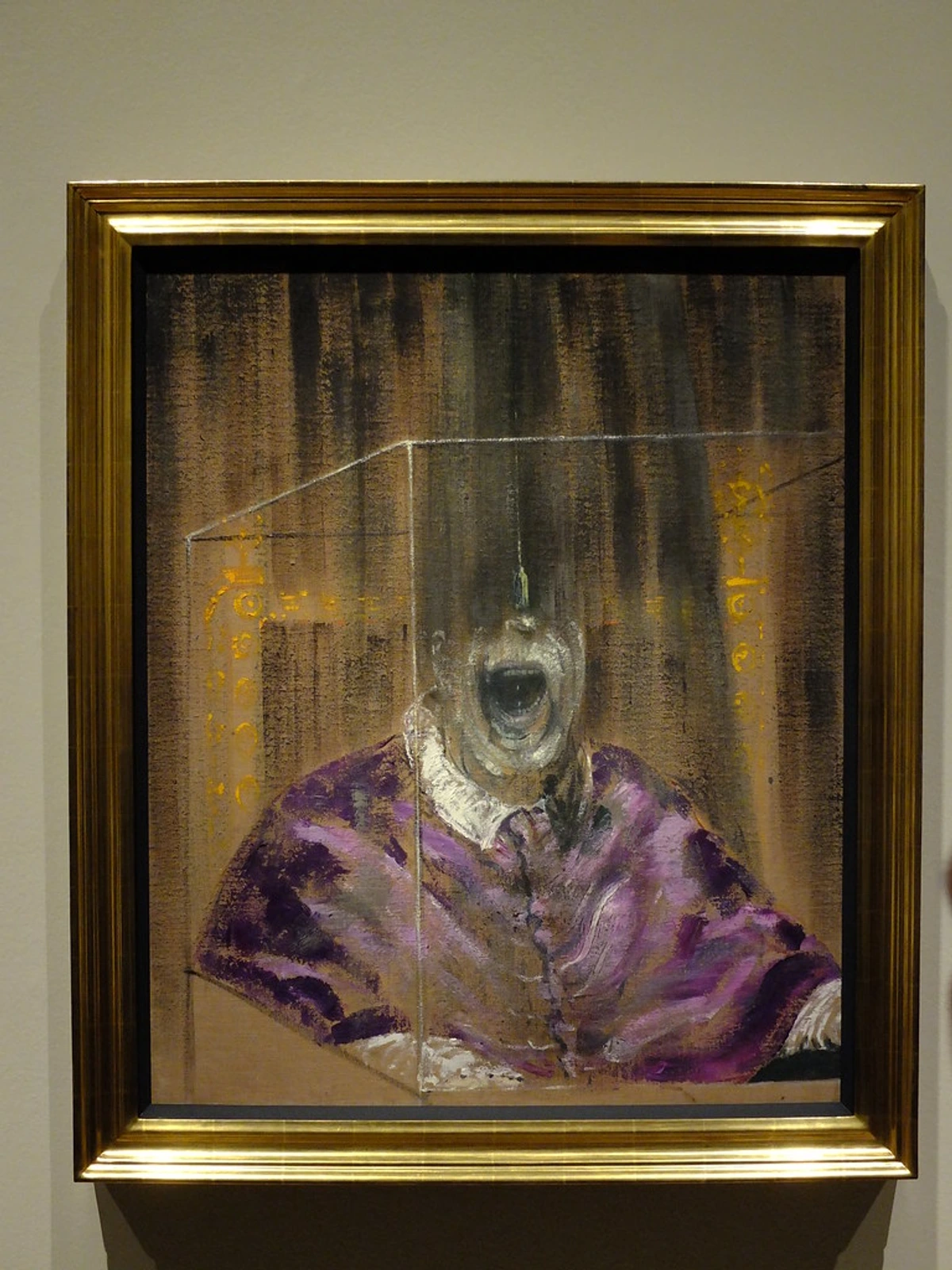
'Head VI' is a powerful example of Bacon's ability to capture the essence of human suffering and existential dread. The screaming figure, encased in a glass cage, is a haunting representation of psychological isolation and confinement. This work is a testament to Bacon's unique ability to translate complex emotions into visual form.
The Symbolism of the Glass Cage
The glass cage in 'Head VI' is more than just a visual element; it's a metaphor for the human condition. It represents the barriers we create around ourselves, the psychological prisons that confine us. Bacon's use of this symbol invites viewers to reflect on their own feelings of isolation and confinement, making the artwork deeply personal and universally resonant.

The Radical Studio Where Art Was Born
Bacon's studio was more than just a workspace; it was a reflection of his chaotic and turbulent mind. The studio, located at 7 Reece Mews in London, was a place of controlled chaos, where layers of dust, peeling paint tubes, and torn photographs coexisted with classical sculptures and half-finished canvases. This environment was not just a backdrop but an integral part of Bacon's creative process, reflecting the turmoil within his mind.

Bacon's studio became legendary for a reason: it was chaos incarnate. Think peeling paint tubes, layers of dust turning into abstract textures, photos torn from magazines pinned beside classical sculptures, and brushes so caked with paint they became fossils. This controlled chaos was not just a backdrop but an integral part of his creative process, reflecting the turmoil within his mind. The artist used his studio as a psychological battleground. He'd work obsessively for days fueled by alcohol, then smash canvases during fits of rage.
This chaotic environment was a testament to Bacon's unorthodox approach to art. His studio was not just a place of creation; it was a reflection of his inner turmoil and a testament to his relentless pursuit of artistic expression.
Bacon's use of the triptych format was a significant aspect of his artistic practice. This format allowed him to explore themes across multiple panels, creating a narrative or emotional progression. The triptych format enabled Bacon to delve deeper into the psychological and emotional complexities of his subjects, offering a more comprehensive and layered exploration of his themes.
What fascinated me wasn't the mess but the method. Bacon didn't plan compositions. He worked intuitively, dragging thick oil paint directly onto raw canvas with his hands or house-painter's brushes. This spontaneous approach allowed him to capture the raw essence of his emotions, creating works that are as much about the process as they are about the final product. The scumbling technique - scraping wet paint with broken combs or credit cards - created those ghostly, translucent figures that look like they're materializing through a fog. And the colors? Always jarring. Acidic greens clashing against sickly pinks and bloody crimsons that made human flesh seem like butchered meat.
Table: Francis Bacon's Signature Techniques
Technique  | Visual Effect | Emotional Impact |
|---|---|---|
| Distortion | Elongated limbs, twisted torsos | Psychological anguish, decay |
| Thick impasto | Heavy, sculptural brushstrokes | Raw, tactile intensity |
| Scumbling | Ghostly, rubbed textures | Unsettling ambiguity |
| Cage motifs | Geometric grids encroaching on figures | Trapped humanity, confinement |
| Triptych format | Narrative progression across panels | Emotional depth and complexity |
The Evolution of Bacon's Techniques
Bacon's techniques evolved over time, reflecting his growing mastery and the deepening of his artistic vision. His early works were marked by a raw, almost brutal intensity, while his later pieces showed a more refined and nuanced approach. This evolution is a testament to his relentless pursuit of artistic excellence and his willingness to experiment and innovate.
Breakthrough Through Trauma
Bacon's career launched during WWII not with fanfare but with desperation. Destroyed most of his early work post-Aberdeen bombing, his first major exhibition at Hanover Gallery in 1944 was a critical disaster. However, this period of adversity marked the beginning of his artistic breakthrough, as he channeled his personal and collective trauma into his work. But something beautiful emerged from the ashes: his breakthrough triptych Three Studies for Figures at the Base of a Crucifixion (1944). This seminal work, with its grotesque and haunting figures, marked a turning point in Bacon's career, establishing him as a formidable force in modern art. Imagine these three deformed figures on orange backgrounds screaming their lungs out, but not as humans - as demons or mutants. This wasn't art for people seeking comfort. This was art that screamed: look at the horror! Look at the suffering!
I was struck by Bacon's brutal honesty. No pretense. No academic polish. Just raw psychological territory. When people ask me what moved me about Bacon, I think of his self-portraits. Those aren't flattering depictions. They're unflinching studies of aging, vulnerability, and mortality - warts, jowls, and all. Bacon used his own face as a canvas to explore decay and time's cruelty.
The Role of Trauma in Artistic Expression
Trauma played a significant role in shaping Bacon's artistic expression. The horrors of WWII and his personal struggles provided a rich, albeit painful, source of inspiration. This period of adversity was not just a backdrop but a catalyst that propelled Bacon into a new realm of creativity. His ability to channel trauma into art is a testament to the transformative power of creativity and the resilience of the human spirit.

Bacon's self-portraits are a testament to his unflinching honesty and his willingness to confront the darker aspects of the human experience. These works are not just representations of the artist; they are explorations of the universal themes of aging, vulnerability, and mortality. Bacon's ability to capture the essence of these themes in his self-portraits is what makes them so profoundly moving and relatable.
Masterpieces That Haunt Modern Consciousness
Bacon didn't just paint - he created psychological landscapes. Consider these transformative works:
Bacon's masterpieces are not just paintings; they are windows into the human psyche, exploring themes of suffering, isolation, and existential dread. Each piece invites viewers to confront their own emotions and experiences, making his work deeply personal and universally resonant.

- Triptych, May-June 1973: Created after his lover George Dyer's suicide. Three panels: Dyer dying on a toilet, Bacon clutching his side, and a funeral procession. This triptych is a poignant exploration of grief and loss, capturing the raw emotion of Bacon's personal tragedy. It's an elegy where color becomes sound - blood-reds turning into sickly yellows. I remember seeing this at Tate Modern and feeling chilled. This wasn't just painting; it was grief made visible.
- Study for a Portrait series: Every single figure seems to pulse with paranoia. Bacon took iconic photographs - like Pope Pius XII - and twisted them into anguished masks. These portraits are not just representations of individuals but explorations of the human condition, reflecting the inner turmoil and existential angst that define Bacon's work. The cages? They're everywhere. Not just physical structures, but psychological imprisonment.
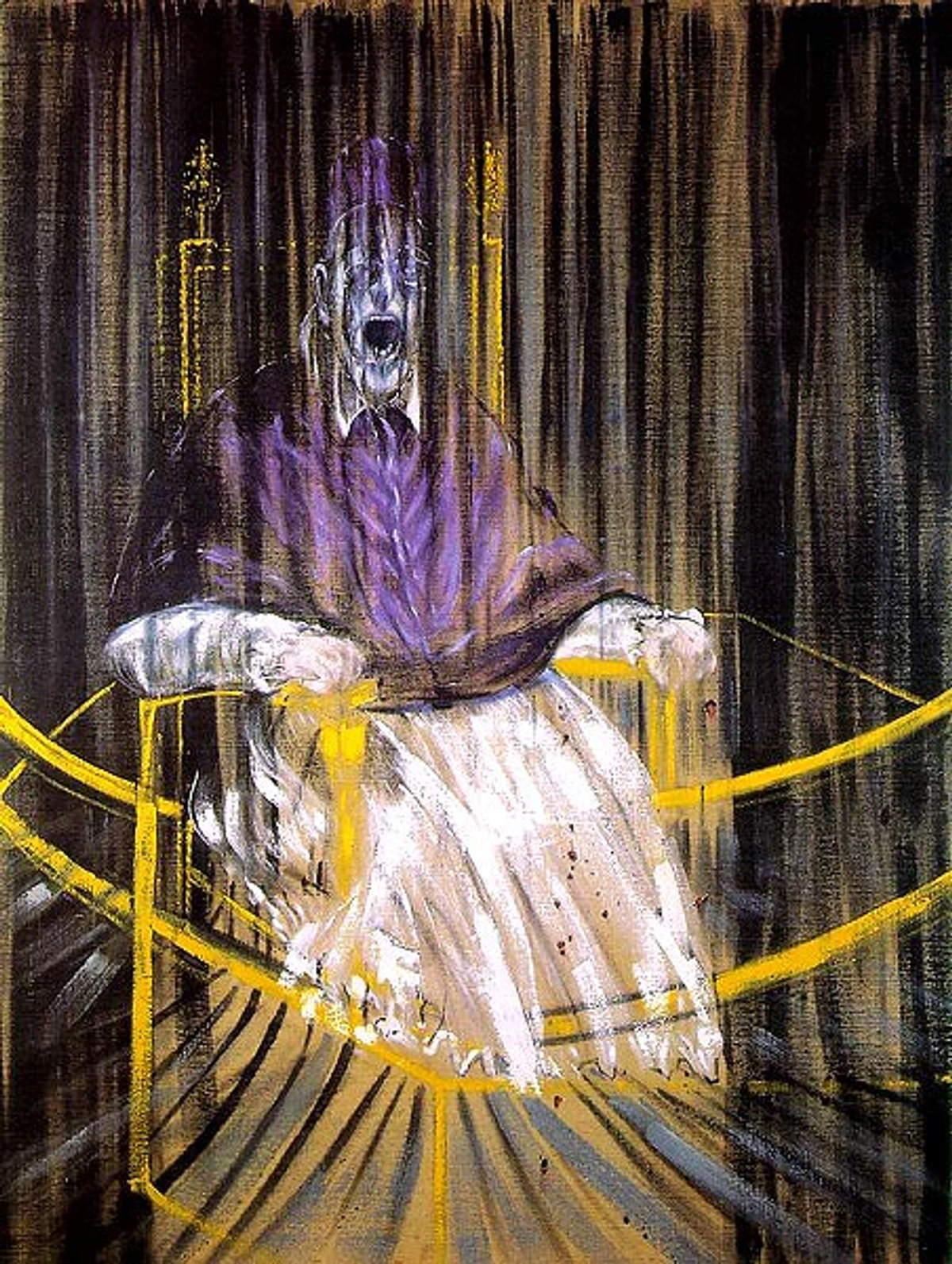
- Screaming Pope: Bacon's most famous Pope portrait where religious authority becomes a mask for terror. This piece challenges traditional notions of power and spirituality, using vivid colors and distorted features to evoke a sense of dread and unease. The colors scream violence. The figure's mouth? It's a bloody wound in the face. This isn't blasphemy; it's existential dread wearing a collar.
- Three Studies for Figures at the Base of a Crucifixion: This triptych is often considered Bacon's breakthrough work. The three figures, set against a stark orange background, embody the horrors of war and human suffering, marking a pivotal moment in Bacon's artistic journey. The three figures, set against a stark orange background, are grotesque and haunting, embodying the horrors of war and human suffering.
Table: Key Works and Their Themes
Work Title | Year | Theme | Emotional Impact |
|---|---|---|---|
| Triptych, May-June 1973 | 1973 | Grief, loss, and mortality | Profound sorrow and despair |
| Study for a Portrait | 1953 | Psychological torment | Paranoia and existential dread |
| Screaming Pope | 1951 | Religious authority and fear | Terror and existential angst |
| Three Studies for Figures at the Base of a Crucifixion | 1944 | War and human suffering | Horror and despair |
| Head VI | 1949 | Psychological isolation | Anguish and confinement |
The Evolution of Bacon's Themes
Bacon's themes evolved over time, reflecting his growing mastery and the deepening of his artistic vision. His early works were marked by a raw, almost brutal intensity, while his later pieces showed a more refined and nuanced approach. This evolution is a testament to his relentless pursuit of artistic excellence and his willingness to experiment and innovate.
Controversial Legacy
Bacon never apologized or explained his work. "My work is only about myself," he once famously said. This unapologetic approach to his art has sparked both admiration and controversy, challenging viewers to confront uncomfortable truths about the human experience. And that honesty feels radical today in an age of manufactured artist personas. Critics called his art grotesque, homophobic, and violent. And they weren't wrong - his imagery IS brutal. However, this brutality is not without purpose. Bacon's work forces us to confront the darker aspects of our existence, making it a powerful and necessary commentary on the human condition. But it's also profoundly human in its refusal to sugarcoat pain.
The Debate Surrounding Bacon's Art
Bacon's art has always been a subject of debate. While some critics have dismissed his work as grotesque and violent, others have praised it for its raw emotional intensity and unflinching honesty. This controversy is a testament to the power of Bacon's art to challenge and provoke. His work forces us to confront uncomfortable truths about the human experience, making it a powerful and necessary commentary on the human condition.
Bacon's legacy is a testament to the power of art to challenge, inspire, and transcend. His unflinching exploration of the human condition continues to inspire artists to push the boundaries of figuration and expression, creating works that are as much about the process as they are about the final product.
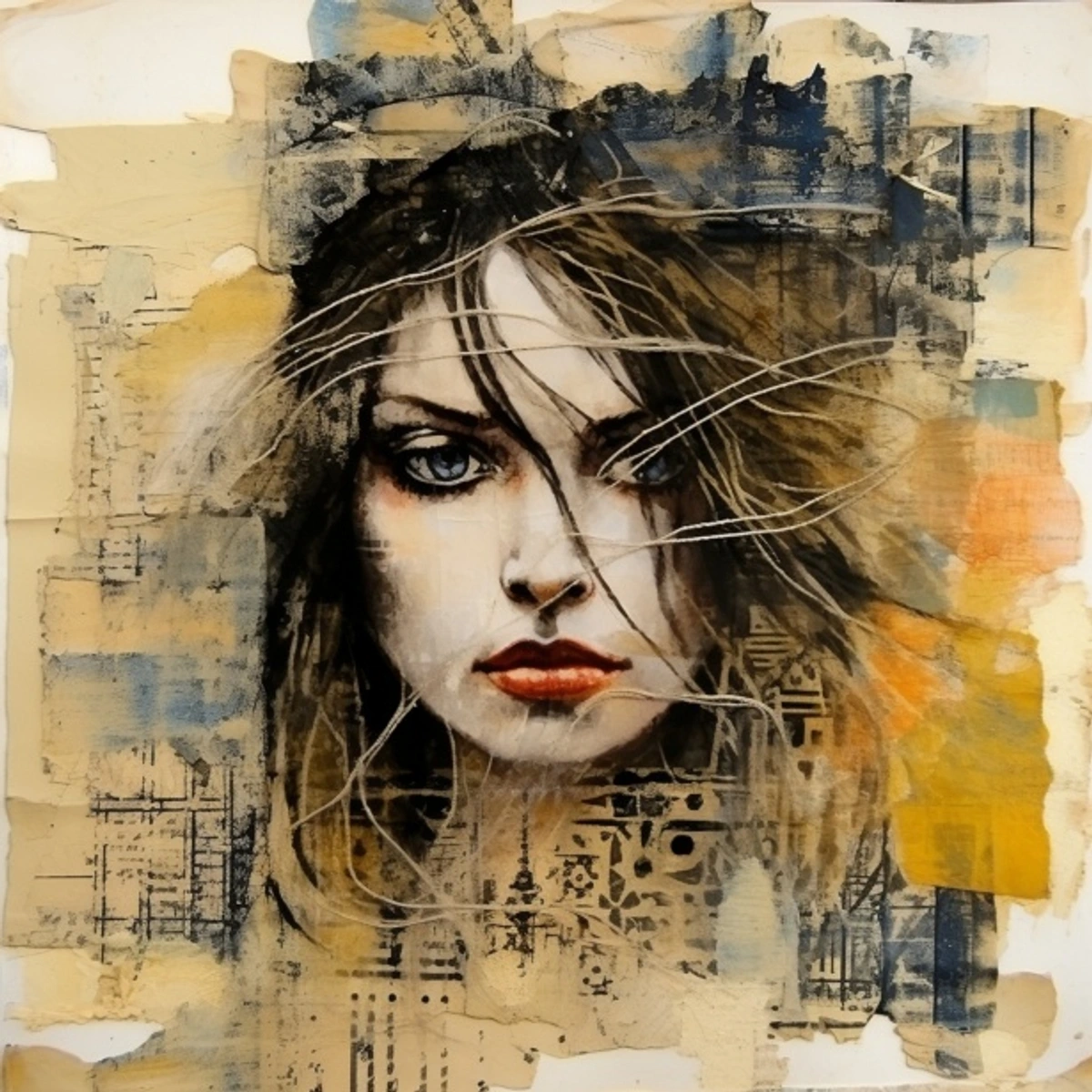
I struggle with how Bacon's work challenges my own reactions. Does the depiction of suffering somehow glorify it? That's a valid question. But Bacon's genius lies in making the invisible visible. His figures aren't just screaming - they're showing us the cages we build around ourselves: social norms, expectations, traumas. He didn't make pretty pictures. He made mirrors.
Bacon's ability to capture the essence of human suffering and existential dread is what makes his work so compelling and universally resonant. His figures are not just representations of individuals; they are explorations of the human psyche, reflecting the complexities and contradictions of the human experience.
Table: How Bacon Connects to Contemporary Issues
Theme in Bacon's Work | Modern Parallel | Why It Still Resonates |
|---|---|---|
| Psychological isolation | Social media anxiety | We perform identities but feel empty |
| Bodily distortion | AI-enhanced idealization | Discomfort with perfection |
| Cage symbolism | Digital surveillance | Modern confinement (physical/psychic) |
| Existential dread | Climate anxiety | Shared vulnerability |
| Emotional intensity | Mental health awareness | Embracing vulnerability |
The Relevance of Bacon's Art Today
Bacon's art continues to resonate with contemporary audiences because it addresses universal themes that are as relevant today as they were during his lifetime. His exploration of psychological isolation, bodily distortion, and existential dread speaks to the anxieties and challenges of modern life. By confronting these themes head-on, Bacon's work invites us to reflect on our own experiences and the world around us.

The Artist We Need Now
I keep returning to Bacon when I think about art's purpose. Why create anything when the world feels so broken? Bacon's answer lies in his ability to transform personal and collective suffering into something profound and beautiful. His work reminds us that art is not just about aesthetics but about confronting and transcending the complexities of the human experience. Because Bacon showed us that brokenness can become beauty. His studio may have been hellish, but from that mess emerged some of the most visually powerful language ever made with paint.
His story forces me to ask honest questions about my own work: Am I avoiding discomfort? Am I sugarcoating reality? Bacon's unflinching honesty challenges me to embrace the raw and unfiltered aspects of my own creative process, encouraging a deeper exploration of the human condition. Bacon didn't. He dragged ugliness into the light and, somehow, it became transcendent.
Bacon's ability to transform personal and collective suffering into something profound and beautiful is what makes his work so inspiring and universally resonant. His unflinching honesty and willingness to confront the darker aspects of the human experience challenge us to embrace the raw and unfiltered aspects of our own lives, encouraging a deeper exploration of the human condition.
The Transformative Power of Art
Bacon's work is a testament to the transformative power of art. By confronting the darker aspects of the human experience, he has created a body of work that is both profound and beautiful. His unflinching honesty challenges us to embrace the raw and unfiltered aspects of our own lives, encouraging a deeper exploration of the human condition. This transformative power is what makes Bacon's work so inspiring and universally resonant.
You might not want to hang a Bacon in your living room. His art demands something from you - it asks you to stare into the void and not look away. But isn't that what great art should do?

Table: Bacon's Influence on Modern Art
Influence Area | Impact on Modern Art | Example Artists Inspired |
|---|---|---|
| Emotional intensity | Encouraged raw, unfiltered expression | Jenny Saville, Marlene Dumas |
| Distortion and abstraction | Pushed boundaries of figuration | Lucian Freud, Cecily Brown |
| Psychological depth | Explored inner turmoil and existential themes | Tracey Emin, Damien Hirst |
| Use of triptychs | Revived and redefined the triptych format | David Hockney, Gerhard Richter |
| Symbolism and metaphor | Inspired layered narratives in visual art | Anish Kapoor, Louise Bourgeois |
Frequently Asked Questions About Francis Bacon
Q: How much did Francis Bacon's paintings sell for? A: His record-breaking sale was Three Studies of Lucian Freud (1969), sold for $142.4 million in 2013 - at the time the highest price ever for a work of art sold at auction. This sale underscores the enduring value and impact of Bacon's work in the art market.
Q: Was Francis Bacon gay? A: Yes, he lived openly as gay in a deeply homophobic era. His intimate relationships, especially with George Dyer and Peter Lacy, profoundly shaped his most emotionally charged works. Bacon's openness about his sexuality was a bold statement in an era marked by discrimination and prejudice.
Q: Why do Francis Bacon's paintings scream? A: The screaming mouths explore silent suffering, existential anxiety, and the impossibility of human connection. Bacon often referenced Eisenstein's film Battleship Potemkin's stair scene as inspiration. These screaming figures are a powerful symbol of the human struggle to communicate and connect in a world filled with pain and isolation.
Q: Where did Francis Bacon create his art? A: His most famous studio was at 7 Reece Mews in London - preserved exactly as he left it and now open to the public as the Bacon's London Apartment Museum. This studio offers a unique glimpse into Bacon's creative process and the chaotic environment that fueled his artistic genius.
Q: Do Francis Bacon's original paintings still exist? A: Approximately 584 paintings survive, along with thousands of drawings. His works are housed in major institutions like Tate Modern, MoMA, and the Centre Pompidou. These institutions ensure that Bacon's legacy continues to inspire and challenge future generations of artists and art enthusiasts.
Q: What influenced Francis Bacon's style? A: Picasso, Rembrandt's self-portraits, Greek tragedy, and film photography (especially Eadweard Muybridge's motion studies). Crucially, he was haunted by Diego Velázquez's Portrait of Pope Innocent X. These diverse influences shaped Bacon's unique artistic vision, blending classical and modern elements to create something entirely new.
Q: How do you pronounce Francis Bacon's name? A: Francis (Francis) Bacon (Bey-kuhn) - the 'e' is silent. Not like the breakfast food. This distinction is important to avoid confusion with the philosopher and statesman of the same name.
Q: What is the significance of Bacon's use of triptychs? A: Bacon's triptychs allowed him to explore themes across multiple panels, creating a narrative or emotional progression. This format enabled him to delve deeper into the psychological and emotional complexities of his subjects, offering a more comprehensive and layered exploration of his themes. This format enabled him to delve deeper into the psychological and emotional complexities of his subjects.
Q: How did Bacon's personal life influence his art? A: Bacon's tumultuous personal life, marked by relationships, loss, and struggle, deeply influenced his art. His works often reflect his emotional state, with themes of isolation, despair, and existential angst. This personal connection adds a layer of authenticity and depth to his art, making it deeply resonant and relatable. His works often reflect his emotional state, with themes of isolation, despair, and existential angst.
Q: What is the legacy of Francis Bacon in contemporary art? A: Bacon's legacy lies in his unflinching exploration of the human condition. His raw, emotional intensity and innovative techniques continue to inspire artists to push the boundaries of figuration and expression. Bacon's influence can be seen in the work of contemporary artists who embrace vulnerability and challenge traditional notions of beauty and aesthetics. His raw, emotional intensity and innovative techniques continue to inspire artists to push the boundaries of figuration and expression.
Final Thoughts
Francis Bacon once said, "The job of the artist is always to deepen the mystery." Mission accomplished. His legacy lives on in every artist who dares to explore the uncomfortable, to paint the unspoken, and to transform personal chaos into universal truth. Bacon's work is a testament to the power of art to challenge, inspire, and transcend. His legacy lives in every artist today brave enough to show what's uncomfortable, to paint the unspoken, and to transform personal chaos into universal truth. His studio's messy ghosts remind us that great art never sanitizes life - it holds it close while whispering: This too is human.

Final Thoughts
Francis Bacon once said, "The job of the artist is always to deepen the mystery." Mission accomplished. His legacy lives on in every artist who dares to explore the uncomfortable, to paint the unspoken, and to transform personal chaos into universal truth. Bacon's work is a testament to the power of art to challenge, inspire, and transcend. His legacy lives in every artist today brave enough to show what's uncomfortable, to paint the unspoken, and to transform personal chaos into universal truth. His studio's messy ghosts remind us that great art never sanitizes life - it holds it close while whispering: This too is human.
Bacon's ability to capture the essence of human suffering and existential dread is what makes his work so compelling and universally resonant. His unflinching honesty and willingness to confront the darker aspects of the human experience challenge us to embrace the raw and unfiltered aspects of our own lives, encouraging a deeper exploration of the human condition.

Francis Bacon once said, "The job of the artist is always to deepen the mystery." Mission accomplished. His legacy lives on in every artist who dares to explore the uncomfortable, to paint the unspoken, and to transform personal chaos into universal truth. His studio's messy ghosts remind us that great art never sanitizes life - it holds it close while whispering: This too is human.
Francis Bacon once said, "The job of the artist is always to deepen the mystery." Mission accomplished. His legacy lives on in every artist who dares to explore the uncomfortable, to paint the unspoken, and to transform personal chaos into universal truth. Bacon's work is a testament to the power of art to challenge, inspire, and transcend. His legacy lives in every artist today brave enough to show what's uncomfortable, to paint the unspoken, and to transform personal chaos into universal truth. His studio's messy ghosts remind us that great art never sanitizes life - it holds it close while whispering: This too is human.
If the raw honesty of Bacon's work resonates with you, explore my own abstract expressionist pieces on the timeline where I explore similar territories of emotion in form and color.
Image: Francis Bacon in his studio, London, 1962
Marcus Campbell, The Guardian, CC BY-SA 3.0

Image: Study for a Portrait, 1953
Tate, CC BY-NC-ND 3.0












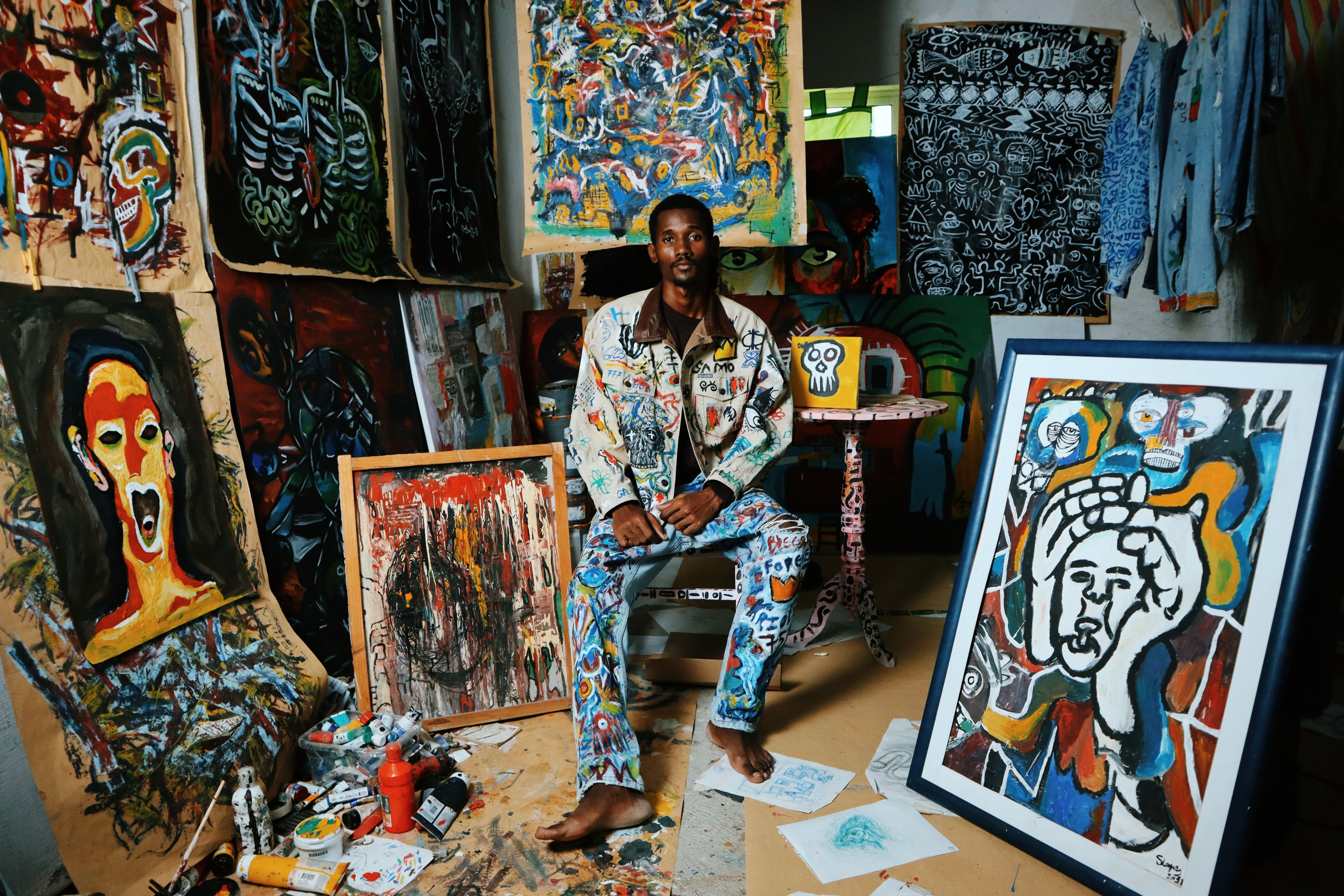





Image: Three Studies at the Base of a Crucifixion, 1944
Tate, CC BY-NC-ND 3.0
NFT Note: While Bacon's works rarely enter the NFT space (physically painted masterpieces remain impossible to tokenize), we remain skeptical of digital reproductions claiming equivalence to raw painted experience. The materiality of oil on canvas contains energy no scan can capture.
Want more artistic journeys through complex creators? My studio in Den Bosch explores physical space as psychological mirrors - a theme Bacon understood deeply.