The Real Magic of the Creative Process
Explore the mysterious journey of artistic creation, from inspiration to transformation, and uncover the magic behind the creative process.

The Real Magic of the Creative Process
Creativity is often seen as a mystical force, something that only a select few possess. But the truth is, creativity is a journey—a messy, unpredictable, and deeply personal journey. It’s about embracing the unknown, trusting the process, and allowing yourself to be transformed by it. Whether you’re an artist, a writer, a musician, or simply someone looking to infuse more creativity into your life, this article will explore the real magic of the creative process and how you can cultivate it in your own life.
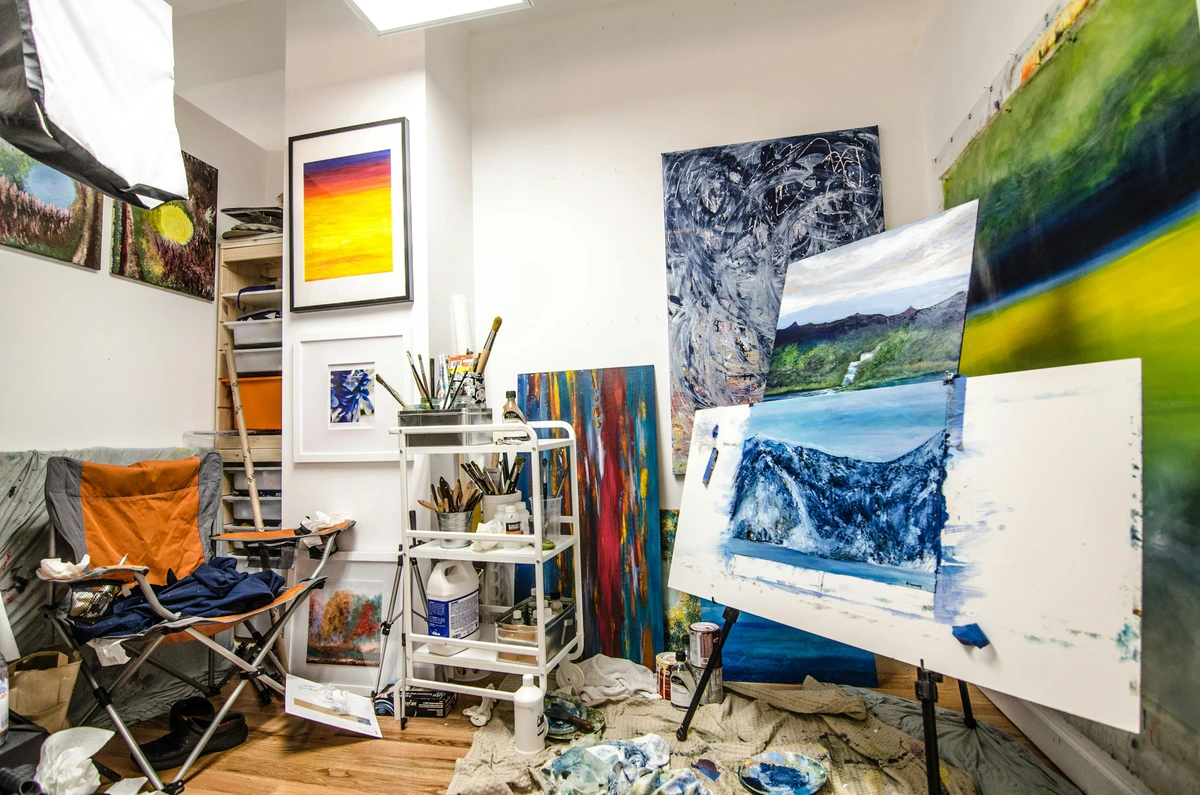
I remember the first time I stood in front of a blank canvas, brush in hand, heart pounding. It wasn’t just the fear of the empty space—it was the thrill of possibility. That moment, right there, is where the real magic begins. Not in the finished piece hanging on a gallery wall, but in the messy, unpredictable journey of creation.
Creativity is not just about the final product; it’s about the process. It’s about the moments of doubt, the flashes of inspiration, and the slow, steady progress that leads to something meaningful. It’s about the journey, not just the destination.
Creativity is often romanticized as a burst of inspiration, but the truth is far more nuanced. It’s a dance between intention and spontaneity, between control and surrender. It’s about embracing the unknown and trusting the process, even when it feels chaotic or uncertain. And yet, it’s also about the quiet moments of reflection, the subtle shifts in perspective, and the unexpected connections that spark something new.
For many, creativity is a way of life. It’s not just about making art; it’s about seeing the world in a new light, finding beauty in the mundane, and expressing yourself in ways that feel authentic and meaningful. It’s about the journey of self-discovery and the joy of creation.
For me, creativity is not just about the act of making art; it’s about the entire experience—the emotions, the struggles, the breakthroughs, and the transformations. It’s about finding meaning in the mundane and beauty in the imperfect. It’s about the journey, not just the destination.
Creativity is also about connection. It’s about sharing your unique perspective with the world and inviting others to see things through your eyes. It’s about the conversations that spark new ideas and the collaborations that push you to explore new directions. It’s about the community that forms around shared passions and the inspiration that comes from being part of something bigger than yourself.
The Evolution of Creativity
Creativity is not static; it evolves with us. As we grow and change, so too does our approach to creation. What once felt like a struggle may become second nature, and what once seemed impossible may become a new avenue for exploration. This evolution is a testament to the resilience and adaptability of the creative spirit.
The creative process is a journey of growth and transformation. It’s about pushing the boundaries of what you thought was possible and discovering new ways to express yourself. It’s about the moments of doubt that lead to breakthroughs and the challenges that make you stronger. It’s about the evolution of your skills, your perspective, and your voice as an artist.
The Myth of the Muse
There’s a common misconception that creativity is the domain of a select few, blessed by some ethereal muse. But the truth is, creativity is a skill, a practice, and a mindset that anyone can cultivate. It’s not about waiting for inspiration to strike; it’s about showing up, day after day, and putting in the work. The muse doesn’t visit the lazy or the hesitant—it rewards those who are willing to dive in and make mistakes.
The idea of the muse is often romanticized, but the reality is far more practical. Creativity is about discipline, curiosity, and a willingness to explore the unknown. It’s about the daily commitment to your craft and the courage to take risks. It’s about the process of creation, not just the moments of inspiration.
The Role of Discipline
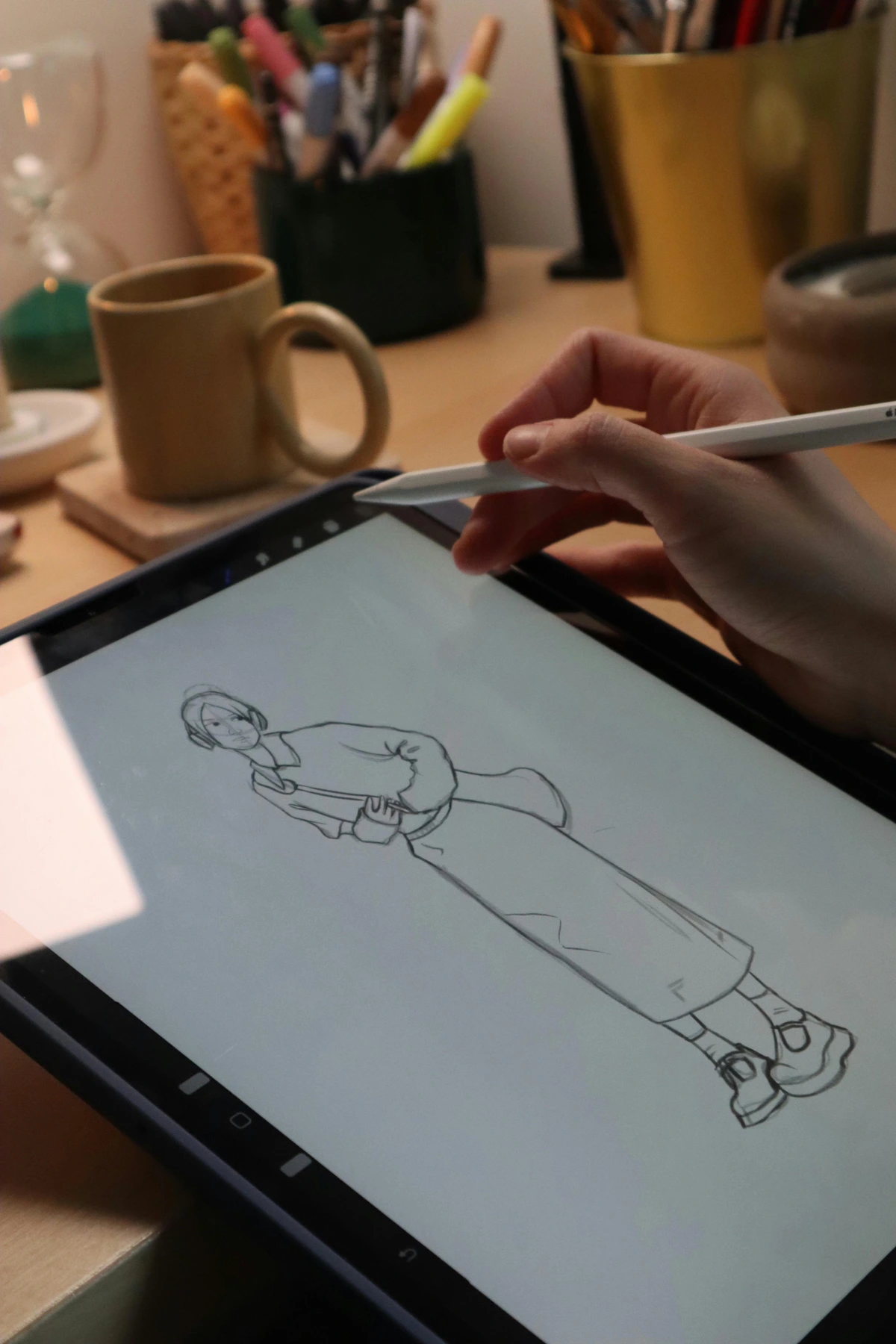
Discipline is the backbone of creativity. It’s the daily commitment to your craft, even when inspiration seems elusive. By establishing routines and setting aside dedicated time for creativity, you create the space for ideas to flourish. Discipline turns the abstract into the tangible, transforming fleeting thoughts into lasting creations.
Discipline is not just about showing up; it’s about staying committed. It’s about the small, consistent efforts that add up over time. It’s about the routines that help you stay focused and the habits that keep you motivated. It’s about the process of creation, not just the moments of inspiration.
The Spark: Where Does Inspiration Come From?
Inspiration isn’t some mythical creature that visits only the chosen few. It’s everywhere—if you know how to look. For me, it’s often in the mundane: the way light filters through a coffee cup, the sound of rain on a window, or even the chaotic energy of a busy street. But inspiration isn’t just about observation; it’s about connection. It’s that sudden click when something outside of you resonates with something deep inside.
Inspiration is also about curiosity. It’s about asking questions and exploring new ideas. It’s about the moments of wonder that spark new thoughts and the connections that lead to unexpected insights. It’s about the process of discovery, not just the moments of inspiration.
I’ve found that inspiration thrives in curiosity. The more you ask questions—Why does this color make me feel this way? What if I turned this shape upside down?—the more doors open. And sometimes, the best ideas come when you’re not even looking for them. Ever had a breakthrough in the shower? Yeah, me too.
The Role of Curiosity
Curiosity is the engine of inspiration. It drives us to explore, to question, and to seek out new experiences. By cultivating a curious mindset, we open ourselves up to a world of possibilities. Whether it’s trying a new technique, visiting a new place, or engaging with a new idea, curiosity fuels the creative process.
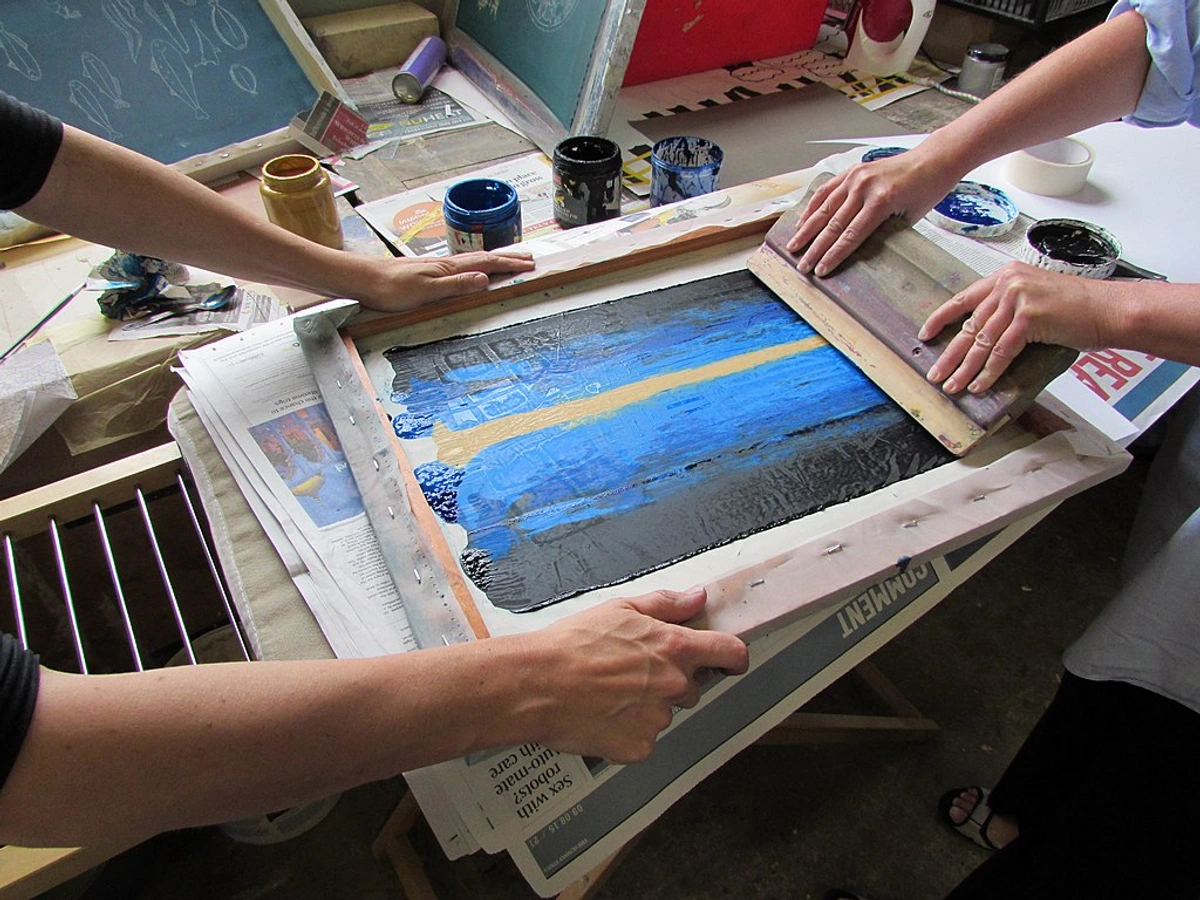
Curiosity is not just about seeking out new experiences; it’s about being open to the world around you. It’s about the willingness to learn and the courage to explore the unknown. It’s about the moments of discovery that lead to new ideas and the connections that spark creativity. It’s about the process of exploration, not just the moments of inspiration.
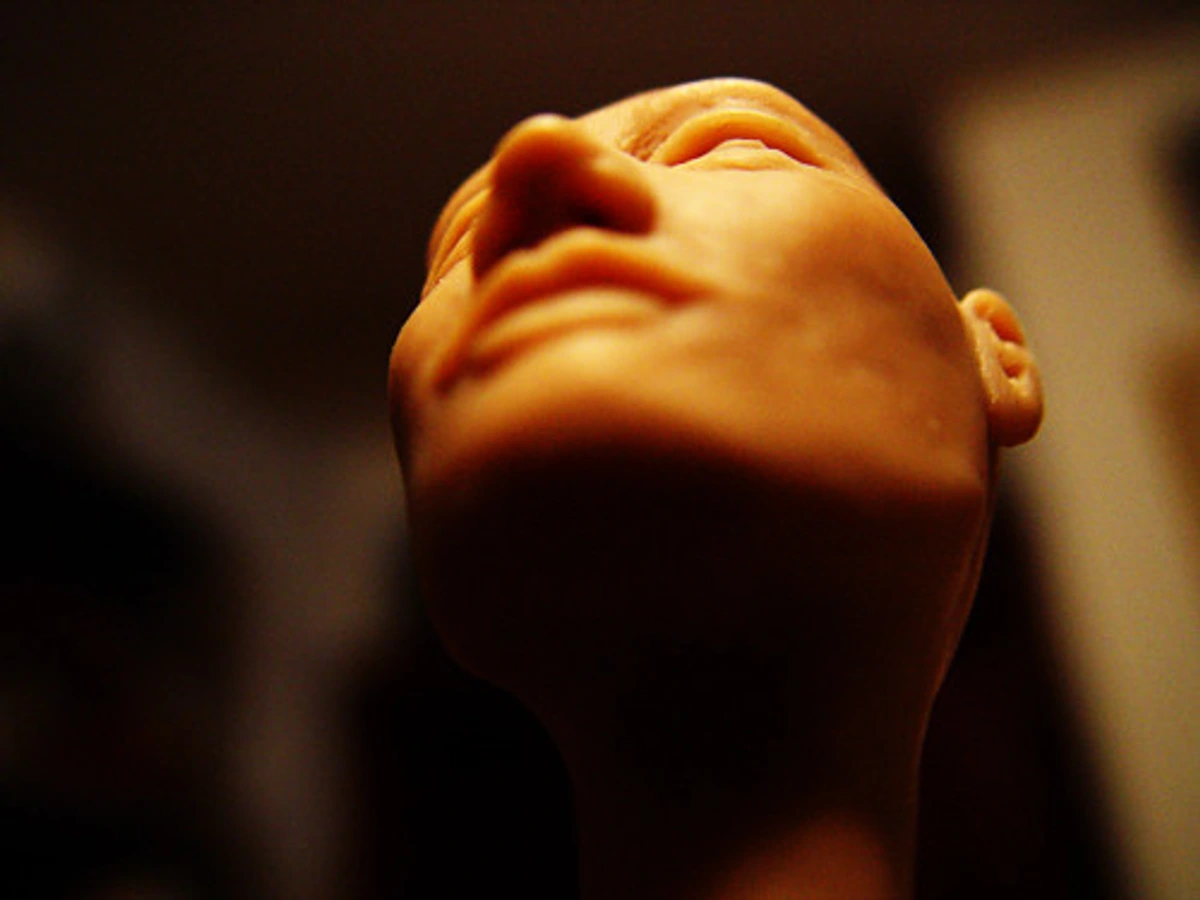
Inspiration is not just about observation; it’s about connection. It’s that sudden click when something outside of you resonates with something deep inside. It’s about being open to the world around you and allowing yourself to be moved by it. Whether it’s the way light filters through a coffee cup, the sound of rain on a window, or the chaotic energy of a busy street, inspiration is everywhere—if you know how to look.

The Role of Mindfulness in Inspiration
Mindfulness plays a crucial role in recognizing and nurturing inspiration. By being fully present in the moment, you allow yourself to notice the subtle details that might otherwise go unnoticed. Whether it’s the texture of a leaf or the rhythm of a conversation, mindfulness helps you tap into the richness of everyday experiences.
Mindfulness is not just about being present; it’s about being open. It’s about letting go of preconceived notions and allowing yourself to experience the world with fresh eyes. It’s about being curious and asking questions, even about the things you think you already know. When you approach the world with mindfulness, you create space for inspiration to flourish.
Mindfulness is also about connection. It’s about the moments of clarity that come from being fully present and the insights that arise from deep reflection. It’s about the process of discovery, not just the moments of inspiration.
The Science of Inspiration
Research has shown that inspiration is closely linked to our emotional and cognitive states. When we are relaxed and open, our brains are more likely to make creative connections. This is why activities like walking, meditating, or even daydreaming can be so effective in sparking new ideas. Understanding the science behind inspiration can help us cultivate it more intentionally.
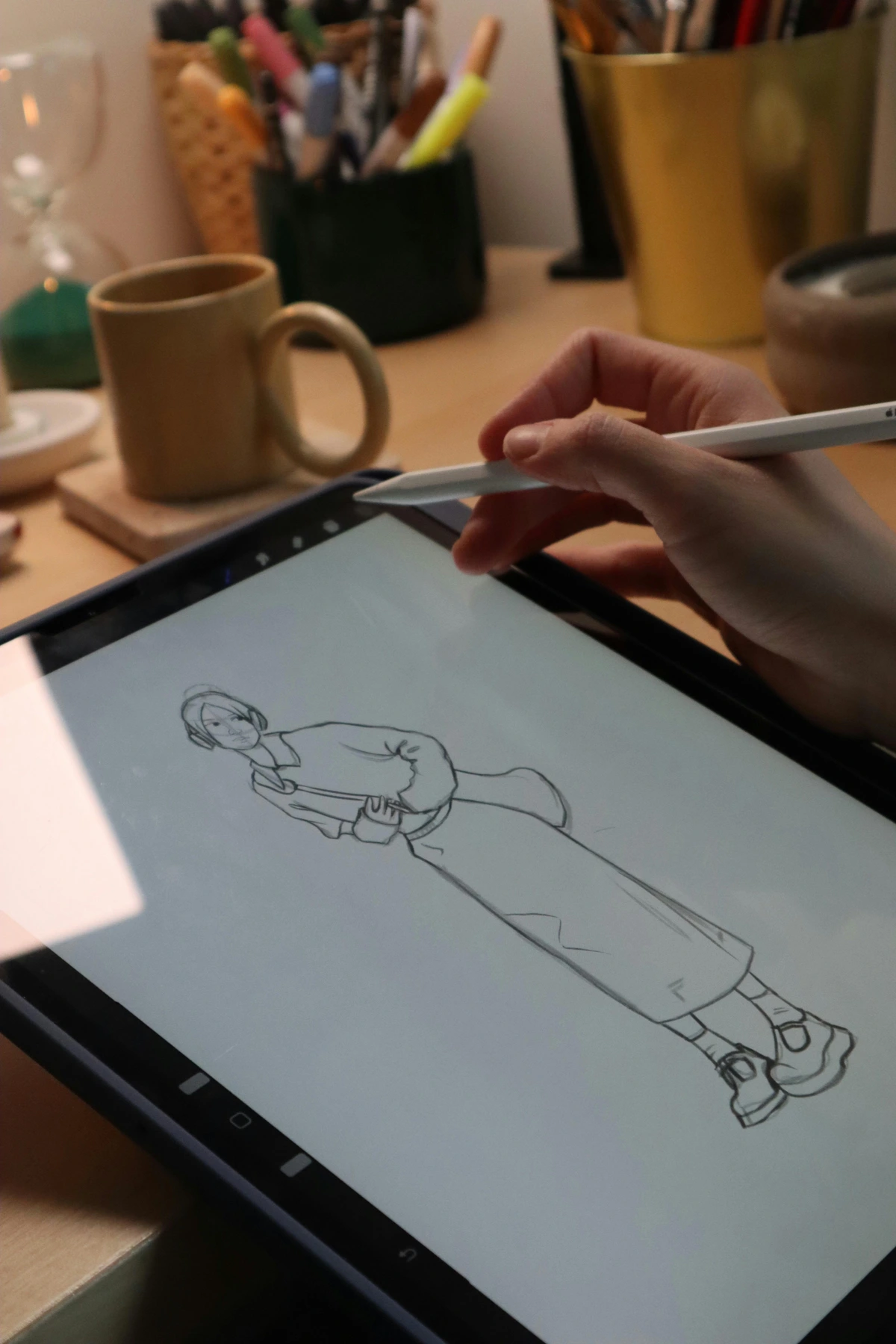
The science of inspiration is not just about understanding the brain; it’s about understanding the mind. It’s about the moments of insight that come from deep reflection and the connections that spark new ideas. It’s about the process of discovery, not just the moments of inspiration.
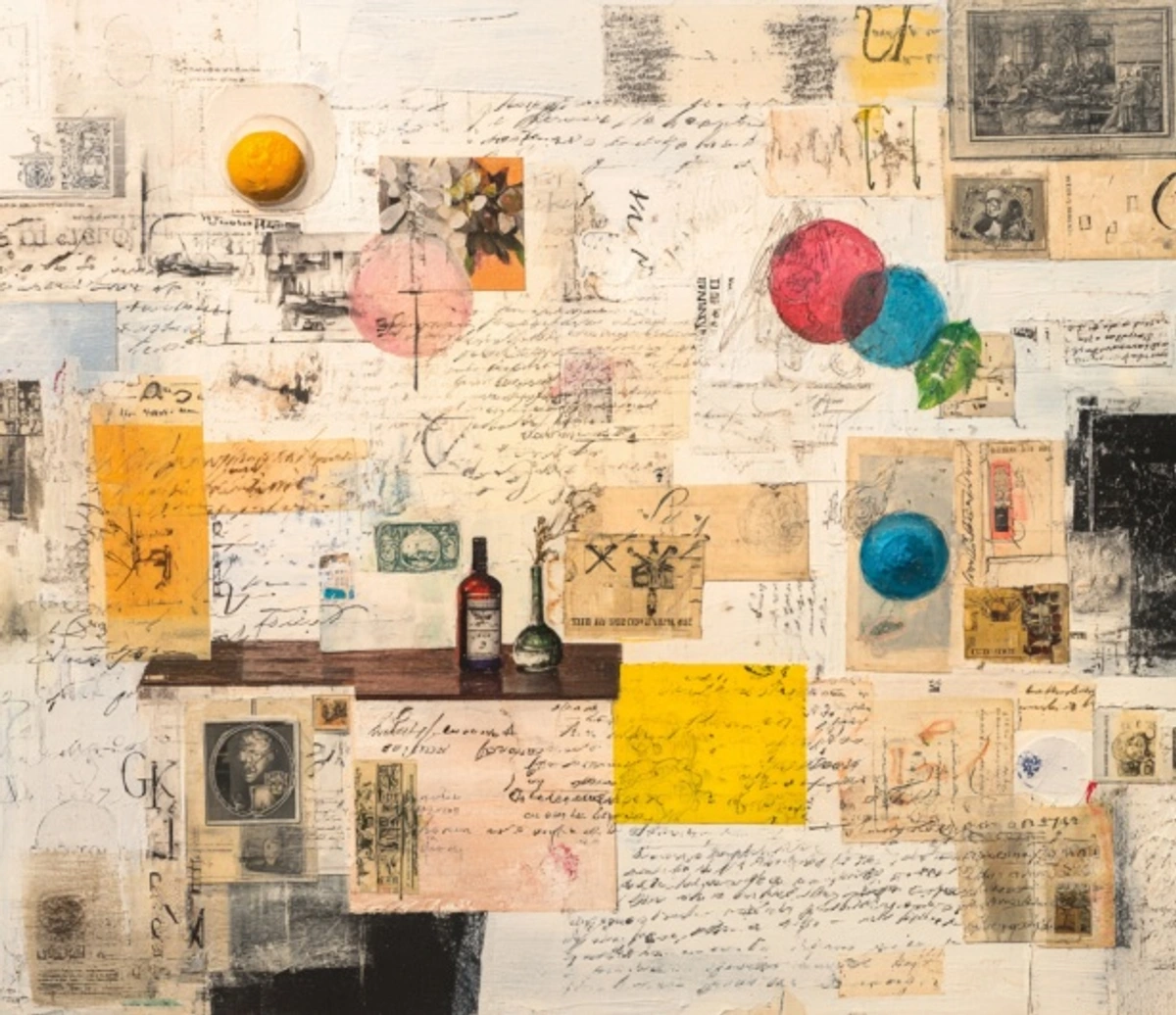
Cultivating a Creative Environment
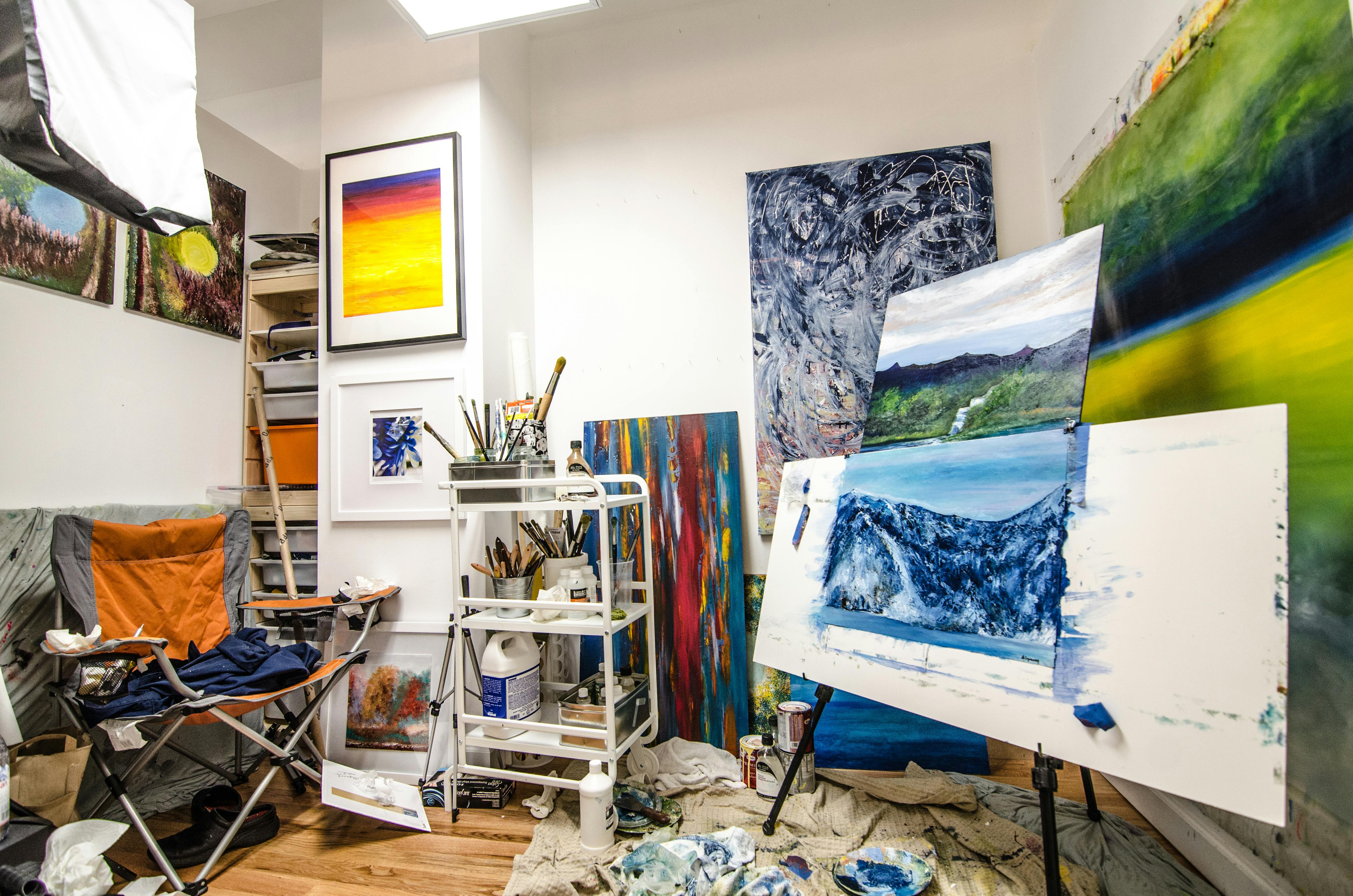
Your environment can significantly impact your creative process. Surround yourself with things that inspire you—books, art, music, or even nature. Create a space that feels inviting and stimulating, where you can explore ideas without judgment or pressure.
A creative environment is not just about the physical space; it’s also about the mental and emotional space you create for yourself. It’s about setting aside time for creativity, giving yourself permission to experiment, and allowing yourself to make mistakes. It’s about creating a space where you feel safe to explore, to take risks, and to be vulnerable.
A creative environment is also about connection. It’s about the moments of inspiration that come from being surrounded by beauty and the insights that arise from deep reflection. It’s about the process of discovery, not just the moments of inspiration.
The Impact of Physical Space
The physical space where you create can have a profound effect on your creativity. Natural light, comfortable seating, and a clutter-free workspace can all contribute to a more productive and inspiring environment. Consider how your surroundings affect your mood and energy levels, and make adjustments accordingly.
The impact of physical space is not just about comfort; it’s about inspiration. It’s about the moments of clarity that come from being in a space that feels right and the insights that arise from deep reflection. It’s about the process of discovery, not just the moments of inspiration.
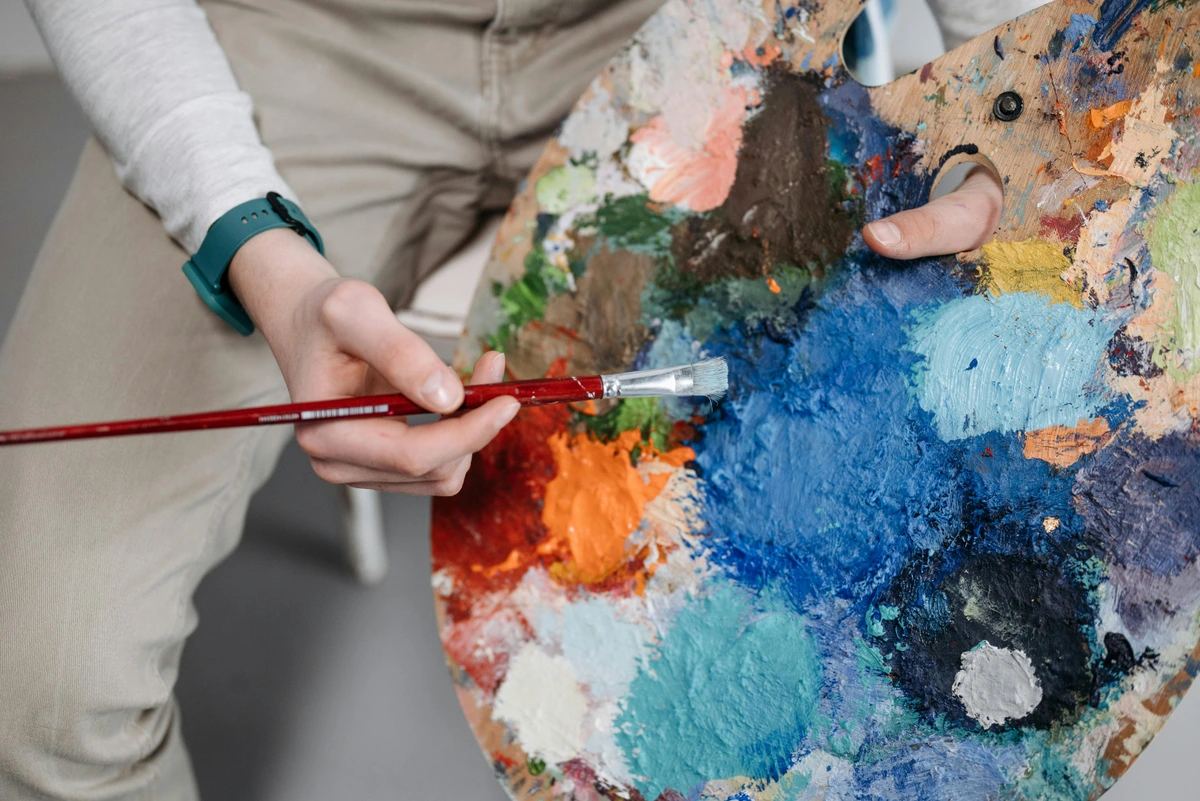
Table: Common Sources of Inspiration
Source  | Example | How to Use It |
|---|---|---|
| Nature | A sunset | Capture the colors and emotions in your work |
| Emotions | Joy, sadness | Channel feelings into your creative process |
| Everyday Objects | A coffee cup | Find beauty in the ordinary |
| Music | A favorite song | Let the rhythm guide your brushstrokes |
| Travel | A bustling market | Absorb the energy and diversity of new places |
| Literature | A compelling poem | Use words and themes to inspire visual storytelling |
| Conversations | A thought-provoking discussion | Explore ideas and perspectives through dialogue |
| Dreams | A vivid dream | Translate surreal imagery into tangible art |
| History | A historical event | Draw parallels between past and present |
| Technology | A new app or tool | Experiment with digital mediums and techniques |
| People | A stranger's smile | Find inspiration in human connections and interactions |
| Food | A delicious meal | Use flavors and textures to inspire your creative work |
| Architecture | A historic building | Explore the lines, shapes, and stories behind structures |
| Science | A fascinating discovery | Use scientific concepts to inspire artistic exploration |
Expanding Your Sources of Inspiration
While the table above covers many common sources of inspiration, there are countless others waiting to be discovered. Consider exploring new hobbies, visiting unfamiliar places, or engaging with different cultures. The more diverse your experiences, the richer your creative palette becomes.
Expanding your sources of inspiration is not just about seeking out new experiences; it’s about being open to the world around you. It’s about the moments of wonder that spark new thoughts and the connections that lead to unexpected insights. It’s about the process of discovery, not just the moments of inspiration.
The Role of Travel in Inspiration
Travel is one of the most powerful sources of inspiration. It exposes us to new cultures, landscapes, and ways of thinking. Whether it’s the vibrant colors of a bustling market or the serene beauty of a remote landscape, travel can spark creativity in unexpected ways. It challenges our perspectives and broadens our understanding of the world, providing endless fodder for creative exploration.
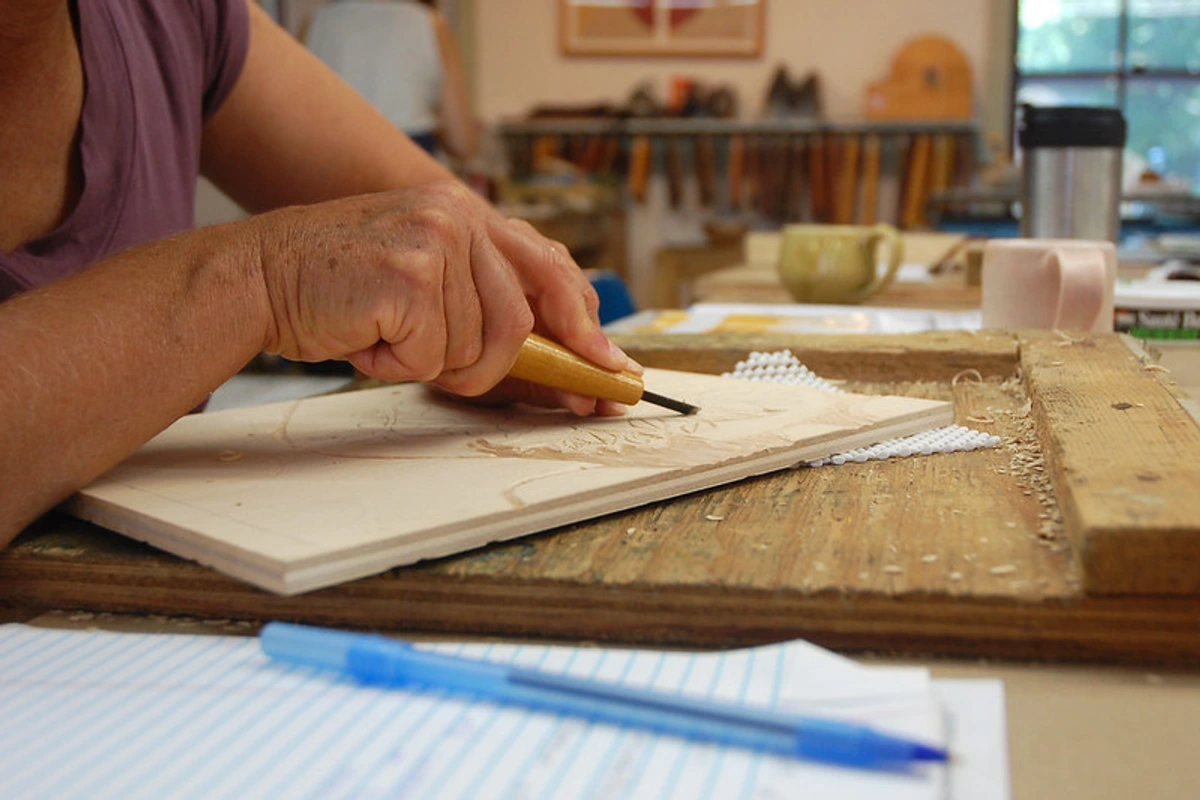
Travel is not just about seeing new places; it’s about experiencing new things. It’s about the moments of wonder that spark new thoughts and the connections that lead to unexpected insights. It’s about the process of discovery, not just the moments of inspiration.
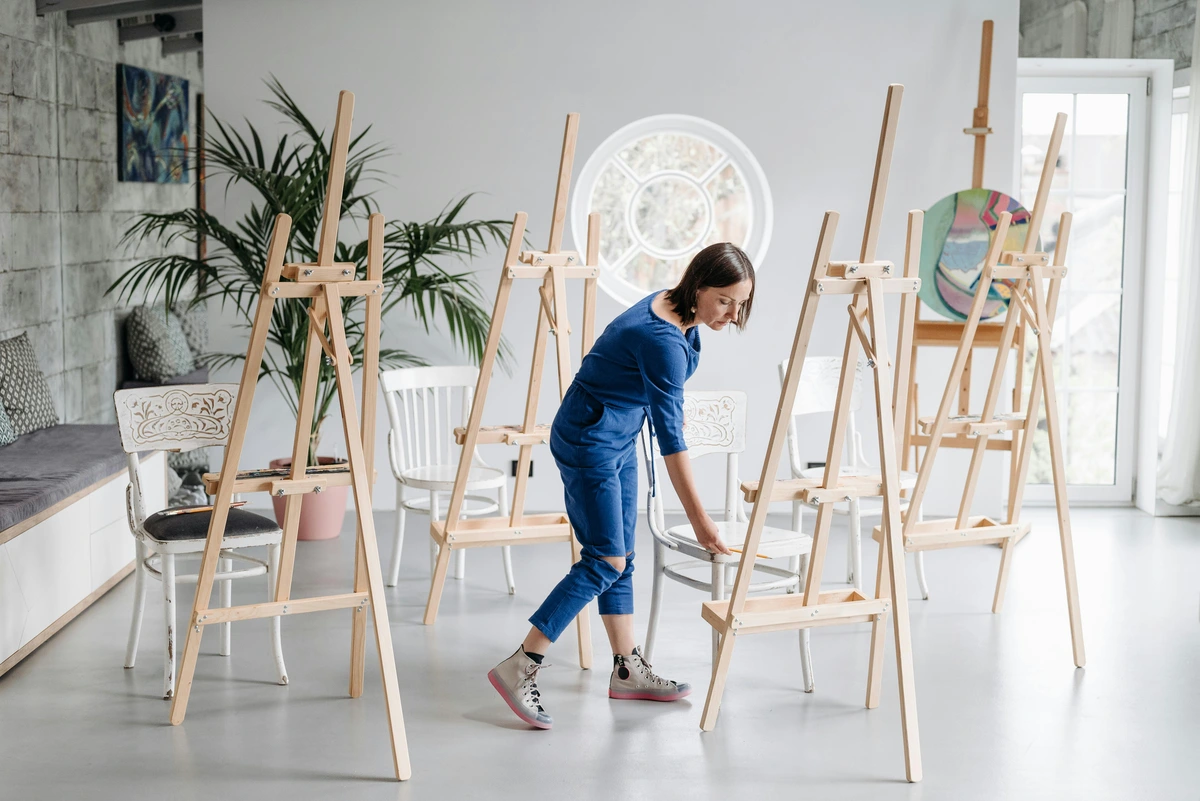
The Alchemy of Transformation
Here’s the thing about the creative process: it’s not linear. It’s not a straight path from idea to execution. It’s more like alchemy—mixing, experimenting, and sometimes failing spectacularly. And that’s okay. In fact, it’s necessary.
The creative process is a journey of transformation. It’s about taking raw materials—whether they’re physical, like paint and canvas, or intangible, like ideas and emotions—and turning them into something new and meaningful. It’s about exploring the unknown, taking risks, and embracing the unexpected. It’s about allowing yourself to be vulnerable and open to the possibilities that lie ahead.
Transformation is not just about the artwork itself; it’s also about the artist. Every piece you create, every mistake you make, and every lesson you learn shapes you as an artist and as a person. It’s about growth, evolution, and self-discovery. It’s about finding your voice and trusting your instincts. It’s about embracing the journey, with all its ups and downs, and allowing yourself to be transformed by it.
I once spent weeks on a piece, only to realize it wasn’t working. I was frustrated, ready to give up. But then I took a step back, looked at it from a different angle, and saw something new. What started as a failed experiment turned into one of my favorite pieces. That’s the magic—turning mistakes into opportunities.
This process of transformation is not just about the artwork itself; it’s also about the artist. Every piece you create, every mistake you make, and every lesson you learn shapes you as an artist and as a person. It’s about growth, evolution, and self-discovery. It’s about finding your voice and trusting your instincts. It’s about embracing the journey, with all its ups and downs, and allowing yourself to be transformed by it.
The Role of Reflection in Transformation
Reflection is a powerful tool in the creative process. Taking the time to look back on your work, your progress, and your challenges can provide valuable insights. It’s about asking yourself what worked, what didn’t, and why. This reflective practice can help you grow and evolve as an artist, making your creative journey even more meaningful.
Reflection is not just about looking back; it’s about looking forward. It’s about the moments of clarity that come from deep reflection and the insights that arise from thoughtful consideration. It’s about the process of discovery, not just the moments of inspiration.

The Power of Iteration
Iteration is a fundamental part of the creative process. Each version of your work builds on the last, refining ideas and uncovering new possibilities. Don’t be afraid to revisit and revise your work. Every iteration brings you closer to your vision, even if it’s not immediately apparent.
Iteration is not just about making changes; it’s about learning and growing. It’s about the moments of insight that come from revisiting your work and the connections that lead to unexpected improvements. It’s about the process of discovery, not just the moments of inspiration.
Iteration is not just about making changes; it’s about learning and growing. It’s about experimenting with new ideas, taking risks, and pushing the boundaries of your creativity. It’s about being open to feedback and willing to make adjustments. It’s about trusting the process and allowing yourself to evolve as an artist.

The Iterative Mindset
Adopting an iterative mindset means embracing the idea that your work is never truly finished. It’s about seeing each piece as a stepping stone to the next, a continuous journey of improvement and discovery. This mindset can free you from the pressure of perfection and allow you to enjoy the creative process more fully.
The iterative mindset is not just about improvement; it’s about exploration. It’s about the moments of discovery that come from revisiting your work and the insights that arise from thoughtful consideration. It’s about the process of discovery, not just the moments of inspiration.
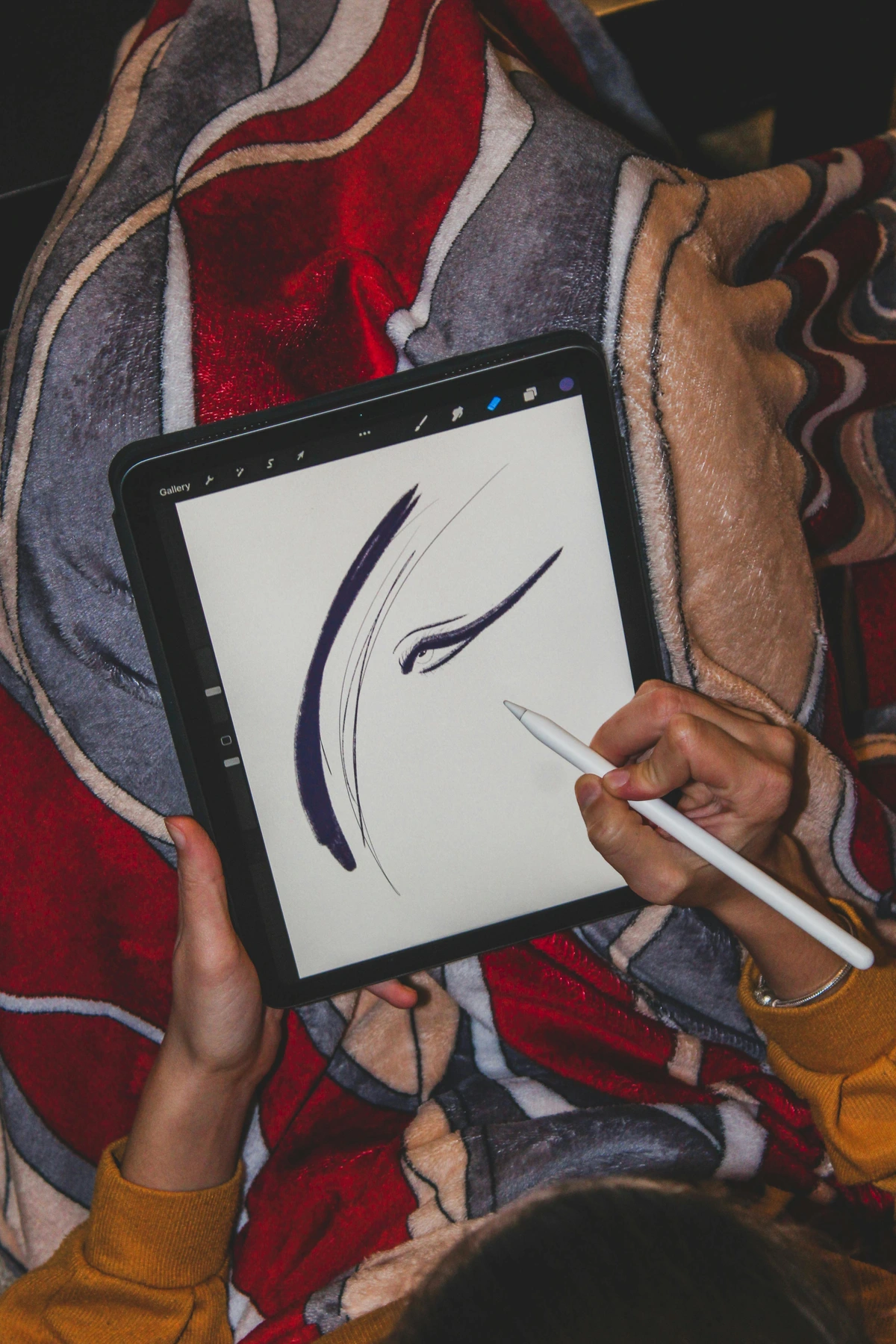
Embracing Imperfection
Perfectionism can be a creativity killer. Instead of striving for flawlessness, embrace the imperfections in your work. They often add character and depth, making your creations uniquely yours. Remember, some of the most iconic artworks are celebrated for their quirks and idiosyncrasies.
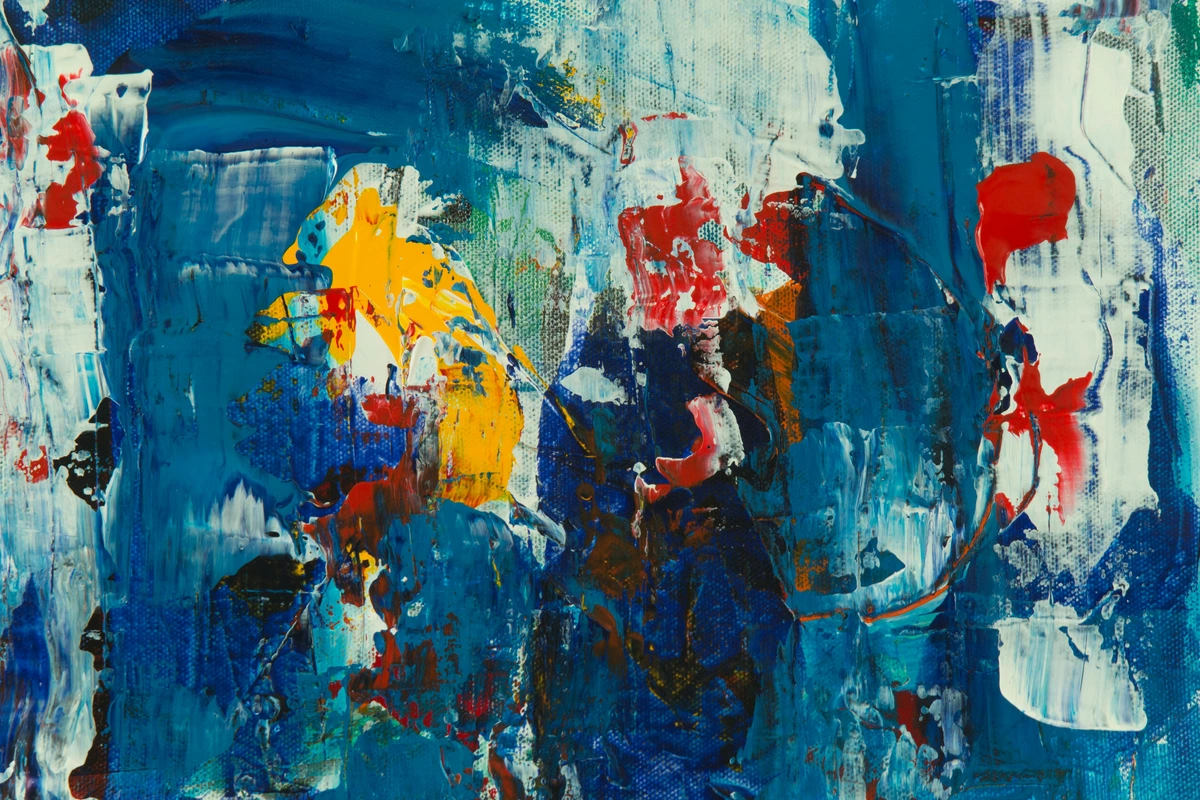
Embracing imperfection is not just about accepting flaws; it’s about celebrating them. It’s about the moments of authenticity that come from being true to yourself and the insights that arise from thoughtful consideration. It’s about the process of discovery, not just the moments of inspiration.
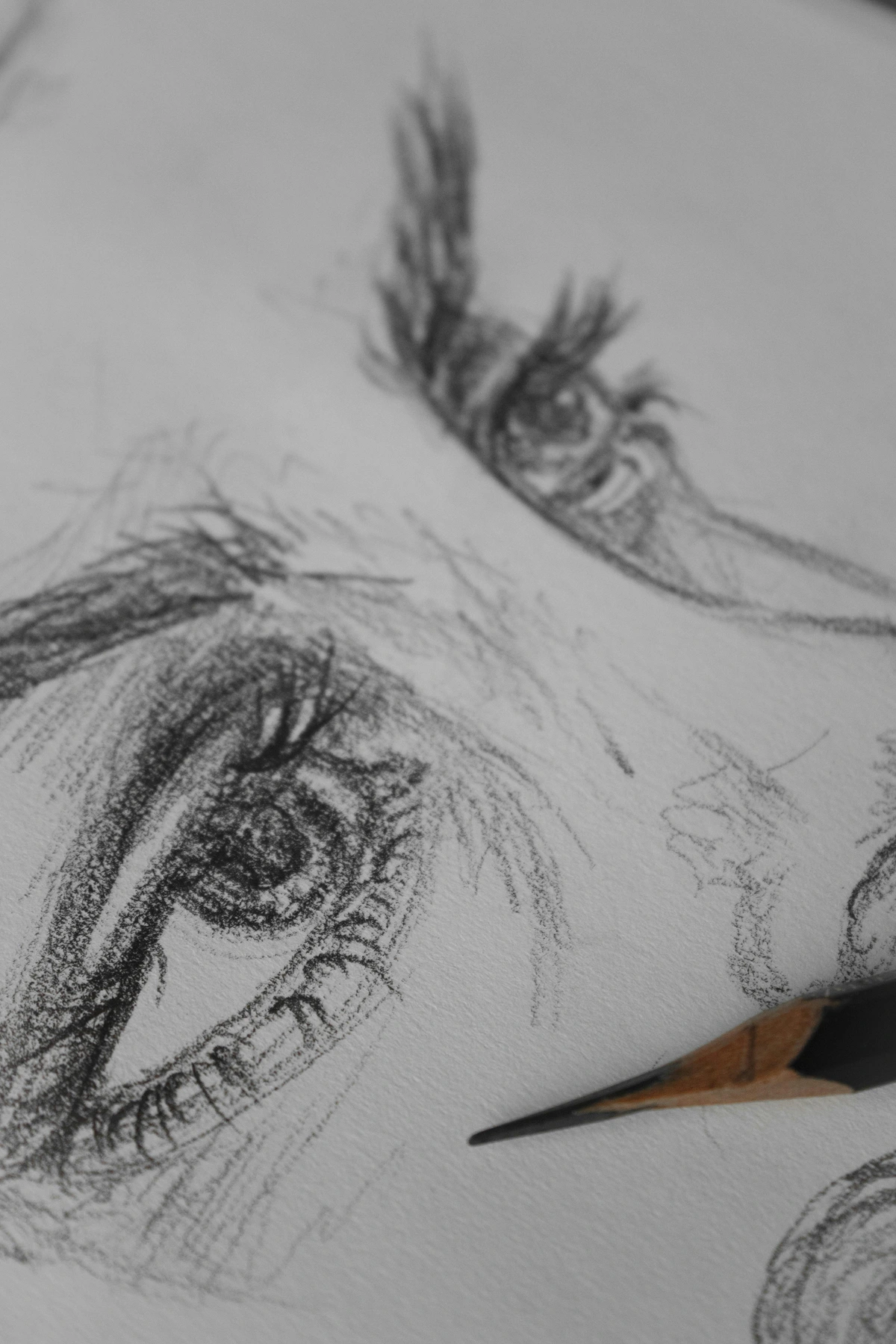
Imperfection is not just about accepting flaws; it’s about celebrating them. It’s about recognizing that the things that make your work unique are also the things that make it beautiful. It’s about being authentic and true to yourself, even if it means going against the grain. It’s about trusting your instincts and allowing yourself to be vulnerable. It’s about embracing the journey, with all its imperfections, and allowing yourself to grow and evolve as an artist.
The Role of Experimentation
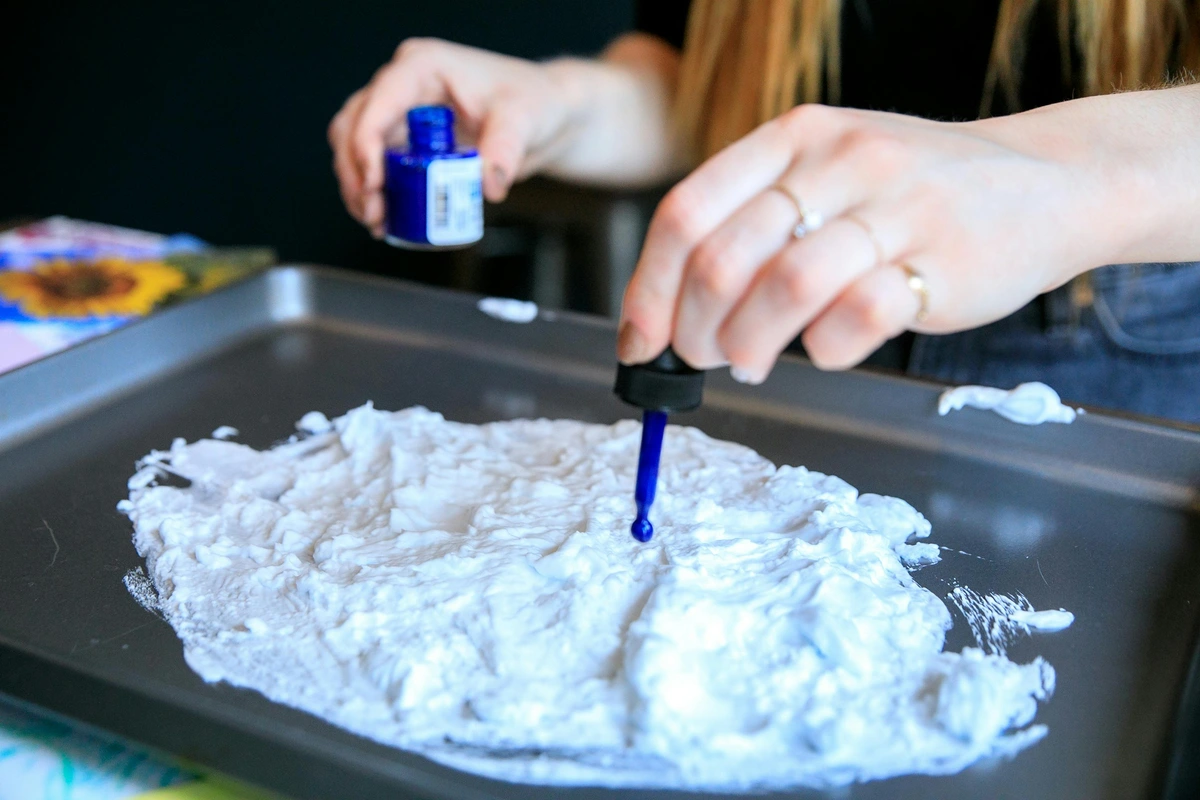
Experimentation is where the real growth happens. Try new techniques, mix unexpected colors, or work with unconventional materials. You never know what might spark something brilliant. And if it doesn’t work? That’s fine. Not every experiment is a success, but every experiment teaches you something.
Experimentation is not just about trying new things; it’s about pushing the boundaries of your creativity. It’s about the moments of discovery that come from exploring new ideas and the insights that arise from thoughtful consideration. It’s about the process of discovery, not just the moments of inspiration.
Experimentation is not just about trying new things; it’s about pushing the boundaries of your creativity. It’s about taking risks and stepping outside of your comfort zone. It’s about being open to the unexpected and allowing yourself to be surprised. It’s about trusting the process and allowing yourself to grow and evolve as an artist. It’s about embracing the journey, with all its experiments and discoveries, and allowing yourself to be transformed by it.
Breaking Creative Blocks
Creative blocks are a natural part of the process. When you feel stuck, try changing your approach. Switch mediums, explore a different style, or take a break and engage in a completely unrelated activity. Sometimes, stepping away from your work can provide the clarity and perspective you need to move forward.
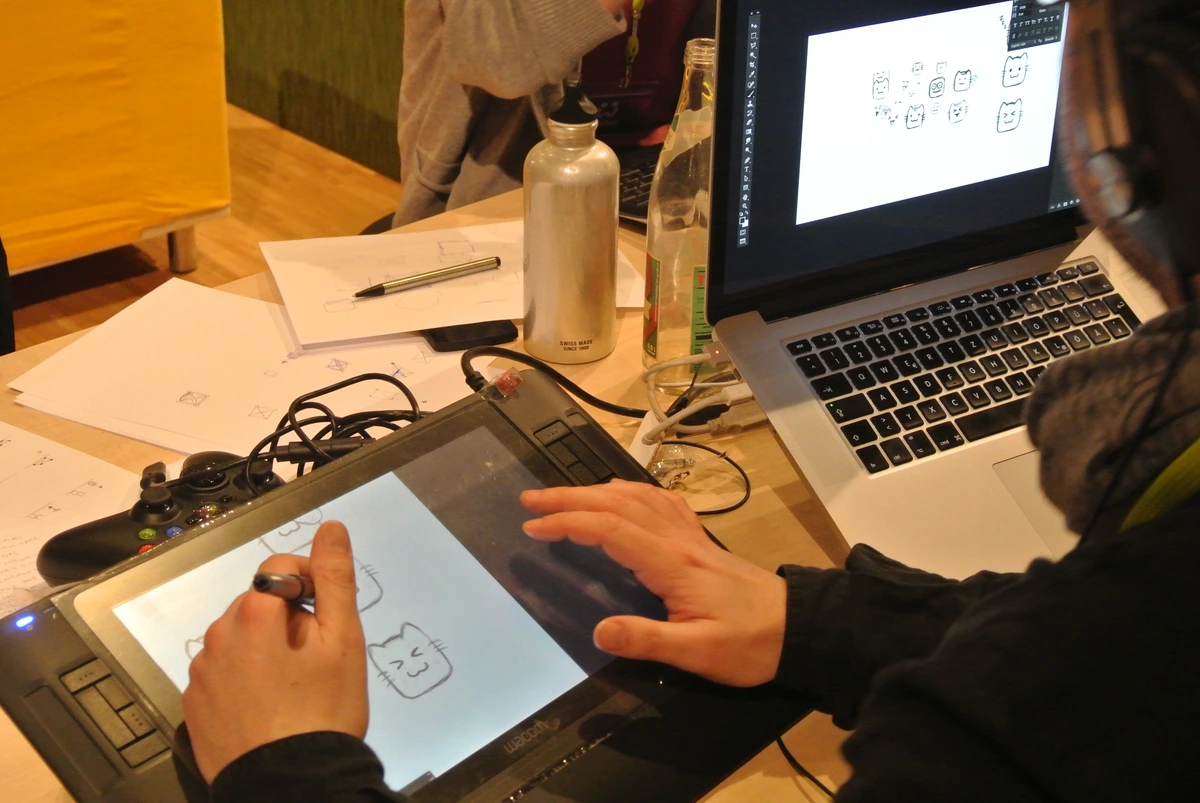
Breaking creative blocks is not just about changing your approach; it’s about changing your mindset. It’s about the moments of insight that come from stepping away from your work and the connections that lead to unexpected breakthroughs. It’s about the process of discovery, not just the moments of inspiration.
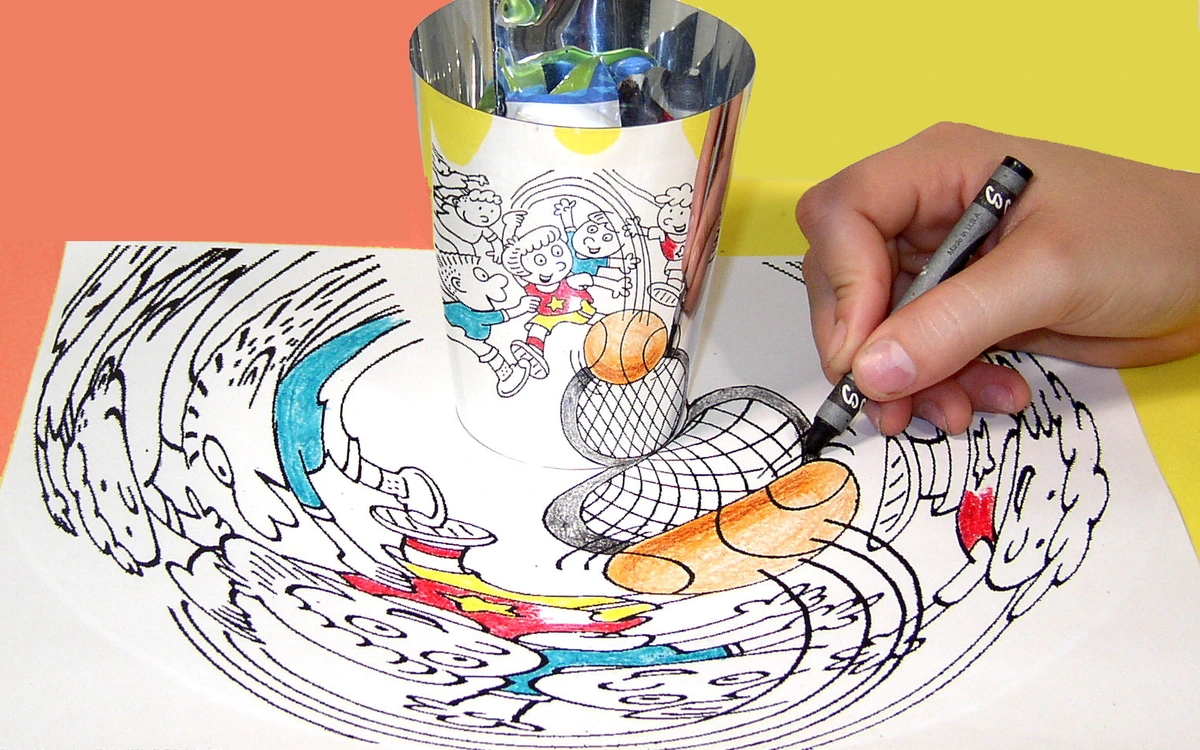
Breaking creative blocks is not just about changing your approach; it’s also about changing your mindset. It’s about being open to new ideas and experiences. It’s about allowing yourself to be inspired by the world around you. It’s about trusting the process and allowing yourself to grow and evolve as an artist. It’s about embracing the journey, with all its creative blocks and breakthroughs, and allowing yourself to be transformed by it.
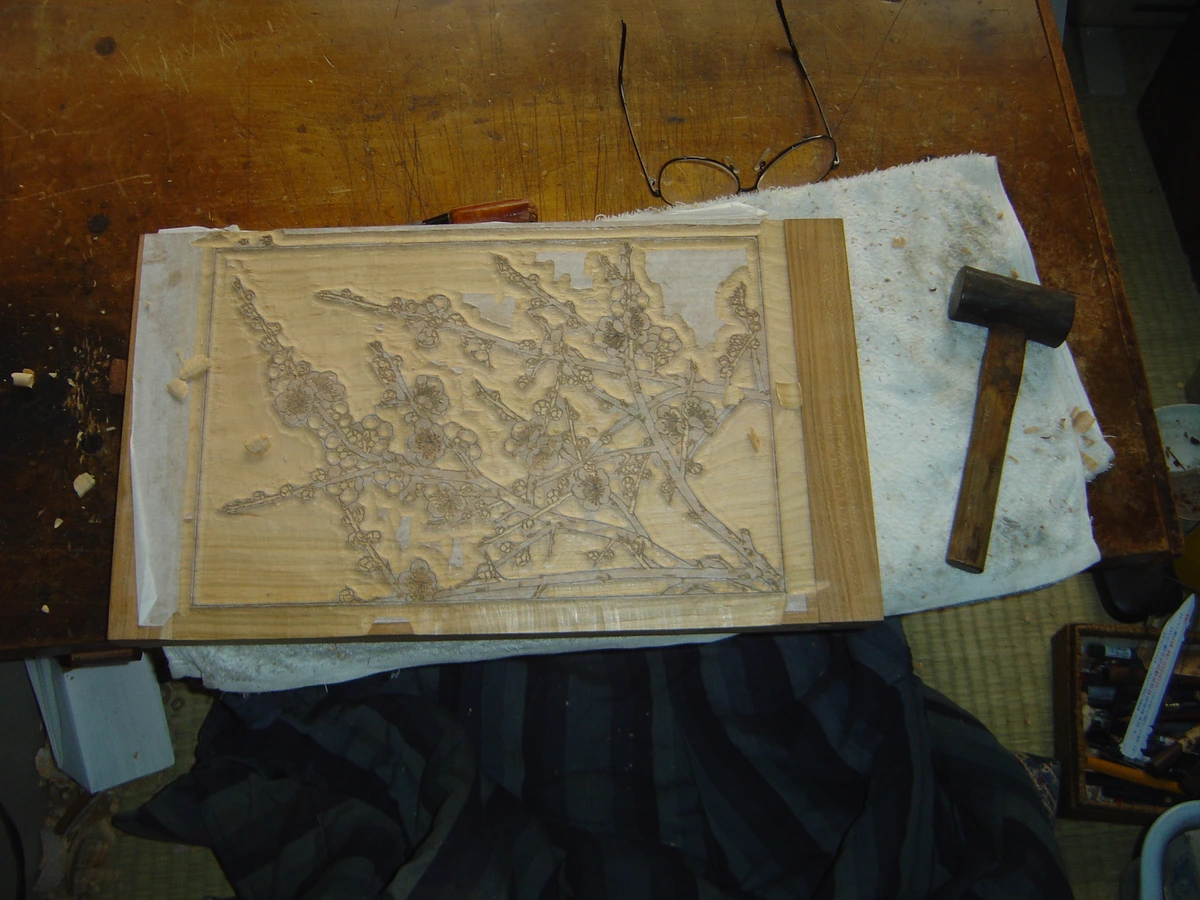
Collaborative Creativity
Collaboration can be a powerful catalyst for creativity. Working with others introduces new perspectives and ideas, pushing you to explore directions you might not have considered on your own. Whether it’s a formal partnership or an informal exchange, collaboration can breathe new life into your creative process.
Collaborative creativity is not just about working with others; it’s about learning from them. It’s about the moments of insight that come from sharing ideas and the connections that lead to unexpected breakthroughs. It’s about the process of discovery, not just the moments of inspiration.
Collaboration is not just about working with others; it’s about learning from them. It’s about being open to new ideas and experiences. It’s about allowing yourself to be inspired by the people around you. It’s about trusting the process and allowing yourself to grow and evolve as an artist. It’s about embracing the journey, with all its collaborations and discoveries, and allowing yourself to be transformed by it.
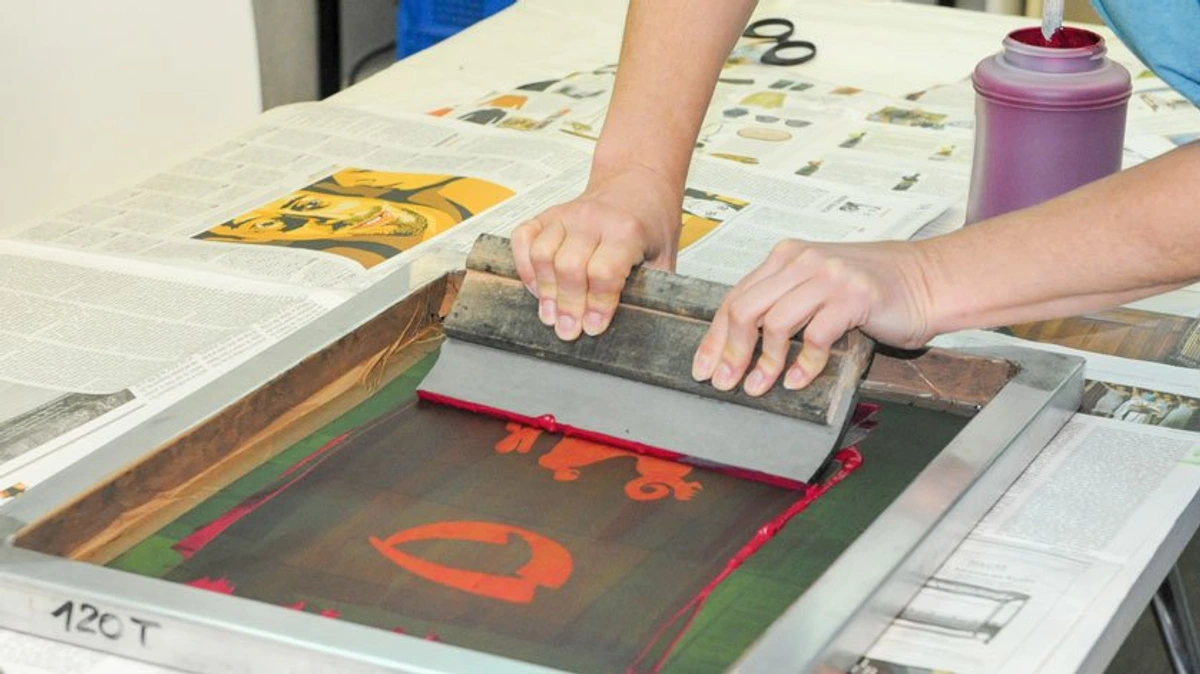
The Creative Ritual
Every artist has their own ritual—those little habits that help them get into the creative zone. For some, it’s a specific playlist. For others, it’s a quiet morning with a cup of tea. My ritual? I like to start with a walk. There’s something about moving my body that gets my mind ready to create.
But rituals aren’t just about preparation; they’re about mindset. They signal to your brain that it’s time to focus, to play, to explore. And sometimes, breaking the ritual can be just as powerful. If you’re feeling stuck, try something different. Change your environment, switch up your tools, or just take a break.
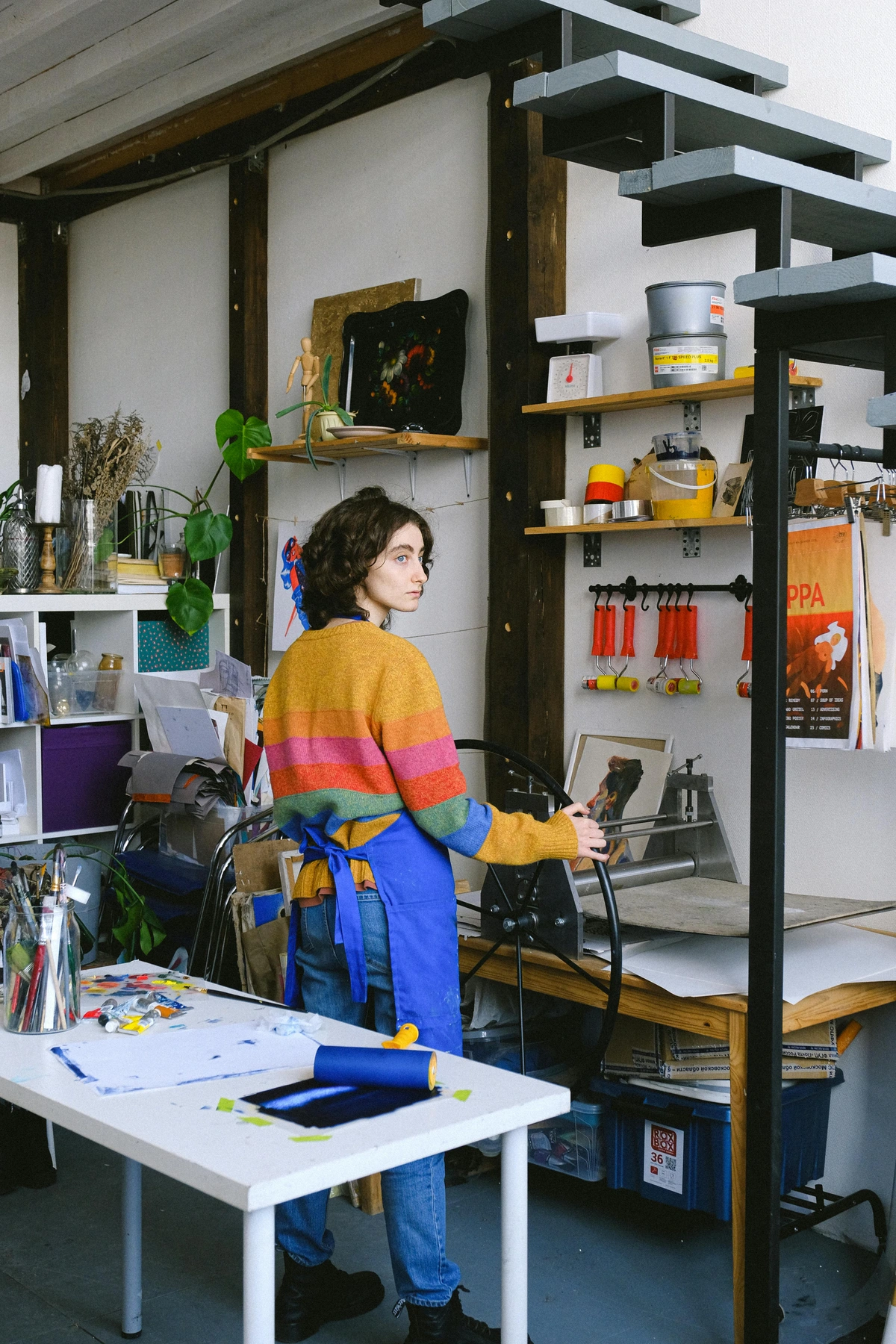
Rituals are not just about the actions themselves; they’re about the intention behind them. They’re about creating a space for creativity, both physically and mentally. They’re about setting aside time for yourself and your art. They’re about being open to the world around you and allowing yourself to be inspired. They’re about trusting the process and allowing yourself to grow and evolve as an artist. They’re about embracing the journey, with all its rituals and discoveries, and allowing yourself to be transformed by it.
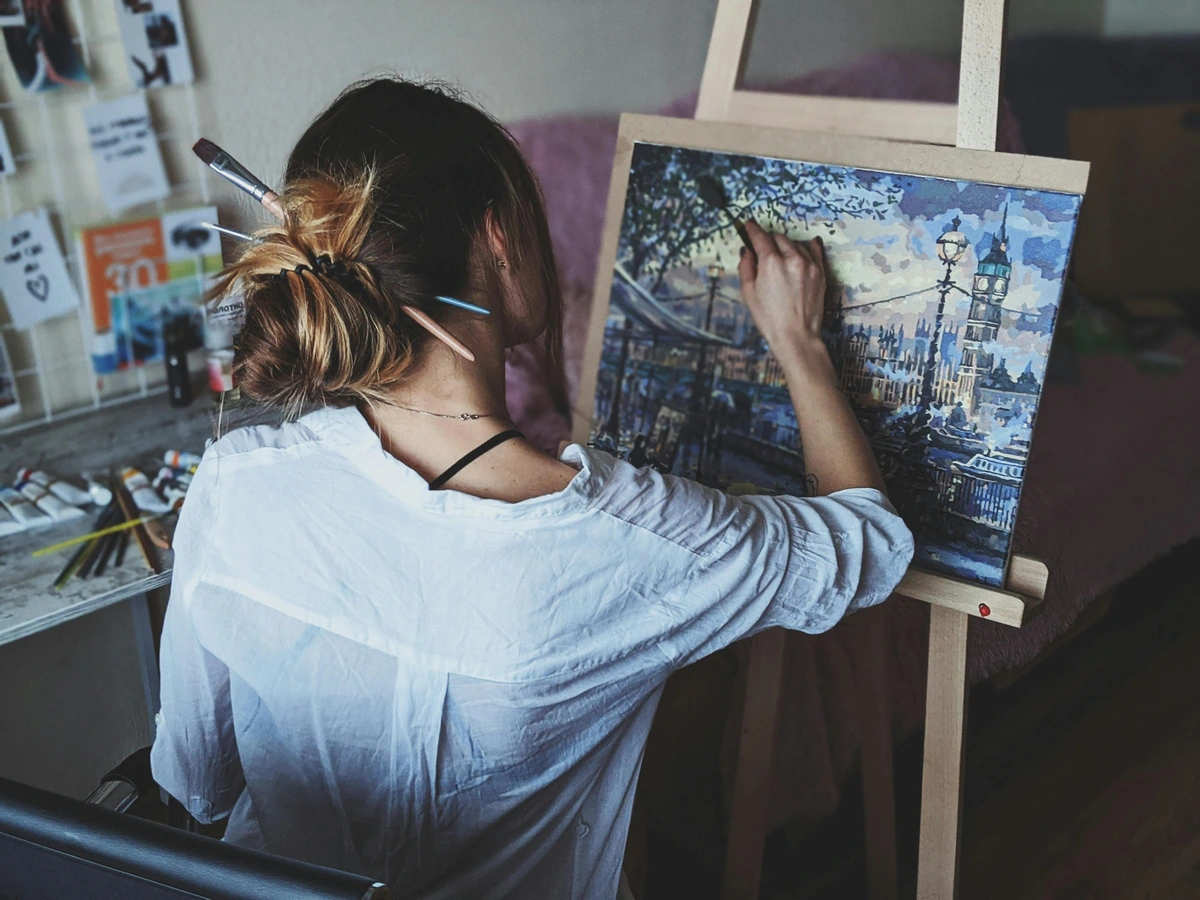
The Science Behind Rituals
Rituals aren’t just superstitious habits; they have a psychological basis. Repetitive actions can create a sense of comfort and familiarity, reducing anxiety and freeing up mental space for creativity. They act as a bridge between the mundane and the imaginative, helping you transition into a creative state of mind.
The science behind rituals is fascinating. Studies have shown that rituals can help reduce stress, increase focus, and enhance performance. They can also foster a sense of connection and belonging, both to yourself and to the world around you. Rituals are not just about the actions themselves; they’re about the meaning and intention behind them. They’re about creating a space for creativity, both physically and mentally. They’re about setting aside time for yourself and your art. They’re about being open to the world around you and allowing yourself to be inspired. They’re about trusting the process and allowing yourself to grow and evolve as an artist. They’re about embracing the journey, with all its rituals and discoveries, and allowing yourself to be transformed by it.
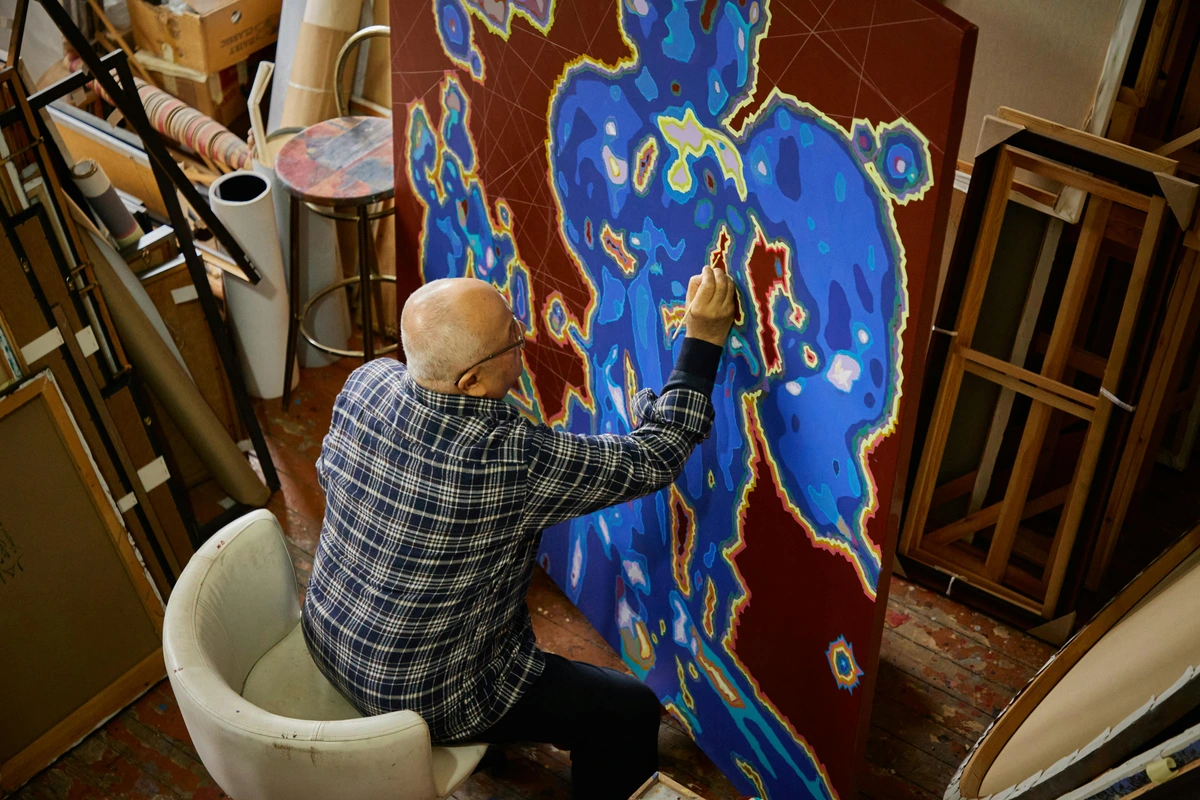
Creating Your Own Ritual
Finding your own creative ritual is a personal journey. Experiment with different activities and routines to discover what resonates with you. It could be as simple as lighting a candle, playing a specific song, or setting aside a dedicated time each day for creativity. The key is consistency and intentionality.

The Role of Rituals in Daily Life
Rituals can also play a significant role in our daily lives outside of creativity. They provide structure and comfort, helping us navigate the complexities of life with greater ease. By incorporating rituals into our daily routines, we create a sense of stability and purpose, which can enhance our overall well-being and creativity.
The role of rituals in daily life is not just about structure; it’s about connection. It’s about the moments of clarity that come from being fully present and the insights that arise from deep reflection. It’s about the process of discovery, not just the moments of inspiration.
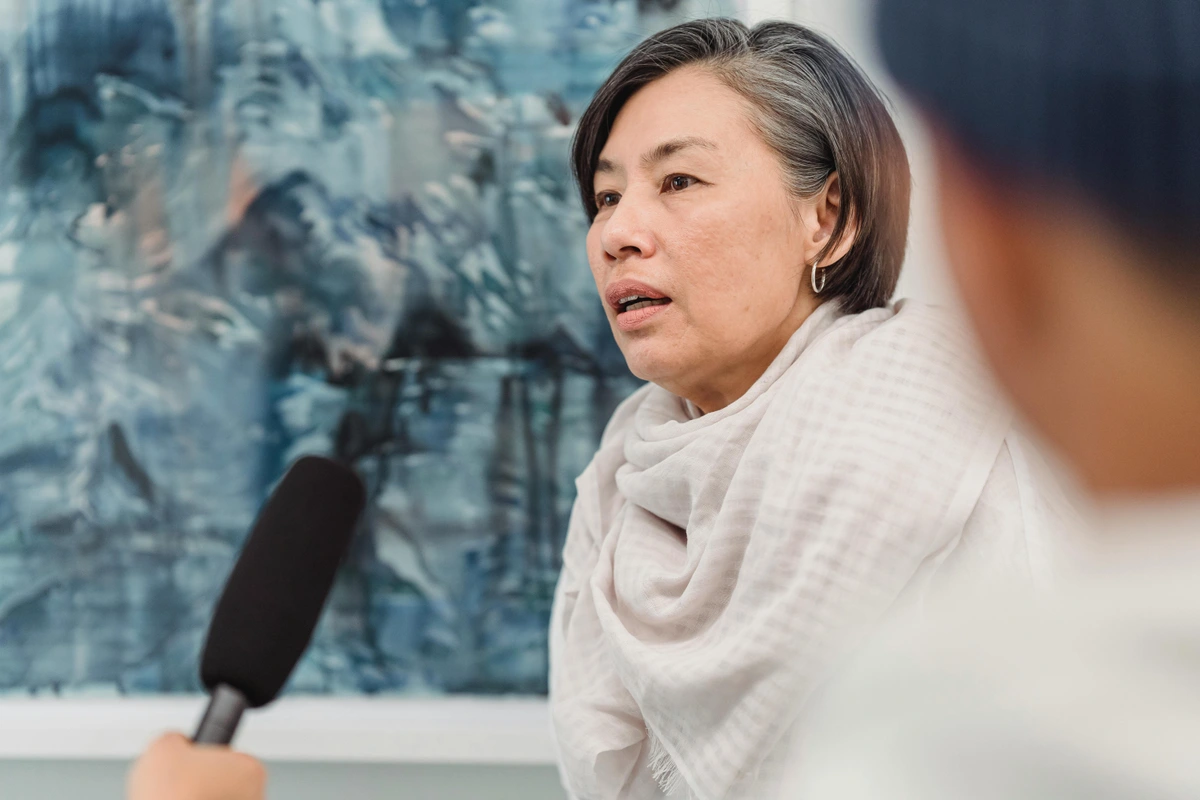
Creating your own ritual is not just about finding what works for you; it’s about making it your own. It’s about infusing your ritual with meaning and intention. It’s about being open to the world around you and allowing yourself to be inspired. It’s about trusting the process and allowing yourself to grow and evolve as an artist. It’s about embracing the journey, with all its rituals and discoveries, and allowing yourself to be transformed by it.

The FAQ of the Creative Process
What do I do when I’m stuck?
First, don’t panic. Creative blocks happen to everyone. Try stepping away from your work for a while. Go for a walk, read a book, or do something completely unrelated. Often, the best ideas come when you’re not forcing them.
Creative blocks are a natural part of the process. They’re not a sign of failure; they’re a sign that you’re pushing yourself to explore new ideas and take risks. Embrace the challenge and trust that the inspiration will come.
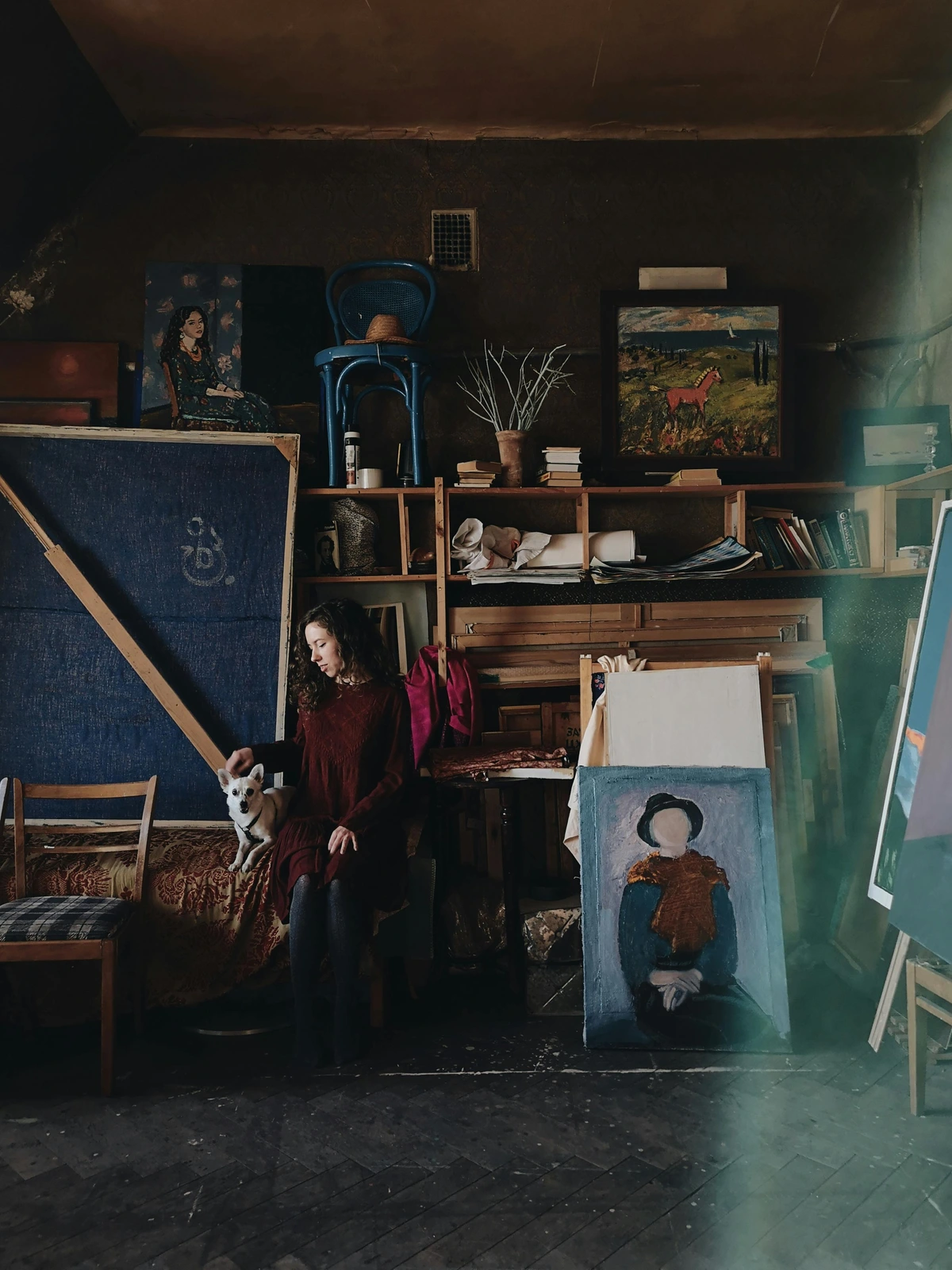
How do I know when a piece is finished?
This is one of the hardest questions. For me, a piece is finished when it feels complete—when adding more would take away from it rather than enhance it. Sometimes, it’s about trusting your gut. Other times, it’s about setting it aside and coming back to it later with fresh eyes.
Knowing when a piece is finished is not just about intuition; it’s about reflection. It’s about the moments of clarity that come from stepping back and the insights that arise from thoughtful consideration. It’s about the process of discovery, not just the moments of inspiration.
Can anyone be creative?
Absolutely. Creativity isn’t a talent reserved for a select few. It’s a skill, and like any skill, it can be developed with practice. Start small, experiment, and don’t be afraid to make mistakes.
Creativity is not just about talent; it’s about mindset. It’s about the moments of discovery that come from exploring new ideas and the insights that arise from thoughtful consideration. It’s about the process of discovery, not just the moments of inspiration.

How do I find my unique artistic voice?
Finding your artistic voice is a journey of self-discovery. Experiment with different styles, mediums, and techniques. Pay attention to what resonates with you and what feels authentic. Over time, your unique perspective and experiences will shape your voice.
Finding your unique artistic voice is not just about experimentation; it’s about reflection. It’s about the moments of clarity that come from exploring new ideas and the insights that arise from thoughtful consideration. It’s about the process of discovery, not just the moments of inspiration.
What role does failure play in creativity?
Failure is an essential part of the creative process. It’s through failure that we learn, grow, and discover new possibilities. Embrace your mistakes as opportunities to refine your skills and deepen your understanding of your craft.
Failure is not just about learning; it’s about growth. It’s about the moments of insight that come from making mistakes and the connections that lead to unexpected breakthroughs. It’s about the process of discovery, not just the moments of inspiration.
How can I stay motivated?
Motivation can be fleeting, so it’s important to cultivate habits that keep you engaged. Set small, achievable goals, celebrate your progress, and surround yourself with a supportive community. Remember why you started and let that passion drive you forward.

Staying motivated is not just about habits; it’s about mindset. It’s about the moments of clarity that come from reflecting on your progress and the insights that arise from thoughtful consideration. It’s about the process of discovery, not just the moments of inspiration.
Is there a right or wrong way to be creative?
There’s no single right or wrong way to be creative. The process is deeply personal and varies from person to person. What matters most is that you stay true to yourself and enjoy the journey of creation.
Creativity is not just about the process; it’s about the journey. It’s about the moments of discovery that come from exploring new ideas and the insights that arise from thoughtful consideration. It’s about the process of discovery, not just the moments of inspiration.
The Magic is in the Journey
The creative process isn’t about the destination. It’s about the journey—the highs, the lows, the surprises, and the discoveries. It’s about finding your voice, trusting your instincts, and embracing the unknown. And that, my friends, is the real magic.
If you’re curious about how this process plays out in my work, you can explore more here. Or, if you’re feeling inspired, why not bring a piece of this magic into your own space? Check out my collection.

The magic of the creative process is not just about the journey; it’s about the transformation. It’s about the moments of discovery that come from exploring new ideas and the insights that arise from thoughtful consideration. It’s about the process of discovery, not just the moments of inspiration.
The Lifelong Journey of Creativity
Creativity is not a finite resource; it’s a lifelong journey of exploration and growth. As you evolve as an artist, so too will your creative process. Embrace the changes, learn from your experiences, and continue to push the boundaries of your imagination.
The lifelong journey of creativity is not just about growth; it’s about transformation. It’s about the moments of discovery that come from exploring new ideas and the insights that arise from thoughtful consideration. It’s about the process of discovery, not just the moments of inspiration.









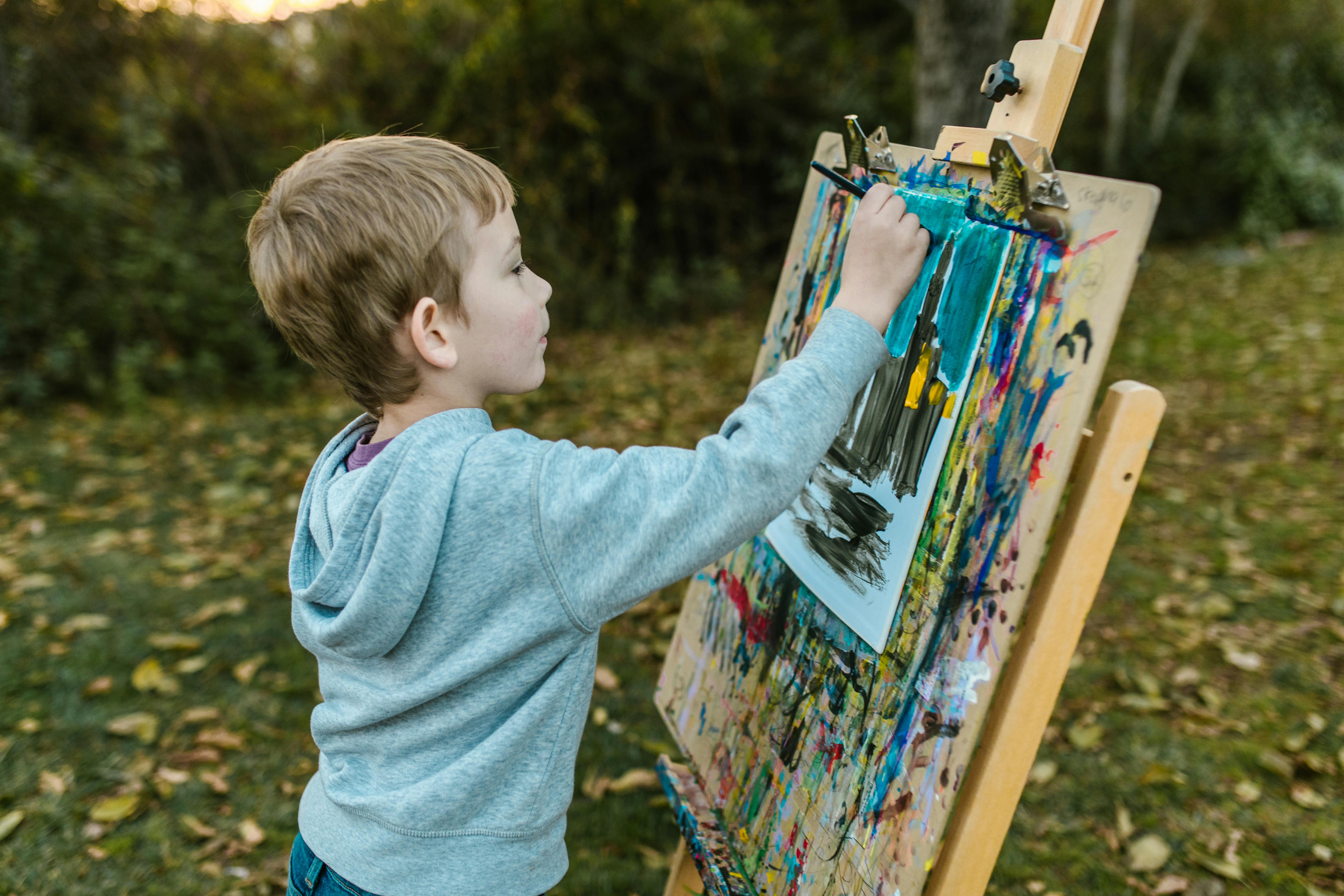








Sharing Your Creative Journey
Sharing your creative journey with others can be incredibly rewarding. Whether it’s through exhibitions, social media, or personal conversations, sharing your work invites connection and dialogue. It’s a way to inspire others and be inspired in return, creating a ripple effect of creativity and innovation.
Sharing your creative journey is not just about connection; it’s about transformation. It’s about the moments of discovery that come from sharing your work and the insights that arise from thoughtful consideration. It’s about the process of discovery, not just the moments of inspiration.