How Freud's Dream Theory Changed Modern Art Forever
A personal exploration into how Sigmund Freud's theories on dreams and the subconscious didn't just stay in clinics, but exploded onto the canvas, inspiring Surrealism and changing art.

Unlocking the Canvas: How Freud's Dream Theory Accidentally Redesigned Modern Art
I had the strangest dream last night. I was trying to paint, but my brushes were made of wet noodles, and every time I tried to make a mark, a tiny, well-dressed lobster would scold me in French. I woke up feeling that familiar mix of confusion and vague amusement. You know the feeling. What on earth was my brain doing all night?
It’s this exact question that fascinated a certain Viennese doctor around the turn of the 20th century, and his attempt to answer it ended up spilling out of his clinic and splashing onto the canvases of the world's most avant-garde artists. His name was Sigmund Freud, and without him, modern art would look completely different. It's a wild story, how a theory about the mind's hidden corners gave artists a new world to explore. So, how did a doctor armed with a couch and a notepad become an accidental muse for a revolution in art?
Who Was Freud and What’s the Big Deal with Dreams?
Before we get to the paint and the wild imagery, we have to talk about the man himself. Sigmund Freud's influence on Surrealism wasn't intentional; he was a neurologist, a psychoanalyst, trying to map the human mind. In 1900, he published his bombshell book, The Interpretation of Dreams, and in it, he argued that dreams weren't just random brain static. He called them the “royal road to a knowledge of the unconscious activities of the mind.”
Essentially, Freud proposed that our minds are like icebergs. The tiny tip above the water is our conscious mind—the thoughts we're aware of. But below the surface is the vast, deep, and frankly weird world of the unconscious, a bubbling cauldron of hidden desires, fears, and memories that drive our behavior without us even knowing it.
He broke down our psyche into three competing parts. I always imagine them as three little guys sitting in your head's control room:
Concept  | The Role It Plays | Analogy |
|---|---|---|
| Id | The demanding toddler. It's all about raw, primal instincts, desires, and immediate gratification. It wants what it wants, now. | "I want that cookie!" |
| Ego | The stressed-out manager. It tries to mediate between the Id's crazy demands and the reality of the external world. | "Let's wait until after dinner for the cookie." |
| Superego | The stern librarian. It's our moral compass, full of societal rules and guilt. It's the voice that tells you what you should do. | "Cookies are bad for you and you don't deserve one." |
Freud believed that in our dreams, the Ego's guard is down, and the weird, symbolic language of the Id bubbles up to the surface. For artists in the early 20th century, struggling to break free from painting pretty landscapes, this was dynamite. The idea that there was a whole other reality—an inner, unseen world—just waiting to be explored was revolutionary.
The Artists Were Listening: Surrealism is Born
World War I had just ripped Europe apart, leaving a generation of artists disillusioned with the very idea of reason and progress. The trenches, the mustard gas, the millions of dead—these weren't the triumphs of rationality that had been promised. Instead, they were proof that logic could lead humanity to hell. Artists were looking for something new, something that went beyond the rational, something that could express the chaos and horror they had witnessed.
And then came Freud's ideas, spreading through intellectual circles like wildfire. It was like someone had handed them a map to a territory they had always sensed but never been able to name. The unconscious wasn't just a clinical concept anymore; it was a source of inspiration, a new frontier to explore.
Enter André Breton, a writer and poet who had worked in a neurological hospital during the war. He had seen firsthand the strange workings of the human mind, and he was fascinated by Freud's work. Breton saw a direct application for creativity—if the unconscious contained all these rich, symbolic images, why not use them as raw material for art?
In 1924, he published the Manifesto of Surrealism, and a new movement was officially born. The manifesto declared that Surrealism was "psychic automatism in its pure state"—meaning art should come directly from the unconscious mind, without the interference of rational thought or aesthetic judgment.
But Breton wasn't alone in this revolution. He was joined by a whole group of artists and writers who shared his vision:
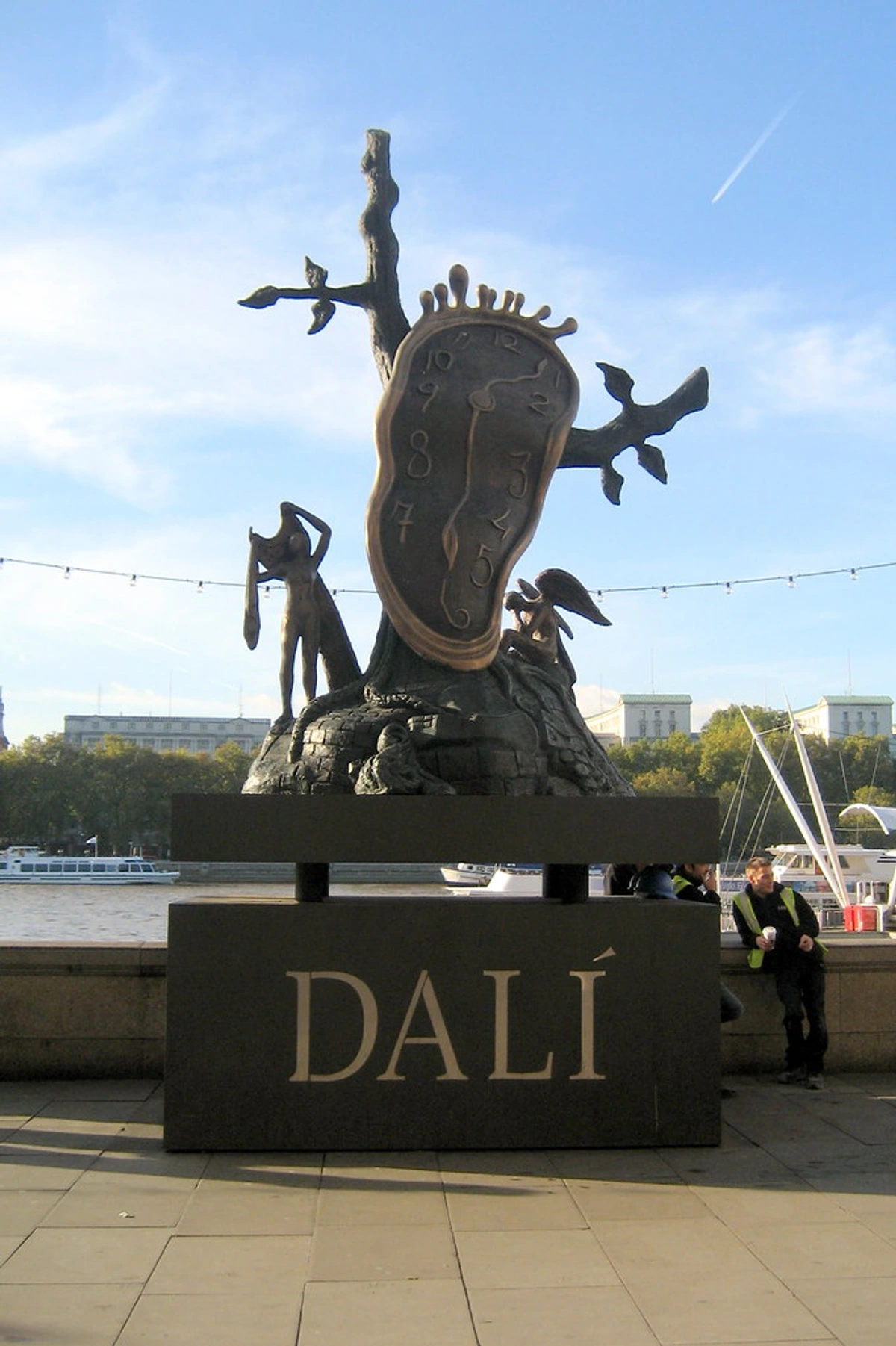
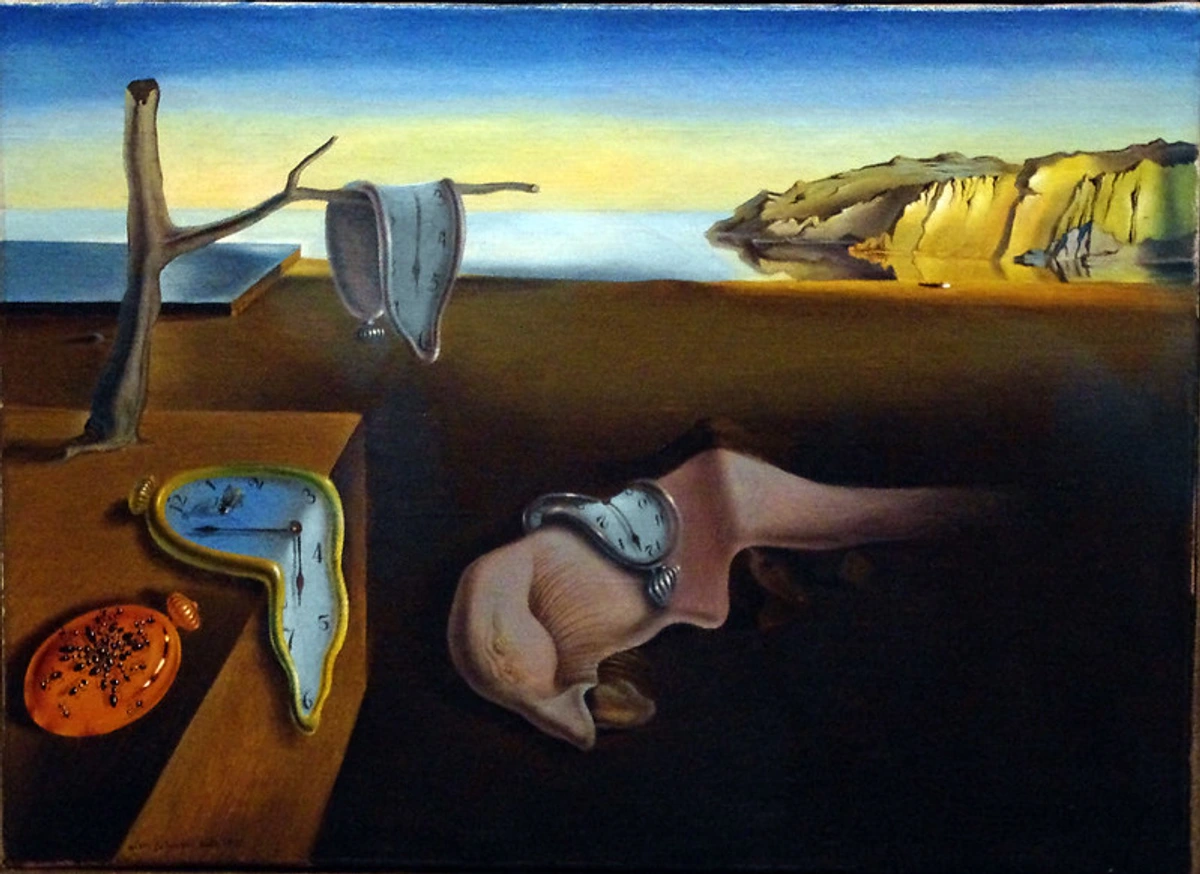
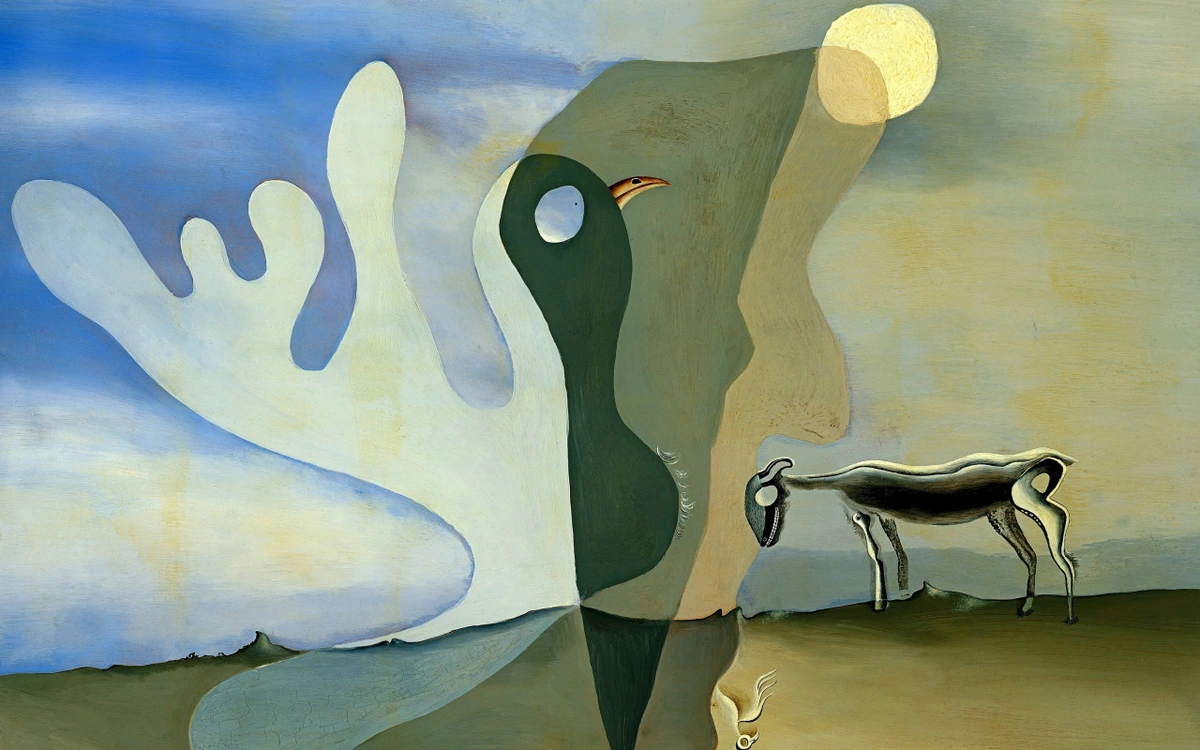
- Salvador Dalí: The Spanish painter famous for his melting clocks and bizarre dreamscapes
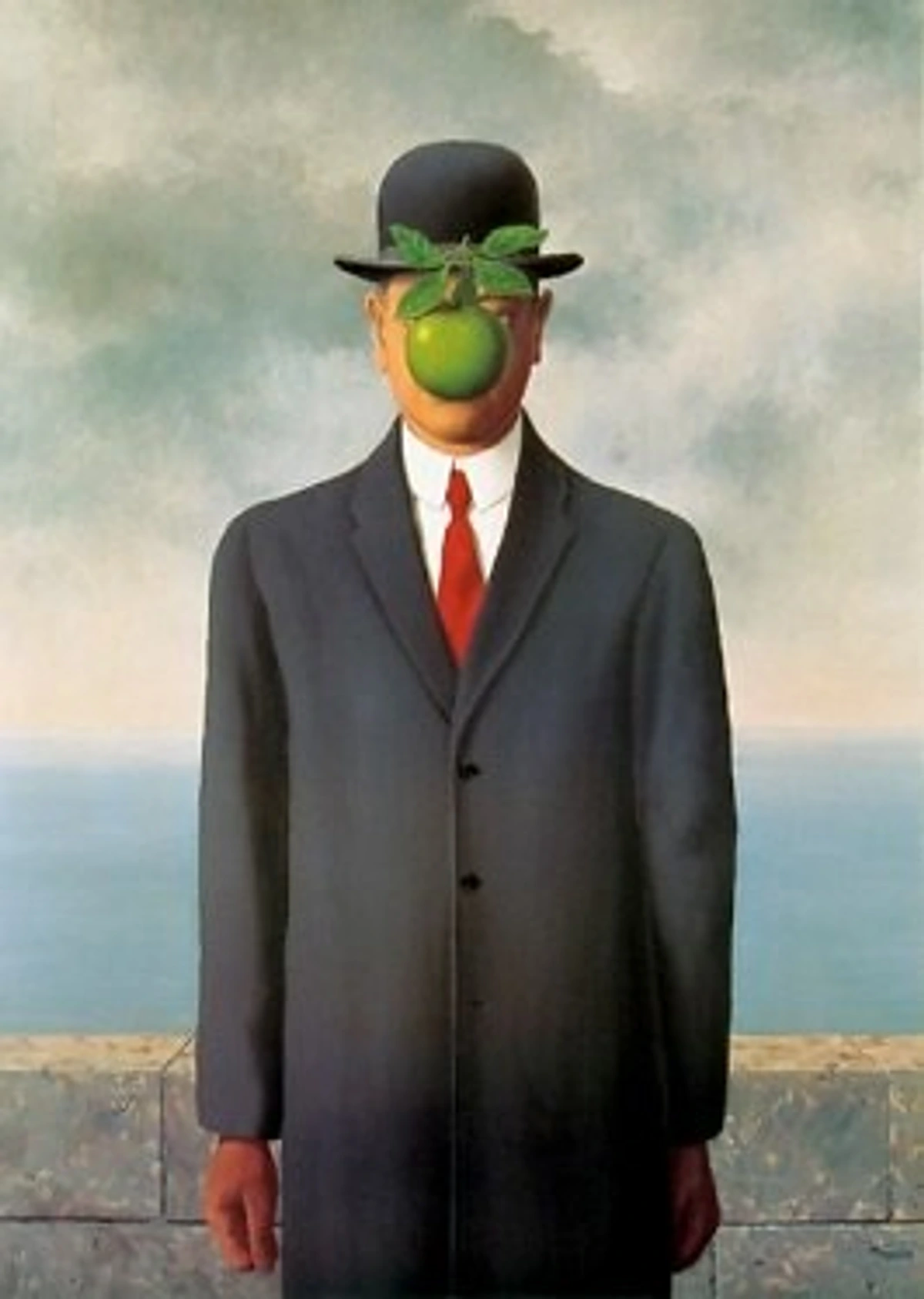
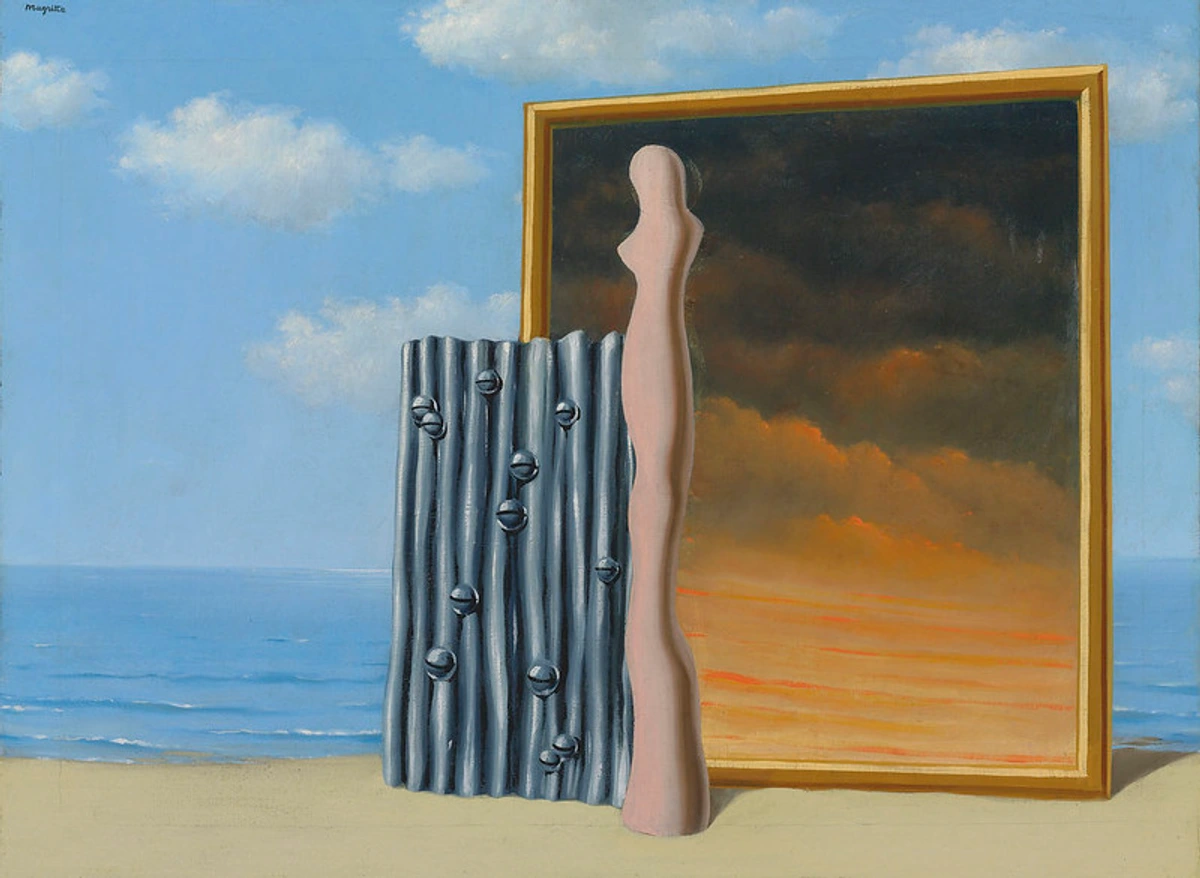
- René Magritte: The Belgian artist who played with perception and reality
- Max Ernst: The German pioneer who developed frottage and grattage techniques
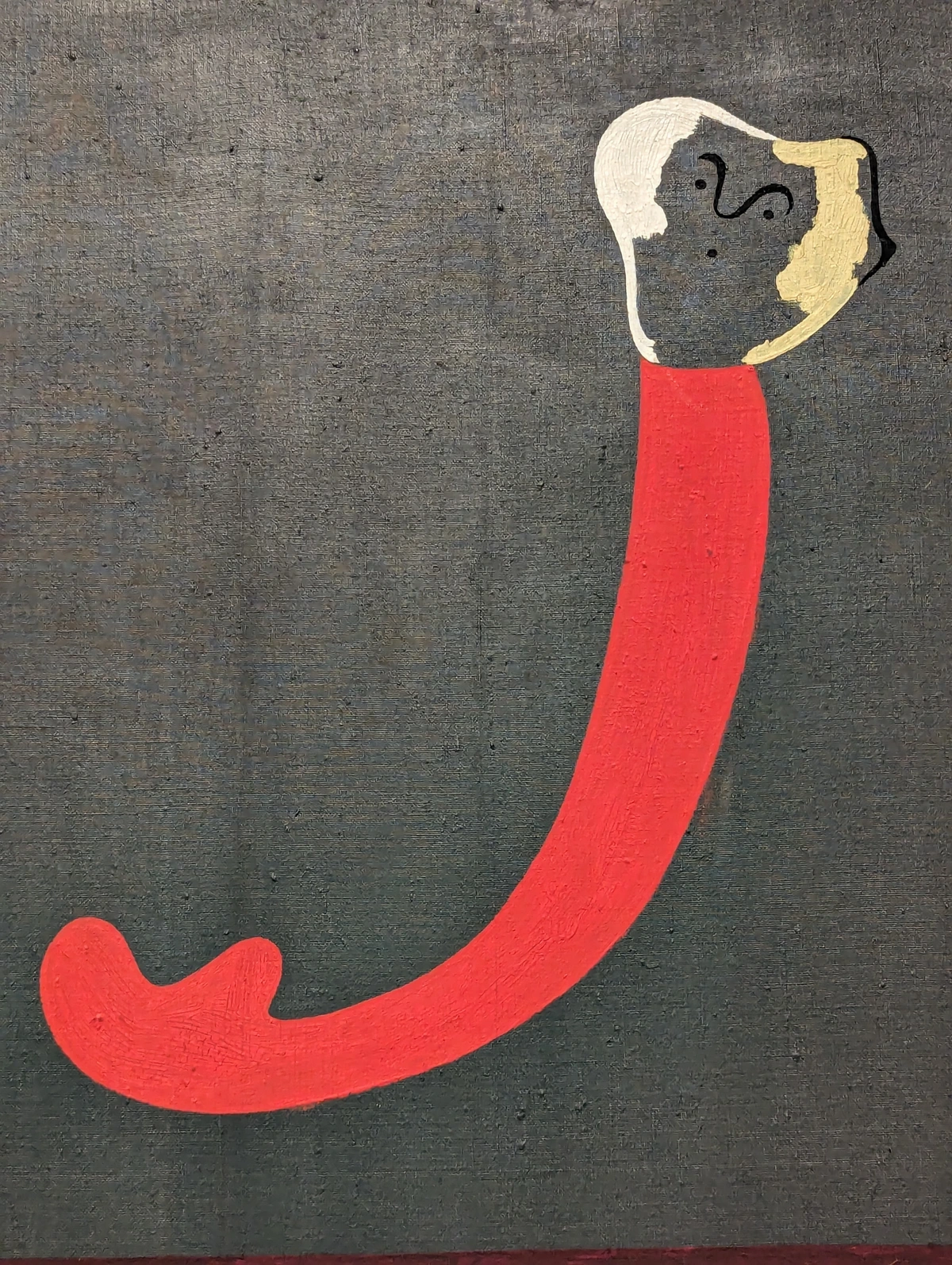
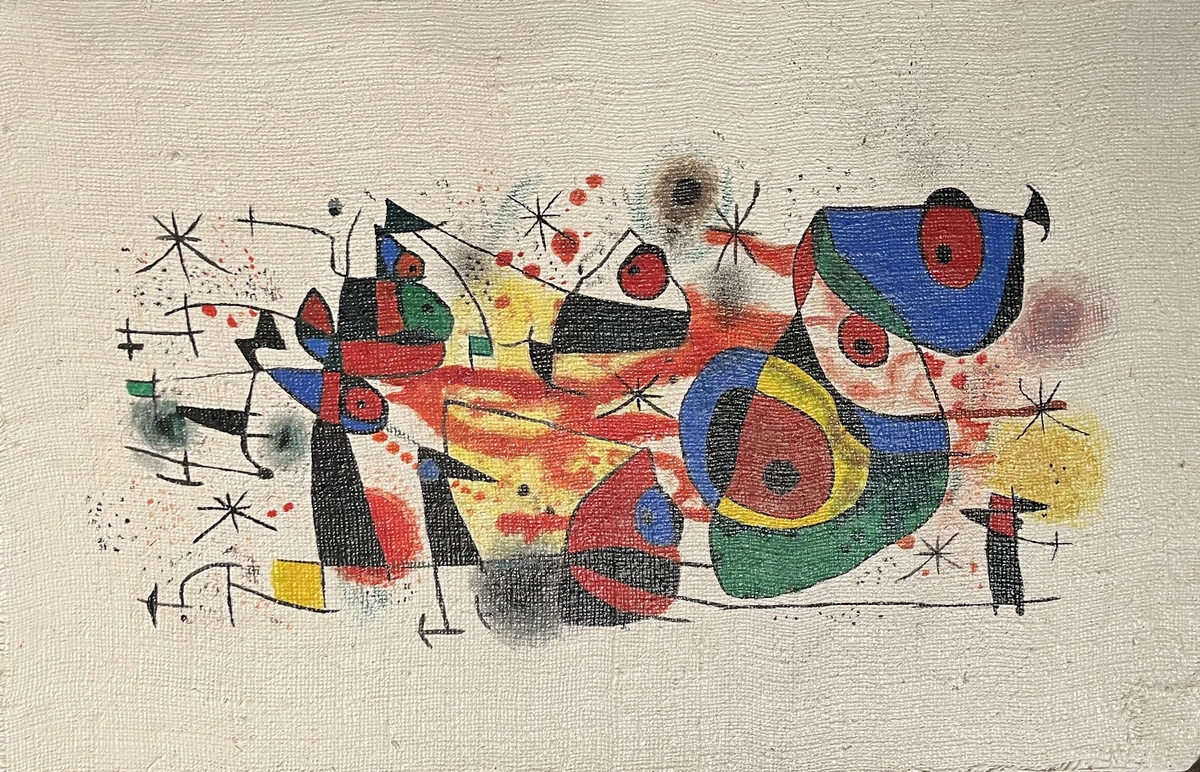
- Joan Miró: The Spanish painter who created biomorphic, dream-like forms
- Man Ray: The American photographer and painter who embraced chance and experimentation
Together, these artists would create a movement that would change art forever. They weren't just painting pictures anymore; they were creating visual manifestations of the unconscious mind.
Breton defined Surrealism as “psychic automatism in its pure state.” It was all about bypassing the conscious mind—that bossy Ego and Superego—to tap directly into the raw, unfiltered stream of the unconscious. What is Surrealism, you ask? It's the art of the dream. It’s about making the impossible feel real, juxtaposing bizarre objects, and creating scenes that feel both nonsensical and deeply meaningful at the same time.
Painting the Subconscious: Techniques Inspired by Freud
The Surrealists didn't just want to paint about dreams; they wanted to use Freudian methods to make art. They developed a whole toolkit of Surrealist art techniques designed to trick the conscious mind into switching off.
- Automatism: This was the big one. It's the artistic equivalent of free association. Artists would doodle, draw, or write without any preconceived plan, letting their hand move automatically across the page to see what images emerged from the subconscious. Think of it as controlled daydreaming with a pen.
- Frottage and Grattage: Pioneered by Max Ernst, this involved rubbing a pencil or paint over a textured surface (like wood grain or fabric) and then using the resulting patterns as a starting point for an image. It was a way to invite chance and the unexpected into the creative process, a technique I find myself returning to in my own work when I feel stuck.
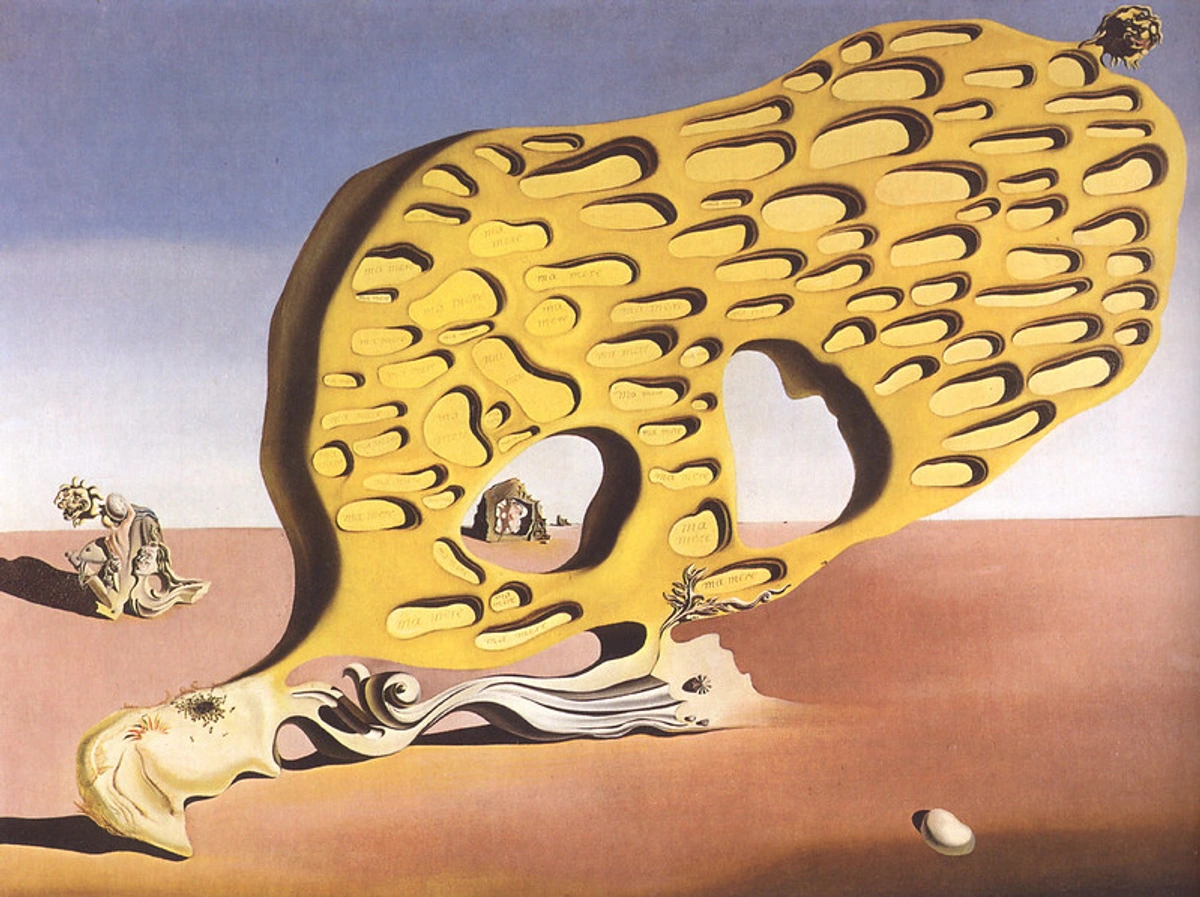
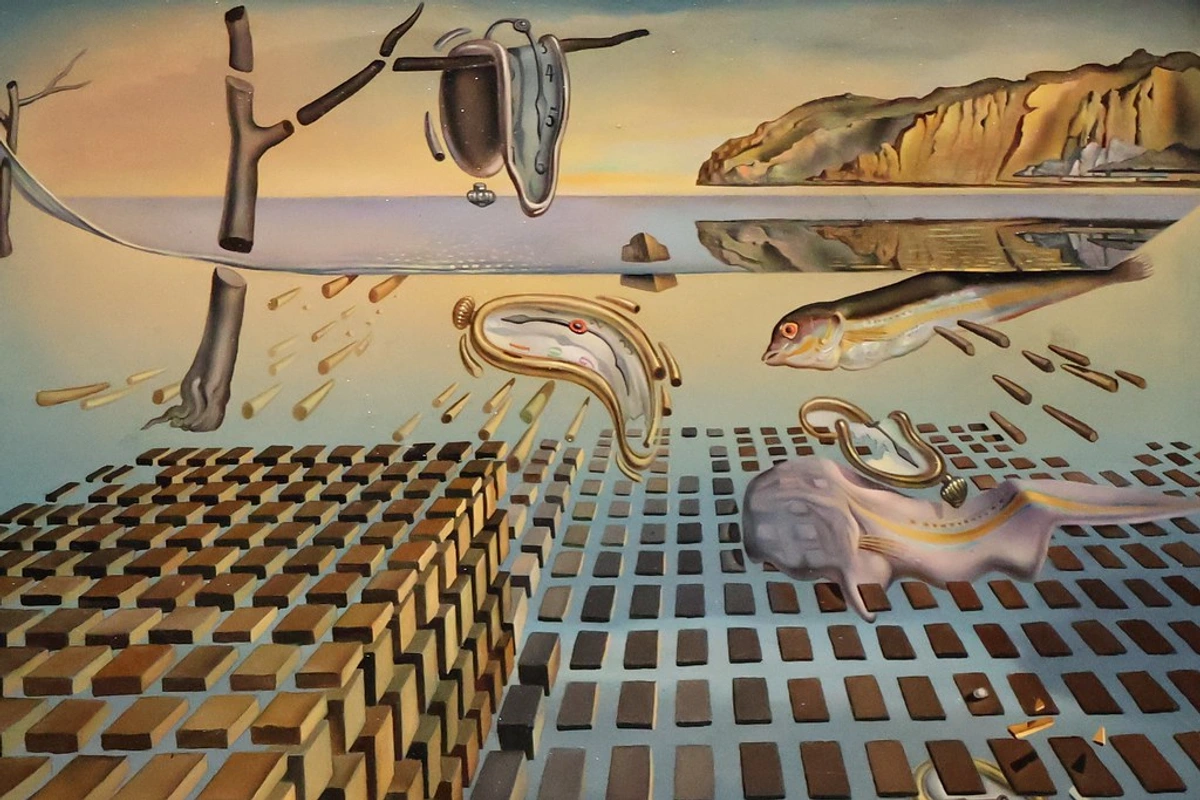
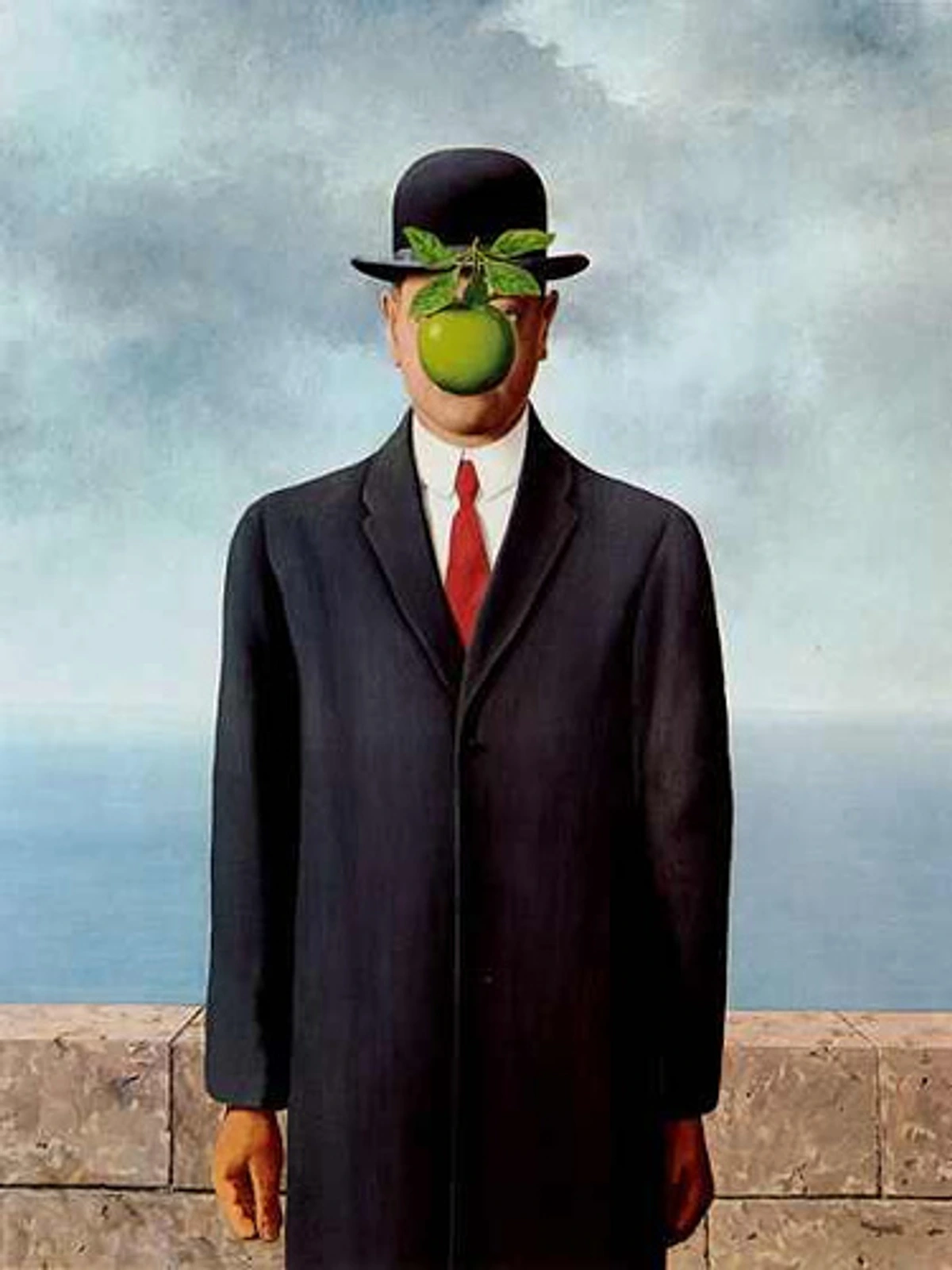
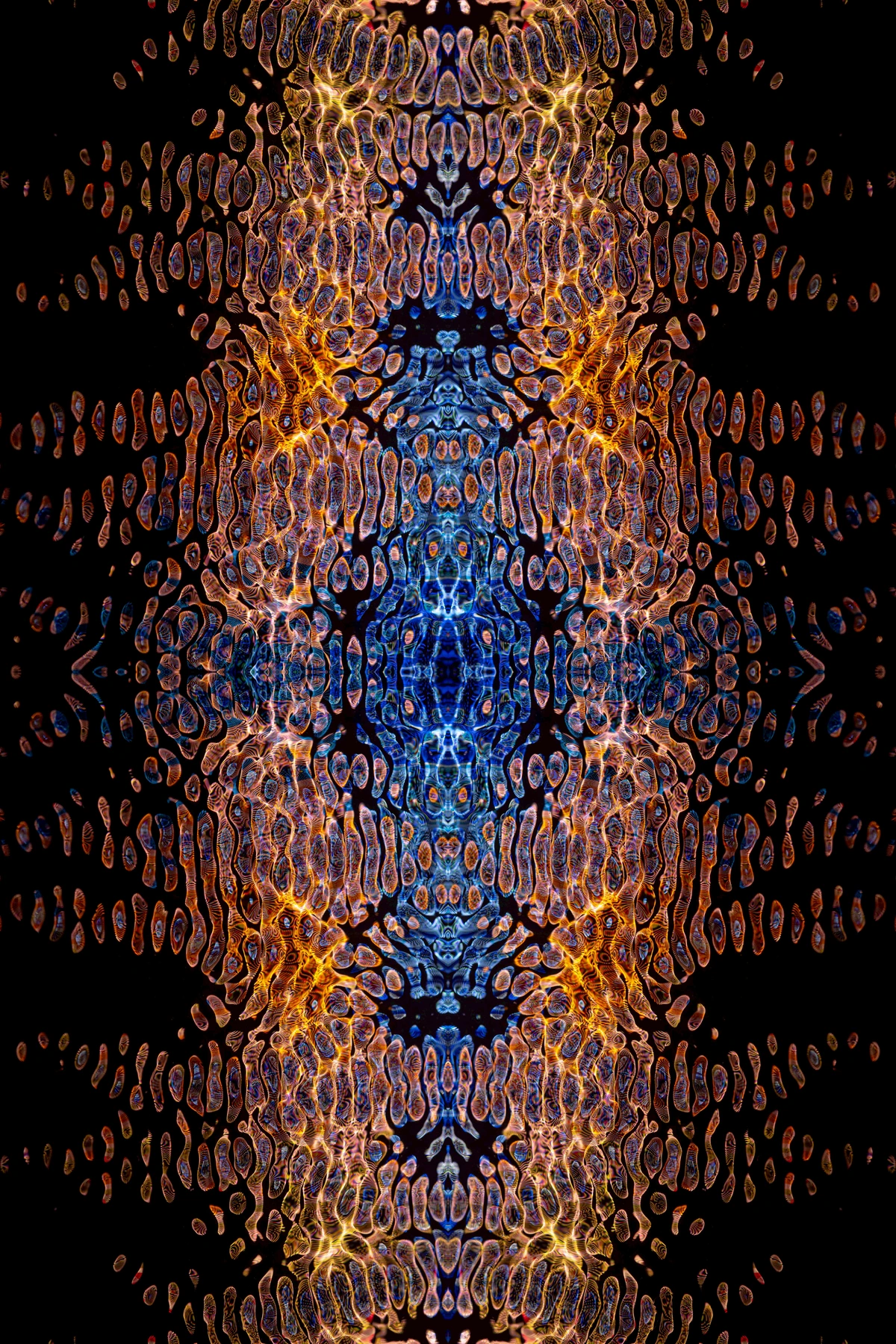
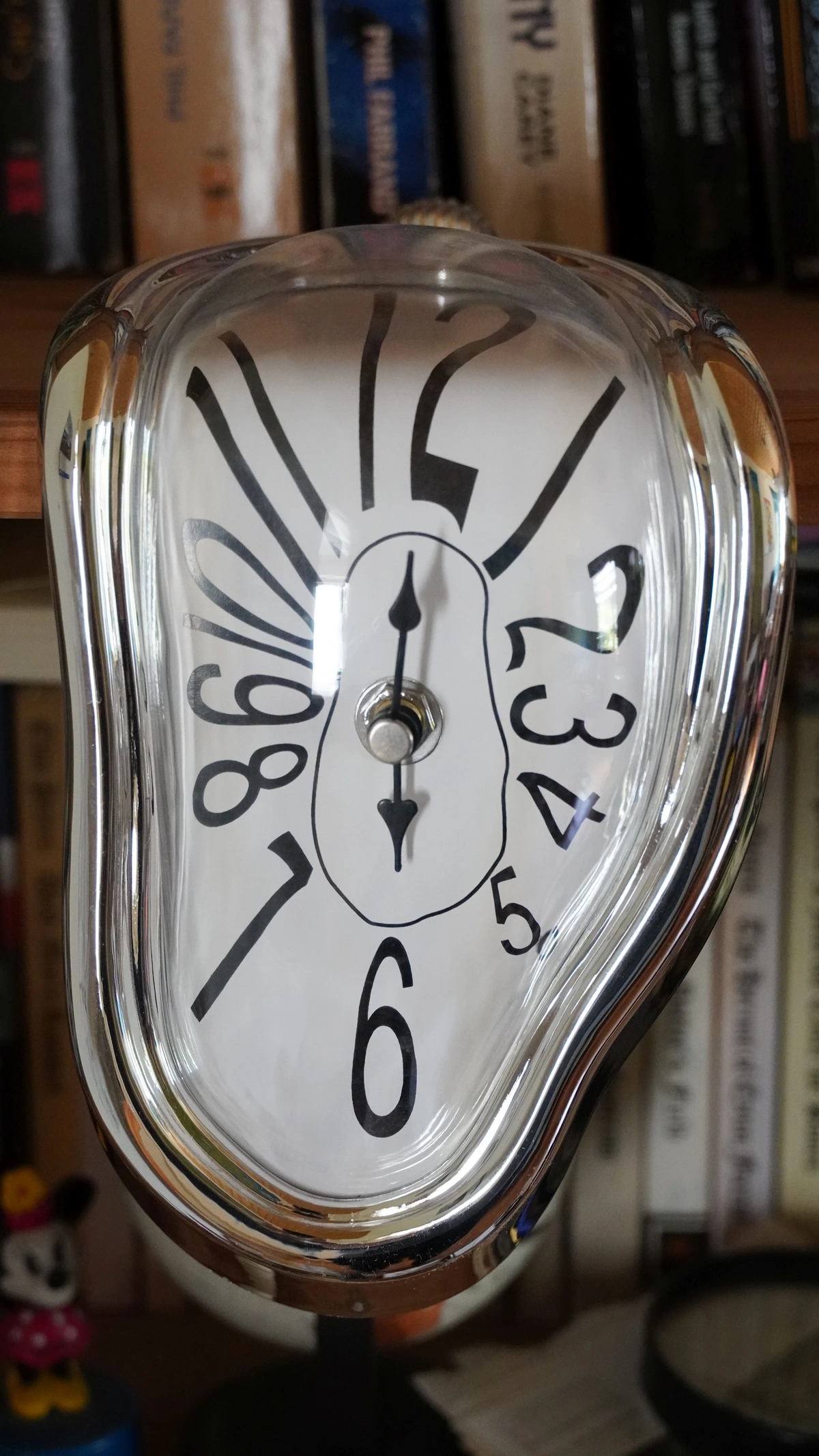
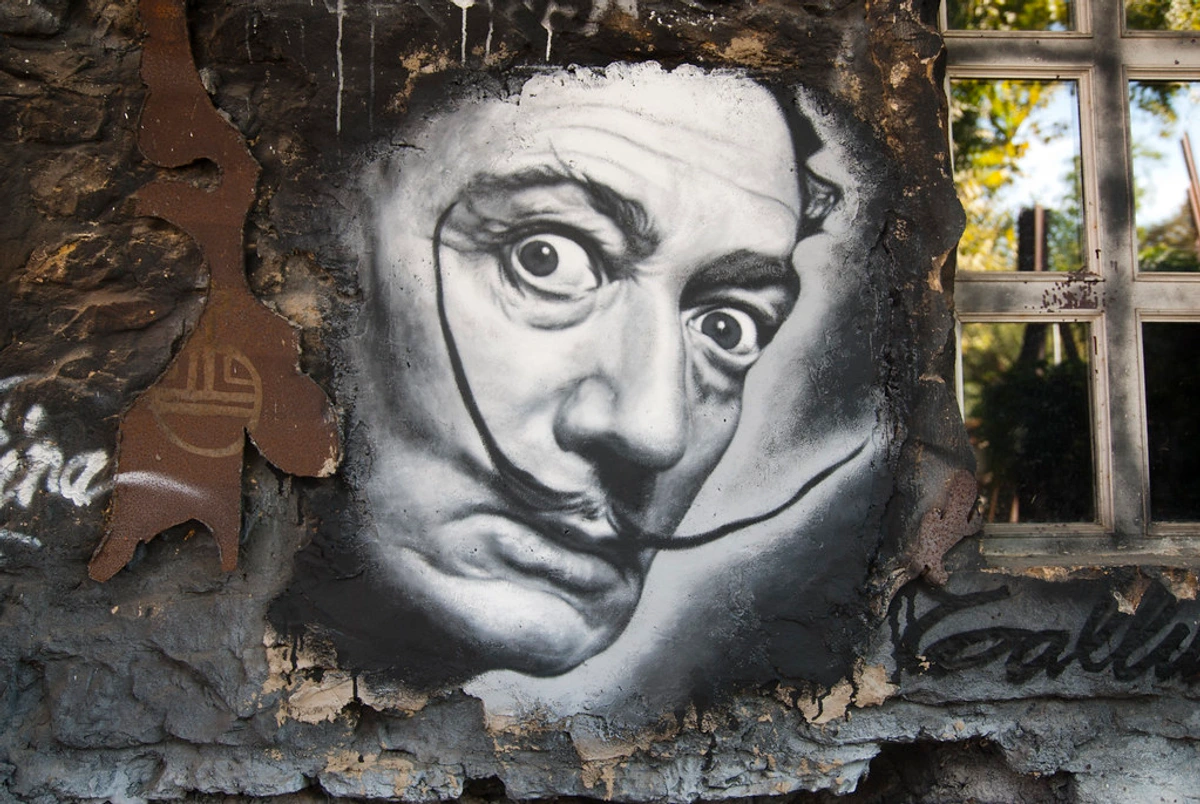
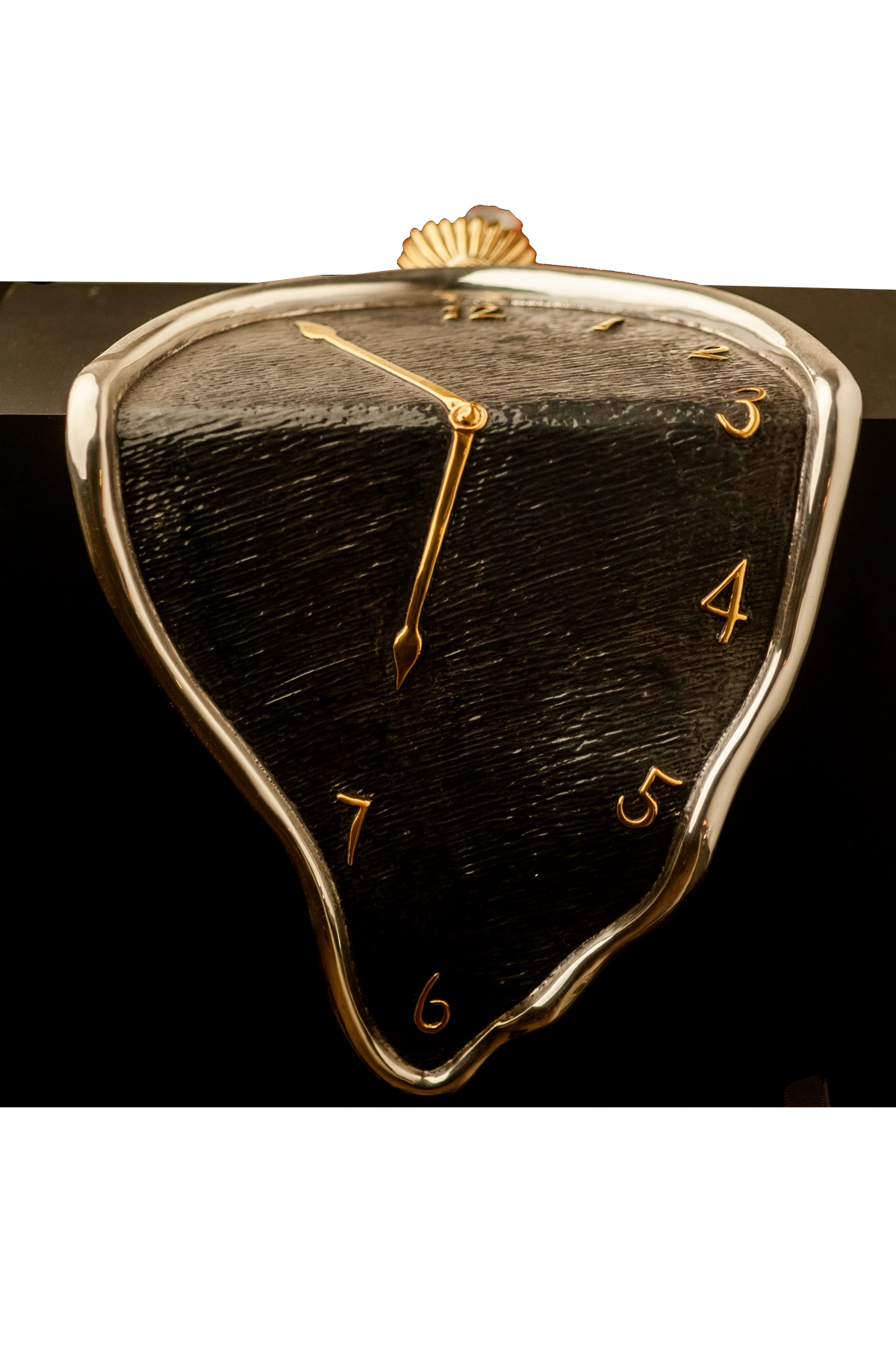
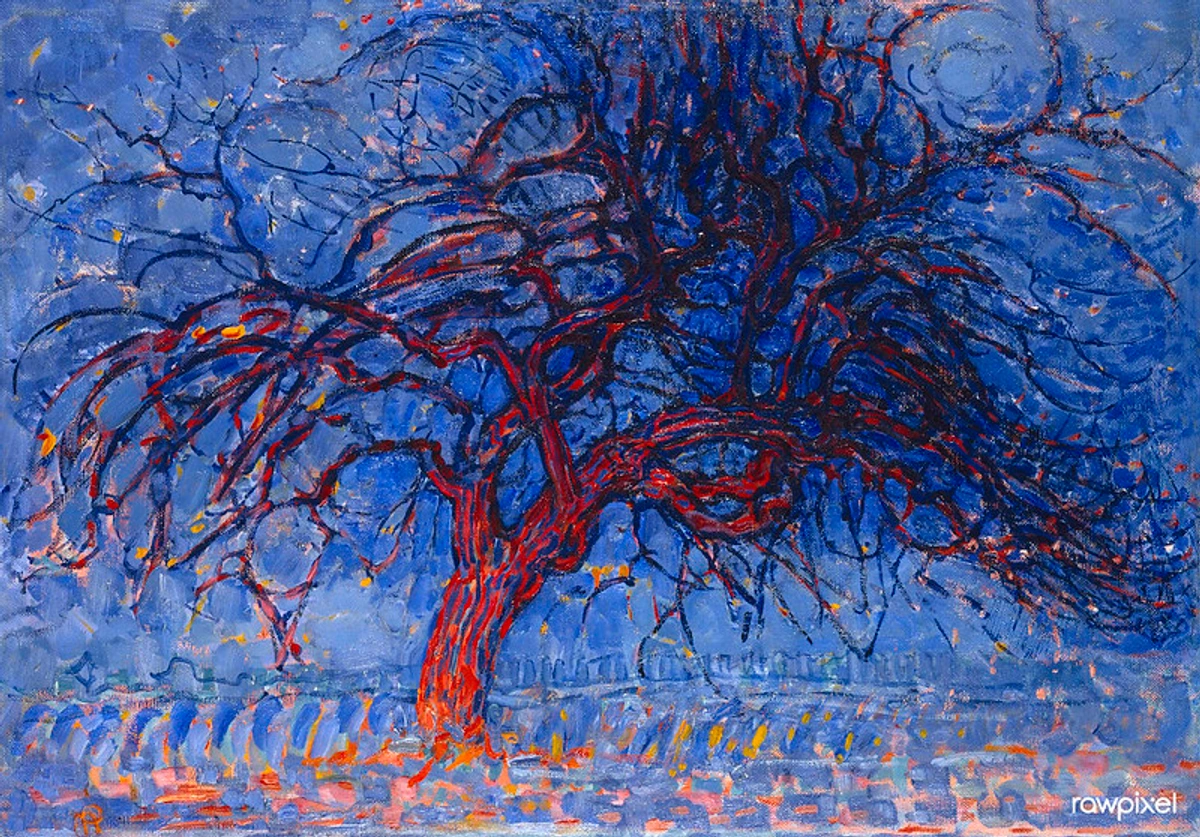
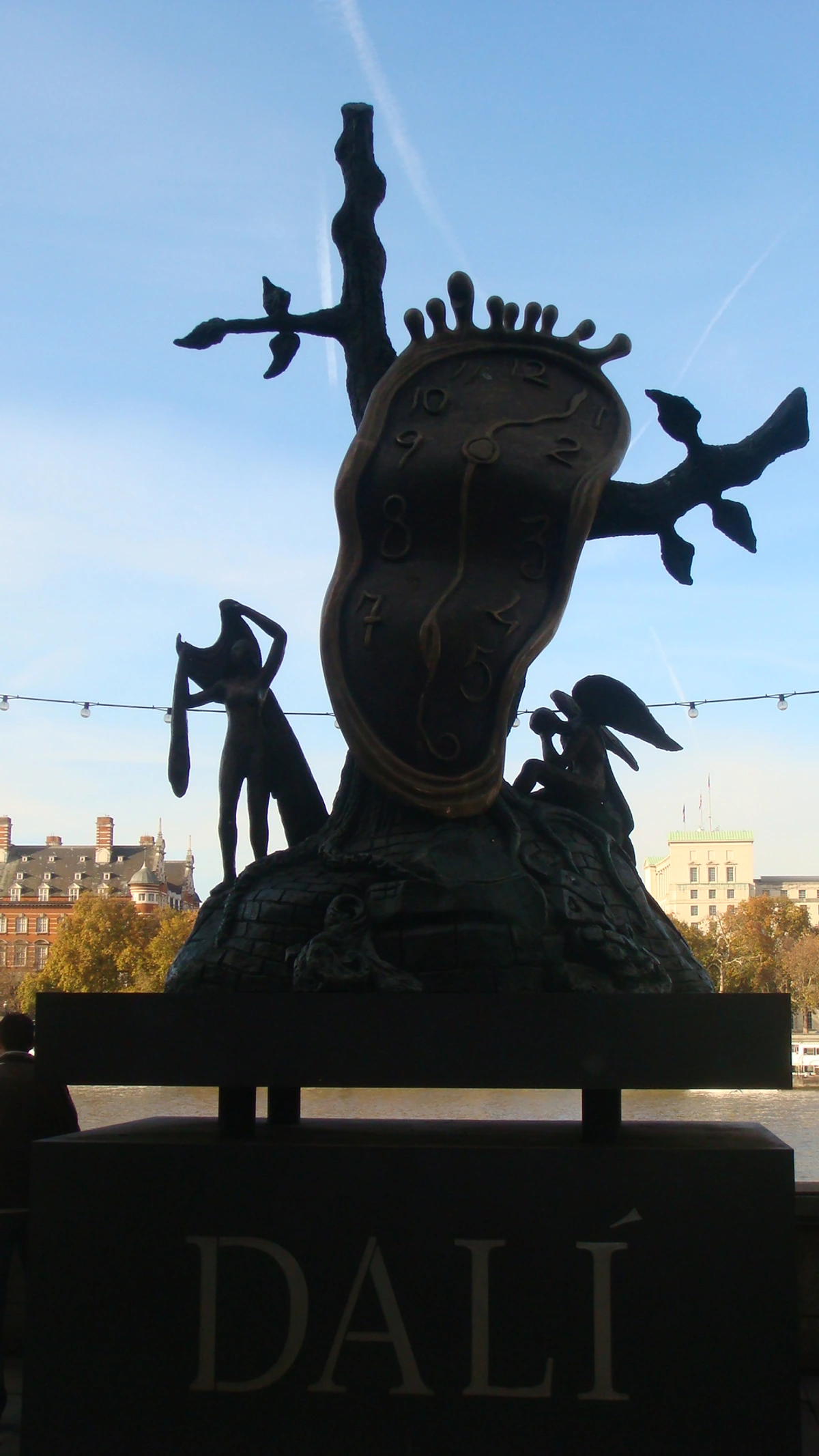
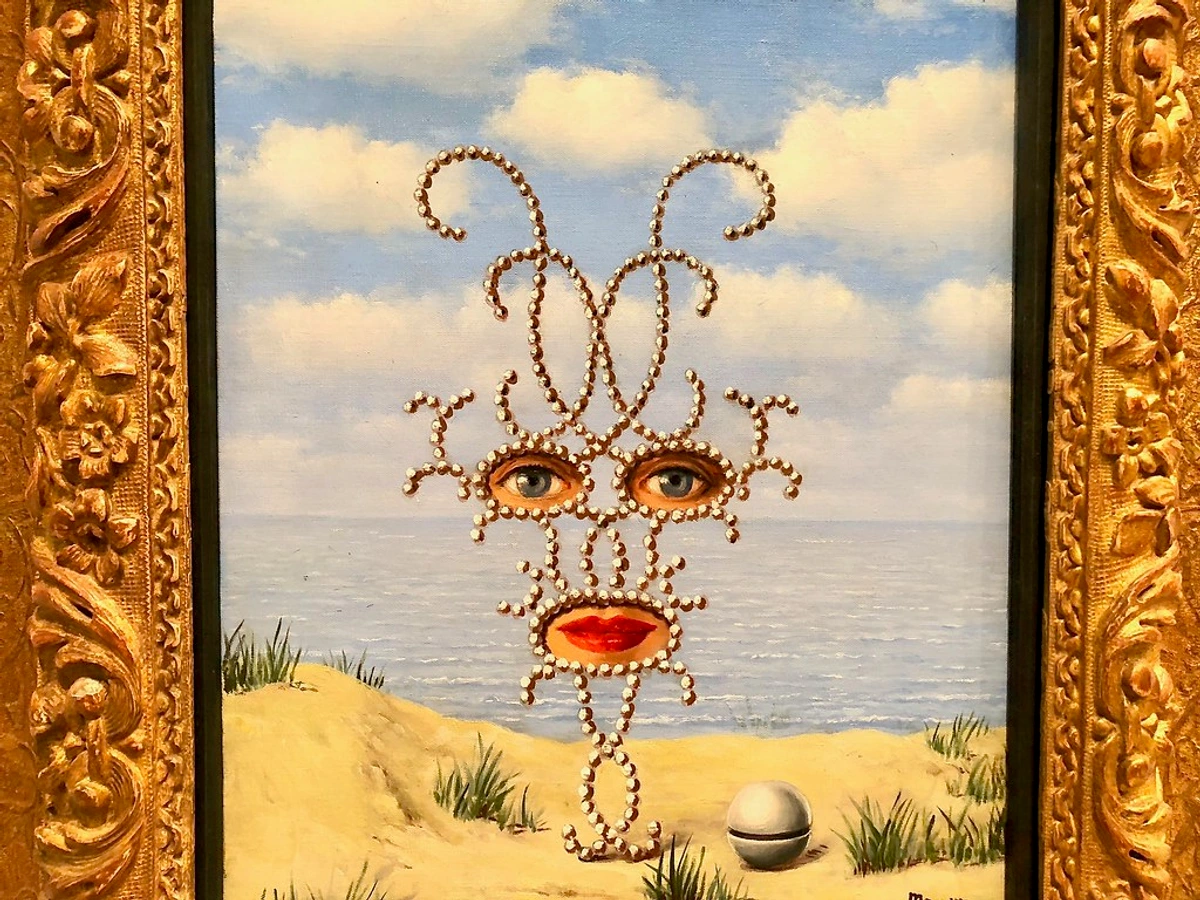
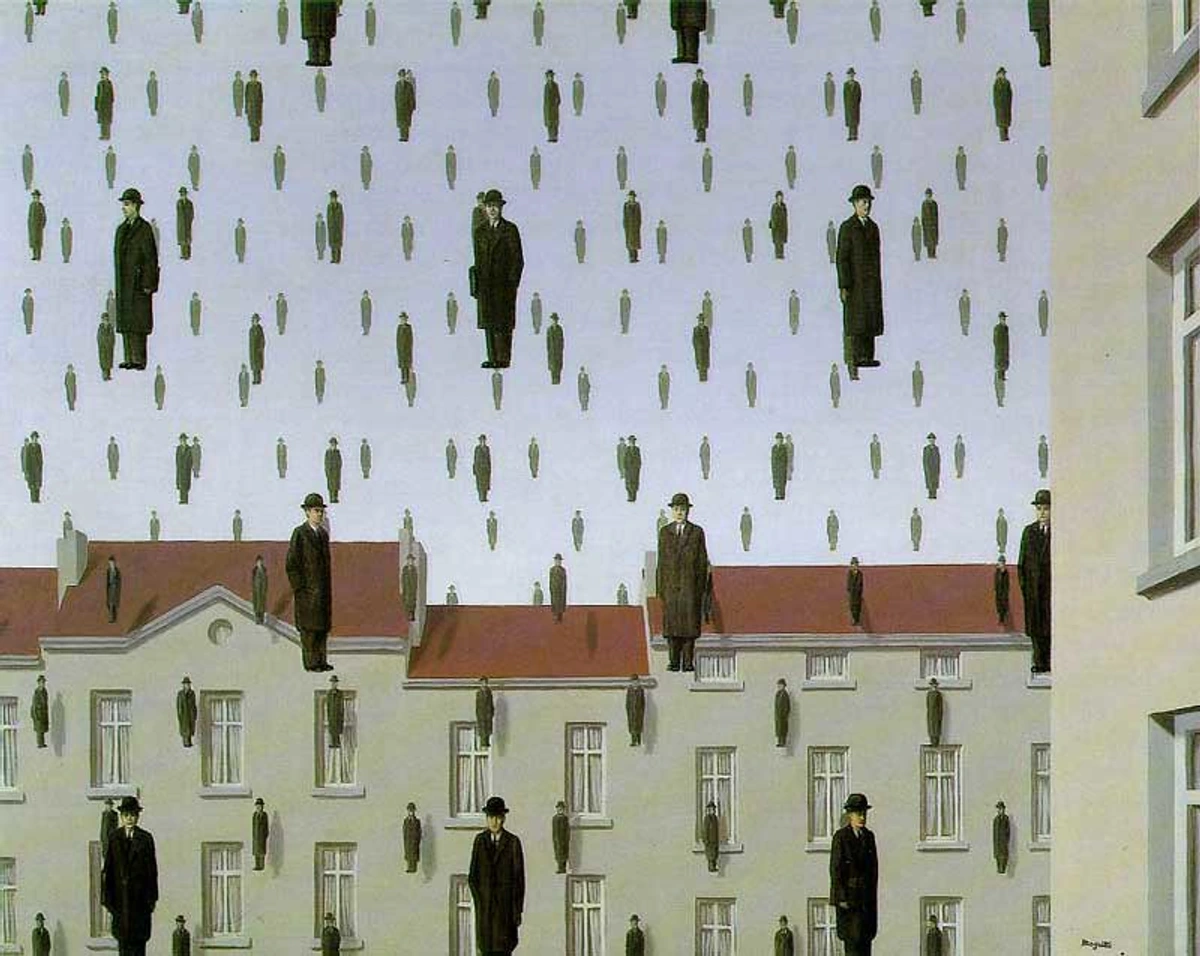
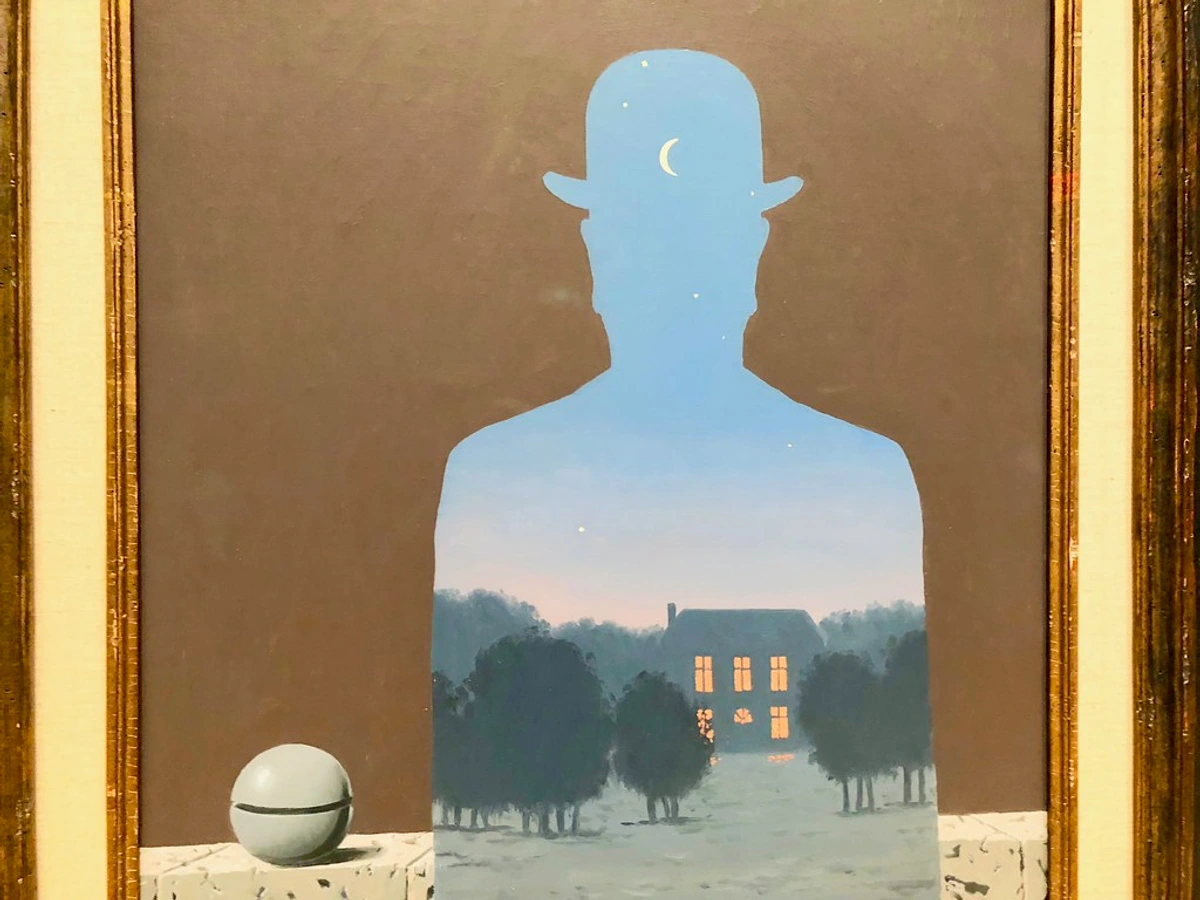
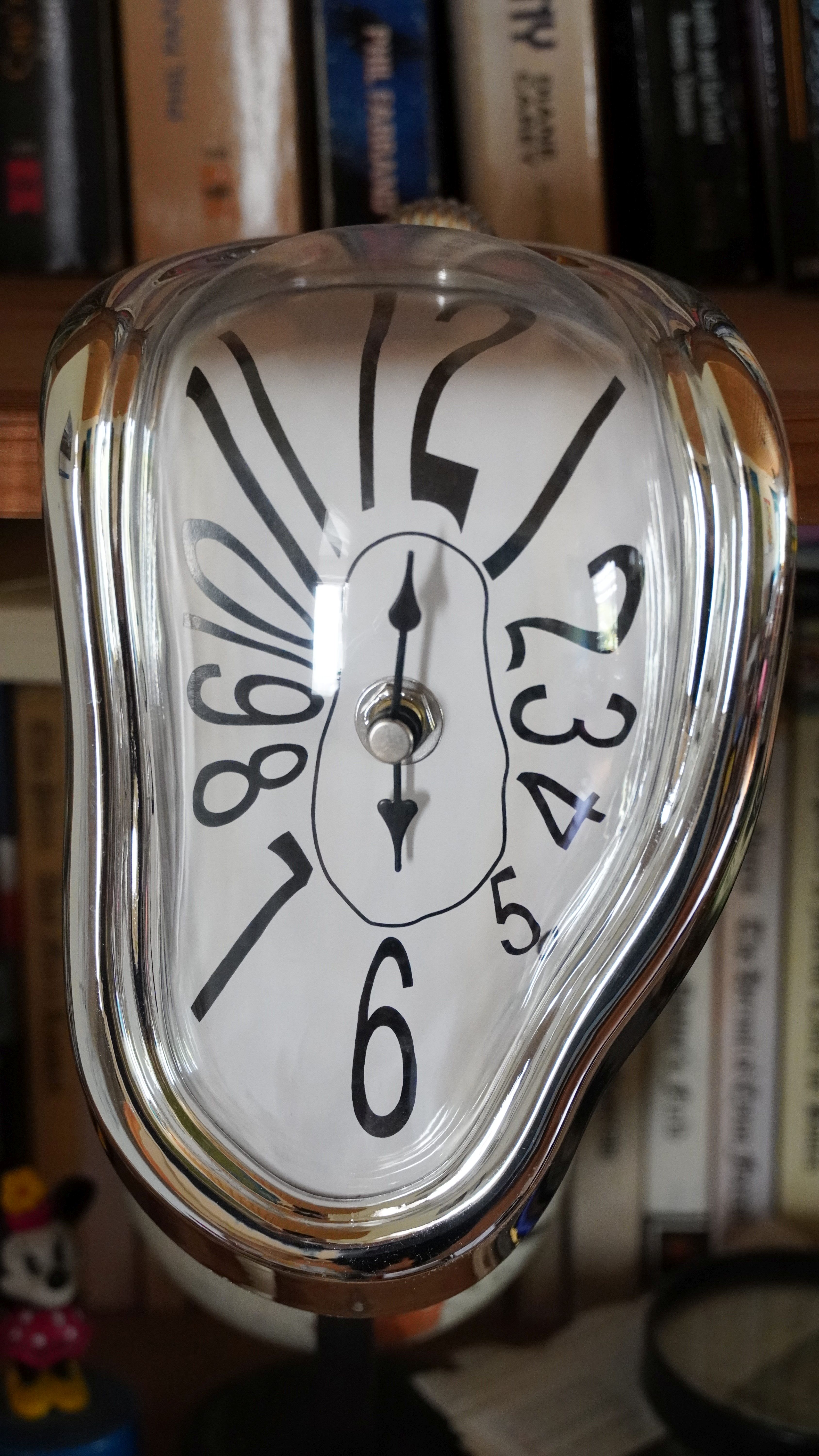
Artists like Salvador Dalí, with his melting clocks, and René Magritte, with his men in bowler hats, became the poster children for this new way of seeing. Their paintings are like Freudian case studies on canvas.
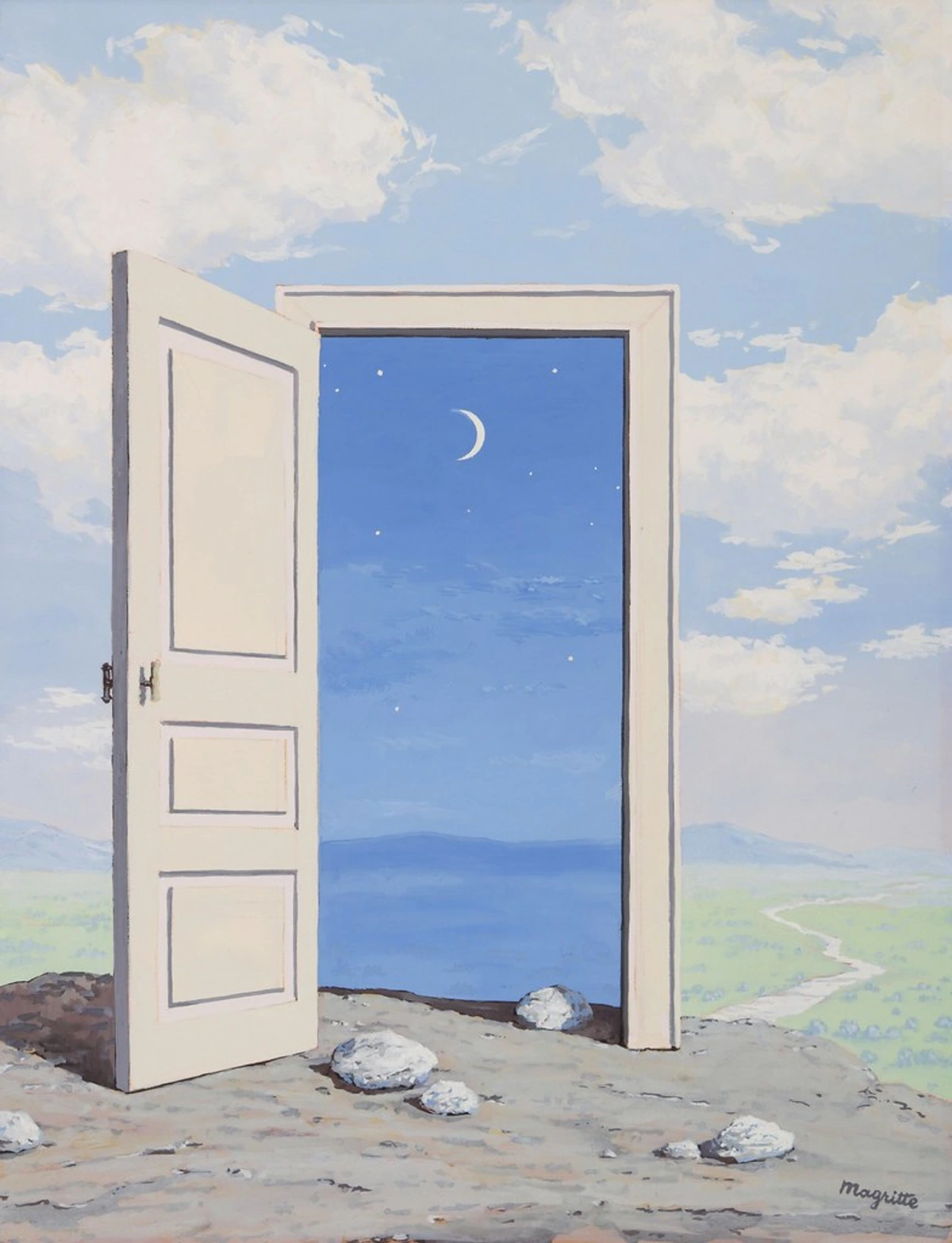
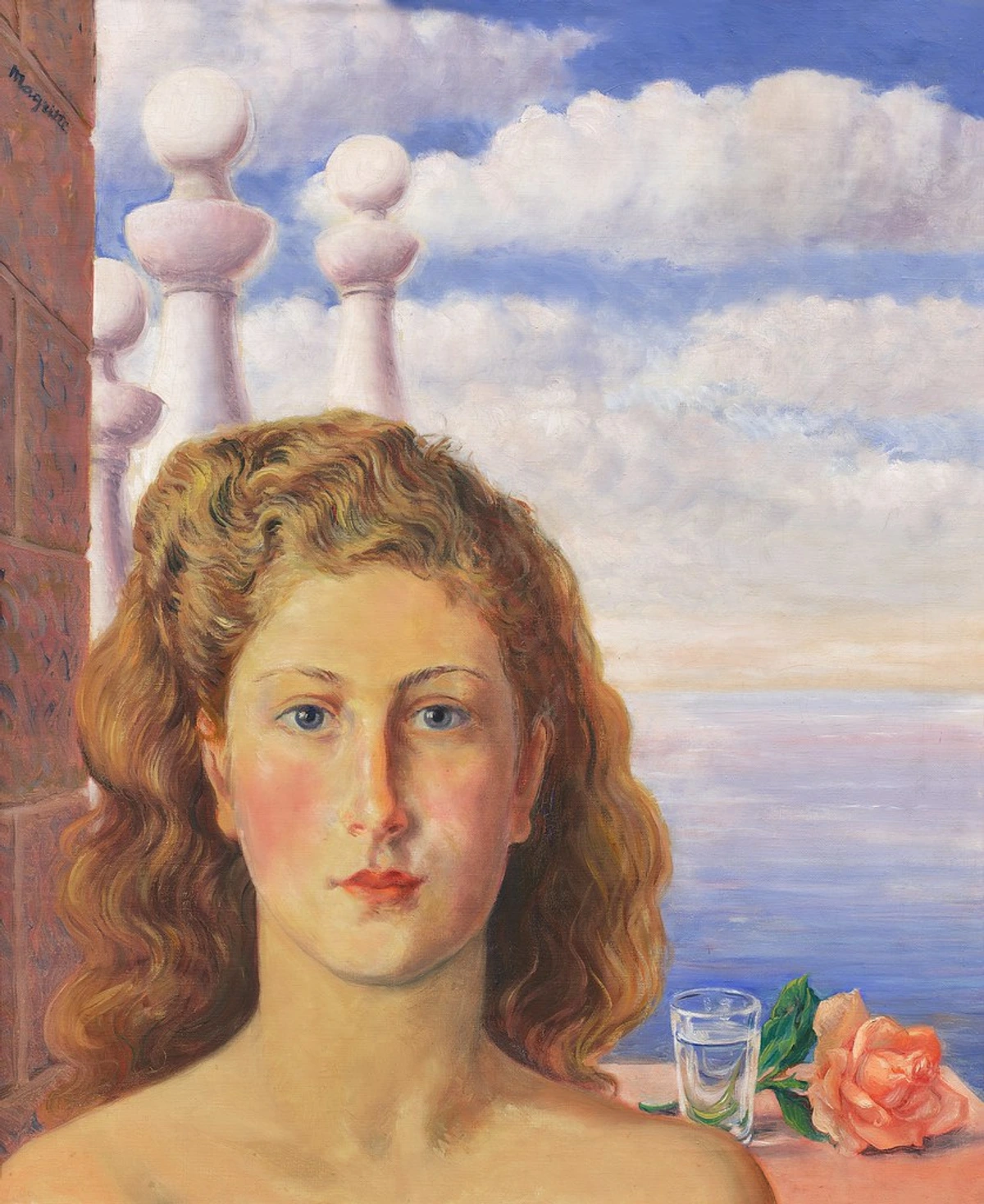
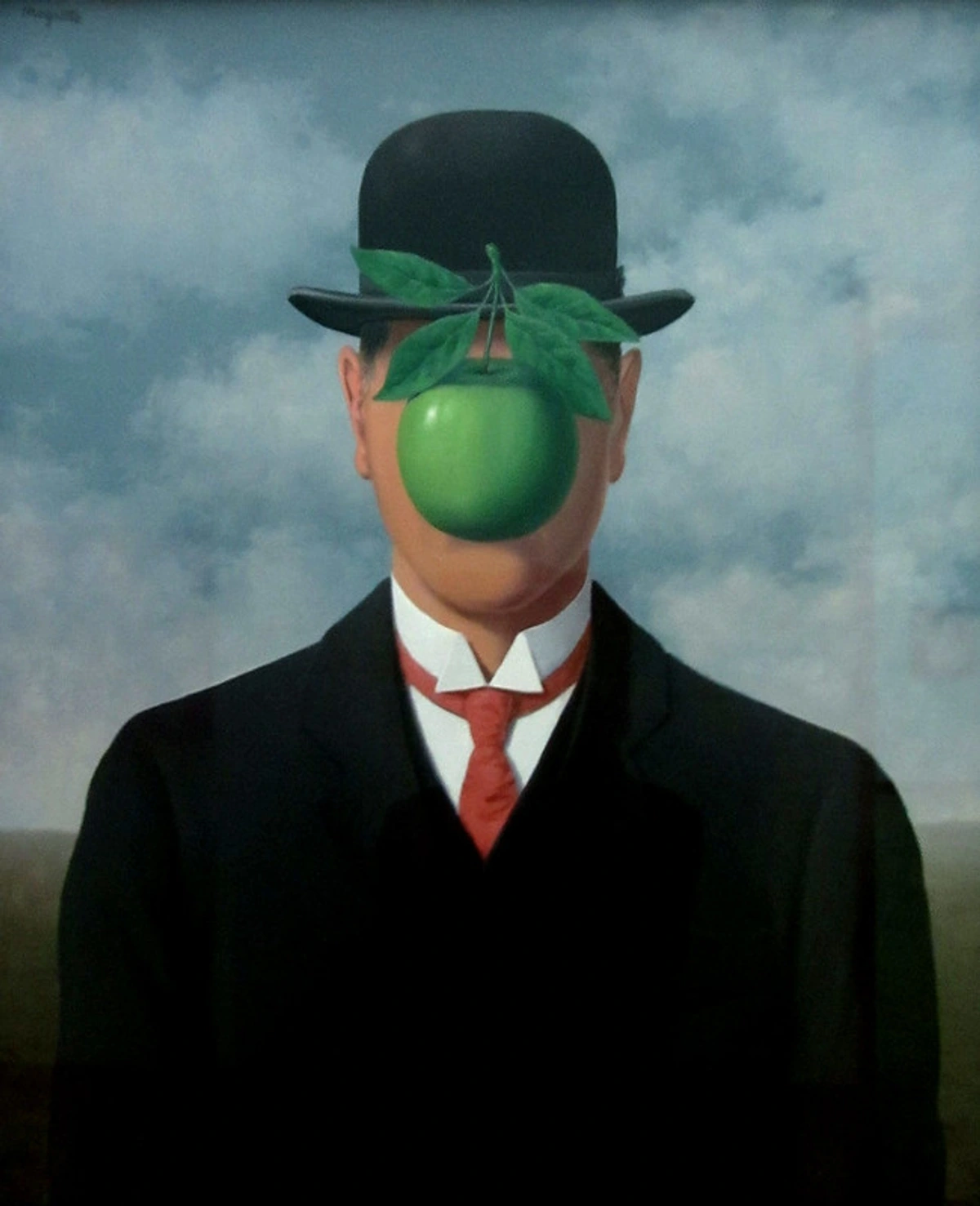
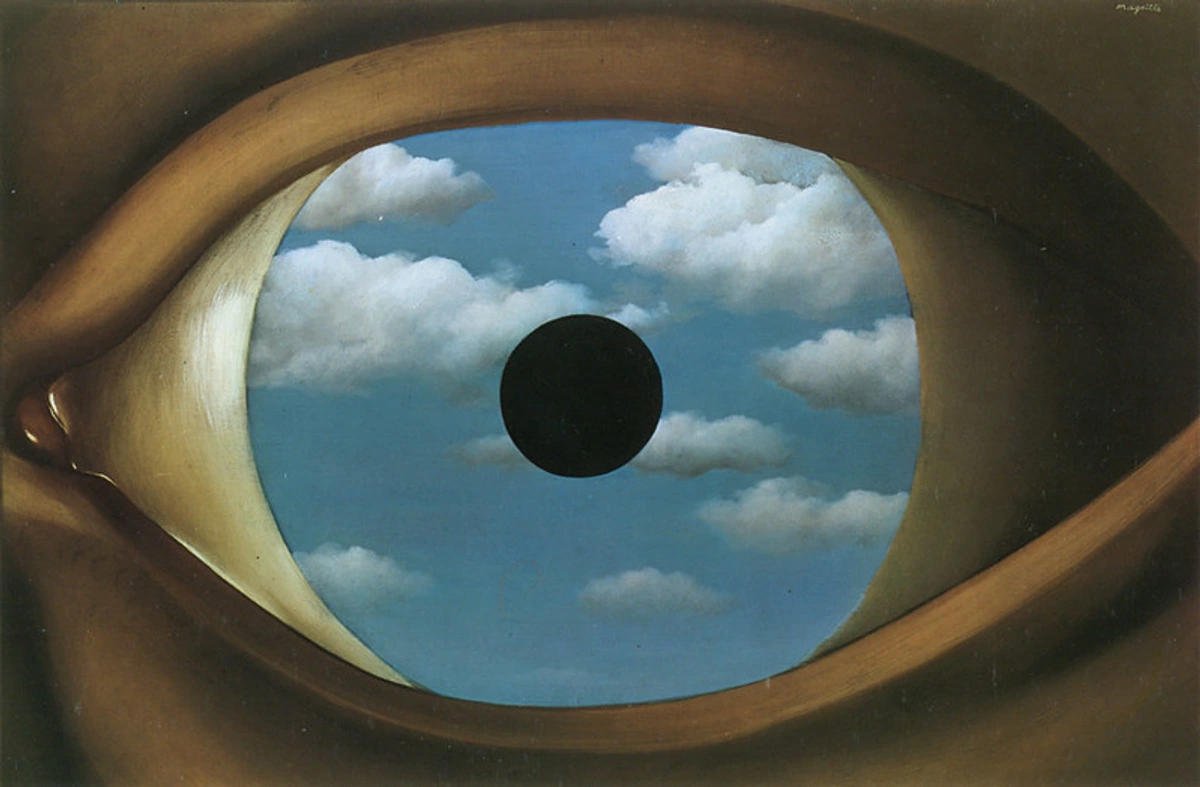
When you look at a painting by Magritte, you're not just seeing an image; you're seeing a question about perception and reality itself. This is the Freudian influence in action: the idea that what we see on the surface is rarely the whole story.
Beyond Surrealism: Freud's Lingering Ghost
The influence of Freud's theories didn't stop with the Surrealists. The idea of tapping into the subconscious became a central theme for many artists who followed. The Abstract Expressionists in New York, like Jackson Pollock, embraced automatism with their drip paintings, seeing the canvas as an arena for the artist's inner psychological state to play out.
This focus on the unseen world of dreams and the subconscious became a permanent part of the modern artist's toolkit. It gave us permission to paint not just what we see, but what we feel, fear, and desire. It validated the idea that the strange, personal landscapes inside our heads are as worthy of art as any mountain range or bowl of fruit.
Even in my own creative process, I can feel the echoes of these ideas. When I let a painting evolve on its own, following an intuitive path rather than a strict plan, I'm walking a path that Freud, in his own strange way, helped to clear. You can see this journey through different phases of my work in my [/timeline].

Frequently Asked Questions (FAQ)
What were the key differences between Freud's and Jung's approaches to art and dreams?
Freud and Jung had fundamentally different approaches that influenced art in different ways:
Aspect | Freud's Approach | Jung's Approach |
|---|---|---|
| Unconscious Focus | Personal unconscious, repressed memories | Collective unconscious, universal archetypes |
| Dream Purpose | Wish fulfillment, conflict resolution | Compensation, individuation, self-discovery |
| Symbols | Personal, sexual, childhood-related | Universal, cultural, mythological |
| Artistic Goal | Access repressed material for healing | Integrate conscious and unconscious aspects |
| Cultural Influence | Individual psychology, personal history | Cross-cultural mythology, shared symbols |
Freud's approach led to more personal, often sexually charged art, while Jung's approach influenced more universal, mythological work. Artists often draw on both traditions depending on their goals.
Can dreams really be used as a reliable source for art?
This is a complex question with no simple answer:
Yes, in these ways:
- Dreams provide authentic, unfiltered imagery
- They access emotions and memories that might be hard to reach consciously
- Dream logic creates surprising juxtapositions artists might not invent
- Dreams can reveal patterns and themes the artist wasn't aware of
But with these limitations:
- Dream memory is often fragmented and incomplete
- The emotional intensity of dreams doesn't always translate to art
- Dreams are highly personal and might not resonate with viewers
- Relying only on dreams can limit technical development
The best approach is to use dreams as one source among many, combining dream inspiration with conscious artistic choice and technical skill.
How do modern psychologists view Freud's dream theory today?
Modern psychology has a more nuanced view of Freud's dream theory:
What's still accepted:
- Dreams are meaningful and psychologically significant
- They process emotions and daily experiences
- They can reveal unconscious thoughts and feelings
- Dream content often relates to current life concerns
What's been revised:
- The specific sexual symbolism (many symbols have multiple meanings)
- The idea that all dreams are wish fulfillment
- The emphasis on childhood repression as the primary cause
- The deterministic view that dreams reveal fixed personality traits
Contemporary approaches include:
- Cognitive theory: Dreams help process information and solve problems
- Neuroscientific view: Dreams result from brain activity during sleep
- Evolutionary perspective: Dreams may help prepare for threats
- Developmental approach: Dreams reflect current life challenges
Despite these changes, Freud's fundamental insight—that dreams are psychologically important—remains influential.
What are some common mistakes artists make when trying to create dream art?
Artists often run into these pitfalls when working with dream themes:
- Over-reliance on literal dream imagery: Trying to paint dreams exactly as remembered can result in boring or confusing art
- Ignoring technical skill: Dream art still needs strong composition, color theory, and drawing skills
- Being too secretive: Not providing context can leave viewers confused about the work's meaning
- Copying other artists: Many artists fall into the trap of imitating Dalí or Magritte rather than finding their own voice
- Forgetting the viewer: Dream art should communicate something to the audience, not just be personal
- Neglecting emotional truth: The best dream art comes from genuine feeling, not just intellectual interest in dreams
- Being too random: While dreams are random, art needs some organization and intentionality
How can I tell if my dream art is effective?
Effective dream art typically has these qualities:
- Emotional resonance: It evokes strong feelings in viewers, even if they can't articulate why
- Visual interest: It has compelling composition, color, and form that draws people in
- Multiple layers of meaning: Viewers can discover new things upon repeated viewing
- Personal authenticity: It feels true to your own experience and vision
- Technical execution: It demonstrates skill and craftsmanship appropriate to the medium
- Connection to broader themes: It relates to universal human experiences beyond personal dreams
- Originality: It doesn't just copy Surrealist clichés but offers something new
The most important test is whether your dream art feels meaningful to you. If it connects you to something deeper in yourself, it's likely to resonate with others as well.
Did Sigmund Freud ever comment on the Surrealist art movement?
He was largely unimpressed! Freud was a man of science and was reportedly a bit bemused by the Surrealists' adoration. He met Salvador Dalí in 1938 and, while he admired Dalí's technical skill, he was more interested in analyzing the artist than the art. He famously said, “I am not looking for the unconscious, but for the conscious.” He saw the Surrealists as consciously trying to mimic the unconscious, which he found less interesting than the real thing he saw in his patients.
What is the most famous example of Freudian influence in art?
While Salvador Dalí's The Persistence of Memory is certainly the most famous, there are many other iconic examples of Freudian influence in art that have shaped how we understand the connection between psychology and creativity.
Beyond Dalí: Other Iconic Freudian Masterpieces
Salvador Dalí's Other Freudian Works
Dalí created numerous works that explore Freudian themes:
Artwork | Year | Key Freudian Elements |
|---|---|---|
| The Metamorphosis of Narcissus | 1937 | Self-love, transformation, the Oedipus complex |
| The Elephants | 1948 | Sexual anxiety, repression, the uncanny |
| The Temptation of St. Anthony | 1946 | Sexual desire, religious conflict, regression |
| Swans Reflecting Elephants | 1937 | Double imagery, sexual symbolism, the uncanny |
| The Persistence of Memory | 1931 | Time distortion, dream logic, sexual anxiety |
Dalí's work is particularly interesting because he consciously applied Freudian theories, making his paintings almost like case studies in visual psychoanalysis.
René Magritte's Psychological Explorations
Magritte took a different approach, using Freudian concepts to explore perception and reality:
Artwork | Year | Psychological Themes |
|---|---|---|
| The Treachery of Images | 1929 | Representation vs. reality, language and meaning |
| The Son of Man | 1964 | Hidden truth, the uncanny, identity |
| Time Transfixed | 1938 | Sexual symbolism, forbidden desire, the uncanny |
| The Human Condition | 1933 | Perception, reality, the relationship between viewer and artwork |
| The Listening Room | 1952 | Voyeurism, the gaze, psychological boundaries |
Magritte's work is more philosophical than Dalí's, using Freudian concepts to question how we interpret the world.
Max Ernst's Automatic Techniques
Ernst developed techniques that embodied Freudian ideas about the unconscious:
Technique/Artwork | Year | Freudian Connection |
|---|---|---|
| The Elephant Celebes | 1921 | Sexual anxiety, the uncanny, childhood memories |
| Two Children Are Threatened by a Nightingale | 1924 | Regression, the uncanny, childhood fears |
| Frottage works | 1925+ | Access to the unconscious through chance operations |
| Grattage works | 1925+ | Uncontrolled creation mimicking dream production |
Ernst's techniques were literally designed to bypass the conscious mind, making them perhaps the most directly Freudian of all Surrealist methods.
Joan Miró's Biomorphic Dreams
Miró created abstract forms that suggest living organisms, tapping into primal unconscious material:
Artwork | Period | Psychological Themes |
|---|---|---|
| The Harlequin's Carnival | 1924-1925 | Childhood, play, the uncanny |
| Painting (The Birth of the World) | 1925 | Creation, the unconscious, the origin of life |
| The Tilled Field | 1923-1924 | Nature, sexuality, the life force |
| Personage Throwing a Stone at a Bird | 1926 | Aggression, transformation, the unconscious |
Miró's work feels like it comes from the earliest layers of consciousness, exploring themes of birth, growth, and transformation.
Lesser-Known but Significant Examples
Frida Kahlo's Psychological Self-Portraits
While not strictly Surrealist, Kahlo's work deeply engages with psychological themes:
Artwork | Year | Psychological Elements |
|---|---|---|
| The Two Fridas | 1939 | Split self, identity crisis, emotional pain |
| The Broken Column | 1944 | Physical and psychological pain, vulnerability |
| Henry Ford Hospital | 1932 | Trauma, vulnerability, the female experience |
| Self-Portrait with Thorn Necklace and Hummingbird | 1940 | Suffering, resilience, the connection between physical and emotional pain |
Kahlo's work explores the intersection of physical and psychological pain, creating a unique form of psychological self-portraiture.
Francis Bacon's Distorted Figures
Bacon took Freudian themes into darker, more disturbing territory:
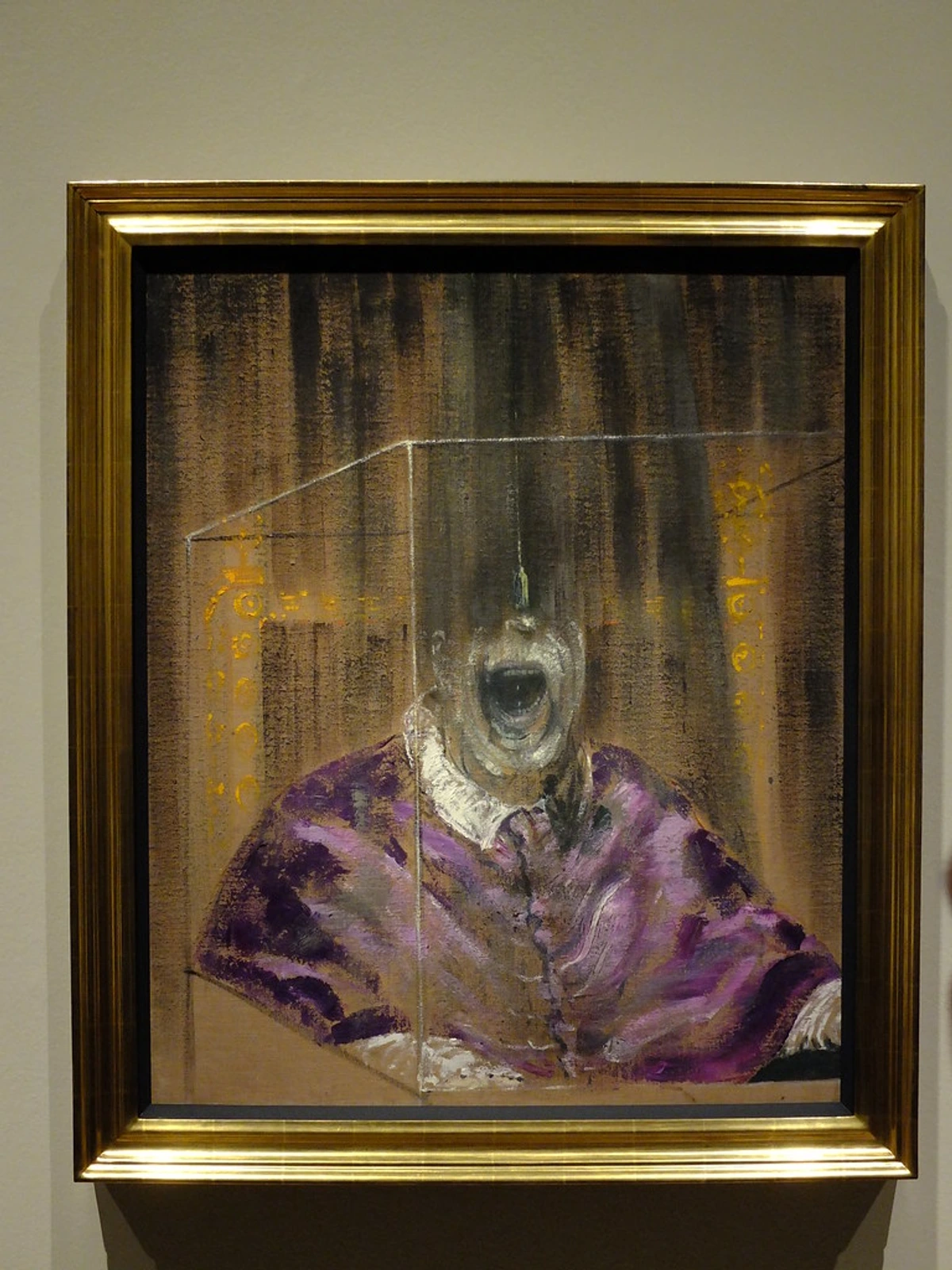
Artwork | Period | Psychological Themes |
|---|---|---|
| Three Studies for Figures at the Base of a Crucifixion | 1944 | Anguish, suffering, the human condition |
| Study after Velázquez's Portrait of Pope Innocent X | 1953 | Guilt, authority, psychological distortion |
| Figure with Meat | 1954 | Violence, sexuality, the uncanny |
| Screaming Pope series | 1950s+ | Anxiety, repression, the conflict between desire and societal norms |
Bacon's work explores the darker aspects of the unconscious, dealing with themes of violence, guilt, and existential dread.
How These Works Changed Art
These Freudian masterpieces changed art in several fundamental ways:
- Expanded subject matter: Art could explore inner psychological states as well as external reality
- New techniques: Methods like automatism and chance operations became legitimate artistic tools
- Deeper meaning: Art could have profound psychological depth beyond aesthetic appeal
- Personal authenticity: Artists could draw on their own inner lives as valid source material
- Universal themes: Personal psychology could connect to broader human experiences
The Enduring Impact
What's remarkable is how thoroughly these works have entered our cultural consciousness. When we think of "surreal" art, we immediately think of melting clocks, floating men in bowler hats, and strange transformations. These images have become part of our visual language, influencing everything from advertising to film to fashion.
The reason these works endure is that they tap into something universal about the human experience. They show us that the strange, irrational world inside our heads is not just weird—it's meaningful. It's where we find truth, beauty, and understanding that rational thought alone cannot provide.
In this way, Freud's greatest contribution to art wasn't his specific theories or interpretations. It was his validation of the unconscious as a legitimate source of creativity and meaning. By showing us that dreams and the inner life are worthy of serious attention, he gave artists permission to explore the deepest, most authentic parts of themselves—and in doing so, he changed art forever.
It's hard to pick just one, but Salvador Dalí's The Persistence of Memory (1931) is arguably the most iconic. The melting clocks are a perfect visual metaphor for the strange, fluid nature of time in our dreams and subconscious, a concept straight out of Freudian theory. It's an image that has seeped into our collective understanding of what Surrealism is.
What are some other famous examples of Freudian symbolism in art?
While Dalí's clocks are the most famous, there are many other examples of Freudian influence in art:
Artwork | Artist | Year | Freudian Symbolism |
|---|---|---|---|
| The Son of Man | René Magritte | 1964 | The apple hiding the face represents the hidden truth behind appearances; the bowler hat represents conformity and anonymity |
| Elephant Skeletons | Salvador Dalí | 1936 | The crutches supporting the skeletons suggest psychological support systems; the figures represent death and decay |
| The Temptation of St. Anthony | Salvador Dalí | 1946 | The horses represent sexual energy and repressed desires; the obelisks symbolize male sexuality |
| The Lovers | René Magritte | 1928 | The cloth covering the figures suggests emotional barriers and the impossibility of true connection |
| Metamorphosis of Narcissus | Salvador Dalí | 1937 | The egg represents birth and transformation; the hand suggests masturbation and self-love |
How did Freud's theories specifically influence Surrealist techniques?
Freud's theories directly influenced several Surrealist techniques:
- Automatism: This came directly from Freud's concept of free association. If patients could speak freely to uncover unconscious material, artists could create freely to access unconscious imagery.
- Chance operations: Freud believed dreams contained elements of genuine chance and surprise. Techniques like frottage and decalcomania introduced this chance into art.
- Symbol interpretation: Freud taught that dreams were symbolic. Surrealists took this and created a whole visual language of symbols—apples, clocks, eggs, ants—that could be interpreted like dream symbols.
- The uncanny: Freud wrote about "the uncanny"—that strange feeling when something familiar becomes unfamiliar. Surrealists deliberately created this feeling through juxtaposition and transformation.
Are Freudian ideas still relevant to artists today?
Absolutely. While psychoanalysis has evolved, the core idea that art can be a window into our inner lives is more powerful than ever. Artists today might not be reading The Interpretation of Dreams before heading to the studio, but the freedom to explore themes of identity, memory, desire, and the subconscious is a direct legacy of Freud's impact on culture. It's about giving voice to the weird lobster in your dream.
How do contemporary artists explore the unconscious?
Contemporary artists use both traditional and new approaches to explore the unconscious:
- Digital automatism: Artists use algorithms and AI to generate images that evolve according to their own logic, creating modern forms of automatism.
- Dream journals: Many artists keep detailed dream journals, using their own dreams as source material for paintings, installations, and performances.
- Hypnosis and altered states: Some artists use hypnosis, meditation, or other altered states to access unconscious material directly.
- Collaborative unconscious: Artists work together in group sessions, combining their unconscious thoughts to create collective artworks.
- Psychological themes: Even artists who don't explicitly use Freudian techniques often explore themes of trauma, memory, and identity that have their roots in psychoanalytic thinking.
What about artists who are skeptical of Freud's ideas?
Not all artists embrace Freud's theories. Many have criticized his ideas as:
- Too focused on sexuality: Freud believed most psychological conflicts were rooted in sexual repression, which many find reductive.
- Culturally biased: His theories were based on Viennese culture of the early 20th century and don't always translate to other contexts.
- Scientifically unproven: Many of his ideas, like the Oedipus complex, are difficult to test scientifically.
Despite these criticisms, Freud's influence remains powerful because he asked the right questions. Even artists who reject his theories often find themselves responding to the questions he raised about the nature of the mind and creativity.
Freud's Critics and the Evolution of Psychoanalytic Art Theory
While Freud's influence on art was profound, his ideas weren't without critics. Many artists and theorists challenged his assumptions, leading to new approaches to psychological art.

Major Criticisms of Freud's Art Theory
- Overemphasis on Sexuality: Freud believed most psychological conflicts were rooted in sexual repression. Many artists found this reductive and limiting.
- Cultural Bias: Freud's theories were based on Viennese culture of the early 20th century and didn't always translate to other contexts or time periods.
- Scientific Uncertainty: Many of Freud's ideas, like the Oedipus complex, were difficult to test scientifically and relied heavily on interpretation.
- Gender Bias: Freud's theories were often criticized for being male-centric and underestimating women's psychological development.
- Determinism: Freud's approach suggested that adult personality was largely determined by childhood experiences, leaving little room for free will or change.
Jungian Alternatives
Carl Jung, Freud's one-time student, developed alternative theories that many artists found more compelling:
- Collective Unconscious: Unlike Freud's personal unconscious, Jung proposed a collective unconscious shared by all humans, containing universal archetypes.
- Archetypes: Universal symbols like the Hero, the Mother, the Shadow that appear in myths, dreams, and art across cultures.
- Individuation: The process of becoming whole by integrating conscious and unconscious aspects of the self.
Jung's ideas influenced artists who wanted to explore universal themes rather than personal conflicts. Joseph Campbell's work on mythology, which built on Jung's theories, continues to influence artists today.
Lacanian Psychoanalysis and Art
Jacques Lacan, a French psychoanalyst, offered another perspective that influenced art theory:
- The Mirror Stage: The moment when a child recognizes themselves in a mirror, establishing their sense of self.
- The Gaze: The idea that we are always being watched and that this shapes our identity.
- Language and the Unconscious: Lacan argued that the unconscious is structured like language, using similar symbolic systems.
These ideas influenced postmodern art, particularly in exploring identity, representation, and the power dynamics of looking.
Feminist Critiques of Freudian Art Theory
Feminist theorists challenged Freud's male-centric approach:
- Nancy Chodorow: Argued that gender development was more influenced by parenting practices than biological drives.
- Juliet Mitchell: Analyzed how Freud's theories reinforced patriarchal social structures.
- Luce Irigaray: Explored female sexuality and language outside of Freud's male framework.
These critiques led to new approaches to art that challenged traditional gender roles and explored women's experiences from their own perspectives.
Postmodern Approaches to Psychological Art
Postmodern artists rejected the idea of a unified, authentic self that seemed to underlie Freud's theories. Instead, they explored:
- Fragmented identity: How identity is composed of multiple, conflicting roles
- Performance: How identity is constructed through social interaction
- Appropriation: How meaning is created through cultural references rather than original expression
- Simulation: How reality and representation have become indistinguishable in media culture
These approaches reflect a more skeptical view of the unconscious as a unified, authentic source of creativity.
Contemporary Integrative Approaches
Today, many artists take an integrative approach, drawing on multiple psychological theories:
- Neuroaesthetics: The study of the brain's response to art, combining neuroscience with aesthetics
- Embodied cognition: The idea that thinking is not just in the brain but involves the whole body
- Attachment theory: How early relationships shape adult creativity and emotional expression
- Trauma theory: How art can help process and heal from traumatic experiences
These approaches offer more nuanced understandings of how psychology and creativity intersect, moving beyond the sometimes rigid frameworks of early psychoanalysis.
How is dream analysis different from art interpretation?
This is a great question that gets to the heart of both practices. While both involve interpreting symbolic content, they serve very different purposes and follow different methodologies.
Fundamental Differences in Purpose
Dream Analysis:
- Primary goal: Therapeutic self-discovery and healing
- Audience: The dreamer themselves (with guidance from a therapist)
- Outcome: Insight into personal conflicts and emotional patterns
- Focus: Personal meaning and psychological resolution
Art Interpretation:
- Primary goal: Aesthetic appreciation and cultural understanding
- Audience: The general public or art world
- Outcome: Shared understanding and appreciation of the artwork
- Focus: Cultural, historical, and aesthetic significance
Methodological Differences
Dream Analysis Methods:
- Free association: Dreamer explores whatever thoughts come to mind about dream elements
- Amplification: Exploring symbols through mythology, culture, and personal history
- Active imagination: Engaging with dream figures and scenarios
- Dream series analysis: Looking at patterns across multiple dreams
- Body awareness: Noticing physical sensations connected to dream content
Art Interpretation Methods:
- Formal analysis: Examining composition, color, technique, and style
- Historical context: Understanding the artwork's place in art history
- Biographical approach: Considering the artist's life and intentions
- Psychoanalytic approach: Analyzing symbols and psychological content
- Political/sociological approach: Examining cultural and social meanings
- Reception theory: How different audiences interpret the work over time
Symbol Interpretation Differences
Dream Symbol Interpretation:
- Highly personal: Symbols mean what they mean to the individual dreamer
- Emotionally charged: Symbols are connected to deep personal feelings
- Dynamic: Meanings can change over time as the dreamer grows
- Therapeutic goal: Understanding leads to personal growth and healing
Art Symbol Interpretation:
- Culturally shared: Symbols often have established cultural meanings
- Aesthetic function: Symbols serve artistic and compositional purposes
- Multiple valid interpretations: Different viewers can have legitimate differing views
- Educational goal: Understanding leads to deeper appreciation and knowledge
The Role of the Interpreter
Dream Analyst:
- Acts as a guide or facilitator
- Helps the dreamer find their own meanings
- Maintains therapeutic boundaries
- Focuses on the dreamer's well-being
Art Interpreter:
- Acts as a translator or explainer
- Helps viewers understand the artwork
- May offer personal insights but acknowledges subjectivity
- Focuses on the artwork's significance
Practical Applications
For Artists Working with Dreams:
Understanding these differences can help you:
- Use dreams as personal source material rather than trying to create "accurate" dream representations
- Translate dream content into visual language that communicates to others
- Balance personal meaning with artistic communication
- Develop your own symbolic language that draws on both personal and universal symbols
- Create work that invites interpretation without being overly obscure
For Art Appreciators:
When viewing dream-inspired art:
- Consider both the artist's process and the final result
- Look for personal authenticity in addition to technical skill
- Be open to multiple interpretations—there's no single "correct" meaning
- Appreciate the psychological depth without requiring therapeutic resolution
- Consider how the art makes you feel—emotional response is valid even if you can't articulate why
Creating a Bridge Between Practices
The most compelling art often creates a bridge between personal dream experience and shared human understanding. When artists:
- Use authentic personal dream material but present it in accessible ways
- Balance technical skill with emotional truth
- Create work that invites viewers into their inner world while allowing space for personal interpretation
- Connect personal dreams to universal human experiences
They create art that resonates on multiple levels—both psychologically and aesthetically.
This is why Freud's influence endures. He didn't just give us techniques for interpreting dreams; he gave us a framework for understanding how the deepest parts of ourselves can find expression in art. And in doing so, he changed not just how we make art, but how we think about what art can be.
That's a great question. In Freudian dream analysis, the goal is therapeutic—to uncover repressed conflicts or desires in a patient. The symbols in the dream are clues to the individual's personal history. In art interpretation, while we might look for symbols, the meaning is often broader and connected to cultural, historical, or aesthetic contexts. The artist's personal subconscious is part of the story, but not the whole story. The artwork has a life of its own.
What are some practical techniques artists can use to access their unconscious?
If you're an artist looking to tap into your own unconscious mind, here are some techniques inspired by Freud and the Surrealists:

- Dream journaling: Keep a notebook by your bed and write down your dreams immediately upon waking. Look for recurring symbols and themes.
- Automatic drawing: Set a timer for 5-10 minutes and draw without thinking. Don't lift your pen from the paper. See what emerges.
- Frottage and collage: Collect interesting textures and images, then combine them in unexpected ways. Let the combinations suggest meanings to you.
- Free writing: Write continuously for 15 minutes without stopping or editing. Don't worry about grammar or making sense. Just let the words flow.
- Meditation and hypnosis: Use meditation to quiet your conscious mind, or try self-hypnosis to access deeper states of consciousness.
- Active imagination: Jung's technique of engaging with unconscious contents through dialogue and visualization.
- Limit materials: Give yourself constraints (only three colors, only found objects, etc.) to force creative solutions.
How can I tell if my artwork is "too Freudian"?
This is a tricky question. There's no such thing as being "too Freudian"—either your work engages with psychological themes or it doesn't. But some signs that your work might be leaning heavily into Freudian territory include:
- Heavy use of sexual symbolism (phallic shapes, vaginal imagery)
- Repetition of childhood-related imagery (toys, nursery elements)
- Themes of repression, guilt, or forbidden desires
- Dream-like logic and impossible juxtapositions
- Focus on bodily functions and biological processes
The important thing is to make sure these elements serve your artistic vision, not just as Freudian "checklist" items. The best art comes from genuine personal exploration, not just theoretical application.
Conclusion: The Freudian Revolution in Art
The Business of Dream Art: Marketing and Selling Work Inspired by the Unconscious
If you create art inspired by dreams and the unconscious, you might be wondering how to market and sell it. Here are some strategies specifically for dream-inspired art:
Understanding Your Audience
Dream art appeals to several different audience segments:
- Psychologically interested buyers: People who are fascinated by dreams, psychology, and the unconscious
- Surrealism enthusiasts: Collectors who specifically appreciate Surrealist and psychological art
- Interior designers: Looking for conversation pieces that add depth to spaces
- Therapeutic art buyers: People seeking art that helps with self-reflection and personal growth
- Gift market: People looking for unique, meaningful gifts for creative friends
Creating Your Brand Narrative
Dream art benefits from a strong narrative. Consider:
- Your personal dream journey: How your own dreams influence your work
- The psychological concepts behind your art: Freud, Jung, or other influences
- The emotional impact: What feelings your work evokes in viewers
- The technical process: How you translate dream imagery into visual form
Pricing Strategies for Dream Art
Dream art can command premium prices because of its psychological depth:

- Consider the series value: Work from a cohesive dream series often sells better
- Document your process: Show sketches, dream journals, and development stages
- Provide context: Include artist statements explaining the psychological significance
- Offer different price points: Smaller dream sketches vs. large dream paintings
- Consider limited editions: Especially for digital dream art or prints
Marketing Channels for Dream Art
Where to promote your dream-inspired work:
- Instagram: Perfect for sharing dream journals, process photos, and final pieces
- Art blogs and websites: Write about the psychology behind your work
- Psychotherapy and counseling networks: Therapists often look for meaningful art for their offices
- Dream interpretation websites: Partner with sites that explore dream meanings
- Art fairs with psychological themes: Look for shows with surreal or psychological themes
- Online galleries: Specialize in outsider art or psychological art
Ethical Considerations
When selling dream-based art, consider:
- Authenticity: Be honest about which elements are from actual dreams vs. inspired by dreams
- Privacy: Don't share overly personal dream details that might identify individuals
- Cultural sensitivity: Be mindful of how different cultures interpret dream symbols
- Therapeutic claims: Don't overstate the healing benefits of your work
- Mental health: Be supportive of buyers who might be working through psychological issues
Building a Community Around Dream Art
Create a community of people interested in dream art:
- Dream interpretation workshops: Teach people how to understand their own dreams
- ** collaborative dream projects**: Invite others to contribute to collective dream-inspired works
- Online dream journals: Encourage followers to share their dream experiences
- Psychological art talks: Discuss the intersection of dreams and creativity
- Dream-themed exhibitions: Curate shows featuring multiple dream artists
Remember, dream art isn't just about technique—it's about creating a meaningful connection with viewers. People are often drawn to dream art because it speaks to something deeper in their own lives. By understanding both the psychological appeal and practical aspects of selling this work, you can build a successful career creating art that explores the mysterious world of dreams.
In the end, Freud didn't set out to change art. He was trying to understand the human soul. But in doing so, he gave artists a key to a door they didn't even know was there. He handed them a map to an inner world, and modern art was never the same again. It became stranger, deeper, and infinitely more personal.
The Psychological Legacy
What Freud did for art was revolutionary. Before him, art was largely about what we could see—landscapes, portraits, historical scenes. After him, art became about what we couldn't see—dreams, desires, fears, memories. He expanded the very definition of what art could be.
This psychological legacy continues to shape how we think about creativity itself. When we talk about an artist's "vision," we're using language that has its roots in Freud's ideas about the unconscious. When we value authenticity and emotional truth in art, we're following a path that Freud helped clear.
The Continuing Relevance
Today, as we navigate a world that often feels disconnected from our inner lives, Freud's ideas feel more relevant than ever. In an age of constant digital distraction and surface-level communication, the exploration of the unconscious offers a way back to something deeper and more authentic.
Artists continue to explore these themes in new ways, using new technologies and media. But the fundamental questions remain the same: What does it mean to be human? What hidden forces shape our lives? How can we give voice to the parts of ourselves that remain unspoken?









Freud gave us the tools to ask these questions. The Surrealists showed us how to answer them through art. And today, we continue the conversation, each in our own way.
Your Journey into the Unconscious
As you look at art—whether it's a Surrealist masterpiece or an abstract piece in a gallery—remember that you're not just looking at paint on canvas. You're looking at a window into the human mind. You're seeing the same kind of symbolic language that Freud discovered in dreams, the same kind of hidden meanings that artists have been exploring for a century.
Maybe next time you have a strange dream about wet-noodle brushes and scolding lobsters, you'll see it differently. Maybe you'll understand that your subconscious isn't just being weird—it's trying to tell you something. And maybe, just maybe, you'll pick up a brush and start painting your own dreams.
After all, that's what Freud really gave us: permission to take the weird, wonderful, terrifying world inside our heads seriously. And in doing so, he changed art forever.