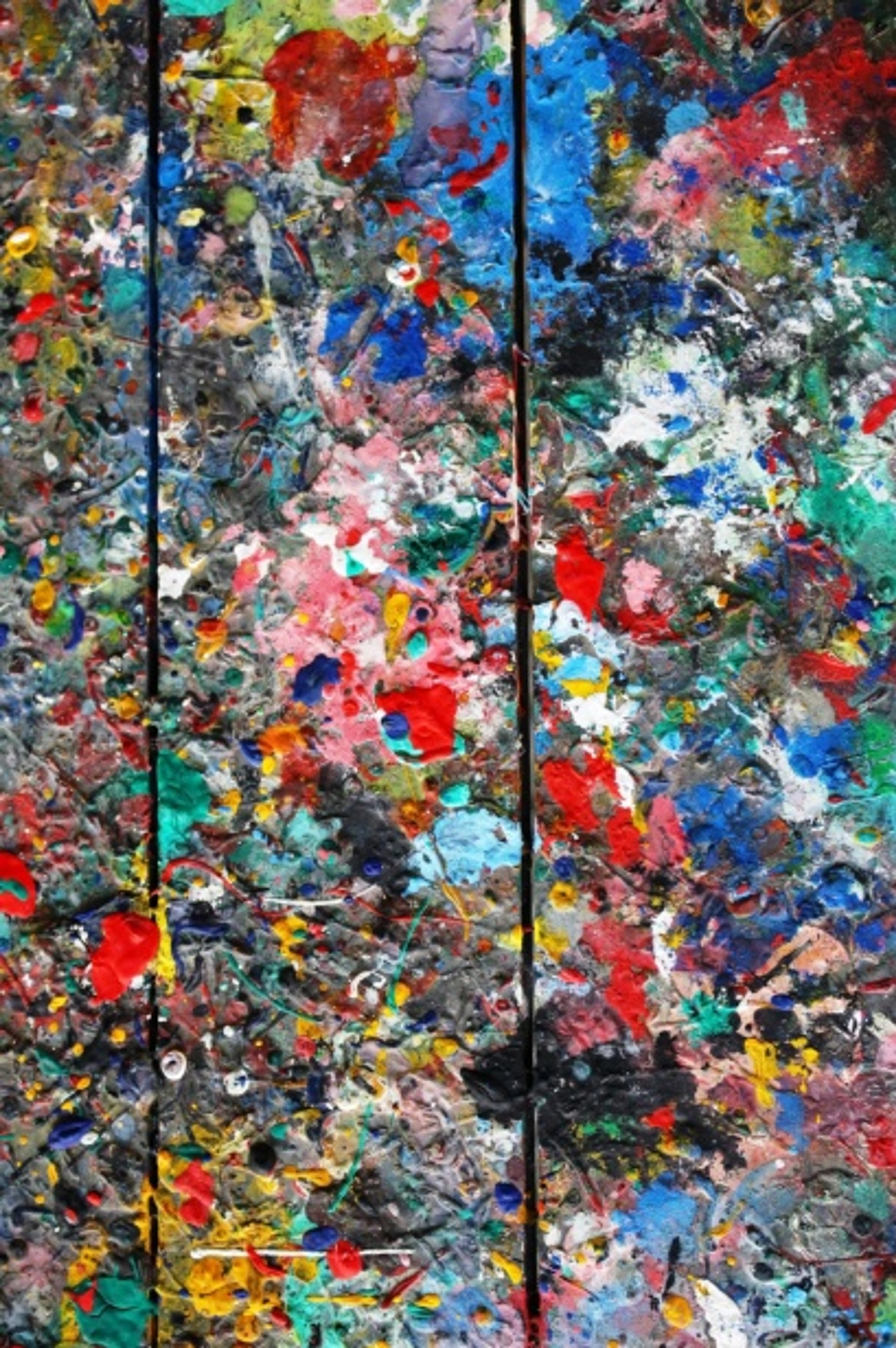
What is Frottage in Art? Uncovering Textures & Surreal Dreams
Ever wondered about frottage? Join me on a journey to explore this captivating surrealist art technique, from Max Ernst's discovery to how you can create your own textural masterpieces.

Frottage Art: The Definitive Guide to Uncovering Textures, Surreal Dreams, and Beyond
Ah, frottage! It’s a word that might sound a bit arcane, perhaps even a touch risqué to the uninitiated – and no, if your mind, like mine sometimes does, immediately went to the more... intimate connotations of the French verb 'frotter' (meaning "to rub"), you’re certainly not the only one to make that delightful, albeit inaccurate, linguistic detour! It's a common, if slightly amusing, misdirection that often leads to a quick chuckle. But let's set that playful tangent aside, shall we? Because in the world of art, frottage is anything but – it's a profound journey into the hidden life of objects, a conversation with the world through touch and vision, and for you, dear reader, it's about to become an endlessly fascinating rabbit hole of artistic discovery. Welcome to the definitive guide to frottage art.
For me, it conjures up vivid memories of childhood, those glorious moments of discovery when a simple crayon and a piece of paper could magically reveal the hidden world of textures around me. From the gnarled bark of a tree to the intricate pattern of a leaf, it felt like uncovering secrets, a clandestine conversation with the physical world. I remember one summer, spending hours in my grandmother's garden, utterly captivated by the way the rough brick path or the smooth, cool surface of a weathered birdbath could translate their silent stories onto my flimsy drawing paper. And that, dear reader, is precisely the magic we're about to delve into – a captivating technique that elevates those innocent rubbings into profound artistic statements, offering a direct conduit to the subconscious and a fresh perspective on the hidden beauty that surrounds us every day.
Little did I know, I was dabbling in a technique with a rather fancy, and sometimes misunderstood, French name: frottage. It's a method of transferring textures from surfaces onto paper or canvas through rubbing, a technique that speaks to a fundamental human curiosity: what lies beneath the surface of the visible world? How can we unearth those unseen patterns, those silent narratives embedded in everyday objects, and bring them into our conscious experience, not just through touch, but through visual art? This fascinating method, famously embraced by the Surrealists, especially Max Ernst, is less about direct, conscious control, and more about a collaborative discovery between the artist, the medium, and the hidden life of objects. It’s a technique that invites chance, celebrates texture, and allows the subconscious to guide your hand, transforming ordinary, often overlooked surfaces into extraordinary, evocative artistic statements. It's a journey into the poetic language of surfaces, revealing their secret histories and potential for new meaning. From childhood wonder to avant-garde manifesto, frottage has a story that's as rich and layered as the textures it uncovers.
The Genesis of Frottage: Max Ernst and the Surrealists' Quest for the Unconscious
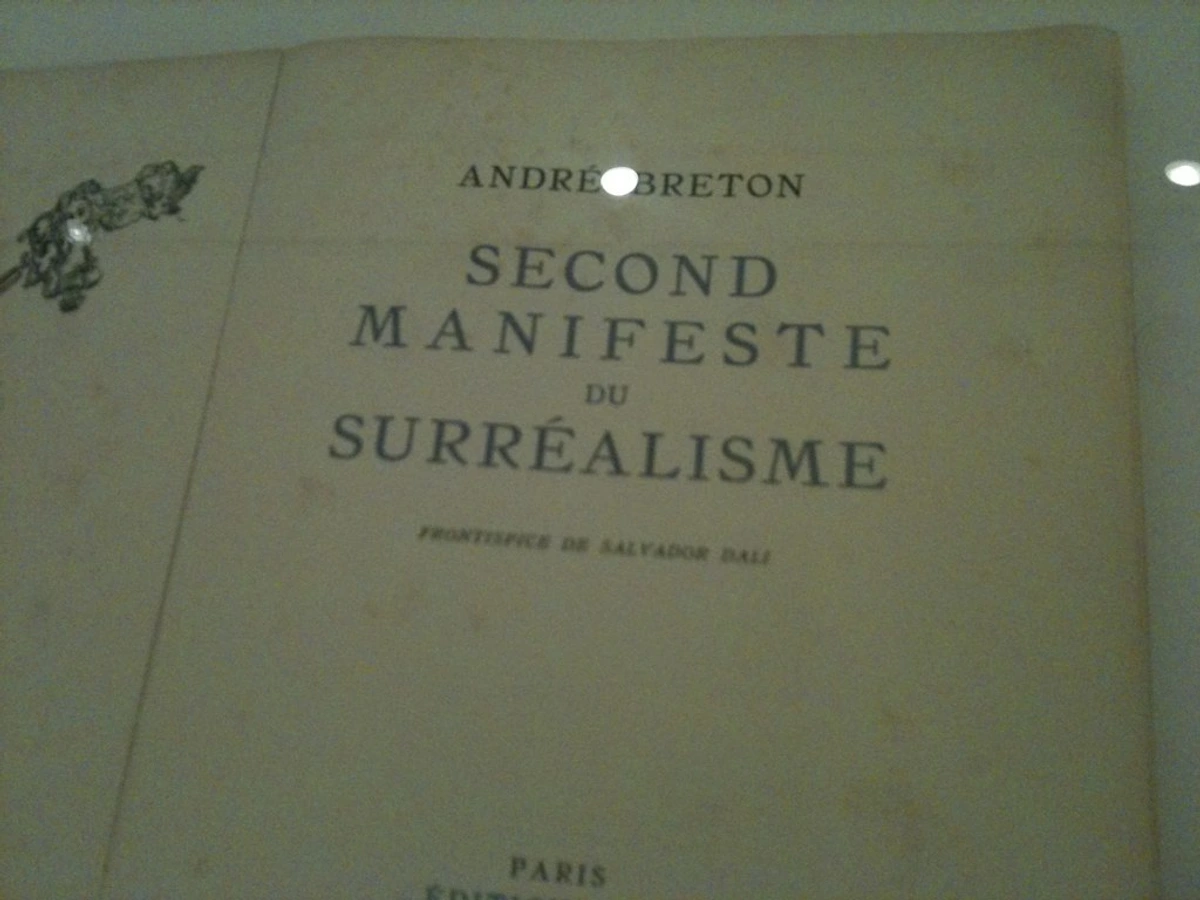
To truly grasp frottage, we must first understand the fertile ground from which it sprang: the vibrant and tumultuous era of Surrealism. This wasn't just another art movement; it was a revolution of the mind, a deep dive into the irrational, the dreamlike, and the subconscious, spearheaded by figures like André Breton. The Surrealists, in their relentless pursuit of a deeper reality, sought to bypass the conscious, logical mind, believing that true creativity and profound insights lay hidden beneath its surface. They were fascinated by Freud's theories, by dreams, automatism, and the uncanny, seeking to liberate humanity's inner world. Frottage, as we'll see, became one of their most powerful tools in this audacious quest, and at its heart was the extraordinary vision of Max Ernst.
To truly understand frottage, we must first journey back to the roaring 1920s, a time of artistic upheaval and psychological exploration, and place ourselves firmly within the orbit of Surrealism. At the heart of this movement, perpetually challenging artistic norms and delving into the depths of the psyche, was a figure whose name is synonymous with frottage: the inimitable Max Ernst.
Ernst, a central and often provocative figure in the Surrealism movement, was perpetually on a quest to circumvent the logical, conscious mind, which he felt stifled genuine artistic expression. He wanted to plunge directly into the raw, unfiltered energy of the subconscious, believing it held the keys to deeper truths and unexpected beauty, a wellspring of imagery untouched by rational thought. This relentless pursuit led him to explore a myriad of automatic drawing techniques – methods designed to bypass conscious control and allow the unconscious to manifest directly. Of these, frottage became one of his most powerful and idiosyncratic tools, alongside techniques like grattage, decalcomania, and even fumage (using smoke to create images). For Ernst, it wasn't just a novel technique; it was a philosophical gateway, a means to unlock a hidden reality and give tangible form to the elusive world of dreams.
Speaking of Dadaism, it's worth noting that Ernst's prior involvement with the movement had already profoundly shaped his artistic philosophy, priming him for a playful subversion of conventional perceptions. Dada's embrace of chance, absurdity, and the rejection of rational control laid fertile ground for techniques like frottage, which inherently involve an element of unpredictability. He was already fluent in the language of the unexpected, ready to listen to what chance had to whisper, seeing profound meaning in the seemingly random. It was, in many ways, the perfect precursor to the Surrealist's more focused exploration of the subconscious.
The story goes (and I absolutely adore these little origin stories, don't you? They feel like whispers from the past, reminding us of the serendipitous nature of creation) that in 1925, Max Ernst found himself gazing intently, almost hypnotically, at the heavily textured wood grain of an old floorboard in a hotel room in Pornic, France. Perhaps he was bored, perhaps he was simply allowing his mind to wander, but as he stared, the intricate patterns in the wood began to morph and swirl in his mind's eye, taking on a life of their own. He started seeing faces, fantastical animals, mythical creatures – a whole hidden universe concealed within the seemingly mundane, almost as if the floorboard itself was breathing, shifting, and revealing its secrets. Inspired by this vivid pareidolia (the fascinating psychological phenomenon of perceiving recognizable patterns or shapes in random stimuli, like seeing faces in clouds), he spontaneously placed a piece of paper over the floor and, almost instinctively, rubbed it with a soft pencil, transferring the texture directly onto the sheet. It was a moment of pure, unadulterated artistic insight, a moment where the everyday transformed into the extraordinary. The results were immediate and, for Ernst, utterly profound. The rubbing wasn't merely a literal copy of the wood grain; it was a profound, almost alchemical, transformation. The raw, physical textures, once passive and overlooked, became active, suggestive forms that resonated with archetypal imagery. These weren't dictated by his conscious artistic will, but emerged organically from the interplay of chance and surface, presenting him with what he termed 'found visions.' These emergent forms served as potent starting points, which he could then choose to elaborate upon with further drawing or painting, or simply leave as powerful, unadulterated statements in their own right. This accidental discovery perfectly aligned with the core Surrealist agenda of automatism – the creation of art without conscious control, acting as a direct conduit for the unconscious to express itself, bypassing the logical, rational mind. It was a revelation, indeed, turning the everyday, the unnoticed, into the enigmatic, the dreamlike, and the deeply psychological. Frottage became his direct line to the world of dreams and primal instincts, a method for accessing the 'objective chance' that André Breton, the pope of Surrealism, so ardently championed.
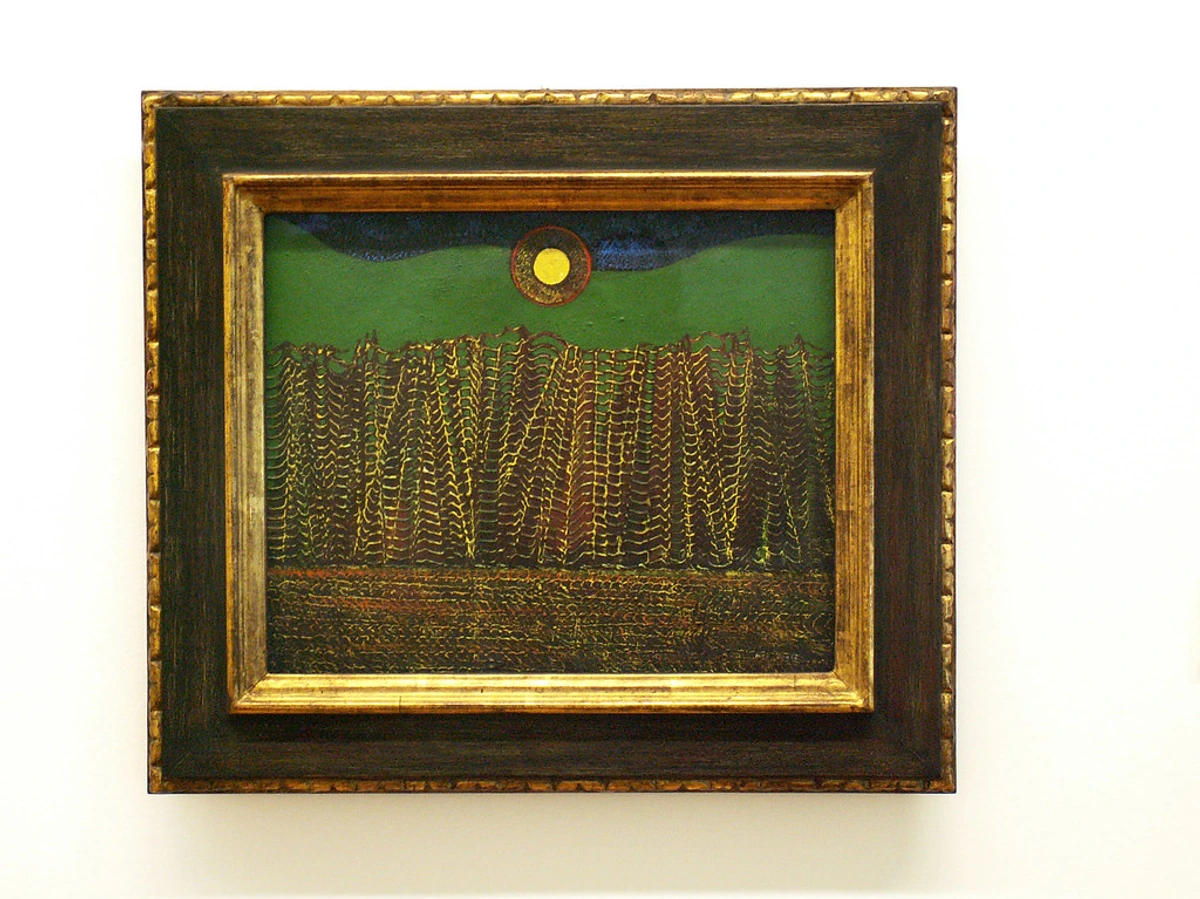
Following this initial breakthrough, Ernst quickly delved into a series of frottage works, famously collected in "Histoire Naturelle" (1926). This seminal portfolio, comprising 34 collotypes, showcased an astonishing array of fantastical landscapes, eerie forests filled with 'shell flowers' and 'forest trees,' and mythical creatures such as 'The Horde' or 'The Wheel of Light.' Can you imagine finding a 'fish-bone flower' or a 'feathered object' simply by rubbing a sheet of paper over a leaf or a piece of rope? That's the magic. All were born from the mundane textures of wood grain, leaves, straw, and other surfaces. He wasn't simply recording textures; he was using them as a springboard for his unconscious imagination, a visual Ouija board for hidden realities, giving form to what he felt was a universal, archetypal imagery. It's a testament to his genius that he saw not just a floorboard, but a portal to new artistic dimensions, proving that the world itself could be a collaborator in the artistic act.
The Art of Perception: Frottage and the Element of Chance
The Art of Perception: Frottage and the Element of Chance
One of the most thrilling aspects of frottage, for me, is its embrace of chance. In a world that often demands meticulous planning and predictable outcomes, frottage invites us to surrender to the unexpected, to let the universe be our co-creator. You can never entirely control what patterns will emerge, how the pigment will catch on a particular crevice, or what subconscious associations the resulting image will spark. It’s a bit like looking at clouds and seeing shapes – the artist acts as a facilitator, guiding the rubbing, but the ultimate 'vision' is a profound collaboration between the physical world and the perceiving mind. This element of unpredictability is what injects frottage with its raw, vital energy, making each piece a unique discovery and an adventure in its own right. It forces us to look beyond the surface, to actively engage our perception, and to find narratives in the abstract, pushing us towards a state of embodied cognition where our physical engagement directly informs our understanding and interpretation of the art.## How Does Frottage Work? The Mechanics of Mystery and Revelation
Before we dive into the nitty-gritty of tools and steps, let's talk about the underlying magic. What exactly is happening when you press paper against a surface and rub? It’s a beautifully simple, yet surprisingly profound, physical interaction that reveals the hidden topography of our world.

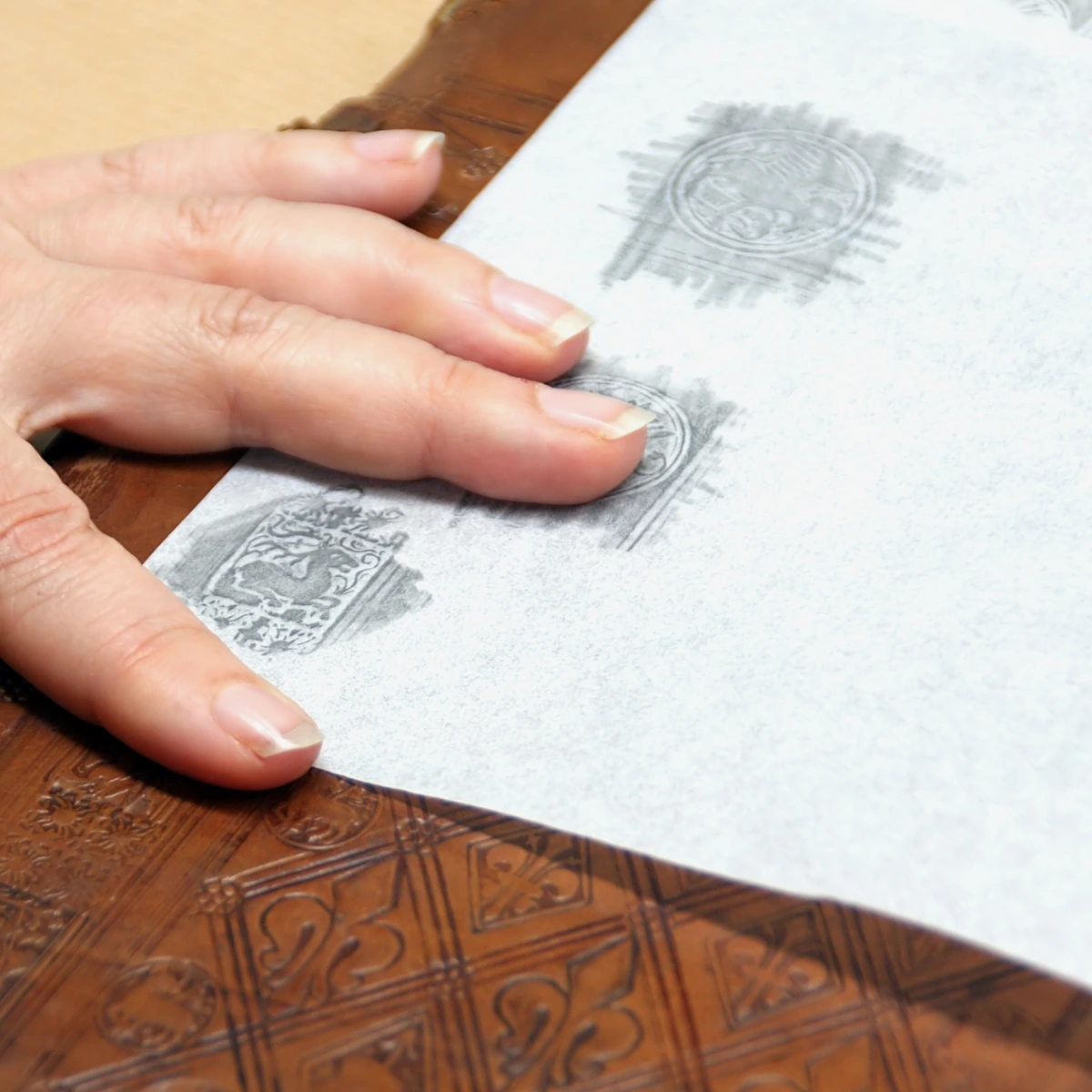
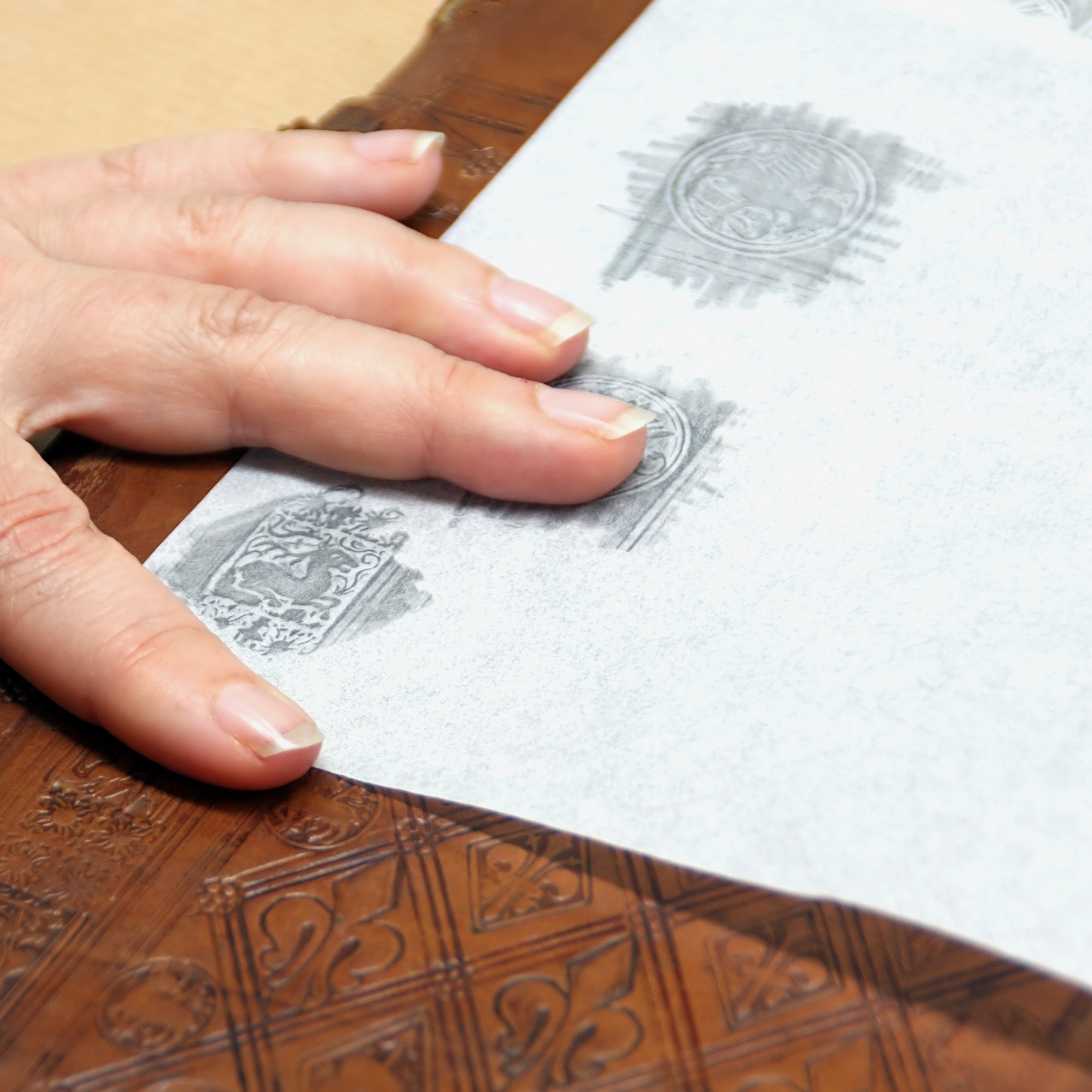
At its core, frottage is remarkably simple, almost deceptively so, yet its results can be profoundly complex and evocative. It feels like a fundamental act, something primal, deeply human – like tracing patterns in sand or fogging a window to draw on it. But what exactly happens when you apply this technique? It's a fascinating interplay of pressure, surface, and material. You take a piece of paper, lay it gently over a textured surface, and then, with a drawing implement (like a pencil, crayon, or charcoal), you begin to rub across the paper. The magic happens because the raised areas of the texture push closer to the paper, allowing more pigment to transfer, while the recessed areas remain untouched or transfer less. This differential pressure creates a ghostly yet precise impression of the surface's topography, a visual echo of its physical form. It’s like taking a fingerprint of the world, revealing its hidden contours and character, a delicate dance between presence and absence that reveals the invisible architectural blueprints of an object.
Essential Frottage Supplies: Your Toolkit for Textural Discovery
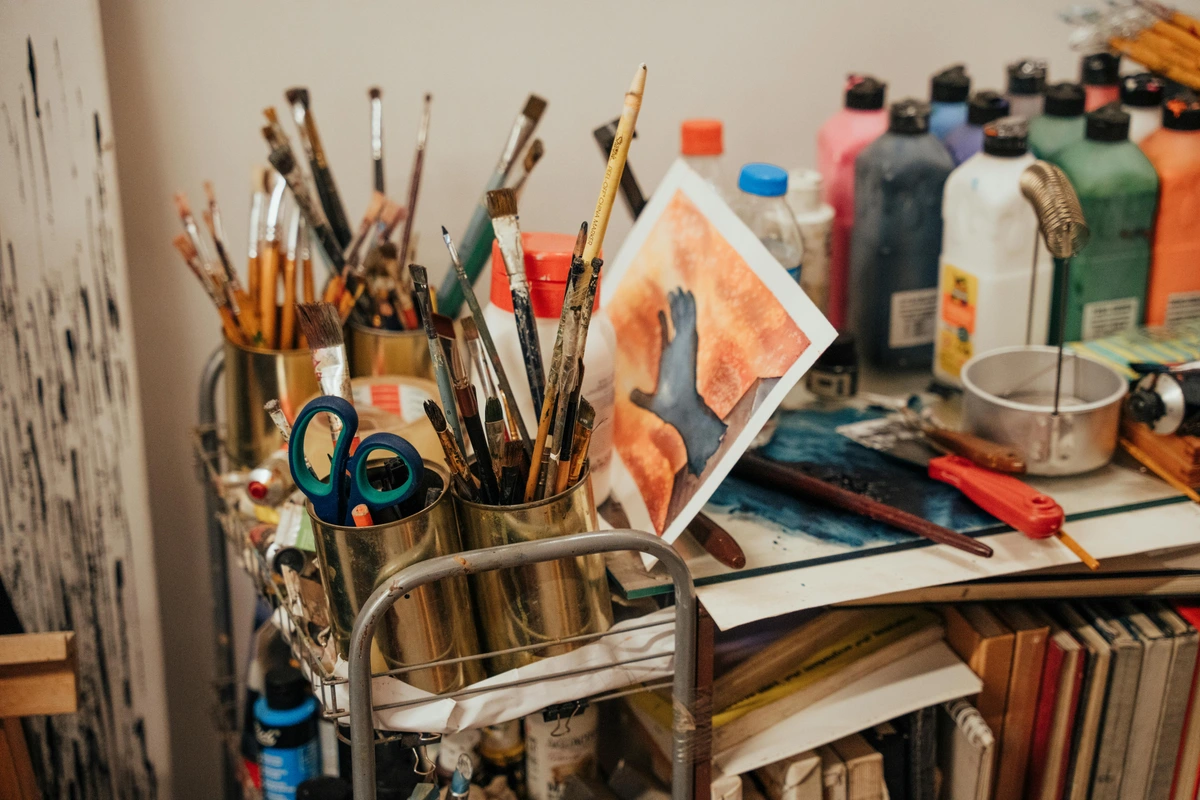
It doesn't take much to get started, which is one of the things I absolutely love about frottage. It's incredibly accessible, democratizing the act of art-making! You don't need a high-end studio or expensive materials; the world itself provides your canvas. Here's a breakdown of what you'll need, along with some nuanced considerations:
Supply Category  | Specific Items | Notes & Considerations | Alternatives & Advanced Tools | |
|---|---|---|---|---|
| Paper | Thin drawing paper, tracing paper, tissue paper, mulberry paper | Thinner papers are superior as they conform more readily to the texture, allowing for the capture of more intricate details. Think about the delicate nature of a butterfly's wing – a thick, stiff paper would simply flatten it, losing the subtle topography. Experiment with different colors and opacities, and consider how the paper's tooth (surface texture) might interact with your rubbing tool! | Newsprint, printer paper, rice paper, even thin fabrics like silk or chiffon for specialized effects or layering experiments. | |
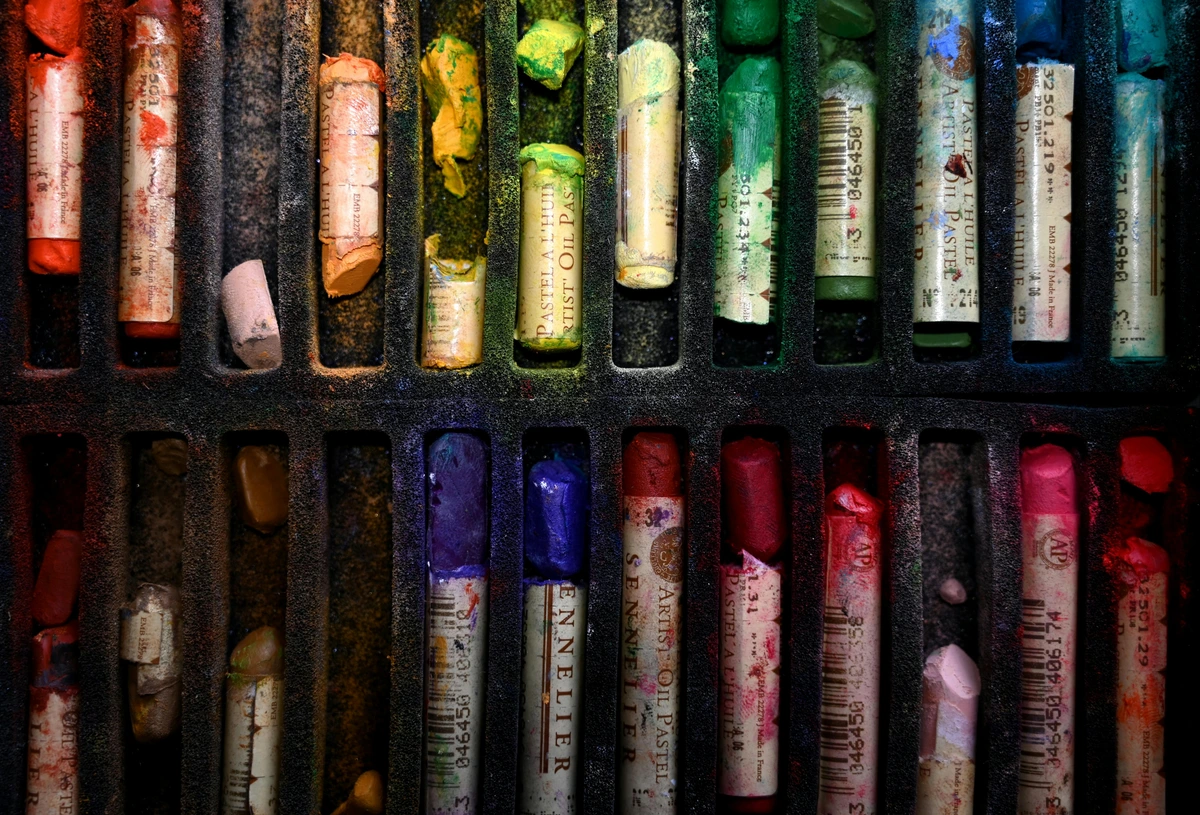
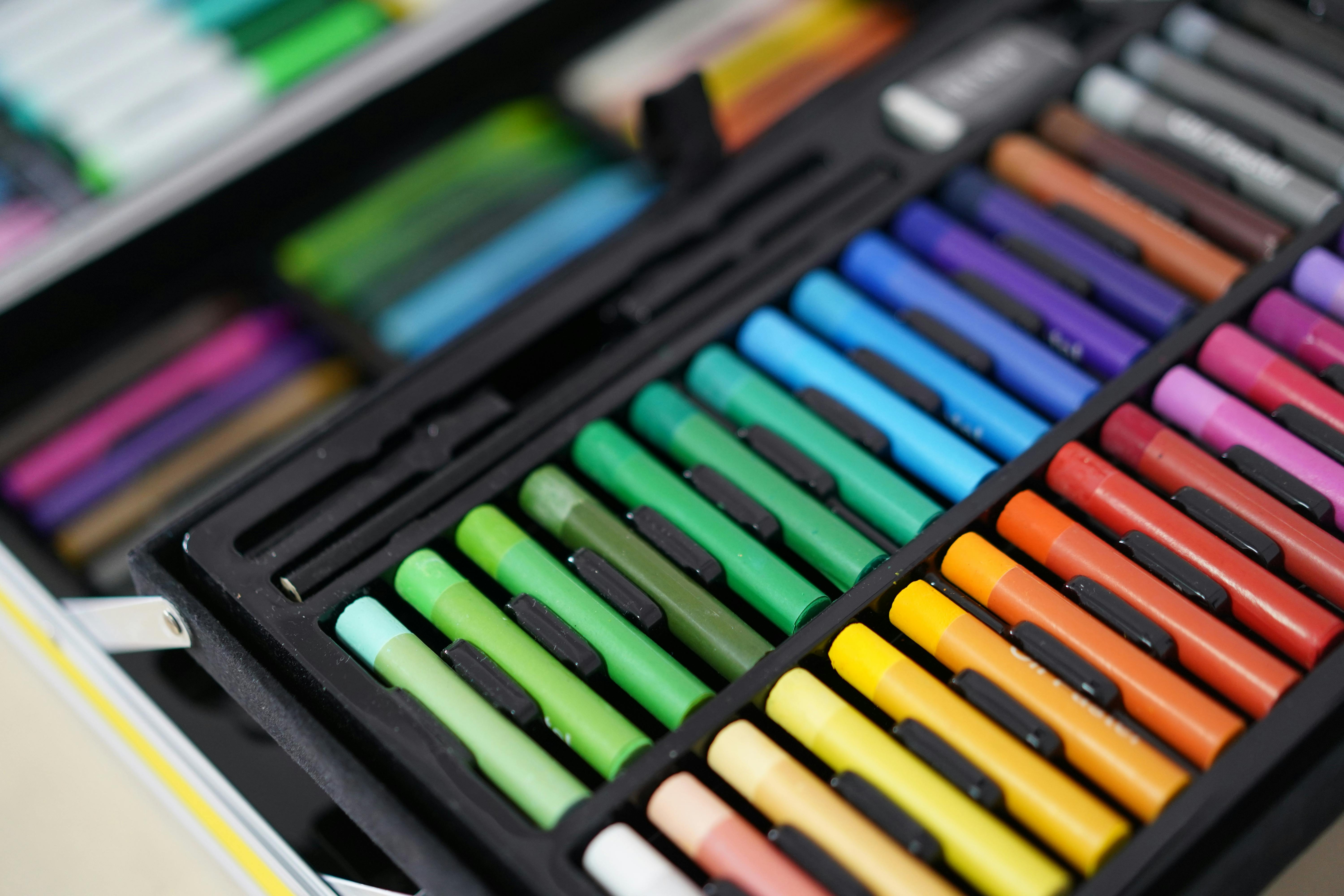
| Rubbing Tool | Soft graphite pencil (2B-8B), wax crayon, charcoal stick (vine or compressed), Conté crayon, pastel sticks | Softer tools transfer more pigment with less pressure, making them ideal for capturing subtle textures and achieving a broad range of tonal values. The choice of tool can dramatically alter the aesthetic: charcoal offers deep, velvety blacks and smudgy softness, while crayons provide a waxy resist and vibrant color. Try breaking crayons for broad strokes, or using the flat side of a charcoal stick for expansive, atmospheric effects. | Oil stick (exploring-oil-sticks-for-expressive-mark-making), soft pastels (what-is-pastel-painting), ink rollers, even the side of a blunt metal object for embossing-like effects, or a piece of sandpaper for an unusual textural transfer. | |
| Textured Surfaces | Wood grain, leaves, coins, embossed paper, lace, grates, rough fabric, brickwork, tree bark, stone, woven baskets, discarded electronics | Anything with a distinct, raised pattern. The more pronounced and varied the texture, the bolder and more intriguing the resulting frottage. Don't be afraid to experiment with the unexpected – a piece of broken glass (handled with extreme care, of course!), intricate weave of an old basket, industrial textures, or even your own skin (gently!). I've even seen artists use rusted metal or old circuit boards for surprisingly evocative results. | Braille, geological samples, woven mats, textured wallpaper, plastic mesh, archaeological finds, carved furniture, discarded electronic parts, tire treads, manhole covers, natural geological formations. The possibilities are truly endless, inviting you to see the world as a tactile canvas and a library of hidden forms. | |
| Support (Optional, but Recommended) | Drawing board, sturdy flat surface, clipboard | For extremely delicate papers or very irregular textures, placing your paper and textured object on a firm, flat support can help ensure even pressure and prevent tearing or unwanted creases. This also helps to isolate the desired texture, preventing accidental rubbings from the underlying surface. | Clipboard, tabletop, floor (if clean and flat), a smooth, heavy book, or even a piece of thick cardboard. | |
| Work Surface Protection | Old newspapers, cardboard, drop cloth | Crucial for keeping your workspace clean, especially when working with crumbly media like charcoal or pastels, or if you're experimenting with outdoor surfaces. Trust me, nobody wants a permanent tree bark impression on their dining table! | Craft paper, dedicated art mat, old bed sheets. | |
| Fixative (Optional) | Spray fixative (matte or gloss), artist's varnish | Essential for preventing smudging and preserving your work, especially crucial when using friable media like charcoal, soft pastels, or even some softer graphite. Think of it as a delicate, invisible shield for your newly revealed masterpiece, protecting it from the elements and the ravages of time. Always apply in a well-ventilated area! | Hair spray (use with caution and test first on a scrap, applied from a distance in a well-ventilated area for an economical alternative!), or a custom art spray designed for specific dry media. | |
| Erasers (Optional) | Kneaded eraser, gum eraser, vinyl eraser | Useful for lifting pigment subtly, refining edges, or creating highlights, especially with graphite or charcoal. A kneaded eraser is particularly good for soft lifting without damaging the paper surface, while a vinyl eraser offers stronger, more precise removal. | Electric eraser for detailed work, or even a piece of stale bread for a gentle, natural lift! | |
| Cleaning Supplies (Optional) | Dusting brush, damp cloth, hand wipes | To keep your work surface and hands clean, preventing unwanted smudges and accidental transfer of dirt or excess pigment onto your pristine frottage. A small brush is surprisingly effective for dusting off excess charcoal! | Baby wipes for quick hand cleaning and lint rollers for removing dust from your paper before you start! | |
| Gloves | Disposable gloves (latex, nitrile, vinyl) | Especially useful when working with messy charcoal or pastels to keep your hands clean and prevent smudging your artwork. Or, if you're like me, to avoid getting mysterious smudges on everything you touch for the rest of the day! | Barrier cream, finger cots for precise work. | ### Frottage Steps: Your Guide to Uncovering Textures and Sparking Creative Visions |
Here’s a quick, no-fuss breakdown of how to dive in and create your first frottage. Trust me, it’s not some arcane ritual reserved for art school graduates; it’s genuinely easier than it sounds, and the results are almost always wonderfully, unexpectedly surprising! I often tell my students that the best art comes from a place of playful curiosity and a willingness to explore, and frottage is a perfect embodiment of that spirit. It's an invitation to engage with the world on a deeper, tactile level, almost like a secret handshake with reality. And honestly, isn't that what art is all about? Discovering those hidden connections?
Cultivating a Frottage Mindset: Before You Begin
Before you even lay down your paper, I invite you to pause. Frottage is as much about the act of seeing and feeling as it is about the physical rubbing. It's about approaching the mundane with a sense of wonder, allowing yourself to be guided by intuition rather than strict control. Think of it as a playful scavenger hunt for textures, a quiet conversation with your environment. Let go of the need for perfection and embrace the serendipitous, because in frottage, the most beautiful discoveries often arise from the unexpected.1. Select Your Surface: Ah, this is where the real adventure begins – consider yourself a detective of the tactile world! Your mission: hunt for interesting textures everywhere. Begin by tuning into natural elements: the gnarled, furrowed bark of an ancient tree, the delicate, veined ridges of a fallen leaf, the weathered undulations of an old stone wall, or the coarse sand underfoot. Then, shift your gaze to the man-made: the precise grid of a drainage grate, the rough unevenness of brickwork, the intricate weave of patterned fabrics (like lace or burlap), the subtle embossing on old book covers, or even the worn sole of a shoe. The more varied and pronounced the texture, the more intriguing and expressive your frottage will be. Don't just look; feel it with your fingertips first, almost as if you're mapping its topography with your sense of touch.2. Position Your Paper: Now, with a sculptor's delicate touch, lay your chosen paper gently over the textured surface. This isn't a wrestling match; it's a tender, intimate embrace, almost like the paper is whispering to the surface beneath it. The goal is to ensure the paper lies as smoothly and flat as possible, meticulously avoiding any accidental creases, folds, or bumps that aren't an intrinsic part of the texture you intend to capture. For particularly uneven, slippery, or challenging surfaces – like a rough tree bark that wants to slide – a small piece of low-tack artist's tape (like drafting tape or painter's tape) on the edges can be your absolute best friend, acting as an invisible anchor to keep everything stable and prevent unwanted shifts that could distort your impression or create unwanted smudges. A trick I've learned is to start by smoothing the paper from the center outwards, gently coaxing it to hug the contours of the texture, always being mindful of the pressure so as not to flatten delicate details.3. Choose Your Tool: For your inaugural frottage, I'd highly recommend starting with a soft graphite pencil – something in the 4B or 6B range for its rich tones and easy transfer – or a trusty wax crayon for its vibrant color and forgiving nature. These mediums are incredibly versatile and forgiving. The crucial trick here, and this is where many beginners go wrong, is how you hold the tool: eschew the traditional upright writing grip entirely. Instead, hold the pencil or crayon almost flat against the paper, on its side, at a very shallow angle. This simple adjustment dramatically maximizes the contact area between the tool and the paper, allowing you to pick up broader textures and create a more even, diffuse impression, rather than harsh, individual lines. It’s not about drawing the texture; it's about coaxing its essence out onto the page. Don't be afraid to experiment with different tools on the same rubbing to discover unique textural interactions – a soft charcoal for deep shadows, then a lighter crayon for highlights.
This approach ensures a softer, more ethereal transfer, which is often the desired effect in frottage. I've found that resisting the urge to press hard, especially at the beginning, yields much more interesting and nuanced results. It's about letting the texture speak, rather than forcing a heavy impression, allowing its inherent rhythm to manifest. Experiment with different colors and even combine media – a charcoal base with a crayon overlay can create surprising depth and interaction.
- Begin Rubbing: With a gentle, yet firm and even hand, begin to rub your chosen tool back and forth across the paper, directly over the textured surface. Resist the urge to press too hard initially; the true beauty here is in the slow, gradual, almost meditative build-up of the impression. You’re not trying to aggressively excavate the texture, but rather to patiently reveal it, layer by subtle layer. Experiment constantly with varying pressure: lighter touches will yield softer, more ethereal, ghost-like marks, while slightly firmer pressure can create bolder tonal values, darker pigments, and emphasize the finer, more pronounced details of the surface. It’s a captivating dance of light and shadow, form and void, dictated entirely by the underlying surface itself, a process that can feel surprisingly mindful, almost a conversation between your hand and the hidden world. Consider varying the direction of your rubbing to create cross-hatching effects, or to emphasize different aspects of the texture's relief.5. Observe and Adjust: This is arguably the most captivating, almost miraculous, part of the entire process – watching the texture literally emerge, as if by magic, from the blank page. It genuinely feels like a form of revelation, doesn't it? As the forms, patterns, and tonal variations appear, take a moment to observe your creation. You might find you want to shift the paper slightly to capture a different angle of the texture, or perhaps introduce a new rubbing tool – a soft charcoal stick for deeper, velvety blacks, a vibrant colored crayon for a subtle tint, or even a pastel for a painterly quality – on the same piece for layered effects. This iterative process of observation, adjustment, and playful experimentation with the emerging forms is where true artistic mark-making and a deep sense of creative discovery truly come alive. Don't be afraid to combine elements and see what unexpected dialogues emerge – perhaps a frottage of wood grain layered over a leaf transforms into a fantastical creature, or brickwork becomes a crumbling cityscape. The possibilities are truly boundless when you embrace this dynamic interaction.6. Fix (Optional): If you've opted for a soft, powdery medium like charcoal, soft pastel, or even a very soft graphite, a light, even spray of fixative is your final crucial step. This transparent, protective layer will chemically bind the pigment to the paper, helping to prevent smudging and preserving your artwork for years to come. Remember, and this is incredibly important for your lungs and your studio environment, always apply fixative in a well-ventilated area, or ideally, outdoors. A little practical caution goes a long way in art, ensuring both the longevity of your work and your personal well-being! Always hold the can about 10-12 inches away and apply in several light, sweeping passes rather than one heavy blast, which can create drips or alter the pigment.
It’s an incredibly tactile and intuitive process, isn't it? Much like how a sculptor might slowly feel their way into a block of marble, or a potter shapes clay, you’re engaging in a deep, haptic dialogue with your environment. You’re not merely drawing a representation of a surface; you’re literally feeling, interpreting, and transcribing the physical surface through your paper and tool, allowing its inherent character to speak through your art. It’s less an act of invention and more an act of revelation – pulling something hidden into visible form, a ghost image of reality, a silent conversation between the artist and the world. This hands-on, almost primal connection to the physical world is, for me, one of frottage’s most profound gifts, fostering both creativity and a deeper appreciation for the overlooked details of our surroundings.
Beyond the Basics: Advanced Frottage Techniques
While the fundamental steps of frottage are straightforward, the technique is ripe for advanced exploration and hybridization. Don't feel limited to a single surface or a single medium. The real magic often begins when you start to experiment, to layer, and to combine frottage with other art forms, pushing its boundaries beyond simple rubbings. This is where the initial spark of discovery truly blossoms into complex, multi-layered artistic expression.
While the fundamental steps of frottage are straightforward, the technique is ripe for advanced exploration and hybridization. Don't feel limited to a single surface or a single medium. The real magic often begins when you start to experiment, to layer, and to combine frottage with other art forms, pushing its boundaries beyond simple rubbings.
7. Layered Frottage: Try combining rubbings from different textures on a single piece of paper. Imagine a delicate leaf rubbing layered over a bolder wood grain, creating a complex, almost geological landscape. The possibilities for depth and narrative are immense, allowing you to build up a visual history on a single surface. You could even use translucent papers to create ethereal, overlapping effects, or strategically rub different areas to create a composite image, almost like a visual collage of textures.
8. Color Frottage: While often associated with monochrome, don't shy away from color. Use different colored crayons or pastels to rub over the same surface, creating vibrant, multi-hued textural impressions. Or, use color to highlight different aspects of a composite texture, drawing attention to specific patterns or evoking particular moods. I often find that a subtle hint of color can transform a somber texture into something surprisingly vibrant.
9. Frottage with Drawing and Painting: Max Ernst himself rarely left his frottages untouched. Use the emergent textures as a starting point. Draw or paint into the frottage, developing the 'found visions' into more defined figures, landscapes, or abstract compositions. The texture provides an unexpected foundation, a creative prompt that bypasses conscious decision-making, offering a unique springboard for your imagination.
10. Digital Frottage: While traditionally analogue, the spirit of frottage can be adapted digitally with truly fascinating results. Capture textures with a scanner or high-resolution camera, then use software to overlay, blend, and manipulate these found patterns within digital art, creating unique compositions. Think of using texture maps in 3D rendering, or displacement maps to add virtual depth to a flat image. The digital realm offers boundless opportunities to experiment with scale, color, and repetition without physical constraints, allowing for virtual explorations that mirror the physical act of rubbing, and opening doors to entirely new visual languages.
11. Frottage with Printmaking: Use frottage as a component in monoprinting or collagraph processes. Rub textures onto paper, then use these textured sheets as elements in a broader print, adding an unexpected depth and history to the print's surface. You could even create a collagraph plate from frottaged textures, then print from that, creating a meta-textural experience, a print of a rubbing! This allows for reproduction and further manipulation of your unique textural discoveries.
12. Textural Storytelling: Rather than purely abstract forms, intentionally seek out textures that suggest narrative elements or thematic connections. A frottage of an old map, combined with a rubbing of a weathered gravestone, could tell a story of forgotten journeys or past lives. The textures themselves become characters in your visual narrative, whispering tales from the inanimate world. I find this approach incredibly powerful for conceptual pieces.
13. Three-Dimensional Frottage: While traditionally two-dimensional, consider how the principle of frottage can be extended into three dimensions, bringing the tactile world into sculptural forms. Artists might create molds from textured surfaces, then cast them in clay, plaster, or even metal, transferring the tactile quality into a sculptural form. Or, one could use frottage as a preliminary study for relief sculpture, where the rubbings inform the carved or built-up surfaces. This pushes the boundaries of frottage from a mere impression to a fully realized, tangible object.
14. Frottage as a Meditative Practice: Beyond its artistic output, the repetitive and focused action of frottage can be deeply meditative. It encourages mindfulness, slowing down our perception to engage with the subtle variations of a surface. This deliberate act of focusing on touch and transfer can lead to a sense of calm and a unique connection to the present moment, making it a wonderful practice for both artists and anyone seeking a moment of quiet reflection.
15. Reverse Frottage / Subtractive Frottage: Instead of adding pigment, consider a subtractive approach. Prepare a surface with a thick, even layer of soft medium (like wet paint or a heavy coat of charcoal). Then, place your paper (or even a rigid object) over a textured surface and press it down. When you lift, the texture will have transferred by removing some of the medium, creating an inverse impression. This technique, closely related to Max Ernst's grattage, offers a different visual language, often producing starker contrasts and unexpected revelations.
16. Frottage on Fabric and Textiles: Don't limit yourself to paper! Experiment with thin fabrics like silk, muslin, or even denim. The flexibility and weave of textiles will interact with the rubbing tool in unique ways, creating softer, more blended impressions that can then be incorporated into textile art or mixed media pieces. The possibilities for textural storytelling expand immensely when you consider the drape and flow of fabric.
credit, licence
The Philosophy and Psychology of Frottage: Unlocking Hidden Realities
What I find truly captivating, even endlessly fascinating, about frottage is its unparalleled ability to transform the utterly familiar into the profoundly fantastic. It’s an open invitation to see the unseen, to find worlds within worlds, and to listen to the silent narratives that everyday objects constantly whisper. Think about it: a seemingly ordinary piece of wood grain, once meticulously rubbed, can suddenly suggest a turbulent, stormy sky, an ancient, eroded landscape, or even the nuanced wrinkles of an old, wise face. It's a profound testament to the power of pareidolia – that innate human tendency to see patterns and meaning in random stimuli – which frottage expertly harnesses. It’s all about the dynamic interplay between objective reality (the physical, unchanging texture of the surface) and subjective interpretation (what the artist or viewer perceives and projects onto that texture). The artwork thus becomes a vibrant dialogue between the external world and the boundless inner landscape of the mind.
For me, one of the most compelling aspects of frottage is its profound connection to the subconscious. Max Ernst, a true master of plumbing the depths of the psyche, understood that by disengaging the conscious, rational mind, he could tap into a richer, more primal source of imagery. It's an invitation to let go of preconceived notions of what art 'should' be and instead allow the unexpected to emerge. When you're rubbing a surface, you're not trying to 'draw' something specific; you're allowing the inherent chaos and order of the texture to suggest forms, much like dreams present us with symbols and narratives without a logical preamble. This act of surrendering control, this trust in the serendipitous, is incredibly liberating and often leads to revelations about our own inner world, reflected in the 'found visions' on the page. In a way, frottage functions almost like a Rorschach test, inviting projection and personal interpretation onto its ambiguous forms, prompting introspection and unexpected self-discovery. It's a dialogue with yourself, facilitated by the textures of the external world.
This technique, therefore, leans heavily on the principles of chance and automatism, both absolutely foundational concepts for the Surrealists. By deliberately reducing the artist's direct, conscious control – by letting the texture itself be the primary instigator – frottage effectively pries open a door to the subconscious. It allows a torrent of unexpected forms, associations, and narratives to surface, bypassing the censor of the rational mind and inviting pure, unadulterated creative flow. For me, it feels like a profound collaboration with the inanimate world, where objects become active participants in the creative process, whispering their hidden stories and visual poetry to us, transforming the mundane into the mythical, and the overlooked into the profoundly significant. This embrace of 'objective chance,' a concept championed by André Breton, suggests that seemingly random occurrences are in fact manifestations of a deeper, underlying order, which frottage so elegantly reveals.
Moreover, frottage brings a truly wonderful, almost haunting, tactile quality to two-dimensional art. The viewer isn't simply engaging with lines and colors on a flat plane; they're encountering the ghost of a surface, a resonant memory of touch that transcends the visual. This is what I call haptic memory – the phenomenon where the visual information from the frottage evokes the physical sensation of touching the original surface. It's a subtle yet remarkably powerful way to engage multiple senses in the appreciation of art, activating a deeper, more embodied experience. This haptic memory, the feeling of a surface evoked by its visual representation, adds layers of resonance and connection, turning viewing into an act of profound, subconscious sensing, an embodied cognition with the artwork itself, creating a dialogue between the eye and the ghost of the hand.
credit, licence
Frottage Beyond Ernst: A Legacy of Textural Exploration
credit, licence
This enduring legacy speaks volumes about frottage's ability to constantly reinvent itself through new interpretations.
While Max Ernst might undeniably be considered the father of artistic frottage, the technique certainly didn't stop with him. Its inherent versatility, evocative power, and direct connection to raw texture have ensured its continuation and evolution across various art movements and individual practices. Many artists have since adopted and adapted it, either as a powerful standalone method or, more commonly, integrated it into broader mixed media works. It's a testament to the fundamental appeal of uncovering hidden beauty, a concept that transcends specific schools of thought or historical periods.
Consider, for instance, the way frottage could become the foundational underpainting for a more complex work, the starting point for a unique print, or even inspire sculptural forms. Artists like Wolfgang Paalen, another Surrealist, experimented with similar automatic techniques, and the influence can be seen in later movements focused on materiality and surface. Think also of artists like Jean Dubuffet, who famously sought to capture the unvarnished authenticity of everyday life in his "Art Brut," often employing raw textures. Or, more subtly, artists like Vija Celmins, whose meticulously rendered graphite drawings of natural surfaces, while not strictly frottage, share that intense focus on replicating and reinterpreting texture. Even more broadly, abstract artists, who are constantly playing with surface, depth, and the illusion of three-dimensionality, find profound inspiration in the way frottage reveals unseen dimensions and inherent patterns.
The enduring beauty of frottage truly lies in its sheer versatility, making it a valuable tool across diverse artistic practices. You can employ it to create compelling abstract compositions purely based on the interplay of texture, shadow, and light, allowing the surface to dictate the visual rhythm. Or, you can strategically use these discovered textures as a generative starting point for more figurative or narrative works, much as Ernst himself did with his fantastical beasts, letting the subconscious guide the initial forms. The emergent forms, these unexpected visions, can then be meticulously elaborated upon with traditional drawing, vibrant painting, or even layered with collage elements, leading to incredibly complex, rich, and multi-layered pieces. It's like a secret language that you then translate and expand upon, giving a tangible voice to the otherwise silent world around us. This adaptability is precisely why frottage continues to captivate artists today, proving that its potential is far from exhausted.
Notable Artists Influenced by Frottage (or its Spirit)
It's truly inspiring to see how a singular technique can echo through generations of artists, even if their direct application differs. The artists in this table, whether through direct use of frottage or a shared philosophical resonance with its core principles of chance, automatism, and textural exploration, demonstrate the technique's profound impact on modern and contemporary art.
While Max Ernst remains the undisputed master, the echoes of frottage resonate through the works of many artists who engaged with texture, automatism, and the exploration of the subconscious. Here are a few I find particularly interesting:
Artist | Movement/Style | Connection to Frottage | Key Works (Examples) | |
|---|---|---|---|---|
| Max Ernst | Surrealism, Dada | Pioneer of frottage; used it extensively to tap into the subconscious and create 'found visions'. | Histoire Naturelle, Forest Series | |
| Wolfgang Paalen | Surrealism | Explored fumage, a similar automatic technique using smoke and soot, also focused on chance. | Paysage totémique, Nuées | |
| Joan Miró | Surrealism, Abstract Art | While not strict frottage, his biomorphic forms and interest in automatism align philosophically. | Many of his later abstract works, often incorporating spontaneous lines and textures. | |
| Jean Dubuffet | Art Brut | Embraced raw, untamed textures and materials, seeking authenticity in "art of the common man." | His textural paintings often evoke a similar rawness to frottage. | |
| Vija Celmins | Contemporary Art, Minimalism | Known for meticulous graphite drawings of natural surfaces (ocean, desert, night sky), capturing texture with intense focus. | Ocean Surface, Desert - Galaxy | |
| Henri Michaux | Lyrical Abstraction, Art Brut | Explored ink blots, automatic drawing, and other techniques to express inner states and visions. | His 'mescaline drawings' often have a textural, dreamlike quality. | |
| Félix Labisse | Surrealism | Also experimented with various automatic techniques, including rubbing and decalcomania, in his fantastical works. | Known for surreal figures and landscapes with often unsettling textures. | 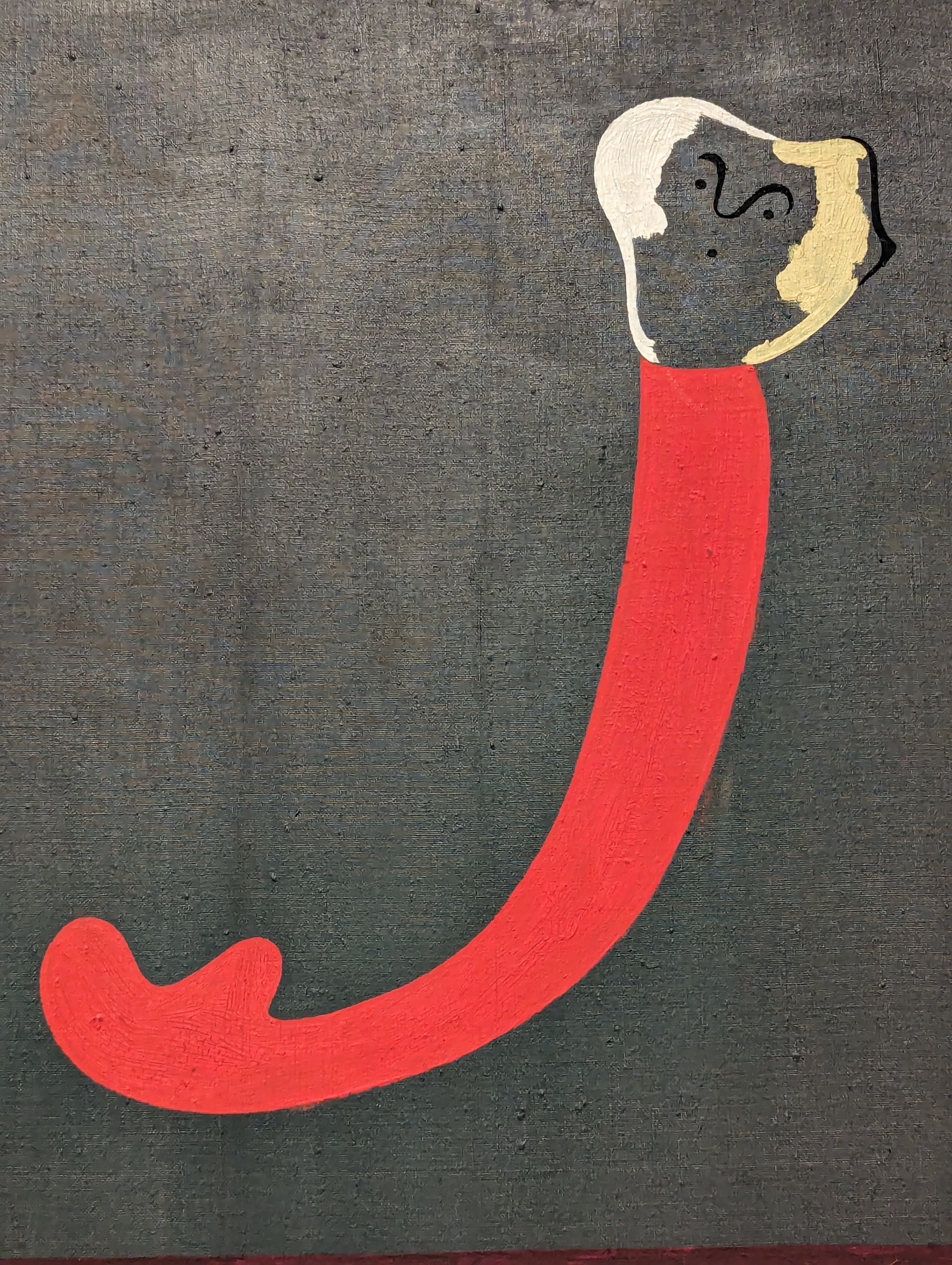 credit, licence## Frottage in My Own Practice: A Philosophy of Found Textures credit, licence## Frottage in My Own Practice: A Philosophy of Found Textures |
As an artist, my personal journey through creation is almost always deeply rooted in exploring the rich interplay of color, dynamic form, and yes, absolutely, texture. Even in my most vibrant abstract art, the tactile quality of the surface is paramount. While I don't always employ frottage in its most traditional, literal sense of rubbing, the spirit of frottage – that profound act of uncovering hidden structures, of allowing intuition to guide the hand rather than strict planning, and of finding immense complexity and narrative within seemingly simple surfaces – deeply resonates with and informs my entire creative process. It's a foundational philosophy for how I approach the canvas, a constant reminder to seek the unexpected and collaborate with the materials themselves, allowing the material to speak its own language, much like a textured surface speaks through a frottage. This deep connection to texture is something I've explored extensively, and you can see more of my personal approach in articles like exploring-texture:-my-favorite-techniques-for-adding-depth-to-abstract-paintings.
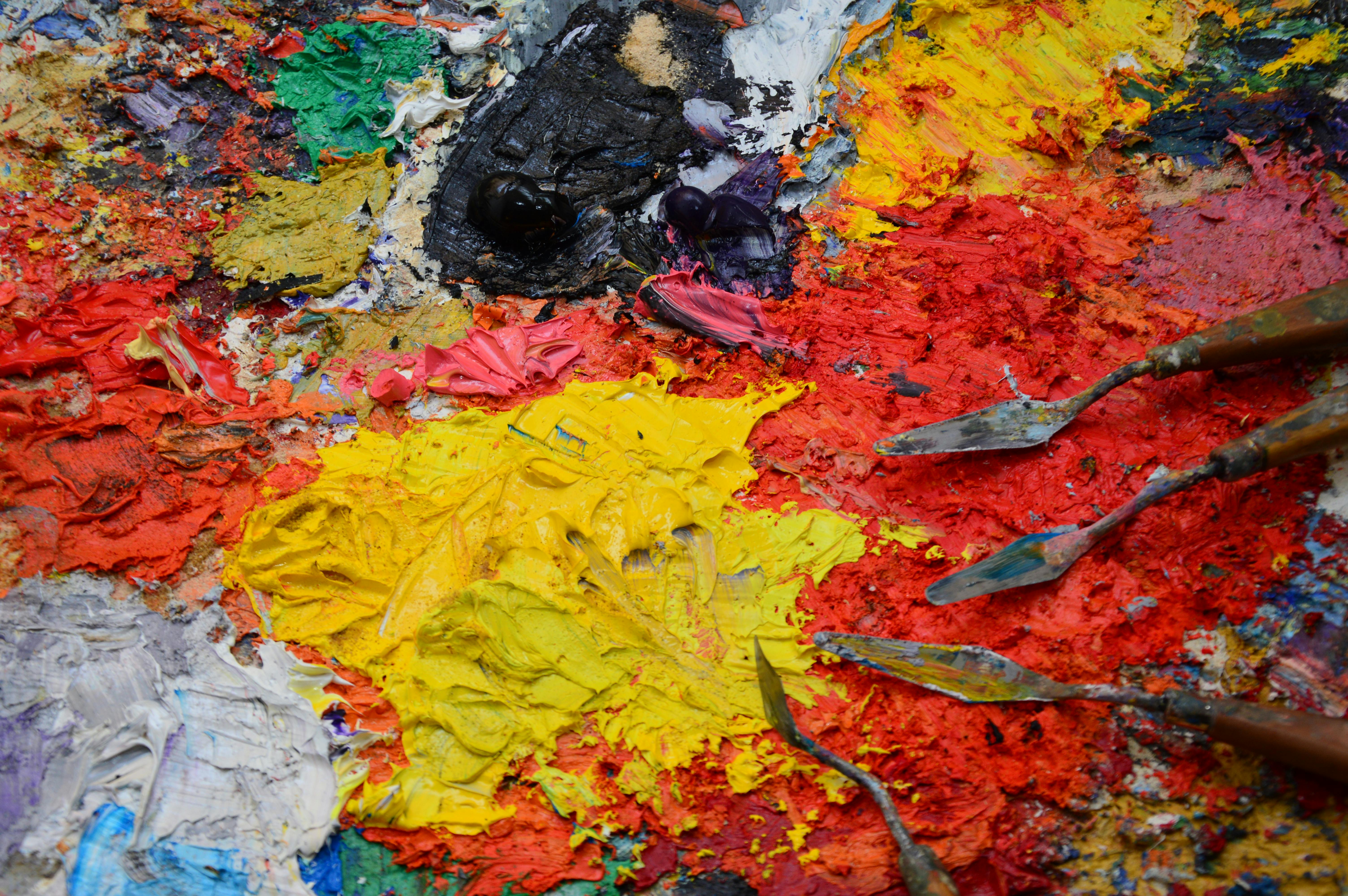
When I'm meticulously layering colors, perhaps building up thick impasto with a palette knife, or even just preparing a canvas with gesso, I'm constantly thinking about how light will interact with those surfaces, how the varying textures will feel to the eye (and yes, if I'm being completely honest, how they might feel to the touch, though please, no touching the art!). It's not just about applying paint; it’s about intentionally bringing depth, a sense of history, and a 'found' character to a brand new creation, much like frottage unearths the inherent character of an existing surface. This constant, almost obsessive, exploration of visual and implied texture, and the embrace of unexpected forms, is a thread you'll find woven throughout my entire timeline of work. It is, for me, what makes art-making such an endlessly fascinating, often surprising, and deeply personal adventure. It’s a constant conversation between my hand, the material, and the unseen world, a dialogue that you can trace throughout my entire timeline of work. This embrace of texture, chance, and the unconscious, so central to frottage, is a thread that weaves through all my creations, inviting both myself and the viewer to look beyond the surface, to explore the narrative within the abstraction, just as Ernst found worlds in a floorboard.
Frottage vs. Other Textured Techniques: A Comparative Look
You might be wondering how frottage compares to other art forms that also deal with texture and surface manipulation. It's a fair and insightful question, as the art world is full of ingenious ways to create interesting surfaces and evoke tactile sensations! While there are certainly overlaps and shared philosophical underpinnings, frottage holds a unique and distinct place in the pantheon of artistic techniques, primarily due to its emphasis on direct transfer from an existing external surface.### Frottage vs. Other Texture-Based Art Techniques
Feature | Frottage | Grattage | Decalcomania | Rubbing (General) | Sgraffito | Embossing | ||||
|---|---|---|---|---|---|---|---|---|---|---|
| Method | Paper over textured surface, rub with dry medium. | Scratching into paint on a textured surface (often wet). | Pressing wet paint between two surfaces, then pulling apart, often creating spontaneous organic patterns. | Similar to frottage, often less artistic intent and more for direct documentation, e.g., coin rubbings or brass rubbings. | Carving away non-printing areas from a block of wood or linoleum, then inking the raised areas and pressing to paper. | Assembling various materials (paper, fabric, objects) onto a surface, creating tactile and visual juxtapositions. | Painting with heated wax mixed with pigment, often layered and sculpted for rich, textural effects. | Scratching through a top layer of paint (or plaster) to reveal a contrasting color or texture beneath. | Creating a raised or sunken design on a surface (usually paper or metal) through pressure from the back. | |
| Texture Source | Existing external surface (natural or man-made) directly transferred. | Existing surface beneath a painted layer, which is then revealed. | Random patterns created by paint separation and pressure. | Existing external surface. | Carved relief on a block (artist-created relief). | Varied textures from collected, often pre-existing materials. | Built-up wax layers (artist-created, controlled texture). | Underlying layer or the surface itself. | A die or stencil pressing into the material. | |
| Control | Moderate (guided by surface topography, artist's choice of tool/pressure, and interpretative vision). | Moderate to High (guided by underlying surface, artist's scratching technique, and paint consistency). | Low to Moderate (inherently unpredictable, but influenced by paint consistency, quantity, and pressure applied). | High (direct application of materials, often for faithful reproduction). | High (precise carving and printing technique). | High (placement and choice of materials, deliberate composition). | High (controlled application and manipulation of wax). | High (controlled scratching). | High (controlled pressure and design of the die). | |
| Result | Imprint/transfer of surface texture onto paper, often revealing 'found visions' for artistic elaboration. | Revealing underlying textures and colors by scraping paint, creating contrasts and unexpected forms. | Organic, often biomorphic, abstract patterns that are unique to each pull. | Direct, often literal, transfer of texture for documentation or simple artistic effect. | Prints with raised, often bold textures and strong graphic lines, capable of multiple editions. | Multi-dimensional work with diverse tactile qualities, often creating new narratives through juxtaposition. | Rich, often sculptural, luminous texture with a unique depth and atmospheric quality. | Contrasting layers of color/texture, often with sharp lines. | Tactile relief, subtle or pronounced, adding depth without ink. | |
| Primary Medium | Graphite, crayon, charcoal, pastels, or other dry drawing media. | Paint (oil, acrylic), scratching tools (palette knives, combs, nails). | Paint (oil, gouache, ink), applied thickly. | Pencil, crayon, ink stick, wax. | Ink (oil-based or water-based). | Adhesives, various found objects, paper, fabric, photographs. | Heated wax, pigment, resin. | Paint, plaster, scratching tools. | Paper, metal, specialized tools. | |
| Emphasis | Chance, discovery, revealing hidden forms, subconscious interpretation, engagement with the physical world. | Destruction and revelation, contrast between layers, often aggressive mark-making. | Chance, automatism, creation of organic forms through spontaneous physical processes. | Simple record of a surface, documentation, decorative effect. | Expressive lines, bold shapes, mass production potential, graphic impact. | Juxtaposition, narrative, materiality, recontextualization of found objects. | Luminosity, depth, physicality, timelessness, often a sensual experience. | Layering, contrast, graphic lines, texture through removal. | Tactility, dimensionality, subtle visual effect, often monochromatic. | ### Ethical Considerations of Frottage |
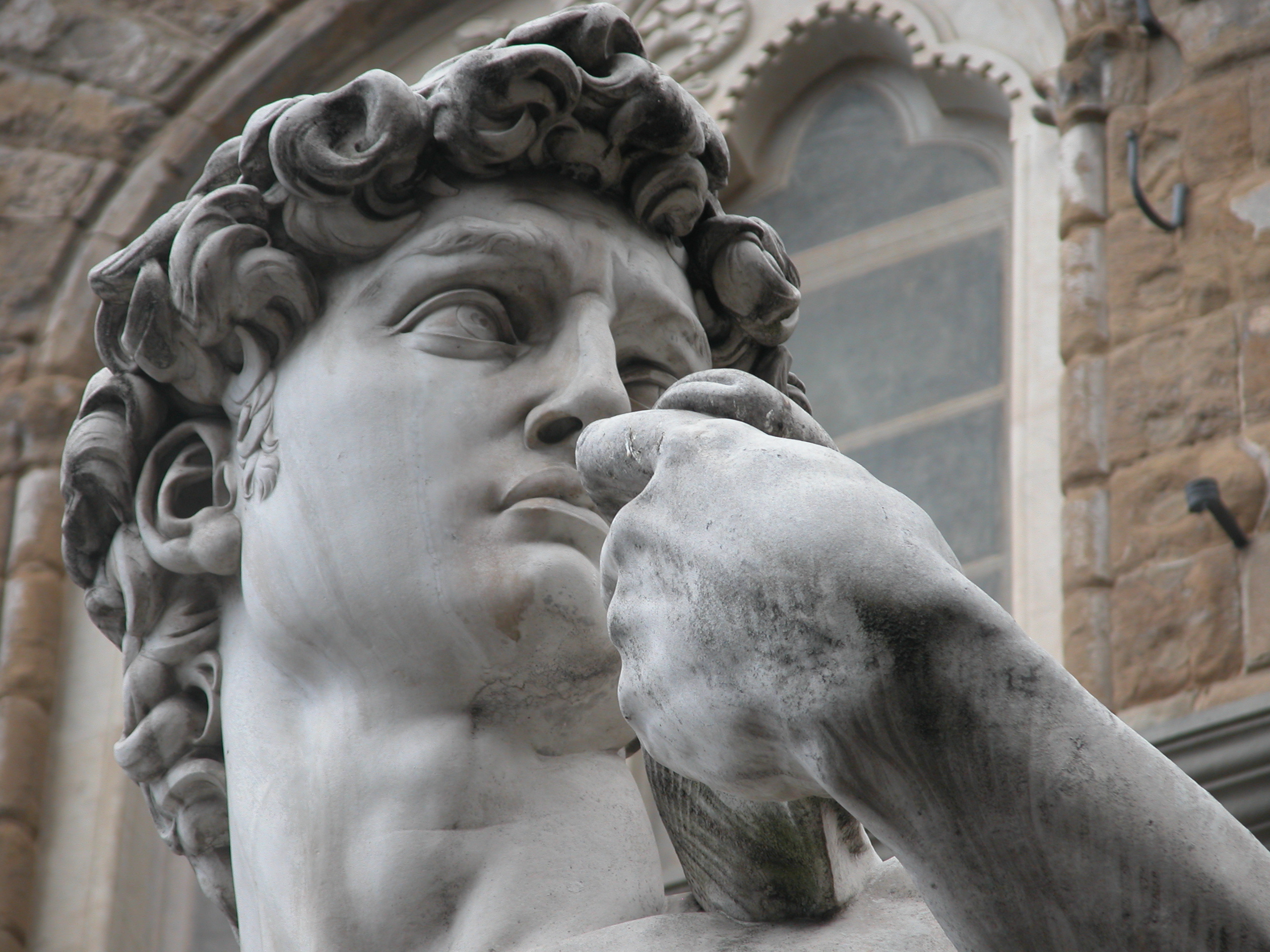
Now, before you go enthusiastically rubbing every surface in sight, let's briefly touch on something absolutely critical: ethical considerations. While frottage is generally a harmless and respectful technique, it's paramount to be mindful of where and what you're rubbing. Public and private property should always be treated with the utmost respect. I've heard stories, unfortunately, of aspiring artists damaging delicate historical artifacts, defacing private property, or harming sensitive natural formations in their zeal to capture a unique texture – and trust me, that's emphatically not the kind of "artistic statement" you want to make! Always, always seek explicit permission if you're working on someone else's property, in a commercial establishment, or certainly for private structures, national monuments, or sensitive natural areas like ancient trees or unique geological formations. Exercise extreme caution with fragile, irreplaceable, or valuable objects, and always consider if your rubbing might cause any long-term wear, abrasion, or damage. The goal is to create art that adds beauty and insight to the world, not to inadvertently damage a piece of history, the environment, or someone's personal belongings. Common sense, courtesy, and a deep respect for both the environment and its inhabitants go a very long way in ensuring your frottage adventures are positive for everyone involved. Think of yourself as a respectful explorer, an appreciative observer, not a plunderer or a vandal.
Frequently Asked Questions
I find that when delving into a rich and nuanced topic like frottage, questions naturally bubble to the surface. It's a sign of genuine engagement, a desire to dig deeper, which I always encourage! So, let's address some of the queries that often arise, exploring the practicalities and broader implications of this fascinating technique.
What are the common challenges or limitations of frottage?

While frottage is wonderfully accessible, it does present some unique challenges, much like any artistic medium has its quirks. One common limitation is capturing very subtle textures; if the surface isn't distinct enough, the rubbing can appear flat or muddy, losing that evocative 'ghost' quality. This means you often need a texture with a decent amount of relief to get a really impactful impression. Another challenge is control over the composition, as the technique inherently embraces chance – sometimes the 'found visions' aren't quite what you hoped for, or they emerge in an unexpected part of the page! This requires an artist to be adaptable and embrace the unexpected, rather than fighting it, often seeing 'mistakes' as opportunities. Furthermore, working on large, unwieldy surfaces can be physically demanding, and the fragility of some rubbing mediums (like charcoal or soft pastels) requires careful handling and fixing to prevent smudging, which can be a real heartbreak after putting in the effort. Finally, the monochromatic nature of many frottages can sometimes be seen as a limitation, though as we've discussed, color can certainly be introduced.
Are there any legal implications for frottage, especially on public property?
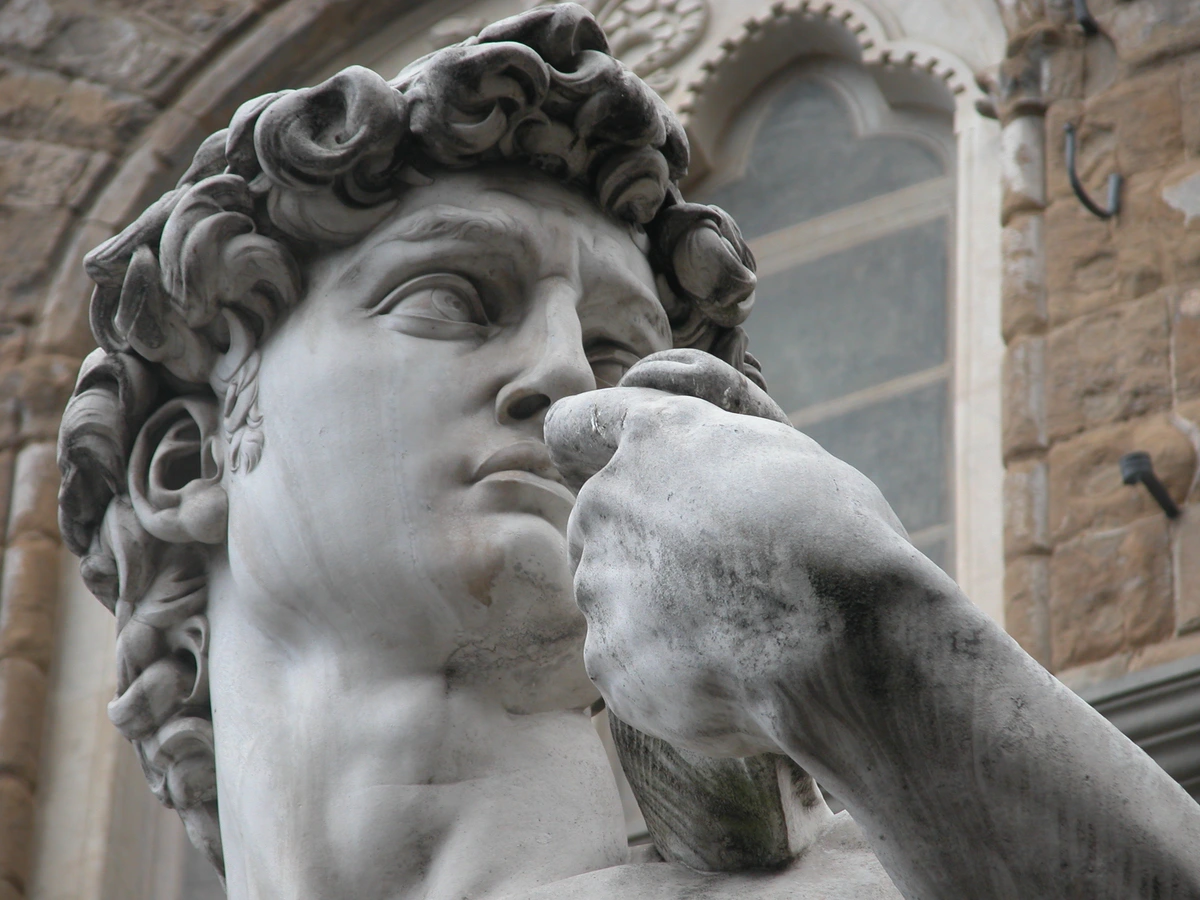
This is an excellent and often overlooked question, and one that speaks to our responsibility as artists! Generally, making a rubbing of a public surface (like a sidewalk, a tree, or a manhole cover) is harmless and unlikely to cause legal issues, as long as you're not damaging the property or blocking public access. However, frottage on private property without permission, or on historical monuments, statues, or protected natural formations, could potentially lead to charges of vandalism, trespassing, or damage to property. Always err on the side of caution: if in doubt, ask for permission, or choose a different, less sensitive surface. Remember, a quick rub shouldn't come at the cost of ethical responsibility or the preservation of our shared heritage! I always advise my students to be respectful stewards of the environment they're drawing inspiration from.
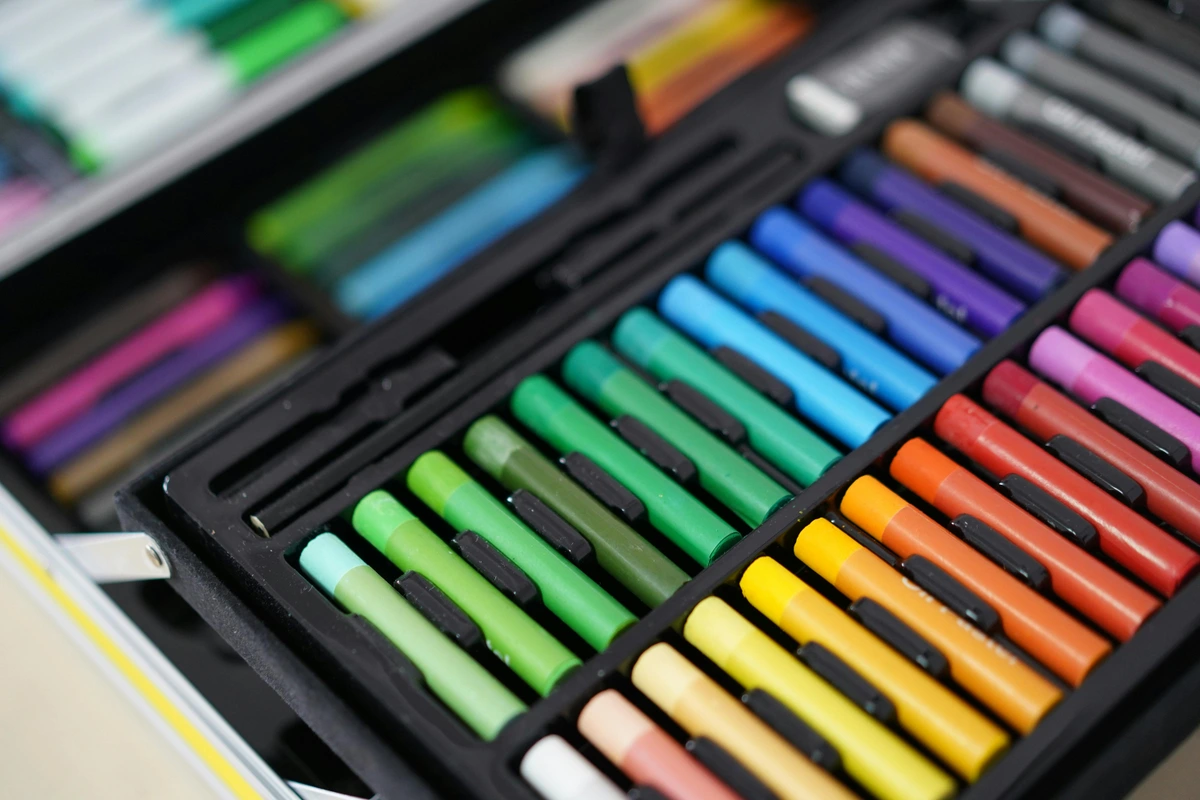
What is the difference between frottage and grattage?
Frottage and grattage are often discussed together because they were both popularized by Max Ernst and share a common spirit of automatism and using texture to unlock the subconscious. However, they are distinct techniques with fundamentally different approaches. Frottage involves rubbing a dry medium (like a pencil or crayon) over paper placed on a textured surface to create an impression, a direct transfer of the texture onto the paper. It's an additive process. Grattage, on the other hand, involves applying a thick layer of paint to a canvas or other surface, often still wet, and then placing it over a textured object. The artist then scrapes or scratches the paint off, revealing the texture of the object underneath. So, frottage is about transferring texture, while grattage is about revealing texture by removing material, creating a contrast between the painted surface and the raw texture beneath, making it a subtractive process. Both are brilliant, but they achieve their effects through opposite means!
What is the difference between a rubbing and frottage?
Ah, a great question that gets into the nuance! While all frottage is a form of rubbing, not all rubbings are frottage. A rubbing is a more general term for simply transferring a surface's texture onto paper, often for documentation or decorative purposes. Think of those simple childhood leaf rubbings, or taking a rubbing of a tombstone inscription (which, by the way, often involves its own set of ethical considerations!). Frottage, however, elevates this act beyond mere documentation. It's a specific artistic technique, particularly within the Surrealist context, where the rubbing is a starting point for imaginative interpretation and the exploration of the subconscious. The artist intentionally seeks out textures to evoke 'found visions' and often elaborates upon them, transforming the utilitarian act of rubbing into a profound creative process. It's the intent, the conscious artistic decision-making, and the artistic elaboration that truly differentiate frottage from a simple rubbing, making it a springboard for artistic creation rather than just a record of a surface.
Can frottage be used in performance art or installations?
Absolutely! While its origins are rooted in two-dimensional drawing, the conceptual underpinnings of frottage – the act of revealing hidden surfaces, the engagement with the everyday, the embrace of chance, and the tactile nature of discovery – make it highly adaptable to performance art and installations. An artist might perform the act of frottage publicly, drawing attention to overlooked urban textures, or incorporate large-scale frottages into an immersive environment, inviting viewers to engage with the 'ghosts' of spaces. It pushes the boundaries of how we interact with and perceive our environment, making it a powerful conceptual tool for exploring themes of memory, presence, and absence in a physical space. Imagine a vast frottage installation of an entire city block, revealing its forgotten history!
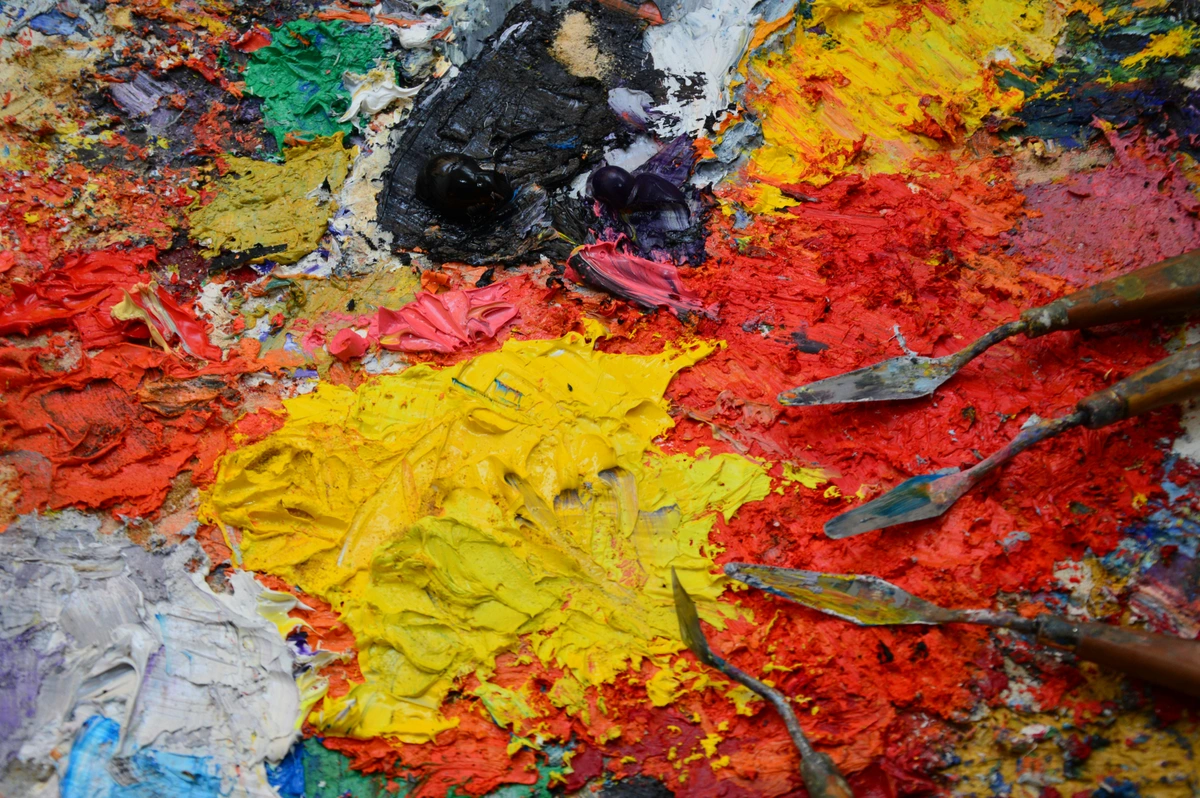
How to protect and display frottage artworks?
Protecting your frottage artworks, especially those made with friable media like charcoal or soft pastels, is absolutely crucial for their longevity. My number one recommendation is always a good quality fixative spray. Apply it in thin, even coats in a well-ventilated area (or outdoors!). This will create an invisible shield against smudging and help to prevent the pigment from lifting. For display, framing under glass or acrylic is ideal, as it protects the surface from dust, humidity, and accidental touching. Consider conservation-grade matting and backing to ensure the artwork doesn't come into direct contact with the glass and is protected from acidic materials that could cause discoloration over time. For a more tactile display, if the medium is stable (like a wax crayon) and the surface is durable, you might consider enclosing it in a shadow box or a display case, but direct handling should always be avoided to prevent damage. Think about how you'd display a delicate photograph or a treasured old document – frottage deserves that same level of care and consideration for its long-term preservation!
What is the origin of the word 'frottage'?
The word 'frottage' comes directly from the French verb 'frotter,' which means 'to rub.' It precisely describes the physical action central to the artistic technique – the act of rubbing a drawing implement over a surface to transfer its texture. Max Ernst, who popularized the technique in the 1920s, is credited with giving it this evocative name, tying it neatly to its core mechanism.
Are there digital applications or adaptations of frottage?
That's a fascinating contemporary question! While traditional frottage is inherently tactile and analogue, the spirit of frottage – the idea of extracting texture and pattern from existing surfaces – has certainly found its way into the digital realm. Digital artists often use software to capture textures from photographs or scanned objects, then apply them as overlays, displacement maps, or brush textures in their digital paintings and 3D models. Think of it as a virtual rubbing, allowing them to create rich, evocative surfaces without ever touching a physical pencil to paper. The core principle of finding and utilizing existing texture remains, just with new, powerful tools, creating a bridge between the physical and virtual worlds.
Is frottage only for Surrealist art?
While frottage was famously popularized by the Surrealists (especially Max Ernst) for its ability to tap into the subconscious and explore automatism, it's certainly not limited to that movement alone. Its appeal extends far beyond a single art historical period because its fundamental act – revealing hidden textures – has universal artistic potential. Artists across various styles and periods have used or adapted rubbing techniques for their unique textural qualities, compelling visual effects, or as a powerful starting point for other artworks. You can find elements of its spirit in everything from abstract expressionist works focusing on surface to contemporary conceptual art that examines traces and memory. Its fundamental nature, to reveal what is hidden, gives it a timeless and universal appeal, much like the enduring fascination with a found object or a weathered surface. It's a technique that transcends categories, adapting to the vision of each artist who picks up a rubbing tool.
How can frottage be used in art education?
Frottage is a fantastic and incredibly versatile tool in art education, particularly for beginners and children, but also for more advanced students. It's accessible, requires minimal supplies, and immediately encourages keen observation, tactile exploration, and playful experimentation. It teaches students fundamental concepts about texture, line, value, and composition in a very hands-on and intuitive way. It can be used to introduce concepts of automatism and chance in art, to explore and document the natural or urban world, or even as a foundational starting point for more complex mixed media projects. It's a wonderful way to spark creativity, foster a deeper connection with the environment, and demonstrate that art can truly be found everywhere, often in the most unexpected places. Plus, it's just plain fun – and sometimes, that's the most important lesson of all.
How does frottage contribute to abstract art?
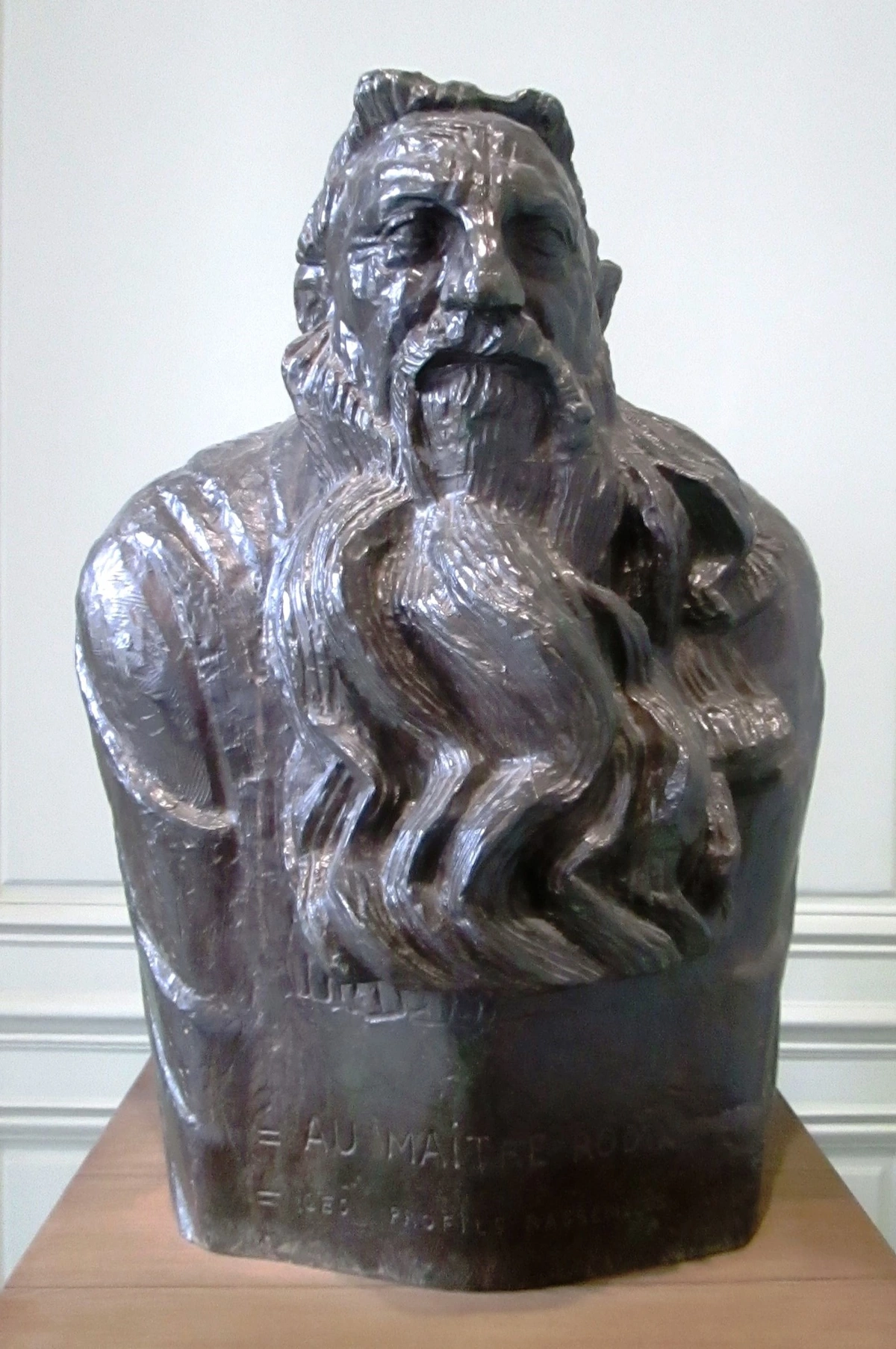
Frottage is a natural fit for abstract art because it inherently generates non-representational forms derived from existing textures. It allows abstract artists to introduce organic, unexpected patterns and depths that aren't consciously constructed, creating a dialogue between planned composition and accidental discovery. The textures themselves become the subject, playing with light, shadow, and implied tactility to create rich, complex surfaces that invite interpretation without direct narrative. It's a way to imbue abstract work with a sense of 'found' history and raw materiality, giving a voice to the inherent artistry of the physical world. For me, it's about finding the abstract poetry within realism, using the world's hidden forms as a lexicon for new visual expressions. You can explore how texture influences abstract composition in my own work, for instance, in the definitive guide to abstract art composition principles techniques and impact.
How can frottage be incorporated into a mixed media artwork?
Oh, the possibilities are genuinely endless here, and this is where frottage truly shines! I often think of frottage as a foundational layer, a 'ghost image' that provides a history to a new piece. You could, for example, create several frottages on different papers, then tear or cut them and integrate them into a collage, building complex narratives and varied surfaces. Alternatively, a frottage can serve as an amazing underpainting for a traditional painting or drawing, with the emergent textures guiding your brushstrokes or pencil marks. Imagine frottaged wood grain becoming the texture of a tree in a landscape, or a lace pattern transforming into a cloud formation! It can also be combined with encaustic painting, where the wax can capture and enhance the subtleties of a frottaged surface, adding depth and luminosity. The key is to see the frottage not as an end in itself, but as a rich, textural ingredient in a larger artistic meal, a starting point for boundless creative exploration.
What materials can be used for frottage?
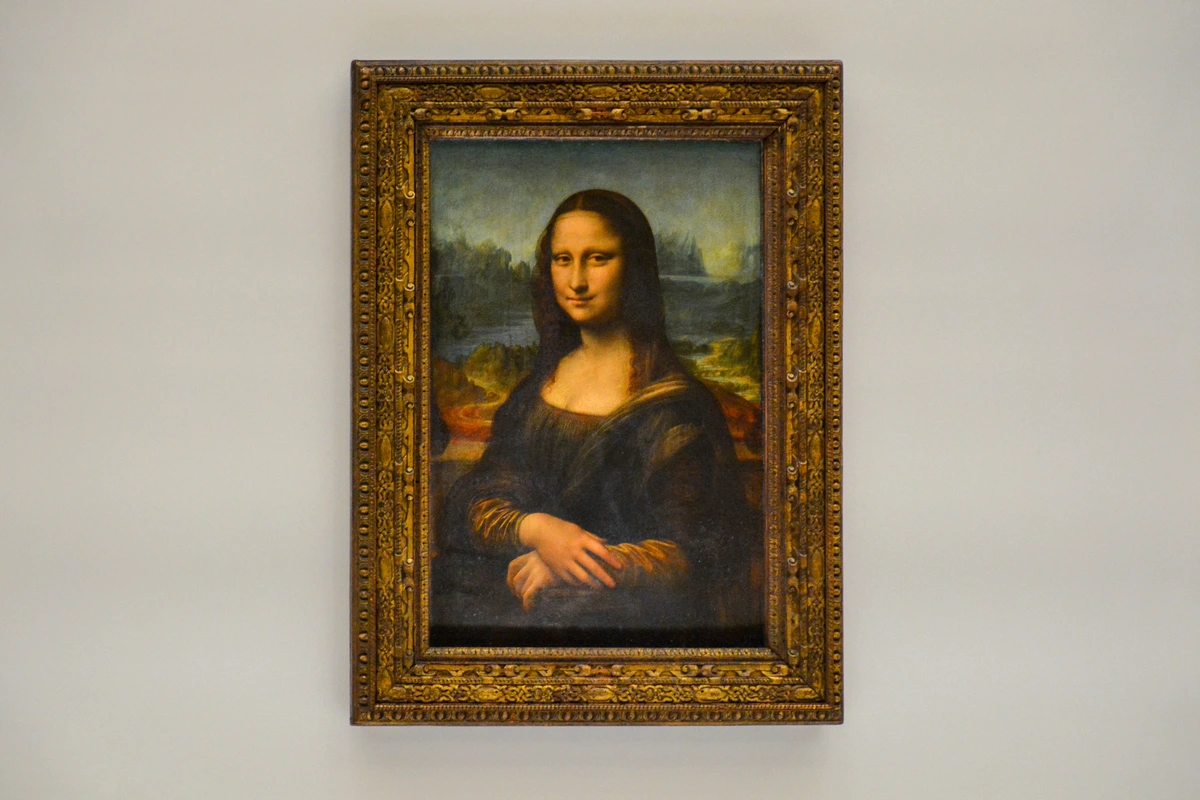
You can use almost any dry drawing medium for frottage, but softer ones tend to work best as they transfer pigment more readily and capture finer details. Common, effective choices include soft graphite pencils (like 2B-6B or even softer 8B for richer blacks), versatile wax crayons (which come in a spectrum of colors), dramatic charcoal sticks (compressed or vine for different effects), or even pastels (both soft and oil pastels). Don't forget unexpected tools like ink rollers (for a different kind of transfer) or even the side of a blunt metal object for embossing-like effects. For textured surfaces, the possibilities are virtually limitless! Anything with a distinct, raised pattern will work: from the organic lines of wood grain, fallen leaves, or tree bark, to the intricate patterns of lace, embossed paper, old coins, metal grates, rough fabrics like burlap, or even the tactile irregularities of a brick wall, sandpaper, textured glass (handled with care!), manhole covers, geological samples, or even discarded electronic parts. The key is to keep an open mind and constantly scout your environment for interesting patterns, seeing the world as an endless repository of hidden art, just waiting to be revealed.
Can frottage be combined with other techniques?
Absolutely! Frottage is incredibly versatile and often shines brightest when integrated into mixed media artworks. Artists frequently use it as a foundational layer, creating a rich textural base, and then draw, paint, or collage directly onto the frottage-derived textures. For example, a frottage of bark could become the starting point for a fantastical creature, with additional drawing defining its form. It can also be incorporated into printmaking processes, forming unique backgrounds for monotypes or screen prints, or layered with collage elements to create complex, multi-dimensional narratives. Max Ernst himself often used frottage as a starting point, then developed his images further with conventional drawing, vibrant painting, and assemblage, proving its power as a launching pad for boundless creativity. I often find that the unexpected patterns from a frottage can break through creative blocks, offering new directions I hadn't consciously considered. The beauty is in the synergy, where frottage provides the raw material for a broader artistic vision.
Are there any contemporary artists using frottage?
credit, licence
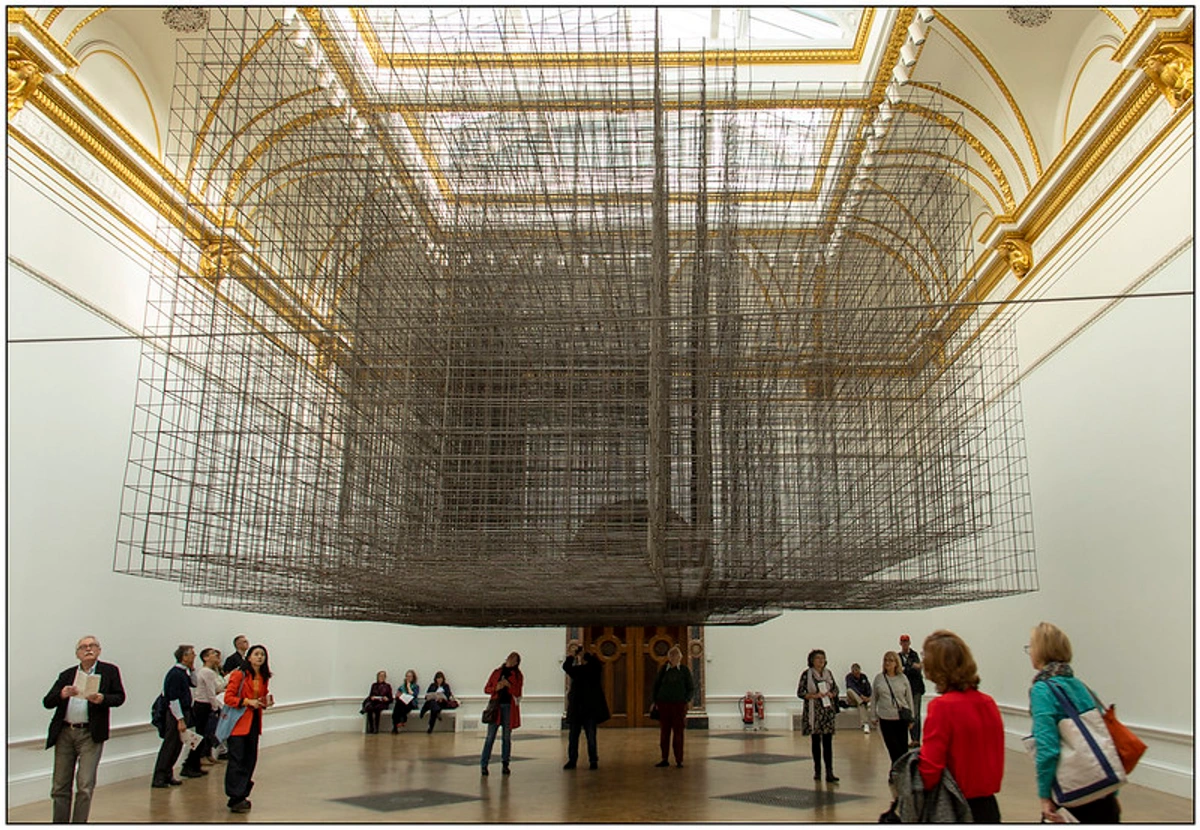
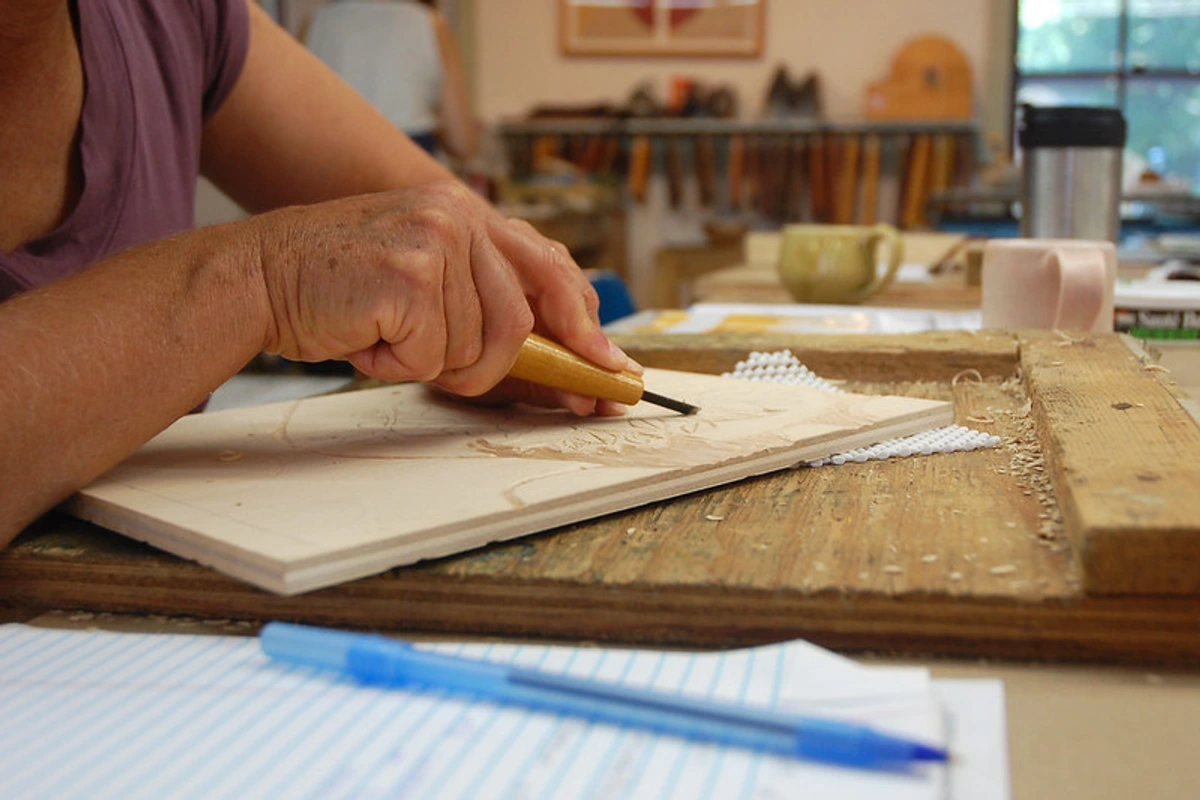
While it might not always be as overtly named or as prominent as it was during the Surrealist era, the underlying principles and techniques of frottage continue to inspire and appear in the work of many contemporary artists. Many conceptual and mixed-media artists use rubbing techniques not just for their visual qualities, but to explore deeper themes of memory, decay, trace, absence, and the hidden life of objects and spaces. You might find it subtly integrated within larger installations, site-specific art, multi-layered drawings, or works that deliberately engage with the history and materiality of urban or natural environments. Its enduring appeal lies in its ability to engage with the tactile world and extract profound meaning from the everyday, making it a timeless tool for artistic inquiry and a quiet rebellion against purely digital or hyper-realistic art. It's a testament to the technique's ability to transcend its origins and find new relevance in our modern world.
What are some common mistakes to avoid in frottage?
Oh, I've made them all, believe me! One common pitfall is pressing too hard too soon, which can tear delicate paper or create muddy, indistinct rubbings rather than clear textures. Another is choosing surfaces that lack sufficient relief – if there's not enough variation, your frottage will look flat. Forgetting to fix friable mediums (like charcoal or soft pastels) is also a classic, leading to frustrating smudges. And, of course, overlooking the ethical considerations we discussed earlier is a big one. My advice? Start gently, choose distinct textures, use fixative, and always be respectful of your environment. Embrace the learning curve!
Can frottage be done with wet mediums?
Traditionally, frottage is performed with dry mediums, as the technique relies on the differential transfer of pigment from the rubbing tool to the paper based on surface relief. However, the spirit of frottage – extracting texture – can inspire related techniques with wet mediums. For example, artists might apply thin washes of watercolor or ink over a textured surface with paper on top, allowing the medium to pool in depressions and thin on raised areas, creating a nuanced impression. This is more of an experimental adaptation, but the core idea of revealing texture remains. Just be mindful of paper buckling if it's too thin for wet media!
How does frottage relate to abstraction and realism?
This is a fantastic point of intersection! Frottage lives beautifully at the crossroads of abstraction and realism. While it literally captures the real textures of the world, the resulting impression is often highly abstract. The raw, unadorned patterns can be interpreted in endless ways, pushing us toward abstract forms and narrative interpretations. However, it’s also inherently realistic in its origin – it's a direct trace of a tangible object. For me, frottage highlights how realism, when viewed closely enough, often reveals profound abstraction, and how abstraction can be deeply rooted in our physical reality. It's about finding the abstract poetry within the concrete world.
What are the best environments for finding frottage textures?
Honestly, the best environment is anywhere you are with an open mind! Nature is an inexhaustible source: tree bark, leaves (especially dried ones with prominent veins), rough rocks, sand, feathers, even animal fur (gently, of course!). Urban environments are equally rich: sidewalks, brick walls, manhole covers, drainage grates, rusted metal, old wooden fences, car tires, embossed signs. Indoors, think about patterned fabrics, woven baskets, old book covers, textured wallpaper, embossed glass, or even the subtle grain of a wooden table. The key is to look beyond the obvious and really feel for the hidden topography. Your everyday world is a treasure trove of frottage potential!
Conclusion: The Enduring Rub of Reality and the Artist's Touch














There's something truly, deeply satisfying about frottage, isn't there? For me, it's more than just a technique; it’s an invitation to slow down, to truly look – no, to perceive – the world around you with fresh eyes, and to discover the unexpected beauty and hidden narratives tucked away in plain sight. It's a gentle reminder that art isn't exclusively about grand, dramatic gestures or mastering incredibly complex, inaccessible techniques. Sometimes, often, it's about the profound simplicity of rubbing a pencil over a textured surface and allowing your imagination, your subconscious, to fill in the blanks, to complete the story the surface began. It democratizes creation, making art accessible to anyone with a curious mind and a willingness to explore, and perhaps, to find a sense of mindfulness in the process. It's a powerful lesson in seeing the extraordinary in the ordinary, and a testament to the endless wellspring of inspiration available if we just open our senses.
So, next time you're out for a walk, take a moment. Feel the rough bark of a tree, the pattern on a manhole cover, or the intricate design of a weathered fence. And maybe, just maybe, bring a piece of paper and a crayon along. You might just uncover a hidden masterpiece, and perhaps, a little piece of yourself in the process – a tangible connection to the world around you. This simple act of frottage can be a powerful catalyst for personal artistic discovery, transforming the mundane into the magical. And if this journey into texture and abstraction has piqued your interest, I invite you to explore more art that plays with these very themes. Feel free to browse my abstract art collection or, for an immersive experience, consider a visit to the Den Bosch Museum to experience art up close. It's always a treat to see how others, and indeed myself, interpret the boundless textures of our shared reality, finding inspiration in the everyday and the extraordinary. And remember, the world is always whispering its stories; frottage just helps us listen. Happy rubbing, my friends!