Master Your Artist Bio: Craft an Unforgettable Narrative for Impact & Growth
Transform your artist bio into a powerful tool! This ultimate guide offers actionable steps, deep insights, and SEO tips to craft an authentic narrative that connects with collectors, galleries, and builds lasting career impact.

Your Artist Bio: Crafting an Unforgettable Narrative for Connection, Growth, and True Impact
The artist bio. Just uttering those two words can make even the most seasoned creator's hands tremble, mine included. It's the Everest of our creative to-do list, a daunting peak that looms between us and the pure joy of making art. Trying to bottle a vivid dream into a polite, well-structured paragraph, all while convincing someone to invest in that bottled dream? Awkward doesn't even begin to cover it, does it? Sound familiar? I've certainly been there, staring at a blank screen, feeling like my entire artistic journey needed to fit into a tiny box.
For so long, I wished my art could just 'speak for itself,' but the truth I learned the hard way is: a powerful artist bio gives it a voice it otherwise wouldn't have. It's not some dusty, academic formality; it's a critical piece of your artistic toolkit, a welcoming gateway for others to connect with you and your vision. I honestly used to view it as the ultimate chore, just another hurdle between me and getting back to the pure joy of the easel. But over time, I've come to see it as an extension of my art itself – another narrative brushstroke, if you will, but this one crafted with words. It's truly transformative, giving depth and context to every piece I create.

Why Your Artist Bio is Your Secret Weapon: Beyond the Basics
Beyond the obvious 'because everyone asks for one,' a truly stellar artist bio does some serious, often unsung, heavy lifting for your career. Think of it as your very first, most crucial introduction to a potential collector, a gallerist, a curator, or even a fellow artist you admire. It's far more than a dry list of achievements; it's a story. Your story. It contextualizes your work, revealing your motivations, your inspirations, and ultimately, building a bridge of understanding between you and your audience. It signals professionalism and commitment, demonstrating that you take your artistic career seriously. This, in turn, builds trust – a crucial currency in the art world. A well-crafted bio assures collectors and institutions that you are not only talented but also articulate about your vision, making you a safer and more appealing investment.
I remember an early exhibition where my bio was a last-minute, hastily written paragraph – it failed to capture the 'why' behind my abstract art, and I could feel the missed connections. Later, with a refined bio, a curator sought me out specifically because it articulated the philosophical underpinnings of my work in a way that resonated with their institution's mission. It turned a polite nod into a genuine conversation about future collaborations. That's the difference, isn't it? It's the 'why' that resonates, that makes people feel something beyond just appreciation for aesthetics. It turns a viewing into an experience, and an artwork into a conversation piece – often the first step towards a sale or a significant opportunity. My own website, for instance, often sees visitors spend extra time on my bio page after browsing my art, indicating they're seeking that deeper connection.
The Power of Testimonials: Credibility at a Glance
Speaking of building trust, here's a powerful trick I learned: Consider weaving in a concise, impactful quote from a collector, critic, or gallerist, either directly into your longer bio or as a prominent feature nearby. A well-placed testimonial can instantly build credibility and offer an external validation of your artistic vision. It's like having a trusted friend vouch for you. Just make sure you have permission! For instance, imagine a quote saying: "[Artist Name]'s vibrant abstract pieces don't just adorn a wall; they spark a dialogue, transforming a space with their profound energy." How much more impactful is that than just a list of galleries?
How to Craft a Compelling Artist Bio: A Step-by-Step Guide to Your Core Narrative
Alright, this is where we roll up our sleeves and get practical. I've broken it down into what I've found to be the most impactful areas, based on years of trial, error, and a fair bit of head-scratching. Remember, this isn't about rewriting from scratch every time; it's about developing a robust core narrative – your foundational story – and then adapting it by trimming or expanding as needed. Think of it as your artistic DNA, ready to be expressed in different lengths and contexts.
1. Know Your Audience & Purpose: The Strategic Foundation
This is, without a doubt, the absolute first step for any effective communication, not just artist bios. Who are you trying to reach, and what do you want them to do or feel after reading your words? Knowing this will dictate your tone, focus, and most importantly, your length. It's a bit like picking the right brush for the canvas – you wouldn't use a tiny detail brush for a huge mural, would you? (Unless you're going for a very specific effect).
Identifying Your Target Collector & Defining Your Bio's Goal
To identify your target audience, go beyond simple assumptions. Dive into specifics: analyze collector demographics on gallery websites that feature artists similar to you, follow prominent art advisors on social media to see who they engage with, or even observe attendees at exhibition openings for comparable artists. Pay attention to the language they use, the values they prioritize, and the types of art they champion. This will give you much richer insights into tailoring your message, whether you're emphasizing accessibility for new collectors interested in contemporary wall art or critical reception for prestigious institutions seeking original oil paintings.
Here's a quick guide to common bio lengths and their primary uses:
Bio Length  | Word Count | Primary Use Cases | Key Purpose/Impact |
|---|---|---|---|
| Short & Sweet | 50-100 words | Social media profiles, exhibition labels, brief introductions, event programs. | Quick identification, immediate context, direct interest capture. |
| Medium | 150-250 words | Artist websites, press releases, general submissions, online art directories. | Versatile introduction, explains themes/influences, builds initial connection. |
| Long & Detailed | 250+ words | In-depth articles, comprehensive exhibition catalogues, significant grant applications, academic contexts. | Deep dive into practice, historical context, philosophical depth, strong authority building. |
The SEO Advantage: Being Found Online
Once you understand who you're speaking to, the next critical step is ensuring they can find you. If your artist bio lives online, whether on your website or an art platform, it's also a powerful tool for Search Engine Optimization (SEO). Honestly, I initially overlooked this aspect, thinking my art would just magically appear. It doesn't. You need to help people find you! And let's be real, what good is a masterpiece if no one can discover it? I learned that the hard way, thinking my bold abstract art would just pop up in searches. Nope.
To optimize for search engines, naturally weave in keywords that collectors, curators, and art enthusiasts actually use to find artists like you. Think about your art style (e.g., "abstract expressionist painter"), your themes (e.g., "exploring urban landscapes"), your medium (e.g., "mixed media sculptor"), and even your location if relevant. It’s not about stuffing keywords; it’s about articulating your artistic identity in a way that aligns with how people search for buy abstract art or modern art prints. For example, clearly stating you're a "contemporary abstract painter exploring themes of urban landscapes" is far more effective than just "artist." This is where your bio does double duty, becoming a beacon in the digital sea.
And here’s a pro tip for visibility: Optimize your image alt text! For every image of your art you include alongside your bio, make sure the alt text describes the artwork using relevant keywords (e.g., "Vibrant abstract painting with gestural marks, 48x60 inches, inspired by urban energy"). Search engines can't 'see' your art, but they can read your alt text, helping collectors discover your work through image searches too. Trust me, it makes a difference.
And don't forget the meta description either! This is the short snippet of text that appears under your page title in search results, acting like a tiny ad for your page. Your bio is the perfect source for a compelling meta description that draws clicks. Think of it as a micro-summary, designed to entice someone scrolling through search results. For instance, for collectors drawn to vibrant, abstract pieces (like much of the art you'll find on zenmuseum.com), your bio should articulate the emotional resonance and conceptual underpinnings of your colorful explorations, using terms they'd search for. Consider crafting something like: "[Artist Name]: Contemporary abstract painter exploring human connection through vibrant oil canvases. Discover emotional resonance and unique artistic expression that transcends the everyday." It's your chance to grab them before they even click.

2. Hook Them In: Beyond the Birth Date
Now that you know who you're talking to and why, it's time to grab their attention. Let's be honest, no one (and I mean no one) wants to read a dry chronology. Think about how you introduce yourself at a party. You don't usually start with your birth year and place of origin, do you? You lead with something engaging, something that hints at your essence or what makes you tick. Your bio should do the same. It's your elevator pitch, your opening statement, and the first sip of your artistic cocktail.
- Instead of: "[Artist Name] was born in [Year] in [City] and began painting at an early age."
- Try: "Through vibrant abstractions, [Artist Name] explores the interplay of memory and emotion, drawing profound inspiration from the fleeting moments and hidden narratives of everyday life – inviting viewers to find their own stories within the dynamic layers." (See how that adds immediate intrigue and invites engagement?)
- Or: "A lifelong fascination with the unnoticed textures of urban decay informs [Artist Name]'s sculptural practice, transforming industrial detritus into monuments of resilience and unexpected beauty."
- Or for conceptual artists: "Questioning the boundaries of perception, [Artist Name]'s interactive installations invite viewers to co-create meaning within ephemeral digital landscapes, challenging preconceived notions of reality."
See the difference? One tells me when you started, the other tells me why you create and what your art is actually about. And trust me, the 'why' is infinitely more interesting. It immediately hints at a deeper purpose, inviting the reader to discover more. You want them to lean in, not glaze over.
3. Your Art's Core Identity & Themes: What You Truly Create
With your audience hooked, this is where you shift the spotlight slightly from you to the art itself. What do you want people to feel, understand, or question when they encounter your work? What core ideas does it grapple with? What visual language do you employ (e.g., geometric shapes, gestural marks, photorealistic rendering)? Use strong verbs and evocative adjectives. Don't just say your art is 'colorful'; explain how color functions in your work. Is it symbolic, expressing specific emotions (perhaps influenced by color theory)? Is it structured, building complex compositions (as in much abstract art)? Or is it purely expressive, a burst of energy? Think about the unique visual cues in your work – the bold, sweeping lines, the delicate washes, the impasto textures – and how they communicate your message.
Unpacking Your Visual Language & Art Historical Context
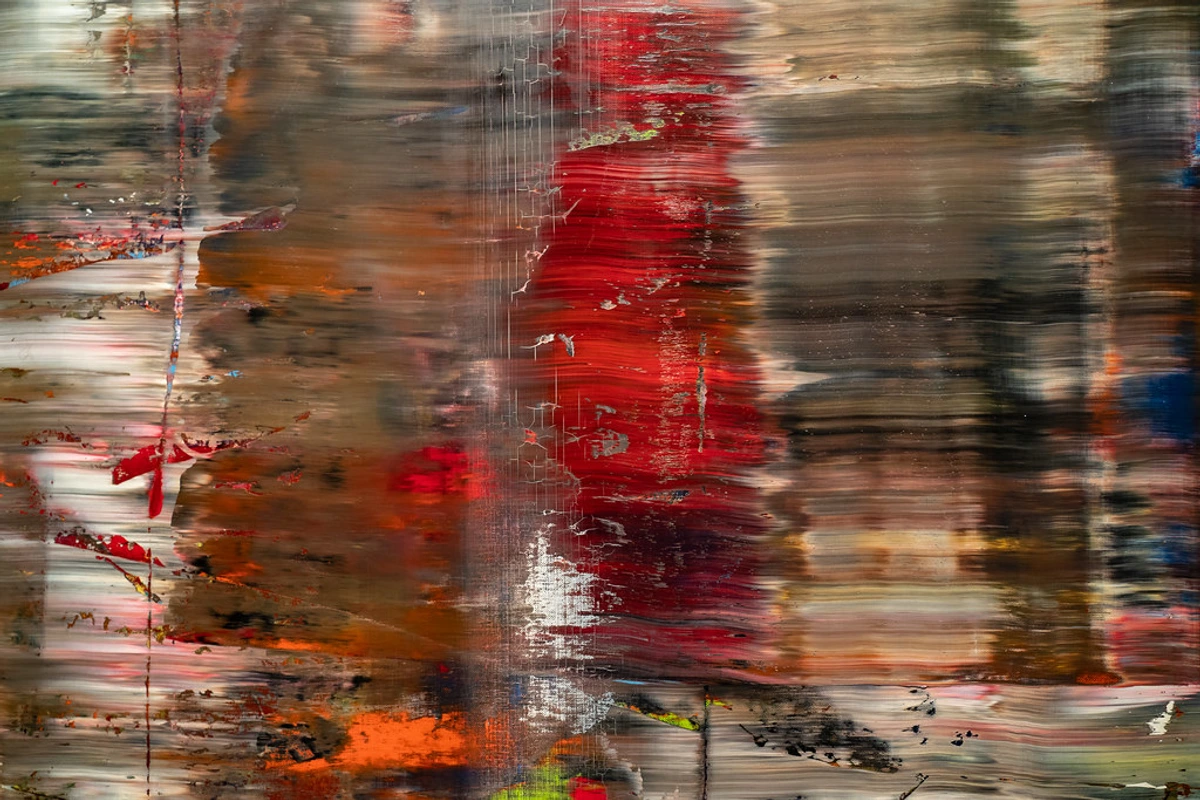
For example, if you primarily work in abstract art, you might connect your themes to deeper concepts: "His vivid abstract compositions delve into the intricate psychology of urban existence, translating the city's pulse into a dynamic visual language of layered forms and gestural marks." You could even link directly to educational resources for readers keen to understand the genre, like The Definitive Guide to Understanding Abstract Art Styles or even more broadly, How to Abstract Art. And don't shy away from briefly acknowledging art historical influences. While deeply rooted in contemporary practices, my own work, for instance, often subtly deconstructs the compositional rigor of classical painting, much like early modernists challenged tradition. It's an interesting tension I enjoy playing with.
Here are some examples across different mediums:
Medium | Core Identity & Theme Example |
|---|---|
| Painting (Abstract) | "Her dynamic oil paintings, bursting with vibrant hues, explore the chaotic beauty of memory, layering vivid pigments and bold brushstrokes to evoke fleeting emotions and the subconscious narrative of human experience." |
| Sculpture | "Through the dynamic interplay of reclaimed metal, weathered wood, and organic resin, his sculptures explore the tension between urban resilience and the ephemeral beauty of nature, often highlighting unexpected textures and forms." |
| Photography | "His documentary photography series captures the untold stories of marginalized communities, employing stark contrasts and raw compositions to reveal resilience and forgotten beauty." |
| Digital Art / Installation | "Blending algorithmic generation with intuitive digital brushwork, she creates mesmerizing immersive installations that question the boundaries of perception and the digital sublime, often exploring themes of identity in the age of AI." |
| Performance Art | "Her site-specific performance pieces challenge societal norms, using the human body as a transient medium to explore themes of vulnerability, resilience, and collective memory in urban spaces." |
Overcoming Abstract Art Misconceptions: Your Bio as a Guide
I often hear people say, "I don't 'get' abstract art." Your bio is a fantastic opportunity to bridge that gap. Instead of trying to explain every nuance, focus on the emotional impact and the underlying concepts. For my own work, for instance, I emphasize how the interplay of color and line, rather than literal representation, aims to evoke the feeling of a bustling city or a quiet introspection. It's about inviting them into a conversation, not giving them a textbook definition. You're showing them how to feel your art, not just see it.
4. Unveiling Your Process: How the Magic Happens
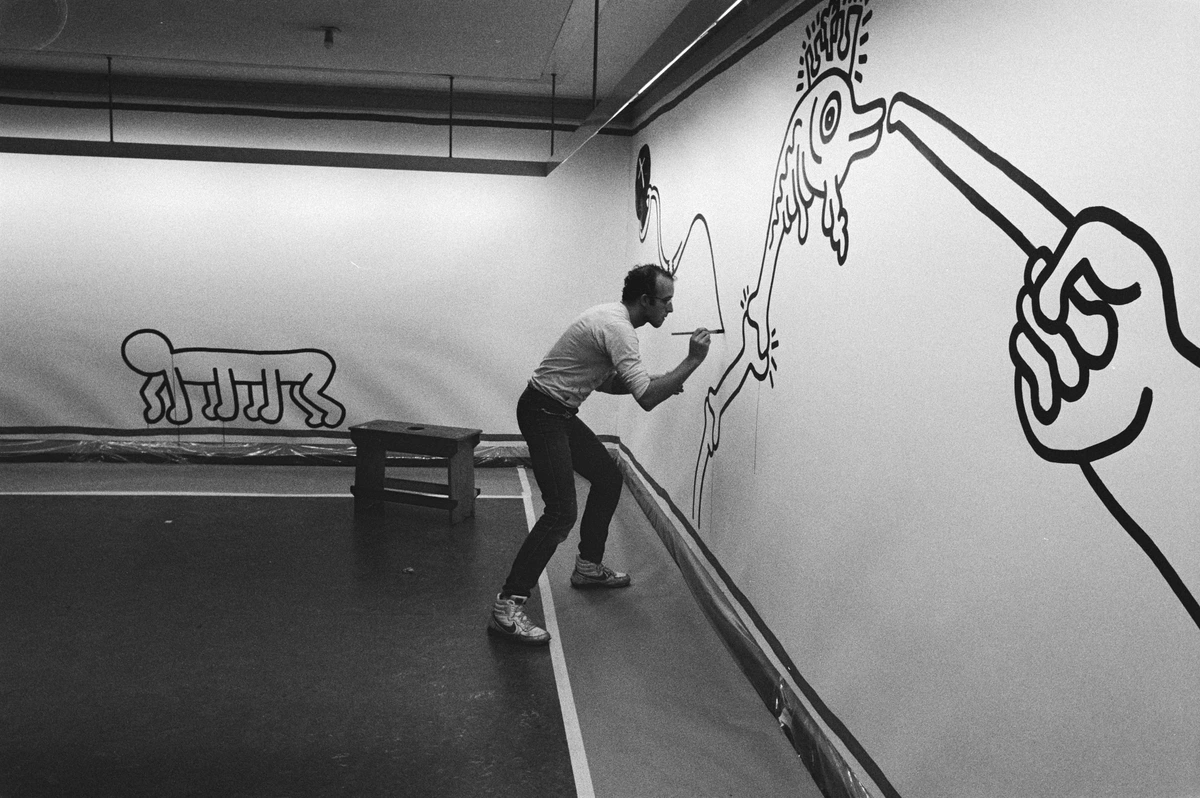
This is where you can offer a tantalizing peek behind the curtain, a glimpse into your creative laboratory. Do you work intuitively, letting instinct guide your hand? Or are you a meticulous planner, with every brushstroke or cut precisely predetermined? Do you use unusual materials, or perhaps traditional ones in an unconventional way? Keep it concise but intriguing. This helps demystify the art-making process for your audience and fosters a deeper appreciation for your work. Don't just list materials; explain why you choose them. Perhaps the rough texture of a palette knife adds a specific expressive quality, or the transparency of a glaze offers a symbolic layer of hidden meaning. Think of artists like Jackson Pollock, whose drip technique became an integral part of his artistic identity and a key aspect of understanding his work. How does your unique process define you and the story your art tells?
I exclusively use ethically sourced pigments derived from volcanic ash and local riverbed clay, a deliberate choice that not only connects my abstract landscapes to the earth but also imbues them with a raw, elemental texture mirroring the planet's dynamic geological history. My process is a dialogue with these materials, allowing their inherent qualities – their grit, their warmth, their stubbornness – to shape the final form. It's not just about what I do, but why I do it with these specific elements. That particular choice, for instance, came from a profound desire to make art that literally felt grounded.
Here are some examples of framing your artistic process:
Medium | Process Description Example | Purpose/Impact |
|---|---|---|
| Sculpture/Mixed Media | "Working primarily with discarded urban materials, I often incorporate found objects and industrial pigments, transforming overlooked detritus into sculptures that reflect the resilience of the human spirit. My process involves intensive material research and a delicate balance between spontaneous assemblage and meticulous construction." | Highlights sustainability, conceptual depth, and unique material interaction. |
| Digital Art / Generative Art | "My digital paintings begin with abstract algorithms, which I then intuitively manipulate and layer, blurring the lines between computation and raw human emotion, often informed by principles of color theory." | Emphasizes innovation, interdisciplinary approach, and emotional connection despite digital medium. |
| Painting (Traditional) | "Using classic oil glazing techniques, I build up translucent layers that give my contemporary portraits an ethereal depth, echoing the complex layers of identity. The slow, meditative pace of this process allows for a deep psychological exploration of my subjects." | Conveys mastery of traditional techniques for modern expression and psychological insight. |
| Ceramics | "Each ceramic piece is hand-built using ancient coiling techniques, allowing the organic forms to emerge slowly, celebrating the imperfect beauty inherent in the natural clay and firing process, reflecting my appreciation for minimalism in art." | Connects ancient craft with modern aesthetics, emphasizing connection to material and philosophy. |
| Installation Art | "My installations often involve site-specific interventions using light, sound, and reclaimed objects. The process is a dialogue with the chosen space, aiming to create an immersive environment that shifts the viewer's perception of familiar surroundings." | Stresses interactive experience, site-specificity, and transformative power of art. |
5. Weave in Influences & Education: Making it Relevant
Yes, your MFA from a renowned institution is important, and that workshop with a celebrated artist was probably fantastic. Include it! But don't just list it like a resume bullet. Briefly explain how these experiences genuinely shaped or continue to inform your practice. Make the connection explicit for the reader. What did that experience teach you, and how does it manifest in your current output? For instance, for my own colorful, abstract art, I might mention how foundational studies in classical composition provided a rigorous framework that I now joyfully deconstruct, giving my vibrant chaos an underlying order. Or how a background in engineering unexpectedly influences the structural integrity of my sculptures. You can also weave in influences from non-artistic fields like a lifelong passion for jazz improvisation that informs the spontaneous layering in your mixed-media works, or perhaps a deep dive into philosophy that now underpins your conceptual pieces. Every artist's journey is an evolution, and your bio should reflect that growth.
The Evolution of Your Voice: More Than Just a List
Beyond formal training, consider how your artistic voice has evolved over time. Did you start with figurative work and shift to abstract? Did a particular life event or relocation trigger a profound change in your themes? For example, my earlier work was more literal, but living in the vibrant, chaotic heart of Amsterdam, with its constant flow of human stories, progressively pushed me towards a more expressive, abstract style. It's about demonstrating your journey, not just listing milestones. This geographic context, how the city's unique energy directly influenced my color palette and compositional choices, is a crucial part of my story, and it resonates with collectors who appreciate the narrative behind the art.
Here are examples of how to frame education and influences:
Type of Influence | Example of Framing in Bio | Impact on Narrative |
|---|---|---|
| Formal Education | "My studies at [University] instilled a rigorous understanding of classical composition, a framework that now subtly underpins the energetic, gestural abstract works for which I am known." | Shows foundational knowledge, then deliberate artistic divergence. |
| Residency/Workshop | "A transformative residency in rural Japan deepened my appreciation for Wabi-sabi principles, which I now integrate into my minimalist sculpture through the celebration of natural imperfections and understated elegance." | Highlights cultural immersion and direct impact on aesthetic philosophy. |
| Art Historical Movement | "Drawing inspiration from the dynamic lines of Cubism and the emotional intensity of Expressionism, her vivid palettes reinterpret modern urban narratives, much like the process I explore in understanding symbolism in contemporary art." | Connects contemporary practice to established art historical lineage, adding intellectual weight. |
| Personal Mentorship | "Under the guidance of renowned [Artist Name], I refined my approach to [medium], learning to imbue each piece with a distinct emotional resonance that remains central to my practice." | Adds credibility through association with recognized figures and demonstrates focused development. |
| Non-Artistic Field | "My background in astrophysics subtly informs my abstract explorations of cosmic structures. The intricate patterns of nebulas and the vastness of the universe are translated into tangible, multi-layered compositions, revealing an ordered chaos that has fascinated me since childhood. This deep curiosity for art inspirations is a constant thread in my work." | Showcases unique perspective, intellectual depth, and interdisciplinary thinking. |
6. Flaunt Your Achievements: Strategically and Proudly
This is your moment to, let's call it, 'strategically highlight' your accomplishments. Exhibitions (solo and group), awards, grants (like those discussed in how to write an an artist grant proposal), publications, notable collections, media features – list them! But, and this is important, select the most impressive and most relevant ones for the specific bio you're writing. For your personal website, a more comprehensive list might be appropriate. For a brief exhibition tag, pick your top two or three most impactful or recent. Always prioritize quality and relevance over sheer quantity, unless the context specifically calls for an extensive CV. And critically, think about how to frame these achievements to tell a story, not just list facts. Instead of just stating an award, explain what it was for and why it matters, perhaps with a quote or a brief description of its significance. For instance, if your work was acquired by a major museum, you'd want to highlight that, perhaps stating, "Her work is held in private collections worldwide and featured in the esteemed [Museum Name] collection, recognized for its groundbreaking contribution to contemporary [genre], pushing the boundaries of [artistic technique]." This shows not just what you achieved, but the impact it had.
While it's important to showcase your successes, remember to do so with an air of genuine pride rather than overt boastfulness. Let the achievement speak for itself, framed by the impact it had on your journey or the art world. It’s a fine line, but one worth mastering. And if you have received critical reception, even a brief, positive mention (e.g., "...her work has been praised by critics for its bold use of color and emotional depth") can add significant weight.
Achievement Type | Example of Highlighting with Framing | Impact on Reader |
|---|---|---|
| Exhibitions | "His work has been featured in solo exhibitions at [Gallery Name] (City, Year), a gallery renowned for showcasing emerging talent in [specific genre], where his [specific series] was critically acclaimed for its bold exploration of [theme]." | Establishes critical recognition and relevance within a specific art niche. |
| Awards/Grants | "Recipient of the prestigious [Award Name] (Year) for her innovative use of [medium] in contemporary art, recognized for pushing the boundaries of [artistic technique]." | Demonstrates validation from respected institutions and highlights pioneering contribution. |
| Collections | "Her pieces are held in private collections across Europe and Asia, and are also part of the permanent collection of [Museum Name], a testament to their enduring cultural significance." | Confirms market value, institutional endorsement, and long-term artistic legacy. |
| Media Features | "Featured in Art Daily's 'Artists to Watch' (Month, Year), with a recent interview in Creative Magazine highlighting her unique [signature style] and profound impact on [specific art community]." | Builds public profile, indicates media interest, and showcases broader influence. |
7. The Human Touch: A Glimpse Behind the Easel
I always recommend adding a sentence or two that offers a hint of who you are beyond the studio walls. This humanizes you and creates another point of connection with your audience. Are you inspired by hiking in the mountains and translate natural forms into your paintings? Does living in a bustling city energize your vibrant color palette? Is your quiet contemplation of philosophy reflected in your conceptual work? This is about giving a brief, relevant glimpse into the person behind the art, not writing your autobiography. It’s the sprinkles on the cupcake, if you will – not essential, but delightful, and often deeply effective in building a lasting connection with those who resonate with your art and your story.
For example:

- "Based in the vibrant heart of Amsterdam, her figurative paintings often echo the city's dynamic energy and diverse narratives, exploring themes of belonging and individual identity within a modern metropolis." (If you are inspired by your location).
- "A lifelong passion for astrophysics subtly informs his abstract explorations of cosmic structures, translating universal forces into tangible forms, revealing the ordered chaos that fascinates him." (If a specific interest informs your art).
- "Inspired by the transient beauty of everyday moments, her delicate watercolors encourage viewers to pause and find wonder in the overlooked, a reflection of her personal philosophy of mindful observation." (If a personal philosophy aligns with your art).
- "A deep appreciation for jazz improvisation influences the spontaneous, layered rhythms found in her mixed-media compositions, creating visual parallels to musical harmony and dissonance." (If a non-artistic passion fuels your creativity).
- "A deep appreciation for ancient storytelling traditions fuels his series of allegorical ceramic sculptures, where each vessel tells a silent narrative through its form and symbolic ornamentation." (If ancient traditions inspire your work).
- "With a background in theatrical set design, his immersive installations prioritize narrative and sensory experience, transforming spaces into evocative realms that invite audience participation." (If a previous career or extensive hobby informs your artistic practice).
- "My passion for urban gardening finds its way into my abstract paintings, where the tenacity of nature reclaiming concrete structures translates into vibrant bursts of color and organic forms." (A specific, relatable hobby connection).

For social media platforms, these personal elements can often be amplified slightly more than in a formal gallery bio, allowing for a more direct and relatable connection. It's about letting your authentic self shine through, a little.
8. The Legal Bit: Protecting Your Visual Story
Alright, let's get the boring-but-essential stuff out of the way. This is a quick but crucial point that often gets overlooked – and frankly, it's the artist-bio equivalent of finding out your favorite paint color has been discontinued: annoying, but necessary to navigate. When you include images of your artwork alongside your bio, whether on your website, in a press kit, on social media, or in an exhibition catalogue, ensure you understand the legalities. It’s the necessary paperwork that keeps the fun going, like paying taxes (ugh, I know!).
- Your Own Work & Copyright: As the creator, you generally own the copyright to your artwork. When using images of your work, ensure you're comfortable with how and where they might be displayed or reproduced alongside your bio. Consider adding a clear copyright notice (
© [Your Name] [Year]) directly within your bio or prominently on your website's 'About' page. This simple step can act as a deterrent. Always ensure the image quality is high. - Using Other Images: This is where it gets tricky, and frankly, my advice is to avoid it entirely in your artist bio. If your bio mentions influences, it's generally best to describe them in words rather than using images of other artists' work. Unless you have explicit permission or are working under very specific fair use principles (which are complex and vary by jurisdiction), using images of work by others can lead to copyright infringement. When in doubt, don't use it, or seek professional advice. Focus on showcasing your unique vision. Seriously, your art is enough!
- Existing Images of Your Work by Others: What about images of your work taken by others, like exhibition shots or commissioned photography? While they depict your art, the photograph itself might be copyrighted by the photographer. Always ensure you have a clear agreement on usage rights – get it in writing! If you're unsure about the copyright status of older works or images taken by others, it's always best to seek professional legal advice rather than assuming – better safe than sorry, especially in an age where digital images spread globally in seconds.
- Social Media & Copyright: Just because something is online doesn't mean it's free to use. Always be mindful of copyright when sharing images, whether yours or others', on platforms like Instagram, Facebook, or Pinterest. A quick credit isn't always enough to prevent infringement. Focus on your original work!
- Website and Social Media Links: Ensure that any links to your personal website, social media profiles, or online portfolios are clearly stated and fully functional. These are crucial pathways for interested parties to connect with you and explore more of your work. Double-check them often – a broken link is a missed opportunity, and trust me, I've had my share.
Regarding evolving digital landscapes, while some platforms explore new digital ownership models like blockchain-based NFTs, our focus remains on building a strong, timeless narrative for your work that transcends temporary trends. A compelling bio is always valuable, regardless of the technological landscape.

Revising & Refining Your Artist Bio: The Iterative Process
Crafting a truly impactful artist bio isn't a one-and-done task; it's an iterative process, an ongoing dialogue with yourself and your audience. My first drafts were always… let's just say, character-building. This is where the real magic happens, where you polish the raw stone into a gem. So, once you have that first draft down, don't just sigh in relief and hit 'send.' This is where the real work, and the real fun, begins. Here's how I've learned to refine them:
- Read Aloud: This is a game-changer. Seriously, try it. Reading your bio out loud helps you catch awkward phrasing, repetitive sentences, and unnatural flow. Does it sound like you're speaking, or like you're reading a textbook? Trust your ear, it's surprisingly good at spotting the clunky bits. If it makes you stumble, it'll make your reader stumble too.
- Simplify Ruthlessly: Look for opportunities to cut unnecessary words or phrases. If a sentence can be shorter without losing meaning, make it shorter. "Utilize" becomes "use," "subsequently" becomes "later." Every word should earn its place, like a treasured item in your studio. Precision matters.
- Check for Clarity: After reading, ask yourself: Is it immediately clear who you are, what kind of art you make (e.g., contemporary abstract paintings), and what drives you? If not, identify the fuzzy areas. You're aiming for crystal clear, not vaguely poetic.
- Get Fresh Eyes: Ask trusted peers, mentors, or even non-artist friends to read your bio. Crucially, ask them specific questions:
- "What's the main takeaway from this bio?"
- "What kind of art do you imagine me making after reading this?"
- "Does anything sound unclear, pretentious, or generic?"
- "Does it make you want to see my work or learn more about me?"
Gathering diverse feedback is invaluable, but remember to filter it through your own artistic vision. You're seeking clarity and connection, not necessarily universal approval. Ultimately, it still needs to sound like you.
Common Pitfalls & How to Sidestep Them: Learning from My Mistakes
Let's be real: I've made almost all of these mistakes myself in my earlier days. Learning from them is part of the journey, so let me share what not to do, or rather, how to reframe these challenges into opportunities. And before we dive in, a quick heads-up on a perennial classic: mistaking your bio for an artist statement. They're related, but distinct beasts, and we'll clarify that further down.
- Ditch the Jargon: Unless you're writing for a very specific academic journal, avoid overly academic language or obscure art-world jargon. It creates distance and makes you sound detached, not authoritative. Aim for clarity and accessibility. I definitely used to try and sound smarter than I was in my early drafts, and it always backfired. Remember, you want to invite people in, not build a linguistic wall.
- Clarity Over Cleverness: While a poetic turn of phrase is lovely, don't let it obscure your message. People should be able to understand who you are and what your art is about relatively quickly. Cryptic bios are memorable for the wrong reasons. For instance, "My canvases hum with the ineffable echoes of liminal spaces" might sound clever, but "I capture the quiet, overlooked moments in urban landscapes, translating them into dynamic abstract paintings" is far clearer and far more likely to resonate. Which one makes you want to see the art?
- Don't Be a Bragging Billboard (Subtlety Sells): While you absolutely should highlight your achievements, there's a fine line between confident self-promotion and overt boastfulness. A bio that reads like a relentless list of accolades without context or genuine passion can alienate readers. Frame your achievements within your artistic journey and their impact, letting them speak to your dedication and growth rather than just your ego. Remember, true authority often comes with a touch of humility and a clear explanation of why those achievements matter to your practice.
- Keep it Current: Your art evolves, and so should your bio! Make a habit of reviewing and updating it at least once a year, or whenever you have significant new achievements, a shift in artistic direction, or a major exhibition. A stale bio is a missed opportunity, like trying to sell last season's fashion at a haute couture show.
- Don't Confuse it with an Artist Statement: This is a huge one, and a common pitfall! While related, they serve distinctly different purposes. To further clarify this crucial distinction, here's a quick comparison:
Feature | Artist Bio | Artist Statement |
|---|---|---|
| Focus | The Artist (you) | Specific artwork or body of work |
| Content | Background, influences, education, achievements, overall philosophy, process, personal context. | Themes, concepts, intentions, specific techniques used for that work, meaning behind the work. |
| Purpose | Introduce the artist, build connection, establish credibility, attract opportunities. | Explain the artwork, provide context, articulate artistic intent for a specific project. |
| Voice | Often third-person (for professional contexts), sometimes first-person (personal website/blog). | Can be first or third-person, but usually deeply analytical of the work. |
| Goal | Who are you and what drives your artistic journey? | What is this art about, and what are its core ideas? |
(You can find a detailed guide on crafting your artist statement here for more clarity.)
Measuring the Success of Your Artist Bio
So, you’ve poured your heart and soul into your bio. How do you know if it's actually working? It’s not always as simple as a sales figure, but there are tangible indicators.
Metric | How to Measure | What it Indicates |
|---|---|---|
| Website Engagement | Track page views and time spent on your 'About' page or bio section via Google Analytics. | High engagement suggests readers are connecting with your narrative and want to know more about you. |
| Direct Inquiries | Monitor how many emails, DMs, or conversations start with a reference to your bio or personal story. | Direct evidence that your bio is resonating and prompting genuine interest. |
| Gallery/Curator Feedback | After submissions or meetings, note if gallerists or curators specifically mention aspects of your bio that stood out to them. | Confirms your bio is effectively communicating your unique value proposition to industry professionals. |
| Grant/Application Success | A strong, clear bio is often a key component of successful grant or residency applications. Track your acceptance rates. | Shows your narrative is compelling enough to secure competitive opportunities. |
| Social Media Mentions/Shares | Observe if your bio (or snippets of it) is shared or discussed on social media by others. | Indicates that your story is shareable and creating a buzz around your personal brand. |
The Professional vs. Personal Artist Bio: Know the Difference
It's important to understand that you'll likely need two versions of your artist bio: one for professional contexts and one for more personal platforms. This isn't about being inauthentic; it's about tailoring your message for maximum impact, much like how a lawyer wears a suit for court and jeans for a weekend barbecue. And remember that for your own artist website's 'About the Artist' page, you have the most freedom to blend these approaches, often starting with a personal, first-person narrative before transitioning into more professional third-person details. It's your space to tell your full story.
Bio Type | Primary Use Cases | Tone & Voice | Key Elements | Example Snippet |
|---|---|---|---|---|
| Professional Bio | Gallery submissions, museum catalogues, grant applications, press releases, formal CVs. | Formal, objective, third-person. Focus on facts, achievements, and market relevance. | Concise overview of career, education, significant exhibitions, awards, collections, critical reception. | "[Artist Name] is a contemporary abstract painter whose vibrant oil works explore the interplay of human connection and urban landscapes. Her art has been featured in exhibitions at [Gallery Name] and is held in significant private collections." |
| Personal Bio | Your artist website (especially 'About' page), blog, social media profiles (like Instagram or LinkedIn summary), informal introductions. | Engaging, subjective, often first-person (though third-person is also common on websites). Allows for more personality and narrative. | Your 'why,' inspirations, process insights, personal philosophy, a hint of human touch, links to your art or timeline. | "Through vivid, gestural brushstrokes, I channel the dynamic energy of city life, inviting viewers to find moments of quiet introspection amidst the urban pulse. My journey as an artist is a lifelong exploration of how we connect, both with each other and with the world around us." |
For the Collaborative Artist or Collective
If you're part of an artist duo, group, or collective, your bio needs to reflect this unique dynamic. Instead of focusing on a single 'I', the narrative shifts to a 'we'.
- Focus on shared vision: Emphasize the collective philosophy, the synergy of individual contributions, and the unique outcome of collaboration. What makes your combined creative output distinct from your individual practices?
- Highlight the process: Explain how your collective approach to creation works – do you each take specific roles, or is it a truly merged process? This offers fascinating insight into your collective magic.
- Collective achievements: List exhibitions, awards, and projects under the collective name. These are your joint victories! If individual members have significant solo achievements, you might briefly mention those as contributing to the collective's rich background, but the emphasis should remain on the 'we.'
Example: "The [Collective Name] explores themes of [theme] through multi-media installations, where [Artist A]'s expertise in [skill] merges seamlessly with [Artist B]'s background in [skill], creating a dialogue between [concept] and [concept]."












Key Takeaways for Your Unforgettable Artist Bio
Crafting your artist bio really doesn't have to be a soul-crushing exercise. If you take away anything from our chat today, let it be these core ideas:
Key Takeaway | Description | Actionable Step | Impact on Your Career |
|---|---|---|---|
| Authenticity is Key | A bio should reflect your genuine voice and artistic intent, not conform to trends. | Write in a voice that genuinely reflects who you are as an artist. | Builds genuine connection, fosters trust, attracts aligned opportunities. |
| Strategic Tool | It's not just a formality, but a powerful asset for career growth and connection. | Approach your bio as a marketing tool, not just a document. | Opens doors to exhibitions, sales, and collaborations; establishes professional credibility. |
| Audience First | Tailor your message, length, and tone to who you're speaking to. | Define your target audience for each bio version before you start writing. | Ensures your message resonates with the right people (collectors, curators, media). |
| Tell Your Story | Lead with your 'why' and what makes your art unique, not just your CV. | Start with an engaging hook that reveals your core artistic drive. | Captivates readers, makes your art memorable, and encourages deeper engagement. |
| Show Your Humanity | A sprinkle of genuine personal detail creates powerful connections. | Add 1-2 sentences about a relevant personal interest or inspiration. | Humanizes your brand, creates relatability, and fosters emotional investment. |
| Update Regularly | Your story and art evolve, and so should your bio; keep it current! | Schedule an annual review for your bio, or update it after major milestones. | Ensures accuracy, reflects growth, and keeps your narrative fresh and relevant. |
| Refine & Get Feedback | Treat it as an ongoing process; read aloud and seek constructive criticism. | Share your draft with trusted peers and ask specific questions. | Polishes your message, clarifies intent, and strengthens overall impact. |

Your Bio, Your Authentic Voice: The Ongoing Journey
So, there you have it. Think of writing your artist bio not as a chore, but as a profound opportunity to articulate your unique narrative, to connect with people on a deeper, more meaningful level, and to illuminate the path to understanding your art. It's an evolving document, much like your artistic practice itself. Start writing today, refine, get feedback (ask trusted peers specific questions like "What's unclear here?" or "What's the main takeaway?"), and don't be afraid to let your authentic voice shine through. This is your voice, your art, and your story – make it heard. After all, your art is uniquely yours, and so is your story. And hey, if you're ever in 's-Hertogenbosch, swing by my museum! I promise to tell you more stories in person, connecting over the shared passion that drives us all. It's in these personal connections, much like the stories we tell in our bios, that the true power of art is found. Now go forth and share your story with the world.
Your Questions Answered: Frequently Asked Questions (FAQ)
Q: What's the difference between an artist bio and an artist statement?
A: Ah, the classic! That's a fantastic and frequently asked question, and one I get all the time! An artist bio is about you, the artist – your background, journey, influences, education, achievements, overall artistic philosophy, and how you came to be the artist you are. It's your personal narrative. An artist statement, on the other hand, focuses on a specific body of work or a particular project, explaining its themes, concepts, intentions, and the context behind that particular series or piece. Think of the bio as your personal story, and the statement as the story of your art itself. You can find a detailed guide on crafting your artist statement here for more clarity.

Q: Is it okay to include personal details in my artist bio?
A: Absolutely, and it's often encouraged! I always recommend a tasteful sprinkle of personal detail. It can humanize your bio, make you more relatable, and create a stronger emotional connection with your audience. Focus on interests, life experiences, or philosophical leanings that genuinely inform or inspire your art. For example, mentioning your passion for nature if it's a key theme in your landscapes, or your urban upbringing if it influences your street art. Avoid oversharing; the goal is to give a relevant glimpse into the person behind the art, not a full autobiography. Keep it concise and always link it back to your artistic sensibility – think of it as a subtle invitation, not an exposé.
Q: How often should I update my artist bio?
A: Your art and your journey are constantly evolving, and so should your bio! I recommend reviewing and updating it at least once a year. However, don't wait for the annual check-in if something significant happens. Major milestones like a new exhibition, a prestigious award, a shift in your artistic direction, or the completion of a major series are perfect opportunities to revisit and refresh your narrative. Keeping it current ensures it accurately reflects where you are now and where you're headed – keeping your story vibrant and relevant.
Q: How do I write an artist bio if I'm a new artist with few achievements?
A: This is a totally normal place to start, and one I've been in myself! Focus on your emerging artistic voice, your inspirations, your unique process, and the core themes you're beginning to explore. Instead of listing achievements, talk about your aspirations, what drives you, any formative experiences, or initial exhibitions (even local ones). Emphasize passion and potential. Use phrases like "an emerging artist dedicated to..." or "exploring themes of..." Your bio should lay the groundwork for the artist you are becoming, focusing on the exciting journey ahead and the unique perspective you bring, rather than dwelling on what hasn't happened yet.
Q: What if my art is very abstract and hard to describe in words?
A: This is a common challenge for abstract artists, but it's also a wonderful opportunity to be creative with your words! Instead of describing concrete objects, focus on the feelings, concepts, processes, and visual language you employ. What emotions do you aim to evoke? What ideas (e.g., energy, stillness, chaos, harmony, color theory) are you exploring? Describe your use of color, line, texture, and form. For example, "My vibrant abstract compositions delve into the raw energy of urban existence, translating the city's pulse into a dynamic visual language of layered colors and gestural marks, inviting viewers into an intuitive dialogue." You're not explaining it away, you're inviting them into the experience. You can also link to resources that help demystify abstract art for your audience, like The Definitive Guide to Understanding Abstract Art Styles.
Q: Can I use AI to write my artist bio?
A: AI tools can be a helpful starting point for brainstorming ideas or structuring your bio, offering different angles and phrasing. Think of it as a very diligent assistant. However, a genuinely compelling artist bio needs your authentic voice, unique insights, and personal anecdotes – qualities that AI often struggles to replicate convincingly. Use AI to overcome writer's block, generate a skeleton, or even refine grammar, but always infuse it heavily with your own personality, specific experiences, and the why behind your art. Remember, collectors and curators are seeking a human connection, and a generic, AI-sounding bio can create distance. Use it as a tool, not a replacement for your own irreplaceable story.