Unlocking Your Brain's Attic: A Practical Guide to Surrealist Art Techniques
Ditch the creative block. This guide explores practical surrealist techniques like automatism and frottage to help you tap into your unconscious and make truly original art. Let's get weird.

Unlocking Your Brain's Attic: A Practical Guide to Surrealist Art Techniques
Surrealism is more than just an art movement; it's a gateway to unlocking the hidden depths of your creativity. Whether you're an artist, a writer, or simply someone looking to explore new ways of thinking, Surrealist techniques offer a unique approach to tapping into the subconscious mind. This guide will walk you through the history, techniques, and practical applications of Surrealism, helping you to unleash your inner creativity and transform your artistic practice.
Surrealism is not just about creating bizarre images; it's about exploring the depths of the human psyche. By tapping into the unconscious, artists like Salvador Dalí, René Magritte, and Max Ernst were able to create works that challenge our perceptions of reality and inspire us to see the world in new ways.
Surrealism is not just about creating bizarre images; it's about exploring the depths of the human psyche. By tapping into the unconscious, artists like Salvador Dalí, René Magritte, and Max Ernst were able to create works that challenge our perceptions of reality and inspire us to see the world in new ways.
I have a confession: my brain is a messy attic. It's full of half-forgotten memories, weird snippets of dreams, and a whole lot of dust. For years, I tried to keep the door shut when I made art, aiming for clean lines and clear ideas. The result? A lot of boring, sterile work and a constant feeling of being stuck.
But what if I told you that this 'mess' is actually your greatest creative asset? The Surrealists believed that the unconscious mind is a treasure trove of ideas, waiting to be unlocked. By embracing the chaos, you can discover a world of creativity that you never knew existed.
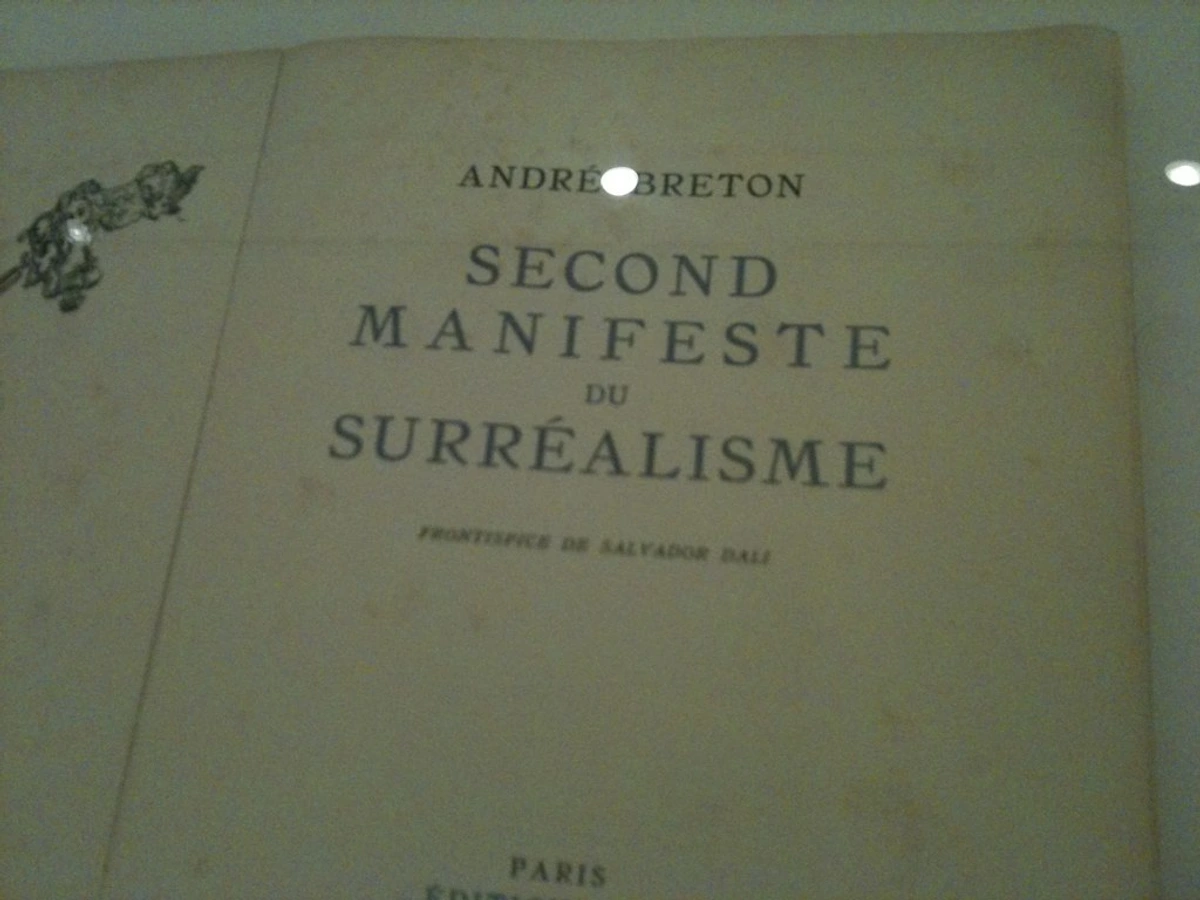
Then I rediscovered the Surrealists. Not just the famous paintings of melting clocks and men in bowler hats, but the ideas behind them. They didn't just want to paint weird things; they wanted to find a backdoor into that messy attic of the unconscious mind. They invented games and techniques, not as rigid rules, but as keys to unlock creativity.
Surrealism is not just about creating bizarre images; it's about exploring the depths of the human psyche. By tapping into the unconscious, artists like Salvador Dalí, René Magritte, and Max Ernst were able to create works that challenge our perceptions of reality and inspire us to see the world in new ways.
So, if you've ever stared at a blank canvas and felt the cold dread of having no ideas, this is for you. We're not going to talk theory for long. We're going to get our hands dirty with some of the most powerful, and frankly, fun techniques to bypass your inner critic and let the weird stuff out. Welcome to the definitive guide to Surrealism art movement in practice.
Whether you're a seasoned artist or a complete beginner, these techniques will help you break free from creative blocks and discover a new world of artistic possibilities. So grab your tools, open your mind, and let's dive in!
The Surrealist Revolution: A Brief History
Before we dive into the techniques, it's worth understanding where these wild ideas came from. Surrealism wasn't just an art movement; it was a cultural earthquake that shook the foundations of how people thought about reality itself.
The movement officially began in 1924 with André Breton's First Manifesto of Surrealism, which laid out the principles of the movement. Breton was inspired by the ideas of Sigmund Freud, particularly his theories on the unconscious mind and dreams. The Surrealists sought to explore the hidden depths of the human psyche, using art as a tool to unlock the mysteries of the subconscious.
The Surrealist Revolution: A Brief History
Before we dive into the techniques, it's worth understanding where these wild ideas came from. Surrealism wasn't just an art movement; it was a cultural earthquake that shook the foundations of how people thought about reality itself.
The movement officially began in 1924 with André Breton's First Manifesto of Surrealism, which laid out the principles of the movement. Breton was inspired by the ideas of Sigmund Freud, particularly his theories on the unconscious mind and dreams. The Surrealists sought to explore the hidden depths of the human psyche, using art as a tool to unlock the mysteries of the subconscious.
Surrealism quickly spread beyond the realm of visual art, influencing literature, film, and even politics. Artists like Salvador Dalí, René Magritte, and Max Ernst became household names, their works challenging conventional notions of reality and inspiring generations of artists to come.
First, A Quick Pep Talk: Why Bother With Your Unconscious?
Let's be honest, the word "unconscious" sounds a bit heavy. It brings up images of Freud and leather couches. But really, it’s just all the stuff bubbling away under the surface while you’re busy worrying about emails and what to have for dinner. It's the source of your most unique, unexpected ideas.
The unconscious mind is like a vast, unexplored landscape, filled with hidden treasures waiting to be discovered. By tapping into this hidden world, you can unlock a wellspring of creativity that will transform your artistic practice and help you see the world in new and exciting ways.
The leader of the Surrealist gang, André Breton, was obsessed with this. He believed that the rational, logical mind we use every day actively suppresses our most potent creative impulses. These techniques are all about tricking that rational mind into taking a coffee break so the subconscious can come out to play.
Breton's ideas were revolutionary, challenging the very foundations of how we think about art and creativity. By embracing the irrational and the unexpected, the Surrealists were able to create works that continue to inspire and captivate audiences to this day.
This isn't about psychoanalysis. It’s about play. It's about making marks without judgment.
At its core, Surrealism is about embracing the joy of creation, free from the constraints of logic and reason. It's about letting go of your inner critic and allowing your imagination to run wild. So grab your tools, open your mind, and let's dive into the world of Surrealist art!
Technique 1: Automatism – Doodling on Steroids
If you've ever scribbled on a notepad during a long phone call, you've already practiced a form of automatism. The core idea is simple: let your hand move across the page without a conscious plan. You aren't drawing something; you are simply drawing.
Technique 1: Automatism – Doodling on Steroids
If you've ever scribbled on a notepad during a long phone call, you've already practiced a form of automatism. The core idea is simple: let your hand move across the page without a conscious plan. You aren't drawing something; you are simply drawing.
Automatism is all about letting go of control and allowing your subconscious to take the lead. By embracing the chaos and unpredictability of the creative process, you can unlock a world of artistic possibilities that you never knew existed.
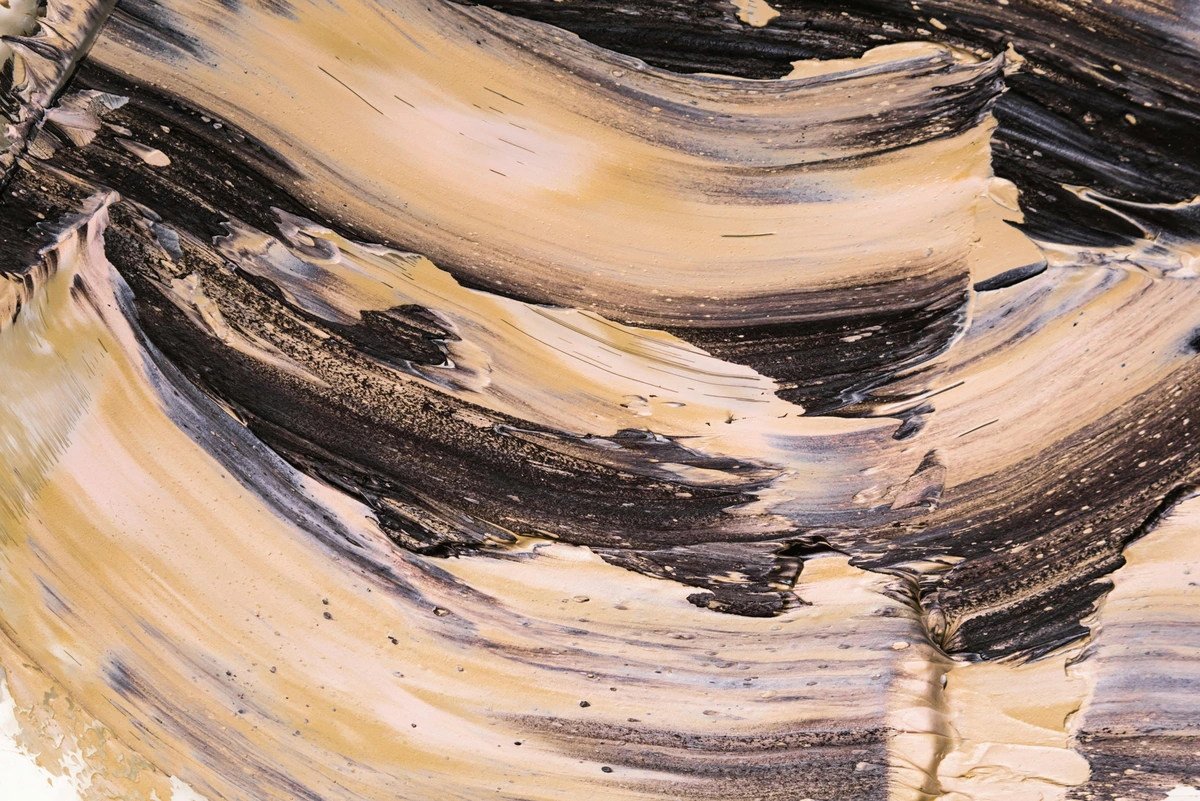
How to Do It (Right Now, I'm Serious)
- Grab your tools: A simple pen or pencil and a large sheet of paper. Don't use your fancy, expensive sketchbook. That thing carries the weight of expectation. Use cheap printer paper.
- Set the mood (or don't): Some people like to close their eyes, others put on music without lyrics. The goal is to distract your planning brain.
- Go: Let your hand move. Make loops, zig-zags, flowing lines, sharp jabs. Don't try to make it look like anything. If your mind starts saying, "This is stupid," or "Now draw a house," just notice the thought and let your hand keep moving.
- Stop: After a few minutes, or whenever it feels right, stop and look. Really look.
Now comes the magic part. Turn the paper around. Look at the mess of lines from different angles. What do you see? A strange creature? A face in profile? A weird landscape? This is where your conscious mind is invited back to the party—not as the boss, but as a collaborator. Use a different colored pen to outline the shapes you find.
This is how artists like Joan Miró created their fantastical worlds. They started with chaos and found the cosmos within it.
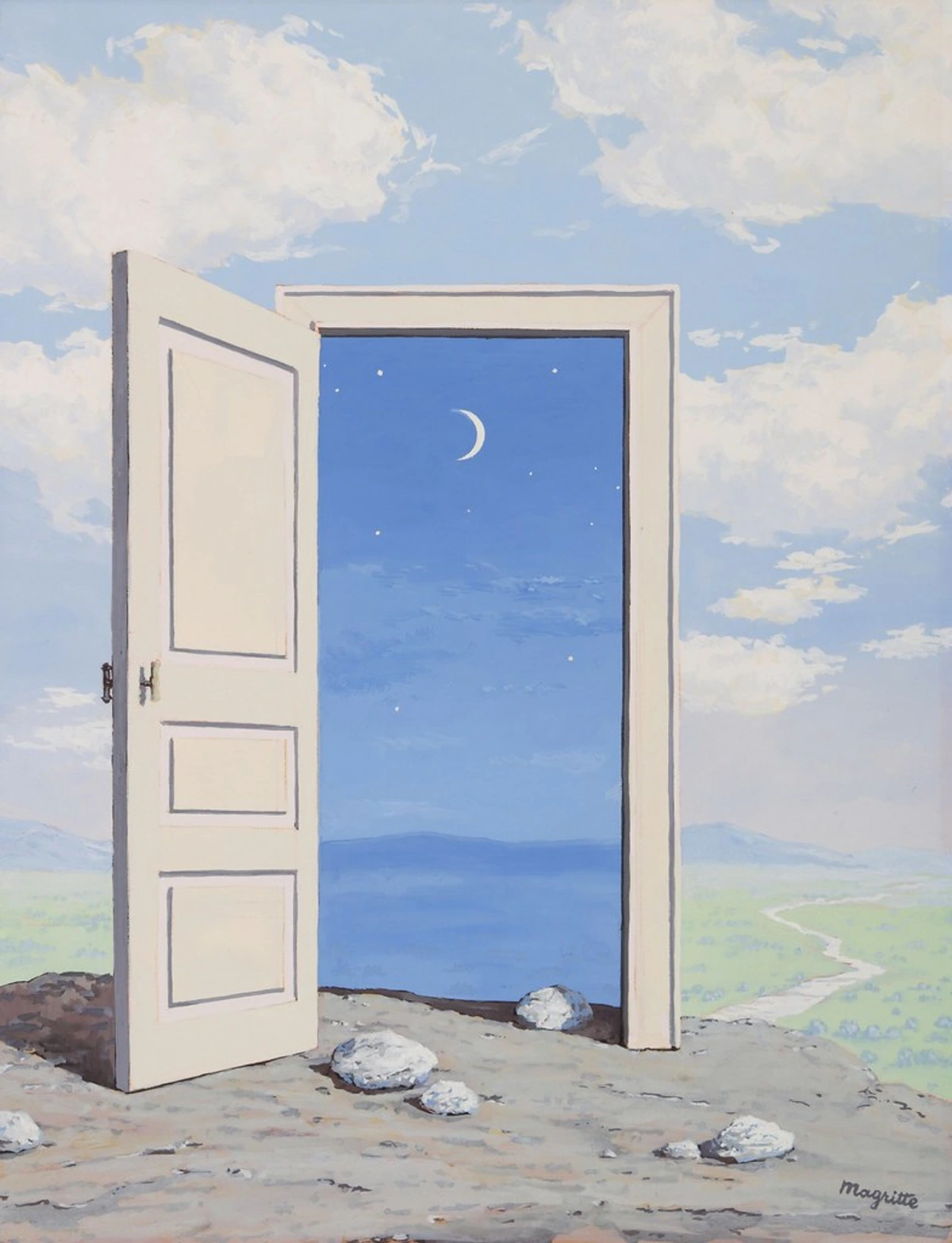
Automatism is not just a technique; it's a way of thinking. By embracing the unpredictability of the creative process, you can unlock a world of artistic possibilities that will transform your practice and help you see the world in new and exciting ways.
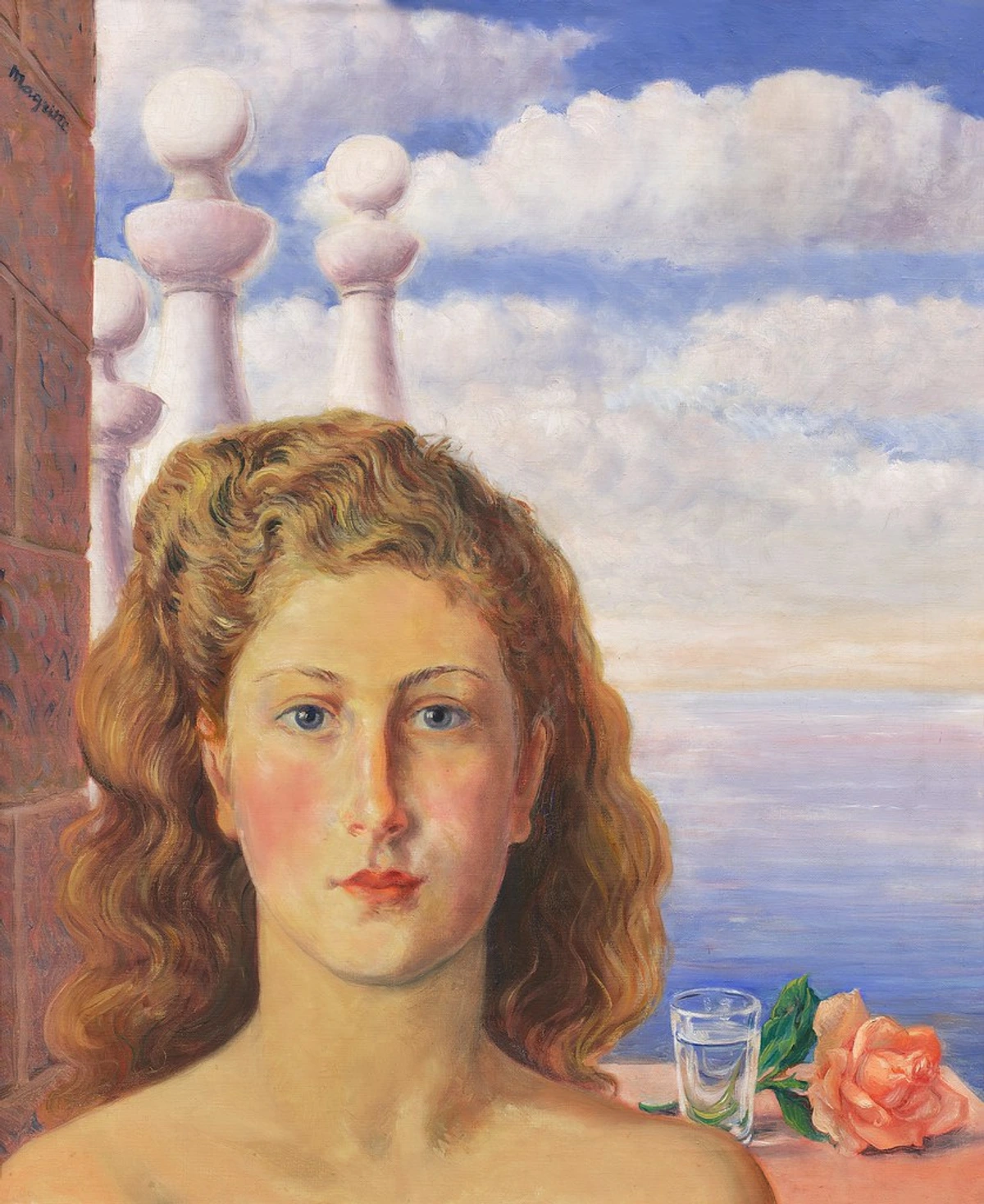
credit, licence
Technique 2: Frottage – A Treasure Hunt for Textures
I bet you did this as a kid. You put a coin under a piece of paper and scribbled over it with a crayon to reveal the Queen's head. That's frottage. The Surrealist artist Max Ernst turned this childhood game into a serious artistic technique.
Frottage is all about discovering the hidden textures and patterns that surround us every day. By rubbing a pencil or crayon over a textured surface, you can create intricate and unexpected images that will inspire your artistic practice and help you see the world in new and exciting ways.
One day, he was staring at the wooden floorboards in his hotel room and became fascinated by the textures. He laid paper over them and rubbed it with a pencil, and suddenly, he had these incredible, evocative images that he hadn't consciously designed. He found forests, seascapes, and monsters hiding in plain sight. You can learn more about what is frottage in art on our dedicated page.
Frottage is a powerful tool for unlocking your creativity and discovering the hidden beauty in the world around you. By embracing the unexpected and the unpredictable, you can create works of art that challenge conventional notions of reality and inspire audiences to see the world in new and exciting ways.
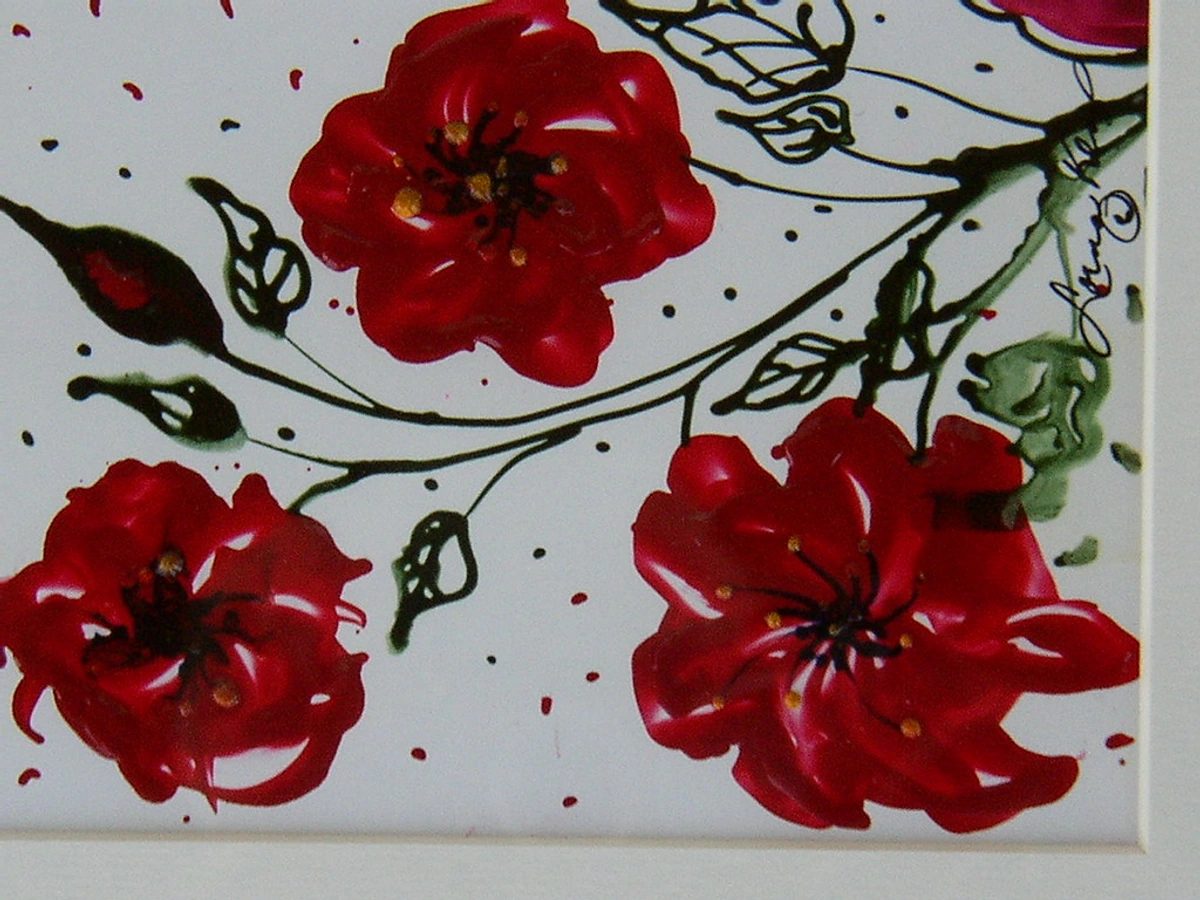
Your Frottage Toolkit
- Paper: Thin paper works best. Newsprint or tracing paper is great.
- Rubbing Tool: A soft graphite pencil, charcoal stick, or wax crayon.
- Surfaces: This is the fun part. Go on a texture hunt! Wood grain, leaves, manhole covers, crumpled foil, the side of a brick wall, a cheese grater. The world is your texture palette.
Once you've created your frottage, don't be afraid to experiment. Cut out your textures, arrange them into a collage, or draw into them. A piece of wood grain might become the wing of a bird; a leaf rubbing could become the scales of a dragon. The possibilities are endless!
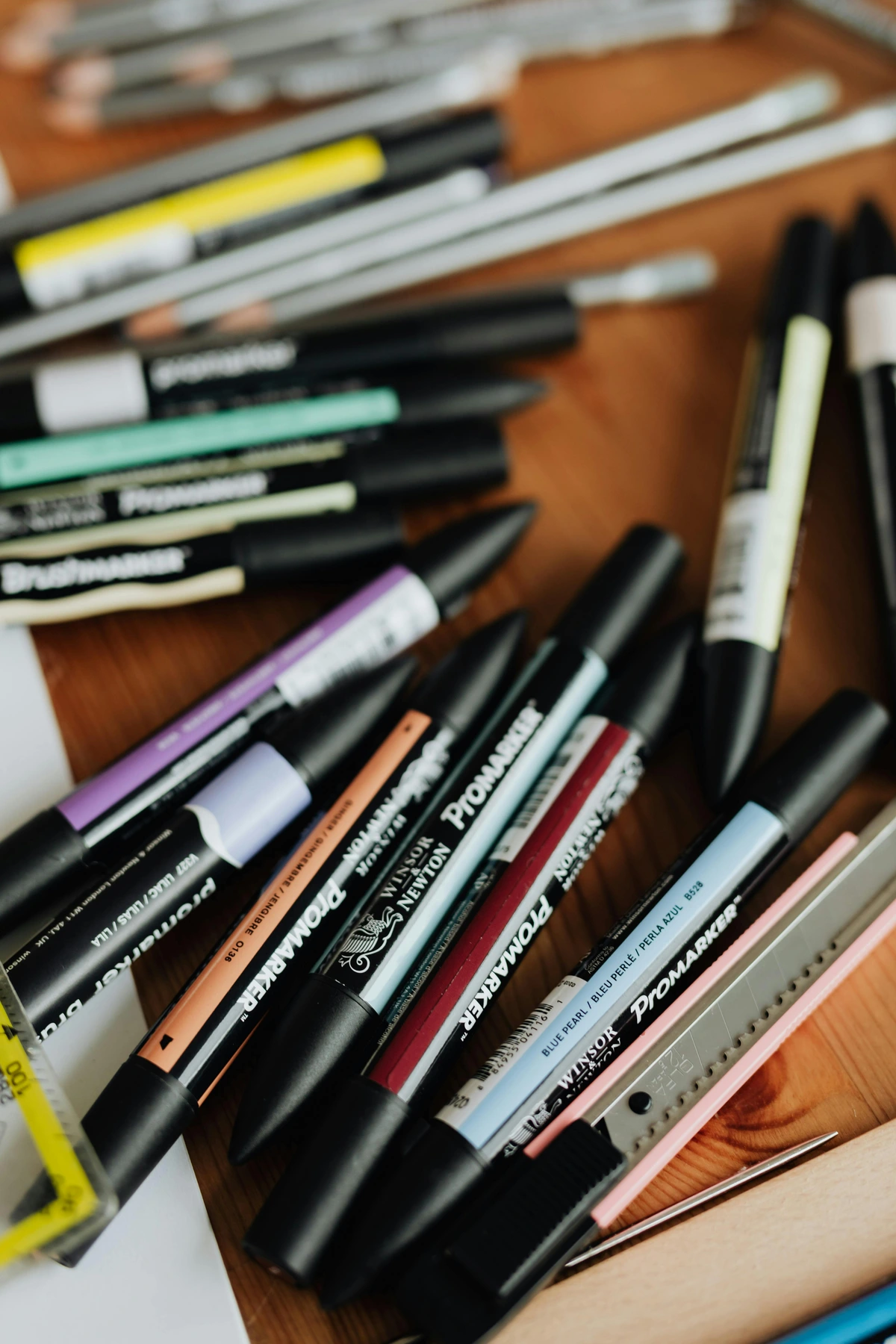
Like with automatism, the initial rubbing is just the start. Cut out your textures, arrange them into a collage, draw into them. A piece of wood grain might become the wing of a bird; a leaf rubbing could become the scales of a dragon.
Bonus Round: Decalcomania – The Rorschach Test's Arty Cousin
This one is messy, but the results are spectacular. Decalcomania involves spreading a thin layer of paint (like gouache or ink) onto a surface like paper or glass, then pressing another piece of paper on top and peeling it away.
Decalcomania is all about embracing the unpredictable and the unexpected. By allowing the paint to squish and spread in unpredictable ways, you can create intricate and evocative patterns that will inspire your artistic practice and help you see the world in new and exciting ways.
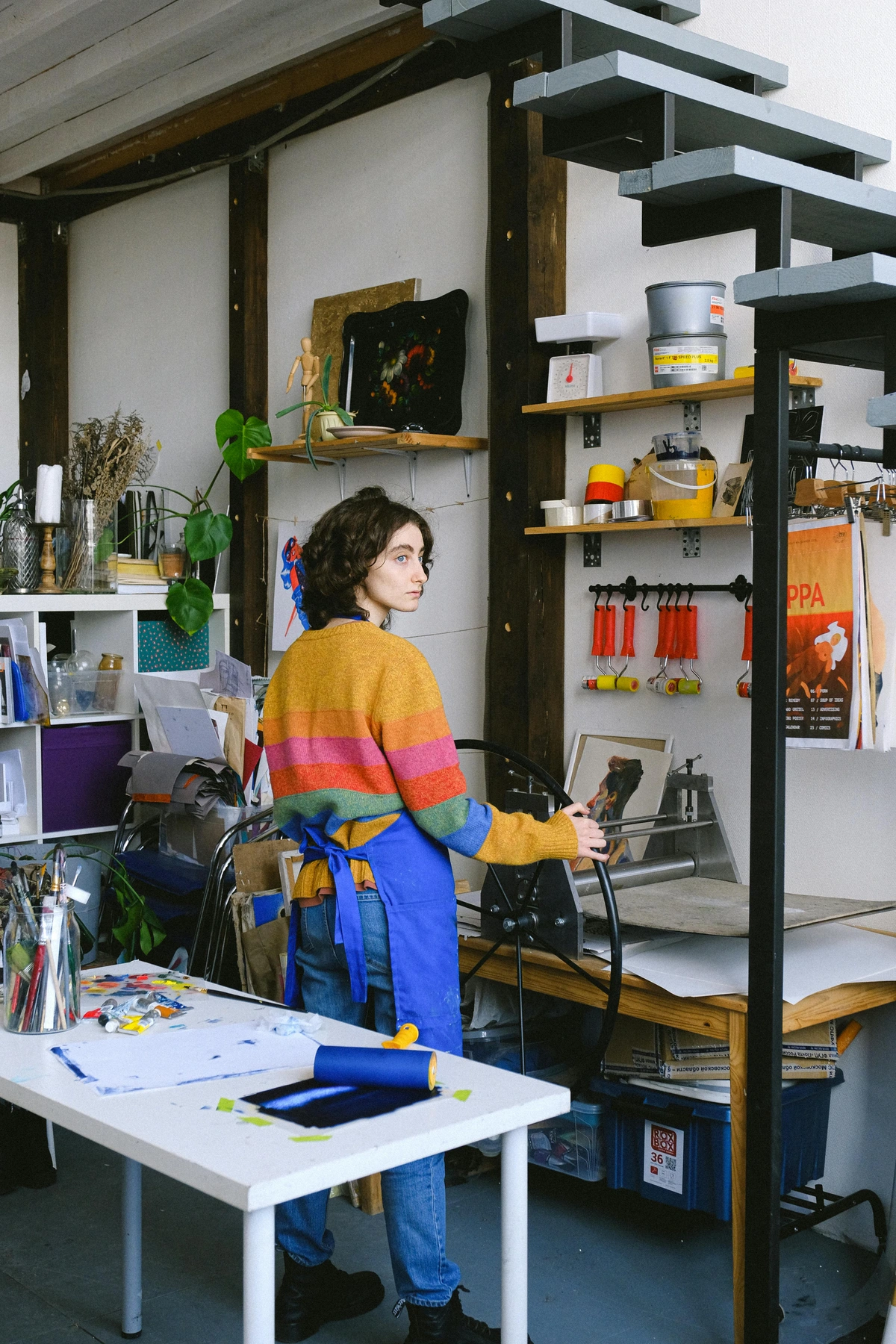
The paint squishes into incredible, often symmetrical, patterns that look like coral reefs, alien landscapes, or strange microscopic life. Max Ernst was also a master of the frottage and decalcomania techniques. The key is to look for images in the resulting blotches and elaborate on them with a fine brush or pen.
Decalcomania is a powerful tool for unlocking your creativity and discovering the hidden beauty in the world around you. By embracing the unpredictable and the unexpected, you can create works of art that challenge conventional notions of reality and inspire audiences to see the world in new and exciting ways.
A Quick Comparison
To keep it all straight, here’s a simple breakdown:
Technique  | Core Idea | You'll Need | Best For... |
|---|---|---|---|
| Automatism | Drawing without conscious control | Pen/pencil, paper | Breaking creative blocks, generating initial ideas |
| Frottage | Rubbing textures onto paper | Thin paper, graphite, textured surfaces | Discovering unexpected patterns, creating rich backgrounds |
| Decalcomania | Pressing paint between surfaces | Paint (ink/gouache), paper/glass | Creating symmetrical, organic, Rorschach-like shapes |
| Collage | Combining disparate images and materials | Scissors, glue, various materials | Exploring new narratives and visual relationships |
| Exquisite Corpse | Collaborative drawing or writing | Paper, pen, multiple participants | Encouraging spontaneity and collective creativity |
Each of these techniques offers a unique way to explore your creativity and unlock the hidden depths of your subconscious mind. Whether you're a seasoned artist or a complete beginner, there's something here for everyone to try.
FAQ: Your Questions About Surrealist Shenanigans
Do I need to be a good drawer to do this?
Absolutely not! In fact, being a highly skilled technical drawer can sometimes get in the way. These techniques are about letting go of skill and embracing chance. It's a level playing field.
Surrealism is not about technical perfection; it's about embracing the joy of creation and allowing your imagination to run wild. So don't worry if you're not a skilled artist—just grab your tools and let your creativity flow!
Isn't this just making a mess?
Yes. A purposeful mess. Art isn't always neat. The creative process is often chaotic. The real art happens when you engage with that chaos, find order in it, and use it as a starting point for something new.
Embracing the mess is an essential part of the Surrealist process. By allowing yourself to make mistakes and explore the unexpected, you can unlock a world of artistic possibilities that will transform your practice and help you see the world in new and exciting ways.

What's the difference between Surrealism and Dadaism?
That's a great question. Think of it this way: Dada was a protest against logic and art itself, often using nonsense and absurdity. You can read more on what is Dadaism. Surrealism grew out of Dada but was more interested in exploring the illogical—the world of dreams and the unconscious—as a new kind of reality. Surrealism had a plan (sort of), while Dada was pure, glorious anarchy.
While both movements challenged conventional notions of art and reality, Surrealism sought to explore the hidden depths of the human psyche, using art as a tool to unlock the mysteries of the subconscious. Dada, on the other hand, was more about rebellion and provocation, using absurdity and nonsense to challenge the status quo.
Where can I see some of this art in person?
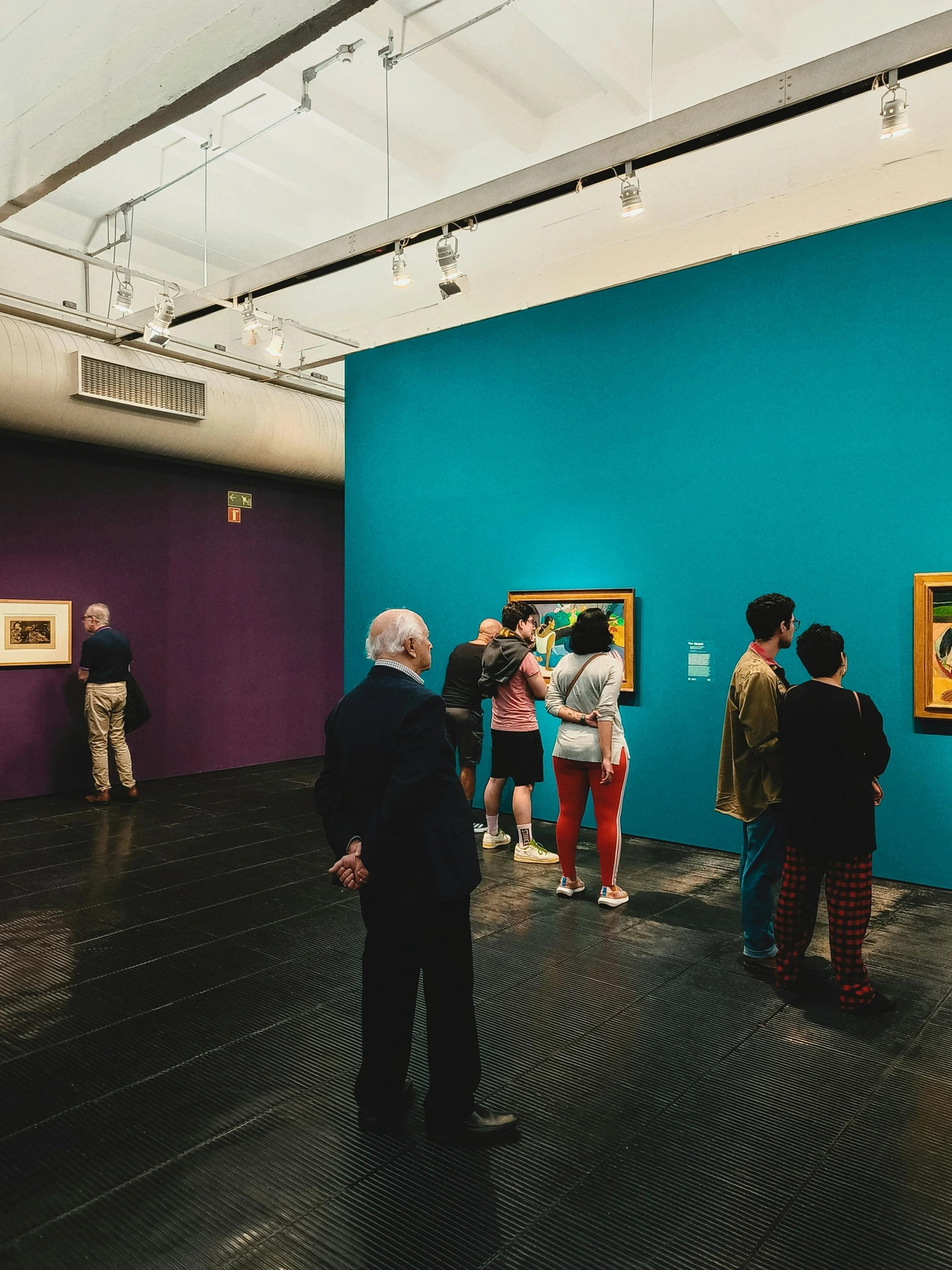
Major modern art museums are your best bet. But you can also see how these ideas about color and form echo in contemporary art. If you're ever in the Netherlands, I'd love for you to see my work at the den bosch museum.
Surrealist art can be found in museums and galleries around the world, from the Museum of Modern Art in New York to the Tate Modern in London. Whether you're a seasoned art lover or a curious beginner, exploring the world of Surrealism is a journey that will inspire and captivate you.
A Final Thought
These techniques are not magic formulas. They are invitations. They are ways of starting a conversation with the quieter, weirder parts of yourself. The goal isn't to make a perfect copy of a Surrealist painting; it's to use their tools to find your own unique voice.
Surrealism is more than just an art movement; it's a way of thinking, a way of seeing the world in new and exciting ways. By embracing the chaos and unpredictability of the creative process, you can unlock a world of artistic possibilities that will transform your practice and help you see the world in new and exciting ways. So go ahead, make a mess, and let your creativity run wild!
So go ahead. Make a mess. Scribble with your eyes closed. Rub a texture from the pavement. See what your brain's attic has been hiding. You might be surprised by what you find. And if you create something you love, you can find inspiration for your own collection right here and buy art prints.










Thank you for joining me on this journey into the world of Surrealism. I hope you've found inspiration and new ideas to explore in your own artistic practice. Remember, the key to unlocking your creativity is to embrace the chaos, let go of your inner critic, and allow your imagination to run wild. Happy creating!