The Unconscious Mind in Surrealist Art
Discover how surrealists like Dalí and Magritte unlocked the subconscious to create revolutionary art challenging reality itself.

The Unconscious Mind in Surrealist Art
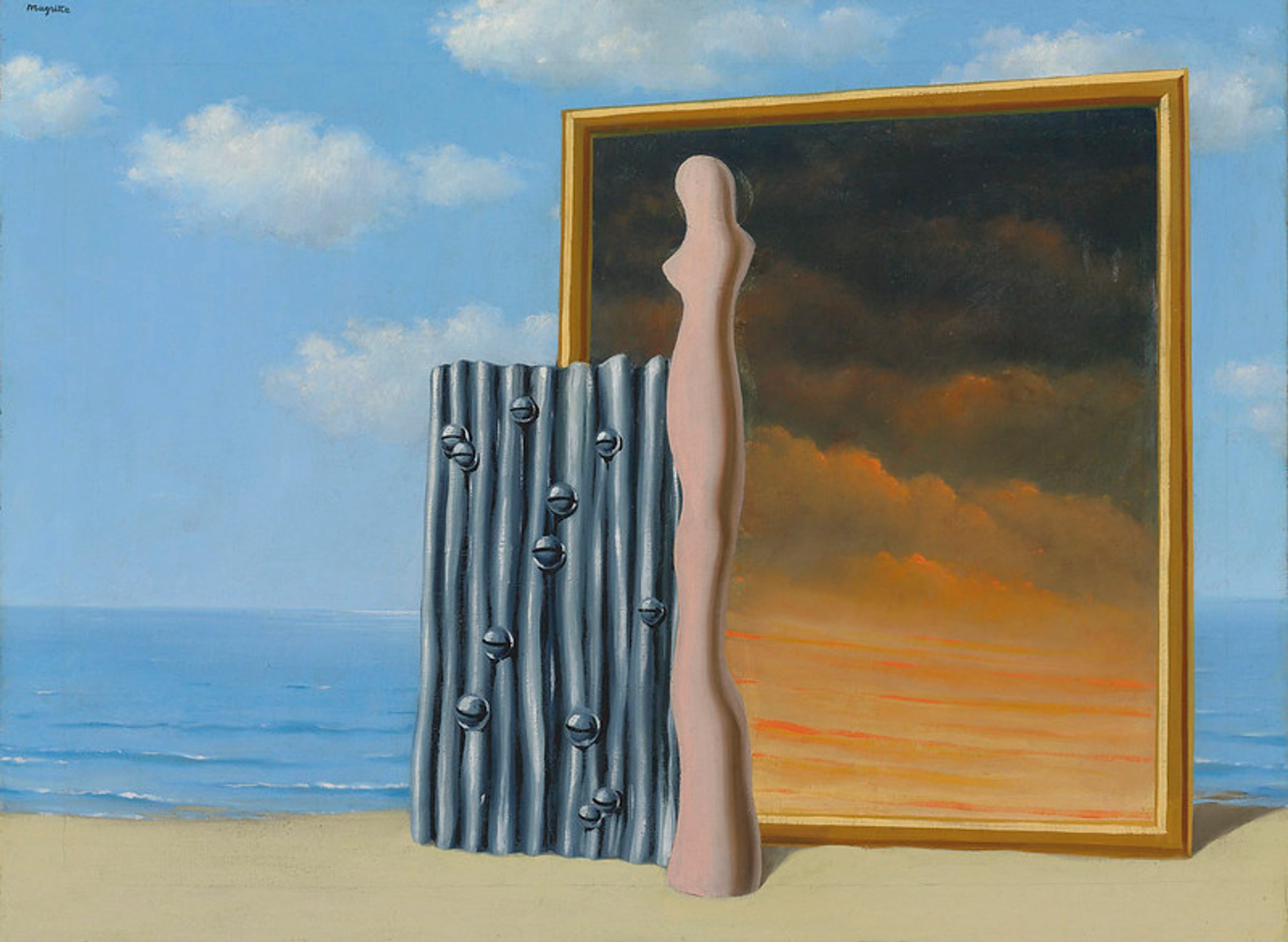
Have you ever stared at a cloud and seen a dragon? That split-second glimpse of something otherworldly? That’s your unconscious mind whispering to you. Surrealism wasn’t just an art movement—it was a rebellion against logic, a dive into that churning ocean beneath our conscious thoughts. Painters like Dalí and Magritte weren’t just making strange pictures; they were psychic cartographers, mapping the landscapes of dreams and fears we all share but rarely see. Let’s unpack how they did it—and why their obsession with the subconscious still echoes in art studios today.
But what exactly is the unconscious mind, and why did it captivate artists so deeply? To understand surrealism, we need to explore the theories that inspired it, the techniques that defined it, and the legacy it left behind. This isn’t just about art; it’s about how we perceive reality itself.
The Unconscious Mind: A Brief Overview
The concept of the unconscious mind has fascinated philosophers, psychologists, and artists for centuries. It refers to the part of our mind that operates outside of our conscious awareness, influencing our thoughts, behaviors, and emotions. For surrealists, the unconscious was a wellspring of creativity, a place where logic and reason gave way to imagination and intuition.
The Role of the Unconscious in Modern Art
The influence of the unconscious mind extends beyond surrealism. Modern artists continue to explore the depths of the subconscious, creating works that challenge perceptions and evoke emotions. This section will delve into how contemporary artists are inspired by surrealist techniques and theories.
Contemporary Artists and Surrealism
Artists like David Lynch and Yayoi Kusama have drawn inspiration from surrealism, using dreamlike imagery and symbolic motifs to explore the subconscious. Lynch’s films, for example, often feature surreal landscapes and fragmented narratives that mirror the workings of the unconscious mind. Kusama’s immersive installations, on the other hand, invite viewers to step into a world of infinite patterns and reflections, evoking a sense of both wonder and unease.
The Origins of Surrealism
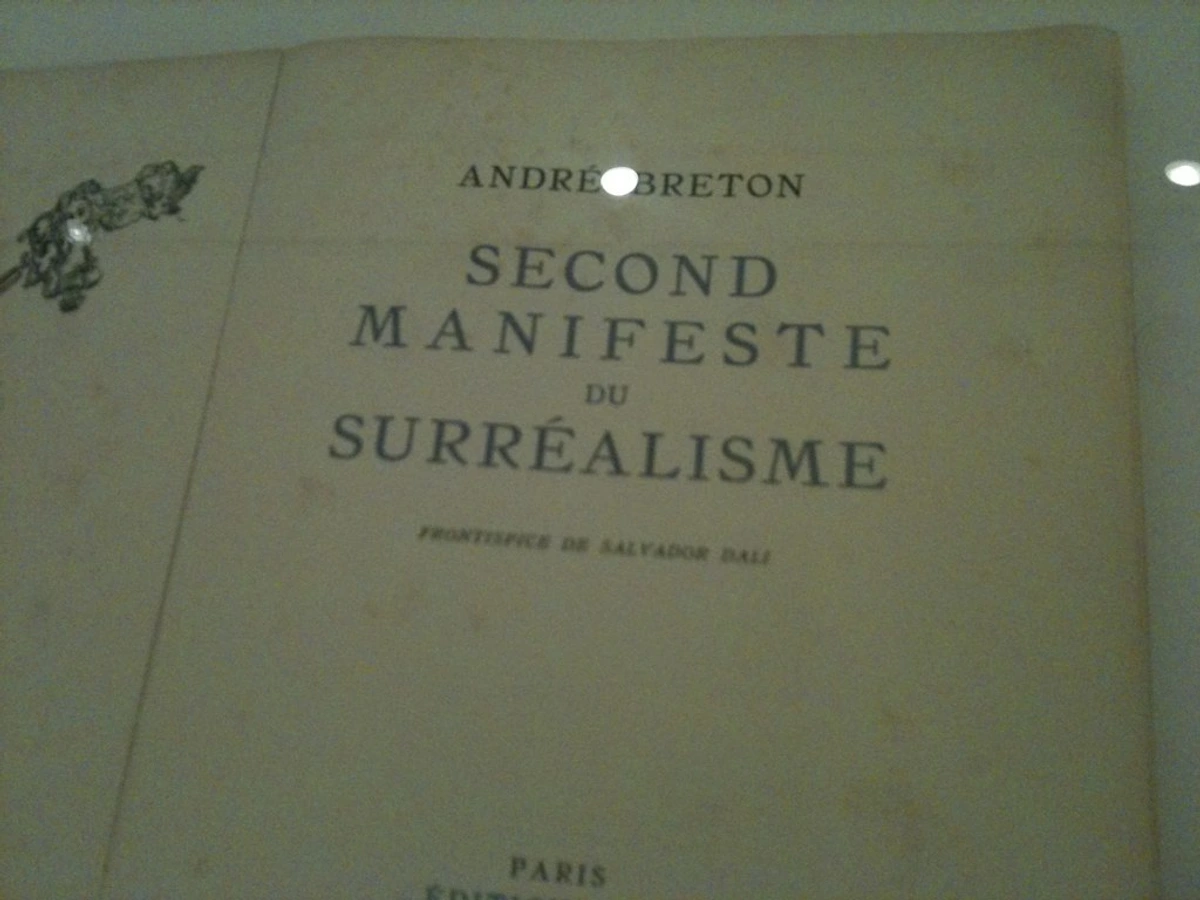
Surrealism emerged in the early 20th century as a response to the rationalism that dominated the art world. It was a movement that sought to liberate the imagination and explore the depths of the human psyche. The term "surrealism" was coined by Guillaume Apollinaire, but it was André Breton who formalized the movement with his Surrealist Manifesto in 1924. This manifesto laid the groundwork for a new way of thinking about art and creativity, one that embraced the irrational and the subconscious.
The Surrealist Manifesto
The Surrealist Manifesto was a revolutionary document that outlined the principles of surrealism. Breton argued that the unconscious mind was a source of untapped creativity and that art should seek to explore the irrational and the unseen. The manifesto called for a revolution in art and thought, one that would liberate the imagination and challenge the constraints of logic and reason.
The Influence of Dadaism
Before surrealism, the Dada movement paved the way by rejecting traditional aesthetics and embracing absurdity. Dadaists like Marcel Duchamp and Tristan Tzara challenged the very notion of art, setting the stage for surrealists to explore the unconscious mind more deeply.
Dadaism and Surrealism: A Comparison
While Dadaism focused on absurdity and the rejection of traditional aesthetics, surrealism sought to explore the unconscious mind and the irrational. Both movements challenged the status quo and pushed the boundaries of what was considered art, but surrealism took a more introspective approach, delving into the depths of the human psyche.
The Psychological Foundations of Surrealism
Surrealism was deeply influenced by the psychological theories of its time, particularly the work of Sigmund Freud. Freud's exploration of the unconscious mind provided a framework for surrealists to explore the hidden depths of human experience. His theories on dreams, repression, and the subconscious offered a roadmap for artists seeking to tap into the irrational and the unseen.
Freud's Influence on Surrealism
Freud's theories on the unconscious mind were revolutionary. He proposed that the mind is divided into three parts: the conscious, the preconscious, and the unconscious. The unconscious mind, according to Freud, is a reservoir of repressed memories, desires, and instincts. Surrealists saw this as a wellspring of creativity and sought to access it through various techniques.
Carl Jung and the Collective Unconscious
While Freud focused on the individual unconscious, Carl Jung introduced the concept of the collective unconscious—a shared reservoir of experiences and archetypes. Surrealists drew inspiration from Jung's ideas, incorporating universal symbols and myths into their works.
Jung's Influence on Surrealism
Jung's concept of the collective unconscious provided surrealists with a framework for exploring universal symbols and archetypes. By tapping into these shared experiences, surrealists were able to create works that resonated with viewers on a deep, emotional level. This approach allowed them to explore the depths of the human psyche and uncover hidden truths.
Freud's Influence on Surrealism
Freud's theories on the unconscious mind were revolutionary. He proposed that the mind is divided into three parts: the conscious, the preconscious, and the unconscious. The unconscious mind, according to Freud, is a reservoir of repressed memories, desires, and instincts. Surrealists saw this as a wellspring of creativity and sought to access it through various techniques.
Techniques Inspired by Freud
Surrealists experimented with techniques like free association and dream analysis to unlock the unconscious. These methods allowed them to bypass the conscious mind and tap into deeper, more primal thoughts and emotions.
Free Association
Free association is a technique where individuals express their thoughts and feelings without censorship or filtering. Surrealists used this technique to access the unconscious mind and uncover hidden thoughts and emotions. By allowing their minds to wander freely, they were able to create works that were truly revolutionary.
The Role of Dreams
Dreams, according to Freud, are the royal road to the unconscious. They are the raw, unfiltered expressions of our deepest thoughts and emotions. Surrealists like Dalí and Magritte saw dreams as a direct line to the subconscious, a place where logic and reason take a backseat to imagination and intuition. By exploring dreams, they believed they could unlock new forms of creativity and expression.
Dream Analysis
Dream analysis is a technique used by surrealists to explore the unconscious mind. By recording and analyzing their dreams, surrealists were able to uncover hidden thoughts and emotions. This process allowed them to create works that were deeply personal and emotionally resonant.
The Historical Context of Surrealism
Surrealism emerged in the early 20th century, a time of significant upheaval and change. The devastation of World War I left many questioning the rationality and order that had led to such destruction. Artists and writers sought new ways to express the complexities of human experience, leading to the birth of surrealism. This movement was not just about creating art; it was about challenging the very foundations of how we understand the world.
The Impact of World War I
The horrors of World War I shattered the illusion of a rational and orderly world. The war's devastation led to a widespread disillusionment with traditional values and institutions. Surrealists sought to break free from these constraints and explore new ways of understanding and representing reality.
The Birth of a Movement
Surrealism was officially born in 1924 with the publication of André Breton's Surrealist Manifesto. This manifesto called for a revolution in art and thought, one that would liberate the imagination and explore the depths of the human psyche. The movement quickly gained momentum, attracting artists, writers, and thinkers from around the world.
The Spread of Surrealism
Surrealism spread rapidly across Europe and the Americas, attracting artists, writers, and thinkers from diverse backgrounds. The movement's emphasis on exploring the unconscious mind and challenging traditional perceptions of reality resonated with a generation seeking new ways of understanding the world.
Key Figures and Their Contributions
- André Breton: Often considered the father of surrealism, Breton authored the Surrealist Manifesto, which laid out the movement's philosophical and artistic principles. His leadership and vision were instrumental in shaping the movement.
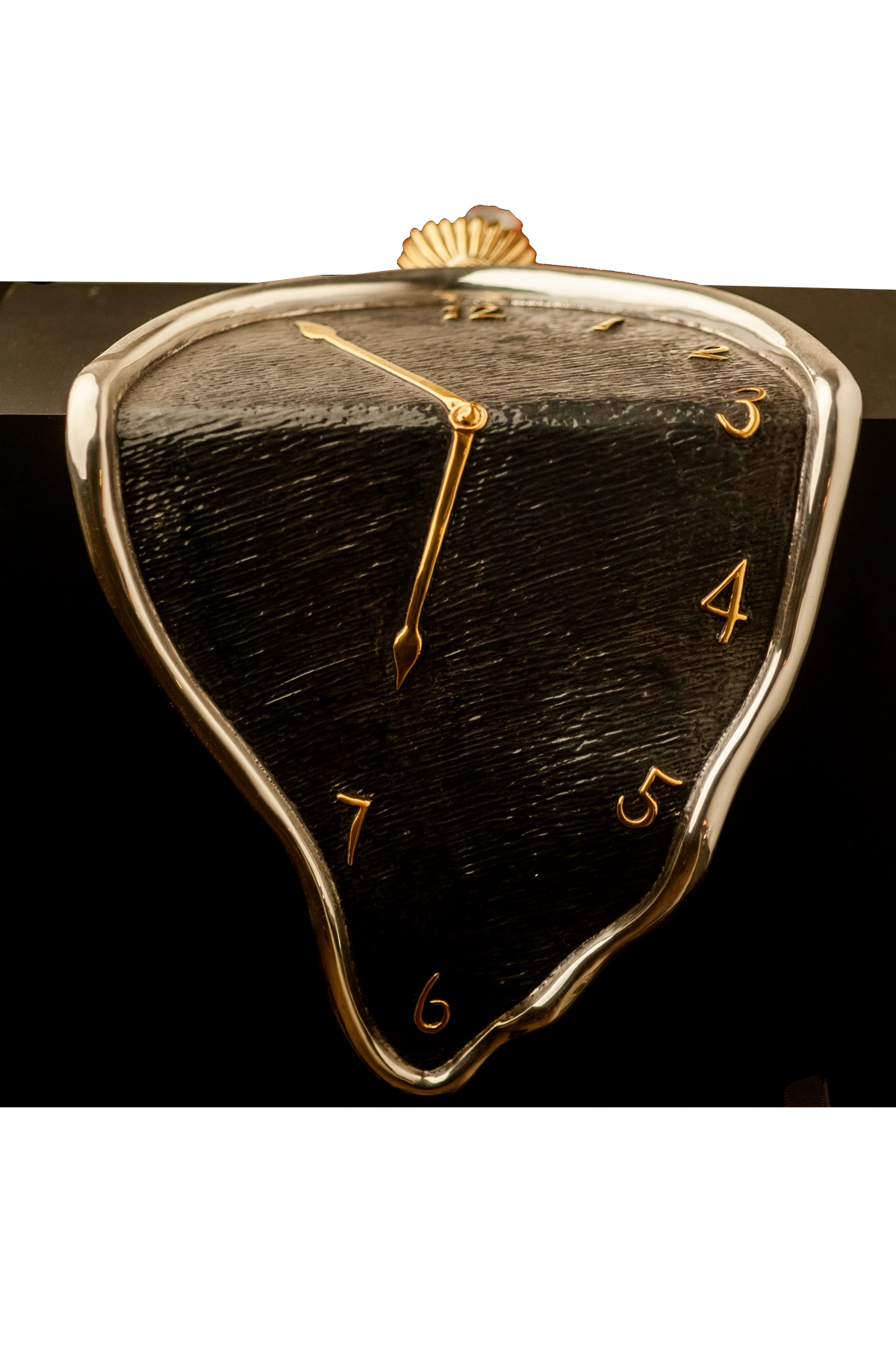
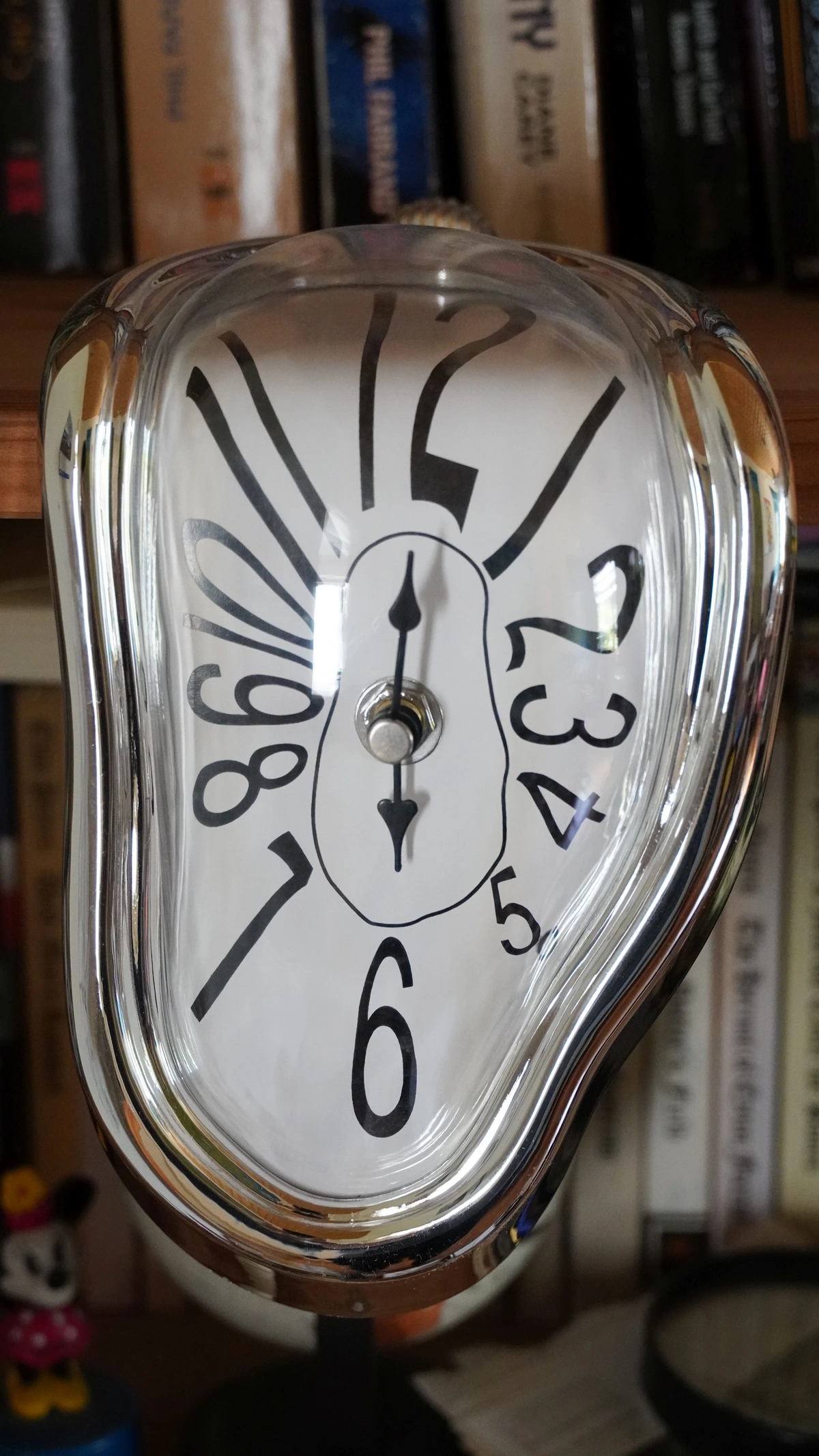
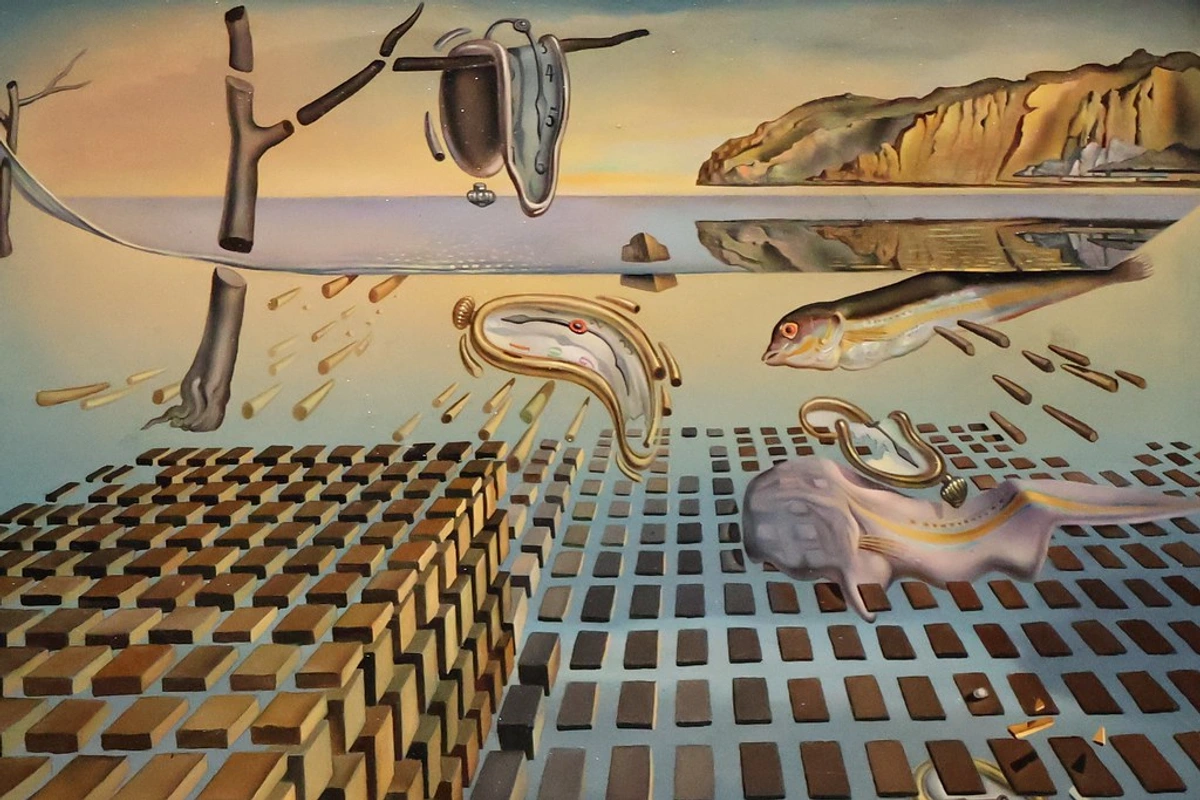
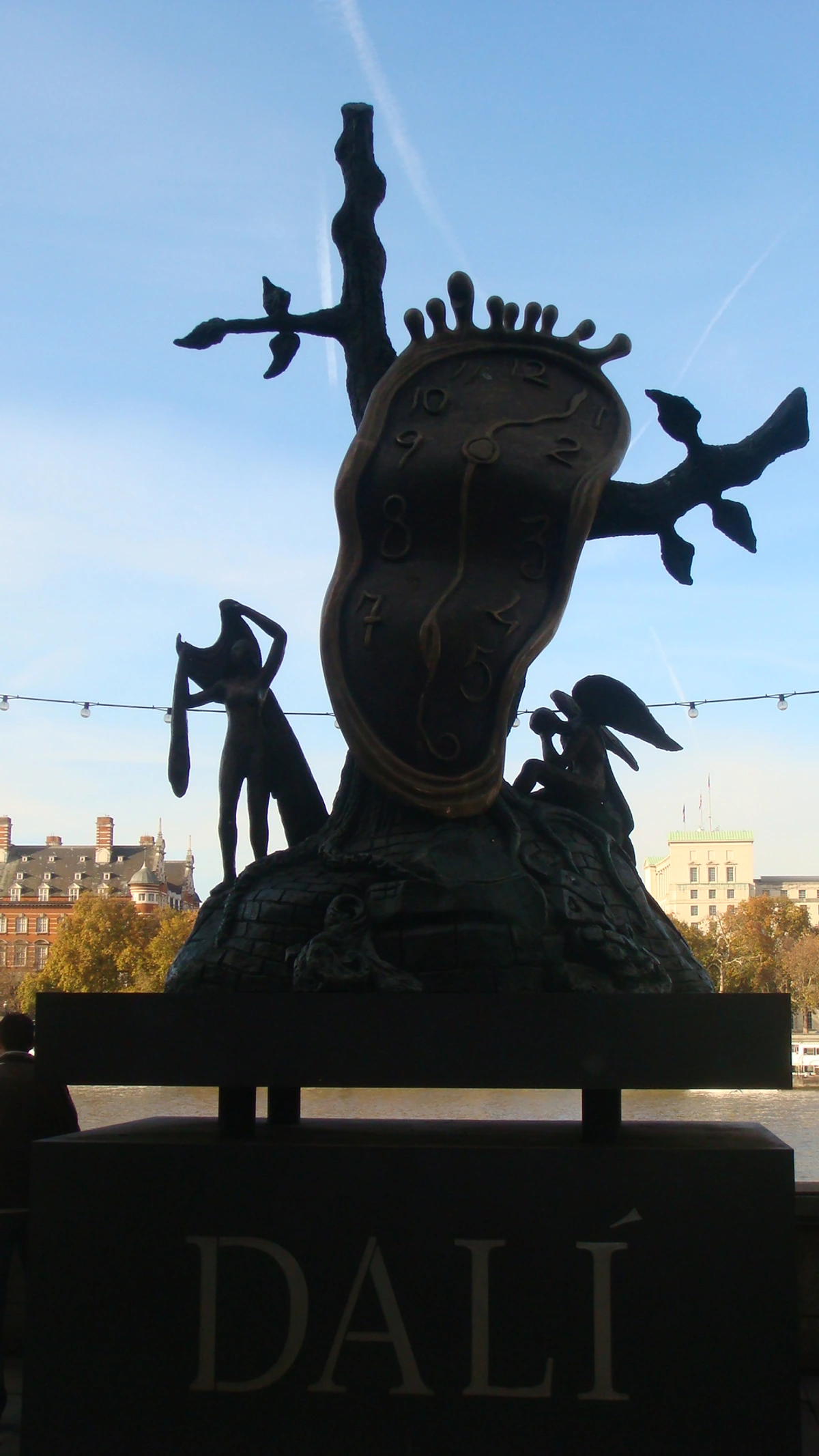
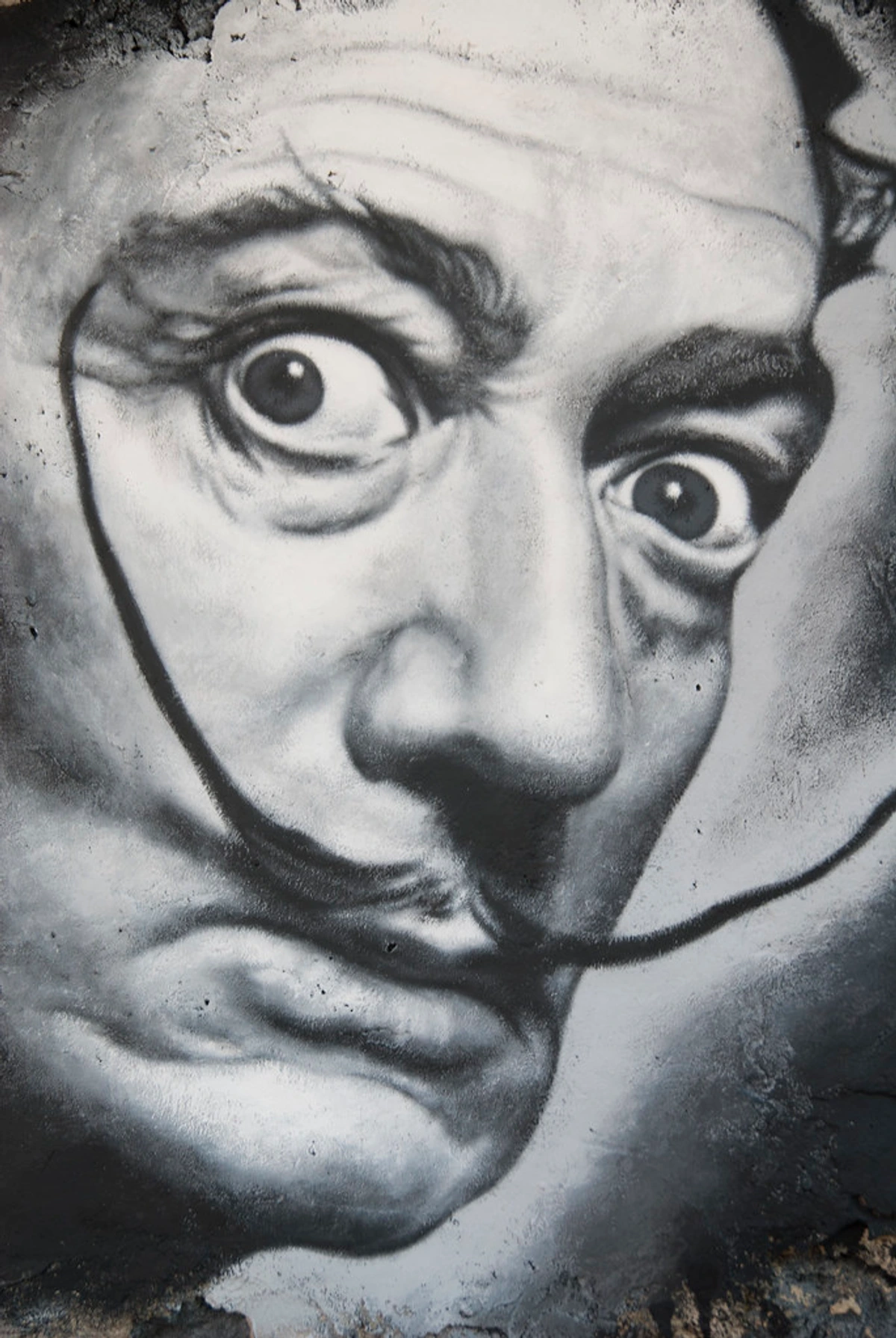
- Salvador Dalí: Known for his striking and bizarre images, Dalí's work often depicted dreamlike landscapes and melting objects, symbolizing the fluidity of time and reality. His paranoiac-critical method allowed him to tap into his subconscious and create some of the most iconic surrealist works.
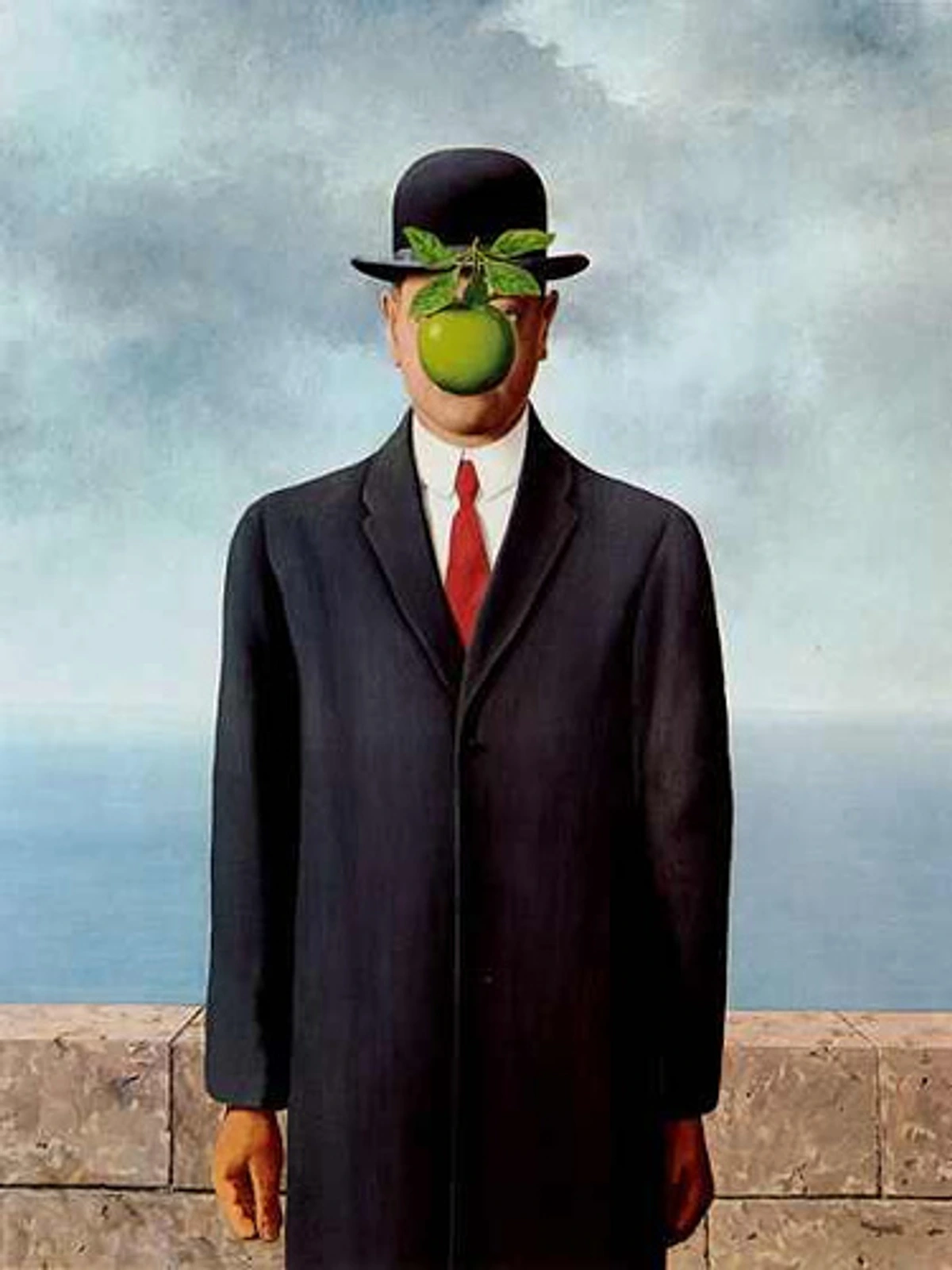
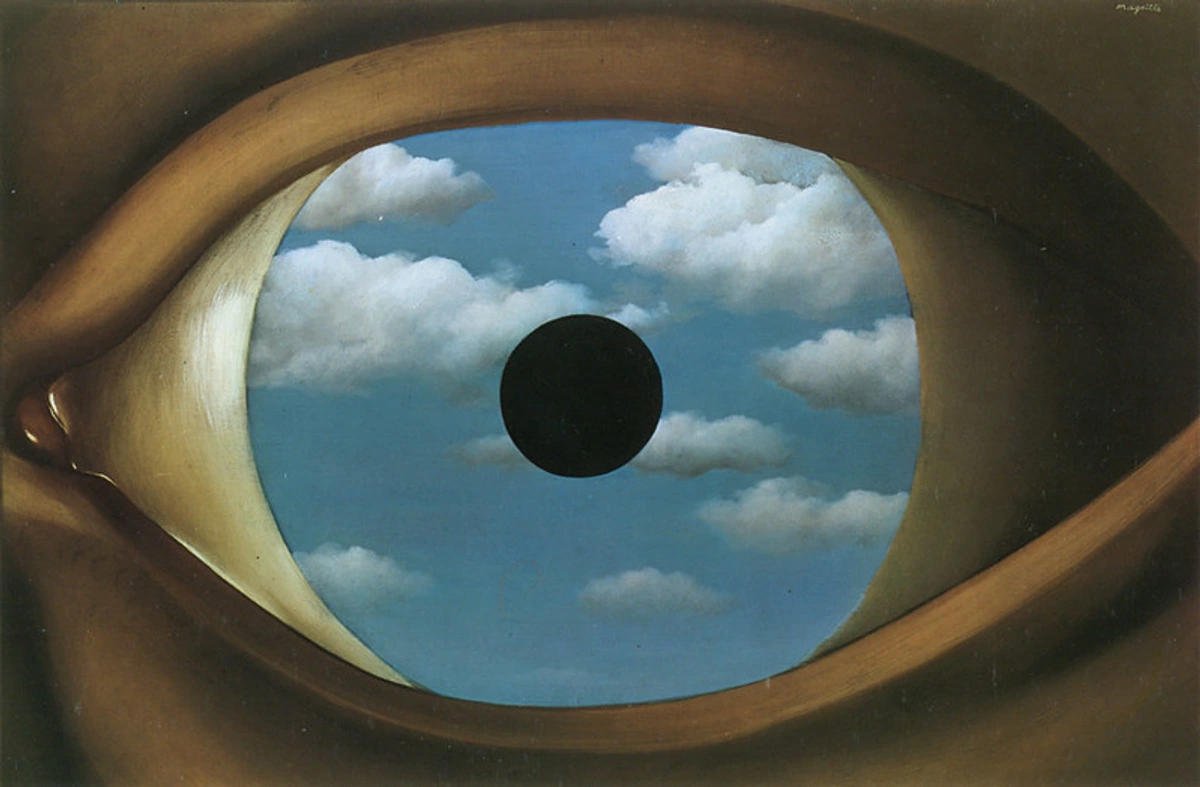
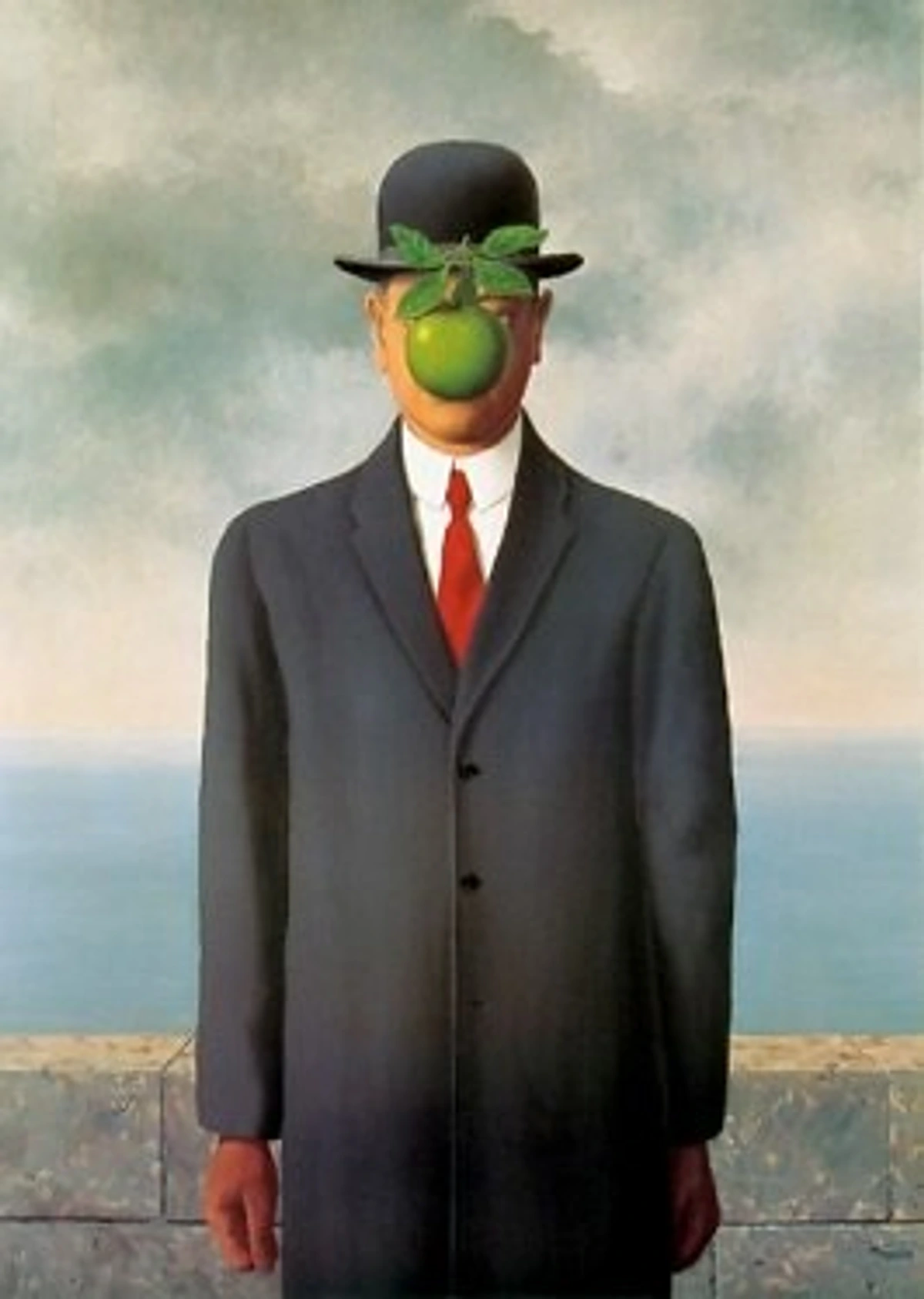
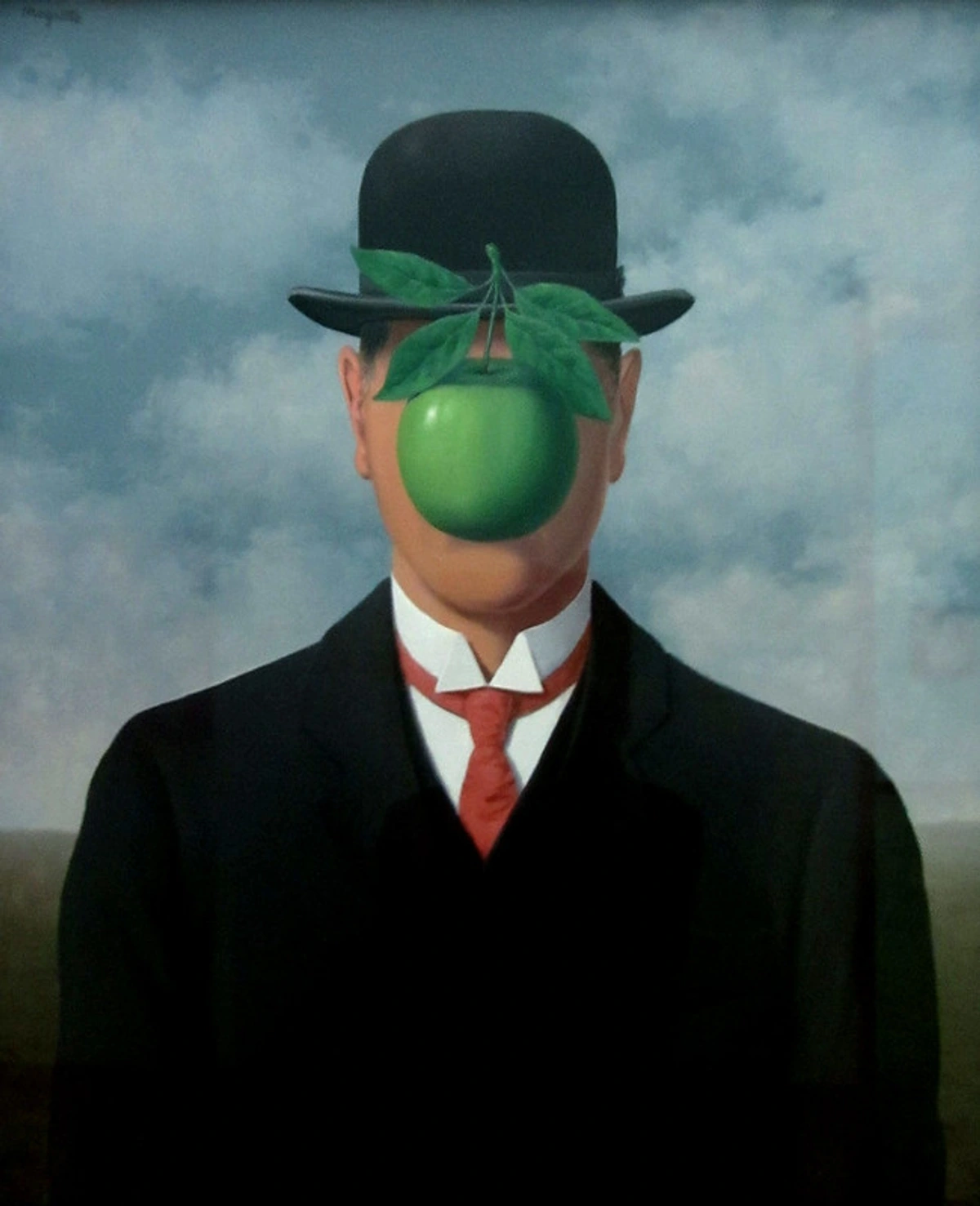
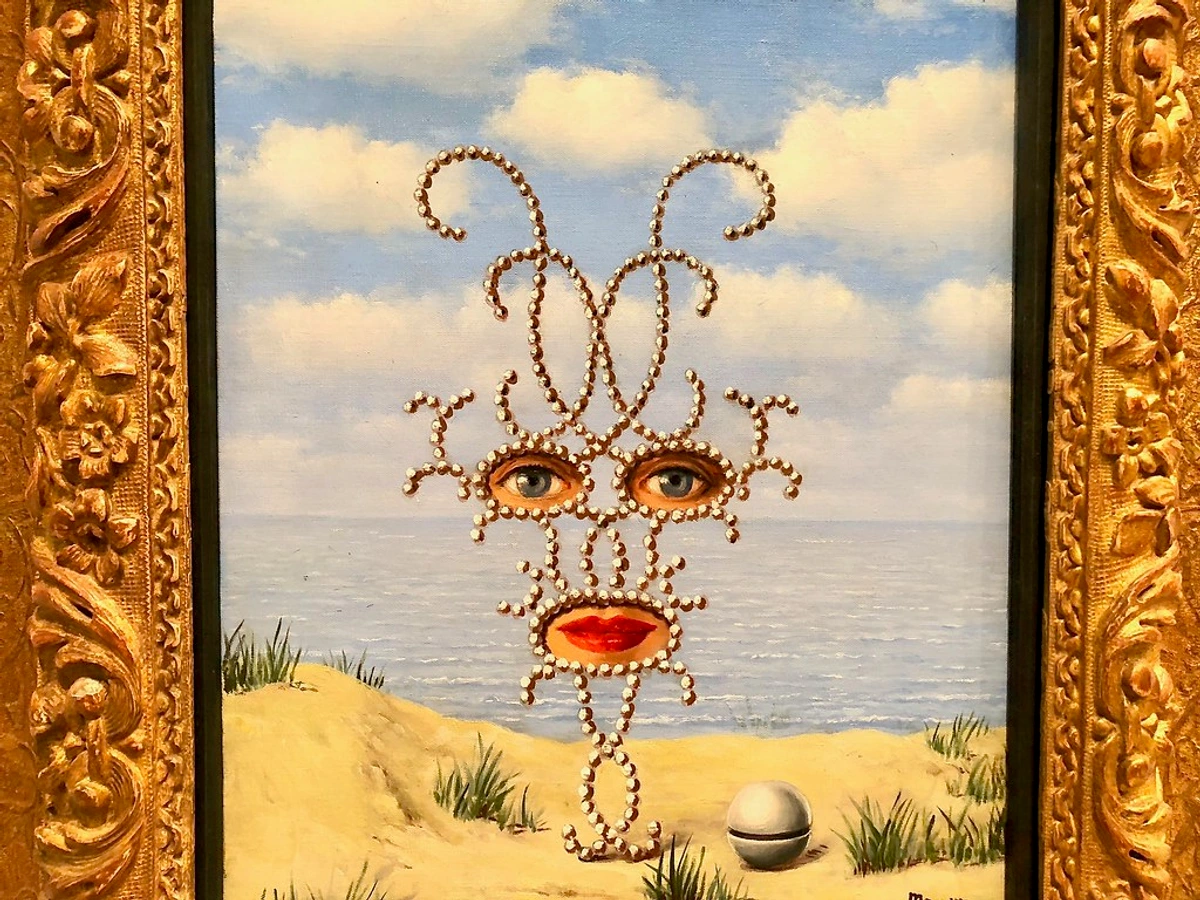
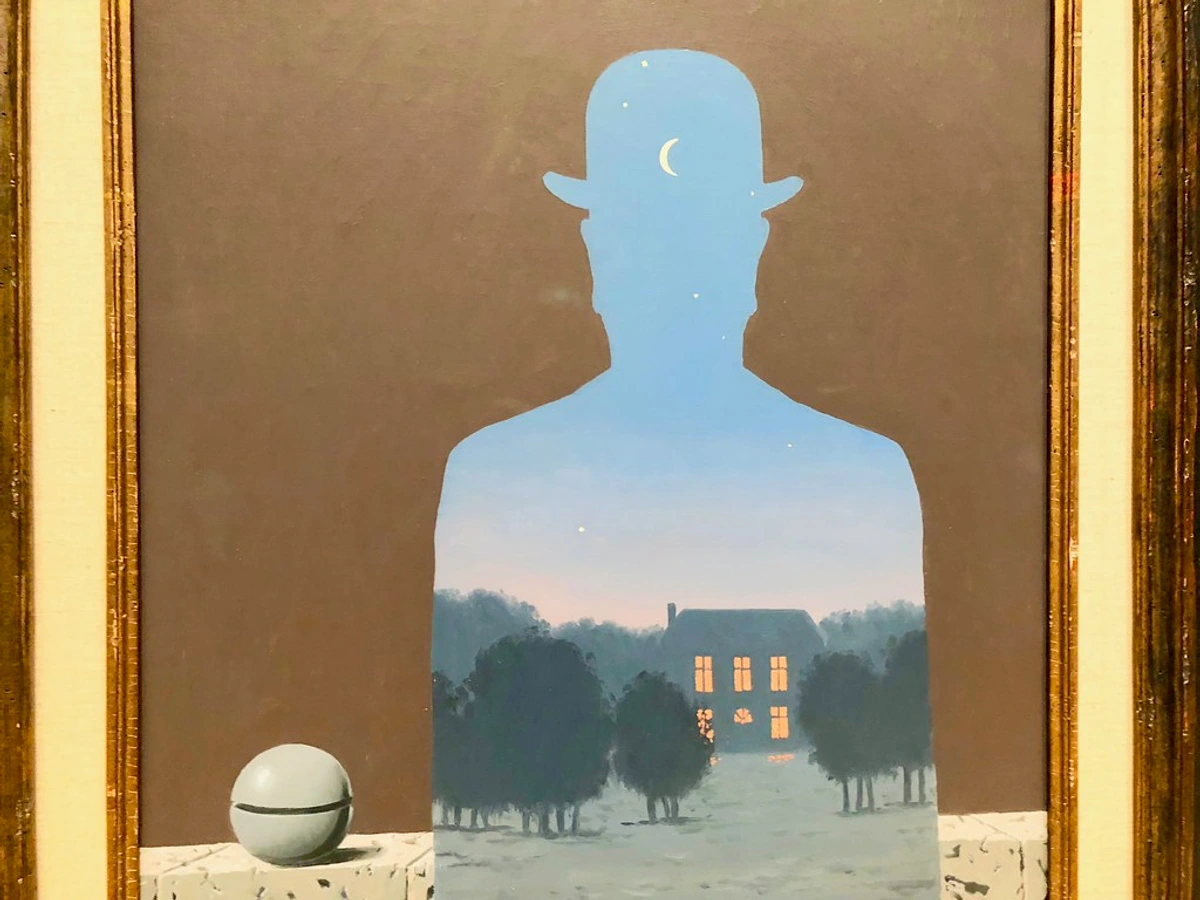
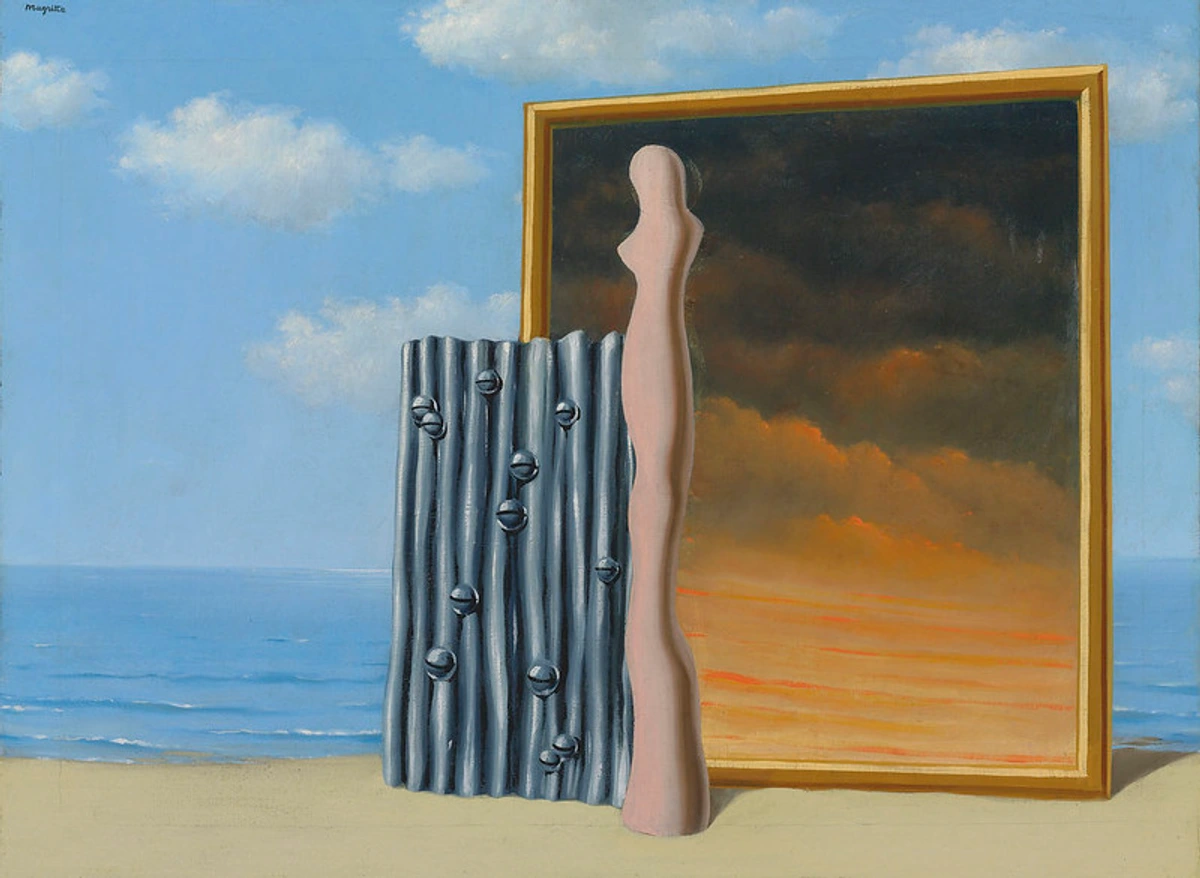
- René Magritte: Magritte's art challenged observers' preconditioned perceptions of reality, often using ordinary objects in unusual contexts. His work invites viewers to question their assumptions and explore the boundaries of perception.
- Max Ernst: A pioneer of the movement, Ernst experimented with techniques like frottage and grattage to create surreal textures and forms. His innovative approach to art-making influenced generations of artists.
- Yves Tanguy: His abstract, biomorphic forms invited viewers to interpret the artwork in their own way, much like how our minds interpret dreams. Tanguy's work is a testament to the power of the imagination and the subconscious.
- Leonora Carrington: A prominent female surrealist, Carrington's work often explored themes of transformation and the occult. Her unique perspective added depth to the surrealist movement.
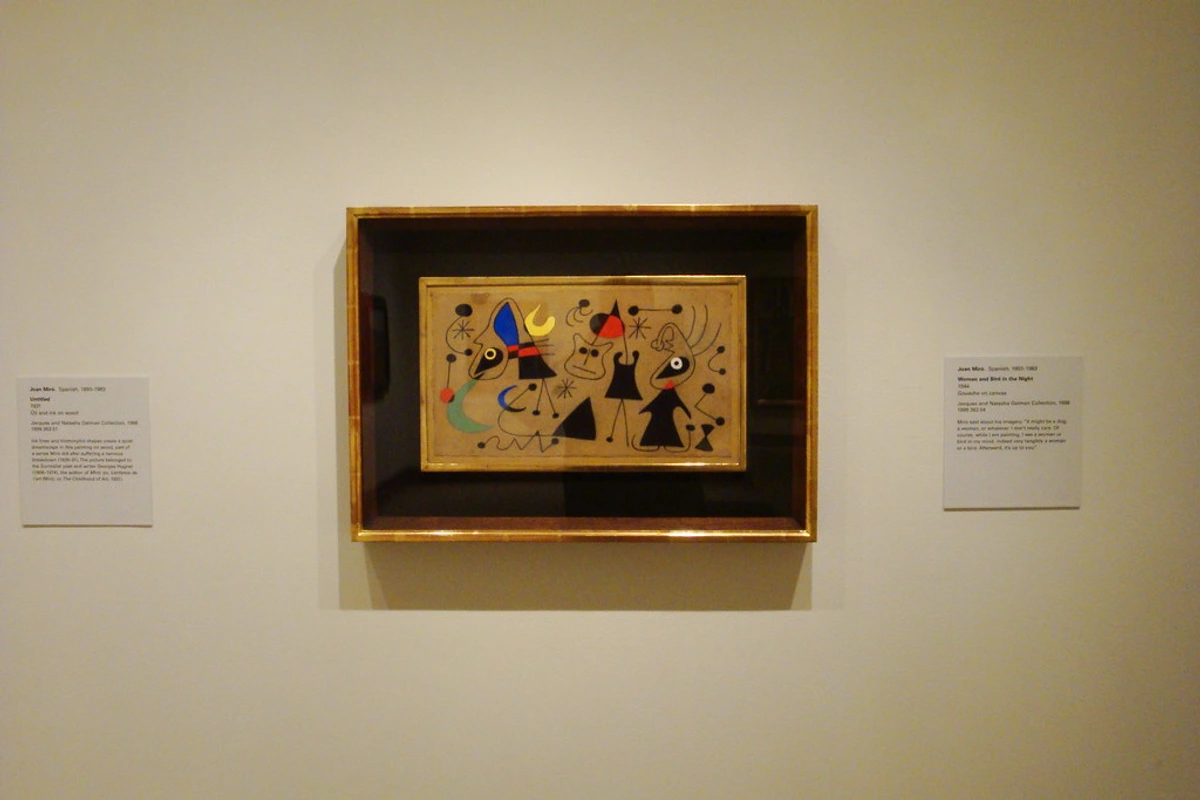
- Joan Miró: Known for his playful and abstract style, Miró's work often featured biomorphic shapes and vibrant colors, reflecting the whimsy of the unconscious mind.
The Role of Women in Surrealism
While surrealism was often dominated by male artists, women like Leonora Carrington and Dorothea Tanning made significant contributions to the movement. Their work explored themes of transformation, the occult, and the subconscious, adding depth and diversity to the surrealist movement.
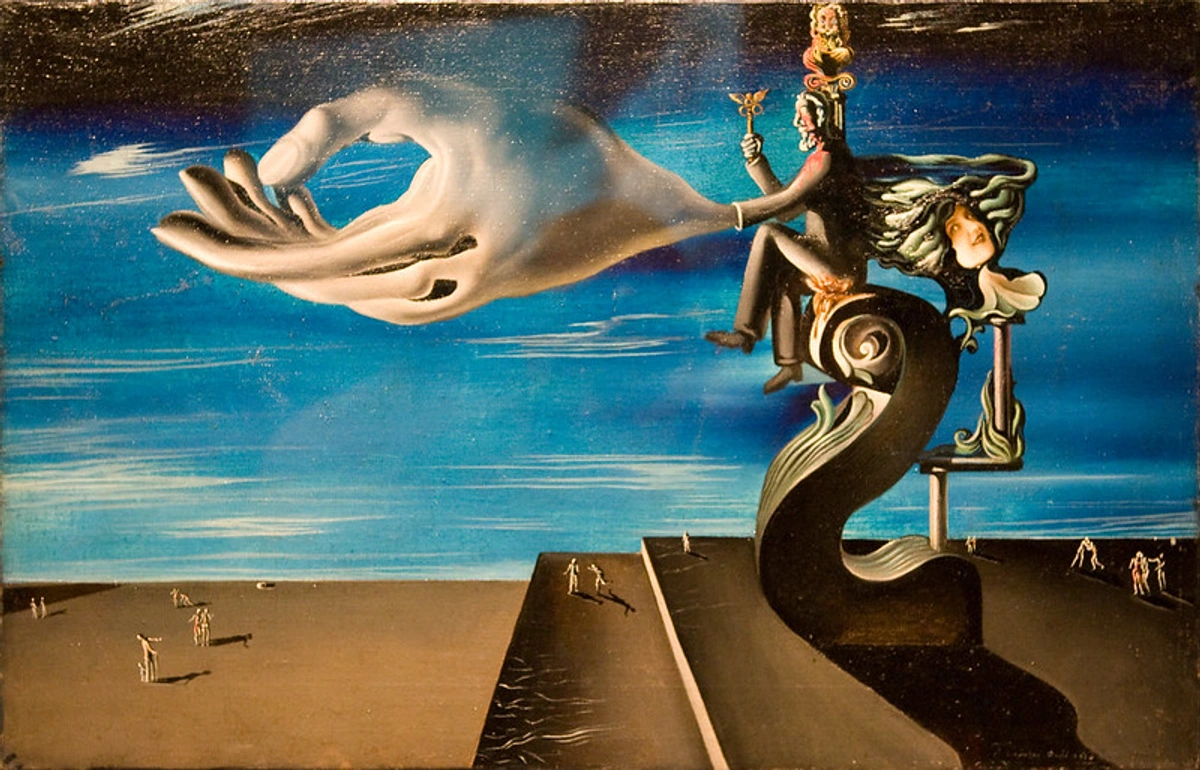
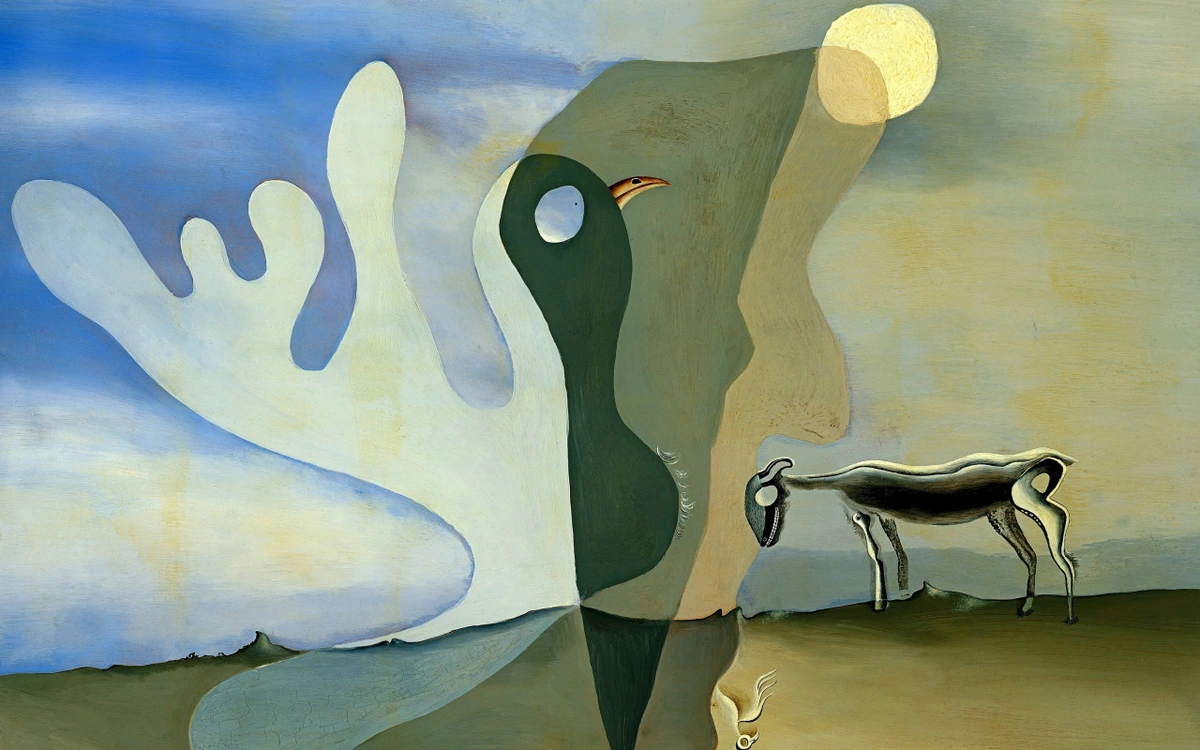
This painting by Yves Tanguy is a perfect example of how surrealists tapped into the unconscious. The abstract forms and dreamlike quality invite viewers to interpret the artwork in their own way, much like how our minds interpret dreams.
The Role of the Unconscious in Art
The unconscious mind is not just a reservoir of repressed memories and desires; it is also a wellspring of creativity. Artists like Tanguy, Dalí, and Magritte used their understanding of the unconscious to create works that challenge our perceptions and invite us to explore the depths of our own minds. This approach to art is not just about creating visually striking images; it is about tapping into the universal human experience of dreams and the subconscious.
The Creative Process
The creative process for surrealists was deeply personal and often involved exploring their own dreams and subconscious thoughts. By tapping into this wellspring of creativity, they were able to create works that resonated with viewers on a deep, emotional level. This process was not just about creating art; it was about exploring the depths of the human psyche and uncovering hidden truths.
The Creative Process
The creative process for surrealists was deeply personal and often involved exploring their own dreams and subconscious thoughts. By tapping into this wellspring of creativity, they were able to create works that resonated with viewers on a deep, emotional level. This process was not just about creating art; it was about exploring the depths of the human psyche and uncovering hidden truths.
The Universal Experience
Surrealist art speaks to the universal human experience of dreams and the subconscious. By exploring these themes, surrealists were able to create works that resonated with viewers from all walks of life. This universal appeal is one of the reasons why surrealism continues to captivate audiences to this day.
Techniques for Accessing the Unconscious
Surrealists employed various techniques to access the unconscious mind and translate its contents into art:
- Automatic Drawing: Artists would draw without conscious control, allowing their subconscious to guide the pen.
- Dream Journals: Recording dreams immediately upon waking to capture the raw, unfiltered content of the subconscious.
- Hypnosis: Some surrealists experimented with hypnosis to bypass the conscious mind and access deeper layers of thought.
- Exquisite Corpse: A collaborative technique where artists would create a piece of art in stages, with each artist only seeing a small portion of the previous work.
The Role of Automatic Drawing
Automatic drawing is a technique where artists allow their subconscious to guide the pen, creating works that are free from the constraints of logic and reason. This technique allowed surrealists to tap into the unconscious mind and create works that were truly revolutionary.
What Even Is the Unconscious Mind Anyway?
Picture your brain as an iceberg. The tip above water—that’s your conscious mind. The rational thoughts, your grocery lists, the plans for tomorrow. But beneath? That’s where the real magic happens. The unconscious mind is a chaotic, brilliant archive: repressed memories, primal urges, childhood wonders, and bizarre dream logic—all bubbling together without the filters of "reality" or "good sense." Freud called it the id, a place where taboo thoughts roam free. For surrealists, it wasn’t just a theory; it was a frontier. They believed the subconscious held untapped creativity, pure and unfiltered by societal rules.
Think about it: when’ve you had a wildly creative idea in the shower or during a drive? That’s your unconscious at work. Surrealists figured if they could bypass the critic (the conscious "no, that’s ridiculous" voice), they might access pure genius. And boy, did they.
The Structure of the Mind
Freud's model of the mind divided it into three parts: the conscious, the preconscious, and the unconscious. The conscious mind is what we are aware of at any given moment. The preconscious contains information that is not currently in our awareness but can be easily retrieved. The unconscious, however, is a vast reservoir of thoughts, memories, and desires that are hidden from our conscious awareness.
The Power of the Unconscious
The unconscious mind is not just a repository of repressed thoughts; it is also a source of creativity and inspiration. Surrealists believed that by tapping into the unconscious, they could access a wellspring of ideas and images that were untainted by the constraints of logic and reason. This belief led them to develop techniques that would allow them to explore the depths of their own minds and create art that was truly revolutionary.
The Role of the Unconscious in Creativity
The unconscious mind plays a crucial role in creativity. By tapping into this wellspring of ideas and images, surrealists were able to create works that were truly revolutionary. This approach to art is not just about creating visually striking images; it is about exploring the depths of the human psyche and uncovering hidden truths.
The Science Behind the Unconscious
Modern psychology continues to explore the depths of the unconscious mind. Studies in cognitive science and neuroscience have revealed how much of our decision-making and creativity is influenced by processes that occur outside of our conscious awareness. This ongoing research underscores the surrealists' belief in the power of the unconscious as a source of creativity and insight.

Cognitive Science and the Unconscious
Cognitive science has shown that much of our mental processing occurs outside of our conscious awareness. This includes everything from decision-making to problem-solving. The unconscious mind is constantly at work, processing information and generating ideas that can later emerge into our conscious awareness.
Neuroscience and Creativity
Neuroscience has also shed light on the role of the unconscious in creativity. Studies have shown that the brain is capable of making connections and generating ideas even when we are not consciously focused on a task. This is why some of our best ideas often come to us when we are relaxed or engaged in activities that do not require intense concentration, such as taking a shower or going for a walk.
The Role of Dreams in the Unconscious
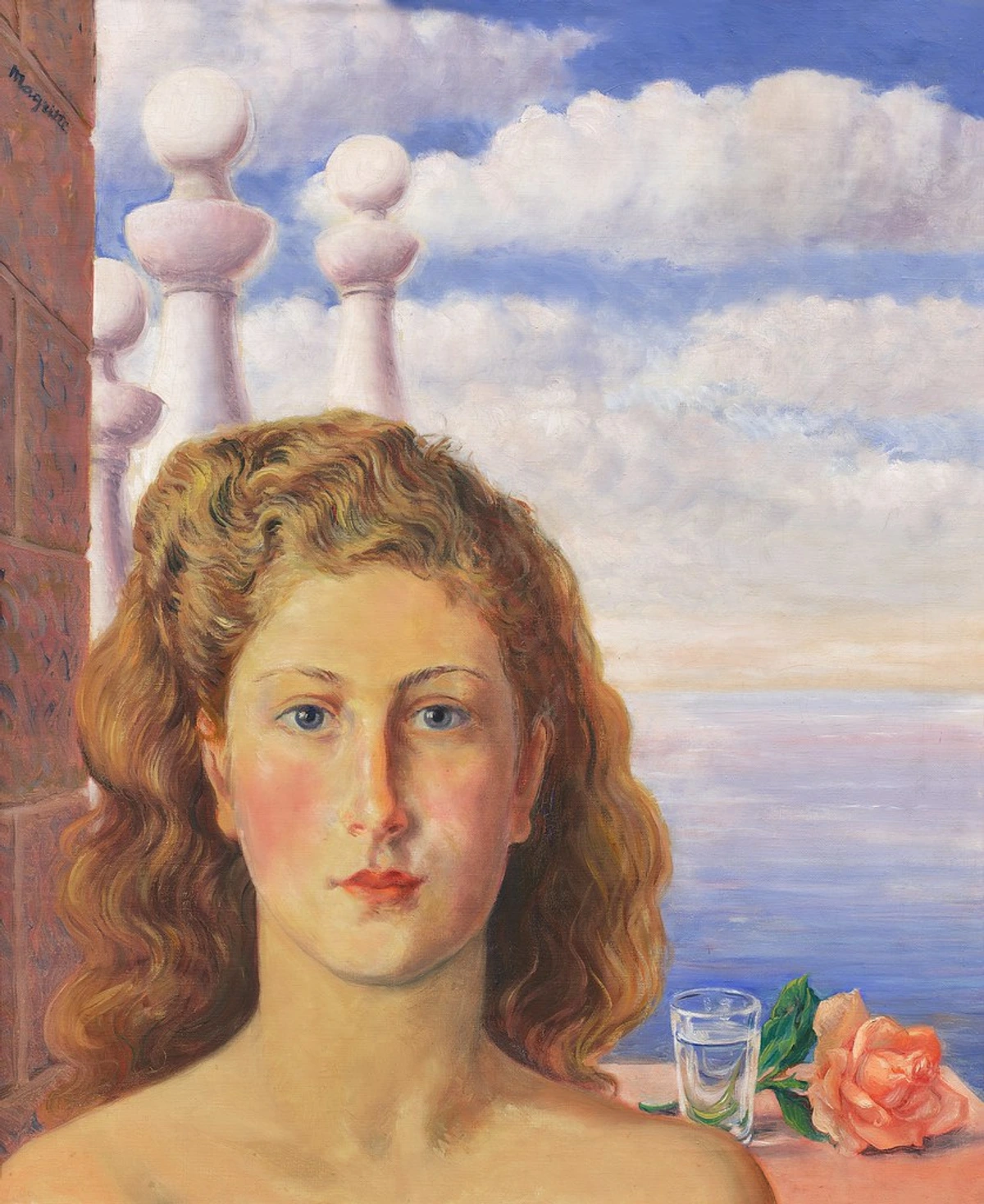
Dreams have always been a window into the unconscious. They are the raw, unfiltered expressions of our deepest thoughts and emotions. Surrealists like Dalí and Magritte saw dreams as a direct line to the subconscious, a place where logic and reason take a backseat to imagination and intuition. By exploring dreams, they believed they could unlock new forms of creativity and expression.
The Symbolism of Dreams in Art
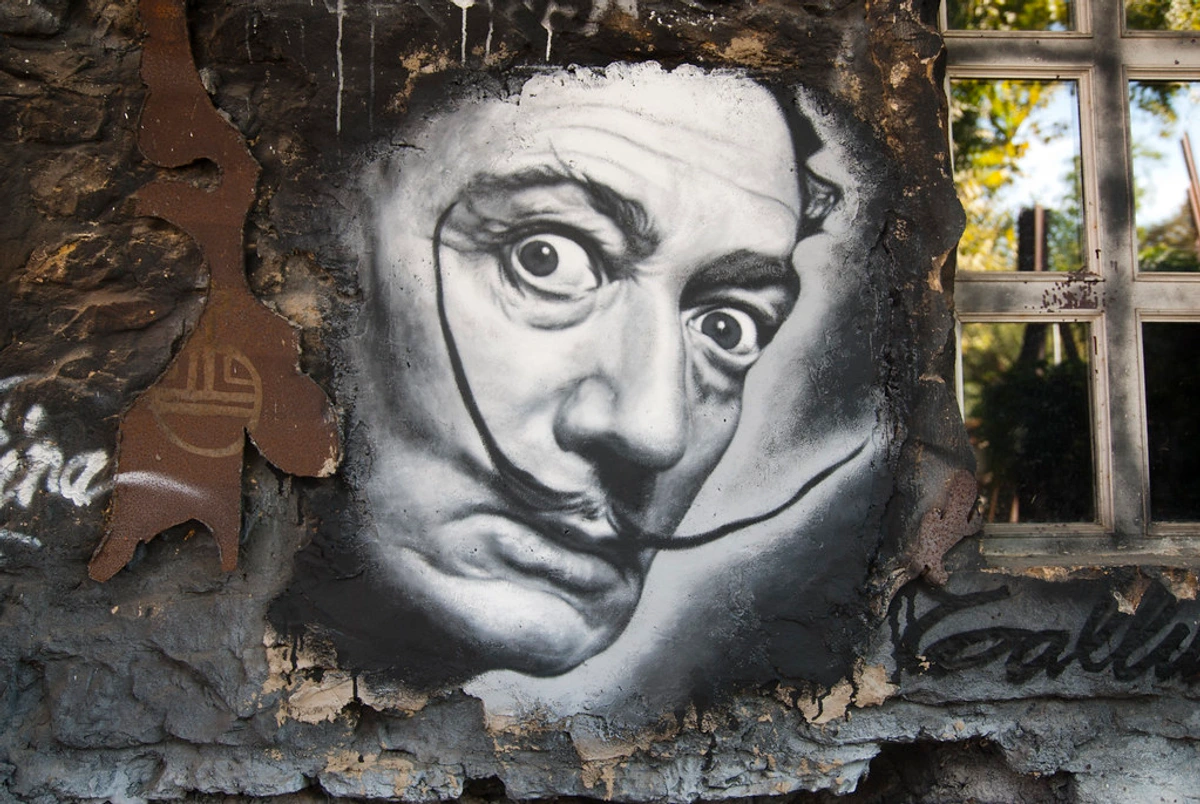
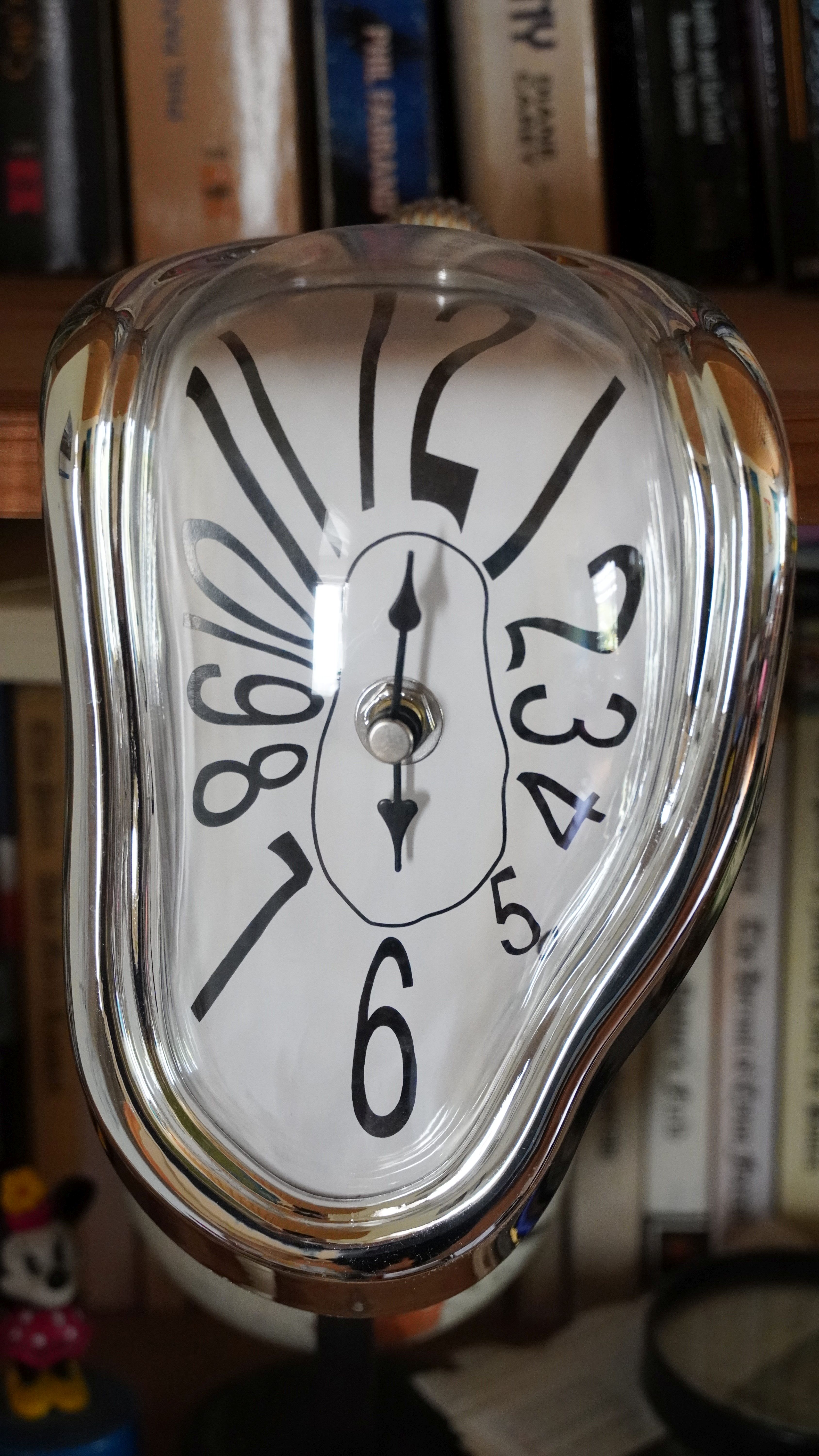
Dreams are rich with symbolism, and surrealists used this symbolism to create works that resonate on a deep, emotional level. From melting clocks to floating apples, the imagery in surrealist art is often drawn directly from the dream world. This symbolism allows viewers to connect with the artwork on a personal level, interpreting the images in ways that reflect their own experiences and emotions.
The Language of Dreams
Dreams speak in a language of symbols and metaphors. These symbols can be deeply personal, reflecting our individual experiences and emotions, or they can be universal, tapping into shared human experiences. Surrealists sought to capture this language in their art, creating works that resonate with viewers on a deep, emotional level.
The Power of Symbolism
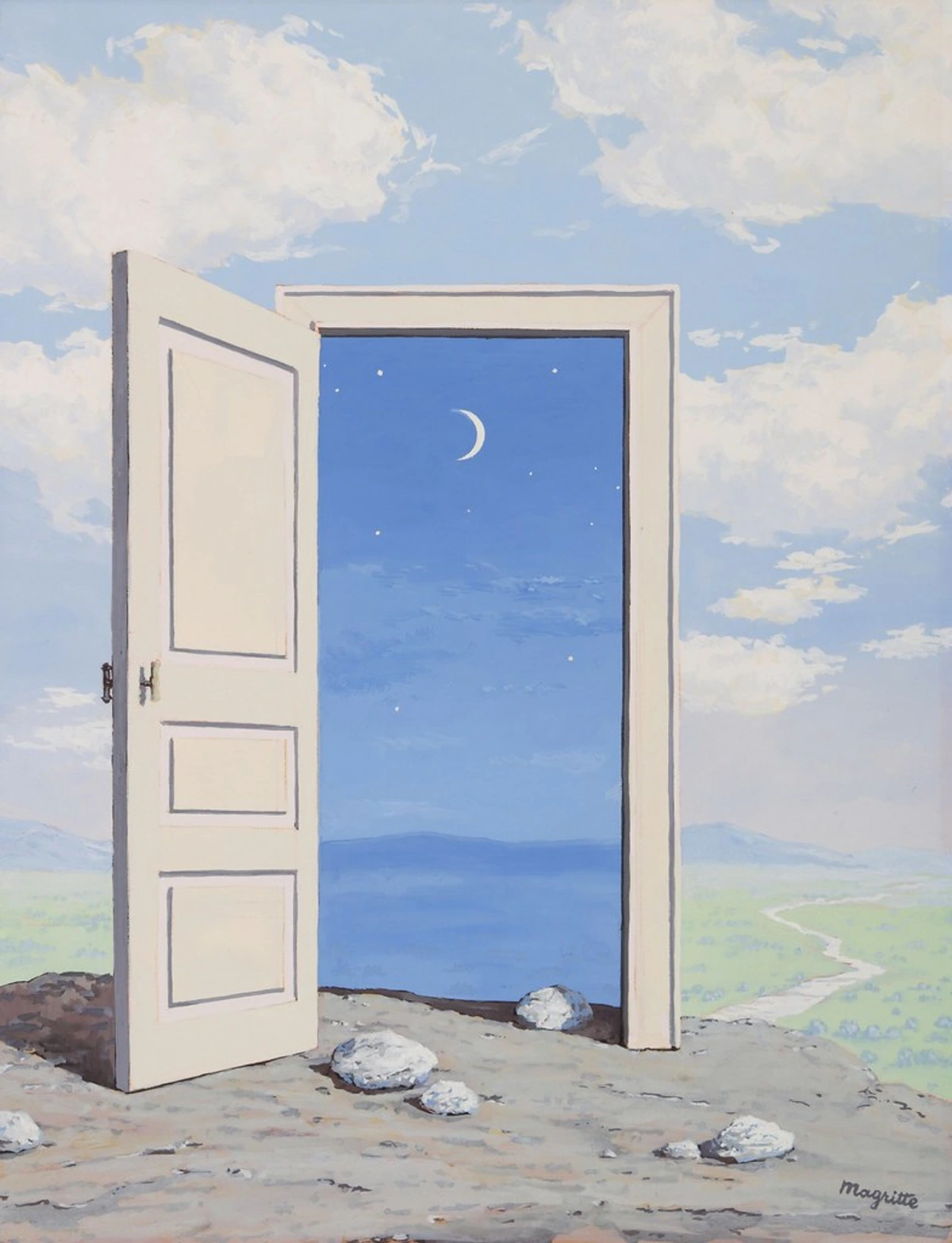
Symbolism in surrealist art is not just about creating visually striking images; it is about tapping into the universal human experience of dreams and the subconscious. By using symbols that are rich with meaning, surrealists were able to create works that invite viewers to explore the depths of their own minds and connect with the artwork on a personal level.
Common Dream Symbols in Surrealist Art
Symbol  | Interpretation | Artist Example |
|---|---|---|
| Melting Clocks | Fluidity of time, decay | Salvador Dalí |
| Floating Objects | Defiance of gravity, freedom | René Magritte |
| Eyes | Perception, surveillance | René Magritte |
| Animals | Primal instincts, wildness | Max Ernst |
| Doors and Windows | Opportunities, transitions | Giorgio de Chirico |
| Mirrors | Self-reflection, duality | Salvador Dalí |
| Hands | Creation, control | Joan Miró |
| Trees | Growth, life | Yves Tanguy |
| Water | Emotions, subconscious | Leonora Carrington |
| Birds | Freedom, transcendence | Max Ernst |
Surrealism: Diving Into the Deep End
In the 1920s, André Breton and his crew declared war on the "rational." Surrealism wasn’t just about painting weird stuff—it was a cultural revolution. They saw the unconscious as a source of truth, untainted by the post-WWI world’s cynicism. Their mantra? * "One must become mad—not unintelligibly, but rather more lucid... more intensely than ever."*
They didn’t just visit this subconscious world; they built whole systems to explore it. We’re talking:
- Automatic drawing: Scribbling without lifting the pen, letting your hand go rogue.
- Hypnosis: Trying to bypass the conscious gatekeeper entirely. (Yeah, trippy.)
These weren’t just techniques; they were radical acts of trust. Surrealists believed our deepest selves—the raw, uncensored bits—held better stories than "polite society" allowed. And they weren’t wrong.
How Dalí and Magritte Cracked the Code
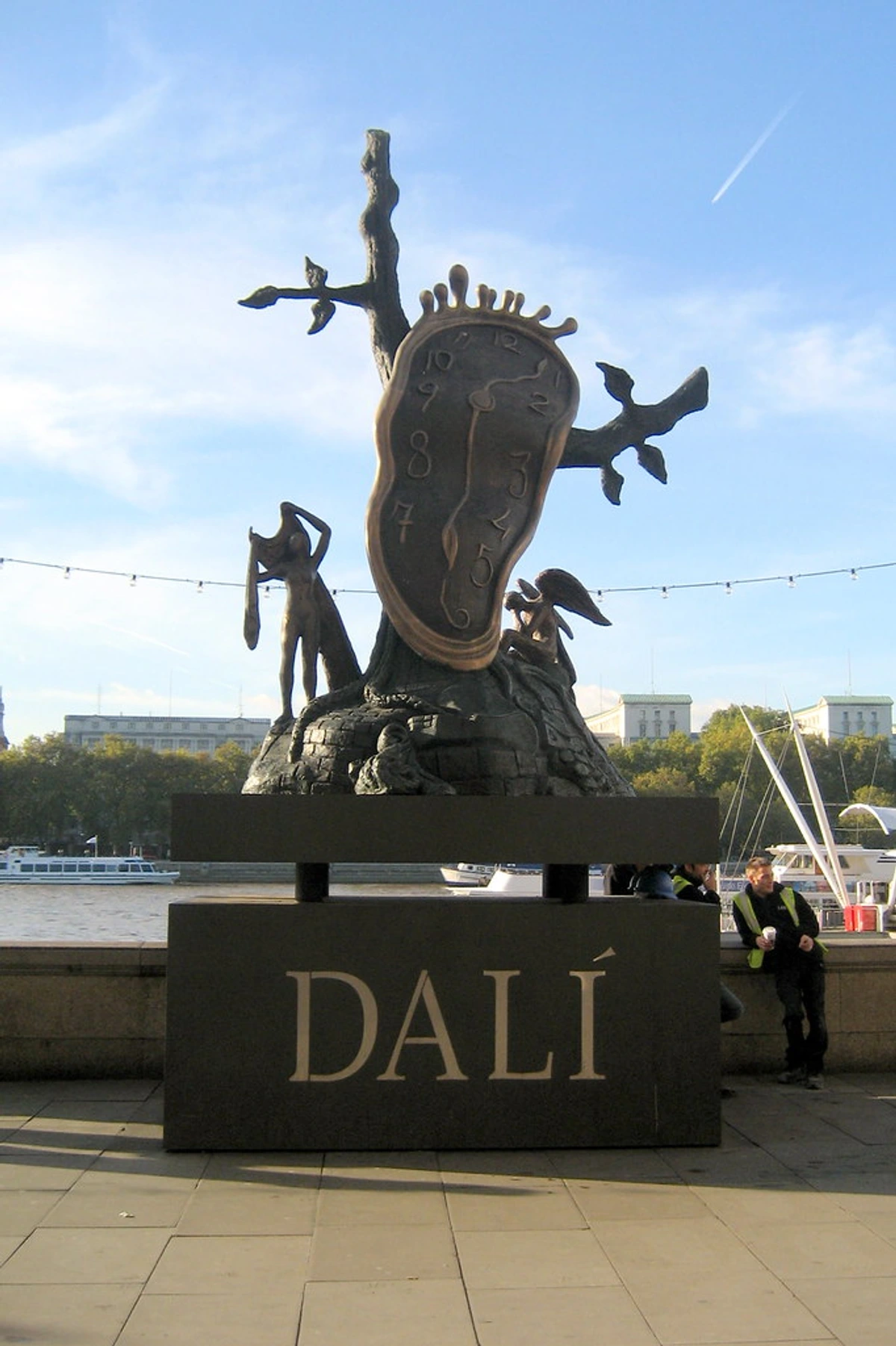
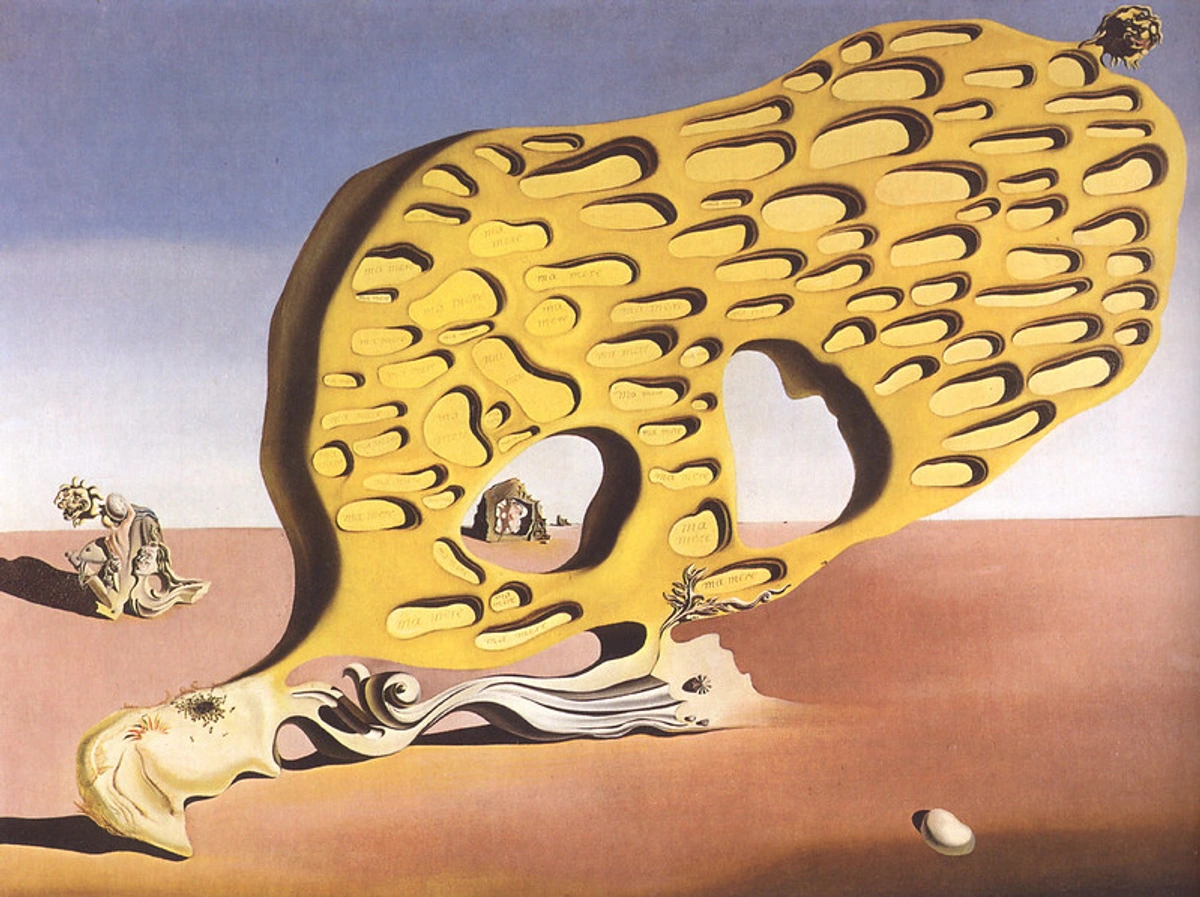
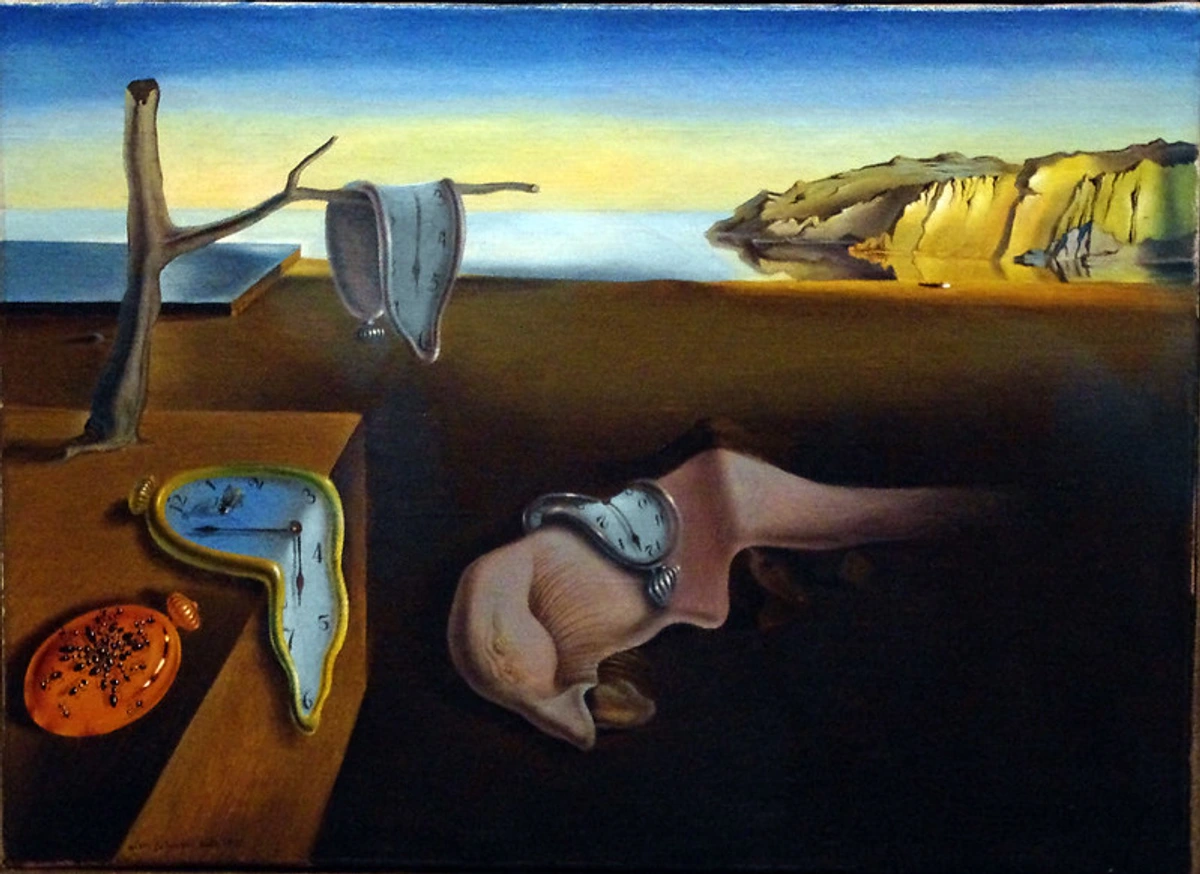
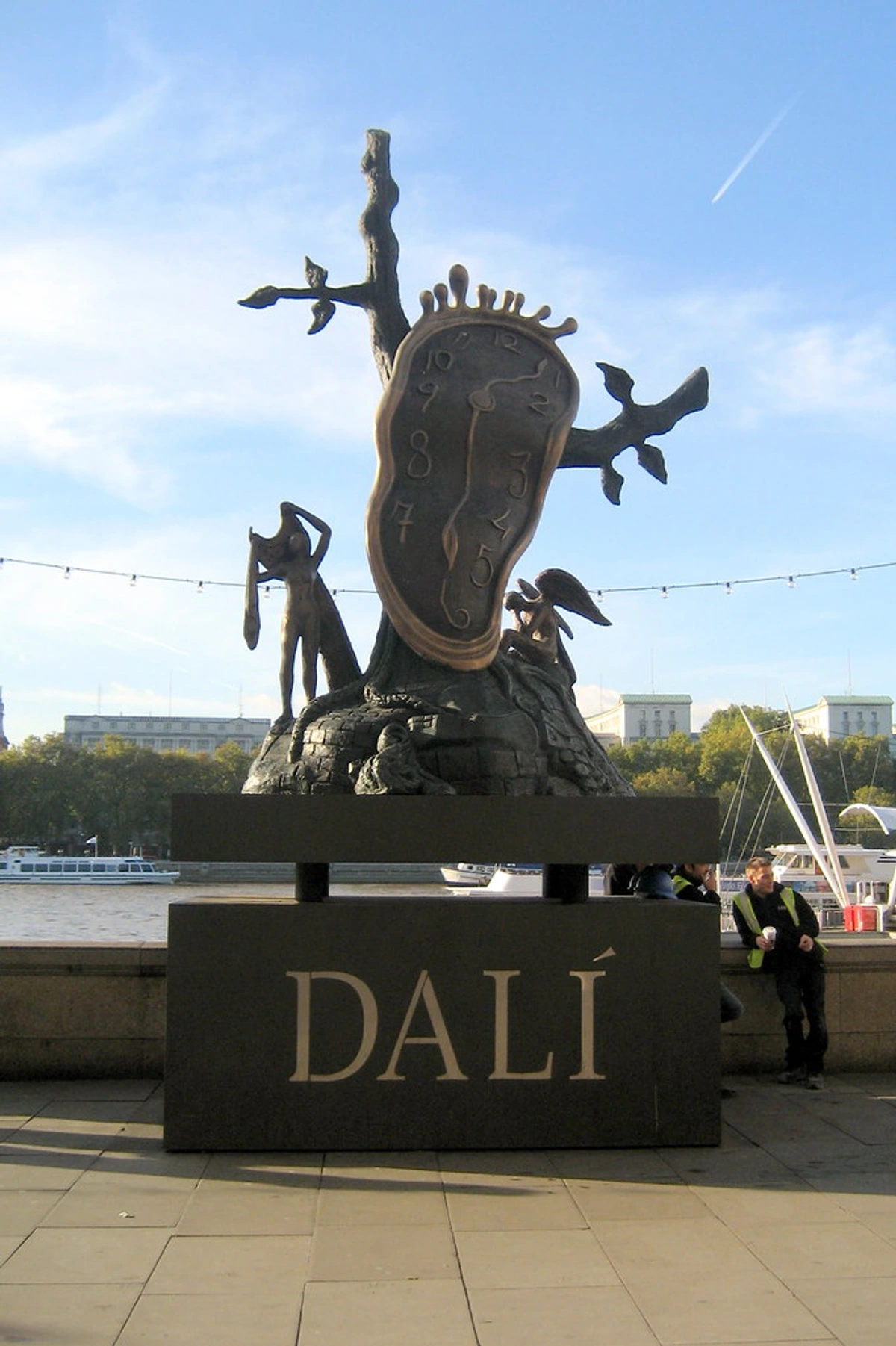
Let’s talk about the big names. Salvador Dalí’s melting clocks? Those didn’t just pop into his head. He’d nap with a spoon in hand, and if he fell asleep and dropped it—bingo—a surreal idea was born. His "paranoiac-critical method" was basically training his brain to find hidden patterns in chaos. Look at The Persistence of Memory: those clocks aren’t random decay—they’re the warping of time in a dream state. The ants swarming the pocket watch? Decay. Fear. Things unraveling when you’re not looking. Pure subconscious dread, painted with flair.
Magritte's Play with Perception
Then there’s René Magritte. His genius was in the gap between words and images. Take The Treachery of Images: a pipe with the caption "Ceci n’est pas une pipe" (This is not a pipe). He’s not being difficult—he’s pointing out that the symbol (the pipe painting) isn’t the real thing. It’s a mental sleight of hand. Magritte played with how our unconscious fills in blanks. He’d paint a normal room with a giant apple floating above it, and your brain would try to rationalize it. Is it magic? A giant fruit? Or is it just... paint? He loved that confusion. He was showing how our perception tricks us, playing in that space where logic gives up.
Then there’s René Magritte. His genius was in the gap between words and images. Take The Treachery of Images: a pipe with the caption
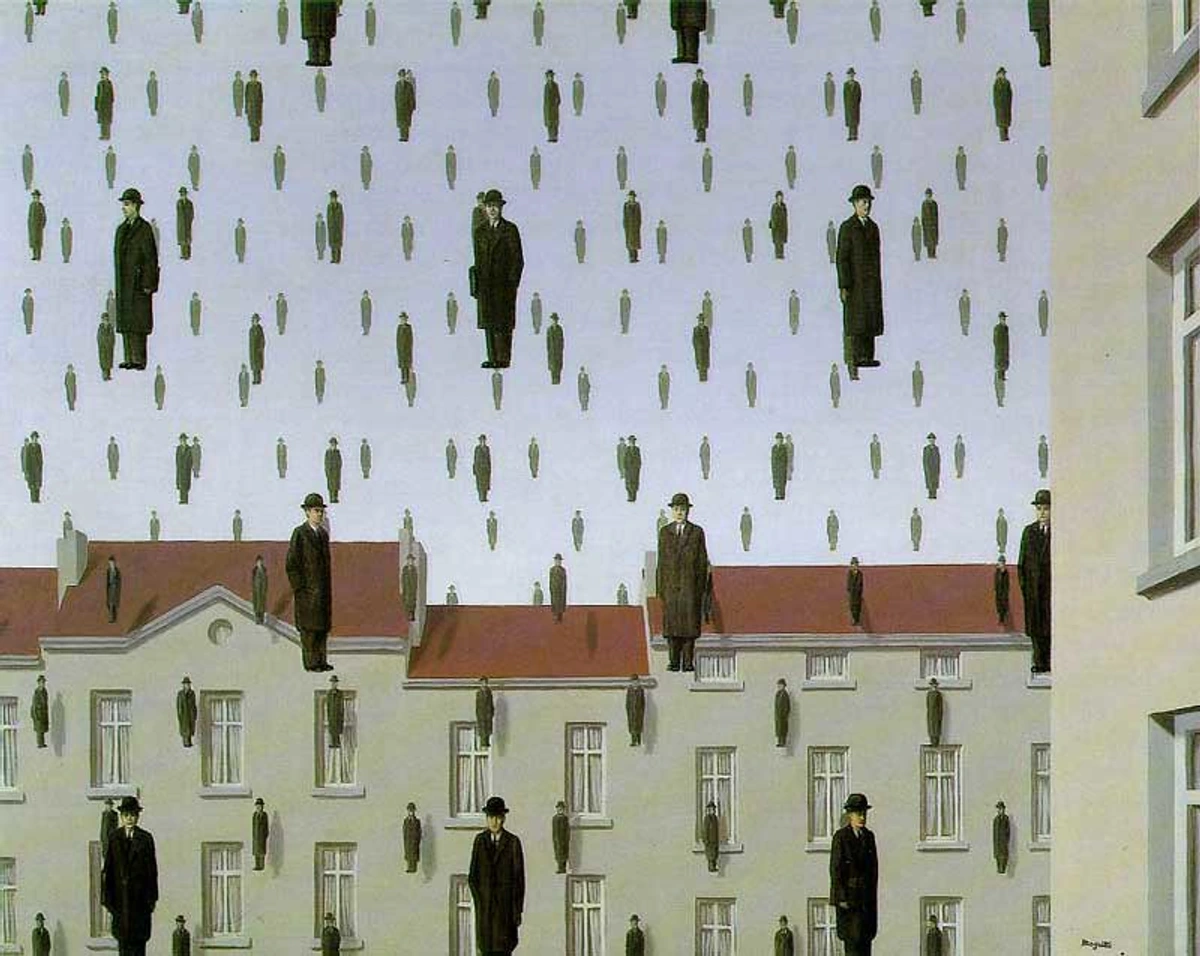
"Ceci n’est pas une pipe" (This is not a pipe). He’s not being difficult—he’s pointing out that the symbol (the pipe painting) isn’t the real thing. It’s a mental sleight of hand. Magritte played with how our unconscious fills in blanks. He’d paint a normal room with a giant apple floating above it, and your brain would try to rationalize it. Is it magic? A giant fruit? Or is it just... paint? He loved that confusion. He was showing how our perception tricks us, playing in that space where logic gives up.
The Legacy of Dalí and Magritte
Dalí and Magritte didn’t just create art; they redefined how we perceive reality. Their work challenged viewers to question their assumptions and embrace the irrational. This legacy continues to inspire artists today, from contemporary painters to digital creators exploring the boundaries of perception and reality.
Technique | How It Works | Artist Example | Modern Applications |
|---|---|---|---|
| Automatic Drawing | Drawing without conscious control | André Masson, Joan Miró | Doodling apps, stream-of-consciousness writing |
| Dream Analysis | Journaling dreams as inspiration | Salvador Dalí | Dream interpretation apps, sleep tracking |
| Frottage (Rubbing) | Making textures by rubbing objects | Max Ernst | Texture photography, printmaking, digital texture libraries |
| Photomontage | Assembling unrelated photos | Hannah Höch | Digital collage, social media mashups |
| Décalcomania | Pressing paint between surfaces | Óscar Domínguez | Abstract painting, digital glitch art |
| Exquisite Corpse | Collaborative drawing with hidden parts | Group activity | AI collaborative art, party games |
| Grattage | Scraping away dried paint to reveal layers | Max Ernst | Mixed media art, digital layering effects |
| Collage | Combining different materials | Kurt Schwitters | Mixed media, digital design, scrapbooking |
| Object Transformation | Giving everyday objects new meanings | Meret Oppenheim | Found object art, upcycling design |
| Paranoiac-Critical Method | Training the brain to find hidden patterns | Salvador Dalí | Cognitive training, pattern recognition apps |
| Hypnosis | Bypassing the conscious mind | André Breton | Meditation apps, therapeutic hypnosis |
| Frottage (Rubbing) | Creating textures by rubbing objects | Max Ernst | Digital texture creation, mixed media art |
Why This Still Matters in 2023
n Look, I get it. You’re probably thinking, "Cool art guys, but how is this relevant beyond museums?" Here’s the thing: we’re all living surreal lives now. Social media algorithms? Dreams curated by code. AI art machines? Unconscious logic made literal. Surrealism taught us that what feels bizarre is often what’s true—emotionally, at least. When abstract artist Zen Dageraad Visser blends vibrant colors into impossible shapes, they’re not just being pretty. They’re echoing that same rebellion: reality is flexible, and the mind’s eye is the ultimate lens.
Plus, in a world obsessed with productivity and "hustle," surrealism is a middle finger to hyper-rationality. It whispers: Your messy thoughts aren’t a bug—they’re your creative source. The next time you’re stuck staring at a blank canvas (or a blank spreadsheet), try letting your mind wander deliberately. Let it be chaotic. Let it be "illogical." You might surprise yourself.
Ready to Dive In? Here’s How
Curious about your own subconscious? No need for a couch or a beret. Try:
- The Dream Journal: Keep a notebook by your bed. Write down fragments as you wake. Don’t edit—just scribble.
- Found Image Poetry: Cut out random photos from magazines and arrange them into weird scenes. Let your subconscious assemble the story.
- Surrealist Prompts: Set a timer for 10 minutes. Draw whatever comes to mind for prompts like "melting furniture" or "clouds made of birds."
And hey, if this sparks something in you, maybe you’ll want to own a piece of it. Original abstract prints that channel this same energy? They exist. No pressure.
Exploring Your Own Subconscious
Exploring your own subconscious can be a rewarding and enlightening experience. By tapping into this wellspring of creativity, you can unlock new ideas and insights that can enhance your life and work. Whether you're an artist, a writer, or just someone looking to explore the depths of your own mind, surrealism offers a wealth of techniques and insights that can help you on your journey.
The Benefits of Exploring the Unconscious
Exploring the unconscious can have a range of benefits, from enhanced creativity to a deeper understanding of yourself and the world around you. By embracing the irrational and exploring the depths of your own mind, you can unlock new forms of creativity and expression that can enrich your life and work.
Exploring Surrealism in Your Daily Life
Surrealism isn’t just for artists. You can incorporate surrealist techniques into your daily life to unlock creativity and explore your subconscious. Whether you’re journaling, doodling, or brainstorming, letting go of control and embracing the irrational can lead to unexpected insights and ideas.
Exploring Surrealism Further
If you’re eager to dive deeper, consider visiting art museums or exploring online galleries dedicated to surrealism. Many contemporary artists continue to draw inspiration from this movement, creating works that challenge and inspire. Engaging with surrealist art can be a transformative experience, offering new perspectives on the world and the depths of the human mind.
Surrealism in Literature and Film
Surrealism’s influence extends to literature and film, where writers and filmmakers have used surrealist techniques to create works that challenge audiences' perceptions of reality. From the writings of André Breton to the films of Luis Buñuel, surrealism has left an indelible mark on the world of storytelling.
Exploring Surrealism Further
If you’re eager to dive deeper, consider visiting art museums or exploring online galleries dedicated to surrealism. Many contemporary artists continue to draw inspiration from this movement, creating works that challenge and inspire.
Debunking Myths: What Surrealism Isn’t
Let’s clear the air:
- It’s not drug-fueled chaos: While some surrealist parties included absinthe, the movement was about method. Dalí and Magritte were meticulous planners. The weirdness was rehearsed.
- It’s not random: Dalí’s melting clocks and Magritte’s floating apples had deep personal and symbolic meanings. They weren’t just "weird for weird’s sake."
- It’s not easy: Making "simple" surreal art requires mastering a technical skill first. Think of it like jazz: you have to know the rules to bend them brilliantly.
The Misconception of Surrealism as Nonsense
Some people dismiss surrealism as mere nonsense, but this couldn’t be further from the truth. Surrealism is a deliberate exploration of the unconscious, a methodical attempt to unlock the hidden depths of the human mind. It’s not about chaos; it’s about revealing the underlying order in the seemingly irrational.
FAQ: All Your Burning Questions
Q: Is surrealism just about weird paintings?
A: Not at all! It spilled into film (Buñuel Un Chien Andalou), poetry, and even fashion. Salvador Dalí designed a lobster telephone—so yes, it gets gloriously weird. But at its core, it’s a philosophy about unlocking creativity.
Q: Can anyone access their subconscious like artists do?
A: Absolutely. We all access it nightly. Surrealists just trained themselves to be conscious tourists in that world. It’s a skill, not a special gift.
Q: Is surrealism still used today?
A: Big time. Think David Lynch’s films, AI art hallucinations, and contemporary artists like David Hockney playing with perspective. The spirit of challenging reality is alive and well.
Q: What if I don’t "get" surrealist art?
A: You don’t have to. Let it be ambiguous. Your confusion is part of the experience. Surrealism is meant to stir unease, joy, or awe—not to be neatly explained.
Q: Does exploring the unconscious risk mental instability?
A: For most people, no—dream journaling or automatic drawing is safe. But if you’re working with trauma, consider talking to a professional. Surrealism isn’t therapy.
Q: How can I incorporate surrealism into my own creative process?
A: Start by keeping a dream journal or experimenting with automatic drawing. Allow yourself to explore the irrational and embrace the unexpected. The key is to let go of control and trust your subconscious to guide you.
Q: What is the significance of the melting clocks in Dalí's work?
A: The melting clocks in Dalí's The Persistence of Memory symbolize the fluidity of time and the irrational nature of dreams. They challenge our conventional understanding of time as a rigid, linear concept, inviting us to explore the subconscious mind's perception of reality.
Q: How did surrealism influence other art movements?
A: Surrealism had a profound impact on a wide range of art movements, from abstract expressionism to pop art. Its emphasis on exploring the unconscious mind and challenging conventional perceptions of reality continues to inspire artists across disciplines.
Q: What are some famous surrealist films?
A: Some notable surrealist films include Un Chien Andalou by Luis Buñuel and Salvador Dalí, and The Discreet Charm of the Bourgeoisie by Luis Buñuel. These films challenge traditional storytelling and explore the irrational and the subconscious.
Q: How can I learn more about surrealism?
A: There are many resources available, from books and documentaries to online courses and museum exhibitions. Engaging with surrealist art and literature can provide a deeper understanding of the movement and its impact on culture.
Q: What is the role of the unconscious in surrealist art?
A: The unconscious mind is a central theme in surrealist art. It is seen as a wellspring of creativity and a source of inspiration. Surrealists sought to tap into the unconscious to create works that challenge our perceptions and invite us to explore the depths of our own minds.
Q: How did surrealism challenge traditional perceptions of reality?
A: Surrealism challenged traditional perceptions of reality by embracing the irrational and exploring the depths of the human psyche. Surrealists sought to liberate the imagination and create a new way of seeing and experiencing reality, one that was not constrained by the rules of logic and reason.
Q: What is the difference between surrealism and abstract art?
A: While both movements explore non-representational forms, surrealism is rooted in the unconscious mind and often incorporates recognizable imagery in unexpected ways. Abstract art, on the other hand, focuses more on form, color, and composition without necessarily referencing the external world.
Q: How did surrealism influence literature?
A: Surrealism had a significant impact on literature, inspiring writers to experiment with narrative structures and explore the subconscious. Authors like André Breton and Louis Aragon used surrealist techniques to create works that challenge conventional storytelling and delve into the irrational.
Q: What is the significance of the unconscious mind in surrealism?
A: The unconscious mind is a central theme in surrealist art. It is seen as a wellspring of creativity and a source of inspiration. Surrealists sought to tap into the unconscious to create works that challenge our perceptions and invite us to explore the depths of our own minds.
Q: How did surrealism influence modern art?
A: Surrealism had a profound impact on modern art, inspiring artists to explore the depths of the subconscious and challenge traditional perceptions of reality. Its emphasis on creativity and imagination continues to inspire artists across disciplines.
The Takeaway
Surrealism was never about painting impossible dreams—it was about revealing truths we bury too deep. Dalí and Magritte didn’t just make stunning art; they issued an invitation: Look closer at what’s hidden. Your unconscious mind isn’t a scary monster. It’s a creative ally, waiting to collaborate. So next time you see a shape in a cloud or a shadow on the wall, lean into the mystery. That’s where the real art begins.

The Enduring Legacy of Surrealism
The legacy of surrealism extends far beyond the art world. It has influenced literature, film, music, and even philosophy. By challenging our perceptions of reality and exploring the depths of the unconscious mind, surrealism has left an indelible mark on human culture. Its enduring relevance is a testament to the power of the imagination and the importance of questioning the world around us.
The Future of Surrealism
As we continue to explore the boundaries of creativity and perception, surrealism remains a vital force in the art world. Its influence can be seen in everything from contemporary art to cutting-edge technology. The journey into the unconscious is far from over; it’s just getting started.




If you’re craving more of this exploration, our art museum in Den Bosch is designed to be a labyrinth of these kinds of ideas—or you can explore our full timeline of how surrealism evolved. The journey’s just getting started.
Additional Resources
For those who want to delve even deeper, consider exploring books, documentaries, and online courses dedicated to surrealism. The more you learn, the more you’ll appreciate the depth and complexity of this fascinating movement. Engaging with surrealist art can be a transformative experience, offering new perspectives on the world and the depths of the human mind.
Recommended Books and Documentaries
Title | Author/Director | Description |
|---|---|---|
| Surrealism | Mary Ann Caws | A comprehensive overview of the surrealist movement and its key figures. |
| The Surrealist Manifesto | André Breton | The foundational text of the surrealist movement, outlining its principles and goals. |
| Dali: The Paintings | Robert Descharnes | A detailed exploration of Salvador Dalí’s life and work. |
| Magritte: The Mystery of the Ordinary | David Sylvester | An in-depth look at the life and art of René Magritte. |
| Un Chien Andalou | Luis Buñuel | A surrealist film that challenges traditional storytelling and explores the subconscious. |
| The Discreet Charm of the Bourgeoisie | Luis Buñuel | A surrealist film that critiques societal norms and explores the irrational. |
Online Courses and Exhibitions
Many museums and educational institutions offer online courses and exhibitions dedicated to surrealism. These resources provide an opportunity to engage with surrealist art and learn more about its history and impact.