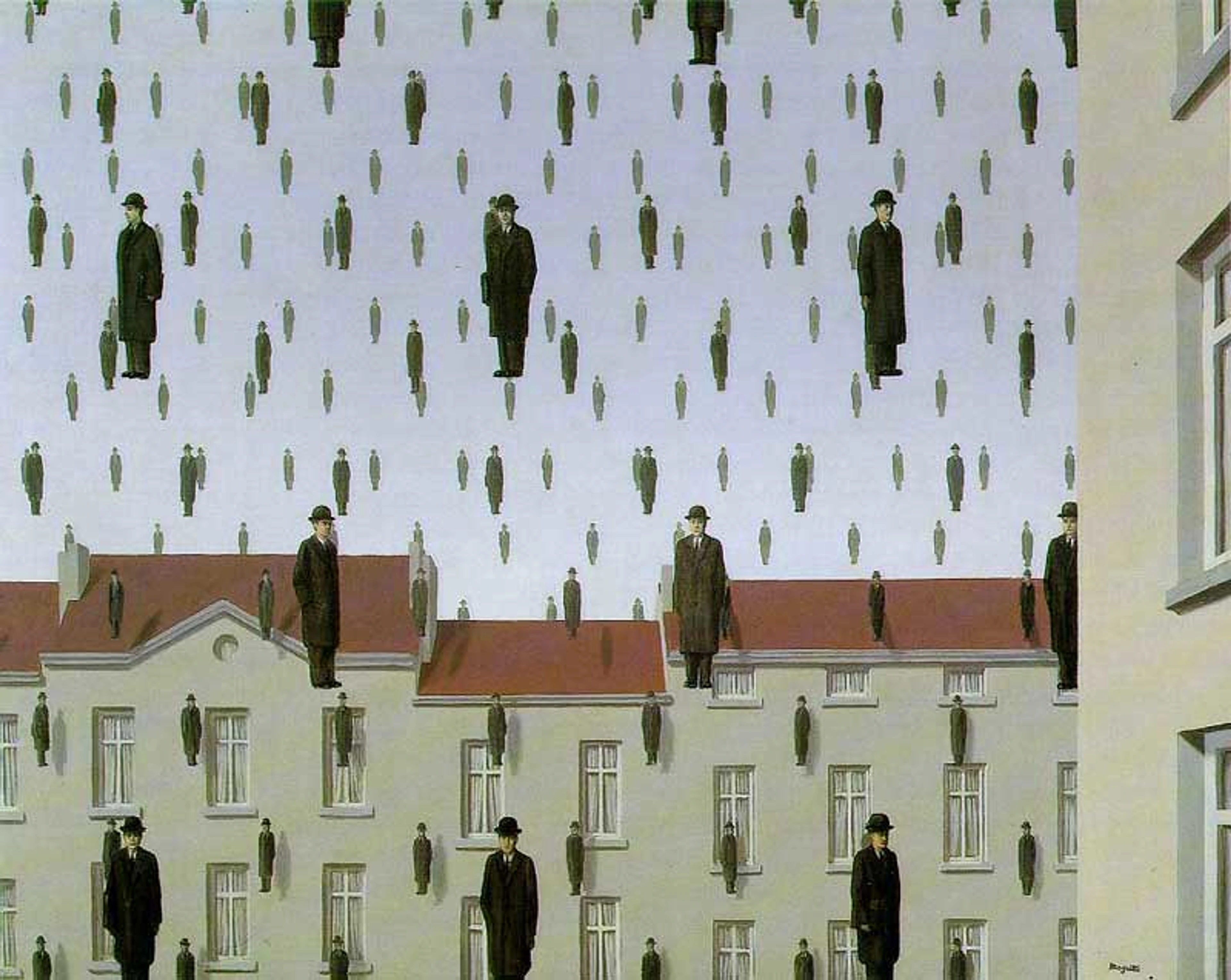
Surrealism: Unlocking the Unconscious Mind in Art
Explore how surrealism artists plumbed the depths of the unconscious mind through automatic techniques and Freudian influences, revealing psychological truths in visual art.

Surrealism: Unlocking the Unconscious Mind in Art
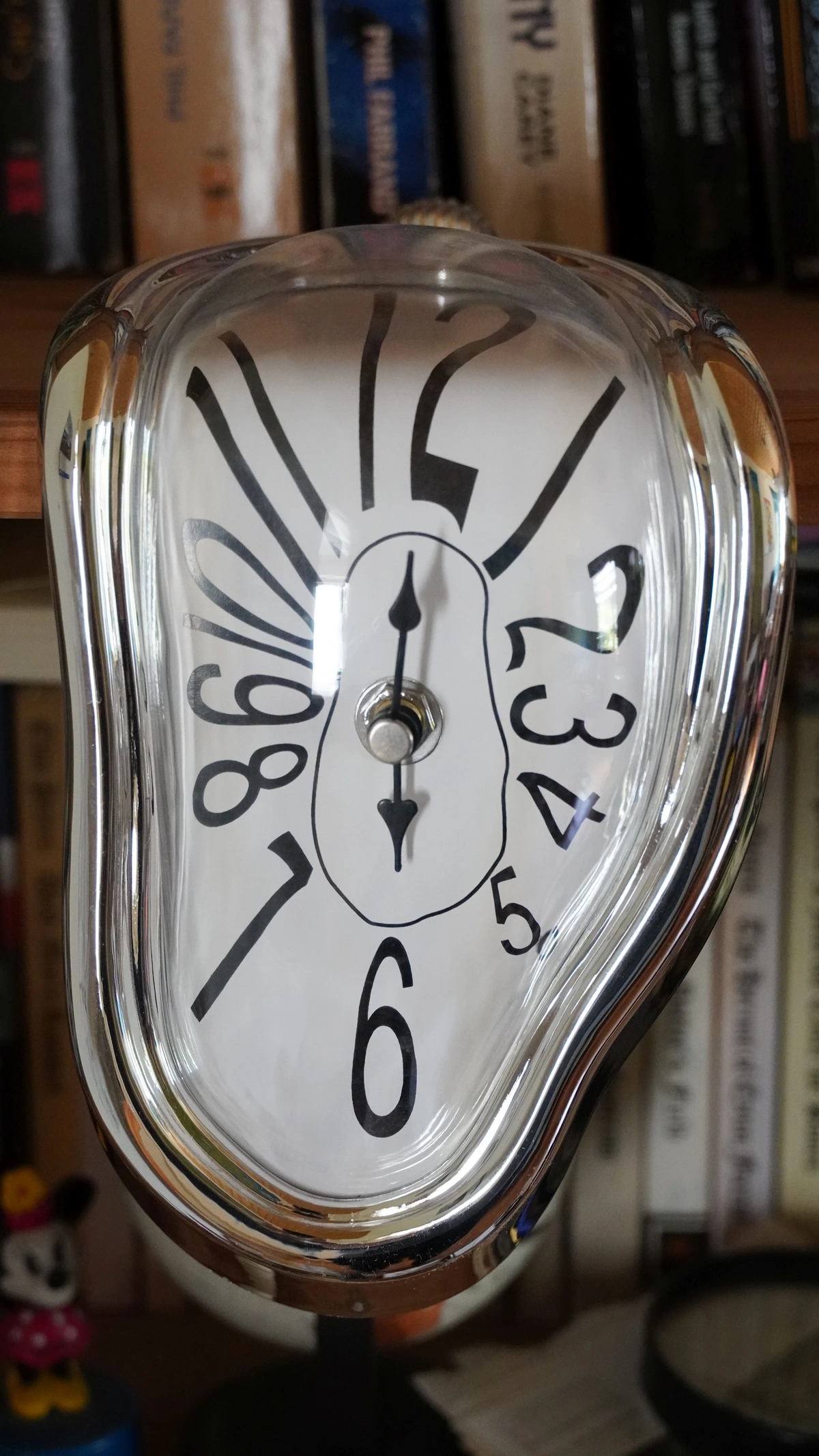
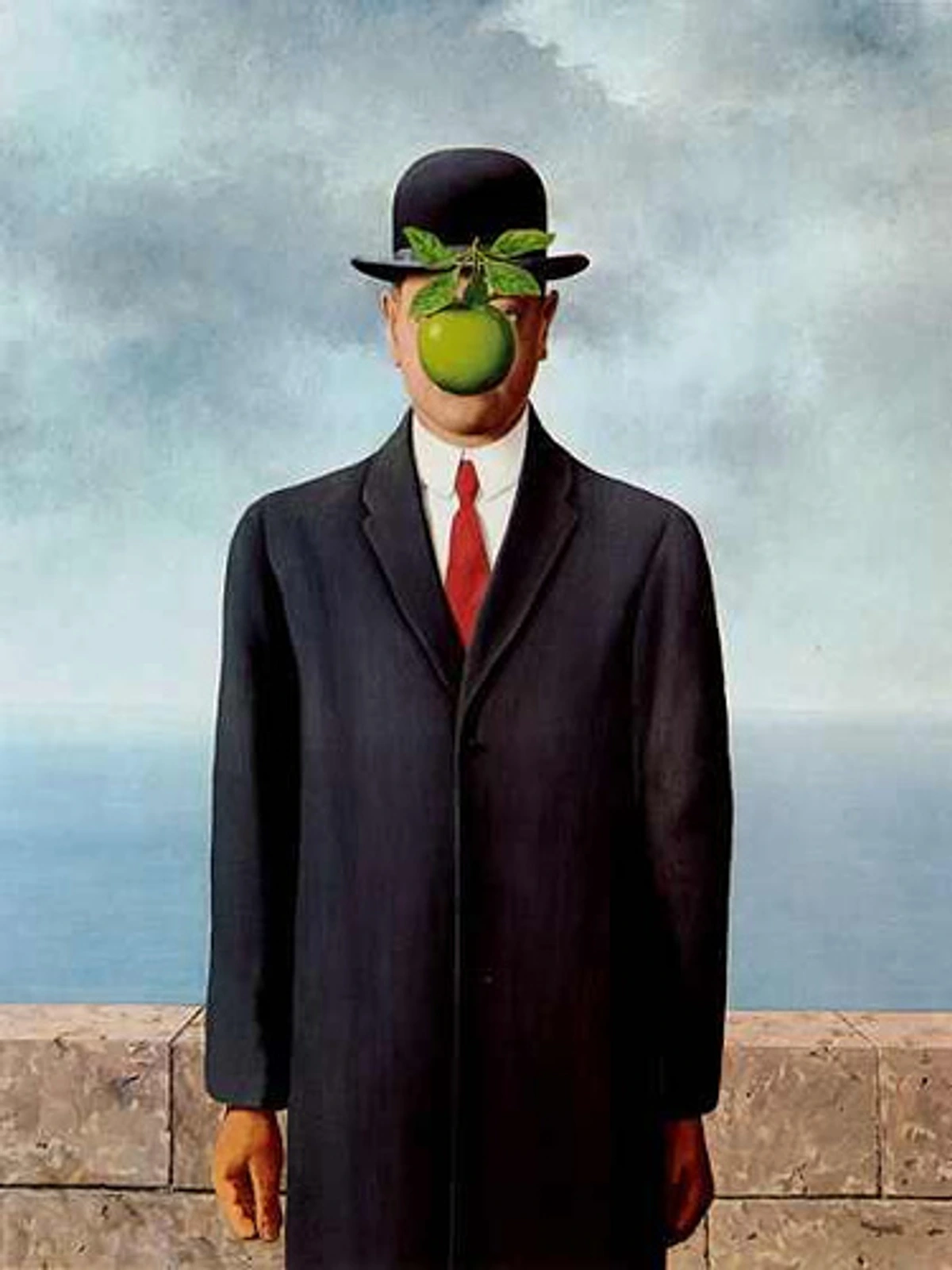
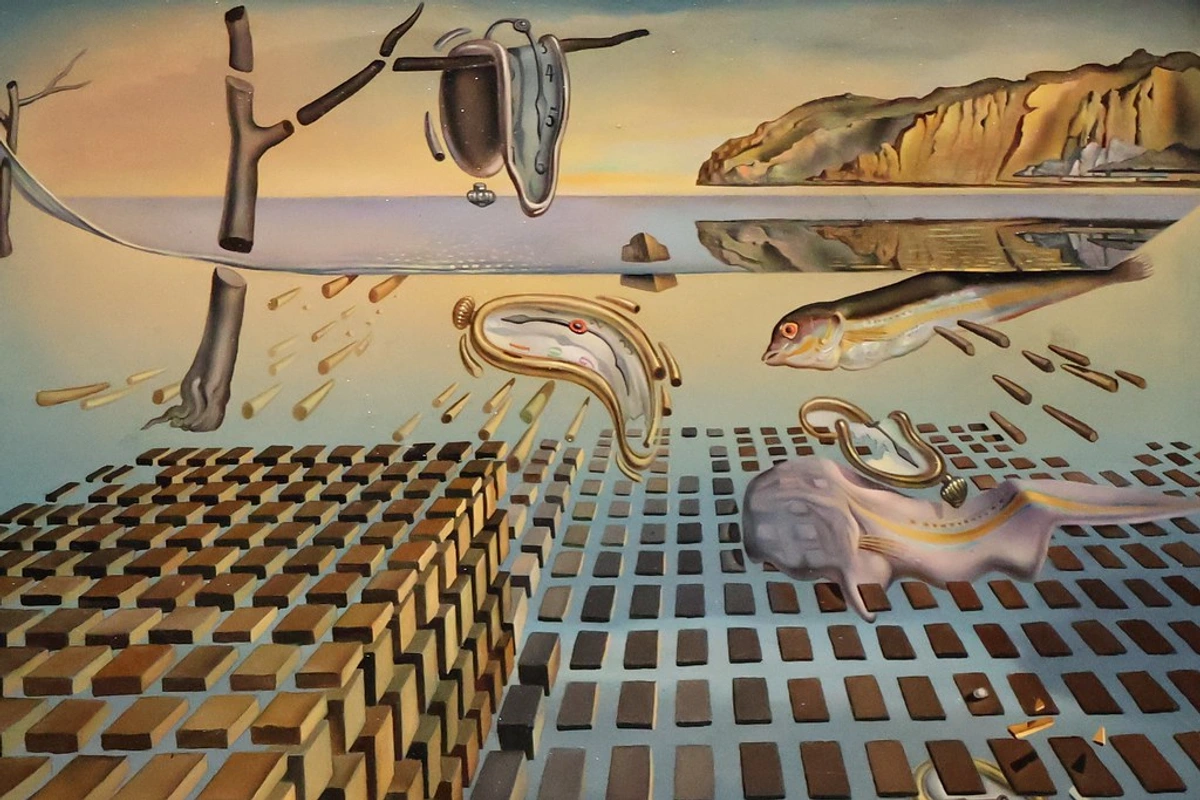
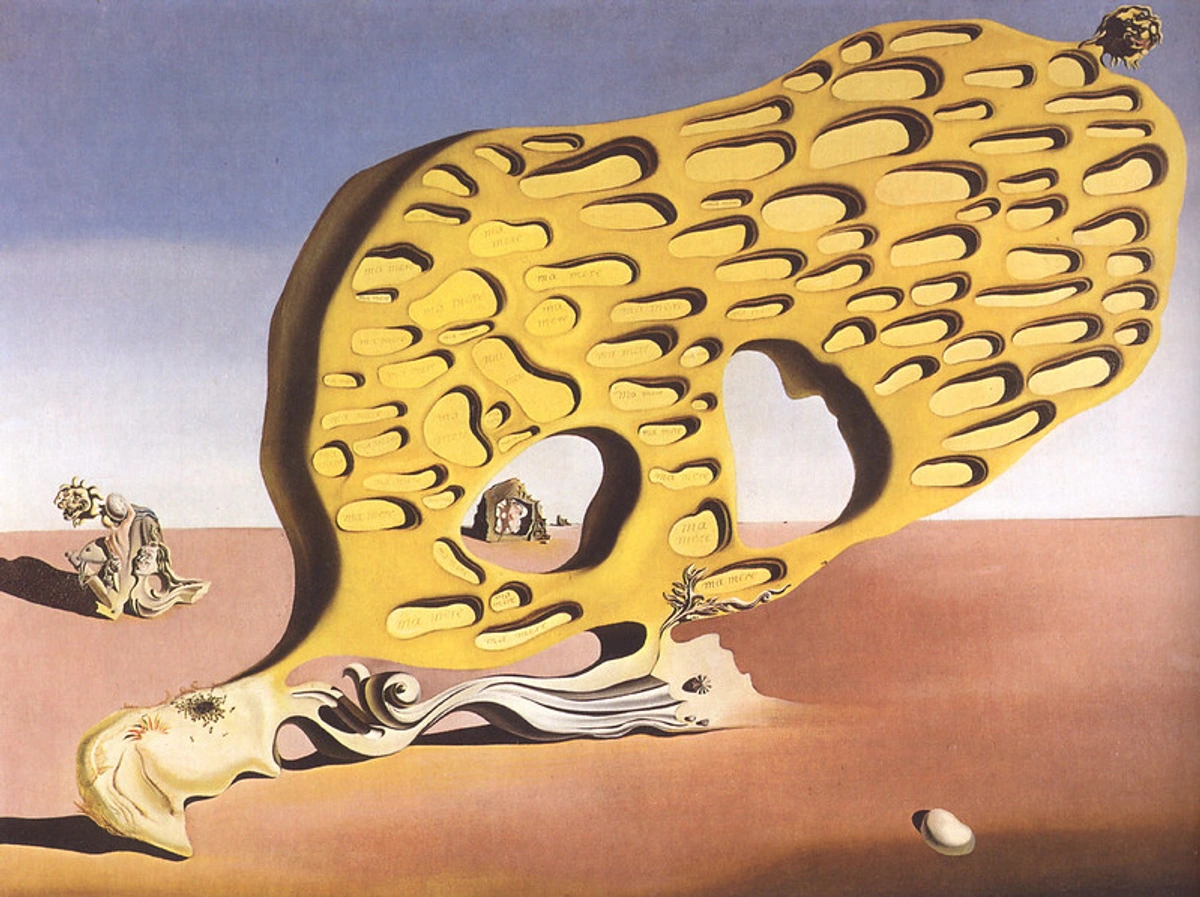
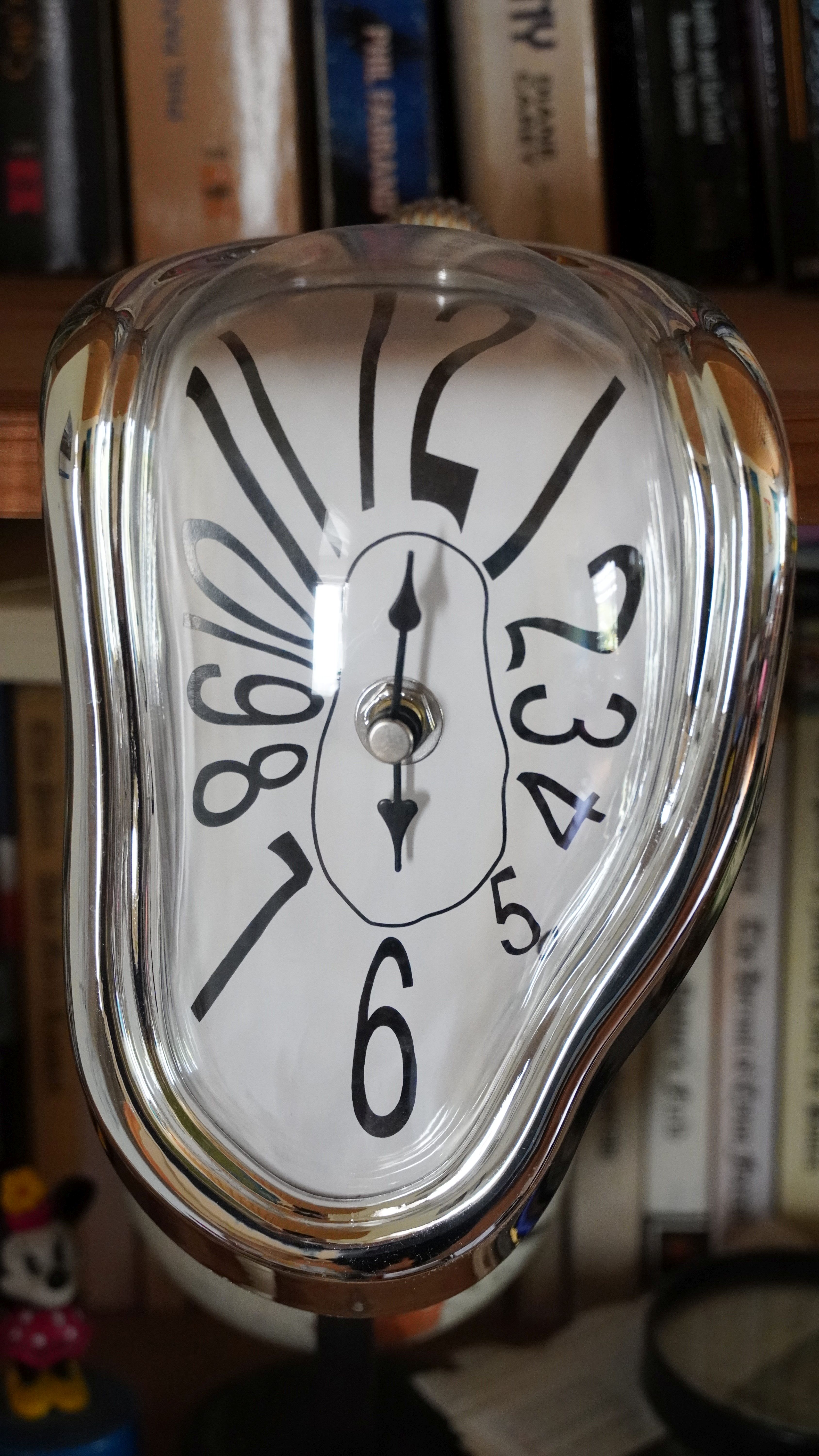
I'll never forget my first encounter with Salvador Dalí's "The Persistence of Memory." That melting clock in a barren landscape didn't just look strange—it felt unnervingly familiar, like a half-remembered dream. This visceral reaction is exactly what surrealism aims for: to bypass rational thought and tap directly into the hidden language of our unconscious minds. Isn't it fascinating that nearly a century later, we're still captivated by art that seems to whisper secrets from the shadows of our psyche?
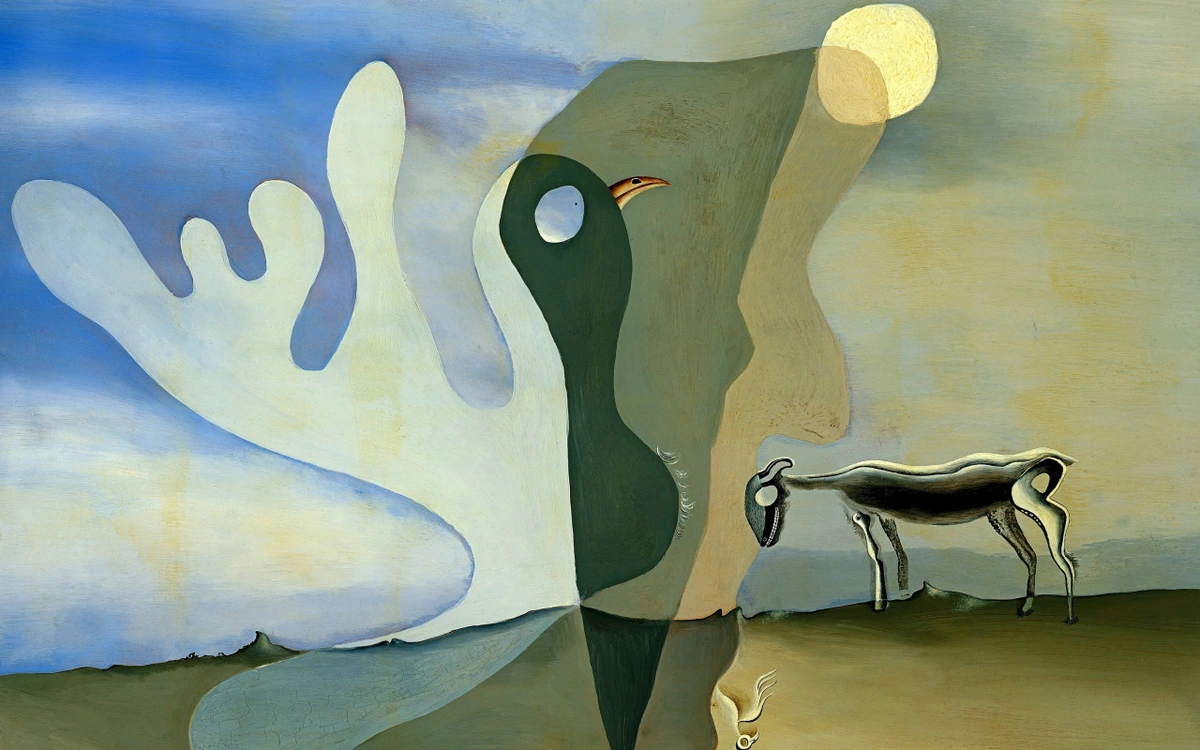
But what if I told you that surrealism isn't just about strange paintings? What if I told you it's actually a revolutionary way of seeing the world that changed everything from art to psychology to how we understand our own dreams? Yeah, I know—most art history lectures can make these movements sound like dusty museum exhibits. But surrealism is alive and breathing in everything from that weird dream you had last night to the absurd memes scrolling through your Instagram feed right now.
What Is Surrealism, Really?
At its core, surrealism is about rebellion against reality. Not the reality of physics or politics, but the narrow, everyday reality we accept as "normal." Emerging after the horrors of WWI, artists like André Breton and Max Ernst believed society's obsession with logic had numbed us to deeper truths. They wanted to excavate the treasure buried beneath—our dreams, fears, and irrational urges.
But here's where it gets interesting: surrealism didn't just appear out of nowhere. It was born from the ashes of World War I, when a generation of artists and writers looked at the "rational" world that had created such unimaginable horror and thought, "There has to be another way." They found their answer in the unconscious mind—that mysterious realm where logic takes a coffee break and weirdness reigns supreme.
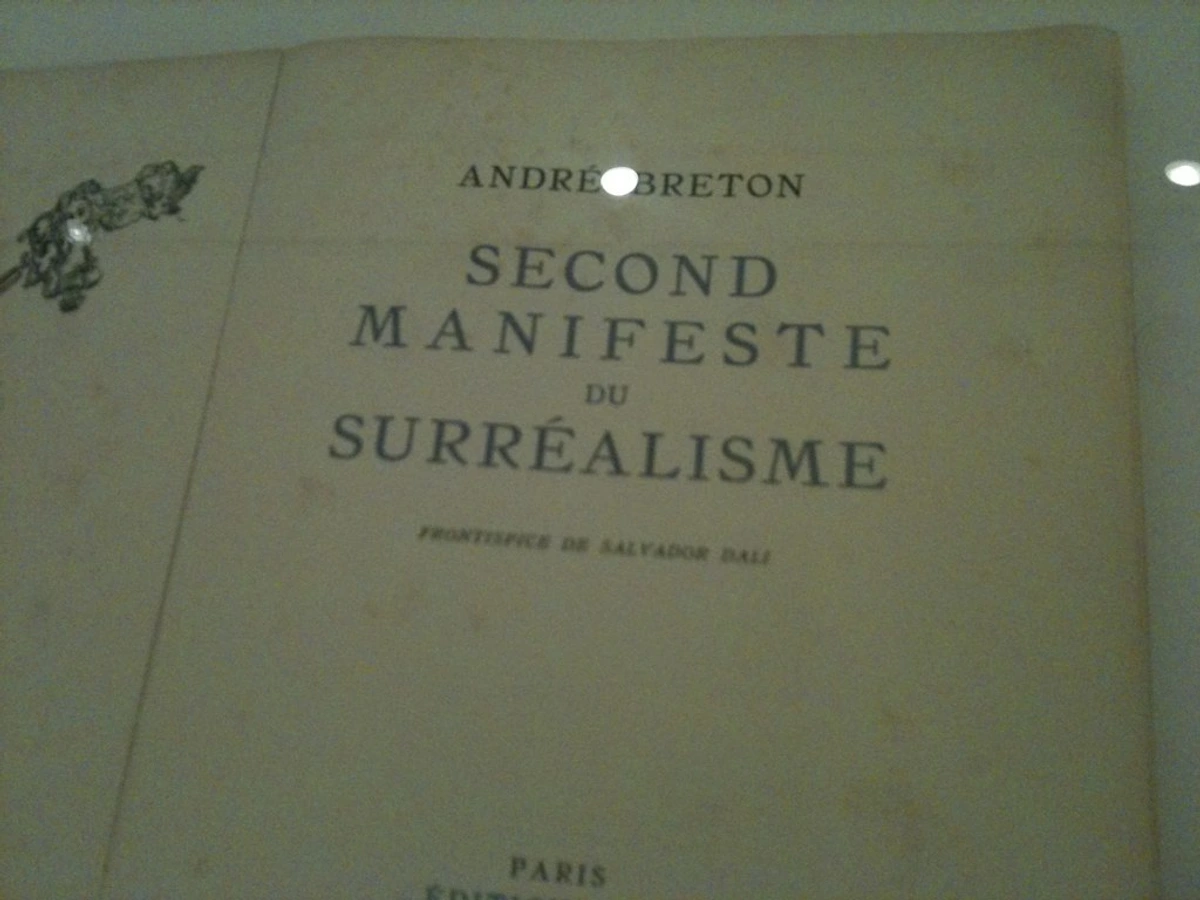
The movement officially kicked off in 1924 when Breton published the first Surrealist Manifesto. But honestly, by that point, the spirit was already everywhere. Artists were dreaming up impossible scenarios, poets were writing nonsense that made perfect sense, and philosophers were questioning whether reality was actually, you know, real at all.
And let's be honest—we've all had those moments, right? That split second when you look at a cloud and swear it's shaped like your childhood teacher, or when you catch yourself having a serious conversation with your pet cat? That's your surrealist side peeking through. Surrealism just gave permission to embrace that weirdness instead of pretending it doesn't exist.
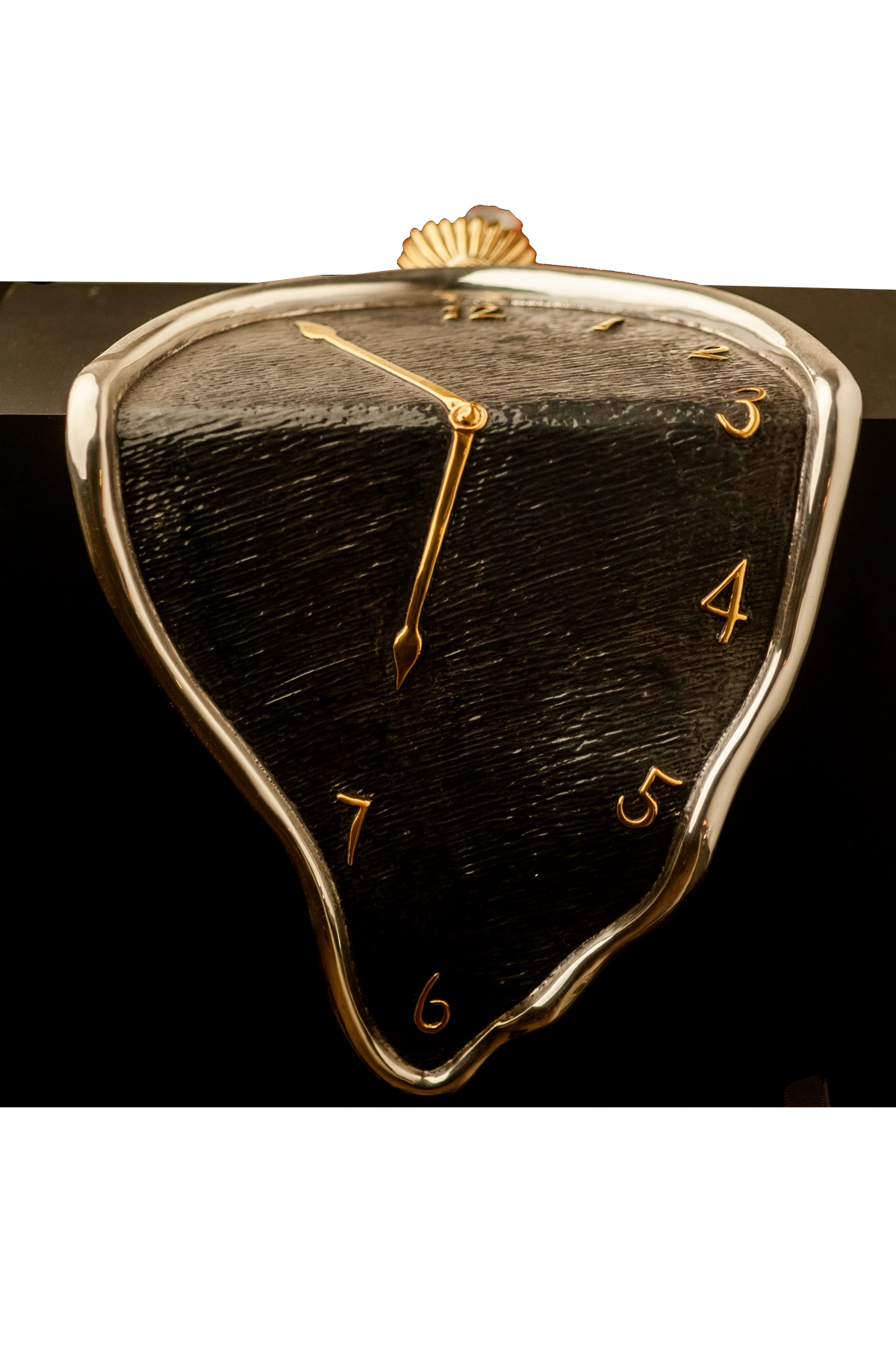
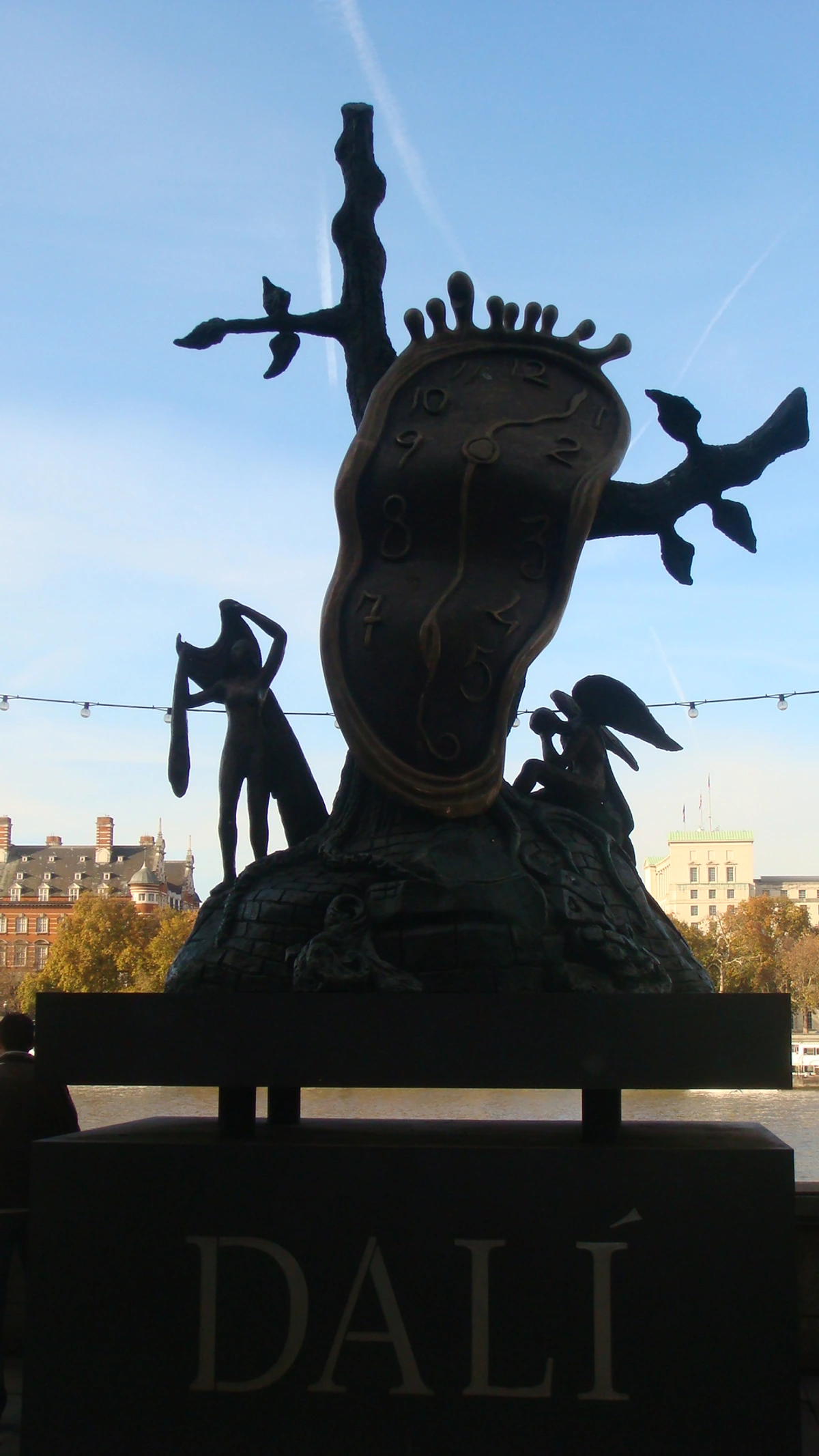
Imagine your brain is divided into two rooms. In one, logic organizes your files alphabetically. In the other, the unconscious tosses ideas like popcorn kernels in a hot pan. Surrealism is what happens when you kick down the door between those rooms. The results? Art that defies gravity (hello, floating clocks!) and sanity (hello, lobster telephones!).
The Freudian Connection
You can't discuss surrealism without talking about Sigmund Freud—the art movement's unofficial therapist. His theories about dreams, the id-ego-superego structure, and free association became artists' excavation tools. When Freud revealed that dreams aren't nonsense but "the royal road to the unconscious," artists grabbed their shovels.
But here's what most art history classes don't tell you: Freud wasn't just some academic concept to surrealists. They were genuinely obsessed with his work. Breton and the others would read Freud's case studies like they were juicy novels, fascinated by how people's hidden desires and fears manifested in their dreams and behaviors.
Let me break down the key Freudian concepts that fueled surrealist creativity:
- The Unconscious: Freud's greatest discovery was that most of our mental life happens outside of awareness. Surrealists wanted to make the invisible visible.
- Dream Analysis: If dreams are "the royal road to the unconscious," then artists could bypass logic and go straight to the source.
- Free Association: This technique—saying whatever comes to mind without censorship—became a core surrealist method for generating ideas.
- Parapraxes: Those little "slips of the tongue" or mistakes? Freud saw them as revealing hidden truths. Surrealists loved this idea of "accidental" meaning.
- The Uncanny: That strange, familiar-yet-unfamiliar feeling? Freud wrote about it, and surrealists made it their artistic bread and butter.
Imagine being an artist in the 1920s, discovering that everything you thought was nonsense was actually meaningful. That's the power Freud gave surrealists. Suddenly, those weird dreams weren't just random brain glitches—they were coded messages from the depths of your soul. No wonder they were so excited!
It's like realizing your dreams aren't random glitches but encrypted messages from your deeper self. Surrealists treated their canvases like dream journals: "The Unconscious" became their trusted informant. Fun fact: Breton even wrote the 1924 Surrealist Manifesto while under Freud's psychoanalytic influence. The movement wasn't art—it was art therapy for a whole civilization.
How Artists Tapped the Unconscious
So how did they coax these outbursts onto canvas? They developed techniques designed to short-circuit the brain's editing system. These weren't just creative exercises—they were radical acts of rebellion against the idea that art had to be "rational" or "beautiful" in conventional ways.
Here's the thing about these techniques: they're not just for professional artists. In fact, the surrealists believed that everyone had access to this creative potential. You don't need fancy materials or years of training—you just need to be willing to look silly and embrace the weird.
Technique  | How It Works | Famous Example | Difficulty Level |
|---|---|---|---|
| Automatism | Drawing/doodling without conscious control | André Masson's "Battle of the Fishes" | Beginner-friendly |
| Frottage/Grattage | Rubbing/gratting surfaces for textures | Max Ernst's "The Elephant Celebes" | Easy |
| Décalcomania | Pressing paint between纸张 to create fluid forms | Óscar Domínguez's work | Intermediate |
| Collage | Juxtaposing unrelated images | Hannah Höch's "Cut with the Kitchen Knife" | Beginner-friendly |
| Exquisite Corpse | Collaborative drawing where each artist only sees the previous section | Various collective works | Social |
| Fumage | Using smoke from candles to create patterns | Wolfgang Paalen's work | Advanced |
| Decalcomania | Pressing wet paint between surfaces | Various artists' experiments | Intermediate |
| Paranoiac-Critical Method | Dalí's technique for accessing irrational thoughts | Dalí's various works | Advanced |
| Dream Journaling | Recording dreams immediately upon waking | Personal practice | Everyone can try |
| Automatic Writing | Writing without conscious thought | Breton's literary experiments | Beginner-friendly |
| Found Object Art | Using everyday objects in unexpected ways | Meret Oppenheim's "Object" | Beginner-friendly |
| Photomontage | Combining photographic images | Heartfield's political works | Intermediate |
| Assemblage | Creating 3D compositions from found objects | Cornell's shadow boxes | Intermediate |
| Rayograph | Creating images without cameras using light | Man Ray's experimental photos | Advanced |
| Bricolage | Making art from whatever materials are available | Various surrealist practices | Beginner-friendly |
| Verbal Association | Connecting words through free association | Literary surrealist works | Beginner-friendly |
| Surrealist Games | Structured methods for generating ideas | Various group activities | Social |
| Hypnagogic State | Creating art in the state between waking and sleeping | Various experiments | Advanced |
| Décollage | Removing layers of materials | Jacques Villeglé's work | Intermediate |
| Chance Operations | Introducing randomness into creation | Various experimental methods | Beginner-friendly |
| Automatic Sculpture | Creating sculpture without preconceived forms | Various 3D experiments | Advanced |
| Surrealist Photography | Using photographic techniques in unexpected ways | Various artists' works | Intermediate |
| Poetic collage | Combining words and phrases | Literary experiments | Beginner-friendly |
| Surrealist Objects | Creating functional objects with surreal qualities | Meret Oppenheim's work | Intermediate |
| Automatic Painting | Painting without conscious control | Various abstract works | Beginner-friendly |
| Dream Analysis | Interpreting dreams for artistic inspiration | Personal practice | Everyone can try |
| Surrealist Gardens | Creating outdoor spaces with surrealist elements | Various landscape projects | Advanced |
| Automatic Music | Creating music without traditional composition | Various experimental works | Advanced |
| Surrealist Cuisine | Creating food with unexpected combinations | Various culinary experiments | Beginner-friendly |
| Automatic Dance | Moving without choreography | Performance art pieces | Beginner-friendly |
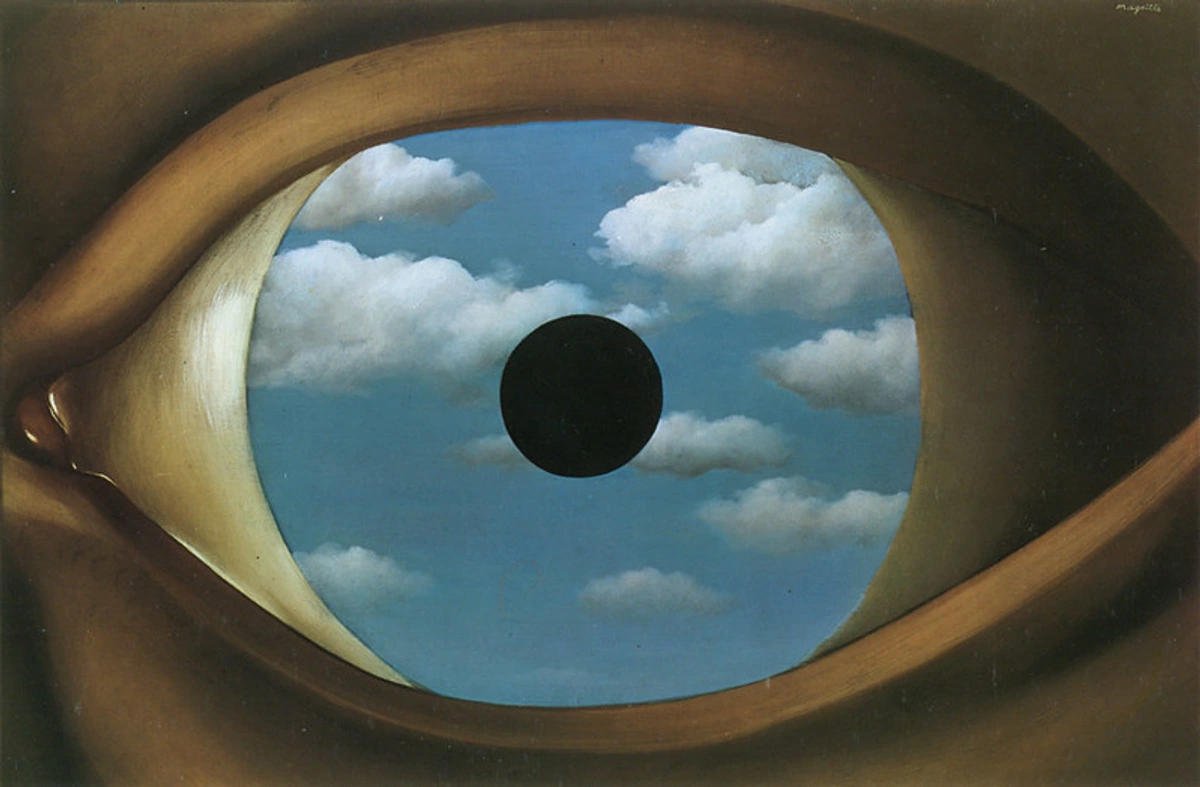
Automatism is particularly brilliant. Have you ever doodled while on a boring phone call and realized you'd drawn something surreal without planning it? That's the magic. Surrealists did this deliberately—drawing with their non-dominant hand, closing their eyes, or even meditating until the "monkey mind" took over. The result? Pure, unfiltered automatic art.
But here's a secret: automatism isn't just about visual art. The surrealists were all-encompassing in their weirdness. They created:
- Automatic writing: Spilling onto the page without editing
- Automatic poetry: Combining words through free association
- Automatic music: Creating sounds without traditional composition
- Automatic sculpture: Building 3D forms without preconceived ideas
- Automatic dance: Moving bodies without choreography
The goal was always the same: to bypass the inner critic and let something raw and authentic emerge. And guess what? It works. I've tried automatism myself, and the results are consistently surprising. There's something magical about watching your hand move without your conscious brain directing it, and discovering what emerges.
Here's a simple automatism exercise you can try right now:
- Take a piece of paper and a pen (or pencil)
- Close your eyes or look away from the paper
- Start making random marks, lines, and shapes
- Don't think about what you're doing
- After a minute or two, open your eyes and look at what you've created
- Now, turn the paper different ways and see if you can "find" images in the marks
- Use colored pencils or markers to enhance those images
The beauty of this exercise is that there's no wrong way to do it. The goal isn't to create "good" art—it's to create honest art. And in that honesty, you might discover something surprising about yourself.
Why It Still Matters Today
In our hyper-logical digital world, surrealism feels more relevant than ever. When TikTok trends and LinkedIn algorithms demand we perform curated versions of ourselves, surrealism whispers: "Your irrational side isn't a bug—it's a feature." It invites us to embrace the weirdness within.
Let me tell you something I've noticed: the more we try to be "rational" and "efficient" in our digital lives, the more our subconscious fights back. Have you ever scrolled through social media and suddenly cried at a cat video? Or found yourself obsessing over some random memory from third grade? That's your unconscious mind making itself known. Surrealism gives us permission to listen.
And here's the kicker: in an age of AI-generated content and deepfakes, surrealism actually makes more sense than ever. If machines can create "perfect" art, then maybe the value is in the imperfect, the irrational, the human. Maybe the future of creativity isn't about making things look real—it's about making them feel true.
Surrealism also offers something we desperately need in our fragmented, polarized world: a reminder that we're all more alike than we think. Those dreams that feel too weird to share? Someone else has had them. Those irrational fears that keep you up at night? They're universal. Surrealism says: "You're not crazy. You're human. And that's beautiful."
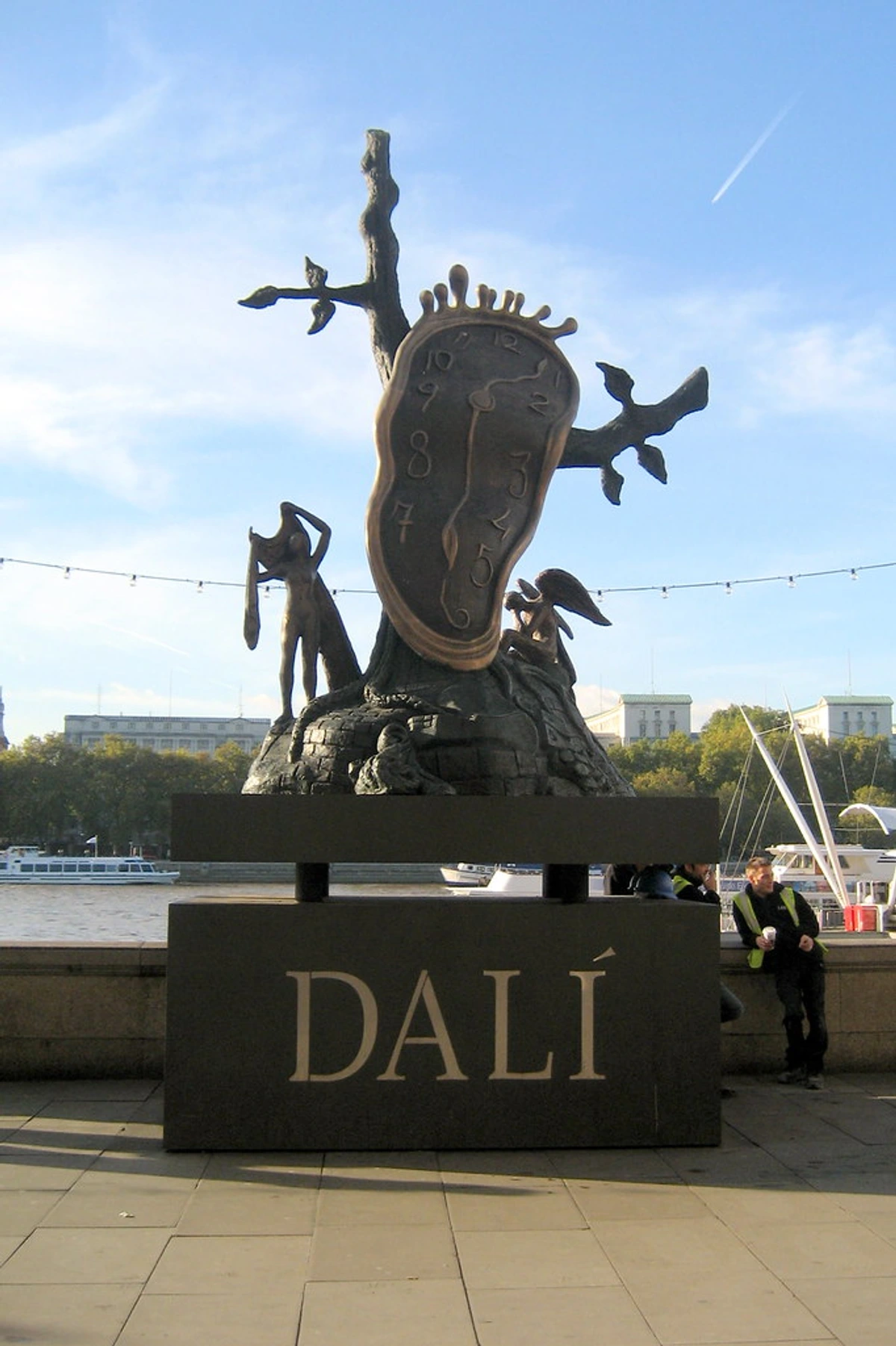
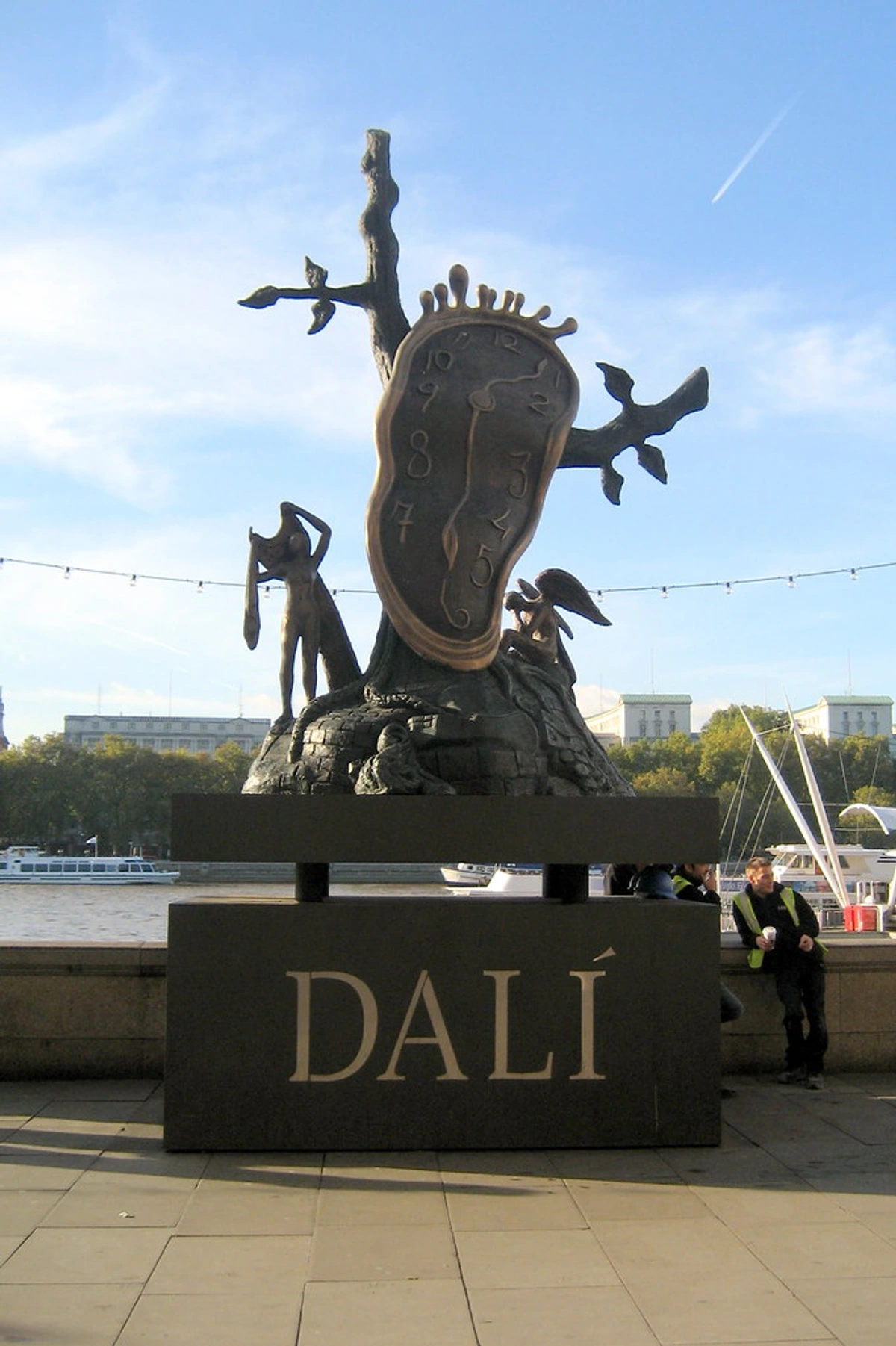
Consider contemporary abstract art. Even if artists aren't painting melting clocks directly, the spirit lives on in those unpredictable splashes of color or distorted figures. It’s why people resonate with expressionistic works—they recognize that truth isn't always photorealistic. Sometimes it looks like a giant soft clock melting in the sun.
FAQ: Surrealism & the Unconscious
Q: Is surrealism just "weird art for weird people"?
A: Absolutely not! At its heart, surrealism is about universal human experiences: dreams, desires, fears, and the irrational parts we all share. It’s not about being strange—it’s about being honest.
Q: Do I need to understand Freud to appreciate surrealism?
A: Not at all! While Freud’s ideas inspired the movement, the art stands powerfully on its own. If a painting gives you chills or makes you question reality—it’s working.
Q: Can I make surrealist art without formal training?
A: Absolutely! Techniques like frottage or automatic drawing are accessible to anyone. If you’ve ever made inkblots or stared at clouds to see shapes? Congratulations—you’re a surrealist.
Q: What’s the difference between surrealism and fantasy art?
A: Surrealism roots its "fantastical" elements in psychological reality, while fantasy often builds entirely new worlds. In surrealism, those floating clocks could represent time anxiety; in fantasy, they might just be... floating clocks.
Q: Is surrealism only painting?
A: Far from it! The movement revolutionized film (Luis Buñuel’s "Un Chien Andalou"), poetry, theater, and photography. It was a way of life that embraced the absurd in all forms.
The Unconscious in Every Brushstroke
Surrealism teaches us that creativity didn’t originate with conscious intention. It bubbled up from the murky depths of our minds—the same place where nightmares, epiphanies, and why we sometimes crave pickles at 3 AM. By giving voice to this unseen world, artists didn’t just make art; they gave us permission to explore our own inner landscapes.
So next time you’re asked "What does this painting mean?" remember: sometimes the most honest answer is "I don’t know, and maybe that’s not the point." The beauty of surrealism isn't in decoding it like a crossword puzzle—it’s in feeling it, like a dream you can’t quite remember but still lingers under your skin. After all, the unconscious mind isn’t a museum to be explained; it’s a wilderness to be wandered. And what better guide than art that walks hand-in-hand with mystery itself?

Surrealism in the Digital Age
You might think surrealism is a relic of the 1920s and 30s, but in our digital world, it's more relevant than ever. Think about it:
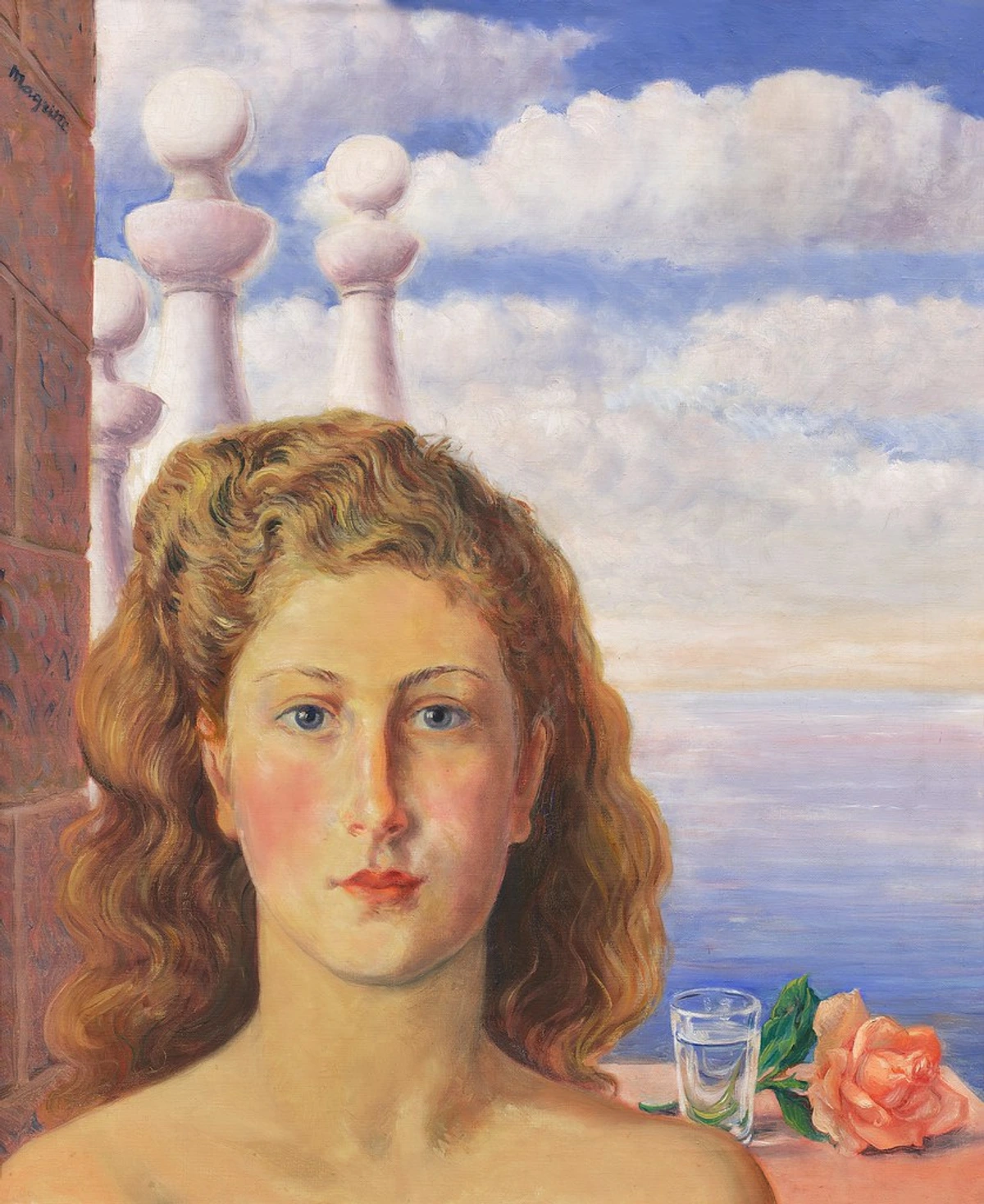
- Memes: Those weird, surreal images that go viral? Pure surrealist humor
- AI Art: When algorithms create impossible dreamscapes, they're doing surrealism
- Virtual Reality: Creating immersive dream worlds is literally surrealist practice
- Social Media: The curated personas we present vs. our messy real lives? That's surrealism 101
- Gaming: Open-world games with impossible physics and dreamlike narratives? Surrealist aesthetics
The digital world has given us new tools for surrealist expression:
Digital Tool | Surrealist Application |
|---|---|
| Photo editing apps | Creating impossible scenes through digital collage |
| AI generators | Using machine learning to access "unconscious" creativity |
| Social media | Performing surreal personas and narratives |
| VR/AR | Creating immersive dream experiences |
| Digital painting | New ways to explore automatic and experimental art |
| NFTs | Questioning the nature of value and ownership (with appropriate skepticism) |
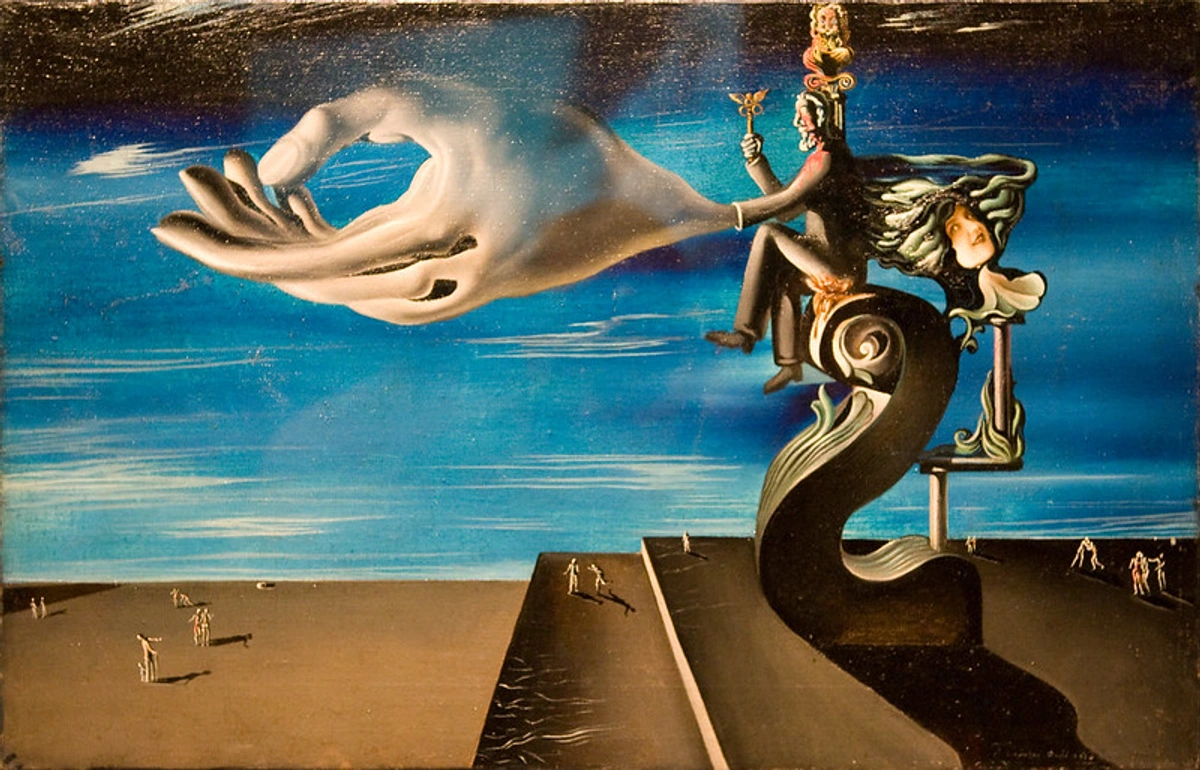
Even if you're not "arty," you're probably engaging with surrealism daily without realizing it. That weird dream you had last night? Surrealist material. That moment when you couldn't tell if a memory was real or imagined? Surrealist thinking. That time you laughed at something that made no sense? Surrealist humor.
Starting Your Surrealist Journey
Ready to explore surrealism more deeply? Here's how to begin:
For the Curious Observer
- Start with the classics: Watch Luis Buñuel and Salvador Dalí's "Un Chien Andalou" (1929) - it's only 17 minutes and will change how you see film forever
- Visit a museum: Look for surrealist collections at MoMA, the Tate Modern, or your local contemporary art museum
- Read the manifestos: André Breton's writings are surprisingly accessible and revolutionary
- Keep a dream journal: Write down your dreams immediately upon waking - they're your personal surrealist material
For the Aspiring Artist
- Try automatic drawing: Just let your hand move without thinking - no judgment allowed
- Create frottage pieces: Use pencils and paper to make rubbings of textured surfaces
- Build a collage box: Collect interesting images, textures, and objects for future collages
- Experiment with found objects: Combine everyday items in unexpected ways
- Join or start a surrealist group: Share techniques and collaborate with others
For the Deep Diver
- Study the psychology: Dive into Freud, Jung, and other psychological influences
- Explore related movements: Check out Dadaism, Abstract Expressionism, and Psychedelic art
- Read surrealist literature: Explore the poetry and prose that accompanied the visual art
- Visit historical sites: Travel to Paris, where much of surrealism began
- Curate your own collection: Start collecting surrealist-inspired works (contemporary artists count!)
Surrealism Around the World
While surrealism is often associated with Paris, it spread globally and took on different flavors:
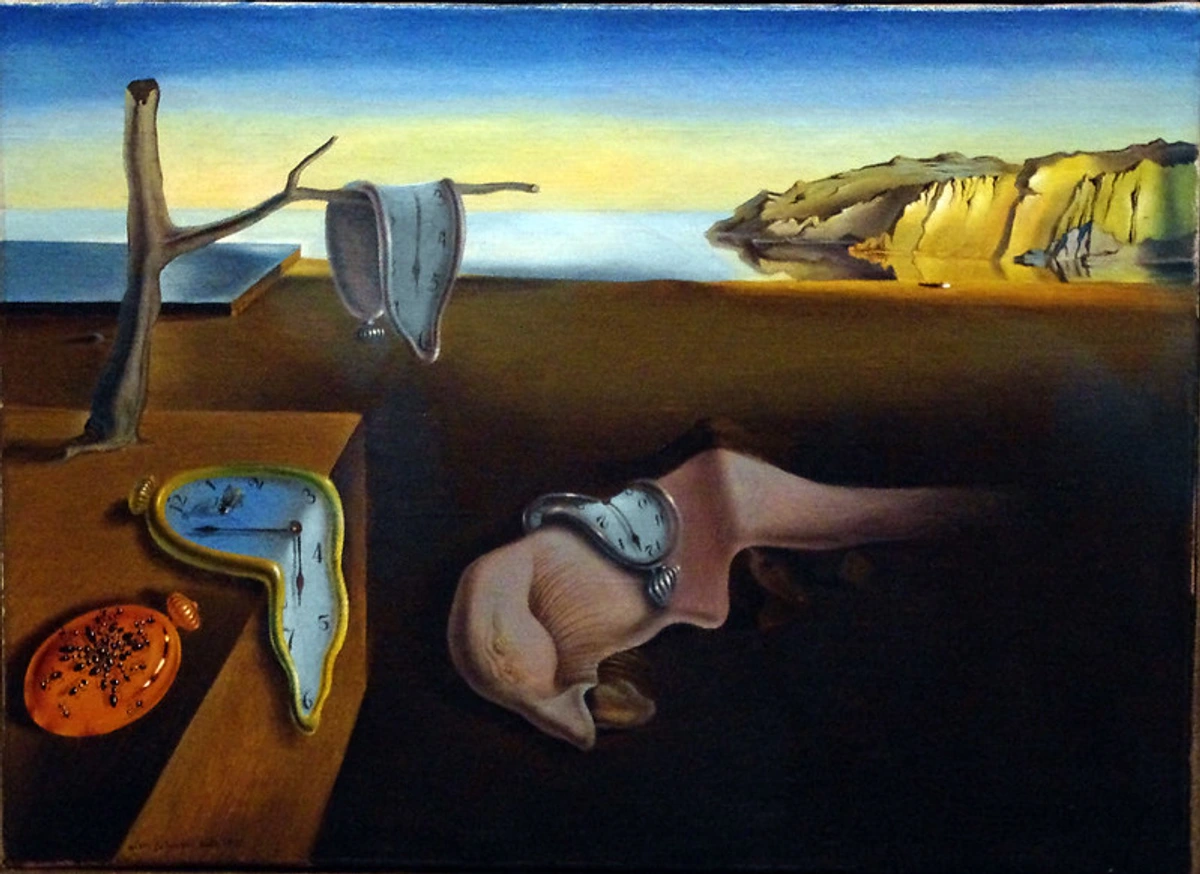
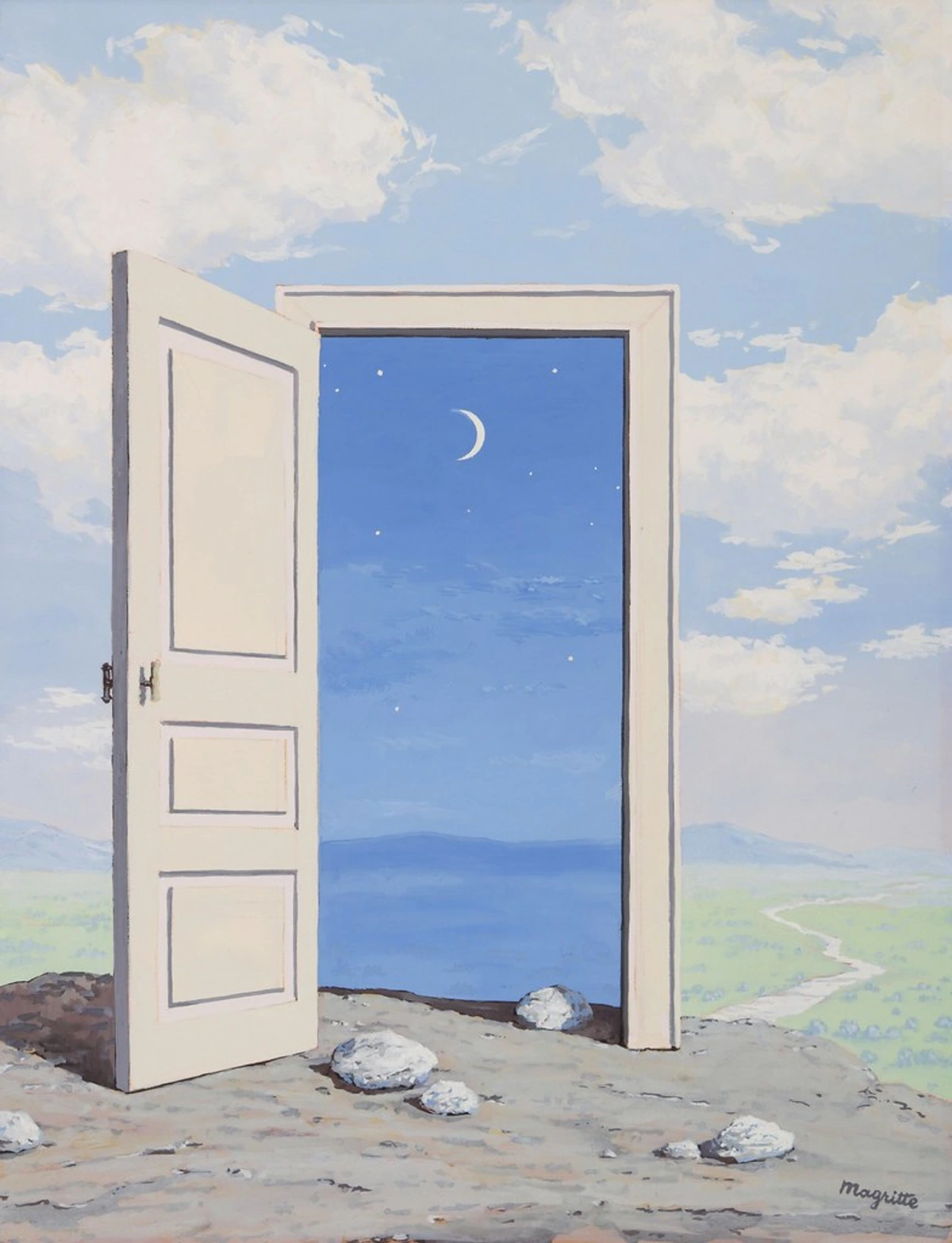
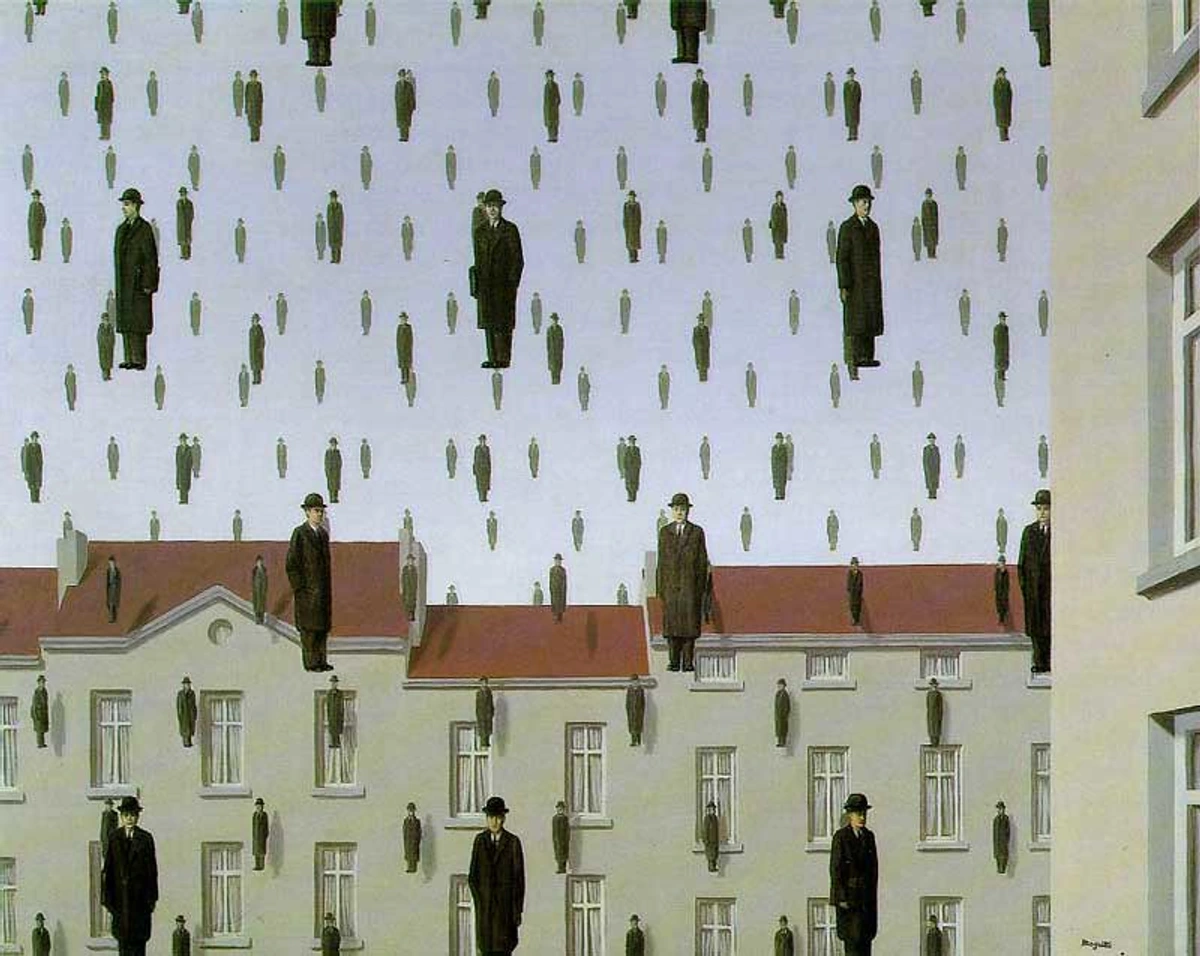
- Belgian Surrealism: More poetic and mysterious, with artists like René Magritte
- American Surrealism: More political and social, with artists like Man Ray and Joseph Cornell
- Latin American Surrealism: Often blended with indigenous traditions and magical realism
- Surrealism in Asia: Different cultural contexts created unique interpretations
- Contemporary Global Surrealism: Artists worldwide continue the tradition with local flavors
Each regional approach brought something new to the movement, showing how surrealism could adapt while staying true to its core principles.
The Future of Surrealism
So where is surrealism heading? Honestly, it's hard to say definitively, but here are some emerging directions:
- Digital surrealism: Using AI, VR, and other technologies to create new forms
- Environmental surrealism: Applying surrealist thinking to ecological themes
- Political surrealism: Re-engaging with the movement's revolutionary roots
- Personal surrealism: Making surrealist practice more accessible and individual
- Collaborative surrealism: Using online tools to create collective surrealist works
What's exciting is that surrealism has always evolved. It started as a literary movement, became visual, influenced film, music, and design, and now continues to find new expressions. The core idea—exploring the unconscious through art—remains powerful.
Final Thoughts: Embracing the Surrealist Within
I want to leave you with this: surrealism isn't just something you study in art history class. It's a way of seeing the world that's available to everyone, right now. The next time you're stuck in traffic and notice clouds forming strange shapes, that's your surrealist mind at work. The next time you have a dream that feels more real than reality, that's surrealism in action. The next time you find beauty in something "ugly" or meaning in something "nonsense," you're practicing surrealism.
The world needs more surrealism right now. We live in a time of increasing rationality, control, and certainty. But life isn't rational, controlled, or certain. It's messy, contradictory, and full of beautiful mysteries. Surrealism reminds us of this truth.



So go ahead: be weird. Be contradictory. Be irrational. Be mysterious. The world needs more of that.
Explore how surrealism connects with contemporary abstract expressions in our timeline or find dream-inspired art in our collection.