Jazz and Visual Art: The Ultimate Guide to a Century of Creative Influence
Explore the profound, often surprising dialogue between jazz and visual art. Discover how jazz's improvisation, rhythm, and raw emotion sparked radical innovation in movements from Cubism to Abstract Expressionism, shaping over a century of creative expression.

The Ultimate Guide: Jazz's Profound Influence on Visual Art
Have you ever looked at a painting and felt its rhythm, heard its silent melody? Or listened to a jazz track and seen flashes of color in your mind's eye? I have, and that's the magic I want to talk about today: the deep, often surprising connection between jazz and visual art. It's a vibrant conversation that has shaped creativity for over a century, from the fragmented perspectives of Cubism to the explosive canvases of Abstract Expressionism. This isn't just about music inspiring art; it's about a shared philosophy of liberation, improvisation, and raw expression.
I’ve found this connection to be a deeply felt experience, a subtle echo of spontaneous creativity and syncopated rhythms resonating across canvases and sculptures. Imagine the raw energy of a trumpet solo finding its visual counterpart in a bold, sweeping brushstroke, or the complex interplay of a jazz ensemble reflected in a painting's dynamic composition. Born from a vibrant melting pot of African rhythms, spirituals, European harmonies, and local traditions like Mardi Gras Indian chants and early brass bands in early 20th-century New Orleans, jazz burst onto the scene as a cultural force—a dynamic new way of experiencing the world. It was a defiant, exhilarating sound, a direct challenge to the staid conventions of the era. Artists, ever the keen observers of societal shifts and hungry for new forms of expression, couldn't help but tune into its revolutionary frequency. Frankly, how could they not? This wasn't just music; it was a movement, a philosophical blueprint for modernity itself.
At its core, this exploration aims to uncover the powerful synergy between jazz and visual art, demonstrating how the spirit of improvisation, rhythmic complexity, and raw emotion inherent in jazz provided a groundbreaking blueprint for radical artistic innovation. It's an ongoing jam session that continues to inspire artists, including myself, to explore new dimensions of abstract expression.
Jazz: A Cultural Catalyst and Its Early Resonance in Art
Jazz wasn't merely a new sound; it was a societal upheaval, a reflection of a rapidly modernizing world. Its genesis in the incredibly diverse cultural landscape of New Orleans – drawing from African spirituals, work songs, blues, and ragtime, further enriched by Creole and European influences – forged a unique identity. This wasn't polite salon music; it was vital, uninhibited, and undeniably alive. Jazz audaciously challenged norms, championed freedom, and rapidly became the pulsating soundtrack to a rapidly transforming world, especially in America. I'd argue it was nothing short of a cultural earthquake, a sonic rebellion.
Rooted deeply in African American communities, from the bustling clubs of Harlem to the lively streets of New Orleans, Chicago, and Kansas City, jazz brimmed with a profound sense of cultural identity and expressive liberation. This newfound expressive freedom resonated deeply with artists who were themselves striving to break free from rigid academic traditions and explore radical new forms of expression. Suddenly, the static canvas felt inadequate for capturing the dynamism of modern life, and jazz provided a compelling blueprint for injecting that missing vitality.
It urged artists to embrace the unexpected, to find beauty in dissonance, and to embody the restless energy of the new century. And while its roots were American, the infectious energy of jazz rapidly spread across the globe, inspiring artists in Paris, Berlin, and beyond to rethink their approach to modernism. The sheer kinetic energy of Dixieland, the smooth swing of big bands, or the complex angularity of bebop all offered different rhythmic and emotional palettes for artists to draw from, a veritable soundtrack to artistic revolution.
The Shared Language: How Music Translates to Sight
To truly grasp this profound influence, we must acknowledge that music and visual art have always shared a kind of creative DNA. We intuitively speak of a painting's "rhythm" or a piece of music's "color." Philosophers and artists have pondered synesthesia—the fascinating mingling of senses, where stimulating one sense automatically triggers another—for centuries. Beyond synesthesia, historical theories like Pythagorean ideals or Baroque aesthetics have long explored the mathematical and emotional parallels between sound and sight. When jazz arrived, it didn't just enhance this connection; it turbocharged it, offering a fresh lexicon for movement, improvisation, and raw emotion that visual artists were eager to translate into what I like to call 'visual jazz'.
This dynamic unfolds like a call-and-response, much like the improvisational exchanges within jazz itself. The music would pose an exhilarating question: How do you capture this frenetic energy? How do you paint the feeling of a 'blue note'? (For the uninitiated, a blue note is a slightly flattened pitch—typically the 3rd, 5th, or 7th—that gives blues and jazz its characteristic soulful, melancholic sound. Think of that slightly off-key note that just hooks you, pulling at something deep inside, whether it's a mournful wail, a playful bend, or a bittersweet sigh.) And artists, with their brushes and chisels, would respond, pushing the very boundaries of their mediums. This visual dialogue manifested as echoing shapes, repeating lines, or a vibrant interplay of colors within a single piece, creating a palpable sense of dynamic movement—almost like a visual riff or a painted chord. For an artist, this is where the canvas truly begins to sing, echoing the very soul of the music.
Jazz's Core Elements in Visual Art: A Creative Playbook
So, what precisely was it about jazz that artists found so irresistibly compelling? I've come to understand it boils down to a few core elements, almost like the essential instrumentation of a jazz ensemble, each providing a distinct visual metaphor:
1. Improvisation and Spontaneity: The Art of the Unplanned Masterpiece
At the very heart of jazz is improvisation. Musicians create in the moment, responding organically to each other, the evolving melody, and the energy of the room. This liberated visual artists to embrace:
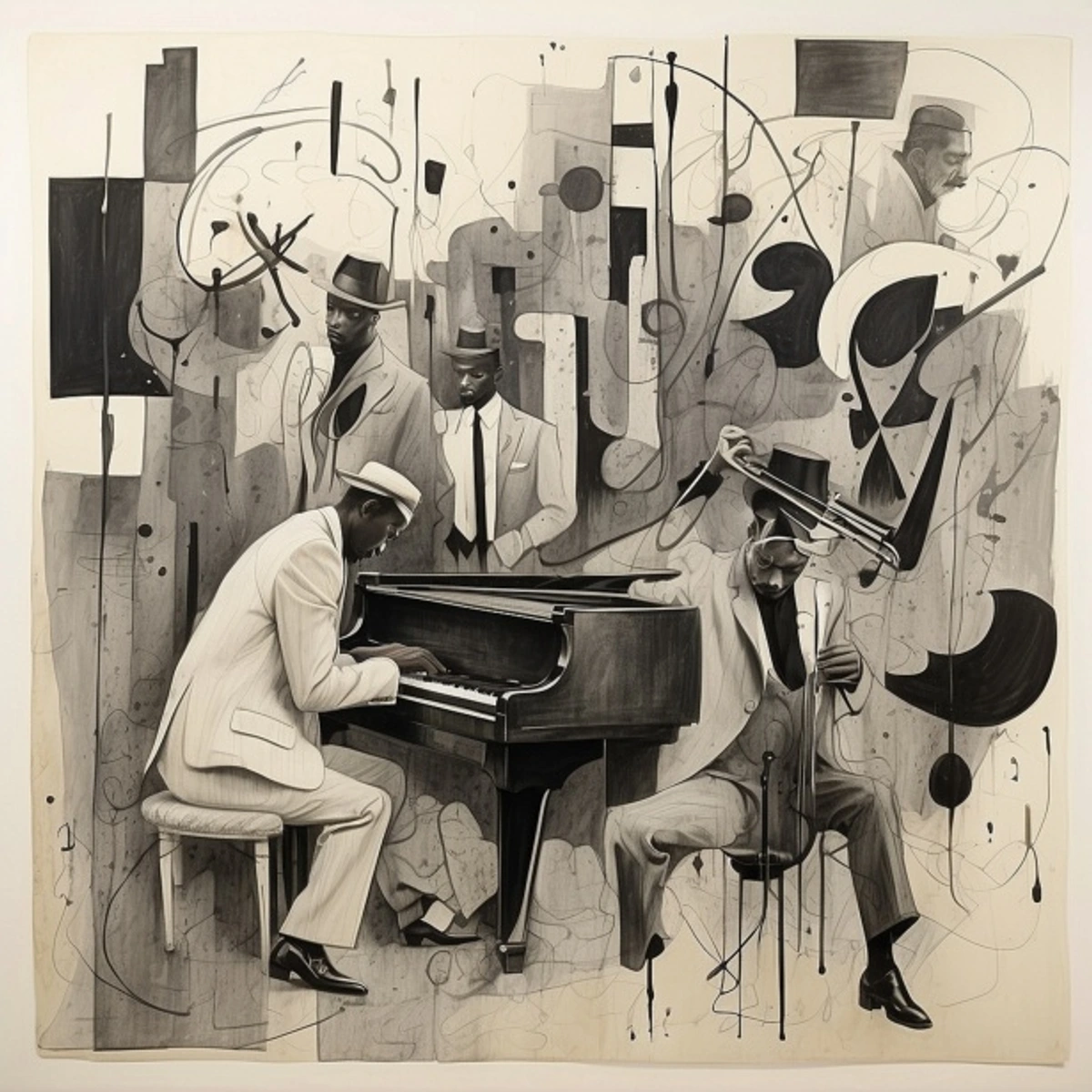
- Chance and Intuition: Allowing the materials, the brushstrokes, and the artistic process itself to guide creation, rather than adhering to rigid pre-planning. Think of the unpredictable splatters of a drip painting or the accidental beauty of a spontaneous line, much like the unexpected turns in a thrilling saxophone solo. This kind of intuitive painting is something I often explore in my own how-to-abstract-art guides.
- Direct Engagement: A physical, almost performative interaction with the canvas, leading to more immediate, raw, and expressive works. This echoes the raw, tactile energy of a live jazz performance, where you feel the musician's body become one with the instrument. If you're looking for inspiration, my my-studio-playlist:-music-that-fuels-my-abstract-creations definitely features some jazz.
- Scat Singing's Visual Parallel: The vocal improvisation of scat, where singers use nonsense syllables to mimic instrumental sounds, found a striking parallel in artists freely experimenting with form, texture, and abstract gestures. This often manifested in techniques like free association, energetic mark-making, and the juxtaposition of seemingly unrelated elements, letting visual elements "sing" on the canvas without literal representation. Consider the playful chaos of a Jean-Michel Basquiat piece, where forms and symbols dance with the same uninhibited spirit as a scat singer, or the spontaneous, layered marks found in many contemporary abstract works.
2. Rhythm and Movement: The Syncopated Visual Beat
Jazz is intrinsically defined by its rhythm—from the steady swing that propels you forward to complex syncopation, where accents deliberately fall on unexpected beats, creating a dynamic tension. Visual artists translated this musical dynamism into:
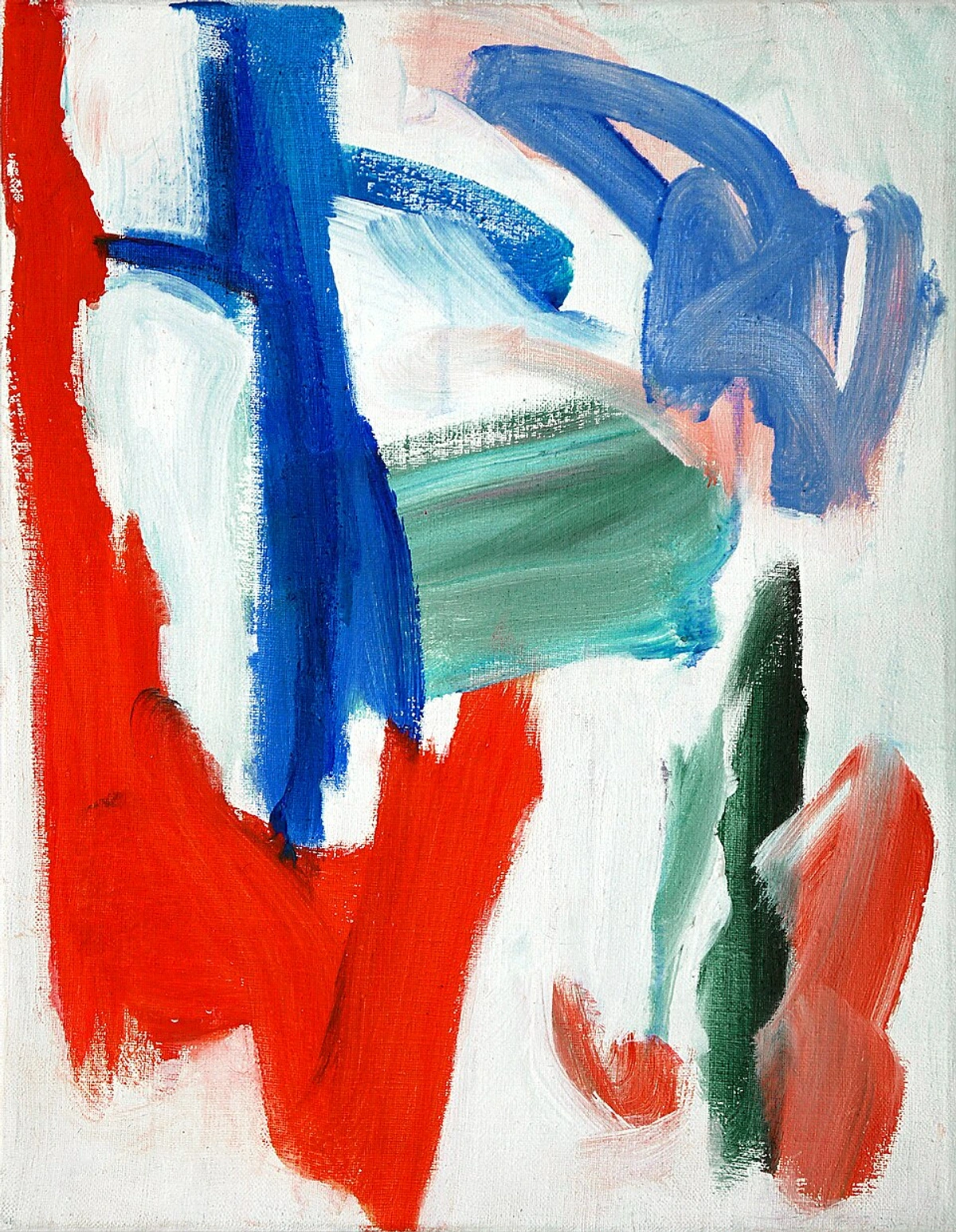
- Dynamic Compositions: Rejecting static symmetry for off-kilter arrangements, asymmetry, and a potent sense of visual tension and energy. This is about capturing motion rather than a fixed point, much like a dizzying drum solo or the swirling energy of a crowded dance floor. You can explore how artists use understanding-balance-in-art-composition to create such dynamism.
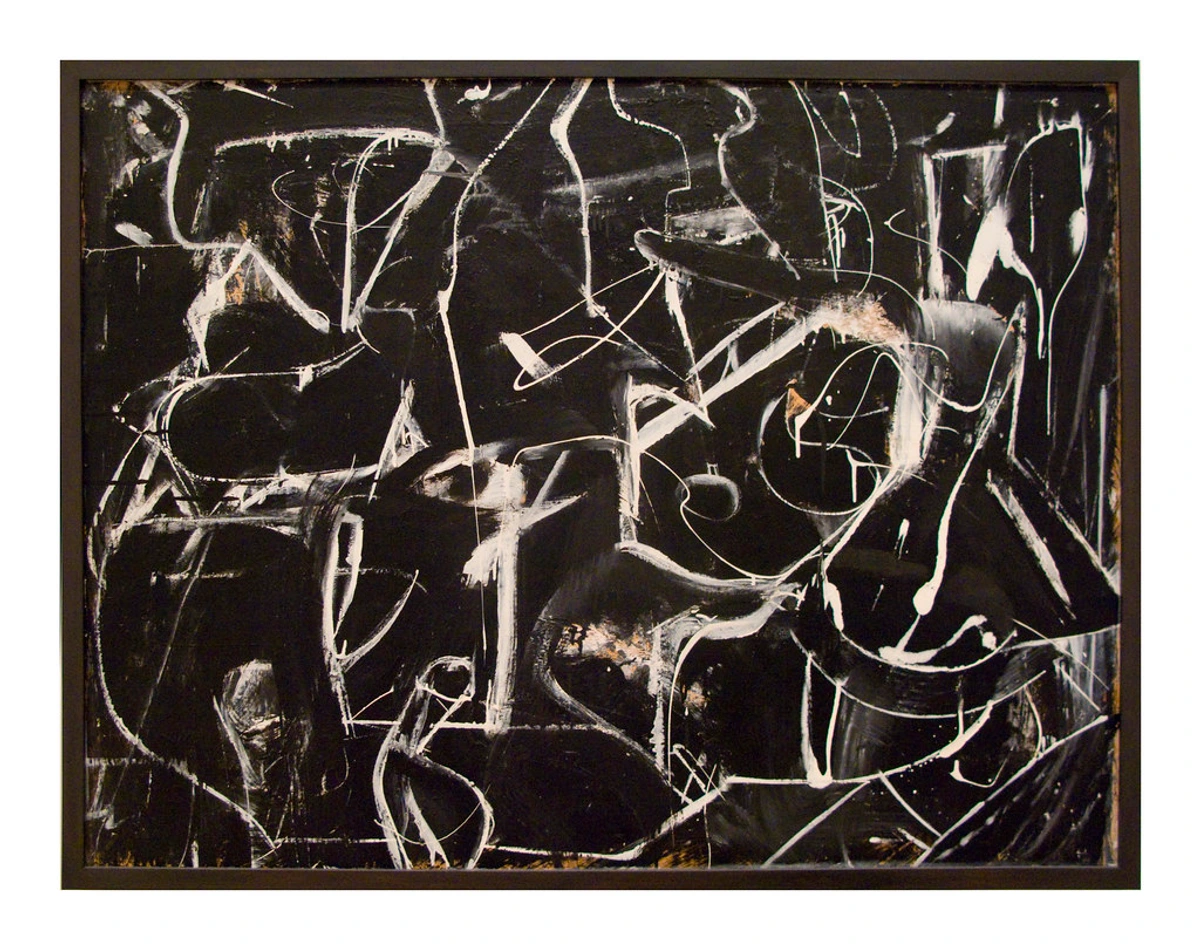
- Gestural Brushstrokes: Energetic, spontaneous marks that convey speed, momentum, and the artist's physical engagement. Each stroke becomes a visual beat, a testament to the artist's dance with the canvas. Think of the furious energy in a Willem de Kooning. To dive deeper into artists like him, check out our ultimate-guide-to-willem-de-kooning-the-master-of-abstract-expressionism.
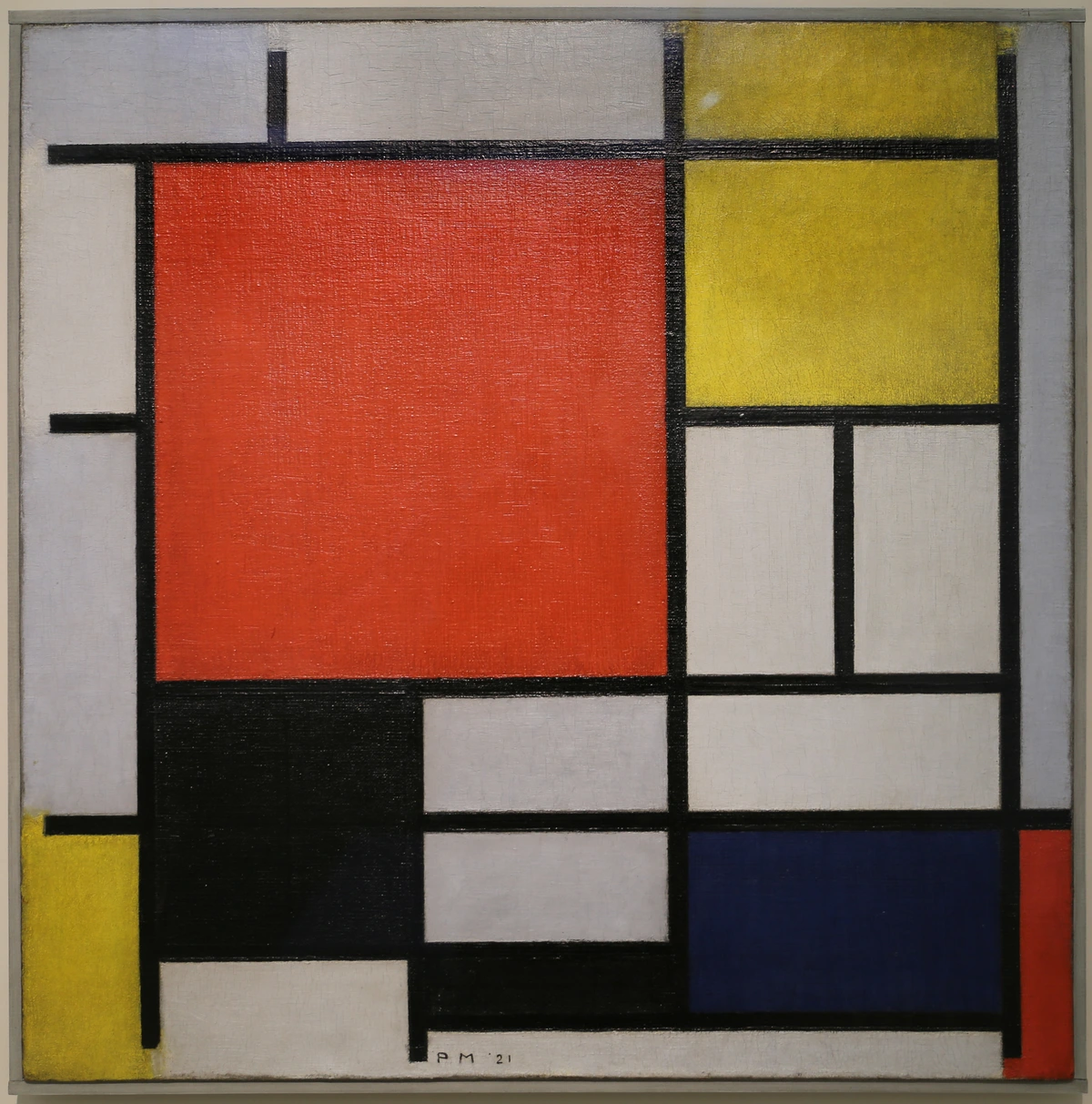
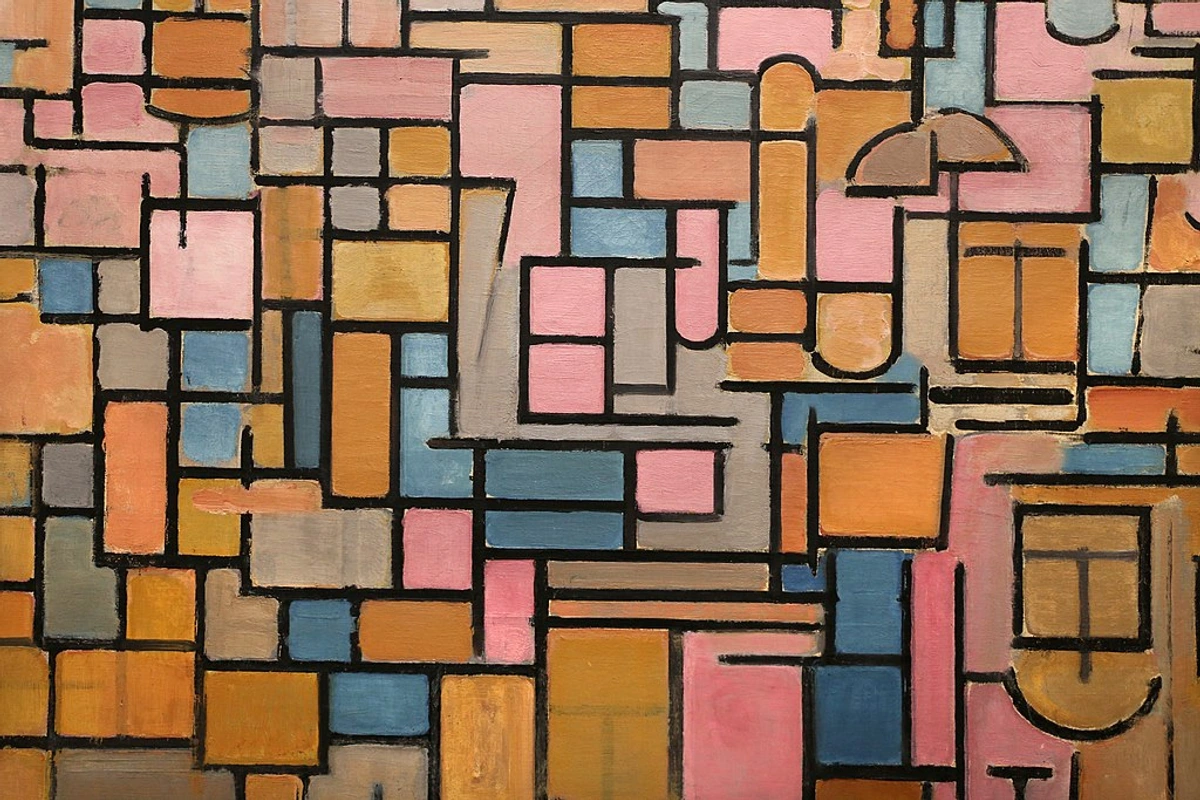
- Flowing and Intertwining Lines: Lines that dance and weave across the canvas, reflecting musical phrasing and the complex interplay of instruments, much like how artists harness the power of elements-of-art-line to create movement. Piet Mondrian, surprisingly, found jazz rhythms in his precise grid-like compositions, perceiving the contrasting elements (like a bold black line against a vibrant red square) as a visual syncopation, a counterpoint to the city's lively pulse. Our ultimate-guide-to-piet-mondrian offers more insight.
3. Color and Emotion: The Synesthetic Symphony
Jazz is profoundly emotive, capable of expressing everything from unbridled joy to deep melancholy and soulful longing. Artists, particularly those exploring abstraction, masterfully used color to evoke these feelings, often drawing on the concept of synesthesia, where sounds are perceived as colors. The iconic "blue notes" of jazz—those slightly flattened pitches that create a soulful, melancholic resonance, a kind of yearning audible in the very bending of the pitch—directly inspired artists to employ deep, resonant blues, purples, and even grays to convey mood and profound emotion. But it wasn't just melancholy; the vibrant brass and improvisational flourishes also inspired exuberant, clashing colors and energetic palettes. Think of the vibrant, almost jarring oranges and reds in a Fauvist painting echoing a powerful trumpet blast, or the cool, layered blues reminiscent of a Miles Davis lament. This powerful connection is beautifully explored in both the-psychology-of-color-in-abstract-art-beyond-basic-hues and general principles of how-artists-use-color.
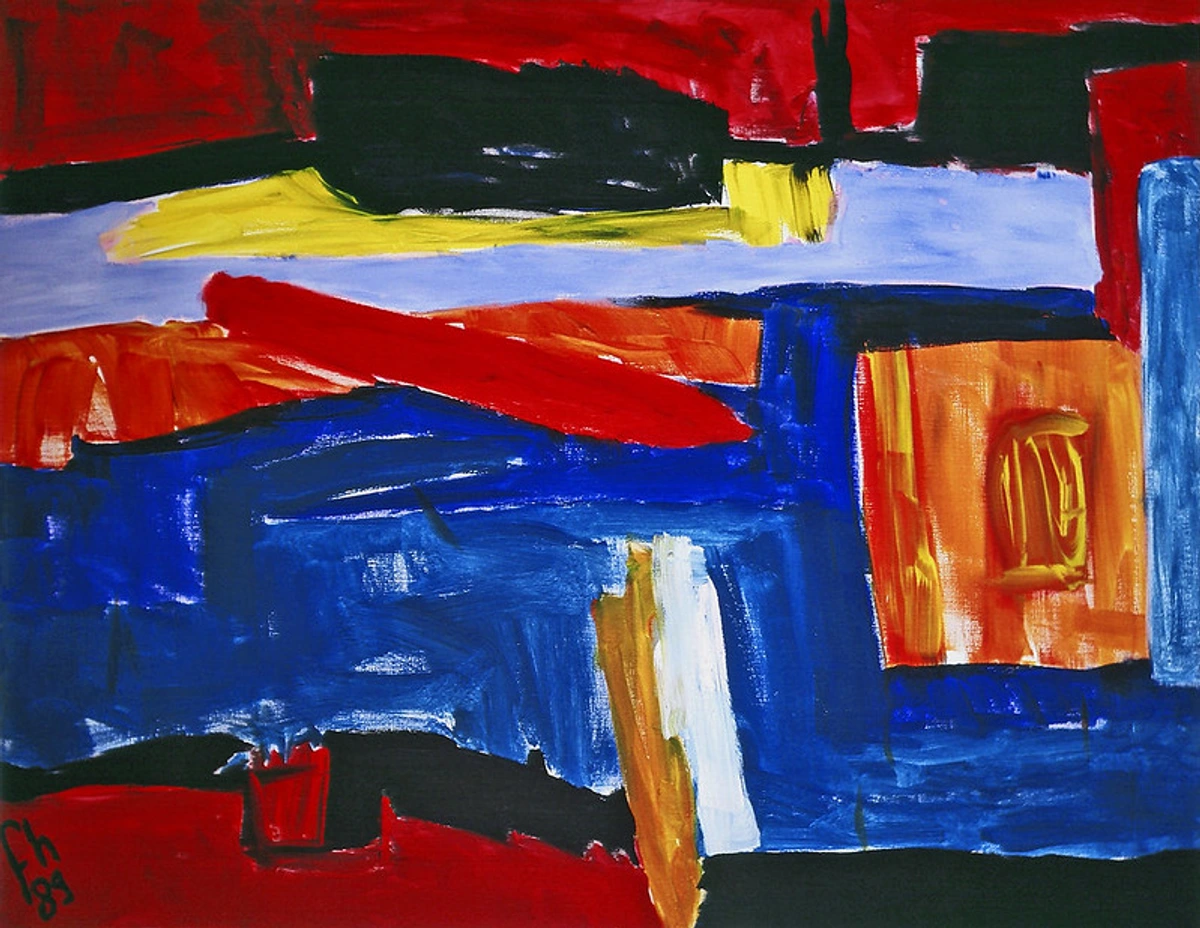
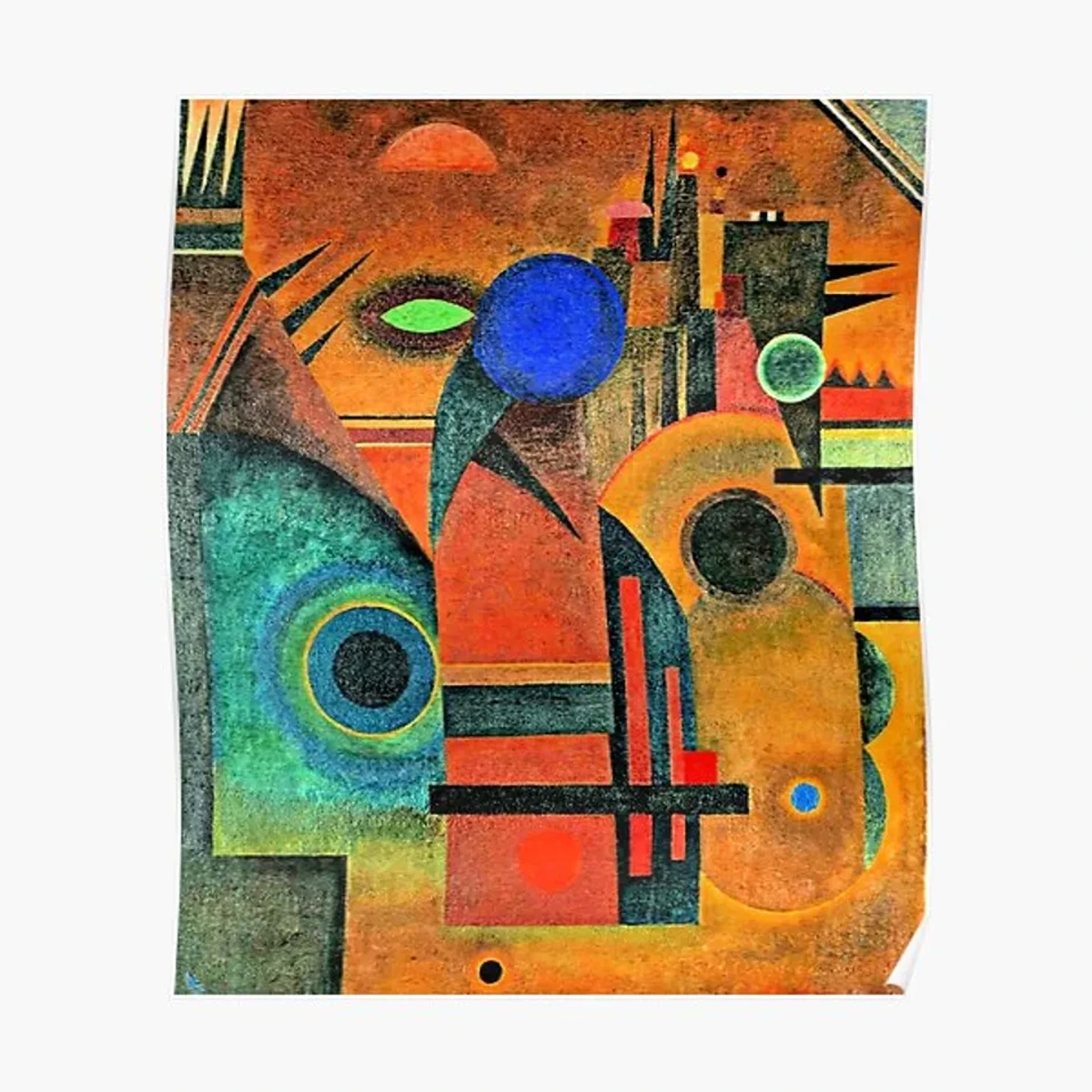
Wassily Kandinsky, a pioneer of abstract art and a key figure in ultimate-guide-to-expressionism, famously linked specific colors to musical instruments and tones. You can almost hear the blaring trumpet in a flash of yellow or the deep cello in a resonant blue when looking at his "Compositions." For instance, in his "Composition VIII" (1923), the sharp geometric forms and vibrant, contrasting colors almost burst forth with the energy of a full orchestra, each element playing its part in a grand visual symphony. Our ultimate-guide-to-wassily-kandinsky offers a deeper dive into his fascinating theories.
4. Narrative and Cultural Identity: Visual Storytelling
Especially during the Harlem Renaissance, jazz served as a rich tapestry of stories and a powerful assertion of Black identity and experience. Artists depicted scenes of Black life, music, and struggle, crafting compelling visual narratives deeply informed by the cultural context of jazz, using sophisticated visual-storytelling-techniques-in-narrative-art.
Romare Bearden's collages, for instance, are vivid visual jazz compositions, layering images and textures to tell stories of African American life with the same improvisational spirit and rhythmic complexity found in a Duke Ellington big band. His work often depicted vibrant jazz clubs and the powerful figures within them, mirroring the energy of live performances. Our guide on what-is-collage-art delves into this technique.
Key Art Movements Fueled by Jazz's Beat
The influence of jazz, as I see it, isn't always about direct representation. It's often about the spirit of the music, the underlying principles that permeated the artistic atmosphere and reshaped how artists thought about form, space, and emotion. Here are a few pivotal movements where you can undeniably feel that jazz beat in the visual arts:
Cubism: Fractured Rhythms and Visual Polyphony (Early 20th Century)
But how did jazz, a sound so fluid and improvisational, find its way into the rigid geometry of Cubism? When I first encountered Cubism, with its fragmented perspectives and geometric forms, it felt like a purely intellectual puzzle. It wasn't until I heard a particularly intricate Dixieland jazz solo – a riot of simultaneous melodies and unexpected breaks – that the connection clicked: this was visual bebop, but in an earlier, more syncopated form. Doesn't the way a saxophone solo breaks a melody into unexpected fragments, only to brilliantly reassemble them into a new, compelling whole, echo what Pablo Picasso and Georges Braque achieved? For a truly immersive understanding, our ultimate-guide-to-cubism offers a comprehensive look.
Cubist artists didn't just deconstruct objects; they explored movement and time, much like a jazz musician explores a melody through countless improvisational variations. Works like Picasso's seminal "Les Demoiselles d'Avignon" (1907) or Braque's "Violin and Candlestick" (1910) don't explicitly depict jazz, but their revolutionary fracturing of planes, overlapping forms, and simultaneous presentation of multiple viewpoints create a visual equivalent of jazz's polyrhythms and improvisational shifts. This visual polyphony—where multiple rhythmic or melodic lines are presented simultaneously, much like different instruments playing at once in a jazz ensemble, or watching a busy marketplace from multiple vantage points simultaneously—was a daring departure. They dared to break traditional harmony to forge a new kind of visual jazz.
The Harlem Renaissance: A Cultural Symphony of Identity (1920s-1930s)
Moving from Cubism's fractured forms, the spirit of jazz found an even more direct and resonant expression in the Harlem Renaissance. Now, this is where the connection between jazz and visual art becomes unequivocally undeniable. The Harlem Renaissance was an explosive cultural awakening in the 1920s and 30s, and jazz served as its pulsating heart. Amidst profound social change and the burgeoning assertion of Black identity, jazz provided the essential soundtrack for poets, writers, and especially visual artists. It wasn't just a muse; it was the very fabric of the movement itself. Our extensive article on the-harlem-renaissance-art-culture-and-identity-in-1920s-america offers a deeper dive into this transformative era.
Artists like Aaron Douglas (known for "Aspects of Negro Life" series), Jacob Lawrence ("The Migration Series"), and Romare Bearden didn't merely listen to jazz; they lived it, breathed it, and translated its spirit directly onto their canvases. Douglas's stylized figures and geometric compositions vibrated with the energy of jazz clubs and the spiritual intensity of the music, often depicting musicians in abstracted forms. Lawrence's dynamic, narrative series on Black American life pulsed with a rhythm strongly reminiscent of a jazz ensemble's call-and-response, his bold colors and simplified forms echoing the clear, powerful notes of a blues song and capturing the narrative flow of a long, unfolding musical piece. Bearden, a master of collage, literally sampled and reassembled images, mirroring how a jazz musician improvises with musical phrases, creating syncopated visual narratives. Their work, often depicting vibrant scenes of Harlem life and its iconic musicians like Louis Armstrong and Bessie Smith, embodied the improvisational structure and powerful storytelling of jazz.
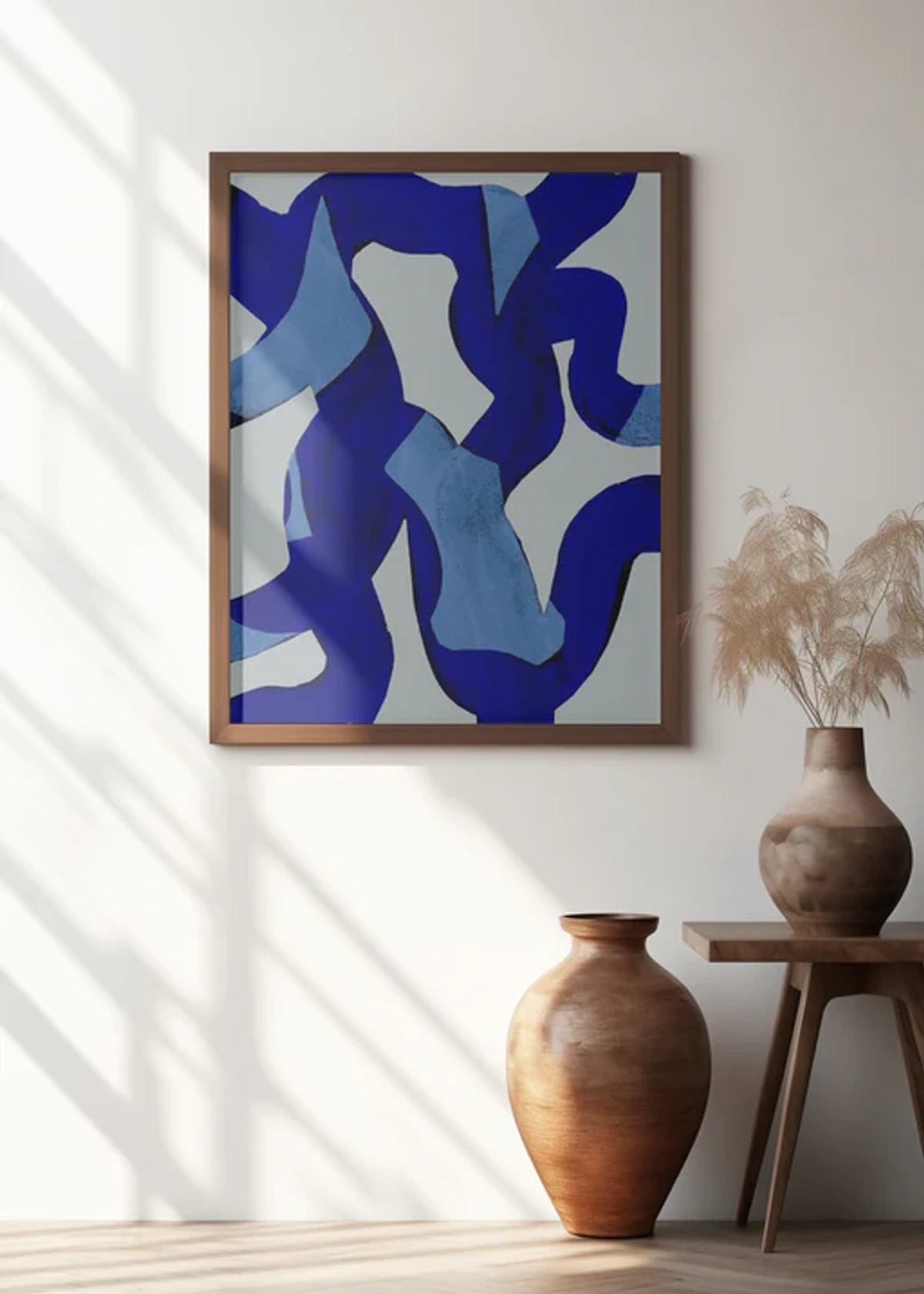
Abstract Expressionism: The Ultimate Jam Session (1940s-1950s)
As the world moved past the Harlem Renaissance, the raw, uninhibited force of jazz continued its evolution, setting the stage for a new artistic explosion. Fast forward a few decades, and Abstract Expressionism burst forth in post-war America. Think of titans like Jackson Pollock, Willem de Kooning, and Franz Kline. Their vast canvases became arenas of raw emotion, explosive spontaneity, and powerful gestural energy. Honestly, it's almost impossible to conceive of this movement without the rich, improvisational backdrop of jazz. For a comprehensive historical context, explore the-definitive-guide-to-the-history-of-abstract-art-key-movements-artists-and-evolution and our ultimate-guide-to-abstract-expressionism.
Jackson Pollock, for example, famously immersed himself in jazz (especially bebop from artists like Charlie Parker and Miles Davis) while creating his iconic drip paintings. These weren't random splashes; they were controlled chaos, a rhythmic dance across the canvas mirroring the improvisation and syncopation of a jazz solo, each drip a note in a complex visual score. I often imagine him in his studio, Miles Davis or Charlie Parker blaring, his body becoming an extension of the music, the frantic yet controlled energy of the trumpet or sax translating directly to his movements. Our ultimate-guide-to-jackson-pollock dives deeper into his process. Willem de Kooning's aggressive brushstrokes and layered compositions, as seen in works like "Woman I" (1950-52), feel like the visual roar of a full jazz band, its dissonances and harmonies translated into visceral form and vibrant color. Franz Kline's monumental black-and-white canvases, with their sweeping, powerful strokes, embody the raw, uninhibited force and dramatic tension of a bebop performance.
This revolutionary approach, known as "action painting"—a highly performative and improvisational approach directly mirroring jazz's live spontaneity—bears such a strong parallel to the live, improvisational nature of jazz. It's this direct, unmediated expression, the very act of creation as a spontaneous performance, that truly screams jazz to me.
Beyond the Canvas: Jazz's Wider Visual Impact
While the focus here has largely been on painting and traditional fine art, the improvisational and rhythmic spirit of jazz has subtly permeated other visual realms, demonstrating its pervasive influence:
- Art Deco & Design: The sleek lines, geometric patterns, and dynamic energy of the Art Deco movement in the 1920s and 30s often echoed the optimism, speed, and rhythmic complexity of the Jazz Age. Think of the rhythmic repetition in skyscraper architecture or the stylized figures in fashion illustrations – a visual syncopation reflecting the new urban pulse.
- Op Art & Kinetic Art: The complex, pulsating rhythms and optical illusions of Op Art, exemplified by artists like Victor Vasarely, can be seen as a visual interpretation of jazz's intricate rhythmic structures and syncopation, creating a sense of movement that mirrors musical flow. Think of the interlocking patterns of a dizzying Charlie Parker sax riff translated into visual patterns that vibrate and shift. Kinetic art, with its literal movement, takes this even further.
- Album Art Design: From the bold, graphic elegance of Reid Miles for iconic Blue Note Records covers (often reflecting the cool, clean lines of Hard Bop) to the abstract, energetic covers for Impulse! Records, jazz album art became a distinct visual genre. These designs directly reflected the music's innovation through typography, photography, and abstract illustration, playing a crucial role in shaping public perception and embodying the sonic experience visually.
- Film & Animation: Early animated shorts, particularly from the 1930s and 40s, often experimented with visual abstraction and fluid motion to interpret jazz and swing music, creating a direct synesthetic link between sound and moving image.
Notable Artists and Their Direct Jazz Connections
It's always helpful to put some names to these grand ideas. Here’s a curated list of artists who openly acknowledged or clearly demonstrated jazz influences, showcasing a fascinating and ongoing dialogue between sound and sight. This table highlights how the unique qualities of jazz manifested in their distinct artistic visions.
Artist  | Artistic Movement | Era | Key Jazz Element Reflected & Artistic Manifestation | Musical Influence | Representative Artwork |
|---|---|---|---|---|---|
| Wassily Kandinsky | Abstract Art, Expressionism | Early 20th C. | A pioneer of abstract art, Kandinsky theorized extensively about synesthesia and the spiritual effects of color and form, explicitly equating specific colors to musical tones and instruments (e.g., yellow to a trumpet, blue to a cello). His compositions are often described as "visual music" with intricate rhythmic arrangements and improvisational energy, reflecting the complex harmonies of early 20th-century jazz. | Early Jazz, Orchestral Compositions | 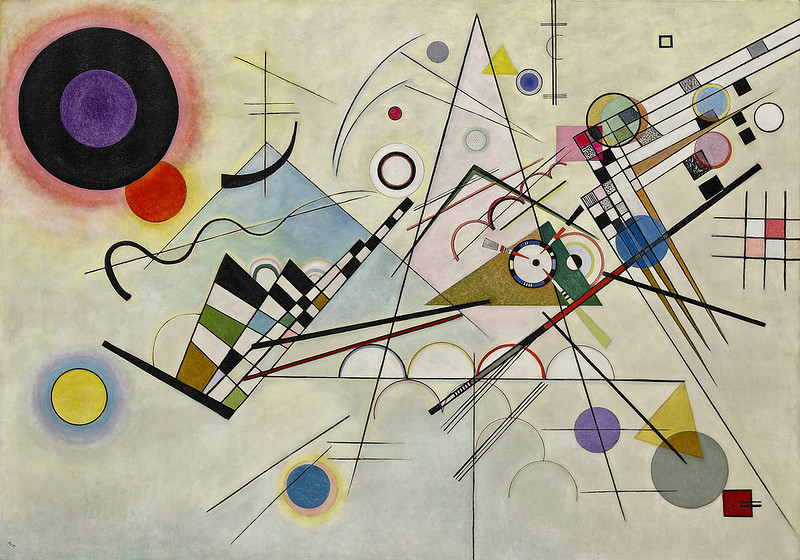 |
| credit, licence | |||||
| Piet Mondrian | De Stijl, Neoplasticism | Mid 20th C. | While his work appears rigidly geometric, Mondrian deeply admired jazz, particularly Boogie-Woogie. He sought universal harmony and dynamic equilibrium through contrasting elements. The carefully balanced asymmetry, rhythmic interplay of black lines, and primary color blocks can be seen as a visual equivalent to jazz's structured improvisation and syncopated rhythms, a visual counterpoint to its energy. See our ultimate-guide-to-piet-mondrian. | Boogie-Woogie, Swing | 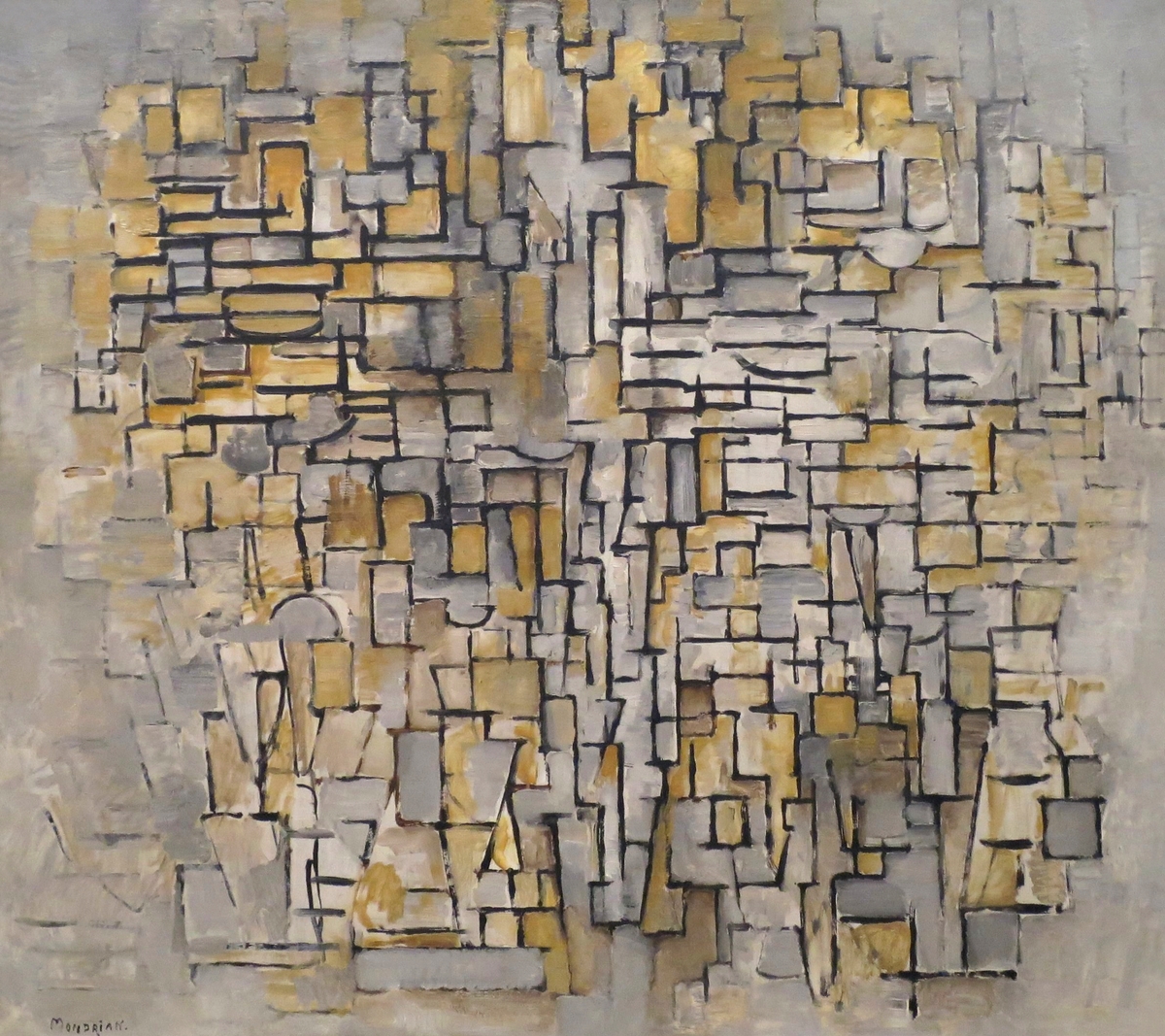 |
| credit, licence | |||||
| Stuart Davis | Modernism, Cubism-Abstract | Mid 20th C. | Stuart Davis directly incorporated jazz themes and structures into his vibrant, cubist-influenced abstract paintings. He aimed to create a visual equivalent to jazz, using bold colors, dynamic compositions, and fragmented forms to capture the music's syncopation and improvisational energy. His works often feature musical instruments, cityscapes, and abstract elements that visually 'swing'. | Jazz (Early, Swing, Bebop) |  |
| credit, licence | |||||
| Jackson Pollock | Abstract Expressionism | Mid 20th C. | Renowned for his "action paintings" created by dripping and pouring paint onto canvas. This highly spontaneous and physical method directly mirrored the improvisational, energetic, and rhythmic qualities of jazz, which he famously listened to while working. The layers of paint create a visual polyrhythm, much like a complex jazz arrangement, capturing the raw energy of a live performance. See our ultimate-guide-to-jackson-pollock. | Bebop (Charlie Parker, Miles Davis) | 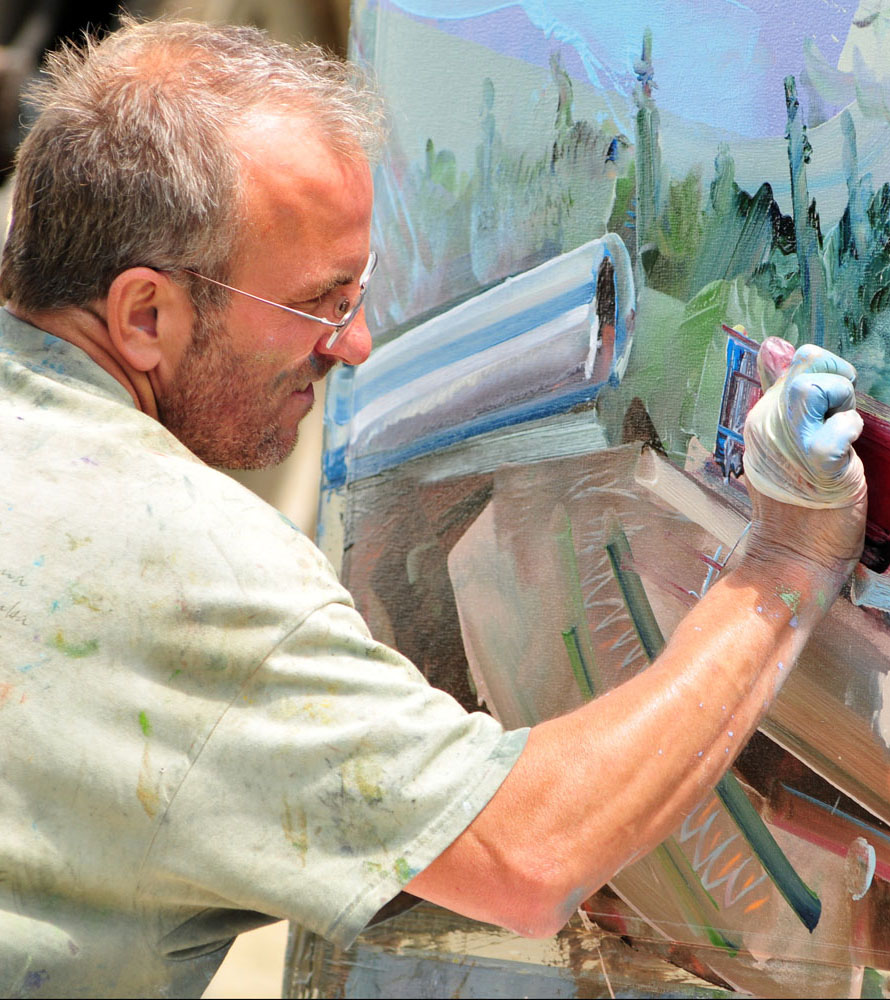 |
| credit, licence | |||||
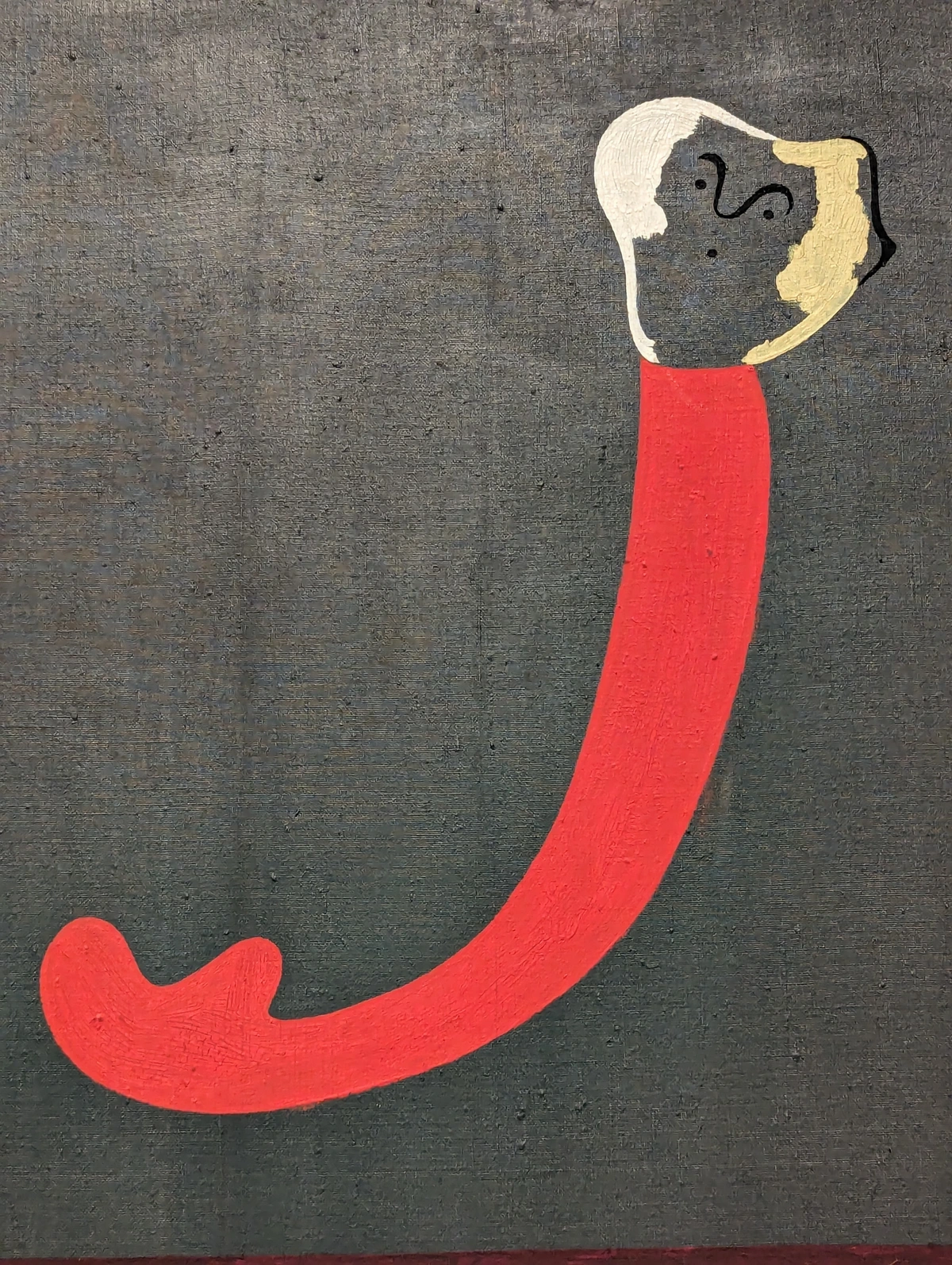
| Jean-Michel Basquiat | Neo-Expressionism, Primitivism | Late 20th C. | His raw, gestural style, rhythmic compositions, and use of repetitive motifs and bold lines echo the spontaneity, energy, and complex layering of jazz and its urban roots. Basquiat frequently referenced music and street culture, and his work pulses with a dynamic visual beat reminiscent of jazz's raw, unfiltered expression, much like a powerful solo. Learn more in our ultimate-guide-to-jean-michel-basquiat. | Free Jazz, Hip-Hop, Urban Blues |  |
| credit, licence |
Embodying the Jazz Spirit: Practical Insights for Artists
If you're an artist feeling the pull of jazz, wondering how to channel its energy into your own work, here are a few thoughts from my own creative journey. Remember, there's no single "right" way, just as there's no single jazz solo: I remember once struggling with a piece that felt too stiff, too planned. I put on some John Coltrane, and suddenly, my brushstrokes loosened, becoming more assertive, more alive. It was a breakthrough that taught me to trust the moment.
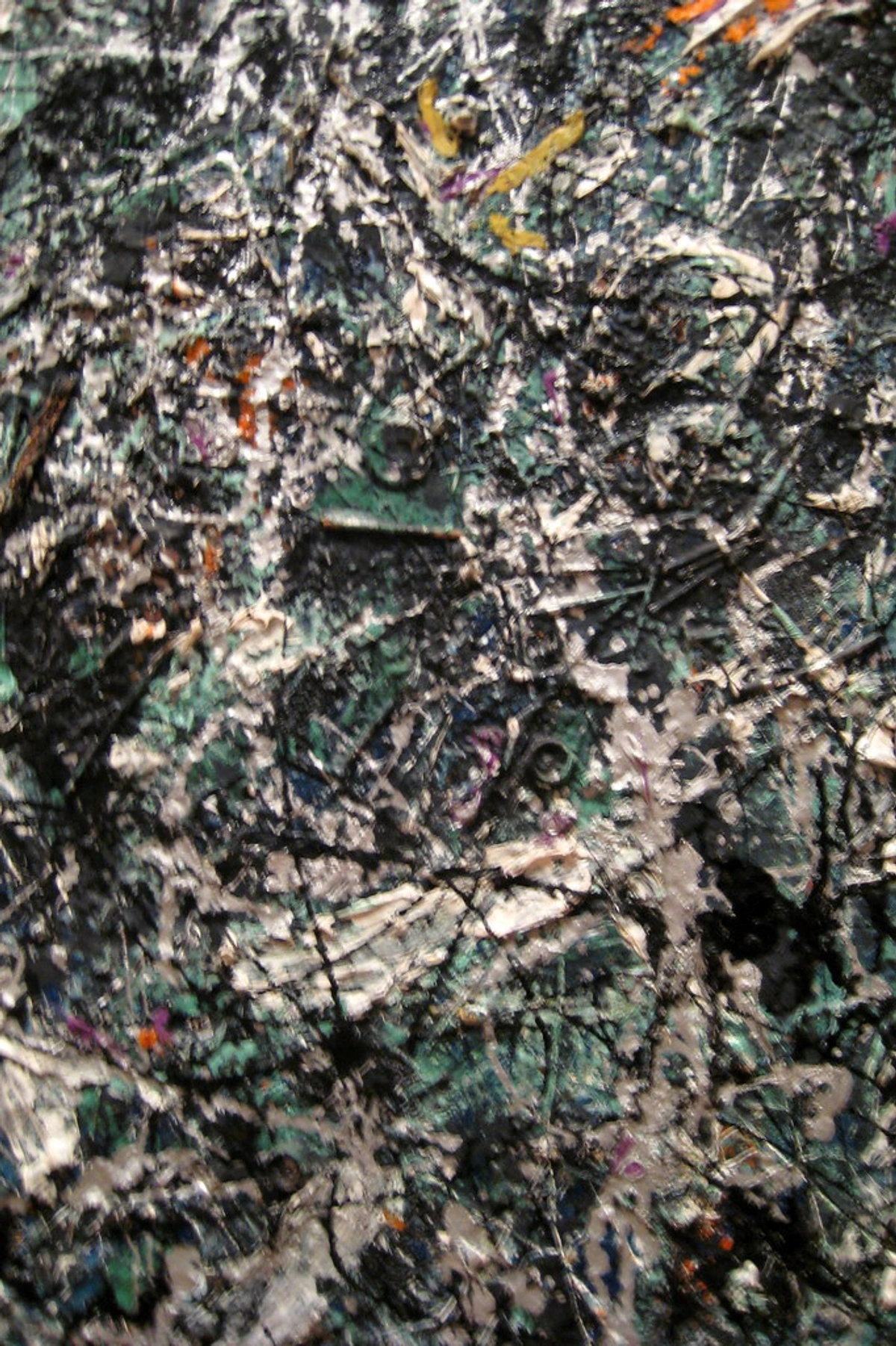
- Listen Actively, Paint Reactively: Put on a jazz album – maybe some free jazz, or a hard bop classic. Instead of trying to depict the music, try to feel it. Let the rhythm guide your brushstroke, the melody inspire your color choices, and the improvisation unlock your spontaneity. Don't plan; just respond. It's about letting your body become an extension of the sound.
- Embrace Dissonance and Syncopation: Don't be afraid of clashing colors or unexpected lines. Jazz thrives on tension and release, those delightful 'blue notes' that pull at you. How can you create visual "blue notes" or syncopated rhythms in your composition? Think about creating a visual call-and-response between different elements in your piece.
- Layer and Build: Just as jazz builds complex harmonies and textures through layering instruments, consider layering your materials. Collages, mixed media, or even multiple glazes in painting can build depth and a sense of visual improvisation. My own work often delves into the-unseen-layers-my-process-of-building-depth-and-narrative-in-abstract-mixed-media, drawing inspiration from this very principle.
- Narrate with Abstraction: Jazz often tells stories without words. How can your abstract forms, colors, and gestures convey a narrative or an emotion without being literal? What "mood" does your piece evoke, much like a jazz piece can conjure joy or melancholy? For more on this, explore visual-storytelling-techniques-in-narrative-art.
Frequently Asked Questions (FAQ)
What is the primary connection between jazz and abstract art?
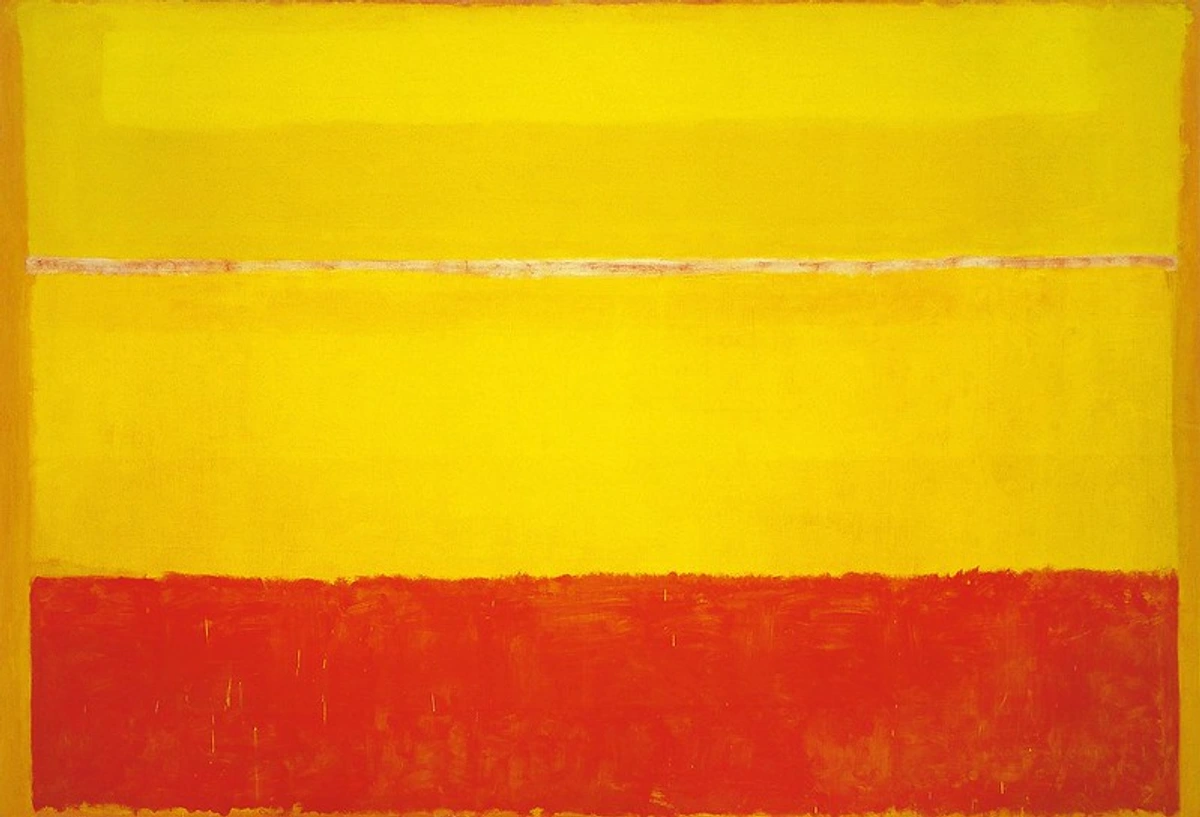
The connection lies fundamentally in shared principles: improvisation, rhythm, and emotional expression. Abstract artists found in jazz a powerful methodology for transcending traditional forms, fostering spontaneous creation, dynamic compositions, and the direct translation of feeling through color and line, rather than literal representation. The music's inherent freedom and its departure from rigid structure provided a compelling model for exploring non-representational forms in visual art. It was a revolutionary way to visualize the unseen, the felt – a true form of "visual jazz."
credit, licence
Did jazz profoundly influence painters, and if so, how?
Absolutely, jazz exerted a profound and multifaceted influence on painters across a spectrum of movements throughout the 20th century. This influence manifested in several key ways:
- Rhythmic Innovation: Jazz's syncopated rhythms and polyrhythms inspired dynamic compositions and gestural brushwork in movements like Cubism and Abstract Expressionism. Think of the swirling energy in a Jackson Pollock drip painting, directly inspired by the complex rhythmic layers of a bebop track.
- Improvisational Spirit: The spontaneous nature of jazz solos encouraged painters to embrace intuition and direct, physical engagement with their materials, leading to more expressive and unplanned works. Willem de Kooning's raw, powerful strokes in his "Woman" series often feel like a direct, uninhibited response to the canvas, much like a jazz musician's solo.
- Emotional Depth: The rich emotional range of jazz, from joyous swing to melancholic blues, prompted artists to explore color and form as direct conduits for conveying mood and feeling, often through the lens of synesthesia. Wassily Kandinsky's "Compositions" frequently use vibrant, clashing colors to evoke the blare of a trumpet or the deep resonance of a cello, translating sound into visual emotion.
- Cultural Identity & Narrative: During the Harlem Renaissance, jazz provided both the subject matter and the aesthetic framework for artists to create powerful visual narratives asserting Black identity and celebrating their culture. Romare Bearden's collages, for example, visually sample and remix African American life and jazz culture with the same improvisational spirit as a Duke Ellington piece.
How did jazz music specifically impact art movements like Cubism or Abstract Expressionism?
For Cubism, jazz's complex, layered rhythms and syncopation provided a conceptual framework. Artists like Picasso and Braque were inspired to deconstruct and reassemble subjects from multiple perspectives, creating a visual rhythm and dynamism that echoed jazz's structural innovations. It was about capturing the multifaceted nature of reality through a kind of visual polyphony, a symphony of simultaneous viewpoints, much like hearing multiple instruments playing interwoven melodies at once. The energy of early Dixieland, with its collective improvisation, is particularly resonant here.
For Abstract Expressionism, jazz's raw spontaneity, improvisational depth, and intense emotional power became a core model. The improvisational solos and uninhibited energy of jazz fueled "action painting"—a physical, immediate engagement with the canvas that prioritized the process of creation and visceral feeling over rigid planning. Artists like Jackson Pollock and Willem de Kooning channeled the unmediated force and emotional release of bebop and cool jazz into their monumental, expressive canvases, letting their bodies move in a rhythmic dance akin to a powerful jazz performance.
How did jazz's influence evolve over time, mirroring the music's own development?
Jazz's influence on visual art mirrored its own evolution, shifting from early 20th-century experiments to later, more direct integrations. Early on, with Dixieland and Ragtime, the influence was often structural, inspiring fragmented forms in Cubism or a general dynamism in early modernism. By the Harlem Renaissance (fueled by Swing and Blues), it became overtly thematic, celebrating Black culture and depicting the jazz scene itself. Later, with Abstract Expressionism (echoing Bebop and Hard Bop), it became about the process—the raw, improvisational act of painting itself, much like a bebop musician's spontaneous solos. As jazz continued to experiment and branch into different styles (e.g., Cool Jazz, Free Jazz), artists found new ways to interpret its shifting rhythms, harmonies, and emotional depths, leading to the more conceptual and rhythmic experiments seen in Op Art or even minimalist expressions.
What are practical ways for an art enthusiast to "see" jazz in visual art?
I find the best way is to actively listen while looking. Put on a vibrant jazz piece (Coltrane, Miles Davis, Ellington) while viewing an abstract painting. Look for:
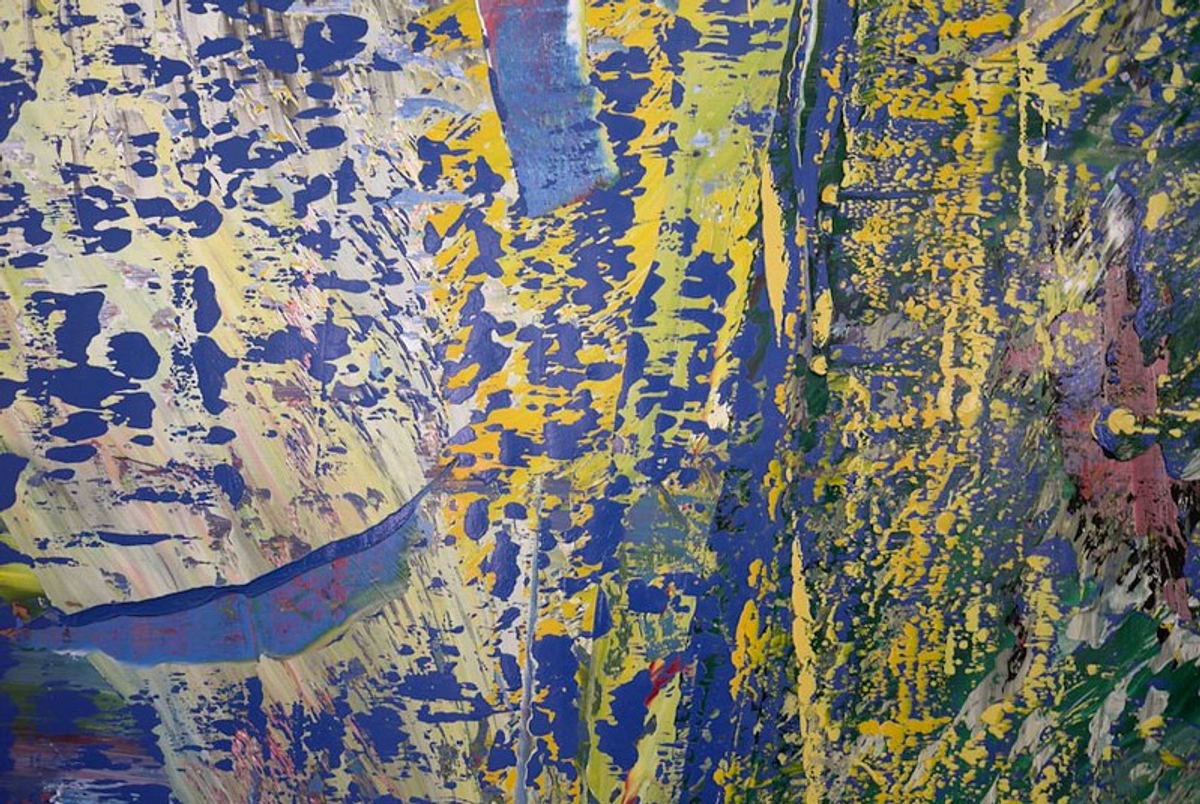
- Rhythm in Lines and Shapes: Do lines flow and intertwine like a melody? Do shapes repeat or clash like syncopated beats? Can you feel a pulse in the composition, perhaps a visual swing?
- Improvisation in Brushwork: Does the paint feel spontaneous, energetic, as if created in the moment, much like an improvised solo? Are there unexpected marks or shifts that suggest an artist responding intuitively to the canvas?
- Color as Emotion: Do the colors evoke strong feelings, or seem to "sing" different notes, reflecting the emotional range of the music? Do they clash vibrantly like a brass section or blend smoothly like a cool jazz ensemble, perhaps a visual "blue note" in a sea of warmer tones?
- Visual Call-and-Response: Can you see elements in the composition interacting, echoing, or contrasting with each other, much like musicians taking turns in a jam session?
It’s about letting the music guide your eye and your interpretation, allowing that synesthetic connection to flourish. As an exercise, try to describe a painting you love using only musical terms – melody, harmony, rhythm, dissonance, tempo. You might be surprised by what you discover!
Conclusion: The Enduring Rhythm of Artistic Inspiration
Looking back, the profound dialogue between jazz and visual art feels less like a series of distinct influences and more like an an ongoing, exhilarating jam session. Jazz didn't just inspire artists; it gifted them a revolutionary methodology, an undeniable spirit, and a rich cultural context for a new way of seeing, feeling, and creating. From the fractured planes of Cubism to the vibrant narratives of the Harlem Renaissance and the explosive spontaneity of Abstract Expressionism, the rhythms, improvisations, and emotional depths of jazz found their way onto the canvas, fundamentally transforming how artists approached form, color, and emotion for generations. While digital art and NFTs are certainly part of the contemporary landscape, I often find that the raw, tangible energy of a jazz performance finds its truest echo in physical artworks, where the artist's hand and the materials themselves carry an inherent improvisational spirit, something more akin to the visceral presence of live music.
So, the next time you find yourself utterly lost in a painting, or perhaps embark on a creative journey of your own, try putting on some jazz. You might just feel that rhythmic pulse guiding your eye, or your brush, towards something wonderfully new and unexpectedly profound. It's a powerful testament to the enduring ability of art to inspire art, a beautiful reminder that true creativity knows no boundaries, only an infinite array of new ways to express itself.
In my own work, I often find myself channeling this very spirit—the spontaneous energy, the interplay of unexpected forms, and the direct expression of emotion through vibrant color, much like a jazz musician explores a melody. If this journey through jazz's influence has sparked your own creativity and appreciation for the interplay of art forms, I invite you to see how I translate my own art-inspirations into my contemporary abstract work. You can explore my unique approach on my timeline or find pieces available to buy.

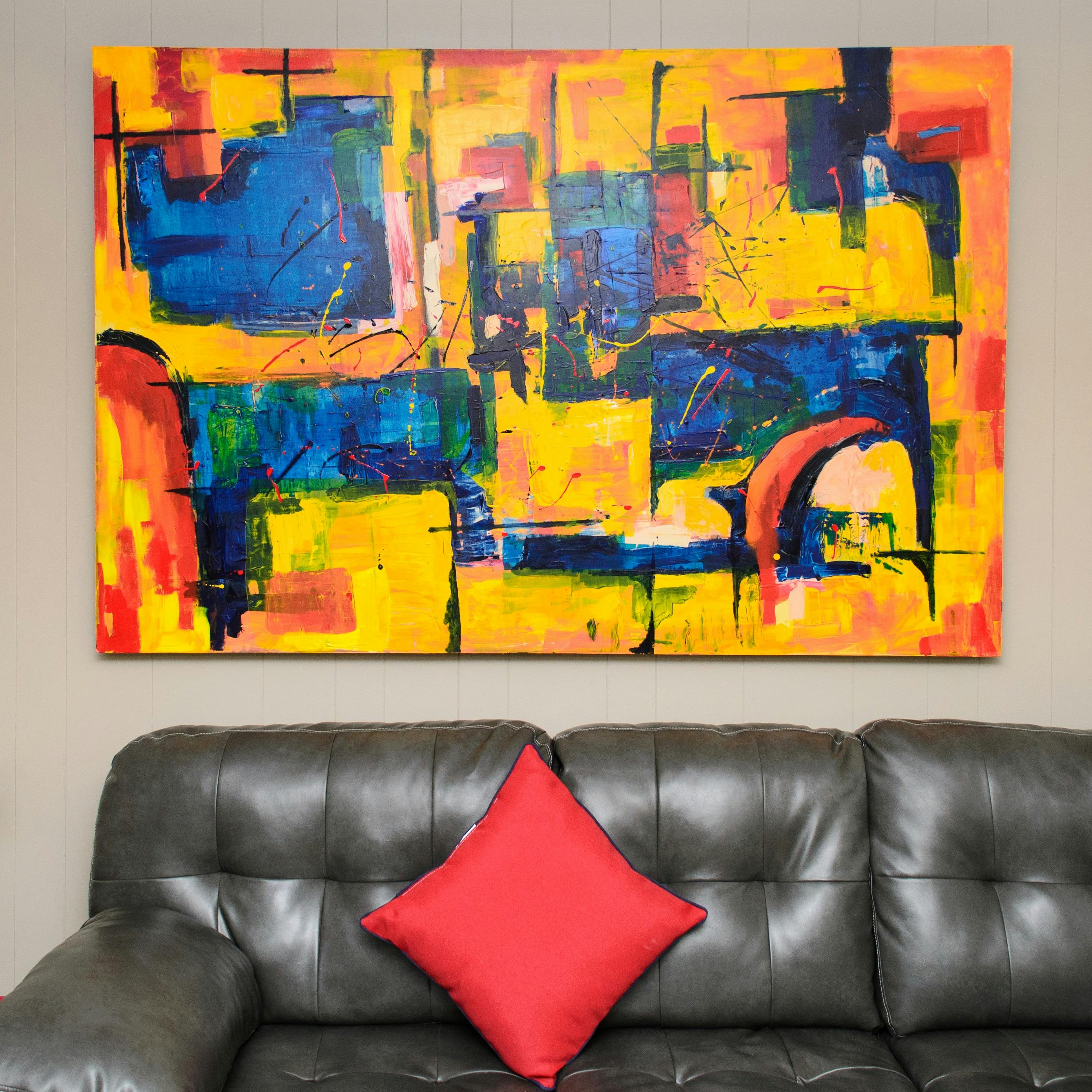






What other artists or artworks do you believe embody the captivating, improvisational spirit of jazz? I'd genuinely love to hear your thoughts in the comments below, or perhaps even discover a new visual jazz masterpiece through your suggestions!