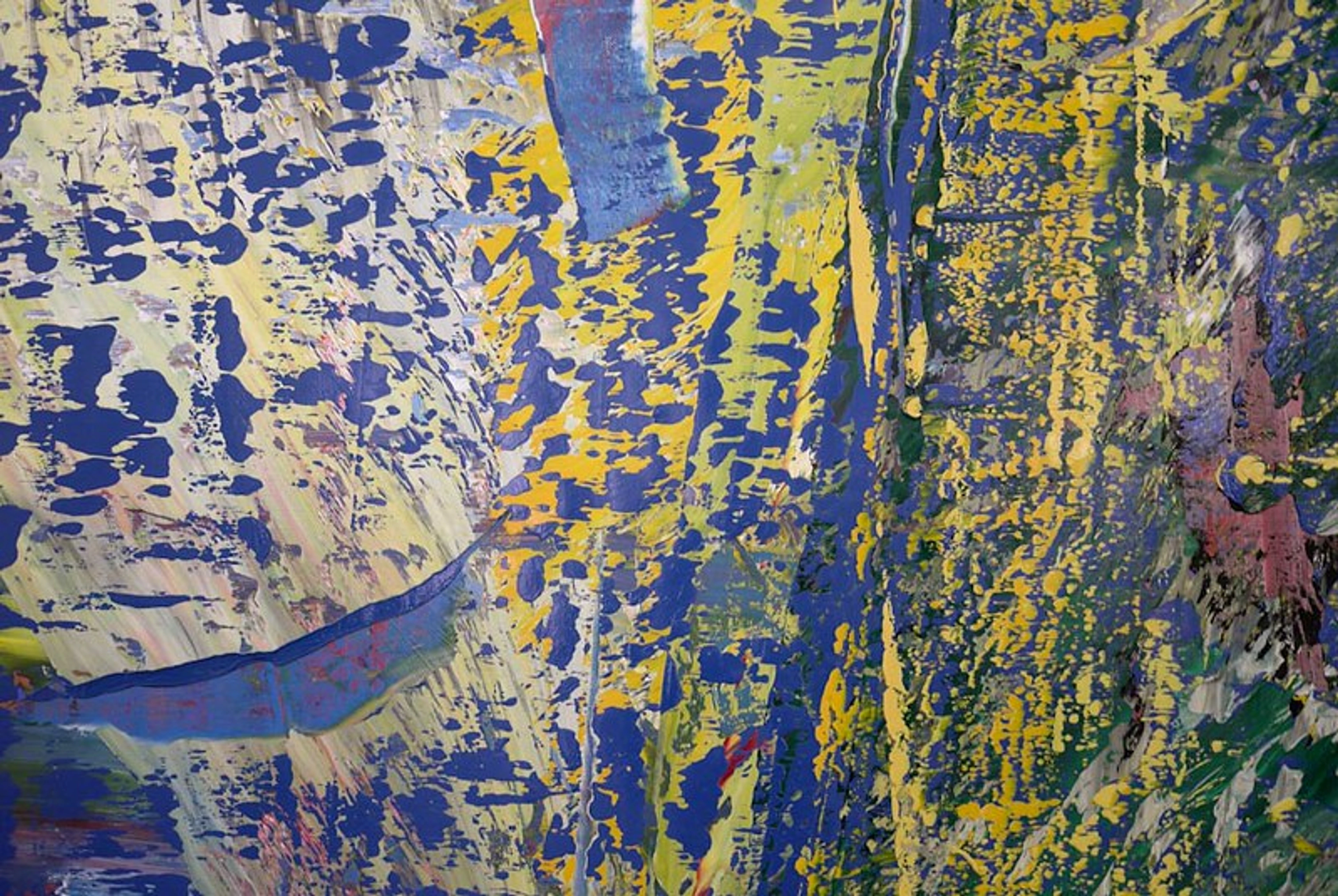
Mastering Visual Rhythm in Art: Movement, Flow & Emotional Impact
Unlock art's silent language with the ultimate guide to visual rhythm. Discover how artists use repetition, flow, and contrast to create movement, evoke emotion, and unify compositions. Includes history, types, and practical exercises.

The Visual Beat: Mastering Rhythm in Art for Movement, Flow, and Emotional Impact
Rhythm is the unseen heartbeat of art, the silent conductor that orchestrates our visual experience and elicits deep emotional responses. For me, it's not about a predictable rut; it's about finding that essential beat, that vital pulse that breathes life into the everyday. I often find myself observing these rhythms even in the quiet hum of my studio in 's-Hertogenbosch—the predictable swish of a brush, the rhythmic tap of a palette knife, the very act of organizing my colors. It still amazes me how these seemingly mundane actions contain a fundamental order, a pulse.
But why is understanding this silent language so crucial, both for appreciating art and for creating it? And how do artists orchestrate a palpable beat, a sense of movement and flow, on a canvas that is, at its essence, silent? When I first started seriously thinking about what is design in art generally, rhythm felt like one of those elusive concepts. You know it when you see it, but pinning it down? That’s another story. It was a real 'aha!' moment when I realized it wasn't just about repetition, but about the feeling of movement itself.
It’s easy to think of rhythm and immediately conjure up images of drums, dancing, or a catchy tune stuck in your head. But in art? That’s where it gets really interesting. It’s not about sound waves, but visual waves—a dynamic interplay of elements that guides your eye and makes you feel something, almost subconsciously. Imagine these waves as a gentle ripple across a pond, slowly expanding, or a crashing tide, full of energetic force. Artists manipulate elements like line, shape, color, and texture to direct your gaze, controlling your visual experience and dictating the tempo and direction.
This guide aims to be your ultimate resource for visual rhythm, demystifying this fundamental principle so you can not only recognize it but also harness its power in your own creative explorations. My goal is to unlock that silent language for you, to show you how artists wield this unseen force to breathe life into their creations and why this understanding is crucial for both appreciation and creation.
The Silent Language: Unpacking Visual Rhythm in Art
So, what is rhythm in art, precisely? For me, it's the organized movement, a repetition, or a recurrence of elements that gives a work its flow and vitality. More than just a simple pattern, visual rhythm is the dynamic principle that orchestrates the viewer's experience, guiding their eye through organized patterns of repetition, variation, and recurrence of elements. It’s the underlying pulse that transforms static forms into a living, breathing composition, creating a sense of flow, energy, and emotional resonance.
Our brains are hardwired to seek connections and patterns; it's a primal human response, a deep-seated desire for order that artists tap into, often without us even realizing it. Think of Gestalt principles like proximity (elements placed close together are perceived as a group), similarity (elements sharing visual traits like color or shape are grouped), continuity (the eye follows lines and curves, creating smooth paths), and closure (the mind completes incomplete shapes). Artists expertly exploit these, often hinting at a rhythm rather than explicitly stating it. This innate wiring means that even if you're just starting your artistic journey or simply trying to understand why some art 'clicks' with you, grasping rhythm is a foundational step.
Think of it like this: when you walk, your legs move in a rhythm. Left, right, left, right. It’s a repeating motion. In art, those "steps" can be shapes, lines, colors, textures, or even the spaces between objects. It's the underlying pulse that transforms a collection of individual parts into a cohesive whole, creating a dynamic visual narrative. Rhythm can also be implied, subtly suggested through the directionality of forms, the gaze of figures, the implied trajectory of a thrown object, or even the staggered arrangement of elements that guides your eye along an unseen path. A repeating color or texture across disparate areas can also create a powerful, albeit implied, rhythmic connection, as can the gradual diminishing of objects in a landscape due to atmospheric perspective.
Over time, I've come to see rhythm as the heartbeat of a composition. It’s what makes a static image feel alive, what pulls your gaze from one point to the next, creating a journey for the viewer. A composition without a strong heartbeat often feels stagnant, lifeless, or disengaging because the viewer's brain isn't being actively guided or stimulated, leading to a disjointed and overwhelming experience. It's the artist's way of orchestrating the viewer's experience, dictating the tempo and direction of their visual exploration, much like a conductor guides an orchestra.
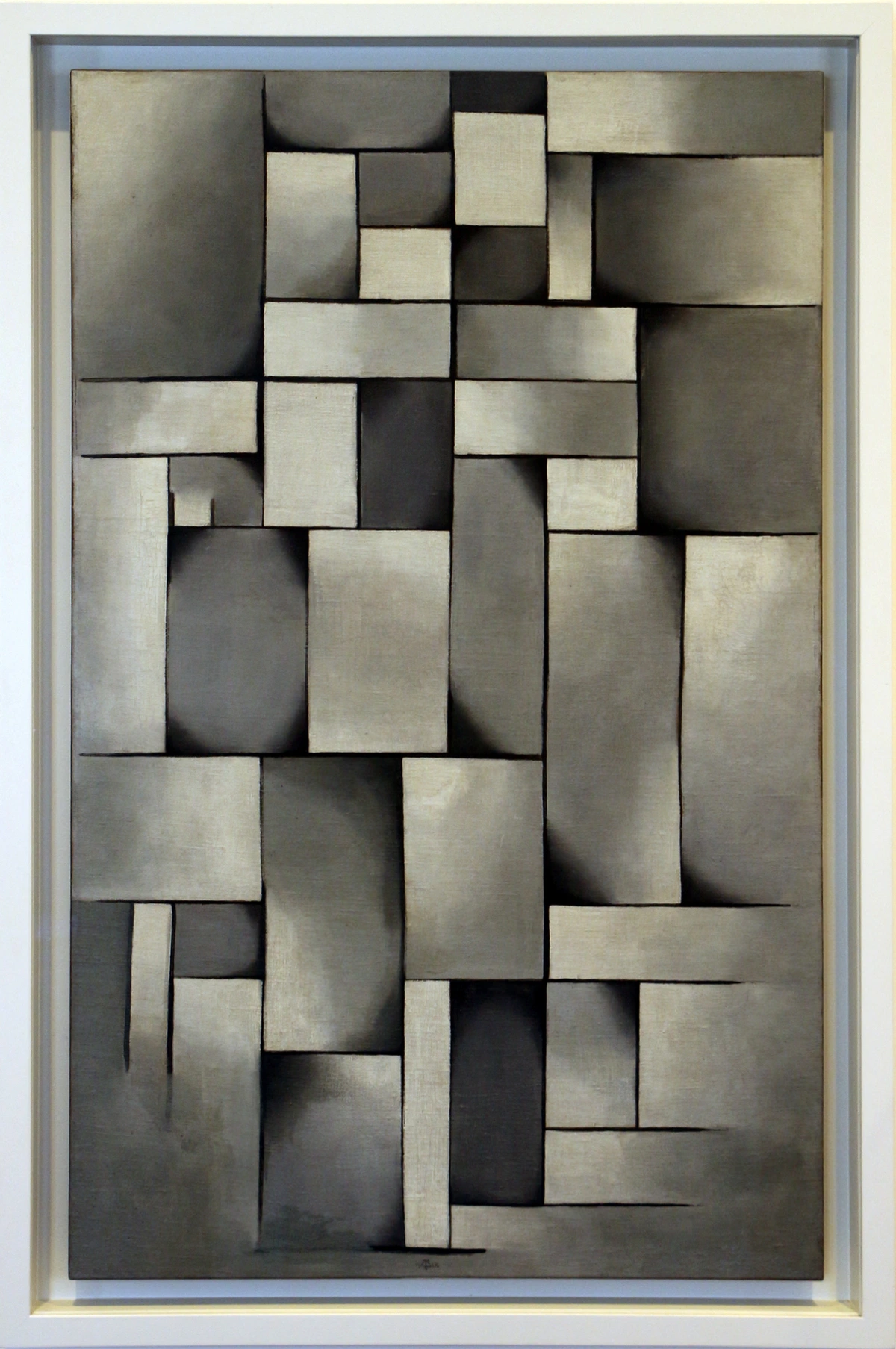
Even the spaces between elements – the negative space – play a crucial role. Just as the pauses in music create rhythm and allow the notes to resonate, the rhythmic repetition of empty areas within an artwork can define movement, creating a counterpoint to the positive forms and influencing the overall visual beat. Think of how the vast, empty sky in a landscape painting allows the forms of mountains or trees to stand out with greater presence – those are the 'pauses' that give the visual 'notes' their impact. But negative space isn't just a passive void; it can have its own rhythmic qualities. For instance, when a consistent shape of empty space repeats between elements, it actively creates a rhythm that emphasizes the positive forms, like the rhythmic gaps between fence posts or the negative shapes between the spokes of a wheel. It's an often-overlooked tool that quietly contributes to the overall dance of a composition, and when wielded subtly, it can create a powerful visual cadence that resonates deep within our cognitive processes, affecting how we remember and respond to the art.
Decoding the Visual Beat: A Taxonomy of Artistic Rhythms
Just like music has different tempos and styles, visual rhythm isn't a one-size-fits-all thing. I often find myself categorizing them, not in a rigid academic way, but more like, "Oh, that's that feeling." Understanding these variations helps you appreciate the nuanced ways artists communicate movement and emotion. From ancient decorative patterns to the soaring lines of a Gothic cathedral or the dynamic canvases of Abstract Expressionists, artists throughout history have leveraged these principles.
To truly grasp the nuances of visual rhythm, it's helpful to categorize its primary forms. Below is a breakdown of the fundamental types of artistic rhythms artists employ, their characteristics, and their common associations:
Rhythm Type  | Description | Examples in Art & Life | Evoked Emotion/Feeling | Artist's Intent | Musical Analogy |
|---|---|---|---|---|---|
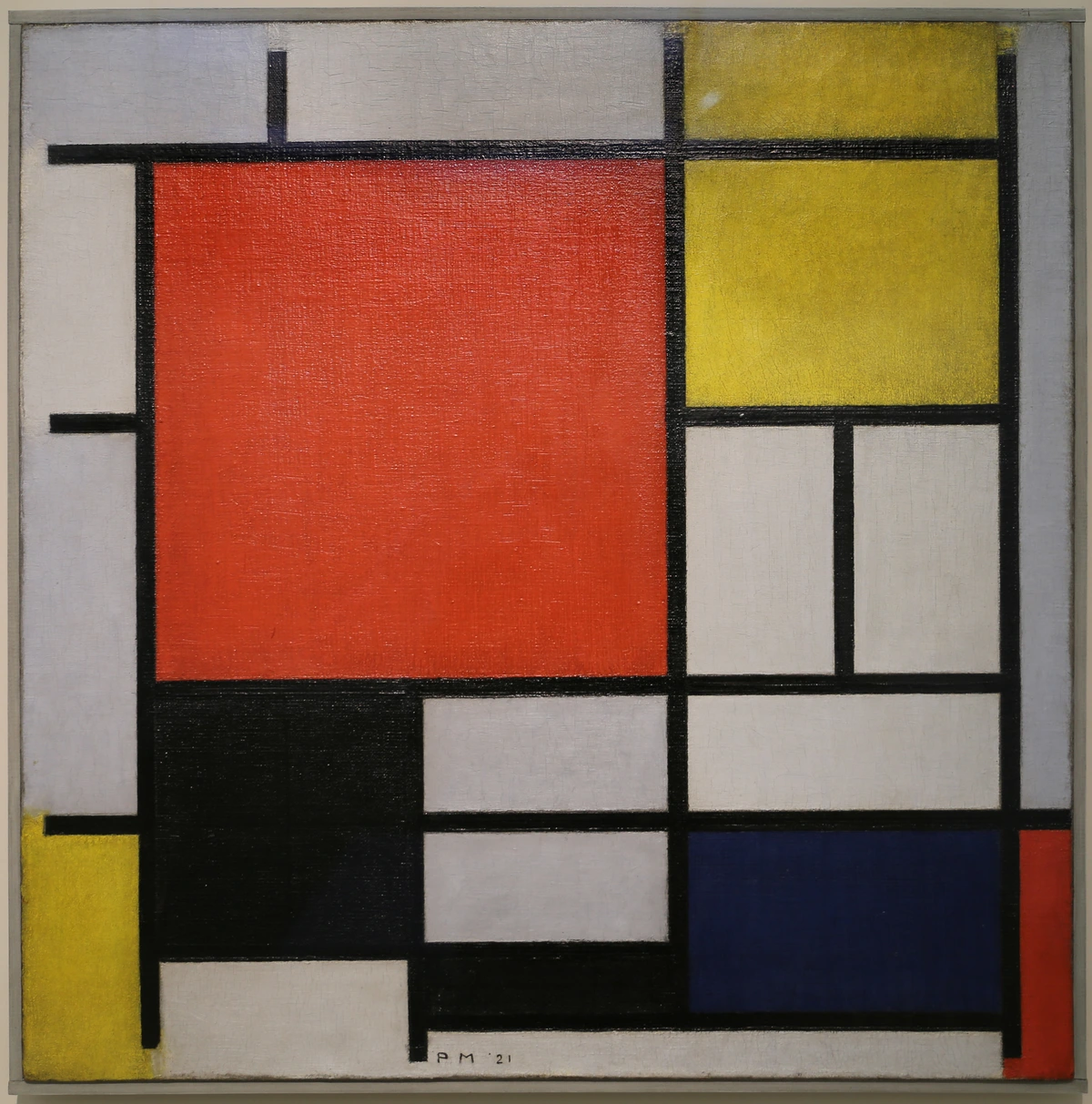
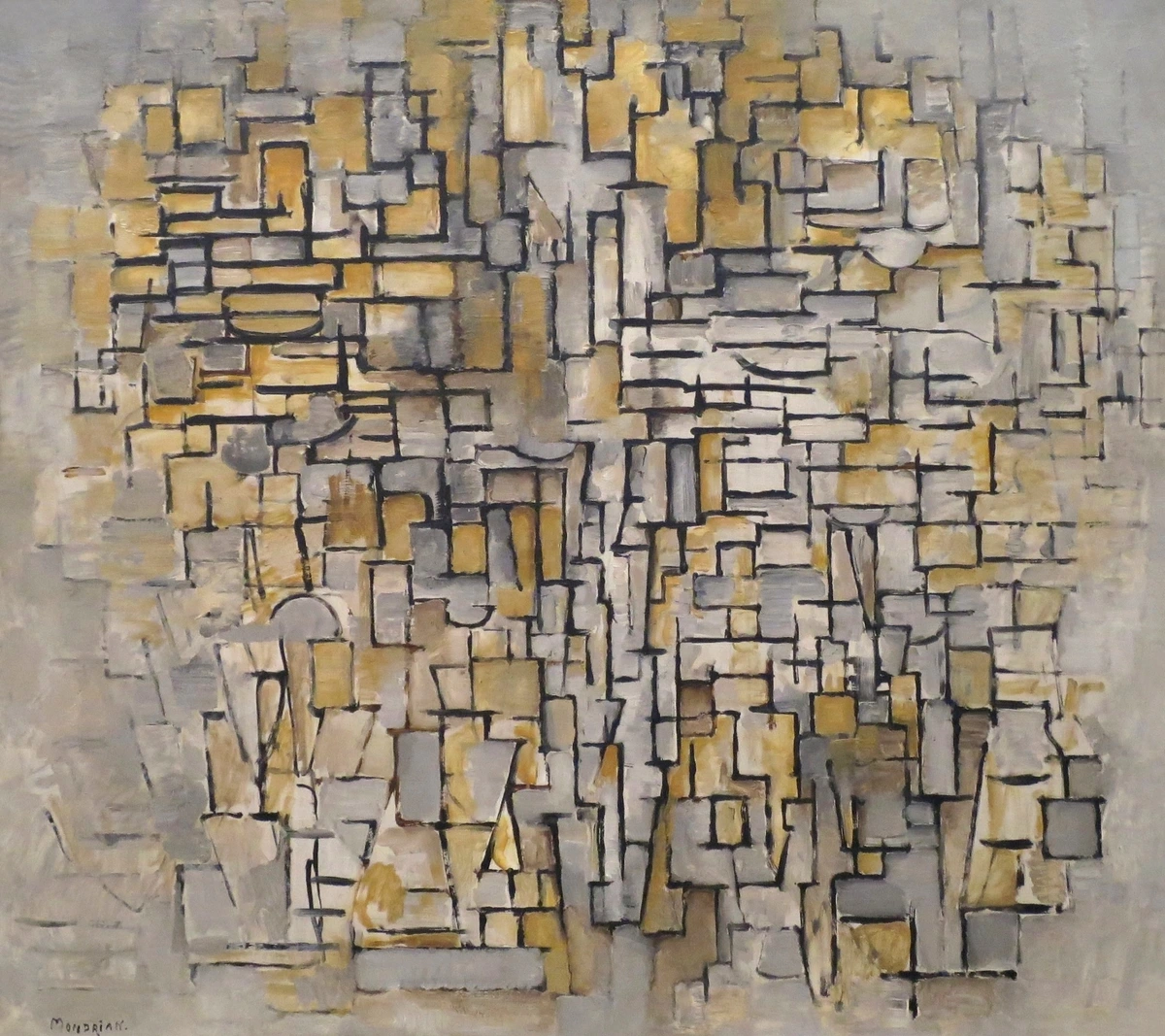
| Regular Rhythm | Predictable repetition of identical or nearly identical elements at consistent intervals. Creates stability, order, and often a sense of calm. Can sometimes feel monotonous if overused, often with subtle variations for engagement. | A series of columns on a classical building, repeating patterns in textiles and folk art (e.g., Aboriginal dot painting), geometric grids, Piet Mondrian's neoplastic compositions like 'Composition with Red, Blue and Yellow', repeating archways in Islamic architecture, Minimalist seriality, tiling patterns, early video game graphics, consistent spacing of trees in a planned forest, a marching band. | Calm, stable, orderly, structured, harmonious, predictable, meditative, static, traditional, a sense of timelessness or permanence, security. | To create order, stability, timelessness, a meditative mood, reinforce tradition/structure, provide a sense of groundedness, or represent unchanging laws. | A steady drum beat, a metronome, a Gregorian chant. |
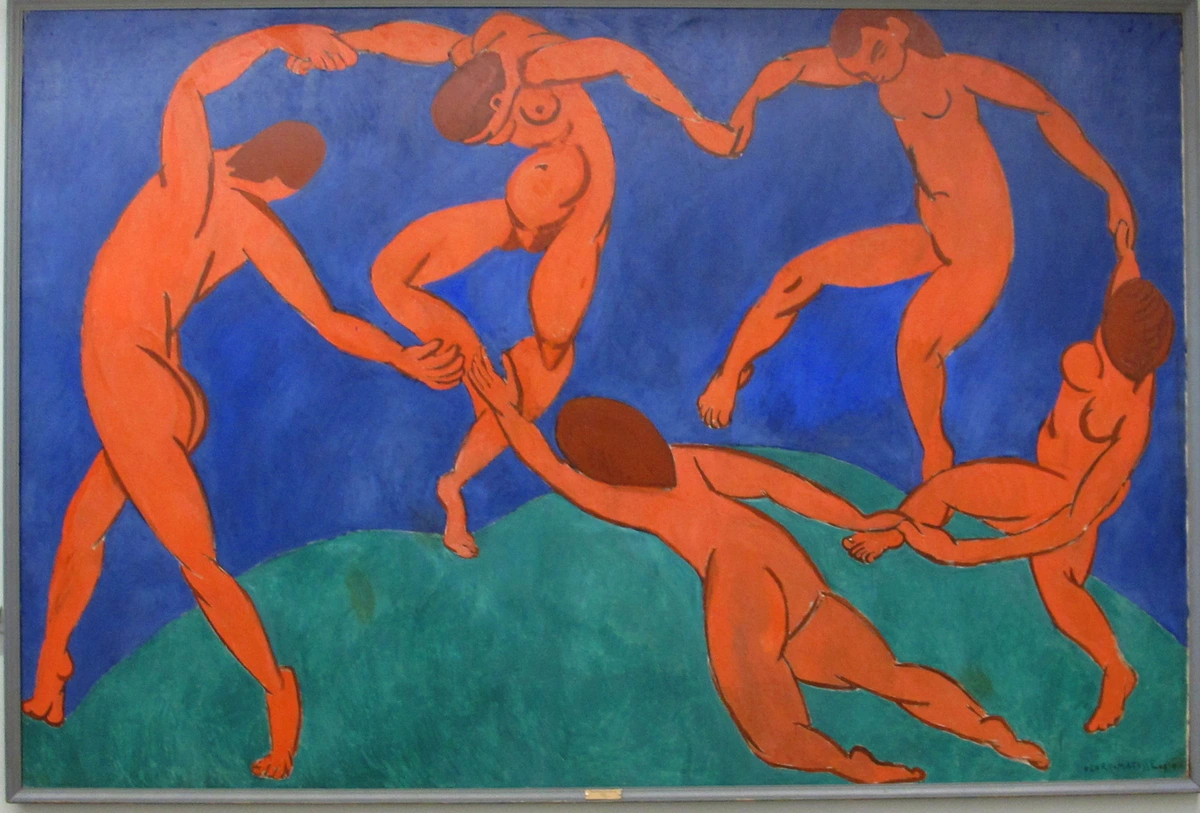
| Flowing Rhythm | Uses curved lines, organic shapes, and smooth transitions to create a sense of natural, continuous movement and fluidity. Often evokes grace, calm, or dynamic energy, unfolding like a story or journey. Feels less structured and more organic. | Waves on the ocean, the curves of a river, graceful lines of a dancer, swirling patterns in Sonia Delaunay's or Henri Matisse's work like 'La Danse', Baroque drapery (e.g., Bernini's 'Ecstasy of Saint Teresa'), elegant lines of Art Nouveau architecture, natural forms like leaf veins, Japanese Ukiyo-e waves, a meandering path, the brushstrokes in Van Gogh's 'Starry Night' or Monet's water lilies. | Graceful, serene, natural, dynamic, fluid, calming, effortless, sensual, organic, dreamlike, narrative progression, energetic, a feeling of ease or unfolding, gentle undulation, frantic whirl. | To suggest natural movement, elegance, an unfolding narrative, sensuality, a sense of ease, or to create a dreamlike quality. | A legato melody, a flowing orchestral piece, a waltz. |
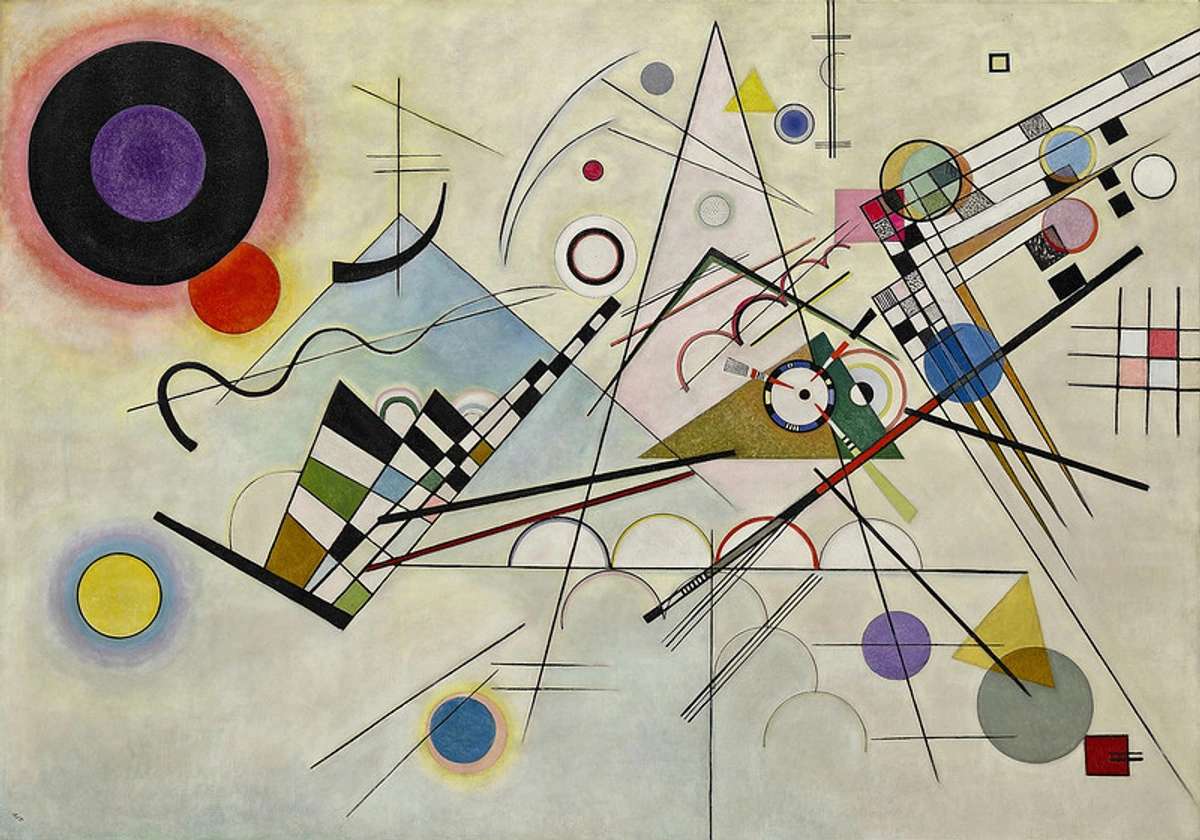
| Progressive Rhythm | Elements gradually change in size, shape, color, intensity, or density as they repeat or extend. This change can be subtle or in distinct, escalating steps. Creates a sense of development, growth, or building intensity, guiding the eye dynamically through a narrative or building anticipation. | Ripples expanding in a pond, a gradient shifting from light to dark, a series of concentric circles, Wassily Kandinsky's compositions where shapes evolve or expand (e.g., "Composition VIII"), a row of increasingly smaller trees receding into the distance (atmospheric perspective), diminishing figures in hierarchical compositions, a crescendo in a painting, a spiral staircase, a series of figures representing time passing (e.g., Marcel Duchamp's 'Nude Descending a Staircase, No. 2'), the growth rings of a tree. | Growth, tension, development, anticipation, journey, transformation, evolution, escalating energy, climax, resolution, depth, a sense of impending change or narrative progression, symbolic of time passing or emotional arc. | To build intensity, create a visual journey, direct focus towards a climax, imply change over time, suggest depth, narrate a transformation, or symbolize development. | A musical crescendo, a rising scale, a gradual increase in tempo. |
| Alternating Rhythm | Involves two or more different elements recurring in sequence, creating a call-and-response dynamic. Introduces complexity, tension, or a vibrant interplay, making the composition more engaging. This can be subtle, like alternating brushstroke directions, or strong, like contrasting colors. | A checkerboard pattern, alternating colors in stripes, the interplay of light and shadow in a chiaroscuro painting (e.g., Caravaggio), repeating contrasting forms (e.g., square-circle-square-circle), contrasting brushstrokes, a visual dialogue, the rhythm of alternating architectural elements (e.g., a patterned facade), stripes on a zebra, the geometric patterns in Op Art by Victor Vasarely. | Lively, engaging, complex, tension, contrast, interplay, dialogue, vibrant, dynamic, exciting, creating a sense of visual conversation or counterpoint, visual argument or debate. | To create visual interest, tension, a sense of dialogue, to emphasize complementary differences, or to create a dynamic interaction. | A call-and-response in music, contrasting themes in a symphony, syncopation. |
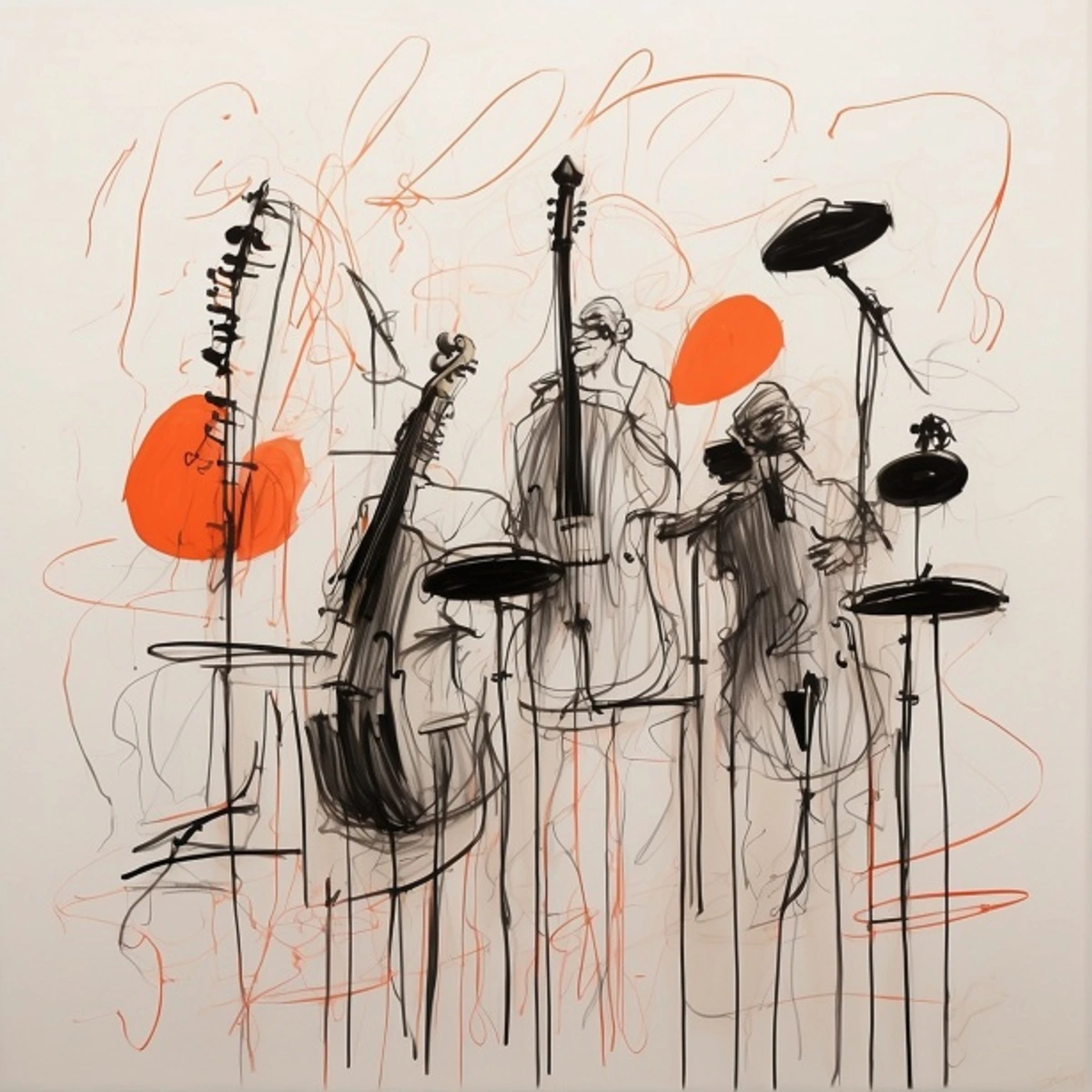
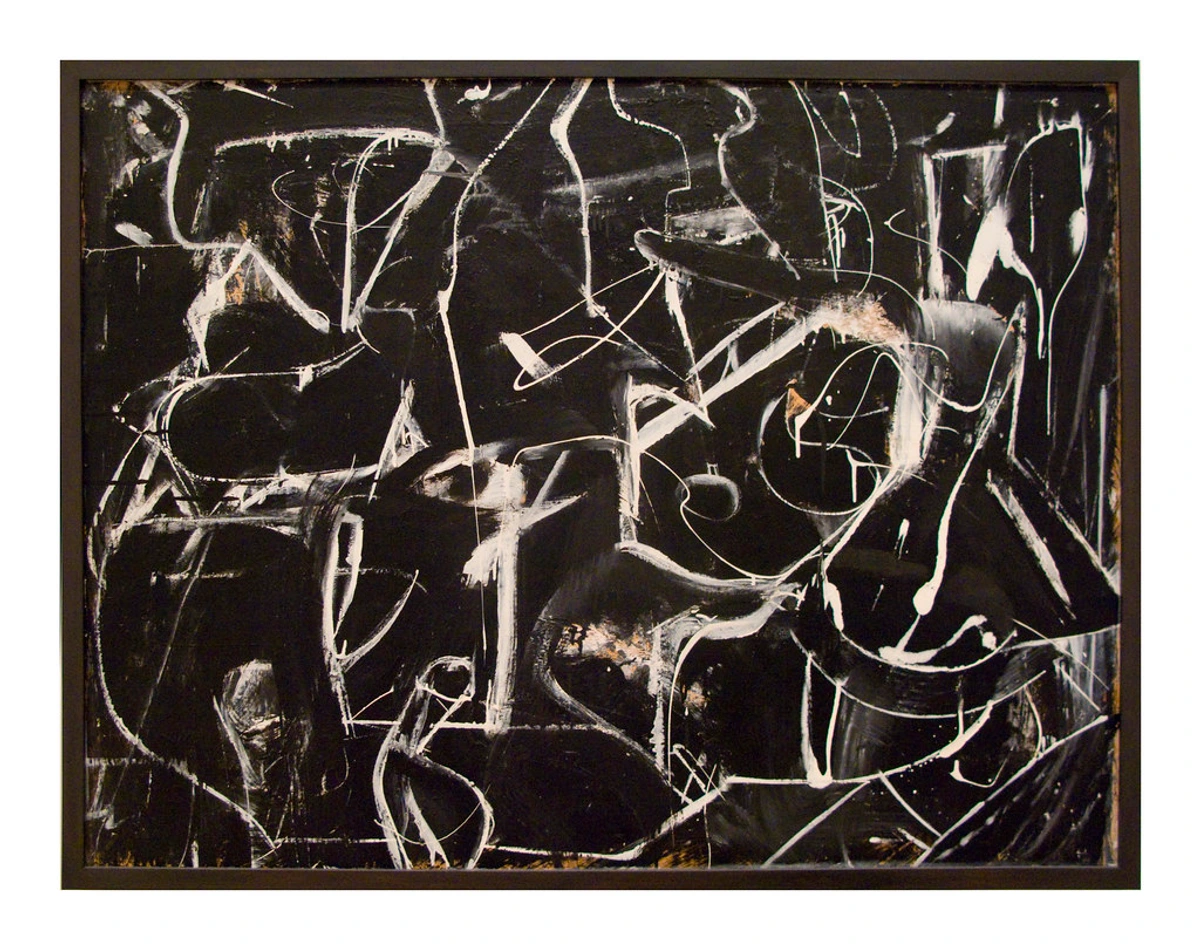
| Random Rhythm | Elements are arranged in a way that suggests implied movement or energy, even without clear, predictable repetition. The brain seeks perceived energetic or directional connections in the apparent disorder, not necessarily a visual pattern. This is "controlled chaos," where the artist imposes an underlying intentionality, guiding the viewer's eye through a dynamic field of apparent unpredictability. This is not true randomness, but an intentional artistic choice. | A splatter painting, a bustling crowd, the arrangement of natural debris, Jackson Pollock's drip paintings, the energetic, uncontrolled marks in Expressionist works (e.g., Willem de Kooning), or the organic growth of a city. Natural formations like rock strata, scattered leaves after a storm, constellations, flocks of birds in flight. | Energetic, spontaneous, chaotic (controlled), dynamic, unpredictable, expressive, raw, complex, unsettling, exhilarating, a feeling of wildness or freedom, unbridled energy. | To evoke spontaneity, raw energy, the dynamic beauty of disorder, challenge conventional order, or capture the untamed essence of nature, or to represent the complex, emergent patterns of life. | Free jazz improvisation, a drum solo with varied, non-repeating rhythms, soundscapes. |
Let's dive into some visual examples for a couple of these beats:
Exploring Regular Rhythm
When I look at a Mondrian, the bold lines, the blocks of primary color, there's a deliberate, almost meditative rhythm there, isn't there? It’s not chaotic; it's a controlled pulse, a visual beat that guides your eye through the composition. Each rectangle, each line, plays its part in a larger, carefully orchestrated dance. The strict adherence to the grid, the balanced placement of colors, and the precise relationship between thick and thin lines, as well as the deliberate proportions of the color blocks, all contribute to this predictable, calming tempo. This creates a sense of profound stability and timelessness, almost a visual mantra. If you want to dive deeper into the mind behind this, my guide to the history of abstract art or specific artists like Mondrian through De Stijl is a great place to start, showing how artists like Mondrian achieved this order. Even the scale of repetition matters; tiny repeated elements can create a buzzing texture, while large ones establish a grand, unshakeable beat.
Exploring Flowing Rhythm
This is where things get a bit more organic. Think of waves on the ocean, the curves of a river, or even the graceful lines of a dancer. Flowing rhythm uses curved lines and organic shapes to create a sense of natural movement and fluidity. It feels less structured, more like a gentle sway, or the elegant unfolding of a story. Henri Matisse's "La Danse" comes to mind here, with its vibrant, interconnected figures forming a continuous, joyful flow that almost pulls you into the circle with them. It’s an infectious, rhythmic invitation. You also see this grace in the swirling clouds of a Romantic landscape painting or the elegant, natural curves of Art Nouveau architecture, and certainly in the dynamic, swirling drapery of Baroque sculptures by artists like Bernini, where the interplay of light and shadow on the folds intensifies the sense of arrested motion. Even the iconic waves in Japanese Ukiyo-e prints, like Hokusai's 'The Great Wave off Kanagawa,' perfectly embody this powerful, natural flow. Or consider the subtle, undulating brushstrokes in Claude Monet's 'Water Lilies' series, which evoke a serene, almost meditative flowing rhythm, or the frantic, swirling energy in Vincent van Gogh's 'The Starry Night,' demonstrating how flowing rhythms can convey vastly different types of motion.
Exploring Progressive Rhythm
Now this one is fascinating because it introduces a sense of development, often guiding your eye towards a narrative climax or resolution. Elements gradually change in size, shape, color, or intensity as they repeat or extend. It’s like watching a ripple expand in a pond or a gradient slowly shift from light to dark. This creates a dynamic movement that guides your eye through a visual narrative, often building anticipation or tension, or emphasizing key focal points through a visual crescendo. Atmospheric perspective, where objects diminish in size and clarity as they recede, is a classic example of progressive rhythm, subtly guiding the eye into depth. Wassily Kandinsky's "Composition VIII" is a masterclass in this, with its evolving geometric forms, layered shapes, and radiating lines creating a swirling, energetic motion that feels like an unfolding story. You can almost feel the crescendo building, an aesthetic progression of form and color! It's how an artist might symbolize time passing, like the sequential figures in Marcel Duchamp's 'Nude Descending a Staircase, No. 2,' or evoke a character's emotional arc through escalating colors or forms.
Exploring Random Rhythm
This might sound like an oxymoron, right? "Random rhythm." But even in what appears to be chaos, our brains try to find patterns, or at least perceived connections. In art, random rhythm means there's no clear, predictable repetition, but the elements are still arranged in a way that suggests implied movement or energy. Think of a splatter painting, a bustling crowd, or the scattered leaves after an autumn storm. There's a pulse, an implied connection that our minds seek out – not necessarily a strict visual pattern, but a perceived energetic or directional link, like the complex, emergent patterns in a flock of birds or the organic, unpredictable growth of a city.
When I approach this kind of "controlled chaos," it's about creating a dynamic field, a raw expressiveness, pulling your eye across the canvas in an energetic, albeit unstructured, dance. It’s a deliberate act of the artist to guide the viewer’s eye through an energetic field where the feeling of unpredictability becomes the rhythm itself. Subtle shifts in texture, density, or the seemingly haphazard spacing of marks instinctively guide the eye through an energetic visual beat. It's less about strict repetition and more about the feeling of unbridled energy or natural distribution, often evoking a sense of the sublime or the untamed. Artists like Jackson Pollock or Willem de Kooning masterfully employ random rhythm, using spontaneous, energetic marks to create complex, expressive compositions that challenge conventional order.
Beyond the Canvas: Rhythm in Diverse Art Forms
While we often think of rhythm primarily in painting, its principles extend far beyond a two-dimensional surface. It's a testament to the universality of rhythm that it transcends mediums, acting as a foundational element across all visual arts. Once you start looking, you’ll see the pictorial pulse everywhere.
A Brief History of Visual Rhythm in Art
From the earliest cave paintings that depicted rhythmic animal movements or symbolic patterns to the highly organized patterns of ancient Egyptian and Mesopotamian narrative friezes, rhythm has always been a foundational element. Decorative arts across cultures—from intricate Celtic knots to the geometric patterns in Islamic tilework and the symmetrical motifs in Indigenous Australian dot paintings—demonstrate a deep understanding of regular and alternating rhythms. The soaring verticality and repetitive archways of Gothic cathedrals embody a powerful regular rhythm, guiding the eye upwards, just as intricate patterns in illuminated manuscripts and the segmented flow of stained glass windows did during the Medieval period. Renaissance and Baroque artists masterfully used flowing drapery and the rhythmic arrangement of figures to create dramatic narratives and a sense of arrested motion (think Bernini's sculptures or Caravaggio's dramatic chiaroscuro with its alternating light and shadow). Modern movements like Cubism introduced fractured, alternating rhythms, while Futurism embraced rhythm through depicting speed and dynamism, and Abstract Expressionists embraced random, energetic beats. This evolution shows that while the expression of rhythm changes, its core function remains constant: to guide, to unify, and to evoke.
Consider its presence in:
- Sculpture: The repetition of forms (like Brancusi's stacked 'Endless Column' where increasing thickness creates upward momentum), the dynamic flow of a draped figure (think ancient Greek sculptures with their rhythmic drapery, or Bernini's dramatic folds, where the interplay of light and shadow on the fabric creates dynamic tension and arrested motion!), or the rhythmic arrangement of abstract masses all create a sense of movement, inviting your eye to move around and through the piece. Anish Kapoor's reflective spheres, for instance, create a progressive rhythm as they ascend, visually drawing the viewer upwards, almost like a visual scale ascending a musical octave. The powerful curves and implied movement in Edgar Degas' 'Little Dancer Aged Fourteen' also showcase a compelling sculptural rhythm.
- Architecture: The repeating columns of a classical temple, the alternating windows and facades of a modern skyscraper, the sweeping organic curves of a Gehry building (where varied materials and unexpected forms create a dynamic, almost fractured rhythm that challenges traditional spatial perception), or the intricate, repetitive patterns and soaring vertical rhythms of a Gothic cathedral (with its spires, buttresses, and arches) all demonstrate powerful rhythms that dictate how you experience the space. Think too of the rhythmic repetition of modules in traditional Japanese architecture or the geometric rhythms found in Islamic tilework, guiding the eye through complex, harmonious patterns. The rhythmic interplay of different facades and stories in an urban streetscape can create a sense of visual energy or calm.
- Photography: A series of leading lines drawing your eye, repeated textures in a landscape, the patterns of urban decay, or the rhythmic placement of figures in street photography can create a compelling visual rhythm that draws the viewer's eye into the composition and establishes a mood. Techniques like using a telephoto lens to compress planes and emphasize repeating patterns, or employing shallow depth of field to isolate and highlight rhythmic elements, are key here. From the recurring shapes in a minimalist landscape to the rapid-fire repetition of a sports photographer capturing peak action (like the blurred limbs of a racehorse, as captured by Edgar Degas in his studies), rhythm is an intrinsic tool. The consistent spacing and framing of a photographic series can also establish a powerful regular rhythm.
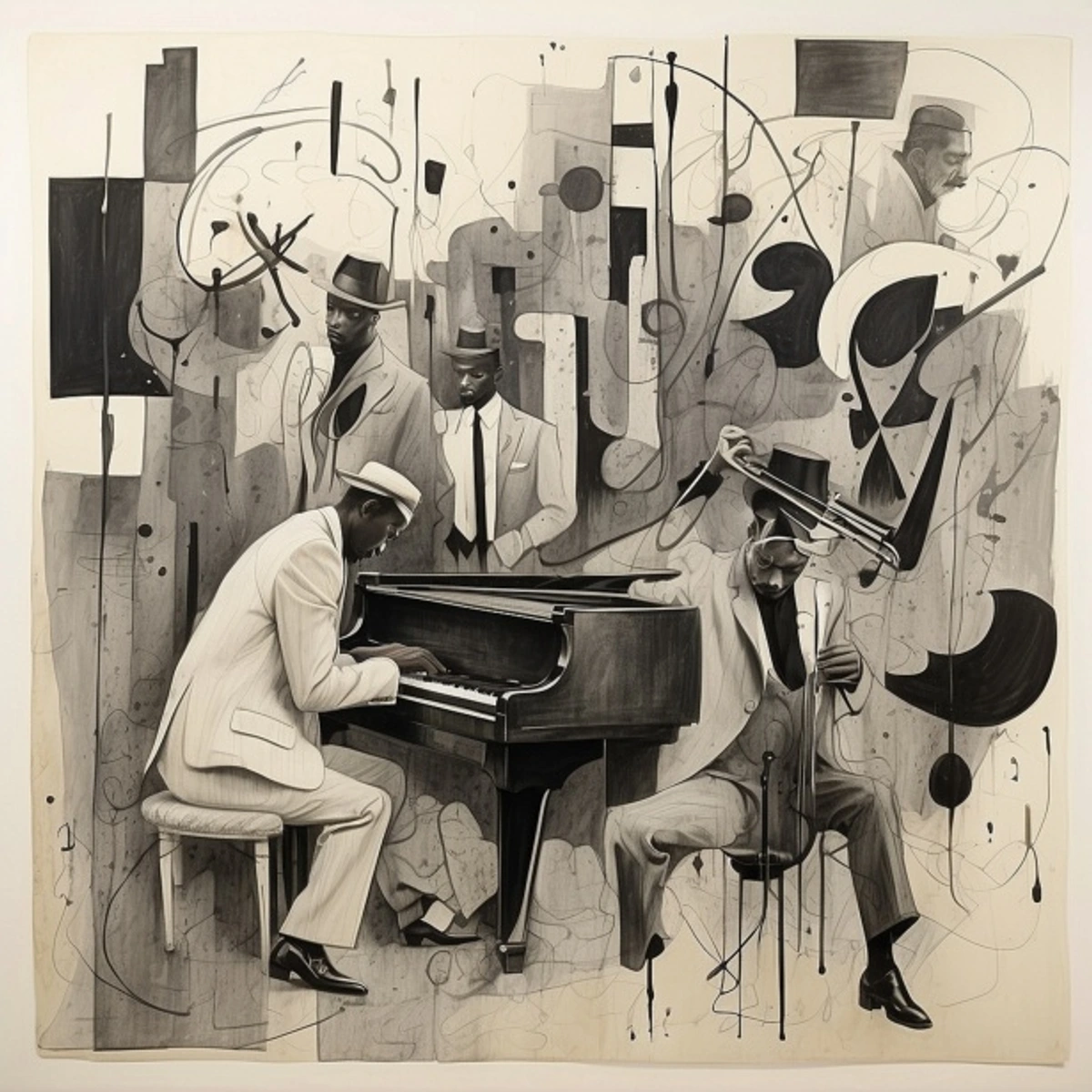
- Digital Art & Motion Graphics: Here, rhythm can be explicit, with elements actually moving, pulsing, or repeating over time, a form of animation that adheres to its own rhythmic principles. But even in static digital compositions, the arrangement of pixels, color gradients, or vector shapes can create implicit visual beats, guiding the viewer's gaze with precision. In interactive and generative art, the timing of user feedback and animated transitions also creates distinct rhythms that define the user experience. While I'm personally skeptical of the buzz around NFTs and blockchain art for anything more than speculative investment, it's undeniable that digital artists are exploring new frontiers for creating dynamic, rhythmic experiences within these mediums, even if the underlying technology remains contentious.
- Applied Arts & Design: Beyond traditional fine art, rhythm is a workhorse in various design disciplines. In graphic design, think of the rhythmic spacing of typography, the repetition of a logo element across branding materials, or the flow of content on a webpage. In interior design, repeating furniture forms, color accents, or textures create a visual cadence that influences the room's mood. Fashion design uses rhythmic patterns in fabric, the repetition of design motifs, or the flow of a garment's silhouette. Even in user interface (UI) design, the consistent spacing of elements, the timing of animations, and the flow of user interactions all rely on rhythmic principles to create an intuitive and pleasing experience. It's the silent force that makes a product feel coherent and usable.
Rhythm and Symbolism
Beyond simply guiding the eye or evoking emotion, rhythmic patterns can also be imbued with rich symbolic meaning. A circular, repetitive rhythm might symbolize eternity, unity, or the cycles of life, much like a mandala or an ouroboros. A strong linear rhythm, especially one progressing upwards or forwards, can symbolize direction, progress, or ambition. Jagged, broken rhythms might convey discord, struggle, or chaos, while gentle, undulating rhythms could represent peace, fluidity, or introspection. Artists consciously choose and combine these rhythmic forms to add deeper layers of narrative and philosophical meaning to their work, transforming mere visual movement into profound communication.
The Intentional Beat: Why Artists Orchestrate Rhythm
So, why do I spend so much time pondering this? Because rhythm is a fundamental way art speaks to us, a silent conductor guiding our experience. It's not just about pretty pictures; it's about communication, about feeling, about forging a connection between artist and viewer that transcends mere representation. It's about creating a powerful visual harmony and a sense of intentionality in the artwork. Rhythm is, fundamentally, a tool of composition, working hand-in-hand with elements like understanding balance in art composition, emphasis, contrast, unity, and proportion to create a cohesive and impactful artwork.
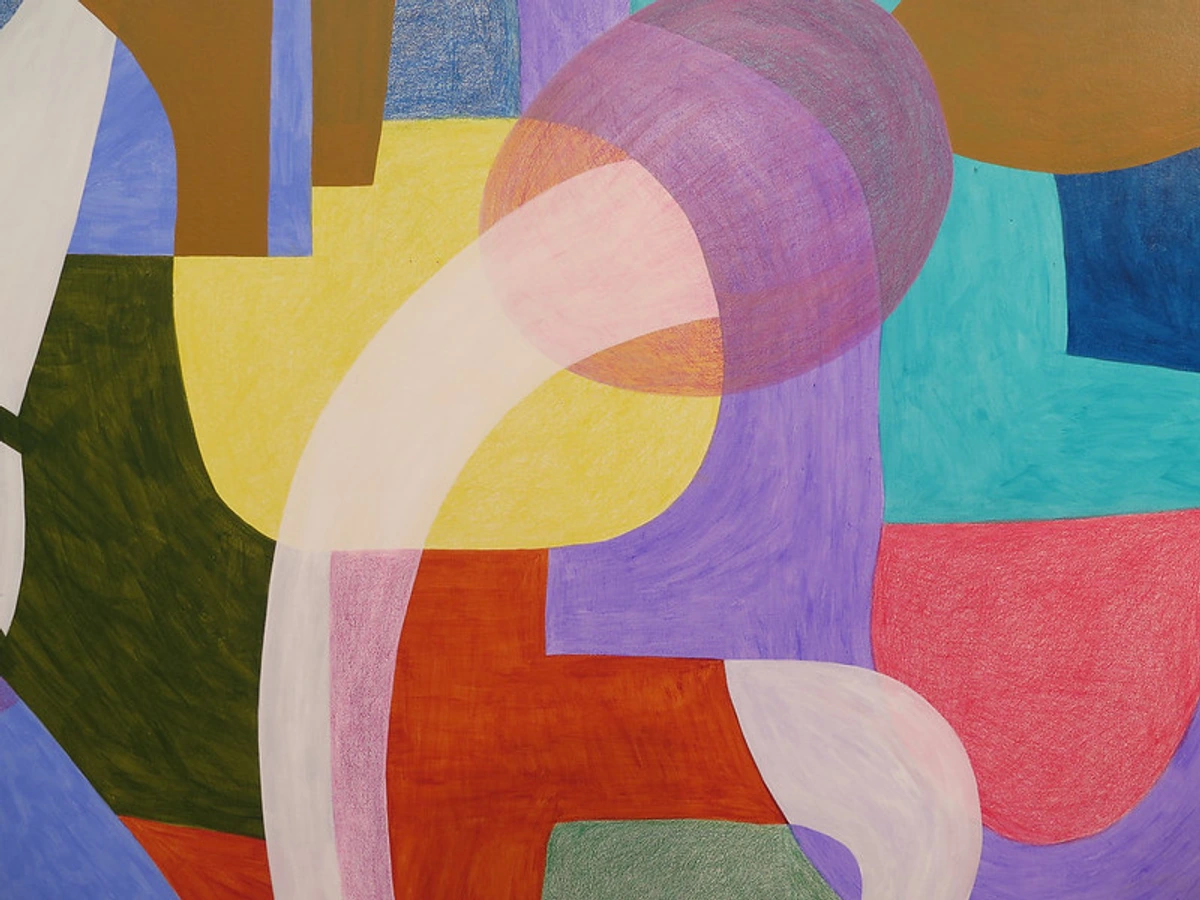
- It Guides Your Eye, Creating a Visual Journey: A strong rhythm creates a deliberate visual flow, leading your gaze through the artwork along carefully constructed visual pathways. This is crucial for complex compositions that might otherwise be overwhelming or disjointed. It prevents your eye from getting lost or overwhelmed, helping you take in the whole story the artist is telling. I've found that intentionally directing the viewer's gaze is like setting a treasure hunt across the canvas; each element placed rhythmically becomes a breadcrumb, leading them on an exploration I've carefully curated. Without rhythm, a piece can feel chaotic, making it difficult for the viewer to engage, much like a song with no beat to follow.
- It Evokes Deep Emotion, Setting the Mood: Just like a fast, choppy musical rhythm (staccato notes!) can feel energetic or anxious, a visual rhythm can set the mood. Sharp, angular lines and jarring color contrasts can create a visual staccato, evoking tension or excitement (think of the frantic energy in Expressionist works like Edvard Munch's 'The Scream'). A slow, flowing rhythm (legato!)—achieved through soft, blended colors and smooth, sweeping curves—can feel serene or melancholic. Progressive rhythms with their building intensity often stir feelings of anticipation or tension, much like a crescendo in music, while alternating rhythms can create a vibrant, engaging dialogue. Artists wield this power to elicit specific responses, pulling you into their emotional landscape and creating a dialogue without words, often working in tandem with how artists use color or the psychology of color in abstract art.
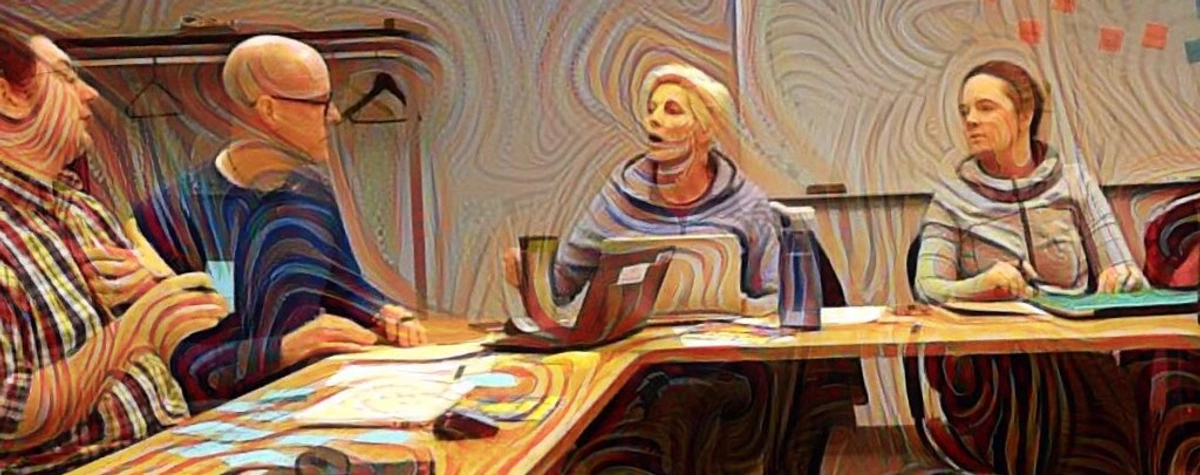
- It Creates Unity and Cohesion: When elements repeat or are arranged in a rhythmic way, they feel inherently connected. This brings a powerful sense of cohesion and visual harmony to the piece, even if the individual parts are diverse. It’s like a family, each member unique, but bound by a common pulse, an underlying structure that holds everything together. It turns disparate parts into a unified whole, making the work feel complete and intentional. Interestingly, unity can also emerge from deliberate contrasting rhythms within a single piece, creating a dynamic tension that ultimately unifies the composition by fostering a visual dialogue between opposing forces, much like different sections of an orchestra contributing to a symphony.
For an artist like me, working with abstract art styles, rhythm is often more important than literal representation. My work, which you can often find for sale here, relies heavily on how lines and colors interact to create movement and emotion. For example, in a series I recently completed, I consciously used a progressive rhythm of expanding circular forms and intensifying colors to evoke a feeling of emergent hope after a period of struggle. This deeper understanding of rhythm allowed me to break free from rigid structures and embrace a more fluid, intuitive approach, transforming my artistic voice. I often think about my own artistic journey and how this understanding has deepened over the years, especially since opening my museum in Den Bosch, where I see visitors engaging with these unspoken rhythms every day.
Finding Your Flow: Practicing Visual Rhythm
As an artist, actively working with rhythm transforms my approach. It's not just about letting it happen, but deliberately crafting it. When I approach a new piece, I often ask myself: what kind of artistic tempo do I want this to have? What kind of compositional movement do I want to create? Here are a few ways I approach it, and how you might too, regardless of your medium or experience level:
- Sketching with Movement in Mind: Instead of just drawing an object, try to capture its inherent movement or the rhythm of the scene. Use continuous, sweeping lines for flowing rhythms, short, choppy marks for a staccato beat, or lines that expand in density or length for progressive rhythms. When I'm sketching, I often find myself deliberately exaggerating the curves to emphasize a flowing rhythm, or using short, sharp strokes to create a staccato beat. It's a way of physically embodying the rhythm I want to achieve, whether I'm capturing the sway of a tree in the wind or the rapid succession of city lights. I remember once struggling to convey the energy of a bustling market, and focusing on the varied lengths and directions of my gestural lines suddenly made the whole sketch feel alive. For sculptors, try repeating forms but varying their mass distribution or orientation to imply rotation or ascent. For photographers, practice capturing leading lines or repeating subjects from different angles to emphasize rhythmic flow.
- Exercise for Artists: Draw the same object three times, each time emphasizing a different type of rhythm (e.g., fluid, angular, expanding). Or, sketch a series of identical geometric shapes at precisely equal intervals to practice regular rhythm (like a grid). For random rhythm, use gestural marks to fill a space, aiming for an energetic distribution rather than a strict pattern, perhaps by drawing the unpredictable flow of water or the chaotic energy of a storm. For digital artists, try animating a simple shape with different timing and easing functions to create varied rhythms.
- Exercise for Appreciators: When looking at art, mentally trace the path your eye takes. Is it smooth and circular? Jerky and direct? Does it speed up or slow down? How do the lines and shapes feel to you as your eye moves? What kind of rhythm does it evoke, and how does that shape your interpretation?
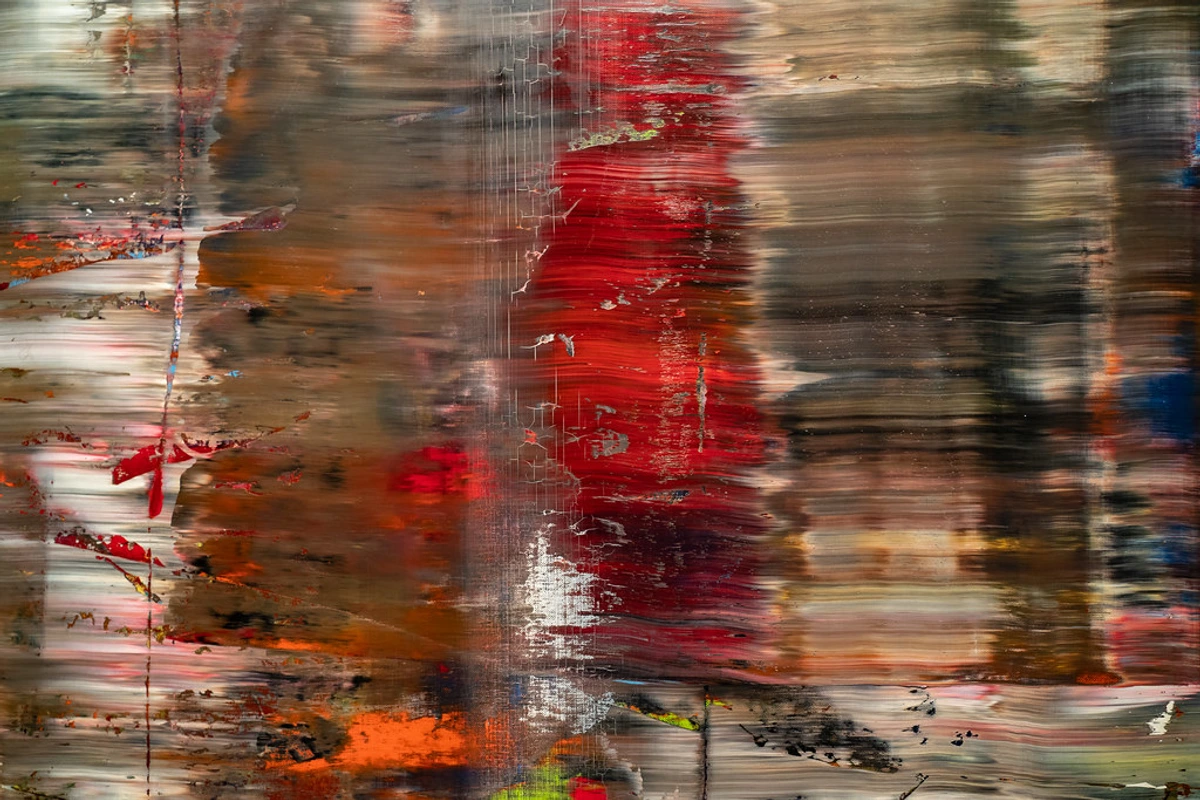
- Color & Value Play: Experiment with repeating color palettes or alternating warm and cool colors to create a visual beat. Use a gradient of values (light to dark) to build a progressive rhythm, guiding the eye subtly. Color choices themselves can create rhythm through sequential shifts or complementary contrasts, with light and shadow in a chiaroscuro painting being a classic example of alternating rhythm in value. Consider how the rhythmic interplay of colors can affect the emotional temperature of a piece, perhaps making it feel agitated with sharp contrasts or serene with harmonious blends. I remember when I first tried to create a progressive rhythm using only value shifts; it was surprisingly difficult to achieve a smooth transition without it feeling jarring, but the payoff in depth was immense.
- Exercise for Artists: Create a simple color chart where colors gradually shift (progressive) or sharply alternate (alternating) to observe the rhythmic effects. Or, create a value scale where values alternate between light and dark in distinct steps, then another where they progress smoothly. Try painting a series of abstract shapes, varying only their color and value to create a sense of movement or stillness.
- Exercise for Appreciators: Look at a painting and mentally "mute" the colors. Can you still feel a rhythm just from the light and dark values? Then, bring the colors back. How do the warm and cool tones, or the bright and muted areas, create a push-and-pull rhythm?
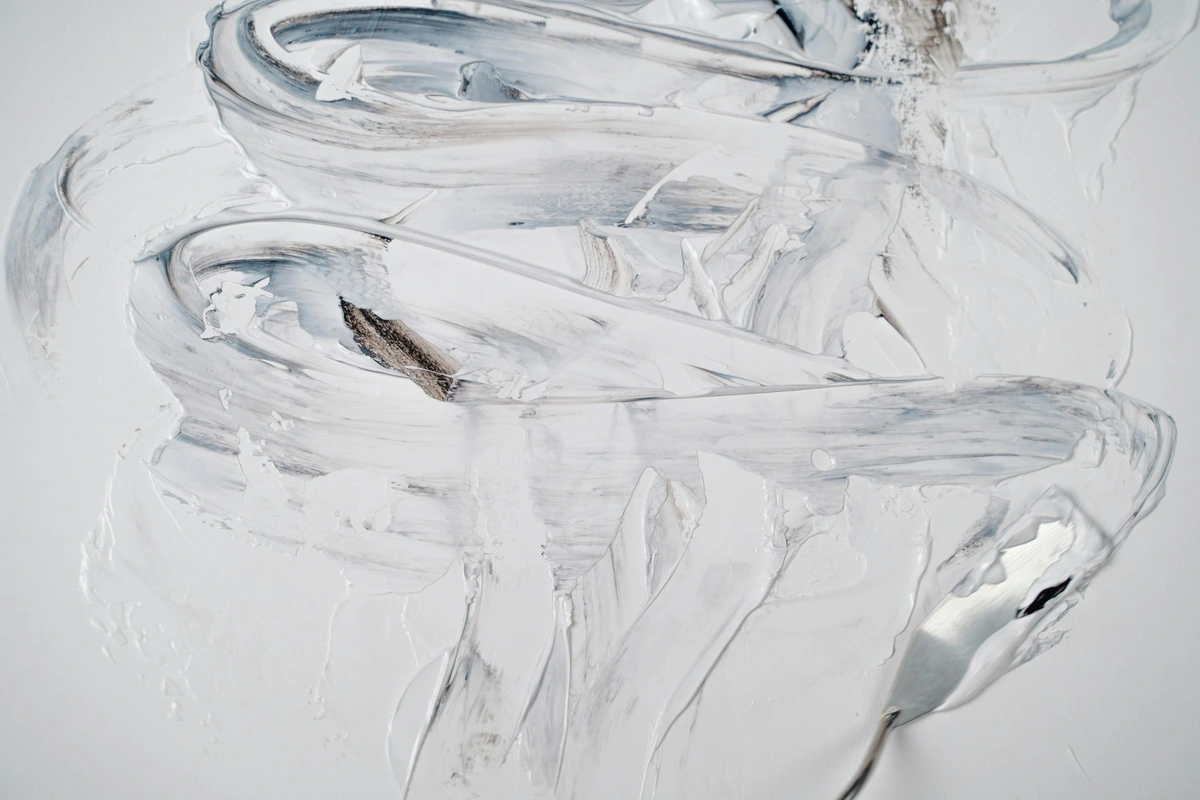
- Compositional Studies: Before committing to a large piece, do small thumbnail studies focused purely on arranging shapes and lines to create a specific rhythm. Try to evoke calm, excitement, or tension just through arrangement. Focus on how the shapes interact to create an aesthetic progression. These quick studies allow you to explore different visual tempos without the pressure of a finished artwork. For digital artists, experimenting with UI element spacing or button layouts can provide a similar understanding of rhythmic composition in practical terms.
- Challenge for Artists: Given a limited palette of shapes, can you create a composition evoking a specific emotion through rhythm alone? For example, create three thumbnail sketches using only circles, focusing on evoking calm (large, evenly spaced), excitement (small, overlapping, varied sizes), and tension (uneven spacing, clashing sizes). Or, with a limited palette of three colors, create a composition where color placement follows a clear progressive rhythm.
- Challenge for Appreciators: Choose an artwork. Imagine shifting its elements around. If the figures were closer or farther apart, how would the rhythm change? If a strong diagonal line was horizontal, what would happen to the feeling of movement?
- Embrace "Controlled Chaos": For random rhythms, don't just throw things onto the canvas. Instead, think about the underlying energy. Where do you want the eye to land? How can you create visual pathways even amidst apparent disorder? It’s about creating a dynamic field, not just a jumble, almost like improvisational jazz. This isn't true randomness; it's an intentional artistic choice to create the impression of unpredictability, with the artist still guiding the viewer's journey through subtle cues in texture, density, and implied direction. Experiment with materials that lend themselves to spontaneous marks, like ink washes or charcoal, but consciously guide their expressive energy to hint at an underlying, emergent order.
- Exercise for Artists: Try a controlled drip painting experiment where you dictate specific intervals or densities of drips, rather than truly random application, or use a palette knife to apply thick impasto strokes in a seemingly random but energetic manner. Focus on the feeling of the movement you want to convey, even if the forms are undefined.
- Exercise for Appreciators: Look for random rhythms in nature – scattered leaves, patterns in rock strata, or a bustling street scene. Try to find the "pulse" in the apparent disorder. How does your eye jump from one element to the next, forming an implied path?
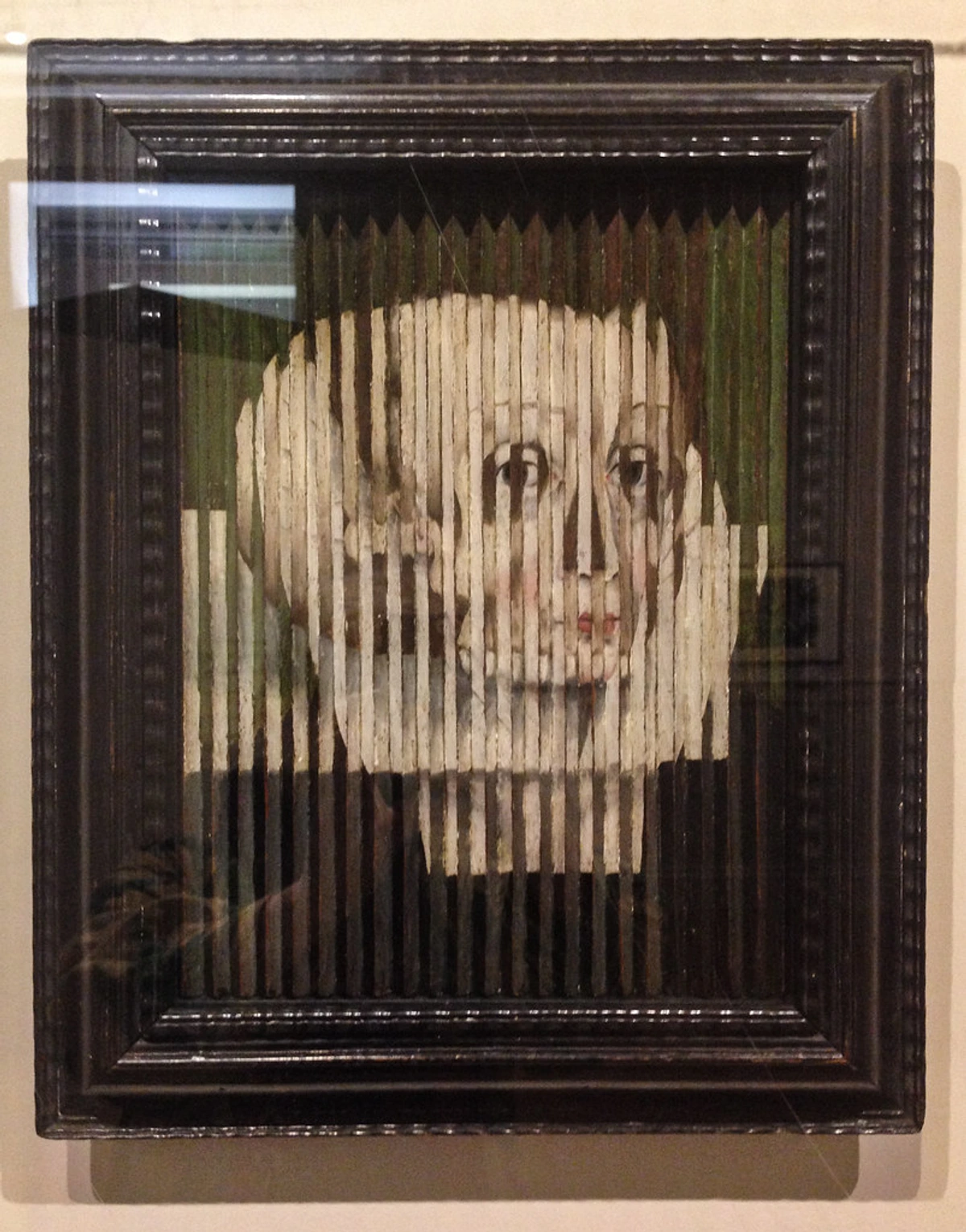
Practicing these approaches, whether you're creating art or simply observing it, will significantly deepen your appreciation and understanding of the dynamic forces at play. It’s about attuning yourself to the subtle whispers and powerful crescendos of the visual world, finding your own way to dance to its tempo.
FAQ: Decoding the Rhythm in Your Mind
How is rhythm different from pattern?
Good question! They're definitely related, like cousins, but not identical. A pattern is a regular, predictable, and often static repetition of an identical element. Think wallpaper or a simple grid. Historically, much early art, from ancient textiles to decorative motifs, relied heavily on strict patterns. Rhythm, however, is broader and more dynamic. It's the sense of organized movement or flow created by the repetition (or even just arrangement) of elements, implying a tempo and energy, and often incorporating variation. A pattern can create rhythm, but not all rhythm is a strict pattern. Rhythm is about the experience of movement and tempo, whereas a pattern is about the static arrangement of identical elements. Imagine a military march versus a jazz improvisation: the march is a clear pattern, while the jazz has rhythm but with more variation and spontaneity. Visually, think of a checkerboard (a pattern) versus a graceful dance performance with varied steps and movements (a rhythm).
Feature | Pattern | Rhythm |
|---|---|---|
| Nature | Strict, predictable, often static repetition of identical elements. | Organized movement, flow, or recurrence (can be varied and dynamic). |
| Focus | Identical elements at regular, consistent intervals. | Sense of tempo, energy, and progression. |
| Effect | Order, predictability, can be monotonous. | Dynamic, engaging, evokes emotion, guides the eye, feels alive. |
| Analogy | Counting steps, wallpaper. | Dancing, a flowing melody, a jazz improvisation. |
Is rhythm only found in abstract art?
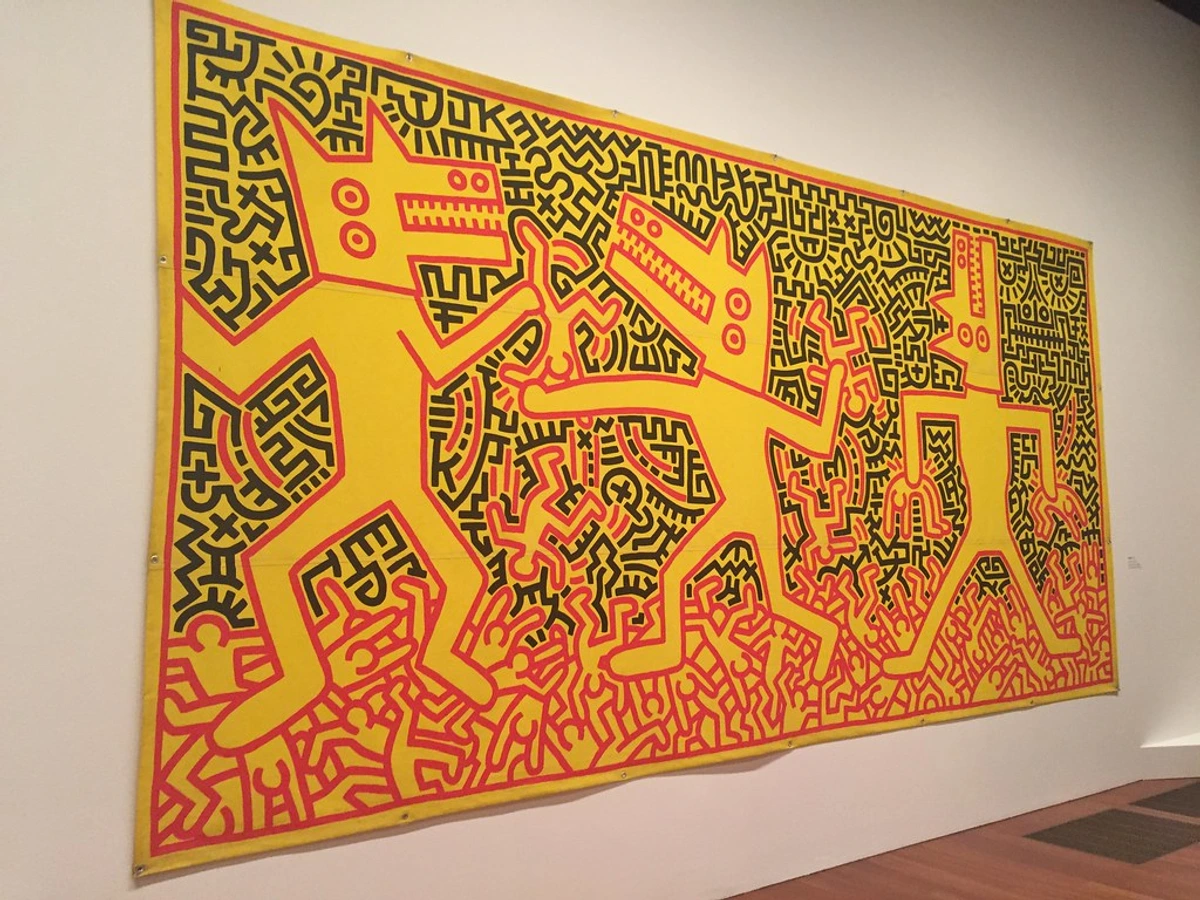
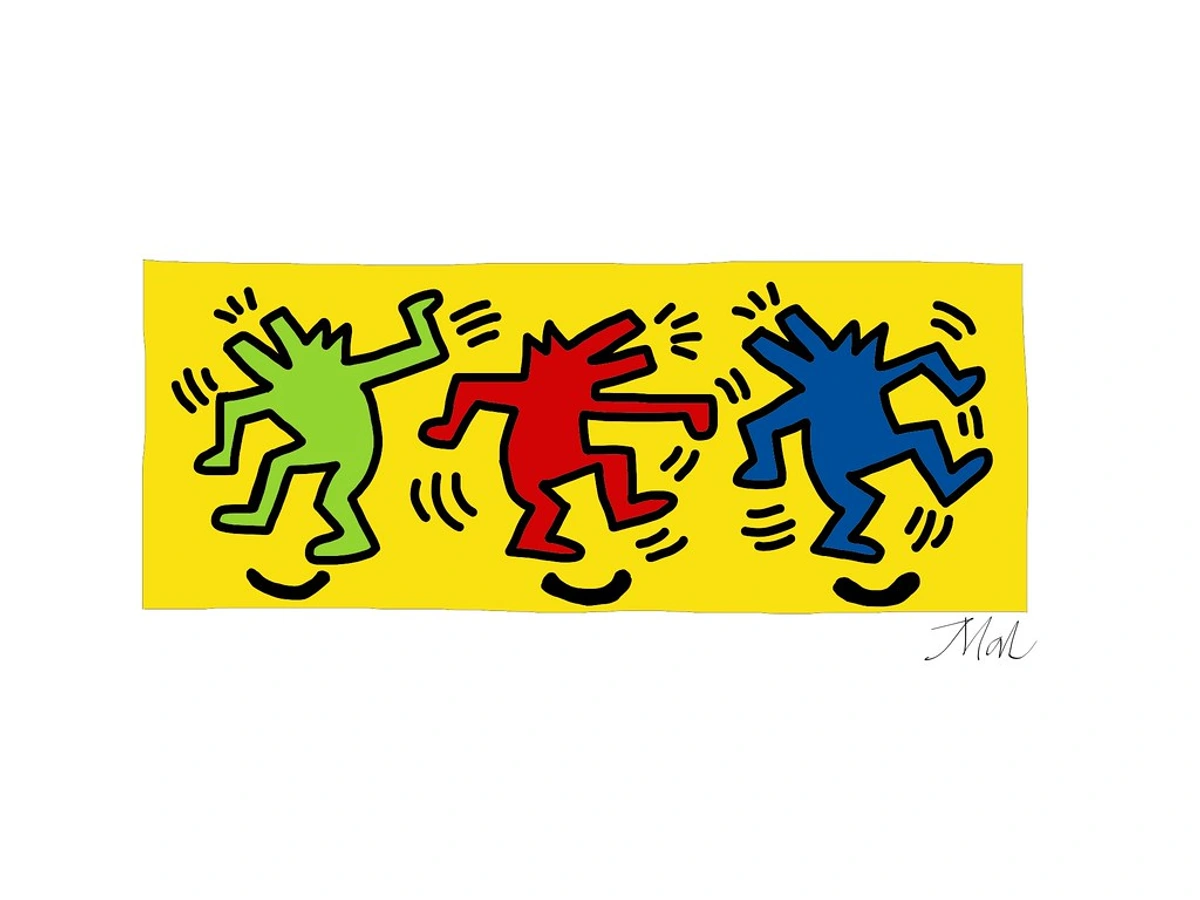
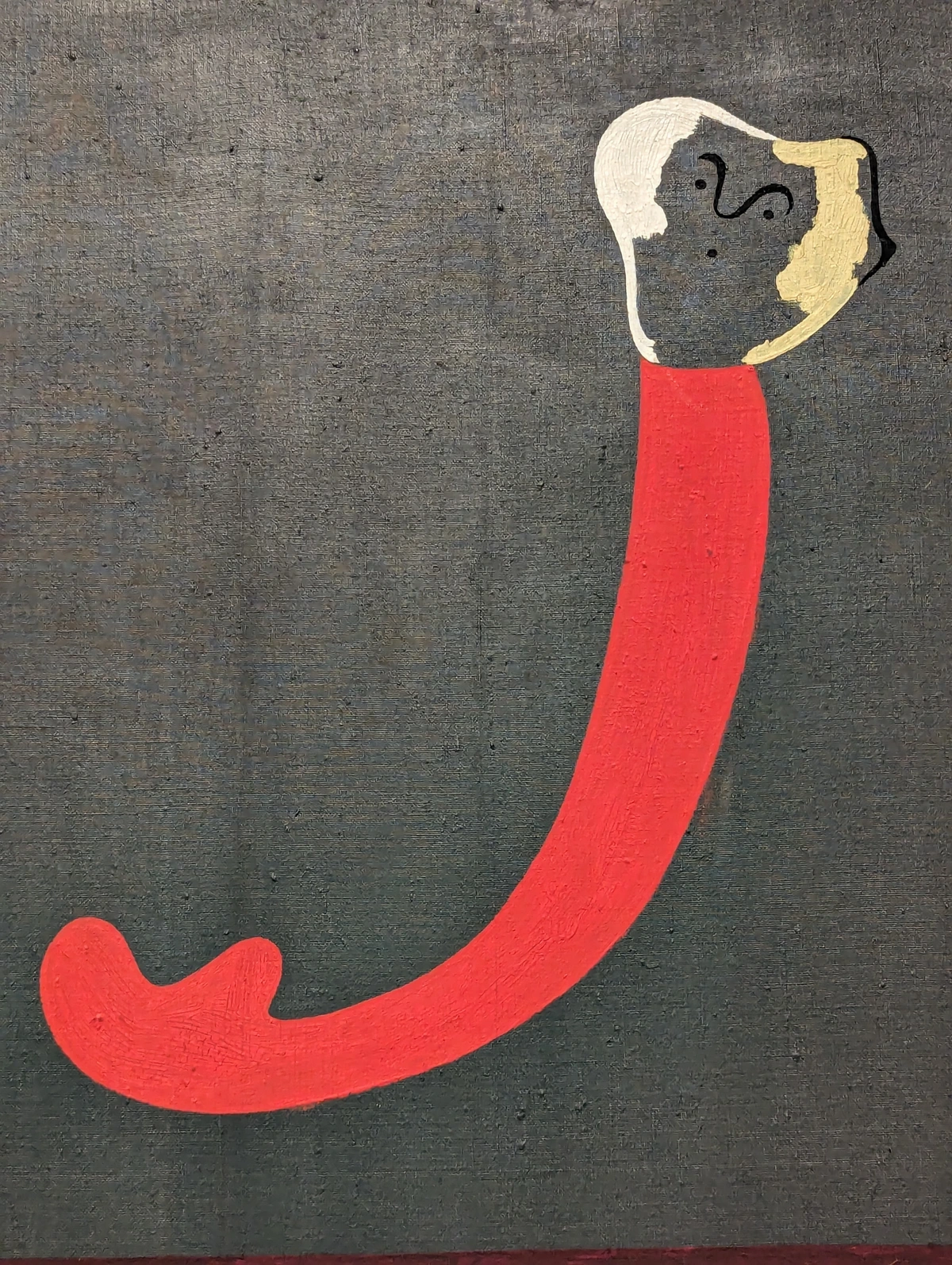
Absolutely not! While it’s very prominent in abstract work because it often is the subject, rhythm is everywhere. Think of the repeating columns on a classical building, the flowing drapery in a Renaissance painting, or even the repetitive, almost frantic brushstrokes of an Impressionist landscape like Van Gogh's "Starry Night." The rhythmic poses of classical ballet dancers, captured in photographs or paintings by artists like Edgar Degas, create an undeniable visual beat. You can see the rhythmic repetition of elements in a still life guiding your eye through the narrative of objects, or the consistent brushstrokes of a Constable landscape creating texture and implied movement. A Renaissance fresco, with its carefully composed figures and scenes, often employs rhythm to guide the viewer through its narrative. Look at the repeating motifs in tribal art, the dynamic patterns in a Japanese woodblock print, or how a photographer might arrange subjects in a portrait session to create a rhythmic composition. Once you start looking, you see it everywhere. It's like once you learn a new word, you suddenly hear it all the time, or how Keith Haring's dancing figures create an undeniable, infectious rhythm across his canvases, regardless of the subject matter.
Can a piece of art have multiple rhythms at once?
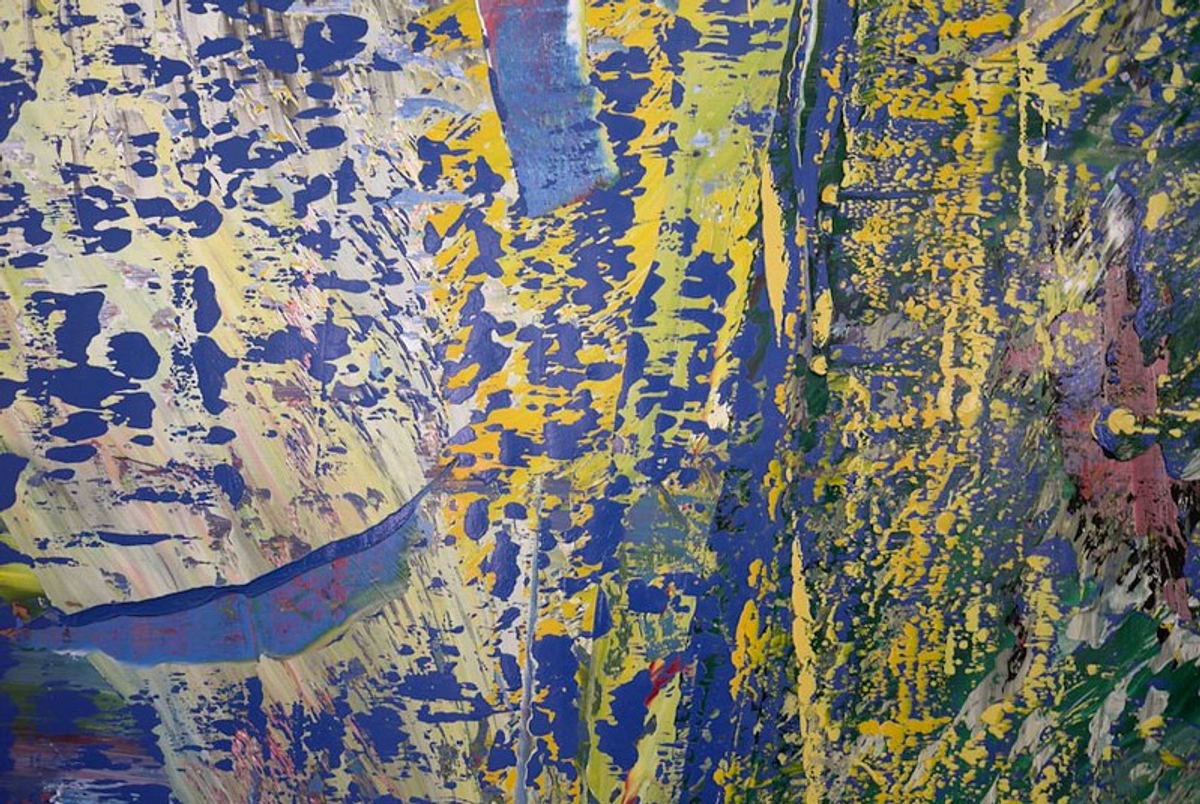
Oh, absolutely! And those are often the most interesting pieces! Imagine a landscape painting with a strong, regular rhythm in the background—perhaps a series of architectural elements or repeated rows of trees—but then a flowing, organic rhythm in the foreground figures or swirling brushstrokes. This interplay can create complexity, tension, or a sense of layered meaning and emotional depth. A primary rhythm could be subtly underscored by secondary rhythms, adding layers of complexity and emotional nuance, sometimes even representing conflicting emotions or ideas within the artwork. This allows artists to create a sense of depth, complexity, or even internal conflict within the artwork. It's like a jazz ensemble – many instruments, each with its own beat, but all contributing to a larger, unified rhythm, creating a richer, more engaging experience for the listener (or viewer). A complex symphony, with its contrasting movements and interwoven melodies, is a perfect musical analogue for the richness that multiple rhythms can bring to a visual composition.
How can I use rhythm to create a focal point?
Rhythm is a powerful tool for directing attention! You can create a focal point by:
- Breaking a Regular Rhythm: Introduce a single element that disrupts an otherwise predictable pattern. Your eye will naturally jump to the anomaly. Think of a single red apple in a basket of green ones.
- Climaxing a Progressive Rhythm: The point where a gradual increase in size, density, or intensity reaches its peak often becomes the focal point. Think of a series of diminishing objects leading to a single, larger, final object, or the apex of a spiral.
- Emphasizing through Alternation: Use a stark contrast in an alternating rhythm (e.g., bright color after a series of muted ones, or a sharp angle amidst soft curves) to draw the eye to that specific element. This is often leveraged in Op Art by artists like Victor Vasarely to create dizzying visual effects.
- Guiding with Flow: Curved lines and implied movement can gently lead the viewer's eye directly to a specific area, much like a red carpet unrolling to a stage or the direction of a figure's gaze. In essence, rhythm creates pathways and points of emphasis, making certain elements sing louder than others.
What's the relationship between rhythm and balance in composition?
Rhythm and understanding balance in art composition are deeply intertwined, acting as complementary forces in creating a compelling artwork. Rhythm provides the movement and flow, guiding the eye through the composition, while balance provides the visual equilibrium, ensuring the artwork feels stable and resolved. Think of it like a dance: rhythm dictates the steps and tempo, while balance ensures the dancer doesn't fall over! A piece with strong rhythm but poor balance might feel energetic but unsettling, as if it's about to topple. Conversely, a perfectly balanced piece without rhythm might feel static and unengaging. The most impactful compositions often achieve a dynamic balance, where the visual weights and movements (rhythm) are distributed in a way that feels both lively and stable. This might involve a regular rhythm providing an anchor, against which a more dynamic, flowing rhythm creates visual excitement, all while maintaining overall harmony.
What are common misconceptions about visual rhythm?
It's easy to misunderstand visual rhythm, especially when you're first exploring it. Here are a few common misconceptions I often encounter:
- Rhythm is just pattern: While patterns can create rhythm, not all rhythm is a strict, repeating pattern. Rhythm allows for much more variation and improvisation, focusing on the feeling of movement rather than exact duplication.
- Rhythm must be fast or energetic: Not at all! A slow, subtle, almost imperceptible repetition can create a calm, meditative rhythm. Think of the gentle rise and fall of a distant mountain range.
- Rhythm is only about repetition: While repetition is a key component, rhythm can also be implied through arrangement, contrast, or the progression of elements without direct repetition. The feeling of movement is paramount.
- Rhythm is only for abstract art: As we've seen, rhythm is fundamental across all art forms, from classical portraits to architectural marvels. It's a universal language of movement.
- Rhythm is only about lines and shapes: While these are crucial, color, value (lightness/darkness), and texture also contribute significantly. The rhythmic interplay of warm and cool colors, or contrasting smooth and rough textures, profoundly affects the overall visual beat.
How can I start seeing rhythm in everyday art and life?
It's all about active observation, a bit like training your eye to hear the silent music! Here are a few tips:


- Slow Down: Don't just glance. Take a moment to truly look at a piece. Allow your eyes to wander. Notice the rhythmic arrangement of bricks in a wall, or the repeating pattern of windows on a building, or even the way shadows fall rhythmically across a facade. Look at everyday objects like furniture arrangement or the layout of a shelf to spot rhythmic arrangements.
- Trace the Movement: Mentally (or even physically, with your finger) follow the lines, shapes, and colors. Where do they lead you? Do they jump, flow, or build? Look at how power lines create a repeating diagonal rhythm across the sky, or how the ripples expand on a pond. Consider the rhythmic patterns in tree bark, or the arrangement of petals on a flower. What's the kinesthetic art feeling it evokes – does it make you feel like dancing or standing still?
- Listen with Your Eyes: Ask yourself what kind of sound this visual movement would make. Is it a gentle hum, a frantic drumbeat, a steady pulse? How does the artistic tempo contribute to the overall mood? Consider the rhythmic progression of lights in a cityscape at night, or the repetition of cracks in pavement.
- Look for Repetition and Variation: Spot repeating elements. Are they identical (pattern) or do they change (progressive rhythm)? What's the space between them like? This is key to understanding the visual flow. Think about the rhythmic patterns of leaves on a branch or the way shadows move across a room throughout the day.
- Consider the Emotion: What feeling does the movement evoke? Does it feel calm, exciting, unsettling? This is often a direct result of the rhythm at play.
Key Takeaways
To wrap things up, remember these core ideas about visual rhythm:
- It's Art's Silent Heartbeat: Rhythm is the fundamental force that brings static art to life, creating movement and energy.
- It Guides and Connects: It directs your eye, unifying disparate elements into a cohesive, intentional visual journey.
- It Evokes Deep Emotion: Through varying tempos and flows, rhythm communicates mood, tension, and excitement without words.
- It's Everywhere: From ancient patterns to modern architecture, rhythm is a universal principle in all visual arts, waiting for your discerning eye to find it.
- It's a Tool for Expression: For artists, understanding and manipulating rhythm allows for profound, nuanced, and powerful communication.
Finding Your Own Tempo: A Final Reflection
Ultimately, understanding rhythm in art isn't about memorizing definitions. It's about opening your eyes to the subtle ways artists guide your gaze and stir your emotions. It's about noticing the visual echoes, the implied movements, the silent music within a canvas. It's a skill, like any other, that deepens your appreciation for the world around you and the creative endeavors within it. This understanding has certainly transformed my own approach, allowing me to build richer, more intentional compositions that resonate on a deeper level. I hope this guide has given you the tools to embark on your own rhythmic exploration, whether you're creating your next masterpiece or simply enjoying the visual symphony of the world.
Next time you stand before a painting, any painting, take a moment. Don't just look at it; try to feel its pulse. Where does your eye go first? Where does it linger? What path does it follow? That path, that movement, that feeling – that's rhythm at play. And for me, that's where the magic truly begins. It's a reminder that art, much like life, is full of interconnected beats, waiting for us to find our own way of dancing to them. And once you start listening with your eyes, you'll hear them everywhere. Now go out there and explore the world, feeling its tempo, and perhaps even creating your own rhythmic masterpiece. Challenge yourself to create a small artwork—a sketch, a collage, a quick digital piece—that intentionally embodies a single type of rhythm we've discussed. Revisit artworks you've seen before with this new understanding; it can deepen your appreciation for familiar pieces immensely. The visual beat is waiting for you to find it!
If you found this guide helpful and want to dive deeper into the principles of art and design, consider exploring more articles on the history of abstract art or specific artists who master compositional elements. There's a whole world of visual harmonies waiting to be discovered, and I genuinely believe this article can be your definitive starting point.