
What Is Dynamic Tension in Art? The Hidden Energy in Great Paintings
Discover how dynamic tension creates movement and emotional impact in art through opposing forces, colors, and compositions. Learn to spot and create this powerful visual energy.

What Is Dynamic Tension in Art? The Hidden Energy in Great Paintings
You know that feeling when a painting makes your eyes bounce around? When it feels like the canvas is vibrating with energy even though it's completely still? That's dynamic tension at work. Today, we're pulling back the curtain on one of art's most powerful secret weapons – the invisible force that transforms static images into living, breathing experiences. I've spent countless hours staring at (okay, maybe occasionally drooling on) museum walls, and I'm convinced this is what separates good art from greatness. So grab your metaphorical magnifying glass, because we're diving deep into what makes some art feel so damn alive.
But here's the thing I didn't understand for years: this isn't just some fancy art theory. Dynamic tension is the reason why some paintings feel like they're about to jump off the wall and tell you a story, while others just sit there politely waiting to be ignored. It's the difference between art that grabs you by the collar and art that politely asks for your attention. And once you start seeing it, you can't unsee it. Every billboard, every movie poster, every Instagram post suddenly reveals its hidden energy patterns.
Think about the last time you stood in front of a painting that made your heart race. That wasn't just the subject matter—that was tension working its magic. Dynamic tension is what makes great art unforgettable. It's the reason you remember that specific painting in the museum years later while hundreds of others fade from memory. It's the invisible thread that connects us to the artwork, pulling us into a conversation with the artist's vision.
The Essence of Dynamic Tension
At its core, dynamic tension is the visual conversation between opposing forces within a composition. It's that electric feeling when elements push and pull against each other, creating a sense of potential energy just waiting to explode. Think of it like a stretched rubber band – it's not moving, yet you feel the coiled energy ready to spring. When artists master this technique, viewers can't help but get sucked into the energy.
I remember first noticing this while staring at a print in my old apartment. My eyes weren't resting anywhere comfortably. They were tugged between a massive dark shape in the corner and a splash of neon yellow that felt like it was trying to escape. It was uncomfortable in the most thrilling way. That, my friend, was my awakening to dynamic tension. It's the art world equivalent of holding your breath during a movie's climactic scene.
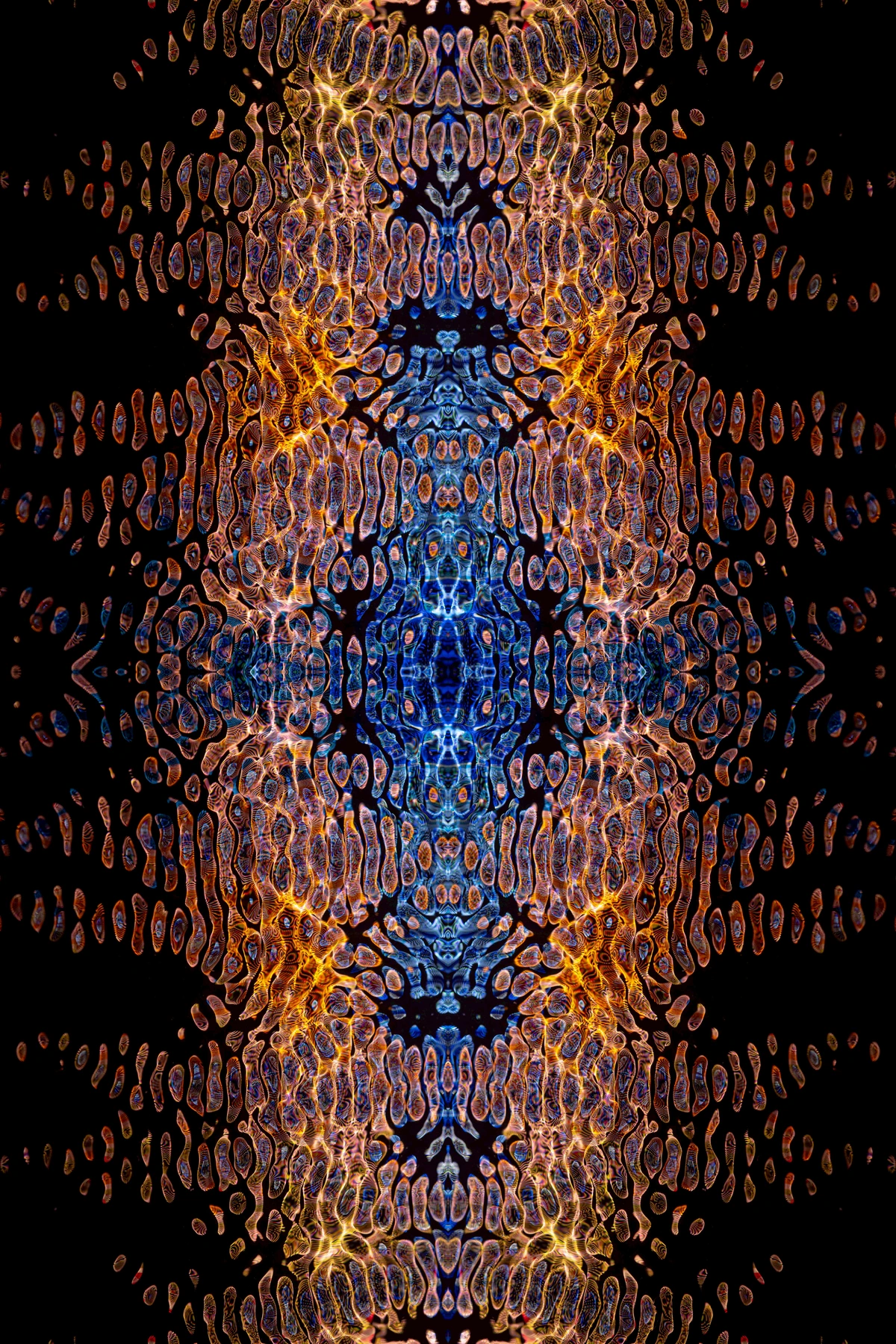
The Psychology of Dynamic Tension
How Tension Affects the Viewer's Brain
Dynamic tension isn't just an artistic concept – it's a psychological phenomenon. When we encounter tension in art, our brains respond in specific ways:
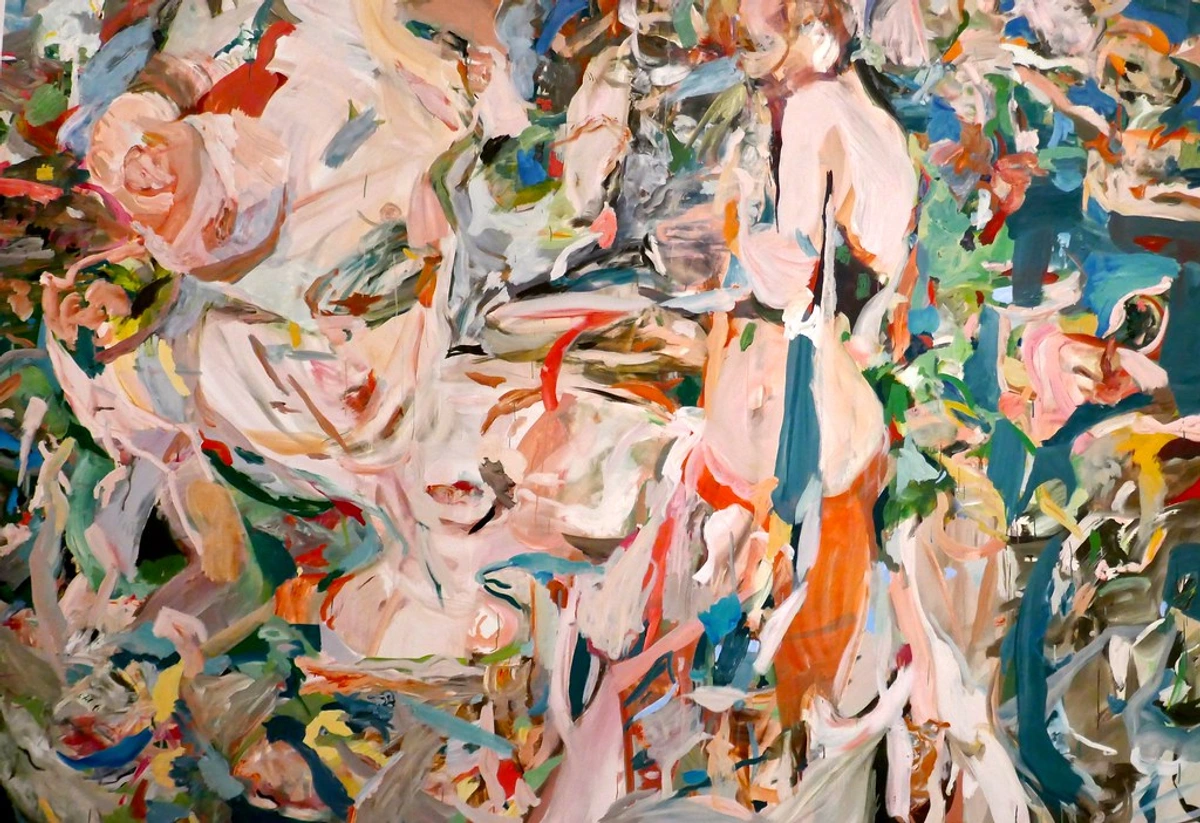
- Amygdala activation: Tension can trigger our brain's threat detection system, creating that "something's not quite right" feeling
- Dopamine release: Unresolved tension can create excitement and anticipation
- Cognitive engagement: Our brains work to resolve visual puzzles, creating deeper engagement
- Emotional mirroring: We often feel the emotions suggested by the tension
This is why art with dynamic tension often feels more "alive" – it's actually creating measurable neurological activity in viewers.
Cultural Variations in Tension Perception
Interestingly, different cultures respond to tension differently:
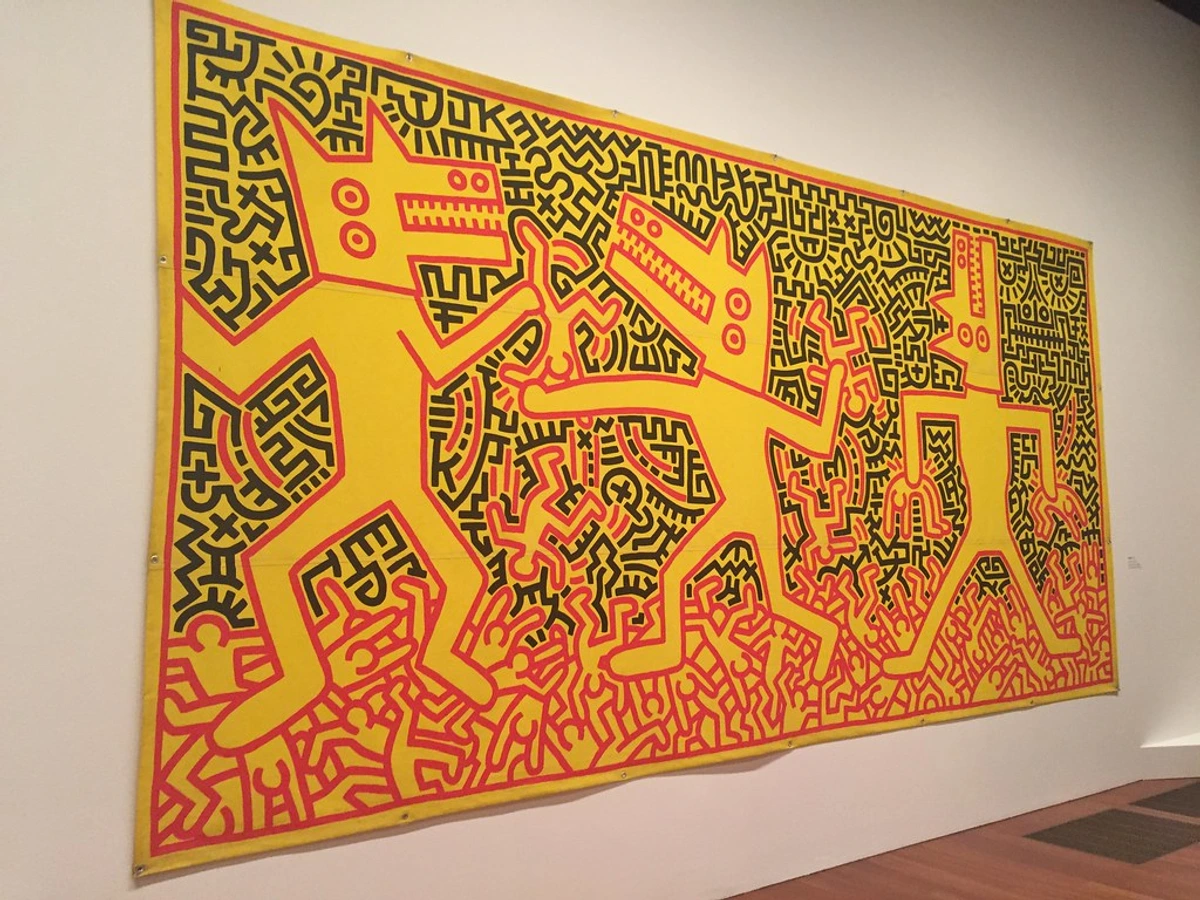
- Western art: Often emphasizes dramatic tension and resolution
- Eastern art: May prefer harmonious tension and balance
- Indigenous art: Frequently incorporates spiritual tension between natural and supernatural
- Contemporary global art: Blends these traditions into new tension paradigms
Understanding these differences can help you create tension that resonates across cultural boundaries.
At its core, dynamic tension is the visual conversation between opposing forces within a composition. It’s that electric feeling when elements push and pull against each other, creating a sense of potential energy just waiting to explode. Think of it like a stretched rubber band – it’s not moving, yet you feel the coiled energy ready to spring. When artists master this technique, viewers can’t help but get sucked into the energy.
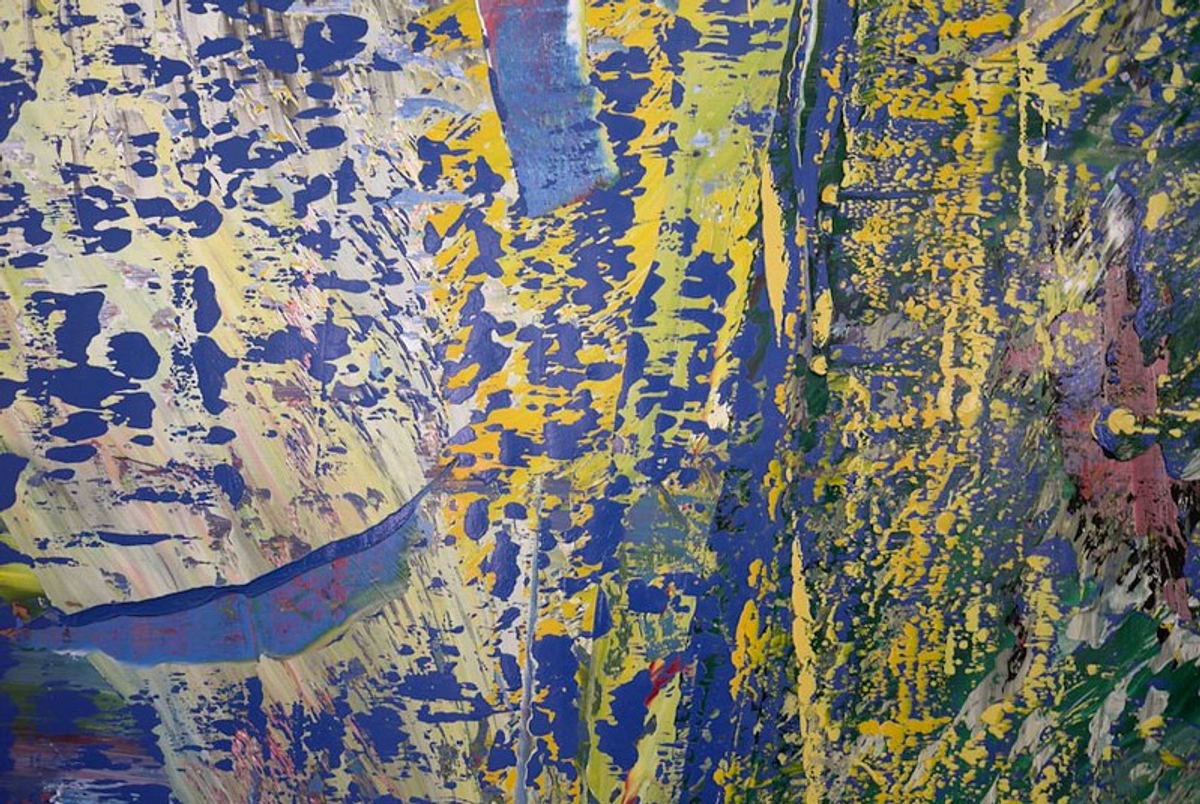
I remember first noticing this while staring at a print in my old apartment. My eyes weren’t resting anywhere comfortably. They were tugged between a massive dark shape in the corner and a splash of neon yellow that felt like it was trying to escape. It was uncomfortable in the most thrilling way. That, my friend, was my awakening to dynamic tension. It’s the art world equivalent of holding your breath during a movie’s climactic scene.
Advanced Dynamic Tension Techniques
Layered Tension
Master artists don't just use one type of tension – they layer multiple tensions to create complex, engaging works. Consider these layering strategies:
- Primary tension: The main energy conflict (e.g., color vs. color)
- Secondary tension: Supporting conflicts (e.g., shape vs. shape)
- Background tension: Subtle tensions in the composition's structure
- Material tension: Tensions created by the physical medium itself
Temporal Tension
Some tension isn't static – it happens over time:
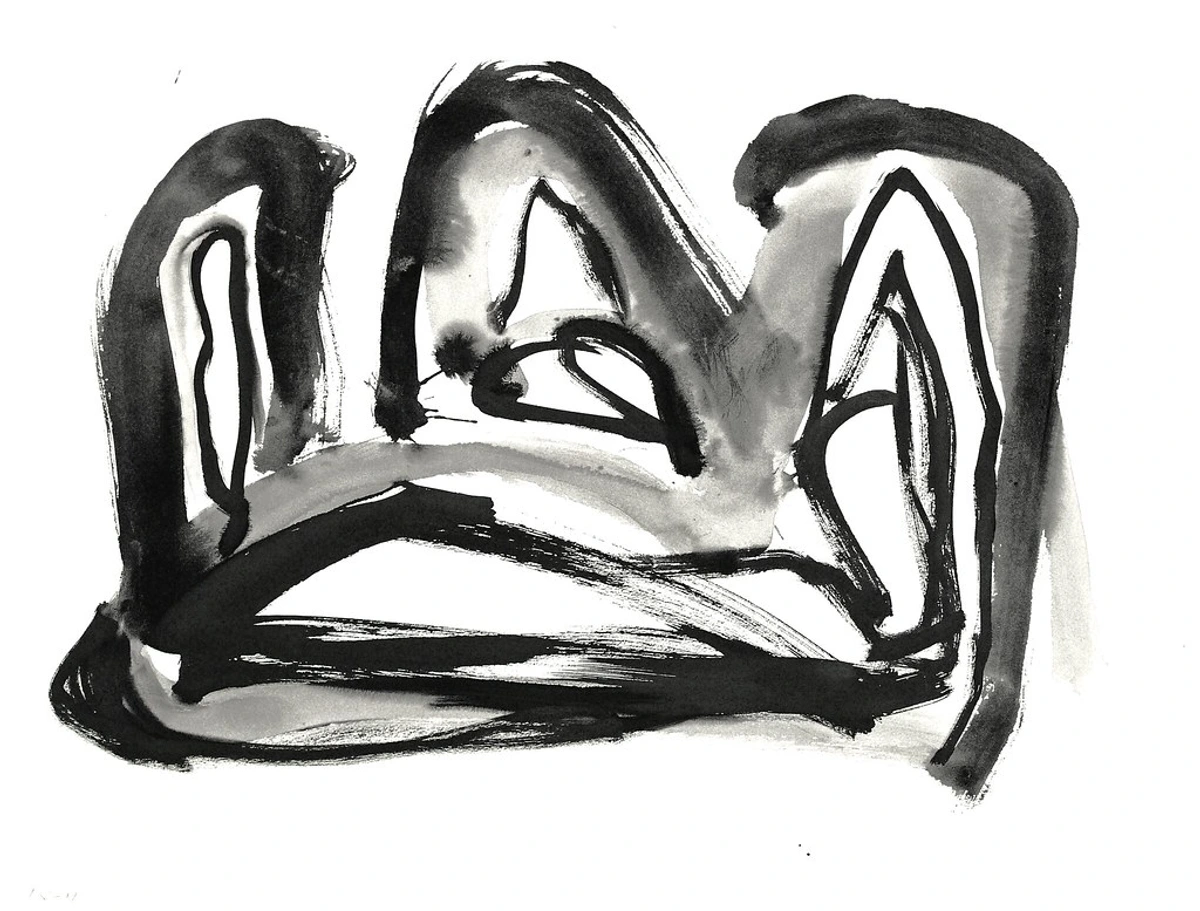
- Sequential tension: Elements that reveal themselves as you look longer
- Memory tension: How elements relate to each other across multiple viewings
- Expectation tension: Where your eye wants to go vs. where the art leads you
Emotional Transfer Tension
The most sophisticated tension transfers emotional states:
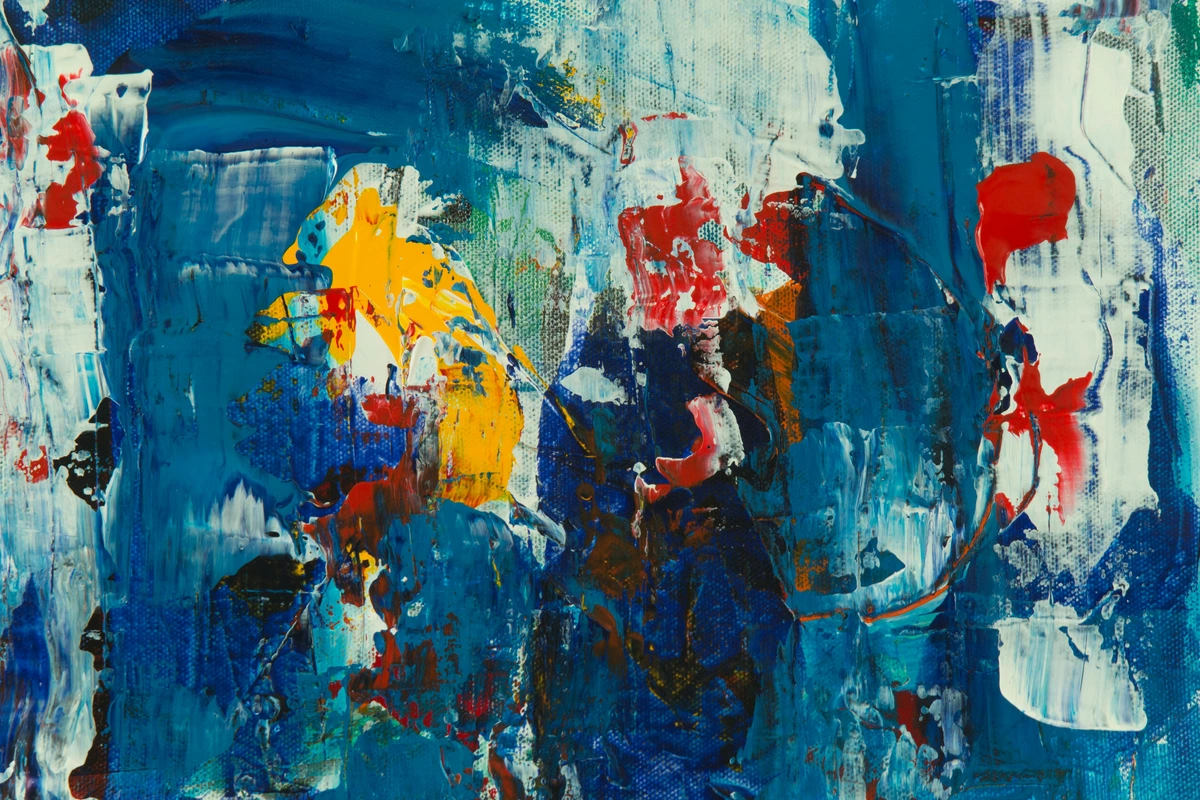
- Subliminal tension: Tensions that affect us without conscious awareness
- Collective tension: Tensions that tap into shared cultural experiences
- Personal tension: Tensions that resonate with individual viewer experiences
These advanced techniques separate good artists from great ones. They understand that tension isn't just visual – it's psychological, emotional, and even spiritual.
Dynamic tension isn’t just one thing – it’s a recipe made of several potent ingredients. Let’s break down the secret sauce:
1. The Play of Opposites
Dynamic tension lives in contrast. Without opposing forces, you get visual pudding – bland and flat. :
Opposing Force  | Weak Tension | Strong Tension |
|---|---|---|
| Scale | A small house next to a slightly smaller shed | A giant tree dwarfing a tiny human figure |
| Direction | A few diagonals | A sharp diagonal crashing into a strong horizontal |
| Color | Pastel pink next to light yellow | Neon orange screaming next to jet black |
| Texture | Slightly rough next to slightly smooth | Industrial metal next to organic fur |
| Shape | Rounded next to slightly angular | Perfect circle next to jagged spikes |
| Space | Elements close together | Vast emptiness next to dense detail |
| Value | Light gray next to medium gray | Pure white next to absolute black |
| Temperature | Warm yellow next to cool blue | Fire-engine red next to arctic blue |
Strong opposites create the push-pull that keeps eyes moving. I find myself constantly asking: "Where's the energy fight in this piece?" If everything is harmoniously similar, you've got peace, but you've lost that thrilling tension.
Strong opposites create the push-pull that keeps eyes moving. I find myself constantly asking: “Where’s the energy fight in this piece?” If everything is harmoniously similar, you’ve got peace, but you’ve lost that thrilling tension.
2. The Directional Tango
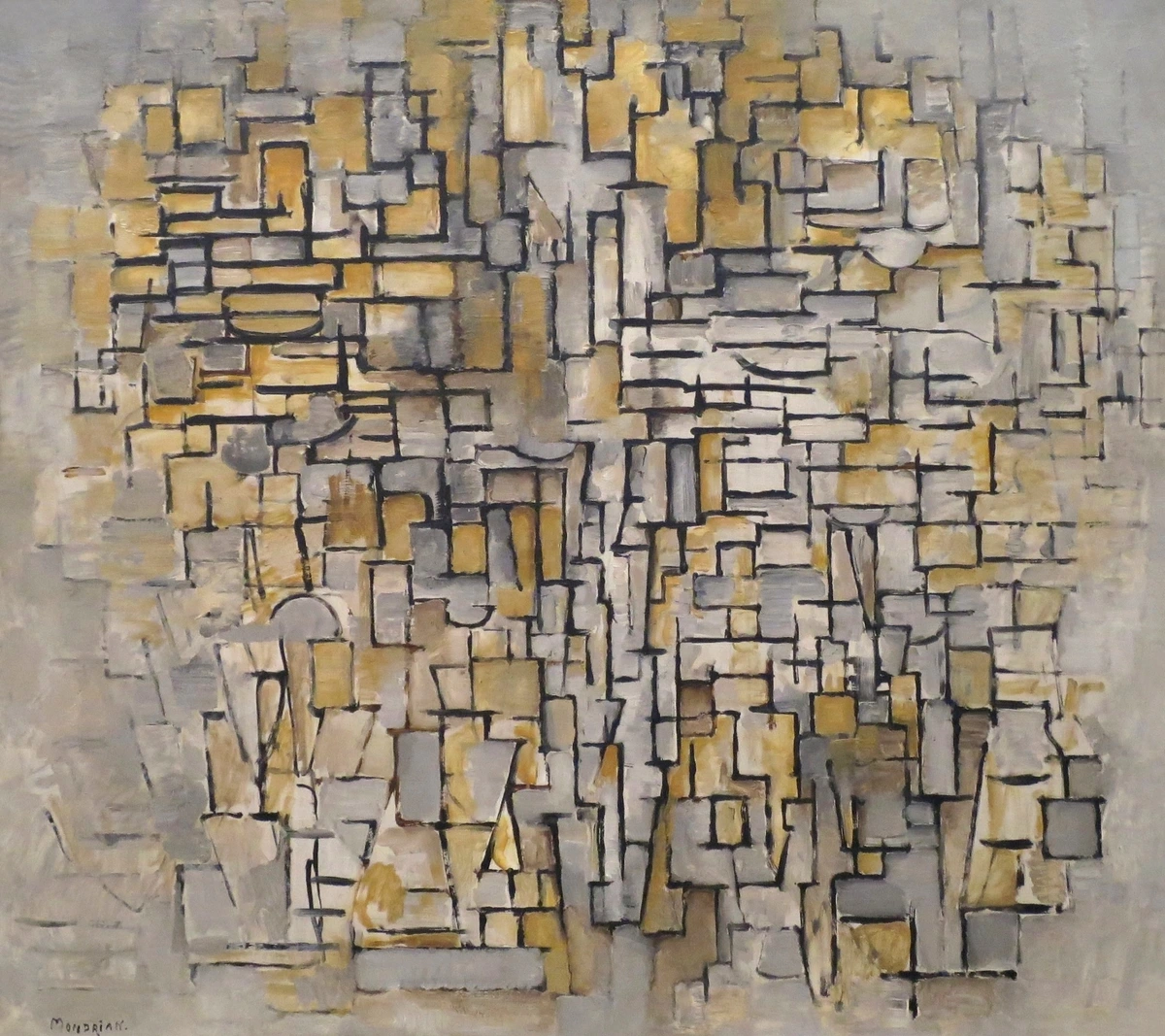
Lines in art aren’t just decorative – they’re conductors for energy. When diagonals crash into horizontals, or curves twist against straight lines, you’re cooking with dynamic tension. :
## The Science Behind Visual Tension
Recent studies in neuroscience and visual perception have given us new insights into why dynamic tension works:
- Gestalt psychology: Shows how our brains automatically seek patterns and relationships
- Eye-tracking studies: Reveal exactly how viewers move through tense compositions
- Neuroaesthetics: Explores how art activates specific brain regions
- Color psychology: Demonstrates how different colors create different physiological responses
This scientific understanding doesn't replace artistic intuition – it enhances it. Knowing how tension works at a neurological level allows artists to create more effective visual communication.
- Converging lines: Think railroad tracks coming together – they create visual magnetism.
- Juxtaposed angles: A sharp triangle against a soft ellipse creates visual friction.
- Interrupting curves: A bold line that suddenly stops – our brains want it to continue, creating suspense.
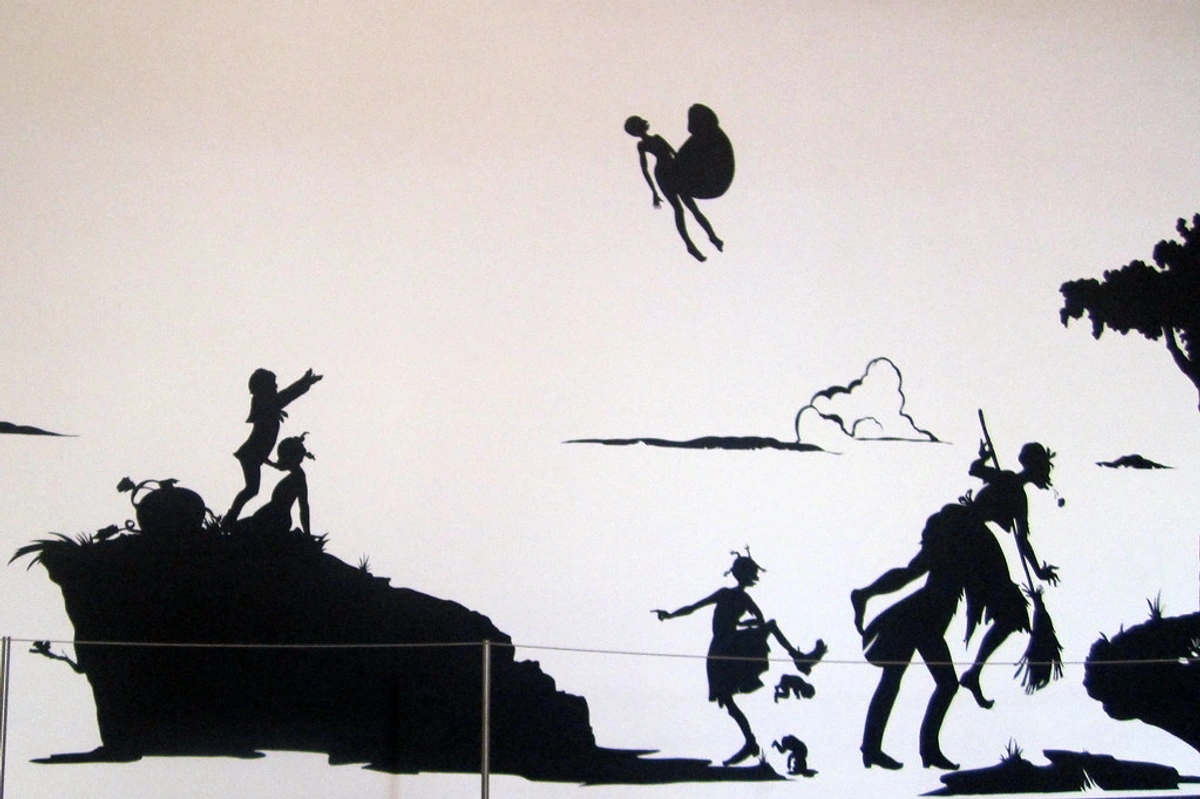
I used to think line direction was just technical stuff. Then I saw a piece where a wavy line started confidently at the bottom then got disrupted by jagged shapes near the top. My whole body leaned forward like I expected the wave to recover. That’s dynamic tension grabbing you physically.
3. The Color Revolution
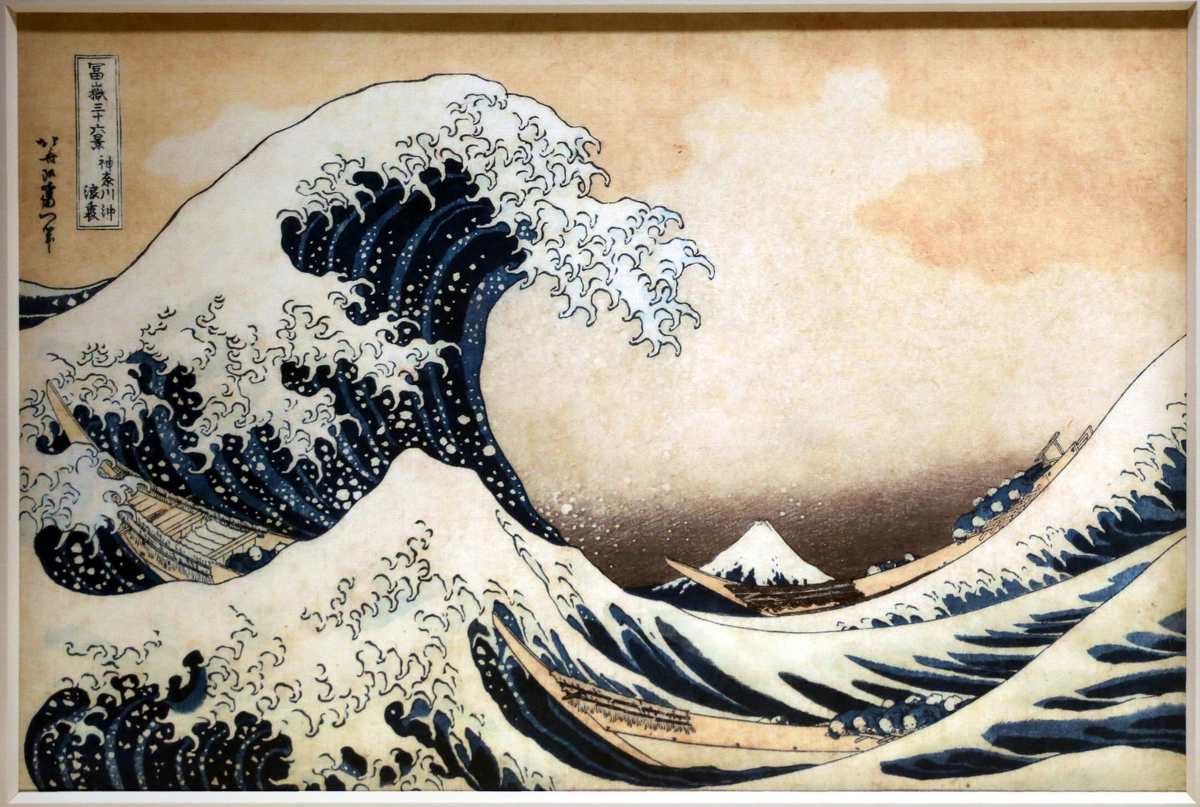
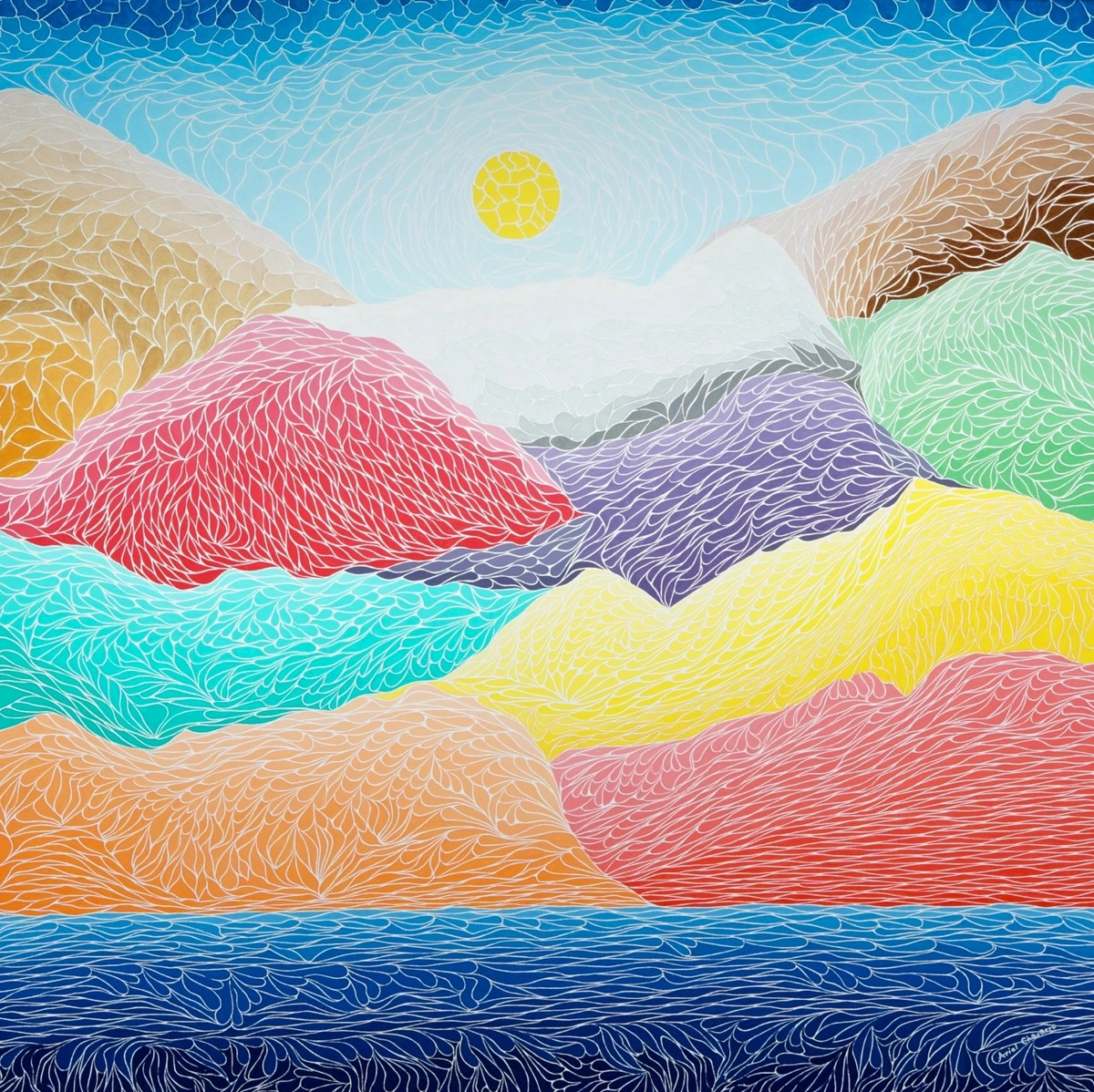
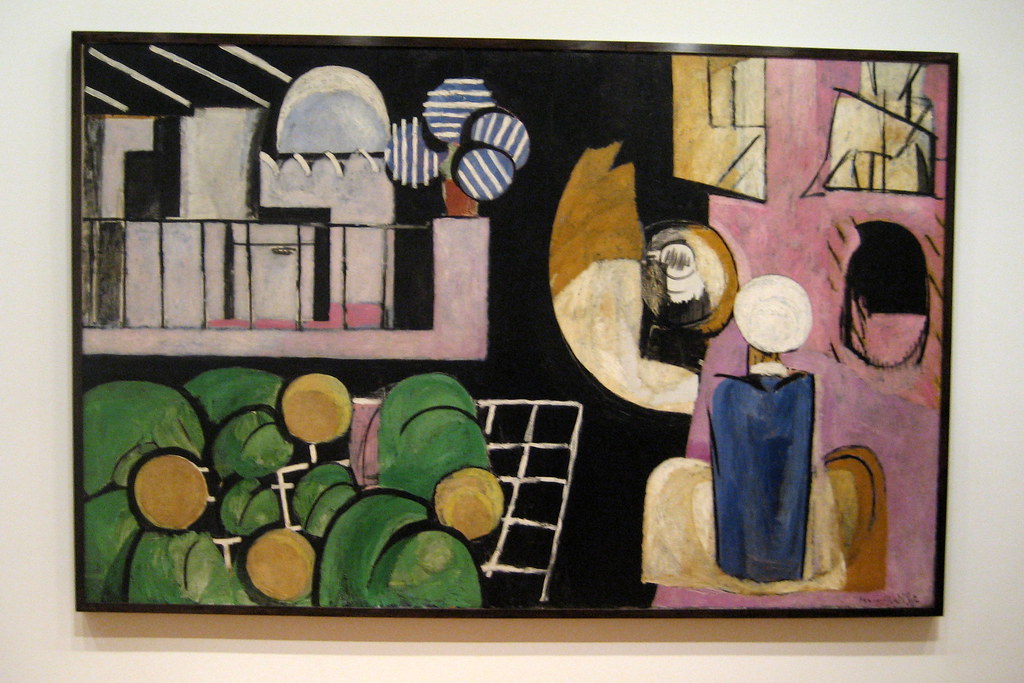
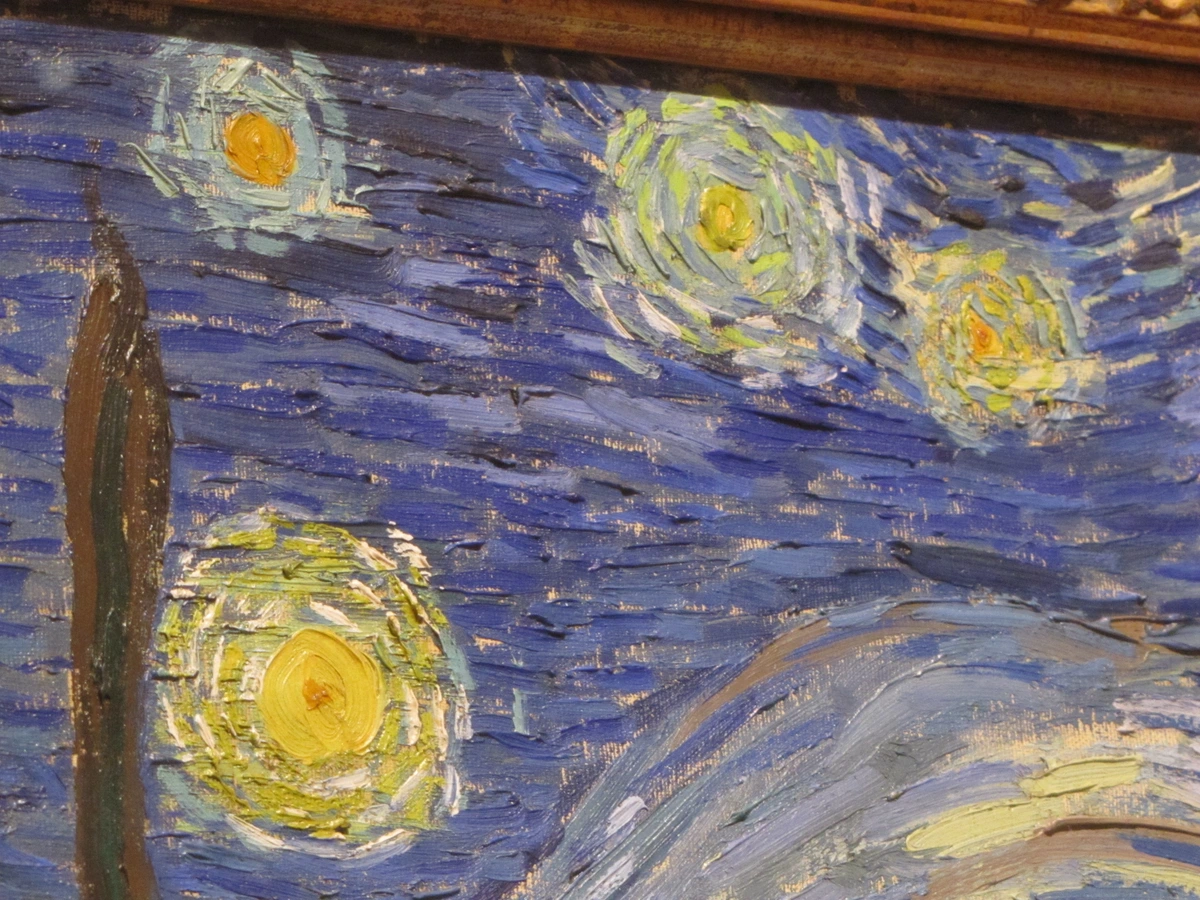
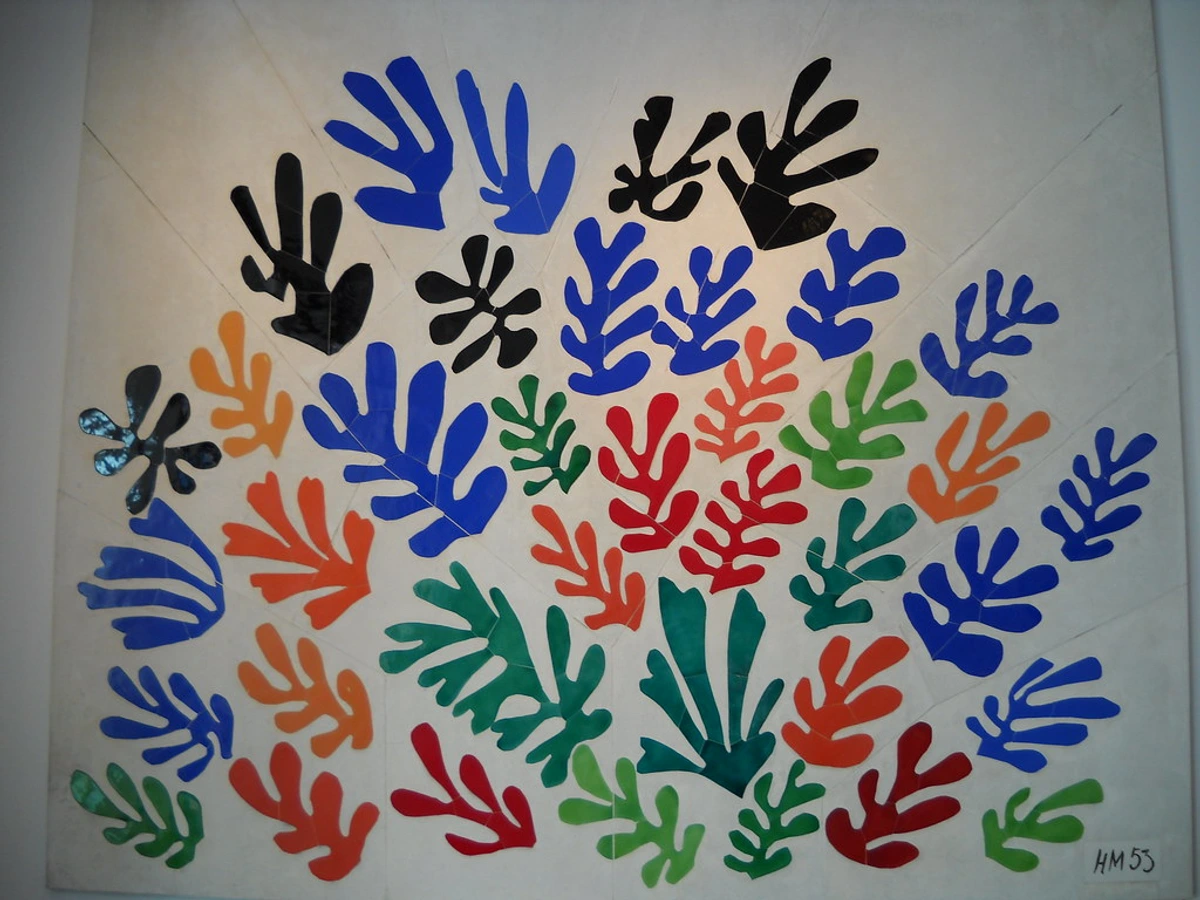
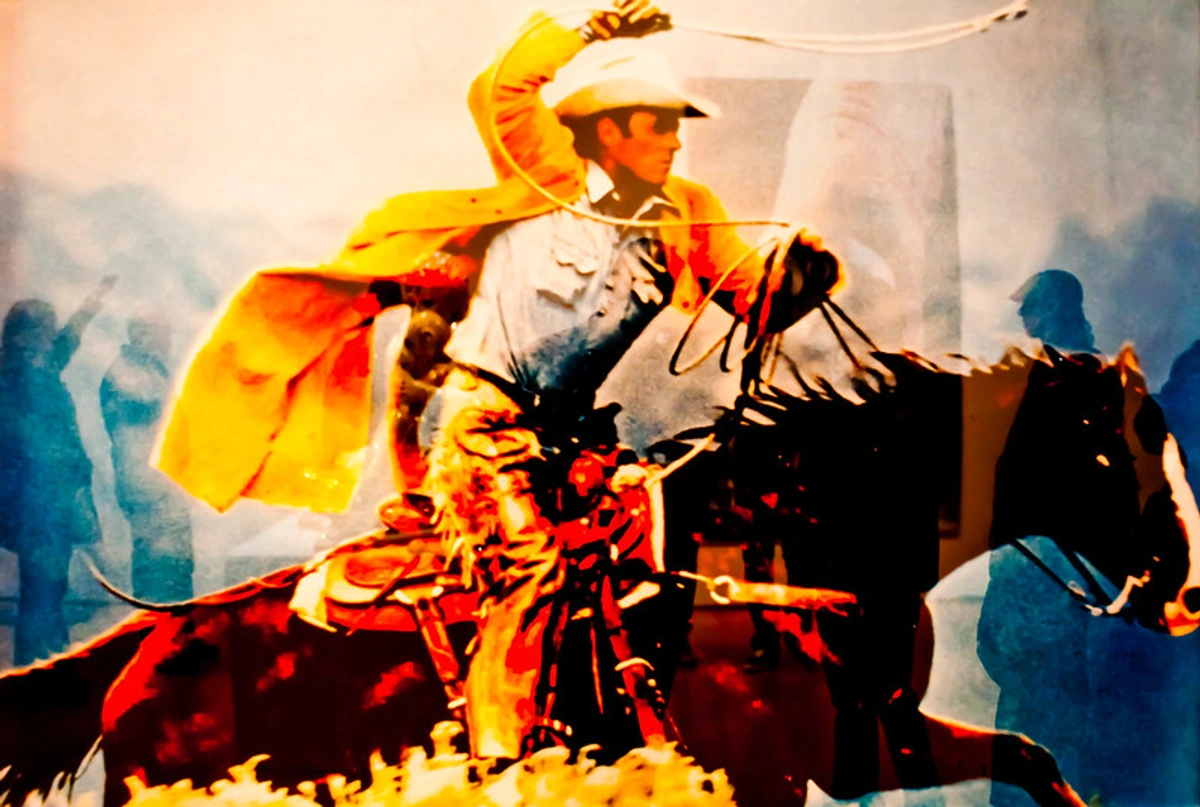
Colors have personalities and they get into arguments! Warm colors (reds, oranges) leap forward while cool colors (blues, greens) retreat. When you put them in a tug-of-war: :
[credit](https://live.staticflickr.com/1353/562537994_b3dc0dc5c4_b.jpg),
[licence](https://creativecommons.org/licenses/by-nc-nd/2.0/)The strongest tension happens when:
- Complementary colors (opposites on the color wheel) are placed near each other
- Saturation battles happen (bright vs. muted)
- Temperature contrasts create depth (warm foreground, cool background)
- Value conflicts occur (light vs. dark areas competing)
- Simultaneous contrast makes colors appear more intense when placed together
I once spent an hour analyzing a painting where crimson kept battling with teal – it was like watching an argument where neither side would back down. exhausting and fascinating!
But here's where it gets really interesting: color tension isn't just about opposites. It's also about relationships and proportions. A single dominant color creates different tension when paired with 10% of its complement versus 50%. The ratio changes the entire dynamic.
Color Relationship | Tension Level | Psychological Effect |
|---|---|---|
| Complementary (red-green) | Very High | Visual vibration, energy |
| Split-complementary | High | More complex, less jarring |
| Triadic | Moderate | Balanced but energetic |
| Analogous | Low | Harmonious, flowing |
| Monochromatic | Very Low | Calm, contemplative |
Also, don't forget about color temperature – warm colors advance visually while cool colors recede. This creates automatic tension even without complementary relationships. A warm red against a cool blue creates depth through temperature alone.
Dynamic Tension Across Commercial Applications
While we often think of dynamic tension in fine art, it's equally crucial in commercial applications across multiple industries:
Advertising and Marketing
- Product photography: Creating tension between product and environment
- Logo design: Balancing simplicity with visual interest
- Packaging design: Using tension to create shelf appeal
- Web design: Creating tension between usability and visual excitement
- Brand identity: Consistent tension across all marketing materials
- Social media graphics: Optimizing tension for digital engagement
- Email marketing: Tension between text and visual elements
- Print advertising: Creating tension between negative space and imagery
Architecture and Space
- Interior design: Creating tension between comfort and stimulation
- Urban planning: Tension between open spaces and defined structures
- Exhibition design: Tension between information and experience
- Environmental graphics: Tension in three-dimensional spaces
- Wayfinding: Using tension to guide movement through spaces
- Public art: Integrating tension into architectural contexts
- Furniture design: Tension between form and function
Fashion and Textiles
- Pattern design: Tension between repetition and variation
- Color relationships: Creating visual interest in clothing
- Texture contrasts: Combining different fabric types
- Silhouette tension: Relationship between fitted and loose elements
- Accessory integration: Tension between main garment and accents
- Textile design: Creating tension through weave and pattern
- Fashion illustration: Dynamic tension in garment presentation
Digital Media Applications
In our increasingly digital world, tension takes on new dimensions:
- User interface tension: Balancing functionality with visual appeal
- Social media optimization: Creating tension that stops the scroll
- Video content: Dynamic tension in moving images
- Interactive design: Tension between user control and system response
- Mobile app design: Tension between touch interactions and visual feedback
- Data visualization: Creating tension between clarity and complexity
- Gaming graphics: Tension between gameplay mechanics and visual storytelling
- Web animation: Tension between motion and stillness
Emerging Digital Tension Forms
The digital realm has created entirely new tension paradigms:
- Interactive installations: Viewers become part of the tension creation
- Generative art: Algorithms create evolving tension patterns
- VR/AR experiences: Three-dimensional tension that responds to movement
- AI-generated tension: Machine learning creates new visual relationships
- Blockchain art: Tension between traditional art values and digital ownership
These developments don't replace traditional tension – they expand it into new dimensions.
The principles of dynamic tension apply across all these fields because they tap into fundamental human responses to visual energy.
Contemporary Approaches to Dynamic Tension
Contemporary artists have taken dynamic tension to new levels, especially in abstract work. Instead of just representing physical tension, many now embody emotional tension through their techniques. But before we dive into modern approaches, let's acknowledge that dynamic tension isn't actually new. Artists have been using these principles for centuries:
Historical Evolution of Dynamic Tension
Let's trace how tension techniques have evolved through art history:
Period | Key Artists | Tension Techniques | Cultural Context |
|---|---|---|---|
| Renaissance | Leonardo da Vinci, Michelangelo | Linear perspective, chiaroscuro | Humanism, scientific observation |
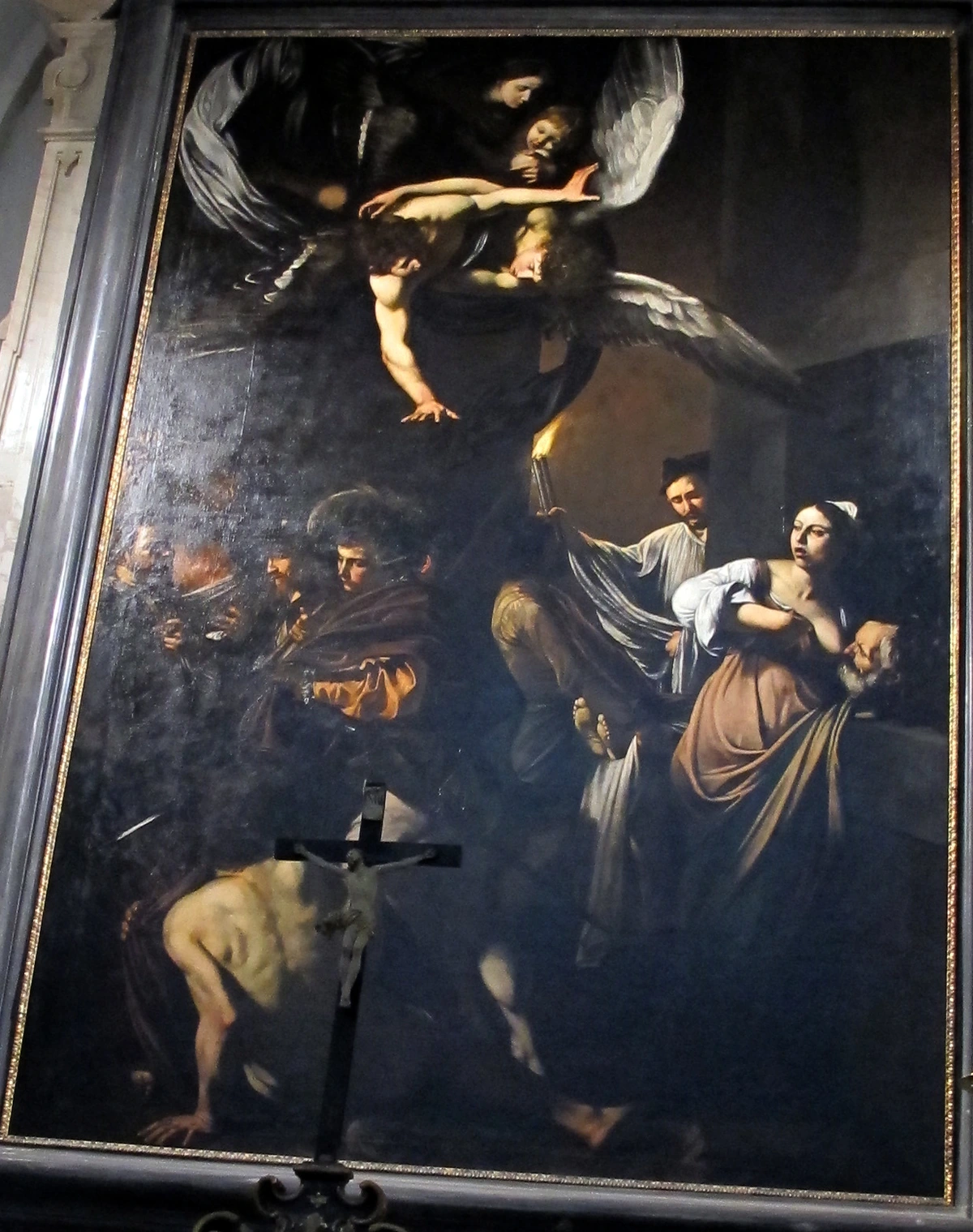
| Baroque | Caravaggio, Rembrandt | Extreme light-dark contrast, diagonal compositions | Religious drama, emotional intensity |
| Romantic | Delacroix, Turner | Movement, emotion, dramatic skies | Individualism, nature's power |
| Impressionist | Monet, Renoir | Light variation, broken color | Modernity, capturing fleeting moments |
| Expressionist | Munch, Kirchner | Emotional distortion, intense color | Psychological depth, social commentary |
| Cubist | Picasso, Braque | Multiple viewpoints, fractured forms | Breaking traditional perspectives |
| Abstract Expressionist | Pollock, de Kooning | Gesture, spontaneity, physicality | Post-war emotion, individual expression |
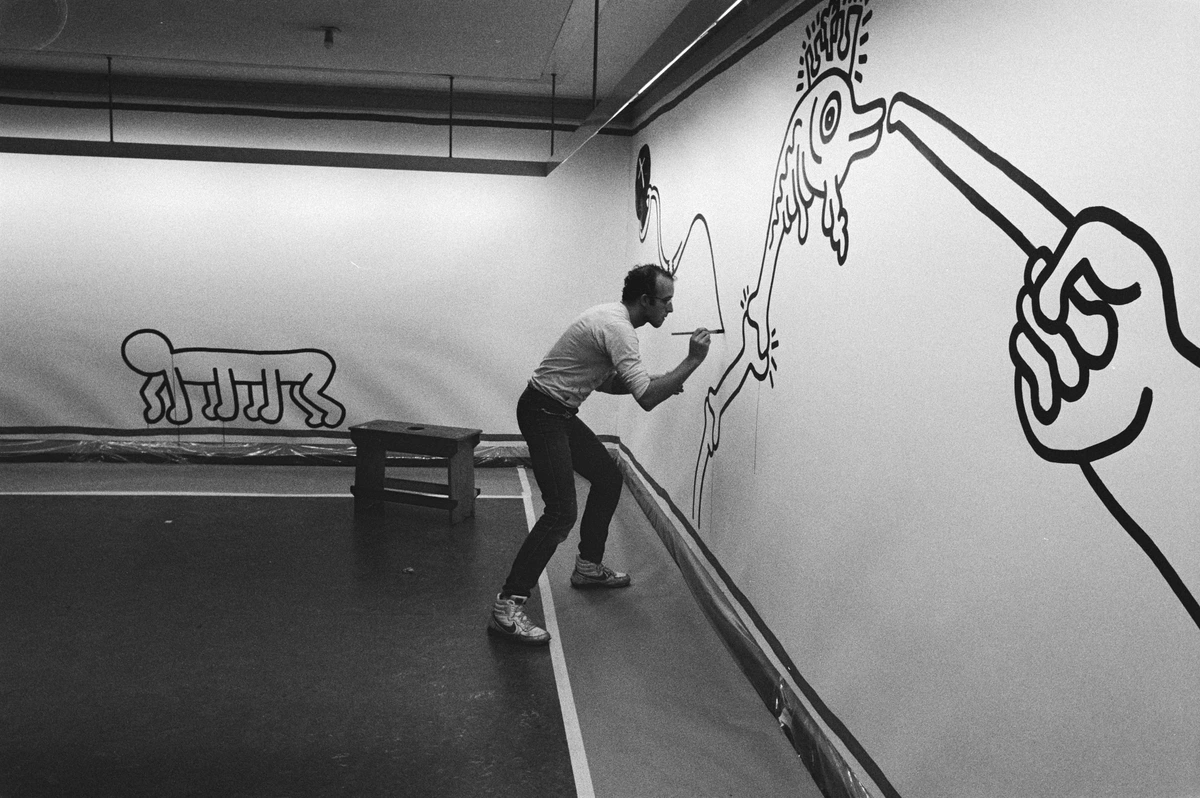
| Contemporary | Kusama, Haring | Pattern, repetition, public engagement | Globalization, digital age |
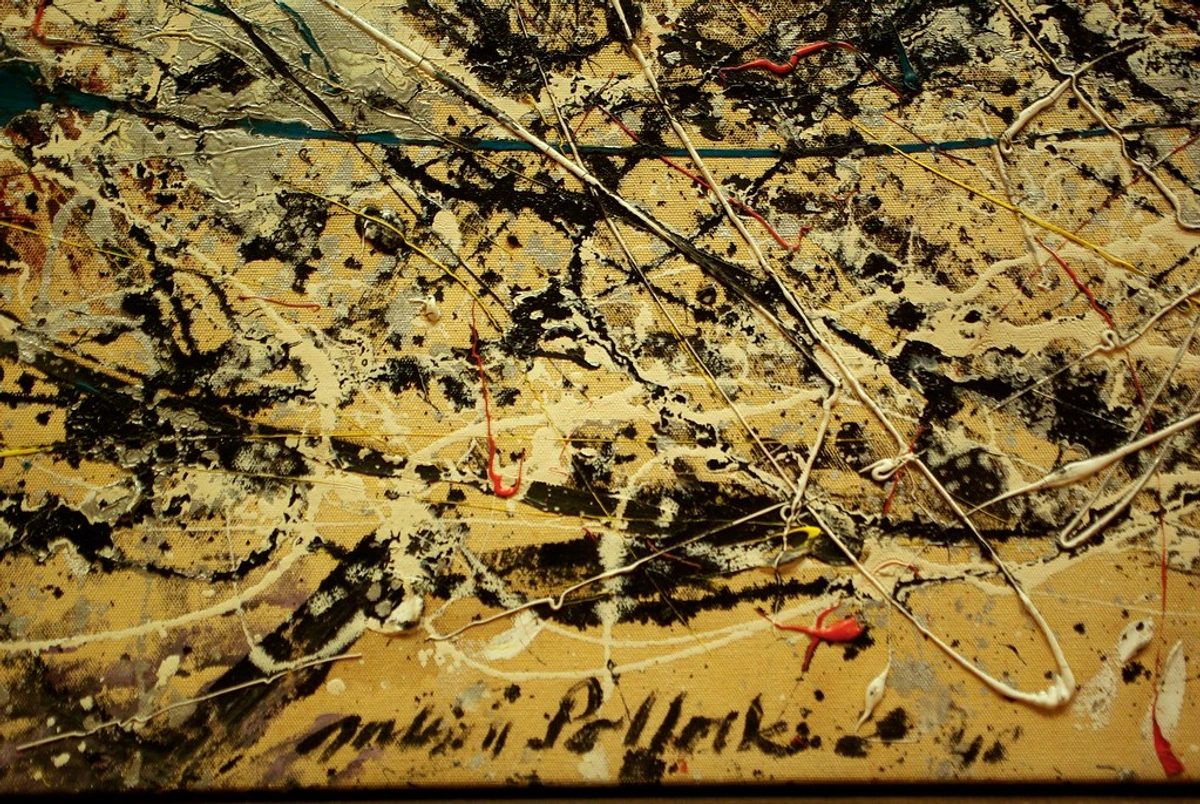
This historical perspective shows that while our understanding of tension has evolved, the fundamental principles have remained remarkably consistent across centuries and cultures.
Historical Roots of Dynamic Tension
- Baroque period (17th century): Artists like Caravaggio used dramatic lighting (chiaroscuro) to create tension between light and shadow
- Romantic era (19th century): Delacroix and others used movement and emotion to create visual energy
- Cubism (early 20th century): Picasso fractured forms to create multiple viewpoints and visual tension
- Abstract Expressionism (mid-20th century): Artists like Pollock and de Kooning used gesture and spontaneity
- Pop Art (1960s): Artists like Warhol and Lichtenstein used commercial imagery to create cultural tension
- Minimalism (1960s-70s): Artists like Judd and Andre used simplicity to create formal tension
- Postmodernism (1970s-90s): Artists like Koons and Sherman used appropriation to create conceptual tension
- Contemporary Digital (2000s-present): Artists like teamLab and Refik Anadol use technology to create interactive tension
What's changed is our awareness of these techniques. Modern artists don't just use tension unconsciously – they often do so deliberately and self-consciously.
The Abstract Energy Revolution
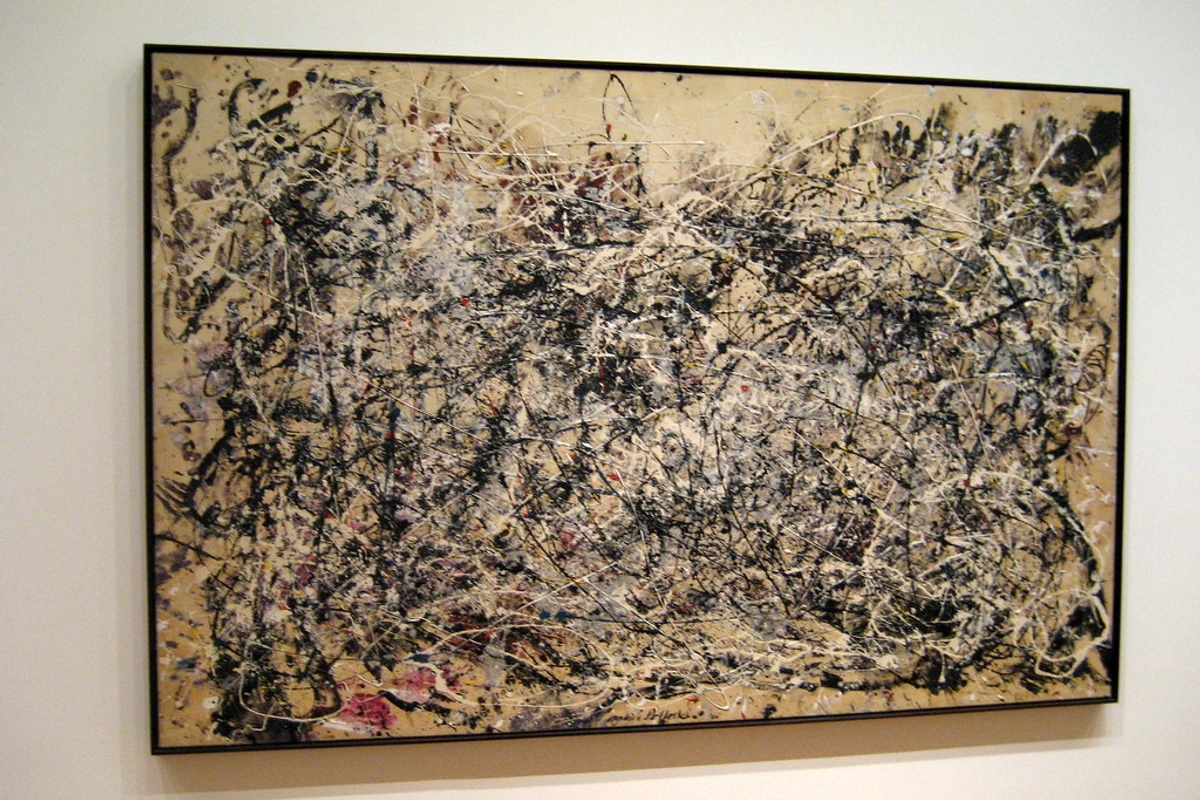
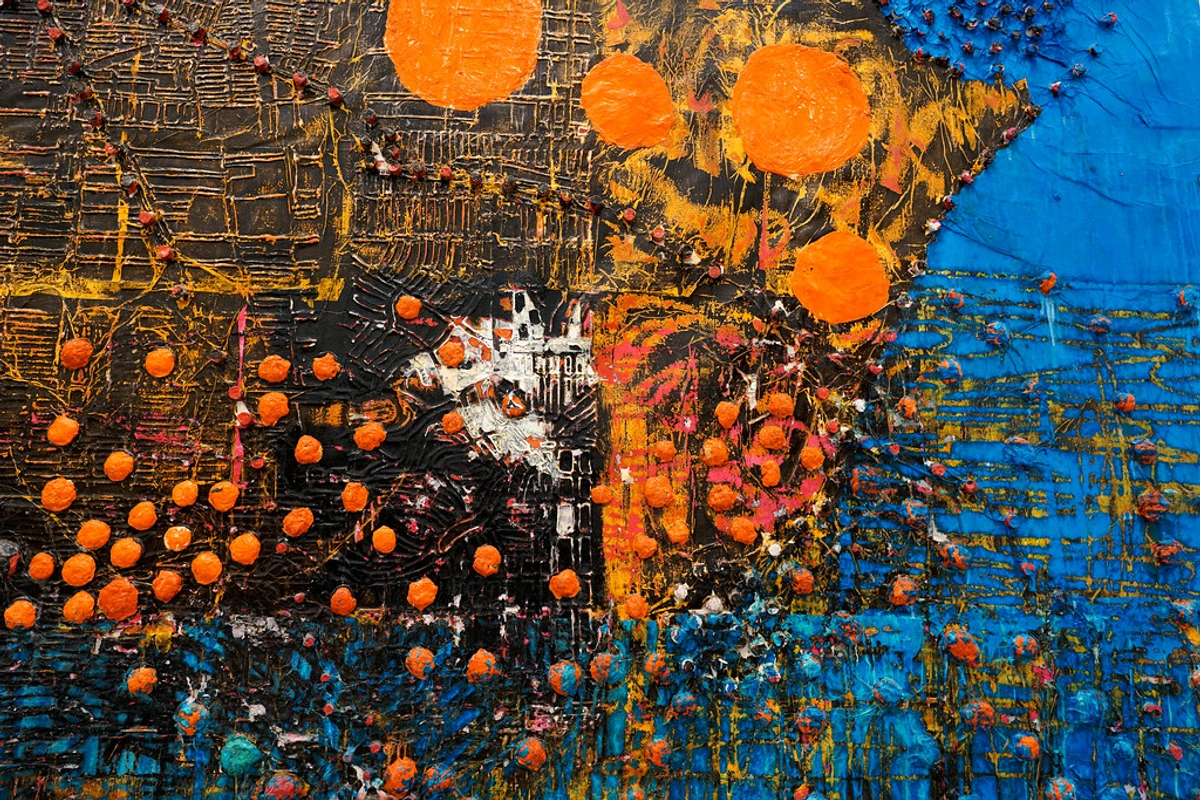
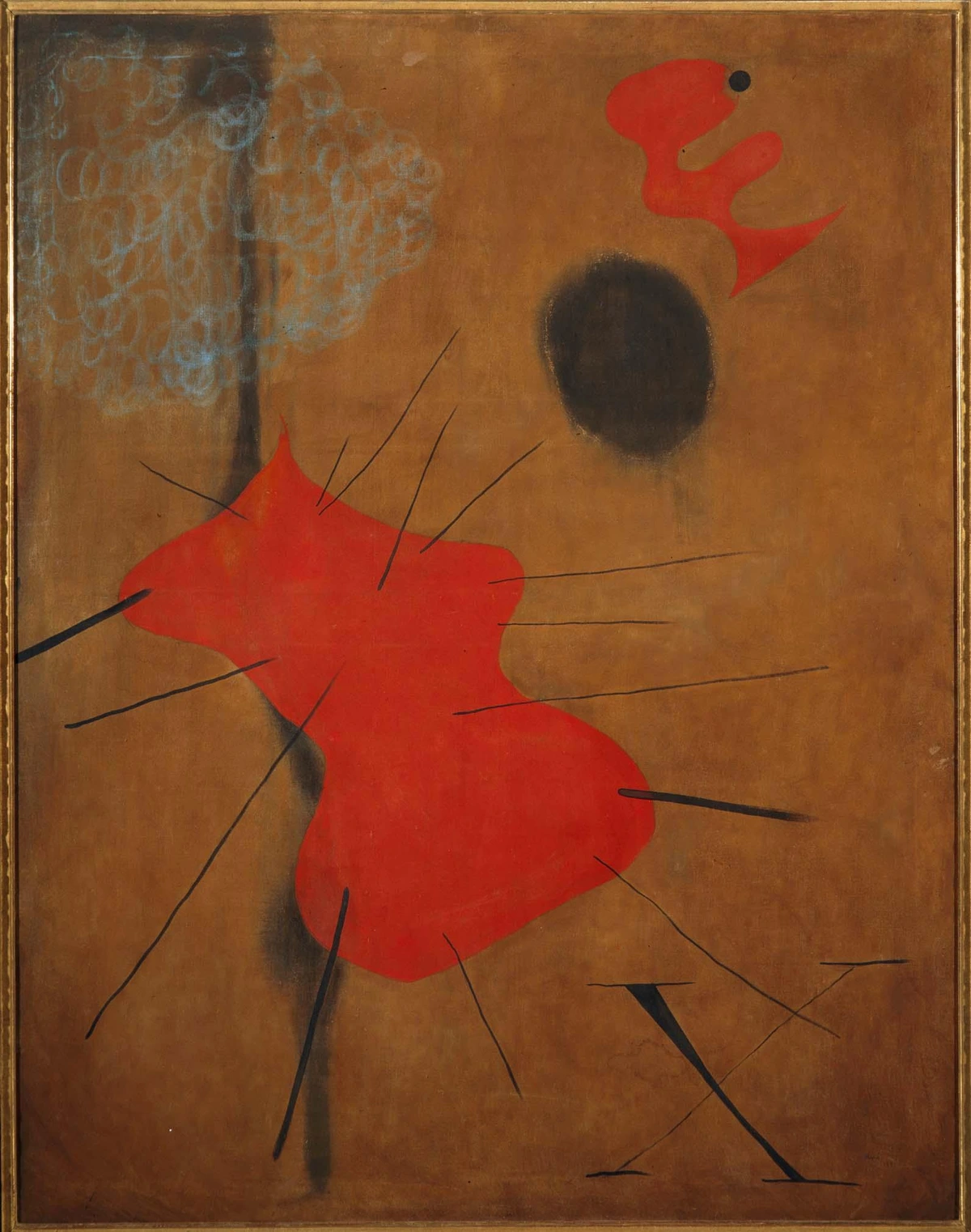
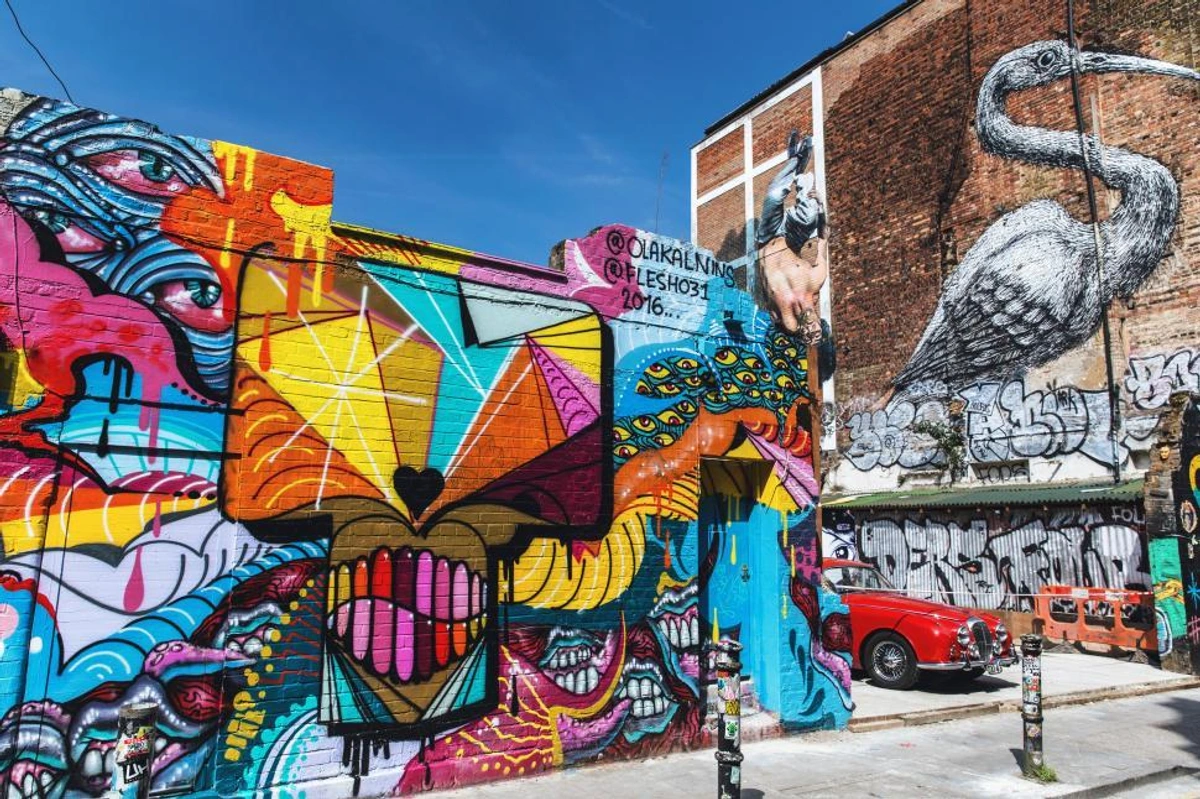
Look at artists who throw paint, scrape surfaces, or layer transparent mediums. Their works often feel like frozen moments of chaos captured mid-explosion. The tension isn’t just between elements in the piece – it’s between the artist’s raw gesture and the canvas itself. :
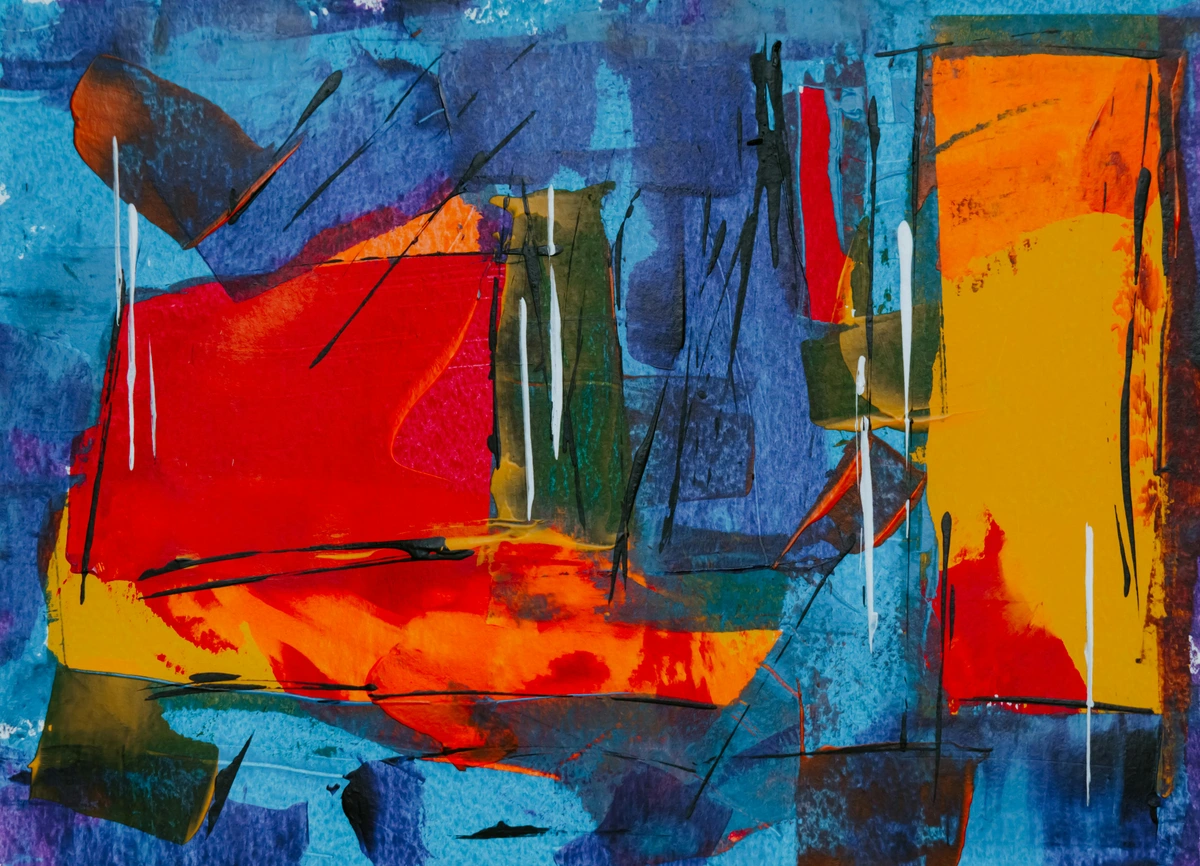
contemporary art demo, Free Art License
I think about how my own creative process involves this battle – between the controlled planning and the happy accidents that make art truly breathe. The best pieces seem to have this unresolved quality where you can almost see the moment the artist stopped fighting the canvas and started working with it.
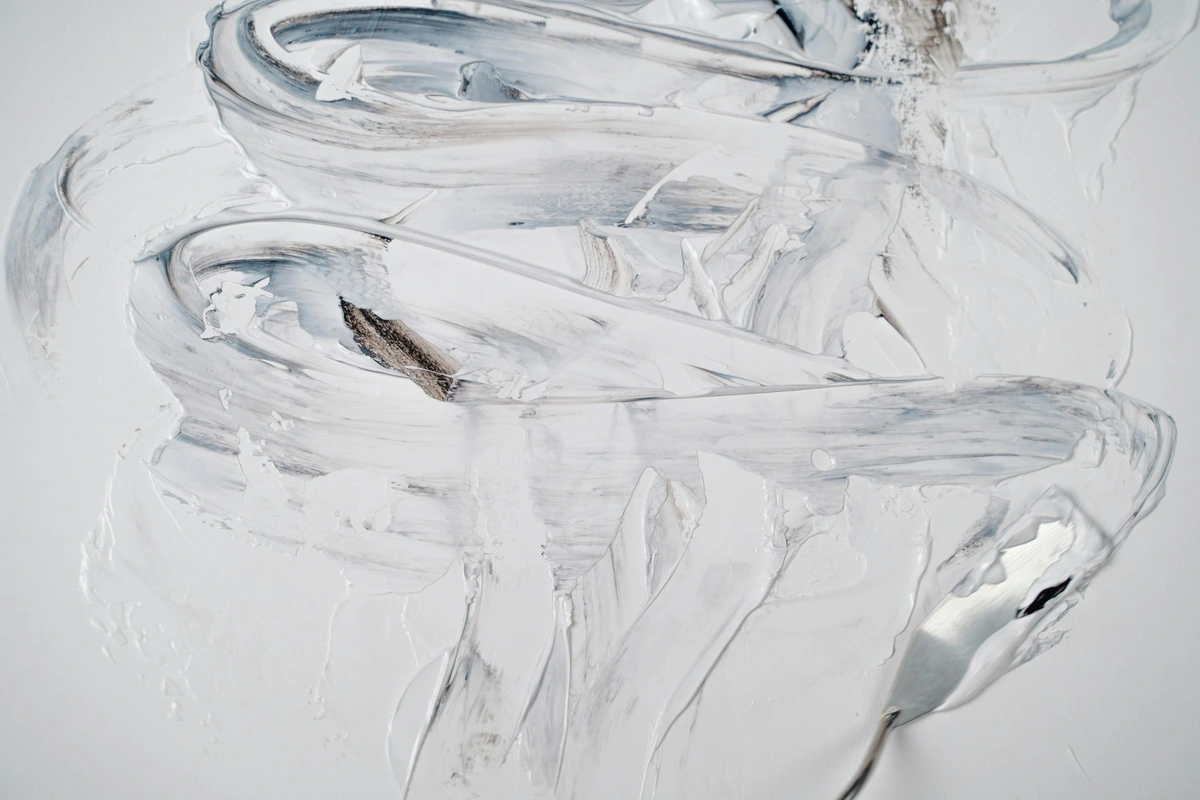
Digital Dimensions
In digital art, dynamic tension gets a turbocharge because artists can employ: :
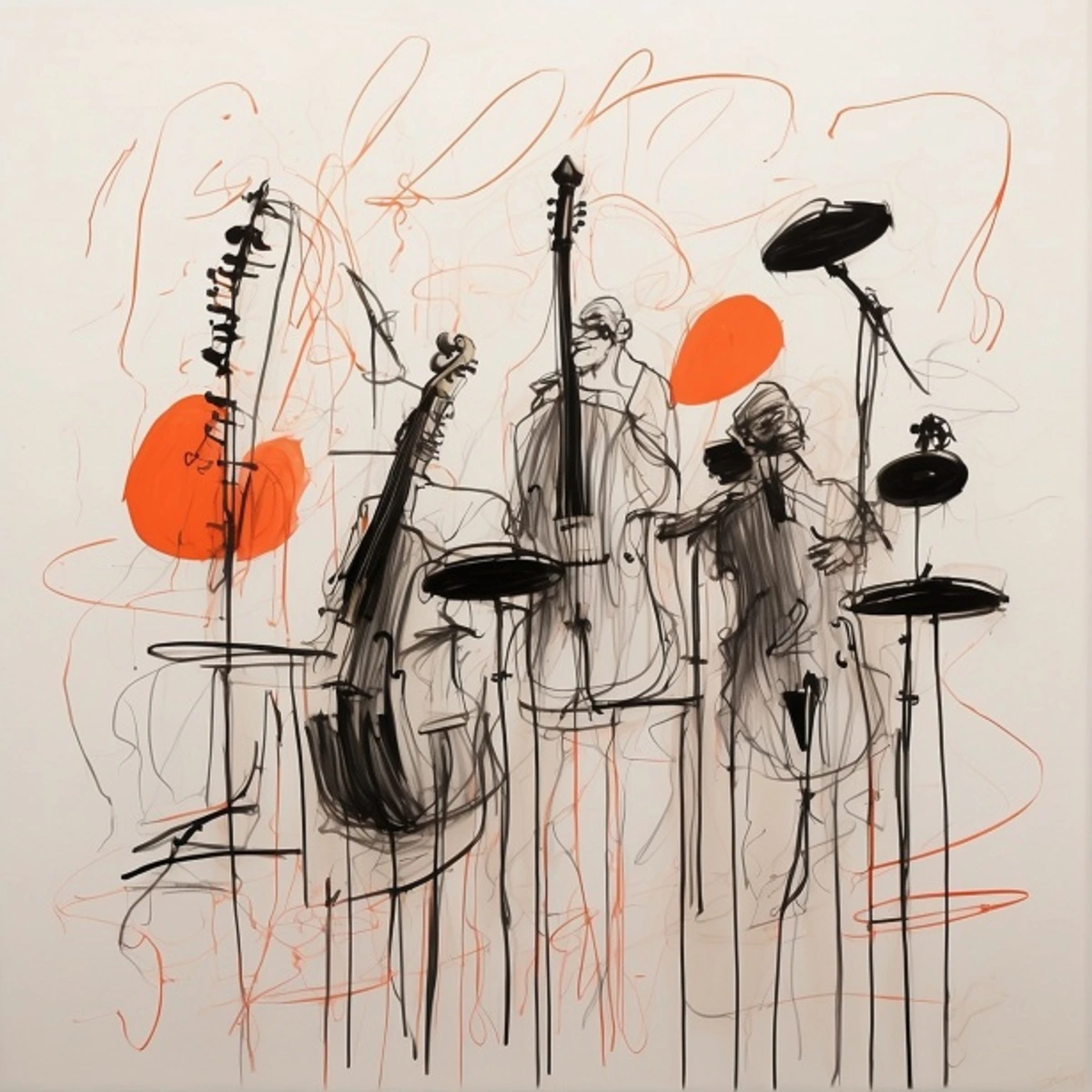
- Interactive elements that respond to viewer movement
- Animated sections that create literal motion within static art
- Layering techniques impossible in traditional media
Though I remain skeptical of NFTs as viable art platforms (mostly due to energy concerns and market volatility), we have to acknowledge how digital tools allow for entirely new forms of tension between the artwork and its audience.
Glossary of Dynamic Tension Terms
Dynamic Tension: The visual potential energy created by contrasting elements in a composition.
Visual Weight: The apparent heaviness or lightness of elements based on size, color, and position.
Complementary Colors: Colors opposite each other on the color wheel that create maximum visual tension.
Chiaroscuro: The use of strong contrasts between light and dark to create dramatic tension.
Simultaneous Contrast: The phenomenon where colors appear different when placed next to contrasting colors.
Negative Space: The empty areas around and between elements that can function as active tension creators.
Asymmetrical Balance: Balance achieved through unequal but complementary visual weights.
Focal Point: The element that draws the viewer's primary attention and creates tension with surrounding elements.
Rhythm: The visual beat created by repeating elements, which can be disrupted for tension.
Movement: The apparent flow of energy through a composition, creating directional tension.
Common Tension Mistakes and How to Avoid Them
Even experienced artists fall into tension traps. Here are the most common mistakes:

Over-Tension Problems
- Visual noise: Too many competing elements creates chaos
- Eye fatigue: No resting points for the viewer
- Emotional overload: The artwork feels aggressive or stressful
- Loss of focus: No clear visual hierarchy
- Competing focal points: Multiple elements fighting for attention
Solution: Create intentional resting points and reduce the number of competing elements.
Under-Tension Problems
- Visual boredom: The artwork feels flat and uninteresting
- Lack of engagement: Viewers lose interest quickly
- Passive experience: No emotional or physical response
- Forgetting: The artwork doesn't stick in memory
- Predictability: No surprises or visual interest
Solution: Add deliberate disruptions and increase the energy between key elements.
Tension Balance Problems
- Uneven distribution: Some areas have too much tension, others too little
- Inconsistent mood: The artwork can't decide what emotion to evoke
- Technical vs. emotional: Tension feels calculated rather than felt
- Cultural disconnect: Tension that doesn't resonate with the intended audience
Solution: Create a tension map before finalizing your work, ensuring balanced energy distribution.
Want to feel dynamic tension in your own work? Try these techniques. But before we get to the how-to, let's talk about the mindset. Creating dynamic tension isn't just about following rules – it's about developing an intuitive feel for visual energy. It's like learning to ride a bike: at first, you think about balance and pedaling, but eventually, it becomes second nature.
Developing Your Tension Intuition
Building your intuitive understanding of tension takes practice:
- Active viewing: Study great art with tension in mind, not just subject matter
- Emotional tracking: Notice how different tension combinations make you feel
- Pattern recognition: Identify tension patterns across different artworks
- Self-observation: Pay attention to your physical reactions to tense compositions
The goal isn't to become a tension expert overnight—it's to develop a natural, intuitive understanding of visual energy that serves your creative process.
Here's the paradox: the most effective tension often comes from breaking rules rather than following them. The "rule of thirds" is great for balanced composition, but sometimes the most tension comes from placing your focal point exactly in the center, or even off the canvas entirely. The key is understanding why the rules work, so you know when and how to break them effectively.
The Rule-Breaking Mindset
Master tension artists understand that rules are guidelines, not restrictions:
- Know the rules: Study traditional composition principles thoroughly
- Understand their purpose: Learn why certain rules create certain effects
- Practice mastery: First create perfect examples of rule-based work
- Strategic violation: Break rules deliberately for specific effects
- Develop your voice: Find your own tension signature through experimentation
I've found that the most satisfying tension often comes from that sweet spot where I understand the rules well enough to break them with intention and purpose.
Practical Tension Exercises
Here are specific exercises to develop your tension skills:
- Constraint challenges: Create art using artificial limitations (e.g., only two colors, specific shapes)
- Emotion translation: Choose an emotion and create tension that embodies it
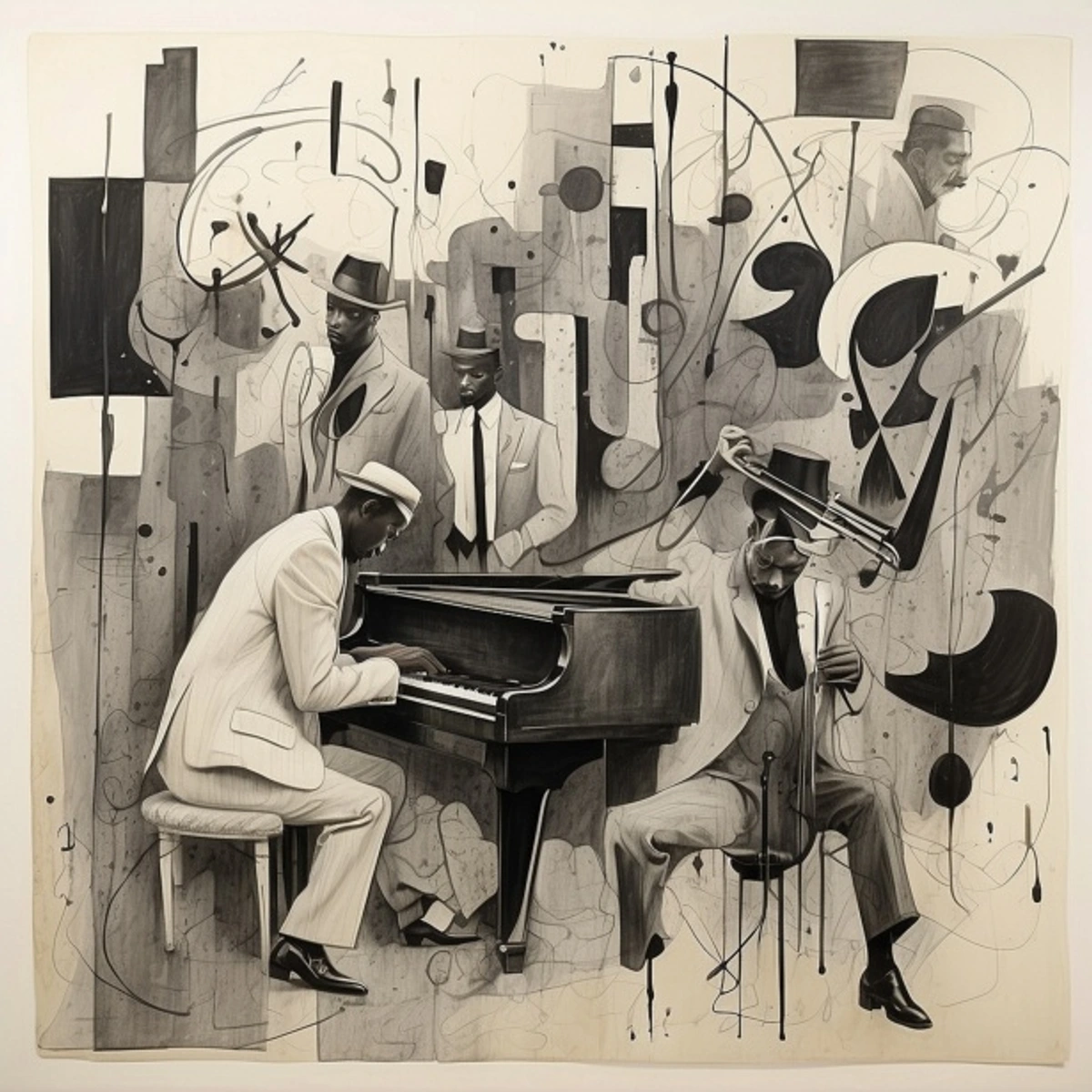
- Musical interpretation: Convert music into visual tension
- Cultural fusion: Combine tension elements from different artistic traditions
- Material exploration: Discover tension properties in unexpected materials
Step 1: Start with Aggressive Placement
Break compositional rules on purpose in your sketches:
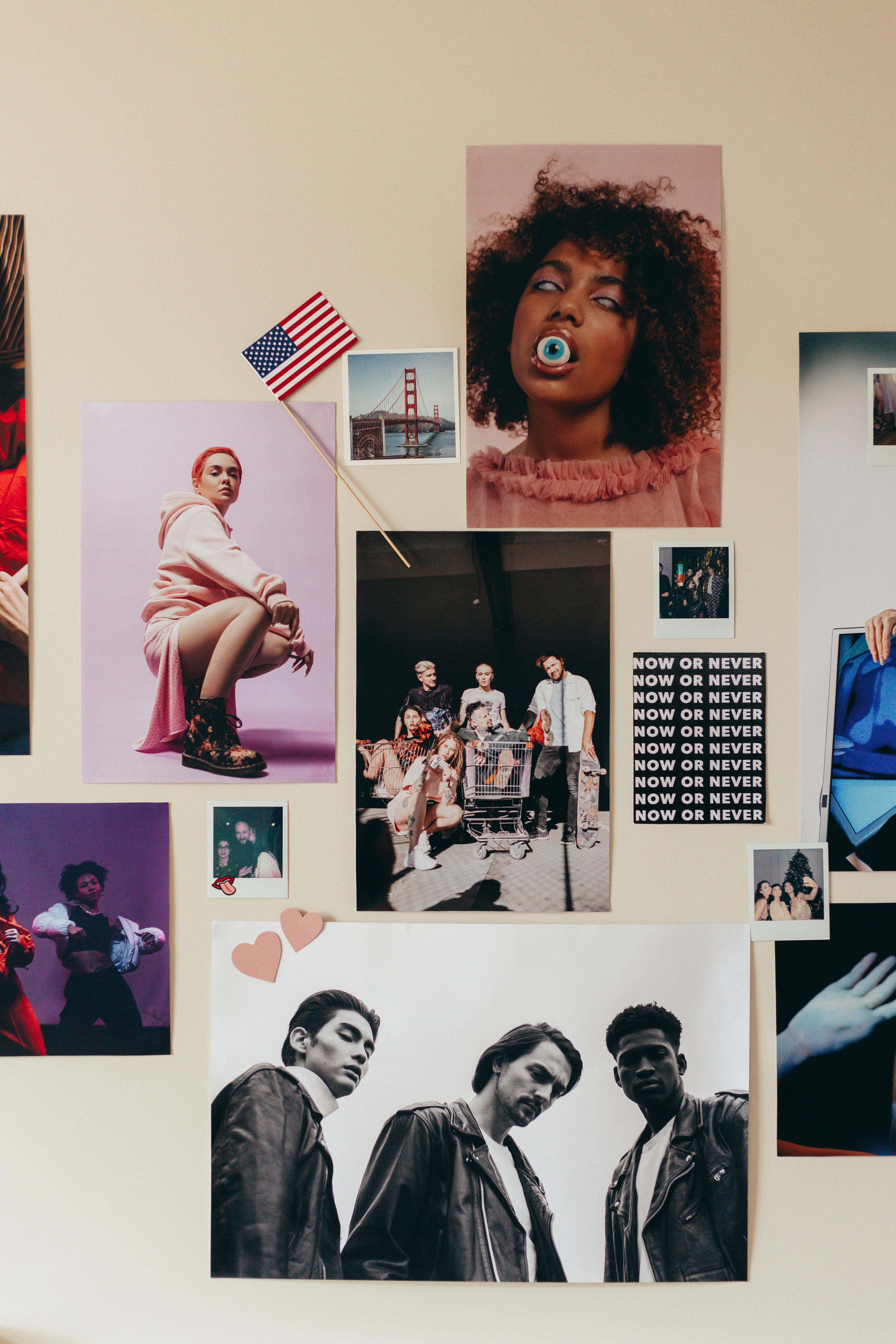
[credit](https://images.pexels.com/photos/10599799/pexels-photo-10599799.jpeg),
[licence](https://creativecommons.org/public-domain/)
composition study, GNU Free DocumentationInstead of placing your focal point using the rule of thirds, try: :
- Juxtaposing it against a strong edge
- Balancing it with much smaller, busier elements
- Creating visual weight that doesn’t match physical weight
I’ll often sketch where things "should" go, then erase and put elements where they feel "wrong" – that’s often where magic happens.
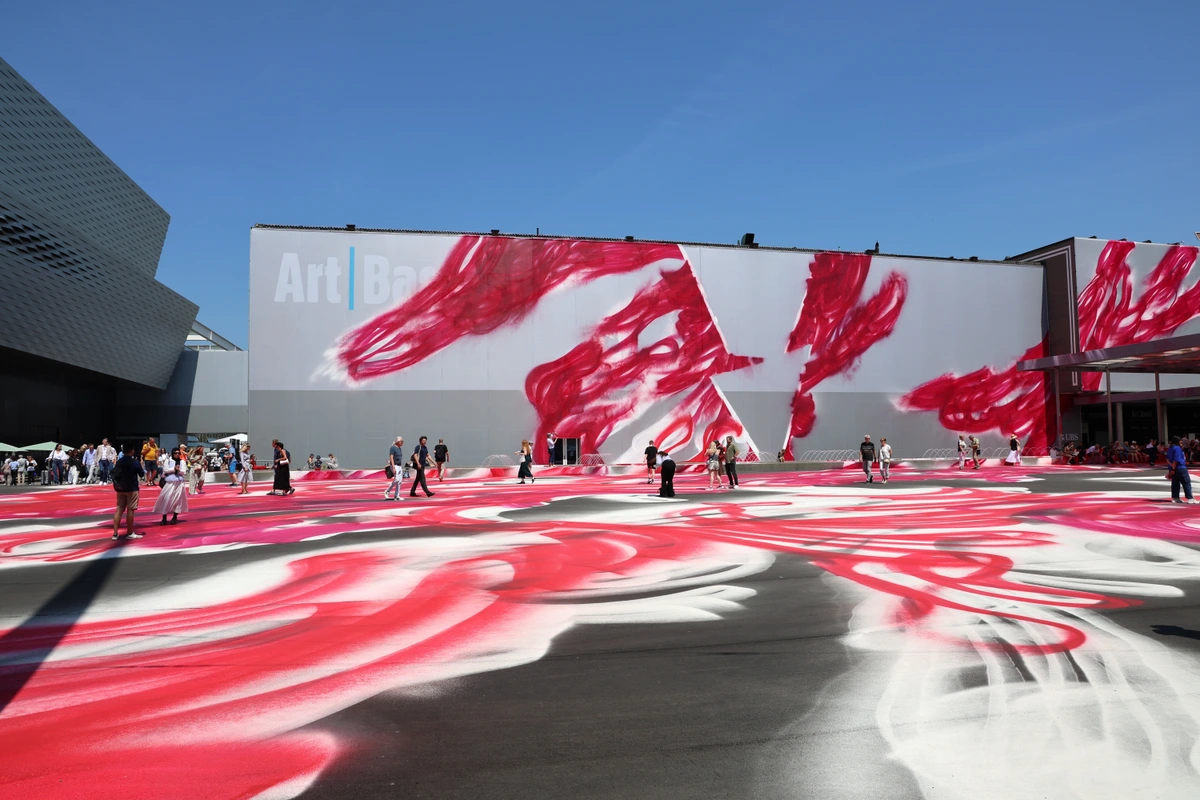
Step 2: Force a Conversation
Pick two elements and make them argue:
- Decide on your "protagonist" (could be shape, color, texture)
- Create an "antagonist" with opposing qualities
- Position them so neither wins the visual battle
For example: A smooth, rounded shape next to a fractured, angular one. The tension isn't in their difference, but in how they refuse to coexist peacefully in space.
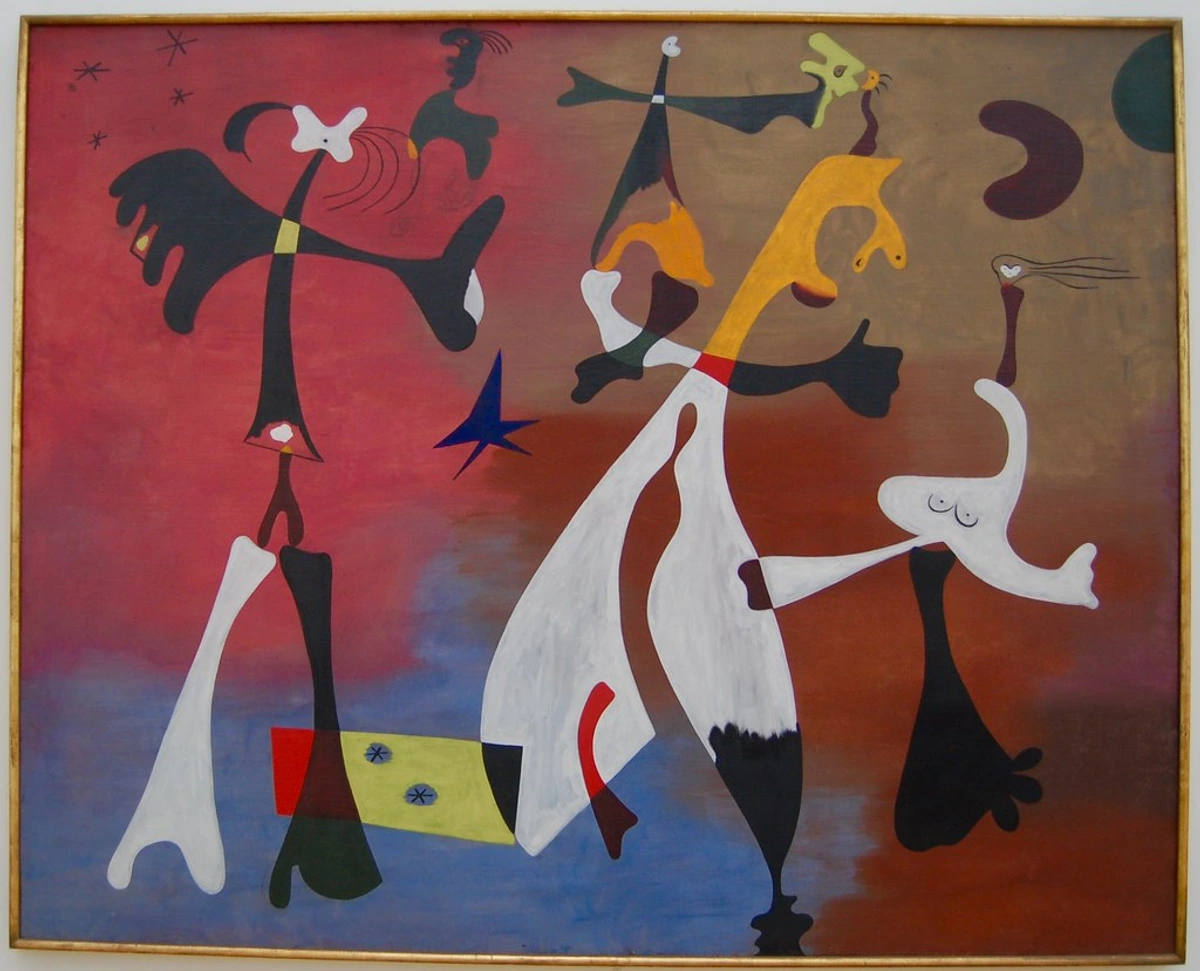
Here are some specific character archetypes you can use:
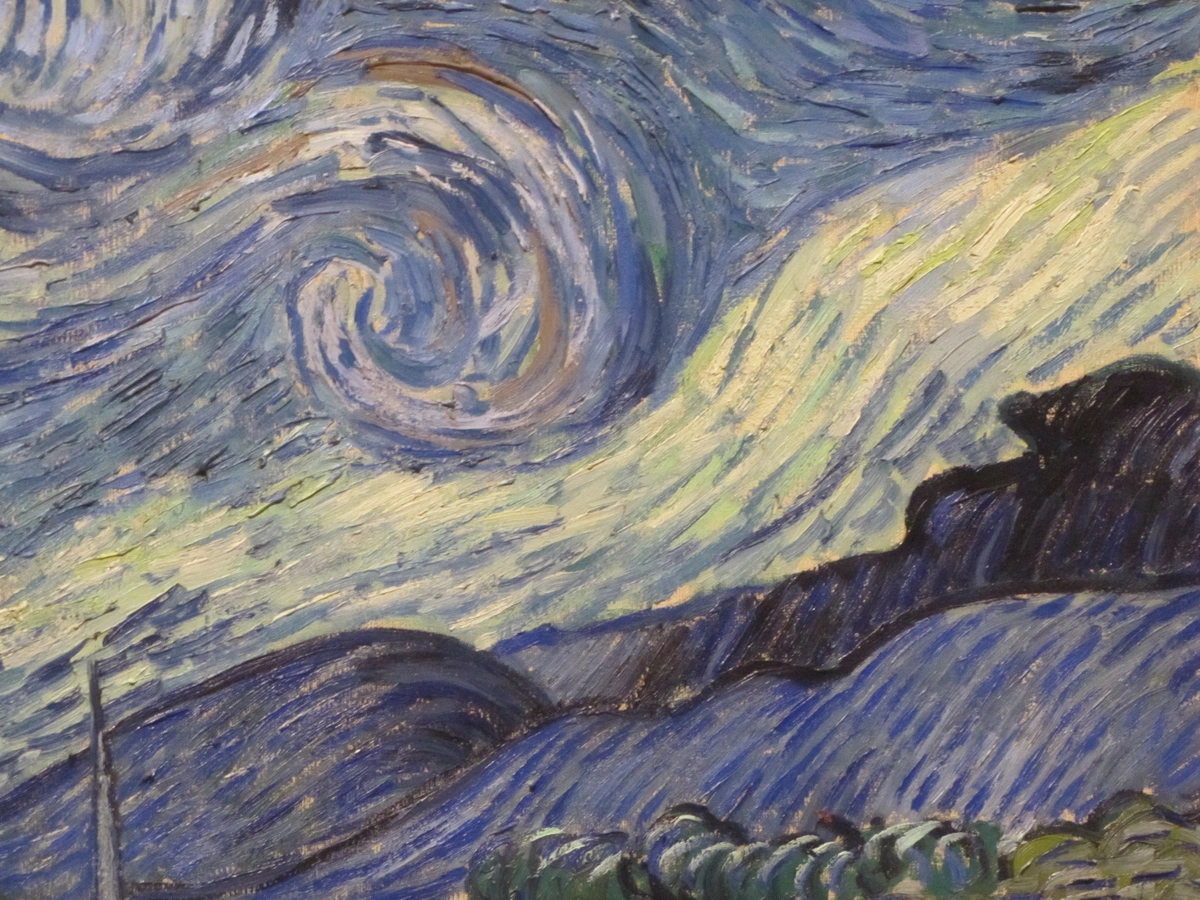
Protagonist | Antagonist | Tension Type |
|---|---|---|
| Circle (wholeness) | Square (structure) | Philosophical tension |
| Warm color (energy) | Cool color (calm) | Emotional tension |
| Smooth texture (elegance) | Rough texture (rawness) | Material tension |
| Large scale (dominance) | Small scale (delicacy) | Power tension |
| Sharp angles (aggression) | Soft curves (gentleness) | Personality tension |
The key is to make them compete, not just coexist. Position them so they're pulling the viewer's attention in opposite directions, creating that delicious visual tug-of-war.
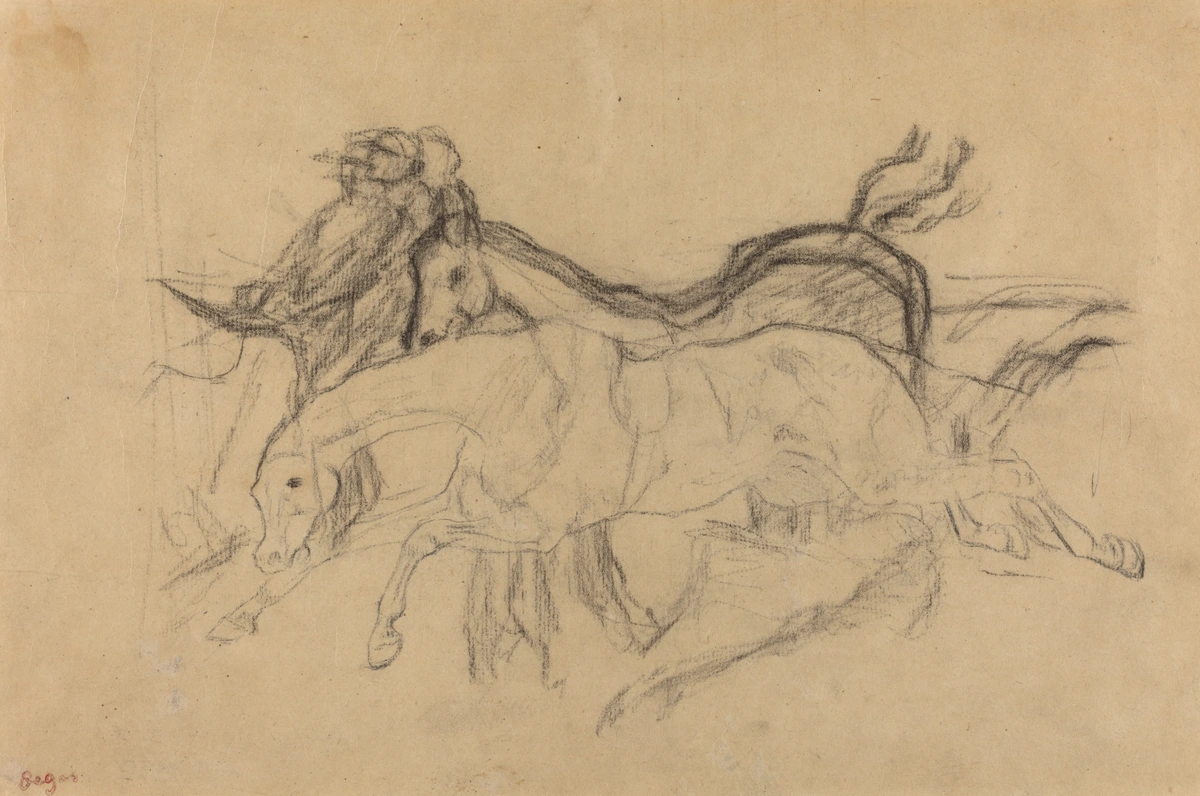
Classical Art and Traditional Tension
Even traditional art uses dynamic tension effectively:
- Composition tension: The balance between structured composition and natural movement
- Figure tension: The relationship between figures and their surroundings
- Narrative tension: The dramatic moments frozen in time
- Technical tension: The balance between technical skill and artistic expression
- Historical tension: The dialogue between past and present in artistic representation
- Cultural tension: The intersection of different cultural traditions
Degas captures the tension of movement and stillness, of energy and control. His work shows how tension principles have been used for centuries to create compelling visual experiences.
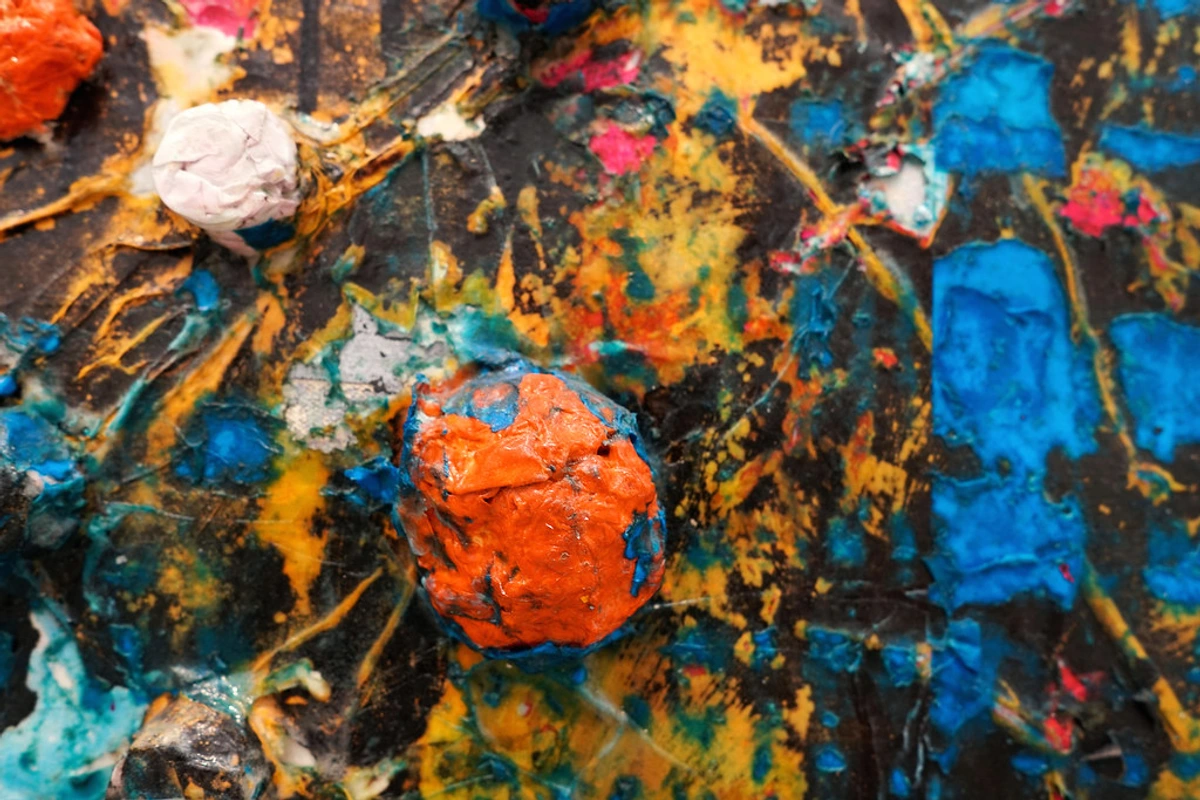
Step 3: Break the Rhythm
Our brains love patterns. Disrupt them: :
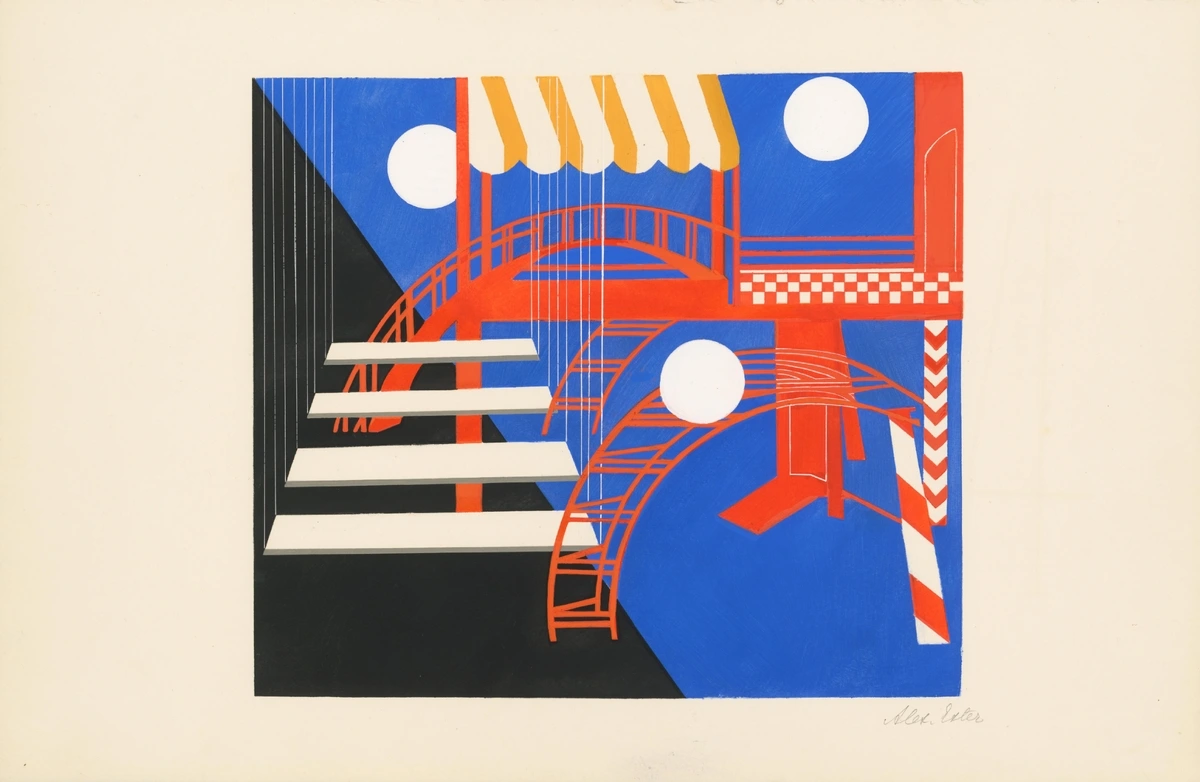
- Create a grid then shatter it diagonally
- Use regular spacing then cluster elements suddenly
- Repeat a shape then change its scale dramatically
It’s like musical discord – the note that doesn’t fit creates the tension. The best part? You control the level of "crashiness". Too much becomes noise. Too little becomes sleepy.
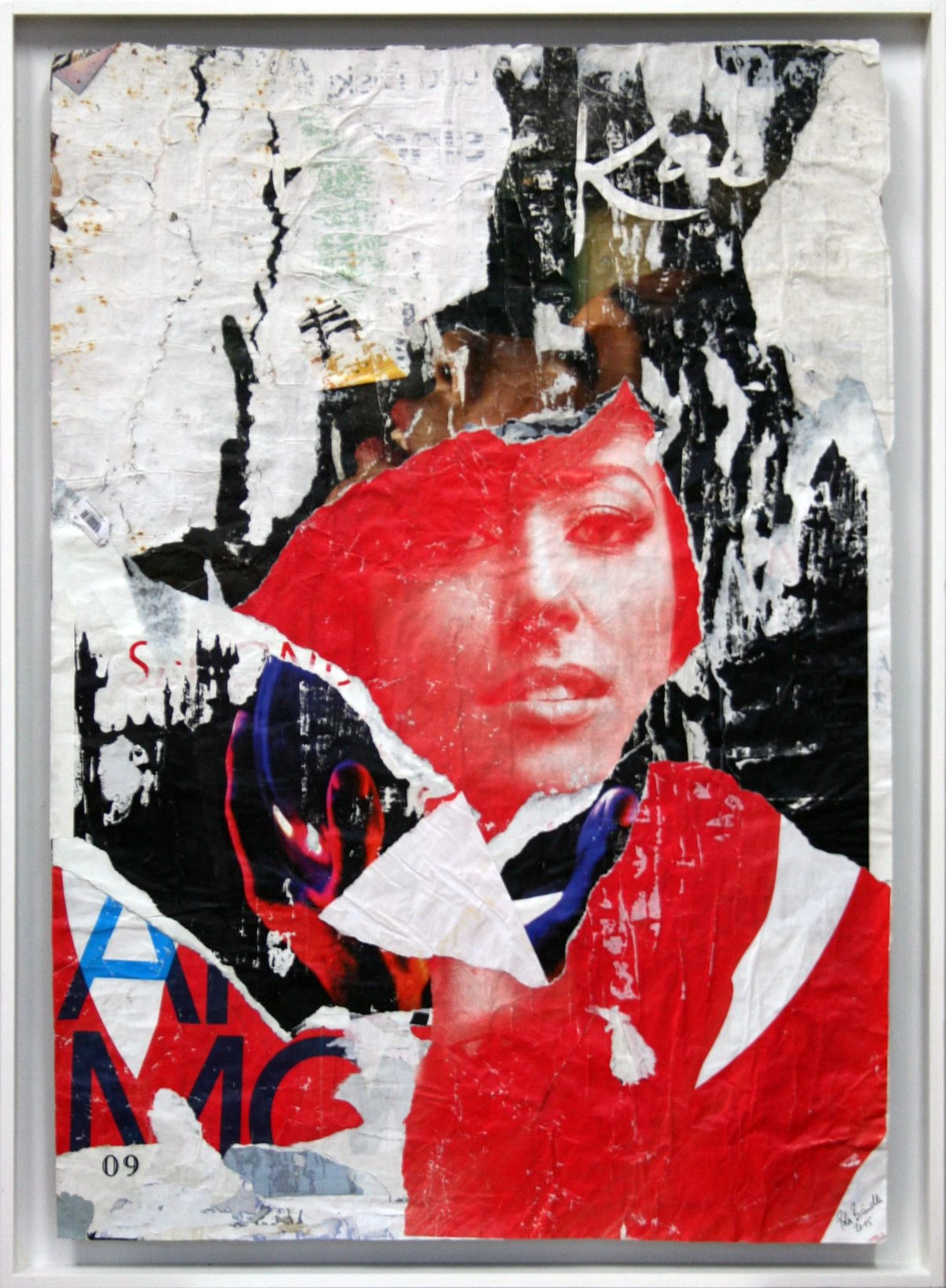
The Future of Dynamic Tension
As art continues to evolve, so do the possibilities for dynamic tension:
Emerging Technologies
- AI-generated tension: Algorithms creating new forms of visual energy
- VR/AR tension: Three-dimensional tension that responds to viewer movement
- Biometric feedback: Art that adapts based on viewer physiological responses
- Generative art: Tension that evolves over time or with interaction
- Neuroadaptive art: Works that respond directly to brainwave patterns
- Blockchain tension: New ownership models affecting artistic tension
- Quantum computing: Creating impossible tension patterns through quantum algorithms
New Art Forms
- Interactive installations: Tension between viewer and artwork
- Performance art: Tension in real-time, live creation
- Social media art: Tension optimized for digital viewing and sharing
- Collaborative art: Tension between multiple artists' visions
- Environmental art: Tension between artwork and natural environment
- Bioart: Tension between living organisms and artistic expression
- Data art: Tension found in complex information visualization
- Generative design: Algorithmic tension in architectural and product design
The Evolving Viewer Experience
The future of tension isn't just about technology—it's about changing how we experience art:
- Participatory engagement: Viewers become active participants in tension creation
- Distributed viewing: Multiple viewers experiencing tension simultaneously from different locations
- Memory-based tension: Art that responds to viewer's past experiences
- Cultural translation: tension that adapts to viewer's cultural background
- Personalized tension: Art that adapts to individual viewer preferences
- Collective tension: Shared emotional experiences in group settings
These developments don't replace traditional tension – they expand it. The fundamental principles of visual energy remain the same, but the tools and contexts continue to evolve.
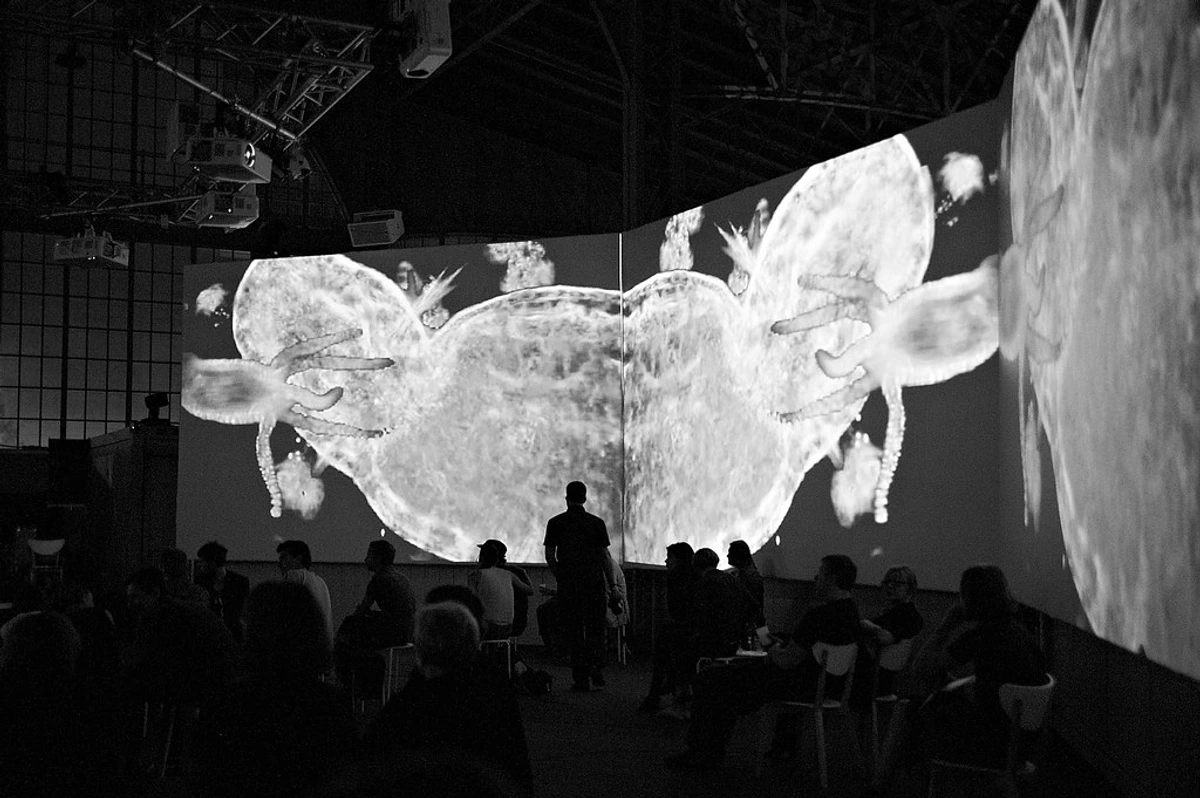
In our swipe-scroll culture, static art has to fight harder for attention. Dynamic tension is what makes viewers pause. It triggers that primal "what is happening here?" response that keeps eyes glued to the canvas. :
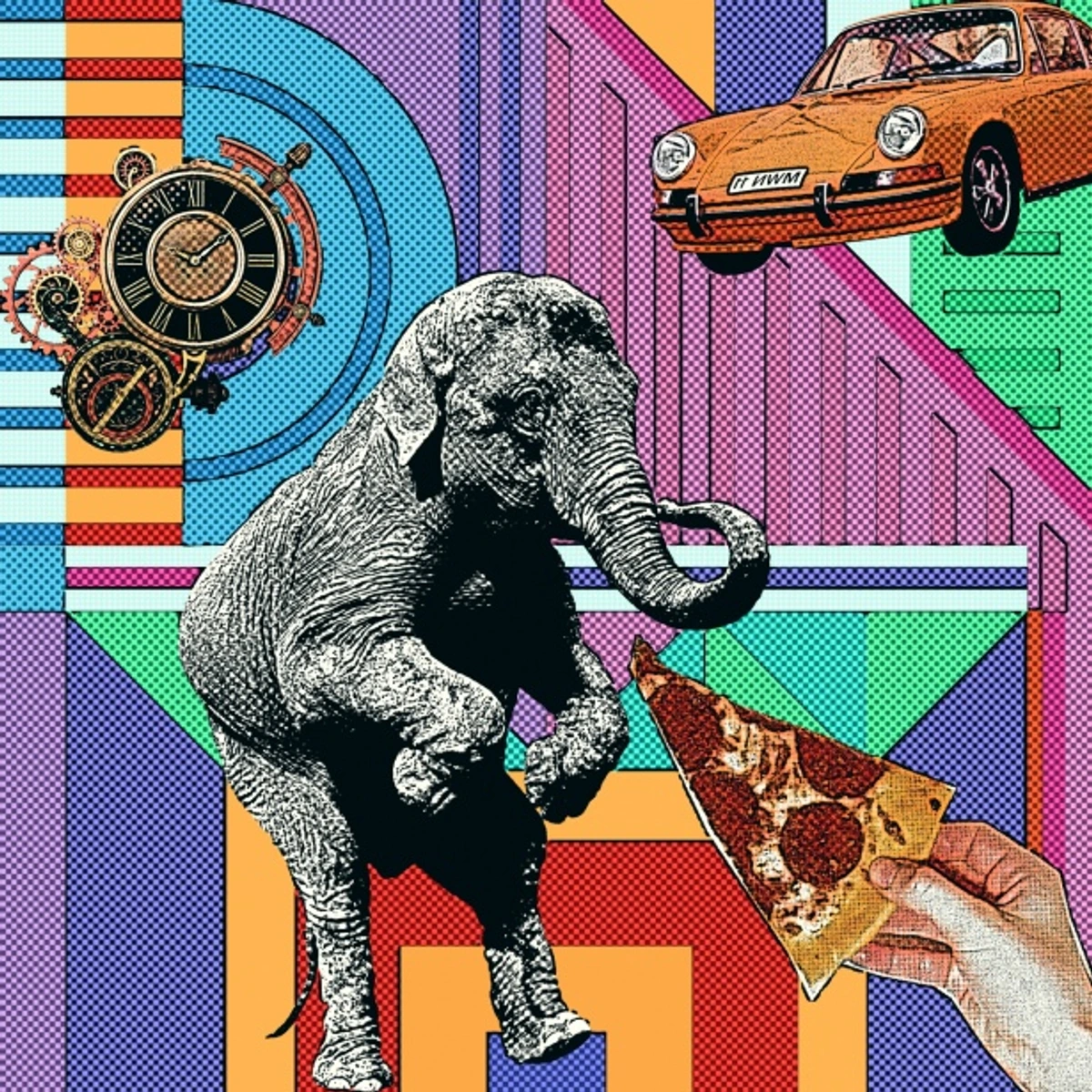
- It creates emotional resonance beyond what subject matter alone can achieve
- It turns passive viewing into active engagement as eyes follow the energy
- It communicates subtext – tension often represents underlying themes of conflict, balance, or transition
I think about the visitors at /den-bosch-museum who spend minutes with one piece. Often it’s the ones with visible tension that create that prolonged connection. There’s something about unresolved visual energy that mirrors the complexities of human experience.
Dynamic Tension Exercises for Artists
Beginner Exercises
- Two-Element Tension: Create compositions with just two elements that create tension. Experiment with different combinations.
- Color Temperature Study: Paint the same scene with different warm/cool relationships to see how tension changes.
- Scale Play: Create compositions where scale creates unexpected tension.
- Texture Contrast: Combine opposite textures in the same composition.
- Directional Force: Create movement using directional elements.
Intermediate Exercises
- Tension Layering: Combine at least three different types of tension in one composition.
- Emotional Transfer: Create art that transfers a specific emotion through tension alone.
- Negative Space as Active Element: Treat empty space as a character in your composition.
- Cultural Fusion: Combine tension elements from different artistic traditions.
- Musical Visualization: Convert music into visual tension patterns.
Advanced Exercises
- Subliminal Tension: Create tension that viewers feel but can't articulate.
- Cultural Tension: Design tension that resonates across cultural boundaries.
- Temporal Tension: Create art that reveals different tensions over multiple viewings.
- Thematic Tension Series: Create a body of work exploring tension through a single theme across multiple pieces.
- Collaborative Tension: Work with another artist to create tension between different styles.
- Installation Tension: Design tension that works in three-dimensional space.
- Digital Tension: Explore tension specifically for digital platforms and media.
- Performance Tension: Use your own body and movement to create tension.
- Generative Tension: Use algorithms to create tension that evolves over time.
- Bio-Tension: Create tension using living organisms or biological materials.
These exercises build progressively, helping you develop both technical skill and intuitive understanding of visual energy.
Isn’t tension just about making art look busy?
Absolutely not! Tension isn't clutter. In fact, some of the most powerful tension happens between very few elements. It's about energy relationships, not the number of objects. A single line can create immense tension if it's positioned aggressively against canvas edges.
How do you know when there’s too much tension?
Good question! When tension becomes exhausting instead of engaging, you’ve likely crossed the line. Signs include:
- Viewer discomfort or visual fatigue
- No resting points for the eyes
- Competing focal points that create confusion
The goal isn't maximum tension – it's effective tension. It should feel like a taut rope, not a tangled mess.
Can tension exist in minimalist art?
Hell yes! Some of my favorite tension examples are in reductionist work. Think of a single red dot in a vast white space. The tension exists in the relationship between that dot and the negative space threatening to swallow it. Less can absolutely be more when it comes to dynamic energy.
Minimalist art is actually a masterclass in tension because every element counts. There's nowhere to hide. Consider these minimalist tension techniques:
- Scale tension: One large element vs. many small ones
- Position tension: Elements placed "wrongly" according to traditional composition
- Material tension: Contrasting materials in simple forms
- Color tension: Minimal palettes with maximum impact
- Negative space tension: Using emptiness as an active, not passive, element
Artists like Agnes Martin and Donald Judd create incredible tension through simplicity. Their works feel like they're holding back immense energy, making the tension almost palpable.
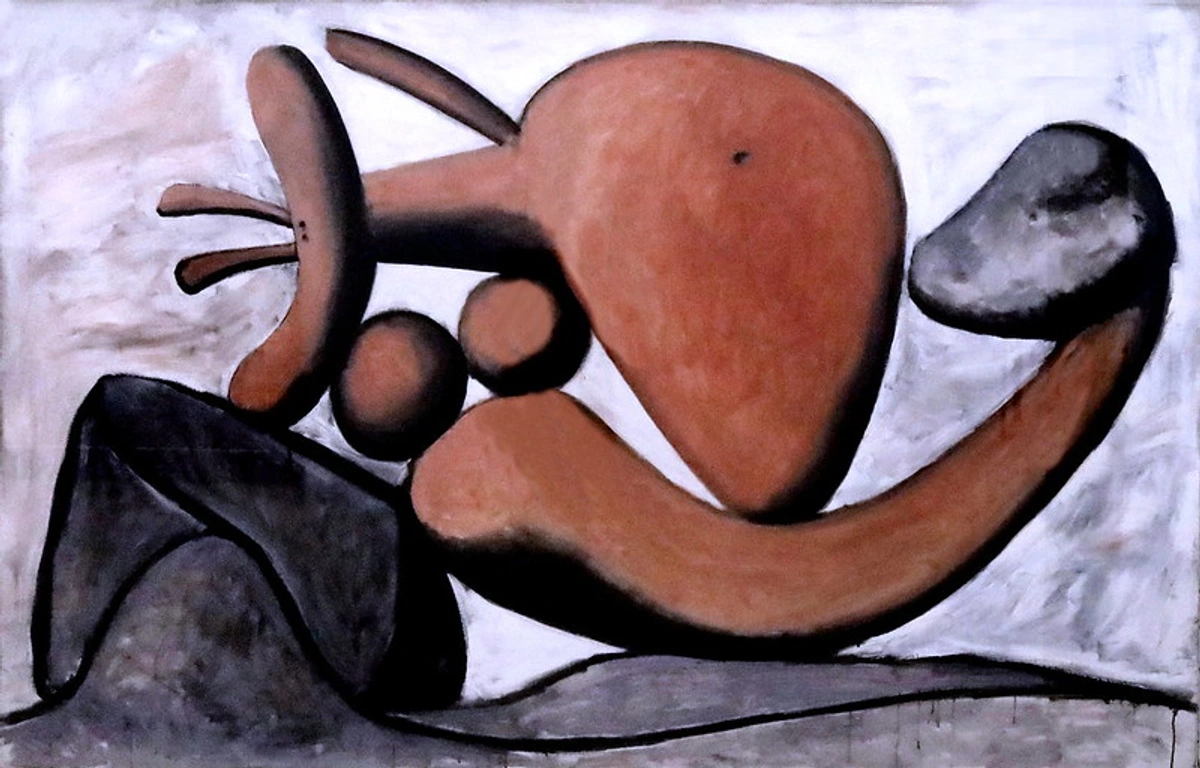
Is there a difference between tension and conflict in art?
Technically yes, though they overlap. Conflict implies opposition while tension implies potential energy from that opposition. All visual conflict creates tension, but tension can exist without overt conflict (like a color against its complementary that aren’t touching).
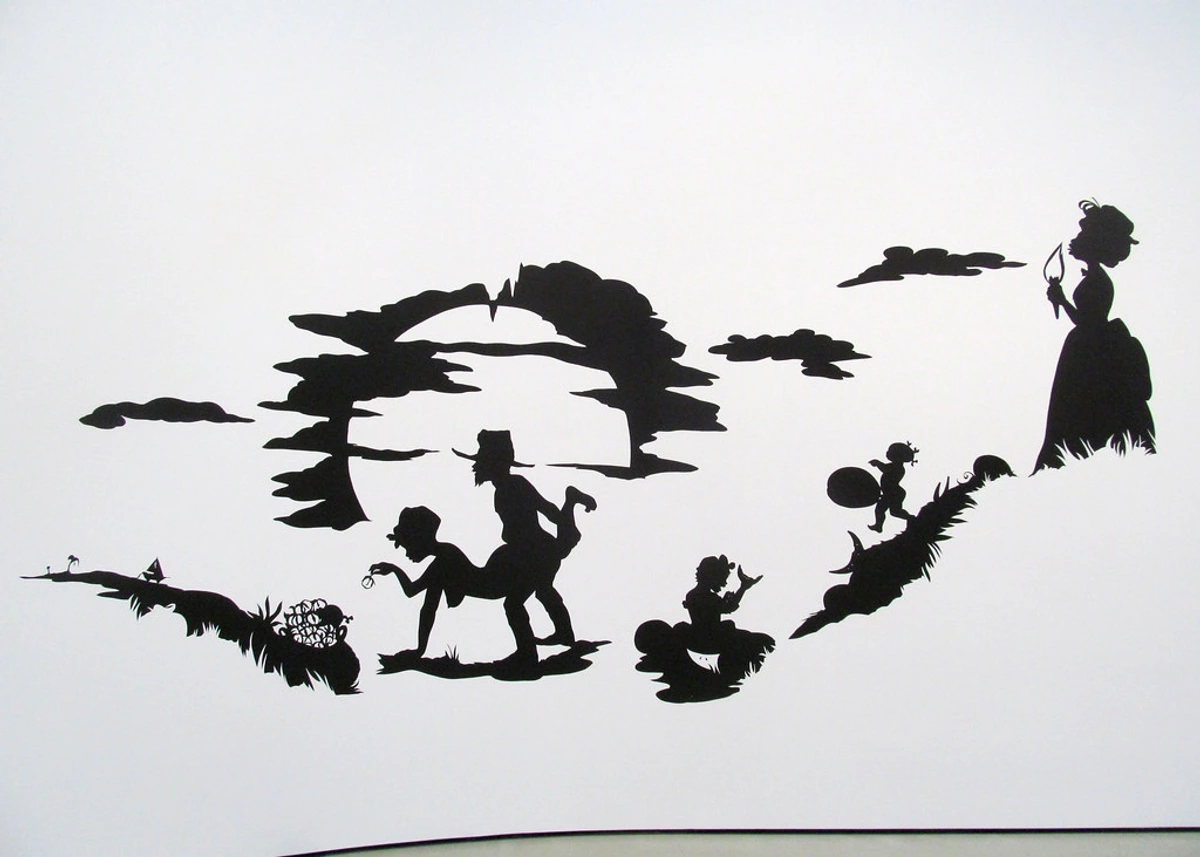
Do viewers actually "feel" this consciously?
Mostly subconsciously! Few people will walk out saying "Boy that painting had amazing dynamic tension," but they’ll leave remembering how "powerful" or "unsettling" a piece was. That visceral sensation? That’s tension doing its job behind the scenes.
Resources for Learning Dynamic Tension
Books and Publications
- "The Art of Looking" by Will Gompertz: Excellent for developing visual literacy
- "Ways of Seeing" by John Berger: Classic text on visual perception
- "Interaction of Color" by Josef Albers: Essential for color tension understanding
- "Composition: A Series of Exercises in Art Structure" by Joseph Albers: Foundational composition principles
- "The Elements of Color" by Johannes Itten: Advanced color theory for tension
- "Design and Composition" by Nathan Goldstein: Comprehensive composition guide
- "Artist's Guide to Composition" by Sally French: Practical application guide
- "Visual Intelligence" by Amy Herman: Developing visual perception skills
- "Design of Everyday Things" by Don Norman: Applied tension in design
- "Thinking with Type" by Ellen Lupton: Tension in typography and design
Online Resources
- Timeline: Explore how tension techniques evolved through art history
- YouTube channels: Channels like The Art Assignment, Art Tutorials
- Museum websites: Many offer detailed analysis of artworks
- Art forums: Communities for discussing visual techniques
- Online courses: Platforms like Skillshare, Coursera, Domestika
- Art blogs: Contemporary artists sharing their process and insights
- Digital archives: High-resolution artwork collections for study
- Instagram accounts: Artists showcasing tension techniques in real-time
- Pinterest boards: Curated collections of tension examples
- Art databases: Comprehensive collections for research
Practice Tools
- Digital art software: Programs like Photoshop, Procreate for experimenting
- Analog tools: Traditional materials for hands-on learning
- Reference collections: Building a personal library of inspiring works
- Sketchbooks: For quick tension experiments and notes
- Museum visits: Direct observation of tension in original works
- Artist residencies: Immersive learning experiences
- Workshops: Hands-on learning with experienced instructors
- Critique groups: Peer feedback on tension experiments
- Tension analysis worksheets: Structured tools for composition study
- Color harmony tools: Digital aids for exploring color relationships
Developing Your Tension Practice
Creating an effective tension practice involves several key components:
- Daily observation: Train your eye to notice tension in everyday life
- Regular experimentation: Set aside time specifically for tension exercises
- Progressive challenges: Start simple and gradually increase complexity
- Critical analysis: Study your own work and identify successful tension moments
- Peer feedback: Get input from other artists on your tension techniques
- Cross-disciplinary inspiration: Learn from music, dance, literature, and film
- Historical study: Analyze how tension techniques evolved through art history
- Cultural exploration: Study tension in different cultural contexts
- Technical mastery: Develop skills to execute your tension vision
- Personal voice: Find your unique approach to tension creation
Remember that mastery of dynamic tension comes from both study and practice. Combine theoretical knowledge with hands-on experimentation to develop your unique approach to visual energy.
Understanding dynamic tension doesn’t require a degree in art theory – just curiosity and willingness to see art as an energetic dance rather than a snapshot. Next time you’re in a gallery or scrolling online, try playing detective: :




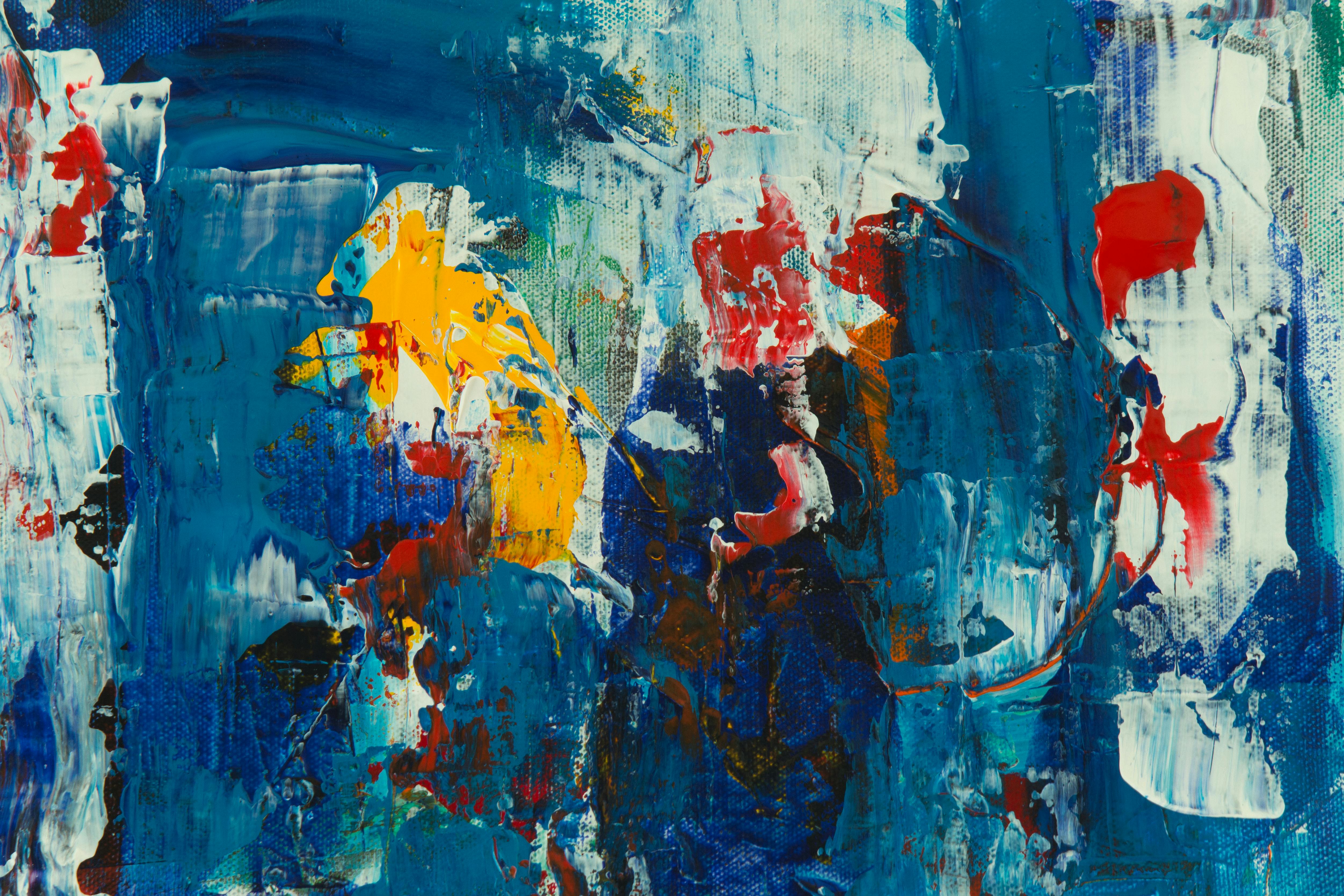


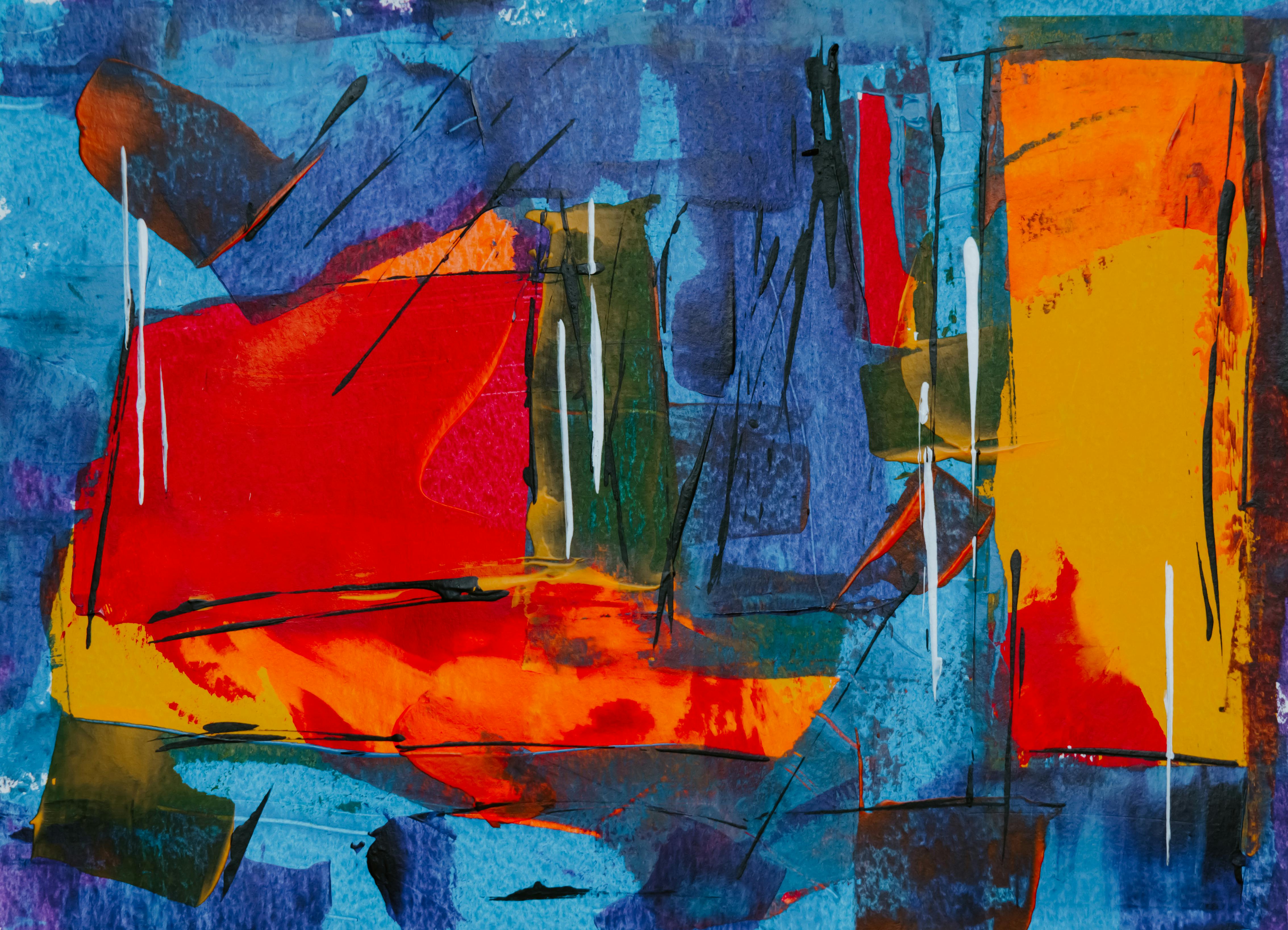


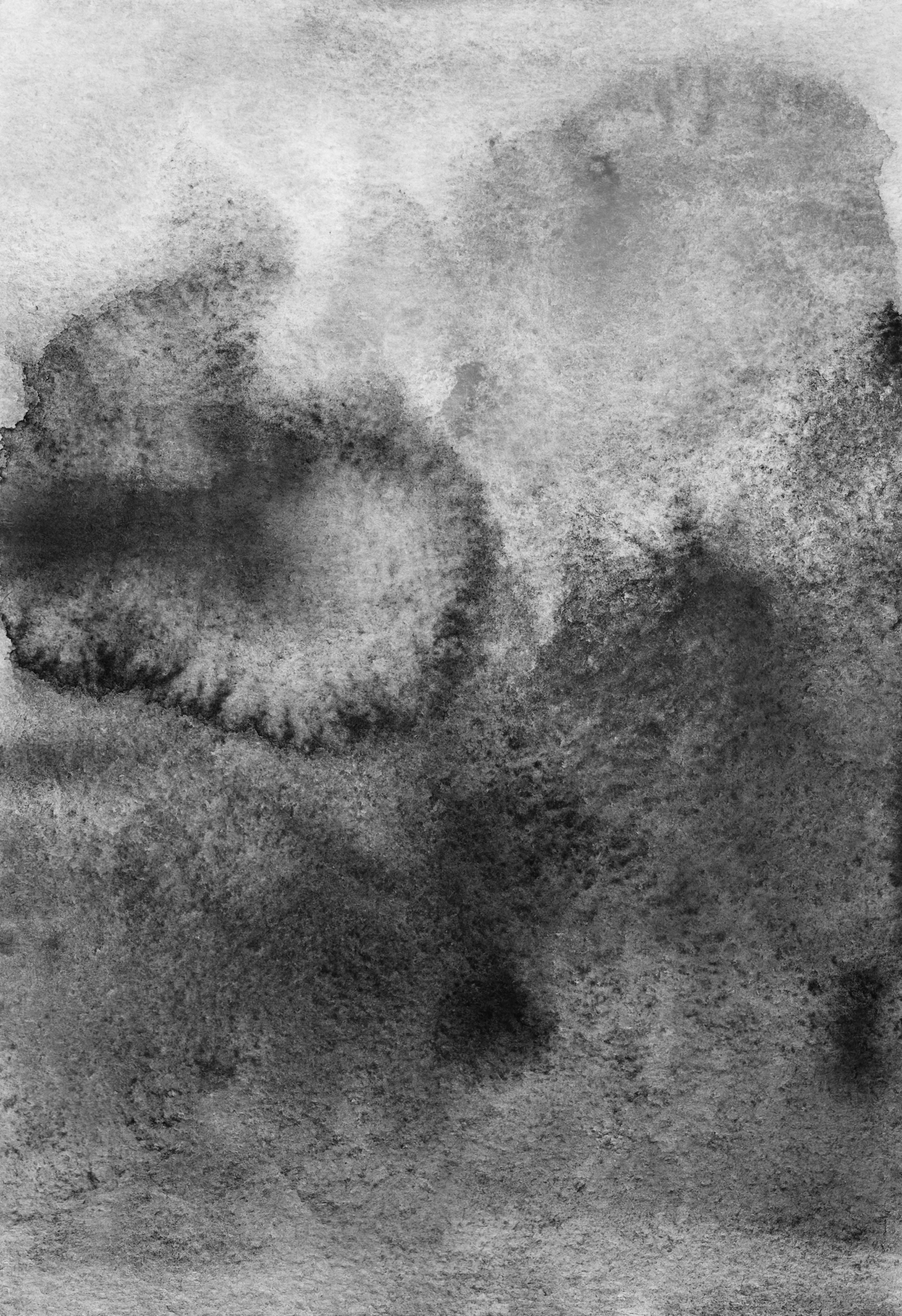

- Where are the visual push-pull points?
- Which elements are fighting for dominance?
- How does your eye move around the composition?
The most exciting part? You can experiment with this immediately Whether you’re buying prints from /buy, creating your own work, or just appreciating art with new eyes, seeing the invisible forces at play transforms how we experience creativity's deepest magic. It turns a passive hobby into an active conversation between you, the artwork, and the unspoken energy that makes great art unforgettable.