The Quest for Universal Truth in Art History
Uncover whether timeless truths exist in art history across cultures and eras. A personal exploration of shared human experiences through art.

The Quest for Universal Truth in Art History
Imagine standing before a 30,000-year-old cave painting in France. The bison isn't technically perfect, yet something in the way it charges across the rock wall makes your breath catch. Fast-forward to a Rothko canvas where bleeding rectangles of color reduce you to silence. How is it that these vastly different creations—separated by millennia and continents—can share such emotional power? I used to chalk this up to "great art," but that felt like an empty label. What if there are threads of truth woven through all human creativity, regardless of time or place?
Let me tell you about the first time I truly understood this. I was 19, wandering through the Prado Museum in Madrid, completely overwhelmed. I'd spent hours staring at Goya's dark, haunting paintings, feeling this strange weight in my chest. Then I turned a corner and was face-to-face with a small Byzantine icon from the 12th century—just painted wood and gold leaf. Yet that same feeling of looking into something profound and ancient washed over me. How could a Spanish court painter and a Byzantine monk, separated by 800 years and completely different worlds, both make me feel like I was witnessing something eternal?
That moment shattered my understanding of art. It wasn't about technical perfection or historical importance. It was about something deeper—a shared human language that transcends all boundaries. Let's unpack this together, because once you start noticing these threads, you'll never look at art the same way again.
What Do We Mean by "Universal Truth" in Art?
First off—let's dismantle the term. I'm not talking about some platonic ideal hanging in the ether waiting to be "discovered" (shudder). Instead, I'm thinking about fundamental human experiences so core to our existence that artists across cultures find ways to express them. Think birth, death, love, loss, connection to nature, or the struggle with the divine. These aren't abstract concepts; they're bones rattling inside our ribcages.
Think of it like this: A musician in Bali, playing a gamelan, and a punk band in London both know what it feels like to create catharsis through sound. The tools (instruments, distortion pedals) are wildly different. The intent might be spiritual or rebellious. But the shared human impulse to translate inner turmoil into something external? Identical. That's the kind of "truth" we're chasing—not a single answer, but a shared language.

Where Might These Threads Appear?
Here's where it gets deliciously messy. Universality rarely announces itself with a trumpet fanfare. It hides in plain sight.
1. The Body as Vessel, Canvas, and Battleground
Look at how artists treat the physical form:
Culture/Era  | Artwork Example | "Universal" Element Expressed |
|---|---|---|
| Ancient Greece | Venus de Milo | The timeless pursuit of beauty and harmony |
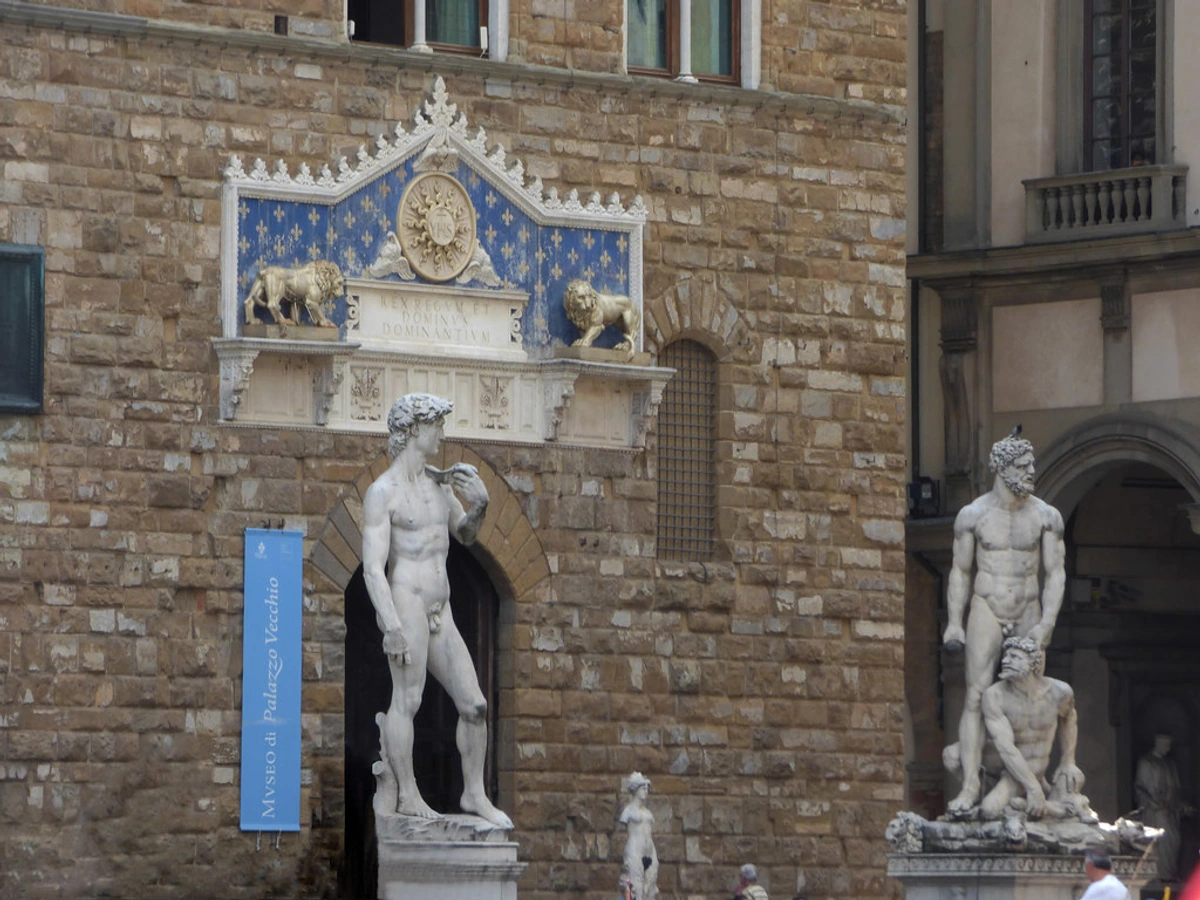
| Renaissance | Michelangelo's David | Human potential and idealized physical perfection |
| Contemporary | Jenny Saville's portraits | The raw, complex reality of flesh and identity |
Did the sculptor of Venus and Jenny Saville share a worldview? Absolutely not. But both grappled with how the human body signifies worth, vulnerability, and aspiration. Your body is you, and that's universal.

2. Landscapes: More Than Just Background
Ever notice how nature speaks the same emotional language everywhere? A stormy seascape by Turner and a minimalist Japanese ink wash painting (sansui) might use opposite techniques. Yet, both convey human insignificance against vast, indifferent forces. Feel that tingle of awe? That's a universal truth of being a small creature on a big planet.
3. Abstraction: The Shape of Feeling
This is where it gets trippy. Take Georgia O'Keeffe's flower close-ups vs. Mark Rothko's color fields. One zooms into the sensual details of a petal; the other dissolves into pure hue. Yet both can evoke transcendence, the sacred, or overwhelming emotion. How? By bypassing literal representation and speaking directly to the nervous system. That's a universal handshake between artist and viewer.
The Big Hurdle: Is Universality Just Colonial Glasses on?
Here’s the confession: My initial glee at finding "universal truths" felt naive later. Who decides what's "universal"? Historically, Western tastes dominated the conversation. Was Botticelli's Birth of Venus truly speaking to universal ideals, or was it reflecting a very Renaissance Italian viewpoint?
This is where healthy skepticism is crucial. I used to get frustrated when someone dismissed an artwork as "not universal." Now I see it differently: Universality isn't about finding art that everyone loves identically. It's about recognizing shared human impulses expressed through wildly different cultural filters.
Think of it like food. Sushi and tacos are fundamentally different. One involves raw fish and rice; the other tortillas and spiced meat. But both tap into the universal human joy of a shared meal, satisfying hunger, and cultural celebration. The impulse is shared; the expression is unique.
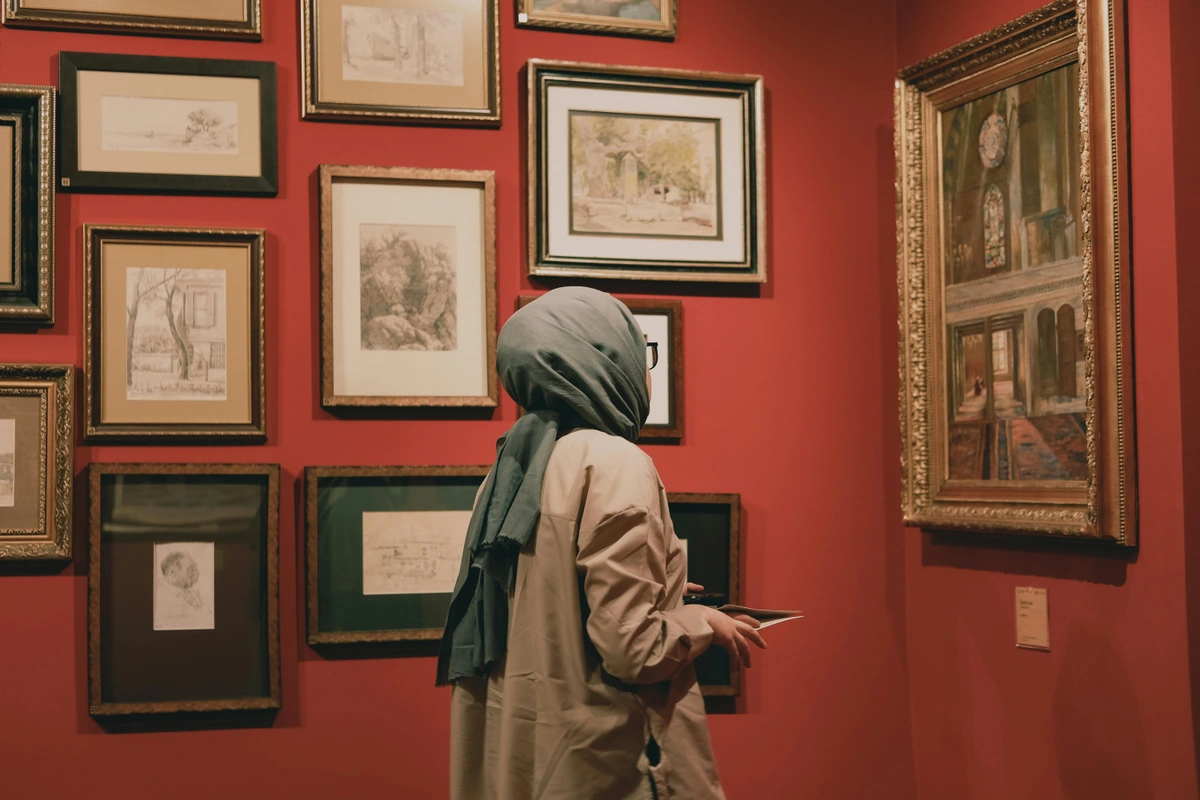
How to Spot Those Threads Yourself (Without Getting Academic)
Forget jargon. Approach art like a detective of your own soul:
- Ask "Why does this resonate?": Don't ask "Why is this considered great?" Ask "Why does this hurt me?" or "Why does this feel like home?" The answer often points to a shared human experience (grief, hope, wonder).
- Look for the Absurd: Often, universal truths are revealed through humor, satire, or the grotesque. Think Goya's nightmare visions or Kusama's polka dots. They express anxieties about power, mortality, or madness we all feel.
- Seek Patterns: Does a theme (the mother, the journey, the shadow) keep appearing across cultures and eras? That's not coincidence. That's humanity telling itself the same story in a thousand dialects.
FAQ on Universal Truths & Art History
Q: Aren't all truths relative? Isn't talking about "universal" art just imposing Western standards? Great question. And you're right to be wary! Universality doesn't mean art from every culture must look the same or be valued equally. It means recognizing that the impulse to create—to make sense of existence, to mourn, to celebrate, to question—is a shared human drive, regardless of the style. It's about finding common ground in the why, not the how.
The key is to approach other cultures' art with humility rather than judgment. Instead of asking "Does this fit my definition of great art?" ask "What fundamental human experience is this artwork trying to communicate?"

Q: So, non-Western art isn't "universal"? On the contrary! Non-Western art often provides the clearest lens for universality precisely because it challenges our Western assumptions. The intricate geometry of Islamic tilework, the spiritual depth of Aboriginal Dreamtime paintings, or the dramatic narratives of African masks—all express core human concerns (divine connection, ancestry, the spirit world) through completely different visual languages. Expanding what we consider "great art" is how we truly find universal threads.
Consider the example of Islamic geometric patterns. To a Western eye, they might seem purely mathematical or decorative. But for Islamic cultures, they represent the infinite nature of God and the order of the universe—a profound spiritual truth expressed through visual language. This universality isn't about the style being "better" or "worse" than Western art; it's about both expressing fundamental human questions about existence.
Q: What about modern/contemporary art? Is there anything "universal" there? Absolutely. In fact, contemporary art often grapples with universality in powerful new ways. Think of Ai Weiwei's political sculptures addressing global human rights, or Shirin Neshat's explorations of femininity across cultures. They directly confront shared global issues—from migration to digital identity—making the universal explicitly political and urgent.
Contemporary artists are also finding new ways to express universal truths through digital media. Virtual reality installations, AI-generated art, and internet-based performances all explore timeless human themes (isolation, connection, identity) through cutting-edge technology. The medium changes, but the fundamental human concerns remain the same.
Q: Is there any art that hasn't been influenced by universal human experience? Highly debatable! Even the most radically conceptual work or the most ornate decorative art is created by humans with bodies, emotions, and societies. Context shapes expression, but the underlying humanity is the constant. The closest we get might be pure, unrecognizable abstraction—but even that is an attempt to communicate an internal state, a fundamentally human drive.
Even art that seems purely decorative or functional, like textile patterns or architectural ornamentation, often carries universal meanings—protection, prosperity, harmony, or connection to ancestors. These concerns are universal, even if their specific visual expressions are culturally unique.
Q: How does the digital age affect universal truths in art? The digital age has both expanded and complicated our understanding of universal truths in art. On one hand, social media and the internet have made art from all cultures more accessible than ever before. We can now see how artists worldwide are responding to shared global challenges like climate change, political polarization, and technological change.
On the other hand, digital art often questions traditional notions of originality, permanence, and physical presence—challenging our understanding of what art "is" in fundamental ways. Yet even these questions touch universal human concerns about identity, legacy, and what makes something meaningful.
Q: Can something be both culturally specific and universally understood? Absolutely! This is perhaps the most important insight about universal truth in art. The most powerful artworks are often those that are deeply rooted in their specific cultural context yet speak to universal human experiences.
Think of Frida Kahlo's paintings. They're intensely personal and specifically Mexican, dealing with her physical pain, identity as a woman, and connection to Mexican culture. Yet they resonate universally because they express fundamental human experiences: suffering, resilience, the search for identity, and the complexity of human relationships.
The same is true of James Baldwin's writing, Bob Marley's music, or Yayoi Kusama's installations. They draw from their specific cultural experiences to create work that speaks to universal human truths. This is where true magic happens in art—when the particular becomes universal.
Q: How do I avoid cultural appropriation when exploring universal themes in my own art? This is an important ethical question. The key difference is respect versus exploitation. When exploring universal themes, the goal should be to understand and honor the cultural context rather than simply borrowing surface-level elements for personal gain.
Some guidelines:
- Educate yourself—learn about the cultural significance of the elements you're using
- Credit your sources—acknowledge the cultural origins of your influences
- Collaborate rather than appropriate—work with artists from the culture you're inspired by
- Focus on understanding—not just copying—meaning and context
- Ask permission—when possible, seek guidance from cultural elders or community members
The goal isn't to avoid cultural influences entirely—that's impossible and undesirable. The goal is to approach them with respect, understanding, and humility, recognizing that universal truths can be expressed through many different cultural languages.
Final Thought: The Truth is in the Connection
So, do universal truths exist in art history? I believe so, not as dusty rules to memorize, but as living connections between us and creators across time. They aren't in perfect symmetry or flawless technique (thank goodness!). They're in the gut punch of a Caravaggio chiaroscuro, the serene emptiness of a Zen garden, the defiant energy of street graffiti.
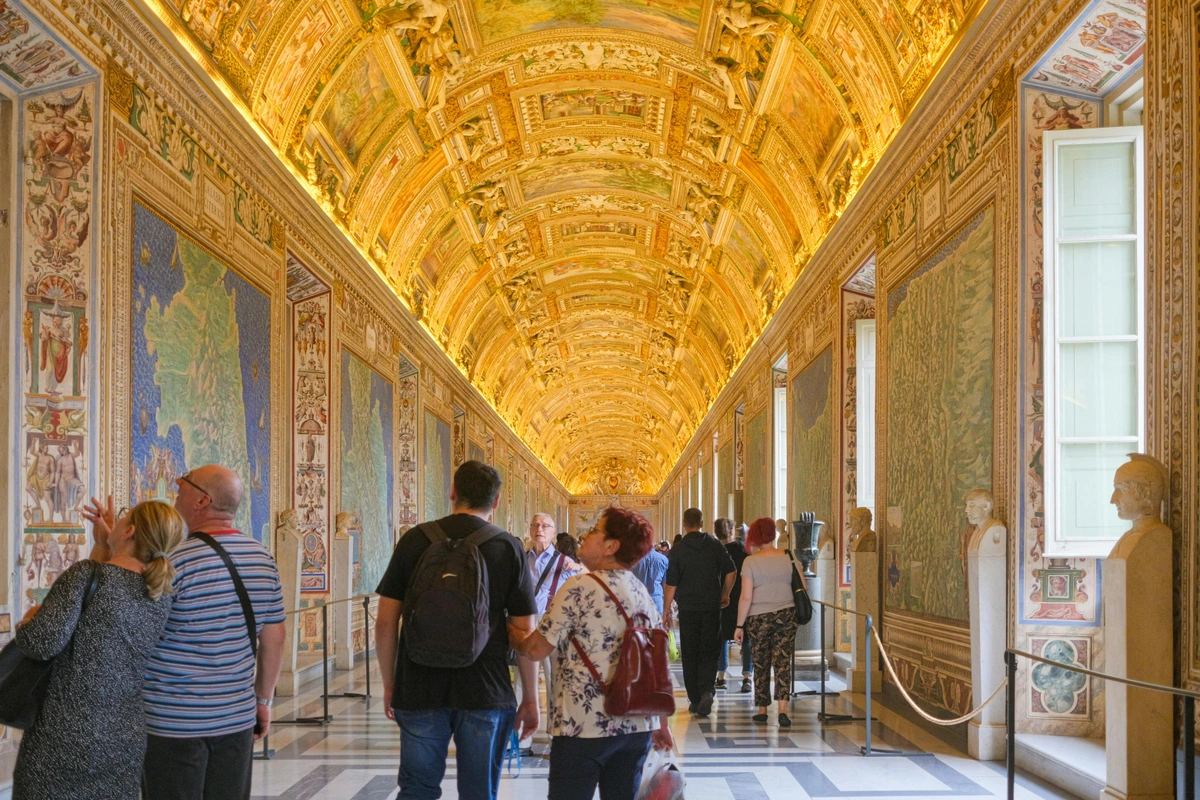


The next time you stand before a piece of art—whether it's in a museum on your timeline or a print in your home—don't just look at it. Listen. What ancient echo is bouncing back to you? What part of you does it recognize? That's the universal truth in action: Art doesn't just show us the past; it proves how much we still have in common with it.
I'll leave you with this challenge: Start keeping an "art journal." When you encounter artwork that moves you, don't just take a photo—write down what you feel, what memories it triggers, and what questions it raises. Over time, you'll start noticing patterns in what resonates with you, revealing your own personal connections to universal human experiences.
Remember, the quest for universal truth in art isn't about finding definitive answers. It's about asking better questions, staying curious, and recognizing that in the vast, messy, beautiful world of human creativity, we're all more connected than we sometimes realize.
Now go find some art that makes you feel something. That's where the real conversation begins.