What is the Venus de Milo? Unraveling the Mystery of an Ancient Masterpiece
Ever wondered about the armless wonder? Dive into the fascinating history, enduring mystery, and profound artistic significance of the Venus de Milo, one of the world's most iconic ancient Greek sculptures, housed in the Louvre Museum.

The Venus de Milo: Unraveling the Enigma of an Ancient Masterpiece – The Ultimate Comprehensive Guide to Its History, Meaning, and Enduring Allure
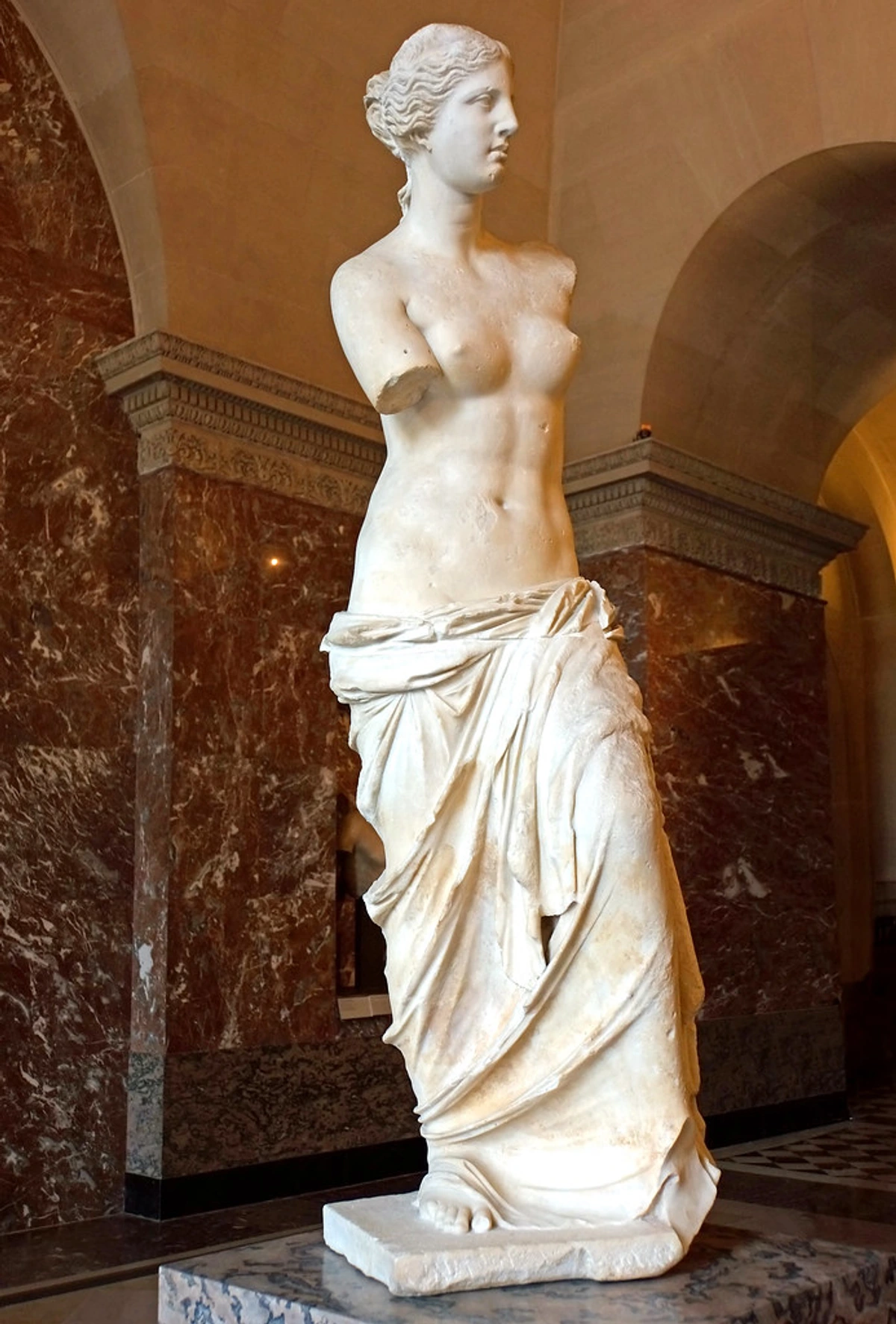
There are some artworks that simply defy easy answers, aren't there? Pieces that grab you by the soul and pull you into a world of profound mystery, whispering secrets across the vast expanse of time. For me, the Venus de Milo is precisely that kind of masterpiece. You know her, don't you? The iconic, armless marble goddess, serene and enigmatic, holding court in the hallowed halls of the Louvre. But she's so much more than just a famous statue; she's a global emblem of classical beauty, an enduring testament to the allure of the unknown, and for any artist, a constant, powerful reminder that sometimes, the most profound artistic statements are found in what's not explicitly shown. Her majestic presence permeates popular culture, influencing everything from haute couture to ubiquitous internet memes, unequivocally proving that her ancient form continues to speak to modern sensibilities, captivating millions worldwide and bridging the chasm of millennia, inviting our active, imaginative participation. She's a compelling conversation starter, an art historical cold case, and an eternal muse all rolled into one magnificent form.
Today, I want to embark on an exhaustive, perhaps even slightly obsessive, exploration into what makes this particular piece so utterly captivating. Consider this your absolute ultimate guide, meticulously crafted for you, the discerning art enthusiast, or perhaps just the curious soul who, like me, loves a good mystery. We'll meticulously unravel everything from its dramatic, almost serendipitous discovery on a small Greek island – a territory strategically nestled under weakening Ottoman rule and rife with geopolitical intrigue – to the centuries-long debates about its enigmatic missing limbs, its profound and far-reaching artistic influence on subsequent art movements, and why, after over two millennia, she continues to hold us in her profound thrall. Trust me, this isn't merely a factual recount; it's an immersive journey through history, intricate art analysis, and a healthy dose of tantalizing detective work. For me, that's truly the best kind of journey, especially when you, the viewer, become an integral part of its ongoing interpretation! This isn't just an article; it's your definitive, unparalleled exploration into the enduring legacy of a timeless masterpiece that continues to defy easy answers and, frankly, keeps us all coming back for more.
Why the Venus de Milo Continues to Fascinate: A Snapshot
Before we dive into the nitty-gritty, let's quickly frame why this particular sculpture, despite its age and a few missing parts, remains an undisputed global icon. For me, it boils down to a few core truths that resonate across time and cultures:

- Universal, Timeless Beauty: She embodies an idealized female form, a vision of profound grace that effortlessly transcends specific cultural and temporal boundaries, feeling both deeply ancient and eternally modern. This isn't merely surface-level attractiveness; it speaks to a deeper, almost archetypal aesthetic perfection, universally recognized and deeply felt across humanity, making her a benchmark for beauty itself.
- The Unifying Power of Mystery: Her missing arms, far from being a flaw, are arguably her greatest gift. They transform a perceived absence into an active, irresistible invitation for profound contemplation, making us all active participants in her ongoing, unfinished story. It’s an enduring puzzle without a definitive answer, which, paradoxically, makes her exponentially more compelling, more alive, and more personally resonant in our collective imaginations. This ambiguity fosters a deeper, more enduring engagement than any definitive pose ever could. It allows for an endless array of interpretations, making her a mirror for our own desires and assumptions about beauty and narrative.
- Unparalleled Artistic Mastery: The sheer virtuosity of craftsmanship evident in this Parian marble is an astonishing testament to ancient Greek ingenuity. It showcases a sculptor's profound, almost innate understanding of form, texture, and the nuanced complexities of the human body. Just observe how the light playfully catches her exquisitely draped fabric, revealing its delicate folds and shadows; it’s pure, breathtaking genius rendered in stone, a testament to an artist's ability to imbue cold material with pulsating life. The meticulous attention to anatomical detail, combined with the elegant rendering of drapery, highlights the advanced techniques available to Hellenistic sculptors, pushing the boundaries of what was thought possible in stone.
- Profound Historical Significance: She offers an undeniable, tangible link to the vibrant, transformative Hellenistic period, a crucible of unparalleled artistic innovation that fundamentally redefined the boundaries of aesthetic expression and philosophical thought in the ancient world. Standing before her, one can almost feel the resonant whispers of millennia of history, connecting us directly to a foundational era of Western civilization. Her discovery itself was a significant historical event, reflecting the burgeoning archaeological interests of 19th-century Europe and the fierce competition among nations for cultural prestige.
- Ubiquitous Cultural Icon: Her instantly recognizable image pervades popular culture globally, a silent yet powerful testament to her enduring resonance and adaptability. From high fashion editorials gracing glossy magazines to viral internet memes playfully subverting classical ideals, she’s an incredibly versatile symbol, irrefutable proof that true artistic power can effortlessly leap across millennia and still feel utterly, refreshingly relevant and contemporary. This pervasive cultural presence ensures her story continues to be told and reinterpreted by each new generation, cementing her status beyond a mere artwork to a true global phenomenon.
Now, are you ready to embark on this journey? Let's unravel the enigma that is the Venus de Milo. I promise you, it's more than just pretty marble; it's a profound narrative etched in stone, waiting for us to decipher its many layers.
The Discovery: A Serendipitous Find on a Small Island, Wrapped in Geopolitical Intrigue
Imagine stumbling upon a masterpiece that would not only redefine Western ideals of beauty but also ignite centuries of fervent artistic and academic debate. That's precisely what transpired in 1820 on the captivating Greek island of Milos (hence its iconic moniker, "de Milo"), a strategically vital territory then languishing under the weakening grip of the Ottoman Empire. Milos was no ordinary island; its pivotal location in the Aegean Sea made its control a constant point of geopolitical contention among European powers, and its ancient ruins were a known, albeit largely untapped, trove of forgotten treasures. A local farmer, Yorgos Kentrotas, was reportedly engaged in the mundane task of searching for stones for his farm when he made this astonishing discovery: an incredible marble sculpture, not intact, of course, but unearthed in several large pieces. Alongside the main body, other fragments were found, crucially including a plinth with a Greek inscription and possibly parts of an arm. Can you even begin to picture that electrifying moment? The sheer, raw serendipity of unearthing such an unparalleled treasure? One minute digging for prosaic building materials, the next standing face-to-face with a goddess whose silent gaze would haunt art historians and captivate millions for centuries. It’s a foundational narrative almost as dramatic and complex as the statue itself, hinting at both the inherent fragility and the enduring, transformative power of ancient creations. This wasn't merely a casual find; the area surrounding the ancient city ruins of Milos, near the village of Tripiti, was already recognized as an archaeological hotbed, though countless more treasures lay hidden beneath generations of accumulated earth and forgotten histories. This fertile ground for discovery meant that the island had long been a target for antiquarians and treasure hunters, setting the stage for the dramatic events to come. It’s a classic tale of unexpected fortune meeting a fertile historical landscape.
This wasn't just any find; it was a truly monumental, exquisitely carved marble statue, broken yet remarkably preserved, hinting at an unparalleled craftsmanship that immediately proclaimed its profound importance. Word of the discovery rapidly spread like wildfire, quickly attracting the attention of French naval officer Olivier Voutier, who, while exploring ancient sites, possessed a remarkably keen eye for antiquities, often acquiring smaller pieces for his personal collection. Voutier, with his astute understanding of the art market and political climate, immediately recognized its immense artistic and strategic value. He was well aware that the French government, still smarting from the forced restitution of countless artworks looted during the Napoleonic wars, was desperately eager to replenish their national collections with prestigious classical works. What ensued was a dramatic, frequently debated, and undeniably chaotic "scramble" for the statue. The French contingent, spearheaded by Voutier, then officer Jules Dumont d'Urville, and ultimately diplomat Marquis de Rivière (who orchestrated the final, delicate acquisition), meticulously negotiated its purchase. This negotiation transpired amidst fierce, almost desperate competition from other ambitious European powers and, crucially, understandable local resistance from the Milian authorities who initially harbored a strong desire to retain this national treasure on their island. Historical accounts vary wildly, from a seemingly straightforward purchase agreement to alleged bribery, and even whispers of a brief, tense skirmish on the shore as the statue was loaded. Regardless of the precise, often murky, details, the acquisition involved considerable intrigue, some alleged double-crossing, and certainly a perilous journey by sea to France, reportedly stowed precariously aboard the French schooner Estafette. This entire tumultuous episode, for me, adds yet another profound layer to its enduring mystique; it wasn't just found, it was wrestled into global prominence, embodying the intense geopolitical currents and burgeoning museum rivalries of the 19th century, a tangible, highly coveted prize in the post-Napoleonic quest for national prestige and cultural supremacy. It reflects a period of intense imperial competition, where cultural artifacts became symbols of national power and intellectual superiority.

Key Facts About the Discovery:
Feature  | Detail | Elaboration / Significance |
|---|---|---|
| Date | April 8, 1820 | This remarkably precise dating, quite unusual for archaeological finds often inferred from historical documents relating to its acquisition rather than the excavation itself, paints a vivid picture of the early 19th-century context, a period when European powers were intensely and competitively engaged in archaeological pursuits across the Mediterranean. It speaks to the burgeoning field of archaeology as a tool for national pride, a veritable race for cultural treasures. This specific date also grounds the discovery in a particular moment, allowing us to contextualize the historical forces at play. |
| Discoverer | Yorgos Kentrotas, a local farmer | His accidental discovery profoundly underscores how many masterpieces throughout history have been unearthed through sheer chance by ordinary individuals, living their everyday lives. It’s a truly romantic notion, isn’t it? An everyday act revealing something of utterly extraordinary, timeless significance. His discovery inadvertently placed him at the center of an international cultural event, a moment of profound serendipity that forever changed his life and the course of art history. It's a testament to the idea that beauty can be found in the most unexpected places. |
| Location | Ancient city ruins on Milos, near the village of Tripiti | Milos, a jewel within the Cyclades island group, was an exceptionally important maritime and cultural center in antiquity, brimming with unrevealed archaeological potential. The precise location of her discovery strongly hints at a once-thriving urban center or a significant public sanctuary where such a monumental and exquisite statue would have held profound religious or civic significance. The ruins of the ancient city of Melos (modern-day Klima) were known for temples, a theatre, and a gymnasium, all potential sites for such a grand sculpture. |
| Initial State | Found in two main pieces (torso, draped lower body) plus fragments (e.g., part of a left arm holding an apple, a plinth with an inscription) | Crucially, these accompanying fragments, particularly the plinth bearing the sculptor's name and what was reported to be an arm, mysteriously disappeared or were possibly discarded amidst the chaos and political maneuvering of the acquisition. This profound loss of evidence continues to fuel the enduring mystery of its original form and intended attributes. This 'initial state' is the unequivocal key to all subsequent, centuries-long debate about her missing arms. The immediate loss of these contextual pieces makes scientific reconstruction extraordinarily challenging. |
| Key Players | Yorgos Kentrotas (local farmer), Olivier Voutier (French naval officer), Jules Dumont d'Urville (French officer), Marquis de Rivière (French ambassador), Louis XVIII (King of France) | These pivotal individuals, from the humble accidental discoverer to the high-ranking French officials, played intricate and decisive roles, highlighting the fascinating, often contentious, convergence of local life and burgeoning imperial ambitions, and the intensely competitive nature of 19th-century European powers vying for cultural treasures. The involvement of King Louis XVIII himself underscores the high stakes of this acquisition. |
| Political Context | Milos was under Ottoman rule; French officials sought to acquire it for the Louvre, fueled by post-Napoleonic cultural aspirations. | The Ottoman Empire's tenuous control over Milos added a significant layer of geopolitical complexity and urgency to the acquisition. France, still reeling from the forced restitution of numerous looted artworks in the wake of the Napoleonic wars (especially from Italy, impacting the Louvre's collections), was desperately eager to bolster its national cultural prestige on the international stage with a truly prestigious Greek antiquity. This fraught political context vividly explains much of the 'scramble,' the clandestine negotiations, and the fervent urgency of the French efforts to secure the statue for their national collection, transforming it into a diplomatic prize. |

A Snapshot of its Vital Statistics: Beyond the Basic Facts
Let's get some basic facts straight, but then let's dig a little deeper, because even the simple details have layers, don't they? It's like looking at a beautifully faceted gem; the surface is captivating, but the internal structure reveals so much more. Knowing these helps ground the grand narratives and allows us to appreciate the sheer craftsmanship and the historical context that birthed such a marvel. Here’s a quick rundown of what we know about the Venus de Milo, and why each point matters:
Feature | Detail | Elaboration / Significance |
|---|---|---|
| Sculptor | Widely attributed to Alexandros of Antioch | An inscription on the now-lost plinth, which disappeared shortly after its discovery, strongly suggested this name. This provides a rare, albeit debated, link to a specific artist in an era where many sculptors remain anonymous. While Alexandros himself remains somewhat enigmatic, art historians believe he was a highly skilled sculptor from Antioch on the Maeander (a region in modern-day Turkey), working within the rich tradition of Hellenistic masters. This crucial attribution places its creation firmly in the dynamic Hellenistic period, significantly challenging the earlier anonymity of many monumental Greek sculptures and giving us a rare glimpse into the identity of an ancient artistic genius. |
| Original Name/Title | Aphrodite of Milos | While universally known today as 'Venus de Milo' (employing the Roman name for the goddess), its original Greek designation was almost certainly 'Aphrodite of Milos,' honoring both the revered deity and the sacred island of its discovery. This dual naming convention itself beautifully reflects the intertwining of foundational Greek artistic heritage and later, pervasive Roman cultural influence, a common phenomenon in classical art history. This highlights the complex cultural exchange between Greece and Rome. |
| Date | Estimated between 130 and 100 BCE | This precise timeframe, situated in the Late Hellenistic era, a period immediately following the tumultuous death of Alexander the Great, was an unparalleled crucible of artistic innovation and profound cultural shifts. This era saw a significant divergence from the serene, often rigid, idealized forms characteristic of earlier Classical Greek art, boldly embracing dramatic expression, heightened emotional intensity, and a burgeoning sense of realism. This specific dating is unequivocally crucial for understanding its distinctive stylistic characteristics and its revolutionary place within the broader tapestry of art history, marking a departure from earlier artistic conventions. |
| Period | Late Hellenistic Period | This transformative period is emphatically characterized by a profound and deliberate shift towards dynamic movement, overt emotional intensity, and a more naturalistic, almost theatrical, (though still remarkably idealized) representation of the human form. It was an era defined by vast cultural expansion, reflecting a world far more complex, diverse, and interconnected than the relatively insular city-states of the Classical age, fostering new, more diverse patrons and a dramatically broader artistic palette for expression. The influence of Eastern cultures also played a role, adding richness and diversity to artistic themes and styles. |
| Material | Parian Marble | A highly prized, fine-grained, pure white marble from the Greek island of Paros, renowned for its exceptional luminosity and semi-translucent quality. Sculptors adored it because it allowed for incredibly smooth finishes and delicate details, giving the illusion of soft skin and flowing fabric – a perfect medium for the sensual forms of the Hellenistic period. Its brilliance helps the statue seemingly glow from within, creating a lifelike quality that enhances its allure. This marble was considered the gold standard for Greek sculpture, allowing for the subtle plays of light and shadow that define the Venus de Milo's form. |
| Height | Approximately 6 feet 8 inches (2.03 meters) | Her truly monumental size adds immeasurably to her imposing and divine presence, making her feel profoundly larger than life and ensuring she would unequivocally dominate any space she occupied. This impressive scale was typically reserved for grand cult statues or significant public monuments of paramount importance, intrinsically signifying her elevated status within ancient Greek society. This monumental scale emphasizes her divine status and intended public display. |
| Key Pose | Gentle Contrapposto | This fundamental, naturalistic pose, where the body's entire weight subtly shifts to one leg, thereby creating a gentle, elegant S-curve, imparts a palpable sense of dynamic motion and relaxed elegance. This fluid stance is a definitive hallmark of Hellenistic naturalism. It makes her feel less like a rigid, static idol and more like a living, breathing, profoundly graceful being, caught in a momentary pause. This masterful use of contrapposto contributes significantly to her timeless appeal and sense of naturalism. |
| Subject | Aphrodite / Venus | The Greek goddess of love, beauty, pleasure, and procreation, whose stories of passion, rivalry, and extraordinary influence are central to understanding the statue. She embodies both idealized physical beauty and the untamed forces of desire and fertility, a complex and powerful deity. Her depiction reflects the Hellenistic period's preference for a more humanized and emotionally resonant portrayal of the gods. |
| Original Context | Likely a prominent cult statue in a public niche or sanctuary | While its precise original context remains somewhat speculative, her monumental size and exquisite craftsmanship unequivocally suggest a highly prominent public display, quite possibly within an agora (marketplace), a gymnasium, or a sacred precinct specifically dedicated to Aphrodite. Such statues were never merely decorative; they served as profound focal points for public worship, expressions of civic pride, and were often believed to physically embody the very presence of the deity herself, serving as an axis mundi for the community. The discovery site's proximity to ancient city ruins supports this theory. |
| Current Home | The Louvre Museum, Paris, France | Housed today in her own dedicated gallery, she is unquestionably one of the museum's undisputed crown jewels, drawing millions of awe-struck visitors annually. Her remarkable journey from a forgotten corner of Milos to the hallowed halls of Paris is a powerful testament to her enduring, almost mystical power and the Louvre's unparalleled status as a preeminent global art institution, a pilgrimage site for art lovers worldwide. Her presence elevates the Louvre's collection of classical antiquities. |
It's mind-boggling to think about something crafted over 2,000 years ago still standing so majestically today. It makes you reflect on the enduring nature of human creativity, doesn't it? The ability of artists to imbue cold stone with such palpable life, a quality that transcends the passage of time. This connection to a distant past, a tangible link to the minds and hands of ancient artisans, is one of the most powerful aspects of experiencing a work like the Venus de Milo. The choice of material, as seen with Parian marble, was never arbitrary; it was a deliberate artistic decision to evoke specific qualities and enhance the sculpture's impact. This deep understanding of sculpture materials is a hallmark of truly masterful craftsmanship.
Aphrodite Unveiled: The Goddess Behind the Marble – Beyond Idealized Beauty
To truly appreciate the Venus de Milo, we need to understand the deity she embodies: Aphrodite, the Greek goddess of love, beauty, pleasure, and procreation (known as Venus in Roman mythology). Her myths are as captivating and complex as the statue itself, reflecting the full spectrum of human emotions and desires. The ancient Greeks offered two main accounts of her birth: either she emerged miraculously from the sea foam (born from the castration of Uranus, as famously depicted in Botticelli's iconic Renaissance painting, though centuries later) or she was the daughter of Zeus and Dione. Both origins underscore her primal power – either born of cosmic forces or divine lineage, making her a goddess of immense significance from the very beginning. This dual origin narrative highlights the various theological interpretations within ancient Greek religion, some emphasizing her chthonic, primordial power, others her Olympian connections. Her captivating stories are replete with passion, fierce rivalry, profound jealousy, and extraordinary influence, often dramatically shaping the course of both mortal and immortal lives, unequivocally establishing her as a formidable and multifaceted deity. She was far more than merely a goddess to be admired; she was actively, fervently worshipped across the entire Greek world, commanding significant cult centers in prominent places like Corinth, the legendary Paphos (Cyprus), and her fabled birthplace, Cythera. Elaborate offerings and vibrant festivals, often involving sacred prostitution or fertility rites, were dedicated to her, profoundly reflecting her vital role in fertility, procreation, love, marriage, and even the protection of seafarers. These ancient cults often featured rites and celebrations that would undoubtedly seem quite alien, even shocking, to us today, emphasizing the raw, powerful, and sometimes untamed, primal aspects of her formidable divinity, far beyond mere romantic love. Understanding these aspects provides crucial context for interpreting the Venus de Milo, moving beyond a purely aesthetic appreciation to a deeper understanding of its cultural and religious resonance. Her function as a cult statue, whether for public or private devotion, would have imbued her with immense power in the ancient world, embodying the very essence of the divine.
Key Myths Associated with Aphrodite:
Myth | Summary of Myth | Significance for Venus de Milo |
|---|---|---|
| The Judgment of Paris | At the wedding of Peleus and Thetis, Eris (Discord) threw a golden apple inscribed 'To the Fairest.' Zeus appointed Paris to judge between Hera, Athena, and Aphrodite. Aphrodite bribed him with the love of the most beautiful woman, Helen of Troy, leading to his choice. | Paris chose Aphrodite as the most beautiful goddess, leading to the Trojan War. This myth often leads to theories of the Venus de Milo holding the "Apple of Discord," a symbol of this pivotal myth and a direct attribute for her triumph in a beauty contest, thus providing a strong narrative context for her missing arm. |
| Adonis | Aphrodite fell deeply in love with the mortal hunter Adonis. Despite her warnings, he was gored by a wild boar and died. Aphrodite mourned him terribly, and his death was commemorated in annual festivals, often involving ritual lamentation. | Her tragic love for the mortal hunter Adonis highlights her passionate and sometimes mournful nature, a humanizing element often found in Hellenistic art, showing a goddess capable of profound grief. This emotional depth contrasts with earlier, more stoic depictions of deities. |
| Eros (Cupid) | Eros, the mischievous god of love and desire, was often depicted as Aphrodite's son and constant companion, armed with arrows that could strike love into the hearts of gods and mortals, causing both joy and chaos. | Often depicted with her son Eros, symbolizing the irresistible power of love, sometimes playfully, sometimes with profound consequence. This pairing reinforces her dominion over desire and her role as a universal force. |
| Anchises | Aphrodite was compelled by Zeus to fall in love with the mortal shepherd Anchises. From their union, the hero Aeneas was born, who would become a foundational figure in Roman mythology, destined to found Rome. | Mother of Aeneas, a foundational figure in Roman mythology, firmly linking her Greek origins to the Roman cult of Venus. This myth establishes her lineage and influence far beyond Greece, demonstrating her importance in the larger Mediterranean world. |
| Pygmalion | Pygmalion, a sculptor, created a statue of an ideal woman, Galatea, and fell in love with it. Aphrodite, moved by his devotion, brought the statue to life, literally embodying the power of art to inspire and be transformed by divine intervention. | This myth directly relates to the transformative power of art to inspire profound love and the goddess's extraordinary ability to imbue inanimate objects with the very breath of life, thereby offering a fascinating, almost uncanny parallel to the Venus de Milo itself and its enduring power over viewers. It highlights the divine spark in artistic creation. |
| Birth from Sea Foam | According to Hesiod's Theogony, Aphrodite was born from the sea foam (Aphros) created when the castrated Uranus's genitals fell into the sea near the island of Cythera. | This primal origin story emphasizes her primordial, cosmic power and her connection to the generative forces of nature, making her an ancient, untamed deity beyond mere Olympian lineage, and reinforces her association with the sea, often seen in her iconography, such as seashells. |
| Psyche | The mortal Psyche was so beautiful that Aphrodite grew jealous and ordered Eros to make her fall in love with a monster. Instead, Eros fell in love with Psyche, leading to a series of trials and challenges orchestrated by Aphrodite. | This myth showcases Aphrodite's jealous and vengeful side, demonstrating her complex and sometimes formidable character. It adds another layer to her personality, moving beyond pure beauty to encompass divine power and authority. |
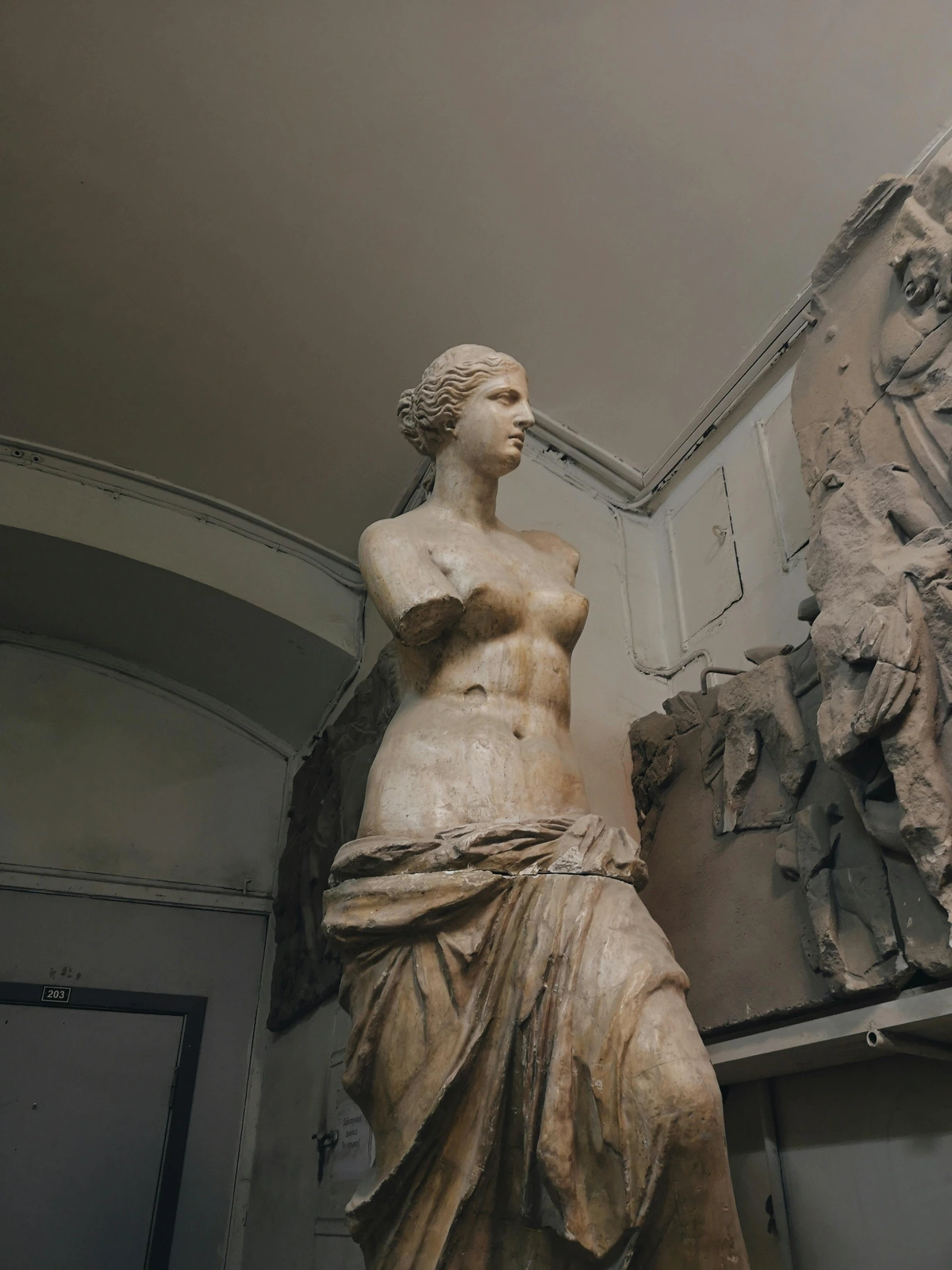
These narratives imbue the statue with layers of meaning, moving it beyond mere aesthetic form into a vessel of ancient beliefs, human desires, and divine power. It’s not just a beautiful woman; it’s a force of nature, an embodiment of the chaotic and irresistible aspects of love. Understanding these mythological underpinnings is crucial for a complete appreciation of the Venus de Milo, as it transforms her from a static object into a vibrant narrative, a silent storyteller of ancient tales.

The Hellenistic Masterpiece: Why Its Era Matters So Much for Her Appeal – A Period of Dynamic Innovation
The Venus de Milo is a prime, and frankly, dazzling example of Hellenistic art, a rich and dynamic period in Greek art history that fundamentally shifted from the earlier, more rigid Classical era. If you're anything like me and love tracing the evolution of ideas, you know that each art historical period has its distinct flavor, its own set of rules and rebellions. The Hellenistic period (roughly 323 BCE to 31 BCE) was a time of immense change and cultural expansion following the death of Alexander the Great. His vast empire, though quickly fragmented into successor kingdoms (the Diadochi), spread Greek culture, language, and artistic sensibilities across the Eastern Mediterranean, Near East, and even into parts of Asia. This resulted in a new, more complex, and cosmopolitan world that art profoundly reflected, moving away from the more localized focus of the earlier Greek city-states. It was an era of profound philosophical shifts, significant scientific advancements, and the rise of great urban centers like Alexandria, Antioch, and Pergamon, each contributing to a vibrant artistic melting pot where cultures blended and new forms emerged. This period truly redefined the artistic landscape, embracing new themes and a broader emotional range, making it a pivotal, indeed revolutionary, moment in art history. It’s an era that speaks to the power of cultural exchange and adaptation.
So, what makes Hellenistic art, and by extension the Venus de Milo, so utterly special and historically pivotal? I see five key characteristics that truly set it apart from previous eras, reflecting the radical shifts of the period:
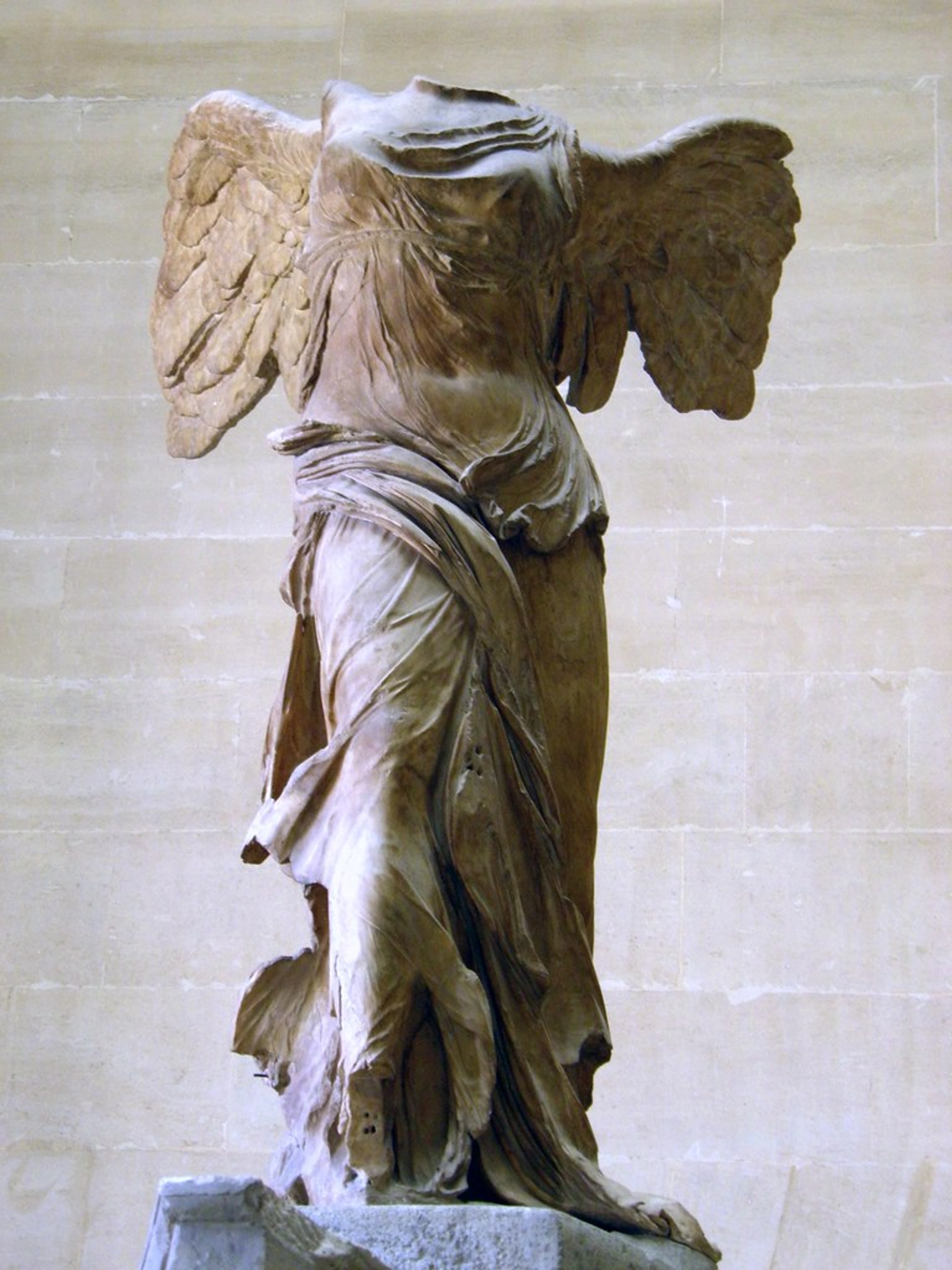
- Emotional Intensity and Drama: Unlike the serene, almost detached idealism of classical Greek sculptures (think earlier kouroi or even the restrained beauty of the Parthenon frieze), Hellenistic works often burst with more drama, raw emotion, and a heightened sense of realism. When I look at her, I feel a narrative, a moment frozen in time, hinting at a larger story. Other examples, like the breathtaking Winged Victory of Samothrace (another Louvre star, embodying dramatic movement and emotional triumph through its windswept drapery and powerful stride), the powerful and agonizing Laocoön Group (a masterpiece of pathos and human suffering, depicting a priest and his sons battling sea serpents, though found later in Rome), or the poignant 'Dying Gaul' (depicting heroic defeat with profound realism and vulnerability), perfectly encapsulate this dynamic energy and theatricality. These works often depict moments of intense struggle, pathos, or triumphant movement, engaging the viewer on a deeply emotional level, a stark contrast to the more idealized calm of earlier Greek art. This embrace of emotional expression made art more relatable and impactful to a broader audience.
- Sensuality and Virtuoso Drapery: The Venus de Milo masterfully combines a bare, exposed torso with exquisitely carved drapery that sensuously falls and clings around her hips and legs, a technique often referred to as 'wet drapery.' This isn't just fabric; it's a sculptor's magic trick, making marble seem as light and fluid as silk. This striking contrast between exposed flesh and clinging fabric was a hallmark of the period, explicitly designed to emphasize the female form in a captivating, almost alluring way, hinting at the body beneath while maintaining a delicate modesty. It’s a sophisticated game of reveal and conceal that still works, centuries later, to heighten the statue's allure and visual interest, inviting a lingering gaze. This technical prowess in rendering textiles in stone is a key element of Hellenistic sculpture's enduring appeal.
- Idealized Beauty with a Human Twist: While still striving for an idealized standard of beauty, Hellenistic sculptors often injected a more human, relatable, and sometimes even vulnerable element. This shift moved away from the more aloof divinity of earlier periods. The Venus de Milo's stance, a gentle contrapposto (a sculptural pose where the weight is shifted to one leg, causing a natural, subtle asymmetry in the body), suggests a relaxed, natural movement, not a rigid, static pose. It’s a moment caught, rather than a timeless, immovable icon. This makes her feel more alive somehow, despite the missing limbs, inviting a more personal connection from the viewer, blurring the lines between divine and mortal. This nuanced approach to idealization is a hallmark of the Hellenistic desire to connect with the human experience.
- Mastery of Material: The choice of Parian marble wasn't accidental; it was a highly strategic and deliberate decision. This high-quality, fine-grained white marble from the Greek island of Paros was highly prized for its luminous, almost translucent quality, often compared to the soft glow of human skin. Sculptors loved it because they could achieve incredibly smooth finishes and delicate details, giving the profound illusion of soft skin and flowing fabric, particularly evident in the exquisite 'wet drapery' effect on the Venus de Milo, which showcases this exceptional material's properties beautifully. It's a profound testament to the ancient artisans' deep understanding and reverence for their chosen medium, transforming raw stone into ethereal beauty and palpable life. This masterful manipulation of material allowed Hellenistic artists to achieve unprecedented levels of realism and sensual appeal in their work.
- New Patrons and Broader Audience: The Hellenistic period saw the rise of new patrons – wealthy monarchs, ambitious generals, and burgeoning private citizens – rather than just the traditional city-states or religious institutions. This broadened the scope of artistic commissions and subjects, leading to greater diversity in style and theme, moving beyond purely civic or religious narratives to more personal expressions, genre scenes, and portraits, catering to a more cosmopolitan and individualistic audience. This shift in patronage fostered artistic experimentation and a wider range of sculptural types, reflecting the changing social and political landscape of the Hellenistic world.
This blending of idealism with a new emphasis on emotion and naturalism is what makes her so profoundly impactful and places her firmly in the pantheon of Hellenistic masterpieces.
Comparing Hellenistic and Classical Greek Art: A Table of Distinction
To truly grasp the Venus de Milo's revolutionary nature, it helps to see how Hellenistic art diverged from its Classical predecessor. It's like comparing a serene, focused meditation to a powerful, dramatic symphony; both are beautiful, but they aim for very different emotional and intellectual impacts:
Feature | Classical Greek Art (c. 480-323 BCE) | Hellenistic Greek Art (c. 323-31 BCE) |
|---|---|---|
| Emotional Range | Serene, idealized, restrained emotion; emphasizes harmony and balance, aiming for a sense of perfect order and rational thought, reflecting the philosophical ideals of the era. | Dramatic, intense emotion; embraces pathos, suffering, and theatricality, seeking to evoke strong feelings in the viewer and engage their empathy, often depicting moments of high drama or vulnerability. |
| Subject Matter | Often focuses on ideal gods, heroes, athletic prowess; civic and religious themes, reflecting the values of the city-state. | Broader range including genre scenes, portraits of individuals, grotesque, erotic; reflects a more diverse, cosmopolitan world and a wider spectrum of human experience, including the mundane and the emotional. |
| Movement/Pose | Dignified, static, idealized contrapposto; often frontal or symmetrical, creating a sense of timeless calm and stability. | Dynamic, fluid, exaggerated contrapposto; multi-sided compositions, often inviting movement around the sculpture to appreciate its full narrative, emphasizing momentary action. |
| Realism vs. Idealism | Strong emphasis on idealism, perfect human form, embodying abstract notions of virtue and beauty. | Blends idealism with heightened naturalism, often depicting imperfections or age, aiming for greater emotional impact and relatability, making figures more human and less divine. |
| Drapery | Formal, elegant, often revealing body subtly; less emphasis on texture, focusing on the underlying form and anatomical perfection. | "Wet drapery" effect, highly sensual, clinging to the body; dramatic folds and deep shadows create movement and depth, enhancing the body's contours and adding to the visual drama, almost becoming a character in itself. |
| Composition | Often balanced, harmonious, clear narrative, designed for easy legibility and conveying a sense of order. | More complex, sometimes fragmented or multi-figure compositions; aims for a narrative moment rather than a timeless state, inviting deeper interpretation and a sense of unfolding drama. |
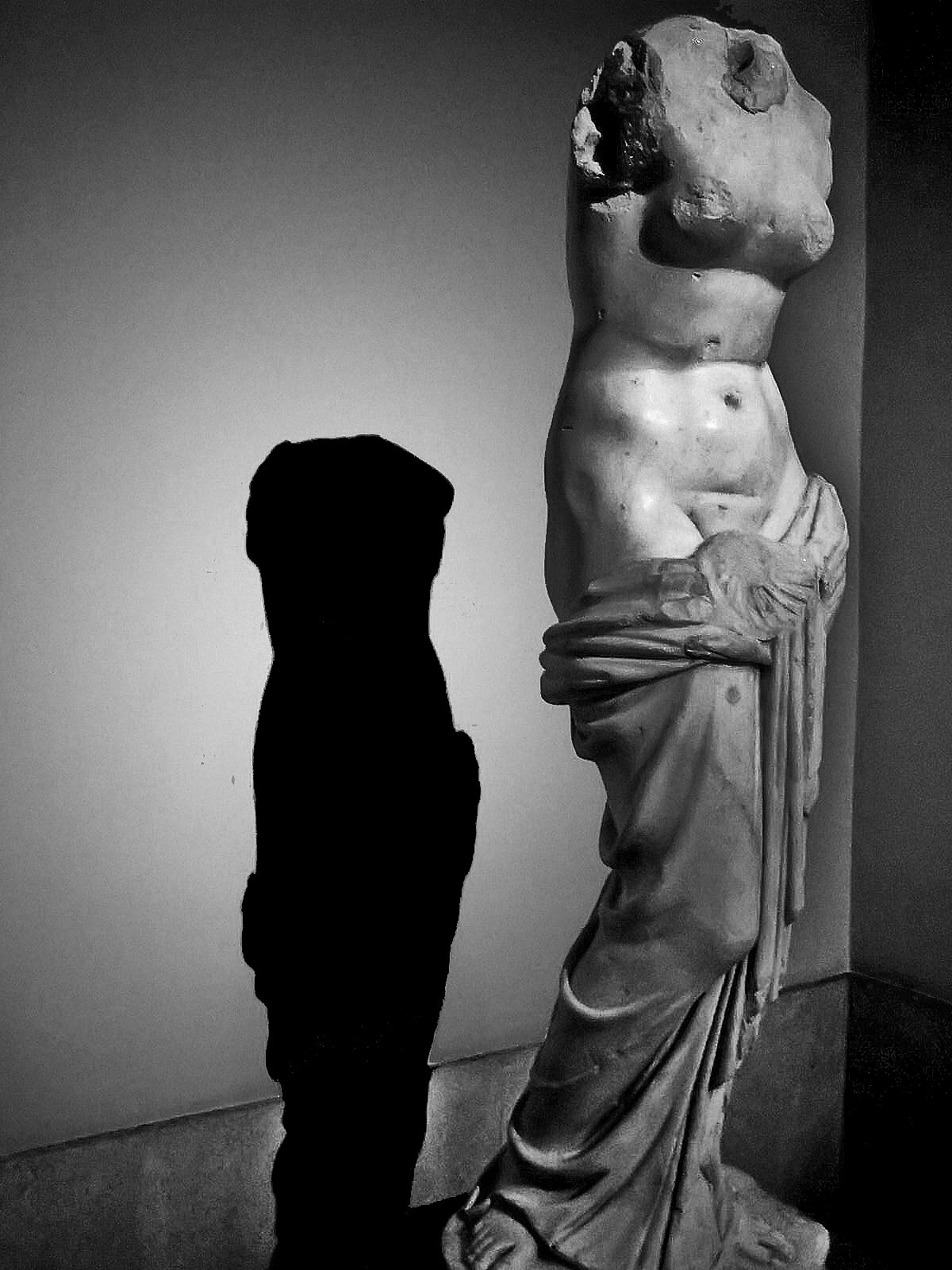
This table, for me, really highlights why the Venus de Milo feels so alive – she's a product of an era that wanted art to speak directly to the human experience, in all its dramatic and sensual glory.

The Enduring Mystery: Where Did the Arms Go? (And What Was She Really Doing?) – Deciphering the Art Historical Cold Case
Ah, the million-dollar question! This is where the detective in me (and probably you too) really kicks in. The Venus de Milo's missing arms are perhaps its most defining, and certainly its most debated, feature, transforming absence into an active invitation for contemplation. When it was found in 1820, the arms were already gone, or found in fragments that were subsequently lost or discarded amidst the chaos of its acquisition. This has led to endless speculation, fervent academic debate, and even some rather dramatic theories. It’s the ultimate cold case in art history, a puzzle that has fascinated scholars and the public alike for over two centuries, a mystery that, for many, only deepens her allure. The search for a definitive answer is a testament to our innate human desire for completeness and understanding, especially when confronted with such profound beauty. It’s a void that our imaginations simply cannot resist filling.
Historical Accounts and Competing Theories: What Was She Doing?
Initial reports from the discovery mentioned fragments of arms, which is crucial. Specifically, it was claimed that a left hand holding an apple was found, along with parts of an upper arm and a plinth (which bore an inscription attributing the work to Alexandros of Antioch). These initial eyewitness accounts, while sometimes conflicting due to the chaos of the discovery and acquisition, are our primary leads. However, these crucial fragments disappeared shortly after the statue's perilous journey to France, deepening the mystery and making definitive reconstruction impossible. This isn't just a minor detail; the missing pieces mean we can only indefinitely speculate about her original narrative and what specific attributes she might have held. Were they intentionally separated to achieve a more 'pure,' armless classical ideal, as was sometimes explicitly favored in early museum curation practices of the 19th century? This often involved stripping away specific narrative details for a perceived universal aesthetic, a philosophy that prioritized ideal form over historical accuracy. Was it a conscious curatorial decision, perhaps influenced by prevailing Neoclassical tastes, to transform her into a more 'universal' representation of beauty, rather than remaining tied to a specific, identifiable myth? Or perhaps, and my artist's intuition often leans towards this more prosaic explanation, they were simply damaged beyond repair during the rather chaotic and politically charged transport, perhaps irrevocably fractured during a scuffle with local authorities or lost to a violent storm at sea? Some cynical whispers even persist, suggesting they were conveniently 'lost' to allow for a more 'universal' classical interpretation, devoid of specific attributes that might narrow its popular appeal. The simpler truth is often the messiest: accidents happen, especially with ancient, heavy marble navigated by eager, sometimes clumsy, human hands in a tumultuous geopolitical environment. Yet, this profound absence undeniably amplifies her mystique, transforming what might have been a historical accident into an enduring, powerful artistic statement that invites endless interpretation. This ambiguity, far from being a detractor, has become a cornerstone of her identity, inviting an endless art historical debate that, frankly, keeps her alive in our collective consciousness.
Without those arms, we're left to wonder about her original gesture and what she might have been holding. This open-endedness has sparked incredible creativity in art historians and enthusiasts alike, turning every viewing into a personal act of speculation. Numerous art historians have proposed detailed reconstructions, some even commissioning artists to create physical models, though none have ever achieved widespread consensus. It's a testament to her allure that we endlessly try to 'complete' her, even knowing the power of her incompleteness. The academic world, in particular, has seen countless dissertations and articles dedicated to solving the Venus de Milo's arm puzzle, often employing forensic art history techniques to analyze the remaining contours and potential attachment points.
Here are some of the leading theories that scholars have painstakingly pieced together, or, in some cases, artfully imagined, often drawing parallels from other surviving Hellenistic sculptures and mythological representations:
- Holding an Apple: The most prevalent and historically supported theory suggests she was holding the Apple of Discord, referring to the "Judgment of Paris" myth where Aphrodite was chosen as the most beautiful goddess. This connects directly to her identity as the goddess of beauty and the initial report of a left hand holding an apple. She might have been offering it, or simply displaying her prize.
- Holding a Mirror: Another popular idea is that she was admiring herself in a mirror, a classic attribute of Aphrodite, emphasizing vanity and self-love. This would fit the sensual, self-aware ethos of the Hellenistic period, depicting a goddess captivated by her own divine beauty.
- Leaning on a Pillar: Her pose, particularly the twist of her torso, might suggest she was leaning against a pillar or column, a common artistic device for supporting large marble statues and creating a dynamic silhouette. This would allow for her relaxed contrapposto without requiring complex balance from the missing arms.
- Part of a Group Sculpture: Some speculate she wasn't a solitary figure but part of a larger mythological group, perhaps with Eros, her son, or other deities. Imagine her interacting with a companion; it changes the entire narrative potential of the piece.
- Binding a Sandal: A less common but intriguing theory involves her bending to adjust or bind a sandal, a pose that would account for her body's torsion and the upward curve of her foot. This would depict a more everyday, though still elegant, action for a goddess.
Proposed Pose / Attribute | Rationale | Implications |
|---|---|---|
| Apple of Discord | Connects to the Judgment of Paris myth, found fragments, identifies her as Aphrodite. The golden apple would have been a direct symbol of her triumph. | Emphasizes her role in epic narratives and contests of beauty, reinforcing her identity as the fairest goddess, a pivotal figure in a myth that sparked the Trojan War. This theory provides a strong, direct narrative for her original attributes. |
| Mirror | Common Aphrodite attribute, highlights self-admiration and beauty, linking to themes of vanity and divine perfection. | Focuses on her personal allure and divine perfection, a classic depiction of the goddess deeply rooted in her mythological persona. This pose would emphasize her captivating nature and self-awareness. |
| Leaning on a Pillar | Provides structural support, explains body pose, common Hellenistic trope, especially for large marble sculptures to aid stability. | Suggests a more relaxed, perhaps less narrative, display, focusing on her graceful presence rather than a specific action, allowing her idealized form to speak for itself. This would have created a sense of stability and repose. |
| Part of a Group | Allows for interaction, dynamic storytelling within a broader scene, perhaps with Eros or another deity, creating a more intricate narrative. | Expands her role beyond a solitary figure, suggesting a more complex mythological tableau, where her gaze or gesture would have been directed towards another figure, enhancing the dramatic tension. |
| Wrestling with a God/Hero | Some sculptural groups in the Hellenistic period explicitly depicted dynamic struggles or intense interactions between figures. Her powerful torsion and dynamic contrapposto could indeed indicate an active interaction, perhaps a struggle or a playful exchange with another deity or a hero, aligning with the increased emotional intensity and narrative complexity of Hellenistic art. This theory highlights the era's preference for dramatic, multi-figure compositions. | |
| Holding a Shield | In some ancient depictions, Aphrodite was shown admiring herself in a shield, possibly belonging to Ares, her lover. This would explain her upward gaze. | This less common but intriguing theory places her in a narrative context with another deity, highlighting her complex relationships and vanity. The polished bronze of a shield would have provided a perfect reflective surface, emphasizing her divine beauty and the sensual interplay between war and love. |
The Power of the "Unknown": Why Her Armless State Matters
And here's my favorite theory, the one that resonates deeply with an artist's soul: its armless state enhances its mystery and timelessness, making her a monument to possibility rather than definitive narrative. Without specific gestures or attributes, her beauty becomes universal, allowing us, the viewers, to actively participate in its meaning. We are invited to project our own interpretations onto her, making each encounter a uniquely personal one. This absence, this lack of explicit narrative, invites contemplation, which, let's be honest, is a powerful thing in art, perhaps the most powerful. She becomes less about a specific moment in a myth and more about the idea of beauty, love, and the enduring human form itself. It's a blank canvas for our imagination, a perfect example of how sometimes, less really is more, transforming what might be seen as a flaw into its most compelling feature, challenging our very notions of 'completeness' in art. It's a testament to how ambiguity can often be more profound than certainty. This intentional or accidental incompleteness has, paradoxically, secured her place in the artistic canon more firmly than a fully restored version ever could, fostering an endless, personal dialogue with each viewer.
Why She Continues to Captivate Us (Even Without Arms): Legacy and Enduring Impact – A Timeless Icon
It's easy to dismiss a damaged statue, to see only what's missing. But the Venus de Milo transcends its imperfections, transforming absence into an active invitation, a persistent whisper across millennia. Its global fame isn't just because it's in the Louvre (though that certainly helps – I mean, the Louvre Museum is an institution and a destination in itself, a global beacon of art!). Her enduring power comes from a potent confluence of artistic mastery, historical circumstance, and profound cultural resonance that speaks to universal themes of beauty, desire, and the human condition. She truly is a living monument, constantly reinvented in our collective imagination:
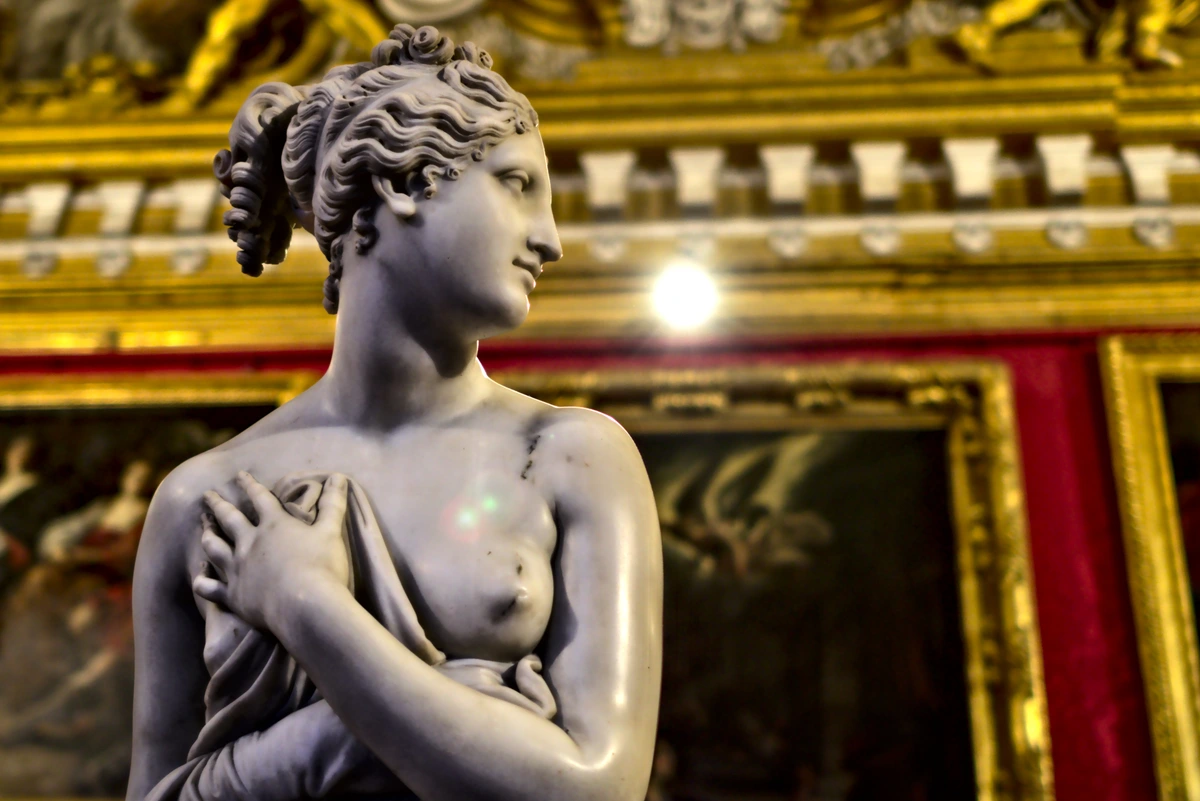
- Symbol of Idealized Beauty: She embodies a classical ideal of female beauty – graceful, majestic, and serene, yet with that distinctive Hellenistic twist of sensuality and dynamism. This potent combination resonates across cultures and centuries, shaping our very perception of aesthetic perfection, influencing countless artists and fashion designers. She’s become a benchmark, a visual shorthand for beauty itself, defining an enduring standard even as ideals of beauty evolve. Her iconic form has been referenced and reinterpreted by artists from the Renaissance to the present day.
- The Power of the Incomplete: As I've touched upon, the missing arms aren't a deficit; they're a catalyst, an active invitation to engage. They force us to become co-creators, to ask questions: What was she doing? What was she holding? What story was she telling? This open-endedness makes her eternally relevant and a subject of continuous discussion and creative interpretation. It's like a good story with an ambiguous ending; you keep thinking about it long after the last page, projecting your own narratives onto it, which is arguably more powerful than any definitive answer. This profound ambiguity has allowed her to transcend specific historical narratives and become a universal symbol.
- Masterful Craftsmanship: The way the Parian marble is carved, from the delicate, almost translucent folds of drapery to the smooth, living contours of her body, is simply breathtaking. The subtle transitions, the polished surfaces, and the exquisite details all speak to an unparalleled skill and understanding of the human form that, even today, leaves me in awe. This is not just art; it's a testament to human ingenuity, dedication, and an almost sacred connection between artist and material, showcasing an mastery of stone that feels almost impossible. It demonstrates a profound knowledge of sculptural elements and techniques.
- Historical Significance: She connects us directly to ancient Greece, a civilization that laid so many foundations for Western thought, philosophy, art, and democracy. Standing before her, you feel a tangible link to millennia past, a direct conduit to the creative spirit of a foundational culture. It’s a powerful anchor, a reminder of where so many of our cultural threads began, offering a profound sense of continuity with the past. Her survival against all odds is a powerful reminder of the enduring nature of human civilization and artistic achievement.
Her Artistic and Cultural Echoes: A Timeless Legacy
The Venus de Milo's profound influence certainly didn't cease in antiquity; she has cast an impossibly long shadow over subsequent art movements and continues to emerge in the most unexpected places across the globe. For an artist like me, witnessing how these ancient forms resonate through countless centuries is incredibly inspiring; it's an undeniable testament to the timeless power of foundational art that transcends epochs. Her multifaceted legacy isn't merely academic; it's intricately woven into the very fabric of modern visual culture, proving her perennial relevance.
The Venus de Milo's Enduring Role in Art Education
Beyond her celebrated public display, the Venus de Milo holds a venerable and indispensable position in art education worldwide. For centuries, art students, from burgeoning apprentices to seasoned academics, have meticulously studied her form, drapery, and iconic contrapposto as a foundational, almost sacred, example of classical sculpture. Reproductions, plaster casts (once ubiquitous in every atelier), and detailed anatomical drawings of the Venus de Milo have been essential pedagogical tools in academies and art schools, imparting crucial lessons to aspiring artists about human anatomy, ideal proportion, and the delicate, dynamic balance of movement and stillness in sculpture. She provides an invaluable blueprint for understanding the profound complexities of the human form rendered in stone, a timeless benchmark against which subsequent artistic innovations can be understood and profoundly appreciated. For any serious student of art, truly understanding the Venus de Milo is a fundamental rite of passage, an essential step in grasping the long and intricate lineage of artistic expression and the timeless principles of sculptural form. She is often used as a prime example when discussing the historical evolution of contrapposto.
Venus de Milo in Popular Culture: A Global Icon
Beyond art history textbooks, the Venus de Milo has a remarkably pervasive presence in contemporary popular culture. She's not just a museum piece; she's a cultural shorthand for classical beauty, often recontextualized with humor, reverence, or rebellion:
- Advertising: Her form is frequently used to evoke elegance, luxury, and timeless appeal, often appearing in campaigns for high-end fashion, exquisite perfumes, or even domestic products, leveraging her iconic status to convey sophistication and a sense of enduring class. She's a silent, powerful endorsement of aspirational beauty.
- Film and Television: She makes cameo appearances as a symbol of art, culture, or sophistication in countless movies and TV shows, from serious historical documentaries to lighthearted comedies, often serving as a visual shorthand for classical antiquity or high culture, instantly recognizable even to those unfamiliar with art history.
- Fashion: Designers have drawn direct inspiration from her exquisitely rendered drapery, her elegant contrapposto, and the very idea of fragmented beauty, influencing countless haute couture silhouettes and fabric choices, demonstrating her enduring impact on aesthetic trends and the cyclical nature of beauty ideals.
- Memes and Internet Culture: Her instantly recognizable armless silhouette is easily recognizable, making her a popular figure in online memes that playfully subvert or celebrate classical art, showcasing her unexpected adaptability and enduring relevance in the rapidly evolving landscape of digital culture. She’s perhaps the original viral art sensation.
- Music Videos and Album Art: Artists across various genres have incorporated her image to convey themes of beauty, history, or enigmatic allure, using her as a potent visual motif to add layers of meaning to their work, connecting modern expression to ancient ideals.
- Literature: From classical poetry to modern novels, writers have often referenced the Venus de Milo as a symbol of unattainable beauty, profound mystery, or the enduring power of art, using her as a muse for contemplation and a touchstone for narratives of human desire and aesthetic aspiration.
This widespread adoption speaks volumes: her image is so deeply ingrained in our collective consciousness that it transcends its original context, becoming a flexible, powerful symbol for artists, marketers, and meme-creators alike. It’s a fascinating evolution for a 2,000-year-old marble goddess.
- Neoclassical Revival: In the 18th and 19th centuries, during the Neoclassical movement, artists looked back to classical antiquity for inspiration. Sculptors like Antonio Canova, famed for his graceful marble figures (such as his 'Venere Italica'), and Bertel Thorvaldsen, were clearly influenced by the Venus de Milo's idealized form and contrapposto. They sought to recapture the purity and elegance of what they perceived as the pinnacle of classical art, though often imbuing their works with a newfound emotional directness. She became a quintessential model for academic art, shaping generations of artists and solidifying her status as an archetype of beauty. Her serene yet sensual presence offered a perfect template for artists striving to revive classical ideals in a new era, influencing everything from large public commissions to intimate gallery pieces. This revival period saw a deliberate effort to emulate and re-interpret the classical forms, making the Venus de Milo a touchstone for ideal beauty.
- Modern and Contemporary Interpretations: From Salvador Dalí's surrealist "Venus de Milo with Drawers" (1936), which playfully recontextualized her as an object of Freudian analysis and challenged traditional notions of beauty, to countless appearances in advertising, film, and fashion, her image has been reinterpreted, subverted, and celebrated. Dalí's piece, for instance, transforms her classical form into a psychoanalytic object, literally opening up her internal world. She's a cultural meme before memes even existed, a symbol universally understood and ripe for commentary, often used to represent timeless beauty or a classic form subjected to modern whims. This recontextualization in Surrealism and other movements shows her remarkable adaptability as a symbol, proving that a classical form can engage with radically new ideas. Even in the world of abstract art, where forms are deconstructed, the underlying principles of balance, contrapposto, and the powerful presence that the Venus embodies continue to subtly influence artists. It's truly fascinating to see how a piece from 2,000 years ago can still feel utterly contemporary, reminding us that good design in art is truly timeless, bridging the gap between modern vs. contemporary art. Artists like Man Ray also engaged with her form, often playing with the idea of the classical fragment.

The Venus de Milo at the Louvre: Presentation and Preservation – Safeguarding a Global Treasure
Within the hallowed, expansive halls of the Louvre Museum, the Venus de Milo occupies an unequivocal place of honor, befitting a work of such unparalleled global renown. She is strategically positioned, often within her own dedicated gallery (the aptly named Salle de la Vénus de Milo, Room 345 in the Denon Wing!), meticulously designed to ensure that every visitor can encounter her majestic, enigmatic presence without feeling rushed or overwhelmed. This careful, almost reverential, presentation profoundly highlights her importance as a global treasure, inviting a moment of quiet, intense contemplation amidst the museum's vast and diverse collections, which also famously include Leonardo da Vinci's enigmatic Mona Lisa and the breathtaking Winged Victory of Samothrace. It's a truly powerful, almost spiritual, experience to stand before her, especially when you consider her tumultuous, improbable journey from a forgotten corner of Milos to this grand Parisian temple of art. When you stand before her, you can almost palpably feel the immense weight of history, hear the whispers of millions of visitors who have come before you, all drawn inexorably to her silent grandeur and enduring mystery. It's unequivocally a pilgrimage for art lovers and cultural historians alike, a truly unforgettable encounter. The careful curation of her space emphasizes her solitary majesty, allowing her to command attention and facilitating that deeply personal connection so many feel. It's a masterclass in museum display, truly.
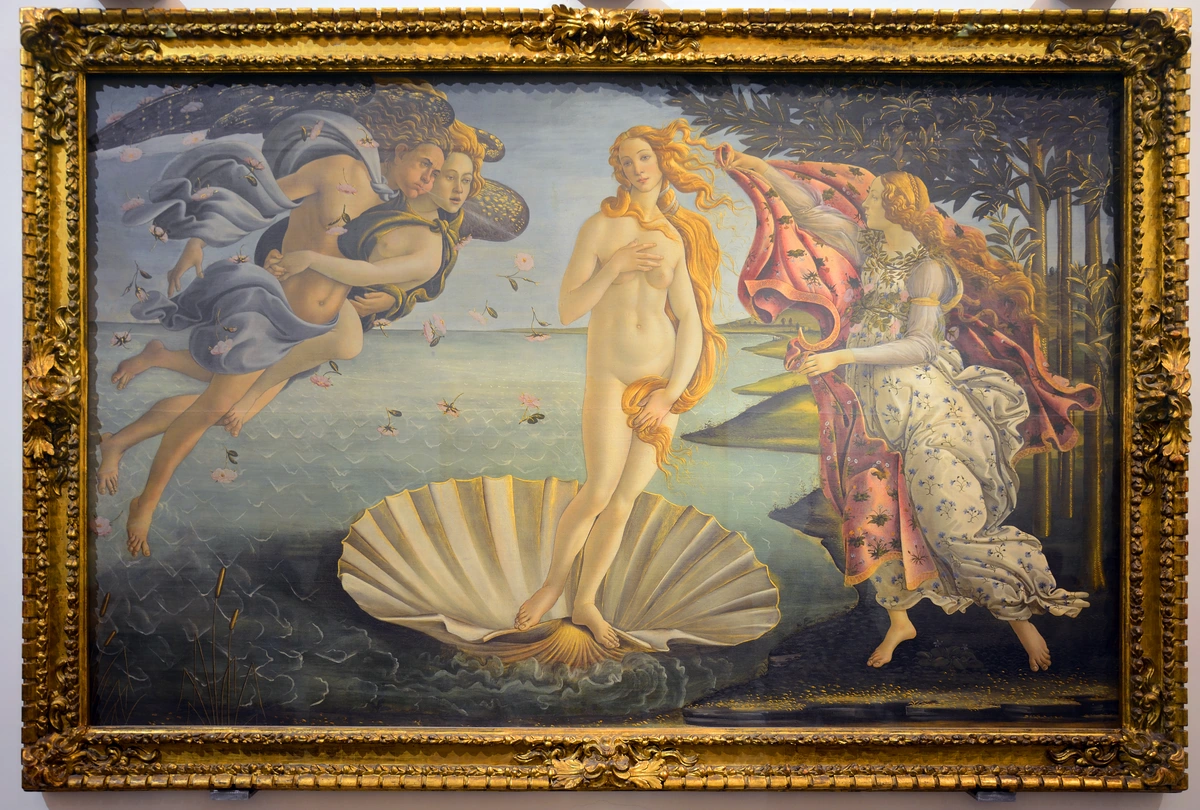
The Louvre's role extends beyond mere display; it encompasses the ongoing, meticulous preservation of this ancient masterpiece. While the statue's robust Parian marble construction has allowed it to endure millennia, it is still vulnerable to the passage of time and the rigors of being a world-famous attraction. Careful monitoring of environmental conditions (temperature, humidity, light exposure), gentle cleaning to remove accumulated dust, and periodic structural assessments are ongoing, employing the latest in conservation science. Unlike some ancient works that have undergone extensive modern restoration attempts to 'complete' them (a practice common in the 18th and 19th centuries, driven by a desire for classical 'perfection'), the Venus de Milo's armless state has been deliberately preserved. This decision is a testament to the evolving philosophy of art conservation, recognizing that sometimes, the "damaged" or "incomplete" state becomes the iconic state, holding a powerful allure in its very mystery. It’s a bold choice, but one that undeniably adds to her allure and stimulates endless interpretation, challenging viewers to confront notions of perfection and completeness in art. The ongoing dialogue between conservationists and art historians ensures that this masterpiece will continue to inspire for generations to come, carefully protected for future generations to ponder. The use of advanced imaging techniques, such as laser scanning and photogrammetry, also aids in non-invasive structural analysis, ensuring her longevity without compromising her iconic form or altering her beloved, mysterious state.

FAQs About the Venus de Milo: Your Burning Questions Answered – Decoding the Masterpiece
Q: What original fragments were found with the Venus de Milo?
A: When the statue was discovered in 1820, initial reports claimed that several fragments accompanied the main body. Most notably, a left hand holding an apple was supposedly found, along with parts of an upper arm and a plinth that bore an inscription attributing the work to Alexandros of Antioch. These crucial fragments, however, mysteriously disappeared shortly after the statue's acquisition by the French, making definitive reconstruction impossible and deepening the mystery of her original pose. The loss of these fragments has led to centuries of scholarly debate and popular speculation, transforming what might have been a straightforward attribution into an enduring art historical cold case. This contradictory and incomplete evidence is, for me, a key part of her story.
Q: Why is it called 'Venus' de Milo if it's Greek?
A: That's a great question, and it highlights the fascinating intersection of Greek and Roman culture! While the sculpture is undoubtedly an original Greek work depicting Aphrodite, the Greek goddess of love and beauty, it came to be known as the 'Venus de Milo' because 'Venus' is the Roman equivalent of Aphrodite. When the statue was acquired by the French, Latin was often the scholarly language of choice, and Roman names for Greek deities were commonly used. So, 'Venus' refers to the Roman goddess, and 'de Milo' simply means 'from Milos,' the island where it was discovered. This linguistic blending underscores the extensive cultural exchange and continuity between ancient Greece and Rome, where Roman conquerors often admired and adopted Greek art and mythology.
Q: What goddess does the Venus de Milo represent?
A: The Venus de Milo represents Aphrodite, the ancient Greek goddess of love, beauty, pleasure, and procreation. In Roman mythology, she is known as Venus, which is why the statue bears that name. She's truly an embodiment of raw, captivating beauty and divine power, often associated with desire, fertility, and the irresistible force of attraction. Her multifaceted nature reflects the ancient Greek understanding of love in all its forms, from the sublime to the passionate, from the erotic to the marital. This portrayal aligns with the Hellenistic period's preference for more humanized and emotionally expressive deities, making her a goddess relatable in her power and passions.
Q: Where is the Venus de Milo located?
A: The statue is permanently and prominently displayed in the Louvre Museum in Paris, France. Specifically, you'll find her in the Salle de la Vénus de Milo (Room 345, Denon Wing), a dedicated gallery meticulously designed to allow visitors to appreciate her majestic form from multiple angles. It's one of their undisputed crown jewels, alongside the Mona Lisa and the Winged Victory of Samothrace, drawing millions of visitors annually, all eager to witness her enigmatic presence. For many, a visit to the Louvre simply isn't complete without standing before her silent grandeur.
Q: Who sculpted the Venus de Milo?
A: While there's no definitive, signed attribution on the statue itself (which is often the case with ancient works, as artists rarely 'signed' in the modern sense), a now-lost plinth reportedly bore the name Alexandros of Antioch. This attribution is widely accepted by art historians, placing the work firmly within the Hellenistic period. Little is known about Alexandros beyond this, which, for me, adds to the mystique – a single, monumental masterpiece ensuring an artist's enduring, albeit shadowy, place in history. His precise origin was Antioch on the Maeander, a city that produced other notable sculptors, suggesting a thriving artistic environment from which such a talent could emerge.
Q: What symbolism is associated with Aphrodite/Venus?
A: As the goddess of love, beauty, pleasure, and procreation, Aphrodite (Venus) is rich in symbolism. Her most common attributes include doves (symbolizing love and peace), roses and myrtle (flowers associated with beauty and passion), seashells (referencing her birth from the sea foam and her marine origins), and the golden apple (from the Judgment of Paris, signifying beauty and triumph). The presence or absence of these attributes in artistic depictions profoundly informs our interpretation of her narrative and meaning, offering clues to the specific myth being told. Other symbols include dolphins, swans, and mirrors, all reinforcing her dominion over love, beauty, and desire in their myriad forms.
Q: Why are the arms missing from the Venus de Milo?
A: Ah, the million-dollar question, and the very heart of her enduring mystery! The exact reason remains one of art history's most compelling cold cases. The arms (or significant fragments thereof) were already missing when the statue was discovered in 1820. Theories range from accidental breakage during its original discovery or the rather chaotic and politically charged transport to France, to intentional removal or damage in antiquity (perhaps during an earthquake or conflict). Some even suggest that any fragments found were discarded later by early curators or restorers to present a 'purer,' more abstract classical form, free from specific attributes that might limit interpretation – a common, though now debated, practice in 19th-century museum curation. The mystery itself has become a significant part of its allure, forcing us to imagine her complete form and ponder her original gesture, making her a timeless subject of contemplation. Modern forensic analysis and 3D modeling have attempted to reconstruct her original pose, but without definitive fragments, these remain informed speculations, leaving us to forever engage with her compelling incompleteness.
Q: Was the Venus de Milo originally colored?
A: While we see the Venus de Milo today as pristine white Parian marble, like many ancient Greek sculptures, she was almost certainly originally painted with vibrant colors, a practice known as polychromy. Details like her drapery, hair, and perhaps even her skin and eyes would have been painted, sometimes with rich pigments and even gilded elements, to enhance her lifelike appearance. Over millennia, these pigments have faded or been stripped away, leaving us with the stark white marble we associate with classical antiquity. Recent scientific studies, using techniques like UV light and infrared analysis, have revealed faint traces of these original pigments, offering tantalizing glimpses into her vibrant ancient appearance and radically altering our modern perception of classical art.
Q: What period of art history does the Venus de Milo belong to?
A: It belongs to the Late Hellenistic Period, typically dated between 130 and 100 BCE. This era followed the Classical period (which ended with Alexander the Great's death and saw the fragmentation of his vast empire) and is characterized by increased drama, emotional intensity, a heightened sensuality, and a more dynamic, naturalistic style compared to the earlier, more serene and idealized Greek sculpture. It's a period that embraced human emotion, individualism, and a new, globalized worldview, all profoundly reflected in its art, marking a significant departure from previous artistic conventions and forging new paths for expression.
Q: How does the Venus de Milo relate to other famous Aphrodite statues?
A: The Venus de Milo stands as one of the most iconic representations of Aphrodite, but she is part of a rich tradition. She is often compared to the much earlier Aphrodite of Knidos by Praxiteles (c. 360-330 BCE), which was revolutionary for depicting the goddess nude, setting a new standard for female beauty in art. While the Knidian Aphrodite is characterized by a serene, classical ideal, the Venus de Milo, being Hellenistic, introduces greater sensuality, dynamic movement, and emotional undertone, showcasing the evolution of the goddess's representation in Greek art. Both, however, contributed immensely to the classical ideal of female beauty and profoundly influenced subsequent artistic depictions of the female nude, each reflecting the aesthetic priorities of their respective eras. Other notable examples include the Crouching Aphrodite by Doidalsas, further illustrating the diverse ways Aphrodite was envisioned.
Q: How has modern technology influenced theories about the Venus de Milo's arms?
A: Modern technology, particularly 3D scanning and advanced digital modeling, has allowed art historians and archaeologists to create virtual reconstructions of the Venus de Milo, testing various theories about her original pose and attributes. By analyzing muscle tension, drapery folds, and structural balance, these technologies can offer plausible, scientifically informed visualizations, although they still rely on interpretive data due to the definitive loss of the original arm fragments. It’s like a high-tech detective agency for ancient art, bridging the gap between classical scholarship and cutting-edge forensics! This blend of art history and cutting-edge science allows for new perspectives without physically altering the masterpiece, adding another layer to our ongoing investigation.
Q: What is the significance of the drapery on the statue?
A: The drapery on the Venus de Milo is a masterclass in Hellenistic sculptural technique, often referred to as "wet drapery." It contrasts sharply with her exposed torso, sensuously clinging to her lower body as if wet, revealing the contours of her legs and hips beneath the fabric. This masterful technique serves multiple purposes: it emphasizes the beauty and form of the female body, creates a dynamic visual tension between the exposed and concealed, adds a theatrical sense of movement, and showcases the sculptor's extraordinary skill in transforming cold marble into seemingly light, flowing textile. It heightens her allure and contributes significantly to the statue's overall sensual appeal. This virtuoso carving of drapery is a defining characteristic of Hellenistic art, demonstrating an advanced understanding of form and texture, and making the marble itself feel almost ephemeral, a true feat of artistry.
Q: Is the Venus de Milo a Roman copy or an original Greek sculpture?
A: This is a crucial distinction, and a point of immense pride for the Louvre! It is an original Greek sculpture, made from the highly prized Parian marble. Many famous Greek sculptures are known only through later Roman copies, which often lack the subtle nuances of the originals. But the Venus de Milo stands as an authentic, direct Greek piece, offering us a direct, unfiltered link to Hellenistic artistic genius and craftsmanship, making her all the more historically significant. Its status as an original Greek work elevates its art historical importance considerably, allowing us to experience the ancient artist's vision directly, unmediated by later interpretations.
Q: How tall is the Venus de Milo?
A: The statue stands approximately 6 feet 8 inches (2.03 meters) tall, a truly monumental size that enhances her majestic and divine presence in any space she occupies. This impressive scale is comparable to other monumental classical sculptures and contributes significantly to her commanding aura, ensuring she dominates any room she graces. It's a scale that speaks to her intended public importance and divine status.
Q: Has the statue ever left the Louvre since its arrival?
A: The Venus de Milo has rarely, if ever, left the Louvre since its prominent installation in 1821. Its immense cultural value, fragile ancient state, and sheer size make it incredibly difficult and risky to transport. For the most part, the Louvre is its permanent and protected home, where millions of visitors can continue to experience its profound presence without the risks associated with travel. This steadfast residence underscores its immense value and the museum's commitment to its long-term preservation for future generations.
Q: What is Parian marble, and why was it used?
A: Parian marble is a high-quality, fine-grained, pure white marble from the Greek island of Paros, one of the most famous and sought-after marbles in antiquity. It was highly prized by ancient sculptors (including Alexandros of Antioch, clearly!) for its exceptional luminosity, often described as having a soft, warm glow, and its smooth texture. It allowed artists to achieve incredibly lifelike and delicate details, giving the sculpture a captivating, almost ethereal quality, particularly effective in depicting flesh and flowing drapery. Its inherent prestige also added significantly to the artwork's value and status, making it a material choice that conveyed both aesthetic mastery and profound importance.
Q: How has the perception of the Venus de Milo changed over time?
A: Initially, upon its arrival in France, the Venus de Milo was celebrated as a rediscovered classical ideal, fitting perfectly into the Neoclassical tastes of the era, and even preferred in its armless state by some who saw it as a purer form. Over time, particularly in the 20th century, critical perspectives broadened to appreciate its Hellenistic characteristics – its sensuality, dynamism, and human pathos – rather than strictly comparing it to earlier Classical ideals. In contemporary culture, she has become a versatile symbol, appearing in everything from high art commentary to internet memes, showing an incredible adaptability and enduring resonance that transcends strict art historical categorization, continually being reinterpreted by each new generation. It’s a fascinating journey for an ancient goddess.
Q: What does 'contrapposto' mean in relation to the statue?
A: Contrapposto is a fundamental sculptural pose where the human figure stands with most of its weight on one foot, causing its shoulders and arms to twist off-axis from its hips and legs. This creates a natural, subtle asymmetry in the body, suggesting dynamic movement and a relaxed, lifelike posture. The Venus de Milo exhibits a gentle contrapposto, giving her a more natural, relaxed, and dynamic appearance, a hallmark of Hellenistic naturalism contrasting with the more rigid, frontal stances characteristic of earlier Archaic and early Classical Greek sculpture. Think of it as the artistic equivalent of a graceful shift of weight, captured in stone, imbuing the marble with a sense of internal life. This technique contributes significantly to the statue's sense of movement and vitality, making her feel truly present and engaged, rather than merely posed. For more, explore our article on what is contrapposto in sculpture.
Q: How does the Venus de Milo compare to other famous classical sculptures?
A: The Venus de Milo stands as a unique icon, a bridge between two major eras of Greek art. While sharing the overarching classical ideals of beauty with earlier works like the serene forms of the High Classical period (e.g., the Parthenon sculptures or Phidias's Athena), her Hellenistic characteristics (sensuality, dramatic drapery, dynamic pose, and emotional undertone) set her apart. She is often compared in fame and monumental impact to Michelangelo's David, another masterpiece that embodies a different era's ideal of the human form – the Renaissance humanist ideal – showcasing the distinct artistic intentions of their respective times. To truly understand these differences and the evolution of artistic ideals, it's worth exploring the ultimate guide to Renaissance art and the work of artists like Michelangelo who mastered human anatomy in a way that resonated with Renaissance ideals. She also contrasts with earlier Greek works that often depicted goddesses fully draped or in more rigid poses, making her partial nudity and dynamic twist revolutionary for her time. Her influence can be seen as a precursor to the emotional naturalism explored by later masters like Donatello, demonstrating a continuous lineage of artistic inquiry into the human form and its potential for expression.
Q: Is there any hope of finding the arms?
A: While the romantic notion of rediscovering the Venus de Milo's missing arms persists, it's highly unlikely. The fragments reportedly found at the time of discovery were either lost during transport or intentionally discarded. After over two centuries, and without any definitive records or detailed archaeological plans from the original site, finding them now is a remote possibility. Indeed, for many, the mystery and the absence itself have become integral to her identity, making any 'restoration' feel almost sacrilegious to her current iconic status. The consensus among conservationists and art historians is that her current state is her definitive, iconic state, and any attempt to 'complete' her would detract from her powerful allure and historical journey. The missing arms are now part of her story, a silent testament to the passage of time and human interventions, and in a way, they empower us to envision her in countless different narratives.
Q: What other famous works are in the Louvre?
A: The Louvre Museum is an absolute treasure trove of art and history! Beyond the Venus de Milo, its most famous works include Leonardo da Vinci's enigmatic Mona Lisa, the majestic Winged Victory of Samothrace, the monumental Code of Hammurabi, and numerous masterpieces of Egyptian, Roman, and European art from across millennia. It's a place where you could spend weeks and still not see everything, a true testament to human creativity, from ancient civilizations to the grand narratives of European painting and sculpture. The Louvre's collection also spans periods from ancient Mesopotamia to the 19th century, offering an unparalleled journey through global art history, truly a destination for any art lover's bucket list.
Q: What other notable historical figures were fascinated by her?
A: Beyond the countless artists and art historians, the Venus de Milo captivated many prominent figures throughout history. Emperor Napoleon III was reportedly a great admirer, seeing in her a symbol of imperial ambition and classical taste. Even the German poet Rainer Maria Rilke was deeply moved by her, famously writing about her profound, silent power and the almost spiritual impact of her form. Her universal appeal has clearly spanned across various fields of human endeavor, from politics to poetry, cementing her status as a truly timeless muse.
Q: How does its fame compare to the Mona Lisa?
A: Both the Venus de Milo and the Mona Lisa are undisputed global icons of the Louvre, but their fame manifests differently, each captivating visitors in its own unique way. The Mona Lisa often garners more immediate, sensational attention due to its enigmatic smile and the sheer volume of visitors crowding around it, as explored in our article, why is the Mona Lisa so famous. The Venus de Milo, while equally revered, commands a more contemplative, perhaps deeper, respect for its classical beauty and historical mystery. She stands as a symbol of classical antiquity and the Hellenistic era, while the Mona Lisa represents Renaissance art and portraiture, both cornerstones of Western art. Each offers a profound yet distinct experience to the viewer, one a silent enigma, the other a famously observed smile.
Wrapping Up: A Timeless Dialogue That Still Echoes
The Venus de Milo isn't just a relic of the past; she's a vibrant, living piece of art history that continues to spark conversation, inspire awe, and profoundly challenge our perceptions of beauty and meaning. Her silent, armless presence invites us into a deeply personal dialogue across millennia – a conversation that feels as fresh and relevant today as it did on the sun-drenched slopes of Milos over two centuries ago. She reminds us that art doesn't need to be 'complete' to be perfect, or explicitly didactic to be profoundly moving.

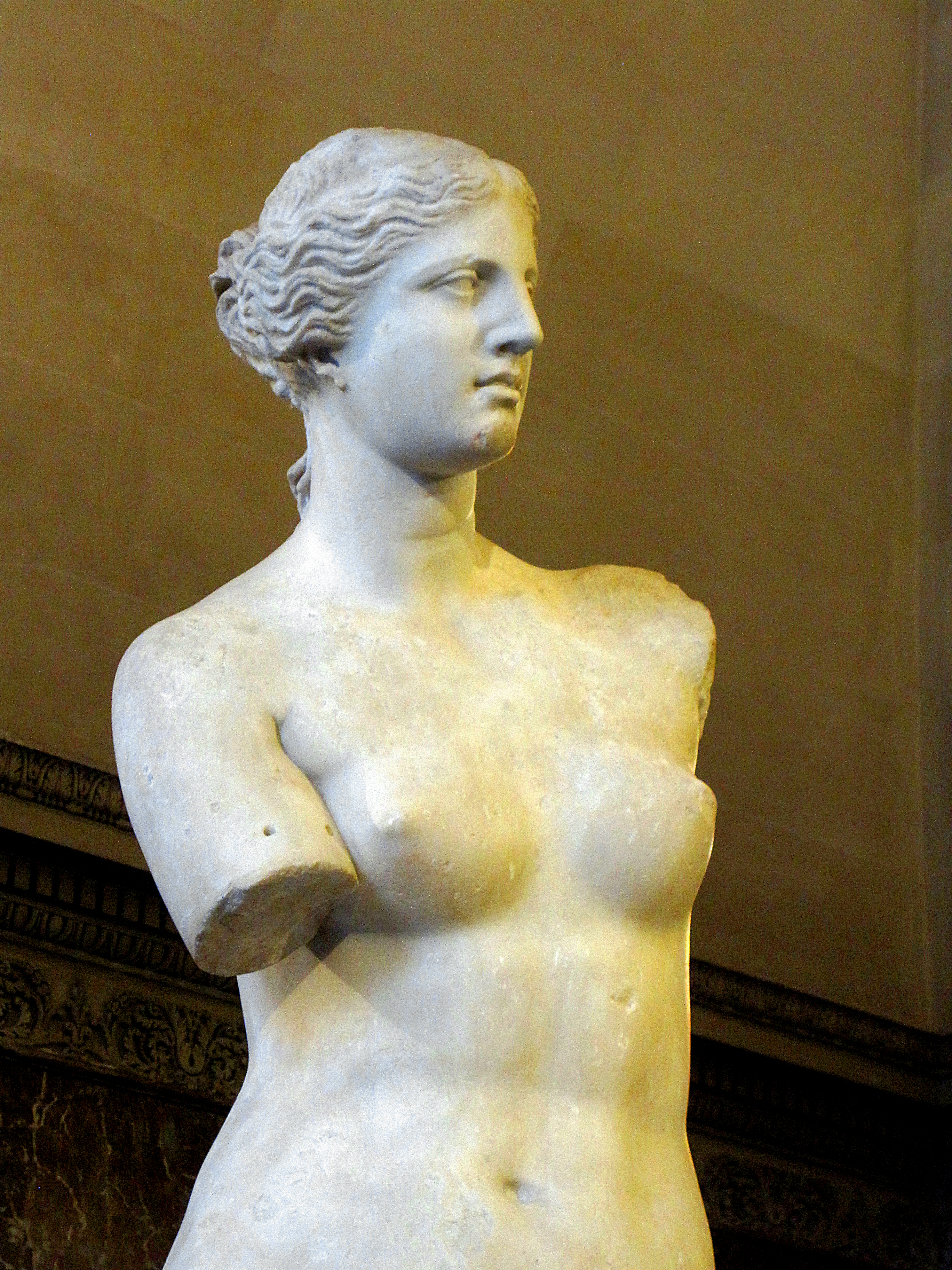

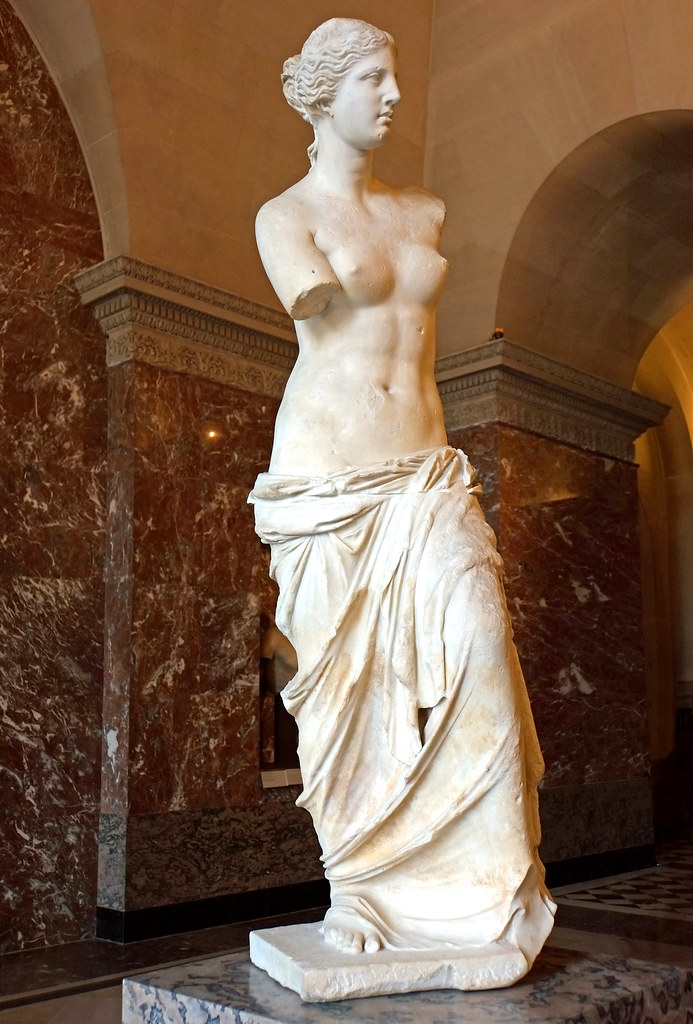
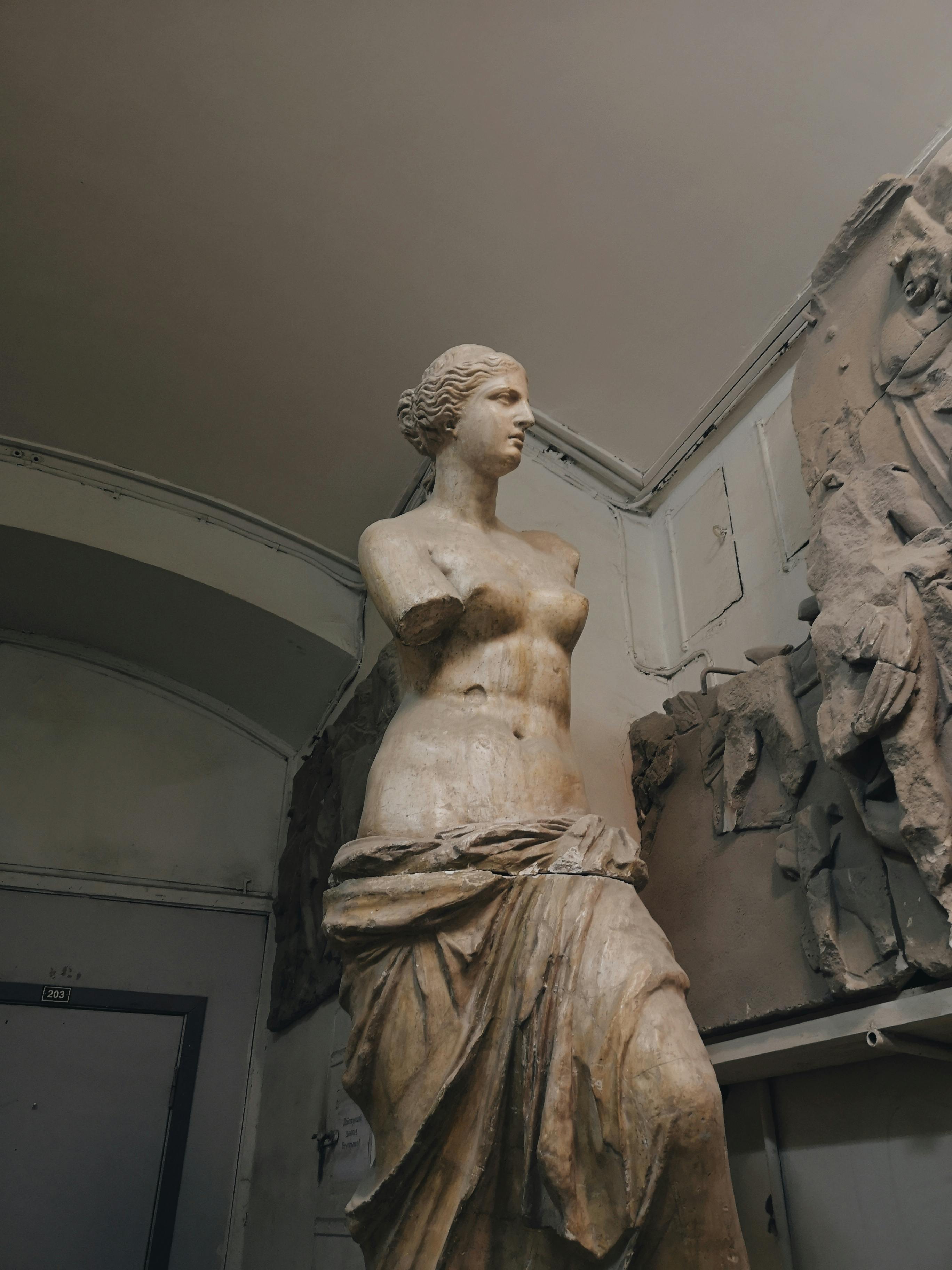


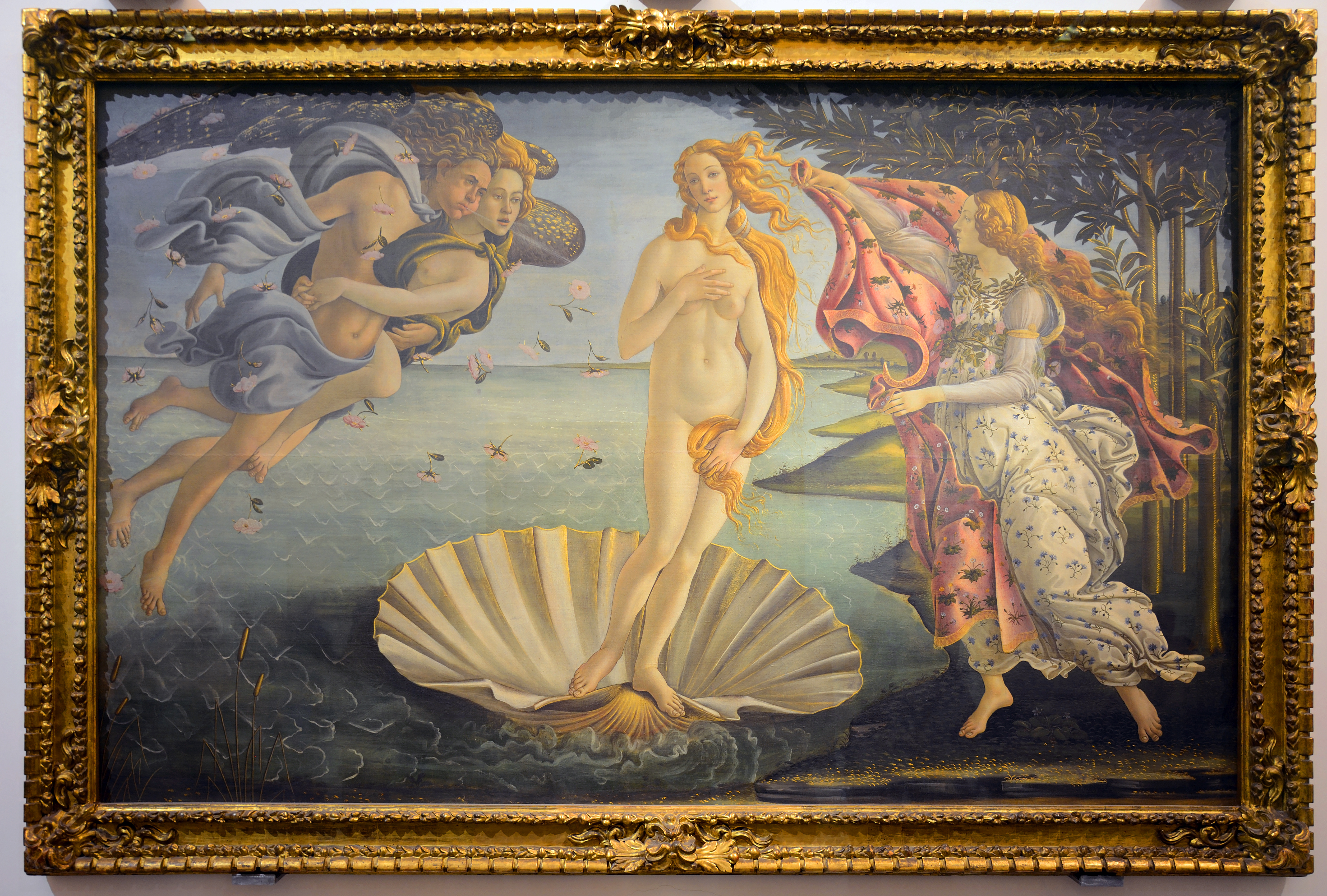


For me, as an artist, she's a constant, powerful reminder that sometimes, the most profound and enduring statements are found not in explicit detail, but in what's not explicitly shown. The spaces we fill with our imagination, the questions she provokes, the quiet grandeur of her form – these are the elements that truly stick with you. In a world often obsessed with completion and perfection, there's something profoundly beautiful and liberating in an enduring mystery, a testament to the idea that true art transcends the need for definitive answers. This echoes my own approach to abstract art – leaving room for the viewer to participate, to interpret, to find their own meaning in the forms and colors.
It's a bit like my own creative process sometimes; you start with an idea, and it evolves, some parts are lost, others gained, and the final piece tells a story that's often richer, more nuanced, and more open to interpretation precisely because of its journey and its inherent incompleteness. That's why I connect so much with her. She embodies the enduring power of art to captivate, to puzzle, and to offer endless opportunities for contemplation, reminding us that art is a journey, not just a destination. It’s a concept that resonates deeply with my own approach to abstract art, where the viewer's interpretation fills in the 'missing' pieces, creating a unique and personal dialogue with the artwork. The Venus de Milo is the ultimate proof that art's greatest power often lies in its ability to invite, rather than dictate, meaning. Her silent challenge to our assumptions about completeness is, for me, her most profound gift.
What are your thoughts on this incredible sculpture? Does its mystery draw you in, or do you wish we knew the whole story? Whatever your take, her power is undeniable, and her legacy, for artists and art lovers alike, is absolutely priceless. If you want to see more of my journey and the stories my art tells, exploring themes of enduring beauty and the power of expression, feel free to check out my latest works.
Further Reading and Related Articles
To deepen your understanding of classical art, mythology, and the periods that shaped the Venus de Milo, explore these related articles:
These resources will help you trace the enduring threads of artistic inspiration that connect ancient masterpieces like the Venus de Milo to the vibrant art of today.