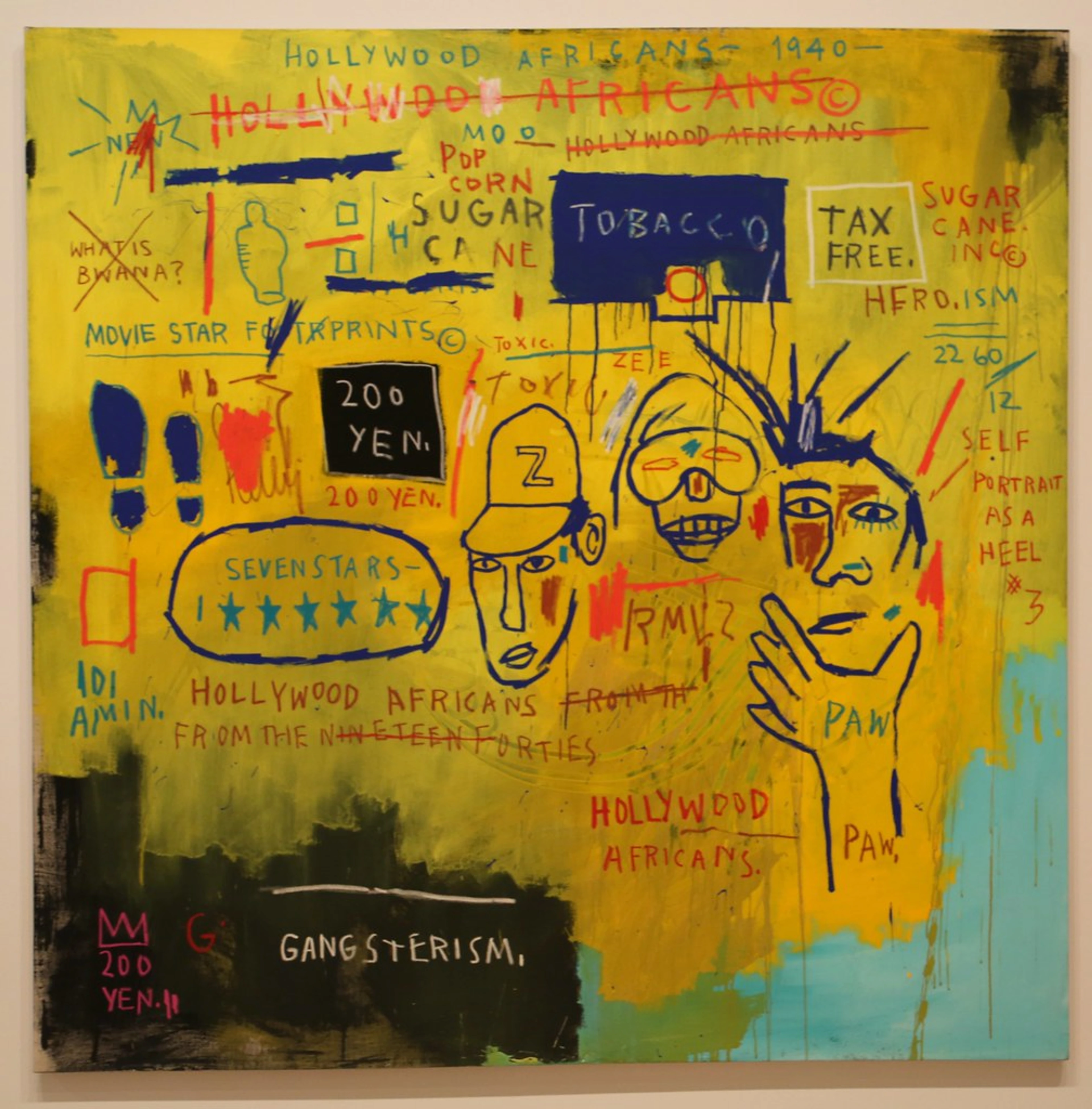
Portraiture: My Human Guide to History, Techniques, and Abstract Expression
Dive into portraiture with an artist's personal, humorous guide. Explore history, classical and abstract techniques, and the enduring quest to capture the human spirit, from Renaissance masters to Basquiat.

The Art of Portraiture: My Personal (and Disarmingly Human) Guide
Portraiture is more than just capturing a likeness; it's about freezing a moment, a personality, and a story in time. Whether you're an artist, an art enthusiast, or simply curious about the human experience, this guide will take you on a journey through the history, techniques, and emotional depth of portraiture. Join me as we explore the nuances of this timeless art form and uncover what makes it so profoundly compelling.
Portraiture is a conversation—a silent dialogue between the artist, the subject, and the viewer. It's a way to explore identity, emotion, and the human condition. Whether you're drawn to the realism of a classical portrait or the abstraction of a modern piece, there's something universally captivating about the art of capturing a face, a gaze, or an expression.
I'll admit it: for a long time, portraiture felt like a bit of a high-wire act for me. The pressure to get it right—to perfectly capture someone’s likeness, to freeze a fleeting expression, to convey an entire personality with just paint or charcoal—was often paralyzing. I remember one particularly stubborn attempt at a self-portrait where, after hours, I swore the canvas was actively mocking me, my reflection morphing into something resembling a perpetually bewildered garden gnome. It's one thing to dive into the beautiful chaos of abstract art, where the 'rules' are more like suggestions whispered by your intuition. But a portrait? That’s a direct conversation, and sometimes, I’m just not ready for that much eye contact. Yet, the conversation is often worth having.
What makes portraiture so daunting is its vulnerability. It's not just about the technical skill of rendering a face; it's about capturing the essence of a person, their emotions, and their story. It's a deeply personal and often humbling experience, one that requires both courage and empathy.
What is it about portraiture that makes it so daunting yet so rewarding? Perhaps it's the vulnerability—the raw, unfiltered connection between the artist and the subject. Or maybe it's the challenge of translating a three-dimensional, living, breathing human into a two-dimensional medium. Whatever it is, portraiture has a way of drawing you in, compelling you to see the world through someone else's eyes, if only for a moment.
The reward lies in the connection. A well-executed portrait can transcend time, allowing us to glimpse into the lives and emotions of people from different eras and cultures. It's a testament to the power of art to evoke empathy and understanding.
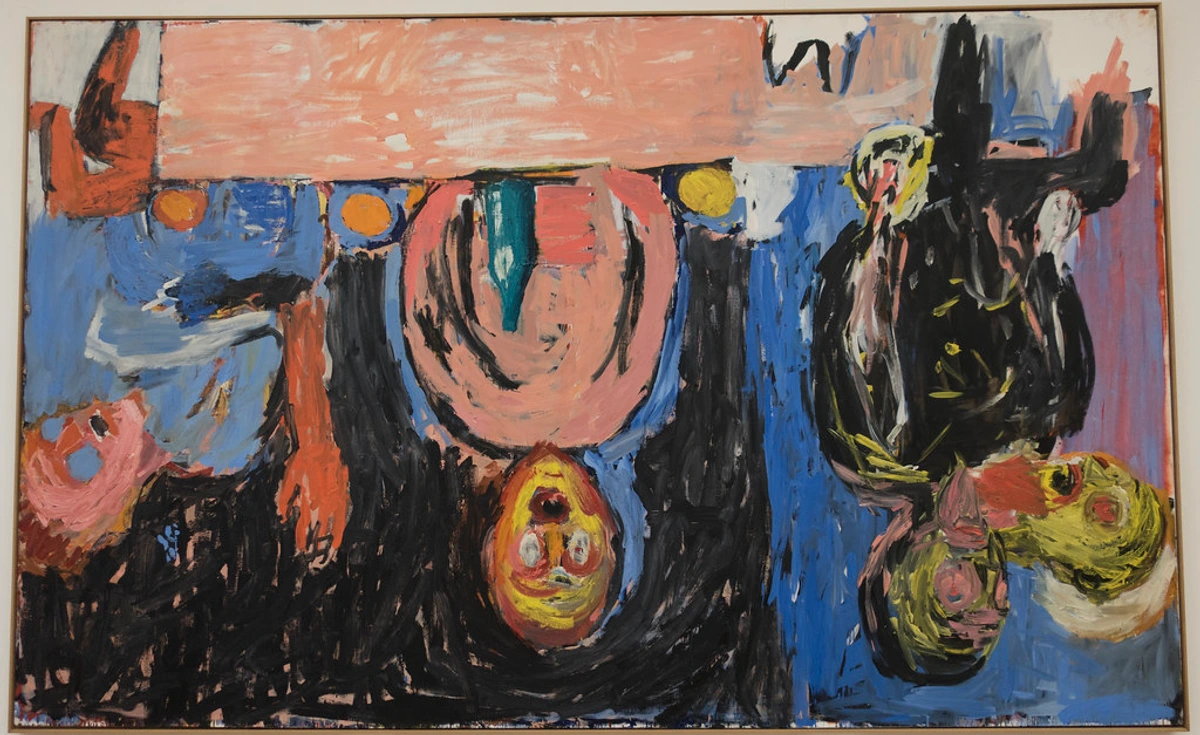
There’s an undeniable allure to it, isn't there? The way a well-executed portrait can reach across centuries and connect you to a human story, a moment in time. It’s not just about the person depicted; it’s about the artist’s gaze, their interpretation, their very own dance with reality. So, despite my initial trepidation, I’ve found myself drawn into this world, slowly uncovering its layers, much like peeling an onion—minus the tears (mostly). Join me as we journey from historical depictions to the expressive freedom of abstract portraiture, exploring what it truly means to capture a human spirit. This guide is my candid exploration, blending historical insights, practical techniques, and a deeply personal dive into what makes a face, or even just the idea of a face, so profoundly compelling. Perhaps you'll even find a little piece of my own artistic soul along the way.
Why Portraiture Matters
Portraiture is more than just an artistic endeavor; it's a way of preserving history, culture, and individuality. From ancient civilizations to modern-day digital art, portraits have served as a mirror to society, reflecting its values, struggles, and triumphs. They allow us to connect with people from different eras, cultures, and walks of life, offering a glimpse into their world and, in turn, our own.
Portraiture also serves as a form of storytelling. It captures the essence of individuals, their emotions, and their experiences, making it a powerful tool for communication and empathy. Whether it's a historical figure or an everyday person, a portrait can convey a narrative that transcends time and space.
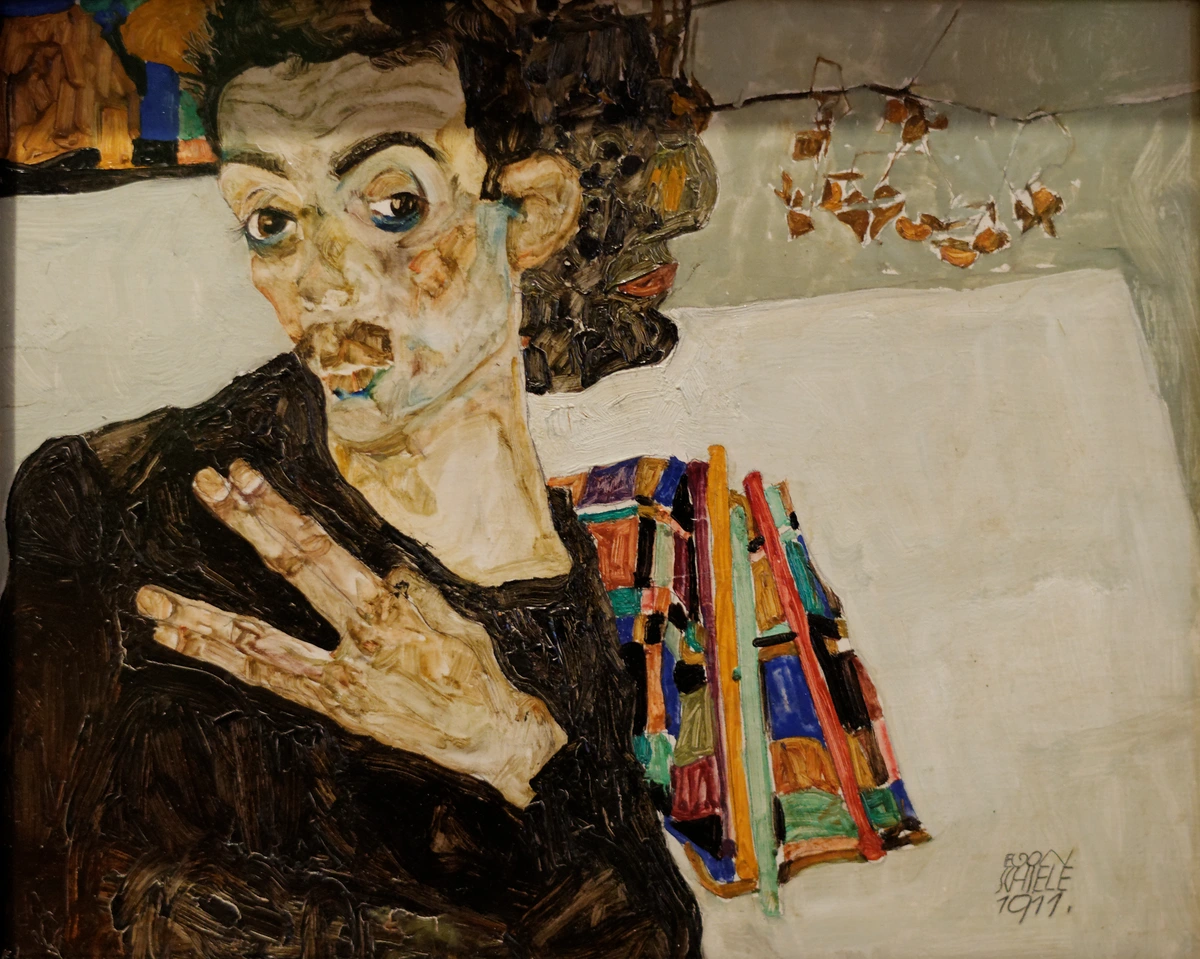
Portraiture also plays a crucial role in storytelling. It captures the essence of individuals, their emotions, and their experiences, making it a powerful tool for communication and empathy. Whether it's a historical figure or an everyday person, a portrait can convey a narrative that transcends time and space.
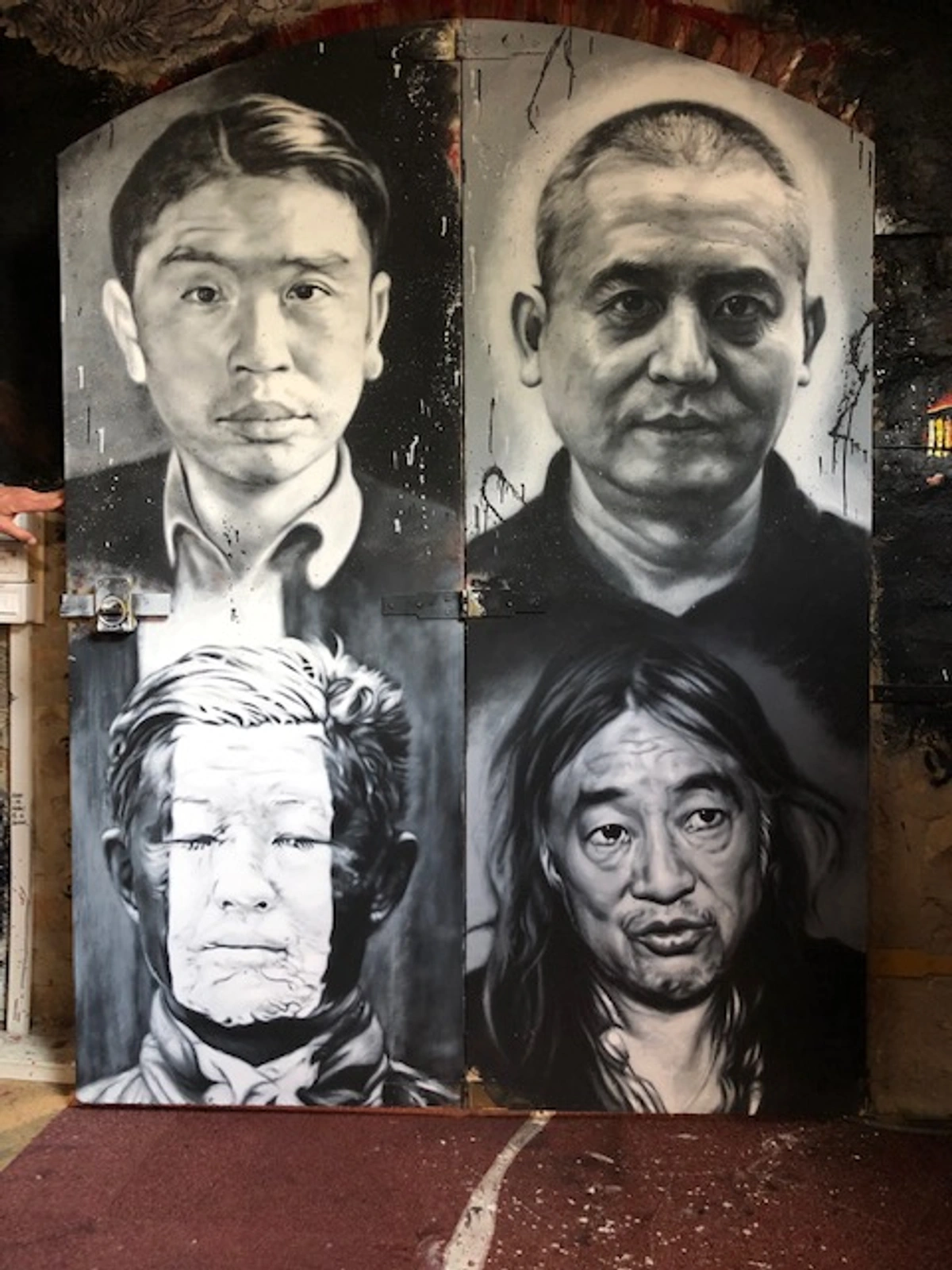
What Is Portraiture, Anyway? A Glimpse Beyond the Selfie
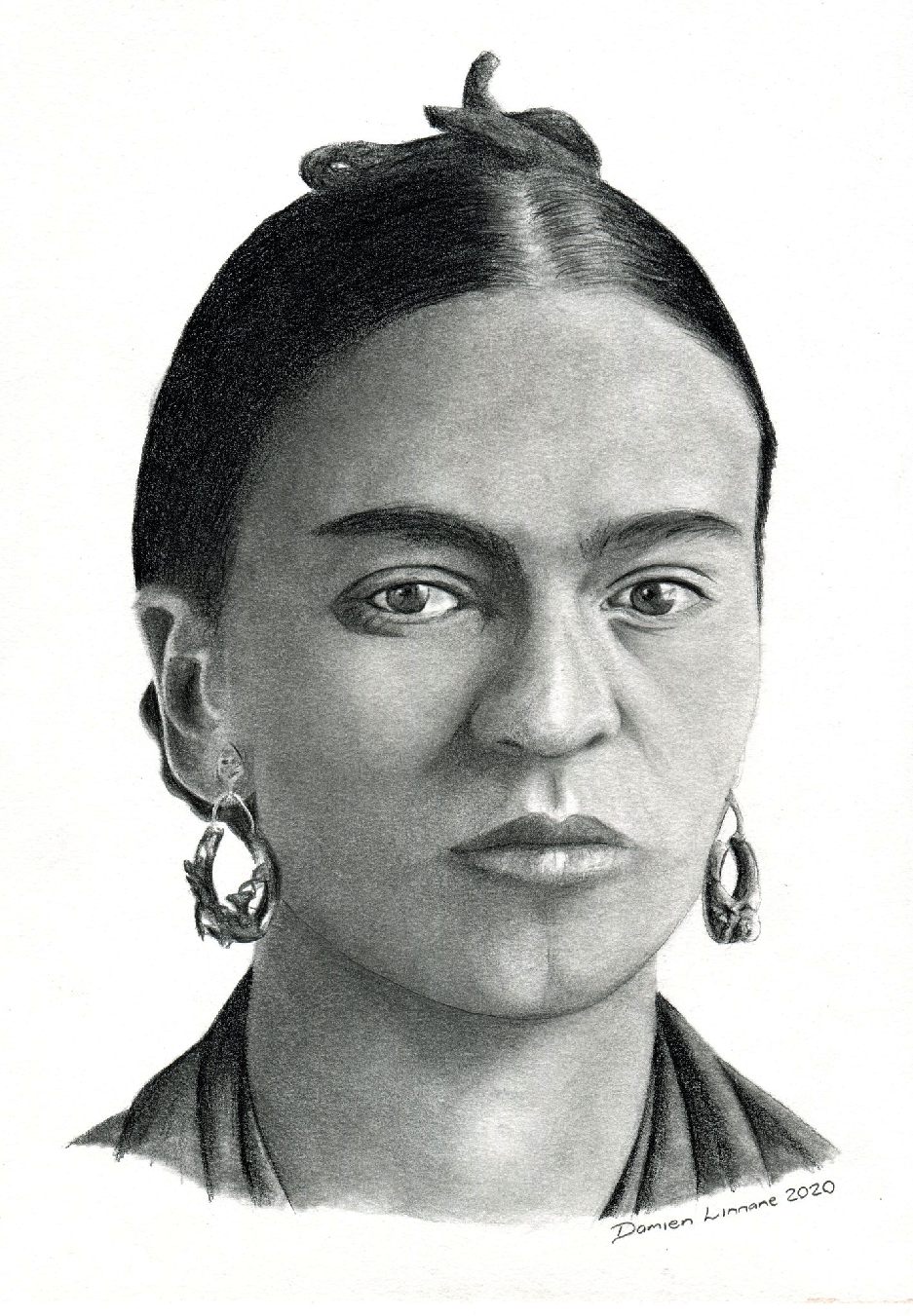
At its core, portraiture is the art of capturing the essence of a person. It goes beyond mere representation, delving into the emotional, psychological, and cultural layers that define an individual. Unlike a selfie, which is often fleeting and superficial, a portrait aims to tell a story, evoke emotions, and reveal the inner world of the subject. It's a dialogue between the artist, the subject, and the viewer, each bringing their own perspective and interpretation to the piece.
So, if it’s not just a snapshot, what is this elusive art form we call portraiture? At its heart, portraiture is more than just a depiction of a person. It’s an exploration of identity, a visual biography, a silent dialogue between the subject, the artist, and ultimately, you, the viewer. Think about it: a selfie is immediate, a snapshot of a moment. A portrait aims for something deeper, something enduring. It seeks to tell a story, evoke an emotion, or reveal a sliver of the sitter's inner world, grappling with the very concept of who we are and how we present ourselves to the world. Beyond mere likeness, portraits serve myriad purposes:
- Commemoration: Immortalizing significant individuals or events, like the regal busts of Roman emperors.
- Propaganda: Conveying power, ideology, or social status, seen in political leaders' portraits through history.
- Self-expression: Allowing artists to explore their own identity, emotions, or artistic vision.
- Psychological Study: Delving into the inner life and complexities of the human psyche.
They can also subtly reflect the societal norms, expectations, or even anxieties of the era in which they were created, acting as visual time capsules of human experience. Humanity has always felt this urge to record faces, from the ancient Egyptians carving stylized busts to the Romans immortalizing their leaders. Why? Perhaps it’s a tiny rebellion against the fleeting nature of life, a way to say, "I was here. We were here." And honestly, who doesn't want a little bit of immortality, even if it's just a smudge of paint on a canvas? My own fascination often boils down to this: what part of a person truly ensues, and how can I, as an artist, try to hint at that without relying on perfect mimicry? It’s a question that keeps me coming back, brush in hand.
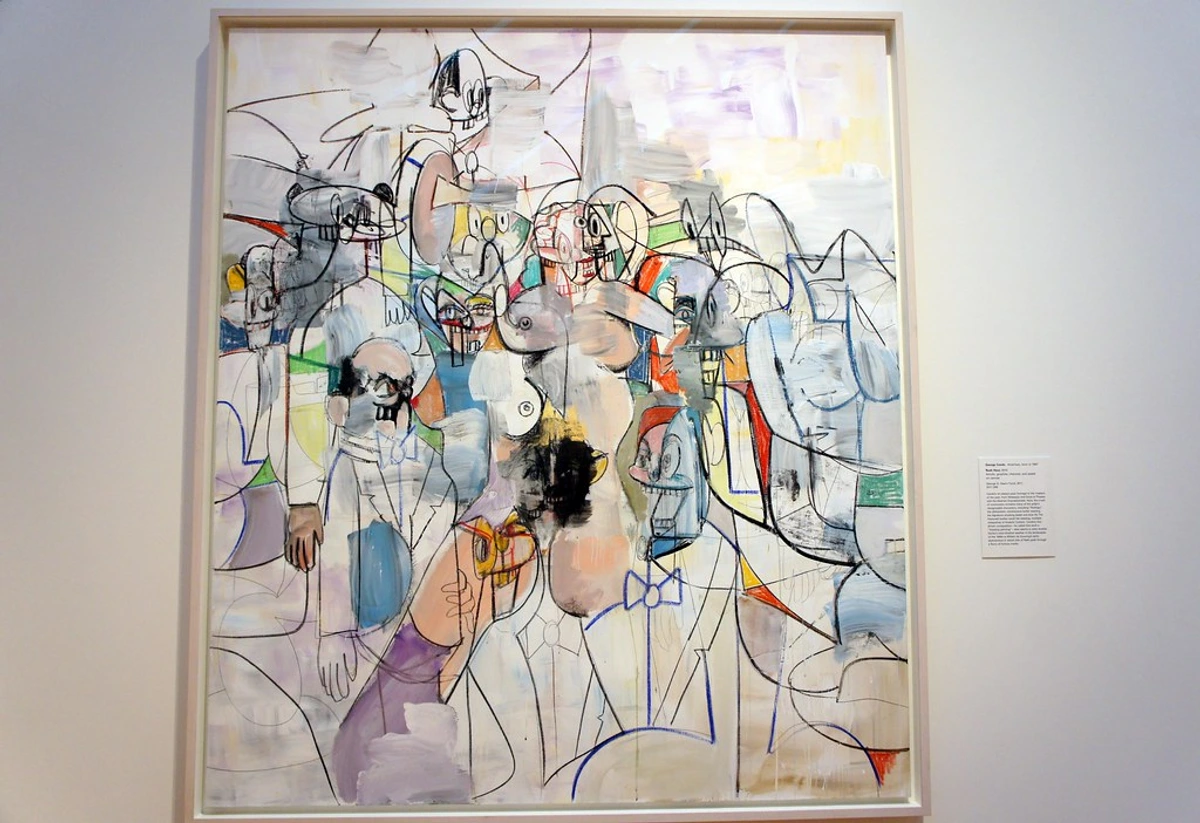
The Evolution of Portraiture: From Ancient to Modern
Portraiture has evolved significantly over the centuries, adapting to the cultural and technological changes of each era. From the stylized busts of ancient Egypt to the hyper-realistic digital portraits of today, the art form has continuously reinvented itself. This evolution reflects not only changes in artistic techniques but also shifts in societal values and the way we perceive identity and representation.
The Influence of Technology on Portraiture
Technology has played a significant role in the evolution of portraiture. From the invention of photography to the rise of digital art, new tools and techniques have expanded the possibilities for artists. Digital platforms have also made it easier to share and sell artwork, connecting artists with audiences around the world. However, these advancements also raise important ethical questions, particularly around issues of consent, privacy, and the use of AI in creating and manipulating images.
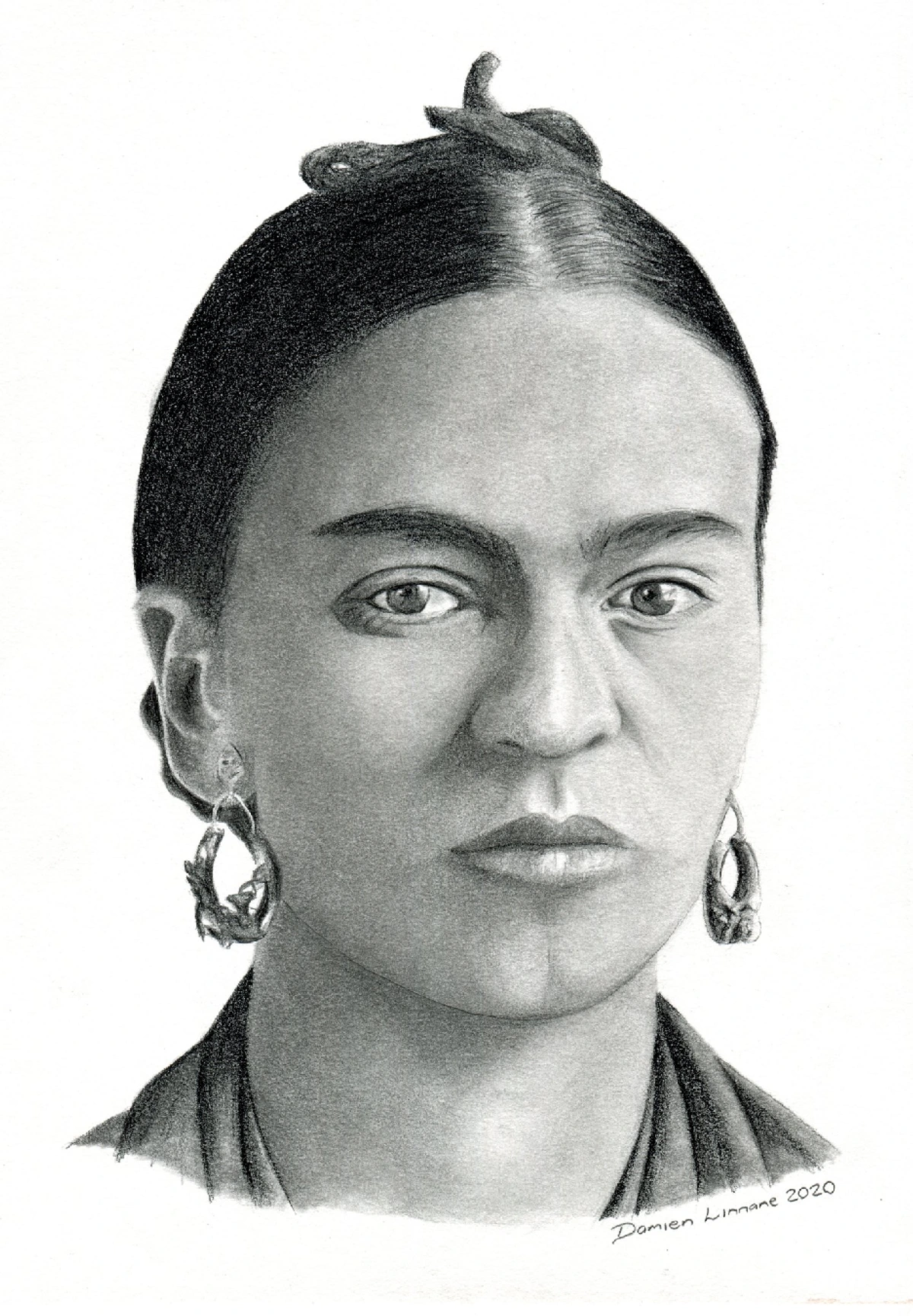
A Whirlwind Tour Through Portrait History (With My Own Quirky Commentary)
The history of portraiture is as rich and varied as the people it seeks to capture. From the earliest cave paintings to the digital portraits of today, this art form has evolved alongside humanity, reflecting our changing values, technologies, and artistic sensibilities. Let's take a journey through time and explore how portraiture has shaped—and been shaped by—the world around it.
The history of portraiture is a vast, winding river, and I’m just dipping my toes in. Initially, it was often about status, power, or religious devotion. Kings, queens, and saints got the best seats (and the most expensive pigments). Symbolic elements—a specific flower, an animal, or an object—were often included to convey virtues, status, or hidden meanings, adding layers to the sitter's story.
The Role of Religion in Portraiture
Religion has had a profound impact on portraiture throughout history. In many ancient civilizations, portraits were created to honor gods and goddesses, as well as to commemorate religious leaders and saints. These portraits often depicted the divine in an idealized form, emphasizing their power and authority. In Christian art, portraits of saints and religious figures were used to inspire devotion and convey spiritual messages.
The Role of Symbolism in Portraiture
Symbolism has always played a significant role in portraiture. Artists used various symbols to convey deeper meanings and messages about the subject. For example, a rose might symbolize love or beauty, while a skull could represent mortality. These symbols added layers of meaning to the portrait, allowing the artist to tell a more complex story about the subject.
Ancient and Classical Portraiture
In ancient civilizations, portraiture was often reserved for the elite and the divine. The Egyptians, for example, created stylized busts and paintings that emphasized the eternal nature of the soul. Meanwhile, the Greeks and Romans focused on realism, capturing the likeness of their leaders and gods with remarkable precision. These early portraits were not just artistic expressions but also tools of propaganda, reinforcing the power and authority of those depicted.
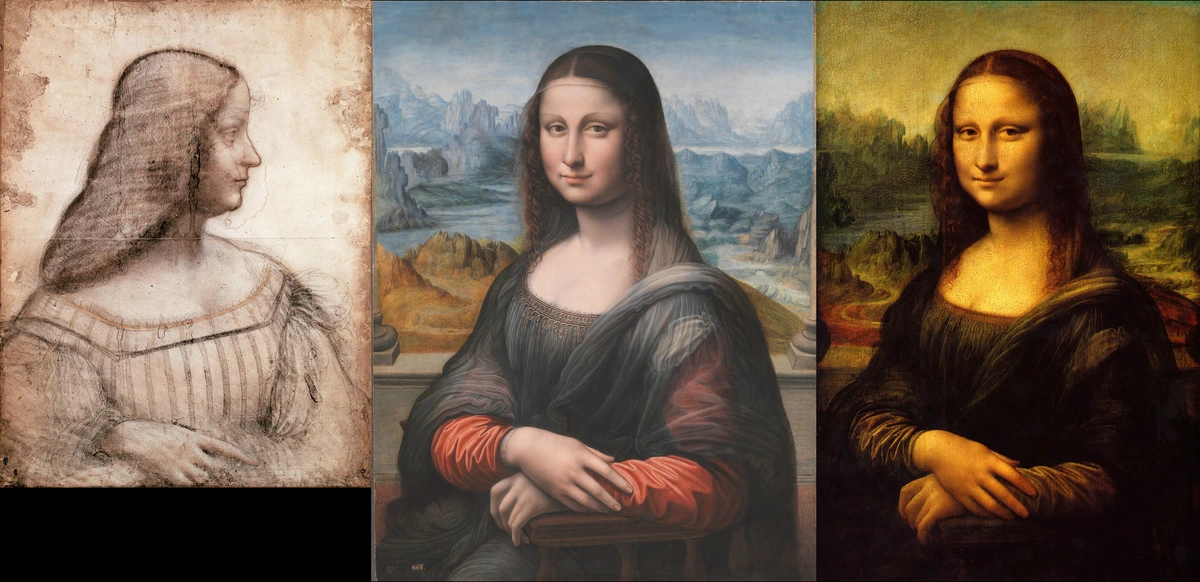
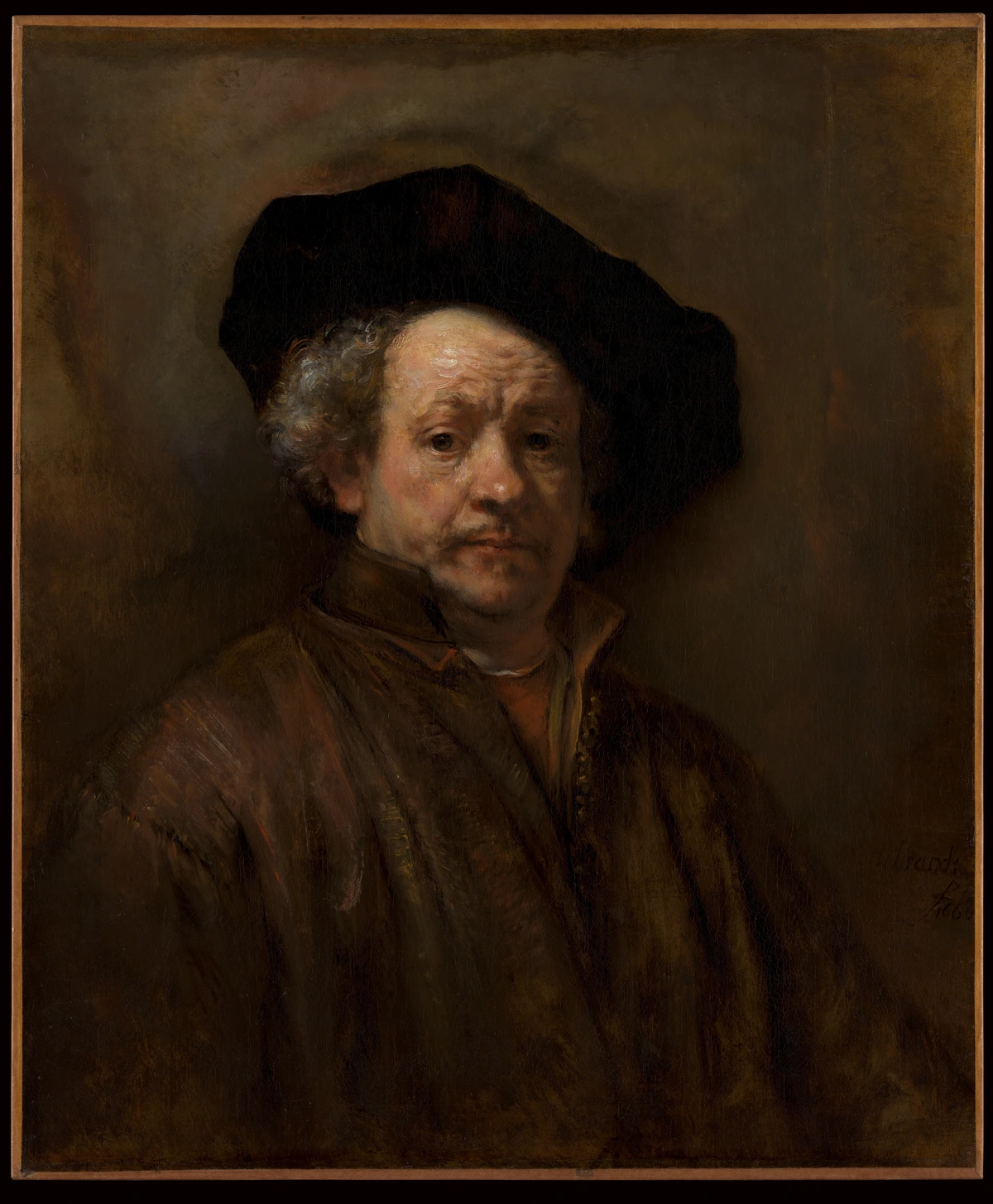
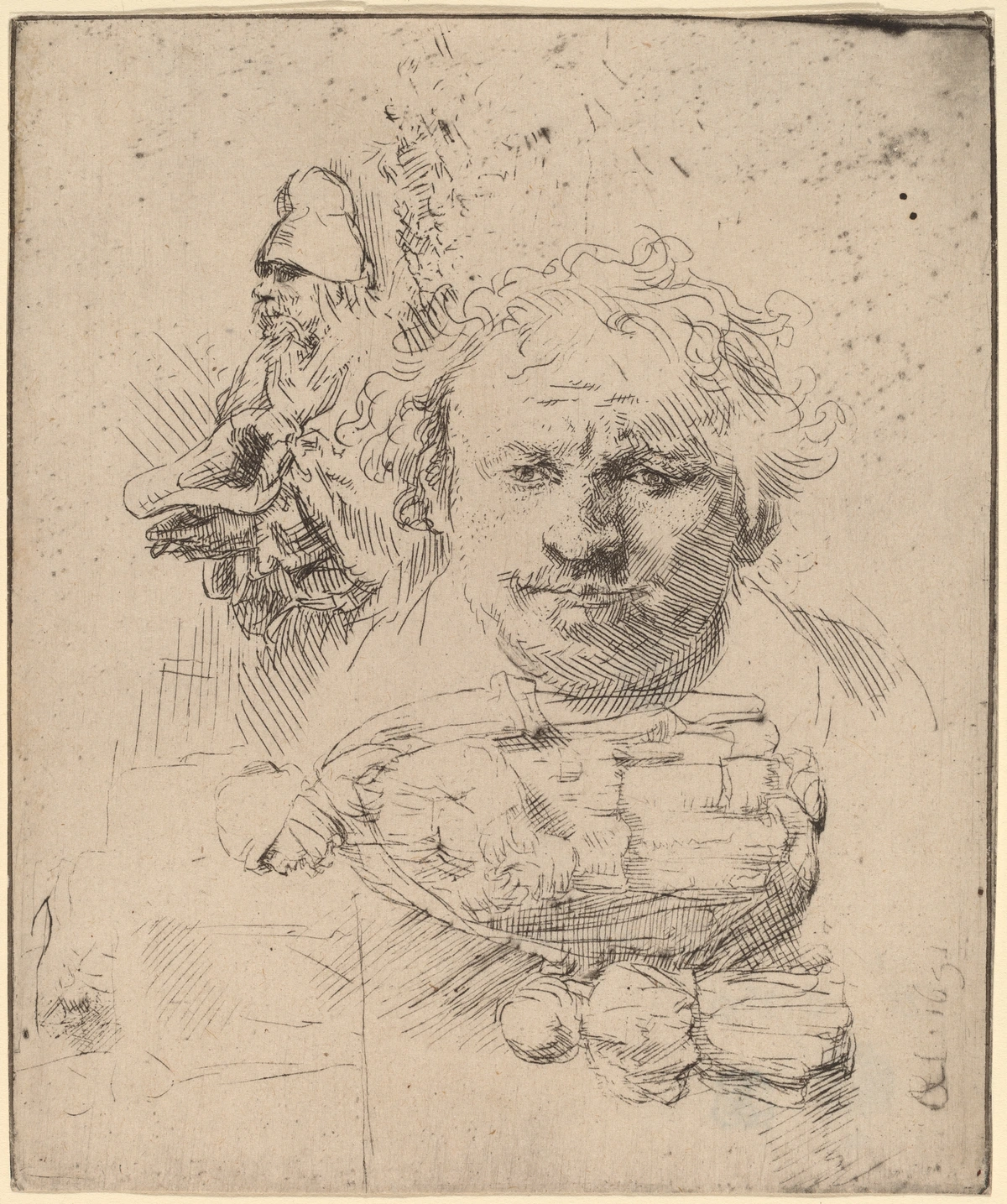
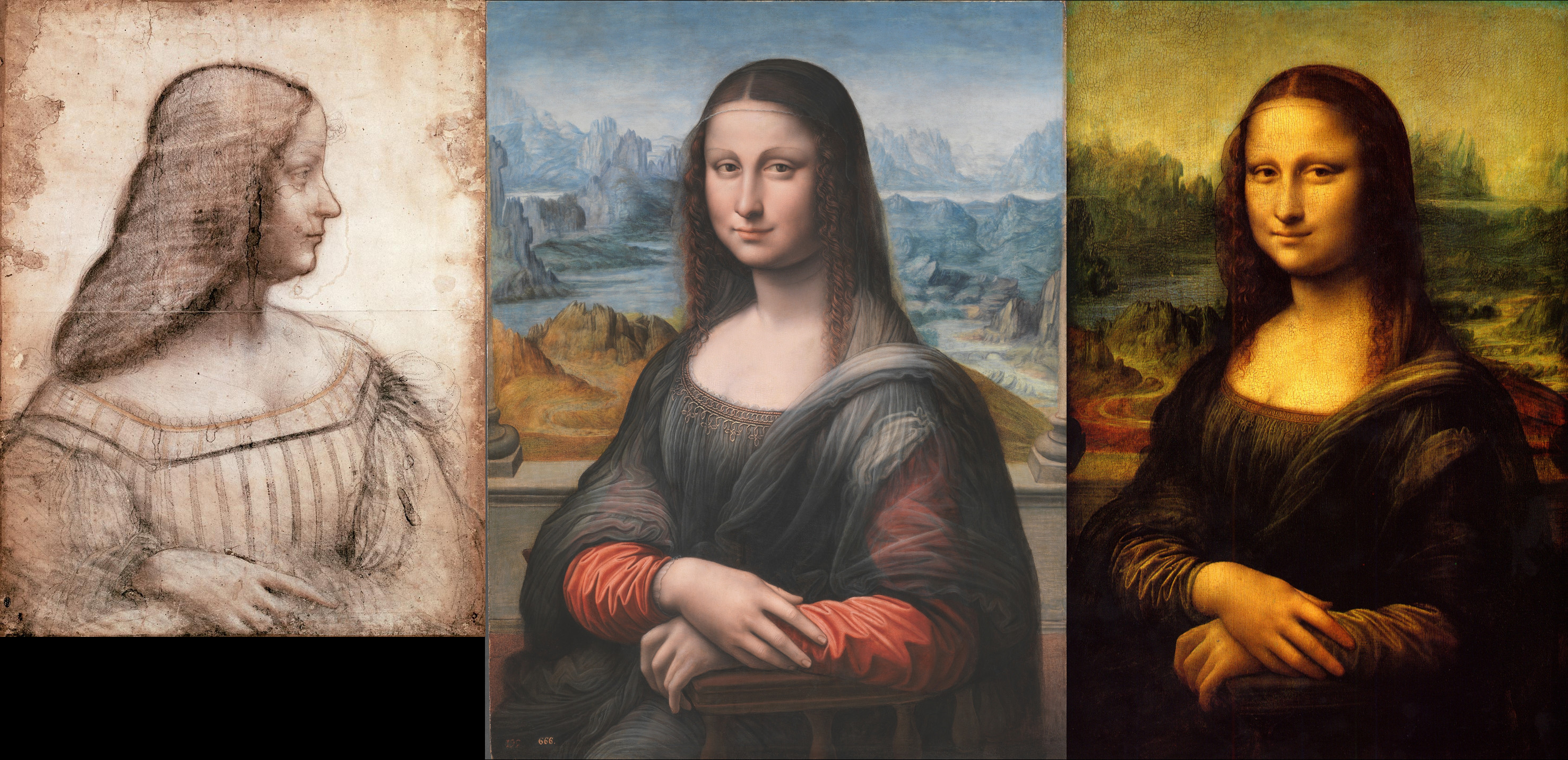
Then came the Renaissance, and suddenly, everyone was getting their mug immortalized. Artists like Leonardo and Rembrandt didn't just paint faces; they painted souls, complete with all their anxieties, triumphs, and the occasional bad hair day. This era also saw the rise of the Dutch Golden Age, where a burgeoning merchant class began commissioning portraits not just of royalty, but of ordinary citizens—merchants, civic guards, and families—shifting the focus from divine or aristocratic grandeur to the individual humanity and burgeoning wealth of the middle class. It’s a fascinating pivot, proving that everyone, from kings to commoners, yearns to be seen.
The Influence of Religion on Portraiture
Religion has had a profound impact on portraiture throughout history. In many ancient civilizations, portraits were created to honor gods and goddesses, as well as to commemorate religious leaders and saints. These portraits often depicted the divine in an idealized form, emphasizing their power and authority. In Christian art, portraits of saints and religious figures were used to inspire devotion and convey spiritual messages.
The Renaissance and the Rise of Individualism
The Renaissance marked a turning point in portraiture. Artists began to explore the psychological depth of their subjects, capturing not just their physical likeness but also their emotions and personalities. This period also saw the rise of self-portraits, as artists turned the lens on themselves, offering a glimpse into their own lives and creative processes. The Dutch Golden Age further democratized portraiture, making it accessible to a broader audience and reflecting the growing importance of individualism in society.
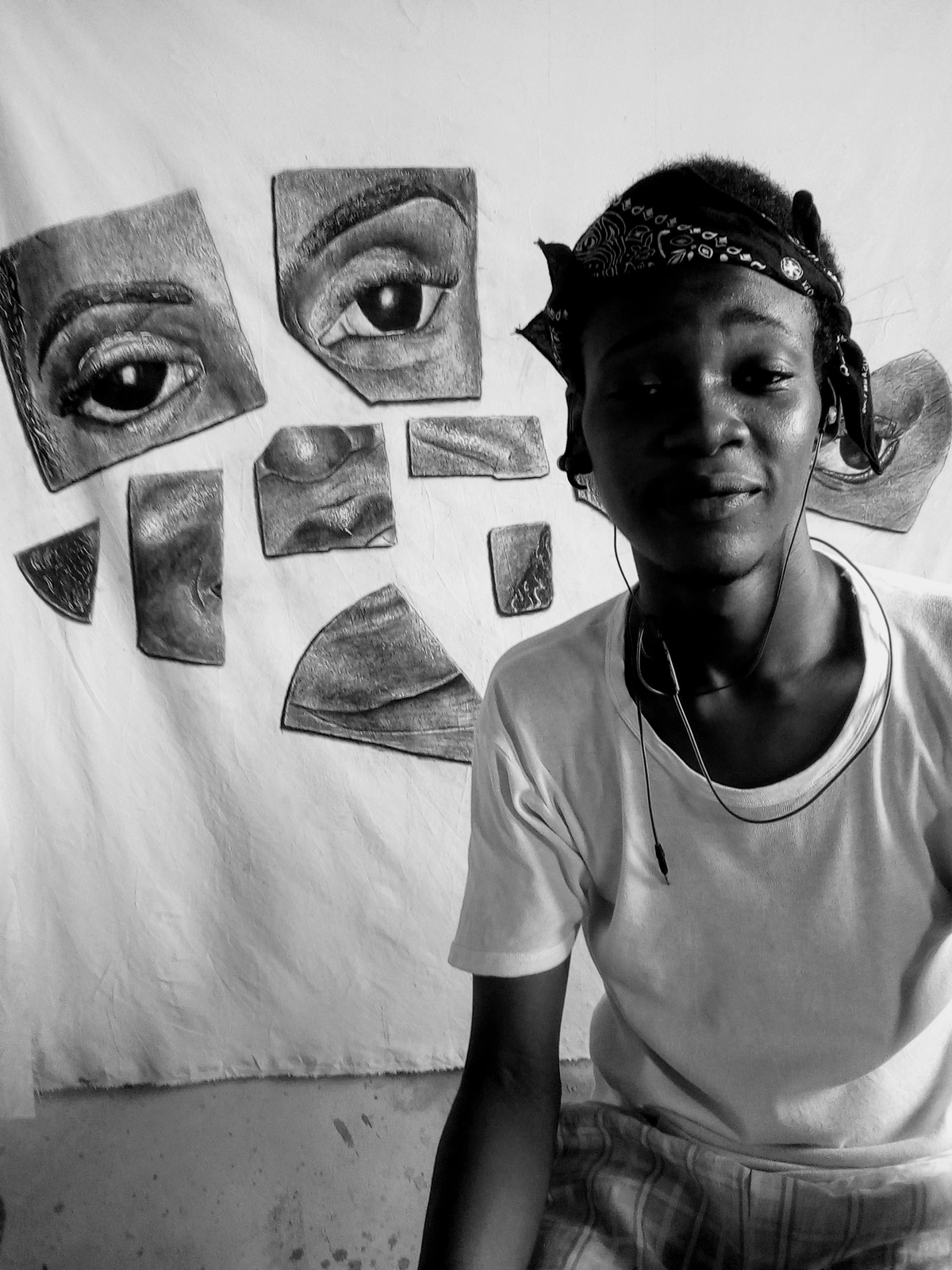
The Renaissance and Beyond
The Renaissance marked a turning point in portraiture. Artists began to explore the psychological depth of their subjects, capturing not just their physical likeness but also their emotions and personalities. This period also saw the rise of self-portraits, as artists turned the lens on themselves, offering a glimpse into their own lives and creative processes. The Dutch Golden Age further democratized portraiture, making it accessible to a broader audience and reflecting the growing importance of individualism in society.
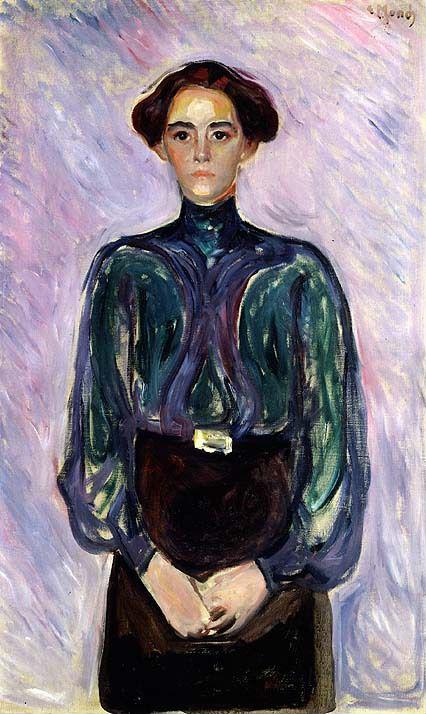
Moving into the Romantic era, artists like Goya and Delacroix began to explore the inner turmoil and emotional landscape of their subjects, pushing beyond idealization towards a more raw, psychological depth. Then we hit the Impressionists, who cared more about capturing fleeting moments and subjective perception through light and mood than perfect anatomical accuracy (a relief, frankly). This focus on a transient impression rather than an enduring exactness offered a fresh perspective on the very nature of depiction, laying crucial groundwork for movements that would prioritize subjective experience, emotion, and interpretation over literal representation—a direct path to abstract portraiture.
The Impact of the Industrial Revolution on Portraiture
The Industrial Revolution brought significant changes to portraiture. The advent of photography in the 19th century revolutionized the way portraits were created and perceived. Artists were no longer bound by the need for realism, allowing them to explore new forms of expression. This shift led to the rise of movements like Impressionism, Expressionism, and Cubism, each offering a unique perspective on the human form.
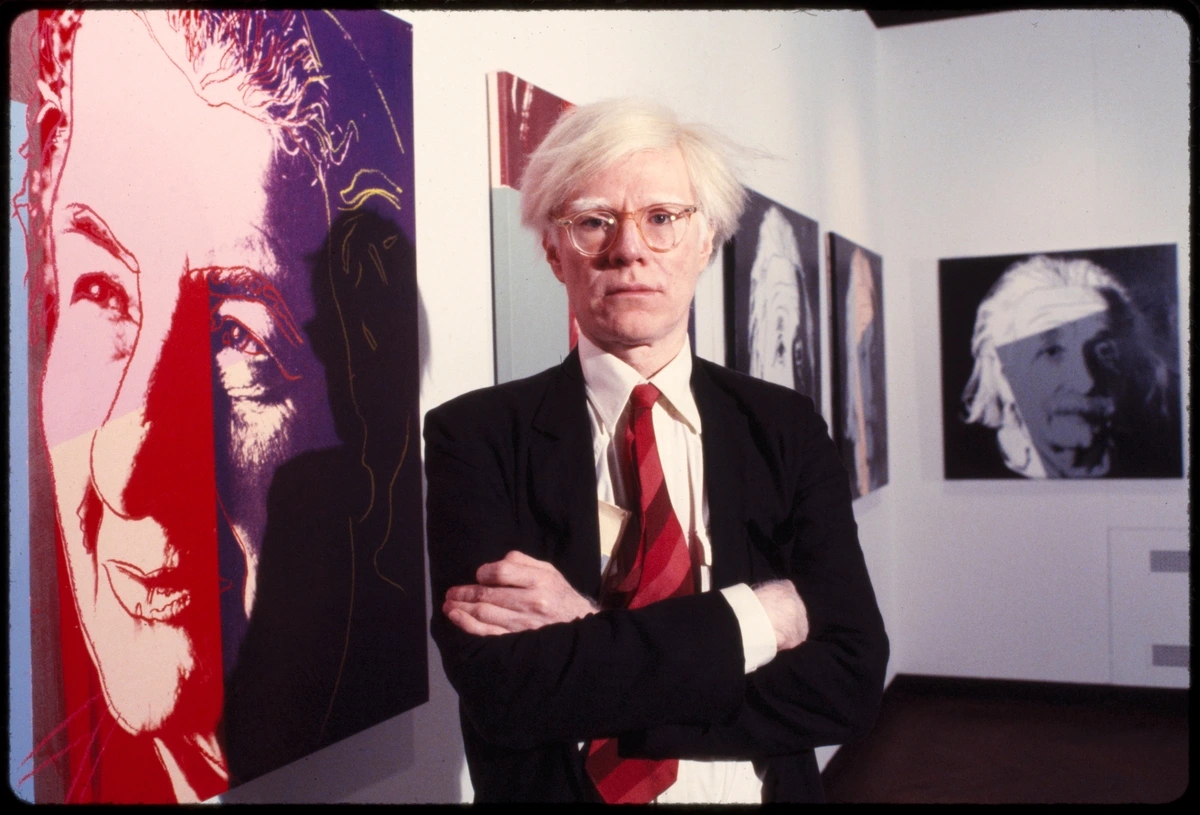
Modern and Contemporary Portraiture
The advent of photography in the 19th century revolutionized portraiture. Suddenly, artists were freed from the need to create perfect likenesses, allowing them to explore new forms of expression. This shift paved the way for modern and contemporary portraiture, where artists like Picasso and Matisse experimented with abstraction, distortion, and bold colors to convey the essence of their subjects. Today, portraiture continues to evolve, embracing digital technologies and new mediums while staying true to its core mission: capturing the human experience in all its complexity.
Then came the advent of photography in the 19th century, a game-changer that freed artists from the imperative of pure replication. If a camera could capture perfect likeness, what was painting for? This profound shift encouraged artists to delve deeper into interpretation, emotion, and abstraction, forging new paths for portraiture.
The Role of Technology in Contemporary Portraiture
Technology has had a profound impact on contemporary portraiture. Digital tools and software have expanded the possibilities for creative expression, allowing artists to experiment with new techniques and styles. Social media platforms have also made it easier for artists to share their work and connect with audiences around the world. However, these advancements also raise important ethical questions, particularly around issues of consent, privacy, and the use of AI in creating and manipulating images.
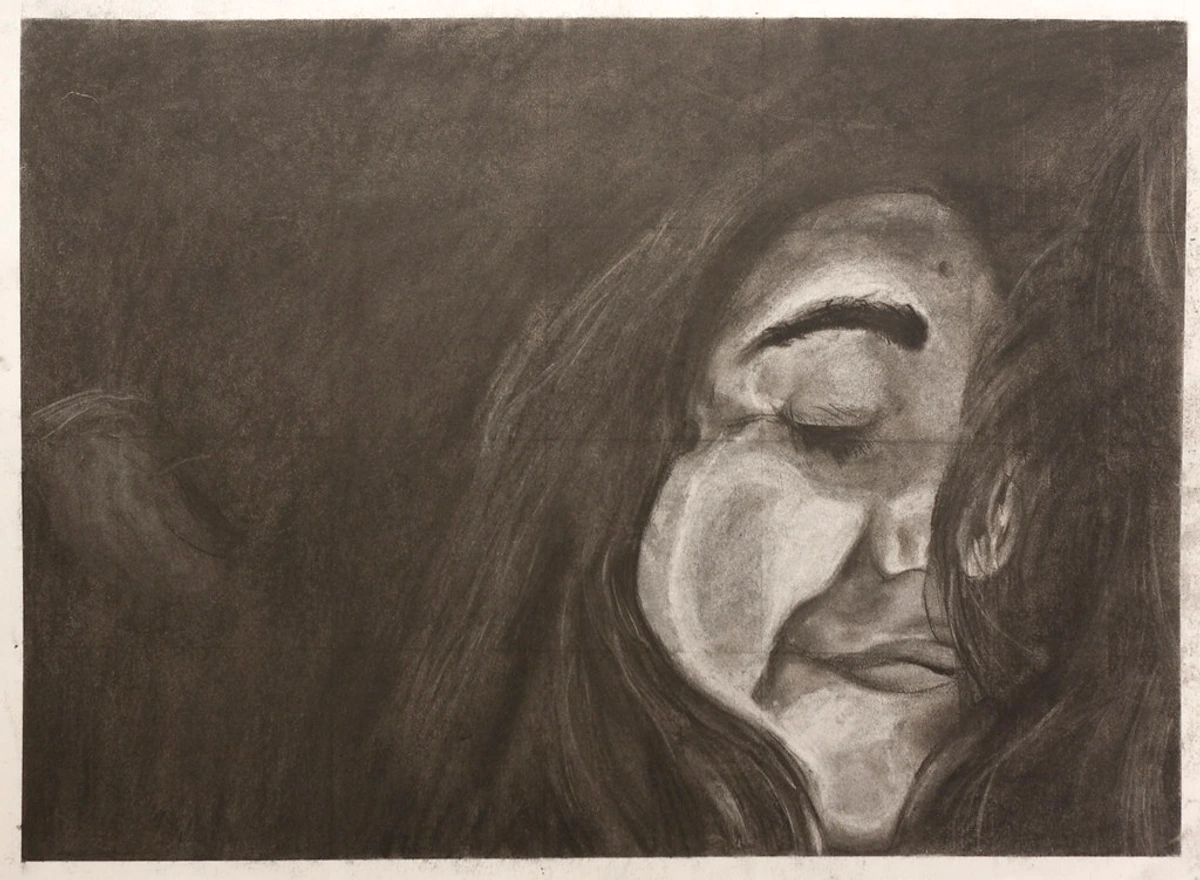
The Impact of Photography
Photography didn't just change the way portraits were created; it also changed the way they were perceived. No longer bound by the need for realism, artists could focus on the emotional and psychological aspects of their subjects. This shift led to the rise of movements like Impressionism, Expressionism, and Cubism, each offering a unique perspective on the human form. It also opened the door to new forms of portraiture, from photomontage to digital art, further expanding the boundaries of this timeless art form.
And then, the 20th century just exploded. Think about Picasso. He took the human form and playfully rearranged it, showing us multiple perspectives at once. It’s like he said, "Why settle for one angle when you can have all of them, plus a slightly wonky nose?" His work is a masterclass in how much you can twist reality and still capture an essence.
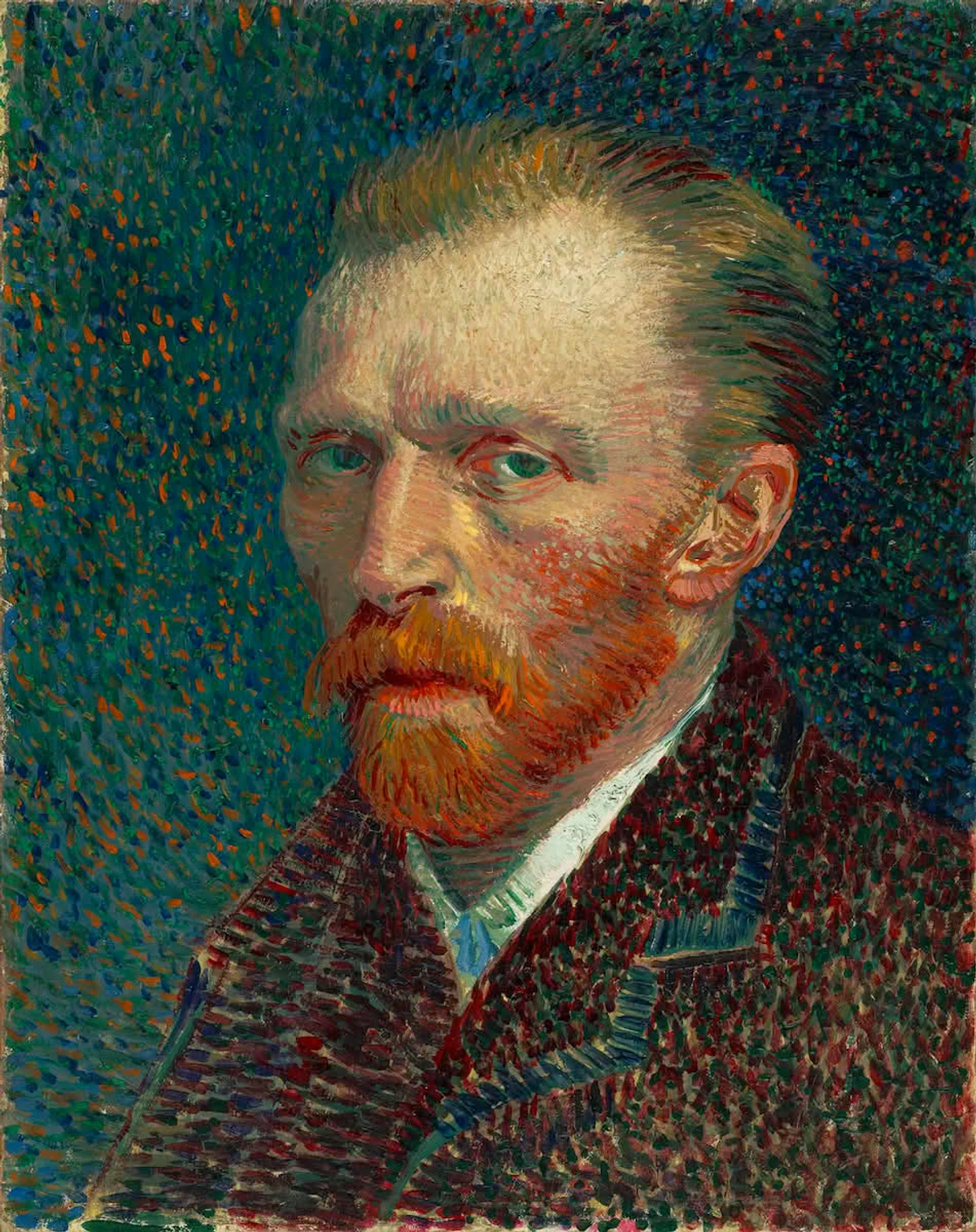
The Influence of Picasso on Modern Portraiture
Picasso's Cubist portraits challenged traditional notions of representation, breaking the human form into geometric shapes and fragmented planes. This radical approach allowed him to explore multiple viewpoints simultaneously, offering a more dynamic and complex portrayal of his subjects. His work not only redefined portraiture but also influenced generations of artists to come, proving that the essence of a person could be captured in ways far beyond the literal.
Picasso and the Cubist Revolution
Picasso's Cubist portraits challenged traditional notions of representation, breaking the human form into geometric shapes and fragmented planes. This radical approach allowed him to explore multiple viewpoints simultaneously, offering a more dynamic and complex portrayal of his subjects. His work not only redefined portraiture but also influenced generations of artists to come, proving that the essence of a person could be captured in ways far beyond the literal.
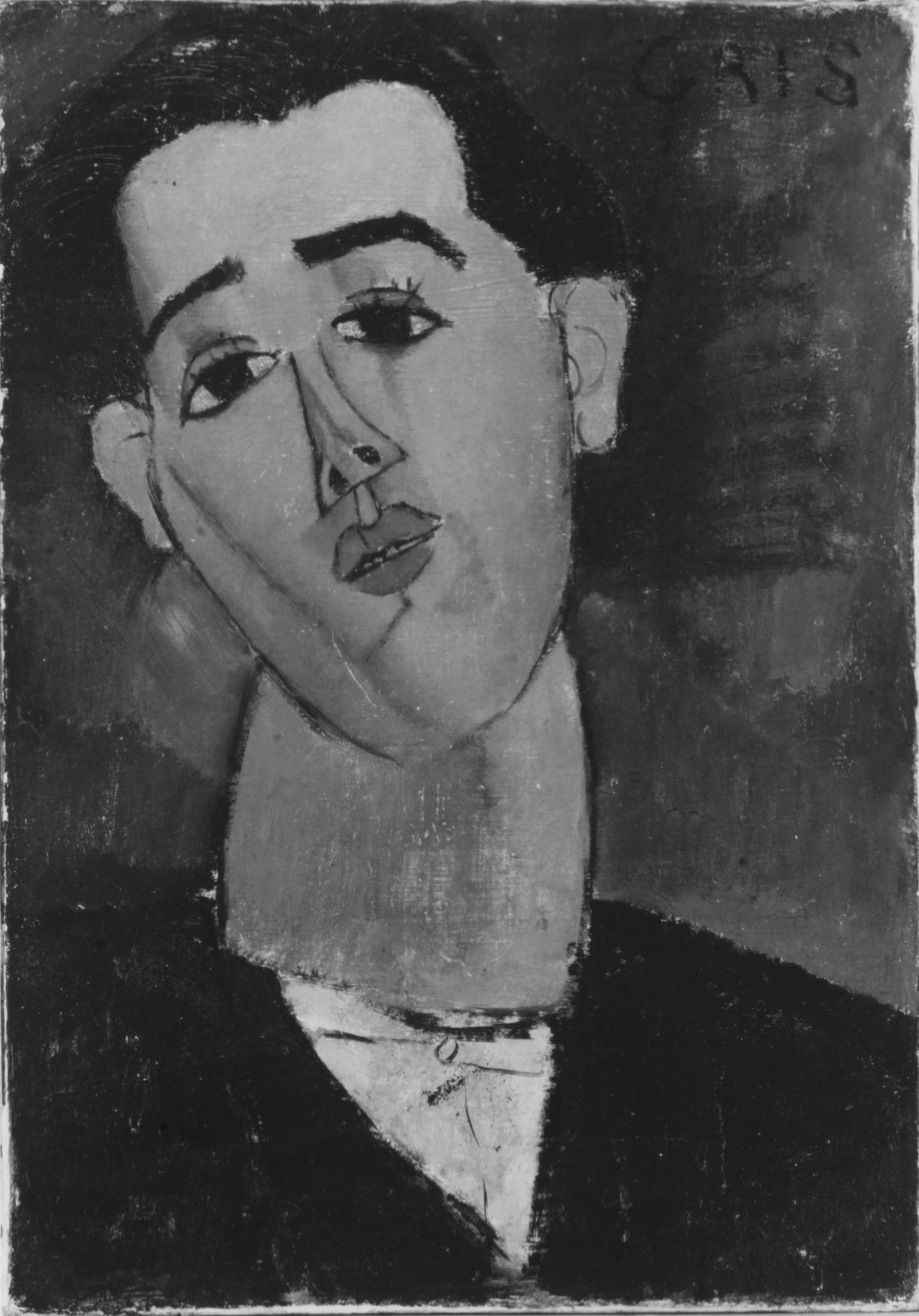
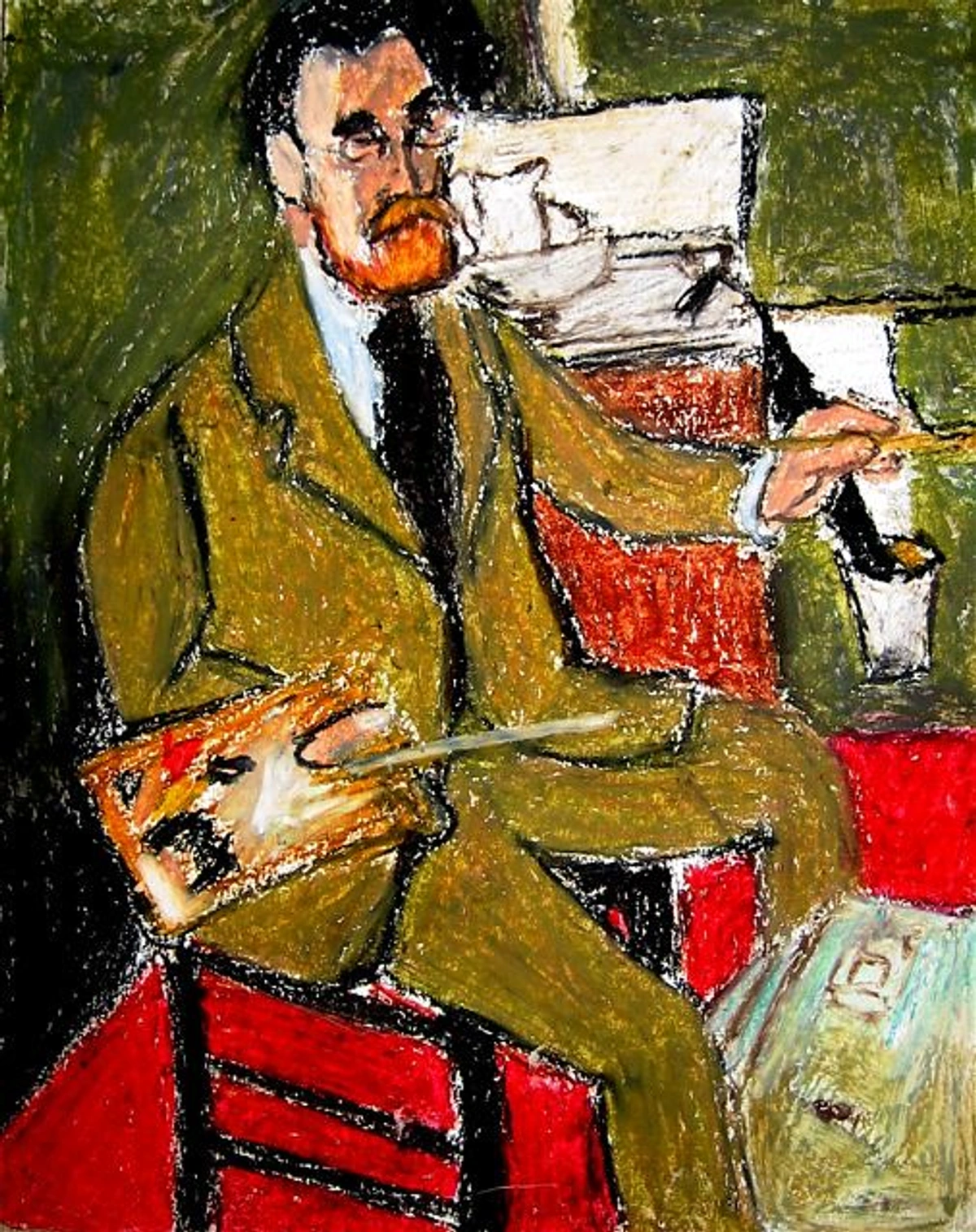
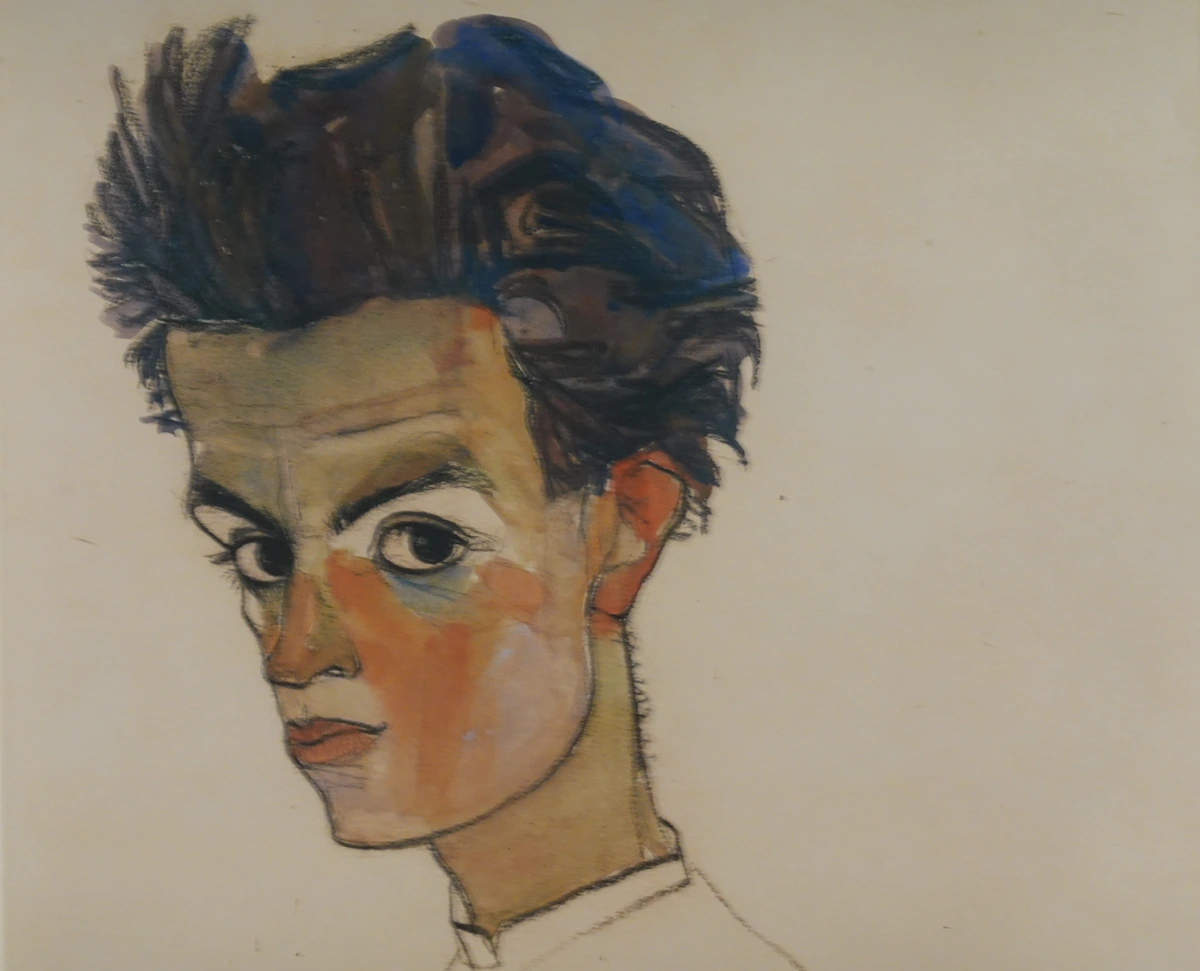
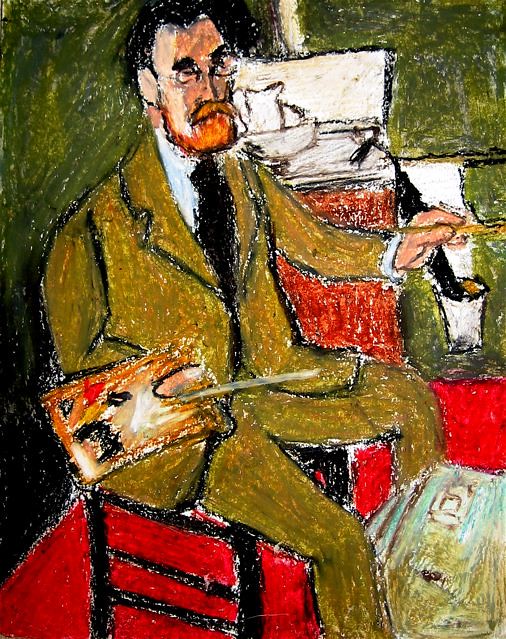
Or take Henri Matisse's approach. His self-portraits, like his 1918 one, aren't about photorealism; they're about capturing an inner state with expressive lines and colors. You get a sense of the man, the artist, the thinker, even without perfect proportions. It’s a reminder that sometimes, less is more, especially when that 'less' is imbued with profound feeling.
Matisse and the Power of Simplicity
Matisse's portraits are a testament to the power of simplicity. By stripping away unnecessary details, he was able to focus on the emotional and psychological essence of his subjects. His use of bold colors and expressive lines created a sense of vitality and movement, capturing not just the likeness of his subjects but also their inner spirit. This approach continues to inspire artists today, reminding us that true artistry lies not in perfection but in the ability to convey meaning and emotion.
This historical journey shows us that portraiture is not static; it constantly evolves, reflecting society's changing views on identity, reality, and the artist's role. But how do these conceptual shifts translate into the actual act of creation? Beyond the grand narratives, the true art of portraiture unfolds in the hands of the creator, through a delicate dance of tools and techniques.
The Role of the Artist in Portraiture
The artist plays a crucial role in portraiture, acting as both a creator and an interpreter. Through their unique perspective and creative vision, artists bring portraits to life, capturing the essence of their subjects and conveying their stories. The artist's intention, whether to evoke emotion, convey a message, or explore a concept, guides the creative process and shapes the final artwork.
The Role of the Artist in Portraiture
The artist plays a crucial role in portraiture, acting as both a creator and an interpreter. Through their unique perspective and creative vision, artists bring portraits to life, capturing the essence of their subjects and conveying their stories. The artist's intention, whether to evoke emotion, convey a message, or explore a concept, guides the creative process and shapes the final artwork.
The Nitty-Gritty: Techniques, Tools, and the Inner Tug-of-War
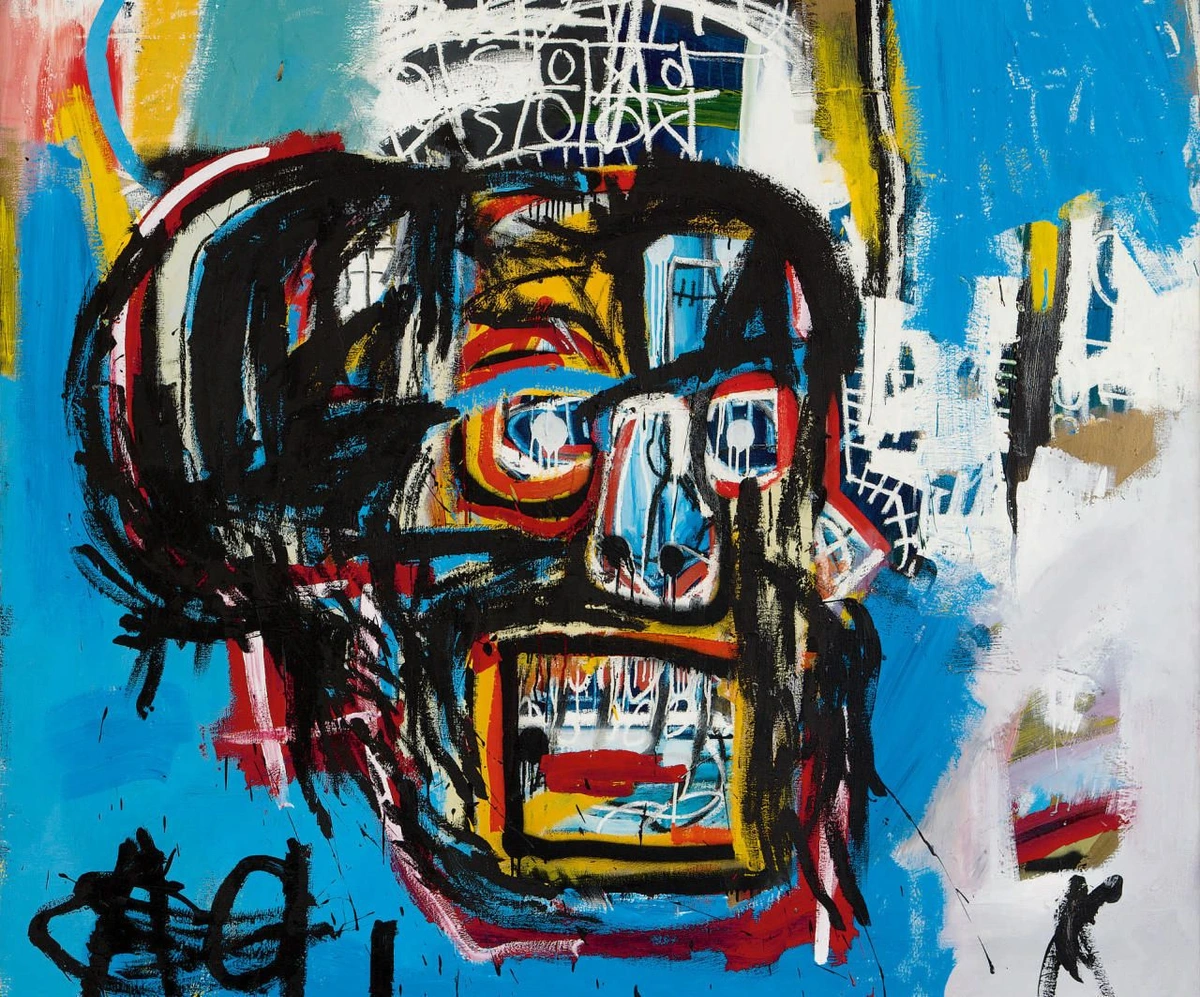
So, how do we actually make a portrait? When it comes to creating portraits, the options are as varied as the personalities you might depict. From the smooth blends of oil paint to the vibrant strokes of acrylics, the delicate touch of pastels, or the stark simplicity of charcoal—each medium offers a different voice. I often find myself wrestling with the choice, much like deciding what to wear for a first date: do I go bold and expressive, or subtle and refined? One time, I spent an entire afternoon just staring at a blank canvas, paralyzed by which brush to pick first, convinced the wrong choice would doom the entire endeavor. (It didn't, but the struggle was real). I even remember trying to mix a specific shade of ochre for a skin tone and ending up with something closer to a swamp monster – the canvas was definitely judging me that day.
The Importance of Experimentation in Portraiture
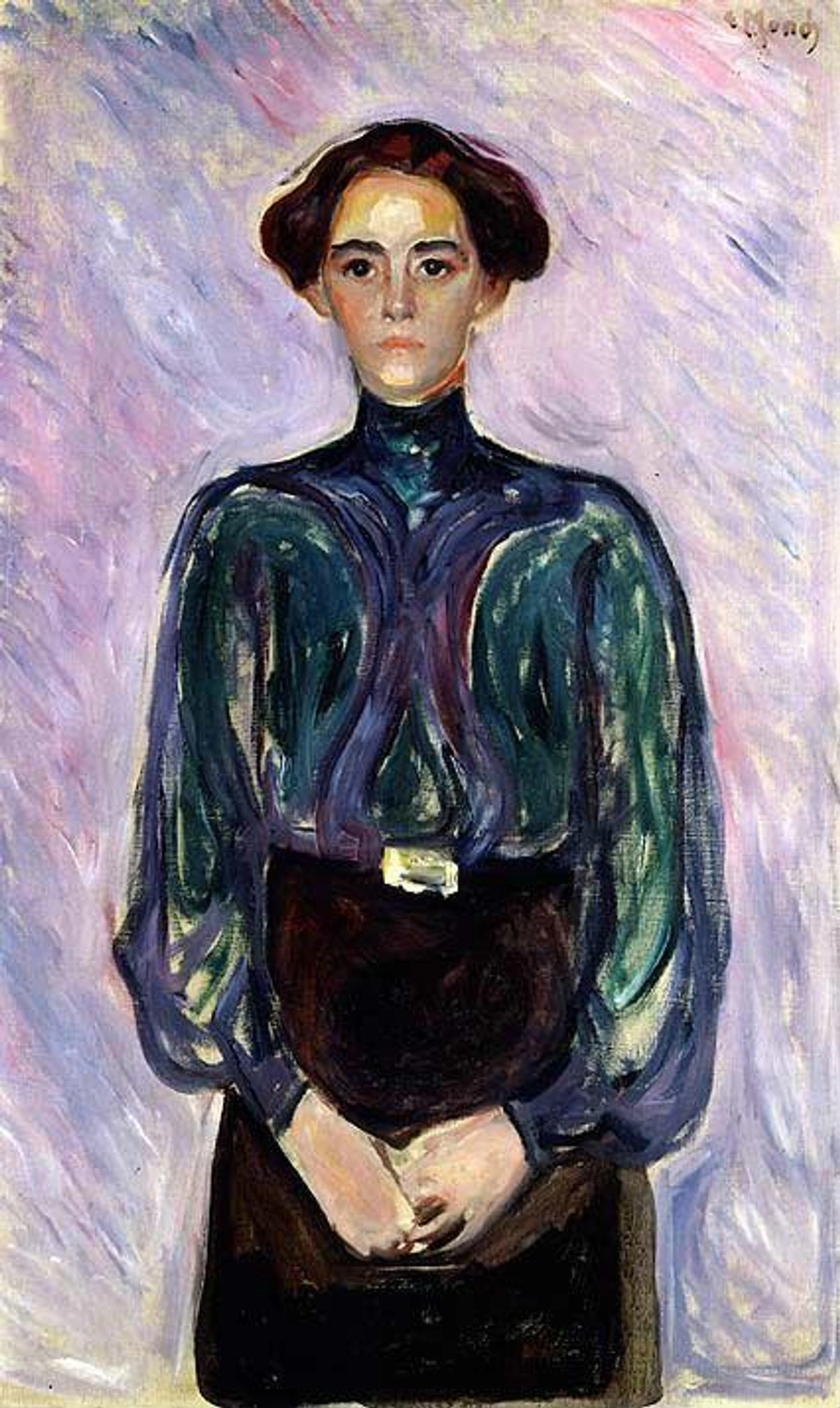
Experimentation is key to finding your unique voice and style in portraiture. By trying out different mediums, techniques, and approaches, you can discover what resonates with you and your subjects. Don't be afraid to make mistakes or take risks; they are an essential part of the creative process. Embrace the journey of exploration and discovery, and let your curiosity guide you.
Choosing Your Medium
The choice of medium can significantly impact the mood, style, and emotional resonance of a portrait. Here's a quick guide to some of the most popular options:
Medium  | Characteristics | Best For |
|---|---|---|
| Oil Paint | Rich, blendable, slow-drying | Detailed, realistic portraits |
| Acrylics | Fast-drying, versatile, vibrant | Bold, expressive works |
| Pastels | Soft, blendable, vibrant colors | Delicate, textured portraits |
| Charcoal | Stark, dramatic, expressive | High-contrast, emotional portraits |
| Digital | Flexible, editable, modern | Experimental, contemporary works |
Each medium has its own unique qualities and challenges, and the best way to find your voice is to experiment with different tools and techniques.
Exploring Mixed Media in Portraiture
Mixed media is an exciting approach to portraiture that combines different mediums and techniques to create unique and dynamic artworks. By layering materials like paint, collage, and digital elements, artists can add depth and texture to their portraits, creating a more immersive and engaging experience for the viewer. Mixed media also allows for greater experimentation and creativity, as artists can explore new ways of expressing their ideas and emotions.
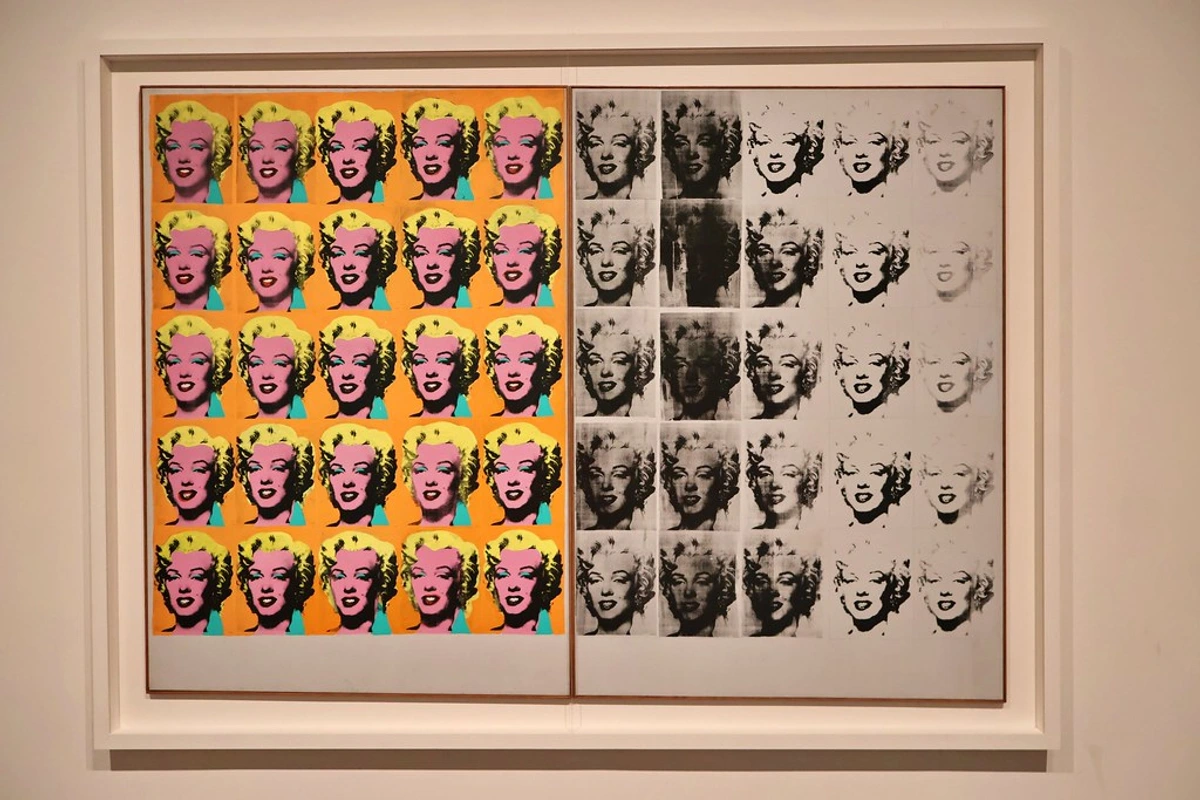
Regardless of the medium, certain foundational concepts always come into play:
Foundational Concepts in Portraiture
Creating a compelling portrait requires more than just technical skill; it demands an understanding of the fundamental principles that govern the art form. Here are some key concepts to keep in mind:
Concept | Importance in Portraiture |
|---|---|
| Proportion | Ensures the accuracy of facial features and overall structure. |
| Lighting | Sets the mood and highlights the subject's emotional state. |
| Composition | Guides the viewer's eye and creates a balanced, engaging image. |
| Expression | Captures the subject's personality and emotional depth. |
| Color Theory | Enhances the emotional resonance and visual impact of the portrait. |
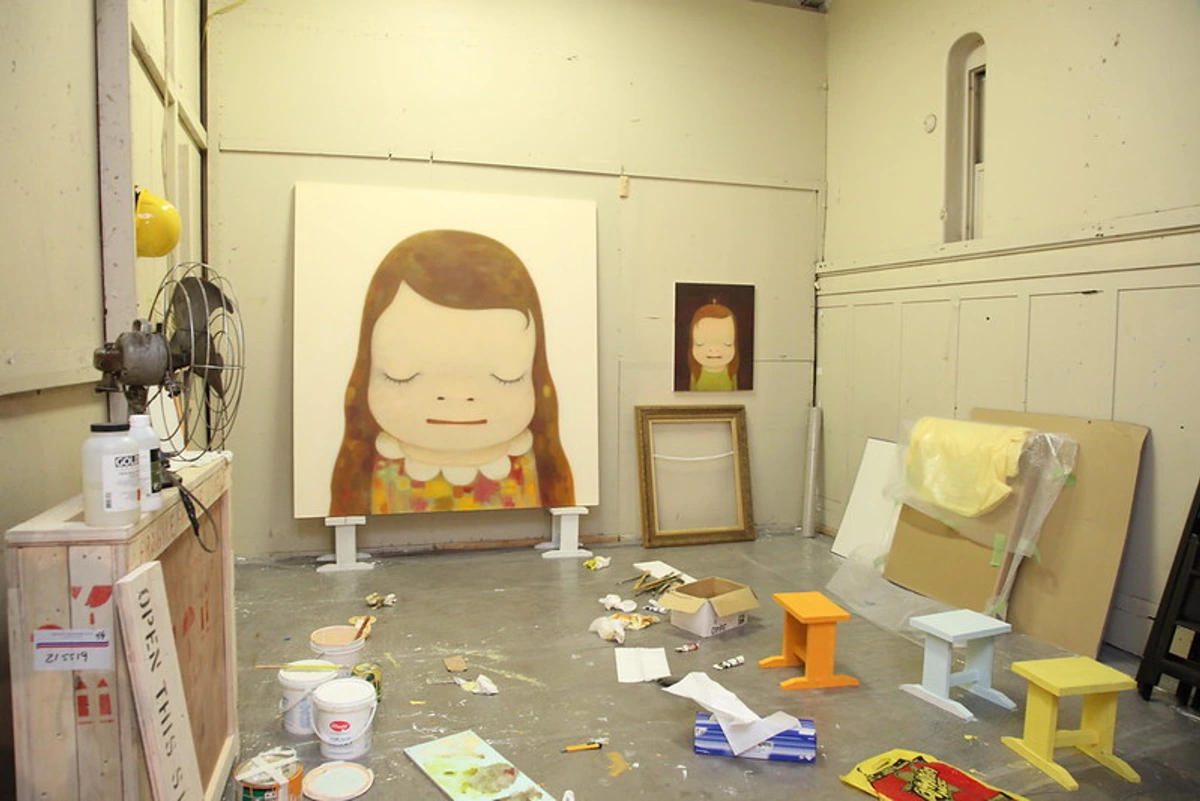
Mastering these concepts will not only improve your technical skills but also deepen your ability to convey the essence of your subject.
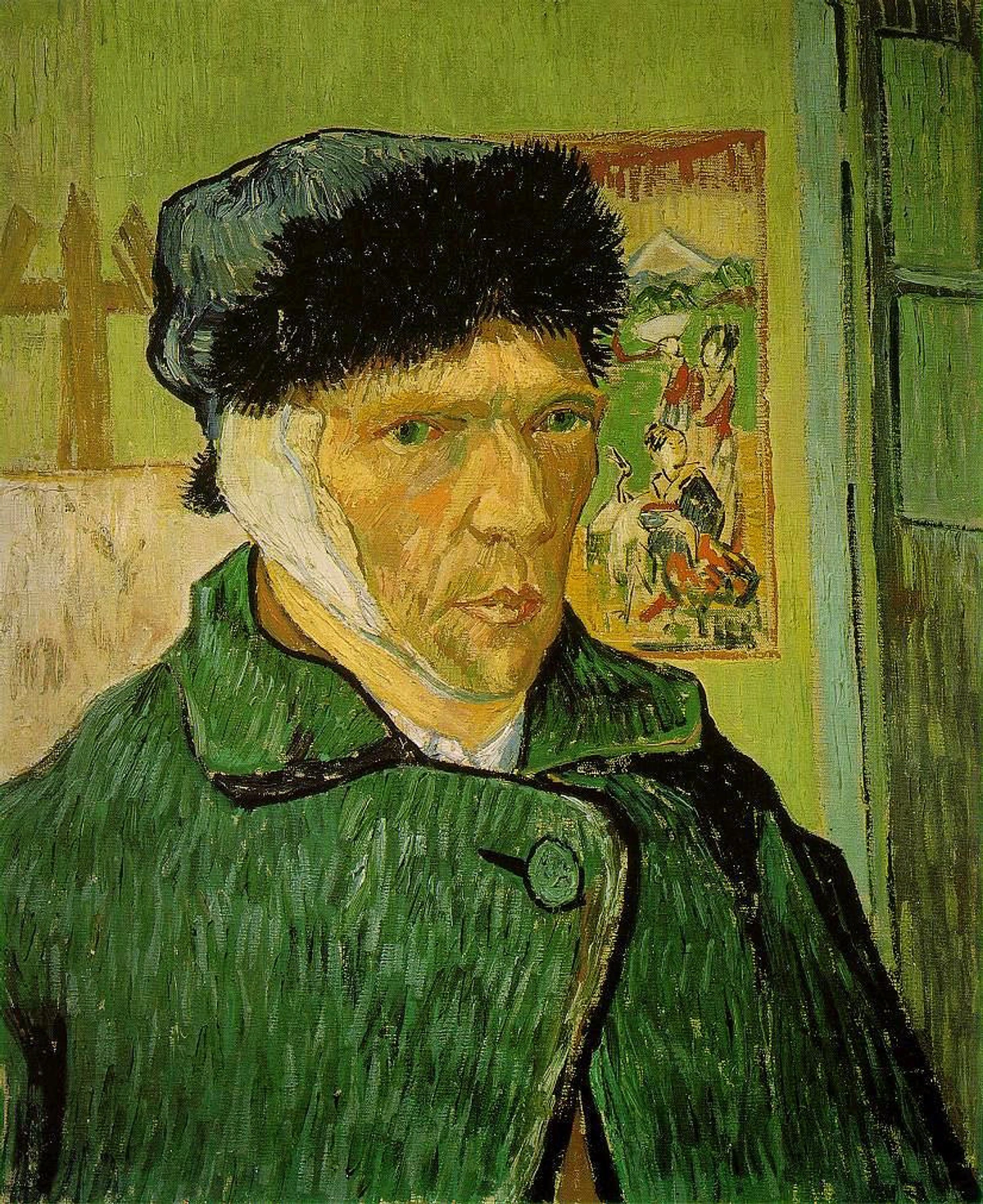
| Concept | Importance in Portraiture |

Q: What are common mistakes beginners make?
A: Beginners often focus too intensely on isolated features, neglecting the overall structure and proportions of the face and head. Another significant hurdle is the fear of 'ruining' the artwork, which can lead to hesitation and stifle spontaneous expression—sometimes, the messy bits are where the magic truly begins!

Q: How can I improve my portraiture skills?
A: Practice is key. Start by studying the work of master portraitists and analyzing their techniques. Experiment with different mediums and styles to find what resonates with you. Don't be afraid to make mistakes; they're an essential part of the learning process. And most importantly, keep creating. The more you practice, the more you'll develop your unique voice and style.
Q: Are there ethical considerations in portraiture, especially today?
A: Absolutely. With the rise of digital art and AI, questions of consent, privacy, and appropriation are more relevant than ever. Always ensure you have permission from your subject, especially if the artwork will be displayed or sold. Beyond that, as an artist, you hold the responsibility of interpretation, particularly in abstract portraiture. Your intention should be to convey the subject's essence respectfully, avoiding misrepresentation. Respecting the individual's image and narrative is paramount. This is a conversation I often have with myself, ensuring my expressive freedom doesn't inadvertently diminish the human story I'm attempting to portray.
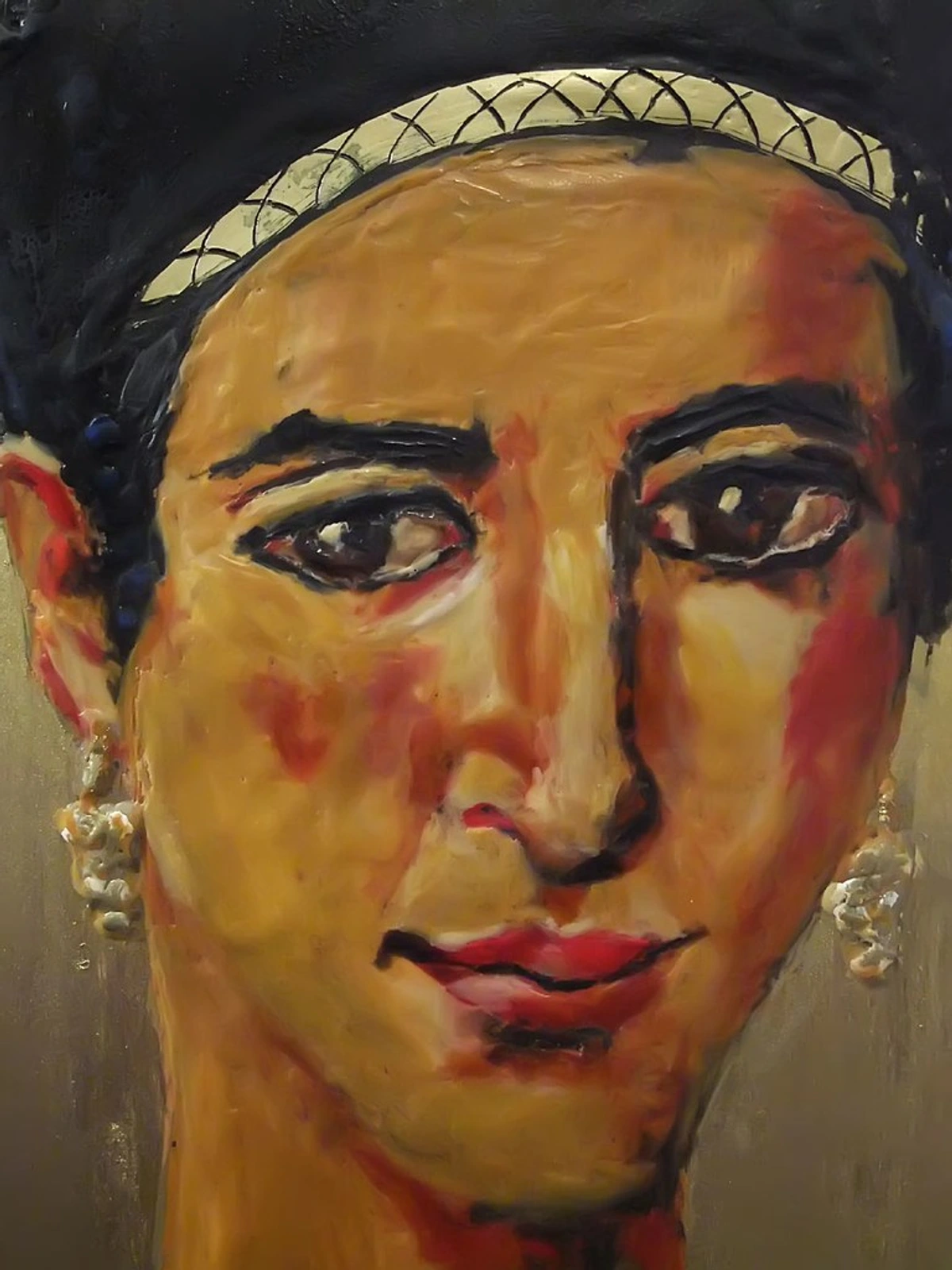
Q: How has technology impacted portraiture?
A: Technology has revolutionized portraiture in countless ways. From the invention of photography to the rise of digital art, new tools and techniques have expanded the possibilities for artists. Digital platforms have also made it easier to share and sell artwork, connecting artists with audiences around the world. However, these advancements also raise important ethical questions, particularly around issues of consent, privacy, and the use of AI in creating and manipulating images.
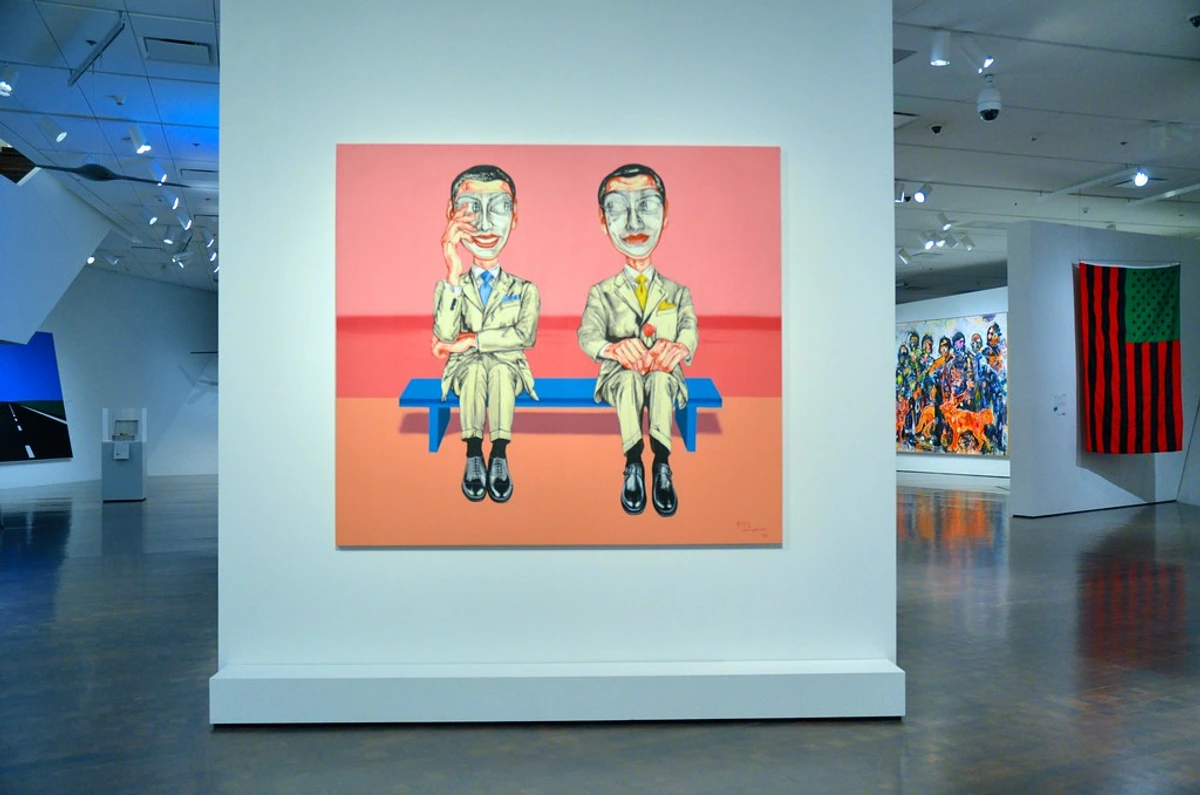
Q: What is the role of the artist's intention in abstract portraiture?
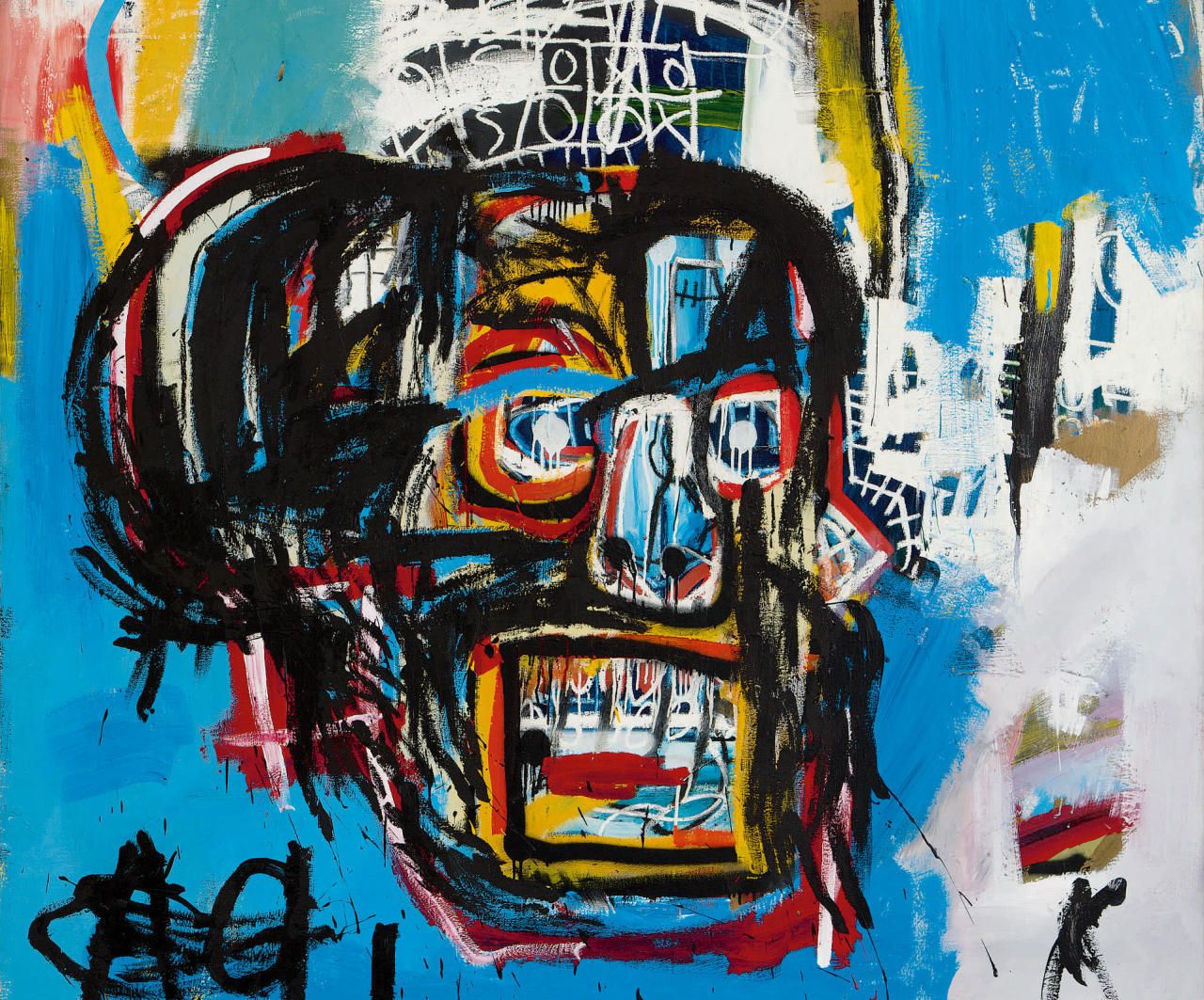
A: In abstract portraiture, the artist's intention is paramount. Since literal likeness is often forgone, the artist's purpose—whether to convey an emotion, a conceptual idea, a social comment, or a spiritual essence—becomes the primary guide for interpretation. It's about what the artist wants to communicate or explore about the human condition, rather than simply what they see.
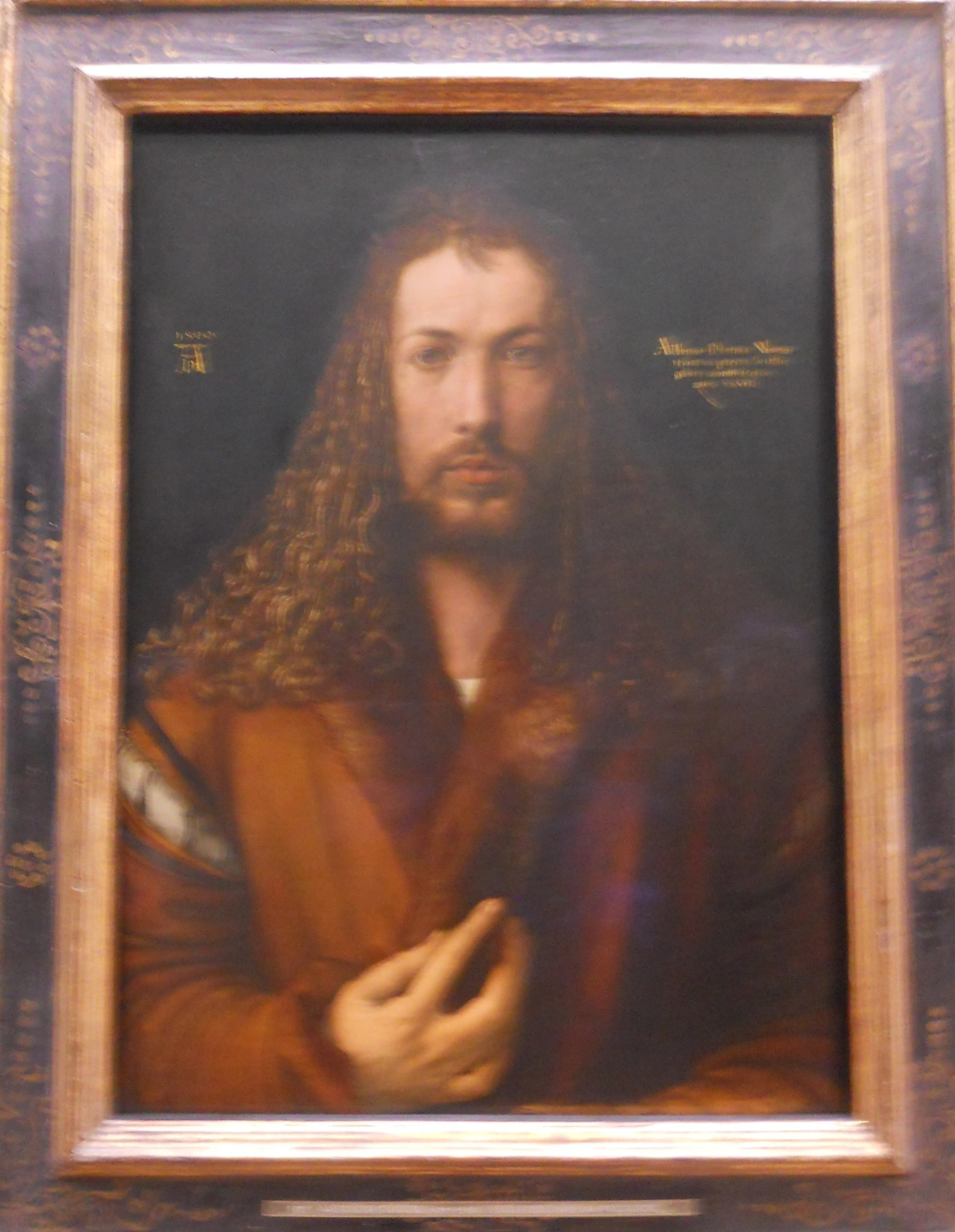
Q: How does abstract portraiture differ from realistic portraiture?
A: While realistic portraiture aims to capture the physical likeness of the subject, abstract portraiture focuses on conveying the emotional, psychological, or conceptual essence. It often employs distortion, bold colors, and unconventional techniques to evoke a response or provoke thought. Both forms have their unique challenges and rewards, and many artists find value in exploring both.
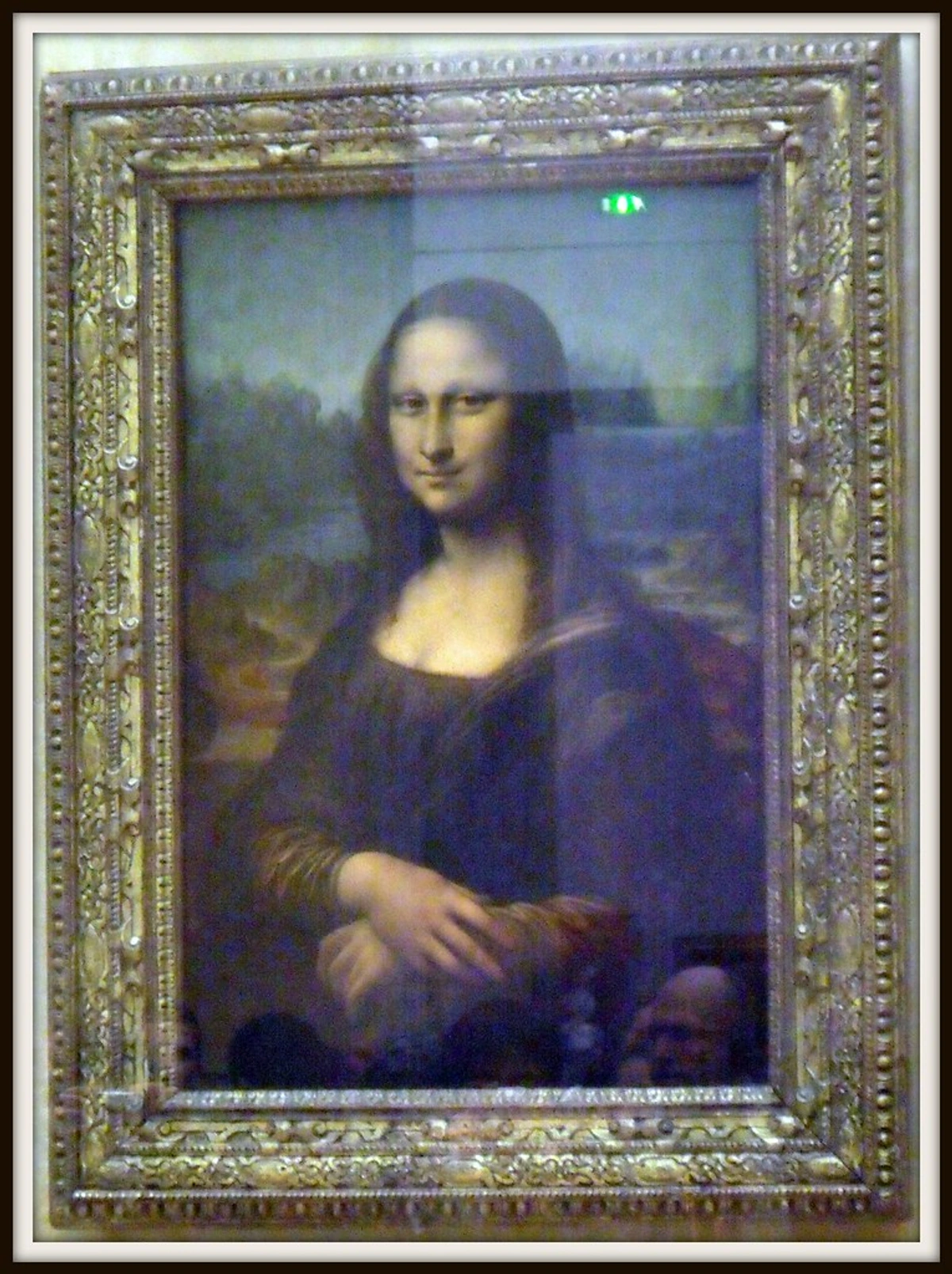
Q: What is the role of the artist's intention in realistic portraiture?
A: Even in realistic portraiture, the artist's intention is crucial. It's not merely about copying what's seen. The artist chooses what to emphasize, how to light the subject, which expression to capture, and what story to tell, even within the confines of realism. This intentionality elevates a mere likeness to a profound statement about the individual.
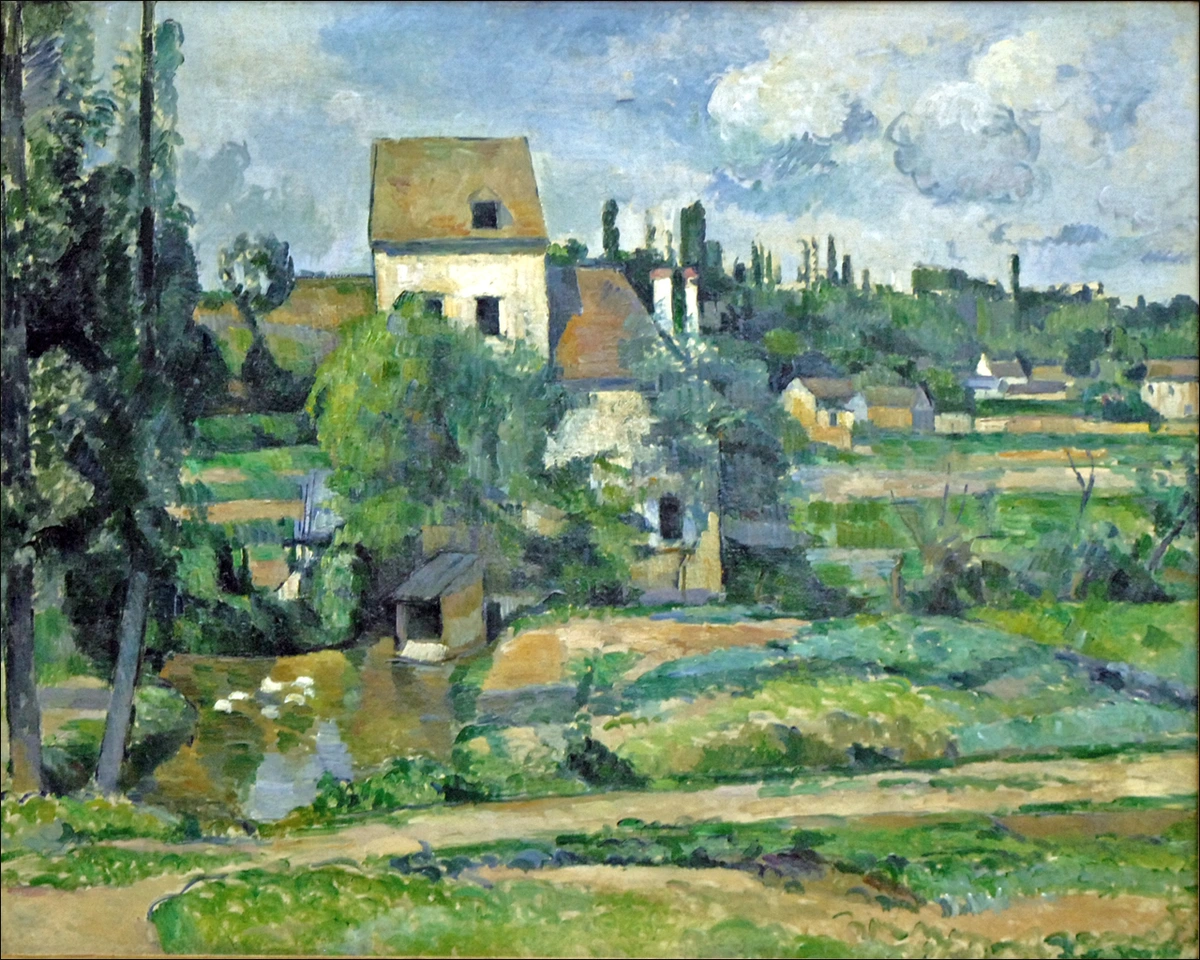
Q: Can portraiture be a form of activism?
A: Absolutely. Throughout history, portraiture has been used as a tool for social and political commentary. Artists have used their work to challenge stereotypes, highlight injustices, and amplify marginalized voices. By choosing who to depict and how to depict them, artists can shape narratives and influence public perception, making portraiture a powerful form of activism.
The Human Connection: My Unending Fascination
At its heart, portraiture is about connection. It's about seeing and being seen, about capturing the essence of another human being and sharing it with the world. Whether through a realistic likeness or an abstract interpretation, portraits have the power to evoke empathy, provoke thought, and inspire change. They remind us of our shared humanity and the universal experiences that bind us together.
Ultimately, portraiture, for me, has become less about perfect replication and more about connection. It's about seeing, truly seeing, another human being (or even a bewildered potato). It's about the stories they carry, the emotions they express, and the universal threads that connect us all. It's a profound journey of empathy and expression, an enduring art form that continues to evolve. My own artistic journey, often explored through my artistic timeline, has been deeply shaped by this quest to understand and depict the human experience, sometimes through vibrant abstraction, other times through quiet, almost meditative explorations of form and color.
The Role of Empathy in Portraiture
Empathy is a fundamental aspect of portraiture that allows artists to connect with their subjects on a deeper level. By understanding and sharing the feelings of another, artists can create portraits that resonate with viewers and evoke a sense of shared humanity. Empathy also plays a crucial role in the creative process, guiding the artist's choices and shaping the final artwork. It is through empathy that portraits can transcend time and space, creating a lasting connection between the subject, the artist, and the viewer.
The Future of Portraiture
As we look to the future, portraiture continues to evolve, embracing new technologies and mediums while staying true to its core mission. From digital art to virtual reality, the possibilities for creative expression are endless. Yet, no matter how much the tools and techniques change, the essence of portraiture remains the same: to capture the human experience in all its complexity and beauty. Whether you're an artist, a collector, or simply an admirer, there's always something new to discover in the world of portraiture.
It’s a constant learning process, a journey that mirrors my broader artistic timeline. And perhaps, as I continue to explore and grow, you'll even find some of my own portraiture experiments available to buy on the site. But for now, know that every face, whether rendered realistically or abstracted into a symphony of color and line, holds a universe waiting to be explored. And that, my friend, is a journey worth taking. What human stories are waiting for your unique artistic gaze?
FAQ
Q: What is the difference between a portrait and a selfie?
A: While both portraits and selfies aim to capture a likeness, portraits go beyond surface-level representation. They seek to convey the subject's personality, emotions, and story, often through careful composition, lighting, and artistic interpretation. Selfies, on the other hand, are typically spontaneous and focused on the moment rather than the deeper narrative.
Q: Can anyone learn to create portraits?
A: Absolutely! While portraiture can be challenging, it's a skill that can be developed with practice, patience, and a willingness to learn. Start by studying the work of master portraitists, experimenting with different mediums, and seeking feedback from others. Remember, every artist starts somewhere, and the journey is as important as the destination.
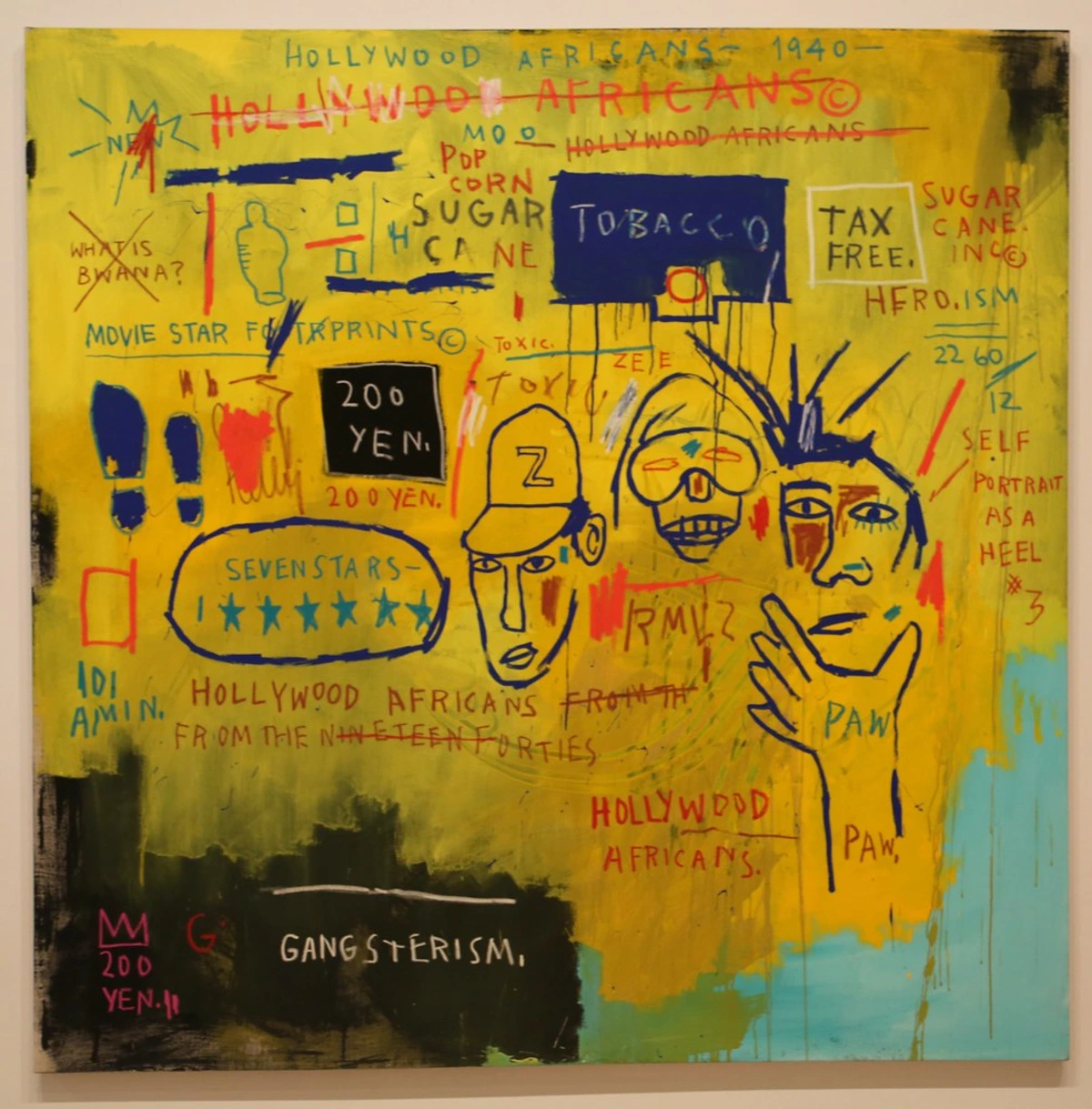
Q: How do I choose the right medium for my portrait?
A: The choice of medium depends on your personal style, the mood you want to convey, and the subject's characteristics. For example, oil paints are great for detailed, realistic portraits, while acrylics offer bold, vibrant colors for more expressive works. Experiment with different mediums to find what resonates with you and your subject.
Q: What are some common challenges in portraiture?
A: Some common challenges include capturing accurate proportions, conveying the subject's emotions, and achieving the desired lighting and composition. Many artists also struggle with self-doubt and the fear of making mistakes. The key is to embrace these challenges as part of the learning process and to keep practicing and experimenting.
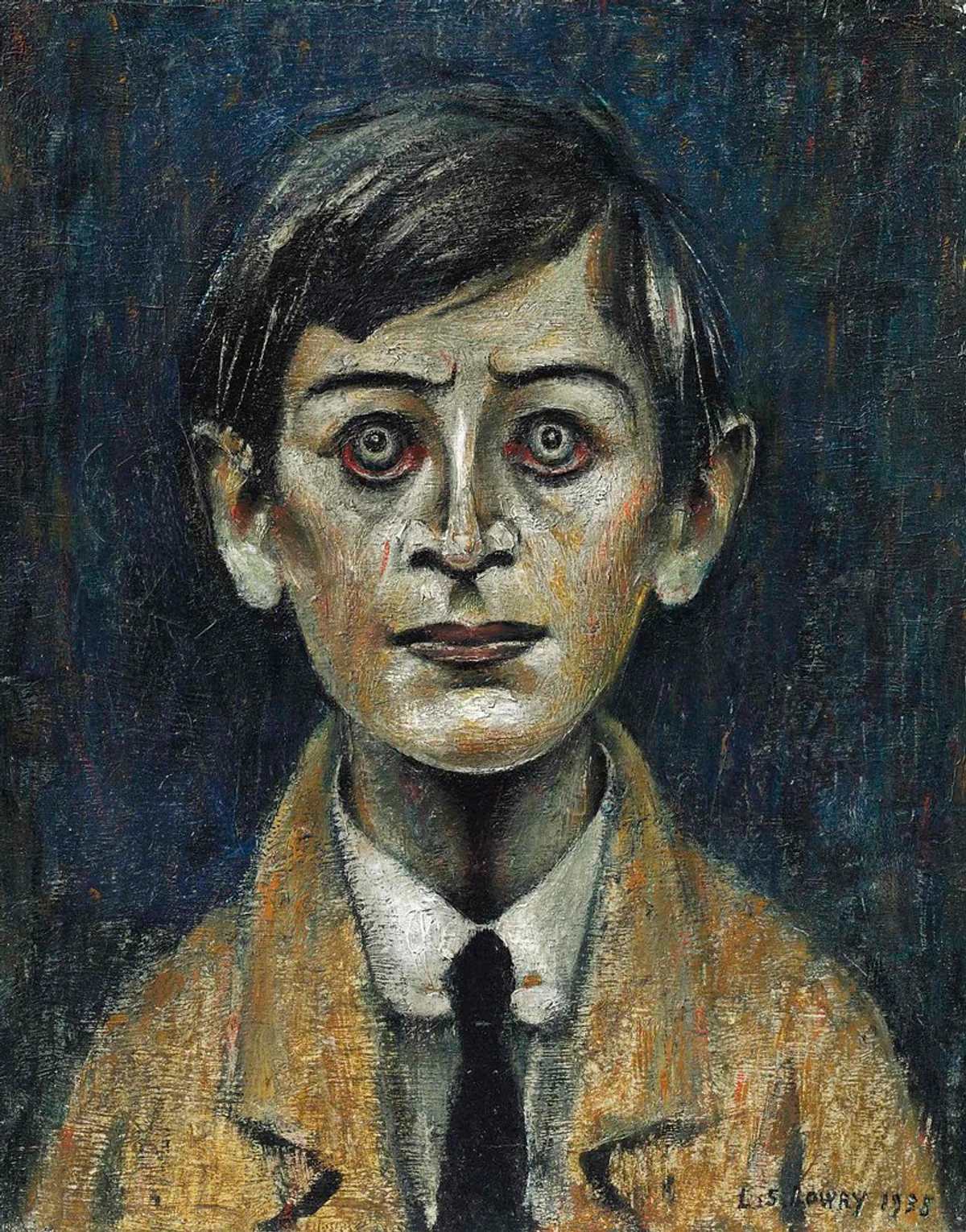
Q: How can I make my portraits more engaging?
A: To make your portraits more engaging, focus on capturing the subject's personality and emotions. Use lighting, composition, and color to create a mood and draw the viewer in. Don't be afraid to experiment with different styles and techniques, and always strive to convey a story or message through your work.
Q: What role does technology play in modern portraiture?
A: Technology has had a profound impact on modern portraiture, from the invention of photography to the rise of digital art and AI. These advancements have expanded the possibilities for creative expression and made it easier to share and sell artwork. However, they also raise important ethical questions, particularly around issues of consent, privacy, and the use of AI in creating and manipulating images.

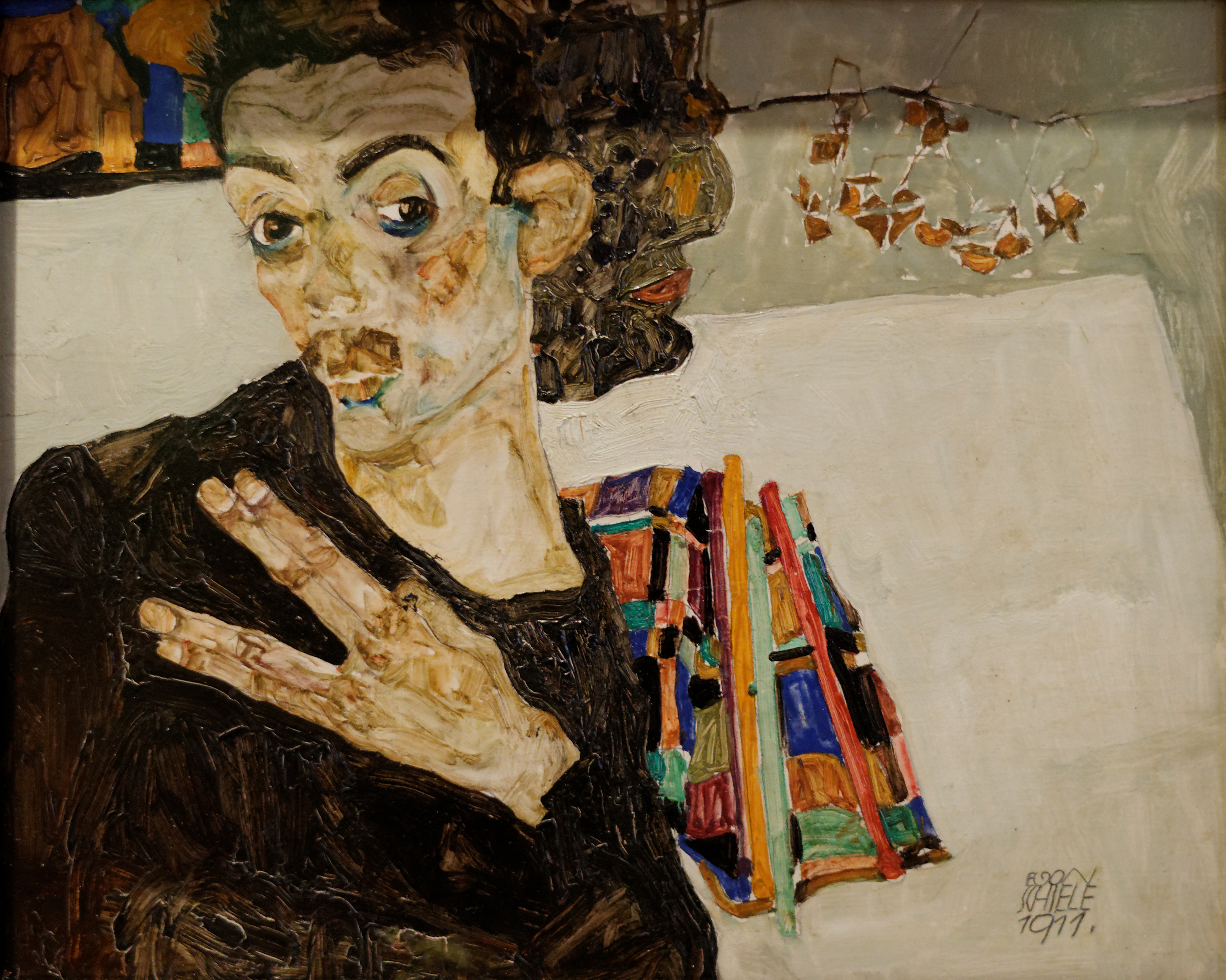










Q: How can I use portraiture as a form of activism?
A: Portraiture can be a powerful tool for activism by challenging stereotypes, highlighting injustices, and amplifying marginalized voices. By choosing who to depict and how to depict them, artists can shape narratives and influence public perception. Whether through realistic likenesses or abstract interpretations, portraits have the power to evoke empathy, provoke thought, and inspire change.