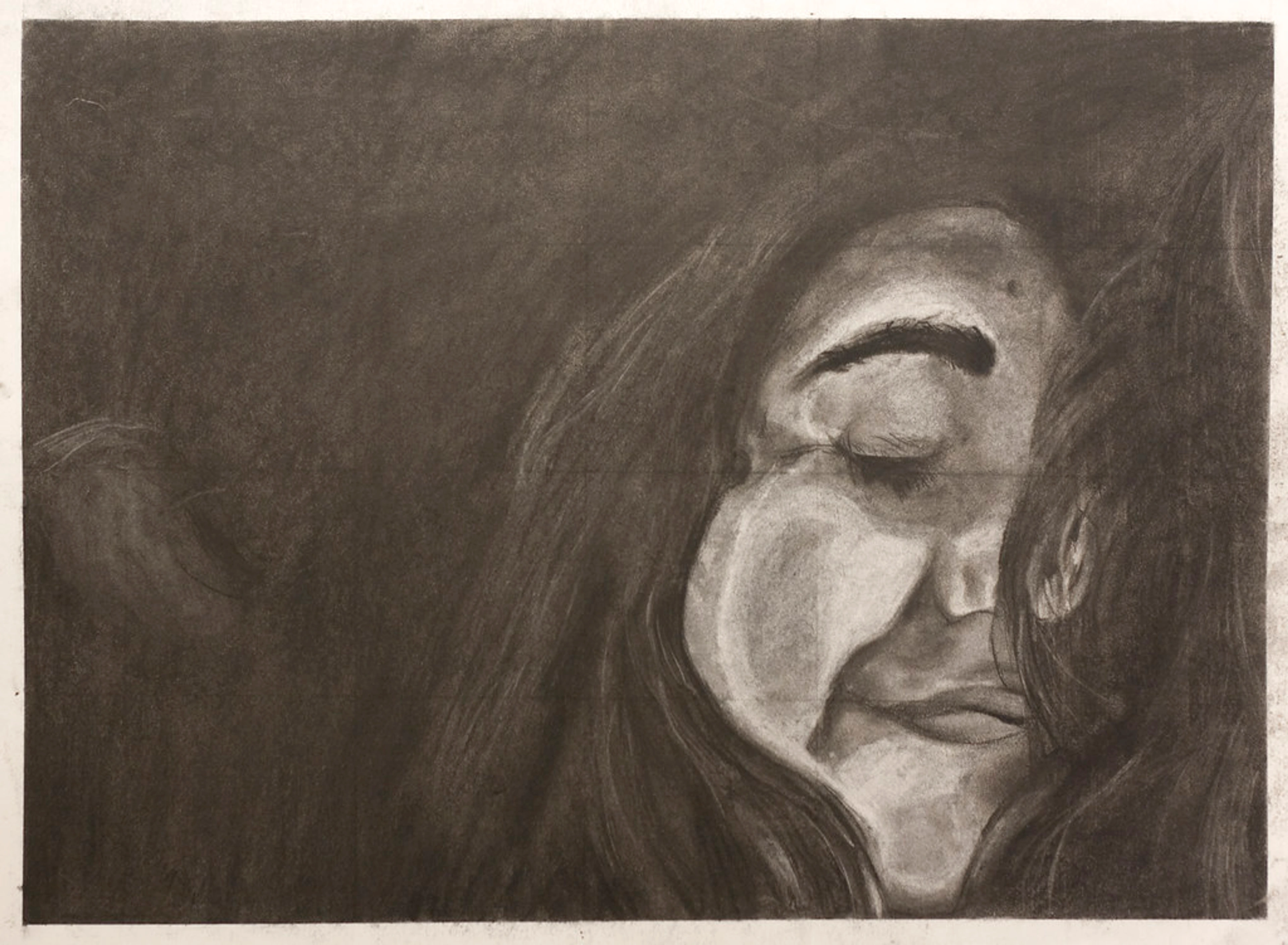
Universal Human Experiences in Art
Explore how art captures fundamental human experiences—joy, sorrow, conflict, and connection—across different artistic movements and cultural traditions.

Universal Human Experiences in Art
I remember the first time I stood in front of a painting and felt like it was speaking directly to me. It wasn’t just the colors or the composition; it was the emotion, the raw humanity that seemed to leap off the canvas. That moment got me thinking: how does art capture the universal experiences that bind us all?
Art is a conversation across time and space, a way for us to connect with the thoughts, feelings, and struggles of people who lived centuries ago or halfway around the world. Whether it’s a cave painting, a Renaissance masterpiece, or a contemporary abstract piece, art has the power to transcend language and culture, speaking directly to our shared humanity.
Art is a mirror to our souls, reflecting the joys, sorrows, conflicts, and connections that define our existence. It’s a conversation across time and space, a way for us to connect with the thoughts, feelings, and struggles of people who lived centuries ago or halfway around the world. Whether it’s a cave painting, a Renaissance masterpiece, or a contemporary abstract piece, art has the power to transcend language and culture, speaking directly to our shared humanity.

The Power of Art to Reflect Humanity
Art has always been a mirror to the human condition. From the earliest cave paintings to contemporary abstract works, artists have sought to express the fundamental emotions and experiences that define us. Whether it’s joy, sorrow, conflict, or connection, art has a unique ability to transcend language and culture, speaking directly to our shared humanity.
The Role of Art in Human History
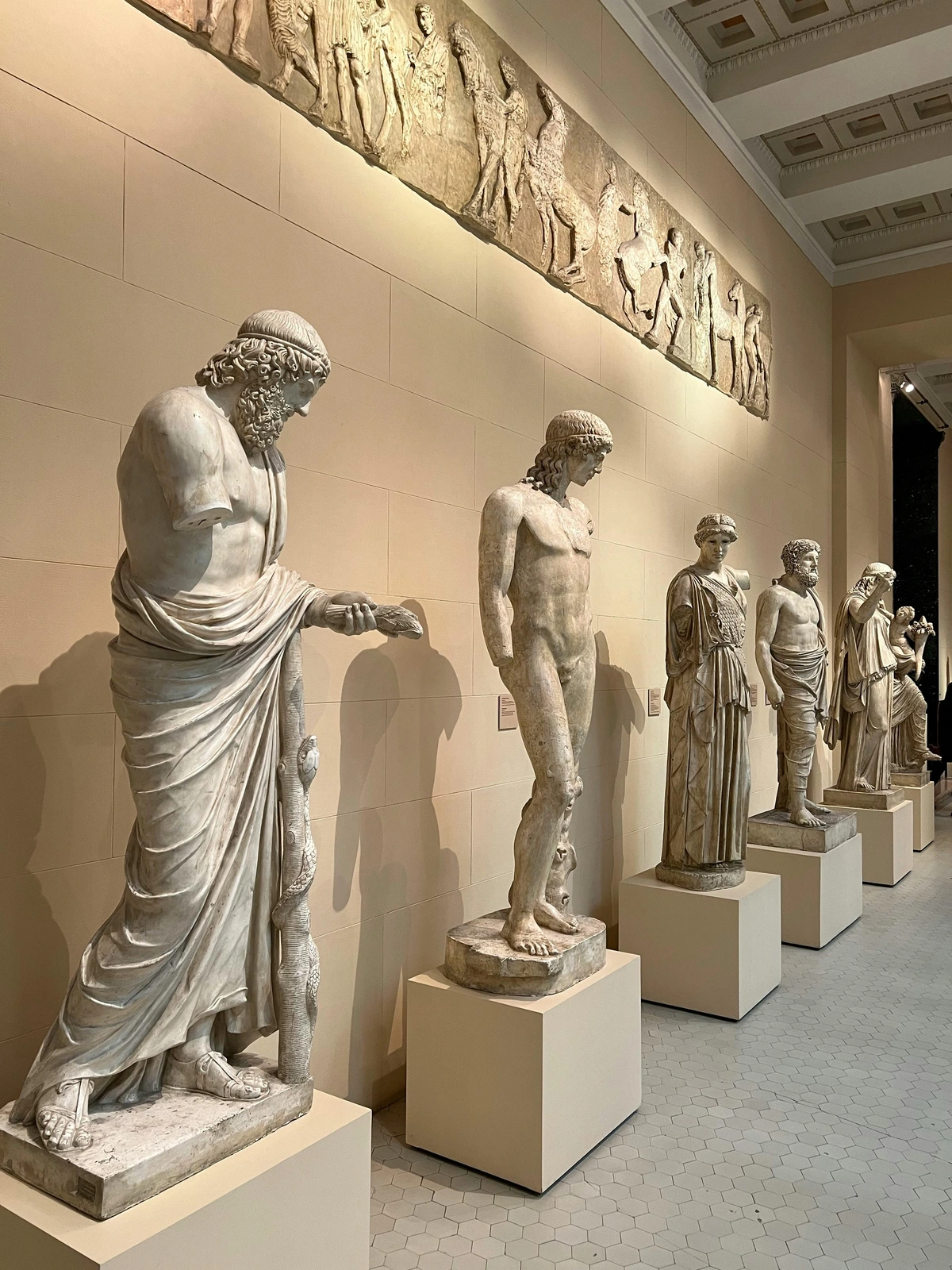
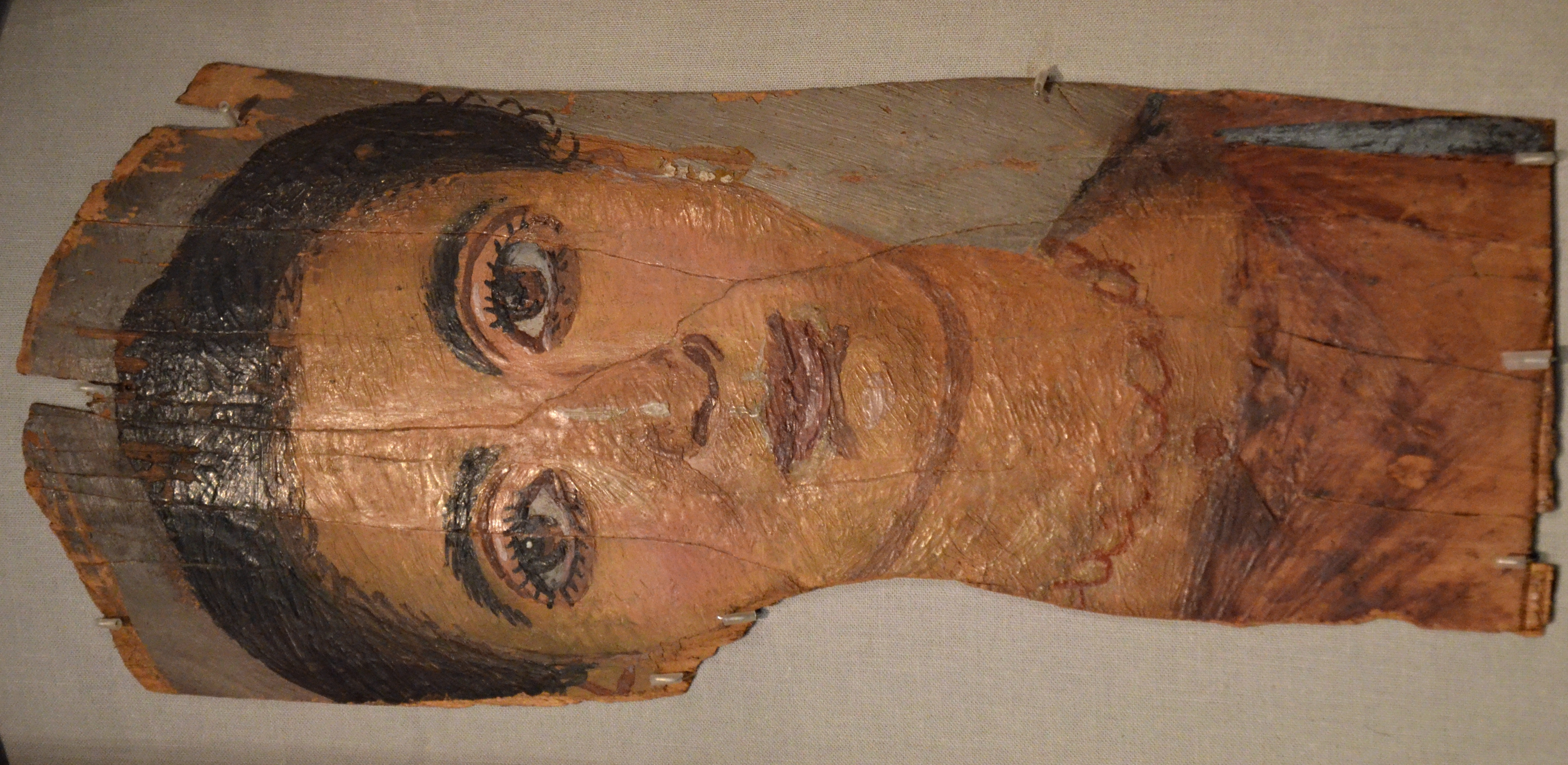
Throughout history, art has served as a record of human experiences. Ancient civilizations used art to document their daily lives, beliefs, and rituals. For example, the cave paintings of Lascaux offer a glimpse into the lives of early humans, depicting scenes of hunting and communal activities. Similarly, Egyptian hieroglyphics and Greek pottery tell stories of gods, heroes, and everyday life, providing a window into the past.
But what makes art so powerful? It’s not just about the visual appeal or the technical skill of the artist. It’s about the ability to evoke emotions, provoke thoughts, and inspire action. Art can challenge our perceptions, question our beliefs, and even change the way we see the world. It’s a universal language that connects us all, regardless of our background or experiences.
Art as a Tool for Social Change
Art has also played a significant role in driving social change. Throughout history, artists have used their work to challenge societal norms, advocate for justice, and inspire movements. For example, the murals of Diego Rivera depicted the struggles of the working class, while the works of Frida Kahlo explored themes of identity and resilience. Art has the power to amplify voices that might otherwise go unheard, making it a vital tool for social progress.
Art and Cultural Identity
Art is deeply intertwined with cultural identity. It serves as a visual record of traditions, beliefs, and values, preserving the heritage of communities across generations. For instance, Indigenous art often reflects the spiritual and historical narratives of its people, while African art is renowned for its symbolic representations of community and ancestry. By exploring art from different cultures, we gain a deeper understanding of the diverse ways in which humanity expresses its identity and experiences.
Joy and Celebration
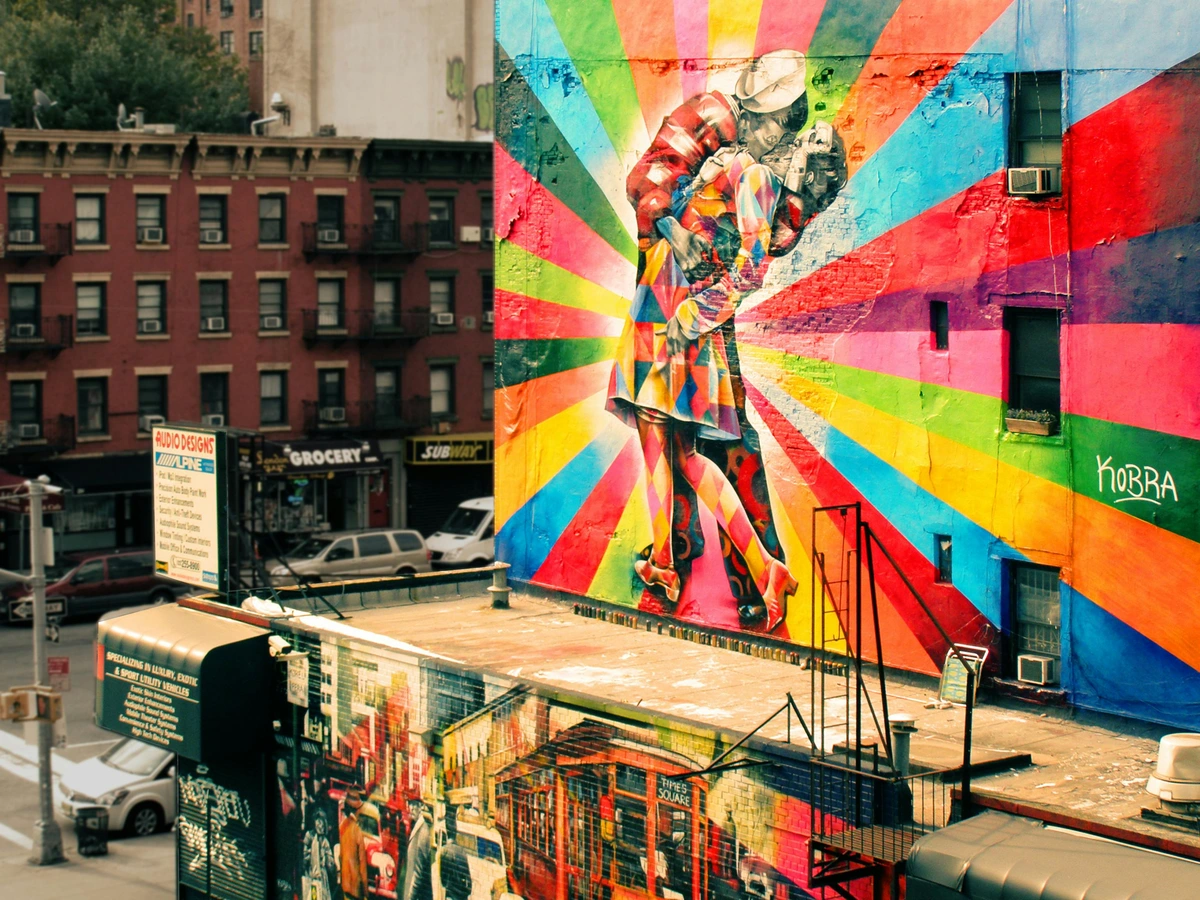
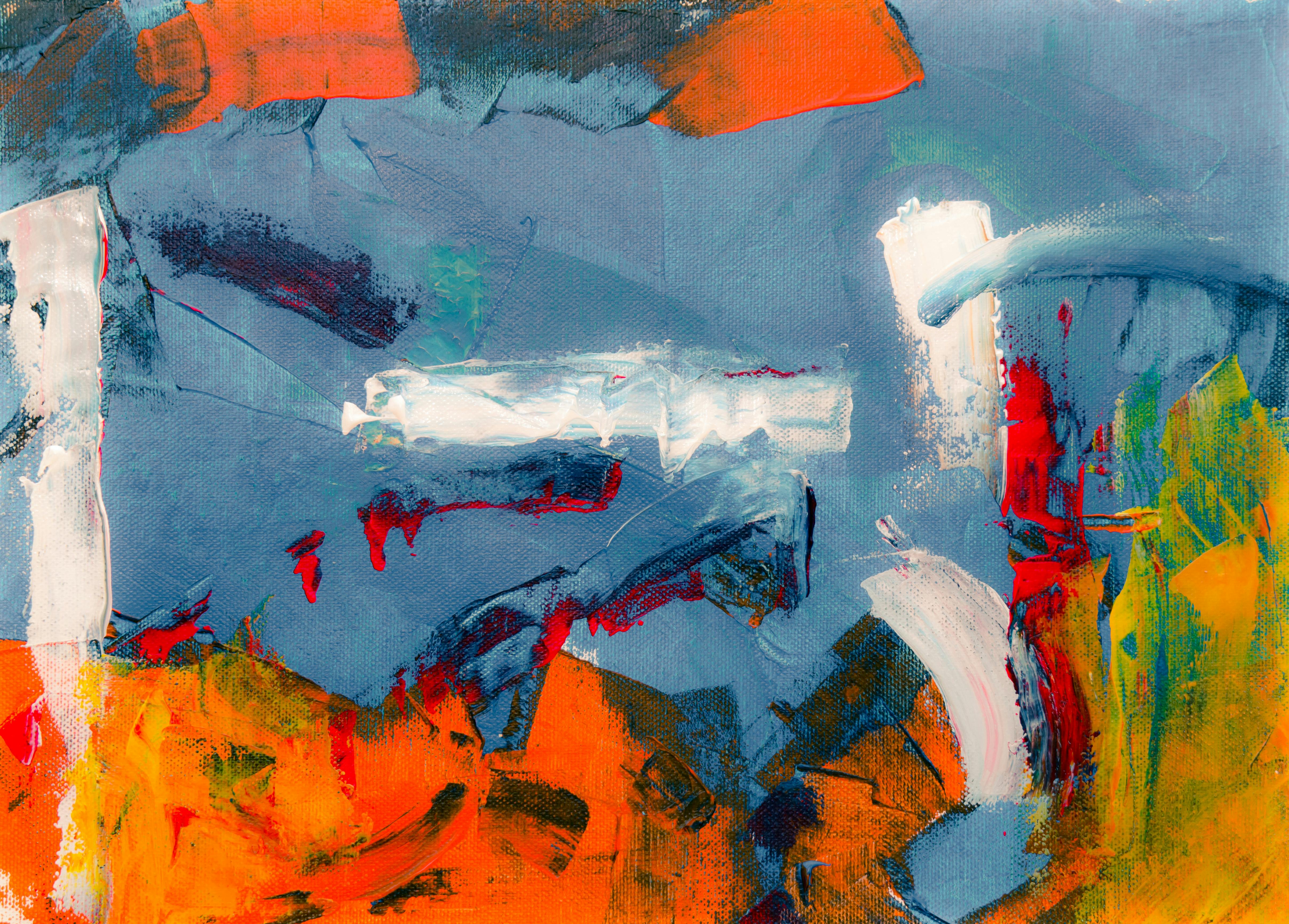
Think about the last time you felt pure, unadulterated joy. Maybe it was a moment of personal triumph, a celebration with loved ones, or simply the beauty of a sunrise. Artists have long sought to capture these moments of joy in their work. Consider the vibrant colors and dynamic compositions of works by artists like Zen Dageraad Visser. These pieces seem to dance with energy, inviting the viewer to share in the celebration.
Joy is a universal emotion, and art has the power to amplify it. Whether it’s through the bright hues of a painting or the lively rhythm of a sculpture, art can evoke feelings of happiness and celebration. It reminds us of the beauty in life and the importance of cherishing those moments of pure joy.
The Science of Joy in Art
Studies have shown that engaging with art can stimulate the release of dopamine, a neurotransmitter associated with pleasure and happiness. This biological response underscores the profound impact art can have on our emotional well-being. By immersing ourselves in art that celebrates joy, we can enhance our overall sense of happiness and fulfillment.
Sorrow and Loss
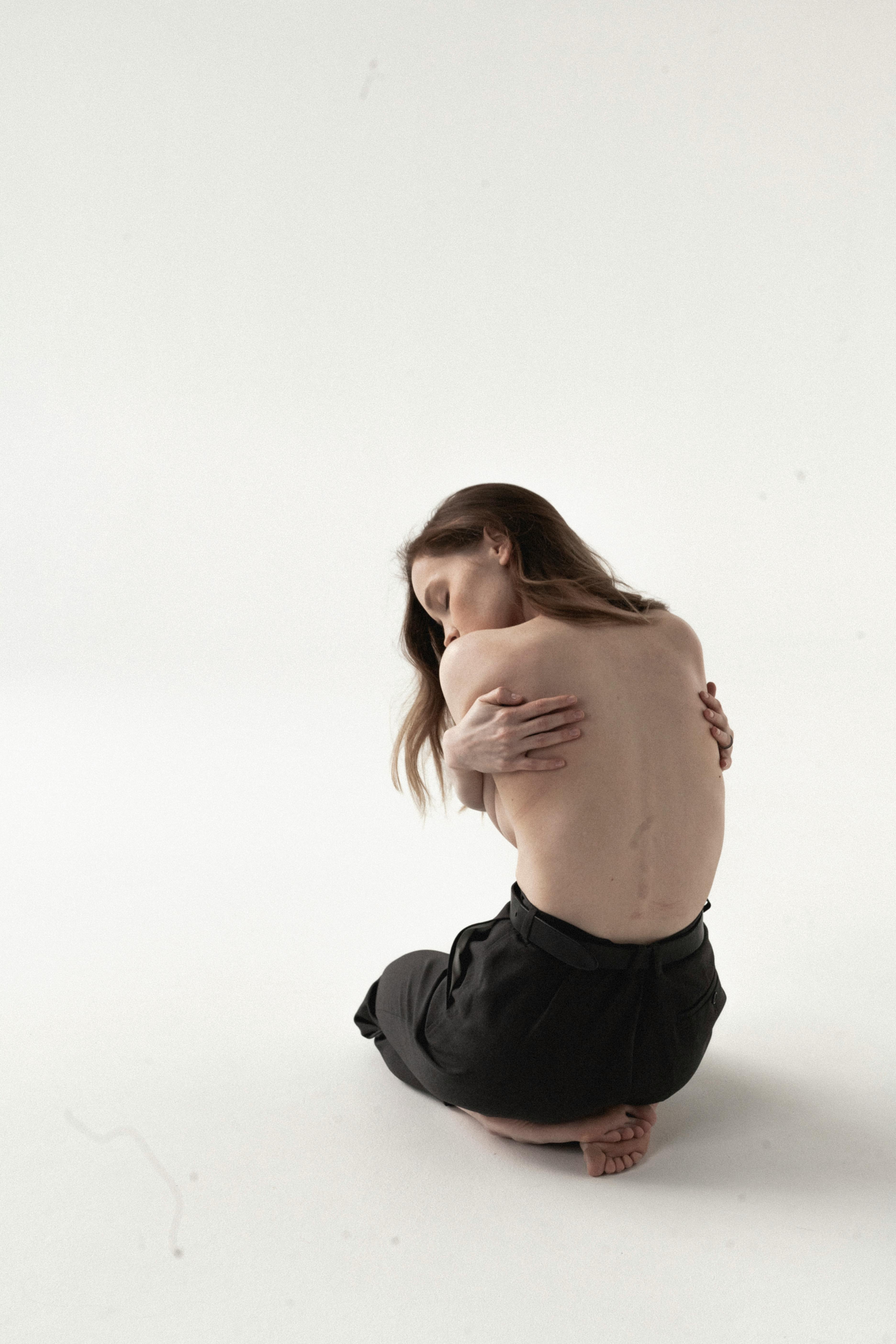
On the flip side, art also has the power to express the depths of human sorrow. The melancholic beauty of a sunset, the quiet dignity of a grieving figure—these are themes that have been explored by artists throughout history. The ability of art to convey such profound emotions is a testament to its power and universality.
Sorrow is a complex emotion, and art provides a way to explore its many facets. From the quiet reflection of a solitary figure to the raw intensity of a tragic scene, art can capture the essence of loss and grief. It allows us to confront our own emotions and find solace in the shared experience of sorrow.
Art as Therapy
Art therapy is a growing field that leverages the healing power of art to help individuals process grief and trauma. By creating or engaging with art, individuals can explore their emotions in a safe and supportive environment. This therapeutic approach highlights the transformative potential of art in healing and personal growth.
Conflict and Struggle
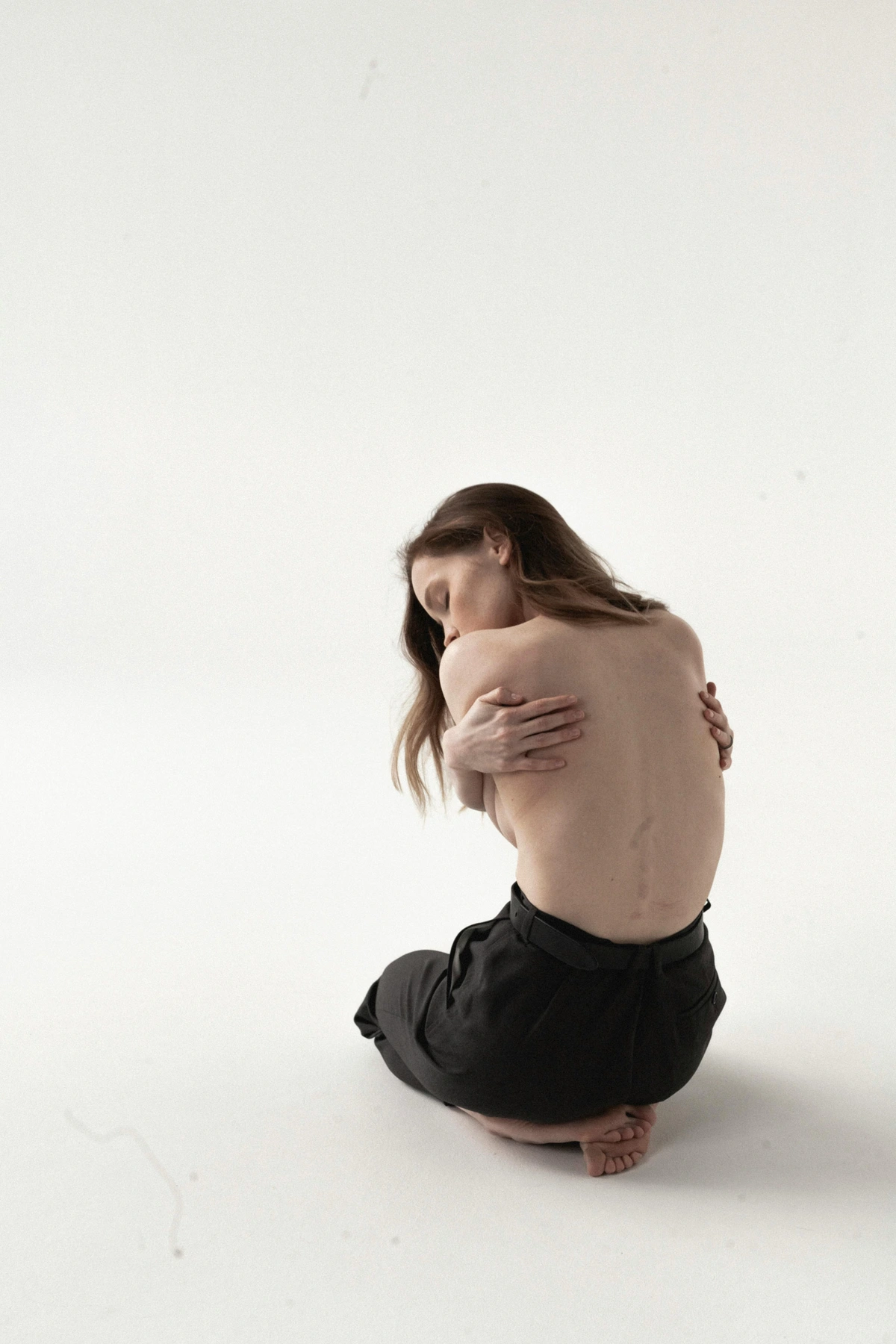
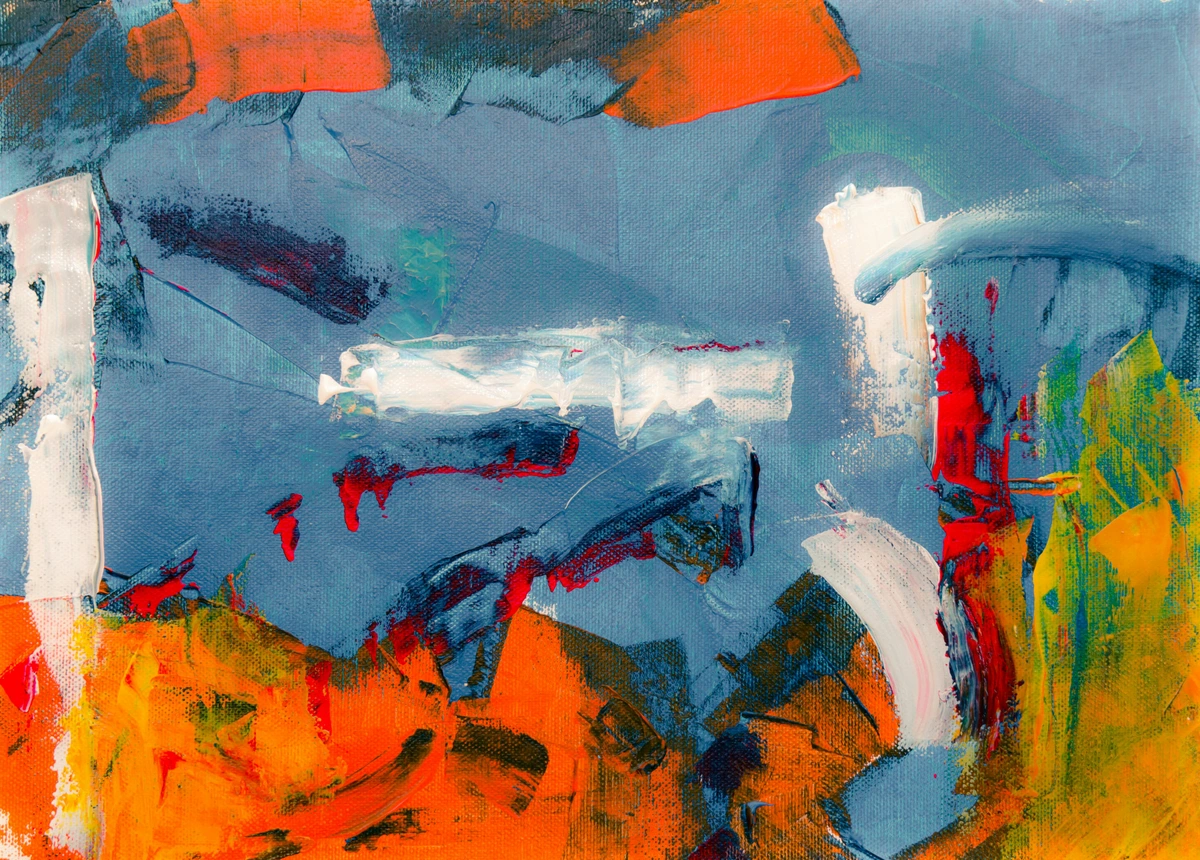
Conflict is another universal human experience that art often addresses. Whether it’s the internal struggle of an individual or the external conflicts that shape societies, artists have used their work to explore these themes. The stark lines and bold colors of abstract art can evoke the tension and turmoil of conflict, while more representational works might depict the human cost of war and strife.
Conflict is a part of the human experience, and art provides a way to explore its many dimensions. From the personal struggles of an individual to the larger conflicts that shape societies, art can capture the complexity of these experiences. It allows us to reflect on our own struggles and find meaning in the face of adversity.
Art and Resilience
Art can also serve as a source of resilience in times of conflict. By expressing their struggles through art, individuals can find strength and hope. Artistic expression can be a powerful tool for coping with adversity and fostering a sense of empowerment.
Connection and Community
Finally, art has the power to foster connection and community. A shared appreciation for a particular piece of art can bring people together, creating a sense of unity and understanding. This is perhaps one of the most beautiful aspects of art—its ability to connect us across time and space, to remind us that we are not alone in our experiences.
Art is a universal language that transcends boundaries. It allows us to connect with people from different cultures, backgrounds, and experiences. Whether it’s through a shared love of a particular artist or a collective appreciation for a specific style, art has the power to bring us together and create a sense of community.

Art in the Digital Age
In today’s digital world, art continues to foster connections across vast distances. Social media platforms and online galleries allow artists to share their work with a global audience, creating new opportunities for collaboration and dialogue. This digital revolution has democratized art, making it more accessible and inclusive than ever before.

Examples Across Artistic Movements
Artistic movements throughout history have explored universal human experiences in unique ways. Each movement reflects the cultural, social, and emotional context of its time, offering a glimpse into the collective consciousness of humanity.
Baroque
The Baroque period, known for its dramatic use of light and shadow, explored themes of grandeur and emotional intensity. Artists like Caravaggio and Rembrandt used their works to convey the depth of human emotion, from the ecstasy of divine revelation to the agony of suffering. The Baroque movement was a celebration of the human experience in all its complexity and intensity.
Renaissance
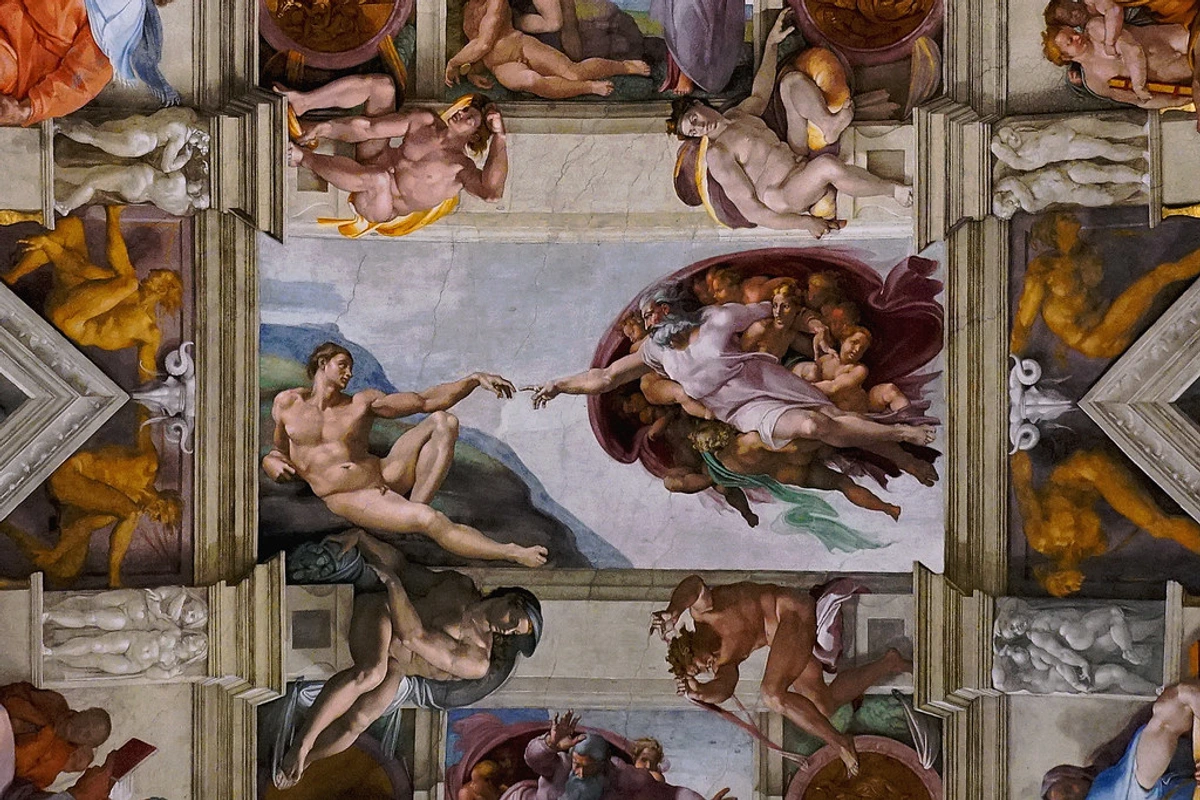
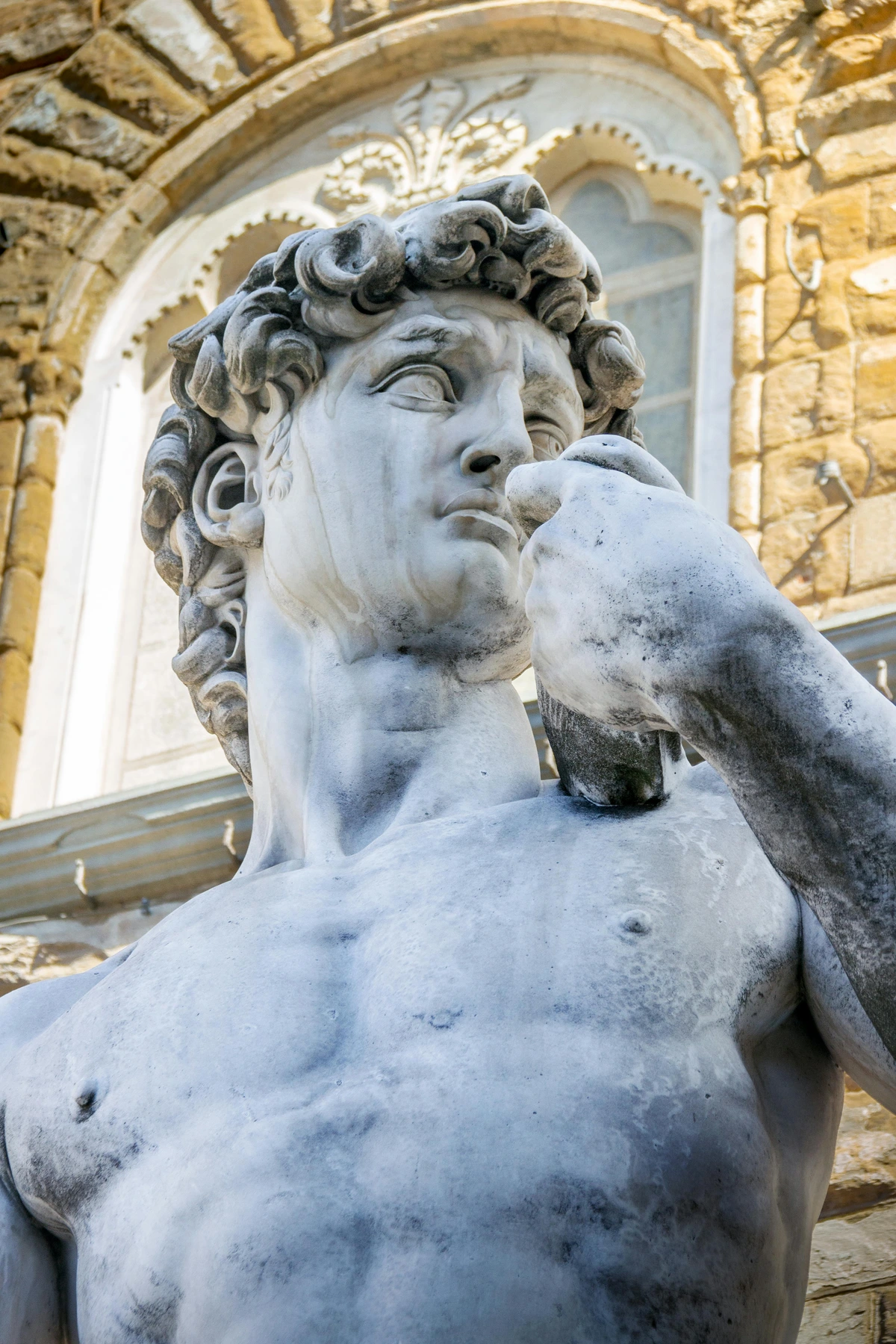
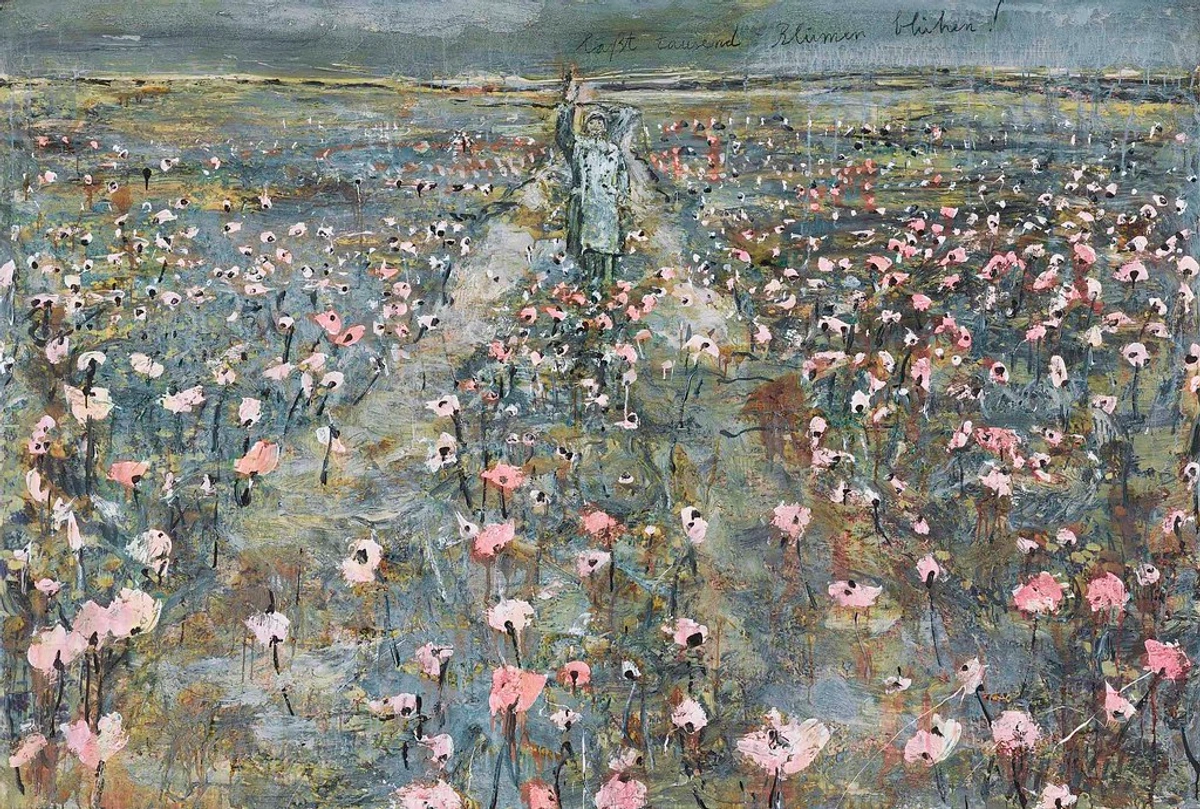
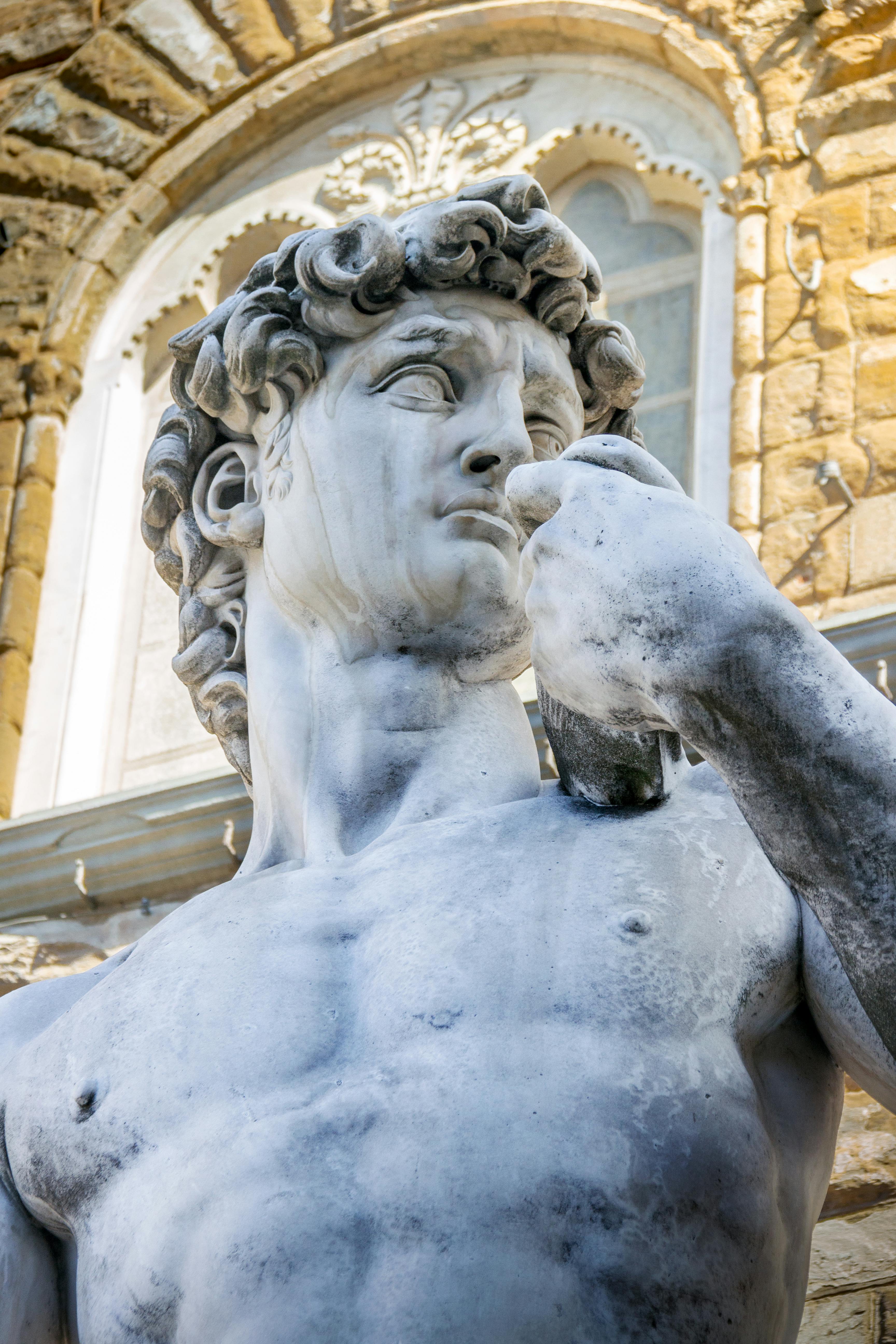
During the Renaissance, artists like Leonardo da Vinci and Michelangelo sought to capture the beauty and complexity of the human form. Their works often explored themes of faith, love, and the human condition, reflecting the cultural and intellectual movements of the time. The Renaissance was a period of rebirth and rediscovery, and its art reflects a deep appreciation for the human experience.
Surrealism
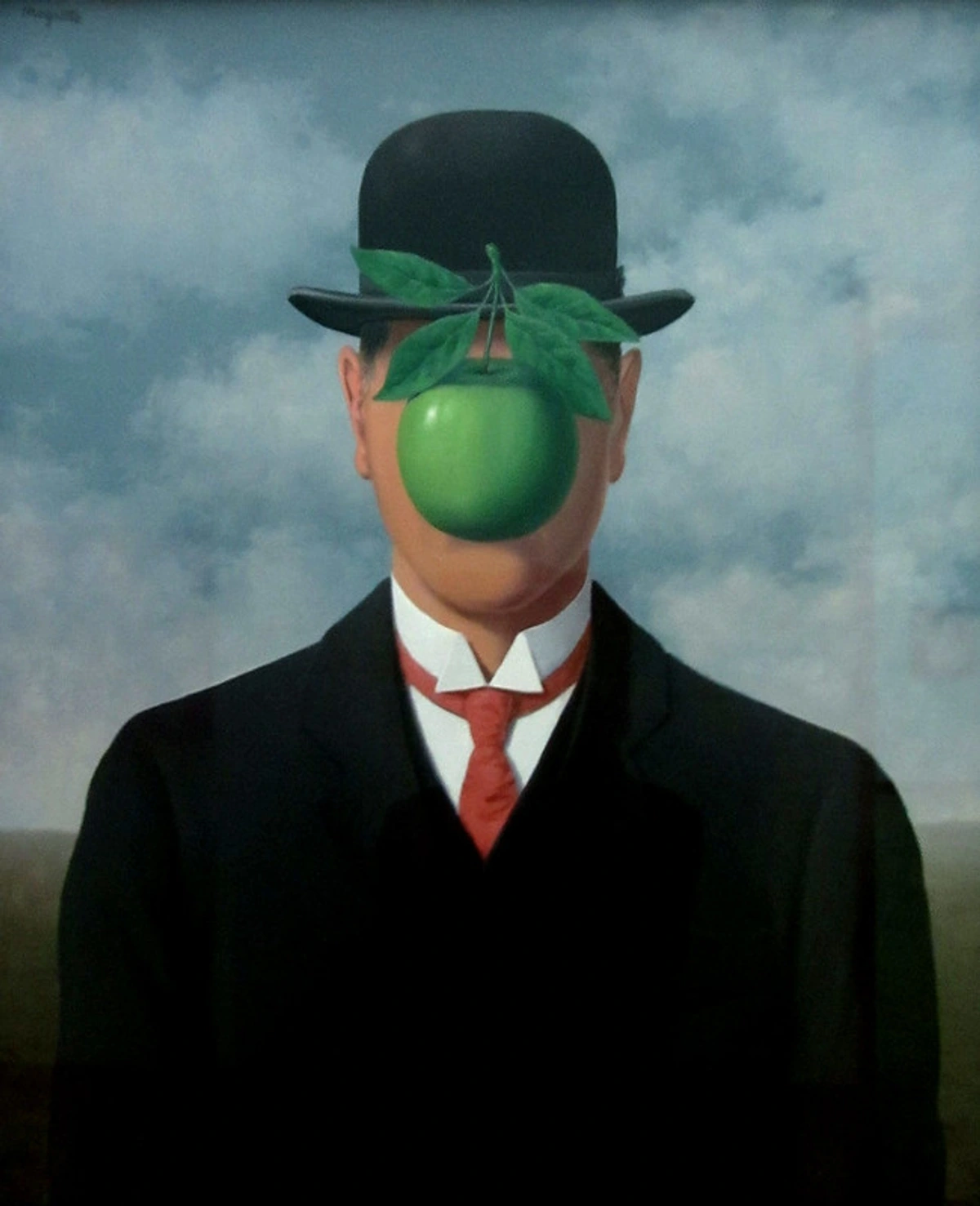
Surrealism, with its emphasis on the subconscious and the irrational, explored the depths of the human psyche. Artists like Salvador Dalí and René Magritte created works that challenged conventional perceptions of reality, inviting viewers to explore the hidden layers of their own minds. Surrealism was a movement that embraced the mysterious and the fantastical, capturing the complexity of the human experience in all its strangeness and wonder.
Impressionism
The Impressionists, with their focus on light and color, sought to capture the fleeting moments of everyday life. Artists like Claude Monet and Pierre-Auguste Renoir created works that celebrated the beauty of the natural world and the joy of human connection. Impressionism was a movement that embraced the transient and the ephemeral, capturing the essence of life in all its vibrancy.
Cubism
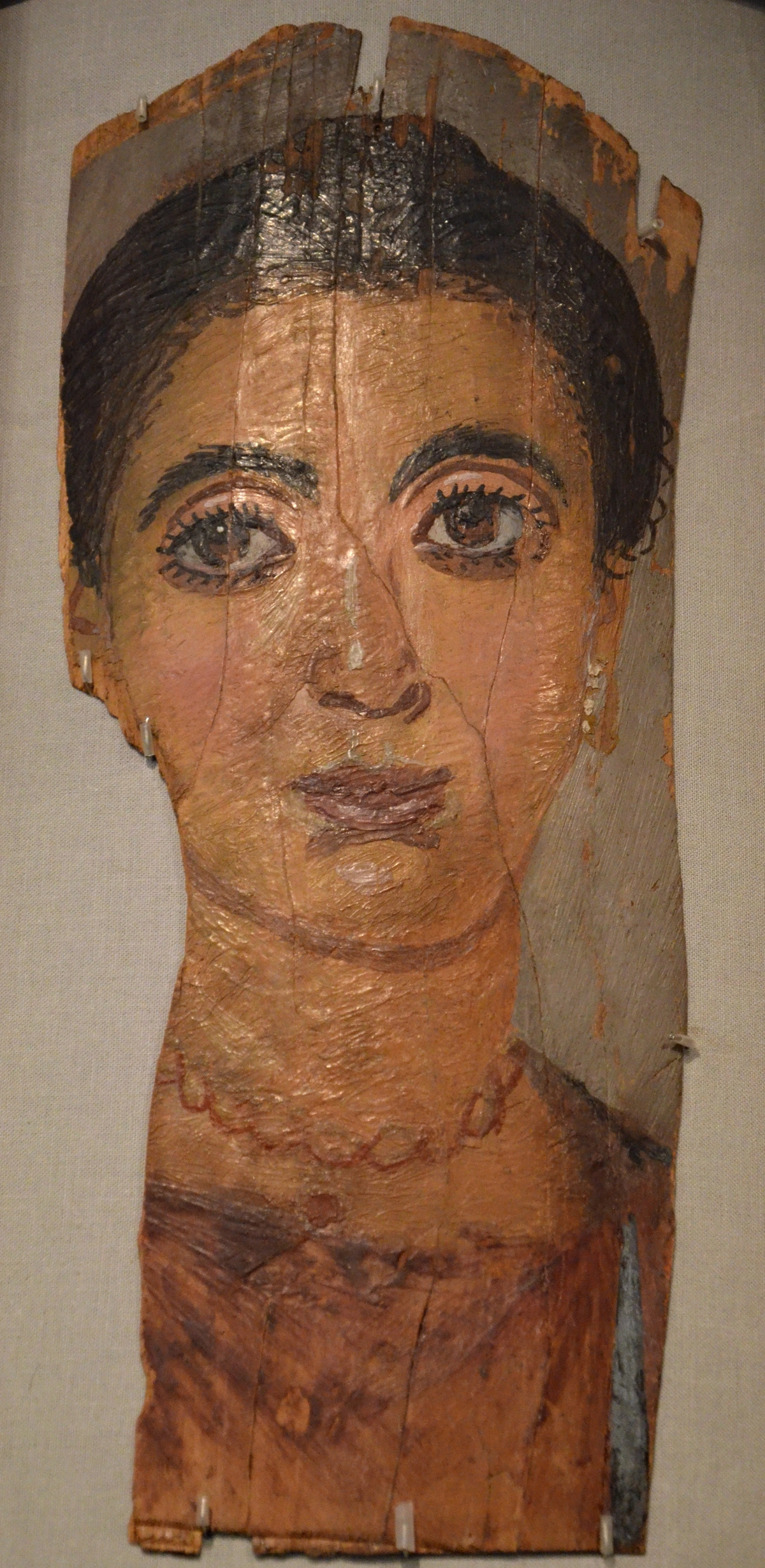
Cubism, pioneered by artists like Pablo Picasso and Georges Braque, revolutionized the way we perceive form and space. By breaking down objects into geometric shapes and reassembling them in abstracted forms, Cubist artists explored the multifaceted nature of reality. This movement challenged traditional notions of representation and invited viewers to see the world from multiple perspectives.
Abstract Expressionism
In the mid-20th century, Abstract Expressionists like Jackson Pollock and Mark Rothko used bold colors and dynamic compositions to explore the depths of human emotion. Their works often conveyed a sense of conflict and struggle, reflecting the anxieties and uncertainties of the post-war era. Abstract Expressionism was a movement that embraced the raw and the emotional, capturing the complexity of the human experience in all its intensity.

Pop Art
Pop Art, emerging in the 1950s and 1960s, celebrated the everyday and the mundane, transforming ordinary objects and images into works of art. Artists like Andy Warhol and Roy Lichtenstein used bright colors and bold imagery to explore themes of consumerism, celebrity, and mass media. Pop Art was a movement that embraced the vibrant and the kitsch, capturing the spirit of modern life in all its complexity and contradiction.
Minimalism
Minimalism, as an artistic movement, focuses on simplicity and the reduction of form to its essential elements. Artists like Donald Judd and Agnes Martin created works that emphasized clean lines, geometric shapes, and a sense of order. Minimalism invites viewers to contemplate the purity of form and the interplay between space and object, offering a meditative experience that transcends the chaos of everyday life.
How to Connect with Art on a Personal Level
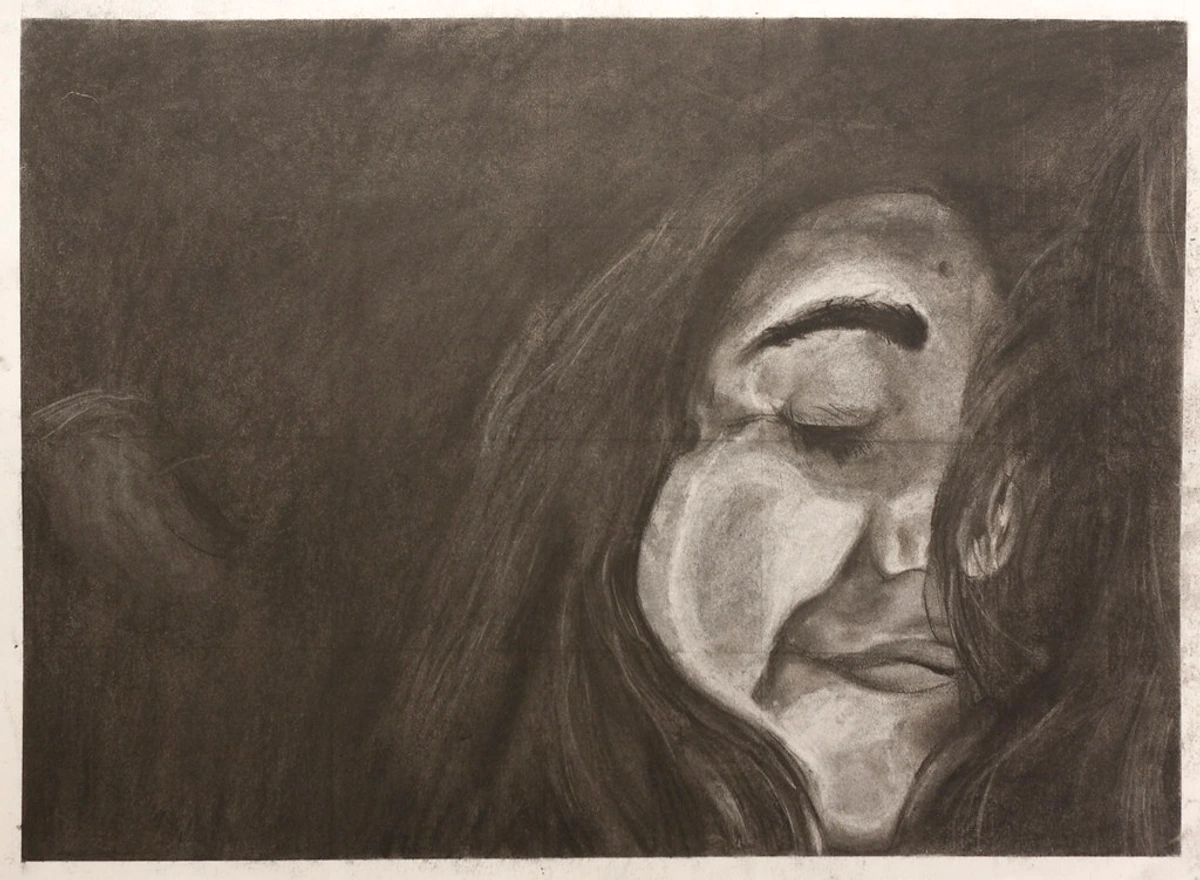
Art is not just something to be admired from a distance; it’s something to be experienced and engaged with on a personal level. Whether you’re a seasoned art enthusiast or a complete novice, there are many ways to connect with art and make it a meaningful part of your life.
Art Journaling
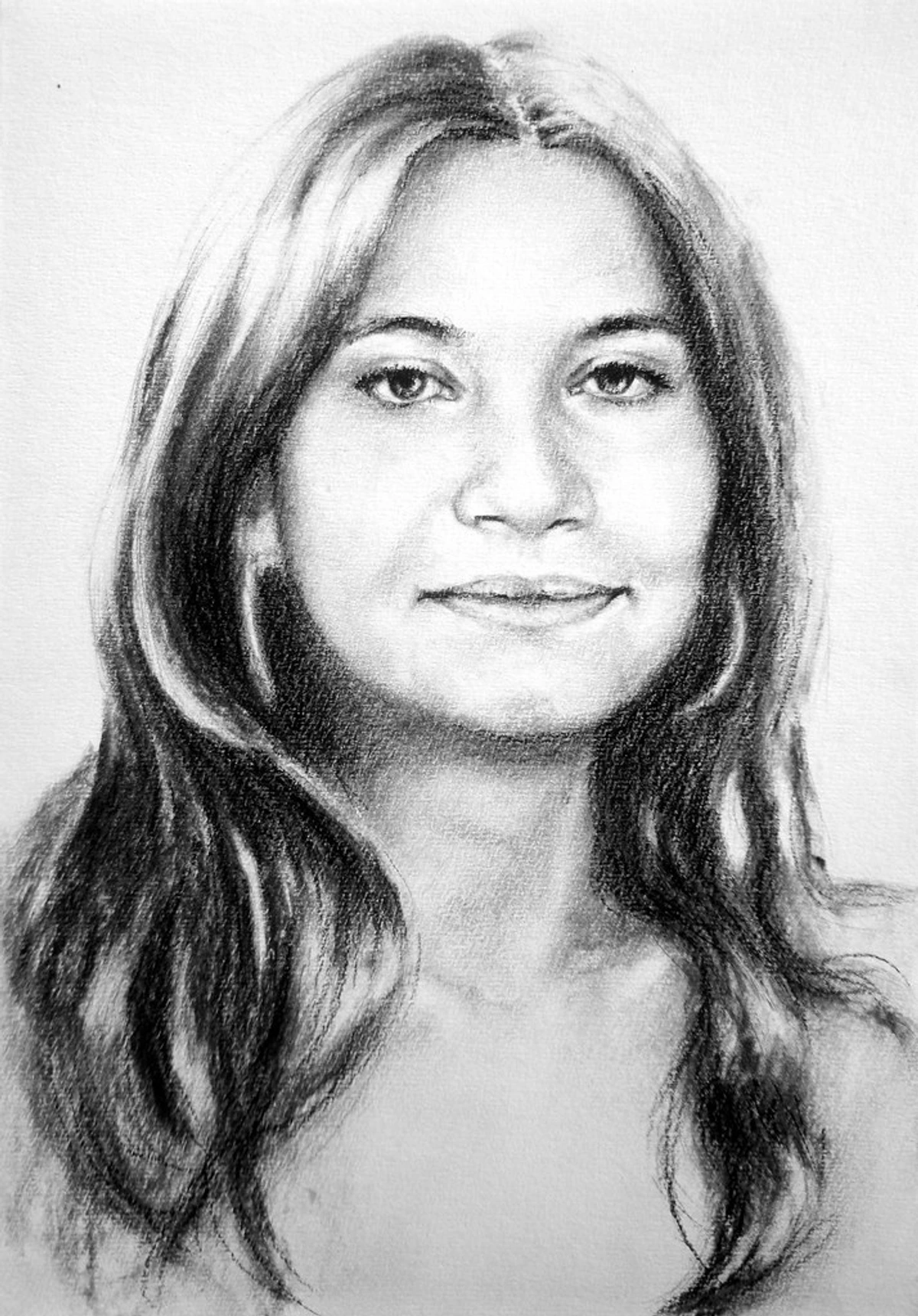
Art journaling is a creative practice that combines writing and art-making to explore thoughts, emotions, and experiences. By keeping an art journal, you can document your artistic journey, experiment with new techniques, and reflect on the art that inspires you. This practice can deepen your connection with art and enhance your personal growth.
Visit Museums and Galleries
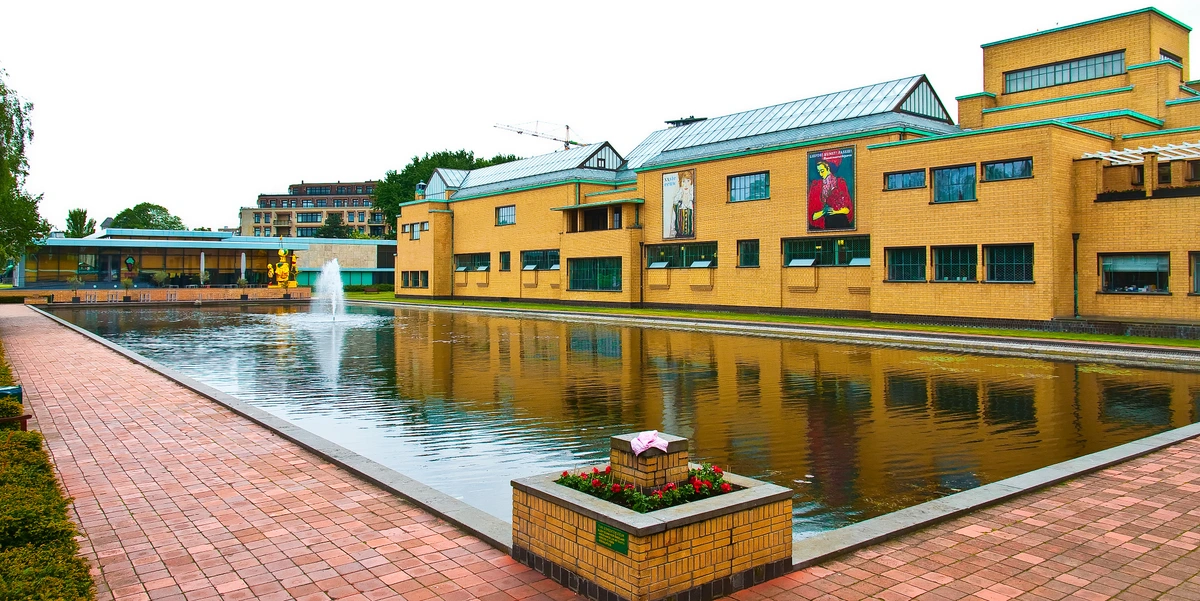
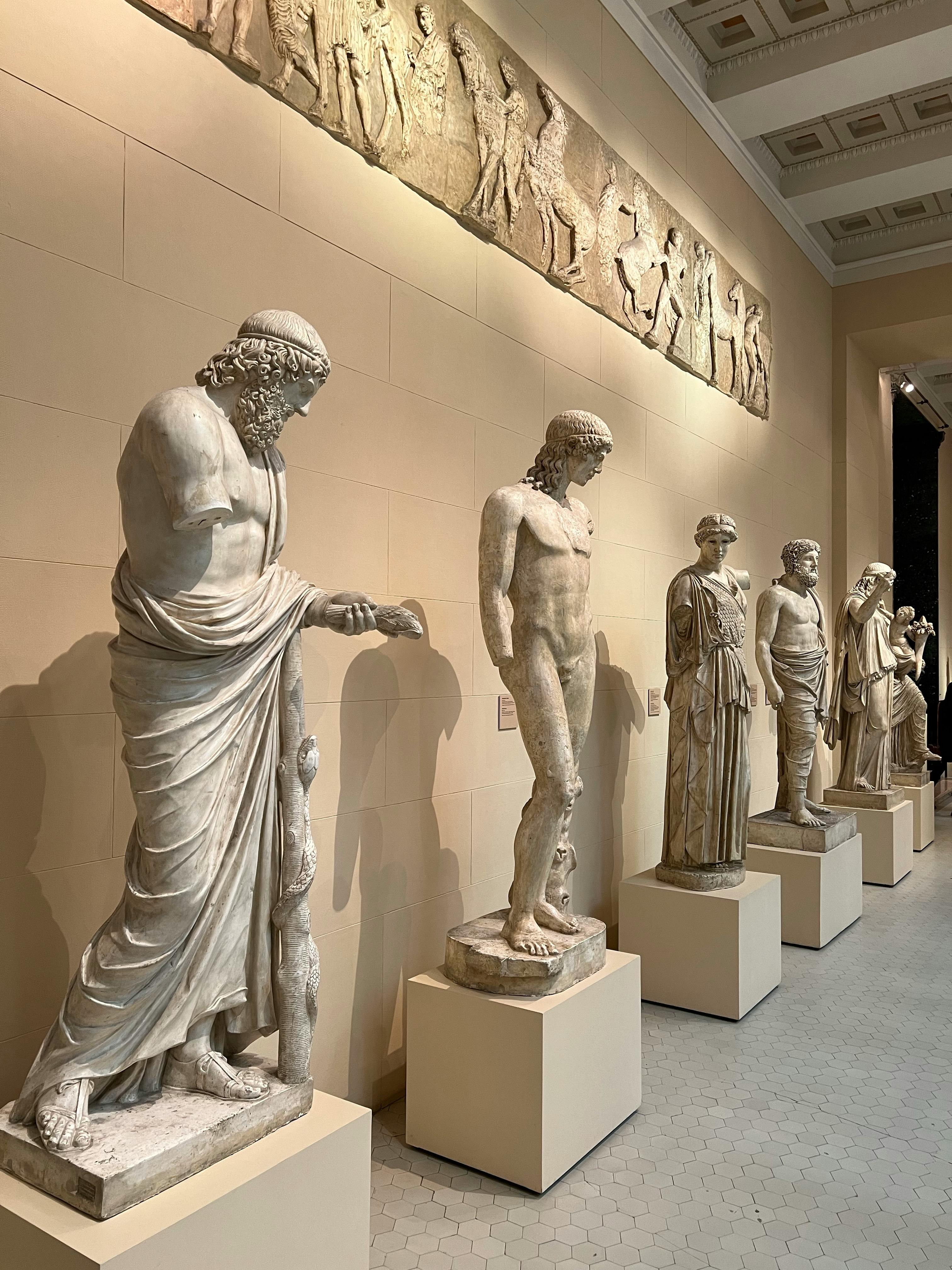
One of the best ways to connect with art is to visit museums and galleries. Standing in front of a painting or sculpture, you can experience the emotion and intent of the artist in a way that is impossible to replicate through digital images. If you're ever in Den Bosch, the Den Bosch Museum is a fantastic place to start. Museums and galleries offer a unique opportunity to immerse yourself in the world of art and discover new artists and styles.
Attend Art Workshops
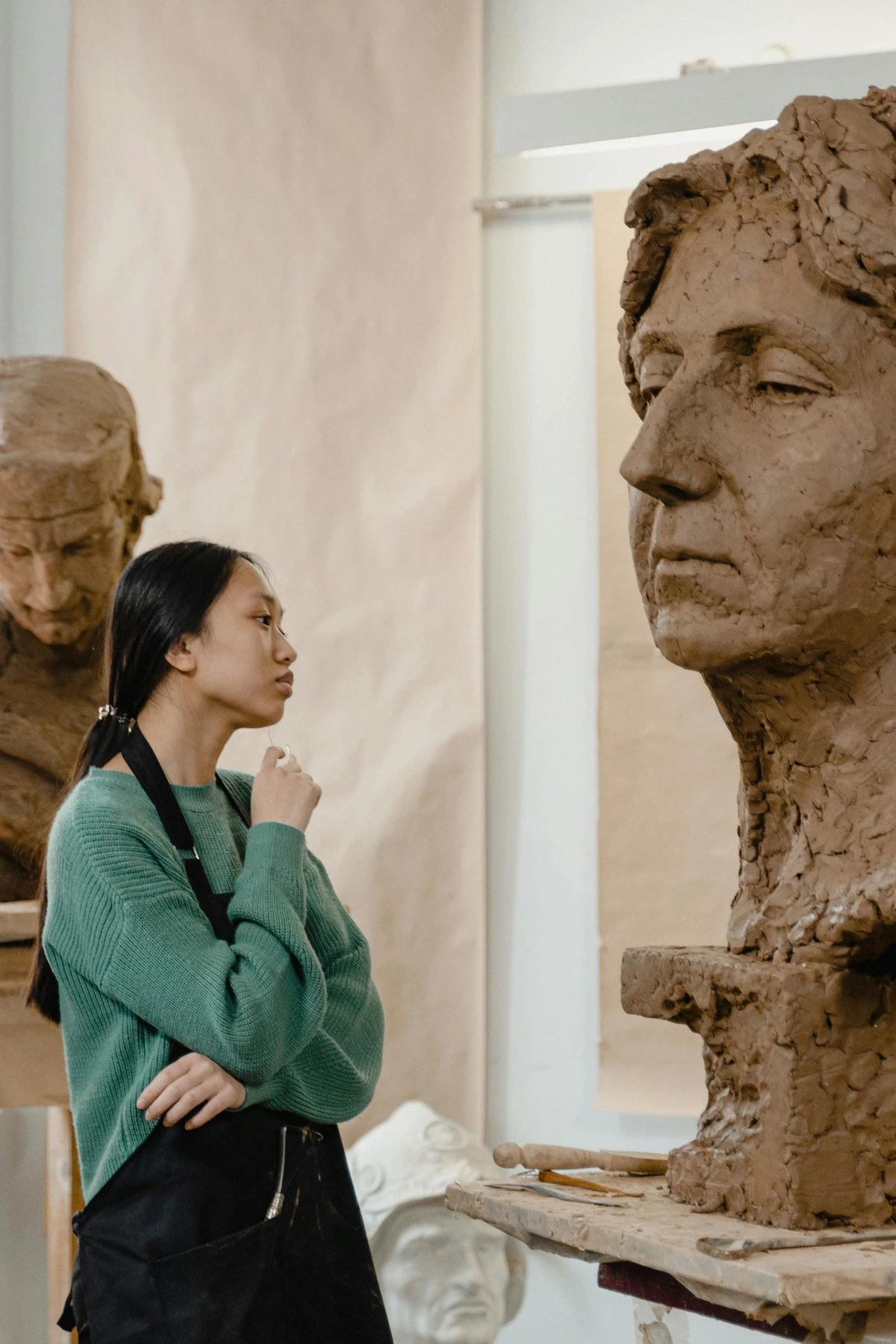
Attending art workshops can provide hands-on experience and insights into various artistic techniques. These workshops offer a chance to learn from experienced artists, experiment with new mediums, and connect with fellow art enthusiasts. Whether you’re interested in painting, sculpture, or digital art, there’s a workshop out there for you.

Explore Different Artistic Movements
Take the time to explore different artistic movements and styles. Each movement has its own unique way of expressing the human experience, and you might find that certain styles resonate with you more than others. From the classical beauty of the Renaissance to the bold experimentation of Abstract Expressionism, there’s a wealth of artistic traditions to discover and appreciate.
Engage with Art Online
In addition to visiting museums and galleries, you can also explore art online. Many museums and galleries offer virtual tours and online exhibitions, allowing you to experience art from the comfort of your own home. Online platforms also provide opportunities to connect with artists, join art communities, and discover new works.
Create Your Own Art
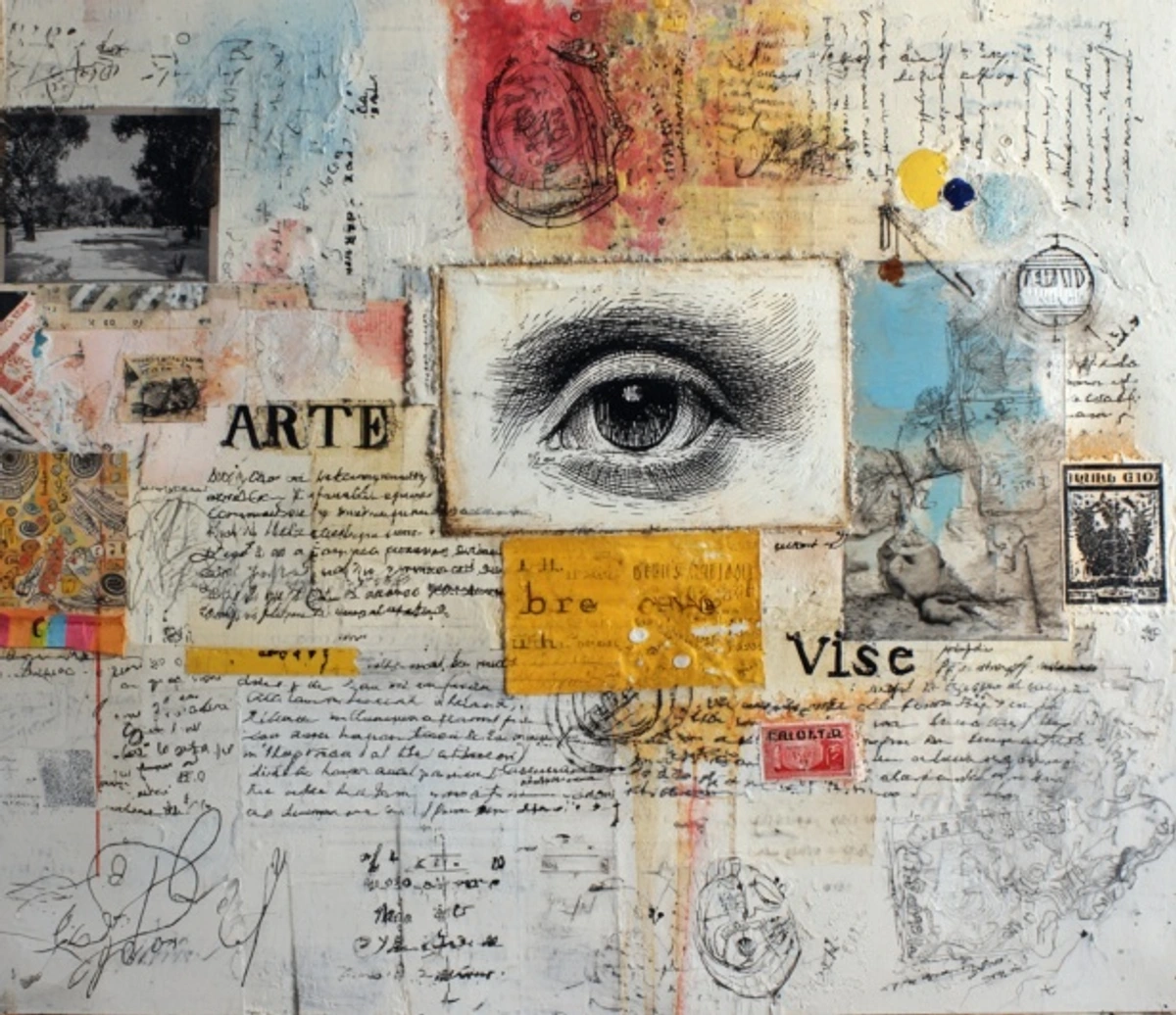
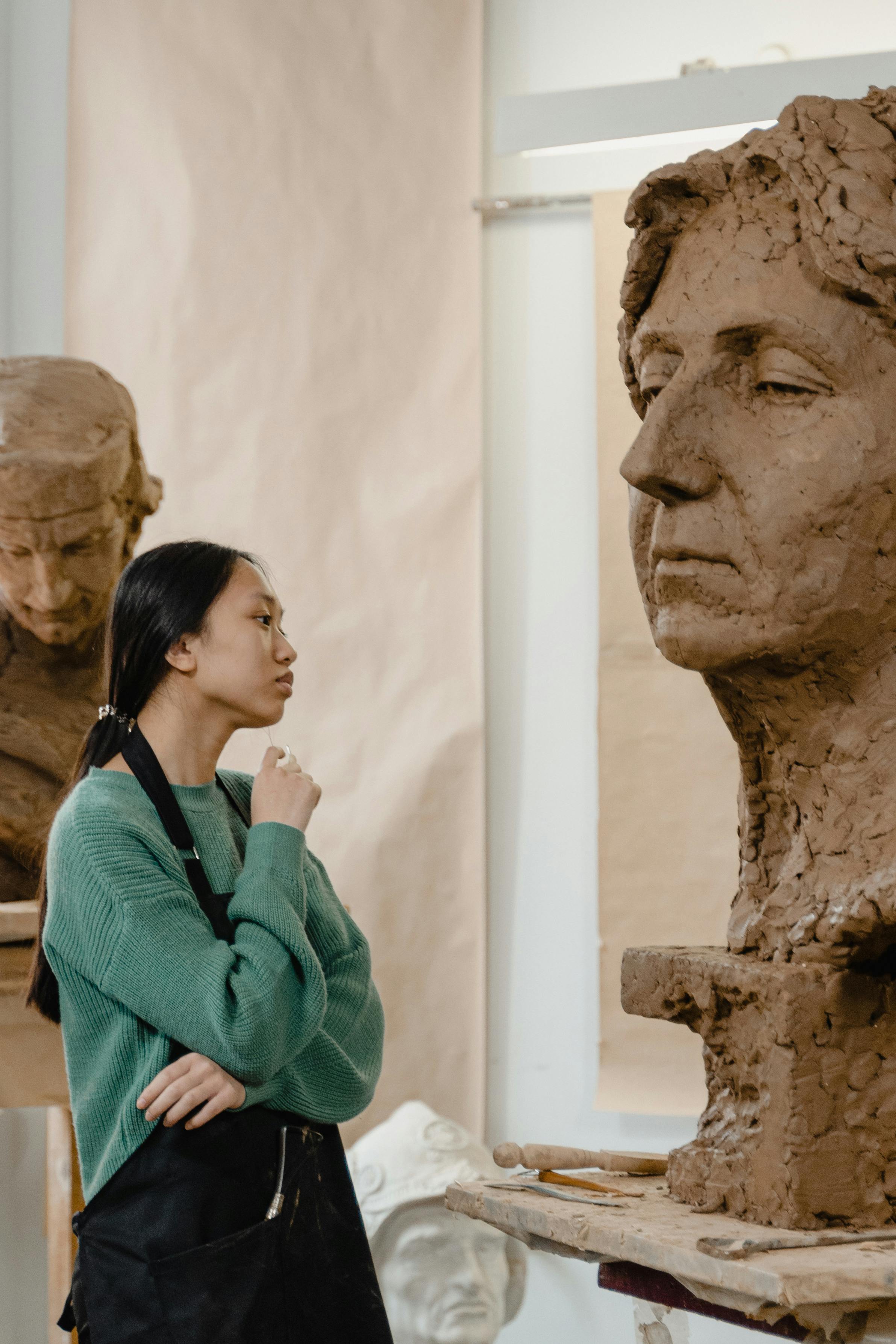
Finally, consider creating your own art. Whether it’s painting, drawing, or sculpture, the act of creation can be a powerful way to express your own emotions and experiences. You don’t have to be a professional artist to benefit from the therapeutic and expressive qualities of art. Creating art is a deeply personal and rewarding experience that can help you connect with your own emotions and experiences in a meaningful way.
Join Art Communities
Joining art communities, whether online or in-person, can provide a supportive environment for sharing your work, receiving feedback, and connecting with like-minded individuals. These communities offer opportunities to collaborate on projects, participate in exhibitions, and engage in discussions about art and creativity.
Frequently Asked Questions
What are some common themes in art that reflect universal human experiences?
Some common themes include joy, sorrow, conflict, and connection. These themes are explored in various ways across different artistic movements and cultural traditions. Art has the power to capture the essence of the human experience, from the heights of joy to the depths of sorrow, and everything in between.
How can art influence our emotions?
Art can influence our emotions by evoking memories, stimulating our senses, and challenging our perceptions. Whether it’s through the vibrant colors of a painting or the haunting melody of a song, art has the power to elicit a wide range of emotional responses. Engaging with art can enhance our emotional well-being and foster a deeper understanding of ourselves and others.

How can I better understand the emotions conveyed in a piece of art?
Spending time with the artwork, reading about the artist’s intent, and considering the historical and cultural context can all help you better understand the emotions conveyed in a piece of art. Art is a language of its own, and the more you engage with it, the more you’ll begin to understand its nuances and complexities.
What role does art play in education?
Art plays a crucial role in education by fostering creativity, critical thinking, and emotional intelligence. It provides a platform for self-expression and encourages students to explore their own ideas and perspectives. Art education can also enhance cognitive development and improve academic performance across various subjects.
Why is art important in expressing human experiences?
Art is important because it allows us to express and share emotions and experiences that might be difficult to convey through words alone. It transcends language and culture, speaking directly to our shared humanity. Art has the power to connect us, to challenge us, and to inspire us, making it an essential part of the human experience.
How does art contribute to cultural identity?
Art contributes to cultural identity by preserving traditions, telling stories, and reflecting the values and beliefs of a community. It serves as a visual record of cultural heritage and provides a means for expressing collective experiences and aspirations. Art can also foster a sense of belonging and pride within a community.
Can anyone create art that captures universal human experiences?
Absolutely! Anyone can create art that captures universal human experiences. The act of creation itself is a powerful way to express emotions and connect with others. Whether you’re a seasoned artist or a complete beginner, creating art is a deeply personal and rewarding experience that can help you explore and express your own emotions and experiences.
What are some benefits of engaging with art?
Engaging with art offers numerous benefits, including stress relief, enhanced creativity, and improved emotional well-being. It can also foster a sense of connection and community, provide opportunities for self-expression, and inspire personal growth. Art has the power to enrich our lives in countless ways.
How can I incorporate art into my daily life?
There are many ways to incorporate art into your daily life. You can visit museums and galleries, explore different artistic movements, or even create your own art. Art is all around us, and the more you engage with it, the more you’ll begin to see its beauty and significance in your own life.
How can art enhance our understanding of history?
Art enhances our understanding of history by providing visual narratives of past events, cultures, and societal changes. It offers insights into the lives and experiences of people from different eras, helping us to connect with history on a personal and emotional level. Art serves as a bridge between the past and the present, enriching our understanding of historical contexts.
What are some examples of art that capture universal human experiences?
There are countless examples of art that capture universal human experiences. From the classical beauty of the Renaissance to the bold experimentation of Abstract Expressionism, art has the power to explore the many facets of the human experience. Some notable examples include the works of Leonardo da Vinci, Claude Monet, and Jackson Pollock, each of whom captured the essence of the human experience in their own unique way.
How does art inspire innovation?
Art inspires innovation by encouraging creative thinking, challenging conventional ideas, and fostering experimentation. It provides a platform for exploring new concepts and pushing the boundaries of what is possible. Art can inspire breakthroughs in various fields, from technology to social change, by offering fresh perspectives and innovative solutions.

Conclusion
Art is a powerful medium that captures the essence of what it means to be human. Whether it’s through the vibrant colors of a contemporary painting or the delicate brushstrokes of a Renaissance masterpiece, art has the ability to reflect our joys, sorrows, conflicts, and connections. By engaging with art, we can better understand ourselves and each other, fostering a deeper sense of community and shared humanity.
So next time you find yourself standing in front of a piece of art, take a moment to really look at it. What emotions does it evoke? What experiences does it remind you of? You might be surprised by the depth of connection you feel. Art is more than just a visual experience; it’s a conversation across time and space, a way for us to connect with the thoughts, feelings, and struggles of people who lived centuries ago or halfway around the world. It’s a universal language that connects us all, regardless of our background or experiences.














In a world that often feels divided, art has the power to bring us together. It reminds us of our shared humanity and the universal experiences that bind us all. So let’s embrace art, in all its forms, and let it inspire us, challenge us, and connect us in ways that words alone never could.