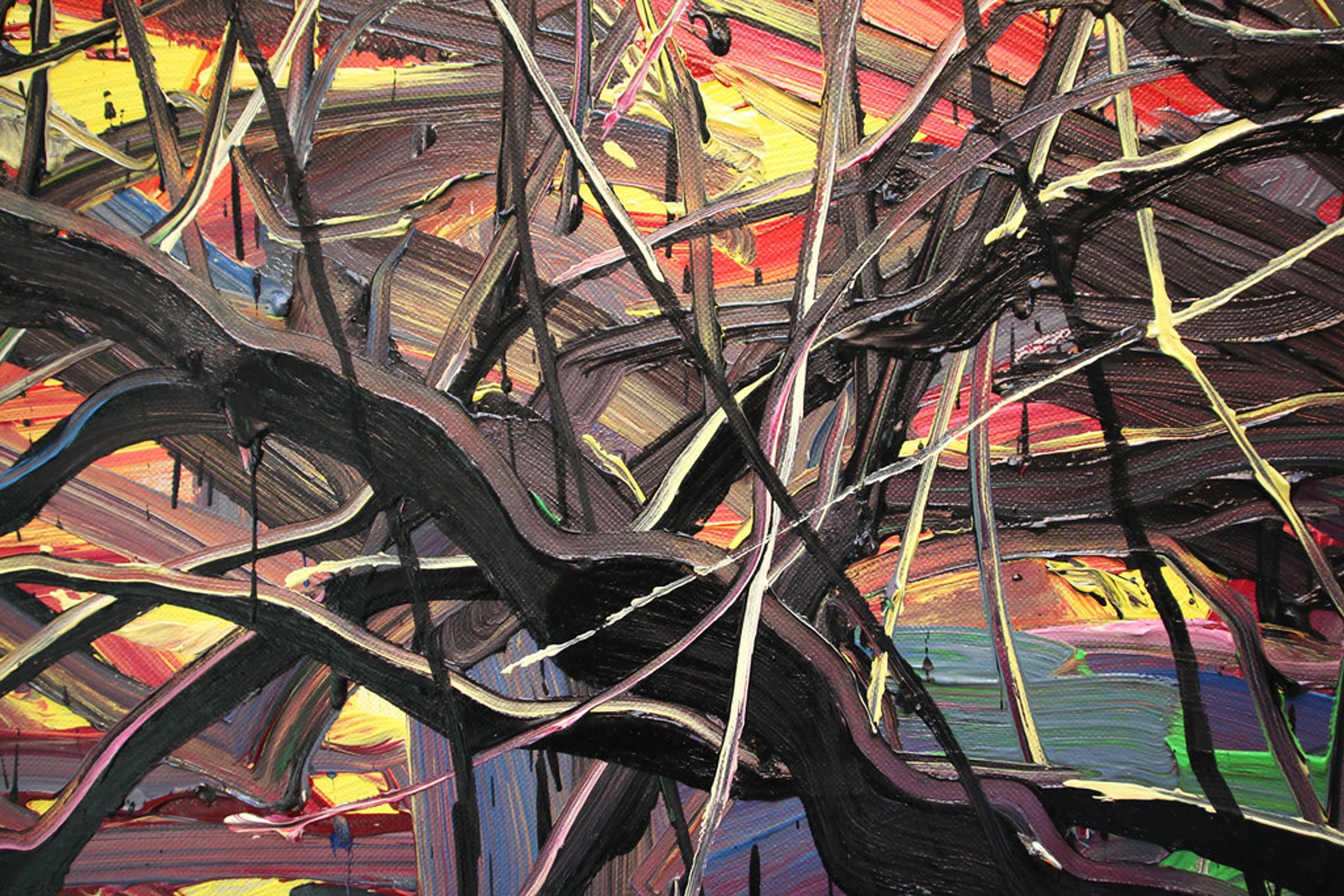
What is Expressionism? Your Ultimate Guide to Raw, Unflinching Art, Its Origins, and Enduring Legacy
Unpack Expressionism's raw emotional power: its genesis in early 20th-century societal angst, revolutionary use of distortion, bold color, and enduring influence on film, literature, and contemporary art. Explore key artists like Munch, Schiele, and Kandinsky, and challenge conventional beauty by confronting inner truths, becoming the definitive guide to this visceral movement.

What is Expressionism? Your Ultimate Guide to Raw, Unflinching Art, Its Origins, and Enduring Legacy
I remember the first time an Expressionist painting truly gut-punched me. It wasn't just a gut punch; it was a revelation, a visceral tremor that made me rethink what art could do. I'd seen Edvard Munch's 'The Scream' on countless mugs and T-shirts, a defanged icon of modern anxiety. But then there was a self-portrait by Egon Schiele, specifically his 'Self-Portrait with Palette' from 1905 (though many of his works elicit a similar visceral response). The figure was gaunt, twisted, the lines sharp and nervous, the skeletal fingers almost clawing at the canvas, the raw, unflinching gaze locking onto something unseen. It didn't look like a photograph, but it felt more real than one. It felt like anxiety made visible, a profound vulnerability laid bare, a soul screaming from the canvas itself.
That raw discomfort, that unflinching honesty, that's what utterly hooked me. It's the same audacious spirit that compels me in my own studio, pushing beyond mere representation to capture a feeling, to make the internal visible. It’s a lineage of authenticity, a tradition of letting the inner world explode onto the canvas. If you've ever felt overwhelmed by the world, used art or music to express that internal chaos, or simply found solace in seeing your own complex emotions reflected back at you, then you've already brushed against the powerful current of Expressionism. That's the secret of this movement: it’s not about painting the world as it looks; it’s about painting the world as it feels. And sometimes, honestly, how it feels is messy, raw, and yes, even ugly. But that's not a flaw; it's the point. It’s the deliberate choice to strip away polite facades, to confront uncomfortable truths, and to give visual form to emotions so big they threaten to burst. This isn't just art; it’s a profound way to connect with what it means to be alive, even when those feelings are difficult. By the end of this definitive exploration, you'll not only grasp Expressionism's core principles but also appreciate its profound and often unsettling impact on how we perceive and create art today, from film to contemporary installations, and perhaps even how you understand your own vibrant, tumultuous inner world.
A World on Edge: The Genesis of Raw Emotion
This powerful urge to express the inner self, this intense focus on the subjective world, wasn't born in a vacuum. It was a visceral, almost desperate response to a rapidly changing external world that felt profoundly unsettling. Expressionism didn’t just pop up out of nowhere; it erupted in Germany and Austria in the early 20th century, a crucible of immense social, technological, and political upheaval. I can only imagine the pervasive sense of unease that gripped society.
The Industrial Revolution had relentlessly reshaped the landscape, drawing people from traditional rural life into cramped, anonymous, and often isolating urban environments like bustling Berlin or culturally rich, yet anxiety-ridden, fin-de-siècle Vienna. Old traditions were crumbling, replaced by the relentless churn of modernity, leading to new forms of urban anxiety, alienation, and spiritual emptiness – the kind of feelings that hit you when you're just another face in a faceless crowd, struggling to find meaning. This was a time of stark class stratification, worker unrest, and the unsettling hum of aggressive nationalism and militarism lengthening its shadow across Europe, with World War I ominously looming. Many of these artists, like Ernst Ludwig Kirchner, would experience the brutal, dehumanizing reality of trench warfare firsthand, leading to profound psychological breakdowns that directly shaped their art. The stark contrast between the opulent, idealized pre-war society and the subsequent brutal reality created an undeniable chasm in the human psyche. It felt like the world itself was holding its breath, on the cusp of something terrible, and artists were uniquely attuned to this collective unease.
Philosophers like Nietzsche, Schopenhauer, and Kierkegaard had already laid the groundwork, exploring themes of individual will, the irrational, and the inherent suffering in existence. Their ideas deeply resonated with these artists grappling with a world that seemed to be losing its moral compass. Nietzsche’s concept of the 'will to power' – the fundamental human drive to overcome and dominate – resonated deeply with artists seeking radical new forms and rejecting tired conventions, directly fueling their audacious experiments in color and form. His critique of traditional morality fed into their embrace of subjective truth, asserting that individual emotional experience was as valid, if not more so, than objective reality. Schopenhauer's emphasis on art as an escape from the suffering of existence provided a deep well of introspection, but Expressionists often turned this around, using art as a vital outlet for confronting that suffering, rather than merely escaping it. This was art as a battleground for the soul, not a balm. And you could even see echoes of Kierkegaard's existential dread and the weighty responsibility of individual choice in their intense self-scrutiny and the sense of profound isolation in their work.
Then there were the burgeoning fields of psychology. Sigmund Freud and Carl Jung were deeply probing the unconscious, irrational drives, and the complexities of the individual psyche in Vienna, a city that was a hotbed of Expressionist activity. Expressionists, in their art, sought to make these often-hidden inner realities visible and tangible, echoing the psychoanalytic desire to uncover the subconscious and the 'id' – raw, primitive desires and impulses. Their distorted figures and intensely emotional scenes often feel like direct visual manifestations of the ego grappling with profound neuroses and existential dread, laying bare what was once confined to the analyst's couch.
The invention of the camera further intensified this shift, ironically freeing painters from the burden of merely documenting reality. If a camera could capture what something looked like with uncanny precision, what unique purpose remained for the painter? Some artists initially feared its impact, but the Expressionists saw it as a liberation. The answer for them was clear: to show what it feels like. This wasn't a rejection of reality, but a radical redefinition of what "reality" meant in art. Unlike the academic painters who strove for photographic likeness (think of 19th-century Realism) or the Impressionists who captured fleeting light, Expressionists sought true reality in the internal landscape, not the external one. This new, unsettling world demanded a new, unsettling kind of art. Artists felt a deep need to express their personal turmoil, and the polite, pretty art of the past just wasn't going to cut it anymore. They turned to non-Western art, like African and Oceanic masks, for inspiration, drawn to their raw power, spiritual function, bold simplification of form, and emotional directness, seeing them as an authentic antidote to stifling academic traditions. For example, artists like Emil Nolde were deeply influenced by the stark, unidealized forms and intense spiritual presence of masks he encountered in museums, incorporating their flattened features and direct emotional gaze into his own raw portraits and fantastical scenes. It’s a bit like tearing up the rule book when the old rules no longer make sense, isn’t it? This drive to express the inner world directly led them to revolutionize how they used artistic tools, as you’ll see.
Expressionism's Visual Language: The Palette of the Soul
The name itself, Expressionism, is a direct window into the movement’s core: it’s all about the outward expression of inner states. It’s less about a unified style and more about a shared state of mind, an urgent need to convey emotion above all else. When I look at an Expressionist piece, I'm not just seeing a picture; I'm feeling a presence, a visceral echo of the artist's inner landscape. It’s a bit like listening to a powerful, raw piece of music – the emotional resonance hits you before your intellect can even process the notes. You can't really follow a recipe to make an Expressionist painting, but there are a few key ingredients that show up time and again, acting as potent visual metaphors.
Subjective Reality is the Only Reality
For Expressionists, the objective world out there was secondary. What truly mattered was their personal, internal response to it. They weren't just painting a landscape; they were painting their anxiety about that landscape. The city wasn’t just buildings; it was a claustrophobic, alienating jungle. This radical departure from previous movements, like Neoclassicism's emphasis on idealized forms or Realism's dedication to objective representation, was revolutionary. Unlike, say, Impressionism, which was still concerned with capturing the fleeting light on a haystack, the Expressionists wanted to capture the fleeting state of their own soul. It was a declaration: my feelings are valid, and they shape my reality. This ethos, I think, resonates with deep philosophical currents of the time, touching on existential questions about individual experience, the subjective nature of truth, and the weighty responsibility of carving out meaning in a seemingly meaningless world, much like thinkers in early existentialism. It also aligns strikingly with the burgeoning field of psychology, particularly the work of Sigmund Freud and Carl Jung, who were deeply probing the unconscious, irrational drives, and the complexities of the individual psyche. Expressionists, in their art, sought to make these often-hidden inner realities visible and tangible, echoing the psychoanalytic desire to uncover the subconscious and the 'id.' They argued that art was not a mirror of reality, but a hammer to shape it, driven by an inner compulsion to reveal deeper, often uncomfortable truths.
Distorted and Exaggerated Forms
To translate this inner, subjective world into a visual language, Expressionist artists employed a range of radical techniques, chief among them the distortion and exaggeration of forms. Figures become elongated and angular, perspectives get skewed, and faces look more like masks of raw emotion than realistic portraits. We see jarring juxtapositions, fragmented forms, and deliberately unsettling compositions. Think of how Egon Schiele renders hands in his drawings: bony, gnarled, and oversized—not because people had hands like that, but because that's what intense psychological states like anxiety, desire, isolation, or self-contempt feels like; a visceral sense of grasping for control or succumbing to inner turmoil. He used line not just to outline, but to convey a nervous energy, a fragile emotional state. Similarly, Ernst Ludwig Kirchner's figures in works like 'Street, Berlin' are often elongated, angular, and mask-like, creating an unsettling sense of anonymity and alienation in the bustling urban environment. This isn't the analytical deconstruction of objects you might see in Cubism, which aimed to show multiple viewpoints to understand an object's physical structure, much like dissecting a clock to see how its gears fit together; instead, Expressionist distortion aims to show the psychological and emotional impact of the world on the artist, making internal experience tactile on the canvas, often with thick, impasto (a technique where paint is laid on thickly so that brushstrokes are visible and create texture, allowing the paint itself to convey feeling) application of paint. It's that raw, almost uncomfortable honesty that stops you in your tracks, isn't it? It was a deliberate rejection of prettiness, an embrace of the visceral and the grotesque to communicate a deeper truth. If Cubism offers a cerebral, multi-faceted view of reality, Expressionism gives you reality as a raw, emotional scream – smashing that clock against a wall in a fit of existential angst, creating a twisted, molten image charged with frustration.
Bold, Intense, and Arbitrary Color
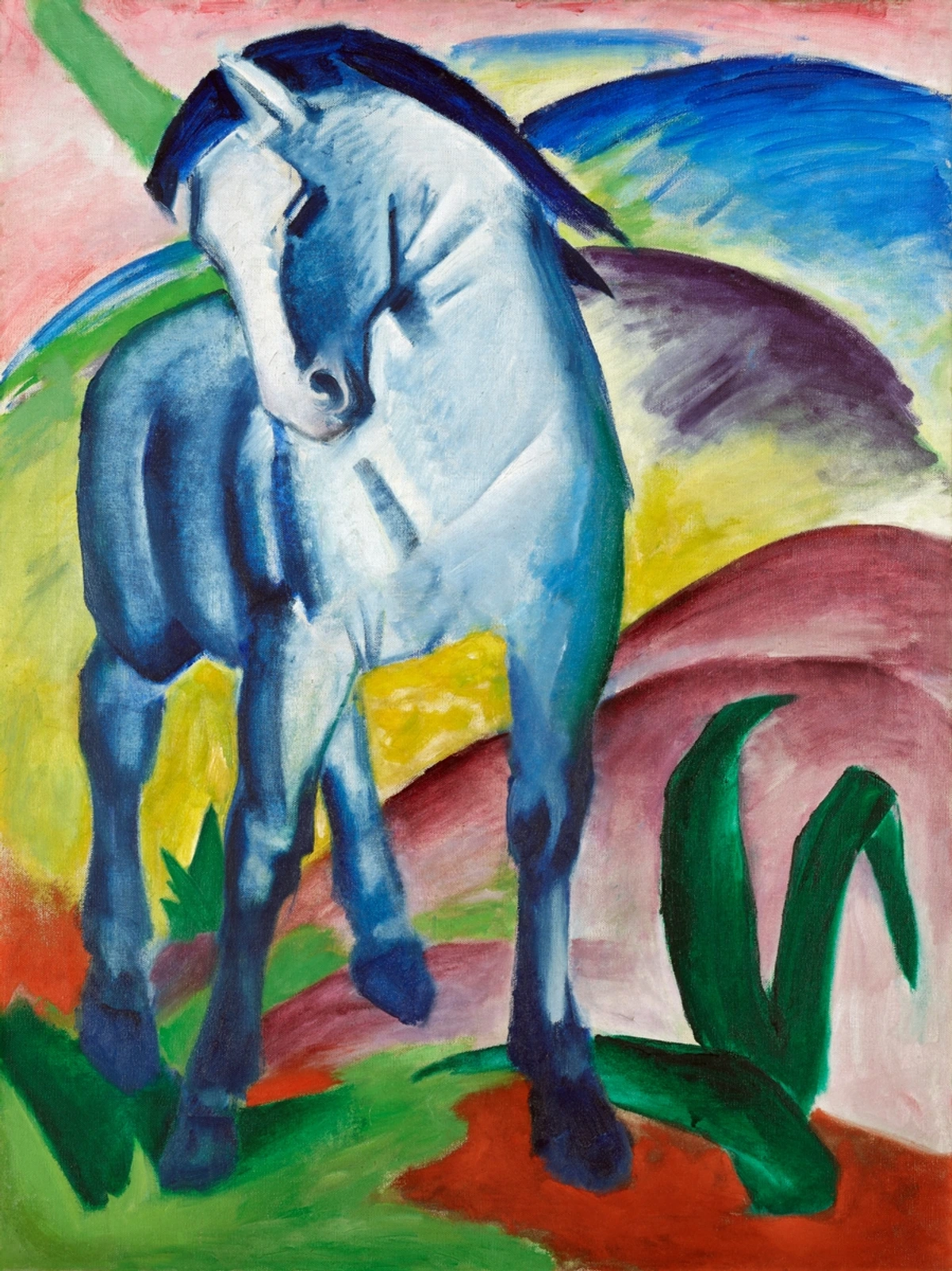
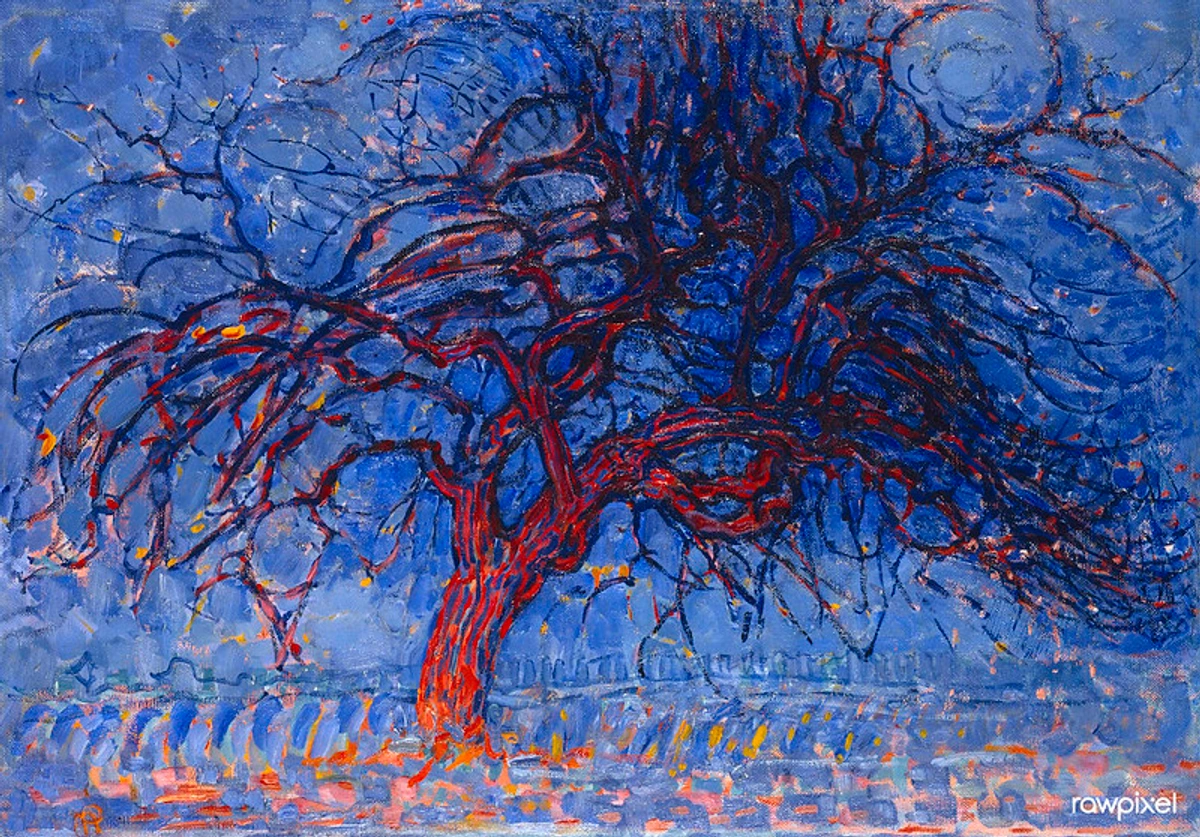
Color was another powerful tool to break free from objective reality and tap directly into emotion. An Expressionist wouldn't ask, "What color is that tree?" They'd ask, "What color is my feeling about that tree?" This led to green skies, blue horses (think Franz Marc's iconic animals), and aggressively red trees. The colors aren't there to describe; they're there to evoke, to hit you in the gut, to make you feel something specific, bypassing rational thought to directly affect your emotional state. Imagine aggressive reds to convey anger, raw passion, or even impending doom (as in Munch's 'The Scream'), melancholic blues for deep sadness or introspection, or jarring, almost sickly greens and yellows to signify unease, decay, or psychological distress (often seen in Die Brücke's urban scenes). It's a direct line to the emotional part of your brain, bypassing the logical side that insists trees are green and brown. This isn't just about making things look pretty; it's about making them resonate. The psychological impact of a vibrant, clashing red against a desolate blue creates an immediate tension that purely descriptive color simply can't achieve. For artists like Wassily Kandinsky, color could even evoke sound, a phenomenon known as synesthesia, where one sense involuntarily triggers another. He articulated this in his theoretical writings, believing that specific colors, lines, and forms had their own inherent spiritual vibrations, capable of creating a visual symphony that directly spoke to the soul, much like a musical composition. You can learn more about how artists use this kind of emotional palette in my guide on how artists use color or dive into the deeper meanings in the psychology of color in abstract art.
Expressive Techniques and Materials
Beyond bold color and distortion, Expressionists often employed specific techniques and materials to heighten emotional impact and create a sense of raw immediacy:
- Woodcuts: Particularly favored by Die Brücke artists like Ernst Ludwig Kirchner and Karl Schmidt-Rottluff, woodcuts allowed for bold, stark lines, simplified forms, and a raw, almost crude aesthetic. This directness resonated with their desire to return to a more primal, authentic mode of expression, drawing inspiration from medieval German woodcuts and folk art. The laborious process itself—carving into wood with its unforgiving nature—lent a forceful, unpolished quality to the final print, mirroring the raw, unrefined emotions depicted. This wasn't about polished precision, but powerful, direct communication.
- Vigorous Brushstrokes and Impasto: As mentioned, paint was often applied thickly (impasto), with visible, energetic brushstrokes that conveyed the artist's emotional state and the very physicality of the creative process. This wasn't about smooth, academic finishes but about letting the texture of the paint itself become part of the emotional message, a direct manifestation of the artist's inner turmoil and energy.
- Strong Linework: Whether in painting or drawing, lines were often sharp, nervous, jagged, or heavily outlined, acting not just as boundaries but as energetic conduits for emotion. Unlike the subtle, broken lines of Impressionism, Expressionist lines conveyed tension and urgency. Think of Egon Schiele's agonizingly thin, expressive lines that seem to trace the very nerve endings of his subjects.
- Simplified Forms and Lack of Perspective: Expressionists often flattened pictorial space and simplified forms, rejecting traditional Renaissance perspective to create a more direct, confrontational emotional experience. This deliberate lack of illusionistic depth forces the viewer to confront the emotional content head-on, without the distraction of realistic space. It strips away extraneous detail to focus solely on the emotional core.
Feature  | Impressionism | Expressionism |
|---|---|---|
| Primary Goal | Capture the objective sensation of light and a fleeting moment. | Express subjective, internal emotions and psychology. |
| Subject Matter | Pleasant scenes: landscapes, city life, portraits, often tranquil. | Intense scenes: angst, spirituality, alienation, the inner self, often unsettling. |
| Key Timeframe | 1870s-1880s (France) | c. 1905-1920 (Germany/Austria) |
| Technique | Short, visible brushstrokes to show changing light, often feathery. | Swirling, exaggerated, sometimes violent or harsh brushstrokes, bold outlines, often impasto. |
| Use of Color | Naturalistic, though often vibrant and concerned with light. | Arbitrary and symbolic, based on emotion, not literal reality; often clashing and intense. |
| Artistic Inspiration | Nature, changing light, fleeting sensory perceptions, objective observation. | Inner psyche, spiritual truth, social critique, raw emotion, non-Western art (e.g., African/Oceanic masks), German Gothic art, psychology (Freud, Jung), subjective experience. |
| Emphasis | Fleeting sensory experience, atmosphere, light effects. | Enduring emotional truth, psychological states, social commentary, the subconscious. |
| Overall Mood | Generally calm, pleasant, observational, harmonious. | Often tense, anxious, spiritual, deeply emotional, confrontational, or melancholic. |
| Viewer Impact | Appreciation of beauty, tranquility, a pleasant moment; often a sense of detachment. | Provocation, empathy, introspection, discomfort, deep emotional connection, a challenge to confront inner truths; often a visceral, immediate reaction. |
| Driving Force | Scientific observation of light and visual perception, capturing the modern world. | Psychological exploration, emotional release, social critique, spiritual awakening, reaction to societal anxieties. |
Feature | Expressionism | |
|---|---|---|
| Primary Focus of Color | Joyful liberation of color, visual delight, formal experimentation, art for art's sake. | Emotional evocation, psychological angst, social critique, spiritual expression. |
| Emotional Register | Generally positive, vibrant, decorative, optimistic, playful. | Often intense, dark, unsettling, anxious, melancholic, confrontational, despairing. |
| Treatment of Form | Simplified forms, strong outlines, but less about distortion for psychological impact. | Deliberate distortion and exaggeration of forms to convey inner turmoil and subjective experience. |
| Goals Beyond Aesthetics | Less emphasis on deep social or spiritual commentary; often "art for art's sake" approach to color, celebrating pure visual sensation. | Deeply concerned with individual spiritual truth, social commentary, and existential questions, using art as a vehicle for profound statements. |
| Key Figures | Henri Matisse, André Derain, Maurice de Vlaminck. | Ernst Ludwig Kirchner, Franz Marc, Egon Schiele, Oskar Kokoschka. |
Beyond the Canvas: Expressionism in Film, Theatre, and Literature
Expressionism wasn't confined to the canvas; its stark aesthetics and emotional intensity permeated other art forms, leaving an indelible mark. German Expressionist cinema, in particular, became a powerful extension of the movement's visual language. Films like Robert Wiene’s The Cabinet of Dr. Caligari (1920), F.W. Murnau's Nosferatu (1922), and Fritz Lang's Metropolis (1927) famously embraced distorted sets (the jagged, hand-painted backdrops in Caligari are a direct translation of Expressionist brushwork into architectural space, creating forced perspectives that heighten unease), stark chiaroscuro lighting (exaggerated contrasts of light and shadow, often casting long, angular shadows that mirrored internal turmoil), and exaggerated acting to create unsettling, psychological narratives. The skewed perspectives and unnatural framing of shots further emphasized a sense of unease and psychological distress, influencing generations of filmmakers, especially in the horror and film noir genres. It’s fascinating to see how a painter's vision can literally shape the way a story unfolds on screen, isn't it? The decision to make the world on screen feel as disorienting as the internal world of the characters was revolutionary.

Similarly, in literature and theatre, Expressionist writers like Georg Kaiser (Gas, From Morning to Midnight) and Ernst Toller (Man and the Masses) explored themes of alienation, dehumanization, and societal upheaval. Their works often featured fragmented narratives, highly stylized and poetic dialogue that prioritized emotional utterance over realistic conversation (for example, characters might speak in sharp, declarative bursts or prolonged, agonizing monologues that felt more like cries from the soul than actual conversation), and characters stripped of individuality to represent archetypes of modern existence. Stage designs were frequently abstract and symbolic, mirroring the distorted forms seen in painting, often using stark contrasts of light and shadow, and non-naturalistic colors to create an immersive, emotionally charged, and deliberately unsettling experience for the audience. The goal was never realism, but rather the raw, unfiltered expression of inner truth, regardless of the medium—a complete challenge to polite bourgeois sensibilities, really. Their influence extends even to contemporary graphic novels and animation that prioritize emotional impact through stylized, non-realistic visuals, continuing to shape how stories are told and feelings are conveyed.
The Key Players: Competing Visions of the Inner World
While Expressionism was a broad feeling, it crystallized around two main groups in Germany, plus a few fiercely independent artists in Austria, each interpreting the movement's core tenets in their own powerful way. They were all pushing against the polite art of their predecessors, but their methods and motivations sometimes diverged dramatically. When I think of these artists, I don't just see individual names, but forces of nature, each carving out their own path through the tumultuous early 20th century. While both German and Austrian Expressionism sought to reveal inner truths, German groups often focused on broader societal anxieties or spiritual quests, while the Austrians tended to delve more deeply into individual psychology and raw, often erotic, personal experience. It's worth noting that these divisions, while helpful for understanding, weren't always rigid, and artists often influenced each other across these supposed boundaries.
Die Brücke (The Bridge)
Founded in Dresden in 1905, Die Brücke (The Bridge) was a revolutionary group of artists including Ernst Ludwig Kirchner, Karl Schmidt-Rottluff, and Erich Heckel. They saw themselves as a "bridge" to a new, more authentic artistic future, rejecting the stifling academic art of the establishment and seeking a return to a more primal, direct form of expression. Their art is what many people first think of as quintessential Expressionism: raw, jarring, and full of urban angst. Influenced by the raw power of German Gothic woodcuts, folk art, and the directness of African and Oceanic sculpture, they used clashing, often unmixed colors, jagged forms, and crude, deliberately unrefined outlines to depict the alienation of modern city life and the starkness of the human condition. Kirchner's 'Street, Dresden' (1908) perfectly captures this sense of anxious isolation in a bustling crowd, with its elongated, angular, mask-like figures and jarring, sickly yellow and green tones creating an unsettling anonymity and tension. Heckel’s intense portraits explore psychological depth, often with a brooding intensity. Their work feels primal, confrontational, and utterly lacking in polite refinement – and that, to me, is its enduring power. It certainly wasn't trying to be easy on the eyes, and that's precisely why it demands your attention. They employed vigorous brushstrokes and a flattened perspective to heighten emotional impact, making the canvas almost vibrate with raw feeling.

Der Blaue Reiter (The Blue Rider)
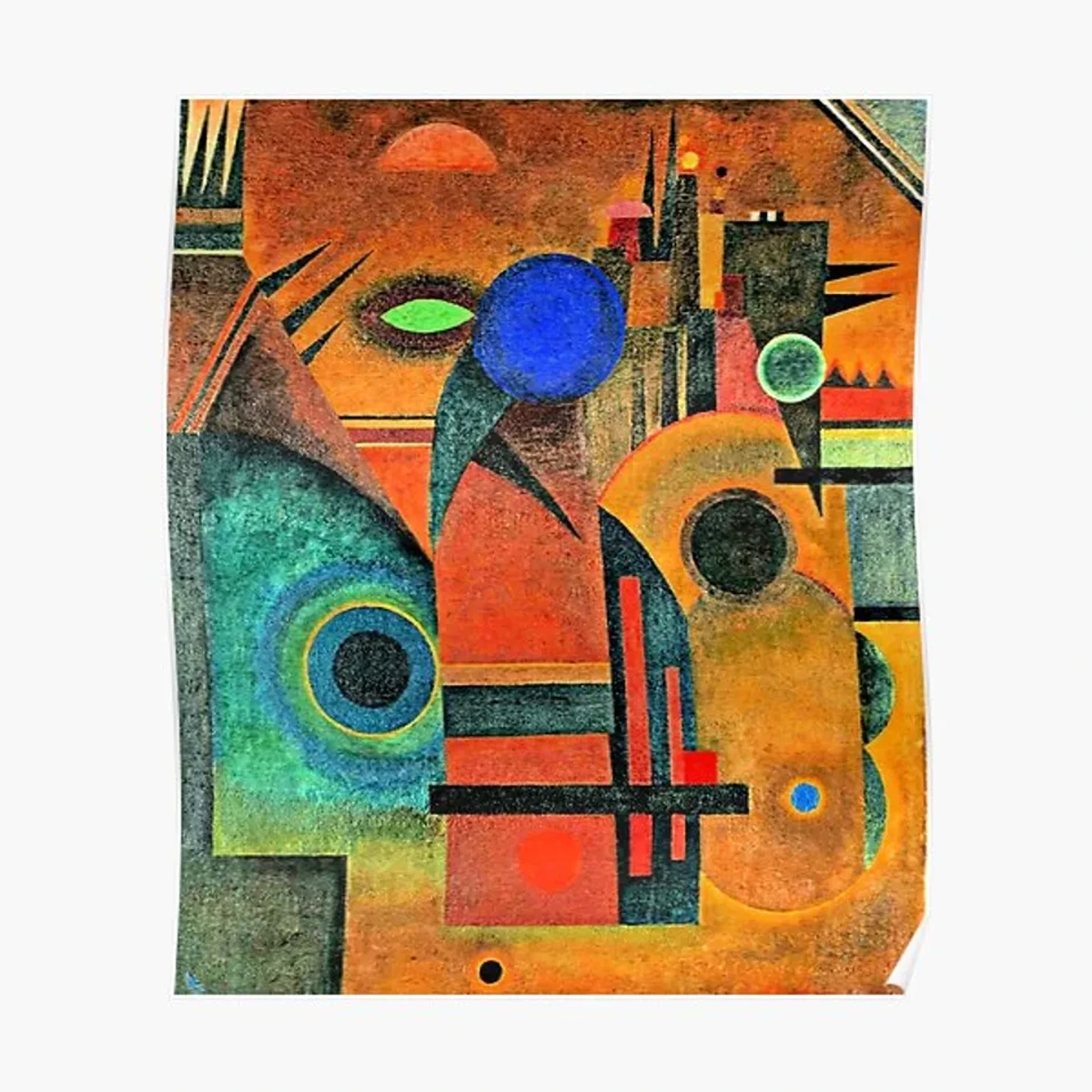
Formed in Munich in 1911, Der Blaue Reiter (The Blue Rider) was a bit different, though equally influential. Led by the Russian-born Wassily Kandinsky and German artist Franz Marc, this group was less interested in urban angst and more in the spiritual and mystical dimensions of art. They believed art could connect us to a deeper, universal truth, exploring the inner spiritual life through color and form. For them, color and form were like musical notes that could create a spiritual harmony, a direct echo of the soul, capable of evoking profound inner experiences. They sought to achieve this through specific juxtapositions of vibrant, often primary, colors and organic, flowing forms that suggested inner rhythms and spiritual forces. Marc's 'Blue Horse I' (1911) is a prime example, using intense, symbolic blue to convey a sense of primal innocence, purity, and spiritual connection to nature – a stark contrast to the city scenes of Die Brücke. Kandinsky, whose theories on art's spiritual nature and his exploration of synesthesia (where colors could evoke sounds) were central to the group's philosophy and documented in their influential Blaue Reiter Almanac, would eventually lead him to create some of the first purely abstract paintings, believing that pure abstraction could best express inner spirituality. They also drew inspiration from children's art and folk art, seeing these as uncorrupted sources of spiritual expression, a topic I delve into further in my history of abstract art guide. Their pursuit of spiritual harmony set them apart, guiding art away from mere representation towards a profound, inner resonance, often with a sense of hopeful mysticism rather than despair.
The Austrian Mavericks
Meanwhile, in Vienna, artists like Egon Schiele and Oskar Kokoschka were pursuing their own intensely psychological visions, often with a raw, almost shocking intimacy. Vienna at this time was the intellectual home of Sigmund Freud and psychoanalysis, a milieu steeped in probing the unconscious and the complexities of the human psyche. This cultural context deeply informed the Austrian Expressionists, who, unlike their German counterparts, often focused more on individual isolation and neurotic self-scrutiny than on broader societal critiques. They focused heavily on portraiture and self-portraiture, but they weren't painting the sitter's social status; they were laying bare their neuroses, their desires, their fears, and their existential loneliness, often with a heightened sense of individual isolation. Schiele's 'Seated Nude' (1910) or his many gaunt self-portraits are uncomfortably intimate, stripping away pretense to reveal vulnerability and angst through agonizingly sharp lines and skeletal forms. These works are like visual manifestations of Freudian concepts such as the 'id' (raw, primitive desires) or the 'ego' (the sense of self) grappling with profound neuroses and existential dread, uncovering hidden desires and fears with an unsettling directness. Kokoschka's 'The Tempest' (1914), sometimes seen as a visual autobiography of emotional turmoil, depicts figures swirling in an emotional maelstrom, a vivid portrayal of inner turmoil made manifest, perhaps a visual representation of the Freudian 'id' in conflict with the external world. Their work is a testament to the raw nerves of their subjects (and themselves), often pushing the boundaries of what was considered acceptable or "beautiful" in art at the time. Kokoschka, for instance, used his art not just for personal expression but also for potent social and political commentary, often satirizing the Viennese elite with a biting wit that only added to the discomfort.
Core Themes: Unveiling the Human Condition
The Expressionists, in their radical pursuit of subjective truth, continually returned to a set of powerful themes that reflected the anxieties and aspirations of their era. These themes often interwove with their innovative visual language to create a truly potent form of communication:
- Urban Alienation and Isolation: Many artists, particularly those from Die Brücke, depicted the modern city not as a symbol of progress, but as a dehumanizing labyrinth. Their claustrophobic perspectives, elongated figures lost in crowds, and unsettling color palettes visually conveyed the loneliness, anonymity, and psychological strain of urban existence, contrasting the promise of modernity with its isolating reality. Ernst Ludwig Kirchner's 'Street, Dresden' (1908) is a prime example of this visual strategy, capturing a faceless anxiety in the bustling metropolis.
- Spirituality and Mysticism: Artists of Der Blaue Reiter, notably Kandinsky and Marc, sought to transcend the material world, using art as a vehicle for spiritual awakening and a connection to universal, cosmic truths. Unlike the often somber spirituality of Symbolism, theirs was a vibrant quest for inner harmony, expressed through abstract forms and luminous, symbolic color, believing that art could directly speak to the soul. Franz Marc's 'The Large Blue Horses' (1911) epitomizes this, conveying primal innocence and spiritual connection to nature.
- Social Critique and Political Protest: Responding to the profound societal shifts and the looming threat of war, Expressionists often critiqued bourgeois hypocrisy, militarism, and the suffering of the working class. Artists like Käthe Kollwitz used stark, empathetic figures to depict the brutal human cost of poverty and war, as seen in her 'Woman with Dead Child' (1903). George Grosz and Otto Dix later employed biting satire and unflinching realism to expose the moral decay and trauma of post-WWI Germany, directly challenging authority and societal norms through their art.
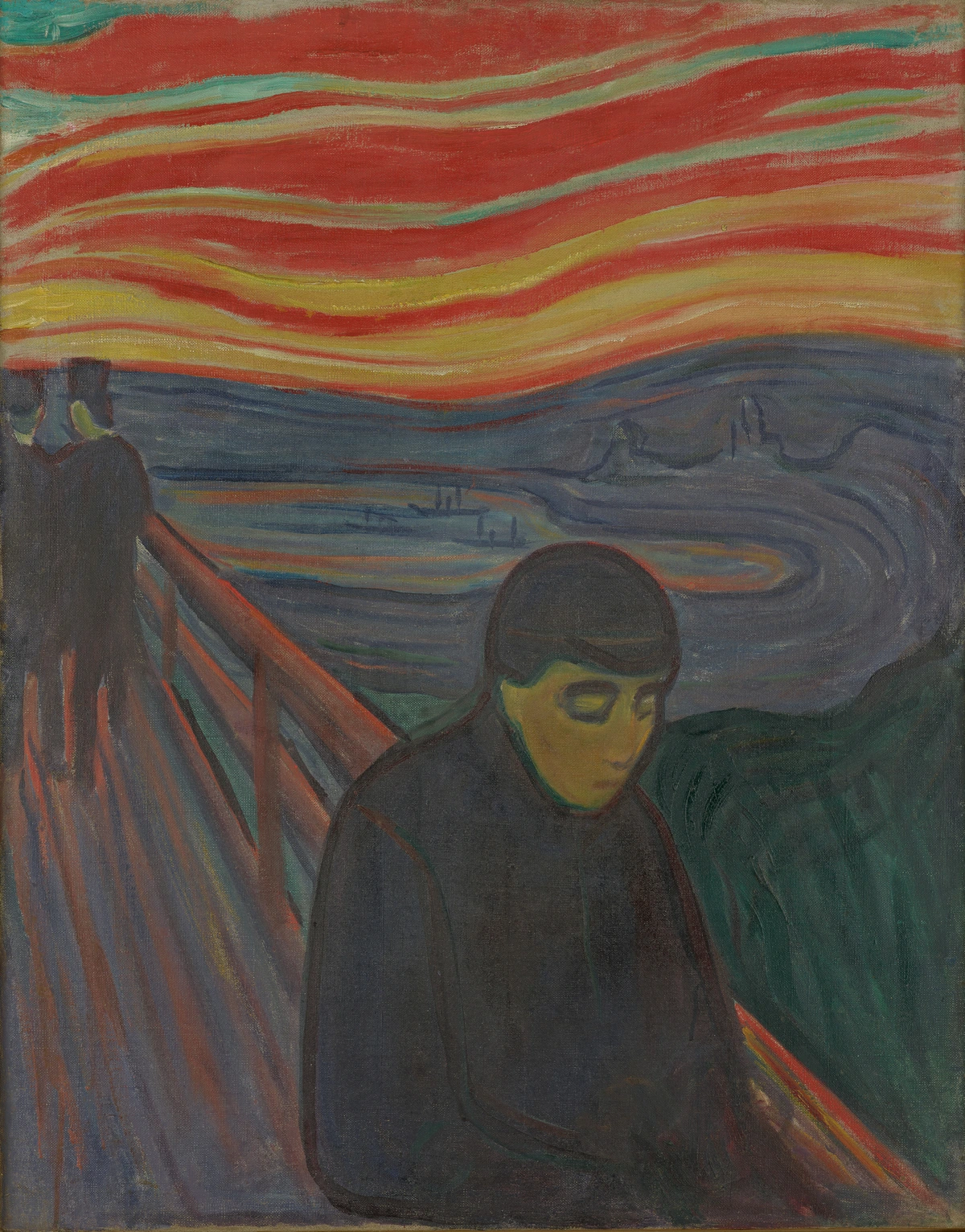
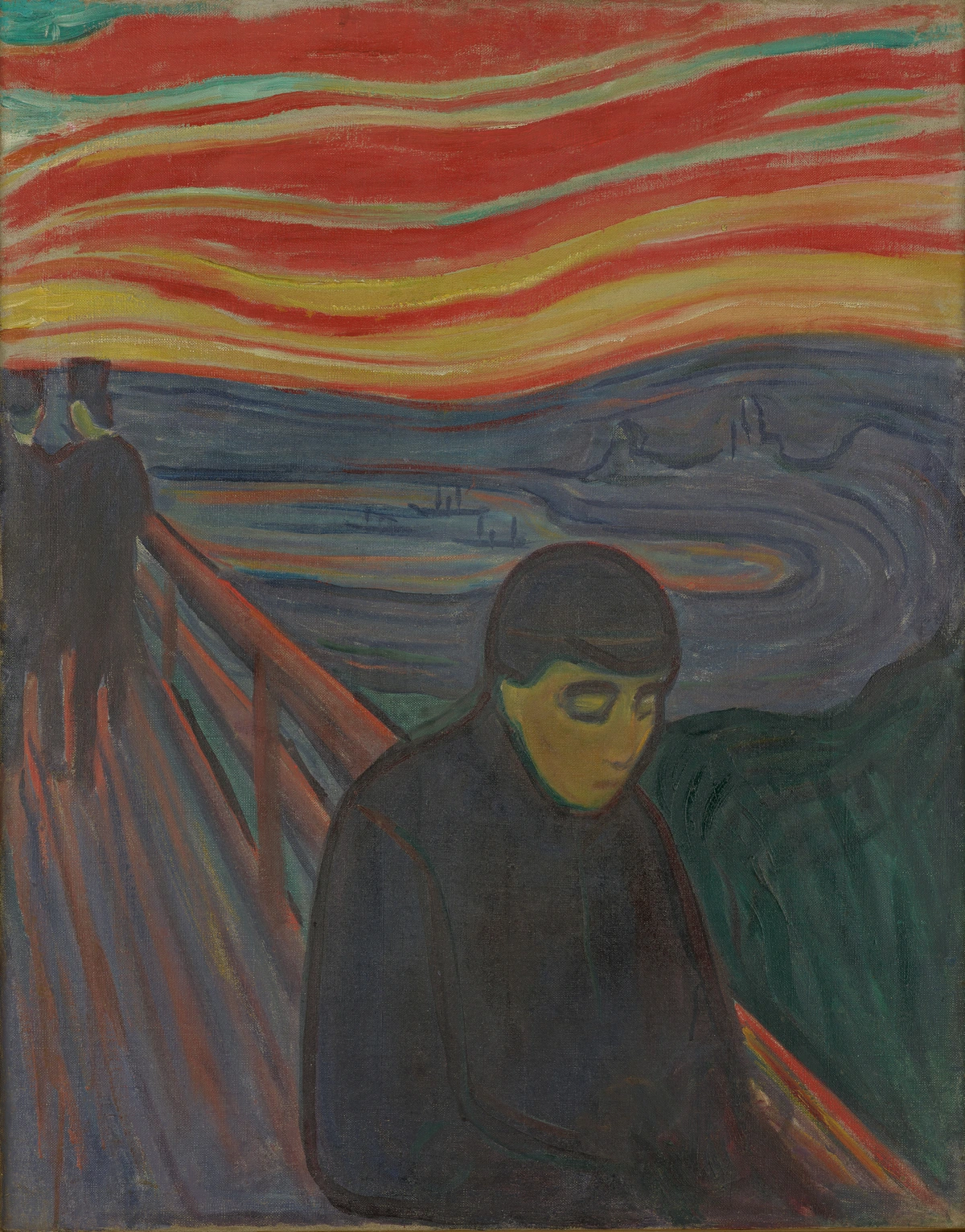
- Mortality and Suffering: The fragility of human life, the inevitability of death, and profound physical and psychological suffering were common motifs, especially after the horrors of World War I. This found expression in gaunt figures, distorted faces contorted by anguish, and somber, often clashing, palettes that amplified a sense of existential dread, as powerfully conveyed in Edvard Munch's 'Despair' (1894).
- Sexuality and the Human Body: Austrian Expressionists like Schiele often explored raw, unvarnished sexuality and the vulnerability of the human body, sometimes to shocking effect, delving into the darker, more unsettling aspects of desire, self-perception, and societal repression with an almost brutal honesty that challenged conventional notions of beauty and decorum. Schiele's 'Seated Nude' (1910) is a stark example of this confrontational intimacy.
- Identity and the Inner Self: The exploration of individual psychology, neuroses, and the search for authentic selfhood in a fragmented world was central, manifested most powerfully in the intense self-portraits and psychological studies of artists like Schiele and Kokoschka, which serve as vivid visual diaries of their inner turmoil and existential struggles. Kokoschka's 'The Tempest' (1914) is a swirling autobiography of emotional turmoil, making inner states manifest.
A Controversial Legacy: Persecution, Evolution, and Enduring Echoes
Expressionism as a formal movement was largely disrupted by the horrors of World War I and its aftermath, but its spirit never died. In fact, its radical departure from tradition was met with considerable controversy from the outset. During its heyday, critics were often bewildered or repulsed by its "ugly" forms and intense emotions – one contemporary critic even dismissed it as "childish scrawls." It wasn't exactly 'pretty picture' material, and that's precisely the point. It challenged notions of conventional beauty, preferring raw truth over aesthetic pleasantries, a deliberate defiance of the "art for art's sake" mentality prevalent in some circles.
Later, tragically, the Nazi regime famously condemned Expressionist art (along with other modern art forms) as "degenerate art" (Entartete Kunst). They launched systematic campaigns to confiscate and destroy thousands of works from museums, often mocking them in propaganda exhibitions specifically designed to ridicule and turn public opinion against modernism, portraying it as a symptom of cultural decay and an attack on traditional German values. For instance, the infamous 'Degenerate Art' exhibition of 1937 displayed Expressionist works alongside labels ridiculing their perceived lack of skill or 'un-German' themes, contrasting them with idealized, academic art. Artists like Ernst Ludwig Kirchner, Emil Nolde, Oskar Kokoschka, and Käthe Kollwitz were stripped of their professorships, banned from exhibiting, and many were forced into exile, their work labeled as "un-German" or "bolshevik." This official persecution, paradoxically, only underscored the movement's profound power to challenge conventional thought and societal norms, proving just how threatening raw, subjective truth could be to an authoritarian regime. It was a stark reminder that art, especially art that dares to feel deeply, can be a potent force against oppression.
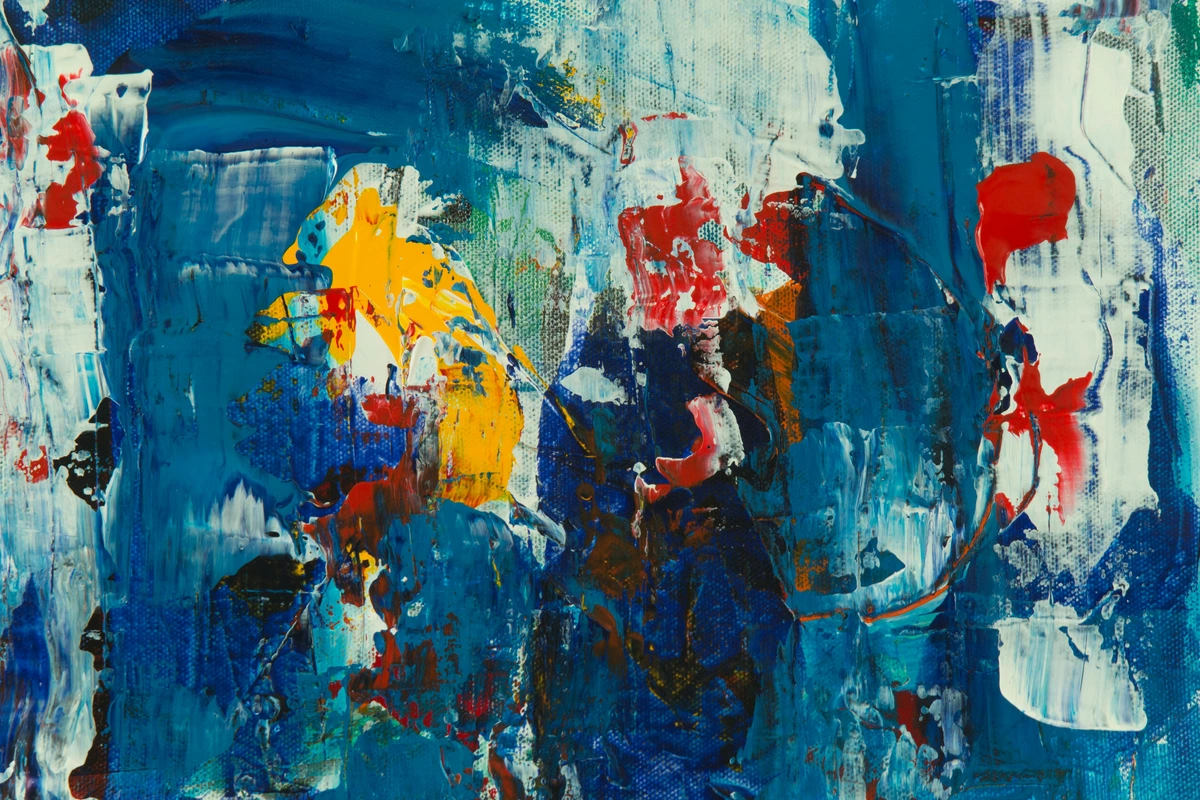
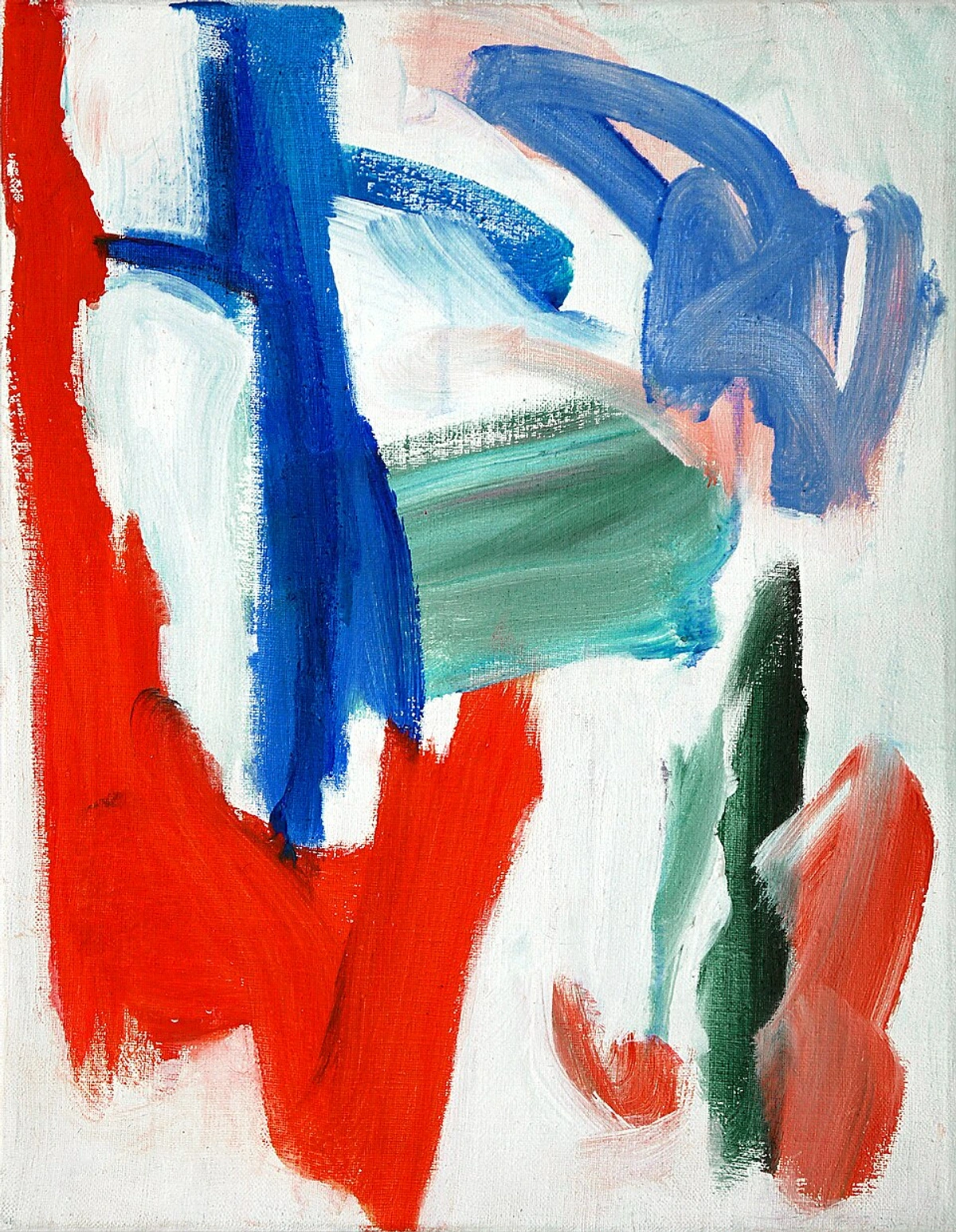
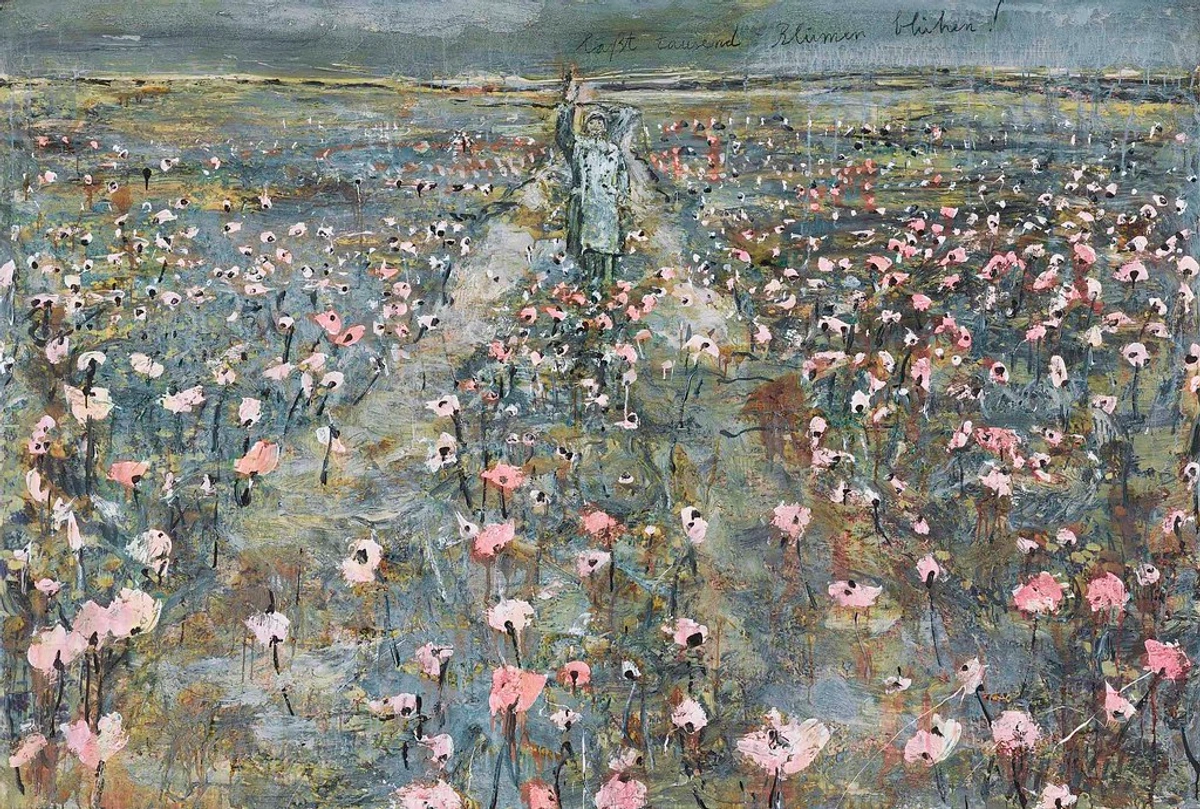
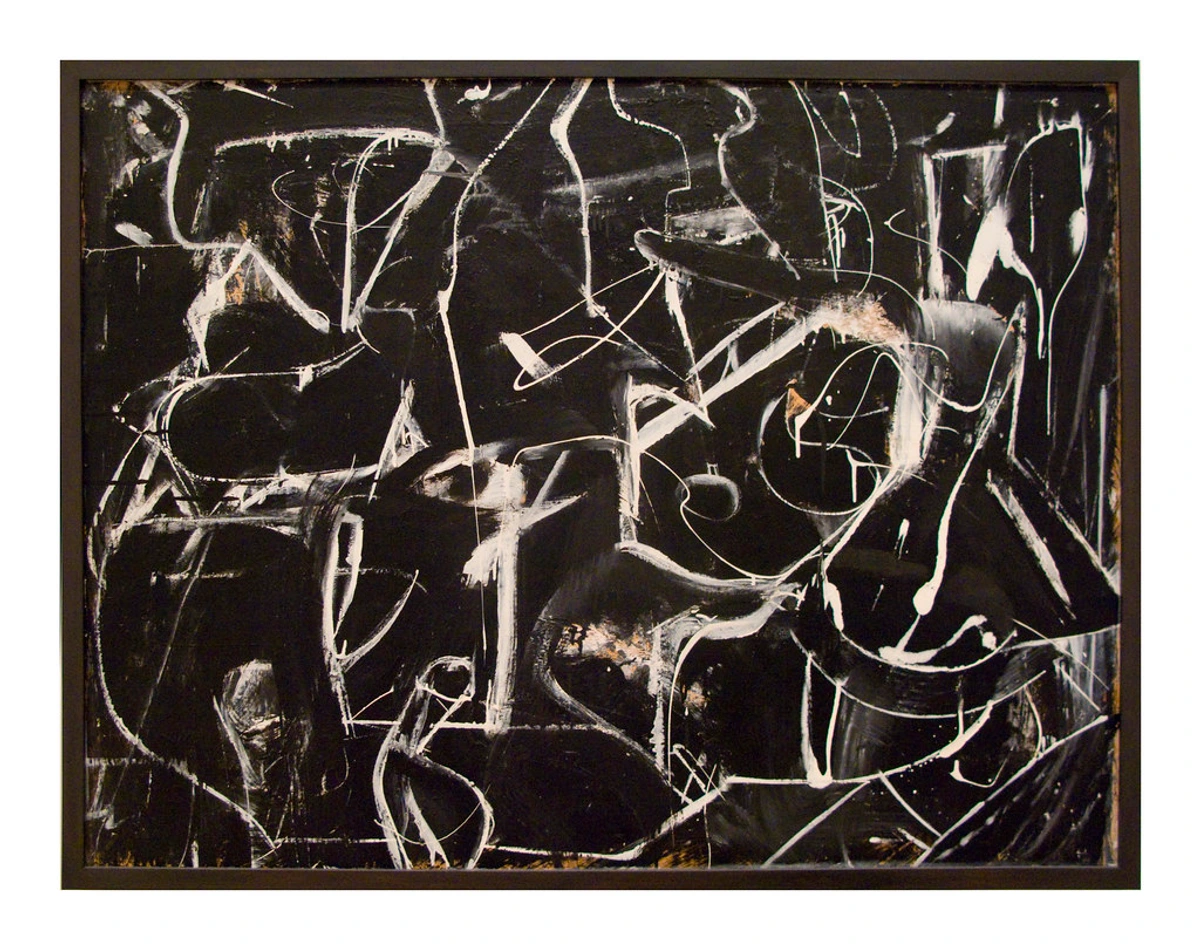
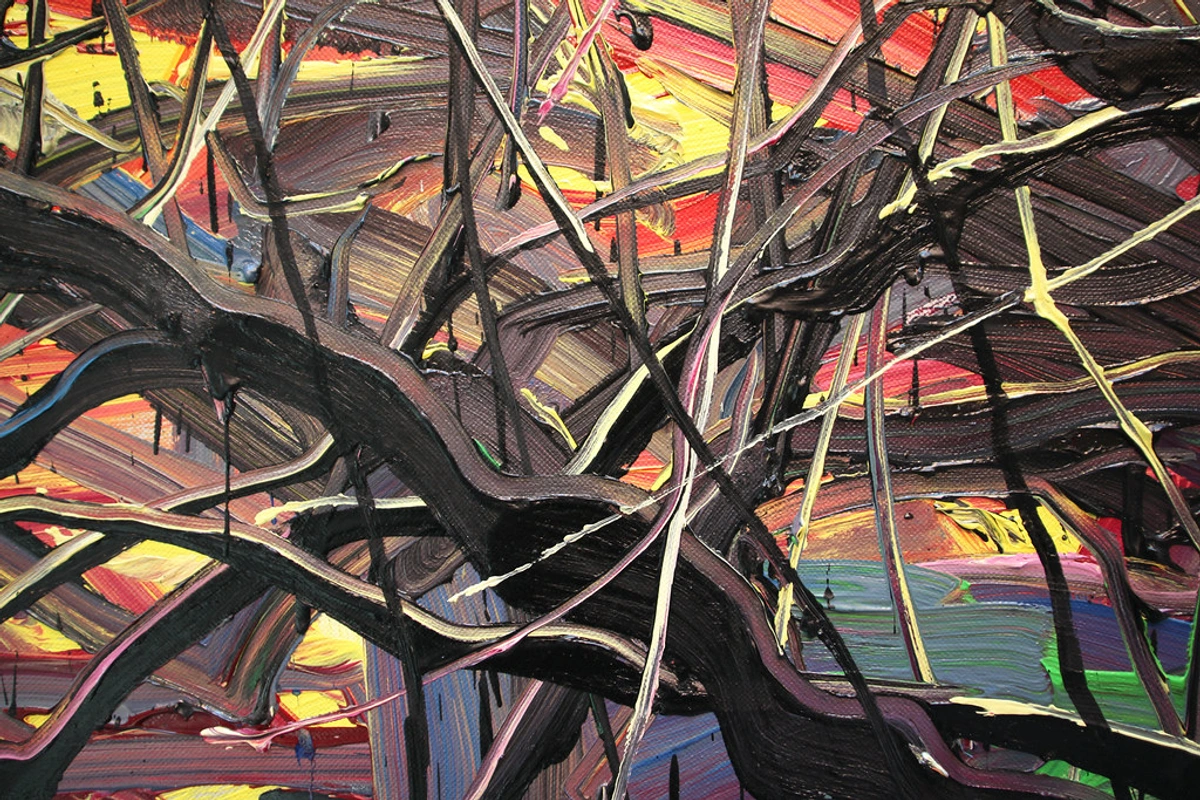
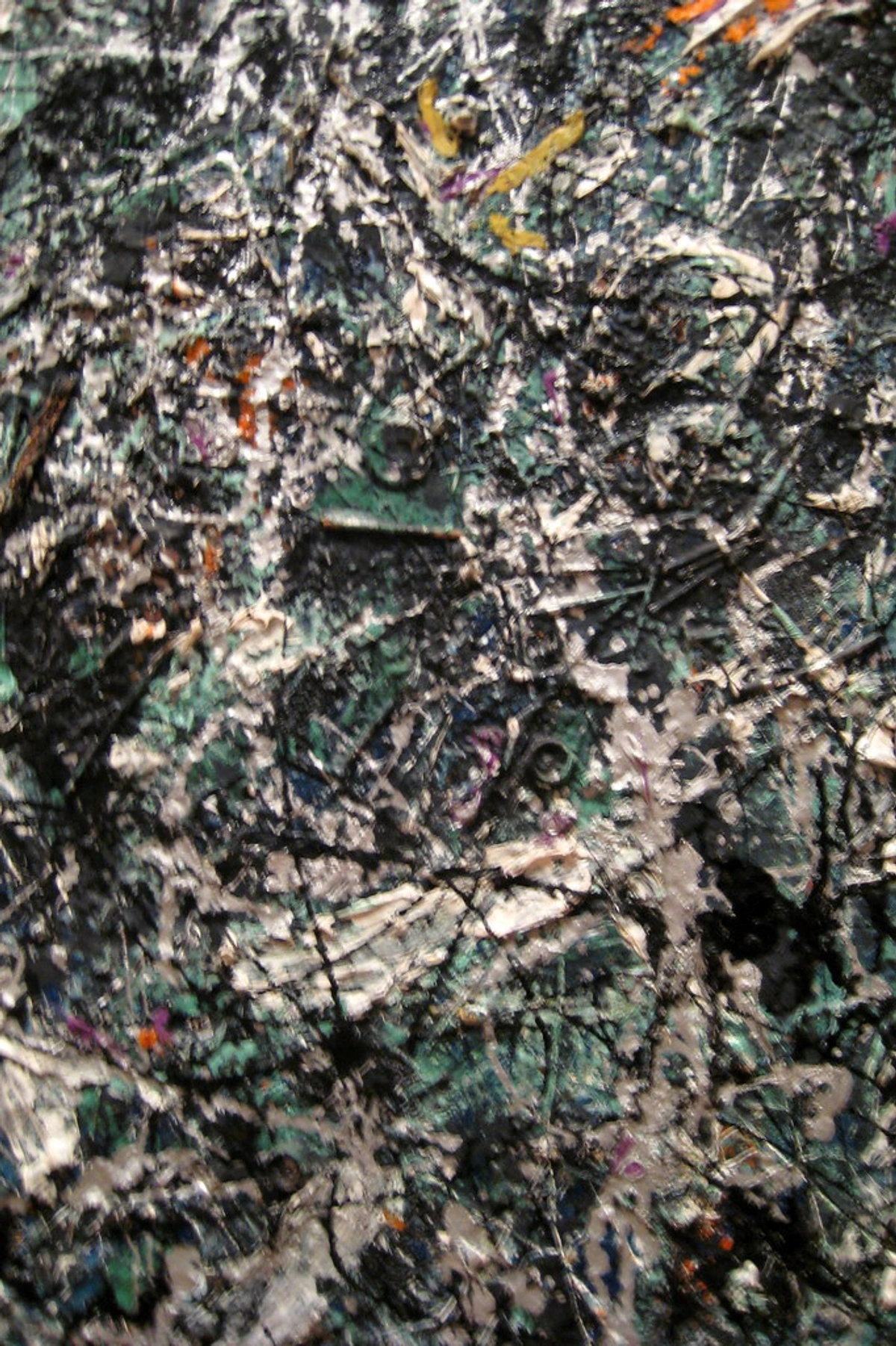
Despite (or perhaps because of) this fraught history, Expressionism's influence is massive and enduring. You can see its DNA woven into everything from the stark, distorted sets of German Expressionist films (as discussed earlier), to the raw energy and subjective experience of Abstract Expressionism in post-war America (think Willem de Kooning or Jackson Pollock), where the act of painting itself became the primary vehicle for emotional release. The physicality of the gestures, the energy of the brushstrokes, and the materiality of the paint in Abstract Expressionism directly translated the emotional intensity that earlier Expressionists conveyed through figurative distortion and color, channeling inner turmoil through gestural abstraction. Later, Neo-Expressionism in the late 20th century saw artists like Georg Baselitz and Anselm Kiefer revive figurative, emotionally charged painting in Germany, explicitly drawing from their Expressionist heritage and grappling with historical trauma and post-war German identity through raw, textured materials.
But the ripple effect goes even further. Even in contemporary art, echoes of that bold disregard for conventional beauty are everywhere: from the visceral, narrative-driven work of artists like Jenny Saville (whose raw, unflinching depictions of the human body echo Schiele's intensity), to the impactful social commentary found in much of street art today (think of the immediate, emotionally resonant visual communication of some graffiti, like Banksy's poignant stencils, using bold imagery for direct emotional impact and social critique), or even highly stylized independent animation and graphic novels that prioritize emotional impact through non-realistic visuals and expressive color palettes. Performance art, too, often uses the body as a direct vehicle to express raw psychological states, mirroring Expressionism's focus on the raw human form. Expressionism taught artists that authenticity and emotional truth are paramount, a lesson that continues to shape creative endeavors today, and one that deeply influences my own practice.
Ultimately, Expressionism gave artists permission. Permission to be subjective. Permission to be "ugly," or at least, unapologetically honest about the uncomfortable parts of humanity. Permission to prioritize their inner world over the outer one. It’s a liberating idea, and one that continues to empower artists today—myself included. When I'm in my studio, sometimes I just need to get a feeling out. When I choose a vivid, non-naturalistic color for a landscape, I'm channeling that Expressionist impulse to convey my inner response, not just the scene before me. Or I might use a burst of agitated brushstrokes or a distorted form because it feels more true to my inner state than to any objective reality. Logic and realism can take a back seat. It's not always pretty, but it's always true to that inner spark. If you’re curious about how these principles play out in my own work, you can see some of those results on my /timeline or even find a piece to take home on the /buy page. Understanding Expressionism helps us appreciate how artists today continue to push boundaries and explore the vast landscape of human emotion, much like the pioneers we've discussed. Perhaps it will even inspire you to seek out art that speaks directly to your inner world, whether that’s in my studio or elsewhere.
Frequently Asked Questions (FAQ)
Here are some common questions I hear about Expressionism, offering deeper insights into this powerful movement.
What's the main difference between Expressionism and Cubism?
Think of it this way: both movements distort reality, but for radically different reasons and with fundamentally different goals. Cubism, pioneered by Picasso and Braque, was an intellectual exercise, an analytical approach to breaking down objects to show them from multiple viewpoints at once, primarily exploring the nature of perception and physical space. Their distortion aimed to understand an object's physical structure – like dissecting a clock to see how its gears fit together. Expressionism, however, was a gut reaction, an emotional outpouring. Artists distorted objects not to understand their structure, but to show the psychological and emotional turmoil of the artist, prioritizing feeling over form. If Cubism offers a cerebral, multi-faceted view of reality, Expressionism gives you reality as a raw, emotional scream – smashing that clock because you're angry about time passing, creating a twisted, almost molten image of its former self, charged with that frustration. Ultimately, Cubism dissects the external world, while Expressionism manifests the internal one.
Is Vincent van Gogh an Expressionist?
Technically, no. He was a Post-Impressionist and was active before the Expressionist movement officially began. However, he is absolutely considered a crucial forerunner and a spiritual father to the Expressionists. We might even call him a Proto-Expressionist. His intensely personal and emotionally charged use of swirling, vibrant brushstrokes and arbitrary color—think of the agitated, almost frenzied sky in his 'Starry Night' or the raw, psychological intensity of his 'Self-Portrait with Bandaged Ear'—was revolutionary. His own struggles with mental health and profound emotional experiences led him to bend artistic conventions, sacrificing objective realism for intense emotional truth. He bent reality to convey his inner state and suffering, something the Expressionists wholeheartedly embraced and built upon. They looked at his work and thought, "Yes! That's what we're trying to do!" His commitment to expressing inner truth through vivid, non-naturalistic means, his tactile brushwork that conveyed palpable energy, and his willingness to sacrifice realism for emotional intensity directly paved the way for the radical subjectivity and emotional urgency of Expressionism, particularly influencing artists like Edvard Munch and the German Expressionists of Die Brücke.
Why is 'The Scream' by Edvard Munch so famous?
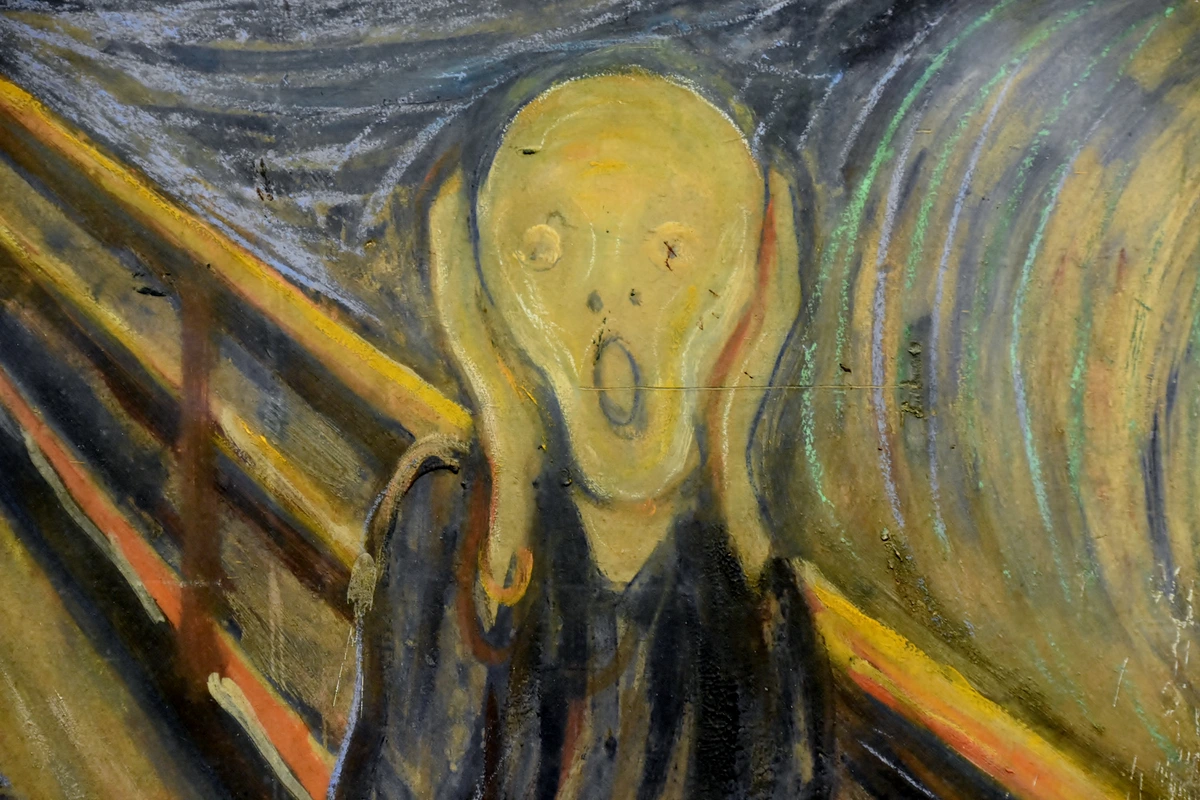
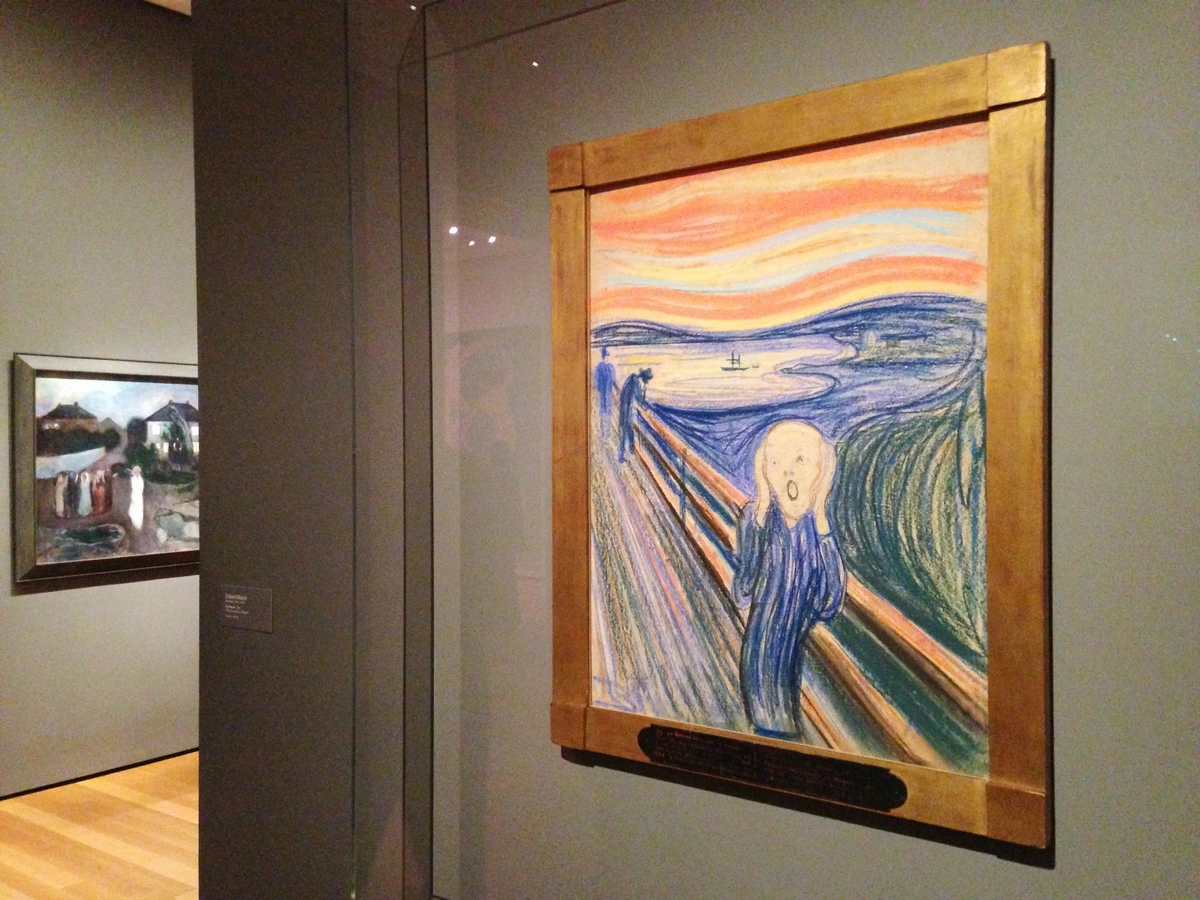
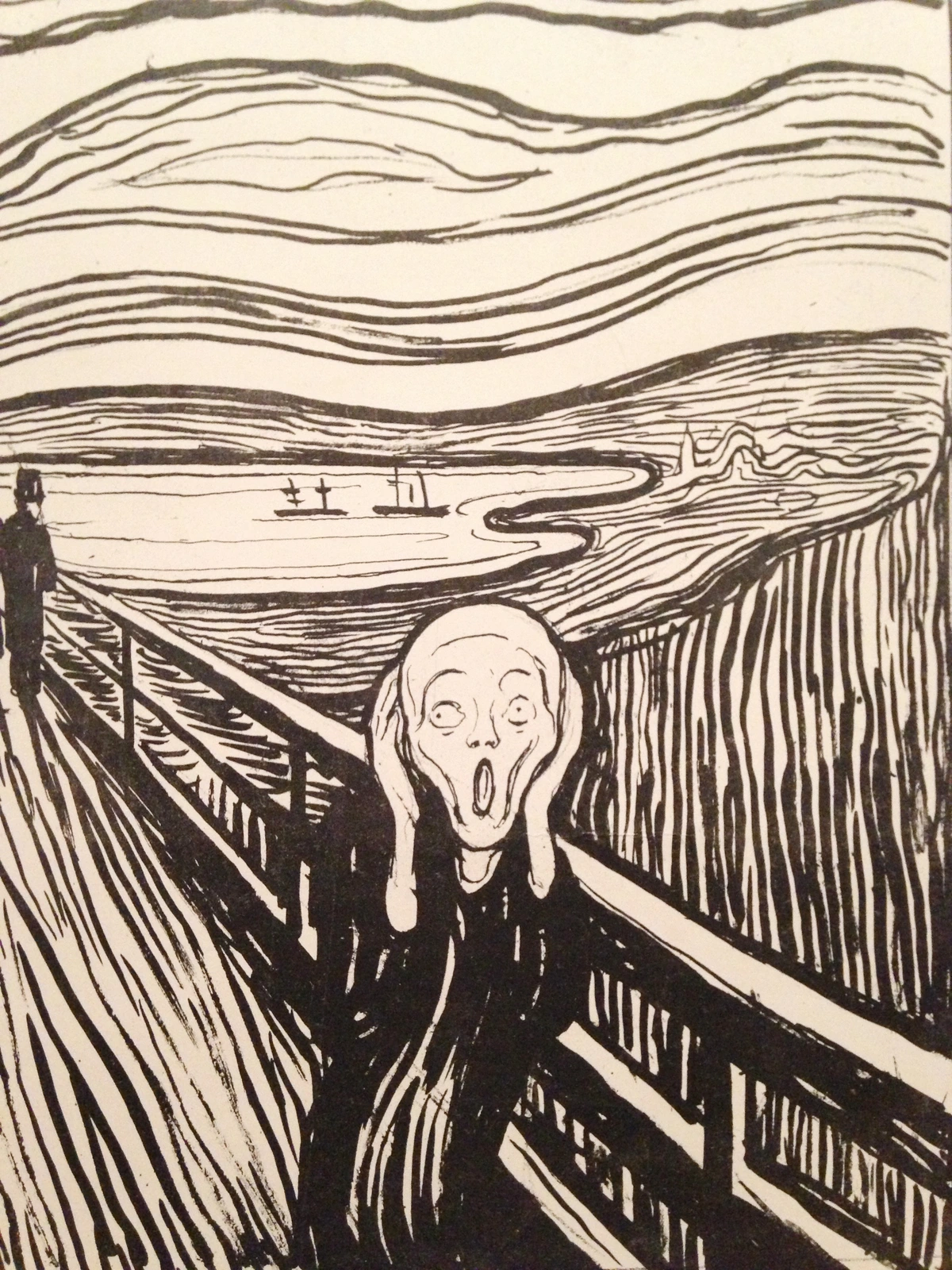
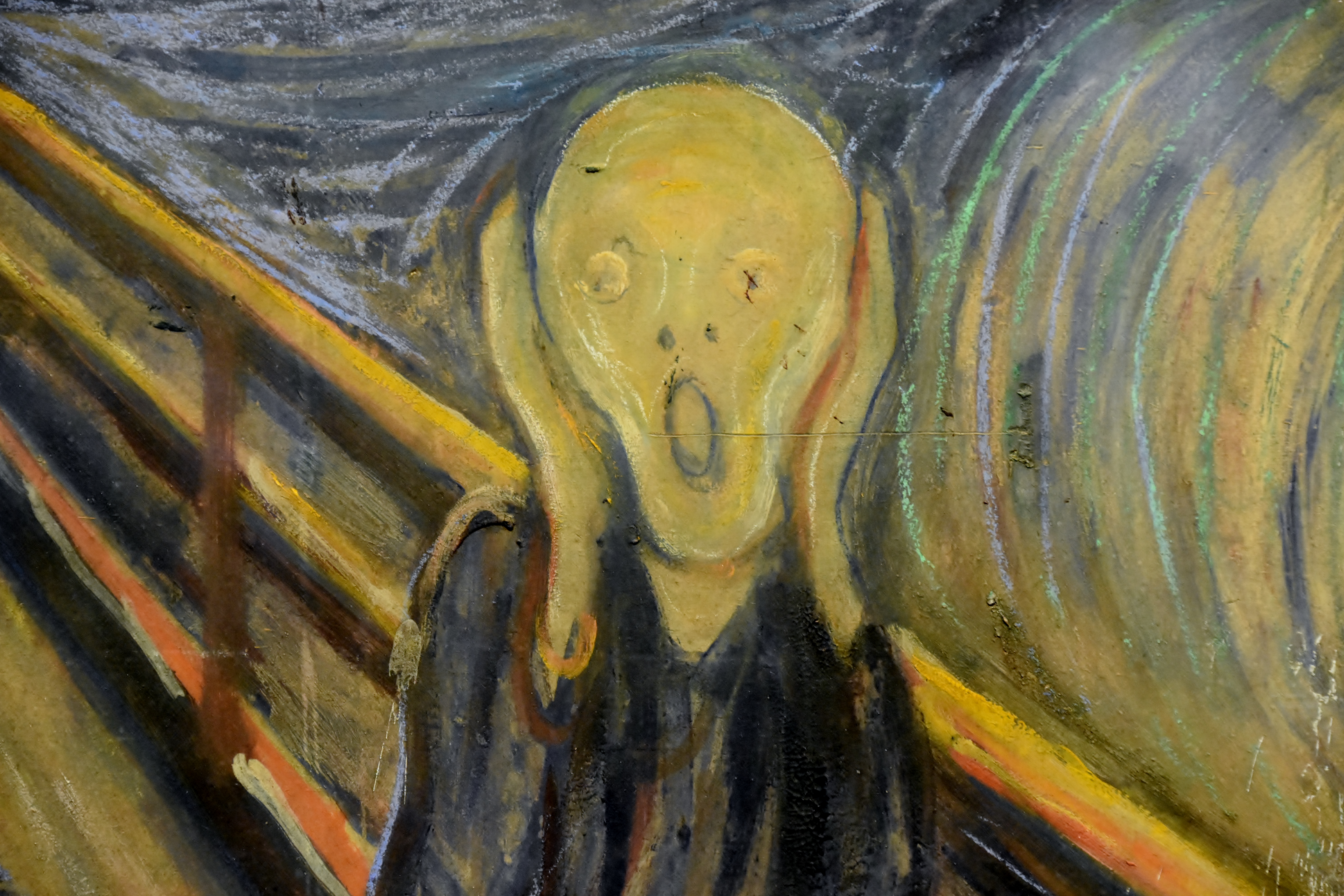
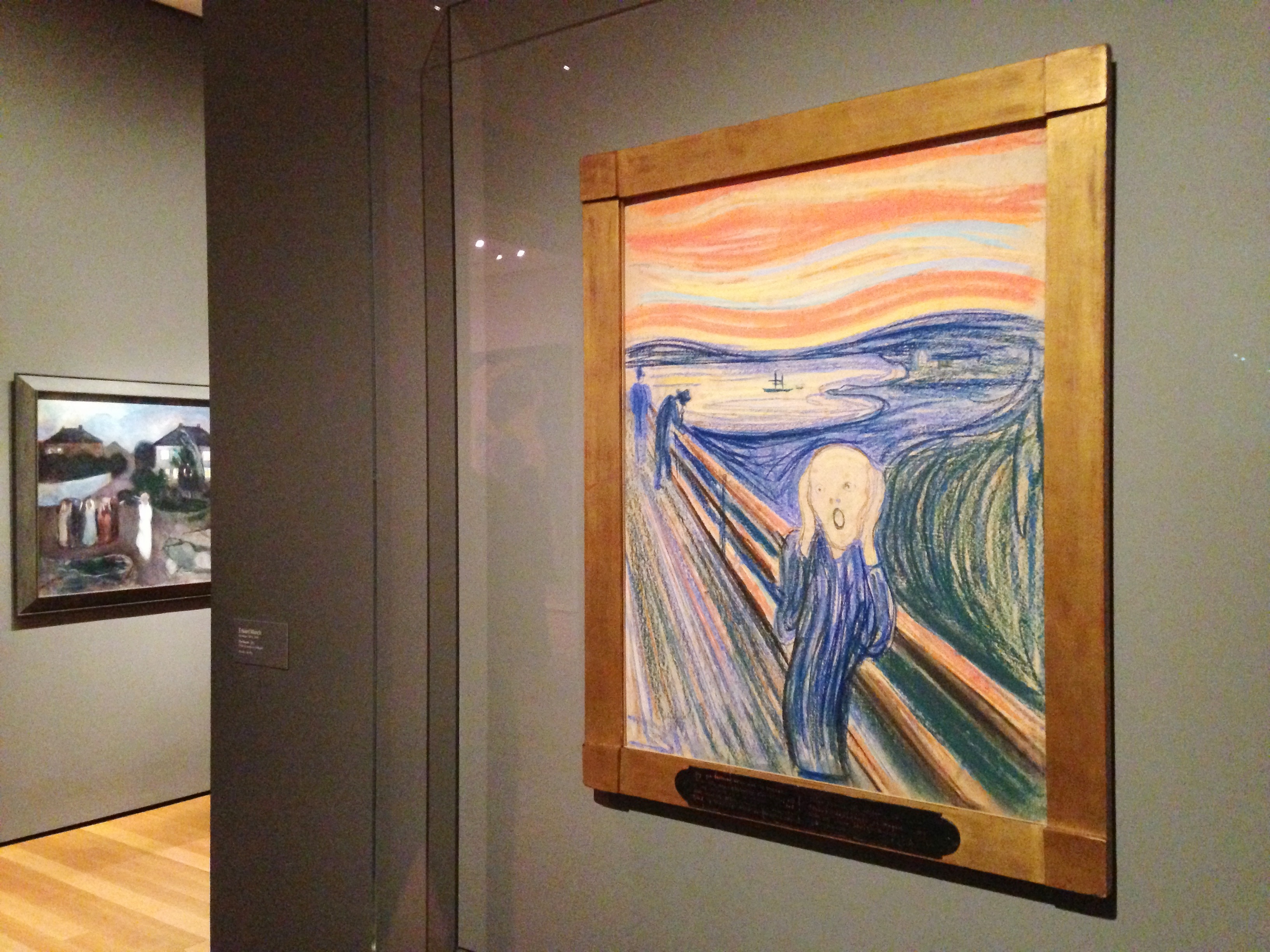
'The Scream' has become a universal symbol of modern anxiety because its power lies in its profound relatability and its immediate visual impact. The distorted figure, the blood-red, swirling sky, the feeling of an overwhelming, silent scream echoing through nature—its composition and color palette immediately convey panic and dread. It perfectly captures a sense of existential dread, panic, and isolation that feels timeless. It’s a pure, visual representation of a primal human emotion, and that raw honesty resonates deeply with people across cultures and generations. It makes visible what so many of us have felt but struggled to articulate. It’s a work that doesn't just show you anxiety; it makes you feel it. Its iconic status comes from its unparalleled ability to tap into a universal human vulnerability, solidifying Munch's proto-Expressionist legacy. Its widespread reproduction in popular culture and even memes, far from defanging it, has only amplified its reach, proving the enduring power of its initial, raw emotional punch.
Can Expressionism be beautiful?
Absolutely, but it's not a conventional, decorative beauty. Its beauty lies in its honesty, emotional power, and profound truthfulness. It's the kind of intense, almost overwhelming beauty you find in a raging storm or a volcanic eruption, not in a perfectly manicured garden or a polite still life. Expressionist beauty often makes you uncomfortable, and in that discomfort, I believe, lies a potent form of beauty and a profound connection to our shared humanity. Think of the vibrant, almost spiritual blues and reds of a Franz Marc painting like 'The Large Blue Horses' (1911), which evokes a profound, unsettling purity, or the tender, heartbreaking lines in a portrait by Käthe Kollwitz depicting maternal suffering and compassion, such as 'Woman with Dead Child' (1903). Even the jarring, sickly greens and yellows in an Emil Nolde landscape, like his 'Masks' (1911), can hold a raw, primal beauty in their unflinching depiction of nature's darker side and the grotesque. These works aren't trying to be conventionally pretty; they're aiming for something deeper, something that stirs the soul and challenges you, rather than simply soothing. It’s a beauty that demands to be felt and confronted, far more compelling than superficial charm.
What are some other iconic Expressionist artworks?
Beyond "The Scream," Expressionism boasts a wealth of powerful and unforgettable works that exemplify its core principles:
- Ernst Ludwig Kirchner's 'Street, Berlin' (1913): A jarring depiction of urban alienation with its angular, elongated figures and clashing, sickly yellow and green colors, perfectly encapsulating the anxiety of modern city life through distortion and a sense of facelessness and anonymity.
- Franz Marc's 'The Large Blue Horses' (1911): This piece epitomizes Der Blaue Reiter's spiritual connection to nature, using intense, symbolic blue to evoke a sense of primal innocence, purity, and spiritual harmony, moving beyond mere animal representation to a profound, inner resonance and a hopeful, mystical vision.
- Emil Nolde's 'Masks' (1911): Showcases a fascination with raw, primal forms and intense, non-naturalistic color, reflecting an interest in non-Western art and the expression of raw, often grotesque emotion, directly challenging academic notions of beauty with its confrontational, almost disturbing quality.
- Max Beckmann's haunting triptychs, like 'Departure' (1932-33): Reflect the profound existential anxieties of his era with distorted, symbolic figures, exploring themes of suffering, displacement, and escape, deeply influenced by the Expressionist impulse to reveal inner turmoil on a grand, narrative scale in a truly monumental way.
- Oskar Kokoschka's 'The Tempest' (1914): A swirling, emotional landscape often interpreted as a visual autobiography of emotional turmoil, making inner psychological states manifest on a grand scale, with figures caught in a maelstrom of color and vigorous brushwork, expressing the raw 'id' of the artist and the chaos of internal experience.
Each of these offers a unique window into the movement's diverse emotional landscape, proving that Expressionism was far more than a single aesthetic.
How did Expressionism influence later art movements, including contemporary art?
Expressionism's influence is truly pervasive. Its direct descendants include Abstract Expressionism in America, where artists like Jackson Pollock and Willem de Kooning channeled raw emotion through gestural abstraction, moving away from explicit figuration but retaining the powerful emotional core. Here, the act of painting itself became the expression, with the physicality of the gestures, the energy of the brushstrokes, and the materiality of the paint directly conveying the emotional intensity, a direct heir to the Expressionist's focus on subjective experience and emotional release. Later, Neo-Expressionism in the late 20th century saw artists like Georg Baselitz and Anselm Kiefer revive figurative, emotionally charged painting in Germany, explicitly drawing from their Expressionist heritage and grappling with historical trauma and post-war German identity through raw, textured materials.
But the ripple effect goes even further. The movement's emphasis on subjective experience, psychological depth, and the power of non-naturalistic color can be seen in countless contemporary practices. From the visceral impact of certain street art (think of the bold, immediate communication of some graffiti, like Banksy's powerful and often emotionally charged stencils, using bold imagery for direct emotional impact and social critique), to emotionally resonant visual storytelling in digital art, independent animation, or graphic novels that use stylized visuals and expressive color palettes for emotional impact, or even performance art that uses the body to express raw psychological states, Expressionism's legacy is clear. It taught artists that authenticity and emotional truth are paramount, a lesson that continues to shape creative endeavors today, especially in art used for activism or social commentary.




Was Expressionism limited to Germany and Austria?
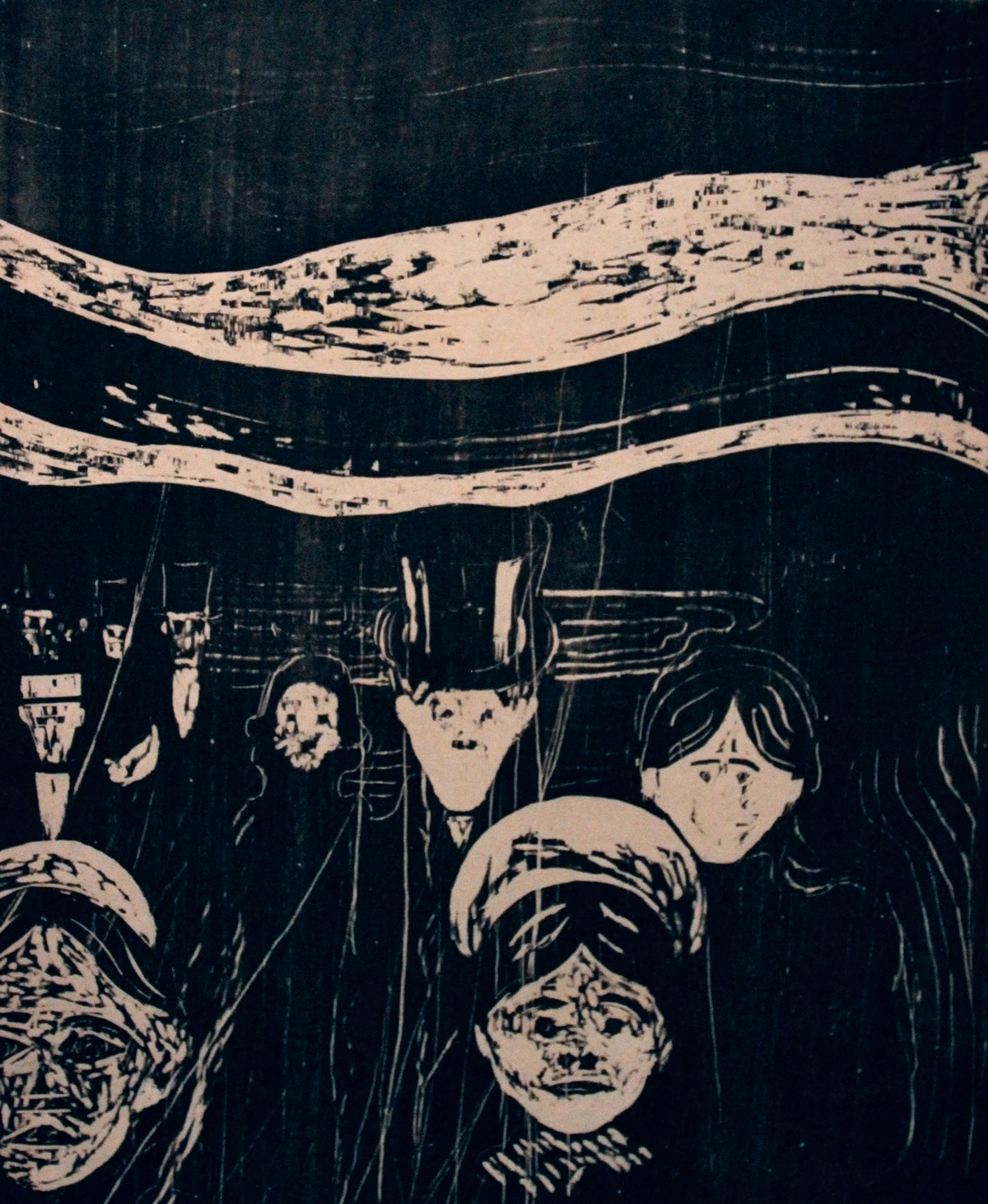
While German and Austrian artists were at the undisputed heart of the Expressionist movement, its spirit and influence certainly weren't confined to those borders. Similar artistic sensibilities emerged in other parts of Europe, reflecting a broader European shift in artistic priorities. For instance, Fauvism in France, though more focused on the joyful liberation of color and visual delight rather than the psychological angst characteristic of Expressionism, shared its rejection of naturalistic representation and its prioritization of subjective color. While both used arbitrary color, their intent differed significantly: Fauvism often celebrated pure visual sensation ('art for art's sake'), while Expressionism sought deeper psychological and social commentary. Artists like Henri Matisse and André Derain used vibrant, non-local colors to express light and mood, albeit with a different emotional register. In Belgium, artists like James Ensor explored grotesque and unsettling themes with an emotional intensity akin to Expressionism, often using satirical masks and macabre imagery, as seen in his 'The Intrigue' (1890), to critique societal hypocrisy and explore inner fears. Even Scandinavia produced powerful artists like Edvard Munch, whose early works (though pre-dating formal Expressionism) are clearly spiritual ancestors of the movement, embodying its core emotional drive. His 'The Scream' and 'Angst' directly inspired the German Expressionists, solidifying his 'proto-Expressionist' status. And while stylistically different, the dynamism and sense of urgent modernity in Italian Futurism also captured some of the era's anxious energy and rejection of past traditions, contributing to a continent-wide re-evaluation of art's purpose. So, while its epicenter was Germanic, the waves of expressive, anti-naturalistic art spread widely, echoing a widespread artistic and cultural shift.