Futurism: Art's Roaring Machine of Speed, Chaos & Dark Legacy – The Ultimate Guide
Dive into Futurism, Italy's explosive avant-garde. Explore its fiery manifestos, dynamic art of speed and urban chaos, its complex and troubling ties to Fascism, and its lasting, undeniable influence on modern art and design in this comprehensive, authoritative guide. Your definitive source on Futurist art and its controversial history.

Futurism: The Ultimate Guide to Art's Roaring Machine of Speed, Chaos & Dark Legacy
I'll admit it, when I first stumbled upon Futurism, I expected sleek chrome and utopian visions. Instead, I found a raw, roaring engine of an art movement, a frantic heartbeat echoing the clamor of early 20th-century Italy. This wasn't some gentle evolution; it was a furious, exhilarating sprint into the future, fueled by a radical declaration of war against everything old, slow, and traditional. But what happens when the pursuit of the future becomes a dangerous obsession? It’s easily one of the most provocative and complex chapters in art history, and if you let me, I want to pull back the layers and show you why. We’re not just talking about paintings; we're diving into an entire philosophy that sought to redefine life itself, even if that philosophy held some terrifying darkness. In this guide, we'll explore its explosive beginnings, its unique visual language, its audacious reach into every facet of life, its dark political heart, and its lasting echo in the art world today, ensuring you get the most comprehensive understanding possible of a movement both thrillingly innovative and deeply troubling.
A Jolt to the System: The Futurist Manifesto
So, where did this roaring machine of a movement even begin? It started, as all good revolutions do, with a furious bang. Literally. Imagine Italy at the turn of the 20th century, still steeped in its glorious past – ancient Rome, the Renaissance, all those dusty old masters filling quiet museums. But the world outside was hurtling forward, buzzing with new technologies, speed, and a pervasive sense of change. Industry was creeping in, a new sense of national identity was stirring, and the old guard felt stifling. The stage was set for a jolt.
Italy at a Crossroads: The Pre-Futurist Landscape
To really understand the Futurist eruption, we need to glance at Italy's state of mind. Unified relatively recently in 1861 after the Risorgimento, the young nation grappled with a tension between its revered classical past and a yearning for modern industrial prowess. While other European powers sped ahead, Italy often felt trapped by its heritage, seen as a beautiful but somewhat stagnant 'museum.' Compounding this was a deep North-South divide, with the industrializing North contrasting sharply with the economically struggling agricultural South (Mezzogiorno), leading to widespread economic anxieties and a fragmented sense of national purpose. This internal struggle, fueled by social unrest, fostered a powerful desire among many, especially the young intelligentsia, for a radical break – a violent rejection of the passatismo (or 'past-ism,' an obsession with the past) that they felt held Italy back from its rightful place as a modern, dynamic world power. They looked to the burgeoning factories and the clamor of rapidly growing cities, seeing not decay, but the raw material for a new, virile national identity. This craving for a tabula rasa – a clean slate – made the arrival of Marinetti's manifesto feel like an overdue thunderstorm. Even figures like Gabriele D'Annunzio, with his fervent nationalism, cult of heroic action, and dramatic rhetoric, had already laid some cultural groundwork for the aggressive patriotism and disdain for the weak that Futurism would embody. His glamorous, often violent, and anti-democratic political theatre provided a powerful pre-cursor to the Futurist's own public provocations.
That jolt arrived in 1909 when the charismatic Italian poet, Filippo Tommaso Marinetti, published the Manifesto of Futurism on the front page of Paris's prestigious Le Figaro. This wasn't a gentle academic paper; it was a declaration of war, a literary Molotov cocktail thrown squarely at the venerated past. Marinetti and his compatriots didn't just want to modernize art; they wanted to detonate it, to sweep away centuries of tradition with the exhilarating chaos of the modern age. He explicitly outlined the role of manifestos as tools of propaganda, designed not just to declare principles but to provoke, incite, and mobilize artists and the public towards their revolutionary vision.
Marinetti famously proclaimed, among other things:
- "A racing car whose hood is adorned with great pipes, like exploding serpents with explosive breath... a roaring car that seems to run on machine-gun fire, is more beautiful than the Victory of Samothrace." (A truly audacious claim when pitted against an ancient Greek goddess of victory, don't you think? It's like comparing a high-performance sports car to a serene classical statue – a deliberate provocation to shock a complacent art world and declare that speed and machinery held a new kind of beauty.)
- "We will glorify war—the world’s only hygiene—militarism, patriotism, the destructive gesture of freedom-bringers, beautiful ideas worth dying for, and scorn for woman." (Yes, you read that right. More on that complicated, problematic aspect later, but it's a stark reminder that even revolutionary ideas can harbor deeply unsettling elements. Reading that line, I always feel a chill – it hints at the darkness to come. For them, war was a brutal, almost nihilistic, means to purge society of its perceived weakness, stagnation, and passatismo, believing it would forge a new, virile, and modern Italy.)
- "We will destroy the museums, libraries, academies of every kind." (A pretty clear message, I'd say. No more quiet contemplation, thank you very much. They wanted a tabula rasa, a clean slate for their new, dynamic culture, utterly rejecting the passive appreciation of historical art. Imagine telling a curator you're coming to smash their collection!)
- "We declare that the splendor of the world has been enriched by a new beauty: the beauty of speed." (This, for me, encapsulates their core artistic quest: to capture the visceral sensation of velocity itself.)
For me, reading that manifesto for the first time was genuinely shocking. It's violent, aggressively masculine, and unapologetically misogynistic. It’s the antithesis of the calm, beauty-focused art we often idealize. But that was precisely the point: the Futurists wanted to drag Italy, and the wider world, kicking and screaming into the modern age, embracing the exhilarating chaos of machines, speed, and industry.
The Dark Side of the Machine: Futurism's Troubled Politics
Now, we have to talk about the elephant in the room – or perhaps, the roaring, slightly terrifying machine in the room. You simply cannot discuss Futurism without confronting its profoundly troubling political alignment. It’s a bitter pill to swallow for anyone admiring their artistic innovation.
Their glorification of war, their fervent and chauvinistic nationalism, and that chilling phrase about war being "the world's only hygiene" (which, let's be honest, is terrifying) made them incredibly susceptible to, and ultimately entwined with, the dangerous allure of Fascism in Italy. Filippo Tommaso Marinetti himself became an early and vocal supporter of Benito Mussolini and his regime. The ideological overlaps were stark and undeniable. Both Futurism and Fascism championed a violent rejection of the past, a cult of aggressive masculinity, a fervent and often aggressive nationalism, and a belief in dynamic, revolutionary action to forge a new, powerful Italy. Futurism provided an aesthetic blueprint for Fascism's cult of modernity, speed, and virility, making many historians see it as a direct precursor to the fascist aesthetic. For instance, the aesthetic of dynamic speed and powerful machinery, so central to Futurist art, was readily co-opted by Fascism in its propaganda posters promoting military might, industrial progress, and the 'new man' of Italy. Futurist artists actively participated in fascist political activities, producing striking war posters, designing dynamic rallies, and even contributing to architectural projects that visually reinforced the regime's image-making. The outbreak of World War I also saw many Futurists, including Boccioni and Marinetti, eagerly volunteer for military service, seeing war as the ultimate expression of dynamism and societal cleansing. Tragically, Boccioni died during the war, a stark illustration of the movement's fervent embrace of the very conflict that would claim many of its own.
Misogyny and the 'New Woman'
And yes, that early "scorn for woman" I mentioned earlier? Reading that line – 'scorn for woman' – it’s like a sudden punch to the gut, a stark and ugly reminder of the deep-seated prejudices that fueled this radical vision. It wasn't just a throwaway line; it reflected a systemic misogynistic worldview intrinsically tied to their cult of aggressive masculinity and the perceived weakness they sought to eradicate in their vision of a virile, modern Italy. They often saw women as representing the sentimental, traditional past – the domestic sphere, emotionalism, and beauty for beauty's sake – which they so desperately wanted to destroy as part of their complete rejection of passatismo. This patriarchal societal norm, unfortunately, meant they often actively excluded or marginalized women artists from their inner circles and major exhibitions, viewing their contributions as less significant or even antithetical to the movement's core, 'masculine' ideals. While a few women, like Benedetta Cappa Marinetti (Marinetti's wife and a talented painter who adopted a more abstract, spiritual form of Futurism), did participate, their contributions were frequently minimized or overshadowed by their male counterparts. This is why Futurism is, and always will be, deeply controversial, forcing us to confront the uncomfortable intersection of aesthetic brilliance and moral decay. It’s a sobering reminder of how easily revolutionary art can be co-opted or even actively contribute to dangerous political movements, reflecting both the highest aspirations and the most destructive impulses of humanity. For me, this inherent contradiction makes engaging with Futurism a continuous negotiation between admiration for its artistic innovation and condemnation of its deeply flawed ideology. It's a complicated legacy, indeed.
More Manifestos: The Futurist Call to Arms
Marinetti's initial manifesto was just the first shot. The Futurists, masters of provocation and propaganda, understood the power of the printed word to rally their troops and shock the public. They followed up with a cascade of further manifestos, each extending their radical vision into new domains of art and life:
Manifesto Title  | Key Figures | Primary Focus & Significance |
|---|---|---|
| Manifesto of the Futurist Painters (1910) | Boccioni, Carrà, Russolo, Balla, Severini | Translated Marinetti's literary ideas into a program for visual art, emphasizing dynamism, simultaneity, and the interpenetration of forms, marking the birth of Futurist painting. |
| Technical Manifesto of Futurist Painting (1910) | Boccioni | Expanded on visual techniques, advocating for Divisionism, lines of force, and the depiction of the universal dynamism inherent in all matter. |
| Manifesto of Futurist Sculpture (1912) | Boccioni | Called for sculpture that broke free from traditional materials and static representation, embracing speed, motion, and the fusion of figure with environment, leading to iconic works like Unique Forms of Continuity in Space. |
| The Art of Noises: Futurist Manifesto (1913) | Russolo | Revolutionized music by advocating for noise as a legitimate artistic element, leading to the invention of the intonarumori and fundamentally altering sound art's trajectory. |
| Manifesto of Futurist Architecture (1914) | Sant'Elia | Outlined a radical vision for a dynamic, ephemeral 'New City' (Città Nuova) of steel, concrete, and glass, prioritizing movement and functionality over classical aesthetics. |
| Futurist Manifesto of Aeropainting (1929) | Marinetti, Balla, Depero, Prampolini | Celebrated the advent of flight, advocating for new perspectives, aerial views, and a sense of cosmic dynamism in painting, often incorporating surreal or symbolic elements. |
| Manifesto of Futurist Cuisine (1930) | Marinetti | Aimed to revolutionize eating, promoting sensory experiences, scientific precision, and the abolition of pasta to create a new, energetic Italian individual. |
Parole in Libertà: The Written Roar
Beyond Marinetti's fiery proclamations, other Futurist poets like Aldo Palazzeschi and Corrado Govoni also experimented with revolutionary parole in libertà (words-in-freedom). This wasn't just free verse; it was a complete dismantling of traditional syntax, grammar, and punctuation. Imagine words exploded across the page, scattered and rearranged to mimic the frantic pace and fragmentation of modern life. They used onomatopoeia to evoke the sounds of industry and war, employed visual typography to create dynamic compositions that were almost abstract poems, and prioritized raw, immediate expression over logical narrative. It was about creating visual and sonic dynamism directly in their written words – a literal 'written roar' that broke all the rules to unleash pure, uninhibited sensation. A famous example might feature words like "TRAK TRAK ZANG-TUMB-TUMB" spread diagonally across a page in varying sizes and fonts, mimicking the sound of machine-gun fire and explosions, or fragments of conversation interspersed with city noises, all without traditional spacing or punctuation. This bold move fundamentally changed how text could be perceived and experienced, influencing modern graphic design, advertising, and experimental literature for decades, laying crucial groundwork for subsequent movements like Concrete Poetry.
So, What Did Futurist Art Actually Look Like? Capturing Movement Itself
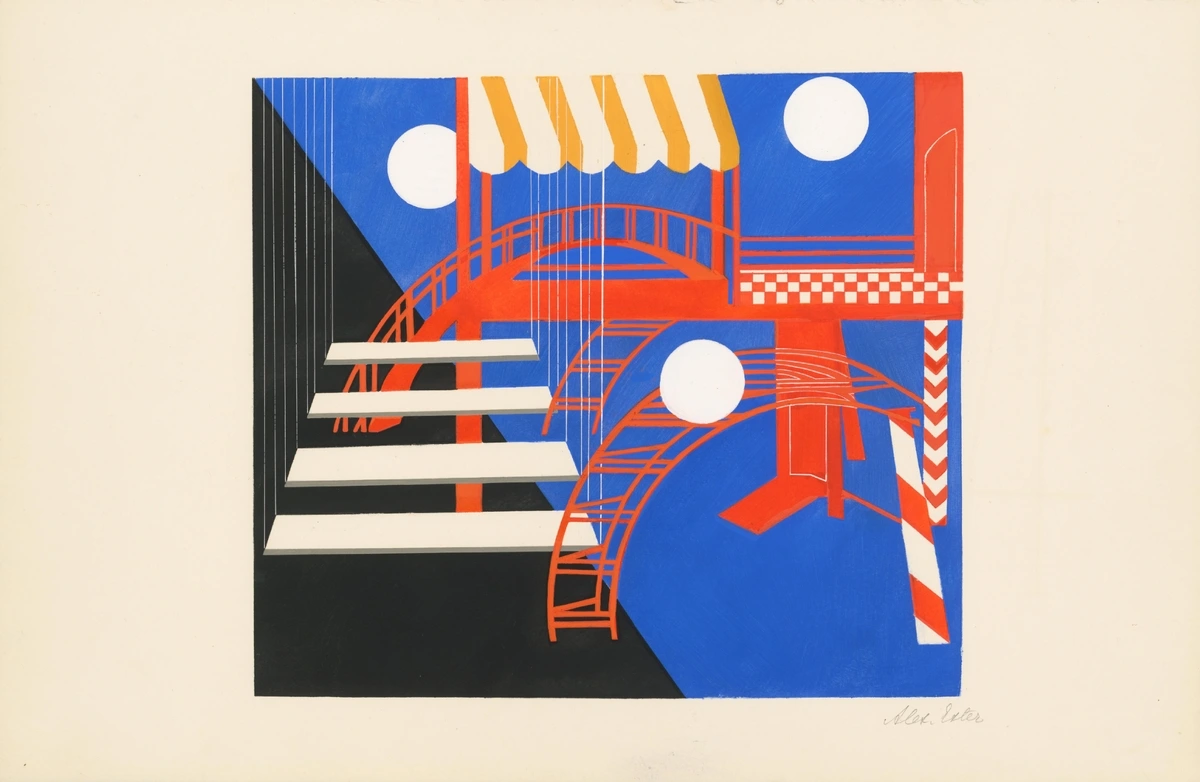
While their words roared off the page, the Futurists were equally driven to translate this frenetic energy onto canvas and into sculpture. But how exactly did these explosive declarations translate into visual art? The Futurists didn't just talk about dynamism; they painted, sculpted, and performed it. Their primary obsession was to capture the sensation of movement and acceleration, not just its depiction. Think of the blur of a speeding train, the chaotic energy of a bustling city street, the sheer velocity of a newly invented automobile – that's what they wanted on canvas, often using vibrant, clashing colors and bold brushstrokes to convey raw energy. These aesthetic choices weren't arbitrary; they were a philosophical statement about the fractured nature of modern consciousness and the sensory overload of industrial life, seeking to visually represent the continuous flow and interpenetration of objects and forces (where surfaces and volumes seem to merge or pass through each other, dissolving static boundaries to suggest flux). They also experimented with techniques like collage, incorporating diverse materials like newspaper clippings and fragments of text to mirror the fragmented reality and simultaneity of modern life. A crucial technique was "lines of force" – visible expressions of an object's energy and direction. Imagine seeing the invisible currents of air around a speeding car, or the vibrations of a factory floor made visible as radiating, jagged lines emanating from the source; that's what lines of force aimed to achieve. They weren't just showing an object, but its trajectory, its impact, and its interaction with the unseen forces of its environment. This was about experiencing not just physical dynamism, but also the psychological dynamism of sensory overload in the modern world, often embracing the raw, even "ugly" aspects of industrial life as a new form of beauty, a direct challenge to traditional bourgeois aesthetics.

Futurism's Dynamic Dialogue with Cubism
It’s impossible to talk about Futurist aesthetics without acknowledging the shadow, or perhaps the light, cast by Cubism. Both movements shattered traditional representation, fragmenting objects and space. But their intentions converged and diverged dramatically. Think of it this way: if Cubism was a meticulous scientific dissection, analyzing an object's form from multiple angles simultaneously on a two-dimensional plane, Futurism was a passionate cinematic experience, seeking to convey an object's trajectory and interaction with its environment over time. Futurists adopted Cubist fragmentation but infused it with a sense of motion, speed, and sound – transforming static analysis into dynamic sensation, often pushing beyond Cubism's more muted palettes into a riot of expressive color. Crucially, while Cubists explored spatial simultaneity (multiple views at once), Futurists aimed for temporal dynamism, showing objects in a continuous state of flux across time.
Aspect | Cubism (Analytical) | Futurism |
|---|---|---|
| Focus | Intellectual analysis of form; multiple viewpoints in space. | Sensorial experience of movement, speed, dynamism, and urban chaos over time. |
| Depiction | Static objects, often in muted, monochromatic tones. | Blurring forms, rhythmic repetition, lines of force; vibrant, clashing colors. |
| Time | Multiple perspectives at once (spatial simultaneity). | Consecutive moments, duration, flux (temporal dynamism). |
| Emotion/Energy | Detached, analytical. | Passionate, aggressive, visceral, energetic. |
| Subject Matter | Still lifes, portraits, figures. | Modern city life, machines, trains, dancers, war. |
| Techniques | Geometric reduction, monochromatic palettes, multiple viewpoints. | Divisionism, rhythmic repetition, lines of force, interpenetration of planes (to convey dynamic flux). |

One key concept they developed to achieve this dynamism was "lines of force" – visible expressions of an object's energy and direction. Imagine the invisible currents of air around a speeding car, or the vibrations of a factory floor made visible as radiating, jagged lines emanating from the source. It's not just motion blur, but the visual manifestation of unseen energies. When Umberto Boccioni sculpted Unique Forms of Continuity in Space (1913), those sweeping, aerodynamic planes aren't just decorative; they're the embodiment of the figure battling and being shaped by the very air it moves through, its unseen forces made dramatically visible. That's how they attempted to make the invisible forces of speed, light, and sound visible. They also often incorporated Divisionism (a technique related to Pointillism), using individual brushstrokes of pure, unmixed color placed side-by-side. This created a shimmering, vibrating effect that further heightened the sense of energy and light, perfectly suited to their goal of capturing dynamism and sensory overload. Think of it as painting with light itself, each stroke contributing to a dazzling, optically mixed surface.

Here’s a snapshot of their core visual principles, often expressed through vivid, audacious color palettes and energetic compositions:
Principle | What it means for Futurist Art | Example & Manifestation |
|---|---|---|
| Dynamism & Speed | The absolute core. Artists used fragmented forms, rhythmic repetition, and "lines of force" to evoke objects moving rapidly through space. It wasn't just depicting movement, but embodying its sensation and the forces acting upon it. | A blurring horse, a speeding car, a dancer's whirling skirt. You feel the motion, not just see it. |
| The Machine Age | A fervent celebration of industrialization and technology. Cars, trains, factories, and airplanes were not just subjects, but symbols of humanity's power and progress. This often manifested in paintings like Boccioni's The City Rises (1910), depicting the clamor of construction and horses pulling wagons amidst industrial buildings, or Balla's glorification of the automobile. | Paintings filled with gears, smoke, engines, and industrial landscapes; the machine as a new deity. They also drew inspiration from new technologies like cinematography, chronophotography, and even early radio and X-rays. |
| Urban Life | The modern city, with its noise, crowds, and relentless energy, was a constant source of fascination. They wanted to capture its chaos and vitality through fragmented figures and overlapping scenes, like Carrà's The Funeral of the Anarchist Galli (1911), which portrays a riotous street brawl with dynamic, angular forms. | Bustling street scenes, fragmented figures in a crowd, the bright lights of a city at night. |
| Rejection of Tradition | A deliberate and often aggressive break from classical and Renaissance art. No more static nudes or tranquil landscapes; they demanded art that reflected the modern, restless soul. | A refusal to look backward, a focus on the contemporary and the future. You wouldn't find a serene classical statue in their vision of an ideal future city. |
| Synesthesia | This is where it gets really interesting: an attempt to blend senses in art. They didn't just want you to see a painting; they wanted you to hear the accompanying noise, feel the vibrations, smell the factory smoke. It's like trying to paint the sound of a streetcar's screech by using jagged, clashing red and yellow forms, or visually render the pungent aroma of a bustling market through swirling, earthy browns and sharp greens. | Visually rendering the sound of a streetcar or the smell of a crowd through color and form. A painting that feels loud and overwhelming. |
| Beauty of the Ugly | A deliberate challenge to conventional aesthetic tastes, celebrating the raw, visceral, and often chaotic elements of modern industrial life and urban environments previously deemed unartistic or vulgar. | Depicting the grit of factories, the jarring sounds of the city, or the aggressive energy of a brawl as subjects worthy of artistic exploration, directly opposing serene classical beauty. |
Painting & Sculpture: Freezing Motion on Canvas
The leading lights in visual art were figures like Umberto Boccioni, Giacomo Balla, and Carlo Carrà. They were the ones translating Marinetti's fiery words into tangible (or rather, dynamically perceived) art.
Take Balla's Dynamism of a Dog on a Leash (1912). I love this painting because it's almost comically perfect in its execution. You don't just see a dog; you see its countless legs, its tail, and the leash all blurring across the canvas, capturing successive moments of movement. It's like a stop-motion film compressed onto a single, vibrant surface, an explosion of energy that makes you smile. Balla also explored pure abstraction of speed in his Abstract Speed + Sound series, attempting to visually capture the essence of a speeding automobile without any recognizable form. His approach was a true pioneer of kinetic abstraction, making the feeling of velocity the subject itself.

Boccioni, meanwhile, was the master of Futurist sculpture. His Unique Forms of Continuity in Space (1913) is perhaps the most iconic piece of the movement. It's not a static depiction of a person walking; it's the very act of moving, a figure seemingly carved by the wind and speed, its form distorted and elongated by its own velocity. When I look at it, I don't see bronze; I see pure, unfettered energy. Another powerful example is his painting The City Rises (1910), which vividly captures the dynamism and physical labor of urban development with its swirling forms, powerful horses, and interpenetrating elements – almost an ode to the city as a living machine. He also created the powerful States of Mind trilogy (The Farewells, Those Who Go, Those Who Stay) in 1911, using fragmented forms and colors to express the emotional and physical experience of travel and separation in a modern train station – a truly profound exploration of simultaneous perception and feeling. The trilogy sought to convey not just the visual chaos of a station, but the deep emotional resonance of departures and arrivals, all compressed into dynamic, interpenetrating forms.
Beyond the Canvas: Futurism in Every Facet of Life
But Futurism's ambition didn't stop at static representations; it sought to revolutionize every aspect of human experience. What truly set Futurism apart, I think, was its audacious ambition: it wasn't just an art movement, but a blueprint for an entirely new way of living, breathing, and experiencing the world. They wanted to inject dynamism into everything, from grand cityscapes to the food on your plate. It was a total assault on passatismo, a comprehensive plan to drag Italy into the future, kicking and screaming if necessary. This expansive vision made Futurism a truly interdisciplinary avant-garde, blurring the lines between art and life itself.
Performance & Sound: Theatre and Noise
If you thought their visual art was provocative, you should have seen their theatre! They called them serate futuriste (Futurist evenings), and they were designed to be anything but polite. Forget traditional drama; these were short, often nonsensical, and deliberately provocative performances aimed to shock, insult, and engage the audience, sometimes leading to actual brawls! The goal was to destroy the bourgeois notion of passive spectatorship and create a direct, visceral experience, essentially breaking down the "fourth wall" between performer and audience. Imagine a performance where actors recite bizarre, disjointed poems while other Futurists in the audience throw vegetables at them – it was exactly that kind of chaotic, immersive spectacle, often involving multiple simultaneous actions and a rejection of logical narrative. They pioneered what they called "synthetic drama" – ultra-brief, often illogical plays that compressed complex ideas or emotions into a few intense moments, further embracing simultaneity and defying traditional plot structures. It was "synthetic" because it stripped away all narrative padding to convey the essential, concentrated essence of an idea or sensation. Can you imagine sitting through such a chaotic performance today? It would certainly be... memorable.
This is a personal favorite tangent of mine. Luigi Russolo, one of the movement's early members, declared that the human ear had become too accustomed to the predictable sounds of traditional music. He argued for an "art of noise" that embraced the sounds of the modern city: the roar of engines, the clamor of crowds, the clatter of machinery. For the Futurists, these industrial sounds were not mere distractions; they were the authentic soundtrack of modernity, a virile reflection of a world in constant motion, far more expressive and honest than sentimental melodies. To achieve this, he invented the intonarumori – noise-generating instruments with names like "buzzers," " screamers," and "exploders." Imagine a symphony orchestra made entirely of industrial sounds – the clatter of a factory, the screech of a train, the roar of an engine! It's a soundscape that would be both terrifying and utterly fascinating to experience firsthand, a concert where the orchestra is replaced by these bizarre contraptions, attempting to recreate the visceral sonic landscape of a factory or a battle. They produced harsh, mechanical sounds – whirrs, crackles, hisses, and roars – a deliberate assault on melodic harmony designed to immerse the listener in the raw, aggressive beauty of modernity. This revolutionary approach, where sound was considered a legitimate artistic element beyond mere melody or harmony, profoundly influenced later avant-garde composers, sound artists, and even some aspects of modern electronic music. Russolo truly believed noise could be as expressive as any musical note, reflecting the chaotic symphony of urban life.
Urban & Environmental Design: Architecture, Objects & Film
Antonio Sant'Elia was the visionary behind Futurist architecture, and his designs for a 'Città Nuova' (New City) are breathtaking. He imagined towering, multi-level buildings with exposed elevators, interconnected by vast pedestrian walkways and vehicular bridges, all designed to emphasize speed and verticality. Unlike the ornate, classical, and Renaissance-inspired architecture still prevalent in Italy, Sant'Elia's vision was stripped-down, industrial, and aggressively modern, often utilizing stark reinforced concrete, glass, and iron. He dreamt of a city that was itself a machine, constantly evolving and adapting – a bold prediction that significantly influenced later movements like Art Deco and even aspects of Brutalism. His urban planning concepts prioritized efficient movement, seeing buildings as transient, dynamic structures rather than static monuments. He famously declared, "We must invent and rebuild the Futurist city like an immense, tumultuous, flexible, mobile, and dynamic shipyard." While his vision was breathtakingly futuristic, one can only imagine the daily experience of living in a city designed purely for perpetual motion – it sounds exhilarating, but perhaps also overwhelming!
Beyond the grand statements, Futurists also turned their attention to everyday items. They envisioned Futurist Objects – furniture, clothing, and even typography that embodied their principles of dynamism and functionality. Imagine angular lamps ready to 'spring' into action, or clothes designed for speed and comfort rather than static elegance, perhaps with bold geometric patterns and asymmetrical cuts. This was an early attempt to blur the lines between art and utility, making life itself a work of art, extending the aesthetic of speed and modernity into domestic spaces and industrial design. While contrasting sharply with the organic forms of Art Nouveau or the handcrafted emphasis of Arts and Crafts, Futurist object design laid groundwork for a more streamlined, machine-aesthetic that would later influence movements like Bauhaus. Fortunato Depero, for instance, was particularly adept at this, designing everything from tapestries to bottles, advertising posters for Campari, and even children's books with a distinctly Futurist flair, proving their ideas could be both radical and commercially viable.
Photography & Film: Capturing the Ephemeral
Finally, the Futurists' obsession with dynamism extended to the nascent art of photography and even the very early ideas of film. Influenced by chronophotography (an early technique of capturing multiple phases of movement in a single frame, like Eadweard Muybridge's studies), they experimented with techniques like multiple exposures, blurring, and photodynamism. Their aim was to convey the subjective sensation of speed and motion, transcending a mere static record. This often resulted in blurred, fragmented images that echoed their paintings, attempting to represent the flow of time and energy within a still photograph. It was about capturing the ephemeral, the continuous movement that our eyes perceive, rather than a frozen moment, giving birth to a truly dynamic photographic aesthetic. While a cohesive Futurist film movement didn't fully materialize before the war, their theories and experiments laid crucial groundwork for later avant-garde cinema. They envisioned film as the ultimate medium to capture the raw energy of modern life through rapid cuts, montage, and the dynamic perspective of the machine. Though few actual Futurist films were completed, their theoretical contributions on film's potential to convey simultaneity, speed, and sensory overload profoundly influenced directors like Dziga Vertov and early Soviet montage theorists, shaping the language of cinematic storytelling for decades to come.
Everyday Life & Culture: Cuisine, Dance & Typography
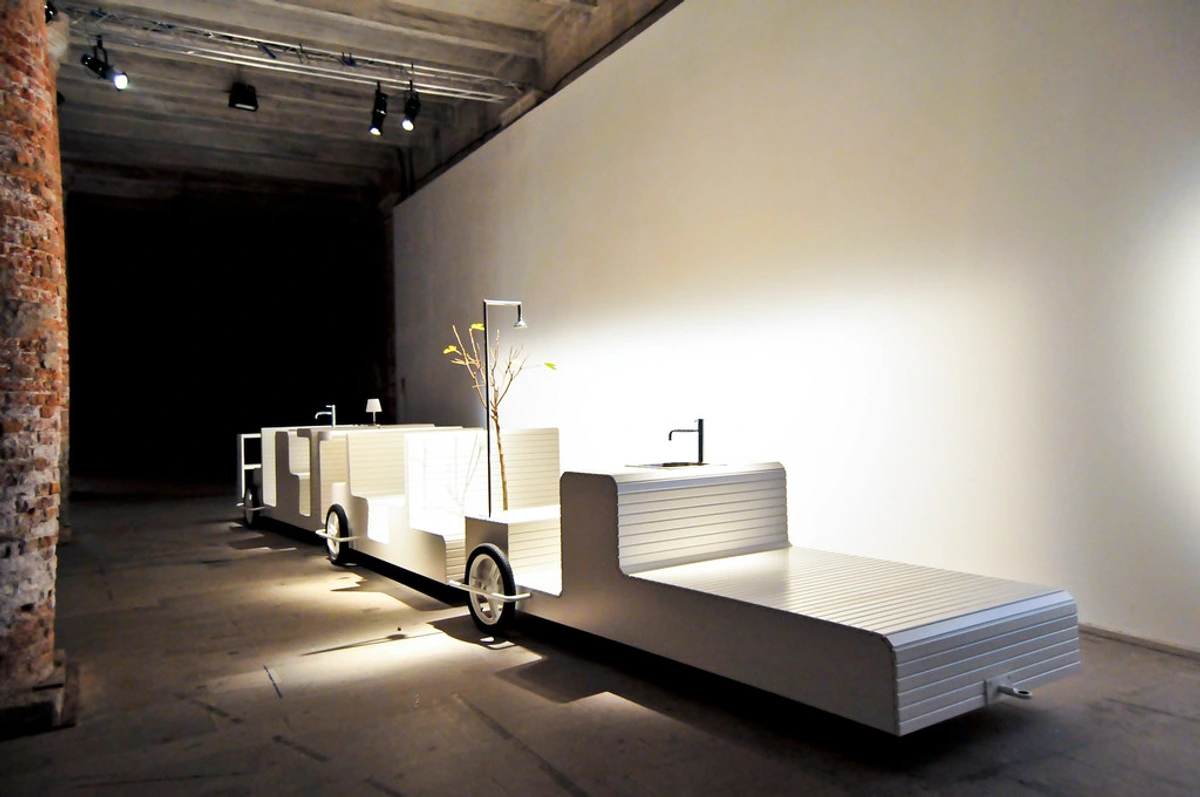
Yes, they even reimagined food! Futurist cuisine wasn't about subtle flavors; it was about sensation, surprise, and challenging the diner's perceptions. Dishes might combine bizarre textures, unexpected temperatures, or even be served with accompanying perfumes or lighting effects. They wanted to abolish pasta (sacrilege for Italians, I know!) because they believed it made people sluggish, replacing it with light, scientifically precise meals aimed at boosting energy and stimulating new sensory experiences. Marinetti himself advocated for "Aerofood," where diners would eat while touching different textures, sniffing perfumes, and listening to music – an attempt to stimulate all senses simultaneously. Other proposals included "tactile dinners" where guests wore specific fabrics to enhance the dining experience, or meals designed to be eaten with only one hand, or served in total darkness. Think dishes like "Sculpted Meat," presented in a geometrically precise form, or "Intuitive Plates" that combined unexpected ingredients to provoke a mental jolt. The philosophical underpinning was to create a new, energetic, and uninhibited individual, free from the perceived 'sluggishness' of traditional fare, aligning with their broader rejection of passatismo and embracing of pseudo-scientific approaches to living. As an Italian, the very thought of abolishing pasta sends shivers down my spine – it feels like a betrayal of culinary heritage! But I can appreciate the spirit of radical innovation, even if the execution is... controversial.
While not forming a single cohesive 'Futurist Dance' movement, many Futurists were captivated by the body in motion. They saw dance as another pure expression of dynamism, speed, and energetic gestures, often celebrating mechanical, angular movements that defied traditional grace. Think of dancers embodying the sharp rhythms of industrial machinery or the explosive power of a new invention, with movements that were sharp, percussive, and reflective of industrial rhythms and the power of technology – a stark contrast to the flowing, romantic dances of the past. Performers like Giannina Censi, for instance, choreographed specific "airplane dances" or "machine dances" that mimicked the movements of flight or the precise, repetitive actions of factory mechanisms, transforming the human body into a dynamic, modern form.
The Futurists' revolutionary approach extended profoundly to typography and graphic design, particularly through Marinetti’s concept of parole in libertà (words-in-freedom). This wasn't just about choosing a font; it was about treating text as a visual and auditory composition. Words were arranged non-linearly, in different sizes, fonts, and colors, to create dynamic "visual poems" that mimicked the sounds and movements of modern life. They used boldface, italics, and varying point sizes to convey emphasis and emotional intensity, often scattering words across the page to explode the traditional grid. This bold, expressive use of text heavily influenced modern advertising, experimental literature, and graphic design for decades to come, laying groundwork for effective visual communication in a fast-paced world, and even anticipating the fragmented, sensory-rich way information is presented in today's digital media.
The Legacy: Is Futurism Still With Us?
So, after all that sound and fury, what's left? Despite its fervent declarations and the chilling shadow cast by its political affiliations, the artistic innovations of Futurism could not be entirely suppressed, and its legacy, for better or worse, continued to ripple through the art world. Futurism was relatively short-lived as a cohesive movement, largely due to the devastating impact of World War I, which claimed the lives of several key members (like Boccioni and Sant'Elia), and the fracturing effects of its political entanglements with Fascism. Many artists moved on, their styles evolving away from Marinetti's rigid dogma, finding the political baggage too heavy or the artistic constraints too limiting. The movement's decline was also partly due to its own success; many of its core ideas were absorbed and reinterpreted by subsequent movements, making the original distinct style less unique over time.
The enduring impact of Futurism on modern art and design is undeniable. Its radical spirit, its celebration of dynamism, and its fascination with the machine echoed through countless subsequent movements: from the revolutionary designs of Russian Constructivism and the bold declarations of English Vorticism to the anarchic spirit of Dadaism and even the dreamlike qualities of Surrealism. Futurism's embrace of the irrational and the absurd, its challenge to conventional artistic values, laid groundwork for the anti-art stance of Dada. Similarly, its explorations of simultaneity and subconscious sensory experiences hinted at Surrealism's dive into dreams and the unconscious. You can see its aesthetic fingerprints in the sleek lines of Art Deco architecture, in the energetic typography of modern graphic design and advertising (think bold, fragmented fonts and dynamic layouts), and in the way advertising still glorifies technology and speed. Their obsession with capturing the fragmentation of urban life and the effects of new media also anticipated how film and photography would shape our perception of reality, even contributing directly to the nascent field of Kinetic Art by pioneering efforts to introduce actual movement into static forms. The Futurists, through their attempt to suggest dynamism and the flow of time within a fixed artwork, essentially provided the conceptual bedrock for later artists to literally put art in motion, creating sculptures and installations that physically move, reflecting the accelerated pace of the modern world. You can even see echoes in the fast-paced, fragmented visual language of modern digital media, like TikTok feeds or dynamic video games, where simultaneity and sensory overload are the norm. Studying Futurism, despite its deeply problematic ideologies, serves as a crucial cautionary tale about the potential for art to be intertwined with dangerous political movements.

For me, the ghost of Futurism pops up whenever I see a film using blur effects to convey intense speed, or an advertisement that fetishizes the gleaming precision of a new device. They were truly among the first to grapple with what it felt like to live in a modern, technological world, a world constantly accelerating. While Futurism championed rapid dissemination and mass appeal, its artistic output was physically bound and experienced, a contrast to the ephemeral and digitally native forms of art emerging today. It's a reminder that the conversation between art, technology, and society is never truly finished. What new forms of "dynamism" will future artists explore, perhaps with AI-generated art or immersive digital experiences, continuing this never-ending conversation between humanity and its accelerating world? How will we grapple with the uncomfortable truths embedded within our own "progress"?
When I'm in my studio, creating my own abstract work with its vibrant colors and dynamic forms, I often find myself pushing against static boundaries, seeking to capture that same sense of energetic flux. It’s a constant push against the static, a thrill in the unexplored, perhaps echoing that Futurist drive to embrace the new, but hopefully without the dangerous ideologies. It makes you wonder, doesn't it? If you're inspired by the energy of abstract art that pushes boundaries, feel free to explore my collection of contemporary pieces that capture modern dynamism in a new way here. Discover unique works that challenge perception and keep the spirit of artistic revolution alive. For a look at the historical timeline of my artistic journey, check out my timeline, or learn about the Den Bosch Museum that deeply inspires my work.


Key Futurist Events: A Timeline
To truly grasp the rapid, intense trajectory of Futurism, a look at its key moments helps solidify its place in history. It was a movement marked by audacious beginnings and a tragically swift end.
Year | Event | Significance |
|---|---|---|
| 1909 | Publication of the Manifesto of Futurism | Officially launched the movement, setting forth its revolutionary principles and aggressive anti-past agenda, published in Le Figaro. |
| 1910 | Manifesto of the Futurist Painters | Signed by Boccioni, Carrà, Russolo, Balla, and Severini, translating Marinetti's literary ideas into a program for visual art focused on dynamism and simultaneity. |
| 1910 | The City Rises by Umberto Boccioni | A seminal painting exemplifying Futurist visual principles: urban dynamism, labor, and the interpenetration of human and animal forms within a modern cityscape. |
| 1912 | Dynamism of a Dog on a Leash by Giacomo Balla | Iconic painting showcasing the depiction of sequential movement and motion blur, making the sensation of speed the primary subject. |
| 1913 | Unique Forms of Continuity in Space by Umberto Boccioni | The most famous Futurist sculpture, embodying the figure as shaped by forces of speed and environment, a powerful symbol of the movement's core ideas. |
| 1913 | Luigi Russolo's The Art of Noises: Futurist Manifesto | Introduced the concept of noise as a legitimate artistic element and led to the invention of intonarumori, radically redefining music. |
| 1914 | Manifesto of Futurist Architecture by Antonio Sant'Elia | Outlined a vision for a dynamic, ephemeral 'New City' of steel, concrete, and glass, prioritizing movement and functionality. |
| 1914 | Outbreak of World War I | Many Futurists, including Marinetti and Boccioni, enthusiastically volunteered, viewing war as a 'hygiene' for society. |
| 1916 | Death of Umberto Boccioni | A profound loss for the movement, as its most talented painter and sculptor was killed during military service, tragically symbolizing the movement's fervent embrace of conflict. |
| 1918 | End of World War I | The war's devastating reality disillusioned many, further weakening the movement's initial optimistic fervor for conflict and technology. |
| 1920s | Marinetti's alignment with Fascism | Solidified the movement's controversial political ties, as Marinetti became a vocal supporter of Mussolini, directly co-opting Futurist aesthetics for fascist propaganda. |
Key Futurist Artists You Should Know
If you want to truly immerse yourself in the frenetic energy of Futurism, you need to know the names behind the manifestos and the masterpieces. Here's a rundown of the key players who shaped this revolutionary, and often contradictory, movement:
Artist | Known For | Key Work(s) | Key Contributions/Focus |
|---|---|---|---|
| Filippo Tommaso Marinetti | The fiery founder, poet, and chief propagandist who ignited the movement. | Manifesto of Futurism (1909), Mafarka the Futurist (1910) | Formulated the core ideology, pioneered parole in libertà, advocated for manifestos as political/artistic tools, and was the movement's charismatic leader. |
| Umberto Boccioni | The undisputed leader in painting and sculpture, focused on universal dynamism and the fusion of figure and environment. | The City Rises (1910), States of Mind series (1911), Unique Forms of Continuity in Space (1913) | Mastered the visual representation of movement, simultaneity, and the interpenetration of forms; his sculptures embodied dynamism in three dimensions, capturing the invisible forces of speed. |
| Giacomo Balla | Master of depicting light, speed, and sequential motion in painting, and a pioneer of abstract Futurism. | Dynamism of a Dog on a Leash (1912), Abstract Speed + Sound (1913) | Specialized in capturing motion blur and light effects, moving towards pure abstraction to represent velocity and sound, using techniques like Divisionism to create vibrant energy. |
| Carlo Carrà | Early member known for his blend of Cubist fragmentation and Futurist dynamism, and later a metaphysical painter. | The Funeral of the Anarchist Galli (1911), Interventionist Demonstration (1914) | Explored urban dynamism and political fervor in his early works, often depicting chaotic crowd scenes; later diverged into metaphysical painting, showing the movement's internal tensions. |
| Luigi Russolo | The pioneering composer and theorist of Futurist music and the 'art of noise'. | The Revolt (1911), invented the intonarumori (noise-intoners) | Transformed music theory by advocating for the inclusion of urban and industrial sounds, creating instruments to produce noises, influencing later experimental and electronic music. |
| Gino Severini | Primarily a painter, he brought a more decorative and harmonious approach to dynamism, focusing on dancers and urban scenes. | Dynamic Hieroglyphic of the Bal Tabarin (1912) | Integrated Cubist and Divisionist techniques with Futurist principles, depicting dancers and city life with vibrant color and a sense of celebratory movement, often with a more decorative flair. |
| Antonio Sant'Elia | The visionary architect who conceived the 'Città Nuova' (New City) and its urban planning principles. | Manifesto of Futurist Architecture (1914), designs for a 'Città Nuova' | Championed a radical, dynamic architecture of steel, concrete, and glass, focused on verticality, movement, and ephemerality, inspiring modern and Brutalist architecture. |
| Fortunato Depero | Painter, sculptor, graphic designer, and theatrical set designer who extended Futurism into advertising and industrial design. | Marinetti's Dance (1917), Depero Futurista (the "bolted book," 1927) | Broadened Futurism's reach into commercial art, theatre design, and bookbinding, applying Futurist principles to typography and product design, making it more accessible and commercially viable. |
| Benedetta Cappa Marinetti | Painter, writer, and a key female Futurist, though often overshadowed. | Speeding Boat (1923), Forces of a Landscape (1929) | Explored abstract, spiritual aspects of Futurism, focusing on cosmic dynamism and aerial views; her work often contrasted with the aggressive masculinity of her male counterparts. |

Frequently Asked Questions about Futurism
Still have questions buzzing in your head after all that speed and noise? No worries, let's tackle some of the common ones that people often ask about this fascinating, if sometimes troubling, art movement. It's a testament to its impact that it still provokes so much discussion and inquiry.

What are the main ideas of Futurism?
At its core, Futurism was an impassioned, sometimes aggressive, embrace of the modern world: speed, technology, the machine, youth, and radical change. It called for a complete rejection, even destruction, of past traditions, conventional art forms, and institutions like museums, advocating for a future built on action, dynamism, chaos, and novelty. It was a true "cult of modernity," a "cult of violence," and a "worship of the machine," striving to overhaul society and art from the ground up.

What were the common themes and subjects in Futurist art?
Futurist artists were obsessed with depicting the dynamism of modern life. Common themes included speeding automobiles, trains, bustling urban crowds, dancers in motion, industrial machinery, and the clamor of construction. They sought to capture the energy, light, and sound of the contemporary city, embracing the chaos and disorder of urban industrial life, often with a sense of aggressive optimism toward technological progress and a simultaneous fascination with conflict and war. They rejected static subjects like still lifes and traditional portraiture in favor of subjects that embodied movement and change, reflecting the rapid pace of their world.
Who started Futurism?
The Italian poet Filippo Tommaso Marinetti was the driving force behind Futurism, officially launching the movement in 1909 with the publication of his incendiary Manifesto of Futurism. He acted as its primary theorist, promoter, and chief provocateur, constantly seeking to push boundaries in all forms of art and life. His charismatic and often confrontational style was central to the movement's early notoriety, making him an inescapable figure in early 20th-century avant-garde circles.
Why is Futurism so controversial?
Oh, it's deeply controversial, and for good reason. Its explicit glorification of war (seeing it as "the world's only hygiene"), its aggressive, chauvinistic nationalism, and its strong, early, and active ties to Italian Fascism make it incredibly problematic. Many historians view its ideology as a direct precursor to Fascism, noting how its core tenets were alarmingly adopted and championed by Benito Mussolini's regime, making it virtually impossible to separate its artistic innovations from its destructive political ideology. Its aggressive nationalism and cult of virility also led to the marginalization and rejection of women, both within the movement's rhetoric and its creative output. It’s a constant reminder of art's complex, often uncomfortable, relationship with power and how art can be used to legitimize deeply disturbing political agendas. For me, this is why it's a movement you study, but rarely 'admire' without serious reservations.
What is 'passatismo' and why did Futurists hate it so much?
Passatismo is an Italian term meaning 'past-ism' or an obsession with the past. The Futurists virulently hated it because they viewed Italy as being suffocated by its glorious classical and Renaissance history. They believed this reverence for tradition stifled innovation, modernity, and national progress, preventing Italy from becoming a dynamic, industrial world power. For them, passatismo represented everything slow, stagnant, and sentimental that they sought to violently overturn and replace with a future built on speed, technology, and aggressive action.
What were the main colors used in Futurist art?
Futurist artists often employed vibrant, clashing, and non-naturalistic colors to heighten the sense of dynamism and emotional intensity. They frequently used complementary colors placed side-by-side to create visual vibration, or bright, almost raw hues that evoked the artificial lights and sensory overload of the modern city. While there wasn't a strict 'Futurist palette,' the overall tendency was towards energetic, high-contrast, and often fragmented color usage to amplify the feeling of speed and movement, drawing heavily from Divisionist techniques to make the colors optically blend and vibrate on the canvas, contributing to the sense of restless energy.
How did Futurism influence other art movements?
Futurism's groundbreaking techniques for depicting movement, its avant-garde spirit, and its total immersion in modern life had an enormous, if often unacknowledged, influence. It directly inspired movements like Russian Constructivism (in its geometric rigor and functional aesthetic) and English Vorticism (in its aggressive dynamism). Its rebellious energy and anti-establishment stance resonated with Dadaism, influencing its playful chaos and rejection of logic. Similarly, its exploration of simultaneity and attempts to capture subconscious sensory experiences foreshadowed the dreamlike qualities and psychological depth of Surrealism. Its aesthetic principles – a love for clean lines, speed, and industrial forms – can still be seen echoing in Art Deco, contemporary graphic design, and even in how we visualize speed in film and digital media today. The development of Kinetic Art also owes a debt to Futurism's pioneering efforts to put actual movement into art.
How did Futurism differ from other early 20th-century avant-garde movements like Fauvism or Expressionism?
While all these movements broke from academic tradition, Futurism's focus was unique. Fauvism (1905-1908) emphasized pure, vibrant, often non-naturalistic color and simplified forms to convey emotion and light, but generally retained recognizable subjects and a decorative quality, prioritizing aesthetic exploration. Expressionism (roughly 1905-1920) distorted reality and used strong colors and exaggerated forms to express inner emotion and psychological states, often reflecting anxiety or alienation, making it primarily an inward-looking movement focused on internal turmoil. Futurism, in contrast, was defined by its aggressive embrace of modernity: its obsessive glorification of speed, technology, the machine, and urban dynamism. It wasn't just about color or emotion, but about capturing the sensation of movement and acceleration and utterly rejecting the past, often with a combative, politically charged ideology. Its outward-looking focus on external modernity, machines, and urban chaos distinguished it sharply. Their manifestos explicitly declared war on tradition, a level of aggressive polemic not seen in the same way in Fauvism or Expressionism, whose focus remained primarily on formal and emotional concerns rather than a complete societal overhaul.











What's the difference between Italian Futurism and Russian Futurism?
While both Italian and Russian Futurism shared a rejection of the past and an embrace of modernity, they were distinct movements with different cultural contexts and political alignments. Italian Futurism, founded by Marinetti, was born from a desire to modernize a historically rich but industrially lagging Italy, becoming fiercely nationalist and ultimately aligning with Fascism. Its art emphasized speed, machinery, and urban dynamism. Russian Futurism, which emerged slightly later (around 1912), developed independently and focused more on revolutionizing language and poetry (e.g., zaum or 'transrational language'), challenging traditional grammar and syntax. While it also celebrated technology, its political leanings were initially associated with revolutionary communism, though many artists later faced suppression under Stalin. Both were avant-garde and provocative, but their specific artistic methodologies and political allegiances diverged significantly.