Cubism's True Visionaries: Beyond Picasso & Braque – Artists, History & Lasting Impact
Uncover the essential artists of Cubism beyond the famous duo. Explore how visionaries like Gris, Léger, and the Delaunays shaped this revolutionary art movement, its profound influence on modern art, and its enduring legacy.

Cubism's True Visionaries: Beyond Picasso and Braque
Have you ever tried to describe an object to someone, perhaps a complex sculpture, and found yourself using words for its front, its side, and its top all at once? That inherent human tendency to perceive from multiple angles, to mentally piece together a complete understanding from fragmented views, is precisely what early 20th-century artists began to explore. It led to one of art history's most explosive revolutions: Cubism. For years, like many, my brain automatically pulled up a Picasso when Cubism was mentioned – an instantly recognizable masterpiece, no doubt. He’s the rockstar, the household name. But thinking Cubism is only Picasso? That’s like hearing The Beatles and only thinking of John Lennon. You're missing the Paul McCartney—the visionary Georges Braque, who was just as pivotal—and the brilliant George and Ringo who were essential to the whole sound. Cubism wasn't a solo act; it was a seismic shift in how we see and represent the world, a revolution born in the buzzing, intellectually fervent art studios of early 20th-century Paris.
These artists shared a radical, almost heretical idea: why should we paint something from just one static angle, especially when our own experience of reality is so fluid and multifaceted? Our world isn't a flat photograph. A painting, they argued, didn't have to pretend it was. Imagine trying to capture a bustling street scene. A single photograph freezes it, but it doesn't convey the cacophony of sounds, the smells, the feeling of movement, or the overlapping conversations. Cubism aimed to translate that richer, multi-sensory experience of reality onto a static canvas, not by copying it, but by reconstructing it from countless internal and external viewpoints. This idea of showing multiple truths at once—like seeing a face from the front and side simultaneously, or capturing the feeling of movement in a static image—is a concept I constantly grapple with in my own work. If you're looking for the full, immersive backstory, my ultimate guide to Cubism delves deep into its origins. But right here, right now? We're diving deep into the people. The visionary artists who picked up reality, shattered it into a million geometric pieces, and glued it back together in a way no one had ever dared before. It's a journey into minds that dared to rewrite the rules of seeing, and I find it endlessly fascinating how they did it.
What Sparked the Revolution? Influences and Innovations
Before Picasso and Braque famously 'roped themselves together like mountaineers,' the ground was already shifting. Early 20th-century Paris was a true intellectual melting pot, a hotbed of new ideas where artistic experimentation wasn't just tolerated; it was celebrated. This was a time where movements like Fauvism, with its wild, expressive colors, were already challenging traditional representation, and Symbolism explored inner psychological states. Philosophically, thinkers like Nietzsche questioned singular truths, and Bergson explored the subjective experience of time – concepts that quietly resonated with artists grappling with new ways to perceive reality. The vibrant Salon d'Automne exhibitions were crucial, acting as a public stage for these radical new artistic directions. It was an environment of intense dialogue and daring.
The Profound Influence of Paul Cézanne
Then, there was Paul Cézanne, the Post-Impressionist master, who subtly hinted at a new visual language. I've always admired how he began to simplify forms into geometric blocks and explore multiple viewpoints in his landscapes, like his iconic Mont Sainte-Victoire series. For me, he wasn't just painting a mountain; he was revealing its very architecture, its underlying structure of planes and facets. This analytical approach, breaking down the visual world into its constituent geometric elements, was a direct precursor to what Picasso and Braque would develop. His rigorous focus on form profoundly influenced the Cubists, showing them how to break down and reassemble pictorial space. He was laying the groundwork, showing that reality could be analyzed, not just copied.
The Electrifying Impact of Non-Western Art: A Complex Legacy
And then came the electrifying impact of non-Western art. I remember seeing African masks for the first time in person, feeling that raw, primal energy they conveyed. Their bold, abstracted features, often emphasizing flatness and geometric forms rather than realistic portrayal, resonated deeply with artists like Picasso. These masks, along with Iberian sculpture, offered a powerful alternative to Western artistic conventions, liberating artists from the demands of photographic realism. It's important to acknowledge, however, that this 'discovery' by Western artists often came through colonial lenses, leading to what we now call primitivism – a complex and often problematic appropriation. Historically, these artifacts were frequently displayed in ethnographic museums, stripped of their original cultural context and viewed purely for their exotic visual qualities. This power imbalance and cultural detachment are aspects we grapple with today, even as we recognize their undeniable visual influence which provided a powerful jolt to the European art scene, fueling the radical departure that was to become Cubism.
The Evolution of Cubism: Analytical to Synthetic
Cubism wasn't a static style; it evolved rapidly, driven by the intense dialogue between its founders.
Analytical Cubism: Deconstructing Reality with a Monochromatic Lens (1907-1912)
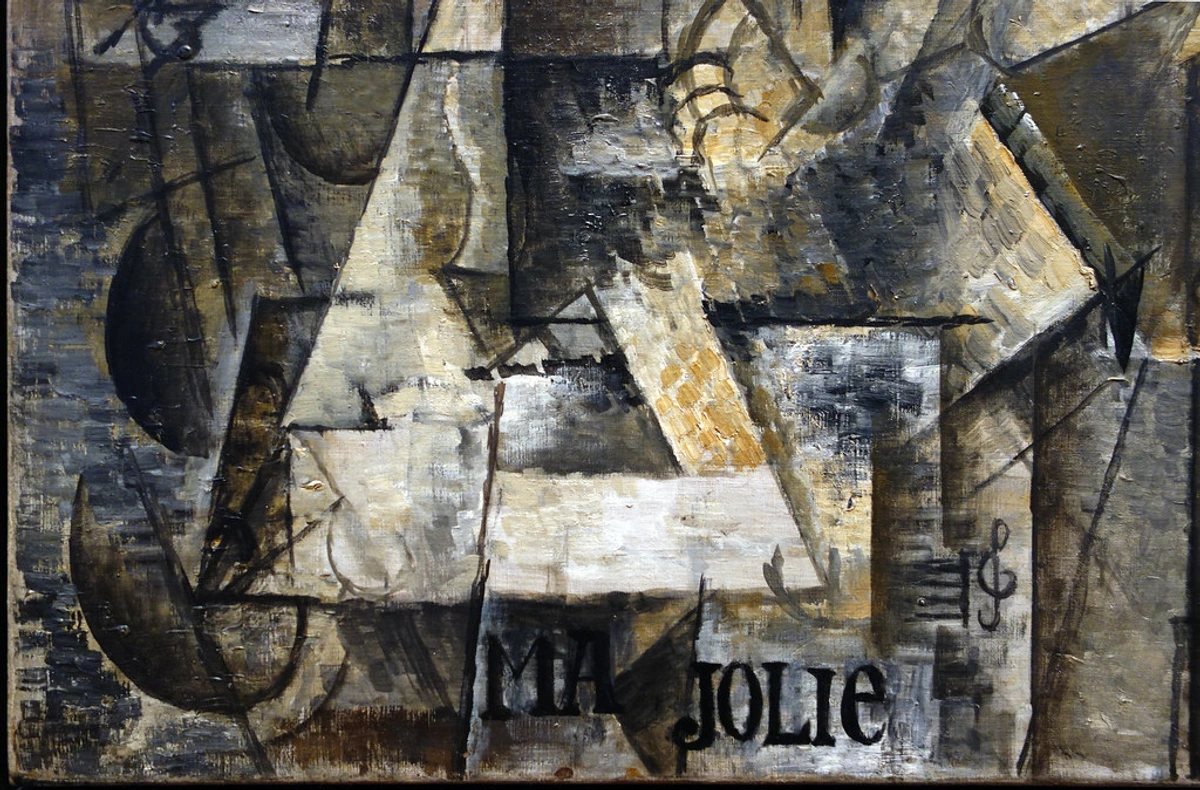
Picasso and Braque, working in incredibly close dialogue, pioneered Analytical Cubism. This was the early, experimental phase, characterized by an almost scientific analysis of the subject, breaking it down into its constituent parts. I often think of it as taking an object, holding it up to the light, and rotating it in my mind's eye to see every possible angle at once – like looking at a blueprint for reality, stripped bare of its colorful disguise. This phase is characterized by:
- Monochromatic palettes: Often limited to browns, grays, and blacks. Why? They stripped away distracting color to focus purely on form, volume, and structure. It was about the bones of reality, not its superficial skin. This deliberate restriction forced viewers to engage with the underlying mechanics of perception.
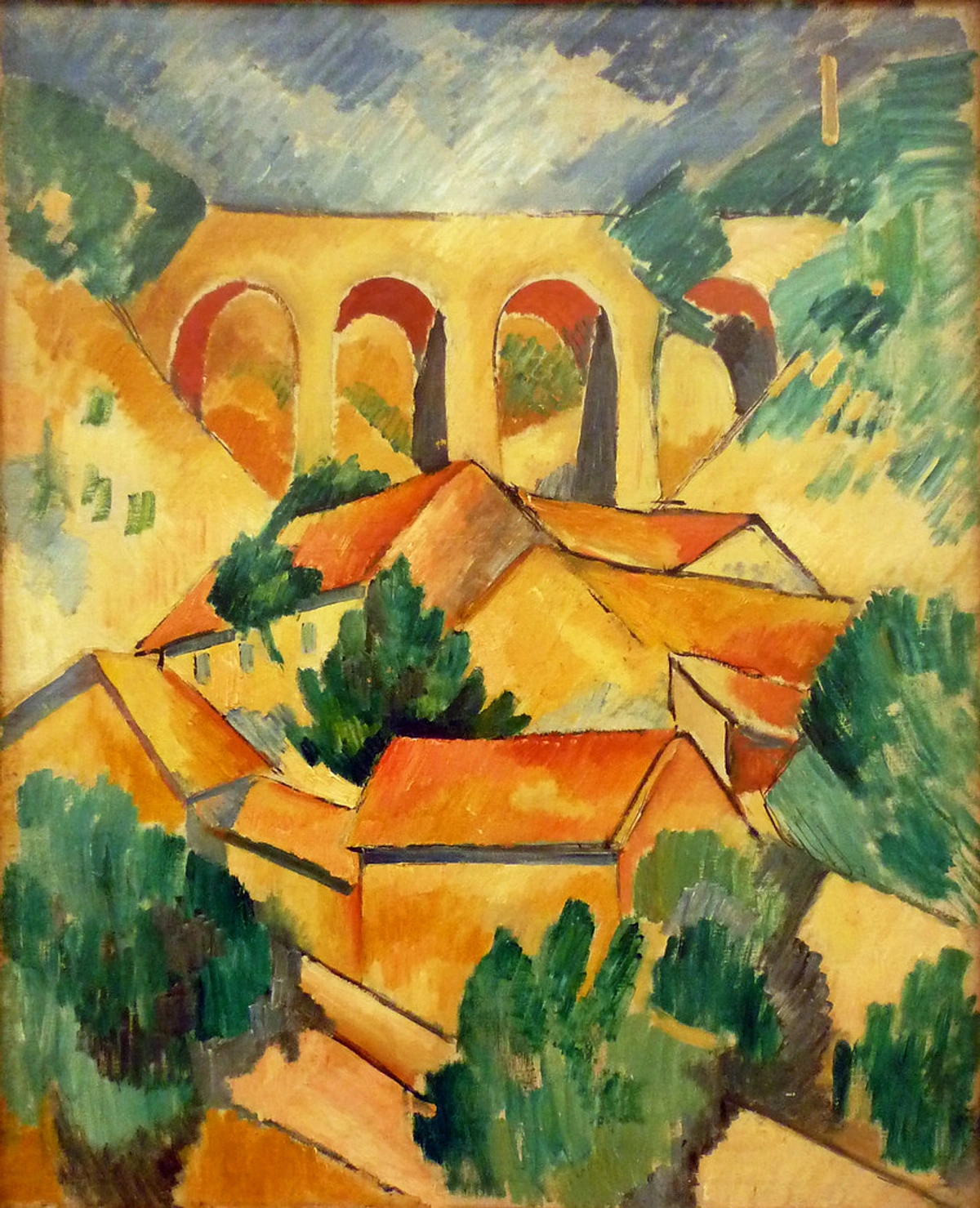
- Extreme fragmentation: Objects, figures, and landscapes were broken down into small, intricate, overlapping geometric planes, or facets. Think of them as shards of form, fragmented planes of light and shadow that shift and interlock. This made subjects almost unrecognizable, challenging the viewer to actively reconstruct the image in their mind. Consider Braque's Houses at L'Estaque (1908), rendered with muted tones and simplified geometric volumes, suggesting the underlying structure rather than a picturesque view. Picasso's Portrait of Daniel-Henry Kahnweiler (1910) further exemplifies this, where the viewer is forced to piece together the sitter's features from fragmented planes, questioning the very nature of identity and representation.
- Multiple viewpoints (simultaneity): Crucially, they showed several sides of an object simultaneously, creating a sense of three-dimensionality and spatial ambiguity on a two-dimensional canvas. This was a radical break from traditional single-point perspective.
- Flattened and ambiguous perspective: Traditional rules of perspective were abandoned, compressing space and making it feel shallow and uncertain. Instead of a window looking through to another world, the Cubist canvas became a surface with its own depth and structure, asserting itself as a physical object, inviting the viewer to engage with its material presence rather than just an illusion. This felt like a deep intellectual challenge, a puzzle that demanded engagement.
The idea was to analyze the subject from every conceivable angle, presenting a comprehensive rather than superficial truth. It was intellectual, challenging, and frankly, a bit intimidating for viewers, but it was revolutionary.
Synthetic Cubism: Rebuilding Reality with Color and Texture (c. 1912-1919)
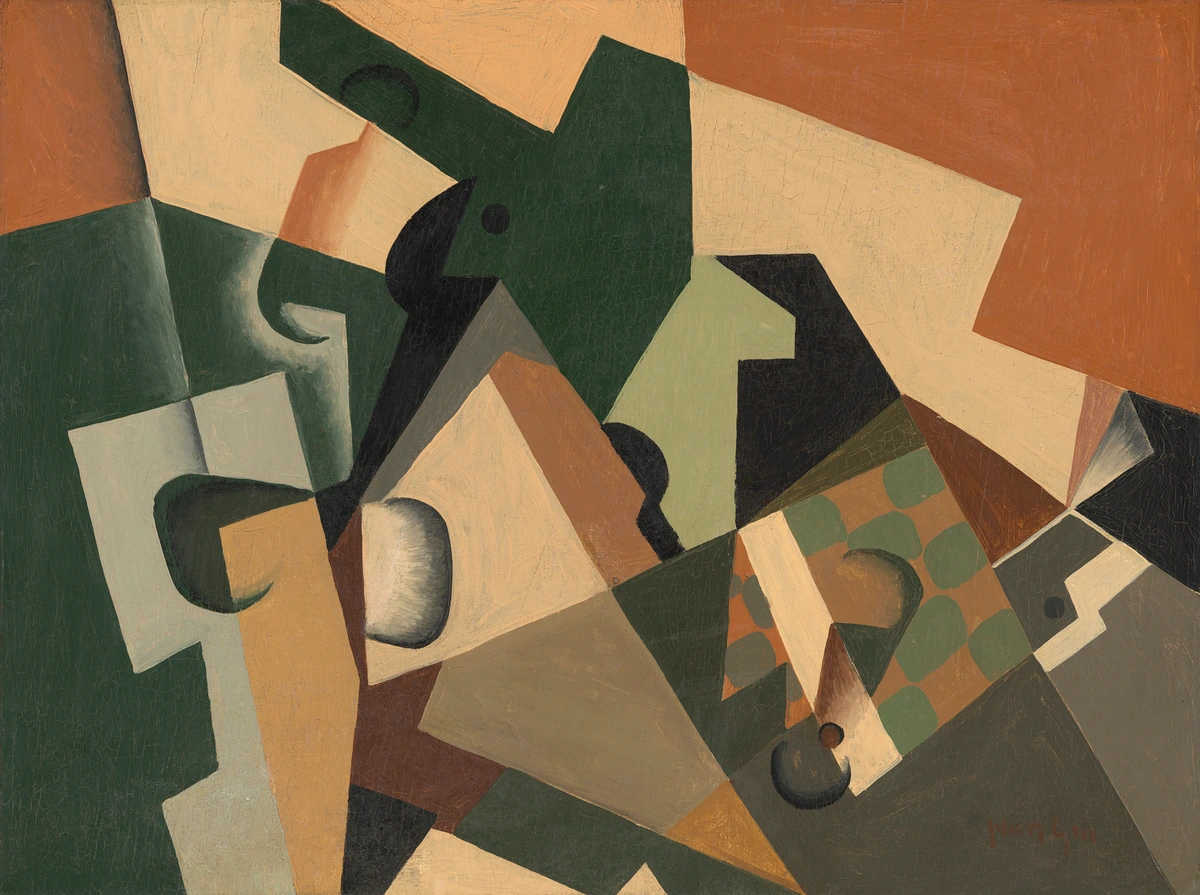
Around 1912, Cubism evolved into Synthetic Cubism, a phase that felt less like scientific deconstruction and more like a playful, yet profound, rebuilding of reality, but with new rules. This transition was marked by:
- Brighter colors: A return to more vibrant hues, making the compositions more accessible and engaging. After the intellectual rigor of Analytical Cubism, it was as if the artists allowed themselves to breathe a little, letting color re-enter the conversation and adding a new dimension to the reconstructed forms.
- Larger, flatter planes: The intense fragmentation gave way to bigger, more cohesive shapes. Forms became simpler, more iconic, and were synthesized back into recognizable objects, rather than being endlessly analyzed.
- Incorporation of texture and collage: This was the groundbreaking innovation, with artists like Braque and Picasso pasting materials directly onto the canvas. This technique, known as papier collé (pasted paper) or simply collage, introduced real-world elements like newspaper clippings, wallpaper, or even sand. My favorite examples often involve snippets of newspaper, which could add a layer of social commentary or referentiality, blurring the lines between art and life. Their intent was to disrupt the illusion of painting, to introduce a fragment of "reality" directly into the artwork, and to challenge the very notion of a painting as a window to a perfect illusion. For me, it's a technique that still fascinates, exploring how different textures and found objects interact within a composition. I even explore what is collage art in a separate piece, if you want to dive deeper into that specific technique.

The Founding Fathers: A Partnership That Changed Art Forever
You can't start this story anywhere else. It begins with two men, so in sync they described themselves as being 'roped together like mountaineers.' They were constantly pushing, challenging, and inspiring each other. Their early works, especially during the Analytical Cubist years, were so stylistically similar it's often nearly impossible to tell them apart without a signature – a true testament to their intense dialogue and shared journey.
Pablo Picasso (1881-1973): The Relentless Innovator
Of course, we have to start with the legend himself. Picasso wasn't just a Cubist artist; he was the lightning rod for the whole movement, a relentless innovator who seemed to reinvent art with every new period. He was restless, endlessly inventive, and yes, had an ego the size of Spain. But my goodness, could he back it up. With Les Demoiselles d'Avignon in 1907, he basically threw a grenade into the pristine gallery of Western art. This painting was jarring, aggressive, and broke every sacred rule about perspective, beauty, and representation. Its fragmented figures and mask-like faces, influenced by African tribal art and Iberian sculpture, announced a new visual language that was both primal and utterly modern. The integration of these forms was shocking, a deliberate shift from idealized Western beauty to something raw, confrontational, and deeply unsettling to contemporary viewers. It was a declaration of war on traditional art.
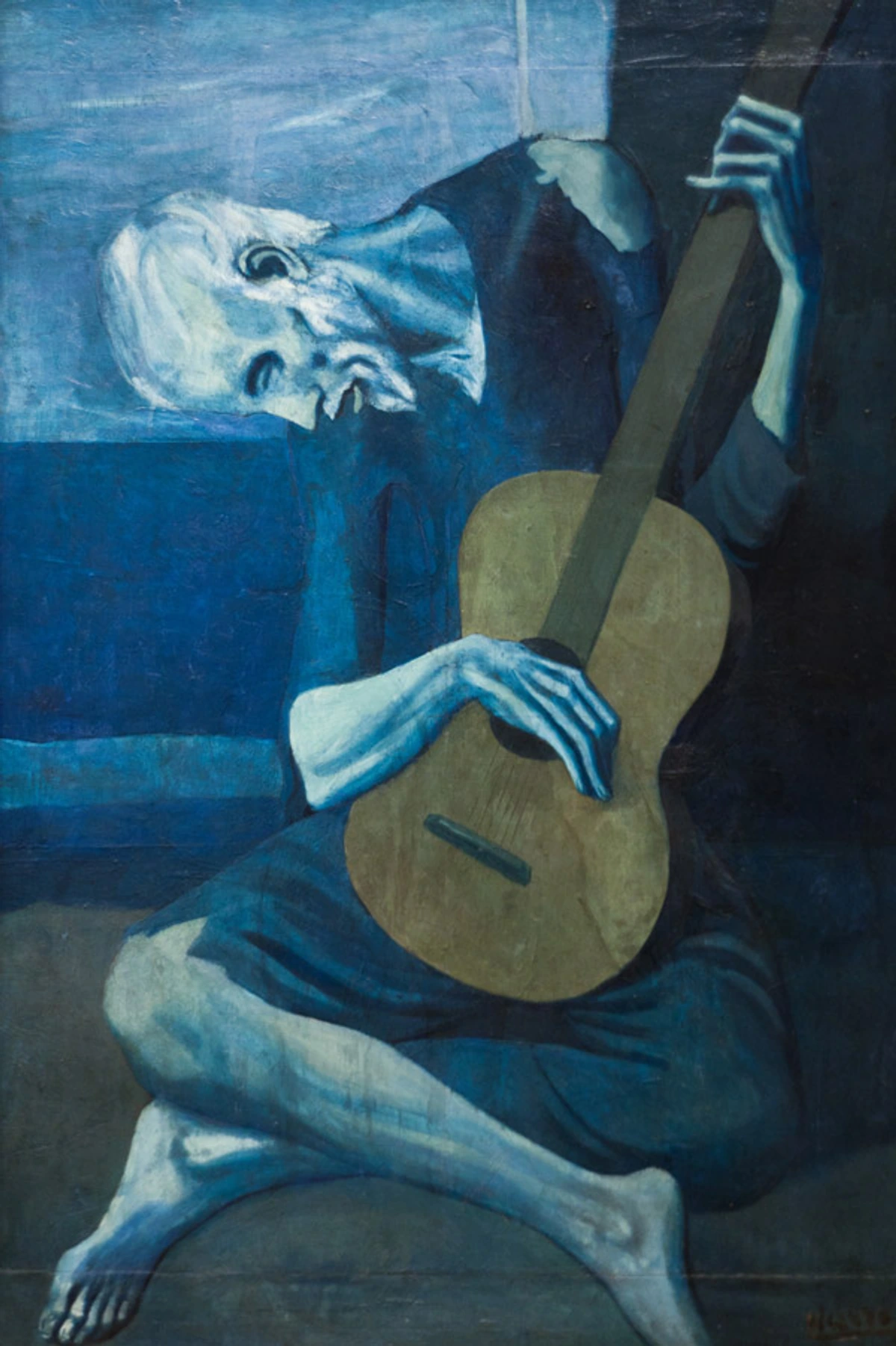
From his melancholic Blue Period to his later, more overtly political works, Picasso's journey is a universe in itself. I've spent countless hours just trying to unpack his genius, and honestly, I'm still finding new layers. You can dive deeper with my ultimate guide to Picasso.
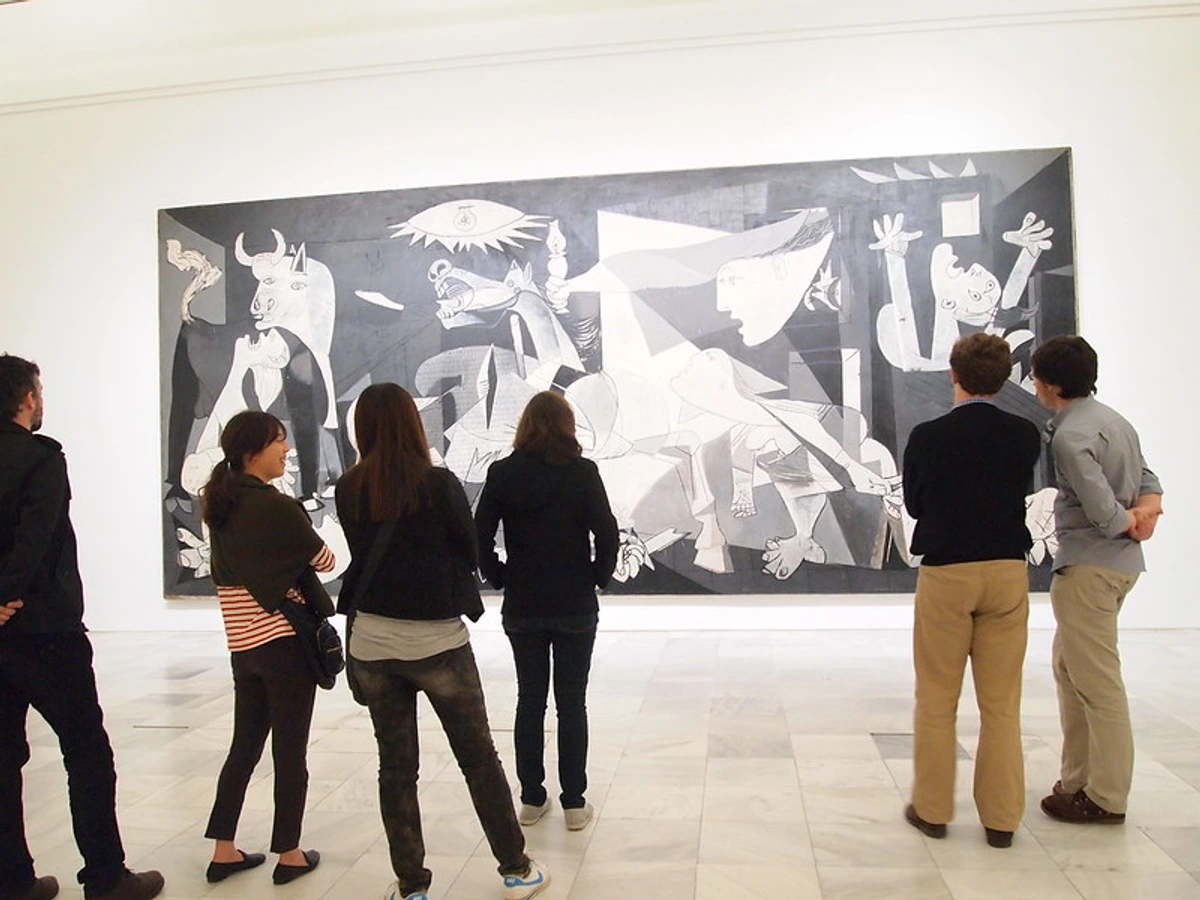
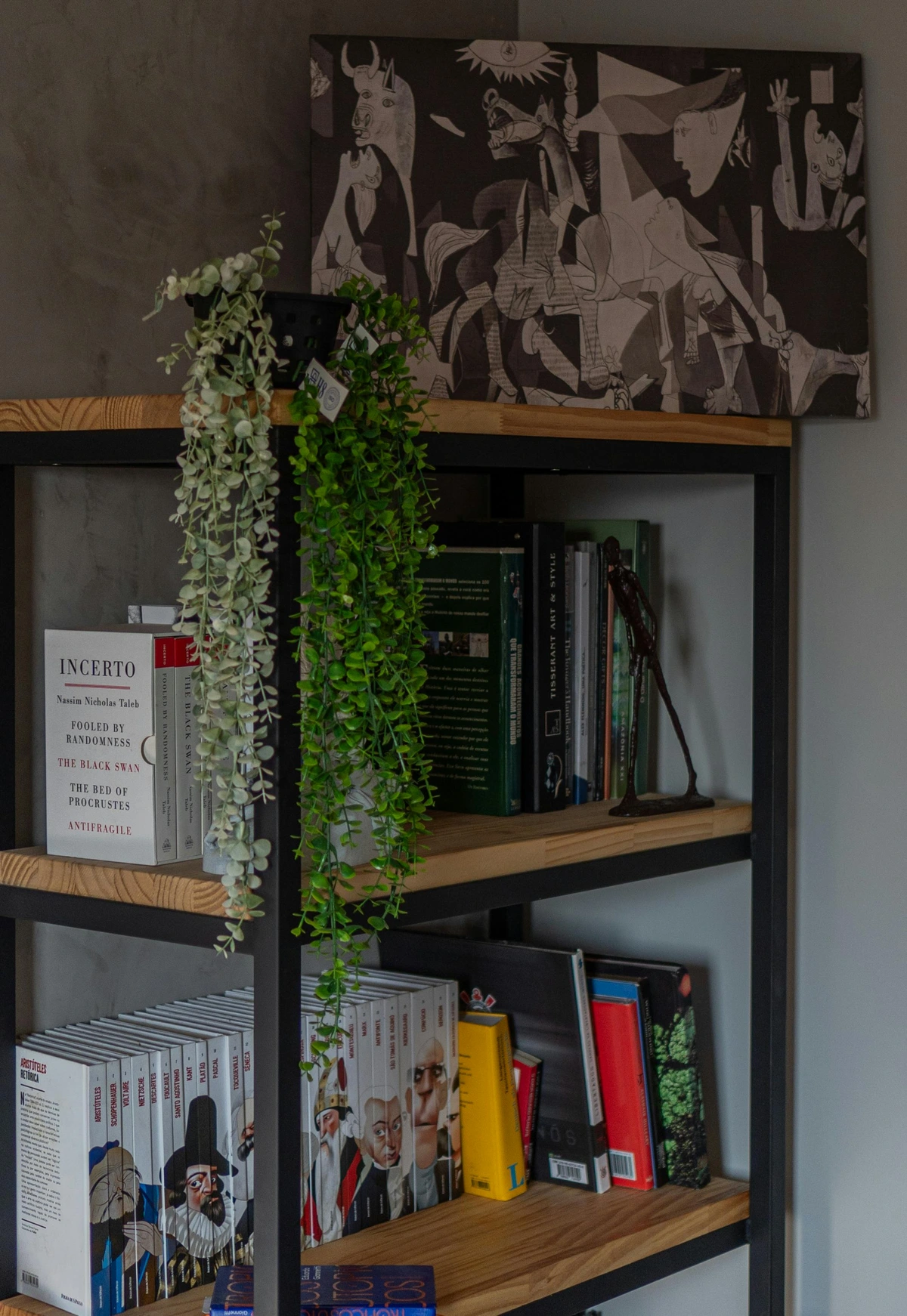
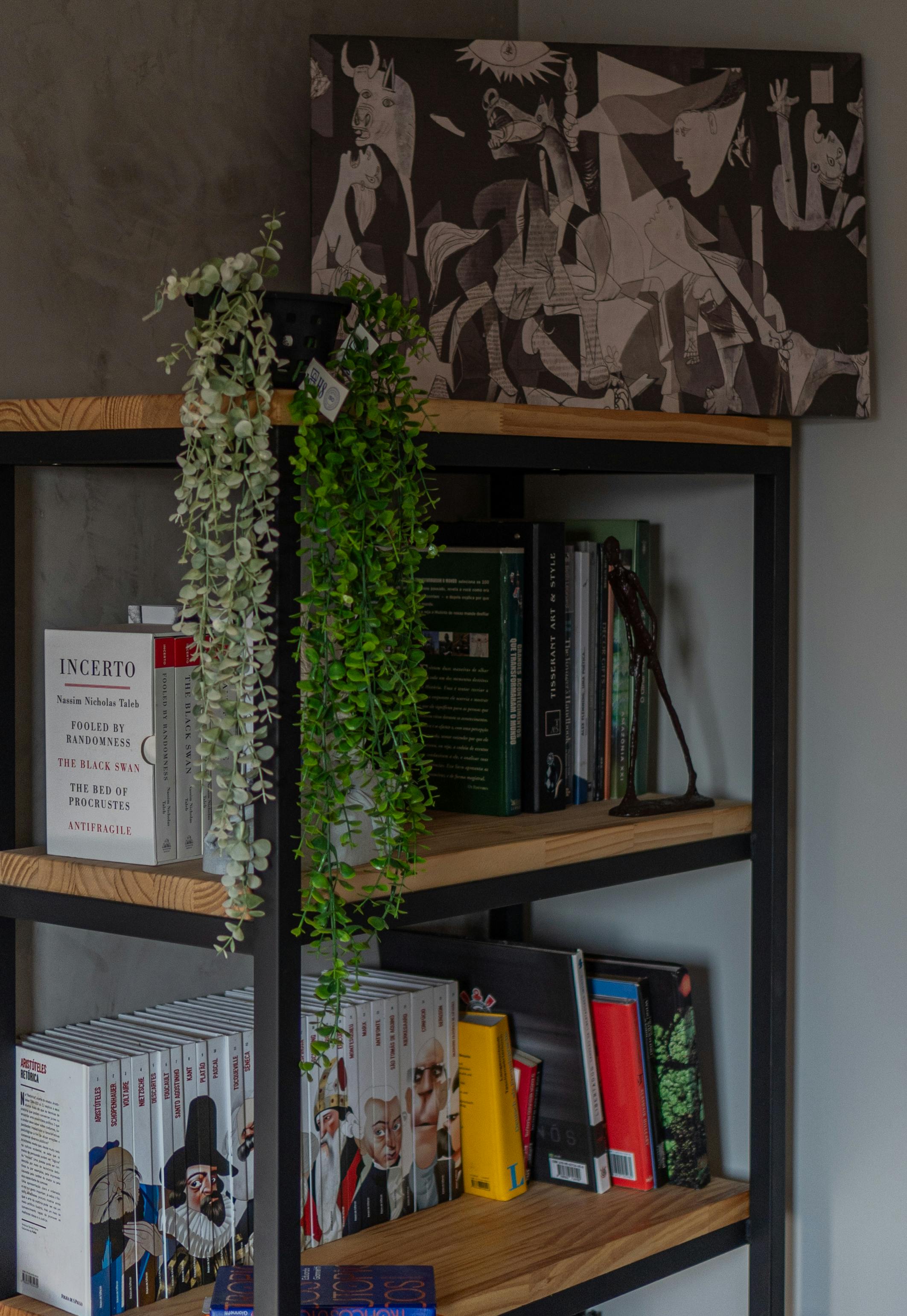
And then there's Guernica. It's a painting that transcends the '-ism' it belongs to, a monumental work that captures the raw agony of war. Rendered in the stark, fractured language of Cubism, it's a primal scream against violence. The monochromatic palette amplifies the grim reality, forcing us to confront the suffering without the distraction of color. If you've ever wondered about the layers of agony packed into that canvas, I tried to unravel the meaning of Picasso's Guernica in a separate piece. It’s one of those rare artworks that feels like a collective human experience.
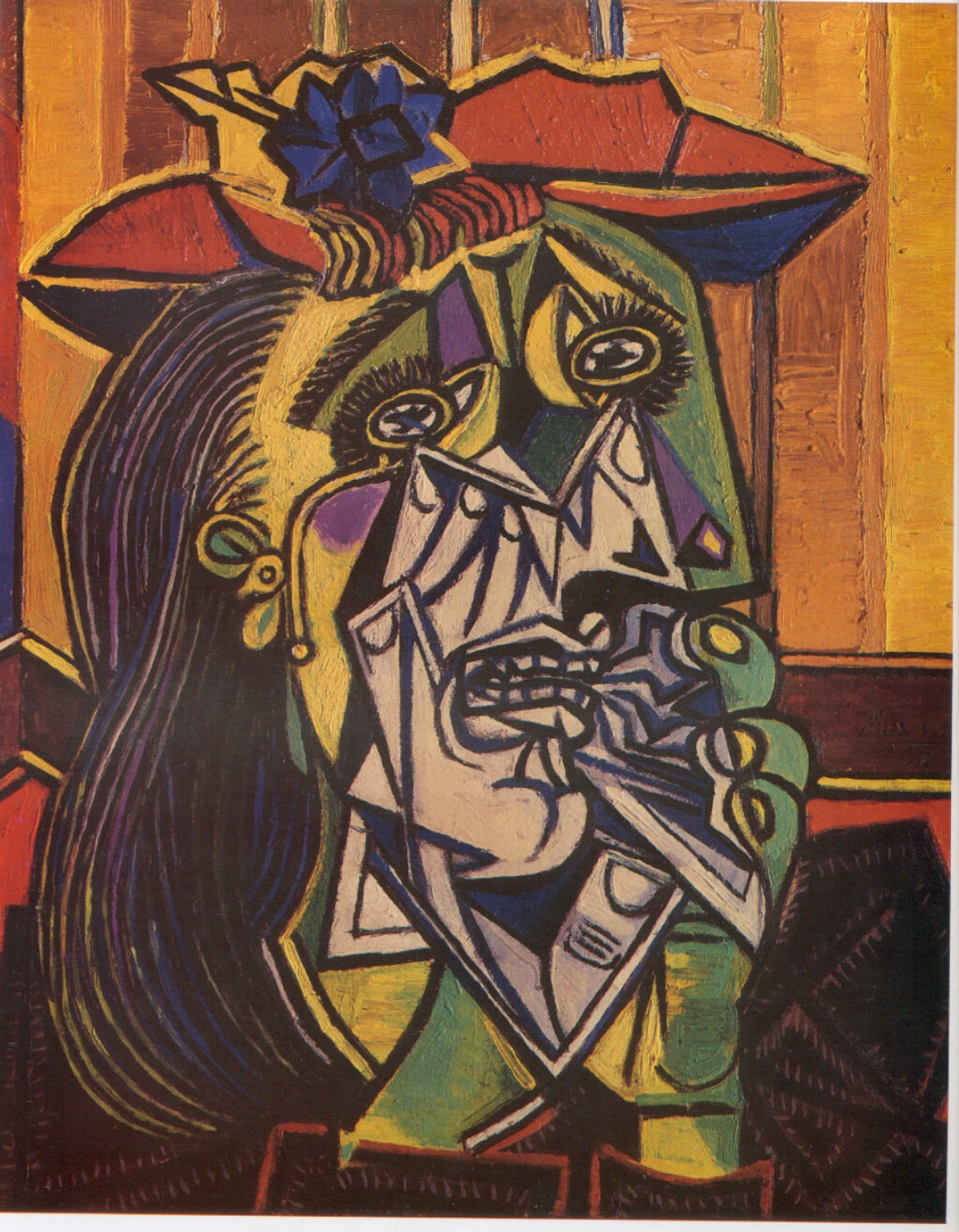
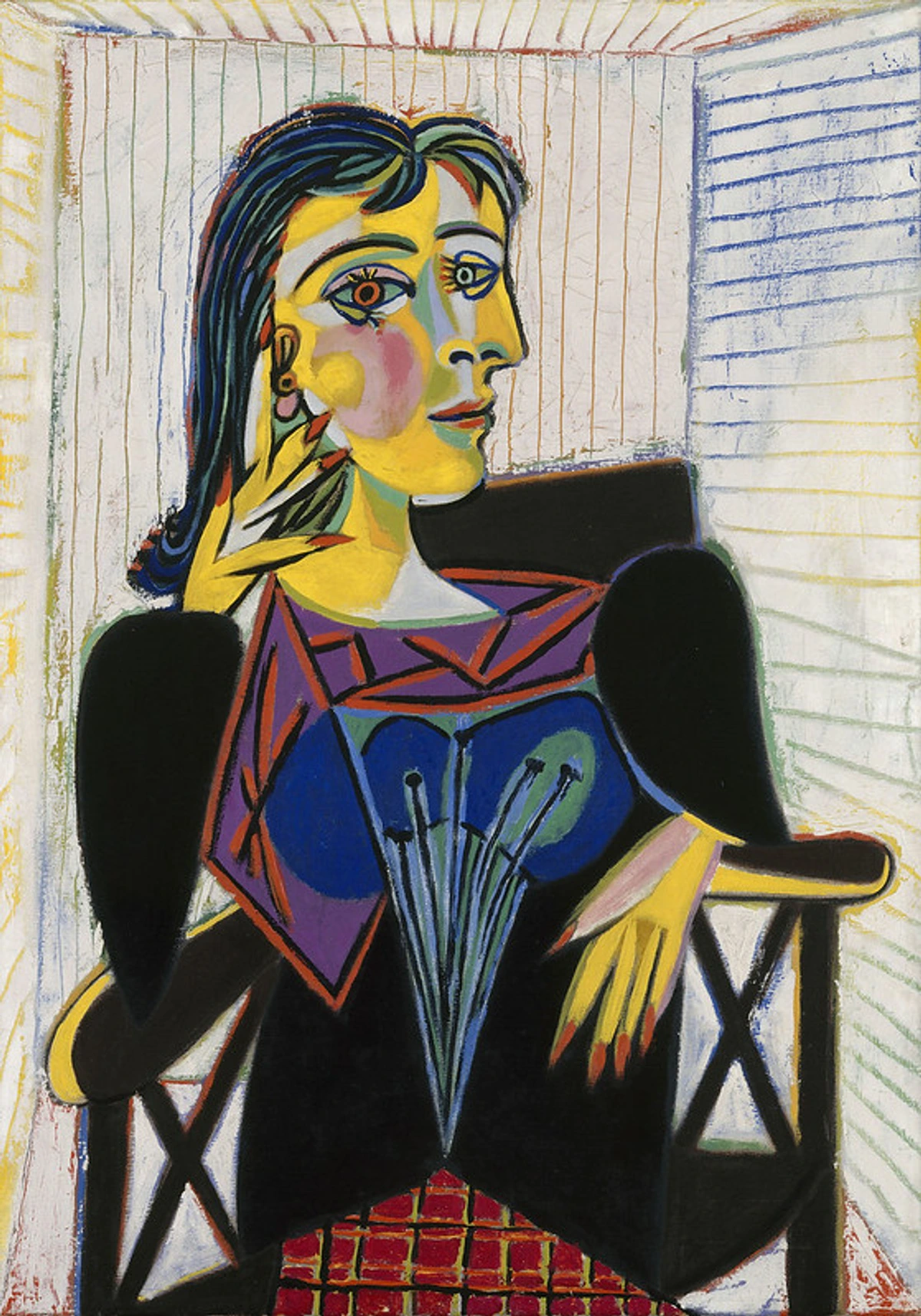
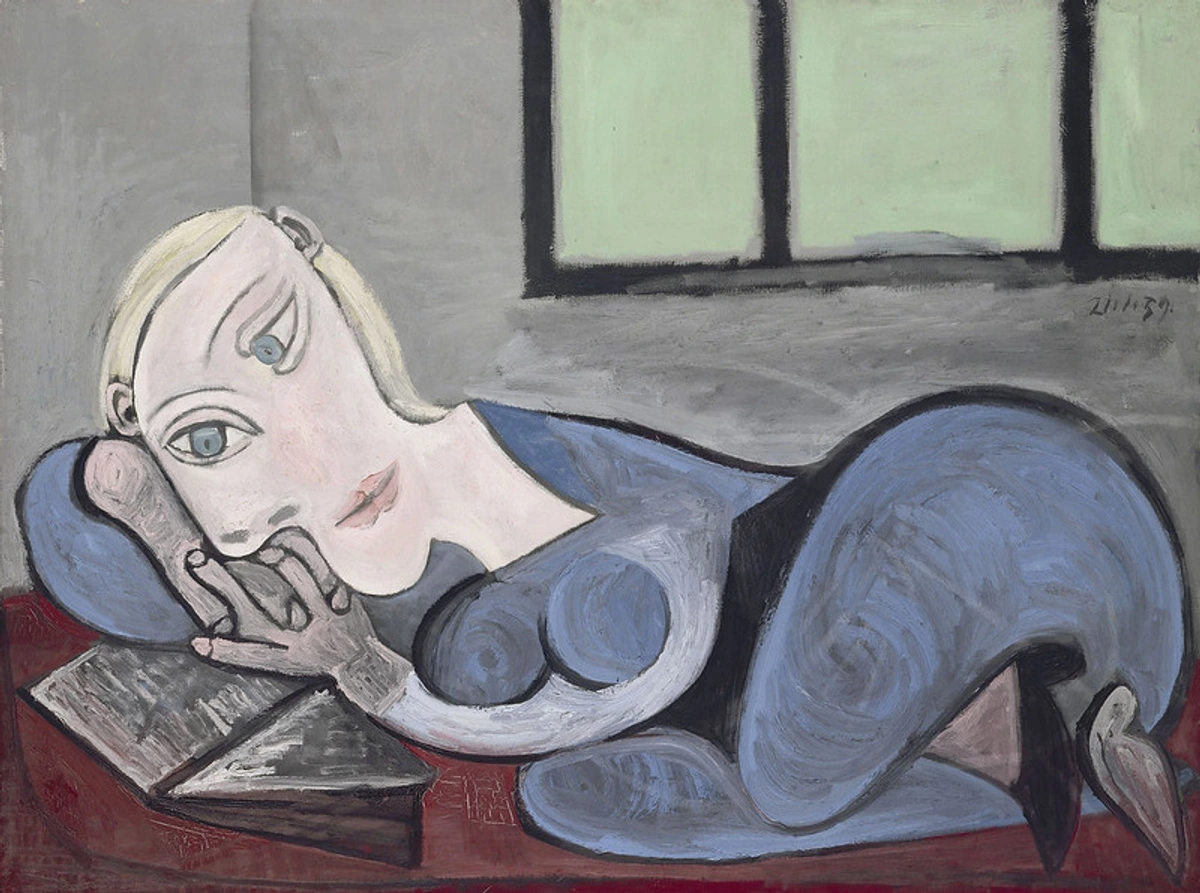
Perhaps less overtly political but equally profound is The Weeping Woman (1937), often seen as a postscript to Guernica. Picasso captures raw emotion through fractured forms and vivid, almost garish colors. The sharp angles and discordant colors amplify the anguish, turning the fractured form into a visual representation of inner turmoil, showing how Cubism could convey not just intellectual analysis but deep psychological states. It's a stark reminder that even within the geometric precision, immense human feeling can be expressed.
Georges Braque (1882-1963): The Master Craftsman and Innovator
Here’s the guy who, to our great collective injustice, often gets left in Picasso’s colossal shadow. Braque was, in many ways, Picasso's equal partner, especially during the crucial Analytical Cubist years. If Picasso was the wild improviser, Braque was the master craftsman, the meticulous analyzer of form and structure. He was the quieter force, perhaps, but his intellectual rigor was indispensable. In fact, it was a critic mocking one of Braque’s landscapes made of 'little cubes' that unwittingly gave the movement its enduring name: Cubism.
Braque was a true pioneer. He introduced stenciled letters and numbers into paintings, challenging the illusionistic space of the canvas. Crucially, he was the first to widely employ the papier collé technique, which basically opened the door for collage as a legitimate fine art medium. His still lifes, with their fragmented musical instruments, fruit bowls, and bottles, aren't violent destructions of reality; they are intense, almost meditative analyses of objects, breaking them down not with aggression, but with a kind of loving curiosity. This 'loving curiosity' manifests in a gentler dissection of forms, a more harmonious integration of fragments, and a consistent focus on the inherent beauty of everyday objects, even when deconstructed. His work often feels less chaotic than Picasso's; it's more about harmony and balance, even amidst the fragmentation, a search for an underlying order.
The Third Musketeer: Juan Gris, Cubism's Architect
While Picasso and Braque laid the foundational stones, another Spanish artist soon joined their inner circle, bringing a systematic clarity that pushed Cubism into its Synthetic phase, giving it a new architectural precision.
Juan Gris (1887-1927): The Brilliant Mathematician of Form
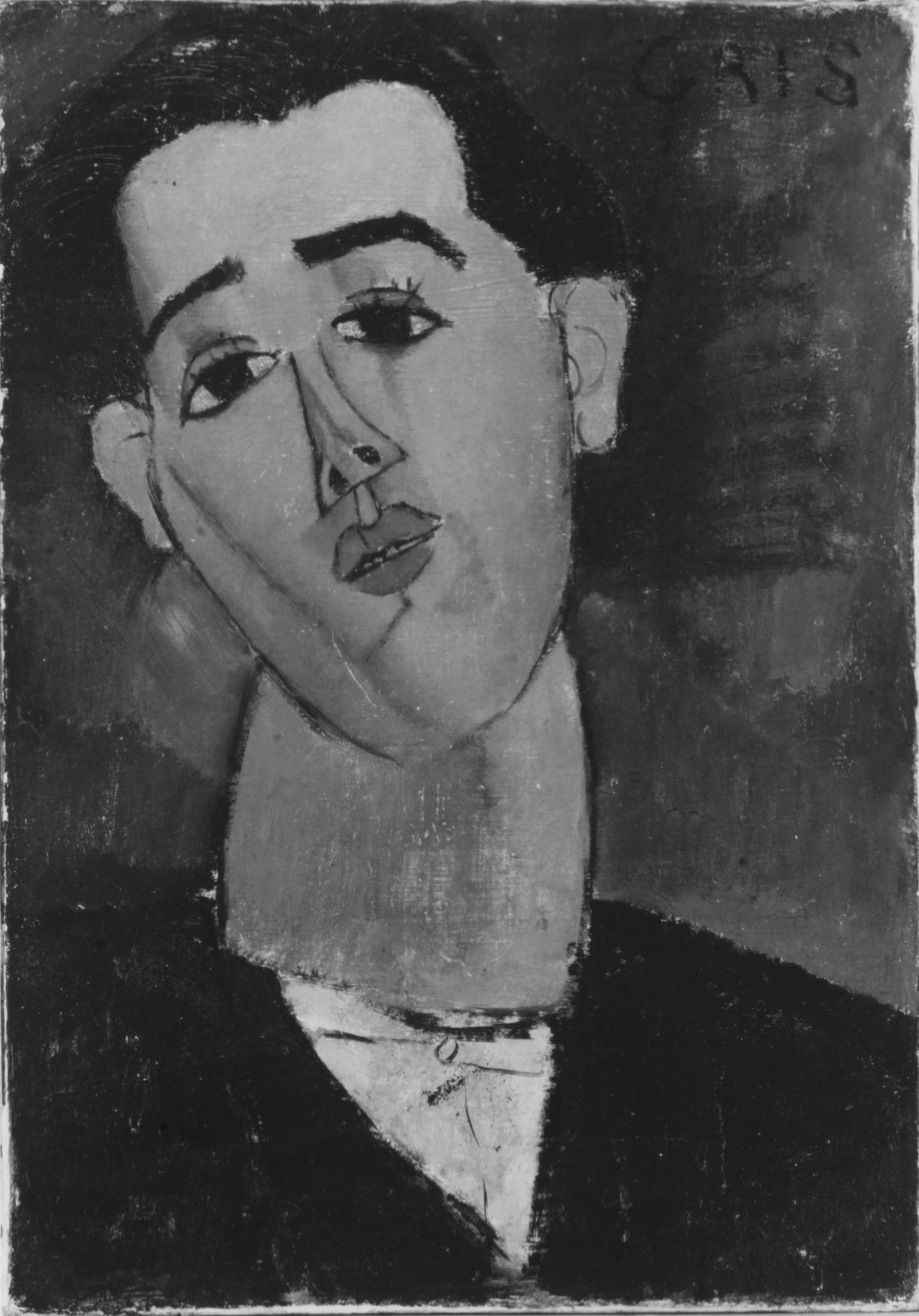
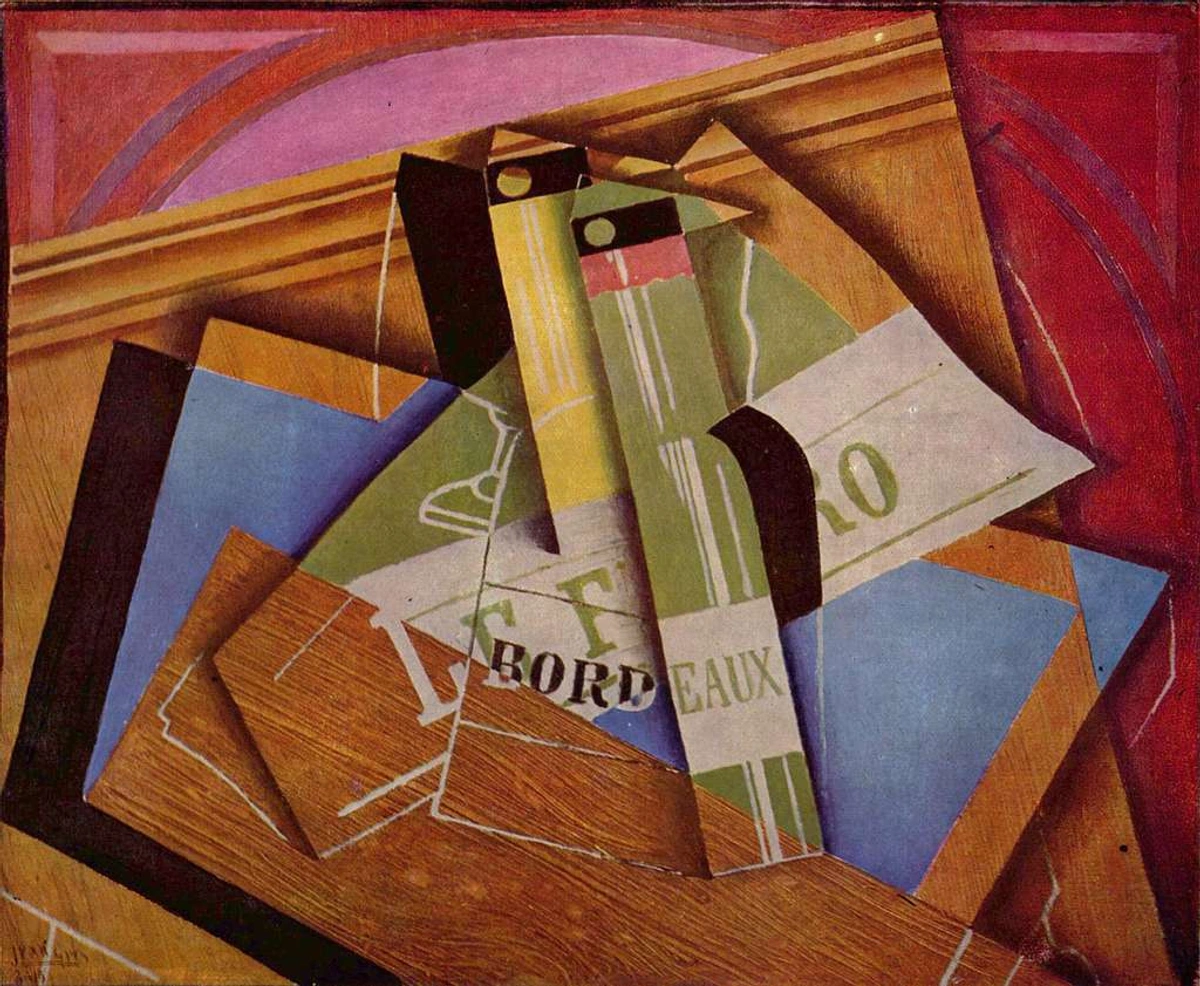
If Picasso and Braque were the raw, intuitive poets of Cubism, Juan Gris was the brilliant mathematician, the architect of a new visual order. He arrived a bit later to the party, around 1911, but he quickly became a central figure, refining and consolidating the Cubist language. His approach was more systematic and cerebral, a conscious intellectual process. He famously said, "I work with the elements of the intellect, with the imagination... I try to make concrete that which is abstract." It's a beautiful way of putting it, and it perfectly encapsulates his method: he would often start with an abstract geometric structure, almost like a grid, and then meticulously fit the subject—a guitar, a bottle, a person—into it. This felt less like shattering and more like precise construction, a deliberate and elegant synthesis, creating compositions with an almost crystalline clarity.
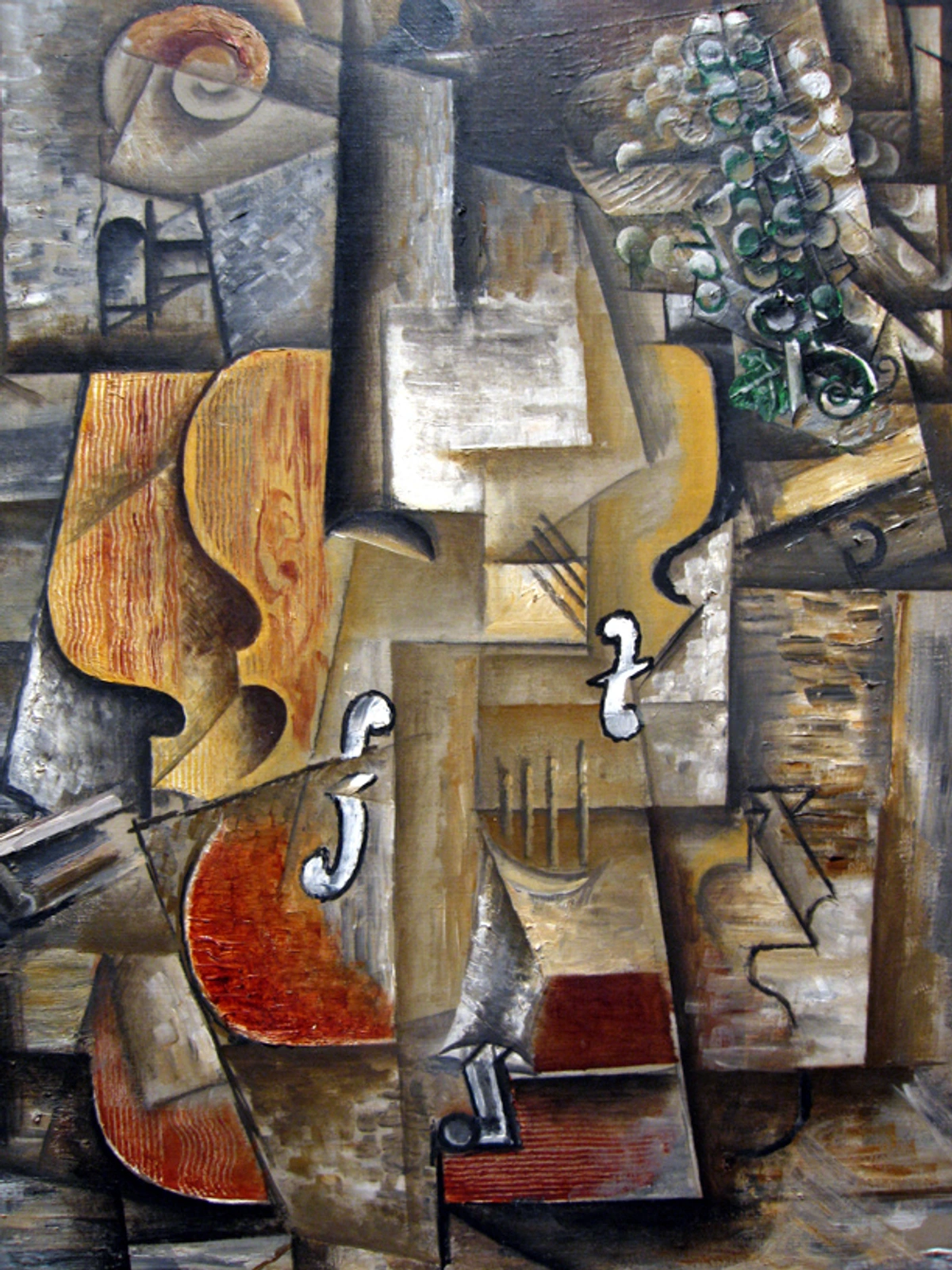
Gris is primarily associated with Synthetic Cubism. He introduced brilliant, often vibrant, color and bold, clear compositions that made the style less intimidating and, in my opinion, incredibly beautiful. His work, like Violin and Grapes (1912), presents a masterful synthesis of fragmented instruments and fruit, where geometric planes coalesce into recognizable forms with a palpable sense of order and vibrant color. It feels like a perfect synthesis of logic and emotion, making the complex ideas of Cubism feel almost elegantly resolved. He moved beyond merely analyzing objects to constructing new realities on the canvas, influencing subsequent Cubists in their exploration of structure and color.
The Other Titans: Expanding the Revolution and Democratizing Cubism
Cubism wasn't just a three-man show confined to private studios. A whole host of other artists, often called the 'Salon Cubists' because they exhibited more publicly, embraced the core ideas and ran with them, expanding the movement's reach and evolving its aesthetic in fascinating directions. These artists were crucial in disseminating Cubist principles to a wider audience, both through their art and their theoretical writings, helping to transition Cubism from a radical, underground movement to a recognized (and debated) force in modern art.
The initial reception of Cubism was often one of confusion and even ridicule. Critics, and much of the public, found it jarring and incomprehensible, labeling it an assault on beauty and tradition. Yet, this very controversy fueled its prominence. Public exhibitions, particularly those by the Salon Cubists, forced a wider audience to confront these radical ideas, sparking heated debates that gradually shifted public perception and paved the way for modern art to challenge established norms.
Fernand Léger (1881-1955): The Machine Age Aesthete (Tubism)
Léger had a unique, robust take on Cubism that often gets its own label: Tubism. He was utterly fascinated by the modern city, machines, and the sleek, metallic forms of burgeoning industry. His figures and objects are often built from tube-like, cylindrical shapes, giving his compositions a weighty, sculptural quality. There’s a dynamism and a bold, almost populist energy to his work that feels distinct from the intimate still lifes of Braque or the psychological intensity of Picasso. Léger treated his subjects like well-oiled machines, with each part playing a crucial role in the overall composition. He wanted art to reflect the loud, fast-paced, mechanical world that was emerging around him, celebrating the beauty and power of modern engineering. Works like The City (1919) and Nudes in the Forest (1909-1910) vividly showcase his monumental, rhythmic vision, making him a true architect of the machine aesthetic within Cubism.
Jean Metzinger (1883-1956) and Albert Gleizes (1881-1953): The Theoreticians of Cubism
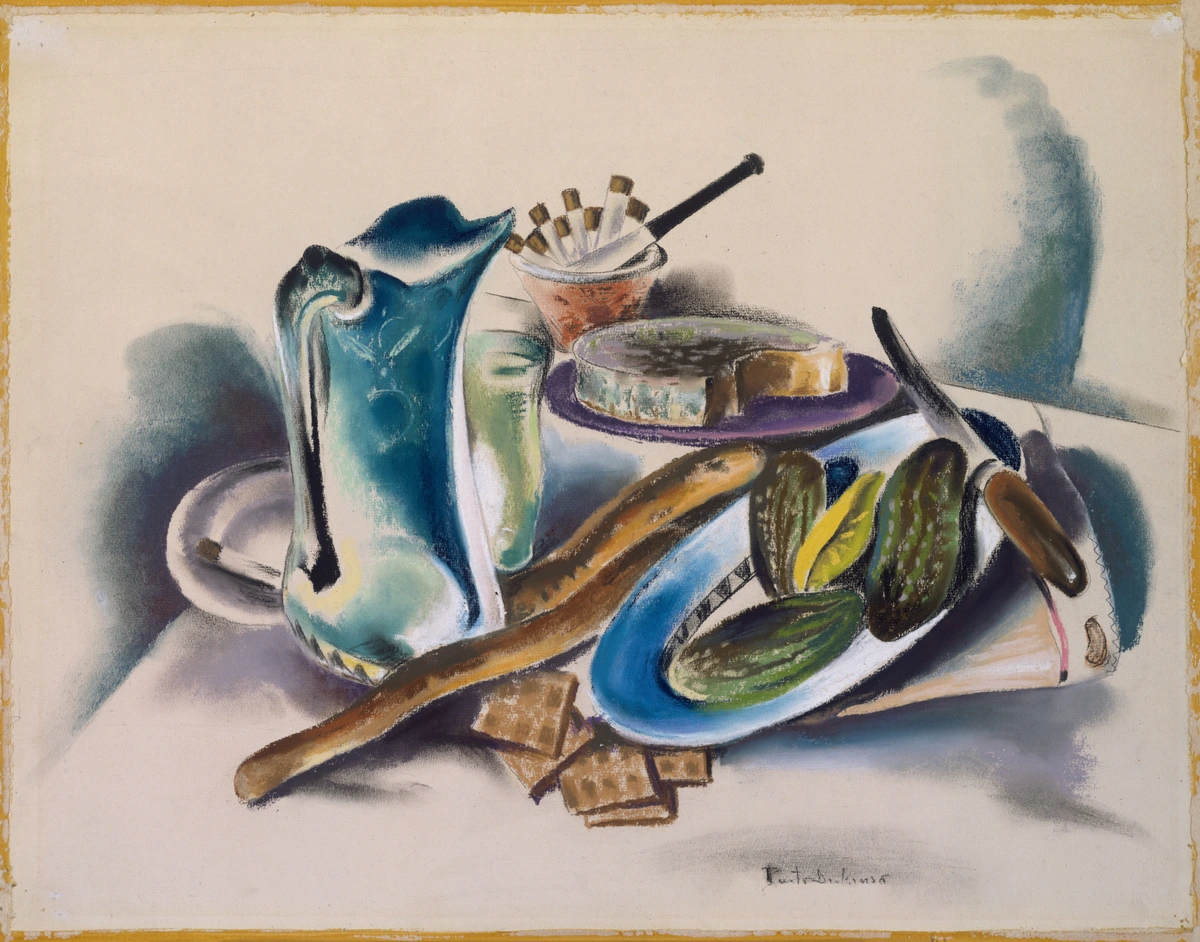
These two artists were not just painters; they were theoreticians who played a monumental role in shaping and popularizing Cubism. In 1912, they co-authored the seminal text Du "Cubisme" (On "Cubism"), the first major essay to explain the movement's principles to the public. It was a groundbreaking attempt to articulate the complex ideas of simultaneous perspective and geometric analysis in a coherent way, acting almost as a manifesto for the broader Cubist movement.
Their paintings, often large-scale and dynamic, were frequently exhibited in the public Salons, earning them the 'Salon Cubists' moniker. What made their work more accessible was often the more legible forms and clear compositional structures, contrasting with the intense fragmentation of early Analytical Cubism. Metzinger's Tea Time (Woman with a Teaspoon) (1911) is a fantastic example of their more accessible, yet intellectually rigorous, approach, showing fragmented planes that still coalesce into a recognizable figure. Gleizes's monumental works like Harvest Threshing (1912) demonstrated how Cubist principles could be applied to complex, large-scale compositions, moving beyond still life to broader narratives. They were crucial in transitioning Cubism from a radical, underground movement to a recognized (and debated) force in modern art, effectively democratizing its visual language.
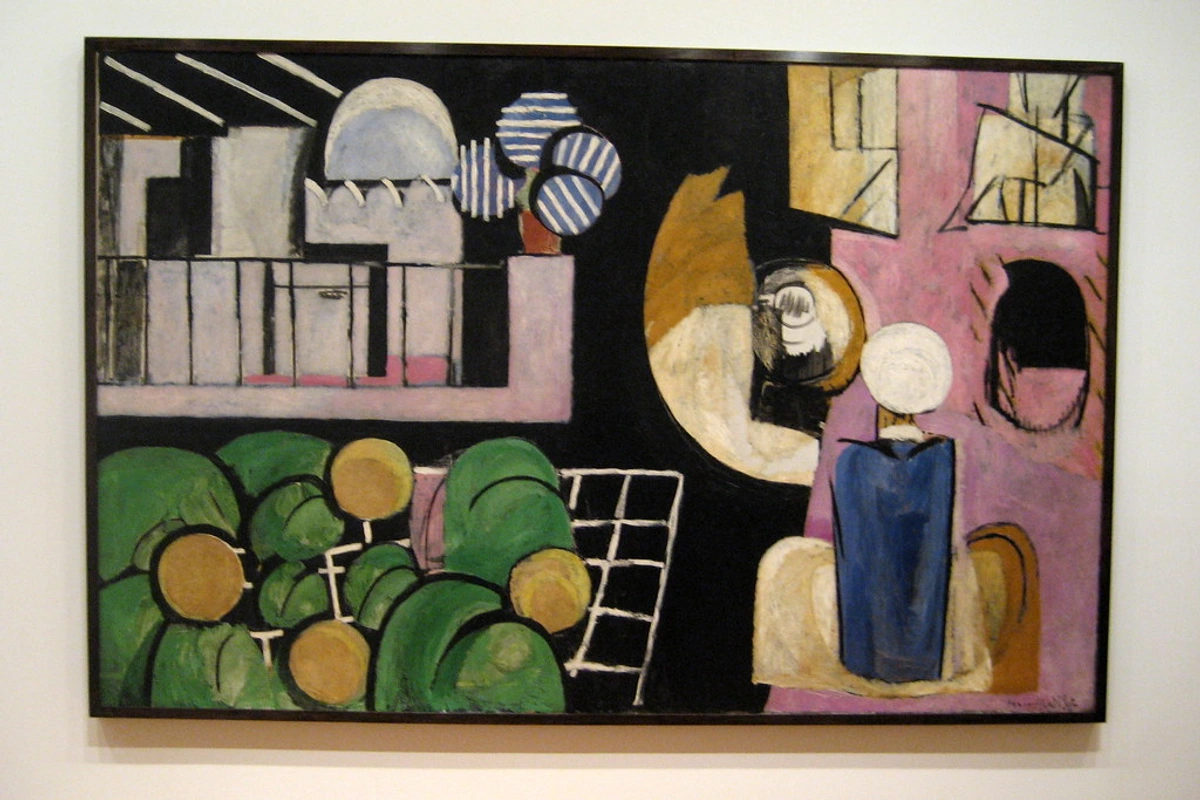
Robert Delaunay (1885-1941) and Sonia Delaunay (1885-1979): The Orphist Visionaries
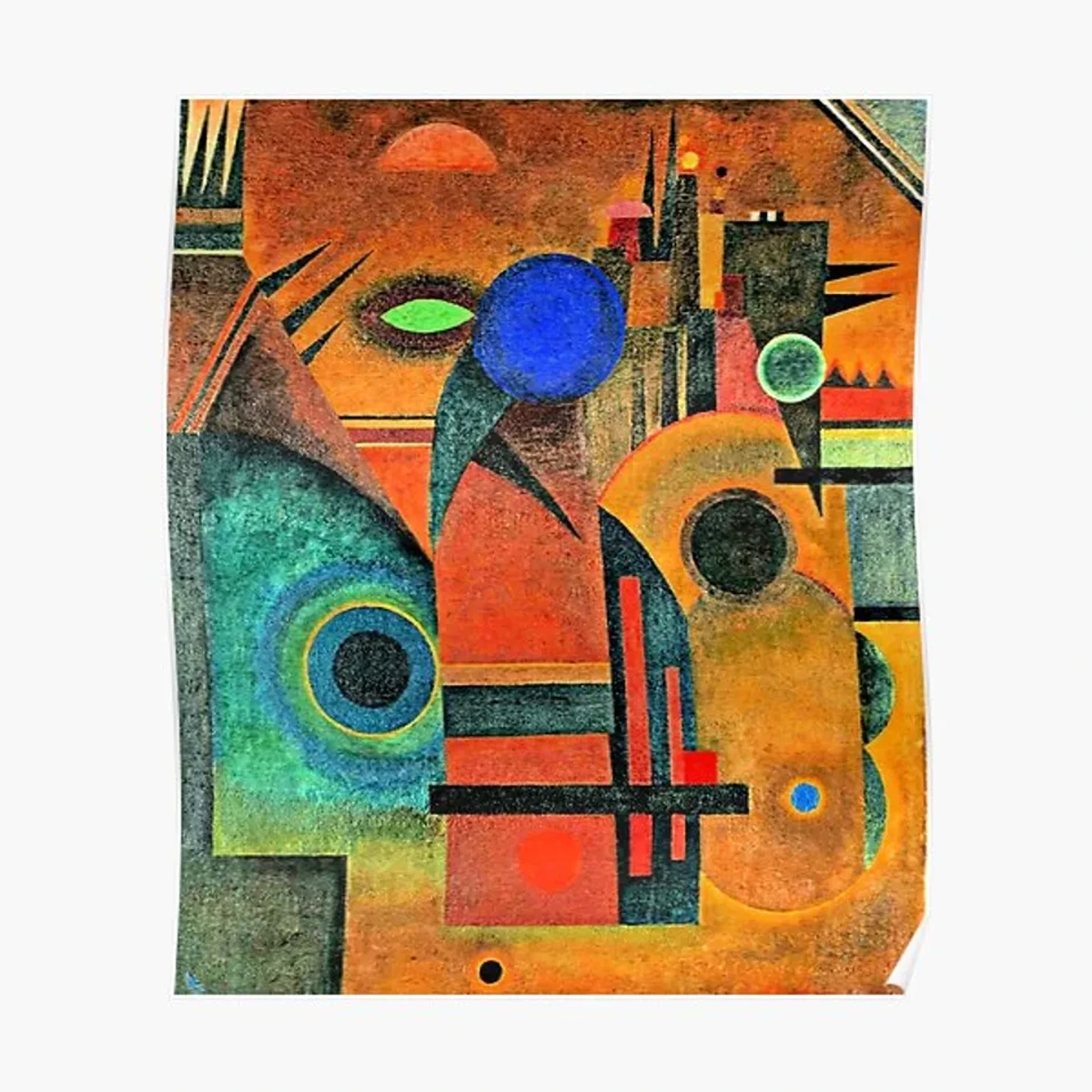
The Delaunays took Cubism's fragmentation and ran with it into a new, radiant territory they called Orphism. This vibrant, lyrical offshoot focused on pure color and abstract form, believing that color itself could create form and movement without needing to represent objects. They saw parallels with music, where harmonies, rhythms, and dissonances evoke emotion without depicting concrete forms. Robert Delaunay's Simultaneous Contrasts: Sun and Moon exemplifies this burst of chromatic energy, where colors clash and harmonize to create a dynamic sense of depth and movement, much like a symphony of hues.
Sonia Delaunay, his wife and artistic partner, was a prolific multidisciplinary artist, applying Orphist principles not just to painting, but also to textiles, fashion, and stage design. Her work proved Cubism's ideas could transcend the canvas and permeate everyday life, bridging the gap between fine art and applied art. Their work created a crucial bridge between Cubism's structural innovations and the burgeoning world of pure abstraction, showing the immense potential of color to convey meaning. If you're intrigued by this colorful evolution, I recommend diving into Orphism: The Colorful Bridge Between Cubism and Abstract Art.
Beyond the Canon: Other Notable Cubist Artists
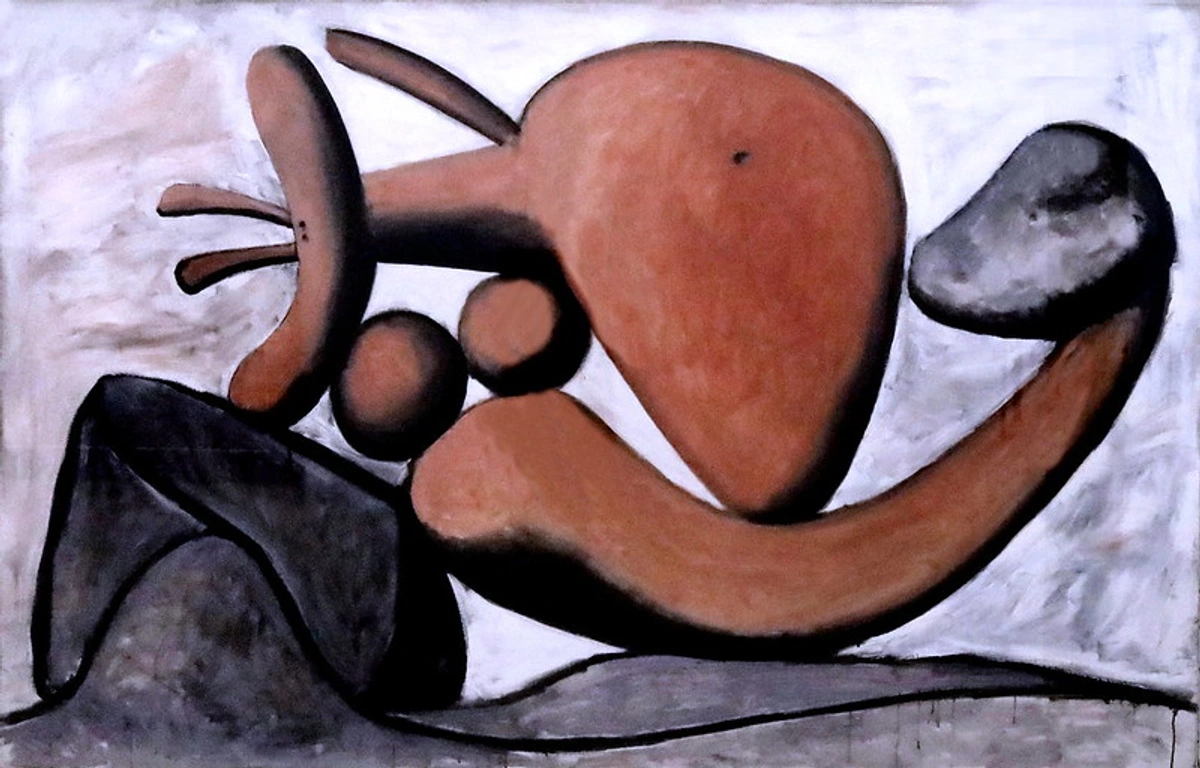
While the names above are the most recognized, the Cubist movement was broader. Artists like Marie Laurencin (1883-1956), an early member of Picasso's circle, explored Cubist ideas with a more feminine and lyrical touch. Her distinctive 'feminine Cubism' often depicted women with simplified, elongated forms, integrating fragmentation with a delicate, almost dreamlike aesthetic that set her apart. Others, such as Roger de La Fresnaye (1885-1925), applied Cubist techniques to more traditional subjects, often tackling heroic or allegorical themes with a monumental, sculptural style, demonstrating the versatility of the style. These artists, alongside many others, ensured that Cubism's revolutionary ideas spread far and wide, influencing countless subsequent artistic developments and showcasing the diversity within the movement.
Key Cubist Artists and Their Contributions
To quickly grasp the breadth of Cubist innovation, here's a summary of these influential figures:
Artist  | Lived | Key Contribution | Notable Work(s) |
|---|---|---|---|
| Pablo Picasso | 1881-1973 | Co-founder; developed Analytical & Synthetic phases; relentless innovator. | Les Demoiselles d'Avignon, Guernica, The Weeping Woman |
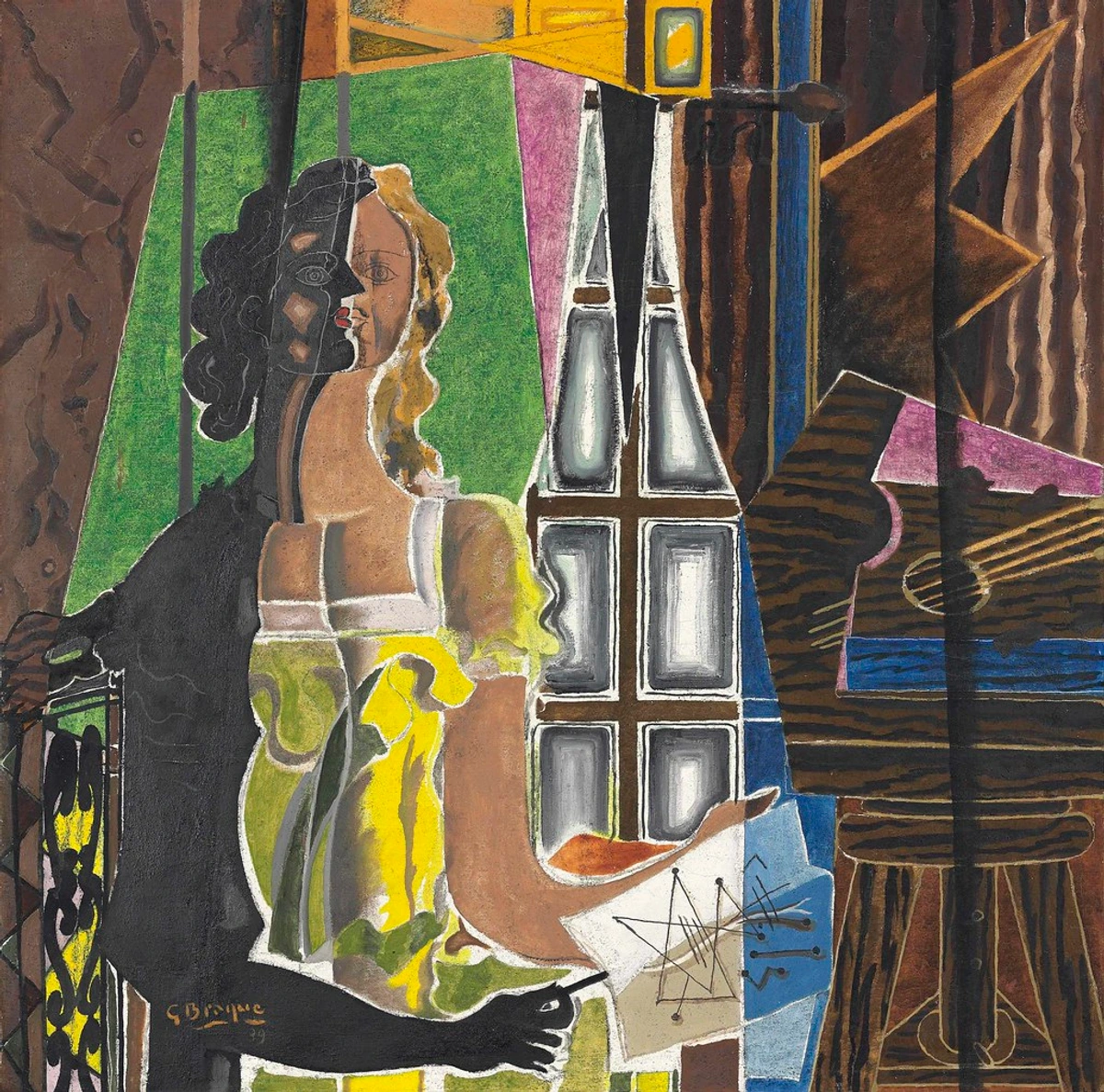
| Georges Braque | 1882-1963 | Co-founder; pioneered papier collé, stenciled letters; master of analytical form. | Violin and Candlestick, The Model, Houses at L'Estaque |
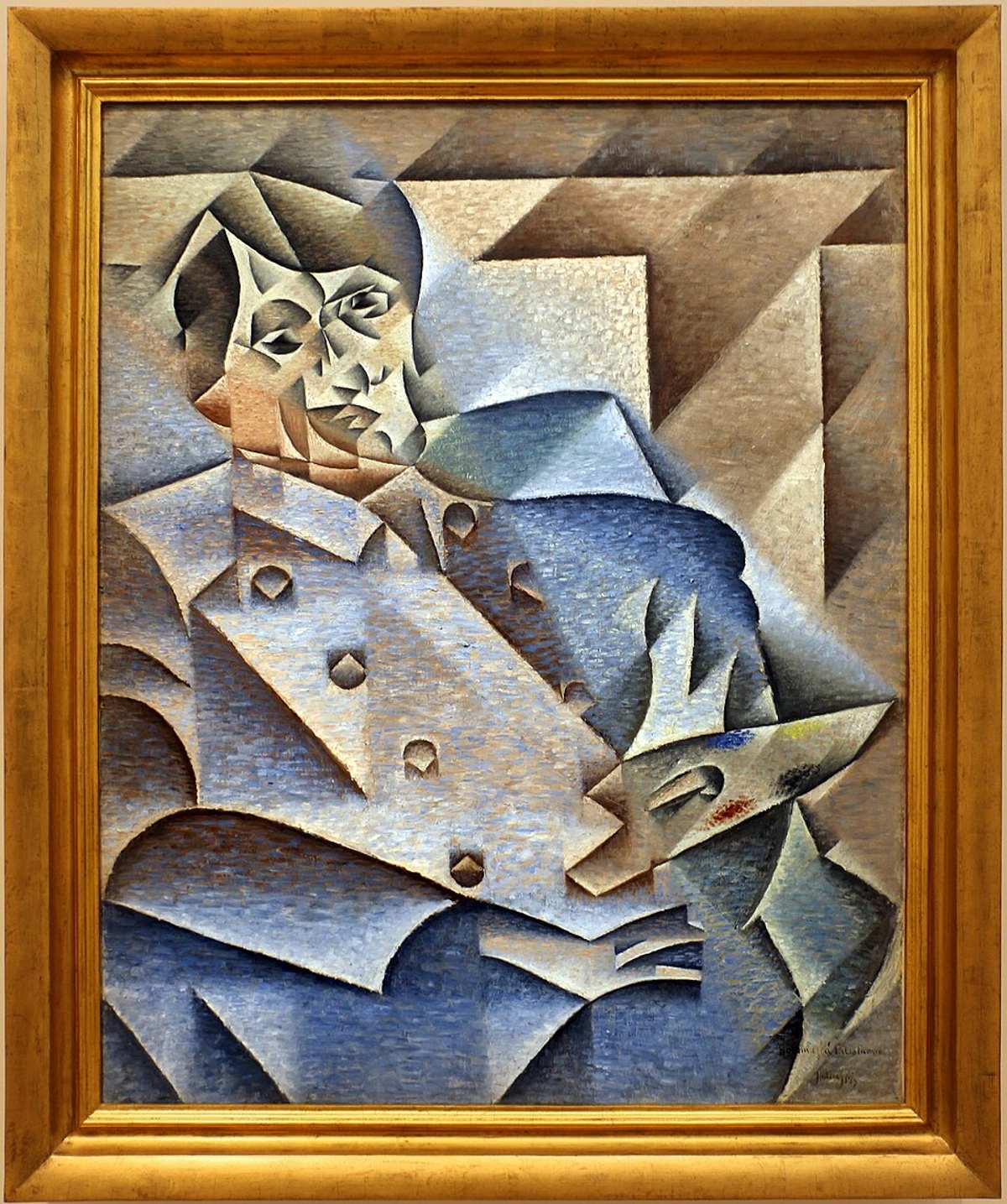
| Juan Gris | 1887-1927 | Refined Synthetic Cubism with systematic, colorful compositions; Cubism's architect. | Violin and Grapes, Portrait of Picasso, Guitar and Pipe |
| Fernand Léger | 1881-1955 | Tubism; focused on cylindrical forms and the machine age; celebrated modern dynamism. | The City, Nudes in the Forest, Three Women (Le Grand Déjeuner) |
| Jean Metzinger | 1883-1956 | Co-authored Du "Cubisme"; key Salon Cubist, theoretician; accessible faceted Cubism. | Tea Time (Woman with a Teaspoon), L'Oiseau Bleu (The Blue Bird) |
| Albert Gleizes | 1881-1953 | Co-authored Du "Cubisme"; focused on large-scale, dynamic compositions; monumental Cubism. | Harvest Threshing, Woman with Animals |
| Robert Delaunay | 1885-1941 | Created Orphism, a vibrant, lyrical offshoot focused on pure color and abstract form. | Simultaneous Contrasts: Sun and Moon, Eiffel Tower |
| Sonia Delaunay | 1885-1979 | Key figure in Orphism, applying principles to painting, textiles, design, and fashion. | Bal Bullier, Prismes électriques, numerous textile designs |
| Marie Laurencin | 1883-1956 | Early Cubist, explored lyrical, feminine interpretations of the style; 'feminine Cubism'. | Group of Artists, Mademoiselle Chanel |
| Roger de La Fresnaye | 1885-1925 | Applied Cubist techniques to traditional subjects; monumental, sculptural style. | Conquest of the Air, Still Life with a Bowl of Fruit |
Cubism's Broader Impact: From Galleries to Everyday Life
The revolution didn't stop at the canvas. Cubism, by fundamentally altering how artists perceived and represented form, permeated far beyond painting and sculpture, subtly influencing much of 20th-century design and culture.
Cubism in Sculpture and Other Arts
The principles of Cubism naturally extended into sculpture. Artists like Alexander Archipenko and Jacques Lipchitz embraced the idea of fragmented planes and multiple perspectives, translating them into three-dimensional forms. Their sculptures often appear as a series of interlocking geometric volumes, allowing the viewer to experience the subject from all angles simultaneously, just as a Cubist painting did on a flat surface. This shift from solid mass to an interplay of voids and volumes was a massive innovation. Even in early film montage, we can see echoes of Cubist simultaneity, where fragmented shots are juxtaposed to create a more comprehensive or emotionally impactful narrative. Beyond this, early modernist architecture also took cues from Cubism's emphasis on geometric forms and the breakdown of structures into component planes, leading to streamlined, functional designs.
Critics, Controversy, and Cultural Shift
It's easy to look back now and see Cubism as an inevitable step in art history, but its initial reception was often met with confusion, outrage, and even ridicule. Critics like Louis Vauxcelles, who famously dismissed Braque's landscapes as mere "little cubes" (unwittingly coining the movement's name), certainly weren't alone in their bewilderment. Many found it an assault on beauty, tradition, and the very notion of what art should be, often accusing artists of being incompetent or intentionally provocative. Yet, this very controversy fueled its prominence. Public exhibitions, particularly those by the Salon Cubists, forced a wider audience to confront these radical ideas, sparking heated debates that gradually shifted public perception and paved the way for modern art to challenge established norms.
Influence on Design and Everyday Objects
While less overt than its impact on fine art, Cubism subtly infiltrated the world of design. The emphasis on geometric forms, simplified lines, and the breakdown of objects into their basic structures found its way into architecture, furniture, and graphic design. Think of the streamlined aesthetics of Art Deco, which often adopted Cubist-inspired geometric patterns and faceted shapes, or even the typography of the era. Cubism encouraged designers to think about functionality and form in new ways, moving away from purely decorative elements towards a more structured and analytical approach to creating everyday objects. It demonstrated that art could profoundly reshape our visual environment, not just adorn it.

Frequently Asked Questions (FAQ) about Cubism
Here are some of the most common questions people ask about Cubism, answered from my perspective:
Who coined the term "Cubism" and why?
The term "Cubism" was famously coined by French art critic Louis Vauxcelles in 1908. He used the term, initially disparagingly, to describe Georges Braque's landscapes, specifically those exhibited at the Salon d'Automne, remarking on the artists' tendency to reduce everything to "geometric schemas, to cubes." Though intended as a criticism, the label stuck, and the artists themselves eventually embraced it, finding it a convenient shorthand for their revolutionary approach to form and space.
Who are the most famous Cubist artists?
The 'big three' are undeniably Pablo Picasso, Georges Braque, and Juan Gris, who were the core innovators and developers of the movement's two main phases. Fernand Léger is also widely considered a major figure due to his distinct Tubist style, making a 'big four' a reasonable expansion. Beyond these foundational figures, this article aims to highlight the breadth of the movement, including influential artists like Robert and Sonia Delaunay (Orphism), Jean Metzinger, and Albert Gleizes, who were instrumental in expanding and theorizing Cubism.
What are the defining characteristics of Cubist art?
Cubist art is fundamentally defined by fragmentation (objects broken into geometric planes or facets), multiple viewpoints (showing several perspectives simultaneously, often distorting forms), geometric simplification of forms, a flattened or ambiguous pictorial space, and a departure from traditional single-point perspective. It often features monochromatic palettes in Analytical Cubism (to focus on form), evolving to vibrant colors and collage (like papier collé) in Synthetic Cubism. It fundamentally challenges traditional notions of realistic representation, forcing the viewer to engage intellectually and reconstruct meaning.
Who was the leading figure of Cubism?
Without a doubt, Pablo Picasso. His prolific output, constant innovation across numerous artistic periods, and his foundational role in initiating and developing Cubism solidified his status as the public face and leading figure of the movement. While Braque was an equal partner in its early development, pushing boundaries in parallel, Picasso's wider influence and dramatic artistic shifts made him the ultimate icon, though it's important to remember the profound collaborative spirit at its core.
What was the purpose of Analytical Cubism's monochromatic palette?
Analytical Cubism's deliberately restricted palette of browns, grays, and blacks served a crucial artistic purpose: to eliminate the emotional and descriptive distractions of color. By removing color, artists like Picasso and Braque forced the viewer, and themselves, to focus purely on the fundamental elements of form, volume, and structure. It was an intellectual exercise in deconstruction, allowing them to explore spatial relationships, the interplay of light and shadow, and the fragmentation of objects without the added complexity of a vibrant color scheme. It truly allowed them to dissect the 'bones of reality.'
Was Salvador Dalí a Cubist?
No, Salvador Dalí was a leading figure in Surrealism, not Cubism. While he, like many young artists of his era, experimented briefly with Cubist ideas early in his career, his mature style—focused on the subconscious, dream imagery, and meticulous realism of the impossible—is distinctly Surrealist. The stylistic differences are vast: Cubism deconstructs external reality through geometric analysis, while Surrealism explores internal psychological landscapes through illusionistic or automatic means. If you're interested in Dalí's iconic work, I've written about what is The Persistence of Memory.
What came after Cubism, and how did it influence later art?
Cubism's influence was colossal, essentially shattering traditional Western art and directly paving the way for nearly all subsequent abstract art movements. It wasn't an endpoint, but a massive gateway. Here's how it laid the groundwork for future artistic revolutions:
- Futurism: Directly adopted Cubism's multiple viewpoints to depict movement, speed, and simultaneity, reflecting the dynamism of modern life and the machine age, particularly in Italy.
- Constructivism: Took Cubism's geometric abstraction and applied it to sculpture, architecture, and design, emphasizing utilitarian forms, industrial materials, and a commitment to social utility, especially in revolutionary Russia.
- Suprematism: Focused on pure geometric forms (squares, circles) and primary colors, aiming for a "supreme" reality of pure feeling, stripping away all objective representation, a radical leap inspired by Cubism's abstraction. Kazimir Malevich's Black Square is an iconic example.
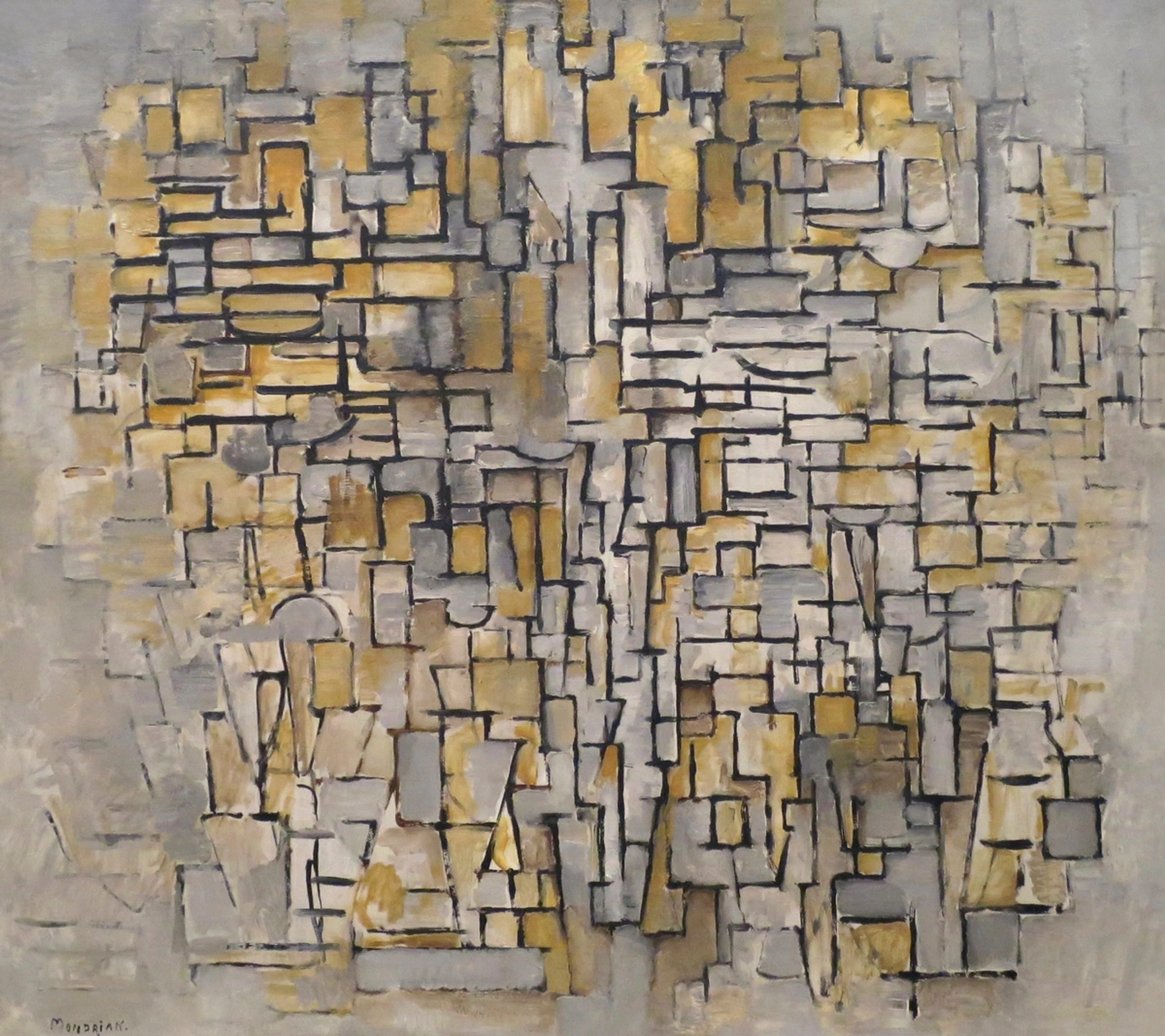
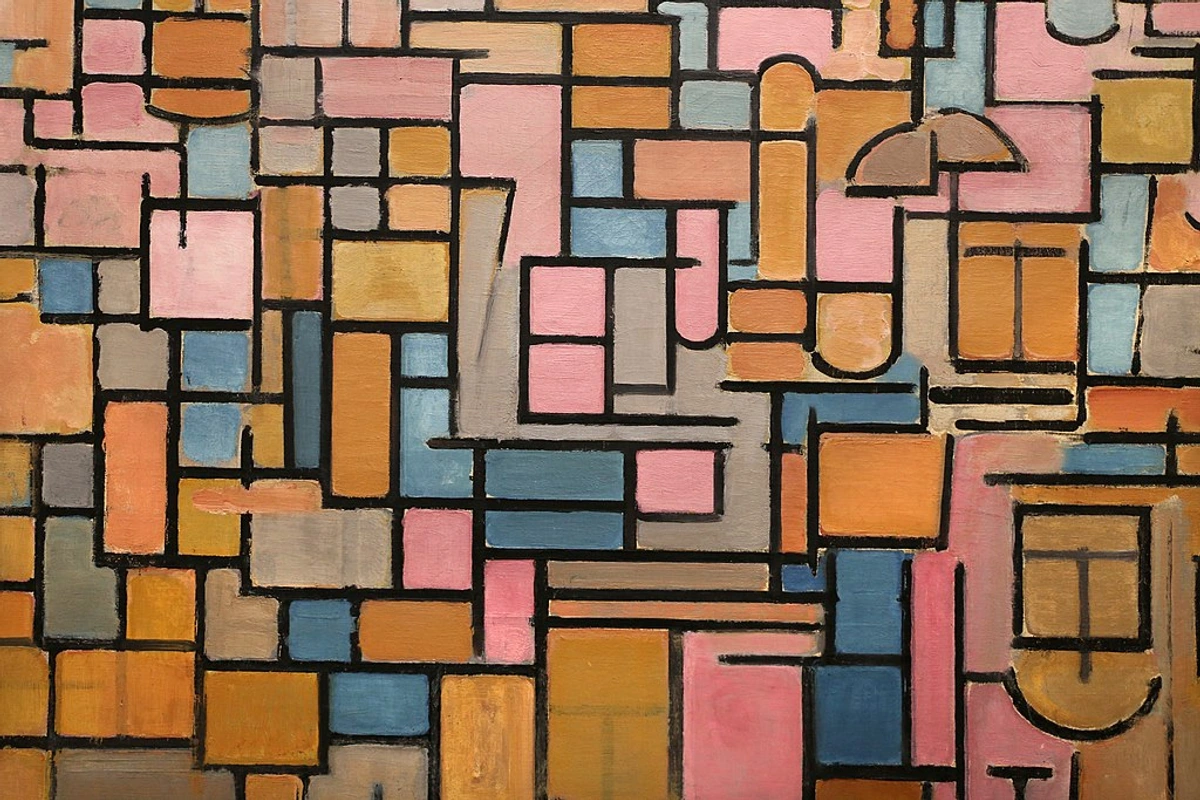
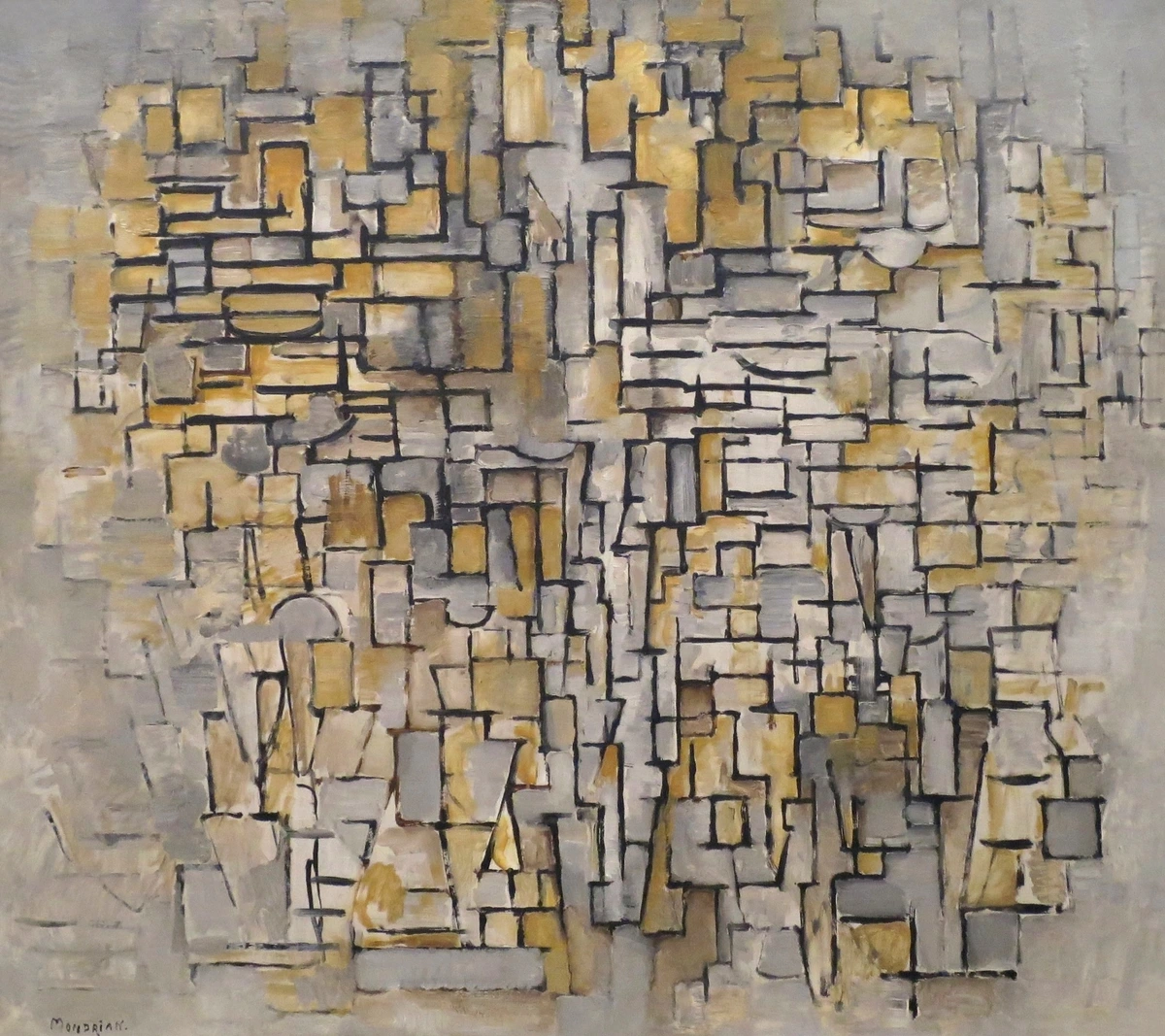
- De Stijl: Also known as Neoplasticism, this Dutch movement, led by Piet Mondrian, evolved Cubism's planar analysis into strict horizontal and vertical lines and primary colors, seeking universal harmony and order through ultimate abstraction. You can see this clearly in Mondrian's grid compositions.
- Abstract Expressionism: While seemingly different, the freedom from traditional representation, the emphasis on the flat canvas as an object in itself, and the exploration of subjective reality, all pioneered by Cubism, laid crucial groundwork for later abstract movements, including the large-scale, gestural works of Abstract Expressionists like Willem de Kooning. The idea that a painting isn't a window but an object with its own inherent structure is a profound Cubist legacy.
Its concepts about multiple viewpoints, the subjective nature of reality, and the breakdown of traditional form are still profoundly felt in art, design, and even philosophy today, making it one of the most impactful art revolutions.
Why They Still Matter: A Legacy of Seeing Anew
Thinking about these artists isn't just an art history lesson for me; it's a profound reminder that the biggest breakthroughs often happen in collaboration, in intense conversation, and through a willingness to constantly question. Picasso needed Braque, and Braque needed Picasso. Their endless conversations, arguments, and shared experiments led to discoveries neither might have achieved alone. The movement needed Gris to bring systematic clarity, and Léger and the Delaunays to show how far the core ideas could go, expanding into new realms of color and industrial dynamism. They teach us that there is no single, correct way to see the world, no ultimate truth to capture from one angle alone.
This lesson—that reality is malleable and can be depicted from multiple perspectives—is one I try to bring into my studio every day. When I create my own abstract work, I'm often thinking about how to break down and reassemble forms, how colors interact to create new dimensions, and how to convey multiple layers of meaning in a single piece. The Cubist commitment to exploring the underlying structure of reality, rather than just its surface appearance, deeply resonates with my own artistic philosophy. Contemporary artists continue to draw from Cubist principles, whether consciously or unconsciously. Look at an artist like George Condo, whose 'psychological cubism' distorts and fragments figures to explore the complexities of the human psyche. Condo's distorted figures, fragmented and layered with conflicting emotions, directly stem from the Cubist premise that reality is not a singular, fixed entity but a complex interplay of perspectives and inner states.




When you look at a Cubist painting, you're not just looking at a jumble of shapes; you're looking at an act of rebellion, a profound philosophical statement, and a new way of being honest about what it means to truly see. And that, to me, is timeless and more relevant than ever in our complex, interconnected world. This ongoing dialogue between perception and representation is something I find myself exploring in my own abstract work, which you can see when you visit the local museum in Den Bosch or explore my contemporary pieces online.