
Decorating with Art in Art Deco Interiors: A Personal Guide
Unlock the secrets to integrating art into your Art Deco home. I share my personal insights on choosing, placing, and harmonizing pieces to create sophisticated, timeless spaces.

Decorating with Art in Art Deco Interiors: My Personal Take on Glamour and Geometry
A guide to harmonizing contemporary abstract art with the enduring elegance of the Art Deco era.
You know that feeling when a phrase just clicks? For me, "Art Deco" is one of those. It instantly whisks me away to a world of Gatsby-esque parties, shimmering skyscrapers, and an undeniable sense of streamlined glamour, doesn't it? It's a style that speaks of luxury, modernity, and a confident optimism that emerged in a truly transformative era. I remember my first real encounter with a true Art Deco interior – not just a reproduction, but a space that had genuinely lived through the era. The sheer audacity of the design, the unapologetic embrace of luxury, it hit me like a revelation. It made me question: how do you place art, especially my kind of vibrant contemporary abstract art, within such a distinctive, already visually rich interior without it getting lost, or worse, clashing? Because let's face it, nobody wants their prized abstract to look like an afterthought in a room that's already doing its own thing. I still vividly recall the specific moment: it was in a grand old hotel lobby, bathed in the soft glow from etched glass panels, with polished chrome catching every flicker. My own bright, chaotic abstract, which I had just acquired, felt utterly out of place in my mental vision. That initial panic, that 'oh no, what have I done?' feeling, quickly turned into a delightful puzzle. How could I make it sing, instead of merely exist, in such a strong setting? It was a challenge, certainly, but also an invitation to a deeper understanding of Art Deco, pushing me to find that delicate balance where my vibrant contemporary pieces could not just coexist, but truly harmonize with the era's distinctive glamour. I had to learn to speak its language, not just admire its aesthetics.
In this article, I want to walk you through my personal approach to this fascinating challenge. It's a journey, really, of reconciling my contemporary abstract art with a style so distinctive. I remember once trying to force a minimalist sculpture into a room that screamed Art Deco opulence – it was like trying to fit a square peg in a very glamorous round hole, and the sculpture just flinched. That's when I learned that true harmony isn't about erasing differences, but understanding them. We’ll explore the soul of Art Deco, delve into what kinds of art truly resonate with its spirit, discuss the crucial elements of placement and scale, and even touch upon the often-overlooked power of lighting. My aim is to inspire you to create a space that celebrates the past while confidently embracing the present, always with an eye for that unmistakable Art Deco glamour. Because honestly, who doesn't want a little more glamour and a story of thoughtful design in their life?
For a long time, I thought Art Deco meant strictly period pieces – posters, specific sculptures, maybe some abstract geometric paintings from the 20s or 30s. And while those are certainly beautiful, I’ve come to believe that the true magic lies in understanding the spirit of Art Deco and allowing contemporary art, like many of the abstract pieces I create, to dance gracefully within that framework. It’s about creating a dialogue between the old and the new, keeping the essence of elegance alive. And who doesn't love a good conversation, especially one that spans decades?
The Roaring Twenties & Beyond: Art Deco's Artistic Roots
Before we delve deeper into specific pieces, it’s worth a quick journey back to where Art Deco, as an artistic expression, truly began. Emerging in the 1920s, Art Deco wasn't just a design trend; it was a roaring cultural phenomenon that captured the sheer exuberance and innovation of the interwar period. It was, if you ask me, a collective sigh of relief and a confident stride forward after the Great War, fueled by booming economies and a thirst for novelty. Society was transforming rapidly: women gained more independence, technology advanced at a dizzying pace, and a sense of exuberance replaced wartime austerity. Art Deco, with its sleek lines and forward-looking spirit, perfectly encapsulated this era's optimism and desire for a fresh start, shedding the ornate past for a streamlined future. Think of it as a stylish, almost defiant, rebellion against the flowing, organic lines of Art Nouveau, instead embracing the sleekness of the machine age, the excitement of newfound global discoveries, and a desire for unapologetic modernity. It was a conscious break, a statement that the world was moving forward, and design was going to lead the charge. Its influences were incredibly diverse, drawing inspiration from the geometric abstractions of Cubism, where artists like Picasso and Braque broke down forms into multiple facets, influencing the angularity and structure of Art Deco design. This wasn't a direct appropriation, but rather a stylistic interpretation; Art Deco simplified Cubist complexity, translating fragmented planes into bold, decorative patterns, stepped motifs, and streamlined profiles that were both modern and accessible. And speaking of pivotal moments, the 1925 Exposition Internationale des Arts Décoratifs et Industriels Modernes in Paris was a real game-changer. It wasn't just a fancy name; it was the moment Art Deco truly announced itself to the world, showcasing this revolutionary style and setting the stage for its global dominance. I often think about how exhilarating that must have been – to see such a bold, new aesthetic unveiled, a clear break from everything that came before. This fracturing of reality into geometric planes provided a foundational visual language for the new aesthetic, embracing a more analytical and structured approach to form. We also see the vibrant palettes of Fauvism, particularly in the early decorative arts, with its bold, non-naturalistic colors adding to the era's joyful exuberance and a sense of confident, almost audacious, self-expression. While Fauvism was an art movement in itself, its fearless use of saturated hues and unconventional color combinations seeped into Art Deco, especially in textiles, ceramics, and graphic arts, contributing to the era's overall sense of playful luxury and defiant optimism. It's like the world collectively decided to turn up the volume on color. I've always found the Fauvists' fearless use of color incredibly inspiring; it was a pure, unadulterated joy that cut through the seriousness of other movements. Furthermore, the dynamism and celebration of speed and technology championed by Futurism, though distinct, resonated with Art Deco's embrace of modernity and the machine age, inspiring sleek, aerodynamic forms. Think of the elongated, flowing lines of luxury cars like the Bugatti Atlantic or the majestic ocean liners that became symbols of progress and glamorous travel – these were direct manifestations of Futurism's obsession with motion and efficiency, reinterpreted with Art Deco's signature polish and elegance. And let's not forget the seismic impact of archaeological finds like Tutankhamun's tomb in 1922, which sparked a global obsession. Suddenly, hieroglyphs, lotus blossoms, scarabs, and the clean, powerful lines of pharaonic art were everywhere, reinterpreted through an Art Deco lens. This wasn't about literal copying; instead, designers abstracted and stylized these ancient forms, simplifying them into geometric patterns for furniture inlays, jewelry, and architectural ornamentation, instantly adding an exotic, enduring power to their creations. The 'Egyptomania' was instant and pervasive, a true global design phenomenon. This pervasive sense of speed, motion, and modernity, often symbolized by streamlined forms reminiscent of ocean liners and fast cars, became a hallmark of the era's artistic output. These diverse inspirations converged to create a style that was both opulent and forward-looking. It truly was a whirlwind of influences, all culminating in something utterly new and exciting.
It wasn't just about pretty shapes, though. Art Deco was a reflection of its time, a confident roar in the wake of the First World War. Think of it: a world rebuilding, embracing technological advancements like radios and automobiles, and a burgeoning sense of social liberation, especially for women. The Jazz Age wasn't just a soundtrack; it was an entire attitude of exuberance and a desire for novelty, for something sleek and modern that shed the weight of the past. It was like the world collectively decided to throw off its old, stuffy clothes and put on something dazzling. So, when I look at Art Deco, I don't just see glamour; I see a vibrant snapshot of a world eager to move forward, a truly optimistic embrace of the new that still resonates with me today, in my own quest for new artistic expressions. It’s like the era itself was saying, "Let's make something beautiful and utterly new, because we can."

Art Deco's Broader Canvas: Fashion, Jewelry, and the Performing Arts
While we often focus on interiors, Art Deco was a total lifestyle. It wasn't just about what hung on your walls or sat in your living room; it was about the clothes you wore, the jewelry that sparkled around your neck, even the cars you drove, and certainly the stages upon which life's dramas unfolded. I remember stumbling upon an old magazine from the '20s, and the fashion illustrations! The clean lines, the dropped waists, the geometric embroidery – it was all a wearable extension of the Art Deco aesthetic. So, when considering Art Deco art, don't limit yourself. Think about:
- Flapper Fashion: The iconic silhouettes of the 1920s, with their straight lines and elaborate beadwork, often mirrored the geometric patterns and luxurious materials of Art Deco. A framed vintage fashion illustration, perhaps from a master like Erté or Georges Barbier, can be a subtle, yet powerful, artistic statement. Think of those intricate beadwork details, the daring dropped waists, and the bold geometric embroidery – each element a wearable piece of Art Deco design, whispering tales of jazz clubs, liberated spirits, and the audacious confidence of the 'new woman.' Designers like Jeanne Lanvin, Coco Chanel, and Elsa Schiaparelli, while having their unique signatures, all drew from Art Deco's clean lines, geometric embellishments, and luxurious materials to define the fashion of the era, creating garments that were both chic and liberating.
- Exquisite Jewelry: Art Deco brought us some of the most stunning jewelry designs. Think platinum, diamonds, emeralds, and sapphires arranged in intricate geometric patterns. These miniature architectural wonders are art in themselves, often featuring dazzling diamonds cut in new, precise ways like baguettes or emerald cuts, contrasted with vibrant emeralds, sapphires, and rubies. Imagine the precise calibration of a Cartier bracelet, a Boucheron clip, or a Lalique pendant, each piece a tiny testament to the era's meticulous craftsmanship and love for bold geometry, reflecting the era's fascination with precision and exotic gems. Beyond these, designers like Van Cleef & Arpels and Tiffany & Co. also produced iconic Art Deco pieces, utilizing innovative diamond cuts like baguettes and emeralds, often contrasted with vibrant sapphires, rubies, and onyx, to create miniature architectural wonders that adorned the most fashionable society. A display case with a few choice pieces can be a captivating focal point, reflecting light and adding that unmistakable sparkle, telling a story of luxury in every facet.
- Automotive Design: The streamlined forms of luxury cars from the era – Duesenbergs, Bugattis, Auburns – were moving sculptures, embodying speed and modernity. While you probably won't park a vintage car in your living room (unless you have a really grand one!), the sheer artistry of their streamlined forms – think the iconic grilles of a Bugatti Royale or the elongated fenders of a Cadillac V-16, with their chrome accents and sweeping lines – embodied speed and modernity as moving sculptures. The emphasis on aerodynamics, the use of chrome and polished metals, and the clean, unbroken lines of these vehicles directly mirrored the Art Deco aesthetic, extending its glamour from static interiors to the open road. These cars weren't just transport; they were statements of progress and opulent freedom. Prints or exquisitely crafted models of these beauties can evoke that same sense of dynamism, celebrating the machine age's confident stride into the future and adding a touch of industrial glamour to your space.
These elements aren't just decorative; they're integral to understanding Art Deco as a comprehensive artistic movement, a cultural phenomenon that blurred the lines between art, design, and everyday life. For a deeper dive into how this style influenced various aspects of modern living, you might enjoy exploring our guide on the enduring influence of Art Deco on modern fashion and design. It was, truly, a total lifestyle immersion, not just a decorative choice. Every element, from the cut of a dress to the curve of a car fender, was part of a grand, cohesive vision of modern glamour.
Performing Arts and Stage Design: The Theatrical Side of Art Deco
Art Deco's theatrical flair wasn't confined to grand interiors; it exploded onto the stage, screen, and even the world of dance. Think of the opulent cinema palaces of the era, like Radio City Music Hall, where the entire interior was a dazzling Art Deco spectacle – from the stepped ceilings and geometric wall reliefs to the lavish seating and dramatic lighting fixtures. Stage sets for Broadway shows or early Hollywood films often adopted this aesthetic, using bold geometric backdrops, streamlined props, and stylized costumes to create a sense of modern fantasy and dramatic impact. The 'Follies' of the era, with their elaborate costumes featuring feathers, sequins, and bold, symmetrical patterns, perfectly embodied the movement's love for spectacle and luxury. Even dance, particularly the emerging modern dance forms, adopted poses and movements that echoed the sleek, elongated figures seen in Art Deco sculpture and painting. This wasn't just about setting a scene; it was about creating an immersive, glamorous experience that transported audiences, making every performance a truly 'décoratif' event.
The Global Influence on Art Deco Art: A World of Inspiration
Art Deco didn’t emerge in a vacuum; it was a hungry, curious style that absorbed influences from across the globe, reinterpreting ancient and exotic motifs with its signature modern flair. This global tapestry is crucial to understanding the breadth of art that can feel at home in an Art Deco interior. I remember a trip to Paris, wandering through a lesser-known exhibition of Art Deco furniture, and being struck by how many pieces echoed designs I’d seen in museums dedicated to ancient Egypt or Mesoamerican cultures. It was a true "aha!" moment.
- Ancient Egypt's Grandeur: The discovery of Tutankhamun's tomb in 1922 unleashed a global obsession. Suddenly, hieroglyphs, lotus blossoms, scarabs, and the clean, powerful lines of pharaonic art were everywhere, reinterpreted through an Art Deco lens. Art Deco artists integrated these motifs not as literal copies, but as stylized, geometric interpretations, adding an air of exotic mystery and enduring power to their creations. Think of sleek, golden sarcophagus-inspired forms on a cabinet, often with a hint of dark ebony or polished stone, or stylized papyrus patterns adorning a decorative screen. The iconic geometric zigzags and chevrons found in Art Deco were also influenced by the repetitive patterns found in Egyptian friezes, giving these ancient forms a bold, modern edge and a touch of archaeological chic. Even the use of materials like ebony, ivory (though ethically sourced today), and gold leaf directly echoed the precious objects unearthed from pharaonic tombs, infusing designs with a sense of ancient wealth and mystery.
- Mesoamerican Majesty: The monumental architecture and intricate patterns of Mayan and Aztec civilizations provided another rich vein of inspiration. Stepped pyramids, geometric friezes, and powerful zoomorphic figures were translated into Art Deco's architectural forms, textile designs, and even sculptural elements. These influences often lent a robust, earthy yet sophisticated quality to the style, a powerful counterpoint to its more delicate, shimmering aspects. The stepped forms of Mayan pyramids, for instance, translated directly into the tiered design of Art Deco architecture and furniture, merging monumental history with contemporary elegance, sometimes seen in carved wooden panels or relief sculptures. Beyond architecture, specific zoomorphic figures like serpents or jaguars, powerful symbols in Mesoamerican cultures, were often stylized into geometric motifs for textiles, ceramics, and decorative arts, offering a robust, earthy yet sophisticated quality that contrasted beautifully with the era's more delicate, shimmering aspects. I've always admired how Art Deco managed to absorb such diverse inspirations and make them sing together, creating a dialogue across millennia.
- Asian Art's Elegance (Chinoiserie & Japonisme): The delicate lines of Japanese woodblock prints, the intricate patterns of Chinese lacquerware, and the serene beauty of Asian landscapes had long influenced Western art. In Art Deco, these were reinterpreted with a bolder, more streamlined sensibility. Chinoiserie motifs of dragons, pagodas, and intricate floral patterns, or the crisp elegance of Japonisme's serene landscapes and delicate linear compositions, were often given a geometric twist, appearing on screens, textiles, or even carved furniture. This reinterpretation added a layer of refined exoticism to furniture, fabrics, and decorative arts, creating a sophisticated blend of East and West. For instance, the intricate lacquer work synonymous with Chinese craftsmanship was adapted for sleek Art Deco cabinets, and Japanese ukiyo-e prints influenced the strong outlines and simplified forms of figures in posters and illustrations. I've always found it fascinating how Eastern aesthetics were distilled and sharpened, losing none of their grace but gaining a modern edge, feeling both timeless and utterly of its time.
- Russian Constructivism & Bauhaus: While perhaps not as overtly decorative, the stark geometry, functionalism, and industrial aesthetic of movements like Russian Constructivism and the German Bauhaus school provided a powerful, underlying influence on Art Deco's embrace of modernity and clean lines. Think of the emphasis on pure form, primary colors, and a rejection of superfluous ornamentation, influencing the stark elegance of some Art Deco furniture and graphic design. These movements, in their own rigorous ways, contributed to the era's appreciation for streamlined efficiency and structural beauty. The Constructivist emphasis on geometric abstraction and the Bauhaus's 'form follows function' philosophy, while distinct, provided a powerful intellectual backbone that subtly informed Art Deco's clean lines and industrial-chic materials, particularly in architecture and functional objects – almost like a minimalist cousin in the family of modern design. Art Deco designers admired the honest use of materials and the rejection of superfluous ornamentation championed by these movements, translating these principles into their own luxurious yet streamlined aesthetic for everything from skyscrapers to everyday household items. It was about creating beauty through efficiency and pure form.
- African Art's Rhythmic Forms: The powerful, often abstracted forms found in traditional African sculpture captivated many early 20th-century artists. Art Deco designers drew from the rhythm, symmetry, and raw power of these forms, integrating them into their sculptural pieces and decorative motifs, particularly in chryselephantine figures or stylized architectural elements. Think of the powerful, elongated figures and masks, reinterpreted with a sleek, geometric sensibility, adding a primal, yet sophisticated, energy to the overall aesthetic. Figures with bold, simplified forms and a focus on rhythmic patterns, often seen in West African sculpture, found their way into Art Deco chryselephantine figures and stylized architectural elements, introducing a raw, dynamic power. This cultural exchange wasn't always perfect, but it undoubtedly enriched the visual vocabulary of the era, bringing a vibrant, earthy counterpoint to the era's polished surfaces and adding another layer of global sophistication.
Understanding these diverse inspirations allows for a much richer selection of art for your Art Deco space. It opens the door to contemporary pieces that, even without being explicitly "Art Deco," echo these global conversations through their form, pattern, or underlying spirit. It's about finding art that speaks to this fascinating cultural melting pot.
For me, understanding these roots helps ground the selection of contemporary art. It’s not just about what looks good, but what feels right in an Art Deco space – what echoes that foundational spirit of modernity, luxury, and bold expression. It’s a dance between history and the present, where each step informs the next, creating a space that tells a layered story. And honestly, who doesn't love a good dance?

Art Deco Materials and Finishes: The Foundation for Art
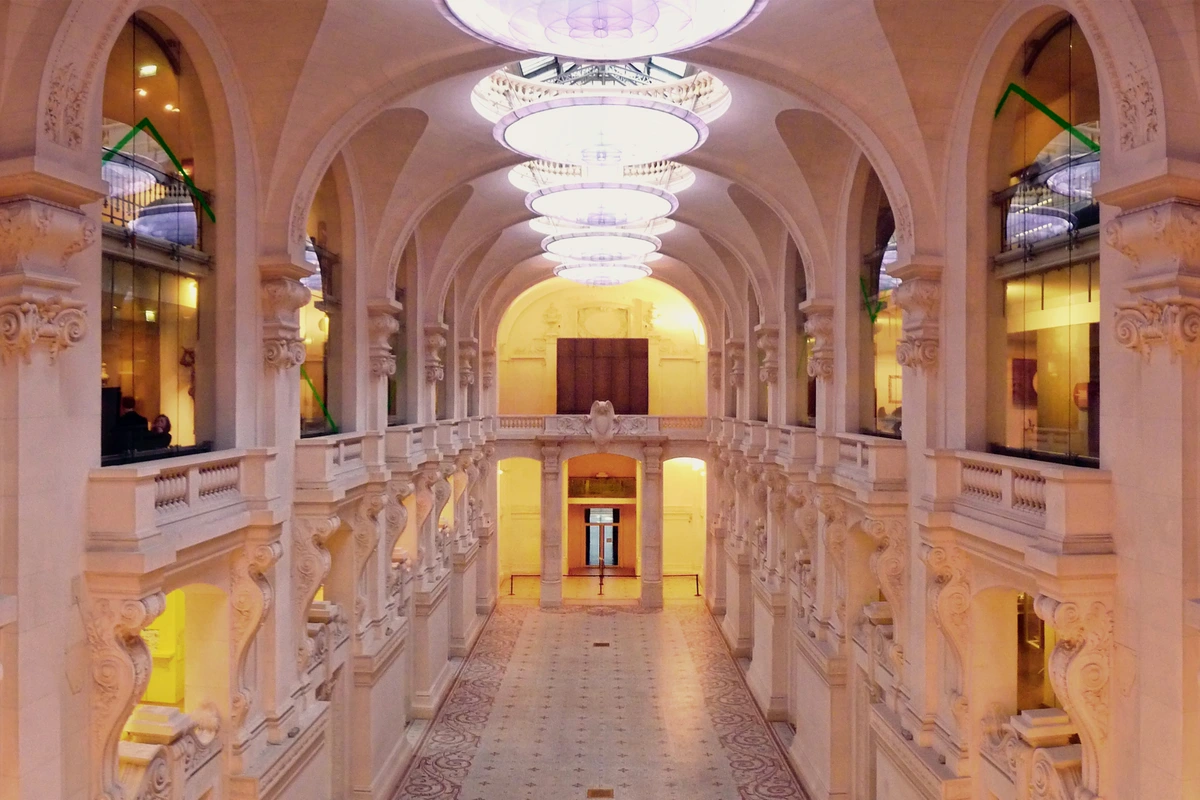
Before we even consider placing a single piece of art, it's crucial to acknowledge the very fabric of Art Deco interiors: its materials and finishes. For me, these aren't just background elements; they are active participants in the aesthetic, setting the stage for every artwork. Think of them as the supporting cast that makes your star performer shine. I remember once trying to place a vibrant, metallic abstract painting in a room with dull, uninspired surfaces – it just fell flat. It was like putting a diamond on a dusty shelf, you know? But when moved to a space brimming with polished chrome and rich, lacquered wood, it absolutely sang. The materials themselves contribute to the glamour, acting as a chorus for your artistic soloists. And speaking of the 'fabric' of Art Deco, let's also talk about the incredible craftsmanship that went into shaping these materials. This era wasn't about mass production in the way we think of it today; it was a celebration of skilled artisans, of meticulous marquetry, precise metalwork, and expert glass etching. Each piece was often a testament to human skill, elevating everyday objects to works of art and adding an undeniable layer of value and individuality.
- Gleaming Metals: Chrome, polished brass, and stainless steel are quintessential Art Deco. They reflect light, create sharp lines, and add an industrial chic that was revolutionary at the time. Art that features metallic elements – perhaps a painting shimmering with gold leaf, or a sculpture crafted from polished bronze – or even art that simply contrasts beautifully against a chrome-plated console, becomes part of this dazzling interplay. The precise angles of polished steel or the warm glow of brass were not just functional; they were celebrated as artistic statements, reflecting the era's fascination with industrial glamour and technological progress. I'm always fascinated by how these metals, once purely utilitarian, became symbols of modernity and luxury, gleaming like jewels in the urban landscape.
- Lush Woods: Exotic veneers like ebony, macassar, walnut, and burled elm were highly prized. Their rich grains and polished finishes added warmth and a sense of sophisticated luxury. Consider how the deep tones of a painting might complement the rich, often symmetrical, grain of a macassar desk, or how a light sculpture could pop against a dark wood panel. The exquisite art of marquetry, using different veneers to create geometric patterns or stylized scenes, was also a hallmark, transforming furniture surfaces into canvases. Designers like Jacques-Émile Ruhlmann and Jules Leleu were masters of this, creating furniture that was as much sculpture as it was functional, showcasing the dramatic grains of macassar ebony, amboyna, and burled walnut. I once had a client who paired a vibrant abstract piece against a wall paneled in dark ebony, and the contrast was just electric. It wasn't about blending in; it was about a confident, beautiful dialogue between nature's art and human artistry. And those deep, polished surfaces? They create the most wonderful reflections, adding another layer of visual interest to your artwork.
- Dazzling Glass and Mirrors: Beveled mirrors, etched glass panels, and colored glass were used extensively to create light, space, and a sense of opulence. Art placed near these surfaces will be reflected, multiplied, and integrated into the room's dynamic sparkle. Beveled edges weren't just decorative; they caught and refracted light, creating a prismatic effect, almost like a subtle disco ball for the sophisticated crowd. Etched glass panels, often featuring geometric or stylized botanical motifs created through acid-etching or sandblasting, diffused light beautifully, adding a soft glow. Even colored glass, from vibrant reds to serene blues, was used to introduce sophisticated pops of color, turning light itself into an artistic medium, particularly in stained glass or decorative inserts. I'm always amazed by how simply a mirrored wall can double the impact of a striking artwork!
- Plush Textiles: Velvet, silk, and richly patterned brocades added softness and sensuality. While art is often hung on walls, consider how a textile art piece or even a framed fabric with Art Deco motifs could introduce a different kind of texture and warmth. Velvet, silk, and richly patterned brocades were often adorned with bold geometric designs, stylized floral patterns, or even exotic animal prints like zebra or leopard, adding a touch of untamed luxury. Designers like Paul Poiret and Eileen Gray experimented with these rich fabrics, using intricate weaves and bold color blocking. I've seen some incredible Art Deco tapestries that act as stunning, soft focal points, providing a lush counterpoint to the era's sleek, hard surfaces and absorbing sound to create a more intimate atmosphere.
- Glass Blocks & Terrazzo: For a touch of understated glamour and functionality, glass blocks were often used for architectural features, allowing light to filter through with a diffused, ethereal glow, creating a soft, almost ethereal backdrop for art. Terrazzo, with its composite nature of marble, quartz, granite, and glass chips, provided durable, patterned surfaces for floors and walls, offering a subtle, intricate texture that was both practical and artistic. These materials, while sometimes overlooked, truly contribute to the unique material richness of Art Deco, proving that even functional elements can be works of art. Glass blocks were often arranged in geometric patterns, creating luminous walls or partitions, while terrazzo floors often featured intricate, custom-designed patterns, sometimes incorporating metallic strips, to create a sense of bespoke grandeur. They offered both light and durable artistry.
- Marble and Stone: Often used for flooring, fireplaces, and tabletops, marble and other polished stones provided a sense of permanence and classic grandeur. The cool, smooth surface of marble and other opulent stones like onyx or travertine, and even richer variations like black Portoro or green malachite, can create a beautiful contrast with the vibrant textures and colors of contemporary art. These materials, often used in dramatic black-and-white checkerboard patterns for flooring, or as grand fireplace surrounds, brought a sense of timeless classical grandeur, reinterpreted with Art Deco's signature precision and polish. The subtle veining within the stone itself often forms organic abstract patterns, making each piece a natural artwork – a kind of natural abstract art that perfectly complements human creation. I've seen some incredible Art Deco bathrooms where the marble alone is a masterpiece!
Understanding this material palette helps you choose art that not only looks good but belongs – art that feels intrinsically woven into the luxurious, tactile experience of an Art Deco interior. It’s about creating a holistic environment where every element, from the largest furniture piece to the smallest art accent, contributes to that unmistakable Art Deco glamour. It's a symphony, and everything plays its part, no matter how small.
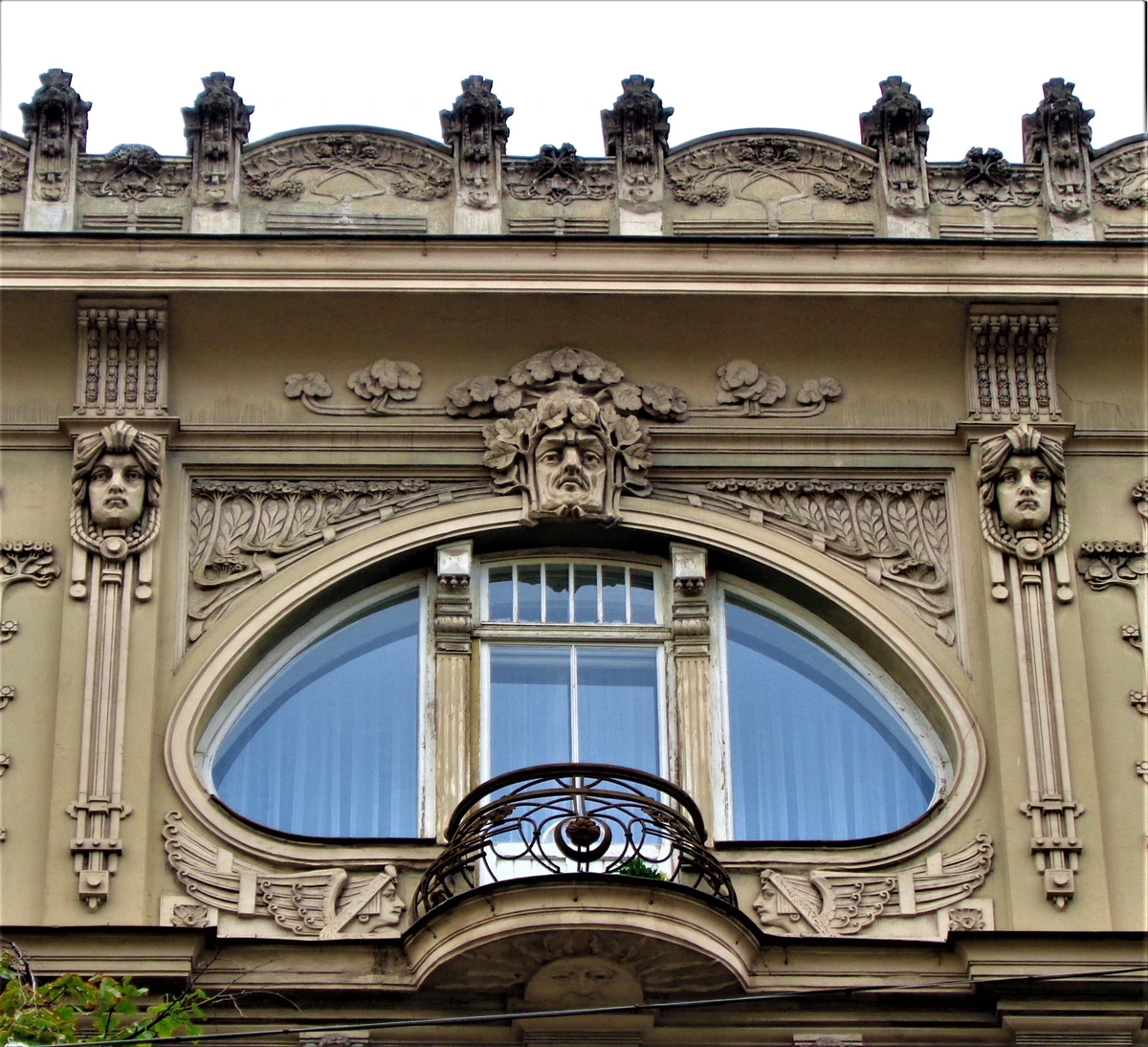
Understanding the Art Deco Soul: More Than Just Flapper Dresses
Before we dive into hanging things, let's quickly remind ourselves what makes Art Deco tick. If you want a deep dive, check out our ultimate guide to the Art Deco movement. But for our purposes, think about symmetry, bold geometric patterns, lavish materials (think chrome, glass, exotic woods), rich colors, and a sense of drama and sophistication. It was a deliberate, stylish reaction to the flowing, organic, and often ornate curves of Art Nouveau, which prioritized natural forms and intricate details. Art Deco, in contrast, embraced the sleekness of the machine age, the precision of industrial design, and a powerful, almost architectural aesthetic, consciously rejecting Art Nouveau's overt naturalism for a more streamlined, geometric vision. This shift marked a clear break from the naturalistic, finding beauty in geometry and streamlined forms. And sometimes, a good, clean break is exactly what's needed for something truly transformative to emerge. And honestly, sometimes you just need a good, clean break, don't you? This shift marked a clear break from the naturalistic, finding beauty in geometry and streamlined forms. And sometimes, a good, clean break is exactly what's needed for something truly transformative to emerge. And honestly, sometimes you just need a good, clean break, don't you?
What does this mean for art? It means we're looking for pieces that complement or cleverly contrast these elements. I'm not talking about matching the wallpaper, goodness no. I'm talking about finding art that resonates with that confident, often vibrant, energy. Think about the interplay of materials – the gleaming chrome, polished glass, rich lacquered surfaces, exotic veneers like ebony and macassar, and even mirrors that multiply the dazzle. These aren't just finishes; they're integral to the Art Deco experience, and your art should play along. Beyond materials, consider the distinct Art Deco motifs: sunbursts that radiate optimism, often found in elaborate grilles or fan-like wall treatments; sharp chevrons and zigzags that suggest movement and speed, frequently seen in flooring patterns or textile designs; and elegant stepped forms inspired by ancient ziggurats and modern skyscrapers, appearing in furniture profiles and architectural setbacks. These motifs weren't just decorative; they were a visual language of progress, modernity, and confident elegance, speaking volumes without a single word. What I've also found is that Art Deco's inherent architectural quality extends to how artwork should be composed within the space. It's about building a visual structure, where each piece, whether it's a painting or a sculpture, contributes to the overall strength and elegance of the room's design, much like the meticulously planned facades of a skyscraper. Your art should either echo this material and motif dialogue or offer a compelling counterpoint, adding another layer of visual interest to an already opulent setting. It's about creating a harmonious visual symphony, where every element, including your chosen artwork, contributes to the overall glamour. Think of it as a carefully orchestrated performance, with your art taking a starring role. What I've also found is that Art Deco's inherent architectural quality extends to how artwork should be composed within the space. It's about building a visual structure, where each piece, whether it's a painting or a sculpture, contributes to the overall strength and elegance of the room's design, much like the meticulously planned facades of a skyscraper.
Art Deco and Symbolism: Unpacking the Hidden Meanings
Art Deco wasn't just about looking good; it was deeply symbolic, reflecting the aspirations and, let's be honest, a few of the anxieties of its time. Those dazzling sunbursts, sharp chevrons, and elegant stepped forms we often see? They're more than just pretty patterns; they're imbued with the very spirit of the era, speaking a secret language of optimism and forward motion. The sunburst, for instance, radiating outwards with such confident energy, wasn't merely decorative; it symbolized hope, new beginnings, and the exhilarating dawn of a truly modern age – a powerful motif that, for me, still feels incredibly uplifting. Those dynamic chevrons and zigzags weren't random flourishes; they perfectly captured the era's obsession with speed, movement, and the sleek efficiency of the machine age – think roaring fast cars, majestic ocean liners slicing through waves, and the sheer thrill of new technology pushing boundaries. And the elegant stepped forms, so prominent in architecture and furniture, were direct, respectful nods to both ancient ziggurats and the soaring ambition of modern skyscrapers, brilliantly merging historical grandeur with contemporary drive. So, when you choose art for your Art Deco space, you're not just picking something aesthetically pleasing; you're engaging with a rich visual language, tapping into a deeper, symbolic conversation with history. It’s like finding a secret handshake with the past, connecting your space to an era that believed wholeheartedly in the power of progress and unashamed glamour. And that's a conversation I always want to be a part of. For a broader understanding of how symbolism weaves through artistic expression, our guide on the definitive guide to understanding symbolism in abstract art might offer some fascinating insights. Beyond these, the powerful, stylized female figure, often depicted in confident, elongated poses, became a potent symbol of the 'New Woman' – liberated, modern, and self-assured. And let's not forget the sheer attitude of Art Deco. It's unapologetic, bold, and theatrical. Your art should reflect that confidence, whether through its scale, its subject matter, or its vibrant palette. It’s about making a statement, not blending in.
Art and Architectural Interplay: Beyond the Surface
When I first started exploring Art Deco, I was captivated by the furniture and the art itself. But you quickly learn that the architecture is an inseparable part of the story, extending the Art Deco experience from grand public buildings to intimate domestic spaces. Those iconic buildings with their dramatic setbacks, their fluted columns, and those magnificent stepped entrances aren't just backdrops; they're an extension of the aesthetic. So, how does art play into this?

- Echoing Structural Forms: Consider how a sculpture with a strong vertical presence or a painting featuring bold, ascending lines can beautifully complement the verticality of an Art Deco room. Think of those elegant, elongated figures in bronze, or an abstract piece that uses a series of rising geometric forms. It’s about finding pieces that mirror the architectural "reach" upwards, creating a sense of aspirational height and grandeur. Imagine a tall, attenuated bronze figure in an impressive entryway, its presence commanding the volume of the space, or a large, geometric ceramic piece on a vast console table whose vertical lines draw the eye up, echoing the elegant ascent of an Art Deco skyscraper. These pieces don't just sit; they define and elevate the space around them, becoming almost like internal monuments within your home.
- Integrating Decorative Details: Many Art Deco buildings feature intricate friezes, medallions, or patterned reliefs. Your art can either echo these patterns on a smaller scale, creating a harmonious visual thread, or offer a clean, minimalist contrast that allows those architectural details to truly shine. I've found that sometimes, a simple, impactful abstract can provide a serene moment against a highly decorative architectural feature, allowing both to breathe. Consider how art can echo the geometric friezes, ornate medallions, intricate bas-reliefs, or the precise fluting on columns and cornices often found in Art Deco interiors, either by mirroring their patterns on a smaller scale or offering a clean, minimalist contrast that allows those architectural details to truly shine, almost like a stage setting for your art. It’s about creating a conversation between the static and the dynamic, the built and the curated. It’s about creating a conversation between the static and the dynamic, the built and the curated.
- Creating Flow and Movement: Art Deco architecture often has a sense of dynamic flow, even in its rigidity. Artworks that suggest movement – through diagonal lines, swirling compositions, or figures in motion – can enhance this feeling, making the space feel vibrant and alive. It's like the walls themselves are dancing, inviting you into a world of controlled exuberance. Artworks that suggest movement – through diagonal lines, swirling compositions, or figures in motion – can enhance this feeling, making the space feel vibrant and alive. Think of how a dynamic composition can create an optical illusion of depth or flow, drawing the viewer's eye across the room with a theatrical flourish, like a carefully choreographed dance. And who wouldn't want to join that party? And trust me, you want your walls to dance when you're going for Art Deco glamour.
It’s a subtle art, making your chosen pieces feel like they were always meant to be part of the architectural grandeur, not just hung on a wall. It's about letting the entire space, from the floor to the ceiling, tell a cohesive, glamorous story.
Art Deco and Public Art: Grand Statements in the Urban Landscape
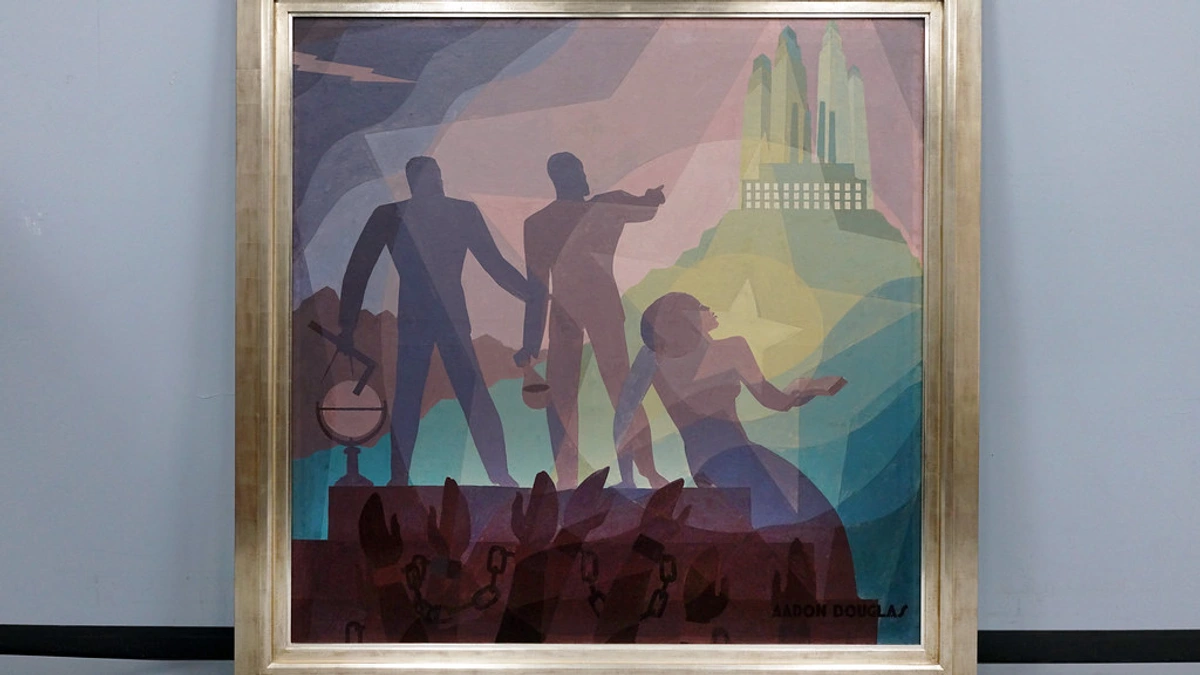
While we often focus on domestic interiors, Art Deco's influence soared in public spaces, particularly through magnificent public art and murals. Think of grand train stations like Union Station in Los Angeles, opulent theaters such as Radio City Music Hall, and civic buildings adorned with breathtaking works that celebrated progress, industry, and the human spirit. Artists were commissioned to create large-scale murals, often depicting idealized figures of labor, science, or the arts, rendered in the distinctive Art Deco style – sleek, heroic, and geometric. Renowned muralists like Jose Maria Sert, whose dramatic gold and black works adorned spaces like the Rockefeller Center, or Frank Brangwyn, celebrated for his powerful figures in British public buildings, defined this monumental art form. These weren't just decorations; they were integral to the architectural vision, often using mosaics, carved reliefs, or painted panels to tell a grand narrative of human achievement and progress. These weren't just decorations; they were integral to the architectural vision, often using mosaics, carved reliefs, or painted panels to tell a grand narrative. Incorporating framed prints or photographs of these iconic public artworks – think the majestic reliefs on the Chrysler Building, the dramatic murals in Rockefeller Center, or the elegant sculptures of the Hoover Dam – into your home can be a wonderful way to connect with this monumental aspect of Art Deco, reminding us that its glamour extended far beyond the confines of private residences and shaped the very fabric of urban life. And don't forget the incredible mosaics and stained glass windows found in many of these public buildings, often depicting allegorical figures or dynamic cityscapes, turning light itself into an artistic medium.
Art Deco in Different Rooms: Tailoring Your Approach
The beauty of Art Deco art is its versatility; it can elevate any space. However, considering the unique function and feel of each room can help you tailor your art choices for maximum impact.
- The Grand Living Room: This is where you can truly make a statement. Think large-scale abstract pieces above a mantelpiece or a dramatic sofa, perhaps a striking sculpture in a prominent corner. The living room welcomes boldness and theatricality, inviting powerful visual anchor points. This is your main stage, where your most impactful pieces can truly shine and tell their grandest stories. Think a commanding abstract painting, perfectly scaled to balance a grand mantelpiece or a dramatic sofa, becoming the room's focal point. A large geometric abstract, perhaps with metallic gold or silver accents, or a striking figurative abstract with a streamlined, elongated subject, can assert a powerful presence. Consider a triptych of related pieces that offer a sequential visual narrative or a dynamic burst of Art Deco colors. This is your main stage, where your most impactful pieces can truly shine and tell their grandest stories. Think a commanding abstract painting, perfectly scaled to balance a grand mantelpiece or a dramatic sofa, becoming the room's focal point. Consider how its colors can echo a lavish velvet sofa, or its lines can complement the sleek geometry of a lacquered coffee table. This is where you pull out all the stops, where your art really performs, commanding attention with effortless sophistication. I often advise clients to choose one 'hero' piece for the living room, a work that truly embodies the Art Deco spirit of bold elegance and sets the tone for the entire space. Consider how its colors can echo a lavish velvet sofa, or its lines can complement the sleek geometry of a lacquered coffee table. This is where you pull out all the stops, where your art really performs, commanding attention with effortless sophistication. I often advise clients to choose one 'hero' piece for the living room, a work that truly embodies the Art Deco spirit of bold elegance and sets the tone for the entire space.
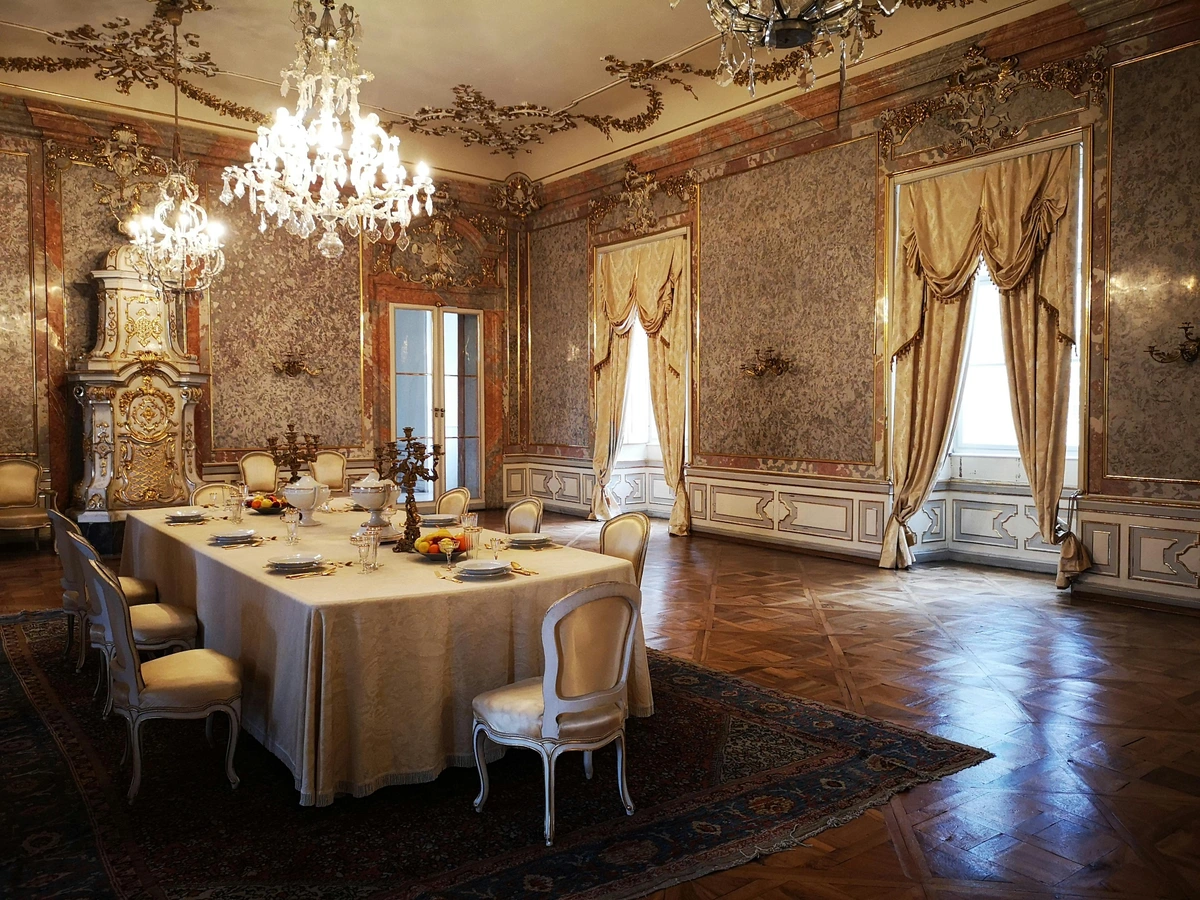
- The Elegant Dining Room: Art here can spark conversation, much like a good cocktail. Consider a triptych of stylized botanical prints, their lines echoing the elegance of the dining set, or a single, captivating geometric abstract that acts as a conversation starter, its rich hues playing off the gleam of crystal and silverware. Reflective art pieces or those with metallic accents, such as a highly polished metal wall sculpture or a framed vintage menu with Art Deco graphics, can amplify candlelight and dinner party ambiance, adding to the room's sparkle. The art here is not just decorative; it's an active participant in creating an atmosphere of refined indulgence, a visual feast that accompanies your culinary one. Reflective art pieces or those with metallic accents can amplify candlelight and dinner party ambiance, adding to the room's sparkle. The art here is not just decorative; it's an active participant in creating an atmosphere of refined indulgence, a visual feast that accompanies your culinary one.
- The Serene Bedroom: While still glamorous, bedrooms often call for a slightly softer approach. Look for Art Deco-inspired art with more muted jewel tones or abstract forms that evoke calm and sophistication without being overly stimulating. A pair of symmetrical prints above nightstands, perhaps depicting stylized figures in quiet repose or subtle geometric abstractions in muted jewel tones, can create a sense of balance and serene elegance. Consider soft, dreamy abstracts with diffused forms or elegant black and white photography of a serene landscape. Stylized animal prints, like a graceful heron or a majestic swan, rendered in a sleek Art Deco manner, can also add a touch of quiet luxury. The bedroom, after all, is your private sanctuary, so art here should evoke calm and sophistication without being overly stimulating, acting as a soft, luxurious backdrop to quiet moments and restorative sleep. I often recommend pieces that have a dreamlike quality, perhaps with soft curves or diffused lighting, to enhance the tranquil atmosphere. The bedroom, after all, is your private sanctuary, so art here should evoke calm and sophistication without being overly stimulating, acting as a soft, luxurious backdrop to quiet moments and restorative sleep. I often recommend pieces that have a dreamlike quality, perhaps with soft curves or diffused lighting, to enhance the tranquil atmosphere.
- The Impressive Entryway: This is your home's first impression, so make it count! A console table adorned with a striking piece of sculptural art, its polished curves catching the light, or a dynamic abstract painting bursting with geometric energy, can set the tone for the entire Art Deco interior. Alternatively, a grand, beveled wall mirror reflecting a smaller, impactful piece, or a framed vintage travel poster evoking the glamour of bygone journeys, can create an immediate, undeniable first impression. It's about crafting an immediate, undeniable first impression, offering a warm welcome with undeniable style and a hint of the glamour that lies beyond, inviting guests into a world of curated elegance. I love an entryway that makes you feel like you've stepped into a carefully designed cinematic experience. It's about crafting an immediate, undeniable first impression, offering a warm welcome with undeniable style and a hint of the glamour that lies beyond, inviting guests into a world of curated elegance. I love an entryway that makes you feel like you've stepped into a carefully designed cinematic experience.
- The Functional Yet Glamorous Bathroom: Often overlooked, the bathroom in an Art Deco home can be a jewel box of design. Here, I lean towards smaller, impactful pieces. Think framed Art Deco-inspired prints, elegant botanical studies, or even highly polished metallic sculptures that can withstand humidity. Consider stylized mosaic art on a wall, perhaps in a geometric pattern echoing the tiles, or high-quality waterproof metallic prints. Even exquisitely designed Art Deco vanity items, like perfume bottles or chrome shaving sets, displayed in a glass cabinet, can function as miniature artworks, adding to the room's jewel-box feel. The reflective surfaces of tile and mirrors amplify the impact of even modest artwork, creating a serene yet undeniably chic retreat, a small but perfectly formed jewel box of design. And honestly, who doesn't want their bathroom to feel like a five-star hotel spa? The reflective surfaces of tile and mirrors amplify the impact of even modest artwork, creating a serene yet undeniably chic retreat. Consider art that ties into the existing palette of black and white, chrome, and bold tile patterns, perhaps framed Art Deco-inspired prints featuring stylized figures, elegant botanical studies, or even highly polished metallic sculptures that can withstand humidity. The reflective surfaces of tile and mirrors amplify the impact of even modest artwork, creating a serene yet undeniably chic retreat, a small but perfectly formed jewel box of design. And honestly, who doesn't want their bathroom to feel like a five-star hotel spa?
- The Inspiring Creative Studio/Home Office: Even your workspace can benefit from a touch of Art Deco elegance. Here, I lean towards art that sparks creativity without being distracting. Think smaller, intricate geometric prints, stylized sculptures on a desk, or even a framed Art Deco-era fashion illustration. Pieces that offer intellectual stimulation or a sense of streamlined order can be perfect, transforming a functional space into a place of refined inspiration. Think smaller, intricate geometric prints that spark creative problem-solving, stylized sculptures on a desk that provide a moment of contemplation, or even a framed Art Deco-era fashion illustration that whispers of bygone elegance. A striking Art Deco desk lamp, with its sculptural form and diffused light, can serve as both a functional object and a piece of art. Alternatively, framed reproductions of vintage architectural blueprints or abstract plans can subtly inspire, transforming a functional space into a place of refined inspiration. It's about creating an environment where efficiency meets exquisite taste, encouraging both productivity and aesthetic pleasure. Because if your workspace isn't inspiring, are you really working to your full glamorous potential? It's about creating an environment where efficiency meets exquisite taste, encouraging both productivity and aesthetic pleasure. Because if your workspace isn't inspiring, are you really working to your full glamorous potential?
By consciously thinking about the role of each room, you can ensure your Art Deco art collection feels cohesive yet wonderfully varied throughout your home, making every space a unique expression of the style.
- The Sophisticated Home Bar/Lounge: If you're lucky enough to have a dedicated home bar or lounge, this is where Art Deco can truly shine. Think cocktail-themed prints with a touch of playful retro charm, abstract art with dazzling metallic accents that shimmer under atmospheric lighting, or even a collection of exquisite Art Deco barware displayed as sculpture – because, why not? Moody portraiture in a stylized Art Deco fashion, or sophisticated abstract expressionism (using Art Deco's rich color palette), can also add to the ambiance. Framed vintage liquor advertisements or elegant, sculptural bar stools can further enhance the theme. The lighting here should be atmospheric – dim, moody, with strategic spotlights on key art pieces to enhance the sense of sophisticated decadence, setting the stage for elegant entertaining and delightful discussions. It’s a room that invites lingering, conversation, and a touch of the dramatic flair of a speakeasy. The lighting here should be atmospheric – dim, moody, with strategic spotlights on key art pieces to enhance the sense of sophisticated decadence, setting the stage for elegant entertaining and delightful discussions. It’s a room that invites lingering, conversation, and a touch of the dramatic flair of a speakeasy.
- The Intellectual Study/Library: For a study or library, Art Deco art can blend intellectual rigor with refined aesthetics. Here, art becomes a quiet companion for contemplation. Consider abstract geometric pieces that evoke a sense of order and intellectual rigor, or perhaps stylized busts of literary figures that pay homage to the pursuit of knowledge. Framed vintage maps, reinterpreted with an Art Deco graphic flair, or a series of abstract pieces that resemble elegantly stacked book spines, can also be quite fitting. Rich, lacquered wood paneling and sumptuous leather seating will provide a perfect backdrop for art that inspires thought and reflection, making the study a sanctuary of both intellect and refined taste. I find that Art Deco's precise lines can actually aid focus, creating an environment where deep thought feels both encouraged and elegantly framed. Rich, lacquered wood paneling and sumptuous leather seating will provide a perfect backdrop for art that inspires thought and reflection, making the study a sanctuary of both intellect and refined taste. I find that Art Deco's precise lines can actually aid focus, creating an environment where deep thought feels both encouraged and elegantly framed.
The Power of Patina: Vintage vs. Contemporary Integration
One of the most exciting aspects of decorating with Art Deco art is the opportunity to blend pieces from the actual era with contemporary interpretations. There's a unique magic in the patina of an original 1920s print or a vintage bronze sculpture – the subtle wear, the slight fading, the story it quietly tells. This sense of history can ground a room, providing a rich context.
Conversely, a brand-new abstract piece, while modern, can draw inspiration from Art Deco principles, offering a fresh, vibrant take on the style. The key is to create a dialogue between the old and the new, ensuring they enhance rather than detract from each other.
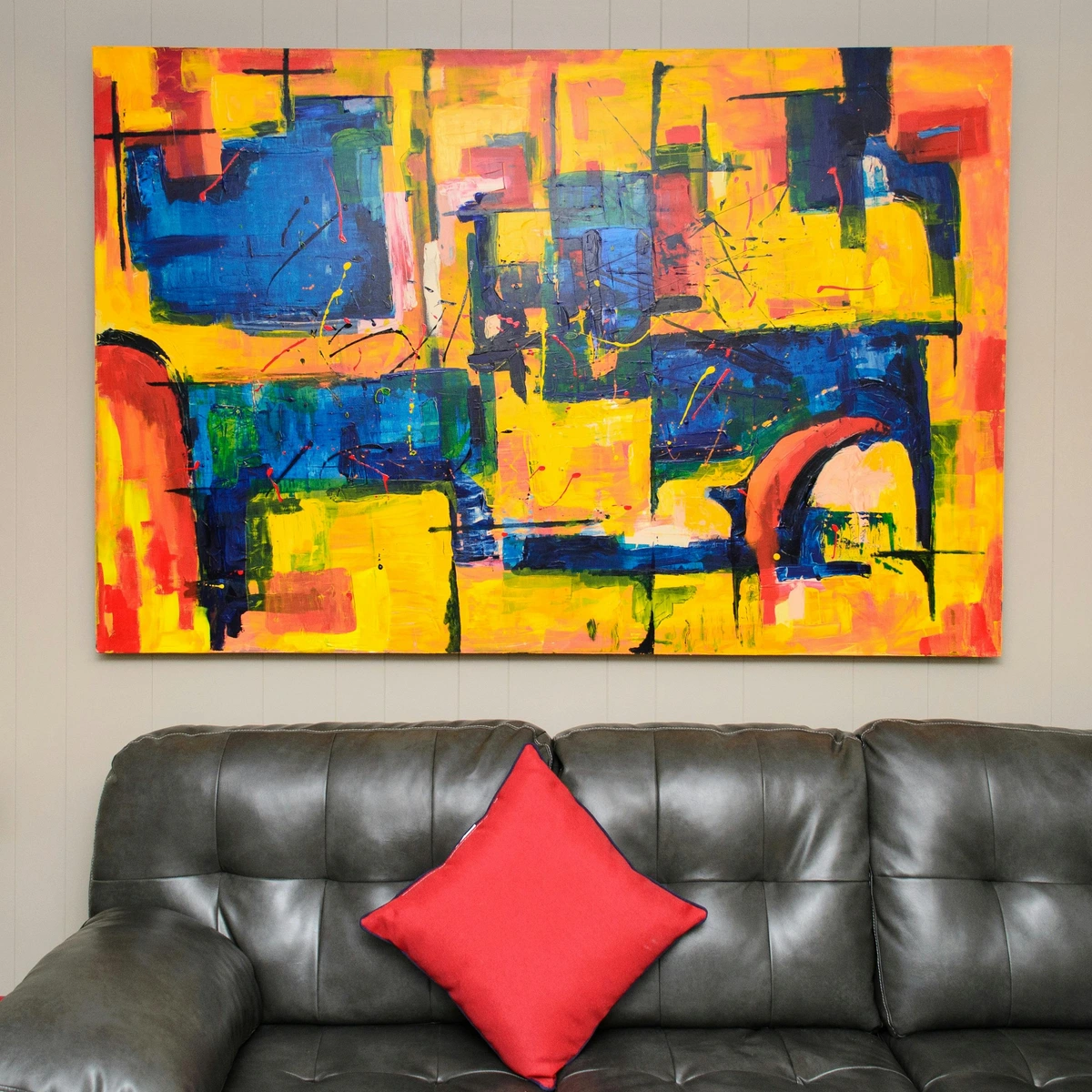
- Harmonious Contrast: This is where the magic happens! I adore pairing a sleek, vintage chrome sculpture, perhaps with a subtle patina that whispers of its history, with a vividly colored, geometric abstract painting from today. For instance, a vintage streamlined bronze clock on a macassar ebony console, positioned below a large, contemporary abstract painting with a sunburst motif rendered in metallic gold and deep sapphire blues, creates a compelling dialogue. I once placed a stunning 1930s bronze figure of a dancer next to a large, vibrant abstract canvas of my own design, all sharp angles and electric blues. The contrast in age and origin was incredibly compelling, creating a dynamic tension that made both pieces sing, highlighting shared aesthetic principles across time. It’s like a conversation between generations, each bringing its own story to the table, and the result is always richer than a monologue.
- Shared Language: Conversely, you can create seamless transitions by selecting contemporary pieces that speak the same visual language as your vintage Art Deco furniture. I'm talking about art with bold lines, rich, jewel-toned colors, and streamlined forms that echo the period's aesthetic. For example, a contemporary abstract painting featuring strong diagonal lines and a rich emerald green and black palette would seamlessly complement a vintage Art Deco bar cart with its polished chrome and geometric details. This creates an immediate sense of cohesion, bridging the decades gracefully and making the new feel like a natural extension of the old. It’s about finding those subtle nods that tie everything together, like a cleverly placed motif or a color that perfectly harmonizes with a vintage textile. It’s like discovering two distant relatives who, despite their differences, share an undeniable family resemblance.
- Accentuate History: Use modern lighting or minimalist displays to draw attention to cherished antique pieces, making them feel current and relevant rather than relics.
- Narrative Through Juxtaposition: Beyond just aesthetics, the blending of vintage and contemporary art creates a powerful narrative. A modern abstract piece placed beside a meticulously preserved Art Deco figurine tells a story of artistic evolution, of how foundational principles endure and transform. It’s an unspoken dialogue between eras, allowing your space to feel both deeply rooted in history and dynamically engaged with the present. I find this aspect particularly compelling – your home becomes a living gallery, showcasing a thoughtful conversation across time. Beyond just aesthetics, the blending of vintage and contemporary art creates a powerful narrative. A modern abstract piece placed beside a meticulously preserved Art Deco figurine tells a story of artistic evolution, of how foundational principles endure and transform, inviting the viewer to consider the dialogue between eras. This juxtaposition can highlight how core Art Deco tenets – like a love for symmetry, geometric abstraction, or luxurious materials – are reinterpreted and revitalized in contemporary contexts, offering a richer, more nuanced understanding of both historical and modern design. Your home becomes a living gallery, showcasing a thoughtful conversation across time.
Curating a Collection Over Time: The Evolving Art Deco Story
Building an Art Deco art collection isn't a race; it's a marathon, a slow and delightful process of discovery. I often tell people that the most interesting collections are those that evolve, reflecting your own changing tastes and new discoveries. Start with a few pieces you truly love, then let the collection grow organically. Perhaps you'll find a stunning vintage print on one trip, then a contemporary sculpture that speaks to its aesthetic on another. The beauty lies in the journey, in seeing how each new piece adds another layer to your home's unique Art Deco story. It’s about creating a living, breathing testament to enduring style, not a static snapshot.
This thoughtful integration allows your Art Deco interior to feel alive and evolving, a testament to enduring style rather than a static period room. It's an approach that celebrates both heritage and innovation. Because a home, like art, should never stop growing and telling new stories. Because who wants a museum when you can have a vibrant, living story?
Maintaining the Sparkle: Caring for Your Art Deco Collection
You've put thought and passion into curating your Art Deco art collection – now, how do you keep it looking its best for years to come? Preservation is just as much a part of appreciating art as its initial selection. Just as you'd care for a prized vintage dress, your artworks deserve attention to maintain their glamour. And trust me, a little regular care goes a long, glamorous way.
- Dust Regularly (and Gently): This sounds obvious, but consistent, gentle dusting is your best friend! For paintings and most sculptures, a soft, dry microfiber cloth is perfect. For more intricate pieces – perhaps a bronze figure with delicate details or a faceted glass sculpture – a soft, clean brush (like a cosmetic brush or a very soft paintbrush) can help remove dust from crevices without causing damage. Always avoid harsh chemicals, abrasive materials, or anything that might leave a residue; think delicate touches, not vigorous scrubbing. Different mediums might also require specific care: for instance, highly polished metal sculptures might benefit from a gentle buff with a specialized cloth after dusting, while textiles might need a very light vacuum with a protective screen. It's a bit like pampering your treasures; they'll thank you by continuing to dazzle, keeping that youthful glow for years to come.
- Mind the Environment: Art Deco interiors often feature gleaming surfaces and rich materials, but art itself can be sensitive. Avoid direct sunlight, which can fade colors and degrade materials over time – a cruel fate for vibrant hues! Maintain stable humidity levels (ideally between 40-50%) to protect canvases, paper, and delicate materials from warping, cracking, or mold growth. Consider UV-protective glazing for framed pieces and avoid placing artworks directly above heat sources or in areas with fluctuating temperatures. A little bit of environmental mindfulness goes a long way in preserving the sparkle.
- Handle with Care: When moving or adjusting pieces, always hold them by the frame or base, not the artwork itself, as the oils from your skin can damage delicate surfaces – a lesson I learned the hard way with a particularly fragile print! If a piece is particularly fragile or valuable, consider professional handling to ensure its safety. For larger pieces, always enlist help and plan your route to avoid bumps or drops. Think of it as a delicate dance, where every step is carefully choreographed to protect your treasures.
- Professional Cleaning & Restoration: For valuable or delicate pieces, especially older works, consider professional conservation or cleaning every few years. Conservators have the expertise and specialized tools to restore and protect artworks without causing damage, ensuring their longevity and vibrant appearance. They're like art doctors, diagnosing and treating ailments to ensure the glamour endures. It's an investment in preserving history, ensuring the sparkle continues for generations.
- Insurance and Documentation: For truly valuable Art Deco pieces – be it a rare painting, a Chriparus sculpture, or a signed Lalique vase – proper insurance is paramount. And just as important: meticulous documentation. Keep receipts, certificates of authenticity, appraisal documents, and high-quality photographs, ideally digitized and backed up. This isn't just about financial protection; it's about preserving the provenance and story of your art, a crucial part of its value and legacy. Believe me, you don't want to be scrambling for this information after the fact – it's the practical, grown-up side of collecting beautiful things that ensures peace of mind and preserves the history of your treasures!
By taking these simple yet crucial steps, you ensure that your Art Deco art collection continues to shine, preserving its glamour and storytelling for generations to come. It's a small investment of time for a lasting legacy of beauty.

The Role of Scale and Proportion in Art Deco Sculpture
Just as with paintings, scale and proportion are paramount when incorporating sculpture into an Art Deco interior. A small, delicate figurine might get lost amidst the grander statements of the furniture and architecture, much like a whispered secret in a roaring twenties party, completely swallowed by the opulence. Conversely, an oversized piece can overwhelm. The key is to find that sweet spot where the sculpture commands attention without dominating the room.
- Anchoring a Space: A substantial sculpture can act as a powerful anchor in a room, drawing the eye and providing a focal point. Imagine a tall, attenuated bronze figure in an impressive entryway, its presence commanding the volume of the space, or a large, geometric ceramic piece on a vast console table, its scale anchoring the entire wall, much like a grand architectural element. These pieces don't just sit; they define the space around them, drawing the eye and providing an undeniable focal point. It's about giving the sculpture room to breathe and allowing its form to truly make an impression, much like a confident host at a glamorous party.
- Complementing Architectural Lines: Art Deco architecture itself is often characterized by strong verticality, elegant stepped forms, and precise geometric lines. Sculptures that echo these qualities – perhaps a streamlined figure reaching upwards, or a piece composed of stacked, interlocking geometric shapes – will naturally feel at home, mirroring the aspirations of the buildings themselves and creating a seamless visual flow from the structure to the art. It’s about letting the art continue the architectural conversation, indoors and out.
- Creating Visual Balance: In an interior that often celebrates symmetry, sculpture can be used to create visual balance. A pair of identical (or complementary) busts or figures on either side of a grand fireplace, or a series of smaller, related sculptures arranged rhythmically along a shelf, can reinforce the Art Deco preference for order and harmony, creating a calming yet impactful visual experience. When I'm arranging pieces, I sometimes imagine a fulcrum, mentally balancing the weight of each form, ensuring every element plays its part in the visual symphony.
- The Pedestal as Part of the Art: Don't underestimate the power of the pedestal! In Art Deco, the base upon which a sculpture rests is often as much a part of the artistic statement as the sculpture itself. Think sleek, geometric designs in polished black lacquer, gleaming chrome, or exotic wood, perhaps even with subtle marquetry. The choice of pedestal can elevate a simple sculpture to a monumental statement, enhancing its visual presence and making it an integral part of the room's architectural narrative. It's the stage upon which your sculptural star performs, ensuring it receives the dramatic presentation it deserves. A well-chosen pedestal elevates the artwork quite literally, giving it the presence and importance it deserves within the grand Art Deco setting. It's the stage upon which your sculptural star performs, ensuring it receives the dramatic presentation it deserves.
- Interaction with Negative Space: An Art Deco sculpture isn't just about the solid form; it's also about how it interacts with the empty space around it. The sleek, often open forms of many Art Deco sculptures create intriguing negative spaces that become part of the artwork itself, adding to its dynamism and visual interest. It's a deliberate play between presence and absence, much like the precision of Art Deco design. An Art Deco sculpture isn't just about the solid form; it's also about how it interacts with the empty space around it. The sleek, often open or attenuated forms of many Art Deco sculptures create intriguing negative spaces that become part of the artwork itself, adding to its dynamism and visual interest, almost drawing the air into the composition.
Ultimately, a well-chosen Art Deco sculpture doesn't just fill a void; it enhances the room's grandeur, adds a tactile dimension, and reinforces the era's commitment to bold, sophisticated design. It's about letting the piece breathe and allowing its form to truly make an impression. Like a perfectly cast actor, it commands the stage without having to say a word.

Functional Sculpture: Art with Purpose
Beyond purely decorative sculptures, Art Deco also excelled in creating functional objects that were true works of art. Think of meticulously crafted clocks with sleek geometric forms, elegant table lamps with frosted glass shades and chrome bases, intricately designed bookends featuring stylized figures or animals like gazelles or panthers, or even stunning bar carts and serving trays with chrome and glass elements. These pieces blurred the line between utility and artistry, bringing everyday glamour into the home. Integrating such pieces isn't just about adding decor; it's about embracing the Art Deco philosophy that beauty and function should coexist seamlessly. I find these particularly delightful because they prove that even the most mundane objects can be elevated to something truly special, making every interaction with your home a moment of refined pleasure. It’s like discovering a hidden gem in plain sight, proving that true artistry can infuse every corner of your life. These pieces blurred the line between utility and artistry, bringing everyday glamour into the home. Integrating such pieces isn't just about adding decor; it's about embracing the Art Deco philosophy that beauty and function should coexist seamlessly. I find these particularly delightful because they prove that even the most mundane objects can be elevated to something truly special, making every interaction with your home a moment of refined pleasure. It’s like discovering a hidden gem in plain sight, proving that true artistry can infuse every corner of your life.
Beyond the Canvas: Sculptural Art in Art Deco Spaces
When we talk about art, our minds often jump straight to paintings. But in an Art Deco interior, with its love for strong lines and luxurious materials, three-dimensional pieces can be absolutely transformative. I’ve found that a well-placed sculpture or even a collection of decorative objects can capture the essence of the era beautifully, adding depth and a tangible sense of grandeur that a flat canvas sometimes can't. Think elegant bronze and ivory figures by Romanian sculptor Demetre Chiparus, whose dynamic dancers perfectly capture the era's glamour and movement, or the sophisticated, stylized figures of Ferdinand Preiss. Other masters like Paul Manship, known for his mythological and allegorical bronzes with their sleek, classical forms, and Edouard Marcel Sandoz, celebrated for his stylized animal sculptures, also defined the era's three-dimensional artistry. These artists, through their mastery of form and material, created works that were both decorative and profoundly artistic. Beyond such iconic works, consider sleek geometric ceramic vases, sophisticated glass sculptures (perhaps from Lalique or Daum), or even highly polished chrome pieces that catch the light and reflect the room's dazzling aesthetic. Other masters like Paul Manship, known for his mythological and allegorical bronzes, and Edouard Marcel Sandoz, celebrated for his stylized animal sculptures, also defined the era's three-dimensional artistry. These artists, through their mastery of form and material, created works that were both decorative and profoundly artistic. The influence of Chinoiserie, Japonisme, and Egyptian revival motifs often found its way into these three-dimensional works, adding an exotic flair and a sense of global sophistication. It’s about creating a multi-sensory experience, where the art isn't just something to look at, but something that physically occupies and defines the space, adding palpable luxury.
And speaking of exotic flair, you simply can't talk about Art Deco sculpture without mentioning the magnificent animal figures! From sleek, stylized panthers poised to leap across a mantelpiece to elegant gazelles frozen mid-stride, or even soaring birds of prey and swift greyhounds, these pieces embody the era's fascination with speed, grace, and exotic beauty. Often crafted in bronze, chryselephantine (a combination of bronze and ivory, though ethical sourcing is crucial today), or highly polished ceramics, these animal sculptures brought a wild, yet refined, energy into sophisticated interiors. They weren't just decorative; they were symbols of strength, freedom, and the captivating allure of the natural world, reinterpreted through Art Deco's precise, modern lens. I find them incredibly compelling; they’re little bursts of untamed glamour, a silent roar in your living room. Often crafted in bronze, chryselephantine (a combination of bronze and ivory, though ethical sourcing is crucial today), or highly polished ceramics, these animal sculptures brought a wild, yet refined, energy into sophisticated interiors. They weren't just decorative; they were symbols of strength, freedom, and the captivating allure of the natural world, reinterpreted through Art Deco's precise, modern lens. I find them incredibly compelling; they’re little bursts of untamed glamour, a silent roar in your living room. The choice of animal often spoke to the era's values – the panther for power and stealth, the gazelle for grace and speed, all embodying the dynamism of modern life. It's like having a miniature, wild, glamorous menagerie in your home.
The Art of Choice: What Art Speaks Art Deco?
My initial thought was always "pure geometry," and while that's certainly a strong contender, the scope is actually broader. I admit, for a while, I might have been a bit narrow-minded, imagining only perfectly symmetrical patterns. But then you start seeing the nuances, the expressive power within the structure. It's like realizing that a strict classical symphony can still have incredible emotional depth, you know?
Influential Figures in Art Deco Furniture and Decorative Arts
Beyond the painters, the furniture designers, architects, and decorative artists were the true orchestrators of the Art Deco aesthetic. Visionaries like Eileen Gray, with her blend of minimalism and luxurious materials in pieces like the 'E.1027' adjustable table, pushed boundaries. Edgar Brandt's masterful wrought ironwork, often featuring stylized botanical or animal motifs, added a sculptural strength to interiors. René Prou brought elegance to department store designs, while Süe et Mare (Louis Süe and André Mare) epitomized the 'ensemblier' approach, creating harmonious, comprehensive interiors. These figures, through their meticulous craftsmanship and innovative use of materials, laid the foundation for the integration of art into every aspect of Art Deco living. Before we dive into types of art, let’s consider some of the iconic artists and movements that shaped the Art Deco aesthetic, providing a rich context for our choices.
Art Deco Furniture Design: Form Meets Function with Flair
Beyond what hangs on the walls, Art Deco furniture itself is a testament to the era's artistic vision, seamlessly blending exquisite craftsmanship with streamlined forms and luxurious materials. For me, these pieces aren't just functional; they're sculptural elements that define a space with their bold silhouettes and rich textures. Think of a grand, lacquered dining table or an armchair upholstered in sumptuous velvet – each is a work of art in its own right.
- Sleek Silhouettes and Geometric Forms: Art Deco furniture rejected the ornate curves of Art Nouveau, instead embracing clean lines, sharp angles, and geometric shapes. Think of desks with stepped profiles, chairs with strong, vertical backs, or cabinets adorned with radiating sunburst patterns. Designers like Émile-Jacques Ruhlmann, renowned for his exquisite desks and cabinets, and Jules Leleu, known for his luxurious seating and dining sets, were masters of this elegant geometry, creating pieces that felt both monumental and incredibly sophisticated. Each piece of furniture, whether a stepped bookcase or a streamlined armchair, was conceived as a sculptural entity, defining the space with its presence.
- Exotic Woods and Lacquer: Highly polished, exotic veneers like macassar ebony, amboyna, and burled walnut were paramount, often arranged in striking, symmetrical patterns. The deep, lustrous sheen of lacquer, particularly in black, was also a hallmark, adding an undeniable sense of luxury and depth that perfectly complements the era's art. Beyond traditional marquetry, techniques like shagreen (stingray skin) and polished chrome inlays were used to create exotic textures and gleaming accents, further elevating the furniture to a work of art.
- Metallic Accents: Chrome, polished brass, and nickel were used extensively for hardware, leg details, and decorative inlays, reflecting light and adding a touch of industrial glamour that was so characteristic of the period. These metallic touches weren't just functional; they were integral to the aesthetic, enhancing the sleekness of the forms.
- Upholstery in Rich Textiles: Sumptuous materials like velvet, silk, and leather, often in rich jewel tones or geometric patterns, provided a soft counterpoint to the hard lines and polished surfaces of the wood and metal. These textiles added comfort and a layer of sensual luxury, making furniture not just beautiful, but inviting.
Integrating Art Deco furniture is like curating a collection of functional sculptures; each piece contributes to the overall narrative of glamour and refined design. It's about creating a holistic environment where every element, from a dazzling painting to a perfectly crafted armchair, speaks the same language of timeless sophistication.
Iconic Artists & Movements in Art Deco Art
- Tamara de Lempicka: Her striking, stylized portraits of glamorous, often powerful, figures perfectly embody the Art Deco spirit of luxury, modernity, and a certain decadent sophistication. Her unmistakable use of bold lines, dramatic chiaroscuro lighting (that strong contrast between light and dark!), and sleek, almost sculptural forms offers a powerful inspiration for contemporary pieces, proving that figuration can be just as modern as abstraction within this aesthetic. Her figures often exude a sense of independence and glamour that was deeply resonant with the emancipated spirit of the 1920s – a confident, unapologetic celebration of female strength. If you haven't seen her work, do yourself a favor and look her up – our ultimate guide to Tamara de Lempicka is a great place to start.
- Jean Dupas: A French painter and designer, Dupas was a master of grand, elegant figures that graced ocean liner interiors and public buildings. His work, often on a monumental scale, featured stylized forms, rich colors, and a sense of classical grandeur reinterpreted through a distinctly Art Deco lens. His serene, elongated figures exude a timeless sophistication that epitomizes the era's high-end decorative arts.
- Erté (Romain de Tirtoff): A true master of fashion illustration, theatrical design, and costume, Erté’s exquisite work is synonymous with Art Deco elegance and exotic fantasy. His elongated, often bejeweled figures and intricate, highly symmetrical compositions showcase the era's love for sophistication, fantasy, and a certain theatrical flair. His influence extended beyond prints to stage design and costumes, making him a true arbiter of Art Deco style. His prints, with their delicate lines and rich color, are still highly sought after.
- A.M. Cassandre: Known for his iconic travel posters and graphic design, Cassandre's work exemplifies Art Deco's embrace of geometric abstraction, dynamic compositions, and strong, clear messaging. His stylized ocean liners and trains, for instance, demonstrate how art can be both functional and profoundly stylish, capturing the dynamism of the machine age and the excitement of modern travel, almost making you want to book a trip immediately! His minimalist yet powerful compositions were groundbreaking, setting a new standard for advertising aesthetics and influencing generations of graphic designers.
- Gustav Klimt (Pre-Art Deco Influence): While active earlier, Klimt's "Golden Phase" (think "The Kiss") with its lavish use of gold, intricate patterns, and stylized figures, undeniably laid groundwork for Art Deco's embrace of opulence and decorative grandeur. His flat, ornamental qualities and a fascination with exotic motifs resonated deeply with the burgeoning Art Deco sensibility.
- René Lalique: A master glass designer, Lalique's exquisite creations are synonymous with Art Deco luxury. His frosted and clear glass pieces, often featuring stylized figures, flora, and fauna, captured the elegance and sensuality of the era. His work demonstrates how art could be both functional (vases, perfume bottles, architectural elements) and profoundly beautiful, playing with light and form in a distinctly Art Deco manner. The way his glass catches and refracts light is truly magical, turning ordinary illumination into a dazzling display.
- Diego Rivera & Mexican Muralism (Implicit Influence): While not directly Art Deco in style, the grand scale and public nature of Mexican muralism, exemplified by artists like Diego Rivera, resonated with the era's desire for art that was impactful, narrative, and accessible. The bold forms and often socially conscious themes, while stylistically distinct, shared a common ground with Art Deco's ambition for art to define and celebrate a modern age.
- Clarice Cliff: Her vibrant, boldly patterned ceramics, often featuring geometric and abstract landscapes, brought a playful, optimistic energy to Art Deco design. Cliff’s work showcased how accessible, yet utterly stylish, Art Deco could be, and her "Bizarre" ware remains highly collectible for its distinctive charm and daring use of color.
- Cubist and Futurist Influences: While Cubism, with pioneers like Picasso and Braque, and Futurism, with artists like Giacomo Balla and Umberto Boccioni, truly revolutionized art just before Art Deco's emergence, their revolutionary fragmented forms and celebrations of speed heavily influenced the geometric and streamlined inclinations of the later style. Art Deco, however, often simplified and 'domesticated' these avant-garde concepts, transforming their analytical and dynamic qualities into decorative motifs that were both modern and palatable for a broader audience. It was about taking the radical and making it glamorous.
The Art of the Poster: Graphic Statements in Art Deco
Beyond paintings and sculptures, the Art Deco era was a golden age for graphic design, particularly in poster art. These weren't just advertisements; they were powerful artistic statements that captured the dynamism, glamour, and optimism of the period. Think of the iconic travel posters, movie advertisements, and fashion illustrations that defined the visual culture of the 1920s and 30s.
- Dynamic Composition: Art Deco posters often employed bold, diagonal lines, strong contrasts, and a sense of movement to convey speed and modernity. Artists like A.M. Cassandre, known for his iconic posters for ocean liners like the Normandie, and other graphic artists like Paul Colin and Charles Loupot, mastered the art of conveying complex ideas with striking simplicity. Their work often featured stylized figures, dramatic perspectives, and bold typography, advertising everything from travel to luxury goods and entertainment, capturing the very essence of the era's glamour and progress.
- Stylized Imagery: Figures, cityscapes, and machines were rendered with a sleek, idealized aesthetic, often emphasizing geometric forms and streamlined silhouettes.
- Vibrant Color Palettes: Rich, often limited, color palettes were used to create immediate visual impact, reflecting the era's love for dramatic flair.
Incorporating framed Art Deco posters, or even contemporary prints inspired by this graphic sensibility, can add an authentic vintage touch or a modern, witty homage to your interior. They offer a different kind of artistic expression – one that is both visually arresting and historically resonant.
Collecting and Displaying Art Deco Prints
If you're like me, you probably swoon over those original Art Deco posters, but let's be real, they can be an investment, sometimes a significant one. The good news is, there are fantastic ways to bring this graphic beauty into your home without selling a kidney. High-quality reproductions are readily available, often from museum gift shops or specialized print archives, allowing you to enjoy the iconic designs of Cassandre or Erté without the vintage price tag. It's about accessibility without sacrificing style.
When displaying these, think about the framing. A sleek, black lacquer frame or polished chrome can elevate a simple print into a statement piece. Consider grouping a few smaller prints in a symmetrical arrangement to create a mini-gallery wall, or let a single large poster command attention on a feature wall. The use of a simple, wide white or cream mat board can also provide breathing room, further enhancing the graphic impact. The key is to let the graphic power of the art speak for itself, so avoid overly busy surroundings. It’s like curating your own little slice of roaring twenties history, adding a smart, sophisticated touch to any room – a subtle wink to a glamorous past that still feels utterly fresh today.

When I look at pieces for an Art Deco setting, I’m thinking:

- Bold Geometrics: This is probably the most obvious. Think Cubism-inspired, strong lines, repeating patterns, and dynamic compositions. It's not just about aesthetics; there's a fascinating depth to it, as I often explore in my work on the symbolism of geometric shapes in abstract art and how they relate to the definitive guide to understanding line in abstract art. My own abstract art, often featuring vibrant geometric forms, can feel surprisingly at home here, offering a contemporary echo of the period's love for structured design – a perfect blend of intellectual rigor and visual dynamism. And who doesn't love a good, bold geometric statement?
- Stylized Figures & Forms: Art Deco loved the human form, but often highly stylized, elongated, or abstracted. It was all about capturing movement, speed, and elegance in a sleek, almost machine-age manner. Think of Erté's fashion illustrations, the posters of Jean Dupas, or Chiparus's bronze and ivory dancers, embodying a sophisticated, dynamic energy. For a broader understanding of how artists approach three-dimensional concepts, you might explore the definitive guide to understanding form in abstract art. It's about distilling the essence of movement and grace into a powerful, elegant form.
- Exoticism & Nature (Reimagined): While Art Nouveau embraced nature organically, Art Deco took it and gave it a sleek, often symmetrical, and highly stylized makeover. It wasn't about literal representation, but rather a sophisticated reinterpretation, often drawing inspiration from ancient Egyptian tombs (scarabs, lotus blossoms, hieroglyphic patterns), Mayan and Aztec civilizations (stepped pyramids, geometric patterns), or even Asian and African art (Chinoiserie, tribal motifs). Think stylized sunbursts, powerful animal motifs (panthers, gazelles, greyhounds), or abstract floral patterns, all rendered with that distinctive Art Deco flair. This fusion of global influences with modern sensibility creates a unique artistic dialogue that feels both ancient and utterly contemporary, a true melting pot of aesthetics. I often think about how a simple lotus flower, once a symbol of ancient Egypt, became a chic, geometric motif in a 1920s skyscraper – that's Art Deco magic!
- Abstract Narratives: Don't limit yourself to purely decorative abstracts. Art Deco also had a storytelling quality, often through allegory or symbolic figures, though typically rendered with sophisticated restraint. Contemporary abstract art can echo this by evoking feelings, moods, or even subtle narratives through its composition, color, and form. It's about finding pieces that, even without a literal subject, resonate with the era's sense of grandeur and forward-looking spirit – a quiet conversation between the art and the viewer. My own work, I hope, often tries to achieve this – a narrative without a single, defined story, inviting personal interpretation within a glamorous framework.
- Rich Colors: Art Deco absolutely revels in a luxurious palette! Think deep jewel tones – emerald green, sapphire blue, ruby red, amethyst purple – often contrasted dramatically with sophisticated neutrals like black, crisp white, cream, and of course, gleaming gold and silver. Art that uses these palettes, or provides a striking counterpoint, can elevate the entire room, turning it into a veritable jewel box. Don't shy away from decorating with bold colors here; in an Art Deco setting, vibrant hues are not just accepted, they are celebrated and can certainly handle it, adding another layer of depth and drama and reflecting the era's optimism. It's like the colors themselves are throwing a party, and everyone's invited!
Abstract Art Styles that Harmonize
Given my own leanings, I often consider which abstract art styles naturally complement the Art Deco aesthetic. It’s not just about throwing a modern piece into an old setting; it's about finding that shared visual language.
- Cubism-inspired Geometric Abstraction: While Cubism, with pioneers like Picasso and Braque, truly revolutionized art just before Art Deco's emergence, its revolutionary fragmented forms and multiple perspectives heavily influenced the geometric inclinations of the later style. Art that echoes this, with its sharp angles, overlapping planes, and deconstructed subjects, can feel incredibly cohesive and modern in an Art Deco setting. It’s about intellectual rigor meeting visual dynamism, a perfect blend of artistic theory and glamorous application. For a deeper dive, our article the definitive guide to understanding abstract art from Cubism to contemporary expression offers a fantastic overview.
- Orphism: Think of artists like Robert Delaunay and his wife Sonia, and their vibrant exploration of color and light through interlocking geometric forms, often circles and discs. This radiant, rhythmic abstraction, with its focus on simultaneous contrasts and vibrant hues, can mirror the dynamic energy and optimistic spirit of Art Deco, infusing a space with a sense of joyous movement and sophisticated color play. If you're curious about this captivating movement, check out our piece on orphism: the colorful bridge between cubism and abstract art. It’s like a visual jazz symphony, full of rhythm and unexpected harmonies.
- Constructivism & Suprematism: Pioneered by artists like Kazimir Malevich (Suprematism) and Vladimir Tatlin (Constructivism), these movements, with their emphasis on basic geometric forms (squares, circles, lines) and often limited, stark color palettes, resonate deeply with the streamlined, industrial elegance of Art Deco. They offer a clean, intellectual counterpoint to the era's opulence, celebrating pure form and utilitarian beauty – a kind of minimalist glamour that perfectly complements the Art Deco ethos. It's the intellectual backbone that proves simplicity can be just as powerful, and just as glamorous, as extravagance.
It’s about looking for pieces that, even if created decades later, speak the same visual dialect of order, dynamism, and refined form.
- Cubism-inspired Geometric Abstraction: While Cubism, with pioneers like Picasso and Braque, truly revolutionized art just before Art Deco's emergence, its revolutionary fragmented forms and multiple perspectives heavily influenced the geometric inclinations of the later style. Art that echoes this, with its sharp angles, overlapping planes, and deconstructed subjects, can feel incredibly cohesive and modern in an Art Deco setting. It’s about intellectual rigor meeting visual dynamism, a perfect blend of artistic theory and glamorous application. For a deeper dive, our article the definitive guide to understanding abstract art from Cubism to contemporary expression offers a fantastic overview.
- Orphism: Think of artists like Robert Delaunay and his wife Sonia, and their vibrant exploration of color and light through interlocking geometric forms, often circles and discs. This radiant, rhythmic abstraction, with its focus on simultaneous contrasts and vibrant hues, can mirror the dynamic energy and optimistic spirit of Art Deco, infusing a space with a sense of joyous movement and sophisticated color play. If you're curious about this captivating movement, check out our piece on orphism: the colorful bridge between cubism and abstract art. It’s like a visual jazz symphony, full of rhythm and unexpected harmonies.
- Constructivism & Suprematism: Pioneered by artists like Kazimir Malevich (Suprematism) and Vladimir Tatlin (Constructivism), these movements, with their emphasis on basic geometric forms (squares, circles, lines) and often limited, stark color palettes, resonate deeply with the streamlined, industrial elegance of Art Deco. They offer a clean, intellectual counterpoint to the era's opulence, celebrating pure form and utilitarian beauty – a kind of minimalist glamour that perfectly complements the Art Deco ethos. It's the intellectual backbone that proves simplicity can be just as powerful, and just as glamorous, as extravagance.
These abstract styles, though often predating Art Deco or existing concurrently, offered a foundational visual language that Art Deco designers and artists adapted. Art Deco often took the analytical and radical edge of these movements, softened it, and applied it with a decorative flourish, making it more accessible and luxurious without losing its core modernity. It was about selecting elements – the geometry of Cubism, the color play of Orphism, the streamlined efficiency of Constructivism – and reinterpreting them through its own glamorous lens. For a deeper dive into the vast world of abstract art, you might find our definitive guide to understanding abstract art styles a useful resource.
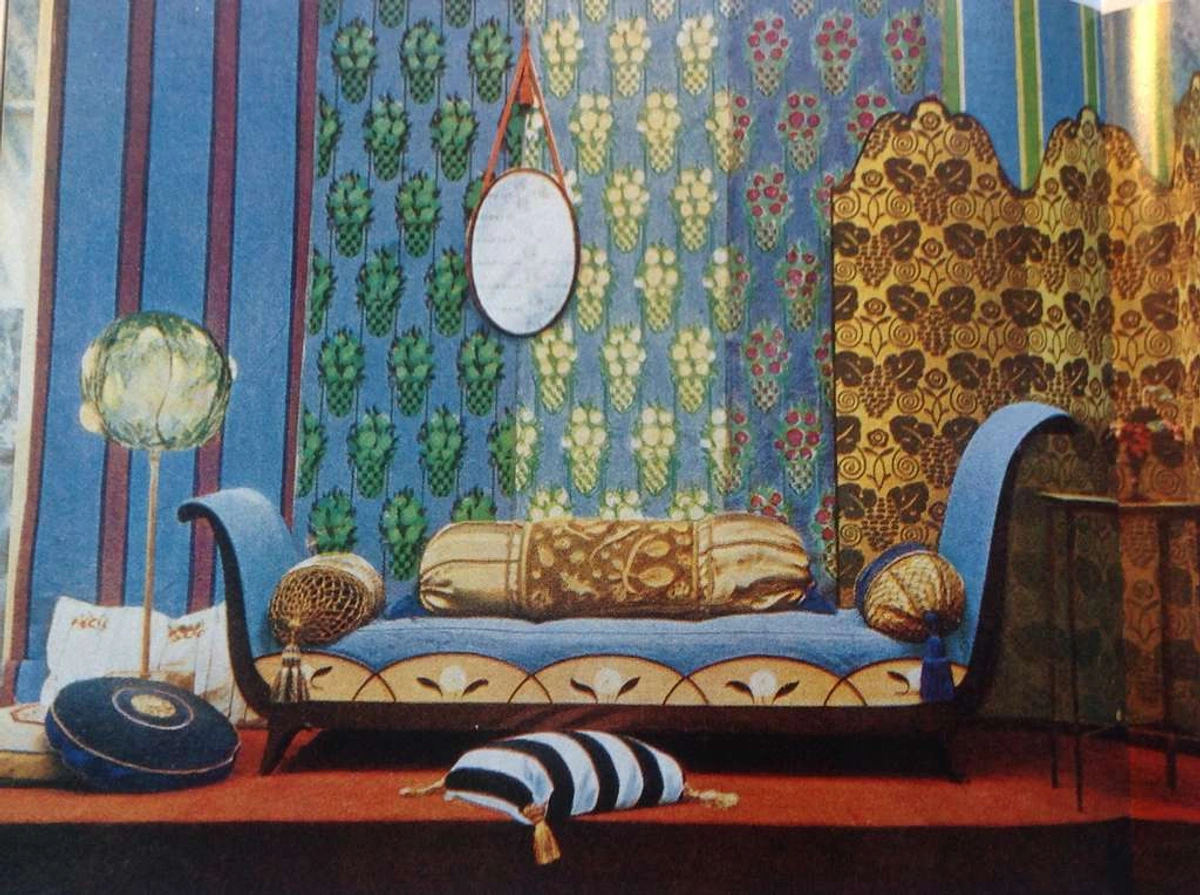
Art Deco Lighting: Illuminating with Glamour
Art Deco lighting isn't just about functionality; it's about creating an atmosphere of sophisticated drama and sparkle, acting as sculptural elements that illuminate and define a space. For me, a well-chosen Art Deco lamp is as much a piece of art as any painting, a brilliant fusion of form, material, and light.
- Sculptural Forms and Geometric Precision: Art Deco lighting fixtures often boasted strong, geometric shapes – think stepped towers, spherical globes, or fan-like designs. Chandeliers became cascading assemblies of crystal and chrome, while table lamps took on architectural forms, often featuring stylized figures or streamlined profiles. Designers like Edgar Brandt created magnificent wrought-iron pieces that were both functional and intensely artistic, often featuring stylized animal or floral motifs, or complex geometric grilles. Other notable lighting designers include Jacques Leleu, known for his elegant chandeliers, and various manufacturers who produced the iconic 'skyscraper' lamps or streamlined floor lamps with multiple disc-shaped shades. The sheer variety, from grand chandeliers to intimate table lamps, all shared Art Deco's commitment to sculptural form and luxurious materials.
- Luxurious Materials: The materials were, of course, quintessential Art Deco. Frosted and etched glass (especially by masters like René Lalique and Daum) diffused light beautifully, often adorned with stylized floral or geometric patterns. Polished chrome, brass, and nickel provided sleek, reflective bases and frames, amplifying the light and adding a touch of industrial glamour. Even alabaster or marble was used for shades, offering a soft, warm glow.
- Dramatic Illumination: Beyond the fixtures themselves, Art Deco lighting was all about creating dramatic effects. Concealed lighting, such as cove lighting that washed ceilings with a soft glow, uplighting from hidden fixtures, and precisely aimed recessed spotlights, emphasized architectural details and artworks, creating depth and a sense of theatricality. This careful control of light and shadow was paramount in creating the dramatic, opulent atmosphere characteristic of Art Deco interiors. The goal was to create a play of light and shadow that enhanced the room's opulent ambiance. The goal was to create a play of light and shadow that enhanced the room's opulent ambiance.
Incorporating Art Deco lighting into your home is like adding another layer of jewelry to your interior. Each piece is designed to not only brighten a space but to captivate, to draw the eye, and to reinforce that unmistakable sense of Art Deco glamour. It's about letting your lights be as much of a statement as your art.
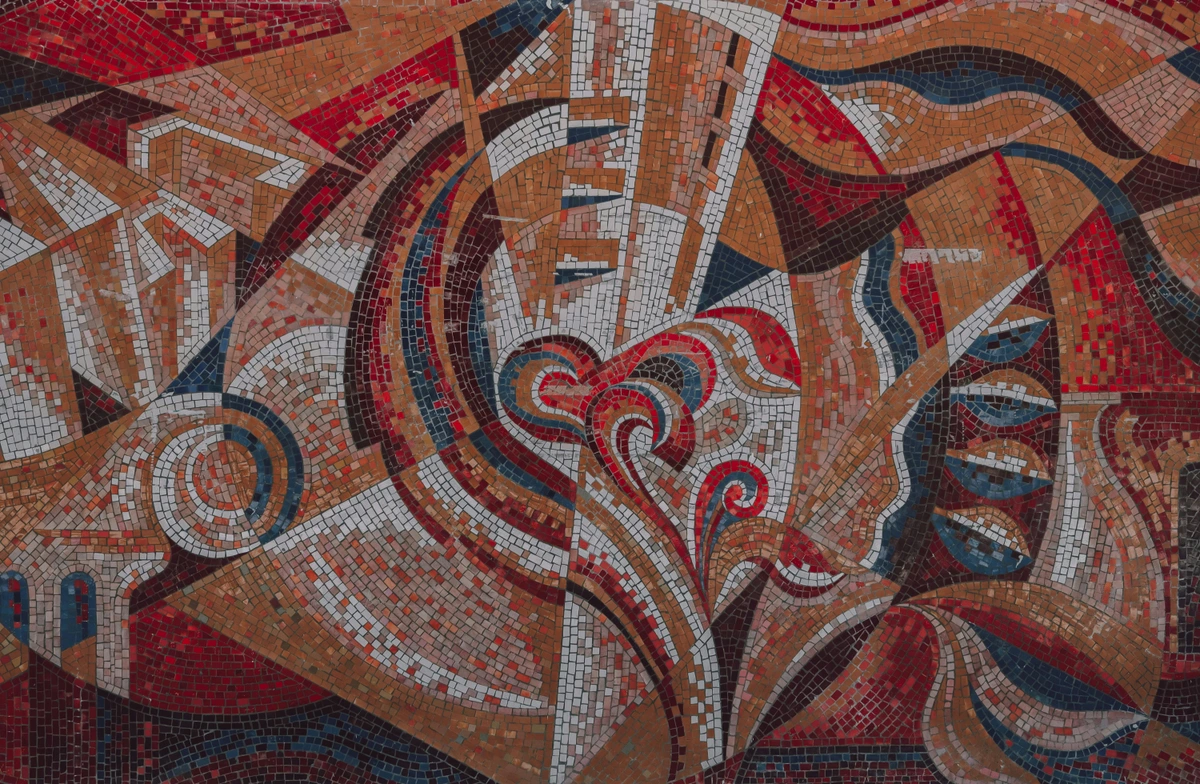
Art Deco Ceramics and Glassware Masters: Beyond Lalique
While René Lalique is undoubtedly the undisputed master of Art Deco glass, the era boasted a constellation of other incredible artists and workshops who elevated ceramics and glassware to new heights of artistry and elegance. These pieces often provided a more accessible entry point into the Art Deco aesthetic, bringing sophisticated design to everyday objects.
- Émile Gallé and Daum Nancy: While rooted in Art Nouveau, both Gallé and Daum, particularly Daum Nancy, transitioned into the Art Deco style, producing stunning glass pieces with cleaner lines and more geometric motifs, often featuring layered colors and intricate etching. Their works captured the sensuality of nature but with a newfound precision.
- Marcel Goupy and Jean Luce: These French designers created sophisticated, often minimalist, glassware that emphasized form and the inherent beauty of the material. Their pieces, while less ornate than some, perfectly captured the streamlined elegance of the era, often with subtle frosted or acid-etched details.
- Clarice Cliff: As mentioned earlier, her vibrant and boldly patterned ceramics, particularly her 'Bizarre' and 'Fantasque' lines, brought a playful, optimistic energy to Art Deco design. Her pieces are iconic for their distinctive abstract landscapes, geometric patterns, and daring use of color, making them highly collectible and instantly recognizable.
- Robj Paris: Known for their whimsical and often humorous ceramic figures and decorative objects, Robj pieces brought a touch of lightheartedness to the Art Deco aesthetic. Their stylized figures, often depicting dancers or fashionable women, perfectly embodied the era's joie de vivre and sense of modernity.
- Other Notable Makers: The Sèvres porcelain manufactory in France also produced exceptional Art Deco pieces, often collaborating with artists to create sleek, classically inspired forms. In Czechoslovakia, companies like Moser created stunning cut glass, while the Wiener Werkstätte, though slightly earlier, influenced the geometric and crafted elegance seen in much Art Deco ceramic and metalwork. These artists and manufacturers, through their mastery of materials and innovative designs, ensured that Art Deco's influence extended across all forms of decorative arts, allowing everyone to bring a touch of glamour into their homes. Collecting these pieces is like holding a small, tangible slice of Art Deco history in your hands, each one a testament to the era's boundless creativity.
- Émile Gallé and Daum Nancy: While rooted in Art Nouveau, both Gallé and Daum, particularly Daum Nancy, transitioned into the Art Deco style, producing stunning glass pieces with cleaner lines and more geometric motifs, often featuring layered colors and intricate etching. Their works captured the sensuality of nature but with a newfound precision.
- Marcel Goupy and Jean Luce: These French designers created sophisticated, often minimalist, glassware that emphasized form and the inherent beauty of the material. Their pieces, while less ornate than some, perfectly captured the streamlined elegance of the era, often with subtle frosted or acid-etched details.
- Clarice Cliff: As mentioned earlier, her vibrant and boldly patterned ceramics, particularly her 'Bizarre' and 'Fantasque' lines, brought a playful, optimistic energy to Art Deco design. Her pieces are iconic for their distinctive abstract landscapes, geometric patterns, and daring use of color, making them highly collectible and instantly recognizable.
- Robj Paris: Known for their whimsical and often humorous ceramic figures and decorative objects, Robj pieces brought a touch of lightheartedness to the Art Deco aesthetic. Their stylized figures, often depicting dancers or fashionable women, perfectly embodied the era's joie de vivre and sense of modernity.
These artists and manufacturers, through their mastery of materials and innovative designs, ensured that Art Deco's influence extended across all forms of decorative arts, allowing everyone to bring a touch of glamour into their homes. Collecting these pieces is like holding a small, tangible slice of Art Deco history in your hands, each one a testament to the era's boundless creativity.
Art Deco Murals: Grand Narratives on the Wall
Beyond individual artworks, the Art Deco era also saw a magnificent resurgence of the mural as a powerful artistic statement, particularly in public buildings, hotels, and grand private residences. These aren't just large paintings; they are integral to the architecture, transforming entire walls into sweeping narratives of progress, industry, and idealized human achievement.
- Public Statements of Optimism: Art Deco murals often depicted allegorical figures representing labor, science, agriculture, or the arts, rendered in the distinctive sleek, geometric style of the era. They were celebrations of modernity, technology, and the optimistic spirit that emerged after World War I. Think of the breathtaking murals by Jose Maria Sert in the Rockefeller Center's lobby, or the post office murals across America telling stories of local industry and community. Even grander, the impressive murals by Frank Brangwyn in the British House of Lords, though earlier, informed the sense of allegorical grandeur. Other notable examples include the elaborate murals in the lobby of the Chrysler Building in New York, and the decorative panels found in many Art Deco civic buildings, often celebrating themes like flight, industry, or agriculture. These were massive undertakings, transforming public spaces into grand artistic statements. While you might not be commissioning a full-scale mural for your living room (unless, of course, you're building your own Art Deco masterpiece!), incorporating framed prints or photographs of these iconic public murals can be a wonderful way to connect with this monumental aspect of Art Deco. They remind us that art in this era was often about grand statements and collective dreams, shaping the very fabric of urban life and inspiring generations.
- Integration with Architecture: These murals were rarely standalone pieces. They were designed to integrate seamlessly with the architectural elements of the building, often featuring motifs that echoed the surrounding friezes, columns, or stepped forms. Artists often used techniques like fresco, mosaic, or painted canvas panels to create durable and visually impactful works that felt intrinsically linked to their surroundings.
- Luxurious Materials and Techniques: While paint was common, murals also incorporated more opulent materials. Glass mosaics shimmered with metallic flecks, while intricate marquetry panels created stunning, textured designs in wood veneers. These luxurious materials added another layer of glamour and sophistication, ensuring the murals were as much about tactile richness as visual storytelling.
While you might not be commissioning a full-scale mural for your living room (unless, of course, you're building your own Art Deco masterpiece!), incorporating framed prints or photographs of these iconic public murals can be a wonderful way to connect with this monumental aspect of Art Deco. They remind us that art in this era was often about grand statements and collective dreams, shaping the very fabric of urban life and inspiring generations.
The Allure of Art Deco Photography
Beyond paintings and sculptures, the Art Deco era also left a remarkable legacy in photography. The visual language of the movement – its love for clean lines, dramatic angles, and stylized forms – translated beautifully into the photographic medium. Photographers of the era often embraced modernist techniques, using sharp focus, dynamic compositions, and strong contrasts to capture the essence of the new age. Beyond Edward Steichen, whose fashion photography was legendary, other notable photographers like George Hurrell captured the glamorous allure of Hollywood stars with dramatic lighting and stylized poses, while Berenice Abbott documented the soaring architecture of New York City, emphasizing the clean lines and monumental scale of Art Deco buildings. Artists like Man Ray and Florence Henri also experimented with photographic abstraction, creating geometric compositions and dramatic contrasts that perfectly aligned with the Art Deco aesthetic. Their work turned everyday scenes and personalities into timeless statements of elegance and modernity. I'm always drawn to how they captured not just an image, but the very spirit of an era, a feeling of confident glamour frozen in time. Their work turned everyday scenes and personalities into timeless statements of elegance and modernity. I'm always drawn to how they captured not just an image, but the very spirit of an era, a feeling of confident glamour frozen in time.
- Fashion Photography: Iconic photographers like Edward Steichen captured the elegant silhouettes and luxurious textures of Art Deco fashion, creating images that were as much art as they were advertisements. These images often featured elongated figures, dramatic lighting, and a sense of sophisticated allure, transforming models into living sculptures. They didn’t just photograph clothes; they captured a mood, an aspirational lifestyle.
- Architectural Photography: The soaring skyscrapers and intricate details of Art Deco architecture were a natural subject. Photographers emphasized the geometric grandeur, the play of light and shadow on chrome and glass, and the awe-inspiring scale of these modern marvels, almost making the buildings seem to stretch into the heavens. They immortalized the confident optimism of an era building towards the future.
- Portraiture: Art Deco portraiture often stylized its subjects, emphasizing strong features, clean lines, and a sense of confident glamour. Think of glamorous film stars or socialites captured with a sophisticated, almost sculptural quality, embodying the era's ideal of beauty – strong, independent, and utterly chic. Each portrait told a story of individual style and collective aspiration.
Framed vintage photographs, or even contemporary prints inspired by this aesthetic, can add a unique and often intimate artistic layer to your Art Deco interior. They offer a window into the past, rendered with a timeless sense of style and a sharp, modern eye.
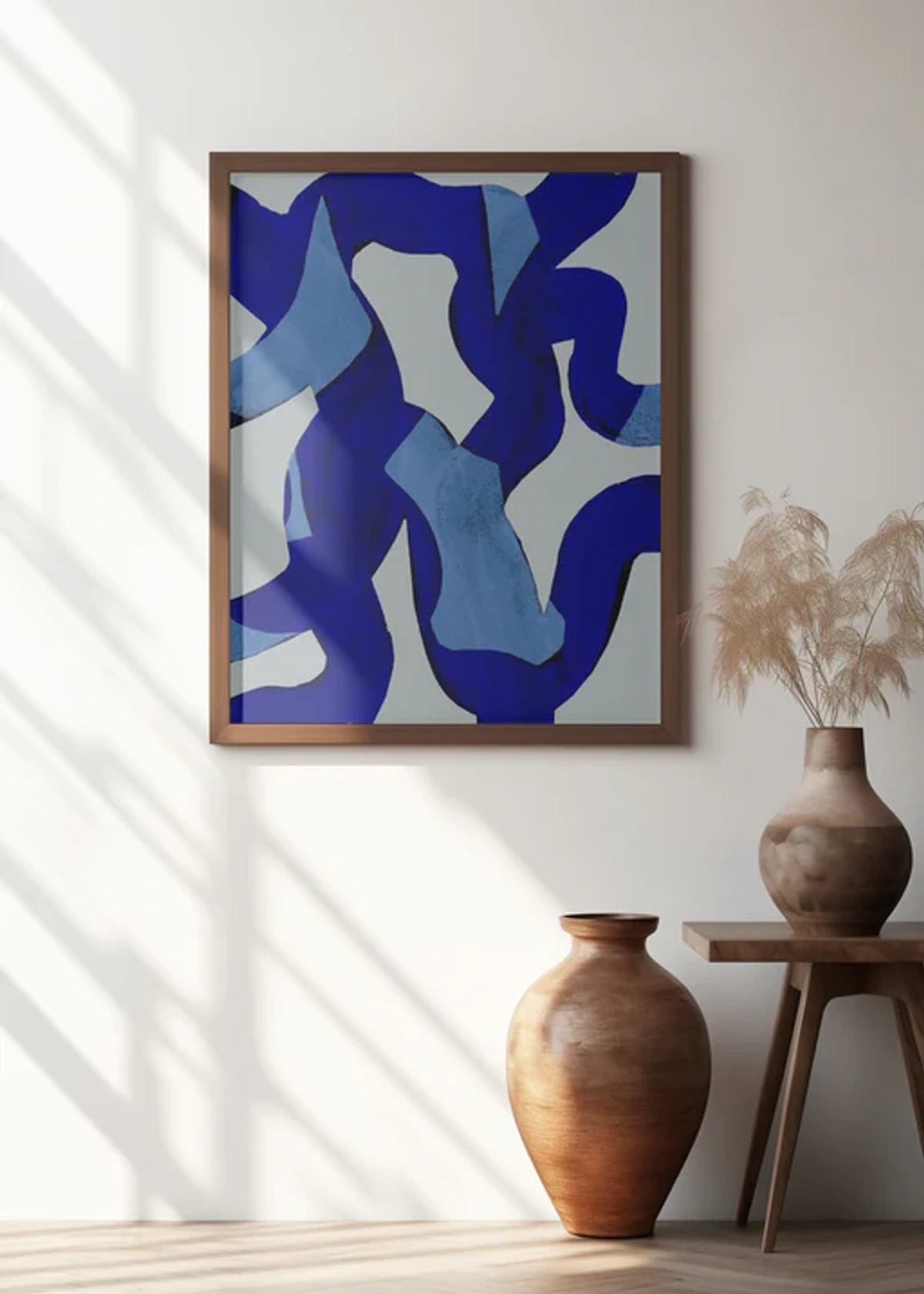
Placement & Scale: Making a Grand Statement
Art Deco interiors are about making an impression, and your art should follow suit. This isn't the time for dainty little pieces (unless they're part of a highly curated, symmetrical display – even then, they're playing a strong supporting role, not a solo). Instead, think about making a grand, confident statement that captures the era's spirit of bold ambition. It's about asserting presence, not fading into the background.
- Go Big or Go Home (Often): Art Deco interiors demand presence, and large-scale pieces truly shine here. I once installed a towering abstract canvas in a client's Art Deco living room – a bold geometric explosion of emerald green and gold – and it completely transformed the space, anchoring it with a singular, undeniable presence. A single, commanding artwork can become the undisputed focal point of a room, especially when placed above a sofa, a grand mantelpiece, or an impressive console. As a rule of thumb, art above a sofa should be roughly two-thirds the width of the furniture, or for a standalone wall, the artwork can fill up to 75% of the wall space, leaving ample negative space around it to emphasize its importance and create that undeniable sense of luxury. When considering scale, don't be afraid to allow a piece to command a wall, leaving ample negative space around it to emphasize its importance and create that undeniable sense of luxury. I've found that decorating with large-scale abstract art works beautifully to maintain that sense of grandeur and effortless sophistication. It's about giving your art room to breathe, to truly make its statement without feeling crowded or overwhelmed.
- Symmetry and Balance: While not every single piece needs to be mirrored, Art Deco often revels in a deliberate sense of balance and order. It’s an almost architectural approach to display, reflecting the structured elegance of the era. Consider placing two identical or highly complementary pieces on either side of a grand fireplace, a prominent doorway, or a built-in cabinet. I often advise clients to envision an invisible axis through the room; your art choices should feel perfectly weighted on either side, creating a calming yet impactful visual harmony. Even with asymmetrical arrangements, visual balance can be achieved by distributing visual 'weight' – a large, dark piece on one side balanced by several smaller, lighter pieces on the other. If you opt for a single, powerful piece, ensure its visual weight feels firmly anchored and proportional within the space, preventing it from looking adrift. If you opt for a single, powerful piece, ensure its visual weight feels firmly anchored and proportional within the space, preventing it from looking adrift.
- Reflective Surfaces: Art Deco loves mirrors and polished surfaces. Positioning art to be reflected can double its impact and amplify the room's sparkle. Imagine a geometric sculpture catching the light and creating dynamic patterns across the ceiling, or a painting subtly mirrored in a lacquered table. Mirrored screens or highly polished metal floors can also dramatically reflect and multiply the impact of nearby artworks, creating an immersive, dazzling experience. This careful consideration of how elements interact is a core principle in the definitive guide to composition in abstract art. I once saw a client's entire living room transform just by strategically placing a piece of abstract art opposite a large, beveled mirror, creating an endless, dazzling dialogue of color and form. The right scale and proportion are paramount in Art Deco. An artwork that is too small will be dwarfed by the grand statements of the furniture and architecture, losing its impact. One that is too large might overwhelm the space. It’s a delicate balance, but generally, bolder is better here. Don't be afraid to experiment with cardboard cut-outs of your desired art size to visualize the impact before committing. I've often done this myself, and it's amazing how a simple piece of paper can save you from a costly mistake. And always remember, the goal isn't just to fill a wall; it's to create a moment.
- Framing is Key: Don't underestimate the frame! A well-chosen frame is not just a border; it's an extension of the artwork and the room's design. Sleek, metallic (chrome, brass, silver), or lacquered black frames perfectly complement the Art Deco aesthetic. Consider clean lines and perhaps a subtle stepped profile to echo architectural details. Materials like rosewood veneers, shagreen inserts, or even polished glass can also be used for frames, adding another layer of luxurious texture. Avoid overly ornate or rustic frames; they’ll simply look out of place and detract from the streamlined elegance and modernity. Think of the frame as the perfect tailored suit for your artwork – it needs to be sharp, sophisticated, and perfectly cut.
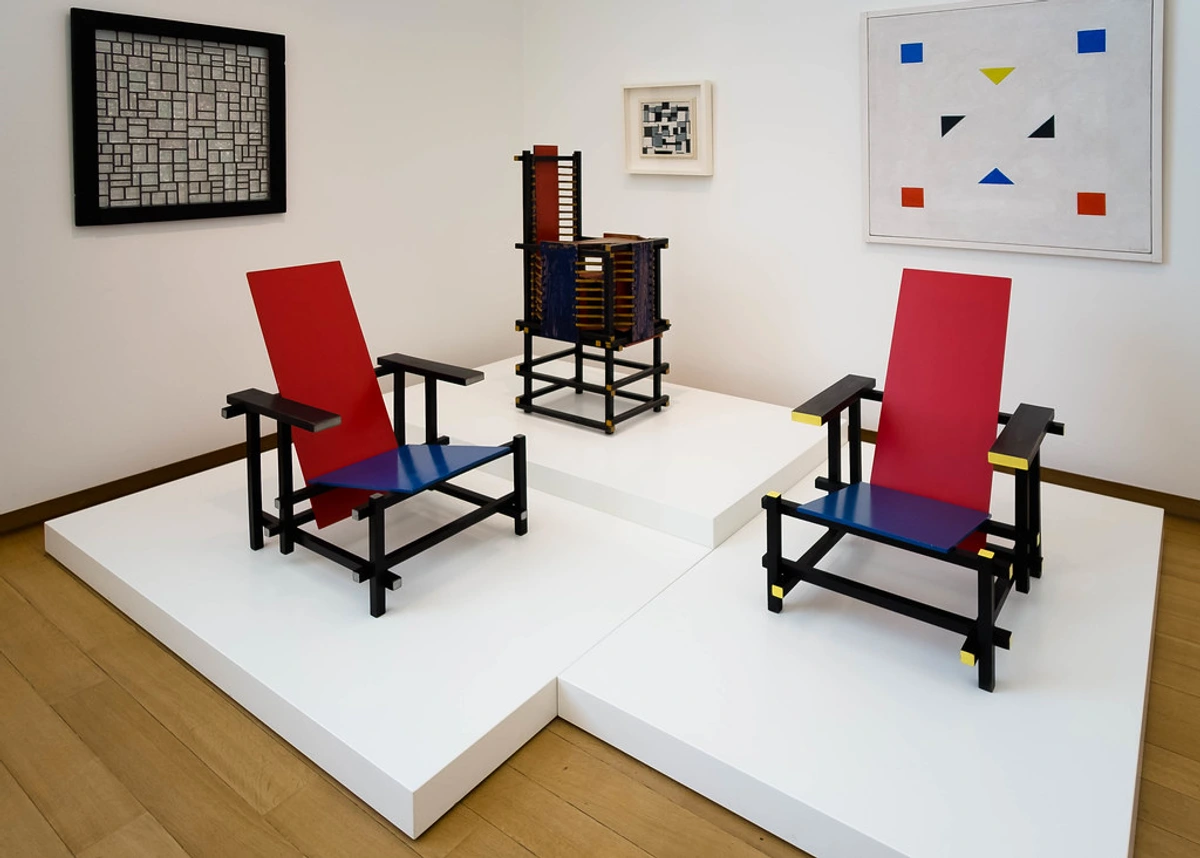
The Role of Lighting: Illuminating Your Art Deco Collection
Art Deco interiors thrive on drama and sparkle, and nothing enhances that quite like well-planned lighting for your art. This isn't just about seeing the artwork; it's about making it sing within its glamorous surroundings. I've experimented endlessly with how light interacts with different textures and colors, and in an Art Deco setting, it becomes almost another layer of design, a secret weapon for creating that undeniable Art Deco atmosphere.
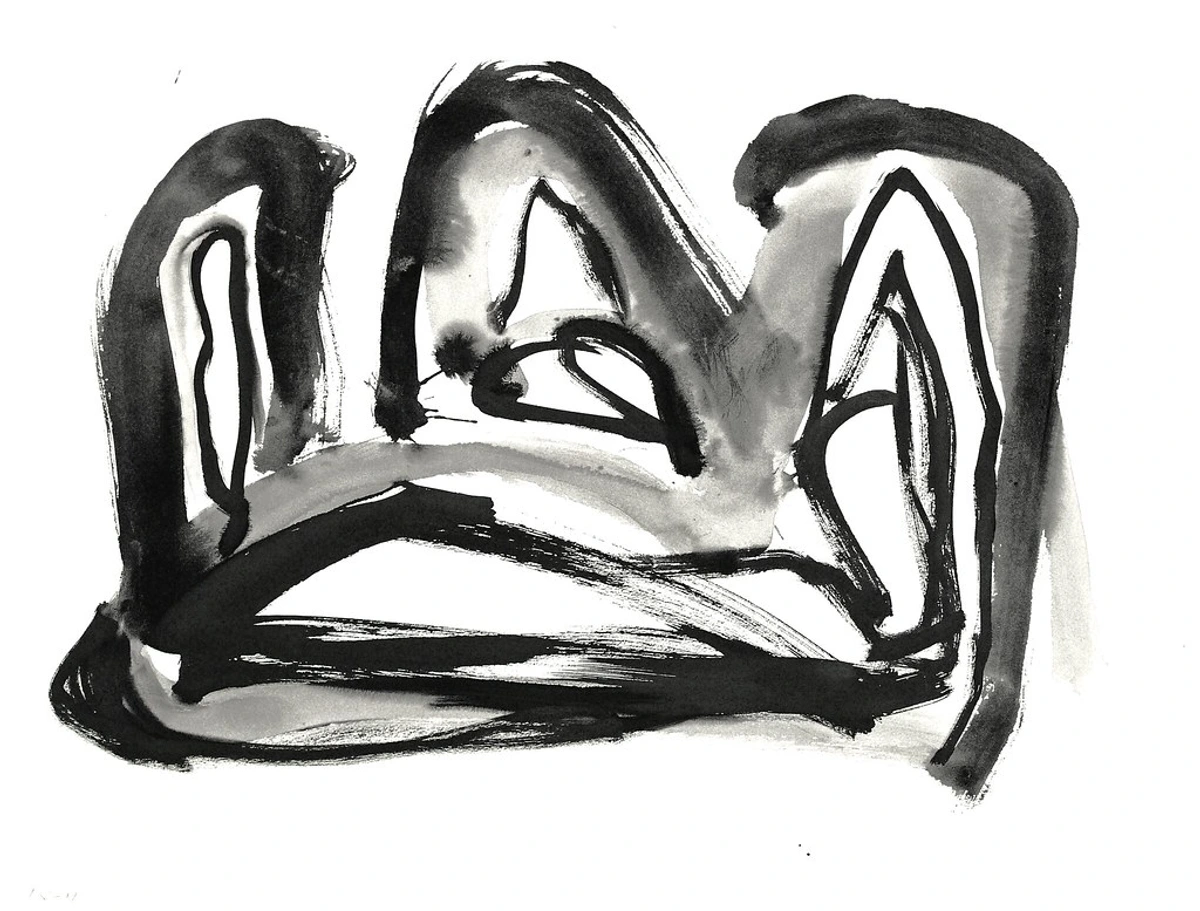
- Accent Lighting: This is your primary tool for drama. Dedicated picture lights – and yes, they must be sleek, metallic designs, in chrome, brass, or blackened steel – or precisely aimed recessed spotlights, track lighting, or even concealed strip lighting within architectural niches can highlight individual pieces, drawing the eye and making that artwork the undeniable star of the show. I love how a well-placed accent light can bring out the texture and subtle nuances of a painting, making it feel almost alive, like it's stepping off the wall and into the room.
- Reflective Play: In an Art Deco space, every surface is a potential stage for light. Consider how light interacts with the polished surfaces common in the era – the gleam of a lacquered cabinet, the expanse of a mirrored wall, the shimmer of a metallic screen. A strategically lit sculpture or painting can cast beautiful, dynamic shadows or reflections, doubling its visual impact and creating a mesmerizing interplay of light and form. The dramatic textures of etched glass, the shimmer of metallic reliefs, or the polished curves of a bronze figure all become active participants in this play of light and shadow, creating captivating visual effects. It's like having two pieces of art for the price of one, a visual magic trick that never gets old!
- Warm vs. Cool Tones: While Art Deco embraced a vibrant palette, the warmth or coolness of your lighting can drastically alter the mood. Experiment to find what makes your chosen artwork, and the room, truly glow. I tend to prefer warmer tones for that cozy, luxurious feel, but cooler lights can enhance certain blues or greens. The subtle differences can make all the difference.
- Natural Light's Role: Don't forget the power of natural light! Art Deco interiors often featured large windows, embracing light and views. Position your art to take advantage of natural light, but be mindful of direct sunlight, which can fade and damage artworks over time. Sheer curtains or UV-protective glass on framed pieces can offer a good balance, letting light in while protecting your precious collection. It’s a constant negotiation with the sun, isn't it?
- Warm vs. Cool Tones: While Art Deco embraced a vibrant palette, the warmth or coolness of your lighting can drastically alter the mood. Experiment to find what makes your chosen artwork, and the room, truly glow.
- Layered Lighting: The most sophisticated Art Deco interiors employ a strategy of layered lighting. This means combining ambient (general room lighting), task (for specific activities), and accent lighting (to highlight art). By integrating various light sources, you create depth, drama, and the ability to shift the mood of the room from a vibrant, entertaining atmosphere to a more intimate, reflective setting. Imagine soft uplighting casting shadows that emphasize the architectural details, while spotlights bring out the brilliance of a painting, and a grand chandelier provides overall sparkle. This holistic approach ensures your art is always seen in its best light, literally – a symphony of illumination that enhances every element of your design.
It’s a subtle art, but mastering the lighting can elevate your entire Art Deco art display from merely decorative to truly breathtaking. We often delve into these topics when discussing the art of display: how to light and position abstract art for maximum impact.
Color Palettes and Metallic Touches
Art Deco loves strong colors – deep emerald green, sapphire blue, ruby red, amethyst purple, often contrasted with black, white, cream, and of course, gold and silver. When choosing art, you can:
- Echo the Room's Palette: For a harmonious, cohesive look, select art that features similar dominant colors to your existing Art Deco scheme. I've found that even subtle variations within a color family – perhaps a deep sapphire art piece against a lighter blue wall, or a ruby-toned abstract echoing velvet upholstery – can add immense richness, preventing the space from feeling too "matched" and instead giving it a sophisticated, layered depth. Utilizing analogous colors (those next to each other on the color wheel) can create a smooth, sophisticated transition, while still adding visual interest. It’s about creating a visual conversation, not a monotone statement; think of it as a choir where every voice is distinct but beautifully harmonized.
- Provide a Pop of Contrast: Introduce a vibrant color that stands out but doesn't jar. For instance, a piece with a bright orange or a surprising pink can be incredibly striking against a deep blue or black Art Deco backdrop. It’s a delicate dance, often informed by the psychology of color in abstract art, where each hue tells its own story.
- Embrace Metallics: Art Deco is absolutely synonymous with metallics – gold, silver, chrome, and brass are its glittering backbone. Look for art that incorporates metallic leaf, shimmering pigments, or even has a highly reflective quality that catches and plays with the light. This not only ties the artwork seamlessly into the existing chrome, brass, and mirrored elements of your furniture and fixtures but also amplifies the luxurious, glamorous feel of the entire space. Consider art where the metallic elements directly echo the finishes of prominent furniture pieces or architectural details, creating a coherent and sparkling design narrative. A touch of gold in an abstract painting, for instance, can echo the brass details on a console table, creating an instant connection.
The Enduring Power of Black and White
While Art Deco is renowned for its vibrant jewel tones, we cannot overlook the foundational and eternally chic combination of black and white. This high-contrast pairing is the very backbone of many iconic Art Deco interiors and can provide a stunning backdrop or a powerful artistic statement in itself – a truly timeless declaration of elegance.

- A Classic Canvas: Black and white creates an instant sense of drama, sophistication, and graphic clarity. Art with a strong black and white palette – think minimalist geometric abstracts, stylized figures in stark monochrome, or even photography from the era, such as architectural studies of skyscrapers or glamorous portraits – can feel incredibly potent in an Art Deco setting. It strips away distraction, allowing form and line to take center stage. I've found that a well-chosen black and white piece can be the quiet force in a vibrant room, holding its own beautifully, like a perfectly composed black-and-white photograph in a colorful world.
- Monochromatic Schemes with Texture: Beyond just black and white, consider monochromatic schemes in other Art Deco hues, like a deep emerald green, sapphire blue, or rich burgundy. The trick is to introduce texture within that single color range – using varying shades and tints of that color, combined with different textures like glossy paint against matte paper, or a velvet sculpture against a silk backdrop. This creates depth and visual interest without introducing additional colors, maintaining a sophisticated, understated glamour that is very much in keeping with Art Deco's refined sensibilities. It's like whispering luxury, rather than shouting it – a subtle yet powerful statement of elegance. This creates depth and visual interest without introducing additional colors, maintaining a sophisticated, understated glamour that is very much in keeping with Art Deco's refined sensibilities. It's like whispering luxury, rather than shouting it – a subtle yet powerful statement of elegance.
- Dramatic Contrast: Use black and white art to create dramatic contrast against a richly colored wall or a vibrant patterned rug. Or, conversely, let it be the grounding element in a room overflowing with color, providing a moment of visual calm and elegance.
- Timeless Modernity: The black and white aesthetic is timeless and effortlessly modern, perfectly echoing Art Deco's forward-looking spirit. It ensures your space feels elegant and current, never dated.
I love how abstract art, even in a monochromatic palette, can evoke such strong emotions and dynamic compositions. It’s a testament to the power of pure form and contrast, a language Art Deco understood implicitly. Sometimes, the most powerful statements are made without a single splash of color.
I often think about how my abstract pieces, with their sometimes chaotic, sometimes perfectly ordered geometric forms and bright colors, could offer this kind of dynamic contrast. The trick is always to ensure the underlying feeling of sophistication and intentionality remains, rather than just throwing something colorful onto the wall. The psychology of these colors is also fascinating; deep blues often evoke tranquility and luxury, while emeralds speak of wealth and nature, and crimson hints at passion and drama. Understanding these nuances, as we explore in the psychology of color in abstract art, can help you select art that not only looks stunning but also subtly influences the mood of your Art Deco space.
Iconic Art Deco Color Pairings
While Art Deco embraced a wide spectrum of rich hues, certain color combinations are truly emblematic of the era. Knowing these can guide your art choices to perfectly capture that distinctive glamour.
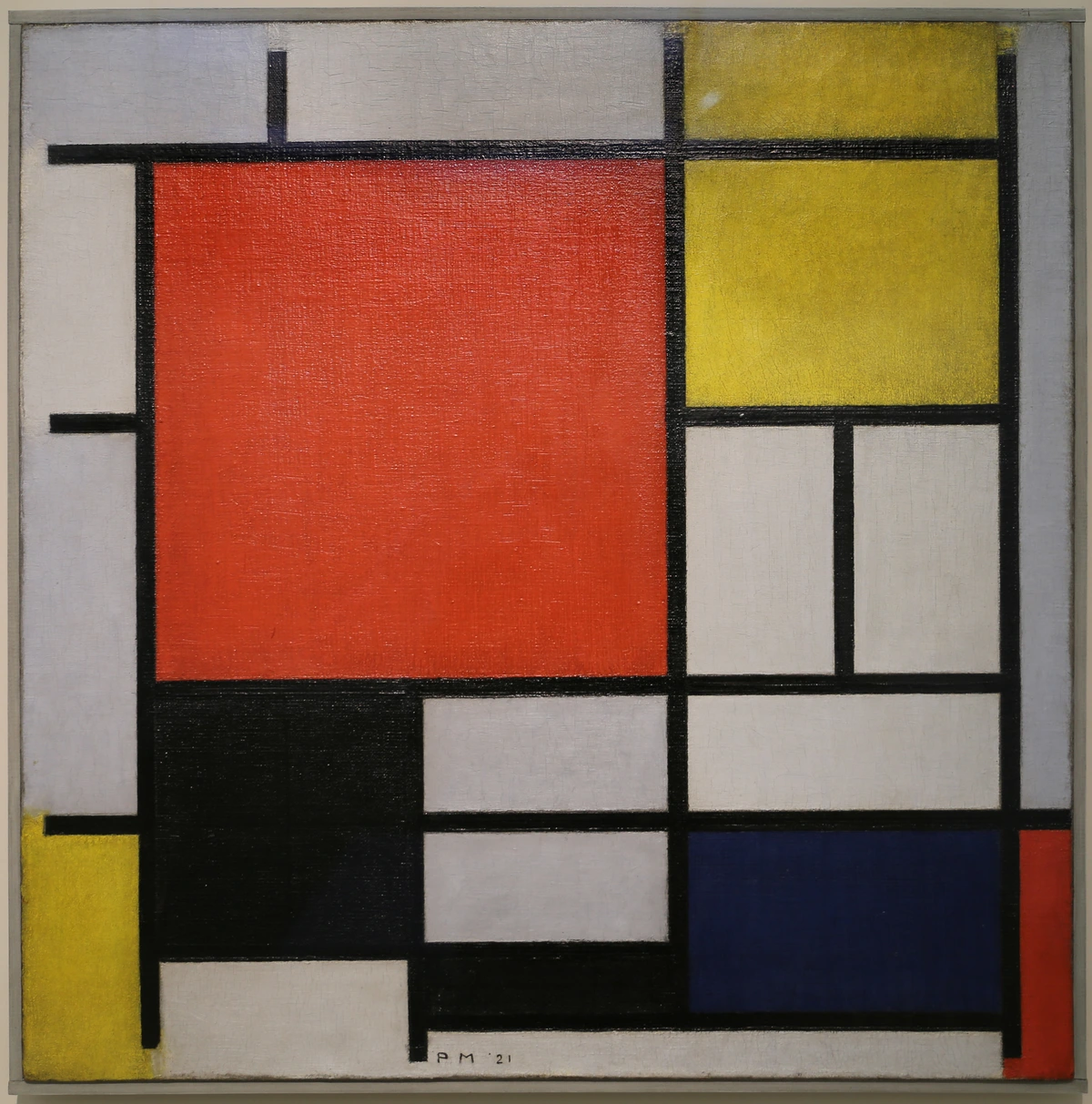
- Black and Gold (or Silver): This is perhaps the most iconic pairing, exuding pure opulence and sophistication. Black provides a dramatic, grounding backdrop, while gold (or silver, chrome) adds a dazzling, luxurious sparkle. Think of a black abstract painting with metallic accents, or a stark black and white piece framed in gleaming gold. This iconic pairing can be seen in lacquer furniture with gold inlays, black velvet upholstery with gold embroidery, or geometric patterns in black marble with brass accents. It's a statement of undeniable elegance, timeless and bold.
- Jade Green and Cream/Black: Jade green, often seen in malachite or polished stone, brings an exotic, earthy richness that was hugely popular. Paired with cream or black, it creates a feeling of serene luxury, almost like stepping into a sophisticated oriental salon. Art with deep greens, perhaps in stylized botanical motifs or abstract landscapes, can harmonize beautifully here. Consider jade green accent pieces like vases, sculptures, or even small upholstered items, contrasted with creamy walls or black furniture. The combination evokes a sense of exotic luxury and natural elegance.
- Deep Blues (Sapphire/Navy) and Metallics: Sapphire blues, evoking deep seas and night skies, were frequently used to create depth and a sense of refined calm. When contrasted with polished silver or chrome, this combination feels effortlessly chic and modern, reflecting the era's fascination with ocean liners and streamlined design. An abstract piece featuring deep blues and subtle metallic shimmer would feel perfectly at home. This pairing often appeared in blue velvet upholstery with polished chrome trim, or in intricate glass panels where deep blue glass was juxtaposed with silvered elements. It reflects the era's fascination with ocean liners and streamlined design, evoking a sophisticated, almost nautical, glamour.
- Coral/Peach and Teal/Turquoise: For a softer, yet still vibrant, touch, these warmer hues were often used, especially in textiles and decorative arts. They evoke sunsets, tropical birds, and a more playful side of Art Deco, reminiscent of travel and leisure. Art that uses these palettes can inject a lively, optimistic energy into a space, a beautiful counterpoint to the bolder, more dramatic schemes. These softer, yet still vibrant, hues often appeared in decorative objects, small accent furniture, or specific textiles, adding a playful and sunny disposition to Art Deco interiors, reminiscent of glamorous travel destinations and leisure. They are a delightful reminder that Art Deco wasn't always about high drama.
Experimenting with these classic pairings, or finding art that offers a modern interpretation of them, can instantly infuse your space with authentic Art Deco flair. It’s like speaking the very language of the era through color.
Art Deco and the Psychology of Color: More Than Meets the Eye
Beyond aesthetics, the colors chosen for Art Deco interiors and art often carried psychological weight, subtly influencing mood and perception. It wasn't just about what looked good; it was about how it felt. The deep jewel tones, for instance, evoked feelings of luxury, sophistication, and sometimes even a hint of mystery or passion. Gold and silver weren't merely metallic accents; they symbolized wealth, prosperity, and the glittering optimism of the era. Black conveyed power and formality, white offered purity and modernity, while chrome embodied the clean, futuristic, and industrial chic of the machine age. Understanding these underlying psychological associations, as we explore in the psychology of color in abstract art, can help you choose art that not only looks stunning but also resonates with the desired emotional landscape of your Art Deco space. It's like the colors themselves are telling a story. Even the stark contrasts of black and white created a sense of drama, clarity, and decisive modernity. Understanding these underlying psychological associations, as we explore in the psychology of color in abstract art, can help you choose art that not only looks stunning but also resonates with the desired emotional landscape of your Art Deco space. It's like the colors themselves are telling a story.
Art Deco Textures: Beyond the Visual
Art Deco isn't just about what you see; it's about what you feel. The tactile experience of an Art Deco interior is just as important as its visual splendor, and this extends to the art you choose. Think about the rich interplay of textures: the smooth, cool touch of polished marble, the plush velvet of an armchair, the gleaming surface of lacquered wood, the intricate detailing in a metal grille, or the soft drape of a silk curtain. Your art can either echo these luxurious textures or provide a compelling, delightful contrast, enriching the sensory experience of the room. It’s like a secret language, spoken not just to the eyes, but to the fingertips – an invitation to truly engage with the space. It’s like a secret language, spoken not just to the eyes, but to the fingertips.
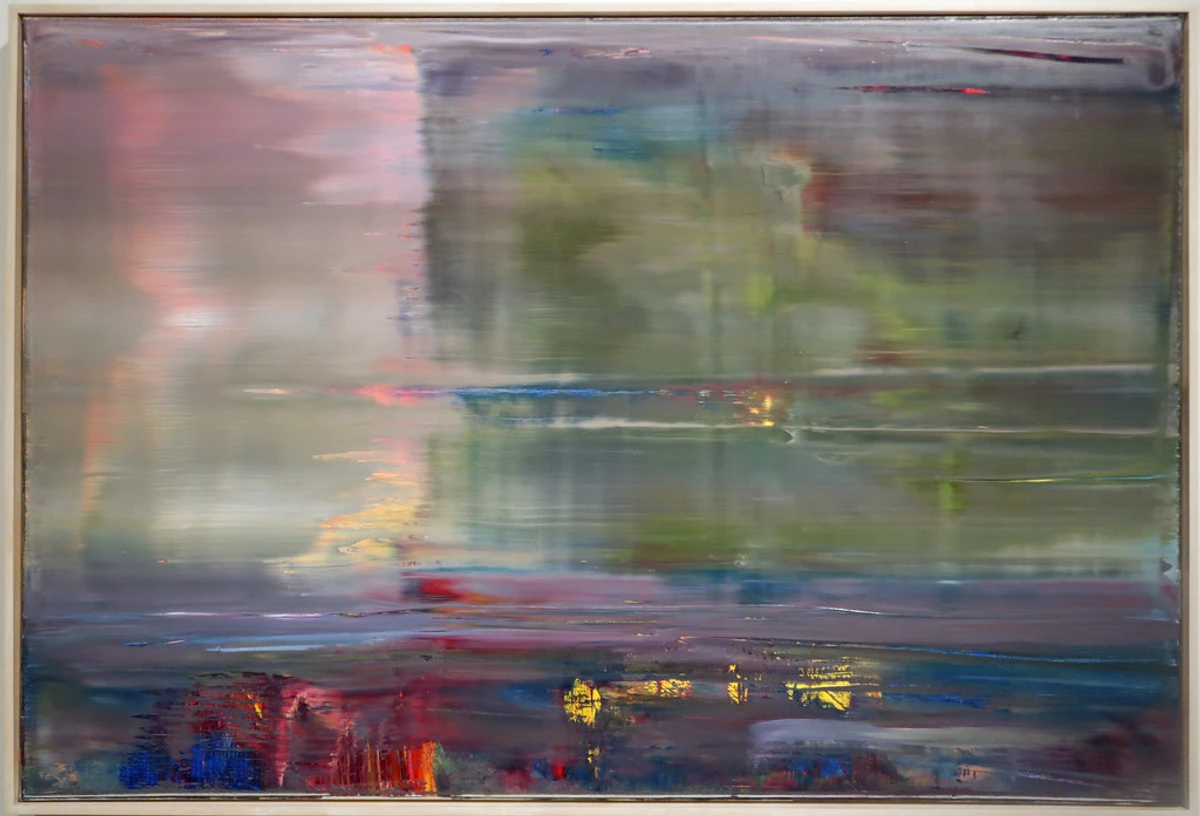
- Lustrous and Polished Surfaces: Artworks with a high-gloss finish, metallic leaf, shimmering pigments, or highly polished elements (like polished bronze or chrome in sculpture) can perfectly mirror the reflectivity prevalent in Art Deco decor. This enhances the overall sense of luxury, drama, and light, making the art feel intrinsically connected to the room's opulent materials. Think about how a lacquered abstract painting might echo a polished dining table, reflecting its gleam and amplifying the room's overall luminosity. The interplay of light on these surfaces creates a dynamic, ever-changing visual experience, enhancing the overall sense of luxury and vibrancy in an Art Deco interior.
- Subtle Depths and Tactile Allure: Even in abstract paintings, variations in paint thickness, impasto techniques, or the inherent texture of the canvas itself can add another dimension. This subtle depth invites a closer, more intimate look and a deeper appreciation, subtly playing against the smoothness of surrounding elements. Consider art that makes you want to reach out and touch it (gently, of course!). Mixed media pieces, incorporating elements like sand, fabric, or even small metallic embellishments, can also introduce unexpected textural elements, creating a richer, multi-sensory experience. Artists employing impasto techniques to create thick, sculptural paint strokes, or using layered materials that create subtle reliefs, can add significant tactile interest. It’s about adding layers that reward a deeper dive. It’s about adding layers that reward a deeper dive.
- Fabric, Weave, and Upholstery in Art: Don't overlook textile art. Tapestries, framed silks, embroidered panels, or even custom upholstered panels that feature geometric patterns or stylized figures can introduce softness, warmth, and an unexpected tactile quality. These can provide a beautiful counterpoint to the hard, sleek lines of furniture and architecture, adding a layer of comfort and intricate detail that is still very much in keeping with the Art Deco love for lavish fabrics. These can provide a beautiful counterpoint to the hard, sleek lines of furniture and architecture, adding a layer of comfort and intricate detail that is still very much in keeping with the Art Deco love for lavish fabrics.
- Natural Textures with a Glamorous Twist: Art Deco sometimes incorporated natural materials, but always with a sophisticated, streamlined approach. Think of exotic woods with a highly polished finish or natural stone that's been impeccably cut and smoothed. Art that uses these materials, or evokes their qualities, can feel right at home – perhaps a sculpture in polished stone like onyx or marble, or a painting with earthy tones that are nonetheless rendered with a precise, clean hand. Pieces incorporating mother-of-pearl inlays or shagreen elements can also add a subtle, refined natural texture.
- The Sensation of Sculpture: Three-dimensional art naturally brings a strong tactile dimension. Consider sculptures in highly polished bronze, sleek chrome, or even textured ceramics. The way light plays across their surfaces, highlighting contours and forms, adds an undeniable richness. Allowing for these moments of tactile engagement – even if it's just the desire to touch a smooth, cool surface, or to trace the elegant lines of a figure – significantly enhances the appreciation of the art and the room's overall sensory appeal, transforming viewing into a more immersive experience. The very volume and three-dimensionality of sculpture invite a different kind of physical and visual interaction than a two-dimensional painting. I find that allowing for these moments of tactile engagement – even if it's just the desire to touch a smooth, cool surface, or to trace the elegant lines of a figure – significantly enhances the appreciation of the art and the room's overall sensory appeal. It transforms viewing into a more immersive experience.
Patterns and Motifs in Texture: The Intricate Weave of Art Deco
Art Deco was a master of intricate patterns and motifs, and these weren't confined to visual design; they often manifested through texture. Think of the precise fluting on a column, the geometric carvings on a wooden cabinet, the complex embroidery on a silk screen, textured glass panels, embossed wallpapers, or intricately woven rugs with stylized patterns. Your art can echo these textured patterns. A piece of textile art with a stylized chevron pattern, a ceramic vase with a raised geometric design, or even a mixed-media painting that incorporates different textural elements can extend this intricate weave throughout the room. It's about creating a layered sensory experience, where the eye and the hand are both invited to explore the rich details of the Art Deco aesthetic. It’s like a secret language, spoken through the very fabric of the space, inviting you to discover its subtle nuances. Your art can echo these textured patterns. A piece of textile art with a stylized chevron pattern, a ceramic vase with a raised geometric design, or even a mixed-media painting that incorporates different textural elements can extend this intricate weave throughout the room. It's about creating a layered sensory experience, where the eye and the hand are both invited to explore the rich details of the Art Deco aesthetic. It’s like a secret language, spoken through the very fabric of the space, inviting you to discover its subtle nuances.
By consciously considering the textural dialogue between your art and the room, you create an environment that is not just aesthetically pleasing but also wonderfully sensory, inviting interaction and prolonged engagement. It’s about building a space that truly envelops you in its glamour.
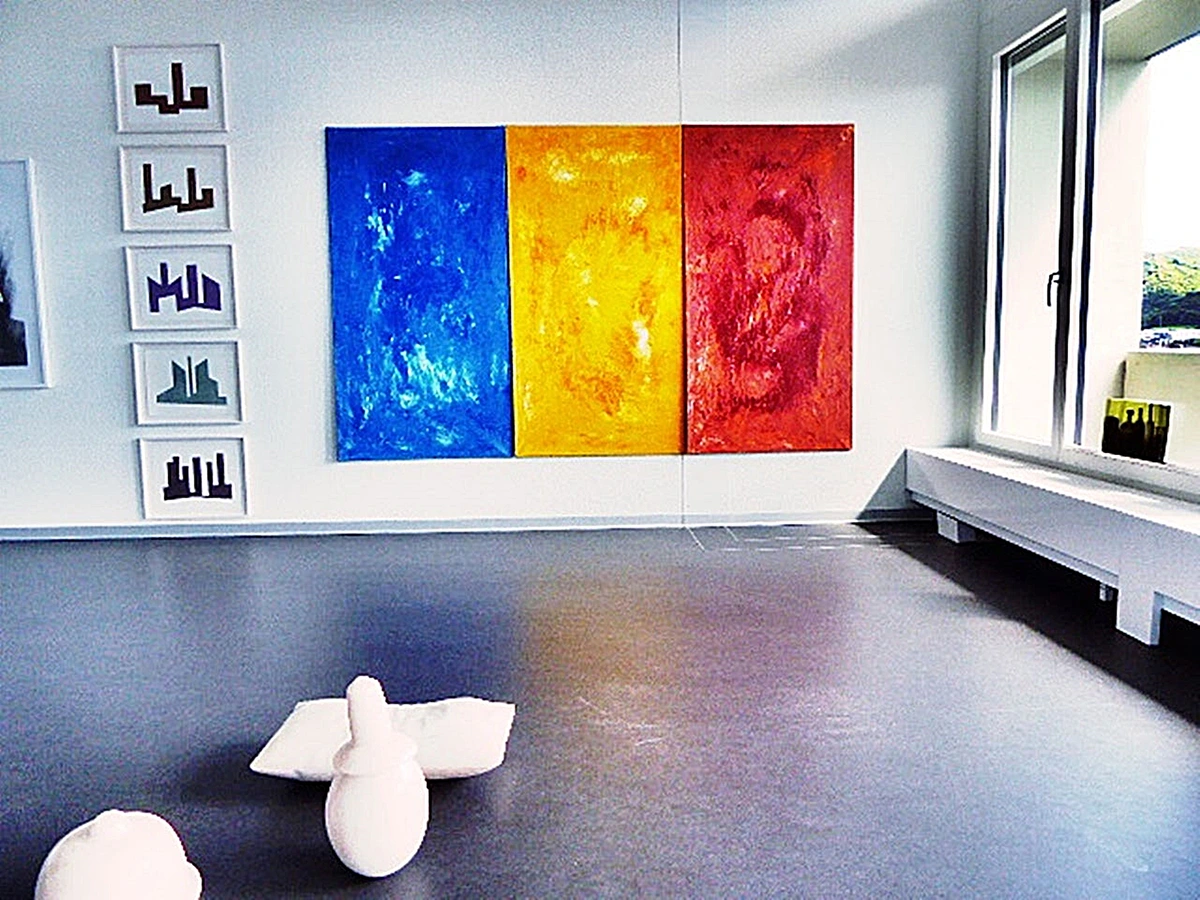
Curating a Modern Art Deco Gallery Wall: A Play of Geometry and Glamour
While the grand, singular statement piece often reigns supreme in Art Deco, there’s also immense potential for creating a sophisticated gallery wall that perfectly captures the era’s love for geometry, symmetry, and visual storytelling. This isn't your bohemian, eclectic gallery wall; this is about intentionality and refined drama. I've often found that a well-executed Art Deco gallery wall can tell a richer, more layered story than a single piece, allowing for a delightful interplay of forms, colors, and textures – almost like a visual symphony of the era's greatest hits.
- Geometric Precision: The foundation of an Art Deco gallery wall is geometry. Think about arranging pieces in a structured, often symmetrical, grid or a precise linear formation. Using painter's tape or paper templates to plan your arrangement on the wall beforehand can ensure perfect alignment and visual harmony. The negative space between the frames becomes as important as the art itself, creating a clean, architectural feel. Avoid haphazard arrangements; aim for visual order, almost as if you're designing a miniature building facade on your wall. It’s about controlled elegance, not charming chaos. The negative space between the frames becomes as important as the art itself, creating a clean, architectural feel. Avoid haphazard arrangements; aim for visual order, almost as if you're designing a miniature building facade on your wall. It’s about controlled elegance, not charming chaos.
- Cohesive Palette: Stick to a relatively cohesive color palette or a strong, deliberate contrast. Jewel tones, metallics, and sophisticated neutrals (black, white, cream) will unify disparate pieces. You might even choose a series of abstract pieces that share a dominant color, allowing for variation in form while maintaining harmony. A mood board with swatches of your chosen colors can be invaluable here. You could also introduce a single, vibrant 'pop' color strategically to create an exciting contrast without overwhelming the overall cohesion.
- Variety in Texture and Medium: Don't be afraid to mix and match. Combine sleek, framed prints with a small, sculptural wall hanging, or incorporate a mirror with an ornate Art Deco frame. Consider integrating small ceramic plates with geometric designs, metal wall art with intricate patterns, or even a framed piece of Art Deco textile. The interplay of glossy surfaces, matte prints, and metallic accents adds tactile interest and depth. Just be sure that even with variety, there's a unifying thread – perhaps a shared color, a recurring motif, or a consistent framing style. The interplay of glossy surfaces, matte prints, and metallic accents adds tactile interest and depth. Just be sure that even with variety, there's a unifying thread – perhaps a shared color, a recurring motif, or a consistent framing style.
- The Narrative Arc of a Gallery Wall: A truly compelling Art Deco gallery wall tells a story. It's not just a random assortment; it's a curated narrative, perhaps tracing the evolution of a particular motif through different artists, or showcasing various facets of Art Deco from different mediums. For instance, you could group pieces that depict different interpretations of the cityscape, or explore the human form as rendered by various Art Deco sculptors and painters. I find it endlessly fascinating to see how seemingly disparate pieces can come together to create a cohesive and deeply engaging visual statement, transforming a wall into a personal museum. It's your personal exhibition, after all! I find it endlessly fascinating to see how seemingly disparate pieces can come together to create a cohesive and deeply engaging visual statement, transforming a wall into a personal museum. It's your personal exhibition, after all!
- Strategic Framing: Frames are absolutely crucial here. Consistent, sleek frames (think polished chrome, brass, or lacquered black) will tie the entire wall together, even if the artworks within are varied. Consider using shadow box frames for pieces with dimensionality or adding complementary matting that enhances the artwork's colors. A uniform frame style reinforces the sense of order and sophistication inherent in Art Deco.
- Storytelling Through Juxtaposition: Curate pieces that, when seen together, tell a story or create a dialogue. Perhaps a vintage Art Deco fashion illustration next to a contemporary geometric abstract, or a series of pieces that explore a common motif (like sunbursts or zigzags) in different artistic interpretations. For example, a crisp black and white photograph of an Art Deco skyscraper juxtaposed with a vibrant, color-blocked abstract painting that mimics its stepped setbacks can create a compelling conversation about structure and modernity across different media and eras. It’s about creating a narrative that speaks to both the history and the enduring appeal of the style. It’s about creating a narrative that speaks to both the history and the enduring appeal of the style.
A thoughtfully curated Art Deco gallery wall can transform a blank expanse into a dynamic focal point, reflecting the era’s love for both meticulous design and bold self-expression. It’s a chance to truly play with the aesthetic and create something uniquely glamorous. Because isn't that what art is all about, a little bit of playful, beautiful expression?

Curating Your Personal Art Deco Collection
Building an art collection, especially for a specific aesthetic like Art Deco, is a journey of discovery. It’s about more than just filling walls; it’s about surrounding yourself with pieces that resonate with the spirit of the era while also reflecting your own taste. I always tell my collectors that it’s their story, told through art – a tangible narrative of elegance and personal connection. And what a fabulous story to tell, unfolding piece by exquisite piece! And what a fabulous story to tell!
- Start with a Vision: What aspects of Art Deco truly speak to you? The geometry? The glamour? The exotic motifs? Let that guide your initial searches. Creating a physical or digital mood board with images, color swatches, and material samples can help clarify your vision and keep you focused during the selection process.
- Mix & Match Eras (Carefully!): This is one of my favorite approaches! As I've discussed, contemporary abstract art can be a brilliant addition. Don't be afraid to thoughtfully juxtapose a striking modern piece – perhaps a large geometric abstract or a minimalist sculpture – with a vintage Art Deco lamp or an an iconic piece of furniture. The trick is to find commonalities in line, form, or color palette, allowing the new and old to converse rather than clash, creating a dynamic tension that makes both eras shine brighter. For instance, a vintage Art Deco bronze statuette of a dancer might be perfectly complemented by a modern abstract painting that uses similar dynamic lines and a rich, jewel-toned color scheme, creating a bridge across time. This blending creates a space that feels curated and alive, rather than a museum diorama – much more fun, if you ask me. This blending creates a space that feels curated and alive, rather than a museum diorama – much more fun, if you ask me.
- Consider the Medium: Paintings are a given, but explore sculpture, limited edition prints, photography, ceramics, glass art, or even high-quality textile art and custom metalwork that embodies the geometric or stylized elements. Expanding your search beyond traditional canvases can open up a world of Art Deco-inspired artistry.
- Patience is a Virtue: Great collections, much like fine wines, aren't built overnight. Take your time, explore different artists and galleries, visit art fairs, and let your eye develop. The discovery process is part of the joy, and waiting for the "right" piece to truly resonate is always worth it. Set alerts for specific artists or styles on art marketplaces, regularly visit local galleries and art fairs, and let your eye develop over time. The unexpected find is often the most cherished.
- Consider Investment Value (If It Matters to You): For some, collecting art is also an investment. If this is a factor, research artists with established markets or emerging artists with promising careers. Consult with art advisors or appraisers for significant purchases, and always prioritize authenticity and provenance to protect your investment. Understanding the evolution of abstract art can provide valuable context for identifying pieces with long-term potential. While personal enjoyment should always be primary, a piece that appreciates in value is a delightful bonus!
- Commissioning Custom Pieces: If you have a specific vision or a challenging space, consider commissioning an artist (like me!) to create a custom piece. This allows for perfect alignment with your Art Deco aesthetic, desired dimensions, and color palette. Clearly communicating your vision, reviewing sketches and prototypes, and understanding the artist's creative process ensures a truly unique work that speaks directly to your interior and personal taste, ensuring a seamless integration that feels tailor-made. I've often found that commissioned works, when done thoughtfully, become the heart of a collection, providing a focal point that is truly one-of-a-kind and deeply personal. It’s an investment in a truly unique work that speaks directly to your interior and personal taste, ensuring a seamless integration that feels tailor-made. I've often found that commissioned works, when done thoughtfully, become the heart of a collection, providing a focal point that is truly one-of-a-kind and deeply personal.
This process is deeply personal, and a topic I often reflect on in the art of curating a personal art collection for your home. Understanding the broader context of art history, especially the evolution of abstract art, can also enrich your collecting journey.
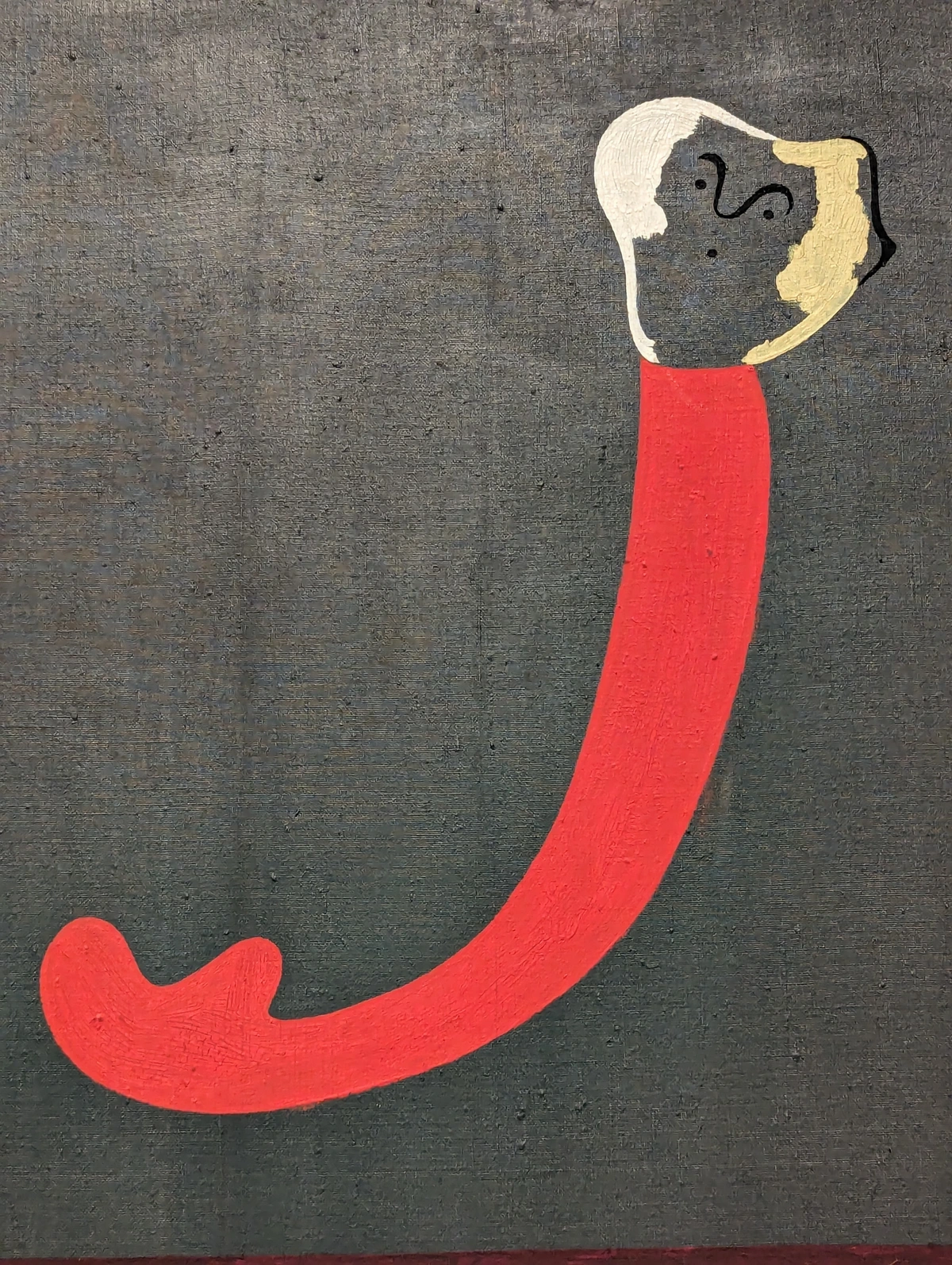
Documenting Your Collection: Preserving the Story
As your Art Deco collection grows, the importance of documenting it cannot be overstated. This goes beyond just insurance; it's about preserving the story, the provenance, and the journey of each piece. Keep a detailed inventory: artist, title, date, medium, dimensions, acquisition date, price, and any relevant history. High-quality photographs are essential, as are copies of receipts, certificates of authenticity, and appraisal documents. This meticulous record-keeping not only protects your investment but also enriches your appreciation for the art, allowing you to trace its path and share its narrative with future generations. It's a small administrative effort for a lifelong return of rich stories and peace of mind. And trust me, future you will be very, very grateful.
Integrating Art Deco into Contemporary Spaces: Bridging Eras with Art
While this article primarily focuses on integrating art into existing Art Deco interiors, many of you might be wondering how to inject that unmistakable Art Deco glamour into a predominantly contemporary home. This is a delightful challenge, and art can be your most powerful ally in achieving this stylistic fusion. I’ve found that even a few carefully chosen Art Deco-inspired art pieces can dramatically transform a modern space, imbuing it with a sense of history, sophistication, and unexpected luxury.
- Statement Art as a Bridge: A large-scale Art Deco-inspired abstract painting or a powerful geometric sculpture can become the focal point that defines the mood of a contemporary room. It acts as a visual bridge, hinting at the elegance of a bygone era while remaining firmly rooted in the present. Think of an otherwise minimalist living room suddenly gaining depth and personality through the addition of a bold, sunburst-patterned artwork. Another example could be a sleek, modern dining room enhanced by a large, abstract painting with dynamic geometric lines and a rich Art Deco color palette, instantly elevating the space from stark to sophisticated. It's like giving your modern space a secret, glamorous past.
- Material Echoes: Choose art that echoes the luxurious materials associated with Art Deco – pieces incorporating metallics (gold, brass, chrome), polished wood elements, or sleek glass. These material connections subtly link the art to the Art Deco aesthetic, even if the surrounding furniture is distinctly modern. For instance, a highly polished, chrome sculpture placed in a room with matte, contemporary furniture creates a captivating textural and material contrast that evokes Art Deco's love for gleaming surfaces. It’s about finding those shared languages between eras.
- Geometric Dialogues: Contemporary minimalist or abstract art often shares Art Deco's love for clean lines and geometric forms. By selecting pieces that emphasize these qualities, you create a harmonious visual dialogue between the stark simplicity of modern design and the structured elegance of Art Deco. A minimalist geometric sculpture, for example, can sit beautifully in a contemporary space, its clean lines echoing both modern aesthetics and Art Deco's foundational geometry. It's not about replicating, but about reinterpreting.
- Color Pop and Drama: Use Art Deco's rich jewel-toned palette in your art choices to inject a dose of glamour into a neutral contemporary space. A vibrant emerald green abstract, a deep sapphire blue sculpture, or a ruby red print can instantly elevate the room, creating a striking focal point and a sense of refined opulence. Using a rich Art Deco palette in art can also soften the sometimes stark edges of a contemporary space, infusing it with warmth and sophisticated drama. This approach allows you to enjoy the best of both worlds: the clean functionality of modern design tempered by the timeless glamour and artistic richness of the Art Deco era.
This approach allows you to enjoy the best of both worlds: the clean functionality of modern design tempered by the timeless glamour and artistic richness of the Art Deco era. It’s about selective integration, where art becomes the key to unlocking a truly unique and personalized aesthetic. It's about saying, "I love clean lines, but I also love a little bit of sparkle and history," and making it all work harmoniously.

Architectural Details in Art: A Nod to Structure
When integrating Art Deco into a contemporary space, look for art that subtly echoes the architectural language of the era. Think pieces that feature stepped forms, fluted elements, or strong verticality – even in abstract compositions. A sculpture that seems to reach upwards, mirroring the lines of a skyscraper, or a painting with a composition that suggests layered setbacks, or even subtle fluted elements or decorative keystones, can create a powerful connection. This isn't about literal representation, but about finding art that speaks the same structural dialect as Art Deco, creating a sophisticated dialogue between the artwork and the inherent design of the modern room. It’s like giving your contemporary space a subtle, yet profound, architectural whisper from the past. This isn't about literal representation, but about finding art that speaks the same structural dialect as Art Deco, creating a sophisticated dialogue between the artwork and the inherent design of the modern room. It’s like giving your contemporary space a subtle, yet profound, architectural whisper from the past.
A Room's Story: Bringing Art Deco Principles to Life
Let me walk you through a little scenario, a kind of mental mood board for an Art Deco living room. Imagine a space defined by deep, lacquered ebony walls – yes, I'm going bold. Against this dramatic backdrop, a plush, curved sofa in a rich emerald velvet, with polished brass legs that gleam in the ambient light.
Above the sofa, instead of a traditional landscape, I'd hang a commanding, large-scale abstract painting. This piece wouldn't just be colorful; it would have a strong geometric composition, perhaps interlocking triangles and circles in shades of sapphire blue, ruby red, and a surprising pop of coral, all with subtle gold leaf accents that catch the light from the recessed spotlights above. The frame? A sleek, stepped profile in polished brass, mirroring the sofa's legs and the details on the side tables.
On one of those side tables, a stylized bronze animal sculpture – a sleek gazelle, perhaps – with its elegant lines complementing the geometric rigor of the painting. On the opposite side, a tall, frosted glass and chrome table lamp casts a soft, inviting glow, its form echoing the verticality of the room. Perhaps a sleek, geometric Art Deco clock also finds its place on a side table, its functional beauty adding to the curated elegance, or a stunning chrome and glass bar cart stands ready, a piece of functional sculpture in itself. The floor, perhaps a polished black and white marble checkerboard, would be softened by a large, geometric-patterned rug in coordinating jewel tones. Every element, from the texture of the velvet to the shimmer of the brass and the bold lines of the art, would be in a deliberate conversation, creating an environment that feels both historically rich and utterly contemporary. It’s a symphony of glamour, and the art is unequivocally the lead vocalist. That's the dream, isn't it? A space that tells your story, in full Art Deco flourish. And honestly, I live for those moments when a client's eyes light up, seeing their vision come to life. It’s not just decorating; it’s crafting an experience.
The floor, perhaps a polished black and white marble checkerboard, would be softened by a large, geometric-patterned rug in coordinating jewel tones. Every element, from the texture of the velvet to the shimmer of the brass and the bold lines of the art, would be in a deliberate conversation, creating an environment that feels both historically rich and utterly contemporary. It’s a symphony of glamour, and the art is unequivocally the lead vocalist. That's the dream, isn't it? A space that tells your story, in full Art Deco flourish. And honestly, I live for those moments when a client's eyes light up, seeing their vision come to life. It’s not just decorating; it’s crafting an experience.
My Philosophy: Modern Art in a Classic Setting
This might sound like heresy to Art Deco purists, and believe me, I've heard the whispers, but I truly believe that contemporary abstract art can not only survive but thrive in an Art Deco setting. The key, for me, is finding that shared language – that underlying pulse of sophistication, precision, and intentional design. Both Art Deco and contemporary abstract art, at their best, champion meticulous craftsmanship, strong aesthetic impact, and a timeless modernity that transcends passing trends. It’s a challenge I relish, bringing together two distinct, yet surprisingly compatible, aesthetic worlds, proving that true style transcends time. It’s about creating a dialogue, a conversation between epochs that feels fresh and exciting, not forced. My personal journey through this process has been incredibly rewarding, constantly pushing the boundaries of how art can interact with historical styles, and you can see some of those explorations in my portfolio. Sometimes, I even feel a bit like an archaeologist, unearthing the timeless qualities of Art Deco and re-presenting them through a modern lens. It's a delightful kind of artistic time-travel, if you ask me. And let's be real, who doesn't love a good treasure hunt through time? Abstract art often deals in fundamental elements like forms, lines, and colors – much like the foundational principles of Art Deco architecture and design. When I'm working in my studio, I often find myself thinking about how a certain composition or color scheme could evoke a sense of era-specific grandeur, of timeless elegance, even if the piece itself is entirely modern. It’s a challenge I relish, bringing together two distinct, yet surprisingly compatible, aesthetic worlds, proving that true style transcends time. It’s about creating a dialogue, a conversation between epochs that feels fresh and exciting, not forced. My personal journey through this process has been incredibly rewarding, constantly pushing the boundaries of how art can interact with historical styles, and you can see some of those explorations in my portfolio. Sometimes, I even feel a bit like an archaeologist, unearthing the timeless qualities of Art Deco and re-presenting them through a modern lens. It's a delightful kind of artistic time-travel, if you ask me. And let's be real, who doesn't love a good treasure hunt through time?
It's about creating a living space, not a museum exhibit. Your Art Deco interior doesn't have to be a static shrine to the 1920s and 30s. By carefully selecting a few modern pieces – perhaps from my collection for sale – you can inject personality and a contemporary edge that respects the past while firmly living in the present. It’s an act of aesthetic curation that says, "I appreciate history, but I live vibrantly now." For those keen on integrating truly modern pieces, understanding the definitive guide to understanding abstraction in contemporary art can be incredibly helpful.## The Enduring Legacy: How Art Deco Influences Contemporary Art

It might seem like a style firmly rooted in the past, but the truth is, Art Deco’s influence continues to reverberate through contemporary art and design. Artists today, consciously or unconsciously, often draw upon its foundational principles of geometry, luxury, and streamlined elegance. For me, it's a fascinating conversation across time, where the echoes of the roaring twenties inspire new visual languages, proving that true style never really goes out of fashion – it just evolves.
- Geometric Abstraction's Enduring Appeal: The clean lines, bold forms, and structured compositions that defined Art Deco's visual language are still central to much of today's abstract art. Contemporary artists continue to explore the power of geometry to convey emotion, movement, and intellectual rigor, often with a fresh, modern twist that pays homage to its Art Deco predecessors. It's like the spirit of the '20s just keeps finding new ways to express itself, ensuring that the visual language of precision and dynamism remains ever-relevant.
- The Allure of Luxurious Materials: The Art Deco embrace of opulent materials – gleaming metals, rich woods, polished stone – has found its way into contemporary sculptural art and mixed media. Artists are still drawn to the inherent beauty and reflective qualities of these materials, using them to create works that evoke a similar sense of grandeur and sophistication.
- A Celebration of Craftsmanship: In an age of mass production, Art Deco's dedication to high-quality craftsmanship and bespoke design resonates with a growing appreciation for artisanal work. Contemporary artists and designers who emphasize meticulous execution and unique pieces often find common ground with the Art Deco ethos.
- Fashion and Design Inspiration: Beyond fine art, Art Deco’s distinctive motifs and silhouettes continue to inspire fashion designers, architects, and graphic artists. From skyscraper-inspired clothing lines to furniture with stepped profiles and sunburst details, its aesthetic remains a wellspring of creative ideas, proving that true style never truly fades – it simply reinvents itself with a contemporary twist. I still see its influence on modern runways and in cutting-edge interior magazines.
Art Deco in Digital Art and New Media
In our increasingly digital world, Art Deco's influence isn't confined to physical objects. Contemporary digital artists are finding new ways to reinterpret its geometric precision, bold color palettes, and opulent textures. Think of motion graphics that evoke the dynamism of 1920s travel posters, intricate 3D renderings of fantastical Art Deco cityscapes, digital textiles with stylized patterns for virtual interiors, Art Deco-inspired UI/UX design, virtual reality experiences that transport you to a digital Gatsby party, or even generative art that uses Art Deco motifs as its underlying algorithms. This translation into new media proves that the core aesthetic principles of Art Deco are timeless and adaptable, offering a fresh, modern twist on a classic style. It's exciting to see how an era known for its machine-age optimism is finding a new voice in the digital age, proving that true glamour can be coded as well as crafted, reaching entirely new audiences and contexts. This translation into new media proves that the core aesthetic principles of Art Deco are timeless and adaptable, offering a fresh, modern twist on a classic style. It's exciting to see how an era known for its machine-age optimism is finding a new voice in the digital age, proving that true glamour can be coded as well as crafted, reaching entirely new audiences and contexts.
Understanding this ongoing influence helps us to appreciate Art Deco not just as a historical style, but as a living, breathing aesthetic that continues to shape our visual world. It empowers us to see connections, to curate with intention, and to recognize the timeless appeal of glamour and sophisticated design in today's artistic landscape.
Frequently Asked Questions About Decorating with Art Deco Art
Here are a few common questions I get about this specific style:
Question  | My Thoughts |
|---|---|
| Do I need period-specific art? | Not necessarily! While period pieces are undoubtedly magnificent, contemporary abstract art with geometric leanings, bold colors, or stylized forms can work beautifully, often providing a fresh dialogue between past and present. It’s about finding art that feels Art Deco, even if it wasn't made in the 1920s. |
| What about Wall Coverings? | Art Deco loved dramatic wall coverings – think geometric patterns, metallic finishes, or stylized natural motifs. When choosing art, ensure it complements, rather than competes with, a strong wallpaper. Sometimes, a clean, minimalist abstract piece can provide a welcome visual break and allow the wall covering to shine, or a piece that subtly echoes a color from the paper can create cohesion. It’s a delicate balance to avoid sensory overload; think of it as orchestrating a visual symphony, where every element has its moment to shine without drowning out the others. |
| How do I ensure it doesn't look too busy? | Art Deco can indeed be gloriously busy on its own, so the key is intentional curation. Focus on fewer, larger, and more impactful pieces – think quality over quantity. Keep frames simple and consistent, using sleek metallics or lacquered finishes to provide a cohesive visual anchor. And remember, sometimes the most powerful statement is a carefully chosen blank space. |
| What about subject matter? | Beyond geometric abstracts, look for stylized human figures, cityscapes, or even abstract interpretations of nature (like sunbursts or feathers). |
| Can I mix Art Deco art with other styles? | Carefully! A touch of Art Nouveau's organic lines (stylized, not overtly flowing) can work, or sleek Mid-Century Modern pieces might find common ground due to their shared appreciation for clean lines and functional aesthetics. The trick is to find commonalities in form, color, or underlying philosophy rather than clashing outright. It's a balancing act to avoid visual chaos, seeking harmony in unexpected juxtapositions, almost like a carefully blended cocktail of design eras. |
| What about Art Deco-inspired sculpture in gardens or outdoor spaces? | While Art Deco primarily flourished indoors, its clean lines, geometric forms, and preference for monumental statements translate surprisingly well to outdoor settings. Think stylized bronze figures, geometric planters in polished stone or metal, or even a water feature with a stepped profile, reminiscent of an ancient ziggurat. The key is to maintain that streamlined elegance and sophisticated drama, allowing the art to make a bold statement against the natural backdrop. It’s about bringing that indoor glamour, with a touch of durability, to the great outdoors, transforming your garden into an extension of your chic interior. |
| How do I maintain the Art Deco aesthetic without it feeling dated? | The key is thoughtful curation. Blend genuine vintage pieces with contemporary art and furniture that share Art Deco's principles of clean lines, rich materials, and geometric forms. Update lighting to highlight key features, and don't be afraid to introduce a few modern touches that respect, rather than dilute, the original glamour. It's about a dynamic dialogue between past and present, ensuring your space feels both historically rich and vibrantly alive. |
| Where should I look for inspiration? | Explore galleries specializing in 20th-century design, or even modern abstract art. Don't forget architectural magazines and historical archives for original Art Deco interiors – Pinterest and Instagram are also fantastic visual playgrounds for discovering this aesthetic. And, of course, there's always my timeline of artistic exploration if you're curious about my journey in creating art that blends modern aesthetics with timeless appeal. The world is your oyster when it comes to Art Deco inspiration! |
| How can I find budget-friendly Art Deco art? | Look for high-quality prints of famous Art Deco works, reproduction posters from museum shops, or contemporary abstract art that captures the aesthetic without the antique price tag. Local art fairs, flea markets, and online marketplaces (like Etsy or Saatchi Art for emerging artists) can also yield treasures if you know what to look for and have a good eye for the style. Don't be afraid to hunt for hidden gems; sometimes the most rewarding finds are the unexpected ones! |
| Can Art Deco art be affordable? | Absolutely! While iconic original pieces can command high prices, there's a wealth of options for every budget. Contemporary artists are constantly reinterpreting Art Deco themes, offering fresh, affordable works. Explore limited edition prints, unsigned vintage pieces, or even high-quality reproductions that perfectly capture the aesthetic without breaking the bank. The key is to have a keen eye and be patient in your search – the thrill of the hunt is part of the fun, and often leads to unexpected treasures. |
| How does Art Deco art influence modern design? | Its emphasis on geometry, luxurious materials, and streamlined forms continues to inspire contemporary architecture, interior design, and even graphic arts. Modern designers often reference Art Deco's bold elegance, adapting its principles for 21st-century living, proving its enduring appeal and its remarkable ability to feel both classic and cutting-edge. It's like a design language that never goes out of style. |
| What are common misconceptions about Art Deco art? | One common misconception is that it's solely about maximalist ornamentation. While opulent, Art Deco also embraced a sleek, streamlined simplicity and functionalism, particularly in its later 'Streamline Moderne' phase. Another is that it's purely French; it was a truly global movement with distinct regional expressions, from American skyscrapers to Egyptian Revival motifs, making it wonderfully diverse. |
| How can I incorporate Art Deco ethically and sustainably today? | Given Art Deco's historical use of exotic materials (like ivory for chryselephantine figures or rare woods), today's approach can be more mindful. Look for reproductions or contemporary pieces that use ethically sourced or recycled materials. Opt for vintage items that already exist, giving them new life, or choose modern art that interprets Art Deco themes with sustainable practices. It's about respecting the aesthetic while also respecting our planet. |
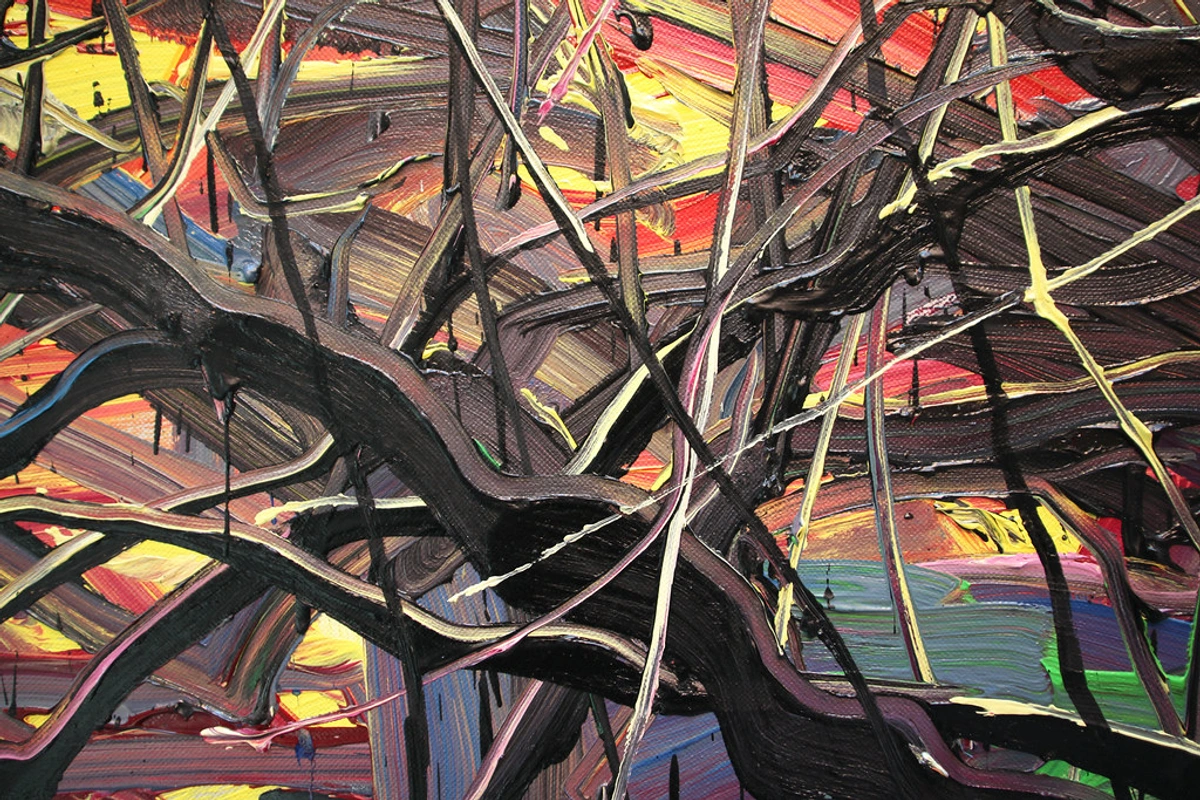


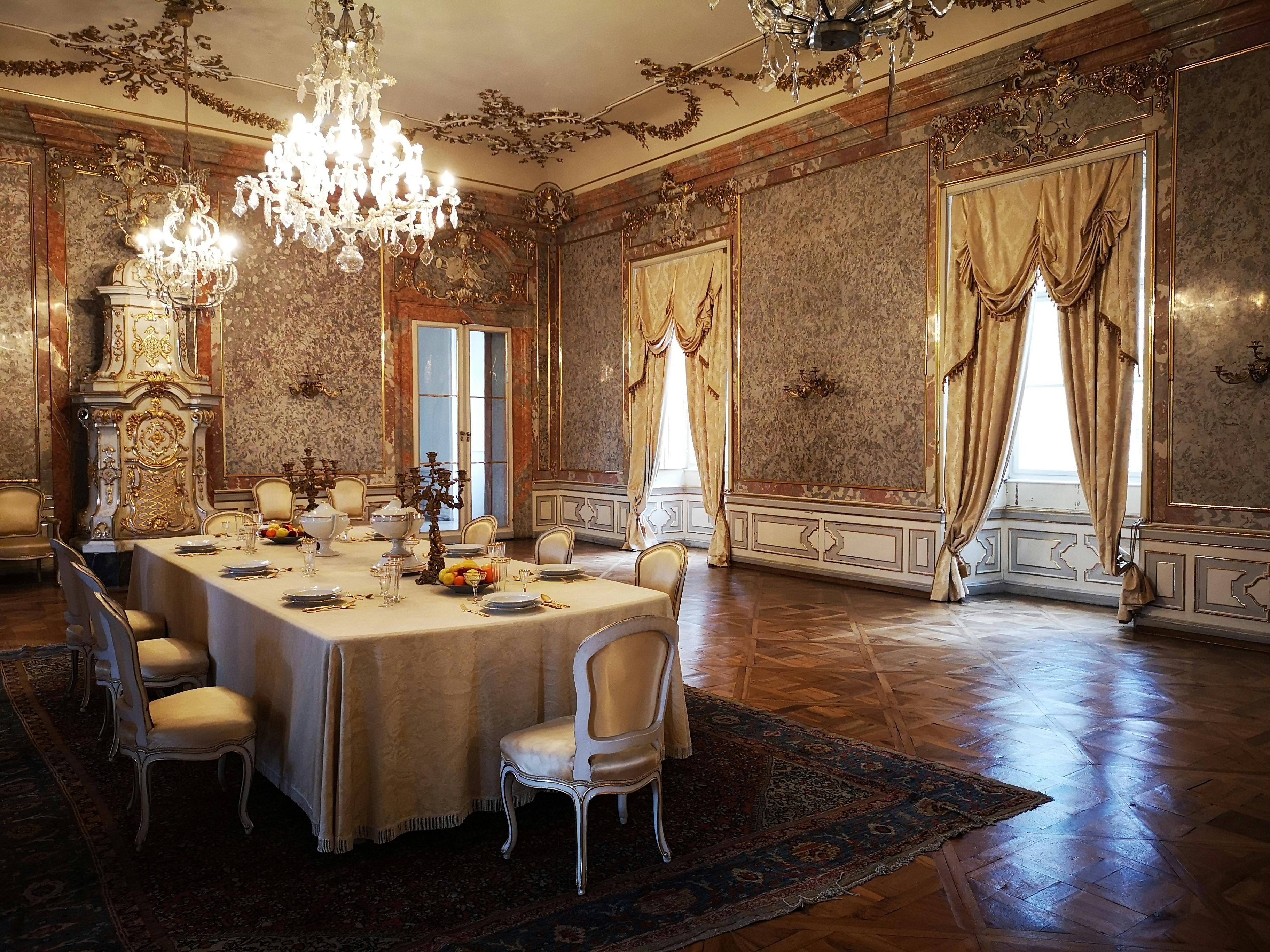

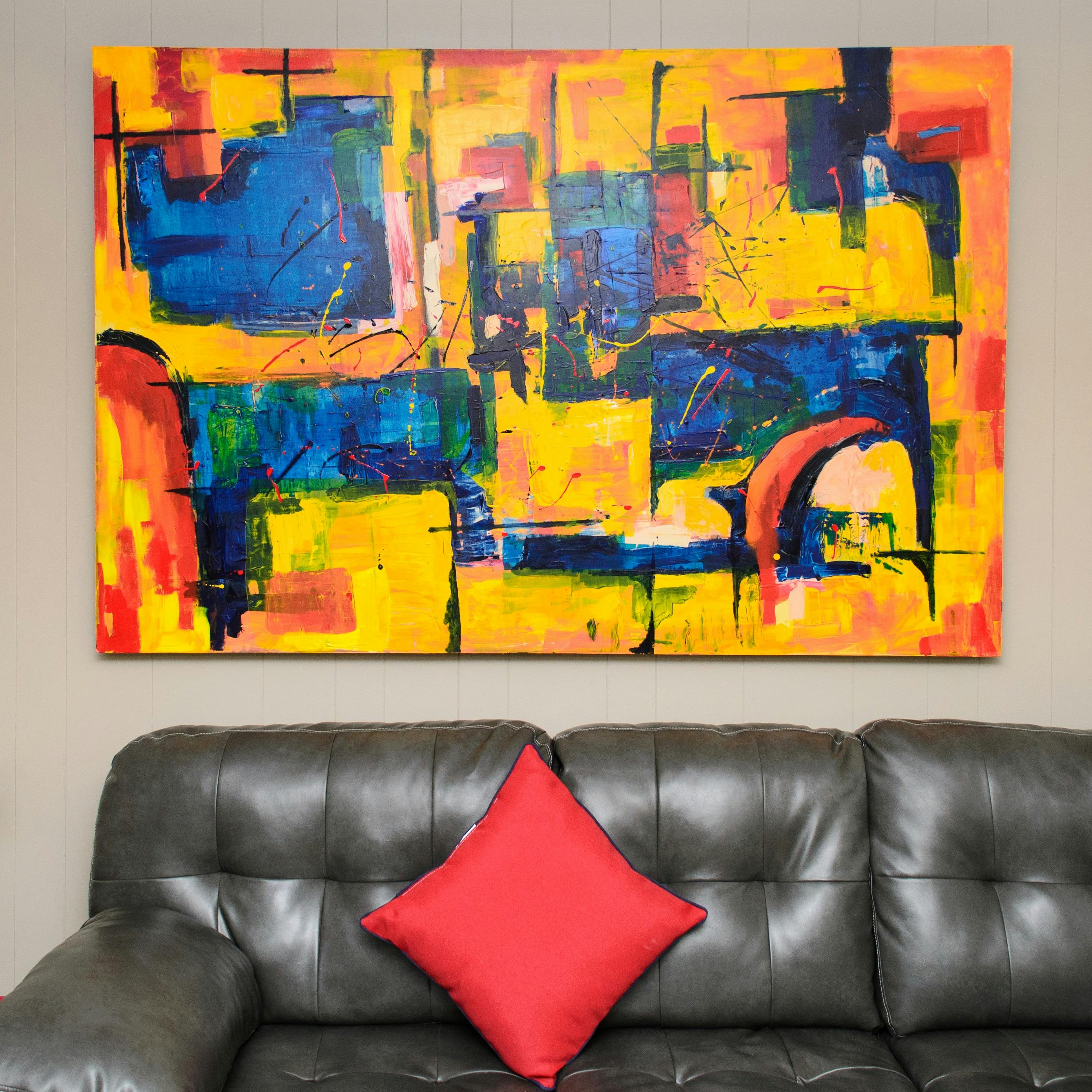

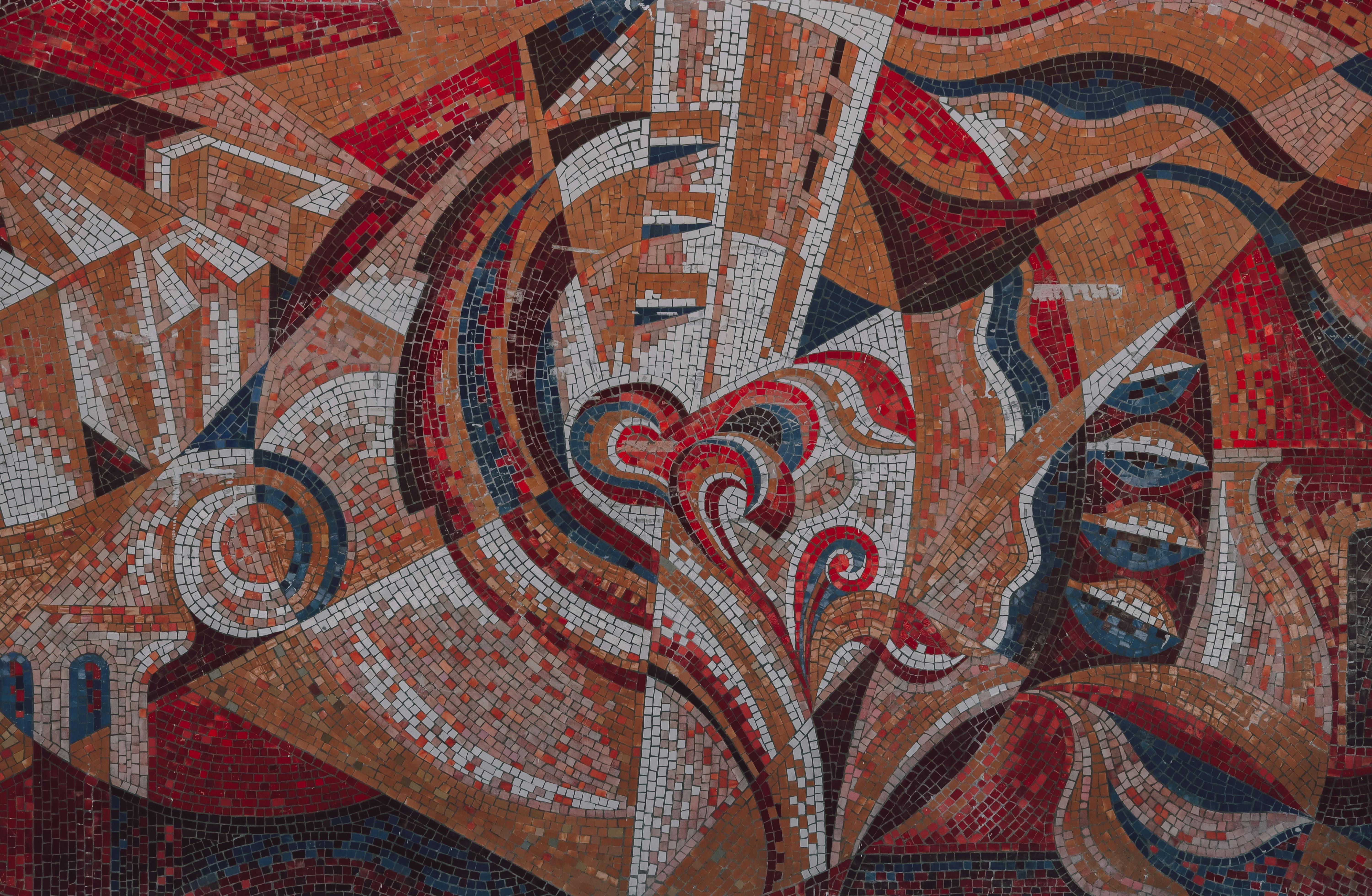




Bringing it All Together: Your Art Deco Story
Decorating with art in an Art Deco interior is a delightful challenge, a chance to play with contrasts and harmonies that result in truly stunning spaces. It's about recognizing the inherent glamour and sophistication of the style and choosing art that either amplifies that or offers a compelling, modern counterpoint.
Don't be afraid to trust your own eye. If a piece makes you feel that distinct Art Deco spark – that sense of bold elegance, refined luxury, and confident modernity – then it probably belongs. It's your space, after all, a deeply personal sanctuary, and the art you choose is a reflection of your own unique journey through aesthetics. Happy decorating! Remember, the goal isn't just to fill a space; it's to curate a vibrant, luxurious narrative that speaks to you and your unique appreciation for this timeless style. What stories will your walls tell? I encourage you to experiment, trust your instincts, and embark on this wonderful journey of bringing Art Deco glamour into your home with your unique artistic touch, creating a space that feels both historically resonant and vibrantly alive today. Your home should be your masterpiece. So, go forth, experiment, and let your walls tell a story that is uniquely yours, blending the timeless allure of Art Deco with the vibrant energy of the present. Because at the end of the day, your home is your canvas, and you're the artist, so make it a masterpiece that speaks to you. And if you ever feel a little lost in the sea of choices, remember this: the best art for your Art Deco space is the art that you love, that resonates with your soul, and that makes your home feel like your most glamorous, most authentic self. Don't be afraid to take that leap, to make that bold statement, because that, my friends, is the true spirit of Art Deco. Go on, make your space sing! I'll be here, cheering you on.